Category: Healthcare Services

  • Type 2 Diabetes Market Forecast 2026–2035 Highlighting Market Data Patterns and Industry Insights

    Type 2 Diabetes Market Forecast 2026–2035 Highlighting Market Data Patterns and Industry Insights

    The Business Research Company’s 2026 market reports include new capabilities such as market attractiveness scoring and analysis, total addressable market analysis, company scoring matrix, interactive excel data dashboard, improved supply chain analysis, upcoming startups in the market, and overview of key products, aimed at improving the depth, usability, and strategic value of the insights delivered.

    What Is The Expected Market Size Of The Type 2 Diabetes Market From 2026 To 2030?

    The type 2 diabetes market has experienced robust expansion in recent years. It is projected to expand from $51.47 billion in 2025 to $55.53 billion in 2026, achieving a compound annual growth rate (CAGR) of 7.9%. The market’s historical growth can be attributed to the rising global prevalence of obesity, increasingly sedentary lifestyles, the broader availability of oral antidiabetic drugs, growing screening efforts for metabolic disorders, and improved access to primary diabetes care.

    The type 2 diabetes market size is anticipated to undergo significant expansion in the upcoming years. It is projected to reach $78.67 billion by 2030, demonstrating a compound annual growth rate (CAGR) of 9.1%. This expansion over the forecast period can be attributed to several factors, including an increased demand for weight-management focused therapies, a growing adoption of personalized diabetes treatment plans, the spread of digital therapeutic platforms, a heightened focus on preventive diabetes management, and increased investments in next-generation antidiabetic drugs. Notable trends during this period are expected to include the rising adoption of GLP-1 receptor agonists, an increased emphasis on cardiometabolic risk management, the broader use of combination drug therapies, the development of lifestyle-integrated treatment approaches, and a stronger focus on long-term glycemic control.

    Download the Free Sample Report to Explore Key Market Insights:

    https://www.thebusinessresearchcompany.com/sample.aspx?id=13050&type=smp

    What Drivers Are Influencing The Type 2 Diabetes Market?

    The increasing prevalence of obesity and heart disease is anticipated to propel the expansion of the type 2 diabetes market in the future. Obesity is a medical condition defined by an unhealthy accumulation of excess body fat, whereas heart disease encompasses various conditions affecting the heart and blood vessels. Elevated body weight raises the risk of insulin resistance, leading to high blood sugar levels and the subsequent development of type 2 diabetes. Conversely, high blood sugar levels can damage blood vessels and nerves that control the heart and blood vessels, potentially resulting in heart disease. For example, in March 2024, the World Health Organization (WHO), a Switzerland-based intergovernmental organization, reported that approximately one in eight people globally were grappling with obesity. This included 2.5 billion adults (aged 18 years and older) who were overweight, with 890 million of them living with obesity. Among adults, 43% were considered overweight, and 16% were categorized as obese. Furthermore, the number of overweight children under the age of 5 reached 37 million. Thus, the rising rates of obesity and heart disease are driving the growth of the type 2 diabetes market.

    Which Segments Are Included In The Analysis Of The Type 2 Diabetes Market?

    The type 2 diabetes market covered in this report is segmented –

    1) By Drug Class: Dipeptidyl Peptidase-4 (DPP-4) Inhibitors, Glucagon-Like Peptide-1 (GLP-1) Receptor Agonists, Thiazolidinediones, Alpha-Glucosidase Inhibitors, Sulfonylureas And Insulin Secretagogues, Biguanides, SodiumGlucose Cotransporter 2 Inhibitors, Other Drug Classes

    2) By Application: Glycemic Control, Cardiovascular Safety, Hypoglycemia Avoidance, Other Applications

    3) By End-User: Children, Adults

    Subsegments:

    1) By Dipeptidyl Peptidase-4 (DPP-4) Inhibitors: Sitagliptin, Saxagliptin, Linagliptin, Alogliptin

    2) By Glucagon-Like Peptide-1 (GLP-1) Receptor Agonists: Liraglutide, Semaglutide, Dulaglutide, Exenatide

    3) By Thiazolidinediones: Pioglitazone, Rosiglitazone

    4) By Alpha-Glucosidase Inhibitors: Acarbose, Miglitol

    5) By Sulfonylureas And Insulin Secretagogues: Glimepiride, Glipizide, Glyburide

    6) By Biguanides: Metformin, Buformin, Phenformin

    7) By Sodium-Glucose Cotransporter 2 Inhibitors: Canagliflozin, Dapagliflozin, Empagliflozin

    8) By Other Drug Classes: Amylin Analogues, Bile Acid Sequestrants, Dopamine Agonists

    What Trends Are Affecting The Expansion Of The Type 2 Diabetes Market?

    Major companies operating in the type 2 diabetes market are concentrating on creating advanced solutions, such as expanded-indication SGLT2/GLP-1 combination therapies, to achieve improved glycemic control, mitigate comorbidities, and boost patient adherence. These expanded-indication SGLT2/GLP-1 combination therapies represent drug regimens that integrate sodium-glucose co-transporter-2 (SGLT2) inhibitors and glucagon-like peptide-1 (GLP-1) receptor agonists (or their fixed-dose combinations) to address blood glucose management, obesity, and cardiovascular and renal health in individuals with type 2 diabetes concurrently. For example, in June 2024, the UK-based pharmaceutical firm AstraZeneca secured U.S. FDA approval for Farxiga (dapagliflozin) for the paediatric type 2 diabetes indication (age 10 years and older), thereby extending its application beyond adult populations and indicating a wider patient outreach approach. This particular advancement provides once-daily oral administration for younger patients, includes data on cardiometabolic and renal protection, and facilitates market entry into paediatric and early-stage type 2 diabetes sectors, thereby fueling expansion in the global type 2 diabetes market.

    Which Key Industry Participants Are Active In The Type 2 Diabetes Market?

    Major companies operating in the type 2 diabetes market are F. Hoffmann-La Roche AG, Merck and Co. Inc, Novartis AG, AstraZeneca plc, Abbott Laboratories, Sanofi SA, Medtronic plc, Takeda Pharmaceutical Company, GlaxoSmithKline plc, Eli Lilly and Company, Novo Nordisk A/S, Johnson And Johnson Private Limited, Daiichi Sankyo Co. Ltd, Boehringer Ingelheim International GmbH, Dexcom Inc, Amgen Inc., Insulet Corporation, Ascensia Diabetes Care, Beta Bionics, Onduo LLC, DarioHealth, One Drop, Bigfoot Biomedical Inc., Digbi Health, MySugr GmbH, Senseonics Holdings Inc., Provention Bio Inc., Vida Health Inc., Diathrive Health

    Read the full type 2 diabetes market report here:

    https://www.thebusinessresearchcompany.com/report/type-2-diabetes-global-market-report

    Which Regions Are Expected To Experience Rapid Expansion In The Type 2 Diabetes Market?

    North America was the largest region in the type 2 diabetes market in 2025. Europe is expected to be the fastest-growing region in the forecast period. The regions covered in the type 2 diabetes market report are Asia-Pacific, South East Asia, Western Europe, Eastern Europe, North America, South America, Middle East, Africa.

    Request A Tailored Type 2 Diabetes Market Research Report For Competitive Advantage:

    https://www.thebusinessresearchcompany.com/customise?id=13050&type=smp

    Browse Through More Reports Similar to the Global Type 2 Diabetes Market 2026, By The Business Research Company

    Type 1 Diabetes Global Market Report

    https://www.thebusinessresearchcompany.com/report/type-1-diabetes-global-market-report

    Antidiabetics Global Market Report

    https://www.thebusinessresearchcompany.com/report/antidiabetics-global-market-report

    Diabetes Care Devices Market

    https://www.thebusinessresearchcompany.com/report/diabetes-care-devices-market

    Get in touch with us:

    The Business Research Company: https://www.thebusinessresearchcompany.com/

    Americas +1 310-496-7795

    Asia +44 7882 955267 & +91 8897263534

    Europe +44 7882 955267

    Email us at info@tbrc.info

    Follow us on:

    LinkedIn: https://in.linkedin.com/company/the-business-research-company

    YouTube: https://www.youtube.com/channel/UC24_fI0rV8cR5DxlCpgmyFQ

    Global Market Model: https://www.thebusinessresearchcompany.com/global-market-model
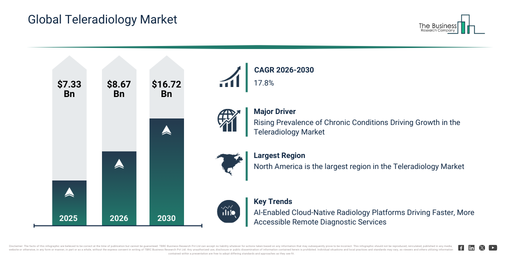
  • One of the Major Drivers of the Teleradiology Market Is the Rising Prevalence of Chronic Conditions Driving Growth in the Teleradiology Market

    One of the Major Drivers of the Teleradiology Market Is the Rising Prevalence of Chronic Conditions Driving Growth in the Teleradiology Market

    The Business Research Company’s 2026 market reports include new capabilities such as market attractiveness scoring and analysis, total addressable market analysis, company scoring matrix, interactive excel data dashboard, improved supply chain analysis, upcoming startups in the market, and overview of key products, aimed at improving the depth, usability, and strategic value of the insights delivered.

    What Is The Estimated Market Size Of The Teleradiology Market During 2026–2030?

    The teleradiology market has experienced significant expansion in recent years. Its size is expected to grow from $7.33 billion in 2025 to $8.67 billion in 2026, achieving a compound annual growth rate (CAGR) of 18.3%. This past growth can be attributed to an increase in imaging procedure volumes, a shortage of on-site radiologists, the expansion of diagnostic imaging centers, the growing adoption of digital imaging systems, and the development of hospital outsourcing models.

    The teleradiology market is projected to experience substantial expansion over the coming years. Its valuation is anticipated to reach $16.72 billion by 2030, demonstrating a compound annual growth rate (CAGR) of 17.8%. This projected growth is driven by several factors, including heightened investments in AI-powered diagnostic solutions, a surge in the need for immediate imaging analysis, the broadening of cloud-based radiology infrastructure, a greater emphasis on automating workflows, and the wider incorporation of multi-modality imaging services. Key developments expected during this period encompass the increased deployment of cloud-centric image interpretation platforms, a rise in the uptake of remote radiology reporting, the expanding incorporation of AI-supported image analysis, the widening availability of round-the-clock radiology services, and a stronger emphasis on precise diagnoses and quicker processing times.

    Download the Free Sample Report to Explore Key Market Insights:

    https://www.thebusinessresearchcompany.com/sample.aspx?id=6502&type=smp

    Which Major Factors Are Driving The Expansion Of The Teleradiology Market?

    The growing need for imaging services, stemming from the escalating occurrence of chronic illnesses, is anticipated to drive expansion in the tele-radiology industry going forward. Radiological services represent a medical field utilizing imaging techniques for disease diagnosis and treatment. These services play a significant role in boosting the teleradiology market by enabling the remote transmission of radiological images for diagnostic or consultative purposes. For example, in August 2024, the UK-based Macmillan Cancer Support reported that over 3 million individuals in the UK are living with cancer in 2024. This number is forecast to rise to 3.5 million by 2025, 4 million by 2030, and 5.3 million by 2040. Consequently, the global increase in chronic diseases is a key factor propelling teleradiology throughout the forecast period.

    How Are The Various Segments Of The Teleradiology Market Categorized?

    The teleradiology market covered in this report is segmented –

    1) By Modality: X-Ray, Magnetic Resonance Imaging (MRI), Computed Tomography (CT) Scan, Ultrasound Systems

    2) By Technology: Web Based, Cloud Based

    3) By Component: Hardware, Software

    4) By End User: Hospitals, Diagnostic Centers, Other End Users

    Subsegments:

    1) By X-Ray: Digital X-Ray, Computed Radiography (CR), Fluoroscopy

    2) By Magnetic Resonance Imaging (MRI): Closed MRI Systems, Open MRI Systems, Functional MRI (fMRI)

    3) By Computed Tomography (CT) Scan: Standard CT Scans, Spiral Or Helical CT Scans, Cone Beam CT Scans

    4) By Ultrasound Systems: Diagnostic Ultrasound, 3D Or 4D Ultrasound, Doppler Ultrasound

    What Key Trends Are Influencing The Development Of The Teleradiology Market?

    Leading companies within the Global Teleradiology Services Market are increasingly concentrating on AI-powered, cloud-native radiology informatics platforms, such as integrated diagnostic environments and remote scanning solutions, to achieve a competitive advantage. An illustrative example is DeepHealth, a US-based medical imaging informatics company, which introduced its Diagnostic Suite and TechLive SmartTechnology platform in December 2024. This cloud-native operating system provides a consolidated diagnostic workspace featuring rapid streaming viewers, AI-driven image analysis, and support for remote multi-modality scanning across MRI, CT, PET/CT, and ultrasound. While this development significantly enhances diagnostic turnaround times and facilitates remote radiology services in underserved or resource-limited areas, it could simultaneously introduce challenges related to regulation and data security, particularly in locations with restricted broadband access or inadequate compliance infrastructure.

    Which Major Firms Influence Developments In The Teleradiology Market?

    Major companies operating in the teleradiology market are 4ways Healthcare Ltd., Agfa-Gevaert Group, Everlight Radiology Limited, Onrad Inc., RamSoft Inc., RadNet Inc., Virtual Radiologic Corporation, Teleradiology Solutions LLC, NightRays LLC, MEDNAX Inc., USARAD Holdings Inc., StatRad LLC, Argus Radiology, Direct Radiology LLC, Imaging Advantage LLC, InHealth Group Inc., Imaging On Call Inc., National Teleradiology LLC, Medica Reporting Ltd., Radisphere National Radiology Group, MedWeb, Franklin & Seidelmann Subspecialty Radiology, Telemedicine Clinic, Aris Radiology, NightShift Radiology, Vision Radiology, Envision Healthcare Corporation

    Read the full teleradiology market report here:

    https://www.thebusinessresearchcompany.com/report/teleradiology-global-market-report

    Which Region Currently Holds The Largest Share Of The Teleradiology Market?

    North America was the largest region in the teleradiology market in 2025. The regions covered in the teleradiology market report are Asia-Pacific, South East Asia, Western Europe, Eastern Europe, North America, South America, Middle East, Africa.

    Request A Tailored Teleradiology Market Research Report For Competitive Advantage:

    https://www.thebusinessresearchcompany.com/customise?id=6502&type=smp

    Browse Through More Reports Similar to the Global Teleradiology Market 2026, By The Business Research Company

    Telemetry Global Market Report

    https://www.thebusinessresearchcompany.com/report/telemetry-global-market-report

    Telehealth Global Market Report

    https://www.thebusinessresearchcompany.com/report/telehealth-global-market-report

    Tele Radiology Global Market Report

    https://www.thebusinessresearchcompany.com/report/tele-radiology-global-market-report

    Get in touch with us:

    The Business Research Company: https://www.thebusinessresearchcompany.com/

    Americas +1 310-496-7795

    Asia +44 7882 955267 & +91 8897263534

    Europe +44 7882 955267

    Email us at info@tbrc.info

    Follow us on:

    LinkedIn: https://in.linkedin.com/company/the-business-research-company

    YouTube: https://www.youtube.com/channel/UC24_fI0rV8cR5DxlCpgmyFQ

    Global Market Model: https://www.thebusinessresearchcompany.com/global-market-model

  • Type 1 Diabetes Market Outlook 2026–2030 with Major Growth Drivers and Emerging Industry Trends

    Type 1 Diabetes Market Outlook 2026–2030 with Major Growth Drivers and Emerging Industry Trends

    The Business Research Company’s 2026 market reports include new capabilities such as market attractiveness scoring and analysis, total addressable market analysis, company scoring matrix, interactive excel data dashboard, improved supply chain analysis, upcoming startups in the market, and overview of key products, aimed at improving the depth, usability, and strategic value of the insights delivered.

    What Market Valuation Is Forecasted For The Type 1 Diabetes Market By 2030 Starting From Its 2026 Size?

    The type 1 diabetes market has experienced substantial expansion in recent years. It is projected to increase from $13.5 billion in 2025 to $15.27 billion in 2026, exhibiting a compound annual growth rate (CAGR) of 13.1%. This growth in the past can be ascribed to improved access to insulin analogs, increasing diagnosis rates within pediatric demographics, the proliferation of diabetes specialty care centers, greater awareness of autoimmune diabetes, and advancements in glucose monitoring technologies.

    The type 1 diabetes market size is anticipated to undergo significant expansion over the coming years. It is forecast to reach $25.73 billion by 2030, exhibiting a compound annual growth rate (CAGR) of 13.9%. This projected growth during the forecast period stems from the increasing integration of closed-loop insulin delivery systems, a rise in investments towards immunotherapy research, a heightened emphasis on disease-modifying treatments, the expansion of digital platforms for diabetes management, and a growing call for patient-focused care models. Moreover, key trends expected in this period include the widespread adoption of continuous glucose monitoring systems, the growing deployment of insulin pump technologies, a stronger focus on individualized insulin therapy, the broadening of combination therapy strategies, and an increased priority on early diagnosis and disease management.

    Download the Free Sample Report to Explore Key Market Insights:

    https://www.thebusinessresearchcompany.com/sample.aspx?id=12872&type=smp

    What Drivers Are Shaping The Future Growth Of The Type 1 Diabetes Market?

    The Turner syndrome market is projected to expand due to the rising female population. This refers to the total number of females living in a specific region or globally at a given point in time. The increasing female population is driven by higher female life expectancy, which is supported by improved healthcare systems and demographic shifts. The Turner syndrome market, in turn, supports the female population by offering growth hormone therapy, estrogen replacement, and multidisciplinary care, enhancing physical development, reproductive health, and long-term well-being. For instance, in March 2024, according to the U.S. Census Bureau, a U.S.-based federal government agency, the United States recorded 0.168 billion females as of July 2022. Additionally, in 2023, according to Statistics Canada, a Canada-based national statistics agency, the number of females aged 15–64 increased to 0.01304 billion in 2023. Therefore, the expanding female population is a key factor driving the growth of the Turner syndrome market.

    Which Segment Categories Define The Type 1 Diabetes Market?

    The type 1 diabetes market covered in this report is segmented –

    1) By Product Type: Rapid Acting Insulin Analogs, Long-Acting Insulin Analogs, Premix Insulin Analogs, Others Product Types

    2) By Device: Insulin Pump, Insulin Pen, Blood Glucose Meter

    3) By Application: Childrens, Adults

    4) By End-User: Hospital, Research Institutes, Home Care

    Subsegments:

    1) By Rapid Acting Insulin Analogs: Insulin Lispro, Insulin Aspart, Insulin Glulisine

    2) By Long-Acting Insulin Analogs: Insulin Detemir, Insulin Glargine, Insulin Degludec

    3) By Premix Insulin Analogs: Premixed Insulin Lispro, Premixed Insulin Aspart, Premixed Insulin Glargine

    4) By Other Product Types: Insulin Pumps, Continuous Glucose Monitoring Systems, Non-Insulin Medications, Combination Therapies

    Which Trends Are Influencing The Type 1 Diabetes Market?

    Leading companies within the type 1 diabetes market are concentrating on developing advanced therapies, such as allogeneic islet cell transplantation, to offer functional beta-cell replacement and diminish insulin dependency in patients. Allogeneic islet cell transplantation entails infusing donor pancreatic islet cells into the patient’s hepatic portal vein to restore endogenous insulin production and lessen the occurrence of hypoglycemic episodes and insulin injections. For example, in June 2023, CellTrans Inc., a US-based biotechnology company, obtained approval from the U.S. Food and Drug Administration (FDA) for Lantidra (donislecel), marking it as the first cellular therapy designed to treat patients with type 1 diabetes. This significant approval in regenerative medicine offers a potential long-term treatment option for individuals with type 1 diabetes who experience difficulties with insulin dependence. Lantidra functions by replacing the insulin-producing cells destroyed by the immune system, with the goal of restoring the body’s natural ability to regulate blood glucose levels.

    Who Are The Top Companies Competing In The Type 1 Diabetes Market?

    Major companies operating in the type 1 diabetes market are Johnson and Johnson Limited, Merck and Co. Inc., Sanofi-Aventis LLC, Abbott Laboratories, Medtronic Plc, Eli Lilly and Co Ltd, Novo Nordisk A/S, Dexcom Inc, Insulet Corporation, Tandem Diabetes Care Inc, Adaptive Biotechnologies Corporation, Xeris Pharmaceuticals Inc, MannKind Corporation, Biocon Ltd, Virta Health Corp, Bigfoot Biomedical Inc, ViaCyte Inc, Beta Bionics Inc, Adocia SA, Senseonics Holdings Inc, Zealand Pharmaceuticals A/S, Provention Bio Inc

    Read the full type 1 diabetes market report here:

    https://www.thebusinessresearchcompany.com/report/type-1-diabetes-global-market-report

    Which Geographic Regions Are Influencing Demand In The Type 1 Diabetes Market?

    North America was the largest region in the type 1 diabetes market in 2025. The regions covered in the type 1 diabetes market report are Asia-Pacific, South East Asia, Western Europe, Eastern Europe, North America, South America, Middle East, Africa.

    Request A Tailored Type 1 Diabetes Market Research Report For Competitive Advantage:

    https://www.thebusinessresearchcompany.com/customise?id=12872&type=smp

    Browse Through More Reports Similar to the Global Type 1 Diabetes Market 2026, By The Business Research Company

    Type 2 Diabetes Global Market Report

    https://www.thebusinessresearchcompany.com/report/type-2-diabetes-global-market-report

    Diabetes Care Devices Market

    https://www.thebusinessresearchcompany.com/report/diabetes-care-devices-market

    Digital Diabetes Management Global Market Report

    https://www.thebusinessresearchcompany.com/report/digital-diabetes-management-global-market-report

    Get in touch with us:

    The Business Research Company: https://www.thebusinessresearchcompany.com/

    Americas +1 310-496-7795

    Asia +44 7882 955267 & +91 8897263534

    Europe +44 7882 955267

    Email us at info@tbrc.info

    Follow us on:

    LinkedIn: https://in.linkedin.com/company/the-business-research-company

    YouTube: https://www.youtube.com/channel/UC24_fI0rV8cR5DxlCpgmyFQ

    Global Market Model: https://www.thebusinessresearchcompany.com/global-market-model
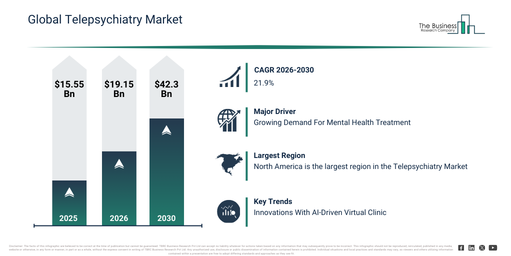
  • A key trend shaping the Telepsychiatry Market involves the Innovations With AI-Driven Virtual Clinic

    A key trend shaping the Telepsychiatry Market involves the Innovations With AI-Driven Virtual Clinic

    The Business Research Company’s 2026 market reports include new capabilities such as market attractiveness scoring and analysis, total addressable market analysis, company scoring matrix, interactive excel data dashboard, improved supply chain analysis, upcoming startups in the market, and overview of key products, aimed at improving the depth, usability, and strategic value of the insights delivered.

    What Market Size Expansion Is Predicted For The Telepsychiatry Market Between 2026 And 2030?

    The telepsychiatry market has experienced significant expansion in its size during recent years. Its projected growth will see it increase from $15.55 billion in 2025 to $19.15 billion in 2026, achieving a compound annual growth rate (CAGR) of 23.1%. The historical rise in this market can be attributed to factors such as the increasing incidence of mental health disorders, restricted availability of on-site psychiatric specialists, the growing acceptance of virtual behavioral health services, the enlargement of community mental health programs, and a rising need for continuous psychiatric follow-up.

    The telepsychiatry market is anticipated to experience significant growth in the coming years. It is projected to reach $42.3 billion by 2030, expanding at a compound annual growth rate (CAGR) of 21.9%. This projected growth during the forecast period is driven by factors such as an increasing focus on mental health accessibility, rising investments in digital behavioral health platforms, the expansion of telepsychiatry reimbursement coverage, a growing demand for remote crisis intervention services, and the increasing integration of AI-assisted mental health assessments. Major developments expected in the forecast period include the increasing adoption of virtual mental health consultations, a rising demand for crisis telepsychiatry services, the growing use of remote medication management, the expansion of in-home psychiatric care models, and an enhanced focus on confidential digital care delivery.

    Download the Free Sample Report to Explore Key Market Insights:

    https://www.thebusinessresearchcompany.com/sample.aspx?id=6936&type=smp

    What Key Drivers Are Influencing The Growth Of The Telepsychiatry Market?

    The escalating demand for mental health treatment is projected to boost the expansion of the telepsychiatry market in the coming period. Mental health pertains to an individual’s cognitive, behavioral, and emotional well-being. Psychologists have observed a substantial rise in the need for anxiety and depression treatment. For example, data released in May 2024 by the American Psychiatric Association, a US-based non-profit organization, indicated that in 2024, 43% of adults reported increased feelings of anxiety compared to the previous year, an uptick from 37% in 2023 and 32% in 2022. Thus, the heightened requirement for mental health services is propelling the growth of the telepsychiatry market.

    Which Market Segments Are Examined In The Telepsychiatry Market Study?

    The telepsychiatry market covered in this report is segmented –

    1) By Type: Routine Telepsychiatry, Forensic Telepsychiatry, Crisis Telepsychiatry, In-Home Telepsychiatry

    2) By Age Group: Adult, Pediatric and Adolescent, Geriatric

    3) By End-Use: Community Mental Health Centers, Specialty Care Settings, Skilled Nursing Facilities, Homecare, Other End-Users

    Subsegments:

    1) By Routine Telepsychiatry: Outpatient Services, Follow-Up Appointments, Medication Management

    2) By Forensic Telepsychiatry: Competency Evaluations, Risk Assessments, Court-Ordered Evaluations

    3) By Crisis Telepsychiatry: Emergency Consultations, Crisis Intervention Services, 24/7 Telehealth Hotlines

    4) By In-Home Telepsychiatry: Home-Based Assessments, Personalized Treatment Plans, Family Therapy Sessions

    How Are Trends Impacting The Telepsychiatry Market?

    Major companies operating in the telepsychiatry market are innovating advanced technologies such as artificial intelligence to enhance patient care, improve diagnostic accuracy, and streamline the delivery of mental health services, ultimately making treatment more accessible and efficient for individuals in need. Artificial Intelligence (AI) refers to the simulation of human intelligence processes by computer systems. For instance, in September 2024, Iris Telehealth, a US-based telepsychiatry company for health systems and clinics, launched Virtual Clinic and Iris Insights platforms, aiming to enhance access to behavioral health services through innovative technology. Iris Insights is an AI-driven platform that enhances the operational effectiveness of behavioral health programs. The Virtual Clinic is designed to provide a patient-centered care model that integrates seamlessly into existing healthcare workflows.

    Who Are The Primary Competitors In The Telepsychiatry Market?

    Major companies operating in the telepsychiatry market are Alere Emotional Health LLC, Advanced Telemed Services, American Telepsychiatrists, Encounter Telehealth LLC, InnovaTel Telepsychiatry, SOC Telemed Inc., Telemynd, American Well Corp, Teladoc Health Inc., MDLive Inc., Talkspace Inc., MeMD Inc., PlushCare, Cerebral Inc., Brightside Group Ltd., BetterHelp, AbleTo Inc., Spring Health Inc., Quartet Health Inc., Meru Health Inc., Lyra Health Inc., MindBeacon Holdings Inc., iCouch Inc., LMND Medical Group Inc.

    Read the full telepsychiatry market report here:

    https://www.thebusinessresearchcompany.com/report/telepsychiatry-global-market-report

    Which Region Is Expected To Register The Fastest Growth In The Telepsychiatry Market?

    North America was the largest region in the telepsychiatry market in 2025. The regions covered in the telepsychiatry market report are Asia-Pacific, South East Asia, Western Europe, Eastern Europe, North America, South America, Middle East, Africa.

    Request A Tailored Telepsychiatry Market Research Report For Competitive Advantage:

    https://www.thebusinessresearchcompany.com/customise?id=6936&type=smp

    Browse Through More Reports Similar to the Global Telepsychiatry Market 2026, By The Business Research Company

    Teledentistry Global Market Report

    https://www.thebusinessresearchcompany.com/report/teledentistry-global-market-report

    Teleradiology Global Market Report

    https://www.thebusinessresearchcompany.com/report/teleradiology-global-market-report

    Tele Radiology Global Market Report

    https://www.thebusinessresearchcompany.com/report/tele-radiology-global-market-report

    Get in touch with us:

    The Business Research Company: https://www.thebusinessresearchcompany.com/

    Americas +1 310-496-7795

    Asia +44 7882 955267 & +91 8897263534

    Europe +44 7882 955267

    Email us at info@tbrc.info

    Follow us on:

    LinkedIn: https://in.linkedin.com/company/the-business-research-company

    YouTube: https://www.youtube.com/channel/UC24_fI0rV8cR5DxlCpgmyFQ

    Global Market Model: https://www.thebusinessresearchcompany.com/global-market-model
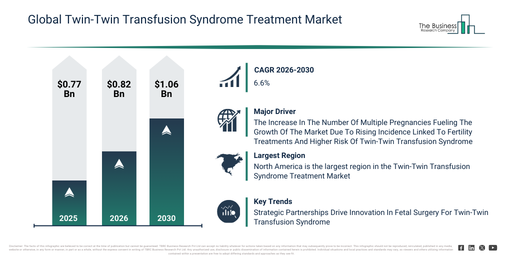
  • One of the Major Drivers of the Twin-Twin Transfusion Syndrome Treatment Market Is the The Increase In The Number Of Multiple Pregnancies Fueling The Growth Of The Market Due To Rising Incidence Linked To Fertility Treatments And Higher Risk Of Twin-Twin Transfusion Syndrome

    One of the Major Drivers of the Twin-Twin Transfusion Syndrome Treatment Market Is the The Increase In The Number Of Multiple Pregnancies Fueling The Growth Of The Market Due To Rising Incidence Linked To Fertility Treatments And Higher Risk Of Twin-Twin Transfusion Syndrome

    The Business Research Company’s 2026 market reports include new capabilities such as market attractiveness scoring and analysis, total addressable market analysis, company scoring matrix, interactive excel data dashboard, improved supply chain analysis, upcoming startups in the market, and overview of key products, aimed at improving the depth, usability, and strategic value of the insights delivered.

    How Is The Market Size Of The Twin-Twin Transfusion Syndrome Treatment Market Expected To Change Between 2026 And 2030?

    The twin-twin transfusion syndrome treatment market size has experienced strong growth in recent years. It is anticipated to increase from $0.77 billion in 2025 to $0.82 billion in 2026, achieving a compound annual growth rate (CAGR) of 6.8%. This historic growth can be attributed to factors like the increased use of prenatal ultrasound screening, advancements in fetal medicine techniques, a growing awareness of monochorionic twin risks, the availability of laser photocoagulation procedures, and the expansion of maternal healthcare services.

    The twin-twin transfusion syndrome treatment market is projected to experience substantial expansion in the coming years. This market is anticipated to reach a valuation of $1.06 billion by 2030, exhibiting a compound annual growth rate (CAGR) of 6.6%. Factors driving this growth during the forecast period include progress in minimally invasive fetal surgical procedures, increasing financial commitments in maternal-fetal medicine, the proliferation of specialized prenatal care facilities, a heightened need for early intervention treatments, and enhanced survival rates for twins affected by the syndrome. Key trends anticipated during the forecast timeframe encompass a greater uptake of fetoscopic laser therapies, increased utilization of sophisticated prenatal imaging techniques, a stronger focus on prompt TTTS diagnosis, the establishment of more specialized fetal surgery centers, and enhanced multidisciplinary approaches to maternal-fetal care.

    Download the Free Sample Report to Explore Key Market Insights:

    https://www.thebusinessresearchcompany.com/sample.aspx?id=23549&type=smp

    Which Economic Or Industry Drivers Are Impacting The Twin-Twin Transfusion Syndrome Treatment Market?

    The rising incidence of multiple pregnancies is anticipated to drive the expansion of the twin-twin transfusion syndrome treatment market. Multiple pregnancies occur when a woman is pregnant with more than one fetus at the same time, such as twins, triplets, or higher-order multiples. This increase largely stems from fertility procedures that encourage the ovaries to release multiple eggs. Twin-twin transfusion syndrome treatment in these pregnancies targets abnormal vascular connections within the shared placenta, aiming to re-establish balanced blood flow between the fetuses. This significantly improves survival rates and reduces complication risks for both twins. For example, in September 2023, Twins Research Australia, an Australia-based research institute, reported that Australia registered 4,118 multiple births, representing 1.5% of the nation’s total 286,998 births. Among these, twins constituted the vast majority with 4,073 instances (approximately 99 %), while only 45 births (1 %) involved triplets or higher-order multiples. Consequently, the growing number of multiple pregnancies is propelling the twin-twin transfusion syndrome treatment market.

    How Is The Twin-Twin Transfusion Syndrome Treatment Market Structured Across Different Segments?

    The twin-twin transfusion syndrome treatment market covered in this report is segmented –

    1) By Treatment Type: Laser Therapy, Surgery, Blood Transfusion, Medication

    2) By Diagnosis Method: Ultrasound, Blood Tests, Amniocentesis

    3) By Mode Of Administration: Injectable, Oral, Other Modes Of Administration

    4) By Symptoms: Breathlessness, Tightness In The Abdomen, Rapid Expansion Of Abdomen, Rapid Weight Gain, Pressure On The Stomach, Premature Contractions

    5) By End-User: Hospitals, Homecare, Specialty Clinics, Other End-Users

    Subsegments:-

    1) By Laser Therapy: Fetoscopic Laser Photocoagulation, Selective Laser Ablation, Solomon Technique

    2) By Surgery: Amnioreduction Surgery, Septostomy, Fetoscopic Cord Coagulation

    3) By Blood Transfusion: Intrauterine Transfusion (IUT), Intraperitoneal Transfusion, Intravascular Transfusion

    4) By Medication: Tocolytics, Corticosteroids, Anti-Inflammatory Drugs, Antibiotics

    What Trends Are Advancing Progress In The Twin-Twin Transfusion Syndrome Treatment Market?

    Leading firms within the twin-twin transfusion syndrome treatment market are prioritizing strategic collaborations to expedite the creation and market introduction of sophisticated therapeutic options. Such a partnership constitutes an enduring alliance formed by autonomous entities striving towards common business objectives, allowing each participant to capitalize on reciprocal strengths, assets, or market penetration for collective advantage. For example, in January 2023, CHA Hollywood Presbyterian Medical Center, a US-based entity offering comprehensive dynamic healthcare services, collaborated with Los Angeles Fetal Surgery, a US-based medical clinic, to inaugurate an innovative life-saving fetal surgery program. This program, being among the limited number available in the U.S., provides minimally invasive interventions for unborn infants suffering from serious ailments like spina bifida and twin-twin transfusion syndrome.

    Which Major Players Dominate The Twin-Twin Transfusion Syndrome Treatment Market?

    Major companies operating in the twin-twin transfusion syndrome treatment market are Mayo Foundation for Medical Education and Research, USF Health, Johns Hopkins Medicine, University Hospitals, Seattle Children’s Hospital, Texas Children’s Hospital, Cincinnati Children’s Hospital Medical Center, Apollo Hospitals, Tampa General Hospital, Children’s Hospital Colorado, UCSF Health, King’s College Hospital, The Children’s Hospital of Philadelphia, Riley Children’s Health, Yale School of Medicine, Lurie Children’s Hospital, Rainbow Children’s Hospital, UNC Department of Obstetrics & Gynecology, UC Davis Fetal Care and Treatment Center, SJD Barcelona Children’s Hospital, Children’s Minnesota Midwest Fetal Care Center, Boston Children’s Hospital, Nationwide Children’s Hospital Fetal Center

    Read the full twin-twin transfusion syndrome treatment market report here:

    https://www.thebusinessresearchcompany.com/report/twin-twin-transfusion-syndrome-treatment-global-market-report

    What Are The Top-Performing Regions Within The Twin-Twin Transfusion Syndrome Treatment Market?

    North America was the largest region in the twin-twin transfusion syndrome treatment market in 2025. The regions covered in the twin-twin transfusion syndrome treatment market report are Asia-Pacific, South East Asia, Western Europe, Eastern Europe, North America, South America, Middle East, Africa.

    Request A Tailored Twin-Twin Transfusion Syndrome Treatment Market Research Report For Competitive Advantage:

    https://www.thebusinessresearchcompany.com/customise?id=23549&type=smp

    Browse Through More Reports Similar to the Global Twin-Twin Transfusion Syndrome Treatment Market 2026, By The Business Research Company

    Pediatric Perfusion Global Market Report

    https://www.thebusinessresearchcompany.com/report/pediatric-perfusion-global-market-report

    Bleeding Disorders Treatment Global Market Report

    https://www.thebusinessresearchcompany.com/report/bleeding-disorders-treatment-global-market-report

    Infusion Pump Global Market Report

    https://www.thebusinessresearchcompany.com/report/infusion-pump-global-market-report

    Get in touch with us:

    The Business Research Company: https://www.thebusinessresearchcompany.com/

    Americas +1 310-496-7795

    Asia +44 7882 955267 & +91 8897263534

    Europe +44 7882 955267

    Email us at info@tbrc.info

    Follow us on:

    LinkedIn: https://in.linkedin.com/company/the-business-research-company

    YouTube: https://www.youtube.com/channel/UC24_fI0rV8cR5DxlCpgmyFQ

    Global Market Model: https://www.thebusinessresearchcompany.com/global-market-model
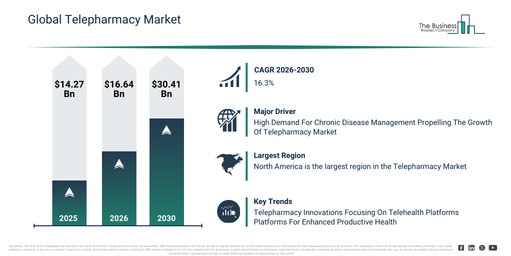
  • A significant industry trend in the Telepharmacy Market includes the Telepharmacy Innovations Focusing On Telehealth Platforms Platforms For Enhanced Productive Health

    A significant industry trend in the Telepharmacy Market includes the Telepharmacy Innovations Focusing On Telehealth Platforms Platforms For Enhanced Productive Health

    The Business Research Company’s 2026 market reports include new capabilities such as market attractiveness scoring and analysis, total addressable market analysis, company scoring matrix, interactive excel data dashboard, improved supply chain analysis, upcoming startups in the market, and overview of key products, aimed at improving the depth, usability, and strategic value of the insights delivered.

    How Large Is The Telepharmacy Market Projected To Become By 2030 Based On Its 2026 Valuation?

    The telepharmacy market has seen substantial growth in recent years. Its value is forecast to expand from $14.27 billion in 2025 to $16.64 billion in 2026, achieving a compound annual growth rate (CAGR) of 16.6%. This historical expansion can be attributed to several factors, including the increased adoption of telehealth, a growing scarcity of on-site pharmacists, rising needs in chronic disease management, greater demand for rural healthcare access, and the broader acceptance of digital health services.

    The telepharmacy market is projected for significant expansion in the coming years. This market is set to reach $30.41 billion by 2030, showing a compound annual growth rate (CAGR) of 16.3%. Several factors will drive this growth during the forecast period, including increased regulatory backing for telepharmacy services, a surge in demand for care delivered at home, the expansion of AI-driven medication management, greater investments in digital healthcare infrastructure, and a heightened emphasis on pharmacy services centered around the patient. Key trends anticipated over the forecast period involve a greater embrace of remote pharmacist consultation platforms, an increase in the utilization of cloud-based pharmacy management systems, the growing incorporation of automated dispensing solutions, the expansion of tools for monitoring medication adherence, and an intensified focus on secure digital prescription workflows.

    Download the Free Sample Report to Explore Key Market Insights:

    https://www.thebusinessresearchcompany.com/sample.aspx?id=19727&type=smp

    What Major Growth Drivers Are Shaping The Outlook Of The Telepharmacy Market?

    The substantial requirement for chronic disease management is projected to drive the growth of the telepharmacy market moving ahead. This management entails a continuous process of treating, monitoring, and supporting individuals with enduring medical conditions such as diabetes, hypertension, heart disease, asthma, and arthritis. The escalating demand for chronic disease management stems from the rising occurrence of chronic conditions and the increasing need for long-term, personalized care to enhance patient outcomes. Telepharmacy improves chronic disease management by facilitating remote medication counseling and monitoring, which in turn boosts patient adherence and access to care. For instance, in July 2024, data from the Australian Institute of Health and Welfare (AIHW), an Australia-based government health statistics agency, indicated that chronic conditions were responsible for 78% of the fatal burden, a rise from preceding years. Hence, the strong demand for chronic disease management is propelling the expansion of the telepharmacy market.

    What Segment Groups Are Identified Within The Telepharmacy Market?

    The telepharmacy market covered in this report is segmented –

    1) By Type: Inpatient, Remote Dispensing, Intravenous Admixture, Patient Counselling, Drug Therapy Monitoring, Refill Authorization For Prescription Drugs

    2) By Component: Hardware, Software

    3) By Delivery Mode: On Premises, Web Based, Cloud Based

    4) By Application: Hospitals, Small Pharmacies, Nursing Home, Prisons, Military Base, War Ships

    Subsegments:

    1) By Inpatient: Hospital Telepharmacy, Specialty Pharmacy

    2) By Remote Dispensing: Automated Dispensing Machines, Remote Patient Monitoring

    3) By Intravenous Admixture: Total Parenteral Nutrition, Compounded Medications

    4) By Patient Counselling: Video Consultations, Chat Support

    5) By Drug Therapy Monitoring: Adherence Monitoring, Side Effect Management

    6) By Refill Authorization For Prescription Drugs: Automatic Refills, Patient Request Systems

    What Industry Trends Are Redefining The Telepharmacy Market?

    Major companies operating in the telepharmacy market are prioritizing the development of innovative offerings, such as telehealth platforms, to improve patient access to pharmaceutical care. A telehealth platform is a digital technology solution that enables the remote delivery of healthcare services using communication tools like video conferencing, messaging, and secure data sharing. It facilitates virtual consultations, monitoring, diagnosis, and treatment between healthcare providers and patients without requiring in-person visits. For instance, in January 2024, Eli Lilly, a US-based pharmaceutical company, launched LillyDirect, a telehealth platform intended for selling certain medications directly to consumers. This inventive approach allows patients to obtain prescriptions for conditions such as obesity, migraines, and diabetes without needing traditional healthcare pathways, effectively bypassing the usual doctor-to-pharmacy route. Key features include direct access to prescriptions and home delivery.

    Which Companies Hold Significant Positions In The Telepharmacy Market?

    Major companies operating in the telepharmacy market are Cardinal Health Inc., Dartmouth-Hitchcock Medical Center, Comprehensive Pharmacy Services Inc., Tabula Rasa HealthCare, Alto Pharmacy, CarepathRx, Truepill, Carepoint Pharmacy, Pipeline Health Holdings, Nurx, Advanced Rx Management, Mosaic Wellness, MedTel Services, Medication Review Inc., Phlo, Locke Bio, PharmD Live, North West TelePharmacy Solutions, One Touch Telehealth, Teladoc Health Inc.

    Read the full telepharmacy market report here:

    https://www.thebusinessresearchcompany.com/report/telepharmacy-global-market-report

    Which Regions Are Projected To Dominate The Telepharmacy Market In The Coming Years?

    North America was the largest region in the telepharmacy market in 2025. Asia-Pacific is expected to be the fastest-growing region in the forecast period. The regions covered in the telepharmacy market report are Asia-Pacific, South East Asia, Western Europe, Eastern Europe, North America, South America, Middle East, Africa.

    Request A Tailored Telepharmacy Market Research Report For Competitive Advantage:

    https://www.thebusinessresearchcompany.com/customise?id=19727&type=smp

    Browse Through More Reports Similar to the Global Telepharmacy Market 2026, By The Business Research Company

    Telemedicine Services Global Market Report

    https://www.thebusinessresearchcompany.com/report/telemedicine-services-global-market-report

    Pharmacy Benefit Management Global Market Report

    https://www.thebusinessresearchcompany.com/report/pharmacy-benefit-management-global-market-report

    E Pharmacy Global Market Report

    https://www.thebusinessresearchcompany.com/report/e-pharmacy-global-market-report

    Get in touch with us:

    The Business Research Company: https://www.thebusinessresearchcompany.com/

    Americas +1 310-496-7795

    Asia +44 7882 955267 & +91 8897263534

    Europe +44 7882 955267

    Email us at info@tbrc.info

    Follow us on:

    LinkedIn: https://in.linkedin.com/company/the-business-research-company

    YouTube: https://www.youtube.com/channel/UC24_fI0rV8cR5DxlCpgmyFQ

    Global Market Model: https://www.thebusinessresearchcompany.com/global-market-model
  • A key trend shaping the Turner Syndrome Market involves the Innovative Trials Drive Advancements In Pediatric Growth Treatments

    A key trend shaping the Turner Syndrome Market involves the Innovative Trials Drive Advancements In Pediatric Growth Treatments

    The Business Research Company’s 2026 market reports include new capabilities such as market attractiveness scoring and analysis, total addressable market analysis, company scoring matrix, interactive excel data dashboard, improved supply chain analysis, upcoming startups in the market, and overview of key products, aimed at improving the depth, usability, and strategic value of the insights delivered.

    What Is The Market Size Of The Turner Syndrome Market In 2026 And What Value Is Projected For 2030?

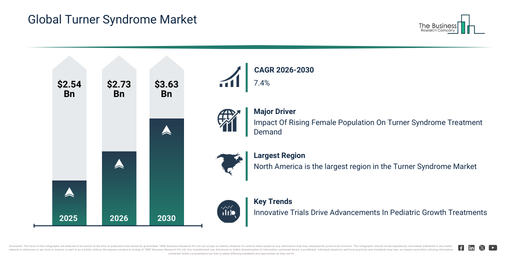
    The turner syndrome market has experienced substantial expansion in recent years. Projections indicate a rise from $2.54 billion in 2025 to $2.73 billion in 2026, demonstrating a compound annual growth rate (CAGR) of 7.6%. This historical growth can be linked to factors such as increased public understanding of genetic disorders, the presence of recombinant growth hormones, the expansion of services in pediatric endocrinology, advancements in diagnostic karyotyping techniques, and the proliferation of patient advocacy efforts.

    The Turner Syndrome market size is projected to experience substantial growth over the coming years. It is anticipated to reach $3.63 billion by 2030, exhibiting a compound annual growth rate (CAGR) of 7.4%. This expansion during the forecast period is fueled by several factors, including progress in genetic screening technologies, the increasing uptake of personalized hormone therapies, the broadening of home-based care models, a rise in investment in rare disease research, and enhanced long-term patient outcomes. Key trends expected during this period involve a heightened focus on early genetic diagnosis, the increasing use of growth hormone therapies, a greater emphasis on lifelong disease management, the expansion of multidisciplinary care approaches, and more effective patient monitoring programs.

    Download the Free Sample Report to Explore Key Market Insights:

    https://www.thebusinessresearchcompany.com/sample.aspx?id=21310&type=smp

    What Major Drivers Are Influencing Demand In The Turner Syndrome Market?

    The increasing female population is projected to fuel the expansion of the Turner syndrome market moving forward. The female population denotes the cumulative number of females residing in a specific region or worldwide at a particular moment. A higher female life expectancy, supported by better healthcare services and demographic shifts, is responsible for the growing female population. The Turner syndrome market assists the female population by providing growth hormone therapy, estrogen replacement, and multidisciplinary care, which collectively enhance physical development, reproductive health, and overall long-term well-being. For instance, in March 2024, as per the U.S. Census Bureau, a U.S.-based federal government agency, the United States accounted for 0.168 billion females as of July 2022. Additionally, in 2023, according to Statistics Canada, a Canada-based national statistics agency, the count of females aged 15–64 rose to 0.01304 billion in 2023 from 0.01296 billion in 2022. Consequently, the rising female population is driving the growth of the Turner syndrome market.

    What Are The Key Segments Of The Turner Syndrome Market?

    The turner syndrome market covered in this report is segmented –

    1) By Type: Classical Turner Syndrome, Mosaic Turner syndrome

    2) By Therapy Type: Growth Hormone Therapy, Estrogen And Progesteron, Replacement Therapy, Other Therapy Types

    3) By Drug Type: Norditropin, Oxandrolone, Humatrope, Somatropin, Oxandrin, Genotropin, Nutropin, Zomacton

    4) By End-User: Hospitals, Homecare, Specialty Clinics, Surgical Centres, Other End-Users

    Subsegments:

    1) By Classical Turner Syndrome: Complete Monosomy X, X Chromosome Deletion

    2) By Mosaic Turner Syndrome: Mosaicism With 45,X/46,XX Karyotype, Mosaicism With 45,X/46,XY Karyotype

    How Are Trends Transforming The Turner Syndrome Market Landscape?

    Companies operating in the turner syndrome market are prioritizing clinical trials for developing innovative products, such as pediatric growth hormone medications. These aim to effectively stimulate growth, improve height outcomes, and support overall development in children facing growth hormone deficiencies or growth-related disorders. Pediatric growth hormone medications are either synthetic or recombinant hormone treatments applied to foster growth and development in children with growth hormone deficiency (GHD) or other medical conditions that influence height and growth. An example of this is in December 2024, when Ascendis Pharma A/S, a Denmark-based biopharmaceutical company, announced positive results from the Phase 2 New InsiGHTS trial of TransCon hGH (lonapegsomatropin) for children with Turner syndrome. The trial encompassed 49 prepubertal children, aged 1-10 years, diagnosed with Turner syndrome. TransCon hGH exhibited improved growth across all three starting dose cohorts, achieving performance on par with daily somatropin. These trial findings support the potential for TransCon hGH to expand its market into Turner syndrome, offering a safety profile and efficacy comparable to daily treatment.

    Who Are The Leading Companies Operating In The Turner Syndrome Market?

    Major companies operating in the turner syndrome market are Pfizer Inc., Novartis AG, Eli Lilly and Company, Novo Nordisk, Merck KGaA, Teva Pharmaceutical Industries Ltd., Sandoz International GmbH, Genentech Inc., Ipsen Pharma, Ferring Pharmaceutical, BioMarin Pharmaceutical Inc., Ascendis Pharma, CRISPR Therapeutics AG, Alnylam Pharmaceuticals Inc., Sangamo Therapeutics Inc., Ultragenyx Pharmaceutical Inc., BridgeBio Pharma Inc., Travere Therapeutics Inc., REGENXBIO Inc., Avalo Therapeutics Inc., Taysha Gene Therapies Inc., Asklepion Therapeutics Inc.

    Read the full turner syndrome market report here:

    https://www.thebusinessresearchcompany.com/report/turner-syndrome-global-market-report

    Which Region Shows The Strongest Potential For Future Growth In The Turner Syndrome Market?

    North America was the largest region in the turner syndrome market in 2025. Asia-Pacific is expected to be the fastest-growing region in the forecast period. The regions covered in the turner syndrome market report are Asia-Pacific, South East Asia, Western Europe, Eastern Europe, North America, South America, Middle East, Africa.

    Request A Tailored Turner Syndrome Market Research Report For Competitive Advantage:

    https://www.thebusinessresearchcompany.com/customise?id=21310&type=smp

    Browse Through More Reports Similar to the Global Turner Syndrome Market 2026, By The Business Research Company

    Progressive Ataxia And Weakness Disorders Global Market Report

    https://www.thebusinessresearchcompany.com/report/progressive-ataxia-and-weakness-disorders-global-market-report

    Tourette Syndrome Treatment Global Market Report

    https://www.thebusinessresearchcompany.com/report/tourette-syndrome-treatment-global-market-report

    Lysosomal Disease Treatment Global Market Report

    https://www.thebusinessresearchcompany.com/report/lysosomal-disease-treatment-global-market-report

    Get in touch with us:

    The Business Research Company: https://www.thebusinessresearchcompany.com/

    Americas +1 310-496-7795

    Asia +44 7882 955267 & +91 8897263534

    Europe +44 7882 955267

    Email us at info@tbrc.info

    Follow us on:

    LinkedIn: https://in.linkedin.com/company/the-business-research-company

    YouTube: https://www.youtube.com/channel/UC24_fI0rV8cR5DxlCpgmyFQ

    Global Market Model: https://www.thebusinessresearchcompany.com/global-market-model

  • A key trend shaping the Telemedicine Virtual Healthcare Market involves the Innovative Subscription-Based Telehealth Memberships Expand 24/7 Access And Personalized Care

    A key trend shaping the Telemedicine Virtual Healthcare Market involves the Innovative Subscription-Based Telehealth Memberships Expand 24/7 Access And Personalized Care

    The Business Research Company’s 2026 market reports include new capabilities such as market attractiveness scoring and analysis, total addressable market analysis, company scoring matrix, interactive excel data dashboard, improved supply chain analysis, upcoming startups in the market, and overview of key products, aimed at improving the depth, usability, and strategic value of the insights delivered.

    What Market Value Is Anticipated For The Telemedicine Virtual Healthcare Market Over The Period 2026–2030?

    The telemedicine virtual healthcare market has experienced substantial expansion in recent years. Its valuation is anticipated to climb from $121.42 billion in 2025 to $143.71 billion in 2026, achieving a compound annual growth rate (CAGR) of 18.4%. The historical progress of this market is attributable to the expansion of digital healthcare infrastructure, increasing internet and smartphone penetration, rising healthcare access gaps in remote areas, acceptance of virtual care models, and the growth of chronic disease management programs.

    The telemedicine virtual healthcare market is anticipated to experience significant expansion in the coming years. This market is projected to reach $279.17 billion by 2030, exhibiting a compound annual growth rate (CAGR) of 18.1%. This projected growth during the forecast period stems from factors such as heightened investments in digital health ecosystems, the increasing utilization of AI-driven virtual care tools, the broadening of home-based healthcare services, a rising need for preventive and ongoing care, and developments in secure telehealth technologies. Key trends anticipated within this forecast timeframe encompass the expanding adoption of remote patient monitoring solutions, an escalating demand for virtual specialist consultations, the increasing integration of wearable health devices, the proliferation of cloud-based telemedicine platforms, and a strengthened emphasis on care continuity and data interoperability.

    Download the Free Sample Report to Explore Key Market Insights:

    https://www.thebusinessresearchcompany.com/sample.aspx?id=28339&type=smp

    What Drivers Are Expected To Influence The Telemedicine Virtual Healthcare Market During The Forecast Period?

    The increasing need for home-based care is projected to stimulate the growth of the telemedicine virtual healthcare market. Home-based care refers to health and support services offered to individuals within their own residences to aid with daily living activities and medical requirements. This demand for home-based care is escalating due to an expanding aging population dealing with chronic health conditions that require consistent monitoring and medical assistance at home. The telemedicine virtual healthcare market supports this trend by enabling remote consultations, continuous health monitoring, and timely medical guidance for individuals who have limited mobility or chronic illnesses. For instance, in July 2023, CareLineLive CareFor IT Limited, a UK-based home care management company, noted a sharp increase in new registrations for home care services in England in 2023, with 427 providers joining the Care Quality Commission (CQC) in the first quarter, an increase from 325 in the same period of 2022, marking a 32% rise. Consequently, the growing demand for home-based care is driving the expansion of the telemedicine virtual healthcare market.

    How Is The Telemedicine Virtual Healthcare Market Divided Into Its Major Segments?

    The telemedicine virtual healthcare market covered in this report is segmented –

    1) By Component: Software, Hardware, Services

    2) By Mode Of Delivery: Web-Based, Cloud-Based, On-Premises

    3) By Technology: Cloud-Based Solutions, Artificial Intelligence (AI), Blockchain, Internet Of Things (IoT), Wearable Devices

    4) By Application: Chronic Disease Management, Urgent Care, Mental Health Care, Specialist Consultations, Preventive Care

    5) By End-User: Hospitals, Clinics, Home Care, Pharmaceutical Companies, Insurance Companies

    Subsegments:

    1) By Software: Remote Patient Monitoring Software, Teleconsultation Software, Electronic Health Record Software, Practice Management Software, Healthcare Analytics Software

    2) By Hardware: Monitoring Devices, Wearable Devices, Telemedicine Carts, Mobile Devices, Diagnostic Devices

    3) By Services: Teleconsultation Services, Remote Monitoring Services, Technical Support Services, Integration Services, Training And Education Services

    What Key Developments And Trends Are Impacting The Telemedicine Virtual Healthcare Market?

    Leading companies within the telemedicine and virtual healthcare market are concentrating on developing innovative solutions, such as subscription-based telehealth services, to enhance access, efficiency, and personalized care. Subscription-based telehealth services represent healthcare plans where patients pay a fixed monthly or yearly fee to gain access to unlimited or discounted virtual medical consultations, urgent care, and other digital health offerings. For instance, in July 2025, Rush University System for Health, a US-based non-profit academic health system, launched Rush Connect+, a national direct-to-consumer telehealth membership. Priced at $19 per month or $189 annually, this membership provides 24/7 access to virtual urgent care across the United States. Members benefit from a concierge-level experience, featuring a human assistant reachable via live chat or phone to answer questions and schedule appointments. The service includes nationwide virtual urgent care and AI-powered tools such as a chatbot, symptom checker, and adaptive questionnaires for streamlined care routing. Additional benefits comprise health screening reminders, real-time wait time alerts, post-visit feedback surveys, and integration with the My Rush app, offering MyChart access, care team messaging, and virtual specialty care in eight areas, including acne, hypertension, sexual health, and weight management.

    Who Are The Prominent Organizations Shaping The Telemedicine Virtual Healthcare Market?

    Major companies operating in the telemedicine virtual healthcare market are Teladoc Health Inc., Hims & Hers Health Inc., American Well Corporation, MDLIVE Inc., Doctor On Demand Inc., Zocdoc Inc., Maven Clinic, Inc., Transcarent, Inc., HealthTap, Inc., K Health, Inc., Sesame Care, Inc., Bicycle Health, Inc., Push Doctor Ltd., Circle Medical Technologies, Inc., Doxy.me, Inc., eVisit, Inc., Lemonaid Health, Inc., Nurx, Inc., PlushCare, Inc., Amwell Medical Group, P.A., Babylon Health Services Limited, 98point6 Inc., Kry Livi AB, Practo Technologies Private Limited, Ping An Good Doctor Company Limited, MeMD, Inc., DocPlanner Group Sp. z o.o., Tunstall Healthcare Group Limited

    Read the full telemedicine virtual healthcare market report here:

    https://www.thebusinessresearchcompany.com/report/telemedicine-virtual-healthcare-global-market-report

    Which Region Is Forecast To Lead The Telemedicine Virtual Healthcare Market In Terms Of Market Size?

    North America was the largest region in the telemedicine virtual healthcare market in 2025. Asia-Pacific is expected to be the fastest-growing region in the forecast period. The regions covered in the telemedicine virtual healthcare market report are Asia-Pacific, South East Asia, Western Europe, Eastern Europe, North America, South America, Middle East, Africa.

    Request A Tailored Telemedicine Virtual Healthcare Market Research Report For Competitive Advantage:

    https://www.thebusinessresearchcompany.com/customise?id=28339&type=smp

    Browse Through More Reports Similar to the Global Telemedicine Virtual Healthcare Market 2026, By The Business Research Company

    Virtual Reality In Healthcare Global Market Report

    https://www.thebusinessresearchcompany.com/report/virtual-reality-in-healthcare-global-market-report

    Telehealth Software Global Market Report

    https://www.thebusinessresearchcompany.com/report/telehealth-software-global-market-report

    Telemedicine Equipment Global Market Report

    https://www.thebusinessresearchcompany.com/report/telemedicine-equipment-global-market-report

    Get in touch with us:

    The Business Research Company: https://www.thebusinessresearchcompany.com/

    Americas +1 310-496-7795

    Asia +44 7882 955267 & +91 8897263534

    Europe +44 7882 955267

    Email us at info@tbrc.info

    Follow us on:

    LinkedIn: https://in.linkedin.com/company/the-business-research-company

    YouTube: https://www.youtube.com/channel/UC24_fI0rV8cR5DxlCpgmyFQ

    Global Market Model: https://www.thebusinessresearchcompany.com/global-market-model

  • A significant industry trend in the Tumor Profiling Market includes the Artificial Intelligence (AI)-Powered Diagnostic Innovations Driving Growth In The Market Through Enhanced Precision And Efficiency

    A significant industry trend in the Tumor Profiling Market includes the Artificial Intelligence (AI)-Powered Diagnostic Innovations Driving Growth In The Market Through Enhanced Precision And Efficiency

    The Business Research Company’s 2026 market reports include new capabilities such as market attractiveness scoring and analysis, total addressable market analysis, company scoring matrix, interactive excel data dashboard, improved supply chain analysis, upcoming startups in the market, and overview of key products, aimed at improving the depth, usability, and strategic value of the insights delivered.

    What Will Be The Estimated Market Valuation Of The Tumor Profiling Market By The End Of 2030?

    The tumor profiling market has seen rapid expansion in recent years. Its value is projected to rise from $11.18 billion in 2025 to $12.31 billion in 2026, achieving a compound annual growth rate (CAGR) of 10.1%. Historically, this market’s expansion has been fueled by factors such as increasing cancer rates, the proliferation of molecular diagnostics laboratories, the growing adoption of targeted cancer therapies, continuous advancements in sequencing technologies, and an increase in oncology research funding.

    The tumor profiling market is projected to experience robust expansion over the coming years. This market is anticipated to reach a valuation of $17.96 billion by 2030, exhibiting a compound annual growth rate (CAGR) of 9.9%. The upward trajectory during the projected period stems from factors such as the increasing embrace of precision oncology, a rising need for individualized cancer therapies, developments in bioinformatics platforms, the broadening scope of companion diagnostics, and increased funding in translational cancer research. Key developments expected during this forecast span encompass wider adoption of next-generation sequencing, the escalating application of multi-omics profiling methods, greater incorporation of AI-powered data analysis, the broadening of personalized oncology uses, and a sharper emphasis on identifying biomarkers.

    Download the Free Sample Report to Explore Key Market Insights:

    https://www.thebusinessresearchcompany.com/sample.aspx?id=24420&type=smp

    Which Market Drivers Are Supporting The Expansion Of The Tumor Profiling Market?

    The increasing need for personalized medical approaches is anticipated to propel the expansion of the tumor profiling market in the future. Personalized medicine involves customizing healthcare interventions to align with the unique attributes of each patient. This heightened demand stems from patients’ desire for more accurate treatments that yield superior results and fewer adverse effects than conventional methods. Tumor profiling assists personalized medicine by detecting particular genetic mutations and biomarkers within a patient’s tumor, thereby facilitating precise treatments and minimizing side effects. As an illustration, in February 2024, a report from the Personalized Medicine Coalition, a US-based organization committed to advancing personalized medicine, indicated that personalized medicines constituted over one-third of all new drug approvals in 2023, continuing this pattern for the fourth consecutive year. Consequently, the rising demand for personalized medicine is fueling growth within the tumor profiling market.

    Which Segment Classifications Shape The Tumor Profiling Market?

    The tumor profiling market covered in this report is segmented –

    1) By Technique: Genomics, Proteomics, Epigenetics, Metabolomics

    2) By Technology: Sequencing Techniques, Quantitative Polymerase Chain Reaction (qPCR), Immunohistochemistry, In Situ Hybridization (ISH), Microarray

    3) By Application: Personalized Cancer Medicine, Oncological Diagnostics, Research

    Subsegments:

    1) By Genomics: Next-Generation Sequencing (NGS), Polymerase Chain Reaction (PCR), Microarrays, Sanger sequencing

    2) By Proteomics: Mass Spectrometry (MS), Protein Microarrays, Immunohistochemistry (IHC), Western Blotting

    3) By Epigenetics: DNA Methylation Analysis, Chromatin Immunoprecipitation Sequencing (ChIP-seq), Histone Modification Profiling, Non-Coding RNA Analysis

    4) By Metabolomics: Nuclear Magnetic Resonance (NMR) Spectroscopy, Gas Chromatography-Mass Spectrometry (GC-MS), Liquid Chromatography-Mass Spectrometry (LC-MS), Capillary Electrophoresis-Mass Spectrometry (CE-MS)

    Which Trends Are Impacting The Growth Of The Tumor Profiling Market?

    Major companies within the tumor profiling market are concentrating on developing sophisticated solutions, including those powered by artificial intelligence (AI) for diagnostics, to improve the accuracy and efficiency of cancer treatment. Artificial intelligence (AI) employs advanced computational methods for analyzing complex genomic, proteomic, and clinical data, thereby enabling faster diagnoses, the formulation of personalized treatment strategies, and more effective monitoring of disease progression. For instance, in January 2025, Panakeia Technologies LTD, a UK-based firm specializing in AI-driven software for cancer diagnosis and treatment, unveiled PANProfiler Colon. This AI-driven software solution is specifically designed to profile key molecular biomarkers, such as microsatellite instability (MSI) and mismatch repair deficiency (dMMR), directly from H and E-stained images of colon cancer tissue samples. This digital tool facilitates rapid and accurate molecular profiling of tumors, which is crucial for diagnosing colorectal cancer, identifying instances of Lynch syndrome, and informing personalized treatment decisions.

    Which Companies Are Expanding Their Footprint In The Tumor Profiling Market?

    Major companies operating in the tumor profiling market are F. Hoffmann-La Roche AG, Thermo Fisher Scientific Inc., Agilent Technologies Inc., Hologic Inc., Illumina Inc., Sysmex Corporation, QIAGEN N.V., Exact Sciences Corporation, Guardant Health Inc., GenScript Biotech Corporation, NeoGenomics Inc., Caris Life Sciences Inc., Tempus Inc., Foundation Medicine Inc., NanoString Technologies Inc., Personalis Inc., Boreal Genomics Inc., Strand Life Sciences Pvt. Ltd., HTG Molecular Diagnostics Inc., Lucence Health Inc., Predictive Oncology Inc.

    Read the full tumor profiling market report here:

    https://www.thebusinessresearchcompany.com/report/tumor-profiling-global-market-report

    How Is The Tumor Profiling Market Distributed Across Key Geographic Regions?

    North America was the largest region in the tumor profiling market in 2025. Asia-Pacific is expected to be the fastest-growing region in the forecast period. The regions covered in the tumor profiling market report are Asia-Pacific, South East Asia, Western Europe, Eastern Europe, North America, South America, Middle East, Africa.

    Request A Tailored Tumor Profiling Market Research Report For Competitive Advantage:

    https://www.thebusinessresearchcompany.com/customise?id=24420&type=smp

    Browse Through More Reports Similar to the Global Tumor Profiling Market 2026, By The Business Research Company

    Cancer Profiling Global Market Report

    https://www.thebusinessresearchcompany.com/report/cancer-profiling-global-market-report

    Cancer Diagnostics Global Market Report

    https://www.thebusinessresearchcompany.com/report/cancer-diagnostics-global-market-report

    Cancer Biomarker Global Market Report

    https://www.thebusinessresearchcompany.com/report/cancer-biomarker-global-market-report

    Get in touch with us:

    The Business Research Company: https://www.thebusinessresearchcompany.com/

    Americas +1 310-496-7795

    Asia +44 7882 955267 & +91 8897263534

    Europe +44 7882 955267

    Email us at info@tbrc.info

    Follow us on:

    LinkedIn: https://in.linkedin.com/company/the-business-research-company

    YouTube: https://www.youtube.com/channel/UC24_fI0rV8cR5DxlCpgmyFQ

    Global Market Model: https://www.thebusinessresearchcompany.com/global-market-model
  • An Important Factor Driving the Telemedicine Services Market Is the Global Telemedicine Market Driven By Rising Chronic Diseases

    An Important Factor Driving the Telemedicine Services Market Is the Global Telemedicine Market Driven By Rising Chronic Diseases

    The Business Research Company’s 2026 market reports include new capabilities such as market attractiveness scoring and analysis, total addressable market analysis, company scoring matrix, interactive excel data dashboard, improved supply chain analysis, upcoming startups in the market, and overview of key products, aimed at improving the depth, usability, and strategic value of the insights delivered.

    What Is The Expected Market Size Of The Telemedicine Services Market From 2026 To 2030?

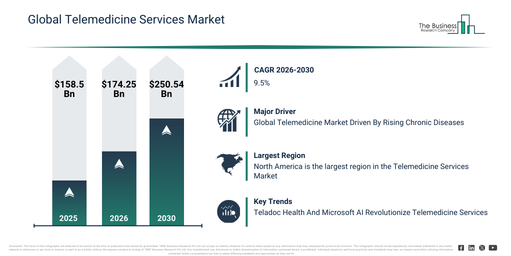
    The telemedicine services market size has experienced significant expansion in recent years. It is anticipated to increase from $158.5 billion in 2025 to $174.25 billion in 2026, exhibiting a compound annual growth rate (CAGR) of 9.9%. The growth observed in the past can be credited to the development of digital healthcare infrastructure, increasing smartphone and internet adoption, greater difficulties in accessing healthcare, the implementation of electronic health records, and the rising acceptance of remote consultations.

    The telemedicine services market size is anticipated to experience robust expansion in the coming years. This market is projected to reach $250.54 billion by 2030, exhibiting a compound annual growth rate (CAGR) of 9.5%. Factors contributing to this growth during the forecast period include the escalating demand for accessible healthcare services, heightened investments in digital health platforms, the broadening of chronic disease management programs, an amplified emphasis on cost-effective care delivery, and the increasing incorporation of AI-enabled clinical support tools. Key trends shaping the forecast period encompass a wider embrace of virtual consultation platforms, greater integration of remote patient monitoring tools, an expanded application of asynchronous care models, the proliferation of specialty telemedicine services, and a heightened emphasis on secure digital health platforms.

    Download the Free Sample Report to Explore Key Market Insights:

    https://www.thebusinessresearchcompany.com/sample.aspx?id=3977&type=smp

    What Drivers Are Influencing The Telemedicine Services Market?

    The increasing prevalence of chronic diseases is a key factor driving the telemedicine service market. These long-term medical conditions, also known as non-communicable diseases (NCDs), persist over extended periods and typically progress slowly. Telemedicine enables patients to consult with healthcare providers from their homes, which is particularly beneficial for individuals with chronic diseases who may encounter difficulties traveling to medical facilities due to mobility issues or the necessity for frequent check-ups. For instance, in June 2023, the Institute for Health Metrics and Evaluation, a US-based public health research institute, reported that over half a billion people globally were living with diabetes. This figure is expected to more than double, reaching 1.3 billion people by 2050. Therefore, the rising cases of chronic diseases across the globe are anticipated to boost the demand for the telemedicine services market.

    Which Segments Are Included In The Analysis Of The Telemedicine Services Market?

    The telemedicine services market covered in this report is segmented –

    1) By Type: Web-based, Cloud-based, On-premises

    2) By Technology Outlook: Real-Time Telemedicine Services, Store-And-Forward Telemedicine Services

    3) By Application: Teleradiology, Telepsychiatry, Telepathology, Teledermatology, Telecardiology, Other Applications

    Subsegments:

    1) By Web-based: Telehealth Platforms Accessible via Web Browsers, Online Consultation Services, Patient Portals for Managing Health Records and Appointments

    2) By Cloud-based: Telemedicine Applications Hosted on Cloud Servers, Remote Patient Monitoring Systems, Cloud-based Electronic Health Records (EHR) Integrated with Telehealth Services

    3) By On-premises: Telemedicine Systems Installed on Local Servers, Private Healthcare Facility Telemedicine Setups, Integrated Healthcare IT Systems for Telemedicine within Hospitals

    What Trends Are Projected To Affect The Telemedicine Services Market?

    Leading companies in telemedicine services are actively introducing innovative solutions, including artificial intelligence and chatbot technology, to gain a significant competitive advantage in the market. The incorporation of AI, utilizing Microsoft’s services combined with OpenAI’s technology, known for its popular ChatGPT, is designed to reduce the workload for healthcare staff during virtual consultations. For example, these systems can address general health-related questions. A notable instance occurred in July 2023, when Teladoc Health, a US-based telemedicine provider, integrated Microsoft’s artificial intelligence tools and chatbot capabilities into its telemedicine offerings, thereby enhancing how patients engage with virtual care. This integration enables users to receive initial guidance before their consultations, streamlining the triage process and helping them navigate their health concerns more effectively. The AI-driven system also simplifies appointment scheduling, making it easier for patients to access timely care. Moreover, the chatbots provide assistance with medication reminders to support treatment adherence and deliver quick responses to common health inquiries. Ultimately, this significant upgrade considerably improves the convenience and responsiveness of Teladoc Health’s digital care experience.

    Which Key Industry Participants Are Active In The Telemedicine Services Market?

    Major companies operating in the telemedicine services market are Teladoc Health Inc., Doctolib, Doctor on Demand, Amwell (American Well), MDLIVE Inc., Zocdoc Inc., Alina TeleHealth, HealthTap Inc., 2nd.MD, PlushCare Inc., AMD Global Telemedicine, Apollo Hospitals, SHL Telemedicine, KSYOS Telemedicine Centre, Medgate, Medi24, Immedicare LLP, Babylon Health UK, Push Doctor, Tele Medicine Clinic, Doctor Care Anywhere Limited, DOC+, BestDoctor, TeleMD, Specialist Telemed, SOC Telemed, Eagle Telemedicine, Blue Sky Telehealth, VSee, OKADOC, Doxy.me, GetBEE, Mind Mina Telemedicine, Abu Dhabi Telemedicine Centre

    Read the full telemedicine services market report here:

    https://www.thebusinessresearchcompany.com/report/telemedicine-services-global-market-report

    Which Regions Are Expected To Experience Rapid Expansion In The Telemedicine Services Market?

    North America was the largest region in the telemedicine services market in 2025. Asia-Pacific was the second largest region in global telemedicine services market share. The regions covered in the telemedicine services market report are Asia-Pacific, South East Asia, Western Europe, Eastern Europe, North America, South America, Middle East, Africa.

    Request A Tailored Telemedicine Services Market Research Report For Competitive Advantage:

    https://www.thebusinessresearchcompany.com/customise?id=3977&type=smp

    Browse Through More Reports Similar to the Global Telemedicine Services Market 2026, By The Business Research Company

    Telemedicine Equipment Global Market Report

    https://www.thebusinessresearchcompany.com/report/telemedicine-equipment-global-market-report

    Telemetry Global Market Report

    https://www.thebusinessresearchcompany.com/report/telemetry-global-market-report

    Network Telemetry Global Market Report

    https://www.thebusinessresearchcompany.com/report/network-telemetry-global-market-report

    Get in touch with us:

    The Business Research Company: https://www.thebusinessresearchcompany.com/

    Americas +1 310-496-7795

    Asia +44 7882 955267 & +91 8897263534

    Europe +44 7882 955267

    Email us at info@tbrc.info

    Follow us on:

    LinkedIn: https://in.linkedin.com/company/the-business-research-company

    YouTube: https://www.youtube.com/channel/UC24_fI0rV8cR5DxlCpgmyFQ

    Global Market Model: https://www.thebusinessresearchcompany.com/global-market-model