Category: Healthcare Services

  • Tropomyosin Receptor Kinase C (TrkC) Antibody Market Insights Highlighting Opportunities and Drivers Supporting Growth to 2030

    Tropomyosin Receptor Kinase C (TrkC) Antibody Market Insights Highlighting Opportunities and Drivers Supporting Growth to 2030

    The Business Research Company’s 2026 market reports include new capabilities such as market attractiveness scoring and analysis, total addressable market analysis, company scoring matrix, interactive excel data dashboard, improved supply chain analysis, upcoming startups in the market, and overview of key products, aimed at improving the depth, usability, and strategic value of the insights delivered.

    What Market Value Is Expected For The Tropomyosin Receptor Kinase C (TrkC) Antibody Market At The End Of The 2026–2030 Forecast Period?

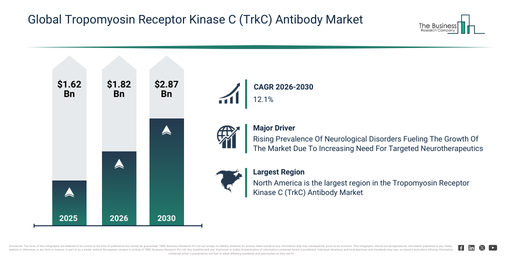
    The tropomyosin receptor kinase c (trkc) antibody market size has seen rapid growth in recent years. It is forecast to increase from $1.62 billion in 2025 to $1.82 billion in 2026, with a compound annual growth rate (CAGR) of 12.4%. The expansion observed historically stems from an increasing research focus on neurotrophin signaling pathways, the expansion of academic neuroscience research, the rising availability of advanced antibody engineering techniques, growth in molecular biology research funding, and the increasing use of antibodies in diagnostic research.

    The tropomyosin receptor kinase c (trkc) antibody market is projected to experience substantial expansion in the coming years. This market is anticipated to reach a valuation of $2.87 billion by 2030, exhibiting a compound annual growth rate (CAGR) of 12.1%. Several factors will drive this growth during the projected period, including the greater incorporation of antibodies into targeted drug discovery efforts, increased funding for neurological disorder investigations, the broadening scope of precision medicine programs, the wider use of sophisticated immunoassay methods, and a heightened need for exceptionally selective research antibodies. Key developments expected in this forecast timeframe encompass the increasing utilization of highly specific trkc antibodies, the growing prevalence of recombinant antibody formats, an escalating requirement for neurobiology research instruments, the broadening of studies focusing on targeted signaling pathways, and an intensified emphasis on antibody validation protocols.

    Download the Free Sample Report to Explore Key Market Insights:

    https://www.thebusinessresearchcompany.com/sample.aspx?id=30423&type=smp

    What Major Growth Drivers Are Shaping The Outlook Of The Tropomyosin Receptor Kinase C (TrkC) Antibody Market?

    The growing incidence of neurological disorders is projected to fuel the expansion of the tropomyosin receptor kinase C (TrkC) antibody market moving forward. Neurological disorders are medical conditions that impact the brain, spinal cord, and nerves, leading to diverse symptoms such as cognitive, motor, and sensory difficulties. The rising occurrence of these disorders is linked to an aging population, as age progressively impairs neuronal function, diminishes brain plasticity, and increases oxidative stress, all contributing to the onset and progression of these conditions. Tropomyosin receptor kinase C (TrkC) antibody assists in the treatment of neurological disorders by specifically targeting TrkC receptors, which are crucial for neuronal growth, survival, and differentiation. It aids in modulating and examining TrkC signaling pathways, thereby supporting the development of focused therapies and enhancing understanding of neurodegenerative and neurodevelopmental conditions. For example, in July 2024, according to the National Health Service, a UK-based government agency, there were 487,432 patients diagnosed with dementia (a progressive brain disorder affecting memory, thinking, and daily activities) by June 30, 2024, reflecting an increase of 3,155 cases compared to May 31, 2024. Consequently, the increasing prevalence of neurological disorders is a key factor driving the growth of the tropomyosin receptor kinase C (TrkC) antibody market. The escalating demand for personalized medicine is anticipated to drive the growth of the tropomyosin receptor kinase C (TrkC) antibody market in the coming years. Personalized medicine is a medical strategy that involves customizing treatments for individual patients based on their unique genetic, environmental, and lifestyle characteristics to optimize outcomes and improve care. The demand for personalized medicine is expanding due to advancements in genomic technologies, which enable the precise identification of genetic variations and the creation of tailored treatments for individuals. Tropomyosin receptor kinase C (TrkC) antibody enhances personalized medicine by allowing for the accurate detection and targeting of TrkC receptors, making it highly suitable for customizing treatments to individual patient needs. It improves therapeutic precision by facilitating the development of targeted interventions and optimizing results in both neurological and cancer-related disorders. For instance, in February 2024, the Personalized Medicine Coalition (PMC), a US-based nonprofit organization, reported that the U.S. Food and Drug Administration (FDA) approved 26 new personalized medicines in 2023, which was a notable increase from the 12 approved in 2022. Therefore, the growing demand for personalized medicine is propelling the tropomyosin receptor kinase C (TrkC) antibody market forward.

    What Segment Types Make Up The Tropomyosin Receptor Kinase C (TrkC) Antibody Market?

    The tropomyosin receptor kinase c (trkc) antibody market covered in this report is segmented –

    1) By Product Type: Monoclonal Antibodies, Polyclonal Antibodies, Recombinant Antibodies

    2) By Application: Basic Research, Drug Discovery

    3) By End-User: Pharmaceutical And Biotechnology Companies, Academic And Research Institutes, Diagnostic Laboratories, Other End-Users

    Subsegments:

    1) By Monoclonal Antibodies: Human Monoclonal Antibodies, Humanized Monoclonal Antibodies, Chimeric Monoclonal Antibodies, Murine Monoclonal Antibodies

    2) By Polyclonal Antibodies: Animal-Derived Polyclonal Antibodies, Recombinant Polyclonal Antibodies, Serum-Based Polyclonal Antibodies, Plant-Derived Polyclonal Antibodies

    3) By Recombinant Antibodies: Single Chain Variable Fragment Antibodies, Fragment Antigen Binding Antibodies, Full-Length Recombinant Antibodies, Engineered Recombinant Antibodies

    Who Are The Key Players Driving Competition In The Tropomyosin Receptor Kinase C (TrkC) Antibody Market?

    Major companies operating in the tropomyosin receptor kinase c (trkc) antibody market are Merck & Co. Inc., Thermo Fisher Scientific Inc., Becton Dickinson and Company, GeneTex Inc., Bio-Techne Corporation, GenScript Biotech Corporation, Cell Signaling Technology Inc, Sino Biological Inc., ACROBiosystems Inc., Proteintech Group Inc., Abclonal Inc., OriGene Technologies Inc., Santa Cruz Biotechnology Inc., Rockland Immunochemicals Inc., Novus Biologicals LLC, Abnova Corporation, Aviva Systems Biology Corporation, MyBioSource Inc., Alomone Labs, LifeSpan BioSciences Inc.

    Read the full tropomyosin receptor kinase c (trkc) antibody market report here:

    https://www.thebusinessresearchcompany.com/report/global-tropomyosin-receptor-kinase-c-trkc-antibody-market-report

    Which Regions Are Projected To Dominate The Tropomyosin Receptor Kinase C (TrkC) Antibody Market In The Coming Years?

    North America was the largest region in the tropomyosin receptor kinase C (TrkC) antibody market in 2025. Asia-Pacific is expected to be the fastest-growing region in the forecast period. The regions covered in the tropomyosin receptor kinase c (trkc) antibody market report are Asia-Pacific, South East Asia, Western Europe, Eastern Europe, North America, South America, Middle East, Africa.

    Request A Tailored Tropomyosin Receptor Kinase C (TrkC) Antibody Market Research Report For Competitive Advantage:

    https://www.thebusinessresearchcompany.com/customise?id=30423&type=smp

    Browse Through More Reports Similar to the Global Tropomyosin Receptor Kinase C (TrkC) Antibody Market 2026, By The Business Research Company

    Antibody Discovery Global Market Report

    https://www.thebusinessresearchcompany.com/report/antibody-discovery-global-market-report

    Tyrosine Kinase Inhibitors Global Market Report

    https://www.thebusinessresearchcompany.com/report/tyrosine-kinase-inhibitors-global-market-report

    Polyclonal Antibodies Global Market Report

    https://www.thebusinessresearchcompany.com/report/polyclonal-antibodies-global-market-report

    Get in touch with us:

    The Business Research Company: https://www.thebusinessresearchcompany.com/

    Americas +1 310-496-7795

    Asia +44 7882 955267 & +91 8897263534

    Europe +44 7882 955267

    Email us at info@tbrc.info

    Follow us on:

    LinkedIn: https://in.linkedin.com/company/the-business-research-company

    YouTube: https://www.youtube.com/channel/UC24_fI0rV8cR5DxlCpgmyFQ

    Global Market Model: https://www.thebusinessresearchcompany.com/global-market-model
  • Telehealth And Telemedicine Market Future Outlook Showing Expansion Toward $392 Billion by 2030

    Telehealth And Telemedicine Market Future Outlook Showing Expansion Toward $392 Billion by 2030

    The Business Research Company’s 2026 market reports include new capabilities such as market attractiveness scoring and analysis, total addressable market analysis, company scoring matrix, interactive excel data dashboard, improved supply chain analysis, upcoming startups in the market, and overview of key products, aimed at improving the depth, usability, and strategic value of the insights delivered.

    How Will The Market Size Of The Telehealth And Telemedicine Market Evolve From 2026 To 2030?

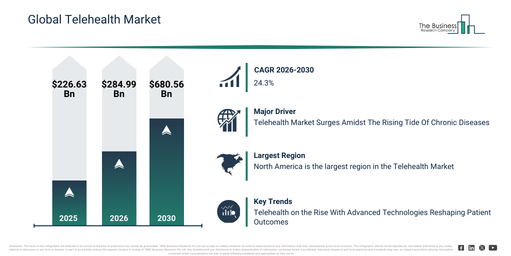
    The telehealth and telemedicine market has experienced significant expansion in recent years. It is projected to grow from $152.44 billion in 2025 to $184.53 billion in 2026, at a compound annual growth rate (CAGR) of 21.1%. This historical growth can be attributed to the expansion of digital healthcare infrastructure, increased smartphone and internet penetration, a rising demand for remote care access, the growth of teleconsultation platforms, and supportive regulatory frameworks.

    The telehealth and telemedicine market is set for substantial expansion in the coming years, with its size projected to reach $392.01 billion by 2030, demonstrating a compound annual growth rate (CAGR) of 20.7%. This anticipated growth during the forecast period stems from several factors, including a heightened demand for hybrid care models, the increasing incorporation of AI diagnostics within telehealth, the broadening of tele-ICU and telepsychiatry offerings, a rise in employer-sponsored telehealth utilization, and a greater emphasis on value-based care provision. Key developments shaping this period encompass the widening scope of virtual care and remote consultations, the expanding integration of remote patient monitoring systems, a surge in the adoption of cloud-powered healthcare platforms, a sharpened focus on data-informed clinical decision support, and the increasing availability of multi-specialty telemedicine services.

    Download the Free Sample Report to Explore Key Market Insights:

    https://www.thebusinessresearchcompany.com/sample.aspx?id=24719&type=smp

    Which Growth Drivers Are Contributing To The Progress Of The Telehealth And Telemedicine Market?

    Growing smartphone adoption is anticipated to boost the expansion of the telehealth and telemedicine market. Smartphone penetration signifies the proportion of the populace owning and utilizing smartphones, indicating the broad integration of mobile technology into daily routines. This surge in smartphone usage stems mainly from reduced costs and enhanced availability, extending smartphone access to a broader consumer base. Smartphones facilitate telehealth and telemedicine by offering convenient remote access to healthcare, supporting live consultations, remote monitoring, and medical guidance. They significantly improve healthcare convenience and reach, particularly benefiting those in isolated regions or with mobility challenges. As an illustration, in October 2023, data from the GSM Association, a UK-based non-profit organization, revealed that nearly 4.3 billion people (53% of the global population) were utilizing their smartphones for internet access. Furthermore, roughly 80% of mobile internet users now employ 4G or 5G smartphones, marking an increase of 330 million people from 2022 to 2023. Consequently, the rising adoption of smartphones is propelling the expansion of the telehealth and telemedicine market.

    Which Segment Areas Are Covered In The Telehealth And Telemedicine Market Analysis?

    The telehealth and telemedicine market covered in this report is segmented –

    1) By Component: Hardware, Software, Services

    2) By Mode of Delivery: Cloud-Based, On-Premise, Web-Based

    3) By Application: Teleconsultation, Tele Intensive Care Unit (TeleICU), Telestroke, Teleradiology, Telepsychiatry, Teledermatology

    4) By End-User: Healthcare Providers, Patients, Payers, Employers, Other End Users

    Subsegments:

    1) By Hardware: Telemedicine Carts, Diagnostic Devices, Digital Imaging Devices, Wearable Devices, Video Conferencing Equipment, Peripheral Devices

    2) By Software: Real-time Communication Software, Remote Patient Monitoring (RRM) Software, Electronic Health Record (EHR) Integration Software, Scheduling And Billing Software, Diagnostic Software, Mobile Health Apps

    3) By Services: Teleconsultation Services, Telemonitoring Services, Store-and-forward Services, Support And Maintenance Services, Training And Education Services, Managed Services

    What Trends Are Advancing Progress In The Telehealth And Telemedicine Market?

    Major companies operating in the telehealth and telemedicine market are focusing on developing technologically advanced solutions, including online platforms, to improve virtual care provision, simplify patient-provider interactions, and extend access to healthcare services remotely. An online platform in telehealth and telemedicine serves as a digital interface allowing patients and healthcare providers to connect virtually for consultations, diagnoses, treatment, and health monitoring via the internet. For instance, in August 2024, Pfizer Inc., a US-based biopharmaceutical company, launched PfizerForAll, a complimentary digital health online platform that connects patients with telehealth providers, facilitates the delivery of prescribed medications, and assists with scheduling vaccinations and diagnostic tests.

    Which Global Companies Are Actively Competing In The Telehealth And Telemedicine Market?

    Major companies operating in the telehealth and telemedicine market are Cisco Systems Inc, Oracle Corporation, Medtronic plc, Koninklijke Philips NV, Teladoc Health Inc, Monogram Health Inc, GoodRx Holdings Inc, Doximity Inc, Modernizing Medicine Inc, Doctor On Demand Inc, MDLIVE Inc, Azalea Health Innovations Inc, Sesame Inc, Apollo TeleHealth Services, TytoCare Ltd, Azova Inc, Push Doctor Ltd, Avel eCare LLC, CureCompanion Inc, CareClix Inc, Curve Health Inc, Amwell Corporation

    Read the full telehealth and telemedicine market report here:

    https://www.thebusinessresearchcompany.com/report/telehealth-and-telemedicine-global-market-report

    What Are The Leading Geographic Regions In The Telehealth And Telemedicine Market?

    North America was the largest region in the telehealth and telemedicine market in 2025. Asia-Pacific is expected to be the fastest-growing region in the forecast period. The regions covered in the telehealth and telemedicine market report are Asia-Pacific, South East Asia, Western Europe, Eastern Europe, North America, South America, Middle East, Africa.

    Request A Tailored Telehealth And Telemedicine Market Research Report For Competitive Advantage:

    https://www.thebusinessresearchcompany.com/customise?id=24719&type=smp

    Browse Through More Reports Similar to the Global Telehealth And Telemedicine Market 2026, By The Business Research Company

    Veterinary Telehealth Global Market Report

    https://www.thebusinessresearchcompany.com/report/veterinary-telehealth-global-market-report

    Telemedicine Services Global Market Report

    https://www.thebusinessresearchcompany.com/report/telemedicine-services-global-market-report

    Video Telemedicine Global Market Report

    https://www.thebusinessresearchcompany.com/report/video-telemedicine-global-market-report

    Get in touch with us:

    The Business Research Company: https://www.thebusinessresearchcompany.com/

    Americas +1 310-496-7795

    Asia +44 7882 955267 & +91 8897263534

    Europe +44 7882 955267

    Email us at info@tbrc.info

    Follow us on:

    LinkedIn: https://in.linkedin.com/company/the-business-research-company

    YouTube: https://www.youtube.com/channel/UC24_fI0rV8cR5DxlCpgmyFQ

    Global Market Model: https://www.thebusinessresearchcompany.com/global-market-model
  • Global Tropical Spastic Paraparesis Market Expected to Reach $1.13 Billion by 2030 with 6.4% CAGR

    Global Tropical Spastic Paraparesis Market Expected to Reach $1.13 Billion by 2030 with 6.4% CAGR

    The Business Research Company’s 2026 market reports include new capabilities such as market attractiveness scoring and analysis, total addressable market analysis, company scoring matrix, interactive excel data dashboard, improved supply chain analysis, upcoming startups in the market, and overview of key products, aimed at improving the depth, usability, and strategic value of the insights delivered.

    What Is The Estimated Market Size Of The Tropical Spastic Paraparesis Market During 2026–2030?

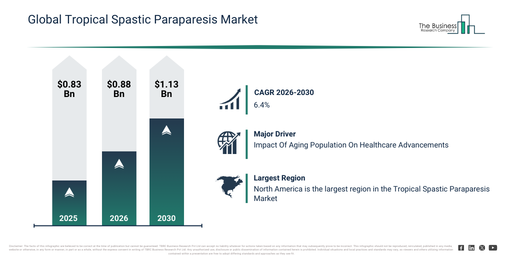
    The tropical spastic paraparesis market size has observed substantial growth in recent years. It is anticipated to expand from $0.83 billion in 2025 to $0.88 billion in 2026, achieving a compound annual growth rate (CAGR) of 6.6%. This historical period’s growth can be attributed to factors such as the increasing prevalence of htlv-1 infection, limited availability of disease-modifying therapies, growing awareness of neurological disorders, expanded access to diagnostic imaging, and a rising demand for supportive care services.

    The market size for tropical spastic paraparesis is poised for robust expansion over the next few years. It is projected to reach $1.13 billion by 2030, growing at a compound annual growth rate (CAGR) of 6.4%. This anticipated growth during the forecast period is fueled by advancements in antiviral research, escalating investments in research for rare neurological disorders, the broadening of precision diagnostics, an increased focus on long-term disease management, and enhanced patient access to specialized care. Prominent trends throughout the forecast duration include a greater emphasis on HTLV-1 targeted diagnostics, the increasing uptake of multidisciplinary treatment approaches, a heightened focus on early disease detection, the proliferation of supportive physiotherapy programs, and improved awareness and screening initiatives for the disease.

    Download the Free Sample Report to Explore Key Market Insights:

    https://www.thebusinessresearchcompany.com/sample.aspx?id=21309&type=smp

    What Drivers Are Expected To Influence The Tropical Spastic Paraparesis Market During The Forecast Period?

    An expanding elderly demographic is anticipated to stimulate the advancement of the tropical spastic paraparesis market. This demographic comprises individuals generally 65 years and above, frequently requiring more healthcare services due to age-associated physiological shifts, long-term health conditions, and restricted capabilities. The rise in the geriatric population stems from factors such as extended lifespans, progress in healthcare, declining birth rates, elevated living standards, more effective disease management, decreased infant mortality, improved nutrition, and wider access to medical breakthroughs. Tropical spastic paraparesis, a persistent neurodegenerative condition impacting motor function, underscores the necessity for improved geriatric healthcare. It emphasizes the crucial role of prompt diagnosis, tailored rehabilitation, and ongoing care plans designed to boost mobility, autonomy, and the overall well-being of older adults. For example, data from the World Health Organization (WHO), a Switzerland-based intergovernmental body, in October 2024 projects that the worldwide population of those aged 60 and above will reach 1.4 billion by 2030, accounting for one in six global inhabitants. This number is predicted to double to 2.1 billion by 2050, with the count of individuals aged 80 and over tripling to 426 million. Consequently, the increasing elderly demographic is propelling the expansion of the tropical spastic paraparesis market.

    How Are The Various Segments Of The Tropical Spastic Paraparesis Market Categorized?

    The tropical spastic paraparesis market covered in this report is segmented –

    1) By Disease Type: Tropical Spastic Paraparesis, HIV Associated Myelopathy, Multiple Sclerosis

    2) By Treatment Modality: Pharmaceuticals, Physiotherapy, Surgical Interventions

    3) By Patient Demographics: Pediatric Patients, Adult Patients, Geriatric Patients

    4) By Diagnostic Technique: Magnetic Resonance Imaging (MRI), Lumbar Puncture

    5) By End Use Industry: Hospitals, Clinics, Diagnostic Centers, Other End Use Industries

    Subsegments:

    1) By Tropical Spastic Paraparesis: Early Stage Tropical Spastic Paraparesis, Late Stage Tropical Spastic Paraparesis

    2) By HIV Associated Myelopathy: Acute HIV Associated Myelopathy, Chronic HIV Associated Myelopathy

    3) By Multiple Sclerosis: Relapsing-Remitting Multiple Sclerosis, Primary Progressive Multiple Sclerosis, Secondary Progressive Multiple Sclerosis

    Which Major Firms Influence Developments In The Tropical Spastic Paraparesis Market?

    Major companies operating in the tropical spastic paraparesis market are Pfizer Inc., Merck & Co. Inc., Bayer AG, Sanofi SA, Bristol-Myers Squibb Company, AstraZeneca Plc, Novartis AG, Eli Lilly and Company, Takeda Pharmaceutical Company Limited, Teva Pharmaceutical Industries Ltd., UCB S.A., Viatris Inc., Biogen Inc., Ionis Pharmaceuticals, H Lundbeck A/S, AC Immune, VectorY Therapeutics, Verge Genomics, ViroMed Co. Ltd., Coya Therapeutics Inc., AgeneBio

    Read the full tropical spastic paraparesis market report here:

    https://www.thebusinessresearchcompany.com/report/tropical-spastic-paraparesis-global-market-report

    Which Region Is Forecast To Lead The Tropical Spastic Paraparesis Market In Terms Of Market Size?

    North America was the largest region in the tropical spastic paraparesis market in 2025. Asia-Pacific is expected to be the fastest-growing region in the forecast period. The regions covered in the tropical spastic paraparesis market report are Asia-Pacific, South East Asia, Western Europe, Eastern Europe, North America, South America, Middle East, Africa.

    Request A Tailored Tropical Spastic Paraparesis Market Research Report For Competitive Advantage:

    https://www.thebusinessresearchcompany.com/customise?id=21309&type=smp

    Browse Through More Reports Similar to the Global Tropical Spastic Paraparesis Market 2026, By The Business Research Company

    Gastroparesis Global Market Report

    https://www.thebusinessresearchcompany.com/report/gastroparesis-global-market-report

    Malaria Vaccines Global Market Report

    https://www.thebusinessresearchcompany.com/report/malaria-vaccines-global-market-report

    Pruritus Therapeutic Global Market Report

    https://www.thebusinessresearchcompany.com/report/pruritus-therapeutic-global-market-report

    Get in touch with us:

    The Business Research Company: https://www.thebusinessresearchcompany.com/

    Americas +1 310-496-7795

    Asia +44 7882 955267 & +91 8897263534

    Europe +44 7882 955267

    Email us at info@tbrc.info

    Follow us on:

    LinkedIn: https://in.linkedin.com/company/the-business-research-company

    YouTube: https://www.youtube.com/channel/UC24_fI0rV8cR5DxlCpgmyFQ

    Global Market Model: https://www.thebusinessresearchcompany.com/global-market-model
  • Telehealth Market Revenue Growth Expected to Reach $680.56 Billion by 2030 with 24.3% CAGR

    Telehealth Market Revenue Growth Expected to Reach $680.56 Billion by 2030 with 24.3% CAGR

    The Business Research Company’s 2026 market reports include new capabilities such as market attractiveness scoring and analysis, total addressable market analysis, company scoring matrix, interactive excel data dashboard, improved supply chain analysis, upcoming startups in the market, and overview of key products, aimed at improving the depth, usability, and strategic value of the insights delivered.

    What Is The Forecasted Market Value Of The Telehealth Market Across 2026–2030?

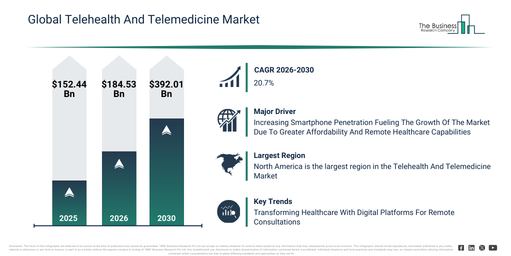
    Over recent years, the telehealth market has experienced an exponential increase in its size. This market is projected to expand from $226.63 billion in 2025 to $284.99 billion in 2026, at a compound annual growth rate (CAGR) of 25.8%. The historical growth of this market can be attributed to several factors, including increasing healthcare digitization initiatives, a rising demand for remote care access, the expansion of broadband connectivity, the growing adoption of electronic health records, and continuous improvements in telecommunication infrastructure.

    The telehealth market size is poised for substantial expansion in the coming years. Projections indicate it will reach $680.56 billion by 2030, exhibiting a compound annual growth rate (CAGR) of 24.3%. This anticipated growth throughout the forecast period stems from several factors, including the rising acceptance of hybrid care models, increased funding for digital health ecosystems, the expansion of tele-specialty services, a heightened emphasis on managing population health, and greater regulatory backing for telehealth reimbursement. Key trends anticipated during this period encompass the growing prevalence of virtual medical consultations, increased deployment of remote patient monitoring tools, deeper integration of telehealth platforms with EHR systems, the scaling up of cloud-based telehealth offerings, and a sharpened focus on ensuring continuous virtual care.

    Download the Free Sample Report to Explore Key Market Insights:

    https://www.thebusinessresearchcompany.com/sample.aspx?id=3954&type=smp

    What Primary Drivers Are Shaping The Development Of The Telehealth Market?

    The growing occurrence of chronic diseases such as cancer, diabetes, and hypertension is anticipated to be a primary driver for the telehealth market. Factors like prolonged working hours, limited physical activity, and unhealthy eating and drinking habits contribute to the widespread nature of chronic diseases, rendering individuals already suffering from these conditions more vulnerable and thus stimulating the demand for telehealth services platforms. For instance, in September 2023, data from the World Health Organization, a Switzerland-based specialized agency of the United Nations, revealed that 41 million deaths, representing 74% of global annual fatalities, were caused by non-communicable diseases (NCDs) or chronic diseases. Specifically, cardiovascular diseases accounted for 17.9 million deaths, cancer for 9.3 million deaths, chronic respiratory diseases for 4.1 million deaths, and diabetes for 2.0 million deaths. Consequently, the increasing prevalence of chronic diseases is projected to accelerate the growth of the market.

    What Segmentation Levels Are Considered In The Telehealth Market?

    The telehealth market covered in this report is segmented –

    1) By Offering: Software, Services, Hardware

    2) By Mode Of Delivery: Cloud-based, On-Premise

    3) By Application: Teleradiology, Telepathology, Teledermatology, Telecardiology, Others

    4) By End-User: Healthcare Providers, Patients, Payers, Other End-Users

    Subsegments:

    1) By Software: Telemedicine Software, Remote Patient Monitoring Software, Practice Management Software, Electronic Health Record (EHR) Integration Software

    2) By Services: Telehealth Consultation Services, Remote Monitoring Services, Education and Training Services, Support And Maintenance Services

    3) By Hardware: Mobile Health Devices, Telemedicine Carts, Digital Stethoscopes, Diagnostic And Imaging Devices

    How Are Trends Transforming The Telehealth Market Landscape?

    Major companies within the telehealth market are prioritizing the integration of advanced technologies, such as remote patient monitoring and AI-driven diagnostics and disease management tools, to improve healthcare accessibility and patient outcomes across various medical conditions. Disease management resources consist of support services and tools designed to help patients effectively manage their chronic conditions, including educational materials, specific treatment plans, medication oversight, and direct access to healthcare professionals. For instance, in January 2024, Eli Lilly and Company, a US-based pharmaceutical company, introduced LillyDirect, a digital healthcare experience crafted to support patients in the U.S. dealing with obesity, migraine, and diabetes. This platform offers disease management resources, connections to independent healthcare providers, and direct home delivery for select Lilly medicines facilitated by third-party pharmacy services.

    Which Leading Firms Are Contributing To The Growth Of The Telehealth Market?

    Major companies operating in the telehealth market are Teladoc Health, Amwell (American Well), MDLIVE, Doctor On Demand, 1Life Healthcare, HealthTap, Babylon Health, PlushCare, MeMD, Pager, Lemonaid Health, SteadyMD, InTouch Health, SnapMD, Zipnosis, SOC Telemed, Vsee Lab, Maven Clinic, HeyDoctor, Kareo, Medici, OnCall Health, Qure4u, Spruce Health, GlobalMed, MDBox, Doxy.me, Vida Health

    Read the full telehealth market report here:

    https://www.thebusinessresearchcompany.com/report/telehealth-global-market-report

    How Does The Telehealth Market Perform Across Major Global Regions?

    North America was the largest region in the telehealth market in 2025. The regions covered in the telehealth market report are Asia-Pacific, South East Asia, Western Europe, Eastern Europe, North America, South America, Middle East, Africa.

    Request A Tailored Telehealth Market Research Report For Competitive Advantage:

    https://www.thebusinessresearchcompany.com/customise?id=3954&type=smp

    Browse Through More Reports Similar to the Global Telehealth Market 2026, By The Business Research Company

    Telehealth Software Global Market Report

    https://www.thebusinessresearchcompany.com/report/telehealth-software-global-market-report

    Veterinary Telehealth Global Market Report

    https://www.thebusinessresearchcompany.com/report/veterinary-telehealth-global-market-report

    Teledentistry Global Market Report

    https://www.thebusinessresearchcompany.com/report/teledentistry-global-market-report

    Get in touch with us:

    The Business Research Company: https://www.thebusinessresearchcompany.com/

    Americas +1 310-496-7795

    Asia +44 7882 955267 & +91 8897263534

    Europe +44 7882 955267

    Email us at info@tbrc.info

    Follow us on:

    LinkedIn: https://in.linkedin.com/company/the-business-research-company

    YouTube: https://www.youtube.com/channel/UC24_fI0rV8cR5DxlCpgmyFQ

    Global Market Model: https://www.thebusinessresearchcompany.com/global-market-model
  • Triple Negative Breast Cancer Market Future Outlook Showing Expansion Toward $1.48 Billion by 2030

    Triple Negative Breast Cancer Market Future Outlook Showing Expansion Toward $1.48 Billion by 2030

    The Business Research Company’s 2026 market reports include new capabilities such as market attractiveness scoring and analysis, total addressable market analysis, company scoring matrix, interactive excel data dashboard, improved supply chain analysis, upcoming startups in the market, and overview of key products, aimed at improving the depth, usability, and strategic value of the insights delivered.

    What Market Size Expansion Is Predicted For The Triple Negative Breast Cancer Market Between 2026 And 2030?

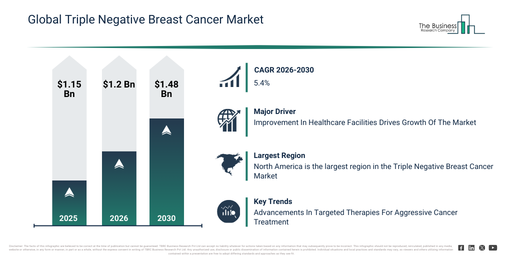
    The triple negative breast cancer market has experienced consistent growth in recent years. This market is projected to expand from $1.15 billion in 2025 to $1.2 billion in 2026, achieving a compound annual growth rate (CAGR) of 4.4%. The growth observed in the historical period can be attributed to the increasing incidence of aggressive breast cancer subtypes, the limited effectiveness of hormone therapies, a growing awareness of genetic risk factors, the expansion of oncology specialty centers, and advancements in diagnostic imaging techniques.

    The triple negative breast cancer market is poised for significant expansion in the upcoming years. It is forecast to achieve a size of $1.48 billion by 2030, advancing at a compound annual growth rate (CAGR) of 5.4%. This projected growth during the forecast timeframe stems from various factors, including the escalating development of innovative immunotherapies, an increased emphasis on individualized oncology treatments, the widening scope of clinical trials for TNBC, the growing adoption of biomarker-guided therapy selection, and advancements in the creation of targeted drugs. Prominent trends expected in this period include the rising acceptance of immunotherapy-based treatment regimens, an increased application of PARP and targeted inhibitors, a concentrated focus on genetic and biomarker testing, the expansion of combination therapy methodologies, and a heightened commitment to early and aggressive intervention.

    Download the Free Sample Report to Explore Key Market Insights:

    https://www.thebusinessresearchcompany.com/sample.aspx?id=21308&type=smp

    What Drivers Are Influencing The Triple Negative Breast Cancer Market?

    Enhanced healthcare infrastructure is anticipated to fuel the expansion of the triple negative breast cancer market in the future. These facilities encompass various settings like hospitals, clinics, and diagnostic centers, which provide essential medical services and support to patients. Their ongoing enhancement stems from various elements including greater capital expenditure in medical infrastructure, an emphasis on patient-centric approaches, demographic shifts like population growth, and an aging populace. Better healthcare amenities bolster care for triple-negative breast cancer patients through offering access to sophisticated diagnostic tools, tailored treatment strategies, collaborative multidisciplinary medical teams, and more comprehensive patient education. This ultimately leads to earlier diagnosis, more effective treatment results, and better overall survival rates for patients. For example, data from May 2023, provided by the American Health Care Association, a US-based nonprofit entity, indicated that the United States comprised 6,129 hospitals, marking a 0.591% rise compared to the 6,093 hospitals recorded in the prior year. Consequently, the advancement in healthcare facilities is a key factor propelling the expansion of the triple negative breast cancer market.

    Which Market Segments Are Examined In The Triple Negative Breast Cancer Market Study?

    The triple negative breast cancer market covered in this report is segmented –

    1) By Treatment Type: Chemotherapy, Immunotherapy, Targeted Therapy, Surgery, Radiation Therapy, Other Treatment Types

    2) By Type Of Test: Imaging Techniques, Assays, Breast Biopsy

    3) By End-User: Hospitals, Specialty Clinics, Ambulatory Surgical Centers, Other End-Users

    Subsegments:

    1) By Chemotherapy: Anthracyclines-based Chemotherapy, Taxane-based Chemotherapy, Platinum-based Chemotherapy

    2) By Immunotherapy: Checkpoint Inhibitors, Cancer Vaccines

    3) By Targeted Therapy: PARP Inhibitors, VEGF Inhibitors, CDK4 Or CDK6 Inhibitors

    4) By Surgery: Mastectomy, Lumpectomy, Lymph Node Dissection

    5) By Radiation Therapy: External Beam Radiation, Brachytherapy

    6) By Other Treatment Types: Hormone Therapy, Hyperthermia Therapy, Stem Cell Therapy

    What Trends Are Projected To Affect The Triple Negative Breast Cancer Market?

    Leading companies in the triple-negative breast cancer market are concentrating on the development of innovative products, such as small molecule drugs, aimed at addressing a broad spectrum of diseases with high precision and efficacy. These small molecule drugs are compounds with low molecular weight that can readily penetrate cells to modulate biological processes, thereby making them effective for targeting specific diseases, including various cancers and infectious diseases. For instance, in December 2024, Lantern Pharma Inc., a US-based clinical-stage biotechnology firm, announced LP-184 as an investigational medication candidate for the treatment of Triple Negative Breast Cancer (TNBC), which received Fast Track Category approval from the Food and Drug Administration (FDA), a US government agency. LP-184 is a next-generation acylfulvene and small molecule drug candidate engineered to selectively induce DNA damage in cancer cells that either overexpress specific biomarkers or have mutations in their DNA damage repair pathways. This medication assists in identifying patient populations and cancer subtypes that are likely to respond to treatment by leveraging Lantern’s proprietary RADR AI platform. It is currently undergoing evaluation across multiple solid tumors, exhibiting nanomolar potency. Moreover, LP-184 has demonstrated promising activity in drug-resistant cancers, suggesting its potential as a significant breakthrough in targeted cancer therapy.

    Who Are The Primary Competitors In The Triple Negative Breast Cancer Market?

    Major companies operating in the triple negative breast cancer market are Pfizer Inc., F Hoffmann-La Roche Ltd., Merck & Co Inc., AbbVie Inc., Bristol-Myers Squibb Company, AstraZeneca Plc, GlaxoSmithKline plc, Eli Lilly and Company, Amgen Inc., Daiichi Sankyo Company Limited, Illumina Inc., Bio-Rad Laboratories Inc., Seagen Inc., MacroGenics Inc., Immutep Limited, G1 Therapeutics Inc., BeOne Medicines, BioNTech SE, Akeso Inc, BriaCell Therapeutics Corp, Bicycle Therapeutics

    Read the full triple negative breast cancer market report here:

    https://www.thebusinessresearchcompany.com/report/triple-negative-breast-cancer-global-market-report

    Which Regions Are Expected To Experience Rapid Expansion In The Triple Negative Breast Cancer Market?

    North America was the largest region in the triple negative breast cancer market in 2025. Asia-Pacific is expected to be the fastest-growing region in the forecast period. The regions covered in the triple negative breast cancer market report are Asia-Pacific, South East Asia, Western Europe, Eastern Europe, North America, South America, Middle East, Africa.

    Request A Tailored Triple Negative Breast Cancer Market Research Report For Competitive Advantage:

    https://www.thebusinessresearchcompany.com/customise?id=21308&type=smp

    Browse Through More Reports Similar to the Global Triple Negative Breast Cancer Market 2026, By The Business Research Company

    Metastatic Hr Her2 Breast Cancer Global Market Report

    https://www.thebusinessresearchcompany.com/report/metastatic-hr-her2-breast-cancer-global-market-report

    Breast Cancer Diagnostics Global Market Report

    https://www.thebusinessresearchcompany.com/report/breast-cancer-diagnostics-global-market-report

    Breast Cancer Drugs Global Market Report

    https://www.thebusinessresearchcompany.com/report/breast-cancer-drugs-global-market-report

    Get in touch with us:

    The Business Research Company: https://www.thebusinessresearchcompany.com/

    Americas +1 310-496-7795

    Asia +44 7882 955267 & +91 8897263534

    Europe +44 7882 955267

    Email us at info@tbrc.info

    Follow us on:

    LinkedIn: https://in.linkedin.com/company/the-business-research-company

    YouTube: https://www.youtube.com/channel/UC24_fI0rV8cR5DxlCpgmyFQ

    Global Market Model: https://www.thebusinessresearchcompany.com/global-market-model
  • Tele-Dermatology Prescription Market Expected to Record Steady Growth and Approach $6.29 Billion by 2030

    Tele-Dermatology Prescription Market Expected to Record Steady Growth and Approach $6.29 Billion by 2030

    The Business Research Company’s 2026 market reports include new capabilities such as market attractiveness scoring and analysis, total addressable market analysis, company scoring matrix, interactive excel data dashboard, improved supply chain analysis, upcoming startups in the market, and overview of key products, aimed at improving the depth, usability, and strategic value of the insights delivered.

    What Market Size Increase Is Anticipated For The Tele-Dermatology Prescription Market Over The 2026–2030 Period?

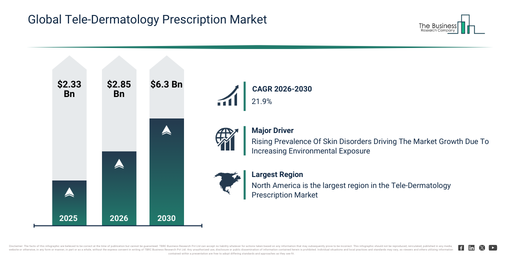
    The tele-dermatology prescription market size has experienced significant expansion in recent years. It is projected to increase from $2.33 billion in 2025 to $2.85 billion in 2026, demonstrating a compound annual growth rate (CAGR) of 22.2%. This historical growth can be attributed to several factors including the wider adoption of telehealth during healthcare disruptions, a rise in the prevalence of chronic skin conditions, the shortage of dermatologists in rural areas, the growth in smartphone-based healthcare access, and the increasing acceptance of virtual consultations.

    The tele-dermatology prescription market is poised for significant expansion in the coming years. It is projected to achieve a size of $6.3 billion by 2030, demonstrating a compound annual growth rate (CAGR) of 21.9%. This projected growth throughout the forecast period stems from factors such as increasing demand for remote specialist care, rising investments in digital dermatology platforms, the broadening availability of AI-powered diagnostic support, evolving regulatory clarity for tele-prescriptions, and advancements in image analysis technologies. Furthermore, major developments anticipated during this period include the increasing adoption of AI-assisted remote skin diagnosis, a growing reliance on store-and-forward consultation models, deeper integration of e-prescription platforms, the expansion of mobile dermatology applications, and an enhanced emphasis on secure patient data exchange.

    Download the Free Sample Report to Explore Key Market Insights:

    https://www.thebusinessresearchcompany.com/sample.aspx?id=28338&type=smp

    Which Major Factors Are Driving The Expansion Of The Tele-Dermatology Prescription Market?

    The increasing occurrence of skin conditions is projected to drive the expansion of the tele-dermatology prescription market moving forward. These conditions are health issues impacting the skin’s structure, function, or look, often presenting symptoms such as redness, itching, inflammation, or lesions. The rising incidence of skin disorders is largely attributed to escalating environmental pollution, which exposes the skin to detrimental chemicals and irritants, initiating or exacerbating various ailments. Tele-dermatology prescriptions facilitate more efficient management of skin disorders through quicker diagnoses, prompt treatment, and continuous remote monitoring. For example, in August 2023, Skin Health Institute Inc., an Australia-based non-profit organization, reported that psoriasis impacts an estimated 2–3% of the Australian population, highlighting it as a fairly common skin condition. Consequently, the growing prevalence of skin disorders is a significant factor propelling the tele-dermatology prescription market. The growing need for remote patient monitoring (RPM) is anticipated to fuel the expansion of the tele-dermatology prescription market in the future. RPM represents a healthcare technology that allows providers to gather and oversee patient health data electronically from distant places, utilizing connected medical devices. The increased demand for RPM stems from a heightened focus on ongoing patient care management, as healthcare systems strive to decrease hospital readmissions and provide more accessible care choices for individuals with chronic conditions. Tele-dermatology prescriptions cater to this demand by enabling dermatologists to digitally evaluate, diagnose, and recommend treatments for skin ailments via secure platforms that monitor patient progress and treatment effectiveness without requiring physical appointments. As an illustration, in August 2025, data from the Office of Inspector General, a US-based Department of Health Human Services (OIG), indicated that in 2024, Medicare expenditures for remote patient monitoring surpassed US $536 million (a 31 % rise from 2023), with nearly 1 million enrollees receiving RPM services (a 27 % increase from 2023), and approximately 4,600 medical practices regularly billing for RPM. Thus, the increasing demand for remote patient monitoring is propelling the growth of the tele-dermatology prescription market.

    How Is The Tele-Dermatology Prescription Market Segmented Across Key Categories?

    The tele-dermatology prescription market covered in this report is segmented –

    1) By Service Type: Real-Time Tele-Dermatology, Store-And-Forward Tele-Dermatology, Hybrid Tele-Dermatology

    2) By Delivery Mode: Web-Based, Cloud-Based, On-Premises

    3) By Application: Skin Cancer, Psoriasis, Acne, Eczema, Other Applications

    4) By End User: Hospitals And Clinics, Homecare, Pharmacies, Other End-Users

    Subsegments:

    1) By Real-Time Tele-Dermatology: Video Consultation, Live Chat Consultation, Remote Monitoring

    2) By Store-And-Forward Tele-Dermatology: Image-Based Consultation, Asynchronous Messaging, Medical Record Sharing

    3) By Hybrid Tele-Dermatology: Combined Live And Image Consultation, Integrated Remote Monitoring And Messaging, Synchronous And Asynchronous Follow-Up

    Who Are The Dominant Players Shaping The Tele-Dermatology Prescription Market Landscape?

    Major companies operating in the tele-dermatology prescription market are Teladoc Health Inc., PharmEasy Online Services Private Limited, American Well Corporation (Amwell), Hims & Hers Health Inc., Curology Inc., Doctor On Demand Inc., Zocdoc Inc., HealthTap Inc., Maple Corporation, Sesame Care Inc., Medweb Inc., SkyMD Inc., Dermatica Limited, CureSkin Technologies Pvt. Ltd., Nurx Inc., DermatologistOnCall Inc., Clinikally Ltd., MapleDerm Inc., MDLive Inc., eDermConsult GmbH, First Derm ApS, iCliniq Technologies Private Limited, Practo Technologies Private Limited, Babylon Health Services Limited, Push Health Inc., PlushCare Inc., HeyDoctor by GoodRx Inc., K Health Inc.

    Read the full tele-dermatology prescription market report here:

    https://www.thebusinessresearchcompany.com/report/tele-dermatology-prescription-global-market-report

    Which Region Currently Holds The Largest Share Of The Tele-Dermatology Prescription Market?

    North America was the largest region in the tele-dermatology prescription market in 2025. Asia-Pacific is expected to be the fastest-growing region in the forecast period. The regions covered in the tele-dermatology prescription market report are Asia-Pacific, South East Asia, Western Europe, Eastern Europe, North America, South America, Middle East, Africa.

    Request A Tailored Tele-Dermatology Prescription Market Research Report For Competitive Advantage:

    https://www.thebusinessresearchcompany.com/customise?id=28338&type=smp

    Browse Through More Reports Similar to the Global Tele-Dermatology Prescription Market 2026, By The Business Research Company

    Tele Intensive Care Global Market Report

    https://www.thebusinessresearchcompany.com/report/tele-intensive-care-global-market-report

    Tele Radiology Global Market Report

    https://www.thebusinessresearchcompany.com/report/tele-radiology-global-market-report

    Teleradiology Global Market Report

    https://www.thebusinessresearchcompany.com/report/teleradiology-global-market-report

    Get in touch with us:

    The Business Research Company: https://www.thebusinessresearchcompany.com/

    Americas +1 310-496-7795

    Asia +44 7882 955267 & +91 8897263534

    Europe +44 7882 955267

    Email us at info@tbrc.info

    Follow us on:

    LinkedIn: https://in.linkedin.com/company/the-business-research-company

    YouTube: https://www.youtube.com/channel/UC24_fI0rV8cR5DxlCpgmyFQ

    Global Market Model: https://www.thebusinessresearchcompany.com/global-market-model
  • Triple Combination Therapy Market Revenue Growth Expected to Reach $27.52 Billion by 2030 with 8.8% CAGR

    Triple Combination Therapy Market Revenue Growth Expected to Reach $27.52 Billion by 2030 with 8.8% CAGR

    The Business Research Company’s 2026 market reports include new capabilities such as market attractiveness scoring and analysis, total addressable market analysis, company scoring matrix, interactive excel data dashboard, improved supply chain analysis, upcoming startups in the market, and overview of key products, aimed at improving the depth, usability, and strategic value of the insights delivered.

    How Large Is The Triple Combination Therapy Market Projected To Become By 2030 Based On Its 2026 Valuation?

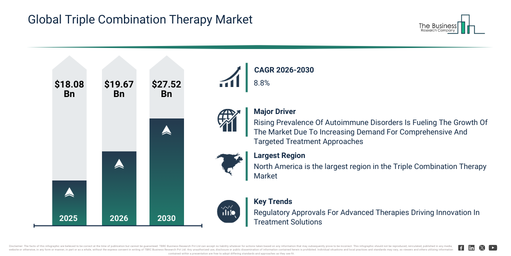
    The triple combination therapy market size has shown substantial growth in recent years. It is anticipated to expand from $18.08 billion in 2025 to $19.67 billion in 2026, achieving a compound annual growth rate (CAGR) of 8.8%. The increase observed in the past can be ascribed to the expansion of chronic disease treatment protocols, the widespread use of antiretroviral therapy, the increasing complexity of cancer treatment regimens, the availability of combination drug approvals, and the growth of specialty pharmaceutical markets.

    The triple combination therapy market is projected to experience robust expansion in the coming years. This market is set to reach $27.52 billion by 2030, exhibiting a compound annual growth rate (CAGR) of 8.8%. Factors contributing to this growth during the forecast period include the escalating demand for precision combination therapies, the increasing development of gene-modulating drugs, the expansion of oncology combination pipelines, a heightened emphasis on optimizing treatment adherence, and progress in pharmacogenomics. Key trends anticipated within the forecast timeframe encompass the rising adoption of fixed-dose combination therapies, the growing utilization of personalized multi-drug regimens, an increased focus on treatment protocols designed to reduce resistance, the broadening application of combination therapies in oncology and HIV, and the improved integration of clinical decision support tools.

    Download the Free Sample Report to Explore Key Market Insights:

    https://www.thebusinessresearchcompany.com/sample.aspx?id=23547&type=smp

    What Drivers Are Shaping The Future Growth Of The Triple Combination Therapy Market?

    An anticipated increase in autoimmune disorder cases is projected to fuel the expansion of the triple combination therapy market in the future. These disorders occur when the body’s own immune system erroneously targets its healthy tissues and organs. This surge in autoimmune disorder prevalence stems from increased exposure to environmental elements like pollution, which can provoke atypical immune reactions in individuals predisposed genetically. Triple combination therapy provides a thorough strategy for managing autoimmune disorders, concurrently addressing various immune pathways, thereby improving treatment effectiveness and lowering disease activity. As an illustration, data from February 2024 by Arthritis Australia, an Australia-based non-profit organization, indicates that in 2025, an estimated 212,136 males and 362,137 females are projected to have rheumatoid arthritis (RA), with these figures anticipated to climb by 2040 to roughly 280,040 males and 479,828 females. Consequently, the increasing occurrence of autoimmune disorders is propelling the expansion of the triple combination therapy market.

    What Segment Groups Are Identified Within The Triple Combination Therapy Market?

    The triple combination therapy market covered in this report is segmented –

    1) By Drug Class: Antiretroviral Agents, Targeted Cancer Therapies, Immunomodulators, Anti-Inflammatory Drugs, Gene Modulators

    2) By Therapeutic Area: Infectious Diseases, Chronic Diseases, Cystic Fibrosis (CF), Cancer, Autoimmune Disorders, Neurological Disorders

    3) By Route Of Administration: Oral Therapies, Intravenous (IV), Subcutaneous (SC), Inhalation-Based Therapies, Topical Applications

    4) By Distribution Channel: Hospital Pharmacies, Retail Pharmacies, Online Pharmacies, Specialty Clinics

    Subsegments:

    1) By Antiretroviral Agents: Nucleoside Reverse Transcriptase Inhibitors (NRTIs), Non-Nucleoside Reverse Transcriptase Inhibitors (NNRTIs), Protease Inhibitors (PIs)

    2) By Targeted Cancer Therapies: Tyrosine Kinase Inhibitors (TKIs), Monoclonal Antibodies (mAbs), Immune Checkpoint Inhibitors

    3) By Immunomodulators: Interleukin Inhibitors, Tumor Necrosis Factor (TNF) Inhibitors, Janus Kinase (JAK) Inhibitors

    4) By Anti-Inflammatory Drugs: Non-Steroidal Anti-Inflammatory Drugs (NSAIDs), Corticosteroids, Selective COX-2 Inhibitors

    5) By Gene Modulators: Antisense Oligonucleotides, RNA Interference (RNAi) Agents, CRISPR-Based Gene Editing Therapies

    Which Upcoming Trends Are Expected To Influence The Triple Combination Therapy Market?

    Major companies operating in the triple combination therapy market are focusing on developing innovative solutions, such as next-generation cystic fibrosis triple therapy, to improve clinical outcomes in cystic fibrosis by addressing the root cause of the disease. Next-generation cystic fibrosis triple therapy is an advanced treatment approach combining three modulators to enhance the function of the defective cystic fibrosis transmembrane conductance regulator (CFTR) protein, aiming to improve respiratory outcomes and overall disease management in patients with cystic fibrosis. For instance, in July 2024, Vertex Pharmaceuticals Incorporated, a US-based biotechnology company, announced that the U.S. Food and Drug Administration (FDA) had accepted its New Drug Application (NDA) for vanzacaftor/tezacaftor/deutivacaftor, a next-in-class triple combination therapy for the treatment of cystic fibrosis in patients aged six years and older who have at least one responsive cystic fibrosis transmembrane conductance regulator (CFTR) mutation. This once-daily regimen, known as the “vanza triple,” is engineered to significantly enhance CFTR protein function by combining two correctors and a potentiator, thereby targeting the protein’s quantity and activity at the cell surface. The therapy has been granted priority review by the FDA and validated by the European Medicines Agency (EMA), underscoring its potential to raise the standard of care and improve the quality of life for a broader segment of the cystic fibrosis population.

    Which Companies Hold Significant Positions In The Triple Combination Therapy Market?

    Major companies operating in the triple combination therapy market are Merck & Co. Inc., AstraZeneca plc, Novartis AG, GlaxoSmithKline (GSK) plc, Boehringer Ingelheim International GmbH, Vertex Pharmaceuticals, Daiichi Sankyo US, Bausch Health Companies Inc., CHIESI Farmaceutici S.p.A., Cipla Ltd., Lupin Ltd., BeyondSpring Inc., Daewoong pharmaceutical Co. Ltd, Galapagos NV, George Medicines, Biocytogen, Healio, Laekna Therapeutics, PDS Biotechnology, TG Therapeutics Inc., Immutep

    Read the full triple combination therapy market report here:

    https://www.thebusinessresearchcompany.com/report/triple-combination-therapy-global-market-report

    Which Geographic Regions Are Influencing Demand In The Triple Combination Therapy Market?

    North America was the largest region in the triple combination therapy market in 2025. Asia-Pacific is expected to be the fastest-growing region in the forecast period. The regions covered in the triple combination therapy market report are Asia-Pacific, South East Asia, Western Europe, Eastern Europe, North America, South America, Middle East, Africa.

    Request A Tailored Triple Combination Therapy Market Research Report For Competitive Advantage:

    https://www.thebusinessresearchcompany.com/customise?id=23547&type=smp

    Browse Through More Reports Similar to the Global Triple Combination Therapy Market 2026, By The Business Research Company

    Music Therapy Global Market Report

    https://www.thebusinessresearchcompany.com/report/music-therapy-global-market-report

    Antiviral Combination Therapy Global Market Report

    https://www.thebusinessresearchcompany.com/report/antiviral-combination-therapy-global-market-report

    Cells Therapy Global Market Report

    https://www.thebusinessresearchcompany.com/report/cells-therapy-global-market-report

    Get in touch with us:

    The Business Research Company: https://www.thebusinessresearchcompany.com/

    Americas +1 310-496-7795

    Asia +44 7882 955267 & +91 8897263534

    Europe +44 7882 955267

    Email us at info@tbrc.info

    Follow us on:

    LinkedIn: https://in.linkedin.com/company/the-business-research-company

    YouTube: https://www.youtube.com/channel/UC24_fI0rV8cR5DxlCpgmyFQ

    Global Market Model: https://www.thebusinessresearchcompany.com/global-market-model
  • Tele-Derm Robot Camera Arm Industry Expansion Forecast Showing Market Size of $3.76 Billion by 2030 at 18.6% CAGR

    Tele-Derm Robot Camera Arm Industry Expansion Forecast Showing Market Size of $3.76 Billion by 2030 at 18.6% CAGR

    The Business Research Company’s 2026 market reports include new capabilities such as market attractiveness scoring and analysis, total addressable market analysis, company scoring matrix, interactive excel data dashboard, improved supply chain analysis, upcoming startups in the market, and overview of key products, aimed at improving the depth, usability, and strategic value of the insights delivered.

    How Much Is The Tele-Derm Robot Camera Arm Market Expected To Grow In Terms Of Market Value Between 2026 And 2030?

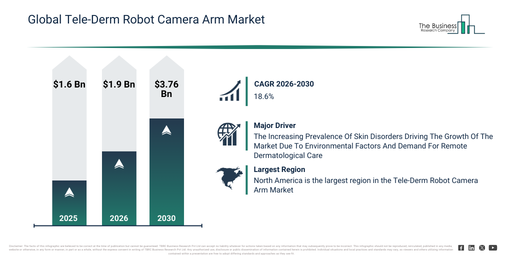
    The tele-derm robot camera arm market size has experienced substantial expansion in recent years. It is projected to grow from $1.6 billion in 2025 to $1.9 billion in 2026, at a compound annual growth rate (CAGR) of 18.9%. In the historical period, this growth was influenced by factors such as the rise in telemedicine adoption, an increasing scarcity of dermatology specialists, the expansion of remote clinical consultation services, advancements in robotic camera hardware, and the growing acceptance of digital diagnostics.

    The tele-derm robot camera arm market size is anticipated to expand quickly over the coming years. It will grow to $3.76 billion in 2030 at a compound annual growth rate (CAGR) of 18.6%. This projected expansion is driven by factors such as greater investments in telehealth robotics, a heightened need for remote specialty care, wider availability of wireless medical imaging technologies, increased integration of AI diagnostics, and more frequent implementation in outpatient and ambulatory environments. Key developments during this period will involve the increased adoption of robotic-assisted teledermatology tools, a growing demand for high-accuracy remote imaging solutions, the expanding integration of AI-powered skin analysis, the spread of portable and adaptable camera arm offerings, and a stronger emphasis on the precision of remote diagnoses.

    Download the Free Sample Report to Explore Key Market Insights:

    https://www.thebusinessresearchcompany.com/sample.aspx?id=29225&type=smp

    What Key Drivers Are Influencing The Growth Of The Tele-Derm Robot Camera Arm Market?

    The expanding occurrence of skin conditions is projected to drive the demand for the Tele-Derm Robot Camera Arm Market in the future. Skin disorders encompass various medical issues impacting the skin’s structure, performance, or look, leading to symptoms such as rashes, sores, swelling, or changes in color or feel. The rise in skin disorders is attributed to environmental elements, as exposure to contaminants, ultraviolet radiation, shifts in climate, and dangerous chemicals can harm the skin and trigger diverse dermatological ailments. The tele-derm robot camera arm facilitates accurate remote skin examinations, thereby enhancing early detection, accurate diagnosis, and ongoing monitoring of various skin conditions, while simultaneously broadening accessibility to dermatological care. For instance, data from Skin Health Institute Inc., an Australian non-profit organization, indicated in August 2023 that in Australia, an estimated 2–3% of the population is affected by psoriasis, underscoring its commonality as a skin ailment. Consequently, the rising incidence of skin disorders is fueling the Tele-Derm Robot Camera Arm Market. The increase in healthcare spending is anticipated to propel the expansion of the Tele-Derm Robot Camera Arm Market in the coming period. Healthcare expenditure signifies the overall investment in medical services, apparatus, and technologies aimed at enhancing health outcomes. This expenditure is increasing due to a heightened demand for advanced medical technologies, as healthcare facilities and clinics allocate more resources to innovative equipment and digital solutions to elevate patient care and results. Increased healthcare spending encourages the adoption of tele-derm robot camera arms by enabling healthcare providers to invest in sophisticated diagnostic technologies that improve remote dermatological services and patient outcomes. For example, in June 2025, the Centers for Medicare & Medicaid Services, a US government body, stated that in 2023, national health expenditures (NHE) rose by 7.5%, reaching $4.9 trillion, which translates to an average of $14,570 per individual and constitutes 17.6% of the Gross Domestic Product (GDP). Spending on Medicare saw an 8.1% increase, reaching $1,029.8 billion, making up 21% of the total NHE. Thus, the growing healthcare expenditure is fostering the expansion of the Tele-Derm Robot Camera Arm Market.

    What Major Segment Divisions Exist Within The Tele-Derm Robot Camera Arm Market?

    The tele-derm robot camera arm market covered in this report is segmented –

    1) By Product Type: Fixed Camera Arm, Articulated Camera Arm, Portable Camera Arm, Other Product Types

    2) By Technology: Wired, Wireless

    3) By Application: Teledermatology, Remote Patient Monitoring, Clinical Diagnostics, Other Applications

    4) By End-User: Hospitals, Clinics, Ambulatory Surgical Centers, Other End-Users

    Subsegments:

    1) By Fixed Camera Arm: Wall Mounted, Ceiling Mounted, Tripod Mounted, Desk Mounted

    2) By Articulated Camera Arm: Single Joint, Double Joint, Multi Joint, Telescopic

    3) By Portable Camera Arm: Handheld, Foldable, Collapsible, Lightweight

    4) By Other Product Types: Robotic, Motorized, Pneumatic, Hydraulic

    Which Companies Are Leading Innovation In The Tele-Derm Robot Camera Arm Market?

    Major companies operating in the tele-derm robot camera arm market are Olympus Corporation, KUKA Systems GmbH, Comau S.p.A., Universal Robots AS, FotoFinder Systems Inc., Canfield Scientific Inc., Mecademic Robotics, Blackcam Robotics, Dermavision Solutions S.L., Elephant Robotics, Fourth Arrow Camera Arms, Shenzhen Wisonic Medical Technology Co. Ltd, Adept Technology Inc., Kinova Robotics, Staubli Robotics, Denso Robotics, Robotiq Inc., iRobot Medical Systems, Yaskawa Motoman, ABB Robotics

    Read the full tele-derm robot camera arm market report here:

    https://www.thebusinessresearchcompany.com/report/tele-derm-robot-camera-arm-global-market-report

    Which Region Is Expected To Register The Fastest Growth In The Tele-Derm Robot Camera Arm Market?

    North America was the largest region in the tele-derm robot camera arm market in 2025. Asia-Pacific is expected to be the fastest-growing region in the forecast period. The regions covered in the tele-derm robot camera arm market report are Asia-Pacific, South East Asia, Western Europe, Eastern Europe, North America, South America, Middle East, Africa.

    Request A Tailored Tele-Derm Robot Camera Arm Market Research Report For Competitive Advantage:

    https://www.thebusinessresearchcompany.com/customise?id=29225&type=smp

    Browse Through More Reports Similar to the Global Tele-Derm Robot Camera Arm Market 2026, By The Business Research Company

    Tele Intensive Care Unit Global Market Report

    https://www.thebusinessresearchcompany.com/report/tele-intensive-care-unit-global-market-report

    Tele Radiology Global Market Report

    https://www.thebusinessresearchcompany.com/report/tele-radiology-global-market-report

    Telehealth Global Market Report

    https://www.thebusinessresearchcompany.com/report/telehealth-global-market-report

    Get in touch with us:

    The Business Research Company: https://www.thebusinessresearchcompany.com/

    Americas +1 310-496-7795

    Asia +44 7882 955267 & +91 8897263534

    Europe +44 7882 955267

    Email us at info@tbrc.info

    Follow us on:

    LinkedIn: https://in.linkedin.com/company/the-business-research-company

    YouTube: https://www.youtube.com/channel/UC24_fI0rV8cR5DxlCpgmyFQ

    Global Market Model: https://www.thebusinessresearchcompany.com/global-market-model
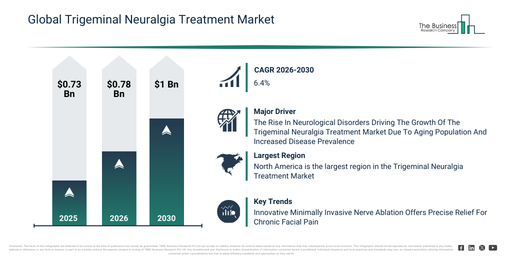
  • Trigeminal Neuralgia Treatment Market Expected to Record Steady Growth and Approach $0.99 Billion by 2030

    Trigeminal Neuralgia Treatment Market Expected to Record Steady Growth and Approach $0.99 Billion by 2030

    The Business Research Company’s 2026 market reports include new capabilities such as market attractiveness scoring and analysis, total addressable market analysis, company scoring matrix, interactive excel data dashboard, improved supply chain analysis, upcoming startups in the market, and overview of key products, aimed at improving the depth, usability, and strategic value of the insights delivered.

    What Market Value Is Anticipated For The Trigeminal Neuralgia Treatment Market Over The Period 2026–2030?

    The trigeminal neuralgia treatment market size has shown strong growth in recent years. It is expected to expand from $0.73 billion in 2025 to $0.78 billion in 2026, registering a compound annual growth rate (CAGR) of 6.7%. The growth observed in the historic period can be ascribed to increasing diagnosis rates of trigeminal neuralgia, a reliance on pharmacological pain management, the expansion of neurology specialty services, improved imaging for nerve disorders, and the growing availability of surgical treatment options.

    The trigeminal neuralgia treatment market is anticipated to experience robust expansion over the coming years. This market is projected to reach a valuation of $1 billion by 2030, exhibiting a compound annual growth rate (CAGR) of 6.4%. This projected growth is driven by several factors, including a heightened need for lasting pain relief options, the increasing uptake of gamma knife radiosurgery, the proliferation of outpatient surgical facilities, an intensified emphasis on improving patient quality-of-life outcomes, and progress in neurosurgical methods. Key developments anticipated during this period involve a greater utilization of sophisticated anticonvulsant drugs, a surge in the adoption of minimally invasive surgical techniques, an increasing inclination towards stereotactic radiosurgery, the broader implementation of multidisciplinary approaches to pain management, and a stronger commitment to achieving prolonged symptom control.

    Download the Free Sample Report to Explore Key Market Insights:

    https://www.thebusinessresearchcompany.com/sample.aspx?id=21307&type=smp

    Which Economic Or Industry Drivers Are Impacting The Trigeminal Neuralgia Treatment Market?

    The increasing occurrence of neurological conditions is anticipated to drive the expansion of the trigeminal neuralgia treatment market in the coming years. Neurological disorders encompass various conditions that impact the brain, spinal cord, and nerves. The growing prevalence of these disorders is mainly attributed to the aging population, as advanced age elevates the likelihood of conditions such as Alzheimer’s, Parkinson’s, and stroke. Trigeminal neuralgia treatments assist patients by alleviating severe facial pain, reducing nerve inflammation, improving their quality of life, and preventing additional neurological damage. For example, in March 2023, the Alzheimer’s Association, a US-based nonprofit voluntary health organization, stated that in 2023, approximately 6.7 million Americans aged 65 and older were living with Alzheimer’s dementia, a figure expected to climb to 13.8 million by 2060. Consequently, the rising incidence of neurological disorders is propelling the growth of the trigeminal neuralgia treatment market. The expansion of the geriatric population is predicted to stimulate the growth of the trigeminal neuralgia treatment market in the future. The geriatric population comprises individuals typically aged 65 and above, frequently experiencing increased healthcare demands due to age-related physiological shifts, chronic illnesses, and functional limitations. This rise in the geriatric population stems from factors such as increased life expectancy, progress in healthcare, lower birth rates, improved living conditions, more effective disease management, reduced infant mortality, better nutrition, and availability of medical innovations. Trigeminal neuralgia treatment provides assistance to the geriatric population by alleviating severe facial pain, enhancing daily functioning, and improving the overall quality of life for older adults. For instance, in October 2024, the World Health Organization, a Switzerland-based intergovernmental organization, projected that the worldwide population of individuals aged 60 and older will reach 1.4 billion by 2030, representing one in every six people globally. This figure is anticipated to double to 2.1 billion by 2050, with the number of people aged 80 and above set to triple, reaching 426 million. Consequently, the aging population is driving the growth of the trigeminal neuralgia treatment market.

    How Is The Trigeminal Neuralgia Treatment Market Divided Into Its Major Segments?

    The trigeminal neuralgia treatment market covered in this report is segmented –

    1) By Treatment Type: Medications, Surgery, Other Treatment Types

    2) By Distribution Channel: Hospital Pharmacies, Retail Pharmacies, Online Pharmacies

    3) By End-User: Hospitals, Specialty Clinics, Ambulatory Surgical Centers, Other End-Users

    Subsegments:

    1) By Medications: Anticonvulsants, Muscle Relaxants, Antidepressants

    2) By Surgery: Microvascular Decompression Surgery, Gamma Knife Radiosurgery, Rhizotomy

    3) By Other Treatment Types: Nerve Blocks, Stereotactic Radiosurgery, Physical Therapy

    How Are Trends Shaping The Direction Of The Trigeminal Neuralgia Treatment Market?

    Leading companies in the trigeminal neuralgia treatment market are concentrating on developing innovative solutions, such as minimally invasive nerve ablation, to enhance patient outcomes, decrease procedure-related complications, and improve the overall quality of life for individuals suffering from severe facial pain. Minimally invasive nerve ablation is a medical procedure utilizing heat, cold, or chemical agents to selectively destroy or disable pain-causing nerves, with minimal harm to surrounding tissues. For example, in August 2025, NeuroOne Medical Technologies Corporation, a US-based medical technology company, secured approval from the U.S. Food and Drug Administration (FDA) for the OneRF Trigeminal Nerve Ablation System, authorizing its use for treating trigeminal neuralgia, a chronic facial pain condition. This system features a multi-contact radiofrequency probe that enables precise pain localization, stimulation, and customized ablation using a single electrode. It operates with temperature-controlled lesioning to enhance accuracy and safety, potentially shortening procedure time and increasing patient comfort. The system is minimally invasive and delivers targeted radiofrequency energy to ablate nerve fibers responsible for chronic facial pain, including trigeminal neuralgia.

    Who Are The Prominent Organizations Shaping The Trigeminal Neuralgia Treatment Market?

    Major companies operating in the trigeminal neuralgia treatment market are Novartis AG, Sandoz, Sun Pharmaceutical Industries Ltd., Apotex Inc., Lupin Limited, Taro Pharmaceutical Industries Ltd., Torrent Pharmaceuticals Ltd., Kriya Therapeutics, Convergence Pharmaceuticals Limited, Noema Pharma AG, Max Healthcare, Oxford Cannabinoid Technologies Holdings Plc, NanoVibronix, Pfizer Inc., GlaxoSmithKline plc, Teva Pharmaceutical Industries Ltd., Medtronic plc, Boston Scientific Corporation, Abbott Laboratories, Elekta, Accuray Inc., UCB S.A., Eli Lilly and Company

    Read the full trigeminal neuralgia treatment market report here:

    https://www.thebusinessresearchcompany.com/report/trigeminal-neuralgia-treatment-global-market-report

    What Are The Top-Performing Regions Within The Trigeminal Neuralgia Treatment Market?

    North America was the largest region in the trigeminal neuralgia treatment market in 2025. Asia-Pacific is expected to be the fastest-growing region in the forecast period. The regions covered in the trigeminal neuralgia treatment market report are Asia-Pacific, South East Asia, Western Europe, Eastern Europe, North America, South America, Middle East, Africa.

    Request A Tailored Trigeminal Neuralgia Treatment Market Research Report For Competitive Advantage:

    https://www.thebusinessresearchcompany.com/customise?id=21307&type=smp

    Browse Through More Reports Similar to the Global Trigeminal Neuralgia Treatment Market 2026, By The Business Research Company

    Fibromyalgia Treatment Global Market Report

    https://www.thebusinessresearchcompany.com/report/fibromyalgia-treatment-global-market-report

    Muscle Pain Treatment Global Market Report

    https://www.thebusinessresearchcompany.com/report/muscle-pain-treatment-global-market-report

    Migraine Treatment Global Market Report

    https://www.thebusinessresearchcompany.com/report/migraine-treatment-global-market-report

    Get in touch with us:

    The Business Research Company: https://www.thebusinessresearchcompany.com/

    Americas +1 310-496-7795

    Asia +44 7882 955267 & +91 8897263534

    Europe +44 7882 955267

    Email us at info@tbrc.info

    Follow us on:

    LinkedIn: https://in.linkedin.com/company/the-business-research-company

    YouTube: https://www.youtube.com/channel/UC24_fI0rV8cR5DxlCpgmyFQ

    Global Market Model: https://www.thebusinessresearchcompany.com/global-market-model
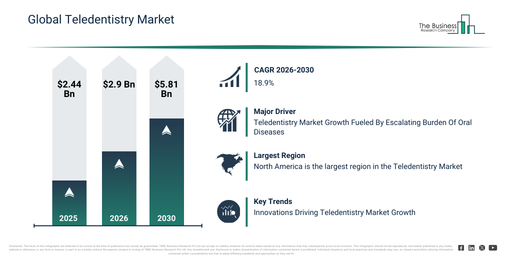
  • Teledentistry Market Revenue Expected to Reach $5.81 Billion by 2030 with 18.9% CAGR

    Teledentistry Market Revenue Expected to Reach $5.81 Billion by 2030 with 18.9% CAGR

    The Business Research Company’s 2026 market reports include new capabilities such as market attractiveness scoring and analysis, total addressable market analysis, company scoring matrix, interactive excel data dashboard, improved supply chain analysis, upcoming startups in the market, and overview of key products, aimed at improving the depth, usability, and strategic value of the insights delivered.

    What Market Value Is Expected For The Teledentistry Market At The End Of The 2026–2030 Forecast Period?

    The teledentistry market size has experienced rapid expansion in recent years. Projections indicate it will expand from $2.44 billion in 2025 to $2.9 billion in 2026, demonstrating a compound annual growth rate (CAGR) of 19.0%. Factors contributing to this historical growth include heightened internet penetration within healthcare, an increasing scarcity of dental professionals in rural regions, the rising embrace of remote healthcare solutions, broader implementation of digital dental records, and advancements in video conferencing technologies.

    The teledentistry market is projected for significant expansion in the coming years. Its valuation is anticipated to reach $5.81 billion by 2030, exhibiting a compound annual growth rate (CAGR) of 18.9%. This anticipated growth during the forecast period stems from factors such as a heightened need for accessible remote oral healthcare, increased funding in digital dental platforms, an enhanced emphasis on preventive dental care, the broadening of AI-supported dental diagnostics, and the greater incorporation of teledentistry into standard dental workflows. Key developments expected throughout this period encompass a wider embrace of virtual dental consultations, increased deployment of digital imaging and remote diagnostics, greater unification of practice management platforms, the broadening of cloud-based dental communication tools, and an elevated attention to remote patient engagement.

    Download the Free Sample Report to Explore Key Market Insights:

    https://www.thebusinessresearchcompany.com/sample.aspx?id=8311&type=smp

    What Major Growth Drivers Are Shaping The Outlook Of The Teledentistry Market?

    The escalating impact of oral diseases is projected to boost the expansion of the teledentistry market moving forward. Oral diseases encompass ailments affecting the mouth and its constituent parts, such as teeth, gums, and the tongue. Teledentistry is instrumental in widening access to oral health services and improving the management of oral diseases. For example, in March 2025, according to the World Health Organization, a Switzerland-based intergovernmental organization, in 2022, an estimated 389,846 new cases of lip and oral cavity cancers were reported globally, leading to approximately 188,438 deaths. Hence, the rising incidence of oral diseases is propelling the growth of the teledentistry market.

    What Segment Types Make Up The Teledentistry Market?

    The teledentistry market covered in this report is segmented –

    1) By Component: Hardware, Software

    2) By Delivery Mode: On-premise, Cloud-based

    3) By Application: Tele-consultation, Remote patient monitoring, Education and training

    4) By End User: Healthcare providers, Patients, Other End-Users

    Subsegments:

    1) By Hardware: Intraoral Cameras, X-Ray Scanners, Mobile Devices, Computer Systems

    2) By Software: Practice Management Software, Appointment Scheduling Software, Image Analysis and Diagnosis Software, Communication And Video Conferencing Software

    Which Trends Are Shaping The Future Of The Teledentistry Market?

    Major companies operating in the teledentistry market are concentrating on technological advancements, such as AI-driven diagnostic tools and virtual consultation platforms, to boost patient access and refine the quality of dental care, fostering improved oral health outcomes and patient satisfaction. Artificial intelligence (AI) for photo analysis employs algorithms to evaluate and interpret visual data from images, enabling accurate assessments and diagnoses in various domains, including healthcare. For instance, in June 2023, Virtual Dental Care, Inc., a US-based company providing teledentistry software and services, launched Teledentistry 3.0. Teledentistry 3.0 aims to enhance patient access to dental care by delivering a comprehensive suite of virtual services from the comfort of their homes. This iteration of teledentistry expands beyond traditional problem-focused services to encompass wellness-focused offerings like preventive care and ongoing oral health monitoring. This innovative platform utilizes advanced technologies such as artificial intelligence to improve diagnosis and personalize treatment plans, thereby increasing accessibility to dental care.

    Who Are The Key Players Driving Competition In The Teledentistry Market?

    Major companies operating in the teledentistry market are The TeleDentists, Dentulu Inc, Toothpic, Virtudent Inc, SmileMate, DentalChat, Denteractive, DigiDentista, Odonto Virtual, Odontología Virtual, Dentaly.org, Teladent, Zahnarzt-Hotline, Dentist.cz, DentistulTau, Dentaltap, Dentalink, Odontovida, Smileneo, Teledentistry

    Read the full teledentistry market report here:

    https://www.thebusinessresearchcompany.com/report/teledentistry-global-market-report

    Which Regions Are Projected To Dominate The Teledentistry Market In The Coming Years?

    North America was the largest region in the teledentistry market in 2025. The regions covered in the teledentistry market report are Asia-Pacific, South East Asia, Western Europe, Eastern Europe, North America, South America, Middle East, Africa.

    Request A Tailored Teledentistry Market Research Report For Competitive Advantage:

    https://www.thebusinessresearchcompany.com/customise?id=8311&type=smp

    Browse Through More Reports Similar to the Global Teledentistry Market 2026, By The Business Research Company

    Dermatology Drugs Global Market Report

    https://www.thebusinessresearchcompany.com/report/dermatology-drugs-global-market-report

    Online Dermatology Consultation Global Market Report

    https://www.thebusinessresearchcompany.com/report/online-dermatology-consultation-global-market-report

    Dermatology Global Market Report

    https://www.thebusinessresearchcompany.com/report/dermatology-global-market-report

    Get in touch with us:

    The Business Research Company: https://www.thebusinessresearchcompany.com/

    Americas +1 310-496-7795

    Asia +44 7882 955267 & +91 8897263534

    Europe +44 7882 955267

    Email us at info@tbrc.info

    Follow us on:

    LinkedIn: https://in.linkedin.com/company/the-business-research-company

    YouTube: https://www.youtube.com/channel/UC24_fI0rV8cR5DxlCpgmyFQ

    Global Market Model: https://www.thebusinessresearchcompany.com/global-market-model