Category: Healthcare Services

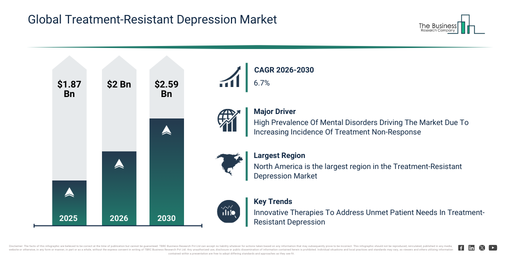
  • Treatment-Resistant Depression Industry Expansion Forecast Showing Market Size of $2.59 Billion by 2030 at 6.7% CAGR

    Treatment-Resistant Depression Industry Expansion Forecast Showing Market Size of $2.59 Billion by 2030 at 6.7% CAGR

    The Business Research Company’s 2026 market reports include new capabilities such as market attractiveness scoring and analysis, total addressable market analysis, company scoring matrix, interactive excel data dashboard, improved supply chain analysis, upcoming startups in the market, and overview of key products, aimed at improving the depth, usability, and strategic value of the insights delivered.

    What Is The Expected Market Size Of The Treatment-Resistant Depression Market From 2026 To 2030?

    The size of the treatment-resistant depression market has demonstrated robust growth in recent years. This market is projected to expand from $1.87 billion in 2025 to $2 billion in 2026, achieving a compound annual growth rate (CAGR) of 6.9%. Historically, this expansion has been driven by factors such as the increasing prevalence of major depressive disorder, the limited effectiveness of conventional antidepressants, a rise in the diagnosis of refractory depression cases, the growth in psychiatric specialty clinics, and the growing acceptance of advanced mental health therapies.

    The market for treatment-resistant depression is anticipated to experience substantial expansion over the coming years, with projections indicating it will reach $2.59 billion by 2030, exhibiting a compound annual growth rate (CAGR) of 6.7%. This growth during the forecast period is expected to be driven by factors such as increasing investments in precision psychiatry, the growing approval of ketamine and esketamine therapies, the expansion of biomarker-driven treatment selection, a rising demand for long-term depression management solutions, and the increased use of digital therapeutic support tools. Key trends foreseen in this period include the wider adoption of novel rapid-acting antidepressants, an increase in the utilization of neuromodulation therapies, a growing emphasis on personalized psychiatry approaches, the expansion of research into psychedelic-based treatments, and enhanced integration of digital mental health tools.

    Download the Free Sample Report to Explore Key Market Insights:

    https://www.thebusinessresearchcompany.com/sample.aspx?id=23546&type=smp

    What Major Drivers Are Influencing Demand In The Treatment-Resistant Depression Market?

    The increasing incidence of mental health conditions is anticipated to fuel the expansion of the treatment-resistant depression market in the future. Mental disorders encompass a wide spectrum of ailments affecting an individual’s cognitive, emotional, and behavioral functioning, frequently leading to considerable suffering and functional difficulties in daily life. The widespread occurrence of mental disorders stems from various factors, including genetic predisposition, as inherited genetic differences can alter brain chemistry and heighten vulnerability to conditions like depression, anxiety, and schizophrenia. Treatment-resistant depression (TRD) offers assistance to individuals with mental disorders by promoting tailored and sophisticated treatment options when conventional therapies prove ineffective, thereby enhancing their prospects for recovery and overall well-being. For example, data from November 2023, published by the American Psychological Association (APA), a US-based scientific and professional organization, indicated that in 2023, adults aged 18 to 34 had the highest reported incidence of mental illnesses at 50%, whereas those aged 35 to 44 showed the most significant rise in diagnoses, with 45% stating they had a mental illness. Consequently, the substantial occurrence of mental disorders is a key factor propelling the expansion of the treatment-resistant depression market.

    Which Segments Are Included In The Analysis Of The Treatment-Resistant Depression Market?

    The treatment-resistant depression market covered in this report is segmented –

    1) By Drug Class: Selective Serotonin Reuptake Inhibitors (SSRIs), Monoamine Oxidase Inhibitors, Tricyclic Antidepressants, Psychedelics

    2) By Route Of Administration: Oral, Parenteral, Other Routes Of Administration

    3) By Distribution Channel: Hospital Pharmacies, Retail Pharmacies, Online Pharmacies

    4) By End-User: Hospitals, Homecare, Specialty Clinics, Other End-Users

    Subsegments:

    1) By Selective Serotonin Reuptake Inhibitors (SSRIs): Fluoxetine, Sertraline, Paroxetine, Citalopram, Escitalopram

    2) By Monoamine Oxidase Inhibitors (MAOIs): Phenelzine, Tranylcypromine, Isocarboxazid, Selegiline

    3) By Tricyclic Antidepressants (TCAs): Amitriptyline, Nortriptyline, Imipramine, Clomipramine, Doxepin

    4) By Psychedelics: Ketamine, Esketamine, Psilocybin, Lysergic Acid Diethylamide (LSD), 3,4-Methylenedioxymethamphetamine (MDMA)

    Which Market Trends Are Creating New Opportunities In The Treatment-Resistant Depression Market?

    Leading companies in the treatment-resistant depression market are concentrating on developing innovative therapies such as monotherapy to address unmet patient needs, improve efficacy, and reduce side effects. Monotherapy involves the use of a single treatment or medication to manage a condition, rather than combining it with others. It assists in treating treatment-resistant depression by offering a singular, focused approach that may be more effective for patients who haven’t responded to multiple medications. For instance, in January 2025, Johnson & Johnson Services Inc., a US-based pharmaceutical, biotechnology, and medical technology company, announced U.S. Food and Drug Administration (FDA), a US-based government regulatory body, approval for SPRAVATO (esketamine) nasal spray, a fast-acting treatment for adults with treatment-resistant depression (TRD). SPRAVATO is administered in conjunction with an oral antidepressant when patients have not responded adequately to at least two other antidepressant therapies. The drug’s rapid effects tackle the limitations of traditional antidepressants, which often require weeks to show results. As a derivative of ketamine, esketamine operates by targeting the brain’s NMDA receptors, potentially enhancing mood within hours. This approval signaled a significant advancement in the field of mental health treatment.

    Which Key Industry Participants Are Active In The Treatment-Resistant Depression Market?

    Major companies operating in the treatment-resistant depression market are Pfizer Inc., Johnson & Johnson Services Inc., Neurocrine Biosciences Inc., Relmada Therapeutics Inc., Neuronetics Inc., COMPASS Pathways, BrainsWay Ltd., Magstim Company Limited, MindMed, Alto Neuroscience, Sage Therapeutics Inc., MindBio Therapeutics Ltd., Reunion Neuroscience

    Read the full treatment-resistant depression market report here:

    https://www.thebusinessresearchcompany.com/report/treatment-resistant-depression-global-market-report

    Which Region Shows The Strongest Potential For Future Growth In The Treatment-Resistant Depression Market?

    North America was the largest region in the treatment-resistant depression market in 2025. Asia-Pacific is expected to be the fastest-growing region in the forecast period. The regions covered in the treatment-resistant depression market report are Asia-Pacific, South East Asia, Western Europe, Eastern Europe, North America, South America, Middle East, Africa.

    Request A Tailored Treatment-Resistant Depression Market Research Report For Competitive Advantage:

    https://www.thebusinessresearchcompany.com/customise?id=23546&type=smp

    Browse Through More Reports Similar to the Global Treatment-Resistant Depression Market 2026, By The Business Research Company

    Major Depressive Disorder Global Market Report

    https://www.thebusinessresearchcompany.com/report/major-depressive-disorder-global-market-report

    Music Therapy Global Market Report

    https://www.thebusinessresearchcompany.com/report/music-therapy-global-market-report

    Behavioral Therapy Global Market Report

    https://www.thebusinessresearchcompany.com/report/behavioral-therapy-global-market-report

    Get in touch with us:

    The Business Research Company: https://www.thebusinessresearchcompany.com/

    Americas +1 310-496-7795

    Asia +44 7882 955267 & +91 8897263534

    Europe +44 7882 955267

    Email us at info@tbrc.info

    Follow us on:

    LinkedIn: https://in.linkedin.com/company/the-business-research-company

    YouTube: https://www.youtube.com/channel/UC24_fI0rV8cR5DxlCpgmyFQ

    Global Market Model: https://www.thebusinessresearchcompany.com/global-market-model
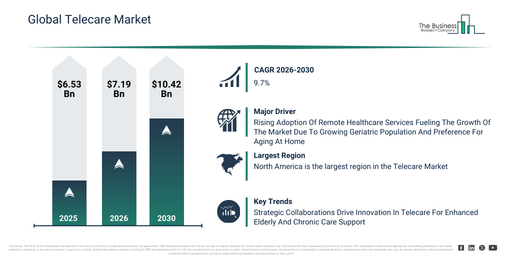
  • Global Telecare Market Set for Strong Expansion Reaching $10.42 Billion by 2030 at 9.7% CAGR

    Global Telecare Market Set for Strong Expansion Reaching $10.42 Billion by 2030 at 9.7% CAGR

    The Business Research Company’s 2026 market reports include new capabilities such as market attractiveness scoring and analysis, total addressable market analysis, company scoring matrix, interactive excel data dashboard, improved supply chain analysis, upcoming startups in the market, and overview of key products, aimed at improving the depth, usability, and strategic value of the insights delivered.

    What Is The Estimated Market Size Of The Telecare Market During 2026–2030?

    The telecare market has seen considerable expansion in recent years. Its value is expected to rise from $6.53 billion in 2025 to $7.19 billion in 2026, at a compound annual growth rate (CAGR) of 10.1%. The increase observed in the past can be linked to an expanding elderly population, a greater occurrence of chronic conditions, the growth of home healthcare offerings, better connectivity infrastructure, and wider acceptance of remote care models.

    The telecare market is projected to experience substantial expansion over the upcoming years. By 2030, its value is anticipated to reach $10.42 billion, driven by a compound annual growth rate (CAGR) of 9.7%. This growth during the forecast period can be primarily attributed to increasing investments in digital health platforms, the rising adoption of AI-enabled telecare analytics, the expansion of smart home healthcare ecosystems, an increasing emphasis on preventive care, and the growing demand for cost-efficient care delivery methods. Key trends anticipated during the forecast period encompass the increasing uptake of remote patient monitoring solutions, the growing utilization of wearable telecare devices, the broadening integration of emergency alert systems, the expansion of home-based chronic care models, and an enhanced focus on aging-in-place solutions.

    Download the Free Sample Report to Explore Key Market Insights:

    https://www.thebusinessresearchcompany.com/sample.aspx?id=25921&type=smp

    What Drivers Are Expected To Influence The Telecare Market During The Forecast Period?

    The increasing utilization of remote healthcare services is projected to fuel the expansion of the telecare market in the future. Remote healthcare services encompass the provision of medical care via telecommunication tools, allowing patients to obtain assistance remotely without needing to visit healthcare facilities. The surge in remote healthcare is attributed to the expanding elderly population, with a greater number of older adults choosing to age in place, thereby escalating the need for constant remote oversight and support. Telecare supports remote healthcare services by facilitating real-time observation, urgent response capabilities, and communication via linked devices, ensuring care delivery without requiring physical attendance. As an illustration, in June 2024, data from Telehealth Access for America, a US-based non-profit advocacy organization, showed that approximately 3 million Medicare beneficiaries (2,751,044) utilized telehealth services in Q1 2024, highlighting ongoing national dependence on remote healthcare provision. Consequently, the increased uptake of remote healthcare services solutions is propelling the expansion of the telecare market.

    How Are The Various Segments Of The Telecare Market Categorized?

    The telecare market covered in this report is segmented –

    1) By Type: Activity Monitoring, Remote Medication Management

    2) By Technology: Non Wearable, Wearable

    3) By End Use: Healthcare Consumers, Healthcare Providers, Payers

    Subsegments:

    1) By Activity Monitoring: Motion Sensors, Bed And Chair Occupancy Sensors, Door And Window Sensors, Wearable Activity Trackers, Fall Detection Devices

    2) By Remote Medication Management: Smart Pill Dispensers, Automated Medication Reminders, Mobile Medication Management Apps, Connected Inhalers, Remote Dose Monitoring Platforms

    What Key Trends Are Influencing The Development Of The Telecare Market?

    Prominent companies operating within the telecare sector are prioritizing the introduction of novel solutions through strategic collaborations to bolster remote monitoring functionalities and expand their service portfolios, thereby addressing the escalating demand for support in elderly and chronic care. Strategic collaborations entail partnerships between entities that combine their assets and expertise to devise groundbreaking solutions, refine service provision, and more effectively attain shared objectives. For instance, in December 2024, Skyresponse AB, a technology firm based in Sweden, and OneCo Technologies AS, a Norwegian company focused on health technology solutions, established a strategic partnership. This alliance aims to deliver pioneering, entirely digital, and cloud-based telecare solutions intended to foster independent living, improve care homes, institutions, and hospitals in both the private and public spheres. This collaborative endeavor integrates Skyresponse’s advanced alarm management platform with OneCo’s specialized knowledge in electronics, automation, and telecommunications to offer flexible, cost-efficient, and user-friendly telecare services. Initially, the partnership is concentrating on a remote night check-in solution that incorporates KeplerVision and the Skyresponse Responder App, with Norway’s largest private care home operator being among the first to implement it.

    Which Major Firms Influence Developments In The Telecare Market?

    Major companies operating in the telecare market are Philips Healthcare, The Access Group Limited, Tunstall Healthcare Group Limited, ConnectAmerica.com LLC, Ascom Holding AG, Resideo Technologies Inc., Cera Care Limited, Enovation Group B.V., iHealth Labs Inc., Vivify Health Inc., Careium AB, Essence SmartCare Ltd., Helios Telecare Inc., Rest Assured LLC, Tyto Care Ltd., Alarm.com, Legrand Care, Essence Group, Everon Group, AT Technology Services, Doro Care, Televic Healthcare

    Read the full telecare market report here:

    https://www.thebusinessresearchcompany.com/report/telecare-global-market-report

    Which Region Is Forecast To Lead The Telecare Market In Terms Of Market Size?

    North America was the largest region in the telecare market in 2025. Asia-Pacific is expected to be the fastest-growing region in the forecast period. The regions covered in the telecare market report are Asia-Pacific, South East Asia, Western Europe, Eastern Europe, North America, South America, Middle East, Africa.

    Request A Tailored Telecare Market Research Report For Competitive Advantage:

    https://www.thebusinessresearchcompany.com/customise?id=25921&type=smp

    Browse Through More Reports Similar to the Global Telecare Market 2026, By The Business Research Company

    Teleradiology Global Market Report

    https://www.thebusinessresearchcompany.com/report/teleradiology-global-market-report

    Telehealth Global Market Report

    https://www.thebusinessresearchcompany.com/report/telehealth-global-market-report

    Commercial Telematics Global Market Report

    https://www.thebusinessresearchcompany.com/report/commercial-telematics-global-market-report

    Get in touch with us:

    The Business Research Company: https://www.thebusinessresearchcompany.com/

    Americas +1 310-496-7795

    Asia +44 7882 955267 & +91 8897263534

    Europe +44 7882 955267

    Email us at info@tbrc.info

    Follow us on:

    LinkedIn: https://in.linkedin.com/company/the-business-research-company

    YouTube: https://www.youtube.com/channel/UC24_fI0rV8cR5DxlCpgmyFQ

    Global Market Model: https://www.thebusinessresearchcompany.com/global-market-model
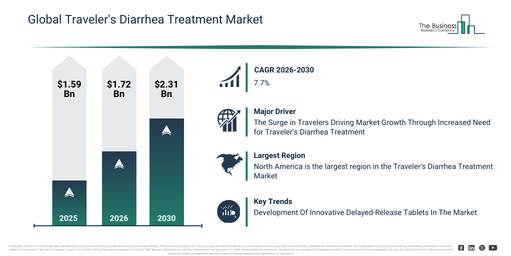
  • Traveler’s Diarrhea Treatment Market Revenue Expected to Reach $2.3 Billion by 2030 with 7.7% CAGR

    Traveler’s Diarrhea Treatment Market Revenue Expected to Reach $2.3 Billion by 2030 with 7.7% CAGR

    The Business Research Company’s 2026 market reports include new capabilities such as market attractiveness scoring and analysis, total addressable market analysis, company scoring matrix, interactive excel data dashboard, improved supply chain analysis, upcoming startups in the market, and overview of key products, aimed at improving the depth, usability, and strategic value of the insights delivered.

    What Market Valuation Is Forecasted For The Traveler’s Diarrhea Treatment Market By 2030 Starting From Its 2026 Size?

    The traveler’s diarrhea treatment market has experienced robust expansion in recent times. Projections indicate it will expand from $1.59 billion in 2025 to reach $1.72 billion in 2026, demonstrating a compound annual growth rate (CAGR) of 7.9%. Historically, this growth has been linked to several factors, including a rise in international travel, a greater occurrence of foodborne infections, the extensive accessibility of oral rehydration solutions, enhanced understanding of traveler health risks, and the broadening of retail pharmacy networks.

    The traveler’s diarrhea treatment market is projected to experience substantial expansion over the coming years, reaching a valuation of $2.31 billion by 2030, driven by a compound annual growth rate (CAGR) of 7.7%. This projected growth is attributable to several factors during the forecast period, including an increased emphasis on preventive travel healthcare, the growing acceptance of probiotics and zinc supplements, the expansion of digital travel health advisory services, a rising need for child-specific medication formulations, and better access to antibiotics in emerging markets. Key trends anticipated during the same period encompass the wider adoption of combination drug therapies, a heightened demand for anti-diarrheal medications offering rapid relief, the increasing utilization of oral rehydration and probiotic solutions, a broader availability of over-the-counter treatments, and a strengthened focus on preventative care related to travel.

    Download the Free Sample Report to Explore Key Market Insights:

    https://www.thebusinessresearchcompany.com/sample.aspx?id=21305&type=smp

    Which Market Drivers Are Supporting The Expansion Of The Traveler’s Diarrhea Treatment Market?

    The expanding number of air passengers is projected to boost the Traveler’s Diarrhea Treatment Market moving forward. Air travelers are defined as individuals journeying between destinations via airplane for purposes such as business or leisure. The increase in air travel volumes stems from factors including augmented flight capacity, more economical fare options, improved worldwide mobility, and heightened consumer demand for international travel experiences. Traveler’s diarrhea treatments support this trend by lessening the impact of illness, preventing dehydration, and enabling travelers to resume their itineraries with little disruption. For instance, in January 2024, the Transportation Security Administration (TSA), a US-based government agency, reported that 2.85 billion passengers were screened at TSA checkpoints in 2023, which signifies an increase from 2.73 billion screenings in 2022. Thus, the growing volume of air travelers is fueling the growth of the Traveler’s Diarrhea Treatment Market.

    Which Segment Categories Define The Traveler’s Diarrhea Treatment Market?

    The traveler’s diarrhea treatment market covered in this report is segmented –

    1) By Drug Type: Antibiotics, Anti-diarrheal, Other Drug Types

    2) By Route Of Administration: Oral, Parenteral

    3) By Application: Adult Traveler’s Diarrhea, Children Traveler’s Diarrhea

    4) By End-Users: Hospitals, Homecare, Specialty Clinics, Other End-Users

    Subsegments:

    1) By Antibiotics: Fluoroquinolones, Macrolides, Rifamycins

    2) By Anti-diarrheal: Loperamide, Bismuth Subsalicylate

    3) By Other Drug Types: Oral Rehydration Therapy, Probiotics, Zinc Supplements

    What Trends Are Affecting The Expansion Of The Traveler’s Diarrhea Treatment Market?

    Leading firms within the traveler’s diarrhea treatment market are prioritizing the creation of novel medications, including delayed-release tablets, to extend the duration of drug effectiveness and decrease the frequency of administration. These delayed-release tablets are designed to release their active components at a predetermined point following consumption, ensuring delivery to the intestines prior to dissolution, thereby effectively addressing traveler’s diarrhea and mitigating gastric discomfort. An example is the partnership formed in September 2023 between Adalvo Ltd., a pharmaceutical company situated in Malta, and Cosmo Pharmaceuticals N.V., an Ireland-based pharmaceutical entity, for the introduction of Rifamycin SV MMX 200 mg (Aemcolo). This product addresses traveler’s diarrhea by delivering an antibiotic that is not absorbed into the bloodstream directly to the colon, thereby alleviating symptoms and lessening interference with beneficial gut flora. This precise methodology provides effective alleviation with a diminished likelihood of systemic adverse effects and the development of multi-drug resistance.

    Who Are The Top Companies Competing In The Traveler’s Diarrhea Treatment Market?

    Major companies operating in the traveler’s diarrhea treatment market are Johnson & Johnson Services Inc., Bayer AG, Sanofi SA, GlaxoSmithKline plc, Teva Pharmaceutical Industries Ltd., C.H. Boehringer Sohn AG & Co. KG, Aurobindo Pharma Limited, Lupin Pharmaceuticals Inc., Glenmark Pharmaceuticals Ltd., RedHill Biopharma Ltd., Immuron Limited, Cosmo Pharmaceuticals N.V., Scandinavian Biopharma Holding AB, Pfizer Inc., Merck & Co. Inc., Novartis AG, Biocodex, Cipla Ltd., Dr Reddys Laboratories Ltd., Takeda Pharmaceutical Company Ltd., AbbVie Inc., Shanghai United Cell Biotechnology Co Ltd, PaxVax Inc.

    Read the full traveler’s diarrhea treatment market report here:

    https://www.thebusinessresearchcompany.com/report/travelers-diarrhea-treatment-global-market-report

    How Is The Traveler’s Diarrhea Treatment Market Distributed Across Key Geographic Regions?

    North America was the largest region in the traveler’s diarrhea treatment market in 2025. Asia-Pacific is expected to be the fastest-growing region in the forecast period. The regions covered in the traveler’s diarrhea treatment market report are Asia-Pacific, South East Asia, Western Europe, Eastern Europe, North America, South America, Middle East, Africa.

    Request A Tailored Traveler’s Diarrhea Treatment Market Research Report For Competitive Advantage:

    https://www.thebusinessresearchcompany.com/customise?id=21305&type=smp

    Browse Through More Reports Similar to the Global Traveler’s Diarrhea Treatment Market 2026, By The Business Research Company

    Urinary Tract Infection Treatment Global Market Report

    https://www.thebusinessresearchcompany.com/report/urinary-tract-infection-treatment-global-market-report

    Constipation Treatment Global Market Report

    https://www.thebusinessresearchcompany.com/report/constipation-treatment-global-market-report

    Gastrointestinal Drugs Global Market

    https://www.thebusinessresearchcompany.com/report/gastrointestinal-drugs-global-market

    Get in touch with us:

    The Business Research Company: https://www.thebusinessresearchcompany.com/

    Americas +1 310-496-7795

    Asia +44 7882 955267 & +91 8897263534

    Europe +44 7882 955267

    Email us at info@tbrc.info

    Follow us on:

    LinkedIn: https://in.linkedin.com/company/the-business-research-company

    YouTube: https://www.youtube.com/channel/UC24_fI0rV8cR5DxlCpgmyFQ

    Global Market Model: https://www.thebusinessresearchcompany.com/global-market-model
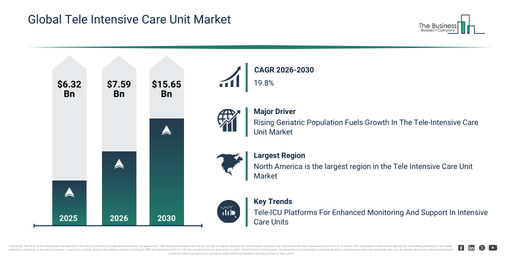
  • Tele Intensive Care Unit Market Growth Expected to Reach $15.64 Billion by 2030 with 19.8% CAGR

    Tele Intensive Care Unit Market Growth Expected to Reach $15.64 Billion by 2030 with 19.8% CAGR

    The Business Research Company’s 2026 market reports include new capabilities such as market attractiveness scoring and analysis, total addressable market analysis, company scoring matrix, interactive excel data dashboard, improved supply chain analysis, upcoming startups in the market, and overview of key products, aimed at improving the depth, usability, and strategic value of the insights delivered.

    What Market Size Expansion Is Predicted For The Tele Intensive Care Unit Market Between 2026 And 2030?

    The tele intensive care unit market has demonstrated rapid expansion in recent years. Projections indicate it will advance from $6.32 billion in 2025 to $7.59 billion in 2026, achieving a compound annual growth rate (CAGR) of 20.0%. This historical growth can be largely attributed to factors such as the expansion of hospital critical care capacity, an increasing shortage of intensivists, the greater adoption of telemedicine platforms, advancements in digital health infrastructure, and a heightened demand for continuous patient monitoring.

    The tele intensive care unit market is projected to experience substantial growth over the next few years, reaching $15.65 billion by 2030, with a compound annual growth rate (CAGR) of 19.8%. This expansion during the forecast period is driven by factors such as increasing investments in smart hospital systems, a rising adoption of cloud-based healthcare platforms, the expansion of remote critical care services, the growing application of predictive analytics in ICU care, and an increasing focus on cost-efficient healthcare delivery. Key trends anticipated in this timeframe involve a greater adoption of remote ICU monitoring systems, the proliferation of centralized tele-ICU models, enhanced integration of AI-based clinical decision support, a rising demand for real-time patient data analytics, and a stronger emphasis on optimizing the critical care workforce.

    Download the Free Sample Report to Explore Key Market Insights:

    https://www.thebusinessresearchcompany.com/sample.aspx?id=8164&type=smp

    What Drivers Are Influencing The Tele Intensive Care Unit Market?

    The increasing geriatric population is projected to stimulate the growth of the tele-intensive care unit market moving forward. The geriatric population refers to the segment of older adults, typically defined as individuals aged 65 or older. Tele-Intensive Care Units (Tele-ICUs) are crucial for ensuring timely interventions and improving outcomes for elderly patients. These systems provide care to critically ill patients and assist the on-site staff in the intensive care unit (ICU) using secured audio–video and electronic links. For instance, in October 2025, according to the World Health Organization, a US-based specialized health agency, it was projected that globally, 1 in 6 individuals would be 60 or older by 2030 and is expected to reach 2.1 billion elderly people by 2050. Consequently, the rising geriatric population is driving the expansion of the tele-intensive care unit market.

    Which Market Segments Are Examined In The Tele Intensive Care Unit Market Study?

    The tele intensive care unit market covered in this report is segmented –

    1) By Type: Centralized Models, Decentralized Models, Other Types

    2) By Type Of Management: Intensivist, Open, Co-Managed, Open With Consultants, Other Types Of Management

    3) By Component: Hardware, Software

    4) By End User: Hospitals, Clinics, Other End Users

    Subsegments:

    1) By Centralized Models: Single Hub With Multiple Remote ICUs, Centralized Monitoring Systems, Integrated Care Coordination Platforms

    2) By Decentralized Models: Distributed Care Teams Across Multiple Locations, Localized Monitoring With Remote Support, Hybrid Care Models

    3) By Other Types: Mobile Tele-ICU Units, Cloud-Based Tele-ICU Solutions, Specialized Tele-ICU Applications

    What Key Trends Are Influencing The Development Of The Tele Intensive Care Unit Market?

    Leading companies in the tele-intensive care unit market are intensifying their efforts to introduce a tele-ICU platform to secure a competitive advantage. A tele-ICU platform represents a technology-driven framework that allows for distant monitoring, consultation, and assistance for intensive care units (ICUs). For instance, in October 2023, HealthNet Global (HNG), an India-based healthcare company, launched a tele-ICU program at Apollo Spectra Hospitals in India. This initiative connects Apollo Spectra’s ICU facility to the Apollo Command Center using HNG’s advanced Tele-ICU platform, facilitating the delivery of critical care services with unparalleled precision. The program furnishes remote intensive care physicians and nurses who support the care of ICU patients via sophisticated telehealth technology.

    Who Are The Primary Competitors In The Tele Intensive Care Unit Market?

    Major companies operating in the tele intensive care unit market are Hicuity Health LLC, Banner Health System, Teladoc Health Inc., Koninklijke Philips NV, University of Pittsburgh Medical Center, Inova Health System, Apollo TeleHealth Services Limited, Eagle Telemedicine LLC, iMDsoft Ltd., CLEW Medical Ltd., General Electric Company, Cloudphysician Healthcare Company, GlobalMed Inc., Mercy Virtual Inc., SynsorMed Inc., TeleICU by eCatalyst Healthcare Solutions LLC, Vidyo Inc., Vituity Telehealth Services Inc., CyberMed Inc., Dignity Health Telemedicine

    Read the full tele intensive care unit market report here:

    https://www.thebusinessresearchcompany.com/report/tele-intensive-care-unit-global-market-report

    Which Regions Are Expected To Experience Rapid Expansion In The Tele Intensive Care Unit Market?

    North America was the largest region in the tele intensive care unit market in 2025. The regions covered in the tele intensive care unit market report are Asia-Pacific, South East Asia, Western Europe, Eastern Europe, North America, South America, Middle East, Africa.

    Request A Tailored Tele Intensive Care Unit Market Research Report For Competitive Advantage:

    https://www.thebusinessresearchcompany.com/customise?id=8164&type=smp

    Browse Through More Reports Similar to the Global Tele Intensive Care Unit Market 2026, By The Business Research Company

    Tele Intensive Care Global Market Report

    https://www.thebusinessresearchcompany.com/report/tele-intensive-care-global-market-report

    Tele Radiology Global Market Report

    https://www.thebusinessresearchcompany.com/report/tele-radiology-global-market-report

    Teleradiology Global Market Report

    https://www.thebusinessresearchcompany.com/report/teleradiology-global-market-report

    Get in touch with us:

    The Business Research Company: https://www.thebusinessresearchcompany.com/

    Americas +1 310-496-7795

    Asia +44 7882 955267 & +91 8897263534

    Europe +44 7882 955267

    Email us at info@tbrc.info

    Follow us on:

    LinkedIn: https://in.linkedin.com/company/the-business-research-company

    YouTube: https://www.youtube.com/channel/UC24_fI0rV8cR5DxlCpgmyFQ

    Global Market Model: https://www.thebusinessresearchcompany.com/global-market-model
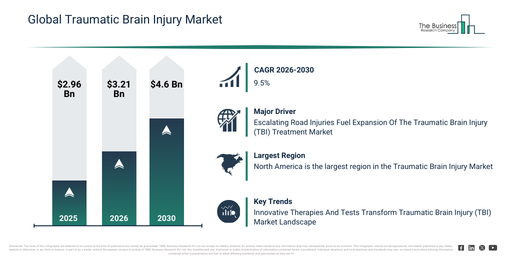
  • Global Traumatic Brain Injury Market Set for Strong Expansion Reaching $4.6 Billion by 2030 at 9.5% CAGR

    Global Traumatic Brain Injury Market Set for Strong Expansion Reaching $4.6 Billion by 2030 at 9.5% CAGR

    The Business Research Company’s 2026 market reports include new capabilities such as market attractiveness scoring and analysis, total addressable market analysis, company scoring matrix, interactive excel data dashboard, improved supply chain analysis, upcoming startups in the market, and overview of key products, aimed at improving the depth, usability, and strategic value of the insights delivered.

    How Is The Market Size Of The Traumatic Brain Injury Market Expected To Change Between 2026 And 2030?

    The market for traumatic brain injury has experienced robust growth over recent years. It is projected to expand from $2.96 billion in 2025 to $3.21 billion in 2026, demonstrating a compound annual growth rate (CAGR) of 8.5%. This historical growth is attributable to several factors, including a rise in sports-related and accident-induced TBIs, an increase in neurosurgical capabilities, the establishment of rehabilitation protocols, enhanced survival rates for severe injuries, and the expansion of trauma center networks.

    The traumatic brain injury market size is anticipated to undergo significant expansion in the coming years, with projections indicating it will attain a value of $4.6 billion by 2030, achieving a compound annual growth rate (CAGR) of 9.5%. This growth throughout the forecast period is fueled by several factors, including advancements in neuroprotective therapies, increased investments in rehabilitation technologies, a growing demand for long-term TBI care, the expansion of home-based rehabilitation solutions, and the increasing integration of digital therapy platforms. Prominent trends for the forecast period encompass the rising adoption of multidisciplinary TBI treatment approaches, an uptick in the use of advanced neurorehabilitation therapies, the growing incorporation of monitoring and imaging devices, the expansion of long-term cognitive rehabilitation programs, and an enhanced emphasis on personalized treatment plans.

    Download the Free Sample Report to Explore Key Market Insights:

    https://www.thebusinessresearchcompany.com/sample.aspx?id=13049&type=smp

    What Underlying Factors Are Accelerating The Growth Of The Traumatic Brain Injury Market?

    The projected expansion of the traumatic brain injury (TBI) market is anticipated due to the increasing incidence of road injuries. Road injuries encompass physical harm sustained from accidents occurring on streets, highways, and various other transportation routes. This rise in road injuries directly contributes to a higher frequency of traumatic brain injuries, as collisions often impose sudden impact or force to the head, resulting in neurological damage. TBI treatments facilitate recovery by minimizing complications, enhancing cognitive function, and improving long-term outcomes for patients. For example, in April 2024, the U.S. Department of Transportation, a U.S.-based government department, reported that roadway fatalities in the United States reached 40,990 deaths in 2023, indicating a continued high level of severity for roadway injuries. Consequently, the growing number of road injuries is fueling the growth of the traumatic brain injury market.

    How Is The Traumatic Brain Injury Market Structured Across Different Segments?

    The traumatic brain injury market covered in this report is segmented –

    1) By Device: Computed Tomography, X-Ray, Imaging Devices, Magnetic Resonance Imaging Devices, Monitoring Devices, Other Devices

    2) By Technique: Intracranial Pressure (ICP) Monitoring, Partial Pressure Of Oxygen In Brain Tissue (PbrO2)

    3) By End-Use: Diagnostic Centers, Hospitals, Other End-Uses

    Subsegments:

    1) By Computed Tomography: Standard CT Scans, CT Angiography

    2) By X-Ray: Skull X-Ray, Cervical X-Ray

    3) By Imaging Devices: Ultrasound Imaging, PET Scans

    4) By Magnetic Resonance Imaging Devices: Closed MRI, Open MRI

    5) By Monitoring Devices: Intracranial Pressure Monitors, EEG Monitors

    6) By Other Devices: Neuropsychological Testing Devices, Portable Brain Injury Assessment Devices

    Which Trends Are Influencing The Traumatic Brain Injury Market?

    Leading companies in the traumatic brain injury market are focused on developing innovative treatments and tests, such as the VIDAS TBI (GFAP, UCH-L1), to address evolving consumer requirements. Continuous development and research into innovative therapies and diagnostics for traumatic brain injury (TBI) are aimed at improving patient outcomes and enhancing the quality of life for affected individuals. For example, in October 2023, bioMérieux, a France-based company specializing in in vitro diagnostics, announced the launch of VIDAS TBI (GFAP, UCH-L1). This blood test is intended to aid in the assessment of patients with mild traumatic brain injury (mTBI), leveraging a unique combination of brain biomarkers: GFAP and UCH-L1. This precise and objective tool offers the potential to reduce the incidence of unnecessary head Computed Tomography (CT) scans performed on mTBI patients and to lessen Emergency Department (ED) overcrowding by predicting the absence of acute intracranial lesions (ICL) following head trauma.

    Which Major Players Dominate The Traumatic Brain Injury Market?

    Major companies operating in the traumatic brain injury market are Medtronic plc, Stryker Corporation, Elekta AB, Integra LifeSciences Holdings Corp., Natus Medical Inc., Nihon Kohden Corporation, Raumedic AG, Qure.ai, Compumedics Ltd., Synaptive Medical Inc., BrainScope Company Inc., Soterix Medical Inc., Neural Analytics Inc., InfraScan Inc., NanoDx Inc., NeuroTrauma Sciences, Oculogica Inc., PathMaker Neurosystems Inc., Pinteon Therapeutics Inc., Abliva AB, QuesGen Systems Inc., Neural Analytics Inc.

    Read the full traumatic brain injury market report here:

    https://www.thebusinessresearchcompany.com/report/traumatic-brain-injury-global-market-report

    Which Region Is Projected To Dominate The Traumatic Brain Injury Market During The Forecast Period?

    North America was the largest region in the traumatic brain injury market in 2025. Asia-Pacific is expected to be the fastest-growing region in the forecast period. The regions covered in the traumatic brain injury market report are Asia-Pacific, South East Asia, Western Europe, Eastern Europe, North America, South America, Middle East, Africa.

    Request A Tailored Traumatic Brain Injury Market Research Report For Competitive Advantage:

    https://www.thebusinessresearchcompany.com/customise?id=13049&type=smp

    Browse Through More Reports Similar to the Global Traumatic Brain Injury Market 2026, By The Business Research Company

    Traumatic Brain Injuries Assessment Global Market Report

    https://www.thebusinessresearchcompany.com/report/traumatic-brain-injuries-assessment-global-market-report

    Traumatic Brain Injuries Assessment And Management Devices Global Market Report

    https://www.thebusinessresearchcompany.com/report/traumatic-brain-injuries-assessment-and-management-devices-global-market-report

    Traumatic Brain Injury Diagnostic Equipment Global Market Report

    https://www.thebusinessresearchcompany.com/report/traumatic-brain-injury-diagnostic-equipment-global-market-report

    Get in touch with us:

    The Business Research Company: https://www.thebusinessresearchcompany.com/

    Americas +1 310-496-7795

    Asia +44 7882 955267 & +91 8897263534

    Europe +44 7882 955267

    Email us at info@tbrc.info

    Follow us on:

    LinkedIn: https://in.linkedin.com/company/the-business-research-company

    YouTube: https://www.youtube.com/channel/UC24_fI0rV8cR5DxlCpgmyFQ

    Global Market Model: https://www.thebusinessresearchcompany.com/global-market-model
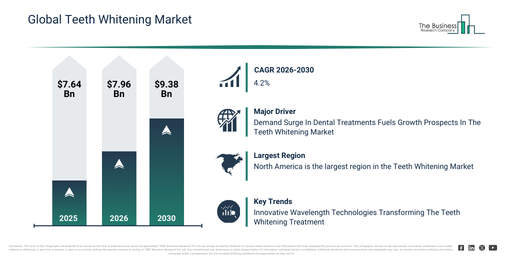
  • Teeth Whitening Market Forecast 2026–2035 Reflecting Expansion Opportunities Across Industries

    Teeth Whitening Market Forecast 2026–2035 Reflecting Expansion Opportunities Across Industries

    The Business Research Company’s 2026 market reports include new capabilities such as market attractiveness scoring and analysis, total addressable market analysis, company scoring matrix, interactive excel data dashboard, improved supply chain analysis, upcoming startups in the market, and overview of key products, aimed at improving the depth, usability, and strategic value of the insights delivered.

    How Large Is The Teeth Whitening Market Projected To Become By 2030 Based On Its 2026 Valuation?

    The market for teeth whitening solutions has consistently expanded over recent years. This market is projected to grow from $7.64 billion in 2025 to $7.96 billion by 2026, at a compound annual growth rate (CAGR) of 4.3%. Historically, this expansion can be attributed to several factors, including heightened awareness of cosmetic dentistry, a greater emphasis among consumers on personal aesthetics, the wider availability of retail oral care products, increases in disposable income, and the accessibility of professional whitening treatments.

    The teeth whitening market is anticipated to experience consistent expansion in the coming years. Its valuation is projected to reach $9.38 billion by 2030, demonstrating a compound annual growth rate (CAGR) of 4.2%. This growth during the forecast period is attributable to several factors, including the increasing integration of digital dental solutions, a surge in demand for high-end oral care products, the proliferation of cosmetic dental clinics, the escalating impact of social media aesthetics, and advancements in whitening product formulations. Key trends expected over this period encompass a heightened demand for home-use whitening solutions, wider acceptance of LED-based whitening devices, a developing preference for less invasive cosmetic dental procedures, the broadening scope of professional whitening services, and a greater emphasis on formulations that protect enamel.

    Download the Free Sample Report to Explore Key Market Insights:

    https://www.thebusinessresearchcompany.com/sample.aspx?id=13543&type=smp

    What Drivers Are Shaping The Future Growth Of The Teeth Whitening Market?

    The increasing demand for dental treatments is anticipated to drive the teeth whitening market’s growth going forward. These treatments encompass medical procedures and interventions carried out by dental professionals to resolve oral health issues and conditions. Within these services, dentists specifically offer teeth whitening to enhance the color and appearance of teeth, thereby boosting patients’ aesthetic appeal. An example of this trend is seen in April 2025, when Align Technology, Inc., a US-based medical device company, disclosed that clear aligner volumes in Q1 2025 reached 642.3 thousand cases, representing a 2.2% sequential increase and a 6.2% growth over the same period last year. Consequently, the heightened demand for dental treatments is poised to propel the growth of the teeth whitening market.

    What Segment Groups Are Identified Within The Teeth Whitening Market?

    The teeth whitening market covered in this report is segmented –

    1) By Product Type: Whitening Toothpaste, Whitening Gels And Strips, Light Teeth Whitening Device, Other Product Types

    2) By Distribution Channel: Institutional Sales, Retail Sales

    3) By Application Type: In-Office, At-Home

    Subsegments:

    1) By Whitening Toothpaste: Abrasive Whitening Toothpaste, Enzyme-Based Whitening Toothpaste

    2) By Whitening Gels And Strips: Gel-Based Whitening Products, Whitening Strips

    3) By Light Teeth Whitening Device: LED Teeth Whitening Devices, UV Teeth Whitening Devices

    4) By Other Product Types: Whitening Mouthwashes, Whitening Pens, Professional Teeth Whitening Kits

    How Are Trends Impacting The Teeth Whitening Market?

    Leading companies in the teeth whitening market are developing sophisticated oral care products that leverage wavelength technology to secure a competitive edge. These advanced products utilize specific light frequencies to optimize dental treatments and enhance oral hygiene outcomes. For example, in February 2023, Colgate-Palmolive Company, a US-based provider of dental and personal-care products, introduced the Colgate Optic White ComfortFit LED Teeth Whitening Kit, which incorporates wavelength technology. This kit employs specific light wavelengths, such as those in the blue or violet spectrum, to improve the effectiveness of teeth whitening treatments. It is specifically designed to elevate the user experience, focusing on comfort, uniform whitening, ease of use, efficacy, and speed. The kit uses wavelength technology to apply a thin layer of whitening serum to the teeth, with the provided LED device being used for 10 minutes daily over a 10-day period, ensuring quick stain removal. This package contains a flexible LED whitening light and a teeth whitening pen, and it can be conveniently powered by your smartphone, supporting both iPhone and Android devices.

    Which Companies Hold Significant Positions In The Teeth Whitening Market?

    Major companies operating in the teeth whitening market are Johnson And Johnson, Procter And Gamble, Unilever PLC, GlaxoSmithKline Plc, 3M Company, Koninklijke Philips N.V., Colgate-Palmolive Company, Church And Dwight Co, DENTSPLY International, Ivoclar Vivadent AG, Kerr Corp, Ultradent Products Inc., Dr. Fresh LLC, Onuge Personal Care (Guangzhou) Co. Ltd., TECNO-GAZ SpA, Pearl Smile GmbH, Beaming White LLC, WHITEsmile GmbH, WSD Labs USA INC., DentMate Technology Co. Ltd., Mavrik Dental Systems Ltd., GLO Science LLC, Cosmolab Manufacturing Ltd

    Read the full teeth whitening market report here:

    https://www.thebusinessresearchcompany.com/report/teeth-whitening-global-market-report

    Which Geographic Regions Are Influencing Demand In The Teeth Whitening Market?

    North America was the largest region in the teeth whitening market in 2025. Asia-Pacific is expected to be the fastest-growing region in the forecast period. The regions covered in the teeth whitening market report are Asia-Pacific, South East Asia, Western Europe, Eastern Europe, North America, South America, Middle East, Africa.

    Request A Tailored Teeth Whitening Market Research Report For Competitive Advantage:

    https://www.thebusinessresearchcompany.com/customise?id=13543&type=smp

    Browse Through More Reports Similar to the Global Teeth Whitening Market 2026, By The Business Research Company

    Endodontics Global Market Report

    https://www.thebusinessresearchcompany.com/report/endodontics-global-market-report

    Cosmetic Dentistry Global Market Report

    https://www.thebusinessresearchcompany.com/report/cosmetic-dentistry-global-market-report

    Mouthwash Global Market Report

    https://www.thebusinessresearchcompany.com/report/mouthwash-global-market-report

    Get in touch with us:

    The Business Research Company: https://www.thebusinessresearchcompany.com/

    Americas +1 310-496-7795

    Asia +44 7882 955267 & +91 8897263534

    Europe +44 7882 955267

    Email us at info@tbrc.info

    Follow us on:

    LinkedIn: https://in.linkedin.com/company/the-business-research-company

    YouTube: https://www.youtube.com/channel/UC24_fI0rV8cR5DxlCpgmyFQ

    Global Market Model: https://www.thebusinessresearchcompany.com/global-market-model
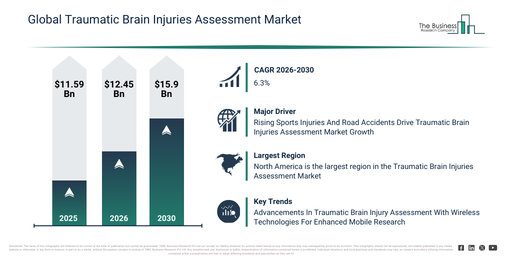
  • Traumatic Brain Injuries Assessment Market Growth Expected to Reach $15.89 Billion by 2030 with 6.3% CAGR

    Traumatic Brain Injuries Assessment Market Growth Expected to Reach $15.89 Billion by 2030 with 6.3% CAGR

    The Business Research Company’s 2026 market reports include new capabilities such as market attractiveness scoring and analysis, total addressable market analysis, company scoring matrix, interactive excel data dashboard, improved supply chain analysis, upcoming startups in the market, and overview of key products, aimed at improving the depth, usability, and strategic value of the insights delivered.

    What Is The Market Size Of The Traumatic Brain Injuries Assessment Market In 2026 And What Value Is Projected For 2030?

    The market size for traumatic brain injuries assessment has demonstrated robust growth over recent years. It is projected to increase from $11.59 billion in 2025 to $12.45 billion in 2026, reflecting a compound annual growth rate (CAGR) of 7.4%. The expansion observed in the historic period can be attributed to a higher incidence of head injuries, the broadening of emergency neurology services, improved access to CT and MRI imaging, the establishment of standardized assessment protocols, and growing awareness regarding brain injury diagnosis.

    The traumatic brain injuries assessment market is projected for substantial expansion in the coming years. This market is set to reach $15.9 billion by 2030, demonstrating a compound annual growth rate (CAGR) of 6.3%. Driving this growth during the forecast period are factors such as the advancement of AI-assisted diagnostic platforms, the increasing adoption of point-of-care assessment tools, the integration of digital neuro-monitoring solutions, rising investments in brain injury research, and a growing demand for rapid and accurate assessment methods. Significant developments anticipated include the increasing use of advanced neuroimaging techniques, rising adoption of portable TBI assessment devices, broader integration of multimodal monitoring systems, the expansion of early-stage injury detection tools, and an enhanced focus on objective diagnostic metrics.

    Download the Free Sample Report to Explore Key Market Insights:

    https://www.thebusinessresearchcompany.com/sample.aspx?id=15688&type=smp

    Which Growth Drivers Are Contributing To The Progress Of The Traumatic Brain Injuries Assessment Market?

    The traumatic brain injuries assessment market is projected to expand due to the growing occurrence of sports injuries and road accidents in the future. Sports injuries represent physical harm sustained during athletic endeavors, while road accidents involve vehicle-related incidents on roads that lead to harm or damage. The surge in these types of injuries and accidents stems from factors such as greater involvement in sports, increased traffic density, inattentive driving behaviors, and insufficient safety protocols. Traumatic brain injury assessment tools are employed in cases of sports injuries and road accidents to gauge the seriousness of head trauma, inform treatment choices, and track recovery to ensure the best possible results for those affected. For instance, In August 2025, according to the International Transport Forum, a France-based intergovernmental organization, in 2024, Australia recorded 1,297 road deaths, marking a 4% increase compared to 2023. Consequently, the rising frequency of sports injuries and road accidents is propelling the expansion of the traumatic brain injury assessment market.

    What Are The Key Segments Of The Traumatic Brain Injuries Assessment Market?

    The traumatic brain injuries assessment market covered in this report is segmented –

    1) By Product: Screening Devices, Monitoring Devices

    2) By Technique: Intracranial Pressure (ICP) Monitoring, Partial Pressure Of Oxygen In Brain Tissue (pBrO2)

    3) By End-User: Hospital, Diagnostics Center, Other End Users

    Subsegments:

    1) By Screening Devices: CT Scanners, MRI Scanners, Portable Screening Devices

    2) By Monitoring Devices: Intracranial Pressure (ICP) Monitors, Electroencephalogram (EEG) Monitors, Neuromonitoring Systems

    What Trends Are Advancing Progress In The Traumatic Brain Injuries Assessment Market?

    Major companies operating in the traumatic brain injury assessment market are concentrating on integrating advanced non-invasive brain stimulation (NIBS) technologies with mobile devices, such as wire-free systems, to gain a competitive advantage. Wire-free systems offer enhanced mobility and ease of use by eliminating the need for physical connections, rendering devices more versatile and appropriate for use in dynamic, real-world settings. As an illustration, in April 2024, Soterix Medical Inc., a US-based medical technology company, launched the MxN-GO EEG system. This innovative solution marries High Definition Transcranial Electrical Stimulation (HD-tES) with EEG, featuring a distinct wire-free design. Conceived for research in mobile and natural settings, the MxN-GO EEG system presents a lightweight, easy-to-use design for quick setup. It incorporates 33 stimulation channels and 32 recording channels, ensuring precise and application-specific targeting. HD-tES, a proprietary neuromodulation technology developed by Soterix Medical, employs advanced electrode design, individualized brain current-flow modeling, and patented algorithms to safely guide current through high-definition electrodes.

    Who Are The Leading Companies Operating In The Traumatic Brain Injuries Assessment Market?

    Major companies operating in the traumatic brain injuries assessment market are Medtronic Inc, Koninklijke Philips NV, Stryker Corporation, GE Healthcare Inc, Canon Medical Systems Corporation, Carestream Health Inc, Nihon Kohden Corp, Integra Lifesciences Corporation, Natus Medical Inc, Raumedic AG, Compumedics Limited, BrainScope Company Inc, Advanced Brain Monitoring Inc, InfraScan Inc, Siemens Healthineers AG, NovaSignal Corporation, SyncThink Inc, Imeka Solutions Inc, Elekta AB, Cadwell Industries Inc, Neurosoft SA, Boston Scientific Corporation, ESAOTE SPA

    Read the full traumatic brain injuries assessment market report here:

    https://www.thebusinessresearchcompany.com/report/traumatic-brain-injuries-assessment-global-market-report

    What Are The Leading Geographic Regions In The Traumatic Brain Injuries Assessment Market?

    North America was the largest region in the traumatic brain injuries assessment market in 2025. The regions covered in the traumatic brain injuries assessment market report are Asia-Pacific, South East Asia, Western Europe, Eastern Europe, North America, South America, Middle East, Africa.

    Request A Tailored Traumatic Brain Injuries Assessment Market Research Report For Competitive Advantage:

    https://www.thebusinessresearchcompany.com/customise?id=15688&type=smp

    Browse Through More Reports Similar to the Global Traumatic Brain Injuries Assessment Market 2026, By The Business Research Company

    Traumatic Brain Injuries Assessment And Management Devices Global Market Report

    https://www.thebusinessresearchcompany.com/report/traumatic-brain-injuries-assessment-and-management-devices-global-market-report

    Traumatic Brain Injury Global Market Report

    https://www.thebusinessresearchcompany.com/report/traumatic-brain-injury-global-market-report

    Traumatic Brain Injury Diagnostic Equipment Global Market Report

    https://www.thebusinessresearchcompany.com/report/traumatic-brain-injury-diagnostic-equipment-global-market-report

    Get in touch with us:

    The Business Research Company: https://www.thebusinessresearchcompany.com/

    Americas +1 310-496-7795

    Asia +44 7882 955267 & +91 8897263534

    Europe +44 7882 955267

    Email us at info@tbrc.info

    Follow us on:

    LinkedIn: https://in.linkedin.com/company/the-business-research-company

    YouTube: https://www.youtube.com/channel/UC24_fI0rV8cR5DxlCpgmyFQ

    Global Market Model: https://www.thebusinessresearchcompany.com/global-market-model
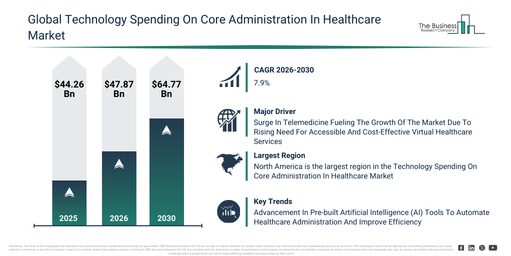
  • Global Technology Spending On Core Administration In Healthcare Market Analysis for 2026–2030 with Strategic Forecast Insights for Businesses

    Global Technology Spending On Core Administration In Healthcare Market Analysis for 2026–2030 with Strategic Forecast Insights for Businesses

    The Business Research Company’s 2026 market reports include new capabilities such as market attractiveness scoring and analysis, total addressable market analysis, company scoring matrix, interactive excel data dashboard, improved supply chain analysis, upcoming startups in the market, and overview of key products, aimed at improving the depth, usability, and strategic value of the insights delivered.

    What Market Value Is Anticipated For The Technology Spending On Core Administration In Healthcare Market Over The Period 2026–2030?

    Expenditure on technology for core administration within the healthcare market has demonstrated robust growth over the past few years. This spending is projected to increase from $44.26 billion in 2025 to $47.87 billion in 2026, exhibiting a compound annual growth rate (CAGR) of 8.2%. Historically, this growth has been fueled by factors such as the increasing administrative burden on healthcare systems, the integration of electronic records for billing and enrollment, the growing complexity of healthcare operations, the expansion of insurance coverage programs, and the demand for effective revenue cycle management.

    The technology spending on core administration in healthcare market size is projected to experience robust expansion over the coming years. This market is anticipated to reach $64.77 billion by 2030, exhibiting a compound annual growth rate (CAGR) of 7.9%. The foreseen growth can be attributed to a rise in investments in intelligent automation tools, an increasing need for real-time financial analytics, the broadening of digital payer-provider ecosystems, a heightened emphasis on automating regulatory compliance, and the integration of sophisticated data management platforms. Key trends anticipated during this period encompass the increased automation of healthcare administrative processes, a growing uptake of cloud-based core administration platforms, the proliferation of AI-enabled claims and billing systems, an intensified focus on data accuracy and interoperability, and a strengthened commitment to optimizing costs within healthcare operations.

    Download the Free Sample Report to Explore Key Market Insights:

    https://www.thebusinessresearchcompany.com/sample.aspx?id=27432&type=smp

    Which Economic Or Industry Drivers Are Impacting The Technology Spending On Core Administration In Healthcare Market?

    The increasing need for telemedicine is projected to fuel technology expenditure on essential administrative functions within the healthcare sector. Telemedicine involves delivering healthcare remotely using digital tools like video conferencing, messaging, or mobile applications for patient diagnosis, treatment, and monitoring. Its expanding adoption enables patients to receive medical care from a distance, thereby minimizing travel requirements and enhancing accessibility, particularly for individuals in remote or underserviced regions. Investment in core administrative healthcare technology supports telemedicine by automating tasks such as patient registration, scheduling appointments, billing, and processing claims, which boosts efficiency, cuts down delays, and allows providers to concentrate on delivering timely virtual care. For example, data from November 2025, released by the Australian Bureau of Statistics (ABS), a government statistical agency in Australia, indicated that 22.5% of Australians utilized telehealth services during 2024–25. Of those who had a telehealth consultation, 90.3% stated they would use it again if available, an increase from 89.2% in 2023–24. Consequently, the rising demand for telemedicine is propelling increased technology spending on core administration within the healthcare market.

    How Is The Technology Spending On Core Administration In Healthcare Market Divided Into Its Major Segments?

    The technology spending on core administration in healthcare market covered in this report is segmented –

    1) By Type: Software, Hardware, Services

    2) By Technology: Electronic Health Records (EHRs), Patient Management Systems, Financial Management Systems, Supply Chain Management Systems, Revenue Cycle Management System

    3) By Deployment Mode: On-Premise, Cloud-Based, Hybrid

    4) By Application: Patient Management, Staff Management, Inventory Management, Other Applications

    5) By End-User: Hospitals, Clinics, Insurance Providers, Other End-Users

    Subsegments:

    1) By Software: Electronic Health Record (EHR) Systems, Practice Management Software, Revenue Cycle Management (RCM) Software, Patient Scheduling Software, Claims Management Software

    2) By Hardware: Servers and Storage Devices, Workstations and Desktops, Networking Equipment, Scanners And Imaging Devices, Administrative Endpoints And Secure Access Devices

    3) By Services: Information Technology Consulting and Support, System Integration Services, Managed Services, Training and Education Services, Maintenance and Upgrades

    What Industry Trends Are Redefining The Technology Spending On Core Administration In Healthcare Market?

    Leading technology firms operating in the healthcare market, particularly in core administration spending, are concentrating on creating advanced solutions, such as prebuilt artificial intelligence tools for healthcare, to automate administrative processes and improve the precision of decision-making. Prebuilt artificial intelligence tools are readily available AI solutions that remove the necessity for extensive custom development, thereby allowing for the rapid integration of advanced functionalities like automation, data analysis, and prediction to optimize workflows. For instance, in February 2025, Salesforce Inc., a US-based cloud-based software company, introduced Agentforce for Health. This is a compilation of prebuilt agentic AI tools specifically designed to automate time-intensive administrative, clinical, and public health tasks within the healthcare sector. The platform offers functionalities such as patient appointment scheduling, verification of eligibility with insurers, and support for care coordination. It also assists in disease surveillance and matching for clinical trials by drawing data from various registries. This initiative aims to alleviate administrative burden, address workforce burnout, and enhance operational efficiency for both providers and payers.

    Who Are The Prominent Organizations Shaping The Technology Spending On Core Administration In Healthcare Market?

    Major companies operating in the technology spending on core administration in healthcare market are Microsoft Corporation, Siemens AG, International Business Machines Corporation, Oracle Corporation, Tata Consultancy Services Limited, Cognizant Technology Solutions Corporation, GE Healthcare Technologies Inc., Infosys Limited, Conduent Incorporated, Evolent Health Inc., Veradigm Inc., Tebra Inc., 314e Corporation, Qventus Inc., Meditab Software Inc., CodaMetrix Inc., Raintree Systems Inc., ReLi Med Solutions Inc., Cerner Corporation, Epic Systems Corporation, Allscripts Healthcare Solutions Inc., McKesson Corporation

    Read the full technology spending on core administration in healthcare market report here:

    https://www.thebusinessresearchcompany.com/report/technology-spending-on-core-administration-in-healthcare-global-market-report

    What Are The Top-Performing Regions Within The Technology Spending On Core Administration In Healthcare Market?

    North America was the largest region in the technology spending on core administration in healthcare market in 2025. Asia-Pacific is expected to be the fastest-growing region in the forecast period. The regions covered in the technology spending on core administration in healthcare market report are Asia-Pacific, South East Asia, Western Europe, Eastern Europe, North America, South America, Middle East, Africa.

    Request A Tailored Technology Spending On Core Administration In Healthcare Market Research Report For Competitive Advantage:

    https://www.thebusinessresearchcompany.com/customise?id=27432&type=smp

    Browse Through More Reports Similar to the Global Technology Spending On Core Administration In Healthcare Market 2026, By The Business Research Company

    Smart Stadium Global Market Report

    https://www.thebusinessresearchcompany.com/report/smart-stadium-global-market-report

    Hospitality Global Market Report

    https://www.thebusinessresearchcompany.com/report/hospitality-global-market-report

    Casino Global Market Report

    https://www.thebusinessresearchcompany.com/report/casino-global-market-report

    Get in touch with us:

    The Business Research Company: https://www.thebusinessresearchcompany.com/

    Americas +1 310-496-7795

    Asia +44 7882 955267 & +91 8897263534

    Europe +44 7882 955267

    Email us at info@tbrc.info

    Follow us on:

    LinkedIn: https://in.linkedin.com/company/the-business-research-company

    YouTube: https://www.youtube.com/channel/UC24_fI0rV8cR5DxlCpgmyFQ

    Global Market Model: https://www.thebusinessresearchcompany.com/global-market-model
  • Trauma Care Centers Market Forecast 2026–2035 Reflecting Expansion Opportunities Across Industries

    Trauma Care Centers Market Forecast 2026–2035 Reflecting Expansion Opportunities Across Industries

    The Business Research Company’s 2026 market reports include new capabilities such as market attractiveness scoring and analysis, total addressable market analysis, company scoring matrix, interactive excel data dashboard, improved supply chain analysis, upcoming startups in the market, and overview of key products, aimed at improving the depth, usability, and strategic value of the insights delivered.

    What Will Be The Estimated Market Valuation Of The Trauma Care Centers Market By The End Of 2030?

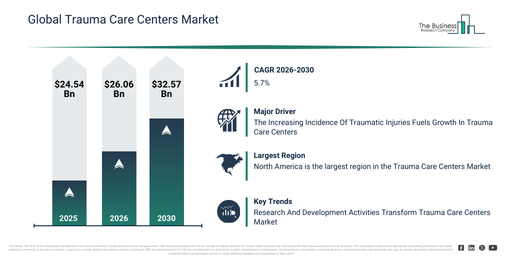
    The trauma care centers market size has shown significant growth in recent years. It is anticipated to increase from $24.54 billion in 2025 to $26.06 billion in 2026, achieving a compound annual growth rate (CAGR) of 6.2%. The historical growth can be linked to factors such as an increase in road traffic injuries, the expansion of emergency medical services infrastructure, the formulation of trauma system protocols, the growth of urban healthcare facilities, and a rising incidence of fall-related injuries.

    The trauma care centers market size is poised for robust expansion in the forthcoming years. It will grow to $32.57 billion in 2030 at a compound annual growth rate (CAGR) of 5.7%. The anticipated growth during this period is driven by factors such as the development of smart hospital infrastructure, escalating investments in trauma-specialized facilities, the implementation of AI-assisted triage tools, an increasing focus on rehabilitation integration, and a rising demand for high-acuity emergency care. Significant trends foreseen in the forecast period include the expansion of integrated trauma care networks, a greater adoption of advanced diagnostic imaging, a heightened emphasis on rapid response and triage systems, enhanced multidisciplinary trauma management, and the increasing utilization of tele-trauma services.

    Download the Free Sample Report to Explore Key Market Insights:

    https://www.thebusinessresearchcompany.com/sample.aspx?id=7540&type=smp

    What Primary Drivers Are Shaping The Development Of The Trauma Care Centers Market?

    The escalating volume of emergency department visits resulting from traumatic injuries is anticipated to drive the expansion of the trauma care centre market in the foreseeable future. A traumatic injury is characterized as a sudden and severe physical harm that requires immediate medical attention. The increasing incidence of traumatic injury-related emergency department visits necessitates that the trauma care centers market improve service quality for patients, which in turn fuels the demand for trauma care centers. For instance, in 2023, a report from the Wisconsin Department of Health Services, a US-based government agency, revealed that the number of traumatic injuries stemming from assault rose by 3% in 2023 compared to 2022, increasing from 1,544 cases in 2022 to 1,584 cases in 2023. Thus, the growing number of traumatic injury-related emergency department visits is propelling the growth of the trauma care centre market.

    Which Segment Classifications Shape The Trauma Care Centers Market?

    The trauma care centers market covered in this report is segmented –

    1) By Facility: In-house, Standalone

    2) By Trauma: Falls, Traffic-Related Injuries, Stab or Wound or Cut, Burn Injury, Brain Injury, Other Injuries

    3) By Service: Inpatient, Outpatient, Rehabilitation

    Subsegments:

    1) By In-house: Hospital-Based Trauma Units, Emergency departments With Trauma Services, Specialized Trauma Surgical Centers

    2) By Standalone: Independent Trauma Care Clinics, Urgent Care Facilities With Trauma Capabilities, Freestanding Emergency Medical Centers

    How Are Trends Transforming The Trauma Care Centers Market Landscape?

    Companies active in the trauma care centers market are prioritizing research and development efforts to solidify their market position and ensure the most effective treatment for trauma patients. For instance, in April 2023, the Boston University School of Public Health launched the Center for Trauma and Mental Health (CTMH). This center is dedicated to exploring and developing public health strategies aimed at addressing the health consequences of trauma. Its mission is to gain a comprehensive understanding of various stressful and traumatic events and their impacts. Serving as an interdisciplinary hub for academic pursuits, this center fosters collaboration across the school to tackle the significant societal challenges presented by trauma. It strives to cultivate a community of researchers, educators, and practitioners committed to confronting trauma in its diverse forms.

    Which Companies Are Expanding Their Footprint In The Trauma Care Centers Market?

    Major companies operating in the trauma care centers market are University of Alabama at Birmingham, Banner Good Samaritan Medical Center, St. Joseph’s Hospital and Medical Center, Albany Medical Center, Ascension St. John Hospital, Baylor University Medical Center, Bellevue Hospital Center, China Medical University Hospital, Boston Medical Center, Brigham and Women’s Hospital, Cedars-Sinai Medical Center, Children’s Hospital of Philadelphia, Cleveland Clinic Foundation, Duke University Hospital, Emory University Hospital, Harborview Medical Center, Hospital of the University of Pennsylvania, Indiana University Health, Johns Hopkins Hospital, Massachusetts General Hospital, Mayo Clinic, Memorial Hermann-Texas Medical Center, Mount Sinai Hospital, New York-Presbyterian Hospital, Northwestern Memorial Hospital, Ohio State University Wexner Medical Center, Oregon Health & Science University Hospital, Parkland Memorial Hospital, Penn State Health Milton S. Hershey Medical Center, Ronald Reagan UCLA Medical Center, Stanford Health Care

    Read the full trauma care centers market report here:

    https://www.thebusinessresearchcompany.com/report/trauma-care-centers-global-market-report

    How Does The Trauma Care Centers Market Perform Across Major Global Regions?

    North America was the largest region in the trauma care centers market in 2025. Asia-Pacific is expected to be the fastest-growing region in the forecast period. The regions covered in the trauma care centers market report are Asia-Pacific, South East Asia, Western Europe, Eastern Europe, North America, South America, Middle East, Africa.

    Request A Tailored Trauma Care Centers Market Research Report For Competitive Advantage:

    https://www.thebusinessresearchcompany.com/customise?id=7540&type=smp

    Browse Through More Reports Similar to the Global Trauma Care Centers Market 2026, By The Business Research Company

    Wound Care Centers Global Market Report

    https://www.thebusinessresearchcompany.com/report/wound-care-centers-global-market-report

    Hospitals And Outpatient Care Centers Global Market Report

    https://www.thebusinessresearchcompany.com/report/hospitals-and-outpatient-care-centers-global-market-report

    Ambulatory Surgery Center Global Market Report

    https://www.thebusinessresearchcompany.com/report/ambulatory-surgery-center-global-market-report

    Get in touch with us:

    The Business Research Company: https://www.thebusinessresearchcompany.com/

    Americas +1 310-496-7795

    Asia +44 7882 955267 & +91 8897263534

    Europe +44 7882 955267

    Email us at info@tbrc.info

    Follow us on:

    LinkedIn: https://in.linkedin.com/company/the-business-research-company

    YouTube: https://www.youtube.com/channel/UC24_fI0rV8cR5DxlCpgmyFQ

    Global Market Model: https://www.thebusinessresearchcompany.com/global-market-model
  • Tay-Sachs Disease Treatment Market Outlook 2026–2035 Driven by Key Growth Factors and Industry Projections

    Tay-Sachs Disease Treatment Market Outlook 2026–2035 Driven by Key Growth Factors and Industry Projections

    The Business Research Company’s 2026 market reports include new capabilities such as market attractiveness scoring and analysis, total addressable market analysis, company scoring matrix, interactive excel data dashboard, improved supply chain analysis, upcoming startups in the market, and overview of key products, aimed at improving the depth, usability, and strategic value of the insights delivered.

    What Is The Expected Market Size Of The Tay-Sachs Disease Treatment Market From 2026 To 2030?

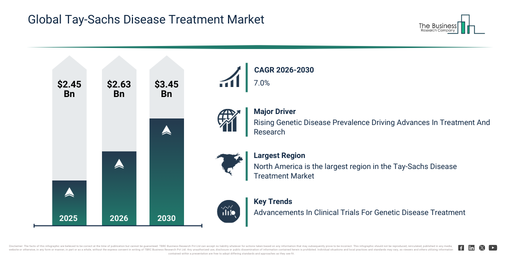
    The tay-sachs disease treatment market has experienced robust expansion in recent years. It is forecast to rise from $2.45 billion in 2025 to $2.63 billion in 2026, achieving a compound annual growth rate (CAGR) of 7.3%. This historical growth can be linked to improved genetic screening capabilities, increased awareness of rare genetic disorders, expansion of pediatric neurology care, availability of supportive treatment options, and growth of orphan drug research programs.

    The Tay-Sachs disease treatment market is projected to experience robust expansion in the coming years. This market is anticipated to reach a valuation of $3.45 billion by 2030, exhibiting a compound annual growth rate (CAGR) of 7.0%. Key drivers contributing to this growth over the forecast period include the surge in clinical trials for gene-based therapies, growing regulatory backing for orphan drugs, wider adoption of precision medicine for rare diseases, expanded patient advocacy efforts, and increased investment in cutting-edge biotechnologies. Significant trends expected during this period involve an intensified focus on developing gene therapies, expanded research into enzyme replacement, increased application of substrate reduction therapies, heightened investment in developing drugs for rare diseases, and improved supportive care protocols.

    Download the Free Sample Report to Explore Key Market Insights:

    https://www.thebusinessresearchcompany.com/sample.aspx?id=21295&type=smp

    What Major Drivers Are Influencing Demand In The Tay-Sachs Disease Treatment Market?

    The increasing incidence of genetic conditions is anticipated to propel the tay-sachs disease treatment market in the foreseeable future. A genetic condition is defined as a disorder resulting from irregularities in an individual’s DNA, which can be passed down through inheritance or emerge from spontaneous genetic alterations. The rise in genetic diseases is attributed to factors such as sophisticated diagnostics, heightened public awareness, environmental influences, and elevated mutation rates stemming from delayed childbearing and shifts in lifestyle. This expanding occurrence of genetic diseases underscores the necessity for progress in tay-sachs disease treatment, thereby stimulating investigation into gene therapy, enzyme replacement, and prompt diagnostic methods. As an illustration, in October 2024, data from the Cystic Fibrosis Trust, a UK-based charity supporting individuals with cystic fibrosis, indicated that approximately 11,148 patients with cystic fibrosis (a genetic disorder) were registered in 2022, with this figure climbing to 11,318 in 2023, demonstrating a 1.5% annual rise in patient registrations. Consequently, the escalating occurrence of genetic diseases will fuel the tay-sachs disease treatment market.

    Which Segments Are Included In The Analysis Of The Tay-Sachs Disease Treatment Market?

    The tay-sachs disease treatment market covered in this report is segmented –

    1) By Treatment: Medication, Respiratory Care, Physical Therapy

    2) By Mode Of Administration: Injectable, Oral, Other Mode Of Administration

    3) By End-Users: Hospitals, Homecare, Specialty Clinics

    Subsegments:

    1) By Medication: Antiepileptic Drugs, Miglustat, Supportive Symptomatic Medications

    2) By Respiratory Care: Mechanical Ventilation, Airway Clearance Therapy, Oxygen Therapy

    3) By Physical Therapy: Motor Function Exercises, Hydrotherapy, Assistive Mobility Devices

    What Key Developments And Trends Are Impacting The Tay-Sachs Disease Treatment Market?

    Major companies operating in the tay-sachs disease treatment market are focusing on developing novel treatments, a process that includes conducting clinical trials to investigate advanced therapies such as gene therapy, enzyme replacement, and small-molecule drugs, with the goal of improving patient outcomes. Clinical trials themselves are research studies designed to assess the safety, effectiveness, and potential side effects of medical treatments, drugs, or procedures in humans. For instance, in July 2024, IntraBio Inc., a biopharmaceutical company based in the US, announced it had received US Food and Drug Administration (FDA) approval for its Investigational New Drug (IND) Application. This approval allows for the initiation of a clinical trial (IB1001-202) for IB1001, targeting GM2 Gangliosidosis (Tay-Sachs and Sandhoff Disease). The trial is currently being conducted in the U.S., UK, Germany, and Spain, aiming to address these fatal neurodegenerative disorders for which no approved treatments currently exist. IntraBio’s chairman underscored the critical urgency of developing effective therapies for these debilitating diseases.

    Which Key Industry Participants Are Active In The Tay-Sachs Disease Treatment Market?

    Major companies operating in the tay-sachs disease treatment market are Pfizer Inc., Sanofi S.A., Novartis AG, Takeda Pharmaceutical Company Limited, Regeneron Pharmaceuticals Inc., Biogen Inc., Vertex Pharmaceuticals Incorporated, BioMarin Pharmaceutical Inc., Sarepta Therapeutics Inc., Ultragenyx Pharmaceutical Inc., Amicus Therapeutics Inc., Spark Therapeutics Inc., Rocket Pharmaceuticals Inc., RegenxBio Inc., Forge Biologics Inc., Passage Bio Inc., Protalix BioTherapeutics Inc., Orchard Therapeutics plc, Affinia Therapeutics Inc., IntraBio Inc., Taysha Gene Therapies Inc.

    Read the full tay-sachs disease treatment market report here:

    https://www.thebusinessresearchcompany.com/report/tay-sachs-disease-treatment-global-market-report

    Which Region Shows The Strongest Potential For Future Growth In The Tay-Sachs Disease Treatment Market?

    North America was the largest region in the tay-sachs disease treatment market in 2025. Asia-Pacific is expected to be the fastest-growing region in the forecast period. The regions covered in the tay-sachs disease treatment market report are Asia-Pacific, South East Asia, Western Europe, Eastern Europe, North America, South America, Middle East, Africa.

    Request A Tailored Tay-Sachs Disease Treatment Market Research Report For Competitive Advantage:

    https://www.thebusinessresearchcompany.com/customise?id=21295&type=smp

    Browse Through More Reports Similar to the Global Tay-Sachs Disease Treatment Market 2026, By The Business Research Company

    Rare Diseases Treatment Global Market Report

    https://www.thebusinessresearchcompany.com/report/rare-diseases-treatment-global-market-report

    Lysosomal Disease Treatment Global Market Report

    https://www.thebusinessresearchcompany.com/report/lysosomal-disease-treatment-global-market-report

    Malaria Treatment Global Market Report

    https://www.thebusinessresearchcompany.com/report/malaria-treatment-global-market-report

    Get in touch with us:

    The Business Research Company: https://www.thebusinessresearchcompany.com/

    Americas +1 310-496-7795

    Asia +44 7882 955267 & +91 8897263534

    Europe +44 7882 955267

    Email us at info@tbrc.info

    Follow us on:

    LinkedIn: https://in.linkedin.com/company/the-business-research-company

    YouTube: https://www.youtube.com/channel/UC24_fI0rV8cR5DxlCpgmyFQ

    Global Market Model: https://www.thebusinessresearchcompany.com/global-market-model