Category: Healthcare Services

  • Reading Glasses Market Revenue Growth Expected to Reach $56.71 Billion by 2030 with 5.6% CAGR

    Reading Glasses Market Revenue Growth Expected to Reach $56.71 Billion by 2030 with 5.6% CAGR

    The Business Research Company’s 2026 market reports include new capabilities such as market attractiveness scoring and analysis, total addressable market analysis, company scoring matrix, interactive excel data dashboard, improved supply chain analysis, upcoming startups in the market, and overview of key products, aimed at improving the depth, usability, and strategic value of the insights delivered.

    What Market Value Is Expected For The Reading Glasses Market At The End Of The 2026–2030 Forecast Period?

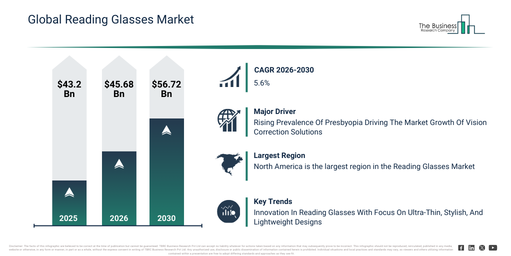
    The reading glasses market has shown significant growth recently. Projections indicate that the market will expand from $43.2 billion in 2025 to $45.68 billion in 2026, with a compound annual growth rate (CAGR) of 5.7%. Historically, the market’s growth has been fueled by an increase in presbyopia prevalence, an expanding elderly population, the broadening of optical retail networks, greater consumer screen exposure, and the availability of inexpensive eyewear materials.

    The reading glasses market size is anticipated to experience significant expansion in the coming years. It is projected to reach $56.72 billion by 2030, demonstrating a compound annual growth rate (CAGR) of 5.6%. This growth during the forecast period can be attributed to the proliferation of e-commerce eyewear sales, an escalating demand for customizable reading glasses, a heightened focus on eye health awareness, the increasing adoption of sustainable eyewear materials, and the expansion of smart eyewear integration. Major trends expected in the forecast period include a growing demand for affordable over-the-counter vision correction, a rising adoption of blue light filtering lenses, an evolving preference for lightweight frame materials, the expansion of online retail channels for reading glasses, and an enhanced emphasis on ergonomic eyewear designs.

    Download the Free Sample Report to Explore Key Market Insights:

    https://www.thebusinessresearchcompany.com/sample.aspx?id=22122&type=smp

    What Major Growth Drivers Are Shaping The Outlook Of The Reading Glasses Market?

    The expanding occurrence of presbyopia is anticipated to drive the growth of the reading glasses market moving forward. Presbyopia is an age-related vision impairment that causes difficulty focusing on close objects, typically impacting individuals over the age of 40. The increasing incidence of presbyopia results from the natural aging process, which progressively reduces the elasticity of the eye’s lens, thereby diminishing its capacity to focus on nearby objects. Contemporary lifestyle changes, such as increased screen time and limited outdoor activities, might contribute to an earlier onset or intensified symptoms. Reading glasses assist presbyopia patients by compensating for the eye’s reduced ability to focus up close, providing the necessary magnification to enhance clarity and reduce strain. For instance, in September 2023, according to the Ophthalmology Times Europe, a UK-based journal, approximately 1.8 billion people were affected by presbyopia worldwide in 2022. Additionally, the prevalence of presbyopia is projected to reach around 2.1 billion by 2030. Therefore, the rising prevalence of presbyopia is driving the growth of the reading glasses market.

    What Segment Types Make Up The Reading Glasses Market?

    The reading glasses market covered in this report is segmented –

    1) By Type: Prescription Reading Glasses, Over-The-Counter (OTC) Reading Glasses

    2) By Material: Plastic, Metal, Hybrid, Other Materials

    3) By Age Group: 40–54 Years, 65 Years And Greater, 18-64 Years

    4) By Distribution Channel: Online Retail, Optical Stores, Supermarkets, Pharmacies, Other Distribution Channels

    Subsegments:

    1) By Prescription Reading Glasses: Single Vision Prescription Reading Glasses, Bifocal Prescription Reading Glasses, Progressive Prescription Reading Glasses, Blue Light Blocking Prescription Reading Glasses, Custom-Tinted Prescription Reading Glasses

    2) By Over-The-Counter (OTC) Reading Glasses: Full-Frame OTC Reading Glasses, Half-Frame OTC Reading Glasses, Rimless OTC Reading Glasses, Foldable OTC Reading Glasses, Multi-Strength OTC Reading Glasses

    Which Trends Are Shaping The Future Of The Reading Glasses Market?

    Leading companies operating in the reading glasses market are focusing on developing advanced products, such as ultra-thin reading glasses, to cater to consumer demand for lightweight, comfortable, and stylish eyewear options. Ultra-thin reading glasses are designed for close-up vision and utilize advanced materials and technology to minimize thickness and weight while preserving optical clarity and durability. For instance, in February 2024, Read On, a Switzerland-based eyewear company, launched Read On Light, lightweight and extremely flexible reading glasses. These glasses are made from premium TR90 eyewear material. They are designed for maximum comfort and style, and the glasses come with a matching hard case and are available in five fashionable colors. The glasses feature extra-long temples for easy adjustment and fold flat for storage. This innovation addresses the demand for stylish yet functional reading glasses without the need for integration into a smartphone case, as seen in their earlier products.

    Who Are The Key Players Driving Competition In The Reading Glasses Market?

    Major companies operating in the reading glasses market are Bausch And Lomb, Specsavers, Carl Zeiss, Vision Express, Rodenstock GmbH, Warby Parker, JINS Eyewear, De Rigo Vision S.p.A., Maui Jim Inc., Zenni Optical Inc., Izipizi, Foster Grant, Clic Eyewear, Peepers, Prive Revaux, Gunnar Optiks, Felix Gray, ThinkOptic Inc., Nooz Optics, EyeBuyDirect, Readers.com, EssilorLuxottica Readers

    Read the full reading glasses market report here:

    https://www.thebusinessresearchcompany.com/report/reading-glasses-global-market-report

    Which Regions Are Projected To Dominate The Reading Glasses Market In The Coming Years?

    North America was the largest region in the reading glasses market in 2025. Asia-Pacific is expected to be the fastest-growing region in the forecast period. The regions covered in the reading glasses market report are Asia-Pacific, South East Asia, Western Europe, Eastern Europe, North America, South America, Middle East, Africa.

    Request A Tailored Reading Glasses Market Research Report For Competitive Advantage:

    https://www.thebusinessresearchcompany.com/customise?id=22122&type=smp

    Browse Through More Reports Similar to the Global Reading Glasses Market 2026, By The Business Research Company

    Rare Diseases Treatment Global Market Report

    https://www.thebusinessresearchcompany.com/report/rare-diseases-treatment-global-market-report

    Neurological Disorder Drugs Global Market Report

    https://www.thebusinessresearchcompany.com/report/neurological-disorder-drugs-global-market-report

    Rare Inflammatory Disease Treatment Global Market Report

    https://www.thebusinessresearchcompany.com/report/rare-inflammatory-disease-treatment-global-market-report

    Get in touch with us:

    The Business Research Company: https://www.thebusinessresearchcompany.com/

    Americas +1 310-496-7795

    Asia +44 7882 955267 & +91 8897263534

    Europe +44 7882 955267

    Email us at info@tbrc.info

    Follow us on:

    LinkedIn: https://in.linkedin.com/company/the-business-research-company

    YouTube: https://www.youtube.com/channel/UC24_fI0rV8cR5DxlCpgmyFQ

    Global Market Model: https://www.thebusinessresearchcompany.com/global-market-model
  • Rare Neurological Disease Treatment Market Expected to Record Steady Growth and Approach $16.05 Billion by 2030

    Rare Neurological Disease Treatment Market Expected to Record Steady Growth and Approach $16.05 Billion by 2030

    The Business Research Company’s 2026 market reports include new capabilities such as market attractiveness scoring and analysis, total addressable market analysis, company scoring matrix, interactive excel data dashboard, improved supply chain analysis, upcoming startups in the market, and overview of key products, aimed at improving the depth, usability, and strategic value of the insights delivered.

    What Is The Estimated Market Size Of The Rare Neurological Disease Treatment Market During 2026–2030?

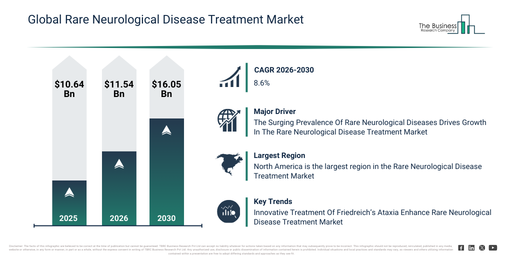
    The rare neurological disease treatment market size has demonstrated significant growth recently. It is anticipated to increase from $10.64 billion in 2025 to $11.54 billion in 2026, achieving a compound annual growth rate (CAGR) of 8.4%. The expansion observed in prior periods can be attributed to several factors, including the increased funding for neuroscience research, a rise in the diagnosis of rare neurological disorders, the development of specialty neurology centers, the growing access to neuroimaging technologies, and advancements in biologic drug development.

    The rare neurological disease treatment market size is anticipated to experience substantial growth over the next few years. It is projected to expand to $16.05 billion by 2030, achieving a compound annual growth rate (CAGR) of 8.6%. The expansion during the forecast period is attributable to the broadening of gene therapy pipelines, an increasing demand for personalized neurological treatments, growing investments in neurodegenerative research, the rising utilization of digital therapeutics, and the expansion of rare neurology clinical trials. Significant trends anticipated for this period involve the increasing development of gene and cell therapies, a greater adoption of targeted neurological drugs, the growing application of advanced neuroimaging techniques, the expansion of multidisciplinary treatment approaches, and an enhanced focus on symptom management solutions.

    Download the Free Sample Report to Explore Key Market Insights:

    https://www.thebusinessresearchcompany.com/sample.aspx?id=12146&type=smp

    What Drivers Are Expected To Influence The Rare Neurological Disease Treatment Market During The Forecast Period?

    The anticipated expansion of the rare neurological disease treatment market is largely attributed to the increasing occurrence of rare neurological conditions. These conditions encompass neurological disorders with infrequent occurrence, such as Huntington’s disease, amyotrophic lateral sclerosis (ALS), Rett syndrome, and various types of muscular dystrophy. Treatment strategies for rare neurological diseases often employ diverse methods aimed at symptom management, hindering disease progression, and enhancing the overall quality of life for affected individuals. As an illustration, a January 2023 article from BioMed Central Ltd., a UK-based publisher of open-access scientific journals, reported that the combined prevalence of Rett syndrome reached 7.1 per 100,000 females across a total sample of 9.57 million women, identifying 673 confirmed cases. Consequently, the high prevalence of rare neurological diseases is a key factor fueling the expansion of the rare neurological disease treatment market.

    How Are The Various Segments Of The Rare Neurological Disease Treatment Market Categorized?

    The rare neurological disease treatment market covered in this report is segmented –

    1) By Drug Type: Biologics, Small Molecules

    2) By Therapy: Cognitive Behavioral Therapy, Interpersonal Psychotherapy, Disease-Modifying Neurological Therapies, Other Therapies

    3) By Mode Of Administration: Oral, Injectable, Other Modes Of Administration

    4) By Disorders: Aicardi Syndrome, Aicardi-Goutières Syndrome, Reflex Sympathetic Dystrophy Syndrome, Battaglia-Neri Syndrome, Creutzfeldt Jakob Disease, Agnosia, Other Disorders

    5) By Distribution Channel: Hospital Pharmacies, Retail Pharmacies And Drug Store, Online Pharmacies

    Subsegments:

    1) By Biologics: Monoclonal Antibodies, Gene Therapies, Recombinant Proteins

    2) By Small Molecules: Targeted Small Molecules, Neuroprotective Agents, Anti-inflammatory Small Molecules

    What Key Trends Are Influencing The Development Of The Rare Neurological Disease Treatment Market?

    Major companies operating in the rare neurological disease treatment market are concentrating on product innovation, such as rare disease drug development solutions, to advance therapeutic options and improve the quality of life for patients affected by rare neurological diseases. Developing treatments for these conditions demands targeted research into specific disease mechanisms and the exploration of novel therapeutic approaches, including gene therapies or personalized medicine, to address their complex nature. For instance, in February 2023, Reata Pharmaceuticals Inc., a US-based pharmaceutical company, received United States Food and Drug Administration (USFDA) approval for its Skyclarys drug to treat Friedreich’s ataxia, a rare neurological disease. This experimental medication is designed to meet unmet needs in treating rare neurological conditions by targeting intricate disease mechanisms, potentially offering new therapeutic strategies to improve patient outcomes, and has undergone rigorous clinical evaluation for its efficacy and safety profiles.

    Which Major Firms Influence Developments In The Rare Neurological Disease Treatment Market?

    Major companies operating in the rare neurological disease treatment market are Pfizer Inc., Johnson And Johnson Services Inc., F Hoffmann La Roche Ltd, Bayer AG, Merck And Co Inc., AbbVie Inc., Novartis AG, Sanofi Aventis SA, Bristol Myers Squibb Company, AstraZeneca PLC, GlaxoSmithKline PLC, Takeda Pharmaceutical Company Limited, Teva Pharmaceutical Industries Ltd., CSL Limited, Biogen Inc., UCB S.A., Eisai Co. Ltd., Otsuka Pharmaceutical Co. Ltd., Mitsubishi Tanabe Pharma Corporation, Neurocrine Biosciences Inc., Kedrion Biopharma Inc., Merz Pharma GmbH And Co. KGaA, Harmony Biosciences Holdings Inc., Amicus Therapeutics Inc., Aquestive Therapeutics Inc., US WorldMeds LLC, Stoke Therapeutics Inc., Retrotope Inc.

    Read the full rare neurological disease treatment market report here:

    https://www.thebusinessresearchcompany.com/report/rare-neurological-disease-treatment-global-market-report

    Which Region Is Forecast To Lead The Rare Neurological Disease Treatment Market In Terms Of Market Size?

    North America was the largest region in the rare neurological diseases treatment market in 2025. Asia-Pacific is expected to be the fastest-growing region in the forecast period. The regions covered in the rare neurological disease treatment market report are Asia-Pacific, South East Asia, Western Europe, Eastern Europe, North America, South America, Middle East, Africa.

    Request A Tailored Rare Neurological Disease Treatment Market Research Report For Competitive Advantage:

    https://www.thebusinessresearchcompany.com/customise?id=12146&type=smp

    Browse Through More Reports Similar to the Global Rare Neurological Disease Treatment Market 2026, By The Business Research Company

    Rare Diseases Treatment Global Market Report

    https://www.thebusinessresearchcompany.com/report/rare-diseases-treatment-global-market-report

    Inflammatory Bowel Disease Treatment Global Market Report

    https://www.thebusinessresearchcompany.com/report/inflammatory-bowel-disease-treatment-global-market-report

    Anti Inflammatory Therapeutics Global Market Report

    https://www.thebusinessresearchcompany.com/report/anti-inflammatory-therapeutics-global-market-report

    Get in touch with us:

    The Business Research Company: https://www.thebusinessresearchcompany.com/

    Americas +1 310-496-7795

    Asia +44 7882 955267 & +91 8897263534

    Europe +44 7882 955267

    Email us at info@tbrc.info

    Follow us on:

    LinkedIn: https://in.linkedin.com/company/the-business-research-company

    YouTube: https://www.youtube.com/channel/UC24_fI0rV8cR5DxlCpgmyFQ

    Global Market Model: https://www.thebusinessresearchcompany.com/global-market-model
  • Rare Inflammatory Disease Treatment Industry Expansion Forecast Showing Market Size of $18.98 Billion by 2030 at 5.1% CAGR

    Rare Inflammatory Disease Treatment Industry Expansion Forecast Showing Market Size of $18.98 Billion by 2030 at 5.1% CAGR

    The Business Research Company’s 2026 market reports include new capabilities such as market attractiveness scoring and analysis, total addressable market analysis, company scoring matrix, interactive excel data dashboard, improved supply chain analysis, upcoming startups in the market, and overview of key products, aimed at improving the depth, usability, and strategic value of the insights delivered.

    What Market Size Expansion Is Predicted For The Rare Inflammatory Disease Treatment Market Between 2026 And 2030?

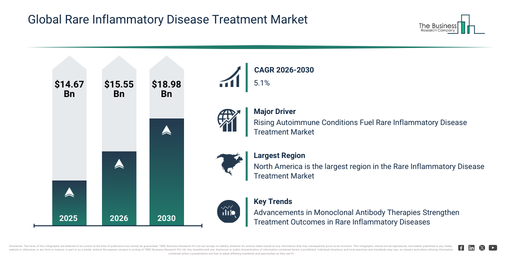
    The rare inflammatory disease treatment market has experienced robust expansion over recent years. It is projected to grow from $14.67 billion in 2025 to $15.55 billion in 2026, achieving a compound annual growth rate (CAGR) of 6.0%. This historical growth can be linked to the expansion of biologics development pipelines, rising diagnosis rates of rare inflammatory conditions, an increase in specialty pharmaceutical research, the growing use of immunomodulatory therapies, and improved access to specialty care centers.

    The rare inflammatory disease treatment market is projected to experience robust expansion in the coming years. It is set to reach $18.98 billion by 2030, exhibiting a compound annual growth rate (CAGR) of 5.1%. This projected growth is driven by factors such as the broadening of precision immunology techniques, increasing capital allocation towards orphan drug innovation, the wider embrace of sophisticated biologics, a heightened emphasis on therapies that modify disease progression, and the proliferation of digital platforms for patient monitoring. Significant trends during this period encompass the accelerated creation of targeted biologic treatments, the increasing uptake of individualized care strategies, the expanding application of combination drug protocols, broadened access to treatments through clinical trials, and a strengthened commitment to the enduring management of diseases.

    Download the Free Sample Report to Explore Key Market Insights:

    https://www.thebusinessresearchcompany.com/sample.aspx?id=15656&type=smp

    What Drivers Are Influencing The Rare Inflammatory Disease Treatment Market?

    The anticipated expansion of the rare inflammatory disease treatment market is linked to the growing occurrence of autoimmune disorders. These conditions arise when the body’s immune system erroneously targets its own healthy cells and tissues, leading to inflammation and subsequent damage. Factors contributing to the surge in autoimmune conditions include genetic susceptibility, various environmental stimuli, shifts in lifestyle, and enhanced diagnostic methods that facilitate quicker identification and improved understanding of these diseases. To manage such conditions, rare inflammatory disease treatments work by mitigating inflammation and inhibiting the immune system from harming healthy tissues. As an illustration, data from February 2024, provided by Arthritis Australia, an Australia-based charitable not-for-profit organisation advocating for people with arthritis and musculoskeletal conditions, indicates that by 2025, an estimated 562,378 Australians will be affected by rheumatoid arthritis (RA), representing 14% of the total arthritis population. Consequently, the increasing incidence of autoimmune disorders is a key impetus for the expansion of the rare inflammatory disease treatment market.

    Which Market Segments Are Examined In The Rare Inflammatory Disease Treatment Market Study?

    The rare inflammatory disease treatment market covered in this report is segmented –

    1) By Drug Class: Biologics, Organic Compounds

    2) By Mode Of Administration: Injectables, Oral, Other Administration Modes

    3) By Indication: Ulcerative Colitis, Juvenile Rheumatoid Arthritis, Psoriatic Arthritis, Other Indications

    4) By Distribution Channel: Hospital Pharmacies, Retail Pharmacies, Online Pharmacies

    Subsegments:

    1) By Biologics: Monoclonal Antibodies, Cytokine Inhibitors, Growth Factors, Enzyme Replacement Therapies

    2) By Organic Compounds: Non-Steroidal Anti-Inflammatory Drugs (Nsaids), Immunosuppressants, Corticosteroids, Disease-Modifying Antirheumatic Drugs (Dmards)

    What Key Trends Are Influencing The Development Of The Rare Inflammatory Disease Treatment Market?

    Leading companies operating in the rare inflammatory disease treatment market are concentrating on developing advanced solutions, such as precision-targeted monoclonal antibodies, aimed at enhancing disease control, reducing immune-mediated damage, and improving patient outcomes. Precision-targeted monoclonal antibodies are therapies specifically engineered to selectively bind to and eliminate particular immune cell populations implicated in disease progression, thereby assisting in minimizing systemic inflammation while preserving healthy immune function. For instance, in November 2024, Amgen, a US-based biopharmaceutical company, disclosed new data at the American College of Rheumatology (ACR) Convergence 2024, illustrating that its monoclonal antibody UPLIZNA (inebilizumab-cdon) significantly decreases disease activity in IgG4-related disease (IgG4-RD) by selectively depleting CD19+ B cells involved in its pathogenesis. UPLIZNA exemplifies the progress of targeted biologics in rare inflammatory disease management, highlighting industry initiatives toward more effective and personalized therapeutic approaches.

    Who Are The Primary Competitors In The Rare Inflammatory Disease Treatment Market?

    Major companies operating in the rare inflammatory disease treatment market are Pfizer Inc., Johnson And Johnson, Roche Holding AG, Merck And Co Inc., AbbVie Inc., Bayer AG, Sanofi S.A., Bristol Myers Squibb, AstraZeneca Plc, Novartis AG, GlaxoSmithKline plc, Eli Lilly And Company, Gilead Sciences Inc., Amgen Inc., Regeneron Pharmaceuticals Inc., Biogen Inc., UCB S.A., Horizon Therapeutics plc, Kyowa Kirin Co. Ltd., Mallinckrodt Pharmaceuticals, Takeda Pharmaceutical Company Limited, Boehringer Ingelheim International GmbH, CSL Behring GmbH, Sobi Swedish Orphan Biovitrum AB

    Read the full rare inflammatory disease treatment market report here:

    https://www.thebusinessresearchcompany.com/report/rare-inflammatory-disease-treatment-global-market-report

    Which Regions Are Expected To Experience Rapid Expansion In The Rare Inflammatory Disease Treatment Market?

    North America was the largest region in the rare inflammatory disease treatment market in 2025. Asia-Pacific is expected to be the fastest-growing region in the forecast period. The regions covered in the rare inflammatory disease treatment market report are Asia-Pacific, South East Asia, Western Europe, Eastern Europe, North America, South America, Middle East, Africa.

    Request A Tailored Rare Inflammatory Disease Treatment Market Research Report For Competitive Advantage:

    https://www.thebusinessresearchcompany.com/customise?id=15656&type=smp

    Browse Through More Reports Similar to the Global Rare Inflammatory Disease Treatment Market 2026, By The Business Research Company

    Rare Disease Diagnostics Global Market Report

    https://www.thebusinessresearchcompany.com/report/rare-disease-diagnostics-global-market-report

    Hemato Oncology Testing Global Market Report

    https://www.thebusinessresearchcompany.com/report/hemato-oncology-testing-global-market-report

    Dermatological Drugs Global Market Report

    https://www.thebusinessresearchcompany.com/report/dermatological-drugs-global-market-report

    Get in touch with us:

    The Business Research Company: https://www.thebusinessresearchcompany.com/

    Americas +1 310-496-7795

    Asia +44 7882 955267 & +91 8897263534

    Europe +44 7882 955267

    Email us at info@tbrc.info

    Follow us on:

    LinkedIn: https://in.linkedin.com/company/the-business-research-company

    YouTube: https://www.youtube.com/channel/UC24_fI0rV8cR5DxlCpgmyFQ

    Global Market Model: https://www.thebusinessresearchcompany.com/global-market-model
  • Rare Hematology Market Revenue Expected to Reach $21.24 Billion by 2030 with 6.5% CAGR

    Rare Hematology Market Revenue Expected to Reach $21.24 Billion by 2030 with 6.5% CAGR

    The Business Research Company’s 2026 market reports include new capabilities such as market attractiveness scoring and analysis, total addressable market analysis, company scoring matrix, interactive excel data dashboard, improved supply chain analysis, upcoming startups in the market, and overview of key products, aimed at improving the depth, usability, and strategic value of the insights delivered.

    How Large Is The Rare Hematology Market Projected To Become By 2030 Based On Its 2026 Valuation?

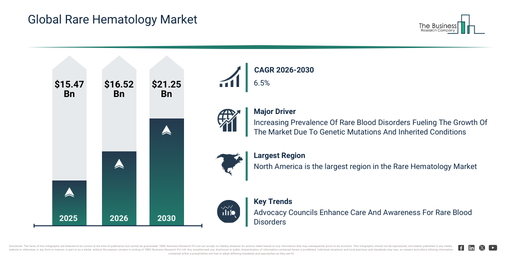
    The rare hematology market has experienced robust growth in its size over recent years. Projections indicate it will expand from $15.47 billion in 2025 to $16.52 billion in 2026, demonstrating a compound annual growth rate (CAGR) of 6.8%. Historically, this growth can be ascribed to several factors, including the constrained availability of efficacious treatments, the proliferation of rare disease research programs, heightened recognition of rare blood conditions, advancements in diagnostic laboratory competencies, and the rise of specialized hematology clinics.

    The rare hematology market is projected for significant expansion over the coming years, reaching a valuation of $21.25 billion by 2030, driven by a compound annual growth rate (CAGR) of 6.5%. This anticipated growth during the forecast period is propelled by factors such as increasing investments in gene therapy development, a heightened emphasis on precision medicine for rare conditions, the broadening of newborn and carrier screening initiatives, stronger collaborations between research institutions and pharmaceutical firms, and advancements in genomic sequencing technologies. Key developments expected in this period encompass the wider acceptance of gene and cell therapies, an expanding reliance on sophisticated genetic diagnostics, a greater focus on individualized treatment approaches, the proliferation of dedicated rare disease centers, and improved integration of digital solutions for patient monitoring.

    Download the Free Sample Report to Explore Key Market Insights:

    https://www.thebusinessresearchcompany.com/sample.aspx?id=28318&type=smp

    What Drivers Are Shaping The Future Growth Of The Rare Hematology Market?

    The expanding occurrence of rare blood conditions is anticipated to fuel the future expansion of the rare hematology market. These disorders are defined as infrequent medical ailments impacting the creation, operation, or longevity of blood cells or clotting components, resulting in conditions such as anemia, hemorrhagic issues, or hemolysis. Their rising frequency is attributed to genetic mutations and hereditary conditions transmitted from parents to offspring. The rare hematology market plays a crucial role in addressing this trend through the provision of specialized diagnostic tools and focused treatments designed to manage intricate and unusual blood ailments, thereby minimizing complications and enhancing patient prognoses over time. An illustrative example comes from March 2024, where data from the National Institute for Health and Care Excellence, a UK-based non-departmental public body, indicated that during 2022 and 2023, 2,069 individuals in the UK received a diagnosis of haemophilia B, with 374 cases classified as severe disease and 351 as moderate disease. Consequently, the growing occurrence of rare blood disorders is a primary catalyst for the expansion of the rare hematology market.

    What Segment Groups Are Identified Within The Rare Hematology Market?

    The rare hematology market covered in this report is segmented –

    1) By Disease Type: Hemophilia, Sickle Cell Disease, Thalassemia, Myelodysplastic Syndromes, Other Disease Types

    2) By Treatment Type: Gene Therapy, Stem Cell Transplantation, Blood Transfusion, Pharmacotherapy

    3) By Diagnostic Technique: Laboratory Tests, Blood Tests, Bone Marrow Biopsies, Imaging Techniques, Magnetic Resonance Imaging (MRI) Scans, Ultrasounds, Genetic Testing, Carrier Screening, Whole Genome Sequencing

    4) By Application: Pediatric, Adult

    5) By End-User: Hospitals, Specialty Clinics, Research Institutes

    Subsegments:

    1) By Hemophilia: Hemophilia A, Hemophilia B, Hemophilia C, Acquired Hemophilia

    2) By Sickle Cell Disease: Sickle Cell Anemia, Sickle Hemoglobin C Disease, Sickle Beta Thalassemia

    3) By Thalassemia: Alpha Thalassemia, Beta Thalassemia

    4) By Myelodysplastic Syndromes: Refractory Anemia (RA), Refractory Anemia With Ring Sideroblasts (RARS), Refractory Cytopenia With Multilineage Dysplasia (RCMD), Refractory Anemia With Excess Blasts (RAEB), Myelodysplastic Syndrome With Isolated Del(5Q), Unclassified Myelodysplastic Syndromes

    5) By Other Disease Types: Aplastic Anemia, Paroxysmal Nocturnal Hemoglobinuria, Rare Coagulation Disorders

    How Are Trends Impacting The Rare Hematology Market?

    Key players within the rare hematology market are concentrating on developing groundbreaking therapies and implementing strategic programs, such as multi-stakeholder advocacy councils. These efforts are geared towards addressing unmet medical necessities, bolstering patient assistance, and facilitating solutions across different indications. Multi-stakeholder advocacy councils are defined as collaborative groups comprising patients, caregivers, and experts who work together to enhance care, increase awareness, and devise solutions for specific health conditions. An illustrative example occurred in February 2023 when Agios Pharmaceuticals Inc., a US-based biopharmaceutical firm, initiated the Red Cell Revolution advocacy advisory council. This particular initiative convenes patients, caregivers, and healthcare professionals impacted by rare hemolytic anemias, including conditions like pyruvate kinase deficiency, thalassemia, and sickle cell disease. Its main purpose is to fortify community bonds, generate documented evidence, formulate practical solutions, and elevate understanding of shared difficulties. The council’s activities feature undertakings such as sponsored podcasts, video content, and strategic alliances with organizations like the National Organization for Rare Disorders, all in support of health equity and educational initiatives.

    Which Companies Hold Significant Positions In The Rare Hematology Market?

    Major companies operating in the rare hematology market are F. Hoffmann-La Roche Ltd, Pfizer Inc., Abbvie Inc., Bayer AG, Sanofi S.A., Novartis AG, Astrazeneca Plc, Bristol-Myers Squibb Company, Takeda Pharmaceutical Company Limited, Amgen Inc., CSL Behring LLC, Biogen Inc., Jazz Pharmaceuticals Plc, Octapharma AG, PharmaEssentia Corporation, Disc Medicine Inc., BioInvent International AB, Mustang Bio Inc., BlueSphere Bio Inc., Rallybio LLC

    Read the full rare hematology market report here:

    https://www.thebusinessresearchcompany.com/report/rare-hematology-global-market-report

    Which Geographic Regions Are Influencing Demand In The Rare Hematology Market?

    North America was the largest region in the rare hematology market in 2025. Asia-Pacific is expected to be the fastest-growing region in the forecast period. The regions covered in the rare hematology market report are Asia-Pacific, South East Asia, Western Europe, Eastern Europe, North America, South America, Middle East, Africa.

    Request A Tailored Rare Hematology Market Research Report For Competitive Advantage:

    https://www.thebusinessresearchcompany.com/customise?id=28318&type=smp

    Browse Through More Reports Similar to the Global Rare Hematology Market 2026, By The Business Research Company

    Neuroendocrine Tumor Treatment Global Market Report

    https://www.thebusinessresearchcompany.com/report/neuroendocrine-tumor-treatment-global-market-report

    Rare Inflammatory Disease Treatment Global Market Report

    https://www.thebusinessresearchcompany.com/report/rare-inflammatory-disease-treatment-global-market-report

    Hormone Therapy Global Market Report

    https://www.thebusinessresearchcompany.com/report/hormone-therapy-global-market-report

    Get in touch with us:

    The Business Research Company: https://www.thebusinessresearchcompany.com/

    Americas +1 310-496-7795

    Asia +44 7882 955267 & +91 8897263534

    Europe +44 7882 955267

    Email us at info@tbrc.info

    Follow us on:

    LinkedIn: https://in.linkedin.com/company/the-business-research-company

    YouTube: https://www.youtube.com/channel/UC24_fI0rV8cR5DxlCpgmyFQ

    Global Market Model: https://www.thebusinessresearchcompany.com/global-market-model
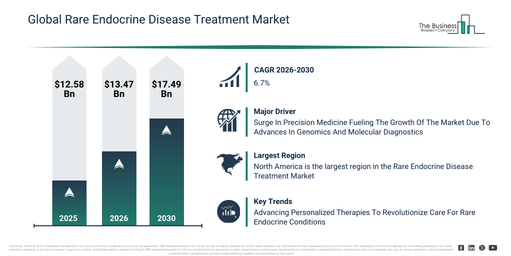
  • Global Rare Endocrine Disease Treatment Market Set for Strong Expansion Reaching $17.49 Billion by 2030 at 6.7% CAGR

    Global Rare Endocrine Disease Treatment Market Set for Strong Expansion Reaching $17.49 Billion by 2030 at 6.7% CAGR

    The Business Research Company’s 2026 market reports include new capabilities such as market attractiveness scoring and analysis, total addressable market analysis, company scoring matrix, interactive excel data dashboard, improved supply chain analysis, upcoming startups in the market, and overview of key products, aimed at improving the depth, usability, and strategic value of the insights delivered.

    What Market Value Is Anticipated For The Rare Endocrine Disease Treatment Market Over The Period 2026–2030?

    The rare endocrine disease treatment market has experienced significant growth in recent years. This market is set to expand from $12.58 billion in 2025 to $13.47 billion in 2026, achieving a compound annual growth rate (CAGR) of 7.1%. The growth observed in the past can be attributed to several factors, including enhanced diagnostic capabilities for endocrine disorders, the expansion of specialty endocrine clinics, increased availability of hormone replacement therapies, an upsurge in endocrinology research, and a rising awareness of rare endocrine conditions.

    The rare endocrine disease treatment market size is anticipated to experience robust growth in the coming years. This market is projected to expand to $17.49 billion by 2030, demonstrating a compound annual growth rate (CAGR) of 6.7%. The expected growth during this period stems from factors such as increasing investment in precision hormone therapies, the rising adoption of biologics and immunotherapies, the expansion of personalized treatment approaches, a growing demand for long-term disease management solutions, and increasing regulatory support for orphan endocrine drugs. Furthermore, major trends in the forecast period will involve the increasing development of targeted hormonal therapies, a rising adoption of biologic and recombinant treatments, a growing focus on precision endocrinology, the expansion of rare hormonal disorder diagnostics, and the enhanced integration of multidisciplinary care models.

    Download the Free Sample Report to Explore Key Market Insights:

    https://www.thebusinessresearchcompany.com/sample.aspx?id=28315&type=smp

    Which Economic Or Industry Drivers Are Impacting The Rare Endocrine Disease Treatment Market?

    The growing emphasis on precision medicine is anticipated to drive expansion within the rare endocrine disease treatment market. This medical strategy customizes prevention, diagnostic methods, and therapeutic interventions according to a person’s unique genetic profile, way of life, and environmental factors. The heightened interest in precision medicine stems from progress in genomics, which facilitates more precise identification of disease pathways and the development of customized treatment plans for specific patients. For rare endocrine diseases, precision medicine aids treatment by personalizing therapies grounded in a patient’s genetic, molecular, and hormonal data, leading to exact diagnoses and focused interventions that boost efficacy while reducing adverse effects. As an illustration, in February 2024, the Personalized Medicine Coalition, a US-based non-profit organization, reported that the United States Food and Drug Administration (FDA) sanctioned 16 novel personalized treatments for rare disease patients in 2023, an increase from six in 2022. Among the personalized treatments newly approved in 2023 were seven cancer drugs and three for other conditions and diseases. Consequently, the increased attention on precision medicine is fueling the expansion of the rare endocrine disease treatment market.

    How Is The Rare Endocrine Disease Treatment Market Divided Into Its Major Segments?

    The rare endocrine disease treatment market covered in this report is segmented –

    1) By Type: Biologics, Organic Compounds

    2) By Treatment: Hormone Replacement Therapy, Radiotherapy, Surgery, Targeted Therapy, Immunotherapy

    3) By Disease: Cushing’s Syndrome, Addison’s Disease, Acromegaly, Other Diseases

    4) By Distribution Channel: Hospital Pharmacies, Retail Pharmacies, Online Pharmacies, Direct Sales, Other Distribution Channels

    5) By End-User: Hospitals, Specialty Clinics, Research Institutes, Other End-Users

    Subsegments:

    1) By Biologics: Monoclonal Antibodies, Recombinant Proteins, Enzyme Replacement Therapies, Vaccines

    2) By Organic Compounds: Small Molecule Drugs, Peptide-Based Drugs, Steroidal Compounds, Non-Steroidal Compounds

    What Industry Trends Are Redefining The Rare Endocrine Disease Treatment Market?

    Major companies operating in the rare endocrine disease treatment market are prioritizing the development of advanced therapies, such as parathyroid hormone (PTH) prodrugs, to improve therapeutic efficacy and extend the duration of treatment for patients with hormone-deficiency disorders. Parathyroid hormone (PTH) prodrugs are prolonged-acting hormone treatments, where polyethylene glycol (PEG) is attached to PTH to enhance its molecular stability, prolong its circulation time, and sustain its pharmacological activity for continuous endocrine replacement. For instance, in August 2024, Ascendis Pharma A/S, a Denmark-based biopharmaceutical company, launched YORVIPATH, which is the first and only FDA-approved treatment for adult hypoparathyroidism. This product features once-daily TransCon prodrug technology, providing continuous PTH exposure, extended pharmacodynamic activity enabled by pegylation, and clinical evidence showing the normalization of serum calcium levels with reduced dependence on high-dose calcium and active vitamin D supplements.

    Who Are The Prominent Organizations Shaping The Rare Endocrine Disease Treatment Market?

    Major companies operating in the rare endocrine disease treatment market are Pfizer Inc., Bayer AG, AstraZeneca PLC, Eli Lilly and Company, Novo Nordisk A/S, Sandoz Group AG, Alexion Pharmaceuticals Inc., Ipsen S.A., Kyowa Kirin Co. Ltd., BioMarin Pharmaceutical Inc., Recordati S.p.A., Camurus AB, EMD Serono Inc., Corcept Therapeutics Inc., Ascendis Pharma A/S, Inozyme Pharma Inc., Spruce Biosciences Inc., MBX Biosciences Inc., Crinetics Pharmaceuticals Inc., Tiburio Therapeutics Inc.

    Read the full rare endocrine disease treatment market report here:

    https://www.thebusinessresearchcompany.com/report/rare-endocrine-disease-treatment-global-market-report

    What Are The Top-Performing Regions Within The Rare Endocrine Disease Treatment Market?

    North America was the largest region in the rare endocrine disease treatment market in 2025. Asia-Pacific is expected to be the fastest-growing region in the forecast period. The regions covered in the rare endocrine disease treatment market report are Asia-Pacific, South East Asia, Western Europe, Eastern Europe, North America, South America, Middle East, Africa.

    Request A Tailored Rare Endocrine Disease Treatment Market Research Report For Competitive Advantage:

    https://www.thebusinessresearchcompany.com/customise?id=28315&type=smp

    Browse Through More Reports Similar to the Global Rare Endocrine Disease Treatment Market 2026, By The Business Research Company

    Alternative Data Global Market Report

    https://www.thebusinessresearchcompany.com/report/alternative-data-global-market-report

    Data Catalog Global Market Report

    https://www.thebusinessresearchcompany.com/report/data-catalog-global-market-report

    Datafication Global Market Report

    https://www.thebusinessresearchcompany.com/report/datafication-global-market-report

    Get in touch with us:

    The Business Research Company: https://www.thebusinessresearchcompany.com/

    Americas +1 310-496-7795

    Asia +44 7882 955267 & +91 8897263534

    Europe +44 7882 955267

    Email us at info@tbrc.info

    Follow us on:

    LinkedIn: https://in.linkedin.com/company/the-business-research-company

    YouTube: https://www.youtube.com/channel/UC24_fI0rV8cR5DxlCpgmyFQ

    Global Market Model: https://www.thebusinessresearchcompany.com/global-market-model
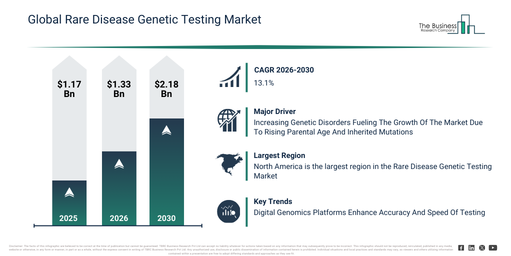
  • Rare Disease Genetic Testing Market Growth Expected to Reach $2.18 Billion by 2030 with 13.1% CAGR

    Rare Disease Genetic Testing Market Growth Expected to Reach $2.18 Billion by 2030 with 13.1% CAGR

    The Business Research Company’s 2026 market reports include new capabilities such as market attractiveness scoring and analysis, total addressable market analysis, company scoring matrix, interactive excel data dashboard, improved supply chain analysis, upcoming startups in the market, and overview of key products, aimed at improving the depth, usability, and strategic value of the insights delivered.

    What Is The Expected Market Size Of The Rare Disease Genetic Testing Market From 2026 To 2030?

    The market for rare disease genetic testing has seen a swift expansion in its size over recent years. This market is projected to expand from $1.17 billion in 2025 to reach $1.33 billion by 2026, demonstrating a compound annual growth rate (CAGR) of 13.7%. Historically, this expansion has been driven by several factors, including advancements in genomic sequencing technologies, an increase in rare disease research programs, heightened public awareness of genetic conditions, the establishment of specialized diagnostic laboratories, and the development of clinical genetics programs.

    The rare disease genetic testing market size is projected to witness substantial expansion over the coming years. It is anticipated to reach $2.18 billion by 2030, driven by a compound annual growth rate (CAGR) of 13.1%. This growth during the forecast period is attributable to the escalating demand for personalized medicine, rising investments in genomic data analytics, the broadening of population-scale genetic screening, the increasing integration of genetics into routine clinical care, and advancements in bioinformatics platforms. Significant trends for the forecast period include the increasing adoption of next-generation sequencing for rare diseases, the growing utilization of AI-driven variant interpretation, the expansion of comprehensive genetic testing panels, the rising integration of genetic data with clinical decision systems, and an enhanced focus on early and accurate diagnosis.

    Download the Free Sample Report to Explore Key Market Insights:

    https://www.thebusinessresearchcompany.com/sample.aspx?id=27404&type=smp

    What Major Drivers Are Influencing Demand In The Rare Disease Genetic Testing Market?

    The expanding prevalence of genetic disorders is anticipated to fuel the future expansion of the rare disease genetic testing market. These disorders are defined as health conditions resulting from irregularities in a person’s deoxyribonucleic acid, which can be passed down from one or both parents or originate from novel mutations. The rise in genetic disorders is linked to an increase in parental age, given that older parents face a greater likelihood of transmitting genetic mutations to their offspring. Genetic testing for rare diseases assists in diagnosing these conditions by pinpointing particular mutations, thus allowing for precise and prompt identification. Such testing aids personalized treatment strategies, thereby improving patient care and boosting long-term health results. For example, data from May 2024, provided by the National Health Service, a UK-based government department, indicates that 17,000 individuals are affected by sickle cell disease, an inherited genetic blood disorder, with approximately 250 new diagnoses annually. Consequently, the growing incidence of genetic disorders is propelling the expansion of the rare disease genetic testing market.

    Which Segments Are Included In The Analysis Of The Rare Disease Genetic Testing Market?

    The rare disease genetic testing market covered in this report is segmented –

    1) By Disease Type: Immunological Disorders, Cardiovascular Disorders, Neurological Disease, Endocrine And Metabolism Disorders Diseases, Hematological Diseases, Dermatological Disease, Other Disease Types

    2) By Technology: Next-Generation Sequencing, Sanger Sequencing, Polymerase Chain Reaction Based Testing, Array Based Testing, Fluorescence In Situ Hybridization, Other Technologies

    3) By Specialty: Molecular Genetic Tests, Chromosomal Genetic Tests, Biochemical Genetic Tests

    4) By End-User: Hospitals And Clinics, Research Laboratories And Contract Research Organizations, Diagnostic Laboratories, Other End Users

    Subsegments:

    1) By Immunological Disorders: Autoimmune Disorders, Allergic Conditions, Primary Immunodeficiency Disorders, Inflammatory Disorders

    2) By Cardiovascular Disorders: Congenital Heart Defects, Cardiomyopathies, Aortic Aneurysms, Pulmonary Hypertension

    3) By Neurological Disease: Neurodegenerative Disorders, Neuromuscular Disorders, Epileptic Syndromes, Movement Disorders

    4) By Endocrine And Metabolism Disorders Diseases: Inherited Metabolic Disorders, Thyroid Disorders, Adrenal Disorders, Diabetes Related Genetic Conditions

    5) By Hematological Diseases: Hemophilia, Thalassemia, Sickle Cell Disease, Clotting Disorders

    6) By Dermatological Disease: Genetic Skin Disorders, Connective Tissue Disorders, Pigmentary Disorders, Keratinization Disorders

    7) By Other Disease Types: Skeletal Dysplasia, Renal Genetic Disorders, Ophthalmic Genetic Conditions, Gastrointestinal Genetic Conditions

    What Key Developments And Trends Are Impacting The Rare Disease Genetic Testing Market?

    Major companies engaged in the rare disease genetic testing market are prioritizing the development of technologically advanced solutions, such as digital genomics platforms, to boost the speed, precision, and scalability of diagnosing rare diseases. Digital genomics platforms are sophisticated software systems that integrate genomic data analysis, interpretation, and reporting capabilities to streamline and expedite genetic testing and diagnosis. For instance, in March 2025, Strand Life Sciences Private Limited, an India-based computer software company, unveiled the StrandOmics Portal, a digital platform designed to improve the efficiency and accuracy of rare disease diagnosis. This portal offers clinicians comprehensive insights into genetic variants, enabling quicker and more exact diagnoses. It supports advanced variant interpretation, including for prenatal diagnostics, and allows for independent reviews of genetic data. This launch demonstrates a strong commitment to progressing precision medicine and equipping healthcare professionals with effective tools to enhance patient outcomes.

    Which Key Industry Participants Are Active In The Rare Disease Genetic Testing Market?

    Major companies operating in the rare disease genetic testing market are Thermo Fisher Scientific Inc., Quest Diagnostics Inc., Eurofins Scientific SE, Agilent Technologies Inc., Illumina Inc., QIAGEN N.V., Natera Inc., OPKO Health Inc., Myriad Genetics Inc., Fulgent Genetics Inc., BioReference Laboratories Inc., Invitae Corporation, Ambry Genetics Corporation, Centogene N.V., Baylor Genetics Company, PreventionGenetics, Blueprint Genetics Oy, Artemis DNA Inc., BGI Genomics Co. Ltd., GeneDx Inc., Genomics England Ltd.

    Read the full rare disease genetic testing market report here:

    https://www.thebusinessresearchcompany.com/report/rare-disease-genetic-testing-global-market-report

    Which Region Shows The Strongest Potential For Future Growth In The Rare Disease Genetic Testing Market?

    North America was the largest region in the rare disease genetic testing market in 2025. Asia-Pacific is expected to be the fastest-growing region in the forecast period. The regions covered in the rare disease genetic testing market report are Asia-Pacific, South East Asia, Western Europe, Eastern Europe, North America, South America, Middle East, Africa.

    Request A Tailored Rare Disease Genetic Testing Market Research Report For Competitive Advantage:

    https://www.thebusinessresearchcompany.com/customise?id=27404&type=smp

    Browse Through More Reports Similar to the Global Rare Disease Genetic Testing Market 2026, By The Business Research Company

    Rare Diseases Treatment Global Market Report

    https://www.thebusinessresearchcompany.com/report/rare-diseases-treatment-global-market-report

    Clinical Diagnostics Global Market Report

    https://www.thebusinessresearchcompany.com/report/clinical-diagnostics-global-market-report

    Rare Kidney Diseases Global Market Report

    https://www.thebusinessresearchcompany.com/report/rare-kidney-diseases-global-market-report

    Get in touch with us:

    The Business Research Company: https://www.thebusinessresearchcompany.com/

    Americas +1 310-496-7795

    Asia +44 7882 955267 & +91 8897263534

    Europe +44 7882 955267

    Email us at info@tbrc.info

    Follow us on:

    LinkedIn: https://in.linkedin.com/company/the-business-research-company

    YouTube: https://www.youtube.com/channel/UC24_fI0rV8cR5DxlCpgmyFQ

    Global Market Model: https://www.thebusinessresearchcompany.com/global-market-model
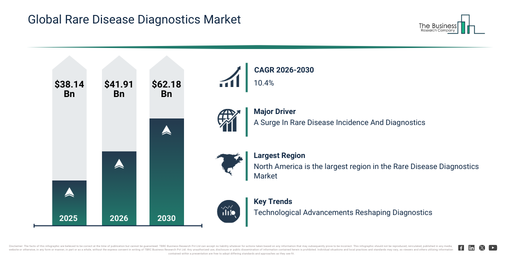
  • Rare Disease Diagnostics Market Forecast 2026–2035 Reflecting Expansion Opportunities Across Industries

    Rare Disease Diagnostics Market Forecast 2026–2035 Reflecting Expansion Opportunities Across Industries

    The Business Research Company’s 2026 market reports include new capabilities such as market attractiveness scoring and analysis, total addressable market analysis, company scoring matrix, interactive excel data dashboard, improved supply chain analysis, upcoming startups in the market, and overview of key products, aimed at improving the depth, usability, and strategic value of the insights delivered.

    What Market Valuation Is Forecasted For The Rare Disease Diagnostics Market By 2030 Starting From Its 2026 Size?

    The rare disease diagnostics market size has experienced robust growth in recent years. It is projected to expand from $38.14 billion in 2025 to $41.91 billion in 2026, demonstrating a compound annual growth rate (CAGR) of 9.9%. The historical growth in this market can be attributed to the expansion of genetic testing availability, rising awareness of rare diseases among clinicians, increasing use of molecular diagnostics, growth of specialized diagnostic laboratories, and improved access to advanced imaging technologies.

    The rare disease diagnostics market is projected to experience substantial expansion in the coming years, reaching a valuation of $62.18 billion by 2030, exhibiting a compound annual growth rate (CAGR) of 10.4%. This anticipated growth over the forecast period is propelled by factors such as the wider adoption of personalized medicine, increased investment in genomics research, a heightened need for early detection of rare diseases, the growing incorporation of AI-powered diagnostic instruments, and the expansion of rare disease screening initiatives. Key trends anticipated during this period encompass the increasing uptake of next-generation sequencing diagnostics, a surge in the application of multi-gene panel testing, the growing integration of advanced imaging technologies for rare disease diagnosis, the establishment of more centralized rare disease testing facilities, and a sharpened emphasis on prompt and precise diagnosis.

    Download the Free Sample Report to Explore Key Market Insights:

    https://www.thebusinessresearchcompany.com/sample.aspx?id=12651&type=smp

    Which Market Drivers Are Supporting The Expansion Of The Rare Disease Diagnostics Market?

    The future expansion of the rare disease diagnostics market is anticipated to be driven by the rising occurrence of rare diseases. These health conditions, which affect a small proportion of the population compared to more common diseases, frequently necessitate specialized diagnostic tools for early and accurate detection. Rare disease diagnostics help improve disease management, enable the identification of potential therapeutics, and reduce unnecessary or harmful treatments, thereby supporting more effective patient care. To illustrate, in March 2025, Kidney Research UK, an UK-based kidney disease charity, stated that the current rare kidney disease landscape includes over 150 distinct conditions, affecting an estimated 70 per 100,000 people, predominantly arising from genetic alterations. Consequently, the heightened incidence of rare diseases is fueling the growth of the rare disease diagnostics market.

    Which Segment Categories Define The Rare Disease Diagnostics Market?

    The rare disease diagnostics market covered in this report is segmented –

    1) By Test Type: Genetic Test, General Lab Test, Imaging Test

    2) By Technology: Capillary Sequencing, Whole Genome Sequencing, Whole Exome Sequencing, Microarrays

    3) By Sample Type: Deoxyribonucleic Acid (DNA) Sample, Buccal Swab Sample, Blood, Saliva

    4) By Disease Type: Gastroenterology Disease, Endocrine And Metabolism Disorders Disease, Hematology And Oncology Disease, Dermatology Disease, Cardiovascular Disorders, Neurology Disease

    5) By End User: Hospital Laboratories, Diagnostics Laboratories, Genetic Testing Laboratories, Cancer Research Laboratories

    Subsegments:

    1) By Genetic Test: Whole Genome Sequencing, Targeted Gene Panels, Exome Sequencing, Carrier Testing

    2) By General Lab Test: Blood Tests, Biochemical Assays, Urine Tests, Cytogenetic Tests

    3) By Imaging Test: MRI (Magnetic Resonance Imaging), CT (Computed Tomography) Scans, Ultrasound, X-Rays

    What Trends Are Projected To Affect The Rare Disease Diagnostics Market?

    Major companies operating in the rare disease diagnostics market are prioritizing the creation of advanced solutions, including high-sensitivity whole genome sequencing (WGS) platforms, to elevate diagnostic precision, expand the scope of variant detection, and accelerate the identification of complex rare disorders. These high-sensitivity WGS platforms allow for a comprehensive analysis of nearly all disease-causing genetic variants in a single test, thereby supporting earlier and more accurate diagnoses. For instance, in April 2023, Centogene GmbH, a Germany-based rare disease company, launched CentoGenome, an improved next-generation sequencing (NGS)-based whole genome sequencing solution tailored for the diagnosis of rare and neurodegenerative diseases. The platform offers broad variant coverage, encompassing Copy Number Variations (CNVs) associated with spinal muscular atrophy (SMA) and intricate pathogenic variants connected to Gaucher disease (GD) and GBA1-related Parkinson’s disease. Additionally, CentoGenome incorporates PCR-free technology to mitigate sequencing bias in difficult genomic regions, facilitating higher-quality data and deeper insight into coding, regulatory, and intronic areas to support more precise clinical interpretation.

    Who Are The Top Companies Competing In The Rare Disease Diagnostics Market?

    Major companies operating in the rare disease diagnostics market are Thermo Fisher Scientific Inc., Roche Diagnostics, Laboratory Corporation of America Holdings, Quest Diagnostics Incorporated, Eurofins Scientific SE, Agilent Technologies Inc., PerkinElmer Inc., Sanofi Genzyme, Illumina Inc., Bio Rad Laboratories Inc., Qiagen NV, OPKO Health Inc., Natera Inc., Invitae Corporation, BGI Genomics Co. Ltd., 23andMe Holding Co., Ambry Genetics Corporation, Centogene N.V., GENEWIZ Inc., Blueprint Genetics Inc., Oxford Gene Technology Limited, Strand Life Sciences Pvt. Ltd., RareCyte Inc., Sophia Genetics SA, Foundation Medicine Inc.

    Read the full rare disease diagnostics market report here:

    https://www.thebusinessresearchcompany.com/report/rare-disease-diagnostics-global-market-report

    How Is The Rare Disease Diagnostics Market Distributed Across Key Geographic Regions?

    North America was the largest region in the rare disease diagnostics market in 2025. Asia-Pacific is expected to be the fastest-growing region in the forecast period. The regions covered in the rare disease diagnostics market report are Asia-Pacific, South East Asia, Western Europe, Eastern Europe, North America, South America, Middle East, Africa.

    Request A Tailored Rare Disease Diagnostics Market Research Report For Competitive Advantage:

    https://www.thebusinessresearchcompany.com/customise?id=12651&type=smp

    Browse Through More Reports Similar to the Global Rare Disease Diagnostics Market 2026, By The Business Research Company

    Rare Disease Diagnostics Global Market Report

    https://www.thebusinessresearchcompany.com/report/rare-disease-diagnostics-global-market-report

    Rare Diseases Treatment Global Market Report

    https://www.thebusinessresearchcompany.com/report/rare-diseases-treatment-global-market-report

    Rare Inflammatory Disease Treatment Global Market Report

    https://www.thebusinessresearchcompany.com/report/rare-inflammatory-disease-treatment-global-market-report

    Get in touch with us:

    The Business Research Company: https://www.thebusinessresearchcompany.com/

    Americas +1 310-496-7795

    Asia +44 7882 955267 & +91 8897263534

    Europe +44 7882 955267

    Email us at info@tbrc.info

    Follow us on:

    LinkedIn: https://in.linkedin.com/company/the-business-research-company

    YouTube: https://www.youtube.com/channel/UC24_fI0rV8cR5DxlCpgmyFQ

    Global Market Model: https://www.thebusinessresearchcompany.com/global-market-model
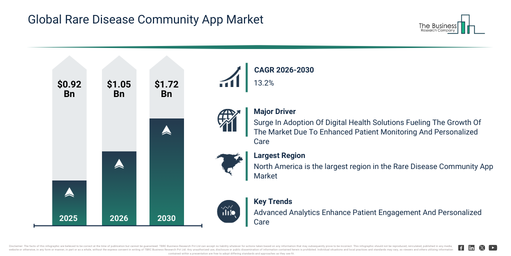
  • Global Rare Disease Community App Market Analysis for 2026–2030 with Strategic Forecast Insights for Businesses

    Global Rare Disease Community App Market Analysis for 2026–2030 with Strategic Forecast Insights for Businesses

    The Business Research Company’s 2026 market reports include new capabilities such as market attractiveness scoring and analysis, total addressable market analysis, company scoring matrix, interactive excel data dashboard, improved supply chain analysis, upcoming startups in the market, and overview of key products, aimed at improving the depth, usability, and strategic value of the insights delivered.

    How Is The Market Size Of The Rare Disease Community App Market Expected To Change Between 2026 And 2030?

    The rare disease community app market has experienced substantial expansion in recent times. Its growth is projected from $0.92 billion in 2025 to $1.05 billion in 2026, exhibiting a compound annual growth rate (CAGR) of 13.5%. Historically, this expansion has been driven by factors such as the increasing integration of smartphones in healthcare, heightened public awareness concerning rare diseases, the proliferation of digital health platforms, a growing need for patient support among peers, and enhancements in connectivity infrastructure.

    The rare disease community app market is projected to experience swift expansion over the coming years. This market is forecast to reach a value of $1.72 billion by 2030, exhibiting a compound annual growth rate (CAGR) of 13.2%. Factors contributing to this anticipated growth include greater integration with electronic health records, a rise in the use of personalized digital health solutions, the broadening of virtual patient communities, an intensified focus on data privacy and adherence to regulations, and enhanced partnerships with healthcare providers. Key developments expected during this timeframe encompass a surge in the uptake of digital patient support platforms, an increasing reliance on AI-powered community engagement utilities, a heightened commitment to secure health data exchange, the broadening of integrated care coordination functionalities, and a stronger focus on designing user-centric applications.

    Download the Free Sample Report to Explore Key Market Insights:

    https://www.thebusinessresearchcompany.com/sample.aspx?id=28312&type=smp

    What Underlying Factors Are Accelerating The Growth Of The Rare Disease Community App Market?

    The future expansion of the rare disease community app market is expected to be propelled by the growing integration of digital health solutions. These solutions involve employing technology, software, and digital platforms to enhance healthcare delivery, management, and patient outcomes. The primary driver for the increased adoption of digital health solutions stems from better patient monitoring, which facilitates real-time data tracking and personalized health management. The rare disease community app market supports this trend by offering virtual care access, immediate health insights, and tailored digital tools that cater to the specialized requirements of rare disease patients. For example, in April 2024, information from Queen Margaret University, a UK-based public institution, revealed that by November 2023, 189 NHS trusts had implemented new electronic patient record systems, signifying 90% adoption across all trusts. Consequently, the rising adoption of digital health solutions is a key factor driving the growth of the rare disease community app market.

    How Is The Rare Disease Community App Market Structured Across Different Segments?

    The rare disease community app market covered in this report is segmented –

    1) By Platform: iPhone Operating System, Android, Web-Based

    2) By Deployment Mode: Cloud-Based, On-Premises

    3) By Application: Patient Support, Disease Management, Clinical Trial Recruitment, Information Sharing, Other Applications

    4) By End-User: Patients, Caregivers, Healthcare Professionals, Researchers, Other End-Users

    Subsegments:

    1) By iPhone Operating System: iPhone App Store Apps, iPad Optimized Apps, Universal iOS Apps

    2) By Android: Google Play Store Apps, Android Tablet Apps, Hybrid Android Apps

    3) By Web-Based: Browser-Based Platforms, Progressive Web Apps (PWAs), Cloud-Hosted Web Portals

    Which Upcoming Trends Are Expected To Influence The Rare Disease Community App Market?

    Leading companies active in the rare disease community app market are concentrating on creating advanced solutions, particularly natural language processing (NLP) analytics, to boost patient engagement, streamline communication among healthcare providers, and improve support for disease management. Natural language processing (NLP) analytics involves artificial intelligence–powered methods that process, understand, and condense human language to generate practical health insights for both patients and clinicians. For example, in December 2024, Know Rare, Inc., a UK-based health technology company, introduced the HealthStoryAI app. This application features AI-produced summaries of patient experiences, organized symptom and daily health tracking, and customized insight dashboards designed to help patients and healthcare providers identify significant health patterns, thereby empowering individuals with rare diseases to better manage their conditions.

    Which Major Players Dominate The Rare Disease Community App Market?

    Major companies operating in the rare disease community app market are The Mighty Networks, Inc., PicnicHealth, Inc., FDNA, Inc., RareConnect, Carenity SAS, MyHealthTeam, Inc., CureDuchenne, Inc., Aparito Limited, ThinkGenetic, Inc., Know Rare, Inc., Rare Patient Voice, LLC, Inspire, Inc., RareGuru, LLC, Xperiome Ltd., PatientsLikeMe, Inc., Rare Disease Connect, Inc., Cochrane Rare Diseases, Global Genes, Inc., EURORDIS – Rare Diseases Europe, StuffThatWorks Health Ltd., and HealthUnlocked Ltd.

    Read the full rare disease community app market report here:

    https://www.thebusinessresearchcompany.com/report/rare-disease-community-app-global-market-report

    Which Region Is Projected To Dominate The Rare Disease Community App Market During The Forecast Period?

    North America was the largest region in the rare disease community app market in 2025. Asia-Pacific is expected to be the fastest-growing region in the forecast period. The regions covered in the rare disease community app market report are Asia-Pacific, South East Asia, Western Europe, Eastern Europe, North America, South America, Middle East, Africa.

    Request A Tailored Rare Disease Community App Market Research Report For Competitive Advantage:

    https://www.thebusinessresearchcompany.com/customise?id=28312&type=smp

    Browse Through More Reports Similar to the Global Rare Disease Community App Market 2026, By The Business Research Company

    Rare Disease Diagnostics Global Market Report

    https://www.thebusinessresearchcompany.com/report/rare-disease-diagnostics-global-market-report

    Rare Inflammatory Disease Treatment Global Market Report

    https://www.thebusinessresearchcompany.com/report/rare-inflammatory-disease-treatment-global-market-report

    Rare Neurological Disease Treatment Global Market Report

    https://www.thebusinessresearchcompany.com/report/rare-neurological-disease-treatment-global-market-report

    Get in touch with us:

    The Business Research Company: https://www.thebusinessresearchcompany.com/

    Americas +1 310-496-7795

    Asia +44 7882 955267 & +91 8897263534

    Europe +44 7882 955267

    Email us at info@tbrc.info

    Follow us on:

    LinkedIn: https://in.linkedin.com/company/the-business-research-company

    YouTube: https://www.youtube.com/channel/UC24_fI0rV8cR5DxlCpgmyFQ

    Global Market Model: https://www.thebusinessresearchcompany.com/global-market-model
  • Rare Disease Clinical Trials Market Outlook 2026–2035 Driven by Key Growth Factors and Industry Projections

    Rare Disease Clinical Trials Market Outlook 2026–2035 Driven by Key Growth Factors and Industry Projections

    The Business Research Company’s 2026 market reports include new capabilities such as market attractiveness scoring and analysis, total addressable market analysis, company scoring matrix, interactive excel data dashboard, improved supply chain analysis, upcoming startups in the market, and overview of key products, aimed at improving the depth, usability, and strategic value of the insights delivered.

    What Is The Market Size Of The Rare Disease Clinical Trials Market In 2026 And What Value Is Projected For 2030?

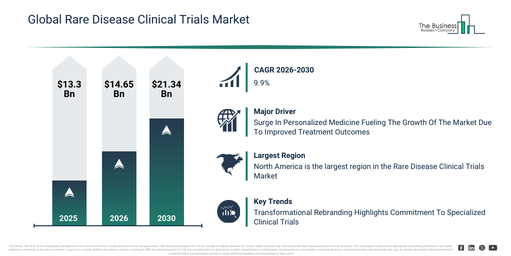
    The rare disease clinical trials market size has experienced rapid growth in recent years. It is forecast to grow from $13.3 billion in 2025 to $14.65 billion in 2026, demonstrating a compound annual growth rate (CAGR) of 10.1%. Historically, this expansion can be attributed to the broadening of orphan drug development programs, increased regulatory incentives supporting rare disease research, the rise of specialized clinical research organizations, enhanced collaboration between academia and industry, and more effective diagnostic identification of rare diseases.

    The rare disease clinical trials market is projected to experience substantial expansion in the coming years. This market is anticipated to reach a value of $21.34 billion by 2030, exhibiting a compound annual growth rate (CAGR) of 9.9%. This anticipated growth is driven by factors such as the wider uptake of virtual and hybrid trial models, the increasing application of AI for trial optimization, the broadening of global rare disease trial networks, the escalating need for quicker regulatory clearances, and increased funding for rare disease research and development. Key trends expected during this period involve the greater utilization of decentralized clinical trial frameworks, the increasing acceptance of adaptive trial designs, the deeper integration of digital tools for patient recruitment, the wider collection of real-world evidence, and an intensified focus on patient-centered trial protocols.

    Download the Free Sample Report to Explore Key Market Insights:

    https://www.thebusinessresearchcompany.com/sample.aspx?id=28311&type=smp

    Which Growth Drivers Are Contributing To The Progress Of The Rare Disease Clinical Trials Market?

    The expansion of personalized medicine is anticipated to significantly advance the rare disease clinical trials market in the future. Personalized medicine involves customizing medical care based on each patient’s unique attributes, including their genetics, lifestyle choices, and environmental factors. The increasing prominence of personalized medicine is attributed to its capacity for improved treatment outcomes, as it tailors therapies to individual patient profiles for greater efficacy and safety. Rare disease clinical trials play a crucial role in advancing personalized medicine by generating patient-specific insights that guide the development of targeted therapies designed for each individual’s distinct genetic and molecular profile. For instance, in February 2024, the Personalized Medicine Coalition (PMC), a US-based nonprofit organization, reported that the Food and Drug Administration (FDA) noted personalized medicines accounted for 34% of approvals in 2022, a figure that climbed to 38% in 2023. Thus, the growth of personalized medicine is a key driver for the rare disease clinical trials market.

    What Are The Key Segments Of The Rare Disease Clinical Trials Market?

    The rare disease clinical trials market covered in this report is segmented –

    1) By Phase: Phase I, Phase II, Phase III, Phase IV

    2) By Therapeutic Area: Oncology, Cardiovascular Disorders, Neurological Disorders, Infectious Disease, Genetic Disorders, Autoimmune And Inflammation, Hematologic Disorders, Musculoskeletal Disorders, Other Therapeutic Areas

    3) By Study Design: Interventional, Observational, Expanded Access

    4) By End-User: Pharmaceutical Companies, Biotechnology Companies, Research Institutes, Other End-Users

    Subsegments:

    1) By Phase I: First In Human Trials, Dose Escalation Studies, Safety And Tolerability Studies

    2) By Phase II: Proof Of Concept Studies, Dose Response Studies, Efficacy And Safety Studies

    3) By Phase III: Randomized Controlled Trials, Comparative Effectiveness Studies, Large Scale Multicenter Trials

    4) By Phase IV: Post Marketing Surveillance, Long Term Safety Studies, Real World Evidence Studies

    How Are Trends Shaping The Direction Of The Rare Disease Clinical Trials Market?

    Major companies within the rare disease clinical trials market are concentrating on driving innovations, including the implementation of a client-centric approach to provide personalized trial designs, boost patient engagement, and hasten the development of targeted therapies for rare conditions. A client-centric methodology entails prioritizing the requirements, goals, and preferences of biotech and pharmaceutical clients to deliver tailored and effective clinical trial solutions. For instance, in March 2025, Evestia Clinical Limited, a US-based pharmaceutical research company, was unveiled as the new brand identity of EMAS Pharma. This rebranding represents a strategic initiative aimed at accelerating the company’s global expansion. The company is committed to expediting the development of therapies for rare diseases by offering expert-driven, personalized clinical trial solutions specifically crafted for the unique challenges associated with these conditions. This particular emphasis is a core element of its brand identity and service offerings.

    Who Are The Leading Companies Operating In The Rare Disease Clinical Trials Market?

    Major companies operating in the rare disease clinical trials market are F. Hoffmann-La Roche AG, Pfizer Inc., Novartis AG, AstraZeneca plc, Takeda Pharmaceutical Company Limited, IQVIA Holdings Inc., Laboratory Corporation of America Holdings, ICON plc, Moderna Inc., Charles River Laboratories International Inc., Parexel International Corporation, Revvity Inc., Sarepta Therapeutics Inc., TFS HealthScience, Inventiva S.A., Tonix Pharmaceuticals Holding Corp., SpringWorks Therapeutics Inc., OrphAI Therapeutics Inc., BBCR Consulting LLC, Credevo Inc.

    Read the full rare disease clinical trials market report here:

    https://www.thebusinessresearchcompany.com/report/rare-disease-clinical-trials-global-market-report

    What Are The Leading Geographic Regions In The Rare Disease Clinical Trials Market?

    North America was the largest region in the rare disease clinical trials market in 2025. The regions covered in the rare disease clinical trials market report are Asia-Pacific, South East Asia, Western Europe, Eastern Europe, North America, South America, Middle East, Africa.

    Request A Tailored Rare Disease Clinical Trials Market Research Report For Competitive Advantage:

    https://www.thebusinessresearchcompany.com/customise?id=28311&type=smp

    Browse Through More Reports Similar to the Global Rare Disease Clinical Trials Market 2026, By The Business Research Company

    Rare Inflammatory Disease Treatment Global Market Report

    https://www.thebusinessresearchcompany.com/report/rare-inflammatory-disease-treatment-global-market-report

    Veterinary Dermatology Drugs Global Market Report

    https://www.thebusinessresearchcompany.com/report/veterinary-dermatology-drugs-global-market-report

    Dermatophytosis Treatment Global Market Report

    https://www.thebusinessresearchcompany.com/report/dermatophytosis-treatment-global-market-report

    Get in touch with us:

    The Business Research Company: https://www.thebusinessresearchcompany.com/

    Americas +1 310-496-7795

    Asia +44 7882 955267 & +91 8897263534

    Europe +44 7882 955267

    Email us at info@tbrc.info

    Follow us on:

    LinkedIn: https://in.linkedin.com/company/the-business-research-company

    YouTube: https://www.youtube.com/channel/UC24_fI0rV8cR5DxlCpgmyFQ

    Global Market Model: https://www.thebusinessresearchcompany.com/global-market-model
  • Rare Dermatological Disease Treatment Market Developments and Growth Opportunities Across 2026–2030

    Rare Dermatological Disease Treatment Market Developments and Growth Opportunities Across 2026–2030

    The Business Research Company’s 2026 market reports include new capabilities such as market attractiveness scoring and analysis, total addressable market analysis, company scoring matrix, interactive excel data dashboard, improved supply chain analysis, upcoming startups in the market, and overview of key products, aimed at improving the depth, usability, and strategic value of the insights delivered.

    What Will Be The Estimated Market Valuation Of The Rare Dermatological Disease Treatment Market By The End Of 2030?

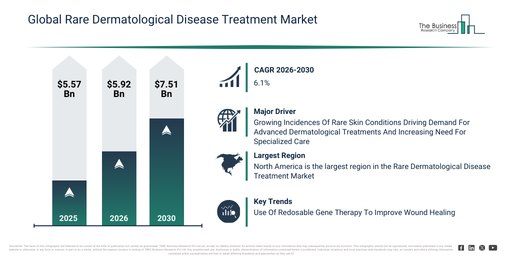
    The rare dermatological disease treatment market size has seen significant growth in recent years. It is projected to increase from $5.57 billion in 2025 to $5.92 billion in 2026, achieving a compound annual growth rate (CAGR) of 6.3%. This historical growth can be attributed to several factors including an enhanced understanding of rare skin disease pathophysiology, the broadened scope of orphan drug regulations, a rise in specialist dermatology research, advancements in biologics manufacturing capabilities, and increased awareness of rare dermatological conditions.

    The rare dermatological disease treatment market size is anticipated to experience substantial expansion over the coming years. It is projected to reach $7.51 billion by 2030, exhibiting a compound annual growth rate (CAGR) of 6.1%. This projected growth stems from several factors, including increasing investments in gene therapy platforms, an elevated focus on personalized treatment protocols, the broadening of clinical research in rare skin disorders, the escalating adoption of advanced biologics, and enhanced regulatory backing for orphan therapies. Key developments expected during this forecast period encompass the growing creation of targeted biologic therapies, a rise in the utilization of gene and cell-based treatments, an increased emphasis on personalized dermatology care, the enlargement of orphan drug pipelines, and improved application of advanced diagnostic technologies.

    Download the Free Sample Report to Explore Key Market Insights:

    https://www.thebusinessresearchcompany.com/sample.aspx?id=28310&type=smp

    What Primary Drivers Are Shaping The Development Of The Rare Dermatological Disease Treatment Market?

    The expanding count of identified rare dermatological disorders is projected to fuel the expansion of the rare dermatological disease treatment market. Infrequent skin ailments, including epidermolysis bullosa, pemphigus vulgaris, and cutaneous lupus erythematosus, impact a small segment of individuals yet necessitate expert attention and specific treatments. Progress in genetic screening, heightened understanding of diseases, and prompt diagnosis have led to a greater global incidence of recognized cases. This increasing identification is generating a need for novel therapies, such as gene therapies, cutting-edge biologics, and supportive interventions, aimed at symptom control, enhanced wound recovery, and better patient results. For example, in January 2025, the CDC, a US public health organization, reported that Vyjuvek (beremagene geperpavec-svdt), a redosable gene therapy for dystrophic epidermolysis bullosa, showed substantial wound closure during clinical trials, highlighting how innovative treatments influence patient care. Consequently, the rising occurrence of rare skin conditions is propelling the development of the rare dermatological disease treatment market.

    Which Segment Classifications Shape The Rare Dermatological Disease Treatment Market?

    The rare dermatological disease treatment market covered in this report is segmented –

    1) By Indication: Systemic Sclerosis, Epidermolysis Bullosa, Pemphigus Vulgaris, Cutaneous Lupus Erythematosus

    2) By Treatment: Corticosteroid, Immunosuppressants, Anti-Inflammatory Agents, Other Treatments

    3) By Distribution Channel: Hospital Pharmacies, Retail Pharmacies, Online Pharmacies

    4) By Technology: Gene Therapy, Stem Cell Therapy, Nanotechnology

    5) By Application: Epidermolysis Bullosa, Ichthyosis, Other Applications

    Subsegments:

    1) By Systemic Sclerosis: Limited Cutaneous Systemic Sclerosis, Diffuse Cutaneous Systemic Sclerosis, Sine Scleroderma

    2) By Epidermolysis Bullosa: Epidermolysis Bullosa Simplex, Junctional Epidermolysis Bullosa, Dystrophic Epidermolysis Bullosa, Kindler Syndrome

    3) By Pemphigus Vulgaris: Mucosal Pemphigus Vulgaris, Mucocutaneous Pemphigus Vulgaris, Cutaneous Pemphigus Vulgaris

    4) By Cutaneous Lupus Erythematosus: Acute Cutaneous Lupus Erythematosus, Subacute Cutaneous Lupus Erythematosus, Chronic Cutaneous Lupus Erythematosus (Discoid Lupus)

    Which Market Trends Are Creating New Opportunities In The Rare Dermatological Disease Treatment Market?

    Leading companies in the rare dermatological disease treatment market are focusing on creating smart and advanced gene therapy technologies, including redosable gene therapy, to improve patient outcomes, simplify treatment processes, and enhance overall quality of life. A redosable gene therapy system delivers functional COL7A1 genes directly to affected skin areas, facilitating repeated, non-invasive applications, sustained protein restoration, and accelerated wound closure. For instance, in May 2023, Krystal Biotech, a U.S.-based biotechnology company, launched Vyjuvek (beremagene geperpavec-svdt) specifically for the treatment of dystrophic epidermolysis bullosa. The product demonstrated that 65% of treated wounds achieved complete closure at 24 weeks, compared to 26% with placebo, allows once-weekly application to selected wounds, and reduces the necessity for surgical interventions. Vyjuvek also provides a non-invasive, clinic-administered option, although it requires specialized cold-chain storage to maintain its effectiveness.

    Which Companies Are Expanding Their Footprint In The Rare Dermatological Disease Treatment Market?

    Major companies operating in the rare dermatological disease treatment market are Kyowa Kirin, Johnson and Johnson company, F. Hoffmann-La Roche Limited, Merck KGaA, Arcutis Biotherapeutics, Pfizer Inc., Abbvie, Sanofi, Novartis AG, AstraZeneca, Eli lilly and company, Amgen, Bristol Myers Squibb Company, Pierre Fabre Laboratories, LEO Pharma, Almirall, Castle Creek Biosciences, Inc., Azitra, Krystal Biotech, Inc., Avita Medical, NS Pharma, Replay, Eloxx Pharmaceuticals, Kamari Pharma, BPGbio

    Read the full rare dermatological disease treatment market report here:

    https://www.thebusinessresearchcompany.com/report/rare-dermatological-disease-treatment-global-market-report

    How Does The Rare Dermatological Disease Treatment Market Perform Across Major Global Regions?

    North America was the largest region in the personalized genomics market in 2025. Asia-Pacific is expected to be the fastest-growing region in the forecast period. The regions covered in the rare dermatological disease treatment market report are Asia-Pacific, South East Asia, Western Europe, Eastern Europe, North America, South America, Middle East, Africa.

    Request A Tailored Rare Dermatological Disease Treatment Market Research Report For Competitive Advantage:

    https://www.thebusinessresearchcompany.com/customise?id=28310&type=smp

    Browse Through More Reports Similar to the Global Rare Dermatological Disease Treatment Market 2026, By The Business Research Company

    Clinical Biomarkers Global Market Report

    https://www.thebusinessresearchcompany.com/report/clinical-biomarkers-global-market-report

    Biomarkers Global Market Report

    https://www.thebusinessresearchcompany.com/report/biomarkers-global-market-report

    Biomarker Discovery Outsourcing Services Global Market Report

    https://www.thebusinessresearchcompany.com/report/biomarker-discovery-outsourcing-services-global-market-report

    Get in touch with us:

    The Business Research Company: https://www.thebusinessresearchcompany.com/

    Americas +1 310-496-7795

    Asia +44 7882 955267 & +91 8897263534

    Europe +44 7882 955267

    Email us at info@tbrc.info

    Follow us on:

    LinkedIn: https://in.linkedin.com/company/the-business-research-company

    YouTube: https://www.youtube.com/channel/UC24_fI0rV8cR5DxlCpgmyFQ

    Global Market Model: https://www.thebusinessresearchcompany.com/global-market-model