Category: HealthcareServices

  • Cell-Free DNA Isolation And Extraction Industry Growth Insights: Revenue Forecast to 2030

    Cell-Free DNA Isolation And Extraction Industry Growth Insights: Revenue Forecast to 2030

    Uncover key drivers, emerging technologies, and competitive movements shaping the cell-free dna isolation and extraction market from 2026–2035 with trusted insights from The Business Research Company

    What long-term size projections exist for the Cell-Free DNA Isolation And Extraction Market covering 2026–2035?

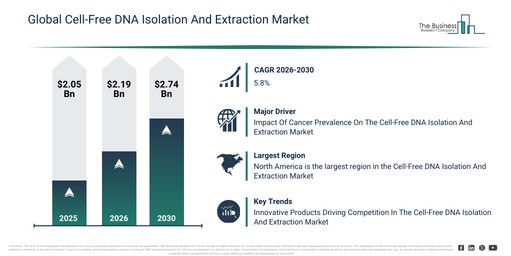
    The cell-free dna isolation and extraction market has witnessed strong growth in recent years. It is projected to expand from $2.05 billion in 2025 to $2.19 billion in 2026, reflecting a compound annual growth rate (CAGR) of 6.6%. This historical expansion can be attributed to the increasing adoption of liquid biopsy techniques, growth in molecular diagnostics testing, the expansion of prenatal screening programs, rising use of genomic research tools, and the availability of specialized extraction kits.

    The cell-free dna isolation and extraction market is set for robust expansion over the next few years, with forecasts showing it will achieve a valuation of $2.74 billion by 2030, growing at a compound annual growth rate (CAGR) of 5.8%. This growth throughout the projection period can be attributed to several factors such as the increasing demand for early cancer detection, greater investments in precision diagnostics, the widening application of transplant monitoring, the growing integration of automation into molecular laboratories, and an intensified focus on swift and accurate cfDNA workflows. Significant trends emerging during this period include a greater adoption of non-invasive genetic testing workflows, an increased utilization of magnetic bead-based extraction technologies, a rising demand for automated cfDNA isolation systems, the expansion of oncology and prenatal testing applications, and an enhanced emphasis on achieving high-yield DNA recovery.

    Access Your Free Sample Report for In-Depth Market Insights:

    https://www.thebusinessresearchcompany.com/sample.aspx?id=16371&type=smp

    Which Drivers Are Impacting The Competitive Landscape Of The Cell-Free DNA Isolation And Extraction Market?

    The increasing occurrence of cancer is projected to boost the expansion of the cell-free DNA isolation and extraction market in the future. Cancer represents a complicated set of illnesses marked by the uncontrolled multiplication and spread of atypical cells, frequently forming growths, which can invade other parts of the body, impair normal bodily functions, and, if not treated, lead to severe sickness or death. The growing number of cancer instances stems from factors such as the obesity epidemic, genetic predispositions, hepatitis B and C viruses, Epstein-Barr virus (EBV), and human papillomavirus (HPV). Cell-free DNA (cfDNA) extraction and isolation methods provide thorough genomic analysis of cancer, delivering crucial insights into tumor characteristics, treatment efficacy, and disease advancement. These methods have the potential to transform cancer care by enabling early diagnosis, customized treatment strategies, and improved patient results. For instance, in May 2024, data from the American Society of Clinical Oncology, a US-based professional body, indicated that around 20 million new cancer cases were diagnosed in 2022, a figure expected to rise to 35 million by 2050, leading to an estimated 9.7 million deaths from the disease. Consequently, the escalating incidence of cancer is propelling the growth of the cell-free DNA isolation and extraction market.

    What Segments Are Identified Within The Structure Of The Cell-Free DNA Isolation And Extraction Market?

    The cell-free dna isolation and extraction market covered in this report is segmented –

    1) By Product Type: Kits, Reagents, Instruments

    2) By Technology: Column-Based Isolation And Extraction, Magnetic Beads, Silica Membranes

    3) By Application: Non-Invasive Prenatal Testing (NIPT), Oncology, Transplant Rejection, Other Applications

    4) By End-User: Hospitals, Diagnostic Laboratories, Research Institutes, Biotech And Pharma Companies

    Subsegments:

    1) By Kits: DNA Extraction Kits, CfDNA Isolation Kits, CfDNA Purification Kits, CfDNA Extraction And Purification Kits

    2) By Reagents: CfDNA Extraction Reagents, Buffer Solutions For CfDNA Extraction, Enzymes For Cfdna Isolation, Chemical Reagents For Dna Stabilization

    3) By Instruments: Automated Cfdna Extraction Instruments, Manual CfDNA Extraction Devices, Magnetic Bead Separation Instruments, Centrifugation-Based CfDNA Isolation Instruments

    Which Trends Are Guiding The Evolution Of The Cell-Free DNA Isolation And Extraction Market?

    Leading firms within the cell-free DNA isolation and extraction market are prioritizing the creation of novel products, particularly automated DNA extraction instruments, to secure a competitive advantage. These automated instruments represent advanced laboratory equipment crafted to simplify and mechanize the procedure for extracting DNA from diverse biological specimens. An illustrative example occurred in September 2023, when Yourgene Health plc, a UK-based molecular diagnostics company, introduced its MagBench Automated DNA Extraction Instrument and Kit, aiming to enhance its Sage 32 NIPT workflow across Asia-Pacific and the Middle East regions. This pioneering solution provides multiple distinctive functionalities intended to streamline and improve the DNA extraction process specifically for prenatal screening. The MagBench instrument integrates automation with accuracy, employing magnetic bead-based technology to effectively separate high-quality DNA from maternal blood samples.

    Which Key Market Players Are Investing In Expansion And Innovation Within The Cell-Free DNA Isolation And Extraction Market?

    Major companies operating in the cell-free dna isolation and extraction market are F. Hoffmann-La Roche AG, Merck KGaA, Thermo Fisher Scientific Inc., Agilent Technologies Inc., Illumina Inc., QIAGEN N.V., Natera Inc., Promega Corporation, STRATEC Biomedical AG, STRECK Inc., Omega Bio-tek Inc., SeraCare Life Sciences Inc., Yourgene Health plc, System Biosciences LLC, PreAnalytiX GmbH, Bioo Scientific Corporation, BioCAT GmbH, Norgen Biotek Corp., Epigentek Group Inc., NVIGEN Inc.

    Access The Complete Report For Deeper Market Insights:

    https://www.thebusinessresearchcompany.com/report/cell-free-dna-isolation-and-extraction-global-market-report

    Which Regions Are Poised For Strategic Growth In The Cell-Free DNA Isolation And Extraction Market?

    North America was the largest region in the cell-free DNA isolation and extraction market in 2025. The regions covered in the cell-free dna isolation and extraction market report are Asia-Pacific, South East Asia, Western Europe, Eastern Europe, North America, South America, Middle East, Africa.

    Request Your Customized Cell-Free DNA Isolation And Extraction Market Research Report for Competitive Advantage:

    https://www.thebusinessresearchcompany.com/customise?id=16371&type=smp

    Browse Through More Reports Similar to the Global Cell-Free DNA Isolation And Extraction Market 2026, By The Business Research Company

    Nucleic Acid Isolation And Purification Market Report 2026

    https://www.thebusinessresearchcompany.com/report/nucleic-acid-isolation-and-purification-global-market-report

    Dna Or Rna Sample Extraction And Isolation Market Report 2026

    https://www.thebusinessresearchcompany.com/report/dna-or-rna-sample-extraction-and-isolation-global-market-report

    Cell Free Dna Cfdna Testing Market Report 2026

    https://www.thebusinessresearchcompany.com/report/cell-free-dna-cfdna-testing-global-market-report

    Get in touch with us:

    The Business Research Company: https://www.thebusinessresearchcompany.com/

    Americas +1 310-496-7795

    Asia +44 7882 955267 & +91 8897263534

    Europe +44 7882 955267

    Email us at info@tbrc.info

    Follow us on:

    LinkedIn: https://in.linkedin.com/company/the-business-research-company

    YouTube: https://www.youtube.com/channel/UC24_fI0rV8cR5DxlCpgmyFQ

    Global Market Model: https://www.thebusinessresearchcompany.com/global-market-model
  • Predictive Genetic Testing And Consumer Genomics Market Research: Growth Projections and Trends 2030

    Predictive Genetic Testing And Consumer Genomics Market Research: Growth Projections and Trends 2030

    Uncover key drivers, emerging technologies, and competitive movements shaping the predictive genetic testing and consumer genomics market from 2026–2035 with trusted insights from The Business Research Company

    Across 2026–2030, what is the expected market valuation path of the Predictive Genetic Testing And Consumer Genomics Market?

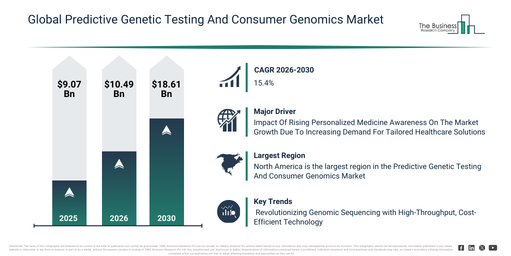
    The predictive genetic testing and consumer genomics market has expanded rapidly in recent years. It is projected to increase from $9.07 billion in 2025 to $10.49 billion in 2026, exhibiting a compound annual growth rate (CAGR) of 15.7%. The historical growth of this market can be attributed to enhanced consumer health awareness, greater accessibility to genetic testing, the rising availability of affordable sequencing technologies, an increasing interest in ancestry testing, and the development of digital health ecosystems.

    The predictive genetic testing and consumer genomics market size is anticipated to experience rapid growth in the upcoming years. It is forecast to reach $18.61 billion by 2030, demonstrating a compound annual growth rate (CAGR) of 15.4%. This expansion during the forecast period can be attributed to factors such as an increasing demand for personalized preventive healthcare, the rising adoption of pharmacogenomic testing, the expansion of consumer genomics platforms, growing integration with digital health apps, and increasing regulatory oversight on genetic data usage. Key trends for the forecast period include the increasing adoption of direct-to-consumer genetic testing, a rising use of digital health platforms, a growing demand for preventive health insights, the expansion of at-home sample collection kits, and an enhanced focus on data privacy and security.

    Access Your Free Sample Report for In-Depth Market Insights:

    https://www.thebusinessresearchcompany.com/sample.aspx?id=25884&type=smp

    Which Drivers Are Supporting The Rise Of The Predictive Genetic Testing And Consumer Genomics Market?

    The increasing understanding of personalized medicine is anticipated to stimulate the expansion of the predictive genetic testing and consumer genomics market moving forward. Personalized medicine describes a medical approach that tailors treatment and prevention strategies based on an individual’s genetic profile, lifestyle, and environmental factors. Awareness of personalized medicine is growing because it enhances treatment effectiveness by aligning therapies with a patient’s unique biological characteristics. Predictive genetic testing and consumer genomics contribute to personalized medicine by identifying genetic risks and traits, which enables customized prevention, early diagnosis, and treatment strategies based on an individual’s genetic profile. For instance, in February 2024, according to the Personalized Medicine Coalition, a US-based professional membership organization, the Food and Drug Administration (FDA) approved 16 new personalized medicines in 2023, representing an increase from 6 in 2022. Consequently, the escalating awareness about personalized medicine is driving the growth of the predictive genetic testing and consumer genomics market.

    What Leading Segments Are Studied In The Predictive Genetic Testing And Consumer Genomics Market?

    The predictive genetic testing and consumer genomics market covered in this report is segmented –

    1) By Testing Type: Diagnostic Testing, Predictive Testing, Pharmacogenomic Testing, Carrier Screening

    2) By Technology: Polymerase Chain Reaction (PCR), Next-Generation Sequencing (NGS), Microarray Technology, DNA Sequencing

    3) By Service Type: Genetic Counseling Services, Sample Collection And Analysis, Data Interpretation And Reporting

    4) By Application: Breast And Ovarian Cancer, Cardiovascular Screening, Diabetic Screening And Monitoring, Colon Cancer, Parkinsonism Or Alzheimer’s Disease, Urologic Screening Or Prostate Cancer Screening, Orthopedic And Musculoskeletal, Other Cancer Screening, Other Diseases

    5) By End User: Healthcare Providers, Research Institutions, Diagnostic Laboratories, Consumers (Direct-to-Consumer Testing)

    Subsegments:

    1) By Diagnostic Testing: Cancer Diagnostic Testing, Neurological Disorder Testing, Rare Disease Diagnostics

    2) By Predictive Testing: Cancer Risk Prediction, Cardiovascular Disease Risk, Neurodegenerative Disorder Risk

    3) By Pharmacogenomic Testing: Adverse Drug Reaction Prediction, Psychiatric Medication Response, Dosage Optimization

    4) By Carrier Screening: Cystic Fibrosis Carrier Screening, Sickle Cell Anemia Carrier Screening, Tay-Sachs Carrier Screening

    Which Trends Are Guiding The Evolution Of The Predictive Genetic Testing And Consumer Genomics Market?

    Leading companies within the predictive genetic testing and consumer genomics market are prioritizing technological innovations, specifically high-throughput and cost-efficient sequencing, to facilitate large-scale, accurate, and affordable genomic analysis. High-throughput and cost-efficient sequencing involves rapidly processing a vast quantity of genomes at reduced per-genome costs, making population-level testing viable. For instance, in February 2024, Ultima Genomics Inc., a U.S.-based sequencing company, unveiled its UG 100 sequencing system alongside the ppmSeq extreme-accuracy mode, delivering up to 6–8 billion reads per wafer, with dual-wafer runs attaining approximately 4.8 Tb and anticipated run times under 14 hours. Constructed with a wafer-based substrate and adaptable reagent cartridges, the system supports an industry-leading ~$100-genome roadmap, leveraging reagent costs of roughly $2,000 per wafer. The ppmSeq mode allows for Q60 SNV raw-read accuracy without requiring supplementary workflow steps. Leveraging its combination of low reagent costs, extensive automation, and AI-driven variant calling, the UG 100 is suited for diverse applications in consumer genomics, population screening, clinical WGS, pharmacogenomics, and large-scale research. Ultimately, the platform provides genomic data generation that is quicker, more scalable, and more economical than older NGS technologies.

    Which Leading Companies Dominate The Predictive Genetic Testing And Consumer Genomics Market Share?

    Major companies operating in the predictive genetic testing and consumer genomics market are Thermo Fisher Scientific Inc., Abbott Laboratories, Laboratory Corporation of America Holdings, Quest Diagnostics Incorporated, QIAGEN N.V., Ancestry.com, Myriad Genetics Inc., ARUP Laboratories, BGI Genomics Co. Ltd., Invitae Corporation, 23andMe Inc., Helix Inc., Color Health Inc., Mapmygenome India Ltd., Reliance Life Sciences, Dante Labs Inc., EasyDNA, Gene by Gene Ltd., Nebula Genomics Inc., Pathway Genomics Corporation

    Access The Complete Report For Deeper Market Insights:

    https://www.thebusinessresearchcompany.com/report/predictive-genetic-testing-and-consumer-genomics-global-market-report

    How Does The Predictive Genetic Testing And Consumer Genomics Market Perform Across Major Global Regions?

    North America was the largest region in the predictive genetic testing and consumer genomics market in 2025. Asia-Pacific is expected to be the fastest-growing region in the forecast period. The regions covered in the predictive genetic testing and consumer genomics market report are Asia-Pacific, South East Asia, Western Europe, Eastern Europe, North America, South America, Middle East, Africa.

    Request Your Customized Predictive Genetic Testing And Consumer Genomics Market Research Report for Competitive Advantage:

    https://www.thebusinessresearchcompany.com/customise?id=25884&type=smp

    Browse Through More Reports Similar to the Global Predictive Genetic Testing And Consumer Genomics Market 2026, By The Business Research Company

    Genetic Testing Services Market Report 2026

    https://www.thebusinessresearchcompany.com/report/genetic-testing-services-global-market-report

    Direct To Consumer Dtc Genetic Testing Market Report 2026

    https://www.thebusinessresearchcompany.com/report/direct-to-consumer-dtc-genetic-testing-global-market-report

    Genetic Testing Market Report 2026

    https://www.thebusinessresearchcompany.com/report/genetic-testing-global-market-report

    Get in touch with us:

    The Business Research Company: https://www.thebusinessresearchcompany.com/

    Americas +1 310-496-7795

    Asia +44 7882 955267 & +91 8897263534

    Europe +44 7882 955267

    Email us at info@tbrc.info

    Follow us on:

    LinkedIn: https://in.linkedin.com/company/the-business-research-company

    YouTube: https://www.youtube.com/channel/UC24_fI0rV8cR5DxlCpgmyFQ

    Global Market Model: https://www.thebusinessresearchcompany.com/global-market-model
  • Global Cell Viability Assays Market Performance Report: Global Trends 2026–2030

    Global Cell Viability Assays Market Performance Report: Global Trends 2026–2030

    Uncover key drivers, emerging technologies, and competitive movements shaping the cell viability assays market from 2026–2035 with trusted insights from The Business Research Company

    What total market size is anticipated for the Cell Viability Assays Market in 2030?

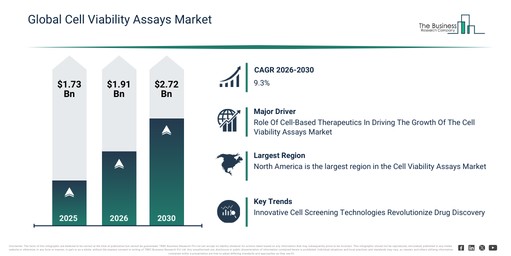
    The cell viability assays market has experienced rapid expansion in recent years. It is projected to increase from $1.73 billion in 2025 to $1.91 billion in 2026, demonstrating a compound annual growth rate (CAGR) of 10.5%. This market’s historical growth can be attributed to the broadening of in vitro research activities, rising pharmaceutical R&D expenditures, an increase in toxicology testing, the growing use of cell culture models, and the presence of standardized assay kits.

    The cell viability assays market is expected to experience significant expansion in the upcoming years. Its size is projected to reach $2.72 billion by 2030, demonstrating a compound annual growth rate (CAGR) of 9.3%. This growth during the forecast period can be attributed to several factors, including the increasing demand for high-throughput drug discovery, the rising adoption of automated assay platforms, the expansion of personalized medicine research, a growing focus on assay miniaturization, and the increasing integration of imaging-based viability analysis. Prominent trends anticipated in this period encompass the increasing adoption of high-sensitivity viability assays, the rising use of microplate-based detection systems, the growing demand for multiparametric cell health analysis, the expansion of drug screening applications, and an enhanced focus on reproducible assay protocols.

    Access Your Free Sample Report for In-Depth Market Insights:

    https://www.thebusinessresearchcompany.com/sample.aspx?id=16014&type=smp

    What Drivers Are Influencing Production Trends In The Cell Viability Assays Market?

    The growing domain of cell-based therapeutics is anticipated to invigorate the expansion of the cell viability assay market in the coming years. Cell-based therapeutics refers to medical approaches that employ living cells to mend or substitute damaged tissue, address illnesses, or reinstate normal bodily functions. This progress in cell-based therapeutics is fueled by breakthroughs in biotechnology, escalating investments in regenerative medicine, the wider acceptance and application of cell therapies, and enhancements in cell engineering and manufacturing processes. Cell viability assays are instrumental in supporting cell-based therapeutics by confirming the vitality, operational capacity, and safety of the therapeutic cells, thus optimizing treatment outcomes and ensuring rigorous quality control. For instance, in 2023, according to information from the American Society of Gene & Cell Therapy, a US-based non-profit medical and scientific organization, the quantity of gene therapies in Phase III clinical trials rose by 10% in Q3 2023, marking the initial quarterly increase since Q3 2022. Therefore, the proliferation of cell-based therapeutics is a key driver for the growth of the cell viability assay market.

    Which Segments Are Gaining Traction In The Cell Viability Assays Market?

    The cell viability assays market covered in this report is segmented –

    1) By Product: Consumables, Instruments

    2) By Application: Basic Research, Stem Cell Research, Drug Discovery And Development, Clinical And Diagnostic Applications, Other Applications

    3) By End-User: Academic And Research Institutes, Pharmaceutical And Biotechnology Companies, Hospital And Diagnostic Laboratories, Other End-Users

    Subsegments:

    1) By Consumables: Reagents, Kits, Assay Plates (96-Well plates), Microplates

    2) By Instruments: Spectrophotometers, Fluorometers, Microplate Readers, Flow Cytometers, Imaging Systems

    What Trends Are Projected To Support The Growth Of The Cell Viability Assays Market?

    Leading entities within the cell viability assays market are actively engaged in creating advanced cell screening technologies aimed at enhancing precision and accelerating drug discovery processes. These cell screening innovations boost cell viability assays by facilitating high-volume, accurate, and swift examination of cellular well-being and reactions, consequently refining experimental setups and advancing the formulation of therapeutic approaches. An illustrative case occurred in May 2024, when Arralyze, a technology firm headquartered in Germany, unveiled CellShepherd, an advanced platform designed for single-cell analysis. This system employs exclusive nanowell glass arrays to condense cell-based assays, allowing for continuous, live monitoring. The self-contained unit provides accurate cell distribution, joint cultivation under sterile environments, and imaging capabilities using both brightfield and fluorescent channels. Its artificial intelligence-powered analysis ensures precise enumeration and monitoring of cells. This accessible platform meets the growing demand for exact single-cell investigations across biomedical and life science fields.

    Who Are The Core Companies Influencing Trends In The Cell Viability Assays Market?

    Major companies operating in the cell viability assays market are Thermo Fisher Scientific Inc., Danaher Corporation, Merck KGaA, Becton, Dickinson, and Company, Agilent Technologies Inc., Lonza Group Ltd., PerkinElmer Inc., Sartorius AG, Charles River Laboratories, Bio-Rad Laboratories Inc., Bio-Techne Corporation, Beckman Coulter Inc., Promega Corporation, Abcam Limited, MP Biomedicals, Cayman Chemical Company, Cell Signaling Technology Inc., Enzo Biochem Inc., Creative Bioarray, Abnova Corporation, Biotium, Canvax, Nexcelom Bioscience LLC, G-Biosciences, AAT Bioquest Inc.

    Access The Complete Report For Deeper Market Insights:

    https://www.thebusinessresearchcompany.com/report/cell-viability-assays-global-market-report

    Which Regions Are Projected To Dominate The Cell Viability Assays Market In The Coming Years?

    North America was the largest region in the cell viability assays market in 2025. Asia-Pacific is expected to be the fastest-growing region in the forecast period. The regions covered in the cell viability assays market report are Asia-Pacific, South East Asia, Western Europe, Eastern Europe, North America, South America, Middle East, Africa.

    Request Your Customized Cell Viability Assays Market Research Report for Competitive Advantage:

    https://www.thebusinessresearchcompany.com/customise?id=16014&type=smp

    Browse Through More Reports Similar to the Global Cell Viability Assays Market 2026, By The Business Research Company

    In Vitro Diagnostics Market Report 2026

    https://www.thebusinessresearchcompany.com/report/in-vitro-diagnostics-global-market-report

    Cell Based Assays Market Report 2026

    https://www.thebusinessresearchcompany.com/report/cell-based-assays-global-market-report

    Stem Cell Assay Market Report 2026

    https://www.thebusinessresearchcompany.com/report/stem-cell-assay-global-market-report

    Get in touch with us:

    The Business Research Company: https://www.thebusinessresearchcompany.com/

    Americas +1 310-496-7795

    Asia +44 7882 955267 & +91 8897263534

    Europe +44 7882 955267

    Email us at info@tbrc.info

    Follow us on:

    LinkedIn: https://in.linkedin.com/company/the-business-research-company

    YouTube: https://www.youtube.com/channel/UC24_fI0rV8cR5DxlCpgmyFQ

    Global Market Model: https://www.thebusinessresearchcompany.com/global-market-model
  • Global Predictive Genetic Counselling Industry Insights: Key Trends and Growth Estimates

    Global Predictive Genetic Counselling Industry Insights: Key Trends and Growth Estimates

    Uncover key drivers, emerging technologies, and competitive movements shaping the predictive genetic counselling market from 2026–2035 with trusted insights from The Business Research Company

    What size range is anticipated for the Predictive Genetic Counselling Market from 2026 to 2030?

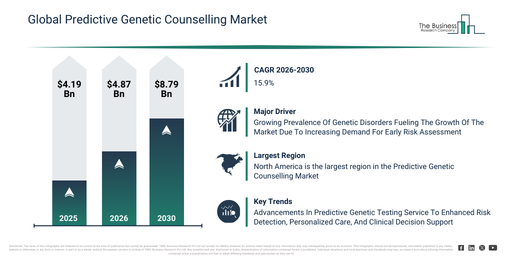
    The predictive genetic counselling market has seen substantial expansion in its size over recent years. It is projected to grow from $4.19 billion in 2025 to $4.87 billion in 2026, reflecting a compound annual growth rate (CAGR) of 16.2%. The market’s historical growth can be attributed to several key factors, including the increasing utilization of family history evaluation, the expansion of cancer risk screening programs, a growing acceptance of genetic testing, improvements in counseling methodologies, and rising public awareness of inherited diseases.

    The predictive genetic counselling market is projected to expand significantly in the coming years, reaching a size of $8.79 billion by 2030, driven by a compound annual growth rate (CAGR) of 15.9%. This anticipated growth during the forecast period stems from factors such as the greater incorporation of genomics into standard healthcare practices, the increasing acceptance of virtual counseling platforms, the broadening of preventive screening programs, the expanding application of AI-based genetic interpretation, and a rising need for individualized health risk information. Key developments expected over the forecast horizon encompass a surge in demand for online genetic counseling, an uptick in the utilization of polygenic risk scoring, wider acceptance of direct-to-consumer genetic testing, the broadening scope of predictive oncology counseling, and a heightened emphasis on educating patients and supporting their decisions.

    Access Your Free Sample Report for In-Depth Market Insights:

    https://www.thebusinessresearchcompany.com/sample.aspx?id=27397&type=smp

    What Drivers Are Affecting Demand In The Predictive Genetic Counselling Market?

    The expanding presence of genetic disorders is anticipated to propel the future growth of the predictive genetic counselling market. These disorders are conditions stemming from alterations or defects in a person’s DNA, influencing the body’s growth, development, and overall function. The rise in genetic disorders can be attributed to increasing parental age, as conception at an older age is associated with a higher probability of genetic mutations in offspring. Genetic disorders contribute to the development of predictive genetic counselling by escalating the demand for risk assessment services that help individuals understand their likelihood of inheriting or passing on such conditions. For instance, in October 2024, data from the Cystic Fibrosis Trust, a UK-based charitable organization, indicated that the number of patients registered with cystic fibrosis rose to 11,318 in 2023, an increase from 11,148 in 2022. Thus, the increasing occurrence of genetic disorders is a key driver for the predictive genetic counselling market.

    Which Segment Groups Are Influencing The Predictive Genetic Counselling Market?

    The predictive genetic counselling market covered in this report is segmented –

    1) By Service Type: Risk Assessment, Carrier Testing, Predictive Testing, Other Service Types

    2) By Mode Of Delivery: In-Person, Online

    3) By Application: Consumer Genomics, Breast And Ovarian Cancer, Cardiovascular Screening, Diabetic Screening And Monitoring, Colon Cancer, Parkinsonism Or Alzheimer’s Disease, Urologic Screening Or Prostate Cancer Screening, Orthopedic And Musculoskeletal, Other Applications

    4) By End-User: Hospitals And Clinics, Diagnostic Laboratories, Research And Academic Institutes, Other End-Users

    Subsegments:

    1) By Risk Assessment: Family History Evaluation, Lifestyle And Environmental Risk Analysis, Polygenic Risk Score Analysis, Hereditary Disease Susceptibility Screening

    2) By Carrier Testing: Cystic Fibrosis Carrier Testing, Tay-Sachs Carrier Testing, Fragile X Syndrome Testing, Sickle Cell Carrier Testing, Thalassemia Carrier Screening

    3) By Predictive Testing: Breast Cancer Gene 1 (BRCA1) Or Breast Cancer Gene 2 (BRCA2) Mutation Testing, Lynch Syndrome Testing, Huntington’s Disease Testing, Cardiovascular Genetic Risk Testing, Neurological Disorder Prediction Testing

    4) By Other Service Types: Pharmacogenomic Testing, Prenatal Genetic Testing, Newborn Genetic Screening, Direct-To-Consumer Genetic Testing, Whole Genome Sequencing For Prediction

    What Trends Are Projected To Support The Growth Of The Predictive Genetic Counselling Market?

    Leading companies in the predictive genetic counselling market are concentrating on developing advanced solutions, such as the predictive genetic testing service, for early disease risk detection and to support informed clinical decision-making. A predictive genetic testing service refers to a medical offering that analyzes an individual’s DNA to identify genetic variations linked to an elevated risk of developing specific inherited conditions or diseases in the future. For instance, in August 2024, Genetic Technologies Limited, an Australia-based company providing genomics-based health testing, launched the geneType Risk Assessment test. This test serves as a unique, comprehensive, multi-risk predictive genetic screening tool designed to evaluate an individual’s probability of developing serious conditions like breast cancer, colorectal cancer, ovarian cancer, prostate cancer, coronary artery disease, and type 2 diabetes. It combines clinically validated polygenic risk scores with non-genetic factors such as age, family history, and clinical measurements to deliver a personalized, actionable risk profile. Designed for proactive health management, it also provides clear reports with tailored recommendations to guide preventive care and lifestyle choices in over 42 countries.

    Who Are The Major Companies Operating In The Predictive Genetic Counselling Market?

    Major companies operating in the predictive genetic counselling market are Thermo Fisher Scientific Inc., Abbott Laboratories, Laboratory Corporation of America Holdings (LabCorp), Quest Diagnostics Inc., Agilent Technologies Inc., Illumina Inc., Bio-Rad Laboratories Inc., QIAGEN NV, Natera Inc, Myriad Genetics Inc., Fulgent Genetics Inc, Invitae Corporation, 23andMe Holding Co, Color Genomics Inc, deCODE genetics, Centogene NV, Admera Health LLC, Mapmygenome, Exact Sciences Corporation, BGI Group

    Access The Complete Report For Deeper Market Insights:

    https://www.thebusinessresearchcompany.com/report/predictive-genetic-counselling-global-market-report

    Which Region Is Anticipated To See The Fastest Growth In The Predictive Genetic Counselling Market?

    North America was the largest region in the predictive genetic counselling market in 2025. Asia-Pacific is expected to be the fastest-growing region in the forecast period. The regions covered in the predictive genetic counselling market report are Asia-Pacific, South East Asia, Western Europe, Eastern Europe, North America, South America, Middle East, Africa.

    Request Your Customized Predictive Genetic Counselling Market Research Report for Competitive Advantage:

    https://www.thebusinessresearchcompany.com/customise?id=27397&type=smp

    Browse Through More Reports Similar to the Global Predictive Genetic Counselling Market 2026, By The Business Research Company

    Commercial Property Insurance Market Report 2026

    https://www.thebusinessresearchcompany.com/report/commercial-property-insurance-global-market-report

    Property Management Software Market 2026

    https://www.thebusinessresearchcompany.com/report/property-management-software-market

    Property Management Service Market Report 2026

    https://www.thebusinessresearchcompany.com/report/property-management-service-global-market-report

    Get in touch with us:

    The Business Research Company: https://www.thebusinessresearchcompany.com/

    Americas +1 310-496-7795

    Asia +44 7882 955267 & +91 8897263534

    Europe +44 7882 955267

    Email us at info@tbrc.info

    Follow us on:

    LinkedIn: https://in.linkedin.com/company/the-business-research-company

    YouTube: https://www.youtube.com/channel/UC24_fI0rV8cR5DxlCpgmyFQ

    Global Market Model: https://www.thebusinessresearchcompany.com/global-market-model
  • Predictive Genetic Counseling Service Market Forecast: How Big Will It Be by 2030?

    Predictive Genetic Counseling Service Market Forecast: How Big Will It Be by 2030?

    Uncover key drivers, emerging technologies, and competitive movements shaping the predictive genetic counseling service market from 2026–2035 with trusted insights from The Business Research Company

    How is the Predictive Genetic Counseling Service Market size predicted to change over the forecast window of 2026–2035?

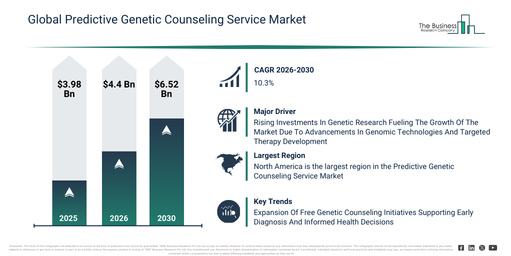
    The predictive genetic counseling service market has shown considerable expansion in recent years. This market is expected to increase from $3.98 billion in 2025 to $4.4 billion in 2026, achieving a compound annual growth rate (CAGR) of 10.6%. The historical growth of this market can be attributed to increasing awareness of inherited genetic conditions, expansion of genetic testing availability, growing utilization of prenatal screening services, rising demand for family risk assessment, improvements in molecular diagnostic accuracy.

    The predictive genetic counseling service market is poised for significant expansion in the coming years. Projections indicate it will reach $6.52 billion by 2030, demonstrating a compound annual growth rate (CAGR) of 10.3%. This anticipated growth is driven by a heightened need for tailored preventive healthcare, greater incorporation of AI in genetic analysis, the broadening of remote healthcare options, an intensified emphasis on predicting diseases early, and the wider uptake of population-level genetic screening. Key developments expected during this timeframe encompass the rising application of AI in genetic risk evaluations, increased acceptance of digital platforms for counseling, an escalating need for proactive genetic screening, the proliferation of tele-genetic counseling approaches, and a stronger concentration on data-informed risk analysis.

    Access Your Free Sample Report for In-Depth Market Insights:

    https://www.thebusinessresearchcompany.com/sample.aspx?id=27396&type=smp

    Which Drivers Are Contributing To The Expansion Of The Predictive Genetic Counseling Service Market?

    Future expansion of the predictive genetic counseling service market is anticipated to be driven by increasing financial commitments to genetic research. This type of research involves the systematic investigation of genes and heredity to comprehend how genetic traits are passed down and how they influence biological functions. Investments in genetic research are on the rise, propelled by advancements in genetic sequencing and precision medicine technologies, which are accelerating the development of targeted therapies and making biomedical research more efficient and commercially promising. These financial outlays enhance the demand for predictive genetic counseling services by uncovering new genetic markers for inherited diseases, which in turn increases the need for specialists to interpret these findings and guide individuals regarding their health risks. For instance, in September 2024, according to the National Institutes of Health (NIH), a US-based federal medical research agency, $27 million was awarded over five years to establish a new genomics-enabled learning health system (gLHS) network aimed at integrating genomic information into clinical practice across multiple hospital learning health systems nationwide. Consequently, the expanding investments in genetic research are fueling the growth of the predictive genetic counseling service market.

    What Segment Classifications Make Up The Predictive Genetic Counseling Service Market?

    The predictive genetic counseling service market covered in this report is segmented –

    1) By Type: Premarital Examination Service, Parent Child Identification Service, Antenatal Examination Service, Single Gene Or Polygene Disease Diagnosis Service

    2) By Application: Adult, Child

    3) By End-User: Hospitals, Clinical Laboratories, Academic Institutions, Research Organizations, Pharmaceutical Companies

    Subsegments:

    1) By Premarital Examination Service: Genetic Carrier Screening, Chromosomal Abnormality Testing, Inherited Disorder Risk Assessment

    2) By Parent Child Identification Service: Paternity Testing, Maternity Testing, Kinship Analysis

    3) By Antenatal Examination Service: Non-Invasive Prenatal Testing (NIPT), Chorionic Villus Sampling (CVS), Amniocentesis, Fetal DNA Sequencing

    4) By Single Gene Or Polygene Disease Diagnosis Service: Monogenic Disorder Testing, Polygenic Risk Scoring, Pharmacogenomics Testing, Hereditary Cancer Risk Testing

    Which Trends Are Influencing The Performance And Direction Of The Predictive Genetic Counseling Service Market?

    Leading companies within the predictive genetic counseling service market are concentrating on developing advanced solutions, such as no-cost genetic counseling services, to encourage early risk assessment and informed decision-making. No-cost genetic counseling services involve free consultations offered to individuals to assist them in understanding their genetic health risks, typically supported by public health programs, research initiatives, or charitable organizations. For instance, in May 2023, Vigil Neuroscience Inc., a US-based biotechnology company, launched ALSPAware, a new program providing free genetic testing and counseling services for the diagnosis of adult-onset leukoencephalopathy with axonal spheroids and pigmented glia (ALSP). ALSPAware offers complimentary and confidential genetic testing and counseling to U.S. residents aged 18 and above. The program is designed to support both individuals and healthcare professionals, offering a single-gene test for those with a family history of ALSP and a custom gene panel for diagnosing adult-onset neurological disorders. Licensed genetic counselors assist with the testing process and help interpret the results. This initiative also provides access to specialized resources aimed at reducing misdiagnosis and improving disease management for people affected by ALSP.

    Which Major Firms Are Strengthening Their Position In The Predictive Genetic Counseling Service Market?

    Major companies operating in the predictive genetic counseling service market are Roche Ltd., Thermo Fisher Scientific Inc., Agilent Technologies Inc., Illumina Inc., Natera Inc., Tempus AI Inc., Fulgent Genetics Inc., Invitae Corporation, Berry Genomics Co. Ltd., Color Genomics Inc., Decode Genetics Inc., Myriad Genetics Inc., Genpath Diagnostics, Genomic Medical Inc., GeneDx Inc., EasyDNA, Blueprint Genetics Inc., Veritas Genetics International Ltd., Abbott Pathology, Bgi Group Ltd.

    Access The Complete Report For Deeper Market Insights:

    https://www.thebusinessresearchcompany.com/report/predictive-genetic-counseling-service-global-market-report

    Which Region Is Anticipated To See The Fastest Growth In The Predictive Genetic Counseling Service Market?

    North America was the largest region in the predictive genetic counseling service market in 2025. Asia-Pacific is expected to be the fastest-growing region in the forecast period. The regions covered in the predictive genetic counseling service market report are Asia-Pacific, South East Asia, Western Europe, Eastern Europe, North America, South America, Middle East, Africa.

    Request Your Customized Predictive Genetic Counseling Service Market Research Report for Competitive Advantage:

    https://www.thebusinessresearchcompany.com/customise?id=27396&type=smp

    Browse Through More Reports Similar to the Global Predictive Genetic Counseling Service Market 2026, By The Business Research Company

    Concrete Materials Market Report 2026

    https://www.thebusinessresearchcompany.com/report/concrete-materials-global-market-report

    Rapid Strength Concrete Market Report 2026

    https://www.thebusinessresearchcompany.com/report/rapid-strength-concrete-global-market-report

    Latex Mattress Market Report 2026

    https://www.thebusinessresearchcompany.com/report/latex-mattress-global-market-report

    Get in touch with us:

    The Business Research Company: https://www.thebusinessresearchcompany.com/

    Americas +1 310-496-7795

    Asia +44 7882 955267 & +91 8897263534

    Europe +44 7882 955267

    Email us at info@tbrc.info

    Follow us on:

    LinkedIn: https://in.linkedin.com/company/the-business-research-company

    YouTube: https://www.youtube.com/channel/UC24_fI0rV8cR5DxlCpgmyFQ

    Global Market Model: https://www.thebusinessresearchcompany.com/global-market-model
  • Cell Transfection Market Future Outlook 2026: Key Drivers and Growth Potential

    Cell Transfection Market Future Outlook 2026: Key Drivers and Growth Potential

    Uncover key drivers, emerging technologies, and competitive movements shaping the cell transfection market from 2026–2035 with trusted insights from The Business Research Company

    What is the expected shift in the Cell Transfection Market’s size between 2026 and 2030?

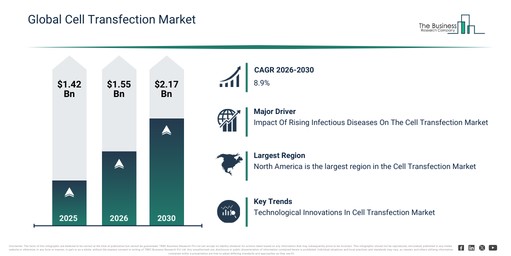
    The cell transfection market size has experienced robust growth in recent years. It is forecast to increase from $1.42 billion in 2025 to $1.55 billion in 2026, at a compound annual growth rate (CAGR) of 9.2%. This historical expansion can be attributed to the broadening scope of molecular biology research, the greater utilization of gene expression studies, the rise in recombinant protein production, the increasing adoption of in vitro genetic manipulation, and the availability of diverse transfection methods.

    The cell transfection market is projected for significant expansion in the coming years, with its size expected to reach $2.17 billion by 2030, demonstrating an 8.9% compound annual growth rate (CAGR). This anticipated growth during the forecast period is fueled by factors such as the accelerated development of gene and cell therapies, increased funding in genetic engineering research, a rising need for high-throughput screening assays, the broadening scope of personalized medicine research, and the expanding application of non-viral delivery technologies. Key trends shaping this period encompass the greater embrace of high-efficiency transfection reagents, an increase in the utilization of viral vector-based transfection, a growing requirement for scalable transfection approaches, the proliferation of automated transfection platforms, and a heightened emphasis on ensuring transfection reproducibility.

    Access Your Free Sample Report for In-Depth Market Insights:

    https://www.thebusinessresearchcompany.com/sample.aspx?id=19361&type=smp

    Which Drivers Are Shaping Strategic Decisions In The Cell Transfection Market?

    The rising incidence of infectious diseases is anticipated to fuel the expansion of the cell transfection market. These diseases are conditions resulting from germs transmitted between individuals or via polluted origins. Deficient public health systems, combined with reluctance towards vaccination and false information, have contributed to the proliferation and development of pathogens. Cell transfection serves as a potent instrument in the study of infectious diseases, enabling researchers to introduce genes into cells to investigate the impact of infections and evaluate novel therapies. As an illustration, the World Health Organization, an international public health body located in Switzerland, reported in October 2024 that about 8.2 million individuals received a new diagnosis of tuberculosis in 2023, an increase from roughly 7.5 million in 2022, thereby positioning tuberculosis as the primary fatal infectious disease. Consequently, the growing prevalence of infectious disease cases propels the cell transfection market.

    What Segment Categories Are Covered In The Cell Transfection Market?

    The cell transfection market covered in this report is segmented –

    1) By Method: Electroporation, Lipofection, Calcium Phosphate, Viral Transfection, Other Methods

    2) By Application: Biomedical Research, Therapeutic Delivery, Protein Production

    3) By End User: Academic And Research Institutes, Pharmaceutical And Biotechnology Companies, Contract Research Organizations, Other End Users

    Subsegments:

    1) By Electroporation: Square Wave Electroporation, Pulsed Electric Field Electroporation, Multielectrode Array Electroporation

    2) By Lipofection: Cationic Lipid-Based Transfection, Lipid Nanoparticle-Based Transfection, Liposomal Transfection

    3) By Calcium Phosphate: Calcium Phosphate Co-precipitation, Modified Calcium Phosphate Methods

    4) By Viral Transfection: Lentiviral Transduction, Adenoviral Transduction, AAV (Adeno-Associated Virus) Transduction

    5) By Other Methods: Microinjection, Nanoparticle-Mediated Transfection, Sonoporation, Magnetofection

    Which Trends Are Influencing The Performance And Direction Of The Cell Transfection Market?

    Leading firms within the cell transfection market are incorporating advancements into their transfection systems to allow for exact regulation of gene expression. A transfection system represents a method or technology developed for introducing external nucleic acids into cells, serving purposes such as investigating gene function, manufacturing proteins, or modifying gene expression. As an illustration, in July 2024, STEMCELL Technologies, a biotechnology firm based in Canada, introduced its Cellpore transfection system. This innovative tool aims to improve research in cell engineering. The system utilizes sophisticated microfluidic technology to enable the efficient intracellular transfer of diverse macromolecules into cells, thereby overcoming shortcomings present in conventional transfection approaches. It possesses the capability to transfect up to 10 million cells per second, rendering it appropriate for extensive applications. Furthermore, the system is compatible with a range of cell types, such as T cells and hematopoietic stem cells. It is also capable of delivering varied cargoes, including small molecules, Ribonucleic Acid (RNA), proteins, and antibodies.

    Which Major Industry Participants Are Leading The Cell Transfection Market Growth?

    Major companies operating in the cell transfection market are Thermo Fisher Scientific Inc., Merck KGaA, Agilent Technologies Inc., Lonza Group AG, Sartorius AG, Sigma-Aldrich Corporation, Bio-Rad Laboratories Inc., QIAGEN N.V., Stemcell Technologies Inc., GenScript Biotech Corporation, Promega Corporation, Takara Bio Inc., Molecular Devices LLC, New England Biolabs Inc., CureVac SE, OriGene Technologies Inc., Tocris Bioscience, Vector Biolabs, Mirus Bio LLC, Addgene Inc., Altogen Biosystems, Cell Biolabs Inc., Cellecta Inc., ExCell Bio Inc., GeneCopoeia Inc.

    Access The Complete Report For Deeper Market Insights:

    https://www.thebusinessresearchcompany.com/report/cell-transfection-global-market-report

    Which Region Is Expected To Experience The Fastest Growth In The Cell Transfection Market?

    North America was the largest region in the cell transfection market in 2025. Asia-Pacific is expected to be the fastest-growing region in the forecast period. The regions covered in the cell transfection market report are Asia-Pacific, South East Asia, Western Europe, Eastern Europe, North America, South America, Middle East, Africa.

    Request Your Customized Cell Transfection Market Research Report for Competitive Advantage:

    https://www.thebusinessresearchcompany.com/customise?id=19361&type=smp

    Browse Through More Reports Similar to the Global Cell Transfection Market 2026, By The Business Research Company

    Cell And Genes Therapy Market Report 2026

    https://www.thebusinessresearchcompany.com/report/cell-and-genes-therapy-global-market-report

    Stem Cells Therapy Market Report 2026

    https://www.thebusinessresearchcompany.com/report/stem-cells-therapy-global-market-report

    Cellulars Immunotherapy Market Report 2026

    https://www.thebusinessresearchcompany.com/report/cellulars-immunotherapy-global-market-report

    Get in touch with us:

    The Business Research Company: https://www.thebusinessresearchcompany.com/

    Americas +1 310-496-7795

    Asia +44 7882 955267 & +91 8897263534

    Europe +44 7882 955267

    Email us at info@tbrc.info

    Follow us on:

    LinkedIn: https://in.linkedin.com/company/the-business-research-company

    YouTube: https://www.youtube.com/channel/UC24_fI0rV8cR5DxlCpgmyFQ

    Global Market Model: https://www.thebusinessresearchcompany.com/global-market-model
  • Predictive And Presymptomatic Testing Market Report 2026: Strategic Insights and Revenue Outlook

    Predictive And Presymptomatic Testing Market Report 2026: Strategic Insights and Revenue Outlook

    Uncover key drivers, emerging technologies, and competitive movements shaping the predictive and presymptomatic testing market from 2026–2035 with trusted insights from The Business Research Company

    What market expansion outlook does the Predictive And Presymptomatic Testing Market show for the 2026–2030 period?

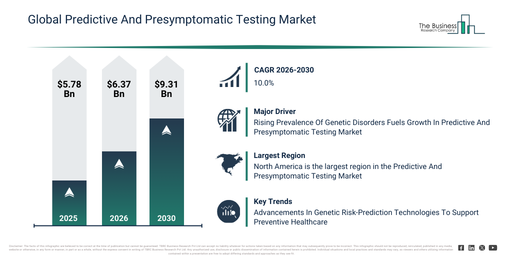
    The predictive and presymptomatic testing market has experienced significant growth in recent years. Its valuation is anticipated to increase from $5.78 billion in 2025 to $6.37 billion in 2026, achieving a compound annual growth rate (CAGR) of 10.3%. The expansion observed in prior periods can be attributed to several factors, including developments in genetic sequencing technologies, a rise in understanding concerning risks of inherited diseases, the broader availability of clinical genetic testing services, the development of testing programs in oncology and neurology, and a decrease in the expenses associated with genetic testing.

    The predictive and presymptomatic testing market is projected to experience robust expansion in the coming years, anticipated to reach $9.31 billion by 2030, exhibiting a compound annual growth rate (CAGR) of 10.0%. This growth during the forecast period can be primarily attributed to the increasing demand for personalized medicine, the rising integration of AI in genomic analysis, the expansion of population-scale screening programs, an enhanced focus on preventive healthcare strategies, and increasing regulatory support for genetic diagnostics. Furthermore, significant trends expected over this period include the growing adoption of preventive genetic screening, a rising utilization of risk-based disease prediction models, the expansion of genetic counseling services, an intensified focus on early disease detection, and the integration of genomic data into clinical decision-making.

    Access Your Free Sample Report for In-Depth Market Insights:

    https://www.thebusinessresearchcompany.com/sample.aspx?id=20594&type=smp

    What Drivers Are Shaping The Development Of The Predictive And Presymptomatic Testing Market?

    The growing occurrence of genetic disorders is projected to fuel the expansion of the predictive and presymptomatic testing market moving forward. These disorders are conditions stemming from deoxyribonucleic acid (DNA) irregularities, such as gene mutations and chromosome alterations, exemplified by conditions like cystic fibrosis and Down syndrome. The rising incidence of genetic disorders can be linked to elements like advanced maternal age, various environmental factors, and enhancements in diagnostic methodologies. Predictive and presymptomatic testing is vital for decreasing the prevalence of genetic disorders by identifying at-risk individuals prior to symptom onset. This forward-looking strategy enables early interventions or lifestyle modifications, which can help avert or lessen the seriousness of these conditions. For instance, in June 2023, data from the American Society of Gene and Cell Therapy, a US-based non-profit medical and scientific organization, indicated that the volume of gene therapies in Phase III clinical trials increased by 10% in quarter 3, 2023, marking the initial quarterly rise since quarter 3, 2022. Consequently, the increasing prevalence of genetic disorders is acting as a catalyst for the predictive and presymptomatic testing market.

    What Segment Types Are Examined In The Predictive And Presymptomatic Testing Market?

    The predictive and presymptomatic testing market covered in this report is segmented –

    1) By Test Type: Predictive Testing, Presymptomatic Testing

    2) By Application: Cancer Genetic Testing, Cardiovascular Genetic Testing, Neurological Genetic Testing, Other Applications

    3) By End User: Hospitals And Clinics, Diagnostic Laboratories

    Subsegments:

    1) By Predictive Testing: Genetic Testing for Inherited Conditions, Cancer Risk Prediction, Cardiovascular Disease Prediction, Neurodegenerative Disease Risk Prediction, Genetic Screening for Autosomal Dominant Disorders

    2) By Presymptomatic Testing: Huntington’s Disease Testing, Hereditary Cancer Risk Testing, Cystic Fibrosis Presymptomatic Testing, Early-Onset Alzheimer’s Disease Testing, Presymptomatic Genetic Testing for Familial Diseases

    What Long-Term Trends Are Expected To Shape The Future Of The Predictive And Presymptomatic Testing Market?

    Within the predictive and presymptomatic testing market, leading companies are concentrated on creating innovative multi-gene testing solutions. These solutions feature advanced genetic risk-scoring to facilitate earlier disease detection and refine personalized prevention approaches. Polygenic panels integrate the sequencing of clinically significant hereditary-risk genes with the analysis of numerous common genetic variations. This offers a more thorough and tailored evaluation of an individual’s future disease probability compared to conventional single-gene tests. An example of this advancement is Myriad Genetics Inc., a U.S.-based molecular diagnostics company, which in November 2025, broadened its MyRisk Hereditary Cancer Test. This expanded test now covers 63 clinically actionable genes relevant to over 11 cancer types. This updated panel incorporates next-generation sequencing along with personalized lifetime and five-year cancer-risk estimates, empowering physicians to make proactive clinical decisions. The product improves risk identification, even for individuals lacking strong family histories, and supports focused surveillance, earlier initiation of screenings, and comprehensive preventive care planning.

    Who Are The Primary Competitors In The Global Predictive And Presymptomatic Testing Market?

    Major companies operating in the predictive and presymptomatic testing market are F. Hoffmann-La Roche AG, Thermo Fisher Scientific Inc., Mayo Clinic, Quest Diagnostics Inc., Illumina Inc., Bio-Rad Laboratories Inc., Qiagen N.V., Peter MacCallum Cancer Centre, Myriad Genetics Inc., SomaLogic Inc., Siteman Cancer Center, Dante Labs S.R.L., Mapmygenome, Manipal Health Enterprises, Gene Vision, Reliance Diagnostic, GenepoweRx, Personal Genomics, Apollo Hospitals Enterprise Limited, Cardio Diagnostics Inc.

    Access The Complete Report For Deeper Market Insights:

    https://www.thebusinessresearchcompany.com/report/predictive-and-presymptomatic-testing-global-market-report

    Which Global Regions Are Shaping The Competitive Landscape Of The Predictive And Presymptomatic Testing Market?

    North America was the largest region in the predictive and presymptomatic testing market in 2025. Asia-Pacific is expected to be the fastest-growing region in the forecast period. The regions covered in the predictive and presymptomatic testing market report are Asia-Pacific, South East Asia, Western Europe, Eastern Europe, North America, South America, Middle East, Africa.

    Request Your Customized Predictive And Presymptomatic Testing Market Research Report for Competitive Advantage:

    https://www.thebusinessresearchcompany.com/customise?id=20594&type=smp

    Browse Through More Reports Similar to the Global Predictive And Presymptomatic Testing Market 2026, By The Business Research Company

    Healthcare Predictive Analytics Market Report 2026

    https://www.thebusinessresearchcompany.com/report/healthcare-predictive-analytics-global-market-report

    Predictive Analytics Market Report 2026

    https://www.thebusinessresearchcompany.com/report/predictive-analytics-global-market-report

    Predictive Maintenance Market Report 2026

    https://www.thebusinessresearchcompany.com/report/predictive-maintenance-global-market-report

    Get in touch with us:

    The Business Research Company: https://www.thebusinessresearchcompany.com/

    Americas +1 310-496-7795

    Asia +44 7882 955267 & +91 8897263534

    Europe +44 7882 955267

    Email us at info@tbrc.info

    Follow us on:

    LinkedIn: https://in.linkedin.com/company/the-business-research-company

    YouTube: https://www.youtube.com/channel/UC24_fI0rV8cR5DxlCpgmyFQ

    Global Market Model: https://www.thebusinessresearchcompany.com/global-market-model
  • Cell Therapy Technologies Market Trends and Insights: Global Forecast to 2030

    Cell Therapy Technologies Market Trends and Insights: Global Forecast to 2030

    Uncover key drivers, emerging technologies, and competitive movements shaping the cell therapy technologies market from 2026–2035 with trusted insights from The Business Research Company

    What growth pattern is forecast for the Cell Therapy Technologies Market size between 2026 and 2035?

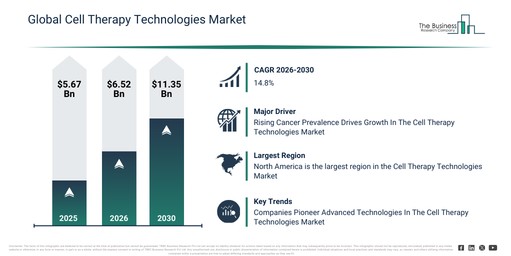
    The cell therapy technologies market has experienced significant expansion in recent years. It is projected to increase from $5.67 billion in 2025 to $6.52 billion in 2026, demonstrating a compound annual growth rate (CAGR) of 15.0%. Historically, this growth has been driven by increasing clinical research in cell-based therapies, rising adoption of stem cell treatments, the expansion of research cell banks, the availability of advanced bioprocessing equipment, and the growth in translational medicine programs.

    The cell therapy technologies market size is projected to experience substantial expansion over the upcoming years. Its valuation is anticipated to reach $11.35 billion by 2030, exhibiting a compound annual growth rate (CAGR) of 14.8%. This expansion during the projection period stems from factors such as the increasing commercialization of cell therapies, growing investments within regenerative medicine, the proliferation of point-of-care cell therapy systems, an escalating need for automated manufacturing workflows, and heightened regulatory attention on process consistency. Key developments expected during this forecast period encompass the wider embrace of closed-system cell processing platforms, increased utilization of automated cell culture systems, an escalating need for scalable cell therapy manufacturing, the broader deployment of process monitoring and quality control instruments, and an intensified emphasis on standardized cell handling practices.

    Access Your Free Sample Report for In-Depth Market Insights:

    https://www.thebusinessresearchcompany.com/sample.aspx?id=4122&type=smp

    Which Drivers Are Impacting Market Performance In The Cell Therapy Technologies Market?

    The rising prevalence of cancer is projected to stimulate the growth of the cell therapy technologies market throughout the forecast period. Cell therapy utilizes living cells as medicinal agents to treat various diseases. When applied to cancer, this therapy leverages the immune system’s innate capability to detect and eradicate abnormal cells within the body. For instance, in January 2024, the American Cancer Society, a US-based nonprofit cancer advocacy organization, stated that cancer cases rose to 2,001,140, up from 1,958,310 in 2023, representing a growth of 2.19%. Thus, the increasing number of cancer diagnoses is expected to contribute significantly to the future expansion of the cell therapy technologies market.

    Which Segments Are Contributing To The Growth Of The Cell Therapy Technologies Market?

    The cell therapy technologies market covered in this report is segmented –

    1) By Product: Consumables, Equipment, Systems And Software

    2) By Cell Type: T-Cells, Stem Cells, Other Cell Types

    3) By Process: Cell Processing, Cell Preservation, Distribution And Handling, Process Monitoring And Quality Control

    4) By End User: Life Science Companies, Research Institutes And Cell Banks

    Subsegments:

    1) By Consumables: Cell Culture Media, Bioreactors And Cell Culture Vessels, Cell Separation And Processing Kits, Cryopreservation Bags And Vials

    2) By Equipment: Cell Counters, Centrifuges, Cell Sorting Equipment, Incubators

    3) By Systems And Software: Closed-System Cell Processing Systems, Automated Cell Culture Systems, Point-Of-Care Cell Therapy Systems, Laboratory Information Management Systems (LIMS), Data Management Software For Cell Therapies, Process Optimization And Tracking Software

    What Long-Term Trends Are Expected To Shape The Future Of The Cell Therapy Technologies Market?

    Major companies in the cell therapy market are focused on developing advanced technologies, such as automated manufacturing platforms, to enhance the scalability, reproducibility, and efficiency of producing cell-based therapies. Automated cell therapy technologies integrate robotics, process monitoring, and closed-system manufacturing to streamline production while maintaining cell quality and ensuring regulatory compliance. For instance, in 2025, Limula, a US-based cell therapy company, launched an automated cell therapy platform specifically designed to accelerate cell manufacturing, reduce manual intervention, and improve the consistency and safety of therapeutic cell products. This platform’s launch signifies a crucial step toward commercial-scale cell therapy production, enabling a faster transition from research to clinical application.

    Who Are The Prominent Global Companies Shaping The Cell Therapy Technologies Market Landscape?

    Major companies operating in the cell therapy technologies market are Lonza Group AG, Thermo Fisher Scientific Inc, Merck KGaA, Terumo Corporation, Danaher Corporation, Fujifilm Holdings Corporation, Sartorius AG, Becton Dickinson and Company, Avantor Inc., Cellular Biomedicine Group, CORESTEM, Astellas Pharma Inc, Anterogen Co. Ltd, Arce Therapeutics, CARsgen Therapeutics, Co.Don AG, Neogene Therapeutics, GammaDelta Therapeutics Limited, SOTIO, Genestack, Novartis AG, Celgene Corporation, Gilead Sciences, Juno Therapeutics, Allogene Therapeutics, Bluebird Bio, Amgen, Regen BioPharma, Bellicum, Biotchpharma, BrainStorm Cell Therapeutics, Pluristem, Next BioSciences, CryoSave, BioHeart, Stem Cell Technologies

    Access The Complete Report For Deeper Market Insights:

    https://www.thebusinessresearchcompany.com/report/cell-therapy-technologies-global-market-report

    Which Geographic Areas Are Emerging As Strong Markets For The Cell Therapy Technologies Market?

    North America was the largest region in the cell therapy technologies market in 2025. Asia-Pacific is predicted to record the fastest growth over the forecast period. The regions covered in the cell therapy technologies market report are Asia-Pacific, South East Asia, Western Europe, Eastern Europe, North America, South America, Middle East, Africa.

    Request Your Customized Cell Therapy Technologies Market Research Report for Competitive Advantage:

    https://www.thebusinessresearchcompany.com/customise?id=4122&type=smp

    Browse Through More Reports Similar to the Global Cell Therapy Technologies Market 2026, By The Business Research Company

    Stem Cells Therapy Market Report 2026

    https://www.thebusinessresearchcompany.com/report/stem-cells-therapy-global-market-report

    Cells Therapy Market Report 2026

    https://www.thebusinessresearchcompany.com/report/cells-therapy-global-market-report

    Cell Therapy Human Raw Materials Market Report 2026

    https://www.thebusinessresearchcompany.com/report/cell-therapy-human-raw-materials-global-market-report

    Get in touch with us:

    The Business Research Company: https://www.thebusinessresearchcompany.com/

    Americas +1 310-496-7795

    Asia +44 7882 955267 & +91 8897263534

    Europe +44 7882 955267

    Email us at info@tbrc.info

    Follow us on:

    LinkedIn: https://in.linkedin.com/company/the-business-research-company

    YouTube: https://www.youtube.com/channel/UC24_fI0rV8cR5DxlCpgmyFQ

    Global Market Model: https://www.thebusinessresearchcompany.com/global-market-model
  • Global Precocious Puberty Treatment Industry Trends and Market Forecast 2026–2030

    Global Precocious Puberty Treatment Industry Trends and Market Forecast 2026–2030

    Uncover key drivers, emerging technologies, and competitive movements shaping the precocious puberty treatment market from 2026–2035 with trusted insights from The Business Research Company

    What level of growth is expected in the Precocious Puberty Treatment Market between 2026 and 2030?

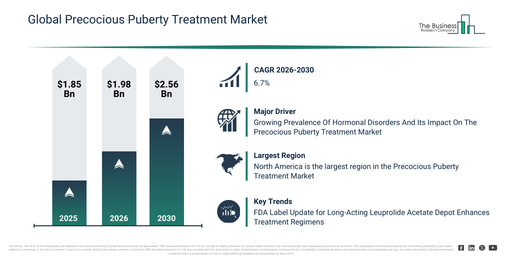
    The precocious puberty treatment market has experienced robust expansion in recent years. It is projected to increase from $1.85 billion in 2025 to $1.98 billion in 2026, exhibiting a compound annual growth rate (CAGR) of 6.8%. The historical growth of this market can be attributed to enhanced diagnostic capabilities for hormonal disorders, a heightened awareness of early puberty conditions, the availability of gonadotropin-releasing hormone analogs, the expansion of pediatric healthcare services, and rising physician education initiatives.

    The precocious puberty treatment market is poised for robust expansion in the coming years, with its size projected to reach $2.56 billion by 2030, demonstrating a compound annual growth rate (CAGR) of 6.7%. This growth over the forecast period is fueled by an escalating emphasis on personalized endocrine care, increasing investments in treatments for pediatric rare diseases, the broadening availability of long-acting injectable formulations, the growing utilization of digital tools for patient monitoring, and enhanced access to specialty healthcare services. Key trends shaping the market in this period encompass the rising adoption of long-acting hormonal therapies, a heightened focus on early diagnosis and intervention, the expanding use of personalized treatment protocols, the extension of pediatric endocrinology services, and improved awareness regarding growth preservation outcomes.

    Access Your Free Sample Report for In-Depth Market Insights:

    https://www.thebusinessresearchcompany.com/sample.aspx?id=13517&type=smp

    Which Drivers Are Expected To Impact The Precocious Puberty Treatment Market During The Forecast Period?

    The increasing incidence of hormonal disorders is anticipated to stimulate the expansion of the precocious puberty treatment market in the foreseeable future. These conditions are defined as medical ailments characterized by malfunctions or irregularities within the endocrine system, the bodily network responsible for hormone synthesis and control. Such disorders can induce precocious puberty through a disturbance in the standard regulation of sex hormones, resulting in the premature activation of the hypothalamic-pituitary-gonadal (HPG) axis, the system that governs the commencement of puberty. For example, in May 2023, a report disseminated by the National Library of Medicine, a US-based medical library, revealed that approximately 13 million individuals in the U.S., comprising 4.78% of the population, suffer from undiagnosed endocrine disorders. Thyroid disease is notably prevalent, constituting 30-40% of instances observed in endocrine practices, affecting nearly half of all endocrine patients. Furthermore, close to half (48.8%) of individuals with metabolic disorders exhibit rare forms, with the overall prevalence of rare metabolic disorders recorded at 10.96 per 10,000 individuals. Consequently, the escalating occurrence of hormonal disorders is fueling the expansion of the precocious puberty treatment market.

    Which Segments Are Driving Activity In The Precocious Puberty Treatment Market?

    The precocious puberty treatment market covered in this report is segmented –

    1) By Drug Class: Leuprorelin, Histrelin, Triptorelin, Nafarelin

    2) By Application: Hospitals, Clinics, Other Applications

    3) By End-User: Pediatric Patients, Adolescent Patients, Other End-Users

    Subsegments:

    1) By Leuprorelin: Leuprorelin Acetate Injection, Leuprorelin For Depot Administration, Leuprorelin For Subcutaneous Administration

    2) By Histrelin: Histrelin Acetate Implant, Histrelin For Depot Injection, Histrelin For Subcutaneous Administration

    3) By Triptorelin: Triptorelin Acetate Injection, Triptorelin For Long-Acting Depot Injection, Triptorelin For Subcutaneous Implantation

    4) By Nafarelin: Nafarelin Acetate Nasal Spray, Nafarelin For Injectable Administration

    Which Market Trends Are Opening Growth Opportunities In The Precocious Puberty Treatment Market?

    Major companies in the precocious puberty treatment market are focused on optimizing drug formulations, such as extended-duration leuprolide acetate depot therapies, to enhance treatment convenience, safety, and clinical outcomes. Long-acting leuprolide acetate therapies are designed to provide sustained suppression of gonadotropin-releasing hormone (GnRH), thereby delaying premature sexual development and reducing the burden of frequent dosing. For instance, in April 2023, the U.S. Food and Drug Administration (FDA), a US-based federal agency, issued a label update for Lupron Depot-Ped (6-month intramuscular) to include refined dosage administration guidelines. This therapy is a synthetic form of GnRH that helps delay the onset of secondary sexual characteristics such as breast or testicular growth and menstruation, offering a more effective and streamlined treatment option for children with central precocious puberty.

    Which Key Market Players Are Investing In Expansion And Innovation Within The Precocious Puberty Treatment Market?

    Major companies operating in the precocious puberty treatment market are Pfizer Inc., AbbVie Inc., Sanofi SA, Abbott Laboratories, Eli Lilly And Company, Glenmark Pharmaceuticals Ltd, Sun Pharmaceutical Industries Ltd, Ipsen Ltd, Ferring Pharmaceuticals Private Limited, Endo Pharmaceuticals Inc, Livzon Pharmaceutical Group Inc, Actiza Pharmaceutical Private Limited, Biocon Limited, Mallinckrodt plc, Arbor Pharmaceuticals LLC, Tolmar Pharmaceuticals Inc, Debiopharm Group, Emcure Pharmaceuticals Ltd, Cadila Pharmaceuticals Limited, Sandoz International GmbH, Foresee Pharmaceuticals Co Ltd, Verity Pharmaceuticals Inc, Aurobindo Pharma Ltd

    Access The Complete Report For Deeper Market Insights:

    https://www.thebusinessresearchcompany.com/report/precocious-puberty-treatment-global-market-report

    Which Regions Are Poised For Strategic Growth In The Precocious Puberty Treatment Market?

    North America was the largest region in the precocious puberty treatment market in 2025. Asia-Pacific is expected to be the fastest-growing region in the forecast period. The regions covered in the precocious puberty treatment market report are Asia-Pacific, South East Asia, Western Europe, Eastern Europe, North America, South America, Middle East, Africa.

    Request Your Customized Precocious Puberty Treatment Market Research Report for Competitive Advantage:

    https://www.thebusinessresearchcompany.com/customise?id=13517&type=smp

    Browse Through More Reports Similar to the Global Precocious Puberty Treatment Market 2026, By The Business Research Company

    Hormone Therapy Market Report 2026

    https://www.thebusinessresearchcompany.com/report/hormone-therapy-global-market-report

    Central Precocious Puberty Market Report 2026

    https://www.thebusinessresearchcompany.com/report/central-precocious-puberty-global-market-report

    Premature Ejaculation Treatment Market Report 2026

    https://www.thebusinessresearchcompany.com/report/premature-ejaculation-treatment-global-market-report

    Get in touch with us:

    The Business Research Company: https://www.thebusinessresearchcompany.com/

    Americas +1 310-496-7795

    Asia +44 7882 955267 & +91 8897263534

    Europe +44 7882 955267

    Email us at info@tbrc.info

    Follow us on:

    LinkedIn: https://in.linkedin.com/company/the-business-research-company

    YouTube: https://www.youtube.com/channel/UC24_fI0rV8cR5DxlCpgmyFQ

    Global Market Model: https://www.thebusinessresearchcompany.com/global-market-model
  • Preclinical Imaging Market Size and Demand Forecast 2026–2030

    Preclinical Imaging Market Size and Demand Forecast 2026–2030

    Uncover key drivers, emerging technologies, and competitive movements shaping the preclinical imaging market from 2026–2035 with trusted insights from The Business Research Company

    How much is the Preclinical Imaging Market valued at in 2026, and what valuation is forecast for 2030?

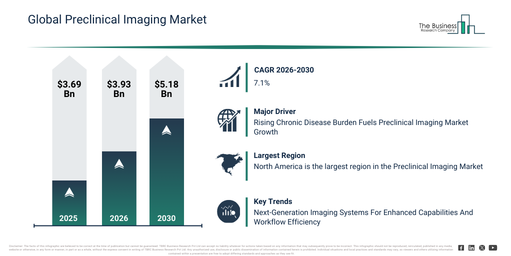
    The preclinical imaging market has experienced robust growth in recent years. It is projected to expand from $3.69 billion in 2025 to $3.93 billion in 2026, demonstrating a compound annual growth rate (CAGR) of 6.7%. This historical growth can be attributed to several factors, including the increasing application of animal models in biomedical research, the expansion of oncology and neurology research, the rising acceptance of non-invasive imaging techniques, the growth in preclinical drug testing activities, and the availability of advanced imaging reagents.

    The preclinical imaging market size is forecast to experience significant expansion over the next few years, with its value expected to reach $5.18 billion in 2030, demonstrating a compound annual growth rate (CAGR) of 7.1%. This projected growth throughout the forecast period stems from factors such as the rising demand for real-time disease visualization, increased investments in translational research, the broadening scope of precision medicine studies, the expanding application of AI-assisted image analysis, and the growing deployment of advanced contrast agents. Prominent trends anticipated during this period include the increased adoption of multi-modal imaging platforms, a rise in the use of high-resolution imaging systems, the growing integration of imaging with data analytics, the expansion of longitudinal disease monitoring studies, and an enhanced focus on translational imaging accuracy.

    Access Your Free Sample Report for In-Depth Market Insights:

    https://www.thebusinessresearchcompany.com/sample.aspx?id=12393&type=smp

    What Drivers Are Influencing The Growth Of The Preclinical Imaging Market?

    The future expansion of the preclinical imaging market is anticipated to be driven by the rising prevalence of chronic diseases. These conditions are defined as long-lasting health issues typically enduring for at least three months, frequently necessitating continuous medical care, and capable of profoundly affecting an individual’s quality of life. Preclinical imaging instruments are employed to identify chronic diseases by visualizing aspects such as bone structure and lung function. Additionally, these tools aid in studying chronic diseases, allowing for visualization of disease progression and enhancing comprehension. For example, data from February 2024 published by the World Health Organization (WHO), the international public health agency based in Switzerland, indicated that NCDs account for 75% (three-quarters) of global deaths. Consequently, the escalating burden of chronic diseases is fueling the expansion of the preclinical imaging market.

    How Is The Preclinical Imaging Market Organized Into Various Segments?

    The preclinical imaging market covered in this report is segmented –

    1) By Modality: Optical Imaging Systems, Preclinical Nuclear Imaging Systems, Micro-Magnetic Resonance Imaging Systems, Micro-Ultrasound Systems, Micro-Computed Tomography Systems, Preclinical Photoacoustic Imaging Systems, Preclinical Magnetic Particle Imaging (MPI) Systems

    2) By Reagents: Preclinical Optical Imaging Reagents, Preclinical Nuclear Imaging Reagents, Preclinical MRI Contrast Agents, Preclinical Ultrasound Contrast Agents, Preclinical CT Contrast Agents

    3) By End User: Hospital, Diagnostics Center, Other End-User

    Subsegments:

    1) By Optical Imaging Systems: Bioluminescence Imaging, Fluorescence Imaging

    2) By Preclinical Nuclear Imaging Systems: Positron Emission Tomography (PET), Single-Photon Emission Computed Tomography (SPECT)

    3) By Micro-Magnetic Resonance Imaging (Micro-MRI) Systems: High-Resolution Micro-MRI Systems, Functional Micro-MRI Systems

    4) By Micro-Ultrasound Systems: High-Frequency Ultrasound Imaging, Real-Time Micro-Ultrasound Systems

    5) By Micro-Computed Tomography (Micro-CT) Systems: In Vivo Micro-CT Systems, Ex Vivo Micro-CT Systems

    6) By Preclinical Photoacoustic Imaging Systems: Multi-Wavelength Photoacoustic Imaging, Hybrid Photoacoustic Imaging Systems

    7) By Preclinical Magnetic Particle Imaging (MPI) Systems: MPI For Cell Tracking, MPI For Vascular Imaging

    How Are Emerging Trends Affecting The Progression Of The Preclinical Imaging Market?

    Major companies in the preclinical imaging market are increasingly focusing on introducing next-generation imaging systems to secure a competitive edge. These next-generation systems embody advanced and innovative technologies that extend beyond current capabilities, incorporating cutting-edge features. For instance, in September 2023, Revvity Inc., a US-based biotechnology company, unveiled next-generation imaging systems engineered to propel innovation across various applications in preclinical research. The recently launched products feature the next-generation IVIS Spectrum 2 and IVIS SpectrumCT 2 imaging systems, the Quantum GX3 microCT imaging solution, and a system that effortlessly combines 2D optical and full 3D imaging. These advanced imaging systems are characterized by improved image-based capabilities and are designed to streamline the imaging workflow.

    Who Are The Core Companies Influencing Trends In The Preclinical Imaging Market?

    Major companies operating in the preclinical imaging market are Thermo Fisher Scientific Inc, FUJIFILM Visualsonics Inc, Agilent Technologies Inc, PerkinElmer Inc, Bruker Corporation, Miltenyi Biotech, Sofie Biosciences Inc, Ion Beam Applications SA, Piramal Enterprises Ltd, LI COR Biosciences Inc, Aspect Imaging Ltd, Capintec Inc, Spectral Instruments Inc, Mediso Ltd, MR Solutions Ltd, Biospace Lab SA, Scintica Instrumentation Inc, Trifoil Imaging, Bioscan Inc, Inviscan SAS, Kubtec X Ray, MILabs BV, SCANCO Medical AG, Fujifilm Holdings Corporation

    Access The Complete Report For Deeper Market Insights:

    https://www.thebusinessresearchcompany.com/report/preclinical-imaging-global-market-report

    Which Regions Are Projected To Dominate The Preclinical Imaging Market In The Coming Years?

    North America was the largest region in the preclinical imaging market in 2025. The regions covered in the preclinical imaging market report are Asia-Pacific, South East Asia, Western Europe, Eastern Europe, North America, South America, Middle East, Africa.

    Request Your Customized Preclinical Imaging Market Research Report for Competitive Advantage:

    https://www.thebusinessresearchcompany.com/customise?id=12393&type=smp

    Browse Through More Reports Similar to the Global Preclinical Imaging Market 2026, By The Business Research Company

    Clinical Trial Imaging Market Report 2026

    https://www.thebusinessresearchcompany.com/report/clinical-trial-imaging-global-market-report

    Medical Imaging Market Report 2026

    https://www.thebusinessresearchcompany.com/report/medical-imaging-global-market-report

    Pediatric Imaging Market Report 2026

    https://www.thebusinessresearchcompany.com/report/pediatric-imaging-global-market-report

    Get in touch with us:

    The Business Research Company: https://www.thebusinessresearchcompany.com/

    Americas +1 310-496-7795

    Asia +44 7882 955267 & +91 8897263534

    Europe +44 7882 955267

    Email us at info@tbrc.info

    Follow us on:

    LinkedIn: https://in.linkedin.com/company/the-business-research-company

    YouTube: https://www.youtube.com/channel/UC24_fI0rV8cR5DxlCpgmyFQ

    Global Market Model: https://www.thebusinessresearchcompany.com/global-market-model