Category: HealthcareServices

  • Central Nervous System Lymphoma Treatment Industry Insights 2025 – Market Forecast for Executives and Planners

    Central Nervous System Lymphoma Treatment Industry Insights 2025 – Market Forecast for Executives and Planners

    Claim your 30% discount on Global Market Reports with code ONLINE30. Limited time only.

    How Has the Central Nervous System Lymphoma Treatment Market Size Changed, over the years?

    The market size of treatment for central nervous system lymphoma has experienced robust growth in the past few years. The market is anticipated to expand from $1.19 billion in 2024 to $1.28 billion in 2025, boasting a compound annual growth rate (CAGR) of 7.2%. Factors contributing to this historical growth include the rising incidence of central nervous system (CNS) lymphoma, heightened use of targeted therapies, increased awareness about cancer, rising healthcare spending, advancements in immunotherapy, the rollout of high-dose chemotherapy, expanded clinical trials, and better access to specialized healthcare services.

    How Much Will the Central Nervous System Lymphoma Treatment Market Be Worth in 2029?

    The market for central nervous system lymphoma treatment is predicted to undergo significant expansion in the coming years, rising to $1.67 billion in revenue by 2029 with a compound annual growth rate of 6.9%. The impressive growth expected in the forecasting period can be associated with the increasing demand for customized medication, the emphasis on early detection, escalating funding in the field of oncology research, the launch of cutting-edge drug delivery systems, developing healthcare infrastructure in progressing markets, higher occurrences of autoimmune diseases, the advent of combined therapies, increased accessibility to biosimilars and the rising enrollment of telemedicine for cancer treatment. Noteworthy trends for the forecasting period include advancements in precision medication, incorporation of artificial intelligence for diagnosis, liquid biopsy usage for monitoring, embracing nanotechnology for better drug delivery, improved imaging technologies, creation of bispecific antibodies, application of gene manipulation techniques like CRISPR, the deployment of wearable devices for health monitoring, and larger telehealth platforms for providing oncology services.

    Download The Free Sample Report Here:

    https://www.thebusinessresearchcompany.com/sample.aspx?id=21134&type=smp

    Which is the Largest Company in the Central Nervous System Lymphoma Treatment Market?

    Major companies operating in the central nervous system lymphoma treatment market are Pfizer Inc., Johnson & Johnson, F Hoffmann-La Roche AG, Merck & Co. Inc, AbbVie Inc., Bristol-Myers Squibb, Astrazeneca plc, Novartis AG, GlaxoSmithKline Plc, Gilead Sciences, Amgen Inc, Viatris Inc., Teva Pharmaceutical Industries Ltd., Baxter International Inc., Regeneron Pharmaceuticals, Biogen Inc., UCB Pharma, Incyte Corporation, Takeda Pharmaceutical Company Limited, Seagen Inc., MorphoSys AG, Nurix Therapeutics, Fresenius SE & Co KGaA, Astellas Pharma, Sandoz Group AG, BeiGene Ltd.

    What Are the Main Market Drivers in the Central Nervous System Lymphoma Treatment Industry?

    The expansion of the pharmaceutical industry is projected to boost the development of the central nervous system lymphoma treatment market. This industry sector concentrates on the creation, production, distribution, and study of drugs that are used to manage, cure, and prevent various diseases. Factors such as advancements in medical research, global healthcare accessibility, aging populace, rising chronic diseases, global health emergencies, regulatory support, and increased healthcare expenditure are propelling the growth of the pharmaceutical industry. This growth fuels progress in the central nervous system lymphoma treatment market by fostering inventive targeted therapies, advancing diagnostic capabilities, and pouring funds into research for rare types of cancer. For instance, data from the European Federation of Pharmaceutical Industries and Associations (EFPIA) revealed that pharmaceutical production in Europe escalated from $3,88,141 million (€363,300 million) in 2022 to $4,17,300 million (€390,000 million) in 2023. Thus, the continuous expansion in the pharmaceutical industry pushes the growth of the central nervous system lymphoma treatment market. The ongoing transition towards personalized medicine is anticipated to fuel the growth of the central nervous system lymphoma treatment market. Personalized medicine optimizes healthcare outcomes and elevates care quality by individualizing treatments based on a person’s environment, habits, and genetic background. Innovations in genomics, greater accessibility to biomarker-based diagnostics, improved data analytics, and escalating demand for more effective and precise treatments urge the call for personalized medicine. This practice improves the treatment of central nervous system lymphoma by providing individualized therapies centered on a patient’s unique genetic and molecular features of the lymphoma, thus enhancing the precision of the treatment, minimizing adverse effects, and augmenting the probability of successful results, especially in complex or unresponsive cases. For instance, in 2023, the Food and Drug Administration (FDA) approved 7 new personalized cancer treatments out of total 26, according to the Personalized Medicine Coalition (PMC), which signals a considerable increase from the 12 approved treatments in 2022. Therefore, the shift towards personalized medicine spurs the growth of the central nervous system lymphoma treatment market.

    Request For A Customized Report:

    https://www.thebusinessresearchcompany.com/customise?id=21134&type=smp

    How Is the Central Nervous System Lymphoma Treatment Market Segments Structured?

    The central nervous system lymphoma treatment market covered in this report is segmented –

    1) By Treatment Type: Chemotherapy, Radiation Therapy, Targeted Therapy, Corticosteroids, Immunotherapy

    2) By Route Of Administration: Intravenous, Oral, Intrathecal

    3) By Distribution Channel: Direct Sales, Third-Party Distributors

    4) By End User: Hospitals, Clinics, Ambulatory Surgical Centers

    Subsegments:

    1) By Chemotherapy: High-Dose Methotrexate, Temozolomide, Rituximab-Based Regimens, Carmustine, Cytarabine

    2) By Radiation Therapy: Whole Brain Radiation Therapy (WBRT), Stereotactic Radiosurgery (SRS), Brachytherapy

    3) By Targeted Therapy: Monoclonal Antibodies, Tyrosine Kinase Inhibitors, B-Cell Antigen Inhibitors, PI3K Inhibitors

    4) By Corticosteroids: Dexamethasone, Prednisone, Methylprednisolone

    5) By Immunotherapy: Checkpoint Inhibitors, Chimeric Antigen Receptor T-Cell (CAR-T) Therapy, Monoclonal Antibodies, Immune Modulators

    What Strategic Trends Are Transforming the Central Nervous System Lymphoma Treatment Market?

    Leading entities in the central nervous system lymphoma market are shifting their focus to the creation of ground-breaking treatments like the chimeric antigen receptor (CAR) T-cell therapy. This is in an effort to improve treatment efficiency, offer bespoke therapy alternatives, and enhance patient results, particularly for patients experiencing relapses or difficult-to-treat cases. CAR T-cell therapy is an immunotherapy approach where the patient’s T-cells are altered to better detect and combat cancer cells. For instance, Kite Pharma, a company based in the US, joined forces with the US-based Dana-Farber Cancer Institute in June 2024 to unveil Yescarta (axicabtagene ciloleucel). This CAR T-cell therapy, which was found to have a good tolerance level, uses the patient’s T-cells and adjusts them to combat cancer cells effectively, before infusing them back into the patient’s body. These altered T-cells work to eliminate lymphoma cells, including those in the central nervous system, most notably in relapsed or resistant cases.

    Access The Full Report Here:

    https://www.thebusinessresearchcompany.com/report/central-nervous-system-lymphoma-treatment-global-market-report

    Which Global Regions Offer the Highest Growth in the Central Nervous System Lymphoma Treatment Market?

    North America was the largest region in the central nervous system lymphoma treatment market in 2024. Asia-Pacific is expected to be the fastest-growing region in the forecast period. The regions covered in the central nervous system lymphoma treatment market report are Asia-Pacific, Western Europe, Eastern Europe, North America, South America, Middle East, Africa.

    Purchase The Full Report Today:

    https://www.thebusinessresearchcompany.com/purchaseoptions.aspx?id=21134

    This Report Delivers Insight On:

    1. How big is the central nervous system lymphoma treatment market, and how is it changing globally?

    2. Who are the major companies in the central nervous system lymphoma treatment market, and how are they performing?

    3. What are the key opportunities and risks in the central nervous system lymphoma treatment market right now?

    4. Which products or customer segments are growing the most in the central nervous system lymphoma treatment market?

    5. What factors are helping or slowing down the growth of the central nervous system lymphoma treatment market?

    About The Business Research Company:

    With over 15000+ reports from 27 industries covering 60+ geographies, The Business Research Company has built a reputation for offering comprehensive, data-rich research and insights. Armed with 1,500,000 datasets, the optimistic contribution of in-depth secondary research, and unique insights from industry leaders, you can get the information you need to stay ahead in the game.

    Get in touch with us:

    The Business Research Company: https://www.thebusinessresearchcompany.com/

    Americas +1 310-496-7795

    Asia +44 2071930708

    Europe +44 7882 955267

    Email us at info@tbrc.info

    Follow us on:

    LinkedIn: https://in.linkedin.com/company/the-business-research-company

    YouTube: https://www.youtube.com/channel/UC24_fI0rV8cR5DxlCpgmyFQ

    Global Market Model: https://www.thebusinessresearchcompany.com/global-market-model
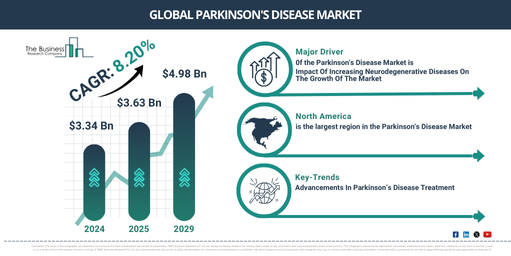
  • Parkinson’s Disease Industry Valued at $4.97 Billion by 2029 With CAGR of 8.2% | Size and Share Insights

    Parkinson’s Disease Industry Valued at $4.97 Billion by 2029 With CAGR of 8.2% | Size and Share Insights

    Claim your 30% discount on Global Market Reports with code ONLINE30. Limited time only.

    What Is the Forecast for the Parkinson’s Disease Market from 2024 to 2025?

    The Parkinson’s disease market has experienced significant expansion in the last few years. The market, which was worth $3.34 billion in 2024, is predicted to increase to $3.63 billion in 2025, with a compound annual growth rate (CAGR) of 8.5%. The surge in the market during the historic period is creditable to the rise in research and development efforts, enhanced government funding, increased personalized treatment plans, bolstered support networks for those suffering from Parkinson’s, and the growing implementation of sophisticated rehabilitation therapies.

    What Is the Projected Market Size of the Parkinson’s Disease Market?

    The market size of Parkinson’s disease is predicted to surge significantly in the upcoming years, reaching a valuation of $4.98 billion in 2029 with a compound annual growth rate (CAGR) of 8.2%. This anticipated growth during the forecast period can be associated with factors such as increased knowledge about the symptoms of Parkinson’s disease, proactive government efforts, augmented healthcare expenditure, a growing number of clinical trials related to Parkinson’s disease, and a higher acceptance of gene therapies. Key factors expected to influence the market during forecast period are developments in technology, government funding and initiatives, application of artificial intelligence in disease diagnosis, innovative solutions, and the advent of personalised medicine.

    Download The Free Sample Report Here:

    https://www.thebusinessresearchcompany.com/sample.aspx?id=21247&type=smp

    Who are the Major Competitors in the Parkinson’s Disease Market Outlook?

    Major companies operating in the parkinson’s disease market are Roche Holding AG, AbbVie Inc., Novo Nordisk A/S, Takeda Pharmaceutical Company Limited, UCB S.A., Eisai Co. Ltd., Kyowa Kirin Co. Ltd., Amneal Pharmaceuticals Inc., Neurocrine Biosciences Inc., Supernus Pharmaceuticals Inc., Sunovion Pharmaceuticals Inc., Intracellular Therapies Inc., Voyager Therapeutics Inc., Sage Therapeutics Inc., Adamas Pharmaceuticals Inc., Sun Pharma Advanced Research Company Ltd., Neuraly Inc., Mitsubishi Tanabe Pharma Corporation, Athira Pharma Inc., VistaGen Therapeutics Inc.

    What Is Fueling Growth in the Parkinson’s Disease Market?

    The rising occurrence of neurodegenerative diseases is anticipated to boost the growth of the parkinson’s disease market in the future. These disorders are characterized by the gradual deterioration and loss of neuron functionality in the brain and nervous system. This increasing prevalence is owed to various factors such as aging demographics, environmental impacts, improved diagnostic methods, an increase in chronic health issues, genetic factors, and changes in lifestyle. Parkinson’s disease contributes significantly to the comprehension of neurodegenerative diseases, offering critical knowledge about their underlying mechanisms, potential therapeutic targets, and paving the way for innovative treatment strategies. For instance, the European Brain Council, a non-profit organization based in Belgium, reported in April 2022 that globally, over 600 neurological diseases and close to 300 psychiatric conditions affect millions, including 65 million individuals suffering from epilepsy. In Europe alone, it’s estimated that 10.5 million individuals are afflicted with dementia, with expected numbers to rise to 18.7 million by 2050. Thus, the growing occurrence of neurodegenerative diseases is bolstering the expansion of the parkinson’s disease market.

    Request For A Customized Report:

    https://www.thebusinessresearchcompany.com/customise?id=21247&type=smp

    Which Parkinson’s Disease Market Segments Are Growing the Fastest?

    The parkinson’s disease market covered in this report is segmented –

    1) By Drug Class: Dopamine Agonists, Catechol-O-Methyltransferase Inhibitors, Monoamine Oxidase B Inhibitors, Anticholinergics, Carbidopa-Levodopa, Other Drug Classes

    2) By Route Of Administration: Oral, Injectable, Intestinal infusion, Subcutaneous, Other Route Of Administrations

    3) By Distribution Channel: Retail Pharmacies, Hospital Pharmacies, Online Pharmacies

    4) By Patient Care Setting: Clinics, Hospitals

    Subsegments:

    1) By Dopamine Agonists: Ergot Derivatives, Non-Ergot Derivatives

    2) By Catechol-O-Methyltransferase (COMT) Inhibitors: Entacapone, Tolcapone, Opicapone

    3) By Monoamine Oxidase B (MAO-B) Inhibitors: Selegiline, Rasagiline, Safinamide

    4) By Anticholinergics: Trihexyphenidyl, Benztropine, Procyclidine

    5) By Carbidopa-Levodopa: Immediate-Release Formulation, Extended-Release Formulation, Inhaled And Intestinal Gel Formulations

    6) By Other Drug Classes: Amantadine And Derivatives, Adenosine A2A Receptor Antagonists, Glutamate Antagonists

    Which Industry Trends Are Shaping the Future of the Parkinson’s Disease Market?

    Numerous leading firms in the parkinson’s disease market are honing in on the generation of new and cutting-edge solutions, such as levodopa-oriented therapy, to boost motor function and ensure ongoing symptom care for individuals diagnosed with advanced parkinson’s disease. Levodopa-based treatments utilize levodopa, a type of medication that transforms into dopamine in the brain, to hone motor functionality and bring relief from the symptoms of Parkinson’s disease. Take, for example, in October 2024 when AbbVie Inc., an American biopharmaceutical enterprise, had their combination therapy named VYALEV, which includes levodopa and carbidopa, greenlit by the US Food and Drug Administration (FDA) for use in Parkinson’s disease treatment. This particular formulation is designed to elevate the efficiency of levodopa by blocking its premature breakdown, thereby ensuring dopamine levels are raised. This treatment proves successful in controlling the motor symptoms of Parkinson’s disease, including rigidity, tremors, and bradykinesia, subsequently improving a patient’s capacity to perform everyday activities. Consequently, it’s gained recognition as a pivotal therapeutic option for those parkinson’s disease patients dealing with motor fluctuations.

    Access The Full Report Here:

    https://www.thebusinessresearchcompany.com/report/parkinsons-disease-global-market-report

    Which Countries Are Leading the Parkinson’s Disease Market?

    North America was the largest region in the parkinson’s disease market in 2024. Asia-Pacific is expected to be the fastest-growing region in the forecast period. The regions covered in the parkinson’s disease market report are Asia-Pacific, Western Europe, Eastern Europe, North America, South America, Middle East, Africa.

    Purchase The Full Report Today:

    https://www.thebusinessresearchcompany.com/purchaseoptions.aspx?id=21247

    This Report Delivers Insight On:

    1. How big is the parkinson’s disease market, and how is it changing globally?

    2. Who are the major companies in the parkinson’s disease market, and how are they performing?

    3. What are the key opportunities and risks in the parkinson’s disease market right now?

    4. Which products or customer segments are growing the most in the parkinson’s disease market?

    5. What factors are helping or slowing down the growth of the parkinson’s disease market?

    About The Business Research Company:

    With over 15000+ reports from 27 industries covering 60+ geographies, The Business Research Company has built a reputation for offering comprehensive, data-rich research and insights. Armed with 1,500,000 datasets, the optimistic contribution of in-depth secondary research, and unique insights from industry leaders, you can get the information you need to stay ahead in the game.

    Get in touch with us:

    The Business Research Company: https://www.thebusinessresearchcompany.com/

    Americas +1 310-496-7795

    Asia +44 2071930708

    Europe +44 7882 955267

    Email us at info@tbrc.info

    Follow us on:

    LinkedIn: https://in.linkedin.com/company/the-business-research-company

    YouTube: https://www.youtube.com/channel/UC24_fI0rV8cR5DxlCpgmyFQ

    Global Market Model: https://www.thebusinessresearchcompany.com/global-market-model

  • Central Nervous System (CNS) Lymphoma Market Trends Report 2025 – For Business Development and Strategy Teams

    Central Nervous System (CNS) Lymphoma Market Trends Report 2025 – For Business Development and Strategy Teams

    Claim your 30% discount on Global Market Reports with code ONLINE30. Limited time only.

    What Is the Forecast for the Central Nervous System (CNS) Lymphoma Market Growth in 2025?

    The market for central nervous system (CNS) lymphoma has seen considerable growth in recent years. The market size is projected to expand from $1.44 billion in 2024 to an estimated $1.54 billion in 2025, with a compound annual growth rate (CAGR) of 7.0%. The growth during the historical period may be attributed to factors such as heightened awareness and diagnosis, escalating lymphoma incident rates, an increasing number of clinical trials, enhanced funding for cancer research, and the increased utilization of biomarkers for tailored treatments.

    What Is the Forecast for the Central Nervous System (CNS) Lymphoma Market Size Through 2029?

    In the coming years, the market size for central nervous system (CNS) lymphoma is predicted to witness robust growth. The market is anticipated to expand to a value of $1.99 billion by 2029, progressing at a compound annual growth rate (CAGR) of 6.6%. The significant growth anticipated during the forecast period can be attributed to factors such as the increasing acceptance of immunotherapy, greater emphasis on targeted treatments, a rise in the incidence of CNS lymphoma, enhanced patient healthcare accessibility, as well as government backing and initiatives. Forecast period trends are expected to encompass the incorporation of artificial intelligence in diagnostics, the production of next-generation monoclonal antibodies, a shift toward less invasive procedures, advancements in precision medicine, and progress in diagnostic technology capabilities.

    Download The Free Sample Report Here:

    https://www.thebusinessresearchcompany.com/sample.aspx?id=21133&type=smp

    What are the Key Market Players in Central Nervous System (CNS) Lymphoma Market and How They’re Evolving?

    Major companies operating in the central nervous system (CNS) lymphoma market are F. Hoffmann-La Roche Ltd., Merck & Co. Inc., AbbVie Inc., Sanofi S.A., Novartis International AG, Takeda Pharmaceutical Company Limited, Eli Lilly and Company, Gilead Sciences Inc., Amgen Inc., Fresenius SE & Co. KGaA, Incyte Corporation, ONO PHARMA USA Inc., Kazia Therapeutics Limited, Simcere Pharmaceutical Group Limited, Karyopharm Therapeutics Inc., Nurix Therapeutics Inc., CNS Pharmaceuticals Inc., JW Therapeutics, PentixaPharm Pty Ltd, Cellectar Biosciences Inc.

    What Are the Primary Growth Drivers in the Central Nervous System (CNS) Lymphoma Market?

    The central nervous system (CNS) lymphoma market is predicted to see a surge due to the growing cases of psychological disorders. These mental health conditions interfere with thoughts, feelings, or actions, leading to distress or dysfunction. Factors like stress, social isolation, economic issues, hereditary influences, substance misuse, and excessive digital use contribute significantly towards the rise in psychological disorders. CNS lymphoma, which promotes neuro-oncology research, augments the understanding of brain inflammation, immune reactions, and the blood-brain barrier, all of which help evolve superior treatments for both cancer and psychological disorders. For instance, the National Alliance On Mental Illness, a US-based organization, disclosed in 2024 that nearly 600,000 hospitalizations each year among U.S. residents aged 18-44 are attributed to psychosis spectrum and mood disorders. Hence, the escalating instances of psychological disorders are propelling the growth of the CNS lymphoma market. Bringing attention to the upsurge in neurological disorders, it is suggested that this could also fuel the demand for the CNS lymphoma market. Neurological disorders, referring to conditions impacting the nervous system, including the brain, spinal cord, and nerves, have seen a rise due to reasons like genetic predisposition, infections, injury, toxins, auto-immune reactions, and deterioration. CNS lymphoma supports research into brain function, immune responses, and neuroinflammation, thereby enhancing diagnostics and treatments that aid patients with neurological disorders. An April 2022 report by the European Brain Council, a Belgium-based non-profit organization, states that over 600 neurological diseases and close to 300 psychiatric conditions affect millions worldwide, including 65 million suffering from epilepsy. In Europe, 10.5 million people have dementia, with the number predicted to rise to 18.7 million by 2050. Consequently, the increasing occurrence of neurological disorders predicts a propelling growth for the CNS lymphoma market.

    Request For A Customized Report:

    https://www.thebusinessresearchcompany.com/customise?id=21133&type=smp

    What Are the Leading Segments in the Global Central Nervous System (CNS) Lymphoma Industry?

    The central nervous system (CNS) lymphoma market covered in this report is segmented –

    1) By Class Of Drugs: Monoclonal antibodies, Chemotherapeutic Agents, Corticosteroids

    2) By Treatment: Chemotherapy, Radiation Therapy, Steroid Therapy, Targeted Therapy

    3) By Application: Hospitals, Clinics, Ambulatory Surgical Services, Other Applications

    Subsegments:

    1) By Monoclonal Antibodies: Anti-CD20 Monoclonal Antibodies, Anti-PD-1 Monoclonal Antibodies, Other Targeted Monoclonal Antibodies

    2) By Chemotherapeutic Agents: Alkylating Agents, Antimetabolites, Topoisomerase Inhibitors

    3) By Corticosteroids: Dexamethasone, Prednisolone, Methylprednisolone

    What Are the Key Market Trends in the Central Nervous System (CNS) Lymphoma Industry?

    Key businesses in the central nervous system (CNS) lymphoma market are concentrating on the development of novel treatments, for example, Tirabrutinib, for primary central nervous system (CNS) lymphoma. Tirabrutinib has been developed as an extremely selective Bruton’s tyrosine kinase (BTK) inhibitor intended to treat B-cell malignancies including primary central nervous system lymphoma (PCNSL) by targeting key pathways for the survival and multiplication of the cancer cells. For instance, in March 2023, tirabrutinib (ONO-4059) was given orphan drug designation by the U.S. Food and Drug Administration (FDA) for the treatment of primary central nervous system lymphoma (PCNSL) as announced by the US-based pharmaceutical company, ONO Pharma Inc. Currently, it is under examination in the phase 2 PROSPECT study (NCT04947319), with tirabrutinib acting as a potent, selective BTK inhibitor that targets B-cell survival and proliferation. Tirabrutinib controls cell proliferation and activation through the B-cell receptor, facilitating B-cells survival, differentiation, and clonal expansion.

    Access The Full Report Here:

    https://www.thebusinessresearchcompany.com/report/central-nervous-system-cns-lymphoma-global-market-report

    What Is the Regional Outlook for the Central Nervous System (CNS) Lymphoma Market?

    North America was the largest region in the central nervous system (CNS) lymphoma market in 2024. Asia-Pacific is expected to be the fastest-growing region in the forecast period. The regions covered in the central nervous system (CNS) lymphoma market report are Asia-Pacific, Western Europe, Eastern Europe, North America, South America, Middle East, Africa.

    Purchase The Full Report Today:

    https://www.thebusinessresearchcompany.com/purchaseoptions.aspx?id=21133

    This Report Delivers Insight On:

    1. How big is the central nervous system (cns) lymphoma market, and how is it changing globally?

    2. Who are the major companies in the central nervous system (cns) lymphoma market, and how are they performing?

    3. What are the key opportunities and risks in the central nervous system (cns) lymphoma market right now?

    4. Which products or customer segments are growing the most in the central nervous system (cns) lymphoma market?

    5. What factors are helping or slowing down the growth of the central nervous system (cns) lymphoma market?

    About The Business Research Company:

    With over 15000+ reports from 27 industries covering 60+ geographies, The Business Research Company has built a reputation for offering comprehensive, data-rich research and insights. Armed with 1,500,000 datasets, the optimistic contribution of in-depth secondary research, and unique insights from industry leaders, you can get the information you need to stay ahead in the game.

    Get in touch with us:

    The Business Research Company: https://www.thebusinessresearchcompany.com/

    Americas +1 310-496-7795

    Asia +44 2071930708

    Europe +44 7882 955267

    Email us at info@tbrc.info

    Follow us on:

    LinkedIn: https://in.linkedin.com/company/the-business-research-company

    YouTube: https://www.youtube.com/channel/UC24_fI0rV8cR5DxlCpgmyFQ

    Global Market Model: https://www.thebusinessresearchcompany.com/global-market-model
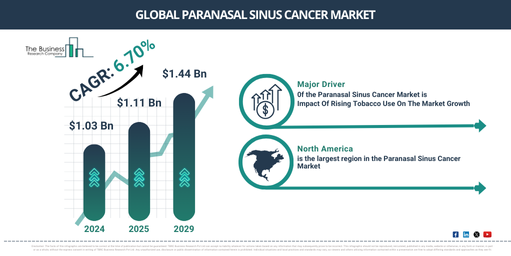
  • Paranasal Sinus Cancer Market to Reach $1.43 Billion by 2029 | Key Drivers and Future Outlook

    Paranasal Sinus Cancer Market to Reach $1.43 Billion by 2029 | Key Drivers and Future Outlook

    Claim your 30% discount on Global Market Reports with code ONLINE30. Limited time only.

    What Is the Growth Rate of the Paranasal Sinus Cancer Market?

    In the past few years, the market size of paranasal sinus cancer has shown significant growth. The market is projected to increase from $1.03 billion in 2024 to $1.11 billion in 2025, witnessing a compound annual growth rate (CAGR) of 7.1%. The historical growth can be credited to the advancements in radiation therapy, the rise of awareness & early diagnosis, the widened application of chemotherapy and targeted therapy, bettered surgical methodologies, and the escalating cases linked to occupational exposure.

    What Growth Rate Is Forecasted for the Paranasal Sinus Cancer Market by 2029?

    Expectations are set high for the paranasal sinus cancer market size, with robust growth forecasted in the coming years. The market predictions have it ballooning to $1.44 billion by 2029, boasting a compound annual growth rate (CAGR) of 6.7%. The uptick during the forecast period is attributable to a surge in immunotherapy demand, advancing healthcare expenditure, personal medicine development progress, regulatory assistance & orphan drug designations, and the swollen geriatric population. Notable trends expected for the forecast period are AI use in cancer diagnosis, development in gene therapy & targeted drugs, broadening of minimally invasive surgeries, the emerging importance of liquid biopsies, and the growing application of telemedicine & digital health instruments.

    Download The Free Sample Report Here:

    https://www.thebusinessresearchcompany.com/sample.aspx?id=21246&type=smp

    Which Key Companies Are Shaping the Future of the Paranasal Sinus Cancer Market?

    Major companies operating in the paranasal sinus cancer market are Bristol-Myers Squibb, Penn Medicine, MD Anderson Cancer Center, RWJBarnabas Health, Mayo Foundation for Medical Education and Research, Stanford Health Care, Memorial Sloan Kettering Cancer Center, Massachusetts General Hospital, The University of Chicago Medical Center, City of Hope, Moffitt Cancer Center, Northwestern Medicine, UK Markey Cancer Center, Karmanos Cancer Institute, Dana-Farber Cancer Institute Inc., VCU Massey Cancer Center, Vanderbilt-Ingram Cancer Center, Fulgent Pharma, Duke University Health System, Montefiore Einstein Comprehensive Cancer Center

    Which Factors Are Driving Demand in the Paranasal Sinus Cancer Industry?

    The paranasal sinus cancer market is expected to grow due to the escalating consumption of tobacco. Tobacco use entails a variety of products, such as cigarettes, cigars, and smokeless tobacco, exposing consumers to several carcinogens. The uptick in tobacco use is motivated by factors like a global surge in smoking rates, aggressive marketing tactics by tobacco companies, socio-economic issues, inadequate regulatory enforcement in emerging economies, and cultural approval in certain areas. The elevating tobacco consumption intensifies the risk of paranasal sinus cancer as smoking exposes harmful chemicals that harm the mucous membranes and stimulate tumor development. The substances found in tobacco smoke can lead to cellular mutations and inflammation, which can further amplify the risk of cancer. For example, as per the CDC in September 2024, about 49.2 million U.S. adults (19.8%) reported using tobacco products in 2022. Hence, the escalating tobacco consumption is stimulating the paranasal sinus cancer market’s expansion. There is also an expected boost in the paranasal sinus cancer market due to the growing investments in oncology research and medicine. This involves financial commitments made by governments, pharmaceutical firms, research bodies, and private financiers to further our understanding and the prevention, diagnosis, and treatment of cancer. The rise in investments is primarily driven by the escalating global cancer burden, breakthroughs in precision medicine, rising demand for innovative treatments, widening clinical trials, governmental and private funding initiatives, and the inception of focused and immunotherapy treatments. These investments foster paranasal sinus cancer advancements in early diagnosis, improvements in treatment methods, support for clinical trials of more effective drugs, enhancements in pediatric cancer care facilities, and innovative research to comprehend the disease’s biology and progression better. As an instance, spending on cancer medicine globally increased to $223 billion in 2023 from $198 billion in 2022, according to the IQVIA in May 2024, and is projected to soar to $409 billion by 2028. Therefore, these growing investments in oncology research and medicine are stimulating the expansion of the paranasal sinus cancer market.

    Request For A Customized Report:

    https://www.thebusinessresearchcompany.com/customise?id=21246&type=smp

    How Is the Paranasal Sinus Cancer Market Segmented by Several Divisions?

    The paranasal sinus cancer market covered in this report is segmented –

    1) By Type: Squamous Cell Carcinoma, Adenocarcinoma, Mucoepidermoid Carcinoma, Other Types

    2) By Diagnosis: Medical History And Physical Examination, Imaging Tests, Biopsy, Other Diagnosis

    3) By Treatment: Surgery, Radiation Therapy, Chemotherapy, Targeted Therapy, Immunotherapy

    4) By End-User: Hospital And Clinics, Cancer Treatment And Research Center, Research Laboratories, Other End-Users

    Subsegments:

    1) By Squamous Cell Carcinoma: Keratinizing Squamous Cell Carcinoma, Non-Keratinizing Squamous Cell Carcinoma, Basaloid Squamous Cell Carcinoma

    2) By Adenocarcinoma: Intestinal-Type Adenocarcinoma, Non-Intestinal-Type Adenocarcinoma

    3) By Mucoepidermoid Carcinoma: Low-Grade Mucoepidermoid Carcinoma, Intermediate-Grade Mucoepidermoid Carcinoma, High-Grade Mucoepidermoid Carcinoma

    4) By Other Types: Sinonasal Undifferentiated Carcinoma, Neuroendocrine Carcinoma, Adenoid Cystic Carcinoma, Melanoma, Sarcomas, Lymphoma

    Access The Full Report Here:

    https://www.thebusinessresearchcompany.com/report/paranasal-sinus-cancer-global-market-report

    Which Regions Are Driving Growth in the Paranasal Sinus Cancer Market?

    North America was the largest region in the paranasal sinus cancer market in 2024. Asia-Pacific is expected to be the fastest-growing region in the forecast period. The regions covered in the paranasal sinus cancer market report are Asia-Pacific, Western Europe, Eastern Europe, North America, South America, Middle East, Africa.

    Purchase The Full Report Today:

    https://www.thebusinessresearchcompany.com/purchaseoptions.aspx?id=21246

    This Report Delivers Insight On:

    1. How big is the paranasal sinus cancer market, and how is it changing globally?

    2. Who are the major companies in the paranasal sinus cancer market, and how are they performing?

    3. What are the key opportunities and risks in the paranasal sinus cancer market right now?

    4. Which products or customer segments are growing the most in the paranasal sinus cancer market?

    5. What factors are helping or slowing down the growth of the paranasal sinus cancer market?

    About The Business Research Company:

    With over 15000+ reports from 27 industries covering 60+ geographies, The Business Research Company has built a reputation for offering comprehensive, data-rich research and insights. Armed with 1,500,000 datasets, the optimistic contribution of in-depth secondary research, and unique insights from industry leaders, you can get the information you need to stay ahead in the game.

    Get in touch with us:

    The Business Research Company: https://www.thebusinessresearchcompany.com/

    Americas +1 310-496-7795

    Asia +44 2071930708

    Europe +44 7882 955267

    Email us at info@tbrc.info

    Follow us on:

    LinkedIn: https://in.linkedin.com/company/the-business-research-company

    YouTube: https://www.youtube.com/channel/UC24_fI0rV8cR5DxlCpgmyFQ

    Global Market Model: https://www.thebusinessresearchcompany.com/global-market-model
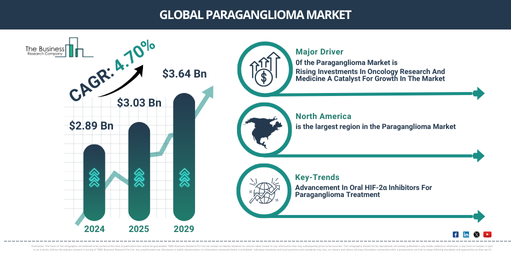
  • Paraganglioma Market Size to Exceed $3.64 Billion by 2029 | Growth and Industry Trends

    Paraganglioma Market Size to Exceed $3.64 Billion by 2029 | Growth and Industry Trends

    Claim your 30% discount on Global Market Reports with code ONLINE30. Limited time only.

    How Has the Paraganglioma Market Grown from 2024 to 2025?

    The market size for paraganglioma has seen substantive growth in recent years. The market expansion will progress from $2.89 billion in 2024 to $3.03 billion in 2025, reflecting a compound annual growth rate (CAGR) of 5.0%. This development in the historical era is credited to improvements in diagnostic imaging, rising consciousness and screening programs, approval of targeted therapies by regulators, growth in dedicated treatment centers, and the progression of genetic testing.

    What Growth Rate Is Anticipated for the Paraganglioma Market in the Coming Years?

    Paraganglioma market is predicted to experience considerable growth in the near future, ballooning to $3.64 billion by 2029 with a CAGR of 4.7%. This market expansion in the projected period is credited to the emergence of innovative targeted and immunotherapies, the growth of radiopharmaceuticals, increasing instances of genetic disease, more investment in rare disease study, and better access to healthcare in developing markets. Key trends for this forecast period encompass advancements in targeted therapies, enlargement of radiopharmaceuticals, the surging interest in immunotherapy strategies, enhancements in AI-driven diagnostics, and the advancement of less invasive surgical procedures.

    Download The Free Sample Report Here:

    https://www.thebusinessresearchcompany.com/sample.aspx?id=21245&type=smp

    Who Are the Leading Companies in the Paraganglioma Market?

    Major companies operating in the paraganglioma market are F. Hoffmann-La Roche Ltd., Merck & Co. Inc. , Mount Sinai, Penn Medicine, Stanford Health Care, St. Jude Children’s Research Hospital, UT Health San Antonio, The University of Chicago Medical Center, Fred Hutchinson Cancer Center, Florida Cancer Specialists & Research Institute, Invitae Corp., Clinigen Group plc, Fulgent Genetics, Dana-Farber Cancer Institute Inc., Oncology Hematology Care Inc., Enterome , National Institutes of Health Clinical Center, Progenics Pharmaceuticals Inc., Pheo Para Alliance, Saint John’s Cancer Institute

    What Are the Key Drivers of the Paraganglioma Market?

    The growth of the paraganglioma market is anticipated to be spurred by escalating investment in cancer research and medicine. Investment in these sectors comes from the likes of governments, pharmaceutical corporations, research bodies, and individual investors, with the aim of boosting the comprehension, avoidance, detection, and treatment of cancer. This increase in investment is a result of the global cancer burden, advancements in precise medicine, a rising demand for innovative treatments, an increase in clinical trials, government and private funding, and the evolution of targeted and immunotherapy treatments. The funding in cancer research and medicine bolsters the paraganglioma market by aiding improvement in early diagnosis, expanding the range of treatment options such as targeted treatments and immunotherapy, financing clinical trials for more potent drugs, advancing pediatric cancer care infrastructure, and encouraging forward-thinking research to better comprehend the disease’s progression and biology. For example, in May 2024, as per the IQVIA, a leading IT firm from India offering advanced analytics, worldwide expense on cancer-related medicine climbed to $223 billion in 2023, showing a $25 billion rise since 2022, and is projected to hit $409 billion by 2028. Thus, the mounting investments in cancer research and medicine are fuelling the paraganglioma market.

    Request For A Customized Report:

    https://www.thebusinessresearchcompany.com/customise?id=21245&type=smp

    What Are the Key Market Segments in the Paraganglioma Industry?

    The paraganglioma market covered in this report is segmented –

    1) By Type: Sympathetic Paragangliomas, Parasympathetic Paragangliomas, Caroid Paragangliomas, Cervical Paragangliomas, Jugular Paragangliomas, Secretory Paragangliomas, Temporal Paragangliomas

    2) By Origin: Head And Neck, Abdomen, Pelvis, Other Origins

    3) By Treatment Type: Peptide Receptor Radionuclide Therapy, Surgery, Chemotherapy, Radiation Therapy, Other Treatment Types

    4) By Distribution Channel: Hospital Pharmacies, Drug Stores And Retail Pharmacies, Online Pharmacies

    5) By End-User: Hospitals, Specialty Clinics, Cancer Research Institutes, Other End-Users

    Subsegments:

    1) By Sympathetic Paragangliomas: Adrenal Sympathetic Paragangliomas, Extra-Adrenal Sympathetic Paragangliomas

    2) By Parasympathetic Paragangliomas: Head And Neck Parasympathetic Paragangliomas, Thoracic Parasympathetic Paragangliomas

    3) By Carotid Paragangliomas: Unilateral Carotid Paragangliomas, Bilateral Carotid Paragangliomas

    4) By Cervical Paragangliomas: Vagal Paragangliomas, Hypoglossal Paragangliomas

    5) By Jugular Paragangliomas: Type A, Type B, Type C, Type D

    6) By Secretory Paragangliomas: Catecholamine-Secreting Paragangliomas, Non-Catecholamine-Secreting Paragangliomas

    7) By Temporal Paragangliomas: Tympanic Paragangliomas, Mastoid Paragangliomas

    What Are the Latest Trends in the Paraganglioma Market?

    Leading entities in the paraganglioma market are honing in on the creation of advanced therapies, such as oral hypoxia-inducible factor-2 alpha (HIF-2α) inhibitors, to provide more precise treatment for paraganglioma patients. Oral HIF-2α inhibitors are expressly designed to curb HIF-2α activity, a pivotal component in tumor development in areas with low oxygen, thus helping to limit the advancement of cancers, including paraganglioma. For example, in January 2025, US biopharmaceutical leader Merck announced that the U.S. Food and Drug Administration (FDA), a government agency, had fast-tracked the review for their supplemental new drug application for Welireg (belzutifan). This drug is conceived for adult and pediatric patients aged 12 years and above diagnosed with advanced, inoperable, or metastasized pheochromocytoma and paraganglioma (PPGL). The application is founded on objective response rate (ORR) and duration of response (DOR) data from the Phase 2 LITESPARK-015 trial.

    Access The Full Report Here:

    https://www.thebusinessresearchcompany.com/report/paraganglioma-global-market-report

    What Are the Key Regional Markets in the Paraganglioma Industry?

    North America was the largest region in the paraganglioma market in 2024. Asia-Pacific is expected to be the fastest-growing region in the forecast period. The regions covered in the paraganglioma market report are Asia-Pacific, Western Europe, Eastern Europe, North America, South America, Middle East, Africa.

    Purchase The Full Report Today:

    https://www.thebusinessresearchcompany.com/purchaseoptions.aspx?id=21245

    This Report Delivers Insight On:

    1. How big is the paraganglioma market, and how is it changing globally?

    2. Who are the major companies in the paraganglioma market, and how are they performing?

    3. What are the key opportunities and risks in the paraganglioma market right now?

    4. Which products or customer segments are growing the most in the paraganglioma market?

    5. What factors are helping or slowing down the growth of the paraganglioma market?

    About The Business Research Company:

    With over 15000+ reports from 27 industries covering 60+ geographies, The Business Research Company has built a reputation for offering comprehensive, data-rich research and insights. Armed with 1,500,000 datasets, the optimistic contribution of in-depth secondary research, and unique insights from industry leaders, you can get the information you need to stay ahead in the game.

    Get in touch with us:

    The Business Research Company: https://www.thebusinessresearchcompany.com/

    Americas +1 310-496-7795

    Asia +44 2071930708

    Europe +44 7882 955267

    Email us at info@tbrc.info

    Follow us on:

    LinkedIn: https://in.linkedin.com/company/the-business-research-company

    YouTube: https://www.youtube.com/channel/UC24_fI0rV8cR5DxlCpgmyFQ

    Global Market Model: https://www.thebusinessresearchcompany.com/global-market-model
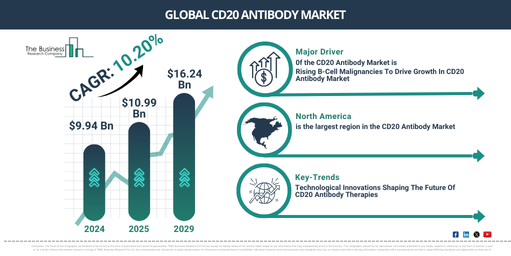
  • CD20 Antibody Forecast Report – Designed for Decision Makers and Product Teams

    CD20 Antibody Forecast Report – Designed for Decision Makers and Product Teams

    Claim your 30% discount on Global Market Reports with code ONLINE30. Limited time only.

    What Is the Growth Rate of the CD20 Antibody Market?

    In recent times, the CD20 antibody market has experienced swift expansion. Predictions suggest a rise in value from $9.94 billion in 2024 to $10.99 billion in 2025, correlating to a compound annual growth rate (CAGR) of 10.6%. The substantial growth observed in the historical period is due largely to factors such as the escalating incidence of b-cell malignancies and autoimmune diseases, a surge in the demand for targeted therapies, an increase in the approval of biosimilars, enhancements in healthcare spending, advancements in healthcare facilities, and heightened awareness surrounding the advantages of immunotherapy.

    What Growth Rate Is Forecasted for the CD20 Antibody Market by 2029?

    A swift expansion is predicted for the CD20 antibody market size in the upcoming years, rising to $16.24 billion by 2029 at a Compound Annual Growth Rate (CAGR) of 10.2%. The forecasted leap in growth can be attributed to the escalating demand for groundbreaking cancer immunotherapies, increased cases of autoimmune disorders, growing utilization of biosimilar CD20 antibodies, and broader applications in combination therapies. Additionally, increased funding in biopharmaceutical research and a heightened awareness of personalized medicine are also fostering growth. The forecast period will also see key trends such as the development of next-generation CD20 antibodies, advancements in ADCs (antibody-drug conjugates), the integration of AI in antibody configuration, enhancements in bispecific antibody technology, the rise of CAR-T cell therapies targeting CD20, the employment of nanotechnology for improved delivery and progress in high-throughput screening methods.

    Download The Free Sample Report Here:

    https://www.thebusinessresearchcompany.com/sample.aspx?id=21131&type=smp

    Which Key Companies Are Shaping the Future of the CD20 Antibody Market?

    Major companies operating in the CD20 antibody market are F Hoffmann-La Roche AG, Merck & Co Inc, Thermo Fisher Scientific Inc, Novartis AG, GlaxoSmithKline plc, Amgen Inc, Teva Pharmaceutical Industries Ltd, Biogen Inc, Genentech Inc, Bio-Rad Laboratories Inc, Genmab A/S, Bio-Techne, LFB Biotechnologies SA, Abcam Limited, Sino Biological Inc, Mylan NV, Immunomedics Inc, Spectrum Pharmaceuticals Inc, MyBiosource Inc, IGM Biosciences Inc, TG Therapeutics Inc

    Which Factors Are Driving Demand in the CD20 Antibody Industry?

    The CD20 antibody market’s expansion is anticipated to be fueled by a surge in B-cell malignancies. B-cell malignancies are characterized by an influx of cancer cases impacting B cells, which are a type of white blood cell involved in immunological responses. Several aspects, including an aging population, genetics, environmental exposure, lifestyle habits, refined detection methods, and changes in the immune system, contribute to this trend. CD20 antibodies like rituximab are employed to target and eliminate malignant B-cells in various B-cell malignancies such as non-Hodgkin lymphoma and chronic lymphocytic leukemia, thereby improving treatment outcomes. According to a 2024 report by the American College of Cardiology, a US-based nonprofit medical association, they predict that around 80,350 individuals (comprising 45,140 males and 35,210 females), including both adults and children, will be diagnosed with non-Hodgkin lymphoma (NHL) in 2025. Furthermore, it is expected that about 19,390 individuals (11,060 males and 8,330 females) will succumb to this cancer. As a result, the escalating occurrence of B-cell malignancies is spearheading the growth of the CD-19 antibody market.

    Request For A Customized Report:

    https://www.thebusinessresearchcompany.com/customise?id=21131&type=smp

    How Is the CD20 Antibody Market Segmented by Several Divisions?

    The CD20 antibody market covered in this report is segmented –

    1) By Type: Monoclonal Antibody, Polyclonal Antibody

    2) By Application: Flow Cytometry, Enzyme-Linked Immunosorbent Assay (ELISA), Western Blot, Immunoprecipitation, Immunofluorescence

    3) By End User: Hospitals, Specialty Clinics, Ambulatory Surgical Centers, Other End Users

    Subsegments:

    1) By Monoclonal Antibody: Rituximab, Obinutuzumab, Ofatumumab

    2) By Polyclonal Antibody: Conventional Polyclonal Antibodies, Human Polyclonal Antibodies, Recombinant Polyclonal Antibodies

    What are the Emerging Market Trends Driving the Growth of the CD20 Antibody Industry?

    Key players in the CD20 antibody market are shifting their focus towards the advancement of technologies such as biosimilars in a bid to improve treatment availability, lower healthcare expenses, and meet the increasing need for affordable and effective treatments for B-cell malignancies and autoimmune diseases. Biosimilars are bio-medicate products that carry high similarity to a pre-approved reference product with no significant variations in the safety, purity, or efficacy. As an illustration, in July 2024, Dr. Reddy’s Laboratories, a pharmaceutical firm based in India, divulged that it had been granted a complete response letter (CRL) from the US Food and Drug Administration (USFDA) for its rituximab biosimilar prospect. Moreover, they would actively cooperate with the USFDA to address and rectify all issues within given deadlines with an aim to make biosimilar rituximab accessible to patients in the United States. The rituximab biosimilar operates by targeting the CD20 protein present on B-cells, instigating a response that results in the elimination of these abnormal or hyperactive B-cells.

    Access The Full Report Here:

    https://www.thebusinessresearchcompany.com/report/cd20-antibody-global-market-report

    Which Regions Are Driving Growth in the CD20 Antibody Market?

    North America was the largest region in the CD20 antibody market in 2024. The regions covered in the CD20 antibody market report are Asia-Pacific, Western Europe, Eastern Europe, North America, South America, Middle East, Africa.

    Purchase The Full Report Today:

    https://www.thebusinessresearchcompany.com/purchaseoptions.aspx?id=21131

    This Report Delivers Insight On:

    1. How big is the cd20 antibody market, and how is it changing globally?

    2. Who are the major companies in the cd20 antibody market, and how are they performing?

    3. What are the key opportunities and risks in the cd20 antibody market right now?

    4. Which products or customer segments are growing the most in the cd20 antibody market?

    5. What factors are helping or slowing down the growth of the cd20 antibody market?

    About The Business Research Company:

    With over 15000+ reports from 27 industries covering 60+ geographies, The Business Research Company has built a reputation for offering comprehensive, data-rich research and insights. Armed with 1,500,000 datasets, the optimistic contribution of in-depth secondary research, and unique insights from industry leaders, you can get the information you need to stay ahead in the game.

    Get in touch with us:

    The Business Research Company: https://www.thebusinessresearchcompany.com/

    Americas +1 310-496-7795

    Asia +44 2071930708

    Europe +44 7882 955267

    Email us at info@tbrc.info

    Follow us on:

    LinkedIn: https://in.linkedin.com/company/the-business-research-company

    YouTube: https://www.youtube.com/channel/UC24_fI0rV8cR5DxlCpgmyFQ

    Global Market Model: https://www.thebusinessresearchcompany.com/global-market-model
  • Panuveitis Industry Insights 2025 – Market Forecast for Executives and Planners

    Panuveitis Industry Insights 2025 – Market Forecast for Executives and Planners

    Claim your 30% discount on Global Market Reports with code ONLINE30. Limited time only.

    How Has the Panuveitis Market Size Changed, over the years?

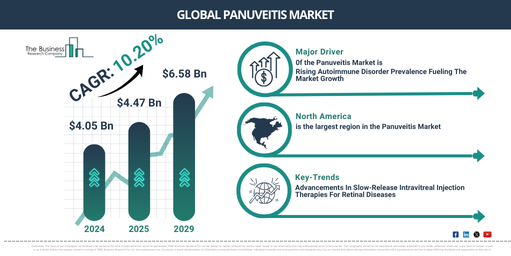
    In the past few years, the market size of panuveitis has seen a rapid expansion. It is predicted to increase from $4.05 billion in 2024 to $4.47 billion in 2025, with a compound annual growth rate (CAGR) of 10.5%. The historical growth can be tied to the increased prevalence of autoimmune and infectious diseases, the rising consumption of corticosteroids, the growing preference for biologics, the surging need for ophthalmic imaging, and the recent advancements in research investing in infectious causes.

    How Much Will the Panuveitis Market Be Worth in 2029?

    Expectations for the panuveitis market size forecast a flurry of accelerated growth in the upcoming years. It is set to expand to $6.58 billion by 2029, with a compound annual growth rate (CAGR) of 10.2%. The forecasted growth is tied to factors such as the widespread adoption of biologic therapies, an increase in personalized medicine demand, a rise in uveitis-related diseases, substantial investments in ophthalmic research, and heightened awareness of the disease. Future trends throughout this forecast period are predicted to involve an increased bias towards biologic therapies, the continued use of sustained-release drug delivery systems, a more significant emphasis on personalized medicine, advancements in AI-aided diagnostics and treatment, along with a surge in minimally invasive surgical techniques.

    Download The Free Sample Report Here:

    https://www.thebusinessresearchcompany.com/sample.aspx?id=21244&type=smp

    Which is the Largest Company in the Panuveitis Market?

    Major companies operating in the panuveitis market are Pfizer Inc., AbbVie, Boehringer Ingelheim International GmbH, Amgen, Teva Pharmaceuticals, Sandoz, Organon group of companies, Zydus Lifesciences Ltd., Mallinckrodt plc, Alvotech, EyePoint Pharmaceuticals Inc., Affibody Medical AB, Alumis Inc., Fujifilm Kyowa Kirin Biologics Co. Ltd., Revolo Biotherapeutics Ltd., Tarsier Pharma, Priovant Therapeutics Inc., Mylan N.V., Clearside Biomedical Inc., pSivida Corp.

    What Are the Main Market Drivers in the Panuveitis Industry?

    The growth of the panuveitis market is set to be fueled by the increasing occurrence of autoimmune disorders. Autoimmune diseases occur when the immune system mistakenly attacks and harms the body’s own healthy cells and tissues. The surge in autoimmune diseases can be attributed to a mix of genetic susceptibilities, environmental elements like pollution, dietary shifts, and a heightened exposure to certain infections and stressors that could provoke immune system imbalance. Autoimmune disorders encourage progress in panuveitis treatment since they stimulate research into immune system regulation, given that many panuveitis cases are connected to autoimmune activity. For example, the University of Oxford, a prestigious UK research institution, stated in May 2023 that autoimmune disorders impact 10% of the global population, with 13% of women and 7% of men affected. As such, the mounting occurrence of autoimmune disorders is propelling the growth in the panuveitis market.

    Request For A Customized Report:

    https://www.thebusinessresearchcompany.com/customise?id=21244&type=smp

    How Is the Panuveitis Market Segments Structured?

    The panuveitis market covered in this report is segmented –

    1) By Type: Infectious Panuveitis, Non-Infectious Panuveitis

    2) By Treatment: Pharmacological, Surgical, Phototherapy

    3) By Route Of Administration: Oral, Intravitreal, Topical

    4) By Distribution Channel: Hospital Pharmacies, Retail Pharmacies, Online Pharmacies

    Subsegments:

    1) By Infectious Panuveitis: Bacterial Panuveitis, Viral Panuveitis, Fungal Panuveitis, Parasitic Panuveitis

    2) By Non-Infectious Panuveitis: Autoimmune-Related Panuveitis, Idiopathic Panuveitis, Drug-Induced Panuveitis

    What Strategic Trends Are Transforming the Panuveitis Market?

    Leading firms in the panuveitis market are concentrating on the development of cutting-edge slow-release intravitreal injection formulations for increased patient comfort and improved results. This drug delivery method gradually releases medication in the vitreous humor of the eye, allowing for extended therapeutic effects and less frequent injections. For example, in August 2022, Israel-based Tarsier Pharma revealed it was working on TRS02, a prospective immunomodulator intended to treat retinal diseases. This novel treatment is geared to combat several back-of-the-eye problems marked by innate inflammatory pathologies, such as posterior uveitis (panuveitis) and diabetic macular edema. TRS02, developed from Tarsier’s own technology platform, is in the process of moving towards investigational new drug (IND) submission after successful preclinical benchmarks.

    Access The Full Report Here:

    https://www.thebusinessresearchcompany.com/report/panuveitis-global-market-report

    Which Global Regions Offer the Highest Growth in the Panuveitis Market?

    North America was the largest region in the panuveitis market in 2024. The regions covered in the panuveitis market report are Asia-Pacific, Western Europe, Eastern Europe, North America, South America, Middle East, Africa.

    Purchase The Full Report Today:

    https://www.thebusinessresearchcompany.com/purchaseoptions.aspx?id=21244

    This Report Delivers Insight On:

    1. How big is the panuveitis market, and how is it changing globally?

    2. Who are the major companies in the panuveitis market, and how are they performing?

    3. What are the key opportunities and risks in the panuveitis market right now?

    4. Which products or customer segments are growing the most in the panuveitis market?

    5. What factors are helping or slowing down the growth of the panuveitis market?

    About The Business Research Company:

    With over 15000+ reports from 27 industries covering 60+ geographies, The Business Research Company has built a reputation for offering comprehensive, data-rich research and insights. Armed with 1,500,000 datasets, the optimistic contribution of in-depth secondary research, and unique insights from industry leaders, you can get the information you need to stay ahead in the game.

    Get in touch with us:

    The Business Research Company: https://www.thebusinessresearchcompany.com/

    Americas +1 310-496-7795

    Asia +44 2071930708

    Europe +44 7882 955267

    Email us at info@tbrc.info

    Follow us on:

    LinkedIn: https://in.linkedin.com/company/the-business-research-company

    YouTube: https://www.youtube.com/channel/UC24_fI0rV8cR5DxlCpgmyFQ

    Global Market Model: https://www.thebusinessresearchcompany.com/global-market-model
  • Pancreatic Adenocarcinoma Treatment Market Trends Report 2025 – For Business Development and Strategy Teams

    Pancreatic Adenocarcinoma Treatment Market Trends Report 2025 – For Business Development and Strategy Teams

    Claim your 30% discount on Global Market Reports with code ONLINE30. Limited time only.

    What Is the Forecast for the Pancreatic Adenocarcinoma Treatment Market Growth in 2025?

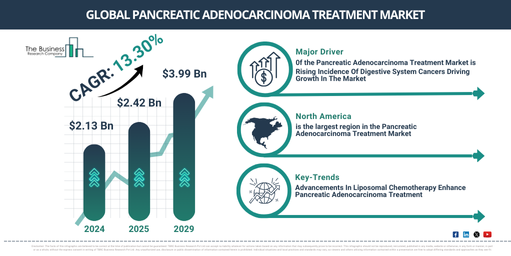
    The market for treating pancreatic adenocarcinoma has expanded swiftly in the last few years. It is projected to increase from $2.13 billion in 2024 to $2.42 billion in 2025, representing a compound annual growth rate (CAGR) of 13.6%. This substantial growth during the historic period can be linked to an upsurge in cases of pancreatic cancer, developments in chemotherapy and radiation treatments, greater public awareness and early detection, official sanctioning of new therapies, and increased financial commitment to cancer research.

    What Is the Forecast for the Pancreatic Adenocarcinoma Treatment Market Size Through 2029?

    Over the forthcoming years, the market for pancreatic adenocarcinoma treatment is predicted to experience quick expansion. An estimated growth to $3.99 billion by 2029 is anticipated, with a compound annual growth rate (CAGR) of 13.3%. Factors contributing to this growth during the forecast period include the enlargement of targeted and immunotherapy treatments, the increased embrace of precision medicine, enhancements in biomarker-related diagnostics, escalating healthcare spending, and an increase in clinical trials for innovative therapies. Key trends projected in this period are the evolution of AI-assisted drug discovery, the spread of nanomedicine for targeted drug delivery, the utilization of liquid biopsy for early detection, progress in CRISPR-mediated gene therapy, and the integration of telemedicine for treatment monitoring.

    Download The Free Sample Report Here:

    https://www.thebusinessresearchcompany.com/sample.aspx?id=21243&type=smp

    What are the Key Market Players in Pancreatic Adenocarcinoma Treatment Market and How They’re Evolving?

    Major companies operating in the pancreatic adenocarcinoma treatment market are Pfizer Inc., Roche AG, Merck & Co Inc., Sanofi, Bristol-Myers Squibb Company, AstraZeneca plc, Novartis AG, GlaxoSmithKline plc, Takeda Pharmaceutical Company Limited, Eli Lilly and Company, Amgen Inc., Teva Pharmaceutical Industries Ltd, Mylan N.V., Astellas Pharma Inc., Sun Pharmaceutical Industries Ltd., Ipsen SA, Clovis Oncology Inc., Oncolytics Biotech Inc., Zydus Cadila, PharmaCyte Biotech Inc., Infinity Pharmaceuticals Inc.

    What Are the Primary Growth Drivers in the Pancreatic Adenocarcinoma Treatment Market?

    The escalating prevalence of digestive system-related cancers is projected to stimulate growth in the pancreatic adenocarcinoma treatment market. Malignancies associated with the digestive system arise from organs essential in digestion like the stomach, liver, pancreas, intestines, esophagus, and colon. The surge in such cancers is attributed to unhealthy lifestyle habits such as poor dietary choices, alcohol intake, and smoking. Pancreatic adenocarcinoma treatment is vital in tackling one of the most intense cancers within the digestive system, aiming to elevate the survival rates and the quality of life for patients. For example, in January 2023, the American Cancer Society, a non-profit organization based in the U.S., anticipated that 64,050 U.S. individuals would be diagnosed with pancreatic cancer, and 50,550 persons were likely to yield to the disease. Consequently, the escalating prevalence of digestive system-related cancers fuels the growth of the pancreatic adenocarcinoma treatment market.

    Request For A Customized Report:

    https://www.thebusinessresearchcompany.com/customise?id=21243&type=smp

    What Are the Leading Segments in the Global Pancreatic Adenocarcinoma Treatment Industry?

    The pancreatic adenocarcinoma treatment market covered in this report is segmented –

    1) By Type: Chemotherapy, Targeted Therapy, Other Types

    2) By Affected Area: Exocrine, Endocrine

    3) By Channel: Hospital Pharmacies, Retail Pharmacies, Other Channels

    Subsegments:

    1) By Chemotherapy: Monotherapy, Combination Therapy

    2) By Targeted Therapy: Small Molecule Inhibitors, Monoclonal Antibodies

    3) By Other Types: Immunotherapy, Radiation Therapy

    What Are the Key Market Trends in the Pancreatic Adenocarcinoma Treatment Industry?

    Leading businesses in the pancreatic adenocarcinoma treatment sector are centred on developing innovative techniques, such as irinotecan liposome injection, to upgrade treatment efficiency, decrease side-effects, and tackle the hurdle of tumour resistance. Irinotecan liposome injection is a chemotherapeutic agent encased in liposomes designed to enhance the drug’s delivery to cancerous cells, boost its efficiency, and diminish side effects in treating pancreatic adenocarcinoma. For example, Ipsen SA, a biopharmaceutical firm based in France, publicized that the U.S. Food and Drug Administration (FDA) sanctioned the supplemental new drug application for Onivyde (irinotecan liposome injection) in combination with oxaliplatin in February 2024. The Onivyde and oxaliplatin combination offers superior tumour targeting by enhancing drug delivery, thereby reducing side effects compared with conventional therapies. This particular regimen utilizes a liposomal formulation that augments the bioavailability and continuous release of irinotecan, while oxaliplatin provides extra effectiveness against pancreatic cancer cells. The approval highlights the potential of the regimen to meet the pressing need for more efficacious treatment methods for this aggressive cancer type.

    Access The Full Report Here:

    https://www.thebusinessresearchcompany.com/report/pancreatic-adenocarcinoma-treatment-global-market-report

    What Is the Regional Outlook for the Pancreatic Adenocarcinoma Treatment Market?

    North America was the largest region in the pancreatic adenocarcinoma treatment market in 2024. The regions covered in the pancreatic adenocarcinoma treatment market report are Asia-Pacific, Western Europe, Eastern Europe, North America, South America, Middle East, Africa.

    Purchase The Full Report Today:

    https://www.thebusinessresearchcompany.com/purchaseoptions.aspx?id=21243

    This Report Delivers Insight On:

    1. How big is the pancreatic adenocarcinoma treatment market, and how is it changing globally?

    2. Who are the major companies in the pancreatic adenocarcinoma treatment market, and how are they performing?

    3. What are the key opportunities and risks in the pancreatic adenocarcinoma treatment market right now?

    4. Which products or customer segments are growing the most in the pancreatic adenocarcinoma treatment market?

    5. What factors are helping or slowing down the growth of the pancreatic adenocarcinoma treatment market?

    About The Business Research Company:

    With over 15000+ reports from 27 industries covering 60+ geographies, The Business Research Company has built a reputation for offering comprehensive, data-rich research and insights. Armed with 1,500,000 datasets, the optimistic contribution of in-depth secondary research, and unique insights from industry leaders, you can get the information you need to stay ahead in the game.

    Get in touch with us:

    The Business Research Company: https://www.thebusinessresearchcompany.com/

    Americas +1 310-496-7795

    Asia +44 2071930708

    Europe +44 7882 955267

    Email us at info@tbrc.info

    Follow us on:

    LinkedIn: https://in.linkedin.com/company/the-business-research-company

    YouTube: https://www.youtube.com/channel/UC24_fI0rV8cR5DxlCpgmyFQ

    Global Market Model: https://www.thebusinessresearchcompany.com/global-market-model
  • Cardiac Tissue Engineering Market Projected at $1.63 Billion by 2029 | Strategic Insights and Forecast Data

    Cardiac Tissue Engineering Market Projected at $1.63 Billion by 2029 | Strategic Insights and Forecast Data

    Claim your 30% discount on Global Market Reports with code ONLINE30. Limited time only.

    How Has the Cardiac Tissue Engineering Market Size Changed, over the years?

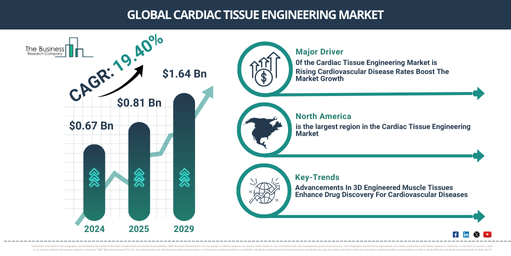
    The market size for cardiac tissue engineering has seen significant expansion in the previous years. It is expected to rise from $0.67 billion in 2024 to $0.81 billion in 2025, with a compound annual growth rate (CAGR) of 19.7%. Factors that have boosted growth in this historical time frame encompass a deficit of organ donors, a rise in cardiovascular diseases, breakthroughs in biomaterials, increased investment in regenerative medicine, a surge in demand for personalized medicine, improvements in bioreactor systems, enhanced governmental funding for biomedical research, and an escalating emphasis on minimally invasive treatments.

    How Much Will the Cardiac Tissue Engineering Market Be Worth in 2029?

    In the coming years, the cardiac tissue engineering market is set to experience significant expansion, with expectations of reaching $1.64 billion in 2029, boasting a compound annual growth rate (CAGR) of 19.4%. The projected growth for this period can be traced back to factors such as the growing demand for customized cardiac treatments, emphasis on bioengineered heart tissues, the broadening scope of regenerative medicine applications, increased partnerships between biotech companies and academia, a surge in investment into preclinical testing platforms, and the increasing occurrence of chronic heart diseases. Key trends forecasted for this period involve the inclusion of AI in tissue engineering, progress in nanotechnology-based scaffolds, the creation of biodegradable hydrogels, advancements in 3D bioprinting precision, employing bioreactors for tissue maturation, and utilizing gene editing to enhance cardiac cells.

    Download The Free Sample Report Here:

    https://www.thebusinessresearchcompany.com/sample.aspx?id=21129&type=smp

    Which is the Largest Company in the Cardiac Tissue Engineering Market?

    Major companies operating in the cardiac tissue engineering market are Biotronik SE & Co. KG, Terumo Corporation, Artivion Inc., Tissue Regenix Group plc, PromoCell GmbH, Xeltis AG, Carmat S.A., Bioheart Inc., Prellis Biologics Inc., Cytograft Tissue Engineering Inc., Avery Therapeutics Inc., Vascudyne Inc., Auto Tissue Berlin GmbH, CorMatrix Cardiovascular Inc., Humacyte Inc., BioCardia Inc., Osiris Therapeutics Inc., StemCells Inc., ViroMed Co. Ltd., Cardio3 Biosciences

    What Are the Main Market Drivers in the Cardiac Tissue Engineering Industry?

    The growth of the cardiac tissue engineering market is predicted to be stimulated by an increasing frequency of cardiovascular diseases. The interdisciplinary field of cardiac tissue engineering is concentrated on the development of biological or bioartificial constructs for the repair, regrowth, or replacement of impaired heart tissue. Unhealthy lifestyle decisions, such as a poor diet, lack of physical activity, smoking, and growing obesity and diabetes rates, primarily drive the mounting occurrence of cardiovascular diseases. Biomaterials, cell-based therapies, and bioengineered tissues are developed by cardiac tissue engineering to mend or regenerate damaged heart muscle and bring back cardiac function in cardiovascular diseases. For instance, based on the data from the Centers for Disease Control and Prevention, a US governmental organization, in May 2023, the rate of coronary heart disease in women adults aged 18 and over slightly rose to 3.7% in 2023 from 3.6% in 2022. Hence, the escalating occurrence of cardiovascular diseases is contributing to the expansion of the cardiac tissue engineering market.

    Request For A Customized Report:

    https://www.thebusinessresearchcompany.com/customise?id=21129&type=smp

    How Is the Cardiac Tissue Engineering Market Segments Structured?

    The cardiac tissue engineering market covered in this report is segmented –

    1) By Product: Heart Valves, Vascular Grafts

    2) By Material: Stem Cells, Scaffolds

    3) By Application: Myocardial Infarction, Heart Valve Repair Or Replacement, Congenital Heart Disease Treatment, Other Applications

    4) By End Users: Hospitals And Clinics, Academic And Research Institutes, Other End Users

    Subsegments:

    1) By Heart Valves: Bioprosthetic Heart Valves, Mechanical Heart Valves, Tissue-Engineered Heart Valves

    2) By Vascular Grafts: Synthetic Vascular Grafts, Biologic Vascular Grafts, Tissue-Engineered Vascular Grafts

    What Strategic Trends Are Transforming the Cardiac Tissue Engineering Market?

    Top corporations in the cardiac tissue engineering market are prioritizing the development of technological innovation like 3D-engineered muscle tissues. This is to increase the precision and effectiveness of drug discovery for better treatments for cardiovascular diseases. 3D-engineered muscle tissues serve as bioengineered constructs that mimic human muscle’s structural and functional properties, predominantly used for drug testing and disease simulation. For example, in July 2022, biotech company Curi Bio Inc. from the US, introduced the Mantarray platform for human 3D heart and engineered skeletal muscle tissue (EMT) contractility analysis. The platform utilizes cutting-edge tissue culture methodologies to produce highly functional muscle tissues that imitate the mechanical attributes and behavior of natural muscle, thus providing a more precise drug testing model. This innovation aims to elevate therapeutic solutions development by enabling researchers to investigate muscle contraction, stimuli response, and cellular-level disease simulation.

    Access The Full Report Here:

    https://www.thebusinessresearchcompany.com/report/cardiac-tissue-engineering-global-market-report

    Which Global Regions Offer the Highest Growth in the Cardiac Tissue Engineering Market?

    North America was the largest region in the cardiac tissue engineering market in 2024. The regions covered in the cardiac tissue engineering market report are Asia-Pacific, Western Europe, Eastern Europe, North America, South America, Middle East, Africa.

    Purchase The Full Report Today:

    https://www.thebusinessresearchcompany.com/purchaseoptions.aspx?id=21129

    This Report Delivers Insight On:

    1. How big is the cardiac tissue engineering market, and how is it changing globally?

    2. Who are the major companies in the cardiac tissue engineering market, and how are they performing?

    3. What are the key opportunities and risks in the cardiac tissue engineering market right now?

    4. Which products or customer segments are growing the most in the cardiac tissue engineering market?

    5. What factors are helping or slowing down the growth of the cardiac tissue engineering market?

    About The Business Research Company:

    With over 15000+ reports from 27 industries covering 60+ geographies, The Business Research Company has built a reputation for offering comprehensive, data-rich research and insights. Armed with 1,500,000 datasets, the optimistic contribution of in-depth secondary research, and unique insights from industry leaders, you can get the information you need to stay ahead in the game.

    Get in touch with us:

    The Business Research Company: https://www.thebusinessresearchcompany.com/

    Americas +1 310-496-7795

    Asia +44 2071930708

    Europe +44 7882 955267

    Email us at info@tbrc.info

    Follow us on:

    LinkedIn: https://in.linkedin.com/company/the-business-research-company

    YouTube: https://www.youtube.com/channel/UC24_fI0rV8cR5DxlCpgmyFQ

    Global Market Model: https://www.thebusinessresearchcompany.com/global-market-model
  • Cardiac Amyloidosis Industry Growth Expected to Reach $8.1 Billion by 2029 at a CAGR of 9% | Segmentation and Growth Opportunities

    Cardiac Amyloidosis Industry Growth Expected to Reach $8.1 Billion by 2029 at a CAGR of 9% | Segmentation and Growth Opportunities

    Claim your 30% discount on Global Market Reports with code ONLINE30. Limited time only.

    What Is the Forecast for the Cardiac Amyloidosis Market Growth in 2025?

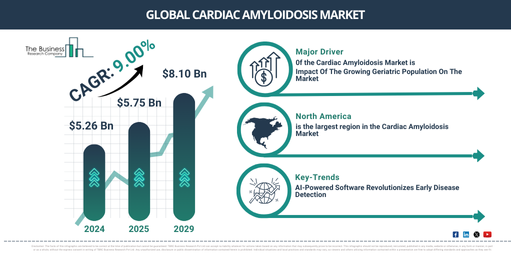
    In recent years, the market size of cardiac amyloidosis has experienced substantial growth. It is predicted to expand from $5.26 billion in 2024 to $5.75 billion in 2025, reflecting a compound annual growth rate (CAGR) of 9.2%. Factors contributing to this growth during the historical period include an increased incidence of conditions related to amyloidosis, a rise in genetic mutations, heightened awareness, a surge in cases of transthyretin amyloidosis, and a growing elderly population.

    What Is the Forecast for the Cardiac Amyloidosis Market Size Through 2029?

    Expectations are high for a robust growth in the cardiac amyloidosis market in the coming years. The market is projected to expand to $8.10 billion by the year 2029, with a compound annual growth rate (CAGR) of 9.0%. This predicted expansion within the forecast period is credited to factors like elevated diagnosis rates, government backing and strategies, a surge in genetic mutation occurrences, and patient assistance programs. The forecast period also indicates certain trends such as the innovation of therapies like vulrisiran, heightened research in the field of gene therapy, emphasis on precision medicine, enhancement in diagnostic technologies, and the discovery of novel therapies.

    Download The Free Sample Report Here:

    https://www.thebusinessresearchcompany.com/sample.aspx?id=21128&type=smp

    What are the Key Market Players in Cardiac Amyloidosis Market and How They’re Evolving?

    Major companies operating in the cardiac amyloidosis market are Pfizer Inc., Sanofi S.A., AstraZeneca plc, GlaxoSmithKline plc, Takeda Pharmaceutical Company Limited, Novo Nordisk A/S, Alexion Pharmaceuticals Inc., Dr. Reddy’s Laboratories, Alnylam Pharmaceuticals Inc., Ionis Pharmaceuticals Inc., Akcea Therapeutics Inc., BridgeBio Pharma Inc., Prothena Corp, Intellia Therapeutics Inc., Amylyx Pharmaceuticals, Neurimmune AG, SOM Biotech, Oncopeptides, Attralus Inc., Eidos Therapeutics.

    What Are the Primary Growth Drivers in the Cardiac Amyloidosis Market?

    The growth of the cardiac amyloidosis market is anticipated to be driven by an escalating elderly population. The term geriatric population concerns people of 65 years or older, a demographic that often demands special medical care and assistance due to age-related deterioration. Factors such as enhanced life expectancy, healthcare progress, and reduced birth rates contribute to the growth of the elderly community. Consequently, the occurrence of cardiac amyloidosis escalates as older age significantly intensifies the risk of amyloid protein deposits in the heart. For example, the American-based non-profit, the Population Reference Bureau, projected in January 2024, the US population of 65 years or older would rise from 58 million in 2022 to 82 million by 2050, indicating a 47% growth. Thus, the expanding elderly population is likely to stimulate the cardiac amyloidosis market.

    Request For A Customized Report:

    https://www.thebusinessresearchcompany.com/customise?id=21128&type=smp

    What Are the Leading Segments in the Global Cardiac Amyloidosis Industry?

    The cardiac amyloidosis market covered in this report is segmented –

    1) By Product Type: Light Chain Amyloidosis, Transthyretin Amyloidosis

    2) By Treatment: Chemotherapy, Surgery, Supportive Care, Stem Cell Transplant, Targeted Therapy

    3) By End-User: Hospitals, Ambulatory Surgical Centres, Clinics

    Subsegments:

    1) By Light Chain Amyloidosis: Immunoglobulin Light Chain (AL) Amyloidosis, Primary Light Chain Amyloidosis, Secondary Light Chain Amyloidosis

    2) By Transthyretin Amyloidosis: Hereditary Transthyretin Amyloidosis (ATTRm), Wild-type Transthyretin Amyloidosis (ATTRwt)

    What Are the Key Market Trends in the Cardiac Amyloidosis Industry?

    Leading corporations in the cardiac amyloidosis market are prioritizing technological advancements, such as software-only diagnostic tools that leverage artificial intelligence (AI), to boost initial detection and better patient clinical results associated with this often underdiagnosed illness. AI-based, software-only medical equipment enables cardiac amyloidosis detection by using AI to scrutinize echocardiographic images and recognize disease signs, void of necessitating any additional hardware or exhaustive clinical information. For example, Ultromics Ltd., a health technology firm based in the UK, obtained FDA approval in November 2024 for EchoGo Amyloidosis. This AI-enabled clinical device, designed for early cardiac amyloidosis detection, was the first to receive marketing approval under the FDA’s Total Product Lifecycle Advisory Program (TAP). EchoGo Amyloidosis uses AI to study echocardiograms and identify the disease from a single clip, addressing the pressing demand for earlier diagnosis before the disease advances undetected.

    Access The Full Report Here:

    https://www.thebusinessresearchcompany.com/report/cardiac-amyloidosis-global-market-report

    What Is the Regional Outlook for the Cardiac Amyloidosis Market?

    North America was the largest region in the cardiac amyloidosis market in 2024. Asia-Pacific is expected to be the fastest-growing region in the forecast period. The regions covered in the cardiac amyloidosis market report are Asia-Pacific, Western Europe, Eastern Europe, North America, South America, Middle East, Africa.

    Purchase The Full Report Today:

    https://www.thebusinessresearchcompany.com/purchaseoptions.aspx?id=21128

    This Report Delivers Insight On:

    1. How big is the cardiac amyloidosis market, and how is it changing globally?

    2. Who are the major companies in the cardiac amyloidosis market, and how are they performing?

    3. What are the key opportunities and risks in the cardiac amyloidosis market right now?

    4. Which products or customer segments are growing the most in the cardiac amyloidosis market?

    5. What factors are helping or slowing down the growth of the cardiac amyloidosis market?

    About The Business Research Company:

    With over 15000+ reports from 27 industries covering 60+ geographies, The Business Research Company has built a reputation for offering comprehensive, data-rich research and insights. Armed with 1,500,000 datasets, the optimistic contribution of in-depth secondary research, and unique insights from industry leaders, you can get the information you need to stay ahead in the game.

    Get in touch with us:

    The Business Research Company: https://www.thebusinessresearchcompany.com/

    Americas +1 310-496-7795

    Asia +44 2071930708

    Europe +44 7882 955267

    Email us at info@tbrc.info

    Follow us on:

    LinkedIn: https://in.linkedin.com/company/the-business-research-company

    YouTube: https://www.youtube.com/channel/UC24_fI0rV8cR5DxlCpgmyFQ

    Global Market Model: https://www.thebusinessresearchcompany.com/global-market-model