Category: HealthcareServices

  • Chronic Pruritus Therapeutics  Industry Valued at $14.49 Billion by 2029 With CAGR of 7.3% | Size and Share Insights

    Chronic Pruritus Therapeutics Industry Valued at $14.49 Billion by 2029 With CAGR of 7.3% | Size and Share Insights

    Claim your 30% discount on Global Market Reports with code ONLINE30. Limited time only.

    What Is the Forecast for the Chronic Pruritus Therapeutics Market from 2024 to 2025?

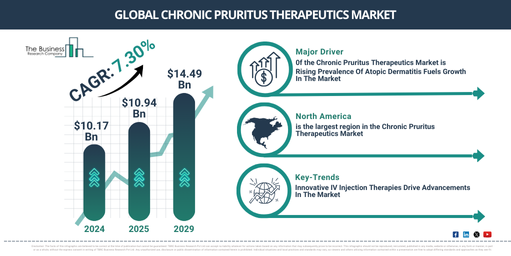
    The market size for treatments of chronic pruritus has seen substantial growth in recent years. The market is projected to increase from $10.17 billion in 2024 to $10.94 billion in 2025, with a compound annual growth rate (CAGR) of 7.6%. The expansion during the historical period is due to factors such as an increased incidence of chronic pruritus, growing need for efficacious treatments, more regulatory approvals, an uptick in product clearances, and an escalation in the incidence of mergers, collaborations, and acquisitions among industry players.

    What Is the Projected Market Size of the Chronic Pruritus Therapeutics Market?

    In the ensuing years, the market size for chronic pruritus therapeutics is anticipated to witness robust expansion. The market prediction is a growth to $14.49 billion by 2029, with a compound annual growth rate (CAGR) of 7.3%. The forecasted growth period is linked to increased awareness, surge in atopic dermatitis cases, emphasis on personal medicine, higher occurrence of dermatological conditions, and expanding patient population. The forecast period is also expected to see major trends such as the introduction of pioneering medicines, creation of ground-breaking biologics and targeted therapies, technological enhancements, assimilation of cutting-edge drug delivery systems, partnerships between pharmaceutical organizations and research institutions, as well as the emergence of digital health technologies like telemedicine.

    Download The Free Sample Report Here:

    https://www.thebusinessresearchcompany.com/sample.aspx?id=21147&type=smp

    Who are the Major Competitors in the Chronic Pruritus Therapeutics Market Outlook?

    Major companies operating in the chronic pruritus therapeutics market are Pfizer Incorporated, AbbVie Inc., Sanofi S.A., Novartis Aktiengesellschaft, GlaxoSmithKline plc, Toray Industries Inc., CSL Behring LLC, Regeneron Pharmaceuticals Inc., Astellas Pharma Inc., Ipsen S.A., Incyte Corporation, Cipla Limited, H. Lundbeck A/S, Sumitomo Pharma Co. Ltd., Mallinckrodt Pharmaceuticals plc, Kissei Pharmaceutical Co. Ltd., Asana BioSciences LLC, Vanda Pharmaceuticals Inc., Dermavant Sciences Inc., Galderma Laboratories L.P., Cara Therapeutics Inc., Avior Bio Inc., Trevi Therapeutics Inc.

    What Is Fueling Growth in the Chronic Pruritus Therapeutics Market?

    The growing incidence of atopic dermatitis is anticipated to fuel the growth of the chronic pruritus therapeutics market in the future. Atopic dermatitis (AD) is a long-term inflammatory skin disease characterized by symptoms including redness, dryness, and itchiness, typically impacting individuals who have a family history of allergies, hay fever, or asthma. The cause of increasing cases of atopic dermatitis can lay blame on factors like genetic predisposition, lifestyle changes, alterations in the environment, the hygiene hypothesis, overexposure to allergens, and imbalances in the skin microbiome. Chronic pruritus therapeutics are designed to ease the continuous itchiness associated with atopic dermatitis by focusing on inflammatory pathways, reducing skin inflammation and improving patient comfort. For example, the International Eczema Council, a nonprofit organization based in the US, estimated that in 2022, approximately 223 million people worldwide were suffering from atopic dermatitis (GBD 2022), which includes 43 million children between the ages of 1-4, highlighting the substantial incidence of this condition in early childhood. As such, the increasing occurrence of atopic dermatitis is cited as a key driver in the expansion of the chronic pruritus therapeutics market.

    Request For A Customized Report:

    https://www.thebusinessresearchcompany.com/customise?id=21147&type=smp

    Which Chronic Pruritus Therapeutics Market Segments Are Growing the Fastest?

    The chronic pruritus therapeutics market covered in this report is segmented –

    1) By Product Type: Corticosteroid, Antihistamine, Local Anesthetic, Counterirritant, Immunosuppressant, Calcineurin Inhibitors, Other Product Types

    2) By Disease Type: Atopic Dermatitis, Allergic Contact Dermatitis, Urticaria, Other Disease Types

    3) By Distribution Channel: Hospital Pharmacies, Drug stores And Retail Pharmacies, Online Providers

    Subsegments:

    1) By Corticosteroid: Topical Corticosteroids, Oral Corticosteroids, Injectable Corticosteroids

    2) By Antihistamine: First-Generation Antihistamines, Second-Generation Antihistamines

    3) By Local Anesthetic: Topical Local Anesthetics, Injectable Local Anesthetics

    4) By Counterirritant: Menthol-Based Counterirritants, Camphor-Based Counterirritants

    5) By Immunosuppressant: Systemic Immunosuppressants, Topical Immunosuppressants

    6) By Calcineurin Inhibitors: Tacrolimus-Based Therapy, Pimecrolimus-Based Therapy

    7) By Other Product Types: Biologic Therapies, Emerging Novel Therapies

    Which Industry Trends Are Shaping the Future of the Chronic Pruritus Therapeutics Market?

    Leading corporations in the chronic pruritus therapeutics market are centering their efforts on the creation of novel formulations such as the intravenous (IV) injection to augment the effectiveness of treatments and provide quick relief to patients. The use of IV injection in pruritus treatment allows for antihistamines or corticosteroids to be directly injected into the bloodstream, swiftly relieving itching and reducing inflammation. An example of this is when Cara Therapeutics Inc., a US-based therapeutics manufacturer, announced in September 2023 that its partner, Maruishi Pharmaceutical Co. Ltd, a Japanese pharmaceutical company, gained approval from Japan’s Ministry of Health, Labour and Welfare for its Korsuva IV injection syringe. This treatment for pruritus in hemodialysis patients was approved following the positive outcome of a Phase 3 clinical trial led by Maruishi in partnership with Kissei Pharmaceutical Co., Ltd. The application demonstrated a considerable enhancement in itching scores in comparison to a placebo and was generally well-received by patients. According to the licensing agreement with Maruishi, Cara Therapeutics, the creator of Korsuva, will receive a milestone payment of $1.5 million following this approval.

    Access The Full Report Here:

    https://www.thebusinessresearchcompany.com/report/chronic-pruritus-therapeutics-global-market-report

    Which Countries Are Leading the Chronic Pruritus Therapeutics Market?

    North America was the largest region in the chronic pruritus therapeutics market in 2024. Asia-Pacific is expected to be the fastest-growing region in the forecast period. The regions covered in the chronic pruritus therapeutics market report are Asia-Pacific, Western Europe, Eastern Europe, North America, South America, Middle East, Africa.

    Purchase The Full Report Today:

    https://www.thebusinessresearchcompany.com/purchaseoptions.aspx?id=21147

    This Report Delivers Insight On:

    1. How big is the chronic pruritus therapeutics market, and how is it changing globally?

    2. Who are the major companies in the chronic pruritus therapeutics market, and how are they performing?

    3. What are the key opportunities and risks in the chronic pruritus therapeutics market right now?

    4. Which products or customer segments are growing the most in the chronic pruritus therapeutics market?

    5. What factors are helping or slowing down the growth of the chronic pruritus therapeutics market?

    About The Business Research Company:

    With over 15000+ reports from 27 industries covering 60+ geographies, The Business Research Company has built a reputation for offering comprehensive, data-rich research and insights. Armed with 1,500,000 datasets, the optimistic contribution of in-depth secondary research, and unique insights from industry leaders, you can get the information you need to stay ahead in the game.

    Get in touch with us:

    The Business Research Company: https://www.thebusinessresearchcompany.com/

    Americas +1 310-496-7795

    Asia +44 2071930708

    Europe +44 7882 955267

    Email us at info@tbrc.info

    Follow us on:

    LinkedIn: https://in.linkedin.com/company/the-business-research-company

    YouTube: https://www.youtube.com/channel/UC24_fI0rV8cR5DxlCpgmyFQ

    Global Market Model: https://www.thebusinessresearchcompany.com/global-market-model
  • Post Operative Pain Management Market Projected at $49.89 Billion by 2029 | Strategic Insights and Forecast Data

    Post Operative Pain Management Market Projected at $49.89 Billion by 2029 | Strategic Insights and Forecast Data

    Claim your 30% discount on Global Market Reports with code ONLINE30. Limited time only.

    How Has the Post Operative Pain Management Market Size Changed, over the years?

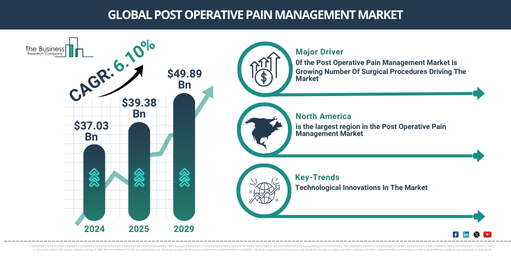
    In the past few years, the market size of postoperative pain management has been growing significantly. Projected to escalate from $37.03 billion in 2024 to $39.38 billion in 2025, this market will witness a compound annual growth rate (CAGR) of 6.4%. The historic expansion can be credited to the surge in demand for pain management medications, prevalence of chronic illnesses, increase in surgery among cancer patients, rise in traffic accidents and related trauma injuries, and an overall augment in surgical procedures.

    How Much Will the Post Operative Pain Management Market Be Worth in 2029?

    The market for managing pain after surgery is projected to experience robust expansion in the next few years. It is forecast to reach $49.89 billion by 2029, increasing at a compound annual growth rate (CAGR) of 6.1%. The expected growth throughout the prediction period can be traced back to the wider adoption of multimodal analgesic methods, heightened demand for non-opioid-based analgesics, increased R&D activities, amplified attention to palliative care, and an upswing in surgical procedures. Key trends in the forecast period encompass the creation of groundbreaking drugs, bespoke treatment plans, tech advancements, incorporation of digital health technologies, advanced solutions for managing pain, and the assimilation of telemedicine.

    Download The Free Sample Report Here:

    https://www.thebusinessresearchcompany.com/sample.aspx?id=21259&type=smp

    Which is the Largest Company in the Post Operative Pain Management Market?

    Major companies operating in the post operative pain management market are Johnson & Johnson, Merck & Co. Inc., Bayer AG, Novartis AG, Sun Pharmaceutical Industries Ltd., Cipla Inc., Hikma Pharmaceuticals PLC, Mallinckrodt plc, Pacira BioSciences Inc, Endo International plc, AFT Pharmaceuticals Limited, Heron Therapeutics Inc., Cara Therapeutics Inc., Teikoku Pharma USA Inc, Allay Therapeutics Inc, PainReform Ltd, Scilex Pharmaceuticals Inc., Taiwan Liposome Company Ltd, Concentric Analgesics Inc., Durect Corporation, Neumentum Inc., Trevena Inc., Virpax Pharmaceuticals Inc.

    What Are the Main Market Drivers in the Post Operative Pain Management Industry?

    The surge in surgical procedures is set to fuel the expansion of the postoperative pain management market in the future. Surgical procedures denote medical interventions carried out by qualified surgeons in order to diagnose, deal with, or control diseases, ailments, or conditions. The escalation in surgical procedures is influenced by factors such as an aging demographic, rampant chronic diseases, advancements in medical technology, better healthcare accessibility, and an increased demand for elective surgeries. By successfully managing pain post-surgery and allowing for speedier rehabilitation, postoperative pain management contributes to enhanced recovery, decreased complications, improved patient comfort, and more favourable surgical results. For example, in December 2023, the UK Health Security Agency, a government agency hailing from the UK, reported an uptick in the number of coronary artery bypass graft surgeries in 2023 with a total of 27,524 surgeries, indicating an increase compared to former years. Hence, the escalating number of surgical procedures is steering the growth of the postoperative pain management market.

    Request For A Customized Report:

    https://www.thebusinessresearchcompany.com/customise?id=21259&type=smp

    How Is the Post Operative Pain Management Market Segments Structured?

    The post operative pain management market covered in this report is segmented –

    1) By Pain Type: Acute Pain, Moderate Pain, Severe Pain

    2) By Drug Class: Opioids, Non-steroidal anti-inflammatory drugs (NSAIDs), Cyclooxygenase-2-selective inhibitors (COX-2 inhibitors), Other Drug Classes

    3) By Route Of Administration: Injectable, Oral, Topical, Other Routes Of Administration

    4) By Distribution Channel: Hospital Pharmacies, Retail Pharmacies, Other Distribution Channels

    5) By Application: Cancer Pain, Arthritic Pain, Neuropathic Pain, Musculoskeletal Pain, Migraine

    Subsegments:

    1) By Acute Pain: Non-Opioid Analgesics, Opioid Analgesics, Local Anesthetics, Other Acute Pain Treatments

    2) By Moderate Pain: NSAIDs, Acetaminophen, Weak Opioids, Combination Therapies, Other Moderate Pain Treatments

    3) By Severe Pain: Strong Opioids, Patient-Controlled Analgesia (PCA), Epidural Analgesia, Nerve Blocks, Other Severe Pain Treatments

    What Strategic Trends Are Transforming the Post Operative Pain Management Market?

    Leading businesses in the post-surgery pain management market are concentrating on innovating technologically, like cryoablation probes, to efficiently alleviate pain through precise nerve targeting with controlled cooling. Cryoablation probes, medical implements used to freeze and destruct particular nerve tissues or unusual cells, are generally utilized for pain management or tumor treatment. One example is the cryoSPHERE MAX by AtriCure Inc., a medical device firm based in the US, which was introduced in October 2024. This probe optimizes postoperative pain management by temporarily blocking pain with targeted freezing of peripheral nerves. Its state-of-the-art design hastens freeze times and boosts tissue contact, facilitating more effective pain alleviation. This forward-thinking device incorporates improvements in insulation, Nitrous Oxide gas consumption, tactile tissue feedback, and real-time temperature tracking.

    Access The Full Report Here:

    https://www.thebusinessresearchcompany.com/report/post-operative-pain-management-global-market-report

    Which Global Regions Offer the Highest Growth in the Post Operative Pain Management Market?

    North America was the largest region in the postoperative pain management market in 2024. Asia-Pacific is expected to be the fastest-growing region in the forecast period. The regions covered in the post operative pain management market report are Asia-Pacific, Western Europe, Eastern Europe, North America, South America, Middle East, Africa.

    Purchase The Full Report Today:

    https://www.thebusinessresearchcompany.com/purchaseoptions.aspx?id=21259

    This Report Delivers Insight On:

    1. How big is the post operative pain management market, and how is it changing globally?

    2. Who are the major companies in the post operative pain management market, and how are they performing?

    3. What are the key opportunities and risks in the post operative pain management market right now?

    4. Which products or customer segments are growing the most in the post operative pain management market?

    5. What factors are helping or slowing down the growth of the post operative pain management market?

    About The Business Research Company:

    With over 15000+ reports from 27 industries covering 60+ geographies, The Business Research Company has built a reputation for offering comprehensive, data-rich research and insights. Armed with 1,500,000 datasets, the optimistic contribution of in-depth secondary research, and unique insights from industry leaders, you can get the information you need to stay ahead in the game.

    Get in touch with us:

    The Business Research Company: https://www.thebusinessresearchcompany.com/

    Americas +1 310-496-7795

    Asia +44 2071930708

    Europe +44 7882 955267

    Email us at info@tbrc.info

    Follow us on:

    LinkedIn: https://in.linkedin.com/company/the-business-research-company

    YouTube: https://www.youtube.com/channel/UC24_fI0rV8cR5DxlCpgmyFQ

    Global Market Model: https://www.thebusinessresearchcompany.com/global-market-model
  • Chronic Pancreatitis (CP) Market to Reach $6.71 Billion by 2029 | Key Drivers and Future Outlook

    Chronic Pancreatitis (CP) Market to Reach $6.71 Billion by 2029 | Key Drivers and Future Outlook

    Claim your 30% discount on Global Market Reports with code ONLINE30. Limited time only.

    What Is the Growth Rate of the Chronic Pancreatitis (CP) Market?

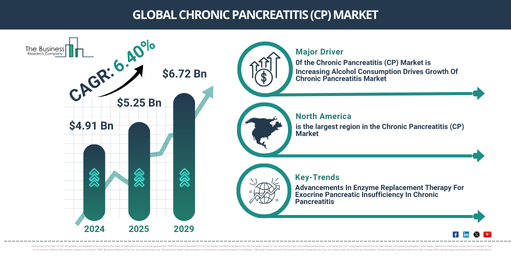
    In recent times, there has been a robust growth in the market size of Chronic Pancreatitis (CP). The market, which stood at $4.91 billion in 2024, is projected to expand to $5.25 billion in 2025, resulting in a Compound Annual Growth Rate (CAGR) of 6.7%. Several factors can be credited for the market’s growth during the historic period. They include the growing prevalence of alcohol consumption, an increase in smoking cases, genetic factors and family history, increased awareness about pancreatic diseases, a surge in diabetes cases related to pancreatitis, augmented healthcare expenditure, and enhanced access to healthcare services.

    What Growth Rate Is Forecasted for the Chronic Pancreatitis (CP) Market by 2029?

    In the upcoming years, the chronic pancreatitis (CP) market is predicted to experience robust growth. The projection is set at a compound annual growth rate (CAGR) of 6.4%, taking the market value up to $6.72 billion by 2029. The factors contributing to the growth in the predicted period could be the increasing aged population, a rise in the necessity of enzyme replacement therapies, the growth in awareness of early diagnosis, health infrastructure growth in emerging markets, the development of new pain management therapies, and an increase in research and clinical trials for treating pancreatitis. Major upcoming trends for the forecast period include the application of artificial intelligence in diagnostic imaging, implementation of minimally invasive surgical techniques, the usage of wearables for constant health monitoring, next-generation sequencing for genetic testing, incorporation of machine learning for tracking disease progression and the creation of smart diagnostic instruments.

    Download The Free Sample Report Here:

    https://www.thebusinessresearchcompany.com/sample.aspx?id=21146&type=smp

    Which Key Companies Are Shaping the Future of the Chronic Pancreatitis (CP) Market?

    Major companies operating in the chronic pancreatitis (CP) market are Pfizer, Johnson & Johnson, Merck & Co Inc, AbbVie Inc, Sanofi, Bristol-Myers Squibb, Abbott Laboratories, Novartis AG, GlaxoSmithKline plc, Baxter, CSL Behring, Octapharma AG, Dr. Reddy’s Laboratories, Nestle Health Science, Cerata Pharmaceuticals, Unichem Laboratories Ltd, LGM Pharma, Aptalis Pharmaceutical Technologies, Digestive Care Inc, Akron Biotech

    Which Factors Are Driving Demand in the Chronic Pancreatitis (CP) Industry?

    The chronic pancreatitis market is expected to surge due to the rising consumption of alcohol. This use is described as the imbibing of beverages with ethanol, frequently for pleasure, social interaction, or culture. Nevertheless, alcohol dependency or health problems can ensue from overconsumption. Growth in alcohol consumption is spurred by factors such as increased societal acceptance, urbanization, evolving living habits, and stress coping methodologies, predominantly among younger demographics. Alcohol-induced pancreatitis is caused by inflammation and injury to pancreatic cells, leading to fibrosis, blocked ducts, and lasting dysfunction from harmful metabolic waste products. For example, data published by Kirin Holdings Company Limited, a Japanese beer and beverage holding company, in December 2023 indicated a rise in total global beer consumption by around 5.4 million kiloliters (equivalent to around 8.5 billion 633ml bottles) in 2022 compared to 2021, reaching around 192.1 million kiloliters. This rise of approximately 2.9% was credited to the relaxation of COVID-19 effects, accounting for nearly 303.5 billion 633ml bottles. Consequently, the escalating consumption of alcohol is fuelling the chronic pancreatitis market’s expansion.

    Request For A Customized Report:

    https://www.thebusinessresearchcompany.com/customise?id=21146&type=smp

    How Is the Chronic Pancreatitis (CP) Market Segmented by Several Divisions?

    The chronic pancreatitis (CP) market covered in this report is segmented –

    1) By Treatment: Analgesic, Artificial Digestive Enzyme, Protein Supplements, Steroids, Antibiotics, Other Treatments

    2) By Diagnosis: Computed Tomography (CT) Scan, Magnetic Resonance Cholangiopancreatography, Ultrasound Sonography, Other Diagnosis

    3) By Route Of Administration: Oral, Parenteral

    4) By End User: Hospitals, Homecare, Other End Users

    Subsegments:

    1) By Analgesic: Nonsteroidal Anti-Inflammatory Drugs (NSAIDs), Opioids

    2) By Artificial Digestive Enzyme: Pancrelipase, Pancreatin

    3) By Protein Supplements: Branched-Chain Amino Acids (BCAA), Whey Protein

    4) By Steroids: Prednisone, Dexamethasone

    5) By Antibiotics: Ciprofloxacin, Metronidazole

    6) By Other Treatments: Endoscopic Treatment, Surgery

    What are the Emerging Market Trends Driving the Growth of the Chronic Pancreatitis (CP) Industry?

    Key players in the chronic pancreatitis market are putting their efforts into creating technological breakthroughs such as enzyme replacement therapy to treat exocrine pancreatic insufficiency (EPI), a condition linked with chronic pancreatitis. This treatment method involves patients with inadequate pancreatic function consuming oral pancreatic enzymes to support digestion. For instance, in July 2023, clinical-stage biopharmaceutical firm based in the US, First Wave BioPharma Inc, revealed the results from the Phase 2 SPAN clinical test. The trial was on an improved enteric microgranule delivery formulation of adrulipase aimed at treating exocrine pancreatic insufficiency (EPI) in patients with chronic pancreatitis and cystic fibrosis (CF). Adrulipase is an oral, non-systemic biologic capsule, which is a recombinant lipase enzyme originating from the Yarrowia lipolytica yeast. Its purpose is to disintegrate fat molecules in the digestive system of EPI patients so that it can be absorbed as nutrients.

    Access The Full Report Here:

    https://www.thebusinessresearchcompany.com/report/chronic-pancreatitis-cp-global-market-report

    Which Regions Are Driving Growth in the Chronic Pancreatitis (CP) Market?

    North America was the largest region in the chronic pancreatitis (CP) market in 2024. The regions covered in the chronic pancreatitis (cp) market report are Asia-Pacific, Western Europe, Eastern Europe, North America, South America, Middle East, Africa.

    Purchase The Full Report Today:

    https://www.thebusinessresearchcompany.com/purchaseoptions.aspx?id=21146

    This Report Delivers Insight On:

    1. How big is the chronic pancreatitis (cp) market, and how is it changing globally?

    2. Who are the major companies in the chronic pancreatitis (cp) market, and how are they performing?

    3. What are the key opportunities and risks in the chronic pancreatitis (cp) market right now?

    4. Which products or customer segments are growing the most in the chronic pancreatitis (cp) market?

    5. What factors are helping or slowing down the growth of the chronic pancreatitis (cp) market?

    About The Business Research Company:

    With over 15000+ reports from 27 industries covering 60+ geographies, The Business Research Company has built a reputation for offering comprehensive, data-rich research and insights. Armed with 1,500,000 datasets, the optimistic contribution of in-depth secondary research, and unique insights from industry leaders, you can get the information you need to stay ahead in the game.

    Get in touch with us:

    The Business Research Company: https://www.thebusinessresearchcompany.com/

    Americas +1 310-496-7795

    Asia +44 2071930708

    Europe +44 7882 955267

    Email us at info@tbrc.info

    Follow us on:

    LinkedIn: https://in.linkedin.com/company/the-business-research-company

    YouTube: https://www.youtube.com/channel/UC24_fI0rV8cR5DxlCpgmyFQ

    Global Market Model: https://www.thebusinessresearchcompany.com/global-market-model
  • Chronic Liver Diseases Therapeutics Market Size to Exceed $23.83 Billion by 2029 | Growth and Industry Trends

    Chronic Liver Diseases Therapeutics Market Size to Exceed $23.83 Billion by 2029 | Growth and Industry Trends

    Claim your 30% discount on Global Market Reports with code ONLINE30. Limited time only.

    How Has the Chronic Liver Diseases Therapeutics Market Grown from 2024 to 2025?

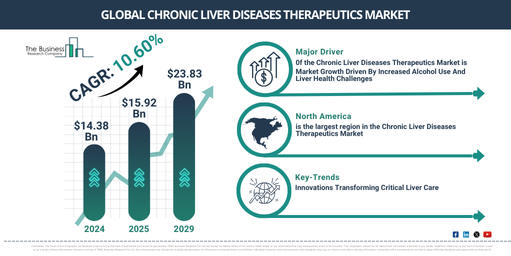
    The market size for therapeutics in chronic liver disease has witnessed a swift expansion in the past few years. Projected growth indicates that it will advance from $14.38 billion in 2024 to $15.92 billion in 2025, marking a compound annual growth rate (CAGR) of 10.7%. Factors contributing to past growth include the surging cases of viral hepatitis, an increase in obesity rates, an aging population, heightened awareness about liver health, and improved patient access to treatment.

    What Growth Rate Is Anticipated for the Chronic Liver Diseases Therapeutics Market in the Coming Years?

    In the coming years, the therapeutics market for chronic liver disease is predicted to grow swiftly, reaching $23.83 billion in 2029 with a compound annual growth rate (CAGR) of 10.6%. This forecasted growth is influenced by factors such as an increased emphasis on personalized medicine, a growing number of innovative therapies in the pipeline, the advancement of telemedicine and digital health solutions, and a rising demand for liver disease prevention initiatives. Additionally, a surge in viral hepatitis incidences has been noted. Major trends shaping the market include the incorporation of artificial intelligence into diagnostics, biologic and gene treatments, non-invasive treatment alternatives, combination therapies, and the development of patient-centric care models.

    Download The Free Sample Report Here:

    https://www.thebusinessresearchcompany.com/sample.aspx?id=21145&type=smp

    Who Are the Leading Companies in the Chronic Liver Diseases Therapeutics Market?

    Major companies operating in the chronic liver diseases therapeutics market are F. Hoffmann-La Roche AG, Merck & Co. Inc., AbbVie Inc., Bristol-Myers Squibb Company, Novartis AG, GlaxoSmithKline plc, Takeda Pharmaceutical Company Limited, Eli Lilly and Company, Gilead Sciences Inc., Novo Nordisk A/S, Dr. Reddy’s Laboratories Ltd., Vir Biotechnology Inc., Alnylam Pharmaceuticals Inc., Indian Immunologicals Limited, Intercept Pharmaceuticals Inc., Viking Therapeutics Inc., Ascletis Pharma Inc., Ochre Bio Limited, Tiziana Life Sciences Ltd., Antios Therapeutics Inc.

    What Are the Key Drivers of the Chronic Liver Diseases Therapeutics Market?

    The rise in the consumption of alcohol is likely to drive the expansion of the chronic liver disease therapeutics market. The uptake of beverages containing ethanol, from moderate to high volumes, with potential health consequences, is termed as alcohol consumption. The upswing in alcohol intake can be attributed to its growing social acceptance, rising income levels, and increased availability worldwide. Therapeutics for chronic liver disease help control liver damage triggered by excessive alcohol intake, slowing down the ailment’s advancement and enhancing liver function. For instance, in June 2024, the First Citizens Bank, a US-based financial firm, reported a 1.2% rise in direct-to-consumer (DTC) wine case sales in 2023, relative to 2022. Moreover, Kirin Holdings Company Limited, a beverage company based in Japan, in a report published in December 2023, noted that approximately 192.1 million kiloliters of beer were consumed in 2022, marking a 2.9% increase compared to the preceding year. Hence, the escalating consumption of alcohol is fuelling the expansion of the chronic liver disease therapeutics market.

    Request For A Customized Report:

    https://www.thebusinessresearchcompany.com/customise?id=21145&type=smp

    What Are the Key Market Segments in the Chronic Liver Diseases Therapeutics Industry?

    The chronic liver diseases therapeutics market covered in this report is segmented –

    1) By Treatment Type: Antiviral Drugs, Immunosuppressants Vaccines, Immunoglobulins, Corticosteroids, Targeted Therapy, Chemotherapy

    2) By Disease Type: Hepatitis, Autoimmune Diseases, Non-Alcoholic Fatty Liver Disease, Cancer, Genetic Disorders

    3) By Application: Hospital Pharmacies, Retail Pharmacies, Online Pharmacies

    Subsegments:

    1) By Antiviral Drugs: Nucleoside Or Nucleotide Analogues, Interferons, Direct-Acting Antivirals

    2) By Immunosuppressants: Calcineurin Inhibitors, mTOR Inhibitors, Purine Synthesis Inhibitors

    3) By Vaccines: Hepatitis A Vaccine, Hepatitis B Vaccine, Combination Hepatitis Vaccines

    4) By Immunoglobulins: Hepatitis B Immune Globulin, Intravenous Immunoglobulin

    5) By Corticosteroids: Prednisolone, Methylprednisolone, Dexamethasone

    6) By Targeted Therapy: Tyrosine Kinase Inhibitors, Monoclonal Antibodies

    7) By Chemotherapy: Systemic Chemotherapy, Transarterial Chemoembolization Agents

    What Are the Latest Trends in the Chronic Liver Diseases Therapeutics Market?

    Leading firms in the chronic liver diseases therapeutics market are concentrating their efforts on innovating advanced solutions, including RNA therapies that target specific genetic and molecular structures, thereby providing more personalized and potent treatment methods. RNA therapies are cutting-edge medical solutions that utilize RNA molecules to manage gene expression or protein creation, with the intention of treating or averting illnesses by targeting particular genetic processes. For instance, Ochre Bio, a biotech company based in the UK, unveiled its trailblazing ‘Liver ICU’ research facility at BioLabs@NYULangone, a biopharma incubator located in New York City, in May 2022. This advanced space evaluates the efficacy of next-generation RNA therapeutics utilizing complete human livers maintained on perfusion devices. The establishment aims to speed up drug development schedules and enhance liver treatment studies’ accuracy by replicating human physiological settings, made possible by the use of discarded donor livers for research.

    Access The Full Report Here:

    https://www.thebusinessresearchcompany.com/report/chronic-liver-diseases-therapeutics-global-market-report

    What Are the Key Regional Markets in the Chronic Liver Diseases Therapeutics Industry?

    North America was the largest region in the chronic liver diseases therapeutics market in 2024. The regions covered in the chronic liver diseases therapeutics market report are Asia-Pacific, Western Europe, Eastern Europe, North America, South America, Middle East, Africa.

    Purchase The Full Report Today:

    https://www.thebusinessresearchcompany.com/purchaseoptions.aspx?id=21145

    This Report Delivers Insight On:

    1. How big is the chronic liver diseases therapeutics market, and how is it changing globally?

    2. Who are the major companies in the chronic liver diseases therapeutics market, and how are they performing?

    3. What are the key opportunities and risks in the chronic liver diseases therapeutics market right now?

    4. Which products or customer segments are growing the most in the chronic liver diseases therapeutics market?

    5. What factors are helping or slowing down the growth of the chronic liver diseases therapeutics market?

    About The Business Research Company:

    With over 15000+ reports from 27 industries covering 60+ geographies, The Business Research Company has built a reputation for offering comprehensive, data-rich research and insights. Armed with 1,500,000 datasets, the optimistic contribution of in-depth secondary research, and unique insights from industry leaders, you can get the information you need to stay ahead in the game.

    Get in touch with us:

    The Business Research Company: https://www.thebusinessresearchcompany.com/

    Americas +1 310-496-7795

    Asia +44 2071930708

    Europe +44 7882 955267

    Email us at info@tbrc.info

    Follow us on:

    LinkedIn: https://in.linkedin.com/company/the-business-research-company

    YouTube: https://www.youtube.com/channel/UC24_fI0rV8cR5DxlCpgmyFQ

    Global Market Model: https://www.thebusinessresearchcompany.com/global-market-model
  • Pneumonia Therapeutics Industry Growth Expected to Reach $17.25 Billion by 2029 at a CAGR of 10.7% | Segmentation and Growth Opportunities

    Pneumonia Therapeutics Industry Growth Expected to Reach $17.25 Billion by 2029 at a CAGR of 10.7% | Segmentation and Growth Opportunities

    Claim your 30% discount on Global Market Reports with code ONLINE30. Limited time only.

    What Is the Forecast for the Pneumonia Therapeutics Market Growth in 2025?

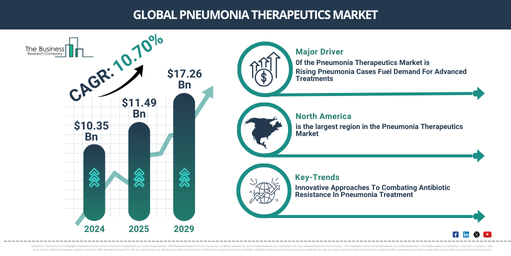
    The market size for pneumonia therapeutics has seen a swift expansion in past few years. Projected to climb from $10.35 billion in 2024 to reach $11.49 billion in 2025, it anticipates a compound annual growth rate (CAGR) of 11.0%. The substantial growth observed in the historic period can be credited to factors such as the surge in drug-resistant strains, enhanced consciousness regarding pneumonia prevention, rise in the number of elderly and immunocompromised individuals, implementation of broader vaccination initiatives, and the enhancement of healthcare infrastructure.

    What Is the Forecast for the Pneumonia Therapeutics Market Size Through 2029?

    It’s anticipated that in the coming years, the market for pneumonia therapeutics will witness considerable expansion. By 2029, it is projected to increase by 10.7% Compound Annual Growth Rate (CAGR), reaching a size of $17.26 billion. The expansion anticipated during the forecast period can be linked to factors such as the rise of antibiotic-resistant strains, the increasing prevalence of pneumonia in the elderly, the proliferation of telemedicine for prompt diagnosis, elevated health care spending in emerging markets, increased funding for infectious disease research, and intensified awareness initiatives. Key trends expected during this forecast period include the creation of monoclonal antibodies, the use of inhalable antibiotics, breakthroughs in mRNA-based vaccines, AI-powered diagnostic instruments, the application of host-targeted therapies, innovative immunomodulators, and improvements in rapid point-of-care diagnostic platforms.

    Download The Free Sample Report Here:

    https://www.thebusinessresearchcompany.com/sample.aspx?id=21258&type=smp

    What are the Key Market Players in Pneumonia Therapeutics Market and How They’re Evolving?

    Major companies operating in the pneumonia therapeutics market are Pfizer Inc., Roche AG, Merck & Co. Inc., AbbVie Inc, Bayer AG, Sanofi S.A., AstraZeneca PLC, Abbott Laboratories, Novartis AG, GSK plc, Eli Lilly and Company, Astellas Pharma Inc., Eisai Co. Ltd., Sun Pharmaceutical Industries Ltd., Cipla Inc., Hikma Pharmaceuticals PLC, Shionogi & Co. Ltd, Lupin Limited, Swedish Orphan Biovitrum AB, Nabriva Therapeutics plc, TaiGen Biotechnology Co. Ltd, Aridis Pharmaceuticals Inc., Tergene Biotech Limited.

    What Are the Primary Growth Drivers in the Pneumonia Therapeutics Market?

    The escalation in pneumonia cases is predicted to propel the development of the pneumonia therapeutics market. Pneumonia is a lung disease that inflames the air sacs, commonly causing symptoms such as coughing, fever, and shortness of breath. A rise in pneumonia incidents can be credited to factors like increasing elderly population, air pollution, smoking, compromised immune systems, antibiotic resistance, and the spread of respiratory diseases such as COVID-19 or influenza. Pneumonia therapeutics play an instrumental role in combating the infection by targeting its root cause, be it bacteria, viruses, or fungi, through specified medications, providing support for recovery through oxygen therapy, anti-inflammatory drugs, and symptom control. For example, in January 2023, according to data from the National Center for Biotechnology Information, a US-based government agency, pneumonia impacts around 120 million people globally per year, causing an estimated 1.3 million deaths. Almost 80% of pediatric pneumonia deaths are seen in children below 2 years in underdeveloped countries. Thus, the rising incidence of pneumonia is catalyzing the expansion of the pneumonia therapeutics market.

    Request For A Customized Report:

    https://www.thebusinessresearchcompany.com/customise?id=21258&type=smp

    What Are the Leading Segments in the Global Pneumonia Therapeutics Industry?

    The pneumonia therapeutics market covered in this report is segmented –

    1) By Product: Drugs, Vaccine, Oxygen Therapy

    2) By Infection: Hospital-Acquired Pneumonia (HAP), Community-Acquired Pneumonia (CAP), Ventilator-Associated Pneumonia (VAP)

    3) By Route Of Administration: Oral, Parenteral, Other Routes Of Administration

    4) By End Use: Hospitals, Homecare, Specialty Clinics, Other End Users

    Subsegments:

    1) By Drugs: Antibiotics, Antiviral Drugs, Antifungal Drugs, Corticosteroids, Other Drugs

    2) By Vaccine: Pneumococcal Vaccines, Haemophilus Influenzae Type B (Hib) Vaccines, Influenza Vaccines, Other Vaccines

    3) By Oxygen Therapy: High-Flow Nasal Cannula (HFNC), Non-Invasive Ventilation (NIV), Mechanical Ventilation, Other Oxygen Therapies

    What Are the Key Market Trends in the Pneumonia Therapeutics Industry?

    In the pneumonia therapeutics market, prominent firms are emphasizing the creation of innovative medication formulations and treatment strategies, such as antibiotic drugs, to combat antibiotic resistance and enhance patient outcomes. Antibiotic drugs are medications created specifically for the treatment of bacterial infections. For example, in June 2024, Orchid Pharma Limited, a pharmaceutical company from India, worked together with Cipla Limited, another Indian pharmaceutical firm, to launch cefepime-enmetazobactam. This combination antibiotic is employed to manage complicated infections such as UTIs and pneumonia, especially those that are resistant to other drugs. It contributes to the fight against bacterial resistance by ensuring effective treatment and reducing the need for more potent antibiotics.

    Access The Full Report Here:

    https://www.thebusinessresearchcompany.com/report/pneumonia-therapeutics-global-market-report

    What Is the Regional Outlook for the Pneumonia Therapeutics Market?

    North America was the largest region in the pneumonia therapeutics market in 2024. Asia-Pacific is expected to be the fastest-growing region in the forecast period. The regions covered in the pneumonia therapeutics market report are Asia-Pacific, Western Europe, Eastern Europe, North America, South America, Middle East, Africa.

    Purchase The Full Report Today:

    https://www.thebusinessresearchcompany.com/purchaseoptions.aspx?id=21258

    This Report Delivers Insight On:

    1. How big is the pneumonia therapeutics market, and how is it changing globally?

    2. Who are the major companies in the pneumonia therapeutics market, and how are they performing?

    3. What are the key opportunities and risks in the pneumonia therapeutics market right now?

    4. Which products or customer segments are growing the most in the pneumonia therapeutics market?

    5. What factors are helping or slowing down the growth of the pneumonia therapeutics market?

    About The Business Research Company:

    With over 15000+ reports from 27 industries covering 60+ geographies, The Business Research Company has built a reputation for offering comprehensive, data-rich research and insights. Armed with 1,500,000 datasets, the optimistic contribution of in-depth secondary research, and unique insights from industry leaders, you can get the information you need to stay ahead in the game.

    Get in touch with us:

    The Business Research Company: https://www.thebusinessresearchcompany.com/

    Americas +1 310-496-7795

    Asia +44 2071930708

    Europe +44 7882 955267

    Email us at info@tbrc.info

    Follow us on:

    LinkedIn: https://in.linkedin.com/company/the-business-research-company

    YouTube: https://www.youtube.com/channel/UC24_fI0rV8cR5DxlCpgmyFQ

    Global Market Model: https://www.thebusinessresearchcompany.com/global-market-model
  • Phenylketonuria (PKU) Industry Valued at $1.3 Billion by 2029 With CAGR of 8.8% | Size and Share Insights

    Phenylketonuria (PKU) Industry Valued at $1.3 Billion by 2029 With CAGR of 8.8% | Size and Share Insights

    Claim your 30% discount on Global Market Reports with code ONLINE30. Limited time only.

    What Is the Forecast for the Phenylketonuria (PKU) Market from 2024 to 2025?

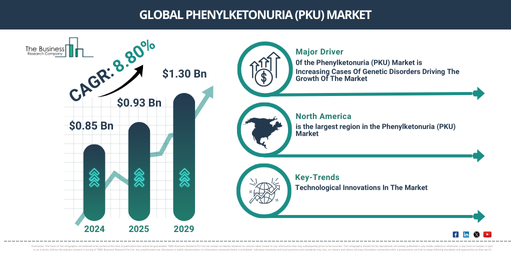
    The market size for phenylketonuria (PKU) has seen a robust expansion in preceding years. An ascent from $0.85 billion in 2024 to $0.93 billion in 2025 is expected, marking a compound annual growth rate (CAGR) of 9.1%. Factors contributing to the growth during the historic period include the amplification of newborn screening initiatives, heightened understanding of metabolic disorders, enhanced management of PKU dietary needs, increased access to medical foods, and the sanction of regulatory approvals for PKU treatments.

    What Is the Projected Market Size of the Phenylketonuria (PKU) Market?

    The market for phenylketonuria (PKU) is projected to witness robust expansion in the upcoming years, reaching a valuation of $1.30 billion by 2029 at an 8.8% compound annual growth rate (CAGR). This surge within the predicted timeframe can be ascribed to factors such as the growing acceptance of gene therapy, proliferation of enzyme replacement therapies, increased funding for rare disease studies, escalating demand for personalized medication, and governmental backing for PKU treatment coverage. Key trends anticipated in this forecast period encompass the emergence of RNA-based therapies, the advancement of digital health measures for handling PKU, increasing partnerships amongst biotech corporations and research bodies, emphasis on non-dietary treatment options, and the augmentation of telehealth services for PKU patients.

    Download The Free Sample Report Here:

    https://www.thebusinessresearchcompany.com/sample.aspx?id=21257&type=smp

    Who are the Major Competitors in the Phenylketonuria (PKU) Market Outlook?

    Major companies operating in the phenylketonuria (PKU) market are Abbott Laboratories, Merck KGaA, Agios Pharmaceuticals Inc., BioMarin Pharmaceutical Inc., PTC Therapeutics Inc., Ultragenyx Pharmaceutical Inc., Nutricia International Private Limited, Codexis Inc., Eton Pharmaceuticals Inc., Vitaflo International Ltd., American Gene Technologies International Inc., Cambrooke Therapeutics Inc., Generation Bio Co., Mead Johnson & Company, LLC, Relief Therapeutics Holding SA, SOM Innovation Biotech S.A., Synlogic Inc., Galen Ltd, Aptatek Biosciences Inc., Homology Medicines Inc

    What Is Fueling Growth in the Phenylketonuria (PKU) Market?

    The escalation in the instances of genetic disorders is foreseen to bolster the development of the phenylketonuria (PKU) market in the future. Genetic disorders are health conditions triggered by anomalies in a person’s DNA, such as gene mutations, deletions, or duplications. The surge in incidents of genetic disorders can be linked to variables like advancing maternal age, environmental influences, technological progress in diagnostics, and increased awareness leading to better detection rates. Phenylketonuria aids the comprehension of genetic disorders by depicting how inherited enzyme deficiencies can result in serious metabolic issues. For example, as reported by Gene People, a UK-based registered charity in March 2024, genetic conditions impact an estimated 1 in 25 children, affecting over 2.4 million children and adults in the UK. Moreover, almost 30,000 infants and children in the UK are diagnosed with a genetic condition each year. Consequently, the surge in instances of genetic disorders is steering the growth of the phenylketonuria (PKU) market.

    Request For A Customized Report:

    https://www.thebusinessresearchcompany.com/customise?id=21257&type=smp

    Which Phenylketonuria (PKU) Market Segments Are Growing the Fastest?

    The phenylketonuria (PKU) market covered in this report is segmented –

    1) By Type: Hyperphenylalaninemia, Mild Phenylketonuria (PKU), Moderate And Variant, Classic Phenylketonuria (PKU)

    2) By Treatment Type: Enzyme Replacement Therapy, Gene Therapy, Medication, Dietary Therapy

    3) By Diagnosis: Genetic Testing, Biochemical Testing, Newborn Screening

    4) By End-User: Specialty Clinics, Research Institutes, Home Healthcare, Hospitals

    Subsegments:

    1) By Hyperphenylalaninemia: Mild Hyperphenylalaninemia, Moderate Hyperphenylalaninemia, Severe Hyperphenylalaninemia

    2) By Mild Phenylketonuria (PKU): Mild PKU with dietary management, Mild PKU with enzyme supplementation

    3) By Moderate And Variant: Moderate PKU with medication, Variant PKU with treatment variations

    4) By Classic Phenylketonuria (PKU): Classic PKU with strict dietary management, Classic PKU with enzyme replacement therapy

    Which Industry Trends Are Shaping the Future of the Phenylketonuria (PKU) Market?

    Leading firms in the phenylketonuria (PKU) market are emphasizing the augmentation of groundbreaking products through the utilization of numerous technologies, like the physiognomic technology. The aim is to fortify the effectiveness and safety of PKU therapies by mirroring human physiological conditions to optimize drug absorption and metabolism. Physiomimic technology entails an extensive combination of hardware, consumables, and assay protocols created to mirror intricate human biology and predict human drug responses with accuracy. For example, in October 2022, Relief Therapeutics Holding SA, a bio-pharmaceutical firm based in Switzerland, introduced PKU Golike. PKU Golike represents a next-generation medicinal food product, developed using patented, pharmaceutical-grade Physiomimic technology for managing the dietary needs of phenylketonuria (PKU) patients. PKU Golike, available as granules, packets, and medicinal food bars, offers a unique coating for the physiological absorption of amino acids, akin to natural proteins, while hiding their unfavourable taste, smell, and aftertaste.

    Access The Full Report Here:

    https://www.thebusinessresearchcompany.com/report/phenylketonuria-pku-global-market-report

    Which Countries Are Leading the Phenylketonuria (PKU) Market?

    North America was the largest region in the phenylketonuria (PKU) market in 2024. Europe is expected to be the fastest-growing region in the forecast period. The regions covered in the phenylketonuria (PKU) market report are Asia-Pacific, Western Europe, Eastern Europe, North America, South America, Middle East, Africa.

    Purchase The Full Report Today:

    https://www.thebusinessresearchcompany.com/purchaseoptions.aspx?id=21257

    This Report Delivers Insight On:

    1. How big is the phenylketonuria (pku) market, and how is it changing globally?

    2. Who are the major companies in the phenylketonuria (pku) market, and how are they performing?

    3. What are the key opportunities and risks in the phenylketonuria (pku) market right now?

    4. Which products or customer segments are growing the most in the phenylketonuria (pku) market?

    5. What factors are helping or slowing down the growth of the phenylketonuria (pku) market?

    About The Business Research Company:

    With over 15000+ reports from 27 industries covering 60+ geographies, The Business Research Company has built a reputation for offering comprehensive, data-rich research and insights. Armed with 1,500,000 datasets, the optimistic contribution of in-depth secondary research, and unique insights from industry leaders, you can get the information you need to stay ahead in the game.

    Get in touch with us:

    The Business Research Company: https://www.thebusinessresearchcompany.com/

    Americas +1 310-496-7795

    Asia +44 2071930708

    Europe +44 7882 955267

    Email us at info@tbrc.info

    Follow us on:

    LinkedIn: https://in.linkedin.com/company/the-business-research-company

    YouTube: https://www.youtube.com/channel/UC24_fI0rV8cR5DxlCpgmyFQ

    Global Market Model: https://www.thebusinessresearchcompany.com/global-market-model

  • Chronic Inflammatory Demyelinating Polyneuropathy (CIDP) Industry Insights 2025 – Market Forecast for Executives and Planners

    Chronic Inflammatory Demyelinating Polyneuropathy (CIDP) Industry Insights 2025 – Market Forecast for Executives and Planners

    Claim your 30% discount on Global Market Reports with code ONLINE30. Limited time only.

    How Has the Chronic Inflammatory Demyelinating Polyneuropathy (CIDP) Market Size Changed, over the years?

    In the past few years, there has been significant growth in the market for chronic inflammatory demyelinating polyneuropathy (CIDP). The market, which is expected to stand at $2.10 billion in 2024, is predicted to rise to $2.38 billion in 2025, exhibiting a compound annual growth rate (CAGR) of 8.4%. Possible reasons behind this growth during the historical period include a rise in the elderly population, improvements made in treatment choices, heightened awareness leading to early detection, progression in immunology and autoimmune research, and an increased occurrence of autoimmune diseases.

    How Much Will the Chronic Inflammatory Demyelinating Polyneuropathy (CIDP) Market Be Worth in 2029?

    Expectations are high for the chronic inflammatory demyelinating polyneuropathy (CIDP) market to experience significant expansion in the coming years. By 2029, the estimated market value will be approximately $3.11 billion, signifying a compound annual growth rate (CAGR) of 8.1%. Key factors contributing to this projected increase include a globally aging population, a renewed interest in studying and treating rare diseases and autoimmune disorders, enhanced access to healthcare services, patient education and advocacy, and improved healthcare facilities. The forecast period is also expected to see a rising incidence of CIDP, novel therapeutic advancements, increased R&D initiatives, the advent of biosimilar therapies, and strides toward personalized medicine approaches.

    Download The Free Sample Report Here:

    https://www.thebusinessresearchcompany.com/sample.aspx?id=21144&type=smp

    Which is the Largest Company in the Chronic Inflammatory Demyelinating Polyneuropathy (CIDP) Market?

    Major companies operating in the chronic inflammatory demyelinating polyneuropathy (CIDP) market are Pfizer Inc., Johnson & Johnson, Sanofi SA, Novartis AG, Takeda Pharmaceutical Company Limited, Baxter International Inc., CSL Behring (CSL Limited), Grifols S.A., Sun Pharmaceutical Industries Ltd., Mitsubishi Tanabe Pharma Corporation, Octapharma AG, Cipla Inc., Hikma Pharmaceuticals plc, Halozyme Therapeutics, Hualan Biological Engineering Inc, argenx SE, Hovione, Nihon Pharmaceutical Co. Ltd., Bio Products Laboratory Ltd., AdvaCare Pharma.

    What Are the Main Market Drivers in the Chronic Inflammatory Demyelinating Polyneuropathy (CIDP) Industry?

    Chronic Inflammatory Demyelinating Polyneuropathy (CIDP) market growth is anticipated to surge due to escalating healthcare spending. Factors contributing to this increased spending include greater investments in medical facilities, heightened demand for sophisticated treatments, wider insurance provision, and government-led initiatives to improve the accessibility of healthcare. This amplified healthcare expenditure bolsters access to high-tech treatment, timely diagnosis, and improved CIDP management, thereby enhancing patient outcome and life quality. For example, in May 2024, the Office for National Statistics, a government organisation in the UK, reported a rise of 5.6% in nominal healthcare expenditure from 2022 to 2023, reflecting a considerable acceleration compared to the 0.9% growth observed in 2022. Consequently, the surge in healthcare spending is fuelling the growth of the Chronic Inflammatory Demyelinating Polyneuropathy (CIDP) market.

    Request For A Customized Report:

    https://www.thebusinessresearchcompany.com/customise?id=21144&type=smp

    How Is the Chronic Inflammatory Demyelinating Polyneuropathy (CIDP) Market Segments Structured?

    The chronic inflammatory demyelinating polyneuropathy (CIDP) market covered in this report is segmented –

    1) By Treatment: Intravenous Immunoglobulin, Corticosteroids, Plasmapheresis, Physiotherapy, Other Treatments

    2) By Route Of Administration: Intravenous, Oral, Other Routes Of Administration

    3) By Diagnosis: Electrodiagnostic Testing, Nerve Conduction, Electromyography (EMG), Spinal Fluid Analysis, Other Diagnosis

    4) By Distribution Channel: Hospitals, Pharmacies, Online Pharmacies, Specialty Clinics

    5) By End User: Hospitals, Research Institutions, Homecare Settings

    Subsegments:

    1) By Intravenous Immunoglobulin (IVIG): Standard IVIG Therapy, High-Dose IVIG Therapy

    2) By Corticosteroids: Oral Corticosteroids, Intravenous Corticosteroids

    3) By Plasmapheresis: Single-Exchange Plasmapheresis, Multiple-Exchange Plasmapheresis

    4) By Physiotherapy: Muscle Strengthening Exercises, Balance And Coordination Therapy

    5) By Other Treatments: Immunosuppressive Agents, Monoclonal Antibodies

    What Strategic Trends Are Transforming the Chronic Inflammatory Demyelinating Polyneuropathy (CIDP) Market?

    Major firms in the chronic inflammatory demyelinating polyneuropathy (CIDP) market are concentrating on advancing techniques like intravenous immunoglobulin (IVIG) therapy to boost treatment effectiveness, elevate patients’ outcomes, and facilitate more precise and efficient immune control for CIDP management. IVIG therapy, a treatment that infuses concentrated antibodies from healthy donors, helps manage the immune system and decrease inflammation in autoimmune diseases. For example, in January 2024, Takeda Pharmaceutical Company Limited, a biopharmaceutical company based in Japan, received FDA approval for GAMMAGARD LIQUID, an IVIG therapy for adults suffering from CIDP. The approval enables its application as an induction therapy, commencing with a preliminary dose, followed by maintenance doses to aid long-term disease management and enhance neuromuscular function.

    Access The Full Report Here:

    https://www.thebusinessresearchcompany.com/report/chronic-inflammatory-demyelinating-polyneuropathy-cidp-global-market-report

    Which Global Regions Offer the Highest Growth in the Chronic Inflammatory Demyelinating Polyneuropathy (CIDP) Market?

    North America was the largest region in the chronic inflammatory demyelinating polyneuropathy (CIDP) market in 2024. The regions covered in the chronic inflammatory demyelinating polyneuropathy (CIDP) market report are Asia-Pacific, Western Europe, Eastern Europe, North America, South America, Middle East, Africa.

    Purchase The Full Report Today:

    https://www.thebusinessresearchcompany.com/purchaseoptions.aspx?id=21144

    This Report Delivers Insight On:

    1. How big is the chronic inflammatory demyelinating polyneuropathy (cidp) market, and how is it changing globally?

    2. Who are the major companies in the chronic inflammatory demyelinating polyneuropathy (cidp) market, and how are they performing?

    3. What are the key opportunities and risks in the chronic inflammatory demyelinating polyneuropathy (cidp) market right now?

    4. Which products or customer segments are growing the most in the chronic inflammatory demyelinating polyneuropathy (cidp) market?

    5. What factors are helping or slowing down the growth of the chronic inflammatory demyelinating polyneuropathy (cidp) market?

    About The Business Research Company:

    With over 15000+ reports from 27 industries covering 60+ geographies, The Business Research Company has built a reputation for offering comprehensive, data-rich research and insights. Armed with 1,500,000 datasets, the optimistic contribution of in-depth secondary research, and unique insights from industry leaders, you can get the information you need to stay ahead in the game.

    Get in touch with us:

    The Business Research Company: https://www.thebusinessresearchcompany.com/

    Americas +1 310-496-7795

    Asia +44 2071930708

    Europe +44 7882 955267

    Email us at info@tbrc.info

    Follow us on:

    LinkedIn: https://in.linkedin.com/company/the-business-research-company

    YouTube: https://www.youtube.com/channel/UC24_fI0rV8cR5DxlCpgmyFQ

    Global Market Model: https://www.thebusinessresearchcompany.com/global-market-model
  • Persistent Epithelial Defect Management Market to Reach $17.35 Billion by 2029 | Key Drivers and Future Outlook

    Persistent Epithelial Defect Management Market to Reach $17.35 Billion by 2029 | Key Drivers and Future Outlook

    Claim your 30% discount on Global Market Reports with code ONLINE30. Limited time only.

    What Is the Growth Rate of the Persistent Epithelial Defect Management Market?

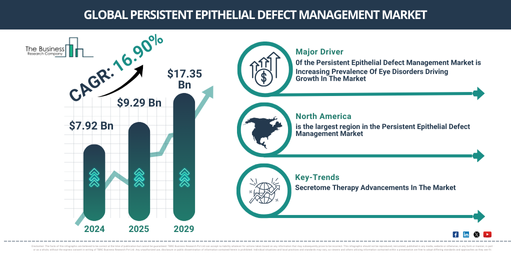
    The market size of persistent epithelial defect management has witnessed significant expansion in the past few years. An upsurge from $7.92 billion in 2024 to $9.29 billion in 2025, with a compound annual growth rate (CAGR) of 17.3%, is expected. The growth trajectories observed during the historical period are due to enhanced research endeavors, escalated demand in hospitals, a rise in ocular surface disorders, an increase in eye ailments, and an aging demographic.

    What Growth Rate Is Forecasted for the Persistent Epithelial Defect Management Market by 2029?

    The market for managing persistent epithelial defects is predicted to experience speedy expansion in the upcoming years. It is projected to reach a whopping $17.35 billion by 2029, demonstrating a compound annual growth rate (CAGR) of 16.9%. The surge in this timeframe is attributed to an intensification of partnerships and collaborations, heightened awareness and education, a leaning towards value-based care, and escalating incidence of conditions like diabetes and hypertension, along with timely intervention and management. Pertinent trends in this projection period encompass technological progressions, a growing demand for revolutionary treatment methods, advanced treatment modalities, the accessibility of advanced surgical instruments and techniques, and cutting-edge drugs.

    Download The Free Sample Report Here:

    https://www.thebusinessresearchcompany.com/sample.aspx?id=21256&type=smp

    Which Key Companies Are Shaping the Future of the Persistent Epithelial Defect Management Market?

    Major companies operating in the persistent epithelial defect management market are AbbVie Inc., Novartis AG, Johnson & Johnson Vision, RegeneRx Biopharmaceuticals Inc., Regeneron Pharmaceuticals Inc., Alcon Inc., Bausch Health Companies Inc., Hoya Vision Care, Santen Pharmaceutical Co. Ltd., Recordati Rare Diseases Inc., Dompé Farmaceutici S.p.A., Lumenis Ltd., TissueTech Inc., Ocular Therapeutix Inc., Oculus Surgical Inc., Amber Ophthalmics Inc., Noveome Biotherapeutics Inc., OcuNexus Therapeutics Inc., Lux Bio Inc., Eyenovia Inc.

    Which Factors Are Driving Demand in the Persistent Epithelial Defect Management Industry?

    The growth of the market for managing persistent epithelial defects is likely to be fueled by the rising prevalence of eye disorders. These disorders denote an array of health issues impacting the structure, functionality, or wellbeing of the eyes, which could lead to discomfort, impaired vision, or even complete loss of sight. It is the surge in the aging population, extended screen exposure, and shifts in the environment that are responsible for the escalating occurrence of eye disorders. It is crucial to manage persistent epithelial defects in treatment as it aids in promoting healing, reducing inflammation, and warding off complications like infection or scarring. To illustrate, the World Health Organization, an intergovernmental organization based in Switzerland, disclosed in December 2024 that the overall incidence of myopia in children was 5.23% in 2023, with it being noticeably higher in girls (4.90%) versus boys (3.94%). Hence, the climbing incidence of eye conditions is spurring the growth of the market for management of persistent epithelial defects. The escalating number of eye surgeries are projected to drive the persistent epithelial defect management market’s growth in the future. Eye surgeries include medical interventions done on the eye for rectifying vision issues, addressing diseases, or mending injuries. The surge in eye surgeries can be ascribed to the rising prevalence of eye disorders like cataracts, glaucoma, and refractive errors, advancements in surgical tactics, and a growing preference for less invasive procedures. The management of persistent epithelial defects enhances eye surgeries by encouraging healing of the cornea, curbing complications, and ameliorating vision outcomes via targeted treatments facilitating epithelial regeneration. For instance, in 2023, the Eye Bank Association of America, a US- based transplant association, reported that domestic keratoplasty procedures witnessed a 2.7% growth, climbing from 49,597 in 2022 to 50,925 in 2023. Thus, the upturn in eye surgeries is pushing the growth of the persistent epithelial defect management market.

    Request For A Customized Report:

    https://www.thebusinessresearchcompany.com/customise?id=21256&type=smp

    How Is the Persistent Epithelial Defect Management Market Segmented by Several Divisions?

    The persistent epithelial defect management market covered in this report is segmented –

    1) By Disease Type: Epithalial Or Limbal, Inflammatory Disease, Neurotrophic Disease, Other Disease Types

    2) By Distribution Channel: Direct Sales, Online Pharmacy, Retail Pharmacy, Hospitals

    3) By End User: Hospital Or Clinical Laboratories, Physician Offices, Reference Laboratories, Other End Users

    Subsegments:

    1) By Epithelial Or Limbal: Limbal Stem Cell Deficiency (LSCD), Limbal Transplantation, Conjunctival Transplantation

    2) By Inflammatory Disease: Dry Eye Syndrome, Allergic Conjunctivitis, Uveitis

    3) By Neurotrophic Disease: Herpes Simplex Virus (HSV) Keratitis, Diabetic Neuropathy, Neurotrophic Keratopathy

    4) By Other Disease Types: Chemical Burns, Trauma-Induced Defects, Congenital Corneal Opacities

    What are the Emerging Market Trends Driving the Growth of the Persistent Epithelial Defect Management Industry?

    Leading firms in the persistent epithelial defect management market are centering their efforts on the creation of novel therapies like secretome therapy, intending to quicken recovery and enhance health outcomes for those suffering from persistent epithelial defects. Secretome therapy entails the utilization of bioactive molecules that cells secrete, such as proteins, extracellular vesicles, and lipids, in order to stimulate tissue restoration, modify immune system responses, and address various illnesses. For instance, in April 2023, U.S. biopharmaceutical company Kala Pharmaceuticals Inc. was granted the Fast Track Designation from the U.S. Food and Drug Administration (FDA) for KPI-012, which is a human MSC-S therapy for ceaseless corneal epithelial defect. This medication operates through a multifaceted mechanism that targets all root causes of persistent epithelial defect management by encouraging corneal healing using bioactive molecules like protease inhibitors, growth factors, and neurotrophic factors.

    Access The Full Report Here:

    https://www.thebusinessresearchcompany.com/report/persistent-epithelial-defect-management-global-market-report

    Which Regions Are Driving Growth in the Persistent Epithelial Defect Management Market?

    North America was the largest region in the persistent epithelial defect management market in 2024. Asia-Pacific is expected to be the fastest-growing region in the forecast period. The regions covered in the persistent epithelial defect management market report are Asia-Pacific, Western Europe, Eastern Europe, North America, South America, Middle East, Africa.

    Purchase The Full Report Today:

    https://www.thebusinessresearchcompany.com/purchaseoptions.aspx?id=21256

    This Report Delivers Insight On:

    1. How big is the persistent epithelial defect management market, and how is it changing globally?

    2. Who are the major companies in the persistent epithelial defect management market, and how are they performing?

    3. What are the key opportunities and risks in the persistent epithelial defect management market right now?

    4. Which products or customer segments are growing the most in the persistent epithelial defect management market?

    5. What factors are helping or slowing down the growth of the persistent epithelial defect management market?

    About The Business Research Company:

    With over 15000+ reports from 27 industries covering 60+ geographies, The Business Research Company has built a reputation for offering comprehensive, data-rich research and insights. Armed with 1,500,000 datasets, the optimistic contribution of in-depth secondary research, and unique insights from industry leaders, you can get the information you need to stay ahead in the game.

    Get in touch with us:

    The Business Research Company: https://www.thebusinessresearchcompany.com/

    Americas +1 310-496-7795

    Asia +44 2071930708

    Europe +44 7882 955267

    Email us at info@tbrc.info

    Follow us on:

    LinkedIn: https://in.linkedin.com/company/the-business-research-company

    YouTube: https://www.youtube.com/channel/UC24_fI0rV8cR5DxlCpgmyFQ

    Global Market Model: https://www.thebusinessresearchcompany.com/global-market-model
  • Market Analysis on Choroidal Neovascularization Industry – Insights for Corporate Strategy and R&D

    Market Analysis on Choroidal Neovascularization Industry – Insights for Corporate Strategy and R&D

    Claim your 30% discount on Global Market Reports with code ONLINE30. Limited time only.

    What Is the Forecast for the Choroidal Neovascularization Market from 2024 to 2025?

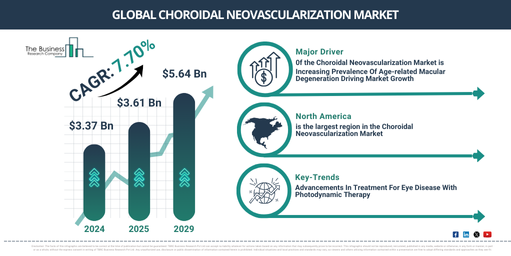
    The market for choroidal neovascularization has seen robust growth in the past few years. It is projected to expand from $3.37 billion in 2024, to $3.61 billion in 2025, clocking a compound annual growth rate (CAGR) of 8.1%. The growth witnessed in the past can be credited to factors such as an increase in diseases related to sedentary lifestyles, a rise in age-related macular degeneration cases, increasing incidence of illnesses related to the retina, the aging population, escalating costs of eye care, and broadening education and screening initiatives.

    What Is the Projected Market Size of the Choroidal Neovascularization Market?

    Strong expansion is expected in the choroidal neovascularization market in the coming years. The market is projected to climb to $5.64 billion by 2029, with a compound annual growth rate (CAGR) of 7.7%. The rise during the forecast period can be credited to greater patient awareness, the increasing use of optical coherence tomography angiography, an escalating demand for less invasive procedures, beneficial reimbursement policies, and a swelling geriatric population. Noteworthy trends for the forecast period incorporate the advent of intravitreal anti-vascular endothelial (VEGF) therapies, innovative gene treatments, gene therapy methodologies, the adoption of telemedicine, the development of combined therapies, and customized treatment strategies.

    Download The Free Sample Report Here:

    https://www.thebusinessresearchcompany.com/sample.aspx?id=21142&type=smp

    Who are the Major Competitors in the Choroidal Neovascularization Market Outlook?

    Major companies operating in the choroidal neovascularization market are Pfizer Inc., Roche Holding AG, AbbVie Inc., Bayer Aktiengesellschaft, Novartis AG, Teva Pharmaceutical Industries Limited, Regeneron Pharmaceuticals Inc., Astellas Pharma Inc., Biogen Inc., Chugai Pharmaceutical Co. Ltd., Alcon Inc., Genentech Inc., Bausch + Lomb Incorporated, Samsung Bioepis Co. Ltd., Santen Pharmaceutical Co. Ltd., Apellis Pharmaceuticals Inc., Kodiak Sciences Inc., Xbrane Biopharma AB, Allergan Inc., Adverum Biotechnologies Inc., Clearside Biomedical Inc., Sylentis S.A.

    What Is Fueling Growth in the Choroidal Neovascularization Market?

    The growth of the choroidal neovascularization (CNV) market is anticipated to be driven by the increasing occurrence of age-related macular degeneration (AMD). AMD is an ocular condition that gradually impairs the macula, resulting in loss of central vision, predominantly in the elderly. The escalating instances of AMD can be attributed to demographics aging, extended lifespan, lifestyle shifts, genetics, and heightened exposure to environmental hazards. CNV aids AMD patients by facilitating the onset of wet AMD, characterized by the proliferation of abnormal blood vessels below the retina causing vision impairment. Advanced treatments such as anti-VEGF therapy are required to control CNV and slow down the progression of AMD, thereby safeguarding the central vision in affected persons. According to data from the National Institutes of Health, a government agency in the US, in September 2022, it is projected that by 2040, AMD cases may touch 300 million and by 2050, 5.4 million Americans may be impacted. Consequently, the escalating occurrence of AMD is propelling the growth of the choroidal neovascularization market.

    Request For A Customized Report:

    https://www.thebusinessresearchcompany.com/customise?id=21142&type=smp

    Which Choroidal Neovascularization Market Segments Are Growing the Fastest?

    The choroidal neovascularization market covered in this report is segmented –

    1) By Treatment Type: Anti-Angiogenic Therapy, Laser Photocoagulation, Photodynamic Therapy, Verteporfin Sodium, Ranibizumab, Bevacizumab, Aflibercept, Pegaptanib Sodium

    2) By Indication: Age-Related Macular Degeneration (AMD), Diabetic Macular Edema (DME), Central Serous Chorioretinopathy (CSC), Polypoidal Choroidal Vasculopathy (PCV), Myopic Macular Degeneration (MMD), Other Indications

    3) By Route Of Administration: Intravitreal, Subconjunctival, Periocular, Oral

    4) By End User: Hospitals, Ophthalmology Clinics, Ambulatory Surgical Centers, Research Centers

    Subsegments:

    1) By Anti-Angiogenic Therapy (Anti-VEGF Therapy): Ranibizumab, Bevacizumab, Aflibercept, Pegaptanib Sodium

    2) By Laser Photocoagulation: Thermal Laser Photocoagulation, MicroPulse Laser Therapy

    3) By Photodynamic Therapy (PDT): Standard PDT, Low-Fluence PDT, Half-Dose PDT

    4) By Verteporfin Sodium: Intravenous Administration, Combination Therapy With Anti-VEGF

    5) By Ranibizumab: Monthly Dosing, As-Needed Dosing, Treat-and-Extend Regimen

    6) By Bevacizumab: Off-Label Use, Compounded Intravitreal Injections

    7) By Aflibercept: Fixed-Dosing Regimen, Treat-and-Extend Regimen

    8) By Pegaptanib Sodium: Monotherapy, Combination Therapy

    Which Industry Trends Are Shaping the Future of the Choroidal Neovascularization Market?

    Key players in the choroidal neovascularization market are endeavoring to develop innovative therapeutic solutions, including photodynamic therapy, aiming to offer accurate and efficient treatment alternatives that enhance patient results and treatment execution. Photodynamic therapy (PDT) is a clinical procedure that employs a photosensitizing agent, activated by light, to eliminate abnormal or cancerous cells. For instance, in February 2023, Bausch & Lomb, a health care firm based in Canada, along with Modulight, a biomedical firm from Finland, unveiled the ML6710i photodynamic laser that received approval from the Food and Drug Administration, a U.S. federal agency. This approach is sanctioned for use in conjunction with Bausch + Lomb’s VISUDYNE therapy, developed to treat age-related macular degeneration (AMD)-induced choroidal neovascularization. The cutting-edge, portable ophthalmic laser enables a precise methodology to manage abnormal ocular blood vessels, aiding in halting disease advancement and maintaining vision.

    Access The Full Report Here:

    https://www.thebusinessresearchcompany.com/report/choroidal-neovascularization-global-market-report

    Which Countries Are Leading the Choroidal Neovascularization Market?

    North America was the largest region in the choroidal neovascularization market in 2024. Asia-Pacific is expected to be the fastest-growing region in the forecast period. The regions covered in the choroidal neovascularization market report are Asia-Pacific, Western Europe, Eastern Europe, North America, South America, Middle East, Africa.

    Purchase The Full Report Today:

    https://www.thebusinessresearchcompany.com/purchaseoptions.aspx?id=21142

    This Report Delivers Insight On:

    1. How big is the choroidal neovascularization market, and how is it changing globally?

    2. Who are the major companies in the choroidal neovascularization market, and how are they performing?

    3. What are the key opportunities and risks in the choroidal neovascularization market right now?

    4. Which products or customer segments are growing the most in the choroidal neovascularization market?

    5. What factors are helping or slowing down the growth of the choroidal neovascularization market?

    About The Business Research Company:

    With over 15000+ reports from 27 industries covering 60+ geographies, The Business Research Company has built a reputation for offering comprehensive, data-rich research and insights. Armed with 1,500,000 datasets, the optimistic contribution of in-depth secondary research, and unique insights from industry leaders, you can get the information you need to stay ahead in the game.

    Get in touch with us:

    The Business Research Company: https://www.thebusinessresearchcompany.com/

    Americas +1 310-496-7795

    Asia +44 2071930708

    Europe +44 7882 955267

    Email us at info@tbrc.info

    Follow us on:

    LinkedIn: https://in.linkedin.com/company/the-business-research-company

    YouTube: https://www.youtube.com/channel/UC24_fI0rV8cR5DxlCpgmyFQ

    Global Market Model: https://www.thebusinessresearchcompany.com/global-market-model
  • Peripheral Neuritis Treatment Industry Insights 2025 – Market Forecast for Executives and Planners

    Peripheral Neuritis Treatment Industry Insights 2025 – Market Forecast for Executives and Planners

    Claim your 30% discount on Global Market Reports with code ONLINE30. Limited time only.

    How Has the Peripheral Neuritis Treatment Market Size Changed, over the years?

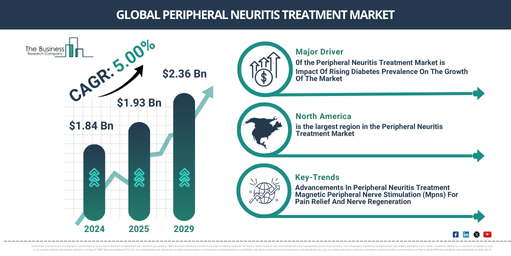
    The market size for treating peripheral neuritis has seen robust growth in the past few years. A rise from $1.84 billion in 2024 to $1.93 billion in 2025 is projected, indicating a compound annual growth rate (CAGR) of 5.4%. The impressive growth during the previous years is due to factors such as increased spending on healthcare, rise in chronic illnesses, an elevated burden of diseases related to peripheral neuritis, a higher occurrence rate amongst diabetic patients, and the steadily increasing geriatric population.

    How Much Will the Peripheral Neuritis Treatment Market Be Worth in 2029?

    The market size for treating peripheral neuritis is projected to expand robustly in the forthcoming years, and is predicted to reach a value of $2.36 billion by 2029, representing a compound annual growth rate (CAGR) of 5.0%. This rate of growth throughout the predicted period can be credited to several factors such as the augmentation in treatment alternatives, a mounting aged population, escalating rates of obesity, prevalence of HIV/AIDS, expansion in the generic drug market, and initiatives from the government and health sector. The major tendencies set to outline the forecast period consist of collaborations and associations, technological progress, surge in launches of diabetic peripheral neuritis treatment products, heightened attention on tailored medicine, the invention of non-pharmacological treatments and the incorporation of digital health tools.

    Download The Free Sample Report Here:

    https://www.thebusinessresearchcompany.com/sample.aspx?id=21254&type=smp

    Which is the Largest Company in the Peripheral Neuritis Treatment Market?

    Major companies operating in the peripheral neuritis treatment market are Pfizer Inc., Johnson & Johnson (J&J), AstraZeneca Plc, Novartis AG, GSK plc, Takeda Pharmaceuticals & Co. Ltd., Eli Lilly and Co., Mallinckrodt Pharmaceuticals plc, Viatris Inc., Teva Pharmaceutical Industries Ltd., Astellas Pharma Inc., Sun Pharmaceutical Industries Ltd., Apotex Inc., Dr Reddys Laboratories Ltd., Cipla Inc., Amneal Pharmaceuticals LLC, Lupin Ltd., Daiichi Sankyo Co. Ltd., Glenmark Pharmaceuticals Ltd., Cadila Pharmaceuticals Ltd.

    What Are the Main Market Drivers in the Peripheral Neuritis Treatment Industry?

    The increase in diabetes cases is anticipated to boost the expansion of the peripheral neuritis treatment market. Diabetes, a long-term health condition, happens when the body cannot regulate blood sugar or glucose levels correctly. The hike in diabetes cases can be attributed to factors such as inactive lifestyles, poor eating habits, obesity, aging, and genetic predisposition. Peripheral neuritis treatment assists diabetics by easing nerve pain, decreasing inflammation, and improving nerve function, thereby enhancing their living standards and averting complications. As per the American Diabetes Association, a non-profit organization from the U.S., in 2022 about 25.5 million individuals in the U.S. were detected with diabetes, making up 7.6% of the entire population, thereby underscoring the growth of the peripheral neuritis treatment market due to the surge in diabetes cases.

    Request For A Customized Report:

    https://www.thebusinessresearchcompany.com/customise?id=21254&type=smp

    How Is the Peripheral Neuritis Treatment Market Segments Structured?

    The peripheral neuritis treatment market covered in this report is segmented –

    1) By Treatment Type: Pharmacological Therapies, Non Pharmacological Therapies

    2) By Drug Class: Anti-Depressants, Anticonvulsants, Local Anesthesia, Analgesics, Steroids, Other Drug Classes

    3) By Distribution Channel: Hospital Pharmacies, Retail Pharmacies, Online Pharmacies, Drug Stores

    4) By Application: Diabetic Peripheral Neuropathy, Chemotherapy-Induced Peripheral Neuropathy, Idiopathic Peripheral Neuropathy, Other Applications

    Subsegments:

    1) By Pharmacological Therapies: Pain Relievers (Analgesics), Antidepressants, Anticonvulsants, Topical Medications

    2) By Non-Pharmacological Therapies: Physical Therapy, Transcutaneous Electrical Nerve Stimulation (TENS), Acupuncture, Lifestyle And Dietary Modifications

    What Strategic Trends Are Transforming the Peripheral Neuritis Treatment Market?

    Key players in the peripheral neuritis treatment market are shifting their attention towards creating novel treatments like magnetic peripheral nerve stimulation (mPNS) to boost nerve repair and alleviate neuropathic discomfort. Magnetic peripheral nerve stimulation (mPNS) is a non-invasive neuromodulation method that employs magnetic fields to excite peripheral nerves, aiding in pain management, nerve repair enhancement, and better motor functionality in conditions like neuropathy and musculoskeletal disorders. For example, Neuralace Medical Inc., a US-based medical equipment manufacturer, announced in January 2024 the launch of Axon Therapy (mPNS) for the treatment of chronic painful diabetic neuropathy (PDN), which received approval from the US-based government agency, the Food and Drug Administration. This therapy offers a quick, pain-free, non-invasive method for relieving pain. Clinical tests reported a 72.3% responder rate on Day 30 and an 81.4% responder rate on Day 90, underlining its efficacy in relieving pain and numbness. This approval symbolizes a significant progression in pain management, providing patients an alternative to conventional treatments without the medication’s side effects.

    Access The Full Report Here:

    https://www.thebusinessresearchcompany.com/report/peripheral-neuritis-treatment-global-market-report

    Which Global Regions Offer the Highest Growth in the Peripheral Neuritis Treatment Market?

    North America was the largest region in the peripheral neuritis treatment market in 2024. Asia-Pacific is expected to be the fastest-growing region in the forecast period. The regions covered in the peripheral neuritis treatment market report are Asia-Pacific, Western Europe, Eastern Europe, North America, South America, Middle East, Africa.

    Purchase The Full Report Today:

    https://www.thebusinessresearchcompany.com/purchaseoptions.aspx?id=21254

    This Report Delivers Insight On:

    1. How big is the peripheral neuritis treatment market, and how is it changing globally?

    2. Who are the major companies in the peripheral neuritis treatment market, and how are they performing?

    3. What are the key opportunities and risks in the peripheral neuritis treatment market right now?

    4. Which products or customer segments are growing the most in the peripheral neuritis treatment market?

    5. What factors are helping or slowing down the growth of the peripheral neuritis treatment market?

    About The Business Research Company:

    With over 15000+ reports from 27 industries covering 60+ geographies, The Business Research Company has built a reputation for offering comprehensive, data-rich research and insights. Armed with 1,500,000 datasets, the optimistic contribution of in-depth secondary research, and unique insights from industry leaders, you can get the information you need to stay ahead in the game.

    Get in touch with us:

    The Business Research Company: https://www.thebusinessresearchcompany.com/

    Americas +1 310-496-7795

    Asia +44 2071930708

    Europe +44 7882 955267

    Email us at info@tbrc.info

    Follow us on:

    LinkedIn: https://in.linkedin.com/company/the-business-research-company

    YouTube: https://www.youtube.com/channel/UC24_fI0rV8cR5DxlCpgmyFQ

    Global Market Model: https://www.thebusinessresearchcompany.com/global-market-model