Category: HealthcareServices

  • Restless Leg Syndrome Industry Insights 2025 – Market Forecast for Executives and Planners

    Restless Leg Syndrome Industry Insights 2025 – Market Forecast for Executives and Planners

    Claim your 30% discount on Global Market Reports with code ONLINE30. Limited time only.

    How Has the Restless Leg Syndrome Market Size Changed, over the years?

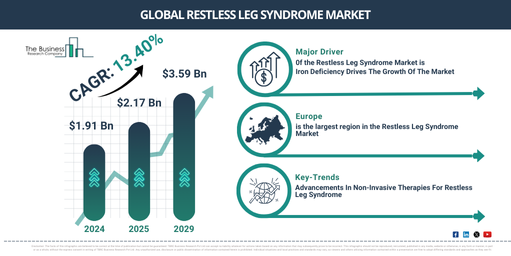
    The market size for restless leg syndrome has experienced significant expansion recently. Its growth will surge from $1.91 billion in 2024, to $2.17 billion in 2025, maintaining a compound annual growth rate (CAGR) of 13.8%. The progress during the historic period can be credited to a rise in alcohol consumption, expanded health insurance coverage, accessibility of over-the-counter drugs, escalating public health campaigns, and an upward trend in mental health problems.

    How Much Will the Restless Leg Syndrome Market Be Worth in 2029?

    The market size of restless leg syndrome is predicted to witness a rapid expansion in the forthcoming years. The speculated increase suggests a surge to $3.59 billion by 2029, with a compound annual growth rate (CAGR) of 13.4%. The acceleration in growth during this projected period is related to factors such as higher investments in healthcare, the progression of awareness and educational drives, an uptick in early diagnosis, a rise in government funding, and more participation in clinical trials. The upcoming trends predicted in the forecast period entail AI-driven individualistic treatment strategies, advanced neurostimulation devices, the use of deep learning algorithms for diagnosis, brainwave adjustment technology, and wearable exoskeletons for aiding leg movements.

    Download The Free Sample Report Here:

    https://www.thebusinessresearchcompany.com/sample.aspx?id=21274&type=smp

    Which is the Largest Company in the Restless Leg Syndrome Market?

    Major companies operating in the restless leg syndrome market are Pfizer Inc., Roche Holding AG, Merck & Co Inc., Novartis International AG, GlaxoSmithKline plc, Teva Pharmaceutical Industries Ltd., Boehringer Ingelheim International GmbH, Baxter International Inc., Astellas Pharma Inc., UCB S.A., Kyowa Kirin Co Ltd., Amneal Pharmaceuticals Inc., Lupin Pharmaceuticals Inc., Alembic Pharmaceuticals Limited, Mundipharma International Limited, Azurity Pharmaceuticals LLC, Otsuka Pharmaceutical Co Ltd., Horizon Therapeutics plc, Mylan N.V., Apollo Pharmacy Limited

    What Are the Main Market Drivers in the Restless Leg Syndrome Industry?

    The escalating occurrence of iron deficiency is anticipated to boost the expansion of the restless leg syndrome market in the future. Iron deficiency signifies a state where the body is lacking enough iron for the production of adequate healthy red blood cells, which can result in symptoms like weariness, weakness, and a pale complexion. This escalating occurrence is attributed to factors like inadequate dietary intake, loss of blood, disorders of malabsorption, and heightened iron needs during periods of pregnancy or growth. The treatment for restless leg syndrome frequently includes iron supplements or diet modifications, which not only soothe the disturbing urges and sensations but also aim to rectify the deficient iron levels by replenishing the body’s iron reserves, enhancing the production of red blood cells, and reestablishing suitable neurological operations. For example, as per the Nation Health Service England, a governmental agency based in England, there were 191,927 admissions due to iron deficiency in the 2023-24 period in January 2025, indicating an 11% rise compared to 2022-23. As a result, the escalating occurrence of iron deficiency propels the expansion of the restless leg syndrome market.

    Request For A Customized Report:

    https://www.thebusinessresearchcompany.com/customise?id=21274&type=smp

    How Is the Restless Leg Syndrome Market Segments Structured?

    The restless leg syndrome market covered in this report is segmented –

    1) By Type: Primary Restless Legs Syndrome, Secondary Restless Legs Syndrome

    2) By Treatment Type: Medicine And Devices, Surgery

    3) By Route Of Administration: Oral, Injectable

    4) By Distribution Channel: Hospital Pharmacy, Retail Pharmacy, Online Pharmacy

    5) By Application: Neurological Treatment, Sleep Disorders, Movement Disorders, Symptom Management

    Subsegments:

    1) By Primary Restless Legs Syndrome: Idiopathic Restless Legs Syndrome, Hereditary Restless Legs Syndrome

    2) By Secondary Restless Legs Syndrome: Iron Deficiency-related Restless Legs Syndrome, Chronic Kidney Disease-related Restless Legs Syndrome, Pregnancy-related Restless Legs Syndrome, Medication-induced Restless Legs Syndrome

    What Strategic Trends Are Transforming the Restless Leg Syndrome Market?

    Leading corporations in the restless leg syndrome (RLS) market are concentrating their efforts towards the development of groundbreaking solutions like novel non-invasive treatments. These are new-age medical interventions that don’t necessitate surgical procedures or skin penetration, and they strive to alleviate different conditions employing state-of-the-art methodologies such as electrical stimulation, light therapy or external equipment. A prime example is Varco Leg Care, an Indian enterprise specializing in consumer healthcare technology, which was granted FDA De Novo clearance for its concoction, the NTX100 Tonic Motor Activation (TOMAC) System, in April 2023. The TOMAC System, specifically engineered for the moderate to severe symptoms associated with RLS, augments sleep grade in patients who are medication-resistant. It functions by sparking the peroneal nerves bilaterally to induce tonic and continuous muscle activation that is in harmony with sleep. This action aids in mitigating the symptoms characteristic of restless leg syndrome (RLS).

    Access The Full Report Here:

    https://www.thebusinessresearchcompany.com/report/restless-leg-syndrome-global-market-report

    Which Global Regions Offer the Highest Growth in the Restless Leg Syndrome Market?

    Europe was the largest region in the restless leg syndrome market in 2024. North-America is expected to be the fastest-growing region in the forecast period. The regions covered in the restless leg syndrome market report are Asia-Pacific, Western Europe, Eastern Europe, North America, South America, Middle East, Africa.

    Purchase The Full Report Today:

    https://www.thebusinessresearchcompany.com/purchaseoptions.aspx?id=21274

    This Report Delivers Insight On:

    1. How big is the restless leg syndrome market, and how is it changing globally?

    2. Who are the major companies in the restless leg syndrome market, and how are they performing?

    3. What are the key opportunities and risks in the restless leg syndrome market right now?

    4. Which products or customer segments are growing the most in the restless leg syndrome market?

    5. What factors are helping or slowing down the growth of the restless leg syndrome market?

    About The Business Research Company:

    With over 15000+ reports from 27 industries covering 60+ geographies, The Business Research Company has built a reputation for offering comprehensive, data-rich research and insights. Armed with 1,500,000 datasets, the optimistic contribution of in-depth secondary research, and unique insights from industry leaders, you can get the information you need to stay ahead in the game.

    Get in touch with us:

    The Business Research Company: https://www.thebusinessresearchcompany.com/

    Americas +1 310-496-7795

    Asia +44 2071930708

    Europe +44 7882 955267

    Email us at info@tbrc.info

    Follow us on:

    LinkedIn: https://in.linkedin.com/company/the-business-research-company

    YouTube: https://www.youtube.com/channel/UC24_fI0rV8cR5DxlCpgmyFQ

    Global Market Model: https://www.thebusinessresearchcompany.com/global-market-model

  • Respiratory Syncytial Virus (RSV) Diagnostics Market Trends Report 2025 – For Business Development and Strategy Teams

    Respiratory Syncytial Virus (RSV) Diagnostics Market Trends Report 2025 – For Business Development and Strategy Teams

    Claim your 30% discount on Global Market Reports with code ONLINE30. Limited time only.

    What Is the Forecast for the Respiratory Syncytial Virus (RSV) Diagnostics Market Growth in 2025?

    The market for diagnosing respiratory syncytial virus (RSV) has seen a swift increase in size over the past few years. It’s projected to expand from $1.01 billion in 2024 to $1.12 billion in 2025, boasting a compound annual growth rate (CAGR) of 11.0%. This robust growth in the past can be credited to the surging use of point-of-care diagnostics, government-led efforts to enhance RSV diagnostics, an increasing number of respiratory illnesses in children, a rise in infections acquired in hospitals, and boosted demand for non-invasive techniques for diagnosis.

    What Is the Forecast for the Respiratory Syncytial Virus (RSV) Diagnostics Market Size Through 2029?

    In the upcoming years, the respiratory syncytial virus (RSV) diagnostics market is projected to witness a significant expansion. The market is anticipated to reach $1.68 billion by 2029 with a Compound Annual Growth Rate (CAGR) of 10.7%. The expansion during the forecasted period is associated with factors such as a rise in infections of respiratory syncytial virus (RSV), increased awareness around RSV diagnostics, enlargement of healthcare infrastructure, escalating global healthcare expenditure, and the growing elderly population. Noteworthy trends during the projected period include progressions in molecular diagnostic methodologies, technological enhancements in diagnostic tools, embracement of rapid diagnostic tests (RDTs), growth of diagnostic test collections by organizations, and advancements in the genetic and proteomic diagnostics.

    Download The Free Sample Report Here:

    https://www.thebusinessresearchcompany.com/sample.aspx?id=21273&type=smp

    What are the Key Market Players in Respiratory Syncytial Virus (RSV) Diagnostics Market and How They’re Evolving?

    Major companies operating in the respiratory syncytial virus (RSV) diagnostics market are F. Hoffmann-La Roche Ltd., Thermo Fisher Scientific Inc., Abbott Laboratories, Siemens Healthineers AG, Merck KGaA, Becton, Dickinson, and Company, Quest Diagnostics Incorporated, Hologic Inc., BIOMÉRIEUX SA, QuidelOrtho Corporation, Bio-Rad Laboratories Inc., DiaSorin S.p.A., Acon Laboratories Inc., Cepheid Inc., Meridian Bioscience Inc., Seegene Inc., LumiraDx Ltd., Sekisui Diagnostics Ltd., Boditech Med Inc., Trinity Biotech plc, R-Biopharm AG, GeneTex Inc., Creative Diagnostics, Certest Biotec S.L., Clarity Diagnostics LLC, Genes 2Me LLP, Coris BioConcept S.A.

    What Are the Primary Growth Drivers in the Respiratory Syncytial Virus (RSV) Diagnostics Market?

    The increase in respiratory illnesses is projected to propel the expansion of the market for respiratory syncytial virus (RSV) diagnostics. Respiratory ailments, including disorders that affect the lungs and airways, limit oxygen exchange and breathing, and involve diseases such as chronic obstructive pulmonary disease (COPD), pneumonia, respiratory infections, and asthma. The growing rate of these ailments is attributed to factors like escalating air pollution, tobacco usage, climate alterations, urbanization, and the rising instances of infections and chronic conditions like asthma and COPD. RSV diagnostics are critical for detecting respiratory diseases, enabling precise and prompt identification of RSV infections and allowing for efficient treatment, control, and prevention of severe complications, particularly in susceptible groups. For example, the Australian Institute of Health and Welfare reported in November 2024 that approximately 2.8 million people (11% of the population) in Australia were diagnosed with asthma in 2022. Asthma represented 2.5% of the total disease load and 35% of the load from all respiratory illnesses in 2023. It resulted in 467 deaths in 2022, equating to 1.8 deaths per 100,000 individuals and accounting for 0.2% of all deaths. As a result, the increasing rate of respiratory illnesses is driving the growth of the RSV diagnostics market.

    Request For A Customized Report:

    https://www.thebusinessresearchcompany.com/customise?id=21273&type=smp

    What Are the Leading Segments in the Global Respiratory Syncytial Virus (RSV) Diagnostics Industry?

    The respiratory syncytial virus (RSV) diagnostics market covered in this report is segmented –

    1) By Product Type: Kits And Assays, Instruments, Reagents, Other Product Types

    2) By Technology: Molecular Diagnostics, Immunoassays, Rapid Antigen Detection Tests, Other Technologies

    3) By Sample Type: Nasal Swabs, Throat Swabs, Bronchoalveolar Lavage

    4) By End User: Hospitals, Diagnostic Laboratories, Home Care Settings, Other End Users

    Subsegments:

    1) By Kits And Assays: Rapid Antigen Detection Kits, PCR-based Assays, Serological Assays

    2) By Instruments: PCR Analyzers, Immunoassay Analyzers

    3) By Reagents: PCR Reagents, Antibody Reagents, Enzyme Reagents

    4) By Other Product Types: Sample Collection Devices, Transport Media

    What Are the Key Market Trends in the Respiratory Syncytial Virus (RSV) Diagnostics Industry?

    Leading businesses in the respiratory syncytial virus (RSV) diagnostics market are stepping up their game by creating groundbreaking products like respiratory virus combination testing, which offers precise and efficient solutions to clients. This diagnostic technique allows for the concurrent detection of assorted respiratory viruses including influenza and respiratory syncytial virus (RSV), among others, using a single sample, thereby aiding in the diagnosis of viral infections. For instance, in January 2023, the U.S.-based clinical laboratory testing firm, Sonora Quest Laboratories, introduced a diagnostic test for COVID-19, RSC, and influenza. This multi-target analysis, enabled by a single patient’s sample, efficiently detects COVID-19, respiratory syncytial virus (RSV), and influenza. Combining these three tests into a single procedure simplifies the testing routine and minimizes the need for multiple samples. This expedited identification of all three infections aids medical professionals in making swifter therapeutic choices, with potential beneficial impact on patient recovery. Furthermore, this test could play a crucial role in curbing the proliferation of these viruses, thus decreasing the risk of contagion to others.

    Access The Full Report Here:

    https://www.thebusinessresearchcompany.com/report/respiratory-syncytial-virus-rsv-diagnostics-global-market-report

    What Is the Regional Outlook for the Respiratory Syncytial Virus (RSV) Diagnostics Market?

    North America was the largest region in the respiratory syncytial virus (RSV) diagnostics market in 2024. Asia-Pacific is expected to be the fastest-growing region in the forecast period. The regions covered in the respiratory syncytial virus (RSV) diagnostics market report are Asia-Pacific, Western Europe, Eastern Europe, North America, South America, Middle East, Africa.

    Purchase The Full Report Today:

    https://www.thebusinessresearchcompany.com/purchaseoptions.aspx?id=21273

    This Report Delivers Insight On:

    1. How big is the respiratory syncytial virus (rsv) diagnostics market, and how is it changing globally?

    2. Who are the major companies in the respiratory syncytial virus (rsv) diagnostics market, and how are they performing?

    3. What are the key opportunities and risks in the respiratory syncytial virus (rsv) diagnostics market right now?

    4. Which products or customer segments are growing the most in the respiratory syncytial virus (rsv) diagnostics market?

    5. What factors are helping or slowing down the growth of the respiratory syncytial virus (rsv) diagnostics market?

    About The Business Research Company:

    With over 15000+ reports from 27 industries covering 60+ geographies, The Business Research Company has built a reputation for offering comprehensive, data-rich research and insights. Armed with 1,500,000 datasets, the optimistic contribution of in-depth secondary research, and unique insights from industry leaders, you can get the information you need to stay ahead in the game.

    Get in touch with us:

    The Business Research Company: https://www.thebusinessresearchcompany.com/

    Americas +1 310-496-7795

    Asia +44 2071930708

    Europe +44 7882 955267

    Email us at info@tbrc.info

    Follow us on:

    LinkedIn: https://in.linkedin.com/company/the-business-research-company

    YouTube: https://www.youtube.com/channel/UC24_fI0rV8cR5DxlCpgmyFQ

    Global Market Model: https://www.thebusinessresearchcompany.com/global-market-model

  • Over The Counter Or OTC Test Forecast Report – Designed for Decision Makers and Product Teams

    Over The Counter Or OTC Test Forecast Report – Designed for Decision Makers and Product Teams

    Claim your 30% discount on Global Market Reports with code ONLINE30. Limited time only.

    What Is the Growth Rate of the Over The Counter Or OTC Test Market?

    There has been a significant surge in the size of the over the counter or OTC test market in recent times. From a market value of $24.10 billion in 2024, it is expected to elevate to $27.55 billion in 2025, at a compound annual growth rate (CAGR) of 14.3%. This growth during the historic period is largely due to the increase in smart home healthcare, the escalating trend of remote patient monitoring, the proliferating outpatient clinics, the burgeoning mHealth (mobile health) alternatives, and the surging demand for subscription-based amenities.

    What Growth Rate Is Forecasted for the Over The Counter Or OTC Test Market by 2029?

    The market size for the over the counter (OTC) test is predicted to experience accelerated growth in the coming years, anticipated to expand to $46.38 billion in 2029, with a compound annual growth rate (CAGR) of 13.9%. Factors driving growth during the forecast period include the escalating prevalence of infectious diseases, an increase in the number of people affected by HIV, the rise in remote patient monitoring, expanding smartphone penetration, and an increase in healthcare-associated infections (HAIS). Some noteworthy trends for the forecast period involve the incorporation of digital health, integration with mobile applications, coupled care models, the fusion of AI and machine learning, and distant infection control surveillance.

    Download The Free Sample Report Here:

    https://www.thebusinessresearchcompany.com/sample.aspx?id=21241&type=smp

    Which Key Companies Are Shaping the Future of the Over The Counter Or OTC Test Market?

    Major companies operating in the over the counter or OTC test market are Pfizer Inc., F. Hoffmann-La Roche Ltd., Abbott Laboratories, Siemens Healthineers AG, Becton, Dickinson and Company (BD), QuidelOrtho Corporation, Kroger Health, Dexcom Inc., Bio-Rad Laboratories Inc., SD Biosensor Inc., OraSure Technologies Inc., Everlywell Inc., LetsGetChecked Inc., Bionime Corporation, Nipro Diagnostics Inc., Chembio Diagnostics Inc., ACON Laboratories Inc., iHealth Labs Inc., Ellume Limited, Geratherm Medical AG, Wondfo Biotech Co. Ltd., bioLytical Laboratories Inc., Watmind USA, First Check Diagnostics LLC

    Which Factors Are Driving Demand in the Over The Counter Or OTC Test Industry?

    The increasing incidence of chronic illnesses is anticipated to stimulate the expansion of the over-the-counter or OTC test market in the future. Chronic illnesses are health conditions that last for a year or longer, needing continuous medical monitoring and hampering daily life activities. The burgeoning rate of these chronic diseases can be attributed to factors such as an older population, unhealthy living habits, environmental factors, mental health issues and socioeconomic position. Over-the-counter (OTC) tests aid the management of chronic diseases by facilitating early diagnosis, allowing individuals to control their health, and enabling timely action, thereby enhancing health results by stimulating preventive care. For example, as reported by the National Center for Biotechnology Information (NCBI), the US National Library of Medicine, in January 2023, it forecasts that by 2050, the population aged 50 or above suffering from at least one chronic disease will drastically increase by 99.5%, escalating from 71.522 million in 2020 to 142.66 million. As such, the rising occurrence of chronic illnesses is catalyzing the growth of the over the counter or OTC test market.

    Request For A Customized Report:

    https://www.thebusinessresearchcompany.com/customise?id=21241&type=smp

    How Is the Over The Counter Or OTC Test Market Segmented by Several Divisions?

    The over the counter or OTC test market covered in this report is segmented –

    1) By Product: Cholesterol Monitoring Test, Urine Analysis Test, Drug Abuse Test, Infectious Disease Testing, Fecal Occult Test, Glucose Monitoring Test

    2) By Application: Cardiology, Oncology, Glucose Monitoring, Pregnancy And Fertility, Infectious Disease, Toxicology

    3) By End-User: Hospital And Clinic, Home Care, Diagnostic Laboratory, Other End-Users

    Subsegments:

    1) By Cholesterol Monitoring Test: Total Cholesterol Test, HDL (High-Density Lipoprotein) Test, LDL (Low-Density Lipoprotein) Test, Triglycerides Test

    2) By Urine Analysis Test: Urine Dipstick Test, Urine Microscopy Test, Urine Culture Test, Urine Pregnancy Test

    3) By Drug Abuse Test: Urine Drug Test, Saliva Drug Test, Hair Follicle Drug Test, Breath Drug Test

    4) By Infectious Disease Testing: HIV Test, Hepatitis Test, Influenza Test, COVID-19 Test, Strep Throat Test

    5) By Fecal Occult Test: Guaiac-Based Fecal Occult Blood Test (gFOBT), Immunochemical Fecal Occult Blood Test (iFOBT/FIT)

    6) By Glucose Monitoring Test: Blood Glucose Meters, Continuous Glucose Monitoring (CGM) Systems, Urine Glucose Test Strips

    What are the Emerging Market Trends Driving the Growth of the Over The Counter Or OTC Test Industry?

    Leading corporations in the over-the-counter (OTC) test market are prioritising the development of innovative products like at-home test kits. These kits are built to bolster accuracy, convenience, and user accessibility. Designed for personal usage, these kits enable individuals to self-diagnose various health conditions or diseases in the comfort of their homes by using urine, saliva, or blood samples, giving swift results. For instance, in December 2023, DiaCarta, a renowned molecular diagnostics firm based in the US, got OTC clearance for its iColon Fecal Occult Blood Test (FOBT) from the US FDA, post their 510(k) clearance. This ground-breaking test aids in early detection of blood traces in the stool, which is a vital parameter for recognizing gastrointestinal disorders and colorectal cancer, ranked as the third most common cancer worldwide. This iColon FOBT serves as a valuable addition to DiaCarta’s current ColoScape Test, reinforcing the company’s dedication to delivering impactful healthcare solutions aimed at enhancing early cancer detection and intervention.

    Access The Full Report Here:

    https://www.thebusinessresearchcompany.com/report/over-the-counter-or-otc-test-global-market-report

    Which Regions Are Driving Growth in the Over The Counter Or OTC Test Market?

    North America was the largest region in the over the counter or OTC test market in 2024. Asia-Pacific is expected to be the fastest-growing region in the forecast period. The regions covered in the over the counter or OTC test market report are Asia-Pacific, Western Europe, Eastern Europe, North America, South America, Middle East, Africa.

    Purchase The Full Report Today:

    https://www.thebusinessresearchcompany.com/purchaseoptions.aspx?id=21241

    This Report Delivers Insight On:

    1. How big is the over the counter or otc test market, and how is it changing globally?

    2. Who are the major companies in the over the counter or otc test market, and how are they performing?

    3. What are the key opportunities and risks in the over the counter or otc test market right now?

    4. Which products or customer segments are growing the most in the over the counter or otc test market?

    5. What factors are helping or slowing down the growth of the over the counter or otc test market?

    About The Business Research Company:

    With over 15000+ reports from 27 industries covering 60+ geographies, The Business Research Company has built a reputation for offering comprehensive, data-rich research and insights. Armed with 1,500,000 datasets, the optimistic contribution of in-depth secondary research, and unique insights from industry leaders, you can get the information you need to stay ahead in the game.

    Get in touch with us:

    The Business Research Company: https://www.thebusinessresearchcompany.com/

    Americas +1 310-496-7795

    Asia +44 2071930708

    Europe +44 7882 955267

    Email us at info@tbrc.info

    Follow us on:

    LinkedIn: https://in.linkedin.com/company/the-business-research-company

    YouTube: https://www.youtube.com/channel/UC24_fI0rV8cR5DxlCpgmyFQ

    Global Market Model: https://www.thebusinessresearchcompany.com/global-market-model
  • Ovarian Cancer Market Outlook 2025 – Insights for Executive and Strategic Planning

    Ovarian Cancer Market Outlook 2025 – Insights for Executive and Strategic Planning

    Claim your 30% discount on Global Market Reports with code ONLINE30. Limited time only.

    How Has the Ovarian Cancer Market Grown from 2024 to 2025?

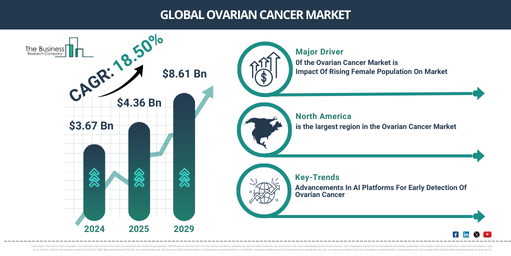
    In the last few years, the size of the ovarian cancer market has witnessed a significant surge. Its growth trajectory indicates a leap from $3.67 billion in 2024 to $4.36 billion in 2025, translating to a compound annual growth rate (CAGR) of 18.9%. Factors boosting the growth during the historical period include an uptick in the elderly population, an escalating number of ovarian cancer incidences, higher ovarian cancer prevalence, increased government-led initiatives, and enhanced healthcare expenditure.

    What Growth Rate Is Anticipated for the Ovarian Cancer Market in the Coming Years?

    The forecast for the ovarian cancer market indicates significant expansion in the coming years, with predictions reaching $8.61 billion in 2029, at a compound annual growth rate (CAGR) of 18.5%. This expected upturn during the forecast period is driven by factors such as intensified research into targeted treatment and precision medicine, an aging population, enhanced health awareness, increasing instances of ovarian cancer, and growing healthcare spending. Known trends contributing to this period include the development of novel therapies, progress in radiation treatment, sophistication of healthcare infrastructure, tech advances, and the introduction and acceptance of new pharmaceuticals.

    Download The Free Sample Report Here:

    https://www.thebusinessresearchcompany.com/sample.aspx?id=21240&type=smp

    Who Are the Leading Companies in the Ovarian Cancer Market?

    Major companies operating in the ovarian cancer market are Pfizer Incorporated, Johnson & Johnson Services Inc., Roche Holding AG, Merck & Co. Inc., AbbVie Inc., Bayer Aktiengesellschaft, Sanofi S.A., AstraZeneca PLC, Abbott Laboratories, GlaxoSmithKline plc, Eli Lilly and Company, Boehringer Ingelheim GmbH, Bausch Health Companies Inc., Bristol-Myers Squibb Company, Sun Pharmaceutical Industries Limited, Cipla Limited, Hikma Pharmaceuticals PLC, Lupin Limited, Novogen Limited, Oasmia Pharmaceutical AB, Clovis Oncology Inc., Aeterna Zentaris Inc., Allarity Therapeutics Inc., Ellipses Pharma Ltd.

    What Are the Key Drivers of the Ovarian Cancer Market?

    The rise in the number of females is projected to fuel the ovarian cancer market’s expansion. This includes all women residing in a certain region or globally at a given moment. The augmentation in the female populace is attributed to factors like higher life expectancy, enhanced healthcare, and demographic transitions. Treatments for ovarian cancer, including surgical procedures, chemotherapy, targeted therapy, and immunotherapy, can eradicate cancerous cells, decelerate disease advancement, relieve symptoms, and boost survival rates. This ultimately ameliorates the quality of life and offers hope for improved long-term results. For instance, as per the Census Bureau, a US governmental organization, stated in March 2024 that the US had an approximate female populace of 168 million in July 2022. Additionally, females aged 85 and above were approximately 1.9 million more. Moreover, in December 2022 according to a report by CEIC Data, a finance service firm based in the UK, revealed that the count of females aged between 15 and 64 was 2,951,856 in 2022, indicating a surge from 2,940,645 in 2021. For these reasons, the ascending number of females is contributing to the ovarian cancer market’s growth.

    Request For A Customized Report:

    https://www.thebusinessresearchcompany.com/customise?id=21240&type=smp

    What Are the Key Market Segments in the Ovarian Cancer Industry?

    The ovarian cancer market covered in this report is segmented –

    1) By Type: Epithelial Ovarian Tumors, Ovarian Germ Cell Tumors, Ovarian Stromal Tumors, Primary Peritoneal Carcinoma

    2) By Treatment: Chemotherapy, Targeted Therapy, Radiation Therapy, Immunotherapy, Hormonal Therapy, Surgery

    3) By Route Of Administration: Oral, Parenteral, Other Route Of Administrations

    4) By End-user: Hospitals, Diagnostic Centers, Drug Stores, Online Pharmacies, Other End Users

    Subsegments:

    1) By Epithelial Ovarian Tumors: Serous Carcinoma, Mucinous Carcinoma, Endometrioid Carcinoma, Clear Cell Carcinoma, Brenner Tumors

    2) By Ovarian Germ Cell Tumors: Dysgerminoma, Teratoma, Yolk Sac Tumor, Embryonal Carcinoma, Choriocarcinoma

    3) By Ovarian Stromal Tumors: Granulosa Cell Tumors, Thecomas, Sertoli-Leydig Cell Tumors

    4) By Primary Peritoneal Carcinoma: High-Grade Serous Carcinoma, Low-Grade Serous Carcinoma

    What Are the Latest Trends in the Ovarian Cancer Market?

    Prominent businesses that are part of the ovarian cancer market are shifting their focus towards innovative solutions, such as Artificial Intelligence (AI) platforms, to scrutinize complicated medical data with precision. In the realm of ovarian cancer, an AI platform functions as a tech-centric system employing AI and Machine Learning (ML) to augment various sectors of ovarian cancer care. These platforms generally harmonize medical imaging, genomic data, Electronic Health Records (EHRs), and real-time analytics to back early detection, diagnosis, individualized treatment plans, and patient monitoring. For instance, AIIMS Delhi, along with CDAC Pune, launched iOncology.ai, a domestically developed AI platform in February 2024. This platform is designed to detect breast and ovarian cancer at an early stage and relies on deep learning models to scrutinize radiological and histopathological images accurately, aiming to enhance early diagnoses and survival ratios. Currently functional in numerous hospitals, iOncology.ai collaborates with the healthcare system to offer risk evaluations and suggest mammograms, especially for women in rural territories. It is part of a more extensive initiative to incorporate AI into healthcare and minimize the strain on medical systems.

    Access The Full Report Here:

    https://www.thebusinessresearchcompany.com/report/ovarian-cancer-global-market-report

    What Are the Key Regional Markets in the Ovarian Cancer Industry?

    North America was the largest region in the ovarian cancer market in 2024. Asia-Pacific is expected to be the fastest-growing region in the forecast period. The regions covered in the ovarian cancer market report are Asia-Pacific, Western Europe, Eastern Europe, North America, South America, Middle East, Africa.

    Purchase The Full Report Today:

    https://www.thebusinessresearchcompany.com/purchaseoptions.aspx?id=21240

    This Report Delivers Insight On:

    1. How big is the ovarian cancer market, and how is it changing globally?

    2. Who are the major companies in the ovarian cancer market, and how are they performing?

    3. What are the key opportunities and risks in the ovarian cancer market right now?

    4. Which products or customer segments are growing the most in the ovarian cancer market?

    5. What factors are helping or slowing down the growth of the ovarian cancer market?

    About The Business Research Company:

    With over 15000+ reports from 27 industries covering 60+ geographies, The Business Research Company has built a reputation for offering comprehensive, data-rich research and insights. Armed with 1,500,000 datasets, the optimistic contribution of in-depth secondary research, and unique insights from industry leaders, you can get the information you need to stay ahead in the game.

    Get in touch with us:

    The Business Research Company: https://www.thebusinessresearchcompany.com/

    Americas +1 310-496-7795

    Asia +44 2071930708

    Europe +44 7882 955267

    Email us at info@tbrc.info

    Follow us on:

    LinkedIn: https://in.linkedin.com/company/the-business-research-company

    YouTube: https://www.youtube.com/channel/UC24_fI0rV8cR5DxlCpgmyFQ

    Global Market Model: https://www.thebusinessresearchcompany.com/global-market-model
  • Market Analysis on Resorbable Vascular Scaffolds Industry – Insights for Corporate Strategy and R&D

    Market Analysis on Resorbable Vascular Scaffolds Industry – Insights for Corporate Strategy and R&D

    Claim your 30% discount on Global Market Reports with code ONLINE30. Limited time only.

    What Is the Forecast for the Resorbable Vascular Scaffolds Market from 2024 to 2025?

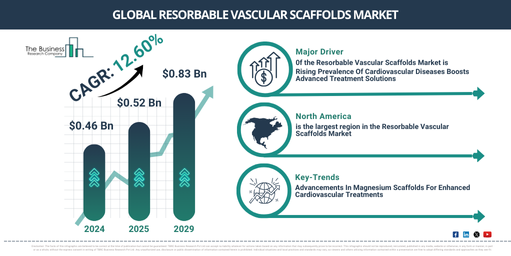
    In recent times, there has been a swift expansion in the resorbable vascular scaffolds market size. It is projected to bolster from $0.46 billion in 2024 to $0.52 billion in 2025 with a compound annual growth rate (CAGR) of 12.9%. This considerable rise in the historical phase can be credited to the escalating occurrence of cardiovascular conditions, enhanced health awareness among consumers, a surge in coronary artery disease (CAD) cases, an increased inclination towards minimally invasive procedures, and a heightened presence of diabetes.

    What Is the Projected Market Size of the Resorbable Vascular Scaffolds Market?

    The market size for resorbable vascular scaffolds is projected to experience a swift expansion in the upcoming years, escalating to $0.83 billion in 2029, at a Compound Annual Growth Rate (CAGR) of 12.6%. The anticipated growth during the forecast period is due to the increasing threat of coronary artery disease (CAD) and peripheral artery disease (PAD) among the elderly, rising funds allocated for research and development (R&D) of surgical methods, an expanding aged population, heightened healthcare expenditure, and a growing prevalence of coronary artery disease. The forecast period also marks significant trends such as a preference for drug-eluting devices in angioplasty, enhancements in technology and product innovation, progress in stent technology, and developments in diagnostic technologies.

    Download The Free Sample Report Here:

    https://www.thebusinessresearchcompany.com/sample.aspx?id=21272&type=smp

    Who are the Major Competitors in the Resorbable Vascular Scaffolds Market Outlook?

    Major companies operating in the resorbable vascular scaffolds market are Abbott Laboratories, Medtronic plc, Boston Scientific Corporation, Terumo Corporation, Getinge Group, Biotronik, LivaNova plc, Lepu Medical Technology, Gore Medical, Biosensors International, Blue Medical, Reva Medical, Elixir Medical, S3V Vascular Technologies, Amaranth Medical Inc., Meril Life Sciences Pvt. Ltd., Arterius Limited, Zorion Medical, Kyoto Medical Planning Co. Ltd., ICON Interventional Systems.

    What Is Fueling Growth in the Resorbable Vascular Scaffolds Market?

    The rise in cardiovascular disease incidence is projected to fuel the expansion of the resorbable vascular scaffolds market in the future. These diseases are influenced by several factors including unhealthy lifestyle habits, age, hypertension, high cholesterol, diabetes, smoking, and genetic predispositions. Resorbable vascular scaffolds are transforming cardiovascular disease treatment by offering temporary structural assistance to reestablish blood circulation, gradually dissolving over time. This reduces long-term complications tied to permanent implants, fosters natural vessel restoration and functionality. For instance, in September 2024, the Minnesota Department of Health, a state agency in the US, reported that in 2023, about 4%, or nearly 180,000 adults in Minnesota, had suffered a heart attack. Furthermore, heart disease caused roughly 17% of total deaths in the state, leading to 8,972 deaths in 2022. Consequently, the escalating incidence of cardiovascular diseases is propelling the growth of the resorbable vascular scaffolds market.

    Request For A Customized Report:

    https://www.thebusinessresearchcompany.com/customise?id=21272&type=smp

    Which Resorbable Vascular Scaffolds Market Segments Are Growing the Fastest?

    The resorbable vascular scaffolds market covered in this report is segmented –

    1) By Product Design: Multilumen, Single Lumen

    2) By Material Type: Poly-Glycolic Acid, Poly-L-Lactic Acid, Poly-L-Lactic-Co-Glycolic Acid

    3) By Deployment Technique: Balloon-Expandable, Self-Expandable

    4) By Application: Coronary Artery Disease, Peripheral Vascular Disease, Pulmonary Artery Disease

    5) By End User: Ambulatory Surgical Centers, Hospitals, Specialty Clinics

    Subsegments:

    1) By Multilumen: Helical Design, Braided Design, Other Multilumen Designs

    2) By Single Lumen: Straight Tube Design, Corrugated Tube Design, Other Single Lumen Designs

    Which Industry Trends Are Shaping the Future of the Resorbable Vascular Scaffolds Market?

    Key players in the resorbable vascular scaffolds industry are advancing magnesium scaffolds in a bid to enhance biocompatibility and bolster mechanical support. These scaffolds encourage the natural healing process of vessels, reducing the inflammation and complications typically linked with conventional polymer-based scaffolds. A case in point is Biotronik, a medical device firm based in Germany, which, in March 2024, obtained a breakthrough device designation from the Food and Drug Administration (FDA) for its Freesolve resorbable magnesium scaffold for below-the-knee (BTK RMS). Specifically designed for patients with chronic limb-threatening ischemia (CLTI), the Freesolve RMS provides an innovative treatment alternative for BTK interventions. Leveraging BIOmag magnesium alloy and Orsiro drug-eluting stent (DES) coating technology, the device ensures superior safety, delivery, and vessel support. It offers temporary support to counter vessel recoil during the healing phase.

    Access The Full Report Here:

    https://www.thebusinessresearchcompany.com/report/resorbable-vascular-scaffolds-global-market-report

    Which Countries Are Leading the Resorbable Vascular Scaffolds Market?

    North America was the largest region in the resorbable vascular scaffolds market in 2024. Asia-Pacific is expected to be the fastest-growing region in the forecast period. The regions covered in the resorbable vascular scaffolds market report are Asia-Pacific, Western Europe, Eastern Europe, North America, South America, Middle East, Africa.

    Purchase The Full Report Today:

    https://www.thebusinessresearchcompany.com/purchaseoptions.aspx?id=21272

    This Report Delivers Insight On:

    1. How big is the resorbable vascular scaffolds market, and how is it changing globally?

    2. Who are the major companies in the resorbable vascular scaffolds market, and how are they performing?

    3. What are the key opportunities and risks in the resorbable vascular scaffolds market right now?

    4. Which products or customer segments are growing the most in the resorbable vascular scaffolds market?

    5. What factors are helping or slowing down the growth of the resorbable vascular scaffolds market?

    About The Business Research Company:

    With over 15000+ reports from 27 industries covering 60+ geographies, The Business Research Company has built a reputation for offering comprehensive, data-rich research and insights. Armed with 1,500,000 datasets, the optimistic contribution of in-depth secondary research, and unique insights from industry leaders, you can get the information you need to stay ahead in the game.

    Get in touch with us:

    The Business Research Company: https://www.thebusinessresearchcompany.com/

    Americas +1 310-496-7795

    Asia +44 2071930708

    Europe +44 7882 955267

    Email us at info@tbrc.info

    Follow us on:

    LinkedIn: https://in.linkedin.com/company/the-business-research-company

    YouTube: https://www.youtube.com/channel/UC24_fI0rV8cR5DxlCpgmyFQ

    Global Market Model: https://www.thebusinessresearchcompany.com/global-market-model
  • Osteosarcoma Market Projected at $0.98 Billion by 2029 | Strategic Insights and Forecast Data

    Osteosarcoma Market Projected at $0.98 Billion by 2029 | Strategic Insights and Forecast Data

    Claim your 30% discount on Global Market Reports with code ONLINE30. Limited time only.

    How Has the Osteosarcoma Market Size Changed, over the years?

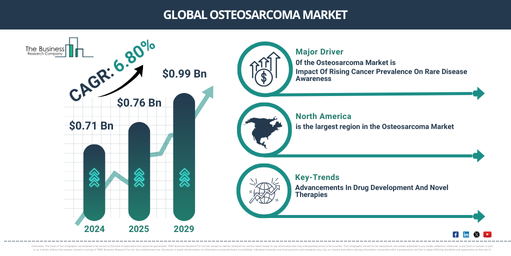
    Recent years have seen a robust expansion in the osteosarcoma market size. The market value of $0.71 billion in 2024 is projected to escalate to $0.76 billion in 2025, demonstrating a compound annual growth rate (CAGR) of 7.1%. This growth during the historic period is the result of enhanced cancer awareness, improved treatment choices, an increasing number of bone cancer cases, the development of healthcare facilities, progression in research and clinical trials, and the upsurge in the development of target-specific and immunotherapies.

    How Much Will the Osteosarcoma Market Be Worth in 2029?

    The market size for osteosarcoma is anticipated to witness solid growth in the upcoming years. The market is projected to reach $0.99 billion in 2029, escalating at a compound annual growth rate (CAGR) of 6.8%. Several factors contributing to this growth in the projected period include the growing adoption of personalized treatments, increasing awareness of rare forms of cancer, heightening private and public sector research funding, the prevalence of genetic mutations, and enhanced treatment outcomes due to immunotherapy. The forecast period is likely to witness trends such as the development of targeted treatment methodologies, improvements in immunotherapies, integrated personal medical treatments, advancements in gene editing technologies, breakthroughs in chemotherapy drugs, refined diagnostic imaging technologies, and forward strides in surgical methods.

    Download The Free Sample Report Here:

    https://www.thebusinessresearchcompany.com/sample.aspx?id=21239&type=smp

    Which is the Largest Company in the Osteosarcoma Market?

    Major companies operating in the osteosarcoma market are Pfizer Inc., Johnson & Johnson, Merck & Co. Inc., AbbVie Inc., Bayer AG, Sanofi S.A., Bristol-Myers Squibb Company, Novartis AG, AstraZeneca PLC, GSK plc, Takeda Pharmaceutical Company Limited, Eli Lilly and Company, Amgen Inc., Baxter International Inc., Hikma Pharmaceuticals PLC, Spectrum Pharmaceuticals Inc., Mylan N.V., Bellicum Phamaceuticals Inc., ADVAXIS Inc., Iovance Biotherapeutics Inc.

    What Are the Main Market Drivers in the Osteosarcoma Industry?

    The growth of the osteosarcoma market is expected to be boosted by the escalating incidence of cancer. Characterized by the uncontrollable proliferation and dissemination of abnormal cells that can invade and ruin healthy tissues, cancer is a disease. Factors such as an aging population, lifestyle modifications, environmental exposure, infections, and genetic predisposition contribute to the increasing number of cancer cases. Osteosarcoma treatment aids cancer sufferers by promoting advancements in therapy strategies, encouraging early detection techniques, and deepening the comprehension of bone cancer. This ultimately leads to improved patient care, better survival outcomes, and the evolution of more potent therapies. The National Cancer Institute, a US government agency, stated in May 2024 that around 20 million new cancer cases and 9.7 million cancer-related deaths were registered worldwide in 2022. Projections indicate these figures could rise to 29.9 million new cases and 15.3 million deaths annually by 2040. As a result, the escalating incidence of cancer is fueling the growth of the osteosarcoma market.

    Request For A Customized Report:

    https://www.thebusinessresearchcompany.com/customise?id=21239&type=smp

    How Is the Osteosarcoma Market Segments Structured?

    The osteosarcoma market covered in this report is segmented –

    1) By Type: Intramedullary Osteosarcoma, Juxtacortical Osteosarcoma, Extraskeletal Osteosarcoma

    2) By Treatment Type: Surgery, Chemotherapy, Radiation Therapy, Targeted Therapy, Immunotherapy

    3) By Age Group: Pediatric, Adult

    4) By Distribution Channel: Online Channel, Offline Channel

    5) By End User: Hospitals And Clinics, Diagnostic Centers, Academic And Research Organizations

    Subsegments:

    1) By Intramedullary Osteosarcoma: Metaphyseal Osteosarcoma, Diaphyseal Osteosarcoma

    2) By Juxtacortical Osteosarcoma: Parosteal Osteosarcoma, Periosteal Osteosarcoma

    3) By Extraskeletal Osteosarcoma: Primary Extraskeletal Osteosarcoma, Secondary Extraskeletal Osteosarcoma

    What Strategic Trends Are Transforming the Osteosarcoma Market?

    Key players in the osteosarcoma market are prioritizing the development of state-of-the-art drugs that carry orphan drug status, with the aim of increasing treatment effectiveness, minimizing side effects, and boosting patient survival rates. Orphan drug status is a designation granted by regulatory bodies to drugs or biologics designed to combat rare illnesses, offering advantages such as tax incentives, support with clinical trials, and extended exclusivity in the market. To illustrate, Lisata Therapeutics Inc., an American pharmaceutical firm, revealed in April 2024 that its osteosarcoma treatment, LSTA1, had earned orphan drug designation from the US Food and Drug Administration (FDA). LSTA1 is a drug under investigation that triggers an innovative uptake pathway, boosting drug penetration and accumulation in osteosarcoma tumors, potentially altering the tumor microenvironment to heighten responsiveness to immunotherapies.

    Access The Full Report Here:

    https://www.thebusinessresearchcompany.com/report/osteosarcoma-global-market-report

    Which Global Regions Offer the Highest Growth in the Osteosarcoma Market?

    North America was the largest region in the osteosarcoma market in 2024. Asia-Pacific is expected to be the fastest-growing region in the forecast period. The regions covered in the osteosarcoma market report are Asia-Pacific, Western Europe, Eastern Europe, North America, South America, Middle East, Africa.

    Purchase The Full Report Today:

    https://www.thebusinessresearchcompany.com/purchaseoptions.aspx?id=21239

    This Report Delivers Insight On:

    1. How big is the osteosarcoma market, and how is it changing globally?

    2. Who are the major companies in the osteosarcoma market, and how are they performing?

    3. What are the key opportunities and risks in the osteosarcoma market right now?

    4. Which products or customer segments are growing the most in the osteosarcoma market?

    5. What factors are helping or slowing down the growth of the osteosarcoma market?

    About The Business Research Company:

    With over 15000+ reports from 27 industries covering 60+ geographies, The Business Research Company has built a reputation for offering comprehensive, data-rich research and insights. Armed with 1,500,000 datasets, the optimistic contribution of in-depth secondary research, and unique insights from industry leaders, you can get the information you need to stay ahead in the game.

    Get in touch with us:

    The Business Research Company: https://www.thebusinessresearchcompany.com/

    Americas +1 310-496-7795

    Asia +44 2071930708

    Europe +44 7882 955267

    Email us at info@tbrc.info

    Follow us on:

    LinkedIn: https://in.linkedin.com/company/the-business-research-company

    YouTube: https://www.youtube.com/channel/UC24_fI0rV8cR5DxlCpgmyFQ

    Global Market Model: https://www.thebusinessresearchcompany.com/global-market-model
  • Renal Insufficiency Forecast Report – Designed for Decision Makers and Product Teams

    Renal Insufficiency Forecast Report – Designed for Decision Makers and Product Teams

    Claim your 30% discount on Global Market Reports with code ONLINE30. Limited time only.

    What Is the Growth Rate of the Renal Insufficiency Market?

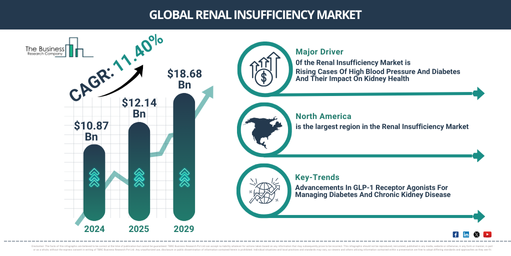
    The market size for renal insufficiency has been rapidly expanding of late. The market, valued at $10.87 billion in 2024, is expected to rise up to $12.14 billion in 2025, projecting a compound annual growth rate (CAGR) of 11.7%. This surge can be attributed to the growing incidences of hypertension and diabetes, an increased number of chronic kidney disease (CKD) cases, an uptick in urinary tract obstructions, an aging demographic, and heightened awareness and education concerning kidney health.

    What Growth Rate Is Forecasted for the Renal Insufficiency Market by 2029?

    In the coming years, the renal insufficiency market is anticipated to witness swift expansion, reaching a valuation of $18.68 billion in 2029, with a compound annual growth rate (CAGR) of 11.4%. Several factors contribute to this projected growth during the forecast period: the rising incidence of acute kidney injuries (AKI), the growing acceptance of home-based treatment options, increased healthcare spending, and investment in research and development. Expected trends for this period include breakthroughs in medical and treatment technologies, incorporation of personalized medicine, progress in dialysis technology, and the introduction of innovative drugs.

    Download The Free Sample Report Here:

    https://www.thebusinessresearchcompany.com/sample.aspx?id=21271&type=smp

    Which Key Companies Are Shaping the Future of the Renal Insufficiency Market?

    Major companies operating in the renal insufficiency market are Kaiser Permanente, Johnson & Johnson, Roche Holding AG, Sanofi S.A., Abbott Laboratories, Medtronic plc, Amgen Inc., Asahi Kasei Medical Co. Ltd., Fujifilm Holdings Corporation, Fresenius Medical Care, Toray Industries Inc., Baxter International Inc., Boehringer Ingelheim, DaVita Inc., Eisai Co. Ltd., Nipro Corporation, Biocon Limited, HemoCue AB, Rockwell Medical, Mitsubishi Tanabe Pharma Corporation, Sorin Group.

    Which Factors Are Driving Demand in the Renal Insufficiency Industry?

    The growth of the renal insufficiency market is anticipated to be driven by the escalating number of diabetes and high blood pressure cases. These health issues stem from factors such as improper diet, insufficient physical exercise, obesity, hereditary predisposition, and an aging populace. High blood pressure leads to scarring and decreased filtration in kidney blood vessels, while high blood sugar in diabetes thickens and overworks the kidney vessels, hastening kidney damage and consequentially triggering renal insufficiency. For instance, the National Health Service, a UK-based government agency, reported in May 2024, that the number of patients diagnosed with high blood pressure in the South East increased by 71,120 or 5.4% in December 2023 compared to the same month in 2022. Additionally, as per the British Diabetic Association, a UK-based charity organization data from April 2023, 4.3 million individuals in the UK live with a diabetes diagnosis. As a result, the surge in high blood pressure and diabetes cases is fueling the progression of the renal insufficiency market.

    Request For A Customized Report:

    https://www.thebusinessresearchcompany.com/customise?id=21271&type=smp

    How Is the Renal Insufficiency Market Segmented by Several Divisions?

    The renal insufficiency market covered in this report is segmented –

    1) By Treatment Type: Medications, Dialysis, Kidney Transplantation, Other Treatment Types

    2) By Disease Stage: Chronic Kidney Disease (CKD) Stages, End-Stage Renal Disease (ESRD)

    3) By Distribution Channel: Hospital Pharmacies, Retail Pharmacies, Online Pharmacies

    4) By End-User: Dialysis Centers, Hospital And Clinics, Research And Academic Institutes

    Subsegments:

    1) By Medications: Angiotensin-Converting Enzyme (ACE) Inhibitors, Angiotensin II Receptor Blockers (ARBs), Diuretics, Erythropoiesis-Stimulating Agents (ESAs), Phosphate Binders, Sodium Bicarbonate

    2) By Dialysis: Hemodialysis, Peritoneal Dialysis, Home Dialysis, Continuous Renal Replacement Therapy (CRRT)

    3) By Kidney Transplantation: Living Donor Kidney Transplant, Deceased Donor Kidney Transplant, Kidney Transplant Immunosuppressive Therapy

    4) By Other Treatment Types: Lifestyle And Dietary Modifications, Stem Cell Therapy, Gene Therapy

    What are the Emerging Market Trends Driving the Growth of the Renal Insufficiency Industry?

    Key players in the renal insufficiency market are focusing on developing glucagon-like peptide-1 receptor agonists (GLP-1 RAs). This is aimed at managing both renal and cardiovascular complications in patients suffering from diabetes and chronic kidney disease (CKD). GLP-1 RAs work by improving glucose control, mitigating inflammation, and reducing oxidative stress on the kidneys, which slows the development of renal insufficiency. A prime example came in January 2025, when Danish pharmaceutical firm Novo Nordisk received approval from the Food and Drug Administration (FDA) for Ozempic (semaglutide), a drug aimed at diminishing the risk of kidney disease progression, kidney failure, and cardiovascular death in adults with CKD and type 2 diabetes. This approval underscores the increasing focus on GLP-1 RAs as a dual solution for managing diabetes and renal insufficiency, catering to significant unmet needs in patients with advancing CKD.

    Access The Full Report Here:

    https://www.thebusinessresearchcompany.com/report/renal-insufficiency-global-market-report

    Which Regions Are Driving Growth in the Renal Insufficiency Market?

    North America was the largest region in the renal insufficiency market in 2024. The regions covered in the renal insufficiency market report are Asia-Pacific, Western Europe, Eastern Europe, North America, South America, Middle East, Africa.

    Purchase The Full Report Today:

    https://www.thebusinessresearchcompany.com/purchaseoptions.aspx?id=21271

    This Report Delivers Insight On:

    1. How big is the renal insufficiency market, and how is it changing globally?

    2. Who are the major companies in the renal insufficiency market, and how are they performing?

    3. What are the key opportunities and risks in the renal insufficiency market right now?

    4. Which products or customer segments are growing the most in the renal insufficiency market?

    5. What factors are helping or slowing down the growth of the renal insufficiency market?

    About The Business Research Company:

    With over 15000+ reports from 27 industries covering 60+ geographies, The Business Research Company has built a reputation for offering comprehensive, data-rich research and insights. Armed with 1,500,000 datasets, the optimistic contribution of in-depth secondary research, and unique insights from industry leaders, you can get the information you need to stay ahead in the game.

    Get in touch with us:

    The Business Research Company: https://www.thebusinessresearchcompany.com/

    Americas +1 310-496-7795

    Asia +44 2071930708

    Europe +44 7882 955267

    Email us at info@tbrc.info

    Follow us on:

    LinkedIn: https://in.linkedin.com/company/the-business-research-company

    YouTube: https://www.youtube.com/channel/UC24_fI0rV8cR5DxlCpgmyFQ

    Global Market Model: https://www.thebusinessresearchcompany.com/global-market-model
  • Renal Fanconi Syndrome Market Outlook 2025 – Insights for Executive and Strategic Planning

    Renal Fanconi Syndrome Market Outlook 2025 – Insights for Executive and Strategic Planning

    Claim your 30% discount on Global Market Reports with code ONLINE30. Limited time only.

    How Has the Renal Fanconi Syndrome Market Grown from 2024 to 2025?

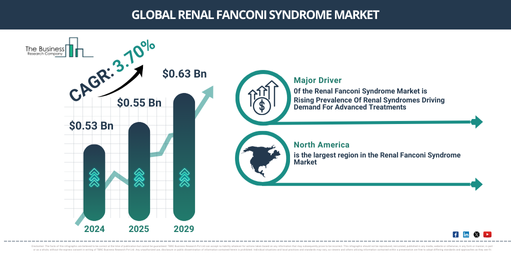
    The market for renal fanconi syndrome has seen consistent growth over recent years. With a projected increase from $0.53 billion in 2024 to $0.55 billion in 2025, the compound annual growth rate (CAGR) is 4.0%. This continued growth throughout the historic period can be linked to factors such as the high prevalence of blood disorders, a rise in rates of kidney diseases, increased usage of erythropoiesis-stimulating agents (ESAs), an aging population, and a growing number of acute kidney injury (AKI) cases.

    What Growth Rate Is Anticipated for the Renal Fanconi Syndrome Market in the Coming Years?

    In the coming years, the renal fanconi syndrome market is set for solid growth, with an anticipated size of $0.63 billion in 2029, growing at a compound annual growth rate (CAGR) of 3.7%. The predicted growth is due to factors such as an increased occurrence of renal syndromes, a surge in fanconi-bickel syndrome cases, a rising number of chronic kidney disease (CKD) incidences, heightened research and development efforts, and a boost in clinical trials. Noteworthy trends in the forecast period include progression in inventive treatments, technological innovations, advancements in both technology and treatment methods, and progress in diagnostic technology.

    Download The Free Sample Report Here:

    https://www.thebusinessresearchcompany.com/sample.aspx?id=21270&type=smp

    Who Are the Leading Companies in the Renal Fanconi Syndrome Market?

    Major companies operating in the renal fanconi syndrome market are Pfizer Inc., F. Hoffmann-La Roche AG, Merck & Co. Inc., AbbVie Inc., Novartis AG, Sanofi, Bristol-Myers Squibb, Gilead Sciences Inc., Amgen Inc., Teva Pharmaceutical Industries Ltd., Baxter International Inc., Boehringer Ingelheim, Biogen Inc., Eisai Co. Ltd., Hikma Pharmaceuticals plc, Astellas Pharma Inc., Mallinckrodt Pharmaceuticals plc, CSL Vifor, Indivior plc, Alnylam Pharmaceuticals Inc.

    What Are the Key Drivers of the Renal Fanconi Syndrome Market?

    The escalating frequency of kidney-related syndromes is anticipated to boost the renal fanconi syndrome market’s upward trajectory. Kidney syndromes incorporate a variety of disorders that interfere with its proper functioning, thereby leading to filtration, reabsorption, and electrolyte balance aberrations. These syndromes can be triggered by several factors including the growing ubiquity of chronic kidney disease, older demographics, unhealthy lifestyles, and environmental factors. They often bring along concomitant conditions that inhibit the kidney’s normal function, thus raising the chances of proximal tubular malfunction. The resultant heightened demand for diagnostic aids and specialized treatments to manage and neutralize the impacts of renal Fanconi syndrome is a driving force behind the market’s growth. Kidney Research UK, for instance, reported in June 2023, that around 7.2 million people, 10% and over of the total UK population, were dealing with chronic kidney disease. Out of this, 3.25 million were grappling with advanced stages of the disease and another 3.9 million were in the early stages. By 2033, the count of individuals influenced by chronic kidney disease is projected to climb to 7.61 million, thus fuelling the renal fanconi syndrome market’s growth. An escalating rate of genetic disorders is set to catalyze the renal fanconi syndrome market’s forward movement. Genetic disorders, often spurred by genetic testing advancements, augmented awareness, environmental factors, and rising inheritance of conditions, are encroaching into more families. Numerous Fanconi syndrome cases can be attributed to inherited conditions like cystinosis or Wilson’s disease, and the rise in such genetic disorders creates a pressing need for specialty diagnostic devices, targeted treatments, and management techniques for the ensuing proximal tubular malfunction, accelerating market growth. For instance, as per a US-based multinational body, the United Nations, in March 2024, globally, Down syndrome was observed in about 1 out of every 1,000 to 1,100 live birth, resulting in nearly 3,000 to 5,000 newborns suffering from the chromosome disorder per year. Therefore, increasing frequency of genetic disorders is fuelling the renal fanconi syndrome market’s growth.

    Request For A Customized Report:

    https://www.thebusinessresearchcompany.com/customise?id=21270&type=smp

    What Are the Key Market Segments in the Renal Fanconi Syndrome Industry?

    The renal fanconi syndrome market covered in this report is segmented –

    1) By Disease Type: Inherited (Genetic), Acquired

    2) By Treatment: Cystinosis Treatment, Symptomatic Management, Dietary Changes And Adjustments, Antibiotics, Kidney Transplantation, Supplements

    3) By Route Of Administration: Oral, Intravenous

    4) By Distribution Channel: Hospital Pharmacy, Retail Pharmacy, Online Pharmacy, Other Distribution Channels

    5) By End-User: Hospitals, Specialty Clinics, Homecare, Other End-Users

    Subsegments:

    1) By Inherited (Genetic): Cystinosis, Wilson Disease, Lowe Syndrome, Dent Disease

    2) By Acquired: Drug-Induced Fanconi Syndrome, Heavy Metal Toxicity, Multiple Myeloma-Associated Fanconi Syndrome, Other Acquired Conditions

    Access The Full Report Here:

    https://www.thebusinessresearchcompany.com/report/renal-fanconi-syndrome-global-market-report

    What Are the Key Regional Markets in the Renal Fanconi Syndrome Industry?

    North America was the largest region in the renal fanconi syndrome market in 2024. Asia-Pacific is expected to be the fastest-growing region in the forecast period. The regions covered in the renal fanconi syndrome market report are Asia-Pacific, Western Europe, Eastern Europe, North America, South America, Middle East, Africa.

    Purchase The Full Report Today:

    https://www.thebusinessresearchcompany.com/purchaseoptions.aspx?id=21270

    This Report Delivers Insight On:

    1. How big is the renal fanconi syndrome market, and how is it changing globally?

    2. Who are the major companies in the renal fanconi syndrome market, and how are they performing?

    3. What are the key opportunities and risks in the renal fanconi syndrome market right now?

    4. Which products or customer segments are growing the most in the renal fanconi syndrome market?

    5. What factors are helping or slowing down the growth of the renal fanconi syndrome market?

    About The Business Research Company:

    With over 15000+ reports from 27 industries covering 60+ geographies, The Business Research Company has built a reputation for offering comprehensive, data-rich research and insights. Armed with 1,500,000 datasets, the optimistic contribution of in-depth secondary research, and unique insights from industry leaders, you can get the information you need to stay ahead in the game.

    Get in touch with us:

    The Business Research Company: https://www.thebusinessresearchcompany.com/

    Americas +1 310-496-7795

    Asia +44 2071930708

    Europe +44 7882 955267

    Email us at info@tbrc.info

    Follow us on:

    LinkedIn: https://in.linkedin.com/company/the-business-research-company

    YouTube: https://www.youtube.com/channel/UC24_fI0rV8cR5DxlCpgmyFQ

    Global Market Model: https://www.thebusinessresearchcompany.com/global-market-model
  • Oral Mucositis Industry Valued at $2.08 Billion by 2029 With CAGR of 7.6% | Size and Share Insights

    Oral Mucositis Industry Valued at $2.08 Billion by 2029 With CAGR of 7.6% | Size and Share Insights

    Claim your 30% discount on Global Market Reports with code ONLINE30. Limited time only.

    What Is the Forecast for the Oral Mucositis Market from 2024 to 2025?

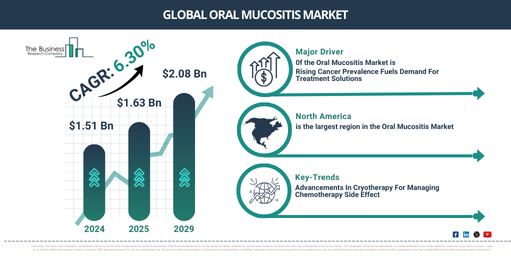
    The market size of oral mucositis has seen robust growth in the past few years. The forecast predicts that it will expand from $1.51 billion in 2024 to $1.63 billion in 2025, reflecting a compound annual growth rate (CAGR) of 8.0%. Factors contributing to this growth during the historic period include a rise in cancer instances, an increase in chemotherapy and radiation treatments, an enhanced understanding of oral mucositis, a greater adoption of supportive care therapies, an increase in instances of head and neck cancers, and an uptick in research and development in the field of oncology supportive care.

    What Is the Projected Market Size of the Oral Mucositis Market?

    The market for oral mucositis is predicted to witness significant expansion in the upcoming years. Expected to reach a value of $2.08 billion by 2029, with a compound annual growth rate (CAGR) of 6.3%. The surge during this forecast period can be linked to the increase in global cancer rates, growing demand for individualized medical treatments, an increasing emphasis on care that alleviates symptom, enhanced patient knowledge and education, increased use of over-the-counter oral care products, an escalation in government and healthcare funding, plus an increased prevalence of radiation and chemotherapy treatments. Key trends anticipated during this forecast period consist of progress in low-level laser therapy, the creation of new drug delivery systems, the incorporation of digital health solutions, the employment of artificial intelligence in treatment strategy, the rise of tissue engineering and healing therapies, and advancements in smart mouthwashes and oral care products.

    Download The Free Sample Report Here:

    https://www.thebusinessresearchcompany.com/sample.aspx?id=21237&type=smp

    Who are the Major Competitors in the Oral Mucositis Market Outlook?

    Major companies operating in the oral mucositis market are Merck & Co Inc., Amgen Inc., Mundipharma International Limited, Swedish Orphan Biovitrum, EUSA Pharma, Galera Therapeutics Inc., Enzychem Lifesciences Corporation, Oragenics Inc., Soligenix Inc., Jaguar Health Inc., Monopar Therapeutics Inc., EpicentRx, BrainCool, Cellceutix Corporation, GlycoMira Therapeutics Inc., Innovation Pharmaceuticals Inc., Allander Biotechnologies, Aurora BioScience, Solasia Pharma KK, NeoMedLight, MuReva (Lumitex), Prothex Pharmaceuticals Inc.

    What Is Fueling Growth in the Oral Mucositis Market?

    The rise in cancer incidences is anticipated to fuel the growth of the oral mucositis market in the future. Characterized by the unregulated proliferation and spread of anomalous cells that can infiltrate and disintegrate healthy tissues, cancer is an illness that continues to proliferate due to factors like an ageing population, lifestyle alterations, exposure to the environment, infections and hereditary tendencies. The therapy for oral mucositis brings relief to cancer patients by easing pain, decreasing inflammation, averting secondary infections, and facilitating rapid healing of oral tissues. This significantly enhances their comfort, nutrition consumption, and their overall living standard during chemotherapy or radiation therapy. For instance, the National Cancer Institute, a US government agency, revealed in May 2024 that about 20 million new cancer incidences and 9.7 million deaths relating to cancer were documented globally in 2022. Predictions are that these figures could rise to 29.9 million new incidences and 15.3 million deaths per year by 2040. Consequently, the rising prevalence of cancer is a driving factor in the expansion of the oral mucositis market.

    Request For A Customized Report:

    https://www.thebusinessresearchcompany.com/customise?id=21237&type=smp

    Which Oral Mucositis Market Segments Are Growing the Fastest?

    The oral mucositis market covered in this report is segmented –

    1) By Indication: Chemotherapy, Radiotherapy, Hematopoietic Stem Cell Transplantation

    2) By Product Type: Solid Dosage Form, Liquid Dosage Form

    3) By Treatment: Palifermin, Amifostine, Chlorhexidine, Sucralfate, Avasopasem, Dusquetide

    4) By Distribution Channel: Hospital Pharmacies, Retail Pharmacies, Online Pharmacies

    5) By End User: Hospitals, Dental Clinics, Oncology Hospitals, Research Institutes

    Subsegments:

    1) By Chemotherapy: High-Dose Chemotherapy-Induced Oral Mucositis, Standard-Dose Chemotherapy-Induced Oral Mucositis

    2) By Radiotherapy: Head And Neck Cancer Radiotherapy-Induced Oral Mucositis, Total Body Irradiation-Induced Oral Mucositis

    3) By Hematopoietic Stem Cell Transplantation: Autologous Stem Cell Transplantation-Induced Oral Mucositis, Allogeneic Stem Cell Transplantation-Induced Oral Mucositis

    Which Industry Trends Are Shaping the Future of the Oral Mucositis Market?

    Leading firms in the oral mucositis market are emphasizing on creating pioneering solutions like cryotherapy, a technique which employs cold therapy to diminish the impact on oral tissues, thus reducing the occurrence and intensity of the condition. This medical procedure utilizes extreme cold temperatures to destroy or freeze abnormal or diseased tissue, and it treats various conditions including warts, tumors, or injuries. For instance, Chemo Mouthpiece LLC, a medical device organization based in the US, got approval for its chemo mouthpiece device by the Food and Drug Administration, a US government agency, in February 2024. The mentioned chemo mouthpiece is an intraoral ice pack that introduces cryotherapy into a patient’s oral cavity during chemotherapy treatment. This helps in the proactive management and treatment of oral mucositis, a frequent and agonizing adverse effect of chemotherapy treatment.

    Access The Full Report Here:

    https://www.thebusinessresearchcompany.com/report/oral-mucositis-global-market-report

    Which Countries Are Leading the Oral Mucositis Market?

    North America was the largest region in the oral mucositis market in 2024. Asia-Pacific is expected to be the fastest-growing region in the forecast period. The regions covered in the oral mucositis market report are Asia-Pacific, Western Europe, Eastern Europe, North America, South America, Middle East, Africa.

    Purchase The Full Report Today:

    https://www.thebusinessresearchcompany.com/purchaseoptions.aspx?id=21237

    This Report Delivers Insight On:

    1. How big is the oral mucositis market, and how is it changing globally?

    2. Who are the major companies in the oral mucositis market, and how are they performing?

    3. What are the key opportunities and risks in the oral mucositis market right now?

    4. Which products or customer segments are growing the most in the oral mucositis market?

    5. What factors are helping or slowing down the growth of the oral mucositis market?

    About The Business Research Company:

    With over 15000+ reports from 27 industries covering 60+ geographies, The Business Research Company has built a reputation for offering comprehensive, data-rich research and insights. Armed with 1,500,000 datasets, the optimistic contribution of in-depth secondary research, and unique insights from industry leaders, you can get the information you need to stay ahead in the game.

    Get in touch with us:

    The Business Research Company: https://www.thebusinessresearchcompany.com/

    Americas +1 310-496-7795

    Asia +44 2071930708

    Europe +44 7882 955267

    Email us at info@tbrc.info

    Follow us on:

    LinkedIn: https://in.linkedin.com/company/the-business-research-company

    YouTube: https://www.youtube.com/channel/UC24_fI0rV8cR5DxlCpgmyFQ

    Global Market Model: https://www.thebusinessresearchcompany.com/global-market-model
  • Optic Neuropathy Management Market to Reach $4.84 Billion by 2029 | Key Drivers and Future Outlook

    Optic Neuropathy Management Market to Reach $4.84 Billion by 2029 | Key Drivers and Future Outlook

    Claim your 30% discount on Global Market Reports with code ONLINE30. Limited time only.

    What Is the Growth Rate of the Optic Neuropathy Management Market?

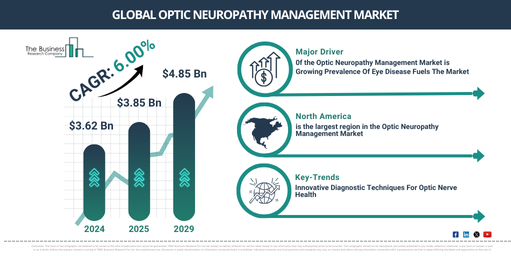
    In recent times, the market size for managing optic neuropathy has seen substantial growth. The market is forecasted to increase from $3.62 billion in 2024 to $3.85 billion in 2025, signifying a compound annual growth rate (CAGR) of 6.2%. The growth during the historical period may be linked to factors such as increasing cases of optic neuropathy, a growing number of eye-related injuries, higher investment in eye care services, escalating demand for specialized eye care services, and a rising occurrence of diabetes and other chronic ailments.

    What Growth Rate Is Forecasted for the Optic Neuropathy Management Market by 2029?

    In the coming years, it is anticipated that the optic neuropathy management market size will experience considerable growth. The market is forecasted to expand to $4.85 billion by 2029, seeing a compound annual growth rate (CAGR) of 6.0%. This progression can be attributed to factors such as the rising cases of amebic infections, an aging population, an increased occurrence of optic neuritis, a surge in glaucoma incidents, and a higher prevalence of optic neuritis. Noteworthy trends for this forecast period encompass developments in medical technology, the rise of personalized medicine and telemedicine, advancements in diagnostic methods, the growth of healthcare facilities in burgeoning markets, and a concentration on neuroprotective treatments.

    Download The Free Sample Report Here:

    https://www.thebusinessresearchcompany.com/sample.aspx?id=21236&type=smp

    Which Key Companies Are Shaping the Future of the Optic Neuropathy Management Market?

    Major companies operating in the optic neuropathy management market are Pfizer Inc., F. Hoffmann-La Roche AG, AbbVie Inc., Bayer AG, Bristol-Myers Squibb Company, Novartis AG, Eli Lilly and Company, Amgen Inc., Merck KGaA, Teva Pharmaceuticals, Otsuka Pharmaceutical Co. Ltd., Regeneron Pharmaceuticals Inc., Bausch Health Companies Inc., Alexion Pharmaceuticals Inc., Horizon Therapeutics plc, Santen Pharmaceutical Co. Ltd., Mallinckrodt Pharmaceuticals, Aerie Pharmaceuticals, Neurophth Therapeutics, AdvaCare.

    Which Factors Are Driving Demand in the Optic Neuropathy Management Industry?

    An increase in the incidence of eye diseases has been cited as a major factor that will spur the optic neuropathy management market’s growth in the future. Eye diseases encompass any issues that interfere with the eye’s structure or functionality, causing vision problems or other related symptoms. This escalating incidence of eye diseases is attributed to factors such as aging populations, enhanced screen times, unhealthy lifestyle choices, and existing health issues like diabetes. Optic neuropathy management works to lower the incidence of eye diseases by preventing future damage to the optic nerve, thereby preserving eyesight. Case in point, the Department of Health and Social Care, a UK government entity, reported in February 2025 that around 2 million people in the UK suffered from varying degrees of vision loss. This figure is anticipated to rise to 2.7 million by 2030. Hence, the increasing incidence of eye diseases is significantly contributing to the expansion of the optic neuropathy management market.

    Request For A Customized Report:

    https://www.thebusinessresearchcompany.com/customise?id=21236&type=smp

    How Is the Optic Neuropathy Management Market Segmented by Several Divisions?

    The optic neuropathy management market covered in this report is segmented –

    1) By Treatment Type: Medications, Surgery, Other Treatment Types

    2) By Diagnosis: Imaging Tests, Blood Tests, Other Diagnosis

    3) By End-User: Hospitals, Specialty Clinics, Ambulatory Surgical Centers, Other End-Users

    Subsegments:

    1) By Medications: Corticosteroids, Neuroprotective Agents, Antioxidants, Immunosuppressants, Prostaglandin Analogs

    2) By Surgery: Optic Nerve Decompression Surgery, Optic Nerve Transplantation, Retinal Implant Surgery

    3) By Other Treatment Types: Low Vision Aids, Stem Cell Therapy, Gene Therapy

    What are the Emerging Market Trends Driving the Growth of the Optic Neuropathy Management Industry?

    Key players in the optic neuropathy management market are focusing on the creation of advanced therapies, such as monoclonal antibody therapy, to gain an edge over their competition. These antibodies are engineered in a lab with the intention of replicating the immune system’s defences against harmful viruses and bacteria. In an exemplification of this, Horizon Therapeutics, a company hailing from Ireland, unveiled new MRI analysis results for their drug, UPLIZNA (inebilizumab), in March 2023. The data suggested that UPLIZNA can limit the development of asymptomatic optic nerve lesions in people with neuromyelitis optica spectrum disorder (NMOSD). This underlines Horizon’s dedication to providing pioneering treatments for rare illnesses like NMOSD, gout, and thyroid eye disease. UPLIZNA, a monoclonal antibody, is fashioned to treat NMOSD by attacking and eliminating dangerous B cells, reducing inflammation, and preventing additional harm to the central nervous system and optic nerves, ultimately lessening relapses and preserving vision.

    Access The Full Report Here:

    https://www.thebusinessresearchcompany.com/report/optic-neuropathy-management-global-market-report

    Which Regions Are Driving Growth in the Optic Neuropathy Management Market?

    North America was the largest region in the optic neuropathy management market in 2024. Asia-Pacific is expected to be the fastest-growing region in the forecast period. The regions covered in the optic neuropathy management market report are Asia-Pacific, Western Europe, Eastern Europe, North America, South America, Middle East, Africa.

    Purchase The Full Report Today:

    https://www.thebusinessresearchcompany.com/purchaseoptions.aspx?id=21236

    This Report Delivers Insight On:

    1. How big is the optic neuropathy management market, and how is it changing globally?

    2. Who are the major companies in the optic neuropathy management market, and how are they performing?

    3. What are the key opportunities and risks in the optic neuropathy management market right now?

    4. Which products or customer segments are growing the most in the optic neuropathy management market?

    5. What factors are helping or slowing down the growth of the optic neuropathy management market?

    About The Business Research Company:

    With over 15000+ reports from 27 industries covering 60+ geographies, The Business Research Company has built a reputation for offering comprehensive, data-rich research and insights. Armed with 1,500,000 datasets, the optimistic contribution of in-depth secondary research, and unique insights from industry leaders, you can get the information you need to stay ahead in the game.

    Get in touch with us:

    The Business Research Company: https://www.thebusinessresearchcompany.com/

    Americas +1 310-496-7795

    Asia +44 2071930708

    Europe +44 7882 955267

    Email us at info@tbrc.info

    Follow us on:

    LinkedIn: https://in.linkedin.com/company/the-business-research-company

    YouTube: https://www.youtube.com/channel/UC24_fI0rV8cR5DxlCpgmyFQ

    Global Market Model: https://www.thebusinessresearchcompany.com/global-market-model