Category: HealthcareServices

  • Oncolytic Adenovirus Market Size to Exceed $183.21 Billion by 2029 | Growth and Industry Trends

    Oncolytic Adenovirus Market Size to Exceed $183.21 Billion by 2029 | Growth and Industry Trends

    Claim your 30% discount on Global Market Reports with code ONLINE30. Limited time only.

    How Has the Oncolytic Adenovirus Market Grown from 2024 to 2025?

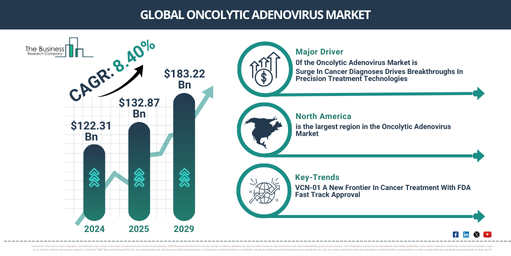
    The market for oncolytic adenovirus has seen significant growth over the recent years. An increase from $122.31 billion in 2024 to $132.87 billion in 2025, indicative of a compound annual growth rate (CAGR) of 8.6%, is projected. This substantial growth can be traced back to various factors such as a surge in cancer cases, higher demand for specialized cancer treatments, increased funding for research and development activities, enhancements in delivery mechanisms, and regulatory green lights.

    What Growth Rate Is Anticipated for the Oncolytic Adenovirus Market in the Coming Years?

    Expectations indicate that the oncolytic adenovirus market will experience robust growth in the upcoming years. Its estimated value is projected to reach $183.22 billion by 2029, with a compound annual growth rate (CAGR) of 8.4%. The factors contributing to this projected growth during the forecast period include an increase in cancer cases, advancements and approvals in regulations, enhancement in combination therapies, progress in virus engineering technology, and a rise in oncology research funding. Key trends identified for the forecast period encompass progress in viral engineering methodologies, evolution in drug delivery systems, improvements in tumor targeting accuracy, advancement in combinations of immunotherapy, and developments in diagnostics and patient monitoring.

    Download The Free Sample Report Here:

    https://www.thebusinessresearchcompany.com/sample.aspx?id=21235&type=smp

    Who Are the Leading Companies in the Oncolytic Adenovirus Market?

    Major companies operating in the oncolytic adenovirus market are Amgen Inc., Targovax ASA, CG Oncology Inc., Replimune Group Inc., Imugene Limited, Oncorus Inc., PsiOxus Therapeutics Ltd., Vyriad Inc., Transgene SA, Valo Therapeutics Oy, EpicentRx Inc., DNAtrix Inc., Shanghai Sunway Biotech Co. Ltd., TILT Biotherapeutics Ltd., Oncolys BioPharma Inc., Lokon Pharma AB, GeneMedicine Co. Ltd., Akamis Bio Ltd., Genelux Corporation, SillaJen Inc.

    What Are the Key Drivers of the Oncolytic Adenovirus Market?

    The rise in cancer cases is projected to boost the progression of the oncolytic adenovirus market. Characterized by uncontrolled cellular growth and spread to various body parts, cancer is increasingly prevalent due to a variety of factors such as an aging population, lifestyle choices, exposure to certain environmental factors, genetic vulnerabilities, and enhanced detection methods. The oncolytic adenovirus strategically targets and eliminates cancer cells, presenting a potential solution for the escalating frequency of cancer. For instance, National Cancer Institute (NCI), a US-based governmental agency, reported in May 2024 that there were approximately 20 million fresh cancer cases and 9.7 million fatalities globally, with forecasts for 2040 suggesting 29.9 million cases and 15.3 million deaths. In addition, based on the data from the Australian Bureau of Statistics, a governmental agency in Australia, in 2023, 1.8% of Australians were battling cancer, with a slightly higher occurrence in males (2.1%) than in females (1.6%), most notably among individuals aged 75 and over. Consequently, the escalating numbers of cancer cases are facilitating the growth of the oncolytic adenovirus market.

    Request For A Customized Report:

    https://www.thebusinessresearchcompany.com/customise?id=21235&type=smp

    What Are the Key Market Segments in the Oncolytic Adenovirus Industry?

    The oncolytic adenovirus market covered in this report is segmented –

    1) By Virus Type: Adenovirus Type 5-Based Oncolytic Viruses, Adenovirus Type 2-Based Oncolytic Viruses, Other Virus Types

    2) By Application: Melanoma, Prostate Cancer, Breast Cancer, Ovarian Cancer, Lung Cancer, Other Applications

    3) By End-User: Hospitals, Cancer Research Institutes, Biotechnology Companies, Academic And Research Institutes

    Subsegments:

    1) By Adenovirus Type 5-Based Oncolytic Viruses: First-generation Adenovirus Type 5-based, Second-generation Adenovirus Type 5-based, Engineered Adenovirus Type 5-based

    2) By Adenovirus Type 2-Based Oncolytic Viruses: First-generation Adenovirus Type 2-based, Second-generation Adenovirus Type 2-based, Engineered Adenovirus Type 2-based

    3) By Other Virus Types: Modified Adenovirus Strains, Hybrid Adenovirus Types, Chimeric Adenoviruses

    What Are the Latest Trends in the Oncolytic Adenovirus Market?

    Prominent firms in the oncolytic adenovirus sector are emphasizing combined therapies such as VCN-01, integrating oncolytic virotherapy and chemotherapy to optimize tumor targeting and bolster therapeutic results. VCN-01 is an oncolytic adenovirus, specifically engineered to infect and obliterate cancer cells while boosting chemotherapy’s potency. For example, Theriva Biologics, an American clinical-stage immunotherapy company, revealed in May 2024 that the U.S. Food and Drug Administration (FDA) awarded Fast Track Designation (FTD) to its prime candidate, VCN-01. This designation applies to VCN-01 when administered in tandem with gemcitabine and nab-paclitaxel to cure metastatic pancreatic adenocarcinoma. VCN-01 is an oncolytic adenovirus that zeroes in on and replicates within tumor cells, thus aiding in dismantling the tumor stroma, a notable hindrance to effective cancer treatment.

    Access The Full Report Here:

    https://www.thebusinessresearchcompany.com/report/oncolytic-adenovirus-global-market-report

    What Are the Key Regional Markets in the Oncolytic Adenovirus Industry?

    North America was the largest region in the oncolytic adenovirus market in 2024. Asia-Pacific is expected to be the fastest-growing region in the forecast period. The regions covered in the oncolytic adenovirus market report are Asia-Pacific, Western Europe, Eastern Europe, North America, South America, Middle East, Africa.

    Purchase The Full Report Today:

    https://www.thebusinessresearchcompany.com/purchaseoptions.aspx?id=21235

    This Report Delivers Insight On:

    1. How big is the oncolytic adenovirus market, and how is it changing globally?

    2. Who are the major companies in the oncolytic adenovirus market, and how are they performing?

    3. What are the key opportunities and risks in the oncolytic adenovirus market right now?

    4. Which products or customer segments are growing the most in the oncolytic adenovirus market?

    5. What factors are helping or slowing down the growth of the oncolytic adenovirus market?

    About The Business Research Company:

    With over 15000+ reports from 27 industries covering 60+ geographies, The Business Research Company has built a reputation for offering comprehensive, data-rich research and insights. Armed with 1,500,000 datasets, the optimistic contribution of in-depth secondary research, and unique insights from industry leaders, you can get the information you need to stay ahead in the game.

    Get in touch with us:

    The Business Research Company: https://www.thebusinessresearchcompany.com/

    Americas +1 310-496-7795

    Asia +44 2071930708

    Europe +44 7882 955267

    Email us at info@tbrc.info

    Follow us on:

    LinkedIn: https://in.linkedin.com/company/the-business-research-company

    YouTube: https://www.youtube.com/channel/UC24_fI0rV8cR5DxlCpgmyFQ

    Global Market Model: https://www.thebusinessresearchcompany.com/global-market-model
  • Nucleic Acid And Gene Therapies In Neuromuscular Disorders Market Trends Report 2025 – For Business Development and Strategy Teams

    Nucleic Acid And Gene Therapies In Neuromuscular Disorders Market Trends Report 2025 – For Business Development and Strategy Teams

    Claim your 30% discount on Global Market Reports with code ONLINE30. Limited time only.

    What Is the Forecast for the Nucleic Acid And Gene Therapies In Neuromuscular Disorders Market Growth in 2025?

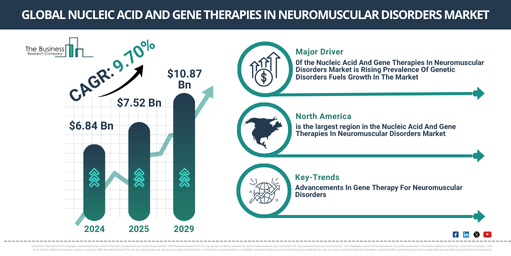
    Recent years have seen a robust growth in the market for nucleic acid and gene therapies in neuromuscular disorders. The market, currently valued at $6.84 billion in 2024, is poised to hit $7.52 billion in 2025, marking a compound annual growth rate (CAGR) of 9.9%. The growth witnessed in the past is largely due to increases in regulatory approvals, a higher demand for nucleic acid-based therapies, a call for more precise and effective treatment methods, a surge in the demand for efficient gene therapies, and a rise in the discoveries related to gene therapy.

    What Is the Forecast for the Nucleic Acid And Gene Therapies In Neuromuscular Disorders Market Size Through 2029?

    The market size for nucleic acid and gene therapies within neuromuscular disorders is predicted to exhibit considerable growth in the upcoming years, reaching $10.87 billion in 2029 with a compound annual growth rate (CAGR) of 9.7%. Market growth during the forecast period is set to be driven by factors such as the rising occurrence of genetic disorders, increased investment in research and development, heightened demand for precision medicine, a surge in approval for gene therapy products, and a growing rate of chronic disorders. Key trends shaping the forecast period include advancements in patient care, high-performing chromatography, innovative treatments for ailments, the evolution of gene editing technologies, and the availability of technologies for nucleic acid extraction.

    Download The Free Sample Report Here:

    https://www.thebusinessresearchcompany.com/sample.aspx?id=21233&type=smp

    What are the Key Market Players in Nucleic Acid And Gene Therapies In Neuromuscular Disorders Market and How They’re Evolving?

    Major companies operating in the nucleic acid and gene therapies in neuromuscular disorders market are Pfizer Inc., F. Hoffmann-La Roche Ltd., Bayer AG, Sanofi S.A, Novartis AG, Eli Lilly and Company, Astellas Pharma Inc, Biogen Inc, Vertex Pharmaceuticals Inc, BioMarin Pharmaceuticals Inc, Nippon Shinyaku Co Ltd, Sarepta Therapeutics Inc, Ionis Pharmaceuticals, Inc., Ultragenyx Pharmaceutical Inc, Amicus Therapeutics Inc, Arrowhead Pharmaceuticals Inc, Regenxbio Inc, UniQure N.V., Généthon S.A, Axovant Gene Therapies Inc.

    What Are the Primary Growth Drivers in the Nucleic Acid And Gene Therapies In Neuromuscular Disorders Market?

    The surge in genetic disorders is anticipated to stimulate advances in the nucleic acid and gene therapies domain for neuromuscular ailments. These disorders, resulting from DNA malformations inherited or emerging from mutations, are on an uptick because of factors such as genetic transformations, environmental factors, lifestyle alterations, and advancements in diagnostic procedures. Nucleic acid and gene therapies contribute to genetic disorders by rectifying or substituting defective genes in neuromuscular situations to regain correct functioning. For instance, data from Cure SMA, an American non-profit organization, revealed that as of May 2024, around 9,000 to 9,500 individuals in the United States are living with Spinal Muscular Atrophy (SMA). Among them, 37% are diagnosed with Type 2 SMA. The disorder’s projected incidence rate is 1 in 15,000 births. Hence, the escalating prevalence of genetic disorders bolsters the growth of the nucleic acid and gene therapies in the market for neuromuscular disorders.

    Request For A Customized Report:

    https://www.thebusinessresearchcompany.com/customise?id=21233&type=smp

    What Are the Leading Segments in the Global Nucleic Acid And Gene Therapies In Neuromuscular Disorders Industry?

    The nucleic acid and gene therapies in neuromuscular disorders market covered in this report is segmented –

    1) By Disorder: Motor Neuron Diseases, Neuropathies, Neuromuscular Junction Disorders, Myopathies Including Muscular Dystrophies

    2) By Therapy: Adeno-Associated Viruses Gene Therapy, Postnatal Gene Therapy, Spinal Muscular Atrophy

    3) By Application: Hospitals, Specialty Clinics, Ambulatory Surgery Centers

    Subsegments:

    1) By Motor Neuron Diseases: Amyotrophic Lateral Sclerosis (ALS), Spinal Muscular Atrophy (SMA), Primary Lateral Sclerosis (PLS)

    2) By Neuropathies: Charcot-Marie-Tooth Disease (CMT), Hereditary Sensory and Autonomic Neuropathy (HSAN), Peripheral Neuropathies

    3) By Neuromuscular Junction Disorders: Myasthenia Gravis, Lambert-Eaton Myasthenic Syndrome (LEMS)

    4) By Myopathies Including Muscular Dystrophies: Duchenne Muscular Dystrophy (DMD), Becker Muscular Dystrophy (BMD), Limb-Girdle Muscular Dystrophy (LGMD), Facioscapulohumeral Muscular Dystrophy (FSHD)

    What Are the Key Market Trends in the Nucleic Acid And Gene Therapies In Neuromuscular Disorders Industry?

    Leading organizations are currently involved in the market for nucleic acid and gene therapies for neuromuscular disorders, aiming to develop groundbreaking therapies such as gene therapy. This approach targets the origin of genetic neuromuscular conditions by rectifying or replacing the relevant genes. Gene therapy is a technique of treating diseases by modifying, amending, or restoring genetic material in a patient’s cells in order to correct or replace abnormal genes. For instance, Sarepta Therapeutics Inc., a biotechnology firm based in the U.S., achieved approval from the U.S. Food and Drug Administration in June 2023 for Elevidys – the initial gene therapy for Duchenne Muscular Dystrophy. The therapy targets ambulatory pediatric patients aged from 4 to 5 years and simplifies the treatment technique compared to other therapies that may necessitate regular infusions. ELEVIDYS introduces a gene that signifies a shortened version of dystrophin, which is critical for muscle function. This novel method rectifies the root genetic flaw, allowing muscle cells to generate a functional version of the dystrophin protein, potentially halting or even reversing the progress of the disease.

    Access The Full Report Here:

    https://www.thebusinessresearchcompany.com/report/nucleic-acid-and-gene-therapies-in-neuromuscular-disorders-global-market-report

    What Is the Regional Outlook for the Nucleic Acid And Gene Therapies In Neuromuscular Disorders Market?

    North America was the largest region in the nucleic acid and gene therapies in neuromuscular disorders market in 2024. The regions covered in the nucleic acid and gene therapies in neuromuscular disorders market report are Asia-Pacific, Western Europe, Eastern Europe, North America, South America, Middle East, Africa.

    Purchase The Full Report Today:

    https://www.thebusinessresearchcompany.com/purchaseoptions.aspx?id=21233

    This Report Delivers Insight On:

    1. How big is the nucleic acid and gene therapies in neuromuscular disorders market, and how is it changing globally?

    2. Who are the major companies in the nucleic acid and gene therapies in neuromuscular disorders market, and how are they performing?

    3. What are the key opportunities and risks in the nucleic acid and gene therapies in neuromuscular disorders market right now?

    4. Which products or customer segments are growing the most in the nucleic acid and gene therapies in neuromuscular disorders market?

    5. What factors are helping or slowing down the growth of the nucleic acid and gene therapies in neuromuscular disorders market?

    About The Business Research Company:

    With over 15000+ reports from 27 industries covering 60+ geographies, The Business Research Company has built a reputation for offering comprehensive, data-rich research and insights. Armed with 1,500,000 datasets, the optimistic contribution of in-depth secondary research, and unique insights from industry leaders, you can get the information you need to stay ahead in the game.

    Get in touch with us:

    The Business Research Company: https://www.thebusinessresearchcompany.com/

    Americas +1 310-496-7795

    Asia +44 2071930708

    Europe +44 7882 955267

    Email us at info@tbrc.info

    Follow us on:

    LinkedIn: https://in.linkedin.com/company/the-business-research-company

    YouTube: https://www.youtube.com/channel/UC24_fI0rV8cR5DxlCpgmyFQ

    Global Market Model: https://www.thebusinessresearchcompany.com/global-market-model
  • Market Analysis on Nocturia Industry – Insights for Corporate Strategy and R&D

    Market Analysis on Nocturia Industry – Insights for Corporate Strategy and R&D

    Claim your 30% discount on Global Market Reports with code ONLINE30. Limited time only.

    What Is the Forecast for the Nocturia Market from 2024 to 2025?

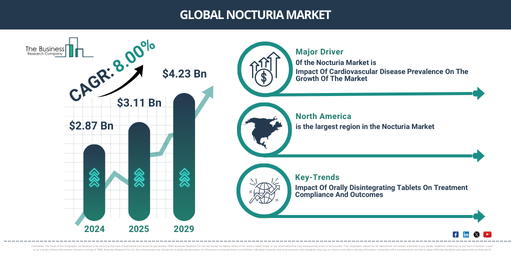
    Over the past few years, the nocturia market has witnessed substantial growth. The market value is projected to surge from $2.87 billion in 2024 to $3.11 billion in 2025, with a compound annual growth rate (CAGR) of 8.4%. A rise in cardiovascular ailments, growing instances of insomnia, an increase in the senior population, heightened understanding of nocturia and related conditions, and the growth in comorbidities have collectively contributed to the expansion during the historic period.

    What Is the Projected Market Size of the Nocturia Market?

    The market size of nocturia is anticipated to experience robust growth in the forthcoming years, expanding to $4.23 billion by 2029 at a Compound Annual Growth Rate (CAGR) of 8.0%. This rise during the projected period can be credited to the escalating incidences of disorders involving bladder obstruction and inflammation in urinary tracts, along with an increasing occurrence of nocturia due to various risk factors such as excessive nighttime urination. High fluid consumption contributing to nocturia, growing knowledge regarding the link between nocturia and sleep disorders or kidney health, as well as an aging population, are all contributing to this growth. Notable trends during the forecasted period comprise improvements in diagnostic techniques, the creation of novel drugs, amplified research and investment into treatments for nocturia, advancements in surgical and non-surgical treatments, and the acceptance of personalized medicine.

    Download The Free Sample Report Here:

    https://www.thebusinessresearchcompany.com/sample.aspx?id=21232&type=smp

    Who are the Major Competitors in the Nocturia Market Outlook?

    Major companies operating in the nocturia market are Pfizer Inc, Merck & Co. Inc, AbbVie Inc, Sanofi S.A, GlaxoSmithKline plc, Viatris Inc, Boehringer Ingelheim International GmbH, Otsuka Pharmaceutical Co. Ltd, Astellas Pharma Inc, Eisai Co. Ltd., Sumitomo Dainippon Pharma Co. Ltd, Ferring Pharmaceuticals A/S, Avadel Pharmaceuticals plc, UroGen Pharma Ltd, Sanwa Kagaku Co. Ltd., Urovant Sciences Inc, Serenity Pharmaceuticals LLC, Vantia Therapeutics Inc, AA Pharma Inc, Wellesley Pharmaceuticals Inc

    What Is Fueling Growth in the Nocturia Market?

    As cardiovascular diseases continue to surge, their role in driving the growth of the nocturia market is expected to increase. These diseases, encompassing conditions like heart disease, stroke, and hypertension, affect heart and blood vessels. The mounting prevalence of cardiovascular diseases can be linked to factors such as sedentary lifestyles, aging demographics, unhealthy eating habits, smoking, excessive intake of alcohol, obesity, elevated blood pressure, high cholesterol levels, diabetes, and genetic susceptibility. These ailments often trigger nocturia symptoms in patients, thereby ramping up demand for diagnostics and treatments. The global rise in cardiovascular conditions, fueled by aging populations and unhealthy lifestyles, underlines the growing necessity for managing nocturia effectively. For instance, the Centers for Disease Control and Prevention, a US governmental agency, reported in May 2024 that cardiovascular disease led to 702,880 deaths, making up 20% of all deaths in the US in 2022. Each year, around 805,000 individuals suffer a heart attack, including 605,000 first-time occurrences and 200,000 in those with prior occurrences. Therefore, escalating prevalence of cardiovascular diseases augments the growth of the nocturia market.

    Request For A Customized Report:

    https://www.thebusinessresearchcompany.com/customise?id=21232&type=smp

    Which Nocturia Market Segments Are Growing the Fastest?

    The nocturia market covered in this report is segmented –

    1) By Drug: Anticholinergic Drugs, Desmopressin, Antibiotics, Antispasmodic, Other Drugs

    2) By Indication: Mixed Nocturia, Low Nocturnal Bladder Capacity, Nocturnal Polyuria, Global Polyuria

    3) By Causes: Urological Infection, Tumor Of The bladder, Diuretic Medications, Regular Alcohol Or coffee, Liver infection, Diabetes, Pregnancy, Other Causes

    4) By End User: Hospitals, Home Care, Clinics

    Subsegments:

    1) By Anticholinergic Drugs: Oxybutynin, Tolterodine, Solifenacin, Darifenacin, Fesoterodine

    2) By Desmopressin: Intranasal Desmopressin, Oral Desmopressin

    3) By Antibiotics: Nitrofurantoin, Trimethoprim, Fosfomycin, Other Antibiotics

    4) By Antispasmodic: Hyoscine Butylbromide, Flavoxate, Other Antispasmodics

    5) By Other Drugs: Alpha-blockers, Beta-3 Agonists, Diuretics, Other Pharmacological Treatments

    Which Industry Trends Are Shaping the Future of the Nocturia Market?

    Significant players in the nocturia market are working on producing unique products like orally disintegrating tablets (ODTs) to improve patient comfort and adherence. ODTs, which are solid drugs that rapidly dissolve in the mouth without requiring water, are particularly optimal for patients struggling with swallowing. In July 2024, Adalvo Limited, a pharmaceutical enterprise based in Malta, introduced Desmopressin ODT to the European market. This drug is used to treat conditions that lead to excessive fluid loss from the body, including central cranial diabetes insipidus. It is a synthetic version of vasopressin and effectively controls diabetes insipidus, extreme thirst and urination, and bedwetting by imitating the function of the natural hormone and reducing the volume of water expelled with urine. Additionally, it can regulate bleeding in mild to moderate cases of hemophilia A and von Willebrand disease by accelerating the release of elements that help blood clot.

    Access The Full Report Here:

    https://www.thebusinessresearchcompany.com/report/nocturia-global-market-report

    Which Countries Are Leading the Nocturia Market?

    North America was the largest region in the nocturia market in 2024. Asia-Pacific is expected to be the fastest-growing region in the forecast period. The regions covered in the nocturia market report are Asia-Pacific, Western Europe, Eastern Europe, North America, South America, Middle East, Africa.

    Purchase The Full Report Today:

    https://www.thebusinessresearchcompany.com/purchaseoptions.aspx?id=21232

    This Report Delivers Insight On:

    1. How big is the nocturia market, and how is it changing globally?

    2. Who are the major companies in the nocturia market, and how are they performing?

    3. What are the key opportunities and risks in the nocturia market right now?

    4. Which products or customer segments are growing the most in the nocturia market?

    5. What factors are helping or slowing down the growth of the nocturia market?

    About The Business Research Company:

    With over 15000+ reports from 27 industries covering 60+ geographies, The Business Research Company has built a reputation for offering comprehensive, data-rich research and insights. Armed with 1,500,000 datasets, the optimistic contribution of in-depth secondary research, and unique insights from industry leaders, you can get the information you need to stay ahead in the game.

    Get in touch with us:

    The Business Research Company: https://www.thebusinessresearchcompany.com/

    Americas +1 310-496-7795

    Asia +44 2071930708

    Europe +44 7882 955267

    Email us at info@tbrc.info

    Follow us on:

    LinkedIn: https://in.linkedin.com/company/the-business-research-company

    YouTube: https://www.youtube.com/channel/UC24_fI0rV8cR5DxlCpgmyFQ

    Global Market Model: https://www.thebusinessresearchcompany.com/global-market-model
  • Next Generation Immunotherapies Forecast Report – Designed for Decision Makers and Product Teams

    Next Generation Immunotherapies Forecast Report – Designed for Decision Makers and Product Teams

    Claim your 30% discount on Global Market Reports with code ONLINE30. Limited time only.

    What Is the Growth Rate of the Next Generation Immunotherapies Market?

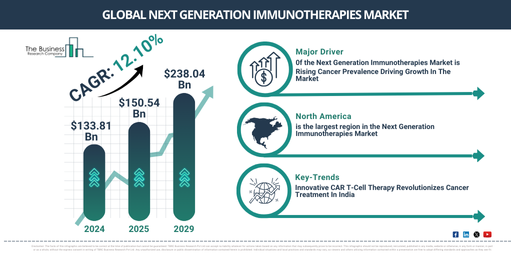
    The market size of next-generation immunotherapies has experienced significant expansion in the past few years. It’s forecasted to grow from $133.81 billion in 2024 to a whopping $150.54 billion in 2025, with a compound annual growth rate (CAGR) of 12.5%. Factors contributing to this historic growth include the increasing prevalence of cancer, heightened investment in research and development, growth in government initiatives, increased health-related government spending, and the broadening of indications.

    What Growth Rate Is Forecasted for the Next Generation Immunotherapies Market by 2029?

    The market size of next-generation immunotherapies is predicted to experience swift expansion in the upcoming years, eventually reaching a valuation of $238.04 billion in 2029, with a compound annual growth rate of 12.1%. This projected growth during the forecast period can be attributed to several factors such as increasing cases of cancer, growing healthcare expenditure, rising adoption of chimeric antigen receptor (CAR) t-cell therapy, the heightened burden of chronic diseases, and the rising research efforts in next generation drug development. The impending period will see key trends such as a shift towards combination therapies, technological advancements in the field, innovative therapeutic approaches, progress in personalized medicine, and advanced regulatory support.

    Download The Free Sample Report Here:

    https://www.thebusinessresearchcompany.com/sample.aspx?id=21231&type=smp

    Which Key Companies Are Shaping the Future of the Next Generation Immunotherapies Market?

    Major companies operating in the next generation immunotherapies market are Pfizer Inc., F. Hoffmann-La Roche Ltd., Merck & Co. Inc., AbbVie Inc., Sanofi S.A., Bristol-Myers Squibb Company, AstraZeneca PLC, Novartis AG, GlaxoSmithKline plc (GSK), Eli Lilly and Company, Gilead Sciences Inc., Amgen Inc., Boehringer Ingelheim International GmbH, Regeneron Pharmaceuticals Inc., Incyte Corporation, BioNTech SE, Xencor Inc., Fate Therapeutics Inc., Immatics N.V., Atara Biotherapeutics Inc., Menarini Group, Alpine Immune Sciences Inc., Mereo Biopharma Group plc, Immunomic Therapeutics Inc., Indaptus Therapeutics Inc.

    Which Factors Are Driving Demand in the Next Generation Immunotherapies Industry?

    The growing number of cancer cases is anticipated to drive the expansion of the next-generation immunotherapies market in the future. Cancer, a collection of diseases marked by the unregulated proliferation and distribution of abnormal cells in the body, is increasing due to reasons such as aging populations, changes in lifestyle, exposure to environmental factors, and better detection techniques. Next-generation immunotherapies offer superior, targeted therapies that strengthen the body’s immune reaction to cancer, providing improved effectiveness, longevity, and customization. For example, May 2024 reports by the US-based government agency, the National Cancer Institute (NCI), showed that in 2022 approximately 20 million fresh cancer cases and 9.7 million cancer-related deaths were recorded worldwide. Predictions for 2040 estimate 29.9 million new cases and 15.3 million cancer-associated deaths. Hence, the rising incidence of cancer is fueling the advancement of the next-generation immunotherapies market.

    Request For A Customized Report:

    https://www.thebusinessresearchcompany.com/customise?id=21231&type=smp

    How Is the Next Generation Immunotherapies Market Segmented by Several Divisions?

    The next generation immunotherapies market covered in this report is segmented –

    1) By Drug Class: Monoclonal Antibodies, Antibody-Drug Conjugates – ADC’s, Angiotensin-Converting Enzyme (ACE) Inhibitors, Immune Checkpoint Inhibitors

    2) By Route Of Administration: Intravenous, Parenteral, Intratumoral, Subcutaneous, Oral

    3) By Distribution Channel: Hospital Pharmacies, Clinical Pharmacies, Other Distribution channels

    Subsegments:

    1) By Monoclonal Antibodies: Anti-PD-1 Antibodies, Anti-PD-L1 Antibodies, Anti-CTLA-4 Antibodies, Anti-CD20 Antibodies, Other Monoclonal Antibodies

    2) By Antibody-Drug Conjugates (ADC’s): HER2-targeted ADCs, CD30-targeted ADCs, CD19-targeted ADCs, Other ADCs

    3) By Angiotensin-Converting Enzyme (ACE) Inhibitors: ACE Inhibitors For Cancer Therapy, ACE Inhibitors For Other Indications

    4) By Immune Checkpoint Inhibitors: PD-1 Or PD-L1 Inhibitors, CTLA-4 Inhibitors, Other Immune Checkpoint Inhibitors

    What are the Emerging Market Trends Driving the Growth of the Next Generation Immunotherapies Industry?

    Leading corporations in the next-generation immunotherapies market are concentrating on creating novel treatments such as CAR T-cell therapy, to battle diseases like cancer, autoimmune disorders, and infectious diseases. In this distinct type of immunotherapy, a patient’s T cells (an immune cell variant) are genetically modified to manifest chimeric antigen receptors (CARs). One such example is Immuneel Therapeutics Private Limited, a cell and gene therapy newcomer based in India, which in January 2025, introduced Qartemi, the first CAR T-cell therapy in India. This treatment, designed for adult B-cell non-Hodgkin lymphoma, employs genetically altered patient immune cells to seek out and eradicate cancer cells, thus providing a highly effective, tailor-made treatment solution. It offers a fresh chance of recovery for patients who have not responded well to traditional treatments, at a lower cost than comparable international alternatives.

    Access The Full Report Here:

    https://www.thebusinessresearchcompany.com/report/next-generation-immunotherapies-global-market-report

    Which Regions Are Driving Growth in the Next Generation Immunotherapies Market?

    North America was the largest region in the next-generation immunotherapies market in 2024. Asia-Pacific is expected to be the fastest-growing region in the forecast period. The regions covered in the next generation immunotherapies market report are Asia-Pacific, Western Europe, Eastern Europe, North America, South America, Middle East, Africa.

    Purchase The Full Report Today:

    https://www.thebusinessresearchcompany.com/purchaseoptions.aspx?id=21231

    This Report Delivers Insight On:

    1. How big is the next generation immunotherapies market, and how is it changing globally?

    2. Who are the major companies in the next generation immunotherapies market, and how are they performing?

    3. What are the key opportunities and risks in the next generation immunotherapies market right now?

    4. Which products or customer segments are growing the most in the next generation immunotherapies market?

    5. What factors are helping or slowing down the growth of the next generation immunotherapies market?

    About The Business Research Company:

    With over 15000+ reports from 27 industries covering 60+ geographies, The Business Research Company has built a reputation for offering comprehensive, data-rich research and insights. Armed with 1,500,000 datasets, the optimistic contribution of in-depth secondary research, and unique insights from industry leaders, you can get the information you need to stay ahead in the game.

    Get in touch with us:

    The Business Research Company: https://www.thebusinessresearchcompany.com/

    Americas +1 310-496-7795

    Asia +44 2071930708

    Europe +44 7882 955267

    Email us at info@tbrc.info

    Follow us on:

    LinkedIn: https://in.linkedin.com/company/the-business-research-company

    YouTube: https://www.youtube.com/channel/UC24_fI0rV8cR5DxlCpgmyFQ

    Global Market Model: https://www.thebusinessresearchcompany.com/global-market-model
  • Neurofibromatosis Type 1 Market Outlook 2025 – Insights for Executive and Strategic Planning

    Claim your 30% discount on Global Market Reports with code ONLINE30. Limited time only.

    How Has the Neurofibromatosis Type 1 Market Grown from 2024 to 2025?

    In recent years, the market size for neurofibromatosis type 1 (NF1) has seen significant growth. The market is set to increase from $8.06 billion in 2024 to $8.86 billion in 2025, with a compound annual growth rate (CAGR) of 9.9%. This growth during the historic period can be credited to several factors such as increased awareness about the condition, higher spending on healthcare, population growth, supportive government initiatives, and advancements in the medical infrastructure.

    What Growth Rate Is Anticipated for the Neurofibromatosis Type 1 Market in the Coming Years?

    Robust expansion is anticipated in the neurofibromatosis type 1 (NF1) market over the upcoming years, with the expected growth reaching $12.77 billion by 2029, registering a compound annual growth rate (CAGR) of 9.6%. Factors contributing to this growth during the forecast period include a rise in blood cancer cases, an increased occurrence of plexiform tumors, a higher prevalence of nerve sheath tumors, escalating neurofibromatosis cases, and an upsurge in the adoption of neurofibromatosis treatments. The forecast period is also predicted to witness significant trends such as research and development initiatives, development of groundbreaking therapies, advancements in diagnostic techniques, tumor-specific treatments, and the introduction of new drugs.

    Download The Free Sample Report Here:

    https://www.thebusinessresearchcompany.com/sample.aspx?id=21230&type=smp

    Who Are the Leading Companies in the Neurofibromatosis Type 1 Market?

    Major companies operating in the neurofibromatosis type 1 market are Pfizer Inc., F. Hoffmann-La Roche Ltd, Merck & Co. Inc, Novartis AG, AstraZeneca Plc, Takeda Pharmaceutical Company Limited, Boehringer Ingelheim International GmbH, Vertex Pharmaceuticals Incorporated, Shanghai Fosun Pharmaceutical (Group) Co. Ltd, BeiGene Ltd., BioMarin Pharmaceutical Inc, Exelixis Inc., Blueprint Medicines Corporation, SpringWorks Therapeutics Inc, Onclive LLC, Healx Limited, Infixion Bioscience Limited, NFlection Therapeutics Inc, Pasithea Therapeutics Corporation, Mulberry Biotherapeutics Inc.

    What Are the Key Drivers of the Neurofibromatosis Type 1 Market?

    The advancement of the neurofibromatosis type 1 (NF1) market is projected to be driven by the spontaneous (de novo) mutation. This genetic alteration, arising for the first time in a person due to DNA replication errors or environmental factors, rather than being passed down from parents, is the meaning of spontaneous (de novo) mutation. The rise in such mutations can be linked to factors such as older parental age, exposure to radiation or chemicals, and DNA replication errors during cell division. Neurofibromatosis type 1 (NF1), with its high mutation rate in the NF1 gene, plays a significant role in spontaneous (de novo) mutations. This gene often experiences significant deletions, insertions, or point mutations during gametogenesis, resulting in new cases with no family history. For example, a report published in August 2023 by Molecular Biology and Evolution, a US-based peer-reviewed journal, identified a total of 1.17 million autosomal and pseudoautosomal variants, with an average of 11,007 variants per progeny, which passed the Mendelian violation filter. Out of these, 534 apparent de novo mutations (DNMs) were reported in POR and TVA families, excluding those shared among siblings. Hence, the spontaneous (de novo) mutation fuels the growth of the neurofibromatosis type 1 (NF1) market.

    Request For A Customized Report:

    https://www.thebusinessresearchcompany.com/customise?id=21230&type=smp

    What Are the Key Market Segments in the Neurofibromatosis Type 1 Industry?

    The neurofibromatosis type 1 market covered in this report is segmented –

    1) By Treatment: Medication, Surgery, Radiation Therapy, Other Treatments

    2) By Disease Type: Plexiform Neurofibromas, Cutaneous Neurofibromas, Optic Gliomas, Other Diseases

    3) By Distribution Channel: Hospital Pharmacies, Retail Pharmacies, Online Pharmacies

    4) By End Users: Hospitals, Speciality Clinics, Ambulatory Surgical Centers, Other End Users

    Subsegments:

    1) By Medication: Targeted Therapy, Pain Management Medications, Anticonvulsants

    2) By Surgery: Tumor Removal Surgery, Nerve Decompression Surgery

    3) By Radiation Therapy: Stereotactic Radiosurgery, External Beam Radiation Therapy

    4) By Other Treatments: Physical Therapy, Genetic Counseling, Psychological Support And Counseling

    What Are the Latest Trends in the Neurofibromatosis Type 1 Market?

    Leading organizations in the neurofibromatosis type 1 (NF1) market are centering their efforts on the development of cutting-edge products, such as kinase inhibitors, with the objective of heightening targeted treatment and boosting patient outcomes. Kinase inhibitors can be classified as a drug variety that obstructs kinase activities; these enzymes play a critical role in transporting phosphate groups to proteins, thereby controlling numerous cell processes. An example of this would be in May 2023 when AstraZeneca plc, a pharmaceutical giant based in the UK, gained approval from China for the usage of Koselugo (selumetinib) to treat symptomatic, unoperable plexiform neurofibromas (PN) in children over the age of three with NF1. This authorization amplifies the accessibility of precision-based treatments for children with NF1, elevating the management of the disease and improving the overall standard of life. The launch of Koselugo (selumetinib) in China is in harmony with the increasing concentration on precision medicine, offering an non-invasive solution for managing inoperable plexiform neurofibromas.

    Access The Full Report Here:

    https://www.thebusinessresearchcompany.com/report/neurofibromatosis-type-1-global-market-report

    What Are the Key Regional Markets in the Neurofibromatosis Type 1 Industry?

    North America was the largest region in the neurofibromatosis type 1 (NF1) market in 2024. Asia-Pacific is expected to be the fastest-growing region in the forecast period. The regions covered in the neurofibromatosis type 1 market report are Asia-Pacific, Western Europe, Eastern Europe, North America, South America, Middle East, Africa.

    Purchase The Full Report Today:

    https://www.thebusinessresearchcompany.com/purchaseoptions.aspx?id=21230

    This Report Delivers Insight On:

    1. How big is the neurofibromatosis type 1 market, and how is it changing globally?

    2. Who are the major companies in the neurofibromatosis type 1 market, and how are they performing?

    3. What are the key opportunities and risks in the neurofibromatosis type 1 market right now?

    4. Which products or customer segments are growing the most in the neurofibromatosis type 1 market?

    5. What factors are helping or slowing down the growth of the neurofibromatosis type 1 market?

    About The Business Research Company:

    With over 15000+ reports from 27 industries covering 60+ geographies, The Business Research Company has built a reputation for offering comprehensive, data-rich research and insights. Armed with 1,500,000 datasets, the optimistic contribution of in-depth secondary research, and unique insights from industry leaders, you can get the information you need to stay ahead in the game.

    Get in touch with us:

    The Business Research Company: https://www.thebusinessresearchcompany.com/

    Americas +1 310-496-7795

    Asia +44 2071930708

    Europe +44 7882 955267

    Email us at info@tbrc.info

    Follow us on:

    LinkedIn: https://in.linkedin.com/company/the-business-research-company

    YouTube: https://www.youtube.com/channel/UC24_fI0rV8cR5DxlCpgmyFQ

    Global Market Model: https://www.thebusinessresearchcompany.com/global-market-model
  • Neuroendocrine Carcinoma Market Projected at $2.32 Billion by 2029 | Strategic Insights and Forecast Data

    Neuroendocrine Carcinoma Market Projected at $2.32 Billion by 2029 | Strategic Insights and Forecast Data

    Claim your 30% discount on Global Market Reports with code ONLINE30. Limited time only.

    How Has the Neuroendocrine Carcinoma Market Size Changed, over the years?

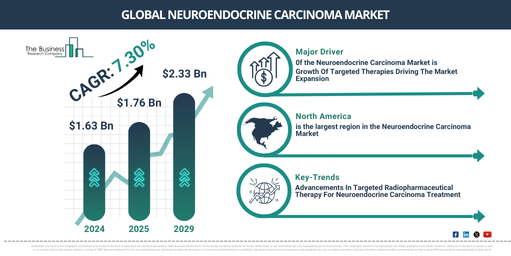
    Over the recent years, the market size of neuroendocrine carcinoma has seen robust expansion. The predicted forecasted growth is from $1.63 billion in 2024 to $1.76 billion in 2025, with a compound annual growth rate (CAGR) of 7.7%. This growth momentum during the historic period is due to factors such as the growth of the imaging sector, a rise in occurrences of neuroendocrine tumors, surging investments, heightened governmental initiatives, and increased demand for treatments targeting neuroendocrine tumors.

    How Much Will the Neuroendocrine Carcinoma Market Be Worth in 2029?

    The market for neuroendocrine carcinoma is anticipated to experience substantial growth in the coming years, with an estimated value of $2.33 billion by 2029, growing at a compound annual growth rate (CAGR) of 7.3%. The growth during the forecasted period can be credited to the escalating rate of cancer, an increase in product approvals, expanded use of advanced diagnostic imaging techniques, the emergence of targeted therapies, and a rise in available diagnosis and treatment methods. Key trends anticipated during this period include progressions in diagnostic technologies, enhanced imaging methods, specialized treatment strategies, developments in managing neuroendocrine tumors, and advancements in targeted therapies and immunotherapies.

    Download The Free Sample Report Here:

    https://www.thebusinessresearchcompany.com/sample.aspx?id=21229&type=smp

    Which is the Largest Company in the Neuroendocrine Carcinoma Market?

    Major companies operating in the neuroendocrine carcinoma market are Pfizer Inc., Merck & Co. Inc., AbbVie Inc., Bristol-Myers Squibb Company, AstraZeneca plc, Novartis AG, Amgen Inc., Boehringer Ingelheim GmbH, Exelixis Inc., Lantheus Holdings Inc., HUTCHMED Limited, Dana-Farber Cancer Institute Inc., Abdera Therapeutics Inc., Orano Med S.A, Eckert & Ziegler Radiopharma GmbH, Callisto Pharmaceuticals Inc., RadioMedix Inc., Clarity Pharmaceuticals Limited, Delcath Systems Inc., Provectus Biopharmaceuticals Inc.

    What Are the Main Market Drivers in the Neuroendocrine Carcinoma Industry?

    The neuroendocrine carcinoma market’s expansion is projected to be spurred by the increased utilization of targeted therapies. These treatments are meticulously created to specifically target and disrupt the molecular operations or genetic modifications that lead to a disease, particularly cancer. They’re gaining popularity due to their accuracy in treating specific genetic changes, advances in personalized medicine, and improved patient outcomes with fewer side effects. Thanks to neuroendocrine carcinoma, targeted therapies can be developed which specifically target the biochemical and genetic profiles of the tumor, thereby increasing the precision and potency of the treatment. For instance, a report published by the American Society of Gene & Cell Therapy (ASGCT) and Citeline, both based in the U.S., stated that in July 2023, at the end of the first quarter, there were 247 gene therapies in Phase II. However, this number increased by 5%, reaching 260 by the end of the second quarter. Therefore, the rise of targeted therapies is fuelling the growth of the neuroendocrine carcinoma market.

    Request For A Customized Report:

    https://www.thebusinessresearchcompany.com/customise?id=21229&type=smp

    How Is the Neuroendocrine Carcinoma Market Segments Structured?

    The neuroendocrine carcinoma market covered in this report is segmented –

    1) By Type: Gastroenteropancreatic Neuroendocrine Tumors, Carcinoid Tumors, Pheochromocytoma, Medullary Thyroid Carcinoma

    2) By Diagnostic Tools: Imaging, Biopsy, Serology

    3) By Treatment: Chemotherapy, Radiotherapy, Surgery, Other Treatments

    4) By Distribution Channel: Hospital Pharmacies, Retail Pharmacies, Online Pharmacies

    5) By End-User: Hospitals, Clinics, Oncology Centers, Ambulatory Surgery Centers

    Subsegments:

    1) By Gastroenteropancreatic Neuroendocrine Tumors (GEP-NETs): Pancreatic Neuroendocrine Tumors (pNETs), Small Intestinal Neuroendocrine Tumors, Gastric Neuroendocrine Tumors, Colorectal Neuroendocrine Tumors

    2) By Carcinoid Tumors: Pulmonary Carcinoid Tumors, Gastrointestinal Carcinoid Tumors

    3) By Pheochromocytoma: Adrenal Pheochromocytoma, Extra-Adrenal Paraganglioma

    4) By Medullary Thyroid Carcinoma: Sporadic Medullary Thyroid Carcinoma, Hereditary Medullary Thyroid Carcinoma (MEN2-Associated)

    What Strategic Trends Are Transforming the Neuroendocrine Carcinoma Market?

    Leading firms in the neuroendocrine carcinoma market are concentrating their efforts on manufacturing advanced therapeutic approaches, notably targeted radiopharmaceutical treatment, to enhance precision in treatment and patient results. This type of therapy employs radioactive molecules that can specifically single out and administer radiation to the cancer cells, thereby causing less damage to the healthy tissues. As an example, Abdera Therapeutics Inc., a biotech firm based in Canada, gained the FDA’s orphan drug designation in September 2024 for their ABD-147. This drug is aimed at treating neuroendocrine carcinoma by selectively targeting tumors that show up with the DLL3 protein, a common occurrence in more aggressive types of neuroendocrine cancers like SCLC and LCNEC. The FDA’s designation has given ABD-147 an edge in terms of opportunities for further development, tax credits for conducting clinical trials, and the potential for market exclusivity, making it a significant contender in this specific field of oncology.

    Access The Full Report Here:

    https://www.thebusinessresearchcompany.com/report/neuroendocrine-carcinoma-global-market-report

    Which Global Regions Offer the Highest Growth in the Neuroendocrine Carcinoma Market?

    North America was the largest region in the neuroendocrine carcinoma market in 2024. Asia-Pacific is expected to be the fastest-growing region in the forecast period. The regions covered in the neuroendocrine carcinoma market report are Asia-Pacific, Western Europe, Eastern Europe, North America, South America, Middle East, Africa.

    Purchase The Full Report Today:

    https://www.thebusinessresearchcompany.com/purchaseoptions.aspx?id=21229

    This Report Delivers Insight On:

    1. How big is the neuroendocrine carcinoma market, and how is it changing globally?

    2. Who are the major companies in the neuroendocrine carcinoma market, and how are they performing?

    3. What are the key opportunities and risks in the neuroendocrine carcinoma market right now?

    4. Which products or customer segments are growing the most in the neuroendocrine carcinoma market?

    5. What factors are helping or slowing down the growth of the neuroendocrine carcinoma market?

    About The Business Research Company:

    With over 15000+ reports from 27 industries covering 60+ geographies, The Business Research Company has built a reputation for offering comprehensive, data-rich research and insights. Armed with 1,500,000 datasets, the optimistic contribution of in-depth secondary research, and unique insights from industry leaders, you can get the information you need to stay ahead in the game.

    Get in touch with us:

    The Business Research Company: https://www.thebusinessresearchcompany.com/

    Americas +1 310-496-7795

    Asia +44 2071930708

    Europe +44 7882 955267

    Email us at info@tbrc.info

    Follow us on:

    LinkedIn: https://in.linkedin.com/company/the-business-research-company

    YouTube: https://www.youtube.com/channel/UC24_fI0rV8cR5DxlCpgmyFQ

    Global Market Model: https://www.thebusinessresearchcompany.com/global-market-model
  • Nephrotic Syndrome Industry Growth Expected to Reach $1.44 Billion by 2029 at a CAGR of 10.7% | Segmentation and Growth Opportunities

    Nephrotic Syndrome Industry Growth Expected to Reach $1.44 Billion by 2029 at a CAGR of 10.7% | Segmentation and Growth Opportunities

    Claim your 30% discount on Global Market Reports with code ONLINE30. Limited time only.

    What Is the Forecast for the Nephrotic Syndrome Market Growth in 2025?

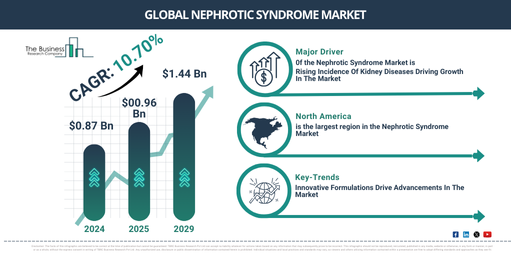
    In recent times, the market size of nephrotic syndrome has expanded at an impressive pace. The market, which stood at $0.87 billion in 2024, is projected to increase to $00.96 billion by 2025, clocking a compound annual growth rate (CAGR) of 11.0%. This expansion during the historical period can be traced back to factors such as a rise in the cases of nephrotic syndrome, an upsurge in genetic disorders, escalating obesity rates, an increased employment of immunosuppressive medications, as well as an amplified influence of genetic elements.

    What Is the Forecast for the Nephrotic Syndrome Market Size Through 2029?

    The market for nephrotic syndrome is projected to witness swift expansion in the upcoming years and is anticipated to reach a value of $1.44 billion by the year 2029, demonstrating a compound annual growth rate (CAGR) of 10.7%. Several factors including increasing awareness about Nephrotic Syndrome, growing instances of Chronic Kidney Disease (CKD), escalating incidence of metabolic ailments, expanding elderly population, and surging prevalence of autoimmune diseases could drive this growth during the forecast period. Important trends that may emerge during this period encompass telemedicine and remote health monitoring, pioneering drug delivery methods, innovation in therapeutic practices, advancements in the field of biotechnology, and the incorporation of digital health technologies.

    Download The Free Sample Report Here:

    https://www.thebusinessresearchcompany.com/sample.aspx?id=21228&type=smp

    What are the Key Market Players in Nephrotic Syndrome Market and How They’re Evolving?

    Major companies operating in the nephrotic syndrome market are Pfizer Inc., F. Hoffmann-La Roche AG, AbbVie Inc., Bristol-Myers Squibb Company, Abbott Laboratories, Novartis AG, GlaxoSmithKline plc, Amgen Inc., Eli Lilly and Company, Asahi Kasei Corporation, Otsuka Pharmaceutical Co. Ltd., Astellas Pharma Inc., Vertex Pharmaceuticals, Chugai Pharmaceutical Co. Ltd., Mallinckrodt Company, Evotec SE, Travere Therapeutics Inc., Aurinia Pharmaceuticals Inc., Orbis Biosciences Inc., Alpine Immune Sciences, Kezar Life Sciences, Zenyaku Kogyo Co. Ltd

    What Are the Primary Growth Drivers in the Nephrotic Syndrome Market?

    The escalation in kidney diseases is anticipated to drive the growth of the nephrotic syndrome market. Kidney diseases encompass any disorder or condition that impairs the kidney’s ability to function and filter out waste and excess fluids from the bloodstream. The rising prevalence of kidney diseases can be attributed to factors like diabetes, high blood pressure, obesity, aging demographic, and changes in lifestyle habits, including high sodium consumption and insufficient hydration. Nephrotic syndrome worsens kidney diseases by damaging the glomeruli, leading to the kidneys’ inability to filter waste and retain vital proteins. For example, data from the Australian Institute of Health and Welfare, a government agency based in Australia, showed in June 2024, that the rate of chronic kidney disease (CKD) mortality in Australia escalated from 4.2% in 2021 to 6.2% in 2022. Hence, this escalating prevalence of kidney diseases is fueling the growth of the nephrotic syndrome market.

    Request For A Customized Report:

    https://www.thebusinessresearchcompany.com/customise?id=21228&type=smp

    What Are the Leading Segments in the Global Nephrotic Syndrome Industry?

    The nephrotic syndrome market covered in this report is segmented –

    1) By Type: Drugs, Devices

    2) By Diagnosis Tests: Urinalysis, Glomerular Filtration Rate (GFR), Blood Test, Kidney Biopsy, Computerized Tomography (CT) Scan

    3) By Application: Clinics, Hospitals, Speciality Centres, Other Applications

    Subsegments:

    1) By Drugs: Steroids, Immunosuppressants, Diuretics, ACE Inhibitors Or ARBs, Other Drugs

    2) By Devices: Dialysis Machines, Peritoneal Dialysis Catheters, Hemodialysis Catheters, Kidney Replacement Therapy Devices

    What Are the Key Market Trends in the Nephrotic Syndrome Industry?

    The nephrotic syndrome market’s main players are collaborating to create advanced formulas like loop diuretic injections. These injections aim to enhance fluid control and minimize swelling in patients with nephrotic syndrome. The term “Loop diuretic Injection” describes a drug that prevents the absorption of sodium and chloride in the Henle’s loop, which results in increased urine production. It’s primarily used to address acute pulmonary edema, heart failure, and severe hypertension by lowering fluid overload. For instance, in March 2024, Avenacy Inc., a pharmaceutical company from the U.S. introduced a generic version of Lasix called furosemide for Injection, which was FDA-approved, intended for edema treatment related to heart failures, liver cirrhosis, and kidney diseases. The drug, offered in 25-unit packs each containing 100 mg/10 mL doses, is part of wider expansion plans by Avenacy to broaden its injectable medicine portfolio with over 20 product launches planned in 2024. It is indicated for adults and pediatric patients to treat edema associated with congestive heart failure, liver cirrhosis, and kidney diseases, such as nephrotic syndrome.

    Access The Full Report Here:

    https://www.thebusinessresearchcompany.com/report/nephrotic-syndrome-global-market-report

    What Is the Regional Outlook for the Nephrotic Syndrome Market?

    North America was the largest region in the nephrotic syndrome market in 2024. The regions covered in the nephrotic syndrome market report are Asia-Pacific, Western Europe, Eastern Europe, North America, South America, Middle East, Africa.

    Purchase The Full Report Today:

    https://www.thebusinessresearchcompany.com/purchaseoptions.aspx?id=21228

    This Report Delivers Insight On:

    1. How big is the nephrotic syndrome market, and how is it changing globally?

    2. Who are the major companies in the nephrotic syndrome market, and how are they performing?

    3. What are the key opportunities and risks in the nephrotic syndrome market right now?

    4. Which products or customer segments are growing the most in the nephrotic syndrome market?

    5. What factors are helping or slowing down the growth of the nephrotic syndrome market?

    About The Business Research Company:

    With over 15000+ reports from 27 industries covering 60+ geographies, The Business Research Company has built a reputation for offering comprehensive, data-rich research and insights. Armed with 1,500,000 datasets, the optimistic contribution of in-depth secondary research, and unique insights from industry leaders, you can get the information you need to stay ahead in the game.

    Get in touch with us:

    The Business Research Company: https://www.thebusinessresearchcompany.com/

    Americas +1 310-496-7795

    Asia +44 2071930708

    Europe +44 7882 955267

    Email us at info@tbrc.info

    Follow us on:

    LinkedIn: https://in.linkedin.com/company/the-business-research-company

    YouTube: https://www.youtube.com/channel/UC24_fI0rV8cR5DxlCpgmyFQ

    Global Market Model: https://www.thebusinessresearchcompany.com/global-market-model
  • Myocarditis Disease  Industry Valued at $2.07 Billion by 2029 With CAGR of 6.5% | Size and Share Insights

    Myocarditis Disease Industry Valued at $2.07 Billion by 2029 With CAGR of 6.5% | Size and Share Insights

    Claim your 30% discount on Global Market Reports with code ONLINE30. Limited time only.

    What Is the Forecast for the Myocarditis Disease Market from 2024 to 2025?

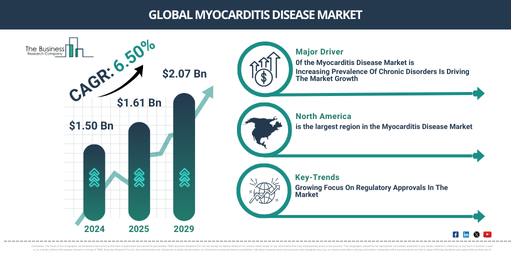
    The market for myocarditis disease has seen robust growth in recent years. It’s anticipated to expand from $1.50 billion in 2024 to $1.61 billion in 2025, reflecting a compound annual growth rate (CAGR) of 6.8%. The historical growth is attributed to the escalating occurrence of viral infections, heightened consciousness regarding autoimmune diseases, an increase in cases of cardiovascular diseases, improved therapies for heart inflammation, and a surge in funding for cardiovascular research.

    What Is the Projected Market Size of the Myocarditis Disease Market?

    Predictions suggest robust expansion in the myocarditis disease market in the forthcoming years, with an expected value of $2.07 billion by 2029, growing at a compound annual growth rate (CAGR) of 6.5%. This growth projection for the forecast period can be linked to factors such as government backing and policies, the presence of targeted therapies, increase in clinical trials, advancements in healthcare infrastructure, and newly established treatment guidelines. Key trends expected in the forecast period consist of the CRISPR-Cas9 technology, 3D printing, predictive analytics powered by artificial intelligence, Virtual Reality technologies, and wearable devices for electrocardiogram (ECG).

    Download The Free Sample Report Here:

    https://www.thebusinessresearchcompany.com/sample.aspx?id=21227&type=smp

    Who are the Major Competitors in the Myocarditis Disease Market Outlook?

    Major companies operating in the myocarditis disease market are Pfizer Inc., Hoffmann-La Roche AG, Merck & Co Inc., Bristol-Myers Squibb Company, AstraZeneca PLC, Novartis AG, GlaxoSmithKline plc, Eli Lilly and Company, Gilead Sciences Inc., Teva Pharmaceutical Industries Ltd., Regeneron Pharmaceuticals Inc., UCB S.A., Sun Pharmaceutical Industries Ltd., Cipla Limited, Alnylam Pharmaceuticals Inc., Sobi (Swedish Orphan Biovitrum AB), BridgeBio Pharma Inc., Evotec SE, Cardiol Therapeutics Inc., Cantargia AB.

    What Is Fueling Growth in the Myocarditis Disease Market?

    The myocarditis disease market is poised for growth, largely attributed to the escalating occurrence of chronic illnesses. These are prolonged health issues that endure for more than a year and typically necessitate continuous medical surveillance, management, or modifications in lifestyle. The mounting incidence of such disorders stems from aging populations, inactive lifestyles, unhealthy eating patterns, escalating obesity levels, and heightened exposure to environmental pollutants. One such chronic disorder, myocarditis, is marked by inflammation of the heart muscle, potentially leading to enduring complications like heart failure, arrhythmias, and cardiomyopathy. These conditions demand continuous monitoring and significantly influence cardiovascular health over the long term. The British Heart Foundation, a UK-based cardiovascular research charity, reported in September 2024 that in the UK, heart and circulatory diseases affect nearly 7.6 million people, comprising approximately 4 million males and 3.6 million females. These diseases account for about 27% of total deaths in the UK, leading to over 170,000 deaths per year, or an estimated 480 deaths daily. This implies one death every three minutes. Hence, the escalating occurrence of chronic diseases fuels the growth of the myocarditis disease market.

    Request For A Customized Report:

    https://www.thebusinessresearchcompany.com/customise?id=21227&type=smp

    Which Myocarditis Disease Market Segments Are Growing the Fastest?

    The myocarditis disease market covered in this report is segmented –

    1) By Type: Acute Myocarditis, Chronic Myocarditis, Lymphocytic Myocarditis

    2) By Treatment: Medication, Surgery, Other Treatments

    3) By Diagnosis: Blood Tests, Imaging Tests, Cardiac Catheterization, Heart Muscle Biopsy, Others Diagnosis

    4) By Distribution Channel: Hospital Pharmacy, Retail Pharmacy, Online Pharmacy, Other Distribution Channels

    5) By End-Users: Hospitals, Specialty Clinics, Homecare, Other End-Users

    Subsegments:

    1) By Acute Myocarditis: Viral Myocarditis, Bacterial Myocarditis, Fungal Myocarditis

    2) By Chronic Myocarditis: Autoimmune Myocarditis, Chronic Active Myocarditis, Chronic Inflammatory Myocarditis

    3) By Lymphocytic Myocarditis: Idiopathic Lymphocytic Myocarditis, Drug-Induced Lymphocytic Myocarditis, Lymphocytic Myocarditis Associated with Viral Infections

    Which Industry Trends Are Shaping the Future of the Myocarditis Disease Market?

    Leading firms in the myocarditis disease market are prioritizing obtaining authorization from regulatory bodies for their new drugs in order to broaden treatment alternatives and improve patient results. Regulatory approvals represent the official permission provided by governmental or regulatory authorities for the introduction and usage of drugs, medical devices or treatments by the general public. For example, Cardiol Therapeutics Inc., a pharmaceutical firm based in Canada, announced in May 2022, that they have received FDA Investigational New Drug (IND) permission to conduct a multicenter Phase II open-label pilot study of CardiolRx for recurrent pericarditis. This research will take place simultaneously with the company’s multinational Phase II study for acute myocarditis, due to start soon. Both studies aim to create innovative anti-inflammatory therapies for cardiovascular diseases. Moreover, for both recurrent pericarditis and acute myocarditis, CardiolRx has been awarded orphan drug status, emphasizing its potential to meet these medical needs.

    Access The Full Report Here:

    https://www.thebusinessresearchcompany.com/report/myocarditis-disease-global-market-report

    Which Countries Are Leading the Myocarditis Disease Market?

    North America was the largest region in the myocarditis disease market in 2024. The regions covered in the myocarditis disease market report are Asia-Pacific, Western Europe, Eastern Europe, North America, South America, Middle East, Africa.

    Purchase The Full Report Today:

    https://www.thebusinessresearchcompany.com/purchaseoptions.aspx?id=21227

    This Report Delivers Insight On:

    1. How big is the myocarditis disease market, and how is it changing globally?

    2. Who are the major companies in the myocarditis disease market, and how are they performing?

    3. What are the key opportunities and risks in the myocarditis disease market right now?

    4. Which products or customer segments are growing the most in the myocarditis disease market?

    5. What factors are helping or slowing down the growth of the myocarditis disease market?

    About The Business Research Company:

    With over 15000+ reports from 27 industries covering 60+ geographies, The Business Research Company has built a reputation for offering comprehensive, data-rich research and insights. Armed with 1,500,000 datasets, the optimistic contribution of in-depth secondary research, and unique insights from industry leaders, you can get the information you need to stay ahead in the game.

    Get in touch with us:

    The Business Research Company: https://www.thebusinessresearchcompany.com/

    Americas +1 310-496-7795

    Asia +44 2071930708

    Europe +44 7882 955267

    Email us at info@tbrc.info

    Follow us on:

    LinkedIn: https://in.linkedin.com/company/the-business-research-company

    YouTube: https://www.youtube.com/channel/UC24_fI0rV8cR5DxlCpgmyFQ

    Global Market Model: https://www.thebusinessresearchcompany.com/global-market-model
  • Myelofibrosis (MF) Market to Reach $1.76 Billion by 2029 | Key Drivers and Future Outlook

    Myelofibrosis (MF) Market to Reach $1.76 Billion by 2029 | Key Drivers and Future Outlook

    Claim your 30% discount on Global Market Reports with code ONLINE30. Limited time only.

    What Is the Growth Rate of the Myelofibrosis (MF) Market?

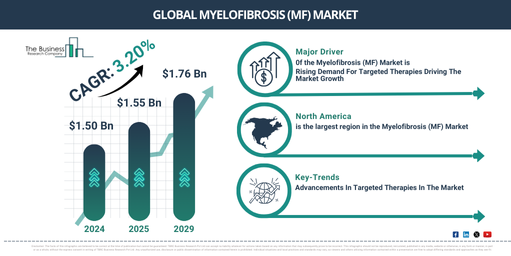
    The market size for myelofibrosis (MF) has been on a consistent growth trajectory in the past few years. It’s projected to surge from $1.50 billion in 2024 to $1.55 billion in 2025, marking a compound annual growth rate (CAGR) of 3.5%. The growth during the historical period has been driven by several factors. These include rising instances of myeloproliferative neoplasms, increased consciousness and early detection, wider acceptance of JAK inhibitors, expanding availability of bone marrow transplants, and an uptick in regulatory approvals for new treatments.

    What Growth Rate Is Forecasted for the Myelofibrosis (MF) Market by 2029?

    Over the coming years, the myelofibrosis (MF) market is anticipated to experience consistent expansion, reaching a valuation of $1.76 billion by 2029 with a compound annual growth rate (CAGR) of 3.2%. This expansion during the forecast timeframe can be correlated to the mounting need for customized treatment options, a surge in gene and cell therapies related clinical trials, an increased adoption of combination therapies, extensive health insurance coverage for rare illnesses, and enhanced expenditure on hematology treatment. The forecasted period will potentially witness key innovations such as advancements in gene-altering technologies, novel developments in fibrosis-focused medication, creation of next-gen JAK inhibitors, a escalating focus on immunotherapy for myelofibrosis, and a rise in the application of artificial intelligence for drug development.

    Download The Free Sample Report Here:

    https://www.thebusinessresearchcompany.com/sample.aspx?id=21226&type=smp

    Which Key Companies Are Shaping the Future of the Myelofibrosis (MF) Market?

    Major companies operating in the myelofibrosis (MF) market are Pfizer Inc., F. Hoffmann-La Roche Ltd., Merck & Co. Inc., AbbVie Inc., Sanofi S.A., Bristol-Myers Squibb Company, Novartis AG, GlaxoSmithKline plc, Eli Lilly and Company, Gilead Sciences Inc., A. Menarini Industrie Farmaceutiche Riunite S.r.l., Incyte Corporation, Sobi Inc., MorphoSys AG, CTI BioPharma Corp., Suzhou Zelgen Biopharmaceutical Co. Ltd., NS Pharma Inc., Impact Biomedicines Inc., Kartos Therapeutics Inc., Geron Corporation

    Which Factors Are Driving Demand in the Myelofibrosis (MF) Industry?

    The rise in the preference for targeted therapies is anticipated to push forward the expansion of the myelofibrosis (MF) market. Tailoring treatments and healthcare choices around unique genetic, environmental, and lifestyle elements represents the concept of targeted therapies. The surging demand for these therapies is supported by the advancements in genomics, biotechnology, and data analytics, which facilitate more accurate and effective, and personalized treatments. Identifying crucial molecular pathways such as JAK-STAT signaling, myelofibrosis (MF) lays a significant foundation for fabricating targeted therapies, which includes precision treatments like JAK inhibitors (Ruxolitinib, Fedratinib, and Pacritinib) that help manage symptoms and slow down the progression of the disease. For instance, in April 2024, the American Society of Gene & Cell Therapy, a government organization based in the US, stated that the overall number of therapies in all phases of clinical pipeline development has seen an increase. Phase I therapies, in particular, witnessed an 11% increase—the most considerable growth rate since Q4 2022. Consequently, the escalating demand for targeted therapies is fueling the expansion of the myelofibrosis (MF) market.

    Request For A Customized Report:

    https://www.thebusinessresearchcompany.com/customise?id=21226&type=smp

    How Is the Myelofibrosis (MF) Market Segmented by Several Divisions?

    The myelofibrosis (MF) market covered in this report is segmented –

    1) By Drug Type: Jak Inhibitor, Immunomodulators, Hydroxyurea, Other Drug Types

    2) By Treatment Type: Chemotherapy, Targeted Therapy, Other Treatment Types

    3) By Route Of Administration: Oral, Parenteral, Other Routes Of Administration

    4) By Distribution Channel: Hospital Pharmacy, Online Pharmacy, Retail Pharmacy

    5) By End User: Hospitals, Homecare, Specialty Clinics, Other End Users

    Subsegments:

    1) By Jak Inhibitor: Ruxolitinib, Fedratinib, Momelotinib, Itacitinib

    2) By Immunomodulators: Thalidomide, Lenalidomide, Pomalidomide

    3) By Hydroxyurea: Oral Hydroxyurea, Injectable Hydroxyurea

    4) By Other Drug Types: Erythropoiesis-Stimulating Agents (ESAs), Danazol, Monoclonal Antibodies, Chemotherapy Agents

    What are the Emerging Market Trends Driving the Growth of the Myelofibrosis (MF) Industry?

    Prominent corporations in the myelofibrosis (MF) market are concentrating their efforts on the advancement of targeted treatments, such as JAK1/JAK2 and ACVR1 inhibitors, with the aim to strengthen the effectiveness of treatment, manage disease progression, and enhance patient outcomes in myelofibrosis (MF). The function of JAK1/JAK2 inhibitors is to target the Janus kinase pathway with an aim to decrease inflammation and irregular blood cell production in myelofibrosis. On the other hand, ACVR1 inhibitors work by blocking activin receptor-like kinase 2 (ALK2) for controlling bone marrow fibrosis and disease progression. For instance, in September 2023, GSK plc, a pharmaceutical company based in UK, accepted approval from the US Food and Drug Administration (FDA) for Ojjaara (momelotinib), approved for treating intermediate- or high-risk myelofibrosis. Its twin action mechanism, focusing on both JAK1/JAK2 and ACVR1, effectively controls inflammatory pathways while raising hemoglobin levels, thereby decreasing transfusion need. This approval has not only broadened treatment possibilities but also established a fresh benchmark for MF management in patients dealing with anemia, a substantial unresolved necessity in the disease landscape.

    Access The Full Report Here:

    https://www.thebusinessresearchcompany.com/report/myelofibrosis-mf-global-market-report

    Which Regions Are Driving Growth in the Myelofibrosis (MF) Market?

    North America was the largest region in the myelofibrosis (MF) market in 2024. Asia-Pacific is expected to be the fastest-growing region in the forecast period. The regions covered in the myelofibrosis (MF) market report are Asia-Pacific, Western Europe, Eastern Europe, North America, South America, Middle East, Africa.

    Purchase The Full Report Today:

    https://www.thebusinessresearchcompany.com/purchaseoptions.aspx?id=21226

    This Report Delivers Insight On:

    1. How big is the myelofibrosis (mf) market, and how is it changing globally?

    2. Who are the major companies in the myelofibrosis (mf) market, and how are they performing?

    3. What are the key opportunities and risks in the myelofibrosis (mf) market right now?

    4. Which products or customer segments are growing the most in the myelofibrosis (mf) market?

    5. What factors are helping or slowing down the growth of the myelofibrosis (mf) market?

    About The Business Research Company:

    With over 15000+ reports from 27 industries covering 60+ geographies, The Business Research Company has built a reputation for offering comprehensive, data-rich research and insights. Armed with 1,500,000 datasets, the optimistic contribution of in-depth secondary research, and unique insights from industry leaders, you can get the information you need to stay ahead in the game.

    Get in touch with us:

    The Business Research Company: https://www.thebusinessresearchcompany.com/

    Americas +1 310-496-7795

    Asia +44 2071930708

    Europe +44 7882 955267

    Email us at info@tbrc.info

    Follow us on:

    LinkedIn: https://in.linkedin.com/company/the-business-research-company

    YouTube: https://www.youtube.com/channel/UC24_fI0rV8cR5DxlCpgmyFQ

    Global Market Model: https://www.thebusinessresearchcompany.com/global-market-model

  • Rhabdomyosarcoma Market to Reach $2.6 Billion by 2029 | Key Drivers and Future Outlook

    Rhabdomyosarcoma Market to Reach $2.6 Billion by 2029 | Key Drivers and Future Outlook

    Claim your 30% discount on Global Market Reports with code ONLINE30. Limited time only.

    What Is the Growth Rate of the Rhabdomyosarcoma Market?

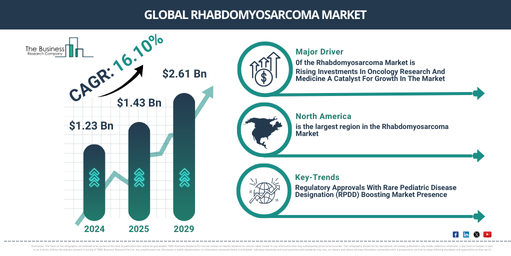
    The market for rhabdomyosarcoma has seen a swift expansion in the recent past. It’s projected that the market will escalate from $1.23 billion in 2024 to $1.43 billion in 2025, boasting a compound annual growth rate (CAGR) of 16.5%. This notable growth during the historical phase can be traced back to a rise in resources dedicated to cancer research, the presence of targeted treatments, advancements in surgical methods and strategies, development in pediatric oncology initiatives, and enhanced health care policies.

    What Growth Rate Is Forecasted for the Rhabdomyosarcoma Market by 2029?

    Predictions suggest a substantial surge in the rhabdomyosarcoma market size over the forthcoming years, anticipated to reach $2.61 billion by 2029 with a compound annual growth rate (CAGR) of 16.1%. The projected growth in the specified period is a result of factors like a deeper knowledge of cancer biology, upgraded prognosis tools, the emphasis on early detection and prevention, expansion of the global oncology networks, and the incorporation of multi-disciplinary treatment methods. The forecast period is also expected to witness trends such as advancements in immunotherapy, the use of liquid biopsy for early detection, organoids for drug testing, advanced radiotherapy techniques and progressing regenerative medicine.

    Download The Free Sample Report Here:

    https://www.thebusinessresearchcompany.com/sample.aspx?id=21276&type=smp

    Which Key Companies Are Shaping the Future of the Rhabdomyosarcoma Market?

    Major companies operating in the rhabdomyosarcoma market are Pfizer Inc., Merck & Co Inc., Bristol-Myers Squibb Company, Thermo Fisher Scientific Inc., AstraZeneca PLC, Novartis AG, Eli Lilly and Company, Gilead Sciences Inc., GE HealthCare Technologies Inc., Eisai Co Ltd., Ipsen S.A., Elekta AB, Acrivon Therapeutics Inc., Larvol Inc., Oasmia Pharmaceutical AB, Immix Biopharma Inc., Cellectar Biosciences Inc., Lantern Pharma Inc., ApconiX Ltd., Oncoheroes Biosciences Inc.

    Which Factors Are Driving Demand in the Rhabdomyosarcoma Industry?

    The growth of the rhabdomyosarcoma market is anticipated to be propelled forward by the rise in investments directed towards oncology research and medicine. These financial contributions, provided by governments, pharmaceutical corporations, research institutions, and private investors, are aimed at furthering the comprehension and treatment of cancer, as well as its prevention and diagnosis. Factors such as a growing global cancer burden, progress in precision medicine, the high demand for novel therapies, increased clinical trials, funding initiatives, and the emergence of targeted treatments and immunotherapy are intensifying the investments towards oncology research and medicine. These investments are beneficial for rhabdomyosarcoma as they contribute to progress in early detection, advancement in treatment options, funding for clinical trials, enhancement of pediatric cancer care facilities and the innovation in the research to understand the progression and biology of the disease better. For instance, IQVIA, an Indian IT firm offering advanced analytics, indicated in May 2024 that global spending on cancer medicine escalated to $223 billion in 2023, exhibiting a $25 billion rise from 2022, and is forecasted to touch $409 billion by 2028. Hence, the rhabdomyosarcoma market is fuelled by the increase in oncology research and medicine investments. In addition to this, the rhabdomyosarcoma market’s growth is predicted to be driven by improvements in healthcare facilities. These establishments, such as hospitals, clinics, and diagnostic centers, cater to the treatment and support of patients. Increased investment in healthcare infrastructure, an emphasis on patient-oriented care, demographic growth, and aging are among the factors leading to the advancement in healthcare facilities. Rhabdomyosarcoma is instrumental in driving improvements in healthcare facilities as it necessitates innovative diagnostic tools, new treatment protocols, and comprehensive care approaches which further enhance oncology research, pediatric cancer treatment, and development of targeted therapies. For instance, according to the American Health Care Association, a US-based nonprofit organization, in May 2023, the United States had 6,129 hospitals, marking a 0.591% increase from the preceding year, which recorded 6,093 hospitals. Therefore, the rhabdomyosarcoma market is propelled by the enhancement in healthcare facilities.

    Request For A Customized Report:

    https://www.thebusinessresearchcompany.com/customise?id=21276&type=smp

    How Is the Rhabdomyosarcoma Market Segmented by Several Divisions?

    The rhabdomyosarcoma market covered in this report is segmented –

    1) By Type: Embryonal Rhabdomyosarcoma, Alveolar Rhabdomyosarcoma, Other Types

    2) By Treatment: Surgery, Radiation Therapy, Chemotherapy, Stem Cell Therapy

    3) By Diagnosis: Imaging Tests, X-Ray, Computed Tomography Scan, Magnetic Resonance Imaging Scan, Positron Emission Tomography Scan, Bone Scan, Biopsy, Needle Biopsy, Surgical Biopsy

    Subsegments:

    1) By Embryonal Rhabdomyosarcoma: Botryoid Rhabdomyosarcoma, Spindle Cell Rhabdomyosarcoma

    2) Alveolar Rhabdomyosarcoma (ARMS): Fusion-Positive ARMS, Fusion-Negative ARMS

    3) Other Types of Rhabdomyosarcoma: Pleomorphic Rhabdomyosarcoma, Mixed-Type Rhabdomyosarcoma, Sclerosing Rhabdomyosarcoma

    What are the Emerging Market Trends Driving the Growth of the Rhabdomyosarcoma Industry?

    Leading firms in the rhabdomyosarcoma market are securing regulatory permissions with the rare pediatric disease designation (RPDD) for their drugs to broaden their scope and consolidate their standing in the rhabdomyosarcoma treatment sector. The RPDD is a unique status awarded by regulatory bodies to promote the creation of remedies for grave or fatal rare diseases, predominantly affecting kids. For example, in January 2022, Immix Biopharma, Inc., an American biotech firm, was given the RPDD for IMX-110, a treatment for rhabdomyosarcoma in children, by the Food and Drug Administration, a US government agency. IMX-110 is the inaugural clinical-stage product within the SMARxT Tissue-Specific Platform. It includes a poly-kinase inhibitor and apoptosis initiator that is delivered deeply into the tumor microenvironment. IMX-110 is intended to build up at the desired therapeutic sites at a rate 3 to 5 times faster than standard treatments. The drug targets the cancer, cancer-associated fibroblasts, and immune cells or tumor-associated macrophages, cutting off the connections between the tumor and its metabolic and structural support, resulting in tumor apoptosis.

    Access The Full Report Here:

    https://www.thebusinessresearchcompany.com/report/rhabdomyosarcoma-global-market-report

    Which Regions Are Driving Growth in the Rhabdomyosarcoma Market?

    North America was the largest region in the rhabdomyosarcoma market in 2024. Asia-Pacific is expected to be the fastest-growing region in the forecast period. The regions covered in the rhabdomyosarcoma market report are Asia-Pacific, Western Europe, Eastern Europe, North America, South America, Middle East, Africa.

    Purchase The Full Report Today:

    https://www.thebusinessresearchcompany.com/purchaseoptions.aspx?id=21276

    This Report Delivers Insight On:

    1. How big is the rhabdomyosarcoma market, and how is it changing globally?

    2. Who are the major companies in the rhabdomyosarcoma market, and how are they performing?

    3. What are the key opportunities and risks in the rhabdomyosarcoma market right now?

    4. Which products or customer segments are growing the most in the rhabdomyosarcoma market?

    5. What factors are helping or slowing down the growth of the rhabdomyosarcoma market?

    About The Business Research Company:

    With over 15000+ reports from 27 industries covering 60+ geographies, The Business Research Company has built a reputation for offering comprehensive, data-rich research and insights. Armed with 1,500,000 datasets, the optimistic contribution of in-depth secondary research, and unique insights from industry leaders, you can get the information you need to stay ahead in the game.

    Get in touch with us:

    The Business Research Company: https://www.thebusinessresearchcompany.com/

    Americas +1 310-496-7795

    Asia +44 2071930708

    Europe +44 7882 955267

    Email us at info@tbrc.info

    Follow us on:

    LinkedIn: https://in.linkedin.com/company/the-business-research-company

    YouTube: https://www.youtube.com/channel/UC24_fI0rV8cR5DxlCpgmyFQ

    Global Market Model: https://www.thebusinessresearchcompany.com/global-market-model