Category: HealthcareServices

  • Market Analysis on Hepatitis D Industry – Insights for Corporate Strategy and R&D

    Market Analysis on Hepatitis D Industry – Insights for Corporate Strategy and R&D

    Claim your 30% discount on Global Market Reports with code ONLINE30. Limited time only.

    What Is the Forecast for the Hepatitis D Market from 2024 to 2025?

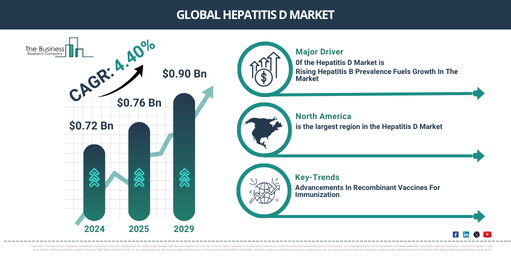
    There has been a sustained growth in the hepatitis D market size in the past few years. It is projected to escalate from $0.72 billion in 2024 to $0.76 billion in 2025, marking a compound annual growth rate (CAGR) of 4.6%. The expansion experienced in the historical period is due to factors such as the scarcity of treatment alternatives, high incidence in areas where the disease is endemic, simultaneous infection with hepatitis B, low levels of awareness and diagnosis, and governmental immunization initiatives.

    What Is the Projected Market Size of the Hepatitis D Market?

    The market for hepatitis D is projected to witness consistent expansion in the coming years, reaching a valuation of $0.90 billion by 2029 with a Compound Annual Growth Rate (CAGR) of 4.4%. Factors contributing to growth during the forecast period include wider reimbursement provisions for new treatment methods, growing investments in the health sector, increased use of combination therapies, an upturn in hepatitis B immunization coverage, and the growth of public health programs. The forecast period will also see key trends such as progress in molecular diagnostic instruments, a move towards personalized medicine for dealing with liver diseases, the creation of innovative RNA-based treatments, the expansion of clinical trials for hepatitis D remedies, and the embrace of telemedicine in managing hepatitis.

    Download The Free Sample Report Here:

    https://www.thebusinessresearchcompany.com/sample.aspx?id=21202&type=smp

    Who are the Major Competitors in the Hepatitis D Market Outlook?

    Major companies operating in the hepatitis d market are F. Hoffmann-La Roche Ltd., Merck & Co. Inc., Bristol-Myers Squibb Company, Abbott Laboratories, GSK plc, Gilead Sciences Inc., Viatris Inc, VBI Vaccines Inc, Alnylam Pharmaceuticals Inc., Arrowhead Pharmaceuticals Inc., Dynavax Technologies Corporation, Echosens S.A, Arbutus Biopharma Corporation, PROBIOMED SA de CV, Assembly Biosciences Inc., Replicor Inc., Eiger BioPharmaceuticals Inc, Bluejay Therapeutics Inc, Janssen Pharmaceuticals Inc., Transgene SA, Vir Biotechnology Inc, Biorex Diagnostics Ltd.

    What Is Fueling Growth in the Hepatitis D Market?

    The escalating occurrences of hepatitis B is anticipated to boost the expansion of the hepatitis D market in the future. Hepatitis B, a viral infection that impacts the liver and causes symptoms like jaundice, tiredness, and abdominal discomfort, could result in chronic liver illness or liver cancer if not addressed promptly. The upsurge in Hepatitis B instances is linked to certain risk behaviors such as unprotected sex, needle sharing, transmission from mother to child during childbirth, and inadequate vaccination coverage in certain areas. Hepatitis D depends on the Hepatitis B virus for replication, making use of Hepatitis B’s surface antigen to infect liver cells, emphasizing the crucial nature of dual infection in liver disease progression. For example, the Department of Health and Human Services, a US-based government department, reported in November 2023 that new chronic hepatitis B cases increased 11% in 2022 compared to 2021. Consequently, the rising prevalence of hepatitis B propels the expansion of the hepatitis D market.

    Request For A Customized Report:

    https://www.thebusinessresearchcompany.com/customise?id=21202&type=smp

    Which Hepatitis D Market Segments Are Growing the Fastest?

    The hepatitis d market covered in this report is segmented –

    1) By Type: Acute, Chronic

    2) By Diagnosis: Blood Tests, Elastography, Liver Biopsy, Serologic Testing, Other Diagnosis

    3) By Distribution Channel: Hospital pharmacies, Retail pharmacies, Online Pharmacies

    4) By End-Users: Clinic, Hospital, Other End Users

    Subsegments:

    1) By Acute: Self-limiting Acute Hepatitis D, Severe Acute Hepatitis D

    2) By Chronic: Compensated Chronic Hepatitis D, Decompensated Chronic Hepatitis D

    Which Industry Trends Are Shaping the Future of the Hepatitis D Market?

    In the Hepatitis D market, leading companies are prioritizing the creation of groundbreaking formulations such as recombinant vaccines. These new vaccines aim to improve immunization effectiveness and deliver prolonged defense against the virus. Recombinant vaccines are created by incorporating a gene encoding a viral protein into a host organism like bacteria or yeast. The subsequent protein production is then used to elicit an immune response, without triggering the associated disease. An example of this occurred in December 2022, when Health Canada approved PreHevbrio [3-antigen Hepatitis B Vaccine (Recombinant)] developed by VBI Vaccines Inc., a biotech company based in the US. This vaccine actively immunizes against all recognized hepatitis B subtypes in adults 18 years and older, effectively extending its prevention to hepatitis D. This is because hepatitis D, caused by the delta agent, can’t emerge without a preexisting hepatitis B infection. The vaccine’s approval was facilitated by positive outcomes from two critical Phase 3 clinical trials, protect and constant. These studies showed that PreHevbrio offered higher seroprotection rates when juxtaposed with the single-antigen Engerix-B vaccine.

    Access The Full Report Here:

    https://www.thebusinessresearchcompany.com/report/hepatitis-d-global-market-report

    Which Countries Are Leading the Hepatitis D Market?

    North America was the largest region in the hepatitis D market in 2024. Asia-Pacific is expected to be the fastest-growing region in the forecast period. The regions covered in the hepatitis d market report are Asia-Pacific, Western Europe, Eastern Europe, North America, South America, Middle East, Africa.

    Purchase The Full Report Today:

    https://www.thebusinessresearchcompany.com/purchaseoptions.aspx?id=21202

    This Report Delivers Insight On:

    1. How big is the hepatitis d market, and how is it changing globally?

    2. Who are the major companies in the hepatitis d market, and how are they performing?

    3. What are the key opportunities and risks in the hepatitis d market right now?

    4. Which products or customer segments are growing the most in the hepatitis d market?

    5. What factors are helping or slowing down the growth of the hepatitis d market?

    About The Business Research Company:

    With over 15000+ reports from 27 industries covering 60+ geographies, The Business Research Company has built a reputation for offering comprehensive, data-rich research and insights. Armed with 1,500,000 datasets, the optimistic contribution of in-depth secondary research, and unique insights from industry leaders, you can get the information you need to stay ahead in the game.

    Get in touch with us:

    The Business Research Company: https://www.thebusinessresearchcompany.com/

    Americas +1 310-496-7795

    Asia +44 2071930708

    Europe +44 7882 955267

    Email us at info@tbrc.info

    Follow us on:

    LinkedIn: https://in.linkedin.com/company/the-business-research-company

    YouTube: https://www.youtube.com/channel/UC24_fI0rV8cR5DxlCpgmyFQ

    Global Market Model: https://www.thebusinessresearchcompany.com/global-market-model
  • Intestinal Fistula Treatment Market Outlook 2025 – Insights for Executive and Strategic Planning

    Intestinal Fistula Treatment Market Outlook 2025 – Insights for Executive and Strategic Planning

    Claim your 30% discount on Global Market Reports with code ONLINE30. Limited time only.

    How Has the Intestinal Fistula Treatment Market Grown from 2024 to 2025?

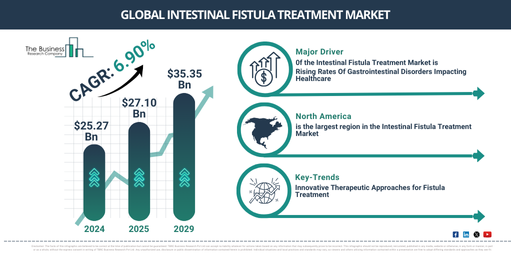
    The market size for intestinal fistula treatment has seen robust growth in the past years. The market is projected to expand from $25.27 billion in 2024 to $27.10 billion in 2025, with a compound annual growth rate (CAGR) of 7.2%. The notable growth during the historic period can be attributed to several factors such as the increased occurrence of gastrointestinal disorders, a surge in cases of malnutrition, a rise in the elderly population, improvement in healthcare infrastructure, and increased healthcare expenditure.

    What Growth Rate Is Anticipated for the Intestinal Fistula Treatment Market in the Coming Years?

    The market for treating intestinal fistula is expected to witness significant growth in the upcoming years. This market is projected to reach $35.35 billion by 2029, growing at a Compound Annual Growth Rate (CAGR) of 6.9%. The anticipated growth during the prediction period can be attributed to factors such as increasing adoption of telemedicine, growing disposable income, a rise in the incidence of Crohn’s disease, an aging demographic, and an increased focus on personalized medicine. Key trends during this forecast period include the utilization of AI-enabled diagnostic tools, advancements in biological therapies, the application of 3D printing in medicine, integrated care models, and the use of wearable devices for health monitoring.

    Download The Free Sample Report Here:

    https://www.thebusinessresearchcompany.com/sample.aspx?id=21210&type=smp

    Who Are the Leading Companies in the Intestinal Fistula Treatment Market?

    Major companies operating in the intestinal fistula treatment market are Merck & Co. KGaA, Bristol-Myers Squibb, AstraZeneca plc, Pfizer Inc., Medtronic plc, Medtronic plc, Eli Lilly and Company, Moderna Inc., Astellas Pharma Inc., Boehringer Ingelheim International GmbH, Cook Group Incorporated, Integra LifeSciences, Avante Health Solutions, Angiplast Pvt. Ltd., Angiplast Pvt. Ltd., Biolitec AG, Sklar Surgical Instruments, Livealth BioPharma, Surtex Instruments Limited, Advin Health Care

    What Are the Key Drivers of the Intestinal Fistula Treatment Market?

    The growth of the intestinal fistula treatment market is expected to be driven by the rise in gastrointestinal disorders. These disorders, which affect the digestive tract and manifest as pain, bloating, diarrhea or constipation, are on the rise due to factors such as poor diet, stress, and mental health issues, necessitating medical examination and treatment. The role of intestinal fistula treatment in this context is crucial as it helps deal with these disorders by sealing off abnormal intestinal interconnections, averting infections, restoring intestinal functionality, and lessening complications like malnourishment and sepsis. For instance, in September 2023, the Centers for Disease Control and Prevention reported that around 14.8 million adults, or 5.9% of the population, have ulcers, resulting in 35.4 million doctor visits for digestive problems. Hence, the escalating prevalence of gastrointestinal disorders is fueling the intestinal fistula treatment market growth. The intestinal fistula treatment market is likely to witness expansion due to the enhancement of healthcare facilities. These facilities, comprising hospitals, clinics, and diagnostic centers that provide medical care and services, are improving thanks to increased investment in healthcare infrastructure, a shift towards patient-centered care, population growth, and aging. Intestinal fistula treatment, with its blend of medical, surgical, and nutritional interventions, bolsters the betterment of these facilities by improving patient outcomes, reducing complications, and making optimal use of resources, thereby ensuring efficient care delivery, shorter hospital stays, and improved management of chronic illnesses. This, in turn, contributes to a more sustainable and efficient healthcare system. As per the American Health Care Association, the US had 6,129 hospitals in May 2023, indicating a 0.591% growth from the previous year when there were 6,093 hospitals. Thus, the enhancement of healthcare facilities propels the growth of the intestinal fistula treatment market.

    Request For A Customized Report:

    https://www.thebusinessresearchcompany.com/customise?id=21210&type=smp

    What Are the Key Market Segments in the Intestinal Fistula Treatment Industry?

    The intestinal fistula treatment market covered in this report is segmented –

    1) By Treatment Type: Medications, Surgery, Nutritional Support, Other Treatment Type

    2) By Route Of Administration: Oral, Rectal, Parenteral

    3) By Distribution Channel: Hospital Pharmacy, Retail Pharmacy, Online Pharmacy

    4) By End-User: Hospitals, Ambulatory Surgical Centers, Specialty Clinics, Other End-User

    Subsegments:

    1) By Medications: Antibiotics, Immunosuppressants, Antisecretory Agents, Pain Management Medications

    2) By Surgery: Fistula Closure Surgery, Bowel Resection Surgery, Stoma Formation Surgery

    3) By Nutritional Support: Parenteral Nutrition, Enteral Nutrition

    4) By Other Treatment Type: Hyperbaric Oxygen Therapy, Endoscopic Fistula Closure

    What Are the Latest Trends in the Intestinal Fistula Treatment Market?

    Leading enterprises in the intestinal fistula treatment market are prioritizing the innovation of new therapeutic methods, such as mesenchymal stem cell (MSC) therapy for the treatment of stubborn perianal fistulas. Mesenchymal stem cell (MSC) therapy involves utilizing stem cells to facilitate healing and regenerate tissue, assisting in ailments like autoimmune diseases, osteoarthritis, and gastrointestinal issues. For example, Ossium Health Inc., a bioengineering company from the US, garnered the Investigational New Drug (IND) application for their mesenchymal stem cell (MSC) product, OSSM-001, approved by the US government agency, Food and Drug Administration, in March 2022. This crucial achievement enables the firm to move forward with a multi-center Phase 1 clinical trial, which will assess the safety and practicability of the treatment. The study will feature a double-blind, randomized, placebo-controlled design, concentrating on safety and fistula healing outcomes.

    Access The Full Report Here:

    https://www.thebusinessresearchcompany.com/report/intestinal-fistula-treatment-global-market-report

    What Are the Key Regional Markets in the Intestinal Fistula Treatment Industry?

    North America was the largest region in the Intestinal Fistula Treatment market in 2024. Asia-Pacific is expected to be the fastest-growing region in the forecast period. The regions covered in the intestinal fistula treatment market report are Asia-Pacific, Western Europe, Eastern Europe, North America, South America, Middle East, Africa.

    Purchase The Full Report Today:

    https://www.thebusinessresearchcompany.com/purchaseoptions.aspx?id=21210

    This Report Delivers Insight On:

    1. How big is the intestinal fistula treatment market, and how is it changing globally?

    2. Who are the major companies in the intestinal fistula treatment market, and how are they performing?

    3. What are the key opportunities and risks in the intestinal fistula treatment market right now?

    4. Which products or customer segments are growing the most in the intestinal fistula treatment market?

    5. What factors are helping or slowing down the growth of the intestinal fistula treatment market?

    About The Business Research Company:

    With over 15000+ reports from 27 industries covering 60+ geographies, The Business Research Company has built a reputation for offering comprehensive, data-rich research and insights. Armed with 1,500,000 datasets, the optimistic contribution of in-depth secondary research, and unique insights from industry leaders, you can get the information you need to stay ahead in the game.

    Get in touch with us:

    The Business Research Company: https://www.thebusinessresearchcompany.com/

    Americas +1 310-496-7795

    Asia +44 2071930708

    Europe +44 7882 955267

    Email us at info@tbrc.info

    Follow us on:

    LinkedIn: https://in.linkedin.com/company/the-business-research-company

    YouTube: https://www.youtube.com/channel/UC24_fI0rV8cR5DxlCpgmyFQ

    Global Market Model: https://www.thebusinessresearchcompany.com/global-market-model

  • Healthcare Extended Reality Market Projected at $34.82 Billion by 2029 | Strategic Insights and Forecast Data

    Healthcare Extended Reality Market Projected at $34.82 Billion by 2029 | Strategic Insights and Forecast Data

    Claim your 30% discount on Global Market Reports with code ONLINE30. Limited time only.

    How Has the Healthcare Extended Reality Market Size Changed, over the years?

    In recent years, the size of the extended reality market in healthcare has expanded rapidly. It is projected to increase from $8.43 billion in 2024 to $11.22 billion in 2025, demonstrating a compound annual growth rate (CAGR) of 33.1%. The historic growth is linked to factors such as a surge in surgical procedures, growing need for pain management, higher incidence of chronic illnesses, increased spending on healthcare, and improvements in medical education and training.

    How Much Will the Healthcare Extended Reality Market Be Worth in 2029?

    Expectations are set for the healthcare extended reality market to experience rapid expansion in the coming years. By 2029, the market is forecasted to reach $34.83 billion, with a compound annual growth rate (CAGR) of 32.7%. The increase during the forecast period can be linked to the rise in innovative applications in medical education and training, an increase in mental health conditions, the escalating use of XR technology in medical training, and an upsurge in healthcare establishments. Noteworthy trends for the forecast period encompass advancements in telemedicine technologies, technological progressions, improvements in display technologies, advances in virtual reality headset technology, and the evolution of digital health technologies.

    Download The Free Sample Report Here:

    https://www.thebusinessresearchcompany.com/sample.aspx?id=21199&type=smp

    Which is the Largest Company in the Healthcare Extended Reality Market?

    Major companies operating in the healthcare extended reality market are Microsoft Corporation, Meta Platforms Inc., Qualcomm Technologies Inc., Medtronic plc, NVIDIA Corporation, EInfochips Inc., PTC Inc., American Medical Association, EON Reality Inc., Osso VR Inc., zSpace Inc., SphereGen Technologies LLC, VirtaMed AG, CareAR Inc., Surgical Theater Inc., XRHealth, Mary Ann Liebert Inc., AppliedVR Inc., OramaVR Inc., Apprentice.io, Auganix Ltd., Fusion VR, GigXR Inc., PrecisionOS Technology Inc., SentiAR Inc.

    What Are the Main Market Drivers in the Healthcare Extended Reality Industry?

    The healthcare extended reality market is anticipated to see significant growth, due, in large part, to the rising use of telemedicine. Telemedicine is a method of delivering healthcare services remotely through telecommunications technology. This allows patients to receive medical advice without having to physically go to a hospital or clinic. This growth in telemedicine appeals to the increased need for accessible healthcare and the innovative advancements in technology that enable remote healthcare delivery. This, in turn, boosts the healthcare extended reality (XR) market as it allows for immersive virtual consultations, examinations, and interactive training thus enhancing patient care, diagnostic precision, and collaborative efforts within the healthcare industry. For instance, data from the US Centers for Disease Control and Prevention reports that the number of adult users of telemedicine saw a significant increase of 30.1% in 2022 compared to the previous year. Moreover, the Australian Digital Health Agency documented that 118.2 million telehealth services were utilized by 18 million patients between 13 March 2020 and 31 July 2022, with over 95,000 practitioners utilizing telehealth services in 2022. Thus, the upward trend in telemedicine usage is positively impacting the growth of the healthcare extended reality market.

    Request For A Customized Report:

    https://www.thebusinessresearchcompany.com/customise?id=21199&type=smp

    How Is the Healthcare Extended Reality Market Segments Structured?

    The healthcare extended reality market covered in this report is segmented –

    1) By Component: Hardware, Software, Services

    2) By Technology: Augmented Reality, Virtual Reality, Mixed Reality

    3) By Application: Surgery, Therapy, Education And Training, Rehabilitation, Pain Management, Other Applications

    4) By End User: Hospitals Clinics And Surgical Centers, Pharma Companies, Research Organization And Diagnostics Laboratories, Other End Users

    Subsegments:

    1) By Hardware: Head-Mounted Displays (HMDs), Smart Glasses, Haptic Feedback Devices, Sensors and Cameras

    2) By Software: Virtual Reality (VR) Software, Augmented Reality (AR) Software, Mixed Reality (MR) Software, Simulation and Training Software

    3) By Services: Consulting Services, Integration And Deployment Services, Support And Maintenance Services, Training And Education Services

    What Strategic Trends Are Transforming the Healthcare Extended Reality Market?

    Prominent businesses operating in the healthcare extended reality realm are dedicating their efforts toward inventing transformative technologies. They’re incorporating both virtual and augmented reality technologies to advance various healthcare aspects, such as medical training, patient care, and surgical planning. The fusion of these technologies not only spices up user experiences but also seamlessly merges digital content with tangible reality, orchestrating immersive and fully interactive settings. Illustratively, in April 2024, SindyXR Inc., an American firm pioneering telehealth group therapy platforms, unveiled its first-ever extended reality (XR) motivated group health support framework. This system revolutionizes patient care by providing immersive educational experiences that reinforce engagement whilst simultaneously granting distant access to health services. Apart from that, it’s instrumental in mental health therapies, toning down pain awareness, and fostering collaboration amongst healthcare experts. Ultimately, this leads to enhanced health results.

    Access The Full Report Here:

    https://www.thebusinessresearchcompany.com/report/healthcare-extended-reality-global-market-report2024-

    Which Global Regions Offer the Highest Growth in the Healthcare Extended Reality Market?

    North America was the largest region in the healthcare extended reality market in 2024. The regions covered in the healthcare extended reality market report are Asia-Pacific, Western Europe, Eastern Europe, North America, South America, Middle East, Africa.

    Purchase The Full Report Today:

    https://www.thebusinessresearchcompany.com/purchaseoptions.aspx?id=21199

    This Report Delivers Insight On:

    1. How big is the healthcare extended reality market, and how is it changing globally?

    2. Who are the major companies in the healthcare extended reality market, and how are they performing?

    3. What are the key opportunities and risks in the healthcare extended reality market right now?

    4. Which products or customer segments are growing the most in the healthcare extended reality market?

    5. What factors are helping or slowing down the growth of the healthcare extended reality market?

    About The Business Research Company:

    With over 15000+ reports from 27 industries covering 60+ geographies, The Business Research Company has built a reputation for offering comprehensive, data-rich research and insights. Armed with 1,500,000 datasets, the optimistic contribution of in-depth secondary research, and unique insights from industry leaders, you can get the information you need to stay ahead in the game.

    Get in touch with us:

    The Business Research Company: https://www.thebusinessresearchcompany.com/

    Americas +1 310-496-7795

    Asia +44 2071930708

    Europe +44 7882 955267

    Email us at info@tbrc.info

    Follow us on:

    LinkedIn: https://in.linkedin.com/company/the-business-research-company

    YouTube: https://www.youtube.com/channel/UC24_fI0rV8cR5DxlCpgmyFQ

    Global Market Model: https://www.thebusinessresearchcompany.com/global-market-model
  • Impetigo  Market Projected at $3.1 Billion by 2029 | Strategic Insights and Forecast Data

    Impetigo Market Projected at $3.1 Billion by 2029 | Strategic Insights and Forecast Data

    Claim your 30% discount on Global Market Reports with code ONLINE30. Limited time only.

    How Has the Impetigo Market Size Changed, over the years?

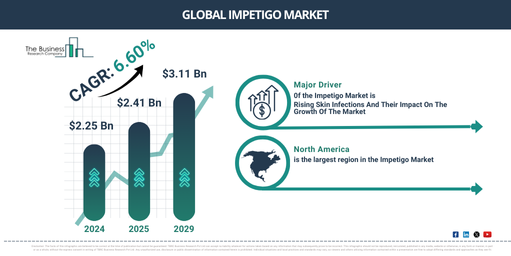
    In the past few years, the impetigo market has seen robust growth. The market, projected to rise from $2.25 billion in 2024 to $2.41 billion in 2025, is expected to register a compound annual growth rate (CAGR) of 7.0%. The growth observed in the historic period is attributed to the increasing incidence of skin infections, enhancements in healthcare infrastructure, wider access to telemedicine, increased public funding for infectious diseases, and a surge in demand for topical treatments.

    How Much Will the Impetigo Market Be Worth in 2029?

    The market size of impetigo is expected to witness considerable growth in the coming years, reaching $3.11 billion by the year 2029 at a compound annual growth rate (CAGR) of 6.6%. The growth projected for this period can be linked to the surge in telemedicine and E-pharmacy, initiatives taken by both government and private sector, an increase in skin infection cases, growth in pediatric population, and increased demand for dermatology clinics. The projected trends for this period include progress in topical treatments, the launch of new antimicrobial agents, zestful collaborations and partnerships, regulatory accreditations, and advancements in existing pipelines.

    Download The Free Sample Report Here:

    https://www.thebusinessresearchcompany.com/sample.aspx?id=21209&type=smp

    Which is the Largest Company in the Impetigo Market?

    Major companies operating in the impetigo market are Roche Holding AG, GlaxoSmithKline plc, Teva Pharmaceutical Industries Ltd., Bausch Health Companies Inc., Eisai Co. Ltd., Sun Pharmaceutical Industries Ltd., Galderma SA, Shionogi & Co. Ltd., Dr. Reddy’s Laboratories Ltd., Leo Pharma A/S, Torrent Pharmaceuticals Ltd., Almirall S.A, Taro Pharmaceutical Industries Ltd., BioCryst Pharmaceuticals Inc., Melinta Therapeutics Inc., Cutanea Life Sciences Inc., InfectoPharm Arzneimittel und Consilium GmbH, Medimetriks Pharmaceuticals Inc., NovaBay Pharmaceuticals Inc., Ferrer Internacional S.A

    What Are the Main Market Drivers in the Impetigo Industry?

    The prevalence of skin infections, which entail harmful organisms like bacteria, viruses, fungi, and parasites invading the skin, is increasing. This is expected to boost the impetigo market’s growth. The rise in skin infections can be attributed to factors such as antibiotic resistance, poor sanitation, climate change, weak immune systems, and increased international travel. Treating impetigo involves handling and resolving the infection by focusing on the bacterial pathogens, typically Streptococcus or Staphylococcus species. This can be achieved using topical or oral antibiotics, which alleviate symptoms like itching and discomfort, prevent the infection from spreading, and speed up the healing process while minimizing the chances of complications. A case in point is the September 2024 report by GOV.UK which shows that 13,912 cases of Staphylococcus aureus bacteremia were reported in the financial year of 2022-2023, representing a 7.2% increase from the previous financial year of 2021-2022. The growing rate of skin infections is hence bolstering the impetigo market. Progress in health care faculties is projected to drive the growth of the impetigo market. These establishments, which include hospitals, clinics, and diagnostic centers, offer medical support to patients. The improvement of these facilities is resulting from various factors such as increased healthcare infrastructure investment, a patient-centered care emphasis, population, and aging growth. Enhancing facilities can help manage and treat impetigo by increasing access to specialized dermatological care, making more effective treatment options available, promoting better hygiene practices to prevent infection spread, and facilitating early diagnosis and intervention. This ultimately contributes to better patient outcomes and a reduction in skin infection burden. A report by the American Health Care Association in May 2023 stated that the United States had 6,129 hospitals, a 0.591% increase from the previous year with 6,093 hospitals. Therefore, improvements in healthcare facilities are driving impetigo market growth.

    Request For A Customized Report:

    https://www.thebusinessresearchcompany.com/customise?id=21209&type=smp

    How Is the Impetigo Market Segments Structured?

    The impetigo market covered in this report is segmented –

    1) By Treatment Type: Topical Antibiotics, Oral Antibiotics, Antiseptic Soaks

    2) By Causative Pathogen: Staphylococcus aureus, Streptococcus pyogenes, Other Bacteria

    3) By Severity: Mild, Moderate, Severe

    4) By Patient Age: Children, Adults, Elderly

    Subsegments:

    1) By Topical Antibiotics: Mupirocin, Retapamulin, Fusidic Acid

    2) By Oral Antibiotics: Cephalexin, Dicloxacillin, Clindamycin

    3) By Antiseptic Soaks: Chlorhexidine, Hydrogen Peroxide, Potassium Permanganate

    Access The Full Report Here:

    https://www.thebusinessresearchcompany.com/report/impetigo-global-market-report

    Which Global Regions Offer the Highest Growth in the Impetigo Market?

    North America was the largest region in the impetigo market in 2024. Asia-Pacific is expected to be the fastest-growing region in the forecast period. The regions covered in the impetigo market report are Asia-Pacific, Western Europe, Eastern Europe, North America, South America, Middle East, Africa.

    Purchase The Full Report Today:

    https://www.thebusinessresearchcompany.com/purchaseoptions.aspx?id=21209

    This Report Delivers Insight On:

    1. How big is the impetigo market, and how is it changing globally?

    2. Who are the major companies in the impetigo market, and how are they performing?

    3. What are the key opportunities and risks in the impetigo market right now?

    4. Which products or customer segments are growing the most in the impetigo market?

    5. What factors are helping or slowing down the growth of the impetigo market?

    About The Business Research Company:

    With over 15000+ reports from 27 industries covering 60+ geographies, The Business Research Company has built a reputation for offering comprehensive, data-rich research and insights. Armed with 1,500,000 datasets, the optimistic contribution of in-depth secondary research, and unique insights from industry leaders, you can get the information you need to stay ahead in the game.

    Get in touch with us:

    The Business Research Company: https://www.thebusinessresearchcompany.com/

    Americas +1 310-496-7795

    Asia +44 2071930708

    Europe +44 7882 955267

    Email us at info@tbrc.info

    Follow us on:

    LinkedIn: https://in.linkedin.com/company/the-business-research-company

    YouTube: https://www.youtube.com/channel/UC24_fI0rV8cR5DxlCpgmyFQ

    Global Market Model: https://www.thebusinessresearchcompany.com/global-market-model
  • Growth Hormone Deficiency Industry Valued at $5.41 Billion by 2029 With CAGR of 5.9% | Size and Share Insights

    Growth Hormone Deficiency Industry Valued at $5.41 Billion by 2029 With CAGR of 5.9% | Size and Share Insights

    Claim your 30% discount on Global Market Reports with code ONLINE30. Limited time only.

    What Is the Forecast for the Growth Hormone Deficiency Market from 2024 to 2025?

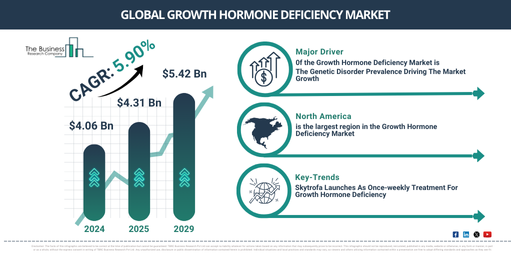
    Over the past few years, the market size for growth hormone deficiency has seen strong expansion. The market which is currently valued at $4.06 billion in 2024 is projected to expand to $4.31 billion in 2025, with a compound annual growth rate (CAGR) of 6.1%. Factors such as the surge in strategic initiatives, increasing occurrences of brain tumors, escalating demand for hormone therapy, growth in the geriatric population, and enhanced government health care funding have fueled the growth experienced in the historic period.

    What Is the Projected Market Size of the Growth Hormone Deficiency Market?

    The market for growth hormone deficiency is predicted to witness profound expansion in the forthcoming years, with an anticipated increase to $5.42 billion by 2029, demonstrating an annual compound growth rate of 5.9%. This predicted expansion during the forecast period can be credited to the escalating incidence of genetic abnormalities, an increasing volume of strategic initiatives, intensification of research and development efforts, growing Gh disease morbidity, and an escalated count of clinical examinations. The forecast period is also anticipated to see essential trends like technological advancements, broadened treatment alternatives, progressive diagnostic methods, innovation and recent progress, and strides in biotechnology.

    Download The Free Sample Report Here:

    https://www.thebusinessresearchcompany.com/sample.aspx?id=21197&type=smp

    Who are the Major Competitors in the Growth Hormone Deficiency Market Outlook?

    Major companies operating in the growth hormone deficiency market are Pfizer Inc., F. Hoffmann-La Roche Ltd., Merck KGaA, AbbVie Inc., Eli Lilly and Company, Novo Nordisk A/S, Teva Pharmaceutical Industries Ltd., Sandoz International GmbH, Genentech Inc., Ipsen Biopharmaceuticals Inc., Opko Health Inc., JCR Pharmaceuticals Co. Ltd., Ferring Pharmaceuticals Inc., Ascendis Pharma A/S, Rani Therapeutics Inc., AnkeBio Co. Ltd., Aeterna Zentaris Inc., Zhongshan Sinobioway Hygene Biomedicine Co. Ltd., Versartis Inc., I-Mab Biopharma Co. Ltd.

    What Is Fueling Growth in the Growth Hormone Deficiency Market?

    The increase in genetic disorders is projected to spur the advancement of the market for growth hormone deficiency. Genetic disorders are medical conditions caused by DNA abnormalities or mutations, either inherited or spontaneous. The rise in these disorders is attributed to improved diagnostic technology, heightened awareness, increasing maternal age, environmental factors triggering mutations, population growth, and better survival rates for those affected. Growth hormone deficiency is employed to manage growth-related complications in certain genetic conditions. For example, a report from the Department of Health & Social Care (DHSC), a UK governmental department, stated that in October 2022, around 33,000 whole genome equivalents were sequenced. The average diagnostic yield was 32%, escalating to 61% in certain conditions, according to the report published in December 2022. Consequently, the escalating prevalence of genetic disorders fuels the advancement of the growth hormone deficiency market.

    Request For A Customized Report:

    https://www.thebusinessresearchcompany.com/customise?id=21197&type=smp

    Which Growth Hormone Deficiency Market Segments Are Growing the Fastest?

    The growth hormone deficiency market covered in this report is segmented –

    1) By Type: Pediatric Growth Hormone Deficiency, Adult Growth Hormone Deficiency

    2) By Treatment: Pharmacological Therapy, Recombinant Human Growth Hormone, Human Pituitary Gland Extracts, Surgery

    3) By Route Of Administration: Intravenous, Intramuscular, Other Routes Of Administration

    4) By Distribution Channel: Hospital Pharmacy, Online Pharmacy, Retail Pharmacy

    5) By End User: Hospitals, Homecare, Specialty Clinics, Other End Users

    Subsegments:

    1) By Pediatric Growth Hormone Deficiency: Idiopathic Growth Hormone Deficiency, Genetic Growth Hormone Deficiency, Acquired Growth Hormone Deficiency

    2) By Adult Growth Hormone Deficiency: Primary Growth Hormone Deficiency, Secondary Growth Hormone Deficiency

    Which Industry Trends Are Shaping the Future of the Growth Hormone Deficiency Market?

    Leading firms in the growth hormone deficiency market are channeling their efforts into creating revolutionary products such as unmodified somatropin for everyday pediatric growth hormone deficiency treatments. Unmodified somatropin is the same growth hormone used daily for these treatments but handled in an innovative way: a once-weekly dosage delivered via Skytrofa. Ascendis Pharma A/S, a biopharmaceutical company based in Denmark, made a bold move in this direction by launching SKYTROFA (lonapegsomatropin) in September 2023. This groundbreaking treatment, the first and only of its kind approved by the FDA for once-weekly administration, elevates convenience, enhances patient adherence, and potentially outperforms traditional everyday growth hormone treatments. It is poised as a landmark achievement in the fields of endocrinology and pediatric care.

    Access The Full Report Here:

    https://www.thebusinessresearchcompany.com/report/growth-hormone-deficiency-global-market-report

    Which Countries Are Leading the Growth Hormone Deficiency Market?

    North America was the largest region in the growth hormone deficiency market in 2024. Asia-Pacific is expected to be the fastest-growing region in the forecast period. The regions covered in the growth hormone deficiency market report are Asia-Pacific, Western Europe, Eastern Europe, North America, South America, Middle East, Africa.

    Purchase The Full Report Today:

    https://www.thebusinessresearchcompany.com/purchaseoptions.aspx?id=21197

    This Report Delivers Insight On:

    1. How big is the growth hormone deficiency market, and how is it changing globally?

    2. Who are the major companies in the growth hormone deficiency market, and how are they performing?

    3. What are the key opportunities and risks in the growth hormone deficiency market right now?

    4. Which products or customer segments are growing the most in the growth hormone deficiency market?

    5. What factors are helping or slowing down the growth of the growth hormone deficiency market?

    About The Business Research Company:

    With over 15000+ reports from 27 industries covering 60+ geographies, The Business Research Company has built a reputation for offering comprehensive, data-rich research and insights. Armed with 1,500,000 datasets, the optimistic contribution of in-depth secondary research, and unique insights from industry leaders, you can get the information you need to stay ahead in the game.

    Get in touch with us:

    The Business Research Company: https://www.thebusinessresearchcompany.com/

    Americas +1 310-496-7795

    Asia +44 2071930708

    Europe +44 7882 955267

    Email us at info@tbrc.info

    Follow us on:

    LinkedIn: https://in.linkedin.com/company/the-business-research-company

    YouTube: https://www.youtube.com/channel/UC24_fI0rV8cR5DxlCpgmyFQ

    Global Market Model: https://www.thebusinessresearchcompany.com/global-market-model
  • GM1 Gangliosidosis Industry Insights 2025 – Market Forecast for Executives and Planners

    GM1 Gangliosidosis Industry Insights 2025 – Market Forecast for Executives and Planners

    Claim your 30% discount on Global Market Reports with code ONLINE30. Limited time only.

    How Has the GM1 Gangliosidosis Market Size Changed, over the years?

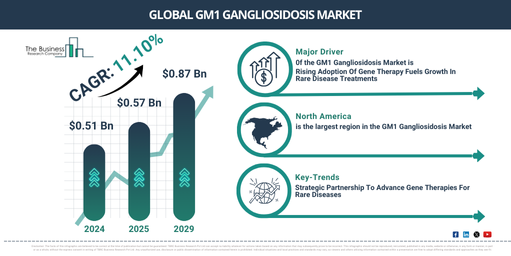
    In the past years, the market size of GM1 gangliosidosis has significantly expanded. The market is set to increase from $0.51 billion in 2024 to $0.57 billion in 2025, displaying a compound annual growth rate (CAGR) of 11.4%. The historical growth can be linked to the rise in GM1 gangliosidosis patients, the expanding focus on GM1 gangliosidosis, the increased awareness of rare diseases, the growing emphasis on patient-centric research, and a heightened focus on early intervention.

    How Much Will the GM1 Gangliosidosis Market Be Worth in 2029?

    In the coming years, the GM1 gangliosidosis market is projected to undergo rapid expansion, with the market size expected to reach $0.87 billion in 2029, growing at a compound annual growth rate (CAGR) of 11.1%. Factors contributing to growth during this forecast period include an increased incidence of GM1 gangliosidosis, a rise in lysosomal storage disorder cases, an uptick in clinical trials, an amplified emphasis on gene therapy and editing, growth in personalised and precision medicine, and an increase in the use of genetic screening programs. Key trends for this period will be progress in gene-editing technologies, the integration of technology in healthcare, advancements in diagnostic methods, sophisticated formulations, and progress in genetic therapies.

    Download The Free Sample Report Here:

    https://www.thebusinessresearchcompany.com/sample.aspx?id=21194&type=smp

    Which is the Largest Company in the GM1 Gangliosidosis Market?

    Major companies operating in the GM1 gangliosidosis market are Pfizer Inc., Sanofi S.A., Novartis AG, Takeda Pharmaceutical Company Limited, Sarepta Therapeutics Inc., CRISPR Therapeutics AG, REGENXBIO Inc., Passage Bio Inc., Orchard Therapeutics plc, AVROBIO Inc., uniQure N.V., GEMMA Biotherapeutics Inc., Lysogene S.A., AZAFAROS B.V., BioStrategies LC, Sio Gene Therapies Inc., Gain Therapeutics Inc., Dorphan S.A., bluebird bio Inc., Axovant Gene Therapies Ltd., SphinCS GmbH.

    What Are the Main Market Drivers in the GM1 Gangliosidosis Industry?

    The anticipated surge in the GM1 gangliosidosis market’s growth is attributed to the increasing implementation of gene therapy. Gene therapy is a medical technique that modifies or substitutes genes within an individual’s cells to treat or prevent illnesses. The escalating use of gene therapy is propelled by advancements in genetics, enhanced treatment results for previously incurable conditions, and a rising regulatory backing for innovative therapies. In GM1 gangliosidosis treatment, gene therapy consists of providing a functioning copy of the defective gene (GLB1) to the patient’s cells to reestablish β-galactosidase enzyme activity and decrease toxic substrate accumulation. For example, in April 2024, the American Society of Gene & Cell Therapy, a non-profit medical and scientific organization based in the US, revealed that in the fourth quarter, the phase III gene therapy clinical trials saw a 10% increment. This was the first increase in quarterly basis since the third quarter of 2022. Consequently, the flourishing use of gene therapy is propelling the expansion of the GM1 gangliosidosis market.

    Request For A Customized Report:

    https://www.thebusinessresearchcompany.com/customise?id=21194&type=smp

    How Is the GM1 Gangliosidosis Market Segments Structured?

    The GM1 gangliosidosis market covered in this report is segmented –

    1) By Disease Type: Type 1 GM1 Gangliosidosis, Type 2 GMT Gangliosidosis, Type 3 GMT Gangliosidosis

    2) By Treatment: Anticonvulsants, Bone Marrow Transplantation, Cord-Blood Hematopoietic Stem-Cell Transplantation, Enzyme Replacement, Gene Therapy

    3) By End-User: Research Institutes, Hospitals, Other End-Users

    Subsegments:

    1) By Type 1 GM1 Gangliosidosis: Classic Infantile Onset, Atypical Infantile Onset

    2) By Type 2 GM1 Gangliosidosis: Classic Juvenile Onset, Atypical Juvenile Onset

    3) By Type 3 GM1 Gangliosidosis: Classic Adult Onset, Atypical Adult Onset

    What Strategic Trends Are Transforming the GM1 Gangliosidosis Market?

    Key players in the GM1 gangliosidosis market are strategizing on alliances to safeguard their market stance. These strategic partnerships are significant in progressing gene therapy research by integrating skills, assets, and innovative techniques to speed up research, clinical trials, and market availability. For instance, in October 2024, GEMMA Biotherapeutics Inc., an American biotech firm, entered a partnership with Oswaldo Cruz Foundation (Fiocruz), a health research organization based in Brazil, to pioneer gene therapies for rare disorders, including GM1 gangliosidosis. This agreement includes up to $100 million in funding from Fiocruz for clinical studies and production, with a goal of making these sophisticated therapies available within Brazil’s public health system. Moreover, this partnership focuses on technology migration and aims to democratize the accessibility of treatments previously reserved for affluent communities.

    Access The Full Report Here:

    https://www.thebusinessresearchcompany.com/report/gm1-gangliosidosis-global-market-report

    Which Global Regions Offer the Highest Growth in the GM1 Gangliosidosis Market?

    North America was the largest region in the GM1 gangliosidosis market in 2024. The regions covered in the GM1 gangliosidosis market report are Asia-Pacific, Western Europe, Eastern Europe, North America, South America, Middle East, Africa.

    Purchase The Full Report Today:

    https://www.thebusinessresearchcompany.com/purchaseoptions.aspx?id=21194

    This Report Delivers Insight On:

    1. How big is the gm1 gangliosidosis market, and how is it changing globally?

    2. Who are the major companies in the gm1 gangliosidosis market, and how are they performing?

    3. What are the key opportunities and risks in the gm1 gangliosidosis market right now?

    4. Which products or customer segments are growing the most in the gm1 gangliosidosis market?

    5. What factors are helping or slowing down the growth of the gm1 gangliosidosis market?

    About The Business Research Company:

    With over 15000+ reports from 27 industries covering 60+ geographies, The Business Research Company has built a reputation for offering comprehensive, data-rich research and insights. Armed with 1,500,000 datasets, the optimistic contribution of in-depth secondary research, and unique insights from industry leaders, you can get the information you need to stay ahead in the game.

    Get in touch with us:

    The Business Research Company: https://www.thebusinessresearchcompany.com/

    Americas +1 310-496-7795

    Asia +44 2071930708

    Europe +44 7882 955267

    Email us at info@tbrc.info

    Follow us on:

    LinkedIn: https://in.linkedin.com/company/the-business-research-company

    YouTube: https://www.youtube.com/channel/UC24_fI0rV8cR5DxlCpgmyFQ

    Global Market Model: https://www.thebusinessresearchcompany.com/global-market-model
  • Glioblastoma Multiforme Forecast Report – Designed for Decision Makers and Product Teams

    Claim your 30% discount on Global Market Reports with code ONLINE30. Limited time only.

    What Is the Growth Rate of the Glioblastoma Multiforme Market?

    Recent years have seen significant growth in the glioblastoma multiforme market size. Predictions indicate an increase from $2.50 billion in 2024 to $2.71 billion in 2025, with a compound annual growth rate (CAGR) of 8.3%. Factors such as the rising incidence of glioblastoma multiforme, an expanding healthcare infrastructure, enhanced awareness, increased access to cutting-edge treatments, and a growing aging population have contributed to the growth observed in the historical period.

    What Growth Rate Is Forecasted for the Glioblastoma Multiforme Market by 2029?

    The market size for glioblastoma multiforme is poised to experience robust expansion in the next several years. Its value is predicted to reach $3.69 billion in 2029, demonstrating a compound annual growth rate (CAGR) of 8.1%. Factors contributing to this projected growth include a rise in occurrences of brain and other nervous system cancers, broader acceptance of surgical procedures, amplified awareness, prompt diagnosis of the disease, and an expansion in research and development endeavors. In the forecast period, influential trends include progress in medical technology, forward movement in imaging techniques, tailored medicine, the use of AI in diagnosis, as well as ongoing technological and scientific breakthroughs.

    Download The Free Sample Report Here:

    https://www.thebusinessresearchcompany.com/sample.aspx?id=21191&type=smp

    Which Key Companies Are Shaping the Future of the Glioblastoma Multiforme Market?

    Major companies operating in the glioblastoma multiforme market are Pfizer Inc., F. Hoffmann-La Roche Ltd., AbbVie Inc., Bristol Myers Squibb Company, AstraZeneca PLC, Novartis International AG, Eli Lilly and Company, Amgen Inc., Merck KGaA, Teva Pharmaceutical Industries Ltd., Sun Pharmaceutical Industries Ltd., Zydus Pharmaceuticals (USA) Inc., Accord Healthcare Inc., Sumitomo Dainippon Pharma Oncology Inc., Karyopharm Therapeutics Inc., ITM Isotope Technologies Munich SE, Azurity Pharmaceuticals Inc., Genenta Science S.p.A., Chimeric Therapeutics Limited, VBI Vaccines Inc.

    Which Factors Are Driving Demand in the Glioblastoma Multiforme Industry?

    The increasing instances of brain disorders are anticipated to fuel the growth of the glioblastoma multiforme market. Brain disorders are conditions that impair the structure or function of the brain, leading to emotional, cognitive, or physical deficiencies. The escalation in brain disorder cases can be attributed to factors such as advanced age, prolonged life span, lifestyle choices, and enhanced diagnostic capabilities. Comprehension of brain disorders aids in progressing research on glioblastoma multiforme (GBM), contributing to improved early detection, breakthrough treatments, and better patient results. By exploring neurological disorders, researchers can discover genetic and molecular associations that play a role in the development of GBM. For example, as per Dementia Australia, a non-profit organization based in Australia, about 433,300 Australians were reported to be living with dementia in February 2025, with a projected increase to 812,500 by 2054. Moreover, younger-onset dementia is estimated to affect approximately 29,000 people in 2025 and increase to 41,000 by 2054. Consequently, the upsurge in brain disorder cases will propel the expansion of the glioblastoma multiforme market.

    Request For A Customized Report:

    https://www.thebusinessresearchcompany.com/customise?id=21191&type=smp

    How Is the Glioblastoma Multiforme Market Segmented by Several Divisions?

    The glioblastoma multiforme market covered in this report is segmented –

    1) By Drug Class: Chemotherapy Agents, Temozolomide, Carmustine, Lomustine, Other Drug Classes

    2) By Diagnostic Tools: Magnetic Resonance Imaging (MRI), Computed Tomography Scan (CT Scan), Biopsy, Other Diagnostic Tools

    3) By Treatment Type: Surgery, Radiation Therapy, Chemotherapy, Immunotherapy, Tumor Treating Field Therapy, Other Treatment Types

    4) By End-User: Hospitals, Cancer Research Institutes, Ambulatory Surgical Centers, Other End-Users

    Subsegments:

    1) By Chemotherapy Agents: Alkylating Agents, Platinum-Based Agents, Antimetabolites

    2) By Temozolomide: Branded (Temodar), Generic Temozolomide

    3) By Carmustine: Injectable Carmustine, Carmustine Wafers (Gliadel)

    4) By Lomustine: Branded (Gleostine), Generic Lomustine

    5) By Other Drug Classes: Targeted Therapy, Immunotherapy, Tumor-Treating Fields (TTF) Therapy

    What are the Emerging Market Trends Driving the Growth of the Glioblastoma Multiforme Industry?

    Leading firms in the glioblastoma multiforme market are channeling their efforts into creating advanced treatment methods, such as CAR T-cell therapies, to cater to the unfulfilled medical needs surrounding this aggressive form of cancer. CAR T-cell therapies serve as a type of immunotherapy, which involves the alteration of a patient’s T-cells to fight cancer cells more effectively. For example, Chimeric Therapeutics Limited, a biotech firm based in Australia, embarked on a Phase IB clinical study for CHM 1101 (CLXT CAR T) therapy in June 2023, aimed at treating recurrent or progressive glioblastoma multiforme (GBM). The multi-center trial targets to assess the safety and efficiency of this therapy along with determining the commended dose for Phase 2. The initial Phase 1a outcomes showed disease stability that will serve as a foundation for more development. The gathered data will be utilized by the company for designing a registration trial and soliciting regulatory feedback.

    Access The Full Report Here:

    https://www.thebusinessresearchcompany.com/report/glioblastoma-multiforme-global-market-report

    Which Regions Are Driving Growth in the Glioblastoma Multiforme Market?

    North America was the largest region in the glioblastoma multiforme market in 2024. Asia-Pacific is expected to be the fastest-growing region in the forecast period. The regions covered in the glioblastoma multiforme market report are Asia-Pacific, Western Europe, Eastern Europe, North America, South America, Middle East, Africa.

    Purchase The Full Report Today:

    https://www.thebusinessresearchcompany.com/purchaseoptions.aspx?id=21191

    This Report Delivers Insight On:

    1. How big is the glioblastoma multiforme market, and how is it changing globally?

    2. Who are the major companies in the glioblastoma multiforme market, and how are they performing?

    3. What are the key opportunities and risks in the glioblastoma multiforme market right now?

    4. Which products or customer segments are growing the most in the glioblastoma multiforme market?

    5. What factors are helping or slowing down the growth of the glioblastoma multiforme market?

    About The Business Research Company:

    With over 15000+ reports from 27 industries covering 60+ geographies, The Business Research Company has built a reputation for offering comprehensive, data-rich research and insights. Armed with 1,500,000 datasets, the optimistic contribution of in-depth secondary research, and unique insights from industry leaders, you can get the information you need to stay ahead in the game.

    Get in touch with us:

    The Business Research Company: https://www.thebusinessresearchcompany.com/

    Americas +1 310-496-7795

    Asia +44 2071930708

    Europe +44 7882 955267

    Email us at info@tbrc.info

    Follow us on:

    LinkedIn: https://in.linkedin.com/company/the-business-research-company

    YouTube: https://www.youtube.com/channel/UC24_fI0rV8cR5DxlCpgmyFQ

    Global Market Model: https://www.thebusinessresearchcompany.com/global-market-model

  • HER2-Negative Breast Cancer Market Trends Report 2025 – For Business Development and Strategy Teams

    HER2-Negative Breast Cancer Market Trends Report 2025 – For Business Development and Strategy Teams

    Claim your 30% discount on Global Market Reports with code ONLINE30. Limited time only.

    What Is the Forecast for the HER2-Negative Breast Cancer Market Growth in 2025?

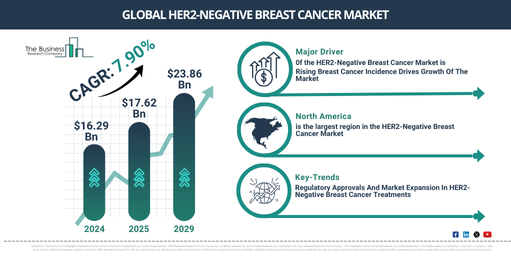
    The market for HER2-negative breast cancer has been enjoying robust growth in recent years. It is forecasted to rise from $16.29 billion in 2024 to $17.62 billion in 2025, representing an impressive compound annual growth rate (CAGR) of 8.1%. The development experienced in the historic period can be linked to the increase in incidences of breast cancer, elevated awareness concerning the disease, heightened expenditure on healthcare, an aging demographic, and the growth of healthcare infrastructures.

    What Is the Forecast for the HER2-Negative Breast Cancer Market Size Through 2029?

    The market size of HER2-negative breast cancer is anticipated to witness robust growth in the upcoming years. The industry is projected to expand to $23.86 billion by 2029, with a compound annual growth rate (CAGR) of 7.9%. Various factors contributing to this projected growth through the forecast period include the upsurge in alcohol consumption, a rise in unhealthy lifestyle choices, escalating obesity rates, an increase in tobacco use, and the escalating demand for effective treatment solutions. Notable trends expected to shape the market throughout the forecast period encompass advancements in diagnostic technologies, the incorporation of targeted therapies, the amalgamation of immunotherapies, approvals from FDA, and technological progress.

    Download The Free Sample Report Here:

    https://www.thebusinessresearchcompany.com/sample.aspx?id=21203&type=smp

    What are the Key Market Players in HER2-Negative Breast Cancer Market and How They’re Evolving?

    Major companies operating in the HER2-negative breast cancer market are Pfizer Inc., Merck & Co. Inc., AbbVie Inc., Bayer AG, Bristol-Myers Squibb Company, Sanofi S.A., AstraZeneca PLC, Novartis International AG, Eli Lilly and Company, Amgen Inc., Daiichi Sankyo Company Limited, Jiangsu Hansoh Pharmaceutical Co. Ltd., BeiGene Ltd., Chipscreen Biosciences Ltd., F. Hoffmann-La Roche Ltd, PharmAbcine Inc., Adagene Inc., H3 Biomedicine Inc., Radius Health Inc., Zenith Epigenetics Ltd.

    What Are the Primary Growth Drivers in the HER2-Negative Breast Cancer Market?

    The increasing number of breast cancer incidents is anticipated to boost the expansion of the HER2-negative breast cancer market in the future. Breast cancer, a condition characterized by the unchecked expansion of abnormal cells in breast tissue, typically originates from the ducts or lobules. The increasing number of breast cancer incidents can be linked to numerous elements, including heightened awareness and improved screening techniques, resulting in earlier and more consistent detection. HER2-Negative Breast Cancer plays a pivotal role in propelling breast cancer research by offering insights into unique tumor biology and treatment strategies, thereby aiding in the creation of more targeted remedies for patients. For instance, the Centers for Disease Control and Prevention, a US government agency, reported that, in the United States in June 2024, 272,454 new breast cancer cases were identified among women in 2021, while 42,211 women died from the disease in 2022. Consequently, the increasing number of breast cancer incidents is stimulating the expansion of the HER2-negative breast cancer market.

    Request For A Customized Report:

    https://www.thebusinessresearchcompany.com/customise?id=21203&type=smp

    What Are the Leading Segments in the Global HER2-Negative Breast Cancer Industry?

    The HER2-negative breast cancer market covered in this report is segmented –

    1) By Treatment Type: Chemotherapy, Hormone Therapy, Targeted Therapy, Immunotherapy

    2) By Cancer Stage: Early Stage, Locally Advanced Stage, Metastatic Stage

    3) By Distribution Channel: Hospital Pharmacy, Retail Pharmacy, Online Pharmacy

    Subsegments:

    1) By Chemotherapy: Anthracyclines, Taxanes, Platinum-Based Chemotherapy, Alkylating Agents, Antimetabolites

    2) By Hormone Therapy: Selective Estrogen Receptor Modulators (SERMs), Aromatase Inhibitors, Selective Estrogen Receptor Degraders (SERDs)

    3) By Targeted Therapy: CDK4/6 Inhibitors, PI3K Inhibitors, PARP Inhibitors

    4) By Immunotherapy: Immune Checkpoint Inhibitors, Tumor-Infiltrating Lymphocyte (TIL) Therapy

    What Are the Key Market Trends in the HER2-Negative Breast Cancer Industry?

    Prominent entities in the HER2-negative breast cancer market are concentrating on obtaining regulatory clearances to launch fresh treatments, broaden their product range, and upgrade their market stature. Regulatory approval implies the formal permission provided by government authorities, which permits companies to sell and disperse drugs or treatments upon fulfilling safety, efficacy, and quality criteria. For instance, in October 2024, Genentech Inc., a US-based biotech company, achieved FDA authorization for Itovebi (inavolisib), a focused treatment for advanced HR+, HER2-negative breast cancer with a PIK3CA mutation. This approval authorizes the use of Itovebi along with palbociclib and fulvestrant, thereby significantly ameliorating progression-free survival for patients as compared to traditional treatments. This novel regimen offers a crucial alternative for patients with bounded treatment options, underlining the significance of biomarker testing to pinpoint those who would benefit the most from this treatment.

    Access The Full Report Here:

    https://www.thebusinessresearchcompany.com/report/her2-negative-breast-cancer-global-market-report

    What Is the Regional Outlook for the HER2-Negative Breast Cancer Market?

    North America was the largest region in the HER2-negative breast cancer market in 2024. Asia-Pacific is expected to be the fastest-growing region in the forecast period. The regions covered in the HER2-negative breast cancer market report are Asia-Pacific, Western Europe, Eastern Europe, North America, South America, Middle East, Africa.

    Purchase The Full Report Today:

    https://www.thebusinessresearchcompany.com/purchaseoptions.aspx?id=21203

    This Report Delivers Insight On:

    1. How big is the her2-negative breast cancer market, and how is it changing globally?

    2. Who are the major companies in the her2-negative breast cancer market, and how are they performing?

    3. What are the key opportunities and risks in the her2-negative breast cancer market right now?

    4. Which products or customer segments are growing the most in the her2-negative breast cancer market?

    5. What factors are helping or slowing down the growth of the her2-negative breast cancer market?

    About The Business Research Company:

    With over 15000+ reports from 27 industries covering 60+ geographies, The Business Research Company has built a reputation for offering comprehensive, data-rich research and insights. Armed with 1,500,000 datasets, the optimistic contribution of in-depth secondary research, and unique insights from industry leaders, you can get the information you need to stay ahead in the game.

    Get in touch with us:

    The Business Research Company: https://www.thebusinessresearchcompany.com/

    Americas +1 310-496-7795

    Asia +44 2071930708

    Europe +44 7882 955267

    Email us at info@tbrc.info

    Follow us on:

    LinkedIn: https://in.linkedin.com/company/the-business-research-company

    YouTube: https://www.youtube.com/channel/UC24_fI0rV8cR5DxlCpgmyFQ

    Global Market Model: https://www.thebusinessresearchcompany.com/global-market-model