Category: HealthcareServices

  • Medical Nitrous Oxide Industry Valued at $3.46 Billion by 2029 With CAGR of 10% | Size and Share Insights

    Medical Nitrous Oxide Industry Valued at $3.46 Billion by 2029 With CAGR of 10% | Size and Share Insights

    Claim your 30% discount on Global Market Reports with code ONLINE30. Limited time only.

    What Is the Forecast for the Medical Nitrous Oxide Market from 2024 to 2025?

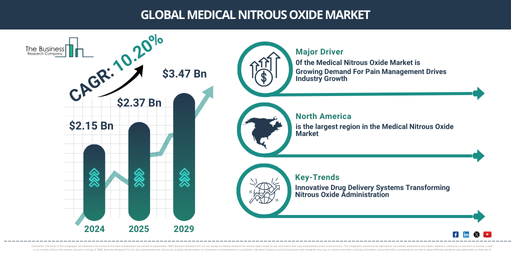
    The dimensions of the medical nitrous oxide market have been expanding at a swift pace in the last few years. The market, valued at $2.15 billion in 2024, is projected to increase to $2.37 billion in 2025, recording a compound annual growth rate (CAGR) of 10.3%. This growth during the historical period is traced back to the surge in surgical and dental procedures, improved knowledge about pain management alternatives, the proliferation of medical facility services, and the broadening scope of emergency medical amenities.

    What Is the Projected Market Size of the Medical Nitrous Oxide Market?

    The market size for medical nitrous oxide is predicted to witness a substantial growth spurt in the upcoming years. It is anticipated to reach a value of $3.47 billion by 2029, with a compound annual growth rate of 10.2%. The projected growth during this period can be linked to factors such as an increasing elderly population worldwide, surge in surgical procedures, preference towards non-invasive solutions for pain management, broadening of home healthcare services, and an uptick in nitrous oxide use in dental procedures. Key trends expected during this forecast period involve progress in anesthesia methodologies, technological leaps in gas delivery systems, the integration of nitrous oxide in dental services, emerging medical applications, and encouraging results from clinical research.

    Download The Free Sample Report Here:

    https://www.thebusinessresearchcompany.com/sample.aspx?id=21217&type=smp

    Who are the Major Competitors in the Medical Nitrous Oxide Market Outlook?

    Major companies operating in the medical nitrous oxide market are Linde plc, Air Liquide, KVK Corporation, Air Products and Chemicals Inc., Taiyo Nippon Sanso Corporation, American Welding & Gas Inc., Messer SE & Co. KGaA, Gulf Cryo, Norco Inc., Ellenbarrie Industrial Gases Ltd., Earlbeck Gases & Technology, CalOx Inc., Oxygen & Argon Works Ltd., Chengdu Taiyu Industrial Gases Co. Ltd., Southern Gas Limited, Praxair Technology Inc., Satramdas Gases Pvt. Ltd., BOC Healthcare, Carbide and Chemicals, SOL SpA, nexAir LLC, Steelman Gases Pvt. Ltd., Jiangsu Huazhong Gas Co. Ltd., Vinayak Air Products Private Limited.

    What Is Fueling Growth in the Medical Nitrous Oxide Market?

    The escalation in the need for pain management is projected to stimulate the rise of the medical nitrous oxide market. This area of medicine focuses on the reduction of pain using different treatments such as drug medications, therapies, and various procedures. The surge in this demand can be attributed to the increasing incidents of chronic pain, elderly demographic, and the development in treatment techniques and technologies. Medical nitrous oxide serves as a useful tool for pain management, offering quick and effective relief during medical procedures, due to its ability to induce a state of happiness and calming relaxation that reduces the perception of pain. It also ensures limited side effects, making it a perfect choice for minor surgeries and dentistry. For instance, the Centers for Disease Control and Prevention, a US-based government agency, specified in November 2024 that in 2023, 24.3% of U.S. adults reported experiencing chronic pain regularly, with 8.5% stating it often restricted their daily life or work activities. This was an increase compared to the 20.9% in 2021 where 6.9% reported high-impact chronic pain. As a result, the rising demand for pain management fuels the expansion of the medical nitrous oxide market.

    Request For A Customized Report:

    https://www.thebusinessresearchcompany.com/customise?id=21217&type=smp

    Which Medical Nitrous Oxide Market Segments Are Growing the Fastest?

    The medical nitrous oxide market covered in this report is segmented –

    1) By Product: Gaseous State, Liquid State

    2) By Purity Level: 98%-99% Medium Grade, 99.9% A-Z Grade, Below 98% Low Grade

    3) By Application: Cryosurgery, Surgical Insufflation, Anesthesia And Pain Relief

    4) By End User: Dental Clinics, Emergency Medical Services, Food Industry, Hospitals, Research Laboratories, Veterinary Clinics

    Subsegments:

    1) By Gaseous State: Compressed Gas Cylinders, Medical Gas Blends

    2) By Liquid State: Cryogenic Liquid Nitrous Oxide, Liquid Nitrous Oxide For Medical Use

    Which Industry Trends Are Shaping the Future of the Medical Nitrous Oxide Market?

    Leading firms in the medical nitrous oxide market are prioritizing technological advancements such as sophisticated drug delivery systems to improve the precision, security, and effectiveness of nitrous oxide use in medical procedures. These cutting-edge delivery systems are novel technologies crafted to accurately deliver therapeutic gases or drugs to patients, enhancing efficacy, safety, and adherence. For example, in December 2023, Mallinckrodt plc, a pharmaceutical company based in Ireland, received clearance from the US Food and Drug Administration (FDA) for its INOmax EVOLVE DS delivery system, crafted for the administration of INOmax (nitric oxide) gas via inhalation. The system guarantees consistent NO concentration across the breathing cycle through an advanced injector module for precise and synchronized dosing. The system is verified for compatibility with specific ventilators and breathing devices.

    Access The Full Report Here:

    https://www.thebusinessresearchcompany.com/report/medical-nitrous-oxide-global-market-report

    Which Countries Are Leading the Medical Nitrous Oxide Market?

    North America was the largest region in the medical nitrous oxide market in 2024. Asia-Pacific is expected to be the fastest-growing region in the forecast period. The regions covered in the medical nitrous oxide market report are Asia-Pacific, Western Europe, Eastern Europe, North America, South America, Middle East, Africa.

    Purchase The Full Report Today:

    https://www.thebusinessresearchcompany.com/purchaseoptions.aspx?id=21217

    This Report Delivers Insight On:

    1. How big is the medical nitrous oxide market, and how is it changing globally?

    2. Who are the major companies in the medical nitrous oxide market, and how are they performing?

    3. What are the key opportunities and risks in the medical nitrous oxide market right now?

    4. Which products or customer segments are growing the most in the medical nitrous oxide market?

    5. What factors are helping or slowing down the growth of the medical nitrous oxide market?

    About The Business Research Company:

    With over 15000+ reports from 27 industries covering 60+ geographies, The Business Research Company has built a reputation for offering comprehensive, data-rich research and insights. Armed with 1,500,000 datasets, the optimistic contribution of in-depth secondary research, and unique insights from industry leaders, you can get the information you need to stay ahead in the game.

    Get in touch with us:

    The Business Research Company: https://www.thebusinessresearchcompany.com/

    Americas +1 310-496-7795

    Asia +44 2071930708

    Europe +44 7882 955267

    Email us at info@tbrc.info

    Follow us on:

    LinkedIn: https://in.linkedin.com/company/the-business-research-company

    YouTube: https://www.youtube.com/channel/UC24_fI0rV8cR5DxlCpgmyFQ

    Global Market Model: https://www.thebusinessresearchcompany.com/global-market-model
  • Psychosis Market to Reach $13.12 Billion by 2029 | Key Drivers and Future Outlook

    Psychosis Market to Reach $13.12 Billion by 2029 | Key Drivers and Future Outlook

    Claim your 30% discount on Global Market Reports with code ONLINE30. Limited time only.

    What Is the Growth Rate of the Psychosis Market?

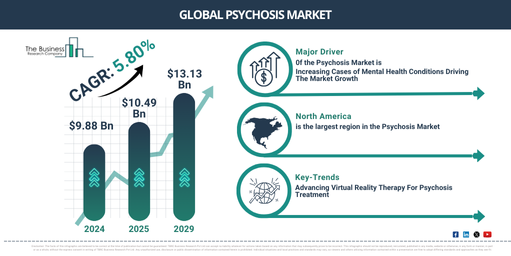
    In recent times, there has been robust growth in the size of the psychosis market. It is expected to expand from $9.88 billion in 2024 to $10.49 billion in 2025, exhibiting a compound annual growth rate (CAGR) of 6.1%. Factors contributing to this growth during the historic period include an upsurge in mental health conditions, higher demand for mental health treatments, widespread use of typical antipsychotics, a mounting application of cognitive behavioural therapy, along with the prevalence of global and economic conditions causing stress.

    What Growth Rate Is Forecasted for the Psychosis Market by 2029?

    The market size for psychosis is anticipated to register robust growth in the subsequent years, with a forecasted worth of $13.13 billion in 2029, and a compound annual growth rate (CAGR) of 5.8%. The expected expansion during this forecast period can be credited to an increasing prevalence of stress-related risk factors, escalating burdens of mental health due to changes in lifestyle, surging government initiatives, a rise in the adoption of mindfulness-based interventions and therapy programs, and increased funding towards mental health research and innovative therapies. Key market trends in the forecast period incorporate the emergence of new drug therapies, advancements in diagnostic technologies, the innovation of injectable drugs, application of biomarkers, and the rising demand for tailored medicines.

    Download The Free Sample Report Here:

    https://www.thebusinessresearchcompany.com/sample.aspx?id=21266&type=smp

    Which Key Companies Are Shaping the Future of the Psychosis Market?

    Major companies operating in the psychosis market are Pfizer Inc., Johnson & Johnson, AbbVie Inc., Bristol-Myers Squibb Company, AstraZeneca plc, Novartis International AG, GlaxoSmithKline plc, Takeda Pharmaceuticals Inc., Eli Lilly and Company, Teva Pharmaceutical Industries Ltd., Otsuka Pharmaceutical Co., Biogen Idec, Dr. Reddy’s Laboratories Ltd., Lundbeck A/S, Gedeon Richter, Alkermes, Supernus Pharmaceuticals, Acadia Pharmaceuticals, Neuron Pharmaceuticals, Mapi Pharma, Astellas Pharma Inc., Newron Pharmaceuticals S.p.A., Anavex Life Sciences, BioXcel Therapeutics

    Which Factors Are Driving Demand in the Psychosis Industry?

    The escalating number of mental health disorders is anticipated to drive the expansion of the psychosis market. Such conditions affect an individual’s emotional state, cognitive function, behavior, and overall mental wellness. The growing number of these disorders can be attributed to increased stress levels, alterations in lifestyle, feelings of social isolation, economic stresses, and genetic susceptibility. Through early detection, medical intervention, and specialized treatments, psychosis treatment assists those grappling with mental health issues, hence promoting the extensive use of antipsychotic medications and therapy alternatives. To illustrate, the National Alliance On Mental Illness, based in the U.S., projected that by 2024, almost 600,000 hospitalizations each year will be due to psychosis spectrum and mood disorders among Americans aged 18-44. Thus, the surge in mental health disorders propels the expansion of the psychosis market.

    Request For A Customized Report:

    https://www.thebusinessresearchcompany.com/customise?id=21266&type=smp

    How Is the Psychosis Market Segmented by Several Divisions?

    The psychosis market covered in this report is segmented –

    1) By Product: Tablet, Capsule, Injection

    2) By Disease Type: Schizophrenia, Bipolar Disorder, Unipolar Depression, Dementia, Other Disease Types

    3) By Distribution Channel: Online, Offline

    4) By End-User: Hospitals, Healthcare Clinics, Speciality Clinics, Other End-Users

    Subsegments:

    1) By Tablet: Antipsychotic Tablets, Mood Stabilizer Tablets

    2) By Capsule: Antipsychotic Capsules, Antidepressant Capsules

    3) By Injection: Long-acting Injectable Antipsychotics, Short-acting Injectable Antipsychotics

    What are the Emerging Market Trends Driving the Growth of the Psychosis Industry?

    Prominent enterprises in the psychosis market are concentrating on the creation of sophisticated virtual reality (VR) psychological treatment to enhance the results of therapy via interactive and individualized mental health programs. VR psychological treatment introduces individuals to regulated, computer-generated atmospheres to mitigate distress, improve cognitive abilities, and develop social skills through guided interventions, providing a secure and efficient procedure for symptom control. For instance, in April 2022, gameChangeVR was introduced by OxfordVR, a digital therapeutics firm based in the US, to direct patients through cognitive behavioral therapy (CBT) in captivating, virtual settings. The mechanized VR therapy, carried out over six weekly episodes, exhibited significant advantages, especially for individuals afflicted with intense psychological difficulties, enhancing their paranoia and life quality in general. This technology has the capability to substantially boost the accessibility to effective mental health treatment, tackling the clinician scarcity issue and presenting a scalable option for the treatment of millions of patients suffering from severe mental disorders.

    Access The Full Report Here:

    https://www.thebusinessresearchcompany.com/report/psychosis-global-market-report

    Which Regions Are Driving Growth in the Psychosis Market?

    North America was the largest region in the psychosis market in 2024. Asia-Pacific is expected to be the fastest-growing region in the forecast period. The regions covered in the psychosis market report are Asia-Pacific, Western Europe, Eastern Europe, North America, South America, Middle East, Africa.

    Purchase The Full Report Today:

    https://www.thebusinessresearchcompany.com/purchaseoptions.aspx?id=21266

    This Report Delivers Insight On:

    1. How big is the psychosis market, and how is it changing globally?

    2. Who are the major companies in the psychosis market, and how are they performing?

    3. What are the key opportunities and risks in the psychosis market right now?

    4. Which products or customer segments are growing the most in the psychosis market?

    5. What factors are helping or slowing down the growth of the psychosis market?

    About The Business Research Company:

    With over 15000+ reports from 27 industries covering 60+ geographies, The Business Research Company has built a reputation for offering comprehensive, data-rich research and insights. Armed with 1,500,000 datasets, the optimistic contribution of in-depth secondary research, and unique insights from industry leaders, you can get the information you need to stay ahead in the game.

    Get in touch with us:

    The Business Research Company: https://www.thebusinessresearchcompany.com/

    Americas +1 310-496-7795

    Asia +44 2071930708

    Europe +44 7882 955267

    Email us at info@tbrc.info

    Follow us on:

    LinkedIn: https://in.linkedin.com/company/the-business-research-company

    YouTube: https://www.youtube.com/channel/UC24_fI0rV8cR5DxlCpgmyFQ

    Global Market Model: https://www.thebusinessresearchcompany.com/global-market-model
  • Prostate Health Market Size to Exceed $53.25 Billion by 2029 | Growth and Industry Trends

    Prostate Health Market Size to Exceed $53.25 Billion by 2029 | Growth and Industry Trends

    Claim your 30% discount on Global Market Reports with code ONLINE30. Limited time only.

    How Has the Prostate Health Market Grown from 2024 to 2025?

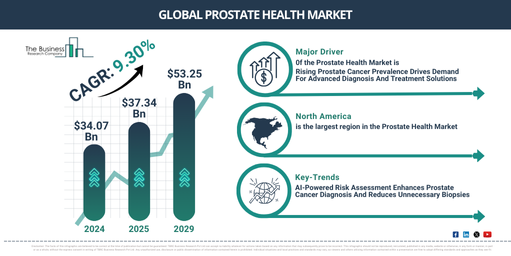
    The progression of the prostate health market in recent years has been vigorous, escalating from $34.07 billion in 2024 to $37.34 billion in 2025 with a compound annual growth rate (CAGR) of 9.6%. The factors contributing to the substantial growth in the past years can be attributed to the aging population, advancement in hormone therapy, increased screenings for PSA, rising awareness campaigns, and growing incidence rates.

    What Growth Rate Is Anticipated for the Prostate Health Market in the Coming Years?

    In the coming years, the prostate health market is predicted to experience robust growth, with projections showing an expansion to $53.25 billion in 2029, at a compound annual growth rate (CAGR) of 9.3%. This growth during the projected period can be linked to the rising acceptance of precision medicine, increased implementation of AI-facilitated diagnoses, advancement of target-specific radiotherapies, heightened demand for minimally invasive treatments, and enhanced methods of genetic risk evaluation. Some significant trends for the forecast period include the harnessing of artificial intelligence for risk calculation, developments in liquid biopsy, cutting-edge radiotheranostics, innovations in immunotherapy, and real-time biomarker tracking.

    Download The Free Sample Report Here:

    https://www.thebusinessresearchcompany.com/sample.aspx?id=21265&type=smp

    Who Are the Leading Companies in the Prostate Health Market?

    Major companies operating in the prostate health market are Pfizer Inc., Johnson & Johnson, Siemens Healthineers AG, Bayer AG, Sanofi SA, AstraZeneca PLC, Abbott Laboratories, Novartis AG, Takeda Pharmaceutical Co Ltd, Astellas Pharma Inc, Genentech Inc., Teleflex Inc., Elekta AB, Myriad Genetics Inc., Freenome, Theragenics Corporation, CureVac BV, ArsenalBio, Roivant Sciences, Artera Inc., Veru Inc., HistoSonics Inc., Immunic Inc., Ezra, Francis Medical, CorTechs Labs, Lucida Medical, Serimmune Inc., Alessa Therapeutics.

    What Are the Key Drivers of the Prostate Health Market?

    The increase in prostate cancer occurrences is anticipated to drive the expansion of the prostate health market. Prostate cancer develops when cells in the prostate gland proliferate uncontrollably, typically appearing as adenocarcinomas, the most prevalent form of this disease in men. The surge in prostate cancer is chiefly attributed to an aging population, expanded screening habits, and lifestyle aspects such as obesity and lack of physical activity. Maintaining prostate health is crucial in preventing, detecting early, and managing prostate cancer. For example, in January 2023, the American Cancer Society (ACS), a non-profit organization located in the US, predicted approximately 288,300 new cases of prostate cancer to be diagnosed in the States, with an estimated 34,700 fatalities due to the disease. Consequently, the escalating incidence of prostate cancer is forecasted to stimulate the growth of the prostate health market.

    Request For A Customized Report:

    https://www.thebusinessresearchcompany.com/customise?id=21265&type=smp

    What Are the Key Market Segments in the Prostate Health Industry?

    The prostate health market covered in this report is segmented –

    1) By Disease Indication: Prostate Cancer, Benign Prostate Hyperplasia, Prostatitis

    2) By Treatment: Hormonal Therapy, Chemotherapy, Surgical Treatments, Other Treatments

    3) By Distribution Channel: E-Commerce Stores, Pharmacies, Other Distribution Channels

    Subsegments:

    1) By Prostate Cancer: Localized Prostate Cancer, Metastatic Prostate Cancer

    2) By Benign Prostate Hyperplasia: Mild BPH, Moderate BPH, Severe BPH

    3) By Prostatitis: Acute Bacterial Prostatitis, Chronic Bacterial Prostatitis, Chronic Prostatitis (Non-Bacterial)

    What Are the Latest Trends in the Prostate Health Market?

    In order to maintain a competitive advantage, prominent businesses in the prostate health sector are focusing on technological advancements like AI-powered risk assessments. This technology harnesses machine learning algorithms to analyze data and forecast potential risks, thereby aiding in sound decision making and enhancing results. Taking an example from September 2024, Nanostics Inc., a Canadian clinical-stage biotechnology firm, teamed up with Protean BioDiagnostics, a US-based biotech company, to introduce CDX Prostate. The tool, which targets men at high risk of aggressive prostate cancer, combines biological data, clinical data, and AI-enabled learning models to create a risk rating. It employs sophisticated machine learning algorithms to scrutinize a mix of biological and clinical data, thereby offering a more precise risk score for aggressive prostate cancer than conventional methods. This testing aids medical practitioners and patients in deciding about moving forward with a biopsy following a heightened prostate-specific antigen (PSA) test result or an abnormal digital rectal exam (DRE).

    Access The Full Report Here:

    https://www.thebusinessresearchcompany.com/report/prostate-health-global-market-report

    What Are the Key Regional Markets in the Prostate Health Industry?

    North America was the largest region in the prostate health market in 2024. Asia-Pacific is expected to be the fastest-growing region in the forecast period. The regions covered in the prostate health market report are Asia-Pacific, Western Europe, Eastern Europe, North America, South America, Middle East, Africa.

    Purchase The Full Report Today:

    https://www.thebusinessresearchcompany.com/purchaseoptions.aspx?id=21265

    This Report Delivers Insight On:

    1. How big is the prostate health market, and how is it changing globally?

    2. Who are the major companies in the prostate health market, and how are they performing?

    3. What are the key opportunities and risks in the prostate health market right now?

    4. Which products or customer segments are growing the most in the prostate health market?

    5. What factors are helping or slowing down the growth of the prostate health market?

    About The Business Research Company:

    With over 15000+ reports from 27 industries covering 60+ geographies, The Business Research Company has built a reputation for offering comprehensive, data-rich research and insights. Armed with 1,500,000 datasets, the optimistic contribution of in-depth secondary research, and unique insights from industry leaders, you can get the information you need to stay ahead in the game.

    Get in touch with us:

    The Business Research Company: https://www.thebusinessresearchcompany.com/

    Americas +1 310-496-7795

    Asia +44 2071930708

    Europe +44 7882 955267

    Email us at info@tbrc.info

    Follow us on:

    LinkedIn: https://in.linkedin.com/company/the-business-research-company

    YouTube: https://www.youtube.com/channel/UC24_fI0rV8cR5DxlCpgmyFQ

    Global Market Model: https://www.thebusinessresearchcompany.com/global-market-model
  • Low-Grade Glioma Market Size to Exceed $1.85 Billion by 2029 | Growth and Industry Trends

    Low-Grade Glioma Market Size to Exceed $1.85 Billion by 2029 | Growth and Industry Trends

    Claim your 30% discount on Global Market Reports with code ONLINE30. Limited time only.

    How Has the Low-Grade Glioma Market Grown from 2024 to 2025?

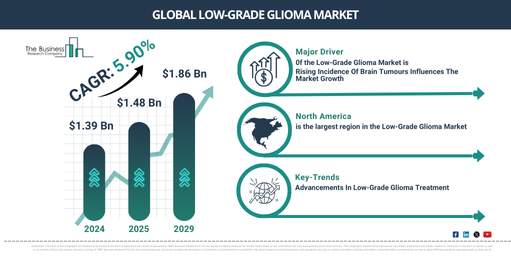
    In recent years, there has been solid growth in the market size of low-grade glioma. The market is projected to expand from $1.39 billion in 2024 to $1.48 billion in 2025, with a compound annual growth rate (CAGR) of 6.1%. The surge in the past period can be linked to enhanced awareness of brain tumors, increased investment in oncology-related research, a rise in the number of designated orphan drugs, the broadening of telemedicine, and improved access to healthcare.

    What Growth Rate Is Anticipated for the Low-Grade Glioma Market in the Coming Years?

    The market for low-grade gliomas is projected to experience significant expansion in the coming years, becoming a staggering $1.86 billion industry by the year 2029 with a Compound Annual Growth Rate (CAGR) of 5.9%. This anticipated growth through the forecast period is likely due to demographic shifts toward an older population, increasing healthcare expenses, a higher frequency of brain tumors, proliferating governmental initiatives, and a surge in instances and prevalence of high-grade gliomas. Notable market trends in the forecast period encompass progress in imaging technologies, the development and introduction of radiation treatments and chemotherapy regimens, increased clinical trial activity, and the inclusion of immunotherapy.

    Download The Free Sample Report Here:

    https://www.thebusinessresearchcompany.com/sample.aspx?id=21215&type=smp

    Who Are the Leading Companies in the Low-Grade Glioma Market?

    Major companies operating in the low-grade glioma market are McKesson Corporation, F. Hoffmann-La Roche Ltd, Merck & Co. Inc., Bristol-Myers Squibb Company, AstraZeneca PLC, Novartis AG, Daiichi Sankyo Company Limited, Ipsen S.A., BeiGene Ltd., NovoCure Limited, Les Laboratoires Servier, Day One Biopharmaceuticals Inc., CStone Pharmaceuticals Co. Ltd., AnHeart Therapeutics Inc., Apollomics Inc., Agios Pharmaceuticals Inc., BioMed Valley Discoveries Inc., Avistone Biotechnology Co. Ltd., NextSource Biotechnology LLC, Sunesis Pharmaceuticals Inc.

    What Are the Key Drivers of the Low-Grade Glioma Market?

    The upward trend in brain tumor occurrences is anticipated to stimulate the expansion of the low-grade glioma market. Brain tumors, a growth of abnormal cells in the brain or adjacent areas, can either be harmless or malignant. This surge in brain tumor incidences could be attributed to factors such as heightened exposure to radiation, environmental toxins, genetic predisposition, and aging. Low-grade glioma serves as a beneficial tool in brain tumor treatment primarily utilizing avant-garde diagnostic methods and specific treatments such as surgery, radiation and chemotherapy. These techniques aid in decelerating tumor progression, conserving neurological function, and enhancing patient outcomes thereby emphasizing the importance of early detection and personalized treatment in managing other brain tumors exhibiting similar growth behaviours. For instance, as per The Central Brain Tumor Registry of the United States (CBTRUS) – a non-profit organization based in the US, in October 2023, it was reported that in 2022, the global incidence rate of primary malignant brain tumors was roughly 3.5 per 100,000, with elevated rates in high-income countries (4.9 per 100,000) as opposed to low-middle (2.4 per 100,000) and low-income countries. Consequently, the escalating incidences of brain tumors are propelling the expansion of the low-grade glioma market.

    Request For A Customized Report:

    https://www.thebusinessresearchcompany.com/customise?id=21215&type=smp

    What Are the Key Market Segments in the Low-Grade Glioma Industry?

    The low-grade glioma market covered in this report is segmented –

    1) By Drug Type: Trametinib, Dabrafenib, Ivosidenib, Mirdametinib

    2) By Treatment: Surgery, Chemotherapy, Radiation

    3) By Route Of Administration: Topical, Oral

    4) By Distribution Channel: Online Pharmacies, Hospital Pharmacies, Retail Pharmacies

    What Are the Latest Trends in the Low-Grade Glioma Market?

    Top-tier corporations in the low-grade glioma industry are leveraging the merger of combination therapies and targeted remedies, such as drugs altering genetic composition, to consolidate their market stand and improve treatment procedures for pediatric patients with low-grade glioma. Genetic alteration medications serve as targeted remedies intended to change or suppress specific genetic irregularities or mutations in cells, thereby aiding in treating conditions like cancer by obstructing the routes that fuel unchecked cell multiplication. For example, in May 2024, Day One Biopharmaceuticals, a biotech organization based in the United States, unveiled Tovorafenib (Ojemda) following express FDA approval. This target-based treatment is meant for children aged six months and above diagnosed with inoperable or recurrent low-grade glioma (LGG) having BRAF gene alterations. Offering an adaptable single-weekly oral therapy, it responds to an essential need for pediatric LGG patients with previously limited treatment choices.

    Access The Full Report Here:

    https://www.thebusinessresearchcompany.com/report/low-grade-glioma-global-market-report

    What Are the Key Regional Markets in the Low-Grade Glioma Industry?

    North America was the largest region in the low-grade glioma market in 2024. Asia-Pacific is expected to be the fastest-growing region in the forecast period. The regions covered in the low-grade glioma market report are Asia-Pacific, Western Europe, Eastern Europe, North America, South America, Middle East, Africa.

    Purchase The Full Report Today:

    https://www.thebusinessresearchcompany.com/purchaseoptions.aspx?id=21215

    This Report Delivers Insight On:

    1. How big is the low-grade glioma market, and how is it changing globally?

    2. Who are the major companies in the low-grade glioma market, and how are they performing?

    3. What are the key opportunities and risks in the low-grade glioma market right now?

    4. Which products or customer segments are growing the most in the low-grade glioma market?

    5. What factors are helping or slowing down the growth of the low-grade glioma market?

    About The Business Research Company:

    With over 15000+ reports from 27 industries covering 60+ geographies, The Business Research Company has built a reputation for offering comprehensive, data-rich research and insights. Armed with 1,500,000 datasets, the optimistic contribution of in-depth secondary research, and unique insights from industry leaders, you can get the information you need to stay ahead in the game.

    Get in touch with us:

    The Business Research Company: https://www.thebusinessresearchcompany.com/

    Americas +1 310-496-7795

    Asia +44 2071930708

    Europe +44 7882 955267

    Email us at info@tbrc.info

    Follow us on:

    LinkedIn: https://in.linkedin.com/company/the-business-research-company

    YouTube: https://www.youtube.com/channel/UC24_fI0rV8cR5DxlCpgmyFQ

    Global Market Model: https://www.thebusinessresearchcompany.com/global-market-model
  • Locally Advanced Pancreatic Cancer Industry Insights 2025 – Market Forecast for Executives and Planners

    Locally Advanced Pancreatic Cancer Industry Insights 2025 – Market Forecast for Executives and Planners

    Claim your 30% discount on Global Market Reports with code ONLINE30. Limited time only.

    How Has the Locally Advanced Pancreatic Cancer Market Size Changed, over the years?

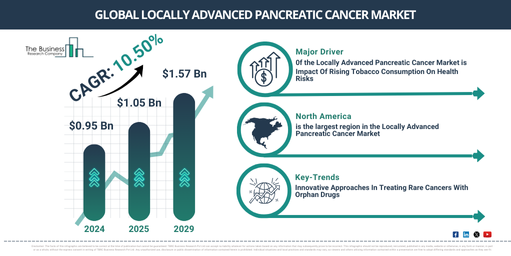
    The market size for locally advanced pancreatic cancer has seen a quick expansion in recent times. Expected to rise from $0.95 billion in 2024 to $1.05 billion in 2025, the market will have a compound annual growth rate (CAGR) of 10.9%. The escalation during the historic period is due to factors such as increased awareness of pancreatic cancer, advanced chemotherapy procedures, escalated usage of targeted therapies, a surge in pancreatic cancer cases, the evolution of combination treatment protocols, and improved supportive care alternatives.

    How Much Will the Locally Advanced Pancreatic Cancer Market Be Worth in 2029?

    In the coming years, a swift expansion is anticipated in the market size of locally advanced pancreatic cancer, projected to reach $1.57 billion by 2029, according to a compound annual growth rate (CAGR) of 10.5%. This growth during the forecast period can be ascribed to heightened awareness of pancreatic cancer, advancements in chemotherapy regimens, increased application of targeted therapies, a rise in pancreatic cancer incidence, the creation of combination treatment plans, and the improved care alternatives available. Key trends expected in the forecast timeframe include progress in immunotherapy, the introduction of targeted therapies, advancements in precise radiation methods, improved diagnostic imaging, the uptake of minimal invasive surgery, the use of artificial intelligence in treatment design, and progression in combination therapy.

    Download The Free Sample Report Here:

    https://www.thebusinessresearchcompany.com/sample.aspx?id=21214&type=smp

    Which is the Largest Company in the Locally Advanced Pancreatic Cancer Market?

    Major companies operating in the locally advanced pancreatic cancer market are Pfizer Inc., F. Hoffmann-La Roche Ltd., Merck KGaA, AbbVie Inc., Bayer Inc., Bristol-Myers Squibb Company, AstraZeneca plc, Abbott Laboratories, Novartis AG, GSK plc, Ipsen Biopharmaceuticals Inc., Lupin Limited, NovoCure Limited, Theratechnologies Inc., XBiotech, Prestige Biopharma, OSE Immunotherapeutics, Helix Biopharma Corporation, Fawn Incorporation, Eli Lilly and Co

    What Are the Main Market Drivers in the Locally Advanced Pancreatic Cancer Industry?

    The rise in tobacco use is forecasted to fuel the growth of the market for locally advanced pancreatic cancer. Tobacco, a plant whose leaves are processed for consumption in items like cigarettes and cigars, is loaded with nicotine – an addictive substance linked to severe health conditions like cancer and heart diseases. Various factors such as easy availability, affordability, product promotion, and social acceptance in some places, as well as stress-driven smoking, propel the surge in tobacco use. This increase in tobacco intake is a primary risk influencer for locally advanced pancreatic cancer, contributing to the escalated occurrence of pancreatic abnormalities. For example, as per the Global Action to End Smoking, a US-based non-profit focused on research to halt the smoking epidemic, in 2022, nearly 62.9 million adults in the U.S were tobacco users, putting it at 4th place worldwide and at the top in the Americas. Furthermore, about 11.5% of American adults, which is approximately 28.3 million people smoked cigarettes, with a higher percentage seen in males (13.1%) compared to females (10.1%). As a result, the rise in tobacco use is a key driver propelling the growth of the locally advanced pancreatic cancer market.

    Request For A Customized Report:

    https://www.thebusinessresearchcompany.com/customise?id=21214&type=smp

    How Is the Locally Advanced Pancreatic Cancer Market Segments Structured?

    The locally advanced pancreatic cancer market covered in this report is segmented –

    1) By Therapy: Chemotherapy, Immunotherapy, Radiation Therapy, Surgery

    2) By Route Of Administration: Oral, Injectables, Other Route Of Administrations

    3) By End-User: Hospital, Specialty Clinics, Research Institutions, Other End-Users

    Subsegments:

    1) By Chemotherapy: Gemcitabine-based Chemotherapy, FOLFIRINOX Chemotherapy

    2) By Immunotherapy: Immune Checkpoint Inhibitors, Cancer Vaccines

    3) By Radiation Therapy: External Beam Radiation Therapy, Stereotactic Body Radiation Therapy (SBRT)

    4) By Surgery: Pancreaticoduodenectomy (Whipple Procedure), Distal Pancreatectomy, Total Pancreatectomy

    What Strategic Trends Are Transforming the Locally Advanced Pancreatic Cancer Market?

    Key players in the locally advanced pancreatic cancer market are concentrating on the creation of innovative products like orphan drugs, with the aim of bettering treatment alternatives, boosting patient results, and satisfying the unaddressed medical requirements tied to this aggressive disease. Orphan drugs, made for the treatment of rare ailments affecting a smaller population, are encouraged by regulatory bodies through benefits such as tax deductions and market exclusivity for their development. For instance, in January 2025, Actuate Therapeutics Inc., a biopharmaceutical firm in the US, declared that Elraglusib, its new GSK-3β inhibitor, obtained Orphan Drug Designation from both the European Medicines Agency (EMA) and US Food and Drug Administration (FDA) for the treatment of pancreatic ductal adenocarcinoma (PDAC), which is a potential type of locally advanced pancreatic cancer. This distinction represents its potential to deal with a significant gap in treating this type of severe cancer, particularly after successful Phase 2 trial outcomes demonstrated considerable clinical progress and anti-tumor effects in patients with metastatic PDAC.

    Access The Full Report Here:

    https://www.thebusinessresearchcompany.com/report/locally-advanced-pancreatic-cancer-global-market-report

    Which Global Regions Offer the Highest Growth in the Locally Advanced Pancreatic Cancer Market?

    North America was the largest region in the locally advanced pancreatic cancer market in 2024. Asia-Pacific is expected to be the fastest-growing region in the forecast period. The regions covered in the locally advanced pancreatic cancer market report are Asia-Pacific, Western Europe, Eastern Europe, North America, South America, Middle East, Africa.

    Purchase The Full Report Today:

    https://www.thebusinessresearchcompany.com/purchaseoptions.aspx?id=21214

    This Report Delivers Insight On:

    1. How big is the locally advanced pancreatic cancer market, and how is it changing globally?

    2. Who are the major companies in the locally advanced pancreatic cancer market, and how are they performing?

    3. What are the key opportunities and risks in the locally advanced pancreatic cancer market right now?

    4. Which products or customer segments are growing the most in the locally advanced pancreatic cancer market?

    5. What factors are helping or slowing down the growth of the locally advanced pancreatic cancer market?

    About The Business Research Company:

    With over 15000+ reports from 27 industries covering 60+ geographies, The Business Research Company has built a reputation for offering comprehensive, data-rich research and insights. Armed with 1,500,000 datasets, the optimistic contribution of in-depth secondary research, and unique insights from industry leaders, you can get the information you need to stay ahead in the game.

    Get in touch with us:

    The Business Research Company: https://www.thebusinessresearchcompany.com/

    Americas +1 310-496-7795

    Asia +44 2071930708

    Europe +44 7882 955267

    Email us at info@tbrc.info

    Follow us on:

    LinkedIn: https://in.linkedin.com/company/the-business-research-company

    YouTube: https://www.youtube.com/channel/UC24_fI0rV8cR5DxlCpgmyFQ

    Global Market Model: https://www.thebusinessresearchcompany.com/global-market-model
  • Hypercalcemia Treatment Market to Reach $28.3 Billion by 2029 | Key Drivers and Future Outlook

    Hypercalcemia Treatment Market to Reach $28.3 Billion by 2029 | Key Drivers and Future Outlook

    Claim your 30% discount on Global Market Reports with code ONLINE30. Limited time only.

    What Is the Growth Rate of the Hypercalcemia Treatment Market?

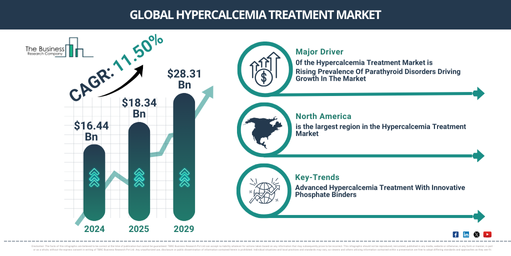
    The market size for hypercalcemia treatment has seen swift expansion in the past few years. The sector is projected to evolve from a value of $16.44 billion in 2024 to $18.34 billion in 2025, with a compound annual growth rate (CAGR) of 11.5%. The noticeable progress during the historic period can be credited to factors such as the growing knowledge about hypercalcemia, the increase in the elderly population, the increasing number of cancer cases, enhanced disease understanding, and a surge in parathyroid-related disorders occurrences.

    What Growth Rate Is Forecasted for the Hypercalcemia Treatment Market by 2029?

    The market for hypercalcemia treatment is predicted to witness swift expansion over the upcoming years. Its growth will reach an astonishing $28.31 billion by 2029, having a compound annual growth rate (CAGR) of 11.5%. The growth anticipated during this forecast period stems from the increasing incidence of chronic kidney disease, higher numbers of hypertension patients, a surge in funding for the development of new medicinal approaches, heightened awareness as well as patient empowerment, and governmental endeavors. Notable trend forecasts for this period include enhanced diagnostic methods and procedures, progress in treatment options, new treatment drugs being introduced, and partnerships among healthcare providers.

    Download The Free Sample Report Here:

    https://www.thebusinessresearchcompany.com/sample.aspx?id=21206&type=smp

    Which Key Companies Are Shaping the Future of the Hypercalcemia Treatment Market?

    Major companies operating in the hypercalcemia treatment market are Pfizer Inc., Roche Holding AG, AbbVie Inc., AstraZeneca plc, Novartis AG, GSK plc, Eli Lilly and Company, Amgen Inc., Merck KGaA, Fresenius Medical Care AG & Co. KGaA, Teva Pharmaceutical Industries Ltd., Sandoz International GmbH, Ipsen SA, Kyowa Kirin Co. Ltd., Hikma Pharmaceuticals plc, Endo International plc, OPKO Health Inc., Ferring Pharmaceuticals A/S, Rockwell Medical Inc., Strides Pharma Science Limited

    Which Factors Are Driving Demand in the Hypercalcemia Treatment Industry?

    The increasing incidence of parathyroid disorders is anticipated to stimulate the expansion of the hypercalcemia treatment market in the future. Parathyroid disorders pertain to those illnesses that impact the parathyroid glands, responsible for regulating calcium amounts within the body via the creation of parathyroid hormone (PTH). Factors facilitating the spike in parathyroid disorder prevalence include an aging demographic, heightened awareness, improved diagnosis skills, and the escalating occurrence of conditions like primary hyperparathyroidism and chronic kidney disease. Hypercalcemia treatment is vital in managing these disorders by controlling escalated calcium levels, staving off conditions such as kidney stones and bone loss, and enhancing overall metabolic equilibrium. For instance, the National Institute of Health (NIH), a government agency based in the US, revealed in February 2024 that hypoparathyroidism is projected to impact 6.4 to 37 out of every 100,000 people per year, with 75% of instances being the result of complications related to thyroidectomy or head and neck surgeries. Consequently, the upsurge in parathyroid disorder prevalence is propelling the growth of the hypercalcemia treatment market.

    Request For A Customized Report:

    https://www.thebusinessresearchcompany.com/customise?id=21206&type=smp

    How Is the Hypercalcemia Treatment Market Segmented by Several Divisions?

    The hypercalcemia treatment market covered in this report is segmented –

    1) By Drug Type: Bisphosphonates, Calcitonin, Glucocorticoids, Denosumab, Calcimimetics, Other Drug Types

    2) By Indication: Primary Hyperthyroidism, Hypercalcemia Of Malignancy, Other Indications

    3) By Distribution Channel: Hospitals Pharmacies, Retail Pharmacies, Online Pharmacies

    4) By End-Users: Hospitals, Clinics

    Subsegments:

    1) By Bisphosphonates: Zoledronic Acid, Pamidronate, Alendronate

    2) By Calcitonin: Salmon Calcitonin, Synthetic Calcitonin

    3) By Glucocorticoids: Prednisone, Dexamethasone, Hydrocortisone

    4) By Denosumab: Denosumab (Monotherapy), Denosumab Combination Therapy

    5) By Calcimimetics: Cinacalcet, Etelcalcetide

    6) By Other Drug Types: Gallium Nitrate, Mithramycin

    What are the Emerging Market Trends Driving the Growth of the Hypercalcemia Treatment Industry?

    Leading entities within the hypercalcemia treatment market are giving priority to the creation of novel products like phosphate binders. These products provide a more efficient management of calcium and phosphorus equilibrium, thereby enhancing treatment results. Phosphate binders are drugs used to block the absorption of phosphate in the digestive system, making them a common solution for controlling high phosphate concentrations in individuals with kidney disease or hypercalcemia. To illustrate, Strides Pharma Science Limited, an Indian pharmaceutical enterprise, gained approval for its Sevelamer Carbonate Tablets, 800 mg from the United States Food and Drug Administration (FDA) in May 2024. These tablets effectively control hyperphosphatemia in patients suffering from chronic kidney disease by binding dietary phosphate and obstructing its absorption. Besides, these tablets contribute to maintaining bone wellbeing and lessen cardiovascular risks linked to high phosphate levels.

    Access The Full Report Here:

    https://www.thebusinessresearchcompany.com/report/hypercalcemia-treatment-global-market-report

    Which Regions Are Driving Growth in the Hypercalcemia Treatment Market?

    North America was the largest region in the hypercalcemia treatment market in 2024. The regions covered in the hypercalcemia treatment market report are Asia-Pacific, Western Europe, Eastern Europe, North America, South America, Middle East, Africa.

    Purchase The Full Report Today:

    https://www.thebusinessresearchcompany.com/purchaseoptions.aspx?id=21206

    This Report Delivers Insight On:

    1. How big is the hypercalcemia treatment market, and how is it changing globally?

    2. Who are the major companies in the hypercalcemia treatment market, and how are they performing?

    3. What are the key opportunities and risks in the hypercalcemia treatment market right now?

    4. Which products or customer segments are growing the most in the hypercalcemia treatment market?

    5. What factors are helping or slowing down the growth of the hypercalcemia treatment market?

    About The Business Research Company:

    With over 15000+ reports from 27 industries covering 60+ geographies, The Business Research Company has built a reputation for offering comprehensive, data-rich research and insights. Armed with 1,500,000 datasets, the optimistic contribution of in-depth secondary research, and unique insights from industry leaders, you can get the information you need to stay ahead in the game.

    Get in touch with us:

    The Business Research Company: https://www.thebusinessresearchcompany.com/

    Americas +1 310-496-7795

    Asia +44 2071930708

    Europe +44 7882 955267

    Email us at info@tbrc.info

    Follow us on:

    LinkedIn: https://in.linkedin.com/company/the-business-research-company

    YouTube: https://www.youtube.com/channel/UC24_fI0rV8cR5DxlCpgmyFQ

    Global Market Model: https://www.thebusinessresearchcompany.com/global-market-model
  • Market Analysis on Iron Deficiency Anemia Industry – Insights for Corporate Strategy and R&D

    Market Analysis on Iron Deficiency Anemia Industry – Insights for Corporate Strategy and R&D

    Claim your 30% discount on Global Market Reports with code ONLINE30. Limited time only.

    What Is the Forecast for the Iron Deficiency Anemia Market from 2024 to 2025?

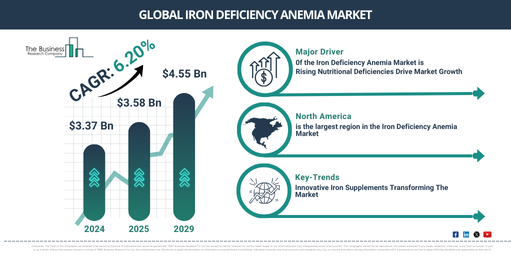
    The market size for iron deficiency anemia has seen substantial growth in recent times. This growth is forecasted to continue, with market size increasing from $3.37 billion in 2024 to $3.58 billion in 2025, thus reflecting a compound annual growth rate (CAGR) of 6.3%. This uptrend observed in the historical period is due to factors such as initiatives from non-government organizations, a rise in chronic disease instances, heightened attention towards parental care, campaigns enlightening the public about nutritional deficiencies, and the wider reach of telemedicine.

    What Is the Projected Market Size of the Iron Deficiency Anemia Market?

    Anticipated robust expansion is on the cards for the iron deficiency anemia market in the coming years. By 2029, the market is projected to rise to a worth of $4.55 billion, with a compound annual growth rate (CAGR) of 6.2%. This anticipated growth during the forecast period can be credited due to increasing emphasis on female health, surging demand for less invasive treatments, availability of over-the-counter items, expansion of distribution networks, and increased acceptance of personalized medicine. Upcoming trends over the forecast phase include the creation of inventive drug delivery systems, advances in diagnostic equipment, progress in monitoring devices, development of combination therapies, and the incorporation of nanotechnology into drug delivery.

    Download The Free Sample Report Here:

    https://www.thebusinessresearchcompany.com/sample.aspx?id=21212&type=smp

    Who are the Major Competitors in the Iron Deficiency Anemia Market Outlook?

    Major companies operating in the iron deficiency anemia market are AbbVie Inc., Sanofi S.A., Abbott Laboratories, Fresenius SE & Co. KGaA, Sandoz International GmbH, CSL Limited, Daiichi Sankyo Company Limited, Perrigo Company, Cipla Limited, Dr. Reddy’s Laboratories Limited, Cadila Healthcare Limited, Zydus Cadila, Lupin Limited, Alkem Laboratories Limited, AMAG Pharmaceuticals Inc., Akebia Therapeutics Inc., Rockwell Medical Inc., Pharmacosmos A/S, Shield Therapeutics plc, AdvaCare Pharma LLC

    What Is Fueling Growth in the Iron Deficiency Anemia Market?

    The rise in occurrences of nutritional insufficiencies is anticipated to drive the iron deficiency anemia market in the future. Nutritional insufficiency is a phenomenon that takes place when the body does not receive the adequate amount of one or more crucial nutrients, such as vitamins, minerals, proteins, or fats, needed for prime health. The instances of nutritional inadequacies are escalating due to poor food choices, amplified consumption of processed foods and issues relating to food security, thereby hampering access to nutrition-rich food sources for low-income communities. Iron deficiency anemia, a prevalent type of nutritional insufficiency, is characterized by a decrease in red blood cells due to insufficient iron intake, impeding the body’s capacity to transport oxygen. For instance, National Health Services, a United Kingdom-based government entity, reported in December 2023 that the total hospital admissions for nutritional insufficiencies in the United Kingdom in the year 2021/22 accounted for 250,000, that number doubled in the year 2022/23 and escalated to 500,000. Hence, the mounting cases of nutritional insufficiencies propel the iron deficiency anemia market.

    Request For A Customized Report:

    https://www.thebusinessresearchcompany.com/customise?id=21212&type=smp

    Which Iron Deficiency Anemia Market Segments Are Growing the Fastest?

    The iron deficiency anemia market covered in this report is segmented –

    1) By Therapy Type: Oral Iron Therapy, Parenteral Iron Therapy, Red Blood Cell Transfusion

    2) By Distribution Channel: Hospital Pharmacy, Drug Stores and Retail Pharmacies, Online Pharmacies

    3) By End Users: Hospitals, Clinics, Home Healthcare

    Subsegments:

    1) By Oral Iron Therapy: Ferrous Sulfate, Ferrous Gluconate, Ferrous Fumarate, Polysaccharide-Iron Complex, Carbonyl Iron

    2) By Parenteral Iron Therapy: Iron Sucrose, Ferric Carboxymaltose, Iron Dextran, Ferumoxytol, Ferric Gluconate

    3) By Red Blood Cell Transfusion: Leukocyte-Reduced Red Blood Cell Transfusion, Washed Red Blood Cell Transfusion, Irradiated Red Blood Cell Transfusion

    Which Industry Trends Are Shaping the Future of the Iron Deficiency Anemia Market?

    Leading businesses in the iron deficiency anemia market are directing their efforts towards the creation of pioneering solutions such as intravenous iron injection. Their aim is to provide an effective mix of nutrients that optimizes absorption and promotes tolerance, thus adequately addressing iron deficiency. The intravenous iron injection, a medical practice, delivers iron directly into the bloodstream as a remedy for iron deficiency or anemia when traditional oral supplements do not suffice or are inefficient. For example, Cadila Pharmaceuticals, a Pharmaceutical firm based in India, in March 2024, introduced Redshot FCM, an intravenous iron injection designed with ferric carboxymaltose specifically to address iron deficiency anemia (IDA) effectively. This novel product is well-suited for all adults and children above the age of one who cannot withstand oral iron supplements. Redshot FCM, with its robust safety record and negligible anaphylaxis risk, permits the delivery of high iron dosages within a single session, facilitating a swift rise in hemoglobin levels. This makes it particularly beneficial for risk-prone demographics like expectant women, senior citizens and cancer patients.

    Access The Full Report Here:

    https://www.thebusinessresearchcompany.com/report/iron-deficiency-anemia-global-market-report

    Which Countries Are Leading the Iron Deficiency Anemia Market?

    North America was the largest region in the iron deficiency anemia market in 2024. Asia-Pacific is expected to be the fastest-growing region in the forecast period. The regions covered in the iron deficiency anemia market report are Asia-Pacific, Western Europe, Eastern Europe, North America, South America, Middle East, Africa.

    Purchase The Full Report Today:

    https://www.thebusinessresearchcompany.com/purchaseoptions.aspx?id=21212

    This Report Delivers Insight On:

    1. How big is the iron deficiency anemia market, and how is it changing globally?

    2. Who are the major companies in the iron deficiency anemia market, and how are they performing?

    3. What are the key opportunities and risks in the iron deficiency anemia market right now?

    4. Which products or customer segments are growing the most in the iron deficiency anemia market?

    5. What factors are helping or slowing down the growth of the iron deficiency anemia market?

    About The Business Research Company:

    With over 15000+ reports from 27 industries covering 60+ geographies, The Business Research Company has built a reputation for offering comprehensive, data-rich research and insights. Armed with 1,500,000 datasets, the optimistic contribution of in-depth secondary research, and unique insights from industry leaders, you can get the information you need to stay ahead in the game.

    Get in touch with us:

    The Business Research Company: https://www.thebusinessresearchcompany.com/

    Americas +1 310-496-7795

    Asia +44 2071930708

    Europe +44 7882 955267

    Email us at info@tbrc.info

    Follow us on:

    LinkedIn: https://in.linkedin.com/company/the-business-research-company

    YouTube: https://www.youtube.com/channel/UC24_fI0rV8cR5DxlCpgmyFQ

    Global Market Model: https://www.thebusinessresearchcompany.com/global-market-model

  • Hutchinson-Gilford Progeria Syndrome (HGPS) Market Size to Exceed $149.22 Billion by 2029 | Growth and Industry Trends

    Hutchinson-Gilford Progeria Syndrome (HGPS) Market Size to Exceed $149.22 Billion by 2029 | Growth and Industry Trends

    Claim your 30% discount on Global Market Reports with code ONLINE30. Limited time only.

    How Has the Hutchinson-Gilford Progeria Syndrome (HGPS) Market Grown from 2024 to 2025?

    In recent times, the market size for Hutchinson-Gilford Progeria Syndrome (HGPS) has seen robust growth. It is projected to expand from $97.63 billion in 2024 to $106.56 billion in 2025, reflecting a compound annual growth rate (CAGR) of 9.1%. Factors contributing to growth in the preceding period include heightened awareness of uncommon genetic conditions, an increase in funding allocated to progeria research, the expansion of genetic testing facilities, more government-led initiatives for rare diseases, and a global rise in the prevalence of genetic disorders.

    What Growth Rate Is Anticipated for the Hutchinson-Gilford Progeria Syndrome (HGPS) Market in the Coming Years?

    Expectations are high for the Hutchinson-Gilford Progeria Syndrome (HGPS) market, with a significant expansion anticipated in the coming years. By 2029, the market is projected to reach a hefty $149.22 billion, boasting a compound annual growth rate (CAGR) of 8.8%. Factors contributing to this impressive growth during the forecasted period include an uptick in funding for the exploration and development of new treatments, a surge in the incidence of progeria, increasing global healthcare expenditure, growing acceptance of cutting-edge therapeutic strategies, and an increased emphasis on early diagnosis. Technological progression, the creation of targeted therapies, advances in next-generation sequencing (NGS) technologies, the discovery of biomarkers, and improvements in drug delivery systems will also play key roles in shaping the market trend during this period.

    Download The Free Sample Report Here:

    https://www.thebusinessresearchcompany.com/sample.aspx?id=21205&type=smp

    Who Are the Leading Companies in the Hutchinson-Gilford Progeria Syndrome (HGPS) Market?

    Major companies operating in the hutchinson-gilford progeria syndrome (HGPS) market are National Institutes of Health (NIH), Mount Sinai, Johns Hopkins Hospital, Duke University, Mayo Foundation for Medical Education and Research, Cleveland Clinic, Children’s Hospital of Philadelphia, St. Jude Children’s Research Hospital, Cincinnati Children’s Hospital Medical Center, University of Maryland, Boston Children’s Hospital, Children’s Hospital Los Angeles, Harvard Medical School, The Scripps Research Institute, Blueprint Genetics, Medicover Hospitals, Sentynl Therapeutics, UCSF Helen Diller Family Comprehensive Cancer Center, Progeria Research Foundation, AnGes MG Inc., PRG Science & Technology Co. Ltd.

    What Are the Key Drivers of the Hutchinson-Gilford Progeria Syndrome (HGPS) Market?

    Expectations are high for the growth of the hutchinson-gilford progeria syndrome (HGPS) market, driven primarily by an increase in funding for the research and development of fresh treatment procedures. Research & Development funding tends to apply to investments dedicated to the progression, enhancement and discovery of scientific information and technological resolutions. Such an increase in funding can be credited to factors such as escalating demand for innovative medication strategies and governmental contributions towards developments in healthcare. This enhanced financial support for research and development has a positive effect on the growth of solutions for hutchinson-gilford Progeria Syndrome by aiding in clinical trials and aiding the development of ground-breaking treatments. It can further boost progress in uncovering the genetic roots of this condition and aid the creation of targeted solutions. For instance, the Office for National Statistics revealed in April 2024, that in 2022, the UK government’s research and development expenditure shot up by 10.5% to £15.5 billion ($17.59), a significant rise from the previous year’s £14.0 billion ($15.88). Hence, the surge in research and development funding for innovative treatments is fuelling the growth of the hutchinson-gilford progeria syndrome (HGPS) market.

    Request For A Customized Report:

    https://www.thebusinessresearchcompany.com/customise?id=21205&type=smp

    What Are the Key Market Segments in the Hutchinson-Gilford Progeria Syndrome (HGPS) Industry?

    The hutchinson-gilford progeria syndrome (HGPS) market covered in this report is segmented –

    1) By Treatment Type: Farnesyltransferase Inhibitors (Zokinvy (Lonafarnib)), Low-dose Aspirin, Physical And Occupational Therapy, Hearing Aids, Genetic Counseling, Other Treatment Types

    2) By Route Of Administration: Oral, Injectable, Intravenous, Transdermal

    3) By Mechanism Of Action: Antisense Oligonucleotides, Crispr-cas9 Gene Editing, Rna Interference, Targeted Drug Delivery Systems

    4) By End-User: Hospitals, Specialty Clinics, Academic And Research Institutes, Other End-Users

    Subsegments:

    1) By Farnesyltransferase Inhibitors (Zokinvy (Lonafarnib)): Monotherapy With Lonafarnib, Combination Therapy With Other Drugs

    2) By Low-dose Aspirin: Cardiovascular Protection, Anti-inflammatory Therapy

    3) By Physical And Occupational Therapy: Mobility Support And Rehabilitation, Joint And Bone Health Management, Adaptive Equipment For Daily Activities

    4) By Hearing Aids: Conventional Hearing Aids, Bone-Anchored Hearing Aids (BAHA), Cochlear Implants

    5) By Genetic Counseling: Family Genetic Testing, Genetic Risk Assessment, Prenatal Counseling And Guidance

    6) By Other Treatment Types: Stem Cell Therapy, Gene Editing and Therapy, Nutritional Support And Management

    What Are the Latest Trends in the Hutchinson-Gilford Progeria Syndrome (HGPS) Market?

    Prominent enterprises functioning in the hutchinson-gilford progeria syndrome (HGPS) market are pivoting towards the creation of more advanced farnesyltransferase inhibitors in an effort to enhance the effectiveness of treatment and mitigate the progression of the disease in patients. These inhibitors are medications designed to block the enzyme farnesyltransferase, which plays a crucial role in modifying proteins and hindering uncontrolled cell growth and aging. For example, in July 2022, the European Commission granted marketing permission to Eiger BioPharmaceuticals, an American biopharmaceutical company, for Zokinvy – the first and only authorized treatment for hutchinson-gilford progeria syndrome (HGPS) and processing-deficient progeroid laminopathies (PL) targeted at children and young adults in Europe. Clinical trials have demonstrated that Zokinvy, an orally administered agent capable of modifying the disease, can reduce death risk in children by 72% and increase lifespan by approximately 4.3 years. This centralized marketing authorization awarded by the European Commission is recognized by all 27 EU member states, including Iceland, Liechtenstein, and Norway.

    Access The Full Report Here:

    https://www.thebusinessresearchcompany.com/report/hutchinson-gilford-progeria-syndrome-hgps-global-market-report

    What Are the Key Regional Markets in the Hutchinson-Gilford Progeria Syndrome (HGPS) Industry?

    North America was the largest region in the hutchinson-gilford progeria syndrome (HGPS) market in 2024. Asia-Pacific is expected to be the fastest-growing region in the forecast period. The regions covered in the hutchinson-gilford progeria syndrome (HGPS) market report are Asia-Pacific, Western Europe, Eastern Europe, North America, South America, Middle East, Africa.

    Purchase The Full Report Today:

    https://www.thebusinessresearchcompany.com/purchaseoptions.aspx?id=21205

    This Report Delivers Insight On:

    1. How big is the hutchinson-gilford progeria syndrome (hgps) market, and how is it changing globally?

    2. Who are the major companies in the hutchinson-gilford progeria syndrome (hgps) market, and how are they performing?

    3. What are the key opportunities and risks in the hutchinson-gilford progeria syndrome (hgps) market right now?

    4. Which products or customer segments are growing the most in the hutchinson-gilford progeria syndrome (hgps) market?

    5. What factors are helping or slowing down the growth of the hutchinson-gilford progeria syndrome (hgps) market?

    About The Business Research Company:

    With over 15000+ reports from 27 industries covering 60+ geographies, The Business Research Company has built a reputation for offering comprehensive, data-rich research and insights. Armed with 1,500,000 datasets, the optimistic contribution of in-depth secondary research, and unique insights from industry leaders, you can get the information you need to stay ahead in the game.

    Get in touch with us:

    The Business Research Company: https://www.thebusinessresearchcompany.com/

    Americas +1 310-496-7795

    Asia +44 2071930708

    Europe +44 7882 955267

    Email us at info@tbrc.info

    Follow us on:

    LinkedIn: https://in.linkedin.com/company/the-business-research-company

    YouTube: https://www.youtube.com/channel/UC24_fI0rV8cR5DxlCpgmyFQ

    Global Market Model: https://www.thebusinessresearchcompany.com/global-market-model
  • Heterozygous Familial Hypercholesterolemia Management Industry Insights 2025 – Market Forecast for Executives and Planners

    Heterozygous Familial Hypercholesterolemia Management Industry Insights 2025 – Market Forecast for Executives and Planners

    Claim your 30% discount on Global Market Reports with code ONLINE30. Limited time only.

    How Has the Heterozygous Familial Hypercholesterolemia Management Market Size Changed, over the years?

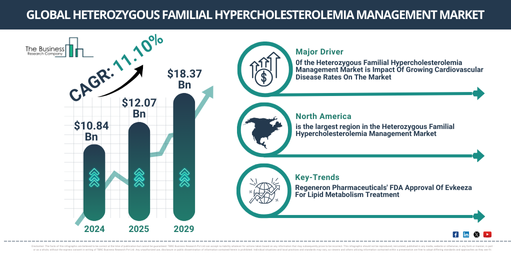
    Over the past few years, the market for managing heterozygous familial hypercholesterolemia has seen significant growth. It is projected to expand from $10.84 billion in 2024 to $12.07 billion in 2025, demonstrating a compound annual growth rate (CAGR) of 11.3%. The historical growth of this market can be credited to factors such as the escalating incidence of cardiovascular ailments, initiatives taken by the government, increasing investment in research and development activities, a surge in the recognition and diagnosis of Hefh, as well as the escalating demand for personalized treatments.

    How Much Will the Heterozygous Familial Hypercholesterolemia Management Market Be Worth in 2029?

    The market for managing heterozygous familial hypercholesterolemia is projected to experience a swift expansion in the coming years, reaching a value of $18.37 billion in 2029. This represents a compound annual growth rate (CAGR) of 11.1%. Factors contributing to this predicted growth during the forecast period include an increase in telehealth services, a rise in chronic diseases, more clinical research being conducted, a growing older population, and a wave of new drugs being launched. Expected market trends for this period encompass the incorporation of digital health solutions, innovative therapeutic alternatives, the creation of combination therapies, advancements in technology, and the introduction of groundbreaking treatments.

    Download The Free Sample Report Here:

    https://www.thebusinessresearchcompany.com/sample.aspx?id=21204&type=smp

    Which is the Largest Company in the Heterozygous Familial Hypercholesterolemia Management Market?

    Major companies operating in the heterozygous familial hypercholesterolemia management market are Pfizer Inc., Johnson & Johnson, Roche Holding AG, Merck & Co. Inc., AbbVie Inc., Sanofi S.A., Bristol-Myers Squibb, AstraZeneca plc, Novartis International AG, Takeda Pharmaceutical Company Limited, Eli Lilly and Company, Gilead Sciences Inc., Amgen Inc., Merck KGaA, Regeneron Pharmaceuticals Inc., Ipsen S.A., Chiesi Farmaceutici S.p.A., Ferring Pharmaceuticals Limited, Esperion Therapeutics Inc., Aegerion Pharmaceuticals Inc., Verve Therapeutics Inc.

    What Are the Main Market Drivers in the Heterozygous Familial Hypercholesterolemia Management Industry?

    The escalating occurrence of cardiovascular conditions is anticipated to boost the heterozygous familial hypercholesterolemia management market’s expansion. Cardiovascular diseases, denoting a collection of disorders impacting the heart and blood vessels such as stroke, heart attack, and coronary artery disease, are on the rise globally. This increase can be attributed to risk factors such as unhealthy lifestyles, poor diet, excess weight, lack of physical activity, and a growing aging population. Effective control of elevated cholesterol levels, achieved by managing heterozygous familial hypercholesterolemia, is essential in preventing cardiovascular diseases. These diseases significantly contribute to the risk of atherosclerosis and heart-related complications. For example, the Centers for Disease Control and Prevention, a U.S. government organization, reported in May 2024 that about 805,000 individuals in the U.S. had a heart attack in 2022. Of these, 605,000 experienced their first heart attack while 200,000 were recurrent incidents. Consequently, the surging number of cardiovascular disorders is propelling the heterozygous familial hypercholesterolemia management market’s growth.

    Request For A Customized Report:

    https://www.thebusinessresearchcompany.com/customise?id=21204&type=smp

    How Is the Heterozygous Familial Hypercholesterolemia Management Market Segments Structured?

    The heterozygous familial hypercholesterolemia management market covered in this report is segmented –

    1) By Treatment Type: Statins, Ezetimibe, PCSK9 Inhibitors, Lomitapide, Mipomersen

    2) By Route Of Administration: Oral, Injectable, Intravenous

    3) By Patient Demographics: Children, Adults, Elderly

    4) By Application: Hospitals, Medical Centers, Clinics, Other Applications

    Subsegments:

    1) By Statins: Atorvastatin, Simvastatin, Rosuvastatin, Pravastatin

    2) By Ezetimibe: Ezetimibe (Monotherapy), Ezetimibe Combination Therapy (With Statins)

    3) By PCSK9 Inhibitors: Alirocumab, Evolocumab

    4) By Lomitapide: Lomitapide (Monotherapy), Lomitapide Combination Therapy

    5) By Mipomersen: Mipomersen (Monotherapy), Mipomersen Combination Therapy

    What Strategic Trends Are Transforming the Heterozygous Familial Hypercholesterolemia Management Market?

    Key players in the heterozygous familial hypercholesterolemia management market are concentrating their efforts on the creation of novel products, such as angiopoietin, aimed at modulating lipid metabolism and lowering cholesterol levels. Angiopoietin is a group of proteins that serve a crucial function in controlling the formation of blood vessels (angiogenesis) and preserving their stability. For example, in March 2023, Regeneron Pharmaceuticals Inc., a biotech firm based in the United States, was given the green light by the U.S. Food and Drug Administration (FDA) for the use of Evkeeza (evinacumab-dgnb) in children between 5 and 11 years old with homozygous familial hypercholesterolemia (HoFH). This first of its kind monoclonal antibody functions by blocking ANGPTL3, a protein that interferes with lipid metabolism, which in turn reduces the levels of low-density lipoprotein (LDL) cholesterol and triglycerides. This approval brings about a new treatment choice for pediatric patients with limited alternatives and who are at an elevated risk of cardiovascular incidents.

    Access The Full Report Here:

    https://www.thebusinessresearchcompany.com/report/heterozygous-familial-hypercholesterolemia-management-global-market-report

    Which Global Regions Offer the Highest Growth in the Heterozygous Familial Hypercholesterolemia Management Market?

    North America was the largest region in the heterozygous familial hypercholesterolemia management market in 2024. The regions covered in the heterozygous familial hypercholesterolemia management market report are Asia-Pacific, Western Europe, Eastern Europe, North America, South America, Middle East, Africa.

    Purchase The Full Report Today:

    https://www.thebusinessresearchcompany.com/purchaseoptions.aspx?id=21204

    This Report Delivers Insight On:

    1. How big is the heterozygous familial hypercholesterolemia management market, and how is it changing globally?

    2. Who are the major companies in the heterozygous familial hypercholesterolemia management market, and how are they performing?

    3. What are the key opportunities and risks in the heterozygous familial hypercholesterolemia management market right now?

    4. Which products or customer segments are growing the most in the heterozygous familial hypercholesterolemia management market?

    5. What factors are helping or slowing down the growth of the heterozygous familial hypercholesterolemia management market?

    About The Business Research Company:

    With over 15000+ reports from 27 industries covering 60+ geographies, The Business Research Company has built a reputation for offering comprehensive, data-rich research and insights. Armed with 1,500,000 datasets, the optimistic contribution of in-depth secondary research, and unique insights from industry leaders, you can get the information you need to stay ahead in the game.

    Get in touch with us:

    The Business Research Company: https://www.thebusinessresearchcompany.com/

    Americas +1 310-496-7795

    Asia +44 2071930708

    Europe +44 7882 955267

    Email us at info@tbrc.info

    Follow us on:

    LinkedIn: https://in.linkedin.com/company/the-business-research-company

    YouTube: https://www.youtube.com/channel/UC24_fI0rV8cR5DxlCpgmyFQ

    Global Market Model: https://www.thebusinessresearchcompany.com/global-market-model