Category: HealthcareServices

  • Global Cartilage Repair Market Performance Report: Global Trends 2026–2030

    Global Cartilage Repair Market Performance Report: Global Trends 2026–2030

    Uncover key drivers, emerging technologies, and competitive movements shaping the cartilage repair market from 2026–2035 with trusted insights from The Business Research Company

    What long-term size projections exist for the Cartilage Repair Market covering 2026–2035?

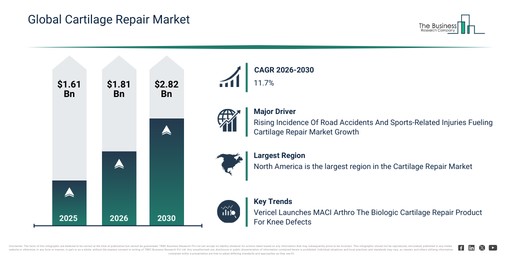
    The size of the cartilage repair market has experienced swift expansion in recent years. This market is projected to expand from $1.61 billion in 2025 to reach $1.81 billion in 2026, demonstrating a compound annual growth rate (CAGR) of 11.9%. Factors contributing to this historical growth include an increasing frequency of joint injuries, a rise in sports-related orthopedic conditions, the growing adoption of surgical cartilage repair methods, progress in biomaterial innovation, and the broadening presence of orthopedic specialty clinics.

    The cartilage repair market size is anticipated to undergo significant expansion in the coming years, reaching $2.82 billion by 2030 with a compound annual growth rate (CAGR) of 11.7%. This growth over the forecast period is propelled by increasing demand for regenerative medicine solutions, rising investments in tissue engineering research, the expansion of personalized orthopedic treatments, a growing focus on biologic repair methods, and the increasing adoption of outpatient orthopedic procedures. Prominent trends expected during the forecast period include the increasing adoption of cell-based cartilage repair therapies, a rising use of stem cell and regenerative treatments, a growing demand for minimally invasive repair procedures, the expansion of scaffold-based regeneration technologies, and an enhanced focus on long-term joint preservation.

    Access Your Free Sample Report for In-Depth Market Insights:

    https://www.thebusinessresearchcompany.com/sample.aspx?id=13400&type=smp

    Which Drivers Are Impacting The Competitive Landscape Of The Cartilage Repair Market?

    The cartilage repair market is anticipated to expand due to an increase in road accidents and sports-related injuries. Road accidents involve vehicles, pedestrians, or cyclists on public roads. In contrast, sports-related injuries are those sustained during participation in various athletic and physical activities. A rise in these incidents significantly drives the need for cartilage repair procedures, which aim to restore damaged cartilage, alleviate pain, and improve joint function. For instance, in June 2025, data from the Transport Accident Commission, an Australia-based government agency, showed that between 1 July 2024 and 30 June 2025, 296 people died, which is an increase of 9 deaths from the 287 reported during the identical period of the previous year. Consequently, the growing number of road accidents and sports-related injuries is propelling the growth of the cartilage repair market.

    What Segments Are Identified Within The Structure Of The Cartilage Repair Market?

    The cartilage repair market covered in this report is segmented –

    1) By Treatment Modality: Cell-Based, Non-Cell-Based

    2) By Site: Knee, Hip, Ankle And Foot, Other Application Sites

    3) By Application: Hyaline Cartilage, Fibrocartilage

    4) By End User: Hospital And Clinic, Ambulatory Surgical Center (ASC), Other End-Users

    Subsegments:

    1) By Cell-Based Treatments: Autologous Chondrocyte Implantation (ACI), Stem Cell Therapy, Matrix-Induced Autologous Chondrocyte Implantation (MACI)

    2) By Non-Cell-Based Treatments: Scaffold-Based Treatment, Osteochondral Grafts, Synthetic Implants

    Which Trends Are Influencing The Performance And Direction Of The Cartilage Repair Market?

    Leading firms within the cartilage repair market are developing cutting-edge products, including biologic cartilage repair solutions, with the goal of enhancing treatment choices for cartilage injuries and fostering natural recovery. Biologic cartilage repair products are defined as therapies originating from biological materials, like cells, tissues, or growth factors, specifically engineered to mend or regrow injured cartilage. As an example, in August 2024, Vericel, a US-based biotechnology firm, introduced MACI (autologous cultured chondrocytes on porcine collagen membrane)Arthro, obtaining authorization from a US-based federal agency dedicated to public health protection. MACI Arthro represents a novel biologic cartilage repair solution designed for addressing knee cartilage imperfections. This solution enables surgeons to manage symptomatic full-thickness knee cartilage defects measuring up to 4 cm² using minimally invasive methods. MACI Arthro facilitates the assessment and preparation of the defect area via small incisions with purpose-built instruments, marking a substantial improvement compared to conventional approaches.

    Which Leading Companies Dominate The Cartilage Repair Market Share?

    Major companies operating in the cartilage repair market are Stryker Corporation, Zimmer Biomet Holdings Inc, Smith and Nephew plc, Arthrex Inc, CONMED Corporation, Vericel Corporation, Anika Therapeutics Inc, MEDIPOST Co Ltd, Histogenics Corporation, ISTO Technologies Inc, Regentis Biomaterials Ltd, CartiHeal Ltd, Aesculap AG, Medacta International SA, Mathys AG Bettlach, JRI Orthopaedics Ltd, Waldemar Link GmbH and Co KG, Teijin Nakashima Medical Co Ltd, BioPoly LLC, Orthocell Ltd

    Access The Complete Report For Deeper Market Insights:

    https://www.thebusinessresearchcompany.com/report/cartilage-repair-global-market-report

    How Does The Cartilage Repair Market Perform Across Major Global Regions?

    North America was the largest region in the cartilage repair market in 2025. Asia-Pacific is expected to be the fastest-growing region in the forecast period. The regions covered in the cartilage repair market report are Asia-Pacific, South East Asia, Western Europe, Eastern Europe, North America, South America, Middle East, Africa.

    Request Your Customized Cartilage Repair Market Research Report for Competitive Advantage:

    https://www.thebusinessresearchcompany.com/customise?id=13400&type=smp

    Browse Through More Reports Similar to the Global Cartilage Repair Market 2026, By The Business Research Company

    Orthopedic Soft Tissue Repair Market Report 2026

    https://www.thebusinessresearchcompany.com/report/orthopedic-soft-tissue-repair-global-market-report

    Knee Cartilage Repair Market Report 2026

    https://www.thebusinessresearchcompany.com/report/knee-cartilage-repair-global-market-report

    Regenerative Medicine For Cartilage Market Report 2026

    https://www.thebusinessresearchcompany.com/report/regenerative-medicine-for-cartilage-global-market-report

    Get in touch with us:

    The Business Research Company: https://www.thebusinessresearchcompany.com/

    Americas +1 310-496-7795

    Asia +44 7882 955267 & +91 8897263534

    Europe +44 7882 955267

    Email us at info@tbrc.info

    Follow us on:

    LinkedIn: https://in.linkedin.com/company/the-business-research-company

    YouTube: https://www.youtube.com/channel/UC24_fI0rV8cR5DxlCpgmyFQ

    Global Market Model: https://www.thebusinessresearchcompany.com/global-market-model
  • Radiation Dose Management Market Forecast 2026: Where the Industry Is Headed

    Radiation Dose Management Market Forecast 2026: Where the Industry Is Headed

    Uncover key drivers, emerging technologies, and competitive movements shaping the radiation dose management market from 2026–2035 with trusted insights from The Business Research Company

    What was the valuation of the Radiation Dose Management Market in 2026, and what figure is it projected to hit by 2030?

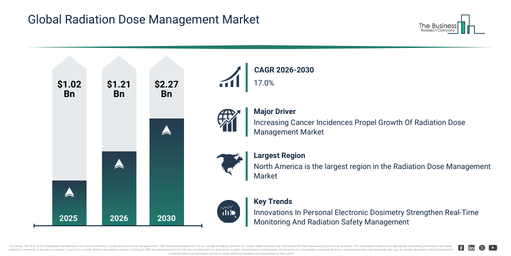
    The radiation dose management market size has witnessed substantial growth in recent years. It is anticipated to expand from $1.02 billion in 2025 to $1.21 billion in 2026, reflecting a compound annual growth rate (CAGR) of 19.3%. This historical growth can be attributed to several factors including the rising adoption of advanced diagnostic imaging, an increased awareness of radiation safety, the broadening scope of CT and fluoroscopy procedures, the implementation of radiation dose regulations, and the integration of fundamental dose monitoring tools.

    The radiation dose management market is projected for substantial expansion in the coming years, with its size anticipated to reach $2.27 billion by 2030, reflecting a robust compound annual growth rate (CAGR) of 17.0%. This growth during the forecast period is primarily driven by escalating investments in intelligent imaging systems, a heightened demand for patient-centric radiation safety, the broadening of integrated hospital IT infrastructure, the increasing adoption of predictive analytics in imaging, and a rising focus on value-based healthcare. Significant trends expected during this period include the increasing incorporation of AI-based dose optimization software, the growing integration of real-time dose monitoring systems, expanded utilization of cloud-based radiation analytics platforms, the proliferation of multi-modality dose management solutions, and an enhanced emphasis on regulatory dose reporting compliance.

    Access Your Free Sample Report for In-Depth Market Insights:

    https://www.thebusinessresearchcompany.com/sample.aspx?id=15912&type=smp

    Which Drivers Are Affecting Market Participation In The Radiation Dose Management Market?

    The rising incidence of cancer is projected to propel the expansion of the radiation dose management market moving forward. Cancer denotes a collection of illnesses characterized by the unrestrained proliferation and spread of abnormal cells throughout the body, which can form a mass or growth termed a tumor. The increase in cancer cases can be attributed to several complex and interrelated factors, such as family history, personal lifestyle choices, genetic predispositions, environmental exposures, and the aging demographic. In cancer care, radiation dose management solutions are utilized to achieve accurate diagnoses and effective treatments while minimizing the risks associated with radiation exposure. For instance, in February 2024, according to the World Health Organization (WHO), a Switzerland-based intergovernmental organization, it is anticipated that new cancer cases will surpass 35 million by 2050, marking a 77% increase over the projected 20 million cases in 2022. Therefore, the growing number of cancer cases is a significant driver for the radiation dose management market.

    What Segment Classifications Make Up The Radiation Dose Management Market?

    The radiation dose management market covered in this report is segmented –

    1) By Component: Software, Services

    2) By Modality: Computed Tomography, Fluoroscopy And Interventional Imaging, Radiography And Mammography, Nuclear Medicine

    3) By Application: Oncology, Cardiology, Orthopedic Applications, Other Applications

    4) By End-User: Hospitals, Ambulatory Care Setting, Other End-Users

    Subsegments:

    1) By Software: Dose Monitoring Software, Dose Calculation Software, Reporting And Analytics Software

    2) By Services: Consulting Services, Implementation And Integration Services, Training And Support Services

    What Upcoming Trends Are Likely To Define The Future Path Of The Radiation Dose Management Market?

    Leading companies operating in the radiation dose management market are enhancing their technological capabilities by rolling out innovative solutions, such as personal electronic dosimeters, to improve real-time monitoring and bolster radiation safety. Personal electronic dosimeters are compact, easily portable devices that offer immediate information regarding the type and quantity of radiation exposure during active operations, enabling responders to initiate timely protective measures. For instance, in April 2024, Mirion Technologies Inc., a US-based radiation monitoring solutions company, introduced the Instadose VUE, its next-generation wireless dosimeter. This device supports wireless data transmission, includes an on-device dose display, and provides automated alerts when exposure thresholds are surpassed, thereby contributing to quicker, more accurate radiation dose assessment and enhanced safety management.

    Which Key Players Are Driving Competition In The Radiation Dose Management Market?

    Major companies operating in the radiation dose management market are INFINITT Healthcare Co. Ltd., Bayer AG, Canon Inc., Siemens Healthcare, FUJIFILM Holdings Corporation, Philips Healthcare, GE Healthcare, Fortive Corporation, Mindray Medical International Limited, Sectra AB, Bracco Imaging S.P.A., Neusoft Medical Systems, United Imaging Healthcare, Agfa Gevaert Group, Dedalus S.P.A, Guerbet, Mirion Technologies Inc., Landauer, Novarad Corporation, Volpara Health Limited, Medic Vision, PACSHealth LLC, Medsquare, Nanjing Perlove Medical Equipment Co. Ltd., Carestream Health, Konica Minolta Healthcare, Hitachi Healthcare, Esaote S.p.A., Shimadzu Corporation, Toshiba Medical Systems

    Access The Complete Report For Deeper Market Insights:

    https://www.thebusinessresearchcompany.com/report/radiation-dose-management-global-market-report

    Which Region Is Projected To Lead The Radiation Dose Management Market During The Forecast Period?

    North America was the largest region in the radiation dose management market in 2025. Asia-Pacific is expected to be the fastest-growing region in the forecast period. The regions covered in the radiation dose management market report are Asia-Pacific, South East Asia, Western Europe, Eastern Europe, North America, South America, Middle East, Africa.

    Request Your Customized Radiation Dose Management Market Research Report for Competitive Advantage:

    https://www.thebusinessresearchcompany.com/customise?id=15912&type=smp

    Browse Through More Reports Similar to the Global Radiation Dose Management Market 2026, By The Business Research Company

    Radiotherapy Devices Market Report 2026

    https://www.thebusinessresearchcompany.com/report/radiotherapy-devices-global-market-report

    Single Dose Radiotherapy Services Market Report 2026

    https://www.thebusinessresearchcompany.com/report/single-dose-radiotherapy-services-global-market-report

    Medical Irradiation Market Report 2026

    https://www.thebusinessresearchcompany.com/report/medical-irradiation-global-market-report

    Get in touch with us:

    The Business Research Company: https://www.thebusinessresearchcompany.com/

    Americas +1 310-496-7795

    Asia +44 7882 955267 & +91 8897263534

    Europe +44 7882 955267

    Email us at info@tbrc.info

    Follow us on:

    LinkedIn: https://in.linkedin.com/company/the-business-research-company

    YouTube: https://www.youtube.com/channel/UC24_fI0rV8cR5DxlCpgmyFQ

    Global Market Model: https://www.thebusinessresearchcompany.com/global-market-model
  • Rabbit Monoclonal Antibody Industry Growth Insights: Revenue Forecast to 2030

    Rabbit Monoclonal Antibody Industry Growth Insights: Revenue Forecast to 2030

    Uncover key drivers, emerging technologies, and competitive movements shaping the rabbit monoclonal antibody market from 2026–2035 with trusted insights from The Business Research Company

    What are the forecasted starting (2026) and ending (2030) market sizes for the Rabbit Monoclonal Antibody Market?

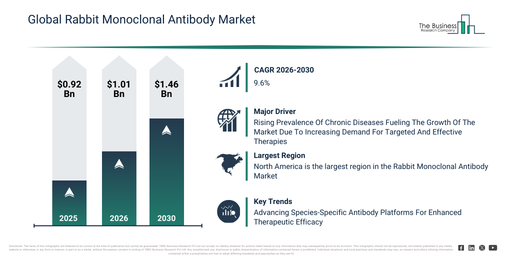
    The rabbit monoclonal antibody market has shown robust expansion in recent years. It is anticipated to expand from $0.92 billion in 2025 to $1.01 billion in 2026, achieving a compound annual growth rate (CAGR) of 9.9%. This historical growth can be attributed to the broadening of protein research applications, an increasing need for sensitive detection reagents, the rising use of immunohistochemistry, augmented biomedical research funding, and the presence of hybridoma technologies.

    The rabbit monoclonal antibody market is projected to experience substantial expansion in the coming years, reaching a valuation of $1.46 billion by 2030, driven by a compound annual growth rate (CAGR) of 9.6%. This anticipated growth during the forecast period is fueled by factors such as the increasing need for precise diagnostic tools, the expanding application of antibodies in pharmaceutical research, advancements in personalized medicine studies, the rising uptake of recombinant antibody technologies, and a heightened emphasis on optimizing assay sensitivity. Key trends expected during this period involve the greater utilization of rabbit antibodies for challenging epitopes, their increased integration into advanced diagnostic methods, a stronger inclination towards high-affinity antibodies, the broader development of recombinant rabbit antibody manufacturing, and an intensified focus on analytical sensitivity.

    Access Your Free Sample Report for In-Depth Market Insights:

    https://www.thebusinessresearchcompany.com/sample.aspx?id=30364&type=smp

    What Drivers Are Supporting Technological Adoption In The Rabbit Monoclonal Antibody Market?

    The increasing occurrence of chronic illnesses is anticipated to boost the expansion of the rabbit monoclonal antibody market in the future. These are long-term health issues that progress gradually and persist for a prolonged duration, frequently necessitating ongoing medical attention. An increase in chronic disease prevalence is partly attributable to sedentary lifestyles, where extended periods of sitting and insufficient physical exercise elevate the likelihood of developing conditions like heart disease and diabetes. Rabbit monoclonal antibodies assist in treating chronic ailments by offering highly precise and strong-affinity targeting of proteins linked to the disease. These antibodies enhance treatment accuracy, minimize unintended side effects, and boost the effectiveness of therapies, thereby contributing to improved patient results and more efficient drug development. As an illustration, the National Health Service, a UK government department, reported in June 2024 that 3,615,330 individuals registered with a general practitioner (GP) were diagnosed with non-diabetic hyperglycemia or pre-diabetes (a state characterized by elevated blood sugar levels, yet not severe enough to be classified as diabetes) in 2023. This represents an 18% rise from 3,065,825 cases recorded in 2022. Consequently, the increasing incidence of chronic diseases is fueling the expansion of the rabbit monoclonal antibody market.

    What Segment Types Are Examined In The Rabbit Monoclonal Antibody Market?

    The rabbit monoclonal antibody market covered in this report is segmented –

    1) By Type: Immunoglobulin G (IgG), Immunoglobulin M (IgM), Immunoglobulin A (IgA), Immunoglobulin E (IgE), Immunoglobulin D (IgD)

    2) By Application: Diagnostics, Therapeutics, Research, Drug Discovery, Immunohistochemistry

    3) By End User: Pharmaceutical Companies, Academic And Research Institutions, Diagnostic Laboratories, Contract Research Organizations, Biotechnology Companies

    Subsegments:

    1) By Immunoglobulin G (IgG): Subclass 1 Immunoglobulin G, Subclass 2 Immunoglobulin G, Subclass 3 Immunoglobulin G, Subclass 4 Immunoglobulin G

    2) By Immunoglobulin M (IgM): Pentameric Immunoglobulin M, Monomeric Immunoglobulin M

    3) By Immunoglobulin A (IgA): Serum Immunoglobulin A, Secretory Immunoglobulin A

    4) By Immunoglobulin E (IgE): Allergen Specific Immunoglobulin E, Total Immunoglobulin E

    5) By Immunoglobulin D (IgD): Membrane Bound Immunoglobulin D, Secreted Immunoglobulin D

    Which Trends Are Shaping Activity Within The Rabbit Monoclonal Antibody Market?

    Key companies in the rabbit monoclonal antibody market are focusing on developing advanced platforms, such as species-specific antibody development, to boost therapeutic efficacy, enhance target specificity, and reduce immunogenicity. Species-specific antibody development refers to the strategic utilization of distinct animal immune systems to generate antibodies with unique binding properties and high affinity for challenging drug targets. In September 2024, ImmunoPrecise Antibodies Ltd., a Canada-based AI-driven biotherapeutic research and technology company, disclosed significant developments in its rabbit antibody platforms. This species-specific antibody demonstrated notable clinical progress via its B Cell Select platform, which is integrated with the LENSai artificial intelligence technology for automated antibody discovery and optimization. This integration combines automation with AI-driven analytics to rapidly identify high-affinity rabbit monoclonal antibodies while preserving native structures. This strategy enhances clinical translation efficiency, accelerates target validation, reduces development timelines, and improves reproducibility in therapeutic antibody programs.

    Who Are The Top-Performing Companies In The Rabbit Monoclonal Antibody Market In Recent Years?

    Major companies operating in the rabbit monoclonal antibody market are F. Hoffmann-La Roche Ltd., Merck KGaA, Thermo Fisher Scientific Inc., Bio-Rad Laboratories Inc., Bio-Techne Corporation, Elabscience Biotechnology Inc., GenScript Biotech Corporation, Takara Bio Inc., Rockland Immunochemicals Inc., Creative Biolabs Inc., Bioss Antibodies Inc., Cell Signaling Technology Inc., MyBioSource Inc., Boster Biological Technology Co. Ltd., GeneTex Inc., Proteintech Group Inc., Santa Cruz Biotechnology Inc., AvantGen Inc., ImmunoWay Biotechnology Company, Abcam plc

    Access The Complete Report For Deeper Market Insights:

    https://www.thebusinessresearchcompany.com/report/global-rabbit-monoclonal-antibody-market-report

    Which Region Currently Holds The Largest Share Of The Rabbit Monoclonal Antibody Market?

    North America was the largest region in the rabbit monoclonal antibody market in 2025. Asia-Pacific is expected to be the fastest-growing region in the forecast period. The regions covered in the rabbit monoclonal antibody market report are Asia-Pacific, South East Asia, Western Europe, Eastern Europe, North America, South America, Middle East, Africa.

    Request Your Customized Rabbit Monoclonal Antibody Market Research Report for Competitive Advantage:

    https://www.thebusinessresearchcompany.com/customise?id=30364&type=smp

    Browse Through More Reports Similar to the Global Rabbit Monoclonal Antibody Market 2026, By The Business Research Company

    Antibody Discovery Market Report 2026

    https://www.thebusinessresearchcompany.com/report/antibody-discovery-global-market-report

    Polyclonal Antibodies Market Report 2026

    https://www.thebusinessresearchcompany.com/report/polyclonal-antibodies-global-market-report

    Mammalian Polyclonal Immunoglobulin G Igg Antibody Market Report 2026

    https://www.thebusinessresearchcompany.com/report/mammalian-polyclonal-immunoglobulin-g-igg-antibody-global-market-report

    Get in touch with us:

    The Business Research Company: https://www.thebusinessresearchcompany.com/

    Americas +1 310-496-7795

    Asia +44 7882 955267 & +91 8897263534

    Europe +44 7882 955267

    Email us at info@tbrc.info

    Follow us on:

    LinkedIn: https://in.linkedin.com/company/the-business-research-company

    YouTube: https://www.youtube.com/channel/UC24_fI0rV8cR5DxlCpgmyFQ

    Global Market Model: https://www.thebusinessresearchcompany.com/global-market-model
  • Cartilage Degeneration Market Future Outlook 2026: Key Drivers and Growth Potential

    Cartilage Degeneration Market Future Outlook 2026: Key Drivers and Growth Potential

    Uncover key drivers, emerging technologies, and competitive movements shaping the cartilage degeneration market from 2026–2035 with trusted insights from The Business Research Company

    What total market size is anticipated for the Cartilage Degeneration Market in 2030?

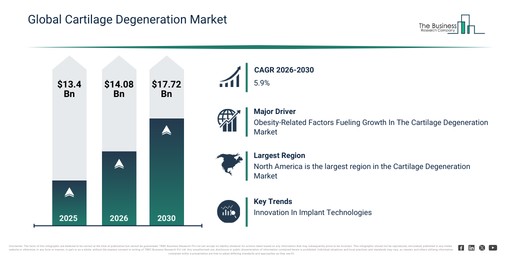
    The cartilage degeneration market size has witnessed robust growth in recent years. It is anticipated to expand from $13.4 billion in 2025 to $14.08 billion in 2026, growing at a compound annual growth rate (CAGR) of 5.0%. The expansion observed in the historic period can be attributed to the rising incidence of osteoarthritis, an increase in orthopedic surgical procedures, a growing aging population, the availability of advanced surgical techniques, and the adoption of joint preservation therapies.

    The market size for cartilage degeneration is expected to demonstrate robust expansion over the forthcoming years. It is projected to reach $17.72 billion by 2030, exhibiting a compound annual growth rate (CAGR) of 5.9%. This anticipated growth throughout the forecast period stems from factors such as increasing investments in regenerative medicine research, a rising demand for biologic cartilage repair solutions, the expansion of stem cell-based therapies, an escalating focus on personalized orthopedic care, and the growing adoption of advanced cartilage restoration procedures. Significant trends during this forecast period include the increasing uptake of cell-based cartilage repair techniques, the growing utilization of minimally invasive surgical procedures, a rising demand for regenerative medicine solutions, the expansion of advanced imaging and diagnostic tools, and an enhanced emphasis on long-term joint preservation.

    Access Your Free Sample Report for In-Depth Market Insights:

    https://www.thebusinessresearchcompany.com/sample.aspx?id=13103&type=smp

    What Drivers Are Influencing Production Trends In The Cartilage Degeneration Market?

    The escalating occurrence of obesity is projected to drive the expansion of the cartilage degeneration market in the future. Obesity is a health condition defined by an excessive accumulation of body fat that can be detrimental to a person’s health. This condition can both initiate and accelerate cartilage degeneration by elevating cartilage compressive forces and inflammatory cytokines. Furthermore, obesity induces various pathological changes throughout the knee joint structure, encompassing abnormal loading, joint malalignment, and muscle weakness. For example, in November 2024, data from the National Health Service (NHS) Digital, a UK government health data agency, revealed that the prevalence of obesity among children aged 4 to 5 years rose from 9.2% in 2022/23 to 9.6% in 2023/24. Consequently, the rising prevalence of obesity is fueling the growth of the cartilage degeneration market.

    Which Segments Are Gaining Traction In The Cartilage Degeneration Market?

    The cartilage degeneration market covered in this report is segmented –

    1) By Procedure: Joint Replacements, Chondroplasty, Osteochondral Transplants, Microfracture, Meniscus Transplants, Cell-Based Cartilage Resurfacing, Autologous Chondrocyte Implantation, Other Procedures

    2) By Application: Knee, Hip, Other Applications

    3) By End User: Hospitals And Specialty Clinics, Ambulatory Surgical Centers, Academic And Research Institutes

    Subsegments:

    1) By Joint Replacements: Knee Replacement (Partial, Total), Hip Replacement (Partial, Total), Shoulder Replacement (Total, Reverse), Other Joints (Ankle, Elbow, Wrist)

    2) By Chondroplasty: Radiofrequency Ablation Chondroplasty, Mechanical Chondroplasty, Thermal Chondroplasty, Arthroscopic Chondroplasty

    3) By Osteochondral Transplants: Autografts (OATS), Allografts (Fresh Osteochondral Allografts), Synthetic Implants

    4) By Microfracture: Traditional Microfracture, Augmented Microfracture (with scaffolds or matrix implants)

    5) By Meniscus Transplants: Allograft Meniscus Transplantation (Cryopreserved, Fresh Frozen), Synthetic Meniscus Implants

    6) By Cell-Based Cartilage Resurfacing: Autologous Cell-Based Therapy, Allogeneic Cell-Based Therapy, Stem Cell-Based Cartilage Repair

    7) By Autologous Chondrocyte Implantation (ACI): First-Generation ACI, Second-Generation ACI, Third-Generation ACI (MACI)

    8) By Other Procedures: Arthroscopic Debridement, Osteotomy, Cartilage Repair Using Synthetic Scaffolds, Injection-Based Therapies (Hyaluronic Acid, PRP, Stem Cell Injections)

    What Long-Term Trends Are Expected To Shape The Future Of The Cartilage Degeneration Market?

    Leading companies in the cartilage degeneration market are concentrating on regenerative therapies to achieve a competitive edge. Regenerative therapies utilize advanced biological techniques to either restore or replace damaged cartilage, thereby encouraging natural healing processes. For example, in 2023, Zimmer Biomet, a US-based medical device company, introduced its Tissue Regeneration System, which incorporates a proprietary scaffold technology developed to enhance cartilage repair. This system includes biocompatible materials that support cell growth and integrate into surrounding tissues, substantially improving healing outcomes. Moreover, it provides customizable options designed for individual patient needs, which boosts its effectiveness. These innovations indicate a wider progression towards personalized medicine for treating cartilage degeneration, addressing the growing incidence of osteoarthritis and sports-related injuries while simultaneously promoting faster recovery and increased patient satisfaction.

    Who Are The Major Companies Operating In The Cartilage Degeneration Market?

    Major companies operating in the cartilage degeneration market are Johnson & Johnson Services Inc., MEDIPOST Co. Ltd., Medtronic plc, Stryker Corporation, Zimmer Biomet Holdings Inc., Smith and Nephew plc, Osiris Therapeutics Inc., Arthrex Inc., Conmed Corporation, Orthocell Ltd., Bioventus LLC, Aesculap Inc., Vericel Corporation, Anika Therapeutics Inc., Geistlich Pharma AG, MatTek Corporation, Breg Inc., Isto Biologics Inc., OrthoTrophix LLC, CellGenix GmbH, CartiHeal Inc., Cayenne Medical Inc., Collagen Solutions plc, Regentis Biomaterials Ltd., Histogen Inc., BioTime Inc., CollPlant Holdings Ltd.

    Access The Complete Report For Deeper Market Insights:

    https://www.thebusinessresearchcompany.com/report/cartilage-degeneration-global-market-report

    Which Region Is Anticipated To See The Fastest Growth In The Cartilage Degeneration Market?

    North America was the largest region in the cartilage degeneration market in 2025. Asia-Pacific is expected to be the fastest-growing region in the forecast period. The regions covered in the cartilage degeneration market report are Asia-Pacific, South East Asia, Western Europe, Eastern Europe, North America, South America, Middle East, Africa.

    Request Your Customized Cartilage Degeneration Market Research Report for Competitive Advantage:

    https://www.thebusinessresearchcompany.com/customise?id=13103&type=smp

    Browse Through More Reports Similar to the Global Cartilage Degeneration Market 2026, By The Business Research Company

    Major Orthopedic Joint Replacement Implants Market 2026

    https://www.thebusinessresearchcompany.com/report/major-orthopedic-joint-replacement-implants-market

    Orthopedic Regenerative Surgical Products Market Report 2026

    https://www.thebusinessresearchcompany.com/report/orthopedic-regenerative-surgical-products-global-market-report

    Orthopedic Devices Market Report 2026

    https://www.thebusinessresearchcompany.com/report/orthopedic-devices-global-market-report

    Get in touch with us:

    The Business Research Company: https://www.thebusinessresearchcompany.com/

    Americas +1 310-496-7795

    Asia +44 7882 955267 & +91 8897263534

    Europe +44 7882 955267

    Email us at info@tbrc.info

    Follow us on:

    LinkedIn: https://in.linkedin.com/company/the-business-research-company

    YouTube: https://www.youtube.com/channel/UC24_fI0rV8cR5DxlCpgmyFQ

    Global Market Model: https://www.thebusinessresearchcompany.com/global-market-model
  • Global Quantum-Enhanced Predictive Genomics Market Performance Report: Global Trends 2026–2030

    Global Quantum-Enhanced Predictive Genomics Market Performance Report: Global Trends 2026–2030

    Uncover key drivers, emerging technologies, and competitive movements shaping the quantum-enhanced predictive genomics market from 2026–2035 with trusted insights from The Business Research Company

    What upper market value could the Quantum-Enhanced Predictive Genomics Market reach by 2030 starting from 2026 levels?

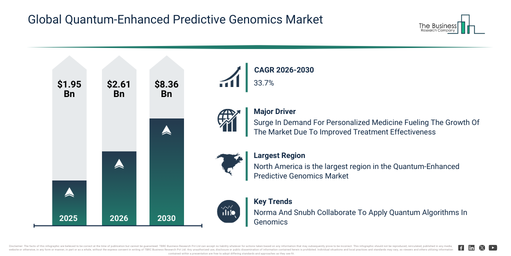
    The quantum-enhanced predictive genomics market size has expanded rapidly over recent years. This market is projected to increase from $1.95 billion in 2025 to $2.61 billion by 2026, achieving a compound annual growth rate (CAGR) of 34.0%. The historical growth can be attributed to several factors including advances in genomic sequencing technologies, the rise of large-scale genomic datasets, early research adoption of quantum computing, an increasing focus on personalized medicine, and the expansion of bioinformatics capabilities.

    The quantum-enhanced predictive genomics market size is projected to experience substantial expansion in the coming years. It is anticipated to reach $8.36 billion by 2030, exhibiting a compound annual growth rate (CAGR) of 33.7%. This anticipated growth during the forecast period is driven by factors such as the expanding accessibility of commercial quantum computing platforms, escalating investment in precision medicine research, the increasing need for predictive healthcare analytics, the broadening of quantum machine learning applications, and enhanced collaboration between genomics and quantum technology companies. Key developments expected in this period encompass a greater uptake of quantum-based genomic modeling, increased utilization of hybrid quantum-classical analytics, a heightened focus on discovering high-dimensional biomarkers, the proliferation of cloud-based quantum genomics platforms, and a strengthened emphasis on modeling predictive disease risk.

    Access Your Free Sample Report for In-Depth Market Insights:

    https://www.thebusinessresearchcompany.com/sample.aspx?id=28308&type=smp

    Which Drivers Are Influencing Long-Term Growth In The Quantum-Enhanced Predictive Genomics Market?

    The increasing need for individualized medical approaches is projected to boost the expansion of the quantum-enhanced predictive genomics market in the future. Individualized medicine involves customizing healthcare, therapeutic interventions, and preventative measures to align with a person’s distinct genetic, biological, and clinical characteristics. The heightened request for personalized medicine stems from its enhanced treatment efficacy, where specific therapies designed for an individual’s genetic makeup have resulted in superior results and reduced negative reactions. Quantum-enhanced predictive genomics aids personalized medicine by facilitating exceptionally rapid analysis of intricate genomic information, thereby empowering medical professionals to formulate extremely accurate, tailored treatment and prevention plans. As an illustration, in 2024, data from NHS England, a public health system in the UK, indicated that its genomic medicine service provided more than 810,000 personalized genomic tests to patients, marking an 8% rise from 2023, which highlights the increasing clinical requirement for care guided by genomics. Consequently, the escalating need for personalized medicine is anticipated to fuel the expansion of the quantum-enhanced predictive genomics market.

    Which Segments Are Driving Activity In The Quantum-Enhanced Predictive Genomics Market?

    The quantum-enhanced predictive genomics market covered in this report is segmented –

    1) By Technology: Quantum Computing, Quantum Machine Learning, Quantum Cryptography, Other Technologies

    2) By Deployment Mode: On-Premises, Cloud-Based

    3) By Application: Disease Risk Assessment, Drug Discovery, Personalized Medicine, Genomic Data Analysis, Other Applications

    4) By End-User: Pharmaceutical And Biotechnology Companies, Research Institutes, Healthcare Providers, Other End-Users

    Subsegments:

    1) By Quantum Computing: Gate Based Quantum Computing, Quantum Annealing, Topological Quantum Computing, Photonic Quantum Computing

    2) By Quantum Machine Learning: Supervised Learning, Unsupervised Learning, Reinforcement Learning, Deep Learning

    3) By Quantum Cryptography: Quantum Key Distribution, Quantum Random Number Generation, Quantum Secure Communication, Post Quantum Cryptography

    4) By Other Technologies: Quantum Sensors, Quantum Simulation, Quantum Networking, Hybrid Quantum Classical Systems

    Which Trends Are Influencing The Development Of The Quantum-Enhanced Predictive Genomics Market?

    Leading companies within the quantum-enhanced predictive genomics market are concentrating on innovations such as high-throughput genomic data processing to accelerate the identification of genetic variations, improve predictive accuracy in personalized medicine, and enable faster, more precise analysis of complex genomic datasets. High-throughput genomic data processing involves the rapid, large-scale analysis of genomic sequences employing advanced computational techniques. For example, in June 2025, Norma Group, a Germany-based developer and manufacturer of engineered and standardized joining and fluid-handling technology, entered a partnership with Seoul National University Bundang Hospital (SNUBH) to apply quantum algorithms to extensive genomic analysis. This initiative seeks to hasten the detection of genetic mutations through quantum-enhanced combinatorial optimization, thereby boosting both the speed and accuracy of genomic data processing beyond the capabilities of classical computing methods. Key applications encompass precision diagnostics, personalized treatment planning, and genetic risk assessment for conditions such as cancer and neurological disorders.

    Which Leading Companies Dominate The Quantum-Enhanced Predictive Genomics Market Share?

    Major companies operating in the quantum-enhanced predictive genomics market are Google LLC, Microsoft Corporation, Alibaba Group Holding Limited, Amazon Web Services, Inc., F. Hoffmann-La Roche AG, Accenture plc, IBM Corporation, Honeywell International Inc., Fujitsu Limited, Eviden, Xanadu Quantum Technologies Inc., Pasqal SA, Rigetti Computing, Inc., IonQ, Inc., D-Wave Systems Inc., Quantinuum, Atom Computing, Inc., Alice & Bob, QC Ware Corp., PsiQuantum, Inc., QuEra Computing, Inc., Quandela, Quantum Motion Ltd., Amazon.com, Inc., Intel Corporation, Cambridge Quantum Computing Ltd., Atos SE, NEC Corporation

    Access The Complete Report For Deeper Market Insights:

    https://www.thebusinessresearchcompany.com/report/quantum-enhanced-predictive-genomics-global-market-report

    How Does The Quantum-Enhanced Predictive Genomics Market Perform Across Major Global Regions?

    North America was the largest region in the quantum-enhanced predictive genomics market in 2025. Asia-Pacific is expected to be the fastest-growing region in the forecast period. The regions covered in the quantum-enhanced predictive genomics market report are Asia-Pacific, South East Asia, Western Europe, Eastern Europe, North America, South America, Middle East, Africa.

    Request Your Customized Quantum-Enhanced Predictive Genomics Market Research Report for Competitive Advantage:

    https://www.thebusinessresearchcompany.com/customise?id=28308&type=smp

    Browse Through More Reports Similar to the Global Quantum-Enhanced Predictive Genomics Market 2026, By The Business Research Company

    Quantum Computing And Technologies Market Report 2026

    https://www.thebusinessresearchcompany.com/report/quantum-computing-and-technologies-global-market-report

    Quantum Computing In Healthcare Market Report 2026

    https://www.thebusinessresearchcompany.com/report/quantum-computing-in-healthcare-global-market-report

    Enterprise Quantum Computing Market Report 2026

    https://www.thebusinessresearchcompany.com/report/enterprise-quantum-computing-global-market-report

    Get in touch with us:

    The Business Research Company: https://www.thebusinessresearchcompany.com/

    Americas +1 310-496-7795

    Asia +44 7882 955267 & +91 8897263534

    Europe +44 7882 955267

    Email us at info@tbrc.info

    Follow us on:

    LinkedIn: https://in.linkedin.com/company/the-business-research-company

    YouTube: https://www.youtube.com/channel/UC24_fI0rV8cR5DxlCpgmyFQ

    Global Market Model: https://www.thebusinessresearchcompany.com/global-market-model
  • Carrier Screening Market Trends and Insights: Global Forecast to 2030

    Carrier Screening Market Trends and Insights: Global Forecast to 2030

    Uncover key drivers, emerging technologies, and competitive movements shaping the carrier screening market from 2026–2035 with trusted insights from The Business Research Company

    What is the expected shift in the Carrier Screening Market’s size between 2026 and 2030?

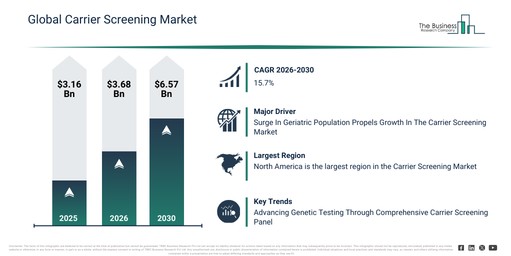
    The carrier screening market size has seen rapid growth in recent years. It is expected to expand from $3.16 billion in 2025 to $3.68 billion in 2026, at a compound annual growth rate (CAGR) of 16.3%. The market’s historical growth can be attributed to factors such as increasing awareness of genetic disorders, the expansion of prenatal and preconception testing, advancements in dna sequencing technologies, the growing use of laboratory-based diagnostics, and improved access to genetic counseling services.

    The carrier screening market size is projected for swift expansion over the next few years, set to reach $6.57 billion by 2030, driven by a compound annual growth rate (CAGR) of 15.7%. This growth within the forecast period is fueled by an escalating demand for personalized medicine, increased investments in genomic research, the expansion of population-wide screening initiatives, the growing adoption of AI-based genomic analytics, and an increasing focus on preventive healthcare strategies. Significant developments expected during this forecast period encompass the rising adoption of expanded carrier screening panels, the growing use of next-generation sequencing technologies, the increasing integration of AI in genetic data interpretation, the broadening of preventive genetic testing programs, and an enhanced emphasis on reproductive health screening.

    Access Your Free Sample Report for In-Depth Market Insights:

    https://www.thebusinessresearchcompany.com/sample.aspx?id=7952&type=smp

    Which Drivers Are Shaping Strategic Decisions In The Carrier Screening Market?

    The expanding geriatric population is anticipated to stimulate the growth of the carrier screening market in the future. This demographic segment refers to individuals who are elderly or older. Older people, especially those planning to have children later in life, may choose carrier screening as part of prenatal or preconception care to assess the genetic risks associated with advanced parental age. For instance, in October 2025, according to the Office for the National Statistics, a UK-based largest independent producer of official statistics, there were 625,000 people aged 90 or over in the UK in 2024, an increase from 612,000 in mid-2023, which is a 2.2% rise. Therefore, the increasing geriatric population is driving growth in the carrier screening market.

    What Segment Categories Are Covered In The Carrier Screening Market?

    The carrier screening market covered in this report is segmented –

    1) By Type: Expanded Carrier Screening, Targeted Disease Carrier Screening

    2) By Medical Condition: Pulmonary Conditions, Hematological Conditions, Neurological Conditions, Other Medical Conditions

    3) By Technology: DNA Sequencing, Polymerase Chain Reaction, Microarrays, Other Technologies

    4) By End User: Hospitals, Reference Laboratories, Physician Offices And Clinics, Other End Users

    Subsegments:

    1) By Expanded Carrier Screening: Next-Generation Sequencing (NGS) Panels, Comprehensive Carrier Screening Tests

    2) By Targeted Disease Carrier Screening: Single Gene Tests, Disease-Specific Panels, Ethnic Or Population-Specific Screening Tests

    Which Market Trends Are Opening Growth Opportunities In The Carrier Screening Market?

    Leading firms in the carrier screening market are prioritizing the creation of new products, particularly carrier screening panels, to maintain their competitive edge. A carrier screening panel consists of genetic tests conducted to detect individuals carrying a gene mutation for specific genetic conditions, even when no symptoms are present. As an example, in February 2023, Fulgent Genetics, Inc., a US-based entity focused on genetic testing and diagnostics, launched its newest product, the Beacon787 expanded carrier screening panel. This innovative panel encompasses 787 genes associated with autosomal recessive and X-linked conditions, incorporating every gene from the American College of Medical Genetics and Genomics (ACMG) Tier 3. The integration of these genes aligns with the recent practice guidelines from ACMG, which recommend thorough screening for all pregnant individuals and those intending to conceive. Fulgent’s Beacon787 endeavors to offer an equitable and pan-ethnic screening methodology, highlighting its dedication to improving genetic testing across a wider spectrum of conditions and fostering well-informed family planning choices.

    Which Major Firms Are Strengthening Their Position In The Carrier Screening Market?

    Major companies operating in the carrier screening market are Invitae Corporation, BGI Genomics Co. Ltd., Centogene NV, Eurofins Scientific SE, Fulgent Genetics Inc., Illumina Inc., Laboratory Corporation of America Holdings, MedGenome Inc., Myriad Genetics Inc., Natera Inc., OPKO Health Inc., Otogenetics Corporation, Quest Diagnostics Inc., Sema4 Holdings Corporation, Thermo Fisher Scientific Inc., Associated Regional and University Pathologists Inc., GeneDx LLC, GenPath Consultants and Technologies Private Limited, Good Start Genetics Inc., NIPD Genetics Co. Pvt. Ltd., Pathway Genomics Corp., PerkinElmer Inc., PreventionGenetics LLC, Progenity Inc.

    Access The Complete Report For Deeper Market Insights:

    https://www.thebusinessresearchcompany.com/report/carrier-screening-global-market-report

    Which Region Is Anticipated To See The Fastest Growth In The Carrier Screening Market?

    North America was the largest region in the carrier screening market in 2025. Asia-Pacific is expected to be the fastest-growing region in the carrier screening market report during the forecast period. The regions covered in the carrier screening market report are Asia-Pacific, South East Asia, Western Europe, Eastern Europe, North America, South America, Middle East, Africa.

    Request Your Customized Carrier Screening Market Research Report for Competitive Advantage:

    https://www.thebusinessresearchcompany.com/customise?id=7952&type=smp

    Browse Through More Reports Similar to the Global Carrier Screening Market 2026, By The Business Research Company

    Wireless Telecommunication Carrier Market Report 2026

    https://www.thebusinessresearchcompany.com/report/wireless-telecommunication-carrier-global-market-report

    Security Screening Market Report 2026

    https://www.thebusinessresearchcompany.com/report/security-screening-global-market-report

    Drug Screening Market Report 2026

    https://www.thebusinessresearchcompany.com/report/drug-screening-global-market-report

    Get in touch with us:

    The Business Research Company: https://www.thebusinessresearchcompany.com/

    Americas +1 310-496-7795

    Asia +44 7882 955267 & +91 8897263534

    Europe +44 7882 955267

    Email us at info@tbrc.info

    Follow us on:

    LinkedIn: https://in.linkedin.com/company/the-business-research-company

    YouTube: https://www.youtube.com/channel/UC24_fI0rV8cR5DxlCpgmyFQ

    Global Market Model: https://www.thebusinessresearchcompany.com/global-market-model
  • Quadriplegia Treatment Market Future Outlook 2026: Key Drivers and Growth Potential

    Quadriplegia Treatment Market Future Outlook 2026: Key Drivers and Growth Potential

    Uncover key drivers, emerging technologies, and competitive movements shaping the quadriplegia treatment market from 2026–2035 with trusted insights from The Business Research Company

    What level of CAGR-driven expansion is anticipated in the Quadriplegia Treatment Market between 2026 and 2030?

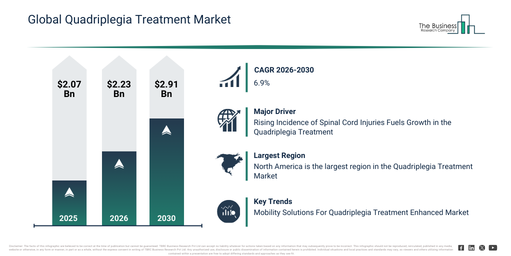
    The quadriplegia treatment market size has experienced significant expansion in recent years. It is projected to grow from $2.07 billion in 2025 to $2.23 billion in 2026, exhibiting a compound annual growth rate (CAGR) of 7.9%. The market’s past growth can be ascribed to a higher frequency of spinal cord injuries, the proliferation of rehabilitation centers, the provision of pharmacological pain management solutions, increasing understanding of long-term care necessities, and enhanced availability of mobility aids.

    The quadriplegia treatment market size is projected to experience robust expansion over the coming years. Its valuation is set to reach $2.91 billion by 2030, demonstrating a compound annual growth rate (CAGR) of 6.9%. This anticipated growth during the forecast period stems from factors such as the increasing uptake of neurorehabilitation technologies, a rising need for home-based care options, the broadening of digital health platforms, an enhanced emphasis on elevating patient quality of life, and greater financial commitment to assistive technology innovation. Key trends anticipated within the forecast timeframe encompass the wider adoption of advanced rehabilitation technologies, an increase in the utilization of assistive and mobility devices, the expanding integration of digital therapy and remote monitoring, the proliferation of multidisciplinary treatment approaches, and an intensified focus on personalized pain and spasticity management.

    Access Your Free Sample Report for In-Depth Market Insights:

    https://www.thebusinessresearchcompany.com/sample.aspx?id=16521&type=smp

    What Drivers Are Affecting Demand-Supply Dynamics In The Quadriplegia Treatment Market?

    An increasing occurrence of spinal cord injuries (SCIs) is projected to boost the expansion of the quadriplegia treatment market in the future. SCIs involve harm to the spinal cord due to accidents or illness, frequently leading to impaired movement, feeling, or motor control beneath the injury point. The rise in SCI incidents stems from elements like traffic accidents, tumbles, athletic mishaps, and acts of violence. Quadriplegia treatment focuses on regaining functional autonomy and enhancing life quality via methods such as rehabilitation, supportive technologies, nerve stimulation, and medical care. For example, in February 2025, the National Spinal Cord Injury Statistical Center (NSCISC), a US-based organization gathering and analyzing nationwide traumatic SCI data, reported that the U.S. population in 2024 was roughly 341 million, and given an incidence rate of about 54 traumatic spinal cord injuries per million people, approximately 18,421 new tSCI cases are estimated to occur annually. Consequently, the growing number of spinal cord injuries is stimulating the growth of the treatment market.

    Quadriplegia Treatment Market Driver: Surge In Healthcare Expenditure Fueling The Growth Of The Market Due To Rising Chronic Diseases And Long-Term Care Needs

    An increase in healthcare spending is projected to drive the expansion of the quadriplegia treatment market moving forward. Healthcare expenditure encompasses all funds allocated by individuals, governments, and entities for initiatives, services, and goods designed to preserve, enhance, or restore public health, covering medical procedures, hospital services, preventative measures, medications, and public health initiatives. This rise in spending is attributed to the growing occurrence of chronic illnesses, which demand ongoing medical attention, extended treatments, and frequent hospital visits, thus leading to greater overall costs. Quadriplegia treatment contributes positively to healthcare expenditure by lessening long-term disability-associated expenses through efficient rehabilitation, supportive equipment, and therapies that enhance patient autonomy and reduce the need for extended medical care. As an illustration, in June 2025, data from the Centers for Medicare & Medicaid Services (CMS), a US-based federal agency, indicated that in 2023, total national health expenditures (NHE) in the U.S. reached $4.9 trillion, representing a 7.5% increase from 2022, and constituted 17.6% of GDP. Consequently, the increasing healthcare expenditure is fueling the growth of the quadriplegia treatment market.

    How Is The Quadriplegia Treatment Market Organized Into Various Segments?

    The quadriplegia treatment market covered in this report is segmented –

    1) By Treatment Type: Corticosteroids, Non-Steroidal Anti-Inflammatory Drugs (NSAIDs), Antidepressants, Anticonvulsants, Narcotic Analgesics, Antispasmodics And Muscle Relaxants, Antibiotics

    2) By Route Of Administration: Oral, Intravenous, Other Routes Of Administration

    3) By Distribution Channel: Online Stores, Drug Stores, Retail Pharmacies, Hospital Pharmacies

    Subsegments:

    1) By Corticosteroids: Methylprednisolone, Prednisone, Dexamethasone

    2) By Non-Steroidal Anti-Inflammatory Drugs (NSAIDs): Ibuprofen, Naproxen, Aspirin

    3) By Antidepressants: Tricyclic Antidepressants, Selective Serotonin Reuptake Inhibitors (SSRIs), Serotonin And Norepinephrine Reuptake Inhibitors (SNRIs)

    4) By Anticonvulsants: Gabapentin, Pregabalin, Carbamazepine

    5) By Narcotic Analgesics: Morphine, Fentanyl, Oxycodone

    6) By Antispasmodics And Muscle Relaxants: Baclofen, Tizanidine, Cyclobenzaprine

    7) By Antibiotics: Broad-Spectrum Antibiotics, Infection-Specific Antibiotics

    What Trends Are Expected To Impact The Competitive Landscape Of The Quadriplegia Treatment Market?

    Leading companies within the quadriplegia treatment market are developing novel products, such as wireless tongue-controlled interfaces, to enhance patient mobility and autonomy. These interfaces allow individuals with quadriplegia to operate devices or communicate through specific tongue movements, significantly improving their independence and overall quality of life. For example, in April 2023, Augmental, a US-based provider of digital devices and interfaces that spun off from Media Lab, launched MouthPad. This tongue-controlled interface empowers users to interact with digital devices without using their hands. This innovative device is anticipated to be revolutionary for people with limited hand-motor control, as well as for anyone desiring a more natural and expressive method to engage with computers. It comprises a custom-fit, 3D-printed mouthpiece embedded with a trackpad chip designed to detect tongue movements and pressure. Consequently, users can control their devices by sweeping their tongue across the trackpad, with tongue presses activating left clicks and sip gestures performing right clicks.

    Who Are The Major Companies Operating In The Quadriplegia Treatment Market?

    Major companies operating in the quadriplegia treatment market are Johnson And Johnson Services Inc., Merck And Co., Sanofi S.A., Bristol Myers Squibb Co., AstraZeneca plc, Abbott Laboratories, GlaxoSmithKline plc, Roche Holdings Inc., Takeda Pharmaceutical Co Ltd, Medtronic plc, Eli Lilly And Co., Koninklijke Philips NV, Stryker Corporation, Teva Pharmaceutical Industries Ltd., Baxter International, Zimmer Biomet Holdings Inc., Sun Pharmaceutical Industries Limited, Cipla Ltd, Ottobock SE And Co. KGaA, Zydus Lifesciences Ltd., Invacare Corporation, Sunrise Medical Company Private Limited, Pride Mobility Products Corp., Pfizer Inc., Novartis AG

    Access The Complete Report For Deeper Market Insights:

    https://www.thebusinessresearchcompany.com/report/quadriplegia-treatment-global-market-report

    Which Region Is Anticipated To See The Fastest Growth In The Quadriplegia Treatment Market?

    North America was the largest region in the quadriplegia treatment market in 2025. The regions covered in the quadriplegia treatment market report are Asia-Pacific, South East Asia, Western Europe, Eastern Europe, North America, South America, Middle East, Africa.

    Request Your Customized Quadriplegia Treatment Market Research Report for Competitive Advantage:

    https://www.thebusinessresearchcompany.com/customise?id=16521&type=smp

    Browse Through More Reports Similar to the Global Quadriplegia Treatment Market 2026, By The Business Research Company

    Chronic Venous Occlusions Treatment Market Report 2026

    https://www.thebusinessresearchcompany.com/report/chronic-venous-occlusions-treatment-global-market-report

    Cerebral Palsy Treatment Market Report 2026

    https://www.thebusinessresearchcompany.com/report/cerebral-palsy-treatment-global-market-report

    Rare Neurological Disease Treatment Market Report 2026

    https://www.thebusinessresearchcompany.com/report/rare-neurological-disease-treatment-global-market-report

    Get in touch with us:

    The Business Research Company: https://www.thebusinessresearchcompany.com/

    Americas +1 310-496-7795

    Asia +44 7882 955267 & +91 8897263534

    Europe +44 7882 955267

    Email us at info@tbrc.info

    Follow us on:

    LinkedIn: https://in.linkedin.com/company/the-business-research-company

    YouTube: https://www.youtube.com/channel/UC24_fI0rV8cR5DxlCpgmyFQ

    Global Market Model: https://www.thebusinessresearchcompany.com/global-market-model
  • Q Switched Ruby Laser Treatments Market Trends and Insights: Global Forecast to 2030

    Q Switched Ruby Laser Treatments Market Trends and Insights: Global Forecast to 2030

    Uncover key drivers, emerging technologies, and competitive movements shaping the q switched ruby laser treatments market from 2026–2035 with trusted insights from The Business Research Company

    What long-term size projections exist for the Q Switched Ruby Laser Treatments Market covering 2026–2035?

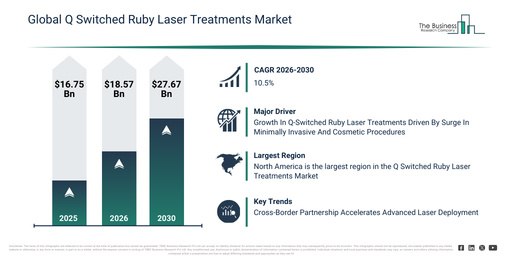
    The q switched ruby laser treatments market has experienced significant expansion in recent years. It is anticipated to grow from $16.75 billion in 2025 to $18.57 billion in 2026, at a compound annual growth rate (CAGR) of 10.8%. This historic growth can be attributed to an increase in aesthetic medicine procedures, growing awareness of non-invasive skin treatments, the proliferation of dermatology and cosmetic clinics, advancements in laser energy delivery systems, and a rising demand for pigmentation correction.

    The q switched ruby laser treatments market size is anticipated to experience substantial growth in the coming years, projected to reach $27.67 billion by 2030, exhibiting a compound annual growth rate (CAGR) of 10.5%. This expansion during the forecast period is driven by several factors, including the increasing integration of advanced aesthetic laser systems, a heightened demand for minimally invasive cosmetic procedures, the proliferation of medical aesthetics clinics in developing regions, an intensified emphasis on laser technologies safe for skin, and the increased application of combination laser therapies. Key trends expected during this period encompass the growing acceptance of laser-based treatments for pigmentation, a surge in demand for tattoo removal services, their expanding application within dermatology clinics, the broadening availability of multi-wavelength laser platforms, and a heightened commitment to treatment accuracy and patient safety.

    Access Your Free Sample Report for In-Depth Market Insights:

    https://www.thebusinessresearchcompany.com/sample.aspx?id=20609&type=smp

    Which Drivers Are Impacting The Competitive Landscape Of The Q Switched Ruby Laser Treatments Market?

    The Q-switched ruby laser treatments market is anticipated to expand due to increasing demand for minimally invasive and cosmetic procedures. These procedures encompass various medical interventions aimed at enhancing appearance and improving aesthetic outcomes with minimal physical disruption. The growing preference for non-surgical alternatives and greater media exposure are key factors contributing to the surge in demand for minimally invasive and cosmetic procedures, further boosting their acceptance and desirability. Q-switched ruby laser treatments cater to this rising demand by providing effective solutions for skin conditions like pigmentation and tattoos, requiring minimal downtime and causing fewer adverse effects. For instance, in June 2024, the American Society of Plastic Surgeons, a US-based professional society representing plastic surgeons, reported that in 2023, the number of liposuction procedures, a surgical procedure designed to remove excess fat deposits from specific areas of the body, reached 347,782, which represents a 7 percent increase from the total recorded in 2022. Thus, the increasing need for minimally invasive and cosmetic procedures is a significant driver for the growth of the Q-switched ruby laser treatments market.

    What Segments Are Identified Within The Structure Of The Q Switched Ruby Laser Treatments Market?

    The q switched ruby laser treatments market covered in this report is segmented –

    1) By Laser Configuration: Standard Q-Switched Ruby Laser Systems, High-Pulse Energy Q-Switched Ruby Laser Systems, Compact Or Portable Q-Switched Ruby Laser Systems

    2) By Pulse And Technical Characteristics: Single-Pulse Q-Switched Ruby Lasers, Multi-Pulse Or Repetition-Controlled Q-Switched Ruby Lasers, High-Peak-Power Short-Pulse Ruby Lasers

    3) By Application: Pigmented Lesions Treatment, Tattoo Removal, Selective Melasma Treatment (Pigment-Focused Cases Only), Other Pigment-Related Dermatological Treatments

    4) By Treatment Setting: Dermatology Clinics, Aesthetic & Cosmetic Laser Centers, Hospital-Based Dermatology Departments

    5) By End User: Hospitals, Specialty Dermatology Centers, Aesthetic Clinics, Other End Users

    Subsegments:

    1) By Standard Q-Switched Ruby Laser Systems: Fixed-console Q-switched ruby laser platforms, Single-wavelength 694 nm clinical systems, Conventional pulse-energy ruby laser systems, Clinic-based stationary ruby laser units

    2) By High-Pulse Energy Q-Switched Ruby Laser Systems: High-peak-power ruby laser systems, Deep-pigment penetration ruby lasers, Tattoo-focused high-energy ruby platforms, Enhanced pulse-stability ruby laser systems

    3) By Compact And Portable Q-Switched Ruby Laser Systems: Space-efficient compact ruby laser systems, Portable clinic-use Q-switched ruby lasers, Mobile dermatology ruby laser platforms, Lightweight ruby laser systems for outpatient settings

    Which Trends Are Guiding The Evolution Of The Q Switched Ruby Laser Treatments Market?

    Leading companies in the Q-switched ruby laser treatments market are adopting strategic partnership approaches to bolster technology integration and expand their market presence. A strategic partnership generally signifies a cooperative arrangement between two or more entities, where they merge their assets, expertise, and endeavors to achieve mutual objectives. For example, in August 2025, Primelaze, an India-based medical aesthetics and laser technology company, initiated a strategic collaboration with Hypertech Laser Systems (HLS), a Germany-based dermatological laser manufacturer, with the goal of introducing next-generation Q-switched laser technology into India. This launch features two sophisticated platforms, BiAxis QS (Nano) and BiAxis Pico, both being Q-switched Nd:YAG systems crafted to provide superior precision, improved safety, and extensive clinical versatility across all skin phototypes.

    Which Major Firms Are Strengthening Their Position In The Q Switched Ruby Laser Treatments Market?

    Major companies operating in the q switched ruby laser treatments market are DEKA Laser, Quanta System, Asclepion Laser Technologies, Candela Medical, Cynosure, Lumenis, Syneron Medical, Nidek, Ellex Medical, Guilin Woodpecker, Wontech, Lutronic, Union Medical, ADSS Laser, Jeisys Medical, Eunsung Global, KLS Martin, Biotec Italia, Laseroptek, Hoya ConBio

    Access The Complete Report For Deeper Market Insights:

    https://www.thebusinessresearchcompany.com/report/q-switched-ruby-laser-treatments-global-market-report

    Which Region Is Anticipated To See The Fastest Growth In The Q Switched Ruby Laser Treatments Market?

    North America was the largest region in the Q switched ruby laser treatments market in 2025. Europe is expected to be the fastest-growing region in the forecast period. The regions covered in the q switched ruby laser treatments market report are Asia-Pacific, South East Asia, Western Europe, Eastern Europe, North America, South America, Middle East, Africa.

    Request Your Customized Q Switched Ruby Laser Treatments Market Research Report for Competitive Advantage:

    https://www.thebusinessresearchcompany.com/customise?id=20609&type=smp

    Browse Through More Reports Similar to the Global Q Switched Ruby Laser Treatments Market 2026, By The Business Research Company

    Dentistry Medical Lasers Market Report 2026

    https://www.thebusinessresearchcompany.com/report/dentistry-medical-lasers-global-market-report

    Medical Lasers Market Report 2026

    https://www.thebusinessresearchcompany.com/report/medical-lasers-global-market-report

    Urology Medical Lasers Market Report 2026

    https://www.thebusinessresearchcompany.com/report/urology-medical-lasers-global-market-report

    Get in touch with us:

    The Business Research Company: https://www.thebusinessresearchcompany.com/

    Americas +1 310-496-7795

    Asia +44 7882 955267 & +91 8897263534

    Europe +44 7882 955267

    Email us at info@tbrc.info

    Follow us on:

    LinkedIn: https://in.linkedin.com/company/the-business-research-company

    YouTube: https://www.youtube.com/channel/UC24_fI0rV8cR5DxlCpgmyFQ

    Global Market Model: https://www.thebusinessresearchcompany.com/global-market-model
  • Global Carpal Tunnel Syndrome Market Report 2026–2030: Data-Driven Growth Insights

    Global Carpal Tunnel Syndrome Market Report 2026–2030: Data-Driven Growth Insights

    Uncover key drivers, emerging technologies, and competitive movements shaping the carpal tunnel syndrome market from 2026–2035 with trusted insights from The Business Research Company

    What growth pattern is forecast for the Carpal Tunnel Syndrome Market size between 2026 and 2035?

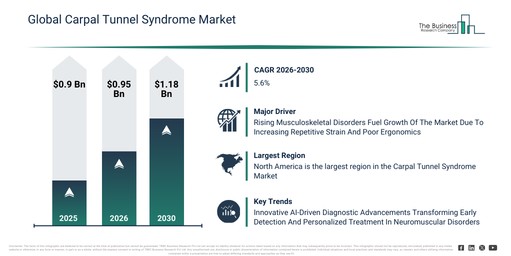
    The carpal tunnel syndrome market size has demonstrated robust growth over recent years. It is forecast to increase from $0.9 billion in 2025 to $0.95 billion in 2026, achieving a compound annual growth rate (CAGR) of 5.6%. The expansion observed in the past can be attributed to the escalating occurrence of repetitive strain injuries, enhanced understanding of carpal tunnel syndrome, the proliferation of occupational health programs, the provision of non-surgical treatment alternatives, and advancements in diagnostic accuracy.

    The carpal tunnel syndrome market is projected to experience substantial expansion over the coming years, reaching a valuation of $1.18 billion by 2030, propelled by a compound annual growth rate (CAGR) of 5.6%. This anticipated growth during the forecast period stems from factors such as the surging demand for wearable health technologies, the increasing uptake of outpatient surgical procedures, a heightened emphasis on personalized treatment strategies, the broader implementation of digital diagnostics within orthopedics, and a growing inclination towards conservative treatment methods. Key developments anticipated in this period encompass the increasing embrace of minimally invasive surgical techniques, the rising utilization of wearable wrist support devices, the expanding incorporation of AI-based diagnostic tools, the proliferation of home-based treatment solutions, and a reinforced commitment to early diagnosis and prevention.

    Access Your Free Sample Report for In-Depth Market Insights:

    https://www.thebusinessresearchcompany.com/sample.aspx?id=27239&type=smp

    Which Drivers Are Impacting Market Performance In The Carpal Tunnel Syndrome Market?

    The increasing occurrence of musculoskeletal conditions is projected to drive the expansion of the carpal tunnel syndrome market. These disorders involve injuries or ailments affecting the body’s mobility or its musculoskeletal framework, such as muscles, bones, joints, and associated tissues. Sedentary habits and extended periods of screen use are contributing to the rise in musculoskeletal disorders by leading to poor posture and repeated stress on muscles and joints. Treating carpal tunnel syndrome proves advantageous for musculoskeletal disorders because it alleviates nerve compression, which aids in restoring typical hand and wrist function, thereby easing discomfort and enhancing overall musculoskeletal well-being. For example, in January 2024, the Office for Health Improvement and Disparities, a UK government body, reported that 18.4% of individuals aged 16 and above were living with a long-term musculoskeletal condition in 2023, an increase from 17.6% in 2022. Consequently, the growing prevalence of musculoskeletal disorders is fueling the expansion of the carpal tunnel syndrome market.

    Which Segments Are Contributing To The Growth Of The Carpal Tunnel Syndrome Market?

    The carpal tunnel syndrome market covered in this report is segmented –

    1) By Product Type: Surgical Devices, Non-Surgical Treatments, Wearable Devices

    2) By Technology: Electrophysiological And Imaging-Based Diagnostics, Wearable Health Technology

    3) By Distribution Channel: Hospital Pharmacies, Retail Pharmacies, Online Pharmacies

    4) By Application: Diagnostics, Treatment

    5) By End User: Hospitals, Specialty Clinics, Home Care Settings

    Subsegments:

    1) By Surgical Devices: Endoscopic Carpal Tunnel Release Devices, Open Carpal Tunnel Release Instruments, Surgical Kits And Tools

    2) By Non-Surgical Treatments: Corticosteroid Injections, Physical Therapy Aids, Hand And Wrist Splints Or Braces

    3) By Wearable Devices: Wrist Support Braces, Compression Gloves, Night Splints

    How Are Emerging Trends Affecting The Progression Of The Carpal Tunnel Syndrome Market?

    Major companies in the carpal tunnel syndrome market are focused on developing novel approaches, such as electromyography-based machine learning models, to boost early diagnosis accuracy and tailor treatment strategies for enhanced patient outcomes. An electromyography-based machine learning model describes a computational method that employs EMG data to train algorithms capable of discerning irregular muscle activity patterns, thus enabling automated and precise identification of neuromuscular disorders like carpal tunnel syndrome. For example, in February 2024, Aster DM Healthcare Limited, a multi-specialty hospital located in India, unveiled an artificial intelligence (AI)-powered tool to efficiently diagnose Carpal Tunnel Syndrome (CTS). This tool automatically identifies the median nerve in ultrasound videos with 95% accuracy, thereby speeding up and improving the diagnostic process. It improves patient care by facilitating early, reliable detection and reducing the necessity for repeated examinations and manual measurements.

    Who Are The Primary Competitors In The Global Carpal Tunnel Syndrome Market?

    Major companies operating in the carpal tunnel syndrome market are 3M Company, Zimmer Biomet Holdings Inc., Smith & Nephew plc., Arthrex Inc., Integra LifeSciences Holdings Corporation, CONMED Corporation, Össur hf., Breg Inc., MUELLER SPORTS MEDICINE INC., Bauerfeind AG, MicroAire Surgical Instruments LLC, AliMed, Trice Medical Inc., Innomed Inc., Brownmed Inc., Tynor Orthotics Pvt. Ltd., A.M. Surgical Inc., Goldtouch Technologies Inc., Sonex Health Inc., Vive Health LLC., ActiveWrap Inc.

    Access The Complete Report For Deeper Market Insights:

    https://www.thebusinessresearchcompany.com/report/carpal-tunnel-syndrome-global-market-report

    Which Global Regions Are Shaping The Competitive Landscape Of The Carpal Tunnel Syndrome Market?

    North America was the largest region in the carpal tunnel syndrome market in 2025. The regions covered in the carpal tunnel syndrome market report are Asia-Pacific, South East Asia, Western Europe, Eastern Europe, North America, South America, Middle East, Africa.

    Request Your Customized Carpal Tunnel Syndrome Market Research Report for Competitive Advantage:

    https://www.thebusinessresearchcompany.com/customise?id=27239&type=smp

    Browse Through More Reports Similar to the Global Carpal Tunnel Syndrome Market 2026, By The Business Research Company

    Steel Fiber Market Report 2026

    https://www.thebusinessresearchcompany.com/report/steel-fiber-global-market-report

    Glass Fiber Reinforced Concrete Market Report 2026

    https://www.thebusinessresearchcompany.com/report/glass-fiber-reinforced-concrete-global-market-report

    Concrete Materials Market Report 2026

    https://www.thebusinessresearchcompany.com/report/concrete-materials-global-market-report

    Get in touch with us:

    The Business Research Company: https://www.thebusinessresearchcompany.com/

    Americas +1 310-496-7795

    Asia +44 7882 955267 & +91 8897263534

    Europe +44 7882 955267

    Email us at info@tbrc.info

    Follow us on:

    LinkedIn: https://in.linkedin.com/company/the-business-research-company

    YouTube: https://www.youtube.com/channel/UC24_fI0rV8cR5DxlCpgmyFQ

    Global Market Model: https://www.thebusinessresearchcompany.com/global-market-model
  • Global Pyrogen Testing Market Report 2026–2030: Data-Driven Growth Insights

    Global Pyrogen Testing Market Report 2026–2030: Data-Driven Growth Insights

    Uncover key drivers, emerging technologies, and competitive movements shaping the pyrogen testing market from 2026–2035 with trusted insights from The Business Research Company

    What total market size is anticipated for the Pyrogen Testing Market in 2030?

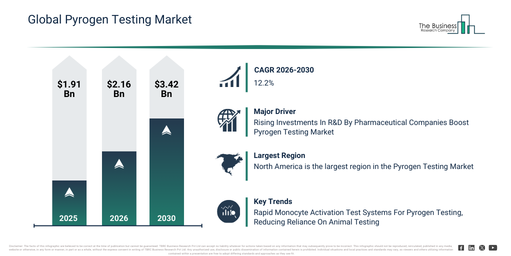
    The pyrogen testing market size has seen rapid growth in recent years. It is anticipated to expand from $1.91 billion in 2025 to $2.16 billion in 2026, achieving a compound annual growth rate (CAGR) of 13.0%. The market’s growth during the historic period can be attributed to several factors, including the expansion of pharmaceutical manufacturing capacity, increased production of injectable drugs and vaccines, regulatory mandates for pyrogen testing, the reliance on LAL-based assays, and the growth of biologics development.

    The pyrogen testing market is projected to experience substantial expansion in the coming years, with its size anticipated to reach $3.42 billion by 2030, driven by a compound annual growth rate (CAGR) of 12.2%. This growth during the forecast period is primarily attributed to the increasing adoption of rFC and MAT assays, rising investments in biopharmaceutical research and development, the expansion of cell and gene therapy manufacturing, a growing focus on animal-free testing solutions, and greater automation in quality control laboratories. Concurrently, major trends expected in this period include the increasing adoption of recombinant and in vitro pyrogen tests, a discernible shift away from animal-based testing methods, growing demand for rapid and high-sensitivity detection assays, the expansion of automated endotoxin testing instruments, and an enhanced focus on regulatory compliance in biopharmaceutical manufacturing.

    Access Your Free Sample Report for In-Depth Market Insights:

    https://www.thebusinessresearchcompany.com/sample.aspx?id=4020&type=smp

    What Drivers Are Influencing Production Trends In The Pyrogen Testing Market?

    The future expansion of the pyrogen testing market is anticipated due to increasing research and development (R&D) expenditures by pharmaceutical and biotechnology companies. Pyrogen testing involves evaluating medications and biological products to guarantee the absence of fever-causing impurities like endotoxins, a critical step for secure product manufacturing. This surge in R&D investment stems from the necessity to create sophisticated therapies and biologics demanding strict quality control and safety checks. By confirming the safety and regulatory adherence of new drugs and biologics, pyrogen testing encourages greater R&D investment, empowering pharmaceutical and biotechnology companies to confidently pursue groundbreaking treatments. For example, in February 2025, the National Center for Science and Engineering Statistics (NCSES), a U.S.-based government statistical agency, reported that U.S. research and development expenditures increased from $892 billion in 2022 to $940 billion in 2023, an increase of $48 billion. Consequently, the expanding R&D investments from pharmaceutical companies are driving the growth of the pyrogen testing market.

    Which Segments Are Gaining Traction In The Pyrogen Testing Market?

    The pyrogen testing market covered in this report is segmented –

    1) By Test Type: LAL Test, In Vitro Test, Rabbit Test

    2) By Product And Service: Assays, Kits, And Reagents, Instruments, Services

    3) By Application: Pharmaceutical And Biologics, Medical Devices, Other Applications

    Subsegments:

    1) By Test Limulus Amebocyte Lysate (LAL) Test: Gel Clot LAL Test, Chromogenic LAL Test, Turbidimetric LAL Test

    2) By In Vitro Test: Monocyte Activation Test (MAT), Recombinant Factor C (rFC) Assay, Other In Vitro Tests

    3) By Rabbit Test: Pyrogen Test in Rabbits, Other Animal-Based Tests

    What Trends Are Projected To Support The Growth Of The Pyrogen Testing Market?

    Major companies within the pyrogen testing market are creating advanced products, such as sustainable monocyte activation test (MAT) systems, to enhance their business offerings and broaden their market presence. The monocyte activation test (MAT) System is an in vitro assay employed for pyrogen testing within the biopharmaceutical and medical device industry. For instance, Lonza, a Swiss multinational manufacturing company, introduced two new rapid monocyte activation test (MAT) systems, the PyroCell MAT Rapid System and the PyroCell MAT Human Serum (HS) Rapid System, in October 2023. These new systems are set to replace Lonza’s existing MAT system kit offerings and incorporate the PeliKine Human IL-6 Rapid ELISA Kit, which significantly reduces hands-on time and cuts down the time-to-results from two days to two hours. These innovative tests provide pharmaceutical manufacturers with simpler, quicker, and more effective monocyte activation test (MAT) options for ensuring product safety, simultaneously contributing to a decrease in animal testing reliance.

    Who Are The Primary Competitors In The Global Pyrogen Testing Market?

    Major companies operating in the pyrogen testing market are Thermo Fisher Scientific Inc., Merck KGaA, Charles River Laboratories Inc., Lonza Group Ltd., Ellab A S, Nelson Laboratories LLC, Associates of Cape Cod Inc., GenScript Biotech Corporation, bioMerieux SA, Hyglos GmbH, Wako Chemicals USA Inc., Pyrostar International Inc., Eurofins Scientific SE, SGS SA, WuXi AppTec Group, Sigma Aldrich Co. LLC, Bio Rad Laboratories Inc., Microcoat Biotechnologie GmbH, Sartorius AG, Pacific Biolabs Inc., Toxikon Corporation, STERIS Corporation, Avance Biosciences Inc., BioReliance Corporation, Microbiological Consulting LLC, Microbac Laboratories Inc., North American Science Associates Inc., Pace Analytical Life Sciences LLC

    Access The Complete Report For Deeper Market Insights:

    https://www.thebusinessresearchcompany.com/report/pyrogen-testing-global-market-report

    Which Global Regions Are Shaping The Competitive Landscape Of The Pyrogen Testing Market?

    North America was the largest region in the pyrogen testing market in 2025. Asia-Pacific is expected to continue to be the fastest growing region in the pyrogen testing market share during the forecast period. The regions covered in the pyrogen testing market report are Asia-Pacific, South East Asia, Western Europe, Eastern Europe, North America, South America, Middle East, Africa.

    Request Your Customized Pyrogen Testing Market Research Report for Competitive Advantage:

    https://www.thebusinessresearchcompany.com/customise?id=4020&type=smp

    Browse Through More Reports Similar to the Global Pyrogen Testing Market 2026, By The Business Research Company

    Specimen Validity Testing Market Report 2026

    https://www.thebusinessresearchcompany.com/report/specimen-validity-testing-global-market-report

    Pesticide Residue Testing Market Report 2026

    https://www.thebusinessresearchcompany.com/report/pesticide-residue-testing-global-market-report

    Genetic Toxicology Testing Market Report 2026

    https://www.thebusinessresearchcompany.com/report/genetic-toxicology-testing-global-market-report

    Get in touch with us:

    The Business Research Company: https://www.thebusinessresearchcompany.com/

    Americas +1 310-496-7795

    Asia +44 7882 955267 & +91 8897263534

    Europe +44 7882 955267

    Email us at info@tbrc.info

    Follow us on:

    LinkedIn: https://in.linkedin.com/company/the-business-research-company

    YouTube: https://www.youtube.com/channel/UC24_fI0rV8cR5DxlCpgmyFQ

    Global Market Model: https://www.thebusinessresearchcompany.com/global-market-model