Category: HealthcareServices

  • Proliferative Diabetic Retinopathy (PDR) Market Outlook 2026–2030: Key Business Drivers and Trends

    Proliferative Diabetic Retinopathy (PDR) Market Outlook 2026–2030: Key Business Drivers and Trends

    Uncover key drivers, emerging technologies, and competitive movements shaping the proliferative diabetic retinopathy (pdr) market from 2026–2035 with trusted insights from The Business Research Company

    How much is the Proliferative Diabetic Retinopathy (PDR) Market valued at in 2026, and what valuation is forecast for 2030?

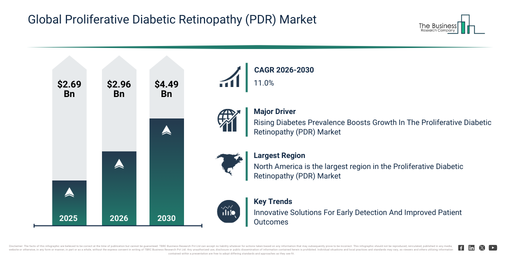
    The market size for proliferative diabetic retinopathy (pdr) has observed swift expansion in recent years. This market is projected to increase from $2.69 billion in 2025 to $2.96 billion in 2026, achieving a compound annual growth rate (CAGR) of 10.3%. In the past, this growth was primarily a result of the rising prevalence of diabetes mellitus, the broader application of retinal laser therapies, the development of more ophthalmology clinics, better access to eye care services, and an increase in diabetic screening programs.

    The market size for proliferative diabetic retinopathy (PDR) is projected to experience substantial expansion in the coming years. This market is predicted to reach $4.49 billion by 2030, exhibiting a compound annual growth rate (CAGR) of 11.0%. This anticipated growth during the forecast period stems from several factors, including the escalating demand for long-acting injectable therapies, the rising integration of AI-based retinal diagnostics, the broader availability of outpatient ophthalmic procedures, a heightened emphasis on vision preservation strategies, and increased investment in the management of diabetic eye disease. Key trends anticipated during this period encompass the growing acceptance of anti-VEGF therapies, the increasing application of advanced retinal imaging technologies, a greater emphasis on early screening and diagnosis, the expansion of minimally invasive surgical interventions, and improved integration of multidisciplinary diabetes care.

    Access Your Free Sample Report for In-Depth Market Insights:

    https://www.thebusinessresearchcompany.com/sample.aspx?id=12911&type=smp

    What Drivers Are Influencing The Growth Of The Proliferative Diabetic Retinopathy (PDR) Market?

    The increasing incidence of diabetes is projected to drive expansion within the proliferative diabetic retinopathy (PDR) market in the future. Diabetes is a long-term health condition defined by abnormally high blood glucose (sugar) levels. It serves as the primary etiology for proliferative diabetic retinopathy, a condition manageable through diverse treatments aimed at preventing additional retinal harm and sustaining eyesight. For example, data from June 2024, released by the National Health Service (NHS), a UK government department, indicated a rise in affected individuals under 40, from 173,166 in 2022 to 216,440 in 2023. This substantial increase underscores a worrying pattern within this demographic, as the statistics demonstrate a swift rise in diabetes cases among younger populations. Consequently, the growing occurrence of diabetes fuels the proliferative diabetic retinopathy (PDR) market.

    What Segments Are Included Within The Proliferative Diabetic Retinopathy (PDR) Market?

    The proliferative diabetic retinopathy (pdr) market covered in this report is segmented –

    1) By Treatment Type: Anti-VEGF (Vascular Endothelial Growth Factor) Therapy, Intraocular Steroids, Laser Surgery, Vitrectomy

    2) By Mode of Administration: Injectables, Intravitreal Administration Focus, Other Mode Of Administrations

    3) By Application: Hospitals, Clinics, Other Applications

    Subsegments:

    1) By Anti-VEGF Therapy: Aflibercept, Ranibizumab, Bevacizumab

    2) By Intraocular Steroids: Triamcinolone Acetonide, Dexamethasone Implant, Fluocinolone Acetonide

    3) By Laser Surgery: Focal Laser Photocoagulation, Panretinal Laser Photocoagulation

    4) By Vitrectomy: Pars Plana Vitrectomy, Anterior Vitrectomy

    What Trends Are Driving The Growth Trajectory Of The Proliferative Diabetic Retinopathy (PDR) Market?

    Major companies operating in the proliferative diabetic retinopathy (PDR) market are concentrating on developing advanced solutions, including AI-driven autonomous retinal screening systems and portable fundus cameras, to enhance early detection and improve patient outcomes. AI-based autonomous screening systems are engineered to analyze retinal images independently, providing rapid and accurate identification of diabetic retinopathy, while handheld fundus cameras enable convenient and accessible retinal imaging. For instance, in April 2024, Optomed Plc, a Finland-based medical technology company, secured U.S. Food and Drug Administration (FDA) clearance for its Optomed Aurora with AEYE, a handheld AI fundus camera capable of autonomously detecting referable diabetic retinopathy, thereby extending the accessibility and efficiency of PDR screening beyond traditional clinical settings.

    Who Are The Major Companies Operating In The Proliferative Diabetic Retinopathy (PDR) Market?

    Major companies operating in the proliferative diabetic retinopathy (pdr) market are Johnson And Johnson Limited, F Hoffmann La Roche Ltd, AbbVie Inc, Bayer AG, Novartis AG, Merck KGaA, Kubota Vision Inc, Teva Pharmaceutical Industries Ltd, Regeneron Pharmaceuticals Inc, Mylan NV, Santen Pharmaceutical Co Ltd, Lupin Limited, Genentech Inc, Alcon Inc, Carl Zeiss Meditec AG, Topcon Corporation, Nidek Co Ltd, Bausch And Lomb Corporation, Heidelberg Engineering GmbH, Iridex Corporation, Lumenis Ltd, Optos plc, Zeiss Meditec India Pvt Ltd, Alimera Sciences Inc

    Access The Complete Report For Deeper Market Insights:

    https://www.thebusinessresearchcompany.com/report/proliferative-diabetic-retinopathy-pdr-global-market-report

    Which Region Is Anticipated To See The Fastest Growth In The Proliferative Diabetic Retinopathy (PDR) Market?

    North America was the largest region in the proliferative diabetic retinopathy market in 2025. Asia Pacific is expected to be the fastest-growing region in the forecast period. The regions covered in the proliferative diabetic retinopathy (pdr) market report are Asia-Pacific, South East Asia, Western Europe, Eastern Europe, North America, South America, Middle East, Africa.

    Request Your Customized Proliferative Diabetic Retinopathy (PDR) Market Research Report for Competitive Advantage:

    https://www.thebusinessresearchcompany.com/customise?id=12911&type=smp

    Browse Through More Reports Similar to the Global Proliferative Diabetic Retinopathy (PDR) Market 2026, By The Business Research Company

    Diabetic Neuropathy Market Report 2026

    https://www.thebusinessresearchcompany.com/report/diabetic-neuropathy-global-market-report

    Non Proliferative Diabetic Retinopathy Market Report 2026

    https://www.thebusinessresearchcompany.com/report/non-proliferative-diabetic-retinopathy-global-market-report

    Diabetic Retinopathy Market Report 2026

    https://www.thebusinessresearchcompany.com/report/diabetic-retinopathy-global-market-report

    Get in touch with us:

    The Business Research Company: https://www.thebusinessresearchcompany.com/

    Americas +1 310-496-7795

    Asia +44 7882 955267 & +91 8897263534

    Europe +44 7882 955267

    Email us at info@tbrc.info

    Follow us on:

    LinkedIn: https://in.linkedin.com/company/the-business-research-company

    YouTube: https://www.youtube.com/channel/UC24_fI0rV8cR5DxlCpgmyFQ

    Global Market Model: https://www.thebusinessresearchcompany.com/global-market-model
  • Progressive Multifocal Leukoencephalopathy Treatment Market Future Outlook: Strong Growth Expected Toward $2.61 Billion by 2030

    Progressive Multifocal Leukoencephalopathy Treatment Market Future Outlook: Strong Growth Expected Toward $2.61 Billion by 2030

    Uncover key drivers, emerging technologies, and competitive movements shaping the progressive multifocal leukoencephalopathy treatment market from 2026–2035 with trusted insights from The Business Research Company

    What upper market value could the Progressive Multifocal Leukoencephalopathy Treatment Market reach by 2030 starting from 2026 levels?

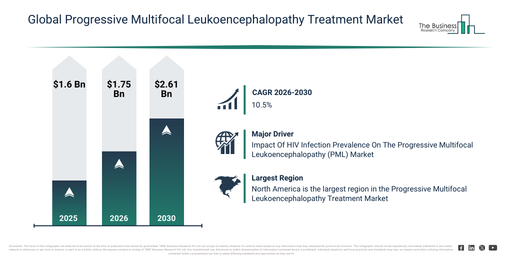
    The progressive multifocal leukoencephalopathy treatment market has experienced robust growth recently. Projections indicate a rise from $1.6 billion in 2025 to $1.75 billion in 2026, achieving a compound annual growth rate (CAGR) of 9.8%. Historically, this expansion has been driven by factors such as the rising incidence of immunocompromised individuals, broader application of immunosuppressive treatments, enhanced diagnostic recognition of PML, the growth of hospital-based neurological services, and the provision of antiviral management protocols.

    The progressive multifocal leukoencephalopathy treatment market is projected to experience significant expansion over the coming years. It is anticipated to reach a size of $2.61 billion by 2030, exhibiting a compound annual growth rate (CAGR) of 10.5%. This growth during the forecast period is propelled by increasing research into targeted antiviral therapies, a rising demand for early diagnostic tools, the expansion of precision medicine approaches, a growing focus on immune system modulation, and increasing clinical collaborations for rare viral diseases. Furthermore, key trends for this period encompass an increasing focus on immunomodulatory treatment strategies, the rising use of advanced neuroimaging diagnostics, a growing emphasis on early detection in immunocompromised patients, the expansion of supportive and symptom management therapies, and enhanced integration of multidisciplinary care teams.

    Access Your Free Sample Report for In-Depth Market Insights:

    https://www.thebusinessresearchcompany.com/sample.aspx?id=12864&type=smp

    Which Drivers Are Influencing Long-Term Growth In The Progressive Multifocal Leukoencephalopathy Treatment Market?

    The increasing occurrence of human immunodeficiency virus (HIV) infection is projected to fuel the expansion of the progressive multifocal leukoencephalopathy market. HIV, a retrovirus, targets the immune system by attacking CD4 cells, vital for combating infections. A compromised immune status, often marked by a low CD4 cell count (200/L), is the primary reason most HIV-infected individuals develop PML globally. This severe HIV-induced immune deficiency can activate the dormant JCV archetype strain in the brain, resulting in brain white matter lesions and PML. For example, as reported in July 2025 by the World Health Organization, a Switzerland-based international health organization, roughly 40.8 million individuals worldwide were living with HIV by the close of 2024, comprising 1.4 million children aged 0–14 years [1.1–1.8 million] and 39.4 million adults aged 15 years and above [35.7–44.0 million]. Consequently, the rising prevalence of human immunodeficiency virus (HIV) infection is propelling the growth of the progressive multifocal leukoencephalopathy market.

    Progressive Multifocal Leukoencephalopathy Treatment Market Driver: Impact Of Neurological Disorder Prevalence On Progressive Multifocal Leukoencephalopathy Treatment Market Growth

    How Is The Progressive Multifocal Leukoencephalopathy Treatment Market Divided Into Segments?

    The progressive multifocal leukoencephalopathy treatment market covered in this report is segmented –

    1) By Treatment: Anti-retroviral Therapy, Antiviral Or Anti-John Cunningham Virus (JCV), Other Symptomatic

    2) By Indication: HIV Or AIDS, Organ Transplantation, Multiple Sclerosis, Hematologic Malignancies

    3) By Route of Administration: Oral, Parenteral, Other Routes Of Administration

    4) By End-Users: Hospitals, Homecare, Specialty Centers, Other End-Users

    Subsegments:

    1) By Anti-retroviral Therapy: NRTIs (Nucleoside Reverse Transcriptase Inhibitors), NNRTIs (Non-Nucleoside Reverse Transcriptase Inhibitors), PIs (Protease Inhibitors), Integrase Inhibitors

    2) By Antiviral Or Anti-John Cunningham Virus (JCV): Natalizumab, Fumaric Acid Esters, Other JCV-targeted Therapies

    3) By Other Symptomatic Treatments: Corticosteroids, Immunomodulators, Supportive Care, Symptomatic Relief Medications

    Which Key Market Players Are Investing In Expansion And Innovation Within The Progressive Multifocal Leukoencephalopathy Treatment Market?

    Major companies operating in the progressive multifocal leukoencephalopathy treatment market are Pfizer Inc, Johnson And Johnson, Roche Holding AG, Merck And Co Inc, AbbVie Inc, Novartis AG, Bristol Myers Squibb Company, Sanofi SA, Takeda Pharmaceutical Company Limited, Eli Lilly And Company, Gilead Sciences Inc, Viatris Inc, Teva Pharmaceutical Industries Ltd, Biogen Inc, Otsuka Pharmaceutical Co Ltd, Jazz Pharmaceuticals plc, Ipsen Pharma, Apotex Inc, Alkermes plc, Genentech Inc, Neurimmune AG, NeoImmuneTech, Inhibikase Therapeutics Inc, Bayer AG

    Access The Complete Report For Deeper Market Insights:

    https://www.thebusinessresearchcompany.com/report/progressive-multifocal-leukoencephalopathy-treatment-global-market-report

    Which Regions Are Poised For Strategic Growth In The Progressive Multifocal Leukoencephalopathy Treatment Market?

    North America was the largest region in the progressive multifocal leukoencephalopathy treatment market in 2025. The regions covered in the progressive multifocal leukoencephalopathy treatment market report are Asia-Pacific, South East Asia, Western Europe, Eastern Europe, North America, South America, Middle East, Africa.

    Request Your Customized Progressive Multifocal Leukoencephalopathy Treatment Market Research Report for Competitive Advantage:

    https://www.thebusinessresearchcompany.com/customise?id=12864&type=smp

    Browse Through More Reports Similar to the Global Progressive Multifocal Leukoencephalopathy Treatment Market 2026, By The Business Research Company

    Rare Neurological Disease Treatment Market Report 2026

    https://www.thebusinessresearchcompany.com/report/rare-neurological-disease-treatment-global-market-report

    Encephalitis Treatment Market Report 2026

    https://www.thebusinessresearchcompany.com/report/encephalitis-treatment-global-market-report

    Dysphagia Management Market Report 2026

    https://www.thebusinessresearchcompany.com/report/dysphagia-management-global-market-report

    Get in touch with us:

    The Business Research Company: https://www.thebusinessresearchcompany.com/

    Americas +1 310-496-7795

    Asia +44 7882 955267 & +91 8897263534

    Europe +44 7882 955267

    Email us at info@tbrc.info

    Follow us on:

    LinkedIn: https://in.linkedin.com/company/the-business-research-company

    YouTube: https://www.youtube.com/channel/UC24_fI0rV8cR5DxlCpgmyFQ

    Global Market Model: https://www.thebusinessresearchcompany.com/global-market-model
  • Revenue of the Progressive Ataxia And Weakness Disorders Market Predicted to Achieve $64.52 Billion by 2030, Driven by 10.8% CAGR

    Revenue of the Progressive Ataxia And Weakness Disorders Market Predicted to Achieve $64.52 Billion by 2030, Driven by 10.8% CAGR

    Uncover key drivers, emerging technologies, and competitive movements shaping the progressive ataxia and weakness disorders market from 2026–2035 with trusted insights from The Business Research Company

    What level of CAGR-driven expansion is anticipated in the Progressive Ataxia And Weakness Disorders Market between 2026 and 2030?

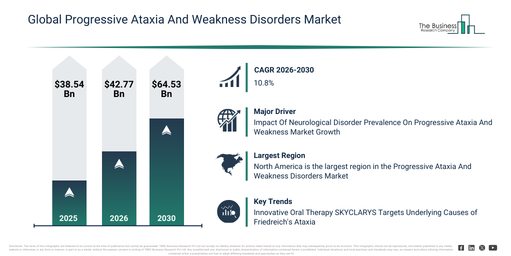
    The market size for progressive ataxia and weakness disorders has experienced significant expansion over recent years. This market is projected to expand from $38.54 billion in 2025 to $42.77 billion by 2026, demonstrating a compound annual growth rate (CAGR) of 11.0%. Historically, this growth has been driven by factors such as enhanced recognition of rare neurological disorders, the proliferation of neurology specialty clinics, a rise in the application of symptomatic drug therapies, the accessibility of genetic testing technologies, and an increase in patient advocacy efforts.

    The market for progressive ataxia and weakness disorders is projected to experience substantial expansion in the coming years. This market is anticipated to reach $64.53 billion by 2030, exhibiting a compound annual growth rate (CAGR) of 10.8%. Factors contributing to this growth during the forecast period include greater investment in neurodegenerative disease research, a surge in demand for tailored treatment options, the broadening of biomarker-based diagnostics, an intensified focus on disease-modifying therapies, and increased clinical trial activity for uncommon disorders. Key trends expected over the forecast period encompass the escalating development of targeted neurological therapies, the increased utilization of advanced genetic diagnostics, the wider adoption of comprehensive multidisciplinary treatment strategies, the proliferation of symptom management solutions, and a heightened emphasis on detecting diseases early.

    Access Your Free Sample Report for In-Depth Market Insights:

    https://www.thebusinessresearchcompany.com/sample.aspx?id=18444&type=smp

    What Drivers Are Affecting Demand-Supply Dynamics In The Progressive Ataxia And Weakness Disorders Market?

    A rising incidence of neurological disorders is anticipated to fuel the expansion of the progressive ataxia and weakness disorders market. These conditions encompass illnesses impacting the central and peripheral nervous systems, specifically involving the brain, spinal cord, cranial and peripheral nerves, autonomic nervous system, nerve roots, neuromuscular junction, and various muscles. The growing occurrence of neurological disorders stems from factors such as an aging population, genetic predispositions, and infectious agents. Within neurology, progressive ataxia and weakness disorders are vital for directing diagnosis, therapeutic approaches, research endeavors, and patient support programs, all designed to enhance the results and life quality for those facing these complex neurological illnesses. For example, in October 2023, data from the World Federation of Neurology, a UK-based association representing national neurological societies, indicated that over 40% of the worldwide population presently lives with some type of neurological condition, a figure projected to almost double by 2050. Consequently, the escalating frequency of neurological disorders is serving as a key driver for the progressive ataxia and weakness disorders market.

    What Segments Are Included Within The Progressive Ataxia And Weakness Disorders Market?

    The progressive ataxia and weakness disorders market covered in this report is segmented –

    1) By Type: Progressive Ataxia, Progressive Weakness Disorders

    2) By Technology: Small Molecule, Monoclonal Antibody, Other Technology

    3) By Distribution Channel: Retail Pharmacy, Hospital Pharmacy, Online Pharmacy

    4) By Application: Hospital, Clinic, Other Applications

    Subsegments:

    1) By Progressive Ataxia: Cerebellar Ataxia, Sensory Ataxia, Vestibular Ataxia, Friedreich’s Ataxia, Spinocerebellar Ataxia (SCA), Idiopathic Ataxia

    2) By Progressive Weakness Disorders: Amyotrophic Lateral Sclerosis (ALS), Muscular Dystrophy, Spinal Muscular Atrophy (SMA), Myasthenia Gravis, Multiple Sclerosis (MS), Guillain-Barré Syndrome (GBS)

    What Trends Are Reshaping The Dynamics Of The Progressive Ataxia And Weakness Disorders Market?

    Leading companies within the progressive ataxia and weakness disorders market are prioritizing the creation of innovative solutions, including oral medications designed for the management of Friedreich’s ataxia in adults and adolescents aged 16 years and older. Oral medication denotes drugs consumed by mouth, typically presented as tablets, capsules, or liquid forms. For example, in February 2024, Biogen Inc., a US-based biotechnology firm, announced that SKYCLARYS (omaveloxolone) received approval from the European Commission (EC) for the treatment of Friedreich’s ataxia (FA). SKYCLARYS operates by activating the Nrf2 pathway, thereby addressing the core issues of oxidative stress and mitochondrial dysfunction present in Friedreich’s ataxia. This medicine is to be taken orally on an empty stomach and has demonstrated an improvement in symptoms and a slower progression of the disease during clinical trials. Typical adverse effects reported include elevated liver enzymes, headaches, nausea, abdominal pain, fatigue, diarrhea, and musculoskeletal pain.

    Who Are The Core Companies Influencing Trends In The Progressive Ataxia And Weakness Disorders Market?

    Major companies operating in the progressive ataxia and weakness disorders market are Pfizer Inc, Merck And Co Inc, Bristol Myers Squibb Company, Novartis AG, Takeda Pharmaceutical Company Limited, Astellas Pharma Inc, Biogen Inc, BioMarin Pharmaceutical Inc, Sarepta Therapeutics Inc, PTC Therapeutics Inc, Kissei Pharmaceutical Co Ltd, Biohaven Pharmaceutical Holding Company Ltd, Design Therapeutics Inc, Anavex Life Sciences Corp, Larimar Therapeutics Inc, Voyager Therapeutics Inc, Stealth BioTherapeutics Corp, Capsida Biotherapeutics Inc, Retrotope Inc, Taysha Gene Therapies Inc, CRISPR Therapeutics AG, Ionis Pharmaceuticals Inc, Roche Holding AG, Sanofi SA

    Access The Complete Report For Deeper Market Insights:

    https://www.thebusinessresearchcompany.com/report/progressive-ataxia-and-weakness-disorders-global-market-report

    Which Regions Are Projected To Dominate The Progressive Ataxia And Weakness Disorders Market In The Coming Years?

    North America was the largest region in the progressive ataxia and weakness disorders market in 2025. The regions covered in the progressive ataxia and weakness disorders market report are Asia-Pacific, South East Asia, Western Europe, Eastern Europe, North America, South America, Middle East, Africa.

    Request Your Customized Progressive Ataxia And Weakness Disorders Market Research Report for Competitive Advantage:

    https://www.thebusinessresearchcompany.com/customise?id=18444&type=smp

    Browse Through More Reports Similar to the Global Progressive Ataxia And Weakness Disorders Market 2026, By The Business Research Company

    Peripheral Neuropathy Market Report 2026

    https://www.thebusinessresearchcompany.com/report/peripheral-neuropathy-global-market-report

    Ataxia Market Report 2026

    https://www.thebusinessresearchcompany.com/report/ataxia-global-market-report

    Episodic Ataxia Treatment Market Report 2026

    https://www.thebusinessresearchcompany.com/report/episodic-ataxia-treatment-global-market-report

    Get in touch with us:

    The Business Research Company: https://www.thebusinessresearchcompany.com/

    Americas +1 310-496-7795

    Asia +44 7882 955267 & +91 8897263534

    Europe +44 7882 955267

    Email us at info@tbrc.info

    Follow us on:

    LinkedIn: https://in.linkedin.com/company/the-business-research-company

    YouTube: https://www.youtube.com/channel/UC24_fI0rV8cR5DxlCpgmyFQ

    Global Market Model: https://www.thebusinessresearchcompany.com/global-market-model
  • Private Nursing Services Sector Forecast Shows Robust Momentum, Climbing to $869.17 Billion With 7.8% CAGR

    Private Nursing Services Sector Forecast Shows Robust Momentum, Climbing to $869.17 Billion With 7.8% CAGR

    Uncover key drivers, emerging technologies, and competitive movements shaping the private nursing services market from 2026–2035 with trusted insights from The Business Research Company

    What long-term size projections exist for the Private Nursing Services Market covering 2026–2035?

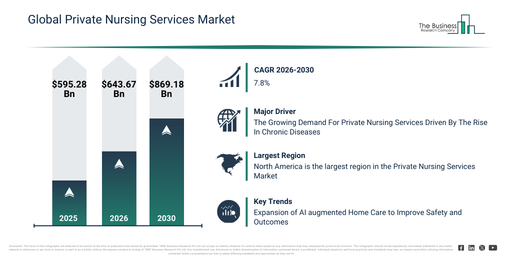
    The private nursing services market has observed significant growth in recent years. Its size is expected to increase from $595.28 billion in 2025 to $643.67 billion in 2026, at a compound annual growth rate (CAGR) of 8.1%. This historical expansion can be attributed to several factors, including the increasing aging population, the rising prevalence of chronic diseases, a growing preference for home healthcare, the expansion of private healthcare services, and shortages in hospital capacity.

    The private nursing services market is anticipated to experience robust expansion in the upcoming years. This market is projected to reach $869.18 billion by 2030, exhibiting a compound annual growth rate (CAGR) of 7.8%. Factors contributing to this growth during the forecast period include a heightened demand for medical services delivered at home, the increasing embrace of digital health platforms, broader insurance coverage for home care, a stronger emphasis on delivering cost-efficient care, and greater financial commitment to developing the private nursing workforce. Key trends expected over the forecast period encompass an expanding need for skilled nursing care provided in patients’ homes, an increasing emphasis on creating personalized care plans for patients, the wider deployment of remote health monitoring devices, enhanced integration of both medical and non-medical services, and the proliferation of subscription-based care models.

    Access Your Free Sample Report for In-Depth Market Insights:

    https://www.thebusinessresearchcompany.com/sample.aspx?id=20600&type=smp

    Which Drivers Are Impacting The Competitive Landscape Of The Private Nursing Services Market?

    The rising occurrence of chronic illnesses is anticipated to boost the expansion of the private nursing services market in the future. The incidence of chronic conditions is consistently growing across the globe, attributed to an aging populace, lifestyle choices, and environmental impacts. Private nursing services provide continuous care, fostering a robust patient-nurse bond that facilitates effective management of chronic conditions and enhances general health results. As an example, in September 2023, data from the World Health Organization, a Switzerland-based specialized agency of the United Nations, indicated 41 million deaths annually worldwide were due to non-communicable diseases (NCDs) or chronic diseases, representing 74% of all deaths. Among these, cardiovascular diseases accounted for 17.9 million deaths, cancer for 9.3 million deaths, chronic respiratory diseases for 4.1 million deaths, and diabetes for 2.0 million deaths. Consequently, the growing frequency of chronic diseases is fueling the expansion of the private nursing services market.

    What Leading Segments Are Studied In The Private Nursing Services Market?

    The private nursing services market covered in this report is segmented –

    1) By Service Type: Medical (Skilled Nursing) Services, Nursing-Supervised Supportive Care Services

    2) By Service Provider: Private Practitioners, Mental Health Clinics And Hospitals, Online Counseling Platforms, Religious And Faith-Based Counselors, Corporate Employee Assistance Programs (EAPs)

    3) By Gender: Female, Male

    4) By Medical Condition: Pediatric Care, Chronic Disease Management, Post Operative Services, Elderly Care, Other Medical Conditions

    5) By Payment Model: Insurance Covered Services, Fee For Service

    Subsegments:

    1) By Medical (Skilled Nursing) Services: Skilled Nursing Care, Post-Surgical / Post-Operative Nursing Care, Wound Care Management, Medication Administration & Management, Chronic Disease Management, Pediatric Private Duty Nursing, Geriatric Nursing Care, Palliative & End-of-Life Nursing Care, IV Therapy & Injections, Rehabilitation & Recovery Nursing Support

    2) By Nursing-Supervised Supportive Care Services: Personal Care Assistance, Activities of Daily Living Support, Companionship & Patient Monitoring, Nutrition Support & Meal Assistance, Light Household Assistance Related to Patient Care, Transportation Assistance for Medical Appointments, Respite Care for Family Caregivers, Safety Supervision & Fall-Prevention Support

    How Are New Market Trends Shaping The Landscape Of The Private Nursing Services Market?

    Major companies operating in the private nursing services market are concentrating on developing innovative services like nurse-led, AI-powered home care monitoring models to address the increasing demand for safer, preventive, and data-driven home-based care for aging adults and individuals requiring long-term personal care. This home care monitoring involves daily oversight by licensed nurses, combined with predictive analytics tools that can detect early signs of health deterioration, risk of falls, wounds, hospitalizations, or changes in mental status, thus enabling proactive interventions and reducing emergency incidents. For instance, in November 2025, BAYADA Home Health Care, a U.S.-based nonprofit home health provider, introduced its “Enhanced Quality of Care (EQoC)” model, which is the first AI-enhanced home care model specifically designed to support private pay personal care clients with daily nurse oversight complemented by predictive technology monitoring. The EQoC model tracks more than 40 detection points daily (including pain, wounds, fall risk, hospitalizations, and mental status), utilizes AI-driven insights to detect subtle changes early, prompts registered nurses to make care plan adjustments, and customizes visit frequency according to individual needs, all of which helps prevent falls and hospitalizations, improves safety, and supports independent living at home.

    Which Major Industry Participants Are Leading The Private Nursing Services Market Growth?

    Major companies operating in the private nursing services market are Maxim Healthcare Services, Aveanna Healthcare, Bayshore HealthCare, LHC Group, Care UK, CBI Health Group, Extendicare, Helping Hands Home Care, Alliance Homecare, NurseRegistry, ParaMed, Homage, Grand World Elder Care, Able Community Care, Interim HealthCare, Bayada Home Health Care, BrightStar Care, Right at Home, Kindred at Home, Visiting Nurse Service of New York, Apollo HomeCare, MedCare Professional

    Access The Complete Report For Deeper Market Insights:

    https://www.thebusinessresearchcompany.com/report/private-nursing-services-global-market-report

    Which Region Is Expected To Experience The Fastest Growth In The Private Nursing Services Market?

    North America was the largest region in the private nursing services market in 2025. The regions covered in the private nursing services market report are Asia-Pacific, South East Asia, Western Europe, Eastern Europe, North America, South America, Middle East, Africa.

    Request Your Customized Private Nursing Services Market Research Report for Competitive Advantage:

    https://www.thebusinessresearchcompany.com/customise?id=20600&type=smp

    Browse Through More Reports Similar to the Global Private Nursing Services Market 2026, By The Business Research Company

    Nursery And Floriculture Production Market Report 2026

    https://www.thebusinessresearchcompany.com/report/nursery-and-floriculture-production-global-market-report

    Greenhouse Nursery And Flowers Market Report 2026

    https://www.thebusinessresearchcompany.com/report/greenhouse-nursery-and-flowers-global-market-report

    Nurse Call System Market Report 2026

    https://www.thebusinessresearchcompany.com/report/nurse-call-system-global-market-report

    Get in touch with us:

    The Business Research Company: https://www.thebusinessresearchcompany.com/

    Americas +1 310-496-7795

    Asia +44 7882 955267 & +91 8897263534

    Europe +44 7882 955267

    Email us at info@tbrc.info

    Follow us on:

    LinkedIn: https://in.linkedin.com/company/the-business-research-company

    YouTube: https://www.youtube.com/channel/UC24_fI0rV8cR5DxlCpgmyFQ

    Global Market Model: https://www.thebusinessresearchcompany.com/global-market-model
  • Private Hospital Market Anticipated to Record Steady Gains, Advancing to $8613.31 Billion by 2030

    Private Hospital Market Anticipated to Record Steady Gains, Advancing to $8613.31 Billion by 2030

    Uncover key drivers, emerging technologies, and competitive movements shaping the private hospital market from 2026–2035 with trusted insights from The Business Research Company

    What total market size is anticipated for the Private Hospital Market in 2030?

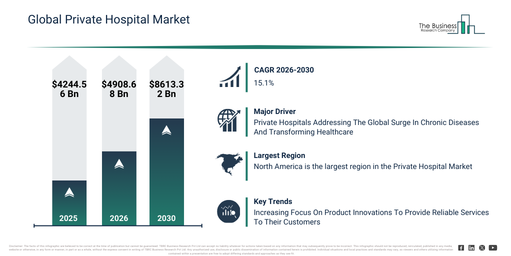
    The private hospital market size has experienced rapid expansion in recent years. This market is projected to expand from $4244.56 billion in 2025 to $4908.68 billion in 2026, demonstrating a compound annual growth rate (CAGR) of 15.6%. Historically, this growth can be linked to factors such as increased private sector healthcare spending, a growing preference among patients for private medical services, the development of urban hospital facilities, access to advanced medical technologies, and an expanding population with health insurance.

    The private hospital market is poised for significant expansion in the coming years. This market is projected to reach $8613.32 billion by 2030, exhibiting a compound annual growth rate (CAGR) of 15.1%. Key factors driving this growth include greater investments in smart hospital infrastructure, an increasing need for specialized healthcare services, the expansion of private hospitals into emerging markets, a heightened emphasis on operational efficiency, and the growing adoption of digital platforms for patient engagement. Noteworthy trends anticipated during this period encompass the wider acceptance of digital health management systems, the increasing development of multispecialty private hospitals, a surging demand for sophisticated diagnostic infrastructure, a stronger focus on patient-centered care approaches, and the broadening availability of telemedicine and remote monitoring services.

    Access Your Free Sample Report for In-Depth Market Insights:

    https://www.thebusinessresearchcompany.com/sample.aspx?id=8211&type=smp

    What Drivers Are Influencing Production Trends In The Private Hospital Market?

    The increasing mortality resulting from chronic illnesses is anticipated to propel the expansion of the private hospital market moving forward. Chronic diseases are defined as ailments that persist for a year or longer and demand ongoing medical care. The rise in chronic diseases is attributed to increasingly sedentary lifestyles, which eventually lead to heightened risks of conditions such as obesity, diabetes, and cardiovascular issues. Private hospitals offer a critical opportunity to properly manage chronic illnesses and address concerns related to preventative health. For instance, in January 2023, according to the National Library of Medicine, a US-based agency, the number of people in the US aged 50 and older having at least one chronic condition is projected to increase by 99.5%, representing 142.66 million individuals, by 2050. Therefore, the escalating death rate due to chronic diseases is driving the growth of the private hospital market.

    Which Segment Groups Are Influencing The Private Hospital Market?

    The private hospital market covered in this report is segmented –

    1) By Category: Children’s Hospital, Multispecialty Hospitals, Acute Care Hospitals, Specialty Hospitals

    2) By Capacity: Large (>500 Beds), Medium (100 Beds-500 Beds), Small (100 Beds)

    3) By Location: Rural, Urban

    Subsegments:

    1) By Children’s Hospital: Pediatric Intensive Care Units (PICU), Neonatal Care Units

    2) By Multispecialty Hospitals: General Medicine, General Surgery, Cardiology

    3) By Acute Care Hospitals: Trauma Centers, Emergency Care Facilities

    4) By Specialty Hospitals: Orthopedic Hospitals, Cardiac Hospitals, Oncology Hospital

    Which Trends Are Expected To Influence The Private Hospital Market In The Upcoming Years?

    Leading companies in the private hospital market are concentrating on innovative offerings, such as the 506-bed hospital, to boost their revenues. A 506 multi-specialty hospital is a healthcare institution that offers a comprehensive spectrum of medical services and specialties in one location, thereby enhancing convenience and accessibility for patients seeking various treatments. For example, in October 2023, Aster DM Healthcare, a private healthcare service provider based in the UAE, inaugurated a 506-bed hospital. The Intra Operative Electron Radiation Therapy (IOERT) for precision cancer therapy will be introduced for the first time in India at the Aster Whitefield Multispecialty Hospital. This facility will also incorporate a full-room digital radiography system, a hybrid biplane catheter, digital PET CT, 3D mammography, an advanced LINAC, HIPEC/PIPEC procedures, and a scalp cooling system to prevent hair loss during chemotherapy. The hospital will feature a sophisticated operating theater complex with sixteen operating theaters equipped with cutting-edge medical technology, in addition to the fourth-generation Da Vinci Robot for advanced oncology and urology surgical procedures.

    Who Are The Prominent Global Companies Shaping The Private Hospital Market Landscape?

    Major companies operating in the private hospital market are Toulon Hyeres Private Hospital, Deaconesses Croix Saint, Nuffield Health, London Bridge Healthcare, Ramsay Health Care, HCA Healthcare Inc, Spire Healthcare Group PLC, Meoclinic GmbH, Fortis Healthcare Limited, Fresenius SE And Co KGaA, Life Healthcare Group, Max Superspecialty Hospital Group, Apollo Hospitals Enterprise Ltd, IASIS Healthcare LLC, Community Health Systems Inc, Universal Health Services Inc, Tenet Healthcare Corporation, LifePoint Health Inc, Kindred Healthcare LLC, Encompass Health Corporation, Acadia Healthcare Company, Select Medical Holdings Corporation, National Healthcare Corporation, Surgery Partners Inc, Surgery Care Affiliates Inc, IHH Healthcare Berhad

    Access The Complete Report For Deeper Market Insights:

    https://www.thebusinessresearchcompany.com/report/private-hospital-global-market-report

    Which Geographic Areas Are Emerging As Strong Markets For The Private Hospital Market?

    North America was the largest region in the private hospital market share in 2025. Asia-Pacific is expected to be the fastest-growing region in the forecast period. The regions covered in the private hospital market report are Asia-Pacific, South East Asia, Western Europe, Eastern Europe, North America, South America, Middle East, Africa.

    Request Your Customized Private Hospital Market Research Report for Competitive Advantage:

    https://www.thebusinessresearchcompany.com/customise?id=8211&type=smp

    Browse Through More Reports Similar to the Global Private Hospital Market 2026, By The Business Research Company

    General Medical And Surgical Hospitals Market Report 2026

    https://www.thebusinessresearchcompany.com/report/general-medical-and-surgical-hospitals-global-market-report

    Hospitality Market Report 2026

    https://www.thebusinessresearchcompany.com/report/hospitality-global-market-report

    Hospitals And Outpatient Care Centers Market Report 2026

    https://www.thebusinessresearchcompany.com/report/hospitals-and-outpatient-care-centers-global-market-report

    Get in touch with us:

    The Business Research Company: https://www.thebusinessresearchcompany.com/

    Americas +1 310-496-7795

    Asia +44 7882 955267 & +91 8897263534

    Europe +44 7882 955267

    Email us at info@tbrc.info

    Follow us on:

    LinkedIn: https://in.linkedin.com/company/the-business-research-company

    YouTube: https://www.youtube.com/channel/UC24_fI0rV8cR5DxlCpgmyFQ

    Global Market Model: https://www.thebusinessresearchcompany.com/global-market-model
  • Private Healthcare Industry Poised for Rapid Growth, Forecast to Touch $6928.41 Billion by 2030 at 5.1% CAGR

    Private Healthcare Industry Poised for Rapid Growth, Forecast to Touch $6928.41 Billion by 2030 at 5.1% CAGR

    Uncover key drivers, emerging technologies, and competitive movements shaping the private healthcare market from 2026–2035 with trusted insights from The Business Research Company

    What is the expected shift in the Private Healthcare Market’s size between 2026 and 2030?

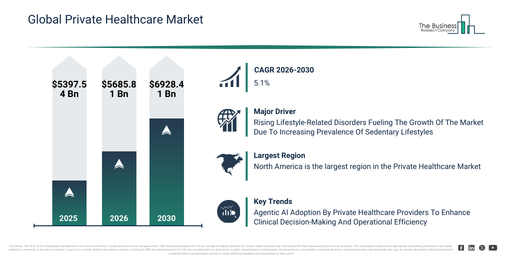
    The private healthcare market has experienced significant expansion in recent years. Its size is anticipated to grow from $5397.54 billion in 2025 to $5685.81 billion in 2026, exhibiting a compound annual growth rate (CAGR) of 5.3%. This historical development can be attributed to several factors, including the increasing reach of private health insurance, a heightened desire for prompt medical services, the widening scope of specialty healthcare offerings, an increase in medical tourism, and better access to private healthcare facilities.

    The private healthcare market size is projected to experience robust expansion over the coming years, with its valuation expected to reach $6928.41 billion by 2030, propelled by a compound annual growth rate (CAGR) of 5.1%. This projected growth throughout the forecast period stems from several factors, including the increasing integration of digital health technologies, a rising demand for personalized medicine offerings, the expansion of premium healthcare services, growing investments in private hospital infrastructure, and an increasing focus on value-based care models. Furthermore, significant trends anticipated during this period involve the broadening of personalized private healthcare services, a rising adoption of digital health platforms, an escalating demand for preventive and wellness care, the increasing use of advanced diagnostics, and an enhanced focus on patient experience and convenience.

    Access Your Free Sample Report for In-Depth Market Insights:

    https://www.thebusinessresearchcompany.com/sample.aspx?id=27398&type=smp

    Which Drivers Are Shaping Strategic Decisions In The Private Healthcare Market?

    The expanding prevalence of lifestyle-related disorders is projected to boost the private healthcare market’s development. These conditions largely stem from daily habits and choices, including unhealthy diets, lack of exercise, stress, and harmful addictions. Lifestyle-related disorders are increasing due to rising urbanization, which has led to more sedentary routines where extensive working hours and reduced physical activity contribute to poor health outcomes. Private healthcare offers benefits in managing these disorders by providing quicker access to specialized doctors and personalized treatment plans, which allows for early intervention and better long-term health results. For instance, in May 2024, according to the British Diabetic Association (Diabetes UK), a UK-based patient, healthcare professional, and research charity, around 4.4 million people in the UK were living with a diabetes diagnosis as of 2022-23. Among these instances, approximately 8% had type 1 diabetes, while type 2 diabetes represented about 90%. The remaining 2% involved other, less frequent forms of diabetes. Thus, the growing rates of lifestyle-related disorders are propelling the expansion of the private healthcare market.

    What Segment Classifications Make Up The Private Healthcare Market?

    The private healthcare market covered in this report is segmented –

    1) By Service Type: Primary Care, Specialty Care, Diagnostic Services, Surgical Procedures, Wellness Services

    2) By Consumer Preferences: Complementary Medicine, Personalized Medicine

    3) By Application: Trauma And Orthopedics, General Surgery, Oncology, Maternity And OB-Gyn, Cardiology, Urology

    4) By End User: International Tourists, Private Medical Insurance Referrals And Private Medical Insurance, Self-pay Individuals

    Subsegments:

    1) By Primary Care: General Practitioner Consultations, Family Medicine, Pediatrics, Geriatric Care, Preventive Health Screenings

    2) By Specialty Care: Cardiology, Oncology, Neurology, Orthopedics, Dermatology

    3) By Diagnostic Services: Laboratory Testing, Imaging Services, Pathology Services, Genetic Testing, Point-of-Care Diagnostics

    4) By Surgical Procedures: Minimally Invasive Surgery, Orthopedic Surgery, Cardiovascular Surgery, Cosmetic Or Plastic Surgery, Transplant Surgery

    5) By Wellness Services: Nutrition And Diet Counseling, Physical Therapy And Rehabilitation, Mental Health And Counseling, Fitness And Exercise Programs, Alternative And Complementary Therapies

    What Trends Are Driving The Growth Trajectory Of The Private Healthcare Market?

    Major companies in the private healthcare market are dedicating efforts to developing sophisticated solutions, such as agentic AI, to improve clinical decision-making, automate administrative tasks, and provide customized patient care, all while ensuring data privacy and regulatory adherence. Agentic AI is a form of artificial intelligence that possesses the ability to make decisions and initiate actions autonomously. For example, in April 2025, OneAdvanced, a UK-based leading provider of sector-focused SaaS software, introduced a private LLM specifically crafted for healthcare organizations to enable secure, role-based AI applications while protecting sensitive patient data. OneAdvanced’s private LLM for healthcare provides a fully encrypted, closed AI environment to safeguard confidential patient information. It incorporates sector-specific intelligence, retrieval-augmented generation, and agentic AI to bolster decision-making and automation. Furthermore, customizable workspaces allow for secure team collaboration while maintaining regulatory compliance.

    Which Key Players Are Driving Competition In The Private Healthcare Market?

    Major companies operating in the private healthcare market are HCA Healthcare, Fresenius Medical Care, Tenet Healthcare Corporation, Universal Health Services, Ramsay Health Care, Mediclinic International, Bupa, Apollo Hospitals, Manipal Hospitals, Thumbay Hospital, Spire Healthcare Group Plc, One Medical, Fortis Healthcare Limited, BMI Healthcare, Circle Health Group, Saudi German Health, The London Clinic Ltd., Pantai Holdings, Aspen Healthcare, Parkway Pantai Ltd., IHH Healthcare Berhad, NMC Healthcare

    Access The Complete Report For Deeper Market Insights:

    https://www.thebusinessresearchcompany.com/report/private-healthcare-global-market-report

    Which Region Is Projected To Lead The Private Healthcare Market During The Forecast Period?

    North America was the largest region in the private healthcare market in 2025. Asia-Pacific is expected to be the fastest-growing region in the forecast period. The regions covered in the private healthcare market report are Asia-Pacific, South East Asia, Western Europe, Eastern Europe, North America, South America, Middle East, Africa.

    Request Your Customized Private Healthcare Market Research Report for Competitive Advantage:

    https://www.thebusinessresearchcompany.com/customise?id=27398&type=smp

    Browse Through More Reports Similar to the Global Private Healthcare Market 2026, By The Business Research Company

    Home Improvement Services Market Report 2026

    https://www.thebusinessresearchcompany.com/report/home-improvement-services-global-market-report

    Property Management Market Report 2026

    https://www.thebusinessresearchcompany.com/report/property-management-global-market-report

    Services To Buildings And Dwellings Market Report 2026

    https://www.thebusinessresearchcompany.com/report/services-to-buildings-and-dwellings-global-market-report

    Get in touch with us:

    The Business Research Company: https://www.thebusinessresearchcompany.com/

    Americas +1 310-496-7795

    Asia +44 7882 955267 & +91 8897263534

    Europe +44 7882 955267

    Email us at info@tbrc.info

    Follow us on:

    LinkedIn: https://in.linkedin.com/company/the-business-research-company

    YouTube: https://www.youtube.com/channel/UC24_fI0rV8cR5DxlCpgmyFQ

    Global Market Model: https://www.thebusinessresearchcompany.com/global-market-model
  • Primary Ovarian Insufficiency Market Performance Outlook 2026–2030: Revenue to Hit $1.88 Billion at 9.8% CAGR

    Primary Ovarian Insufficiency Market Performance Outlook 2026–2030: Revenue to Hit $1.88 Billion at 9.8% CAGR

    Uncover key drivers, emerging technologies, and competitive movements shaping the primary ovarian insufficiency market from 2026–2035 with trusted insights from The Business Research Company

    What growth pattern is forecast for the Primary Ovarian Insufficiency Market size between 2026 and 2035?

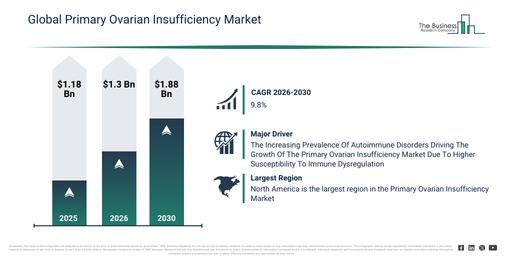
    The primary ovarian insufficiency market size has experienced significant expansion in recent years. It is projected to climb from $1.18 billion in 2025 to $1.3 billion in 2026, achieving a compound annual growth rate (CAGR) of 10.0%. The past growth in this market can be linked to heightened awareness of female reproductive health, the broader application of hormone replacement therapy, an increase in demand for infertility treatment, enhanced diagnostic capabilities for hormonal disorders, and the expansion of specialty fertility clinics.

    The primary ovarian insufficiency market is projected for significant expansion in the coming years. This market is set to reach $1.88 billion by 2030, exhibiting a compound annual growth rate (CAGR) of 9.8%. Factors driving this growth during the forecast period include greater investment in regenerative medicine research, a growing need for early diagnostic solutions, the broadening of precision medicine strategies, an increasing emphasis on non-invasive fertility procedures, and the wider availability of advanced reproductive technologies. Key trends anticipated in the same period involve the increasing uptake of personalized hormone therapies, expanded application of advanced diagnostic tests, a heightened focus on solutions for fertility preservation, the development of regenerative and stem cell-based treatments, and improved incorporation of multidisciplinary care approaches.

    Access Your Free Sample Report for In-Depth Market Insights:

    https://www.thebusinessresearchcompany.com/sample.aspx?id=24387&type=smp

    Which Drivers Are Impacting Market Performance In The Primary Ovarian Insufficiency Market?

    The primary ovarian insufficiency market is projected to expand due to the rising occurrence of autoimmune conditions. These are diseases where the immune system erroneously targets and harms healthy cells and tissues within the body. This rise in prevalence largely stems from genetic factors, as certain inherited genes can heighten an individual’s vulnerability to immune system dysfunctions. Primary ovarian insufficiency (POI) offers insights into autoimmune disorders by demonstrating the interplay between hormonal imbalances and immune system irregularities, which contributes to an elevated risk of autoimmune diseases in those affected. For example, an estimate by the UK-based embedded insurance platform WeCovr suggests that by the close of 2025, over 3.5 million individuals in the UK will be living with an autoimmune disease. This marks an increase of nearly 40% since the early 2000s, surpassing previous estimates of 3% to 9%. Consequently, the growing occurrence of autoimmune disorders is fueling the expansion of the primary ovarian insufficiency market.

    What Segment Types Are Examined In The Primary Ovarian Insufficiency Market?

    The primary ovarian insufficiency market covered in this report is segmented –

    1) By Type: Hormone Replacement Therapy (HRT), Calcium and Vitamin D Supplements, In Vitro Fertilization (IVF), Stem Cell Therapy, Other Types

    2) By Diagnosis Method: Blood Tests, Ultrasound Imaging, Genetic Testing

    3) By Application: Less Than 20 Years Old, 20 To 30 Years Old, 30 To 45 Years Old, Perimenopausal Age Group Exclusion As POI Occurs Before 40

    4) By End-Users: Hospitals And Clinics, Specialty Fertility Centers

    Subsegments:

    1) By Hormone Replacement Therapy: Estrogen Therapy, Estrogen-Progestin Therapy, Transdermal Patches, Vaginal Estrogen Products, Oral Hormone Therapy

    2) By Calcium And Vitamin D Supplements: Calcium Carbonate, Calcium Citrate, Vitamin D2 (Ergocalciferol), Vitamin D3 (Cholecalciferol), Combined Calcium + Vitamin D Formulations

    3) By In Vitro Fertilization: Conventional In Vitro Fertilization, Intracytoplasmic Sperm Injection (ICSI), Egg Donation In Vitro Fertilization, Embryo Freezing And Transfer, Preimplantation Genetic Testing (PGT)

    4) By Stem Cell Therapy: Autologous Stem Cell Therapy, Allogeneic Stem Cell Therapy, Mesenchymal Stem Cell (MSC) Therapy, Ovarian Stem Cell Transplantation

    5) By Other Types: Psychological Counseling And Support Therapies, Assisted Reproductive Technologies (other than IVF), Immunomodulatory Therapies, Lifestyle And Dietary Interventions

    Who Are The Top-Performing Companies In The Primary Ovarian Insufficiency Market In Recent Years?

    Major companies operating in the primary ovarian insufficiency market are Mayo Clinic, Johns Hopkins Medicine, Baptist Health, Ferring Pharmaceuticals AS, PreventionGenetics LLC, The Fertility Partnership UK, Celmatix Inc, IVIRMA Global, Bioscience Institute SpA, Sparsh Diagnostics Pvt Ltd, Bristol Menopause Clinic, Indira IVF Hospital Private Limited, Lawley Pharmaceuticals Pty Ltd, OvaScience Inc, Merck KGaA, Roche Holding AG, Pfizer Inc, Novartis AG, AbbVie Inc, Eli Lilly And Company, Bayer AG, Takeda Pharmaceutical Company Limited

    Access The Complete Report For Deeper Market Insights:

    https://www.thebusinessresearchcompany.com/report/primary-ovarian-insufficiency-global-market-report

    Which Region Currently Holds The Largest Share Of The Primary Ovarian Insufficiency Market?

    North America was the largest region in the primary ovarian insufficiency market in 2025. The regions covered in the primary ovarian insufficiency market report are Asia-Pacific, South East Asia, Western Europe, Eastern Europe, North America, South America, Middle East, Africa.

    Request Your Customized Primary Ovarian Insufficiency Market Research Report for Competitive Advantage:

    https://www.thebusinessresearchcompany.com/customise?id=24387&type=smp

    Browse Through More Reports Similar to the Global Primary Ovarian Insufficiency Market 2026, By The Business Research Company

    Endometriosis Market Report 2026

    https://www.thebusinessresearchcompany.com/report/endometriosis-global-market-report

    Ovarian Cancer Diagnostics Market Report 2026

    https://www.thebusinessresearchcompany.com/report/ovarian-cancer-diagnostics-global-market-report

    Ovarian Cancer Drugs Market Report 2026

    https://www.thebusinessresearchcompany.com/report/ovarian-cancer-drugs-global-market-report

    Get in touch with us:

    The Business Research Company: https://www.thebusinessresearchcompany.com/

    Americas +1 310-496-7795

    Asia +44 7882 955267 & +91 8897263534

    Europe +44 7882 955267

    Email us at info@tbrc.info

    Follow us on:

    LinkedIn: https://in.linkedin.com/company/the-business-research-company

    YouTube: https://www.youtube.com/channel/UC24_fI0rV8cR5DxlCpgmyFQ

    Global Market Model: https://www.thebusinessresearchcompany.com/global-market-model
  • Global Primary Immunodeficiency Disorders Market Set for Strong Expansion, Reaching $10.01 Billion With 6.5% CAGR by 2030

    Global Primary Immunodeficiency Disorders Market Set for Strong Expansion, Reaching $10.01 Billion With 6.5% CAGR by 2030

    Uncover key drivers, emerging technologies, and competitive movements shaping the primary immunodeficiency disorders market from 2026–2035 with trusted insights from The Business Research Company

    How much larger will the Primary Immunodeficiency Disorders Market be in 2030 compared with 2026?

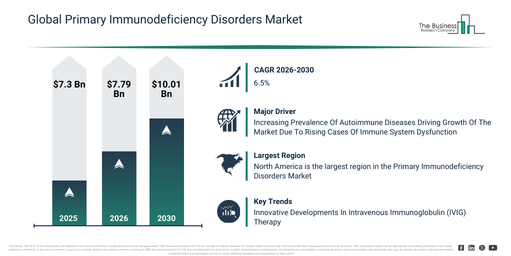
    The primary immunodeficiency disorders market size has experienced substantial expansion in recent years. It is projected to increase from $7.3 billion in 2025 to $7.79 billion in 2026, progressing at a compound annual growth rate (CAGR) of 6.8%. This historical growth can be ascribed to several factors, including enhanced clinical identification of immunodeficiency disorders, broadened diagnostic testing capabilities, greater awareness among healthcare professionals, the provision of immunoglobulin therapies, and the establishment of more specialized treatment centers.

    The market for primary immunodeficiency disorders is projected to experience substantial expansion in the coming years. This market is anticipated to reach a valuation of $10.01 billion by 2030, exhibiting a compound annual growth rate (CAGR) of 6.5%. Key drivers for this expansion during the forecast period include greater progress in gene therapy research, an escalating need for timely and precise diagnosis, the broadening availability of precision immunology treatments, increased funding for rare disease research, and the expanding incorporation of AI within diagnostic processes. Significant trends anticipated over the same period encompass the wider embrace of genetic testing for early detection, the increasing application of immunoglobulin replacement therapies, a heightened emphasis on individualized treatment strategies, the scaling up of newborn screening initiatives, and the improved integration of sophisticated diagnostic platforms.

    Access Your Free Sample Report for In-Depth Market Insights:

    https://www.thebusinessresearchcompany.com/sample.aspx?id=23483&type=smp

    What Drivers Are Guiding Growth Patterns In The Primary Immunodeficiency Disorders Market?

    The increasing occurrence of autoimmune conditions is anticipated to fuel the expansion of the primary immunodeficiency disorders market in the future. Autoimmune diseases manifest when the body’s immune system erroneously attacks its own healthy cells and tissues, perceiving them as threats. This aberrant reaction results in inflammation and damage across various organs and bodily systems. The surge in autoimmune diseases is linked to a complex combination of environmental factors, genetic predispositions, and shifts in lifestyle. These conditions can lead to primary immunodeficiency disorders by disrupting immune regulation and targeting immune cells, which weakens or impairs immune responses. For instance, in February 2024, according to Arthritis Australia, an Australia-based charitable not-for-profit organisation advocating for people with arthritis and musculoskeletal conditions, by 2025, approximately 562,378 Australians are living with rheumatoid arthritis (RA), accounting for 14% of the total arthritis population. Consequently, the growing prevalence of autoimmune diseases is driving the growth of the primary immunodeficiency disorders market.

    Which Segments Are Driving Activity In The Primary Immunodeficiency Disorders Market?

    The primary immunodeficiency disorders market covered in this report is segmented –

    1) By Disease: Antibody Deficiency, Cellular Immunodeficiency, Innate Immune Disorders, Other Diseases

    2) By Treatment: Immunoglobulin Replacement Therapy, Antibiotic Therapy, Stem Cell And Bone Marrow Transplantation, Gene Therapy, Other Treatments

    3) By Diagnostic Type: Genetic Testing, Blood Testing, Flow Cytometry, Other Diagnostic Types

    4) By End-User: Hospitals, Specialty Clinics, Homecare Settings, Research Institutions

    Subsegments:

    1) By Antibody Deficiency: Common Variable Immune Deficiency (CVID), IgA Deficiency, IgG Subclass Deficiency, Specific Antibody Deficiency

    2) By Cellular Immunodeficiency: Severe Combined Immunodeficiency (SCID), T-Cell Deficiency, DiGeorge Syndrome, Wiskott-Aldrich Syndrome

    3) By Innate Immune Disorders: Chronic Granulomatous Disease (CGD), Complement Deficiencies, Toll-like Receptor Deficiencies, Chediak-Higashi Syndrome

    4) By Other Diseases: Hyper IgM Syndrome, Hyper IgE Syndrome, Ataxia-Telangiectasia, Combined Immunodeficiencies With Syndromic Features

    Which Trends Are Shaping Activity Within The Primary Immunodeficiency Disorders Market?

    Leading companies in the primary immunodeficiency disorders market are concentrating on developing advanced treatments, such as intravenous immunoglobulin therapy, to improve patient outcomes by enhancing immune function. Intravenous immunoglobulin (IVIG) therapy is a medical procedure where immunoglobulin (antibodies) obtained from donor plasma is directly administered into a patient’s bloodstream via an IV. For example, in June 2024, Grifols, a Spain-based healthcare firm, gained FDA approval for Yimmugo, an intravenous immunoglobulin (IVIg) therapy. This new, sugar-free, ready-to-use IgG solution is derived from human blood plasma and designed for intravenous application. Approved in the U.S. for substitution therapy in individuals with primary antibody deficiency syndromes, Yimmugo delivers antibody replacement to assist those with immune system deficiencies. It expands Grifols’ range of plasma-based treatments by providing a safer and more effective choice to aid in protection against infections.

    Which Leading Companies Dominate The Primary Immunodeficiency Disorders Market Share?

    Major companies operating in the primary immunodeficiency disorders market are Pfizer Inc, Takeda Pharmaceuticals, CSL Behring, Baxter International Inc, Grifols SA, Octapharma, Kedrion Biopharma, LFB Group, ADMA Biologics Inc, Bio Products Laboratory Ltd, Miltenyi Biotec, BD Biosciences, Cellectis SA, X4 Pharmaceuticals Inc, bluebird bio Inc, Chengdu Rongsheng Pharmaceutical Co Ltd, Sanofi SA, Roche Holding AG, Novartis AG, AbbVie Inc, AstraZeneca plc, Gilead Sciences Inc

    Access The Complete Report For Deeper Market Insights:

    https://www.thebusinessresearchcompany.com/report/primary-immunodeficiency-disorders-global-market-report

    How Does The Primary Immunodeficiency Disorders Market Perform Across Major Global Regions?

    North America was the largest region in the primary immunodeficiency disorders market in 2025. Asia-Pacific is expected to be the fastest-growing region in the forecast period. The regions covered in the primary immunodeficiency disorders market report are Asia-Pacific, South East Asia, Western Europe, Eastern Europe, North America, South America, Middle East, Africa.

    Request Your Customized Primary Immunodeficiency Disorders Market Research Report for Competitive Advantage:

    https://www.thebusinessresearchcompany.com/customise?id=23483&type=smp

    Browse Through More Reports Similar to the Global Primary Immunodeficiency Disorders Market 2026, By The Business Research Company

    Immunodiagnostics Market Report 2026

    https://www.thebusinessresearchcompany.com/report/immunodiagnostics-global-market-report

    Immunoassay Market Report 2026

    https://www.thebusinessresearchcompany.com/report/immunoassay-global-market-report

    Acne Drugs Market Report 2026

    https://www.thebusinessresearchcompany.com/report/acne-drugs-global-market-report

    Get in touch with us:

    The Business Research Company: https://www.thebusinessresearchcompany.com/

    Americas +1 310-496-7795

    Asia +44 7882 955267 & +91 8897263534

    Europe +44 7882 955267

    Email us at info@tbrc.info

    Follow us on:

    LinkedIn: https://in.linkedin.com/company/the-business-research-company

    YouTube: https://www.youtube.com/channel/UC24_fI0rV8cR5DxlCpgmyFQ

    Global Market Model: https://www.thebusinessresearchcompany.com/global-market-model
  • Primary Health Care Service Market Growth Projection: Expected to Surpass $585.84 Billion by 2030 at 5% CAGR

    Primary Health Care Service Market Growth Projection: Expected to Surpass $585.84 Billion by 2030 at 5% CAGR

    Uncover key drivers, emerging technologies, and competitive movements shaping the primary health care service market from 2026–2035 with trusted insights from The Business Research Company

    Starting from its 2026 valuation, what market size is the Primary Health Care Service Market expected to reach by 2030?

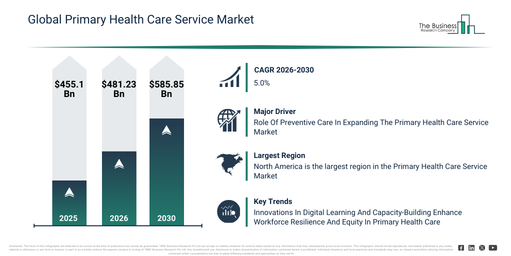
    The primary health care service market size has experienced robust expansion in recent years. It is anticipated to grow from $455.1 billion in 2025 to $481.23 billion in 2026, achieving a compound annual growth rate (CAGR) of 5.7%. The observed growth in the historical period can be largely attributed to the expansion of public health infrastructure, increasing access to basic healthcare services, growth in outpatient and clinic-based care, rising demand for preventive healthcare, and wider deployment of community health programs.

    The primary health care service market is projected to experience robust expansion over the coming years, with its size anticipated to reach $585.85 billion in 2030, exhibiting a compound annual growth rate (CAGR) of 5.0%. This growth during the forecast period can be attributed to heightened investments in digital primary care platforms, a surging demand for value-based care delivery, the expansion of home-based healthcare services, increasing integration of remote monitoring tools, and a growing emphasis on population health outcomes. Significant trends expected over this period include the broadening of integrated primary care networks, increased uptake of virtual care models, a heightened focus on preventive and community health services, improved coordination throughout the care continuum, and a more extensive utilization of digital health records.

    Access Your Free Sample Report for In-Depth Market Insights:

    https://www.thebusinessresearchcompany.com/sample.aspx?id=15904&type=smp

    What Drivers Are Driving Adoption Within The Primary Health Care Service Market?

    An increasing focus on preventive care is anticipated to drive the expansion of the primary health care service market in the future. This type of care includes medical services and actions designed to avert illness, identify health issues at an early stage, and foster comprehensive health and wellness. This growing emphasis on preventive measures within primary health care services signifies a conscious shift towards proactive health management, intended to decrease healthcare costs and improve long-term health outcomes. Such investment in preventive care within primary health care is crucial for cost reduction, better health results, and sustaining health systems over time. As an illustration, a March 2024 report from the Government of the United Kingdom, an information website based in the UK, indicated that in March 2023, the proportion of individuals in England with type 1 diabetes who received 8 care processes at GP practices involved in the NDA increased to 43.8%, an advance from 35.2% in the preceding year. Consequently, the heightened focus on preventive care is fueling the expansion of the primary health care service market.

    How Is The Primary Health Care Service Market Organized Into Various Segments?

    The primary health care service market covered in this report is segmented –

    1) By Service: Injury, Preventive Care, Chronic Conditions, Acute Conditions, Pre Or Post-Surgery

    2) By Mode Of Consultation: Virtual, Physical

    3) By Age Group: Infants, Pediatrics, Adults, Geriatrics

    4) By Provider: Hospitals, Clinics, Outpatient Department, Other Providers

    Subsegments:

    1) By Injury: Treatment Of Minor Injuries, Emergency Care Services

    2) By Rehabilitation: Physical Rehabilitation, Occupational Rehabilitation

    3) By Preventive Care: Health Screenings, Vaccination Services, Health Education And Counseling

    4) By Chronic Conditions: Diabetes Management, Hypertension Management, Asthma And Respiratory Disease Care

    5) By Acute Conditions: Short-Term Illnesses Treatment, Infections And Injuries, Immediate Care Services

    6) By Pre Or Post-Surgery: Pre-Surgical Consultation And Preparation, Post-Surgical Monitoring And Rehabilitation

    Which Trends Are Influencing The Development Of The Primary Health Care Service Market?

    Leading organizations within the primary health care service market are prioritizing the creation of advanced digital learning and skill-enhancement solutions to bolster workforce resilience, foster collaboration, and ensure equitable health service delivery. Digital capacity-building offers a scalable method to strengthen the expertise and capabilities of healthcare professionals across various regions by integrating online courses, workshops, and interactive communities. For instance, in August 2025, the Pan American Health Organization (PAHO), an international public health agency based in the US, unveiled the Primary Health Care Learning Pathway, alongside the virtual course “Introduction to PHC in the 21st Century: Principles and Implementation.” This course spans approximately 16 hours across five modules, addressing foundational and strategic dimensions of PHC with practical regional examples. It highlights people-centred care, community involvement, social determinants, and teamwork across sectors. Aimed at interprofessional teams, managers, and decision-makers, the learning path endeavors to deepen understanding of PHC as a transformative approach for developing more equitable and resilient health systems. Participants receive certification through PAHO’s Virtual Campus for Public Health upon successful completion of the evaluation and survey.

    Who Are The Major Companies Operating In The Primary Health Care Service Market?

    Major companies operating in the primary health care service market are UnitedHealth Group, CVS Health Corporation, Centene Corporation, Kaiser Permanente, Humana Inc, HCA Healthcare, Ascension Health, Providence Health And Services, Tenet Healthcare, Mayo Clinic, AdventHealth, Sutter Health, Intermountain Healthcare, Mount Sinai Health System, Cleveland Clinic Foundation, Dignity Health, Baylor Scott And White Health, Cedars Sinai Medical Center, Trinity Health Corporation, Massachusetts General Hospital, Apollo Hospitals Enterprise Limited, UCSF Health, Primary Health Care Corporation, Ramsay Health Care Limited

    Access The Complete Report For Deeper Market Insights:

    https://www.thebusinessresearchcompany.com/report/primary-health-care-service-global-market-report

    Which Region Is Anticipated To See The Fastest Growth In The Primary Health Care Service Market?

    North America was the largest region in the primary health care service market in 2025. The regions covered in the primary health care service market report are Asia-Pacific, South East Asia, Western Europe, Eastern Europe, North America, South America, Middle East, Africa.

    Request Your Customized Primary Health Care Service Market Research Report for Competitive Advantage:

    https://www.thebusinessresearchcompany.com/customise?id=15904&type=smp

    Browse Through More Reports Similar to the Global Primary Health Care Service Market 2026, By The Business Research Company

    Direct Primary Care Market Report 2026

    https://www.thebusinessresearchcompany.com/report/direct-primary-care-global-market-report

    Direct Primary Care Market Report 2026

    https://www.thebusinessresearchcompany.com/report/direct-primary-care-global-market-report

    Primary Care Physicians Market Report 2026

    https://www.thebusinessresearchcompany.com/report/primary-care-physicians-global-market-report

    Get in touch with us:

    The Business Research Company: https://www.thebusinessresearchcompany.com/

    Americas +1 310-496-7795

    Asia +44 7882 955267 & +91 8897263534

    Europe +44 7882 955267

    Email us at info@tbrc.info

    Follow us on:

    LinkedIn: https://in.linkedin.com/company/the-business-research-company

    YouTube: https://www.youtube.com/channel/UC24_fI0rV8cR5DxlCpgmyFQ

    Global Market Model: https://www.thebusinessresearchcompany.com/global-market-model
  • Primary Cells Market Forecast 2026–2035: How to Leverage Market Growth

    Primary Cells Market Forecast 2026–2035: How to Leverage Market Growth

    Uncover key drivers, emerging technologies, and competitive movements shaping the primary cells market from 2026–2035 with trusted insights from The Business Research Company

    Across 2026–2030, what is the expected market valuation path of the Primary Cells Market?

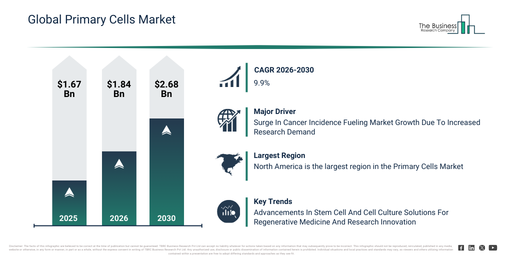
    The primary cells market has experienced rapid expansion in its size over recent years. This market is projected to expand from $1.67 billion in 2025 to $1.84 billion in 2026, demonstrating a compound annual growth rate (CAGR) of 10.2%. Historically, this growth can be attributed to several factors, including the expansion of biomedical research activities, the increased adoption of cell-based disease models, a rise in investment in cancer research, the development of virology and immunology studies, and the availability of sophisticated cell isolation techniques.

    The primary cells market is anticipated to show robust expansion in the upcoming years, with its size projected to reach $2.68 billion by 2030, exhibiting a compound annual growth rate (CAGR) of 9.9%. This expansion during the forecast period is fueled by several factors, including the increasing demand for precision medicine applications, the rising adoption of primary cells in drug discovery, the broadening of regenerative medicine research, the growing utilization of AI-driven cell analytics, and increased investment in advanced cell therapies. Significant trends influencing the market in this period involve the expanding use of primary cells in translational research, the increasing uptake of 3D cell culture models, a heightened demand for human-derived primary cells, the wider development of personalized cell-based assays, and a stronger focus on cell quality and traceability.

    Access Your Free Sample Report for In-Depth Market Insights:

    https://www.thebusinessresearchcompany.com/sample.aspx?id=14165&type=smp

    Which Drivers Are Supporting The Rise Of The Primary Cells Market?

    An increase in cancer occurrences is projected to drive the expansion of the primary cells market moving ahead. This condition, known as cancer, involves specific bodily cells multiplying without regulation, migrating to different areas, and interfering with typical physiological processes. The escalation in cancer incidents stems from increased life expectancy, resulting in a greater number of individuals attaining ages at which cancer naturally occurs more frequently, thus contributing to a heightened overall prevalence within the population. Primary cells offer assistance in managing cancer cases by supplying biologically precise cell models, which enable researchers to examine tumor characteristics and evaluate prospective therapies with enhanced reliability. As an illustration, the World Health Organization, an international health body situated in Switzerland, reported in February 2024 that forecasts suggest more than 35 million new cancer cases by 2050, representing a 77% surge from the approximate 20 million cases in 2022. Regarding the total impact, high HDI countries are anticipated to observe the largest absolute rise in incidence, with an additional 4.8 million new cases projected in 2050 when contrasted with the 2022 estimations. Consequently, the increasing number of cancer cases is anticipated to stimulate the expansion of the primary cell market.

    What Segments Are Identified Within The Structure Of The Primary Cells Market?

    The primary cells market covered in this report is segmented –

    1) By Type: Hematopoietic Cells, Dermatophytes, Gastrointestinal Cells, Hepatocytes, Lung Cells, Renal Cells, Heart Cells, Musculoskeletal Cells, Other Primary Cells

    2) By Origin: Human Primary Cells, Animal Primary Cells

    3) By End User: Pharmaceuticals, Biotechnology Companies, Contract Research Organizations (CRO), Academic And Research Institutes, Other End Users

    Subsegments:

    1) By Hematopoietic Cells: Bone Marrow-Derived Cells, Peripheral Blood-Derived Cells

    2) By Dermatophytes: Keratinocytes, Fibroblasts

    3) By Gastrointestinal Cells: Enterocytes, Goblet Cells, Paneth Cells

    4) By Hepatocytes: Liver Parenchymal Cells, Hepatic Stellate Cells

    5) By Lung Cells: Alveolar Epithelial Cells, Bronchial Epithelial Cells

    6) By Renal Cells: Proximal Tubular Cells, Glomerular Cells

    7) By Heart Cells: Cardiomyocytes, Cardiac Fibroblasts

    8) By Musculoskeletal Cells: Myoblasts, Chondrocytes

    9) By Other Primary Cells: Endothelial Cells, Adipocytes

    What Trends Are Expected To Impact The Competitive Landscape Of The Primary Cells Market?

    Key companies active in the primary cell market are prioritizing enhancements in cell products, such as cell culture and stem cell offerings, to strengthen research applications and therapeutic breakthroughs. A novel serum-free medium refers to a culture or growth medium employed in cell culture or tissue culture that does not incorporate serum, specifically fetal bovine serum (FBS) or other animal-derived sera. For illustration, in July 2024, Bioserve Biotechnologies (India) Private Ltd., an India-based provider of biotechnology and life sciences solutions, launched advanced stem cell products in India. These new products from REPROCELL are designed to stimulate innovation in scientific research and drug development, thereby supporting progress in regenerative medicine and therapeutic discovery within the Indian region.

    Which Major Firms Are Strengthening Their Position In The Primary Cells Market?

    Major companies operating in the primary cells market are Thermo Fisher Scientific Inc, Merck KGaA, BD Biosciences, Corning Incorporated, Cytiva, Lonza Group Ltd, Charles River Laboratories Inc, STEMCELL Technologies Inc, American Type Culture Collection, BioIVT, InvivoGen, HemaCare Corporation, Creative Bioarray Inc, PromoCell GmbH, CellGenix, AllCells LLC, Axol Bioscience Ltd, AnaBios Corporation, ReachBio Research Labs, PELOBIOTECH GmbH, Cell Biologics Inc, ZenBio Inc, StemBioSys Inc, MatTek Corporation

    Access The Complete Report For Deeper Market Insights:

    https://www.thebusinessresearchcompany.com/report/primary-cells-global-market-report

    Which Region Is Anticipated To See The Fastest Growth In The Primary Cells Market?

    North America was the largest region in the primary cells market in 2025. The regions covered in the primary cells market report are Asia-Pacific, South East Asia, Western Europe, Eastern Europe, North America, South America, Middle East, Africa.

    Request Your Customized Primary Cells Market Research Report for Competitive Advantage:

    https://www.thebusinessresearchcompany.com/customise?id=14165&type=smp

    Browse Through More Reports Similar to the Global Primary Cells Market 2026, By The Business Research Company

    Cell Cultures Market Report 2026

    https://www.thebusinessresearchcompany.com/report/cell-cultures-global-market-report

    Primary Cell Culture Market Report 2026

    https://www.thebusinessresearchcompany.com/report/primary-cell-culture-global-market-report

    Competent Cells Market Report 2026

    https://www.thebusinessresearchcompany.com/report/competent-cells-global-market-report

    Get in touch with us:

    The Business Research Company: https://www.thebusinessresearchcompany.com/

    Americas +1 310-496-7795

    Asia +44 7882 955267 & +91 8897263534

    Europe +44 7882 955267

    Email us at info@tbrc.info

    Follow us on:

    LinkedIn: https://in.linkedin.com/company/the-business-research-company

    YouTube: https://www.youtube.com/channel/UC24_fI0rV8cR5DxlCpgmyFQ

    Global Market Model: https://www.thebusinessresearchcompany.com/global-market-model