Category: HealthcareServices

  • Zygomatic And Pterygoid Implants Market Outlook 2025: Mapping Growth, Innovation, and Regional Shifts

    Zygomatic And Pterygoid Implants Market Outlook 2025: Mapping Growth, Innovation, and Regional Shifts

    Stay ahead with our updated market reports featuring the latest on tariffs, trade flows, and supply chain transformations.

    How Has The Zygomatic And Pterygoid Implants Market Growth Evolved From 2024 To 2025, And What’s Ahead?

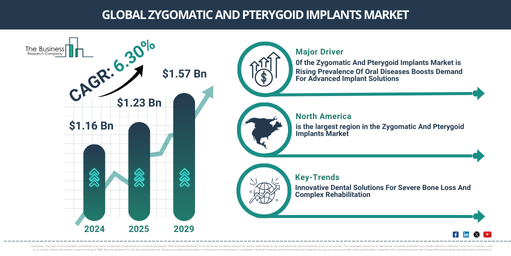
    The size of the zygomatic and pterygoid implants market has witnessed significant growth in recent years. The market is projected to expand from a value of $1.16 billion in 2024 to $1.23 billion in 2025, growing at a compound annual growth rate (CAGR) of 6.5%. Factors contributing to this historical growth include improved patient results, an increased need for advanced dental solutions, a growing elderly population, heightened awareness of oral health, and the rising adoption of novel dental treatments.

    In the coming years, a robust growth is anticipated in the zygomatic and pterygoid implants market, which is predicted to expand to $1.57 billion by 2029 with a compound annual growth rate (CAGR) of 6.3%. The growth during this forecast period can be attributed to the increase in dental healthcare facilities, rise in dental tourism, escalation in disposable income, better diagnostic capabilities, and improved patient education. Some key trends projected for this duration include progress in implant technology, emergence of minimally invasive procedures, technological advancements, collaboration with 3D printing technology, and ground-breaking technological progress.

    Download a free sample to assess the report’s scope and structure:

    https://www.thebusinessresearchcompany.com/sample.aspx?id=21010&type=smp

    What External and Internal Drivers Are Contributing to the Growth of the Zygomatic And Pterygoid Implants Market?

    The escalating incidence of conditions affecting oral health is anticipated to fuel the expansion of the zygomatic and pterygoid implants market. These oral conditions encompass a wide array, including cavities, gum ailments, oral infections, and oral cancer, often attributable to subpar hygiene practices, diet, or pre-existing health complications. The surge in these diseases can be attributed to poor oral hygiene, diets rich in sugar, inadequate availability of dental healthcare, alongside escalating usage of tobacco and alcohol. Zygomatic and pterygoid implants serve as effective tools to tackle oral diseases by offering sturdy support for dental prostheses in patients dealing with severe bone erosion, enhancing overall oral well-being, and restoring function where traditional implants are not applicable. For example, the World Health Organization, an intergovernmental organization from Switzerland, stated in November 2024 that around 3.5 billion individuals across the globe were suffering from oral diseases in 2022, with 75% inhabiting middle-income countries. Approximately 2 billion individuals have dental caries in their permanent teeth while caries in primary teeth affect 514 million children. Hence, the escalating occurrence of oral diseases is driving the growth of the zygomatic and pterygoid implants market.

    What Segment Types Define the Zygomatic And Pterygoid Implants Market Structure?

    The zygomatic and pterygoid implants market covered in this report is segmented –

    1) By Type: Zygomatic Implants, Pterygoid Implants, Combined Implants

    2) By Product Length: Up To 30 Mm, 30–50 Mm, Above 50 Mm

    3) By Application: Maxillary Sinuses, Severe Atrophy Of Maxillary Bone, Other Applications

    4) By End User: Dental Clinics, Hospital Dental Departments, Research Institutions

    Subsegments:

    1) By Zygomatic Implants: Single Zygomatic Implants, Multiple Zygomatic Implants

    2) By Pterygoid Implants: Single Pterygoid Implants, Multiple Pterygoid Implants

    3) By Combined Implants: Zygomatic And Pterygoid Combined Implants, Hybrid Zygomatic And Pterygoid Implant Systems

    Request customized data on this market:

    https://www.thebusinessresearchcompany.com/customise?id=21010&type=smp

    Which Geographic Areas Hold the Strongest Growth Potential in the Zygomatic And Pterygoid Implants Market?

    North America was the largest region in the zygomatic and pterygoid implants market in 2024. Asia-Pacific is expected to be the fastest-growing region in the forecast period. The regions covered in the zygomatic and pterygoid implants market report are Asia-Pacific, Western Europe, Eastern Europe, North America, South America, Middle East, Africa.

    What Long-Term Trends Are Transforming the Competitive Landscape of the Zygomatic And Pterygoid Implants Market?

    Leading businesses within the zygomatic and pterygoid implants market are prioritizing the development of novel solutions such as metal-free implants. This move aims to accommodate patients who are allergic to metals, improve biocompatibility, and enhance the long-term results of treatments. Metal-free implants are medical devices constructed entirely from non-metal materials like ceramics or polymers. These materials are selected for their biocompatibility and their ability to reduce the risk of metal-related allergenic reactions, corrosion, or disruption of medical imaging processes like MRIs. For example, Pure Dental Health, an esteemed dental practice in the United States, introduced its sophisticated All-on-X dental implant system, with zygomatic and pterygoid implants, in December 2024. This system addresses serious bone loss and complicated dental conditions, providing patients with secure, natural-appearing smiles. As a result, patients can regain functionalities and confidence, regardless of the complexity of their dental issues.

    View the full report here:

    https://www.thebusinessresearchcompany.com/report/zygomatic-and-pterygoid-implants-global-market-report

    What Is the Definition of the Zygomatic And Pterygoid Implants Market?

    Zygomatic and pterygoid implants refer to specialized dental implants that are anchored in the zygomatic bone (cheekbone) and pterygoid bone (near the back of the upper jaw), respectively. They are used for patients with severe bone loss in the upper jaw, providing stable support for dental prostheses when traditional implants are not feasible.

    Purchase the full report and get a swift delivery:

    https://www.thebusinessresearchcompany.com/purchaseoptions.aspx?id=21010

    About The Business Research Company:

    With over 15000+ reports from 27 industries covering 60+ geographies, The Business Research Company has built a reputation for offering comprehensive, data-rich research and insights. Armed with 1,500,000 datasets, the optimistic contribution of in-depth secondary research, and unique insights from industry leaders, you can get the information you need to stay ahead in the game.

    Get in touch with us:

    The Business Research Company: https://www.thebusinessresearchcompany.com/

    Americas +1 3156230293

    Asia +44 2071930708

    Europe +44 2071930708

    Email us at info@tbrc.info

    Follow us on:

    LinkedIn: https://in.linkedin.com/company/the-business-research-company

    YouTube: https://www.youtube.com/channel/UC24_fI0rV8cR5DxlCpgmyFQ

    Global Market Model: https://www.thebusinessresearchcompany.com/global-market-model
  • Major Trends and Emerging Patterns in the Prothrombin Complex Concentrate Market: Development Of Innovative Formulations In The Market

    Get 30% off on our Global Market Reports with code ONLINE30 – Hurry, limited time offer!

    What Is the Estimated Market Size of the Prothrombin Complex Concentrate Market In 2029?

    In recent times, the market for prothrombin complex concentrate has seen substantial growth. It is projected to increase from a worth of $1.29 billion in 2024 to $1.39 billion in 2025, with a compound annual growth rate (CAGR) of 7.8%. This historical growth trend can be linked to a surge in bleeding disorders incidence, heightened usage for warfarin reversal, increased recognition of coagulation treatments, a rise in the number of surgical procedures, and an uptick in trauma cases.

    Significant expansion is forecasted in the prothrombin complex concentrate market in the upcoming years, with its value predicted to rise to $1.86 billion by 2029, exhibiting a compound annual growth rate of 7.6%. The predicted growth during this period is primarily attributed to the escalating demand for rapid coagulation therapies, an increased occurrence of hemophilia and liver-related ailments, the widening use in emergency medical situations, the broadening applications in cardiovascular surgeries, and the growth in health care expenses. Key trends to watch during this forecast period encompass the incorporation of AI-led diagnostics, advancements in the development of recombinant coagulation factors, next-gen recombinant pccs, personalized dosing algorithms, and improvements in the realm of blood plasma products.

    Download a free sample to assess the report’s scope and structure:

    https://www.thebusinessresearchcompany.com/sample.aspx?id=23488&type=smp

    What Are the Primary Drivers Supporting the Market Growth of the Prothrombin Complex Concentrate Market?

    The escalating occurrence of blood clotting disorders is predicted to catalyze the expansion of the prothrombin complex concentrate market in the future. These disorders are health conditions in which blood fails to clot as it should, resulting in excessive bleeding due to defective or depleted clotting factors or platelets. Hemophilia, liver diseases, increased use of anticoagulant drugs, and Vitamin K deficiencies are some of the major contributors to the surge in such disorders. Prothrombin complex concentrate assists in controlling these disorders by promptly replenishing clotting factors which play a crucial role in ensuring efficient blood clotting and hemostasis. As per the information released in November 2023 by the National Library of Medicine, a medical library based in the U.S, a study in 2022 involving 10,276 patients suffering from hemophilia was conducted at 87 treatment centers in 40 countries. Nearly half (49%) of these patients suffered from severe hemophilia, a vast majority (99%) were men, and 85% were diagnosed with Hemophilia A. 67% of these patients were from countries with low to middle-income levels. Therefore, the rise in blood clotting disorders is accelerating the growth of the prothrombin complex concentrate market. Due to the rising instances of cardiovascular diseases, the prescription rate of anticoagulants has surged, promoting market growth. Anticoagulants are substances designed to prevent or minimize blood clot formation by disrupting coagulation factors or platelet aggregation. The heightened prescription of these substances is due to factors like increased cardiovascular diseases, aging population, growing clinical indications, enhanced screening methods, and progression in anticoagulant treatment. Prothrombin complex concentrate mitigates the effects of anticoagulants by promptly replenishing clotting factors and reinstating hemostasis in patients with excessive bleeding or those undergoing urgent surgical procedures. For example, as per the National Health Service, UK, in 2022 close to 460,000 people began taking anticoagulant medications and more than 24 million prescriptions were given out to patients. Consequently, an estimated 17,000 strokes and 4,000 deaths were prevented. This increased prescription rate of anticoagulants is thus propelling the prothrombin complex concentrate market.

    Which Primary Segments of the Prothrombin Complex Concentrate Market Are Driving Growth and Industry Transformations?

    The prothrombin complex concentrate market covered in this report is segmented –

    1) By Product: 3-Factor Prothrombin Complex Concentrates, 4-Factor Prothrombin Complex Concentrates, Other Products

    2) By Indication: Haemorrhagic Episodes In Factor IX Deficiency (Haemophilia B), Trauma, Life-Threatening Coagulopathy With Acute Bleeding, Warfarin-Associated Acute, Life-Threatening Bleeding, Non-Warfarin Anticoagulant Reversal With Acute Bleeding

    3) By Route Of Administration: Intravenous, Subcutaneous, Intramuscular

    4) By End-Use: Hospital And Ambulatory Surgical Centers, Specialty Clinics, Other End Users

    Subsegments:

    1) By Type: Low-Dose 3-Factor Prothrombin Complex Concentrates (PCC), High-Dose 3-Factor Prothrombin Complex Concentrates (PCC), Lyophilized 3-Factor Prothrombin Complex Concentrates (PCC)

    2) By Type: Low-Dose 4-Factor Prothrombin Complex Concentrates (PCC), High-Dose 4-Factor Prothrombin Complex Concentrates (PCC), Activated 4-Factor Prothrombin Complex Concentrates (PCC)

    3) By Type: Recombinant Coagulation Factor Complexes, Plasma-Derived Coagulation Factor Complexes, Combination Therapy Products

    Request customized data on this market:

    https://www.thebusinessresearchcompany.com/customise?id=23488&type=smp

    Which Regions Are Key Players in the Growth of the Prothrombin Complex Concentrate Market?

    North America was the largest region in the prothrombin complex concentrate market in 2024. The regions covered in the prothrombin complex concentrate market report are Asia-Pacific, Western Europe, Eastern Europe, North America, South America, Middle East, Africa.

    What Are the Most Significant Market Trends in the Prothrombin Complex Concentrate Market?

    Leading players in the prothrombin complex concentrate market are pioneering new formulations such as lyophilized powders which bolster stability, augment storage, and ensure easier administration. The lyophilized powder is a freeze-dried formulation that extracts water to extend shelf life and preserve potency, enabling improved storage conditions and swift reconstitution in emergencies. For example, Octapharma USA Inc., an American biotech company, secured FDA’s nod for their four-factor prothrombin complex concentrate (4F-PCC), Balfaxar in July 2023, for immediate warfarin reversal during surgeries and invasive procedures. This approval was granted based on the findings of the LEX-209 trial, which demonstrated a 94.6% hemostatic efficacy, matching the effectiveness of Kcentra. This development highlights the sector’s commitment toward enhancing clotting therapies for improved patient outcomes in critical healthcare environments.

    View the full report here:

    https://www.thebusinessresearchcompany.com/report/prothrombin-complex-concentrate-global-market-report

    What Parameters Are Used to Define the Prothrombin Complex Concentrate Market?

    Prothrombin complex concentrate (PCC) is a medication containing clotting factors used to treat or prevent bleeding in patients with coagulation disorders. It is administered intravenously to rapidly restore clotting factor levels in conditions such as hemophilia, warfarin reversal, and severe bleeding episodes.

    Purchase the full report and get a swift delivery:

    https://www.thebusinessresearchcompany.com/purchaseoptions.aspx?id=23488

    About The Business Research Company:

    With over 15000+ reports from 27 industries covering 60+ geographies, The Business Research Company has built a reputation for offering comprehensive, data-rich research and insights. Armed with 1,500,000 datasets, the optimistic contribution of in-depth secondary research, and unique insights from industry leaders, you can get the information you need to stay ahead in the game.

    Get in touch with us:

    The Business Research Company: https://www.thebusinessresearchcompany.com/

    Americas +1 3156230293

    Asia +44 2071930708

    Europe +44 2071930708

    Email us at info@tbrc.info

    Follow us on:

    LinkedIn: https://in.linkedin.com/company/the-business-research-company

    YouTube: https://www.youtube.com/channel/UC24_fI0rV8cR5DxlCpgmyFQ

    Global Market Model: https://www.thebusinessresearchcompany.com/global-market-model
  • Key Developments and Trends Steering the Proteus Syndrome Market Forward: Advancing Proteus Syndrome Treatment With Innovative PI3K-α Inhibitors

    Get 30% off on our Global Market Reports with code ONLINE30 – Hurry, limited time offer!

    How Fast Is The Proteus Syndrome Market Expected to Grow Between 2025 And 2029?

    In recent times, the market size of Proteus Syndrome has seen a robust growth. It is projected to escalate from $1.30 billion in 2024 to $1.37 billion in 2025 with a Compound Annual Growth Rate (CAGR) of 5.2%. The significant growth during the historic period can be accredited to the upsurge in diagnoses, advancement in genetic research, the expansion of precision medicine, heightened governmental initiatives, and an increased demand for genetic testing.

    In the coming years, the market size for proteus syndrome is projected to experience robust growth, set to reach $1.66 billion by 2029 at a compound annual growth rate (CAGR) of 5.0%. The anticipated growth within this period can be associated with the expansion of personalized medicine, increased utilization of biomarkers, the burgeoning use of telemedicine, increased awareness of rare diseases, and the growing incidence of proteus syndrome. Key trends expected to shape the forecast period include technological evolution, new developments in gene therapy, the adoption of AI in diagnostics, implementation of big data analytics, and the tailoring of drug development.

    Download a free sample to assess the report’s scope and structure:

    https://www.thebusinessresearchcompany.com/sample.aspx?id=23487&type=smp

    How Are Key Drivers in the Industry Acting as Catalysts for the Growth of the Proteus Syndrome Market?

    The proteus syndrome market is projected to witness growth due to the rising occurrences of genetic mutations. Genetic mutations are a permanent shift in DNA sequences, which may result in certain diseases or characteristics, and their increase can be attributed primarily to environmental exposure to such mutagens as radiation, pollutants, and chemicals. These mutagens can damage DNA and lead to genetic changes. Proteus syndrome helps with understanding these mutations by showing how an AKT1 gene mutation can initiate abnormal cell growth, providing understanding of mosaicism and disease progression. It is pertinent to note that the UK Health Security Agency reported 763 XE sequences and 637 cases in the UK in March 2022 as the spread of XE mutations and an increase in cases were noticed throughout England. Consequently, the increased occurrences of these genetic mutations are propelling the proteus syndrome market. The proteus syndrome market is also anticipated to be stimulated by an increase in research funding, which denotes financial aid given by institutions, organisations, or governments for the advancement of innovation and technological breakthroughs. The growth in such funding can be linked to the requirement for a better grasp of genetic causes, enhancement of diagnostic methods, and creation of focused treatments. With its requirement for sophisticated genetic and therapeutic studies, Proteus syndrome lures research funding, thereby leading to considerable investments from government agencies, medical establishments, and organisations dealing with rare diseases. According to data from the BioIndustry Association, the UK’s life sciences and biotechnology sector procured its most significant investment quarter since the pandemic in August 2024, raising $2.55 billion in the first half of the year, surpassing the $2.32 billion raised in 2023. Consequently, the surge in research funding is fuelling the expansion of the proteus syndrome market.

    Which Segments in the Proteus Syndrome Offer the Most Growth?

    The proteus syndrome market covered in this report is segmented –

    1) By Product Type: Tablets, Capsules, Injectables, Other Product Types

    2) By Route of Administration: Oral, Parenteral, Other Route Of Administration

    3) By Distribution Channel: Online, Offline

    4) By End User: Hospital Pharmacy, Retail Pharmacy, Specialty Clinics

    Subsegments:

    1) By Tablets: Immediate-Release Tablets, Extended-Release Tablets, Effervescent Tablets

    2) By Capsules: Hard Gelatin Capsules, Soft Gelatin Capsules, Delayed-Release Capsules

    3) By Injectables: Intravenous (IV) Injectables, Intramuscular (IM) Injectables, Subcutaneous (SC) Injectables

    4) By Other Product Types: Topical Creams, Transdermal Patches, Liquid Suspensions

    Request customized data on this market:

    https://www.thebusinessresearchcompany.com/customise?id=23487&type=smp

    What Are the Fastest-Growing Geographies in the Proteus Syndrome Market?

    North America was the largest region in the proteus syndrome market in 2024 and it is expected to be the fastest-growing region in the forecast period. The regions covered in the proteus syndrome market report are Asia-Pacific, Western Europe, Eastern Europe, North America, South America, Middle East, Africa.

    What Are the Current Market Growth and Trends in the Proteus Syndrome Industry?

    Leading firms in the proteus syndrome market are concentrating their efforts on conducting clinical trials with a goal to create novel products such as PI3K-α inhibitors that intensify treatment effectiveness and broaden therapeutic choices. These inhibitors are medicines that target the PI3K-alpha enzyme, a regulator of cell growth and division. They aid in controlling proteus syndrome by curbing the unusual growth of tissue triggered by abnormalities in the PIK3CA gene, which induces excessive activation of the PI3K/AKT pathway. In a development in November 2024, Risen (Suzhou) Pharma Technology Co., Ltd., a pharmaceutical corporation based in China, declared that its collaborative venture had achieved implicit approval for two clinical trials of its Class 1 fresh drug, RP903 tablets, under authorization numbers CXHL2400566 and CXHL2400565. RP903 is a PI3K-α inhibitor made to target PIK3CA gene mutations tied to proteus syndrome (PROS). This significant step underscores the firm’s dedication to promoting cutting edge treatments for uncommon diseases and extending therapeutic alternatives for PROS victims.

    View the full report here:

    https://www.thebusinessresearchcompany.com/report/proteus-syndrome-global-market-report

    What Are the Key Elements That Define the Proteus Syndrome Market?

    Proteus syndrome is a rare genetic disorder characterized by abnormal and asymmetrical overgrowth of bones, skin, and other tissues. It results from a mutation in the AKT1 gene, which causes uncontrolled cell growth in certain body parts. The condition leads to a highly variable appearance, with individuals experiencing disproportionate tissue development. Proteus syndrome is a progressive disorder, meaning symptoms become more pronounced over time, often affecting the skeleton, skin, and connective tissues.

    Purchase the full report and get a swift delivery:

    https://www.thebusinessresearchcompany.com/purchaseoptions.aspx?id=23487

    About The Business Research Company:

    With over 15000+ reports from 27 industries covering 60+ geographies, The Business Research Company has built a reputation for offering comprehensive, data-rich research and insights. Armed with 1,500,000 datasets, the optimistic contribution of in-depth secondary research, and unique insights from industry leaders, you can get the information you need to stay ahead in the game.

    Get in touch with us:

    The Business Research Company: https://www.thebusinessresearchcompany.com/

    Americas +1 3156230293

    Asia +44 2071930708

    Europe +44 2071930708

    Email us at info@tbrc.info

    Follow us on:

    LinkedIn: https://in.linkedin.com/company/the-business-research-company

    YouTube: https://www.youtube.com/channel/UC24_fI0rV8cR5DxlCpgmyFQ

    Global Market Model: https://www.thebusinessresearchcompany.com/global-market-model
  • Primary Immunodeficiency Disorders Market 2025-2034: Key Highlights, Growth Dynamics, and Emerging Trends

    Primary Immunodeficiency Disorders Market 2025-2034: Key Highlights, Growth Dynamics, and Emerging Trends

    Get 30% off on our Global Market Reports with code ONLINE30 – Hurry, limited time offer!

    What Is the Current and Projected Market Size of the Primary Immunodeficiency Disorders Market Through 2034?

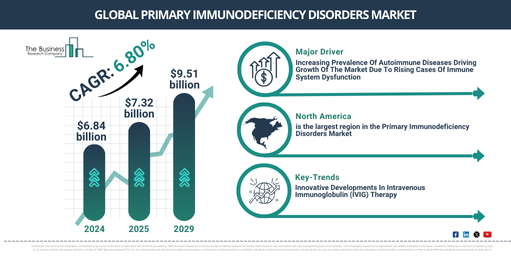
    The market size for primary immunodeficiency disorders has seen robust growth in the past few years. The market is expected to expand from $6.84 billion in 2024 to $7.32 billion in 2025, showcasing a compound annual growth rate (CAGR) of 7.0%. Factors that contribute to this historical growth include a rising number of primary immunodeficiency disorder cases, heightened awareness amongst healthcare workers, increased demand for efficacious treatments, a boost in research funding, and an intensified focus on child healthcare.

    The market for primary immunodeficiency disorders is forecasted to witness substantial expansion in the coming years. By 2029, the market is anticipated to reach $9.51 billion, thanks to a compound annual growth rate (CAGR) of 6.8%. The predicted growth during the forecast period is due to factors such as the increasing use of subcutaneous therapies, enhanced healthcare accessibility, solid research and development activities, rising demand for effective treatments and the escalating need for immunoglobulin replacement therapy. Key trends anticipated during the forecast period revolve around improvements in biotechnology, innovative gene and biologic therapies, progress in genetic testing and personalized medicine, as well as advancements in gene therapy and genetic tests.

    Download a free sample to assess the report’s scope and structure:

    https://www.thebusinessresearchcompany.com/sample.aspx?id=23483&type=smp

    Which Primay Drivers Are Accelerating Growth in the Primary Immunodeficiency Disorders Market?

    The accelerating incidence rate of autoimmune diseases is anticipated to boost the expansion of the primary immunodeficiency disorders market in the future. When the immune system mistakenly identifies the body’s healthy cells and tissues as foreign invaders, autoimmune diseases arise. This improper reaction induces inflammation and harm to various organs and systems. The escalation in autoimmune diseases stems from a complicated interaction of environmental factors, genetic susceptibility, and lifestyle shifts. Autoimmune diseases may lead to primary immunodeficiency disorders by disrupting immune regulation and targeting immune cells, which results in weakened or malfunctioning immune responses. For example, as per the Versorgungsatlas.de, an interactive online platform based in Germany, out of 73,241,305 insured persons in 2022, 6,304,340 were diagnosed with at least one autoimmune disease in November 2024, indicating a raw prevalence rate of 8.61%. Hence, the expanding incidence of autoimmune diseases is facilitating the growth of the primary immunodeficiency disorders market.

    Which Primary Segments of the Primary Immunodeficiency Disorders Market Are Driving Growth and Industry Transformations?

    The primary immunodeficiency disorders market covered in this report is segmented –

    1) By Disease: Antibody Deficiency, Cellular Immunodeficiency, Innate Immune Disorders, Other Diseases

    2) By Treatment: Immunoglobulin Replacement Therapy, Antibiotic Therapy, Stem Cell And Bone Marrow Transplantation, Gene Therapy, Other Treatments

    3) By Diagnostic Type: Genetic Testing, Blood Testing, Flow Cytometry, Other Diagnostic Types

    4) By End-User: Hospitals, Specialty Clinics, Homecare Settings, Research Institutions

    Subsegments:

    1) By Antibody Deficiency: Common Variable Immune Deficiency (CVID), IgA Deficiency, IgG Subclass Deficiency, Specific Antibody Deficiency

    2) By Cellular Immunodeficiency: Severe Combined Immunodeficiency (SCID), T-Cell Deficiency, DiGeorge Syndrome, Wiskott-Aldrich Syndrome

    3) By Innate Immune Disorders: Chronic Granulomatous Disease (CGD), Complement Deficiencies, Toll-like Receptor Deficiencies, Chediak-Higashi Syndrome

    4) By Other Diseases: Hyper IgM Syndrome, Hyper IgE Syndrome, Ataxia-Telangiectasia, Combined Immunodeficiencies With Syndromic Features

    Request customized data on this market:

    https://www.thebusinessresearchcompany.com/customise?id=23483&type=smp

    Which Regions Are Key Players in the Growth of the Primary Immunodeficiency Disorders Market?

    North America was the largest region in the primary immunodeficiency disorders market in 2024. Asia-Pacific is expected to be the fastest-growing region in the forecast period. The regions covered in the primary immunodeficiency disorders market report are Asia-Pacific, Western Europe, Eastern Europe, North America, South America, Middle East, Africa.

    Which Technological Trends Are Reshaping the Primary Immunodeficiency Disorders Industry Dynamics?

    Dominant players in the primary immunodeficiency disorders market are busy elaborating on more advanced treatments, such as intravenous immunoglobulin therapy. This therapy aims at boosting patient outcomes by optimizing immune function. Intravenous immunoglobulin (IVIG) therapy is a process that directly delivers antibodies, obtained from donor plasma, into the patient’s bloodstream through an IV. For instance, Grifols, a healthcare company based in Spain, was given the green light by the FDA for Yimmugo, an intravenous immunoglobulin (IVIg) therapy, in June 2024. The recently developed, sugar-free, ready-for-use IgG solution, which is extracted from human blood plasma, is meant for intravenous use. Approved in America for substitution treatment in patients suffering from primary antibody deficiency syndromes, Yimmugo offers the replacement of antibodies to help those with immune system deficiencies. This enhances Grifols’ range of plasma-derived treatments by providing a safer and more potent solution to guard against infections.

    View the full report here:

    https://www.thebusinessresearchcompany.com/report/primary-immunodeficiency-disorders-global-market-report

    What Parameters Are Used to Define the Primary Immunodeficiency Disorders Market?

    Primary immunodeficiency disorders (PIDs) are inherited conditions that weaken or impair the immune system, increasing vulnerability to infections, autoimmune diseases, and certain cancers. Identifying and diagnosing primary immunodeficiency disorders early is crucial for timely treatment, infection prevention, and enhancing patient well-being through therapies such as immunoglobulin replacement or bone marrow transplants.

    Purchase the full report and get a swift delivery:

    https://www.thebusinessresearchcompany.com/purchaseoptions.aspx?id=23483

    About The Business Research Company:

    With over 15000+ reports from 27 industries covering 60+ geographies, The Business Research Company has built a reputation for offering comprehensive, data-rich research and insights. Armed with 1,500,000 datasets, the optimistic contribution of in-depth secondary research, and unique insights from industry leaders, you can get the information you need to stay ahead in the game.

    Get in touch with us:

    The Business Research Company: https://www.thebusinessresearchcompany.com/

    Americas +1 3156230293

    Asia +44 2071930708

    Europe +44 2071930708

    Email us at info@tbrc.info

    Follow us on:

    LinkedIn: https://in.linkedin.com/company/the-business-research-company

    YouTube: https://www.youtube.com/channel/UC24_fI0rV8cR5DxlCpgmyFQ

    Global Market Model: https://www.thebusinessresearchcompany.com/global-market-model

  • Veterinary Diagnostic Imaging Market Outlook 2025–2034: Identifying Growth Drivers, Technology Trends, and Policy Impact

    Veterinary Diagnostic Imaging Market Outlook 2025–2034: Identifying Growth Drivers, Technology Trends, and Policy Impact

    Stay ahead with our updated market reports featuring the latest on tariffs, trade flows, and supply chain transformations.

    How Has The Veterinary Diagnostic Imaging Market Growth Evolved From 2024 To 2025, And What’s Ahead?

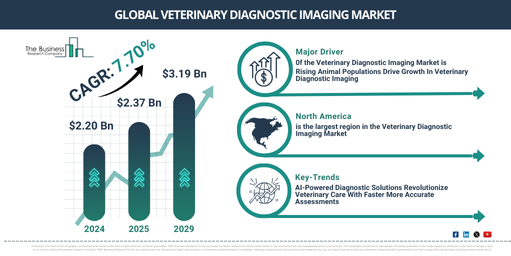
    In recent years, the veterinary diagnostic imaging market has experienced robust growth. It is projected to expand from $2.20 billion in 2024 to $2.37 billion in 2025, with a compound annual growth rate (CAGR) of 8.0%. The historic growth in this market can be linked to a surge in pet ownership, heightened awareness about animal healthcare, a growing demand for pet insurance, a heightened focus on preventive healthcare, and an increase in veterinary practices.

    In the upcoming years, the veterinary diagnostic imaging market is projected to experience substantial growth, expanding to $3.19 billion by 2029 at a 7.7% compound annual growth rate (CAGR). The growth projections can be linked to factors such as an expanding animal population, heightened concern for animal wellbeing, increased use of telemedicine in veterinary services, growth in livestock production, and a higher demand for superior diagnostic precision. The forecast period will see major trends including advancements in diagnostic technologies, swift technological evolutions in imaging equipment, the emergence of artificial intelligence AI in veterinary diagnostics, integration of machine learning in diagnostic instruments, and progressive developments in magnetic resonance imaging (MRI) systems.

    Download a free sample to assess the report’s scope and structure:

    https://www.thebusinessresearchcompany.com/sample.aspx?id=20999&type=smp

    What Are the Core Market Drivers Propelling Growth in the Veterinary Diagnostic Imaging Industry?

    The rise in animal populations is predicted to stimulate the expansion of the veterinary diagnostic imaging market. This increase in animal numbers can be attributed to a higher rate of pet ownership, advancements in animal healthcare, and growing livestock demand, which contributes to improved food security, sustainable farming practices, and deeper bonds between humans and animals. Veterinary diagnostic imaging plays an essential role in animal populations as it aids in accurate diagnosis, enhancing treatment results and health condition tracking, which in turn boosts animal care and overall health. For instance, data from the American Veterinary Medical Association, a non-profit organization based in the U.S., reported a rise in the dog population from 53.4 million in 2023 to 59.8 million in 2024 in November 2024. Thus, the escalating animal populations drive growth in the veterinary diagnostic imaging market.

    How Is the Veterinary Diagnostic Imaging Market Segmented?

    The veterinary diagnostic imaging market covered in this report is segmented –

    1) By Product: Instrument, Reagent, Services, Veterinary PACS

    2) By Animal Type: Small Animals, Large Animals

    3) By Equipment: Radiography (X-ray) Systems, Ultrasound Imaging Systems, Computed Tomography Imaging Systems, Magnetic Resonance Imaging Systems, Video Endoscopy Imaging Systems, Other Equipments

    4) By Application: Orthopaedics And Traumatology, Oncology, Cardiology

    5) By End-User: Veterinary Hospitals, Academic And Research Institutes, Other End User

    Subsegments:

    1) By Instrument: X-ray Imaging Systems, Ultrasound Imaging Systems, MRI Systems, CT Scanners, Endoscopy Equipment

    2) By Reagent: Contrast Agents (Ultrasound, MRI, CT), Blood Test Reagents, Biochemical Reagents

    3) By Services: Diagnostic Imaging Services, Image Interpretation Services, Veterinary Imaging Consulting Services

    4) By Veterinary PACS (Picture Archiving And Communication System): On-Premise PACS, Cloud-Based PACS

    Request customized data on this market:

    https://www.thebusinessresearchcompany.com/customise?id=20999&type=smp

    Which Regions Are Driving the Next Phase of the Veterinary Diagnostic Imaging Market Growth?

    North America was the largest region in the veterinary diagnostic imaging market in 2024. Asia-Pacific is expected to be the fastest-growing region in the forecast period. The regions covered in the veterinary diagnostic imaging market report are Asia-Pacific, Western Europe, Eastern Europe, North America, South America, Middle East, Africa.

    What Key Market Trends and Innovations Are Shaping the Future of the Veterinary Diagnostic Imaging Industry?

    Leading entities within the veterinary diagnostic imaging market are prioritizing the creation of innovative goods, like AI-enabled veterinary X-ray analysis, aimed at enhancing diagnostic precision, lessening response durations, and boosting all-round patient service in veterinary practices. AI-enabled Veterinary X-ray Analysis involves applying artificial intelligence and machine learning solutions to aid vet professionals in the interpretation of radiographic pictures (X-rays) of animals. This tech enhances diagnostic preciseness, accelerates decision-making processes, and eases the load on vet professionals by automating the identification of irregularities, while providing exhaustive analysis. For example, in January 2024, SignalPET LLC, a US firm that proffers AI-based software for managing veterinary practices, introduced SignalSTAT, an AI-enabled veterinary X-ray interpretation application that furnishes swift and precise evaluations with expert supervision, assuring a 45-minute response time, round the clock. It merges top-notch AI tech with human expertise, facilitating speedy and accurate interpretation of veterinary X-rays. This blend guarantees that critical instances are evaluated promptly, considerably cutting down the diagnosis period. This tech is established on perpetually advancing machine-learning algorithms which enhance as they are applied by vets worldwide.

    View the full report here:

    https://www.thebusinessresearchcompany.com/report/veterinary-diagnostic-imaging-global-market-report

    How Is the Veterinary Diagnostic Imaging Market Defined and What Are Its Core Parameters?

    Veterinary diagnostic imaging refers to the use of advanced imaging technologies to visualize the internal structures of animals for diagnostic and therapeutic purposes. This field plays a crucial role in veterinary medicine, enabling veterinarians to identify, monitor, and treat various conditions in pets, livestock, and wildlife.

    Purchase the full report and get a swift delivery:

    https://www.thebusinessresearchcompany.com/purchaseoptions.aspx?id=20999

    About The Business Research Company:

    With over 15000+ reports from 27 industries covering 60+ geographies, The Business Research Company has built a reputation for offering comprehensive, data-rich research and insights. Armed with 1,500,000 datasets, the optimistic contribution of in-depth secondary research, and unique insights from industry leaders, you can get the information you need to stay ahead in the game.

    Get in touch with us:

    The Business Research Company: https://www.thebusinessresearchcompany.com/

    Americas +1 3156230293

    Asia +44 2071930708

    Europe +44 2071930708

    Email us at info@tbrc.info

    Follow us on:

    LinkedIn: https://in.linkedin.com/company/the-business-research-company

    YouTube: https://www.youtube.com/channel/UC24_fI0rV8cR5DxlCpgmyFQ

    Global Market Model: https://www.thebusinessresearchcompany.com/global-market-model
  • Preterm Birth Prevention And Management Growth Trajectory: Key Forecasts and Strategic Insights

    Preterm Birth Prevention And Management Growth Trajectory: Key Forecasts and Strategic Insights

    Get 30% off on our Global Market Reports with code ONLINE30 – Hurry, limited time offer!

    What is the Anticipated CAGR of the Preterm Birth Prevention And Management Market, and What Factors Will Drive It?

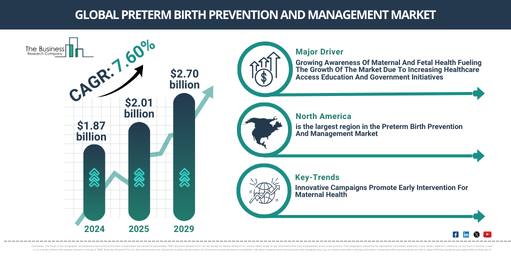
    The scale of the market for preventing and managing preterm births has seen robust growth recently. Its growth is anticipated to continue, rising from $1.87 billion in 2024 to $2.01 billion in 2025, representing a compound annual growth rate (CAGR) of 7.8%. The growth experienced in past years can be linked to multiple factors including an increase in preterm births, rising average age of mothers, a surge in complications related to preterm births, increased awareness initiatives, and growing rates of mortality tied to preterm births.

    Expectations are high for the preterm birth prevention and management market, with a robust growth predicted in the coming years. It is projected to reach $2.70 billion by 2029, boasting a compound annual growth rate (CAGR) of 7.6%. Key catalysts for this growth during the forecast period include an increased need for neonatal care, an amplified focus on prevention, the popularity of preconception counseling, and a rise in preterm birth screening programs coupled with heightened awareness amongst women. Major anticipated trends in this period comprise advancements in medical technology, digital health integration, the advent of AI-driven diagnostics, the creation of smart NICUs, and the inclusion of IoT in neonatal care.

    Download a free sample to assess the report’s scope and structure:

    https://www.thebusinessresearchcompany.com/sample.aspx?id=23482&type=smp

    Which Factors and External Forces Are Driving Demand in the Preterm Birth Prevention And Management Market?

    An increased understanding and awareness of the health of both mother and unborn child is anticipated to stimulate expansion of the market for preterm birth prevention and management. This awareness refers to the care of pregnant women and their unborn infants, ensuring safety in pregnancy and positive health results. Education campaigns and awareness initiatives actively emphasize the significance of prenatal care, proper diet, immunizations, and consistent check-ups for promoting overall healthier pregnancies. The prevention and management of preterm birth are crucial for the health and safety of both the mother and child, as these measures can minimize risks such as respiratory distress in newborns and developmental delays, while also decreasing the health risks for mothers associated with giving birth prematurely. For example, the Welsh Government (Llywodraeth Cymru), a UK-based governing institution, reported in July 2024 that in 2023 there was a 0.8 percentage point rise from the previous year, bringing the percentage of pregnant women with a BMI of 30 or higher at their first evaluation to 32%. Consequently, this increasing consciousness regarding maternal and fetal health is contributing to the growth of the preterm birth prevention and management market.

    Which Segments in the Preterm Birth Prevention And Management Offer the Most Growth?

    The preterm birth prevention and management market covered in this report is segmented –

    1) By Product Type: Pharmaceuticals, Medical Devices, Therapies

    2) By Cause-Specific: Multiple Pregnancy, Infection And Chronic Conditions, Structural Abnormalities, Maternal Lifestyle Factors

    3) By Diagnosis Method: Ultrasound Imaging, Biochemical Tests, Physical Examination

    4) By End-User: Hospitals, Clinics, Homecare Settings, Diagnostic Laboratories

    Subsegments:

    1) By Pharmaceuticals: Tocolytics, Corticosteroids, Progesterone Therapy, Magnesium Sulfate

    2) By Medical Devices: Cervical Cerclage Devices, Fetal Monitoring Devices, Uterine Contraction Monitors

    3) By Therapies: Bed Rest Therapy, Nutritional Therapy, Cervical Pessary Therapy

    Request customized data on this market:

    https://www.thebusinessresearchcompany.com/customise?id=23482&type=smp

    What Are the Fastest-Growing Geographies in the Preterm Birth Prevention And Management Market?

    North America was the largest region in the preterm birth prevention and management market in 2024. Asia-Pacific is expected to be the fastest-growing region in the forecast period. The regions covered in the preterm birth prevention and management market report are Asia-Pacific, Western Europe, Eastern Europe, North America, South America, Middle East, Africa.

    Which Cutting-Edge Market Trends Are Expected to Drive the Preterm Birth Prevention And Management Market’s Growth?

    Leading firms in the domain of preterm birth prevention and management are designing initiatives like the campaign against preeclampsia and preterm birth, with the view to increase awareness and to ameliorate care for infants born prematurely. This campaign is geared toward establishing increased awareness, fostering research, enhancing healthcare interventions, and lobbying for policies that boost results of maternal and neonate health. For instance, in May 2024, the US-based non-profit organization, March of Dimes Inc., initiated the campaign known as Low Dose, Big Benefits, an enduring initiative aimed at diminishing the risks linked to preeclampsia and preterm birth through the administration of low-dose aspirin. Preeclampsia, a serious pregnancy-related complication encountered in 1 out of every 25 pregnancies, can be alleviated using low-dose aspirin, thereby lessening the risk by approximately 15% for preeclampsia and 20% for preterm birth in pregnancies considered high-risk. The main purpose of the campaign is to fill a significant knowledge gap, as a large number of families, notably Black families, lack an understanding of preeclampsia.

    View the full report here:

    https://www.thebusinessresearchcompany.com/report/preterm-birth-prevention-and-management-global-market-report

    What Are the Key Elements That Define the Preterm Birth Prevention And Management Market?

    Preterm birth prevention and management refers to a range of strategies aimed at reducing the risk of babies being born before 37 weeks of gestation and addressing complications associated with early delivery. These strategies involve interventions during pregnancy and after birth to ensure the health and safety of both the mother and baby.

    Purchase the full report and get a swift delivery:

    https://www.thebusinessresearchcompany.com/purchaseoptions.aspx?id=23482

    About The Business Research Company:

    With over 15000+ reports from 27 industries covering 60+ geographies, The Business Research Company has built a reputation for offering comprehensive, data-rich research and insights. Armed with 1,500,000 datasets, the optimistic contribution of in-depth secondary research, and unique insights from industry leaders, you can get the information you need to stay ahead in the game.

    Get in touch with us:

    The Business Research Company: https://www.thebusinessresearchcompany.com/

    Americas +1 3156230293

    Asia +44 2071930708

    Europe +44 2071930708

    Email us at info@tbrc.info

    Follow us on:

    LinkedIn: https://in.linkedin.com/company/the-business-research-company

    YouTube: https://www.youtube.com/channel/UC24_fI0rV8cR5DxlCpgmyFQ

    Global Market Model: https://www.thebusinessresearchcompany.com/global-market-model

  • Emerging Growth Drivers in the Vascular Dementia Market Landscape: Rising Prevalence Of Cardiovascular Diseases Boosts The Market

    Emerging Growth Drivers in the Vascular Dementia Market Landscape: Rising Prevalence Of Cardiovascular Diseases Boosts The Market

    Stay ahead with our updated market reports featuring the latest on tariffs, trade flows, and supply chain transformations.

    What is the Projected CAGR for the Vascular Dementia Market Size from 2025 to 2034?

    In recent years, the size of the vascular dementia market has witnessed a swift expansion. Expected to increase from $2.92 billion in 2024 to $3.27 billion in 2025, this market is forecasted to exhibit a compound annual growth rate (CAGR) of 12.1%. The growth noted in the historical period is attributable to factors such as heightened healthcare expenditure, an increase in diagnosed vascular dementia cases, a rise in number of healthcare professionals, expansion of public health initiatives, and an upturn in diabetes prevalence.

    Anticipated swift expansion is expected in the vascular dementia market over the upcoming years. Predicted to inflate to a worth of $5.11 billion in 2029, this demonstrates a compound annual growth rate (CAGR) of 11.8%. Factors contributing to this growth during the prediction period include heightened awareness about vascular dementia, amplified investments in healthcare, an enlarging elderly population, an increased frequency of cardiovascular diseases, along with a growing prevalence of hypertension. Significant upward trends during this forecast period are technological leaps, bespoke care plans, telemedicine, gene therapy, and the application of artificial intelligence.

    Download a free sample to assess the report’s scope and structure:

    https://www.thebusinessresearchcompany.com/sample.aspx?id=20998&type=smp

    Which Primay Drivers Are Accelerating Growth in the Vascular Dementia Market?

    The increased appearance of cardiovascular disease is projected to spur the vascular dementia market in the future. Cardiovascular disorders relate to a group of ailments that affect the heart and blood vessels, incorporating conditions like coronary artery disease, heart failure, arrhythmias, and hypertension. This heightened occurrence of cardiovascular ailments is propelled by factors such as unwholesome lifestyles, substandard dietary habits, lack of physical activity, higher stress levels, aging communities, and a rise in risk factors like obesity, diabetes, and hypertension. Cardiovascular disorders heighten the risk of vascular dementia by impairing blood flow to the brain, leading to cognitive decline and damage to brain cells due to reduced oxygen and nutrient supply. As an example, in September 2024, information shared by the British Heart Foundation, a UK-based cardiovascular research charity, indicated that approximately 7.6 million people in the UK are affected by heart and circulatory diseases, with about 4 million males and 3.6 million females living with these conditions. These diseases account for approximately 27% of all deaths in the UK, translating to over 170,000 deaths annually, or roughly 480 deaths every day, amounting to a death every three minutes. Consequently, the surge in the occurrence of cardiovascular diseases propels the vascular dementia market.

    Which Primary Segments of the Vascular Dementia Market Are Driving Growth and Industry Transformations?

    The vascular dementia market covered in this report is segmented –

    1) By Product: Monoclonal Antibodies, Small Molecules, Peptides

    2) By Distribution Channel: Hospital Pharmacy, Retail Pharmacy, Online Pharmacy

    3) By End User: Hospitals And Clinics, Rehabilitation Centers, Specialty Clinics

    Subsegments:

    1) By Monoclonal Antibodies: Anti-Amyloid Monoclonal Antibodies, Anti-Tau Monoclonal Antibodies

    2) By Small Molecules: Cholinesterase Inhibitors, Glutamate Modulators, Anti-Inflammatory Small Molecules

    3) By Peptides: Amyloid-Beta Targeted Peptides, Neuroprotective Peptides, Tau-Targeting Peptides

    Request customized data on this market:

    https://www.thebusinessresearchcompany.com/customise?id=20998&type=smp

    Which Regions Are Key Players in the Growth of the Vascular Dementia Market?

    North America was the largest region in the vascular dementia market in 2024. The regions covered in the vascular dementia market report are Asia-Pacific, Western Europe, Eastern Europe, North America, South America, Middle East, Africa.

    Which Technological Trends Are Reshaping the Vascular Dementia Industry Dynamics?

    Leading businesses in the vascular dementia market are concentrating on the invention of new therapies such as multimodal therapies, to maintain market dominance. Multimodal therapies involve a mix of different treatment methods, like medication, physiotherapy, and psychological treatment, to give a comprehensive solution for a disease. For instance, Moleac, a biopharmaceutical firm based in Singapore, introduced a novel treatment named CognivAiD in January 2023, intended specifically for Vascular Dementia (VaD), a condition with few therapeutic alternatives. This treatment incorporates active extracts from ginkgo, ginseng, and saffron, which have proven effective in slowing cognitive decline in VaD patients. The distinctive multimodal function of CognivAiD tackles the fundamental processes of vascular dementia, including vascular safeguarding, vasoregulation, and neuroinflammation. Supported by extensive clinical trials and a robust safety record, CognivAiD presents a hopeful new therapy for those suffering from VaD.

    View the full report here:

    https://www.thebusinessresearchcompany.com/report/vascular-dementia-global-market-report

    What Parameters Are Used to Define the Vascular Dementia Market?

    Vascular dementia refers to a type of cognitive decline caused by reduced blood flow to the brain, often due to strokes or other vascular issues, leading to memory loss and impaired thinking. Treatment for vascular dementia focuses on managing underlying vascular conditions, such as controlling high blood pressure, diabetes, and cholesterol, as well as adopting a healthy lifestyle to improve overall brain health and slow disease progression.

    Purchase the full report and get a swift delivery:

    https://www.thebusinessresearchcompany.com/purchaseoptions.aspx?id=20998

    About The Business Research Company:

    With over 15000+ reports from 27 industries covering 60+ geographies, The Business Research Company has built a reputation for offering comprehensive, data-rich research and insights. Armed with 1,500,000 datasets, the optimistic contribution of in-depth secondary research, and unique insights from industry leaders, you can get the information you need to stay ahead in the game.

    Get in touch with us:

    The Business Research Company: https://www.thebusinessresearchcompany.com/

    Americas +1 3156230293

    Asia +44 2071930708

    Europe +44 2071930708

    Email us at info@tbrc.info

    Follow us on:

    LinkedIn: https://in.linkedin.com/company/the-business-research-company

    YouTube: https://www.youtube.com/channel/UC24_fI0rV8cR5DxlCpgmyFQ

    Global Market Model: https://www.thebusinessresearchcompany.com/global-market-model
  • Next-Gen Pressure Ulcers : Market Forecast, Transformation, and Long-Term Trajectories

    Next-Gen Pressure Ulcers : Market Forecast, Transformation, and Long-Term Trajectories

    Get 30% off on our Global Market Reports with code ONLINE30 – Hurry, limited time offer!

    What Are the Key Milestones in the Pressure Ulcers Market’s Growth Trajectory From 2025 To 2034?

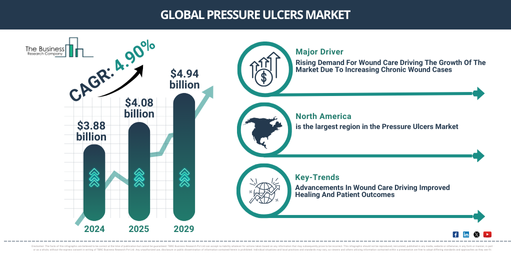
    The market for pressure ulcers has witnessed a robust expansion in the recent past. The market value is anticipated to increase from $3.88 billion in 2024 to $4.08 billion in 2025, representing a compound annual growth rate (CAGR) of 5.1%. This robust growth during the historical period can be ascribed to a surge in the elderly population, rising hospital admissions, increment in chronic diseases, innovation in healthcare facilities, and a growth in surgical operations.

    Expectations are high for the pressure ulcers market size to witness consistent growth in the approaching years. It is forecasted to reach a valuation of $4.94 billion in 2029, growing at a compound annual growth rate (CAGR) of 4.9%. The expansion during the forecast period is likely due to several factors such as an ageing population, increased need for home care, more prevalent instances of pressure ulcers, a rise in immobilization, and a growing focus on comprehensive care. The forecast period will also see several emerging trends such as the creation of regenerative medicine, the advancement in wound care products, high-intensity laser therapy, and the implementation of pressure mapping technologies.

    Download a free sample to assess the report’s scope and structure:

    https://www.thebusinessresearchcompany.com/sample.aspx?id=23481&type=smp

    Which Major Market Drivers Are Expected to Boost the Growth Potential of the Pressure Ulcers Market?

    The surge in wound care needs is anticipated to stimulate the expansion of the pressure ulcers market in the future. Wound care encompasses medical procedures directed towards wound healing, infection prevention, and enhancing patient restoration through specific treatments. The rising prevalence of chronic diseases such as diabetes and obesity, resulting in an increased incidence of non-healing wounds and pressure ulcers, fuels the demand for wound care. Pressure ulcers spur progress in wound care by accentuating early intervention, professional treatments, and preventative measures to boost healing and patient health. For instance, Uintah Basin Healthcare, an American non-profit organization, stated in June 2024 that nearly 7 million Americans are dealing with chronic wounds, including 2 million suffering from diabetic foot ulcers. Moreover, 1 in 4 households has a member plagued by a chronic wound, and the necessity for wound care is projected to rise by 2% yearly for the next 5 to 10 years. Hence, the escalated demand for wound care is a significant driver for the pressure ulcers market’s growth.

    Which Key Market Segments Comprise the Pressure Ulcers Market and Drive Its Revenue Growth?

    The pressure ulcers market covered in this report is segmented –

    1) By Type: Stage 1, Stage 2, Stage 3, Stage 4, Deep tissue injury

    2) By Treatment Type: Wound Care Dressing, Wound Care Devices, Other Treatment Types

    3) By End user: Hospitals, Homecare, Other End Users

    Subsegments:

    1) By Stage 1: Non-Blanchable Erythema, Skin Intact With Redness

    2) By Stage 2: Partial-Thickness Skin Loss, Blister Or Abrasion

    3) By Stage 3: Full-Thickness Skin Loss, Subcutaneous Tissue Visible

    4) By Stage 4: Full-Thickness Tissue Loss, Bone, Tendon, Or Muscle Exposed

    5) By Deep Tissue Injury: Discolored Area Of Intact Skin, Blood-Filled Blister

    Request customized data on this market:

    https://www.thebusinessresearchcompany.com/customise?id=23481&type=smp

    Which Areas Are Leading Regions in the Pressure Ulcers Market Expansion Across the Globe?

    North America was the largest region in the pressure ulcers market in 2024. Asia-Pacific is expected to be the fastest-growing region in the forecast period. The regions covered in the pressure ulcers market report are Asia-Pacific, Western Europe, Eastern Europe, North America, South America, Middle East, Africa.

    What Are the Key Market Trends in the Pressure Ulcers Market Over the Coming Years?

    Key players in the pressure ulcer market are striving to create innovative solutions such as biosynthetic cellulose dressings to enhance healing results, balance moisture, minimize infection threats, and deliver superior patient care. Biosynthetic cellulose dressings, advanced wound care commodities crafted from bioengineered cellulose, aid in wound healing by managing moisture equilibrium and offering a defense against infections. To illustrate, JeNaCell Company, a German firm with a focus on creating and manufacturing products with biosynthetic cellulose, introduced epicite balance in June 2023. This is a biosynthetic cellulose wound dressing devised for managing chronic wounds like pressure ulcers, diabetic foot ulcers, and leg ulcers. The cutting-edge dressing, formulated with biosynthetic cellulose, offers a biocompatible, highly absorbent, and breathable element that upholds ideal moisture balance for wound recuperation. This design is aimed at facilitating quicker healing by lowering infection hazards and aiding the body’s innate repair mechanisms. Additionally, the dressing assures gentle adhesion to the skin which reduces pain and unease during dressing alternations. Its flexibility also allows it to adjust to diverse wound dimensions and forms.

    View the full report here:

    https://www.thebusinessresearchcompany.com/report/pressure-ulcers-global-market-report

    How Is the Pressure Ulcers Market Conceptually Defined?

    A pressure ulcer refers to a localized injury to the skin and underlying tissue, typically over bony areas, caused by prolonged pressure, friction, or shear forces. It is used in healthcare to assess patient mobility, monitor care quality, and implement preventive measures to reduce complications.

    Purchase the full report and get a swift delivery:

    https://www.thebusinessresearchcompany.com/purchaseoptions.aspx?id=23481

    About The Business Research Company:

    With over 15000+ reports from 27 industries covering 60+ geographies, The Business Research Company has built a reputation for offering comprehensive, data-rich research and insights. Armed with 1,500,000 datasets, the optimistic contribution of in-depth secondary research, and unique insights from industry leaders, you can get the information you need to stay ahead in the game.

    Get in touch with us:

    The Business Research Company: https://www.thebusinessresearchcompany.com/

    Americas +1 3156230293

    Asia +44 2071930708

    Europe +44 2071930708

    Email us at info@tbrc.info

    Follow us on:

    LinkedIn: https://in.linkedin.com/company/the-business-research-company

    YouTube: https://www.youtube.com/channel/UC24_fI0rV8cR5DxlCpgmyFQ

    Global Market Model: https://www.thebusinessresearchcompany.com/global-market-model

  • Strategic Growth Drivers Shaping the Varicose Veins Treatment Market Outlook 2025- 2034:Increasing Demand For Minimally Invasive Procedures Fuels Market Growth

    Strategic Growth Drivers Shaping the Varicose Veins Treatment Market Outlook 2025- 2034:Increasing Demand For Minimally Invasive Procedures Fuels Market Growth

    Stay ahead with our updated market reports featuring the latest on tariffs, trade flows, and supply chain transformations.

    What Is the Current and Projected Market Size of the Varicose Veins Treatment Market Through 2034?

    In the past few years, the market size for varicose veins treatment has been expanding considerably. It is anticipated to shift up from $1.99 billion in 2024 to $2.12 billion in 2025, showcasing a compound annual growth rate (CAGR) of 6.7%. The upswing during the historic period can be credited to an increase in sedentary habits, a surge in outpatient treatments, greater cosmetic worries linked with varicose veins, a rise in preventative treatment options for varicose veins, as well as the growing acceptance of lasers.

    In the coming years, the market size for varicose veins treatment is anticipated to experience robust growth. The market is projected to expand to $2.71 billion by 2029 at a 6.4% compound annual growth rate (CAGR). The surge expected in the forecast period can be traced to factors such as a growing preference for less invasive surgeries, a rise in obesity levels, development of healthcare infrastructure, increasing disposable income, and augmented government healthcare expenditure. The forecast period will also see significant trends, including technological progress, AI integration, 3D imaging, enhanced compression therapy, and combined therapy approaches.

    Download a free sample to assess the report’s scope and structure:

    https://www.thebusinessresearchcompany.com/sample.aspx?id=20997&type=smp

    Which Factors and External Forces Are Driving Demand in the Varicose Veins Treatment Market?

    The varicose veins treatment market is set to grow, prompted by heightened demand for minimally invasive procedures. Defined as surgical techniques that employ small incisions and specialized tools, these procedures cause less tissue damage, thereby minimizing pain, scar formation, and recovery time unlike traditional open surgery. The rising appeal for such surgeries is attributed to an array of factors, such as better patient results, shorter recovery periods and an increasing elderly population. These collectively contribute to greater patient safety, satisfaction, and healthcare efficacy. Varicose veins can be treated effectively through minimally invasive procedures like endovenous laser therapy (EVLT) or sclerotherapy, which offer less discomfort, faster recovery, and fewer complications. A case in point is when in August 2023, The Aesthetic Society, a US-based association focused on plastic surgery and cosmetic medicine, revealed Americans had spent over $11.8 billion in 2022 on aesthetic procedures overall, a 2% increase from the preceding year. Thus, the surging demand for minimally invasive procedures acts as a growth driver for the varicose veins treatment market.

    Which Segments in the Varicose Veins Treatment Offer the Most Growth?

    The varicose veins treatment market covered in this report is segmented –

    1) By Product: Ablation Devices, Radiofrequency Ablation Devices, Laser Ablation Devices

    2) By Procedure: Injection Sclerotherapy, Endovenous Ablation, Surgical Ligation Or Stripping

    3) End-User: Hospitals, Specialized Clinics, Ambulatory Surgical Centers, Other End-Users

    Subsegments:

    1) By Ablation Devices: Endovenous Laser Therapy (EVLT) Devices, Sclerotherapy Devices

    2) By Radiofrequency Ablation Devices: Radiofrequency Catheters, RF Ablation Systems

    3) By Laser Ablation Devices: Laser Fiber Optic Devices, Laser Venous Ablation Systems

    Request customized data on this market:

    https://www.thebusinessresearchcompany.com/customise?id=20997&type=smp

    What Are the Fastest-Growing Geographies in the Varicose Veins Treatment Market?

    North America was the largest region in the varicose veins treatment market in 2024. Asia-Pacific is expected to be the fastest-growing region in the forecast period. The regions covered in the varicose veins treatment market report are Asia-Pacific, Western Europe, Eastern Europe, North America, South America, Middle East, Africa.

    Which Cutting-Edge Market Trends Are Expected to Drive the Varicose Veins Treatment Market’s Growth?

    Key players in the varicose veins treatment industry are concentrating on the creation of innovative solutions like treatments without anesthesia to improve patient results, simplify treatment tracking, enhance healthcare accessibility, and deliver tailored treatment strategies. The elimination of anesthesia in treatment provides enhanced safety, accelerated recovery, and superior comfort for patients. Take, for example, VVT MEDICAL Ltd., a healthcare device company in Israel. In April 2024, the company gained approval from the Ministry of Food and Drug Safety in South Korea for their pioneering solution for minimally invasive varicose veins treatment, the ScleroSafe platform. The platform operates on a nonthermal, nontumescent (NT-NT) framework, thus eliminating the need for heat or tumescent anesthesia and consequently ensuring a comfortable, painless procedure without anesthesia. Developed for both aesthetic and medical purposes, it gives priority to patient comfort and treatment effectiveness. This platform, having attained multiple regulatory approvals, like CE Mark certification and FDA 510(k) clearance, in addition to complying with Good Manufacturing Practices (GMP), has positioned ScleroSafe as a path-breaking solution in managing varicose veins.

    View the full report here:

    https://www.thebusinessresearchcompany.com/report/varicose-veins-treatment-global-market-report

    What Are the Key Elements That Define the Varicose Veins Treatment Market?

    Varicose vein treatment refers to medical procedures and interventions designed to alleviate symptoms, improve blood circulation, and prevent complications caused by swollen, twisted veins, primarily in the legs. It also addresses cosmetic concerns by enhancing the appearance of affected veins while reducing the risk of associated issues such as pain, ulcers, or blood clots.

    Purchase the full report and get a swift delivery:

    https://www.thebusinessresearchcompany.com/purchaseoptions.aspx?id=20997

    About The Business Research Company:

    With over 15000+ reports from 27 industries covering 60+ geographies, The Business Research Company has built a reputation for offering comprehensive, data-rich research and insights. Armed with 1,500,000 datasets, the optimistic contribution of in-depth secondary research, and unique insights from industry leaders, you can get the information you need to stay ahead in the game.

    Get in touch with us:

    The Business Research Company: https://www.thebusinessresearchcompany.com/

    Americas +1 3156230293

    Asia +44 2071930708

    Europe +44 2071930708

    Email us at info@tbrc.info

    Follow us on:

    LinkedIn: https://in.linkedin.com/company/the-business-research-company

    YouTube: https://www.youtube.com/channel/UC24_fI0rV8cR5DxlCpgmyFQ

    Global Market Model: https://www.thebusinessresearchcompany.com/global-market-model

  • From Insight to Impact: Strategic Growth Mapping in the Postpartum Depression Treatment Market

    From Insight to Impact: Strategic Growth Mapping in the Postpartum Depression Treatment Market

    Get 30% off on our Global Market Reports with code ONLINE30 – Hurry, limited time offer!

    How Has the Postpartum Depression Treatment Market Growth Performance Trended Historically, And What Lies Ahead?

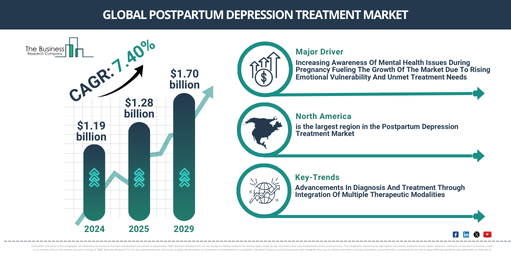
    There has been significant expansion in the postpartum depression treatment market in recent times. The sector is poised to swell from $1.19 billion in 2024 to $1.28 billion in 2025, with a compound annual growth rate (CAGR) of 7.7%. Factors such as heightened understanding of maternal mental wellbeing, escalating instances of postpartum depression, development in antidepressant drugs, increased adoption of psychotherapy and government endeavors promoting maternal mental health have contributed to the growth during the historic period.

    The market size of postpartum depression treatments is predicted to experience robust expansion in the upcoming years. It is projected to scale up to a value of $1.70 billion by 2029, with a staggering compound annual growth rate (CAGR) of 7.4%. The substantial growth during the forecasted period can be credited to factors such as the introduction of innovative rapid response treatments, wider acceptance of digital mental health solutions, increased insurance facilities for mental health services, a surge in demand for specialized treatment strategies, and an enhanced focus on hormonal therapies. The major future trends encompass the surfacing of neurosteroid-based therapies, the prevalent use of telemedicine in postpartum care, the implementation of AI in mental health diagnosis, the evolving significance of nutraceuticals and dietary strategies, and the widening of employer-supported mental health programs.

    Download a free sample to assess the report’s scope and structure:

    https://www.thebusinessresearchcompany.com/sample.aspx?id=23479&type=smp

    What are the Fundamental Drivers and Innovations Shaping the Postpartum Depression Treatment Market?

    The escalating understanding of mental health problems during pregnancy is projected to drive the expansion of the postpartum depression treatment market. These mental health complications encompass a variety of emotional, psychological, and psychiatric conditions impacting women while they’re expecting. The rise in mental health issues during pregnancy stems from increased stress and hormonal changes, which intensify emotional susceptibility and make coping with the physical, social, and psychological demands challenging. Postpartum depression treatments enhance mental health by reducing symptoms like emotional distress, anxiety, and fatigue, boosting emotional resilience, and fostering improved mother-child relationships. For example, the Maternal Mental Health Leadership Alliance (MMHLA) stated in October 2024 that maternal mental health conditions are the leading pregnancy complication, impacting 800,000 U.S. families annually, with 75% remaining untreated. This shows potential long-term risks to mothers, babies, and families. As a result, the growth of the postpartum depression treatment market is propelled by the escalating awareness of mental health problems during pregnancy.

    How Is the Postpartum Depression Treatment Market Segmented?

    The postpartum depression treatment market covered in this report is segmented –

    1) By Type: Postpartum Anxiety, Postpartum Blues, Postpartum Post-Traumatic Stress Disorder (PTSD), Postpartum Obsessive-Compulsive Disorder (OCD), Postpartum Panic Disorder, Postpartum Psychosis

    2) By Treatment Type: Antidepressants, Hormone Therapy, Psychotherapy, Other Treatment Types

    3) By Patient Demographics: Adolescents, Adults

    4) By Distribution Channel: Hospital Pharmacies, Retail Pharmacies, Online Pharmacies

    Subsegments:

    1) By Postpartum Anxiety: Cognitive Behavioral Therapy (CBT), Antidepressant Medications, Hormonal Therapy, Support Groups And Counseling

    2) By Postpartum Blues: Psychotherapy, Supportive Care, Short-Term Medication

    3) By Postpartum Post-Traumatic Stress Disorder (PTSD): Trauma-Focused Cognitive Behavioral Therapy (TF-CBT), Eye Movement Desensitization And Reprocessing (EMDR), Medication, Peer Support Groups

    4) By Postpartum Obsessive-Compulsive Disorder (OCD): Exposure And Response Prevention (ERP), Antidepressant Medications (SSRIs), Cognitive Behavioral Therapy (CBT), Supportive Therapy

    5) By Postpartum Panic Disorder: Cognitive Behavioral Therapy (CBT), Antidepressants And Anti-Anxiety Medications, Relaxation Techniques, Psychotherapy

    6) By Postpartum Psychosis: Antipsychotic Medications, Mood Stabilizers, Electroconvulsive Therapy (ECT)

    Request customized data on this market:

    https://www.thebusinessresearchcompany.com/customise?id=23479&type=smp

    Which Regions Are Driving the Next Phase of the Postpartum Depression Treatment Market Growth?

    North America was the largest region in the postpartum depression treatment market in 2024. Asia-Pacific is expected to be the fastest-growing region in the forecast period. The regions covered in the postpartum depression treatment market report are Asia-Pacific, Western Europe, Eastern Europe, North America, South America, Middle East, Africa.

    What Key Trends Are Shaping the Future of the Postpartum Depression Treatment Market?

    Leading firms in the postpartum depression treatment market are concentrating on enhancing advancements in diagnosis and treatment like prescription digital treatment for postpartum depression to bolster patient outcomes and heighten accessibility. Prescription digital treatment for postpartum depression involves the use of clinically confirmed digital therapeutics (DTx) prescribed by health professionals to handle and cure postpartum depression (PPD). For example, in April 2024, Curio Digital Therapeutics Inc., an American digital health firm, secured approval from the Food and Drug Administration (FDA) for MamaLift Plus, the inaugural prescription digital therapy for postpartum depression (PPD). This program, carried out over eight weeks, administers digital CBT, BAT, IPT, and DBT on a mobile platform under the oversight of a healthcare provider. A crucial study revealed a substantially increased rate of clinically significant enhancement in EPDS scores for MamaLift Plus users compared to a control group. This approval provides women with a non-pharmaceutical option for treating mild to moderate PPD.

    View the full report here:

    https://www.thebusinessresearchcompany.com/report/postpartum-depression-treatment-global-market-report

    How Is the Postpartum Depression Treatment Market Defined and What Are Its Core Parameters?

    Postpartum depression (PPD) treatment refers to the medical and psychological care provided to individuals experiencing depression after childbirth. It typically involves a combination of therapy, medication, and support strategies aimed at alleviating symptoms such as persistent sadness, anxiety, fatigue, and difficulty bonding with the baby through medications, psychotherapy, hormonal therapy, and lifestyle interventions to improve maternal mental health and well-being.

    Purchase the full report and get a swift delivery:

    https://www.thebusinessresearchcompany.com/purchaseoptions.aspx?id=23479

    About The Business Research Company:

    With over 15000+ reports from 27 industries covering 60+ geographies, The Business Research Company has built a reputation for offering comprehensive, data-rich research and insights. Armed with 1,500,000 datasets, the optimistic contribution of in-depth secondary research, and unique insights from industry leaders, you can get the information you need to stay ahead in the game.

    Get in touch with us:

    The Business Research Company: https://www.thebusinessresearchcompany.com/

    Americas +1 3156230293

    Asia +44 2071930708

    Europe +44 2071930708

    Email us at info@tbrc.info

    Follow us on:

    LinkedIn: https://in.linkedin.com/company/the-business-research-company

    YouTube: https://www.youtube.com/channel/UC24_fI0rV8cR5DxlCpgmyFQ

    Global Market Model: https://www.thebusinessresearchcompany.com/global-market-model