Category: HealthcareServices

  • Nursing Resource AllocationMarket Overview 2025–2034: CAGR Trends, Long-Term Growth Paths, and Business Implications

    Nursing Resource AllocationMarket Overview 2025–2034: CAGR Trends, Long-Term Growth Paths, and Business Implications

    Discover trends, market shifts, and competitive outlooks for the nursing resource allocation industry through 2025-2034 with The Business Research Company’s reliable data and in-depth research

    What is the Projected CAGR for the Nursing Resource Allocation Market Size from 2025 to 2034?

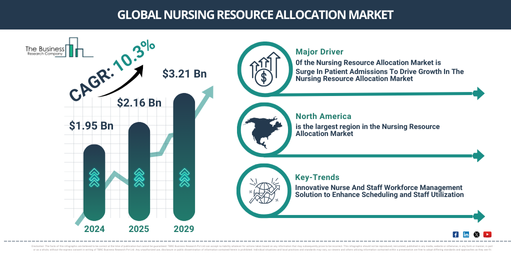
    The market size of nursing resource allocation has witnessed substantial expansion in the preceding years. An escalation from $1.95 billion in 2024 to $2.16 billion in 2025 is predicted, reflecting a compound annual growth rate (CAGR) of 10.7%. The past growth pattern can be credited to factors such as increasing patient acuity, rising incidence of chronic diseases, a considerable expansion of the elderly demographic, an increase in electronic health records (EHR), and the surge in nurse-to-patient ratios.

    A considerable expansion is anticipated for the nursing resource allocation market in the forthcoming years, with the projection of a surge to $3.21 billion by 2029 at a compound annual growth rate (CAGR) of 10.3%. Factors contributing to this growth within the projected period comprise of significant alterations in healthcare policies, escalating assessments of community health needs, the growing acceptance of evidence-based practices, remarkable expansion in nursing leadership initiatives, and an increased demand for patient education. Key trends during this period are expected to be the rising application of artificial intelligence, expansion of telehealth facilities, enhanced emphasis on patient-focused care, incorporation of data analysis, and advancements in electronic health record systems.

    Download a free sample to assess the report’s scope and structure:

    https://www.thebusinessresearchcompany.com/sample.aspx?id=20583&type=smp

    What Are the Primary Drivers Supporting the Market Growth of the Nursing Resource Allocation Market?

    The nursing resource allocation market is projected to expand due to an increase in patient admissions. Patient admission, which is the authorized entry of a patient into a healthcare institution for treatment or observation, is on the rise. This is due to numerous factors including an aging demographic, advancements in medical technologies, increased patient anticipations, and broader access to healthcare services. Effective distribution of nursing resources enhances patient treatment by matching nursing staff to the needs and severity of the patients, thereby improving outcomes and decreasing complications. It also helps in streamlining processes and reducing exhaustion, leading to improved patient care and lower staff attrition. For example, a report from the National Health Service (NHS), a government department in the UK, indicated that there were 408,700 hospital admissions in 2022-2023, indicating a 5% surge from 389,800 hospital admissions in 2021-2022 in England. Consequently, the rise in patient admissions is expected to further boost the growth of the nursing resource allocation market.

    Which Primary Segments of the Nursing Resource Allocation Market Are Driving Growth and Industry Transformations?

    The nursing resource allocation market covered in this report is segmented –

    1) By Product Type: Software, Services

    2) By Deployment: On-Premise, Cloud-Based

    3) By Application: Emergency Departments, Perioperative Services, Inpatient Care Management, Workflow Automation

    4) By End-User: Hospitals, Clinics, Ambulatory Care Centers, Nursing Homes, Other End-Users

    Subsegments:

    1) By Software: Nurse Staffing Software, Workforce Management Software, Scheduling and Shift Management Software, Nurse Call System Software, Clinical Workflow Management Software, Patient Flow Management Software, AI-Based Resource Allocation Software

    2) By Services: Consulting Services, Implementation Services, Training and Support Services, Managed Services, Data Analytics and Reporting Services

    Request customized data on this market:

    https://www.thebusinessresearchcompany.com/customise?id=20583&type=smp

    Which Regions Are Key Players in the Growth of the Nursing Resource Allocation Market?

    North America was the largest region in the nursing resource allocation market in 2024. Asia-Pacific is expected to be the fastest-growing region in the forecast period. The regions covered in the nursing resource allocation market report are Asia-Pacific, Western Europe, Eastern Europe, North America, South America, Middle East, Africa.

    What Are the Current Market Growth and Trends in the Nursing Resource Allocation Industry?

    Key businesses in the nursing resource allocation market are formulating nursing and staff workforce management solutions to enhance scheduling and boost staff usage. These solutions pertain to systems and instruments geared towards simplifying the arrangement, allocation and governance of the healthcare and nursing personnel. For instance, QGenda LLC, a US software establishment released QGenda nurse and staff workforce management in December 2022. The mobile-centric solution aims to fulfill the specific necessities of healthcare organizations in the supervision of their nursing personnel. The solution facilitates the formation and administration of adaptable schedules bespoke to the needs of nurses and staff, ensuring satisfactory coverage anchored on patient care needs. It allows nurses to arrange their own schedules and modify their preferences, encouraging involvement and contentment by allowing more control over their working hours.

    View the full report here:

    https://www.thebusinessresearchcompany.com/report/nursing-resource-allocation-global-market-report

    What Parameters Are Used to Define the Nursing Resource Allocation Market?

    Nursing resource allocation involves distributing nursing staff and resources efficiently across healthcare units to ensure optimal patient care. It aims to match nurse competencies with patient needs, balancing workload to enhance patient outcomes and reduce staff burnout. This process supports healthcare services by optimizing resource utilization.

    Purchase the full report and get a swift delivery:

    https://www.thebusinessresearchcompany.com/purchaseoptions.aspx?id=20583

    About The Business Research Company:

    With over 15000+ reports from 27 industries covering 60+ geographies, The Business Research Company has built a reputation for offering comprehensive, data-rich research and insights. Armed with 1,500,000 datasets, the optimistic contribution of in-depth secondary research, and unique insights from industry leaders, you can get the information you need to stay ahead in the game.

    Get in touch with us:

    The Business Research Company: https://www.thebusinessresearchcompany.com/

    Americas +1 3156230293

    Asia +44 2071930708

    Europe +44 2071930708

    Email us at info@tbrc.info

    Follow us on:

    LinkedIn: https://in.linkedin.com/company/the-business-research-company

    YouTube: https://www.youtube.com/channel/UC24_fI0rV8cR5DxlCpgmyFQ

    Global Market Model: https://www.thebusinessresearchcompany.com/global-market-model
  • Global Non-Surgical Cosmetic Procedures Market Trends: Regional Breakdowns and Strategic Insights

    Global Non-Surgical Cosmetic Procedures Market Trends: Regional Breakdowns and Strategic Insights

    Discover trends, market shifts, and competitive outlooks for the non-surgical cosmetic procedures industry through 2025-2034 with The Business Research Company’s reliable data and in-depth research

    What is the Anticipated CAGR of the Non-Surgical Cosmetic Procedures Market, and What Factors Will Drive It?

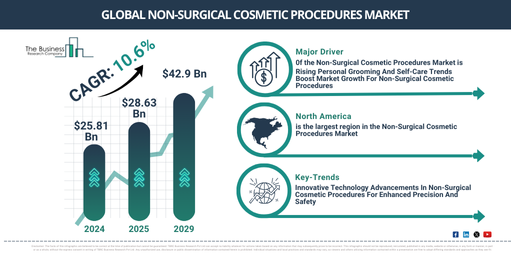
    The market for non-surgical cosmetic procedures has seen a swift escalation in its size over the recent years. It is projected to expand from $25.81 billion in 2024 to $28.63 billion in 2025, marking an impressive compound annual growth rate (CAGR) of 10.9%. This surge during the historic phase is credited to factors such as escalating demand for aesthetic improvements, an increasing senior population, a heightened focus on health, expansion of distribution networks, and an increasingly influential role of social media.

    Anticipated to experience swift expansion in the upcoming years, the non-surgical cosmetic procedures market is projected to reach a worth of $42.9 billion by 2029, showcasing a compound annual growth rate (CAGR) of 10.6%. The prediction for rising growth during the projection period can be linked to a higher desire for non-invasive methods, preventive aging therapies coming into focus, heightened uptake of combination treatments, increased interest in personalized, tailor-made treatments, a growing male customer base, and an emphasis on skin health preservation. The key tendencies anticipated during this forecast phase involve the integration of new laser technologies, progress in cosmetic treatment methods, product advancements, improvement in injection methods, together with overall technological progress.

    Download a free sample to assess the report’s scope and structure:

    https://www.thebusinessresearchcompany.com/sample.aspx?id=20581&type=smp

    What Are the Major Market Drivers Behind the Rising Adoption of Non-Surgical Cosmetic Procedures Market?

    The expansion of the non-surgical cosmetic procedures market is set to be fuelled by the escalating trends in personal grooming and self-care. These trends encompass the various strategies and routines that people utilize to upkeep their physical attractiveness, cleanliness, and overall health. Aspects such as a heightened awareness of beauty, the role of social media, and a focus on wellness and self-confidence contribute to the surge in personal grooming and self-care. Non-surgical cosmetic procedures support this trend by providing viable options for swift, minimally disruptive aesthetic enhancements, thus fostering self-confidence. A July 2024 report from the British Beauty Council, a UK organization, indicated that in 2023, the personal care industry injected £27.2 billion ($30.44 billion) into the GDP, an increase of 11% from 2022. The report linked this growth to an augmentation in household expenditure on personal care goods and services in the UK by 10%. Therefore, the mounting interest in personal grooming and self-care is propelling the development of the non-surgical cosmetic procedures market.

    Which Key Market Segments Comprise the Non-Surgical Cosmetic Procedures Market and Drive Its Revenue Growth?

    The non-surgical cosmetic procedures market covered in this report is segmented –

    1) By Technique: Botulinum Toxins, Hyaluronic Acid-Based Derma Fillers, Hair Removal, Other Techniques

    2) By Gender: Women, Men

    3) By End User: Hospitals Or Surgery Centers, MedSpas, Traditional Spas, Healthcare Professionals-Owned Clinics

    Subsegments:

    1) By Botulinum Toxins: Botox, Dysport, Xeomin, Jeuveau

    2) By Hyaluronic Acid-Based Derma Fillers: Juvederm, Restylane, Belotero, Teosyal, Captique

    3) By Hair Removal: Laser Hair Removal, Intense Pulsed Light (IPL) Hair Removal, Radiofrequency-Based Hair Removal, Electrolysis

    4) By Other Techniques: Chemical Peels, Microdermabrasion, Non-Surgical Fat Reduction, Skin Tightening, Non-Surgical Facelift, Lip Augmentation, Cellulite Treatment, Dermal Micro-Needling

    Request customized data on this market:

    https://www.thebusinessresearchcompany.com/customise?id=20581&type=smp

    Which Areas Are Leading Regions in the Non-Surgical Cosmetic Procedures Market Expansion Across the Globe?

    North America was the largest region in the non-surgical cosmetic procedures market in 2024. The regions covered in the non-surgical cosmetic procedures market report are Asia-Pacific, Western Europe, Eastern Europe, North America, South America, Middle East, Africa.

    What Long-Term Trends Are Transforming the Competitive Landscape of the Non-Surgical Cosmetic Procedures Market?

    Top-tier businesses engaged in the non-surgical cosmetic procedures sector are concentrating on the creation of pioneering products such as the advanced platinum focus lens array technology. This technology aims to boost precision and efficiency in cosmetic treatments. It defines an avant-garde system utilized in cosmetic devices to refine the focus and accuracy of energy-based therapies like lasers or light treatments. For example, Cynosure LLC, a manufacturer of light-based cosmetics and medical treatments in the United States, rolled out the PicoSure Pro device in June 2022 – a sophisticated upgrade of its original PicoSure system. It’s the primary and only FDA-approved 755nm picosecond laser specifically crafted to handle multiple pigmentary conditions such as melasma, Ota’s nevus, and Hori’s nevus. This gadget features a distinct delivery means that releases energy in a trillionth of a second, relying on pressure rather than heat to decrease thermal damage. As a result, it makes treatments safer and more efficient for all skin types. Platinum focus lenses play an important role by increasing collagen and elastin production which helps in treating wrinkles, acne scars, and enlarged pores.

    View the full report here:

    https://www.thebusinessresearchcompany.com/report/non-surgical-cosmetic-procedures-global-market-report

    How Is the Non-Surgical Cosmetic Procedures Market Conceptually Defined?

    Non-surgical cosmetic procedures are minimally invasive treatments that enhance appearance without the need for surgery. They are designed to reduce wrinkles, improve skin texture, and contour the body with little to no downtime. Non-surgical cosmetic treatments are popular for their quick recovery time and lower risk compared to surgical options. They are typically performed in outpatient settings by licensed professionals.

    Purchase the full report and get a swift delivery:

    https://www.thebusinessresearchcompany.com/purchaseoptions.aspx?id=20581

    About The Business Research Company:

    With over 15000+ reports from 27 industries covering 60+ geographies, The Business Research Company has built a reputation for offering comprehensive, data-rich research and insights. Armed with 1,500,000 datasets, the optimistic contribution of in-depth secondary research, and unique insights from industry leaders, you can get the information you need to stay ahead in the game.

    Get in touch with us:

    The Business Research Company: https://www.thebusinessresearchcompany.com/

    Americas +1 3156230293

    Asia +44 2071930708

    Europe +44 2071930708

    Email us at info@tbrc.info

    Follow us on:

    LinkedIn: https://in.linkedin.com/company/the-business-research-company

    YouTube: https://www.youtube.com/channel/UC24_fI0rV8cR5DxlCpgmyFQ

    Global Market Model: https://www.thebusinessresearchcompany.com/global-market-model
  • Next Generation Sequencing (NGS) Sample Preparation Market Outlook 2025: Mapping Growth, Innovation, and Regional Shifts

    Discover trends, market shifts, and competitive outlooks for the next generation sequencing (ngs) sample preparation industry through 2025-2034 with The Business Research Company’s reliable data and in-depth research

    What Are the Key Milestones in the Next Generation Sequencing (NGS) Sample Preparation Market’s Growth Trajectory From 2025 To 2034?

    The market size for next generation sequencing (NGS) sample preparation has seen swift expansion in the last few years. The sector is projected to expand from its value of $3.13 billion in 2024 to an estimated $3.6 billion in 2025, witnessing a compound annual growth rate (CAGR) of 14.7%. The escalation observed in the historic timeframe can be linked to factors such as a surge in demand for high-throughput sequencing, a reduction in sequencing expenses, a growth in genomic studies, an increase in the occurrence of genetic disorders, and advancements in sample preparation technology.

    Expectations for the next generation sequencing (NGS) sample preparation market project a swift increase in its size in the coming years, expanding to a worth of $6.2 billion by 2029 at a compound annual growth rate (CAGR) of 14.6%. Factors driving this anticipated growth during the forecasted period include the rising utilization of NGS in diagnostics, the broadening scope of research in precision medicine, an increasing demand for nucleic acid sequencing, improved reimbursement policies for NGS-based tests, and continuous advancement in NGS technologies. The forecast period will also witness key trends such as the integration of Artificial Intelligence and sophisticated data analysis tools, advancements in reagent technology, non-invasive prenatal testing (NIPT), and the incorporation of automation in sample preparation processes.

    Download a free sample to assess the report’s scope and structure:

    https://www.thebusinessresearchcompany.com/sample.aspx?id=20580&type=smp

    What External and Internal Drivers Are Contributing to the Growth of the Next Generation Sequencing (NGS) Sample Preparation Market?

    The rise in the prevalence of infectious diseases is set to fuel the expansion of the next-generation sequencing (NGS) sample preparation market. Pathogens such as bacteria, viruses, fungi, or parasites cause these diseases, which can be transmitted directly or indirectly between people. Increased worldwide travel, urbanization, climate change, resistance to antimicrobials, and the emergence of new pathogens contribute to the rising prevalence of infectious diseases. Next-generation sequencing sample preparation plays an essential role in this scenario, as it aids in the quick and precise identification of pathogens, thereby managing outbreaks, tracing transmission, and advising effective treatment methods. For example, as per GOV.UK, a UK-based public sector information provider, tuberculosis (TB) cases in England surged by 7% in the first half of 2023 compared to the same timeframe in 2022, with figures rising from 2,251 to 2,408. As a result, the increasing number of infectious diseases instances is anticipated to boost the next-generation sequencing (NGS) sample preparation market.

    What Segment Types Define the Next Generation Sequencing (NGS) Sample Preparation Market Structure?

    The next generation sequencing (NGS) sample preparation market covered in this report is segmented –

    1) By Products And Services: Workstations Or instruments, Reagents And Consumables, Services

    2) By Workflow: Library Preparation, Target Enrichment, Sample ExtractionOrisolation, Fragmentation, Sample Quantification, Library Quantification, Quality Control (Qc), Pooling

    3) By Technology: Nanopore Sequencing, Sequencing By Synthesis (Sbs), Single Molecule Real-time (SMRT) Sequencing, Ion Semiconductor Sequencing

    4) By Application: Diagnostics, Drug Discovery, Biomarker Discovery, Precision Medicine, Agriculture And Animal Research, Other Applications

    5) By End User: Academic Institutes And Research Centers, Hospitals And Clinics, Pharma And Biotech Companies, Other End Users

    Subsegments:

    1) By Workstations or Instruments: Automated Sample Preparation Systems, Manual Workstations, Integrated NGS Platforms

    2) By Reagents and Consumables: Library Preparation Kits, DNA/RNA Extraction Kits, Amplification Kits, Quality Control Reagents, Consumables

    3) By Services: Sample Preparation Services, NGS Workflow Consultation, Training and Support Services, Data Analysis Services

    Request customized data on this market:

    https://www.thebusinessresearchcompany.com/customise?id=20580&type=smp

    Which Geographic Areas Hold the Strongest Growth Potential in the Next Generation Sequencing (NGS) Sample Preparation Market?

    North America was the largest region in the next generation sequencing (NGS) sample preparation market in 2024. Asia-Pacific is expected to be the fastest-growing region in the forecast period The regions covered in the next generation sequencing (NGS) sample preparation market report are Asia-Pacific, Western Europe, Eastern Europe, North America, South America, Middle East, Africa.

    What Key Market Trends and Innovations Are Shaping the Future of the Next Generation Sequencing (NGS) Sample Preparation Industry?

    Key industry players in the next-generation sequencing (NGS) sample preparation market are leveraging automation in sample preparation including the use of digital microfluidics platforms to boost efficiency, decrease manual mistakes, and expedite the processing of samples for prompt and precise genomic analysis. Digital microfluidics platforms are cutting-edge tech that control minute fluid volumes on a microchip via electrical fields, facilitating accurate and automated sample handling for functions like NGS sample preparation. As an example, in September 2023, INTEGRA Biosciences, a Swiss company offering user-friendly solutions for liquid handling and media preparation applications, launched the MIRO CANVAS. This is a small digital microfluidics platform fabricated for completely automated NGS sample preparation. This pioneering system boosts precision and efficiency by automating processes, reduces active involvement to just 15 minutes per run, and enables the immediate processing of clinical samples. The MIRO CANVAS is aimed at simplifying NGS procedures and backing advanced genomic research by preserving DNA integrity and limiting the use of reagents.

    View the full report here:

    https://www.thebusinessresearchcompany.com/report/next-generation-sequencing-ngs-sample-preparation-global-market-report

    What Is the Definition of the Next Generation Sequencing (NGS) Sample Preparation Market?

    Next-generation sequencing (NGS) sample preparation refers to the process of preparing DNA or RNA samples for sequencing using Next-Generation Sequencing (NGS) technologies. It involves multiple steps such as extraction, quantification, library preparation, and enrichment to ensure the samples are suitable for high-throughput sequencing and accurate genomic analysis.

    Purchase the full report and get a swift delivery:

    https://www.thebusinessresearchcompany.com/purchaseoptions.aspx?id=20580

    About The Business Research Company:

    With over 15000+ reports from 27 industries covering 60+ geographies, The Business Research Company has built a reputation for offering comprehensive, data-rich research and insights. Armed with 1,500,000 datasets, the optimistic contribution of in-depth secondary research, and unique insights from industry leaders, you can get the information you need to stay ahead in the game.

    Get in touch with us:

    The Business Research Company: https://www.thebusinessresearchcompany.com/

    Americas +1 3156230293

    Asia +44 2071930708

    Europe +44 2071930708

    Email us at info@tbrc.info

    Follow us on:

    LinkedIn: https://in.linkedin.com/company/the-business-research-company

    YouTube: https://www.youtube.com/channel/UC24_fI0rV8cR5DxlCpgmyFQ

    Global Market Model: https://www.thebusinessresearchcompany.com/global-market-model
  • Neurofeedback Market Valuation Expected To Reach $2.35 Billion By 2029, Growing At A Rate Of 10.6%

    Neurofeedback Market Valuation Expected To Reach $2.35 Billion By 2029, Growing At A Rate Of 10.6%

    Discover trends, market shifts, and competitive outlooks for the neurofeedback industry through 2025-2034 with The Business Research Company’s reliable data and in-depth research

    What Are the Projected Market Size and Growth Rates for the Neurofeedback Market From 2025 To 2029?

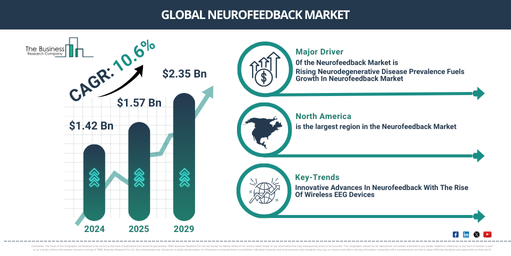
    In recent times, the neurofeedback market has experienced fast-paced expansion. Anticipated to increase from $1.42 billion in 2024 to $1.57 billion in 2025, this market anticipates a compound annual growth rate (CAGR) of 10.7%. The significant growth during the historical period could be associated with the widespread incidence of insomnia and anxiety disorders, amplified consciousness of mental health, mounting demand stimulated by amplified research and clinical confirmation, rising need for non-invasive treatments, and augmented healthcare spending.

    In the coming years, the neurofeedback market size is projected to experience substantial growth, increasing to $2.35 billion by 2029 with a 10.6% compound annual growth rate (CAGR). Factors contributing to this anticipated growth are the rising prevalence of mental disorders, the increase in traumatic brain injuries, higher demand for non-pharmacological treatments, a surge in cognitive enhancement applications, and more people opting for home-based therapy. Future trends include advancements in technology, such as innovative assessment technology, the development of cloud-based clinical assessment, the miniaturization of electroencephalography (EEG) hardware, and enhanced signal processing.

    Download a free sample to assess the report’s scope and structure:

    https://www.thebusinessresearchcompany.com/sample.aspx?id=20577&type=smp

    Which Factors and External Forces Are Driving Demand in the Neurofeedback Market?

    The escalating incidence of neurodegenerative illnesses is poised to boost the expansion of the neurofeedback market in the future. These diseases gradually diminish the function of the brain and nervous system, resulting in cognitive, movement and memory issues. The rise in neurodegenerative diseases can be attributed mostly to the aging populace, enhanced diagnostic techniques, increased awareness, and lifestyle factors. Neurofeedback proves to be a beneficial instrument in managing Parkinson’s disease, by aiding in enhancing motor control, cognitive capability, emotional control, and general brain wellness. This method can be used to enhance the quality of sleep which is frequently hindered in patients with Parkinson’s. By enhancing the brainwave patterns which encourage restful sleep, patients can achieve better overall health and manage their symptoms more effectively. For example, in December 2022, the Parkinson Foundation, based in the US, revealed that the annual incidence of Parkinson’s disease (PD) among the elderly is 50% higher than the previously estimated 60,000 cases. Furthermore, it is projected that by 2030, an additional 1.2 million Americans will be suffering from Parkinson’s disease. Therefore, the escalating incidence of neurodegenerative diseases is propelling the growth of the neurofeedback market.

    Which Segments in the Neurofeedback Offer the Most Growth?

    The neurofeedback market covered in this report is segmented –

    1) By Product: Amplifiers, Electrodes or Sensors, Computer Software

    2) By System: Frequency Or Power Neurofeedback System, Slow Cortical Potential Neurofeedback (SCP-NF) System, Low-Energy Neurofeedback System (LENS), Hemoencephalographic (HEG) Neurofeedback System, Live Z-Score Neurofeedback System, Low-Resolution Electromagnetic Tomography (LORE-TA), Functional Magnetic Resonance Imaging (fMRI)

    3) By Application: Attention Deficit Hyperactivity Disorder (ADHD), Anxiety, Depression, Epilepsy, Insomnia, Drug Addiction, Schizophrenia, Other Applications

    4) By End User: Hospitals, Physician Offices, Ambulatory Surgical Center

    Subsegments:

    1) By Amplifiers: EEG Amplifiers, Wireless Amplifiers, Portable Amplifiers

    2) By Electrodes or Sensors: EEG Electrodes, Disposable Electrodes, Dry Electrodes, Conductive Gel Electrodes

    3) By Computer Software: Neurofeedback Training Software, Data Analysis Software, Visualization Software, Biofeedback Software

    Request customized data on this market:

    https://www.thebusinessresearchcompany.com/customise?id=20577&type=smp

    What Are the Fastest-Growing Geographies in the Neurofeedback Market?

    North America was the largest region in the neurofeedback market in 2024. The regions covered in the neurofeedback market report are Asia-Pacific, Western Europe, Eastern Europe, North America, South America, Middle East, Africa.

    What Are the Key Market Trends in the Neurofeedback Market Over the Coming Years?

    Top companies in the neurofeedback market are prioritizing the development of state-of-the-art devices like wireless EEG equipment, which are designed to transmit data thus improving mobility and flexibility in a variety of environments. An EEG (Electroencephalogram) device is typically employed in the study and treatment of neurodegenerative diseases, enabling the monitoring of brainwave activity and the assessment of neurological function. By deploying sensors on the scalp, this device captures brain’s electrical activity which is crucial in uncovering abnormal brainwave patterns associated with cognitive problems, motor malfunctions and other signs of neurodegenerative diseases such as Alzheimer’s, Parkinson’s, and ALS. For example, BrainBit, a US electronics manufacturer, launched the BrainBit Flex, a novel wireless EEG device in September 2022. This groundbreaking equipment permits the placement of four sensors anywhere on the 10-20 system while preserving a robust signal quality. The Flex device enhances practicality and versatility, equipping therapists with the capability to construct a range of customized neurofeedback protocols. This development paves the way for extensive opportunities for neurofeedback treatment and training at home, rendering it a crucial tool for practitioners and their clients.

    View the full report here:

    https://www.thebusinessresearchcompany.com/report/neurofeedback-global-market-report

    What Are the Key Elements That Define the Neurofeedback Market?

    Neurofeedback is a type of biofeedback that involves training individuals to regulate their brain activity. It uses real-time monitoring of brainwaves (usually through electroencephalography or EEG) to provide feedback to the individual about their brain function. The goal is to teach the brain to improve its activity regulation, leading to better cognitive, emotional, and physiological functioning.

    Purchase the full report and get a swift delivery:

    https://www.thebusinessresearchcompany.com/purchaseoptions.aspx?id=20577

    About The Business Research Company:

    With over 15000+ reports from 27 industries covering 60+ geographies, The Business Research Company has built a reputation for offering comprehensive, data-rich research and insights. Armed with 1,500,000 datasets, the optimistic contribution of in-depth secondary research, and unique insights from industry leaders, you can get the information you need to stay ahead in the game.

    Get in touch with us:

    The Business Research Company: https://www.thebusinessresearchcompany.com/

    Americas +1 3156230293

    Asia +44 2071930708

    Europe +44 2071930708

    Email us at info@tbrc.info

    Follow us on:

    LinkedIn: https://in.linkedin.com/company/the-business-research-company

    YouTube: https://www.youtube.com/channel/UC24_fI0rV8cR5DxlCpgmyFQ

    Global Market Model: https://www.thebusinessresearchcompany.com/global-market-model
  • Myomectomy Market Forecast Reaching $2.23 Billion by 2029 at 8.2% CAGR

    Myomectomy Market Forecast Reaching $2.23 Billion by 2029 at 8.2% CAGR

    Discover trends, market shifts, and competitive outlooks for the myomectomy industry through 2025-2034 with The Business Research Company’s reliable data and in-depth research

    What Is the Estimated Market Size of the Myomectomy Market In 2029?

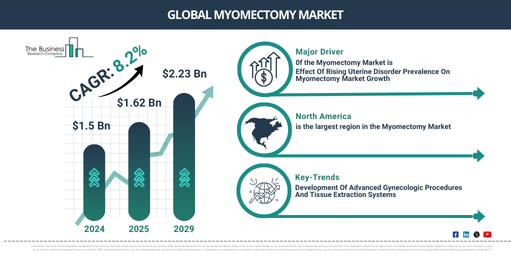
    The market size for myomectomy has seen robust growth over the past few years. The value is expected to rise from $1.5 billion in 2024 to $1.62 billion in 2025, indicating a compound annual growth rate (CAGR) of 8.5%. The factors contributing to growth during the historic period include an increase in incidences of uterine fibroids, advancements in surgical techniques, better knowledge of treatment alternatives, growing patient requirements for effective remedy, and continuous enhancements in healthcare facilities.

    In the upcoming years, the myomectomy market is predicted to experience significant growth, reaching a value of $2.23 billion in 2029 with a compound annual growth rate of 8.2%. Factors contributing to this anticipated growth during the forecast timeframe encompass an increase in the number of women opting for fertility-preservation procedures, wider availability of expert gynecological care, a boost in funding for innovative health technology, and a rising occurrence of uterine complications. Additionally, escalated spending on sophisticated surgical procedures is also a contributing dynamic. Key trends for the future comprise the adaptation of minimally invasive and robotic-assisted surgeries, the application of artificial intelligence in surgical preparation, genetic profiling for personalized treatment methods, advancements in non-invasive diagnostic instruments, a surge in patient preference for fertility-preserving alternatives, worldwide expansion of access to revolutionary surgical technologies, concentration on patient-focused care, and improvements in post-surgery recovery.

    Download a free sample to assess the report’s scope and structure:

    https://www.thebusinessresearchcompany.com/sample.aspx?id=20576&type=smp

    Which Major Market Drivers Are Expected to Boost the Growth Potential of the Myomectomy Market?

    The increase in uterine disorders is anticipated to fuel the expansion of the myomectomy market. Uterine disorders encompass various health conditions that impact the uterus, like fibroids, endometriosis, and uterine cancer, resulting in symptoms such as pain, irregular bleeding, and sterility. This escalating prevalence is accredited to elements including heightened awareness, delayed childbirth, hormonal disorders, and changes in lifestyle. Myomectomy is employed in treating uterine disorders to surgically extract fibroids, alleviating symptoms including pain, severe bleeding and fertility issues whilst conserving the uterus. For instance, as cited by Cancer Australia in January 2024, a cancer-management agency based in Australia, uterine cancer led to 561 fatalities in the country during 2020, with an expected rise to 667 by 2022. Consequently, the escalating prevalence of uterine disorders is stimulating the myomectomy market expansion. The myomectomy market’s growth is expected to be fuelled by the increasing demand for minimally invasive techniques. These surgical procedures involve small cuts or natural body passages to reach and treat interiors structures, organs, or tissues, thereby reducing trauma to the patient’s body. These techniques provide not only medical but also financial and aesthetic advantages that appeal to both patients and healthcare providers, therefore driving their growing demand across various medical specialities. Occlusion devices, which are employed in these minimally invasive procedures to block blood vessels, ducts, or other channels in the body, are often utilised in interventional cardiology, radiology, and other fields for treating conditions like aneurysms, abnormal blood circulation, or congenital heart abnormalities. For instance, Intuitive Surgical Inc., a US-based technology company specialising in minimally invasive care products, reported in January 2023 that approximately 1,875,000 surgeries were executed with Vinci surgical systems in 2022, marking roughly an 18% increase compared to approximately 1,594,000 surgeries executed in 2021. This growing demand for minimally invasive techniques propels the myomectomy devices market growth.

    Which Key Market Segments Comprise the Myomectomy Market and Drive Its Revenue Growth?

    The myomectomy market covered in this report is segmented –

    1) By Type: Abdominal Myomectomy, Hysteroscopic Myomectomy, Laparoscopic Myomectomy

    2) By Product: Laparoscopic Power Morcellators, Harmonic Scalpel, Laparoscopic Sealer, Other Products

    3) By End-User: Hospitals And Clinics, Surgical Centers, Medical Device Companies, Other End-Users

    Subsegments:

    1) By Abdominal Myomectomy: Open Abdominal Myomectomy (Laparotomy), Mini-Laparotomy Myomectomy

    2) By Hysteroscopic Myomectomy: Resectoscopic Myomectomy, Non-Resectoscopic Techniques

    3) By Laparoscopic Myomectomy: Conventional Laparoscopic Myomectomy, Robotic-Assisted Laparoscopic Myomectomy

    Request customized data on this market:

    https://www.thebusinessresearchcompany.com/customise?id=20576&type=smp

    Which Areas Are Leading Regions in the Myomectomy Market Expansion Across the Globe?

    North America was the largest region in the myomectomy market in 2024. Asia-Pacific is expected to be the fastest-growing region in the forecast period. The regions covered in the myomectomy market report are Asia-Pacific, Western Europe, Eastern Europe, North America, South America, Middle East, Africa.

    Which Emerging Trends that Are Influencing the Myomectomy Industry Evolution?

    The key players in the myomectomy market are focusing on developing innovative gynecological procedures, like tissue extraction systems, to enhance surgical outcomes and provide less invasive options for patients undergoing myomectomy. Specifically, the Tissue Extraction System is a medical tool designed to facilitate the removal of large tissue samples during minimally invasive gynecologic surgeries, among them myomectomy. In an example from November 2022, Olympus Corporation, an optics and reprography product manufacturer based in Japan, brought out the New Gynecologic Power Morcellator. As an element of Olympus’ integrated tissue extraction system, the Morcellation Morcellator is specifically created for advanced gynecological procedures involving large, calcified tissue samples. In conjunction with the PneumoLiner containment device, it offers certain patients a less invasive alternative to open hysterectomy or myomectomy.

    View the full report here:

    https://www.thebusinessresearchcompany.com/report/myomectomy-global-market-report

    How Is the Myomectomy Market Conceptually Defined?

    Myomectomy is a surgical procedure designed to remove uterine fibroids (benign growths) while keeping the uterus intact. It helps relieve symptoms such as heavy bleeding, pain, and pressure associated with fibroids. This procedure can also enhance fertility and is often recommended for women who want to preserve their uterus.

    Purchase the full report and get a swift delivery:

    https://www.thebusinessresearchcompany.com/purchaseoptions.aspx?id=20576

    About The Business Research Company:

    With over 15000+ reports from 27 industries covering 60+ geographies, The Business Research Company has built a reputation for offering comprehensive, data-rich research and insights. Armed with 1,500,000 datasets, the optimistic contribution of in-depth secondary research, and unique insights from industry leaders, you can get the information you need to stay ahead in the game.

    Get in touch with us:

    The Business Research Company: https://www.thebusinessresearchcompany.com/

    Americas +1 3156230293

    Asia +44 2071930708

    Europe +44 2071930708

    Email us at info@tbrc.info

    Follow us on:

    LinkedIn: https://in.linkedin.com/company/the-business-research-company

    YouTube: https://www.youtube.com/channel/UC24_fI0rV8cR5DxlCpgmyFQ

    Global Market Model: https://www.thebusinessresearchcompany.com/global-market-model
  • Medical Linear Accelerator Market Forecast 2025–2034: Trends Reshaping Demand, Investment, and Innovation

    Medical Linear Accelerator Market Forecast 2025–2034: Trends Reshaping Demand, Investment, and Innovation

    Discover trends, market shifts, and competitive outlooks for the metabolic biomarker testing industry through 2025-2034 with The Business Research Company’s reliable data and in-depth research

    How Has The Metabolic Biomarker Testing Market Growth Evolved From 2024 To 2025, And What’s Ahead?

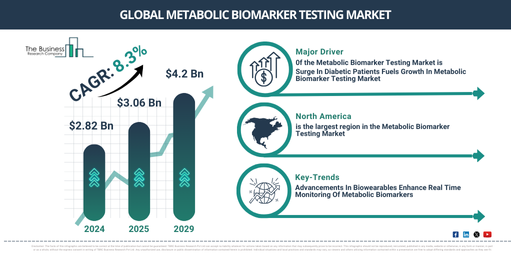
    In the past few years, the metabolic biomarker testing market has significantly expanded. Its growth will continue from $2.82 billion in 2024 to $3.06 billion in 2025, with an 8.5% compound annual growth rate (CAGR). The growth seen in the historical period is due to an increased occurrence of metabolic disorders, heightened awareness about early disease detection, burgeoning demand for personalized medicine, rising obesity and diabetes prevalence, and increased adoption of preventive healthcare measures.

    The market for metabolic biomarker testing is anticipated to witness diligent progress in the coming years, expanding to replicate a value of $4.2 billion by 2029, backed by a compound annual growth rate (CAGR) of 8.3%. This intensified regeneration during the predicted span could be owed to the increased propensity towards precision medicine, the evolution in personalized nutrition and wellness programs, augmented funding for metabolic studies, enhanced patient consciousness and enlightenment, and the escalating occurrence of metabolic syndromes and associated conditions. The forecast period also brings forth significant trends like the evolution in high-throughput screening technologies, incorporation of Artificial Intelligence, amalgamation of machine learning in biomarker analysis, progression in mobile health (mHealth) technologies, and the extension of telemedicine solutions for distant biomarker testing.

    Download a free sample to assess the report’s scope and structure:

    https://www.thebusinessresearchcompany.com/sample.aspx?id=20573&type=smp

    What Are the Primary Drivers Supporting the Market Growth of the Metabolic Biomarker Testing Market?

    The metabolic biomarker testing market is anticipated to grow due to the increasing prevalence of diabetes. This chronic health condition is marked by elevated blood sugar levels resulting from the body’s inability to efficiently produce or utilize insulin. The surge in diabetes is linked to unhealthy dietary habits, including overconsumption of processed food and sugary beverages, as well as a lack of physical exercise. Factors such as an aging demographic and a familial history of diabetes, suggesting a genetic vulnerability, also contribute to the rise in the disease. Testing for metabolic biomarkers is instrumental in the diagnosis, surveillance, and management of metabolic diseases like diabetes, offering a deeper understanding of metabolic functions and irregularities at the cellular level. For example, the British Diabetic Association reported in May 2024 that there are currently 4.3 million diagnosed diabetes patients in the UK, an increase of 148,951 registered cases from 2022 to 2021. Also, more than 2.4 million residents of the UK are facing a high risk of type 2 diabetes. Consequently, the escalating incidence of diabetes is expected to fuel the growth of the metabolic biomarker testing market.

    Which Primary Segments of the Metabolic Biomarker Testing Market Are Driving Growth and Industry Transformations?

    The metabolic biomarker testing market covered in this report is segmented –

    1) By Type: Separation Techniques, Detection Techniques, Other Types

    2) By Indication: Cancer, Cardiovascular Disorders, Neurological Disorders, Inborn Errors Of Metabolism, Other Indications

    3) By Application: Drug Assessment, Nutrigenomics, Toxicology Testing, Personalized Medicine, Functional Genomics, Other Applications

    4) By End User: Pharma And Biotech Companies, Diagnostic Tool Companies, Healthcare Information Technology (IT), Clinical Laboratories

    Subsegments:

    1) By Separation Techniques: Chromatography, Capillary Electrophoresis, Mass Spectrometry (MS), Liquid-Liquid Extraction, Solid-Phase Extraction

    2) By Detection Techniques: Enzyme-Linked Immunosorbent Assay (ELISA), Western Blotting, Fluorescence-Based Detection, Electrochemical Detection, Nuclear Magnetic Resonance (NMR), Immunoassays

    3) By Other Types: Genetic Biomarker Testing, Protein Biomarker Testing, Metabolomics Profiling, Spectroscopy Techniques, Microarray Technology

    Request customized data on this market:

    https://www.thebusinessresearchcompany.com/customise?id=20573&type=smp

    Which Regions Are Key Players in the Growth of the Metabolic Biomarker Testing Market?

    North America was the largest region in the metabolic biomarker testing market in 2024. The regions covered in the metabolic biomarker testing market report are Asia-Pacific, Western Europe, Eastern Europe, North America, South America, Middle East, Africa.

    What Are the Most Significant Market Trends in the Metabolic Biomarker Testing Market?

    Major players in the metabolic biomarker testing market are prioritizing technological innovations, notably the use of biowearables for self-monitoring, to assist individuals in constant tracking and management of their health and nutritional parameters. Such biowearables offer instantaneous, non-invasive monitoring of crucial metabolic indicators including glucose, thereby facilitating personalized health management and the optimization of exercise and diet regimes. For example, in January 2022, Abbott Laboratories, a medical device establishment based in the US, rolled out a Lingo biowearable. It’s intended to be worn on the upper arm for a maximum of two weeks and allows individuals to monitor their glucose, ketone, and lactate levels, hence providing ongoing insight into their metabolic health. The Lingo device employs technology from Abbott’s FreeStyle Libre to augment general well-being and exercise performance, not functioning as a diagnostic medical apparatus. Initially, the launch will take place in Europe under the Lingo Keto brand, making it directly accessible to the public without needing a prescription.

    View the full report here:

    https://www.thebusinessresearchcompany.com/report/metabolic-biomarker-testing-global-market-report

    What Parameters Are Used to Define the Metabolic Biomarker Testing Market?

    Metabolic biomarker testing refers to the analysis of specific molecules in biological samples, such as blood or urine, to assess metabolic processes and identify imbalances or dysfunctions. This testing helps in diagnosing metabolic disorders, monitoring health conditions, and guiding personalized treatment strategies.

    Purchase the full report and get a swift delivery:

    https://www.thebusinessresearchcompany.com/purchaseoptions.aspx?id=20573

    About The Business Research Company:

    With over 15000+ reports from 27 industries covering 60+ geographies, The Business Research Company has built a reputation for offering comprehensive, data-rich research and insights. Armed with 1,500,000 datasets, the optimistic contribution of in-depth secondary research, and unique insights from industry leaders, you can get the information you need to stay ahead in the game.

    Get in touch with us:

    The Business Research Company: https://www.thebusinessresearchcompany.com/

    Americas +1 3156230293

    Asia +44 2071930708

    Europe +44 2071930708

    Email us at info@tbrc.info

    Follow us on:

    LinkedIn: https://in.linkedin.com/company/the-business-research-company

    YouTube: https://www.youtube.com/channel/UC24_fI0rV8cR5DxlCpgmyFQ

    Global Market Model: https://www.thebusinessresearchcompany.com/global-market-model
  • Long QT Syndrome Treatment Market Outlook 2025–2034: Identifying Growth Drivers, Technology Trends, and Policy Impact

    Long QT Syndrome Treatment Market Outlook 2025–2034: Identifying Growth Drivers, Technology Trends, and Policy Impact

    Discover trends, market shifts, and competitive outlooks for the long qt syndrome treatment industry through 2025-2034 with The Business Research Company’s reliable data and in-depth research

    What Are the Key Milestones in the Long QT Syndrome Treatment Market’s Growth Trajectory From 2025 To 2034?

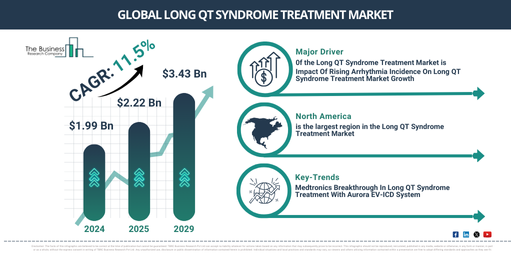
    In recent times, the market size for long QT syndrome treatment has seen swift expansion. Starting from a worth of $1.99 billion in 2024, it is projected to increase to $2.22 billion by 2025 at a compound annual growth rate (CAGR) of 11.9%. The historical growth of the market is due to an uptick in genetic testing instances, a surge in worldwide healthcare spending, an increase in the patient population opting for specialized cardiac care, a rise in clinical trials, and the growing utilization of wearable cardiac monitoring gadgets.

    The market for treating long QT syndrome is anticipated to experience swift expansion in the coming years, with a projection to reach $3.43 billion by 2029, boasting a compound annual growth rate (CAGR) of 11.5%. Factors contributing to this expansion in the prediction period include heightened awareness, educational initiatives, the growing elderly demographic, an increase in arrhythmia instances, and a heightened focus on tailored healthcare approaches and investment surges. Emerging trends for the forecast period include advancements in technology, individualized medicine, inventive pharmaceutical treatments, wearable tech, and the incorporation of artificial intelligence.

    Download a free sample to assess the report’s scope and structure:

    https://www.thebusinessresearchcompany.com/sample.aspx?id=20569&type=smp

    What Are the Core Market Drivers Propelling Growth in the Long QT Syndrome Treatment Industry?

    The escalating occurrence of arrhythmia, a medical issue defined by erratic heartbeat, is projected to stimulate the expansion of the long QT syndrome treatment market. The growing occurrence is attributed to various aspects such as the aging demographic, enhanced diagnostic apparatus, and the rising existence of cardiovascular risk elements. Long QT syndrome treatment is utilized to handle arrhythmia and its potential to lead to severe irregular heart rhythms that can result in sudden cardiac arrest or fatality. As per the National Library of Medicine (NLM), the largest medical library in the world, arrhythmias are predicted to impact 1.5% to 5% of the common population yearly by 2023, with atrial fibrillation being most common. Thus, the escalating occurrence of arrhythmia cues the expansion of the long QT syndrome treatment market. The long QT syndrome treatment market anticipates growth acceleration due to the rising incidence of genetic abnormalities. These abnormalities are disorders caused by genetic or chromosomal alterations resulting in various health complications. The rise in genetic abnormalities is due to environmental factors, augmented life expectancy, and genetic factors. The treatment of long QT syndrome addresses the mounting occurrence of genetic abnormalities via improved detection, diagnosis, treatment through genetic testing, personalized medicine, preventive methods, and ongoing gene therapy research. For example, in the US, the genetic testing registry recorded a total of 129,624 genetic tests and globally 197,779 tests, inclusive of updated versions of existing tests as of November 2022, according to the United States National Library of Medicine data in April 2023. Hence, the rising incidence of genetic abnormalities propels the growth of the long QT syndrome treatment market.

    How Is the Long QT Syndrome Treatment Market Segmented?

    The long QT syndrome treatment market covered in this report is segmented –

    1) By Type: Long QT Syndrome Type 1, Long QT Syndrome Type 2, Long QT Syndrome Type 3, Other Types

    2) By Treatment: Medication, Surgical Procedures

    3) By Diagnosis: Tests, Electrocardiogram, Genetic Testing, Other Diagnosis

    Subsegments:

    1) By Long QT Syndrome Type 1: Pharmacological Treatment for Type 1 (Beta-Blockers, Etc.), Implantable Cardioverter-Defibrillators (ICD) for Type 1, Gene Therapy for Long QT Type 1, Surgical Interventions for Type 1

    2) By Long QT Syndrome Type 2: Beta-Blockers for Type 2 Treatment, Implantable Cardioverter-Defibrillators (ICD) for Type 2, Gene Therapy for Type 2, Potassium Channel Blockers for Type 2, Lifestyle Modifications and Monitoring for Type 2

    3) By Long QT Syndrome Type 3: Sodium Channel Blockers for Type 3, Beta-Blockers for Type 3 Treatment, Implantable Cardioverter-Defibrillators (ICD) for Type 3, Gene Therapy and Cell Therapy for Type 3, Pharmacological Interventions for Type 3

    4) By Other Types: Congenital Long QT Syndrome Treatment, Acquired Long QT Syndrome Treatment, Combination Treatments for Long QT Syndrome, Novel and Experimental Treatments for Long QT Syndrome

    Request customized data on this market:

    https://www.thebusinessresearchcompany.com/customise?id=20569&type=smp

    Which Regions Are Driving the Next Phase of the Long QT Syndrome Treatment Market Growth?

    North America was the largest region in the long QT syndrome treatment market in 2024. Asia-Pacific is expected to be the fastest-growing region in the forecast period. The regions covered in the long QT syndrome treatment market report are Asia-Pacific, Western Europe, Eastern Europe, North America, South America, Middle East, Africa.

    What Key Market Trends and Innovations Are Shaping the Future of the Long QT Syndrome Treatment Industry?

    Leading businesses in the long QT syndrome treatment market are concentrating on creating innovative technologies, such as cardiac devices, for easy and instant heart rhythm monitoring. A cardiac device is a medical piece of equipment used or implanted in patients to regulate heart rhythm disorders, boost cardiac function, or sustain circulation. Typically, these devices are utilized to manage diseases like arrhythmias (irregular heartbeats), heart failure, or other heart-related illnesses. For example, Medtronic Plc, a medical device company based in Ireland, secured U.S. Food and Drug Administration (FDA) approval for the Aurora EV-ICD MRI SureScan in October 2023. This Extravascular Implantable Cardioverter-Defibrillator (EV-ICD) system is designed to control rapid heart rhythms that could result in an abrupt cardiac arrest. This approval symbolises a crucial milestone in implantable defibrillator technology, as it minimizes the likelihood of long-term issues, enhances the safety and effectiveness of ICD technology, and is anticipated to bolster the company’s product range.

    View the full report here:

    https://www.thebusinessresearchcompany.com/report/long-qt-syndrome-treatment-global-market-report

    How Is the Long QT Syndrome Treatment Market Defined and What Are Its Core Parameters?

    Long QT syndrome (LQTS) treatment refers to the medical and lifestyle interventions used to manage and mitigate the risks associated with this heart condition. The goal of treatment is to prevent abnormal heart rhythms (arrhythmias) and reduce the risk of sudden cardiac events.

    Purchase the full report and get a swift delivery:

    https://www.thebusinessresearchcompany.com/purchaseoptions.aspx?id=20569

    About The Business Research Company:

    With over 15000+ reports from 27 industries covering 60+ geographies, The Business Research Company has built a reputation for offering comprehensive, data-rich research and insights. Armed with 1,500,000 datasets, the optimistic contribution of in-depth secondary research, and unique insights from industry leaders, you can get the information you need to stay ahead in the game.

    Get in touch with us:

    The Business Research Company: https://www.thebusinessresearchcompany.com/

    Americas +1 3156230293

    Asia +44 2071930708

    Europe +44 2071930708

    Email us at info@tbrc.info

    Follow us on:

    LinkedIn: https://in.linkedin.com/company/the-business-research-company

    YouTube: https://www.youtube.com/channel/UC24_fI0rV8cR5DxlCpgmyFQ

    Global Market Model: https://www.thebusinessresearchcompany.com/global-market-model
  • Global Visual Arts Therapy Market Projected to Reach $3.77 Billion by 2029 at a CAGR of 18%

    Global Visual Arts Therapy Market Projected to Reach $3.77 Billion by 2029 at a CAGR of 18%

    Discover trends, market shifts, and competitive outlooks for the visual arts therapy industry through 2025-2034 with The Business Research Company’s reliable data and in-depth research

    How Has The Visual Arts Therapy Market Growth Evolved From 2024 To 2025, And What’s Ahead?

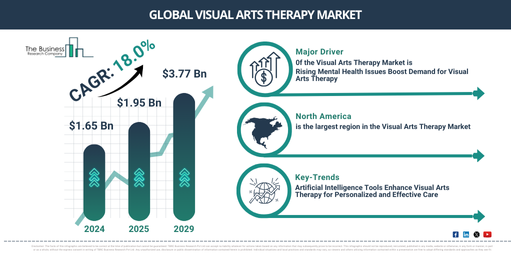
    The market size for visual arts therapy has expanded quickly over the past few years. The figures are projected to climb from $1.65 billion in 2024 to $1.95 billion in 2025, demonstrating a compound annual growth rate (CAGR) of 18.3%. Factors contributing to this growth throughout the historic period include heightened understanding of art’s therapeutic potential, increased awareness of mental health, the inclusion of art therapy in both educational and health care environments, the founding of professional entities that champion art therapy, and a broader acceptance for alternative therapy methods.

    The market size of visual arts therapy is predicted to experience a substantial expansion in the upcoming years, reaching $3.77 billion by 2029, growing at a compound annual growth rate (CAGR) of 18.0%. The anticipated growth in this period can be linked to the increased need for mental health services, the adoption of telehealth and digital therapy platforms, a heightened understanding of art therapy benefits among healthcare professionals, an expanding elderly population in need of therapeutic procedures, and ongoing increases in mental health disorders. Important trends forecasted for this period involve a growing focus on individualized, patient-centric methods, increased partnership between healthcare professionals and art therapists, a surge in community-driven art therapy projects, integration of virtual reality and digital arts in therapeutic practices, and a rising acknowledgment of the potency of art therapy in addressing a range of mental health issues.

    Download a free sample to assess the report’s scope and structure:

    https://www.thebusinessresearchcompany.com/sample.aspx?id=20694&type=smp

    What are the Fundamental Drivers and Innovations Shaping the Visual Arts Therapy Market?

    The increasing prevalence of mental health issues is predicted to fuel the expansion of the visual arts therapy market in the future. Mental health issues encompass a variety of conditions that impact a person’s emotional, psychological, and social health. Factors such as economic strain, social detachment, and the rapid speed of contemporary life are contributing to a rise in mental health issues. Visual arts therapy aids mental health by offering a creative avenue for expression, alleviating stress, and facilitating therapeutic processing of emotions and experiences. As an illustration, in April 2023, the National Alliance on Mental Illness (NAMI), a US-based non-profit, reported that the proportion of U.S. adults encountering mental illness escalated to 22.8% in 2021 up from 21% in nonmetropolitan zones in 2020, with 5.5% confronting serious mental illness (an increase from 6%), and 7.6% grappling with both a substance use disorder and mental illness, in contrast to 13% dealing with only substance use disorder in 2020. As a result, the escalating prevalence of mental health issues is spurring the growth of the visual arts therapy market.

    How Is the Visual Arts Therapy Market Segmented?

    The visual arts therapy market covered in this report is segmented –

    1) By Type: Painting, Music, Dance, Drama, Photography, Others Types

    2) By Application: Cancer Patients, Dementia Patients, Post-Traumatic Stress Disorder (PTSD) Patients, Physical Disabilities, Mental Health Issues, Substance Abuse Issues, Others Applications

    3) By End User: Hospital, Rehab Centers, Nursing Homes, Community Centers, Psychiatric Facilities, Counseling Practices, Others End Users

    Subsegments:

    1) By Painting: Acrylic Painting, Watercolor Painting, Oil Painting, Mixed Media Painting

    2) By Music: Music Composition, Music Listening Therapy, Songwriting, Instrumental Therapy

    3) By Dance: Expressive Dance, Movement Therapy, Ballet Therapy, Improvisational Dance

    4) By Drama: Theater Therapy, Role-Playing, Improvisational Drama, Storytelling

    5) By Photography: Creative Photography, Documentary Photography, Photo Journaling, Therapeutic Photography Workshops

    6) By Other Types: Sculpture, Crafts And Handicrafts, Digital Art, Collage And Mixed Media

    Request customized data on this market:

    https://www.thebusinessresearchcompany.com/customise?id=20694&type=smp

    Which Regions Are Driving the Next Phase of the Visual Arts Therapy Market Growth?

    North America was the largest region in the visual arts therapy market in 2024. Asia-Pacific is expected to be the fastest-growing region in the forecast period. The regions covered in the visual arts therapy market report are Asia-Pacific, Western Europe, Eastern Europe, North America, South America, Middle East, Africa.

    Which Technological Trends Are Reshaping the Visual Arts Therapy Industry Dynamics?

    Prominent firms in the visual arts therapy market are prioritizing the creation of inventive solutions, such as artificial intelligence (AI)-aided art therapy, to enhance the accessibility and regularity of art therapy for patients in palliative care. AI-fueled art therapy is a therapeutic method that employs AI to produce and examine personalized art, which offers a novel perspective to venture into emotions, boost self-expression, and bolster mental health through dynamic and flexible creative endeavors. For instance, in November 2023, CareYaya Health Technologies, an American health-tech startup, introduced Pocket Picasso, an AI-powered instrument that utilizes AI-crafted imagery for individualized art therapy in hospice environments. By incorporating OpenAI’s DALL-E 3 software to generate images based on patient cues, this tool elevates the reach of art therapy, allowing for more regular sessions and encouraging impactful dialogues that assist in mitigating anxiety and discomfort.

    View the full report here:

    https://www.thebusinessresearchcompany.com/report/visual-arts-therapy-global-market-report

    How Is the Visual Arts Therapy Market Defined and What Are Its Core Parameters?

    Visual arts therapy is an integrative form of psychotherapy that utilizes creative art processes such as drawing, painting, sculpture, and collage to facilitate emotional expression and healing. This form of therapy can be beneficial for individuals of all ages, aiding in self-discovery, emotional healing, and personal growth.

    Purchase the full report and get a swift delivery:

    https://www.thebusinessresearchcompany.com/purchaseoptions.aspx?id=20694

    About The Business Research Company:

    With over 15000+ reports from 27 industries covering 60+ geographies, The Business Research Company has built a reputation for offering comprehensive, data-rich research and insights. Armed with 1,500,000 datasets, the optimistic contribution of in-depth secondary research, and unique insights from industry leaders, you can get the information you need to stay ahead in the game.

    Get in touch with us:

    The Business Research Company: https://www.thebusinessresearchcompany.com/

    Americas +1 3156230293

    Asia +44 2071930708

    Europe +44 2071930708

    Email us at info@tbrc.info

    Follow us on:

    LinkedIn: https://in.linkedin.com/company/the-business-research-company

    YouTube: https://www.youtube.com/channel/UC24_fI0rV8cR5DxlCpgmyFQ

    Global Market Model: https://www.thebusinessresearchcompany.com/global-market-model
  • Virtual Health Service Market Trends 2025-2034: Growth, Strategic Insights, and Opportunities Ahead

    Virtual Health Service Market Trends 2025-2034: Growth, Strategic Insights, and Opportunities Ahead

    Discover trends, market shifts, and competitive outlooks for the virtual health service industry through 2025-2034 with The Business Research Company’s reliable data and in-depth research

    What is the Anticipated CAGR of the Virtual Health Service Market, and What Factors Will Drive It?

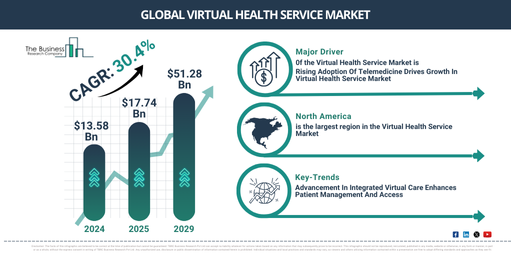
    The market size of the virtual health service has seen a substantial increase in recent times. It is predicted to expand from a worth of $13.58 billion in 2024 to $17.74 billion in 2025, projecting a compound annual growth rate (CAGR) of 30.7%. The remarkable growth during the historic period was driven by several factors such as widespread adoption of smartphones and tablets, increased demand for accessible healthcare services, a substantial rise in chronic diseases, a greater emphasis on patient engagement, and heightened demand for remote patient monitoring.

    Spectacular escalation is predicted for the virtual health service market size over the next couple of years, reaching a valuation of $51.28 billion in 2029 with a compound annual growth rate (CAGR) of 30.4%. The progress noted in the projection period is projected to be due to the growing embrace of telehealth services, increasing patient monitoring demands from remote locations, the expansion of digital health platforms, a rising emphasis on patient centric care, and escalating need for mental health services. Some key trends for the forecast period encompass telehealth platform integration, creation of customized virtual health solutions, use of virtual reality for therapy, incorporation of wearable technology, and digital therapeutics integration.

    Download a free sample to assess the report’s scope and structure:

    https://www.thebusinessresearchcompany.com/sample.aspx?id=20691&type=smp

    What Are the Major Market Drivers Behind the Rising Adoption of Virtual Health Service Market?

    The growing acceptance of telemedicine is projected to bolster the expansion of the virtual healthcare service industry in the future. Telemedicine entails the use of digital communication tools to provide health services and consultations, allowing patients to receive medical care from their homes. This surge in telemedicine usage is a result of technological advancements, growing patient demand for convenience, and initiatives to improve healthcare accessibility. Virtual health services facilitate telemedicine by offering the required digital infrastructure and tools for virtual consultations. This permits medical professionals to diagnose, treat, and monitor their patients without physical appointments. For example, the Ministry of Justice, a UK-based government department, reported in July 2023 that there was a 67% increase from 4,799 to 8,028 individuals fitted with a location monitoring device (GPS) as of 30 June 2023 compared to 30 June 2022. Therefore, the rising acceptance of telemedicine is steering the growth of the virtual health service industry.

    Which Key Market Segments Comprise the Virtual Health Service Market and Drive Its Revenue Growth?

    The virtual health service market covered in this report is segmented –

    1) By Component: Software And Services, Hardware

    2) By Consultation Mode: Video, Audio, Messaging, Kiosks

    3) By Specialty And Use Case: General Medicine, Mental Health, Dermatology, Chronic Condition Management, Remote Surgery Assistance, Nutrition And Fitness, Women’s Health, Pediatrics

    4) By Mode Of Delivery: Web Based, App Based, Phone Based

    5) By End User: Patients, Healthcare Providers, Payers, Employers, Other End Users

    Subsegments:

    1) By Software and Services: Telemedicine Software, Health Monitoring Software, Electronic Health Records (EHR) Systems, Mobile Health Applications, Remote Patient Monitoring Services, Consultation Services, Analytics and Reporting Services

    2) By Hardware: Telehealth Kits, Medical Devices for Remote Monitoring, Computers and Tablets, Wearable Health Devices, Video Conferencing Equipment

    Request customized data on this market:

    https://www.thebusinessresearchcompany.com/customise?id=20691&type=smp

    Which Areas Are Leading Regions in the Virtual Health Service Market Expansion Across the Globe?

    North America was the largest region in the virtual health service market in 2024. The regions covered in the virtual health service market report are Asia-Pacific, Western Europe, Eastern Europe, North America, South America, Middle East, Africa.

    Which Emerging Trends that Are Influencing the Virtual Health Service Industry Evolution?

    Leading firms in the virtual health service market are advancing integrated virtual care to boost patient management, optimize healthcare provision, and augment access to healthcare services. The comprehensive digital health system known as integrated virtual care amalgamates numerous virtual services like telemedicine, remote monitoring, and digital health records, to streamline healthcare provision, enhance patient access, and coordinate care across varied platforms. For instance, PointClickCare Technologies, a healthcare technology company based in Canada, introduced its Virtual Health service, a telemedicine solution, in October 2022. The service is aimed at bolstering collaboration and providing real-time insights for skilled nursing facilities (SNFs) across the country. The technology meets existing workflows with ease, bolstering patient care and satisfaction among staff, while driving down costs by keeping occupancy rates stable and limiting readmissions. This technology’s launch signifies a crucial progression in the virtual health service market, catering to the increasing demand for effective telehealth solutions and propelling post-acute care innovation.

    View the full report here:

    https://www.thebusinessresearchcompany.com/report/virtual-health-service-global-market-report

    How Is the Virtual Health Service Market Conceptually Defined?

    Virtual health service refers to the delivery of healthcare services and consultations through digital platforms, enabling patients to connect with healthcare providers remotely via video calls, phone calls, or online messaging. This approach allows for convenient, accessible, and timely medical care, including diagnosis, treatment, monitoring, and follow-up, without the need for in-person visits.

    Purchase the full report and get a swift delivery:

    https://www.thebusinessresearchcompany.com/purchaseoptions.aspx?id=20691

    About The Business Research Company:

    With over 15000+ reports from 27 industries covering 60+ geographies, The Business Research Company has built a reputation for offering comprehensive, data-rich research and insights. Armed with 1,500,000 datasets, the optimistic contribution of in-depth secondary research, and unique insights from industry leaders, you can get the information you need to stay ahead in the game.

    Get in touch with us:

    The Business Research Company: https://www.thebusinessresearchcompany.com/

    Americas +1 3156230293

    Asia +44 2071930708

    Europe +44 2071930708

    Email us at info@tbrc.info

    Follow us on:

    LinkedIn: https://in.linkedin.com/company/the-business-research-company

    YouTube: https://www.youtube.com/channel/UC24_fI0rV8cR5DxlCpgmyFQ

    Global Market Model: https://www.thebusinessresearchcompany.com/global-market-model

  • Viral Vectors And Plasmid DNA Manufacturing Market Insights: In-Depth Look at Growth Trends, Market Size, and Opportunities for 2025-2034

    Viral Vectors And Plasmid DNA Manufacturing Market Insights: In-Depth Look at Growth Trends, Market Size, and Opportunities for 2025-2034

    Discover trends, market shifts, and competitive outlooks for the viral vectors and plasmid dna manufacturing industry through 2025-2034 with The Business Research Company’s reliable data and in-depth research

    What Are the Key Milestones in the Viral Vectors And Plasmid DNA Manufacturing Market’s Growth Trajectory From 2025 To 2034?

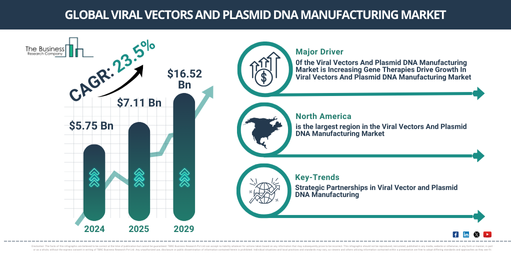
    The market for manufacturing viral vectors and plasmid DNA has witnessed massive expansion in recent times. The market is projected to surge from $5.75 billion in 2024 to $7.11 billion in 2025, demonstrating a compound annual growth rate (CAGR) of 23.8%. The historical growth of this market is attributed to factors such as the rising demand for personalised medicine, increased vaccine development, availability of funds for developing gene therapy, effectiveness of viral vectors in delivering gene therapy, and their potential use in innovative drug delivery methods.

    In the coming years, the market for viral vectors and plasmid dna manufacturing is set to experience significant expansion. It is projected to reach $16.52 billion in 2029 with a compound annual growth rate (CAGR) of 23.5%. The projected growth within this timeframe can be ascribed to factors such as the rising number of gene therapies, increased market players, escalating instances of infectious diseases and genetic abnormalities, substantial investments in cell and gene therapy research, and an increased prevalence of certain disorders and diseases. Key trends anticipated in this period comprise technological progress, advancements in gene therapy, the adoption of cutting-edge technologies, the use of single-use technologies, and progress in vaccine technology.

    Download a free sample to assess the report’s scope and structure:

    https://www.thebusinessresearchcompany.com/sample.aspx?id=20690&type=smp

    What External and Internal Drivers Are Contributing to the Growth of the Viral Vectors And Plasmid DNA Manufacturing Market?

    The growth of the viral vectors and plasmid DNA manufacturing market is anticipated to be propelled by the escalating number of gene therapies. Gene therapy, which deals with the introduction, alteration or removal of genetic material within a person’s cells for the treatment or prevention of diseases, is vital due to increasing investment in biotechnological research and development. Additionally, there is a deeper comprehension of the genetic and cellular mechanisms associated with various diseases. Viral vectors and plasmid DNA manufacturing aid in delivering therapeutic genes into the cells of patients, thereby allowing genetic disorders to be treated at the molecular level. The number of gene therapies in Phase III clinical trials saw a 10% increase in Q3 2023, which was the first quarterly rise since Q3 2022, according to the American Society of Gene & Cell Therapy, a US-based non-profit medical and scientific organisation. Thus, the rising number of gene therapies is fuelling the growth of the viral vectors and plasmid DNA manufacturing market.

    What Segment Types Define the Viral Vectors And Plasmid DNA Manufacturing Market Structure?

    The viral vectors and plasmid dna manufacturing market covered in this report is segmented –

    1) By Product Type: Plasmid Deoxyribonucleic Acid (DNA), Viral Vector, Non-Viral Vector

    2) By Scale Of Operation: Preclinical, Clinical, Commercial

    3) By Therapeutic Area: Oncological Disorders, Rare Diseases, Neurological Disorders, Sensory Disorders, Metabolic Disorders, Musculoskeletal Disorders, Blood Disorders, Immunological Disorders, Other Disorders

    4) By Application Area: Gene Therapies, Cell Therapies, Vaccines

    5) By Type Of Manufacturer: In-house Manufacturers, Contract Manufacturing Organizations

    Subsegments:

    1) By Plasmid Deoxyribonucleic Acid (DNA): Linear Plasmid DNA, Circular Plasmid DNA, High-Copy Plasmid DNA, Low-Copy Plasmid DNA

    2) By Viral Vector: Adenoviral Vectors, Lentiviral Vectors, Adeno-Associated Viral Vectors (AAV), Retroviral Vectors

    3) By Non-Viral Vector: Liposome-Based Vectors, Polymer-Based Vectors, Nanoparticle-Based Vectors, Electroporation-Based Vectors

    Request customized data on this market:

    https://www.thebusinessresearchcompany.com/customise?id=20690&type=smp

    Which Geographic Areas Hold the Strongest Growth Potential in the Viral Vectors And Plasmid DNA Manufacturing Market?

    North America was the largest region in the viral vectors and plasmid DNA manufacturing market in 2024. Asia-Pacific is expected to be the fastest-growing region in the forecast period. The regions covered in the viral vectors and plasmid DNA manufacturing market report are Asia-Pacific, Western Europe, Eastern Europe, North America, South America, Middle East, Africa.

    What Key Trends Are Shaping the Future of the Viral Vectors And Plasmid DNA Manufacturing Market?

    Significant businesses in the viral vectors and plasmid DNA manufacturing sector are placing a high emphasis on strategic collaborations to extend their production abilities, improve their technological competence, and speed up the global progress and launch of gene therapies. These partnerships facilitate resource and infrastructure sharing, subsequently increasing overall production capability to satisfy the rising requirement for gene therapies. For illustration, in June 2024, a contractual agreement for the production of plasmid DNA and retrovirus vectors was initiated between Charles River Laboratories International Inc., an American preclinical and clinical contract research organization, and Captain T Cell, an offshoot from the esteemed Max Delbrück Center Berlin, Germany. This cooperation allows Captain T Cell a gateway to verified contract development and manufacturing (CDMO) expertise and advisory services. Furthermore, the intent is to hasten the transition from preclinical studies to clinical trials for an innovative TCR-T cell therapy aimed at solid tumors.

    View the full report here:

    https://www.thebusinessresearchcompany.com/report/viral-vectors-and-plasmid-dna-manufacturing-global-market-report

    What Is the Definition of the Viral Vectors And Plasmid DNA Manufacturing Market?

    Viral vectors and plasmid DNA manufacturing refers to the production processes involved in creating viral vectors and plasmid DNA, which are essential tools in gene therapy, vaccine development, and genetic research. The manufacturing of these components involves complex biotechnological processes to ensure the safety, efficacy, and consistency of the final products.

    Purchase the full report and get a swift delivery:

    https://www.thebusinessresearchcompany.com/purchaseoptions.aspx?id=20690

    About The Business Research Company:

    With over 15000+ reports from 27 industries covering 60+ geographies, The Business Research Company has built a reputation for offering comprehensive, data-rich research and insights. Armed with 1,500,000 datasets, the optimistic contribution of in-depth secondary research, and unique insights from industry leaders, you can get the information you need to stay ahead in the game.

    Get in touch with us:

    The Business Research Company: https://www.thebusinessresearchcompany.com/

    Americas +1 3156230293

    Asia +44 2071930708

    Europe +44 2071930708

    Email us at info@tbrc.info

    Follow us on:

    LinkedIn: https://in.linkedin.com/company/the-business-research-company

    YouTube: https://www.youtube.com/channel/UC24_fI0rV8cR5DxlCpgmyFQ

    Global Market Model: https://www.thebusinessresearchcompany.com/global-market-model