Category: HealthcareServices

  • Cell Viability Assays Market 2025-2034: Key Highlights, Growth Dynamics, and Emerging Trends

    Cell Viability Assays Market 2025-2034: Key Highlights, Growth Dynamics, and Emerging Trends

    Discover trends, market shifts, and competitive outlooks for the cell viability assays industry through 2025-2034 with The Business Research Company’s reliable data and in-depth research

    What is the Projected CAGR for the Cell Viability Assays Market Size from 2025 to 2034?

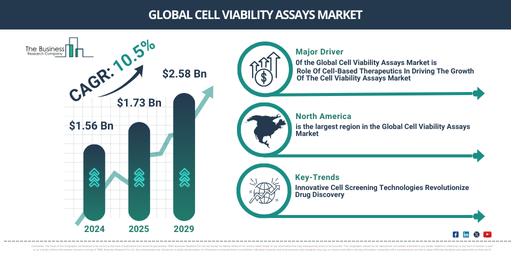
    The market for cell viability tests has seen a steep increase in its size of late. Its growth is projected to continue from $1.56 billion in 2024 to reach $1.73 billion in 2025, growing at a compound annual growth rate (CAGR) of 10.8%. The escalation in the erstwhile period can be connected to increased funding for cancer studies, a climb in pharmaceutical research & development spending, an expansion in the biotech sector, enhanced progress in cell culture methodologies, an uprising demand for stem cell research, a higher necessity for toxicity screening, a rise in the application of real-time cell analysis systems, and an escalating count of CROs (contract research organizations).

    Anticipations are high for the cell viability assays market as it is predicted to experience swift expansion in the coming years, with its value anticipated to reach $2.58 billion by 2029, showing a compound annual growth rate (CAGR) of 10.5%. Numerous factors will contribute to this growth during the forecast period, including increased demand for personal medicine, higher government investment in cell-based studies, intensified focus on precision medicine, and growth in stem cell research and its applications. Other attributors include the rising availability of automated cell viability analyzers, increased cases of infectious diseases, emphasis on enhancing assay precision and sensitivity, expanded awareness about the advantages of cell viability assays, development in organ-on-chip technology, and a surge in demand for regenerative medicines. The forecast period trends are expected to be determined by advancements in high throughput screening techniques, the integration of AI and machine learning protocols, the invention of real-time tracking systems, utilization of automated liquid management systems, creation of multiplex assays for concurrent cell viability measurements, encouraging the use of sustainable and environmentally-friendly reagents, the design of user-friendly assay kits, progressions in electrochemical assays, the execution of scalable cell viability assays, and the designing of assays harmonious with primary cells and stem cells.

    Download a free sample to assess the report’s scope and structure:

    https://www.thebusinessresearchcompany.com/sample.aspx?id=16014&type=smp

    How Are Key Drivers in the Industry Acting as Catalysts for the Growth of the Cell Viability Assays Market?

    The surge in cell-based therapeutics is set to promote the expansion of the cell viability assay market. Cell-based therapies, which utilize living cells to mend or replace injured tissue, treat ailments, or regain normal function, are enhancing the growth. This progress is powered by developments in the field of biotechnology, amplified funding in regenerative medicine, rising acceptance and deployment of cell therapies, and enhancements in cell engineering and production technologies. Cell viability assays bolster cell-based therapeutics by assuring the well-being, functionality, and safety of therapeutic cells, thus maximizing treatment effectiveness and quality supervision. For example, the American Society of Gene & Cell Therapy, a not-for-profit medical and scientific organization located in the US, launched 38 trials for non-genetically altered cell therapies in Q1 2023, an increase of seven from the preceding quarter, Q4 2022. Consequently, the boost in cell-based therapeutics is stimulating the growth of the cell viability assay market.

    Which Segments in the Cell Viability Assays Offer the Most Growth?

    The cell viability assays market covered in this report is segmented –

    1) By Product: Consumables, Instruments

    2) By Application: Basic Research, Stem Cell Research, Drug Discovery And Development, Clinical And Diagnostic Applications, Other Applications

    3) By End-User: Academic And Research Institutes, Pharmaceutical And Biotechnology Companies, Hospital And Diagnostic Laboratories, Other End-Users

    Subsegments:

    1) By Consumables: Reagents, Kits, Assay Plates (96-Well plates), Microplates

    2) By Instruments: Spectrophotometers, Fluorometers, Microplate Readers, Flow Cytometers, Imaging Systems

    Request customized data on this market:

    https://www.thebusinessresearchcompany.com/customise?id=16014&type=smp

    What Are the Fastest-Growing Geographies in the Cell Viability Assays Market?

    North America was the largest region in the cell viability assays market in 2023. Asia-Pacific is expected to be the fastest-growing region in the forecast period. The regions covered in the cell viability assays market report are Asia-Pacific, Western Europe, Eastern Europe, North America, South America, Middle East, Africa.

    What Are the Strategic Trends Steering the Cell Viability Assays Market Direction?

    In the cell viability assays market, significant businesses are innovating cell screening technologies to enhance precision and hasten drug discovery. Cell screening methodologies augment cell viability assays by facilitating high-throughput, accurate, and quick examination of cell health and reactions, thereby refining experimental conditions and upgrading the creation of therapeutic strategies. For example, in May 2024, Arralyze, a tech firm based in Germany, rolled out CellShepherd, a state-of-the-art platform for single-cell analysis. The platform uses its own nanowell glass arrays to miniaturize cell-based assays for continuous monitoring. The standalone system allows for precise cell dispensing, co-culturing in sterile environments, and imaging with brightfield and fluorescent channels. Thanks to AI-driven evaluation, it ensures precise cell counting and tracking. This user-friendly platform meets the growing demand for accurate single-cell study in biomedical and life-science applications.

    View the full report here:

    https://www.thebusinessresearchcompany.com/report/cell-viability-assays-global-market-report

    What Are the Key Elements That Define the Cell Viability Assays Market?

    Cell viability assays are methods used to determine the ability of cells, tissues, or organs to maintain or recover a state of survival. Cell viability assays are used to evaluate the best growth conditions for cells in culture in response to external stimuli, chemicals, and medicinal treatments when determining optimal growth conditions in cell culture.

    Purchase the full report and get a swift delivery:

    https://www.thebusinessresearchcompany.com/purchaseoptions.aspx?id=16014

    About The Business Research Company:

    With over 15000+ reports from 27 industries covering 60+ geographies, The Business Research Company has built a reputation for offering comprehensive, data-rich research and insights. Armed with 1,500,000 datasets, the optimistic contribution of in-depth secondary research, and unique insights from industry leaders, you can get the information you need to stay ahead in the game.

    Get in touch with us:

    The Business Research Company: https://www.thebusinessresearchcompany.com/

    Americas +1 3156230293

    Asia +44 2071930708

    Europe +44 2071930708

    Email us at info@tbrc.info

    Follow us on:

    LinkedIn: https://in.linkedin.com/company/the-business-research-company

    YouTube: https://www.youtube.com/channel/UC24_fI0rV8cR5DxlCpgmyFQ

    Global Market Model: https://www.thebusinessresearchcompany.com/global-market-model
  • Cell Signaling Market Outlook 2025–2034: Identifying Growth Drivers, Technology Trends, and Policy Impact

    Cell Signaling Market Outlook 2025–2034: Identifying Growth Drivers, Technology Trends, and Policy Impact

    Discover trends, market shifts, and competitive outlooks for the cell signaling industry through 2025-2034 with The Business Research Company’s reliable data and in-depth research

    What Are the Key Milestones in the Cell Signaling Market’s Growth Trajectory From 2025 To 2034?

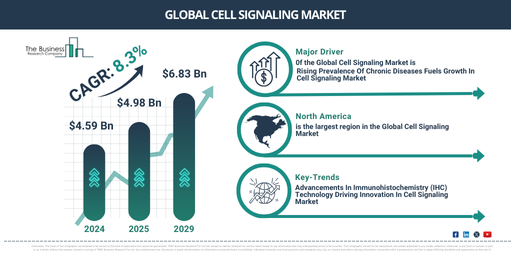
    In recent times, the cell signaling market has seen robust growth. The market, valued at $4.59 billion in 2024, is predicted to rise to $4.98 billion in 2025, reflecting a compound annual growth rate (CAGR) of 8.4%. The surge during the historic period is due to factors such as the expansion of the pharmaceutical and biotechnology sectors, growth in regenerative medicine, an aging population, initiatives in personalised medicine, and an increasing load of chronic diseases.

    In the coming years, a significant increase is anticipated in the cell signaling market size. This market is projected to reach $6.83 billion in 2029, exhibiting a compound annual growth rate (CAGR) of 8.3%. The surge during the forecast period is primarily due to factors such as expanding acceptance of precision medicine, governmental assistance, escalated funding for research, its significance in development and homeostasis, and an uptick in endocrine-based diseases. Key trends anticipated during the forecast period comprise technological innovations, application of machine learning and artificial intelligence for signal evaluation, employment of bioprinting technology, next-generation sequencing, and single-cell analysis methodology.

    Download a free sample to assess the report’s scope and structure:

    https://www.thebusinessresearchcompany.com/sample.aspx?id=15758&type=smp

    What Are the Core Market Drivers Propelling Growth in the Cell Signaling Industry?

    The escalating rates of chronic illnesses are anticipated to fuel the expansion of the cell signaling market. Chronic illnesses are medical conditions that take a long time to develop and can last for many years, or even a person’s entire life. These lasting illnesses are marked by their enduring nature and can often necessitate continuous management and therapy to alleviate symptoms, prevent complications, and conserve the life quality. An aging populace, unhealthy lifestyles, and the availability and structure of healthcare are causes for the prevalence of chronic ailments. Research into cell signaling offers crucial insights and tools for comprehending, diagnosing, treating, and preventing chronic diseases, thus offering optimism for enhanced results and life quality for those affected. For example, the National Library of Medicine, a biomedical library based in the US, predicted in January 2023 that the number of individuals over the age of 50 with at least one chronic disease will shoot up from 71.522 million in 2020 to 142.66 million in 2050— a growth of 99.5%. Consequently, the escalating rates of chronic illnesses are facilitating the expansion of the cell signaling market.

    How Is the Cell Signaling Market Segmented?

    The cell signaling market covered in this report is segmented –

    1) By Product: Consumables, Instruments

    2) By Signaling Type: Endocrine Signaling, Paracrine Signaling, Autocrine Signaling, Synaptic Signaling Source, Other Signaling Types

    3) By Pathway: Akt Signaling Pathway, AMPK Signaling Pathway, ErbB/HER Signaling Pathway, Other Signaling Pathways

    4) By Technology: Microscopy, Western Blotting, Flow Cytometry, Immunohistochemistry (IHC), Enzyme-Linked Immunosorbent Assay (ELISA), Mass Spectrometry, Other Technologies

    5) By Application: Research Applications, Medical Applications

    Subsegments:

    1) By Consumables: Reagents, Antibodies, Kits (ELISA, Western Blotting, etc.), Chemicals and Enzymes

    2) By Instruments: Flow Cytometers, Microplate Readers, Cell Counters, Western Blotting Systems, Real-Time PCR Systems

    Request customized data on this market:

    https://www.thebusinessresearchcompany.com/customise?id=15758&type=smp

    Which Regions Are Driving the Next Phase of the Cell Signaling Market Growth?

    North America was the largest region in the cell signaling market in 2023. Asia-Pacific is expected to be the fastest-growing region in the forecast period. The regions covered in the cell signaling market report are Asia-Pacific, Western Europe, Eastern Europe, North America, South America, Middle East and Africa.

    Which Technological Trends Are Reshaping the Cell Signaling Industry Dynamics?

    Leading businesses within the cell signaling market are concentrating on the development of innovative technologies, such as immunohistochemistry (IHC) assays, to solidify their market presence. IHC assays are lab procedures used for the identification and visualization of specific proteins or antigens in tissue samples. Specifically, in the month of September 2023, Cell Signaling Technology (CST), a US-based firm specializing in life sciences and discovery technology, declared the introduction of their SignalStar Multiplex IHC technology. This groundbreaking tool is devised for spatial biology research and uses mid-plex, high-throughput IHC assays. This cutting-edge technology provides researchers the capability to simultaneously detect multiple targets in formalin-fixed, paraffin-embedded (FFPE) tissues with a high degree of sensitivity and specificity. It employs a mix of antibodies, oligonucleotides, and fluorophores to augment the antibody signal, thus facilitating the detection of targets, even those presenting low expression levels of up to eight proteins in a single tissue.

    View the full report here:

    https://www.thebusinessresearchcompany.com/report/cell-signaling-global-market-report

    How Is the Cell Signaling Market Defined and What Are Its Core Parameters?

    Cell signaling, also known as cell communication or cellular signaling, refers to the process by which cells communicate with each other to regulate various physiological functions, coordinate cellular activities, and respond to external stimuli. This intricate system allows cells to sense changes in their environment, transmit signals, and elicit appropriate responses to maintain homeostasis and ensure the proper functioning of tissues and organs.

    Purchase the full report and get a swift delivery:

    https://www.thebusinessresearchcompany.com/purchaseoptions.aspx?id=15758

    About The Business Research Company:

    With over 15000+ reports from 27 industries covering 60+ geographies, The Business Research Company has built a reputation for offering comprehensive, data-rich research and insights. Armed with 1,500,000 datasets, the optimistic contribution of in-depth secondary research, and unique insights from industry leaders, you can get the information you need to stay ahead in the game.

    Get in touch with us:

    The Business Research Company: https://www.thebusinessresearchcompany.com/

    Americas +1 3156230293

    Asia +44 2071930708

    Europe +44 2071930708

    Email us at info@tbrc.info

    Follow us on:

    LinkedIn: https://in.linkedin.com/company/the-business-research-company

    YouTube: https://www.youtube.com/channel/UC24_fI0rV8cR5DxlCpgmyFQ

    Global Market Model: https://www.thebusinessresearchcompany.com/global-market-model
  • Emerging Growth Drivers in the Cell Separation Technologies Market Landscape: Cell Separation Technology Market Thrives On Rising Chronic Disease Prevalence

    Emerging Growth Drivers in the Cell Separation Technologies Market Landscape: Cell Separation Technology Market Thrives On Rising Chronic Disease Prevalence

    Discover trends, market shifts, and competitive outlooks for the cell separation technologies industry through 2025-2034 with The Business Research Company’s reliable data and in-depth research

    How Has The Cell Separation Technologies Market Size Shifted, And What Is the Outlook Through 2034?

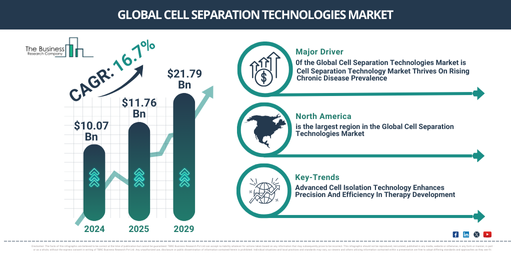
    The market size of cell separation technologies has experienced substantial growth in the past few years. It is predicted to expand from $10.07 billion in 2024 to $11.76 billion in 2025, with a compound annual growth rate (CAGR) of 16.8%. The growth observed in the historic period is driven by factors such as rising demand for personalized medicine, high prevalence of chronic diseases, more funding dedicated to life sciences research, burgeoning biotechnology sector, technological advancements, and extensive applications in the field of regenerative medicine.

    Expectations are high for the cell separation technologies market to witness rapid expansion in the next few years. It’s projected to reach a market size of $21.79 billion in 2029, growing at a compound annual growth rate (CAGR) of 16.7%. Factors contributing to this growth during the forecast period includes escalated investments in regenerative medicine studies, an increase in cancer diagnostics and treatments, expanding occurrence of chronic diseases which heightened the need for cell-based treatments, introduction of fresh cell separation methods, and regulatory backing for the development and commercialization of cell therapy. Key trends for the forecast period encompass the incorporation of artificial intelligence and machine learning, the surging popularity of microfluidic-based platforms, the creation of point-of-care cell separation instruments, heightened emphasis on label-free separation techniques, the acceptance of single-cell isolation technologies, broadening of applications in regenerative medicine and stem cell studies, and the introduction of innovative cell sorting methods.

    Download a free sample to assess the report’s scope and structure:

    https://www.thebusinessresearchcompany.com/sample.aspx?id=16013&type=smp

    Which Primay Drivers Are Accelerating Growth in the Cell Separation Technologies Market?

    The cell separation technology market is projected to expand due to the increasing incidence of chronic diseases. These long-term conditions, which demand ongoing medical attention and may limit daily activities, include cancer, heart disease, stroke, diabetes, and arthritis. The rise in such diseases can be attributed to factors such as lifestyle choices, social disparities, infections, genetic predispositions, autoimmunity, and mental health challenges. Cell separation technologies play a critical role in developing treatments for these chronic illnesses by enabling the isolation of cancer cells, immune cells, and various other pivotal cell types. For example, projections from the National Center for Biotechnology Information (NCBI), a component of the US-based National Library of Medicine, in January 2023 suggested that by 2050, there would be a 99.5% increase in the number of individuals 50 years and older suffering from at least one chronic disease, escalating from 71.522 million in 2020 to 142.66 million. Consequently, the escalating incidence of chronic diseases is fuelling the growth of the cell separation technology market.

    Which Primary Segments of the Cell Separation Technologies Market Are Driving Growth and Industry Transformations?

    The cell separation technologies market covered in this report is segmented –

    1) By Product: Instruments, Consumables And Reagents

    2) By Technology: Gradient Centrifugation, Surface Markers Separation, Fluorescence Activated Cell Sorting, Magnetic Cell Sorting, Filtration Based Separation

    3) By Application: Stem Cell Research, Immunology, Neuroscience, Cancer Research, Other Applications

    4) By End-User: Biotechnology And Pharmaceutical Companies, Hospitals And Diagnostic Laboratories, Academic And Research Institutes, Other End-Users

    Subsegments:

    1) By Instruments: Centrifuges, Magnetic Cell Sorters, Flow Cytometers, Laser Capture Microdissection Systems, Cell Sorters

    2) By Consumables And Reagents: Separation Columns, Cell Separation Kits, Filters, Microbeads, Other Consumables, Antibodies, Fluorescent Dyes, Enzymes, Buffers, Other Reagents

    Request customized data on this market:

    https://www.thebusinessresearchcompany.com/customise?id=16013&type=smp

    Which Regions Are Key Players in the Growth of the Cell Separation Technologies Market?

    North America was the largest region in the cell separation technologies market in 2023. Asia-Pacific is expected to be the fastest-growing region in the forecast period. The regions covered in the cell separation technologies market report are Asia-Pacific, Western Europe, Eastern Europe, North America, South America, Middle East, Africa.

    Which Cutting-Edge Market Trends Are Expected to Drive the Cell Separation Technologies Market’s Growth?

    Leading organizations in the cell separation technologies market are devoting their efforts to the advancement of technologies like automated cell isolation in order to improve accuracy, boost efficiency, and simplify cell sorting and therapy development processes. Automated cell isolation technology employs automated machinery for separating specific cells from a population of mixed cells. For example, Thermo Fisher Scientific, an American firm dealing with medical equipment, analytical instruments, reagents, and consumables, launched the Gibco CTS DynaCellect Magnetic Separation System in October 2022. This automated, closed system enables precise cell isolation, activation, deactivation, and Dynabeads magnetic beads removal. It is designed to aid cell therapy developers in smoothly transitioning from clinical development to commercial production, delivering scalability, flexibility, and a complete end-to-end solution.

    View the full report here:

    https://www.thebusinessresearchcompany.com/report/cell-separation-technologies-global-market-report

    What Parameters Are Used to Define the Cell Separation Technologies Market?

    Cell separation technologies are methods and tools used to isolate specific cell types from a heterogeneous mixture of cells. These technologies are crucial in biomedical research, clinical diagnostics, and therapeutic applications, with the objective of cell separation to obtain a pure population of target cells for subsequent analysis or use.

    Purchase the full report and get a swift delivery:

    https://www.thebusinessresearchcompany.com/purchaseoptions.aspx?id=16013

    About The Business Research Company:

    With over 15000+ reports from 27 industries covering 60+ geographies, The Business Research Company has built a reputation for offering comprehensive, data-rich research and insights. Armed with 1,500,000 datasets, the optimistic contribution of in-depth secondary research, and unique insights from industry leaders, you can get the information you need to stay ahead in the game.

    Get in touch with us:

    The Business Research Company: https://www.thebusinessresearchcompany.com/

    Americas +1 3156230293

    Asia +44 2071930708

    Europe +44 2071930708

    Email us at info@tbrc.info

    Follow us on:

    LinkedIn: https://in.linkedin.com/company/the-business-research-company

    YouTube: https://www.youtube.com/channel/UC24_fI0rV8cR5DxlCpgmyFQ

    Global Market Model: https://www.thebusinessresearchcompany.com/global-market-model
  • Critical Market Drivers Shaping the Outlook for Zollinger-Ellison Syndrome Treatment Market from 2025-2034: Impact Of Rising Digestive Disorder Prevalence On The Zollinger-Ellison Syndrome Treatment Market

    Critical Market Drivers Shaping the Outlook for Zollinger-Ellison Syndrome Treatment Market from 2025-2034: Impact Of Rising Digestive Disorder Prevalence On The Zollinger-Ellison Syndrome Treatment Market

    Discover trends, market shifts, and competitive outlooks for the zollinger-ellison syndrome treatment industry through 2025-2034 with The Business Research Company’s reliable data and in-depth research

    What is the Anticipated CAGR of the Zollinger-Ellison Syndrome Treatment Market, and What Factors Will Drive It?

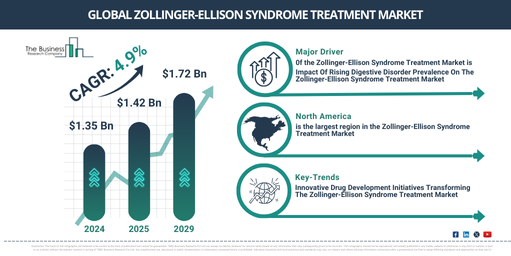
    Recent years have seen robust growth in the zollinger-ellison syndrome treatment market. The market which is expected to expand from $1.35 billion in 2024 to $1.42 billion in 2025, boasts a compound annual growth rate (CAGR) of 5.2%. The growth observed in the historic period is due to the advancements in the field of gastroenterology, the rising occurrence of zollinger-ellison syndrome, the establishment of multidisciplinary care teams, and the importance given to long-term monitoring.

    In the ensuing years, a stable surge is expected in the size of the zollinger-ellison syndrome treatment market, with a projected increase to $1.72 billion by 2029, showcasing a compound annual growth rate (CAGR) of 4.9%. The anticipated expansion during the forecast period can be credited to several factors including, comprehensive healthcare accessibility, genetic assessment and diagnosis, customizable treatment approaches, revisions in regulations, and insurance reimbursement protocols. Future trends in the forecast duration are expected to be shaped by the advent of sophisticated imaging and diagnostic tools, bespoke drugs, an emphasis on patient-oriented care, along with the introduction of minimally invasive therapeutic practices.

    Download a free sample to assess the report’s scope and structure:

    https://www.thebusinessresearchcompany.com/sample.aspx?id=13003&type=smp

    What Are the Core Growth Drivers Propelling the Zollinger-Ellison Syndrome Treatment Market Forward?

    The escalating instances of digestive disorders is anticipated to boost the expansion of the Zollinger-Ellison syndrome treatment market. Digestive disorders encompass a range of conditions that disrupt the normal operation of the digestive system. The digestive system, also referred to as the gastrointestinal (GI) tract, plays a critical role in decomposing food and assimilating nutrients. The treatment for Zollinger-Ellison syndrome (ZES) is utilised to address digestive disorders like peptic ulcer disease and gastroesophageal reflux disease (GERD). The treatment strategy involves minimising the production of stomach acid, which can contribute to preventing or addressing complications associated with peptic ulcers or acid reflux. For example, in August 2022, the National Library of Medicine, a US-based biomedical library and a component of the National Institutes of Health disclosed that peptic ulcer disease (PUD) impacts four million individuals worldwide annually and an estimated lifetime prevalence of 5-10% in the general global population. Moreover, each year, 62 million Americans get diagnosed with any form of digestive disorders. Consequently, the escalating instances of digestive disorders is anticipated to boost the expansion of the Zollinger-Ellison syndrome treatment market.

    Zollinger-Ellison Syndrome Treatment Market Driver: The Zollinger-Ellison syndrome treatment market is projected to grow due to the increasing need for non-invasive diagnostic methods


    What Segment Types Define the Zollinger-Ellison Syndrome Treatment Market Structure?

    The zollinger-ellison syndrome treatment market covered in this report is segmented –

    1) By Diagnosis: Blood Test, CT Scan Ultrasound, X-Ray, Other Diagnosis

    2) By Treatment: Chemotherapy, Surgical Resection, Other Treatments

    3) By Distribution Channel: Hospital Pharmacy, Retail Pharmacy, Online Pharmacies, Other Distribution Channels

    4) By End User: Hospitals, Specialty Clinics, Other End Users

    Subsegments:

    1) By Blood Test: Gastrin Level Measurement, Other Blood Biomarkers

    2) By CT Scan: Contrast-Enhanced CT, Non-Contrast CT

    3) By Ultrasound: Abdominal Ultrasound, Endoscopic Ultrasound

    4) By X-Ray: Standard X-Ray Imaging, Fluoroscopy

    5) By Other Diagnosis: MRI (Magnetic Resonance Imaging), Endoscopy

    Request customized data on this market:

    https://www.thebusinessresearchcompany.com/customise?id=13003&type=smp

    Which Geographic Areas Hold the Strongest Growth Potential in the Zollinger-Ellison Syndrome Treatment Market?

    North America was the largest region in the zollinger-ellison syndrome treatment market in 2024. The regions covered in zollinger-ellison syndrome treatment market report are Asia-Pacific, Western Europe, Eastern Europe, North America, South America, Middle East and Africa.

    Which Emerging Trends that Are Influencing theZollinger-Ellison Syndrome Treatment Industry Evolution?

    Major players in the zollinger-ellison syndrome treatment sector are concentrating their efforts on the development of new drugs and ensuring their approval to maintain market dominance. Current ZES therapies often result in significant side effects such as kidney and liver damage. However, advanced treatments can help minimize the adverse effects of traditional drugs and enhance patient outcomes. In May 2023, for example, Meitheal Pharmaceuticals Inc., a US company specializing in generic injectable products, introduced Pantoprazole Sodium for Injection, dosed at 40 mg per vial. This proton pump inhibitor (PPI) is intended for individuals with pathological hypersecretory diseases, including Zollinger-Ellison (ZE) Syndrome. It works by inhibiting the proton pump enzyme (H+/K+ ATPase) in the stomach lining cells, leading to decreased stomach acid secretion and relief from ZE syndrome symptoms.

    View the full report here:

    https://www.thebusinessresearchcompany.com/report/zollinger-ellison-syndrome-treatment-global-market-report

    What Is the Definition of the Zollinger-Ellison Syndrome Treatment Market?

    Zollinger-Ellison syndrome is a rare disorder characterized by gastrin-secreting tumors in the pancreas or duodenum, causing excessive stomach acid production. The treatment of zollinger-ellison syndrome aims to control acid hypersecretion, manage symptoms and address complications related to the condition. The treatment approach may involve medical management, surgical intervention and ongoing monitoring.

    Purchase the full report and get a swift delivery:

    https://www.thebusinessresearchcompany.com/purchaseoptions.aspx?id=13003

    About The Business Research Company:

    With over 15000+ reports from 27 industries covering 60+ geographies, The Business Research Company has built a reputation for offering comprehensive, data-rich research and insights. Armed with 1,500,000 datasets, the optimistic contribution of in-depth secondary research, and unique insights from industry leaders, you can get the information you need to stay ahead in the game.

    Get in touch with us:

    The Business Research Company: https://www.thebusinessresearchcompany.com/

    Americas +1 3156230293

    Asia +44 2071930708

    Europe +44 2071930708

    Email us at info@tbrc.info

    Follow us on:

    LinkedIn: https://in.linkedin.com/company/the-business-research-company

    YouTube: https://www.youtube.com/channel/UC24_fI0rV8cR5DxlCpgmyFQ

    Global Market Model: https://www.thebusinessresearchcompany.com/global-market-model
  • Market Trends Influencing Strategic Decisions in the Yeast Infection Treatment Industry: Increasing Focus On Introducing Innovative Oral Antifungal Solutions To Revolutionize Yeast Infection Treatment

    Market Trends Influencing Strategic Decisions in the Yeast Infection Treatment Industry: Increasing Focus On Introducing Innovative Oral Antifungal Solutions To Revolutionize Yeast Infection Treatment

    Discover trends, market shifts, and competitive outlooks for the yeast infection treatment industry through 2025-2034 with The Business Research Company’s reliable data and in-depth research

    What Are the Projected Market Size and Growth Rates for the Yeast Infection Treatment Market From 2025 To 2029?

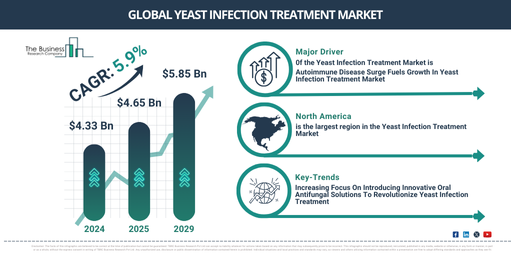
    The market for yeast infection treatment has seen a robust expansion in the past few years. It is set to rise from $4.33 billion in 2024 to $4.65 billion in 2025, marking a compound annual growth rate (CAGR) of 7.5%. The noteworthy growth during the historic timespan is linked to a spike in yeast infection instances, escalating consciousness about fungal infections, an aging demographic, a global increment in healthcare spending, and the evolution and validation of fresh antifungal treatments.

    Substantial expansion is predicted for the yeast infection treatment market in the upcoming years. The market is projected to reach $5.85 billion by 2029, experiencing a compound annual growth rate (CAGR) of 5.9%. Factors contributing to the anticipated growth during the projection span include the rising use of telemedicine for distant consultations, the advent of personalized medicinal strategies for specific treatments, the introduction of combination therapies for improved effectiveness, a growing preference for natural and herbal solutions, and an emphasis on microbiome-involved therapies for managing infections. The projection period is also expected to see critical trends such as advancements in genome studies, the invention of compact and precise diagnostic tools, tech innovations in yeast infection diagnosis and treatment, escalating research and development investments, and strategic alliances.

    Download a free sample to assess the report’s scope and structure:

    https://www.thebusinessresearchcompany.com/sample.aspx?id=13958&type=smp

    What Are the Major Market Drivers Behind the Rising Adoption of Yeast Infection Treatment Market?

    An increase in the occurrence of autoimmune diseases is anticipated to boost the expansion of the yeast infection treatment market. Autoimmune diseases are conditions where the body’s immune system mistakenly attacks healthy cells, tissues, and organs, which can reduce body functionality and potentially become a threat to life. Yeast infection treatments play a crucial role in managing and preventing complications from autoimmune diseases, as they tackle recurrent yeast infections associated with certain autoimmune syndromes, and potentially adjust the immune response by managing fungal infections in patients who have autoimmune disorders. The National Institutes of Health, a United States federal agency for medical research, predicted that around 8.4 million people across the globe suffered from type 1 diabetes (T1DM) in 2021, according to data from March 2023, with 500,000 new cases reported that year. Moreover, it is estimated that between 13.5 and 17.4 million people could have T1DM by 2040. Consequently, the increasing prevalence of autoimmune diseases is fueling the growth of the yeast infection treatment market.

    Which Key Market Segments Comprise the Yeast Infection Treatment Market and Drive Its Revenue Growth?

    The yeast infection treatment market covered in this report is segmented –

    1) By Type: Powders, Creams Or Ointments, Tablets Or Capsules, Other Types

    2) By Treatment: Medical Treatment, Surgery

    3) By Indication: Genital Candidiasis, Invasive Candidiasis, Oropharyngeal Or Esophageal Candidiasis (Thrush), Other Indications

    4) By Route Of Administration: Oral, Topical, IV (Intravenous) Or IM (Intramuscular), Other Routes Of Administration

    5) By Application: Retail Pharmacies Or Drug Stores, Hospital Pharmacies, Specialty Stores, Online Sales, Other Applications

    Subsegments:

    1) By Powders: Antifungal Powders, Medicated Body Powders

    2) By Creams Or Ointments: Antifungal Creams, Vaginal Ointments, Topical Creams

    3) By Tablets Or Capsules: Oral Antifungal Tablets, Probiotic Capsules, Vaginal Tablets

    4) By Other Types: Suppositories, Sprays, Gels

    Request customized data on this market:

    https://www.thebusinessresearchcompany.com/customise?id=13958&type=smp

    Which Areas Are Leading Regions in the Yeast Infection Treatment Market Expansion Across the Globe?

    North America was the largest region in the yeast infection treatment market in 2024. Asia-Pacific is expected to be the fastest-growing region in the forecast period. The regions covered in the yeast infection treatment market report are Asia-Pacific, Western Europe, Eastern Europe, North America, South America, Middle East, Africa.

    What Are the Strategic Trends Steering theYeast Infection Treatment Market Direction?

    Leading firms in the yeast infection treatment market are concentrated on developing unique solutions or drugs, like non-azole oral antifungals, in order to enhance their market position. Non-azole oral antifungals are orally administered drugs used to combat fungal infections that do not fall under the category of azole antifungals. For example, in December 2022, SCYNEXIS, a biotech firm based in the US, received approval from the US Food and Drug Administration (FDA) for the secondary use of BREXAFEMME (ibrexafungerp tablets). This groundbreaking non-azole oral antifungal, the first of its kind to get FDA approval, serves dual purposes – to treat vaginal yeast infection or vulvovaginal candidiasis (VVC), and to diminish the recurrent occurrence of VVC. It presents a distinctive alternative with wide-ranging effectiveness, influencing the yeast infection treatment market’s dynamics and addressing the scarcity of options for patients suffering from repeat VVC. BREXAFEMME should be administered in doses of 300 mg (two 150 mg tablets) at approximately 12-hour intervals, equating to a daily dose of 600 mg (four 150 mg tablets).

    View the full report here:

    https://www.thebusinessresearchcompany.com/report/yeast-infection-treatment-global-market-report

    How Is the Yeast Infection Treatment Market Conceptually Defined?

    Yeast infection treatment is a medication employed to address and resolve infections caused by the overgrowth of the Candida fungus, commonly known as a yeast infection. These infections, known as candidiasis or yeast infections, can occur in various parts of the body, including the mouth (oral thrush), genitals (vaginal yeast infection), skin, and other mucous. They are used to relieve the symptoms of a yeast infection.

    Purchase the full report and get a swift delivery:

    https://www.thebusinessresearchcompany.com/purchaseoptions.aspx?id=13958

    About The Business Research Company:

    With over 15000+ reports from 27 industries covering 60+ geographies, The Business Research Company has built a reputation for offering comprehensive, data-rich research and insights. Armed with 1,500,000 datasets, the optimistic contribution of in-depth secondary research, and unique insights from industry leaders, you can get the information you need to stay ahead in the game.

    Get in touch with us:

    The Business Research Company: https://www.thebusinessresearchcompany.com/

    Americas +1 3156230293

    Asia +44 2071930708

    Europe +44 2071930708

    Email us at info@tbrc.info

    Follow us on:

    LinkedIn: https://in.linkedin.com/company/the-business-research-company

    YouTube: https://www.youtube.com/channel/UC24_fI0rV8cR5DxlCpgmyFQ

    Global Market Model: https://www.thebusinessresearchcompany.com/global-market-model
  • Wi-Fi Thermostat Market Forecast 2025–2034: Trends Reshaping Demand, Investment, and Innovation

    Wi-Fi Thermostat Market Forecast 2025–2034: Trends Reshaping Demand, Investment, and Innovation

    Discover trends, market shifts, and competitive outlooks for the wilms tumor protein industry through 2025-2034 with The Business Research Company’s reliable data and in-depth research

    What is the Anticipated CAGR of the Wilms Tumor Protein Market, and What Factors Will Drive It?

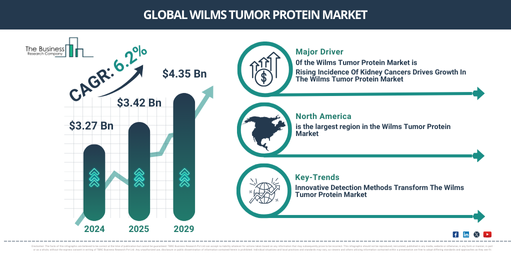
    In the past few years, there has been steady growth in the market size of the Wilms tumor protein. The growth is projected to increase from $3.27 billion in 2024 to $3.42 billion in 2025, at a compound annual growth rate (CAGR) of 4.7%. Factors contributing to the growth during the historic period include incidents and diagnosis of cancer, increased awareness and screening programs, and collaborations within the field of cancer care.

    The market for wilms tumor protein is anticipated to witness substantial growth in the coming years, expected to reach $4.35 billion by 2029, with a compound annual growth rate (CAGR) of 6.2%. Various factors contributing to the market growth during the forecast period include advancements in genomic and proteomic research, personalized medical strategies, initiatives for patient advocacy and support, regulatory backing for precision medicine, and incorporation of biomarker testing. Key trends during the forecast period will involve emphasis on early detection and screening initiatives, compliance with diagnostic assay regulations, initiatives to increase patient advocacy and awareness, inclusion of next-gen sequencing (ngs), and the worldwide expansion of diagnostic services.

    Download a free sample to assess the report’s scope and structure:

    https://www.thebusinessresearchcompany.com/sample.aspx?id=13142&type=smp

    What Are the Primary Drivers Supporting the Market Growth of the Wilms Tumor Protein Market?

    The Wilms tumor protein market is set to expand due to the rise in kidney cancer incidents. Kidney cancer begins with the abnormal growth of cells in the kidney tissue. Diagnosing this type of cancer is often facilitated by WT1 expression, particularly when the tumor is small or hard to biopsy. For instance, the American Cancer Society reported about 81,800 new kidney cancer cases and 14,890 kidney cancer deaths in January 2023. Moreover, Cancer Research UK projected that there might be roughly 21,900 new kidney cancer cases annually in the UK by 2038-2040. Thus, the escalating number of kidney cancer cases will likely fuel the Wilms tumor protein market growth. The upswing in personalized medicine demand is another factor anticipated to drive the Wilms tumor protein (WT1) market’s expansion. This innovative approach to healthcare considers individual gene, environmental, and lifestyle discrepancies when tailoring patient treatment plans. In cancer immunotherapy, WT1 serves as an ideal target antigen, and its protein expression and clinical relation can contribute to the development of tailored immunotherapy for cancer patients. For example, the US Food and Drug Administration sanctioned 12 personalized medical treatments in 2022, accounting for about 34% of all new therapeutic molecular entities approved. Consequently, the rising demand for personalized care bolsters the growth of the Wilms tumor protein (WT1) market.

    Which Primary Segments of the Wilms Tumor Protein Market Are Driving Growth and Industry Transformations?

    The wilms tumor protein market covered in this report is segmented –

    1) By Product Type: Antibodies, Assay Kits, Recombinant Proteins, Other Types

    2) By Detection Method: Immunohistochemistry (IHC), Enzyme-Linked Immunosorbent Assay (ELISA), Western Blotting, Polymerase Chain Reaction (PCR), Other Methods

    3) By Application: Cancer Diagnosis, Cancer Treatment, Research And Development, Other Applications

    4) By End User: Hospitals, Diagnostic Laboratories, Research Institutes, Other End Users

    Subsegments:

    1) By Antibodies: Monoclonal Antibodies, Polyclonal Antibodies

    2) By Assay Kits: ELISA Kits, Western Blot Kits, Immunohistochemistry (IHC) Kits

    3) By Recombinant Proteins: Full-Length Recombinant Proteins, Domain-Specific Recombinant Proteins

    4) By Other Types: Small Molecule Inhibitors, Gene Editing Tools

    Request customized data on this market:

    https://www.thebusinessresearchcompany.com/customise?id=13142&type=smp

    Which Regions Are Key Players in the Growth of the Wilms Tumor Protein Market?

    North America was the largest region in the wilms tumor protein market in 2024. The regions covered in the wilms tumor protein market report are Asia-Pacific, Western Europe, Eastern Europe, North America, South America, Middle East, Africa

    What Are the Most Significant Market Trends in the Wilms Tumor Protein Market?

    Leading firms in the Wilms tumor protein market are focusing on the invention of cutting-edge detection techniques like enzyme-linked immunosorbent assay (ELISA) to offer dependable services to their client base. ELISA is a precise and responsive system that employs exclusive enzymes to fix onto antibodies in your bloodstream and identify HCPs. To illustrate, in February 2023, Charles River Laboratories International Inc., which develops and manufactures innovative medicines and therapies in the United States, introduced an ELISA Kit designed for detecting and measuring residual host cell proteins (HCP). Charles River’s unique HCP-ELISA kit employs avian IgY antibodies for its primary detection technique, developed solely by AVS Bio and sourced from Specific-Pathogen-Free Chicken (SPF) Eggs.

    View the full report here:

    https://www.thebusinessresearchcompany.com/report/wilms-tumor-protein-global-market-report

    What Parameters Are Used to Define the Wilms Tumor Protein Market?

    Wilms Tumor Protein (WT1) is a specific protein encoded by the WT1 gene, which plays a critical role in various cellular processes, including normal kidney development during embryogenesis. The WT1 gene is located on chromosome 11p13 and is expressed in several tissues, with exceptionally high levels in the developing kidney and the gonads. Wilms Tumor Protein Plays an essential role in the normal development of the urogenital system and regulates the expression of numerous target genes.

    Purchase the full report and get a swift delivery:

    https://www.thebusinessresearchcompany.com/purchaseoptions.aspx?id=13142

    About The Business Research Company:

    With over 15000+ reports from 27 industries covering 60+ geographies, The Business Research Company has built a reputation for offering comprehensive, data-rich research and insights. Armed with 1,500,000 datasets, the optimistic contribution of in-depth secondary research, and unique insights from industry leaders, you can get the information you need to stay ahead in the game.

    Get in touch with us:

    The Business Research Company: https://www.thebusinessresearchcompany.com/

    Americas +1 3156230293

    Asia +44 2071930708

    Europe +44 2071930708

    Email us at info@tbrc.info

    Follow us on:

    LinkedIn: https://in.linkedin.com/company/the-business-research-company

    YouTube: https://www.youtube.com/channel/UC24_fI0rV8cR5DxlCpgmyFQ

    Global Market Model: https://www.thebusinessresearchcompany.com/global-market-model
  • Whole Genome And Exome Sequencing Market Outlook 2025–2034: Identifying Growth Drivers, Technology Trends, and Policy Impact

    Whole Genome And Exome Sequencing Market Outlook 2025–2034: Identifying Growth Drivers, Technology Trends, and Policy Impact

    Discover trends, market shifts, and competitive outlooks for the whole genome and exome sequencing industry through 2025-2034 with The Business Research Company’s reliable data and in-depth research

    What Are the Projected Market Size and Growth Rates for the Whole Genome And Exome Sequencing Market From 2025 To 2029?

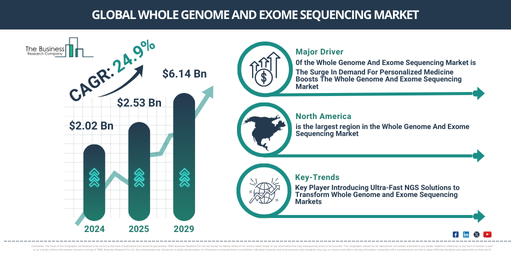
    The market size for whole genome and exome sequencing has seen a significant expansion in the past years. It is projected to rise from a value of $2.02 billion in 2024 to a worth of $2.53 billion in 2025, reflecting a compound annual growth rate (CAGR) of 24.8%. The impressive escalation during the historical period can be tied to factors such as the reduction in sequencing costs, the increase in genetic disorders, clinical usages, the growth of genomic data repositories, and advancements made in the field of bioinformatics.

    The market size for whole genome and exome sequencing is anticipated to experience a massive increase in the upcoming years, reaching a size of $6.14 billion in 2029 with a compound annual growth rate (CAGR) of 24.9%. Factors predicted to contribute to this surge in the forecasted period are initiatives in population genomics, the growing need for precision medicine, advances in single-cell sequencing, the widening of non-invasive prenatal testing (NIPT), and its use in researching rare diseases. The key trends likely to be seen during this period are an increased clinical uptake, swift progress in the sequencing technologies, a rise in population-scale genomic studies, the incorporation of artificial intelligence (AI) and machine learning (ML), with a wider application in oncology.

    Download a free sample to assess the report’s scope and structure:

    https://www.thebusinessresearchcompany.com/sample.aspx?id=13957&type=smp

    What Are the Core Market Drivers Propelling Growth in the Whole Genome And Exome Sequencing Industry?

    The increasing preference for personalized healthcare is set to bolster the expansion of the whole genome and exome sequencing industry in the forthcoming years. Customized medicine uses an approach that customizes healthcare choices and interventions to cater to personal attributes of each patient, including factors such as genetic make-up, environment, and lifestyle habits. Whole genome and exome sequencing comes into play in this field by giving an in-depth analysis of a patient’s genetic structure. This enables tailor-made medical decisions and interventions based on their distinctive genetic, environmental, and lifestyle factors. For example, in October 2022, the Personalized Medicine Coalition (PMC), an organization based in the U.S. that advocates the comprehension and uptake of customized medicine, projected that over 75,000 genetic test products and 300 tailored medicines would hit the market in 2022. Moreover, the Center for Drug Evaluation and Research (CDER) under the Food and Drug Administration sanctioned 37 new molecular entities (NMEs) in 2022. Additionally, approximately 34% of the 35 therapeutic NMEs, equating to 12 of them, have been categorized as personalized. As such, the surging popularity of customized medicine is fueling the expansion of the whole genome and exome sequencing industry.

    How Is the Whole Genome And Exome Sequencing Market Segmented?

    The whole genome and exome sequencing market covered in this report is segmented –

    1) By Product Type: Kits, Instruments

    2) By Workflow: Whole Genome Sequencing (WGS), Whole Exome Sequencing (WES)

    3) By Applications: Diagnostics, Cancer, Monogenic Disorders, Diabetes, Drug Discovery And Development, Personalized Medicine, Agriculture And Animal Research, Other Applications

    4) By End user: Research Center, Academic And Government Institutions, Hospitals And Clinics, Pharmaceutical And Biotechnology Companies, Other End Users

    Subsegments:

    1) By Kits: Library Preparation Kits, Target Enrichment Kits, DNA Extraction Kits

    2) By Instruments: Next-Generation Sequencing (NGS) Systems, Sanger Sequencing Systems, Third-Generation Sequencing Systems

    Request customized data on this market:

    https://www.thebusinessresearchcompany.com/customise?id=13957&type=smp

    Which Regions Are Driving the Next Phase of the Whole Genome And Exome Sequencing Market Growth?

    North America was the largest region in the whole genome and exome sequencing market in 2024. Asia-Pacific is expected to be the fastest-growing region in the forecast period. The regions covered in the whole genome and exome sequencing market report are Asia-Pacific, Western Europe, Eastern Europe, North America, South America, Middle East, Africa.

    What Key Market Trends and Innovations Are Shaping the Future of the Whole Genome And Exome Sequencing Industry?

    Leading enterprises involved in the whole genome and exome sequencing markets are intensifying their efforts on developing superior technology-based solutions, like ultra-fast NGS (next-generation sequencing) analysis, to establish a competitive advantage. The ultra-fast NGS analysis, a state-of-the-art innovation, allows the processing of NGS data at an incredibly fast rate, thereby minimizing the time needed for genomic data analysis. For example, QIAGEN Digital Insights (QDI), a bioinformatics firm based in the US, introduced the ultra-fast NGS analysis platform in January 2023. The platform, costing $1 for processing an entire genome in 25 minutes via cloud computing, promotes not only efficiency and affordability, but also scalability. This technological advancement considerably boosts the speed and accessibility of genomic data analysis, making it crucial in the whole genome and exome sequencing market for facilitating swift decision-making and broader acceptance of personalized medicine.

    View the full report here:

    https://www.thebusinessresearchcompany.com/report/whole-genome-and-exome-sequencing-global-market-report

    How Is the Whole Genome And Exome Sequencing Market Defined and What Are Its Core Parameters?

    Whole genome sequencing (WGS) and exome sequencing (ES) are comprehensive genetic analysis techniques that involve determining the complete DNA sequence of an organism’s genome and sequencing the protein-coding regions of the genome. These analyses are used to sequence a person’s DNA for diagnosing genetic diseases and identifying cancer mutations.

    Purchase the full report and get a swift delivery:

    https://www.thebusinessresearchcompany.com/purchaseoptions.aspx?id=13957

    About The Business Research Company:

    With over 15000+ reports from 27 industries covering 60+ geographies, The Business Research Company has built a reputation for offering comprehensive, data-rich research and insights. Armed with 1,500,000 datasets, the optimistic contribution of in-depth secondary research, and unique insights from industry leaders, you can get the information you need to stay ahead in the game.

    Get in touch with us:

    The Business Research Company: https://www.thebusinessresearchcompany.com/

    Americas +1 3156230293

    Asia +44 2071930708

    Europe +44 2071930708

    Email us at info@tbrc.info

    Follow us on:

    LinkedIn: https://in.linkedin.com/company/the-business-research-company

    YouTube: https://www.youtube.com/channel/UC24_fI0rV8cR5DxlCpgmyFQ

    Global Market Model: https://www.thebusinessresearchcompany.com/global-market-model
  • Major Trends and Emerging Patterns in the Weight Loss Drugs Market: Innovative Developments In Weight Loss Drugs Market With Zepbound Approval

    Major Trends and Emerging Patterns in the Weight Loss Drugs Market: Innovative Developments In Weight Loss Drugs Market With Zepbound Approval

    Discover trends, market shifts, and competitive outlooks for the weight loss drugs industry through 2025-2034 with The Business Research Company’s reliable data and in-depth research

    What Is the Current and Projected Market Size of the Weight Loss Drugs Market Through 2034?

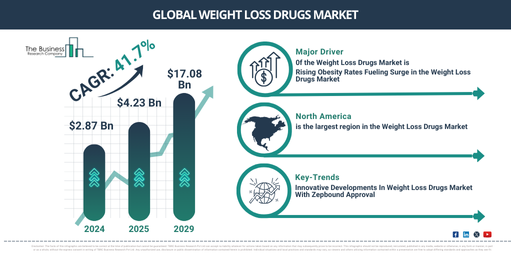
    The market size of weight loss medications has seen exponential growth in recent years. It is anticipated to expand from a base of $2.87 billion in 2024 to reach a volume of $4.23 billion in 2025, with a Compound Annual Growth Rate (CAGR) of 47.6%. The historical growth dynamics can be credited to factors such as escalating obesity levels, alterations in lifestyle patterns, heightened awareness and education, earlier identification of medical conditions, and an increase in healthcare spending.

    The market for weight loss medications is projected to experience a dramatic increase in size over the coming years. It’s anticipated to expand to $17.08 billion by 2029, with a compound annual growth rate (CAGR) of 41.7%. Factors contributing to this growth during the projected period include a rising elderly population, the impact of social media, fitness and wellness trends, societal beauty standards, and investments from the pharmaceutical industry. Key trends throughout the forecast period are expected to be technological advances, a shift towards over-the-counter treatments, personalized medicine, combined treatments, product innovation, and ongoing post-market research.

    Download a free sample to assess the report’s scope and structure:

    https://www.thebusinessresearchcompany.com/sample.aspx?id=13761&type=smp

    What Are the Primary Drivers Supporting the Market Growth of the Weight Loss Drugs Market?

    The surge in obesity rates is projected to spur on the expansion of the weight loss drugs market. Obesity rate is used to designate the fraction of individuals within a community whose body mass index (BMI) is 30 or higher. Obesity medications serve to facilitate weight loss by reducing hunger, promoting satiety, or disrupting the body’s nutrient absorption mechanisms. For instance, in September 2023, data from the Centers for Disease Control and Prevention, a US government entity, indicated that the prevalence of adult obesity had surpassed 35% in 19 states in 2021 and increased to 22 states in 2022. Moreover, obesity prevalence among adults was 35% or more in 2022. In addition, according to a March 2023 report from the World Obesity Federation, a non-profit entity based in the UK, over 4 billion people are predicted to be obese by 2035. As a result, the escalating obesity rates are fueling the growth of the weight loss drugs market.

    Which Primary Segments of the Weight Loss Drugs Market Are Driving Growth and Industry Transformations?

    The weight loss drugs market covered in this report is segmented –

    1) By Type: Liquid, Tablets, Capsules

    2) By Distribution Channel: Hospital Pharmacy, Retail Pharmacy, Online Pharmacy

    3) By Application: Weight-Reducing Aid, Fat Absorption Inhibitors, Metabolic Boosters

    Subsegments:

    1) By Liquid: Syrups, Solutions, Suspensions

    2) By Tablets: Immediate-Release Tablets, Extended-Release Tablets

    3) By Capsules: Hard Capsules, Softgel Capsules

    Request customized data on this market:

    https://www.thebusinessresearchcompany.com/customise?id=13761&type=smp

    Which Regions Are Key Players in the Growth of the Weight Loss Drugs Market?

    North America was the largest region in the Weight Loss Drugs market in 2024. The regions covered in the weight loss drugs market report are Asia-Pacific, Western Europe, Eastern Europe, North America, South America, Middle East, Africa.

    What Are the Most Significant Market Trends in the Weight Loss Drugs Market?

    Leading firms in the weight loss medication market are revolutionizing their offerings with innovative products like Zepbound (tirzepatide) injection to enhance patient care. Zepbound, a once-weekly injectable treatment, is a double glucose-dependent insulinotropic polypeptide (GIP) and glucagon-like peptide-1 (GLP-1) receptor stimulant. For example, in November 2023, Eli Lilly and Company, an American pharmaceutical firm, received FDA accreditation for their tirzepatide injection (Zepbound) intended for chronic weight control in adults suffering from overweight or obesity and at least one weight-associated condition. Zepbound stands a good chance of achieving commercial success, due to being the first and only FDA-sanctioned obesity therapy that triggers both GIP and GLP-1 receptors.

    View the full report here:

    https://www.thebusinessresearchcompany.com/report/weight-loss-drugs-global-market-report

    What Parameters Are Used to Define the Weight Loss Drugs Market?

    Weight loss drugs are pharmaceutical substances that help reduce appetite and food cravings, leading to a decrease in calorie intake and weight loss. These drugs are FDA-approved and are prescribed by doctors to treat obesity or overweight individuals who have other weight-related medical conditions such as high blood pressure, type 2 diabetes, or high cholesterol.

    Purchase the full report and get a swift delivery:

    https://www.thebusinessresearchcompany.com/purchaseoptions.aspx?id=13761

    About The Business Research Company:

    With over 15000+ reports from 27 industries covering 60+ geographies, The Business Research Company has built a reputation for offering comprehensive, data-rich research and insights. Armed with 1,500,000 datasets, the optimistic contribution of in-depth secondary research, and unique insights from industry leaders, you can get the information you need to stay ahead in the game.

    Get in touch with us:

    The Business Research Company: https://www.thebusinessresearchcompany.com/

    Americas +1 3156230293

    Asia +44 2071930708

    Europe +44 2071930708

    Email us at info@tbrc.info

    Follow us on:

    LinkedIn: https://in.linkedin.com/company/the-business-research-company

    YouTube: https://www.youtube.com/channel/UC24_fI0rV8cR5DxlCpgmyFQ

    Global Market Model: https://www.thebusinessresearchcompany.com/global-market-model
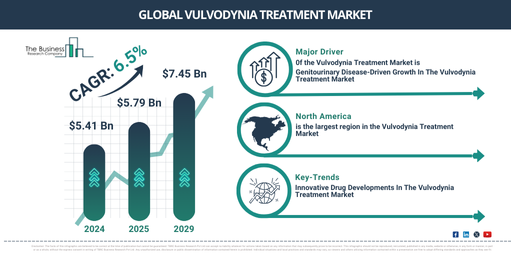
  • Vulvodynia Treatment Market Forecast Reaching $7.45 Billion by 2029 at 6.5% CAGR

    Vulvodynia Treatment Market Forecast Reaching $7.45 Billion by 2029 at 6.5% CAGR

    Discover trends, market shifts, and competitive outlooks for the vulvodynia treatment industry through 2025-2034 with The Business Research Company’s reliable data and in-depth research

    What Is the Estimated Market Size of the Vulvodynia Treatment Market In 2029?

    In recent times, there has been a significant expansion of the vulvodynia treatment market. The market is projected to escalate from a value of $5.41 billion in 2024 to approximately $5.79 billion in 2025, featuring a compound annual growth rate (CAGR) of 7.0%. Several factors contribute to this growth during the historical period; these include surges in awareness and diagnosis, shifts in societal perceptions, advancements in gynecology, as well as the influence of patient advocacy and support groups.

    In the upcoming years, there will be a remarkable surge in the size of the vulvodynia treatment market. It is slated to reach the valuation of $7.45 billion by 2029 with a compound annual growth rate of 6.5%. The growth predicted for the forecast period may be accredited to tactics like personalized medicine approaches, incorporation of psychotherapeutic interventions, researches focusing on groundbreaking therapies, patient awareness and education, and global health approaches. Future trends marching towards the forecast period encompass developments in therapeutic methods, individualized medicine and targeted therapies, integration of emotional support, probing into innovative therapeutic targets, plus cooperative efforts in clinical research.

    Download a free sample to assess the report’s scope and structure:

    https://www.thebusinessresearchcompany.com/sample.aspx?id=13218&type=smp

    Which Major Market Drivers Are Expected to Boost the Growth Potential of the Vulvodynia Treatment Market?

    The anticipated growth of the vulvodynia treatment market is largely attributed to the escalating prevalence of genitourinary diseases. Named for their influence on the reproductive and urinary systems of the body, genitourinary diseases might stem from underlying conditions like high blood pressure or diabetes. Given the intimate ties both anatomically and functionally between these systems, treatments for vulvodynia are widely utilized to alleviate genitourinary diseases in women, easing their symptoms and pain and enhancing their life quality. Reports from the American Cancer Society, a notable US-based organization focused on cancer eradication, outlined in January 2022 that they foresee around 444,660 new cases of genitourinary cancers, with an approximate 67,330 cancer-related deaths anticipated within the US throughout 2022. Moreover, fatalities resulting from ovarian cancers stood at 12,810 in 2022, but tragically rose to 13,270 in 2023. Hence, the increasing occurrence of genitourinary diseases propels the demand for vulvodynia treatments. The upsurge in anxiety among women looks set to bolster the vulvodynia treatment market in the years ahead. Characterized by feelings of uneasiness, persistent worrying, as well as physical symptoms such as an elevated heart rate and blood pressure, anxiety has been linked to vulvodynia. Women experiencing severe anxiety are faced with a fourfold increased risk of developing vulvodynia, which, in turn, can increase the likelihood of them experiencing further anxiety and depression. To put this into perspective, the Mental Health Foundation, a UK-based nonprofit organization, indicated in September 2023 that a significantly higher percentage of women (37.1%) are grappling with anxiety compared to men (29.9%), a striking increase from previous figures of 21.8% for women and 18.3% for men. Consequently, the rise in anxiety diagnoses among women is providing a boost for the vulvodynia treatment market.

    Which Key Market Segments Comprise the Vulvodynia Treatment Market and Drive Its Revenue Growth?

    The vulvodynia treatment market covered in this report is segmented –

    1) By Drug Type: Anticonvulsants, Tricyclic Antidepressants, Local Anesthetics, Antimicrobials, Hormone Creams, Nerve Blocks, Other Drug Types

    2) By Route Of Administration: Oral, Topical, Other Routes Of Administration

    3) By Distribution Channel: Hospital Pharmacy, Online Pharmacy, Retail Pharmacy

    Subsegments:

    1) By Anticonvulsants: Gabapentin, Pregabalin

    2) By Tricyclic Antidepressants: Amitriptyline, Nortriptyline

    3) By Local Anesthetics: Lidocaine Cream, Benzocaine

    4) By Antimicrobials: Antibiotic Creams, Antifungal Medications

    5) By Hormone Creams: Estrogen Creams, Testosterone Creams

    6) By Nerve Blocks: Pelvic Nerve Blocks, Pudendal Nerve Blocks

    7) By Other Drug Types: Topical Capsaicin, Corticosteroids

    Request customized data on this market:

    https://www.thebusinessresearchcompany.com/customise?id=13218&type=smp

    Which Areas Are Leading Regions in the Vulvodynia Treatment Market Expansion Across the Globe?

    North America was the largest region in the vulvodynia treatment market in 2024. Asia-Pacific is expected to be the fastest-growing region in the forecast period. The regions covered in the vulvodynia treatment market report are Asia-Pacific, Western Europe, Eastern Europe, North America, South America, Middle East, Africa

    What Are the Key Market Trends in theVulvodynia Treatment Market Over the Coming Years?

    Key players in the vulvodynia treatment market are focusing on the development of innovative medications like oteseconazole and seeking their approval for reliable vulvodynia treatment. The need for drug development in vulvodynia treatment is to offer more efficient and precise chronic pain treatments. For instance, Mycovia Pharmaceuticals Inc., a United States-based pharmaceutical firm, obtained approval for Vivjoa (oteseconazole) capsules from the U.S. Food and Drug Administration (FDA) in July 2022. Vivjoa (oteseconazole capsules) is a prescribed medicine designed to lower the recurrence risk of vaginal yeast infections (recurrent vulvovaginal candidiasis or RVVC). This azole antifungal functions by halting yeast cell growth. Taken orally once a day, it can effectively prevent recurrent yeast infections for a duration of up to 50 weeks. It selectively inhibits fungal CYP51 (sterol 14 alpha-demethylase), a crucial enzyme for yeast cell growth. Oteseconazole has demonstrated potency against a broad range of yeast species, including Candida albicans, the leading cause of RVVC.

    View the full report here:

    https://www.thebusinessresearchcompany.com/report/vulvodynia-treatment-global-market-report

    How Is the Vulvodynia Treatment Market Conceptually Defined?

    Vulvodynia treatment refers to the medical and therapeutic approaches that manage and alleviate the symptoms of vulvodynia, a chronic pain condition characterized by unexplained and persistent discomfort or pain in the vulvar area of the female genitalia. This treatment relieves pain, improves a woman’s quality of life, and helps her resume normal activities, including sexual intercourse.

    Purchase the full report and get a swift delivery:

    https://www.thebusinessresearchcompany.com/purchaseoptions.aspx?id=13218

    About The Business Research Company:

    With over 15000+ reports from 27 industries covering 60+ geographies, The Business Research Company has built a reputation for offering comprehensive, data-rich research and insights. Armed with 1,500,000 datasets, the optimistic contribution of in-depth secondary research, and unique insights from industry leaders, you can get the information you need to stay ahead in the game.

    Get in touch with us:

    The Business Research Company: https://www.thebusinessresearchcompany.com/

    Americas +1 3156230293

    Asia +44 2071930708

    Europe +44 2071930708

    Email us at info@tbrc.info

    Follow us on:

    LinkedIn: https://in.linkedin.com/company/the-business-research-company

    YouTube: https://www.youtube.com/channel/UC24_fI0rV8cR5DxlCpgmyFQ

    Global Market Model: https://www.thebusinessresearchcompany.com/global-market-model
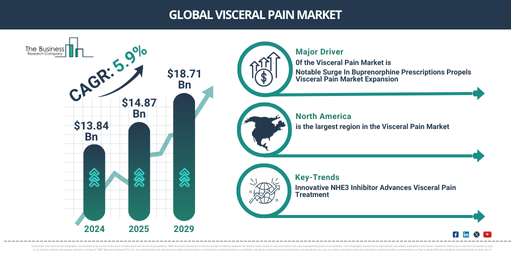
  • Major Trends and Emerging Patterns in the Visceral Pain Market: Innovative NHE3 Inhibitor Advances Visceral Pain Treatment

    Major Trends and Emerging Patterns in the Visceral Pain Market: Innovative NHE3 Inhibitor Advances Visceral Pain Treatment

    Discover trends, market shifts, and competitive outlooks for the visceral pain industry through 2025-2034 with The Business Research Company’s reliable data and in-depth research

    What Are the Key Projections for the CAGR of the Visceral Pain Market Size From 2025 to 2034?

    In recent times, the size of the visceral pain market has seen robust growth. The projection is predicted to increase from $13.84 billion in the year 2024 to $14.87 billion in 2025, marking a compound annual growth rate (CAGR) of 7.5%. The expansion witnessed in the past period is due to causes such as an aging populace, an uptick in chronic disease cases, progression in medical research, the growth of healthcare infrastructure, along with a rise in awareness and diagnostic rates.

    The market size for visceral pain is anticipated to experience significant expansion in the coming years, with a projected valuation of $18.71 billion in 2029, growing at a compound annual growth rate (CAGR) of 5.9%. This growth during the forecast period is linked to advancements in pain management technology, an increasing preference for non-invasive treatments, emerging and untapped markets, bespoke treatment approaches, and the incorporation of digital health solutions. Notable market trends during the projected years include a shift towards the use of multiple forms of pain management, a heightened focus on alternative therapies, the emergence of targeted therapies for specific forms of pain, the expanding influence of telemedicine in pain management, and the integration of artificial intelligence in pain evaluation.

    Download a free sample to assess the report’s scope and structure:

    https://www.thebusinessresearchcompany.com/sample.aspx?id=13950&type=smp

    What Are the Primary Drivers Supporting the Market Growth of the Visceral Pain Market?

    The growth of the visceral pain market is anticipated to be propelled by the escalating demand for analgesics. These are medicines that ease pain by reducing or inhibiting pain signals in the brain. By focusing on the nervous system and regulating pain signals that stem from internal organs, analgesics can effectively control visceral pain. As an example, in April 2024, the New England Journal of Medicine, a weekly medical journal based in the UK, reported that over 53,600 clinicians had started prescribing buprenorphine by December 2023. This represents a rise of 11,500 prescribers in comparison to December 2022. Hence, the growing demand for analgesics is a key factor driving the expansion of the visceral pain market.

    Which Primary Segments of the Visceral Pain Market Are Driving Growth and Industry Transformations?

    The visceral pain market covered in this report is segmented –

    1) By Drug Class: Calcium Channel Blockers, Nonsteroidal Anti-Inflammatory (NSAID), Other Drug Classes

    2) By Indications: Interstitial Cystitis, Crohn’s, Irritable Bowel, Chronic Prostatitis, Other Indications

    3) By End Users: Hospitals, Homecare, Specialty Clinics, Other End Users

    Subsegments:

    1) By Calcium Channel Blockers: Dihydropyridines, Non-Dihydropyridines

    2) By Nonsteroidal Anti-Inflammatory Drugs (NSAID): Selective COX-2 Inhibitors, Non-Selective NSAIDs

    3) By Other Drug Classes: Opioids, Tricyclic Antidepressants (TCAs), Serotonin-Norepinephrine Reuptake Inhibitors (SNRIs)

    Request customized data on this market:

    https://www.thebusinessresearchcompany.com/customise?id=13950&type=smp

    Which Regions Are Key Players in the Growth of the Visceral Pain Market?

    North America was the largest region in the visceral pain market in 2024. The regions covered in the visceral pain market report are Asia-Pacific, Western Europe, Eastern Europe, North America, South America, Middle East, Africa.

    What Are the Most Significant Market Trends in the Visceral Pain Market?

    Leading corporations in the visceral pain industry are advancing new product offerings, like NHE3 Inhibitor, so as to serve their clients with dependable solutions. NHE3 inhibitors comprise a category of pharmaceuticals that function by blocking the Sodium-Proton-Exchanger subtype 3 (NHE3) in the intestines. For example, in April 2022, an NHE3 Inhibitor medication, IBSRELA, was introduced by Ardelyx, an American biopharmaceutical firm. IBSRELA is an innovative therapeutic approach for adults suffering from irritable bowel syndrome coupled with constipation (IBS-C), and it operates by blocking the Sodium-Hydrogen Exchanger 3 (NHE3) in the small intestine and colon. Its effectiveness in decreasing abdominal pain has been validated through its ability to diminish visceral hypersensitivity and intestinal permeability in animal testing.

    View the full report here:

    https://www.thebusinessresearchcompany.com/report/visceral-pain-global-market-report

    What Parameters Are Used to Define the Visceral Pain Market?

    Visceral pain refers to the pain that originates from the internal organs, such as the stomach, bladder, uterus, or rectum. Visceral pain can be caused by various factors, including inflammation, menstrual cramps, swelling and stretching of the organs, blockage, decreased blood flow, and tumors, especially when concentrated in the pelvis or abdomen. It is commonly associated with additional symptoms such as nausea, perspiration, or an accelerated heartbeat.

    Purchase the full report and get a swift delivery:

    https://www.thebusinessresearchcompany.com/purchaseoptions.aspx?id=13950

    About The Business Research Company:

    With over 15000+ reports from 27 industries covering 60+ geographies, The Business Research Company has built a reputation for offering comprehensive, data-rich research and insights. Armed with 1,500,000 datasets, the optimistic contribution of in-depth secondary research, and unique insights from industry leaders, you can get the information you need to stay ahead in the game.

    Get in touch with us:

    The Business Research Company: https://www.thebusinessresearchcompany.com/

    Americas +1 3156230293

    Asia +44 2071930708

    Europe +44 2071930708

    Email us at info@tbrc.info

    Follow us on:

    LinkedIn: https://in.linkedin.com/company/the-business-research-company

    YouTube: https://www.youtube.com/channel/UC24_fI0rV8cR5DxlCpgmyFQ

    Global Market Model: https://www.thebusinessresearchcompany.com/global-market-model