Category: HealthcareServices

  • Neurotechnology Market Outlook: Growth and Forecast Highlights 2030

    Neurotechnology Market Outlook: Growth and Forecast Highlights 2030

    Uncover key drivers, emerging technologies, and competitive movements shaping the neurotechnology market from 2026–2035 with trusted insights from The Business Research Company

    What level of growth is expected in the Neurotechnology Market between 2026 and 2030?_x000D_

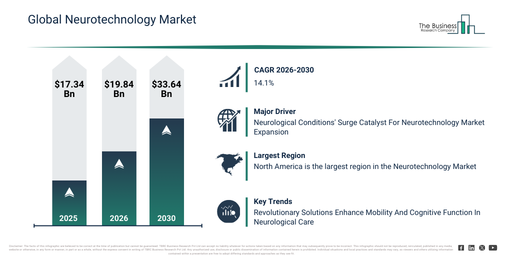
    The neurotechnology market size has experienced significant expansion recently. This market is projected to expand from $17.34 billion in 2025 to $19.84 billion in 2026, demonstrating a compound annual growth rate (CAGR) of 14.4%. Historically, this expansion has been driven by several key factors, including breakthroughs in medical imaging technologies, the early uptake of neurostimulation therapies, an increase in clinical research within neurology, the rising occurrence of neurological disorders, and advancements in implantable device technology._x000D_

    _x000D_

    The neurotechnology market is projected to experience substantial expansion in the coming years, set to reach $33.64 billion by 2030, exhibiting a compound annual growth rate (CAGR) of 14.1%. This growth during the forecast period is primarily driven by increasing investment in brain-computer interfaces, a rising demand for personalized neurological treatments, the expanding application of AI-driven diagnostics, greater adoption of home-based neurotechnology, and the advancement of minimally invasive neurotherapies. Key trends anticipated in the same period involve the broadening of brain-computer interface solutions, increased uptake of non-invasive neurostimulation devices, enhanced integration of neuroimaging within clinical diagnostics, a growing need for cognitive rehabilitation technologies, and improvements in neurological implant materials._x000D_

    _x000D_

    #Access Your Free Sample Report for In-Depth Market Insights:#_x000D_

    https://www.thebusinessresearchcompany.com/sample.aspx?id=9840&type=smp_x000D_

    _x000D_

    Which Drivers Are Expected To Impact The Neurotechnology Market During The Forecast Period?_x000D_

    The rising occurrence of neurological conditions is anticipated to boost the expansion of the neurotechnology market going forward. A neurological condition refers to any ailment or illness impacting the brain, with common examples including Alzheimer’s disease, Parkinson’s disease, epilepsy, and migraine. Neurotechnology finds application in diagnosing and addressing neurological disorders through diverse methods such as brain imaging, neurostimulation, neurofeedback, and brain-computer interfaces. As an illustration, data from October 2023 provided by the World Federation of Neurology, a UK-based charity, indicates an escalating global health burden: neurological disorders are now the second-leading cause of death and the primary cause of disability across the globe. It also noted that more than 40 percent of the worldwide population was affected in 2023, and the count of people living with brain disease is projected to nearly double by 2050. Consequently, the expanding occurrence of neurological conditions is propelling the growth of the neurotechnology market going forward._x000D_

    _x000D_

    Which Segments Are Driving Activity In The Neurotechnology Market?_x000D_

    The neurotechnology market covered in this report is segmented –_x000D_

    _x000D_

    1) By Conditions: Cognitive Disorders, Pain Treatment, Urinary And Fecal Incontinence, Epilepsy, Parkinson’s Disease, Hearing Conditions, Sleep Disorder, Depression, Other Conditions_x000D_

    2) By Type: Imaging Modalities, Neurostimulation, Cranial Surface Measurement, Neurological Implants, Other Types_x000D_

    3) By End Use: Ambulatory Surgical Centers, Hospitals, Homecare Facilities, Other End Uses_x000D_

    _x000D_

    Subsegments:_x000D_

    1) By Cognitive Disorders: Alzheimer’s Disease, Attention Deficit Hyperactivity Disorder (ADHD), Dementia_x000D_

    2) By Pain Treatment: Chronic Pain, Neuropathic Pain, Acute Pain_x000D_

    3) By Urinary And Fecal Incontinence: Overactive Bladder, Neurogenic Bladder, Fecal Incontinence Management_x000D_

    4) By Epilepsy: Drug-Resistant Epilepsy, Seizure Management Devices_x000D_

    5) By Parkinson’s Disease: Motor Symptoms Management, Non-Motor Symptoms Management_x000D_

    6) By Hearing Conditions: Tinnitus, Hearing Loss Solutions_x000D_

    7) By Sleep Disorder: Insomnia, Sleep Apnea, Restless Legs Syndrome_x000D_

    8) By Depression: Major Depressive Disorder, Treatment-Resistant Depression_x000D_

    9) By Other Conditions: Anxiety Disorders, Autism Spectrum Disorder, Traumatic Brain Injury (TBI)_x000D_

    _x000D_

    Which Innovation Trends Are Advancing Developments Within The Neurotechnology Market?_x000D_

    Leading companies in the neurotechnology market are concentrating on developing sophisticated therapeutic options, such as the endovascular brain-computer interface (BCI), to improve cognitive function and restore mobility for individuals with neurological impairments. This endovascular brain-computer interface (BCI) facilitates direct neural access via blood vessels, thereby offering enhanced interaction and treatment possibilities for patients with neurological conditions. For instance, in April 2024, Synchron, a Sweden-based software company focused on creating advanced synchronization technologies for seamless data integration and management, launched a Patient Registry for its Stentrode Brain Computer Interface. The Synchron Stentrode BCI technology is engineered to interpret brain signals and restore motor intent, enabling individuals with limited mobility to operate digital devices without physical interaction. Implanted through a non-invasive endovascular procedure, it wirelessly transmits motor intentions from the brain, allowing severely paralyzed patients to regain a degree of independence. This pioneering technology signifies a substantial advancement in assistive solutions, enhancing daily activities such as communication and access to essential services._x000D_

    _x000D_

    Which Major Industry Participants Are Leading The Neurotechnology Market Growth?_x000D_

    Major companies operating in the neurotechnology market are General Electric, Medtronic PLC, Koninklijke Philips N.V., Shimadzu Corporation, Elekta AB, Natus Medical Incorporated, Abbott, Boston Scientific Corporation, Nihon Kohden Corporation, LivaNova PLC, Siemens Healthcare Private Limited, Hitachi Medical Corporation, Cochlear Limited, NeuroPace Inc., NeuroSigma Inc., NeuroMetrix Inc., NeuroSky Inc., NeuroVigil Inc., Neurotech Pharmaceuticals Inc., Neuralink, Synchron Inc., Blackrock Neurotech, Neuronetics Inc., Neurable Inc._x000D_

    _x000D_

    #Access The Complete Report For Deeper Market Insights:#_x000D_

    https://www.thebusinessresearchcompany.com/report/neurotechnology-global-market-report_x000D_

    _x000D_

    Which Geographic Areas Are Emerging As Strong Markets For The Neurotechnology Market?_x000D_

    North America was the largest region in the neurotechnology market in 2025. Europe is expected to be the fastest-growing region in the neurotechnology market report during the forecast period. The regions covered in the neurotechnology market report are Asia-Pacific, South East Asia, Western Europe, Eastern Europe, North America, South America, Middle East, Africa._x000D_

    _x000D_

    #Request Your Customized Neurotechnology Market Research Report for Competitive Advantage:#_x000D_

    https://www.thebusinessresearchcompany.com/customise?id=9840&type=smp_x000D_

    _x000D_

    #Browse Through More Reports Similar to the Global Neurotechnology Market 2026, By The Business Research Company#_x000D_

    _x000D_

    Neuromodulation Market Report 2026_x000D_

    https://www.thebusinessresearchcompany.com/report/neuromodulation-global-market-report_x000D_

    _x000D_

    Neuroscience Market Report 2026_x000D_

    https://www.thebusinessresearchcompany.com/report/neuroscience-global-market-report_x000D_

    _x000D_

    Neuroprosthetics Market Report 2026_x000D_

    https://www.thebusinessresearchcompany.com/report/neuroprosthetics-global-market-report_x000D_

    _x000D_

    #Get in touch with us:#_x000D_

    _x000D_

    The Business Research Company: https://www.thebusinessresearchcompany.com/_x000D_

    Americas +1 310-496-7795_x000D_

    Asia +44 7882 955267 & +91 8897263534_x000D_

    Europe +44 7882 955267_x000D_

    Email us at info@tbrc.info_x000D_

    _x000D_

    #Follow us on:#_x000D_

    _x000D_

    LinkedIn: https://in.linkedin.com/company/the-business-research-company_x000D_

    YouTube: https://www.youtube.com/channel/UC24_fI0rV8cR5DxlCpgmyFQ_x000D_

    Global Market Model: https://www.thebusinessresearchcompany.com/global-market-model
  • Global Genital Herpes Industry Trends and Market Forecast 2026–2030

    Global Genital Herpes Industry Trends and Market Forecast 2026–2030

    Uncover key drivers, emerging technologies, and competitive movements shaping the genital herpes market from 2026–2035 with trusted insights from The Business Research Company

    What size range is anticipated for the Genital Herpes Market from 2026 to 2030?

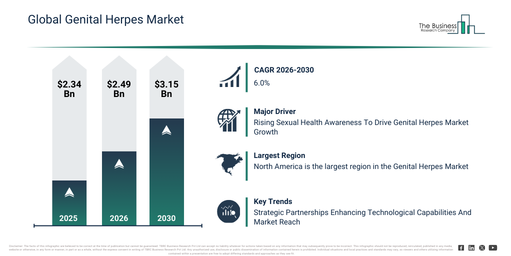
    The market size for genital herpes has shown significant expansion in recent years. It is projected to increase from $2.34 billion in 2025 to $2.49 billion in 2026, achieving a compound annual growth rate (CAGR) of 6.8%. This historical growth can be linked to the high prevalence of hsv infections, the widespread availability of antiviral drugs, various public health screening initiatives, existing sexual health education programs, and established clinical diagnosis protocols.

    The genital herpes market is anticipated to experience robust expansion over the forthcoming years. It is projected to reach $3.15 billion by 2030, demonstrating a compound annual growth rate (CAGR) of 6.0%. This growth during the forecast period is attributable to the development of preventive vaccines, the expansion of rapid diagnostics, improvements in patient adherence therapies, the introduction of digital sexual health services, and increased healthcare access. Significant trends expected during this period involve the increasing use of antiviral suppressive therapy, a rise in awareness and early diagnosis of STIs, a growing demand for point-of-care diagnostic tests, the expansion of preventive sexual health programs, and a heightened focus on long-term symptom management.

    Access Your Free Sample Report for In-Depth Market Insights:

    https://www.thebusinessresearchcompany.com/sample.aspx?id=17161&type=smp

    What Drivers Are Affecting Demand In The Genital Herpes Market?

    An increased emphasis on sexual health is projected to boost the expansion of the genital herpes market in the future. This heightened attention to sexual health originates from a growing awareness of its crucial impact on overall well-being and life quality. Sexual health services provided for genital herpes mainly encompass diagnosis, therapy, guidance, and continuous care. These services aim to help individuals manage outbreaks, prevent the spread of the virus, and address any emotional or relational issues linked to the condition. To illustrate, the Centers for Disease Control and Prevention, a US-based government public health agency, reported in September 2025 that over 2.2 million cases of chlamydia, gonorrhea, and syphilis were documented in 2024. Consequently, the heightened emphasis on sexual health is anticipated to fuel the growth of the genital herpes market.

    Which Segment Groups Are Influencing The Genital Herpes Market?

    The genital herpes market covered in this report is segmented –

    1) By Type: Diagnosis, Treatment

    2) By Route Of Administration: Oral, Injectable, Topical

    3) By Distribution Channel: Hospital Pharmacy, Retail Pharmacy, Other Distribution Channel

    Subsegments:

    1) By Diagnosis: Polymerase Chain Reaction (PCR) Tests, Viral Culture Tests, Blood Antibody Tests (Serology), Antigen Detection Tests, Point-Of-Care Rapid Tests

    2) By Treatment: Antiviral Medications, Acyclovir, Valacyclovir, Famciclovir, Topical Treatments, Acyclovir Cream, Docosanol Cream, Preventive Therapies, Suppressive Therapy, Prophylactic Vaccines (Under Development), Pain Management Medications, Analgesics, Topical Anesthetics

    Which Innovation Trends Are Advancing Developments Within The Genital Herpes Market?

    Prominent companies operating in the genital herpes market are increasingly engaging in strategic collaborations to enhance their technological capabilities and expand their market penetration. A strategic partnership represents a cooperative effort between organizations that integrate their resources, specialized knowledge, and collective endeavors to achieve common goals. As an illustration, in December 2024, Changchun Baike Biotechnology, a China-based biotechnology company, and Zhuhai Livanda Biotechnology, a China-based biopharmaceutical company, jointly secured approval from China’s National Medical Products Administration to commence clinical trials for LVRNA101, identified as a multi-component mRNA vaccine targeting Herpes Simplex Virus Type 2 (HSV-2, genital herpes). This vaccine is engineered to elicit both humoral and cellular immune responses by utilizing advanced mRNA technology.

    Who Are The Top-Performing Companies In The Genital Herpes Market In Recent Years?

    Major companies operating in the genital herpes market are Merck & Co Inc, Abbott Laboratories, GlaxoSmithKline plc, Viatris Inc, Teva Pharmaceuticals Inc, Sandoz Inc, Valeant Pharmaceuticals International Inc, Sun Pharmaceutical Industries Ltd, Dr Reddy’s Laboratories Ltd, Apotex Inc, Zydus Group, Genocea Biosciences Inc, Glenmark Pharmaceuticals Inc, Maruho Co Ltd, Eurocine Vaccines AB, Vical Incorporated, Gilead Sciences Inc, Johnson & Johnson Inc, AstraZeneca plc, Moderna Inc, Assembly Biosciences Inc

    Access The Complete Report For Deeper Market Insights:

    https://www.thebusinessresearchcompany.com/report/genital-herpes-global-market-report

    How Does The Genital Herpes Market Perform Across Major Global Regions?

    North America was the largest region in the genital herpes market in 2025. The regions covered in the genital herpes market report are Asia-Pacific, South East Asia, Western Europe, Eastern Europe, North America, South America, Middle East, Africa.

    Request Your Customized Genital Herpes Market Research Report for Competitive Advantage:

    https://www.thebusinessresearchcompany.com/customise?id=17161&type=smp

    Browse Through More Reports Similar to the Global Genital Herpes Market 2026, By The Business Research Company

    Herpes Simplex Virus Treatment Market Report 2026

    https://www.thebusinessresearchcompany.com/report/herpes-simplex-virus-treatment-global-market-report

    Genital Warts Market Report 2026

    https://www.thebusinessresearchcompany.com/report/genital-warts-global-market-report

    Sexually Transmitted Infections Stis Market Report 2026

    https://www.thebusinessresearchcompany.com/report/sexually-transmitted-infections-stis-global-market-report

    Get in touch with us:

    The Business Research Company: https://www.thebusinessresearchcompany.com/

    Americas +1 310-496-7795

    Asia +44 7882 955267 & +91 8897263534

    Europe +44 7882 955267

    Email us at info@tbrc.info

    Follow us on:

    LinkedIn: https://in.linkedin.com/company/the-business-research-company

    YouTube: https://www.youtube.com/channel/UC24_fI0rV8cR5DxlCpgmyFQ

    Global Market Model: https://www.thebusinessresearchcompany.com/global-market-model

  • Neuroscience Market Insights Report: Opportunities and Drivers 2030

    Neuroscience Market Insights Report: Opportunities and Drivers 2030

    Uncover key drivers, emerging technologies, and competitive movements shaping the neuroscience market from 2026–2035 with trusted insights from The Business Research Company

    How much is the Neuroscience Market valued at in 2026, and what valuation is forecast for 2030?_x000D_

    The neuroscience market has experienced substantial growth in recent years. Projections indicate that this market will expand from $37.47 billion in 2025 to $40.35 billion in 2026, exhibiting a compound annual growth rate (CAGR) of 7.7%. Historically, this expansion has been driven by several factors, including advancements in cellular imaging technologies, increased funding for neuroscience research, the early development of electrophysiology systems, a rise in neurological disease prevalence, and the adoption of brain imaging techniques._x000D_

    _x000D_

    The neuroscience market is projected to experience substantial expansion in the coming years, reaching a valuation of $54.01 billion by 2030, demonstrating a compound annual growth rate (CAGR) of 7.6%. This anticipated growth during the forecast period is fueled by several factors, including the increasing need for sophisticated microscopy systems, greater integration of AI within neuroscience research, broader applications of neuroinformatics, a surge in the use of brain-mapping tools, and the creation of advanced electrophysiology devices. Key developments expected in this period encompass the growing popularity of neuro-microscopy platforms, the expanding utilization of electrophysiology technologies, advancements in neuro-cellular manipulation techniques, wider implementation of whole brain imaging applications, and continuous improvements in neuroscience research instruments and tools._x000D_

    _x000D_

    #Access Your Free Sample Report for In-Depth Market Insights:#_x000D_

    https://www.thebusinessresearchcompany.com/sample.aspx?id=8528&type=smp_x000D_

    _x000D_

    What Drivers Are Influencing The Growth Of The Neuroscience Market?_x000D_

    A rise in neurological conditions, including Alzheimer’s disease, is anticipated to drive growth in the neuroscience market. These disorders encompass various medical issues predominantly impacting the nervous system, specifically the brain, spinal cord, and peripheral nerves. Alzheimer’s disease itself is a progressive neurodegenerative condition primarily targeting the brain, resulting in diminished cognitive abilities and memory loss. Neuroscience is crucial for comprehending and managing Alzheimer’s disease (AD). Through investigation of the nervous system’s structure and function, neuroscientists are uncovering the origins of AD and formulating novel approaches for its diagnosis, prevention, and therapy. For example, data from May 2024, released by the Alzheimer’s Association, a U.S.-based nonprofit organization focused on Alzheimer’s care, support, and research, indicated an increase in Americans aged 65 and older diagnosed with Alzheimer’s dementia from 6.5 million in 2022 to an estimated 6.9 million in 2024. Consequently, the growing occurrence of neurological disorders, particularly Alzheimer’s disease, is a significant driver for the neuroscience market._x000D_

    _x000D_

    How Is The Neuroscience Market Organized Into Various Segments?_x000D_

    The neuroscience market covered in this report is segmented –_x000D_

    _x000D_

    1) By Type: Neuro-Microscopy, Electrophysiology Technologies, Neuro-Cellular Manipulation, Whole Brain Imaging, Other Types_x000D_

    2) By Service: Instruments And Consumables, Software And Services_x000D_

    3) By End User: Hospitals, Diagnostic Labs, Research And Academic Institutes_x000D_

    _x000D_

    Subsegments:_x000D_

    1) By Neuro-Microscopy: Two-Photon Microscopy, Confocal Microscopy, Super-Resolution Microscopy_x000D_

    2) By Electrophysiology Technologies: Patch Clamp Systems, Multi-Electrode Arrays (MEAs), Intracellular And Extracellular Recorders_x000D_

    3) By Neuro-Cellular Manipulation: Optogenetics Tools, Microinjection Systems, Electroporation Devices_x000D_

    4) By Whole Brain Imaging: Functional Magnetic Resonance Imaging (fMRI), Positron Emission Tomography (PET), Diffusion Tensor Imaging (DTI)_x000D_

    5) By Other Types: Neuroinformatics Tools, Brain-Computer Interface Technologies, Neuromodulation Devices_x000D_

    _x000D_

    Which Competitive Trends Are Impacting The Structure Of The Neuroscience Market?_x000D_

    Leading companies within the neuroscience market are directing their efforts toward developing innovative technologies, including artificial intelligence and machine learning, to drive advancements in the field. Artificial intelligence empowers machines to imitate and even surpass human cognitive abilities, with machine learning constituting a segment of artificial intelligence. Artificial intelligence (AI) models are engineered to perform intelligence-based tasks, offering novel theories regarding how similar processes are regulated within the brain. For instance, in February 2024, Koninklijke Philips N.V., a Netherlands-based technology company, collaborated with Synthetic MR, a Sweden-based MRI software company, to introduce Smart Quant Neuro 3D. This breakthrough tool is designed for the diagnosis and assessment of brain disorders like multiple sclerosis, traumatic brain injury, and dementia. The solution integrates Philips’ AI-based SmartSpeed technology, the 3D SyntAc application, and Synthetic MR’s SyMRI NEURO 3D software, equipping healthcare providers with enhanced diagnostic tools for improved confidence and patient outcomes. Philips maintains exclusive rights to provide SyMRI NEURO 3D on its MR scanners._x000D_

    _x000D_

    Who Are The Prominent Global Companies Shaping The Neuroscience Market Landscape?_x000D_

    Major companies operating in the neuroscience market are Alpha Omega Inc., General Electric Company, Siemens Healthineers AG, NeuroNexus Technologies Inc., Doric Lenses Inc., Blackrock Neurotech, Axion Biosystems Inc., Femtonics Ltd., Carl Zeiss AG, Danaher Corporation (Leica Microsystems), Koninklijke Philips N.V., Toshiba Corporation, Hitachi Medical Corporation, Scientifica Ltd., Intan Technologies Inc., Laserglow Technologies Inc., Mightex Systems, Neuralink Corporation, Kernel Corporation, BrainCo Inc., MindMaze Inc., Paradromics Inc., NeuroPro Inc., NeuroSky Inc., EMOTIV Inc., Cercare Medical A/S, Plexon Inc., Noldus Information Technology bv, Neuralynx Inc., Vigil Neuroscience_x000D_

    _x000D_

    #Access The Complete Report For Deeper Market Insights:#_x000D_

    https://www.thebusinessresearchcompany.com/report/neuroscience-global-market-report_x000D_

    _x000D_

    Which Region Is Projected To Lead The Neuroscience Market During The Forecast Period?_x000D_

    North America was the largest region in the neuroscience market in 2025. Asia-Pacific is expected to be the fastest-growing region in the forecast period. The regions covered in the neuroscience market report are Asia-Pacific, South East Asia, Western Europe, Eastern Europe, North America, South America, Middle East, Africa._x000D_

    _x000D_

    #Request Your Customized Neuroscience Market Research Report for Competitive Advantage:#_x000D_

    https://www.thebusinessresearchcompany.com/customise?id=8528&type=smp_x000D_

    _x000D_

    #Browse Through More Reports Similar to the Global Neuroscience Market 2026, By The Business Research Company#_x000D_

    _x000D_

    Nephrologists Market Report 2020 2030 Covid 19 Implications And Growth 2026_x000D_

    https://www.thebusinessresearchcompany.com/report/nephrologists-market-global-report-2020-2030-covid-19-implications-and-growth_x000D_

    _x000D_

    Neurotechnology Market Report 2026_x000D_

    https://www.thebusinessresearchcompany.com/report/neurotechnology-global-market-report_x000D_

    _x000D_

    Neuroprosthetics Market Report 2026_x000D_

    https://www.thebusinessresearchcompany.com/report/neuroprosthetics-global-market-report_x000D_

    _x000D_

    #Get in touch with us:#_x000D_

    _x000D_

    The Business Research Company: https://www.thebusinessresearchcompany.com/_x000D_

    Americas +1 310-496-7795_x000D_

    Asia +44 7882 955267 & +91 8897263534_x000D_

    Europe +44 7882 955267_x000D_

    Email us at info@tbrc.info_x000D_

    _x000D_

    #Follow us on:#_x000D_

    _x000D_

    LinkedIn: https://in.linkedin.com/company/the-business-research-company_x000D_

    YouTube: https://www.youtube.com/channel/UC24_fI0rV8cR5DxlCpgmyFQ_x000D_

    Global Market Model: https://www.thebusinessresearchcompany.com/global-market-model
  • Genetic Toxicology Testing Market Size and Demand Forecast 2026–2030

    Genetic Toxicology Testing Market Size and Demand Forecast 2026–2030

    Uncover key drivers, emerging technologies, and competitive movements shaping the genetic toxicology testing market from 2026–2035 with trusted insights from The Business Research Company

    How is the Genetic Toxicology Testing Market size predicted to change over the forecast window of 2026–2035?

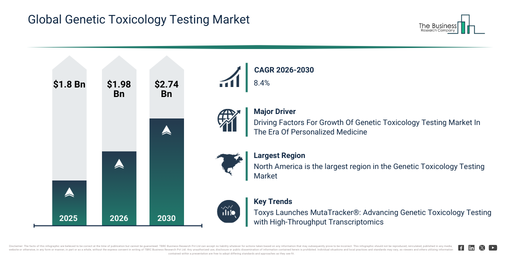
    The genetic toxicology testing market has experienced significant expansion recently. Projections indicate it will increase from $1.8 billion in 2025 to $1.98 billion in 2026, exhibiting a compound annual growth rate (CAGR) of 10.0%. Factors such as regulatory safety requirements, an increase in pharmaceutical R&D, the early integration of in vivo testing, monitoring of industrial chemicals, and environmental health studies are considered contributors to its historical growth.

    The genetic toxicology testing market size is anticipated to experience substantial growth over the coming years. It is projected to reach $2.74 billion by 2030, exhibiting a compound annual growth rate (CAGR) of 8.4%. This expansion during the forecast period is primarily driven by the move towards alternative testing methods, more stringent regulatory frameworks, advancements in biologics development, the need for safer chemicals, and the increasing scope of toxicogenomics. Noteworthy trends for the same period encompass a heightened application of genotoxicity testing in drug development, the increasing adoption of in vitro genetic toxicology assays, an intensifying regulatory focus on chemical safety testing, the broadening of environmental genotoxicity assessment, and a greater demand from pharmaceutical safety studies.

    Access Your Free Sample Report for In-Depth Market Insights:

    https://www.thebusinessresearchcompany.com/sample.aspx?id=15574&type=smp

    Which Drivers Are Contributing To The Expansion Of The Genetic Toxicology Testing Market?

    The rising need for individualized healthcare is anticipated to drive the expansion of the genetic toxicology testing market in the future. This medical approach, known as personalized medicine, customizes healthcare choices, procedures, treatments, and goods for each patient, considering their anticipated reaction or likelihood of disease. The personalized medicine market has seen significant positive momentum, attributed to advancements in genetics, a deeper comprehension of diseases, the presence of diagnostic tools reliant on biomarkers, healthcare programs focused on value, and its incorporation into both clinical settings and research. Through offering crucial data on genetic differences, vulnerability to agents causing genetic damage, and how patients respond to treatments, genetic toxicology testing plays a vital role in personalized medicine. Illustratively, in February 2024, the Personalized Medicine Coalition, a US-based non-profit organization, reported that in 2023, the FDA sanctioned 16 novel personalized medicines for individuals with rare disease patients, an increase from six approvals in 2022. Consequently, the growing requirement for personalized medicine fuels the genetic toxicology testing market.

    What Segment Classifications Make Up The Genetic Toxicology Testing Market?

    The genetic toxicology testing market covered in this report is segmented –

    1) By Testing Method: In Vitro, In Vivo

    2) By Product: Services, Reagents And Consumables, Assays

    3) By Application: Healthcare Industry, Food Industry, Cosmetics Industry, Agriculture Industry, Other Applications

    Subsegments:

    1) By In Vitro: Ames Test, Micronucleus Assay, Comet Assay, Chromosomal Aberration Test, Cell Transformation Assay

    2) By In Vivo: Micronucleus Test (Rodent), Comet Assay (In Vivo), Bone Marrow Chromosomal Aberration Test, Dominant Lethal Test (Rodent)

    Which Competitive Trends Are Impacting The Structure Of The Genetic Toxicology Testing Market?

    Leading companies within the genetic toxicology testing market are concentrating on creating innovative drug screening platforms, including high throughput transcriptomics, to enhance the precision and efficiency of identifying potential genetic toxins. High throughput transcriptomics signifies a technology-driven approach that enables the extensive measurement of gene expression (the transcriptome) across many samples in parallel, typically utilizing methods like RNA sequencing (RNA-seq). This allows researchers to assess, in a high-throughput manner, how various compounds (e.g., drugs or chemicals) perturb global cellular gene expression, which assists in predicting toxicological effects, modes of action (MOA), and potential genotoxicity. For instance, in September 2024, Toxys, a Netherlands-based biotech company specializing in in vitro toxicology solutions, launched MutaTracker. This mammalian cell-based mutagenicity and genotoxicity assay integrates its established ToxTracker reporter system with error-corrected single molecule mutation sequencing (SMM seq). This platform facilitates ultra-sensitive detection of point mutations, even those as rare as 1 in 107 bases, and provides detailed insight into the genotoxic mode of action, thereby improving accuracy and reducing false positives compared to traditional cytogenetic assays.

    Which Leading Companies Dominate The Genetic Toxicology Testing Market Share?

    Major companies operating in the genetic toxicology testing market are F. Hoffmann-La Roche Ltd., Thermo Fisher Scientific Inc., Merck KGaA, Laboratory Corporation of America Holdings, Eurofins Scientific SE, SGS SA, WuXi AppTec, Intertek Group plc, Charles River Laboratories International Inc., PerkinElmer Inc., Bio-Rad Laboratories Inc., Fraunhofer ITEM, Jubilant Life Sciences Limited, Evotec SE, Inotiv Inc., Promega Corporation, Syngene International Limited, Nelson Laboratories LLC, Instem, Frontage Laboratories Inc., Creative Bioarray, Creative Biolabs Inc., Gentronix Limited, MB Research Laboratories

    Access The Complete Report For Deeper Market Insights:

    https://www.thebusinessresearchcompany.com/report/genetic-toxicology-testing-global-market-report

    Which Region Is Anticipated To See The Fastest Growth In The Genetic Toxicology Testing Market?

    North America was the largest region in the genetic toxicology testing market in 2025. Asia-Pacific is expected to be the fastest-growing region in the forecast period. The regions covered in the genetic toxicology testing market report are Asia-Pacific, South East Asia, Western Europe, Eastern Europe, North America, South America, Middle East, Africa.

    Request Your Customized Genetic Toxicology Testing Market Research Report for Competitive Advantage:

    https://www.thebusinessresearchcompany.com/customise?id=15574&type=smp

    Browse Through More Reports Similar to the Global Genetic Toxicology Testing Market 2026, By The Business Research Company

    Adme Toxicology Testing Market Report 2026

    https://www.thebusinessresearchcompany.com/report/adme-toxicology-testing-global-market-report

    In Vitro Toxicology Testing Market Report 2026

    https://www.thebusinessresearchcompany.com/report/in-vitro-toxicology-testing-global-market-report

    Genetic Testing Market Report 2026

    https://www.thebusinessresearchcompany.com/report/genetic-testing-global-market-report

    Get in touch with us:

    The Business Research Company: https://www.thebusinessresearchcompany.com/

    Americas +1 310-496-7795

    Asia +44 7882 955267 & +91 8897263534

    Europe +44 7882 955267

    Email us at info@tbrc.info

    Follow us on:

    LinkedIn: https://in.linkedin.com/company/the-business-research-company

    YouTube: https://www.youtube.com/channel/UC24_fI0rV8cR5DxlCpgmyFQ

    Global Market Model: https://www.thebusinessresearchcompany.com/global-market-model

  • Genetic Testing Services Market Outlook: Growth and Forecast Highlights 2030

    Genetic Testing Services Market Outlook: Growth and Forecast Highlights 2030

    Uncover key drivers, emerging technologies, and competitive movements shaping the genetic testing services market from 2026–2035 with trusted insights from The Business Research Company

    What market expansion outlook does the Genetic Testing Services Market show for the 2026–2030 period?

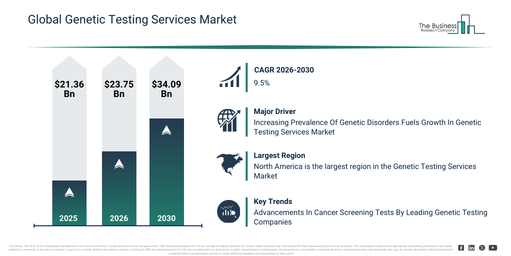
    The genetic testing services market size has experienced rapid growth in recent years. It is projected to expand from $21.36 billion in 2025 to $23.75 billion in 2026, with a compound annual growth rate (CAGR) of 11.2%. This historical growth can be attributed to factors such as consumer interest in ancestry testing, the availability of sequencing technologies, early adoption in academic research, growing awareness of inherited diseases, and laboratory service expansion.

    The genetic testing services market size is anticipated to undergo substantial expansion in the coming years. By 2030, it is projected to reach $34.09 billion, growing at a compound annual growth rate (CAGR) of 9.5%. This growth during the forecast period is attributable to the integration of genomics into standard healthcare practices, the increasing desire for personalized health insights, the expansion of digital health platforms, enhanced regulatory clarity for testing services, and the advancement of preventive medicine. Significant trends expected in this period include the development of direct-to-consumer genetic testing services, a greater need for disease risk assessment services, the broadening of prenatal and newborn genetic services, the increasing acceptance of ancestry and genealogy testing, and a rise in the utilization of genetic counseling services.

    Access Your Free Sample Report for In-Depth Market Insights:

    https://www.thebusinessresearchcompany.com/sample.aspx?id=15385&type=smp

    What Drivers Are Shaping The Development Of The Genetic Testing Services Market?

    The genetic testing services market is anticipated to expand due to the growing occurrence of genetic disorders. These disorders stem from abnormalities in an individual’s DNA, resulting in various physical or developmental issues. Factors contributing to their rising prevalence include greater awareness, enhanced diagnostic techniques, broader genetic screening programs, and an uptick in consanguineous marriages within certain demographics. Such services are increasingly crucial for diagnosing, predicting outcomes (prognosis), and guiding treatment choices for affected individuals, thereby facilitating personalized medical care and informed family planning strategies based on one’s unique genetic composition. For example, the World Health Organization (WHO) reported in February 2023 that congenital diseases led to an estimated 240,000 baby deaths worldwide annually within 28 days of birth. Additionally, data from the Centers for Disease Control and Prevention indicates that approximately 6,000 babies are born with Down syndrome in the United States every year, equating to about 1 in every 700 babies. Consequently, the expanding incidence of genetic disorders serves as a key driver for the genetic testing services market.

    What Segment Types Are Examined In The Genetic Testing Services Market?

    The genetic testing services market covered in this report is segmented –

    1) By Type: Predictive Testing, Carrier Testing, Prenatal Testing, Newborn Screening, Other Types

    2) By Disease: Cancer Disease, Metabolic Disease, Cardiovascular Disease, Other Diseases

    3) By End User: Diagnostic Laboratories, Hospitals And Clinics, Academic Institutes And Research Centers, Other End Users

    Subsegments:

    1) By Predictive Testing: Cancer Predisposition Testing, Heart Disease Risk Testing, Neurological Disorder Risk Testing, Other Predictive Tests

    2) By Carrier Testing: Carrier Screening For Single-Gene Disorders, Carrier Screening For Multifactorial Conditions, Carrier Screening For Inherited Genetic Conditions, Other Carrier Tests

    3) By Prenatal Testing: Non-Invasive Prenatal Testing (NIPT), Amniocentesis, Chorionic Villus Sampling (CVS), Ultrasound-Combined Genetic Testing, Other Prenatal Tests

    4) By Newborn Screening: Metabolic Disorder Screening, Genetic Disorder Screening, Hearing Loss Screening, Endocrine Disorder Screening, Other Newborn Screening Tests

    5) By Other Types: Pharmacogenetic Testing, Forensic Genetic Testing, Ancestry And Genetic Genealogy Testing, Paternity Testing, Other Specialized Genetic Tests

    What Industry Trends Are Transforming The Genetic Testing Services Market?

    Leading companies operating in the genetic testing services market are concentrating on developing advanced technological solutions, such as cancer screening examinations, to boost accuracy, broaden testing capacities, and elevate overall patient outcomes. Cancer screening tests involve routine, recurrent evaluations performed on individuals without symptoms to identify early indicators of cancer. The objective of these examinations is to pinpoint cancer or precancerous states prior to the onset of symptoms, thereby rendering treatment more efficacious. As an illustration, in May 2025, Guardant Health, a United States-based provider specializing in precision oncology diagnostics, encompassing blood-based liquid biopsies and genetic profiling, introduced the Guardant Hereditary Cancer test. This launch aimed to extend its genetic testing offerings into hereditary cancer risk evaluation, thereby bolstering its screening and prevention framework within oncology care. This Guardant Health examination offers a blood-based 82-gene hereditary cancer panel, which can be combined with Guardant360 from the identical sample, providing prompt outcomes within 2–3 weeks for efficient inherited cancer risk detection.

    Who Are The Major Companies Operating In The Genetic Testing Services Market?

    Major companies operating in the genetic testing services market are F. Hoffmann-La Roche Ltd, Thermo Fisher Scientific Inc., Abbott Laboratories, Danaher Corporation, Laboratory Corporation of America Holdings (LabCorp), Quest Diagnostics Incorporated, Eurofins Scientific SE, SGS SA, Agilent Technologies, Hologic Inc., Illumina Inc., PerkinElmer Inc., bioMérieux SA, Bio-Rad Laboratories Inc., QIAGEN N.V., Natera Inc., Myriad Genetics Inc., BGI Genomics Co. Ltd., Invitae Corporation, NeoGenomics Laboratories Inc, 23andMe Holding Co, Berry Genomics Co. Ltd, Pacific Biosciences of California Inc, Ambry Genetics Corporation, Biocartis SA, CENTOGENE N.V., Blueprint Genetics Oy, Igenomix, Veritas Genetics

    Access The Complete Report For Deeper Market Insights:

    https://www.thebusinessresearchcompany.com/report/genetic-testing-services-global-market-report

    Which Region Is Anticipated To See The Fastest Growth In The Genetic Testing Services Market?

    North America was the largest region in the genetic testing services market in 2025. The regions covered in the genetic testing services market report are Asia-Pacific, South East Asia, Western Europe, Eastern Europe, North America, South America, Middle East, Africa.

    Request Your Customized Genetic Testing Services Market Research Report for Competitive Advantage:

    https://www.thebusinessresearchcompany.com/customise?id=15385&type=smp

    Browse Through More Reports Similar to the Global Genetic Testing Services Market 2026, By The Business Research Company

    Direct To Consumer Dtc Genetic Testing Market Report 2026

    https://www.thebusinessresearchcompany.com/report/direct-to-consumer-dtc-genetic-testing-global-market-report

    Genetic Testing Market Report 2026

    https://www.thebusinessresearchcompany.com/report/genetic-testing-global-market-report

    Genomics Services Market Report 2026

    https://www.thebusinessresearchcompany.com/report/genomics-services-global-market-report

    Get in touch with us:

    The Business Research Company: https://www.thebusinessresearchcompany.com/

    Americas +1 310-496-7795

    Asia +44 7882 955267 & +91 8897263534

    Europe +44 7882 955267

    Email us at info@tbrc.info

    Follow us on:

    LinkedIn: https://in.linkedin.com/company/the-business-research-company

    YouTube: https://www.youtube.com/channel/UC24_fI0rV8cR5DxlCpgmyFQ

    Global Market Model: https://www.thebusinessresearchcompany.com/global-market-model

  • Neuroprosthetics Global Forecast: Market to Scale Up to $23.09 Billion by 2030 at 14.6% CAGR

    Neuroprosthetics Global Forecast: Market to Scale Up to $23.09 Billion by 2030 at 14.6% CAGR

    Uncover key drivers, emerging technologies, and competitive movements shaping the neuroprosthetics market from 2026–2035 with trusted insights from The Business Research Company

    By how much is the Neuroprosthetics Market expected to grow between 2026 and 2030?_x000D_

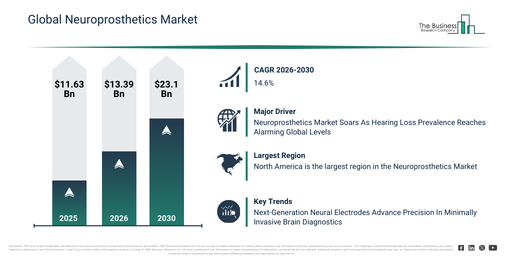
    The neuroprosthetics market has seen rapid expansion in recent years. Its size is projected to increase from $11.63 billion in 2025 to $13.39 billion in 2026, achieving a compound annual growth rate (CAGR) of 15.1%. This historical growth can be attributed to several key factors, including the early establishment of functional electrical stimulation systems, enhanced research efforts in brain-machine interfaces, a growing incidence of motor neuron disorders, progress in cochlear implant technologies, and the initial implementation of deep brain stimulation._x000D_

    _x000D_

    The neuroprosthetics market is poised for significant expansion over the next few years. Its valuation is projected to reach $23.1 billion by 2030, demonstrating a compound annual growth rate (CAGR) of 14.6%. This anticipated growth is driven by factors such as the increasing demand for advanced prosthetic limbs with neural control, a rise in investment within cognitive neuroprosthetics, the broadening applications of vagus nerve stimulation, the growing adoption of innovations in retinal implants, and the development of next-generation exoskeletons for rehabilitation purposes. Prominent trends expected during this period include the wider acceptance of motor neuroprosthetic systems, an increase in the use of auditory neuroprosthetics for restoring hearing, continuous advancements in retinal and visual prosthetic technologies, the expanding integration of cognitive neuroprosthetics into therapy, and the greater deployment of neurostimulation techniques for enhancing functional recovery._x000D_

    _x000D_

    #Access Your Free Sample Report for In-Depth Market Insights:#_x000D_

    https://www.thebusinessresearchcompany.com/sample.aspx?id=6606&type=smp_x000D_

    _x000D_

    Which Drivers Are Influencing Market Acceleration In The Neuroprosthetics Market?_x000D_

    The increasing occurrence of hearing loss is anticipated to drive the expansion of the neuroprosthetics market in the future. Hearing loss, alternatively termed hearing impairment or deafness, describes a partial or complete incapacity to perceive sounds in either or both ears, which profoundly impacts communication, overall life quality, and social engagement. Neuroprosthetic devices, including cochlear implants and auditory prostheses, are instrumental in restoring hearing, enhancing speech understanding, and offering auditory rehabilitation. As an illustration, the World Health Organization (WHO), a United Nations agency based in Switzerland, reported in February 2025 that global forecasts suggest approximately 2.5 billion individuals will suffer from some degree of hearing loss by 2050. More than 700 million of these are projected to need hearing rehabilitation, even as untreated hearing impairment already accounts for nearly US$1 trillion in yearly expenses, and over 1 billion young adults face the danger of irreversible damage from unsafe listening habits. Consequently, the growing occurrence of hearing loss is stimulating the neuroprosthetics market._x000D_

    _x000D_

    What Segments Are Identified Within The Structure Of The Neuroprosthetics Market?_x000D_

    The neuroprosthetics market covered in this report is segmented –_x000D_

    _x000D_

    1) By Type: Motor Neuroprosthetics, Auditory Neuroprosthetics Or Cochlear implants, Visual Neuroprosthetics Or Retinal implants, Cognitive Neuroprosthetics_x000D_

    2) By Technique: Spinal Cord Stimulation, Deep Brain Stimulation, Vagus Nerve Stimulation, Sacral Nerve Stimulation, Transcranial Magnetic Stimulation_x000D_

    3) By Application: Motor Neuron Disorders, Physiological Disorders, Cognitive Disorders_x000D_

    _x000D_

    Subsegments:_x000D_

    1) By Motor Neuroprosthetics: Functional Electrical Stimulation (FES) Systems, Brain-Machine Interfaces (BMIs), Prosthetic Limbs With Neural Control, Exoskeletons For Rehabilitation_x000D_

    2) By Auditory Neuroprosthetics Or Cochlear Implants: Cochlear Implants (Single and Multi-Channel), Auditory Brainstem Implants (ABI), Bone-Anchored Hearing Aids (BAHA)_x000D_

    3) By Visual Neuroprosthetics Or Retinal Implants: Retinal Prostheses, Optogenetic Implants, Visual Cortical Implants_x000D_

    4) By Cognitive Neuroprosthetics: Deep Brain Stimulation (DBS) Devices, Cognitive Enhancement Implants, Neurostimulation Devices For Cognitive Disorders_x000D_

    _x000D_

    What Industry Trends Are Transforming The Neuroprosthetics Market?_x000D_

    Leading companies within the neuroprosthetics market are concentrating on developing advanced innovations like sEEG electrode systems to enhance neural interfacing capabilities and improve minimally invasive diagnostic and therapeutic procedures. An sEEG electrode system is a specialized neural device crafted to record and stimulate subsurface brain activity, thereby enabling high-precision mapping and neuromodulation. For instance, in May 2023, NeuroOne Medical Technologies Corporation, a US-based medical technology company, introduced the Evo sEEG Electrodes in the United States. NeuroOne’s new electrodes provide secure, highly accurate subsurface brain mapping with enhanced signal clarity and compatibility with robotic neurosurgical platforms. This innovation broadens the clinical utility of stereoelectroencephalography by facilitating less invasive procedures and supporting its expansion into applications such as epilepsy evaluation, chronic pain management, and Parkinson’s disease interventions._x000D_

    _x000D_

    Which Key Players Are Driving Competition In The Neuroprosthetics Market?_x000D_

    Major companies operating in the neuroprosthetics market are Abbott Laboratories, Boston Scientific Corp., Cochlear Ltd., Demant AS, LivaNova plc, MED-EL GmbH, Neuropace Inc., Nevro Corp., Oticon US Inc., Retina Implant AG, Second Sight Medical Products Inc., Sonova Holding AG, St. Jude Medical Inc., Aleva Neurotherapeutics SA, Axonics Modulation Technologies Inc., Bionic Vision Technologies Pty Ltd., Blackrock Microsystems LLC, Cognixion, Cyberonics Inc., Medtronic plc, NeuroKinetics Inc., NeuroMetrix Inc., Pixium Vision SA, SPR Therapeutics Inc., Synapse Biomedical Inc., Synchron Inc._x000D_

    _x000D_

    #Access The Complete Report For Deeper Market Insights:#_x000D_

    https://www.thebusinessresearchcompany.com/report/neuroprosthetics-global-market-report_x000D_

    _x000D_

    Which Region Currently Holds The Largest Share Of The Neuroprosthetics Market?_x000D_

    North America was the largest region in the neuroprosthetics market in 2025. Asia-Pacific is expected to be the fastest-growing region in the forecast period. The regions covered in the neuroprosthetics market report are Asia-Pacific, South East Asia, Western Europe, Eastern Europe, North America, South America, Middle East, Africa._x000D_

    _x000D_

    #Request Your Customized Neuroprosthetics Market Research Report for Competitive Advantage:#_x000D_

    https://www.thebusinessresearchcompany.com/customise?id=6606&type=smp_x000D_

    _x000D_

    #Browse Through More Reports Similar to the Global Neuroprosthetics Market 2026, By The Business Research Company#_x000D_

    _x000D_

    Neurotechnology Market Report 2026_x000D_

    https://www.thebusinessresearchcompany.com/report/neurotechnology-global-market-report_x000D_

    _x000D_

    Neural Implants Market Report 2026_x000D_

    https://www.thebusinessresearchcompany.com/report/neural-implants-global-market-report_x000D_

    _x000D_

    Robotic Prosthetics Market Report 2026_x000D_

    https://www.thebusinessresearchcompany.com/report/robotic-prosthetics-global-market-report_x000D_

    _x000D_

    #Get in touch with us:#_x000D_

    _x000D_

    The Business Research Company: https://www.thebusinessresearchcompany.com/_x000D_

    Americas +1 310-496-7795_x000D_

    Asia +44 7882 955267 & +91 8897263534_x000D_

    Europe +44 7882 955267_x000D_

    Email us at info@tbrc.info_x000D_

    _x000D_

    #Follow us on:#_x000D_

    _x000D_

    LinkedIn: https://in.linkedin.com/company/the-business-research-company_x000D_

    YouTube: https://www.youtube.com/channel/UC24_fI0rV8cR5DxlCpgmyFQ_x000D_

    Global Market Model: https://www.thebusinessresearchcompany.com/global-market-model
  • Genetic Testing Market Insights Report: Opportunities and Drivers 2030

    Genetic Testing Market Insights Report: Opportunities and Drivers 2030

    Uncover key drivers, emerging technologies, and competitive movements shaping the genetic testing market from 2026–2035 with trusted insights from The Business Research Company

    What level of growth is expected in the Genetic Testing Market between 2026 and 2030?

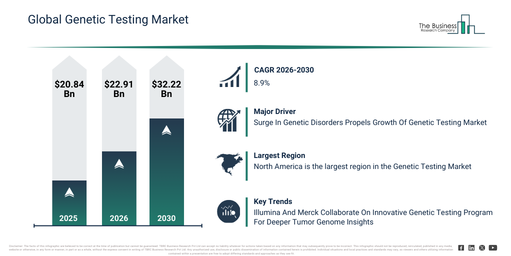
    The genetic testing market has experienced robust expansion in recent years. Forecasts indicate its size will grow from $20.84 billion in 2025 to $22.91 billion in 2026, exhibiting a compound annual growth rate (CAGR) of 9.9%. Historically, this market’s growth has been driven by advancements in molecular biology, declining DNA sequencing costs, heightened awareness of genetic disorders, the expansion of diagnostic laboratories, and its early adoption in oncology.

    The genetic testing market is anticipated to experience substantial growth in the coming years. It is projected to expand to $32.22 billion by 2030, achieving a compound annual growth rate (CAGR) of 8.9%. This projected growth throughout the forecast period stems from the advancement of personalized medicine, the incorporation of genetic data into clinical decisions, the escalating burden of chronic diseases, the expansion of preventive healthcare, and improvements in genetic counseling services. Furthermore, significant trends expected during this period include a greater adoption of predictive genetic testing, the increasing application of prenatal and newborn screening, a rising demand for pharmacogenomics testing, the broadening scope of cancer genetic diagnostics, and enhanced availability of direct-to-consumer genetic tests.

    Access Your Free Sample Report for In-Depth Market Insights:

    https://www.thebusinessresearchcompany.com/sample.aspx?id=6729&type=smp

    Which Drivers Are Expected To Impact The Genetic Testing Market During The Forecast Period?

    The increasing occurrence of genetic disorders is anticipated to drive the expansion of the genetic testing market in the future. Genetic disorders are conditions that manifest symptoms either at birth or develop later in life. Through genetic testing, individuals can obtain a diagnosis for genetic problems and insights into their risk of developing cancer. For example, data from 2024, as per a World Health Organization report, a Switzerland-based Intergovernmental organization, indicates that genetic disorders and congenital abnormalities impact 2%-5% of live births, contribute to 30% of pediatric hospital admissions, and are responsible for approximately 50% of childhood deaths in industrialized countries. Consequently, the growing incidence of genetic disorders is a key factor propelling the genetic testing market.

    Which Segments Are Driving Activity In The Genetic Testing Market?

    The genetic testing market covered in this report is segmented –

    1) By Type: Predictive Testing, Carrier Testing, Prenatal And Newborn Testing, Diagnostic Testing, Pharmacogenomics Testing, Nutrigenomic Testing, Other Types

    2) By Technology: Cytogenetic Testing, Biochemical Testing, Molecular Testing

    3) By Application: Cancer Diagnosis, Genetic Disease Diagnosis, Cardiovascular Disease Diagnosis, Other Applications

    4) By End User: Hospitals And Clinics, Diagnostic Laboratories And Centres, Other End Users

    Subsegments:

    1) By Predictive Testing: Genetic Risk Assessment, Family History-Based Testing

    2) By Carrier Testing: Single Gene Carrier Testing, Expanded Carrier Screening

    3) By Prenatal And Newborn Testing: Non-Invasive Prenatal Testing (NIPT), Newborn Screening Tests

    4) By Diagnostic Testing: Confirmatory Genetic Testing, Clinical Diagnostic Testing

    5) By Pharmacogenomics Testing: Drug Response Testing, Adverse Drug Reaction Testing

    6) By Nutrigenomic Testing: Dietary Response Testing, Metabolism Testing

    7) By Other Types: Ancestry Testing, Whole Genome Sequencing

    What Trends Are Reshaping The Dynamics Of The Genetic Testing Market?

    Leading companies within the genetic testing market are concentrating on developing advanced solutions, such as AI-driven genomic interpretation algorithms, to address the increasing demand for improved variant categorization, enhanced diagnostic precision, and greater inclusivity in precision healthcare. AI-based genomic interpretation tools analyze extensive genetic datasets to identify pathogenic variants more efficiently than traditional manual or rule-dependent methods, offering quicker insights, reduced uncertainty, and superior predictive accuracy in genetic testing. For instance, in June 2023, Illumina, Inc., a U.S.-based biotechnology and medical equipment company, unveiled PrimateAI-3D, a novel artificial intelligence algorithm designed to predict disease-causing genetic mutations. This tool utilizes a three-dimensional structural understanding of proteins and evolutionary comparisons among primate species to prioritize potentially pathogenic variants. It enhances large-scale genomic interpretation, accelerates precision medicine, and refines diagnostic workflows by empowering researchers and clinicians to assess genetic risk with greater accuracy. PrimateAI-3D supports the faster, more reliable detection of clinically relevant mutations, ultimately fortifying genetic testing capabilities.

    Which Major Firms Are Strengthening Their Position In The Genetic Testing Market?

    Major companies operating in the genetic testing market are Myriad Genetics Inc, Illumina Inc, Abbott Laboratories, Eurofins Scientific, Danaher Corporation, F. Hoffmann-La Roche Ltd, Quest Diagnostics Incorporated, Qiagen NV, Thermo Fisher Scientific Inc., BioRad Laboratories Inc., BGI, Berry Genomics Co. Ltd, Daan Gene Co. Ltd, Annoroad Gene Technology Co. Ltd, Igenomix, Circle DNA, Centogene, Probably Genetic, Genome Biologics, WuXi NextCODE, Genomtec, Testgene, Evogen Lab, Phosphorus, Helix, 10x Genomics, Quantgene, DNALabs, Deep Genomics, Hologic Inc, Molecular Biology & Genetics Laboratory, IVI MIDDLE EAST FERTILITY CLINIC, Bio Certica

    Access The Complete Report For Deeper Market Insights:

    https://www.thebusinessresearchcompany.com/report/genetic-testing-global-market-report

    Which Global Regions Are Shaping The Competitive Landscape Of The Genetic Testing Market?

    North America was the largest region in the genetic testing market in 2025. Asia-Pacific is expected to be the fastest-growing region in the forecast period. The regions covered in the genetic testing market report are Asia-Pacific, South East Asia, Western Europe, Eastern Europe, North America, South America, Middle East, Africa.

    Request Your Customized Genetic Testing Market Research Report for Competitive Advantage:

    https://www.thebusinessresearchcompany.com/customise?id=6729&type=smp

    Browse Through More Reports Similar to the Global Genetic Testing Market 2026, By The Business Research Company

    Prenatal And Newborn Genetic Testing Market Report 2026

    https://www.thebusinessresearchcompany.com/report/prenatal-and-newborn-genetic-testing-global-market-report

    Genetic Testing Services Market Report 2026

    https://www.thebusinessresearchcompany.com/report/genetic-testing-services-global-market-report

    Dna Testing Market Report 2026

    https://www.thebusinessresearchcompany.com/report/dna-testing-global-market-report

    Get in touch with us:

    The Business Research Company: https://www.thebusinessresearchcompany.com/

    Americas +1 310-496-7795

    Asia +44 7882 955267 & +91 8897263534

    Europe +44 7882 955267

    Email us at info@tbrc.info

    Follow us on:

    LinkedIn: https://in.linkedin.com/company/the-business-research-company

    YouTube: https://www.youtube.com/channel/UC24_fI0rV8cR5DxlCpgmyFQ

    Global Market Model: https://www.thebusinessresearchcompany.com/global-market-model

  • Neuroplasticity Market Future Outlook: Strong Growth Expected Toward $18.47 Billion by 2030

    Neuroplasticity Market Future Outlook: Strong Growth Expected Toward $18.47 Billion by 2030

    Uncover key drivers, emerging technologies, and competitive movements shaping the neuroplasticity market from 2026–2035 with trusted insights from The Business Research Company

    What is the estimated market size of the Neuroplasticity Market by the end of 2030?_x000D_

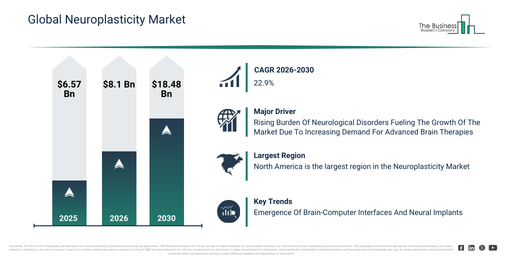
    The neuroplasticity market has experienced rapid expansion over recent years. Projections indicate its value will increase from $6.57 billion in 2025 to $8.1 billion by 2026, exhibiting a compound annual growth rate (CAGR) of 23.2%. Factors contributing to its historical growth include the initial creation of neurofeedback instruments, greater understanding of brain rehabilitation needs, enhanced investigation into neurodegenerative conditions, the uptake of cognitive training solutions, and the initial deployment of wearable neurostimulation apparatus._x000D_

    _x000D_

    The neuroplasticity market is poised for significant expansion in the upcoming years. It is foreseen to attain a value of $18.48 billion by 2030, exhibiting a compound annual growth rate (CAGR) of 22.9%. This projected growth stems from various factors, including the increasing demand for AI-driven neurotherapy, the rising adoption of VR rehabilitation tools, the broadening of neuroplasticity-based mental health treatments, a surge in investment in brain recovery research, and the advancement of sophisticated brain-computer interfaces. Prominent trends within this forecast period involve an escalating demand for stroke rehabilitation solutions, a greater uptake of cognitive training programs, an increased application of neurostimulation for mental health treatment, the expansion of TBI rehabilitation technologies, and the creation of platforms designed to bolster learning and memory._x000D_

    _x000D_

    #Access Your Free Sample Report for In-Depth Market Insights:#_x000D_

    https://www.thebusinessresearchcompany.com/sample.aspx?id=24334&type=smp_x000D_

    _x000D_

    What Drivers Are Shaping Future Opportunities In The Neuroplasticity Market?_x000D_

    The rising occurrence of neurological conditions is projected to boost the expansion of the neuroplasticity market in the future. These disorders are health issues impacting the brain, spinal cord, and nerves, resulting in various physical, cognitive, and behavioral challenges. Examples include Alzheimer’s, Parkinson’s, epilepsy, and multiple sclerosis, whose prevalence is escalating due to an aging global population and lifestyle influences. The primary cause of this increasing prevalence is the aging global population, where extended life expectancy elevates the likelihood of developing age-related neurological conditions, thereby increasing incidence rates globally. The growing prevalence of neurological disorders fuels neuroplasticity, fostering the need for sophisticated therapies and rehabilitation techniques designed to improve brain function, enhance patient results, and facilitate the creation of novel treatments for various neurological conditions. For example, data from October 2023, provided by the World Federation of Neurology, a UK-based association of national neurological societies, indicates that more than 40% of the global population currently suffers from a neurological condition, a figure projected to nearly double by 2050. Consequently, the rising occurrence of neurological conditions is a key factor in the expansion of the neuroplasticity market._x000D_

    _x000D_

    Which Segments Are Gaining Traction In The Neuroplasticity Market?_x000D_

    The neuroplasticity market covered in this report is segmented –_x000D_

    _x000D_

    1) By Product Type: Software-Based Solutions, Hardware-Based Solutions_x000D_

    2) By Technology Type: Artificial Intelligence, Virtual Reality, Neurostimulation, Wearable Technology_x000D_

    3) By Application: Stroke Rehabilitation, Traumatic Brain Injury (TBI) Rehabilitation, Neurodegenerative Disorders, Learning And Memory Enhancement, Mental Health Disorders_x000D_

    4) By End User: Hospitals And Clinics, Research Institutes And Academic Centers, Pharmaceutical And Biotechnology Companies, Other End Users_x000D_

    _x000D_

    Subsegments:_x000D_

    1) By Software-Based Solutions: Cognitive Training Programs, Neurofeedback Software, Brain Simulation Platforms, Mobile Neurotherapy Apps, Virtual Reality Rehabilitation Software, AI-Based Cognitive Assessment Tools_x000D_

    2) By Hardware-Based Solutions: EEG Headsets, Transcranial Magnetic Stimulation (TMS) Devices, Transcranial Direct Current Stimulation (tDCS) Devices, Brain-Computer Interface (BCI) Systems, Wearable Neurostimulation Devices, Neuroimaging And Monitoring Equipment_x000D_

    _x000D_

    What Trends Are Reshaping The Dynamics Of The Neuroplasticity Market?_x000D_

    Key companies in the neuroplasticity market are prioritizing the creation of advanced technologies, such as brain-computer interfaces and neural implants, to secure their market presence. Brain-computer interfaces (BCIs) and neural implants are sophisticated neurotechnologies that forge direct communication paths between the brain and external devices. BCIs typically allow control over computers or prosthetics via brain signals, while neural implants are devices positioned in the brain or nervous system to observe, stimulate, or modify neural activity for therapeutic or functional improvements. For example, in June 2024, Paradromics, a US-based neurotechnology company, declared its acceptance into the FDA Regulatory Accelerator Program and initiated a new patient registry. This regulatory success boosts the company’s progress in developing high-performance brain-computer interfaces, signifying notable advancement in neurotechnology innovation with the capacity to transform treatment for patients facing severe neurological conditions through state-of-the-art neural data solutions._x000D_

    _x000D_

    Who Are The Top-Performing Companies In The Neuroplasticity Market In Recent Years?_x000D_

    Major companies operating in the neuroplasticity market are Medtronic PLC, Boston Scientific Corporation, NeuroPace Inc, BrainsWay Ltd, Magstim, MindMaze, Emotiv Inc, BrainCo, ElectroCore, NeuroMetrix, Soterix Medical, Neurable, NeuroSigma Inc, Cognixion, NeuroTracker, Neuralink, Synchron Inc, Paradromics Inc, Precision Neuroscience, g.tec medical engineering GmbH, Neuroelectrics, OpenBCI, Kernel, Blackrock Neurotech, NeuroSky Inc, BrainScope Company Inc, i-BrainTech LTD_x000D_

    _x000D_

    #Access The Complete Report For Deeper Market Insights:#_x000D_

    https://www.thebusinessresearchcompany.com/report/neuroplasticity-global-market-report_x000D_

    _x000D_

    How Does The Neuroplasticity Market Perform Across Major Global Regions?_x000D_

    North America was the largest region in the Neuroplasticity market in 2025. Asia-Pacific is expected to be the fastest-growing region in the forecast period. The regions covered in the neuroplasticity market report are Asia-Pacific, South East Asia, Western Europe, Eastern Europe, North America, South America, Middle East, Africa._x000D_

    _x000D_

    #Request Your Customized Neuroplasticity Market Research Report for Competitive Advantage:#_x000D_

    https://www.thebusinessresearchcompany.com/customise?id=24334&type=smp_x000D_

    _x000D_

    #Browse Through More Reports Similar to the Global Neuroplasticity Market 2026, By The Business Research Company#_x000D_

    _x000D_

    Neuroprosthetics Market Report 2026_x000D_

    https://www.thebusinessresearchcompany.com/report/neuroprosthetics-global-market-report_x000D_

    _x000D_

    Neuromodulation Market Report 2026_x000D_

    https://www.thebusinessresearchcompany.com/report/neuromodulation-global-market-report_x000D_

    _x000D_

    Neurotechnology Market Report 2026_x000D_

    https://www.thebusinessresearchcompany.com/report/neurotechnology-global-market-report_x000D_

    _x000D_

    #Get in touch with us:#_x000D_

    _x000D_

    The Business Research Company: https://www.thebusinessresearchcompany.com/_x000D_

    Americas +1 310-496-7795_x000D_

    Asia +44 7882 955267 & +91 8897263534_x000D_

    Europe +44 7882 955267_x000D_

    Email us at info@tbrc.info_x000D_

    _x000D_

    #Follow us on:#_x000D_

    _x000D_

    LinkedIn: https://in.linkedin.com/company/the-business-research-company_x000D_

    YouTube: https://www.youtube.com/channel/UC24_fI0rV8cR5DxlCpgmyFQ_x000D_

    Global Market Model: https://www.thebusinessresearchcompany.com/global-market-model
  • Revenue of the Neuropathic Pain Market Predicted to Achieve $8.47 Billion by 2030, Driven by 8.1% CAGR

    Revenue of the Neuropathic Pain Market Predicted to Achieve $8.47 Billion by 2030, Driven by 8.1% CAGR

    Uncover key drivers, emerging technologies, and competitive movements shaping the neuropathic pain market from 2026–2035 with trusted insights from The Business Research Company

    What was the valuation of the Neuropathic Pain Market in 2026, and what figure is it projected to hit by 2030?_x000D_

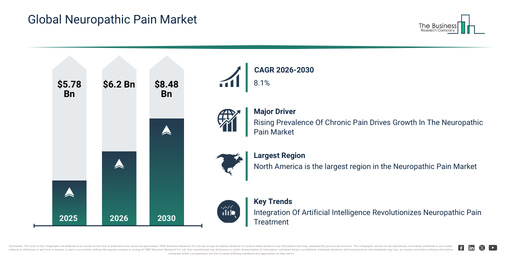
    The neuropathic pain market has exhibited strong growth over recent years. It is forecast to grow from $5.78 billion in 2025 to $6.2 billion in 2026, achieving a compound annual growth rate (CAGR) of 7.3%. The expansion observed in the historical period can be attributed to an increasing prevalence of diabetes, the early adoption of antidepressants and anticonvulsants, enhanced awareness of neuropathic pain conditions, the creation of opioid-based treatments, and the initial utilization of imaging for diagnosis._x000D_

    _x000D_

    The market for neuropathic pain is projected to experience substantial growth over the coming years, anticipated to reach $8.48 billion by 2030, exhibiting a compound annual growth rate (CAGR) of 8.1%. This expansion during the forecast period can be attributed to a growing preference for non-opioid treatments, the increasing need for individualized pain management, the wider adoption of complementary therapies, greater investment in diagnostic breakthroughs, and the creation of sophisticated multimodal treatment approaches. Prominent trends expected during this period involve a surge in multimodal therapy uptake, a heightened call for non-opioid pain relief, increased integration of physical and psychological therapies, advancements in early diagnosis via imaging methods, and an intensified focus on managing diabetic neuropathy._x000D_

    _x000D_

    #Access Your Free Sample Report for In-Depth Market Insights:#_x000D_

    https://www.thebusinessresearchcompany.com/sample.aspx?id=12922&type=smp_x000D_

    _x000D_

    Which Drivers Are Affecting Market Participation In The Neuropathic Pain Market?_x000D_

    The increasing occurrence of chronic pain is anticipated to fuel the expansion of the neuropathic pain market moving ahead. Chronic pain, characterized as ongoing discomfort persisting for at least three months, affects a considerable segment of the population and profoundly impacts their quality of life. This rise in chronic pain instances stems from factors including aging demographics, nerve injuries, and long-term health conditions such as diabetes. Therapies for neuropathic pain contribute to public health by addressing nerve dysfunction, alleviating symptoms, and enhancing patients’ daily activities. As an illustration, data released in November 2024 by the Centers for Disease Control and Prevention (CDC), a US-based national health protection agency, indicated that in 2023, adult populations experienced a 24.3% prevalence of chronic pain and an 8.5% prevalence of high-impact chronic pain, which translates to 34.9% among those with chronic pain, with women, American Indian and Alaska Native adults, and individuals aged 65 years and older exhibiting particularly elevated rates. Consequently, the growing prevalence of chronic pain is stimulating the neuropathic pain market._x000D_

    _x000D_

    What Segment Categories Are Covered In The Neuropathic Pain Market?_x000D_

    The neuropathic pain market covered in this report is segmented –_x000D_

    _x000D_

    1) By Treatment: Medications, Multimodal Therapy_x000D_

    2) By Diagnosis: Imaging, Blood Tests And Physical Examination_x000D_

    3) By Indication: Diabetic Neuropathy, Spinal Stenosis, Chemotherapy-Induced Peripheral Neuropathy, Other Indications_x000D_

    4) By End User: Hospitals, Clinics, Home Healthcare, Ambulatory Surgical Centers, Other End Users_x000D_

    _x000D_

    Subsegments:_x000D_

    1) By Medications: Anticonvulsants, Antidepressants, Opioids, Topical Treatments, Non-Steroidal Anti-Inflammatory Drugs (NSAIDs)_x000D_

    2) By Multimodal Therapy: Combination Of Medications, Physical Therapy, Psychological Therapy, Lifestyle Modifications, Complementary Therapies_x000D_

    _x000D_

    How Are New Market Trends Shaping The Landscape Of The Neuropathic Pain Market?_x000D_

    Companies operating within the neuropathic pain market are increasingly integrating artificial intelligence technologies for improved diagnosis, personalized treatment plans, real-time patient monitoring, drug discovery, and data-driven insights. These efforts are aimed at enhancing patient outcomes and refining pain management strategies. For instance, in March 2023, Nevro Corp., a medical device company based in the US, introduced its Senza HFX iQ spinal cord stimulation (SCS) system. This innovative technology harnesses artificial intelligence (AI) to customize pain relief for individual patients. The system, which comprises the HFX iQ Implantable Pulse Generator (IPG), HFX Trial Stimulator, Charger, and HFX App, is designed to address non-surgical back pain and painful diabetic neuropathy by adapting to patient responses and feedback. It utilizes a distinct algorithm derived from extensive patient data, enabling patients to modify their pain relief program via a smartphone application. The system’s digital platform supports data collection and potential updates. The objective of this technology is to elevate pain relief through consistency and personalization, representing a notable advancement in SCS therapy._x000D_

    _x000D_

    Which Leading Companies Dominate The Neuropathic Pain Market Share?_x000D_

    Major companies operating in the neuropathic pain market are Pfizer Inc., Johnson & Johnson Private Limited, Sanofi S.A., Bristol-Myers Squibb Company, Abbott Laboratories, GlaxoSmithKline Plc, Medtronic Inc., Eli Lilly and Company, Teva Pharmaceutical Industries Ltd, Boston Scientific Corporation, Sun Pharmaceutical Industries Ltd., Mallinckrodt Pharmaceuticals, Grünenthal GmbH, Lupin Ltd., Nevro Corp., InvaGen Pharmaceuticals Inc, Centaur Pharmaceuticals Pvt Ltd., Stimwave LLC, Novartis AG, Astellas Pharma Inc., Vertex Pharmaceuticals Incorporated, Assertio Therapeutics Inc, NeuroMetrix Inc, OMRON Healthcare Co Ltd_x000D_

    _x000D_

    #Access The Complete Report For Deeper Market Insights:#_x000D_

    https://www.thebusinessresearchcompany.com/report/neuropathic-pain-global-market-report_x000D_

    _x000D_

    Which Region Is Anticipated To See The Fastest Growth In The Neuropathic Pain Market?_x000D_

    North America was the largest region in the neuropathic pain market in 2025. Asia-Pacific is expected to be the fastest-growing region in the forecast period. The regions covered in the neuropathic pain market report are Asia-Pacific, South East Asia, Western Europe, Eastern Europe, North America, South America, Middle East, Africa._x000D_

    _x000D_

    #Request Your Customized Neuropathic Pain Market Research Report for Competitive Advantage:#_x000D_

    https://www.thebusinessresearchcompany.com/customise?id=12922&type=smp_x000D_

    _x000D_

    #Browse Through More Reports Similar to the Global Neuropathic Pain Market 2026, By The Business Research Company#_x000D_

    _x000D_

    Keloids Treatment Market Report 2026_x000D_

    https://www.thebusinessresearchcompany.com/report/keloids-treatment-global-market-report_x000D_

    _x000D_

    Actinic Keratosis Treatment Market Report 2026_x000D_

    https://www.thebusinessresearchcompany.com/report/actinic-keratosis-treatment-global-market-report_x000D_

    _x000D_

    Hypertrophic And Keloid Scar Treatment Market Report 2026_x000D_

    https://www.thebusinessresearchcompany.com/report/hypertrophic-and-keloid-scar-treatment-global-market-report_x000D_

    _x000D_

    #Get in touch with us:#_x000D_

    _x000D_

    The Business Research Company: https://www.thebusinessresearchcompany.com/_x000D_

    Americas +1 310-496-7795_x000D_

    Asia +44 7882 955267 & +91 8897263534_x000D_

    Europe +44 7882 955267_x000D_

    Email us at info@tbrc.info_x000D_

    _x000D_

    #Follow us on:#_x000D_

    _x000D_

    LinkedIn: https://in.linkedin.com/company/the-business-research-company_x000D_

    YouTube: https://www.youtube.com/channel/UC24_fI0rV8cR5DxlCpgmyFQ_x000D_

    Global Market Model: https://www.thebusinessresearchcompany.com/global-market-model
  • Genetic Engineering Plant Genomics Global Forecast: Market to Scale Up to $89.99 Billion by 2030 at 13.8% CAGR

    Genetic Engineering Plant Genomics Global Forecast: Market to Scale Up to $89.99 Billion by 2030 at 13.8% CAGR

    Uncover key drivers, emerging technologies, and competitive movements shaping the genetic engineering plant genomics market from 2026–2035 with trusted insights from The Business Research Company

    How much is the Genetic Engineering Plant Genomics Market valued at in 2026, and what valuation is forecast for 2030?

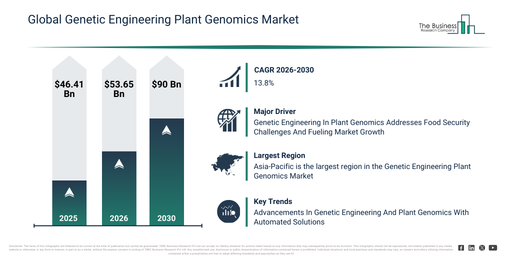
    The genetic engineering plant genomics market has seen rapid growth in recent years. It is anticipated to expand from $46.41 billion in 2025 to $53.65 billion in 2026, exhibiting a compound annual growth rate (CAGR) of 15.6%. This historical growth can be linked to developments in plant biotechnology research, a rising demand for increased crop yields, the wider adoption of genetically modified crop cultivation, advancements in sequencing technologies, and growing financial investment from both public and private sources.

    The genetic engineering plant genomics market is projected to experience swift expansion over the coming years, reaching a valuation of $90 billion by 2030, demonstrating a compound annual growth rate (CAGR) of 13.8%. This expansion during the forecast period is propelled by factors such as the greater acceptance of precision breeding methods, a heightened emphasis on developing climate-resilient crops, the broadening of genome editing regulatory approvals, escalating investments in sustainable agricultural technologies, and a surging need for crop traits that optimize resource utilization. Key trends anticipated during this period encompass the growing implementation of CRISPR-based genome editing in crops, a sharpened focus on plant varieties resistant to abiotic stress, the increasing incorporation of genomic data analytics, the broader development of trait-specific crops, and a stronger commitment to sustainable crop enhancement.

    Access Your Free Sample Report for In-Depth Market Insights:

    https://www.thebusinessresearchcompany.com/sample.aspx?id=16693&type=smp

    What Drivers Are Influencing The Growth Of The Genetic Engineering Plant Genomics Market?

    The increasing apprehension regarding food security is projected to fuel the expansion of the genetic engineering plant genomics market going forward. Food security is defined as a state where all individuals consistently have access to sufficient, safe, and nutritious food necessary for a healthy and active life. These growing concerns about food security arise from factors such as climate change, economic instability, and an expanding global population, which collectively threaten the availability and accessibility of food. Genetic engineering within plant genomics improves food security by developing crops that are more resilient to pests, diseases, and environmental stresses, thereby boosting agricultural productivity and stabilizing the food supply. For instance, in January 2025, according to the US Department of Agriculture, a US-based government agency responsible for food security statistics, 13.5 percent of US households or 18.0 million households experienced food insecurity at some point during 2023, an increase compared with 12.8 percent or 17.0 million households in 2022. Consequently, the escalating worries about food security are anticipated to drive the growth of the genetic engineering plant genomics market.

    How Is The Genetic Engineering Plant Genomics Market Organized Into Various Segments?

    The genetic engineering plant genomics market covered in this report is segmented –

    1) By Type: Molecular Engineering, Genetic Engineering And Genome Editing, Other Types

    2) By Trait: Yield Improvement, Disease Resistance, Herbicide Tolerance And Insect Resistance, Abiotic Stress Tolerance

    3) By Application: Cereals And Grains, Oilseeds And Pulses, Fruits And Vegetables, Sugar Crops, Ornamentals, Alfalfa

    Subsegments:

    1) By Molecular Engineering: Gene Synthesis And Cloning, Protein Engineering, Enzyme Engineering, Marker-Assisted Selection

    2) By Genetic Engineering And Genome Editing: CRISPR/Cas9 Technology, TALENs (Transcription Activator-Like Effector Nucleases), ZFNs (Zinc Finger Nucleases), RNA Interference (RNAi), Agrobacterium-mediated Transformation

    3) By Other Types: Synthetic Biology In Plant Genomics, Epigenetic Engineering, Horizontal Gene Transfer

    How Are New Market Trends Shaping The Landscape Of The Genetic Engineering Plant Genomics Market?

    Leading companies in the genetic engineering plant genomics market are prioritizing technological innovations, such as automated molecular breeding genotyping solutions, to enhance the precision and efficiency of crop breeding processes. An automated molecular breeding genotyping solution represents a system capable of efficiently and accurately processing substantial volumes of plant samples through the application of computerized technologies and software, thereby streamlining genetic analysis for breeding programs. For instance, in June 2024, MGI Tech, a China-based biotechnology company, launched a complete workflow solution tailored for large-scale low-pass whole genome sequencing in agriculture. This new solution encompasses an automated, full-process product portfolio specifically designed for widespread molecular breeding and genotyping of agricultural diploid species. The low-pass WGS solution, bolstered by MGI’s automation platforms, overcomes the limitations of conventional library preparation by achieving ultra-high throughput with minimal equipment. It enables swift, cost-effective large-scale library preparation and supports high throughput using the DNBSEQ-T7 sequencer, as well as medium throughput with the DNBSEQ-G400 benchtop sequencer, proving ideal for agricultural genomics research.

    Who Are The Primary Competitors In The Global Genetic Engineering Plant Genomics Market?

    Major companies operating in the genetic engineering plant genomics market are BASF SE, Bayer AG, Thermo Fisher Scientific Inc., Suntory Holdings Limited, Corteva Inc., DuPont de Nemours Inc, Eurofins Scientific SE, Agilent Technologies Inc, ADAMA Ltd, Illumina Inc, PerkinElmer Inc., Beckman Coulter Inc., Bio-Rad Laboratories, Zhejiang Xinan Chemical Industrial Group Co Ltd, UPL Limited, Qiagen N.V., Novogene Co Ltd, KWS SAAT SE & Co KGaA, Vilmorin & Cie, Neogen Corporation, Rubicon Genomics Inc, Verdesian Life Sciences LLC, GeneWiz Inc, Genotypic Technology Pvt Ltd, Syngenta AG, Keygene NV

    Access The Complete Report For Deeper Market Insights:

    https://www.thebusinessresearchcompany.com/report/genetic-engineering-plant-genomics-global-market-report

    Which Regions Are Poised For Strategic Growth In The Genetic Engineering Plant Genomics Market?

    Asia-Pacific was the largest region in the genetic engineering plant genomics market in 2025. The regions covered in the genetic engineering plant genomics market report are Asia-Pacific, South East Asia, Western Europe, Eastern Europe, North America, South America, Middle East, Africa.

    Request Your Customized Genetic Engineering Plant Genomics Market Research Report for Competitive Advantage:

    https://www.thebusinessresearchcompany.com/customise?id=16693&type=smp

    Browse Through More Reports Similar to the Global Genetic Engineering Plant Genomics Market 2026, By The Business Research Company

    Optogenetics Market Report 2026

    https://www.thebusinessresearchcompany.com/report/optogenetics-global-market-report

    Epigenetics Market Report 2026

    https://www.thebusinessresearchcompany.com/report/epigenetics-global-market-report

    Genetically Modified Fruits Market Report 2026

    https://www.thebusinessresearchcompany.com/report/genetically-modified-fruits-global-market-report

    Get in touch with us:

    The Business Research Company: https://www.thebusinessresearchcompany.com/

    Americas +1 310-496-7795

    Asia +44 7882 955267 & +91 8897263534

    Europe +44 7882 955267

    Email us at info@tbrc.info

    Follow us on:

    LinkedIn: https://in.linkedin.com/company/the-business-research-company

    YouTube: https://www.youtube.com/channel/UC24_fI0rV8cR5DxlCpgmyFQ

    Global Market Model: https://www.thebusinessresearchcompany.com/global-market-model