Category: HealthcareServices

  • Genetic Counseling Market Future Outlook: Strong Growth Expected Toward $3.54 Billion by 2030

    Genetic Counseling Market Future Outlook: Strong Growth Expected Toward $3.54 Billion by 2030

    Uncover key drivers, emerging technologies, and competitive movements shaping the genetic counseling market from 2026–2035 with trusted insights from The Business Research Company

    By how much is the Genetic Counseling Market expected to grow between 2026 and 2030?

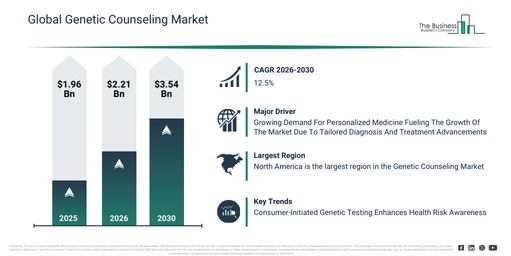
    The genetic counseling market has significantly expanded in size over recent years. It is projected to expand from $1.96 billion in 2025 to $2.21 billion in 2026, reflecting a compound annual growth rate (CAGR) of 12.8%. The historical expansion can be attributed to greater awareness of inherited genetic conditions, the wider availability of genetic testing, an increasing incidence of hereditary disorders, the development of prenatal and preconception screening programs, and enhanced access to diagnostic laboratories.

    The genetic counseling market size is anticipated to undergo significant expansion in the coming years, with projections indicating it will reach $3.54 billion by 2030, exhibiting a compound annual growth rate (CAGR) of 12.5%. This growth during the forecast period is propelled by factors such as the increasing acceptance of population-scale genetic screening, greater utilization of digital counseling platforms, the broadening scope of personalized medicine initiatives, a heightened emphasis on preventive healthcare, and the deeper integration of genetic data into clinical decision-making. Prominent trends for this period include a surge in the adoption of tele-genetic counseling services, a rising demand for carrier screening programs, more widespread integration of digital genetic risk assessment tools, an expansion of preventive and proactive genetic testing, and an enhanced focus on personalized patient education.

    Access Your Free Sample Report for In-Depth Market Insights:

    https://www.thebusinessresearchcompany.com/sample.aspx?id=27296&type=smp

    Which Drivers Are Influencing Market Acceleration In The Genetic Counseling Market?

    The increasing need for individualized healthcare approaches is anticipated to fuel expansion within the genetic counseling market in the future. This medical strategy, known as personalized medicine, customizes therapies for patients by considering their unique genetic makeup, environmental influences, and lifestyle choices to achieve better results and enhance treatment. The rising interest in personalized medicine stems from progress in genomic technologies, facilitating the accurate detection of genetic differences and the development of customized treatments for individuals. Genetic counseling plays a supportive role in personalized medicine, offering specific information derived from a person’s genetic profile, thereby allowing for more accurate diagnoses and effective treatments. It significantly improves patient care by assisting in the evaluation of risks, choices regarding treatment, and the formulation of preventative plans, which collectively enhance general healthcare results. As an illustration, in February 2024, data from the Personalized Medicine Coalition (PMC), a US-based nonprofit organization, indicated that the U.S. Food and Drug Administration (FDA) authorized 26 novel personalized medicines in 2023, representing a notable rise from the 12 approvals in 2022. Consequently, the increasing need for personalized medical approaches is serving as a catalyst for the expansion of the genetic counseling market.

    What Segments Are Identified Within The Structure Of The Genetic Counseling Market?

    The genetic counseling market covered in this report is segmented –

    1) By Service Type: Preconception Counseling, Prenatal Counseling, Carrier Screening, Cancer Risk Assessment

    2) By Patient Type: Individuals With Genetic Disorders, Pregnant Women, Family Members Of Individuals With Genetic Disorders

    3) By Delivery Mode: In-Person, Telehealth

    4) By Application: Proactive Risk Assessment, Genetic Consultation For Intent-To-Treat Patients (ITT), Prenatal And Preconception Care, Pediatric Care, Other Applications

    5) By End-User: Hospitals, Clinics, Diagnostic Laboratories, Research Institutes, Other End-Users

    Subsegments:

    1) By Preconception Counseling: Family History Evaluation, Genetic Risk Assessment, Carrier Status Analysis

    2) By Prenatal Counseling: Non-Invasive Prenatal Testing, Amniocentesis Guidance, Ultrasound Risk Evaluation

    3) By Carrier Screening: Targeted Mutation Analysis, Panel-Based Screening, Expanded Carrier Testing

    4) By Cancer Risk Assessment: Breast Cancer (BRCA1 And BRCA2) Gene Mutation Analysis, Hereditary Cancer Panel Testing, Predictive Genetic Testing

    Which Trends Are Expected To Influence The Genetic Counseling Market In The Upcoming Years?

    Major companies operating in the genetic counseling market are concentrating on developing innovative solutions, such as consumer-initiated genetic testing platforms, to enhance accessibility, personalization, and the early detection of health risks. These platforms enable individuals to directly order genetic tests and receive tailored insights without the need to visit a healthcare provider. For instance, in July 2023, Quest Diagnostics Inc., a US-based diagnostic information services company, introduced Genetic Insights, a consumer-initiated genetic testing solution. This test allows individuals to gain actionable health risk insights, including genetic predispositions to certain conditions, without requiring a physician’s order. This strategic offering is designed to provide individuals with knowledge about their potential genetic risk for various inherited health conditions, supported by comprehensive health reports and access to professional genetic counseling. This innovation improves convenience, fosters proactive health management, and aligns with the increasing demand for direct-to-consumer (DTC) genetic testing solutions.

    Which Key Market Players Are Investing In Expansion And Innovation Within The Genetic Counseling Market?

    Major companies operating in the genetic counseling market are Labcorp Holdings Inc., Quest Diagnostics Incorporated, Natera Inc., Myriad Genetics Inc., MedGenome Diagnostics Private Limited, GeneDx LLC, Color Health Inc., Ambry Genetics Corporation, Genome Medical Inc., Lilac Insights Private Limited, InformedDNA Inc., GeneScreen Counseling Inc., Anderson Diagnostics & Labs Private Limited, MyGeneCounsel LLC, Genetic Counselling India LLP, Genomic Valley Bharat Limited, Tandem Genetics LLC, Metis Genetics LLC, Sanmati Genetic Counseling Center, Invitae Corporation, Centogene N.V.

    Access The Complete Report For Deeper Market Insights:

    https://www.thebusinessresearchcompany.com/report/genetic-counseling-global-market-report

    Which Regions Are Projected To Dominate The Genetic Counseling Market In The Coming Years?

    North America was the largest region in the genetic counseling market in 2025. Asia-Pacific is expected to be the fastest-growing region in the forecast period. The regions covered in the genetic counseling market report are Asia-Pacific, South East Asia, Western Europe, Eastern Europe, North America, South America, Middle East, Africa.

    Request Your Customized Genetic Counseling Market Research Report for Competitive Advantage:

    https://www.thebusinessresearchcompany.com/customise?id=27296&type=smp

    Browse Through More Reports Similar to the Global Genetic Counseling Market 2026, By The Business Research Company

    Spectrum Analyzers Market Report 2026

    https://www.thebusinessresearchcompany.com/report/spectrum-analyzers-global-market-report

    Liquid Chromatography Mass Spectrometry Lc Ms Market Report 2026

    https://www.thebusinessresearchcompany.com/report/liquid-chromatography-mass-spectrometry-lc-ms-global-market-report

    Patient Monitoring Devices Market 2026

    https://www.thebusinessresearchcompany.com/report/patient-monitoring-devices-market

    Get in touch with us:

    The Business Research Company: https://www.thebusinessresearchcompany.com/

    Americas +1 310-496-7795

    Asia +44 7882 955267 & +91 8897263534

    Europe +44 7882 955267

    Email us at info@tbrc.info

    Follow us on:

    LinkedIn: https://in.linkedin.com/company/the-business-research-company

    YouTube: https://www.youtube.com/channel/UC24_fI0rV8cR5DxlCpgmyFQ

    Global Market Model: https://www.thebusinessresearchcompany.com/global-market-model
  • Neuromyelitis Optica Spectrum Disorder Sector Forecast Shows Robust Momentum, Climbing to $3.76 Billion With 8.1% CAGR

    Neuromyelitis Optica Spectrum Disorder Sector Forecast Shows Robust Momentum, Climbing to $3.76 Billion With 8.1% CAGR

    Uncover key drivers, emerging technologies, and competitive movements shaping the neuromyelitis optica spectrum disorder market from 2026–2035 with trusted insights from The Business Research Company

    What are the forecasted starting (2026) and ending (2030) market sizes for the Neuromyelitis Optica Spectrum Disorder Market?_x000D_

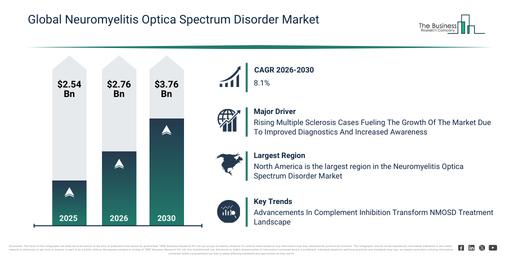
    The neuromyelitis optica spectrum disorder market size has experienced robust growth in recent years. It is projected to expand from $2.54 billion in 2025 to $2.76 billion in 2026, exhibiting a compound annual growth rate (CAGR) of 8.4%. Historically, this growth can be attributed to increasing awareness of nmosd, the early development of immunosuppressive treatments, the initial use of corticosteroids for flare control, the adoption of imaging for differential diagnosis, and the rising identification of aqp4 antibodies._x000D_

    _x000D_

    The neuromyelitis optica spectrum disorder market is anticipated to exhibit substantial growth over the next few years, reaching $3.76 billion by 2030 with a compound annual growth rate (CAGR) of 8.1%. This projected expansion is primarily driven by factors such as increasing demand for targeted biologics, the ongoing development of MOG-antibody therapies, the broadening scope of advanced diagnostic platforms, rising investment in autoimmune research, and the creation of next-generation immunotherapy solutions. Significant trends expected during this forecast period include the increasing adoption of monoclonal antibody therapies, a growing reliance on advanced imaging techniques for early diagnosis, escalating demand for plasma exchange and immunoglobulin therapy, the expansion of AQP4-positive and MOG-antibody testing, and a heightened focus on relapse prevention and long-term disease management._x000D_

    _x000D_

    #Access Your Free Sample Report for In-Depth Market Insights:#_x000D_

    https://www.thebusinessresearchcompany.com/sample.aspx?id=22072&type=smp_x000D_

    _x000D_

    What Drivers Are Supporting Technological Adoption In The Neuromyelitis Optica Spectrum Disorder Market?_x000D_

    The expanding prevalence of multiple sclerosis is anticipated to drive the growth of the neuromyelitis optica spectrum disorder market in the future. This condition is a chronic autoimmune disorder impacting the central nervous system, characterized by inflammation, nerve destruction, and diverse neurological manifestations. The rise in MS cases can be attributed to advancements in diagnostic methods, environmental factors, and genetic susceptibility. Improvements in medical imaging, like MRI, have enabled earlier and more precise identification of the disease, contributing to a noticeable increase in diagnosed individuals. With more people receiving an MS diagnosis, awareness of neurological autoimmune conditions grows, resulting in better diagnostic approaches and enhanced recognition of neuromyelitis optica spectrum disorder. For example, according to the UK-based national charity Multiple Sclerosis Trust, the UK recorded approximately 7,100 new multiple sclerosis cases annually in May 2024, with around 135 individuals being diagnosed with MS every week. Consequently, the growing incidence of multiple sclerosis significantly fuels the expansion of the neuromyelitis optica spectrum disorder market._x000D_

    _x000D_

    Which Segments Are Contributing To The Growth Of The Neuromyelitis Optica Spectrum Disorder Market?_x000D_

    The neuromyelitis optica spectrum disorder market covered in this report is segmented –_x000D_

    _x000D_

    1) By Type: Neuromyelitis Optica Spectrum Disorder With Aquaporin-4 Antibodies, Neuromyelitis Optica Spectrum Disorder Without Aquaporin-4 Antibodies_x000D_

    2) By Diagnosis: Imaging Tests, Magnetic Resonance Imaging (MRI), Blood Tests, Other Diagnosis_x000D_

    3) By Treatment Type: C5 Protein Inhibitor, Monoclonal Antibodies, Plasma Exchange Therapy, Corticosteroids, Immunoglobulin Therapy, Medication, Other Treatment Types_x000D_

    4) By Distribution Channel: Hospital Pharmacy, Retail Pharmacy, Online Pharmacy_x000D_

    5) By End-User: Hospitals, Specialty Clinics, Homecare, Other End-Users_x000D_

    _x000D_

    Subsegments:_x000D_

    1) By Neuromyelitis Optica Spectrum Disorder With Aquaporin-4 Antibodies: Relapsing NMOSD With AQP4-IgG, Monophasic NMOSD With AQP4-IgG, Severe Optic Neuritis With AQP4-IgG, Longitudinally Extensive Transverse Myelitis (LETM) With AQP4-IgG_x000D_

    2) By Neuromyelitis Optica Spectrum Disorder Without Aquaporin-4 Antibodies: NMOSD With Myelin Oligodendrocyte Glycoprotein (MOG) Antibodies (MOG-IgG), Seronegative NMOSD, Idiopathic NMOSD Cases, NMOSD Associated With Other Autoimmune Disorders_x000D_

    _x000D_

    Which Trends Are Expected To Influence The Neuromyelitis Optica Spectrum Disorder Market In The Upcoming Years?_x000D_

    Leading companies operating in the neuromyelitis optica spectrum disorder market are concentrating on developing innovative products, such as long-acting complement inhibitors, to enhance treatment efficacy and improve patient outcomes. These long-acting complement inhibitors are treatments that suppress the complement system for an extended duration, preventing inflammation and nerve damage in neuromyelitis optica spectrum disorder (NMOSD), thereby helping minimize relapses and supporting long-term disease control. For instance, in March 2024, Alexion Pharmaceuticals, a US-based biopharmaceutical company, and AstraZeneca, a UK-based pharmaceutical industry, received approval for ULTOMIRIS (ravulizumab-cwvz) for the treatment of adults with anti-aquaporin-4 (AQP4) antibody-positive neuromyelitis optica spectrum disorder (NMOSD). This approval marks Ultomiris as the first and only long-acting C5 complement inhibitor available for NMOSD treatment. The decision was based on the Phase III CHAMPION-NMOSD trial, where Ultomiris demonstrated a 98.6% reduction in relapse risk over 73 weeks compared to a placebo. Trial participants experienced no relapses, and no new safety concerns were identified._x000D_

    _x000D_

    Who Are The Major Companies Operating In The Neuromyelitis Optica Spectrum Disorder Market?_x000D_

    Major companies operating in the neuromyelitis optica spectrum disorder market are F. Hoffmann-La Roche Ltd, Laboratory Corporation of America Holding, Chugai Pharmaceutical Co. Ltd, Mayo Foundation for Medical Education and Research, Penn Medicine, Genentech Inc, Oregon Health & Science University, Arup Laboratories, Argenx SE, Metropolis Healthcare, Rush University Medical Center, Mitsubishi Tanabe Pharma Corporation, Viela Bio, Alexion Pharmaceuticals, Horizon Therapeutics plc, UCB S.A, Teva Pharmaceutical Industries Ltd, Novartis AG, Sanofi S.A, Pfizer Inc, Eli Lilly and Company, Immune Pharmaceuticals Inc._x000D_

    _x000D_

    #Access The Complete Report For Deeper Market Insights:#_x000D_

    https://www.thebusinessresearchcompany.com/report/neuromyelitis-optica-spectrum-disorder-global-market-report_x000D_

    _x000D_

    Which Region Is Anticipated To See The Fastest Growth In The Neuromyelitis Optica Spectrum Disorder Market?_x000D_

    North America was the largest region in the neuromyelitis optica spectrum disorder market in 2025. Asia-Pacific is expected to be the fastest-growing region in the forecast period. The regions covered in the neuromyelitis optica spectrum disorder market report are Asia-Pacific, South East Asia, Western Europe, Eastern Europe, North America, South America, Middle East, Africa._x000D_

    _x000D_

    #Request Your Customized Neuromyelitis Optica Spectrum Disorder Market Research Report for Competitive Advantage:#_x000D_

    https://www.thebusinessresearchcompany.com/customise?id=22072&type=smp_x000D_

    _x000D_

    #Browse Through More Reports Similar to the Global Neuromyelitis Optica Spectrum Disorder Market 2026, By The Business Research Company#_x000D_

    _x000D_

    Retinal Disorder Treatment Market Report 2026_x000D_

    https://www.thebusinessresearchcompany.com/report/retinal-disorder-treatment-global-market-report_x000D_

    _x000D_

    Optic Atrophy Management Market Report 2026_x000D_

    https://www.thebusinessresearchcompany.com/report/optic-atrophy-management-global-market-report_x000D_

    _x000D_

    Peripheral Neuropathy Market Report 2026_x000D_

    https://www.thebusinessresearchcompany.com/report/peripheral-neuropathy-global-market-report_x000D_

    _x000D_

    #Get in touch with us:#_x000D_

    _x000D_

    The Business Research Company: https://www.thebusinessresearchcompany.com/_x000D_

    Americas +1 310-496-7795_x000D_

    Asia +44 7882 955267 & +91 8897263534_x000D_

    Europe +44 7882 955267_x000D_

    Email us at info@tbrc.info_x000D_

    _x000D_

    #Follow us on:#_x000D_

    _x000D_

    LinkedIn: https://in.linkedin.com/company/the-business-research-company_x000D_

    YouTube: https://www.youtube.com/channel/UC24_fI0rV8cR5DxlCpgmyFQ_x000D_

    Global Market Model: https://www.thebusinessresearchcompany.com/global-market-model

  • Revenue of the Generative Artificial Intelligence (AI) In Drug Discovery Market Predicted to Achieve $0.86 Billion by 2030, Driven by 27% CAGR

    Revenue of the Generative Artificial Intelligence (AI) In Drug Discovery Market Predicted to Achieve $0.86 Billion by 2030, Driven by 27% CAGR

    Uncover key drivers, emerging technologies, and competitive movements shaping the generative artificial intelligence (ai) in drug discovery market from 2026–2035 with trusted insights from The Business Research Company

    What is the estimated market size of the Generative Artificial Intelligence (AI) In Drug Discovery Market by the end of 2030?

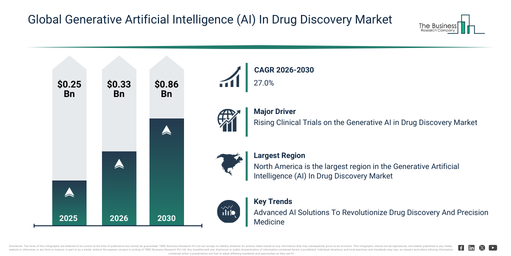
    The market size for generative artificial intelligence (AI) in drug discovery has seen substantial growth recently. It is forecast to increase from $0.25 billion in 2025 to $0.33 billion in 2026, achieving a compound annual growth rate (CAGR) of 30.6%. Historically, this expansion has been driven by factors such as the high costs involved in drug development, developments in computational chemistry, the increasing availability of biological datasets, the adoption of machine learning tools, and investment in pharmaceutical R&D.

    The generative artificial intelligence (AI) in drug discovery market size is anticipated to experience substantial growth over the next few years. It is projected to expand to $0.86 billion by 2030, achieving a compound annual growth rate (CAGR) of 27.0%. This expansion during the forecast period can be primarily linked to the incorporation of generative models into development pipelines, the escalating demand for expedited drug discovery, the broader application of biologics optimization, strategic alliances between AI and pharmaceutical companies, and the reduction in time required to bring products to market. Significant developments anticipated during this timeframe encompass the increasing implementation of AI-driven molecule generation, a greater reliance on deep learning in designing drugs, the wider adoption of small molecule discovery applications, the growing integration of AI in lead optimization, and a faster pace in early-stage drug development.

    Access Your Free Sample Report for In-Depth Market Insights:

    https://www.thebusinessresearchcompany.com/sample.aspx?id=16067&type=smp

    What Drivers Are Shaping Future Opportunities In The Generative Artificial Intelligence (AI) In Drug Discovery Market?

    The increasing volume of clinical trials is anticipated to drive the expansion of generative AI within the drug discovery market. These trials utilize human participants to evaluate the safety and efficacy of novel medical interventions or processes, with the goal of collecting scientific evidence regarding their applicability for human consumption. This growth in clinical trials stems mainly from progress in medical research, a greater prevalence of diseases, evolving regulations, the worldwide expansion of clinical studies, stronger patient advocacy and public awareness, competitive industry pressures, technological innovations, and improved funding avenues. Data from clinical trials powers generative AI models, accelerating drug discovery through the prediction of molecular interactions and the design of new compounds. This collaborative effort facilitates personalized medical approaches, enhances the effectiveness of treatments, leads to better patient results, and fundamentally transforms the pharmaceutical sector. As an illustration, in January 2025, Pharmaceutical Technology, a UK-based business news and media firm, reported that 3,213 trials are scheduled to commence this year, comprising 823 in Phase I and 1,102 in Phase II. Similar to 2024, oncology is projected to maintain its position as the leading therapeutic area, with 946 trials, followed by the central nervous system with 686 trials, and then cardiovascular significantly trailing with 258 trials. Consequently, the increased volume of clinical trials is propelling the expansion of generative AI in the drug discovery market.

    Which Segments Are Gaining Traction In The Generative Artificial Intelligence (AI) In Drug Discovery Market?

    The generative artificial intelligence (AI) in drug discovery market covered in this report is segmented –

    1) By Type: Small Molecule, Large Molecule

    2) By Technology: Deep Learning, Machine Learning, Reinforcement Learning, Molecular Docking, Quantum Computing

    3) By End-User: Pharmaceutical And Biotechnology Companies, Academic And Research Institutions, Contract Research Organizations (CROs), Other End-Users

    Subsegments:

    1) By Small Molecule: Drug Design And Optimization, Lead Discovery And Identification, Toxicology Prediction, Molecular Property Prediction, ADMET (Absorption, Distribution, Metabolism, Excretion, And Toxicity) Prediction

    2) By Large Molecule: Protein Structure Prediction, Antibody Design, Biologics Optimization, Peptide Design, Biopharmaceutical Discovery And Optimization

    What Trends Are Driving The Growth Trajectory Of The Generative Artificial Intelligence (AI) In Drug Discovery Market?

    Leading companies in the generative AI drug discovery market are actively developing sophisticated AI-powered tools to accelerate the drug discovery process. These AI-driven instruments speed up drug development by streamlining discovery, design, and clinical trials through the application of predictive analytics and machine learning. They enhance efficiency in areas such as target identification, compound screening, including virtual screening using AI, as well as preclinical development, regulatory compliance, and manufacturing processes. As an illustration, in May 2023, Google Cloud, a US-based cloud computing service provided by Google, introduced two innovative AI-driven solutions. These solutions, the Target and Lead Identification Suite and the Multiomics Suite, are designed to advance drug discovery and precision medicine across biotech, pharmaceutical, and public sector organizations. The Target and Lead Identification Suite assists researchers in understanding amino acid functions and predicting protein structures, while the Multiomics Suite expedites the analysis and understanding of genomic data, simplifying the development of personalized treatments.

    Who Are The Core Companies Influencing Trends In The Generative Artificial Intelligence (AI) In Drug Discovery Market?

    Major companies operating in the generative artificial intelligence (AI) in drug discovery market are Bayer AG, NVIDIA Corporation, Merck KGaA, IBM Research, Schrödinger Inc., Valo Health, BenevolentAI, XtalPi Inc., Insilico Medicine Inc., Recursion Pharmaceuticals Inc., Exscientia, Atomwise Inc., InveniAI LLC, Healx, Aitia, Cloud Pharmaceuticals Inc., Optibrium, Aiforia, BioSymetrics Inc., Collaborations Pharmaceuticals Inc., MAbSilico, Reverie Labs, Standigm Inc., DeepMatter Group Limited, Variational AI Inc

    Access The Complete Report For Deeper Market Insights:

    https://www.thebusinessresearchcompany.com/report/generative-artificial-intelligence-ai-in-drug-discovery-global-market-report

    Which Region Is Expected To Experience The Fastest Growth In The Generative Artificial Intelligence (AI) In Drug Discovery Market?

    North America was the largest region in the generative AI in drug discovery market in 2025. Asia-Pacific is expected to be the fastest-growing region in the forecast period. The regions covered in the generative artificial intelligence (AI) in drug discovery market report are Asia-Pacific, South East Asia, Western Europe, Eastern Europe, North America, South America, Middle East, Africa.

    Request Your Customized Generative Artificial Intelligence (AI) In Drug Discovery Market Research Report for Competitive Advantage:

    https://www.thebusinessresearchcompany.com/customise?id=16067&type=smp

    Browse Through More Reports Similar to the Global Generative Artificial Intelligence (AI) In Drug Discovery Market 2026, By The Business Research Company

    Lab Automation In Drug Discovery Market Report 2026

    https://www.thebusinessresearchcompany.com/report/lab-automation-in-drug-discovery-global-market-report

    Artificial Intelligence In Drug Discovery Market Report 2026

    https://www.thebusinessresearchcompany.com/report/artificial-intelligence-in-drug-discovery-global-market-report

    Artificial Intelligence Ai In Biopharmaceuticals Market Report 2026

    https://www.thebusinessresearchcompany.com/report/artificial-intelligence-ai-in-biopharmaceuticals-global-market-report

    Get in touch with us:

    The Business Research Company: https://www.thebusinessresearchcompany.com/

    Americas +1 310-496-7795

    Asia +44 7882 955267 & +91 8897263534

    Europe +44 7882 955267

    Email us at info@tbrc.info

    Follow us on:

    LinkedIn: https://in.linkedin.com/company/the-business-research-company

    YouTube: https://www.youtube.com/channel/UC24_fI0rV8cR5DxlCpgmyFQ

    Global Market Model: https://www.thebusinessresearchcompany.com/global-market-model
  • Neurology Clinical Trials Market Anticipated to Record Steady Gains, Advancing to $8.04 Billion by 2030

    Neurology Clinical Trials Market Anticipated to Record Steady Gains, Advancing to $8.04 Billion by 2030

    Uncover key drivers, emerging technologies, and competitive movements shaping the neurology clinical trials market from 2026–2035 with trusted insights from The Business Research Company

    What upper market value could the Neurology Clinical Trials Market reach by 2030 starting from 2026 levels?_x000D_

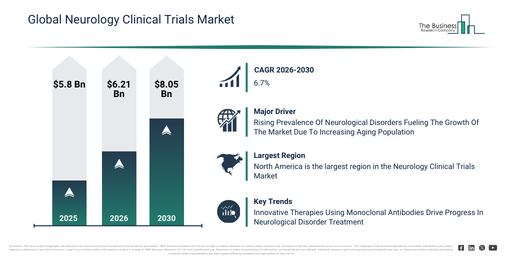
    The neurology clinical trials market size has exhibited robust growth over recent years. It is projected to increase from $5.8 billion in 2025 to $6.21 billion in 2026, achieving a compound annual growth rate (CAGR) of 7.0%. This historical growth stems from factors such as an escalation in neurological disease prevalence, the broadening of pharmaceutical research pipelines, increased capital allocated to neurology drug development, the accessibility of advanced imaging tools, and a greater involvement in clinical research._x000D_

    _x000D_

    The neurology clinical trials market is projected for significant expansion over the coming years, reaching a valuation of $8.05 billion by 2030, driven by a compound annual growth rate (CAGR) of 6.7%. This anticipated growth during the forecast period is primarily fueled by several factors, including the expanding application of AI-driven trial analytics, a heightened demand for swifter trial execution, the broader adoption of patient-centric trial models, the increasing incorporation of remote monitoring technologies, and a sharper focus on uncommon neurological conditions. Key trends anticipated within this period encompass the growing acceptance of adaptive clinical trial designs, the increased deployment of digital patient monitoring tools, an escalating emphasis on biomarker-based neurology trials, the wider implementation of decentralized clinical trial models, and an intensified focus on generating real-world evidence._x000D_

    _x000D_

    #Access Your Free Sample Report for In-Depth Market Insights:#_x000D_

    https://www.thebusinessresearchcompany.com/sample.aspx?id=25847&type=smp_x000D_

    _x000D_

    Which Drivers Are Influencing Long-Term Growth In The Neurology Clinical Trials Market?_x000D_

    A rise in neurological disorder cases is anticipated to drive the expansion of the neurology clinical trials market in the coming years. These disorders are defined as ailments impacting the brain, spinal cord, or nerves, thereby hindering the nervous system’s regular operation. The primary cause of this increase is the aging demographic, given that seniors are more prone to age-associated illnesses like Alzheimer’s and Parkinson’s disease. Neurology clinical trials play a crucial role in addressing neurological disorders through the evaluation of novel treatments, medications, or therapeutic approaches aimed at enhancing diagnosis, alleviating symptoms, delaying disease progression, and bettering patient results. For example, data from September 2024 by the Australian Institute of Health and Welfare, an Australia-based government body, projects that the population of Australians afflicted with dementia will more than double, escalating from 411,100 in 2023 to 849,300 by 2058. Furthermore, by 2058, an estimated 315,500 men and 533,800 women are expected to be living with dementia. Consequently, the expanding occurrence of neurological conditions is fueling the growth of the neurology clinical trials market._x000D_

    _x000D_

    How Is The Neurology Clinical Trials Market Divided Into Segments?_x000D_

    The neurology clinical trials market covered in this report is segmented –_x000D_

    _x000D_

    1) By Phase: Phase I, Phase II, Phase III, Phase IV_x000D_

    2) By Study Design: Interventional, Observational, Expanded Access_x000D_

    3) By Indication: Epilepsy, Parkinson’s Disease (PD), Huntington’s Disease, Stroke, Traumatic Brain Injury (TBI), Amyotrophic Lateral Sclerosis (ALS), Multiple Sclerosis, Other Indications_x000D_

    4) By End-User: Hospitals, Clinics, Research Institutes, Other End- Users_x000D_

    _x000D_

    Subsegments:_x000D_

    1) By Phase I: Drug Safety Evaluation, Pharmacokinetics Assessment, Dosage Range Finding, Tolerability Studies_x000D_

    2) By Phase II: Efficacy Evaluation, Dose Response Studies, Therapeutic Effectiveness, Biomarker Identification_x000D_

    3) By Phase III: Large Scale Efficacy Studies, Safety Monitoring, Comparative Effectiveness, Risk Benefit Analysis_x000D_

    4) By Phase IV: Post Marketing Surveillance, Long Term Safety Follow Up, Real World Evidence Collection, Quality Of Life Assessment_x000D_

    _x000D_

    What Trends Are Driving The Growth Trajectory Of The Neurology Clinical Trials Market?_x000D_

    Leading companies active in the neurology clinical trials market are concentrating on developing innovative solutions, such as monoclonal antibodies, to target specific neurological pathways, enhance treatment efficacy, and accelerate the creation of new therapies. A monoclonal antibody is a laboratory-produced molecule engineered to recognize and bind to specific proteins or antigens, frequently utilized to precisely target disease mechanisms in treatments and diagnostics. For instance, in July 2024, Eli Lilly and Company, a U.S.-based pharmaceutical company, launched Kisunla (donanemab-azbt) for treating early symptomatic Alzheimer’s disease. This treatment works to slow cognitive and functional decline, enabling eligible patients more time to maintain independence and engage in daily life. It specifically targets and reduces brain amyloid plaques, with clinical trials indicating up to a 35% slowing of disease progression compared to a placebo in individuals with less advanced disease._x000D_

    _x000D_

    Which Major Firms Are Strengthening Their Position In The Neurology Clinical Trials Market?_x000D_

    Major companies operating in the neurology clinical trials market are AbbVie Inc., Sanofi S.A., Novartis AG, Eli Lilly and Company, Teva Pharmaceutical Industries Ltd., IQVIA Holdings Inc., Biogen Inc., ICON plc., Syneos Health, Charles River Laboratories International Inc., Parexel International Corporation, CMIC Holdings Co. Ltd., Medpace Holdings Inc., PSI CRO AG., Supernus Pharmaceuticals Inc., Worldwide Clinical Trials LLC., Ergomed plc., Biotrial S.A.S., Clinilabs Drug Development Corporation, Lindus Health Ltd._x000D_

    _x000D_

    #Access The Complete Report For Deeper Market Insights:#_x000D_

    https://www.thebusinessresearchcompany.com/report/neurology-clinical-trials-global-market-report_x000D_

    _x000D_

    Which Global Regions Are Shaping The Competitive Landscape Of The Neurology Clinical Trials Market?_x000D_

    North America was the largest region in the neurology clinical trials market in 2025. Asia-Pacific is expected to be the fastest-growing region in the forecast period. The regions covered in the neurology clinical trials market report are Asia-Pacific, South East Asia, Western Europe, Eastern Europe, North America, South America, Middle East, Africa._x000D_

    _x000D_

    #Request Your Customized Neurology Clinical Trials Market Research Report for Competitive Advantage:#_x000D_

    https://www.thebusinessresearchcompany.com/customise?id=25847&type=smp_x000D_

    _x000D_

    #Browse Through More Reports Similar to the Global Neurology Clinical Trials Market 2026, By The Business Research Company#_x000D_

    _x000D_

    Pediatric Clinical Trials Market Report 2026_x000D_

    https://www.thebusinessresearchcompany.com/report/pediatric-clinical-trials-global-market-report_x000D_

    _x000D_

    Clinical Trial Imaging Market Report 2026_x000D_

    https://www.thebusinessresearchcompany.com/report/clinical-trial-imaging-global-market-report_x000D_

    _x000D_

    Nephrologists Market Report 2020 2030 Covid 19 Implications And Growth 2026_x000D_

    https://www.thebusinessresearchcompany.com/report/nephrologists-market-global-report-2020-2030-covid-19-implications-and-growth_x000D_

    _x000D_

    #Get in touch with us:#_x000D_

    _x000D_

    The Business Research Company: https://www.thebusinessresearchcompany.com/_x000D_

    Americas +1 310-496-7795_x000D_

    Asia +44 7882 955267 & +91 8897263534_x000D_

    Europe +44 7882 955267_x000D_

    Email us at info@tbrc.info_x000D_

    _x000D_

    #Follow us on:#_x000D_

    _x000D_

    LinkedIn: https://in.linkedin.com/company/the-business-research-company_x000D_

    YouTube: https://www.youtube.com/channel/UC24_fI0rV8cR5DxlCpgmyFQ_x000D_

    Global Market Model: https://www.thebusinessresearchcompany.com/global-market-model

  • Generative AI In Healthcare Sector Forecast Shows Robust Momentum, Climbing to $13.1 Billion With 31.1% CAGR

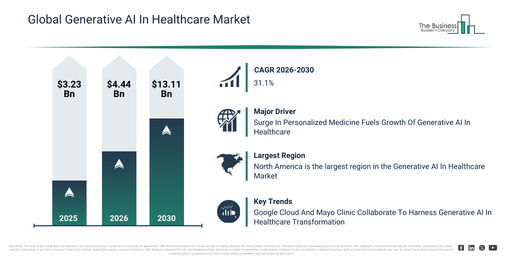
    Generative AI In Healthcare Sector Forecast Shows Robust Momentum, Climbing to $13.1 Billion With 31.1% CAGR

    Uncover key drivers, emerging technologies, and competitive movements shaping the generative ai in healthcare market from 2026–2035 with trusted insights from The Business Research Company

    What was the valuation of the Generative AI In Healthcare Market in 2026, and what figure is it projected to hit by 2030?

    The generative AI in healthcare market size has experienced significant expansion in recent years. Projections indicate it will grow from $3.23 billion in 2025 to $4.44 billion in 2026, achieving a compound annual growth rate (CAGR) of 37.2%. This historical growth can be attributed to the digitization of healthcare data, advancements in machine learning algorithms, the increase in electronic health records, investment in healthcare IT, and the demand for efficiency.

    The generative AI in healthcare market size is anticipated to experience significant expansion in the coming years. It is projected to reach $13.11 billion by 2030, demonstrating a compound annual growth rate (CAGR) of 31.1%. This growth during the forecast period can be attributed to regulatory acceptance of AI tools, an increase in clinical AI adoption, the expansion of real-world data usage, heightened hospital automation, and AI-driven personalized care. Key trends for the forecast period include the increasing application of AI-assisted clinical decision support, a broader expansion of AI in medical imaging analysis, the growing adoption of virtual nursing assistants, the integration of AI into workflow automation, and the rising utilization of predictive healthcare analytics.

    Access Your Free Sample Report for In-Depth Market Insights:

    https://www.thebusinessresearchcompany.com/sample.aspx?id=15184&type=smp

    Which Drivers Are Affecting Market Participation In The Generative AI In Healthcare Market?

    The anticipated expansion of the generative AI in healthcare market is fueled by the rising need for personalized medicine. Known interchangeably as precision medicine, personalized medicine represents a cutting-edge medical treatment strategy that takes into account each individual’s distinct genetic makeup, environmental factors, and lifestyle choices. This growing interest in personalized medicine stems from multiple reasons, such as progress in genomics, enhanced insights into how diseases function, and the pursuit of more potent and specific therapeutic options. Within healthcare, generative AI employs algorithms to process extensive patient data, encompassing genetic information and past medical records, to formulate customized treatment plans and predictions that align with individual patient requirements and traits. An illustrative example comes from February 2024, where the Personalized Medicine Coalition, a UK-based entity advocating for personalized medicine, reported that the FDA’s (the U.S. Food and Drug Administration’s) CDER (Center for Drug Evaluation and Research) sanctioned 16 novel personalized treatments for patients with rare diseases in 2023, an increase from 6 approvals in 2022. Among these approved personalized therapies were seven medications specifically developed for cancer treatment and three intended for a range of other illnesses and conditions. Consequently, the escalating need for personalized medicine is acting as a primary catalyst for the expansion of the generative AI in healthcare market.

    What Segment Categories Are Covered In The Generative AI In Healthcare Market?

    The generative ai in healthcare market covered in this report is segmented –

    1) By Component: Solutions, Services

    2) By Function: AI-Assisted Robotic Surgery, Virtual Nursing Assistants, Aid Clinical Judgment Or Diagnosis, Workflow And Administrative Tasks, Image Analysis

    3) By Application: Clinical, System

    4) By End User: Hospitals And Clinics, Clinical Research, Healthcare Organizations, Diagnostic Centers, Other End Users

    Subsegments:

    1) By Solutions: Diagnostic Imaging Analysis, Drug Discovery And Development Tools, Personalized Treatment Planning, AI-Powered Clinical Decision Support

    2) By Services: Consulting and Advisory Services, Implementation And Integration Services, Support And Maintenance Services, Training And Education Services

    What Upcoming Trends Are Likely To Define The Future Path Of The Generative AI In Healthcare Market?

    Leading companies active in the generative AI in healthcare market are concentrating on forming strategic alliances to develop novel technologies and secure a competitive position. These collaborations are crucial for advancing generative AI within healthcare by pooling the strengths and resources of multiple organizations to devise innovative solutions, enhance the efficiency of clinical workflows, and address key challenges in healthcare. For instance, in June 2023, Google, a US-based technology company, partnered with Mayo Clinic, a US-based nonprofit organization committed to clinical practices, to integrate generative AI into healthcare. This partnership aims to leverage generative AI’s potential to streamline operations and improve healthcare delivery by unlocking previously inaccessible information and enabling real-time, personalized interactions. Its initial focus will be on Enterprise Search in Gen App Builder to enhance clinical workflows and patient outcomes while ensuring HIPAA (Health Insurance Portability and Accountability Act) compliance.

    Which Major Industry Participants Are Leading The Generative AI In Healthcare Market Growth?

    Major companies operating in the generative ai in healthcare market are Alphabet Inc., Microsoft Corporation, Amazon Web Services Inc., Johnson & Johnson Services Inc., Siemens AG, Intel Corporation, IBM Watson Health Corporation, Oracle Corporation, Nvidia Corporation, Epic Systems Corporation, Persistent Systems Private Limited, Tempus Labs Inc., Eleks Inc., Verge Genomics Inc., PathAI Inc., BenevolentAI Ltd, Abridge AI Inc., Absci Corporation, Atomwise Inc., Syntegra, Insilico Medicine, DiagnaMed Holdings Corp.

    Access The Complete Report For Deeper Market Insights:

    https://www.thebusinessresearchcompany.com/report/generative-ai-in-healthcare-global-market-report

    Which Geographic Areas Are Emerging As Strong Markets For The Generative AI In Healthcare Market?

    North America was the largest region in the generative AI In healthcare market in 2025. Asia-Pacific is expected to be the fastest-growing region in the forecast period. The regions covered in the generative ai in healthcare market report are Asia-Pacific, South East Asia, Western Europe, Eastern Europe, North America, South America, Middle East, Africa.

    Request Your Customized Generative AI In Healthcare Market Research Report for Competitive Advantage:

    https://www.thebusinessresearchcompany.com/customise?id=15184&type=smp

    Browse Through More Reports Similar to the Global Generative AI In Healthcare Market 2026, By The Business Research Company

    Ai In Medical Devices Market Report 2026

    https://www.thebusinessresearchcompany.com/report/ai-in-medical-devices-global-market-report

    Generative Ai Market Report 2026

    https://www.thebusinessresearchcompany.com/report/generative-ai-global-market-report

    Artificial Intelligence In Healthcare Market 2026

    https://www.thebusinessresearchcompany.com/report/artificial-intelligence-in-healthcare-market

    Get in touch with us:

    The Business Research Company: https://www.thebusinessresearchcompany.com/

    Americas +1 310-496-7795

    Asia +44 7882 955267 & +91 8897263534

    Europe +44 7882 955267

    Email us at info@tbrc.info

    Follow us on:

    LinkedIn: https://in.linkedin.com/company/the-business-research-company

    YouTube: https://www.youtube.com/channel/UC24_fI0rV8cR5DxlCpgmyFQ

    Global Market Model: https://www.thebusinessresearchcompany.com/global-market-model
  • Neurological Disorder Diagnostics Industry Poised for Rapid Growth, Forecast to Touch $17.74 Billion by 2030 at 7% CAGR

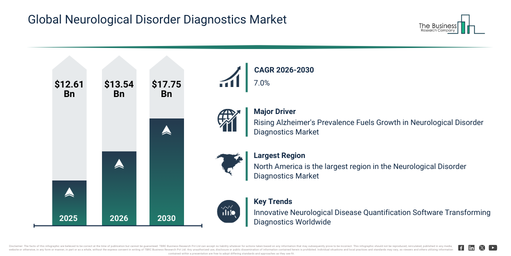
    Neurological Disorder Diagnostics Industry Poised for Rapid Growth, Forecast to Touch $17.74 Billion by 2030 at 7% CAGR

    Uncover key drivers, emerging technologies, and competitive movements shaping the neurological disorder diagnostics market from 2026–2035 with trusted insights from The Business Research Company

    What level of CAGR-driven expansion is anticipated in the Neurological Disorder Diagnostics Market between 2026 and 2030?_x000D_

    The neurological disorder diagnostics market size has experienced strong growth in recent years. It is projected to expand from $12.61 billion in 2025 to $13.54 billion in 2026, at a compound annual growth rate (CAGR) of 7.3%. This historic growth can be linked to factors such as the increasing prevalence of neurological disorders, rising awareness about the importance of early diagnosis, the expansion of advanced imaging infrastructure, growing research funding for neurology, and improved availability of diagnostic instruments._x000D_

    _x000D_

    The neurological disorder diagnostics market size is projected for substantial growth over the next few years, expected to reach $17.75 billion by 2030, demonstrating a compound annual growth rate (CAGR) of 7.0%. This expansion during the forecast period is attributed to the increasing adoption of precision neurology approaches, rising investments in digital diagnostics platforms, the broadening of personalized treatment planning, the growing utilization of tele-neurology services, and advancements in neuroinformatics and analytics. Major trends anticipated in this period include the increasing integration of AI-assisted neuroimaging tools, a rising application of biomarker-based diagnostic kits, the growing integration of genetic and molecular testing, an expansion of remote and digital cognitive assessments, and an enhanced focus on early disease detection._x000D_

    _x000D_

    #Access Your Free Sample Report for In-Depth Market Insights:#_x000D_

    https://www.thebusinessresearchcompany.com/sample.aspx?id=19611&type=smp_x000D_

    _x000D_

    What Drivers Are Affecting Demand-Supply Dynamics In The Neurological Disorder Diagnostics Market?_x000D_

    The rising occurrence of Alzheimer’s disease is anticipated to drive expansion in the neurological disorder diagnostics market in the future. Alzheimer’s disease is defined as a progressive neurodegenerative condition marked by a slow deterioration of cognitive abilities, such as memory, reasoning, and problem-solving skills. This condition results from a combination of elements like genetic factors, including specific gene mutations and variations; the buildup of amyloid plaques and tau tangles within the brain; persistent inflammation; vascular problems; and various lifestyle aspects. Diagnostic tools for neurological disorders assist in managing Alzheimer’s by facilitating its early and precise identification using sophisticated imaging methods, biomarker analysis, and cognitive evaluations. As an illustration, data from September 2024, provided by the Australian Institute of Health and Welfare, a government agency located in Australia, indicated that in 2023, roughly 411,100 people in Australia were affected by dementia, with approximately 257,500 being women and 153,700 men. Consequently, the growing incidence of Alzheimer’s disease is fueling the expansion of the neurological disorder diagnostics market._x000D_

    _x000D_

    What Segments Are Included Within The Neurological Disorder Diagnostics Market?_x000D_

    The neurological disorder diagnostics market covered in this report is segmented –_x000D_

    _x000D_

    1) By Component: Instruments, Reagents, Kits, Software, Services_x000D_

    2) By Technology: Immunoassay, Polymerase Chain Reaction (PCR) Techniques_x000D_

    3) By Disease Type: Alzheimer’s Disease, Dementia, Parkinson’s Disease, Epilepsy, Traumatic Brain Injury, Other Disease Types_x000D_

    4) By End User: Hospitals And Clinics, Diagnostic Centers, Academic And Research Institutes_x000D_

    _x000D_

    Subsegments:_x000D_

    1) By Instruments: Electroencephalography (EEG) Machines, Magnetic Resonance Imaging (MRI) Machines, Computed Tomography (CT) Scanners, Positron Emission Tomography (PET) Scanners, Lumbar Puncture Equipment, Ultrasound Devices, Neurostimulation Devices, Transcranial Magnetic Stimulation (TMS) Devices,_x000D_

    2) By Reagents: Biochemical Reagents, Antibodies, DNA Probes, RNA Probes, Enzyme-linked Immunosorbent Assay (ELISA) Reagents, Polymerase Chain Reaction (PCR) Reagents, Sample Collection Reagents_x000D_

    3) By Kits: Diagnostic Test Kits, Genetic Testing Kits, Biomarker Detection Kits, Immunoassay Kits, Point-of-Care Testing Kits, Screening Kits for Neurological Disorders_x000D_

    4) By Software: Diagnostic Software for Imaging Analysis, Data Management Software, Clinical Decision Support Software, Patient Management Software, Laboratory Information Management Systems (LIMS), Neuroinformatics Software, Telemedicine Software_x000D_

    5) By Services: Diagnostic Testing Services, Consultation Services, Training and Support Services, Maintenance and Repair Services for Equipment, Telehealth Services, Data Analysis Services, Research and Development Services_x000D_

    _x000D_

    What Upcoming Trends Are Likely To Define The Future Path Of The Neurological Disorder Diagnostics Market?_x000D_

    Leading firms within the neurological disorder diagnostics market are concentrating on creating novel solutions, including neurological disease quantification software, to cater to the one billion individuals globally impacted by neurological diseases. This software serves as an instrument for assessing and examining brain activity and the advancement of neurological conditions. An example occurred in January 2024, when Quibim, a biotechnology company headquartered in Spain, introduced the QP-Brain, an AI-driven software designed for early-stage neurological disease quantification. QP-Brain from Quibim represents sophisticated neuroimaging analysis software developed to measure changes in brain tissue associated with neurological conditions. Its distinctive capabilities encompass AI-powered automated segmentation and comprehensive volumetric analysis, providing accurate understanding of shifts in brain structure for both clinical and research purposes._x000D_

    _x000D_

    Who Are The Primary Competitors In The Global Neurological Disorder Diagnostics Market?_x000D_

    Major companies operating in the neurological disorder diagnostics market are Johnson & Johnson Services Inc., F. Hoffmann-La Roche Ltd, Thermo Fisher Scientific Inc., Abbott Laboratories, Novartis AG, Medtronic plc, Amgen Inc., Siemens Healthineers AG, Koninklijke Philips N.V., GE HealthCare Technologies Inc., Otsuka Pharmaceutical Co. Ltd., Boston Scientific Corporation, Neurocrine Biosciences Inc., Neusoft Medical Systems Co.Ltd., Nihon Kohden Corporation, Natus Medical Incorporated, Esaote S.p.A, Canon Medical Systems Corporation, NeuroPace Inc., Lifelines Neuro Company LLC, York Instruments Ltd., Advanced Brain Monitoring Inc., Neurometrix Inc., Croton Healthcare Private Limited, NeuroLogica Corporation_x000D_

    _x000D_

    #Access The Complete Report For Deeper Market Insights:#_x000D_

    https://www.thebusinessresearchcompany.com/report/neurological-disorder-diagnostics-global-market-report_x000D_

    _x000D_

    Which Regions Are Poised For Strategic Growth In The Neurological Disorder Diagnostics Market?_x000D_

    North America was the largest region in the neurological disorder diagnostics market in 2025. The regions covered in the neurological disorder diagnostics market report are Asia-Pacific, South East Asia, Western Europe, Eastern Europe, North America, South America, Middle East, Africa._x000D_

    _x000D_

    #Request Your Customized Neurological Disorder Diagnostics Market Research Report for Competitive Advantage:#_x000D_

    https://www.thebusinessresearchcompany.com/customise?id=19611&type=smp_x000D_

    _x000D_

    #Browse Through More Reports Similar to the Global Neurological Disorder Diagnostics Market 2026, By The Business Research Company#_x000D_

    _x000D_

    Neuroscience Antibodies And Assays Market Report 2026_x000D_

    https://www.thebusinessresearchcompany.com/report/neuroscience-antibodies-and-assays-global-market-report_x000D_

    _x000D_

    Interventional Neurology Devices And Equipment Market Report 2026_x000D_

    https://www.thebusinessresearchcompany.com/report/interventional-neurology-devices-and-equipment-global-market-report_x000D_

    _x000D_

    Neuroprosthetics Market Report 2026_x000D_

    https://www.thebusinessresearchcompany.com/report/neuroprosthetics-global-market-report_x000D_

    _x000D_

    #Get in touch with us:#_x000D_

    _x000D_

    The Business Research Company: https://www.thebusinessresearchcompany.com/_x000D_

    Americas +1 310-496-7795_x000D_

    Asia +44 7882 955267 & +91 8897263534_x000D_

    Europe +44 7882 955267_x000D_

    Email us at info@tbrc.info_x000D_

    _x000D_

    #Follow us on:#_x000D_

    _x000D_

    LinkedIn: https://in.linkedin.com/company/the-business-research-company_x000D_

    YouTube: https://www.youtube.com/channel/UC24_fI0rV8cR5DxlCpgmyFQ_x000D_

    Global Market Model: https://www.thebusinessresearchcompany.com/global-market-model

  • Generalized Anxiety Disorder Market Anticipated to Record Steady Gains, Advancing to $9.71 Billion by 2030

    Generalized Anxiety Disorder Market Anticipated to Record Steady Gains, Advancing to $9.71 Billion by 2030

    Uncover key drivers, emerging technologies, and competitive movements shaping the generalized anxiety disorder market from 2026–2035 with trusted insights from The Business Research Company

    What are the forecasted starting (2026) and ending (2030) market sizes for the Generalized Anxiety Disorder Market?

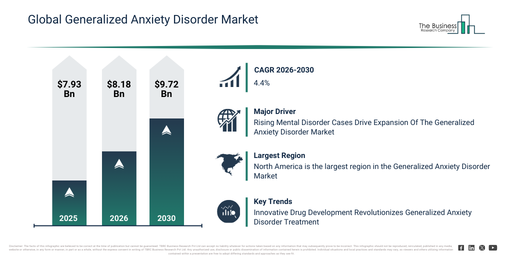
    The generalized anxiety disorder market has experienced consistent expansion in recent years. It is anticipated to expand from $7.93 billion in 2025 to $8.18 billion in 2026, achieving a compound annual growth rate (CAGR) of 3.2%. This historical growth can be ascribed to factors including increasing mental health awareness, the widespread availability of antidepressants, the expansion of psychiatric services, prevalent societal stress factors, and enhanced primary care diagnosis.

    The generalized anxiety disorder market size is anticipated to undergo steady expansion over the next few years, projected to reach $9.72 billion by 2030, exhibiting a compound annual growth rate (CAGR) of 4.4%. This growth in the forecast period can be attributed to several factors including the rise of digital therapeutics, increased demand for personalized mental healthcare, broader adoption of telehealth services, a stronger focus on preventive mental health, and innovations within neuromodulation therapies. Significant trends for this period encompass a growing acceptance of cognitive behavioral therapy, a heightened reliance on pharmacological anxiety treatments, the proliferation of digital mental health platforms, the expansion of remote and telepsychiatry services, and increased awareness surrounding mental health disorders.

    Access Your Free Sample Report for In-Depth Market Insights:

    https://www.thebusinessresearchcompany.com/sample.aspx?id=13039&type=smp

    What Drivers Are Supporting Technological Adoption In The Generalized Anxiety Disorder Market?

    The increasing prevalence of mental disorder cases within the healthcare industry is propelling the expansion of the generalized anxiety disorder market. A mental disorder, also known as a mental illness, covers a broad spectrum of conditions that impact a person’s thoughts, emotions, behaviors, and overall mental well-being. Mental health disorders often accompanying generalized anxiety disorder include phobias, panic disorder, post-traumatic stress disorder (PTSD), and obsessive-compulsive disorder (OCD), and effectively managing these conditions is essential for individuals to sustain healthy relationships and improve their quality of life. For instance, according to the Stress in America 2023 survey published by the American Psychological Association, a US-based professional organization, in November 2023, adults aged 35 to 44 experienced the highest rise in mental health diagnoses, with 45% reporting a mental illness in 2023 compared with 31%. Despite this, adults ages 18 to 34 still reported the highest rate of mental illnesses at 50% in 2023. Hence, the rising number of mental disorder cases is expected to stimulate the growth of the generalized anxiety disorder market.

    Which Segments Are Contributing To The Growth Of The Generalized Anxiety Disorder Market?

    The generalized anxiety disorder market covered in this report is segmented –

    1) By Type: Panic Disorder, Agoraphobia, Generalized Anxiety, Social Anxiety, Specific Phobia, Other Types

    2) By Therapies: Interpersonal Therapy, Behavior Therapy, Cognitive Behavioral Therapy, Mindfulness Based Cognitive Therapy

    3) By Device: Deep Brain Stimulation, Electroconvulsive Therapy, Transcranial Magnetic Stimulation, Vagus Nerve Stimulation

    4) By End-User: Hospitals, Homecare, Specialty Clinics, Other End-Users

    Subsegments:

    1) By Panic Disorder: Recurrent Panic Attacks, Unexpected Panic Attacks

    2) By Agoraphobia: Situational Phobia, Open Spaces Anxiety

    3) By Generalized Anxiety: Chronic Worry, Excessive Anxiety

    4) By Social Anxiety: Performance Anxiety, Interaction Anxiety

    5) By Specific Phobia: Animal Phobia, Environmental Phobia, Situational Phobia

    6) By Other Type: Separation Anxiety Disorder, Selective Mutism, Post-Traumatic Stress Disorder (PTSD)

    Which Trends Are Shaping Activity Within The Generalized Anxiety Disorder Market?

    Leading companies in the generalized anxiety disorder market are developing and securing approval for innovative drugs such as MM-120 to better address the needs of their current consumers. Such novel medications, including MM-120, aim to enhance the management and outcomes of this mental health condition. For instance, in September 2023, Mind Medicine Inc. (MindMed), a U.S.-based biotech company focused on psychedelic-inspired therapies, completed enrollment for its Phase 2b trial of MM 120 (lysergide D-tartrate) for generalized anxiety disorder (GAD). With this milestone, MindMed intends to generate robust efficacy and safety data to support the continued development of MM 120 as a new treatment option for GAD. MM 120 functions as a small-molecule partial agonist of the 5 HT2A receptor, designed to enhance neuroplasticity and serotonin signaling to improve mood and anxiety, and it demonstrated a dose-dependent reduction in anxiety symptoms during the trial.

    Who Are The Prominent Global Companies Shaping The Generalized Anxiety Disorder Market Landscape?

    Major companies operating in the generalized anxiety disorder market are Alkermes plc, Pfizer Inc., F. Hoffmann-La Roche AG, Sanofi SA, Bristol-Myers Squibb, GlaxoSmithKline plc, Johnson And Johnson Private Limited, Teva Pharmaceutical Industries Ltd., Otsuka Holdings Co. Ltd., Mylan N.V., Sumitomo Pharma Co. Ltd., Forest Laboratories Inc., H. Lundbeck A/S, Neurocrine Biosciences Inc., Actavis Pharmaceutical Company, Eli Lilly and Company, Mind Medicine Inc., Sage Therapeutics Inc., VistaGen Therapeutics Inc.

    Access The Complete Report For Deeper Market Insights:

    https://www.thebusinessresearchcompany.com/report/generalized-anxiety-disorder-global-market-report

    Which Region Is Projected To Lead The Generalized Anxiety Disorder Market During The Forecast Period?

    North America was the largest region in the generalized anxiety disorder market in 2025. The regions covered in the generalized anxiety disorder market report are Asia-Pacific, South East Asia, Western Europe, Eastern Europe, North America, South America, Middle East, Africa.

    Request Your Customized Generalized Anxiety Disorder Market Research Report for Competitive Advantage:

    https://www.thebusinessresearchcompany.com/customise?id=13039&type=smp

    Browse Through More Reports Similar to the Global Generalized Anxiety Disorder Market 2026, By The Business Research Company

    Behavioral Therapy Market Report 2026

    https://www.thebusinessresearchcompany.com/report/behavioral-therapy-global-market-report

    Panic Disorders Market Report 2026

    https://www.thebusinessresearchcompany.com/report/panic-disorders-global-market-report

    Major Depressive Disorder Market Report 2026

    https://www.thebusinessresearchcompany.com/report/major-depressive-disorder-global-market-report

    Get in touch with us:

    The Business Research Company: https://www.thebusinessresearchcompany.com/

    Americas +1 310-496-7795

    Asia +44 7882 955267 & +91 8897263534

    Europe +44 7882 955267

    Email us at info@tbrc.info

    Follow us on:

    LinkedIn: https://in.linkedin.com/company/the-business-research-company

    YouTube: https://www.youtube.com/channel/UC24_fI0rV8cR5DxlCpgmyFQ

    Global Market Model: https://www.thebusinessresearchcompany.com/global-market-model
  • Neurological Biomarkers Market Performance Outlook 2026–2030: Revenue to Hit $22.81 Billion at 14% CAGR

    Neurological Biomarkers Market Performance Outlook 2026–2030: Revenue to Hit $22.81 Billion at 14% CAGR

    Uncover key drivers, emerging technologies, and competitive movements shaping the neurological biomarkers market from 2026–2035 with trusted insights from The Business Research Company

    What long-term size projections exist for the Neurological Biomarkers Market covering 2026–2035?_x000D_

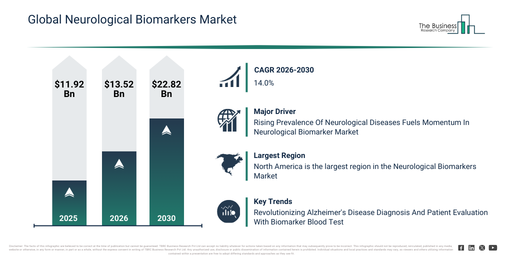
    The neurological biomarkers market has seen significant expansion in recent years. It is anticipated to expand from $11.92 billion in 2025 to $13.52 billion in 2026, exhibiting a compound annual growth rate (CAGR) of 13.4%. The increase observed in previous periods is largely due to factors such as the rising prevalence of neurological disorders, the early development of protein biomarkers, the increased use of imaging biomarkers, the growing adoption of DNA biomarkers, and the initial integration of biomarkers in clinical trials._x000D_

    _x000D_

    The neurological biomarkers market is projected for swift expansion in the coming years. Its valuation is set to reach $22.82 billion by 2030, exhibiting a compound annual growth rate (CAGR) of 14.0%. This anticipated growth stems from factors such as the broadening application of personalized medicine utilizing biomarkers, an increasing need for metabolomics biomarkers, enhanced investment in CNS drug development, the evolution of advanced diagnostic platforms, and the expanding implementation of biomarker-led disease surveillance. Key trends predicted for this period encompass the escalating role of biomarkers in early neurological detection, greater incorporation of proteomic and genomic biomarkers, the wider use of imaging biomarkers for CNS disorder assessment, an increasing requirement for biomarkers within drug development processes, and a heightened clinical emphasis on biomarker testing for neurodegenerative conditions._x000D_

    _x000D_

    #Access Your Free Sample Report for In-Depth Market Insights:#_x000D_

    https://www.thebusinessresearchcompany.com/sample.aspx?id=12677&type=smp_x000D_

    _x000D_

    Which Drivers Are Impacting The Competitive Landscape Of The Neurological Biomarkers Market?_x000D_

    The neurological biomarker market is expected to grow due to the increasing occurrence of neurological diseases. These illnesses affect the brain, spinal cord, and all other nerves throughout the body. For example, Parkinson’s disease is a neurodegenerative disorder impacting the neurological system and parts of the body controlled by nerves. Neurological biomarkers aid in providing an early diagnosis for Parkinson’s disease through pathological, biochemical, and genetic testing. This trend is further supported by data from October 2023, when the World Federation of Neurology, a UK-based charity, reported that neurological disorders now rank as the second-leading cause of death and the primary cause of disability globally, reflecting an accelerating health burden. In 2023, over 40 percent of the global population was affected, and the number of individuals living with brain disease is projected to nearly double by 2050. Therefore, the increasing prevalence of neurological diseases is a key driver for the growth of the neurological biomarker market._x000D_

    _x000D_

    What Leading Segments Are Studied In The Neurological Biomarkers Market?_x000D_

    The neurological biomarkers market covered in this report is segmented –_x000D_

    _x000D_

    1) By Product: Proteomics Biomarker, Genomics Biomarker, Metabolomics Biomarker, Imaging Biomarker, Other Products_x000D_

    2) By Application: Alzheimer’s Disease, Parkinson’s Disease, Huntington’s Disease, Schizophrenia, Depression, Multiple Sclerosis, Spinal Muscular Atrophy_x000D_

    3) By End-User: Hospital Laboratories, Clinical Diagnostic Centers, Research Organizations, Other End-Users_x000D_

    _x000D_

    Subsegments:_x000D_

    1) By Proteomics Biomarker: Protein Biomarkers, Antibody Biomarkers_x000D_

    2) By Genomics Biomarker: DNA Biomarkers, RNA Biomarkers_x000D_

    3) By Metabolomics Biomarker: Metabolite Biomarkers, Lipid Biomarkers_x000D_

    4) By Imaging Biomarker: MRI Biomarkers, PET Scan Biomarkers_x000D_

    5) By Other Products: Neuroinflammatory Biomarkers, Neurotransmitter Biomarkers_x000D_

    _x000D_

    Which Trends Are Shaping Activity Within The Neurological Biomarkers Market?_x000D_

    Major companies operating in the neurological biomarkers market are developing new products, such as advanced biomarker blood tests, to gain a competitive edge. Biomarker blood tests involve the analysis of specific molecules or indicators within the blood that provide information about a biological condition, disease, or physiological process. For instance, in July 2023, Quanterix Corporation, a US-based company specializing in the development and commercialization of ultra-sensitive digital immunoassay platforms, launched the LucentAD biomarker blood test. The LucentAD test is intended to assist medical professionals in evaluating patients who exhibit cognitive symptoms aligning with preliminary indications of alzheimer’s disease. This test quantifies levels of p-Tau 181, which has been demonstrated to be a biomarker of the pathophysiology of alzheimer’s disease (AD). When an adult is being tested for AD 1 and has cognitive impairment, the LucentAD test findings are meant to be utilized as a diagnostic tool. The test is not meant to be used as a stand-alone screening or diagnostic assay and it must be used in conjunction with other diagnostic tools._x000D_

    _x000D_

    Which Key Market Players Are Investing In Expansion And Innovation Within The Neurological Biomarkers Market?_x000D_

    Major companies operating in the neurological biomarkers market are Pfizer Inc., F. Hoffmann-La Roche AG, Merck & Co. Inc., Novartis AG, Thermos Fisher Scientific Inc., AstraZeneca Plc, Abbott Laboratories, Boehringer Ingelheim International GmbH, Becton Dickinson and Company, Agilent Technologies Inc., Grifols S.A., Eisai Co. Ltd., PerkinElmer Inc., Illumina Inc., Shimadzu Corporation, Waters Corporation, Bio-Rad Laboratories Inc., Mallinckrodt Plc, Qiagen N.V., Luminex Corporation, Siemens Healthineers, Olink Proteomics, Meso Scale Diagnostics, Quanterix Corp., Fujirebio, Cisbio Bioassays SAS, NeuroVision Imaging, Proteome Sciences Plc, Acumen Pharmaceuticals._x000D_

    _x000D_

    #Access The Complete Report For Deeper Market Insights:#_x000D_

    https://www.thebusinessresearchcompany.com/report/neurological-biomarkers-global-market-report_x000D_

    _x000D_

    Which Regions Are Projected To Dominate The Neurological Biomarkers Market In The Coming Years?_x000D_

    North America was the largest region in the neurological biomarkers market in 2025. The regions covered in the neurological biomarkers market report are Asia-Pacific, South East Asia, Western Europe, Eastern Europe, North America, South America, Middle East, Africa._x000D_

    _x000D_

    #Request Your Customized Neurological Biomarkers Market Research Report for Competitive Advantage:#_x000D_

    https://www.thebusinessresearchcompany.com/customise?id=12677&type=smp_x000D_

    _x000D_

    #Browse Through More Reports Similar to the Global Neurological Biomarkers Market 2026, By The Business Research Company#_x000D_

    _x000D_

    Biomarkers Market Report 2026_x000D_

    https://www.thebusinessresearchcompany.com/report/biomarkers-global-market-report_x000D_

    _x000D_

    Central Nervous System Biomarkers Market Report 2026_x000D_

    https://www.thebusinessresearchcompany.com/report/central-nervous-system-biomarkers-global-market-report_x000D_

    _x000D_

    Clinical Biomarkers Market Report 2026_x000D_

    https://www.thebusinessresearchcompany.com/report/clinical-biomarkers-global-market-report_x000D_

    _x000D_

    #Get in touch with us:#_x000D_

    _x000D_

    The Business Research Company: https://www.thebusinessresearchcompany.com/_x000D_

    Americas +1 310-496-7795_x000D_

    Asia +44 7882 955267 & +91 8897263534_x000D_

    Europe +44 7882 955267_x000D_

    Email us at info@tbrc.info_x000D_

    _x000D_

    #Follow us on:#_x000D_

    _x000D_

    LinkedIn: https://in.linkedin.com/company/the-business-research-company_x000D_

    YouTube: https://www.youtube.com/channel/UC24_fI0rV8cR5DxlCpgmyFQ_x000D_

    Global Market Model: https://www.thebusinessresearchcompany.com/global-market-model

  • General Medical And Surgical Hospitals Industry Poised for Rapid Growth, Forecast to Touch $4767.92 Billion by 2030 at 3.9% CAGR

    General Medical And Surgical Hospitals Industry Poised for Rapid Growth, Forecast to Touch $4767.92 Billion by 2030 at 3.9% CAGR

    Uncover key drivers, emerging technologies, and competitive movements shaping the general medical and surgical hospitals market from 2026–2035 with trusted insights from The Business Research Company

    What upper market value could the General Medical And Surgical Hospitals Market reach by 2030 starting from 2026 levels?

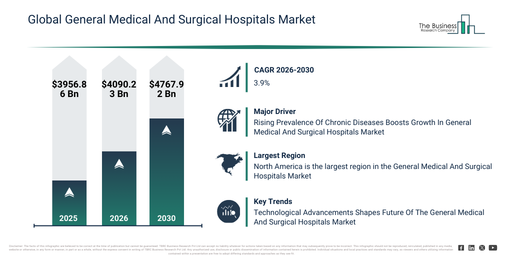
    The market size for general medical and surgical hospitals has experienced consistent growth in recent years. This sector is projected to expand from $3956.86 billion in 2025 to $4090.23 billion in 2026, demonstrating a compound annual growth rate (CAGR) of 3.4%. Historically, this growth can be attributed to factors such as increasing population, the expansion of urban healthcare infrastructure, government healthcare funding, a rise in chronic diseases, and the availability of hospital-based diagnostic services.

    The market for general medical and surgical hospitals is projected to experience consistent expansion in the upcoming years. This sector is anticipated to reach a valuation of $4767.92 billion by 2030, demonstrating a compound annual growth rate (CAGR) of 3.9%. The expected expansion over the forecast period is primarily driven by factors such as an expanding aging demographic, the proliferation of value-based care frameworks, the integration of smart hospital innovations, an increase in surgical interventions, and improved access to healthcare services. Key developments projected for this period encompass the broadening of combined inpatient and outpatient offerings, a greater embrace of electronic health records, an amplified emphasis on providing multispecialty care, an escalating need for urgent and critical medical care, and the incorporation of telemedicine into hospital functionalities.

    Access Your Free Sample Report for In-Depth Market Insights:

    https://www.thebusinessresearchcompany.com/sample.aspx?id=9796&type=smp

    Which Drivers Are Influencing Long-Term Growth In The General Medical And Surgical Hospitals Market?

    The market for general medical and surgical hospitals is projected to expand due to the rising occurrence of chronic diseases. These are conditions that develop gradually over time and generally last for three months or longer. To reduce avoidable hospital stays and adverse events, healthcare organizations are implementing chronic disease management programs, which aim to manage the health of patients with chronic conditions more effectively. As a result, general medical and surgical hospitals can gain advantages from these programs by lowering healthcare expenditures and improving patient outcomes. For instance, in April 2025, the Centers for Disease Control and Prevention, a US-based federal government agency, indicated that in 2023, approximately 194 million American adults, encompassing 6 in 10 young adults, 8 in 10 midlife adults, and 9 in 10 older adults, reported having one or more conditions. The prevalence of chronic conditions among young adults increased by 7.0 percentage points. Therefore, the growing incidence of chronic diseases is a primary driver for the general medical and surgical hospitals market.

    How Is The General Medical And Surgical Hospitals Market Divided Into Segments?

    The general medical and surgical hospitals market covered in this report is segmented –

    1) By Service Type: Inpatient Service, Outpatient Services

    2) By Hospital Type: Private Hospital, State-Owned Hospital, Public And Community Hospital

    3) By Service Areas: Acute Care, Cardiovascular, Cancer Care, Neurorehabilitation And Psychiatry Services, Pathology Lab, Diagnostics, And Imaging, Obstetrics And Gynecology, Other Services

    Subsegments:

    1) By Inpatient Service: Emergency Services, Surgical Services, Maternity Services, Intensive Care Services, Rehabilitation Services

    2) By Outpatient Services: Diagnostic Services, Surgical Procedures, Preventive Care, Rehabilitation Services, Telemedicine Services

    Which Trends Are Influencing The Development Of The General Medical And Surgical Hospitals Market?

    Major companies within the general medical and surgical hospitals market are concentrating on developing advanced solutions, such as AI-enabled cloud-based imaging platforms. This focus aims to address the growing demand for improved diagnostic workflows, remote accessibility, and enhanced operational efficiency. These AI-enabled cloud imaging platforms integrate sophisticated analytics, remote reading capabilities, and centralized data access, effectively streamlining radiology operations when compared to conventional on-premise PACS systems. Such platforms provide benefits including quicker image processing, scalable storage, better collaboration, and reduced IT maintenance. For instance, in November 2023, Koninklijke Philips NV, a health technology company based in the Netherlands, launched Philips HealthSuite Imaging. This innovative cloud-based PACS solution is designed to optimize radiology workflows. Built on Amazon Web Services (AWS), the platform incorporates features like high-speed remote diagnostic reading, integrated reporting modules, and AI-enabled workflow orchestration. Its cloud-native architecture lessens the IT infrastructure burden, ensures secure data delivery, and fosters enhanced clinician collaboration, all while improving patient care. The solution offers scalable performance, real-time accessibility, and seamless integration with existing hospital systems.

    Which Key Players Are Driving Competition In The General Medical And Surgical Hospitals Market?

    Major companies operating in the general medical and surgical hospitals market are Mayo Clinic Health System, HCA Healthcare Inc., Cleveland Clinic, Spire Healthcare Group PLC, Ramsay Health Care Ltd., Ascension, Community Health Systems Inc., Tenet Healthcare Corporation, Fortis Healthcare Ltd., Apollo Hospitals Enterprise Ltd., The Johns Hopkins Health System Corporation, IHH Healthcare Berhad, The University of California San Francisco Medical Center, Massachusetts General Hospital, Cedars-Sinai Medical Center, NewYork-Presbyterian Hospital, UCLA Medical Center, Brigham and Women’s Hospital, Stanford Health Care, Hospital of the University of Pennsylvania, Houston Methodist Hospital, Barnes-Jewish Hospital, Mount Sinai Hospital, Cincinnati Children’s Hospital Medical Center, Emory University Hospital, Northwestern Memorial Hospital, NYU Langone Hospitals, UPMC Presbyterian Shadyside, Vanderbilt University Medical Center, University of Michigan Hospitals-Michigan Medicine, Wake Forest Baptist Medical Center, Indiana University Health Medical Center, Oregon Health & Science University Hospital, University of Chicago Medical Center, Duke University Hospital, Thomas Jefferson University Hospitals, Yale New Haven Hospital, UC San Diego Health

    Access The Complete Report For Deeper Market Insights:

    https://www.thebusinessresearchcompany.com/report/general-medical-and-surgical-hospitals-global-market-report

    Which Region Currently Holds The Largest Share Of The General Medical And Surgical Hospitals Market?

    North America was the largest region in the general medical and surgical hospitals market in 2025. Asia-Pacific is expected to be the fastest-growing region in the general medical and surgical hospitals market report during the forecast period. The regions covered in the general medical and surgical hospitals market report are Asia-Pacific, South East Asia, Western Europe, Eastern Europe, North America, South America, Middle East, Africa.

    Request Your Customized General Medical And Surgical Hospitals Market Research Report for Competitive Advantage:

    https://www.thebusinessresearchcompany.com/customise?id=9796&type=smp

    Browse Through More Reports Similar to the Global General Medical And Surgical Hospitals Market 2026, By The Business Research Company

    Hospitals And Outpatient Care Centers Market Report 2026

    https://www.thebusinessresearchcompany.com/report/hospitals-and-outpatient-care-centers-global-market-report

    Hospitality Market Report 2026

    https://www.thebusinessresearchcompany.com/report/hospitality-global-market-report

    Green Hospitals Market Report 2026

    https://www.thebusinessresearchcompany.com/report/green-hospitals-global-market-report

    Get in touch with us:

    The Business Research Company: https://www.thebusinessresearchcompany.com/

    Americas +1 310-496-7795

    Asia +44 7882 955267 & +91 8897263534

    Europe +44 7882 955267

    Email us at info@tbrc.info

    Follow us on:

    LinkedIn: https://in.linkedin.com/company/the-business-research-company

    YouTube: https://www.youtube.com/channel/UC24_fI0rV8cR5DxlCpgmyFQ

    Global Market Model: https://www.thebusinessresearchcompany.com/global-market-model
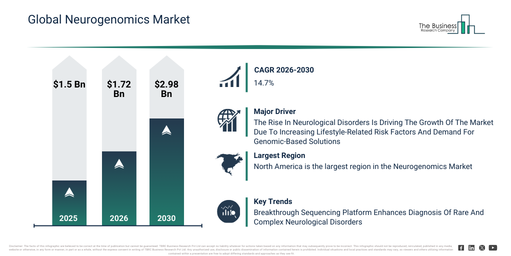
  • Global Neurogenomics Market Set for Strong Expansion, Reaching $2.98 Billion With 14.7% CAGR by 2030

    Global Neurogenomics Market Set for Strong Expansion, Reaching $2.98 Billion With 14.7% CAGR by 2030

    Uncover key drivers, emerging technologies, and competitive movements shaping the neurogenomics market from 2026–2035 with trusted insights from The Business Research Company

    What total market size is anticipated for the Neurogenomics Market in 2030?_x000D_

    The neurogenomics market has experienced substantial growth recently. This market is projected to expand from $1.5 billion in 2025 to $1.72 billion in 2026, demonstrating a compound annual growth rate (CAGR) of 14.7%. Factors contributing to this historical growth include advancements in genomic sequencing technologies, an increase in neuroscience research funding, the rising prevalence of neurological disorders, enhanced availability of bioinformatics tools, and a surge in academic research collaborations._x000D_

    _x000D_

    The neurogenomics market is anticipated to experience significant expansion over the next few years, projected to attain a valuation of $2.98 billion by 2030, progressing at a compound annual growth rate (CAGR) of 14.7%. This projected growth stems from several factors, including the increasing integration of genomics within clinical neurology, rising investments in precision neurology, the expansion of cloud-based genomic analytics, a growing demand for personalized neurological therapies, and an increasing focus on translational neuroscience research. Concurrently, major trends expected during this period encompass the increasing adoption of next-generation sequencing in neuroscience, the rising use of multi-omics data integration, a growing demand for gene expression analysis in neurology, the expansion of personalized neurological research, and an enhanced focus on data-driven studies of brain disorders._x000D_

    _x000D_

    #Access Your Free Sample Report for In-Depth Market Insights:#_x000D_

    https://www.thebusinessresearchcompany.com/sample.aspx?id=25845&type=smp_x000D_

    _x000D_

    What Drivers Are Influencing Production Trends In The Neurogenomics Market?_x000D_

    The neurogenomics market is anticipated to expand due to the increasing incidence of neurological disorders. These conditions are defined as medical ailments affecting the brain, spinal cord, or nerves, leading to symptoms such as muscle weakness, seizures, pain, or cognitive difficulties. The escalating occurrence of neurological disorders is primarily linked to lifestyle factors including poor diet, lack of physical activity, chronic stress, and growing exposure to environmental toxins. Neurogenomics provides a more profound understanding of the genetic underpinnings of brain function and dysfunction, thereby enabling the identification of causes, improved diagnosis, and targeted treatments for these disorders. For instance, in March 2023, according to the Alzheimer’s Association, a US-based nonprofit voluntary health organization, approximately 6.7 million Americans aged 65 and older were living with Alzheimer’s dementia, and this figure is projected to rise to 13.8 million by 2060. Therefore, the expanding prevalence of neurological disorders is driving the growth of the neurogenomics market._x000D_

    _x000D_

    Which Segment Groups Are Influencing The Neurogenomics Market?_x000D_

    The neurogenomics market covered in this report is segmented –_x000D_

    _x000D_

    1) By Offering: Next-Generation Sequencing, Polymerase Chain Reaction, Microarray, Software And Services_x000D_

    2) By Application: Variant Discovery, Research Applications, Target Identification, Transcription Factor Binding Analysis, Functional Studies, Clinical Applications_x000D_

    3) By End User: Pharmaceutical And Biotechnology Companies, Academic And Research Institutes, Hospitals And Diagnostic Laboratories_x000D_

    _x000D_

    Subsegments:_x000D_

    1) By Next-Generation Sequencing: Whole Genome Sequencing, Whole Exome Sequencing, Targeted Sequencing, Ribonucleic Acid Sequencing_x000D_

    2) By Polymerase Chain Reaction: Real-Time Polymerase Chain Reaction, Reverse Transcription Polymerase Chain Reaction, Digital Polymerase Chain Reaction_x000D_

    3) By Microarray: Deoxyribonucleic Acid Microarray, Ribonucleic Acid Microarray, Protein Microarray_x000D_

    4) By Software And Services: Data Analysis And Interpretation Software, Genomic Data Management Tools, Custom Services, Cloud-Based Platforms And Reporting Tools_x000D_

    _x000D_

    Which Trends Are Influencing The Development Of The Neurogenomics Market?_x000D_

    Leading companies in the neurogenomics market are concentrating on developing sophisticated tools, such as whole genome sequencing platforms, to improve the diagnosis and comprehension of intricate neurological conditions. These platforms serve as instruments for scrutinizing an individual’s entire DNA sequence, thereby assisting in the identification of genetic elements associated with neurological disorders. As an illustration, in April 2023, Centogene N.V., a German firm specializing in the diagnosis and research of rare diseases, introduced CentoGenome. This solution is recognized as the world’s most extensive whole-genome sequencing offering for diagnosing both rare and neurodegenerative diseases. It leverages PCR-free technology to facilitate high-quality, unbiased sequencing across challenging genetic areas. The platform enhances the detection of genetic variations through its advanced bioinformatics pipeline and expert analysis, capable of identifying almost all disease-causing variants in a single examination. Furthermore, it provides continuous diagnostic assistance throughout a patient’s life, including complimentary variant reclassification and follow-up testing as new scientific insights emerge._x000D_

    _x000D_

    Who Are The Core Companies Influencing Trends In The Neurogenomics Market?_x000D_

    Major companies operating in the neurogenomics market are F. Hoffmann-La Roche Limited, Thermo Fisher Scientific Incorporated, Danaher Corporation, Eurofins Scientific SE, Agilent Technologies Inc., Illumina Inc., Revvity Inc., QIAGEN N.V., Myriad Genetics Inc., GeneDx LLC, Fulgent Genetics Inc., Oxford Nanopore Technologies Plc, PacBio, MedGenome Labs Ltd., MGI Tech Co. Ltd., Centogene N.V., Variantyx Inc., BGI Genomics Co. Ltd., GenScript Biotech Corporation, Roche Diagnostics GmbH, Illumina Cambridge Ltd._x000D_

    _x000D_

    #Access The Complete Report For Deeper Market Insights:#_x000D_

    https://www.thebusinessresearchcompany.com/report/neurogenomics-global-market-report_x000D_

    _x000D_

    Which Region Is Expected To Experience The Fastest Growth In The Neurogenomics Market?_x000D_

    North America was the largest region in the neurogenomics market in 2025. Asia-Pacific is expected to be the fastest-growing region in the forecast period. The regions covered in the neurogenomics market report are Asia-Pacific, South East Asia, Western Europe, Eastern Europe, North America, South America, Middle East, Africa._x000D_

    _x000D_

    #Request Your Customized Neurogenomics Market Research Report for Competitive Advantage:#_x000D_

    https://www.thebusinessresearchcompany.com/customise?id=25845&type=smp_x000D_

    _x000D_

    #Browse Through More Reports Similar to the Global Neurogenomics Market 2026, By The Business Research Company#_x000D_

    _x000D_

    Neuroscience Market Report 2026_x000D_

    https://www.thebusinessresearchcompany.com/report/neuroscience-global-market-report_x000D_

    _x000D_

    Genomics Market Report 2026_x000D_

    https://www.thebusinessresearchcompany.com/report/genomics-global-market-report_x000D_

    _x000D_

    Neurological Biomarkers Market Report 2026_x000D_

    https://www.thebusinessresearchcompany.com/report/neurological-biomarkers-global-market-report_x000D_

    _x000D_

    #Get in touch with us:#_x000D_

    _x000D_

    The Business Research Company: https://www.thebusinessresearchcompany.com/_x000D_

    Americas +1 310-496-7795_x000D_

    Asia +44 7882 955267 & +91 8897263534_x000D_

    Europe +44 7882 955267_x000D_

    Email us at info@tbrc.info_x000D_

    _x000D_

    #Follow us on:#_x000D_

    _x000D_

    LinkedIn: https://in.linkedin.com/company/the-business-research-company_x000D_

    YouTube: https://www.youtube.com/channel/UC24_fI0rV8cR5DxlCpgmyFQ_x000D_

    Global Market Model: https://www.thebusinessresearchcompany.com/global-market-model