Category: HealthcareServices

  • Homozygous Familial Hypercholesterolemia Market Dynamics 2026: Future Outlook and Key Insights

    Homozygous Familial Hypercholesterolemia Market Dynamics 2026: Future Outlook and Key Insights

    Uncover key drivers, emerging technologies, and competitive movements shaping the homozygous familial hypercholesterolemia market from 2026–2035 with trusted insights from The Business Research Company

    What growth pattern is forecast for the Homozygous Familial Hypercholesterolemia Market size between 2026 and 2035?

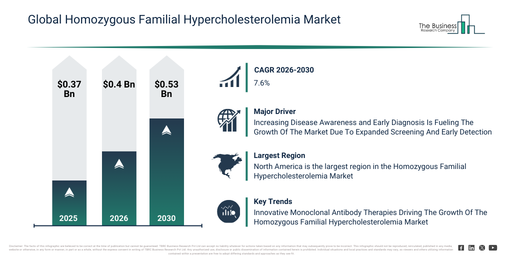
    The homozygous familial hypercholesterolemia market size has experienced robust growth in recent years. It is projected to expand from $0.37 billion in 2025 to $0.4 billion in 2026, demonstrating a compound annual growth rate (CAGR) of 7.4%. The growth observed in the historic period is attributable to several factors, including improved awareness of rare lipid disorders, the expansion of specialty lipid clinics, the availability of advanced lipid-lowering drugs, an increase in cardiovascular risk screening, and enhanced diagnostic capabilities for genetic diseases.

    The homozygous familial hypercholesterolemia market size is projected to experience robust growth in the coming years. It is anticipated to expand to $0.53 billion by 2030, exhibiting a compound annual growth rate (CAGR) of 7.6%. This expansion during the forecast period is driven by increasing adoption of gene and RNA-based therapies, a rising focus on early pediatric intervention, the expansion of reimbursement coverage for rare diseases, growing investment in personalized cardiovascular medicine, and an increase in clinical trials for novel therapies. Furthermore, significant trends in the forecast period include the increasing adoption of genetic testing for early diagnosis, the rising use of PCSK9 inhibitors in treatment regimens, the growing integration of personalized lipid management plans, the expansion of advanced lipoprotein apheresis services, and an enhanced focus on long-term patient monitoring.

    Access Your Free Sample Report for In-Depth Market Insights:

    https://www.thebusinessresearchcompany.com/sample.aspx?id=33171&type=smp

    Which Drivers Are Impacting Market Performance In The Homozygous Familial Hypercholesterolemia Market?

    Enhanced understanding of the condition and prompt identification are anticipated to fuel the expansion of the homozygous familial hypercholesterolemia market in the future. This involves informing medical practitioners, decision-makers, and the general population about genetic disorders causing extremely high cholesterol, alongside improving the detection of affected individuals via organized screening and testing initiatives. Rising disease awareness and early diagnosis are spurred by worldwide campaigns and advocacy striving for widespread cholesterol screening, childhood screening, and cascade screening to identify unrecognized cases more promptly. The homozygous familial hypercholesterolemia market facilitates early detection by providing access to cutting-edge diagnostic instruments, dedicated lipid clinics, and specific treatments, thereby reinforcing prompt discovery and ongoing disease care. For example, the Korean Hospital Association, a national healthcare body located in South Korea, reported in March 2025 that the cancer screening rate for 2024 reached 70.2%, marking a rise of about 3.8% from the prior year (2023). Consequently, the heightened disease awareness and early diagnosis are stimulating the expansion of the homozygous familial hypercholesterolemia market.

    Which Segments Are Contributing To The Growth Of The Homozygous Familial Hypercholesterolemia Market?

    The homozygous familial hypercholesterolemia market covered in this report is segmented –

    1) By Drug Class: Statins; Proprotein Convertase Subtilisin Kexin Type Nine (PCSK9) Inhibitors; Lomitapide; Gene Therapy; Ribonucleic Acid (RNA) Based Therapeutics

    2) By Treatment Modality: Pharmacologic And Small Molecule Therapies; Biologic And Monoclonal Antibody Therapies; Advanced Lipoprotein Apheresis Procedures; Investigational Gene And RNAI-Based Therapies

    3) By Route Of Administration: Oral; Subcutaneous; Intravenous

    4) By Patient Age Group: Pediatric; Adult

    5) By End User: Specialty Lipid Clinics; Academic Hospitals; General Hospitals; Payers Or Managed Care

    Subsegments:

    1) By Statins: Hydroxymethylglutaryl-Coenzyme A Reductase Inhibitors; Atorvastatin; Rosuvastatin; Simvastatin; Pravastatin

    2) By Proprotein Convertase Subtilisin Kexin Type Nine (PCSK9) Inhibitors: Monoclonal Antibodies; Alirocumab; Evolocumab; Inclisiran; Bococizumab

    3) By Lomitapide: Microsomal Triglyceride Transfer Protein Inhibitors; Oral Lipid Lowering Agents; Combination Lipid Therapy

    4) By Gene Therapy: Adeno-Associated Virus Mediated Therapy; Ex Vivo Gene Editing Therapy; In Vivo Gene Transfer Therapy

    5) By Ribonucleic Acid (RNA)-Based Therapeutics: Small Interfering Ribonucleic Acid Therapy; Antisense Oligonucleotide Therapy; Messenger Ribonucleic Acid Therapy; Short Hairpin Ribonucleic Acid Therapy

    What Trends Are Projected To Support The Growth Of The Homozygous Familial Hypercholesterolemia Market?

    Leading companies operating in the homozygous familial hypercholesterolemia market are increasingly focusing on developing innovative biologic treatments, such as ANGPTL3-targeted monoclonal antibodies, to address the unmet patient needs associated with this ultra-rare and severe genetic lipid disorder. ANGPTL3-targeted monoclonal antibody therapies refer to biologic medications engineered to inhibit angiopoietin-like 3, a crucial regulator of lipid metabolism that suppresses enzymes responsible for lipid breakdown. By blocking ANGPTL3, these therapies reduce LDL-C levels through mechanisms independent of LDL receptor function, which is often deficient in homozygous familial hypercholesterolemia patients. For instance, in March 2023, Regeneron Pharmaceuticals Inc., a U.S.-based biotechnology company, secured an expanded approval from the U.S. Food and Drug Administration for Evkeeza (evinacumab-dgnb) for treating children aged 5 to 11 years with homozygous familial hypercholesterolemia as an addition to other lipid-lowering therapies. Evkeeza is a fully human monoclonal antibody that inhibits ANGPTL3, facilitating significant reductions in LDL-C levels in patients who typically exhibit an insufficient response to standard treatments. Clinical studies demonstrated an average LDL-C reduction of nearly 48% at 24 weeks in pediatric patients, highlighting the growing impact of innovative monoclonal antibody therapies in driving the expansion of the homozygous familial hypercholesterolemia market.

    Who Are The Top-Performing Companies In The Homozygous Familial Hypercholesterolemia Market In Recent Years?

    Major companies operating in the homozygous familial hypercholesterolemia market are Merck & Co. Inc., Pfizer Inc., Sanofi S.A., Novartis AG, Amgen, Teva Pharmaceutical Ltd., Viatris Inc., Regeneron Pharmaceuticals Inc., Organon & Co., Alnylam Pharmaceuticals, Ionis Pharmaceuticals, AstraZeneca Ionis Pharmaceuticals, CRISPR Therapeutics AG, Arrowhead Pharmaceuticals, Akcea Therapeutics, Esperion Therapeutics, Accord Healthcare, Verve Therapeutics Inc., Aegerion Pharmaceuticals, LIB Therapeutics Inc., and Changzhou Pharmaceutical Factory Co. Ltd.

    Access The Complete Report For Deeper Market Insights:

    https://www.thebusinessresearchcompany.com/report/homozygous-familial-hypercholesterolemia-market-report

    Which Region Currently Holds The Largest Share Of The Homozygous Familial Hypercholesterolemia Market?

    North America was the largest region in the Homozygous Familial Hypercholesterolemia market in 2025. Asia-Pacific is expected to be the fastest-growing region in the forecast period. The regions covered in the homozygous familial hypercholesterolemia market report are Asia-Pacific, South East Asia, Western Europe, Eastern Europe, North America, South America, Middle East, Africa.

    Request Your Customized Homozygous Familial Hypercholesterolemia Market Research Report for Competitive Advantage:

    https://www.thebusinessresearchcompany.com/customise?id=33171&type=smp

    Browse Through More Reports Similar to the Global Homozygous Familial Hypercholesterolemia Market 2026, By The Business Research Company

    Cholesterol Test Market Report 2026

    https://www.thebusinessresearchcompany.com/report/cholesterol-test-global-market-report

    Low Density Lipoprotein Test Market Report 2026

    https://www.thebusinessresearchcompany.com/report/low-density-lipoprotein-test-global-market-report

    Poc Cholesterol Test Market 2026

    https://www.thebusinessresearchcompany.com/report/poc-cholesterol-test-market

    Get in touch with us:

    The Business Research Company: https://www.thebusinessresearchcompany.com/

    Americas +1 310-496-7795

    Asia +44 7882 955267 & +91 8897263534

    Europe +44 7882 955267

    Email us at info@tbrc.info

    Follow us on:

    LinkedIn: https://in.linkedin.com/company/the-business-research-company

    YouTube: https://www.youtube.com/channel/UC24_fI0rV8cR5DxlCpgmyFQ

    Global Market Model: https://www.thebusinessresearchcompany.com/global-market-model
  • Global Weight Loss Drugs Market Forecast 2026–2035: Long-Term Growth Insights

    Global Weight Loss Drugs Market Forecast 2026–2035: Long-Term Growth Insights

    Uncover key drivers, emerging technologies, and competitive movements shaping the weight loss drugs market from 2026–2035 with trusted insights from The Business Research Company

    What size range is anticipated for the Weight Loss Drugs Market from 2026 to 2030?

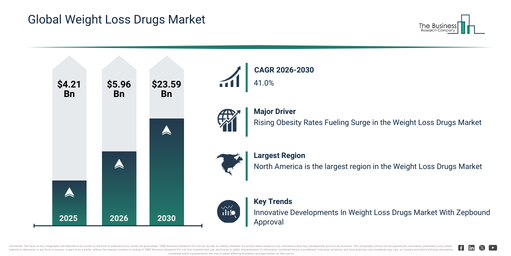
    The weight loss drugs market size has seen exponential growth in recent years. It is anticipated to expand from $4.21 billion in 2025 to $5.96 billion in 2026, achieving a compound annual growth rate (CAGR) of 41.8%. The increase observed in the historic period stems from factors such as the growing clinical understanding of obesity as a disease, increased pharmaceutical research investments, a rise in prescriptions for weight management medications, greater awareness among healthcare providers, and the availability of FDA-approved therapies.

    The weight loss drugs market size is anticipated to undergo significant growth in the forthcoming years, projected to reach $23.59 billion by 2030, demonstrating a compound annual growth rate (CAGR) of 41.0%. This expansion during the forecast period can be attributed to the rising demand for next-generation anti-obesity drugs, increased investments in metabolic disorder research, the proliferation of personalized drug therapies, the escalating global prevalence of obesity, and continuous innovation in drug delivery mechanisms. Prominent trends throughout this period include the intensified development of GLP-1 and novel drug classes, an increasing focus on clinically proven weight loss medications, the growing adoption of long-acting formulations, the broadening of prescription-based obesity treatments, and an enhanced emphasis on regulatory compliance.

    Access Your Free Sample Report for In-Depth Market Insights:

    https://www.thebusinessresearchcompany.com/sample.aspx?id=13761&type=smp

    What Drivers Are Affecting Demand In The Weight Loss Drugs Market?

    The increasing prevalence of obesity is projected to drive the growth of the weight loss drugs market moving forward. The obesity rate refers to the proportion of individuals within a population who possess a body mass index (BMI) of 30 or greater. Weight loss drugs are medications utilized in managing obesity to assist individuals in achieving weight reduction by either curbing appetite, enhancing feelings of satiety, or hindering nutrient absorption. For example, in March 2023, the World Obesity Federation, a UK-based not-for-profit organization, estimated that over 4 billion people are expected to be obese by 2035. Consequently, the escalating obesity rates are a primary factor fueling the expansion of the weight loss drugs market.

    Which Segments Are Gaining Traction In The Weight Loss Drugs Market?

    The weight loss drugs market covered in this report is segmented –

    1) By Type: Liquid, Tablets, Capsules

    2) By Distribution Channel: Hospital Pharmacy, Retail Pharmacy, Online Pharmacy

    3) By Application: Weight-Reducing Aid, Fat Absorption Inhibitors, Metabolic Boosters

    Subsegments:

    1) By Liquid: Syrups, Solutions, Suspensions

    2) By Tablets: Immediate-Release Tablets, Extended-Release Tablets

    3) By Capsules: Hard Capsules, Softgel Capsules

    How Are Emerging Trends Affecting The Progression Of The Weight Loss Drugs Market?

    Leading companies in the weight loss drug market are creating innovative products like the Zepbound (tirzepatide) injection to improve patient service. Zepbound operates as a once-weekly injectable dual glucose-dependent insulinotropic polypeptide (GIP) and glucagon-like peptide-1 (GLP-1) receptor agonist. For example, in November 2023, Eli Lilly and Company, a US-based pharmaceutical firm, obtained FDA approval for tirzepatide injection (Zepbound) specifically for chronic weight management in adults who are overweight or obese and possess at least 1 weight-related condition. Zepbound is anticipated to be a commercially successful drug, given that it is the first and only FDA-approved obesity treatment that activates both GIP and GLP-1 receptors.

    Who Are The Major Companies Operating In The Weight Loss Drugs Market?

    Major companies operating in the weight loss drugs market are Pfizer Inc. , Roche , Merck & Co. , AbbVie Inc. , Novartis AG , Bristol Myers Squibb , Sanofi S.A. , AstraZeneca plc , GlaxoSmithKline , Takeda Pharmaceutical Company , Eli Lilly and Company , Bayer AG , Amgen Inc. , Boehringer Ingelheim group , Novo Nordisk A/S , Merck KGaA , Rhythm Pharmaceuticals Inc. , Structure Therapeutics , Viking Therapeutics Inc. , Saniona , Zealand Pharma A/S

    Access The Complete Report For Deeper Market Insights:

    https://www.thebusinessresearchcompany.com/report/weight-loss-drugs-global-market-report

    Which Region Is Anticipated To See The Fastest Growth In The Weight Loss Drugs Market?

    North America was the largest region in the Weight Loss Drugs market in 2025. The regions covered in the weight loss drugs market report are Asia-Pacific, South East Asia, Western Europe, Eastern Europe, North America, South America, Middle East, Africa.

    Request Your Customized Weight Loss Drugs Market Research Report for Competitive Advantage:

    https://www.thebusinessresearchcompany.com/customise?id=13761&type=smp

    Browse Through More Reports Similar to the Global Weight Loss Drugs Market 2026, By The Business Research Company

    Diet Pills Market Report 2026

    https://www.thebusinessresearchcompany.com/report/diet-pills-global-market-report

    Weight Loss Supplements Market Report 2026

    https://www.thebusinessresearchcompany.com/report/weight-loss-supplements-global-market-report

    Metabolic Disorders Drugs Market Report 2026

    https://www.thebusinessresearchcompany.com/report/metabolic-disorders-drugs-global-market-report

    Get in touch with us:

    The Business Research Company: https://www.thebusinessresearchcompany.com/

    Americas +1 310-496-7795

    Asia +44 7882 955267 & +91 8897263534

    Europe +44 7882 955267

    Email us at info@tbrc.info

    Follow us on:

    LinkedIn: https://in.linkedin.com/company/the-business-research-company

    YouTube: https://www.youtube.com/channel/UC24_fI0rV8cR5DxlCpgmyFQ

    Global Market Model: https://www.thebusinessresearchcompany.com/global-market-model
  • Weight Loss And Obesity Management Market 2026–2030: Forecasting Business Opportunities Ahead

    Weight Loss And Obesity Management Market 2026–2030: Forecasting Business Opportunities Ahead

    Uncover key drivers, emerging technologies, and competitive movements shaping the weight loss and obesity management market from 2026–2035 with trusted insights from The Business Research Company

    How is the Weight Loss And Obesity Management Market size predicted to change over the forecast window of 2026–2035?

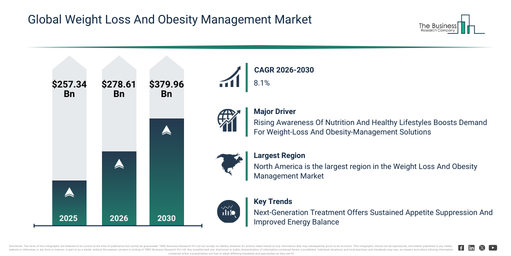
    The weight loss and obesity management market size has experienced significant expansion in recent years. This market is projected to expand from $257.34 billion in 2025 to $278.61 billion in 2026, demonstrating a compound annual growth rate (CAGR) of 8.3%. Historically, this growth has been driven by factors such as the increasing occurrence of obesity-related health issues, an uptick in public health awareness efforts, the proliferation of fitness and wellness facilities, increasing adoption of medical weight management methods, and the availability of a wide array of weight loss options.

    The weight loss and obesity management market is anticipated to experience substantial expansion over the upcoming years. This market is projected to reach $379.96 billion by 2030, exhibiting a compound annual growth rate (CAGR) of 8.1%. This expansion during the forecast period is driven by factors such as the increasing uptake of digital therapeutics, a growing need for tailored obesity treatments, the broadening of employer-supported wellness initiatives, the expanding integration of AI-based health analytics, and a heightened emphasis on sustained weight management. Key trends expected in this timeframe involve the increasing embrace of personalized weight management strategies, the rising incorporation of digital health platforms, the expanding application of data-driven behavioral therapy, the growth of medically supervised weight loss options, and an elevated focus on preventative health results.

    Access Your Free Sample Report for In-Depth Market Insights:

    https://www.thebusinessresearchcompany.com/sample.aspx?id=24429&type=smp

    Which Drivers Are Contributing To The Expansion Of The Weight Loss And Obesity Management Market?

    Future expansion within the weight loss and obesity management market is anticipated, driven by increasing public understanding of nutrition and healthy living practices. These terms, nutrition and healthy lifestyles, denote the adoption of a balanced eating regimen and participation in physical activities designed to promote enduring well-being. The proliferation of information, advice, and tips regarding healthy eating and habits through easily accessible online platforms and social media is fostering greater public consciousness about nutrition and beneficial lifestyle choices. Enhanced understanding of nutrition and healthy living aids weight loss and obesity management by empowering people to select nutritious foods, incorporate consistent exercise, and uphold lasting healthy routines. For example, data from Jun 2024, provided by the International Food Information Council (IFIC), a US based non-profit organization, indicates that 54% of Americans continued to adhere to a particular diet or eating style over the preceding year. A significant number of individuals are focused on elevating their protein consumption, with this interest climbing from 59% in 2022 to 67% in 2023, and further to 71% in 2024. Furthermore, about half of consumers are actively seeking to incorporate more fresh foods into their diets, recognizing these as generally the most wholesome nutritional choices. Consequently, this growing recognition of healthy eating and dietary practices is fueling expansion within the weight loss and obesity management market.

    What Segment Categories Are Covered In The Weight Loss And Obesity Management Market?

    The weight loss and obesity management market covered in this report is segmented –

    1) By Product And Services: Drugs, Supplements, Equipment, Services

    2) By Category: Prescribed, Over The Counter (OTC)

    3) By Age Group: Children, Adults, Geriatric

    4) By Distribution Channel: Institutional Sales, Retail Sales

    5) By Industry Type: Fitness Centers, Slimming Centers, Consulting Services, Online Weight Loss Programs

    Subsegments:

    1) By Drugs: Prescription Drugs, Over-The-Counter (OTC) Drugs, Herbal Drugs

    2) By Supplements: Dietary Supplements, Meal Replacements, Protein Supplements, Fat Burners, Fiber Supplements

    3) By Equipment: Fitness Equipment, Surgical Equipment

    4) By Services: Fitness Centers And Health Clubs, Consultation Services, Online Weight Loss Programs, Behavioral Therapy Services, Diet And Nutrition Counseling, Medical Weight Loss Clinics

    Which Innovation Trends Are Advancing Developments Within The Weight Loss And Obesity Management Market?

    Leading companies in the weight loss and obesity management market are prioritizing the creation of advanced solutions, such as dual incretin GLP-1/GIP receptor agonists. These aim to boost treatment efficacy, support sustained weight reduction, and improve metabolic outcomes. Dual incretin agonists work by simultaneously activating GLP-1 and GIP receptors, which helps reduce appetite, slow gastric emptying, and enhance insulin sensitivity, thereby offering more potent and durable effects than traditional single-target therapies. For instance, in November 2023, U.S.-based pharmaceutical company Eli Lilly introduced Zepbound (tirzepatide) injection for chronic weight management in adults living with obesity or who are overweight with at least one weight-related comorbidity. Tirzepatide mimics the activity of two hormones to prolong satiety, suppress hunger, and facilitate clinically significant, sustained weight loss, conveniently administered once-weekly. This therapy represents a major advancement in obesity care by providing patients with a highly effective, long-term management option.

    Which Major Firms Are Strengthening Their Position In The Weight Loss And Obesity Management Market?

    Major companies operating in the weight loss and obesity management market are F. Hoffmann-La Roche Ltd., Medtronic plc, Takeda Pharmaceutical Company Limited, Novo Nordisk A/S, Boehringer Ingelheim International GmbH, Apollo Endosurgery Inc., Biocon Limited, WW International Inc., Equinox Holdings Inc., Noom Inc., Jenny Craig Inc., Nutrisystem Inc., Virta Health Corp., Allurion Technologies Inc., Atkins Nutritionals Inc., ReShape Lifesciences Inc., Nalpropion Pharmaceuticals Inc., OptiBiotix Health plc, PRISTYN CARE

    Access The Complete Report For Deeper Market Insights:

    https://www.thebusinessresearchcompany.com/report/weight-loss-and-obesity-management-global-market-report

    Which Region Is Anticipated To See The Fastest Growth In The Weight Loss And Obesity Management Market?

    North America was the largest region in the weight loss and obesity management market in 2025. The regions covered in the weight loss and obesity management market report are Asia-Pacific, South East Asia, Western Europe, Eastern Europe, North America, South America, Middle East, Africa.

    Request Your Customized Weight Loss And Obesity Management Market Research Report for Competitive Advantage:

    https://www.thebusinessresearchcompany.com/customise?id=24429&type=smp

    Browse Through More Reports Similar to the Global Weight Loss And Obesity Management Market 2026, By The Business Research Company

    Weight Loss Drugs Market Report 2026

    https://www.thebusinessresearchcompany.com/report/weight-loss-drugs-global-market-report

    Weight Management Market Report 2026

    https://www.thebusinessresearchcompany.com/report/weight-management-global-market-report

    Weight Loss Services Market Report 2026

    https://www.thebusinessresearchcompany.com/report/weight-loss-services-global-market-report

    Get in touch with us:

    The Business Research Company: https://www.thebusinessresearchcompany.com/

    Americas +1 310-496-7795

    Asia +44 7882 955267 & +91 8897263534

    Europe +44 7882 955267

    Email us at info@tbrc.info

    Follow us on:

    LinkedIn: https://in.linkedin.com/company/the-business-research-company

    YouTube: https://www.youtube.com/channel/UC24_fI0rV8cR5DxlCpgmyFQ

    Global Market Model: https://www.thebusinessresearchcompany.com/global-market-model
  • Global Wearable Robot Technology Market Report 2026–2035: Key Forecasts and Growth Areas

    Global Wearable Robot Technology Market Report 2026–2035: Key Forecasts and Growth Areas

    Uncover key drivers, emerging technologies, and competitive movements shaping the wearable robot technology market from 2026–2035 with trusted insights from The Business Research Company

    What market expansion outlook does the Wearable Robot Technology Market show for the 2026–2030 period?

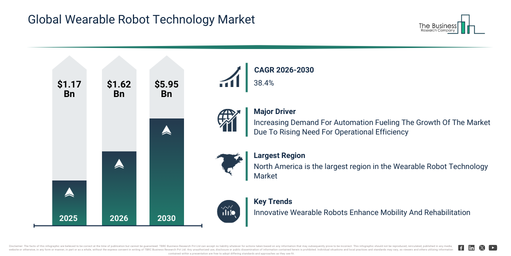
    The wearable robot technology market size has experienced significant expansion in recent years. It is anticipated to increase from $1.17 billion in 2025 to $1.62 billion in 2026, exhibiting a compound annual growth rate (CAGR) of 39.1%. The market’s past growth is primarily attributable to advancements in robotic actuator technologies, an increase in workplace injury prevention initiatives, expanding research in rehabilitation robotics, a growing demand for mobility assistance solutions, and early adoption in industrial environments.

    The wearable robot technology market size is poised for remarkable expansion in the coming years, with its value projected to climb to $5.95 billion in 2030, driven by a compound annual growth rate (CAGR) of 38.4%. This growth during the forecast period is primarily attributed to the proliferation of technologies supporting an aging population, increased investments in assistive robotics, expanded adoption within logistics and manufacturing sectors, a heightened demand for personalized rehabilitation systems, and ongoing enhancements in lightweight and flexible materials. Significant trends expected during this period encompass the escalating deployment of industrial exoskeletons, a greater uptake of rehabilitation wearable robots, the expanding integration of sensor-driven motion control, the spread of soft wearable assistive technologies, and a heightened emphasis on human-robot interaction.

    Access Your Free Sample Report for In-Depth Market Insights:

    https://www.thebusinessresearchcompany.com/sample.aspx?id=23579&type=smp

    What Drivers Are Shaping The Development Of The Wearable Robot Technology Market?

    The market for wearable robot technology is anticipated to grow due to the rising demand for automation. Automation involves deploying technology or machinery to execute tasks with little to no human involvement. This surge in automation demand stems from the imperative for greater operational efficiency, as companies strive to cut expenses, lessen mistakes, and enhance productivity. Wearable robot technology facilitates automation by enabling human-machine collaboration, making it particularly suitable for industries requiring extensive manual labor and for healthcare environments. It helps to lessen physical exertion by boosting movement and strength, which in turn elevates productivity and operational effectiveness. For instance, in September 2024, the International Federation of Robotics, a Germany-based non-profit organization, reported that about 4.2 million robotic units were operational in factories globally in 2023, which was a 10% increase from 3.9 units in 2022. Consequently, the growing demand for automation is fueling the expansion of the wearable robot technology market.

    Which Segments Are Contributing To The Growth Of The Wearable Robot Technology Market?

    The wearable robot technology market covered in this report is segmented –

    1) By Type: Rigid Type, Soft Type

    2) By Mode Of Operation: Passive, Active And Powered

    3) By Application: Rehabilitation, Assistive, Body Parts Support, Sports, Supply Chain Industry, Other Applications

    4) By End User: Healthcare, Consumer Electronics, Enterprise And Industrial Applications, Other End Users

    Subsegments:

    1) By Rigid Type: Exoskeletons With Metallic Frames, Powered Rigid Suits For Industrial Lifting, Military-Grade Wearable Robots, Medical Rehabilitation Robots, Full-Body Rigid Assistive Devices

    2) By Soft Type: Soft Robotic Exosuits, Pneumatic, Textile-Based Wearable Assistive Devices, Cable-Driven Flexible Actuators, Soft Wearable Robots For Elderly Mobility Support

    Which Competitive Trends Are Impacting The Structure Of The Wearable Robot Technology Market?

    Major companies in the wearable robot technology market are concentrating on creating innovative solutions, such as wearable assistive robotics, to boost user mobility and improve their quality of life. Wearable assistive robotics refers to robotic devices worn on the body that support or enhance physical movement, often aiding individuals with mobility impairments or physical limitations. For example, in July 2024, CosmoRobotics Co., Ltd., a South Korea-based technology company, introduced a line of innovative wearable robots. These products, including Bambini Teens, EA2Pro, EAM, GRANY, and EXA-W, are designed to enhance daily life by assisting with muscle strength and rehabilitation. Among their features, Bambini Teens is developed for children, and EA2Pro is a second-generation exoskeleton equipped with advanced motor sensors and an ergonomic design for rehabilitation.

    Who Are The Primary Competitors In The Global Wearable Robot Technology Market?

    Major companies operating in the wearable robot technology market are Toyota Corporation, Samsung Electronics Co Ltd., Hyundai Motor Company, Lockheed Martin Corporation, Honda Motor Co Ltd., Parker Hannifin Corporation, Myomo Inc, Sarcos Technology and Robotics Corporation, Zimmer Biomet Holdings Inc, Ottobock SE & Co KGaA, Comau LLC, Cyberdyne Inc., Hocoma AG, Ekso Bionics Holdings Inc, Laevo B V, Innophys Co Ltd, Marsi Bionics, Näder Holding GmbH & Co KG, Technaid S L, ReWalk Robotics Ltd, German Bionic

    Access The Complete Report For Deeper Market Insights:

    https://www.thebusinessresearchcompany.com/report/wearable-robot-technology-global-market-report

    Which Global Regions Are Shaping The Competitive Landscape Of The Wearable Robot Technology Market?

    North America was the largest region in the wearable robot technology market in 2025. Asia-Pacific is expected to be the fastest-growing region in the forecast period. The regions covered in the wearable robot technology market report are Asia-Pacific, South East Asia, Western Europe, Eastern Europe, North America, South America, Middle East, Africa.

    Request Your Customized Wearable Robot Technology Market Research Report for Competitive Advantage:

    https://www.thebusinessresearchcompany.com/customise?id=23579&type=smp

    Browse Through More Reports Similar to the Global Wearable Robot Technology Market 2026, By The Business Research Company

    Wearable Ai Devices Market Report 2026

    https://www.thebusinessresearchcompany.com/report/wearable-ai-devices-global-market-report

    Wearable Ai Market Report 2026

    https://www.thebusinessresearchcompany.com/report/wearable-ai-global-market-report

    Smart Wearables Market Report 2026

    https://www.thebusinessresearchcompany.com/report/smart-wearables-global-market-report

    Get in touch with us:

    The Business Research Company: https://www.thebusinessresearchcompany.com/

    Americas +1 310-496-7795

    Asia +44 7882 955267 & +91 8897263534

    Europe +44 7882 955267

    Email us at info@tbrc.info

    Follow us on:

    LinkedIn: https://in.linkedin.com/company/the-business-research-company

    YouTube: https://www.youtube.com/channel/UC24_fI0rV8cR5DxlCpgmyFQ

    Global Market Model: https://www.thebusinessresearchcompany.com/global-market-model
  • Global Gynecomastia Treatment Industry Trends and Market Forecast 2026–2030

    Global Gynecomastia Treatment Industry Trends and Market Forecast 2026–2030

    Uncover key drivers, emerging technologies, and competitive movements shaping the gynecomastia treatment market from 2026–2035 with trusted insights from The Business Research Company

    How is the Gynecomastia Treatment Market size predicted to change over the forecast window of 2026–2035?

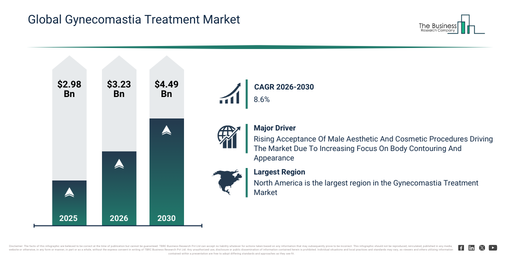
    The gynecomastia treatment market has demonstrated significant expansion in recent years. It is forecast to grow from $2.98 billion in 2025 to $3.23 billion in 2026, exhibiting a compound annual growth rate (CAGR) of 8.4%. The historical progress of this market can be attributed to several factors including an increase in gynecomastia diagnosis rates, a heightened awareness of male health conditions, the introduction of advanced surgical procedures, the expansion of aesthetic medicine offerings, and a rising patient acceptance of corrective treatments.

    The gynecomastia treatment market is projected to experience substantial expansion in the coming years. This market is set to reach $4.49 billion by 2030, exhibiting a compound annual growth rate (CAGR) of 8.6%. The anticipated growth during this period stems from several factors, including a heightened demand for tailored treatment plans, increased integration of advanced liposuction techniques, the proliferation of outpatient surgical centers, a greater emphasis on mental well-being, and augmented investments in male health services. Key developments shaping the market during the forecast period involve a rising uptake of minimally invasive surgical methods, an escalating need for hormone-based medical interventions, a growing inclination towards combined therapeutic strategies, the expansion of specialized aesthetic clinics, and an intensified focus on patient guidance and aftercare.

    Access Your Free Sample Report for In-Depth Market Insights:

    https://www.thebusinessresearchcompany.com/sample.aspx?id=33147&type=smp

    Which Drivers Are Contributing To The Expansion Of The Gynecomastia Treatment Market?

    The gynecomastia treatment market is anticipated to expand due to the growing embrace of male aesthetic and cosmetic procedures. These procedures encompass medical or surgical interventions designed to enhance men’s physical appearance, addressing aspects like body contour, facial features, skin quality, and hair. This rising acceptance stems from evolving societal views on male grooming and body image, influenced by media and increased awareness of available aesthetic treatments. Greater participation in male aesthetic and cosmetic procedures has prompted men to seek gynecomastia treatment for a more masculine and defined chest. For example, in June 2024, the American Society of Plastic Surgeons (ASPS), a US-based professional organization, reported that men constituted a 6 % share of all cosmetic procedures performed in 2023, with male body-focused procedures increasing by 18 % and face and neck procedures by 15 % compared to the preceding year. Consequently, the increasing acceptance of male aesthetic and cosmetic procedures is a key driver for the growth of the gynecomastia treatment market. The gynecomastia treatment market is also projected to grow propelled by increasing healthcare expenditure. Healthcare expenditure refers to the aggregate financial resources allocated to medical services, preventative care, medicines, infrastructure, and related health initiatives aimed at maintaining or enhancing public health. This rise in spending is attributed to the growing incidence of chronic and infectious diseases, which fuels a consistent demand for ongoing treatment, advanced therapies, and continuous medical attention. Enhanced healthcare spending improves the affordability and accessibility of elective procedures, enabling more men to pursue gynecomastia treatment to improve their chest appearance. For instance, in April 2025, the Office for National Statistics, a UK-based government organization, reported that total healthcare spending rose by 6.5% from 2023 to 2024, representing an acceleration compared to the 6.3% growth recorded in 2023. Thus, escalating healthcare expenditure is a significant factor driving the expansion of the gynecomastia treatment market.

    What Segment Classifications Make Up The Gynecomastia Treatment Market?

    The gynecomastia treatment market covered in this report is segmented –

    1) By Treatment Type: Medications; Surgical Treatments; Alternative Therapies

    2) By Age Group: Adolescents; Adults; Middle Aged And Older

    3) By Distribution Channel: Direct Sales; Distributor Sales; Online Sales

    4) By End User: Hospitals; Aesthetic Clinics; Ambulatory Surgical Centers; Endocrinology Clinics

    Subsegments:

    1) By Medications: Hormone Regulating Drug Therapies; Estrogen Blocking Drug Therapies; Testosterone Modulating Drug Therapies

    2) By Surgical Treatments: Liposuction Based Breast Reduction Procedures; Glandular Tissue Excision Procedures; Combined Liposuction And Excision Procedures

    3) By Alternative Therapies: Lifestyle And Weight Management Programs; Dietary And Nutritional Support Therapies; Herbal And Natural Supplement Therapies

    Which Key Market Players Are Investing In Expansion And Innovation Within The Gynecomastia Treatment Market?

    Major companies operating in the gynecomastia treatment market are Spire Healthcare Group Plc, Max Healthcare Institute, InMode Ltd., Cynosure Inc., Pristyn Care Private Limited, Sterling Hospital, Paras Hospital, Prettislim Clinic, Allure Medspa, Lux Hospitals, Florida Plastic Surgery Group, Dermawear, DermaVue, AK Clinics Pvt. Ltd., BioZen, Medifyhome, PinkApple Aesthetics, The Aesthetica, Austin Gynecomastia Center, and Carely Clinic.

    Access The Complete Report For Deeper Market Insights:

    https://www.thebusinessresearchcompany.com/report/gynecomastia-treatment-market-report

    Which Regions Are Poised For Strategic Growth In The Gynecomastia Treatment Market?

    North America was the largest region in the gynecomastia treatment market in 2025. Asia-Pacific is expected to be the fastest-growing region in the forecast period. The regions covered in the gynecomastia treatment market report are Asia-Pacific, South East Asia, Western Europe, Eastern Europe, North America, South America, Middle East, Africa.

    Request Your Customized Gynecomastia Treatment Market Research Report for Competitive Advantage:

    https://www.thebusinessresearchcompany.com/customise?id=33147&type=smp

    Browse Through More Reports Similar to the Global Gynecomastia Treatment Market 2026, By The Business Research Company

    Gynecology Drugs Market Report 2026

    https://www.thebusinessresearchcompany.com/report/gynecology-drugs-global-market-report

    Gynecological Cancer Drugs Market Report 2026

    https://www.thebusinessresearchcompany.com/report/gynecological-cancer-drugs-global-market-report

    Gynecological Devices Market Report 2026

    https://www.thebusinessresearchcompany.com/report/gynecological-devices-global-market-report

    Get in touch with us:

    The Business Research Company: https://www.thebusinessresearchcompany.com/

    Americas +1 310-496-7795

    Asia +44 7882 955267 & +91 8897263534

    Europe +44 7882 955267

    Email us at info@tbrc.info

    Follow us on:

    LinkedIn: https://in.linkedin.com/company/the-business-research-company

    YouTube: https://www.youtube.com/channel/UC24_fI0rV8cR5DxlCpgmyFQ

    Global Market Model: https://www.thebusinessresearchcompany.com/global-market-model
  • Wearable Fitness Trackers Market 2026–2030: Forecast, Innovation, and Competitive Trends

    Wearable Fitness Trackers Market 2026–2030: Forecast, Innovation, and Competitive Trends

    Uncover key drivers, emerging technologies, and competitive movements shaping the wearable fitness trackers market from 2026–2035 with trusted insights from The Business Research Company

    What level of growth is expected in the Wearable Fitness Trackers Market between 2026 and 2030?

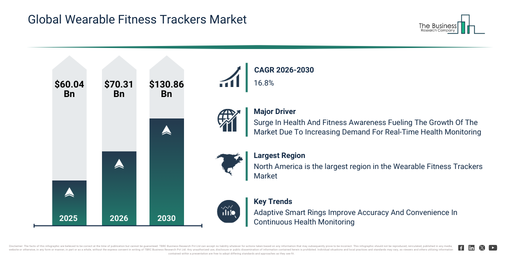
    The wearable fitness trackers market size has shown rapid expansion in recent years. It is expected to escalate from $60.04 billion in 2025 to $70.31 billion in 2026, demonstrating a compound annual growth rate (CAGR) of 17.1%. Historically, this market’s growth can be linked to heightened consumer awareness of personal health, the increasing use of smartphones and connected devices, the broader application of preventive healthcare practices, the rising popularity of fitness-focused lifestyles, and the presence of affordable wearable electronics.

    The wearable fitness trackers market size is projected to experience rapid expansion over the next few years. It is anticipated to grow to $130.86 billion in 2030, demonstrating a compound annual growth rate (CAGR) of 16.8%. This growth during the forecast period is attributable to the increasing demand for continuous health monitoring solutions, greater integration with telehealth platforms, the broadening of personalized fitness and wellness programs, rising adoption among aging populations, and improvements in sensor accuracy and battery efficiency. Significant trends for the forecast period involve the increasing adoption of advanced health monitoring sensors, rising integration of multi-metric wellness tracking, growing demand for app-based fitness ecosystems, the expansion of smart clothing and wearable accessories, and an enhanced focus on personalized fitness insights.

    Access Your Free Sample Report for In-Depth Market Insights:

    https://www.thebusinessresearchcompany.com/sample.aspx?id=24427&type=smp

    Which Drivers Are Expected To Impact The Wearable Fitness Trackers Market During The Forecast Period?

    The wearable fitness trackers market is anticipated to experience growth driven by increasing health and fitness consciousness. Health and fitness refer to the comprehensive well-being of both body and mind, achieved through consistent physical activity, proper nutrition, and a balanced way of life. This awareness is escalating due to a rise in lifestyle-related diseases, which encourages individuals to adopt healthier practices to avert conditions like obesity, diabetes, and heart disease. The rising recognition of health and fitness fuels the demand for wearable fitness trackers, as people seek straightforward methods to monitor their activity, heart rate, and overall well-being in real time. For instance, a nationwide survey conducted in April 2023 by the International Food Information Council (IFIC), a US-based non-profit organization, based on responses from 1,022 individuals aged 18 to 80, revealed that 52% of Americans were adhering to a specific diet or eating pattern. Younger generations notably led this trend, with 66% of Gen Z and 63% of Millennials reporting diet adherence, compared to 50% of Gen X and 41% of Boomers. Significantly, Baby Boomers demonstrated a substantial increase in diet adherence, rising from 29% in 2022 to 41% in 2023. This data underscores a growing national interest in health-conscious and intentional eating behaviors across all age groups. Consequently, the expanding awareness towards health and fitness is propelling the growth of the wearable fitness trackers market.

    How Is The Wearable Fitness Trackers Market Divided Into Segments?

    The wearable fitness trackers market covered in this report is segmented –

    1) By Product Type: Smartwatches, Activity Monitors, Smart Clothing

    2) By Connectivity: Bluetooth, Wireless Fidelity (Wi-Fi), Cellular, Near Field Communication (NFC), Other Connectivities

    3) By Operating System: Android, iOS, Windows, Tizen

    4) By Distribution Channel: Online, Offline

    5) By Application: Heart Rate Tracking, Sleep Measurement Tracking, Sport, Running, Cycling Tracking, Glucose Measurement Tracking

    Subsegments:

    1) By Smartwatches: GPS Smartwatches, Heart Rate Monitoring Smartwatches, Blood Oxygen (Spo2) Monitoring Smartwatches, Sleep Tracking Smartwatches, Multi-Sport Smartwatches

    2) By Activity Monitors: Clip-On Trackers, Wristband Trackers, Ankle Or Waist-Worn Trackers, Pedometers, Continuous Glucose Monitors (CGMs)

    3) By Smart Clothing: Smart Shirts, Smart Shoes, Smart Socks, Smart Sports Bras, Smart Tights Or Pants

    What Industry Trends Are Transforming The Wearable Fitness Trackers Market?

    Leading firms within the wearable fitness trackers market are concentrating on creating innovative solutions, such as smart rings equipped with adaptive sensing technology. These efforts aim to enhance continuous health monitoring, boost measurement accuracy, and offer a discreet, user-friendly substitute for conventional wrist-worn gadgets. Smart rings themselves are compact wearables worn on the finger, integrating advanced sensors to monitor metrics like heart rate, blood oxygen (SpO2), sleep patterns, activity levels, and body temperature. Their subtle form factor and optimized power consumption contribute to longer battery life. An example is the Oura Ring 4, launched in October 2024 by Oura, a Finland-based wellness technology company. This device incorporates “Smart Sensing” technology, an algorithm that adjusts to the wearer’s finger shape for more precise readings. The Oura Ring 4 features 18 signal pathways (an increase from 8 in prior models), recessed sensors for comfort, a titanium build, 100 m water resistance, and offers up to 8 days of battery life. Engineered to provide accurate and reliable health insights alongside a minimalist and stylish design, the Oura Ring 4 truly represents the next generation of wearable fitness technology.

    Which Key Market Players Are Investing In Expansion And Innovation Within The Wearable Fitness Trackers Market?

    Major companies operating in the wearable fitness trackers market are Apple Inc., Samsung Electronics Co. Ltd., Huawei Technologies Co. Ltd., NIKE Inc., Xiaomi Inc., Garmin Ltd., Fossil Group Inc., Fitbit Inc., Polar Electro Oy, MAD Apparel Inc., GOQii, Honor, Moov Inc., Boltt, Sensoria Inc., Ambiotex GmbH, Activinsights Ltd., Atlas Wearables Inc.

    Access The Complete Report For Deeper Market Insights:

    https://www.thebusinessresearchcompany.com/report/wearable-fitness-trackers-global-market-report

    Which Regions Are Poised For Strategic Growth In The Wearable Fitness Trackers Market?

    North America was the largest region in the wearable fitness trackers market in 2025. Asia-Pacific is expected to be the fastest-growing region in the forecast period. The regions covered in the wearable fitness trackers market report are Asia-Pacific, South East Asia, Western Europe, Eastern Europe, North America, South America, Middle East, Africa.

    Request Your Customized Wearable Fitness Trackers Market Research Report for Competitive Advantage:

    https://www.thebusinessresearchcompany.com/customise?id=24427&type=smp

    Browse Through More Reports Similar to the Global Wearable Fitness Trackers Market 2026, By The Business Research Company

    Gps Tracking Device Market Report 2026

    https://www.thebusinessresearchcompany.com/report/gps-tracking-device-global-market-report

    Smart Wearables Market Report 2026

    https://www.thebusinessresearchcompany.com/report/smart-wearables-global-market-report

    Wearable Heart Monitoring Devices Market Report 2026

    https://www.thebusinessresearchcompany.com/report/wearable-heart-monitoring-devices-global-market-report

    Get in touch with us:

    The Business Research Company: https://www.thebusinessresearchcompany.com/

    Americas +1 310-496-7795

    Asia +44 7882 955267 & +91 8897263534

    Europe +44 7882 955267

    Email us at info@tbrc.info

    Follow us on:

    LinkedIn: https://in.linkedin.com/company/the-business-research-company

    YouTube: https://www.youtube.com/channel/UC24_fI0rV8cR5DxlCpgmyFQ

    Global Market Model: https://www.thebusinessresearchcompany.com/global-market-model
  • Water Flosser Market Forecast 2026–2035: Data Trends and Industry Insights

    Water Flosser Market Forecast 2026–2035: Data Trends and Industry Insights

    Uncover key drivers, emerging technologies, and competitive movements shaping the water flosser market from 2026–2035 with trusted insights from The Business Research Company

    How much is the Water Flosser Market valued at in 2026, and what valuation is forecast for 2030?

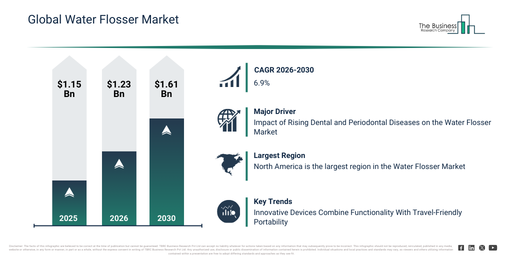
    The water flosser market has experienced robust expansion over recent years. Projections indicate its expansion from $1.15 billion in 2025 to $1.23 billion by 2026, demonstrating a compound annual growth rate (CAGR) of 6.9%. This historical growth is attributable to factors such as heightened awareness regarding oral hygiene, the broadening of retail channels for dental care products, the uptake of electric oral care tools, an increase in orthodontic treatments, and better consumer access to dental technologies.

    The water flosser market is anticipated to experience substantial expansion over the upcoming years. Its valuation is projected to reach $1.61 billion by 2030, demonstrating a compound annual growth rate (CAGR) of 6.9%. This anticipated growth during the forecast period is driven by factors such as an increasing demand for intelligent oral care devices, the growing incorporation of digital health monitoring capabilities, the expansion of dental product sales through e-commerce platforms, a heightened emphasis on preventive dental care, and innovations in compact device design. Key trends expected during this period involve the wider acceptance of cordless and portable water flossers, an escalating demand for sophisticated oral hygiene tools, a burgeoning preference for at-home dental care solutions, the proliferation of multi-functional dental cleaning items, and an intensified focus on enhancing gum health.

    Access Your Free Sample Report for In-Depth Market Insights:

    https://www.thebusinessresearchcompany.com/sample.aspx?id=18499&type=smp

    What Drivers Are Influencing The Growth Of The Water Flosser Market?

    The anticipated rise in the prevalence of dental and periodontal diseases is set to propel the growth of the water flosser market going forward. These conditions are defined as ailments affecting the teeth, gums, and supporting structures of the mouth. The increased occurrence of dental and periodontal diseases is attributable to factors like poor oral hygiene, high consumption of sugary and acidic foods and beverages, and limited access to regular dental check-ups and professional cleanings. Water flossers prove beneficial in managing these diseases by utilizing a pulsating stream of water to dislodge plaque, food particles, and bacteria from between teeth and along the gum line, which in turn reduces inflammation and helps prevent gum disease. For instance, in September 2023, according to the National Board of Health and Welfare, a Sweden-based government agency, approximately 3.94 million individuals aged 24 and older sought dental care in 2023, indicating a slight increase from 2022. Therefore, the expanding prevalence of dental and periodontal diseases is a key driver for the water flosser market.

    What Segments Are Included Within The Water Flosser Market?

    The water flosser market covered in this report is segmented –

    1) By Product Type: Cordless Or Battery-Operated Flosser, Countertop Flosser, Shower Flosser, Faucet Flosser, Other Products

    2) By Application: Drug Stores And Pharmacies, Specialty Stores, Hypermarkets Or Supermarkets, Convenience Stores, Online Retailers

    3) By End Use: Commercial, Residential, Other End-Uses

    Subsegments:

    1) By Cordless Or Battery-Operated Flosser: Rechargeable Battery, Replaceable Battery

    2) By Countertop Flosser: Large Capacity Reservoir, Adjustable Pressure Settings

    3) By Shower Flosser: Wall-Mounted, Handheld

    4) By Faucet Flosser: Faucet Adapter Included, Nozzle Control

    5) By Other Products: Travel Flosser, Combination Flosser And Toothbrush

    What Trends Are Reshaping The Dynamics Of The Water Flosser Market?

    Leading companies in the water flosser market are concentrating on creating innovative solutions, such as collapsible cordless water flossers, to improve portability, convenience, and ease of use, particularly for travelers and users with limited bathroom space. Collapsible cordless water flossers are battery-powered oral irrigators designed to compress to a smaller footprint when not in operation, ensuring effective water pressure while offering a travel-friendly design, in contrast to traditional countertop models that demand constant power. For instance, in May 2023, Waterpik, a US-based oral care company, introduced the Cordless Slide, a compact water flosser that slides to half its original size for simple storage or transport. This device incorporates three precision flossing tips, three pressure settings, a waterproof build suitable for shower use, and a rechargeable lithium-ion battery providing up to four weeks of use per charge. Intended to deliver effective oral hygiene in a portable and user-friendly format, the Cordless Slide illustrates how innovation in both design and functionality can cater to evolving consumer demands.

    Who Are The Core Companies Influencing Trends In The Water Flosser Market?

    Major companies operating in the water flosser market are Procter & Gamble, Panasonic Holdings Corporation, Xiaomi Corporation, Koninklijke Philips N.V, Church & Dwight Co. Inc., Conair LLC, Water Pik Inc., Fairywill, BURST.USA.Inc., Gurin Products LLC, h2ofloss limited, Homgeek Inc., Jetpik, Mornwell, Nicefeel, Oratec Corporation, Ovonni, Oracura Inc., Waterpulse, AquaSonic Ltd., Perfora

    Access The Complete Report For Deeper Market Insights:

    https://www.thebusinessresearchcompany.com/report/water-flosser-global-market-report

    Which Regions Are Projected To Dominate The Water Flosser Market In The Coming Years?

    North America was the largest region in the water flosser market in 2025. Asia-Pacific is expected to be the fastest-growing region in the forecast period. The regions covered in the water flosser market report are Asia-Pacific, South East Asia, Western Europe, Eastern Europe, North America, South America, Middle East, Africa.

    Request Your Customized Water Flosser Market Research Report for Competitive Advantage:

    https://www.thebusinessresearchcompany.com/customise?id=18499&type=smp

    Browse Through More Reports Similar to the Global Water Flosser Market 2026, By The Business Research Company

    Mouthwash Market Report 2026

    https://www.thebusinessresearchcompany.com/report/mouthwash-global-market-report

    Faucet Market Report 2026

    https://www.thebusinessresearchcompany.com/report/faucet-global-market-report

    Aquafeed Market Report 2026

    https://www.thebusinessresearchcompany.com/report/aquafeed-global-market-report

    Get in touch with us:

    The Business Research Company: https://www.thebusinessresearchcompany.com/

    Americas +1 310-496-7795

    Asia +44 7882 955267 & +91 8897263534

    Europe +44 7882 955267

    Email us at info@tbrc.info

    Follow us on:

    LinkedIn: https://in.linkedin.com/company/the-business-research-company

    YouTube: https://www.youtube.com/channel/UC24_fI0rV8cR5DxlCpgmyFQ

    Global Market Model: https://www.thebusinessresearchcompany.com/global-market-model
  • Giant Papillary Conjunctivitis Global Forecast: Market to Scale Up to $1.06 Billion by 2030 at 8% CAGR

    Giant Papillary Conjunctivitis Global Forecast: Market to Scale Up to $1.06 Billion by 2030 at 8% CAGR

    Uncover key drivers, emerging technologies, and competitive movements shaping the giant papillary conjunctivitis market from 2026–2035 with trusted insights from The Business Research Company

    By how much is the Giant Papillary Conjunctivitis Market expected to grow between 2026 and 2030?

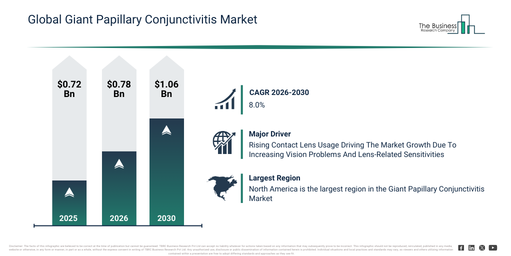
    The giant papillary conjunctivitis market has demonstrated robust expansion in recent years. It is forecast to increase from $0.72 billion in 2025 to $0.78 billion in 2026, registering a compound annual growth rate (CAGR) of 7.8%. The historical growth can be attributed to a growing prevalence of contact lens usage, an uptick in ocular allergies, improved diagnostic awareness among healthcare professionals, the availability of topical antihistamine remedies, and the expansion of outpatient ophthalmology services.

    The giant papillary conjunctivitis market size is predicted to show significant growth over the next few years. It is forecast to grow to $1.06 billion in 2030, achieving a compound annual growth rate (CAGR) of 8.0%. This anticipated growth during the forecast period is driven by factors such as the increasing development of targeted anti-inflammatory therapies, a rising demand for non-steroidal treatment options, the expansion of tele-ophthalmology services, a growing emphasis on early diagnosis, and increasing investment in ophthalmic drug development. Noteworthy trends for the forecast period include the increasing use of combination ocular therapies, the rising adoption of preservative-free eye drops, a growing focus on long-term disease management, the expansion of allergy-related ophthalmic treatments, and an enhanced emphasis on patient-centric care.

    Access Your Free Sample Report for In-Depth Market Insights:

    https://www.thebusinessresearchcompany.com/sample.aspx?id=33123&type=smp

    Which Drivers Are Influencing Market Acceleration In The Giant Papillary Conjunctivitis Market?

    The expanding adoption of contact lenses is projected to boost the allergic papillary conjunctivitis market’s expansion in the future. These are slender, curved optical instruments positioned directly on the eye’s surface (cornea) for vision correction, eye protection, or cosmetic improvement. Their usage is growing due to a surge in vision issues like myopia, largely influenced by extended screen time and digital device usage. Allergic papillary conjunctivitis (APC) assists contact lens users by pinpointing sensitivity concerns, enabling them to select suitable lenses or therapies to lessen irritation and enhance comfort. For example, data from January 2025, provided by the Contact Lens Spectrum (a US-based professional resource for eye care practitioners specializing in contact lenses), indicates that practitioners estimate 59% of patients obtain contact lenses directly from their practices (an increase from 56% in 2023), whereas 23% acquire them through online channels, consistent with 2023 figures. Consequently, the rising consumption of contact lenses is fueling the expansion of the allergic papillary conjunctivitis market.

    What Segments Are Identified Within The Structure Of The Giant Papillary Conjunctivitis Market?

    The giant papillary conjunctivitis market covered in this report is segmented –

    1) By Drug Class: Antihistamines; Mast Cell Stabilizers; Corticosteroids

    2) By Treatment: Medications; Surgical Interventions

    3) By Route of Administration: Topical Eye Drops; Ophthalmic Inserts; Systemic Therapy

    4) By Distribution Channel: Hospital Pharmacies; Retail Pharmacies; Online Pharmacies

    Subsegments:

    1) By Antihistamines: Topical Antihistamine Drops; Dual Action Antihistamine Agents; Oral Antihistamine Medications

    2) By Mast Cell Stabilizers: Sodium Cromoglycate Preparations; Lodoxamide Based Formulations; Nedocromil Based Treatments

    3) By Corticosteroids: Topical Steroid Eye Drops; Low Potency Corticosteroids; Short Term Corticosteroid Therapy

    Which Key Players Are Driving Competition In The Giant Papillary Conjunctivitis Market?

    Major companies operating in the giant papillary conjunctivitis market are Johnson & Johnson Vision Care Inc., AbbVie Inc., Novartis AG, Teva Pharmaceutical Industries Ltd., Bausch Health Companies Inc., Alcon Inc., Cleveland Clinic, Sun Pharmaceutical Industries Ltd., CooperVision Inc., Cipla Limited, Lupin Limited, Santen Pharmaceutical Co. Ltd., Mankind Pharma Pvt. Ltd., Eton Pharmaceuticals Inc., Micro Labs Limited, Specsavers Optical Group Ltd., Harrow Health Inc., Ocular Therapeutix Inc., Eyevance Pharmaceuticals LLC, Iskon Remedies Pvt. Ltd., The Eye Practice Ltd.

    Access The Complete Report For Deeper Market Insights:

    https://www.thebusinessresearchcompany.com/report/giant-papillary-conjunctivitis-market-report

    Which Region Is Projected To Lead The Giant Papillary Conjunctivitis Market During The Forecast Period?

    North America was the largest region in the giant papillary conjunctivitis market in 2025. Asia-Pacific is expected to be the fastest-growing region in the forecast period. The regions covered in the giant papillary conjunctivitis market report are Asia-Pacific, South East Asia, Western Europe, Eastern Europe, North America, South America, Middle East, Africa.

    Request Your Customized Giant Papillary Conjunctivitis Market Research Report for Competitive Advantage:

    https://www.thebusinessresearchcompany.com/customise?id=33123&type=smp

    Browse Through More Reports Similar to the Global Giant Papillary Conjunctivitis Market 2026, By The Business Research Company

    Conjunctivitis Treatment Market Report 2026

    https://www.thebusinessresearchcompany.com/report/conjunctivitis-treatment-global-market-report

    Bacterial Conjunctivitis Market Report 2026

    https://www.thebusinessresearchcompany.com/report/bacterial-conjunctivitis-global-market-report

    Allergy Conjunctivitis Market Report 2026

    https://www.thebusinessresearchcompany.com/report/allergy-conjunctivitis-global-market-report

    Get in touch with us:

    The Business Research Company: https://www.thebusinessresearchcompany.com/

    Americas +1 310-496-7795

    Asia +44 7882 955267 & +91 8897263534

    Europe +44 7882 955267

    Email us at info@tbrc.info

    Follow us on:

    LinkedIn: https://in.linkedin.com/company/the-business-research-company

    YouTube: https://www.youtube.com/channel/UC24_fI0rV8cR5DxlCpgmyFQ

    Global Market Model: https://www.thebusinessresearchcompany.com/global-market-model
  • Vulvovaginal Candidiasis Treatment Market Outlook 2026–2030: Key Business Drivers and Trends

    Vulvovaginal Candidiasis Treatment Market Outlook 2026–2030: Key Business Drivers and Trends

    Uncover key drivers, emerging technologies, and competitive movements shaping the vulvovaginal candidiasis treatment market from 2026–2035 with trusted insights from The Business Research Company

    By how much is the Vulvovaginal Candidiasis Treatment Market expected to grow between 2026 and 2030?

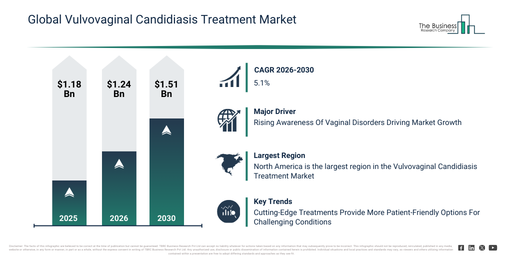
    The vulvovaginal candidiasis treatment market has experienced significant growth in recent years. It is forecast to increase from $1.18 billion in 2025 to $1.24 billion in 2026, achieving a compound annual growth rate (CAGR) of 5.1%. The historical expansion of this market can be attributed to factors such as the availability of azole antifungal medications, the broader reach of retail pharmacy access, an increase in the diagnosis of fungal infections, improved formulations for topical treatments, and the widespread implementation of clinical treatment guidelines.

    The vulvovaginal candidiasis treatment market size is projected to experience robust expansion over the coming years. This market is anticipated to reach a valuation of $1.51 billion by 2030, exhibiting a compound annual growth rate (CAGR) of 5.1%. The anticipated growth during this period stems from factors such as increasing demand for innovative antifungal agents, a heightened emphasis on managing resistance, the broadening of personalized treatment methodologies, greater utilization of telehealth consultations, and innovations in drug delivery technologies. Key trends expected throughout the forecast horizon encompass the increasing embrace of targeted antifungal treatments, a surge in the application of combination therapy regimens, an intensifying focus on strategies to prevent recurrence, the proliferation of over-the-counter treatment alternatives, and improved patient awareness and educational initiatives.

    Access Your Free Sample Report for In-Depth Market Insights:

    https://www.thebusinessresearchcompany.com/sample.aspx?id=21319&type=smp

    Which Drivers Are Influencing Market Acceleration In The Vulvovaginal Candidiasis Treatment Market?

    Increased understanding of vaginal disorders is projected to boost the expansion of the vulvovaginal candidiasis treatment market in the future. These disorders encompass various conditions impacting the vagina, such as infections, inflammation, irritation, or unusual discharge. The heightened awareness of vaginal disorders stems from greater education, better healthcare accessibility, and an increased emphasis on women’s health and wellness. Treatment for vulvovaginal candidiasis assists patients with vaginal disorders by easing symptoms like itching, irritation, and abnormal discharge, re-establishing the natural vaginal microbiome, hindering recurring infections, and enhancing overall vaginal health and comfort. As an illustration, data from September 2025, provided by the Centers for Disease Control and Prevention, a US-based government agency, indicated approximately 209,253 syphilis cases were recorded in 2023, showing a 1% rise from 207,269 cases in 2022. Consequently, the increasing knowledge regarding vaginal disorders is fueling the expansion of the vulvovaginal candidiasis treatment market.

    What Leading Segments Are Studied In The Vulvovaginal Candidiasis Treatment Market?

    The vulvovaginal candidiasis treatment market covered in this report is segmented –

    1) By Drug Class: Clotrimazole, Nystatin, Fluconazole, Ketoconazole, Terbinafine, Terconazole, Other Drug Classes

    2) By Route Of Administration: Oral, Intravenous, Topical

    3) By Distribution Channel: Hospital Pharmacy , Retail Pharmacy, Online Pharmacy

    Subsegments:

    1) By Clotrimazole: Over-the-Counter (OTC) Medications, Prescription Medications

    2) By Nystatin: Monotherapy, Combination Therapy

    3) By Fluconazole: Single-Dose Therapy, Multi-Dose Therapy

    4) By Ketoconazole: Short-Term Treatment, Long-Term Treatment

    5) By Terbinafine: Systemic Treatment, Topical Treatment

    6) By Terconazole: Low-Dose Therapy, High-Dose Therapy

    7) By Other Drug Classes: Azole Antifungals, Polyene Antifungals, Novel Therapeutics

    How Are New Market Trends Shaping The Landscape Of The Vulvovaginal Candidiasis Treatment Market?

    Leading companies within the vulvovaginal candidiasis (VVC) treatment market are prioritizing the development of innovative solutions, such as selective oral azole antifungals, to enhance therapeutic efficacy, minimize recurrence, and improve patient tolerability. Selective oral azoles are antifungal medications designed to specifically inhibit fungal enzymes like CYP51, which helps to reduce off-target effects and adverse reactions when compared to traditional broad-spectrum azoles. For instance, in February 2024, Mycovia Pharmaceuticals, Inc., a US-based biopharmaceutical company, in partnership with Jiangsu Hengrui Pharmaceuticals Co., Ltd., launched VIVJOA (oteseconazole) capsules in China for the treatment of severe vulvovaginal candidiasis. VIVJOA is delivered as a two-day oral regimen, achieving superior cure rates compared with fluconazole while offering a shorter, more targeted course of therapy. This product represents a significant advancement in VVC management by providing an effective, patient-friendly treatment option for cases that are difficult to treat.

    Which Major Industry Participants Are Leading The Vulvovaginal Candidiasis Treatment Market Growth?

    Major companies operating in the vulvovaginal candidiasis treatment market are Pfizer Inc., Bayer Inc., Teva Pharmaceutical Industries Ltd., Dr. Reddy’s Laboratories Limited, Cipla Limited, Zydus Lifesciences, Novartis Pharmaceuticals Inc., Glenmark Pharmaceuticals Ltd., Taro Pharmaceuticals Industries Ltd., Accord Healthcare Ltd., Incepta Pharmaceuticals Ltd., Cadila Pharmaceuticals, Astellas Pharma Inc., Mycovia Pharmaceuticals Inc., Basilea Pharmaceutica Ltd., Scynexis Inc., Grupo Ferrer Internacional SA, Sanofi SA, Bristol-Myers Squibb Company, Perrigo Company plc, Lupin Limited, Sun Pharmaceutical Industries Ltd.

    Access The Complete Report For Deeper Market Insights:

    https://www.thebusinessresearchcompany.com/report/vulvovaginal-candidiasis-treatment-global-market-report

    Which Region Is Expected To Experience The Fastest Growth In The Vulvovaginal Candidiasis Treatment Market?

    North America was the largest region in the vulvovaginal candidiasis treatment market in 2025. The regions covered in the vulvovaginal candidiasis treatment market report are Asia-Pacific, South East Asia, Western Europe, Eastern Europe, North America, South America, Middle East, Africa.

    Request Your Customized Vulvovaginal Candidiasis Treatment Market Research Report for Competitive Advantage:

    https://www.thebusinessresearchcompany.com/customise?id=21319&type=smp

    Browse Through More Reports Similar to the Global Vulvovaginal Candidiasis Treatment Market 2026, By The Business Research Company

    Vaginitis Therapeutics Market Report 2026

    https://www.thebusinessresearchcompany.com/report/vaginitis-therapeutics-global-market-report

    Candidiasis Therapeutics Market Report 2026

    https://www.thebusinessresearchcompany.com/report/candidiasis-therapeutics-global-market-report

    Vulvodynia Treatment Market Report 2026

    https://www.thebusinessresearchcompany.com/report/vulvodynia-treatment-global-market-report

    Get in touch with us:

    The Business Research Company: https://www.thebusinessresearchcompany.com/

    Americas +1 310-496-7795

    Asia +44 7882 955267 & +91 8897263534

    Europe +44 7882 955267

    Email us at info@tbrc.info

    Follow us on:

    LinkedIn: https://in.linkedin.com/company/the-business-research-company

    YouTube: https://www.youtube.com/channel/UC24_fI0rV8cR5DxlCpgmyFQ

    Global Market Model: https://www.thebusinessresearchcompany.com/global-market-model
  • Global Vulvodynia Treatment Market Report 2026: Emerging Trends and Growth Scenarios

    Global Vulvodynia Treatment Market Report 2026: Emerging Trends and Growth Scenarios

    Uncover key drivers, emerging technologies, and competitive movements shaping the vulvodynia treatment market from 2026–2035 with trusted insights from The Business Research Company

    What is the estimated market size of the Vulvodynia Treatment Market by the end of 2030?

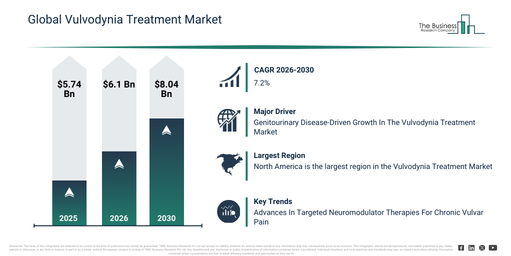
    The vulvodynia treatment market has demonstrated strong growth over recent years. It is forecast to increase from $5.74 billion in 2025 to $6.1 billion in 2026, advancing at a compound annual growth rate (CAGR) of 6.1%. This historical expansion can be attributed to several factors, including enhanced clinical recognition of vulvodynia, the availability of neuropathic pain medications, the broadening of gynecological care services, heightened patient advocacy efforts, and the development of specialized pain management protocols.

    The vulvodynia treatment market is projected to experience substantial expansion in the coming years, with its size expected to reach $8.04 billion by 2030, reflecting a compound annual growth rate (CAGR) of 7.2%. This anticipated growth during the forecast period is primarily driven by factors such as increasing investments in women’s health research, a rising demand for personalized pain therapies, the expansion of multidisciplinary treatment clinics, greater adoption of non-opioid pain solutions, and advancements in targeted drug formulations. Furthermore, major trends anticipated over the same period include a wider embrace of multimodal pain management approaches, an uptick in the utilization of topical and localized therapies, a heightened focus on patient-centered treatment plans, an increase in non-surgical intervention options, and enhanced awareness of chronic vulvar pain conditions.

    Access Your Free Sample Report for In-Depth Market Insights:

    https://www.thebusinessresearchcompany.com/sample.aspx?id=13218&type=smp

    What Drivers Are Shaping Future Opportunities In The Vulvodynia Treatment Market?

    The increasing prevalence of genitourinary conditions is projected to boost the expansion of the vulvodynia treatment market. These conditions, also known as urogenital diseases, involve medical issues impacting both the reproductive and urinary systems, potentially triggered by factors like diabetes or elevated blood pressure. Due to their close anatomical and functional links, these systems are commonly considered together. The main application of vulvodynia treatment is in addressing diverse genitourinary ailments in women, which aids in alleviating discomfort and manifestations, thereby enhancing a patient’s overall well-being. As an illustration, in July 2025, data from the UK Health Security Agency, a UK-based governmental body, indicated that from 6 April 2023 to 5 April 2024, there were 189,756 hospital admissions attributed to UTIs, leading to an aggregate of 1.2 million bed days. On average, each infection was responsible for 6 bed days, though it was observed that one-third of patients had hospital stays shorter than a single day. Consequently, the escalation of genitourinary diseases is fueling the expansion of the vulvodynia treatment market.

    Which Segment Groups Are Influencing The Vulvodynia Treatment Market?

    The vulvodynia treatment market covered in this report is segmented –

    1) By Drug Type: Anticonvulsants, Tricyclic Antidepressants, Local Anesthetics, Antimicrobials, Hormone Creams, Nerve Blocks, Other Drug Types

    2) By Route Of Administration: Oral, Topical, Other Routes Of Administration

    3) By Distribution Channel: Hospital Pharmacy, Online Pharmacy, Retail Pharmacy

    Subsegments:

    1) By Anticonvulsants: Gabapentin, Pregabalin

    2) By Tricyclic Antidepressants: Amitriptyline, Nortriptyline

    3) By Local Anesthetics: Lidocaine Cream, Benzocaine

    4) By Antimicrobials: Antibiotic Creams, Antifungal Medications

    5) By Hormone Creams: Estrogen Creams, Testosterone Creams

    6) By Nerve Blocks: Pelvic Nerve Blocks, Pudendal Nerve Blocks

    7) By Other Drug Types: Topical Capsaicin, Corticosteroids

    Which Trends Are Expected To Influence The Vulvodynia Treatment Market In The Upcoming Years?

    Leading companies within the vulvodynia treatment market are concentrating on developing advanced products, such as new neuromodulators, to offer precise pain relief and elevate patients’ quality of life. These novel neuromodulators are medications engineered to modify nerve signaling by regulating neurotransmitters in the nervous system, which helps diminish chronic vulvar pain, enhance sexual function, and provides a more specific, mechanism-based approach compared to conventional therapies like topical anesthetics or common painkillers. For example, in November 2025, Initiator Pharma A/S, a clinical-stage biotech company from Denmark, obtained regulatory clearance from UK authorities to initiate a Phase 2a clinical proof-of-concept study for pudafensine. This investigational oral monoamine reuptake inhibitor is intended for vulvodynia treatment under its IPVU2025 clinical program. Pudafensine is formulated to preferentially hinder the synaptic reuptake of dopamine (and to a lesser extent serotonin), consequently boosting neurotransmitter levels in the synaptic cleft; this modulation has the potential to aid in reducing pain perception and improving sexual function, supported by a favorable safety profile observed in earlier pain/challenge studies.

    Who Are The Prominent Global Companies Shaping The Vulvodynia Treatment Market Landscape?

    Major companies operating in the vulvodynia treatment market are Pfizer Inc., Johnson and Johnson Pvt. Ltd., Merck and Co. Inc., AbbVie Inc., Bayer AG, Novartis AG, Sanofi S.A., GlaxoSmithKline plc, Takeda Pharmaceutical Company Limited, Eli Lilly and Company, Amgen Inc., Teva Pharmaceutical Industries Ltd., Janssen Pharmaceuticals Inc., Mylan N.V., Astellas Pharma Inc., Viatris Inc., Cipla Inc., Hikma Pharmaceuticals plc, Endo International Inc., Amneal Pharmaceuticals Inc., Stada Arzneimittel AG, Glenmark Pharmaceuticals Inc., Alkem Laboratories Limited, Cadila Pharmaceuticals Ltd., Taro Pharmaceutical Industries Ltd., Upsher-Smith Laboratories LLC, Noven Pharmaceuticals Inc., Zydus Lifesciences Ltd., Depomed Inc.

    Access The Complete Report For Deeper Market Insights:

    https://www.thebusinessresearchcompany.com/report/vulvodynia-treatment-global-market-report

    Which Geographic Areas Are Emerging As Strong Markets For The Vulvodynia Treatment Market?

    North America was the largest region in the vulvodynia treatment market in 2025. Asia-Pacific is expected to be the fastest-growing region in the forecast period. The regions covered in the vulvodynia treatment market report are Asia-Pacific, South East Asia, Western Europe, Eastern Europe, North America, South America, Middle East, Africa.

    Request Your Customized Vulvodynia Treatment Market Research Report for Competitive Advantage:

    https://www.thebusinessresearchcompany.com/customise?id=13218&type=smp

    Browse Through More Reports Similar to the Global Vulvodynia Treatment Market 2026, By The Business Research Company

    Vasomotor Menopausal Symptoms Vms Treatment Market Report 2026

    https://www.thebusinessresearchcompany.com/report/vasomotor-menopausal-symptoms-vms-treatment-global-market-report

    Gastric Volvulus Treatment Market Report 2026

    https://www.thebusinessresearchcompany.com/report/gastric-volvulus-treatment-global-market-report

    Vaginitis Therapeutics Market Report 2026

    https://www.thebusinessresearchcompany.com/report/vaginitis-therapeutics-global-market-report

    Get in touch with us:

    The Business Research Company: https://www.thebusinessresearchcompany.com/

    Americas +1 310-496-7795

    Asia +44 7882 955267 & +91 8897263534

    Europe +44 7882 955267

    Email us at info@tbrc.info

    Follow us on:

    LinkedIn: https://in.linkedin.com/company/the-business-research-company

    YouTube: https://www.youtube.com/channel/UC24_fI0rV8cR5DxlCpgmyFQ

    Global Market Model: https://www.thebusinessresearchcompany.com/global-market-model