Category: HealthcareServices

  • Frontotemporal Dementia Sector Forecast Shows Robust Momentum, Climbing to $4.99 Billion With 9% CAGR

    Frontotemporal Dementia Sector Forecast Shows Robust Momentum, Climbing to $4.99 Billion With 9% CAGR

    Uncover key drivers, emerging technologies, and competitive movements shaping the frontotemporal dementia market from 2026–2035 with trusted insights from The Business Research Company

    What are the forecasted starting (2026) and ending (2030) market sizes for the Frontotemporal Dementia Market?

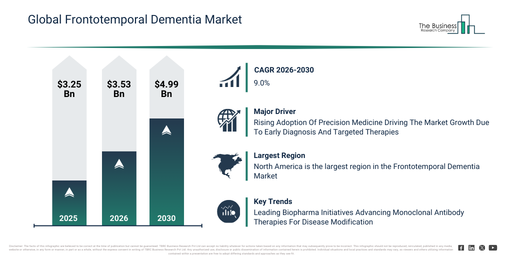
    The frontotemporal dementia market size has experienced significant growth in recent years. It is anticipated to expand from $3.25 billion in 2025 to $3.53 billion by 2026, driven by a compound annual growth rate (CAGR) of 8.8%. This past growth can be attributed to factors such as improved clinical recognition of frontotemporal dementia, an increase in specialized neurology clinics, greater availability of neuroimaging technologies, heightened awareness among healthcare professionals, and the establishment of standardized diagnostic criteria.

    The market for frontotemporal dementia is projected to experience substantial expansion over the upcoming years. This market is anticipated to reach $4.99 billion by 2030, exhibiting a compound annual growth rate (CAGR) of 9.0%. Factors contributing to this expansion during the projection period include heightened investments in neurodegenerative disease research, the increasing uptake of precision medicine strategies, the broader availability of digital health tools for cognitive assessment, a stronger emphasis on therapies that modify the disease, and the growth of caregiver support and management initiatives. Key trends identified for the forecast timeframe encompass the increasing utilization of advanced neuroimaging diagnostics, a surge in the adoption of genetic and biomarker testing, a sharpened focus on differentiating diseases early and accurately, the broadening of multidisciplinary care models, and improved integration of digital tools for cognitive assessment.

    Access Your Free Sample Report for In-Depth Market Insights:

    https://www.thebusinessresearchcompany.com/sample.aspx?id=33114&type=smp

    What Drivers Are Supporting Technological Adoption In The Frontotemporal Dementia Market?

    The expanding field of precision medicine is anticipated to boost the growth of the frontotemporal dementia market in the coming years. Precision medicine represents an approach to tailoring medical treatment to the distinct biological and lifestyle traits of individual patients. Its application is on the rise, driven by advancements in genomics and biotechnology that permit more precise identification of disease origins and the formulation of targeted treatments, thereby enhancing patient outcomes. For frontotemporal dementia (FTD), precision medicine is beneficial as it allows for prompt and accurate diagnosis through genetic and biomarker analysis, and it directs the development of specific therapies targeting particular molecular pathways implicated in the disease, leading to improved treatment efficacy and slower progression. As an illustration, the US Food and Drug Administration (FDA) sanctioned 16 new personalized treatments for rare disease patients, an increase from six in 2022, according to the Personalized Medicine Coalition, a US-based non-profit organization. Among the personalized treatments newly approved for 2023 were also seven cancer drugs and three for other diseases and conditions. Consequently, the increasing adoption of precision medicine is propelling the growth of the frontotemporal dementia market.

    Which Segments Are Contributing To The Growth Of The Frontotemporal Dementia Market?

    The frontotemporal dementia market covered in this report is segmented –

    1) By Disease Type: Behavioral Variant Frontotemporal Dementia (bvFTD); Primary Progressive Aphasia (PPA); Frontotemporal Dementia With Motor Neuron Disease (FTD-MND)

    2) By Drug Class: Cholinesterase Inhibitors; N-Methyl-D-Aspartate (NMDA) Receptor Antagonists; Antidepressants; Antipsychotics

    3) By Diagnostic Methods: Clinical Evaluation; Neuroimaging; Genetic Testing

    4) By Treatment Approach: Symptom Management; Medications; Speech And Occupational Therapy

    5) By End User: Hospitals; Specialty Clinics; Long-Term Care Facilities

    Subsegments:

    1) By Behavioral Variant Frontotemporal Dementia (bvFTD): Disinhibited Type; Apathetic Type; Stereotypic Type; Hyperorality Type

    2) By Primary Progressive Aphasia (PPA): Nonfluent Variant; Semantic Variant; Logopenic Variant

    3) By Frontotemporal Dementia With Motor Neuron Disease (FTD-MND): Amyotrophic Lateral Sclerosis Associated; Progressive Muscular Atrophy Associated; Primary Lateral Sclerosis Associated

    What Upcoming Trends Are Likely To Define The Future Path Of The Frontotemporal Dementia Market?

    Companies operating within the frontotemporal dementia market are prioritizing the development of innovative solutions, such as monoclonal antibody therapy, to impede disease progression and target underlying pathological mechanisms. Monoclonal antibody therapy involves treatments utilizing laboratory-created antibodies engineered to specifically engage certain proteins or cells in the body, aiding in disease management by blocking, neutralizing, or marking harmful cells for elimination. For example, in February 2024, Alector Inc., a US-based clinical-stage biotechnology company, partnered with GSK Plc., a UK-based biopharma company, and received FDA Breakthrough Therapy Designation for latozinemab (AL001). This treatment is specifically formulated for frontotemporal dementia resulting from a progranulin gene mutation (FTD-GRN), functioning by inhibiting the sortilin receptor and elevating progranulin (PGRN) levels in the brain to address lysosomal dysfunction and neurodegeneration. Phase 2 trials revealed safe, sustained PGRN increases (over 2-fold in plasma/CSF) along with observable trends towards a slower clinical progression.

    Who Are The Major Companies Operating In The Frontotemporal Dementia Market?

    Major companies operating in the frontotemporal dementia market are Novartis AG, Eli Lilly and Company, Siemens Healthineers AG, Alector Inc., Denali Therapeutics Inc., Sangamo Therapeutics Inc., QurAlis Inc., TauRx Pharmaceuticals Ltd., AC Immune SA, AviadoBio Ltd., Passage Bio Inc., Muna Therapeutics Inc., Neurimmune Therapeutics Inc., Coya Therapeutics Inc., Aquinnah Pharmaceuticals Inc., Asceneuron SA, CAMP4 Therapeutics Inc., Libra Therapeutics Inc., SOLA Biosciences Inc., Transposon Therapeutics Inc.

    Access The Complete Report For Deeper Market Insights:

    https://www.thebusinessresearchcompany.com/report/frontotemporal-dementia-market-report

    Which Region Is Anticipated To See The Fastest Growth In The Frontotemporal Dementia Market?

    North America was the largest region in the frontotemporal dementia market in 2025. Asia-Pacific is expected to be the fastest-growing region in the forecast period. The regions covered in the frontotemporal dementia market report are Asia-Pacific, South East Asia, Western Europe, Eastern Europe, North America, South America, Middle East, Africa.

    Request Your Customized Frontotemporal Dementia Market Research Report for Competitive Advantage:

    https://www.thebusinessresearchcompany.com/customise?id=33114&type=smp

    Browse Through More Reports Similar to the Global Frontotemporal Dementia Market 2026, By The Business Research Company

    Lewy Body Dementia Treatment Market Report 2026

    https://www.thebusinessresearchcompany.com/report/lewy-body-dementia-treatment-global-market-report

    Alzheimers Drugs Market Report 2026

    https://www.thebusinessresearchcompany.com/report/alzheimers-drugs-global-market-report

    Alzheimers Drugs Market Report 2026

    https://www.thebusinessresearchcompany.com/report/alzheimers-drugs-global-market-report

    Get in touch with us:

    The Business Research Company: https://www.thebusinessresearchcompany.com/

    Americas +1 310-496-7795

    Asia +44 7882 955267 & +91 8897263534

    Europe +44 7882 955267

    Email us at info@tbrc.info

    Follow us on:

    LinkedIn: https://in.linkedin.com/company/the-business-research-company

    YouTube: https://www.youtube.com/channel/UC24_fI0rV8cR5DxlCpgmyFQ

    Global Market Model: https://www.thebusinessresearchcompany.com/global-market-model
  • Vulvar Cancer Market Forecast 2026: Where the Industry Is Headed

    Vulvar Cancer Market Forecast 2026: Where the Industry Is Headed

    Uncover key drivers, emerging technologies, and competitive movements shaping the vulvar cancer market from 2026–2035 with trusted insights from The Business Research Company

    What was the valuation of the Vulvar Cancer Market in 2026, and what figure is it projected to hit by 2030?

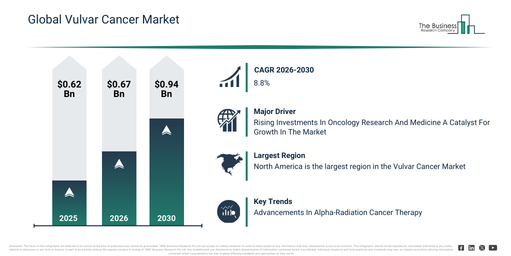
    The vulvar cancer market has experienced robust expansion in recent years. Its value is expected to rise from $0.62 billion in 2025 to $0.67 billion in 2026, exhibiting a compound annual growth rate (CAGR) of 8.9%. This historical progression is largely due to heightened awareness of gynecologic cancers, the accessibility of surgical oncology expertise, the expansion of hospital oncology departments, the adoption of various radiation therapy techniques, and advancements in pathology diagnostics.

    The vulvar cancer market is projected to experience strong growth in the coming years. It is anticipated to expand to $0.94 billion by 2030, achieving a compound annual growth rate (CAGR) of 8.8%. The increase during the forecast period is attributable to growing investments in precision oncology, the rising adoption of biologic and immunotherapies, the expansion of HPV vaccination impact monitoring, an increasing focus on personalized treatment planning, and advancements in diagnostic imaging technologies. Major trends expected within this period include the increasing adoption of targeted cancer therapies, a rising use of minimally invasive surgical procedures, a growing focus on early diagnosis and screening, the expansion of multimodal treatment approaches, and enhanced integration of personalized oncology care.

    Access Your Free Sample Report for In-Depth Market Insights:

    https://www.thebusinessresearchcompany.com/sample.aspx?id=21318&type=smp

    Which Drivers Are Affecting Market Participation In The Vulvar Cancer Market?

    Future expansion of the vulvar cancer market is anticipated to be driven by rising financial commitments to oncology research and medicine. These investments are financial contributions from various entities like governments, drug firms, research bodies, and private funders, aimed at improving the comprehension, prevention, diagnosis, and care of cancer. The surge in these investments stems from factors such as the increasing global prevalence of cancer, progress in precision medicine, a greater need for new treatments, more extensive clinical trials, government and private funding efforts, and the creation of targeted and immunotherapeutic approaches. For vulvar cancer, these investments facilitate improvements in early detection, enhance therapeutic choices like targeted and immunotherapy treatments, finance clinical trials for better medications, bolster pediatric cancer care facilities, and stimulate novel research to deepen understanding of the disease’s biology and progression. As an illustration, IQVIA, an advanced analytics provider based in India, reported in May 2024 that worldwide expenditure on cancer medications reached $223 billion in 2023, which was a $25 billion rise from 2022, and is projected to hit $409 billion by 2028. Consequently, expanding investments in oncology research and medicine are a key driver for the vulvar cancer market.

    Vulvar Cancer Market Driver: The Impact Of Personalized Medicine On Market Growth

    What Segment Classifications Make Up The Vulvar Cancer Market?

    The vulvar cancer market covered in this report is segmented –

    1) By Cancer Type: Vulvar Squamous Cell Carcinoma, Vulvar Melanoma, Adenocarcinoma, Basal Cell Carcinoma

    2) By Treatment Type: Chemotherapy, Surgery, Laser Surgery, Excision, Skinning Vulvectomy, Radical Vulvectomy, Radiation Therapy, Biologic Therapy

    3) By Distribution Channel: Online Channel, Offline Channel

    4) By End Users: Hospitals And Clinics, Research And Academic Institutes, Other End Users

    Subsegments:

    1) By Vulvar Squamous Cell Carcinoma: Keratinizing Squamous Cell Carcinoma, Non-Keratinizing Squamous Cell Carcinoma, Verrucous Carcinoma

    2) By Vulvar Melanoma: Mucosal Melanoma, Acral Lentiginous Melanoma, Nodular Melanoma

    3) By Adenocarcinoma: Bartholin Gland Adenocarcinoma, Extramammary Paget’s Disease-Associated Adenocarcinoma, Sweat Gland Adenocarcinoma

    4) By Basal Cell Carcinoma: Superficial Basal Cell Carcinoma, Nodular Basal Cell Carcinoma, Morpheaform (Sclerosing) Basal Cell Carcinoma

    What Trends Are Driving The Growth Trajectory Of The Vulvar Cancer Market?

    Companies operating in the vulvar cancer market are increasingly focusing on breakthroughs in cancer treatment, such as alpha-radiation cancer therapy, to enhance the effectiveness of care and improve patient outcomes. Alpha-radiation cancer therapy is a method that delivers specific alpha particles to tumor cells, causing confined harm to cancerous tissue while minimizing damage to surrounding healthy areas. For instance, in May 2023, Alpha Tau Medical Ltd., an Israel-based company, announced the initial deployment of its Alpha DaRT alpha-radiation cancer therapy for addressing squamous cell carcinoma of the vulva. The study, conducted at Addenbrooke’s Hospital within the Cambridge University Hospitals NHS Foundation Trust, aims to recruit 10 participants to evaluate the safety and efficacy of this treatment. Alpha DaRT presents a targeted, minimally invasive approach, demonstrating its potential as a non-surgical treatment option for vulvar cancer.

    Which Key Players Are Driving Competition In The Vulvar Cancer Market?

    Major companies operating in the vulvar cancer market are F. Hoffmann-La Roche Ltd, Merck And Co., Bristol-Myers Squibb Company, Novartis AG, GlaxoSmithKline plc, Amgen Inc., Regeneron Pharmaceuticals Inc., Intuitive Surgical Operations Inc., Elekta AB, Accuray Incorporated, Xencor, ISA Pharmaceuticals BV, Alpha Tau Medical Ltd, AstraZeneca PLC, Johnson & Johnson, Pfizer Inc, Eli Lilly and Company, AbbVie Inc, Astellas Pharma Inc, Takeda Pharmaceutical Company Ltd, Bayer AG, Ipsen, Gilead Sciences Inc

    Access The Complete Report For Deeper Market Insights:

    https://www.thebusinessresearchcompany.com/report/vulvar-cancer-global-market-report

    Which Region Is Projected To Lead The Vulvar Cancer Market During The Forecast Period?

    North America was the largest region in the vulvar cancer market in 2025. Asia-Pacific is expected to be the fastest-growing region in the forecast period. The regions covered in the vulvar cancer market report are Asia-Pacific, South East Asia, Western Europe, Eastern Europe, North America, South America, Middle East, Africa.

    Request Your Customized Vulvar Cancer Market Research Report for Competitive Advantage:

    https://www.thebusinessresearchcompany.com/customise?id=21318&type=smp

    Browse Through More Reports Similar to the Global Vulvar Cancer Market 2026, By The Business Research Company

    Genital Warts Market Report 2026

    https://www.thebusinessresearchcompany.com/report/genital-warts-global-market-report

    Gynecological Cancer Drugs Market Report 2026

    https://www.thebusinessresearchcompany.com/report/gynecological-cancer-drugs-global-market-report

    Vaginal Sling Market Report 2026

    https://www.thebusinessresearchcompany.com/report/vaginal-sling-global-market-report

    Get in touch with us:

    The Business Research Company: https://www.thebusinessresearchcompany.com/

    Americas +1 310-496-7795

    Asia +44 7882 955267 & +91 8897263534

    Europe +44 7882 955267

    Email us at info@tbrc.info

    Follow us on:

    LinkedIn: https://in.linkedin.com/company/the-business-research-company

    YouTube: https://www.youtube.com/channel/UC24_fI0rV8cR5DxlCpgmyFQ

    Global Market Model: https://www.thebusinessresearchcompany.com/global-market-model
  • Excessive Daytime Sleepiness Industry Poised for Rapid Growth, Forecast to Touch $8.52 Billion by 2030 at 9.6% CAGR

    Excessive Daytime Sleepiness Industry Poised for Rapid Growth, Forecast to Touch $8.52 Billion by 2030 at 9.6% CAGR

    Uncover key drivers, emerging technologies, and competitive movements shaping the excessive daytime sleepiness market from 2026–2035 with trusted insights from The Business Research Company

    What level of CAGR-driven expansion is anticipated in the Excessive Daytime Sleepiness Market between 2026 and 2030?

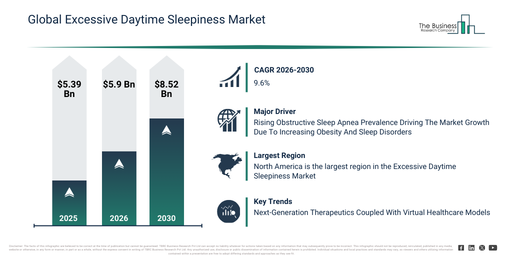
    The market for excessive daytime sleepiness has demonstrated strong growth in recent years. It is projected to increase from $5.39 billion in 2025 to $5.9 billion in 2026, exhibiting a compound annual growth rate (CAGR) of 9.4%. The growth observed in the historical period is attributable to the rising prevalence of sleep disorders, an increased understanding of sleep health impacts, the expansion of sleep clinic infrastructure, the availability of pharmacological wake-promoting agents, and the broader provision of diagnostic sleep testing services.

    The excessive daytime sleepiness market is projected to experience robust expansion over the next few years. It is set to reach $8.52 billion by 2030, advancing at a compound annual growth rate (CAGR) of 9.6%. This expected growth during the forecast period stems from factors such as increasing demand for personalized sleep treatment plans, rising integration of digital therapeutics in sleep care, wider adoption of remote patient monitoring, a growing emphasis on preventive sleep healthcare, and increasing investment in sleep medicine research. Significant trends anticipated during this period include the rising acceptance of wearable sleep monitoring devices, a growing utilization of combination therapy approaches, the expansion of home-based sleep disorder management, an increasing focus on early diagnosis and screening programs, and enhanced integration of digital sleep health platforms.

    Access Your Free Sample Report for In-Depth Market Insights:

    https://www.thebusinessresearchcompany.com/sample.aspx?id=33109&type=smp

    What Drivers Are Affecting Demand-Supply Dynamics In The Excessive Daytime Sleepiness Market?

    An anticipated increase in the occurrence of obstructive sleep apnea (OSA) is projected to boost the expansion of the excessive daytime sleepiness (EDS) market in the coming years. OSA is a sleep condition marked by recurrent breathing interruptions during rest, stemming from upper airway obstruction, which results in disrupted and lower-quality sleep. The incidence of OSA is on the rise, primarily attributed to increasing obesity levels. This leads to additional fat deposits around the neck and throat, constricting the airway and causing breathing to stop periodically during sleep. EDS presents as a widespread and debilitating manifestation of OSA, frequently lingering in a substantial number of individuals, thereby necessitating specific treatments and management approaches. To illustrate, information from August 2026, released by the National Library of Medicine, a US-based medical library, indicates that by 2050, around 76.6 million adults in the United States, aged 30–69, are predicted to suffer from obstructive sleep apnea. Consequently, this increasing prevalence of obstructive sleep apnea is fueling the expansion of the excessive daytime sleepiness market.

    What Segments Are Included Within The Excessive Daytime Sleepiness Market?

    The excessive daytime sleepiness market covered in this report is segmented –

    1) By Treatment Type: Pharmacological Treatment; Behavioral Therapy; Continuous Positive Airway Pressure Therapy; Lifestyle Modification Programs; Combination Therapies

    2) By Diagnosis Method: Polysomnography; Multiple Sleep Latency Test; Actigraphy; Clinical Evaluation; Questionnaire Based Assessments

    3) By Type Of Disorder: Narcolepsy; Obstructive Sleep Apnea; Insomnia; Circadian Rhythm Disorders; Idiopathic Hypersomnia; Restless Legs Syndrome; Other Type Of Disorders

    4) By Distribution Channel: Hospital Pharmacies; Retail Pharmacies; Online Pharmacies

    5) By End User: Hospitals; Sleep Clinics; Ambulatory Surgical Centers; Home Care Settings

    Subsegments:

    1) By Pharmacological Treatment: Wake Promoting Medications; Central Nervous System Stimulant Medications; Dopamine Reuptake Inhibitor Medications; Histamine Receptor Modulating Medications

    2) By Behavioral Therapy: Cognitive Behavioral Therapy For Sleep; Sleep Hygiene Education Programs; Stimulus Control Therapy; Sleep Restriction Therapy

    3) By Continuous Positive Airway Pressure Therapy: Fixed Pressure Airway Therapy; Auto Adjusting Airway Therapy; Bilevel Airway Therapy; Adaptive Pressure Support Therapy

    4) By Lifestyle Modification Programs: Sleep Schedule Regulation Programs; Diet And Nutrition Management Programs; Physical Activity And Exercise Programs; Stress Management And Relaxation Programs

    5) By Combination Therapies: Medication And Behavioral Therapy Combinations; Airway Therapy And Lifestyle Modification Combinations; Medication And Airway Therapy Combinations; Integrated Multimodal Treatment Approaches

    Which Trends Are Influencing The Development Of The Excessive Daytime Sleepiness Market?

    Leading enterprises within the excessive daytime sleepiness market are prioritizing the creation of novel treatments, including central nervous system depressants, aimed at boosting patient wakefulness and elevating their quality of life. Such a substance functions by decreasing nervous system activity, leading to effects like sedation, a sense of calm, or the induction of sleep. An illustrative example is Amneal Pharmaceuticals Inc., a US-based pharmaceutical firm, which secured FDA approval in September 2025 for its sodium oxybate oral solution, designed to directly address excessive daytime sleepiness (EDS) in individuals with narcolepsy. This solution significantly improves the continuity of care by enabling virtual specialist appointments, remote dispensing of prescriptions, and broader patient access in remote or neglected areas. Its overarching objectives are to broaden accessibility, make treatment more affordable, and integrate established pharmaceutical therapies with modern digital and telehealth-based care approaches for managing excessive daytime sleepiness.

    Who Are The Primary Competitors In The Global Excessive Daytime Sleepiness Market?

    Major companies operating in the excessive daytime sleepiness market are Eli Lilly and Company, Takeda Pharmaceutical Company Limited, Teva Pharmaceutical Industries Ltd., Cleveland Clinic, EisAI Co. Ltd, Jazz Pharmaceuticals plc., Emory Healthcare Inc., Alkermes plc., Fisher & Paykel Healthcare Corporation Limited, Harmony Biosciences Holdings Inc., Medanta, Axsome Therapeutics Inc., Compumedics Limited, BIOPROJET, Apnimed Inc., Nox Health Inc., Somnogen Canada Inc., Suven Life Sciences Limited, Theranexus, XWPharma, NLS Pharmaceutics AG.

    Access The Complete Report For Deeper Market Insights:

    https://www.thebusinessresearchcompany.com/report/excessive-daytime-sleepiness-market-report

    Which Global Regions Are Shaping The Competitive Landscape Of The Excessive Daytime Sleepiness Market?

    North America was the largest region in the excessive daytime sleepiness market in 2025. Asia-Pacific is expected to be the fastest-growing region in the forecast period. The regions covered in the excessive daytime sleepiness market report are Asia-Pacific, South East Asia, Western Europe, Eastern Europe, North America, South America, Middle East, Africa.

    Request Your Customized Excessive Daytime Sleepiness Market Research Report for Competitive Advantage:

    https://www.thebusinessresearchcompany.com/customise?id=33109&type=smp

    Browse Through More Reports Similar to the Global Excessive Daytime Sleepiness Market 2026, By The Business Research Company

    Insomnia Market Report 2026

    https://www.thebusinessresearchcompany.com/report/insomnia-global-market-report

    Sleep Testing Services Market Report 2026

    https://www.thebusinessresearchcompany.com/report/sleep-testing-services-global-market-report

    Sleep Monitoring Apps Market Report 2026

    https://www.thebusinessresearchcompany.com/report/sleep-monitoring-apps-global-market-report

    Get in touch with us:

    The Business Research Company: https://www.thebusinessresearchcompany.com/

    Americas +1 310-496-7795

    Asia +44 7882 955267 & +91 8897263534

    Europe +44 7882 955267

    Email us at info@tbrc.info

    Follow us on:

    LinkedIn: https://in.linkedin.com/company/the-business-research-company

    YouTube: https://www.youtube.com/channel/UC24_fI0rV8cR5DxlCpgmyFQ

    Global Market Model: https://www.thebusinessresearchcompany.com/global-market-model
  • Von Willebrand Disease Industry Growth Insights: Revenue Forecast to 2030

    Von Willebrand Disease Industry Growth Insights: Revenue Forecast to 2030

    Uncover key drivers, emerging technologies, and competitive movements shaping the von willebrand disease market from 2026–2035 with trusted insights from The Business Research Company

    What are the forecasted starting (2026) and ending (2030) market sizes for the Von Willebrand Disease Market?

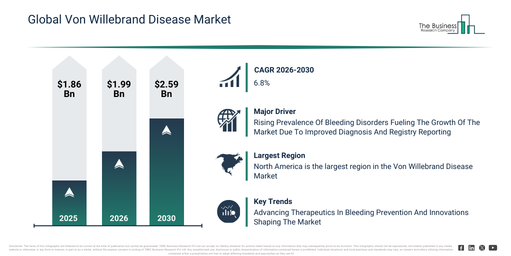
    The von willebrand disease market size has seen substantial growth over recent years. It is projected to expand from $1.86 billion in 2025 to $1.99 billion in 2026, achieving a compound annual growth rate (CAGR) of 6.9%. The increase observed in the past can be attributed to improved awareness of inherited bleeding disorders, availability of plasma-derived vwf therapies, expansion of diagnostic testing capabilities, increased hospital-based hematology care, and early clinical research in coagulation disorders.

    The von willebrand disease market is projected to experience substantial expansion over the coming years. By 2030, its valuation is anticipated to reach $2.59 billion, demonstrating a compound annual growth rate (CAGR) of 6.8%. This projected increase during the forecast period is driven by several factors, including heightened investments in gene-based therapies, the expanding use of precision medicine strategies, broader patient registries and screening initiatives, a growing need for long-acting treatments, and innovations in recombinant drug development. Key developments expected within this period involve the greater integration of recombinant von willebrand factor therapies, an increase in personalized treatment plans, a stronger emphasis on early genetic diagnosis, the availability of more home-based treatment solutions, and improved monitoring of bleeding disorders.

    Access Your Free Sample Report for In-Depth Market Insights:

    https://www.thebusinessresearchcompany.com/sample.aspx?id=22168&type=smp

    What Drivers Are Supporting Technological Adoption In The Von Willebrand Disease Market?

    An anticipated increase in the occurrence of bleeding disorders is projected to boost the expansion of the von Willebrand disease market moving forward. These disorders are medical conditions that impair the body’s capacity to form blood clots, leading to prolonged or profuse bleeding. The growing number of diagnosed bleeding disorders primarily stems from advancements in medical understanding and diagnostic instruments, enabling healthcare providers and hospitals to precisely identify previously undetected cases. Treatment for von Willebrand disease aids patients with bleeding disorders by enhancing blood clotting, mitigating excessive bleeding, and improving their general quality of life. For example, in April 2024, according to the World Federation of Hemophilia, a Canada-based government organization, data collection for individuals suffering from von Willebrand disease (VWD) commenced in February 2023. By December 31, 2023, a total of 999 people with VWD from 45 hemophilia treatment centers (HTCs) spanning 22 countries had been enrolled in the WBDR. In the same year, consolidated data were gathered for 13,343 people with hemophilia (PWH) from 119 HTCs situated in 44 countries. Consequently, the increased prevalence of bleeding disorders is fueling the expansion of the von Willebrand disease market.

    What Segment Types Are Examined In The Von Willebrand Disease Market?

    The von willebrand disease market covered in this report is segmented –

    1) By Type: Type 1, Type 2, Type 3

    2) By Drugs: Antihemophilic Factor, Coagulation Factor VIII Complex, Von Willebrand Factor, Desmopressin Acetate, Other Drugs

    3) By Severity: Mild, Moderate, Severe

    4) By Distribution Channel: Hospital Pharmacy, Retail Pharmacy, Online Pharmacy, Other Distribution Channels

    5) By End Users: Hospitals, Speciality Clinics, Homecare, Other End Users

    Subsegments:

    1) By Type 1: Mild Von Willebrand Disease, Moderate Von Willebrand Disease, Severe Von Willebrand Disease

    2) By Type 2: Type 2A, Type 2B, Type 2M, Type 2N

    3) By Type 3: Congenital Type 3, Acquired Type 3

    What Upcoming Trends Are Likely To Define The Future Path Of The Von Willebrand Disease Market?

    Leading firms within the von willebrand disease market are directing their efforts towards pioneering therapies, specifically von willebrand factor concentrate, aiming to boost treatment effectiveness, lessen occurrences of bleeding, and elevate patient well-being. Von willebrand factor (VWF) concentrate serves as a pharmaceutical agent employed to manage and avert hemorrhage in individuals afflicted with von willebrand disease (VWD), which is a hereditary bleeding condition stemming from insufficient or impaired von willebrand factor. As an illustration, in April 2024, Octapharma USA Inc., a pharmaceutical company based in the US, disclosed that Wilate received approval from the Food and Drug Administration, a US government body. This product, Wilate, is a von willebrand factor concentrate supplied as a lyophilized powder solution intended for intravenous injection, designed for regular prophylactic use to decrease the occurrence of bleeding episodes in adults and children aged 6 years and above. The Food and Drug Administration’s orphan drug designation grants Wilate a period of market exclusivity lasting up to seven years, a measure aimed at stimulating the creation of therapies for infrequent conditions.

    Who Are The Top-Performing Companies In The Von Willebrand Disease Market In Recent Years?

    Major companies operating in the von willebrand disease market are Pfizer Inc., Bayer AG, Sanofi S A, Takeda Pharmaceutical Company Limited, Novo Nordisk A S, CSL Behring, Grifols S A, Kedrion Biopharma Inc., Shanghai RAAS Blood Products Co Ltd, Biotest AG, LFB S A, Bio Products Laboratory Ltd BPL, Octapharma AG, Baxter International Inc, Biogen Inc, Swedish Orphan Biovitrum AB, Roche Holding AG, BioMarin Pharmaceutical Inc, Ferring Pharmaceuticals, Alnylam Pharmaceuticals, Star Therapeutics Inc, Hemab Therapeutics, HEMA Biologics

    Access The Complete Report For Deeper Market Insights:

    https://www.thebusinessresearchcompany.com/report/von-willebrand-disease-global-market-report

    Which Region Currently Holds The Largest Share Of The Von Willebrand Disease Market?

    North America was the largest region in the von willebrand disease market in 2025. Asia-Pacific is expected to be the fastest-growing region in the forecast period. The regions covered in the von willebrand disease market report are Asia-Pacific, South East Asia, Western Europe, Eastern Europe, North America, South America, Middle East, Africa.

    Request Your Customized Von Willebrand Disease Market Research Report for Competitive Advantage:

    https://www.thebusinessresearchcompany.com/customise?id=22168&type=smp

    Browse Through More Reports Similar to the Global Von Willebrand Disease Market 2026, By The Business Research Company

    Rare Disease Diagnostics Market Report 2026

    https://www.thebusinessresearchcompany.com/report/rare-disease-diagnostics-global-market-report

    Rare Neurological Disease Treatment Market Report 2026

    https://www.thebusinessresearchcompany.com/report/rare-neurological-disease-treatment-global-market-report

    Thrombophilia Market Report 2026

    https://www.thebusinessresearchcompany.com/report/thrombophilia-global-market-report

    Get in touch with us:

    The Business Research Company: https://www.thebusinessresearchcompany.com/

    Americas +1 310-496-7795

    Asia +44 7882 955267 & +91 8897263534

    Europe +44 7882 955267

    Email us at info@tbrc.info

    Follow us on:

    LinkedIn: https://in.linkedin.com/company/the-business-research-company

    YouTube: https://www.youtube.com/channel/UC24_fI0rV8cR5DxlCpgmyFQ

    Global Market Model: https://www.thebusinessresearchcompany.com/global-market-model
  • Endothelial Dysfunction Market Growth Projection: Expected to Surpass $3.88 Billion by 2030 at 6% CAGR

    Endothelial Dysfunction Market Growth Projection: Expected to Surpass $3.88 Billion by 2030 at 6% CAGR

    Uncover key drivers, emerging technologies, and competitive movements shaping the endothelial dysfunction market from 2026–2035 with trusted insights from The Business Research Company

    What is the expected shift in the Endothelial Dysfunction Market’s size between 2026 and 2030?

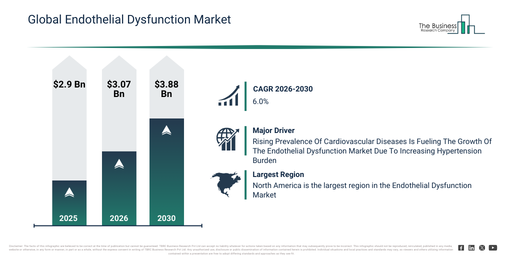
    The market size for endothelial dysfunction has experienced robust growth recently. Projections indicate it will expand from $2.9 billion in 2025 to $3.07 billion by 2026, demonstrating a compound annual growth rate (CAGR) of 5.8%. This historical expansion is linked to factors such as the increasing prevalence of cardiovascular diseases, the rising incidence of metabolic disorders, the broader implementation of preventive healthcare screening, the availability of endothelial biomarkers, and a heightened clinical emphasis on vascular health.

    The endothelial dysfunction market size is projected to demonstrate strong expansion in the upcoming years. It is predicted to reach $3.88 billion by 2030, growing at a compound annual growth rate (CAGR) of 6.0%. This growth during the forecast period can be attributed to the rising implementation of precision medicine strategies, an increasing demand for remote patient monitoring, the development of AI-driven cardiovascular diagnostics, heightened investments in preventive cardiology, and a greater emphasis on personalized treatment pathways. Significant trends expected during the forecast period include the increased application of advanced endothelial function diagnostics, the growing adoption of biomarker-based screening, the expanding integration of digital health monitoring tools, the progression of personalized vascular treatment approaches, and an enhanced focus on early cardiovascular risk detection.

    Access Your Free Sample Report for In-Depth Market Insights:

    https://www.thebusinessresearchcompany.com/sample.aspx?id=33102&type=smp

    Which Drivers Are Shaping Strategic Decisions In The Endothelial Dysfunction Market?

    The escalating occurrence of cardiovascular diseases is anticipated to drive growth in the endothelial dysfunction market in the coming years. These disorders, affecting the heart and blood vessels, are becoming more common globally due to changing demographics and lifestyle-related health hazards. The increasing impact of cardiovascular diseases primarily stems from an aging population, urban living, poor diets, lack of physical activity, and sustained exposure to metabolic and vascular stress, all of which contribute to endothelial damage over time. Endothelial dysfunction is crucial in the onset and progression of cardiovascular diseases, as compromised endothelial regulation leads to inflammation in blood vessels, reduced availability of nitric oxide, irregular vasodilation, and the formation of atherosclerotic plaques. For example, data from January 2024 by the American Heart Association, a US-based non-profit, indicated that the age-adjusted death rate for cardiovascular disease climbed to 233.3 per 100,000 in 2024, representing a 4.0% increase from 224.4 per 100,000 in 2023. Consequently, the rising incidence and burden of cardiovascular diseases are propelling the expansion of the endothelial dysfunction market.

    What Segment Classifications Make Up The Endothelial Dysfunction Market?

    The endothelial dysfunction market covered in this report is segmented –

    1) By Product Type: Diagnostics; Therapeutics; Digital Health Solutions; Pharmacological Agents; Non-Pharmacological Interventions; Biological Therapies

    2) By Technology: Biotechnology; Nanotechnology; Genomics; Proteomics

    3) By Application: Cardiovascular Risk; Metabolic Syndrome; Chronic Kidney Disease; Other Application

    4) By End User: Hospitals; Diagnostic Laboratories; Specialty Clinics; Primary Care Providers

    Subsegments:

    1) By Diagnostics: Endothelial Function Assays; Vascular Imaging Tests; Biomarker Panels; Nitric Oxide Measurement Kits; Flow-Mediated Dilation Tests

    2) By Therapeutics: Pharmacological Treatments; Lifestyle Modification Programs; Physiotherapy Interventions; Surgical Procedures; Nutritional Interventions

    3) By Digital Health Solutions: Remote Patient Monitoring Platforms; Telehealth Consultation Systems; Mobile Health Applications; Wearable Health Devices; Cloud-Based Analytics Solutions

    4) By Pharmacological Agents: Statins; Angiotensin Converting Enzyme Inhibitors; Beta Blockers; Calcium Channel Blockers; Anti-Inflammatory Agents

    5) By Non-Pharmacological Interventions: Dietary Programs; Exercise Regimens; Stress Management Programs; Smoking Cessation Programs; Behavioral Therapy

    6) By Biological Therapies: Gene Therapy Treatments; Stem Cell Therapies; Monoclonal Antibody Treatments; Endothelial Progenitor Cell Therapy; Protein-Based Therapeutics

    Which Major Industry Participants Are Leading The Endothelial Dysfunction Market Growth?

    Major companies operating in the endothelial dysfunction market are F. Hoffmann-La Roche AG, Merck & Co. Inc., Pfizer Inc., Bayer Aktiengesellschaft, Sanofi S.A., Novartis Aktiengesellschaft, Bristol-Myers Squibb Company, Abbott Laboratories, GlaxoSmithKline plc, Eli Lilly and Company, Takeda Pharmaceutical Company Limited, Amgen Inc., Gilead Sciences Inc., Siemens Healthineers AG, Boehringer Ingelheim International GmbH, Teva Pharmaceutical Industries Limited, Boston Scientific Corporation, Astellas Pharma Inc., Daiichi Sankyo Company Limited, Biogen Inc., ChugAI Pharmaceutical Co. Ltd., ZOLL Medical Corporation, OrbusNeich Medical Group Holdings Limited, Stealth Peptides Inc., Perimed AB, and Glucox Biotech AB.

    Access The Complete Report For Deeper Market Insights:

    https://www.thebusinessresearchcompany.com/report/endothelial-dysfunction-market-report

    Which Region Is Expected To Experience The Fastest Growth In The Endothelial Dysfunction Market?

    North America was the largest region in the endothelial dysfunction market in 2025. Asia-Pacific is expected to be the fastest-growing region in the forecast period. The regions covered in the endothelial dysfunction market report are Asia-Pacific, South East Asia, Western Europe, Eastern Europe, North America, South America, Middle East, Africa.

    Request Your Customized Endothelial Dysfunction Market Research Report for Competitive Advantage:

    https://www.thebusinessresearchcompany.com/customise?id=33102&type=smp

    Browse Through More Reports Similar to the Global Endothelial Dysfunction Market 2026, By The Business Research Company

    Anti Vascular Endothelial Growth Factor Therapeutics Market Report 2026

    https://www.thebusinessresearchcompany.com/report/anti-vascular-endothelial-growth-factor-therapeutics-global-market-report

    Biopreservation Market Report 2026

    https://www.thebusinessresearchcompany.com/report/biopreservation-global-market-report

    Aortic Endograft Market Report 2026

    https://www.thebusinessresearchcompany.com/report/aortic-endograft-global-market-report

    Get in touch with us:

    The Business Research Company: https://www.thebusinessresearchcompany.com/

    Americas +1 310-496-7795

    Asia +44 7882 955267 & +91 8897263534

    Europe +44 7882 955267

    Email us at info@tbrc.info

    Follow us on:

    LinkedIn: https://in.linkedin.com/company/the-business-research-company

    YouTube: https://www.youtube.com/channel/UC24_fI0rV8cR5DxlCpgmyFQ

    Global Market Model: https://www.thebusinessresearchcompany.com/global-market-model
  • Global Vocal Cord Paralysis Market Performance Report: Global Trends 2026–2030

    Global Vocal Cord Paralysis Market Performance Report: Global Trends 2026–2030

    Uncover key drivers, emerging technologies, and competitive movements shaping the vocal cord paralysis market from 2026–2035 with trusted insights from The Business Research Company

    What upper market value could the Vocal Cord Paralysis Market reach by 2030 starting from 2026 levels?

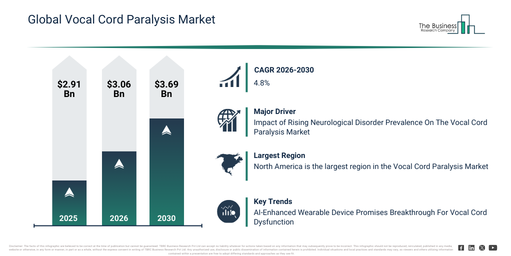
    The vocal cord paralysis market has demonstrated consistent expansion in recent years. It is projected to expand from $2.91 billion in 2025 to $3.06 billion in 2026, registering a compound annual growth rate (CAGR) of 5.0%. The historical growth in this market can be attributed to a rising occurrence of neurological and surgical complications, coupled with broader availability of otolaryngology services, the emergence of specialty voice clinics, enhancements in diagnostic imaging, and the expansion of speech therapy practices.

    The vocal cord paralysis market size is projected to experience consistent expansion over the upcoming years. Its valuation is anticipated to reach $3.69 billion by 2030, demonstrating a compound annual growth rate (CAGR) of 4.8%. This projected growth is driven by several factors, including the increasing uptake of minimally invasive surgical procedures, a heightened demand for customized voice rehabilitation, the expansion of specialized care facilities, an intensified focus on improving quality-of-life outcomes, and the greater incorporation of digital therapeutic instruments. Key trends observed during this period involve the increasing embrace of sophisticated surgical methods, a rise in the utilization of specialized voice therapy programs, a stronger emphasis on prompt diagnosis and early intervention, the broadening of multidisciplinary treatment strategies, and an increased focus on rehabilitation following treatment.

    Access Your Free Sample Report for In-Depth Market Insights:

    https://www.thebusinessresearchcompany.com/sample.aspx?id=18771&type=smp

    Which Drivers Are Influencing Long-Term Growth In The Vocal Cord Paralysis Market?

    The increasing prevalence of neurological disorders is anticipated to stimulate the expansion of the vocal cord paralysis market moving forward. These disorders are medical conditions that impact the nervous system, including the brain, spinal cord, and nerves. The rising occurrence of neurological disorders stems from various elements such as genetic predispositions, infections, trauma, toxins, autoimmune responses, and degeneration. Neurological conditions like stroke, multiple sclerosis, Parkinson’s disease, and other neuromuscular disorders frequently result in complications such as vocal cord paralysis due to their effect on nerve function and muscle control. As these disorders become more common globally, the number of individuals experiencing vocal cord paralysis is also likely to increase. For instance, in March 2023, according to the Alzheimer’s Association, a US-based nonprofit voluntary health organization, in 2023, approximately 6.7 million Americans aged 65 and older are living with Alzheimer’s dementia, and this figure is projected to rise to 13.8 million by 2060. Consequently, the widespread presence of neurological disorders acts as a significant driver for the growth of the vocal cord paralysis market.

    Which Segments Are Driving Activity In The Vocal Cord Paralysis Market?

    The vocal cord paralysis market covered in this report is segmented –

    1) By Type: Bilateral, Unilateral

    2) By Treatment: Surgery, Voice Therapy

    3) By End User: Hospital, Ambulatory Surgical Centers, Specialty Clinic, Other End Users

    Subsegments:

    1) By Bilateral: Acute Bilateral Vocal Cord Paralysis, Chronic Bilateral Vocal Cord Paralysis

    2) By Unilateral: Left-Sided Unilateral Vocal Cord Paralysis, Right-Sided Unilateral Vocal Cord Paralysis

    Which Trends Are Shaping Activity Within The Vocal Cord Paralysis Market?

    Key companies operating within the vocal cord paralysis market are focused on creating advanced technologies, like AI-assisted wearable devices, to improve the diagnosis, treatment, and management of the condition, ultimately enhancing patient outcomes and overall quality of life. An AI-assisted wearable device denotes a form of wearable technology that integrates artificial intelligence to boost its functionality. For instance, in March 2024, UCLA (University of California, Los Angeles), a US-based public research university, developed an adhesive neck patch, a soft, thin, stretchy device just over 1 square inch in size that can be attached to the skin on the outside of the throat to help individuals with dysfunctional vocal cords restore their voice function. This compact new patch-like device consists of two main parts. One, a self-powered sensing component, identifies and transforms signals generated by muscle movements into high-fidelity, analyzable electrical signals, and the other is an actuation component that converts these electrical signals into speech signals through the application of a machine-learning algorithm.

    Which Leading Companies Dominate The Vocal Cord Paralysis Market Share?

    Major companies operating in the vocal cord paralysis market are Medtronic plc, Siemens Healthineers AG, Stryker Corporation, Boston Scientific Corporation, Olympus Corporation, Intuitive Surgical Inc., Smith & Nephew plc, Shenzhen Mindray Bio-Medical Electronics Co. Ltd., Smiths Medical, Teleflex Incorporated, Karl Storz SE & Co. KG, Cook Medical, PENTAX Medical, Merz Therapeutics, Atos Medical AB, Coloplast A/S, InnoMed Technologies Inc., VocaLab Inc., APrevent Medical Inc., InHealth Technologies, Luminaud Inc., Servona GmbH, HEIMOMED Heinze GmbH & Co. KG, Orbisana Healthcare GmbH, William Demant Holding A/S, Acclarent Inc., ICU Medical Inc., Integra LifeSciences Holdings Corporation

    Access The Complete Report For Deeper Market Insights:

    https://www.thebusinessresearchcompany.com/report/vocal-cord-paralysis-global-market-report

    How Does The Vocal Cord Paralysis Market Perform Across Major Global Regions?

    North America was the largest region in the vocal cord paralysis market in 2025. Asia-Pacific is expected to be the fastest-growing region in the forecast period. The regions covered in the vocal cord paralysis market report are Asia-Pacific, South East Asia, Western Europe, Eastern Europe, North America, South America, Middle East, Africa.

    Request Your Customized Vocal Cord Paralysis Market Research Report for Competitive Advantage:

    https://www.thebusinessresearchcompany.com/customise?id=18771&type=smp

    Browse Through More Reports Similar to the Global Vocal Cord Paralysis Market 2026, By The Business Research Company

    Muscle Tension Dysphonia Treatment Market Report 2026

    https://www.thebusinessresearchcompany.com/report/muscle-tension-dysphonia-treatment-global-market-report

    Facial Paralysis Market Report 2026

    https://www.thebusinessresearchcompany.com/report/facial-paralysis-global-market-report

    Speech And Language Disorder Market Report 2026

    https://www.thebusinessresearchcompany.com/report/speech-and-language-disorder-global-market-report

    Get in touch with us:

    The Business Research Company: https://www.thebusinessresearchcompany.com/

    Americas +1 310-496-7795

    Asia +44 7882 955267 & +91 8897263534

    Europe +44 7882 955267

    Email us at info@tbrc.info

    Follow us on:

    LinkedIn: https://in.linkedin.com/company/the-business-research-company

    YouTube: https://www.youtube.com/channel/UC24_fI0rV8cR5DxlCpgmyFQ

    Global Market Model: https://www.thebusinessresearchcompany.com/global-market-model
  • Vocal Biomarkers Market Future Outlook 2026: Key Drivers and Growth Potential

    Vocal Biomarkers Market Future Outlook 2026: Key Drivers and Growth Potential

    Uncover key drivers, emerging technologies, and competitive movements shaping the vocal biomarkers market from 2026–2035 with trusted insights from The Business Research Company

    What level of CAGR-driven expansion is anticipated in the Vocal Biomarkers Market between 2026 and 2030?

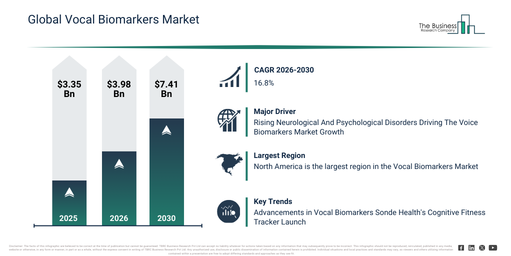
    The vocal biomarkers market size has seen rapid expansion in recent years. It is anticipated to grow from $3.35 billion in 2025 to $3.98 billion in 2026, achieving a compound annual growth rate (CAGR) of 18.8%. This historical growth can be linked to intensified research into digital health biomarkers, increased adoption of telemedicine, the availability of advanced speech analytics software, a heightened focus on mental health screening, and the broadening of academic research programs.

    The vocal biomarkers market size is projected for swift expansion over the coming years, with expectations to reach $7.41 billion in 2030, displaying a compound annual growth rate (CAGR) of 16.8%. The observed growth within this forecast period stems from factors such as increasing clinical validation of vocal biomarkers, their rising integration with wearable health platforms, the expansion of AI-powered diagnostics, a growing demand for non-invasive monitoring solutions, and increasing regulatory acceptance of digital biomarkers. Noteworthy trends anticipated during this period encompass the increasing use of AI-driven voice analysis platforms, the rising adoption of remote health monitoring tools, the growing integration of vocal biomarkers in mental health assessment, the expansion of voice-based diagnostic applications, and an enhanced focus on continuous patient monitoring.

    Access Your Free Sample Report for In-Depth Market Insights:

    https://www.thebusinessresearchcompany.com/sample.aspx?id=17294&type=smp

    What Drivers Are Affecting Demand-Supply Dynamics In The Vocal Biomarkers Market?

    The increasing incidence of neurological and psychological disorders is anticipated to drive the future expansion of the voice biomarkers market. Neurological disorders are defined as medical conditions impacting the nervous system, whereas psychological disorders represent conditions that influence an individual’s mood, thought processes, and behavior. The rise in cases of both neurological and psychological disorders can be attributed to factors such as elevated stress levels, an aging global population, shifts in lifestyle, and improved capabilities in awareness and diagnosis. Voice biomarkers are utilized in these conditions for the non-invasive detection and monitoring of disease-specific changes in speech patterns, pitch, and rhythm, thereby offering valuable insights into the presence and progression of these ailments. For instance, in April 2024, according to the data published by alzheimers.gov, a US-based Department of Health and Human Services (HHS), more than 6 million Americans aged 65 and older are living with Alzheimer’s disease in 2024, and it is predicted that this number will increase to more than 13 million people by 2060. This consistent growth in neurological and psychological disorders is thus propelling the expansion of the voice biomarkers market.

    How Is The Vocal Biomarkers Market Organized Into Various Segments?

    The vocal biomarkers market covered in this report is segmented –

    1) By Type: Frequency, Amplitude, Error Rate, Vocal Rise Or Fall Time, Phonation Time, Voice Tremor, Pitch, Other Types

    2) By Indications: Psychiatric Disorders, Neurological Disorders, Respiratory Disorders, Cardiovascular Disorders, Traumatic Brain Injury (TBI), Other Indications

    3) By Consumer: Children And Newborns, Adults

    4) By End Users: Hospitals And Clinics, Academic, Research, Other End-Users

    Subsegments:

    1) By Frequency: Fundamental Frequency (Pitch), Formant Frequencies

    2) By Amplitude: Intensity Levels, Amplitude Variation

    3) By Error Rate: Phonemic Errors, Prosodic Errors

    4) By Vocal Rise Or Fall Time: Rise Time Slope, Fall Time Slope

    5) By Phonation Time: Sustained Phonation Duration, Phonation Intervals

    6) By Voice Tremor: Frequency Modulation Tremor, Amplitude Modulation Tremor

    7) By Pitch: Mean Pitch, Pitch Variability

    8) By Other Types: Speech Rate, Jitter, Shimmer

    Which Trends Are Influencing The Development Of The Vocal Biomarkers Market?

    Leading companies in the vocal biomarkers market are prioritizing the creation of advanced technology, such as Monitor Vocal Biomarkers, to elevate the precision of disease detection, improve patient surveillance, and allow for early intervention across various health issues. Monitor Vocal Biomarkers signifies the application of voice analysis to pinpoint physiological and psychological health markers. For example, in November 2024, Sonde Health, a US-based digital health company, unveiled Sonde Cognitive Fitness, a voice-activated cognitive fitness tracker engineered to observe cognitive effort continuously. This tracker processes voice samples acquired through most smart devices, evaluating vocal biomarkers to determine cognitive effort.

    Who Are The Major Companies Operating In The Vocal Biomarkers Market?

    Major companies operating in the vocal biomarkers market are Beyond Verbal, AudEERING, Sonde Health Inc., Kintsugi Health, Ellipsis Health, Canary Speech, Vocalis Health, EVOCAL Health, Cogito Corporation, ConversationHealth, Veritone Inc., Cambridge Cognition Ltd., Neurotrack Technologies Inc., Winterlight Labs, Aural Analytics, PeakProfiling, Mindstrong Health, Sonic Cloud Health, NeuraMetrix, Aiva Health, Modality AI, VoiceSense, VoxMetrix

    Access The Complete Report For Deeper Market Insights:

    https://www.thebusinessresearchcompany.com/report/vocal-biomarkers-global-market-report

    Which Region Is Anticipated To See The Fastest Growth In The Vocal Biomarkers Market?

    North America was the largest region in the vocal biomarkers market in 2025. The regions covered in the vocal biomarkers market report are Asia-Pacific, South East Asia, Western Europe, Eastern Europe, North America, South America, Middle East, Africa.

    Request Your Customized Vocal Biomarkers Market Research Report for Competitive Advantage:

    https://www.thebusinessresearchcompany.com/customise?id=17294&type=smp

    Browse Through More Reports Similar to the Global Vocal Biomarkers Market 2026, By The Business Research Company

    Clinical Biomarkers Market Report 2026

    https://www.thebusinessresearchcompany.com/report/clinical-biomarkers-global-market-report

    Voice Biometrics Market Report 2026

    https://www.thebusinessresearchcompany.com/report/voice-biometrics-global-market-report

    Biomarkers Market Report 2026

    https://www.thebusinessresearchcompany.com/report/biomarkers-global-market-report

    Get in touch with us:

    The Business Research Company: https://www.thebusinessresearchcompany.com/

    Americas +1 310-496-7795

    Asia +44 7882 955267 & +91 8897263534

    Europe +44 7882 955267

    Email us at info@tbrc.info

    Follow us on:

    LinkedIn: https://in.linkedin.com/company/the-business-research-company

    YouTube: https://www.youtube.com/channel/UC24_fI0rV8cR5DxlCpgmyFQ

    Global Market Model: https://www.thebusinessresearchcompany.com/global-market-model
  • Vitreoretinal Disorder Market Trends and Insights: Global Forecast to 2030

    Vitreoretinal Disorder Market Trends and Insights: Global Forecast to 2030

    Uncover key drivers, emerging technologies, and competitive movements shaping the vitreoretinal disorder market from 2026–2035 with trusted insights from The Business Research Company

    What long-term size projections exist for the Vitreoretinal Disorder Market covering 2026–2035?

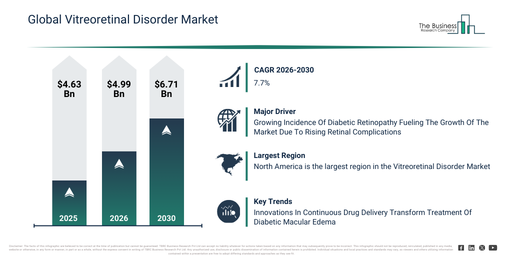
    The vitreoretinal disorder market size has demonstrated strong growth in recent years. It is anticipated to expand from $4.63 billion in 2025 to $4.99 billion in 2026, achieving a compound annual growth rate (CAGR) of 7.9%. This historical growth can be attributed to the rising prevalence of diabetic eye diseases, increased availability of optical coherence tomography, an uptick in ophthalmic surgical procedures, the expansion of specialty eye clinics, and enhanced diagnostic accuracy.

    The vitreoretinal disorder market size is anticipated to undergo significant expansion in the next few years, set to grow to $6.71 billion in 2030, exhibiting a compound annual growth rate (CAGR) of 7.7%. This projected growth throughout the forecast period stems from factors such as increasing demand for personalized retinal treatments, rising investments in ophthalmic innovation, the wider adoption of minimally invasive surgical techniques, the expanding utilization of AI-driven diagnostics, and a heightened focus on vision preservation therapies. Prominent trends for the forecast period include the increasing adoption of advanced retinal imaging techniques, a rise in minimally invasive vitreoretinal surgery, the growing integration of AI-based diagnostic tools, the expansion of targeted retinal therapies, and an enhanced emphasis on early disease detection.

    Access Your Free Sample Report for In-Depth Market Insights:

    https://www.thebusinessresearchcompany.com/sample.aspx?id=23574&type=smp

    Which Drivers Are Impacting The Competitive Landscape Of The Vitreoretinal Disorder Market?

    An increasing occurrence of diabetic retinopathy is anticipated to drive expansion in the vitreoretinal disorder market. This eye condition develops when elevated blood sugar levels in individuals with diabetes cause harm to the blood vessels of the retina. The incidence of diabetic retinopathy is on the rise, primarily due to the growing prevalence of diabetes itself, which is often linked to sedentary lifestyles and inadequate blood sugar control, ultimately leading to damage in the retinal blood vessels. Managing vitreoretinal disorders is crucial for treating diabetic retinopathy, as it addresses complications such as vitreous hemorrhage and tractional retinal detachment, thereby preserving vision and preventing further retinal damage. For instance, in October 2024, the Australian Institute of Health and Welfare, an Australia-based government agency, reported that during 2022–23, 1.8% of screened First Nations people in Australia received treatment for diabetic retinopathy, reflecting a lower age-standardized treatment rate (1.3%) than non-Indigenous Australians (1.5%). Therefore, the growing incidence of diabetic retinopathy is consequently fueling the growth of the vitreoretinal disorder market.

    What Segments Are Identified Within The Structure Of The Vitreoretinal Disorder Market?

    The vitreoretinal disorder market covered in this report is segmented –

    1) By Type: Retinal Tear, Retinal Detachment, Diabetic Retinopathy, Macular Degeneration, Macular Hole, Other Types

    2) By Diagnosis: Digital Fluorescein Angiography, Optical Coherence Tomography, Heidelberg Retinal Tomography, Indocyanine Green Angiography, Other Diagnosis

    3) By Treatment: Surgery, Medication, Other Treatments

    4) By Distribution Channel: Hospital Pharmacy, Online Pharmacy, Retail Pharmacy

    5) By End User: Hospitals, Homecare, Specialty Clinics, Other End Users

    Subsegments:

    1) By Retinal Tear: Atrophic Retinal Tear, Operculated Retinal Tear, Horseshoe Retinal Tear, Giant Retinal Tear

    2) By Retinal Detachment: Rhegmatogenous Retinal Detachment, Tractional Retinal Detachment, Exudative Retinal Detachment

    3) By Diabetic Retinopathy: Non-Proliferative Diabetic Retinopathy, Proliferative Diabetic Retinopathy, Diabetic Macular Edema

    4) By Macular Degeneration: Dry Macular Degeneration, Wet Macular Degeneration

    5) By Macular Hole: Full-Thickness Macular Hole, Lamellar Macular Hole, Tractional Macular Hole

    6) By Other Types: Epiretinal Membrane, Retinal Vein Occlusion, Retinal Artery Occlusion, Retinitis Pigmentosa, Uveitis, Vitreous Hemorrhage, Macular Edema, Central Serous Retinopathy, Proliferative Vitreoretinopathy

    What Trends Are Expected To Impact The Competitive Landscape Of The Vitreoretinal Disorder Market?

    Major companies within the vitreoretinal disorder market are prioritizing inventive offerings such as continuous delivery drug solutions to lessen injection frequency and improve patient outcomes. These continuous delivery drug solutions represent medical systems designed to provide a sustained, controlled release of medication directly to the eye, thereby diminishing the need for frequent injections, maintaining consistent therapeutic levels, and enhancing patient adherence and visual results. For example, in February 2025, Roche, a global pharmaceutical entity based in Switzerland, secured U.S. Food and Drug Administration (FDA) approval for its Susvimo (ranibizumab injection) 100 mg/mL, which is a Port Delivery System intended for diabetic macular edema (DME). Susvimo facilitates the continuous delivery of ranibizumab through a refillable implant, enabling patients to sustain their vision with merely two treatments per year, a considerable reduction compared to monthly eye injections. The system was put to the test in the Phase III Pagoda study, where it demonstrated persistent improvements in visual acuity and a safety profile consistent with previous approvals for neovascular age-related macular degeneration (nAMD). Susvimo’s innovative platform aims to reduce the burden of treatment, elevate patient convenience, and address the escalating global prevalence of DME.

    Which Major Firms Are Strengthening Their Position In The Vitreoretinal Disorder Market?

    Major companies operating in the vitreoretinal disorder market are F. Hoffmann-La Roche AG, Bayer AG, Novartis AG, Regeneron Pharmaceuticals Inc., Alcon Inc., Bausch Health Companies Inc., Santen Pharmaceutical Co. Ltd., Topcon Corporation, Carl Zeiss Meditec AG, Ocular Therapeutix Inc., EyePoint Pharmaceuticals Inc., Kodiak Sciences Inc., Clearside Biomedical, Apellis Pharmaceuticals Inc., Genentech Inc., Oxurion NV, Adverum Biotechnologies Inc., Opthea Limited, Graybug Vision Inc., Kiora Pharmaceuticals Inc., Allegro Ophthalmics Inc., Lineage Cell Therapeutics Inc., Ocugen Inc.

    Access The Complete Report For Deeper Market Insights:

    https://www.thebusinessresearchcompany.com/report/vitreoretinal-disorder-global-market-report

    Which Region Is Anticipated To See The Fastest Growth In The Vitreoretinal Disorder Market?

    North America was the largest region in the vitreoretinal disorder market in 2025. The regions covered in the vitreoretinal disorder market report are Asia-Pacific, South East Asia, Western Europe, Eastern Europe, North America, South America, Middle East, Africa.

    Request Your Customized Vitreoretinal Disorder Market Research Report for Competitive Advantage:

    https://www.thebusinessresearchcompany.com/customise?id=23574&type=smp

    Browse Through More Reports Similar to the Global Vitreoretinal Disorder Market 2026, By The Business Research Company

    Optic Nerve Disorders Treatment Market Report 2026

    https://www.thebusinessresearchcompany.com/report/optic-nerve-disorders-treatment-global-market-report

    Retinal Disorder Treatment Market Report 2026

    https://www.thebusinessresearchcompany.com/report/retinal-disorder-treatment-global-market-report

    Vitrectomy Devices Market Report 2026

    https://www.thebusinessresearchcompany.com/report/vitrectomy-devices-global-market-report

    Get in touch with us:

    The Business Research Company: https://www.thebusinessresearchcompany.com/

    Americas +1 310-496-7795

    Asia +44 7882 955267 & +91 8897263534

    Europe +44 7882 955267

    Email us at info@tbrc.info

    Follow us on:

    LinkedIn: https://in.linkedin.com/company/the-business-research-company

    YouTube: https://www.youtube.com/channel/UC24_fI0rV8cR5DxlCpgmyFQ

    Global Market Model: https://www.thebusinessresearchcompany.com/global-market-model
  • Early Phase Clinical Trial Outsourcing Market 2026–2030: Emerging Trends and Forecast Opportunities

    Early Phase Clinical Trial Outsourcing Market 2026–2030: Emerging Trends and Forecast Opportunities

    Uncover key drivers, emerging technologies, and competitive movements shaping the early phase clinical trial outsourcing market from 2026–2035 with trusted insights from The Business Research Company

    Across 2026–2030, what is the expected market valuation path of the Early Phase Clinical Trial Outsourcing Market?

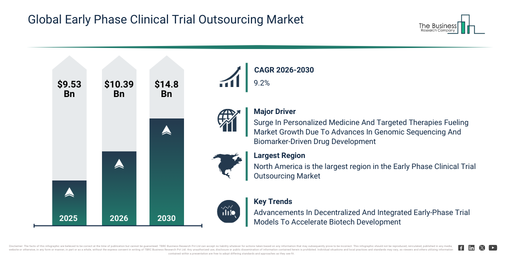
    The early phase clinical trial outsourcing market has experienced robust growth in recent years. It is anticipated to increase from $9.53 billion in 2025 to $10.39 billion in 2026, at a compound annual growth rate (CAGR) of 9.0%. The expansion observed historically can be ascribed to the increasing complexity of drug development pipelines, rising cost pressures on pharmaceutical sponsors, the proliferation of biotech startup activity, an increasing need for regulatory expertise, and a greater reliance on specialized clinical research organizations.

    The early phase clinical trial outsourcing market size is anticipated to undergo significant expansion in the coming years. It is projected to climb to $14.8 billion by 2030, exhibiting a compound annual growth rate (CAGR) of 9.2%. This projected growth can be attributed to the increasing adoption of decentralized trial elements, a rising focus on precision medicine studies, the expansion of rare disease clinical research, the growing utilization of AI-enabled trial analytics, and increasing global harmonization of early-phase regulations. Prominent trends within the forecast period include the increasing outsourcing of phase I clinical studies, a rising demand for integrated early-phase contract research organization (CRO) services, the growing application of data-driven trial design approaches, the expansion of adaptive and first-in-human trials, and an enhanced focus on accelerated study timelines.

    Access Your Free Sample Report for In-Depth Market Insights:

    https://www.thebusinessresearchcompany.com/sample.aspx?id=33097&type=smp

    Which Drivers Are Supporting The Rise Of The Early Phase Clinical Trial Outsourcing Market?

    The early-phase clinical trial outsourcing market is anticipated to expand moving forward, driven by the escalating attention to personalized medicine. Personalized medicine denotes the heightened focus within healthcare and life sciences on developing and delivering treatments precisely tailored to individual patients or clearly defined patient subgroups based on their genetic and molecular characteristics. This increasing emphasis on personalized medicine primarily stems from advancements in genomic sequencing and molecular diagnostics, which enable the accurate identification of genetic and biomarker profiles specific to diseases. Early-phase clinical trial outsourcing supports personalized medicine and targeted therapies by offering specialized expertise, flexible trial designs, and biomarker-driven study capabilities, facilitating precise patient stratification and rapid proof-of-concept validation. For instance, in February 2024, according to the Personalized Medicine Coalition (PMC), a US-based nonprofit organization, the count of personalized therapies for rare diseases more than doubled, climbing from 6 in 2022 to 16 in 2023. Hence, the increasing focus on personalized medicine is a key factor propelling the growth of the early-phase clinical trial outsourcing market.

    What Segments Are Identified Within The Structure Of The Early Phase Clinical Trial Outsourcing Market?

    The early phase clinical trial outsourcing market covered in this report is segmented –

    1) By Type: Regulatory Services; Clinical Data Management (CDM); Medical Writing; Site Management; Pharmacovigilance (PV); Risk-Based Monitoring; Bio Statistical Services; Protocol Development; Other Types

    2) By Therapeutic Area: Oncology; Central Nervous System (CNS) And Neurology; Cardiovascular And Metabolic Diseases; Infectious Diseases; Immunology And Inflammatory Diseases; Rare Diseases And Genetic Disorders

    3) By Trial Phase: Phase 0; Phase 1; Phase 2

    4) By Applications: Pharmaceutical Companies; Biopharmaceutical Companies; Drug Discovery Companies; Medical Devices Companies; Other Applications

    Subsegments:

    1) By Regulatory Services: Regulatory Strategy Planning; Regulatory Submission Preparation; Health Authority Liaison; Ethics Committee Submission Management; Regulatory Compliance Auditing; Trial Registration Support

    2) By Clinical Data Management (CDM): Case Report Form Design; Data Entry And Validation; Database Development And Maintenance; Data Cleaning And Query Management; Clinical Data Integration; Data Lock And Archival

    3) By Medical Writing: Clinical Study Protocol Writing; Investigator Brochure Development; Clinical Study Report Writing; Informed Consent Document Preparation; Regulatory Dossier Writing; Scientific Publication Support

    4) By Site Management: Site Feasibility Assessment; Site Selection And Initiation; Investigator Training And Support; Site Performance Management; Site Close Out Services; Vendor Coordination At Site Level

    5) By Pharmacovigilance (PV): Safety Data Collection; Adverse Event Processing; Serious Adverse Event Reporting; Safety Database Management; Signal Detection And Evaluation; Periodic Safety Report Preparation

    6) By Risk-Based Monitoring: Risk Assessment And Categorization; Centralized Monitoring Activities; Key Risk Indicator Development; Remote Monitoring Services; On Site Monitoring Optimization; Monitoring Plan Design

    7) By Bio Statistical Services: Statistical Analysis Plan Development; Sample Size Determination; Randomization Design; Interim Analysis; Final Statistical Analysis; Data Interpretation And Reporting

    8) By Protocol Development: Study Design Consulting; Endpoint Definition; Eligibility Criteria Development; Schedule Of Assessments Design; Protocol Amendment Management; Feasibility Driven Protocol Optimization

    9) By Other Types: Clinical Trial Supply Management; Patient Recruitment Support; Quality Assurance Services; Trial Master File Management; Vendor And Project Management

    How Are Emerging Trends Affecting The Progression Of The Early Phase Clinical Trial Outsourcing Market?

    Companies operating within the early-phase clinical trial outsourcing market are emphasizing technological innovations across decentralized and hybrid early-phase clinical trial models, such as integrated early development trial ecosystems. This focus aims to satisfy the growing demand among biotechnology sponsors for more rapid execution, elevated scientific rigor, and reduced risk in early-stage clinical development. Integrated early development trial ecosystems represent specialized clinical research environments that combine dedicated infrastructure, experienced early-phase investigators, real-time safety surveillance, and streamlined regulatory and operational processes, leading to enhanced efficiency and consistency in early-phase trials. As an illustration, in October 2025, Avance Clinical, an Australia-based contract research organization (CRO), announced the opening of a Dedicated Center of Excellence. This center is intended to accelerate early-phase biotech trials, boosting operational efficiency, scientific integrity, and the speed-to-market for emerging biotechnology companies. The Dedicated Center of Excellence provides a centralized early-phase trial setting, integrating specialized clinical units, expert early-phase investigators, and coordinated operational oversight to expedite study start-up and execution.

    Which Leading Companies Dominate The Early Phase Clinical Trial Outsourcing Market Share?

    Major companies operating in the early phase clinical trial outsourcing market are IQVIA Holdings Inc., ICON plc, Syneos Health Inc., Parexel International Corporation, Medpace Holdings Inc., Pharmaron Beijing Co. Ltd., Premier Research Group Limited, ProPharma Group Holdings Inc., Precision for Medicine Group LLC, Worldwide Clinical Trials LLC, Catalyst Clinical Research LLC, Avance Clinical Pty Ltd, Quanticate International Ltd, Clinilabs Drug Development Corporation, Optimapharm d.o.o., RICe – Richmond Pharmacology Ltd, Novotech Health Holdings Pty Ltd, CMIC Holdings Co. Ltd., Medpace Reference Laboratories Inc., iNGENu CRO Pty Ltd

    Access The Complete Report For Deeper Market Insights:

    https://www.thebusinessresearchcompany.com/report/early-phase-clinical-trial-outsourcing-market-report

    How Does The Early Phase Clinical Trial Outsourcing Market Perform Across Major Global Regions?

    North America was the largest region in the early phase clinical trial outsourcing market in 2025. Asia-Pacific is expected to be the fastest-growing region in the forecast period. The regions covered in the early phase clinical trial outsourcing market report are Asia-Pacific, South East Asia, Western Europe, Eastern Europe, North America, South America, Middle East, Africa.

    Request Your Customized Early Phase Clinical Trial Outsourcing Market Research Report for Competitive Advantage:

    https://www.thebusinessresearchcompany.com/customise?id=33097&type=smp

    Browse Through More Reports Similar to the Global Early Phase Clinical Trial Outsourcing Market 2026, By The Business Research Company

    Biomarker Clinical Phase Outsourcing Services Market Report 2026

    https://www.thebusinessresearchcompany.com/report/biomarker-clinical-phase-outsourcing-services-global-market-report

    Advanced Therapeutics Pharmaceutical Outsourcing Market Report 2026

    https://www.thebusinessresearchcompany.com/report/advanced-therapeutics-pharmaceutical-outsourcing-global-market-report

    Clinical Trial Supply And Logistics Market Report 2026

    https://www.thebusinessresearchcompany.com/report/clinical-trial-supply-and-logistics-global-market-report

    Get in touch with us:

    The Business Research Company: https://www.thebusinessresearchcompany.com/

    Americas +1 310-496-7795

    Asia +44 7882 955267 & +91 8897263534

    Europe +44 7882 955267

    Email us at info@tbrc.info

    Follow us on:

    LinkedIn: https://in.linkedin.com/company/the-business-research-company

    YouTube: https://www.youtube.com/channel/UC24_fI0rV8cR5DxlCpgmyFQ

    Global Market Model: https://www.thebusinessresearchcompany.com/global-market-model
  • Global Vitiligo Treatment Market Report 2026–2030: Data-Driven Growth Insights

    Global Vitiligo Treatment Market Report 2026–2030: Data-Driven Growth Insights

    Uncover key drivers, emerging technologies, and competitive movements shaping the vitiligo treatment market from 2026–2035 with trusted insights from The Business Research Company

    What total market size is anticipated for the Vitiligo Treatment Market in 2030?

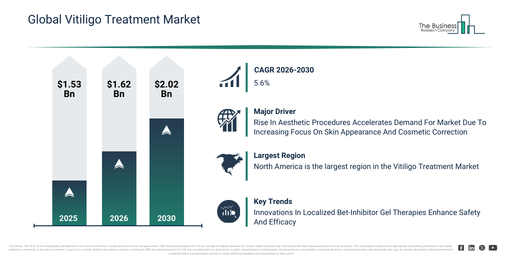
    The vitiligo treatment market size has experienced significant expansion in recent years. It is anticipated to increase from $1.53 billion in 2025 to $1.62 billion in 2026, demonstrating a compound annual growth rate (CAGR) of 5.7%. Key factors contributing to this historical growth include the escalating diagnosis of autoimmune skin disorders, broader access to corticosteroids and immunotherapies, the proliferation of dermatology clinic networks, heightened patient awareness, and wider adoption of phototherapy.

    The vitiligo treatment market is anticipated to experience substantial expansion in the coming years. By 2030, this market is projected to reach $2.02 billion, demonstrating a compound annual growth rate (CAGR) of 5.6%. This projected growth is driven by several factors, including the increasing advancement of biologic therapies, the growing acceptance of precision dermatology treatments, the wider availability of home-based treatment solutions, expanding investments in autoimmune research, and a heightened emphasis on achieving lasting repigmentation results. Key trends during this period are expected to encompass the growing uptake of immunomodulatory therapies, an increased application of targeted topical treatments, a stronger focus on strategies for early intervention, the broader implementation of combination therapy approaches, and an intensified emphasis on managing the disease over the long term.

    Access Your Free Sample Report for In-Depth Market Insights:

    https://www.thebusinessresearchcompany.com/sample.aspx?id=10843&type=smp

    What Drivers Are Influencing Production Trends In The Vitiligo Treatment Market?

    The expanding requirement for cosmetic and aesthetic procedures is anticipated to fuel the growth of the vitiligo treatment market moving forward. These medical treatments are designed to enhance, restore, or correct one’s physical appearance through surgical methods or less invasive techniques such as injectables, laser therapies, and skin resurfacing. The increasing desire for cosmetic and aesthetic procedures stems from greater societal acceptance and a diminishing stigma surrounding appearance enhancements, as the impact of social media and public figures openly discussing their procedures has made aesthetic treatments commonplace, prompting individuals to pursue cosmetic improvements without reservation. This surge in cosmetic procedure demand directly fosters a heightened interest in vitiligo treatment options, as those with this skin depigmentation condition seek aesthetic remedies to achieve a more consistent skin tone and boost their self-assurance. For instance, in June 2024, the International Society of Aesthetic Plastic Surgery (ISAPS), a US-based nonprofit organization, reported that total surgical and non-surgical cosmetic procedures climbed by 3.4% in 2023, reaching approximately 34.9 million procedures globally. Consequently, the escalating demand for cosmetic and aesthetic procedures is a primary driver for the vitiligo treatment market.

    Which Segments Are Gaining Traction In The Vitiligo Treatment Market?

    The vitiligo treatment market covered in this report is segmented –

    1) By Drugs: Antihistamines, H2 Antagonists, Tricyclic Antidepressants, Other Drugs

    2) By Types: Acute Urticaria, Chronic Urticaria

    3) By Mode Of Administration: Injectable, Oral, Other Modes Of Administration

    4) By Distribution Channel: Hospital Pharmacies, Retail Pharmacies, Online Pharmacies

    5) By End-User: Hospitals, Homecare, Specialty Clinics, Other End-Users

    Subsegments:

    1) By Antihistamines: Cetirizine, Loratadine, Diphenhydramine

    2) By H2 Antagonists: Ranitidine, Famotidine, Cimetidine

    3) By Tricyclic Antidepressants: Amitriptyline, Nortriptyline, Doxepin

    4) By Other Drugs: Corticosteroids, Immunomodulators, Phototherapy Agents

    Which Trends Are Guiding The Evolution Of The Vitiligo Treatment Market?

    Major companies in the vitiligo treatment market are actively pursuing clinical trials to develop advanced products, such as localized bromodomain and extra-terminal (BET) inhibitors gel therapies, with the goal of safely reducing inflammation and promoting skin repigmentation. Localized BET inhibitors gel therapies are topical treatments that specifically target BET proteins involved in inflammatory gene activation, and by applying the gel directly to depigmented skin, they effectively decrease local inflammation and support melanocyte recovery, thereby encouraging repigmentation while minimizing systemic side effects. For example, in June 2024, VYNE Therapeutics, a US-based clinical-stage biopharmaceutical company, began dosing the first subject in its Phase 2b trial of VYN201 (repibresib) gel, a novel once-daily pan-BET inhibitor developed specifically for nonsegmental vitiligo. The gel is being evaluated across three concentrations (1%, 2%, 3%) to locally suppress inflammation and aid melanocyte recovery, offering a precise approach with reduced systemic risk.

    Who Are The Primary Competitors In The Global Vitiligo Treatment Market?

    Major companies operating in the vitiligo treatment market are Clinuvel Pharmaceuticals Ltd., Incyte Corporation, STRATA Skin Sciences, Clarify Medical Inc., LEO Pharma A/S, Dermavant Sciences Inc., Arcutis Biotherapeutics, Galderma S.A., Sun Pharmaceutical Industries Ltd., Pfizer Inc., Novartis AG, Dr. Reddy’s Laboratories Ltd., Glenmark Pharmaceuticals Ltd., Astellas Pharma Inc., Bausch Health Companies Inc., Amgen, Bristol-Myers Squibb, Merck KGaA, Boston Pharmaceuticals, Dermfix Ltd., Vitiligo Research Foundation, Vitiligo Clinic and Research Center, Vitiligo Bond Inc., Vitiligo Support International

    Access The Complete Report For Deeper Market Insights:

    https://www.thebusinessresearchcompany.com/report/vitiligo-treatment-global-market-report

    Which Global Regions Are Shaping The Competitive Landscape Of The Vitiligo Treatment Market?

    North America was the largest region in the global vitiligo treatment market in 2025.Asia-Pacific is expected to be the fastest-growing region in the forecast period. The regions covered in the vitiligo treatment market report are Asia-Pacific, South East Asia, Western Europe, Eastern Europe, North America, South America, Middle East, Africa.

    Request Your Customized Vitiligo Treatment Market Research Report for Competitive Advantage:

    https://www.thebusinessresearchcompany.com/customise?id=10843&type=smp

    Browse Through More Reports Similar to the Global Vitiligo Treatment Market 2026, By The Business Research Company

    Vaginitis Therapeutics Market Report 2026

    https://www.thebusinessresearchcompany.com/report/vaginitis-therapeutics-global-market-report

    Mycosis Fungoides Treatment Market Report 2026

    https://www.thebusinessresearchcompany.com/report/mycosis-fungoides-treatment-global-market-report

    Vitrectomy Devices Market Report 2026

    https://www.thebusinessresearchcompany.com/report/vitrectomy-devices-global-market-report

    Get in touch with us:

    The Business Research Company: https://www.thebusinessresearchcompany.com/

    Americas +1 310-496-7795

    Asia +44 7882 955267 & +91 8897263534

    Europe +44 7882 955267

    Email us at info@tbrc.info

    Follow us on:

    LinkedIn: https://in.linkedin.com/company/the-business-research-company

    YouTube: https://www.youtube.com/channel/UC24_fI0rV8cR5DxlCpgmyFQ

    Global Market Model: https://www.thebusinessresearchcompany.com/global-market-model