Category: HealthcareServices

  • Revenue of the Liraglutide And Semaglutide Market Predicted to Achieve $28.98 Billion by 2030, Driven by 11.3% CAGR

    Revenue of the Liraglutide And Semaglutide Market Predicted to Achieve $28.98 Billion by 2030, Driven by 11.3% CAGR

    Uncover key drivers, emerging technologies, and competitive movements shaping the liraglutide and semaglutide market from 2026–2035 with trusted insights from The Business Research Company

    What are the forecasted starting (2026) and ending (2030) market sizes for the Liraglutide And Semaglutide Market?

    The liraglutide and semaglutide market size has seen rapid growth recently. This market is forecast to expand from $16.94 billion in 2025 to $18.88 billion in 2026, demonstrating a compound annual growth rate (CAGR) of 11.5%. Historically, the market’s growth can be linked to factors such as the increasing prevalence of type 2 diabetes mellitus, the limitations of traditional antidiabetic therapies, growing obesity rates, the clinical success of injectable glp-1 drugs, and rising awareness of cardiovascular risk reduction.

    The market for liraglutide and semaglutide is projected to experience swift expansion over the coming years. This market is anticipated to reach a valuation of $28.98 billion by 2030, growing at a compound annual growth rate (CAGR) of 11.3%. Factors contributing to this growth during the forecast period include broader indications for obesity treatment, an increasing need for user-friendly dosing choices, the rising uptake of oral semaglutide, an intensified emphasis on holistic metabolic health, and elevated healthcare expenditure on managing chronic diseases. Key trends expected during this period involve the greater acceptance of GLP-1 receptor agonists for diabetes management, increased application of GLP-1 therapies in weight management, a growing inclination towards once-weekly injectable medications, the proliferation of oral GLP-1 formulations, and a rise in long-term utilization for blood sugar and weight regulation.

    Access Your Free Sample Report for In-Depth Market Insights:

    https://www.thebusinessresearchcompany.com/sample.aspx?id=18400&type=smp

    What Drivers Are Supporting Technological Adoption In The Liraglutide And Semaglutide Market?

    An increasing population of individuals with diabetes is anticipated to fuel the expansion of the liraglutide and semaglutide markets in the future. Diabetes is a persistent medical state marked by heightened blood glucose levels, stemming from the body’s resistance to insulin and inadequate insulin synthesis. The growing incidence of diabetic individuals is linked to inactive lifestyles, unhealthy eating patterns, and hereditary factors. Liraglutide and semaglutide play a crucial role in the treatment of diabetic patients, providing efficient control over blood glucose and mitigating the likelihood of diabetes-related complications. As an illustration, data from June 2024 released by the National Health Service, a UK government body, indicated that in 2023, the NHS identified more than 549,000 new individuals in England facing the risk of developing type 2 diabetes. This raised the overall count of people with non-diabetic hyperglycemia, or pre-diabetes, registered with a general practitioner to 3,615,330. This figure signifies a considerable jump from the 3,065,825 recorded in 2022, reflecting an increase of almost 20%. Consequently, the increasing prevalence of diabetic patients serves as a key driver for the liraglutide and semaglutide markets.

    Which Segments Are Contributing To The Growth Of The Liraglutide And Semaglutide Market?

    The liraglutide and semaglutide market covered in this report is segmented –

    1) By Type: Pills, Liquid

    2) By Administration: Parenteral, Oral

    3) By Application: Type 2 Diabetes Mellitus, Obesity, Other Applications

    4) By Distribution Channel: Hospital Pharmacies, Retail Pharmacies, Online Pharmacies

    Subsegments:

    1) By Pills: Oral Tablets (Liraglutide, Semaglutide), Extended-Release Oral Formulations

    2) By Liquid: Injectable Solutions (Liraglutide, Semaglutide), Pre-Filled Syringes, Vials For Injection

    What Trends Are Expected To Impact The Competitive Landscape Of The Liraglutide And Semaglutide Market?

    Leading companies in the liraglutide and semaglutide markets are developing anti-diabetic biosimilar drugs to enhance glucose control and reduce cardiovascular risks in diabetic patients. These anti-diabetic biosimilars are cost-effective, near-identical copies of original diabetes biologics, designed to deliver the same health benefits as the reference drugs. For example, in January 2024, Glenmark Pharmaceuticals Ltd., an India-based pharmaceutical company, introduced a biosimilar of the widely used anti-diabetic drug, Liraglutide, for the first time in India. This product is a biosimilar of Liraglutide, an anti-diabetic medication aimed at improving glycemic control among adults with type 2 diabetes mellitus. Its launch lowers daily therapy costs, significantly expanding access for more patients nationwide. Priced at approximately INR 100 for a standard 1.2 mg dose per day, this substantially reduces therapy costs by about 70% and requires a prescription for purchase.

    Who Are The Core Companies Influencing Trends In The Liraglutide And Semaglutide Market?

    Major companies operating in the liraglutide and semaglutide market are Novo Nordisk A/S, Eli Lilly and Company, Pfizer Inc., Merck & Co. Inc., AstraZeneca Plc, Boehringer Ingelheim International GmbH, Sanofi S.A., Novartis AG, Teva Pharmaceutical Industries Ltd., Sun Pharmaceutical Industries Ltd., Dr. Reddy’s Laboratories Ltd., Biocon Ltd., Glenmark Pharmaceuticals Limited, Lupin Limited, Cipla Limited, Aurobindo Pharma Limited, Zydus Lifesciences Limited, Hikma Pharmaceuticals Plc, Viatris Inc., Amneal Pharmaceuticals Inc., Torrent Pharmaceuticals Limited, Intas Pharmaceuticals Limited

    Access The Complete Report For Deeper Market Insights:

    https://www.thebusinessresearchcompany.com/report/liraglutide-and-semaglutide-global-market-report

    Which Region Is Expected To Experience The Fastest Growth In The Liraglutide And Semaglutide Market?

    North America was the largest region in the liraglutide and semaglutide market in 2025. Asia-Pacific is expected to be the fastest-growing region in the forecast period. The regions covered in the liraglutide and semaglutide market report are Asia-Pacific, South East Asia, Western Europe, Eastern Europe, North America, South America, Middle East, Africa.

    Request Your Customized Liraglutide And Semaglutide Market Research Report for Competitive Advantage:

    https://www.thebusinessresearchcompany.com/customise?id=18400&type=smp

    Browse Through More Reports Similar to the Global Liraglutide And Semaglutide Market 2026, By The Business Research Company

    Antiglaucoma Drugs Market 2026

    https://www.thebusinessresearchcompany.com/report/antiglaucoma-drugs-market

    Semaglutides Market Report 2026

    https://www.thebusinessresearchcompany.com/report/semaglutides-global-market-report

    Liraglutide Market Report 2026

    https://www.thebusinessresearchcompany.com/report/liraglutide-global-market-report

    Get in touch with us:

    The Business Research Company: https://www.thebusinessresearchcompany.com/

    Americas +1 310-496-7795

    Asia +44 7882 955267 & +91 8897263534

    Europe +44 7882 955267

    Email us at info@tbrc.info

    Follow us on:

    LinkedIn: https://in.linkedin.com/company/the-business-research-company

    YouTube: https://www.youtube.com/channel/UC24_fI0rV8cR5DxlCpgmyFQ

    Global Market Model: https://www.thebusinessresearchcompany.com/global-market-model

  • Liquid Biopsy For Cancer Diagnostics Sector Forecast Shows Robust Momentum, Climbing to $22.99 Billion With 16.4% CAGR

    Liquid Biopsy For Cancer Diagnostics Sector Forecast Shows Robust Momentum, Climbing to $22.99 Billion With 16.4% CAGR

    Uncover key drivers, emerging technologies, and competitive movements shaping the liquid biopsy for cancer diagnostics market from 2026–2035 with trusted insights from The Business Research Company

    What upper market value could the Liquid Biopsy For Cancer Diagnostics Market reach by 2030 starting from 2026 levels?

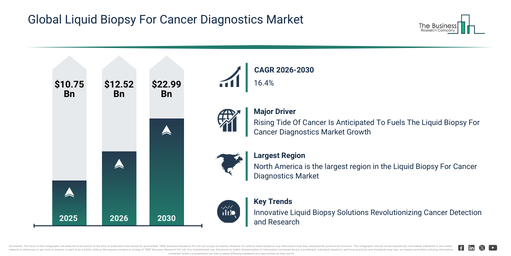
    The liquid biopsy for cancer diagnostics market has experienced rapid expansion in recent years. It is anticipated to grow from $10.75 billion in 2025 to $12.52 billion in 2026, demonstrating a compound annual growth rate (CAGR) of 16.4%. The growth observed in the preceding period can be ascribed to several factors, including the limitations associated with tissue biopsy procedures, an increasing incidence of lung and breast cancer, the early adoption of molecular cancer diagnostics, a heightened demand for early-stage cancer detection, and augmented clinical research in oncology diagnostics.

    The market for liquid biopsy in cancer diagnostics is projected to experience swift expansion over the coming years. By 2030, this market is anticipated to reach $22.99 billion, exhibiting a compound annual growth rate (CAGR) of 16.4%. Factors contributing to this growth during the projected period include the broader application of liquid biopsy in standard cancer screening, an increased emphasis on individualized cancer treatment, its heightened utilization in monitoring treatment effectiveness, escalating investments in cancer diagnostic tools, and its widening application in detecting gastrointestinal and ovarian cancers. Key trends for the forecast duration encompass the increasing uptake of liquid biopsy for lung cancer detection, a surge in the use of blood-based methods for cancer screening, a growing need for continuous cancer surveillance, the spread of liquid biopsy applications across numerous cancer varieties, and an escalating clinical preference for diagnostic approaches that are less invasive.

    Access Your Free Sample Report for In-Depth Market Insights:

    https://www.thebusinessresearchcompany.com/sample.aspx?id=12205&type=smp

    Which Drivers Are Influencing Long-Term Growth In The Liquid Biopsy For Cancer Diagnostics Market?

    The increasing occurrence of cancer is anticipated to fuel expansion in the liquid biopsy for cancer diagnostics market in the future. Cancer, a diverse group of diseases, arises when abnormal cells multiply without control in almost any organ or tissue, extending beyond their normal limits and potentially spreading to other organs or invading adjacent areas. The presence of cancer heightens the demand for diagnostic methods, including early detection of cancer or tumor recurrence, individual patient risk assessment, and treatment monitoring. Liquid biopsy is crucial here because it can portray the entire disease landscape, as tumor cells or their byproducts are shed from all primary or metastatic tumor locations, offering comprehensive and current insights into tumor cell changes, therapeutic goals, and strategies for overcoming treatment resistance. For example, data from May 2024 by the US-based National Cancer Institute indicated approximately 18.1 million cancer survivors in the United States. This number is expected to climb to 22.5 million by 2032. Projections suggest that by 2040, annual new cancer cases will reach 29.9 million, and cancer-related fatalities are estimated to grow to 15.3 million. Consequently, the growing frequency of cancer cases is fueling the expansion of the liquid biopsy for cancer diagnostics market.

    How Is The Liquid Biopsy For Cancer Diagnostics Market Divided Into Segments?

    The liquid biopsy for cancer diagnostics market covered in this report is segmented –

    1) By Type: Product, Services

    2) By Sample: Blood, Urine, Saliva

    3) By Cancer: Lung Cancer, Breast Cancer, Colon Cancer, Other Cancers

    4) By End-User: Hospitals, Diagnostic Centers, Other End-Users

    Subsegments:

    1) By Product: Circulating Tumor Cells (CTCs) Detection Kits, Circulating Tumor DNA (ctDNA) Detection Kits, Exosome Isolation Kits, Sample Collection Devices

    2) By Services: Testing Services, Analytical Services, Bioinformatics Services

    Which Trends Are Guiding The Evolution Of The Liquid Biopsy For Cancer Diagnostics Market?

    Key players within the liquid biopsy market for cancer diagnosis are dedicating their resources to creating novel solutions, including sophisticated liquid biopsy assays. Such an assay is a highly refined diagnostic tool designed to examine different elements in biological fluids like blood, aiming to identify and define particular biomarkers linked to cancer or other conditions. As an illustration, in November 2023, Illumina Inc., a prominent US-based company in DNA sequencing, introduced its ‘TruSight Oncology 500 ctDNA v2 (TSO 500 ctDNA v2)’. This particular research assay is engineered to enable comprehensive genomic profiling (CGP) of circulating tumor DNA (ctDNA) found in blood, using a noninvasive method. The TSO 500 ctDNA v2 assay aims to make integration easier for its users and provide more profound insights for cancer-related investigations.

    Which Major Industry Participants Are Leading The Liquid Biopsy For Cancer Diagnostics Market Growth?

    Major companies operating in the liquid biopsy for cancer diagnostics market are F. Hoffman La Roche Ltd., Thermo Fisher Scientific Inc., Agilent Technologies Inc., Illumina Inc., The Menarini Group, Bio-Rad Laboratories Inc., QIAGEN Inc., Exact Sciences Corporation, Bio-Techne Corporation, ArcherDX Inc., Neogenomics Laboratories Inc., Guardant Health Inc., Myriad Genetics Inc., Foundation Medicine Inc., Amoy Diagnostics Co. Ltd., Biocartis Group NV, Biodesix Inc., MDx Health Inc., Sysmex Inostics Inc., Biocept Inc., Agena Bioscience Inc., Laboratory for Advanced Medicine (LAM) Inc., MiRXES Pte Ltd., Inivata Limited, Resolution Bioscience Inc., SAGA Diagnostics AB, NuProbe Inc., Personal Gemone Diagnostics Inc., Pathway Genomics Corporation, Angle PLC

    Access The Complete Report For Deeper Market Insights:

    https://www.thebusinessresearchcompany.com/report/liquid-biopsy-for-cancer-diagnostics-global-market-report

    Which Geographic Areas Are Emerging As Strong Markets For The Liquid Biopsy For Cancer Diagnostics Market?

    North America was the largest region in the liquid biopsy for cancer diagnostics market in 2025. Asia-Pacific is expected to be the fastest-growing region in the liquid biopsy for cancer diagnostics market report during the forecast period. The regions covered in the liquid biopsy for cancer diagnostics market report are Asia-Pacific, South East Asia, Western Europe, Eastern Europe, North America, South America, Middle East, Africa.

    Request Your Customized Liquid Biopsy For Cancer Diagnostics Market Research Report for Competitive Advantage:

    https://www.thebusinessresearchcompany.com/customise?id=12205&type=smp

    Browse Through More Reports Similar to the Global Liquid Biopsy For Cancer Diagnostics Market 2026, By The Business Research Company

    Cancer Diagnostics Market Report 2026

    https://www.thebusinessresearchcompany.com/report/cancer-diagnostics-global-market-report

    Liquid Biopsy Market Report 2026

    https://www.thebusinessresearchcompany.com/report/liquid-biopsy-global-market-report

    Biopsy Devices Market Report 2026

    https://www.thebusinessresearchcompany.com/report/biopsy-devices-global-market-report

    Get in touch with us:

    The Business Research Company: https://www.thebusinessresearchcompany.com/

    Americas +1 310-496-7795

    Asia +44 7882 955267 & +91 8897263534

    Europe +44 7882 955267

    Email us at info@tbrc.info

    Follow us on:

    LinkedIn: https://in.linkedin.com/company/the-business-research-company

    YouTube: https://www.youtube.com/channel/UC24_fI0rV8cR5DxlCpgmyFQ

    Global Market Model: https://www.thebusinessresearchcompany.com/global-market-model
  • Liquid Biopsy Market Anticipated to Record Steady Gains, Advancing to $3.11 Billion by 2030

    Liquid Biopsy Market Anticipated to Record Steady Gains, Advancing to $3.11 Billion by 2030

    Uncover key drivers, emerging technologies, and competitive movements shaping the liquid biopsy market from 2026–2035 with trusted insights from The Business Research Company

    What level of CAGR-driven expansion is anticipated in the Liquid Biopsy Market between 2026 and 2030?

    The liquid biopsy market has observed swift growth over recent years. It is anticipated to expand from $1.46 billion in 2025 to $1.71 billion in 2026, exhibiting a compound annual growth rate (CAGR) of 17.3%. This historical growth can be attributed to various factors such as the limitations associated with traditional tissue biopsy procedures, the rising global prevalence of cancer, the early adoption of blood-based diagnostics, ongoing advancements in molecular biology techniques, and an increased emphasis on the early detection of cancer.

    The liquid biopsy market is projected to experience substantial expansion in the coming years. By 2030, this market is anticipated to reach $3.11 billion, exhibiting a compound annual growth rate (CAGR) of 16.2%. This growth during the forecast period can be attributed to factors such as increasing demand for precision oncology, wider adoption in routine cancer screening, broader applications in monitoring cancer recurrence, an uptick in oncology diagnostic expenditure, and greater awareness among healthcare professionals and patients. Key trends anticipated for the forecast period encompass a growing uptake of non-invasive cancer diagnostics, expanded utilization of liquid biopsy for early cancer identification, increased need for real-time treatment tracking, the spread of liquid biopsy within personalized oncology, and its rising clinical recognition as a viable substitute for tissue biopsy.

    Access Your Free Sample Report for In-Depth Market Insights:

    https://www.thebusinessresearchcompany.com/sample.aspx?id=2815&type=smp

    What Drivers Are Affecting Demand-Supply Dynamics In The Liquid Biopsy Market?

    A primary factor propelling the expansion of the liquid biopsy market is the surge in government investment towards enhancing cancer detection methods. This financial support for improving cancer detection stems largely from the escalating worldwide prevalence of cancer, the imperative for timely diagnosis to achieve better treatment results, and an emphasis on lowering healthcare expenditures via cutting-edge diagnostic innovations. Such governmental backing aids liquid biopsy by expediting its research and development, providing assistance for clinical trials, and fostering the widespread acceptance of sophisticated, non-invasive diagnostic tools, thereby advancing early cancer identification and tailored treatment approaches. As an illustration, in October 2024, the UK government website, gov.UK, reported an allocation of £118 ($150.38) million to UK Research and Innovation, comprising £54 million from the government itself and £64 ($81.55) million contributed by partners. Consequently, the heightened government funding dedicated to advancing cancer detection is a significant driver for the growth of the liquid biopsy market.

    What Segments Are Included Within The Liquid Biopsy Market?

    The liquid biopsy market covered in this report is segmented –

    1) By Product: Assay Kits, Instruments, Services

    2) By Clinical Application: Early Cancer Screening, Therapy Selection, Treatment Monitoring, Recurrence Monitoring

    3) By End User: Reference Laboratories, Hospitals and Physician Laboratories, Academic and Research Centers

    Subsegments:

    1) By Assay Kits: cfDNA Assays, ctDNA Assays, Exosome-based Assays, RNA-based Assays

    2) By Instruments: PCR Instruments, Next-Generation Sequencing (NGS) Instruments, Microarray Instruments

    3) By Services: Testing Services, Data Analysis Services, Laboratory Services

    What Trends Are Projected To Support The Growth Of The Liquid Biopsy Market?

    Leading companies within the liquid biopsy market are concentrating on developing advanced solutions, such as all-encompassing circulating tumor DNA (ctDNA) genomic-profiling assays. These innovations aim to speed up noninvasive cancer analysis, facilitate quicker treatment decisions, and expand access to personalized oncology, especially in cases where tissue samples are scarce or cannot be obtained. A comprehensive ctDNA genomic-profiling assay examines tumor-derived cell-free DNA fragments found in the bloodstream. It identifies somatic small variants, copy-number alterations, insertions/deletions, and key immuno-oncology markers (e.g., bTMB and bMSI). This method provides a more extensive understanding of tumors, bypassing the invasive nature, potential sampling errors, and extended processing times associated with conventional tissue biopsies. For instance, in November 2023, Illumina Inc., a US–based sequencing and genomics firm, introduced TruSight Oncology 500 ctDNA v2. This research-focused liquid biopsy panel facilitates noninvasive genomic profiling of solid tumors, featuring an enhanced hybrid-capture panel combined with DRAGEN bioinformatics to sequence 523 biomarkers from minimal cfDNA input. This assay efficiently enriches and detects SVs, CNVs, indels, and immuno-oncology metrics, demonstrating strong analytical performance. It provides simplified workflows, requiring only a single hybridization step and boasting a turnaround time of less than 4 days, while also being compatible with NovaSeq systems and future automation advancements. The solution proves valuable when tissue samples are unobtainable or delayed, complementing existing tissue testing. It also enables extensive pan-cancer research and trial screening, delivering quicker insights, accommodating low-input samples, and promoting simpler integration across various laboratory settings.

    Who Are The Prominent Global Companies Shaping The Liquid Biopsy Market Landscape?

    Major companies operating in the liquid biopsy market are QIAGEN NV, Roche Diagnostics Ltd., Bio-Rad Laboratories Inc., Myriad Genetics Inc., Guardant Health Inc., Thermo Fisher Scientific Inc., Biocept Inc., Trovagene Inc., Fraunhofer-Gesellschaft, MDX Health SA, Agilent Technologies Inc., Illumina Inc., Oxford Nanopore Technologies Ltd., Quantum Biosystems Inc., Menarini Silicon Biosystems Inc., Pathway Genomics Corporation, Sysmex Corporation, Janssen Global Services LLC, Natera Inc., ANGLE Plc, Bio Techne Corp, Biodesix Inc., CellMax Inc., CIRCULOGENE, Exact Sciences Corporation, Epic Sciences Inc., Exosome Diagnostics Inc., GRAIL Inc., Inivata Ltd., NIPD Genetics, Oncocyte Corporation, Personal Genome Diagnostics Inc., RainDance Technologies Inc., Thrive Earlier Detection Corp.

    Access The Complete Report For Deeper Market Insights:

    https://www.thebusinessresearchcompany.com/report/liquid-biopsy-global-market-report

    Which Region Is Projected To Lead The Liquid Biopsy Market During The Forecast Period?

    North America was the largest region in the liquid biopsy market in 2025. Western Europe was the second largest region in the liquid biopsy market. The regions covered in the liquid biopsy market report are Asia-Pacific, South East Asia, Western Europe, Eastern Europe, North America, South America, Middle East, Africa.

    Request Your Customized Liquid Biopsy Market Research Report for Competitive Advantage:

    https://www.thebusinessresearchcompany.com/customise?id=2815&type=smp

    Browse Through More Reports Similar to the Global Liquid Biopsy Market 2026, By The Business Research Company

    Biopsy Devices Market Report 2026

    https://www.thebusinessresearchcompany.com/report/biopsy-devices-global-market-report

    Liquid Biopsy For Cancer Diagnostics Market Report 2026

    https://www.thebusinessresearchcompany.com/report/liquid-biopsy-for-cancer-diagnostics-global-market-report

    Biopsy Devices Market Report 2026

    https://www.thebusinessresearchcompany.com/report/biopsy-devices-global-market-report

    Get in touch with us:

    The Business Research Company: https://www.thebusinessresearchcompany.com/

    Americas +1 310-496-7795

    Asia +44 7882 955267 & +91 8897263534

    Europe +44 7882 955267

    Email us at info@tbrc.info

    Follow us on:

    LinkedIn: https://in.linkedin.com/company/the-business-research-company

    YouTube: https://www.youtube.com/channel/UC24_fI0rV8cR5DxlCpgmyFQ

    Global Market Model: https://www.thebusinessresearchcompany.com/global-market-model

  • Liposomal Doxorubicin Industry Poised for Rapid Growth, Forecast to Touch $1.77 Billion by 2030 at 5.9% CAGR

    Liposomal Doxorubicin Industry Poised for Rapid Growth, Forecast to Touch $1.77 Billion by 2030 at 5.9% CAGR

    Uncover key drivers, emerging technologies, and competitive movements shaping the liposomal doxorubicin market from 2026–2035 with trusted insights from The Business Research Company

    What long-term size projections exist for the Liposomal Doxorubicin Market covering 2026–2035?

    The liposomal doxorubicin market size has shown substantial growth over recent years. It is projected to increase from $1.32 billion in 2025 to $1.41 billion in 2026, at a compound annual growth rate (CAGR) of 6.8%. The expansion witnessed in the past can be linked to aspects such as the drawbacks of traditional doxorubicin toxicity, a surge in global cancer incidence, the initial adoption of liposomal drug delivery, the widening scope of oncology treatment protocols, and the increasing administration of chemotherapy within hospital settings.

    The liposomal doxorubicin market is anticipated to show significant expansion over the next few years, projected to reach $1.77 billion by 2030, exhibiting a compound annual growth rate (CAGR) of 5.9%. This expansion during the forecast period is driven by factors such as a growing demand for safer cancer treatments, an increased emphasis on patient quality of life, broader access to oncology therapies in emerging markets, the growth of liposomal drug development pipelines, and more approvals for generic oncology drugs. Key trends expected in this period include a rising preference for targeted chemotherapy formulations, an increased application of liposomal drugs to lessen cardiotoxicity, greater adoption in treating ovarian and breast cancer, the proliferation of generic liposomal doxorubicin products, and a growing need for enhanced drug tolerability in oncology.

    Access Your Free Sample Report for In-Depth Market Insights:

    https://www.thebusinessresearchcompany.com/sample.aspx?id=16464&type=smp

    Which Drivers Are Impacting The Competitive Landscape Of The Liposomal Doxorubicin Market?

    The increasing incidence of cancer is projected to stimulate expansion in the liposomal doxorubicin market moving ahead. Cancer is defined as a group of diseases that can emerge in almost any organ or tissue when abnormal cells multiply without control, extend beyond their usual limits, and either metastasize to other organs or infiltrate adjacent tissues. The rise in cancer occurrences can be attributed to elements like an aging demographic, shifts in lifestyle, exposure to environmental factors, and advancements in diagnostic methods. In cancer therapy, liposomal doxorubicin is utilized to optimize drug delivery to cancerous growths, minimize adverse effects, and achieve better treatment results. For example, in January 2024, the American Cancer Society, a US-based nonprofit cancer advocacy organization, indicated that cancer cases grew to 2,001,140 from 1,958,310 in 2023, marking a 2.19% increase. Consequently, the growing incidence of cancer is propelling the expansion of the liposomal doxorubicin market.

    What Leading Segments Are Studied In The Liposomal Doxorubicin Market?

    The liposomal doxorubicin market covered in this report is segmented –

    1) By Product: Doxil Or Caelyx, Lipodox, Myocet, Other Products

    2) By Application: Breast Cancer, Kaposi Sarcoma, Other Applications

    3) By End-Users: Hospitals, Homecare, Other End-Users

    Subsegments:

    1) By Doxil Or Caelyx: Different Dosage Strengths, Branded Versions, Generic Versions

    2) By Lipodox: Different Dosage Strengths, Generic Versions

    3) By Myocet: Different Dosage Strengths, Branded Versions

    4) By Other Products: Newer Liposomal Formulations, Regional Brand Variants

    Which Trends Are Influencing The Performance And Direction Of The Liposomal Doxorubicin Market?

    Major companies operating in the liposomal doxorubicin market are concentrating on developing innovative liposomal injectable formulations, such as ready-to-use liposomal doxorubicin presentations. This focus aims to enhance the therapeutic index, reduce systemic toxicity, and simplify hospital administration when compared with conventional free-drug doxorubicin infusions. Liposomal doxorubicin is a nanoparticle-encapsulated formulation where doxorubicin is sequestered within lipid bilayer vesicles (liposomes), which alters pharmacokinetics and biodistribution. Key characteristics include a prolonged circulation time, preferential tumor accumulation via the enhanced permeability and retention (EPR) effect, reduced cardiotoxicity and modified tissue exposure versus non-encapsulated doxorubicin, and compatibility with combination regimens. For instance, in July 2024, ForDoz Pharma Corp., a US–based specialty pharmaceutical company, received FDA approval for DOXOrubicin Hydrochloride Liposome Injection in ready-to-use 20 mg/10 mL and 50 mg/25 mL presentations. These are intended for ovarian cancer, AIDS-related Kaposi’s sarcoma, and multiple myeloma (with bortezomib). The liposomal formulation enables sustained, tumor-targeted drug delivery and reduced peak-related toxicity, while its prefilled, standardized vials simplify preparation and dosing, thereby offering improved tolerability, suitability for combination therapy, and an enhanced treatment workflow across solid tumor and hematologic oncology settings.

    Which Key Players Are Driving Competition In The Liposomal Doxorubicin Market?

    Major companies operating in the liposomal doxorubicin market are Johnson & Johnson, Pfizer Inc., Teva Pharmaceutical Industries Ltd., Sun Pharmaceutical Industries Ltd., Cipla Ltd., Lupin Limited, Zydus Lifesciences Ltd., Accord Healthcare Limited, Dr. Reddy’s Laboratories Ltd., Hikma Pharmaceuticals PLC, Intas Pharmaceuticals Ltd., Mylan N.V., Apotex Inc., Natco Pharma Limited, Shanghai Fudan-Zhangjiang Bio-Pharmaceutical Co. Ltd., TTY Biopharm Company Limited, CSPC Pharmaceutical Group Limited, Luye Pharma Group Ltd., Qilu Pharmaceutical Co. Ltd., Chia Tai Tianqing Pharmaceutical Group, SRS Life Sciences

    Access The Complete Report For Deeper Market Insights:

    https://www.thebusinessresearchcompany.com/report/liposomal-doxorubicin-global-market-report

    Which Region Currently Holds The Largest Share Of The Liposomal Doxorubicin Market?

    North America was the largest region in the liposomal doxorubicin market in 2025. Asia-Pacific is expected to be the fastest-growing region in the forecast period. The regions covered in the liposomal doxorubicin market report are Asia-Pacific, South East Asia, Western Europe, Eastern Europe, North America, South America, Middle East, Africa.

    Request Your Customized Liposomal Doxorubicin Market Research Report for Competitive Advantage:

    https://www.thebusinessresearchcompany.com/customise?id=16464&type=smp

    Browse Through More Reports Similar to the Global Liposomal Doxorubicin Market 2026, By The Business Research Company

    Lipid Market Report 2026

    https://www.thebusinessresearchcompany.com/report/lipid-global-market-report

    Doxorubicin Market Report 2026

    https://www.thebusinessresearchcompany.com/report/doxorubicin-global-market-report

    Liposomal Drug Delivery Devices Market Report 2026

    https://www.thebusinessresearchcompany.com/report/liposomal-drug-delivery-devices-global-market-report

    Get in touch with us:

    The Business Research Company: https://www.thebusinessresearchcompany.com/

    Americas +1 310-496-7795

    Asia +44 7882 955267 & +91 8897263534

    Europe +44 7882 955267

    Email us at info@tbrc.info

    Follow us on:

    LinkedIn: https://in.linkedin.com/company/the-business-research-company

    YouTube: https://www.youtube.com/channel/UC24_fI0rV8cR5DxlCpgmyFQ

    Global Market Model: https://www.thebusinessresearchcompany.com/global-market-model
  • Lipid Nanoparticles Market Performance Outlook 2026–2030: Revenue to Hit $2.41 Billion at 14.2% CAGR

    Lipid Nanoparticles Market Performance Outlook 2026–2030: Revenue to Hit $2.41 Billion at 14.2% CAGR

    Uncover key drivers, emerging technologies, and competitive movements shaping the lipid nanoparticles market from 2026–2035 with trusted insights from The Business Research Company

    What total market size is anticipated for the Lipid Nanoparticles Market in 2030?

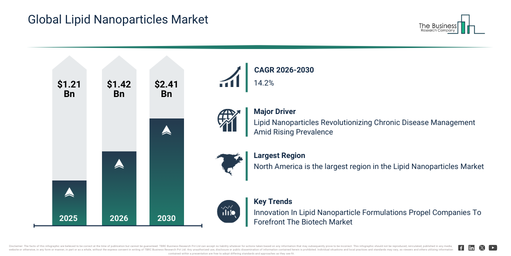
    The lipid nanoparticles market has witnessed significant expansion in recent years. It is anticipated to increase from $1.21 billion in 2025 to $1.42 billion in 2026, achieving a compound annual growth rate (CAGR) of 16.9%. This past growth can be attributed to advancements in nanotechnology research, augmented pharmaceutical R&D investments, the initial adoption of lipid-based delivery systems, expanding academic research concerning nanoparticles, and a rising demand for targeted drug delivery solutions.

    The lipid nanoparticles market is projected for swift expansion in the coming years, reaching $2.41 billion by 2030, demonstrating a compound annual growth rate (CAGR) of 14.2%. This anticipated growth throughout the forecast period stems from factors such as the proliferation of gene and mRNA therapies, escalating demand for sophisticated drug delivery systems, a heightened emphasis on precision medicine, the expansion of biopharmaceutical pipelines, and increased partnerships between industry and research entities. Key trends anticipated during this period encompass the widening integration of lipid nanoparticles in drug delivery, the increasing utilization of LNPs within nucleic acid therapeutics, a greater focus on improving drug stability and bioavailability, the broadening application of lipid nanoparticles in research, and a rising need for scalable and reproducible LNP formulations.

    Access Your Free Sample Report for In-Depth Market Insights:

    https://www.thebusinessresearchcompany.com/sample.aspx?id=15210&type=smp

    What Drivers Are Influencing Production Trends In The Lipid Nanoparticles Market?

    The escalating occurrence of chronic diseases is fueling the expansion of the lipid nanoparticles (LNPs) market. A chronic disease is defined as a long-term condition, typically persisting for over three months, encompassing conditions such as diabetes, hypertension, and others. The incidence of chronic diseases is on the rise, attributed to elements like unhealthy behaviors, an aging demographic, lifestyle choices, smoking, inadequate nutrition, sedentary lifestyles, and heavy alcohol consumption. Lipid nanoparticles (LNPs) present an effective method for managing chronic diseases, given their capacity to boost the efficacy of mRNA therapeutics and vaccines. LNPs enhance the treatment options for various chronic illnesses, providing prospects for improved management strategies and potentially superior patient results. For example, in June 2024, the National Health Service, a UK-based government department, reported that in 2023, the NHS identified over half a million (549,000) more individuals in England susceptible to developing type 2 diabetes. This increased the total count of people with non-diabetic hyperglycemia, or pre-diabetes, registered with a GP to 3,615,330. This figure signifies a notable rise compared to 3,065,825 in 2022, indicating an increase of nearly 20%. Consequently, the increasing prevalence of chronic diseases is stimulating the growth of the lipid nanoparticle market.

    Which Segment Groups Are Influencing The Lipid Nanoparticles Market?

    The lipid nanoparticles market covered in this report is segmented –

    1) By Type: Nano-Structured Lipid Carriers (NLCs), Solid Lipid Nanoparticles (SLNs)

    2) By Application: Research, Therapeutics

    3) By End User: Pharmaceutical And Biotechnology Companies, Academics And Research Centers, Other End Users

    Subsegments:

    1) By Nano-Structured Lipid Carriers (NLCs): Hard NLCs, Soft NLCs

    2) By Solid Lipid Nanoparticles (SLNs): Conventional SLNs, Modified SLNs

    What Long-Term Trends Are Expected To Shape The Future Of The Lipid Nanoparticles Market?

    Major companies operating within the lipid nanoparticles (LNPs) market are introducing innovative circular RNA (circRNA) and lipid nanoparticle (LNP) formulations to enhance their competitive standing. The growth in circular RNA (circRNA) and lipid nanoparticles (LNP) formulation provides a more comprehensive array of RNA formats, particularly circRNA, which is a single-stranded RNA forming a covalently closed loop. As an example, in September 2023, GenScript Biotech, a US-based life sciences company, expanded its reagent services to incorporate circular RNA (circRNA) and lipid nanoparticles (LNP) formulation. These new offerings are consistent with GenScript’s dedication to supplying protein replacement therapies and gene and cell therapy, and they are immediately available through GenScript’s contract-manufactured reagent services. CircRNA offers several advantages compared to traditional linear RNA, including superior stability, slower breakdown, and the capacity to attain desired therapeutic protein levels with a lower dosage.

    Who Are The Top-Performing Companies In The Lipid Nanoparticles Market In Recent Years?

    Major companies operating in the lipid nanoparticles market are Pfizer Inc., Johnson & Johnson, AbbVie Inc., Bayer AG, Abbott Laboratories, Amgen Inc, The Merck Group, Evonik Industries AG, BioNTech SE, Moderna Inc., Sanofi SA, Solid Biosciences Inc., AstraZeneca PLC, NOF Corporation, Alnylam Pharmaceuticals Inc., Nanomerics Ltd., CordenPharma International, Nippon Fine Chemical, Helix Biotech Inc., Dicerna Pharmaceuticals, Gattefossé SAS, Arbutus Biopharma, Avanti Polar Lipids, IOI Oleo GmbH, Evox Therapeutics Ltd.

    Access The Complete Report For Deeper Market Insights:

    https://www.thebusinessresearchcompany.com/report/lipid-nanoparticles-global-market-report

    How Does The Lipid Nanoparticles Market Perform Across Major Global Regions?

    North America was the largest region in the lipid nanoparticles (LNPs) market in 2025. The regions covered in the lipid nanoparticles market report are Asia-Pacific, South East Asia, Western Europe, Eastern Europe, North America, South America, Middle East, Africa.

    Request Your Customized Lipid Nanoparticles Market Research Report for Competitive Advantage:

    https://www.thebusinessresearchcompany.com/customise?id=15210&type=smp

    Browse Through More Reports Similar to the Global Lipid Nanoparticles Market 2026, By The Business Research Company

    Lipid Market Report 2026

    https://www.thebusinessresearchcompany.com/report/lipid-global-market-report

    Metal Nanoparticles Market Report 2026

    https://www.thebusinessresearchcompany.com/report/metal-nanoparticles-global-market-report

    Nanoparticle Analysis Market Report 2026

    https://www.thebusinessresearchcompany.com/report/nanoparticle-analysis-global-market-report

    Get in touch with us:

    The Business Research Company: https://www.thebusinessresearchcompany.com/

    Americas +1 310-496-7795

    Asia +44 7882 955267 & +91 8897263534

    Europe +44 7882 955267

    Email us at info@tbrc.info

    Follow us on:

    LinkedIn: https://in.linkedin.com/company/the-business-research-company

    YouTube: https://www.youtube.com/channel/UC24_fI0rV8cR5DxlCpgmyFQ

    Global Market Model: https://www.thebusinessresearchcompany.com/global-market-model

  • Global Lipid Disorder Treatment Market Set for Strong Expansion, Reaching $20.47 Billion With 10.8% CAGR by 2030

    Global Lipid Disorder Treatment Market Set for Strong Expansion, Reaching $20.47 Billion With 10.8% CAGR by 2030

    Uncover key drivers, emerging technologies, and competitive movements shaping the lipid disorder treatment market from 2026–2035 with trusted insights from The Business Research Company

    What is the expected shift in the Lipid Disorder Treatment Market’s size between 2026 and 2030?

    The market for lipid disorder treatments has experienced substantial expansion recently. Projections indicate it will expand from $12.06 billion in 2025 to $13.6 billion in 2026, demonstrating a compound annual growth rate (CAGR) of 12.8%. Historically, this expansion has been driven by factors such as a rise in cardiovascular disease cases, the broad clinical acceptance of statins, an increase in sedentary lifestyles, the growing prevalence of obesity and diabetes, and enhanced cholesterol screening procedures.

    The lipid disorder treatment market is projected to experience substantial growth over the next few years. It is expected to expand to $20.47 billion by 2030, achieving a compound annual growth rate (CAGR) of 10.8%. This anticipated growth is primarily driven by factors such as an expanding aging population, an increasing demand for advanced lipid therapies, a heightened focus on early diagnosis and ongoing monitoring, the wider adoption of PCSK9 inhibitors, and greater healthcare spending on the management of chronic diseases. Prominent trends throughout this forecast period include the rising prevalence of dyslipidemia and cardiovascular risk, the growing embrace of combination lipid-lowering therapies, an intensifying focus on preventive cardiovascular care, the broader utilization of generic and cost-effective statins, and enhanced patient awareness leading to improved long-term treatment adherence.

    Access Your Free Sample Report for In-Depth Market Insights:

    https://www.thebusinessresearchcompany.com/sample.aspx?id=15600&type=smp

    Which Drivers Are Shaping Strategic Decisions In The Lipid Disorder Treatment Market?

    The escalating instances of obesity and high cholesterol are projected to stimulate the expansion of the lipid disorder treatment market moving forward. Obesity is characterized by an excessive accumulation of body fat, while high cholesterol refers to elevated levels of cholesterol within the bloodstream, both of which pose substantial health risks. The rise in obesity and high cholesterol can be attributed to factors such as unhealthy dietary habits, sedentary lifestyles, genetic predispositions, and environmental influences. Lipid disorder treatment serves a vital function in addressing obesity and high cholesterol through the integration of pharmacological interventions with lifestyle modifications, weight management strategies, patient education, and multidisciplinary care. For example, in May 2025, according to the Office for Health Improvement and Disparities, a UK-based government body, it was reported that from 2023 to 2024, approximately 64.5% of adults aged 18 and over in England were either overweight or living with obesity, a rise from 64.0% observed in 2022 to 2023. Thus, the increasing occurrence of obesity and high cholesterol is fueling the growth of the lipid disorder treatment market.

    What Segment Classifications Make Up The Lipid Disorder Treatment Market?

    The lipid disorder treatment market covered in this report is segmented –

    1) By Drug Type: Atorvastatin, Fluvastatin, Rosuvastatin, Simvastatin, Pravastatin, Other Drugs

    2) By Indication: Familial Combined Hyperlipidemia, Familial Defective Apolipoprotein B-100, Familial Dysbetalipoproteinemia, Familial Hypertriglyceridemia, Heterozygous Familial Hypercholesterolemia, Other Indications

    3) By Distribution Channel: Hospital Pharmacies, Retail Pharmacies, Online Pharmacies, Other Distribution Channels

    Subsegments:

    1) By Atorvastatin: Generic Atorvastatin, Brand-Name Atorvastatin ( Lipitor)

    2) By Fluvastatin: Generic Fluvastatin, Brand-Name Fluvastatin ( Lescol)

    3) By Rosuvastatin: Generic Rosuvastatin, Brand-Name Rosuvastatin ( Crestor)

    4) By Simvastatin: Generic Simvastatin, Brand-Name Simvastatin ( Zocor)

    5) By Pravastatin: Generic Pravastatin, Brand-Name Pravastatin ( Pravachol)

    6) By Other Drugs: Ezetimibe, Pcsk9 Inhibitors ( Alirocumab, Evolocumab), Fibrates ( Gemfibrozil, Fenofibrate), Niacin (Vitamin B3), Omega-3 Fatty Acids ( Icosapent Ethyl)

    Which Market Trends Are Opening Growth Opportunities In The Lipid Disorder Treatment Market?

    Leading enterprises within the lipid disorder treatment market are focused on developing proprotein convertase subtilisin type 9 (PCSK9) inhibitors to meet the demand for more effective and targeted interventions in managing elevated cholesterol levels. PCSK9 inhibitors operate by improving the removal of LDL cholesterol from the bloodstream, thereby mitigating the risk of cardiovascular events in high-risk patients. For example, in March 2024, Regeneron Pharmaceuticals Inc., a US-based biotechnology company, secured approval for Praluent (alirocumab) injection from the U.S. Food and Drug Administration (FDA) for the treatment of heterozygous familial hypercholesterolemia (HeFH) in children aged 8 and above. A key attribute of Praluent injection is its mechanism of blocking PCSK9 from binding to the LDL receptor, which increases the availability of LDL receptors on liver cell surfaces. This action subsequently aids in clearing LDL and lowering LDL-C levels within the bloodstream.

    Which Leading Companies Dominate The Lipid Disorder Treatment Market Share?

    Major companies operating in the lipid disorder treatment market are Pfizer Inc., F. Hoffmann-La Roche AG, Merck & Co. Inc., Sanofi S.A., AstraZeneca Plc, Fresenius SE & Co. KGaA, Abbott Laboratories Inc., Novartis AG, GlaxoSmithKline Plc, Wockhardt Ltd., Eli Lilly and Company, Amgen Inc., Boehringer-Ingelheim International GmbH, Viatris Inc., Teva Pharmaceutical Industries Ltd., Regeneron Pharmaceuticals Inc., Mylan N.V., Sun Pharmaceutical Industries Ltd., Glenmark Pharmaceuticals Limited, Emcure Pharmaceuticals Limited, Kowa Pharmaceuticals America Inc., Biocon Ltd., Ranbaxy Laboratories Limited

    Access The Complete Report For Deeper Market Insights:

    https://www.thebusinessresearchcompany.com/report/lipid-disorder-treatment-global-market-report

    Which Region Is Anticipated To See The Fastest Growth In The Lipid Disorder Treatment Market?

    North America was the largest region in the lipid disorder treatment market in 2025. Asia-Pacific is expected to be the fastest-growing region in the forecast period. The regions covered in the lipid disorder treatment market report are Asia-Pacific, South East Asia, Western Europe, Eastern Europe, North America, South America, Middle East, Africa.

    Request Your Customized Lipid Disorder Treatment Market Research Report for Competitive Advantage:

    https://www.thebusinessresearchcompany.com/customise?id=15600&type=smp

    Browse Through More Reports Similar to the Global Lipid Disorder Treatment Market 2026, By The Business Research Company

    Antiphospholipid Syndrome Treatment Market Report 2026

    https://www.thebusinessresearchcompany.com/report/antiphospholipid-syndrome-treatment-global-market-report

    Lipid Market Report 2026

    https://www.thebusinessresearchcompany.com/report/lipid-global-market-report

    Lip Care Product Market Report 2026

    https://www.thebusinessresearchcompany.com/report/lip-care-product-global-market-report

    Get in touch with us:

    The Business Research Company: https://www.thebusinessresearchcompany.com/

    Americas +1 310-496-7795

    Asia +44 7882 955267 & +91 8897263534

    Europe +44 7882 955267

    Email us at info@tbrc.info

    Follow us on:

    LinkedIn: https://in.linkedin.com/company/the-business-research-company

    YouTube: https://www.youtube.com/channel/UC24_fI0rV8cR5DxlCpgmyFQ

    Global Market Model: https://www.thebusinessresearchcompany.com/global-market-model
  • Light Therapy Market Growth Projection: Expected to Surpass $1.75 Billion by 2030 at 6.4% CAGR

    Light Therapy Market Growth Projection: Expected to Surpass $1.75 Billion by 2030 at 6.4% CAGR

    Uncover key drivers, emerging technologies, and competitive movements shaping the light therapy market from 2026–2035 with trusted insights from The Business Research Company

    What growth pattern is forecast for the Light Therapy Market size between 2026 and 2035?

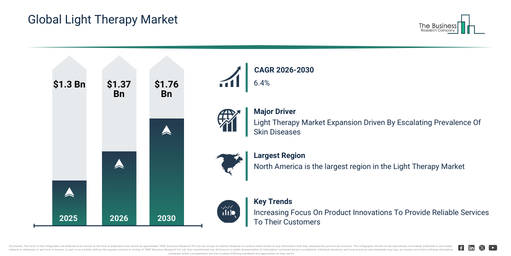
    The light therapy market has demonstrated significant growth in recent years. It is anticipated to increase from $1.3 billion in 2025 to $1.37 billion in 2026, exhibiting a compound annual growth rate (CAGR) of 6.0%. This past expansion can be ascribed to several factors, including the rising occurrence of skin disorders, the early adoption of phototherapy in clinical settings, heightened awareness of seasonal affective disorder, the expansion of dermatology clinics, and a growing preference for non-pharmaceutical treatments.

    The light therapy market is projected to experience substantial expansion over the upcoming years. By 2030, its valuation is anticipated to reach $1.76 billion, demonstrating a compound annual growth rate (CAGR) of 6.4%. This projected growth during the forecast period stems from factors such as increased adoption of homecare treatments, a growing need for user-friendly treatment devices, the rising occurrence of sleep and mood disorders, broader applications for chronic skin conditions, and greater consumer expenditure on wellness-oriented products. Key trends expected over the forecast horizon encompass the increasing uptake of light therapy devices for home use, expanding utilization of light therapy for various dermatological ailments, enhanced acceptance of non-invasive therapeutic choices, the broadening scope of light therapy in mental health interventions, and an increasing market for portable and wearable light therapy solutions.

    Access Your Free Sample Report for In-Depth Market Insights:

    https://www.thebusinessresearchcompany.com/sample.aspx?id=10567&type=smp

    Which Drivers Are Impacting Market Performance In The Light Therapy Market?

    The rising occurrence of skin diseases is anticipated to fuel the expansion of the light therapy market in the future. Skin diseases represent a broad array of ailments that impact the skin, potentially stemming from bacterial, viral, fungal, allergic, and parasitic infections, or originating from the skin itself. Light therapy utilizes light waves, specifically ultraviolet (UV) light exposed for a defined period, in conjunction with medication, to address certain skin conditions such as psoriasis, eczema, mycosis, and vitiligo. This approach naturally boosts the skin’s immunity, helps in treating conditions, and mitigates cell development and inflammation that contribute to skin disorders. For instance, in August 2023, the Skin Health Institute Inc., an Australia-based non-profit organization, reported that psoriasis affects an estimated 2–3% of the population in Australia, indicating its common prevalence. Therefore, the increased prevalence of skin diseases is driving the growth of the light therapy market.

    What Segment Types Are Examined In The Light Therapy Market?

    The light therapy market covered in this report is segmented –

    1) By Product: Light Box, Floor And Desk Lamps, Handheld Devices For Skin Treatment, Light Visor, Light Therapy Lamps, Other Products

    2) By Light Type: White Light, Blue Light, Red Light, Other Light Types

    3) By Application: Psoriasis, Vitiligo, Eczema, Acne Vulgaris, SAD/Winter Blues, Sleeping Disorders, Other Applications

    4) By End User: Homecare Setting, Hospital, Dermatology Clinics, Other End Users

    Subsegments:

    1) By Light Box: Compact Light Boxes, Full-Spectrum Light Boxes, Adjustable Light Boxes

    2) By Floor and Desk Lamps: Floor Lamps, Desk Lamps, Adjustable Angle Lamps

    3) By Handheld Devices for Skin Treatment: LED Handheld Devices, Infrared Handheld Devices, Ultraviolet Handheld Devices

    4) By Light Visor: Wearable Light Visors, Adjustable Light Visors

    5) By Light Therapy Lamps: Portable Light Therapy Lamps, Stationary Light Therapy Lamps

    6) By Other Products: Phototherapy Masks, Light Therapy Glasses, Combined Light Therapy Devices

    How Are Emerging Trends Affecting The Progression Of The Light Therapy Market?

    Major companies in the light therapy market are concentrating on innovative offerings, such as topical skincare products, to enhance their revenue streams. These topical skincare solutions are formulated to boost the effectiveness of the company’s clinically validated LED light therapy treatments, specifically omnilux men and omnilux contourface. For instance, in June 2023, GlobalMed Technologies, a US-based company that manufactures and supplies medical and aesthetic devices, launched a range of topical skincare products. This skincare collection was explicitly created to augment the brand’s clinically validated omnilux contour light therapy products, which aim to reduce wrinkles and fine lines while improving skin tone and providing a complete solution for both consumers and skincare specialists. Topical skincare products are specifically designed to optimize the advantages of LED light therapy before, during, and after treatments. Clinical studies support these products, which are simple to use and affordably priced for home application, yet yield professional-level results.

    Who Are The Major Companies Operating In The Light Therapy Market?

    Major companies operating in the light therapy market are Philips Healthcare, GE Healthcare Technologies Inc, Johnson and Johnson, Beurer GmbH, Lumie Limited, Northern Light Technologies Inc, Verilux Inc, Carex Health Brands Inc, Zepter International GmbH, BioPhotas Inc, Thor Photomedicine Ltd, Alaska Northern Lights Inc, Lucimed SA, Sunbox Company, Dymax Corporation, Valkee Oy, HoMedics LLC, Medical Indicators Inc, PhotoMedex Inc, LED Technologies LLC

    Access The Complete Report For Deeper Market Insights:

    https://www.thebusinessresearchcompany.com/report/light-therapy-global-market-report

    Which Region Is Anticipated To See The Fastest Growth In The Light Therapy Market?

    North America was the largest region in the light therapy market in 2025Asia-Pacific is expected to be the fastest-growing region in the global light therapy market report during the forecast period. The regions covered in the light therapy market report are Asia-Pacific, South East Asia, Western Europe, Eastern Europe, North America, South America, Middle East, Africa.

    Request Your Customized Light Therapy Market Research Report for Competitive Advantage:

    https://www.thebusinessresearchcompany.com/customise?id=10567&type=smp

    Browse Through More Reports Similar to the Global Light Therapy Market 2026, By The Business Research Company

    Medical Lighting Technologies Market Report 2026

    https://www.thebusinessresearchcompany.com/report/medical-lighting-technologies-global-market-report

    Grow Light Market Report 2026

    https://www.thebusinessresearchcompany.com/report/grow-light-global-market-report

    Photodynamic Therapy Market Report 2026

    https://www.thebusinessresearchcompany.com/report/photodynamic-therapy-global-market-report

    Get in touch with us:

    The Business Research Company: https://www.thebusinessresearchcompany.com/

    Americas +1 310-496-7795

    Asia +44 7882 955267 & +91 8897263534

    Europe +44 7882 955267

    Email us at info@tbrc.info

    Follow us on:

    LinkedIn: https://in.linkedin.com/company/the-business-research-company

    YouTube: https://www.youtube.com/channel/UC24_fI0rV8cR5DxlCpgmyFQ

    Global Market Model: https://www.thebusinessresearchcompany.com/global-market-model
  • Ligases Enzyme Market Forecast 2026–2035: How to Leverage Market Growth

    Ligases Enzyme Market Forecast 2026–2035: How to Leverage Market Growth

    Uncover key drivers, emerging technologies, and competitive movements shaping the ligases enzyme market from 2026–2035 with trusted insights from The Business Research Company

    How much larger will the Ligases Enzyme Market be in 2030 compared with 2026?

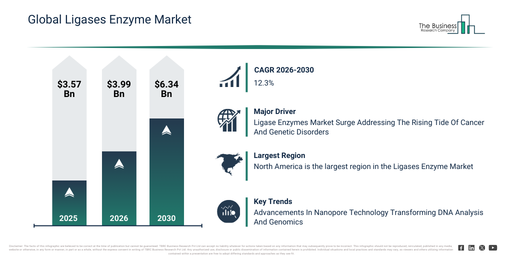
    The ligases enzyme market size has seen rapid expansion in recent years. It is projected to increase from $3.57 billion in 2025 to $3.99 billion in 2026, achieving a compound annual growth rate (CAGR) of 11.7%. The growth observed in the past can be attributed to factors such as the rise in molecular biology research, the initial adoption of ligase enzymes in cloning, the expansion of academic research laboratories, increasing pharmaceutical research and development activities, and the growing utilization of enzymatic tools in diagnostics.

    The ligases enzyme market is projected for significant expansion over the coming years. Its valuation is set to reach $6.34 billion by 2030, exhibiting a compound annual growth rate (CAGR) of 12.3%. This anticipated growth during the forecast period stems from factors such as a heightened demand for sophisticated genetic testing, wider deployment of next-generation sequencing applications, greater financial commitments to biotechnology research, an escalating emphasis on personalized medicine, and the broader embrace of diagnostic methods utilizing ligases. Key developments expected during this timeframe encompass an escalating need for these enzymes in molecular cloning, their expanding utilization in genetic research, increased incorporation into diagnostic assays, a broader range of ligase applications in drug discovery processes, and a developing preference for ligases offering high efficiency and specialized functions.

    Access Your Free Sample Report for In-Depth Market Insights:

    https://www.thebusinessresearchcompany.com/sample.aspx?id=12226&type=smp

    What Drivers Are Guiding Growth Patterns In The Ligases Enzyme Market?

    The expanding occurrence of cancer and genetic conditions is projected to boost the ligase’s enzyme market’s expansion moving ahead. Cancer encompasses a range of illnesses marked by the unchecked proliferation and dissemination of atypical cells, while genetic disorders describe numerous health issues stemming from anomalies or changes in a person’s genetic material, specifically their DNA. Ligase enzymes play a vital role in DNA replication, repair, and recombination processes. In the context of cancer, these enzymes can facilitate the repair of damaged DNA, which contributes to the unchecked proliferation of cells. Additionally, ligases offer a means to target and eliminate cells affected by genetic disorders. As an illustration, data from July 2024, provided by the Australian Institute of Health and Welfare, a government agency based in Australia, indicates that in Australia, cancer diagnoses climbed from 160,570 in 2022 to 164,694 in 2023, demonstrating a significant year-on-year increase. This climbing trajectory underscores the rising incidence of cancer in the nation. Moreover, for every 100,000 individuals, 403 new cancer cases and 144 cancer-related fatalities were documented. Furthermore, figures from February 2023, supplied by Gene People UK, a UK-based registered charity group, reveal that approximately 1 in 25 children in the UK are impacted by a genetic condition. This results in over 2.4 million children and adults residing in the UK with a genetic disorder, and an annual diagnosis of 30,000 new cases among babies and children. Consequently, the heightened occurrence of cancer and genetic conditions is fueling the expansion of the ligase’s enzyme market.

    Which Segments Are Driving Activity In The Ligases Enzyme Market?

    The ligases enzyme market covered in this report is segmented –

    1) By Type: E. coli DNA Ligases, T4 DNA Ligase, Mammalian Ligases, Thermostable Ligases

    2) By Source: Microorganisms, Animal

    3) By Application: Ligase Chain Reaction (LCR), Ligase Detection Reaction (LDR), Next-Generation Sequencing (NGS), Rolling Circle Amplification (RCA), Proximity Ligation Assay (PLA), Molecular Cloning, Ligation Mediated PCR, Mutation Detection

    4) By End-User: Research Laboratories And Institutions, Pharmaceutical And Biopharmaceutical Companies, Diagnostic Laboratories

    Subsegments:

    1) By E. coli DNA Ligase: Ligase I, Ligase II

    2) By T4 DNA Ligase: Wild-Type T4 Ligase, Modified T4 Ligase

    3) By Mammalian Ligases: Ligase IV, Ligase I

    4) By Thermostable Ligases: Taq DNA Ligase, Pyrococcus Furiosus Ligase

    Which Innovation Trends Are Advancing Developments Within The Ligases Enzyme Market?

    Key companies within the ligases enzyme market are advancing technologies like nanopore technologies to improve the accuracy and efficiency of DNA sequencing and manipulation, ultimately enhancing applications across genomics, synthetic biology, and personalized medicine. Nanopore technologies operate by using nanopores to detect and analyze molecules, such as DNA or proteins, by measuring ionic current alterations as they pass through the pore. For instance, in February 2023, Eurofins Genomics, a US-based biotechnology company, introduced its Express Oxford Nanopore Sequencing service. This service employs Oxford Nanopore technology, which facilitates the sequencing of long DNA fragments. This proves particularly advantageous for applications that require extensive genomic analysis, including metagenomics and structural variant detection.

    Which Major Firms Are Strengthening Their Position In The Ligases Enzyme Market?

    Major companies operating in the ligases enzyme market are New England Biolabs Inc., Promega Corporation, Takara Bio Inc., Thermo Fisher Scientific Inc., Merck KGaA, GenScript, Creative Enzymes, ArcticZymes Technologies ASA, BLIRT S.A., Jena Bioscience, Enzo Life Sciences, BioVision Inc., Bioneer Corporation, Sino Biological Inc., Genetix Biotech Asia Pvt. Ltd., Omega Bio-tek Inc., Canvax Biotech, NZYGene, Vivantis Technologies, Toyobo Co. Ltd.

    Access The Complete Report For Deeper Market Insights:

    https://www.thebusinessresearchcompany.com/report/ligases-enzyme-global-market-report

    Which Global Regions Are Shaping The Competitive Landscape Of The Ligases Enzyme Market?

    North America was the largest region in the ligases enzyme market in 2025. Asia-Pacific is expected to be the fastest-growing region in the ligases enzyme market report during the forecast period. The regions covered in the ligases enzyme market report are Asia-Pacific, South East Asia, Western Europe, Eastern Europe, North America, South America, Middle East, Africa.

    Request Your Customized Ligases Enzyme Market Research Report for Competitive Advantage:

    https://www.thebusinessresearchcompany.com/customise?id=12226&type=smp

    Browse Through More Reports Similar to the Global Ligases Enzyme Market 2026, By The Business Research Company

    Food Enzymes Market Report 2026

    https://www.thebusinessresearchcompany.com/report/food-enzymes-global-market-report

    Enzyme Market Report 2026

    https://www.thebusinessresearchcompany.com/report/enzyme-global-market-report

    Industrial Enzymes Market Report 2026

    https://www.thebusinessresearchcompany.com/report/industrial-enzymes-global-market-report

    Get in touch with us:

    The Business Research Company: https://www.thebusinessresearchcompany.com/

    Americas +1 310-496-7795

    Asia +44 7882 955267 & +91 8897263534

    Europe +44 7882 955267

    Email us at info@tbrc.info

    Follow us on:

    LinkedIn: https://in.linkedin.com/company/the-business-research-company

    YouTube: https://www.youtube.com/channel/UC24_fI0rV8cR5DxlCpgmyFQ

    Global Market Model: https://www.thebusinessresearchcompany.com/global-market-model

  • Global Lifestyle Diseases Apps Market 2026–2030: Forecast Insights for Business Planning

    Global Lifestyle Diseases Apps Market 2026–2030: Forecast Insights for Business Planning

    Uncover key drivers, emerging technologies, and competitive movements shaping the lifestyle diseases apps market from 2026–2035 with trusted insights from The Business Research Company

    Starting from its 2026 valuation, what market size is the Lifestyle Diseases Apps Market expected to reach by 2030?

    The lifestyle diseases apps market size has seen rapid growth in recent years. It is projected to expand from $7.19 billion in 2025 to $8.4 billion in 2026, at a compound annual growth rate (CAGR) of 16.8%. The historical growth can be attributed to factors such as rising smartphone penetration, increasing awareness of lifestyle-related chronic diseases, the growth of digital health platforms, higher acceptance of remote health monitoring, and an expanding consumer focus on preventive healthcare.

    The lifestyle diseases apps market size is anticipated to expand rapidly over the next few years, with projections showing it will reach $15.48 billion in 2030 at a compound annual growth rate (CAGR) of 16.5%. This growth during the forecast period is driven by increasing demand for personalized digital therapeutics, rising integration of AI-driven health analytics, the expansion of corporate wellness initiatives, growing adoption of remote patient monitoring, and increasing regulatory support for digital health solutions. Key trends emerging in the forecast period encompass increasing adoption of personalized health coaching features, rising integration of wearable device data, growing use of AI-based symptom tracking, the expansion of preventive health monitoring apps, and an enhanced focus on long-term user engagement.

    Access Your Free Sample Report for In-Depth Market Insights:

    https://www.thebusinessresearchcompany.com/sample.aspx?id=25809&type=smp

    What Drivers Are Driving Adoption Within The Lifestyle Diseases Apps Market?

    The lifestyle disease apps market is projected to expand due to the rising adoption of smartphones and internet access. This trend, known as smartphone and internet penetration, signifies the growing user base accessing digital information and services via internet-enabled mobile devices. The growth in smartphone and internet penetration is fueled by the increasing affordability of mobile data plans, as telecom providers engage in competition to provide cost-effective, high-speed connectivity. Broad access to mobile internet allows a greater number of users to interact with digital health tools, thereby fostering the uptake of lifestyle disease apps. For instance, data from May 2025 by the Federal Communications Commission, a US-based government agency, indicated that total connections expanded by approximately 2.5% between June 2023 and June 2024, reaching a total of 549 million. Mobile connections saw a 2.5% year-over-year increase, reaching 416 million by June 2024, while fixed connections rose by about 2.3% to 133 million during the identical timeframe. Consequently, the expanding penetration of smartphones and internet is a key driver for the growth of the lifestyle disease apps market.

    How Is The Lifestyle Diseases Apps Market Organized Into Various Segments?

    The lifestyle diseases apps market covered in this report is segmented –

    1) By Type: Prevention Apps, Management Apps, Monitoring Apps, Diagnostic Apps, Wellness Apps

    2) By Platform: iPhone Operating System (iOS), Android, Other Platforms

    3) By Device: Smartphones, Tablets, Wearable Health Trackers, Smartwatches

    4) By Applications: Diabetes Management, Cardiovascular Health, Hypertension Monitoring, Chronic Respiratory Diseases

    5) By End-User: Healthcare Providers, Individual Consumers, Corporate Wellness Programs, Insurance Companies

    Subsegments:

    1) By Prevention Apps: Health Risk Assessment Tools, Vaccination Reminder Apps, Diet And Nutrition Advisory Apps, Smoking Cessation Apps, Alcohol Reduction Apps

    2) By Management Apps: Chronic Disease Management Apps, Medication Management Apps, Mental Health Management Apps, Blood Pressure Control Apps, Diabetes Control Apps

    3) By Monitoring Apps: Physical Activity Tracking Apps, Heart Rate Monitoring Apps, Sleep Monitoring Apps, Glucose Monitoring Apps, Calorie Tracking Apps

    4) By Diagnostic Apps: Symptom Checker Apps, Artificial Intelligence (AI)-Based Diagnosis Apps, Skin Lesion Analysis Apps, Teleconsultation Diagnostic Apps, Lab Report Interpretation Apps

    5) By Wellness Apps: Mindfulness And Meditation Apps, Fitness And Exercise Coaching Apps, Stress Management Apps, Healthy Lifestyle Coaching Apps, Yoga And Breathing Apps

    Which Competitive Trends Are Impacting The Structure Of The Lifestyle Diseases Apps Market?

    Major companies operating in the lifestyle disease apps market are concentrating on creating sophisticated solutions, including remote patient monitoring mobile platforms, to enhance the management of chronic diseases and strengthen communication between patients and providers. Remote patient monitoring (RPM) mobile platforms serve as digital instruments for tracking patients’ vital signs and health information instantaneously using smartphones or tablets. These platforms contribute to the early identification of health problems, better chronic disease management, and a reduction in the necessity for frequent clinic visits. As an illustration, in November 2024, Mega Lifesciences Nigeria Ltd., a pharmaceutical and healthcare services company based in Nigeria, introduced the We Care Diabetes App, a mobile platform designed for diabetes management. This application provides features such as real-time blood glucose logging, expert health coaching, and secure medical records storage, thereby enabling patients, particularly in under-served regions, to proactively manage their diabetes using insights derived from data. The We Care Diabetes App signifies a deliberate move to render digital chronic care more reachable and pertinent locally for inhabitants in low- and middle-income territories.

    Who Are The Primary Competitors In The Global Lifestyle Diseases Apps Market?

    Major companies operating in the lifestyle diseases apps market are Apple Inc., Samsung Electronics Co. Ltd., Abbott Laboratories, Garmin Ltd., Dexcom Inc., Whoop Inc., Withings S.A.S., BetterMe Limited, Ada Health GmbH, MyFitnessPal Inc., Omada Health Inc., Qardio Inc., Lark Technologies Inc., 8fit GmbH, Glooko Inc., Visible Health Inc., HealthifyMe Wellness Private Limited, Fabulous, Sweat International Pty Ltd, Nudge Coach Inc.

    Access The Complete Report For Deeper Market Insights:

    https://www.thebusinessresearchcompany.com/report/lifestyle-diseases-apps-global-market-report

    Which Regions Are Poised For Strategic Growth In The Lifestyle Diseases Apps Market?

    North America was the largest region in the lifestyle diseases apps market in 2025. Asia-Pacific is expected to be the fastest-growing region in the forecast period. The regions covered in the lifestyle diseases apps market report are Asia-Pacific, South East Asia, Western Europe, Eastern Europe, North America, South America, Middle East, Africa.

    Request Your Customized Lifestyle Diseases Apps Market Research Report for Competitive Advantage:

    https://www.thebusinessresearchcompany.com/customise?id=25809&type=smp

    Browse Through More Reports Similar to the Global Lifestyle Diseases Apps Market 2026, By The Business Research Company

    Womens Health App Market Report 2026

    https://www.thebusinessresearchcompany.com/report/womens-health-app-global-market-report

    Mhealth Apps Market Report 2026

    https://www.thebusinessresearchcompany.com/report/mhealth-apps-global-market-report

    Diet And Nutrition Apps Market Report 2026

    https://www.thebusinessresearchcompany.com/report/diet-and-nutrition-apps-global-market-report

    Get in touch with us:

    The Business Research Company: https://www.thebusinessresearchcompany.com/

    Americas +1 310-496-7795

    Asia +44 7882 955267 & +91 8897263534

    Europe +44 7882 955267

    Email us at info@tbrc.info

    Follow us on:

    LinkedIn: https://in.linkedin.com/company/the-business-research-company

    YouTube: https://www.youtube.com/channel/UC24_fI0rV8cR5DxlCpgmyFQ

    Global Market Model: https://www.thebusinessresearchcompany.com/global-market-model

  • LifeScience Data Mining And Visualization Market Outlook 2026–2035: Growth Drivers and Industry Forecast

    LifeScience Data Mining And Visualization Market Outlook 2026–2035: Growth Drivers and Industry Forecast

    Uncover key drivers, emerging technologies, and competitive movements shaping the lifescience data mining and visualization market from 2026–2035 with trusted insights from The Business Research Company

    Across 2026–2030, what is the expected market valuation path of the LifeScience Data Mining And Visualization Market?

    The lifescience data mining and visualization market has experienced significant growth recently. This market is projected to expand from $4.21 billion in 2025 to $4.76 billion in 2026, exhibiting a compound annual growth rate (CAGR) of 13.2%. Historically, this expansion has been driven by factors such as the increasing volume of biological and clinical datasets, a greater embrace of bioinformatics tools, the widening scope of pharmaceutical R&D activities, the escalating intricacy of disease research, and the presence of robust high-performance computing infrastructure.

    The lifescience data mining and visualization market is anticipated to experience rapid growth in the coming years. This market is projected to expand to $7.72 billion by 2030, demonstrating a compound annual growth rate (CAGR) of 12.9%. The expansion during the forecast period can be attributed to several factors, including increasing investments in precision medicine research, the rising adoption of AI-driven analytics platforms, a growing demand for real-time clinical decision support, the expansion of cloud-native life science software, and an increasing focus on personalized healthcare insights. Key trends expected in the forecast period involve the increasing adoption of advanced data visualization platforms, the growing use of predictive analytics in life sciences, the rising integration of multi-omics data sources, the expansion of cloud-based data mining solutions, and an enhanced focus on real-time clinical data insights.

    Access Your Free Sample Report for In-Depth Market Insights:

    https://www.thebusinessresearchcompany.com/sample.aspx?id=28258&type=smp

    Which Drivers Are Supporting The Rise Of The LifeScience Data Mining And Visualization Market?

    The increasing need for individualized medical approaches is projected to boost expansion within the life science data mining and visualization market moving ahead. This medical strategy involves customizing treatments based on a person’s unique genetic profile, lifestyle choices, and surrounding environment, aiming for improved accuracy and efficacy in care. The appeal of personalized medicine is growing because it allows for treatments specifically designed for individuals, leading to better outcomes and fewer adverse reactions. In this context, life science data mining and visualization assists personalized medicine by converting intricate patient information into actionable insights, which in turn facilitates customized and accurate therapeutic strategies. An example illustrating this trend is from February 2024, when the Personalized Medicine Coalition, a non-profit organization based in the US, reported that during 2023, the US Food and Drug Administration (FDA) approved 16 novel personalized therapies for individuals suffering from rare diseases. This represented a significant rise compared to the 6 approvals issued in 2022. Consequently, the expanding requirement for personalized medicine is acting as a primary catalyst for the development of the life science data mining and visualization market.

    What Segments Are Identified Within The Structure Of The LifeScience Data Mining And Visualization Market?

    The lifescience data mining and visualization market covered in this report is segmented –

    1) By Component: Software, Services

    2) By Technology: Machine Learning Algorithms, Artificial Intelligence Tools, Natural Language Processing, Data Visualization Tools, Statistical Analysis Software

    3) By Deployment Mode: On-Premises Solutions, Cloud-Based Solutions, Hybrid Deployment Models, Software As A Service (SaaS), Platform As A Service (PaaS)

    4) By Application: Drug Discovery, Genomics And Genetic Research, Clinical Data Analysis, Patient Health Monitoring, Epidemiology Studies

    5) By End-User: Pharmaceutical Companies, Biotechnology Firms, Clinical Research Organizations (CROs), Healthcare Providers, Research Institutions And Academic Entities

    Subsegments:

    1) By Software: Data Integration Software, Data Analysis And Statistical Software, Data Visualization Tools, Predictive Analytics Software, Machine Learning And Artificial Intelligence (AI) Platforms

    2) By Services: Data Management Services, Consulting And Advisory Services, Implementation And Integration Services, Training And Support Services

    What Industry Trends Are Transforming The LifeScience Data Mining And Visualization Market?

    Leading companies within the life science data mining and visualization market are concentrating on creating innovative products, such as Platform-as-a-Service (PaaS), to consolidate various real-world data sources, facilitate sophisticated analytics, and offer interactive visualization tools that promote quicker, data-informed decision-making across clinical, research, and commercial operations. PaaS is defined as a cloud-based environment that furnishes developers and organizations with the necessary tools, infrastructure, and services to construct, deploy, and manage applications, without the complexities of overseeing underlying hardware or software. For example, in February 2025, CitiusTech, a US-based health information technology company, unveiled CitiusTech HealthSPARX. This integrated real-world data (RWD) platform was specifically engineered for life sciences organizations to optimize data management and accelerate insights using advanced, AI-driven analytics. HealthSPARX supports the effortless integration of diverse datasets, enabling regulatory-grade analytics and fostering rapid, collaborative decision-making throughout clinical, research, and commercial activities.

    Which Key Market Players Are Investing In Expansion And Innovation Within The LifeScience Data Mining And Visualization Market?

    Major companies operating in the lifescience data mining and visualization market are Microsoft Corporation, F. Hoffmann-La Roche Ltd., Oracle Corporation, Thermo Fisher Scientific Inc., GlaxoSmithKline plc, SAP SE, Amgen Inc., GE Healthcare, IQVIA Holdings Inc., ICON plc, Agilent Technologies Inc., Dassault Systèmes SE, OpenText Corporation, Illumina Inc., Veeva Systems Inc., Palantir Technologies Inc., QIAGEN N.V., Flatiron Health Inc., LabWare Inc., Medable Inc.

    Access The Complete Report For Deeper Market Insights:

    https://www.thebusinessresearchcompany.com/report/lifescience-data-mining-and-visualization-global-market-report

    Which Regions Are Projected To Dominate The LifeScience Data Mining And Visualization Market In The Coming Years?

    North America was the largest region in the lifescience data mining and visualization market in 2025. Asia-Pacific is expected to be the fastest-growing region in the forecast period. The regions covered in the lifescience data mining and visualization market report are Asia-Pacific, South East Asia, Western Europe, Eastern Europe, North America, South America, Middle East, Africa.

    Request Your Customized LifeScience Data Mining And Visualization Market Research Report for Competitive Advantage:

    https://www.thebusinessresearchcompany.com/customise?id=28258&type=smp

    Browse Through More Reports Similar to the Global LifeScience Data Mining And Visualization Market 2026, By The Business Research Company

    Ai In Life Science Analytics Market Report 2026

    https://www.thebusinessresearchcompany.com/report/ai-in-life-science-analytics-global-market-report

    Life Science Software Market Report 2026

    https://www.thebusinessresearchcompany.com/report/life-science-software-global-market-report

    Biological Data Visualization Market Report 2026

    https://www.thebusinessresearchcompany.com/report/biological-data-visualization-global-market-report

    Get in touch with us:

    The Business Research Company: https://www.thebusinessresearchcompany.com/

    Americas +1 310-496-7795

    Asia +44 7882 955267 & +91 8897263534

    Europe +44 7882 955267

    Email us at info@tbrc.info

    Follow us on:

    LinkedIn: https://in.linkedin.com/company/the-business-research-company

    YouTube: https://www.youtube.com/channel/UC24_fI0rV8cR5DxlCpgmyFQ

    Global Market Model: https://www.thebusinessresearchcompany.com/global-market-model