Category: HealthcareServices

  • Global Leukocytosis Market Performance Report: Global Trends 2026–2030

    Global Leukocytosis Market Performance Report: Global Trends 2026–2030

    Uncover key drivers, emerging technologies, and competitive movements shaping the leukocytosis market from 2026–2035 with trusted insights from The Business Research Company

    What level of CAGR-driven expansion is anticipated in the Leukocytosis Market between 2026 and 2030?

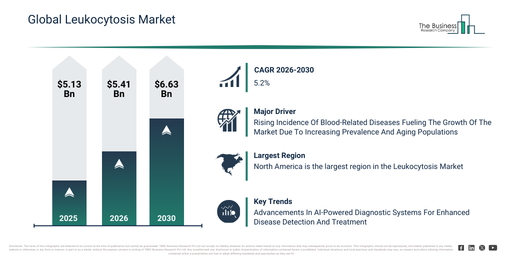
    The leukocytosis market size has experienced robust expansion in recent years. It is projected to increase from $5.13 billion in 2025 to $5.41 billion in 2026, demonstrating a compound annual growth rate (CAGR) of 5.4%. Historically, this growth has been fueled by the high prevalence of infectious diseases, the rising incidence of inflammatory disorders, an increasing number of leukemia cases, a dependence on conventional blood tests, and the expansion of hospital-based diagnostic services.

    The leukocytosis market is projected to experience substantial expansion over the upcoming years. By 2030, this market is set to reach $6.63 billion, expanding at a compound annual growth rate (CAGR) of 5.2%. Factors contributing to this growth during the forecast period include progress in hematology diagnostics, a rise in the adoption of personalized treatment strategies, enhanced awareness regarding early disease identification, increased spending on healthcare, and the expansion of laboratory automation. Key trends anticipated during the forecast period encompass a greater uptake of sophisticated blood diagnostic methods, an intensified focus on treatments tailored to specific underlying diseases, an increase in the application of precision medicine within hematology, the proliferation of automated and high-throughput testing, and the broader integration of clinical decision support systems.

    Access Your Free Sample Report for In-Depth Market Insights:

    https://www.thebusinessresearchcompany.com/sample.aspx?id=24278&type=smp

    What Drivers Are Affecting Demand-Supply Dynamics In The Leukocytosis Market?

    The projected increase in the occurrence of blood-related diseases is anticipated to propel the leukocytosis market’s expansion moving forward. These medical conditions are characterized by their impact on various blood components, including red blood cells, white blood cells, platelets, or plasma. The prevalence of blood-related diseases is escalating, attributed to aging populations, as older individuals are more prone to conditions such as anemia, leukemia, and clotting disorders due to diminished immune function and accumulated health issues. Often, blood-related diseases lead to elevated white blood cell counts, which is a key indicator of leukocytosis, thereby emphasizing the necessity for improved early diagnosis, better monitoring tools, and more effective treatment options. For instance, in 2024, according to the American Cancer Society, a US-based cancer organization, 62,770 new cases of leukemia were reported, a notable increase from 59,610 cases in 2023. Thus, the escalating incidence of blood-related diseases is a key factor driving the growth of the leukocytosis market.

    How Is The Leukocytosis Market Organized Into Various Segments?

    The leukocytosis market covered in this report is segmented –

    1) By Disease Type: Infection, Leukemia

    2) By Diagnosis Type: Blood Tests, Bone Marrow Biopsy

    3) By End User: Hospitals, Diagnostic Laboratories

    Subsegments:

    1) By Infection: Bacterial Infections, Viral Infections, Parasitic Infections, Fungal Infections

    2) By Leukemia: Chronic Myeloid Leukemia, Chronic Lymphocytic Leukemia, Acute Lymphoblastic Leukemia (ALL) with Hyperleukocytosis

    Which Trends Are Influencing The Performance And Direction Of The Leukocytosis Market?

    Key companies operating within the leukocytosis market are increasingly focusing on integrating artificial intelligence into diagnostic systems to enhance early detection, diagnostic accuracy, and personalized treatment planning. Artificial intelligence in diagnostic systems involves the utilization of artificial intelligence (AI) technologies such as machine learning, deep learning, and natural language processing to analyze medical data and either support or automate disease diagnosis. For instance, in December 2024, Koninklijke Philips NV, a Netherlands-based healthcare company, unveiled the CT 5300 system. This system incorporates proprietary artificial intelligence (AI) technologies to improve computed tomography (CT) imaging workflows. It features the computed tomography smart workflow, which includes artificial intelligence (AI)-driven tools like precise position, precise cardiac, and precise brain, designed to streamline scan preparation, boost diagnostic accuracy, and minimize radiation exposure.

    Who Are The Core Companies Influencing Trends In The Leukocytosis Market?

    Major companies operating in the leukocytosis market are Pfizer Inc., Johnson & Johnson, Siemens Healthineers AG, Roche Diagnostics AG, Bristol Myers Squibb, Thermo Fisher Scientific Inc., Abbott Laboratories, Novartis International AG, Danaher Corporation, Merck KGaA, Becton Dickinson and Company (BD), Laboratory Corporation of America Holdings (LabCorp), Quest Diagnostics, Agilent Technologies Inc., Grifols SA, Hologic Inc., Illumina Inc., PerkinElmer Inc., Sysmex Corporation, Beckman Coulter Diagnostics Inc., Bio-Rad Laboratories, Bio-Techne Corporation, NeoGenomics Laboratories Inc., DiaSorin S.p.A.

    Access The Complete Report For Deeper Market Insights:

    https://www.thebusinessresearchcompany.com/report/leukocytosis-global-market-report

    Which Region Is Expected To Experience The Fastest Growth In The Leukocytosis Market?

    North America was the largest region in the leukocytosis market in 2025. Asia-Pacific is expected to be the fastest growing region in the forecast period. The regions covered in the leukocytosis market report are Asia-Pacific, South East Asia, Western Europe, Eastern Europe, North America, South America, Middle East, Africa.

    Request Your Customized Leukocytosis Market Research Report for Competitive Advantage:

    https://www.thebusinessresearchcompany.com/customise?id=24278&type=smp

    Browse Through More Reports Similar to the Global Leukocytosis Market 2026, By The Business Research Company

    Leukotriene Modifiers Market Report 2026

    https://www.thebusinessresearchcompany.com/report/leukotriene-modifiers-global-market-report

    Progressive Multifocal Leukoencephalopathy Treatment Market Report 2026

    https://www.thebusinessresearchcompany.com/report/progressive-multifocal-leukoencephalopathy-treatment-global-market-report

    Pheochromocytoma Market Report 2026

    https://www.thebusinessresearchcompany.com/report/pheochromocytoma-global-market-report

    Get in touch with us:

    The Business Research Company: https://www.thebusinessresearchcompany.com/

    Americas +1 310-496-7795

    Asia +44 7882 955267 & +91 8897263534

    Europe +44 7882 955267

    Email us at info@tbrc.info

    Follow us on:

    LinkedIn: https://in.linkedin.com/company/the-business-research-company

    YouTube: https://www.youtube.com/channel/UC24_fI0rV8cR5DxlCpgmyFQ

    Global Market Model: https://www.thebusinessresearchcompany.com/global-market-model

  • Leukocyte Adhesion Deficiency Management Market Future Outlook 2026: Key Drivers and Growth Potential

    Leukocyte Adhesion Deficiency Management Market Future Outlook 2026: Key Drivers and Growth Potential

    Uncover key drivers, emerging technologies, and competitive movements shaping the leukocyte adhesion deficiency management market from 2026–2035 with trusted insights from The Business Research Company

    What long-term size projections exist for the Leukocyte Adhesion Deficiency Management Market covering 2026–2035?

    The leukocyte adhesion deficiency management market has shown robust growth in recent years. It is projected to increase from $8.59 billion in 2025 to $9.16 billion in 2026, demonstrating a compound annual growth rate (CAGR) of 6.6%. This historical growth can be attributed to various factors, including the limited treatment options available for rare immunodeficiency disorders, elevated infection-related mortality rates, a reliance on antimicrobial therapy, low awareness regarding leukocyte adhesion deficiency, and restricted access to advanced transplantation facilities.

    The leukocyte adhesion deficiency management market is anticipated to experience substantial expansion in the upcoming years, projected to reach $12.2 billion by 2030, growing at a compound annual growth rate (CAGR) of 7.4%. This growth over the forecast period is driven by advancements in stem cell transplantation techniques, the increasing accessibility of genetic testing, heightened investment in rare disease research, the rising adoption of personalized immunotherapy, and the broadening of specialized immunology care centers. Prominent trends expected during this period include the expansion of hematopoietic stem cell transplantation, an increase in gene-based diagnostic testing, the growing application of prophylactic immunoglobulin therapy, a greater emphasis on early infection prevention, and new developments in targeted immunomodulatory treatments.

    Access Your Free Sample Report for In-Depth Market Insights:

    https://www.thebusinessresearchcompany.com/sample.aspx?id=13172&type=smp

    Which Drivers Are Impacting The Competitive Landscape Of The Leukocyte Adhesion Deficiency Management Market?

    The increasing occurrence of primary immunodeficiency is projected to drive expansion in the leukocyte adhesion deficiency management market in the future. Primary immunodeficiency (PID) encompasses various inherited conditions that compromise the immune system, rendering individuals more vulnerable to infections and diseases owing to impaired immune responses. Addressing leukocyte adhesion deficiency aids primary immunodeficiency by furthering knowledge of immune system ailments and potentially fostering enhanced diagnostic methods and treatments that benefit both disorders. As an illustration, information gathered during World Primary Immunodeficiency (WPI) Awareness Week 2023, as reported by the India-based multi-specialty Peace Hospital in April 2023, indicates that primary immunodeficiency (PI) impacts an estimated 60 lakh individuals worldwide, with 70% to 90% remaining undiagnosed. Consequently, the growing incidence of primary immunodeficiency is set to stimulate the growth of the leukocyte adhesion deficiency management market.

    What Segments Are Identified Within The Structure Of The Leukocyte Adhesion Deficiency Management Market?

    The leukocyte adhesion deficiency management market covered in this report is segmented –

    1) By Treatment: Hematopoietic Stem Cell Transplantation, Recombinant Human Interferon-Gamma Treatment, Prophylactic Immunoglobulin Therapy, Antimicrobial Therapy, Prophylactic Therapy, Fucose Supplementation

    2) By Diagnosis: Blood Test, Genetic Testing

    3) By End-Users: Hospitals, Specialty Clinics, Other End-Users

    Subsegments:

    1) By Hematopoietic Stem Cell Transplantation: Related Donor Transplant, Unrelated Donor Transplant

    2) By Recombinant Human Interferon-Gamma Treatment: Standard Dosing, Customized Dosing

    3) By Prophylactic Immunoglobulin Therapy: Intravenous Immunoglobulin (IVIG), Subcutaneous Immunoglobulin (SCIG)

    4) By Antimicrobial Therapy: Antibiotics, Antifungal Treatments

    5) By Prophylactic Therapy: Vaccination Strategies, Infection Prevention Protocols

    6) By Fucose Supplementation: Oral Supplements, Intravenous Supplements

    What Long-Term Trends Are Expected To Shape The Future Of The Leukocyte Adhesion Deficiency Management Market?

    Leading companies operating in the leukocyte adhesion deficiency management market are actively developing lentiviral vector-based gene therapy technology with the goal of improving targeted treatments and enhancing patient outcomes. This lentiviral vector-based gene therapy offers a specific strategy in leukocyte adhesion deficiency management by delivering corrective genes directly into cells, thereby potentially restoring immune function. For instance, in February 2024, Rocket Pharmaceuticals, a US-based biotechnology company, launched kresladi (marnetegragene autotemcel) to treat severe leukocyte adhesion deficiency-I (LAD-I). In a Phase 1/2 study, it achieved 100% survival at 12 months, significantly decreasing infections and improving symptoms. Kresladi provides a revolutionary option in the LAD management market, addressing critical unmet needs.

    Which Major Industry Participants Are Leading The Leukocyte Adhesion Deficiency Management Market Growth?

    Major companies operating in the leukocyte adhesion deficiency management market are F. Hoffmann-La Roche Ltd., Novartis AG, GlaxoSmithKline Plc, Gilead Sciences Inc, Teva Pharmaceuticals Industries Limited, CSL Behring LLC, Vertex Pharmaceuticals Inc., Grifols International S.A., Aurobindo Pharma Ltd., BioMarin Pharmaceutical Inc., Cadila Healthcare Ltd., Ipca Laboratories Ltd, Sana Biotechnology Inc., Rocket Pharmaceuticals Inc., PT Sanbe Farma, Magenta Therapeutics Inc, Avalo Therapeutics Inc., Aspen Neuroscience Inc., Sandoz International GmbH, Orpha Labs Inc., Swiss Pharm Holding AG, Rubius Therapeutics Inc., Enochian Biosciences Inc., Sigma-Aldrich LLC, Bluebird Bio Inc.

    Access The Complete Report For Deeper Market Insights:

    https://www.thebusinessresearchcompany.com/report/leukocyte-adhesion-deficiency-management-global-market-report

    Which Geographic Areas Are Emerging As Strong Markets For The Leukocyte Adhesion Deficiency Management Market?

    North America was the largest region in the leukocyte adhesion deficiency management market in 2025. Asia-Pacific is expected to be the fastest-growing region in the forecast period. The regions covered in the leukocyte adhesion deficiency management market report are Asia-Pacific, South East Asia, Western Europe, Eastern Europe, North America, South America, Middle East, Africa.

    Request Your Customized Leukocyte Adhesion Deficiency Management Market Research Report for Competitive Advantage:

    https://www.thebusinessresearchcompany.com/customise?id=13172&type=smp

    Browse Through More Reports Similar to the Global Leukocyte Adhesion Deficiency Management Market 2026, By The Business Research Company

    Hyperhidrosis Treatment Market Report 2026

    https://www.thebusinessresearchcompany.com/report/hyperhidrosis-treatment-global-market-report

    Acquired Hemophilia Treatment Market Report 2026

    https://www.thebusinessresearchcompany.com/report/acquired-hemophilia-treatment-global-market-report

    Hepatitis Therapeutics Market Report 2026

    https://www.thebusinessresearchcompany.com/report/hepatitis-therapeutics-global-market-report

    Get in touch with us:

    The Business Research Company: https://www.thebusinessresearchcompany.com/

    Americas +1 310-496-7795

    Asia +44 7882 955267 & +91 8897263534

    Europe +44 7882 955267

    Email us at info@tbrc.info

    Follow us on:

    LinkedIn: https://in.linkedin.com/company/the-business-research-company

    YouTube: https://www.youtube.com/channel/UC24_fI0rV8cR5DxlCpgmyFQ

    Global Market Model: https://www.thebusinessresearchcompany.com/global-market-model

  • Lennox-Gastaut Syndrome Drug Market Trends and Insights: Global Forecast to 2030

    Lennox-Gastaut Syndrome Drug Market Trends and Insights: Global Forecast to 2030

    Uncover key drivers, emerging technologies, and competitive movements shaping the lennox-gastaut syndrome drug market from 2026–2035 with trusted insights from The Business Research Company

    What total market size is anticipated for the Lennox-Gastaut Syndrome Drug Market in 2030?

    The Lennox-Gastaut syndrome drug market size has experienced robust expansion in recent years. It is projected to expand from $1.4 billion in 2025 to $1.5 billion by 2026, exhibiting a compound annual growth rate (CAGR) of 7.6%. Historically, this expansion has been driven by factors such as limited treatment options for severe epilepsy syndromes, increasing diagnosis of pediatric epilepsy disorders, reliance on traditional anticonvulsant therapies, growing awareness among neurologists, and the expansion of hospital-based epilepsy care.

    The market for lennox-gastaut syndrome drugs anticipates significant expansion over the coming years. This market is projected to reach $2.01 billion by 2030, exhibiting a compound annual growth rate (CAGR) of 7.6%. Factors contributing to this growth during the forecast period include progress in developing drugs for rare epilepsy, an uptick in orphan drug approvals, wider acceptance of tailored epilepsy treatments, increased funding for neuroscience research, and improved availability of specialized epilepsy centers. Significant trends anticipated for the forecast period encompass the broadening of cannabidiol-based treatments, an increase in adjunctive and combination drug approaches, a heightened emphasis on epilepsy that is resistant to current treatments, enhancements in drug formulations for pediatric epilepsy, and a rise in clinical trials for new antiepileptic medications.

    Access Your Free Sample Report for In-Depth Market Insights:

    https://www.thebusinessresearchcompany.com/sample.aspx?id=24276&type=smp

    What Drivers Are Influencing Production Trends In The Lennox-Gastaut Syndrome Drug Market?

    An increasing emphasis on pediatric epilepsy is anticipated to drive expansion in the lennox-gastaut syndrome drug market in the future. This condition is defined as a neurological disorder in children marked by recurring seizures. Its incidence is growing, a trend attributed to an increase in neonatal and infant brain injuries that can result in epilepsy developing during early childhood. Pediatric epilepsy reinforces the need for lennox-gastaut syndrome drugs by stressing the significance of early intervention, given that specialized medication is vital for controlling difficult-to-manage seizures and averting developmental setbacks in affected children, thereby underscoring the demand for specific treatments tailored to their distinct neurological issues. For example, data from November 2023, provided by the American Academy of Pediatrics, a US-based professional organization, indicates that epilepsy stands as the most common childhood brain disorder in the United States, impacting roughly 470,000 children and adolescents aged 0 and 17. Consequently, the heightened attention on pediatric epilepsy is fueling expansion within the lennox-gastaut syndrome drug market.

    Which Segments Are Gaining Traction In The Lennox-Gastaut Syndrome Drug Market?

    The lennox-gastaut syndrome drug market covered in this report is segmented –

    1) By Drug Type: Central Nervous System Depressants, Anticonvulsants, Perampanel, Cannabidiol, Neural Regeneration Peptide 2945, Other Drug Types

    2) By Route of Administration: Oral, Injection, Intranasal, Topical

    3) By Therapeutic Use: Long-Term Management, Acute Seizure Treatment, Adjunctive Therapy, Rescue Medications

    4) By Distribution Channel: Hospital Pharmacy, Retail Pharmacy, Online Pharmacy

    5) By End-User: Hospitals And Clinics, Home Care Settings, Specialized Epilepsy Centers, Pharmaceutical Retail Pharmacies

    Subsegments:

    1) By Central Nervous System Depressants: Benzodiazepines, Barbiturates, Sleep-Inducing Agents

    2) By Anticonvulsants: Valproate, Lamotrigine, Topiramate, Felbamate, Rufinamide

    3) By Perampanel: Branded Formulations, Generic Formulations

    4) By Cannabidiol: Plant-Derived Cannabidiol, Synthetic Cannabidiol

    5) By Neural Regeneration Peptide 2945: Peptide-Based Monotherapy, Combination Therapies

    6) By Other Drug Types: Corticosteroids, Immunoglobulins, Ketogenic Agents

    Which Market Trends Are Opening Growth Opportunities In The Lennox-Gastaut Syndrome Drug Market?

    Leading companies in the lennox-gastaut syndrome drug market are prioritizing advancements in orphan drug designation to enhance regulatory support, secure market exclusivity, and accelerate the commercialization of treatments for this rare and severe condition. This designation is a special classification granted by regulatory bodies, such as the FDA, for medications developed to treat rare diseases or conditions impacting fewer than 200,000 individuals within a particular region. As an illustration, in March 2023, Marinus Pharmaceuticals Inc., a US-based pharmaceutical company, announced that the US Food and Drug Administration (FDA) had awarded Orphan Drug Designation (ODD) to ganaxolone for addressing lennox-gastaut syndrome (LGS). LGS is a serious type of epilepsy originating in childhood, marked by difficult-to-control seizures and issues with neurodevelopment. The benefits of this designation include market exclusivity once regulatory approval is obtained, relief from FDA application fees, and tax incentives for eligible clinical trials.

    Who Are The Prominent Global Companies Shaping The Lennox-Gastaut Syndrome Drug Market Landscape?

    Major companies operating in the lennox-gastaut syndrome drug market are Pfizer Inc., Johnson & Johnson, F. Hoffmann-La Roche AG, AbbVie Inc., Sanofi SA, Abbott Laboratories, Novartis AG, GlaxoSmithKline plc, Takeda Pharmaceutical Company, UCB SA, Eisai Co Ltd., Amneal Pharmaceuticals Inc., Supernus Pharmaceuticals Inc., Lundbeck A/S, GW Pharmaceuticals Plc, Ultragenyx Pharmaceutical Inc., Marinus Pharmaceuticals Inc., Stoke Therapeutics Inc., Zynerba Pharmaceuticals Inc., Ovid Therapeutics Inc.

    Access The Complete Report For Deeper Market Insights:

    https://www.thebusinessresearchcompany.com/report/lennox-gastaut-syndrome-drug-global-market-report

    Which Region Is Projected To Lead The Lennox-Gastaut Syndrome Drug Market During The Forecast Period?

    North America was the largest region in the lennox-gastaut syndrome drug market in 2025. Asia-Pacific is expected to be the fastest-growing region in the forecast period. The regions covered in the lennox-gastaut syndrome drug market report are Asia-Pacific, South East Asia, Western Europe, Eastern Europe, North America, South America, Middle East, Africa.

    Request Your Customized Lennox-Gastaut Syndrome Drug Market Research Report for Competitive Advantage:

    https://www.thebusinessresearchcompany.com/customise?id=24276&type=smp

    Browse Through More Reports Similar to the Global Lennox-Gastaut Syndrome Drug Market 2026, By The Business Research Company

    Gastrointestinal Drugs Market 2026

    https://www.thebusinessresearchcompany.com/report/gastrointestinal-drugs-global-market

    Gastric Cancer Drugs Market Report 2026

    https://www.thebusinessresearchcompany.com/report/gastric-cancer-drugs-global-market-report

    Metabolic Disorders Drugs Market Report 2026

    https://www.thebusinessresearchcompany.com/report/metabolic-disorders-drugs-global-market-report

    Get in touch with us:

    The Business Research Company: https://www.thebusinessresearchcompany.com/

    Americas +1 310-496-7795

    Asia +44 7882 955267 & +91 8897263534

    Europe +44 7882 955267

    Email us at info@tbrc.info

    Follow us on:

    LinkedIn: https://in.linkedin.com/company/the-business-research-company

    YouTube: https://www.youtube.com/channel/UC24_fI0rV8cR5DxlCpgmyFQ

    Global Market Model: https://www.thebusinessresearchcompany.com/global-market-model
  • Global Lenegre’s Disease Market Report 2026–2030: Data-Driven Growth Insights

    Global Lenegre’s Disease Market Report 2026–2030: Data-Driven Growth Insights

    Uncover key drivers, emerging technologies, and competitive movements shaping the lenegre’s disease market from 2026–2035 with trusted insights from The Business Research Company

    What is the expected shift in the Lenegre’s Disease Market’s size between 2026 and 2030?

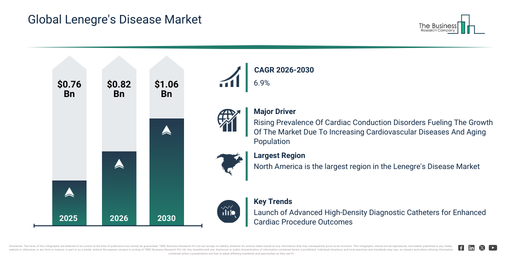
    The lenegre’s disease market size has experienced significant expansion over recent years. Its valuation is set to increase from $0.76 billion in 2025 to $0.82 billion in 2026, progressing at a compound annual growth rate (CAGR) of 6.9%. This past growth can be ascribed to several factors, including restricted awareness of rare cardiac conduction disorders, a dependence on symptomatic arrhythmia management, a growing older population with conduction abnormalities, the early integration of pacemaker therapy, and advancements in cardiology specialty care.

    The market for lenegre’s disease is projected to experience robust expansion over the coming years. This market is set to reach $1.06 billion by 2030, exhibiting a compound annual growth rate (CAGR) of 6.9%. Several factors are driving this anticipated growth during the forecast period, including advancements in cardiac electrophysiology research, a rising demand for early arrhythmia detection, the expansion of personalized cardiac care, increasing availability of remote cardiac monitoring, and growing investment in rare cardiac disease research. Key trends expected during the forecast period encompass improved electrophysiological diagnostic techniques, the rising adoption of cardiac implantable electronic devices, an increased focus on genetic and familial cardiac disorders, the growing use of continuous cardiac monitoring, and advancements in conduction system disease research.

    Access Your Free Sample Report for In-Depth Market Insights:

    https://www.thebusinessresearchcompany.com/sample.aspx?id=22034&type=smp

    Which Drivers Are Shaping Strategic Decisions In The Lenegre’s Disease Market?

    The future expansion of the Lenegre disease market is anticipated due to the growing incidence of cardiac conduction disorders. These conditions interfere with the heart’s electrical signals, leading to irregular rhythms or coordination issues in the heartbeat. The increasing occurrence of cardiovascular diseases and an aging demographic contribute to the rising prevalence of cardiac conduction disorders. As illnesses such as hypertension, coronary artery disease, and heart failure become more common, they directly impact the heart’s electrical conduction system, resulting in conditions like arrhythmias and heart block. Lenegre’s disease is caused by cardiac conduction disorders through the gradual deterioration of the heart’s conduction system, which then leads to blockages and irregular heartbeats. For example, data from October 2024 by the Centers for Disease Control and Prevention, a US-based government agency, indicated that cardiovascular disease was responsible for 919,032 fatalities in 2023, representing one in every three deaths. Coronary heart disease remained the most common form of heart disease, and it was noted that approximately one in six deaths from cardiovascular diseases occurred in adults younger than 65 years. Consequently, the increasing prevalence of cardiac conduction disorders is a key driver for the Lenegre disease market. Anticipated growth in the Lenegre’s disease market is expected to be fueled by increasing healthcare spending. Healthcare spending encompasses the financial resources allocated to health services and systems, covering costs necessary for maintaining and enhancing the health of a population within a given area. This rise in healthcare expenditure is primarily driven by the escalating prevalence of chronic diseases, which necessitate ongoing medical attention and extended treatment, thereby increasing demand for health services and ultimately elevating overall costs. Lenegre’s disease contributes to higher healthcare spending by requiring continuous diagnostic assessments, constant cardiac monitoring, and advanced therapeutic interventions such as pacemaker implantation, all of which elevate long-term medical expenses. For instance, according to the American Medical Association, a US-based professional association, health spending in the U.S. climbed by 7.5% in 2023, reaching $4.9 trillion, or $14,570 per person, as reported in April 2025. This marked a significant increase compared to the 4.6% growth observed in 2022. Therefore, rising healthcare spending is a significant factor driving the Lenegre’s disease market.

    What Segment Categories Are Covered In The Lenegre’s Disease Market?

    The lenegre’s disease market covered in this report is segmented –

    1) By Disease Classification: Idiopathic Lenègre’s Disease, Familial And Genetic Lenègre’s Disease, Age-Related Degenerative Lenègre’s Disease

    2) By Treatment Type: Pacemaker Therapy, Implantable Cardiac Rhythm Management Devices, Pharmacological Management, Supportive And Symptomatic, Monitoring And Diagnostic Follow-up

    3) By Route of Treatment Delivery: Implantable Device-Based Therapy, Non-Implantable Drug And Monitoring-Based Management

    4) By End User: Hospitals, Cardiology Clinics, Ambulatory Surgical Centers, Specialty Cardiac Care Centers

    Subsegments:

    1) By Idiopathic Lenègre’s Disease: Isolated Progressive Cardiac Conduction Disease, Sporadic Lenègre’s Disease, Non-Syndromic Conduction System Degeneration

    2) By Familial and Genetic Lenègre’s Disease: SCN5A-Mutation–Associated Lenègre’s Disease, Other Ion-Channel Gene–Associated Lenègre’s Disease, Autosomal Dominant Progressive Cardiac Conduction Disease

    3) By Age-Related Degenerative Lenègre’s Disease: Senile Fibrosis-Related Conduction Disease, Degenerative His–Purkinje System Disease, Age-Associated Progressive Atrioventricular Block

    How Are Emerging Trends Affecting The Progression Of The Lenegre’s Disease Market?

    Leading companies active in the lenegre disease market are concentrating on introducing advanced offerings like high-density diagnostic catheters to boost the precision and efficacy of cardiac procedures. High-density diagnostic catheters are specialized medical devices employed in cardiology to precisely map the heart’s electrical activity, enabling detailed diagnosis and treatment of cardiac arrhythmias. For example, in July 2023, Biosense Webster Inc., a US-based manufacturer of medical equipment, introduced an OPTRELL mapping catheter featuring TRUEref technology. The OPTRELL mapping catheter with TRUEref technology, powered by the CARTO 3 System, delivers high-definition electrophysiological mapping using 48 small electrodes, which allows clinicians to map complex cardiac arrhythmias with enhanced precision and formulate more effective ablation strategies.

    Which Key Players Are Driving Competition In The Lenegre’s Disease Market?

    Major companies operating in the lenegre’s disease market are Medtronic plc, Boston Scientific Corporation, Abbott Laboratories, Biotronik SE & Co. KG, LivaNova PLC, MicroPort Scientific Corporation, Lepu Medical Technology Co. Ltd., Osypka AG, Medico S.R.L., Shree Pacetronix Ltd., Pacetronix Medical Equipment Pvt. Ltd., Cardiac Science Corporation, Japan Lifeline Co. Ltd., Cook Medical, Integer Holdings Corporation, Merit Medical Systems Inc., Nipro Corporation, Teleflex Incorporated, Edwards Lifesciences Corporation, Getinge AB

    Access The Complete Report For Deeper Market Insights:

    https://www.thebusinessresearchcompany.com/report/lenegres-disease-global-market-report

    Which Region Currently Holds The Largest Share Of The Lenegre’s Disease Market?

    North America was the largest region in the lenegre’s disease market in 2025. The regions covered in the lenegre’s disease market report are Asia-Pacific, South East Asia, Western Europe, Eastern Europe, North America, South America, Middle East, Africa.

    Request Your Customized Lenegre’s Disease Market Research Report for Competitive Advantage:

    https://www.thebusinessresearchcompany.com/customise?id=22034&type=smp

    Browse Through More Reports Similar to the Global Lenegre’s Disease Market 2026, By The Business Research Company

    Rare Disease Diagnostics Market Report 2026

    https://www.thebusinessresearchcompany.com/report/rare-disease-diagnostics-global-market-report

    Rare Neurological Disease Treatment Market Report 2026

    https://www.thebusinessresearchcompany.com/report/rare-neurological-disease-treatment-global-market-report

    Rare Diseases Treatment Market Report 2026

    https://www.thebusinessresearchcompany.com/report/rare-diseases-treatment-global-market-report

    Get in touch with us:

    The Business Research Company: https://www.thebusinessresearchcompany.com/

    Americas +1 310-496-7795

    Asia +44 7882 955267 & +91 8897263534

    Europe +44 7882 955267

    Email us at info@tbrc.info

    Follow us on:

    LinkedIn: https://in.linkedin.com/company/the-business-research-company

    YouTube: https://www.youtube.com/channel/UC24_fI0rV8cR5DxlCpgmyFQ

    Global Market Model: https://www.thebusinessresearchcompany.com/global-market-model
  • Malignant Mesothelioma Industry Poised for Rapid Growth, Forecast to Touch $3.53 Billion by 2030 at 6.3% CAGR

    Malignant Mesothelioma Industry Poised for Rapid Growth, Forecast to Touch $3.53 Billion by 2030 at 6.3% CAGR

    Uncover key drivers, emerging technologies, and competitive movements shaping the malignant mesothelioma market from 2026–2035 with trusted insights from The Business Research Company

    What total market size is anticipated for the Malignant Mesothelioma Market in 2030?

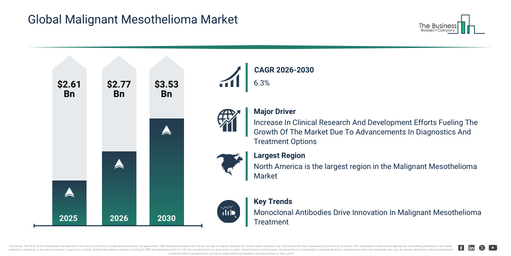
    The malignant mesothelioma market size has demonstrated significant expansion in recent years. It is projected to expand from $2.61 billion in 2025 to $2.77 billion in 2026, achieving a compound annual growth rate (CAGR) of 6.3%. This growth observed in the historical period is attributable to past asbestos exposure in construction and manufacturing industries, the disease’s lengthy latency period, scarcity of early treatment solutions, increasing recognition of occupational health issues, and continuous advancements in diagnostic imaging.

    The market size for malignant mesothelioma is projected to experience substantial growth over the coming years, expanding to $3.53 billion by 2030 with a compound annual growth rate (CAGR) of 6.3%. This forecasted growth can be attributed to advancements in immunotherapy and targeted drugs, increasing investment in rare cancer research, a rising number of clinical trials, enhancements in diagnostic technologies, and higher healthcare spending on oncology. Significant trends expected during this period include the growing adoption of immunotherapy and targeted therapy, an increasing focus on multimodal treatment approaches, a greater demand for early and accurate diagnosis, the expansion of specialized mesothelioma treatment centers, and higher participation in clinical trials for rare cancers.

    Access Your Free Sample Report for In-Depth Market Insights:

    https://www.thebusinessresearchcompany.com/sample.aspx?id=22046&type=smp

    What Drivers Are Influencing Production Trends In The Malignant Mesothelioma Market?

    Enhanced clinical research and development (R&D) initiatives are anticipated to propel the expansion of the malignant mesothelioma market moving forward. Clinical R&D involves undertaking scientific investigations and trials with the aim of creating novel pharmaceuticals, therapies, and medical equipment. These efforts include evaluating the safety, effectiveness, and potential adverse reactions of new products through structured clinical trials. The surge in clinical R&D is attributed to the escalating demand for innovative and enhanced treatments, particularly given the increasing occurrence of chronic illnesses and intricate medical conditions. Research and development efforts contribute to the malignant mesothelioma market by speeding up advancements in diagnostics, therapeutic approaches, and precision medicine, thereby encouraging novel methods for earlier detection, better survival outcomes, and the creation of more potent, less intrusive treatment alternatives. For instance, in January 2025, according to Anadolu Agency, a Turkey-based state-run news agency, clinical trials account for nearly 40% of the U.S. pharmaceutical research budget, amounting to approximately $7 billion annually. Consequently, the escalating R&D endeavors are fueling the growth of the malignant mesothelioma market.

    Which Segment Groups Are Influencing The Malignant Mesothelioma Market?

    The malignant mesothelioma market covered in this report is segmented –

    1) By Treatment Type: Chemotherapy, Radiation Therapy, Surgery, Immunotherapy, Targeted Therapy

    2) By Route Of Administration: Oral, Intravenous, Injectable

    3) By Distribution Channel: Hospital Pharmacies, Specialty Pharmacies

    4) By End-User: Hospitals, Oncology Clinics

    Subsegments:

    1) By Chemotherapy: Alkylating Agents, Antimetabolites, Combination Therapy

    2) By Radiation Therapy: External Beam Radiation Therapy (EBRT), Intensity-Modulated Radiation Therapy (IMRT), Stereotactic Body Radiation Therapy (SBRT), Proton Therapy

    3) By Surgery: Pleurectomy Or Decortication (P/D), Extrapleural Pneumonectomy (EPP), Cytoreductive Surgery, Palliative Surgery

    4) By Immunotherapy: Immune Checkpoint Inhibitors, Monoclonal Antibodies, Tumor Vaccines, Adoptive Cell Therapy

    5) By Targeted Therapy: Tyrosine Kinase Inhibitors (TKIs), Angiogenesis Inhibitors, Mesothelin-Targeted Agents, Gene Therapy-Based Approaches

    What Trends Are Projected To Support The Growth Of The Malignant Mesothelioma Market?

    Major companies operating in the malignant mesothelioma market are focusing on developing advanced treatment options, such as monoclonal antibody treatments, to impede tumor growth and enhance treatment precision. Monoclonal antibodies are laboratory-crafted proteins designed to mimic the immune system’s capability to detect and target specific antigens, like those found on cancer cells. For instance, in November 2023, Ono Pharmaceutical Co. Ltd., a Japan-based pharmaceutical company, secured supplemental approval in Japan for the expanded application of Opdivo (nivolumab), a human anti-human PD-1 monoclonal antibody for the management of malignant mesothelioma (excluding malignant pleural mesothelioma). This approval positions Opdivo as a novel therapeutic option for this condition, for which no standard treatments were previously available. Opdivo was designated an orphan drug for this indication, emphasizing its potential to address a significant medical need.

    Who Are The Primary Competitors In The Global Malignant Mesothelioma Market?

    Major companies operating in the malignant mesothelioma market are AstraZeneca PLC, Bristol Myers Squibb Company, Merck & Co. Inc., F. Hoffmann-La Roche Ltd, Novartis AG, Pfizer Inc., Eli Lilly and Company, Johnson & Johnson, AbbVie Inc., Amgen Inc., Regeneron Pharmaceuticals Inc., Sanofi S.A., Gilead Sciences Inc., Takeda Pharmaceutical Company Limited, Boehringer Ingelheim International GmbH, Bayer AG, Eisai Co. Ltd., Astellas Pharma Inc., Ono Pharmaceutical Co. Ltd., PharmaMar S.A.

    Access The Complete Report For Deeper Market Insights:

    https://www.thebusinessresearchcompany.com/report/malignant-mesothelioma-global-market-report

    Which Regions Are Poised For Strategic Growth In The Malignant Mesothelioma Market?

    North America was the largest region in the malignant mesothelioma market in 2025. Asia-Pacific is expected to be the fastest-growing region in the forecast period. The regions covered in the malignant mesothelioma market report are Asia-Pacific, South East Asia, Western Europe, Eastern Europe, North America, South America, Middle East, Africa.

    Request Your Customized Malignant Mesothelioma Market Research Report for Competitive Advantage:

    https://www.thebusinessresearchcompany.com/customise?id=22046&type=smp

    Browse Through More Reports Similar to the Global Malignant Mesothelioma Market 2026, By The Business Research Company

    Adult Malignant Glioma Therapeutics Market Report 2026

    https://www.thebusinessresearchcompany.com/report/adult-malignant-glioma-therapeutics-global-market-report

    Acoustic Neuroma Market Report 2026

    https://www.thebusinessresearchcompany.com/report/acoustic-neuroma-global-market-report

    Paraganglioma Market Report 2026

    https://www.thebusinessresearchcompany.com/report/paraganglioma-global-market-report

    Get in touch with us:

    The Business Research Company: https://www.thebusinessresearchcompany.com/

    Americas +1 310-496-7795

    Asia +44 7882 955267 & +91 8897263534

    Europe +44 7882 955267

    Email us at info@tbrc.info

    Follow us on:

    LinkedIn: https://in.linkedin.com/company/the-business-research-company

    YouTube: https://www.youtube.com/channel/UC24_fI0rV8cR5DxlCpgmyFQ

    Global Market Model: https://www.thebusinessresearchcompany.com/global-market-model
  • Malignant Melanoma Treatment Market Performance Outlook 2026–2030: Revenue to Hit $13.36 Billion at 11.1% CAGR

    Malignant Melanoma Treatment Market Performance Outlook 2026–2030: Revenue to Hit $13.36 Billion at 11.1% CAGR

    Uncover key drivers, emerging technologies, and competitive movements shaping the malignant melanoma treatment market from 2026–2035 with trusted insights from The Business Research Company

    What is the expected shift in the Malignant Melanoma Treatment Market’s size between 2026 and 2030?

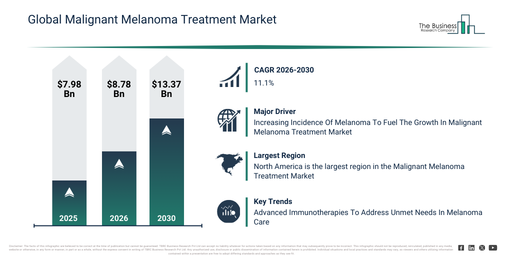
    The malignant melanoma treatment market has experienced rapid expansion in recent years. It is anticipated to increase from $7.98 billion in 2025 to $8.78 billion in 2026, reflecting a compound annual growth rate (CAGR) of 10.1%. The market’s historical growth can be linked to factors such as the global rise in skin cancer incidence, increased exposure to ultraviolet radiation, the early development of chemotherapy-based treatments for melanoma, heightened awareness of melanoma symptoms, and the initial effectiveness of surgical melanoma management.

    The malignant melanoma treatment market size is projected to experience substantial expansion over the upcoming years. By 2030, this market is anticipated to reach a value of $13.37 billion, achieving a compound annual growth rate (CAGR) of 11.1%. This expansion during the projection period can be attributed to factors such as the increasing authorization of advanced immunotherapies, a greater focus on individualized cancer treatment, heightened investment in oncology research and development, the broadening of melanoma screening initiatives, and improved healthcare accessibility in developing economies. Key trends anticipated during the forecast encompass the increasing uptake of immunotherapy-based therapies, the growing application of combination treatment protocols, an intensified focus on intervening in early-stage melanoma, the expansion of clinical trials for innovative melanoma treatments, and a greater need for specialized oncology care facilities.

    Access Your Free Sample Report for In-Depth Market Insights:

    https://www.thebusinessresearchcompany.com/sample.aspx?id=13252&type=smp

    Which Drivers Are Shaping Strategic Decisions In The Malignant Melanoma Treatment Market?

    The rising incidence of melanoma is anticipated to drive the expansion of the malignant melanoma treatment market in the future. Melanoma, a type of skin cancer originating from pigment-producing melanocytes, typically involves surgical tumor removal, with additional therapies like immunotherapy or targeted therapy potentially advised depending on the cancer’s stage and spread. For example, the US-based Melanoma Research Foundation stated in February 2023 that melanoma cases in the United States climbed from 1,87,000 in 2023 to 2,00,651 in 2024, a growth of 7.3%. Thus, the increasing occurrence of melanoma is propelling the malignant melanoma treatment market forward.

    What Segment Classifications Make Up The Malignant Melanoma Treatment Market?

    The malignant melanoma treatment market covered in this report is segmented –

    1) By Treatment: Immunotherapy, Radiation Therapy, Chemotherapy, Other Treatments

    2) By Disease Type: Lentigo Maligna Melanoma, Acral Lentiginous Melanoma, Nodular Melanoma, Superficial Spreading Melanoma

    3) By End-User: Hospitals, Specialty Clinics, Other End Users

    Subsegments:

    1) By Immunotherapy: Checkpoint Inhibitors, Cytokine Therapy, Oncolytic Virus Therapy

    2) By Radiation Therapy: External Beam Radiation Therapy, Stereotactic Radiation Therapy

    3) By Chemotherapy: Traditional Chemotherapy Agents, Combination Chemotherapy Regimens

    4) By Other Treatments: Targeted Therapy, Surgical Interventions, Clinical Trials For Novel Therapies

    Which Trends Are Influencing The Performance And Direction Of The Malignant Melanoma Treatment Market?

    Leading companies in the malignant melanoma treatment market are concentrating on developing innovative solutions, such as autologous tumor-infiltrating lymphocyte (TIL) therapies. This effort aims to satisfy the increasing demand for effective post-checkpoint immunotherapies and personalized cell-based options for patients who experience disease progression after using PD-1 inhibitors and targeted therapies. Autologous tumor-infiltrating lymphocyte (TIL) therapy is a form of immunotherapy where a patient’s own immune cells that have penetrated their tumor are gathered, multiplied in a laboratory, and then reintroduced to help the body more effectively target and eradicate cancer cells. For example, in February 2024, Iovance Biotherapeutics, a US-based biopharmaceutical firm, launched AMTAGVI (lifileucel), an autologous TIL therapy designed for adults with unresectable or metastatic melanoma who have progressed following prior PD-1 therapy (and targeted therapy if BRAF V600-mutant). AMTAGVI (lifileucel) is made up of expanded tumor-infiltrating lymphocytes harvested from the patient’s own tumor and reinfused after conditioning; it functions by boosting tumor-reactive T cells to mediate the killing of tumor cells. The therapy’s distinctive attributes include personalized manufacturing, a single-administration treatment approach, and the ability to recognize multiple tumor antigens.

    Which Key Market Players Are Investing In Expansion And Innovation Within The Malignant Melanoma Treatment Market?

    Major companies operating in the malignant melanoma treatment market are Johnson & Johnson Private Limited, Pfizer Inc., Hoffmann-La Roche AG, Bayer AG, Novartis AG, Merck & Co. Inc., GlaxoSmithKline plc, Bristol-Myers Squibb Company, Sanofi S.A., AstraZeneca plc, Takeda Pharmaceutical Company Limited, Eli Lilly and Company, Amgen Inc., Daiichi Sankyo Company Limited, Mylan N.V., Chugai Pharmaceutical Co. Ltd., Sun Pharmaceutical Industries Limited, Ono Pharmaceutical Co. Ltd., Exelixis Inc., Array BioPharma Inc., Pierre Fabre Group, Clinigen Group, Iovance Biotherapeutics Inc., X4 Pharmaceuticals Inc., Mirati Therapeutics Inc., Moleculin Biotech Inc., Polynoma LLC, Enzon Pharmaceuticals Inc., Northwest Biotherapeutics Inc.

    Access The Complete Report For Deeper Market Insights:

    https://www.thebusinessresearchcompany.com/report/malignant-melanoma-treatment-global-market-report

    Which Regions Are Projected To Dominate The Malignant Melanoma Treatment Market In The Coming Years?

    North America was the largest region in the malignant melanoma treatment market in 2025. Asia-Pacific is expected to be the fastest-growing region in the forecast period. The regions covered in the malignant melanoma treatment market report are Asia-Pacific, South East Asia, Western Europe, Eastern Europe, North America, South America, Middle East, Africa.

    Request Your Customized Malignant Melanoma Treatment Market Research Report for Competitive Advantage:

    https://www.thebusinessresearchcompany.com/customise?id=13252&type=smp

    Browse Through More Reports Similar to the Global Malignant Melanoma Treatment Market 2026, By The Business Research Company

    Melanoma Drugs Market Report 2026

    https://www.thebusinessresearchcompany.com/report/melanoma-drugs-global-market-report

    Melanoma Therapeutics Market Report 2026

    https://www.thebusinessresearchcompany.com/report/melanoma-therapeutics-global-market-report

    Metastatic Melanoma Therapeutics Market Report 2026

    https://www.thebusinessresearchcompany.com/report/metastatic-melanoma-therapeutics-global-market-report

    Get in touch with us:

    The Business Research Company: https://www.thebusinessresearchcompany.com/

    Americas +1 310-496-7795

    Asia +44 7882 955267 & +91 8897263534

    Europe +44 7882 955267

    Email us at info@tbrc.info

    Follow us on:

    LinkedIn: https://in.linkedin.com/company/the-business-research-company

    YouTube: https://www.youtube.com/channel/UC24_fI0rV8cR5DxlCpgmyFQ

    Global Market Model: https://www.thebusinessresearchcompany.com/global-market-model
  • Global Male Fertility Market Set for Strong Expansion, Reaching $5.11 Billion With 4.1% CAGR by 2030

    Global Male Fertility Market Set for Strong Expansion, Reaching $5.11 Billion With 4.1% CAGR by 2030

    Uncover key drivers, emerging technologies, and competitive movements shaping the male fertility market from 2026–2035 with trusted insights from The Business Research Company

    What growth pattern is forecast for the Male Fertility Market size between 2026 and 2035?

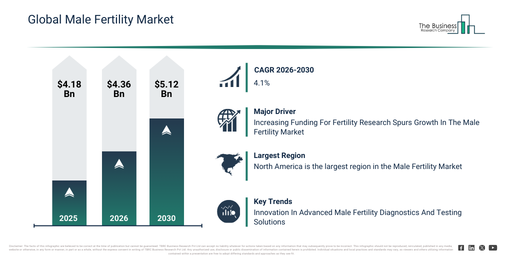
    The male fertility market has experienced steady expansion in recent years. The market is anticipated to expand from $4.18 billion in 2025 to $4.36 billion in 2026, exhibiting a compound annual growth rate (CAGR) of 4.3%. This historical growth can be attributed to several factors including delayed parenthood trends, a rise in the prevalence of lifestyle-related infertility, an increasing incidence of varicocele and hormonal disorders, the early adoption of IVF and ICSI procedures, and heightened awareness of male reproductive health.

    The male fertility market is projected to experience consistent expansion over the coming years, reaching a valuation of $5.12 billion by 2030, propelled by a compound annual growth rate (CAGR) of 4.1%. This anticipated growth during the forecast period is primarily driven by factors such as a rise in male infertility diagnoses, greater willingness among men to undergo fertility testing, the broadening of fertility services in developing regions, increased funding for reproductive health studies, and the wider adoption of preventive fertility supplements. Key trends expected during this period involve heightened understanding of male infertility issues, the increasing integration of sophisticated semen analysis methods, a surge in the need for assisted reproductive technologies, increased intake of male fertility supplements, and the proliferation of specialized male fertility clinics.

    Access Your Free Sample Report for In-Depth Market Insights:

    https://www.thebusinessresearchcompany.com/sample.aspx?id=13699&type=smp

    Which Drivers Are Impacting Market Performance In The Male Fertility Market?

    The escalating financial support for fertility investigations is anticipated to invigorate the expansion of the male fertility market in the foreseeable future. Fertility research entails the scientific examination and analysis of various factors influencing reproductive well-being, including, but not limited to, the processes of conception, gestation, and the improvement of fertility outcomes. Funding directed towards fertility research prioritizes studies focusing on male fertility to achieve a thorough comprehension of reproductive health, enhance overall fertility success, and address the significant influence that male factors have on conception and successful reproduction. For example, in October 2023, the Eunice Kennedy Shriver National Institute of Child Health and Human Development, a US-based health department, provided $2.26 million in grants for the study of fertility-sparing treatments. Hence, the increasing financial allocations for fertility research are serving as a catalyst for the growth of the male fertility market.

    What Segment Types Are Examined In The Male Fertility Market?

    The male fertility market covered in this report is segmented –

    1) By Test Type: Sperm Agglutination, DNA Fragmentation Technique, Oxidative Stress Analysis, Computer Assisted Semen Analysis, Sperm Penetration Assay, Other Test Types

    2) By Treatment Type: Assisted Reproductive Technology, Varicocele Surgery, Medication

    3) By Supplement: Antioxidants, Vitamins, Minerals, Amino Acids, Enzymes

    4) By End User: Hospitals And Clinics, Fertility Centers, Research Institutes, Other End Users

    Subsegments:

    1) By Sperm Agglutination: Seminal Plasma Agglutination Test, Sperm-Bound Antibody Tests

    2) By DNA Fragmentation Technique: Sperm DNA Fragmentation Index (DFI) Tests, Comet Assay

    3) By Oxidative Stress Analysis: Reactive Oxygen Species (ROS) Measurement, Antioxidant Capacity Tests

    4) By Computer Assisted Semen Analysis (CASA): Motility Analysis, Morphology Assessment

    5) By Sperm Penetration Assay: Sperm-oocyte Interaction Tests, In Vitro Fertilization (IVF) Models

    6) By Other Test Types: Hormonal Tests, Genetic Testing, Semen Culture Tests

    What Long-Term Trends Are Expected To Shape The Future Of The Male Fertility Market?

    Leading companies in the male fertility market are focusing on the development of innovative solutions, including portable computer-assisted semen analysis (CASA) systems, to address the growing demand influenced by delayed parenthood, increased awareness of male-factor infertility, and the push for decentralized, patient-friendly diagnostics. A portable computer-assisted semen analysis (CASA) system functions as a handheld or mobile device that utilizes software and imaging technology to automatically assess sperm quality, covering count, motility, and morphology, thereby facilitating quick, accurate, and on-site fertility evaluation. As an example, in November 2023, ExSeed Health, a UK-based, privately held medical-device and digital-health company, launched the ExSeed CASA Lite, a compact computer-assisted semen analysis system specifically designed for clinics and satellite laboratories. The ExSeed CASA Lite integrates a plug-and-play brightfield microscopy module with high-resolution video capture and cloud-enabled analysis software, being classified as an IVD-class solution engineered to measure key parameters such as concentration, motility, and selected morphology metrics with automated reporting. Unique features of this system include a large field-of-view high-resolution camera for whole-sample imaging, a web-based interface for rapid results and clinic integration, and a small laboratory footprint that ensures advanced semen analysis is accessible outside major ART centres.

    Who Are The Core Companies Influencing Trends In The Male Fertility Market?

    Major companies operating in the male fertility market are Bayer Healthcare Inc., Sanofi S.A., MERCK KGaA, Essity AB, Laboratory Corporation Of America Holdings, Endo International plc., Cook Medical, Zydus Lifesciences Ltd., Intas Pharmaceuticals Ltd., ASKA Pharmaceutical Co. Ltd, EMD Serono Inc., Dendreon Pharmaceuticals LLC, Vitrolife, CinnaGen Co., Aytu BioScience Inc., Kindbody, Cryos International, AdvaCare Pharma USA, Ferring Pharmaceuticals, Apricus Biosciences, Reprotech Ltd., Vios Fertility Institute, Andrology Solutions, DxNow, INVO Bioscience

    Access The Complete Report For Deeper Market Insights:

    https://www.thebusinessresearchcompany.com/report/male-fertility-global-market-report

    Which Region Is Expected To Experience The Fastest Growth In The Male Fertility Market?

    North America was the largest region in the male fertility market in 2025. Asia-Pacific is expected to be the fastest-growing region in the forecast period. The regions covered in the male fertility market report are Asia-Pacific, South East Asia, Western Europe, Eastern Europe, North America, South America, Middle East, Africa.

    Request Your Customized Male Fertility Market Research Report for Competitive Advantage:

    https://www.thebusinessresearchcompany.com/customise?id=13699&type=smp

    Browse Through More Reports Similar to the Global Male Fertility Market 2026, By The Business Research Company

    Fertility Services Market Report 2026

    https://www.thebusinessresearchcompany.com/report/fertility-services-global-market-report

    Fertility Treatments Market Report 2026

    https://www.thebusinessresearchcompany.com/report/fertility-treatments-global-market-report

    Male Hypogonadism Market Report 2026

    https://www.thebusinessresearchcompany.com/report/male-hypogonadism-global-market-report

    Get in touch with us:

    The Business Research Company: https://www.thebusinessresearchcompany.com/

    Americas +1 310-496-7795

    Asia +44 7882 955267 & +91 8897263534

    Europe +44 7882 955267

    Email us at info@tbrc.info

    Follow us on:

    LinkedIn: https://in.linkedin.com/company/the-business-research-company

    YouTube: https://www.youtube.com/channel/UC24_fI0rV8cR5DxlCpgmyFQ

    Global Market Model: https://www.thebusinessresearchcompany.com/global-market-model
  • Malaria Vaccines Market Growth Projection: Expected to Surpass $27.18 Billion by 2030 at 34.3% CAGR

    Malaria Vaccines Market Growth Projection: Expected to Surpass $27.18 Billion by 2030 at 34.3% CAGR

    Uncover key drivers, emerging technologies, and competitive movements shaping the malaria vaccines market from 2026–2035 with trusted insights from The Business Research Company

    How much larger will the Malaria Vaccines Market be in 2030 compared with 2026?

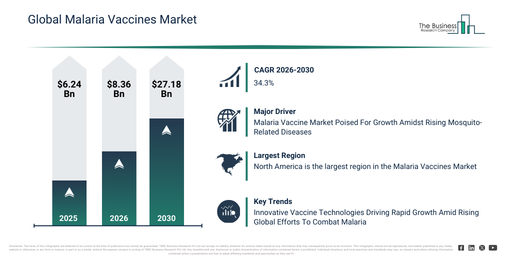
    The market size for malaria vaccines has witnessed substantial growth in recent years. This market is anticipated to expand from $6.24 billion in 2025 to $8.36 billion in 2026, at a compound annual growth rate (CAGR) of 33.9%. This past expansion can be linked to factors such as the significant malaria burden in endemic regions, ongoing global malaria eradication initiatives, financial support from international health organizations, the challenges presented by antimalarial drug resistance, and the initial achievements of first-generation malaria vaccines.

    The malaria vaccines market is projected to experience rapid expansion over the coming years. This market is anticipated to reach a valuation of $27.18 billion by 2030, exhibiting a compound annual growth rate (CAGR) of 34.3%. Factors contributing to this growth during the forecast period include enhanced government investment in preventing infectious diseases, the increasing geographical spread of malaria-susceptible areas due to climate change, a heightened need for vaccines providing extended immunity, progress in vaccine research and clinical trials, and broader immunization access in lower-income nations. Key trends for the forecast period encompass the development of advanced next-generation malaria vaccines, a heightened emphasis on immunization initiatives for children, a rise in collaborations between public and private sectors for vaccine distribution, an increased focus on vaccines targeting multiple antigens and combination formulations, and the reinforcement of large-scale vaccination efforts in areas where the disease is prevalent.

    Access Your Free Sample Report for In-Depth Market Insights:

    https://www.thebusinessresearchcompany.com/sample.aspx?id=13698&type=smp

    What Drivers Are Guiding Growth Patterns In The Malaria Vaccines Market?

    The increasing prevalence of mosquito-related diseases is projected to propel the growth of the malaria vaccine market in the coming years. These diseases encompass a wide range of illnesses transmitted through the bite of an infected mosquito. The malaria vaccine, particularly the RTS, S/AS01 (RTS, S) vaccine, is utilized to prevent and reduce the impact of mosquito-borne infectious diseases by training the immune system to recognize and attack the parasite. For instance, in December 2024, the UK Health Security Agency (UKHSA), a UK-based government department, released its annual malaria report for 2023, which indicated 2,106 cases of imported malaria reported in the UK. This represents a 26% higher figure than the cases reported in 2022. Therefore, the rise in the incidence of mosquito-related diseases is driving the growth of the malaria vaccine market.

    Which Segments Are Driving Activity In The Malaria Vaccines Market?

    The malaria vaccines market covered in this report is segmented –

    1) By Agent: Plasmodium Falciparum, Plasmodium Vivax

    2) By Vaccine Type: Pre-Erythrocytic, Erythrocytic, Multi-antigen, Other Vaccines

    3) By Route Of Administration: Intramuscular, Subcutaneous, Intradermal, Other Routes Of Administration

    4) By Distribution Channel: Public, Private

    Subsegments:

    1) By Plasmodium Falciparum: RTS,S/AS01 Vaccine, Experimental Vaccines

    2) By Plasmodium Vivax: Candidate Vaccines In Development, Combination Vaccines

    Which Market Trends Are Opening Growth Opportunities In The Malaria Vaccines Market?

    Major companies in the malaria vaccines market are concentrating on developing innovative solutions, such as next-generation recombinant vaccines, to meet the increasing demand fueled by rising malaria prevalence, government backing, and expanding immunization programs. These next-generation recombinant vaccines utilize sophisticated genetic engineering techniques to target various stages of the malaria parasite’s life cycle, providing enhanced immune responses and more sustained protection compared to conventional vaccines that often target a single stage with limited effectiveness. For instance, in October 2025, the Government of the Republic of Zambia introduced the malaria vaccine R21/Matrix-M as a component of its Expanded Programme on Immunisation. This vaccine, a collaborative effort by the University of Oxford and the Serum Institute of India, employs a recombinant protein platform in conjunction with the Matrix-M adjuvant to augment immune response, is administered through a four-dose schedule commencing at 6 months of age, and is designed to complement existing anti-malaria interventions. The vaccine delivers higher efficacy rates and aims to protect children in high and moderate transmission districts across Zambia, substantially aiding malaria elimination endeavors.

    Which Major Industry Participants Are Leading The Malaria Vaccines Market Growth?

    Major companies operating in the malaria vaccines market are GlaxoSmithKline Plc, Bharat Biotech International Limited, Serum Institute of India Private Limited, Sanaria Inc, BioNTech SE, Moderna Inc, Pfizer Inc, Novavax Inc, Takeda Pharmaceutical Company Limited, Sanofi SA, Zydus Lifesciences Limited, Valneva SE, GeoVax Labs Inc, Inovio Pharmaceuticals Inc, Vaxart Inc, CanSino Biologics Inc, Sinovac Biotech Ltd, Clover Biopharmaceuticals Inc, Biological E Limited, Emergent BioSolutions Inc

    Access The Complete Report For Deeper Market Insights:

    https://www.thebusinessresearchcompany.com/report/malaria-vaccines-global-market-report

    Which Geographic Areas Are Emerging As Strong Markets For The Malaria Vaccines Market?

    North America was the largest region in the malaria vaccines market in 2025. Asia-Pacific is expected to be the fastest growing region in the forecast period. The regions covered in the malaria vaccines market report are Asia-Pacific, South East Asia, Western Europe, Eastern Europe, North America, South America, Middle East, Africa.

    Request Your Customized Malaria Vaccines Market Research Report for Competitive Advantage:

    https://www.thebusinessresearchcompany.com/customise?id=13698&type=smp

    Browse Through More Reports Similar to the Global Malaria Vaccines Market 2026, By The Business Research Company

    Therapeutic Bcg Vaccines Market Report 2026

    https://www.thebusinessresearchcompany.com/report/therapeutic-bcg-vaccines-global-market-report

    Malaria Treatment Market Report 2026

    https://www.thebusinessresearchcompany.com/report/malaria-treatment-global-market-report

    Vaccines Market Report 2026

    https://www.thebusinessresearchcompany.com/report/vaccines-global-market-report

    Get in touch with us:

    The Business Research Company: https://www.thebusinessresearchcompany.com/

    Americas +1 310-496-7795

    Asia +44 7882 955267 & +91 8897263534

    Europe +44 7882 955267

    Email us at info@tbrc.info

    Follow us on:

    LinkedIn: https://in.linkedin.com/company/the-business-research-company

    YouTube: https://www.youtube.com/channel/UC24_fI0rV8cR5DxlCpgmyFQ

    Global Market Model: https://www.thebusinessresearchcompany.com/global-market-model

  • Major Depressive Disorder Market Forecast 2026–2035: How to Leverage Market Growth

    Major Depressive Disorder Market Forecast 2026–2035: How to Leverage Market Growth

    Uncover key drivers, emerging technologies, and competitive movements shaping the major depressive disorder market from 2026–2035 with trusted insights from The Business Research Company

    Starting from its 2026 valuation, what market size is the Major Depressive Disorder Market expected to reach by 2030?

    The major depressive disorder market size has shown consistent expansion in recent years. This market is anticipated to increase from $6.26 billion in 2025 to $6.44 billion in 2026, exhibiting a compound annual growth rate (CAGR) of 2.9%. The historical growth of the market is primarily a result of the rising prevalence of depressive disorders, increasing societal recognition of mental health issues, enhanced availability of antidepressant medications, the expansion of psychiatric care facilities, and refined diagnostic protocols for mood disorders.

    The major depressive disorder market size is projected to experience consistent expansion over the upcoming years. This market is anticipated to reach a valuation of $7.49 billion by 2030, exhibiting a compound annual growth rate (CAGR) of 3.9%. Several factors are expected to fuel this growth during the forecast period, including the increasing burden on mental health stemming from lifestyle stress, the rising uptake of digital mental health platforms, a heightened demand for personalized treatments for depression, broadened insurance coverage for mental health services, and ongoing advancements in neuromodulation therapies. Key trends anticipated during this period encompass a greater adoption of combination therapy methods, an increasing preference for non-invasive brain stimulation treatments, enhanced awareness and diagnosis of depression, the expansion of telepsychiatry and remote mental health services, and a growing acceptance of new, fast-acting antidepressant medications.

    Access Your Free Sample Report for In-Depth Market Insights:

    https://www.thebusinessresearchcompany.com/sample.aspx?id=13042&type=smp

    What Drivers Are Driving Adoption Within The Major Depressive Disorder Market?

    The increasing prevalence of substance and alcohol abuse is projected to boost the major depressive disorder market. These issues, characterized by excessive and harmful use of substances, including alcohol, often lead to detrimental physical, psychological, and social effects. They frequently co-occur with major depressive disorder, with both conditions intensifying each other and significantly raising the risk of physical and mental harm. For example, a July 2024 survey from the US-based Substance Abuse and Mental Health Services Administration indicated that in 2023, 3.1% of people (8.9 million) misused opioids. It also revealed that 21.8% of individuals aged 12 or older used marijuana, making it the most commonly used illicit drug. Additionally, 9.4% of people aged 12 or older vaped nicotine in the past month, an increase from 8.3% in 2022. Thus, the escalating incidence of substance and alcohol abuse is propelling the growth of the major depressive disorder market.

    How Is The Major Depressive Disorder Market Organized Into Various Segments?

    The major depressive disorder market covered in this report is segmented –

    1) By Treatment: Psychotherapy, Medications, Electroconvulsive Therapy (ECT), Transcranial Magnetic Stimulation (TMS), Other Treatments

    2) By Diagnosis: Psychiatric Evaluations, Diagnostic And Statistical Manual of Mental Disorders (DSM-5)

    3) By End-User: Clinics, Hospitals, Other End-Users

    Subsegments:

    1) By Psychotherapy: Cognitive Behavioral Therapy (CBT), Interpersonal Therapy (IPT), Dialectical Behavior Therapy (DBT), Psychodynamic Therapy

    2) By Medications: Selective Serotonin Reuptake Inhibitors (SSRIs), Serotonin and Norepinephrine Reuptake Inhibitors (SNRIs), Tricyclic Antidepressants (TCAs), Monoamine Oxidase Inhibitors (MAOIs), Atypical Antidepressants

    3) By Electroconvulsive Therapy (ECT): Unilateral ECT, Bilateral ECT, Modified ECT

    4) By Transcranial Magnetic Stimulation (TMS): Repetitive Transcranial Magnetic Stimulation (rTMS), Deep Transcranial Magnetic Stimulation (dTMS), Theta Burst Stimulation (TBS), Navigated Brain Stimulation (nTMS)

    5) By Other Treatments: Cognitive Behavioral Therapy (CBT), Psychodynamic Therapy, Interpersonal Therapy (IPT), Vagus Nerve Stimulation (VNS), Ketamine Therapy, Bright Light Therapy, Psychedelic-Assisted Therapy, Medication (Antidepressants)

    How Are Emerging Trends Affecting The Progression Of The Major Depressive Disorder Market?

    Companies operating in the major depressive disorder (MDD) market are prioritizing the development of innovative solutions, such as prescription digital therapeutics (PDTs), to address the growing need for scalable access to evidence-based psychotherapy, adjunctive treatments for partial responders, and remote, measurement-driven care pathways. Prescription digital therapeutics (PDTs) are software-as-medical-device interventions delivered by prescription, combining clinically validated therapeutic content, remote engagement and adherence tools, and data capture for clinicians; unlike traditional antidepressant medications or in-person psychotherapy, PDTs offer repeatable, standardised, and remotely supervised behavioural interventions that can complement pharmacotherapy or bridge gaps where provider access is limited. For example, in April 2024, Otsuka Pharmaceutical Co., a pharmaceutical company based in Japan, collaborated with Click Therapeutics to launch Rejoyn (developed as CT-152). This prescription digital therapeutic was authorized by the U.S. FDA as an adjunctive treatment for adults with MDD who are concurrently taking antidepressant medication. Rejoyn is a six-week, smartphone-delivered program structured around clinically validated cognitive-emotional brain-training exercises, specifically the Emotional Faces Memory Task/EFMT, and brief therapeutic lessons designed to improve the cognitive control of emotion. The application functions through prescribed delivery; patients download and complete scheduled sessions on their smartphone while clinicians prescribe and monitor its usage. It was studied in the MIRAI randomised, sham-controlled trial, which demonstrated symptom improvement compared to the control group. Its unique features include a neuromodulatory design targeting neural networks involved in emotion processing, remote, personalized reminders to enhance adherence, and regulatory clearance as a medical device rather than a wellness app.

    Who Are The Prominent Global Companies Shaping The Major Depressive Disorder Market Landscape?

    Major companies operating in the major depressive disorder market are Pfizer Inc., Janssen Research and Development LLC, Merck and Co. Inc., Novartis AG, Sanofi-Aventis US LLC, Bristol Myers Squibb Co., AstraZeneca plc, GlaxoSmithKline plc, Takeda Pharmaceutical Company Limited, Eli Lilly and Company, Biogen Inc., Otsuka Pharmaceuticals Co. Ltd., Forest Laboratories Inc., H. Lundbeck A/S, Richter Gedeon plc, Allergan plc, Neurocrine Biosciences Inc., BlackThorn Therapeutics Inc., Intra-Cellular Therapies Inc., Axsome Therapeutics Inc., Luye Pharma Group, BrainsWay Ltd., Neumora Therapeutics Inc., Chase Therapeutics Corporation, SAGE Therapeutics Inc., Relmada Therapeutics Inc., Fabre-Kramer Pharmaceuticals Inc., Vistagen Therapeutics Inc.

    Access The Complete Report For Deeper Market Insights:

    https://www.thebusinessresearchcompany.com/report/major-depressive-disorder-global-market-report

    Which Region Is Projected To Lead The Major Depressive Disorder Market During The Forecast Period?

    North America was the largest region in the major depressive disorder market in 2025. The regions covered in the major depressive disorder market report are Asia-Pacific, South East Asia, Western Europe, Eastern Europe, North America, South America, Middle East, Africa.

    Request Your Customized Major Depressive Disorder Market Research Report for Competitive Advantage:

    https://www.thebusinessresearchcompany.com/customise?id=13042&type=smp

    Browse Through More Reports Similar to the Global Major Depressive Disorder Market 2026, By The Business Research Company

    Panic Disorders Market Report 2026

    https://www.thebusinessresearchcompany.com/report/panic-disorders-global-market-report

    Generalized Anxiety Disorder Market Report 2026

    https://www.thebusinessresearchcompany.com/report/generalized-anxiety-disorder-global-market-report

    Antidepressant Market Report 2026

    https://www.thebusinessresearchcompany.com/report/antidepressant-global-market-report

    Get in touch with us:

    The Business Research Company: https://www.thebusinessresearchcompany.com/

    Americas +1 310-496-7795

    Asia +44 7882 955267 & +91 8897263534

    Europe +44 7882 955267

    Email us at info@tbrc.info

    Follow us on:

    LinkedIn: https://in.linkedin.com/company/the-business-research-company

    YouTube: https://www.youtube.com/channel/UC24_fI0rV8cR5DxlCpgmyFQ

    Global Market Model: https://www.thebusinessresearchcompany.com/global-market-model
  • Global Mail Order Pharmacy Market 2026–2030: Forecast Insights for Business Planning

    Global Mail Order Pharmacy Market 2026–2030: Forecast Insights for Business Planning

    Uncover key drivers, emerging technologies, and competitive movements shaping the mail order pharmacy market from 2026–2035 with trusted insights from The Business Research Company

    Across 2026–2030, what is the expected market valuation path of the Mail Order Pharmacy Market?

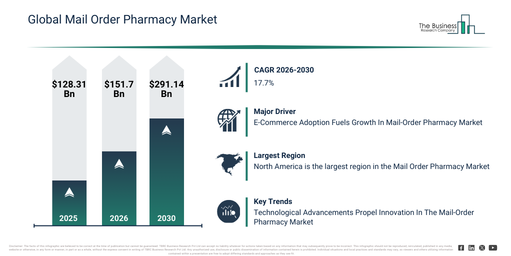
    The mail order pharmacy market has experienced substantial growth in recent years. Its valuation is anticipated to climb from $128.31 billion in 2025 to $151.7 billion in 2026, demonstrating a compound annual growth rate (CAGR) of 18.2%. This historical expansion can be primarily attributed to factors such as the proliferation of e-commerce within healthcare, increasing adoption of the internet and smartphones, a heightened desire for convenience in prescription refills, the expansion of mail pharmacy services supported by insurance, and the cost benefits associated with bulk medication dispensing.

    The mail order pharmacy market is projected to experience significant expansion over the next few years. It is anticipated to grow to $291.14 billion in 2030, achieving a compound annual growth rate (CAGR) of 17.7%. This expansion during the forecast period can be attributed to the increasing prevalence of chronic diseases, a rising aging population requiring long-term medications, growing acceptance of digital health platforms, broader integration of telemedicine with pharmacies, and improved logistics and last-mile delivery infrastructure. Major trends expected in this period include a rising adoption of online prescription fulfillment, an increase in home delivery for chronic disease medications, greater use of pharmacy mobile applications, an expansion of direct-to-consumer drug distribution, and an increasing preference for contactless medicine access.

    Access Your Free Sample Report for In-Depth Market Insights:

    https://www.thebusinessresearchcompany.com/sample.aspx?id=12137&type=smp

    Which Drivers Are Supporting The Rise Of The Mail Order Pharmacy Market?

    The expanding integration of e-commerce is propelling the mail-order pharmacy market’s future growth. E-commerce encompasses the exchange of goods, services, or data, along with money transfers, across electronic networks. Through e-commerce solutions, mail-order pharmacies enable consumers to conveniently order medications and refill prescriptions from their homes or on the go via mobile applications on phones or tablets. For example, the Census Bureau, a US-based government entity, reported in May 2024 that e-commerce sales expanded by 8.5% in the first quarter of 2024 compared to the corresponding period in 2023, making up 15.6% of overall retail sales, which saw a 2.8% increase year over year. Consequently, the rising uptake of e-commerce is a key driver for the mail-order pharmacy market.

    What Segments Are Identified Within The Structure Of The Mail Order Pharmacy Market?

    The mail order pharmacy market covered in this report is segmented –

    1) By Product Type: Dermal Care, Diabetes, Cardiovascular Medicines, Blood Pressure, Asthma, Cold And Flu, Painkillers, Antacids, Other Products

    2) By Drug Type: Non-Prescription Drugs, Prescription Drugs

    3) By Mode Of Order: Online Store, Pharmacy Apps

    Subsegments:

    1) By Dermal Care: Moisturizers, Acne Treatments, Skin Condition Treatments

    2) By Diabetes: Insulin, Oral Hypoglycemic Agents, Blood Glucose Monitoring Supplies

    3) By Cardiovascular Medicines: Antihypertensives, Statins, Anticoagulants

    4) By Blood Pressure: Prescription Medications, Monitoring Devices

    5) By Asthma: Inhalers, Asthma Control Medications

    6) By Cold And Flu: Decongestants, Cough Syrups, Antihistamines

    7) By Painkillers: Prescription Opioids, Over-The-Counter Analgesics

    8) By Antacids: OTC Antacids, Prescription Antacid Medications

    9) By Other Products: Vitamins And Supplements, Home Health Care Products

    Which Innovation Trends Are Advancing Developments Within The Mail Order Pharmacy Market?

    Major companies in the mail-order pharmacy market are concentrating on creating advanced technological solutions, including cloud-based analytics platforms, to boost operational clarity, delivery performance, and comprehensive patient care. A cloud-based analytics platform serves as an online software system that gathers, processes, and evaluates data from diverse sources, thereby assisting organizations in monitoring their operations, discerning trends, making prompt decisions, and optimizing efficiency in real time. For instance, in April 2023, Innovation Associates, Inc., a US-based pharmaceutical development company, unveiled NEXiA Enterprise Analytics, which was the first cloud-based application for NEXiA software for pharmacy fulfilment. This particular analytics platform allows customers to observe pharmacy operations across various fulfilment locations in near real-time, facilitating quicker trend identification and aiding in the delivery of medicines to patients with optimal speed and efficiency.

    Which Key Players Are Driving Competition In The Mail Order Pharmacy Market?

    Major companies operating in the mail order pharmacy market are CVS Health Corporation, UnitedHealth Group Inc., Accredo Health Group Inc., McKesson Corporation, Cigna, Cardinal Health, Walgreen Co., OptumRx Inc., Humana Pharmacy, Aetna Inc., Wellcare Health Plans Inc., Prime Therapeutics LLC., Express Scripts Inc., Zur Rose Group AG, MedImpact, Remedi SeniorCare Holding Corporation, RxAdvance Corporation, WellDyneRx Inc., PillPack Inc., BeneCard Services Inc., DocMorris N.V., EnvisionPharmacies, Freedom Fertility Pharmacy, Canada Drugs Online, Elixir Rx Solutions LLC., eDrugstore, Simple Meds LLC., SANICARE, Apex Specialty Pharmacy

    Access The Complete Report For Deeper Market Insights:

    https://www.thebusinessresearchcompany.com/report/mail-order-pharmacy-global-market-report

    Which Region Currently Holds The Largest Share Of The Mail Order Pharmacy Market?

    North America was the largest region in the mail-order pharmacy market in 2025. Asia Pacific is expected to be the fastest-growing region in the forecast period. The regions covered in the mail order pharmacy market report are Asia-Pacific, South East Asia, Western Europe, Eastern Europe, North America, South America, Middle East, Africa.

    Request Your Customized Mail Order Pharmacy Market Research Report for Competitive Advantage:

    https://www.thebusinessresearchcompany.com/customise?id=12137&type=smp

    Browse Through More Reports Similar to the Global Mail Order Pharmacy Market 2026, By The Business Research Company

    Pharmacy Management System Market Report 2026

    https://www.thebusinessresearchcompany.com/report/pharmacy-management-system-global-market-report

    E Pharmacy Market Report 2026

    https://www.thebusinessresearchcompany.com/report/e-pharmacy-global-market-report

    Digital Pharmacy Market Report 2026

    https://www.thebusinessresearchcompany.com/report/digital-pharmacy-global-market-report

    Get in touch with us:

    The Business Research Company: https://www.thebusinessresearchcompany.com/

    Americas +1 310-496-7795

    Asia +44 7882 955267 & +91 8897263534

    Europe +44 7882 955267

    Email us at info@tbrc.info

    Follow us on:

    LinkedIn: https://in.linkedin.com/company/the-business-research-company

    YouTube: https://www.youtube.com/channel/UC24_fI0rV8cR5DxlCpgmyFQ

    Global Market Model: https://www.thebusinessresearchcompany.com/global-market-model