Category: HealthcareServices

  • Understand How The Medical Polycarbonate Market Is Poised To Grow Through 2024-2033

    Understand How The Medical Polycarbonate Market Is Poised To Grow Through 2024-2033

    The Business Research Company’s global market reports are now updated with the latest market sizing information for the year 2024 and forecasted to 2033

    As per The Business Research Company’s Medical Polycarbonate Global Market Report 2024, the medical polycarbonate market is expected to show significant growth in the forecast period.

    The medical polycarbonate market has experienced robust growth in recent years, with significant increases projected for the future. Here’s an in-depth look at the factors driving this expansion and the key trends shaping the market.

    Market Size and Growth Rate

    • Current Market Size: The medical polycarbonate market grew from $1.31 billion in 2023 to $1.40 billion in 2024, at a compound annual growth rate (CAGR) of 6.9%.
    • Future Projections: By 2028, the market is expected to reach $1.84 billion, with a CAGR of 7.0%.

    Drivers of Growth in Recent Years
    Increased Demand for Personal Protective Equipment (PPE)

    • Pandemic Impact: The COVID-19 pandemic spurred a massive increase in demand for PPE, significantly boosting the market for medical polycarbonate used in face shields, goggles, and other protective gear.

    Rise in Chronic Diseases

    • Prevalence: The increasing prevalence of chronic diseases, such as diabetes and cardiovascular conditions, has driven demand for medical devices made from durable and lightweight polycarbonate.
    • Supporting Data: According to the National Center for Biotechnology Information, the number of people aged 50 and above with chronic illnesses is expected to nearly double by 2050.

    Durability and Lightweight Properties

    • Material Advantages: Medical polycarbonate is preferred for its durability and lightweight properties, essential for manufacturing various medical devices and instruments.

    Stringent Regulatory Standards

    • Compliance: Compliance with stringent regulatory standards ensures the quality and safety of medical devices, encouraging the adoption of high-quality polycarbonate materials.

    Future Growth Drivers
    Investments in R&D

    • Innovation: Rising investments in research and development for novel medical applications are expected to drive market growth.
    • Biocompatibility: The growing preference for biocompatible materials in medical devices is boosting demand for medical polycarbonate.

    Increased Number of Surgeries and Cardiovascular Diseases

    • Medical Needs: The rising number of surgeries and the prevalence of cardiovascular diseases increase the need for reliable medical devices, enhancing market demand.

    Expanding Healthcare Infrastructure

    • Emerging Economies: The expansion of healthcare infrastructure in emerging economies supports market growth by increasing access to advanced medical devices.

    View More On The Medical Polycarbonate Market Report 2024 – https://www.thebusinessresearchcompany.com/report/medical-polycarbonate-global-market-report

    Major Trends in the Forecast Period
    Technological Advancements

    • Innovation: Technological advancements in medical device manufacturing are integrating polycarbonate in next-generation wearable health technologies.

    Strategic Collaborations

    • Partnerships: Strategic collaborations among major companies are driving innovations and expanding market reach.

    Factory Expansion

    • Capacity Increase: Expanding manufacturing facilities to meet growing demand is a key trend among leading companies.

    Additive Manufacturing

    • Customization: The adoption of additive manufacturing techniques allows for customized medical devices, further driving the use of polycarbonate.

    Key Players in the Market

    • Leading Companies: Major companies in the medical polycarbonate market include Bayer AG, LG Chem Ltd., Saudi Basic Industries Corporation, Asahi Kasei Corporation, Covestro AG, Lotte Chemical Corporation, and Evonik Industries AG.
    • Innovative Solutions: Companies like Covestro AG are developing ultra-durable polycarbonate materials, such as Makrolon 3638, to enhance product offerings in the healthcare sector.

    Notable Developments
    Covestro AG’s Ultra-Durable Polycarbonate

    • New Product: Covestro AG launched the Makrolon 3638 polycarbonate in February 2023, offering exceptional strength, chemical resistance, and biocompatibility for medical devices.

    Celanese Corporation’s Strategic Acquisition

    • Expansion: In November 2022, Celanese Corporation acquired DuPont’s mobility and materials business, enhancing its portfolio in high-performance materials, including medical polycarbonate.

    Market Segmentation

    • By Grade: Lipid-resistant Grade, High-temperature Grade, Other Grades
    • By Processing Technology: Extrusion, Injection Molding, Blow Molding, Other Processing Technologies
    • By Application: Fluid Delivery and Intravenous (IV) Connection Components, Renal Dialysis Products, Cardiovascular Devices, Surgical Instruments, Other Applications

    Regional Insights

    • North America: In 2023, North America was the largest region in the medical polycarbonate market, driven by advanced healthcare infrastructure and high demand for medical devices.

    The medical polycarbonate market is poised for significant growth, driven by technological advancements, strategic expansions, and increasing demand for durable and biocompatible medical devices. As the healthcare landscape evolves, the market for medical polycarbonate will continue to expand, offering new opportunities for innovation and development.

    Request A Sample Of The Global Medical Polycarbonate Market Report 2024:
    https://www.thebusinessresearchcompany.com/sample_request?id=16115&type=smp

  • How Is The Mammalian Polyclonal Immunoglobulin G (IgG) Antibody Market Expected To Grow Through 2024-2033

    How Is The Mammalian Polyclonal Immunoglobulin G (IgG) Antibody Market Expected To Grow Through 2024-2033

    The Business Research Company’s global market reports are now updated with the latest market sizing information for the year 2024 and forecasted to 2033

    According to The Business Research Company’s Mammalian Polyclonal Immunoglobulin G (IgG) Antibody Global Market Report 2024, the mammalian polyclonal immunoglobulin g (IgG) antibody market is expected to show promising growth in the forecast period.

    Market Overview

    • The mammalian polyclonal immunoglobulin G (IgG) antibody market has experienced strong growth in recent years.
    • In 2023, the market size reached $1.22 billion and is expected to grow to $1.31 billion in 2024, at a CAGR of 7.8%.

    Factors Driving Historic Growth

    • Focus on Rare Diseases: Increasing research and treatment efforts for rare diseases.
    • Expanding Applications: Growing use of IgG antibodies in various research applications.
    • Demand for Therapeutic Antibodies: Rising need for antibodies in therapeutic treatments.
    • Regulatory Guidelines: Evolving quality standards and regulatory guidelines.
    • Biopharmaceutical Sector Expansion: Growth of the biopharmaceutical industry.

    Forecasted Growth

    • The market is projected to grow to $1.78 billion by 2028, at a CAGR of 7.9%.
    • Precision Medicine: Increased adoption of precision medicine approaches.
    • Immunotherapy Research: Growth in research activities related to immunotherapy.
    • Biopharmaceutical R&D Investments: Rising investments in biopharmaceutical R&D.
    • Healthcare Infrastructure: Development of emerging healthcare infrastructures.
    • Contract Manufacturing: Shift towards contract manufacturing for antibody production.

    View More On The Mammalian Polyclonal Immunoglobulin G (IgG) Antibody Market Report 2024 – https://www.thebusinessresearchcompany.com/report/mammalian-polyclonal-immunoglobulin-g-igg-antibody-global-market-report

    Trends Shaping the Future

    • Technological Advancements: Innovations in antibody engineering.
    • Next-Generation Sequencing (NGS): Emergence of NGS assays.
    • Biomarker Discovery: Advances in biomarker discovery techniques.
    • Bioconjugation Technologies: Improvements in bioconjugation methods.
    • Therapeutic Applications: Enhanced therapeutic applications of IgG antibodies.

    Impact of Animal Health Spending

    • Increased Spending: Rising expenditure on animal health is driving market growth.
    • Pet Ownership: Growth in pet ownership and demand for animal products.
    • Veterinary Care: Advances in veterinary care and stronger human-animal bonds.
    • Regulations: Stricter regulations promoting animal well-being.
    • Market Impact: Higher spending boosts demand for specialized IgG antibodies.

    Key Market Players

    • Thermo Fisher Scientific Inc.
    • Merck KGaA
    • PerkinElmer Inc.
    • Bio-Rad Laboratories Inc.
    • GeneTex
    • GenScript Biotech Corporation
    • Jackson ImmunoResearch Laboratories
    • Abcam Inc.
    • R&D Systems
    • Sino Biological
    • Fortis Life Sciences
    • Santa Cruz Biotechnology Inc.
    • Rockland Immunochemicals Inc.
    • Novus Biologicals LLC
    • Creative Diagnostics
    • Fitzgerald Industries International Inc.

    Development in Therapeutics

    • New Therapeutics: Companies are developing therapeutics with species-matched isotypes.
    • Example: In March 2022, Absolute Antibody launched dog IgG2 and dog IgG4 isotypes for oncology research.

    Strategic Acquisitions

    • Danaher Corporation Acquisition: In December 2023, Danaher Corporation acquired Abcam Limited to enhance its life sciences and diagnostics portfolio.
    • Abcam Limited: A US-based producer of protein research tools, including polyclonal antibodies.

    Market Segmentation

    • By Product:
      • Cardiac Markers
      • Metabolic Markers
      • Renal Markers
      • Other Products
    • By Type:
      • Goat
      • Rabbit
      • Horse
      • Mouse
      • Other Types
    • By Application:
      • Enzyme Linked Immuno Absorbant Assay (ELISA)
      • Immunoturbidimetry
      • Immunoelectrophoresis
      • Antibody Identification
      • Immunohistochemistry
      • Immunocytochemistry
      • Western Blotting
    • By End User:
      • Pharmaceutical and Biotechnology Companies
      • Hospitals
      • Diagnostic Centers
      • Academic and Research Centers

    Regional Insights

    • North America was the largest region in the mammalian polyclonal immunoglobulin G (IgG) antibody market in 2023.

    Request A Sample Of The Global Mammalian Polyclonal Immunoglobulin G (IgG) Antibody Market Report 2024:
    https://www.thebusinessresearchcompany.com/sample_request?id=16111&type=smp

  • Growth Trajectory Of The Platelet Rich Plasma Market 2024-2033

    Growth Trajectory Of The Platelet Rich Plasma Market 2024-2033

    The Business Research Company’s global market reports are now updated with the latest market sizing information for the year 2024 and forecasted to 2033

    Overview of Market Growth

    The platelet-rich plasma (PRP) market has seen remarkable expansion in recent years. The market size increased from $0.61 billion in 2023 to $0.71 billion in 2024, driven by a robust compound annual growth rate (CAGR) of 17.1%. This growth is primarily fueled by several factors:

    • Rising Demand for Minimally Invasive Procedures: More patients are seeking less invasive treatment options.
    • Increasing Prevalence of Chronic Conditions: Conditions like arthritis are becoming more common, boosting PRP usage.
    • Focus on Pain Management and Injury Recovery: PRP is gaining traction for its role in these areas.
    • Adoption in Veterinary Medicine: There’s growing use of PRP in treating animal injuries and conditions.
    • Higher Disposable Income and Healthcare Spending: People are investing more in health and wellness.

    Future Market Projections

    Looking ahead, the PRP market is expected to continue its rapid growth, reaching $1.34 billion by 2028 at a CAGR of 17.3%. Factors contributing to this growth include:

    • Prevalence of Sports Injuries: More sports-related injuries are increasing demand for PRP therapy.
    • Orthopedic Disorders: A rise in orthopedic issues is pushing the need for advanced treatments.
    • Cosmetic and Aesthetic Procedures: Growing interest in cosmetic applications is fueling market expansion.
    • Aging Population: As the population ages, there is a higher incidence of age-related conditions requiring PRP.
    • Clinical Trials and Research: Ongoing research supports the efficacy of PRP, leading to increased adoption.

    View More On The Platelet Rich Plasma Market Report 2024 – https://www.thebusinessresearchcompany.com/report/platelet-rich-plasma-global-market-report

    Impact of Sports Injuries

    The increasing number of sports injuries is significantly influencing the PRP market. Several factors are contributing to this rise:

    • Increased Sports Participation: More people, including youth, are engaging in sports.
    • Age-Related Factors: Older athletes are more susceptible to injuries.
    • Inadequate Coaching: Poor coaching can lead to higher injury rates.

    PRP therapy is becoming a preferred choice for sports injury recovery due to its ability to:

    • Promote Tissue Repair: Enhances healing of tendons and ligaments.
    • Reduce Inflammation: Helps in managing and alleviating pain.
    • Accelerate Recovery: Offers a minimally invasive treatment with potentially faster recovery times.

    For example, the number of sports and recreational equipment injuries in the US rose from 3,231,885 in 2021 to 3,631,970, reflecting the increasing need for effective treatment options like PRP.

    Technological Advancements in PRP

    Technological advancements are playing a crucial role in the growth of the PRP market. Companies are developing off-the-shelf PRP products to meet the rising demand, especially in aesthetics. Recent innovations include:

    • 4T Medical’s PRP Kit: Launched in July 2023, this CE 2195-registered kit is designed for efficient skin rejuvenation and healing, featuring ready-to-use PRP with consistent platelet dose and potency.
    • High-Quality Products: Off-the-shelf solutions provide convenience and reliability, reducing the need for individual preparation.

    Strategic Investments and Acquisitions

    In March 2023, Kedaara Capital acquired a majority stake in Oliva Skin & Hair Clinic, a prominent provider of PRP hair treatments in India. This acquisition aims to:

    • Support Oliva’s Growth: Help the clinic expand and achieve its vision of becoming a leading player in India’s aesthetic dermatology sector.
    • Enhance PRP Accessibility: Strengthen the market presence of PRP treatments in the region.

    Market Segmentation

    The PRP market is segmented into various categories:

    1. By Type:
      • Pure Platelet Rich Plasma
      • Leukocyte-Rich Platelet Rich Plasma
      • Leukocyte-Rich Fibrin
      • Other Types
    2. By Origin:
      • Allogeneic Platelet Rich Plasma
      • Autologous Platelet Rich Plasma
      • Homologous Platelet Rich Plasma
    3. By Application:
      • Cosmetic Surgery and Aesthetics
      • General Surgery
      • Neurosurgery
      • Orthopedic and Spinal Surgery
      • Other Applications
    4. By End User:
      • Hospitals and Clinics
      • Research Institutes
      • Other End-Users

    Regional Insights

    North America emerged as the largest region in the PRP market in 2023 and is projected to be the fastest-growing region in the coming years, driven by advanced healthcare infrastructure and high demand for innovative treatments.

    In summary, the platelet-rich plasma market is on a strong growth trajectory, supported by technological advancements, increasing demand in various medical fields, and strategic investments. As the market continues to evolve, it promises to offer new opportunities and innovations in therapeutic and aesthetic applications.

    Request A Sample Of The Global Platelet Rich Plasma Market Report 2024:
    https://www.thebusinessresearchcompany.com/sample_request?id=16150&type=smp

  • Primary Care Physicians Market Growth Analysis Till 2033 By The Business Research Company

    Primary Care Physicians Market Growth Analysis Till 2033 By The Business Research Company

    The Business Research Company’s market reports offer an in-depth analysis on the market’s growth potential, major drivers, key trends and more.

    Market Expansion Overview

    • Current Market Size and Growth: The primary care physicians market has shown robust growth in recent years, expanding from $868.22 billion in 2023 to an anticipated $913.28 billion in 2024. This growth represents a compound annual growth rate (CAGR) of 5.2%.
    • Future Projections: Looking ahead, the market is expected to reach $1,126.91 billion by 2028, with a slightly higher CAGR of 5.4%.
    • Historic Growth Drivers: Key factors behind this growth include advancements in medical education, evidence-based research, professional advocacy, evolving workforce models, and increased patient engagement.

    Key Growth Drivers

    • Shift to Value-Based Care: The transition towards value-based care models emphasizes quality over quantity, which is expected to drive further growth in the primary care sector.
    • Patient Preferences: Changing patient expectations and preferences are pushing for more personalized and accessible care.
    • Public Health Events: Recent public health events have highlighted the need for strong primary care systems.
    • Healthcare Consumerism: Increasing consumerism in healthcare is driving demand for more transparent and patient-centered care.
    • Behavioral Health Integration: The integration of behavioral health services into primary care is becoming more prevalent.

    Read More On The Primary Care Physicians Market Report 2024 – https://www.thebusinessresearchcompany.com/report/primary-care-physicians-global-market-report

    Emerging Trends and Innovations

    • Virtual Reality: Virtual reality is being explored for pain management and therapy.
    • Blockchain Technology: Blockchain is enhancing data security in healthcare.
    • Robotic Assistance: Robotics are improving surgical precision and rehabilitation.
    • Natural Language Processing: NLP is streamlining clinical documentation.
    • Gamification: Gamification is used to boost patient engagement and health promotion.

    Impact of Hospitalization Rates

    • Rising Hospitalization Rates: An increase in hospitalizations, driven by chronic diseases and complex treatments, is fueling the demand for primary care physicians.
    • Reduction in Hospitalization: Effective primary care helps reduce hospitalization rates by managing chronic conditions and providing continuous care.
    • Case Example: In Australia, hospitalizations rose by 4.6% from 11.6 million in 2021-22 to 12.1 million in 2022-23, underscoring the growing need for primary care.

    Market Key Players

    • Major Companies: Leading companies in the primary care market include 3M Company, Medtronic Inc., Siemens Healthineers AG, General Electric Healthcare, and notable healthcare systems like Mayo Clinic and Cleveland Clinic.
    • Innovations and Acquisitions: Companies are investing in new technologies and acquiring firms to enhance their market position. For example, Amazon acquired One Medical to expand its healthcare footprint.

    Innovations in Practice

    • Summus Global Inc.: In July 2023, Summus launched a peer-to-peer platform for virtual curbside consults, enabling real-time specialist advice for primary care physicians through secure digital communication.

    Market Segmentation

    • Service Types: Includes Preventive Care, Chronic Disease Management, Acute Care, Maternal and Child Health.
    • Physician Types: General Practitioners, Family Medicine Physicians, Internal Medicine Physicians, Pediatricians.
    • Patient Types: Pediatric, Adult, Geriatric.
    • Practice Settings: Solo Practices, Group Practices, Hospital-Based Practices.
    • End-Use Segments: Medical Clinics, Point of Care Settings, Hospitals, Long-Term Care Facilities, Teleconsultation.

    Regional Insights

    • North America: Led the market in 2023.
    • Asia-Pacific: Expected to be the fastest-growing region in the coming years, driven by increasing healthcare demands and advancements in medical infrastructure.

    As the primary care physicians market continues to evolve, ongoing advancements and increasing patient needs will shape its trajectory, leading to more innovative and effective care solutions.

    Request for A Sample Of The Global Primary Care Physicians Market Report:
    https://www.thebusinessresearchcompany.com/sample_request?id=16160&type=smp

  • What Is The Forecast Growth Rate For The PEGylated Proteins Market?

    What Is The Forecast Growth Rate For The PEGylated Proteins Market?

    The Business Research Company’s market reports offer an in-depth analysis on the market’s growth potential, major drivers, key trends and more.

    Overview of Market Growth

    • Current Market Size: The PEGylated proteins market reached $1.29 billion in 2023.
    • Projected Growth: Expected to grow to $1.47 billion in 2024, with a compound annual growth rate (CAGR) of 13.7%.
    • Future Outlook: Anticipated to expand further to $2.47 billion by 2028, with a CAGR of 13.8%.

    Key Drivers of Growth

    • Improved Therapeutic Efficacy: Enhanced effectiveness of drugs due to PEGylation.
    • Aging Population: Increased demand driven by a growing elderly demographic.
    • Long-Acting Formulations: Greater need for medications with prolonged effects.
    • Enhanced Drug Safety: Improved safety profiles of PEGylated proteins.
    • Targeted Drug Delivery: Expansion into targeted drug delivery systems.

    Factors Influencing Future Growth

    • Investment in Rare Diseases: Increased funding for treatments of rare conditions.
    • Biopharmaceutical Industry Expansion: Rapid growth in the biopharmaceutical sector.
    • Precision Medicine: Tailoring treatments to individual needs.
    • Biosimilar Competition: Rising competition from biosimilars.
    • Innovative Market Strategies: Adoption of new approaches to market access.

    Read More On The PEGylated Proteins Market Report 2024 – https://www.thebusinessresearchcompany.com/report/pegylated-proteins-global-market-report

    Major Trends to Watch

    • Digital Health Integration: Incorporation of digital technologies in healthcare.
    • Next-Generation Pegylation: Advancements in PEGylation technologies.
    • Customized Formulations: Development of treatments tailored to precision medicine.
    • Combination Therapies: Focus on therapies combining multiple treatments.
    • Patient-Centric Models: Shift towards healthcare models centered on patient needs.

    Impact of Lifestyle Diseases

    • Rising Lifestyle Diseases: Increase in health conditions caused by poor lifestyle choices.
    • Therapeutic Applications: PEGylated proteins improve treatment for cardiovascular diseases, diabetes, and cancer.
    • Statistics: Cardiovascular disease deaths projected to exceed 22.2 million by 2030. Diabetes affects 537 million adults globally.

    Key Market Players

    • Major Companies: Merck & Co., Bayer AG, Bristol Myers Squibb, AstraZeneca, Roche, Gilead Sciences, Novo Nordisk, Evonik Industries, and others.
    • Innovative Developments: Launch of PEGylation reagents like DSPE-PEG-Maleimide for targeted drug delivery.

    Noteworthy Acquisitions

    • Merck KGaA Acquisition: Purchased Exelead Inc. for $793 million to bolster its mRNA therapeutic portfolio and PEGylated product offerings.

    Market Segmentation

    1. By Product: Includes consumables, PEGylation kits, monofunctional and bifunctional PEGs, and services.
    2. By Protein Type: Colony Stimulating Factors, Interferons, Erythropoietin, and other proteins.
    3. By Application: Cancer treatment, hepatitis, chronic kidney diseases, hemophilia, and more.
    4. By End User: Pharmaceuticals, biotechnology companies, contract research organizations, and academic research institutes.

    Regional Insights

    • Leading Region: North America held the largest market share in 2023.

    The PEGylated proteins market is poised for continued expansion, driven by innovations, increased healthcare demands, and evolving treatment paradigms.

    Request for A Sample Of The Global PEGylated Proteins Market Report:
    https://www.thebusinessresearchcompany.com/sample_request?id=16145&type=smp

  • Overview Of The Orthobiologics Market 2024-2033: Growth And Major Players Analysis

    Overview Of The Orthobiologics Market 2024-2033: Growth And Major Players Analysis

    The Business Research Company’s global market reports are now updated with the latest market sizing information for the year 2024 and forecasted to 2033

    Market Growth Overview

    • Current Market Size: The orthobiologics market was valued at $6.65 billion in 2023.
    • Short-Term Growth: Expected to rise to $7.08 billion in 2024, with a CAGR of 6.4%.
    • Long-Term Growth: Projected to reach $9.12 billion by 2028, growing at a CAGR of 6.5%.

    Factors Driving Growth

    • Historical Growth Drivers:
      • Increase in orthopedic diseases and conditions.
      • Shift towards minimally invasive procedures.
      • Rise in reconstructive surgeries.
      • Growing healthcare expenditure.
      • Enhanced awareness among patients and providers.
      • Economic development in emerging markets.
    • Future Growth Drivers:
      • Aging population and sedentary lifestyles.
      • Continuous advancement in orthobiologic products.
      • Favorable reimbursement policies.
      • New regulatory approvals.
      • Expanded indications for existing products.

    View More On The Orthobiologics Market Report 2024 – https://www.thebusinessresearchcompany.com/report/orthobiologics-global-market-report

    Trends Influencing the Market

    • Regenerative Medicine: Advances in regenerative medicine are driving innovation.
    • Product Innovations: New and improved products are emerging.
    • Technological Advancements: Cutting-edge technologies are being developed.
    • Strategic Initiatives: Companies are engaging in strategic moves to capture market share.
    • Market Expansion: Growing markets in various regions are contributing to overall growth.

    Impact of Sports Injuries and Road Accidents

    • Growth from Injuries:
      • Increased number of road accidents and sports injuries.
      • High incidence of musculoskeletal damage from these events.
    • Treatment Benefits:
      • Orthobiologics aid in faster healing and reducing inflammation.
      • Utilization of bone grafts, growth factors, stem cells, and platelet-rich plasma.
    • Statistics:
      • In 2021, US motor vehicle crash fatalities increased by 10.5%, totaling approximately 42,915 deaths.

    Innovative Developments

    • Dry Allograft Mixtures:
      • New solutions like dry allograft mixtures are enhancing bone healing.
      • Example: Fibrant Liberty allograft by Isto Biologics features robust cortical fibers that support new bone formation and prevent graft migration.

    Recent Major Acquisitions

    • Zimmer Biomet and Embody:
      • In February 2023, Zimmer Biomet acquired Embody Inc. for $155 million.
      • This acquisition supports Zimmer Biomet’s commitment to innovation in sports medicine with collagen-based biologic products.

    Market Segmentation

    • By Product Type:
      • Viscosupplements, Bone Growth Factors, Demineralized Bone Matrix, Synthetic Bone Substitutes, Cellular Allograft, Other Products.
    • By Application:
      • Spinal Fusion, Maxillofacial and Dental, Soft Tissue Repair, Reconstructive and Fracture Surgery, Other Applications.
    • By End User:
      • Hospitals, Orthopedic Clinics, Ambulatory Surgery Centers, Other End Users.

    Regional Insights

    • North America: Dominated the orthobiologics market in 2023.
    • Asia-Pacific: Expected to be the fastest-growing region in the forecast period.

    In summary, the orthobiologics market is on a strong upward trajectory, driven by advances in medical technology, increasing prevalence of injuries, and expanding market opportunities. The sector is poised for substantial growth, with innovative developments and strategic acquisitions shaping its future.

    Request A Sample Of The Global Orthobiologics Market Report 2024:
    https://www.thebusinessresearchcompany.com/sample_request?id=16139&type=smp

  • How Is The Oral Solid Dosage Contract Manufacturing Market Expected To Grow Through 2024-2033

    How Is The Oral Solid Dosage Contract Manufacturing Market Expected To Grow Through 2024-2033

    The Business Research Company’s global market reports are now updated with the latest market sizing information for the year 2024 and forecasted to 2033

    According to The Business Research Company’s Oral Solid Dosage Contract Manufacturing Global Market Report 2024, the oral solid dosage contract manufacturing market is expected to show promising growth in the forecast period.

    The oral solid dosage contract manufacturing market has experienced significant growth in recent years and is poised for further expansion. As of 2023, the market size was valued at $36.70 billion and is expected to reach $39.39 billion by 2024, reflecting a compound annual growth rate (CAGR) of 7.3%. This robust growth is driven by several factors including an increasing global population, the rising prevalence of chronic diseases, and heightened focus on research and development. Looking ahead, the market is projected to grow to $52.94 billion by 2028, maintaining the same CAGR of 7.3%. The future growth can be attributed to increased outsourcing by pharmaceutical companies, advancements in drug delivery technologies, and heightened drug development activities.

    Key Drivers of Market Growth

    • Outsourcing by Pharmaceutical Companies: Many pharmaceutical companies are increasingly outsourcing their manufacturing processes to focus on core competencies, such as drug discovery and development. This trend is expected to continue, driving demand for oral solid dosage contract manufacturing.
    • Advancements in Drug Delivery Technology: Innovations in drug delivery systems, such as controlled-release technologies and 3D printing, are enhancing the efficiency and effectiveness of drug delivery, contributing to market growth.
    • Increasing Drug Development Activities: The rise in drug development activities, driven by the need for new and effective treatments, is fueling demand for contract manufacturing services.

    Rising Demand for Generic Drugs
    The demand for generic drugs is a major factor propelling the growth of the oral solid dosage contract manufacturing market. Generic drugs, which are bioequivalent to brand-name drugs, are increasingly favored due to their cost-effectiveness and patent expirations. This demand is supported by regulatory incentives and expanding healthcare access. For instance, in 2022, the FDA reported that 91% of prescriptions in the USA were filled with generic drugs. The contract manufacturing sector plays a crucial role in producing and distributing these generics by enhancing operational efficiency and reducing costs. This trend is expected to drive market growth as the industry continues to meet the rising demand for affordable medications.

    View More On The Oral Solid Dosage Contract Manufacturing Market Report 2024 – https://www.thebusinessresearchcompany.com/report/oral-solid-dosage-contract-manufacturing-global-market-report

    Major Companies and Innovations

    • Innovative Manufacturing Solutions: Leading companies in the oral solid dosage contract manufacturing market are investing in innovative solutions to maintain competitiveness. For example, WuXi STA, a Chinese pharmaceutical company, launched its first continuous manufacturing line for oral solid products in January 2023. This state-of-the-art facility leverages continuous manufacturing processes to enhance production efficiency, quality, and flexibility.
    • Strategic Acquisitions: In August 2022, Catalent Inc. acquired Metrics Contract Services for $475 million, aiming to boost its capabilities in oral solid dosage forms. This acquisition highlights the trend of strategic expansions to enhance manufacturing capabilities and meet the growing demand.

    Market Segmentation
    The oral solid dosage contract manufacturing market is segmented into various categories:

    1. By Product Type: Includes tablets, capsules, powders, granules, and other types.
    2. By Service: Encompasses drug product development, fill-finish product manufacturing, API manufacturing, packaging and labeling, among others.
    3. By Therapeutic Area: Covers oncology, cardiovascular diseases, metabolic disorders, neurological disorders, infectious diseases, gastrointestinal diseases, and other areas.
    4. By End User: Differentiates between large companies and medium/small-sized companies.

    Regional Insights
    Asia-Pacific was the largest region in the oral solid dosage contract manufacturing market in 2023. The region’s growth is driven by its expanding pharmaceutical industry and increasing outsourcing trends.

    In conclusion, the oral solid dosage contract manufacturing market is on a strong growth trajectory, fueled by rising demand for generic drugs, technological advancements, and strategic industry developments. As pharmaceutical companies continue to seek efficient and cost-effective manufacturing solutions, the market is set to expand further in the coming years.

    Request A Sample Of The Global Oral Solid Dosage Contract Manufacturing Market Report 2024:
    https://www.thebusinessresearchcompany.com/sample_request?id=16137&type=smp

  • Future Growth Forecast For The Neurogenetic Testing Global Market 2024-2033

    Future Growth Forecast For The Neurogenetic Testing Global Market 2024-2033

    The Business Research Company’s global market reports provide comprehensive analysis on the various markets in 27 industries across 60 geographies.

    Introduction
    The neurogenetic testing market has witnessed significant expansion in recent years, driven by various factors and emerging trends. This article explores the current state and future projections of the market, focusing on key drivers and innovations shaping its trajectory.

    Market Overview

    • Current Size and Growth: The neurogenetic testing market was valued at $0.54 billion in 2023 and is projected to reach $0.61 billion in 2024. This represents a compound annual growth rate (CAGR) of 13.3%.
    • Historical Growth Drivers: The market’s recent growth can be attributed to:
      • Increased prevalence of neurological diseases
      • Expansion of life science research
      • Rising cases of Parkinson’s disease and cancer
      • Growing awareness among healthcare professionals

    Future Projections

    • Expected Growth: By 2028, the market is anticipated to expand to $1.02 billion, with a CAGR of 13.6%.
    • Forecast Drivers:
      • Expanding applications in personalized medicine
      • Rising prevalence of chronic diseases
      • Increase in hospitals and diagnostic laboratories
      • Growing demand for early disease detection

    View More On The Neurogenetic Testing Market Report 2024 – https://www.thebusinessresearchcompany.com/report/neurogenetic-testing-global-market-report

    Key Trends Shaping the Future

    • Technological Advancements: Continued innovation in neurogenetic testing technologies.
    • Non-Invasive Testing: Greater adoption of less invasive testing methods.
    • New Product Development: Emergence of novel diagnostic tools and techniques.
    • Strategic Collaborations: Increased partnerships between companies and research institutions.
    • Novel Biomarkers: Identification of new biomarkers for neurological conditions.

    Rising Prevalence of Neurological Disorders

    • Impact on Market: The increasing incidence of neurological disorders is a significant driver of market growth. These conditions affect the nervous system and include a variety of genetic, infectious, and degenerative diseases.
    • Diagnostic and Treatment Benefits: Neurogenetic testing offers personalized insights into genetic risks, improving diagnosis and treatment. It helps guide treatment decisions and empowers patients and families.
    • Statistics: Over 600 neurological diseases and nearly 300 psychiatric conditions affect millions globally. In Europe alone, 10.5 million people have dementia, with projections reaching 18.7 million by 2050.

    Innovative Products Driving Market Expansion

    • Whole-Genome Sequencing (WGS): This advanced method provides a complete DNA sequence of an individual’s genome, enhancing diagnostic accuracy.
    • Recent Developments: In March 2024, Nucleus Genomics launched a new DNA analysis product that offers deeper genetic insights, empowering individuals to make informed health decisions.
    • Market Players: Leading companies are focusing on developing innovative products and solutions to advance genetic testing capabilities.

    Market Segmentation

    • By Type:
      • Microarray Analysis
      • Whole-Exome Sequencing (WES)
      • Multiplex Ligation Dependent Probe Amplification (MLPA)
      • Polymerase Chain Reaction (PCR) Tests
      • Other Types
    • By Disease:
      • Rare Genetic Disorders
      • Cancer
      • Cystic Fibrosis
      • Sickle Cell Anemia
      • Duchenne Muscular Dystrophy
      • Thalassemia
      • Huntington’s Disease
      • Fragile X Syndrome
      • Other Diseases
    • By End-Users:
      • Hospitals
      • Specialty Clinics
      • Research Institutes
      • Diagnostic Laboratories

    Regional Insights

    • North America: Held the largest market share in 2023.
    • Asia-Pacific: Expected to be the fastest-growing region during the forecast period.

    Conclusion
    The neurogenetic testing market is on a robust growth trajectory, fueled by advancements in technology, rising prevalence of neurological disorders, and increasing demand for personalized medicine. As innovations continue to emerge and market dynamics evolve, the sector is poised for significant expansion in the coming years.

    Request A Sample Of The Global Neurogenetic Testing Market Report 2024:
    https://www.thebusinessresearchcompany.com/sample_request?id=16131&type=smp

  • Whole Slide Imaging Market Growth Analysis Till 2033 By The Business Research Company

    Whole Slide Imaging Market Growth Analysis Till 2033 By The Business Research Company

    The Business Research Company’s market reports offer an in-depth analysis on the market’s growth potential, major drivers, key trends and more.

    The whole slide imaging (WSI) market has experienced substantial growth in recent years, driven by advancements in digital pathology and increasing demands for accurate diagnostics. This blog explores the current market trends, drivers, and future projections for WSI.

    Market Overview

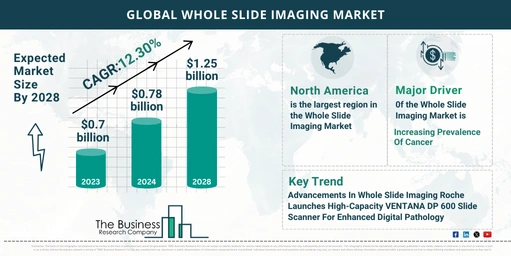
    • 2023 Market Size: $0.70 billion
    • 2024 Market Size: $0.79 billion
    • CAGR (2023-2024): 12.1%

    The whole slide imaging market is set for continued expansion. The growth from $0.70 billion in 2023 to $0.79 billion in 2024 reflects a robust compound annual growth rate (CAGR) of 12.1%. This growth is fueled by several factors, including the rising prevalence of cancer, increased adoption of digital pathology, and government support.

    Future Projections

    • 2028 Market Size: $1.25 billion
    • CAGR (2024-2028): 12.3%

    The market is expected to reach $1.25 billion by 2028, with a CAGR of 12.3%. This forecast growth is attributed to:

    • Rising chronic disease prevalence
    • Increased adoption of cloud-based solutions
    • Demand for quicker diagnostic results
    • Growing popularity of virtual slides
    • Significant research in drug development

    Key Trends Driving Market Growth

    1. Integration with AI: Artificial intelligence is becoming crucial in enhancing the accuracy and efficiency of whole slide imaging, contributing to better diagnostic outcomes.
    2. Digital Pathology Adoption: There is a growing shift towards digital pathology, with more institutions adopting WSI for its benefits in accuracy and accessibility.
    3. Technological Innovations: Advances in technology are leading to more efficient and high-resolution imaging solutions.
    4. Strategic Partnerships: Collaborations and partnerships among major companies are fostering market expansion and innovation.

    Read More On The Whole Slide Imaging Market Report 2024 – https://www.thebusinessresearchcompany.com/report/whole-slide-imaging-global-market-report

    Impact of Cancer Prevalence

    The increasing prevalence of cancer significantly drives the demand for whole slide imaging. Cancer, characterized by uncontrolled cell growth, affects millions globally and requires precise diagnostic tools. Whole slide imaging enhances cancer diagnosis and treatment by providing detailed digital representations of tissue samples. This capability improves diagnostic accuracy and treatment planning, contributing to better patient outcomes.

    • 2022 New Cancer Cases: 20 million
    • Expected 2050 Cases: 35 million

    According to the American Society of Clinical Oncology, the prevalence of cancer is rising, which fuels the need for advanced diagnostic tools like whole slide imaging.

    Major Companies in the Market

    The whole slide imaging market features several leading players:

    • General Electric Company
    • F. Hoffmann-La Roche AG
    • Koninklijke Philips N.V.
    • Olympus Corporation
    • Nikon Corporation
    • PerkinElmer Inc.
    • Beckman Coulter Inc.
    • Leica Biosystems GmbH
    • Hamamatsu Photonics KK
    • Sectra AB
    • PathAI
    • OptraSCAN
    • Paige.AI
    • Indica Labs

    These companies are at the forefront of market innovation and development, providing high-capacity slide scanners and other advanced technologies.

    Recent Developments

    1. Roche’s High-Capacity VENTANA DP 600:
      • Launch Date: June 2022
      • Features: High-resolution digital imaging of stained tissue samples, aiding in cancer diagnosis and personalized treatment.
    2. Exor NV’s Acquisition of Royal Philips NV:
      • Date: August 2023
      • Investment: €2.6 billion ($2.8 billion)
      • Objective: To support Philips’ healthcare technology strategy, including whole slide imaging advancements.

    Market Segmentation

    • By Type: Hardware, Software, Services
    • By Application: Telepathology, Cytopathology, Immunohistochemistry, Hematopathology
    • By End User: Academic Institutes, Research, Other End Users

    Regional Insights

    • North America: Largest market in 2023
    • Asia-Pacific: Expected to be the fastest-growing region in the forecast period

    In summary, the whole slide imaging market is set for continued growth driven by technological advancements, increasing cancer prevalence, and expanding applications in digital pathology. The future looks promising with significant innovations and strategic developments shaping the market landscape.

    Request for A Sample Of The Global Whole Slide Imaging Market Report:
    https://www.thebusinessresearchcompany.com/sample_request?id=16214&type=smp

  • Growth Trajectory Of The Virtual Reality (VR) In Medical Simulation Market 2024-2033

    Growth Trajectory Of The Virtual Reality (VR) In Medical Simulation Market 2024-2033

    The Business Research Company’s global market reports are now updated with the latest market sizing information for the year 2024 and forecasted to 2033

    Market Overview

    The virtual reality (VR) in medical simulation market has seen remarkable growth in recent years, driven by advancements in technology and increasing demand for immersive training solutions.

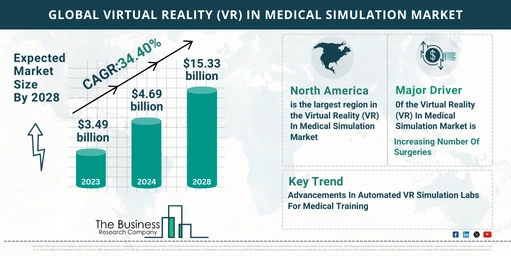
    • 2023 Market Size: $3.50 billion
    • 2024 Market Size: $4.70 billion
    • 2024 Growth Rate: 34.3% CAGR
    • 2028 Market Size: $15.33 billion
    • 2028 Growth Rate: 34.4% CAGR

    Key Drivers of Growth

    The impressive growth of VR in medical simulation can be attributed to several factors:

    • Enhanced Training Applications: VR provides realistic and immersive training environments for medical professionals.
    • Increased Demand for Patient Safety: VR simulations help in minimizing errors and improving patient outcomes.
    • Rising Healthcare Costs: VR offers cost-effective training solutions compared to traditional methods.
    • Regulatory Compliance: VR aids in meeting stringent regulatory standards for medical training.

    Future Growth Drivers

    Looking ahead, the VR in medical simulation market is expected to continue its rapid expansion due to:

    • AI Integration: Advanced AI technologies are being incorporated for adaptive learning and personalized training.
    • Remote Training Solutions: Increased focus on remote and virtual training methods, especially in light of recent global trends.
    • Expansion of Telemedicine: Growth in telemedicine is driving the need for advanced VR training tools.
    • Personalized Learning Experiences: Growing demand for tailored educational experiences in medical training.
    • Regulatory Support: Continued support for innovative training methods by regulatory bodies.

    View More On The Virtual Reality (VR) In Medical Simulation Market Report 2024 – https://www.thebusinessresearchcompany.com/report/virtual-reality-vr-in-medical-simulation-global-market-report

    Rising Number of Surgeries Boosting VR Demand

    The increasing number of surgeries is a significant factor driving the VR in medical simulation market:

    • Surgical Trends: Surgeons are performing more procedures due to advancements in medical technology and techniques.
    • Immersive Training: VR provides realistic simulations of complex surgical scenarios, enhancing the training of medical professionals.
    • Surgeon Training: For instance, in January 2023, the International Society of Aesthetic Plastic Surgery reported a 19.3% increase in total medical procedures, with surgical procedures rising by 18.5% compared to 2020.

    Major Companies Leading the Market

    Several prominent companies are shaping the VR in medical simulation market with innovative solutions:

    • Qualcomm Technologies Inc.
    • Siemens Healthineers AG
    • CAE Healthcare Inc.
    • Brainlab AG
    • Surgical Science Sweden AB
    • Osso VR Inc.
    • Mentice AB
    • Augmedics
    • VirtaMed AG
    • Health Scholars Inc.
    • AppliedVR Inc.

    Advancements in Automated VR Simulation Labs

    Innovative developments in automated VR simulation labs are enhancing medical training:

    • Advanced Facilities: Automated labs replicate surgical environments, providing realistic simulations for medical professionals.
    • New Launches: For example, MediSim VR launched an advanced automated VR simulation lab at Puducherry Institute of Medical Sciences in May 2022. This facility integrates AI-powered tools to enhance competency assessment and training.

    Strategic Acquisitions Expanding Capabilities

    Strategic acquisitions are also expanding capabilities in the VR market:

    • Labster’s Acquisition:

      In October 2021, Labster acquired UbiSim Inc., expanding its nursing education portfolio and enhancing access to high-quality virtual labs.

    Market Segmentation

    The VR in medical simulation market is segmented into:

    1. By Age Group:
      • Adult
      • Children
      • Infant
    2. By Application:
      • Medical Education
      • Diagnostics
      • Pain Management
      • Mental Illness Treatment
      • Physical Fitness and Therapy
      • Surgery
      • Human Simulation Techniques
      • Dentistry
      • Nursing
    3. By End-User:
      • Hospitals
      • Physician Clinics
      • Ambulatory Surgical Centers
      • Medical Institutes
      • Research Laboratories
      • Pharmaceutical Industry

    Regional Insights

    • North America: Led the market in 2023 due to advanced healthcare infrastructure and high adoption rates.
    • Asia-Pacific: Expected to be the fastest-growing region due to increasing investments in healthcare and technological advancements.

    Conclusion

    The VR in medical simulation market is experiencing exponential growth driven by technological advancements, increasing surgical procedures, and a shift towards more immersive and effective training solutions. As the market continues to evolve, advancements in AI, remote training, and strategic acquisitions will further drive growth and innovation, providing valuable tools for medical professionals and improving patient care globally.

    Request A Sample Of The Global Virtual Reality (VR) In Medical Simulation Market Report 2024:
    https://www.thebusinessresearchcompany.com/sample_request?id=16211&type=smp