Category: HealthcareServices

  • Hepatic Encephalopathy Market Growth Projection: Expected to Surpass $2.38 Billion by 2030 at 6% CAGR

    Hepatic Encephalopathy Market Growth Projection: Expected to Surpass $2.38 Billion by 2030 at 6% CAGR

    Uncover key drivers, emerging technologies, and competitive movements shaping the hepatic encephalopathy market from 2026–2035 with trusted insights from The Business Research Company

    What total market size is anticipated for the Hepatic Encephalopathy Market in 2030?

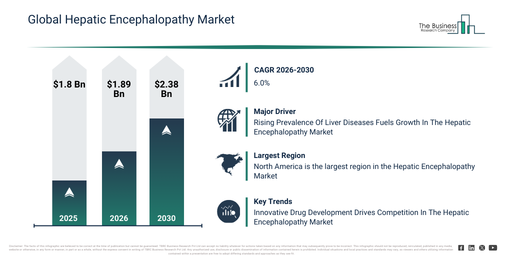
    The hepatic encephalopathy market has experienced robust expansion in recent years. Its value is expected to increase from $1.8 billion in 2025 to $1.89 billion in 2026, exhibiting a compound annual growth rate (CAGR) of 5.0%. The growth observed in prior periods can be attributed to factors such as the rising prevalence of chronic liver diseases, increasing alcohol consumption rates, a higher incidence of cirrhosis, improved diagnostic understanding, and the proliferation of specialty liver care centers.

    The hepatic encephalopathy market is anticipated to show significant expansion in the coming years, with its size projected to reach $2.38 billion by 2030, exhibiting a compound annual growth rate (CAGR) of 6.0%. This expected growth during the forecast period is driven by factors such as the increasing demand for advanced therapeutic options, a rise in liver transplant procedures, a heightened focus on reducing hospitalization rates, the broadening use of digital monitoring tools, and increased investments in hepatology research. Prominent trends observed in this period include the wider adoption of targeted drug therapies, the expanding use of combination treatment regimens, a greater emphasis on early diagnosis and continuous monitoring, the extension of hospital-based treatment protocols, and improved patient-centric care strategies.

    Access Your Free Sample Report for In-Depth Market Insights:

    https://www.thebusinessresearchcompany.com/sample.aspx?id=12906&type=smp

    What Drivers Are Influencing Production Trends In The Hepatic Encephalopathy Market?

    The expanding occurrence of liver ailments is anticipated to drive forward the growth of the hepatic encephalopathy market. Liver disease is a medical condition affecting the liver and impairing its function. Treatments for liver disease, such as those for hepatic encephalopathy, can alleviate symptoms, slow disease progression, improve liver function, and reduce hepatic encephalopathy occurrences. This is achieved by enhancing the management of underlying conditions, which can potentially decrease the frequency and severity of events and improve patients’ overall quality of life. For instance, in April 2024, data from the Office for Health Improvement and Disparities, a UK-based government department, revealed that hospital admission rates for liver disease have consistently risen, reaching 155.2 per 100,000 population (with a range of 152.9 to 157.5) in the financial year ending 2023, an increase from 150.6 (148.2 to 152.9) the previous year. Therefore, the growing prevalence of liver diseases drives the hepatic encephalopathy market.

    Which Segment Groups Are Influencing The Hepatic Encephalopathy Market?

    The hepatic encephalopathy market covered in this report is segmented –

    1) By Drug Class: Antibiotics, Laxatives

    2) By Route Of Administration: Oral, Intravenous, Rectal

    3) By Distribution Channel: Hospital Pharmacies, Retail Pharmacies

    Subsegments:

    1) By Antibiotics: Rifaximin, Neomycin

    2) By Laxatives: Lactulose, Polyethylene Glycol

    What Trends Are Projected To Support The Growth Of The Hepatic Encephalopathy Market?

    Leading companies within the hepatic encephalopathy market are creating novel medications to address hepatic encephalopathy, aiming to secure competitive edges and solidify their market standing. For instance, in June 2023, Karolinska Development AB, a Sweden-based pharmaceutical company, developed the new drug GR3027 (golexanolone) specifically for the treatment of hepatic encephalopathy. This compound is an orally administered small molecule, identified as a GABAA-receptor-modulating steroid antagonist (GAMSA), engineered to counteract the positive GABAA-receptor modulation influenced by endogenous neuroactive steroids. Furthermore, investigations into this drug for HE are ongoing. The clinical trial for CHE is currently proceeding through Phases I/IIa.

    Who Are The Major Companies Operating In The Hepatic Encephalopathy Market?

    Major companies operating in the hepatic encephalopathy market are Salix Pharmaceuticals, Bausch Health Companies, Norgine, Lupin, Sun Pharmaceutical Industries, Dr Reddys Laboratories, Cipla, Teva Pharmaceutical Industries, Mylan, Torrent Pharmaceuticals, Amneal Pharmaceuticals, Zydus Lifesciences, Aurobindo Pharma, Intas Pharmaceuticals, Alkem Laboratories, Alembic Pharmaceuticals, Wockhardt, Hetero Drugs, Cadila Pharmaceuticals, Abbott India

    Access The Complete Report For Deeper Market Insights:

    https://www.thebusinessresearchcompany.com/report/hepatic-encephalopathy-global-market-report

    Which Region Is Anticipated To See The Fastest Growth In The Hepatic Encephalopathy Market?

    North America was the largest region in the hepatic encephalopathy market in 2025. The regions covered in the hepatic encephalopathy market report are Asia-Pacific, South East Asia, Western Europe, Eastern Europe, North America, South America, Middle East, Africa.

    Request Your Customized Hepatic Encephalopathy Market Research Report for Competitive Advantage:

    https://www.thebusinessresearchcompany.com/customise?id=12906&type=smp

    Browse Through More Reports Similar to the Global Hepatic Encephalopathy Market 2026, By The Business Research Company

    Liver Cancer Diagnostics Market Report 2026

    https://www.thebusinessresearchcompany.com/report/liver-cancer-diagnostics-global-market-report

    Encephalitis Treatment Market Report 2026

    https://www.thebusinessresearchcompany.com/report/encephalitis-treatment-global-market-report

    Liver Diseases Therapeutics Market Report 2026

    https://www.thebusinessresearchcompany.com/report/liver-diseases-therapeutics-global-market-report

    Get in touch with us:

    The Business Research Company: https://www.thebusinessresearchcompany.com/

    Americas +1 310-496-7795

    Asia +44 7882 955267 & +91 8897263534

    Europe +44 7882 955267

    Email us at info@tbrc.info

    Follow us on:

    LinkedIn: https://in.linkedin.com/company/the-business-research-company

    YouTube: https://www.youtube.com/channel/UC24_fI0rV8cR5DxlCpgmyFQ

    Global Market Model: https://www.thebusinessresearchcompany.com/global-market-model
  • Hemorrhoids Market Forecast 2026–2035: How to Leverage Market Growth

    Hemorrhoids Market Forecast 2026–2035: How to Leverage Market Growth

    Uncover key drivers, emerging technologies, and competitive movements shaping the hemorrhoids market from 2026–2035 with trusted insights from The Business Research Company

    What is the expected shift in the Hemorrhoids Market’s size between 2026 and 2030?

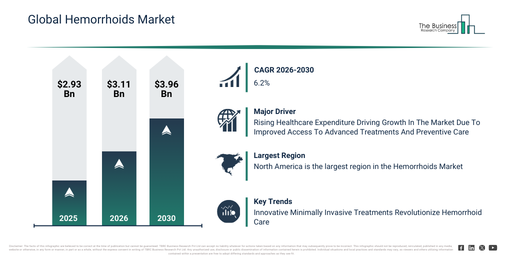
    The hemorrhoids market size has experienced robust growth recently. Projections indicate it will expand from $2.93 billion in 2025 to $3.11 billion in 2026, demonstrating a compound annual growth rate (CAGR) of 6.4%. Historically, this expansion has been driven by factors such as the rising prevalence of sedentary lifestyles, an increasing incidence of chronic constipation, heightened awareness of anorectal disorders, the expansion of outpatient treatment facilities, and the availability of multiple treatment options.

    The hemorrhoids market is projected to undergo significant expansion in the coming years. Its value is expected to ascend to $3.96 billion by 2030, exhibiting a compound annual growth rate (CAGR) of 6.2%. This anticipated increase during the forecast period can be ascribed to an expanding elderly demographic, a heightened emphasis on prompt diagnosis and treatment, increasing demand for procedures that are minimally invasive, the broader availability of teleconsultation for anorectal care, and the greater accessibility of advanced therapeutic methods. Prominent trends for the forecast period include the increasing uptake of minimally invasive hemorrhoid treatments, a growing need for over-the-counter drugs, an expanding utilization of non-surgical interventions, the proliferation of homecare-based management solutions, and a stronger focus on patient comfort and recuperation.

    Access Your Free Sample Report for In-Depth Market Insights:

    https://www.thebusinessresearchcompany.com/sample.aspx?id=22000&type=smp

    Which Drivers Are Shaping Strategic Decisions In The Hemorrhoids Market?

    The increasing healthcare spending is anticipated to propel the expansion of the hemorrhoids market going forward. Healthcare expenditure represents the total financial resources allocated by individuals, organizations, or governments towards preventing, treating, and managing various health conditions. This expenditure is growing due to progress in medical technology, as new diagnostic tools, treatments, and innovative therapies often entail higher costs, resulting in greater overall spending within the healthcare sector. Higher healthcare expenditure enhances access to treatment, preventive care, medications, and advanced procedures, thereby improving the management and outcomes for hemorrhoids. For instance, in December 2024, according to the Centers for Medicare & Medicaid Services, a US-based agency responsible for administering the Medicare and Medicaid programs, U.S. health care expenditures in 2023 rose by 7.5%, reaching $4.9 trillion, which equates to roughly $14,570 for each individual. Therefore, the rising healthcare expenditure is a significant factor driving the growth of the hemorrhoids market.

    What Segment Classifications Make Up The Hemorrhoids Market?

    The hemorrhoids market covered in this report is segmented –

    1) By Type: Internal Hemorrhoids, External Hemorrhoids, Mixed Hemorrhoids

    2) By Treatment Type: Medications, Procedures And Surgical Treatments

    3) By End User: Hospitals, Clinics, Ambulatory Surgery Centers (ASCs), Homecare

    4) By Distribution Channel: Hospital Pharmacies, Retail Pharmacies, Online Pharmacies

    Subsegments:

    1) By Internal Hemorrhoids: Grade I, Grade II, Grade III, Grade IV

    2) By External Hemorrhoids: Thrombosed External Hemorrhoids, Non-Thrombosed External Hemorrhoids

    3) By Mixed Hemorrhoids: Combined Internal And External Hemorrhoids, Prolapsed Hemorrhoids

    Which Trends Are Influencing The Performance And Direction Of The Hemorrhoids Market?

    Major companies active in the hemorrhoid market are developing innovative surgical offerings, specifically minimally invasive hemorrhoid treatments, to enhance patient comfort, reduce recovery times, and improve clinical outcomes. A minimally invasive hemorrhoid treatment involves advanced medical procedures that lessen tissue damage, pain, and recovery duration compared to traditional hemorrhoidectomy methods. For instance, in December 2023, Medical Fintech Innovations B.V., a technology company from the Netherlands, introduced the HemWell GEN 2. This next-generation device features the innovative Hemwellectomy procedure, which is a minimally invasive electrosurgical solution for hemorrhoids. This advanced technique is designed to offer patients a less painful alternative to conventional hemorrhoidectomy procedures, promoting faster recovery and enabling a quicker return to daily activities.

    Which Major Firms Are Strengthening Their Position In The Hemorrhoids Market?

    Major companies operating in the hemorrhoids market are Johnson & Johnson, Bayer AG, Abbott Laboratories, Medtronic Plc, Takeda Pharmaceutical Company, Boston Scientific Corporation, Church & Dwight Co. Inc., Dr. Reddy’s Laboratories Ltd, Glenmark Pharmaceuticals, B. Braun Melsungen AG, Sebela Pharmaceuticals, Citius Pharmaceuticals, AMATO PHARMACEUTICAL PRODUCTS LTD, Surkon Medical Co. Ltd., Privi Medical, CONMED Corporation, Integra LifeSciences Corporation, Takeda Consumer Healthcare, Fresenius Kabi, Sanofi

    Access The Complete Report For Deeper Market Insights:

    https://www.thebusinessresearchcompany.com/report/hemorrhoids-global-market-report

    Which Global Regions Are Shaping The Competitive Landscape Of The Hemorrhoids Market?

    North America was the largest region in the hemorrhoids market in 2025. The regions covered in the hemorrhoids market report are Asia-Pacific, South East Asia, Western Europe, Eastern Europe, North America, South America, Middle East, Africa.

    Request Your Customized Hemorrhoids Market Research Report for Competitive Advantage:

    https://www.thebusinessresearchcompany.com/customise?id=22000&type=smp

    Browse Through More Reports Similar to the Global Hemorrhoids Market 2026, By The Business Research Company

    Bleeding Disorders Treatment Market Report 2026

    https://www.thebusinessresearchcompany.com/report/bleeding-disorders-treatment-global-market-report

    Adult Intraventricular Hemorrhage Market Report 2026

    https://www.thebusinessresearchcompany.com/report/adult-intraventricular-hemorrhage-global-market-report

    Hemostasis Products Market Report 2026

    https://www.thebusinessresearchcompany.com/report/hemostasis-products-global-market-report

    Get in touch with us:

    The Business Research Company: https://www.thebusinessresearchcompany.com/

    Americas +1 310-496-7795

    Asia +44 7882 955267 & +91 8897263534

    Europe +44 7882 955267

    Email us at info@tbrc.info

    Follow us on:

    LinkedIn: https://in.linkedin.com/company/the-business-research-company

    YouTube: https://www.youtube.com/channel/UC24_fI0rV8cR5DxlCpgmyFQ

    Global Market Model: https://www.thebusinessresearchcompany.com/global-market-model
  • Global Hemorrhage Control System Market 2026–2030: Forecast Insights for Business Planning

    Global Hemorrhage Control System Market 2026–2030: Forecast Insights for Business Planning

    Uncover key drivers, emerging technologies, and competitive movements shaping the hemorrhage control system market from 2026–2035 with trusted insights from The Business Research Company

    What growth pattern is forecast for the Hemorrhage Control System Market size between 2026 and 2035?

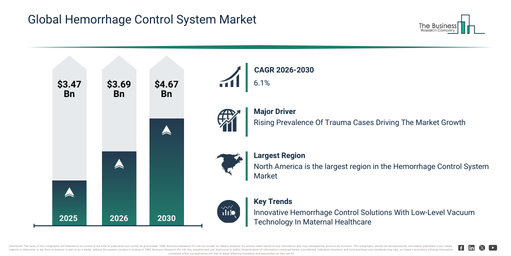
    Recent years have witnessed strong growth in the size of the hemorrhage control system market. This market is projected to expand from $3.47 billion in 2025 to $3.69 billion in 2026, exhibiting a compound annual growth rate (CAGR) of 6.4%. Historically, this growth is primarily due to several factors, including a rise in trauma and accident incidents, the broadening of emergency medical services, the implementation of standardized bleeding control protocols, an increase in surgical procedures, and the accessibility of advanced hemostatic materials.

    The market size for hemorrhage control systems is anticipated to experience robust expansion over the next few years. This market is projected to reach $4.67 billion in 2030, demonstrating a compound annual growth rate (CAGR) of 6.1%. The expansion during the forecast period is fueled by factors such as increasing investments in trauma care infrastructure, a rising demand for medical solutions in combat zones, the broadening of emergency preparedness programs, an intensifying focus on rapid-response medical devices, and ongoing innovations in hemostatic materials. Significant trends during this period include the increased adoption of advanced hemostatic dressings, a growing utilization of rapid trauma bleeding control systems, an escalating demand for portable and field-deployable solutions, the expansion of prehospital emergency hemorrhage control measures, and an amplified emphasis on military and trauma care applications.

    Access Your Free Sample Report for In-Depth Market Insights:

    https://www.thebusinessresearchcompany.com/sample.aspx?id=21201&type=smp

    Which Drivers Are Impacting Market Performance In The Hemorrhage Control System Market?

    The increasing occurrence of trauma incidents is anticipated to drive expansion in the hemorrhage control systems market in the future. Trauma cases denote urgent medical situations stemming from physical harm due to external forces like mishaps, tumbles, or aggression. This increase in trauma cases is linked to various factors such as road accidents, occupational injuries, athletic mishaps, and catastrophes. Hemorrhage control systems play a crucial role in managing trauma by efficiently controlling severe blood loss, thereby enhancing patient survival and minimizing complications during emergency medical attention. For illustration, data from October 2023, reported by the World Federation of Neurology, a UK-based entity dedicated to advancing neurological understanding globally, revealed that over 40% of the world’s population suffers from a neurological condition, a number projected to almost double by 2050. Consequently, the growing incidence of trauma cases is fueling the expansion of the hemorrhage control systems market.

    What Segment Types Are Examined In The Hemorrhage Control System Market?

    The hemorrhage control system market covered in this report is segmented –

    1) By Product Type: Dressings, Hemostatic Agents, Clamps And Tourniquets, Surgical Sealants

    2) By Application: Cardiovascular Surgery, General Surgery, Plastic Surgery, Orthopedic Surgery, Neurosurgery, Other Applications

    3) By Distribution Channel: Direct Sales, Distributors

    4) By End-User: Hospital And Ambulatory Surgery Centers (ASCs), Specialty Clinics, Other End-Users

    Subsegments:

    1) By Dressings: Gauze Dressings, Hydrogel Dressings, Alginate Dressings, Foam Dressings

    2) By Hemostatic Agents: Thrombin-Based Hemostats, Fibrin Sealants, Gelatin-Based Hemostats, Oxidized Regenerated Cellulose (ORC) Hemostats

    3) By Clamps And Tourniquets: Surgical Clamps, Pneumatic Tourniquets, Non-Pneumatic Tourniquets

    4) By Surgical Sealants: Synthetic Sealants, Collagen-Based Sealants, Cyanoacrylate-Based Sealants

    What Long-Term Trends Are Expected To Shape The Future Of The Hemorrhage Control System Market?

    Companies operating within the hemorrhage control systems market are increasingly focused on developing advanced solutions, such as postpartum hemorrhage control devices, to improve the management of bleeding in critical medical situations. Postpartum hemorrhage control devices are medical instruments specifically designed to manage and halt severe bleeding after childbirth, thereby reducing life-threatening risks by either promoting clot formation or constricting blood vessels to control blood flow during postpartum hemorrhage (PPH). For example, in September 2024, Organon Canada, a Canada-based healthcare company, introduced the JADA System, a medical device developed to manage and treat postpartum hemorrhage (PPH). This system utilizes low-level vacuum technology to encourage normal uterine contraction, aiming to control and treat abnormal postpartum uterine bleeding or hemorrhage. This innovative approach delivers a non-invasive and effective solution for cases where conservative management of postpartum hemorrhage (PPH) is suitable, addressing a crucial need within maternal healthcare.

    Who Are The Primary Competitors In The Global Hemorrhage Control System Market?

    Major companies operating in the hemorrhage control system market are Medtronic plc, Stryker Corporation, Becton, Dickinson and Company (BD), Baxter International Inc., Teleflex Incorporated, Integra LifeSciences Holdings Corporation, Ethicon, CryoLife Inc., B. Braun Melsungen AG, Z-Medica LLC, Medicom, Axio Biosolutions, Aero Healthcare Pty Ltd., Penn Care Inc., Tricol Biomedical Inc., Hemostasis LLC, RevMedx Inc., Turtle Engineering Ltd., OMNI-STAT Medical Inc., Unicare Biomedical Inc.

    Access The Complete Report For Deeper Market Insights:

    https://www.thebusinessresearchcompany.com/report/hemorrhage-control-system-global-market-report

    Which Regions Are Poised For Strategic Growth In The Hemorrhage Control System Market?

    North America was the largest region in the hemorrhage control system market in 2025. Asia-Pacific is expected to be the fastest-growing region in the forecast period. The regions covered in the hemorrhage control system market report are Asia-Pacific, South East Asia, Western Europe, Eastern Europe, North America, South America, Middle East, Africa.

    Request Your Customized Hemorrhage Control System Market Research Report for Competitive Advantage:

    https://www.thebusinessresearchcompany.com/customise?id=21201&type=smp

    Browse Through More Reports Similar to the Global Hemorrhage Control System Market 2026, By The Business Research Company

    Hemostats Market Report 2026

    https://www.thebusinessresearchcompany.com/report/hemostats-global-market-report

    Hemostasis Diagnostic Devices And Equipment Market Report 2026

    https://www.thebusinessresearchcompany.com/report/hemostasis-diagnostic-devices-and-equipment-global-market-report

    Home Health Monitoring Devices Market Report 2026

    https://www.thebusinessresearchcompany.com/report/home-health-monitoring-devices-global-market-report

    Get in touch with us:

    The Business Research Company: https://www.thebusinessresearchcompany.com/

    Americas +1 310-496-7795

    Asia +44 7882 955267 & +91 8897263534

    Europe +44 7882 955267

    Email us at info@tbrc.info

    Follow us on:

    LinkedIn: https://in.linkedin.com/company/the-business-research-company

    YouTube: https://www.youtube.com/channel/UC24_fI0rV8cR5DxlCpgmyFQ

    Global Market Model: https://www.thebusinessresearchcompany.com/global-market-model
  • Hemophilia Market Outlook 2026–2035: Growth Drivers and Industry Forecast

    Hemophilia Market Outlook 2026–2035: Growth Drivers and Industry Forecast

    Uncover key drivers, emerging technologies, and competitive movements shaping the hemophilia market from 2026–2035 with trusted insights from The Business Research Company

    How much larger will the Hemophilia Market be in 2030 compared with 2026?

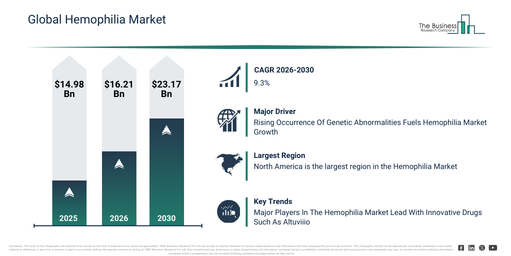
    The hemophilia market has demonstrated strong growth in recent years. It is projected to expand from $14.98 billion in 2025 to $16.21 billion in 2026, at a compound annual growth rate (CAGR) of 8.2%. The historical growth can be attributed to the improved availability of clotting factor concentrates, the expansion of prophylactic treatment adoption, the growth in hemophilia awareness programs, advancements in recombinant factor production, and increased access to specialized care centers.

    The hemophilia market is projected to experience substantial expansion over the upcoming years. By 2030, its value is anticipated to reach $23.17 billion, reflecting a compound annual growth rate (CAGR) of 9.3%. This growth during the forecast period is fueled by factors such as a rise in gene therapy approvals, greater acceptance of personalized treatment methods, the expansion of home infusion initiatives, increased investment in rare disease research, and an intensified focus on improving patients’ quality of life. Key trends for this period encompass the growing uptake of long-acting clotting factor therapies, an increased emphasis on gene therapy specifically for hemophilia, the broader implementation of home-based treatment protocols, the development of personalized prophylactic treatment strategies, and improved integration of digital monitoring for patients.

    Access Your Free Sample Report for In-Depth Market Insights:

    https://www.thebusinessresearchcompany.com/sample.aspx?id=12905&type=smp

    What Drivers Are Guiding Growth Patterns In The Hemophilia Market?

    The increasing prevalence of genetic abnormalities is projected to fuel the expansion of the hemophilia market in the foreseeable future. These conditions, also identified as genetic mutations or disorders, involve alterations in an individual’s DNA sequence, leading to various health issues and physical characteristics. Treatments for hemophilia are designed to manage or prevent bleeding episodes, reduce complications, and enhance the well-being of those affected by these genetic conditions. For example, a report from October 2024 by the Cystic Fibrosis Trust, a UK charity supporting individuals with cystic fibrosis, indicated that approximately 11,148 cystic fibrosis (a genetic disorder) patients were registered in 2022, which rose to 11,318 in 2023, showing a 1.5% annual increase in patient registrations. Consequently, the growing incidence of genetic abnormalities is propelling the hemophilia market’s growth.

    Which Segments Are Driving Activity In The Hemophilia Market?

    The hemophilia market covered in this report is segmented –

    1) By Type: Hemophilia A, Hemophilia B, Hemophilia C, Other Types

    2) By Treatment: Replacement Therapy, Hemostatic Agents, Desmopressin, Gene Therapy, Other Treatments

    3) By End-User: Hospitals, Clinics, Home Care Settings, Other End-Users

    Subsegments:

    1) By Hemophilia A: Severe Hemophilia A, Moderate Hemophilia A, Mild Hemophilia A

    2) By Hemophilia B: Severe Hemophilia B, Moderate Hemophilia B, Mild Hemophilia B

    3) By Hemophilia C: Severe Hemophilia C, Mild Hemophilia C

    4) By Other Types: Acquired Hemophilia, Von Willebrand Disease

    Which Market Trends Are Opening Growth Opportunities In The Hemophilia Market?

    Companies operating in the hemophilia market are developing innovative drugs such as ALTUVIIIO to maintain their position. For example, in February 2023, Sanofi S.A., a pharmaceutical and healthcare company based in France, launched ALTUVIIIO for hemophilia, which received approval from The Food and Drug Administration (FDA), a US-based government agency. With its once-weekly dosing, ALTUVIIIO is the first and only hemophilia A medication designed to deliver regular to near-normal factor activity levels (above 40%) for most of the week, significantly reducing bleeding compared to prior factor VIII prophylaxis.

    Which Key Market Players Are Investing In Expansion And Innovation Within The Hemophilia Market?

    Major companies operating in the hemophilia market are Kedrion S.p.A., Chugai Pharmaceutical Co. Ltd., Pfizer Inc., F. Hoffmann-La Roche AG, Bayer AG, Sanofi S.A., Bristol-Myers Squibb Company, Takeda Pharmaceutical Company Limited, Novo Nordisk A/S, Baxter International Inc., CSL Limited, Biogen Inc., Grifols S.A., Octapharma AG, BioMarin Pharmaceutical Inc., GC Pharma, Alnylam Pharmaceuticals Inc., Bio Products Laboratory Ltd., Sangamo Therapeutics Inc., UniQure, Intellia tx, ProMetic BioSciences Ltd., Dimension Therapeutics, Amarna therapeutics, HEMA Biologics LLC, Aptevo Therapeutics, Arcturus Therapeutics Inc., Ferring Lakemedel AB, Chiesi Farmaceutici S.p.A.

    Access The Complete Report For Deeper Market Insights:

    https://www.thebusinessresearchcompany.com/report/hemophilia-global-market-report

    Which Regions Are Projected To Dominate The Hemophilia Market In The Coming Years?

    North America was the largest region in the hemophilia market in 2025. Asia-Pacific is expected to be the fastest-growing region in the forecast period. The regions covered in the hemophilia market report are Asia-Pacific, South East Asia, Western Europe, Eastern Europe, North America, South America, Middle East, Africa.

    Request Your Customized Hemophilia Market Research Report for Competitive Advantage:

    https://www.thebusinessresearchcompany.com/customise?id=12905&type=smp

    Browse Through More Reports Similar to the Global Hemophilia Market 2026, By The Business Research Company

    Hemostasis Products Market Report 2026

    https://www.thebusinessresearchcompany.com/report/hemostasis-products-global-market-report

    Hepatitis Therapeutics Market Report 2026

    https://www.thebusinessresearchcompany.com/report/hepatitis-therapeutics-global-market-report

    Acquired Hemophilia Treatment Market Report 2026

    https://www.thebusinessresearchcompany.com/report/acquired-hemophilia-treatment-global-market-report

    Get in touch with us:

    The Business Research Company: https://www.thebusinessresearchcompany.com/

    Americas +1 310-496-7795

    Asia +44 7882 955267 & +91 8897263534

    Europe +44 7882 955267

    Email us at info@tbrc.info

    Follow us on:

    LinkedIn: https://in.linkedin.com/company/the-business-research-company

    YouTube: https://www.youtube.com/channel/UC24_fI0rV8cR5DxlCpgmyFQ

    Global Market Model: https://www.thebusinessresearchcompany.com/global-market-model
  • Hemophagocytic Lymphohistiocytosis Market 2026–2030: Emerging Trends and Forecast Opportunities

    Hemophagocytic Lymphohistiocytosis Market 2026–2030: Emerging Trends and Forecast Opportunities

    Uncover key drivers, emerging technologies, and competitive movements shaping the hemophagocytic lymphohistiocytosis market from 2026–2035 with trusted insights from The Business Research Company

    Starting from its 2026 valuation, what market size is the Hemophagocytic Lymphohistiocytosis Market expected to reach by 2030?

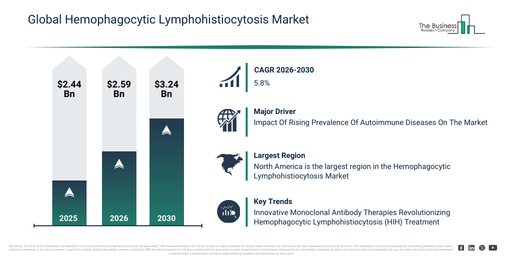
    The hemophagocytic lymphohistiocytosis market has shown significant growth over the past few years. It is projected to increase from $2.44 billion in 2025 to $2.59 billion in 2026, achieving a compound annual growth rate (CAGR) of 6.0%. Historically, this expansion has been driven by improvements in critical care management, increased clinical awareness of rare immune disorders, the expansion of diagnostic testing capabilities, the availability of chemotherapy-based treatment regimens, and the growth in specialized hospital units.

    The market for hemophagocytic lymphohistiocytosis is projected to experience robust expansion over the coming years. This market is anticipated to reach $3.24 billion by 2030, exhibiting a compound annual growth rate (CAGR) of 5.8%. This projected growth can be attributed to several factors including enhanced research into targeted immunotherapies, a greater uptake of precision diagnostics, the broadening of early intervention strategies, an intensified focus on managing rare diseases, and the escalating creation of new treatment protocols. Significant trends identified for this period encompass the increased acceptance of genetic testing for prompt diagnosis, the expanding application of targeted immunosuppressive therapies, a heightened emphasis on swift diagnostic procedures, the proliferation of dedicated HLH treatment facilities, and improved incorporation of multidisciplinary care approaches.

    Access Your Free Sample Report for In-Depth Market Insights:

    https://www.thebusinessresearchcompany.com/sample.aspx?id=21200&type=smp

    What Drivers Are Driving Adoption Within The Hemophagocytic Lymphohistiocytosis Market?

    The increasing occurrence of autoimmune diseases is anticipated to fuel the expansion of the hemophagocytic lymphohistiocytosis market in the future. These conditions develop when the body’s immune system mistakenly attacks and harms its own healthy cells and tissues. The increased incidence of autoimmune diseases stems from various elements, including genetic susceptibility, environmental catalysts, infections, hormonal shifts, and enhanced early detection and understanding. Treatment for hemophagocytic lymphohistiocytosis assists individuals with autoimmune conditions by suppressing overactive immune responses, mitigating inflammation, and re-establishing immune system equilibrium, thereby easing severe immune-related complications and enhancing overall disease control. For instance, in February 2024 according to the Arthritis Australia is a Australia-based non-profit organization In 2025, an estimated 212,136 males and 362,137 females are projected to have rheumatoid arthritis (RA), with the numbers expected to rise by 2040 to approximately 280,040 males and 479,828 females. Consequently, the growing prevalence of autoimmune diseases is propelling the expansion of the hemophagocytic lymphohistiocytosis market.

    How Is The Hemophagocytic Lymphohistiocytosis Market Organized Into Various Segments?

    The hemophagocytic lymphohistiocytosis market covered in this report is segmented –

    1) By Type: Familial, Acquired

    2) By Diagnosis: Blood Tests, Bone Marrow Biopsy, Genetic Testing

    3) By Treatment: Steroids, Chemotherapy, Other Treatments

    4) By End-Users: Hospitals, Specialty Clinics

    Subsegments:

    1) By Familial Hemophagocytic Lymphohistiocytosis (FHL): FHL Type 1, FHL Type 2, FHL Type 3, FHL Type 4, FHL Type 5

    2) By Acquired Hemophagocytic Lymphohistiocytosis (HLH): Infection-Associated HLH, Malignancy-Associated HLH, Autoimmune-Associated HLH

    How Are Emerging Trends Affecting The Progression Of The Hemophagocytic Lymphohistiocytosis Market?

    Companies operating within the hemophagocytic lymphohistiocytosis market are concentrating on developing advanced solutions, such as monoclonal antibody therapy, to specifically target and remove pathogenic immune cells. Monoclonal antibody therapy is a medical approach that utilizes laboratory-created antibodies designed to identify particular antigens on cells, thereby influencing immune responses or treating diseases. For instance, in October 2024, Electra Therapeutics, Inc., a US-based biotechnology company, launched ELA026, which was granted Orphan Drug Designation (ODD) by the Food and Drug Administration for the treatment of hemophagocytic lymphohistiocytosis (HLH). ELA026, a pioneering antibody therapy targeting signal regulatory proteins (SIRP), offers a novel method for secondary HLH (sHLH), a rare and critical condition for which no approved treatments currently exist.

    Who Are The Core Companies Influencing Trends In The Hemophagocytic Lymphohistiocytosis Market?

    Major companies operating in the hemophagocytic lymphohistiocytosis market are Labcorp, Quest Diagnostics Incorporated, Electra Therapeutics Inc., Swedish Orphan Biovitrum AB, ARUP Laboratories, Invitae Corp., Mayo Clinic Laboratories, Metropolis Healthcare, Centogene NV, Fulgent Genetics, Atara Biotherapeutics Inc., Innate Pharma S.A., Blueprint Genetics, Novimmune SA, Machaon Diagnostics Inc., SeaStar Medical Inc., AB2 Bio Ltd., Elixiron Immunotherapeutics Inc., Bellicum Pharmaceuticals Inc., Eurofins Biomnis

    Access The Complete Report For Deeper Market Insights:

    https://www.thebusinessresearchcompany.com/report/hemophagocytic-lymphohistiocytosis-global-market-report

    Which Region Is Expected To Experience The Fastest Growth In The Hemophagocytic Lymphohistiocytosis Market?

    North America was the largest region in the hemophagocytic lymphohistiocytosis market in 2025. The regions covered in the hemophagocytic lymphohistiocytosis market report are Asia-Pacific, South East Asia, Western Europe, Eastern Europe, North America, South America, Middle East, Africa.

    Request Your Customized Hemophagocytic Lymphohistiocytosis Market Research Report for Competitive Advantage:

    https://www.thebusinessresearchcompany.com/customise?id=21200&type=smp

    Browse Through More Reports Similar to the Global Hemophagocytic Lymphohistiocytosis Market 2026, By The Business Research Company

    Non Hodgkin Lymphoma Nhl Market Report 2026

    https://www.thebusinessresearchcompany.com/report/non-hodgkin-lymphoma-nhl-global-market-report

    Hemophilia Market Report 2026

    https://www.thebusinessresearchcompany.com/report/hemophilia-global-market-report

    Non Hodgkin Lymphoma Nhl Market Report 2026

    https://www.thebusinessresearchcompany.com/report/non-hodgkin-lymphoma-nhl-global-market-report

    Get in touch with us:

    The Business Research Company: https://www.thebusinessresearchcompany.com/

    Americas +1 310-496-7795

    Asia +44 7882 955267 & +91 8897263534

    Europe +44 7882 955267

    Email us at info@tbrc.info

    Follow us on:

    LinkedIn: https://in.linkedin.com/company/the-business-research-company

    YouTube: https://www.youtube.com/channel/UC24_fI0rV8cR5DxlCpgmyFQ

    Global Market Model: https://www.thebusinessresearchcompany.com/global-market-model
  • Global Hemoglobinopathies Treatment Market Forecast 2026–2035: Long-Term Growth Insights

    Global Hemoglobinopathies Treatment Market Forecast 2026–2035: Long-Term Growth Insights

    Uncover key drivers, emerging technologies, and competitive movements shaping the hemoglobinopathies treatment market from 2026–2035 with trusted insights from The Business Research Company

    Across 2026–2030, what is the expected market valuation path of the Hemoglobinopathies Treatment Market?

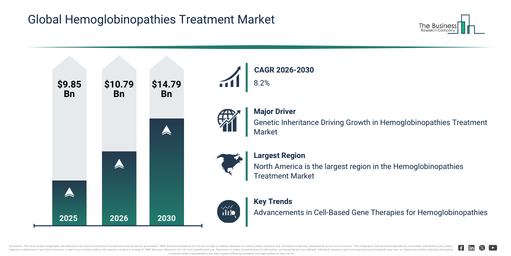
    The hemoglobinopathies treatment market has seen robust growth in recent years. It is projected to expand from $9.85 billion in 2025 to $10.79 billion in 2026, with a compound annual growth rate (CAGR) of 9.6%. This historical increase is due to improved survival rates in thalassemia patients, wider availability of blood transfusion services, the expansion of specialized treatment centers, increased use of iron chelation therapy, and a rise in genetic disorder awareness.

    The hemoglobinopathies treatment market size is projected to experience substantial expansion over the upcoming years. It is anticipated to reach $14.79 billion by 2030, exhibiting a compound annual growth rate (CAGR) of 8.2%. This projected increase during the forecast period stems from factors such as a rise in approvals for gene editing therapies, greater investments in research for curative treatments, wider adoption of personalized medicine, improved access to advanced transplantation procedures, and an intensified focus on managing diseases long-term. Key developments expected during this period involve a surge in the embrace of gene therapy-based treatments, increased application of stem cell transplantation methods, a heightened emphasis on individualized treatment protocols, the broader availability of advanced iron chelation therapies, and improved incorporation of digital patient monitoring.

    Access Your Free Sample Report for In-Depth Market Insights:

    https://www.thebusinessresearchcompany.com/sample.aspx?id=15583&type=smp

    Which Drivers Are Supporting The Rise Of The Hemoglobinopathies Treatment Market?

    The hemoglobinopathies treatment market is projected to expand in the future, driven by the rising prevalence of genetic inheritance. Genetic inheritance describes the process where characteristics are passed from parents to their offspring via DNA during both sexual and asexual reproduction. Its significance has increased due to advancements in genetic research and technology, leading to a better comprehension of how genetic factors influence various diseases and conditions, including hemoglobinopathies. Genetic inheritance plays a role in the expansion of hemoglobinopathies treatment through advancements in targeted therapies, personalized medicine, drug development, and diagnosis. For instance, the Cystic Fibrosis Trust, a UK-based charity, reported in October 2024 that the number of registered cystic fibrosis (a genetic disorder) patients rose from 11,148 in 2022 to 11,318 in 2023, reflecting a 1.5% year-over-year increase in registrations. Consequently, the expanding role of genetic inheritance is fueling the growth of the hemoglobinopathies treatment market.

    What Segments Are Identified Within The Structure Of The Hemoglobinopathies Treatment Market?

    The hemoglobinopathies treatment market covered in this report is segmented –

    1) By Treatment: Stem Cell Therapy, Blood Transfusion

    2) By Application: Thalassemia, Sickle Cell Anemia

    3) By Distribution Channel: Hospital Pharmacy, Online Providers, Drug Stores And Retail Pharmacy

    Subsegments:

    1) By Stem Cell Therapy: Hematopoietic Stem Cell Transplantation (Hsct), Gene Therapy For Hemoglobinopathies, Autologous Stem Cell Therapy, Allogeneic Stem Cell Transplantation, Gene Editing Techniques ( Crispr-cas9), Umbilical Cord Blood Stem Cell Therapy, Bone Marrow Transplantation

    2) By Blood Transfusion: Regular Blood Transfusion (For Anemia), Exchange Blood Transfusion, Iron Chelation Therapy Post-Transfusion, Red Blood Cell Transfusions, Leukoreduced Blood Transfusion, Emergency Blood Transfusion In Severe Cases

    Which Innovation Trends Are Advancing Developments Within The Hemoglobinopathies Treatment Market?

    Leading companies within the hemoglobinopathies treatment market are engaged in developing cell-based gene therapies, aiming to deliver potentially curative interventions for individuals afflicted by these genetic ailments. Such cell-based gene therapies for hemoglobinopathies present significant potential for correcting underlying genetic abnormalities, potentially leading to lasting or curative outcomes, alleviating symptoms and associated complications, and broadening therapeutic choices for those affected. As an illustration, in December 2023, Vertex Pharmaceuticals Incorporated, a US-based biotech firm, introduced Casgevy for addressing sickle cell disease (SCD) and transfusion-dependent beta thalassemia. Casgevy, a cell-based gene therapy, employs CRISPR/Cas9 technology to modify patients’ hematopoietic stem cells, thereby enhancing the production of fetal hemoglobin to avert red blood cell sickling. This treatment is administered as a single dose, which entails gathering, modifying, and reinfusing the patient’s own stem cells.

    Which Major Industry Participants Are Leading The Hemoglobinopathies Treatment Market Growth?

    Major companies operating in the hemoglobinopathies treatment market are Pfizer Inc., Sanofi S.A., Novartis AG, Bristol Myers Squibb, Vertex Pharmaceuticals Incorporated, Pharmacosmos A/S, Global Blood Therapeutics Inc., Acceleron Pharma Inc., Sangamo Therapeutics Inc., Gamida Cell Ltd., Beam Therapeutics, Intellia Therapeutics, Orchard Therapeutics plc, Editas Medicine, Agios Pharmaceuticals Inc., Emmaus Life Sciences Inc., Bluebird Bio Inc., CRISPR Therapeutics AG, Bioverativ Inc., Celgene Corporation

    Access The Complete Report For Deeper Market Insights:

    https://www.thebusinessresearchcompany.com/report/hemoglobinopathies-treatment-global-market-report

    Which Geographic Areas Are Emerging As Strong Markets For The Hemoglobinopathies Treatment Market?

    North America was the largest region in the hemoglobinopathies treatment market in 2025. Asia-Pacific is expected to be the fastest-growing region in the forecast period. The regions covered in the hemoglobinopathies treatment market report are Asia-Pacific, South East Asia, Western Europe, Eastern Europe, North America, South America, Middle East, Africa.

    Request Your Customized Hemoglobinopathies Treatment Market Research Report for Competitive Advantage:

    https://www.thebusinessresearchcompany.com/customise?id=15583&type=smp

    Browse Through More Reports Similar to the Global Hemoglobinopathies Treatment Market 2026, By The Business Research Company

    Hepatitis Therapeutics Market Report 2026

    https://www.thebusinessresearchcompany.com/report/hepatitis-therapeutics-global-market-report

    Hematology Drug Market Report 2026

    https://www.thebusinessresearchcompany.com/report/hematology-drug-global-market-report

    Acquired Hemophilia Treatment Market Report 2026

    https://www.thebusinessresearchcompany.com/report/acquired-hemophilia-treatment-global-market-report

    Get in touch with us:

    The Business Research Company: https://www.thebusinessresearchcompany.com/

    Americas +1 310-496-7795

    Asia +44 7882 955267 & +91 8897263534

    Europe +44 7882 955267

    Email us at info@tbrc.info

    Follow us on:

    LinkedIn: https://in.linkedin.com/company/the-business-research-company

    YouTube: https://www.youtube.com/channel/UC24_fI0rV8cR5DxlCpgmyFQ

    Global Market Model: https://www.thebusinessresearchcompany.com/global-market-model
  • Hemoglobin A1c (HbA1c) Testing Market 2026–2030: Forecasting Business Opportunities Ahead

    Hemoglobin A1c (HbA1c) Testing Market 2026–2030: Forecasting Business Opportunities Ahead

    Uncover key drivers, emerging technologies, and competitive movements shaping the hemoglobin a1c (hba1c) testing market from 2026–2035 with trusted insights from The Business Research Company

    What size range is anticipated for the Hemoglobin A1c (HbA1c) Testing Market from 2026 to 2030?

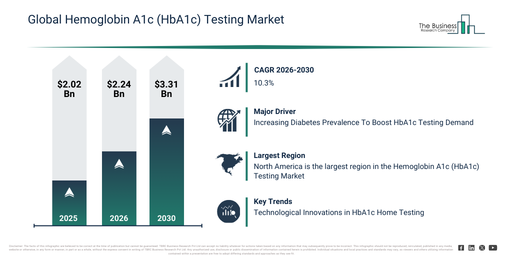
    The hemoglobin a1c (hba1c) testing market size has experienced rapid expansion in recent years. It is forecast to increase from $2.02 billion in 2025 to $2.24 billion in 2026, at a compound annual growth rate (CAGR) of 10.5%. This growth observed in the past can be attributed to the rising global incidence of diabetes, the increased application of long-term glucose monitoring, the expansion of diagnostic laboratory facilities, growing public awareness of diabetes screening, and the wider acceptance of hba1c as a diagnostic benchmark.

    The hemoglobin a1c (hba1c) testing market size is anticipated to experience significant expansion over the upcoming years. This market is projected to reach $3.31 billion by 2030, driven by a compound annual growth rate (CAGR) of 10.3%. This projected growth is primarily attributable to factors such as the increasing acceptance of home-based diabetes monitoring, a surge in investments towards connected diagnostic devices, the broadening of preventive healthcare programs, a heightened emphasis on the early detection of diabetes, and the escalating need for quick diagnostic solutions. Key trends anticipated during this period encompass the greater uptake of point-of-care hba1c testing devices, a heightened demand for portable and home-use hba1c analyzers, the expanding incorporation of wireless and connected testing solutions, the advancement of high-accuracy laboratory-based hba1c technologies, and a stronger emphasis on both standardization and diagnostic accuracy.

    Access Your Free Sample Report for In-Depth Market Insights:

    https://www.thebusinessresearchcompany.com/sample.aspx?id=18632&type=smp

    What Drivers Are Affecting Demand In The Hemoglobin A1c (HbA1c) Testing Market?

    The rising occurrence of diabetes is anticipated to fuel the expansion of the hemoglobin A1c (HbA1c) testing market in the future. Diabetes, a long-term health issue, involves the body’s inability to adequately control blood glucose levels, stemming from either inadequate insulin production or insulin resistance. Cases of diabetes are increasing, largely attributable to unhealthy eating habits, particularly a significant intake of processed foods and sweetened beverages, alongside inactive lifestyles marked by limited physical movement. Furthermore, an aging demographic and a familial predisposition to diabetes elevate the likelihood of developing the condition. HbA1c testing serves to track blood glucose management over an extended period in individuals with diabetes, assessing the average blood sugar concentration from the preceding 2–3 months. For example, data released in June 2023 by The Lancet, a UK-based publisher of books and periodic data, indicates that worldwide diabetes cases are forecast to rise from 529 million in 2021 to 1.3 billion by 2050. Consequently, the growing incidence of diabetes is set to stimulate the expansion of the hemoglobin A1c (HbA1c) testing market.

    Which Segments Are Gaining Traction In The Hemoglobin A1c (HbA1c) Testing Market?

    The hemoglobin a1c (hba1c) testing market covered in this report is segmented –

    1) By Testing Method: Laboratory-Based Testing, Point Of Care (PoC) Testing

    2) By Product Type: Instruments, Reagents, Kits

    3) By Technology: Immunoassays, Chromatography, Enzymatic Assays, Boronate Affinity Chromatography, High Performance Liquid Chromatography

    4) By End User: Hospitals And Clinics, Diagnostic Laboratories, Homecare Settings

    Subsegments:

    1) By Laboratory-Based Testing: High-Performance Liquid Chromatography (HPLC) Testing, Ion-Exchange Chromatography, Capillary Electrophoresis

    2) By Point Of Care (PoC) Testing: Fingerstick Testing Devices, Portable Hba1c Analyzers, Handheld Hba1c Test Kits

    Which Competitive Trends Are Impacting The Structure Of The Hemoglobin A1c (HbA1c) Testing Market?

    Major companies operating in the Hemoglobin A1c (HbA1c) testing market are emphasizing technological advancements in diagnostic testing, such as HbA1c home tests, to deliver more convenient, accurate, and accessible options for early diabetes detection and management. HbA1c home tests are defined as at-home diagnostic kits that enable individuals to measure their average blood sugar levels over the past 2-3 months, thereby aiding in diabetes monitoring and management. For instance, in February 2023, Hurdle Health, a US-based company focused on providing innovative healthcare solutions, including diagnostic tools for chronic disease management, launched its Hemoglobin A1c (HbA1c) Test. This new at-home blood sample test allows adults to screen for and monitor diabetes, furthering Chronomics’ mission to enhance accessibility to diagnostic testing and improve health outcomes through direct-to-consumer solutions.

    Who Are The Prominent Global Companies Shaping The Hemoglobin A1c (HbA1c) Testing Market Landscape?

    Major companies operating in the hemoglobin a1c (hba1c) testing market are Roche Holding AG, Thermo Fisher Scientific Inc., Abbott Laboratories, Danaher Corporation, Siemens Healthineers, Tosoh Corporation, Hitachi High-Technologies Corporation, Beckman Coulter Inc, Sysmex Corporation, Bio Rad Laboratories Inc, ARKRAY Inc, Randox Laboratories Ltd, Ortho Clinical Diagnostics, Agappe Diagnostics Ltd, SEKISUI Diagnostics LLC, Helena Laboratories, Transasia Bio Medicals Ltd, EKF Diagnostics, Trinity Biotech plc, HemoCue AB, CPC Diagnostics Pvt Ltd, PTS Diagnostics, Menarini Diagnostics srl, Diazyme Laboratories Inc, Osang HealthCare Co Ltd, Eurolyser Diagnostica GmbH, DiaSys Diagnostic Systems GmbH

    Access The Complete Report For Deeper Market Insights:

    https://www.thebusinessresearchcompany.com/report/hemoglobin-a1c-hba1c-testing-global-market-report

    Which Region Is Projected To Lead The Hemoglobin A1c (HbA1c) Testing Market During The Forecast Period?

    North America was the largest region in the hemoglobin A1c (HbA1c) testing market in 2025. Asia-Pacific is expected to be the fastest-growing region in the forecast period. The regions covered in the hemoglobin a1c (hba1c) testing market report are Asia-Pacific, South East Asia, Western Europe, Eastern Europe, North America, South America, Middle East, Africa.

    Request Your Customized Hemoglobin A1c (HbA1c) Testing Market Research Report for Competitive Advantage:

    https://www.thebusinessresearchcompany.com/customise?id=18632&type=smp

    Browse Through More Reports Similar to the Global Hemoglobin A1c (HbA1c) Testing Market 2026, By The Business Research Company

    Poc Hba1C Testing Market Report 2026

    https://www.thebusinessresearchcompany.com/report/poc-hba1c-testing-global-market-report

    Hemoglobin A1C Testing Devices Market Report 2026

    https://www.thebusinessresearchcompany.com/report/hemoglobin-a1c-testing-devices-global-market-report

    Hemoglobin Testing Market Report 2026

    https://www.thebusinessresearchcompany.com/report/hemoglobin-testing-global-market-report

    Get in touch with us:

    The Business Research Company: https://www.thebusinessresearchcompany.com/

    Americas +1 310-496-7795

    Asia +44 7882 955267 & +91 8897263534

    Europe +44 7882 955267

    Email us at info@tbrc.info

    Follow us on:

    LinkedIn: https://in.linkedin.com/company/the-business-research-company

    YouTube: https://www.youtube.com/channel/UC24_fI0rV8cR5DxlCpgmyFQ

    Global Market Model: https://www.thebusinessresearchcompany.com/global-market-model
  • Global Hemodynamic Monitoring Systems Market Report 2026–2035: Key Forecasts and Growth Areas

    Global Hemodynamic Monitoring Systems Market Report 2026–2035: Key Forecasts and Growth Areas

    Uncover key drivers, emerging technologies, and competitive movements shaping the hemodynamic monitoring systems market from 2026–2035 with trusted insights from The Business Research Company

    How is the Hemodynamic Monitoring Systems Market size predicted to change over the forecast window of 2026–2035?

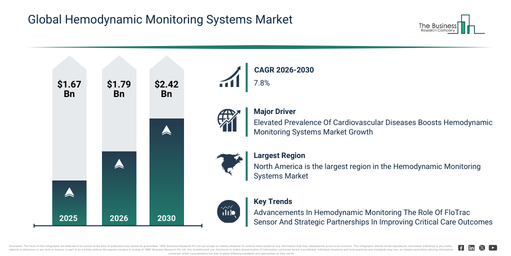
    The hemodynamic monitoring systems market size has demonstrated robust growth in recent years. It is projected to expand from $1.67 billion in 2025 to reach $1.79 billion by 2026, exhibiting a compound annual growth rate (CAGR) of 7.1%. Historically, this growth can be ascribed to an increasing number of critical care admissions, the expansion of intensive care units, the rising adoption of invasive monitoring techniques, technological improvements in sensor accuracy, and enhanced clinician awareness.

    The hemodynamic monitoring systems market is projected to experience robust expansion in the coming years, reaching a valuation of $2.42 billion by 2030, driven by a compound annual growth rate (CAGR) of 7.8%. This anticipated growth during the forecast period is fueled by several factors, including increasing demand for remote patient monitoring, rising adoption of AI-assisted clinical decision support, expansion of minimally invasive monitoring solutions, growing focus on early shock detection, and increasing investments in advanced monitoring systems. Key trends shaping the market during this period encompass increasing adoption of non-invasive monitoring techniques, rising integration of real-time data analytics, growing use of portable hemodynamic monitors, expansion of critical care monitoring applications, and enhanced focus on early hemodynamic intervention.

    Access Your Free Sample Report for In-Depth Market Insights:

    https://www.thebusinessresearchcompany.com/sample.aspx?id=13152&type=smp

    Which Drivers Are Contributing To The Expansion Of The Hemodynamic Monitoring Systems Market?

    An increasing incidence of cardiovascular diseases is projected to stimulate the growth of the hemodynamic monitoring systems market going forward. Cardiovascular disease refers to a spectrum of conditions that impact the heart and blood vessels. Hemodynamic monitoring systems deliver real-time information and insights regarding a patient’s cardiovascular health, empowering healthcare professionals to execute timely and precise interventions, optimize treatment plans, and improve patient outcomes. For instance, in March 2024, according to the Government of the United Kingdom, a UK-based website, in the financial year ending in 2023, slightly more than 1,862,500 people in England, representing 3% of the population, were diagnosed with coronary heart disease (CHD) by a GP. Therefore, the expanding prevalence of cardiovascular diseases will drive the growth of the hemodynamic monitoring systems market.

    What Segment Categories Are Covered In The Hemodynamic Monitoring Systems Market?

    The hemodynamic monitoring systems market covered in this report is segmented –

    1) By Product: Monitors, Consumables

    2) By Technique Type: Invasive, Non-Invasive

    3) By End-User: Hospitals, Cath Labs, Other End-Users

    Subsegments:

    1) By Monitors: Bedside Monitors, Handheld Monitors, Portable Monitors

    2) By Consumables: Catheters, Sensors, Tubing and Accessories

    What Industry Trends Are Transforming The Hemodynamic Monitoring Systems Market?

    Major companies within the hemodynamic monitoring systems market are prioritizing the development of advanced hemodynamic monitoring solutions to better patient outcomes, improve accuracy in cardiovascular assessments, and enable real-time data analysis for enhanced clinical decision-making in critical care environments. The FloTrac Sensor is a minimally invasive device designed for continuous hemodynamic monitoring in critically ill patients, providing real-time measurements of cardiac output and other key hemodynamic parameters by leveraging arterial waveform analysis through a standard arterial catheter. For instance, in June 2023, Mindray Medical International Ltd, a China-based company, partnered with Edwards Lifesciences, a US-based company, to launch a hemodynamic monitoring solution. This solution incorporates the FloTrac™ sensor, which connects to an arterial line, and automatically calculates crucial hemodynamic parameters such as Cardiac Output (CO), Stroke Volume (SV), Stroke Volume Variation (SVV), Systemic Vascular Resistance (SVR), and Mean Arterial Pressure (MAP) every 20 seconds. Mindray’s BeneVision N series patient monitors act as the platform for this integration.

    Which Key Players Are Driving Competition In The Hemodynamic Monitoring Systems Market?

    Major companies operating in the hemodynamic monitoring systems market are Abbott Laboratories, Medtronic Plc., Siemens Healthineers AG, Koninklijke Philips N.V., GE HealthCare Technologies Inc., Baxter International Inc., CNSystems Medizintechnik GmbH, Edwards Lifesciences Corporation, Drägerwerk AG & Co. KGaA, Getinge AB, ICU Medical Inc., Masimo Corporation, N.I. Medical Ltd., Nihon Kohden Corporation, Deltex Medical Group plc, CareTaker Medical, Osypka Medical GmbH, Cnoga Digital Care, Tensys Medical Inc., Uscom Limited, Shenzhen Keman Medical Equipment Co. Ltd., Schwarzer Cardiotek GmbH, EMTEL Sliwa sp. k.

    Access The Complete Report For Deeper Market Insights:

    https://www.thebusinessresearchcompany.com/report/hemodynamic-monitoring-systems-global-market-report

    Which Region Currently Holds The Largest Share Of The Hemodynamic Monitoring Systems Market?

    North America was the largest region in the hemodynamic monitoring systems market in 2025. The regions covered in the hemodynamic monitoring systems market report are Asia-Pacific, South East Asia, Western Europe, Eastern Europe, North America, South America, Middle East, Africa.

    Request Your Customized Hemodynamic Monitoring Systems Market Research Report for Competitive Advantage:

    https://www.thebusinessresearchcompany.com/customise?id=13152&type=smp

    Browse Through More Reports Similar to the Global Hemodynamic Monitoring Systems Market 2026, By The Business Research Company

    Cardiovascular Monitoring And Diagnostic Devices And Equipment Market Report 2026

    https://www.thebusinessresearchcompany.com/report/cardiovascular-monitoring-and-diagnostic-devices-and-equipment-global-market-report

    Home Health Monitoring Devices Market Report 2026

    https://www.thebusinessresearchcompany.com/report/home-health-monitoring-devices-global-market-report

    Hemostasis Diagnostic Devices And Equipment Market Report 2026

    https://www.thebusinessresearchcompany.com/report/hemostasis-diagnostic-devices-and-equipment-global-market-report

    Get in touch with us:

    The Business Research Company: https://www.thebusinessresearchcompany.com/

    Americas +1 310-496-7795

    Asia +44 7882 955267 & +91 8897263534

    Europe +44 7882 955267

    Email us at info@tbrc.info

    Follow us on:

    LinkedIn: https://in.linkedin.com/company/the-business-research-company

    YouTube: https://www.youtube.com/channel/UC24_fI0rV8cR5DxlCpgmyFQ

    Global Market Model: https://www.thebusinessresearchcompany.com/global-market-model
  • Hemodialysis Catheter Market 2026–2030: Forecast, Innovation, and Competitive Trends

    Hemodialysis Catheter Market 2026–2030: Forecast, Innovation, and Competitive Trends

    Uncover key drivers, emerging technologies, and competitive movements shaping the hemodialysis catheter market from 2026–2035 with trusted insights from The Business Research Company

    What market expansion outlook does the Hemodialysis Catheter Market show for the 2026–2030 period?

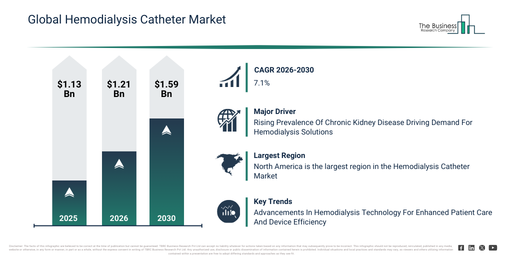
    The hemodialysis catheter market has experienced substantial expansion in recent years. Its size is projected to increase from $1.13 billion in 2025 to $1.21 billion in 2026, demonstrating a compound annual growth rate (CAGR) of 7.4%. Historically, this growth has been driven by factors such as the rising incidence of chronic kidney disease, the expansion of dialysis facilities, greater adoption of central venous access, enhancements in catheter components, and the increasing need for sustained dialysis treatments.

    The hemodialysis catheter market is projected to experience substantial expansion over the coming years. By 2030, this market is forecast to reach a valuation of $1.59 billion, demonstrating a compound annual growth rate (CAGR) of 7.1%. This anticipated growth during the forecast timeframe is driven by factors such as the greater use of advanced biocompatible materials, a heightened emphasis on decreasing catheter-related infections, the broadening of home-based dialysis initiatives, increased funding in vascular access advancements, and a surge in demand for patient-focused designs. Key trends for the forecast period encompass a rise in the adoption of antimicrobial-coated catheters, increased deployment of tunneled cuffed catheters, a stronger emphasis on designs that prevent infections, the wider availability of home dialysis access solutions, and an elevated commitment to patient comfort and safety.

    Access Your Free Sample Report for In-Depth Market Insights:

    https://www.thebusinessresearchcompany.com/sample.aspx?id=20830&type=smp

    What Drivers Are Shaping The Development Of The Hemodialysis Catheter Market?

    The increasing occurrence of chronic kidney disease (CKD) is projected to propel the expansion of the hemodialysis catheters market in the future. Chronic kidney disease (CKD) describes a slow reduction in kidney function over time, frequently resulting from conditions such as diabetes, elevated blood pressure, and inherited predispositions. The prevalence of chronic kidney disease (CKD) is escalating due to factors like an aging demographic, poor lifestyle choices, and growing instances of diabetes and hypertension. Hemodialysis catheters are crucial for establishing vascular access for individuals with chronic kidney disease needing prolonged renal replacement therapy. For example, in February 2024, data from Kidney Research UK, a UK-based government agency, indicated that around 3.25 million people in the UK are currently living with chronic kidney disease (CKD) stages 3-5. This figure is anticipated to climb to 3.9 million people by 2033. Consequently, the rising incidence of chronic kidney disease (CKD) is stimulating the growth of the hemodialysis catheters market.

    Which Segments Are Contributing To The Growth Of The Hemodialysis Catheter Market?

    The hemodialysis catheter market covered in this report is segmented –

    1) By Product: Cuffed Tunneled Catheter, Non-Cuffed Tunneled Catheters, Non-tunneled Catheters

    2) By Tip Configuration: Step-Tip Catheters, Split-Tip Catheters, Symmetric Catheters

    3) By Material: Silicone, Carbothane, Polyurethane

    4) By End-User: Dialysis Centers, Hospitals, Other End Users

    Subsegments:

    1) By Cuffed Tunneled Catheter: Single Lumen Cuffed Tunneled Catheter, Double Lumen Cuffed Tunneled Catheter

    2) By Non-Cuffed Tunneled Catheters: Single Lumen Non-Cuffed Tunneled Catheter, Double Lumen Non-Cuffed Tunneled Catheter

    3) By Non-Tunneled Catheters: Single Lumen Non-Tunneled Catheter, Double Lumen Non-Tunneled Catheter

    What Trends Are Reshaping The Dynamics Of The Hemodialysis Catheter Market?

    Leading companies in the hemodialysis catheters market are dedicated to developing innovative technologies, such as multi-mechanism hemodialysis, to enhance patient outcomes, improve catheter efficiency, minimize complications like infections or clotting, and extend device longevity. This multi-mechanism hemodialysis involves catheters with integrated features, including improved flow, clot prevention, and infection resistance, to boost treatment effectiveness and safety. For example, in April 2023, Becton, Dickinson and Company, a US-based manufacturer of medical devices, obtained Food and Drug Administration (FDA) 510(k) clearance for its Aspirex mechanical aspiration thrombectomy system, featuring 6- and 8-F catheters, intended for treating acute emboli and thrombi in hemodialysis access sites such as arteriovenous grafts (AVGs) and fistulas (AVFs). The Aspirex system operates using a three-in-one mechanism, which combines clot aspiration, continuous maceration to prevent clogging, and mechanical transportation for effective clot removal. This system seeks to restore patency in thrombosed AVGs or AVFs, thereby supporting critical hemodialysis for patients with end-stage kidney disease.

    Who Are The Top-Performing Companies In The Hemodialysis Catheter Market In Recent Years?

    Major companies operating in the hemodialysis catheter market are Medtronic plc, Fresenius Medical Care AG & Co. KGaA, Toray Industries Inc., Becton Dickinson and Company, Baxter International Inc., Nipro Corporation, Teleflex Incorporated, Cook Medical Incorporated, Asahi Kasei Medical Co. Ltd., Nikkiso Co. Ltd., Merit Medical System Inc., JMS Co. Ltd., AngioDynamics Inc., B. Braun Melsungen AG, Medikit Co. Ltd., Kawasumi Laboratories Inc., Amecath, Mais India Medical Devices Pvt. Ltd., Browndove Healthcare Private Limited, Duomed Ltd.

    Access The Complete Report For Deeper Market Insights:

    https://www.thebusinessresearchcompany.com/report/hemodialysis-catheter-global-market-report

    How Does The Hemodialysis Catheter Market Perform Across Major Global Regions?

    North America was the largest region in the hemodialysis catheter market in 2025. Asia-Pacific is expected to be the fastest-growing region in the forecast period. The regions covered in the hemodialysis catheter market report are Asia-Pacific, South East Asia, Western Europe, Eastern Europe, North America, South America, Middle East, Africa.

    Request Your Customized Hemodialysis Catheter Market Research Report for Competitive Advantage:

    https://www.thebusinessresearchcompany.com/customise?id=20830&type=smp

    Browse Through More Reports Similar to the Global Hemodialysis Catheter Market 2026, By The Business Research Company

    Catheters Market Report 2026

    https://www.thebusinessresearchcompany.com/report/catheters-global-market-report

    Hemodialysis Market Report 2026

    https://www.thebusinessresearchcompany.com/report/hemodialysis-global-market-report

    Urinary Catheters Market Report 2026

    https://www.thebusinessresearchcompany.com/report/urinary-catheters-global-market-report

    Get in touch with us:

    The Business Research Company: https://www.thebusinessresearchcompany.com/

    Americas +1 310-496-7795

    Asia +44 7882 955267 & +91 8897263534

    Europe +44 7882 955267

    Email us at info@tbrc.info

    Follow us on:

    LinkedIn: https://in.linkedin.com/company/the-business-research-company

    YouTube: https://www.youtube.com/channel/UC24_fI0rV8cR5DxlCpgmyFQ

    Global Market Model: https://www.thebusinessresearchcompany.com/global-market-model
  • Hemochromatosis (Iron Overload) Disease Treatment Market Forecast 2026–2035: Data Trends and Industry Insights

    Hemochromatosis (Iron Overload) Disease Treatment Market Forecast 2026–2035: Data Trends and Industry Insights

    Uncover key drivers, emerging technologies, and competitive movements shaping the hemochromatosis (iron overload) disease treatment market from 2026–2035 with trusted insights from The Business Research Company

    What level of growth is expected in the Hemochromatosis (Iron Overload) Disease Treatment Market between 2026 and 2030?

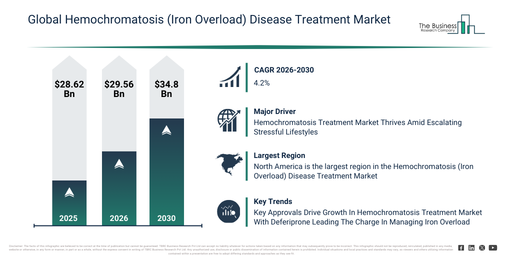
    The hemochromatosis (iron overload) disease treatment market size has seen steady expansion over recent years. It is projected to increase from $28.62 billion in 2025 to $29.56 billion in 2026, reflecting a compound annual growth rate (CAGR) of 3.3%. The market’s historical development can be ascribed to improved recognition of hereditary iron overload, wider access to diagnostic testing, increased utilization of phlebotomy as standard care, rising clinical awareness, and the availability of chelation therapies.

    The hemochromatosis (iron overload) disease treatment market is projected to experience consistent expansion over the upcoming years. This market is anticipated to reach $34.8 billion by 2030, demonstrating a compound annual growth rate (CAGR) of 4.2%. Factors contributing to this growth during the forecast period include the increasing uptake of personalized treatment approaches, a heightened demand for non-invasive monitoring instruments, the broadening of genetic counseling provisions, an intensified emphasis on early intervention, and an escalation in research dedicated to innovative therapies. Key trends observed over the forecast duration encompass a greater focus on early genetic screening, the increasing implementation of therapeutic phlebotomy protocols, the expanding utilization of iron chelation therapies, the broadening of disease awareness initiatives, and an improved emphasis on managing the disease over the long term.

    Access Your Free Sample Report for In-Depth Market Insights:

    https://www.thebusinessresearchcompany.com/sample.aspx?id=13151&type=smp

    Which Drivers Are Expected To Impact The Hemochromatosis (Iron Overload) Disease Treatment Market During The Forecast Period?

    An increasingly stressful way of life is anticipated to fuel expansion within the hemochromatosis (iron overload) disease treatment market. Stressful living conditions significantly affect an individual’s physical and mental well-being, and sustained exposure to elevated stress can result in various health problems, such as hemochromatosis (iron overload) disease. Addressing hemochromatosis, a state defined by excessive iron in the body, not only manages the physical manifestations but also contributes significantly to alleviating the emotional and psychological burdens frequently associated with living with a chronic illness. For example, in November 2025, the American Psychiatric Association, a US-based professional organization of psychiatrists and trainee psychiatrists, reported that 41% of U.S. adults expect greater holiday stress this year compared to last year, which is a significant rise from 2024 (28%) and 2023 (29%). Consequently, the rise in stressful lifestyles is a key driver for the hemochromatosis (iron overload) disease treatment market.

    How Is The Hemochromatosis (Iron Overload) Disease Treatment Market Divided Into Segments?

    The hemochromatosis (iron overload) disease treatment market covered in this report is segmented –

    1) By Type: Hereditary Hemochromatosis, Acquired Hemochromatosis

    2) By Treatment: Therapeutic Phlebotomy, Iron Chelation Therapy, Other Treatments

    3) By End-Users: Hospitals, Surgical Centers, Other End-Users

    Subsegments:

    1) By Hereditary Hemochromatosis: Genetic Counseling, Phlebotomy, Chelation Therapy

    2) By Acquired Hemochromatosis: Treatment Of Underlying Conditions, Phlebotomy, Chelation Therapy

    How Are New Market Trends Shaping The Landscape Of The Hemochromatosis (Iron Overload) Disease Treatment Market?

    Major companies in the hemochromatosis (iron overload) disease treatment market are securing approvals for drugs like deferiprone. These medications are intended for patients experiencing transfusional iron overload to assist in reducing surplus iron levels in the body and prevent complications linked to iron buildup, such as organ damage. Deferiprone is a medication used to manage iron overload in individuals who have undergone multiple blood transfusions, frequently observed in conditions like thalassemia, sickle cell anemia, or other chronic anemias. For instance, in March 2023, Chiesi Global Rare Diseases Inc., a US-based business unit, announced the Canadian approval of FERRIPROX MR (deferiprone) extended-release tablets. FERRIPROX MR is indicated for the treatment of transfusional iron overload in patients with thalassemia syndromes when current chelation therapy is inadequate, as well as for those with sickle cell disease (SCD) or other types of anemia. This drug functions as an orally active iron-chelating agent, effectively lowering iron concentration in the body by penetrating cell membranes and binding to excess iron, thereby facilitating its removal from organs and tissues.

    Which Leading Companies Dominate The Hemochromatosis (Iron Overload) Disease Treatment Market Share?

    Major companies operating in the hemochromatosis (iron overload) disease treatment market are Pfizer Inc., AbbVie Inc., Novartis AG, Merck KGaA, Sanofi SA, Takeda Pharmaceutical Company Limited, Bayer AG, GlaxoSmithKline plc, Roche Holding AG, Abbott Laboratories, Fresenius Kabi AG, Apotex Inc., Teva Pharmaceutical Industries Ltd., Recordati S.p.A., Chiesi Farmaceutici S.p.A., Ionis Pharmaceuticals Inc., Silence Therapeutics, DisperSol Technologies LLC., Hinoman Ltd., Pharmacosmos A/S

    Access The Complete Report For Deeper Market Insights:

    https://www.thebusinessresearchcompany.com/report/hemochromatosis-iron-overload-disease-treatment-global-market-report

    Which Region Is Anticipated To See The Fastest Growth In The Hemochromatosis (Iron Overload) Disease Treatment Market?

    North America was the largest region in the hemochromatosis (Iron Overload) disease treatment market in 2025. The regions covered in the hemochromatosis (iron overload) disease treatment market report are Asia-Pacific, South East Asia, Western Europe, Eastern Europe, North America, South America, Middle East, Africa.

    Request Your Customized Hemochromatosis (Iron Overload) Disease Treatment Market Research Report for Competitive Advantage:

    https://www.thebusinessresearchcompany.com/customise?id=13151&type=smp

    Browse Through More Reports Similar to the Global Hemochromatosis (Iron Overload) Disease Treatment Market 2026, By The Business Research Company

    Hematology Drug Market Report 2026

    https://www.thebusinessresearchcompany.com/report/hematology-drug-global-market-report

    Iron Deficiency Injectable Market Report 2026

    https://www.thebusinessresearchcompany.com/report/iron-deficiency-injectable-global-market-report

    Hemostasis Products Market Report 2026

    https://www.thebusinessresearchcompany.com/report/hemostasis-products-global-market-report

    Get in touch with us:

    The Business Research Company: https://www.thebusinessresearchcompany.com/

    Americas +1 310-496-7795

    Asia +44 7882 955267 & +91 8897263534

    Europe +44 7882 955267

    Email us at info@tbrc.info

    Follow us on:

    LinkedIn: https://in.linkedin.com/company/the-business-research-company

    YouTube: https://www.youtube.com/channel/UC24_fI0rV8cR5DxlCpgmyFQ

    Global Market Model: https://www.thebusinessresearchcompany.com/global-market-model