Category: HealthcareServices

  • Guillain-Barre Syndrome Market Future Outlook 2026: Key Drivers and Growth Potential

    Guillain-Barre Syndrome Market Future Outlook 2026: Key Drivers and Growth Potential

    Uncover key drivers, emerging technologies, and competitive movements shaping the guillain-barre syndrome market from 2026–2035 with trusted insights from The Business Research Company

    What long-term size projections exist for the Guillain-Barre Syndrome Market covering 2026–2035?

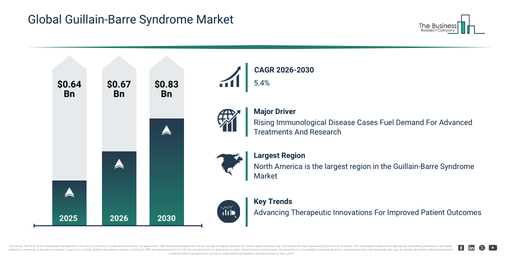
    The market for Guillain-Barré syndrome has experienced substantial expansion recently. Projections indicate its value will increase from $0.64 billion in 2025 to $0.67 billion in 2026, demonstrating a compound annual growth rate (CAGR) of 5.6%. This historical growth is largely due to factors such as enhanced identification of autoimmune neurological conditions, the broadening of neurology departments within hospitals, wider access to immunotherapy treatments, an increase in cases involving post-infectious complications, and improvements in critical care infrastructure.

    The Guillain-Barre Syndrome market is anticipated to experience robust development over the next few years. It is projected to reach $0.83 billion by 2030, with a compound annual growth rate (CAGR) of 5.4%. This growth during the forecast period is driven by factors such as increasing investments in neurology research, rising demand for advanced immunomodulatory therapies, the expansion of specialized rehabilitation services, the growing use of digital neurological assessment tools, and an increasing focus on early intervention strategies. Key trends in the forecast period encompass the increasing use of intravenous immunoglobulin therapies, the rising adoption of plasma exchange procedures, a growing emphasis on early neurological diagnosis, the expansion of specialized neurology care centers, and enhanced monitoring of autoimmune neurological disorders.

    Access Your Free Sample Report for In-Depth Market Insights:

    https://www.thebusinessresearchcompany.com/sample.aspx?id=21198&type=smp

    Which Drivers Are Impacting The Competitive Landscape Of The Guillain-Barre Syndrome Market?

    A rising incidence of immunological conditions is anticipated to fuel the expansion of the guillain-barre syndrome market in the coming years. These diseases involve an immune system that functions improperly, whether excessively active, insufficiently active, or misguided, resulting in ailments like autoimmune disorders, allergies, or immune system deficiencies. The prevalence of immunological diseases is growing, attributed to various elements including shifts in the environment, lifestyle choices, enhanced diagnostic capabilities, and inherited genetic susceptibilities. Such conditions can induce guillain-barré syndrome when the body’s immune system erroneously targets and attacks its own peripheral nerves, initiating an autoimmune reaction that results in inflammation and damage to nerve tissue. For instance, a report from the Joint United Nations Programme on HIV/AIDS (UNAIDS), a Switzerland-based government organization, indicated in July 2024 that by the close of 2022, approximately 39.5 million people globally were living with HIV, with 1.3 million new infections and 630,000 AIDS-related deaths recorded in that year. By 2023, the worldwide population living with HIV had increased to around 39.9 million. Consequently, the expanding threat of immunological diseases serves as a key impetus for the guillain-barre syndrome market.

    What Segments Are Identified Within The Structure Of The Guillain-Barre Syndrome Market?

    The guillain-barre syndrome market covered in this report is segmented –

    1) By Type: Acute Inflammatory Demyelinating Polyneuropathy (AIDP), Miller Fisher Syndrome (MFS), Acute Motor Axonal Neuropathy (AMAN)

    2) By Therapeutics: Intravenous Immunoglobulin (IVIG), Plasma Exchange, Other Therapeutics

    3) By End User: Hospitals, Specialty Neurology Clinics, Rehabilitation Centers, Home Healthcare Settings

    Subsegments:

    1) By Acute Inflammatory Demyelinating Polyneuropathy (AIDP): Classical AIDP, AIDP with Autonomic Involvement

    2) By Miller Fisher Syndrome (MFS): Classical MFS, MFS With Ataxia, MFS With Ophthalmoplegia

    3) By Acute Motor Axonal Neuropathy (AMAN): Classical AMAN, AMAN with Respiratory Involvement

    Which Trends Are Shaping Activity Within The Guillain-Barre Syndrome Market?

    Major companies in the guillain-barre syndrome market are focusing on innovative drug development, particularly monoclonal antibodies, to improve treatment efficacy, address unmet clinical needs, and expand their market presence. Monoclonal antibodies are laboratory-engineered proteins designed to target specific antigens, helping to modulate immune responses and enhance therapeutic outcomes. For instance, in October 2023, Annexon Inc., a US-based biopharmaceutical company, received orphan drug designation from the European Medicines Agency (EMA) for its drug ANX005 for the treatment of guillain-barre syndrome (GBS). This drug is a monoclonal antibody targeting C1q, demonstrating early improvements in muscle strength and a reduced need for ventilation compared to IVIg, thereby marking it as a significant therapeutic advancement.

    Which Major Industry Participants Are Leading The Guillain-Barre Syndrome Market Growth?

    Major companies operating in the guillain-barre syndrome market are Pfizer Inc., Roche AG, AstraZeneca PLC, GSK plc, Takeda Pharmaceutical Company Limited, Merck & Co. Inc., Baxter International Inc., Biogen Inc., Horizon Therapeutics, Octapharma AG, Kedrion S.p.A., CSL Behring, Hansa Biopharma AB, Annexon Inc., Immunovant Inc., UCB S.A., Alexion Pharmaceuticals, Argenx SE, Grifols S.A., LFB S.A

    Access The Complete Report For Deeper Market Insights:

    https://www.thebusinessresearchcompany.com/report/guillain-barre-syndrome-global-market-report

    Which Geographic Areas Are Emerging As Strong Markets For The Guillain-Barre Syndrome Market?

    North America was the largest region in the guillain-barre syndrome market in 2025. Asia-Pacific is expected to be the fastest-growing region in the forecast period. The regions covered in the guillain-barre syndrome market report are Asia-Pacific, South East Asia, Western Europe, Eastern Europe, North America, South America, Middle East, Africa.

    Request Your Customized Guillain-Barre Syndrome Market Research Report for Competitive Advantage:

    https://www.thebusinessresearchcompany.com/customise?id=21198&type=smp

    Browse Through More Reports Similar to the Global Guillain-Barre Syndrome Market 2026, By The Business Research Company

    Rare Neurological Disease Treatment Market Report 2026

    https://www.thebusinessresearchcompany.com/report/rare-neurological-disease-treatment-global-market-report

    Narcolepsy Market Report 2026

    https://www.thebusinessresearchcompany.com/report/narcolepsy-global-market-report

    Progressive Ataxia And Weakness Disorders Market Report 2026

    https://www.thebusinessresearchcompany.com/report/progressive-ataxia-and-weakness-disorders-global-market-report

    Get in touch with us:

    The Business Research Company: https://www.thebusinessresearchcompany.com/

    Americas +1 310-496-7795

    Asia +44 7882 955267 & +91 8897263534

    Europe +44 7882 955267

    Email us at info@tbrc.info

    Follow us on:

    LinkedIn: https://in.linkedin.com/company/the-business-research-company

    YouTube: https://www.youtube.com/channel/UC24_fI0rV8cR5DxlCpgmyFQ

    Global Market Model: https://www.thebusinessresearchcompany.com/global-market-model
  • Growth Hormone Deficiency Market Trends and Insights: Global Forecast to 2030

    Growth Hormone Deficiency Market Trends and Insights: Global Forecast to 2030

    Uncover key drivers, emerging technologies, and competitive movements shaping the growth hormone deficiency market from 2026–2035 with trusted insights from The Business Research Company

    What total market size is anticipated for the Growth Hormone Deficiency Market in 2030?

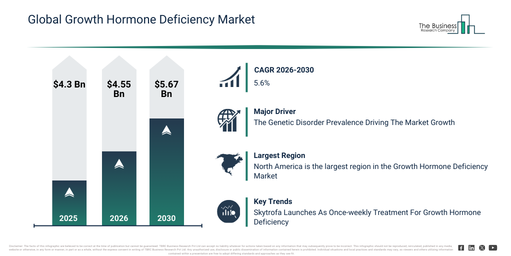
    The growth hormone deficiency market size has seen substantial expansion in recent years. It is projected to increase from $4.3 billion in 2025 to $4.55 billion in 2026, at a compound annual growth rate (CAGR) of 5.9%. This historical growth can be attributed to improved diagnostic capabilities for pituitary disorders, heightened awareness of growth hormone deficiency, the broadening of pediatric endocrinology services, the availability of recombinant hormone treatments, and better healthcare access.

    The growth hormone deficiency market is projected to experience substantial expansion over the upcoming years, reaching a valuation of $5.67 billion by 2030, exhibiting a compound annual growth rate (CAGR) of 5.6%. This anticipated growth during the forecast period is propelled by factors such as a heightened demand for tailored hormone treatments, increased financial commitments to endocrine research, the proliferation of home-based treatment options, wider adoption of digital health monitoring solutions, and a growing emphasis on long-acting growth hormone formulations. Key developments expected within this period encompass the greater uptake of recombinant growth hormone therapies, an increase in personalized treatment strategies, a sharper focus on the early detection of hormonal imbalances, the broadening of long-term hormone replacement initiatives, and improved tracking of treatment results.

    Access Your Free Sample Report for In-Depth Market Insights:

    https://www.thebusinessresearchcompany.com/sample.aspx?id=21197&type=smp

    What Drivers Are Influencing Production Trends In The Growth Hormone Deficiency Market?

    The increasing incidence of genetic conditions is projected to boost the expansion of the growth hormone deficiency market in the future. These disorders are defined as health issues resulting from anomalies or alterations in an individual’s DNA, which can be inherited or arise spontaneously. The widespread occurrence of genetic disorders can be attributed to progress in diagnostic methods, enhanced public understanding, an increase in maternal age, environmental elements inducing mutations, demographic expansion, and better survival outcomes for those affected. Management of growth-related complications in specific genetic conditions often involves the use of growth hormone deficiency. As an illustration, information from October 2024, provided by Cystic Fibrosis Trust, a UK-based charitable organization supporting individuals with cystic fibrosis, indicated that approximately 11,148 patients with cystic fibrosis (a genetic disorder) were recorded in 2022. This figure then rose to 11,318 in 2023, showing a 1.5% increase in patient registrations from the previous year. Consequently, the rising occurrence of genetic disorders fuels the expansion of the growth hormone deficiency market.

    Which Segments Are Gaining Traction In The Growth Hormone Deficiency Market?

    The growth hormone deficiency market covered in this report is segmented –

    1) By Type: Pediatric Growth Hormone Deficiency, Adult Growth Hormone Deficiency

    2) By Treatment: Pharmacological Therapy, Recombinant Human Growth Hormone

    3) By Distribution Channel: Hospital Pharmacy, Online Pharmacy, Retail Pharmacy

    4) By End User: Hospitals, Homecare, Specialty Clinics

    Subsegments:

    1) By Pediatric Growth Hormone Deficiency: Idiopathic Growth Hormone Deficiency, Genetic Growth Hormone Deficiency, Acquired Growth Hormone Deficiency

    2) By Adult Growth Hormone Deficiency: Primary Growth Hormone Deficiency, Secondary Growth Hormone Deficiency

    Which Trends Are Influencing The Development Of The Growth Hormone Deficiency Market?

    Major companies operating in the growth hormone deficiency market are concentrating on developing innovative products, such as unmodified somatropin, for daily pediatric growth hormone deficiency (GHD) treatments. Unmodified somatropin refers to the same growth hormone used in daily pediatric growth hormone deficiency treatments but delivered in a once-weekly dosage with Skytrofa. For instance, in September 2023, Ascendis Pharma A/S, a Denmark-based biopharmaceutical company, introduced SKYTROFA (lonapegsomatropin) for the once-weekly treatment of pediatric growth hormone deficiency (GHD). This innovative therapy provides enhanced convenience, improved adherence, and potentially better treatment outcomes compared to traditional daily growth hormone therapies. It is the first and only FDA-approved once-weekly treatment for pediatric GHD, marking it as a groundbreaking advancement in endocrinology and pediatric care.

    Who Are The Prominent Global Companies Shaping The Growth Hormone Deficiency Market Landscape?

    Major companies operating in the growth hormone deficiency market are Pfizer Inc., Novo Nordisk A/S, Eli Lilly and Company, F. Hoffmann-La Roche Ltd., Merck KGaA, Ipsen, Ascendis Pharma A/S, Opko Health Inc., Genentech Inc., Sandoz International GmbH, Teva Pharmaceutical Industries Ltd., Ferring Pharmaceuticals, JCR Pharmaceuticals, LG Chem, BioPartners, GeneScience Pharmaceuticals, SciClone Pharmaceuticals, AnkeBio, Versartis, Aeterna Zentaris

    Access The Complete Report For Deeper Market Insights:

    https://www.thebusinessresearchcompany.com/report/growth-hormone-deficiency-global-market-report

    Which Region Is Projected To Lead The Growth Hormone Deficiency Market During The Forecast Period?

    North America was the largest region in the growth hormone deficiency market in 2025. Asia-Pacific is expected to be the fastest-growing region in the forecast period. The regions covered in the growth hormone deficiency market report are Asia-Pacific, South East Asia, Western Europe, Eastern Europe, North America, South America, Middle East, Africa.

    Request Your Customized Growth Hormone Deficiency Market Research Report for Competitive Advantage:

    https://www.thebusinessresearchcompany.com/customise?id=21197&type=smp

    Browse Through More Reports Similar to the Global Growth Hormone Deficiency Market 2026, By The Business Research Company

    5 Alpha Reductase Deficiency Market Report 2026

    https://www.thebusinessresearchcompany.com/report/5-alpha-reductase-deficiency-global-market-report

    Combined Pituitary Hormone Deficiencies Market Report 2026

    https://www.thebusinessresearchcompany.com/report/combined-pituitary-hormone-deficiencies-global-market-report

    Hormone Therapy Market Report 2026

    https://www.thebusinessresearchcompany.com/report/hormone-therapy-global-market-report

    Get in touch with us:

    The Business Research Company: https://www.thebusinessresearchcompany.com/

    Americas +1 310-496-7795

    Asia +44 7882 955267 & +91 8897263534

    Europe +44 7882 955267

    Email us at info@tbrc.info

    Follow us on:

    LinkedIn: https://in.linkedin.com/company/the-business-research-company

    YouTube: https://www.youtube.com/channel/UC24_fI0rV8cR5DxlCpgmyFQ

    Global Market Model: https://www.thebusinessresearchcompany.com/global-market-model
  • Global Green Hospitals Market Report 2026–2030: Data-Driven Growth Insights

    Global Green Hospitals Market Report 2026–2030: Data-Driven Growth Insights

    Uncover key drivers, emerging technologies, and competitive movements shaping the green hospitals market from 2026–2035 with trusted insights from The Business Research Company

    What is the expected shift in the Green Hospitals Market’s size between 2026 and 2030?

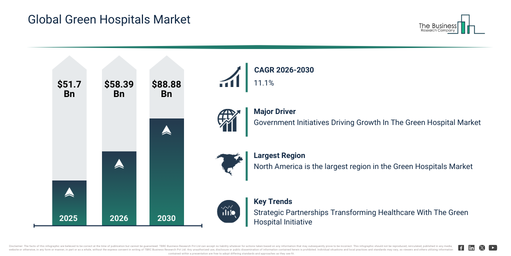
    The green hospitals market has witnessed rapid growth in recent years. It is anticipated to expand from $51.7 billion in 2025 to $58.39 billion in 2026, achieving a compound annual growth rate (CAGR) of 12.9%. This historical growth can be attributed to increasing healthcare infrastructure development, a rising awareness of environmental impact in healthcare, the expansion of urban hospital networks, higher operational cost pressures, and the early adoption of green building standards.

    The green hospitals market is projected to experience substantial expansion in the coming years, with an anticipated valuation of $88.88 billion by 2030, showing a compound annual growth rate (CAGR) of 11.1%. This growth during the forecast period can be attributed to several factors, including greater financial commitments to sustainable healthcare infrastructure, a heightened regulatory emphasis on carbon-neutral establishments, the proliferation of smart hospital programs, a rising need for energy-efficient medical sites, and an uptick in both public and private investment directed towards green hospitals. Key trends expected during this period involve a wider integration of energy-efficient hospital designs, an increase in waste reduction and recycling efforts, the expanded deployment of renewable energy solutions within healthcare settings, the advancement of smart building management systems, and a sharpened focus on creating sustainably designed medical facilities.

    Access Your Free Sample Report for In-Depth Market Insights:

    https://www.thebusinessresearchcompany.com/sample.aspx?id=14726&type=smp

    Which Drivers Are Shaping Strategic Decisions In The Green Hospitals Market?

    Increased governmental endeavors to foster sustainable healthcare are anticipated to propel the expansion of the green hospital market in the coming years. These initiatives involve policies and actions designed to ensure healthcare systems meet present needs without compromising resources or the environment for future generations. Such governmental efforts are advancing sustainable healthcare by prioritizing resource conservation, ensuring equitable access to medical services, and advocating for environmentally sound practices, including energy-efficient infrastructure, integrating renewable energy, and minimizing waste, particularly within green hospitals. As an illustration, in June 2023, ZonMw, a Netherlands-based organization for healthcare research and innovation, signed the Sustainable Healthcare Green Deal 3.0, aligning with other participants in a shared pledge to lessen the environmental footprint of the healthcare sector. The government’s aspiration to enhance healthcare sustainability has been articulated across numerous policy papers and accords. Furthermore, the preceding administration had previously committed, via the Climate Act (Klimaatwet), to attaining net-zero carbon emissions by 2050, an objective that healthcare facilities will also be required to achieve. Consequently, the increasing governmental initiatives to promote sustainable healthcare are fueling the growth of the green hospital market.

    What Segment Categories Are Covered In The Green Hospitals Market?

    The green hospitals market covered in this report is segmented –

    1) By Type Of Green Technology: Energy-Efficient Lightning, Renewable Energy Sources, Waste Reduction Programs

    2) By Certification Range: Leadership In Energy And Environmental Design (LEED) Certification, Green Globes Corporation, Energy Star Certification

    3) By Ownership: Government-Owned Facilities, Private Facilities, Non-Profit Facilities

    4) By Application: Hospitals, Clinics, Long-Term Care Facilities

    Subsegments:

    1) By Energy-Efficient Lighting: LED Lighting, Smart Lighting Systems, Occupancy Sensor-Based Lighting

    2) By Renewable Energy Sources: Solar Power Systems, Wind Energy Systems, Geothermal Heating And Cooling

    3) By Waste Reduction Programs: Medical Waste Recycling, Waste Segregation And Composting, Energy-From-Waste Technologies

    What Trends Are Expected To Impact The Competitive Landscape Of The Green Hospitals Market?

    Leading entities within the green hospital sector prioritize forming strategic alliances to embed sustainability as a core objective in healthcare settings. These collaborations enable the creation and deployment of eco-friendly methods, technologies, and projects, advancing environmental preservation and operational efficiency in hospitals, thus cultivating an environmentally friendly healthcare setting. As an illustration, in February 2024, the Nordic Center for Sustainable Healthcare (NCSH), an environmental services organization based in Sweden, collaborated with Mamta Health Institute for Mother and Child (MAMTA HIMC), an India-based non-profit, to launch the green hospital Initiative aimed at enabling hospitals and healthcare providers to improve their efficiency, environmental responsibility, patient safety, and quality of care. This initiative focuses on assisting hospitals in adopting sustainable practices including leadership, waste management, safer chemicals, energy efficiency, water conservation, among others. It stresses joint efforts via workgroups, networking avenues, and the exchange of sustainability approaches to foster beneficial transformation within healthcare institutions.

    Which Key Players Are Driving Competition In The Green Hospitals Market?

    Major companies operating in the green hospitals market are Siemens AG, Schneider Electric SE, Johnson Controls International PLC, Honeywell International Inc, Hitachi Ltd, Eaton Corp, Trane Technologies Plc, ABB Ltd, Carrier Global Corporation, Bosch Ltd, Veolia Environnement SA, SUEZ SA, Waste Management Inc, Stericycle Inc, Philips N.V, GE HealthCare Technologies Inc, Owens Corning, Kingspan Group PLC, HDR Inc, Arup Group

    Access The Complete Report For Deeper Market Insights:

    https://www.thebusinessresearchcompany.com/report/green-hospitals-global-market-report

    Which Region Currently Holds The Largest Share Of The Green Hospitals Market?

    North America was the largest region in the green hospitals market in 2025. Asia-Pacific is the fastest growing region in the market. The regions covered in the green hospitals market report are Asia-Pacific, South East Asia, Western Europe, Eastern Europe, North America, South America, Middle East, Africa.

    Request Your Customized Green Hospitals Market Research Report for Competitive Advantage:

    https://www.thebusinessresearchcompany.com/customise?id=14726&type=smp

    Browse Through More Reports Similar to the Global Green Hospitals Market 2026, By The Business Research Company

    Private Hospital Market Report 2026

    https://www.thebusinessresearchcompany.com/report/private-hospital-global-market-report

    Hospitality Market Report 2026

    https://www.thebusinessresearchcompany.com/report/hospitality-global-market-report

    Green Hospitals Market Report 2026

    https://www.thebusinessresearchcompany.com/report/green-hospitals-global-market-report

    Get in touch with us:

    The Business Research Company: https://www.thebusinessresearchcompany.com/

    Americas +1 310-496-7795

    Asia +44 7882 955267 & +91 8897263534

    Europe +44 7882 955267

    Email us at info@tbrc.info

    Follow us on:

    LinkedIn: https://in.linkedin.com/company/the-business-research-company

    YouTube: https://www.youtube.com/channel/UC24_fI0rV8cR5DxlCpgmyFQ

    Global Market Model: https://www.thebusinessresearchcompany.com/global-market-model
  • Granulomatosis With Polyangiitis Treatment Market Dynamics 2026: Future Outlook and Key Insights

    Granulomatosis With Polyangiitis Treatment Market Dynamics 2026: Future Outlook and Key Insights

    Uncover key drivers, emerging technologies, and competitive movements shaping the granulomatosis with polyangiitis treatment market from 2026–2035 with trusted insights from The Business Research Company

    What growth pattern is forecast for the Granulomatosis With Polyangiitis Treatment Market size between 2026 and 2035?

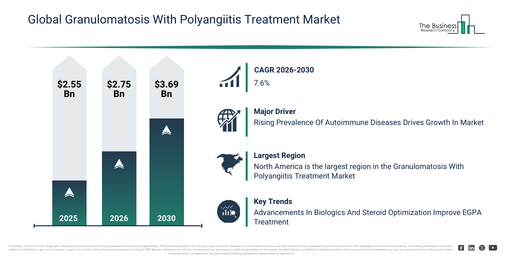
    The granulomatosis with polyangiitis treatment market has experienced substantial expansion in recent years. It is projected to increase from $2.55 billion in 2025 to $2.75 billion in 2026, demonstrating a compound annual growth rate (CAGR) of 7.9%. The growth witnessed in earlier periods stemmed from the improved identification of autoimmune diseases, the accessibility of corticosteroids, the provision of hospital nephrology services, the application of immunosuppressive drugs, and the adoption of diagnostic imaging.

    The granulomatosis with polyangiitis treatment market size is anticipated to experience significant growth in the next few years. Its value is projected to reach $3.69 billion by 2030, expanding at a compound annual growth rate (CAGR) of 7.6%. This expansion during the forecast period is attributed to factors like biologic drug innovation, precision autoimmune treatment approaches, early diagnostic screening, the rising demand for chronic disease management, and the proliferation of specialty clinics. Key trends anticipated in this period include an increased adoption of biologic therapies, a growing need for early autoimmune diagnosis, the development of long-term disease remission strategies, the growth of combination immunosuppressive therapies, and improved monitoring for organ damage.

    Access Your Free Sample Report for In-Depth Market Insights:

    https://www.thebusinessresearchcompany.com/sample.aspx?id=21196&type=smp

    Which Drivers Are Impacting Market Performance In The Granulomatosis With Polyangiitis Treatment Market?

    The increasing prevalence of autoimmune diseases is expected to propel the growth of the granulomatosis with polyangiitis treatment market going forward. Autoimmune diseases occur when the body’s immune system mistakenly attacks its healthy cells and tissues, leading to inflammation and damage in various organs. The increasing prevalence of autoimmune diseases is due to environmental triggers (such as infections, chemicals, or pollutants) and lifestyle changes. Granulomatosis with polyangiitis treatment is helpful for autoimmune diseases by utilizing immunosuppressive therapies such as corticosteroids and cyclophosphamide, which help control inflammation and prevent organ damage, making early intervention and tailored treatment crucial for managing other autoimmune conditions with similar mechanisms. For instance, in June 2023, according to a report published by the Office for National Statistics, a UK-based government department, the global population of people with multiple sclerosis (MS) (an autoimmune disease) in 2023 was 2.9 million, up from 2.8 million in 2022. Therefore, the increasing prevalence of autoimmune diseases is driving the growth of the granulomatosis with polyangiitis treatment market. The rising healthcare expenditure is expected to propel the growth of the granulomatosis with polyangiitis treatment market going forward. Healthcare expenditure refers to the total financial resources spent by individuals, organizations, or governments on preventing, treating, and managing health conditions. Healthcare expenditure is increasing due to advancements in medical technology, as new diagnostic tools, treatments, and innovative therapies often come at higher costs, leading to greater overall spending in healthcare. Rising healthcare expenditure is helping advance granulomatosis with polyangiitis treatment by enabling greater investment in early diagnosis, access to advanced immunosuppressive and biologic therapies, and improved patient management infrastructure. For instance, in December 2024, according to the Centers for Medicare & Medicaid Services, a US-based agency responsible for administering the Medicare and Medicaid programs, in 2023, U.S. health care expenditures increased by 7.5%, climbing to $4.9 trillion, or roughly $14,570 for each individual. Therefore, the rising healthcare expenditure is driving the growth of the granulomatosis with polyangiitis treatment market.

    Which Segments Are Contributing To The Growth Of The Granulomatosis With Polyangiitis Treatment Market?

    The granulomatosis with polyangiitis treatment market covered in this report is segmented –

    1) By Drug Type: Steroids, Immunosuppressants, Other Drug Types

    2) By Route Of Administration: Oral, Intravenous

    3) By Distribution Channel: Hospital Pharmacies, Retail Pharmacies, Online Pharmacies

    4) By End User: Hospitals, Homecare, Specialty Clinics, Other End Users

    Subsegments:

    1) By Steroids: Prednisone, Methylprednisolone, Dexamethasone, Hydrocortisone

    2) By Immunosuppressants: Cyclophosphamide, Methotrexate, Azathioprine, Mycophenolate mofetil, Rituximab

    3) By Other Drug Types: Plasma Exchange Therapy, Intravenous Immunoglobulin (IVIG), Biologic Agents, Non-Steroidal Anti-Inflammatory Drugs (NSAIDs)

    Which Trends Are Guiding The Evolution Of The Granulomatosis With Polyangiitis Treatment Market?

    Major companies in the granulomatosis with polyangiitis treatment market are focusing on developing innovative products, such as oral corticosteroids, to provide patients with more effective treatment options that improve disease management while minimizing the long-term side effects of steroid use. Oral corticosteroids are medications that reduce inflammation and suppress the immune system, commonly used for allergies, autoimmune diseases, and inflammatory disorders. For instance, in October 2024, AstraZeneca plc, a UK-based pharmaceutical company, announced that Fasenra (bevacizumab) received approval in the European Union, a Europe-based political and economic union of European countries, as an add-on treatment for adult patients with relapsing or refractory eosinophilic granulomatosis with polyangiitis (EGPA). This approval follows positive results from the MANDARA Phase III trial, which demonstrated Fasenra’s efficacy in achieving remission and reducing reliance on oral corticosteroids in EGPA patients.

    Who Are The Top-Performing Companies In The Granulomatosis With Polyangiitis Treatment Market In Recent Years?

    Major companies operating in the granulomatosis with polyangiitis treatment market are Pfizer Inc., F Hoffmann La Roche Ltd, Sanofi S A, GlaxoSmithKline plc, Amgen Inc, Teva Pharmaceutical Industries Ltd, Regeneron Pharmaceuticals Inc, ChemoCentryx Inc, Medac Pharma Inc, InflaRx GmbH, AbbVie Inc, Johnson & Johnson, Bristol Myers Squibb Company, Novartis AG, Biogen Inc, Takeda Pharmaceutical Company Limited, UCB S A, Bayer AG, Merck & Co Inc, Eli Lilly and Company, Astellas Pharma Inc

    Access The Complete Report For Deeper Market Insights:

    https://www.thebusinessresearchcompany.com/report/granulomatosis-with-polyangiitis-treatment-global-market-report

    How Does The Granulomatosis With Polyangiitis Treatment Market Perform Across Major Global Regions?

    North America was the largest region in the granulomatosis with polyangiitis treatment market in 2025. The regions covered in the granulomatosis with polyangiitis treatment market report are Asia-Pacific, South East Asia, Western Europe, Eastern Europe, North America, South America, Middle East, Africa.

    Request Your Customized Granulomatosis With Polyangiitis Treatment Market Research Report for Competitive Advantage:

    https://www.thebusinessresearchcompany.com/customise?id=21196&type=smp

    Browse Through More Reports Similar to the Global Granulomatosis With Polyangiitis Treatment Market 2026, By The Business Research Company

    Zoonotic Disease Treatment Market Report 2026

    https://www.thebusinessresearchcompany.com/report/zoonotic-disease-treatment-global-market-report

    Giant Cell Arteritis Market Report 2026

    https://www.thebusinessresearchcompany.com/report/giant-cell-arteritis-global-market-report

    Nasal Polyps Treatment Market Report 2026

    https://www.thebusinessresearchcompany.com/report/nasal-polyps-treatment-global-market-report

    Get in touch with us:

    The Business Research Company: https://www.thebusinessresearchcompany.com/

    Americas +1 310-496-7795

    Asia +44 7882 955267 & +91 8897263534

    Europe +44 7882 955267

    Email us at info@tbrc.info

    Follow us on:

    LinkedIn: https://in.linkedin.com/company/the-business-research-company

    YouTube: https://www.youtube.com/channel/UC24_fI0rV8cR5DxlCpgmyFQ

    Global Market Model: https://www.thebusinessresearchcompany.com/global-market-model
  • Graft Versus Host Disease (GVHD) Treatment Market Research: Growth Projections and Trends 2030

    Graft Versus Host Disease (GVHD) Treatment Market Research: Growth Projections and Trends 2030

    Uncover key drivers, emerging technologies, and competitive movements shaping the graft versus host disease (gvhd) treatment market from 2026–2035 with trusted insights from The Business Research Company

    How much larger will the Graft Versus Host Disease (GVHD) Treatment Market be in 2030 compared with 2026?

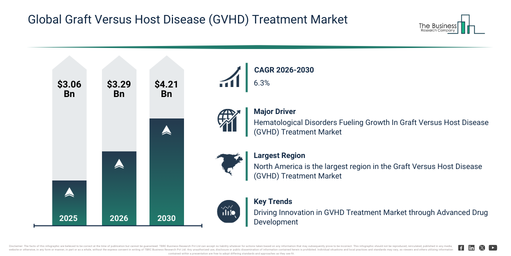
    The graft versus host disease (gvhd) treatment market has seen significant expansion in recent years. It is forecast to rise from $3.06 billion in 2025 to $3.29 billion in 2026, demonstrating a compound annual growth rate (CAGR) of 7.5%. The historical growth of this market can be attributed to increased bone marrow transplant adoption, the availability of corticosteroids, the expansion of hospital oncology facilities, advancements in immunosuppressive drug development, and improved transplant survival rates.

    The graft versus host disease (gvhd) treatment market size is anticipated to experience robust expansion over the next few years. It is forecast to climb to $4.21 billion by 2030, progressing at a compound annual growth rate (CAGR) of 6.3%. This projected growth is driven by factors such as the expansion of biologic therapy pipelines, personalized immunosuppression techniques, an increase in transplant procedure volumes, orphan drug incentives, and the broadening of specialty care. Significant trends expected during this forecast period include the increased utilization of targeted immunotherapies, a rise in biologic treatment adoption, a greater focus on chronic gvhd management, the enlargement of stem cell transplant programs, and heightened clinical trial activity.

    Access Your Free Sample Report for In-Depth Market Insights:

    https://www.thebusinessresearchcompany.com/sample.aspx?id=15579&type=smp

    What Drivers Are Guiding Growth Patterns In The Graft Versus Host Disease (GVHD) Treatment Market?

    The increasing prevalence of hematological disorders is anticipated to propel the growth of the graft versus host disease (GVHD) treatment market moving forward. These blood disorders encompass numerous conditions affecting components of the blood, including red blood cells, white blood cells, platelets, and plasma. The rise in hematological disorders is largely attributed to unhealthy lifestyle choices, genetic predispositions, and exposure to environmental toxins such as radiation, chemicals, and pollutants. GVHD treatment strategies developed for managing GvHD hold broader implications for patients suffering from hematological disorders, opening new avenues for immune modulation and enhanced disease management. As an illustration, in 2023, the Leukemia & Lymphoma Society, a US-based healthcare organization, projected that leukemia, lymphoma, and myeloma would result in an estimated 57,380 deaths in the US. This statistic indicates that roughly 157 individuals per day, or more than six people every hour, die from blood cancer in the US. Therefore, the escalating occurrence of hematological disorders is a primary driver for the graft versus host disease (GVHD) treatment market.

    How Is The Graft Versus Host Disease (GVHD) Treatment Market Divided Into Segments?

    The graft versus host disease (gvhd) treatment market covered in this report is segmented –

    1) By Product Type: Corticosteroids, Monoclonal Antibodies, Immunosuppressants, Other Product Types

    2) By Disease Type: Acute GvHD, Prophylaxis GvHD, Chronic GvHD

    3) By End User: Hospitals Pharmacies, Retail Pharmacies, Online Pharmacies

    Subsegments:

    1) By Corticosteroids: Prednisolone, Methylprednisolone, Dexamethasone, Hydrocortisone, Betamethasone, Budesonide

    2) By Monoclonal Antibodies: Anti-Inf Monoclonal Antibodies ( Infliximab, Adalimumab), Anti-il-2ra Monoclonal Antibodies ( Basiliximab), Anti-cd52 Monoclonal Antibodies (Alemtuzumab), Anti-il-6 Monoclonal Antibodies (Tocilizumab), Anti-Cd20 Monoclonal Antibodies (Rituximab)

    3) By Immunosuppressants: Calcineurin Inhibitors (Cyclosporine, Tacrolimus), Methotrexate, Mycophenolate Mofetil, Azathioprine, Sirolimus (Rapamycin), Cyclophosphamide

    4) By Other Product Types: Mesenchymal Stem Cells (Mscs), Jak Inhibitors ( Ruxolitinib), Extracorporeal Photopheresis (ECP), Thalidomide, Antithymocyte Globulin (Atg), Colony-Stimulating Factors (Filgrastim)

    What Trends Are Projected To Support The Growth Of The Graft Versus Host Disease (GVHD) Treatment Market?

    Prominent companies active in the graft versus host disease (GVHD) treatment market are creating advanced medications and pursuing their authorization for GVHD treatment to achieve a competitive advantage. Product authorizations are vital for guaranteeing that healthcare products fulfill essential standards for safety, effectiveness, and quality before patient access. For example, in March 2023, Incyte corporation, a US-based healthcare company, developed ruxolitinib extended-release (XR) tablets, a JAK1/JAK2 inhibitor, which received approval from the Food and Drug Administration, a US-based healthcare organization. These tablets were formulated for once-daily use in addressing specific categories of myelofibrosis, polycythemia vera, and graft-versus-host disease (GVHD).

    Which Leading Companies Dominate The Graft Versus Host Disease (GVHD) Treatment Market Share?

    Major companies operating in the graft versus host disease (gvhd) treatment market are Pfizer Inc., Johnson & Johnson Services Inc., F. Hoffmann-La Roche Ltd., Merck & Co. Inc., Sanofi SA, Novartis AG, Bristol Myers Squibb, Takeda Pharmaceutical Company Limited, Gilead Sciences Inc., Astellas Pharma Inc., Jazz Pharmaceuticals plc, Incyte Corporation, Mallinckrodt Pharmaceuticals, Mesoblast Ltd., AbbVie Inc., Eli Lilly and Company, CSL Behring Limited, Fate Therapeutics Inc., Orca Bio Inc., BioLineRx Ltd., Xenikos BV, Regeneron Pharmaceuticals Inc., AstraZeneca PLC, Amgen Inc.

    Access The Complete Report For Deeper Market Insights:

    https://www.thebusinessresearchcompany.com/report/graft-versus-host-disease-gvhd-treatment-global-market-report

    Which Region Is Anticipated To See The Fastest Growth In The Graft Versus Host Disease (GVHD) Treatment Market?

    North America was the largest region in the graft versus host disease (GVHD) treatment market in 2025. Asia-Pacific is expected to be the fastest-growing region in the forecast period. The regions covered in the graft versus host disease (gvhd) treatment market report are Asia-Pacific, South East Asia, Western Europe, Eastern Europe, North America, South America, Middle East, Africa.

    Request Your Customized Graft Versus Host Disease (GVHD) Treatment Market Research Report for Competitive Advantage:

    https://www.thebusinessresearchcompany.com/customise?id=15579&type=smp

    Browse Through More Reports Similar to the Global Graft Versus Host Disease (GVHD) Treatment Market 2026, By The Business Research Company

    Bone Grafts And Substitutes Market Report 2026

    https://www.thebusinessresearchcompany.com/report/bone-grafts-and-substitutes-global-market-report

    Bone Marrow Transplantation Market Report 2026

    https://www.thebusinessresearchcompany.com/report/bone-marrow-transplantation-global-market-report

    Rare Diseases Treatment Market Report 2026

    https://www.thebusinessresearchcompany.com/report/rare-diseases-treatment-global-market-report

    Get in touch with us:

    The Business Research Company: https://www.thebusinessresearchcompany.com/

    Americas +1 310-496-7795

    Asia +44 7882 955267 & +91 8897263534

    Europe +44 7882 955267

    Email us at info@tbrc.info

    Follow us on:

    LinkedIn: https://in.linkedin.com/company/the-business-research-company

    YouTube: https://www.youtube.com/channel/UC24_fI0rV8cR5DxlCpgmyFQ

    Global Market Model: https://www.thebusinessresearchcompany.com/global-market-model
  • Global G-Protein Coupled Receptors Industry Insights: Key Trends and Growth Estimates

    Global G-Protein Coupled Receptors Industry Insights: Key Trends and Growth Estimates

    Uncover key drivers, emerging technologies, and competitive movements shaping the g-protein coupled receptors market from 2026–2035 with trusted insights from The Business Research Company

    Starting from its 2026 valuation, what market size is the G-Protein Coupled Receptors Market expected to reach by 2030?

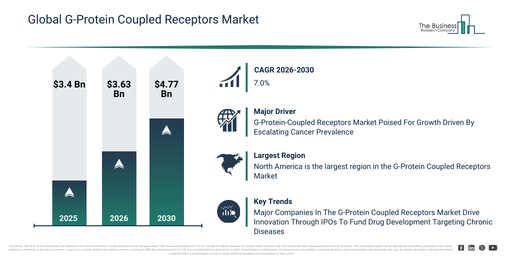
    The g-protein coupled receptors market has experienced robust expansion in recent years. It is anticipated to increase from $3.4 billion in 2025 to $3.63 billion in 2026, registering a compound annual growth rate (CAGR) of 6.8%. The historical growth in this market can be linked to the rise in neurotransmitter research, progress in receptor biology, the broadening of pharmaceutical R&D, advancements in cell line development, and innovations in assay technology.

    The g-protein coupled receptors market is anticipated to experience significant expansion in the upcoming years, with its size projected to reach $4.77 billion by 2030, exhibiting a compound annual growth rate (CAGR) of 7.0%. This projected growth during the forecast period is fueled by elements such as the rising demand for precision drug targeting, the emergence of AI-driven drug discovery, the expansion of the biologics pipeline, ongoing receptor deorphanization research, and increased investment in translational research. Prominent trends expected in this period include the escalating utilization of GPCR targets within drug discovery, the broadening of high-throughput screening capabilities, a sharpened focus on orphan receptor investigations, the advancement of cell-based assay technologies, and strengthened collaboration between academic institutions and pharmaceutical firms.

    Access Your Free Sample Report for In-Depth Market Insights:

    https://www.thebusinessresearchcompany.com/sample.aspx?id=11976&type=smp

    What Drivers Are Driving Adoption Within The G-Protein Coupled Receptors Market?

    The anticipated expansion of the G-protein-coupled receptors market is linked to the increasing occurrence of cancer. Cancer is a medical condition characterized by the uncontrolled proliferation and invasion of aberrant cells into adjacent tissues. Furthermore, cancer cells have the potential to disseminate throughout the body via the lymphatic and vascular networks. G-protein-coupled receptors (GPCRs) regulate essential cancer-related processes such as proliferative signaling, the acquisition of replicative immortality, the ability to evade growth suppressors, resistance to programmed cell death (apoptosis), and the initiation of invasion and metastasis. For example, reports from the American Cancer Society, a professional organization located in the US, indicated that in January 2023, there were 1,958,310 new cancer diagnoses in the United States during 2023, which marked an increase compared to the approximately 1.9 million new cases estimated for 2022. Consequently, the growing incidence of cancer is a key factor propelling the expansion of the G-protein coupled receptors market.

    What Segments Are Included Within The G-Protein Coupled Receptors Market?

    The g-protein coupled receptors market covered in this report is segmented –

    1) By Product: Cell Lines, Detection Kits, Cell Culture Reagents, Ligands

    2) By Assay: CAMP Functional Assays, Calcium Functional Assays, ß-Arrestin Functional Assays, Radioligand Binding And GTP?S Functional Assays, Internalization Assays, Trafficking Assays

    3) By Applications: Cancer Research, CNS Research, Metabolic Research, Cardiovascular Research, Inflammation Research, Respiratory Research, Other Applications

    Subsegments:

    1) By Cell Lines: GPCR-Expressing Cell Lines, Stable And Transient Cell Lines

    2) By Detection Kits: ELISA Kits, High-Throughput Screening Kits, Reporter Gene Assays

    3) By Cell Culture Reagents: Media And Supplements, Transfection Reagents, Growth Factors

    4) By Ligands: Agonists, Antagonists, Inverse Agonists

    Which Trends Are Influencing The Performance And Direction Of The G-Protein Coupled Receptors Market?

    Leading companies operating within the G-protein coupled receptors market are launching Initial Public Offerings (IPOs) with the objective of developing drugs that target G protein-coupled receptors (GPCRs). This strategy aims to expedite research and development, progress clinical trials, and deliver novel therapies to the market for a variety of conditions, including cancer, neurological disorders, and metabolic conditions. The funds generated are primarily intended to facilitate the development of the company’s key product candidates, which are focused on chronic metabolic and pulmonary diseases. More specifically, the proceeds are earmarked for advancing their glucagon-like peptide-1 receptor (GLP-1R) agonist program, which focuses on treatments for diabetes and obesity. For instance, in February 2023, Structure Therapeutics Inc, a US-based company, concluded its initial public offering (IPO), raising $161 million to further its development of G-protein coupled receptor (GPCR)-based therapeutics. The company offered 10,740,000 American depositary shares (ADSs) for $15.00 per ADS, a value that significantly surpassed its initial projections. The shares commenced trading on the Nasdaq Global Market using the ticker symbol ‘GPCR’.

    Who Are The Major Companies Operating In The G-Protein Coupled Receptors Market?

    Major companies operating in the g-protein coupled receptors market are Pfizer Inc., Roche Holding AG, AbbVie Inc., Bayer AG, Novartis International AG, Sanofi SA, Bristol-Myers Squibb Company, AstraZeneca Plc, GlaxoSmithKline Plc, Takeda Pharmaceutical Company Limited, Eli Lilly and Company, Merck KGaA, Boehringer Ingelheim, Daiichi Sankyo Company Limited, Danaher Corporation, Thermo Fisher Scientific Inc., PerkinElmer Inc., Bio-Techne Corporation, Abcam PLC, Cara Therapeutics Inc., Sosei Heptares Ltd., Eurofins DiscoverX Corporation, Crinetics Pharmaceuticals Inc., Domain Therapeutics SA, Addex Pharmaceuticals Ltd., Structure Therapeutics, Septerna

    Access The Complete Report For Deeper Market Insights:

    https://www.thebusinessresearchcompany.com/report/g-protein-coupled-receptors-global-market-report

    Which Region Is Anticipated To See The Fastest Growth In The G-Protein Coupled Receptors Market?

    North America was the largest region in the G-protein coupled receptors market in 2025. Asia-Pacific is expected to be the fastest-growing region in the forecast period. The regions covered in the g-protein coupled receptors market report are Asia-Pacific, South East Asia, Western Europe, Eastern Europe, North America, South America, Middle East, Africa.

    Request Your Customized G-Protein Coupled Receptors Market Research Report for Competitive Advantage:

    https://www.thebusinessresearchcompany.com/customise?id=11976&type=smp

    Browse Through More Reports Similar to the Global G-Protein Coupled Receptors Market 2026, By The Business Research Company

    Muscarinic Acetylcholine Receptor Market Report 2026

    https://www.thebusinessresearchcompany.com/report/muscarinic-acetylcholine-receptor-global-market-report

    Glp 1 Receptor Agonist Market Report 2026

    https://www.thebusinessresearchcompany.com/report/glp-1-receptor-agonist-global-market-report

    Glucagon Like Peptide 1 Market Report 2026

    https://www.thebusinessresearchcompany.com/report/glucagon-like-peptide-1-global-market-report

    Get in touch with us:

    The Business Research Company: https://www.thebusinessresearchcompany.com/

    Americas +1 310-496-7795

    Asia +44 7882 955267 & +91 8897263534

    Europe +44 7882 955267

    Email us at info@tbrc.info

    Follow us on:

    LinkedIn: https://in.linkedin.com/company/the-business-research-company

    YouTube: https://www.youtube.com/channel/UC24_fI0rV8cR5DxlCpgmyFQ

    Global Market Model: https://www.thebusinessresearchcompany.com/global-market-model
  • Gouty Arthritis Market Forecast: How Big Will It Be by 2030?

    Gouty Arthritis Market Forecast: How Big Will It Be by 2030?

    Uncover key drivers, emerging technologies, and competitive movements shaping the gouty arthritis market from 2026–2035 with trusted insights from The Business Research Company

    Across 2026–2030, what is the expected market valuation path of the Gouty Arthritis Market?

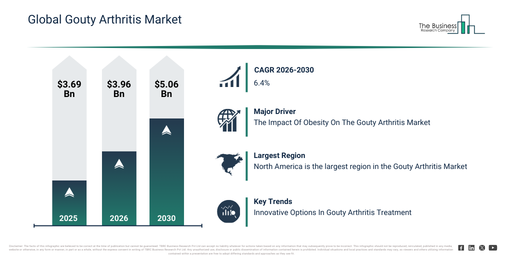
    The gouty arthritis market has shown robust expansion in recent years. Its valuation is expected to rise from $3.69 billion in 2025 to $3.96 billion in 2026, driven by a compound annual growth rate (CAGR) of 7.2%. Factors contributing to its historical growth include evolving dietary patterns, the widespread availability of NSAIDs, a higher rate of arthritis diagnoses, the establishment of more rheumatology clinics, and advancements in pain management drug development.

    The gouty arthritis market is projected to experience substantial expansion in the coming years, forecast to reach $5.06 billion by 2030, exhibiting a compound annual growth rate (CAGR) of 6.4%. This anticipated growth is driven by factors such as an expanding aging population, heightened awareness of chronic diseases, proactive arthritis care measures, enhanced patient adherence, and tailored approaches to gout treatment. Key developments expected during this period involve the increasing occurrence of hyperuricemia, a growing need for sustained disease management, the rise of combination drug regimens, broader integration of advanced diagnostic imaging, and the expansion of lifestyle-focused disease management strategies.

    Access Your Free Sample Report for In-Depth Market Insights:

    https://www.thebusinessresearchcompany.com/sample.aspx?id=16070&type=smp

    Which Drivers Are Supporting The Rise Of The Gouty Arthritis Market?

    The rising incidence of obesity is projected to boost expansion within the gouty arthritis market in the coming years. Obesity, a medical condition, involves an excessive accumulation of body fat that poses risks to an individual’s well-being, often assessed via the body mass index (BMI). The growing rates of obesity are attributable to greater intake of high-calorie, processed foods and less active lifestyles. This condition contributes to gouty arthritis by heightening uric acid production and diminishing the body’s capacity to expel it, resulting in the build-up of uric acid crystals in the joints. Furthermore, surplus body weight exerts additional strain on joints, intensifying the inflammation and discomfort associated with gout. For example, in May 2025, data from the Office for Health Improvement and Disparities, a UK government organization, indicated that an estimated 64.5% of adults aged 18 and above in England were classified as overweight or living with obesity between 2023 and 2024, an increase from 64.0% recorded from 2022 to 2023. Consequently, the increasing prevalence of obesity is propelling the growth of the gouty arthritis market.

    What Leading Segments Are Studied In The Gouty Arthritis Market?

    The gouty arthritis market covered in this report is segmented –

    1) By Type: Acute Gouty Arthritis, Chronic Gouty Arthritis

    2) By Treatment: Non-Steroidal Anti-Inflammatory Drugs (NSAIDs), Pain Reliever, Corticosteroids, Xanthine Oxidase Inhibitors, Uricosurics, Other Treatments

    3) By Diagnosis: Joint Fluid Test, Blood Test, X-Ray Imaging, Ultrasound, Dual Energy Computed Tomography (CT) Scan, Other Diagnosis

    4) By Distribution Channel: Hospital Pharmacy, Retail Pharmacy, Other Distribution Channels

    5) By End-Users: Hospitals, Specialty Clinics, Other End-Users

    Subsegments:

    1) By Acute Gouty Arthritis: Monosodium Urate Crystals-Induced Acute Gout, Acute Gout Attack (Intermittent Flares), Severe Acute Gout With Joint Deformities

    2) By Chronic Gouty Arthritis: Tophaceous Gout (Presence Of Uric Acid Deposits), Chronic Gout With Joint Damage, Chronic Gout With Renal Complications, Chronic Gout With Comorbidities (Hypertension, Diabetes)

    What Long-Term Trends Are Expected To Shape The Future Of The Gouty Arthritis Market?

    Major companies engaged in the gouty arthritis market are increasing their endeavors to develop innovative products, such as cortrophin gel, aiming to provide more effective and targeted therapies for managing the condition. Cortrophin gel, also recognized as repository corticotropin injection, is a refined form of the adrenocorticotropic hormone (ACTH). It is utilized in the treatment of various inflammatory and autoimmune conditions, including gouty arthritis. For instance, in October 2023, ANI Pharmaceuticals, a US-based pharmaceutical firm, obtained approval from the Food and Drug Administration for a new 1-mL vial size of Purified Cortrophin Gel. This product is designed for the adjunctive treatment of specific patients experiencing acute gouty arthritis flares. Cortrophin Gel remains the sole FDA-approved adrenocorticotropic hormone (ACTH) therapy currently indicated for treating appropriate patients with acute gouty arthritis flares.

    Which Major Firms Are Strengthening Their Position In The Gouty Arthritis Market?

    Major companies operating in the gouty arthritis market are Horizon Therapeutics plc, Pfizer Inc., Takeda Pharmaceutical Company Limited, AbbVie Inc., Bayer AG, Bristol Myers Squibb, Novartis International AG, Eli Lilly and Company, Amgen Inc., Gilead Sciences Inc., AstraZeneca plc, GlaxoSmithKline plc, Teijin Pharma Ltd, Regeneron Pharmaceuticals Inc., Boehringer Ingelheim International GmbH, JW Pharmaceutical, Arthrosi Therapeutics Ltd, XORTX Therapeutics Inc, Atom Therapeutics Co Ltd, Olatec Therapeutics LLC, InventisBio Co Ltd, Shanton Pharma, Selecta Biosciences Inc, LG Chem Ltd, Protalix BioTherapeutics Inc

    Access The Complete Report For Deeper Market Insights:

    https://www.thebusinessresearchcompany.com/report/gouty-arthritis-global-market-report

    Which Global Regions Are Shaping The Competitive Landscape Of The Gouty Arthritis Market?

    North America was the largest region in the gouty arthritis market in 2025. Europe is expected to be the fastest-growing region in the forecast period. The regions covered in the gouty arthritis market report are Asia-Pacific, South East Asia, Western Europe, Eastern Europe, North America, South America, Middle East, Africa.

    Request Your Customized Gouty Arthritis Market Research Report for Competitive Advantage:

    https://www.thebusinessresearchcompany.com/customise?id=16070&type=smp

    Browse Through More Reports Similar to the Global Gouty Arthritis Market 2026, By The Business Research Company

    Emollients Market Report 2026

    https://www.thebusinessresearchcompany.com/report/emollients-global-market-report

    Gout Therapeutics Market Report 2026

    https://www.thebusinessresearchcompany.com/report/gout-therapeutics-global-market-report

    Osteoarthritis Market Report 2026

    https://www.thebusinessresearchcompany.com/report/osteoarthritis-global-market-report

    Get in touch with us:

    The Business Research Company: https://www.thebusinessresearchcompany.com/

    Americas +1 310-496-7795

    Asia +44 7882 955267 & +91 8897263534

    Europe +44 7882 955267

    Email us at info@tbrc.info

    Follow us on:

    LinkedIn: https://in.linkedin.com/company/the-business-research-company

    YouTube: https://www.youtube.com/channel/UC24_fI0rV8cR5DxlCpgmyFQ

    Global Market Model: https://www.thebusinessresearchcompany.com/global-market-model
  • Gout Therapeutics Market Report 2026: Strategic Insights and Revenue Outlook

    Gout Therapeutics Market Report 2026: Strategic Insights and Revenue Outlook

    Uncover key drivers, emerging technologies, and competitive movements shaping the gout therapeutics market from 2026–2035 with trusted insights from The Business Research Company

    What size range is anticipated for the Gout Therapeutics Market from 2026 to 2030?

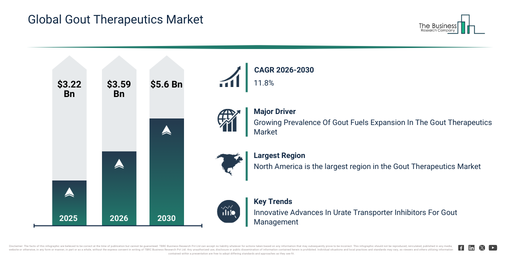
    The gout therapeutics market has observed significant expansion in recent years. Its size is expected to escalate from $3.22 billion in 2025 to $3.59 billion in 2026, reflecting a compound annual growth rate (CAGR) of 11.6%. Historically, this growth can be attributed to evolving dietary lifestyle changes, the accessibility of NSAIDs, an uptick in arthritis diagnoses, the provision of hospital rheumatology services, and the progression in pain management drug development.

    The gout therapeutics market is projected to experience swift expansion over the coming years, reaching a valuation of $5.6 billion by 2030, propelled by a compound annual growth rate (CAGR) of 11.8%. This anticipated growth during the forecast period is primarily driven by factors such as an expanding aging population, the increasing burden of chronic diseases, advancements in preventive arthritis care, enhanced patient compliance tools, and the adoption of personalized treatment strategies. Key trends expected during the forecast timeframe encompass the increasing prevalence of arthritis linked to lifestyle factors, a surge in the application of uric acid-lowering therapies, the broadening scope of chronic gout management, heightened recognition of the importance of early diagnosis, and advancements in long-term disease monitoring.

    Access Your Free Sample Report for In-Depth Market Insights:

    https://www.thebusinessresearchcompany.com/sample.aspx?id=12118&type=smp

    What Drivers Are Affecting Demand In The Gout Therapeutics Market?

    The increasing prevalence of gout is anticipated to drive expansion in the gout therapeutics market moving ahead. Gout is defined as an inflammatory arthritis disorder leading to discomfort and swelling in articulations. This growing incidence of gout largely stems from obesity and metabolic syndrome, conditions that elevate uric acid concentrations in the bloodstream, resulting in the development of urate crystals within joints. Gout therapeutics are instrumental in diminishing the frequency and intensity of gout attacks by decreasing uric acid levels, controlling inflammation, and averting recurrent episodes. For example, in June 2025, a publication cited by PubMed Central, a U.S.-based hub for biomedical and life sciences journals, indicated that by 2050, age-standardized gout incidence and prevalence rates are forecast to climb even higher, signifying the escalating global burden of the condition. Furthermore, in June 2024, data from The National Library of Medicine (NLM), the largest US-based biomedical library, revealed that in 2023, the coexistence of gout and chronic kidney disease (CKD) in the USA affected 7.9 million individuals, with projections suggesting a 29% increase to 9.6 million by 2035 under the baseline scenario. Consequently, the increasing occurrence of gout is acting as a significant catalyst for the expansion of the gout therapeutics market.

    Which Segment Groups Are Influencing The Gout Therapeutics Market?

    The gout therapeutics market covered in this report is segmented –

    1) By Type: Nonsteroidal Anti-Inflammatory Drugs (NSAIDs), Corticosteroid, Diuretics

    2) By Treatment: Xanthine Oxidase Inhibitor, Uricosuria Medication

    3) By Disease Condition: Acute, Chronic

    4) By End-Users: Hospitals, Specialty Clinics, Other End Users

    Subsegments:

    1) By Nonsteroidal Anti-Inflammatory Drugs (NSAIDs): Traditional NSAIDs, Selective COX-2 Inhibitors

    2) By Corticosteroid: Oral Corticosteroids, Injectable Corticosteroids

    3) By Diuretics: Thiazide Diuretics, Loop Diuretics

    Which Market Trends Are Opening Growth Opportunities In The Gout Therapeutics Market?

    Leading companies within the gout therapeutics market are innovating by creating products like urate transporters, which facilitate the reabsorption of uric acid from urine back into the bloodstream. A urate transporter is defined as a protein responsible for moving uric acid (urate) across cell membranes in either the kidneys or intestines, thereby playing a role in regulating blood uric acid concentrations. As an illustration, Eisai Co. Ltd., a pharmaceutical firm based in Japan, introduced URECE (dotinurad) in July 2025; this selective urate transporter 1 (URAT1) inhibitor is being marketed as part of Eisai’s global specialty care portfolio. URECE serves as a treatment for hyperuricemia linked to gout, working by reducing serum uric acid levels through enhanced renal excretion. Furthermore, it presents a desirable safety profile with minimal unwanted effects and demonstrates effectiveness in patients with mild-to-moderate renal impairment, positioning it as an appropriate option for a wide spectrum of gout sufferers.

    Who Are The Primary Competitors In The Global Gout Therapeutics Market?

    Major companies operating in the gout therapeutics market are Takeda Pharmaceutical Company Ltd, Novartis AG, AstraZeneca plc, GlaxoSmithKline plc, Merck & Co Inc, Regeneron Pharmaceuticals Inc, Teijin Pharma Ltd, Zydus Group, Teva Pharmaceutical Industries Ltd, Sun Pharmaceutical Industries Ltd, Dr Reddy’s Laboratories Ltd, Amneal Pharmaceuticals Inc, Lupin Limited, Ironwood Pharmaceuticals Inc, Pharvaris NV, Selecta Biosciences Inc, Dyve Biosciences Inc, Arthrosi Therapeutics Inc, Atom Therapeutics Co Ltd, Olatec Therapeutics LLC

    Access The Complete Report For Deeper Market Insights:

    https://www.thebusinessresearchcompany.com/report/gout-therapeutics-global-market-report

    Which Regions Are Poised For Strategic Growth In The Gout Therapeutics Market?

    North America was the largest region in the gout therapeutics market in 2025. Asia-Pacific is expected to be the fastest-growing region in the forecast period. The regions covered in the gout therapeutics market report are Asia-Pacific, South East Asia, Western Europe, Eastern Europe, North America, South America, Middle East, Africa.

    Request Your Customized Gout Therapeutics Market Research Report for Competitive Advantage:

    https://www.thebusinessresearchcompany.com/customise?id=12118&type=smp

    Browse Through More Reports Similar to the Global Gout Therapeutics Market 2026, By The Business Research Company

    Anti Inflammatory Therapeutics Market Report 2026

    https://www.thebusinessresearchcompany.com/report/anti-inflammatory-therapeutics-global-market-report

    Gouty Arthritis Market Report 2026

    https://www.thebusinessresearchcompany.com/report/gouty-arthritis-global-market-report

    Ursolic Acid Market Report 2026

    https://www.thebusinessresearchcompany.com/report/ursolic-acid-global-market-report

    Get in touch with us:

    The Business Research Company: https://www.thebusinessresearchcompany.com/

    Americas +1 310-496-7795

    Asia +44 7882 955267 & +91 8897263534

    Europe +44 7882 955267

    Email us at info@tbrc.info

    Follow us on:

    LinkedIn: https://in.linkedin.com/company/the-business-research-company

    YouTube: https://www.youtube.com/channel/UC24_fI0rV8cR5DxlCpgmyFQ

    Global Market Model: https://www.thebusinessresearchcompany.com/global-market-model
  • Global Gonorrhea Therapeutics Industry Trends and Market Forecast 2026–2030

    Global Gonorrhea Therapeutics Industry Trends and Market Forecast 2026–2030

    Uncover key drivers, emerging technologies, and competitive movements shaping the gonorrhea therapeutics market from 2026–2035 with trusted insights from The Business Research Company

    How is the Gonorrhea Therapeutics Market size predicted to change over the forecast window of 2026–2035?

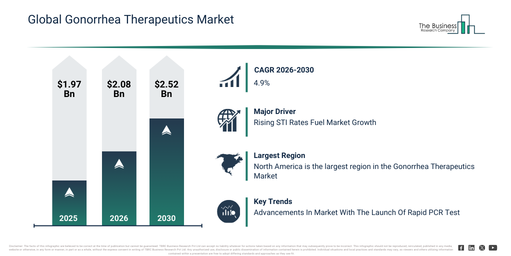
    The gonorrhea therapeutics market has exhibited strong expansion in recent years. It is anticipated to increase from $1.97 billion in 2025 to $2.08 billion in 2026, demonstrating a compound annual growth rate (CAGR) of 5.2%. The historical growth of this market can be ascribed to global STI prevalence, antibiotic availability, public health interventions, hospital infection treatment protocols, and diagnostic laboratory expansion.

    The gonorrhea therapeutics market size is anticipated to show consistent expansion over the upcoming years. It is projected to reach $2.52 billion by 2030, growing at a compound annual growth rate (CAGR) of 4.9%. This expansion during the forecast period is primarily driven by drug innovation due to resistance, an increase in sexual health screenings, public health financial support, the development of new antibiotics, and the management of sexually transmitted infections (STIs) via telehealth. Significant trends expected in this period involve heightened monitoring of antibiotic resistance, greater adoption of combination antibiotic therapy, the broadening of STI screening programs, an increase in public health awareness campaigns, and the integration of improved diagnostic testing.

    Access Your Free Sample Report for In-Depth Market Insights:

    https://www.thebusinessresearchcompany.com/sample.aspx?id=21195&type=smp

    Which Drivers Are Contributing To The Expansion Of The Gonorrhea Therapeutics Market?

    The projected expansion of the gonorrhea therapeutics market is anticipated to be significantly driven by the rising incidence of sexually transmitted infections. Sexually transmitted infections (STIs) are defined as infections spread via sexual contact, stemming from bacterial, viral, or parasitic agents. This surge in STIs can be attributed to several factors including unsafe sexual practices, insufficient public awareness or education, a higher count of sexual partners, decreased condom usage, and insufficient or postponed testing and treatment. Gonorrhea therapeutics serve the purpose of treating these infections by specifically targeting the Neisseria gonorrhoeae bacteria, thereby averting potential complications and further transmission. Illustratively, in June 2024, a report from the National Institute for Public Health and the Environment, a government body in the Netherlands, indicated a notable year-on-year escalation in gonorrhea cases diagnosed at SHCs, climbing from 10,600 in 2022 to 13,853 in 2023, which signifies a 31% expansion. Consequently, the escalating rates of sexually transmitted infections are a key stimulant for the expansion of the gonorrhea therapeutics market.

    What Segment Classifications Make Up The Gonorrhea Therapeutics Market?

    The gonorrhea therapeutics market covered in this report is segmented –

    1) By Therapeutic Class: Antibiotics, Combination Therapy

    2) By Route Of Administration: Oral, Intravenous, Intramuscular

    3) By Age Group: Pediatric, Adult, Geriatric

    4) By Distribution Channel: Hospital Pharmacies, Retail Pharmacies, Online Pharmacies

    5) By End User: Hospitals, Clinics, Home Care

    Subsegments:

    1) By Antibiotics: Beta-lactams, Macrolides, Fluoroquinolones, Aminoglycosides

    2) By Combination Therapy: Dual Antibiotic Therapy, Triple Antibiotic Therapy

    How Are Emerging Trends Affecting The Progression Of The Gonorrhea Therapeutics Market?

    Leading companies within the gonorrhea therapeutics market are innovating products such as rapid polymerase chain reaction (PCR) tests, designed to deliver swift and accurate detection of pathogens and their specific characteristics, including antibiotic resistance, at the point of care. A rapid PCR test is a diagnostic technique that quickly amplifies and identifies specific DNA or RNA sequences, thus allowing for the fast identification of pathogens or genetic material. An illustration of this is Visby Medical, Inc., a US-based medical technology company, which in February 2024, launched a gonorrhea test featuring an antimicrobial resistance check. This rapid diagnostic test is specifically engineered to detect the presence of Neisseria gonorrhoeae, the bacterium responsible for gonorrhea, and evaluate its susceptibility to ciprofloxacin, an antibiotic against which some strains of gonorrhea have developed resistance. The test functions as part of a portable, instrument-free PCR platform, facilitating immediate testing at the point of care. Developed with funding from the US non-profit organization CARB-X, the company further intends to extend the test to encompass the detection of other sexually transmitted infections, such as Chlamydia trachomatis and Trichomonas vaginalis, in men.

    Which Key Market Players Are Investing In Expansion And Innovation Within The Gonorrhea Therapeutics Market?

    Major companies operating in the gonorrhea therapeutics market are Pfizer Inc., F Hoffmann La Roche Ltd, GlaxoSmithKline plc, Aurobindo Pharma Limited, Melinta Therapeutics LLC, VenatoRx Pharmaceuticals Inc., Recce Pharmaceuticals Ltd., Therapyx Inc., Entasis Therapeutics Inc., Apotex Inc., Summit Therapeutics Inc., Merck Co Inc, AstraZeneca plc, Takeda Pharmaceutical Company Limited, Novartis AG, Sanofi S A, Bayer AG, Nobelex Biotech, Evofem Biosciences Inc., NextGen Pharma

    Access The Complete Report For Deeper Market Insights:

    https://www.thebusinessresearchcompany.com/report/gonorrhea-therapeutics-global-market-report

    Which Regions Are Projected To Dominate The Gonorrhea Therapeutics Market In The Coming Years?

    North America was the largest region in the gonorrhea therapeutics market in 2025. Asia-Pacific is expected to be the fastest-growing region in the forecast period. The regions covered in the gonorrhea therapeutics market report are Asia-Pacific, South East Asia, Western Europe, Eastern Europe, North America, South America, Middle East, Africa.

    Request Your Customized Gonorrhea Therapeutics Market Research Report for Competitive Advantage:

    https://www.thebusinessresearchcompany.com/customise?id=21195&type=smp

    Browse Through More Reports Similar to the Global Gonorrhea Therapeutics Market 2026, By The Business Research Company

    Sexual Health Supplement Market Report 2026

    https://www.thebusinessresearchcompany.com/report/sexual-health-supplement-global-market-report

    Chlamydia Trachomatis Ct And Neisseria Gonorrhoeae Ng Testing Market Report 2026

    https://www.thebusinessresearchcompany.com/report/chlamydia-trachomatis-ct-and-neisseria-gonorrhoeae-ng-testing-global-market-report

    Hepatitis Therapeutics Market Report 2026

    https://www.thebusinessresearchcompany.com/report/hepatitis-therapeutics-global-market-report

    Get in touch with us:

    The Business Research Company: https://www.thebusinessresearchcompany.com/

    Americas +1 310-496-7795

    Asia +44 7882 955267 & +91 8897263534

    Europe +44 7882 955267

    Email us at info@tbrc.info

    Follow us on:

    LinkedIn: https://in.linkedin.com/company/the-business-research-company

    YouTube: https://www.youtube.com/channel/UC24_fI0rV8cR5DxlCpgmyFQ

    Global Market Model: https://www.thebusinessresearchcompany.com/global-market-model
  • Hypercalcemia Treatment Market Anticipated to Record Steady Gains, Advancing to $31.12 Billion by 2030

    Hypercalcemia Treatment Market Anticipated to Record Steady Gains, Advancing to $31.12 Billion by 2030

    Uncover key drivers, emerging technologies, and competitive movements shaping the hypercalcemia treatment market from 2026–2035 with trusted insights from The Business Research Company

    What level of CAGR-driven expansion is anticipated in the Hypercalcemia Treatment Market between 2026 and 2030?

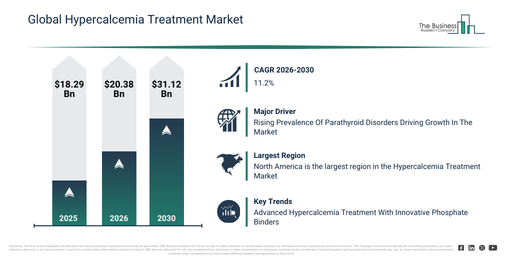
    The hypercalcemia treatment market has experienced significant expansion recently. This market is projected to expand from $18.29 billion in 2025 to $20.38 billion in 2026, demonstrating a compound annual growth rate (CAGR) of 11.5%. Historically, this expansion has been driven by factors such as the rising occurrence of malignancy-related hypercalcemia, the well-established clinical application of bisphosphonates, an uptick in primary hyperparathyroidism cases, the presence of hospital-based emergency management protocols, and the accessibility of generic calcium-reducing medications.

    The hypercalcemia treatment market is poised for significant expansion in the coming years. This market is projected to reach $31.12 billion by 2030, exhibiting a compound annual growth rate (CAGR) of 11.2%. This anticipated growth during the forecast period is fueled by factors such as the expanding cancer patient demographic, greater uptake of denosumab therapy, innovations in calcimimetic medications, increased understanding of the importance of early diagnosis, and the broadening scope of outpatient and long-term care services. Key trends anticipated in this period encompass a rise in targeted therapies for hypercalcemia, an increasing demand for quick-acting injectable treatments, a heightened emphasis on managing hypercalcemia linked to oncology, the proliferation of combination drug regimens, and a wider embrace of protocol-driven emergency interventions.

    Access Your Free Sample Report for In-Depth Market Insights:

    https://www.thebusinessresearchcompany.com/sample.aspx?id=21206&type=smp

    What Drivers Are Affecting Demand-Supply Dynamics In The Hypercalcemia Treatment Market?

    The expanding occurrence of parathyroid disorders is anticipated to stimulate the growth of the hypercalcemia treatment market in the coming years. Parathyroid disorders are conditions affecting the parathyroid glands, which are responsible for regulating calcium levels in the body via the production of parathyroid hormone (PTH). The increasing prevalence of these disorders is driven by factors such as an aging population, heightened awareness, advancements in diagnostic capabilities, and a rising incidence of conditions like primary hyperparathyroidism and chronic kidney disease. Hypercalcemia treatment plays a vital role in managing parathyroid disorders by normalizing elevated calcium levels, thereby preventing complications such as kidney stones and bone loss, and improving overall metabolic balance. For instance, in February 2024, according to the National Institute of Health (NIH), a US-based government agency, hypoparathyroidism is estimated to affect 6.4 to 37 per 100,000 person-years in the United States, with 75% of cases resulting from complications of thyroidectomy or head and neck surgery. Thus, the rise in the prevalence of parathyroid disorders is a key driver for the growth of the hypercalcemia treatment market.

    What Segments Are Included Within The Hypercalcemia Treatment Market?

    The hypercalcemia treatment market covered in this report is segmented –

    1) By Drug Type: Bisphosphonates, Calcitonin, Glucocorticoids, Denosumab, Calcimimetics, Other Drug Types

    2) By Distribution Channel: Hospitals Pharmacies, Retail Pharmacies, Online Pharmacies

    3) By End-Users: Hospitals, Clinics

    Subsegments:

    1) By Bisphosphonates: Zoledronic Acid, Pamidronate

    2) By Calcitonin: Salmon Calcitonin, Synthetic Calcitonin

    3) By Glucocorticoids: Prednisone, Dexamethasone, Hydrocortisone

    4) By Denosumab: Denosumab (Monotherapy), Denosumab Combination Therapy

    5) By Calcimimetics: Cinacalcet, Etelcalcetide

    6) By Other Drug Types: Gallium Nitrate, Mithramycin

    What Trends Are Driving The Growth Trajectory Of The Hypercalcemia Treatment Market?

    Major companies operating in the hypercalcemia treatment market are concentrating on creating innovative products, such as phosphate binders, to more effectively regulate calcium and phosphorus balance, thereby enhancing treatment outcomes. Phosphate binders are medications that attach to phosphate in the digestive tract, preventing its absorption into the bloodstream, and are commonly utilized to manage high phosphate levels in patients with kidney disease or hypercalcemia. For instance, in May 2024, Strides Pharma Science Limited, an India-based pharmaceutical company, received clearance from the United States Food and Drug Administration (FDA) for its Sevelamer Carbonate Tablets, 800 mg. These tablets are effective in managing hyperphosphatemia in patients with chronic kidney disease by binding dietary phosphate and inhibiting its absorption. They also help maintain bone health and reduce cardiovascular risks associated with elevated phosphate levels.

    Who Are The Prominent Global Companies Shaping The Hypercalcemia Treatment Market Landscape?

    Major companies operating in the hypercalcemia treatment market are Amgen Inc., Novartis AG, Pfizer Inc., Roche Holding AG, Merck KGaA, Eli Lilly and Company, AstraZeneca plc, GSK plc, AbbVie Inc., Teva Pharmaceutical Industries Ltd., Sandoz Group AG, Hikma Pharmaceuticals plc, Kyowa Kirin Co. Ltd., Ipsen SA, Endo Inc., OPKO Health Inc., Sanofi, Bayer AG, Sun Pharmaceutical Industries Ltd., Dr Reddy’s Laboratories Ltd., Aurobindo Pharma Ltd.

    Access The Complete Report For Deeper Market Insights:

    https://www.thebusinessresearchcompany.com/report/hypercalcemia-treatment-global-market-report

    Which Region Is Projected To Lead The Hypercalcemia Treatment Market During The Forecast Period?

    North America was the largest region in the hypercalcemia treatment market in 2025. The regions covered in the hypercalcemia treatment market report are Asia-Pacific, South East Asia, Western Europe, Eastern Europe, North America, South America, Middle East, Africa.

    Request Your Customized Hypercalcemia Treatment Market Research Report for Competitive Advantage:

    https://www.thebusinessresearchcompany.com/customise?id=21206&type=smp

    Browse Through More Reports Similar to the Global Hypercalcemia Treatment Market 2026, By The Business Research Company

    Hyperhidrosis Treatment Market Report 2026

    https://www.thebusinessresearchcompany.com/report/hyperhidrosis-treatment-global-market-report

    Hyperpigmentation Disorder Treatment Market Report 2026

    https://www.thebusinessresearchcompany.com/report/hyperpigmentation-disorder-treatment-global-market-report

    Hyperlipidemia Market Report 2026

    https://www.thebusinessresearchcompany.com/report/hyperlipidemia-global-market-report

    Get in touch with us:

    The Business Research Company: https://www.thebusinessresearchcompany.com/

    Americas +1 310-496-7795

    Asia +44 7882 955267 & +91 8897263534

    Europe +44 7882 955267

    Email us at info@tbrc.info

    Follow us on:

    LinkedIn: https://in.linkedin.com/company/the-business-research-company

    YouTube: https://www.youtube.com/channel/UC24_fI0rV8cR5DxlCpgmyFQ

    Global Market Model: https://www.thebusinessresearchcompany.com/global-market-model