Category: HealthcareServices

  • Global Human Embryonic Stem Cells Market Report 2026–2030: Data-Driven Growth Insights

    Global Human Embryonic Stem Cells Market Report 2026–2030: Data-Driven Growth Insights

    Uncover key drivers, emerging technologies, and competitive movements shaping the human embryonic stem cells market from 2026–2035 with trusted insights from The Business Research Company

    What is the expected shift in the Human Embryonic Stem Cells Market’s size between 2026 and 2030?

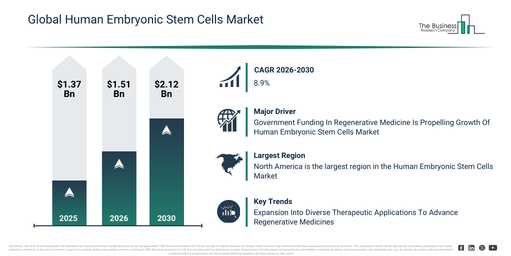
    The human embryonic stem cells market has shown rapid expansion recently. It is anticipated to expand from $1.37 billion in 2025 to $1.51 billion in 2026, achieving a compound annual growth rate (CAGR) of 10.1%. The increase observed in previous periods is linked to the early discovery of embryonic stem cell pluripotency, increasing investment in stem cell research, the growing burden of chronic and degenerative diseases, the expansion of academic and government-funded research programs, and advancements in cell culture and preservation techniques.

    The human embryonic stem cells market is projected to experience substantial expansion over the coming years. By 2030, its size is anticipated to reach $2.12 billion, advancing at a compound annual growth rate (CAGR) of 8.9%. This growth during the forecast period is driven by factors such as the increasing demand for regenerative therapies, a rise in clinical trials utilizing stem cell applications, a growing emphasis on personalized medicine, the expansion of translational research initiatives, and enhanced funding for advanced cell-based therapeutics. Key trends expected during this period involve the escalating use of hESCs in regenerative medicine research, their expanding application in disease modeling and drug discovery, a heightened focus on cell-based treatments for degenerative diseases, the growth of stem cell banking and standardized cell lines, and a stronger emphasis on ethical compliance and regulatory oversight.

    Access Your Free Sample Report for In-Depth Market Insights:

    https://www.thebusinessresearchcompany.com/sample.aspx?id=16086&type=smp

    Which Drivers Are Shaping Strategic Decisions In The Human Embryonic Stem Cells Market?

    The future expansion of the human embryonic stem cells market is anticipated to be propelled by government funding allocated for the development of regenerative medicine. Regenerative medicine is a healthcare field dedicated to repairing, replacing, or regenerating damaged tissues or organs to restore normal bodily function. The growing government financial commitment to advancing regenerative medicine is due to factors such as the increasing prevalence of chronic diseases, advancements in stem cell research, and the potential for innovative treatments to enhance patient outcomes. Human embryonic stem cells are utilized in regenerative medicine to create potential therapies for repairing or replacing damaged tissues and organs in the body. For instance, in May 2024, the Office for National Statistics, a UK-based government department, reported that total healthcare expenditure increased by 5.6% in nominal terms from 2022 to 2023, which was a significant acceleration compared to the 0.9% growth observed in 2022. Therefore, government funding for the development of regenerative medicine is driving the growth of the human embryonic stem cells market.

    What Segment Categories Are Covered In The Human Embryonic Stem Cells Market?

    The human embryonic stem cells market covered in this report is segmented –

    1) By Cell Category: Human Embryonic Stem Cells, Embryonic Stem Cell Lines, Genetically Modified hESCs

    2) By Product: Regenerative Medicine, Stem Cell Biology Research, Tissue Engineering, Toxicology Testing

    3) By Application: Research, Clinical Trials, Other Applications

    Subsegments:

    1) By Human Embryonic Stem Cells (hESCs): Clinical-Grade hESCs, Research-Grade hESCs, Undifferentiated hESCs

    2) By Embryonic Stem Cell Lines: Registered / Approved hESC Lines, Disease-Specific hESC Lines, Xeno-Free hESC Lines

    3) By Genetically Modified hESCs: Gene-Edited hESCs (CRISPR-based), Reporter hESC Lines, Knock-In / Knock-Out hESCs

    What Trends Are Expected To Impact The Competitive Landscape Of The Human Embryonic Stem Cells Market?

    Major companies in the human embryonic stem cell market are concentrating on expanding into diverse therapeutic applications, such as using pluripotent stem cells for Parkinson’s disease treatment, to gain a competitive edge. Pluripotent stem cells used for Parkinson’s disease are employed to generate dopaminergic neurons, with the objective of replacing lost dopamine-producing neurons and restoring motor function. For instance, in October 2023, Bayer AG., a Germany-based pharmaceutical and biotechnology firm, launched its first Cell Therapy Manufacturing Facility in California, investing $250 million to enable global production of cell and gene therapies. This facility’s initial focus is on BlueRock Therapeutics’ bemdaneprocel, which is derived from pluripotent stem cells (PSC) for Parkinson’s disease. The facility incorporates fully electric manufacturing to address the industry’s existing capacity for regenerative medicines.

    Which Key Players Are Driving Competition In The Human Embryonic Stem Cells Market?

    Major companies operating in the human embryonic stem cells market are Lineage Cell Therapeutics Inc., ViaCyte Inc., Astellas Pharma Inc., Novo Nordisk A/S, Roche Holding AG, Pfizer Inc., Sanofi, Takeda Pharmaceutical Company Limited, Bayer AG, AstraZeneca PLC, Johnson & Johnson, GlaxoSmithKline plc, Regeneron Pharmaceuticals Inc., Vertex Pharmaceuticals Inc., Fate Therapeutics Inc., BlueRock Therapeutics, Cell Cure Neurosciences Ltd., Advanced Cell Technology, ReNeuron Group plc, Neuralstem Inc.

    Access The Complete Report For Deeper Market Insights:

    https://www.thebusinessresearchcompany.com/report/human-embryonic-stem-cells-global-market-report

    Which Region Currently Holds The Largest Share Of The Human Embryonic Stem Cells Market?

    North America was the largest region in the human embryonic stem cells market in 2025. Asia-Pacific is expected to be the fastest-growing region in the forecast period. The regions covered in the human embryonic stem cells market report are Asia-Pacific, South East Asia, Western Europe, Eastern Europe, North America, South America, Middle East, Africa.

    Request Your Customized Human Embryonic Stem Cells Market Research Report for Competitive Advantage:

    https://www.thebusinessresearchcompany.com/customise?id=16086&type=smp

    Browse Through More Reports Similar to the Global Human Embryonic Stem Cells Market 2026, By The Business Research Company

    Stem Cells Therapy Market Report 2026

    https://www.thebusinessresearchcompany.com/report/stem-cells-therapy-global-market-report

    Stem Cell Manufacturing Market Report 2026

    https://www.thebusinessresearchcompany.com/report/stem-cell-manufacturing-global-market-report

    Stem Cell Assay Market Report 2026

    https://www.thebusinessresearchcompany.com/report/stem-cell-assay-global-market-report

    Get in touch with us:

    The Business Research Company: https://www.thebusinessresearchcompany.com/

    Americas +1 310-496-7795

    Asia +44 7882 955267 & +91 8897263534

    Europe +44 7882 955267

    Email us at info@tbrc.info

    Follow us on:

    LinkedIn: https://in.linkedin.com/company/the-business-research-company

    YouTube: https://www.youtube.com/channel/UC24_fI0rV8cR5DxlCpgmyFQ

    Global Market Model: https://www.thebusinessresearchcompany.com/global-market-model
  • Human Chorionic Gonadotropin Market Dynamics 2026: Future Outlook and Key Insights

    Human Chorionic Gonadotropin Market Dynamics 2026: Future Outlook and Key Insights

    Uncover key drivers, emerging technologies, and competitive movements shaping the human chorionic gonadotropin market from 2026–2035 with trusted insights from The Business Research Company

    What growth pattern is forecast for the Human Chorionic Gonadotropin Market size between 2026 and 2035?

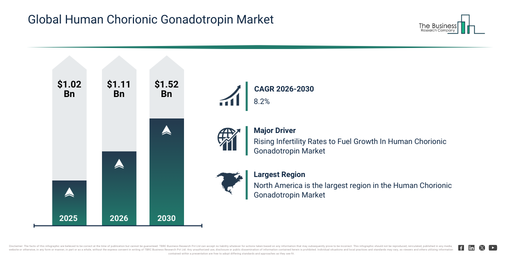
    The human chorionic gonadotropin market has observed significant expansion over recent years. It is projected to expand from $1.02 billion in 2025 to $1.11 billion in 2026, achieving a compound annual growth rate (CAGR) of 8.3%. Historically, this market’s growth can be attributed to the rising incidence of infertility, the global increase in fertility clinics, the established clinical application of hCG in reproductive medicine, heightened awareness of hormonal imbalance treatments, and the availability of natural source hCG products.

    The human chorionic gonadotropin market size is anticipated to experience substantial expansion in the coming years, reaching $1.52 billion by 2030, demonstrating a compound annual growth rate (CAGR) of 8.2%. This growth over the projected period stems from factors such as increasing demand for assisted reproductive technologies, wider adoption of recombinant hormones, a heightened emphasis on precision fertility treatments, the expansion of online and retail pharmacy distribution channels, and greater investment in reproductive health research. Key developments during this forecast timeframe encompass the expanding use of hCG in assisted reproductive treatments, a surging demand for hormonal therapies in managing infertility, the growing acceptance of recombinant hCG products, the broadening of hCG applications for male hormonal disorders, and an increased focus on standardized and high-purity hormone formulations.

    Access Your Free Sample Report for In-Depth Market Insights:

    https://www.thebusinessresearchcompany.com/sample.aspx?id=18638&type=smp

    Which Drivers Are Impacting Market Performance In The Human Chorionic Gonadotropin Market?

    The projected expansion of the human chorionic gonadotropin market is anticipated to be fueled by a rising incidence of infertility. Infertility is characterized by the failure to achieve pregnancy following a minimum of one year of regular, unprotected sexual activity. The prevalence of infertility is climbing as more individuals and couples encounter challenges in conception, attributed to elements like postponing parenthood, evolving lifestyles, exposure to environmental factors, and various health conditions. Human chorionic gonadotropin (hCG) plays a role in infertility therapies, promoting ovulation in females and aiding testosterone generation in males, thereby assisting egg release and enhancing reproductive success. For example, data from April 2023 from the World Health Organization, a Switzerland-based intergovernmental body, indicated that infertility impacted approximately 17.5% of the global adult populace, which is about one in every six individuals, underscoring the vital demand for greater availability of affordable, high-quality fertility services for those requiring them. Consequently, the increasing incidence of infertility is propelling the expansion of the human chorionic gonadotropin market. The future expansion of the human chorionic gonadotropin market is projected to be fueled by the increasing number of older individuals. An aging population denotes a demographic trend characterized by a larger percentage of elderly persons in a community, resulting from longer life expectancies and reduced birth rates. This demographic shift is accelerating due to medical progress that has prolonged human lifespan. For older adults, human chorionic gonadotropin (hCG) is utilized to assist in regulating hormone equilibrium and preserving testosterone concentrations. To illustrate, the Population Reference Bureau, a US-based non-profit group, stated in January 2024 that the population of Americans aged 65 and above is predicted to climb from 58 million in 2022 to 82 million by 2050, representing a 47% surge. This means the percentage of this age bracket within the total U.S. population will expand from 17% to 23% over these years. Thus, the growing elderly demographic is a key impetus for the expansion of the human chorionic gonadotropin market.

    Which Segments Are Contributing To The Growth Of The Human Chorionic Gonadotropin Market?

    The human chorionic gonadotropin market covered in this report is segmented –

    1) By Technology: Natural Source Extraction, Recombinant Technology

    2) By Therapeutic Area: Female Infertility Treatment, Oligospermic Treatment, Male Hypogonadism, Other Therapeutic Areas

    3) By Distribution Channel: Hospital Pharmacies, Retail Pharmacies, Online Pharmacies

    4) By End User: Fertility Clinics, Research Institutions, Other End Users

    Subsegments:

    1) By Natural Source Extraction: Extraction From Pregnant Women’s Urine, Purified Urinary hCG (u-hCG) Formulations

    2) By Recombinant Technology: Recombinant Hcg, Recombinant Hcg For Therapeutic Use, Recombinant Hcg For Diagnostic Applications

    Who Are The Top-Performing Companies In The Human Chorionic Gonadotropin Market In Recent Years?

    Major companies operating in the human chorionic gonadotropin market are Ferring Pharmaceuticals, Merck KGaA, Organon, IBSA Institut Biochimique, Teva Pharmaceutical Industries, Sandoz, Sun Pharmaceutical Industries, Cipla, Zydus Lifesciences, Lupin, Intas Pharmaceuticals, Hikma Pharmaceuticals, Aspen Pharmacare, Menarini Group, Bharat Serums and Vaccines, Serum Institute of India, LG Chem Life Sciences, Dong-A ST, Livzon Pharmaceutical Group, SciGen

    Access The Complete Report For Deeper Market Insights:

    https://www.thebusinessresearchcompany.com/report/human-chorionic-gonadotropin-global-market-report

    How Does The Human Chorionic Gonadotropin Market Perform Across Major Global Regions?

    North America was the largest region in the human chorionic gonadotropin market in 2025. Asia-Pacific is expected to be the fastest-growing region in the forecast period. The regions covered in the human chorionic gonadotropin market report are Asia-Pacific, South East Asia, Western Europe, Eastern Europe, North America, South America, Middle East, Africa.

    Request Your Customized Human Chorionic Gonadotropin Market Research Report for Competitive Advantage:

    https://www.thebusinessresearchcompany.com/customise?id=18638&type=smp

    Browse Through More Reports Similar to the Global Human Chorionic Gonadotropin Market 2026, By The Business Research Company

    Hormone Therapy Market Report 2026

    https://www.thebusinessresearchcompany.com/report/hormone-therapy-global-market-report

    Male Hypogonadism Market Report 2026

    https://www.thebusinessresearchcompany.com/report/male-hypogonadism-global-market-report

    Gonadotropin Releasing Hormone Gnrh Agonist Market Report 2026

    https://www.thebusinessresearchcompany.com/report/gonadotropin-releasing-hormone-gnrh-agonist-global-market-report

    Get in touch with us:

    The Business Research Company: https://www.thebusinessresearchcompany.com/

    Americas +1 310-496-7795

    Asia +44 7882 955267 & +91 8897263534

    Europe +44 7882 955267

    Email us at info@tbrc.info

    Follow us on:

    LinkedIn: https://in.linkedin.com/company/the-business-research-company

    YouTube: https://www.youtube.com/channel/UC24_fI0rV8cR5DxlCpgmyFQ

    Global Market Model: https://www.thebusinessresearchcompany.com/global-market-model
  • Hospitals And Outpatient Care Centers Market Research: Growth Projections and Trends 2030

    Hospitals And Outpatient Care Centers Market Research: Growth Projections and Trends 2030

    Uncover key drivers, emerging technologies, and competitive movements shaping the hospitals and outpatient care centers market from 2026–2035 with trusted insights from The Business Research Company

    How much larger will the Hospitals And Outpatient Care Centers Market be in 2030 compared with 2026?

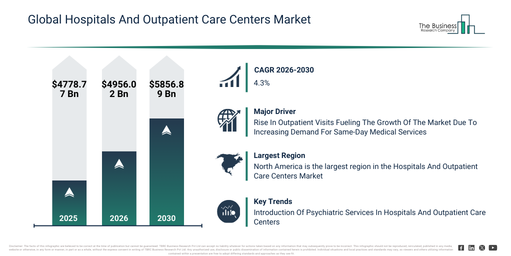
    The market size for hospitals and outpatient care centers has experienced consistent growth in recent years. It is projected to expand from $4778.77 billion in 2025 to $4956.02 billion in 2026, demonstrating a compound annual growth rate (CAGR) of 3.7%. This historic growth can be attributed to several factors including rising healthcare costs, a growing preference for non-residential treatment, the expansion of dialysis and ambulatory care services, the increasing burden on hospital inpatient capacity, and improvements in minimally invasive procedures.

    The hospitals and outpatient care centers market size is expected to show steady expansion in the coming years, reaching $5856.89 billion by 2030 with a compound annual growth rate (CAGR) of 4.3%. This growth during the forecast period can be attributed to factors such as the increasing adoption of outpatient treatment pathways, rising investments in specialty clinics, a growing demand for accessible healthcare services, the expansion of private healthcare expenditure, and an increasing focus on reducing hospital length of stay. Major trends anticipated in the forecast period include a growing shift from inpatient to outpatient care models, rising demand for same-day and short-stay procedures, the increasing expansion of specialized outpatient centers, a heightened focus on cost-efficient care delivery, and the broadening of preventive and diagnostic services outside hospitals.

    Access Your Free Sample Report for In-Depth Market Insights:

    https://www.thebusinessresearchcompany.com/sample.aspx?id=3146&type=smp

    What Drivers Are Guiding Growth Patterns In The Hospitals And Outpatient Care Centers Market?

    An increasing volume of outpatient visits is anticipated to fuel the expansion of the hospitals and outpatient care centers market moving forward. Outpatient services pertain to medical or healthcare provisions rendered to patients who do not necessitate an overnight stay in a hospital or other healthcare facility. Typically, outpatient care involves services such as consultations, diagnostic examinations, various treatments, and minor procedures, all of which can be finalized within a single day, allowing patients to return home subsequently. Hospitals and outpatient care centers play a vital role in delivering specialized medical services to outpatients, ensuring timely diagnosis, appropriate treatment, and continuous support, thereby enhancing healthcare accessibility and the overall well-being of patients. For instance, in September 2024, the National Health Service (NHS), a UK-based government department, reported that in 2023–24, outpatient appointments totaled 135.4 million, representing an 8.8% increase compared to the previous year. Thus, the growing number of outpatient visits is propelling the growth of the hospitals and outpatient care centers market.

    How Is The Hospitals And Outpatient Care Centers Market Divided Into Segments?

    The hospitals and outpatient care centers market covered in this report is segmented –

    1) By Type: Hospitals, Outpatient Care Centers

    2) By Type of Expenditure: Public, Private

    3) By End User Gender: Male, Female

    Subsegments:

    1) By Hospitals: Public Hospitals, Private Hospitals, Specialty Hospitals (Cardiac, Orthopedic, Maternity), Teaching Hospitals, General Hospitals

    2) By Outpatient Care Centers: Ambulatory Surgical Centers (ASCs), Dialysis Centers, Urgent Care Centers, Diagnostic Laboratories, Specialty Clinics (Dermatology, Ophthalmology)

    What Trends Are Projected To Support The Growth Of The Hospitals And Outpatient Care Centers Market?

    Companies operating within the hospitals and outpatient care centers market are concentrating on creating innovative services, such as psychiatric care, to achieve a competitive edge. Psychiatric services refer to a specialized field of healthcare focused on the diagnosis, treatment, and management of mental and emotional disorders. For example, in October 2023, Nutex Health Inc., a US-based healthcare management and operations company, launched new psychiatric services at hospitals across Texas. This service provides specialized treatment for adult and adolescent patients with acute psychiatric needs in the emergency room, in collaboration with psychiatric providers. Patients undergo a psychiatric evaluation in the emergency room, and a personalized treatment plan is subsequently provided, including psychiatric interventions in the emergency room when necessary.

    Which Leading Companies Dominate The Hospitals And Outpatient Care Centers Market Share?

    Major companies operating in the hospitals and outpatient care centers market are HCA Healthcare, Tenet Healthcare, Community Health Systems, Universal Health Services, Ascension, CommonSpirit Health, Trinity Health, Mayo Clinic, Cleveland Clinic, Johns Hopkins Health System, Kaiser Permanente, Ramsay Health Care, Spire Healthcare, Apollo Hospitals Enterprise, Fortis Healthcare, Max Healthcare Institute, IHH Healthcare, Mediclinic International, Narayana Health, Fresenius Medical Care

    Access The Complete Report For Deeper Market Insights:

    https://www.thebusinessresearchcompany.com/report/hospitals-and-outpatient-care-centers-global-market-report

    Which Region Is Anticipated To See The Fastest Growth In The Hospitals And Outpatient Care Centers Market?

    North America was the largest region in the hospitals and outpatient care centers market in 2025. Asia-Pacific was the second largest region in the hospitals and outpatient care centers market. The regions covered in the hospitals and outpatient care centers market report are Asia-Pacific, South East Asia, Western Europe, Eastern Europe, North America, South America, Middle East, Africa.

    Request Your Customized Hospitals And Outpatient Care Centers Market Research Report for Competitive Advantage:

    https://www.thebusinessresearchcompany.com/customise?id=3146&type=smp

    Browse Through More Reports Similar to the Global Hospitals And Outpatient Care Centers Market 2026, By The Business Research Company

    Hospitality Market Report 2026

    https://www.thebusinessresearchcompany.com/report/hospitality-global-market-report

    Hospitals And Outpatient Care Centers Market Report 2026

    https://www.thebusinessresearchcompany.com/report/hospitals-and-outpatient-care-centers-global-market-report

    Hospitals And Outpatient Care Centers Market Report 2026

    https://www.thebusinessresearchcompany.com/report/hospitals-and-outpatient-care-centers-global-market-report

    Get in touch with us:

    The Business Research Company: https://www.thebusinessresearchcompany.com/

    Americas +1 310-496-7795

    Asia +44 7882 955267 & +91 8897263534

    Europe +44 7882 955267

    Email us at info@tbrc.info

    Follow us on:

    LinkedIn: https://in.linkedin.com/company/the-business-research-company

    YouTube: https://www.youtube.com/channel/UC24_fI0rV8cR5DxlCpgmyFQ

    Global Market Model: https://www.thebusinessresearchcompany.com/global-market-model
  • Global Hospital-Acquired Infection Control Industry Insights: Key Trends and Growth Estimates

    Global Hospital-Acquired Infection Control Industry Insights: Key Trends and Growth Estimates

    Uncover key drivers, emerging technologies, and competitive movements shaping the hospital-acquired infection control market from 2026–2035 with trusted insights from The Business Research Company

    Starting from its 2026 valuation, what market size is the Hospital-Acquired Infection Control Market expected to reach by 2030?

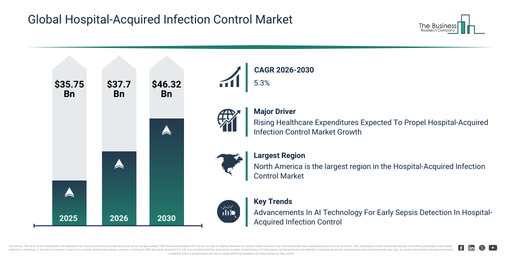
    The hospital-acquired infection control market size has experienced substantial growth in recent years. It is anticipated to increase from $35.75 billion in 2025 to $37.7 billion by 2026, progressing at a compound annual growth rate (CAGR) of 5.4%. The expansion observed in the historic period can be attributed to a higher incidence of hospital-acquired infections, the augmented use of invasive medical procedures, increased awareness concerning patient safety standards, the enlargement of intensive care units, and more rigorous hospital hygiene regulations.

    The market for controlling hospital-acquired infections is anticipated to experience substantial expansion over the upcoming years. This market is projected to reach $46.32 billion by 2030, demonstrating a compound annual growth rate (CAGR) of 5.3%. Factors contributing to this growth during the forecast period include more stringent regulatory enforcement concerning infection control, a greater uptake of automated sterilization methods, an escalating need for swift microbial testing, the broadening of surveillance and reporting frameworks, and increased funding for hospital infection prevention facilities. Key trends expected over the forecast period involve a heightened focus on avoiding cross-contamination within hospitals, an increase in the implementation of sophisticated sterilization and disinfection procedures, a stronger emphasis on ongoing infection monitoring, the wider availability of automated and high-level disinfection remedies, and a greater call for all-encompassing infection prevention initiatives.

    Access Your Free Sample Report for In-Depth Market Insights:

    https://www.thebusinessresearchcompany.com/sample.aspx?id=7694&type=smp

    What Drivers Are Driving Adoption Within The Hospital-Acquired Infection Control Market?

    The growth of the hospital-acquired infection control market is anticipated to be driven by increasing healthcare expenditures. These expenditures denote the overall financial outlay on healthcare-related services, products, and activities within a specified duration, generally at an individual, community, national, or global scale. As healthcare spending rises, hospitals and healthcare facilities are expected to allocate additional funds for the implementation of advanced infection prevention technologies. This includes innovative solutions like sophisticated disinfection systems, intelligent monitoring devices, and other technologies designed to enhance comprehensive infection control measures. For instance, in May 2024, the Office for National Statistics, a UK-based government department, reported that total healthcare expenditure grew by 5.6% in nominal terms between 2022 and 2023, which is a considerable increase compared to the 0.9% growth observed in 2022. Consequently, the rising healthcare expenditure will further propel the expansion of the hospital-acquired infection control market.

    What Segments Are Included Within The Hospital-Acquired Infection Control Market?

    The hospital-acquired infection control market covered in this report is segmented –

    1) By Product: Sterilizers, Disinfectors, Endoscope Reprocessors, Microbial Testing Instruments, Consumables, Disinfectants, Infection Prevention And Surveillance Software, Other Products

    2) By Technology: Phenotypic Methods, Genotypic Methods

    3) By Diseases: Hospital Acquired Pneumonia, Bloodstream Infections, Surgical Site Infections, Gastrointestinal Infections, Urinary Tract Infection, Other Diseases

    4) By Application: Disease Testing, Drug-Resistance Testing

    5) By End User: Hospitals, ICUs, Ambulatory Surgical, Diagnostic Centers, Nursing Homes, Maternity Centers, Other End Users

    Subsegments:

    1) By Sterilizers: Steam Sterilizers, Ethylene Oxide Sterilizers, Hydrogen Peroxide Sterilizers

    2) By Disinfectors: Washer Disinfectors, Automated Disinfectors

    3) By Endoscope Reprocessors: High-Level Disinfection Reprocessors, Automated Endoscope Reprocessors

    4) By Microbial Testing Instruments: Culture Systems, Rapid Microbial Testing Systems

    5) By Consumables: Sterilization Wraps, Filters, Personal Protective Equipment (PPE)

    6) By Disinfectants: Alcohol-based Disinfectants, Chlorine-based Disinfectants, Quaternary Ammonium Compounds

    7) By Infection Prevention And Surveillance Software: Surveillance Software Solutions, Data Management Software

    8) By Other Products: Cleaning Equipment, Air Purification Systems

    Which Trends Are Influencing The Performance And Direction Of The Hospital-Acquired Infection Control Market?

    Companies operating in the hospital-acquired infection control market are focused on developing new technological solutions, such as AI systems, to facilitate early identification of sepsis, thereby enhancing patient outcomes through rapid diagnosis and treatment. An AI system designed to identify sepsis refers to advanced technological solutions that utilize artificial intelligence and machine learning algorithms for detecting the early signs of sepsis in patients. For instance, in April 2024, Prenosis Inc., a US-based medical clinic, received FDA marketing authorization for the Sepsis ImmunoScore, marking it as the first AI-driven system created to predict sepsis, a life-threatening condition that can result in severe complications. This innovative tool enhances early detection by analyzing data in real-time, enabling healthcare professionals to intervene more swiftly and effectively. The integration of AI is intended to support, rather than replace, medical staff in their decision-making, ultimately leading to improved patient outcomes and a reduction in healthcare costs.

    Who Are The Major Companies Operating In The Hospital-Acquired Infection Control Market?

    Major companies operating in the hospital-acquired infection control market are Johnson and Johnson, P&G Professional, Honeywell International Inc., MMM Group, 3M Company, Becton Dickinson and Company, Reckitt Benckiser Group plc., Ecolab Inc, Olympus Corporation, Miele Group, Biomerieux SA, Getinge AB, Halyard Health Inc., Ansell Limited, Sotera Health LLC, Contec Inc., Cantel Medical Corp., Belimed AG, Nanosonics Limited, Advanced Sterilization Products Services Inc, Steelco S.P.A, Schülke & Mayr GmbH, Metrex Research LLC, Tristel Solutions Ltd., Whiteley Corporation, PDI Inc., Steris Healthcare PVT Ltd, Matachana Group, Pal International Ltd., Xttrium Laboratories Inc., Zep Inc.

    Access The Complete Report For Deeper Market Insights:

    https://www.thebusinessresearchcompany.com/report/hospital-acquired-infection-control-global-market-report

    Which Region Is Anticipated To See The Fastest Growth In The Hospital-Acquired Infection Control Market?

    North America was the largest region in the hospital-acquired infection control market in 2025. Asia-Pacific is expected to be the fastest-growing region in the forecast period. The regions covered in the hospital-acquired infection control market report are Asia-Pacific, South East Asia, Western Europe, Eastern Europe, North America, South America, Middle East, Africa.

    Request Your Customized Hospital-Acquired Infection Control Market Research Report for Competitive Advantage:

    https://www.thebusinessresearchcompany.com/customise?id=7694&type=smp

    Browse Through More Reports Similar to the Global Hospital-Acquired Infection Control Market 2026, By The Business Research Company

    Infection Control Supplies Market Report 2026

    https://www.thebusinessresearchcompany.com/report/infection-control-supplies-global-market-report

    Infection Control Market Report 2026

    https://www.thebusinessresearchcompany.com/report/infection-control-global-market-report

    Surgical Site Infection Control Market Report 2026

    https://www.thebusinessresearchcompany.com/report/surgical-site-infection-control-global-market-report

    Get in touch with us:

    The Business Research Company: https://www.thebusinessresearchcompany.com/

    Americas +1 310-496-7795

    Asia +44 7882 955267 & +91 8897263534

    Europe +44 7882 955267

    Email us at info@tbrc.info

    Follow us on:

    LinkedIn: https://in.linkedin.com/company/the-business-research-company

    YouTube: https://www.youtube.com/channel/UC24_fI0rV8cR5DxlCpgmyFQ

    Global Market Model: https://www.thebusinessresearchcompany.com/global-market-model
  • Hospital Robots Market Forecast: How Big Will It Be by 2030?

    Hospital Robots Market Forecast: How Big Will It Be by 2030?

    Uncover key drivers, emerging technologies, and competitive movements shaping the hospital robots market from 2026–2035 with trusted insights from The Business Research Company

    Across 2026–2030, what is the expected market valuation path of the Hospital Robots Market?

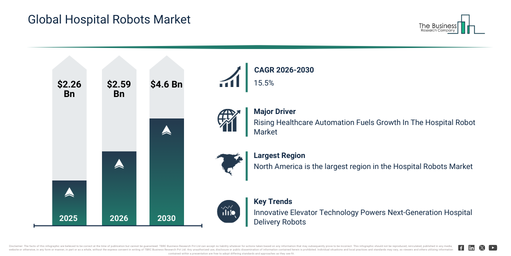
    The hospital robots market size has experienced rapid expansion in recent years. This market is projected to expand from $2.26 billion in 2025 to $2.59 billion in 2026, demonstrating a compound annual growth rate (CAGR) of 14.3%. Historically, this growth has stemmed from factors such as a shortage of healthcare personnel, an increase in the volume of surgical procedures, an elevated requirement for infection control within hospitals, the early adoption of robotic-assisted surgery, and a rising need for automation in both pharmacies and laboratories.

    The hospital robots market is anticipated to experience substantial expansion over the next few years. It is projected to reach $4.6 billion by 2030, demonstrating a compound annual growth rate (CAGR) of 15.5%. This growth in the forecast period is attributed to several factors, including increasing investments in smart hospitals, a rising demand for contactless healthcare solutions, the expansion of minimally invasive surgical procedures, a growing emphasis on operational efficiency and staff safety, and advancements in autonomous and intelligent robotic systems. Significant trends during the forecast period encompass the increasing deployment of robots for non-clinical hospital tasks, the rising adoption of robotic assistance in surgery and rehabilitation, a growing utilization of robots for infection control and disinfection, the expansion of pharmacy and laboratory automation, and an increasing focus on workforce augmentation and safety.

    Access Your Free Sample Report for In-Depth Market Insights:

    https://www.thebusinessresearchcompany.com/sample.aspx?id=12891&type=smp

    Which Drivers Are Supporting The Rise Of The Hospital Robots Market?

    The hospital robot market is expected to grow due to the increasing adoption of healthcare automation. Healthcare automation refers to the application of technology and software to streamline and optimize various processes within the healthcare industry. Hospital robots play a role in healthcare automation by assisting surgeons in operating rooms during minimally invasive procedures. For instance, in September 2024, the World Economic Forum, an international non-governmental organization based in Switzerland, indicated that the robotic-assisted surgery market is projected to experience substantial growth, reaching over $14 billion by 2026, significantly up from just over $10 billion in 2023. Therefore, increasing healthcare automation is a key driver for the expansion of the hospital robot market.

    What Leading Segments Are Studied In The Hospital Robots Market?

    The hospital robots market covered in this report is segmented –

    1) By Product Type: Autonomous Mobile Robots, Disinfecting or Sterilization Robots, Laboratory Robots, Pharmacy Robots

    2) By Deployment: Laparoscopy, Pharmacy Applications, Orthopedic Surgery, Physical Rehabilitation, Neurosurgery

    3) By End User: Hospitals, Ambulatory Surgery Centers, Rehabilitation Centers

    Subsegments:

    1) By Autonomous Mobile Robots: Patient Transport Robots, Supply Delivery Robots, Waste Management Robots

    2) By Disinfecting Or Sterilization Robots: UV Light Sterilization Robots, Hydrogen Peroxide Sterilization Robots, Ozone Sterilization Robots

    3) By Laboratory Robots: Sample Handling Robots, Specimen Transport Robots, Lab Automation Robots

    4) By Pharmacy Robots: Medication Dispensing Robots, Prescription Filling Robots, Inventory Management Robots

    What Long-Term Trends Are Expected To Shape The Future Of The Hospital Robots Market?

    Leading firms in the hospital robot sector are prioritizing the launch of hospital delivery robots equipped with elevator technology to enhance their market earnings. This elevator technology provides a method for hospital robots to navigate various floors both efficiently and rapidly. An example of this is Relay Robotics Inc., a US-based robotics solutions provider, which unveiled RelayRx for healthcare in June 2023. RelayRx is a hospital delivery robot designed to alleviate the scarcity of nursing staff. These devices facilitate the movement of hospital necessities including test specimens, medications, and equipment, guaranteeing secure transit within busy hospital environments through advanced navigation and robust chain-of-custody security protocols. It possesses the capability to travel unrestrictedly across a hospital, connecting departments like the pharmacy and blood bank with patient rooms within approximately seven minutes, utilizing Relay’s exclusive elevator technology.

    Which Major Firms Are Strengthening Their Position In The Hospital Robots Market?

    Major companies operating in the hospital robots market are Intuitive Surgical Inc, Medtronic Plc, Johnson and Johnson, Stryker Corporation, Siemens Healthineers, ABB Group, KUKA AG, Aethon Inc, Omnicell Inc, Blue Ocean Robotics, SoftBank Robotics, PAL Robotics, Cyberdyne Inc, Stereotaxis Inc, Medrobotics Corporation, Renishaw Plc, Yujin Robot Co Ltd, Globus Medical Inc, Accuray Incorporated, Brainlab AG, Hocoma AG, ReWalk Robotics Ltd, Smith and Nephew

    Access The Complete Report For Deeper Market Insights:

    https://www.thebusinessresearchcompany.com/report/hospital-robots-global-market-report

    Which Global Regions Are Shaping The Competitive Landscape Of The Hospital Robots Market?

    North America was the largest region in the hospital robots market in 2025. The regions covered in the hospital robots market report are Asia-Pacific, South East Asia, Western Europe, Eastern Europe, North America, South America, Middle East, Africa.

    Request Your Customized Hospital Robots Market Research Report for Competitive Advantage:

    https://www.thebusinessresearchcompany.com/customise?id=12891&type=smp

    Browse Through More Reports Similar to the Global Hospital Robots Market 2026, By The Business Research Company

    Healthcare Companion Robots Market Report 2026

    https://www.thebusinessresearchcompany.com/report/healthcare-companion-robots-global-market-report

    Medical Robots Market Report 2026

    https://www.thebusinessresearchcompany.com/report/medical-robots-global-market-report

    Medical Robotics Market Report 2026

    https://www.thebusinessresearchcompany.com/report/medical-robotics-global-market-report

    Get in touch with us:

    The Business Research Company: https://www.thebusinessresearchcompany.com/

    Americas +1 310-496-7795

    Asia +44 7882 955267 & +91 8897263534

    Europe +44 7882 955267

    Email us at info@tbrc.info

    Follow us on:

    LinkedIn: https://in.linkedin.com/company/the-business-research-company

    YouTube: https://www.youtube.com/channel/UC24_fI0rV8cR5DxlCpgmyFQ

    Global Market Model: https://www.thebusinessresearchcompany.com/global-market-model
  • Hospital Outsourcing Market Report 2026: Strategic Insights and Revenue Outlook

    Hospital Outsourcing Market Report 2026: Strategic Insights and Revenue Outlook

    Uncover key drivers, emerging technologies, and competitive movements shaping the hospital outsourcing market from 2026–2035 with trusted insights from The Business Research Company

    What size range is anticipated for the Hospital Outsourcing Market from 2026 to 2030?

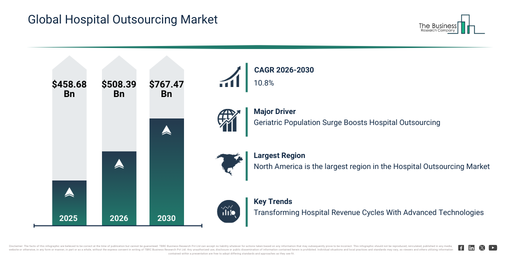
    The hospital outsourcing market size has undergone rapid expansion in recent years. It is anticipated to grow from $458.68 billion in 2025 to $508.39 billion in 2026, achieving a compound annual growth rate (CAGR) of 10.8%. Historically, this growth has been fueled by factors such as increasing hospital operational costs, a shortage of skilled in-house staff, the rising complexity of hospital operations, the expansion of private healthcare facilities, and the early adoption of outsourced support services.

    The hospital outsourcing market is projected to experience substantial expansion over the upcoming years. This market is anticipated to reach $767.47 billion by 2030, demonstrating a compound annual growth rate (CAGR) of 10.8%. This anticipated expansion throughout the forecast period stems from factors such as mounting pressure to enhance hospital profitability, a rising need for specialized healthcare IT and clinical offerings, the broadening of extensive hospital networks, an intensified emphasis on service excellence and regulatory adherence, and the growing adoption of enduring outsourcing collaborations. Key trends projected for this period involve a greater tendency to outsource non-essential hospital functions, an escalating requirement for expert third-party service providers, a heightened concentration on optimizing costs and improving operational effectiveness, the broadening of comprehensive managed service agreements, and a rising inclination towards adaptable and scalable service frameworks.

    Access Your Free Sample Report for In-Depth Market Insights:

    https://www.thebusinessresearchcompany.com/sample.aspx?id=7268&type=smp

    What Drivers Are Affecting Demand In The Hospital Outsourcing Market?

    The increasing elderly population is projected to stimulate the expansion of the hospital outsourcing market in the coming years. This demographic, encompassing senior citizens or older adults within a population, benefits from hospital outsourcing through improved healthcare. Such improvements include providing specialized attention, leveraging technology for remote services, refining documentation processes, and offering economical solutions to address the particular difficulties faced by older individuals. For example, a report released by the US-based Pew Research Center Organization in January 2024 showed that the geriatric population, which was 0.2% in 2024, is anticipated to increase by 0.5% by 2054. Consequently, the continuous growth in the geriatric population is a significant impetus for the hospital outsourcing market’s development.

    Which Segment Groups Are Influencing The Hospital Outsourcing Market?

    The hospital outsourcing market covered in this report is segmented –

    1) By Hospital Type: Private, Public

    2) By Hospital Size: Small And Medium Hospitals, Large Hospitals

    3) By Services: Healthcare IT, Clinical Services, Business Services, Transportation Services, Other Services

    4) By End-Users: Nursing Homes And Assisted Living, Specialty Hospitals, General Medical And Surgical Hospitals, Emergency And Other Outpatient Care Centers, Other End Users

    Subsegments:

    1) By Private: For-profit Hospitals, Non-profit Hospitals

    2) By Public: Government Hospitals, Community Hospitals

    Which Market Trends Are Opening Growth Opportunities In The Hospital Outsourcing Market?

    Major companies engaged in the hospital outsourcing market are developing advanced technologies, such as digital platforms, to enhance revenue cycle outcomes, thereby increasing their market profitability. A digital platform is a technology-enabled solution crafted to streamline and optimize various administrative and financial functions within healthcare organizations. For instance, in October 2023, Omega Healthcare, a US-based healthcare services company, introduced the Omega Digital Platform. This platform utilizes AI, RPA, ML, bots, and NLP. Omega Healthcare’s solutions improve efficiency in revenue cycle tasks, minimizing human intervention and reallocating resources. The aim is to achieve results such as reducing coding costs with over 95% accuracy and decreasing accounts receivable days, ultimately optimizing revenue for providers, payers, pharma, and clinical research organizations. Omega’s proprietary technology and analytics are designed to boost efficiencies, cut costs, expedite cash flow, and improve financial outcomes.

    Who Are The Primary Competitors In The Global Hospital Outsourcing Market?

    Major companies operating in the hospital outsourcing market are Sodexo S.A., Aramark Corporation, ABM Industries Incorporated, Cerner Corporation, AllScripts Healthcare Solutions Inc., Steris Plc, Getinge AB, Sotera Health LLC, Sterigenics International LLC, TriMedx LLC, LogistiCare Solutions LLC, Integrated Medical Transport Inc., Flatworld Solutions, MMM Group, Belimed AG, Matachana Group, Schülke & Mayr GmbH, 3M Company, Becton Dickinson and Company, Honeywell International Inc., Fortive Corporation, Ansell Limited, Pal International Ltd., PDI Inc., Reckitt Benckiser Group plc, bioMérieux S.A., Alere Inc., Cantel Medical, Halyard Health Inc.

    Access The Complete Report For Deeper Market Insights:

    https://www.thebusinessresearchcompany.com/report/hospital-outsourcing-global-market-report

    Which Regions Are Poised For Strategic Growth In The Hospital Outsourcing Market?

    North America was the largest region in the hospital outsourcing market in 2025. The regions covered in the hospital outsourcing market report are Asia-Pacific, South East Asia, Western Europe, Eastern Europe, North America, South America, Middle East, Africa.

    Request Your Customized Hospital Outsourcing Market Research Report for Competitive Advantage:

    https://www.thebusinessresearchcompany.com/customise?id=7268&type=smp

    Browse Through More Reports Similar to the Global Hospital Outsourcing Market 2026, By The Business Research Company

    Healthcare Rcm Outsourcing Market Report 2026

    https://www.thebusinessresearchcompany.com/report/healthcare-rcm-outsourcing-global-market-report

    Medical Device Outsourcing Market Report 2026

    https://www.thebusinessresearchcompany.com/report/medical-device-outsourcing-global-market-report

    Medical Billing Outsourcing Market Report 2026

    https://www.thebusinessresearchcompany.com/report/medical-billing-outsourcing-global-market-report

    Get in touch with us:

    The Business Research Company: https://www.thebusinessresearchcompany.com/

    Americas +1 310-496-7795

    Asia +44 7882 955267 & +91 8897263534

    Europe +44 7882 955267

    Email us at info@tbrc.info

    Follow us on:

    LinkedIn: https://in.linkedin.com/company/the-business-research-company

    YouTube: https://www.youtube.com/channel/UC24_fI0rV8cR5DxlCpgmyFQ

    Global Market Model: https://www.thebusinessresearchcompany.com/global-market-model
  • Global Hospital Logistics Robots Industry Trends and Market Forecast 2026–2030

    Global Hospital Logistics Robots Industry Trends and Market Forecast 2026–2030

    Uncover key drivers, emerging technologies, and competitive movements shaping the hospital logistics robots market from 2026–2035 with trusted insights from The Business Research Company

    How is the Hospital Logistics Robots Market size predicted to change over the forecast window of 2026–2035?

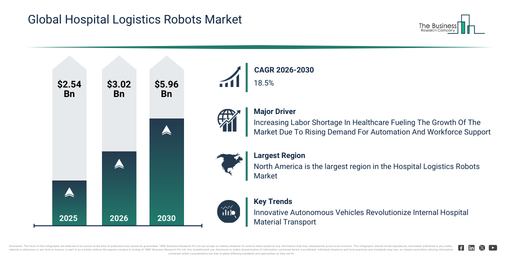
    The hospital logistics robots market has observed rapid growth in recent years. It is anticipated to expand from $2.54 billion in 2025 to $3.02 billion in 2026, at a compound annual growth rate (CAGR) of 18.9%. The historical period’s growth stemmed from various factors, including increasing hospital workload pressures, rising labor shortages within healthcare facilities, the expansion of large multi-specialty hospitals, a growing emphasis on operational efficiency, and the increased adoption of automated material handling.

    The hospital logistics robots market size is expected to experience rapid growth over the next few years. It is projected to expand to $5.96 billion in 2030, achieving a compound annual growth rate (CAGR) of 18.5%. This expansion during the forecast period can be attributed to rising investments in smart hospital infrastructure, increased adoption of AI-enabled navigation systems, the broadening application of robotics in pharmacy and laboratory workflows, a growing demand for contamination-free logistics, and the expanded utilization of real-time asset tracking. Major developments expected in this period include the increased deployment of autonomous supply transport robots, a rising use of contactless internal logistics systems, greater integration with hospital information systems, the expansion of multi-task robotic platforms, and an enhanced focus on automating infection control.

    Access Your Free Sample Report for In-Depth Market Insights:

    https://www.thebusinessresearchcompany.com/sample.aspx?id=27309&type=smp

    Which Drivers Are Contributing To The Expansion Of The Hospital Logistics Robots Market?

    The increasing deficit of labor in the healthcare sector is projected to fuel the expansion of the hospital logistics robots market moving forward. A labor shortage in healthcare denotes a condition where the requirement for qualified medical professionals surpasses the available workforce, leading to staffing deficiencies that impact the delivery of healthcare services. This shortage is intensifying, primarily due to the retirement of experienced personnel, causing a notable reduction in skilled professionals within the industry. Hospital logistics robots aid in addressing these healthcare labor shortages by automating routine functions, thus enabling staff to concentrate on critical patient care and boosting overall operational efficiency. For example, in February 2023, a report issued by the American Hospital Association (AHA), a healthcare organization based in the United States, referenced data from the Department of Health and Human Services (HHS) indicating that as of early 2023, 623 hospitals, accounting for 16.7% of those reporting, foresaw a critical staffing crisis. Therefore, the growing labor shortages in healthcare are propelling the growth of the hospital logistics robots market.

    What Segment Classifications Make Up The Hospital Logistics Robots Market?

    The hospital logistics robots market covered in this report is segmented –

    1) By Type: Autonomous Guided Vehicles, Mobile Robot Platforms

    2) By Component: Sensors, Actuators, Controllers, Power Supply, Navigation Systems

    3) By Technology: Artificial Intelligence And Machine Vision, Autonomous Navigation And SLAM, Fleet Management Software, IoT And Connectivity Technologies

    4) By Application: Food Delivery, Laboratory, Laundry Delivery, Pharmacy, Sterile Goods Or Surgical Supplies Delivery, Waste Transportation

    5) By End-User: Hospitals, Ambulatory Surgical Centers, Rehabilitation Centers, Research Institutes, Other End Users

    Subsegments:

    1) By Autonomous Guided Vehicles: Automated Delivery Robots, Disinfection Robots, Patient Transport Robots, Inventory Management Robots, Medication Dispensing Robots

    2) By Mobile Robot Platforms: Automated Guided Vehicles, Autonomous Mobile Robots, Service Robots, Inspection Robots, Delivery Robots

    How Are Emerging Trends Affecting The Progression Of The Hospital Logistics Robots Market?

    Leading companies in the hospital logistics robots market are prioritizing the development of technologically advanced products, such as autonomous guided vehicles (AGVs), aimed at enhancing automated material transport and improving operational efficiency within healthcare facilities. These self-operating robots are specifically designed to transport materials within hospitals both safely and efficiently without requiring human intervention. For instance, in June 2023, EK Robotics GmbH, a Germany-based robotics company, launched its Medi Move model series of automated guided vehicles (AGVs), custom-built for internal hospital logistics automation. These robots are characterized by a stainless steel chassis equipped with a lifting table that can support loads up to 500 kg and elevate them by up to 170 mm. They can reach speeds of up to 1.7 m/s and feature a distinct symmetrical six-wheel design that enables them to rotate around their own center, thereby requiring minimal maneuvering space. Furthermore, the system is fitted with 360° laser scanner navigation for ensured safety and is engineered to facilitate continuous 24/7 hospital logistics operations across multiple floors.

    Which Key Market Players Are Investing In Expansion And Innovation Within The Hospital Logistics Robots Market?

    Major companies operating in the hospital logistics robots market are Panasonic Holdings Corporation, Omron Corporation, Keenon Robotics Co. Ltd., Mobile Industrial Robots A/S, Locus Robotics Corporation, Robosoft Systems Pvt. Ltd., Blue Ocean Robotics A/S, Diligent Robotics Inc., Relay Robotics Inc, Yujin Robot Co. Ltd., Pudu Robotics Technology Co. Ltd., Aethon Inc., Vecna Robotics LLC., DS Automotion GmbH, Shenzhen Han’s Robot Co. Ltd., Richtech Robotics Co. Ltd., PAL Robotics S.L., DF Automation and Robotics S.A., CCS Robotics GmbH

    Access The Complete Report For Deeper Market Insights:

    https://www.thebusinessresearchcompany.com/report/hospital-logistics-robots-global-market-report202

    Which Regions Are Projected To Dominate The Hospital Logistics Robots Market In The Coming Years?

    North America was the largest region in the hospital logistics robots market in 2025. Asia-Pacific is expected to be the fastest-growing region in the forecast period. The regions covered in the hospital logistics robots market report are Asia-Pacific, South East Asia, Western Europe, Eastern Europe, North America, South America, Middle East, Africa.

    Request Your Customized Hospital Logistics Robots Market Research Report for Competitive Advantage:

    https://www.thebusinessresearchcompany.com/customise?id=27309&type=smp

    Browse Through More Reports Similar to the Global Hospital Logistics Robots Market 2026, By The Business Research Company

    Investment Banking Market Report 2026

    https://www.thebusinessresearchcompany.com/report/investment-banking-global-market-report

    Partner And Interconnect Management Market Report 2026

    https://www.thebusinessresearchcompany.com/report/partner-and-interconnect-management-global-market-report

    Venture Capital Investment Market Report 2026

    https://www.thebusinessresearchcompany.com/report/venture-capital-investment-global-market-report

    Get in touch with us:

    The Business Research Company: https://www.thebusinessresearchcompany.com/

    Americas +1 310-496-7795

    Asia +44 7882 955267 & +91 8897263534

    Europe +44 7882 955267

    Email us at info@tbrc.info

    Follow us on:

    LinkedIn: https://in.linkedin.com/company/the-business-research-company

    YouTube: https://www.youtube.com/channel/UC24_fI0rV8cR5DxlCpgmyFQ

    Global Market Model: https://www.thebusinessresearchcompany.com/global-market-model
  • Hospital Information System Market Size and Demand Forecast 2026–2030

    Hospital Information System Market Size and Demand Forecast 2026–2030

    Uncover key drivers, emerging technologies, and competitive movements shaping the hospital information system market from 2026–2035 with trusted insights from The Business Research Company

    What market expansion outlook does the Hospital Information System Market show for the 2026–2030 period?

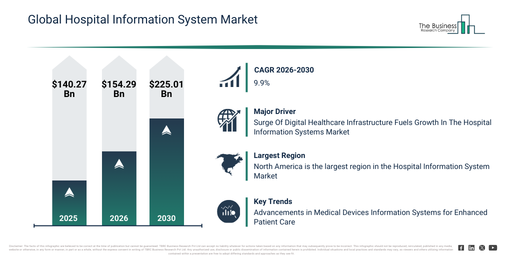
    The hospital information system market has shown substantial growth in recent years. This market is projected to expand from $140.27 billion in 2025 to $154.29 billion in 2026, achieving a compound annual growth rate (CAGR) of 10.0%. Key factors driving its historical growth include the transition from paper-based to digital hospital records, increasing patient data volumes, the growing complexity of hospital operations, the expansion of hospital IT infrastructure, and the need for centralized data management.

    The hospital information system market is anticipated to experience robust expansion over the coming years. It is projected to reach $225.01 billion by 2030, growing at a compound annual growth rate (CAGR) of 9.9%. This projected growth can be attributed to several factors during the forecast period, including the increasing need for real-time healthcare data access, the rising adoption of cloud-based hospital systems, a stronger focus on data-driven hospital management, the expansion of multi-specialty hospitals, and growing regulatory emphasis on data integrity. Significant trends within this forecast period include the increasing uptake of integrated hospital information platforms, a heightened demand for centralized patient data management, a growing emphasis on interoperability across various hospital departments, the expansion of real-time clinical and administrative reporting capabilities, and a greater focus on operational and data accuracy.

    Access Your Free Sample Report for In-Depth Market Insights:

    https://www.thebusinessresearchcompany.com/sample.aspx?id=6849&type=smp

    What Drivers Are Shaping The Development Of The Hospital Information System Market?

    The increasing adoption of digital healthcare infrastructure is anticipated to drive the expansion of the hospital information systems market in the future. Digital healthcare infrastructure refers to digital technologies in the healthcare market aimed at providing better quality medical services, such as real-time tracking of medical data using wearable medical devices. Employing digital healthcare infrastructure within hospitals assists in enhancing patient monitoring. For instance, in January 2025, according to Deloitte Touche Tohmatsu Limited, a UK-based software company, approximately 70% of respondents consider investments in digital tools and platforms to be vital, 60% prioritize core technologies like EMRs and ERP, and nearly 90% of C-suite executives expect digital technology adoption to accelerate in 2025. Consequently, the expanding utilization of digital healthcare infrastructure is a significant factor propelling the growth of the hospital information systems market.

    What Segment Types Are Examined In The Hospital Information System Market?

    The hospital information system market covered in this report is segmented –

    1) By Components: Hardware, Software, Services

    2) By Type: Clinical Information Systems, Administrative Information Systems, Electronic Medical Records, Laboratory Information Systems, Radiology Information Systems, Pharmacy Information Systems, Other Types

    3) By Deployment: Web-Based, On-Premises, Cloud-Based

    4) By End-User: Hospitals, Insurance Companies

    Subsegments:

    1) By Hardware: Servers, Workstations, Networking Equipment, Peripheral Devices

    2) By Software: Electronic Health Records (EHR) Software, Practice Management Software, Clinical Information Systems, Revenue Cycle Management Software

    3) By Services: Implementation Services, Support And Maintenance Services, Training And Consulting Services, Managed Services

    Which Innovation Trends Are Advancing Developments Within The Hospital Information System Market?

    Leading companies in the hospital information system market are increasingly focused on rolling out advanced solutions, including medical devices information systems, to elevate patient care, optimize operational workflows, and bolster data management within healthcare facilities. Medical devices information systems themselves are integrated software solutions designed for the management and oversight of medical devices within healthcare settings, facilitating the collection, analysis, and sharing of critical data to enhance patient safety and operational efficiency. For example, in July 2024, the World Health Organization (WHO), a Switzerland-based intergovernmental organization, introduced MeDevIS. This MeDevIS (Medical Devices Information System) platform operates as a global open-access repository for medical device information, empowering governments and healthcare practitioners to make more informed choices. It covers over 2,300 types of medical devices across various health issues, streamlining access to reliable data and supporting procurement efforts in resource-limited environments.

    Who Are The Core Companies Influencing Trends In The Hospital Information System Market?

    Major companies operating in the hospital information system market are Cerner Corporation, McKesson Corporation, Allscripts Healthcare Solutions Inc., Athenahealth Inc., Epic Systems Corp, NextGen Healthcare, Computer Programs and Systems Inc, Dedalus SpA, Agfa-Gevaert NV, Siemens Healthineers AG, Philips Healthcare, Change Healthcare, Optum, Oracle Corporation, Infor Inc., Greenway Health, CureMD Healthcare, Canadian Health Systems Inc, MED e-care Healthcare Solutions Inc, MV Sistemas, General Electric Company, CISCO Systems Inc, Honeywell Lifesciences

    Access The Complete Report For Deeper Market Insights:

    https://www.thebusinessresearchcompany.com/report/hospital-information-system-global-market-report

    Which Region Is Expected To Experience The Fastest Growth In The Hospital Information System Market?

    North America was the largest region in the hospital information systems market in 2025. Asia-Pacific is expected to be the fastest-growing region in the forecast period. The regions covered in the hospital information system market report are Asia-Pacific, South East Asia, Western Europe, Eastern Europe, North America, South America, Middle East, Africa.

    Request Your Customized Hospital Information System Market Research Report for Competitive Advantage:

    https://www.thebusinessresearchcompany.com/customise?id=6849&type=smp

    Browse Through More Reports Similar to the Global Hospital Information System Market 2026, By The Business Research Company

    Customer Information System Market Report 2026

    https://www.thebusinessresearchcompany.com/report/customer-information-system-global-market-report

    Healthcare Information System Market Report 2026

    https://www.thebusinessresearchcompany.com/report/healthcare-information-system-global-market-report

    Emergency Department Information System Market Report 2026

    https://www.thebusinessresearchcompany.com/report/emergency-department-information-system-global-market-report

    Get in touch with us:

    The Business Research Company: https://www.thebusinessresearchcompany.com/

    Americas +1 310-496-7795

    Asia +44 7882 955267 & +91 8897263534

    Europe +44 7882 955267

    Email us at info@tbrc.info

    Follow us on:

    LinkedIn: https://in.linkedin.com/company/the-business-research-company

    YouTube: https://www.youtube.com/channel/UC24_fI0rV8cR5DxlCpgmyFQ

    Global Market Model: https://www.thebusinessresearchcompany.com/global-market-model
  • Hospital EMR Systems Market Outlook: Growth and Forecast Highlights 2030

    Hospital EMR Systems Market Outlook: Growth and Forecast Highlights 2030

    Uncover key drivers, emerging technologies, and competitive movements shaping the hospital emr systems market from 2026–2035 with trusted insights from The Business Research Company

    What level of growth is expected in the Hospital EMR Systems Market between 2026 and 2030?

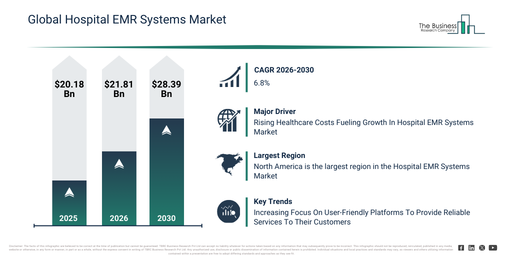
    The hospital emr systems market size has demonstrated significant growth in recent years. It is anticipated to expand from $20.18 billion in 2025 to $21.81 billion in 2026, achieving a compound annual growth rate (CAGR) of 8.1%. The growth observed in prior periods stemmed from factors including government directives for electronic health records, the escalating volume of patient information in hospitals, the increasing necessity to transition from paper-based records, the expansion of hospital IT infrastructure, and an enhanced focus on the effectiveness of clinical documentation.

    The hospital emr systems market size is projected for substantial growth over the coming years, expected to reach $28.39 billion by 2030, demonstrating a compound annual growth rate (CAGR) of 6.8%. This anticipated expansion can be attributed to the increasing need for real-time patient data access, the rising adoption of cloud-based hospital systems, a growing emphasis on data-driven clinical decision making, the proliferation of specialty-specific emr solutions, and increased investments in smart hospital transformation. Key trends during this forecast period include the wider implementation of unified digital patient records, a heightened demand for interoperable hospital information systems, a stronger focus on standardizing clinical workflows, the expansion of mobile and remote emr access for clinicians, and an increasing emphasis on data accuracy and comprehensive clinical documentation.

    Access Your Free Sample Report for In-Depth Market Insights:

    https://www.thebusinessresearchcompany.com/sample.aspx?id=7891&type=smp

    Which Drivers Are Expected To Impact The Hospital EMR Systems Market During The Forecast Period?

    Rising healthcare expenditures are projected to drive the expansion of the hospital EMR systems market. Healthcare costs encompass the financial outlay for medical services, treatments, and products aimed at preserving or enhancing an individual’s health. EMR systems offer benefits such as fostering cost-effective and high-quality healthcare delivery, boosting operational efficiency, strengthening clinical decision-making, and mitigating medication errors. For example, data from the UK’s Health Foundation indicated in March 2024 that planned health spending in the UK is anticipated to increase from $227.5 billion (£182 billion) in 2022/23 to $240 billion (£192 billion) in 2024/25. Additionally, the KFF Health System Tracker reported in January 2024 that health spending in the USA is forecast to climb by 5% between 2023 and 2024, reaching $4.9 trillion. Consequently, the escalation of healthcare costs is acting as a catalyst for the growth of the hospital EMR systems market.

    Which Segments Are Driving Activity In The Hospital EMR Systems Market?

    The hospital emr systems market covered in this report is segmented –

    1) By Component: Services, Software, Hardware

    2) By Type: General EMR Solutions, Specialty EMR Solutions

    3) By Delivery Mode: On-premise, Cloud-based

    4) By Hospital Size: Small And Medium-Sized Hospitals, Large Hospital

    Subsegments:

    1) By Services: Implementation Services, Consulting Services, Maintenance And Support Services, Training Services

    2) By Software: Cloud-Based EMR Software, On-Premise EMR Software, Specialty-Specific EMR Software, Mobile EMR Applications

    3) By Hardware: Servers, Workstations, Networking Equipment, Peripheral Devices

    Which Competitive Trends Are Impacting The Structure Of The Hospital EMR Systems Market?

    Leading companies within the hospital EMR systems market are concentrating on developing user-friendly platforms to deliver dependable services to their clientele. Such an intuitive platform in hospital electronic medical record (EMR) systems offers an accessible interface and efficient workflows, thereby simplifying navigation and enhancing ease of use for healthcare professionals. For example, in October 2023, Syra Health Corp, a US-based healthcare company, launched CarePlus. CarePlus is described as a scalable, secure, and user-friendly platform that facilitates the integration of telehealth services and optimizes clinical operations. This is a proprietary electronic medical record (EMR) system specifically engineered for small- to medium-sized healthcare facilities. Another key attribute of CarePlus is its ability to communicate seamlessly with laboratories, radiology systems, and other EMRs by eliminating interoperability issues. Moreover, CarePlus represents a cost-effective solution that can be further adapted to fulfill the unique demands of any enterprise.

    Which Major Industry Participants Are Leading The Hospital EMR Systems Market Growth?

    Major companies operating in the hospital emr systems market are Epic Systems Corporation, Medical Information Technology Inc., Computer Programs and Systems Inc., MEDHOST Inc., InterSystems Corporation, Cantata Health Solutions, Harris Healthcare, Healthland Inc., Siemens Healthineers, McKesson Corporation, Allscripts Healthcare Solutions Inc., Cerner Corporation, Athenahealth Inc., NextGen Healthcare Information Systems LLC, GE Healthcare Technologies Inc., MEDITECH Expanse, CPSI Evident, Sunrise Clinical Manager, Truven Health Analytics, DXC Technology Healthcare

    Access The Complete Report For Deeper Market Insights:

    https://www.thebusinessresearchcompany.com/report/hospital-emr-systems-global-market-report

    Which Geographic Areas Are Emerging As Strong Markets For The Hospital EMR Systems Market?

    North America was the largest region in the hospital EMR systems market in 2025. The regions covered in the hospital emr systems market report are Asia-Pacific, South East Asia, Western Europe, Eastern Europe, North America, South America, Middle East, Africa.

    Request Your Customized Hospital EMR Systems Market Research Report for Competitive Advantage:

    https://www.thebusinessresearchcompany.com/customise?id=7891&type=smp

    Browse Through More Reports Similar to the Global Hospital EMR Systems Market 2026, By The Business Research Company

    Medical Electronics Market Report 2026

    https://www.thebusinessresearchcompany.com/report/medical-electronics-global-market-report

    Pediatric Electronic Medical Record Emr Software Market Report 2026

    https://www.thebusinessresearchcompany.com/report/pediatric-electronic-medical-record-emr-software-global-market-report

    Electrocardiogram Ecg Equipment And Management System Market Report 2026

    https://www.thebusinessresearchcompany.com/report/electrocardiogram-ecg-equipment-and-management-system-global-market-report

    Get in touch with us:

    The Business Research Company: https://www.thebusinessresearchcompany.com/

    Americas +1 310-496-7795

    Asia +44 7882 955267 & +91 8897263534

    Europe +44 7882 955267

    Email us at info@tbrc.info

    Follow us on:

    LinkedIn: https://in.linkedin.com/company/the-business-research-company

    YouTube: https://www.youtube.com/channel/UC24_fI0rV8cR5DxlCpgmyFQ

    Global Market Model: https://www.thebusinessresearchcompany.com/global-market-model
  • Hospital Emergency Department Market Insights Report: Opportunities and Drivers 2030

    Hospital Emergency Department Market Insights Report: Opportunities and Drivers 2030

    Uncover key drivers, emerging technologies, and competitive movements shaping the hospital emergency department market from 2026–2035 with trusted insights from The Business Research Company

    How much is the Hospital Emergency Department Market valued at in 2026, and what valuation is forecast for 2030?

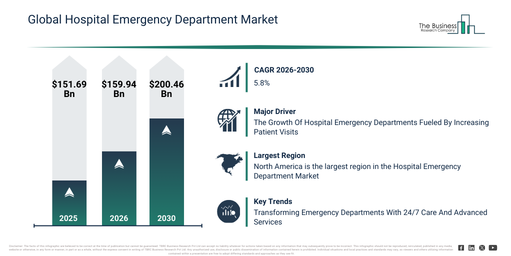
    The hospital emergency department market has experienced robust expansion over recent years. This market is anticipated to expand, reaching $159.94 billion in 2026 from $151.69 billion in 2025, at a compound annual growth rate (CAGR) of 5.4%. Historically, this growth has been fueled by factors such as an increasing occurrence of accidents and trauma, an expanding urban population, a rise in acute and chronic health issues, the development of hospital emergency infrastructure, and an increase in emergency admissions resulting from infectious diseases.

    The hospital emergency department market is projected to experience substantial expansion in the coming years. This market is anticipated to reach $200.46 billion by 2030, exhibiting a compound annual growth rate (CAGR) of 5.8%. Factors contributing to this growth during the forecast period include the escalating issue of emergency department overcrowding, an increasing need for quicker emergency response, the evolving requirement for integrated emergency care systems, the broadening of connected emergency medical services, and a surge in investments in emergency healthcare infrastructure. Key trends projected for the forecast period encompass a heightened focus on minimizing emergency department wait times, a growing imperative for optimized patient triage and throughput, an increasing importance placed on integrated emergency care workflows, the extension of 24/7 emergency service availability, and an amplified concentration on critical care preparedness and capacity.

    Access Your Free Sample Report for In-Depth Market Insights:

    https://www.thebusinessresearchcompany.com/sample.aspx?id=11999&type=smp

    What Drivers Are Influencing The Growth Of The Hospital Emergency Department Market?

    The increasing frequency of individuals visiting hospital emergency departments is projected to fuel the expansion of the hospital emergency department market moving forward. An Emergency Department (ED) is a specialized medical facility dedicated to emergency medicine, delivering swift outpatient services to patients who require immediate care for their conditions. The rising number of patients seeking urgent medical attention contributes to the demand for improved facilities, resources, and services within hospital emergency departments. For instance, in December 2024, according to a report published by the National Health Service (NHS), a UK-based government department, there were 552,592 emergency admissions in the month, representing a 1.2% increase compared to December 2023. Consequently, the high incidence of visits to hospital emergency departments is driving the growth of the hospital emergency department market.

    How Is The Hospital Emergency Department Market Organized Into Various Segments?

    The hospital emergency department market covered in this report is segmented –

    1) By Emergency Department Type: General Emergency Department, Trauma Emergency Department, Pediatric Emergency Department, Cardiac Emergency Department, Neurologic Or Stroke Emergency Department

    2) By Connectivity: Wired, Wireless

    3) By Application: Emergency Patient Monitoring, Diagnostic Imaging And Reporting, Electronic Health Records And Clinical Workflow, Emergency Communication And Coordination

    Subsegments:

    1) By General Emergency Department: Adult General Emergency Department, Mixed Adult–Pediatric Emergency Department

    2) By Trauma Emergency Department: Level I Trauma Center ED, Level II Trauma Center ED, Level III Trauma Center ED

    3) By Pediatric Emergency Department: Standalone Pediatric Emergency Department, Pediatric Emergency Unit within General Hospital

    4) By Cardiac Emergency Department: Acute Coronary Syndrome (ACS) Emergency Unit, Chest Pain Emergency Unit

    5) By Neurologic or Stroke Emergency Department: Comprehensive Stroke Center ED, Primary Stroke Center ED

    What Industry Trends Are Transforming The Hospital Emergency Department Market?

    Leading companies operating in the hospital emergency department market are concentrating on developing innovations, such as 24/7 availability, prepared to manage a wide spectrum of emergencies. This 24/7 availability signifies a service or system’s capability to be continuously accessible and functional, operating around the clock, every day of the week. For example, in June 2024, TriLife Hospital, a healthcare facility based in India, inaugurated an extensive emergency department to deliver thorough emergency care. This new emergency department in Bengaluru is addressing the escalating demand for emergency care by providing 24/7 services for various medical, surgical, and traumatic emergencies. It incorporates advanced medical equipment, including an operating theater and imaging machines, ensuring comprehensive care. The innovative One Patient, One Attender, One Bill model enhances patient experiences through the assignment of a dedicated medical expert to each situation. With a team of over 100 trained professionals, the facility is equipped to efficiently respond to diverse emergencies.

    Who Are The Prominent Global Companies Shaping The Hospital Emergency Department Market Landscape?

    Major companies operating in the hospital emergency department market are Massachusetts General Hospital, Mayo Clinic Hospital, NYC Health + Hospitals, University of Michigan Health – Ann Arbor, Cedars-Sinai Medical Center, Barnes-Jewish Hospital, New York-Presbyterian Hospital, Ronald Reagan UCLA Medical Center, Texas Health Resources, Baystate Medical Center, Hartford Hospital, Parkland Health, Lakeland Regional Health, Sharp Grossmont Hospital, St. Joseph’s Health, Butler Memorial Hospital, USA Health, Natchitoches Regional Medical Center, Schoolcraft Memorial Hospital, Brigham and Women’s Hospital, Grady Memorial Hospital, Baptist Health South Florida, Montefiore Medical Center, LAC+USC Medical Center

    Access The Complete Report For Deeper Market Insights:

    https://www.thebusinessresearchcompany.com/report/hospital-emergency-department-global-market-report

    Which Region Is Projected To Lead The Hospital Emergency Department Market During The Forecast Period?

    North America was the largest region in the hospital emergency department market in 2025. The regions covered in the hospital emergency department market report are Asia-Pacific, South East Asia, Western Europe, Eastern Europe, North America, South America, Middle East, Africa.

    Request Your Customized Hospital Emergency Department Market Research Report for Competitive Advantage:

    https://www.thebusinessresearchcompany.com/customise?id=11999&type=smp

    Browse Through More Reports Similar to the Global Hospital Emergency Department Market 2026, By The Business Research Company

    Emergency Medical Services Products Market Report 2026

    https://www.thebusinessresearchcompany.com/report/emergency-medical-services-products-global-market-report

    Emergency Department Information System Market Report 2026

    https://www.thebusinessresearchcompany.com/report/emergency-department-information-system-global-market-report

    Hospitality Market Report 2026

    https://www.thebusinessresearchcompany.com/report/hospitality-global-market-report

    Get in touch with us:

    The Business Research Company: https://www.thebusinessresearchcompany.com/

    Americas +1 310-496-7795

    Asia +44 7882 955267 & +91 8897263534

    Europe +44 7882 955267

    Email us at info@tbrc.info

    Follow us on:

    LinkedIn: https://in.linkedin.com/company/the-business-research-company

    YouTube: https://www.youtube.com/channel/UC24_fI0rV8cR5DxlCpgmyFQ

    Global Market Model: https://www.thebusinessresearchcompany.com/global-market-model