Category: HealthcareServices

  • Hospital Capacity Management Solutions Global Forecast: Market to Scale Up to $9.7 Billion by 2030 at 16.6% CAGR

    Hospital Capacity Management Solutions Global Forecast: Market to Scale Up to $9.7 Billion by 2030 at 16.6% CAGR

    Uncover key drivers, emerging technologies, and competitive movements shaping the hospital capacity management solutions market from 2026–2035 with trusted insights from The Business Research Company

    By how much is the Hospital Capacity Management Solutions Market expected to grow between 2026 and 2030?

    The market for hospital capacity management solutions has experienced substantial growth in recent years. This market is projected to expand from $4.49 billion in 2025 to $5.25 billion in 2026, achieving a compound annual growth rate (CAGR) of 17.0%. Historically, this expansion has been driven by escalating hospital overcrowding, higher patient admission rates, constrained hospital bed availability, increasing operational inefficiencies within hospitals, and the integration of basic bed and asset tracking systems.

    The hospital capacity management solutions market is projected for significant expansion over the coming years, with its size expected to reach $9.71 billion by 2030, demonstrating a compound annual growth rate (CAGR) of 16.6%. This growth during the forecast period is driven by several factors, including the escalating requirement for real-time hospital capacity planning, increasing investments in intelligent hospital infrastructure, a heightened emphasis on decreasing patient wait times, the proliferation of integrated hospital management platforms, and the growing imperative to manage healthcare operational expenditures. Key developments anticipated during this timeframe involve an intensified focus on real-time capacity visibility, the increasing acceptance of integrated patient flow management systems, a surging need for predictive capacity planning, the broadening of centralized hospital resource optimization efforts, and a greater emphasis on achieving cost-effective capacity utilization.

    Access Your Free Sample Report for In-Depth Market Insights:

    https://www.thebusinessresearchcompany.com/sample.aspx?id=8354&type=smp

    Which Drivers Are Influencing Market Acceleration In The Hospital Capacity Management Solutions Market?

    Governmental efforts designed to boost patient contentment and elevate care standards have fueled expansion within the hospital capacity management solutions market. These governmental bodies are actively promoting endeavors focused on improving healthcare quality. Consequently, such initiatives are stimulating greater investment in hospital capacity management solutions, aiming to expedite and streamline healthcare operations. An illustrative example is seen in May 2023, when the Government of India, alongside the World Bank, a US-based international financial institution, completed arrangements for two synergistic loans, each amounting to $500 million, intended to advance India’s health sector. This cumulative funding of $1 billion is earmarked to bolster the Pradhan Mantri-Ayushman Bharat Health Infrastructure Mission (PM-ABHIM), a program dedicated to improving public healthcare infrastructure nationwide. Hence, similar endeavors are expected to foster expansion within the hospital capacity management solutions market.

    What Segments Are Identified Within The Structure Of The Hospital Capacity Management Solutions Market?

    The hospital capacity management solutions market covered in this report is segmented –

    1) By Component: Software, Services

    2) By Product: Asset Management, Patient Flow Management Solutions

    3) By Mode Of Delivery: On-Premise, Cloud-Based

    4) By Application: Standalone Solutions, Integrated Solutions

    5) By End-User: Hospitals, Ambulatory Surgical Centers

    Subsegments:

    1) By Software: Capacity Planning Software, Patient Flow Management Software, Bed Management Software, Reporting And Analytics Tools

    2) By Services: Consulting Services, Implementation Services, Support And Maintenance Services

    What Trends Are Reshaping The Dynamics Of The Hospital Capacity Management Solutions Market?

    Major companies operating in the hospital capacity management solutions market are forming strategic partnerships to strengthen their business position in the market. A strategic partnership denotes a formal alliance between two or more entities, such as companies or organizations, that collaborate to achieve common goals, often with a long-term perspective. For instance, in April 2023, LeanTaaS, a US-based company specializing in AI-powered and SaaS (Software as a Service)-based solutions for capacity management, staffing optimization, and patient flow in healthcare systems, announced a strategic partnership with Siemens Healthineers, a Germany-based medical technology company. This collaboration aims to empower large hospitals and health systems within the Siemens Healthineers network to enhance outcomes, including improved patient access, physician and staffing satisfaction, and financial performance. The agreement facilitates the deployment of system-wide tools designed to optimize capacity, leveraging LeanTaaS’ artificial intelligence (AI) and machine learning (ML) predictive and prescriptive analytics solutions, combined with Siemens Healthineers’ enterprise-wide management expertise.

    Which Key Players Are Driving Competition In The Hospital Capacity Management Solutions Market?

    Major companies operating in the hospital capacity management solutions market are GE HealthCare Technologies Inc., TeleTracking Technologies Inc., Alcidion Corp., Koninklijke Philips N.V., Epic Systems Corporation, Care Logistic Inc., INFINITT Healthcare Co. Ltd., WellSky Corporation, Change Healthcare, Allscripts Healthcare Solutions Inc., Cerner Corporation, Medworxx Solutions Inc., Infosys Limited, McKesson Corporation, NextGen Healthcare Inc., HealthStream Inc., Optum Inc., Premier Inc., JVS Technologies Pvt Ltd., Simul8 Corporation

    Access The Complete Report For Deeper Market Insights:

    https://www.thebusinessresearchcompany.com/report/hospital-capacity-management-solutions-global-market-report

    Which Region Currently Holds The Largest Share Of The Hospital Capacity Management Solutions Market?

    North America was the largest region in the hospital capacity management solutions market in 2025. The regions covered in the hospital capacity management solutions market report are Asia-Pacific, South East Asia, Western Europe, Eastern Europe, North America, South America, Middle East, Africa.

    Request Your Customized Hospital Capacity Management Solutions Market Research Report for Competitive Advantage:

    https://www.thebusinessresearchcompany.com/customise?id=8354&type=smp

    Browse Through More Reports Similar to the Global Hospital Capacity Management Solutions Market 2026, By The Business Research Company

    Hospital Bed Management Systems Market Report 2026

    https://www.thebusinessresearchcompany.com/report/hospital-bed-management-systems-global-market-report

    Healthcare Facility Management Market Report 2026

    https://www.thebusinessresearchcompany.com/report/healthcare-facility-management-global-market-report

    Hospital Asset Management Systems Market Report 2026

    https://www.thebusinessresearchcompany.com/report/hospital-asset-management-systems-global-market-report

    Get in touch with us:

    The Business Research Company: https://www.thebusinessresearchcompany.com/

    Americas +1 310-496-7795

    Asia +44 7882 955267 & +91 8897263534

    Europe +44 7882 955267

    Email us at info@tbrc.info

    Follow us on:

    LinkedIn: https://in.linkedin.com/company/the-business-research-company

    YouTube: https://www.youtube.com/channel/UC24_fI0rV8cR5DxlCpgmyFQ

    Global Market Model: https://www.thebusinessresearchcompany.com/global-market-model

  • Hospital Bed Management Systems Market Future Outlook: Strong Growth Expected Toward $3.8 Billion by 2030

    Hospital Bed Management Systems Market Future Outlook: Strong Growth Expected Toward $3.8 Billion by 2030

    Uncover key drivers, emerging technologies, and competitive movements shaping the hospital bed management systems market from 2026–2035 with trusted insights from The Business Research Company

    What is the estimated market size of the Hospital Bed Management Systems Market by the end of 2030?

    The market size for hospital bed management systems has shown strong growth recently. It is anticipated to increase from $2.39 billion in 2025 to $2.62 billion in 2026, at a compound annual growth rate (CAGR) of 9.7%. This historic expansion can be linked to several factors, including rising patient admission volumes, increased efforts to minimize patient wait times, the growing intricacy of hospital operations, the expansion of large multi-specialty hospitals, and the adoption of basic hospital information systems.

    The hospital bed management systems market is projected to experience substantial expansion in the coming years. Its valuation is anticipated to reach $3.8 billion by 2030, demonstrating a compound annual growth rate (CAGR) of 9.8%. This projected increase during the forecast period is primarily driven by the escalating demand for operational effectiveness, a heightened emphasis on enhancing patient throughput, the proliferation of cloud-based hospital management solutions, an expanding requirement for data-driven choices, and growing investments in intelligent hospital infrastructure. Prominent developments anticipated in this period encompass a greater focus on optimizing bed utilization, increased implementation of centralized patient flow management, a surging need for real-time insight into bed availability, the expansion of capacity planning guided by analytics, and enhanced integration of bed management with broader hospital operations.

    Access Your Free Sample Report for In-Depth Market Insights:

    https://www.thebusinessresearchcompany.com/sample.aspx?id=13456&type=smp

    What Drivers Are Shaping Future Opportunities In The Hospital Bed Management Systems Market?

    The growth in healthcare spending is projected to stimulate the hospital bed management systems market moving forward. Healthcare spending is defined as the total financial investment directed towards the healthcare sector within a specific region, country, or organization. Elevated healthcare spending can foster the adoption of more sophisticated HBMS, which in turn can enhance efficiency, improve patient care, streamline resource utilization, and affect bed capacity. Such increased expenditure supports the implementation of HBMS and facilitates efficient resource management. For instance, in May 2023, according to a report published by the Office for National Statistics, a UK-based government department, healthcare spending in the UK increased by 5.6% between 2022 and 2023, compared with a 0.9% growth in 2022. The UK healthcare expenditure was approximately $317.63 billion (£292 billion) in 2023. Thus, an expansion in healthcare spending is fueling the growth of the hospital bed management systems market.

    Which Segments Are Gaining Traction In The Hospital Bed Management Systems Market?

    The hospital bed management systems market covered in this report is segmented –

    1) By Component: Services, Software

    2) By Mode Of Delivery: On-Premise, Cloud-Based

    3) By Hospital Bed Management Systems Type: Acute Care Bed, Critical Care Bed

    4) By End User: Hospitals, Ambulatory Surgical Centers, Other End Users

    Subsegments:

    1) By Services: Consulting Services, Implementation Services, Training And Support Services

    2) By Software: Bed Management Software, Patient Flow Management Software, Bed Occupancy And Allocation Software, Reporting And Analytics Software

    How Are New Market Trends Shaping The Landscape Of The Hospital Bed Management Systems Market?

    Leading companies in the hospital bed management systems market are increasingly focusing on forming strategic alliances to develop sophisticated solutions and gain a competitive advantage. A strategic partnership involves a cooperative agreement between two or more organizations, crafted to attain shared goals that might be difficult or impossible for either to achieve alone. For instance, in August 2023, TeleTracking Technologies, a US-based company proficient in healthcare operations platforms, introduced electronic bed management systems. This extensive system offers real-time information on bed availability and patient status, aiming to enhance patient flow and capacity management by automating bed turnover and patient placement procedures, thereby reducing bed idle time and increasing operational efficiency. Predictive analytics further aid in anticipating future bed requirements, allowing hospitals to adjust their resources accordingly. Improved inter-departmental communication mitigates delays and bottlenecks, guaranteeing timely and appropriate care for patients and improving their overall experience. In a similar vein, the Maidstone and Tunbridge Wells NHS Trust successfully adopted a new bed management system, which notably improved bed turnaround times and patient care. Such technologies streamline communication among departments, decrease waiting periods, and optimize overall hospital functions.

    Who Are The Top-Performing Companies In The Hospital Bed Management Systems Market In Recent Years?

    Major companies operating in the hospital bed management systems market are TeleTracking Technologies, LeanTaaS, Central Logic, Terawe Corporation, The Access Group, Epic Systems Corporation, MEDITECH, Allscripts Healthcare Solutions, Infor Inc., McKesson Corporation, Siemens Healthineers, GE Healthcare Technologies Inc., Koninklijke Philips N.V., Lyngsoe Systems A/S, PatientKeeper Inc., CareCloud Corporation, Veradigm Inc., Omnicell Inc., Advanced Data Systems Corporation, QGenda Inc., Innovaccer Inc., Agfa HealthCare NV

    Access The Complete Report For Deeper Market Insights:

    https://www.thebusinessresearchcompany.com/report/hospital-bed-management-systems-global-market-report

    How Does The Hospital Bed Management Systems Market Perform Across Major Global Regions?

    North America was the largest region in the hospital bed management systems market in 2025. The regions covered in the hospital bed management systems market report are Asia-Pacific, South East Asia, Western Europe, Eastern Europe, North America, South America, Middle East, Africa.

    Request Your Customized Hospital Bed Management Systems Market Research Report for Competitive Advantage:

    https://www.thebusinessresearchcompany.com/customise?id=13456&type=smp

    Browse Through More Reports Similar to the Global Hospital Bed Management Systems Market 2026, By The Business Research Company

    Medical Bed Market Report 2026

    https://www.thebusinessresearchcompany.com/report/medical-bed-global-market-report

    Automated Hospital Beds Market Report 2026

    https://www.thebusinessresearchcompany.com/report/automated-hospital-beds-global-market-report

    Hospital Beds Market Report 2026

    https://www.thebusinessresearchcompany.com/report/hospital-beds-global-market-report

    Get in touch with us:

    The Business Research Company: https://www.thebusinessresearchcompany.com/

    Americas +1 310-496-7795

    Asia +44 7882 955267 & +91 8897263534

    Europe +44 7882 955267

    Email us at info@tbrc.info

    Follow us on:

    LinkedIn: https://in.linkedin.com/company/the-business-research-company

    YouTube: https://www.youtube.com/channel/UC24_fI0rV8cR5DxlCpgmyFQ

    Global Market Model: https://www.thebusinessresearchcompany.com/global-market-model
  • Revenue of the Hospital Asset Tracking and Inventory Management Systems Market Predicted to Achieve $45.62 Billion by 2030, Driven by 7% CAGR

    Revenue of the Hospital Asset Tracking and Inventory Management Systems Market Predicted to Achieve $45.62 Billion by 2030, Driven by 7% CAGR

    Uncover key drivers, emerging technologies, and competitive movements shaping the hospital asset tracking and inventory management systems market from 2026–2035 with trusted insights from The Business Research Company

    What was the valuation of the Hospital Asset Tracking and Inventory Management Systems Market in 2026, and what figure is it projected to hit by 2030?

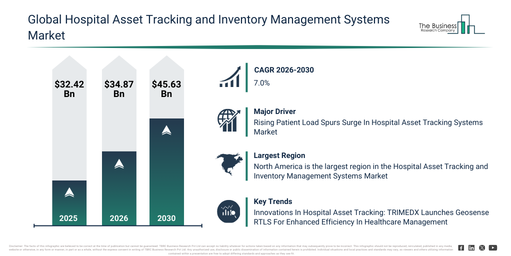
    The market for hospital asset tracking and inventory management systems has experienced robust growth over recent years. This market is projected to expand from $32.42 billion in 2025 to $34.87 billion by 2026, exhibiting a compound annual growth rate (CAGR) of 7.5%. Historically, this expansion has been driven by factors such as the increasing development of hospital infrastructure, the escalating financial losses resulting from misplaced medical equipment, the increasing intricacy of managing hospital inventory, the growing demand for readily available emergency equipment, and the implementation of fundamental RFID and barcode technologies.

    The hospital asset tracking and inventory management systems market is anticipated to show strong development over the next few years, with its valuation reaching $45.63 billion in 2030, progressing at a compound annual growth rate (CAGR) of 7.0%. This growth during the forecast period is primarily driven by an increasing need for operational efficiency in medical facilities, a rising demand for real-time visibility of assets, the expansion of smart hospital initiatives, a greater emphasis on cost optimization and tracking asset utilization, and growing regulatory requirements for equipment accountability. Noteworthy trends predicted for the forecast period include the increasing adoption of real-time equipment tracking systems, a heightened focus on reducing asset loss and misplacement, a growing requirement for automated inventory visibility within hospitals, the expansion of preventive equipment maintenance management practices, and improved integration of asset tracking with overall hospital operations.

    Access Your Free Sample Report for In-Depth Market Insights:

    https://www.thebusinessresearchcompany.com/sample.aspx?id=7461&type=smp

    Which Drivers Are Affecting Market Participation In The Hospital Asset Tracking and Inventory Management Systems Market?

    The increasing patient burden in hospitals is propelling the growth of the hospital asset tracking and inventory management systems market. The rise in individuals requiring hospitalization, driven by the COVID-19 pandemic, lifestyle diseases, and other illnesses including cancer, contributes to this growing patient load. This surge in patients subsequently elevates the demand for equipment and inventory, thereby fostering the adoption of asset tracking and inventory management systems. For instance, in May 2024, according to the Nuffield Trust, a UK-based charitable trust, the percentage of patients in private hospitals in England increased from 5.6% prior to the pandemic to 7.5% in the 2022/23 period. Therefore, the expanding patient load in hospitals is a significant driver for the growth of the hospital asset tracking and inventory management systems market.

    What Segment Categories Are Covered In The Hospital Asset Tracking and Inventory Management Systems Market?

    The hospital asset tracking and inventory management systems market covered in this report is segmented –

    1) By Product Type: Mobile, Fixed

    2) By Technology: Hardware, Software

    3) By Application: Equipment Or Device Or Supplies Tracking, Equipment Maintenance

    Subsegments:

    1) By Mobile: Mobile Asset Tracking Devices, Mobile Inventory Management Applications

    2) By Fixed: Fixed Asset Tracking Systems, Fixed Inventory Management Solutions

    Which Trends Are Expected To Influence The Hospital Asset Tracking and Inventory Management Systems Market In The Upcoming Years?

    Key players in the hospital asset tracking and inventory management systems market are creating innovative products, such as healthcare asset management, to increase efficiency, decrease expenditures, and enhance patient treatment. Healthcare asset management refers to a structured method for overseeing a healthcare organization’s holdings, which may encompass medical equipment, facilities, IT infrastructure, and human resources. For instance, in April 2024, TRIMEDX, a US-based biotechnology company, launched GeoSense, an advanced Real-Time Location System (RTLS) tailored for healthcare asset management. This pioneering system delivers room-level accuracy in tracking medical devices, significantly reducing search times by up to 50% and enabling healthcare personnel to concentrate more on patient care. GeoSense seamlessly links with TRIMEDX’s current data platforms and incorporates an easy-to-use mobile application for swift device identification at the point of care.

    Which Leading Companies Dominate The Hospital Asset Tracking and Inventory Management Systems Market Share?

    Major companies operating in the hospital asset tracking and inventory management systems market are IBM Corporation, Honeywell International Inc., Siemens Healthineers AG, GE Healthcare, Stanley Black & Decker, Avery Dennison Corporation, Zebra Technologies Corporation, ThingMagic (Trimble Inc.), Infor Inc., CenTrak (Halma plc), Epicor Software Corporation, Jadak- A Novanta Company, Midmark Corporation, Ascom Holding AG, Impinj Inc., Elpas Solutions, Identiv Inc., Sato Holdings Corporation, Alien Technology, Censis Technologies, Mobile Aspects, Ekahau Inc., AiRISTA Flow Inc, Sonitor Technologies Inc, Cybra Corporation, LogiTag Systems

    Access The Complete Report For Deeper Market Insights:

    https://www.thebusinessresearchcompany.com/report/hospital-asset-tracking-and-inventory-management-systems-global-market-report

    Which Region Is Anticipated To See The Fastest Growth In The Hospital Asset Tracking and Inventory Management Systems Market?

    North America was the largest region in the hospital asset tracking and inventory market in 2025. The regions covered in the hospital asset tracking and inventory management systems market report are Asia-Pacific, South East Asia, Western Europe, Eastern Europe, North America, South America, Middle East, Africa.

    Request Your Customized Hospital Asset Tracking and Inventory Management Systems Market Research Report for Competitive Advantage:

    https://www.thebusinessresearchcompany.com/customise?id=7461&type=smp

    Browse Through More Reports Similar to the Global Hospital Asset Tracking and Inventory Management Systems Market 2026, By The Business Research Company

    Asset Tracking Software Market Report 2026

    https://www.thebusinessresearchcompany.com/report/asset-tracking-software-global-market-report

    Hospital Asset Management Systems Market Report 2026

    https://www.thebusinessresearchcompany.com/report/hospital-asset-management-systems-global-market-report

    Inventory Management Software Market Report 2026

    https://www.thebusinessresearchcompany.com/report/inventory-management-software-global-market-report

    Get in touch with us:

    The Business Research Company: https://www.thebusinessresearchcompany.com/

    Americas +1 310-496-7795

    Asia +44 7882 955267 & +91 8897263534

    Europe +44 7882 955267

    Email us at info@tbrc.info

    Follow us on:

    LinkedIn: https://in.linkedin.com/company/the-business-research-company

    YouTube: https://www.youtube.com/channel/UC24_fI0rV8cR5DxlCpgmyFQ

    Global Market Model: https://www.thebusinessresearchcompany.com/global-market-model
  • Hospital And Nursing Home Probiotics Sector Forecast Shows Robust Momentum, Climbing to $2.86 Billion With 11.1% CAGR

    Hospital And Nursing Home Probiotics Sector Forecast Shows Robust Momentum, Climbing to $2.86 Billion With 11.1% CAGR

    Uncover key drivers, emerging technologies, and competitive movements shaping the hospital and nursing home probiotics market from 2026–2035 with trusted insights from The Business Research Company

    What are the forecasted starting (2026) and ending (2030) market sizes for the Hospital And Nursing Home Probiotics Market?

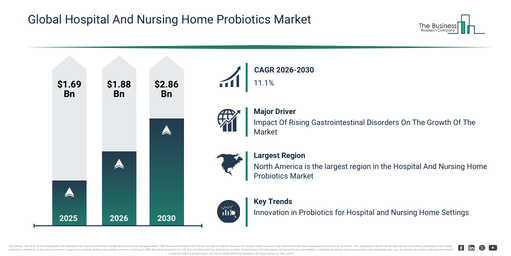
    The hospital and nursing home probiotics market size has experienced rapid growth in recent years. It is anticipated to expand from $1.69 billion in 2025 to $1.88 billion in 2026, progressing at a compound annual growth rate (CAGR) of 11.4%. The observed growth historically can be ascribed to an increasing understanding of gut health advantages, elevated antibiotic consumption leading to digestive problems, the expanding elderly demographic within nursing facilities, the proliferation of clinical nutrition methods, and the expanding accessibility of probiotic formulations.

    The hospital and nursing home probiotics market is anticipated to experience robust expansion over the next few years, with its size expected to reach $2.86 billion by 2030, exhibiting a compound annual growth rate (CAGR) of 11.1%. This projected growth during the forecast period is attributable to an escalating focus on microbiome-based health management, a growing demand for immune support solutions, the increasing occurrence of gastrointestinal disorders, the broadening of hospital-based preventive care programs, and the rising application of probiotics in long-term care facilities. Prominent trends observed in this period include the increased utilization of probiotics within clinical nutrition protocols, their wider adoption for the care of the elderly and immunocompromised individuals, their growing integration into preventive healthcare regimens, the expansion of probiotic formulations tailored to specific conditions, and the increasing acceptance of probiotics as an adjunct therapy in hospitals.

    Access Your Free Sample Report for In-Depth Market Insights:

    https://www.thebusinessresearchcompany.com/sample.aspx?id=20834&type=smp

    What Drivers Are Supporting Technological Adoption In The Hospital And Nursing Home Probiotics Market?

    The escalating occurrence of gastrointestinal disorders is anticipated to stimulate the expansion of the hospital and nursing home probiotics market moving forward. These conditions refer to a variety of ailments impacting the digestive tract, including irritable bowel syndrome (IBS), inflammatory bowel disease (IBD), gastroesophageal reflux disease (GERD), and constipation. The rising frequency of gastrointestinal disorders is linked to elements such as poor dietary habits, increased intake of processed foods, sedentary lifestyles, and heightened stress levels. Hospital and nursing home probiotics aid in managing gastrointestinal disorders by re-establishing the balance of beneficial gut bacteria, fostering digestive wellness, and relieving symptoms like diarrhea, constipation, and bloating. For instance, in December 2023, according to the IBD Registry, a UK-based non-profit organization, by 2023, the number of individuals with Inflammatory Bowel Disease (IBD) reached over 5,300, marking an increase of more than 3,000 members compared to 2022. Therefore, the growing prevalence of gastrointestinal disorders is propelling the growth of the hospital and nursing home probiotics market.

    Which Segments Are Contributing To The Growth Of The Hospital And Nursing Home Probiotics Market?

    The hospital and nursing home probiotics market covered in this report is segmented –

    1) By Indication: Antibiotic-Associated Diarrhea, Irritable Bowel Syndrome, Clostridium difficile Infection, Inflammatory Bowel Disease, General Gut Health

    2) By Formulation Type: Capsules, Powder, Liquid

    3) By Patient Group: Adults, Elderly, Immunocompromised Patients, Patients With Gastrointestinal Disorders

    4) By Distribution Channel: Hospitals, Nursing Homes, Healthcare Facilities

    5) By Application: Gut Health, Immunity

    Subsegments:

    1) By Antibiotic-Associated Diarrhea (AAD): Prevention of AAD, Treatment of AAD

    2) By Irritable Bowel Syndrome (IBS): IBS With Diarrhea (IBS-D), IBS With Constipation (IBS-C), Mixed IBS (IBS-M)

    3) By Clostridium Difficile Infection (CDI): Prevention of CDI Recurrence, Treatment Of CDI

    4) By Inflammatory Bowel Disease (IBD): Crohn’s Disease, Ulcerative Colitis

    5) By General Gut Health: Immune System Support, Digestive Health, Gut Microbiome Restoration

    What Trends Are Driving The Growth Trajectory Of The Hospital And Nursing Home Probiotics Market?

    Leading companies in the hospital and nursing home probiotics market are concentrating on developing innovative products, specifically probiotic solutions, aimed at enhancing patient gut health, improving recovery times, and reducing antibiotic-associated side effects. Probiotic solutions are defined as products containing live microorganisms that offer health benefits when consumed in adequate amounts, typically by improving the balance of beneficial bacteria within the digestive system. For instance, in October 2024, Probi AB, a Sweden-based biotechnology company specializing in probiotics, launched Metabolic Health by Probi for healthcare settings. Metabolic Health by Probi is a clinically backed probiotic solution designed to support metabolic well-being, cardiovascular health, weight management, and blood pressure regulation by combining two proprietary probiotic strains, Lactiplantibacillus plantarum 299v (LP299V) and Lacticaseibacillus paracasei 8700:2 (L. Paracasei 8700:2).

    Who Are The Major Companies Operating In The Hospital And Nursing Home Probiotics Market?

    Major companies operating in the hospital and nursing home probiotics market are Nestlé Health Science, Abbott Laboratories, Danone S.A., Yakult Honsha Co. Ltd., BioGaia AB, Lactalis Group, General Mills Inc., Arla Foods Group, Glanbia PLC, SymbioPharm GmbH, Klaire Labs, Procter & Gamble Company, Vitakem Nutraceuticals, Synlogic Inc., Bayer AG, Sanofi, Meiji Holdings Co. Ltd., Morinaga Milk Industry Co. Ltd., Otsuka Holdings Co. Ltd., Reckitt Benckiser Group plc

    Access The Complete Report For Deeper Market Insights:

    https://www.thebusinessresearchcompany.com/report/hospital-and-nursing-home-probiotics-global-market-report

    Which Region Is Anticipated To See The Fastest Growth In The Hospital And Nursing Home Probiotics Market?

    North America was the largest region in the hospital and nursing home probiotics market in 2025. The regions covered in the hospital and nursing home probiotics market report are Asia-Pacific, South East Asia, Western Europe, Eastern Europe, North America, South America, Middle East, Africa.

    Request Your Customized Hospital And Nursing Home Probiotics Market Research Report for Competitive Advantage:

    https://www.thebusinessresearchcompany.com/customise?id=20834&type=smp

    Browse Through More Reports Similar to the Global Hospital And Nursing Home Probiotics Market 2026, By The Business Research Company

    Probiotics Packaging Market Report 2026

    https://www.thebusinessresearchcompany.com/report/probiotics-packaging-global-market-report

    Probiotics Dietary Supplements Market Report 2026

    https://www.thebusinessresearchcompany.com/report/probiotics-dietary-supplements-global-market-report

    Probiotics Food And Cosmetics Market Report 2026

    https://www.thebusinessresearchcompany.com/report/probiotics-food-and-cosmetics-global-market-report

    Get in touch with us:

    The Business Research Company: https://www.thebusinessresearchcompany.com/

    Americas +1 310-496-7795

    Asia +44 7882 955267 & +91 8897263534

    Europe +44 7882 955267

    Email us at info@tbrc.info

    Follow us on:

    LinkedIn: https://in.linkedin.com/company/the-business-research-company

    YouTube: https://www.youtube.com/channel/UC24_fI0rV8cR5DxlCpgmyFQ

    Global Market Model: https://www.thebusinessresearchcompany.com/global-market-model
  • Hospice Care Market Anticipated to Record Steady Gains, Advancing to $9 Billion by 2030

    Hospice Care Market Anticipated to Record Steady Gains, Advancing to $9 Billion by 2030

    Uncover key drivers, emerging technologies, and competitive movements shaping the hospice care market from 2026–2035 with trusted insights from The Business Research Company

    What upper market value could the Hospice Care Market reach by 2030 starting from 2026 levels?

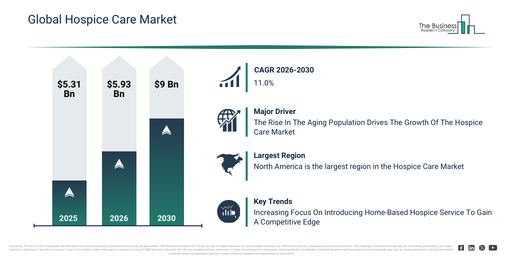
    The hospice care market has seen rapid expansion in recent years. Its value is projected to climb from $5.31 billion in 2025 to $5.93 billion in 2026, achieving a compound annual growth rate (CAGR) of 11.7%. This historical growth can be attributed to an increased understanding of end-of-life care alternatives, a rising frequency of terminal illnesses, the growth in hospice care facilities, broader acceptance of palliative care strategies, and backing from non-profit and community organizations.

    The hospice care market size is projected for significant expansion in the coming years. It is anticipated to reach $9 billion by 2030, demonstrating a compound annual growth rate (CAGR) of 11.0%. This growth during the forecast period is primarily driven by an increasing aging population, a rising demand for home-based end-of-life care, a growing emphasis on quality of life outcomes, the expansion of specialized hospice nursing services, and increasing caregiver support and counseling needs. Furthermore, major trends anticipated in the forecast period include the broadening of home-based hospice care services, an increasing focus on patient-centered comfort and dignity, the growing integration of multidisciplinary care teams, a rising demand for palliative and pain management services, and the expansion of family and caregiver support programs.

    Access Your Free Sample Report for In-Depth Market Insights:

    https://www.thebusinessresearchcompany.com/sample.aspx?id=7429&type=smp

    Which Drivers Are Influencing Long-Term Growth In The Hospice Care Market?

    The expanding aging demographic is anticipated to fuel the expansion of the hospice care market. This demographic phenomenon involves an increasing share of older individuals in a society, frequently due to longer life expectancies and decreased birth rates. Hospice care offers dedicated comfort and assistance to older adults facing terminal illnesses, prioritizing their quality of life and managing pain during their last phases. As an illustration, data from July 2024 by the UK Parliament’s House of Commons Library, a UK-based government administration, shows that in 2022, the UK had 12.7 million individuals aged 65 or older, making up 19% of its total population. This figure is forecast to increase to 22.1 million by 2072, constituting 27% of the populace. Consequently, the expanding aging population is a significant factor in the growth of the hospice care market.

    How Is The Hospice Care Market Divided Into Segments?

    The hospice care market covered in this report is segmented –

    1) By Type: Nursing Services, Medical Supply Services, Physician Services, Other Types

    2) By Payer And Payment Mode: Private Health Insurance, Public And Government Programs, Out Of Pocket (Self Pay), Charitable And NGO And Philanthropic Funding, Employer Sponsored And Corporate Benefits

    3) By Application: Home Settings, Hospitals, Specialty Nursing Homes, Hospice Care Centers

    Subsegments:

    1) By Nursing Services: Skilled Nursing Care, Home Health Aide Services, Palliative Care Nursing

    2) By Medical Supply Services: Durable Medical Equipment (DME), Medication Management And Supplies, Mobility Aids And Supplies

    3) By Physician Services: On-Call Physician Services, Pain Management Consultation, Care Coordination Services

    4) By Other Types of Services: Psychological And Counseling Services, Spiritual Care Services, Respite Care Services

    What Upcoming Trends Are Likely To Define The Future Path Of The Hospice Care Market?

    Major companies in the hospice care market are concentrating on developing innovative solutions, such as home-based hospice services, to gain a competitive advantage. These home-based services provide specialized medical care, emotional support, and comfort to individuals with terminal illnesses in the familiar and comfortable environment of their own homes, thereby enhancing their quality of life during the final stages of illness. For instance, in July 2023, Kaiser Permanente, a US-based healthcare company, launched a home-based hospice service named Care at Home. This service enables members with serious illnesses to receive care within the comfort of their residences. This program is an element of Kaiser Permanente’s integrated care delivery model, which aims to offer comprehensive options for patients throughout their entire care journey. The Care at Home program is managed through specialized command centers led by physician-led teams, who remotely coordinate patient care, with additional support from in-home visits.

    Which Major Firms Are Strengthening Their Position In The Hospice Care Market?

    Major companies operating in the hospice care market are Dierksen Hospice, Kindred at Home, PruittHealth Inc., Covenant Care, AseraCare Hospice, Bristol Hospice, Brookdale Hospice, Capital Caring, Community Hospice & Palliative Care, Compassus, Continuum Care Hospice, Crossroads Hospice, Encompass Health Corp., Four Seasons Hospice, Gentiva Hospice, Gilchrist Hospice Care, Grace Hospice, Halcyon Hospice & Palliative Care, Harbor Light Hospice, Heartland Hospice, Hope Hospice, Hospice of Dayton, Hospice of the Chesapeake, Hospice of the Valley, Odyssey Healthcare, Ohio’s Hospice, Pathways Home Health and Hospice, Premier Hospice and Palliative Care, Seasons Hospice & Palliative Care, Suncoast Hospice, Tidewell Hospice, VITAS Healthcare

    Access The Complete Report For Deeper Market Insights:

    https://www.thebusinessresearchcompany.com/report/hospice-care-global-market-report

    Which Global Regions Are Shaping The Competitive Landscape Of The Hospice Care Market?

    North America was the largest region in the hospice care market in 2025. The regions covered in the hospice care market report are Asia-Pacific, South East Asia, Western Europe, Eastern Europe, North America, South America, Middle East, Africa.

    Request Your Customized Hospice Care Market Research Report for Competitive Advantage:

    https://www.thebusinessresearchcompany.com/customise?id=7429&type=smp

    Browse Through More Reports Similar to the Global Hospice Care Market 2026, By The Business Research Company

    Care Services Market Report 2026

    https://www.thebusinessresearchcompany.com/report/care-services-global-market-report

    Home Care Services Market Report 2026

    https://www.thebusinessresearchcompany.com/report/home-care-services-global-market-report

    Death Care Services Market Report 2026

    https://www.thebusinessresearchcompany.com/report/death-care-services-global-market-report

    Get in touch with us:

    The Business Research Company: https://www.thebusinessresearchcompany.com/

    Americas +1 310-496-7795

    Asia +44 7882 955267 & +91 8897263534

    Europe +44 7882 955267

    Email us at info@tbrc.info

    Follow us on:

    LinkedIn: https://in.linkedin.com/company/the-business-research-company

    YouTube: https://www.youtube.com/channel/UC24_fI0rV8cR5DxlCpgmyFQ

    Global Market Model: https://www.thebusinessresearchcompany.com/global-market-model

  • Hormone Refractory Prostate Cancer Industry Poised for Rapid Growth, Forecast to Touch $13.09 Billion by 2030 at 10% CAGR

    Hormone Refractory Prostate Cancer Industry Poised for Rapid Growth, Forecast to Touch $13.09 Billion by 2030 at 10% CAGR

    Uncover key drivers, emerging technologies, and competitive movements shaping the hormone refractory prostate cancer market from 2026–2035 with trusted insights from The Business Research Company

    What level of CAGR-driven expansion is anticipated in the Hormone Refractory Prostate Cancer Market between 2026 and 2030?

    The hormone refractory prostate cancer market size has experienced significant expansion in recent years. This market is projected to expand from $8.12 billion in 2025 to $8.95 billion in 2026, demonstrating a compound annual growth rate (CAGR) of 10.2%. Historically, this growth was driven by factors such as the increasing incidence of advanced prostate cancer, the broad adoption of androgen deprivation therapy, enhanced availability of chemotherapy agents, the increasing application of PSA-based disease monitoring, and the development of oncology care infrastructure.

    The market size for hormone refractory prostate cancer is anticipated to experience robust growth in the coming years. It is projected to expand to $13.09 billion by 2030, demonstrating a compound annual growth rate (CAGR) of 10.0%. This expansion during the forecast period is driven by factors such as the increasing creation of targeted therapies, escalating clinical trial involvement in castration-resistant prostate cancer, an increasing need for personalized oncology solutions, the broadening of immuno-oncology pipelines, and greater healthcare spending on cancer treatments. Significant trends during this period involve the wider acceptance of precision oncology therapies, a rise in the application of combination drug regimens, the increasing incorporation of biomarker-based treatment choices, the expansion of immunotherapy applications for advanced prostate cancer, and an intensified focus on tailored treatment pathways.

    Access Your Free Sample Report for In-Depth Market Insights:

    https://www.thebusinessresearchcompany.com/sample.aspx?id=25786&type=smp

    What Drivers Are Affecting Demand-Supply Dynamics In The Hormone Refractory Prostate Cancer Market?

    Increasing funding directed towards cancer research is projected to fuel the expansion of the hormone-refractory prostate cancer market in the future. This investment in cancer research encompasses financial and resource backing aimed at promoting novel methods for detecting, treating, and preventing cancer. The surge in cancer research funding stems from the escalating worldwide prevalence of cancer, necessitating more potent and focused therapeutic options. Funding for cancer research stimulates advancements in addressing hormone-refractory prostate cancer, facilitating the development of sophisticated therapies like radioligand treatments and hormone inhibitors. Additionally, it finances clinical studies and investigations into biomarkers, thereby improving the accuracy and effectiveness of treatments. As an illustration, in August 2024, the Cancer Research Institute (CRI), a US-based nonprofit organization focused on advancing immunotherapy research, allocated approximately $22.8 million during the 2023–2024 fiscal year, supporting 64 new grants for researchers affiliated with 42 institutions spanning seven countries. Consequently, increased investment in cancer research is propelling the expansion of the hormone-refractory prostate cancer market.

    What Segments Are Included Within The Hormone Refractory Prostate Cancer Market?

    The hormone refractory prostate cancer market covered in this report is segmented –

    1) By Treatment Type: Chemotherapy, Hormonal Therapy, Immunotherapy, Radiation Therapy, Surgery

    2) By Distribution Channel: Hospital Pharmacies, Retail Pharmacies, Online Pharmacies

    3) By End-User: Hospitals, Ambulatory Surgical Centers, Specialty Clinics, Other End-Users

    Subsegments:

    1) By Chemotherapy: Docetaxel, Cabazitaxel, Mitoxantrone, Estramustin

    2) By Hormonal Therapy: Anti-Androgens, CYP17 Inhibitors, LHRH Agonists, LHRH Antagonists

    3) By Immunotherapy: Cancer Vaccines, Immune Checkpoint Inhibitors, Adoptive Cell Therapy

    4) By Radiation Therapy: External Beam Radiation Therapy (EBRT), Brachytherapy, Radionuclide Therapy

    5) By Surgery: Radical Prostatectomy, Orchiectomy, Transurethral Resection Of The Prostate (TURP)

    Which Trends Are Shaping Activity Within The Hormone Refractory Prostate Cancer Market?

    Leading companies in the hormone-refractory prostate cancer market are concentrating on developing advanced therapies, such as intravenous radioligand therapy, to enhance survival rates for patients with resistant forms of the disease. Intravenous radioligand therapy is a targeted treatment that utilizes radioactive molecules linked to ligands to identify and bind to cancer-specific markers, internally destroying cancer cells while preserving surrounding healthy tissue. For instance, in March 2025, Novartis AG, a Switzerland-based pharmaceutical corporation, launched Pluvicto (lutetium Lu 177 vipivotide tetraxetan), which received approval from the Food and Drug Administration (FDA). This treatment is designed for earlier administration in patients with prostate-specific membrane antigen (PSMA)-positive metastatic castration-resistant prostate cancer (mCRPC) who have undergone treatment with an androgen receptor pathway inhibitor (ARPI) and are suitable to delay chemotherapy. The expanded indication, based on the Phase III PSMAfore trial, approximately triples the eligible patient population and showed that Pluvicto reduced the risk of radiographic progression or death by 59% and more than doubled median radiographic progression-free survival compared to a change in ARPI. Pluvicto is the first targeted radioligand therapy approved for use before chemotherapy in this setting, offering a new treatment option that delays disease progression with a favorable safety profile.

    Who Are The Primary Competitors In The Global Hormone Refractory Prostate Cancer Market?

    Major companies operating in the hormone refractory prostate cancer market are Pfizer Inc, Johnson And Johnson, F Hoffmann La Roche Ltd, Merck And Co Inc, AbbVie Inc, Bayer AG, Sanofi SA, Bristol Myers Squibb Company, Novartis AG, AstraZeneca Plc, Eli Lilly And Company, Amgen Inc, Astellas Pharma Inc, Ipsen Pharma, Exelixis Inc, Orion Corporation, Lantheus Holdings Inc, Clovis Oncology Inc, Telix Pharmaceuticals, Dendreon Pharmaceuticals LLC, Janssen Pharmaceuticals Inc, Bayer Healthcare Pharmaceuticals Inc

    Access The Complete Report For Deeper Market Insights:

    https://www.thebusinessresearchcompany.com/report/hormone-refractory-prostate-cancer-global-market-report

    Which Regions Are Poised For Strategic Growth In The Hormone Refractory Prostate Cancer Market?

    North America was the largest region in the hormone-refractory prostate cancer market in 2025. Asia-Pacific is expected to be the fastest-growing region in the forecast period. The regions covered in the hormone refractory prostate cancer market report are Asia-Pacific, South East Asia, Western Europe, Eastern Europe, North America, South America, Middle East, Africa.

    Request Your Customized Hormone Refractory Prostate Cancer Market Research Report for Competitive Advantage:

    https://www.thebusinessresearchcompany.com/customise?id=25786&type=smp

    Browse Through More Reports Similar to the Global Hormone Refractory Prostate Cancer Market 2026, By The Business Research Company

    Benign Prostatic Hyperplasia Bph Treatment Devices And Equipment Market Report 2026

    https://www.thebusinessresearchcompany.com/report/benign-prostatic-hyperplasia-bph-treatment-devices-and-equipment-global-market-report

    Prostate Cancer Diagnostics Market Report 2026

    https://www.thebusinessresearchcompany.com/report/prostate-cancer-diagnostics-global-market-report

    Prostate Cancer Nuclear Medicine Diagnostics Market Report 2026

    https://www.thebusinessresearchcompany.com/report/prostate-cancer-nuclear-medicine-diagnostics-global-market-report

    Get in touch with us:

    The Business Research Company: https://www.thebusinessresearchcompany.com/

    Americas +1 310-496-7795

    Asia +44 7882 955267 & +91 8897263534

    Europe +44 7882 955267

    Email us at info@tbrc.info

    Follow us on:

    LinkedIn: https://in.linkedin.com/company/the-business-research-company

    YouTube: https://www.youtube.com/channel/UC24_fI0rV8cR5DxlCpgmyFQ

    Global Market Model: https://www.thebusinessresearchcompany.com/global-market-model

  • Horizontal Laminar Air Flow Cabinet Market Performance Outlook 2026–2030: Revenue to Hit $4.69 Billion at 6.7% CAGR

    Horizontal Laminar Air Flow Cabinet Market Performance Outlook 2026–2030: Revenue to Hit $4.69 Billion at 6.7% CAGR

    Uncover key drivers, emerging technologies, and competitive movements shaping the horizontal laminar air flow cabinet market from 2026–2035 with trusted insights from The Business Research Company

    What long-term size projections exist for the Horizontal Laminar Air Flow Cabinet Market covering 2026–2035?

    The horizontal laminar air flow cabinet market has experienced robust expansion recently. Projections indicate its size will increase from $3.39 billion in 2025 to $3.62 billion in 2026, demonstrating a compound annual growth rate (CAGR) of 7.0%. This historical growth is a result of factors such as the expansion of pharmaceutical manufacturing facilities, increased life science research, the growing adoption of sterile laboratory conditions, stricter laboratory safety regulations, and the wider utilization of cleanroom equipment.

    The market for horizontal laminar air flow cabinets is projected to experience significant expansion in the coming years. It is forecast to grow to $4.69 billion by 2030, achieving a compound annual growth rate (CAGR) of 6.7%. This anticipated growth during the forecast period is driven by factors such as increasing investments in biopharmaceutical research, a rising need for advanced laboratory safety equipment, the expansion of electronics and semiconductor labs, a growing emphasis on contamination-free manufacturing processes, and the accelerated replacement of conventional lab workstations. Furthermore, key trends in this period will include the wider adoption of high-efficiency HEPA and ULPA filtration, a rising demand for compact and mobile cabinet designs, an increased focus on energy-efficient airflow systems, the expansion of customized cabinets for specialized laboratories, and an enhanced emphasis on adhering to contamination control standards.

    Access Your Free Sample Report for In-Depth Market Insights:

    https://www.thebusinessresearchcompany.com/sample.aspx?id=20562&type=smp

    Which Drivers Are Impacting The Competitive Landscape Of The Horizontal Laminar Air Flow Cabinet Market?

    The future expansion of the horizontal laminar air flow cabinet market is anticipated to be driven by the rising incidence of airborne diseases. Conditions like tuberculosis, influenza, and measles spread through the atmosphere via minute particles and droplets expelled when an an infected individual coughs, sneezes, or speaks. The escalating occurrence of airborne illnesses is fueled by elements such as greater urbanization, global travel, and changing weather conditions. Horizontal laminar air flow cabinets contribute to mitigating airborne diseases by delivering a constant, unidirectional stream of HEPA-filtered air across the workspace, thereby establishing a sterile setting that reduces the chances of airborne contamination and pathogen spread. For example, in October 2024, data from the Global Tuberculosis Report by the World Health Organization, a global health agency located in Switzerland, revealed that new tuberculosis (TB) diagnoses worldwide amounted to 8.2 million in 2023, an increase from 7.5 million in 2022. Consequently, the increasing prevalence of airborne diseases is a key factor propelling the horizontal laminar air flow cabinet market.

    What Leading Segments Are Studied In The Horizontal Laminar Air Flow Cabinet Market?

    The horizontal laminar air flow cabinet market covered in this report is segmented –

    1) By Type: Mobile Horizontal Laminar Air Flow Cabinet, Bench Top Horizontal Laminar Air Flow Cabinet, Table Top Horizontal Laminar Air Flow Cabinet

    2) By Filtration System: High Efficiency Particulate Air (HEPA) Filtration, Ultra Low Particulate Air (ULPA) Filtration

    3) By Application: Pharmaceutical Industry, Medical And Healthcare Sector, Chemical Laboratories, Food And Beverage Industry, Electronics Industry, Life Science Research

    Subsegments:

    1) By Mobile Horizontal Laminar Air Flow Cabinet: Single-Sided Mobile Cabinets, Double-Sided Mobile Cabinets

    2) By Bench Top Horizontal Laminar Air Flow Cabinet: Small Capacity Bench Top Cabinets, Large Capacity Bench Top Cabinets

    3) By Table Top Horizontal Laminar Air Flow Cabinet: Standard Table Top Cabinets, Compact Table Top Cabinets

    Which Trends Are Influencing The Development Of The Horizontal Laminar Air Flow Cabinet Market?

    Leading firms within the horizontal laminar air flow cabinet market are developing novel flow hood solutions, including clean bench technology, aiming to create a more secure and productive setting for laboratory uses. This clean bench technology, when incorporated into horizontal laminar air flow cabinets, functions by employing filtered, sterile airflow to protect samples and ongoing experiments from environmental impurities. A case in point is August 2023, when Labconco Corporation, a US-based manufacturer of laboratory equipment, introduced the Nexus horizontal clean bench. This represents an advanced laminar flow hood designed to offer exceptional protection for non-hazardous samples within pharmaceutical and life science environments. Key attributes of this product include its user-friendly Nexus OS interface with a 5” touchscreen, specialized cap technology for accurate airflow management, and energy-saving electronically commutated motor (ECM) blowers, all contributing to straightforward disinfection and a significantly reduced risk of contamination.

    Which Key Market Players Are Investing In Expansion And Innovation Within The Horizontal Laminar Air Flow Cabinet Market?

    Major companies operating in the horizontal laminar air flow cabinet market are Thermo Fisher Scientific Inc., Avantor Inc., Getinge AB, Allegro Global Pvt. Ltd., BioBase Group, Kewaunee Scientific Corporation, Telstar, Erlab Group, NuAire Inc., Airtech Japan Ltd., Labconco Corporation, Germfree Laboratories Inc., Bionics Scientific Technologies Pvt. Ltd., Air Science LLC, Esco Lifesciences Group, Labtron Equipment Ltd., Brinda Pharma Technologies Pvt. Ltd., LAMSYSTEMS GmbH, Monmouth Scientific Limited, Cleatech LLC, MRC Laboratory Equipment Ltd., iGene Labserve Private Limited, Bigneat Ltd., Labstac Ltd., Alpha Linear Co. Ltd.

    Access The Complete Report For Deeper Market Insights:

    https://www.thebusinessresearchcompany.com/report/horizontal-laminar-air-flow-cabinet-global-market-report

    Which Regions Are Projected To Dominate The Horizontal Laminar Air Flow Cabinet Market In The Coming Years?

    North America was the largest region in the horizontal laminar air flow cabinet market in 2025. The regions covered in the horizontal laminar air flow cabinet market report are Asia-Pacific, South East Asia, Western Europe, Eastern Europe, North America, South America, Middle East, Africa.

    Request Your Customized Horizontal Laminar Air Flow Cabinet Market Research Report for Competitive Advantage:

    https://www.thebusinessresearchcompany.com/customise?id=20562&type=smp

    Browse Through More Reports Similar to the Global Horizontal Laminar Air Flow Cabinet Market 2026, By The Business Research Company

    Flowmeter Market Report 2026

    https://www.thebusinessresearchcompany.com/report/flowmeter-global-market-report

    Flow Cytometry Market Report 2026

    https://www.thebusinessresearchcompany.com/report/flow-cytometry-global-market-report

    Lateral Flow Immunoassay Based Rapid Test Market Report 2026

    https://www.thebusinessresearchcompany.com/report/lateral-flow-immunoassay-based-rapid-test-global-market-report

    Get in touch with us:

    The Business Research Company: https://www.thebusinessresearchcompany.com/

    Americas +1 310-496-7795

    Asia +44 7882 955267 & +91 8897263534

    Europe +44 7882 955267

    Email us at info@tbrc.info

    Follow us on:

    LinkedIn: https://in.linkedin.com/company/the-business-research-company

    YouTube: https://www.youtube.com/channel/UC24_fI0rV8cR5DxlCpgmyFQ

    Global Market Model: https://www.thebusinessresearchcompany.com/global-market-model
  • Global Homeopathy Medicine Treatment Market Set for Strong Expansion, Reaching $25.65 Billion With 14.4% CAGR by 2030

    Global Homeopathy Medicine Treatment Market Set for Strong Expansion, Reaching $25.65 Billion With 14.4% CAGR by 2030

    Uncover key drivers, emerging technologies, and competitive movements shaping the homeopathy medicine treatment market from 2026–2035 with trusted insights from The Business Research Company

    What total market size is anticipated for the Homeopathy Medicine Treatment Market in 2030?

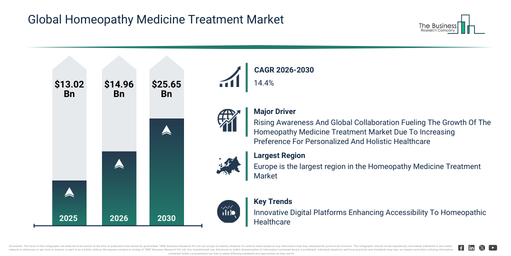
    The homeopathy medicine treatment market has experienced rapid expansion in recent years. It is anticipated to increase from $13.02 billion in 2025 to $14.96 billion in 2026, exhibiting a compound annual growth rate (CAGR) of 14.8%. The historical growth can be attributed to the long-standing cultural acceptance of homeopathy, growing apprehensions regarding the side effects of conventional medicines, the affordability of homeopathic treatments, the expansion of independent homeopathic clinics, and increasing consumer confidence in natural remedies.

    The homeopathy medicine treatment market is anticipated to undergo significant growth in the upcoming years. Its valuation is projected to reach $25.65 billion by 2030, demonstrating a compound annual growth rate (CAGR) of 14.4%. This expansion during the forecast period can be attributed to an increasing emphasis on preventive healthcare, a rising demand for personalized and holistic medicine, the proliferation of digital health commerce platforms, growing interest in therapies that boost immunity, and an escalating consumer preference for sustainable healthcare solutions. Prominent trends for the forecast period include a developing preference for natural and holistic treatment methods, an increasing demand for preventive and wellness-focused therapies, wider acceptance of alternative medicine for chronic conditions, the expansion of over-the-counter homeopathic remedies, and an increase in online and direct-to-consumer access to homeopathy.

    Access Your Free Sample Report for In-Depth Market Insights:

    https://www.thebusinessresearchcompany.com/sample.aspx?id=23418&type=smp

    What Drivers Are Influencing Production Trends In The Homeopathy Medicine Treatment Market?

    The increasing recognition of homeopathic treatment is anticipated to drive expansion in the homeopathy medicine treatment market. Homeopathic remedies, vital to this field, are prescribed individually, considering a patient’s particular symptoms and their comprehensive physical, mental, and emotional profile. This heightened awareness stems from its natural and non-invasive methodology, coupled with fewer side effects compared to conventional alternatives, aligning with the growing demand for holistic and personalized healthcare solutions. The combination of minimal adverse effects, tailored treatments, and a holistic perspective has led to greater acceptance and widespread adoption, consequently increasing the demand for homeopathic medicines and associated services. For instance, in March 2023, according to the Ministry of Ayush, a ministry of the Government of India, the Ministry has signed 24 Country-to-Country Memorandum of Understanding (MoUs) for cooperation in the field of traditional medicine and homeopathy with foreign nations. Consequently, the increasing recognition of homeopathic treatment options is serving as a significant driver for the expansion of the homeopathy medicine treatment market.

    Which Segment Groups Are Influencing The Homeopathy Medicine Treatment Market?

    The homeopathy medicine treatment market covered in this report is segmented –

    1) By Product Type: Single Remedies, Combination Remedies, Complex Medicines

    2) By Application: Chronic Diseases, Acute Diseases, Preventive Care

    3) By Distribution Channel: Retail Pharmacies, Online Platforms, Homeopathic Clinics

    Subsegments:

    1) By Single Remedies: Dilutions, Mother Tinctures, Bio-Chemic Tablets, Medicated Pellets

    2) By Combination Remedies: Tablet Formulations, Liquid Formulations, Powder Formulations, Globules

    3) By Complex Medicines: Anti-Allergic Complex, Pain Relief Complex, Immunity Boosting Complex, Respiratory Care Complex

    What Trends Are Expected To Impact The Competitive Landscape Of The Homeopathy Medicine Treatment Market?

    Major companies operating in the homeopathy medicine treatment market are focusing on developing innovative solutions, such as online homeopathy medicine platforms, to enhance accessibility and convenience. An AI assistant homeopathic medicine tool is a digital platform or application powered by artificial intelligence that helps users identify suitable homeopathic remedies based on their symptoms and personal health information. For instance, in April 2024, Homeopathic.AI, a Canada-based retail health and personal care provider, launched the first AI assistant dedicated to homeopathic medicine. This groundbreaking system uses advanced algorithms and a comprehensive database to provide users with personalized, accurate health advice. It aims to meet the growing demand for alternative medicine by making homeopathic guidance more accessible worldwide. This trend toward AI integration highlights the industry’s shift towards leveraging technology to enhance the reach and effectiveness of homeopathic remedies.

    Who Are The Core Companies Influencing Trends In The Homeopathy Medicine Treatment Market?

    Major companies operating in the homeopathy medicine treatment market are Dr. Willmar Schwabe GmbH & Co. KG, ​Boiron, Weleda, Biologische Heilmittel Heel GmbH, Bakson’s Homoeopathy, Ainsworths, Homeocare International, Dr. Reckeweg & Co. GmbH, Allen Homeopathy, Bharat Homeopathy, Dr. Batra’s Homeopathy, Positive Homeopathy, Hahnemann Laboratories Inc., Similia Homoeopathic Clinic, Homeocan Inc., Life Force, Radient Pharma, New Life Homoeopathy, Vital Homeos, A Nelson & Co Limited, Adelmar Pharma GmbH, Ralson Remedies, Hapdco, Adel German Homeopathy, Sharda Boiron Laboratories Global, Haslab

    Access The Complete Report For Deeper Market Insights:

    https://www.thebusinessresearchcompany.com/report/homeopathy-medicine-treatment-global-market-report

    Which Region Is Expected To Experience The Fastest Growth In The Homeopathy Medicine Treatment Market?

    Europe was the largest region in the homeopathy medicine treatment market in 2025. Asia-Pacific is expected to be the fastest-growing region in the forecast period. The regions covered in the homeopathy medicine treatment market report are Asia-Pacific, South East Asia, Western Europe, Eastern Europe, North America, South America, Middle East, Africa.

    Request Your Customized Homeopathy Medicine Treatment Market Research Report for Competitive Advantage:

    https://www.thebusinessresearchcompany.com/customise?id=23418&type=smp

    Browse Through More Reports Similar to the Global Homeopathy Medicine Treatment Market 2026, By The Business Research Company

    Dermatology Drugs Market Report 2026

    https://www.thebusinessresearchcompany.com/report/dermatology-drugs-global-market-report

    Hormone Therapy Market Report 2026

    https://www.thebusinessresearchcompany.com/report/hormone-therapy-global-market-report

    Home Infusion Therapy Market Report 2026

    https://www.thebusinessresearchcompany.com/report/home-infusion-therapy-global-market-report

    Get in touch with us:

    The Business Research Company: https://www.thebusinessresearchcompany.com/

    Americas +1 310-496-7795

    Asia +44 7882 955267 & +91 8897263534

    Europe +44 7882 955267

    Email us at info@tbrc.info

    Follow us on:

    LinkedIn: https://in.linkedin.com/company/the-business-research-company

    YouTube: https://www.youtube.com/channel/UC24_fI0rV8cR5DxlCpgmyFQ

    Global Market Model: https://www.thebusinessresearchcompany.com/global-market-model

  • Home Vision Screening App Market Growth Projection: Expected to Surpass $1.39 Billion by 2030 at 17.1% CAGR

    Home Vision Screening App Market Growth Projection: Expected to Surpass $1.39 Billion by 2030 at 17.1% CAGR

    Uncover key drivers, emerging technologies, and competitive movements shaping the home vision screening app market from 2026–2035 with trusted insights from The Business Research Company

    What is the expected shift in the Home Vision Screening App Market’s size between 2026 and 2030?

    The home vision screening app market has seen considerable expansion in recent times. This market is projected to expand from $0.63 billion in 2025 to $0.74 billion in 2026, achieving a compound annual growth rate (CAGR) of 17.4%. Key drivers for this market’s past growth include increased smartphone penetration, greater awareness of preventive eye health, the broadening of digital health literacy, enhanced mobile display resolution, and the increased uptake of home-based screening tools.

    The home vision screening app market is projected to experience significant expansion in the coming years. It is expected to reach $1.39 billion by 2030, demonstrating a compound annual growth rate (CAGR) of 17.1%. This growth during the forecast period can be attributed to factors such as an increasing demand for early vision disorder detection, the rising integration with tele-ophthalmology services, the expansion of AI-powered diagnostic accuracy, growing utilization in school screening programs, and an increasing focus on accessible eye care solutions. Major trends anticipated in the forecast period include the increasing adoption of self-guided vision screening tools, a rising use of smartphone-based visual diagnostics, the growing integration of AI-assisted vision analysis, an expansion of pediatric and geriatric screening use cases, and an enhanced focus on early detection and monitoring.

    Access Your Free Sample Report for In-Depth Market Insights:

    https://www.thebusinessresearchcompany.com/sample.aspx?id=29084&type=smp

    Which Drivers Are Shaping Strategic Decisions In The Home Vision Screening App Market?

    The rising adoption of smartphones is projected to accelerate the expansion of the home vision screening app market in the future. Smartphones are portable devices that consolidate communication, internet access, and computing functions. Their increase is linked to greater internet penetration, which allows more individuals to conveniently access online services, social media, and digital entertainment from their devices. High smartphone ownership is beneficial for home vision screening apps as it ensures widespread availability, enabling more users to easily download and use these applications for eye tests without requiring specialized equipment or clinic visits. For instance, in February 2023, a report published by Uswitch Limited, a UK-based online and telephone comparison and switching service provider, indicated that by 2025, 95% of the 68.3 million people residing in the UK are expected to own smartphones. Consequently, the growth in smartphone usage is anticipated to boost the home vision screening app market.

    What Segment Classifications Make Up The Home Vision Screening App Market?

    The home vision screening app market covered in this report is segmented –

    1) By Product Type: Visual Acuity Apps, Color Vision Apps, Eye Health Monitoring Apps, Other Product Types

    2) By Platform: iOS, Android, Windows, Other Platforms

    3) By Distribution Channel: App Stores, Online Platforms, Other Distribution Channels

    4) By Application: Children, Adults, Elderly, Other Applications

    5) By End-User: Individuals, Hospitals And Clinics, Schools, Other End-Users

    Subsegments:

    1) By Visual Acuity Apps: Distance Vision Test, Near Vision Test, Astigmatism Test, Contrast Sensitivity Test

    2) By Color Vision Apps: Red Green Color Test, Blue Yellow Color Test, Complete Color Blindness Test

    3) By Eye Health Monitoring Apps: Dry Eye Monitoring, Glaucoma Monitoring, Macular Degeneration Monitoring, Cataract Progress Tracking

    4) By Other Product Types: Pediatric Vision Screening, Binocular Vision Assessment, Low Vision Support, Eye Exercise And Therapy

    Which Trends Are Guiding The Evolution Of The Home Vision Screening App Market?

    Prominent companies operating in the home vision screening app market are prioritizing advanced methodologies, including multilingual home self-assessment, to enhance ease of access, facilitate early detection of vision problems, and enable users to actively manage their eye health from the convenience of their homes. Multilingual home self-assessment refers to a function that allows individuals to conduct eye health evaluations at home via an application supporting various languages, thereby ensuring reach for diverse populations. For instance, in February 2024, L V Prasad Eye Institute, an India-based eye institute, and Infosys Limited, an India-based information technology (IT) services and consulting company, introduced a new home vision screening app. This innovative application enables users to perform comprehensive eye assessments from their homes, providing early alerts for potential vision issues, facilitating timely medical intervention, and making eye care more accessible to individuals in remote or underserved areas.

    Which Major Industry Participants Are Leading The Home Vision Screening App Market Growth?

    Major companies operating in the home vision screening app market are Carl Zeiss Vision GmbH, Acuity Pro LLC, Visibly Inc., Vula Vision by hearX Group, EyeQue Corporation, EyeXam LLC, GoCheck Kids, Peek Vision Limited, Smart Optometry LLC, Vivid Vision Inc., Eyenuk Inc., NovaSight Ltd., Oculocare Medical AG, Vision.app Ltd., Clear Inc., WHOeyes App, Opternative Inc., OrCam Technologies Ltd., iCare Home, EyecareLive Inc.

    Access The Complete Report For Deeper Market Insights:

    https://www.thebusinessresearchcompany.com/report/home-vision-screening-app-global-market-report

    Which Geographic Areas Are Emerging As Strong Markets For The Home Vision Screening App Market?

    North America was the largest region in the home vision screening app market in 2025. Asia-Pacific is expected to be the fastest-growing region in the forecast period. The regions covered in the home vision screening app market report are Asia-Pacific, South East Asia, Western Europe, Eastern Europe, North America, South America, Middle East, Africa.

    Request Your Customized Home Vision Screening App Market Research Report for Competitive Advantage:

    https://www.thebusinessresearchcompany.com/customise?id=29084&type=smp

    Browse Through More Reports Similar to the Global Home Vision Screening App Market 2026, By The Business Research Company

    Computer Vision In Healthcare Market Report 2026

    https://www.thebusinessresearchcompany.com/report/computer-vision-in-healthcare-global-market-report

    Beauty Camera Apps Market Report 2026

    https://www.thebusinessresearchcompany.com/report/beauty-camera-apps-global-market-report

    Computer Vision Market Report 2026

    https://www.thebusinessresearchcompany.com/report/computer-vision-global-market-report

    Get in touch with us:

    The Business Research Company: https://www.thebusinessresearchcompany.com/

    Americas +1 310-496-7795

    Asia +44 7882 955267 & +91 8897263534

    Europe +44 7882 955267

    Email us at info@tbrc.info

    Follow us on:

    LinkedIn: https://in.linkedin.com/company/the-business-research-company

    YouTube: https://www.youtube.com/channel/UC24_fI0rV8cR5DxlCpgmyFQ

    Global Market Model: https://www.thebusinessresearchcompany.com/global-market-model
  • Home Spirometry App Market Forecast 2026–2035: How to Leverage Market Growth

    Home Spirometry App Market Forecast 2026–2035: How to Leverage Market Growth

    Uncover key drivers, emerging technologies, and competitive movements shaping the home spirometry app market from 2026–2035 with trusted insights from The Business Research Company

    What growth pattern is forecast for the Home Spirometry App Market size between 2026 and 2035?

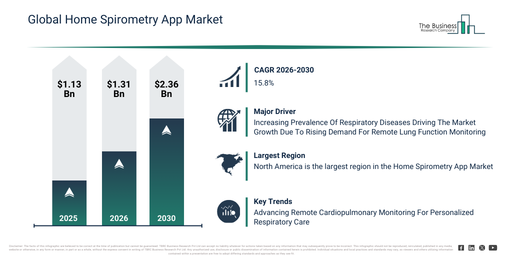
    The home spirometry app market has experienced swift expansion in its size during recent years. Forecasts indicate its value will rise from $1.13 billion in 2025 to reach $1.31 billion by 2026, achieving a compound annual growth rate (CAGR) of 16.1%. The factors contributing to its historical growth include the rising occurrence of chronic respiratory illnesses, the growth of home-based healthcare surveillance, increased uptake of internet-connected medical equipment, better accuracy of portable spirometry devices, and wider acceptance of remote patient observation.

    The market for home spirometry applications is anticipated to experience significant expansion in the coming years, projected to reach a value of $2.36 billion by 2030, exhibiting a compound annual growth rate (CAGR) of 15.8%. Factors contributing to this growth over the forecast period include a heightened need for chronic illness management solutions, greater integration with electronic health records, the broadening scope of AI-supported respiratory analytics, expanded application in post-acute care monitoring, and the rising acceptance of virtual pulmonary care frameworks. Key trends anticipated during this period encompass the growing embrace of remote lung function tracking, enhanced integration with smart spirometry devices, increased utilization of longitudinal respiratory data analysis, the proliferation of telehealth-enabled spirometry platforms, and a strengthened emphasis on ensuring clinical-grade measurement precision.

    Access Your Free Sample Report for In-Depth Market Insights:

    https://www.thebusinessresearchcompany.com/sample.aspx?id=29082&type=smp

    Which Drivers Are Impacting Market Performance In The Home Spirometry App Market?

    The anticipated expansion of the home spirometry app market is closely linked to the growing occurrence of respiratory illnesses. These conditions, affecting the lungs and airways, manifest as breathing difficulties, coughing, wheezing, breathlessness, and chest pain. The rise in respiratory disease prevalence stems from an aging demographic prone to chronic lung issues and increased exposure to air pollution, which deteriorates respiratory well-being. A home spirometry app aids in managing respiratory diseases by allowing patients to routinely monitor lung function at home, track symptom progression, identify early signs of worsening conditions, and transmit real-time data to healthcare professionals for prompt action, thereby fostering improved respiratory health and preventing complications. For example, the National Asthma Council, an Australia-based non-profit organization, reported in October 2024 that Australia experienced a total of 474 asthma-related deaths in 2023, with 325 females and 149 males. This number closely mirrors the 473 asthma-related deaths recorded in 2022, indicating a stable pattern in asthma mortality across these two years. Consequently, the expanding occurrence of respiratory diseases is a significant impetus behind the growth of the home spirometry app market.

    What Segment Types Are Examined In The Home Spirometry App Market?

    The home spirometry app market covered in this report is segmented –

    1) By Product Type: Standalone Apps, Integrated Apps

    2) By Platform: iPhone Operating System (iOS), Android, Windows, Other Platforms

    3) By Distribution Channel: App Stores, Direct Sales, Healthcare Facilities, Other Distribution Channels

    4) By Application: Chronic Obstructive Pulmonary Disease (COPD), Asthma, Cystic Fibrosis, Pulmonary Fibrosis, Other Applications

    5) By End-User: Patients, Healthcare Providers, Research Institutes, Other End-Users

    Subsegments:

    1) By Standalone Apps: Smartphone-Based Standalone Spirometry Apps, Tablet-Based Standalone Spirometry Apps, Desktop-Based Standalone Spirometry Apps, Cloud-Connected Standalone Spirometry Apps

    2) By Integrated Apps: Smart Spirometer-Integrated Apps, Wearable Device-Integrated Apps, Electronic Health Record (EHR)-Integrated Apps, Telehealth Platform-Integrated Apps

    What Trends Are Projected To Support The Growth Of The Home Spirometry App Market?

    Major companies in the home spirometry app market are prioritizing the development of innovative solutions, such as cardiopulmonary assessment devices, to enable remote oversight, enhance disease management, and deliver personalized care for respiratory patients. A cardiopulmonary assessment device assists patients and clinicians in monitoring heart and lung function continuously, facilitating the early identification of respiratory problems, customized treatment adjustments, and better management of chronic conditions like asthma and COPD. For example, electronRx Ltd., a UK-based deep tech company, launched its pDx app in September 2025, providing a home-based cardiopulmonary assessment platform specifically designed for individuals with chronic respiratory diseases. This application allows users to measure lung function using a smartphone, tablet, or laptop, concurrently generating digital biomarkers such as heart rate, respiratory rate, and tidal volume. Clinicians can access real-time data via a secure dashboard, enabling remote monitoring, early detection of disease progression, and personalized treatment adjustments, which helps reduce the need for frequent hospital visits and improves overall patient outcomes. The platform also integrates tailored questionnaires and delivers detailed results to both patients and healthcare providers, fostering more informed decision-making and increasing patient engagement in their health management.

    Who Are The Prominent Global Companies Shaping The Home Spirometry App Market Landscape?

    Major companies operating in the home spirometry app market are Cipla Limited, Clario Inc., Contec Medical Systems Co. Ltd., Vitalograph Ltd., NDD Medical Technologies AG, CareSimple Inc., MediTuner AB, NuvoAir AB, Monitored Therapeutics Inc., Sibelmed S.A., ZEPHYRx LLC, Alveofit Technologies Pvt. Ltd., Spiromagic ApS, Respirit Healthcare Pvt. Ltd., patientMpower Ltd., CMI Health Inc. (SpiroLink), Smart Respiratory Products Ltd., Koneksa Health Inc., AioCare Sp. z o.o., VitalFlo Inc.

    Access The Complete Report For Deeper Market Insights:

    https://www.thebusinessresearchcompany.com/report/home-spirometry-app-global-market-report

    Which Region Is Projected To Lead The Home Spirometry App Market During The Forecast Period?

    North America was the largest region in the home spirometry app market in 2025. Asia-Pacific is expected to be the fastest-growing region in the forecast period. The regions covered in the home spirometry app market report are Asia-Pacific, South East Asia, Western Europe, Eastern Europe, North America, South America, Middle East, Africa.

    Request Your Customized Home Spirometry App Market Research Report for Competitive Advantage:

    https://www.thebusinessresearchcompany.com/customise?id=29082&type=smp

    Browse Through More Reports Similar to the Global Home Spirometry App Market 2026, By The Business Research Company

    Respiratory Monitoring Devices Market Report 2026

    https://www.thebusinessresearchcompany.com/report/respiratory-monitoring-devices-global-market-report

    Pulse Oximeters Spirometers Market Report 2026

    https://www.thebusinessresearchcompany.com/report/pulse-oximeters-spirometers-global-market-report

    Respiratory Monitoring Devices Market Report 2026

    https://www.thebusinessresearchcompany.com/report/respiratory-monitoring-devices-global-market-report

    Get in touch with us:

    The Business Research Company: https://www.thebusinessresearchcompany.com/

    Americas +1 310-496-7795

    Asia +44 7882 955267 & +91 8897263534

    Europe +44 7882 955267

    Email us at info@tbrc.info

    Follow us on:

    LinkedIn: https://in.linkedin.com/company/the-business-research-company

    YouTube: https://www.youtube.com/channel/UC24_fI0rV8cR5DxlCpgmyFQ

    Global Market Model: https://www.thebusinessresearchcompany.com/global-market-model