Category: HealthcareServices

  • Gastrointestinal Pathogen Testing Market Forecast 2026–2035: Data Trends and Industry Insights

    Gastrointestinal Pathogen Testing Market Forecast 2026–2035: Data Trends and Industry Insights

    Uncover key drivers, emerging technologies, and competitive movements shaping the gastrointestinal pathogen testing market from 2026–2035 with trusted insights from The Business Research Company

    What was the valuation of the Gastrointestinal Pathogen Testing Market in 2026, and what figure is it projected to hit by 2030?

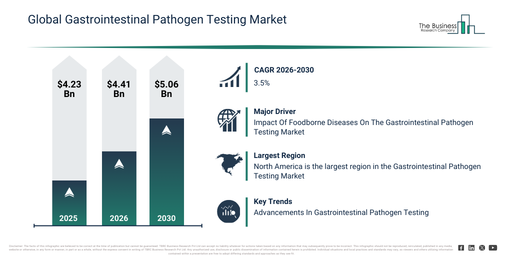
    The gastrointestinal pathogen testing market size has shown consistent growth in recent years. This market is expected to increase from $4.23 billion in 2025 to $4.41 billion in 2026, achieving a compound annual growth rate (CAGR) of 4.2%. Historically, this expansion has been influenced by the high incidence of gastrointestinal infections, the widespread adoption of culture-based testing, the enlargement of hospital laboratories, occurrences of foodborne illness outbreaks, and the establishment of public health surveillance programs.

    The gastrointestinal pathogen testing market size is anticipated to show stable development over the coming period. This market is set to reach $5.06 billion in 2030, exhibiting a compound annual growth rate (CAGR) of 3.5%. The expansion during this forecast timeframe is primarily driven by an increase in syndromic testing panels, the broadening of point-of-care diagnostics, the need for faster turnaround times, the incorporation of molecular diagnostics, and heightened awareness of infectious diseases. Prominent trends within the forecast period encompass the increasing application of multiplex molecular diagnostic panels, a greater need for rapid stool testing, the broadening of point-of-care GI diagnostics, the increasing acceptance of PCR-based testing, and a stronger emphasis on infection surveillance.

    Access Your Free Sample Report for In-Depth Market Insights:

    https://www.thebusinessresearchcompany.com/sample.aspx?id=15571&type=smp

    Which Drivers Are Affecting Market Participation In The Gastrointestinal Pathogen Testing Market?

    The increasing occurrence of foodborne illnesses is projected to stimulate growth within the gastrointestinal pathogen testing market. These illnesses arise from consuming food or drinks contaminated with harmful microorganisms, toxins, or chemicals, encompassing conditions like listeriosis, viral gastroenteritis, taeniasis, and trichinosis. The escalation in foodborne incidents stems from various factors, including evolving patterns in food production, distribution, and consumption, insufficient food safety protocols, and the impact of climate change on food supply. Gastrointestinal testing plays a crucial role by identifying specific pathogens responsible for these illnesses, enabling healthcare providers to pinpoint the cause of symptoms, prescribe suitable treatment, track outbreaks, and implement preventative measures to curb the spread of foodborne diseases. For example, in September 2025, the Centers for Disease Control and Prevention (CDC), a US-based federal public health agency, reported that during 2023, the CDC, in collaboration with state and regulatory public health partners, investigated 181 potential multistate outbreaks, with 84 confirmed as actual outbreaks. Outbreak investigators resolved 50 of these outbreaks (60%), identifying a suspected source for 22 and a confirmed source for 28. Consequently, the rising instances of foodborne diseases are propelling the expansion of the gastrointestinal pathogen testing market. The growing challenge of antimicrobial resistance is anticipated to propel the expansion of the gastrointestinal pathogen testing market. Antimicrobial resistance describes the capability of microorganisms such as bacteria and viruses to resist the effects of medications previously effective against them. The demand for gastrointestinal pathogen testing is escalating due to the increasing prevalence of drug-resistant gastrointestinal infections, which necessitate prompt and accurate detection to guide effective treatment and prevent further dissemination. For instance, in October 2025, the World Health Organization, a Switzerland-based specialized agency of the United Nations, stated that it provided a global analysis of antibiotic resistance prevalence and trends, utilizing data from over 23 million bacteriologically confirmed cases of bloodstream infections, urinary tract infections, gastrointestinal infections, and urogenital gonorrhea. Data for this analysis were submitted by 104 countries in 2023. Thus, the escalating antimicrobial resistance is expected to stimulate the gastrointestinal pathogen testing market.

    What Segment Classifications Make Up The Gastrointestinal Pathogen Testing Market?

    The gastrointestinal pathogen testing market covered in this report is segmented –

    1) By Pathogen Type: Bacteria, Viruses, Parasites

    2) By Test Type: Molecular Tests, Culture, Biochemical Tests, Other Test Types

    3) By Panel Type: Syndromic Full Multiplex Panels, Other Panel Types

    4) By End-User: Hospitals, Diagnostic Laboratories, Point-Of-Care, Other End Users

    Subsegments:

    1) By Bacteria: Salmonella spp., Escherichia coli, Campylobacter spp., Shigella spp., Clostridium difficile, Vibrio spp., Listeria monocytogenes, Helicobacter pylori, Other Bacterial Pathogens

    2) By Viruses: Norovirus, Rotavirus, Enteric Adenovirus, Hepatitis A Virus (HAV), Astrovirus, Other Viral Pathogens

    3) By Parasites: Giardia lamblia, Entamoeba histolytica, Cryptosporidium spp., Trichinella spp., Toxoplasma gondii, Other Parasitic Pathogens

    What Trends Are Driving The Growth Trajectory Of The Gastrointestinal Pathogen Testing Market?

    Major companies operating in the gastrointestinal pathogen testing market are concentrating on developing advanced solutions, such as metagenomic diagnostic tests, to enhance the accuracy, speed, and comprehensiveness of detecting gastrointestinal pathogens. A metagenomic diagnostic test represents an advanced technology utilized to analyze the genetic material of microorganisms present in a sample, such as stool or blood. For instance, in April 2024, Microba Life Sciences, an Australia-based biotechnology company, introduced MetaPanel, a metagenomic diagnostic test engineered to identify a wide array of gastrointestinal pathogens with unparalleled accuracy. MetaPanel encompasses 175 pathogen targets in a single test, providing healthcare professionals a comprehensive tool for diagnosing both common and hard-to-detect infections. It employs next-generation sequencing (NGS) technology to examine a broad range of genetic material within a stool sample. This enables the detection of a diverse variety of potential pathogens, including those not routinely tested for in traditional GI (gastrointestinal) panels.

    Which Leading Companies Dominate The Gastrointestinal Pathogen Testing Market Share?

    Major companies operating in the gastrointestinal pathogen testing market are Thermo Fisher Scientific Inc., Abbott Laboratories, F. Hoffmann-La Roche Ltd, Becton Dickinson and Company, Hologic Inc., bioMérieux S.A., Bio-Rad Laboratories Inc., QIAGEN N.V., DiaSorin S.p.A., Cepheid Inc., OraSure Technologies Inc., BioFire Diagnostics Inc., Luminex Corporation, Meridian Bioscience Inc., Sekisui Diagnostics LLC, ELITechGroup S.A.S., Hardy Diagnostics LLC, Trinity Biotech plc, R-Biopharm AG, COPAN Diagnostics Inc., Savyon Diagnostics Ltd., ZeptoMetrix Corporation, Biomerica Inc., Pro-Lab Diagnostics

    Access The Complete Report For Deeper Market Insights:

    https://www.thebusinessresearchcompany.com/report/gastrointestinal-pathogen-testing-global-market-report

    Which Region Is Anticipated To See The Fastest Growth In The Gastrointestinal Pathogen Testing Market?

    North America was the largest region in the gastrointestinal pathogen testing market in 2025. Asia-Pacific is expected to be the fastest-growing region in the forecast period. The regions covered in the gastrointestinal pathogen testing market report are Asia-Pacific, South East Asia, Western Europe, Eastern Europe, North America, South America, Middle East, Africa.

    Request Your Customized Gastrointestinal Pathogen Testing Market Research Report for Competitive Advantage:

    https://www.thebusinessresearchcompany.com/customise?id=15571&type=smp

    Browse Through More Reports Similar to the Global Gastrointestinal Pathogen Testing Market 2026, By The Business Research Company

    Food Pathogen Safety Testing Equipment And Supplies Market Report 2026

    https://www.thebusinessresearchcompany.com/report/food-pathogen-safety-testing-equipment-and-supplies-global-market-report

    Food Pathogen Testing Market Report 2026

    https://www.thebusinessresearchcompany.com/report/food-pathogen-testing-global-market-report

    Infectious Disease Diagnostics Testing Market Report 2026

    https://www.thebusinessresearchcompany.com/report/infectious-disease-diagnostics-testing-global-market-report

    Get in touch with us:

    The Business Research Company: https://www.thebusinessresearchcompany.com/

    Americas +1 310-496-7795

    Asia +44 7882 955267 & +91 8897263534

    Europe +44 7882 955267

    Email us at info@tbrc.info

    Follow us on:

    LinkedIn: https://in.linkedin.com/company/the-business-research-company

    YouTube: https://www.youtube.com/channel/UC24_fI0rV8cR5DxlCpgmyFQ

    Global Market Model: https://www.thebusinessresearchcompany.com/global-market-model
  • Global Endocrine Testing Market Set for Strong Expansion, Reaching $4.14 Billion With 7.9% CAGR by 2030

    Global Endocrine Testing Market Set for Strong Expansion, Reaching $4.14 Billion With 7.9% CAGR by 2030

    Uncover key drivers, emerging technologies, and competitive movements shaping the endocrine testing market from 2026–2035 with trusted insights from The Business Research Company

    What total market size is anticipated for the Endocrine Testing Market in 2030?

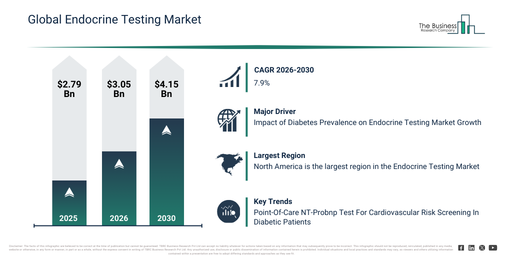
    The endocrine testing market size has seen significant growth in recent years. It is forecast to increase from $2.79 billion in 2025 to $3.05 billion in 2026, exhibiting a compound annual growth rate (CAGR) of 9.4%. The expansion observed in the historic period can be ascribed to diabetes prevalence, thyroid disorder incidence, clinical laboratory expansion, hormone testing awareness, and chronic disease diagnostics growth.

    The endocrine testing market is anticipated to experience substantial growth in the upcoming years. It is projected to expand to $4.15 billion by 2030, demonstrating a compound annual growth rate (CAGR) of 7.9%. This expansion during the forecast period can be attributed to a sharpened focus on preventive healthcare, personalized treatment planning, greater automation in hormone testing, the broadening of diagnostic centers, and various endocrine disease screening programs. Significant developments expected in the forecast period include the increasing prevalence of hormonal disorders, wider adoption of comprehensive hormone panels, an expansion of preventive endocrine screening, a growing need for accurate diagnostic results, and the integration of advanced diagnostic technologies.

    Access Your Free Sample Report for In-Depth Market Insights:

    https://www.thebusinessresearchcompany.com/sample.aspx?id=15562&type=smp

    What Drivers Are Influencing Production Trends In The Endocrine Testing Market?

    An anticipated increase in the incidence of diabetes is set to drive expansion within the endocrine testing market in the future. Diabetes encompasses a collection of conditions characterized by elevated levels of blood sugar (glucose). The growing occurrence of diabetes is attributed to elements like poor dietary habits, inactive lifestyles, genetic susceptibility, and a demographic shift towards an older population. In the context of diabetes, endocrine testing – which includes tests such as hemoglobin A1c, fasting plasma glucose, and C-peptide – serves to diagnose the illness, track glucose concentrations, and evaluate insulin generation and responsiveness. For example, data from June 2024, published by the National Health Service (NHS), a UK-based government department, indicated a rise in cases among individuals under 40, escalating from 173,166 in 2022 to 216,440 in 2023. This considerable expansion underscores a worrying pattern within this demographic. The figures demonstrate a swift increase in the occurrence of diabetes within younger age groups. Consequently, the increasing prevalence of diabetes is a key driver for the endocrine testing market.

    Which Segment Groups Are Influencing The Endocrine Testing Market?

    The endocrine testing market covered in this report is segmented –

    1) By Test Type: Estradiol (E2) Test, Follicle Stimulating Hormone (FSH) Test, Human Chorionic Gonadotropin (hCG) Hormone Test, Luteinizing Hormone (LH) Test, Dehydroepiandrosterone Sulfate (DHEAS) Test, Progesterone Test, Testosterone Test, Thyroid Stimulating Hormone (TSH) Test, Prolactin Test, Other Types

    2) By Technology: Tandem Mass Spectrometry, Immunoassay, Monoclonal And Polyclonal Antibody Technologies, Sensor Technology, Clinical Chemistry, Other Technologies

    3) By End-User: Hospitals, Clinical Laboratories, Diagnostic Centers, Other End-Users

    Subsegments:

    1) By Estradiol (E2) Test: Serum Estradiol Test, Urinary Estradiol Test

    2) By Follicle Stimulating Hormone (FSH) Test: FSH Serum Test, FSH Urine Test

    3) By Human Chorionic Gonadotropin (hCG) Hormone Test: Quantitative hCG Test, Qualitative hCG Test

    4) By Luteinizing Hormone (LH) Test: LH Serum Test, LH Urine Test

    5) By Dehydroepiandrosterone Sulfate (DHEAS) Test: Serum DHEAS Test, Saliva DHEAS Test

    6) By Progesterone Test: Serum Progesterone Test, Urinary Progesterone Test

    7) By Testosterone Test: Free Testosterone Test, Total Testosterone Test

    8) By Thyroid Stimulating Hormone (TSH) Test: TSH Serum Test, TSH Saliva Test

    9) By Prolactin Test: Serum Prolactin Test, Plasma Prolactin Test

    10) By Other Types: Cortisol Test, Insulin Test, Growth Hormone (GH) Test, Aldosterone Test

    Which Innovation Trends Are Advancing Developments Within The Endocrine Testing Market?

    Major companies in the endocrine testing market are innovating point-of-care (POC) testing solutions to improve the accessibility and efficiency of diagnosing endocrine disorders. POC testing delivers rapid results, which can support the swift diagnosis and management of heart failure in patients experiencing symptoms such as shortness of breath and fatigue. For instance, in April 2024, Roche Holding AG, a Switzerland-based pharmaceutical firm, launched a point-of-care NT-proBNP test in India, specifically tailored for screening diabetes patients prone to cardiovascular diseases, like heart failure (HF). This allows for early detection and intervention, enabling clinicians to identify high-risk T2D patients and initiate timely discussions regarding treatment, ultimately promoting enhanced outcomes and patient well-being.

    Who Are The Core Companies Influencing Trends In The Endocrine Testing Market?

    Major companies operating in the endocrine testing market are Thermo Fisher Scientific Inc., Abbott Laboratories, Roche Holding, Siemens Healthineers, Quest Diagnostics, Agilent Technologies Inc., PerkinElmer Inc., BioMérieux SA, Beckman Coulter Inc., Bio-Rad Laboratories Inc., SD Biosensor Inc., Qiagen N.V., Ortho Clinical Diagnostics, Kronus Inc., Randox Laboratories Ltd., Fujirebio Diagnostics Inc., Inova Diagnostics Inc., Sekisui Diagnostics LLC, Mercodia AB, ZEUS Scientific Inc., IBL International, Monobind Inc., Agilus Diagnostics, Tosoh Bioscience Inc., DiaSorin S.p.A.

    Access The Complete Report For Deeper Market Insights:

    https://www.thebusinessresearchcompany.com/report/endocrine-testing-global-market-report

    Which Geographic Areas Are Emerging As Strong Markets For The Endocrine Testing Market?

    North America was the largest region in the endocrine testing market in 2025. Asia-Pacific is expected to be the fastest-growing region in the forecast period. The regions covered in the endocrine testing market report are Asia-Pacific, South East Asia, Western Europe, Eastern Europe, North America, South America, Middle East, Africa.

    Request Your Customized Endocrine Testing Market Research Report for Competitive Advantage:

    https://www.thebusinessresearchcompany.com/customise?id=15562&type=smp

    Browse Through More Reports Similar to the Global Endocrine Testing Market 2026, By The Business Research Company

    Thyroid Function Test Market Report 2026

    https://www.thebusinessresearchcompany.com/report/thyroid-function-test-global-market-report

    Endocrine Peptide Test Market Report 2026

    https://www.thebusinessresearchcompany.com/report/endocrine-peptide-test-global-market-report

    Hormone Therapy Market Report 2026

    https://www.thebusinessresearchcompany.com/report/hormone-therapy-global-market-report

    Get in touch with us:

    The Business Research Company: https://www.thebusinessresearchcompany.com/

    Americas +1 310-496-7795

    Asia +44 7882 955267 & +91 8897263534

    Europe +44 7882 955267

    Email us at info@tbrc.info

    Follow us on:

    LinkedIn: https://in.linkedin.com/company/the-business-research-company

    YouTube: https://www.youtube.com/channel/UC24_fI0rV8cR5DxlCpgmyFQ

    Global Market Model: https://www.thebusinessresearchcompany.com/global-market-model

  • Gastrointestinal Endoscopy Market Outlook 2026–2030: Key Business Drivers and Trends

    Gastrointestinal Endoscopy Market Outlook 2026–2030: Key Business Drivers and Trends

    Uncover key drivers, emerging technologies, and competitive movements shaping the gastrointestinal endoscopy market from 2026–2035 with trusted insights from The Business Research Company

    What are the forecasted starting (2026) and ending (2030) market sizes for the Gastrointestinal Endoscopy Market?

    The gastrointestinal endoscopy market has demonstrated substantial expansion in recent years. Projections indicate an increase from $16.78 billion in 2025 to $17.92 billion by 2026, achieving a compound annual growth rate (CAGR) of 6.8%. Historically, this growth has been fueled by factors such as the expansion of hospital-based diagnostics, the widespread use of flexible endoscopes, a rise in the prevalence of GI disorders, advancements in visualization systems, and the adoption of biopsy techniques.

    The gastrointestinal endoscopy market is anticipated to experience significant expansion in the upcoming years. This sector is forecast to reach $23.72 billion by 2030, demonstrating a compound annual growth rate (CAGR) of 7.3%. This projected growth is driven by advancements such as AI-enabled image analysis, the escalating need for infection control solutions, an increase in outpatient procedures, the proliferation of robotic endoscopy, and continuous technological innovation in imaging. Prominent developments shaping the market during this period include the rising adoption of minimally invasive diagnostic techniques, a greater demand for high-definition endoscopic imaging, the expanding use of capsule endoscopy, wider availability of single-use endoscopes, and the integration of AI within endoscopic diagnostics.

    Access Your Free Sample Report for In-Depth Market Insights:

    https://www.thebusinessresearchcompany.com/sample.aspx?id=12558&type=smp

    What Drivers Are Supporting Technological Adoption In The Gastrointestinal Endoscopy Market?

    The future growth of the gastrointestinal endoscopy market is propelled by the rising occurrence of gastrointestinal diseases. These diseases encompass various conditions impacting the gastrointestinal (GI) tract, which includes organs crucial for digestion and food processing. Gastrointestinal endoscopy serves as a common method for detecting anomalies, collecting tissue samples for biopsies, and conducting therapeutic procedures in the diagnosis and treatment of gastrointestinal ailments. A notable example is the projection by Cancer Research UK, an independent cancer research organization based in the UK, which anticipates a 5% rise in the incidence rate of pancreatic cancer in the UK between 2023 and 2025. Additionally, a research article published in March 2023 by the Journal of the Canadian Association of Gastroenterology, a Canada-based open-access peer-reviewed journal, forecasts an increase in the incidence rate of inflammatory bowel disease in Canada, rising from 825 per 100,000 in 2023 to 1075 per 100,000 by 2035. Consequently, the growing occurrence of gastrointestinal diseases acts as a key driver for the gastrointestinal endoscopy market.

    What Segment Types Are Examined In The Gastrointestinal Endoscopy Market?

    The gastrointestinal endoscopy market covered in this report is segmented –

    1) By Product: Endoscopes, Camera Heads, Visualization Systems, Biopsy Devices, Capsule Endoscopes, Transmitters And Receivers, Robot-Assisted Endoscopes

    2) By Application: OGIB (Obscure GI Tract Bleeding), Crohn’s Disease, Small Intestine Tumor, Other Applications

    3) By End User: Hospitals, Ambulatory Surgery Centers Or Clinics, Other End Users

    Subsegments:

    1) By Endoscopes: Rigid Endoscopes, Flexible Endoscopes, Single-Use Endoscopes

    2) By Camera Heads: Standard Camera Heads, High-Definition Camera Heads, 3D Camera Heads

    3) By Visualization Systems: Integrated Visualization Systems, Monitors And Display Systems

    4) By Biopsy Devices: Biopsy Forceps, Needle Biopsy Devices, Endoscopic Mucosal Resection Devices

    5) By Capsule Endoscopes: Small Bowel Capsule Endoscopes, Colon Capsule Endoscopes

    6) By Transmitters And Receivers: Wireless Transmitters, Signal Receivers

    7) By Robot-Assisted Endoscopes: Robotic Endoscope Systems, Accessories For Robotic Endoscopy

    What Upcoming Trends Are Likely To Define The Future Path Of The Gastrointestinal Endoscopy Market?

    Major companies operating in the gastrointestinal endoscopy market are launching innovative endoscopic devices that integrate advanced imaging technologies, seeking to enhance diagnostic accuracy and improve patient outcomes. These imaging technologies include advanced methods such as high-definition imaging, narrow-band imaging (NBI), and optical coherence tomography (OCT), which provide clearer and more detailed views of the gastrointestinal tract during endoscopic procedures. For example, in October 2023, Olympus Corporation, a Japan-based manufacturing firm, unveiled the EVIS X1 Endoscopy System. The EVIS X1 endoscopy system is a next-generation instrument designed to enhance the visualization of the gastrointestinal tract utilizing advanced imaging technologies such as TXI, RDI, and NBI. Its goal is to improve the detection of abnormalities during GI procedures, offering physicians superior diagnostic capabilities.

    Who Are The Major Companies Operating In The Gastrointestinal Endoscopy Market?

    Major companies operating in the gastrointestinal endoscopy market are Medtronic plc, Johnson & Johnson MedTech, FUJIFILM Holdings Corporation, Stryker Corporation, Boston Scientific Corporation, Olympus Corporation, Intuitive Surgical Inc., HOYA Corporation, Steris plc, Karl Storz SE & Co. KG, Ambu A/S, Richard Wolf GmbH, SonoScape Medical Corp., EndoChoice Holdings Inc., Micro-Tech Endoscopy Inc., CapsoVision Inc., Medrobotics Corporation, EndoMed Systems GmbH, Motus GI Holdings Inc., Endogene Ltd.

    Access The Complete Report For Deeper Market Insights:

    https://www.thebusinessresearchcompany.com/report/gastrointestinal-endoscopy-global-market-report

    Which Global Regions Are Shaping The Competitive Landscape Of The Gastrointestinal Endoscopy Market?

    North America was the largest region in the gastrointestinal endoscopy market in 2025. The regions covered in the gastrointestinal endoscopy market report are Asia-Pacific, South East Asia, Western Europe, Eastern Europe, North America, South America, Middle East, Africa.

    Request Your Customized Gastrointestinal Endoscopy Market Research Report for Competitive Advantage:

    https://www.thebusinessresearchcompany.com/customise?id=12558&type=smp

    Browse Through More Reports Similar to the Global Gastrointestinal Endoscopy Market 2026, By The Business Research Company

    Endoscopy Devices And Equipment Market Report 2026

    https://www.thebusinessresearchcompany.com/report/endoscopy-devices-and-equipment-global-market-report

    Capsule Endoscopy System Market Report 2026

    https://www.thebusinessresearchcompany.com/report/capsule-endoscopy-system-global-market-report

    Endoscopic Ultrasound Market Report 2026

    https://www.thebusinessresearchcompany.com/report/endoscopic-ultrasound-global-market-report

    Get in touch with us:

    The Business Research Company: https://www.thebusinessresearchcompany.com/

    Americas +1 310-496-7795

    Asia +44 7882 955267 & +91 8897263534

    Europe +44 7882 955267

    Email us at info@tbrc.info

    Follow us on:

    LinkedIn: https://in.linkedin.com/company/the-business-research-company

    YouTube: https://www.youtube.com/channel/UC24_fI0rV8cR5DxlCpgmyFQ

    Global Market Model: https://www.thebusinessresearchcompany.com/global-market-model
  • Global Gastrointestinal Cancer Market Report 2026: Emerging Trends and Growth Scenarios

    Global Gastrointestinal Cancer Market Report 2026: Emerging Trends and Growth Scenarios

    Uncover key drivers, emerging technologies, and competitive movements shaping the gastrointestinal cancer market from 2026–2035 with trusted insights from The Business Research Company

    What upper market value could the Gastrointestinal Cancer Market reach by 2030 starting from 2026 levels?

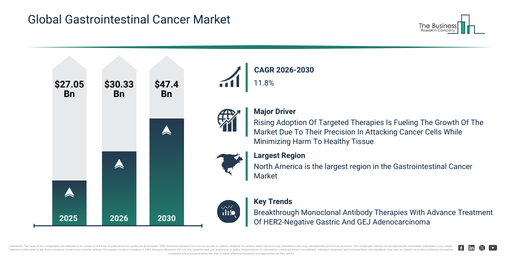
    The gastrointestinal cancer market has experienced rapid expansion in recent years. Its projected growth will see it rise from $27.05 billion in 2025 to $30.33 billion in 2026, demonstrating a compound annual growth rate (CAGR) of 12.1%. Historically, this expansion has been driven by factors such as the increasing incidence of gastrointestinal cancers, advancements in diagnostic imaging capabilities, greater public awareness regarding early cancer detection, progress in oncology drug development, and enhanced availability of cancer treatment centers.

    The gastrointestinal cancer market is projected to experience substantial expansion over the coming years. This market is anticipated to reach $47.4 billion by 2030, demonstrating a compound annual growth rate (CAGR) of 11.8%. This projected growth is driven by factors such as enhanced funding for personalized oncology, the growing acceptance of biomarker-based diagnostic methods, the broadening of immuno-oncology treatment options, the increasing utilization of less invasive diagnostic tools, and greater spending on cancer healthcare. Key trends anticipated during this period involve the rising implementation of targeted GI cancer treatments, an increase in the application of molecular diagnostics, a stronger emphasis on combined immunotherapy approaches, the expansion of early cancer detection initiatives, and more comprehensive integration of precision medicine.

    Access Your Free Sample Report for In-Depth Market Insights:

    https://www.thebusinessresearchcompany.com/sample.aspx?id=24546&type=smp

    Which Drivers Are Influencing Long-Term Growth In The Gastrointestinal Cancer Market?

    The increasing integration of targeted therapies is anticipated to fuel the expansion of the gastrointestinal cancer market in the coming years. These treatments precisely inhibit cancer cell proliferation by engaging with specific molecular targets, thereby minimizing damage to healthy cells. Their design focuses on disrupting particular molecular pathways or genetic mutations that drive diseases, particularly cancer. In contrast to conventional methods such as chemotherapy, which affect both healthy and cancerous cells, targeted therapies concentrate on the distinct features of a patient’s illness. For gastrointestinal (GI) cancer, these therapies operate by influencing specific genes or proteins that govern tumor development, leading to precise and effective interventions. This approach leads to improved patient outcomes and fewer adverse reactions compared to standard chemotherapy. An illustrative example, reported in July 2023 by the American Society of Gene & Cell Therapy (ASGCT), a US-based professional membership organization, and Citeline, a US-based provider of drugs and devices, showed that by the close of quarter one (Q1) 2023, there were 247 gene therapies in Phase II. This figure subsequently increased by 5%, reaching 260 by the conclusion of quarter two (Q2). Consequently, the increased uptake of targeted therapies is propelling the expansion of the gastrointestinal cancer market.

    Which Segments Are Driving Activity In The Gastrointestinal Cancer Market?

    The gastrointestinal cancer market covered in this report is segmented –

    1) By Cancer Type: Colorectal Cancer, Stomach Cancer, Esophageal Cancer, Pancreatic Cancer, Liver Cancer, Other Cancer Types

    2) By Diagnostics: Endoscopy, Biopsy, Molecular Diagnostics, Imaging, Other Diagnostics

    3) By Treatment: Chemotherapy, Immunotherapy, Targeted Therapy, Radiation Therapy, Surgery, Other Treatments

    4) By End-User: Hospitals, Oncology Centers, Research Institutes, Diagnostic Laboratories, Other End-Users

    Subsegments:

    1) By Colorectal Cancer: Colon Cancer, Rectal Cancer, Recurrent Colorectal Cancer, Metastatic Colorectal Cancer

    2) By Stomach Cancer: Adenocarcinoma, Gastrointestinal Stromal Tumors (GIST), Lymphoma, Carcinoid Tumors

    3) By Esophageal Cancer: Adenocarcinoma, Squamous Cell Carcinoma, Small Cell Carcinoma, Other Rare Esophageal Tumors

    4) By Pancreatic Cancer: Exocrine Pancreatic Cancer, Endocrine (Neuroendocrine) Pancreatic Tumors, Metastatic Pancreatic Cancer, Resectable Or Unresectable Tumors

    5) By Liver Cancer: Hepatocellular Carcinoma (HCC), Intrahepatic Cholangiocarcinoma, Hepatoblastoma, Secondary (Metastatic) Liver Cancer

    6) By Other Cancer Types: Small Intestine Cancer, Anal Cancer, Gallbladder Cancer, Gastrointestinal Carcinoid Tumor

    Which Trends Are Shaping Activity Within The Gastrointestinal Cancer Market?

    Major companies operating in the gastrointestinal cancer market are focused on developing advanced solutions, such as monoclonal antibody treatment, to improve patient survival rates and minimize treatment-related side effects. Monoclonal antibody treatment involves using laboratory-produced antibodies that precisely identify and attach to cancer cells, assisting the immune system in targeting and eliminating them. For instance, in September 2024, Astellas Pharma Inc., a Japan-based pharmaceutical company, launched VYLOY (zolbetuximab) in combination with fluoropyrimidine- and platinum-containing chemotherapy, which received approval from the European Commission. It is a first-line treatment for adults with locally advanced unresectable or metastatic HER2-negative gastric or gastroesophageal junction (GEJ) adenocarcinoma whose tumors express claudin 18.2 (CLDN18.2). This approval makes VYLOY the first and only therapy in the European Union targeting CLDN18.2, a biomarker in about 38% of these patients, based on positive clinical trial data from the SPOTLIGHT and GLOW studies.

    Which Major Firms Are Strengthening Their Position In The Gastrointestinal Cancer Market?

    Major companies operating in the gastrointestinal cancer market are Pfizer Inc., Johnson & Johnson, Roche Holding AG, Merck & Co. Inc., Bayer AG, Sanofi S.A., Bristol-Myers Squibb Company, AstraZeneca PLC, Novartis AG, GlaxoSmithKline plc, Takeda Pharmaceutical Company Limited, Eli Lilly and Company, Amgen Inc., Ipsen Biopharmaceuticals Inc., Exelixis Inc., BeiGene Ltd., Boehringer Ingelheim International GmbH, Zai Lab Limited, Taiho Pharmaceutical Co. Ltd

    Access The Complete Report For Deeper Market Insights:

    https://www.thebusinessresearchcompany.com/report/gastrointestinal-cancer-global-market-report

    Which Regions Are Poised For Strategic Growth In The Gastrointestinal Cancer Market?

    North America was the largest region in the gastrointestinal cancer market in 2025. Asia-Pacific is expected to be the fastest-growing region in the forecast period. The regions covered in the gastrointestinal cancer market report are Asia-Pacific, South East Asia, Western Europe, Eastern Europe, North America, South America, Middle East, Africa.

    Request Your Customized Gastrointestinal Cancer Market Research Report for Competitive Advantage:

    https://www.thebusinessresearchcompany.com/customise?id=24546&type=smp

    Browse Through More Reports Similar to the Global Gastrointestinal Cancer Market 2026, By The Business Research Company

    Colorectal Cancer Molecular Diagnostics Market Report 2026

    https://www.thebusinessresearchcompany.com/report/colorectal-cancer-molecular-diagnostics-global-market-report

    Gastric Cancer Drugs Market Report 2026

    https://www.thebusinessresearchcompany.com/report/gastric-cancer-drugs-global-market-report

    Colorectal Cancer Drugs Market Report 2026

    https://www.thebusinessresearchcompany.com/report/colorectal-cancer-drugs-global-market-report

    Get in touch with us:

    The Business Research Company: https://www.thebusinessresearchcompany.com/

    Americas +1 310-496-7795

    Asia +44 7882 955267 & +91 8897263534

    Europe +44 7882 955267

    Email us at info@tbrc.info

    Follow us on:

    LinkedIn: https://in.linkedin.com/company/the-business-research-company

    YouTube: https://www.youtube.com/channel/UC24_fI0rV8cR5DxlCpgmyFQ

    Global Market Model: https://www.thebusinessresearchcompany.com/global-market-model
  • Endocrine Peptide Test Market Growth Projection: Expected to Surpass $14.87 Billion by 2030 at 8.1% CAGR

    Endocrine Peptide Test Market Growth Projection: Expected to Surpass $14.87 Billion by 2030 at 8.1% CAGR

    Uncover key drivers, emerging technologies, and competitive movements shaping the endocrine peptide test market from 2026–2035 with trusted insights from The Business Research Company

    What is the expected shift in the Endocrine Peptide Test Market’s size between 2026 and 2030?

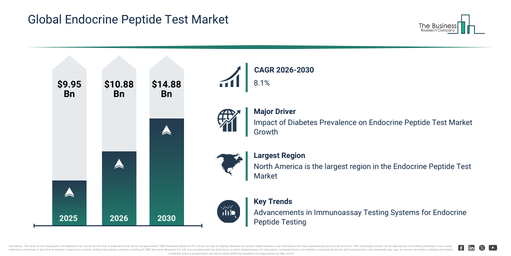
    The endocrine peptide test market size has shown strong growth in recent years. It is projected to expand from $9.95 billion in 2025 to $10.88 billion in 2026, at a compound annual growth rate (CAGR) of 9.3%. This historical growth can be attributed to factors such as an increase in endocrine disorders, the expansion of diagnostic laboratories, greater awareness of hormone imbalances, advancements in immunoassay techniques, and the broadening scope of clinical endocrinology.

    The endocrine peptide test market size is projected for substantial expansion in the coming years. This market is predicted to reach $14.88 billion by 2030, exhibiting a compound annual growth rate (CAGR) of 8.1%. Key factors driving this growth during the forecast period include precision medicine adoption, advanced biomarker research, automation in diagnostic labs, personalized endocrine care, and a growing demand for early diagnosis. Prominent trends anticipated over the forecast period encompass rising demand for hormone disorder diagnostics, increased use of peptide biomarkers, continued growth in early endocrine disease detection, the expansion of laboratory-based specialized testing, and a strong focus on accurate hormonal monitoring.

    Access Your Free Sample Report for In-Depth Market Insights:

    https://www.thebusinessresearchcompany.com/sample.aspx?id=16675&type=smp

    Which Drivers Are Shaping Strategic Decisions In The Endocrine Peptide Test Market?

    The increasing occurrence of diabetes is anticipated to fuel the expansion of the endocrine peptide test market in the future. Diabetes is defined as a collection of conditions characterized by elevated blood sugar (glucose) concentrations. The rise in diabetes cases is attributable to various elements, including poor dietary habits, inactive lifestyles, inherited susceptibility, and an older demographic. Endocrine peptide tests, such as hemoglobin A1c, fasting plasma glucose, and C-peptide examinations, are employed for diabetes management to identify the ailment, track glucose concentrations, and evaluate insulin generation and responsiveness. For example, data released in June 2024 by the UK’s National Health Service (NHS), a government body, indicated a substantial increase in diabetes diagnoses among individuals under 40, growing from 173,166 in 2022 to 216,440 in 2023. This marked expansion highlights an alarming pattern of escalating diabetes prevalence within younger age groups. Consequently, the increasing incidence of diabetes is a primary motivator for the endocrine peptide test market.

    What Segment Classifications Make Up The Endocrine Peptide Test Market?

    The endocrine peptide test market covered in this report is segmented –

    1) By Test-Type: Dehydroepiandrosterone Sulphate, Progesterone, Luteinizing Hormone, Thyroid Prolactin, Oestradiol, Human Chorionic Gonadotropin, Thyroid-Stimulating Hormone, Other Test-Types

    2) By Technology: Mass Spectroscopy, Immunoassay, Chromatography, Nucleic Acid Based, Other Technologies

    3) By End-User: Clinics, Healthcare Centers, Hospitals, Commercial Laboratories

    Subsegments:

    1) By Dehydroepiandrosterone Sulphate (DHEA-S): Immunoassay Tests, Enzyme-Linked Immunosorbent Assay (ELISA), Radioimmunoassay (RIA)

    2) By Progesterone: Immunoassay Tests, Chemiluminescence Assays, ELISA Tests

    3) By Luteinizing Hormone: Immunoassay Tests, Enzyme Immunoassay (EIA), Radioimmunoassay (RIA)

    4) By Thyroid Prolactin: Immunoassay Tests, Chemiluminescence Assays, Radioimmunoassay (RIA)

    5) By Oestradiol: Immunoassay Tests, Enzyme-Linked Immunosorbent Assay (ELISA), Radioimmunoassay (RIA)

    6) By Human Chorionic Gonadotropin (hCG): Immunoassay Tests, Chemiluminescence Assays, Enzyme Immunoassay (EIA)

    7) By Thyroid-Stimulating Hormone (TSH): Immunoassay Tests, Radioimmunoassay (RIA), Enzyme-Linked Immunosorbent Assay (ELISA)

    8) By Other Test-Types: Cortisol, Insulin, Growth Hormone (GH), Parathyroid Hormone (PTH)

    Which Competitive Trends Are Impacting The Structure Of The Endocrine Peptide Test Market?

    Key players in the endocrine peptide test market are developing immunoassay testing systems to enhance the accuracy, sensitivity, and speed of endocrine peptide testing. These systems employ antibodies to detect and measure specific peptides in blood or urine samples, providing healthcare professionals with valuable information regarding hormone levels and endocrine function. For example, in July 2023, Siemens Healthineers, a German-based healthcare services company, launched the Atellica CI Analyzer, a compact system for immunoassay and clinical chemistry testing, including endocrine peptide assays. The analyzer also includes a reproductive endocrinology menu with anti-Mullerian hormone (AMH) for determining ovarian reserve and sFlt-1 and PlGF (placental growth factor) to aid in the prognosis of preeclampsia. The Atellica CI Analyzer is engineered to deliver quality results quickly and consistently, with a capacity of up to 1000 tests per hour, offering workflow efficiency and flexibility to help laboratories meet evolving testing demands.

    Which Major Industry Participants Are Leading The Endocrine Peptide Test Market Growth?

    Major companies operating in the endocrine peptide test market are Siemens AG, F. Hoffmann-La Roche AG, Thermo Fisher Scientific Inc., Merck KGaA, Becton Dickinson and Company, Laboratory Corporation of America Holdings (LabCorp), Quest Diagnostics Incorporated, Agilent Technologies Inc., Illumina Inc., bioMérieux SA, Bio-Rad Laboratories Inc., DiaSorin S.p.A., Sciex, Bio-Techne Corporation, Invitae Corporation, ARUP Laboratories, Genova Diagnostics, Boston Heart Diagnostics Corporation, Immunodiagnostic Systems Ltd., Mayo Clinic Laboratories

    Access The Complete Report For Deeper Market Insights:

    https://www.thebusinessresearchcompany.com/report/endocrine-peptide-test-global-market-report

    Which Region Is Projected To Lead The Endocrine Peptide Test Market During The Forecast Period?

    North America was the largest region in the endocrine peptide test market in 2025. The regions covered in the endocrine peptide test market report are Asia-Pacific, South East Asia, Western Europe, Eastern Europe, North America, South America, Middle East, Africa.

    Request Your Customized Endocrine Peptide Test Market Research Report for Competitive Advantage:

    https://www.thebusinessresearchcompany.com/customise?id=16675&type=smp

    Browse Through More Reports Similar to the Global Endocrine Peptide Test Market 2026, By The Business Research Company

    Peptide Therapeutics Market Report 2026

    https://www.thebusinessresearchcompany.com/report/peptide-therapeutics-global-market-report

    Endocrine Testing Market Report 2026

    https://www.thebusinessresearchcompany.com/report/endocrine-testing-global-market-report

    Thyroid Function Test Market Report 2026

    https://www.thebusinessresearchcompany.com/report/thyroid-function-test-global-market-report

    Get in touch with us:

    The Business Research Company: https://www.thebusinessresearchcompany.com/

    Americas +1 310-496-7795

    Asia +44 7882 955267 & +91 8897263534

    Europe +44 7882 955267

    Email us at info@tbrc.info

    Follow us on:

    LinkedIn: https://in.linkedin.com/company/the-business-research-company

    YouTube: https://www.youtube.com/channel/UC24_fI0rV8cR5DxlCpgmyFQ

    Global Market Model: https://www.thebusinessresearchcompany.com/global-market-model

  • Gastroesophageal Reflux Disease (GERD) Market Forecast 2026: Where the Industry Is Headed

    Gastroesophageal Reflux Disease (GERD) Market Forecast 2026: Where the Industry Is Headed

    Uncover key drivers, emerging technologies, and competitive movements shaping the gastroesophageal reflux disease (gerd) market from 2026–2035 with trusted insights from The Business Research Company

    What level of CAGR-driven expansion is anticipated in the Gastroesophageal Reflux Disease (GERD) Market between 2026 and 2030?

    The gastroesophageal reflux disease (GERD) market size has shown steady growth in recent years. It is forecast to increase from $5.33 billion in 2025 to $5.46 billion in 2026, achieving a compound annual growth rate (CAGR) of 2.3%. The expansion observed during the historic period is attributable to the widespread utilization of antacids and H2 blockers, an increasing prevalence of obesity, high consumption rates of processed foods, enhanced clinical diagnosis rates, and the availability of generic PPIs.

    The market size for gastroesophageal reflux disease (GERD) is poised for consistent expansion over the coming years, forecast to reach $6.2 billion by 2030, demonstrating a compound annual growth rate (CAGR) of 3.3%. This projected growth throughout the forecast period stems from factors including the rise in minimally invasive reflux procedures, the ongoing demand for long-term symptom management, continuous innovation in endoscopic devices, the increasing geriatric population, and greater patient awareness. Furthermore, significant trends expected during this period involve the rising long-term use of proton pump inhibitors, enhanced adoption of minimally invasive GERD procedures, a growing recognition of lifestyle-based disease management, the expansion of endoscopic treatment options, and elevated diagnosis rates achieved through improved screening protocols.

    Access Your Free Sample Report for In-Depth Market Insights:

    https://www.thebusinessresearchcompany.com/sample.aspx?id=12917&type=smp

    What Drivers Are Affecting Demand-Supply Dynamics In The Gastroesophageal Reflux Disease (GERD) Market?

    The rising occurrence of esophageal diseases is anticipated to spur the expansion of the gastroesophageal reflux disease (GERD) market in the future. Esophageal diseases are medical conditions impacting the esophagus, the muscular tube that connects the mouth to the stomach. The goal of treating these conditions is to alleviate discomfort, improve daily living, and avoid complications, ultimately contributing to better health and wellness for those affected by gastroesophageal reflux disease. An illustration of this is found in January 2023, when the American Cancer Society, a US-based Professional organization, reported approximately 21,560 new cases of esophageal cancer diagnosed each year in the United States, alongside 16,120 deaths from esophageal cancer. Hence, the increasing prevalence of esophageal diseases is a key driver for the growth of the gastroesophageal reflux disease (GERD) market.

    How Is The Gastroesophageal Reflux Disease (GERD) Market Organized Into Various Segments?

    The gastroesophageal reflux disease (gerd) market covered in this report is segmented –

    1) By Drug Type: Antacids, Proton Pump Inhibitors, H2 Receptor Blocker, Pro Kinetic Agents, Dopamine Receptor Antagonist

    2) By Procedure: Invasive, Minimally Invasive

    3) By End-Users: Hospital, Homecare, Specialty Clinics

    Subsegments:

    1) By Antacids: Calcium Carbonate, Magnesium Hydroxide, Aluminum Hydroxide

    2) By Proton Pump Inhibitors: Omeprazole, Esomeprazole, Lansoprazole, Pantoprazole, Rabeprazole

    3) By H2 Receptor Blockers: Ranitidine, Famotidine, Nizatidine, Cimetidine

    4) By Prokinetic Agents: Metoclopramide, Domperidone

    5) By Dopamine Receptor Antagonists: Prochlorperazine, Droperidol

    Which Trends Are Influencing The Development Of The Gastroesophageal Reflux Disease (GERD) Market?

    Major companies operating in the gastroesophageal reflux disease (GERD) market are prioritizing the introduction of innovative gastroesophageal reflux disease treatment devices to maintain their position. For instance, in April 2023, Laborie Medical Technologies, a US-based medical technology firm, unveiled the new alpHaONE wireless pH-capsule reflux testing diagnostic system, engineered for diagnosing gastroesophageal reflux disease (GERD). This system offers up to 96 hours of monitoring data and boasts a compact design with expanded buttons and a fail-safe capsule delivery mechanism. Furthermore, the system incorporates a software application featuring a virtual instruction program and user-customizable symptom buttons to enhance the user experience.

    Who Are The Primary Competitors In The Global Gastroesophageal Reflux Disease (GERD) Market?

    Major companies operating in the gastroesophageal reflux disease (gerd) market are GlaxoSmithKline PLC, SRS Life Sciences, Takeda Pharmaceutical Company Limited, AstraZeneca Plc, Reckitt Benckiser Group Plc, Eisai Co. Ltd., Pfizer Inc., Medtronic Plc, Teva Pharmaceuticals, HK inno.N Corporation, Mylan N.V., Johnson & Johnson MedTech, Sun Pharmaceutical Industries Ltd., Perrigo Company PLC, Dr. Reddy’s Laboratories Ltd., Aurobindo Pharma Limited, Cipla Limited, Amneal Pharmaceuticals LLC, Zydus Lifesciences Ltd., Lupin Limited, Torrent Pharmaceuticals Ltd., Salix Pharmaceuticals Inc.

    Access The Complete Report For Deeper Market Insights:

    https://www.thebusinessresearchcompany.com/report/gastroesophageal-reflux-disease-gerd-global-market-report

    Which Regions Are Projected To Dominate The Gastroesophageal Reflux Disease (GERD) Market In The Coming Years?

    North America was the largest region in the gastroesophageal reflux disease (GERD) market in 2025. Asia-Pacific is expected to be the fastest-growing region in the forecast period. The regions covered in the gastroesophageal reflux disease (gerd) market report are Asia-Pacific, South East Asia, Western Europe, Eastern Europe, North America, South America, Middle East, Africa.

    Request Your Customized Gastroesophageal Reflux Disease (GERD) Market Research Report for Competitive Advantage:

    https://www.thebusinessresearchcompany.com/customise?id=12917&type=smp

    Browse Through More Reports Similar to the Global Gastroesophageal Reflux Disease (GERD) Market 2026, By The Business Research Company

    Barretts Esophagus Market Report 2026

    https://www.thebusinessresearchcompany.com/report/barretts-esophagus-global-market-report

    Gastroesophageal Reflux Disease Therapeutics Market Report 2026

    https://www.thebusinessresearchcompany.com/report/gastroesophageal-reflux-disease-therapeutics-global-market-report

    Gastroparesis Market Report 2026

    https://www.thebusinessresearchcompany.com/report/gastroparesis-global-market-report

    Get in touch with us:

    The Business Research Company: https://www.thebusinessresearchcompany.com/

    Americas +1 310-496-7795

    Asia +44 7882 955267 & +91 8897263534

    Europe +44 7882 955267

    Email us at info@tbrc.info

    Follow us on:

    LinkedIn: https://in.linkedin.com/company/the-business-research-company

    YouTube: https://www.youtube.com/channel/UC24_fI0rV8cR5DxlCpgmyFQ

    Global Market Model: https://www.thebusinessresearchcompany.com/global-market-model
  • Encephalomyelitis Market Forecast 2026–2035: How to Leverage Market Growth

    Encephalomyelitis Market Forecast 2026–2035: How to Leverage Market Growth

    Uncover key drivers, emerging technologies, and competitive movements shaping the encephalomyelitis market from 2026–2035 with trusted insights from The Business Research Company

    What growth pattern is forecast for the Encephalomyelitis Market size between 2026 and 2035?

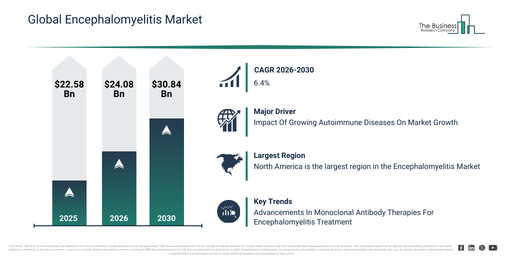
    The encephalomyelitis market has experienced significant expansion over recent years. Its value is set to climb from $22.58 billion in 2025 to $24.08 billion in 2026, progressing at a compound annual growth rate (CAGR) of 6.6%. Key drivers for this historical growth include the widespread occurrence of neurological diseases, enhanced identification of autoimmune disorders, wider availability of diagnostic imaging, an increase in specialist neurology expertise, and the establishment of hospital neurology departments.

    The encephalomyelitis market is projected to experience substantial expansion over the upcoming years. This market is anticipated to reach $30.84 billion by 2030, exhibiting a compound annual growth rate (CAGR) of 6.4%. Factors contributing to this growth during the forecast period include developments in advanced immunotherapies, early diagnosis initiatives, increasing need for neurological rehabilitation, ongoing research into rare neurological diseases, and improvements in healthcare infrastructure. Key trends expected in the forecast period encompass a heightened awareness of neuroinflammatory disorders, more frequent diagnoses of autoimmune neurological conditions, a growing requirement for long-term neurological care, an increase in immunomodulatory treatment options, and an emphasis on early neurological intervention.

    Access Your Free Sample Report for In-Depth Market Insights:

    https://www.thebusinessresearchcompany.com/sample.aspx?id=21182&type=smp

    Which Drivers Are Impacting Market Performance In The Encephalomyelitis Market?

    The increasing occurrence of autoimmune conditions is expected to fuel the expansion of the encephalomyelitis market moving forward. Autoimmune diseases describe states where the body’s immune system mistakenly targets its own healthy cells and tissues. The escalation in autoimmune diseases is linked to factors such as genetic susceptibility, environmental triggers, infections, and lifestyle alterations, including dietary habits and chemical exposure. Encephalomyelitis treatment aids patients with autoimmune diseases by lessening inflammation, managing immune system dysfunction, alleviating neurological symptoms, and preventing disease advancement, thereby enhancing their overall quality of life and functional well-being. For instance, in February 2024, according to Arthritis Australia, a Australia-based non-profit organization, it is projected that in 2025, an estimated 212,136 males and 362,137 females will have rheumatoid arthritis (RA), with these figures anticipated to increase by 2040 to approximately 280,040 males and 479,828 females. Consequently, the rising prevalence of autoimmune diseases is a key driver for the growth of the encephalomyelitis market.

    What Segment Types Are Examined In The Encephalomyelitis Market?

    The encephalomyelitis market covered in this report is segmented –

    1) By Type: Equine Encephalomyelitis, Associated Encephalomyelitis, Anti-Myelin Oligodendrocyte Glycoprotein Antibody (AntiMOG), Encephalomyelitis Disseminata, Acute Disseminated Encephalomyelitis, AIDS-Related Encephalomyelitis, Other Types

    2) By Treatment: Surgery, Plasmapheresis, Drug Treatment, Other Treatments

    3) By End-users: Clinics, Hospitals, Other End-Users

    Subsegments:

    1) By Equine Encephalomyelitis: Eastern Equine Encephalomyelitis, Western Equine Encephalomyelitis, Venezuelan Equine Encephalomyelitis

    2) By Associated Encephalomyelitis: Post-Infectious Encephalomyelitis, Paraneoplastic Encephalomyelitis, Vaccine-Associated Encephalomyelitis

    3) By Anti-Myelin Oligodendrocyte Glycoprotein Antibody (AntiMOG): MOG Antibody-Positive Encephalomyelitis, MOG Antibody-Associated Neuromyelitis Optica Spectrum Disorder

    4) By Encephalomyelitis Disseminata: Multiple Sclerosis-Related Encephalomyelitis, Relapsing-Remitting Encephalomyelitis Disseminata, Progressive Encephalomyelitis Disseminata

    5) By Acute Disseminated Encephalomyelitis: Post-Viral Acute Disseminated Encephalomyelitis, Post-Vaccination Acute Disseminated Encephalomyelitis

    6) By AIDS-Related Encephalomyelitis: HIV-Associated Encephalomyelitis, Opportunistic Infection-Related Encephalomyelitis, Other AIDS-Related Encephalomyelitis

    7) By Other Types: Idiopathic Encephalomyelitis, Autoimmune Encephalomyelitis, Rare Genetic Encephalomyelitis Variants

    What Industry Trends Are Transforming The Encephalomyelitis Market?

    Leading companies in the encephalomyelitis market are focusing on advancing monoclonal antibody development to enhance treatment effectiveness and create targeted therapies for managing encephalomyelitis. A monoclonal antibody is an artificially engineered protein designed to bind to specific antigens, thereby aiding the immune system’s response against various diseases. For instance, in March 2023, Chugai Pharmaceutical Co. Ltd, a Japan-based pharmaceutical company, announced that Enspryng, its humanized anti-IL-6 receptor monoclonal antibody, received forerunner designation from the Ministry of Health, Labor and Welfare (MHLW). This designation is for its anticipated use in treating myelin oligodendrocyte glycoprotein antibody-associated disease (MOGAD) and autoimmune encephalitis (AIE). Such recognition highlights Enspryng’s potential as an innovative treatment, accelerating its development and regulatory review to fulfill the unmet medical needs of patients with these neurological conditions.

    Who Are The Prominent Global Companies Shaping The Encephalomyelitis Market Landscape?

    Major companies operating in the encephalomyelitis market are Merck & Co. Inc., Sanofi S.A., F. Hoffmann-La Roche Ltd., HiFiBiO Therapeutics, Zoetis Services LLC, Chugai Pharmaceutical Co. Ltd., IDEXX, Abcam Limited., EUROIMMUN Medizinische Labordiagnostika AG, Eurogentec S.A., Boehringer Ingelheim International GmbH, Creative Diagnostics, Atlas Antibodies, AnaSpec, VMRD Inc., Antibodies Incorporated, Fresenius Kabi, Hemispherx Biopharma Inc., BioStoneah, YouSeq Ltd.

    Access The Complete Report For Deeper Market Insights:

    https://www.thebusinessresearchcompany.com/report/encephalomyelitis-global-market-report

    Which Region Currently Holds The Largest Share Of The Encephalomyelitis Market?

    North America was the largest region in the encephalomyelitis market in 2025. Asia-Pacific is expected to be the fastest-growing region in the forecast period. The regions covered in the encephalomyelitis market report are Asia-Pacific, South East Asia, Western Europe, Eastern Europe, North America, South America, Middle East, Africa.

    Request Your Customized Encephalomyelitis Market Research Report for Competitive Advantage:

    https://www.thebusinessresearchcompany.com/customise?id=21182&type=smp

    Browse Through More Reports Similar to the Global Encephalomyelitis Market 2026, By The Business Research Company

    Encephalitis Treatment Market Report 2026

    https://www.thebusinessresearchcompany.com/report/encephalitis-treatment-global-market-report

    Hepatic Encephalopathy Market Report 2026

    https://www.thebusinessresearchcompany.com/report/hepatic-encephalopathy-global-market-report

    Esophageal Dysphagia Market Report 2026

    https://www.thebusinessresearchcompany.com/report/esophageal-dysphagia-global-market-report

    Get in touch with us:

    The Business Research Company: https://www.thebusinessresearchcompany.com/

    Americas +1 310-496-7795

    Asia +44 7882 955267 & +91 8897263534

    Europe +44 7882 955267

    Email us at info@tbrc.info

    Follow us on:

    LinkedIn: https://in.linkedin.com/company/the-business-research-company

    YouTube: https://www.youtube.com/channel/UC24_fI0rV8cR5DxlCpgmyFQ

    Global Market Model: https://www.thebusinessresearchcompany.com/global-market-model
  • Gastroesophageal Junction Adenocarcinoma Therapeutics Industry Growth Insights: Revenue Forecast to 2030

    Gastroesophageal Junction Adenocarcinoma Therapeutics Industry Growth Insights: Revenue Forecast to 2030

    Uncover key drivers, emerging technologies, and competitive movements shaping the gastroesophageal junction adenocarcinoma therapeutics market from 2026–2035 with trusted insights from The Business Research Company

    What long-term size projections exist for the Gastroesophageal Junction Adenocarcinoma Therapeutics Market covering 2026–2035?

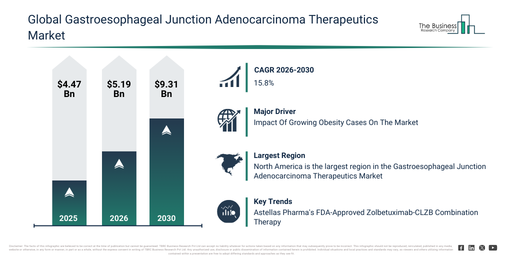
    The gastroesophageal junction adenocarcinoma therapeutics market has experienced substantial expansion in recent years. This market is projected to expand from $4.47 billion in 2025 to $5.19 billion in 2026, demonstrating a compound annual growth rate (CAGR) of 16.1%. Historically, this growth has been driven by factors such as the application of chemotherapy regimens, the availability of surgical interventions, the expansion of hospital oncology care, the approval of targeted drugs, and advancements in cancer staging.

    The gastroesophageal junction adenocarcinoma therapeutics market size is anticipated to experience substantial growth in the upcoming years. It is projected to expand to $9.31 billion by 2030, achieving a compound annual growth rate (CAGR) of 15.8%. This projected growth can be attributed to several factors such as the expansion in immunotherapy pipelines, the development of innovative biologics, a rising demand for precision oncology, an increase in clinical trials, and the enhancement of oncology healthcare infrastructure. Dominant trends during this forecast period are expected to include the increasing adoption of targeted cancer therapies, a greater reliance on immunotherapy combinations, the broadening of personalized treatment protocols, an escalating integration of surgical and chemotherapy approaches, and improved patient survival rates through multimodal treatment strategies.

    Access Your Free Sample Report for In-Depth Market Insights:

    https://www.thebusinessresearchcompany.com/sample.aspx?id=21189&type=smp

    Which Drivers Are Impacting The Competitive Landscape Of The Gastroesophageal Junction Adenocarcinoma Therapeutics Market?

    An increase in obesity is anticipated to drive the expansion of the gastroesophageal junction adenocarcinoma therapeutics market moving ahead. Obesity is defined as a state marked by an overabundance of body fat, posing a health hazard. Rising obesity rates stem from elements including unhealthy eating patterns, inactive routines, insufficient exercise, and greater intake of processed, high-calorie meals. Gastroesophageal junction adenocarcinoma (GEJA) treatments assist in managing obesity by targeting the fundamental processes leading to weight gain, specifically inflammation, metabolic imbalances, and hormonal irregularities, all of which the disease can worsen. As an example, during March 2024, the World Health Organization (WHO), an intergovernmental body based in Switzerland, disclosed that roughly one in eight individuals globally were contending with obesity. This figure encompassed 2.5 billion adults (aged 18 years and above) categorized as overweight, with 890 million of these individuals afflicted by obesity. Among the adult population, 43% were overweight, while 16% were classified as obese. Furthermore, the count of overweight children younger than 5 years old reached 37 million. Consequently, the increasing incidence of obesity is fueling expansion in the gastroesophageal junction adenocarcinoma therapeutics market.

    What Segments Are Identified Within The Structure Of The Gastroesophageal Junction Adenocarcinoma Therapeutics Market?

    The gastroesophageal junction adenocarcinoma therapeutics market covered in this report is segmented –

    1) By Drug: Trastuzumab, Ramucirumab

    2) By Diagnosis: Endoscopy, X-ray, Computed Tomography (CT) Scan, Positron Emission Tomography (PET) Scan

    3) By Treatment: Esophagectomy Surgery, Esophageal Dilation, Chemotherapy, Targeted Therapy

    4) By Distribution Channel: Hospital Pharmacy, Retail Pharmacy, Online Pharmacy

    Subsegments:

    1) By Trastuzumab: Monotherapy, Combination Therapy With Chemotherapy

    2) By Ramucirumab: Monotherapy, Combination Therapy With Paclitaxel

    What Trends Are Expected To Impact The Competitive Landscape Of The Gastroesophageal Junction Adenocarcinoma Therapeutics Market?

    Leading firms within the gastroesophageal junction adenocarcinoma therapeutics market are prioritizing the creation of novel treatments, including combination therapy, with the goals of boosting treatment effectiveness, bettering patient results, and overcoming resistance to current therapies. This approach, known as combination therapy, involves employing a pair or more of therapeutic agents, like drugs or distinct treatment methods, concurrently to amplify their impact and address various facets of a disease simultaneously. An example of this strategy is the U.S. Food and Drug Administration (FDA) approval granted in October 2024 to Astellas Pharma Inc., a pharmaceutical company based in Japan, for its product zolbetuximab-clzb when used alongside fluoropyrimidine- and platinum-containing chemotherapy. This particular agent is a pioneering monoclonal antibody designed to specifically target Claudin 18.2, a protein frequently found in gastric and GEJ cancers, thereby improving the accuracy and potency of the therapeutic intervention. Its mechanism of action involves selectively attaching to CLDN18.2-expressing cancer cells, facilitating a precise method that reduces harm to healthy cells while simultaneously enhancing treatment results.

    Which Key Market Players Are Investing In Expansion And Innovation Within The Gastroesophageal Junction Adenocarcinoma Therapeutics Market?

    Major companies operating in the gastroesophageal junction adenocarcinoma therapeutics market are Pfizer Inc., F Hoffmann-La Roche AG, Merck & Co. Inc., Bristol-Myers Squibb Company, AstraZeneca plc, Daiichi Sankyo Company Limited, Genentech Inc., Incyte Corporation, Ono Pharmaceutical Co. Ltd., BeiGene Ltd., Zymeworks Inc., Zai Lab Limited, ImmunoGen Inc., Elevar Therapeutics Inc., Mirati Therapeutics Inc., Shanghai Henlius Biotech Inc., Taiho Pharmaceutical Co. Ltd., Celltrion Healthcare Co. Ltd., Eli Lilly and Company, Novartis AG, Amgen Inc., Astellas Pharma Inc., CStone Pharmaceuticals

    Access The Complete Report For Deeper Market Insights:

    https://www.thebusinessresearchcompany.com/report/gastroesophageal-junction-adenocarcinoma-therapeutics-global-market-report

    Which Region Is Expected To Experience The Fastest Growth In The Gastroesophageal Junction Adenocarcinoma Therapeutics Market?

    North America was the largest region in the gastroesophageal junction adenocarcinoma therapeutics market in 2025. The regions covered in the gastroesophageal junction adenocarcinoma therapeutics market report are Asia-Pacific, South East Asia, Western Europe, Eastern Europe, North America, South America, Middle East, Africa.

    Request Your Customized Gastroesophageal Junction Adenocarcinoma Therapeutics Market Research Report for Competitive Advantage:

    https://www.thebusinessresearchcompany.com/customise?id=21189&type=smp

    Browse Through More Reports Similar to the Global Gastroesophageal Junction Adenocarcinoma Therapeutics Market 2026, By The Business Research Company

    Gastroparesis Drugs Market Report 2026

    https://www.thebusinessresearchcompany.com/report/gastroparesis-drugs-global-market-report

    Gastric Cancer Drugs Market Report 2026

    https://www.thebusinessresearchcompany.com/report/gastric-cancer-drugs-global-market-report

    Esophageal Cancer Market Report 2026

    https://www.thebusinessresearchcompany.com/report/esophageal-cancer-global-market-report

    Get in touch with us:

    The Business Research Company: https://www.thebusinessresearchcompany.com/

    Americas +1 310-496-7795

    Asia +44 7882 955267 & +91 8897263534

    Europe +44 7882 955267

    Email us at info@tbrc.info

    Follow us on:

    LinkedIn: https://in.linkedin.com/company/the-business-research-company

    YouTube: https://www.youtube.com/channel/UC24_fI0rV8cR5DxlCpgmyFQ

    Global Market Model: https://www.thebusinessresearchcompany.com/global-market-model

  • Global Gastroenterology Electronic Medical Records (EMR) Software Market Performance Report: Global Trends 2026–2030

    Global Gastroenterology Electronic Medical Records (EMR) Software Market Performance Report: Global Trends 2026–2030

    Uncover key drivers, emerging technologies, and competitive movements shaping the gastroenterology electronic medical records (emr) software market from 2026–2035 with trusted insights from The Business Research Company

    What total market size is anticipated for the Gastroenterology Electronic Medical Records (EMR) Software Market in 2030?

    The gastroenterology electronic medical records (emr) software market has experienced substantial expansion in recent years. This market is expected to expand from $3.22 billion in 2025 to $3.61 billion in 2026, demonstrating a compound annual growth rate (CAGR) of 12.2%. The historical development of this market can be linked to factors such as the increasing digitization of healthcare records, the rising adoption of specialty-specific emr systems, growing gastroenterology patient volumes, the expansion of outpatient clinics, and a regulatory push for electronic health records.

    The gastroenterology electronic medical records (emr) software market size is anticipated to experience substantial expansion in the coming years. By 2030, this market is projected to reach $5.67 billion, exhibiting a compound annual growth rate (CAGR) of 11.9%. Key drivers for this expansion over the forecast period include the increasing uptake of AI-driven clinical decision support systems, a surging need for remote and mobile EMR access, the broadening of value-based care models, a heightened emphasis on interoperability standards, and growing financial commitments towards modernizing healthcare IT infrastructure. Noteworthy trends anticipated during the same period encompass the increasing embrace of cloud-based specialty EMR platforms, a growing integration of AI-assisted clinical documentation, an expanding requirement for interoperable healthcare data systems, the further development of endoscopy workflow integration tools, and a sharpened focus on data security and adherence to regulations.

    Access Your Free Sample Report for In-Depth Market Insights:

    https://www.thebusinessresearchcompany.com/sample.aspx?id=19455&type=smp

    What Drivers Are Influencing Production Trends In The Gastroenterology Electronic Medical Records (EMR) Software Market?

    The increasing occurrence of chronic gastrointestinal ailments is anticipated to drive forward the gastroenterology electronic medical records (EMR) software market. These conditions are defined as persistent or recurring disorders impacting the digestive system, encompassing organs such as the stomach, intestines, esophagus, liver, and pancreas. Their rise is attributed to factors like evolving dietary habits, lifestyle choices, an aging global population, environmental influences, and genetic predisposition. In response to this rising prevalence, gastroenterology EMR software improves the handling and monitoring of chronic gastrointestinal diseases, such as inflammatory bowel disease (IBD), through organized patient data, enhanced treatment precision, and facilitated ongoing care. For example, data from September 2023, provided by the IBD Clinical and Research Centre, a Canada-based organization focused on aiding patients with Crohn’s disease and ulcerative colitis, indicated that inflammatory bowel disease (IBD) impacts more than 320,000 Canadians. The prevalence rate was 825 per 100,000 people in 2023. With an anticipated annual growth in prevalence of 2.44%, projections suggest that by 2035, 1.1% of the Canadian population, equating to 470,000 individuals, will be affected by IBD. Consequently, the increasing occurrence of chronic gastrointestinal diseases is fueling the expansion of the gastroenterology electronic medical records (EMR) software market.

    Which Segments Are Gaining Traction In The Gastroenterology Electronic Medical Records (EMR) Software Market?

    The gastroenterology electronic medical records (emr) software market covered in this report is segmented –

    1) By Type: Cloud-Based, On-Premise

    2) By Application: Hospitals, Clinics, Research Institutes

    3) By End-User: Physicians, Patients

    Subsegments:

    1) By Cloud-Based: SaaS (Software as a Service) Solutions, Multi-Tenant Cloud Solutions, Private Cloud Solutions, Hybrid Cloud Solutions, Mobile Access Cloud Solutions

    2) By On-Premise: Standard On-Premise EMR Software, Customizable On-Premise Solutions, Integrated On-Premise EMR Systems, Standalone On-Premise EMR Software, High-Security On-Premise Solutions

    Which Trends Are Guiding The Evolution Of The Gastroenterology Electronic Medical Records (EMR) Software Market?

    Leading companies active in the gastroenterology electronic medical records (EMR) software market are developing advanced technology, such as artificial intelligence tools, to significantly enhance diagnostic accuracy, workflow automation, and personalized patient care. AI tools refer to software applications or systems that utilize artificial intelligence technologies to perform tasks that typically demand human intelligence. For instance, in January 2024, GI Alliance, a US-based gastroenterology management company, entered into a partnership with Ambience Healthcare, a US-based healthcare technology firm, with the goal of constructing a comprehensive suite of artificial intelligence documentation tools specifically customized for gastroenterology. Through this collaboration, they aim to integrate advanced EMR solutions that will streamline operations, improve patient outcomes, and enhance data management across gastroenterology practices.

    Who Are The Core Companies Influencing Trends In The Gastroenterology Electronic Medical Records (EMR) Software Market?

    Major companies operating in the gastroenterology electronic medical records (emr) software market are McKesson Corporation, Cerner Corporation, Epic Systems Corporation, Athenahealth Inc., Allscripts Healthcare Solutions Inc., eClinicalWorks LLC, CompuGroup Medical SE & Co. KGaA, Medical Information Technology Inc., CareCloud Inc., Greenway Health LLC, Modernizing Medicine Inc., PracticeSuite Inc., DrChrono Inc., Compulink Healthcare Solutions, AdvancedMD Inc., CureMD.com Inc., ChartLogic Inc., AllegianceMD Software Inc., InSync Healthcare Solutions LLC, Bizmatics Inc., Nuesoft Technologies Inc.

    Access The Complete Report For Deeper Market Insights:

    https://www.thebusinessresearchcompany.com/report/gastroenterology-electronic-medical-records-emr-software-global-market-report

    Which Geographic Areas Are Emerging As Strong Markets For The Gastroenterology Electronic Medical Records (EMR) Software Market?

    North America was the largest region in the gastroenterology electronic medical records (EMR) software market in 2025. The regions covered in the gastroenterology electronic medical records (emr) software market report are Asia-Pacific, South East Asia, Western Europe, Eastern Europe, North America, South America, Middle East, Africa.

    Request Your Customized Gastroenterology Electronic Medical Records (EMR) Software Market Research Report for Competitive Advantage:

    https://www.thebusinessresearchcompany.com/customise?id=19455&type=smp

    Browse Through More Reports Similar to the Global Gastroenterology Electronic Medical Records (EMR) Software Market 2026, By The Business Research Company

    Productivity Management Software Market Report 2026

    https://www.thebusinessresearchcompany.com/report/productivity-management-software-global-market-report

    Electronic Design Automation Software Market Report 2026

    https://www.thebusinessresearchcompany.com/report/electronic-design-automation-software-global-market-report

    Digital Marketing Software Market Report 2026

    https://www.thebusinessresearchcompany.com/report/digital-marketing-software-global-market-report

    Get in touch with us:

    The Business Research Company: https://www.thebusinessresearchcompany.com/

    Americas +1 310-496-7795

    Asia +44 7882 955267 & +91 8897263534

    Europe +44 7882 955267

    Email us at info@tbrc.info

    Follow us on:

    LinkedIn: https://in.linkedin.com/company/the-business-research-company

    YouTube: https://www.youtube.com/channel/UC24_fI0rV8cR5DxlCpgmyFQ

    Global Market Model: https://www.thebusinessresearchcompany.com/global-market-model
  • Global Encephalitis Treatment Market 2026–2030: Forecast Insights for Business Planning

    Global Encephalitis Treatment Market 2026–2030: Forecast Insights for Business Planning

    Uncover key drivers, emerging technologies, and competitive movements shaping the encephalitis treatment market from 2026–2035 with trusted insights from The Business Research Company

    How much larger will the Encephalitis Treatment Market be in 2030 compared with 2026?

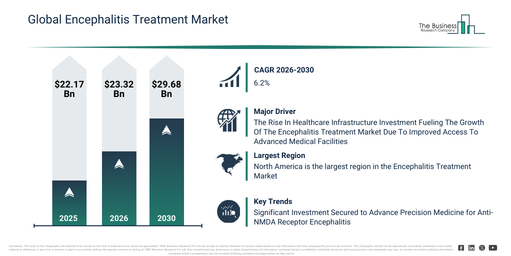
    The encephalitis treatment market size has shown substantial growth in recent years. This market is anticipated to expand from $22.17 billion in 2025 to $23.32 billion in 2026, at a compound annual growth rate (CAGR) of 5.1%. Historically, this growth can be ascribed to factors such as viral infection outbreaks, increased awareness of neurological disorders, the expansion of hospital ICUs, the availability of diagnostic imaging, and emergency neurology care.

    The encephalitis treatment market size is anticipated to experience substantial growth in the coming years. It is projected to expand to $29.68 billion by 2030, achieving a compound annual growth rate (CAGR) of 6.2%. This growth during the forecast period can be attributed to advancements in immunotherapy, the increasing adoption of rapid diagnostics, investments in intensive care, the vulnerability of an aging population, and increased funding for neurological research. Significant trends anticipated in the forecast period include an increase in the incidence of viral and autoimmune encephalitis, the expanded use of targeted antiviral therapies, a rising demand for early neurological diagnosis, the broadening of intensive care treatment protocols, and a focused effort on reducing neurological complications.

    Access Your Free Sample Report for In-Depth Market Insights:

    https://www.thebusinessresearchcompany.com/sample.aspx?id=12903&type=smp

    What Drivers Are Guiding Growth Patterns In The Encephalitis Treatment Market?

    Future expansion of the encephalitis treatment market is anticipated due to increasing healthcare infrastructure investments. This infrastructure encompasses a system of hospitals, clinics, laboratories, and medical resources that are outfitted with advanced technology and staffed by expert healthcare professionals, enabling the provision of crucial medical services. The surge in healthcare infrastructure funding is primarily motivated by the demand for enhanced diagnostic tools, greater critical-care capabilities, and improved availability of specialized neurological care. Effective encephalitis treatment is highly dependent on robust healthcare infrastructure, given that patients need prompt diagnosis, sophisticated imaging, administration of antiviral or immunotherapeutic agents, and supportive care within adequately equipped facilities. For example, the Office of National Statistics, a UK government body, reported in May 2024 that the overall healthcare spending saw a nominal increase of 5.6% from 2022 to 2023, contrasting with a 0.9% rise in 2022. Consequently, the growing investment in healthcare infrastructure is a key factor driving the expansion of the encephalitis treatment market.

    Which Segments Are Driving Activity In The Encephalitis Treatment Market?

    The encephalitis treatment market covered in this report is segmented –

    1) By Disease Type: Primary Encephalitis, Secondary Encephalitis

    2) By Treatment: Antiviral Agents, Steroid Injections, Antibiotics, Immunoglobulin Therapy, Plasmapheresis, Other Treatments

    3) By Route Of Administration: Oral, Parenteral, Other Routes Of Administrations

    4) By Diagnosis: Imaging Tests, Blood Tests, Biopsy, Other Diagnosis

    5) By End-User: Hospitals, Specialty Clinics, Other End-Users

    Subsegments:

    1) By Primary Encephalitis: Viral Encephalitis, Bacterial Encephalitis, Fungal Encephalitis, Parasitic Encephalitis

    2) By Secondary Encephalitis: Post-Infectious Encephalitis, Autoimmune Encephalitis, Encephalitis Due To Systemic

    What Trends Are Reshaping The Dynamics Of The Encephalitis Treatment Market?

    Leading companies in the encephalitis treatment market are prioritizing strategic investments to accelerate the creation of innovative therapies, strengthen their research and development capabilities, and broaden clinical trials. For example, in September 2023, Arialys Therapeutics, a US-based preclinical-stage company, secured $58 million in seed funding to further develop its primary candidate, ART5803, which is designed to treat anti-NMDA receptor encephalitis (ANRE), a common type of autoimmune encephalitis. Arialys intends to begin clinical trials with healthy volunteers by late 2024, followed by testing in ANRE patients in early 2025. The company’s focus is on developing precision therapies that specifically target pathogenic antibodies affecting the central nervous system.

    Which Key Players Are Driving Competition In The Encephalitis Treatment Market?

    Major companies operating in the encephalitis treatment market are Pfizer Inc., Johnson & Johnson, F. Hoffmann-La Roche, Merck & Co. Inc., AbbVie Inc., Bayer AG, Novartis AG, Sanofi S.A., Bristol Myers Squibb, Abbott Laboratories, GlaxoSmithKline plc, Takeda Pharmaceutical Company Limited, Eli Lilly and Company, Amgen Inc., Teva Pharmaceutical Industries, Regeneron Pharmaceuticals, Aurobindo Pharma Limited, Hikma Pharmaceuticals plc, Vir Biotechnology, Torrent Pharmaceuticals Ltd., Valneva SE, Sangamo Therapeutics, Xenon Pharmaceuticals, Tiziana Life Sciences, Vivet Therapeutics, Tetraphase Pharmaceuticals, QED Therapeutics

    Access The Complete Report For Deeper Market Insights:

    https://www.thebusinessresearchcompany.com/report/encephalitis-treatment-global-market-report

    How Does The Encephalitis Treatment Market Perform Across Major Global Regions?

    North America was the largest region in the encephalitis treatment market in 2025. The regions covered in the encephalitis treatment market report are Asia-Pacific, South East Asia, Western Europe, Eastern Europe, North America, South America, Middle East, Africa.

    Request Your Customized Encephalitis Treatment Market Research Report for Competitive Advantage:

    https://www.thebusinessresearchcompany.com/customise?id=12903&type=smp

    Browse Through More Reports Similar to the Global Encephalitis Treatment Market 2026, By The Business Research Company

    Progressive Multifocal Leukoencephalopathy Treatment Market Report 2026

    https://www.thebusinessresearchcompany.com/report/progressive-multifocal-leukoencephalopathy-treatment-global-market-report

    Encephalitis Treatment Market Report 2026

    https://www.thebusinessresearchcompany.com/report/encephalitis-treatment-global-market-report

    Hepatic Encephalopathy Market Report 2026

    https://www.thebusinessresearchcompany.com/report/hepatic-encephalopathy-global-market-report

    Get in touch with us:

    The Business Research Company: https://www.thebusinessresearchcompany.com/

    Americas +1 310-496-7795

    Asia +44 7882 955267 & +91 8897263534

    Europe +44 7882 955267

    Email us at info@tbrc.info

    Follow us on:

    LinkedIn: https://in.linkedin.com/company/the-business-research-company

    YouTube: https://www.youtube.com/channel/UC24_fI0rV8cR5DxlCpgmyFQ

    Global Market Model: https://www.thebusinessresearchcompany.com/global-market-model