Category: HealthcareServices

  • Cytokine Release Syndrome Management Market Forecast: How Big Will It Be by 2030?

    Cytokine Release Syndrome Management Market Forecast: How Big Will It Be by 2030?

    Uncover key drivers, emerging technologies, and competitive movements shaping the cytokine release syndrome management market from 2026–2035 with trusted insights from The Business Research Company

    Starting from its 2026 valuation, what market size is the Cytokine Release Syndrome Management Market expected to reach by 2030?

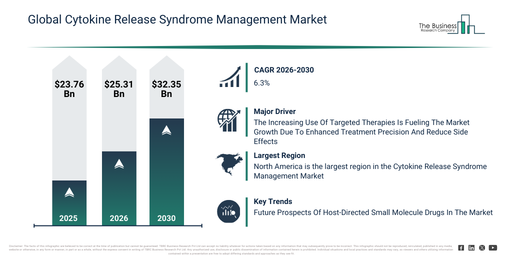
    The cytokine release syndrome management market size has demonstrated strong growth in recent years. It is projected to expand from $23.76 billion in 2025 to $25.31 billion in 2026, at a compound annual growth rate (CAGR) of 6.5%. The expansion witnessed in the historic period is attributable to the increasing prevalence of CAR-T therapies, the limited array of CRS treatment options, a reliance on corticosteroids, typical hospital-based management, and the substantial mortality risk.

    The cytokine release syndrome management market size is projected to experience substantial growth in the coming years, with its value expected to reach $32.35 billion by 2030, demonstrating a compound annual growth rate (CAGR) of 6.3%. This anticipated growth during the forecast period is attributed to several factors including the expansion of cell therapies, advancements in immunomodulators, improvements in early detection, the establishment of standardized treatment guidelines, and increasing adoption in oncology. Significant trends for this period encompass the rising use of il-6 inhibitors, the broadened application of crs management within car-t therapy, an intensified focus on early intervention protocols, the expansion of intensive care monitoring, and the development of targeted immunomodulators.

    Access Your Free Sample Report for In-Depth Market Insights:

    https://www.thebusinessresearchcompany.com/sample.aspx?id=24199&type=smp

    What Drivers Are Driving Adoption Within The Cytokine Release Syndrome Management Market?

    The expanding application of targeted therapies is projected to drive the cytokine release syndrome management market’s growth in the future. These therapies, whether drugs or treatments, are engineered to precisely impede cancer growth and dissemination by disrupting molecular targets crucial for tumor progression. Their growing adoption stems mainly from their capacity to accurately target cancerous cells, thus minimizing harm to healthy ones, boosting treatment effectiveness, and lessening adverse effects compared to conventional treatments. Managing cytokine release syndrome is vital for optimizing targeted therapies, as it controls severe inflammatory responses, thereby improving the safety and efficacy of treatments like CAR-T cell therapy and immune checkpoint inhibitors. For example, in January 2024, the American Society of Gene and Cell Therapy, a US-based organization dedicated to gene and cell therapy, reported that the fourth quarter of 2023 saw a 10% increase in gene therapies undergoing Phase III clinical trials. This represented the initial quarterly uptick of its kind since the third quarter of 2022. Consequently, the expanding application of targeted therapies is propelling the cytokine release syndrome management market forward.

    What Segments Are Included Within The Cytokine Release Syndrome Management Market?

    The cytokine release syndrome management market covered in this report is segmented –

    1) By Treatment Type: Monoclonal Antibodies, Corticosteroids, Intravenous Immunoglobulin (IVIG), Targeted Therapy, Supportive Care, Other Treatment Types

    2) By Indication: Chimeric Antigen Receptor (CAR) T-Cell Therapy, Immune Checkpoint Inhibitors, Hematopoietic Stem Cell Transplantation (HSCT), Autoimmune Diseases, Infections, Other Indications

    3) By Route Of Administration: Intravenous (IV), Subcutaneous (SC), Oral, Intramuscular (IM), Intrathecal, Other Routes Of Administration

    4) By End Users: Hospital Pharmacies, Retail Pharmacies, Online Pharmacies, Specialty Clinics, Research Institutions, Other End Users

    Subsegments:

    1) By Monoclonal Antibodies: Tocilizumab, Siltuximab, Infliximab, Rituximab

    2) By Corticosteroids: Dexamethasone, Prednisone, Methylprednisolone, Hydrocortisone

    3) By Intravenous Immunoglobulin (IVIG): Immunoglobulin G (IgG)-Based Intravenous Immunoglobulin, Immunoglobulin A (IgA)-Based Intravenous Immunoglobulin, Immunoglobulin M (IgM)-Based Intravenous Immunoglobulin, Polyvalent Intravenous Immunoglobulin

    4) By Targeted Therapy: Janus Kinase (JAK) Inhibitors, Interleukin-6 (IL-6) Inhibitors, Tumor Necrosis Factor-Alpha (TNF-a) Inhibitors, Bruton’s Tyrosine Kinase (BTK) Inhibitors

    5) By Supportive Care: Antipyretic Medications, Analgesic Medications, Intravenous Fluids And Electrolyte Solutions, Oxygen Therapy, Vasopressor Agents

    6) By Other Treatment Types: Plasmapheresis (Therapeutic Plasma Exchange), Antihistamine Medications, Leukapheresis, Experimental Therapies, Nutritional Support

    Which Market Trends Are Opening Growth Opportunities In The Cytokine Release Syndrome Management Market?

    Major companies within the cytokine release syndrome management market are concentrating on conducting clinical trials to develop innovative therapies, such as host-directed small molecule drugs. These treatments are intended to modulate the immune response and reduce the severity of cytokine storms without negatively impacting the body’s ability to fight infections or cancer. A host-directed small molecule drug is a low molecular weight compound designed to target the host’s immune signaling pathways, thereby suppressing excessive cytokine production and helping manage cytokine release syndrome (CRS) by preventing immune system overactivation. For instance, in April 2025, CytoAgents Inc., a US-based biotechnology company, announced the successful completion of the first dose-escalation cohort in its Phase 1b/2a clinical trial of CTO1681, a host-directed small molecule drug created to prevent and treat CRS in patients receiving CAR T-cell therapy. The investigational therapy demonstrated a favorable safety profile, with no dose-limiting toxicities or disruption to CAR T-cell efficacy. The trial, which utilizes a rolling six dose-escalation design, is being conducted to assess the safety, tolerability, and preliminary efficacy of CTO1681, as well as to establish the recommended phase 2 dose.

    Who Are The Prominent Global Companies Shaping The Cytokine Release Syndrome Management Market Landscape?

    Major companies operating in the cytokine release syndrome management market are Pfizer Inc., Johnson & Johnson Private Limited, F. Hoffmann-La Roche Ltd., AbbVie Inc., Sanofi S.A., Bristol Myers Squibb Company, Novartis AG, GlaxoSmithKline plc, Amgen Inc., Gilead Sciences Inc., Regeneron Pharmaceuticals Inc., Genentech Inc., Incyte Corporation, Swedish Orphan Biovitrum AB, Biocon Limited, MacroGenics Inc., Legend Biotech Corporation, Bluebird Bio Inc., InflaRx N.V., Humanigen Inc.

    Access The Complete Report For Deeper Market Insights:

    https://www.thebusinessresearchcompany.com/report/cytokine-release-syndrome-management-global-market-report

    Which Geographic Areas Are Emerging As Strong Markets For The Cytokine Release Syndrome Management Market?

    North America was the largest region in the cytokine release syndrome management market in 2025. Asia-Pacific is expected to be the fastest-growing region in the forecast period. The regions covered in the cytokine release syndrome management market report are Asia-Pacific, South East Asia, Western Europe, Eastern Europe, North America, South America, Middle East, Africa.

    Request Your Customized Cytokine Release Syndrome Management Market Research Report for Competitive Advantage:

    https://www.thebusinessresearchcompany.com/customise?id=24199&type=smp

    Browse Through More Reports Similar to the Global Cytokine Release Syndrome Management Market 2026, By The Business Research Company

    Release Agents Market Report 2026

    https://www.thebusinessresearchcompany.com/report/release-agents-global-market-report

    Sustained Release Excipients Market Report 2026

    https://www.thebusinessresearchcompany.com/report/sustained-release-excipients-global-market-report

    Leukocyte Adhesion Deficiency Management Market Report 2026

    https://www.thebusinessresearchcompany.com/report/leukocyte-adhesion-deficiency-management-global-market-report

    Get in touch with us:

    The Business Research Company: https://www.thebusinessresearchcompany.com/

    Americas +1 310-496-7795

    Asia +44 7882 955267 & +91 8897263534

    Europe +44 7882 955267

    Email us at info@tbrc.info

    Follow us on:

    LinkedIn: https://in.linkedin.com/company/the-business-research-company

    YouTube: https://www.youtube.com/channel/UC24_fI0rV8cR5DxlCpgmyFQ

    Global Market Model: https://www.thebusinessresearchcompany.com/global-market-model
  • Cyclic Heavy Menstrual Bleeding Market Report 2026: Strategic Insights and Revenue Outlook

    Cyclic Heavy Menstrual Bleeding Market Report 2026: Strategic Insights and Revenue Outlook

    Uncover key drivers, emerging technologies, and competitive movements shaping the cyclic heavy menstrual bleeding market from 2026–2035 with trusted insights from The Business Research Company

    Across 2026–2030, what is the expected market valuation path of the Cyclic Heavy Menstrual Bleeding Market?

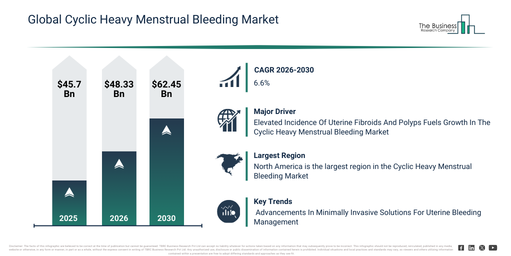
    The cyclic heavy menstrual bleeding market size has seen robust expansion in recent years. Its valuation is set to increase from $45.7 billion in 2025 to $48.33 billion in 2026, advancing at a compound annual growth rate (CAGR) of 5.8%. Historically, this growth can be ascribed to a high incidence of hormonal disorders, insufficient public knowledge about menstrual conditions, a reliance on oral drug therapies, infrequent diagnoses, and a prevalence of hospital-centered treatment.

    The cyclic heavy menstrual bleeding market is projected to experience substantial expansion in the coming years, anticipated to reach $62.45 billion by 2030, exhibiting a compound annual growth rate (CAGR) of 6.6%. This projected growth during the forecast period is attributable to progress in hormonal treatments, the rise of minimally invasive gynecological procedures, enhanced patient understanding, the proliferation of specialized clinics, and more effective diagnostic imaging techniques. Key trends anticipated within this period encompass the increasing utilization of hormonal therapeutic choices, a greater embrace of minimally invasive interventions, heightened consciousness regarding women’s reproductive health, the broadening of outpatient gynecological services, and an emphasis on managing symptoms over an extended duration.

    Access Your Free Sample Report for In-Depth Market Insights:

    https://www.thebusinessresearchcompany.com/sample.aspx?id=12929&type=smp

    Which Drivers Are Supporting The Rise Of The Cyclic Heavy Menstrual Bleeding Market?

    An increase in uterine fibroid and polyp cases is anticipated to fuel the expansion of the cyclic heavy menstrual bleeding market in the future. These conditions, uterine fibroids and uterine polyps, represent frequent benign growths found within the female uterus. Treating uterine fibroids and polyps helps decrease blood loss, normalize menstrual cycles, avert potential complications, and improve the emotional health of individuals experiencing menstrual irregularities. As an illustration, the Society for Women’s Health Research (SWHR), a US non-profit, reported that by January 2025, approximately 6.5 million reproductive-age women will be impacted by endometriosis, and 26 million women aged 15 and 50 will suffer from uterine fibroids. Despite how widespread these conditions are, research into uterine fibroids continues to receive insufficient funding, positioning it among the lowest 50 out of over 300 conditions funded by the National Institutes of Health in 2023. Consequently, the growing incidence of uterine fibroids and polyps is a primary driver for the cyclic heavy menstrual bleeding market.

    What Leading Segments Are Studied In The Cyclic Heavy Menstrual Bleeding Market?

    The cyclic heavy menstrual bleeding market covered in this report is segmented –

    1) By Treatment Type: Pharmaceuticals, Surgical Or Procedural, Medical Devices

    2) By Etiology: Hormonal Disorders, Structural Abnormalities, Coagulopathies, Iatrogenic, Idiopathic

    3) By Age: Adolescents, Reproductive Age, Perimenopausal Women

    4) By Payer: Private Insurance, Public Or Government Insurance, Out-Of-Pocket, Ngo Or Subsidized Programs

    5) By User: Hospitals, Outpatient Clinics, Diagnostic Labs And Imaging Centers

    Subsegments:

    1) By Pharmaceuticals: Hormonal (Oral Contraceptives, Progestins), Non-hormonal (NSAIDs, Tranexamic Acid)

    2) By Surgical Or Procedural: Endometrial Ablation, Hysterectomy

    3) By Medical Devices: Levonorgestrel IUS, Ablation Devices

    How Are Emerging Trends Affecting The Progression Of The Cyclic Heavy Menstrual Bleeding Market?

    Leading companies within the cyclic heavy menstrual bleeding market are increasingly focusing on adopting procedure-simplification trends, such as single-use, pre-assembled hysteroscopy kits, to boost efficiency, standardize workflows, and enable more in-office treatments. These advanced kits centralize all necessary components for hysteroscopic evaluation into one sterile package, thereby streamlining setup procedures and reducing inventory complexities. For instance, in May 2025, Minerva Surgical Inc., a US-based medical technology company specializing in minimally invasive gynecologic solutions, unveiled the HERizon Hysto-Kit. This single-use, pre-assembled hysteroscopy kit is specifically designed to aid in the evaluation and treatment of abnormal uterine bleeding through office-based procedures. The kit comes with integrated irrigation and suction tubing, a drape featuring a fluid-collection pouch, and is compatible with Minerva’s disposable hysteroscope and instrument accessories. The HERizon Hysto-Kit significantly improves procedural efficiency, supply management, and clinical workflow, ultimately enhancing point-of-care decision-making for abnormal uterine bleeding (AUB) management.

    Which Key Players Are Driving Competition In The Cyclic Heavy Menstrual Bleeding Market?

    Major companies operating in the cyclic heavy menstrual bleeding market are Pfizer Inc., Merck and Co. Inc., Novartis AG, Abbott Laboratories, GlaxoSmithKline Plc, Medtronic Plc, Takeda Pharmaceutical Company Limited, Eli Lilly and Company, Amgen Inc., Boehringer Ingelheim International GmbH, Reckitt Benckiser Group Plc, Teva Pharmaceutical Industries Ltd., Mylan N.V., Bausch Health Companies Inc., Eisai Co. Ltd., Sun Pharmaceutical Industries Ltd., Perrigo Company PLC, Dr. Reddy’s Laboratories Ltd., Aurobindo Pharma Limited, Cipla Limited, Ferring B.V., Amneal Pharmaceuticals LLC, Zydus Lifesciences Ltd., Lupin Limited, Torrent Pharmaceuticals Ltd.

    Access The Complete Report For Deeper Market Insights:

    https://www.thebusinessresearchcompany.com/report/cyclic-heavy-menstrual-bleeding-global-market-report

    Which Region Is Projected To Lead The Cyclic Heavy Menstrual Bleeding Market During The Forecast Period?

    North America was the largest region in the cyclic menstrual bleeding market in 2025. The regions covered in the cyclic heavy menstrual bleeding market report are Asia-Pacific, South East Asia, Western Europe, Eastern Europe, North America, South America, Middle East, Africa.

    Request Your Customized Cyclic Heavy Menstrual Bleeding Market Research Report for Competitive Advantage:

    https://www.thebusinessresearchcompany.com/customise?id=12929&type=smp

    Browse Through More Reports Similar to the Global Cyclic Heavy Menstrual Bleeding Market 2026, By The Business Research Company

    Endometriosis Market Report 2026

    https://www.thebusinessresearchcompany.com/report/endometriosis-global-market-report

    Bleeding Disorder Testing Market Report 2026

    https://www.thebusinessresearchcompany.com/report/bleeding-disorder-testing-global-market-report

    Bleeding Disorders Treatment Market Report 2026

    https://www.thebusinessresearchcompany.com/report/bleeding-disorders-treatment-global-market-report

    Get in touch with us:

    The Business Research Company: https://www.thebusinessresearchcompany.com/

    Americas +1 310-496-7795

    Asia +44 7882 955267 & +91 8897263534

    Europe +44 7882 955267

    Email us at info@tbrc.info

    Follow us on:

    LinkedIn: https://in.linkedin.com/company/the-business-research-company

    YouTube: https://www.youtube.com/channel/UC24_fI0rV8cR5DxlCpgmyFQ

    Global Market Model: https://www.thebusinessresearchcompany.com/global-market-model
  • Global C-X-C Chemokine Receptor 4 (CXCR4) Antagonists Industry Trends and Market Forecast 2026–2030

    Global C-X-C Chemokine Receptor 4 (CXCR4) Antagonists Industry Trends and Market Forecast 2026–2030

    Uncover key drivers, emerging technologies, and competitive movements shaping the c-x-c chemokine receptor 4 (cxcr4) antagonists market from 2026–2035 with trusted insights from The Business Research Company

    What size range is anticipated for the C-X-C Chemokine Receptor 4 (CXCR4) Antagonists Market from 2026 to 2030?

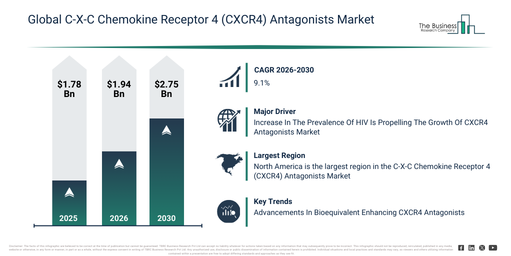
    The c-x-c chemokine receptor 4 (cxcr4) antagonists market has demonstrated significant expansion in recent years. Its valuation is set to rise from $1.78 billion in 2025 to $1.94 billion in 2026, progressing at a compound annual growth rate (CAGR) of 9.3%. This historical growth can be attributed to factors such as the identification of the cxcr4 cxcl12 pathway, existing unmet needs within oncology, the prevalence of injectable therapies, initial successes in clinical trials, and regulatory support for rare indications.

    The c-x-c chemokine receptor 4 (cxcr4) antagonists market size is anticipated to undergo significant expansion in the upcoming years. It is forecast to grow to $2.75 billion by 2030, achieving a compound annual growth rate (CAGR) of 9.1%. This growth during the forecast period is attributable to factors such as the approval of novel cxcr4 drugs, broadening applications in autoimmune diseases, the advancement of precision oncology, improvements in oral formulations, and increased investments in clinical trials. Prominent trends for the forecast period comprise an expansion of oncology drug pipelines, a growing utilization in stem cell mobilization, an enhanced focus on combination cancer therapies, the evolution of oral cxcr4 antagonists, and a rise in clinical trial activity.

    Access Your Free Sample Report for In-Depth Market Insights:

    https://www.thebusinessresearchcompany.com/sample.aspx?id=18329&type=smp

    What Drivers Are Affecting Demand In The C-X-C Chemokine Receptor 4 (CXCR4) Antagonists Market?

    The rising incidence of human immunodeficiency virus (HIV) is anticipated to drive expansion in the spasmodic dysphonia treatment market in the future. Human immunodeficiency virus (HIV) is a viral agent that specifically targets and compromises the body’s immune defenses by assaulting CD4 (T) cells, a condition that can progress to AIDS if medical intervention is absent. The increasing prevalence of HIV is attributed to factors such as insufficient public awareness, restricted access to healthcare services, elevated transmission rates, and insufficient preventive measures in certain regions. CXCR4 antagonists function by obstructing the CXCR4 receptor, thereby preventing HIV from entering and infecting immune cells, which contributes to viral management and a strengthened immune reaction. For example, data released in November 2024 by the Centers for Disease Control and Prevention, a US-based government entity, indicated that a 2023 survey among U.S. high school students revealed 32% had engaged in sexual intercourse at least once, and 48% reported not using a condom during their last sexual encounter. Consequently, the expanding prevalence of human immunodeficiency virus (HIV) is propelling the expansion of the CXCR4 antagonist market.

    Which Segment Groups Are Influencing The C-X-C Chemokine Receptor 4 (CXCR4) Antagonists Market?

    The c-x-c chemokine receptor 4 (cxcr4) antagonists market covered in this report is segmented –

    1) By Type: BL-8040, GMI-1359, Plerixafor (AMD3100), Balixafortide (POL6326), USL311, Burixafor (GPC-100), Other Types

    2) By Route Of Administration: Oral, Injectable

    3) By Product Pipeline: Approved, Clinical Trials, Pre-Clinical

    4) By Application: Cancer, Human Immunodeficiency Virus (HIV), Chronic Inflammatory Disease, Stem Cell Mobilization, Immune And Autoimmune Diseases

    5) By Distribution Channel: Hospital Pharmacies, Retail Pharmacies, Online Pharmacies

    Subsegments:

    1) By BL-8040: Oncology Applications (Leukemia, Lymphoma), Stem Cell Mobilization

    2) By GMI-1359: Cancer Treatment (Breast Cancer, Solid Tumors), Bone Marrow Mobilization

    3) By Plerixafor (AMD3100): Hematopoietic Stem Cell Mobilization, Cancer Treatment (Multiple Myeloma), HIV Treatment (HIV Reservoirs)

    4) By Balixafortide (POL6326): Cancer Treatment (Solid Tumors, Breast Cancer)

    5) By USL311: Stem Cell Mobilization, Oncology Applications

    6) By Burixafor (GPC-100): Cancer Treatment (Lymphoma, Solid Tumors), Stem Cell Mobilization

    7) By Other Types: Experimental Or Preclinical CXCR4 Antagonists, Combination Therapies With CXCR4 Antagonists

    Which Innovation Trends Are Advancing Developments Within The C-X-C Chemokine Receptor 4 (CXCR4) Antagonists Market?

    Major companies operating in the CXCR4 antagonist market are prioritizing the development of bioequivalents to expand treatment options and enhance patient outcomes across various diseases. Bioequivalent refers to pharmaceutical products demonstrating similar bioavailability when compared under identical conditions. For instance, in May 2024, Gland Pharma, an India-based generic injectable manufacturing company, obtained approval from the United States Food and Drug Administration (US FDA) for Plerixafor Injection. This approved product is bioequivalent and therapeutically equivalent to MOZOBIL (plerixafor) injection of Genzyme Corporation, the reference listed drug (RLD). Plerixafor is a CXCR4 antagonist that, when combined with granulocyte-colony stimulating factor, aids in mobilizing hematopoietic stem cells into the peripheral blood for collection and autologous transplantation in patients diagnosed with non-Hodgkin’s lymphoma and multiple myeloma.

    Who Are The Top-Performing Companies In The C-X-C Chemokine Receptor 4 (CXCR4) Antagonists Market In Recent Years?

    Major companies operating in the c-x-c chemokine receptor 4 (cxcr4) antagonists market are Pfizer Inc., F Hoffmann La Roche Ltd, Sanofi, Bristol Myers Squibb Company, AstraZeneca plc, GlaxoSmithKline, Eli Lilly and Company, Amgen Inc., Takeda Chemical Industries Ltd, Kyowa Kirin Co Ltd, X4 Pharmaceuticals Inc., BioLineRx Ltd, Spexis Ltd, GlycoMimetics, AnorMED Inc., Kura Oncology Inc., Biokine Therapeutics Ltd, Novartis AG, Merck & Co Inc., Johnson & Johnson, AbbVie Inc., Boehringer Ingelheim GmbH, Daiichi Sankyo Company Ltd.

    Access The Complete Report For Deeper Market Insights:

    https://www.thebusinessresearchcompany.com/report/c-x-c-chemokine-receptor-4-cxcr4-antagonists-global-market-report

    Which Region Currently Holds The Largest Share Of The C-X-C Chemokine Receptor 4 (CXCR4) Antagonists Market?

    North America was the largest region in the C-X-C chemokine receptor type 4 antagonists market in 2025. The regions covered in the c-x-c chemokine receptor 4 (cxcr4) antagonists market report are Asia-Pacific, South East Asia, Western Europe, Eastern Europe, North America, South America, Middle East, Africa.

    Request Your Customized C-X-C Chemokine Receptor 4 (CXCR4) Antagonists Market Research Report for Competitive Advantage:

    https://www.thebusinessresearchcompany.com/customise?id=18329&type=smp

    Browse Through More Reports Similar to the Global C-X-C Chemokine Receptor 4 (CXCR4) Antagonists Market 2026, By The Business Research Company

    Cyclin Dependent Kinase Cdk 4 Or 6 Inhibitor Drugs Market Report 2026

    https://www.thebusinessresearchcompany.com/report/cyclin-dependent-kinase-cdk-4-or-6-inhibitor-drugs-global-market-report

    Cc Chemokine Receptor Type 5 Market Report 2026

    https://www.thebusinessresearchcompany.com/report/cc-chemokine-receptor-type-5-global-market-report

    C4Isr Market Report 2026

    https://www.thebusinessresearchcompany.com/report/c4isr-global-market-report

    Get in touch with us:

    The Business Research Company: https://www.thebusinessresearchcompany.com/

    Americas +1 310-496-7795

    Asia +44 7882 955267 & +91 8897263534

    Europe +44 7882 955267

    Email us at info@tbrc.info

    Follow us on:

    LinkedIn: https://in.linkedin.com/company/the-business-research-company

    YouTube: https://www.youtube.com/channel/UC24_fI0rV8cR5DxlCpgmyFQ

    Global Market Model: https://www.thebusinessresearchcompany.com/global-market-model
  • Cutaneous T-Cell Lymphoma Market Size and Demand Forecast 2026–2030

    Cutaneous T-Cell Lymphoma Market Size and Demand Forecast 2026–2030

    Uncover key drivers, emerging technologies, and competitive movements shaping the cutaneous t-cell lymphoma market from 2026–2035 with trusted insights from The Business Research Company

    How is the Cutaneous T-Cell Lymphoma Market size predicted to change over the forecast window of 2026–2035?

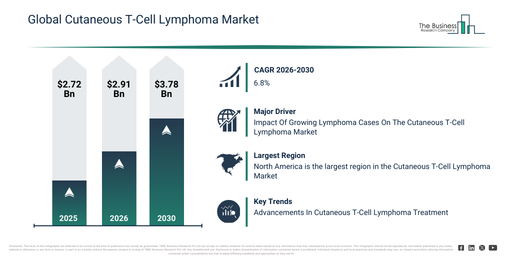
    The cutaneous t-cell lymphoma market has experienced strong expansion in recent years. It is forecast to grow from $2.72 billion in 2025 to $2.91 billion in 2026, showing a compound annual growth rate (CAGR) of 7.0%. The past growth in this market can be attributed to several factors including rare disease underdiagnosis, a reliance on chemotherapy and radiation, limited treatment options, hospital-centered oncology care, and the delayed recognition of disease progression.

    The market size for cutaneous t-cell lymphoma is projected to experience robust growth in the coming years. It is expected to expand to $3.78 billion by 2030, demonstrating a compound annual growth rate (CAGR) of 6.8%. This anticipated growth during the forecast period can be attributed to several factors, including developments in targeted therapies, the expansion of precision oncology, greater awareness of the disease, the establishment of more specialty oncology clinics, and enhanced diagnostic accuracy. Prominent trends observed in this period encompass the increasing integration of targeted immunotherapies, a heightened focus on early disease staging, the evolution of skin-directed treatment methods, the broader application of combination therapy regimens, and improved systems for long-term disease monitoring.

    Access Your Free Sample Report for In-Depth Market Insights:

    https://www.thebusinessresearchcompany.com/sample.aspx?id=21164&type=smp

    Which Drivers Are Contributing To The Expansion Of The Cutaneous T-Cell Lymphoma Market?

    The increasing prevalence of lymphoma cases is projected to stimulate the expansion of the cutaneous T-cell lymphoma market in the future. Lymphoma is a cancer that begins in lymphocytes, which are white blood cells located within the lymphatic system. The escalation in lymphoma diagnoses stems from elements such as an aging demographic, environmental exposures, and genetic susceptibilities. Cutaneous T-cell lymphoma assists in addressing lymphoma cases by offering a distinct diagnostic and therapeutic strategy for individuals whose lymphoma primarily affects the skin, thereby differentiating it from other lymphoma types and directing specific treatments. For instance, in October 2025, the American Cancer Society, a US-based nonprofit research organization, anticipated approximately 8,720 new Hodgkin lymphoma cases in the United States for that year, with 4,840 affecting males and 3,880 affecting females. The same organization also reported roughly 1,150 anticipated fatalities, consisting of 720 males and 430 females, indicating an ongoing disease burden. Hodgkin lymphoma continues to be the most frequently identified cancer among adolescents between the ages of 15 and 19 years. Consequently, the increasing prevalence of lymphoma cases serves as a driving force for the cutaneous T-cell lymphoma market.

    What Segment Classifications Make Up The Cutaneous T-Cell Lymphoma Market?

    The cutaneous t-cell lymphoma market covered in this report is segmented –

    1) By Type: Mycosis Fungoides, Sezary Syndrome

    2) By Treatment: Radiation Therapy, Chemotherapy, Immunotherapy, Targeted Therapy, Other Treatments

    3) By End-User: Hospitals, Diagnostic Centres, Clinics

    Subsegments:

    1) By Mycosis Fungoides: Patch-Stage Mycosis Fungoides, Plaque-Stage Mycosis Fungoides, Tumor-Stage Mycosis Fungoides, Erythrodermic Mycosis Fungoides

    2) By Sezary Syndrome: Classic Sezary Syndrome, Atypical Sezary Syndrome

    Which Competitive Trends Are Impacting The Structure Of The Cutaneous T-Cell Lymphoma Market?

    Leading companies operating within the cutaneous T-cell lymphoma market are prioritizing the development of advanced treatments, such as targeted mechanisms of action that concurrently address both malignant T-cells and immunosuppressive regulatory T-cells (Tregs), to gain a competitive advantage. This dual targeting enables LYMPHIR to not only directly eliminate tumor cells but also temporarily reduce Tregs, which can improve the body’s immune response against tumors. For example, in August 2024, a US-based pharmaceutical company obtained FDA approval for LYMPHIR (denileukin diftitox-cxdl), signifying a major breakthrough in treating relapsed or refractory cutaneous T-cell lymphoma (CTCL). This innovative strategy differentiates LYMPHIR from other available therapies, presenting a new treatment choice for patients with relapsed or refractory cutaneous T-cell lymphoma (CTCL).

    Which Leading Companies Dominate The Cutaneous T-Cell Lymphoma Market Share?

    Major companies operating in the cutaneous t-cell lymphoma market are Merck & Co. Inc., Pfizer Inc., Bristol Myers Squibb Company, Novartis AG, Takeda Pharmaceutical Company Limited, GlaxoSmithKline plc, Eisai Co. Ltd., Kyowa Hakko Kirin Co. Ltd., Actelion Pharmaceuticals Ltd., Soligenix Inc., Helsinn Healthcare SA, Innate Pharma SA, 4SC AG, Equillium Inc., Citius Pharmaceuticals Inc., Medivir AB, Amgen Inc., Roche Holding AG, Johnson & Johnson, AbbVie Inc., AstraZeneca plc, Sanofi, Regeneron Pharmaceuticals Inc.

    Access The Complete Report For Deeper Market Insights:

    https://www.thebusinessresearchcompany.com/report/cutaneous-t-cell-lymphoma-global-market-report

    How Does The Cutaneous T-Cell Lymphoma Market Perform Across Major Global Regions?

    North America was the largest region in the cutaneous T-cell lymphoma market in 2025. Asia-Pacific is expected to be the fastest-growing region in the forecast period. The regions covered in the cutaneous t-cell lymphoma market report are Asia-Pacific, South East Asia, Western Europe, Eastern Europe, North America, South America, Middle East, Africa.

    Request Your Customized Cutaneous T-Cell Lymphoma Market Research Report for Competitive Advantage:

    https://www.thebusinessresearchcompany.com/customise?id=21164&type=smp

    Browse Through More Reports Similar to the Global Cutaneous T-Cell Lymphoma Market 2026, By The Business Research Company

    Non Hodgkin Lymphoma Nhl Market Report 2026

    https://www.thebusinessresearchcompany.com/report/non-hodgkin-lymphoma-nhl-global-market-report

    Non Hodgkin Lymphoma Nhl Market Report 2026

    https://www.thebusinessresearchcompany.com/report/non-hodgkin-lymphoma-nhl-global-market-report

    Non Hodgkin Lymphoma Nhl Market Report 2026

    https://www.thebusinessresearchcompany.com/report/non-hodgkin-lymphoma-nhl-global-market-report

    Get in touch with us:

    The Business Research Company: https://www.thebusinessresearchcompany.com/

    Americas +1 310-496-7795

    Asia +44 7882 955267 & +91 8897263534

    Europe +44 7882 955267

    Email us at info@tbrc.info

    Follow us on:

    LinkedIn: https://in.linkedin.com/company/the-business-research-company

    YouTube: https://www.youtube.com/channel/UC24_fI0rV8cR5DxlCpgmyFQ

    Global Market Model: https://www.thebusinessresearchcompany.com/global-market-model
  • Cutaneous Squamous Cell Carcinoma (cSCC) Market Outlook: Growth and Forecast Highlights 2030

    Cutaneous Squamous Cell Carcinoma (cSCC) Market Outlook: Growth and Forecast Highlights 2030

    Uncover key drivers, emerging technologies, and competitive movements shaping the cutaneous squamous cell carcinoma (cscc) market from 2026–2035 with trusted insights from The Business Research Company

    What market expansion outlook does the Cutaneous Squamous Cell Carcinoma (cSCC) Market show for the 2026–2030 period?

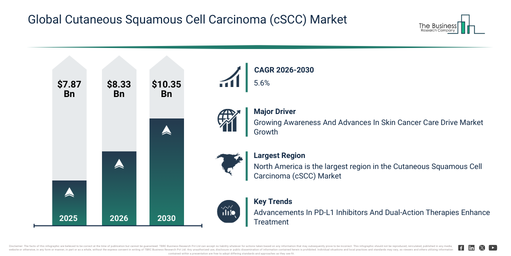
    The market size for cutaneous squamous cell carcinoma (cscc) has shown substantial growth in recent years. It is anticipated to increase from $7.87 billion in 2025 to $8.33 billion in 2026, reflecting a compound annual growth rate (CAGR) of 5.8%. This historical expansion can be attributed to high UV exposure rates, the rising aging population, heightened awareness of skin cancer, the reliance on surgical excision, and the availability of hospital-based oncology care.

    The market for cutaneous squamous cell carcinoma (cscc) is projected to experience robust expansion over the coming years, anticipated to reach $10.35 billion by 2030, exhibiting a compound annual growth rate (CAGR) of 5.6%. This growth during the forecast period can be attributed to several factors, including advancements in skin cancer diagnostic methods, increasing preference for outpatient procedures, the expansion of dermatologic oncology facilities, better availability of early detection methods, and the creation of targeted therapeutic approaches. Key trends expected during this period involve the increasing uptake of Mohs micrographic surgery, a greater reliance on non-surgical treatments, the development of early skin cancer screening programs, broader access to outpatient cancer care, and an emphasis on minimally invasive medical interventions.

    Access Your Free Sample Report for In-Depth Market Insights:

    https://www.thebusinessresearchcompany.com/sample.aspx?id=21163&type=smp

    What Drivers Are Shaping The Development Of The Cutaneous Squamous Cell Carcinoma (cSCC) Market?

    Increasing recognition of skin cancer is anticipated to drive expansion in the cutaneous squamous cell carcinoma (cSCC) market moving ahead. Skin cancer involves the irregular proliferation of skin cells, frequently triggered by too much UV radiation, with severity varying from benign to fatal. This heightened awareness stems from expanded public health initiatives, better availability of information, and an increasing focus on prompt diagnosis and preventive measures, consequently boosting the need for diagnostic and therapeutic options. Cutaneous squamous cell carcinoma (cSCC) plays a vital role in advancing skin cancer care by facilitating specific treatments, refining diagnostic processes, and elevating patient results, thereby contributing to more effective disease control. As an illustration, in January 2024, the American Cancer Society, a US non-profit focused on cancer eradication, reported 104,930 skin cancer cases in 2023, showing a 3.2% rise from the 108,270 cases documented in 2022. Consequently, the increasing awareness of skin cancer is expected to stimulate growth within the cutaneous squamous cell carcinoma (cSCC) market.

    What Segment Types Are Examined In The Cutaneous Squamous Cell Carcinoma (cSCC) Market?

    The cutaneous squamous cell carcinoma (cscc) market covered in this report is segmented –

    1) By Treatment: Surgical Treatment, Non-Surgical Treatment

    2) By Diagnosis: Computed Tomography (CT), Magnetic Resonance Imaging (MRI), Biopsy

    3) By Application: Hospitals, Cancer Institutes, Ambulatory Surgical Centers, Other Applications

    Subsegments:

    1) By Surgical Treatment: Excisional Surgery, Mohs Micrographic Surgery, Curettage And Electrodessication

    2) By Non-Surgical Treatment: Radiation Therapy, Cryotherapy, Photodynamic Therapy, Topical Therapies, Systemic Therapies

    What Industry Trends Are Transforming The Cutaneous Squamous Cell Carcinoma (cSCC) Market?

    Leading companies in the cutaneous squamous cell carcinoma (cSCC) market are concentrating on advancements in immuno-oncology therapies, such as PD-L1 inhibitors and targeted treatments, to enhance patient outcomes and deliver effective solutions for managing advanced skin cancer. Programmed death-ligand 1 (PD-L1) is a protein that suppresses the immune response by binding to PD-1 receptors on T-cells, enabling cancer cells to evade immune detection. For instance, in December 2024, Checkpoint Therapeutics Inc., a US-based biotech company, secured FDA approval for Unloxcyt (cosibelimab-ipdl). This innovation functions by blocking PD-L1, thereby improving the immune system’s capacity to fight cancer and offering a safer, more effective treatment option. Moreover, its dual mechanisms of action present a promising strategy for managing advanced cutaneous squamous cell carcinoma (cSCC). The approval was founded on results from the CK-301-101 trial, which displayed clinically significant objective response rates and durable responses in patients with advanced cSCC.

    Who Are The Major Companies Operating In The Cutaneous Squamous Cell Carcinoma (cSCC) Market?

    Major companies operating in the cutaneous squamous cell carcinoma (cscc) market are F. Hoffmann-La Roche AG, Merck & Co. Inc., Sanofi S.A., Bristol-Myers Squibb Company, Novartis AG, GSK plc, Eli Lilly and Company, Amgen Inc., Regeneron Pharmaceuticals Inc., Astellas Pharma Inc., Incyte Corporation, Shanghai Henlius Biotech Inc., Fortress Biotech Inc., Rakuten Medical Inc., Morphogenesis Inc., Vidac Pharma Inc., Pfizer Inc., AstraZeneca plc, AbbVie Inc., Johnson & Johnson, Bayer AG, LEO Pharma A/S, Sun Pharmaceutical Industries Ltd.

    Access The Complete Report For Deeper Market Insights:

    https://www.thebusinessresearchcompany.com/report/cutaneous-squamous-cell-carcinoma-cscc-global-market-report

    Which Region Is Anticipated To See The Fastest Growth In The Cutaneous Squamous Cell Carcinoma (cSCC) Market?

    North America was the largest region in the cutaneous squamous cell carcinoma (CSCC) market in 2025. Asia-Pacific is expected to be the fastest-growing region in the forecast period. The regions covered in the cutaneous squamous cell carcinoma (cscc) market report are Asia-Pacific, South East Asia, Western Europe, Eastern Europe, North America, South America, Middle East, Africa.

    Request Your Customized Cutaneous Squamous Cell Carcinoma (cSCC) Market Research Report for Competitive Advantage:

    https://www.thebusinessresearchcompany.com/customise?id=21163&type=smp

    Browse Through More Reports Similar to the Global Cutaneous Squamous Cell Carcinoma (cSCC) Market 2026, By The Business Research Company

    Skin Cancer Drugs Market Report 2026

    https://www.thebusinessresearchcompany.com/report/skin-cancer-drugs-global-market-report

    Basal Cell Carcinoma Treatment Market Report 2026

    https://www.thebusinessresearchcompany.com/report/basal-cell-carcinoma-treatment-global-market-report

    Non Small Cell Lung Cancer Nsclc Market Report 2026

    https://www.thebusinessresearchcompany.com/report/non-small-cell-lung-cancer-nsclc-global-market-report

    Get in touch with us:

    The Business Research Company: https://www.thebusinessresearchcompany.com/

    Americas +1 310-496-7795

    Asia +44 7882 955267 & +91 8897263534

    Europe +44 7882 955267

    Email us at info@tbrc.info

    Follow us on:

    LinkedIn: https://in.linkedin.com/company/the-business-research-company

    YouTube: https://www.youtube.com/channel/UC24_fI0rV8cR5DxlCpgmyFQ

    Global Market Model: https://www.thebusinessresearchcompany.com/global-market-model
  • Cutaneous Lupus Erythematosus Market Insights Report: Opportunities and Drivers 2030

    Cutaneous Lupus Erythematosus Market Insights Report: Opportunities and Drivers 2030

    Uncover key drivers, emerging technologies, and competitive movements shaping the cutaneous lupus erythematosus market from 2026–2035 with trusted insights from The Business Research Company

    What level of growth is expected in the Cutaneous Lupus Erythematosus Market between 2026 and 2030?

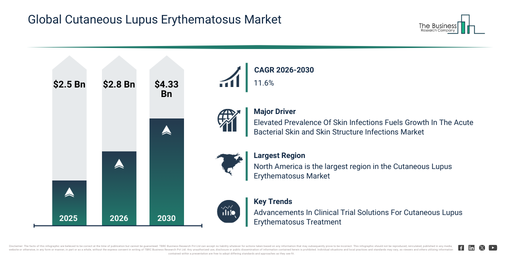
    The market size for cutaneous lupus erythematosus has expanded significantly in recent years. It is projected to increase from $2.5 billion in 2025 to $2.8 billion in 2026, with a compound annual growth rate (CAGR) of 11.7%. In the past, this growth was influenced by the prevalence of autoimmune diseases, the continued reliance on corticosteroid therapy, the limited availability of targeted treatment options, prolonged diagnosis rates, and a predominant hospital-based approach to disease management.

    The market size for cutaneous lupus erythematosus is projected to experience substantial expansion in the upcoming years. By 2030, this market is anticipated to reach $4.33 billion, demonstrating a compound annual growth rate (CAGR) of 11.6%. This expansion during the forecast period is driven by progress in immunotherapy medications, the rise of tailored autoimmune therapies, an increase in dermatology visits, enhanced diagnostic precision, and heightened patient understanding. Key developments expected over the forecast period encompass a greater adoption of targeted immunomodulatory treatments, a stronger emphasis on preventing disease flares, a wider range of available topical and systemic therapeutic choices, increased understanding of how to manage photosensitivity, and the development of specialized dermatological care.

    Access Your Free Sample Report for In-Depth Market Insights:

    https://www.thebusinessresearchcompany.com/sample.aspx?id=18328&type=smp

    Which Drivers Are Expected To Impact The Cutaneous Lupus Erythematosus Market During The Forecast Period?

    An increase in the occurrence of skin infections is anticipated to boost the expansion of the cutaneous lupus erythematosus (CLE) market in the future. These infections involve microorganisms like bacteria, fungi, or viruses penetrating and multiplying within the skin, resulting in diverse symptoms and discomfort. Such infections trigger the immune system, prompting an inflammatory reaction to combat the invasion. For individuals suffering from CLE, this intensified immune response may target their skin cells, thereby aggravating CLE symptoms. By way of illustration, the UK Health Security Agency (UKHSA), a national public health body in the UK, reported in September 2025 that for England in FY 2023–24, skin and soft-tissue infections were the primary origin of Methicillin-resistant Staphylococcus aureus bacteraemia (MRSA), making up 37% of instances. This risk was more pronounced among older populations: 2 males and 1 female per 100,000 individuals aged 45-64 contracted MRSA bacteraemia, contrasting with 17 males and 6 females per 100,000 individuals aged 85 years and above. Consequently, the increasing incidence of skin infections is projected to fuel the expansion of the cutaneous lupus erythematosus market.

    Which Segments Are Driving Activity In The Cutaneous Lupus Erythematosus Market?

    The cutaneous lupus erythematosus market covered in this report is segmented –

    1) By Type: Acute, Subacute, Intermittent, Chronic

    2) By Drug Class: Retinoids, Corticosteroids, Immunosuppressants, Antimalarial Drugs, Other Drug Classes

    3) By Route Of Administration: Oral, Injections, Topical, Other Routes Of Administrations

    4) By End-Users: Hospitals, Specialty Clinics, Homecare, Other End-Users

    Subsegments:

    1) By Acute: Systemic Lupus Erythematosus (SLE)-Associated ACLE, Non-Systemic ACLE

    2) By Subacute: SLE-Associated SCLE, Drug-Induced SCLE

    3) By Intermittent: Mild Intermittent Forms, Relapsing Forms

    4) By Chronic: Discoid Lupus Erythematosus (DLE), Lupus Panniculitis (LP), Tumid Lupus Erythematosus, Hypertrophic Lupus Erythematosus

    What Trends Are Reshaping The Dynamics Of The Cutaneous Lupus Erythematosus Market?

    Major companies active in the cutaneous lupus erythematosus market are introducing innovative clinical trial solutions to enhance treatment efficacy, improve patient outcomes, and offer more convenient and targeted therapies. Developing advanced methodologies and treatments is central to innovating clinical trial solutions for cutaneous lupus erythematosus, aiming to improve the design, effectiveness, and results of trials focused on this skin condition. For example, in August 2024, Noxopharm Ltd., an Australia-based biotechnology company, began the first-in-human clinical trial of its drug candidate, SOF-SKN, targeting autoimmune diseases, specifically cutaneous lupus erythematosus (CLE). This trial is structured into two parts: the first involves sequential single-dose administration with safety checks, and the second comprises multiple doses across several volunteer groups, with safety assessments performed at each stage.

    Which Major Firms Are Strengthening Their Position In The Cutaneous Lupus Erythematosus Market?

    Major companies operating in the cutaneous lupus erythematosus market are Pfizer Inc., Johnson & Johnson Private Limited, F. Hoffmann-La Roche Ltd., Merck & Co. Inc., AbbVie Inc., Sanofi S.A., Novartis AG, GlaxoSmithKline plc, Eli Lilly and Company, Amgen Inc., Teva Pharmaceutical Industries Ltd., UCB S.A., Sun Pharmaceutical Industries Ltd., Aurobindo Pharma Limited, Dr. Reddy’s Laboratories Ltd., Hikma Pharmaceuticals PLC, Amneal Pharmaceuticals LLC, Lupin Limited, Allergan Inc., LEO Pharma A/S, Glenmark Pharmaceuticals Limited

    Access The Complete Report For Deeper Market Insights:

    https://www.thebusinessresearchcompany.com/report/cutaneous-lupus-erythematosus-global-market-report

    Which Region Is Anticipated To See The Fastest Growth In The Cutaneous Lupus Erythematosus Market?

    North America was the largest region in the cutaneous lupus erythematosus market in 2025. The regions covered in the cutaneous lupus erythematosus market report are Asia-Pacific, South East Asia, Western Europe, Eastern Europe, North America, South America, Middle East, Africa.

    Request Your Customized Cutaneous Lupus Erythematosus Market Research Report for Competitive Advantage:

    https://www.thebusinessresearchcompany.com/customise?id=18328&type=smp

    Browse Through More Reports Similar to the Global Cutaneous Lupus Erythematosus Market 2026, By The Business Research Company

    Dermatitis Drugs Market Report 2026

    https://www.thebusinessresearchcompany.com/report/dermatitis-drugs-global-market-report

    Systemic Lupus Erythematosus Treatment Market Report 2026

    https://www.thebusinessresearchcompany.com/report/systemic-lupus-erythematosus-treatment-global-market-report

    Lupus Therapeutics Market Report 2026

    https://www.thebusinessresearchcompany.com/report/lupus-therapeutics-global-market-report

    Get in touch with us:

    The Business Research Company: https://www.thebusinessresearchcompany.com/

    Americas +1 310-496-7795

    Asia +44 7882 955267 & +91 8897263534

    Europe +44 7882 955267

    Email us at info@tbrc.info

    Follow us on:

    LinkedIn: https://in.linkedin.com/company/the-business-research-company

    YouTube: https://www.youtube.com/channel/UC24_fI0rV8cR5DxlCpgmyFQ

    Global Market Model: https://www.thebusinessresearchcompany.com/global-market-model
  • Customized Genetic Testing Global Forecast: Market to Scale Up to $29.5 Billion by 2030 at 15.8% CAGR

    Customized Genetic Testing Global Forecast: Market to Scale Up to $29.5 Billion by 2030 at 15.8% CAGR

    Uncover key drivers, emerging technologies, and competitive movements shaping the customized genetic testing market from 2026–2035 with trusted insights from The Business Research Company

    How much is the Customized Genetic Testing Market valued at in 2026, and what valuation is forecast for 2030?

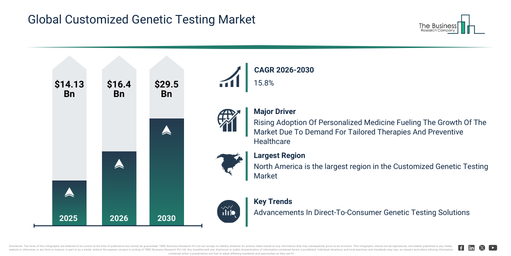
    The customized genetic testing market has witnessed rapid expansion in recent years. This market is set to grow from $14.13 billion in 2025 to $16.4 billion by 2026, with a compound annual growth rate (CAGR) of 16.0%. The historical growth of this market can be linked to increased understanding of hereditary diseases, a decrease in the cost of genetic sequencing, the broadening of clinical genetic counseling services, a rise in the adoption of predictive testing, and the expanding utilization of molecular diagnostics.

    The customized genetic testing market size is expected to experience rapid growth in the upcoming years. It is projected to reach $29.5 billion by 2030, with a compound annual growth rate (CAGR) of 15.8%. The anticipated growth during this forecast period can be attributed to factors such as an increasing demand for personalized medicine, the rising integration of genomics in routine care, the expansion of preventive healthcare strategies, the growing adoption of precision oncology, and increasing investment in genomic data platforms. Major trends expected in this timeframe include the increasing adoption of personalized genetic panels, the growing use of NGS-based customized testing, the expansion of pharmacogenomic applications, a rising demand for targeted risk assessment, and enhanced integration of clinical decision support systems.

    Access Your Free Sample Report for In-Depth Market Insights:

    https://www.thebusinessresearchcompany.com/sample.aspx?id=28187&type=smp

    What Drivers Are Influencing The Growth Of The Customized Genetic Testing Market?

    The increasing integration of personalized medicine is projected to accelerate the expansion of the customized genetic testing market moving forward. Personalized medicine signifies a healthcare strategy where medical treatments, preventative measures, and health-related decisions are tailored to each patient’s unique characteristics. This growing uptake of personalized medicine is attributed to advancements in genomics, proteomics, and biomarker discovery, which facilitate individualized treatments based on specific genetic profiles, thereby stimulating the demand for targeted therapies, enhanced diagnostics, and precise healthcare solutions. Customized genetic testing plays a vital role in this progression by offering detailed genetic insights that enable accurate disease risk assessments, focused therapeutic approaches, and proactive preventive care. For instance, in February 2024, the Personalized Medicine Coalition, a US-based nonprofit organization, reported that in 2023, the United States Food and Drug Administration (FDA) approved 16 new personalized treatments for rare disease patients, compared to just 6 approvals in 2022. Thus, the escalating adoption of personalized medicine is propelling the growth of the customized genetic testing market.

    How Is The Customized Genetic Testing Market Organized Into Various Segments?

    The customized genetic testing market covered in this report is segmented –

    1) By Test Type: Predictive Testing, Carrier Testing, Prenatal And Newborn Testing, Diagnostic Testing, Pharmacogenomic Testing

    2) By Sample Type: Saliva, Blood, Buccal Swab

    3) By Technology: Next-Generation Sequencing (NGS), Polymerase Chain Reaction (PCR), Microarray Analysis, Single-Cell Sequencing

    4) By Application: Oncology, Cardiovascular Diseases, Neurological Disorders, Metabolic Disorders

    5) By End-User: Predictive Testing, Carrier Testing, Prenatal And Newborn Testing, Diagnostic Testing, Pharmacogenomic Testing

    Subsegments:

    1) By Predictive Testing: Cancer Susceptibility Testing, Neurodegenerative Disorder Testing, Cardiovascular Disease Risk Testing, Metabolic Disorder Risk Testing

    2) By Carrier Testing: Cystic Fibrosis Carrier Testing, Sickle Cell Anemia Carrier Testing, Tay–Sachs Disease Carrier Testing, Thalassemia Carrier Testing

    3) By Prenatal And Newborn Testing: Non-Invasive Prenatal Testing (NIPT), Newborn Screening Panels, Chorionic Villus Sampling (CVS), Amniocentesis-Based Genetic Testing

    4) By Diagnostic Testing: Rare Disease Diagnosis, Oncology Genetic Testing, Neurological Disorder Diagnosis, Infectious Disease-Associated Genetic Testing

    5) By Pharmacogenomic Testing: Drug Metabolism Testing, Oncology Pharmacogenomics, Cardiovascular Drug Response Testing, Psychiatric Drug Response Testing

    How Are New Market Trends Shaping The Landscape Of The Customized Genetic Testing Market?

    Major companies operating within the customized genetic testing market are increasingly prioritizing direct-to-consumer solutions, specifically at-home DNA testing combined with personalized health plans derived from individual genetic profiles. At-home DNA testing is a form of genetic assessment that individuals can conduct outside a clinical setting, typically by obtaining a kit online or from a pharmacy, collecting a saliva or cheek swab sample at home, and then mailing it to a laboratory for evaluation. For instance, in May 2025, Hydreight Technologies Inc., a digital health technology company based in Canada, introduced a personalized genetic testing and wellness offering on its VSDHOne Platform. This service provides patients with convenient access to at-home DNA testing kits and delivers customized health plans addressing nutrition, fitness, supplementation, and medication compatibility. Additionally, the platform ensures continuity of care through integrated telehealth services and in-person consultations delivered by licensed healthcare professionals.

    Who Are The Primary Competitors In The Global Customized Genetic Testing Market?

    Major companies operating in the customized genetic testing market are Guardant Health, Tempus, Invitae, 23andMe, Labcorp, Quest Diagnostics, Revvity Omics (PerkinElmer Genomics), Natera, Myriad Genetics, BGI Genomics, CENTOGENE, Veracyte, Fulgent Genetics, LetsGetChecked, Helix, MedGenome, Baylor Genetics, Prenetics, Eurofins (Clinical Genetics), Mapmygenome, Nebula Genomics

    Access The Complete Report For Deeper Market Insights:

    https://www.thebusinessresearchcompany.com/report/customized-genetic-testing-global-market-report

    Which Global Regions Are Shaping The Competitive Landscape Of The Customized Genetic Testing Market?

    North America was the largest region in the customized genetic testing market in 2025. Asia-Pacific is expected to be the fastest-growing region in the forecast period. The regions covered in the customized genetic testing market report are Asia-Pacific, South East Asia, Western Europe, Eastern Europe, North America, South America, Middle East, Africa.

    Request Your Customized Customized Genetic Testing Market Research Report for Competitive Advantage:

    https://www.thebusinessresearchcompany.com/customise?id=28187&type=smp

    Browse Through More Reports Similar to the Global Customized Genetic Testing Market 2026, By The Business Research Company

    Genetic Toxicology Testing Market Report 2026

    https://www.thebusinessresearchcompany.com/report/genetic-toxicology-testing-global-market-report

    Genetic Testing Services Market Report 2026

    https://www.thebusinessresearchcompany.com/report/genetic-testing-services-global-market-report

    Direct To Consumer Dtc Genetic Testing Market Report 2026

    https://www.thebusinessresearchcompany.com/report/direct-to-consumer-dtc-genetic-testing-global-market-report

    Get in touch with us:

    The Business Research Company: https://www.thebusinessresearchcompany.com/

    Americas +1 310-496-7795

    Asia +44 7882 955267 & +91 8897263534

    Europe +44 7882 955267

    Email us at info@tbrc.info

    Follow us on:

    LinkedIn: https://in.linkedin.com/company/the-business-research-company

    YouTube: https://www.youtube.com/channel/UC24_fI0rV8cR5DxlCpgmyFQ

    Global Market Model: https://www.thebusinessresearchcompany.com/global-market-model
  • Custom Compounded Therapy Market Future Outlook: Strong Growth Expected Toward $8.55 Billion by 2030

    Custom Compounded Therapy Market Future Outlook: Strong Growth Expected Toward $8.55 Billion by 2030

    Uncover key drivers, emerging technologies, and competitive movements shaping the custom compounded therapy market from 2026–2035 with trusted insights from The Business Research Company

    By how much is the Custom Compounded Therapy Market expected to grow between 2026 and 2030?

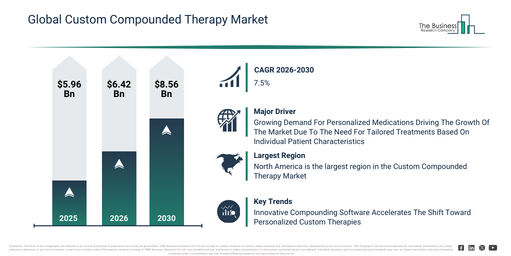
    The custom compounded therapy market size has experienced substantial growth in recent years. Projections indicate it will advance from $5.96 billion in 2025 to $6.42 billion in 2026, at a compound annual growth rate (CAGR) of 7.7%. The expansion observed in the historic period stems from factors such as the increasing prevalence of chronic diseases, unmet needs in standardized drug therapies, the expansion of specialty pharmacy services, growing geriatric population demand, and rising physician preference for customized treatments.

    The custom compounded therapy market is projected to expand significantly in the coming years, reaching $8.56 billion by 2030, demonstrating a compound annual growth rate (CAGR) of 7.5%. This anticipated expansion throughout the forecast period stems from several factors, including the wider acceptance of precision medicine approaches, an uptick in demand for allergen-free formulations, the broadening of home-based care models, clearer regulations for compounding practices, and a greater emphasis on patient-focused healthcare delivery. Key developments expected during this time involve a greater uptake of individualized medication formulations, a surge in requests for patient-specific dosage customization, the proliferation of specialized compounding pharmacies, an increased integration of sophisticated compounding technologies, and a sharper focus on enhancing treatment adherence.

    Access Your Free Sample Report for In-Depth Market Insights:

    https://www.thebusinessresearchcompany.com/sample.aspx?id=28186&type=smp

    Which Drivers Are Influencing Market Acceleration In The Custom Compounded Therapy Market?

    The increasing requirement for personalized medications is projected to fuel the expansion of the custom compounded therapy market moving forward. Personalized medication entails tailoring medical treatment to the unique characteristics, needs, and preferences of each patient, frequently based on genetic, clinical, and lifestyle factors. The demand for personalized medication is growing because it can improve treatment effectiveness and diminish adverse drug reactions by aligning therapies with individual patient profiles. Custom compounded therapy aids in personalizing medications by creating customized formulations that align with each patient’s distinct needs, including specific doses, combinations, and delivery forms, thereby ensuring more effective treatment and improved outcomes. For instance, in February 2024, the Personalized Medicine Coalition, a US-based non-profit organization, noted that in 2023, the U.S. food and drug administration approved 16 new personalized treatments for patients with rare diseases, marking a significant increase from the six approved in 2022. Therefore, the rising demand for personalized medications is driving the growth of the custom compounded therapy market.

    What Segments Are Identified Within The Structure Of The Custom Compounded Therapy Market?

    The custom compounded therapy market covered in this report is segmented –

    1) By Product Type: Hormone Replacement Therapy, Pain Management, Dermatology, Nutritional Supplements, Other Product Types

    2) By Therapy Type: Intravenous (IV) Therapy, Topical Therapy, Oral Therapy, Subcutaneous Therapy

    3) By Formulation: Injectable Formulation, Oral Formulation, Transdermal Formulation

    4) By Therapeutic Applications: Oncology, Neurology, Cardiology, Endocrinology, Pain Management

    5) By End-User: Hospitals, Clinics, Homecare Settings, Specialty Pharmacies

    Subsegments:

    1) By Hormone Replacement Therapy: Estrogen Therapy, Testosterone Therapy, Progesterone Therapy, Thyroid Hormone Therapy, Combination Hormone Therapy

    2) By Pain Management: Analgesics, Anti-Inflammatory Compounds, Muscle Relaxants, Topical Pain Relief, Opioid-Based Compounds

    3) By Dermatology: Anti-Acne Formulations, Anti-Fungal Treatments, Anti-Aging Creams, Topical Steroids, Moisturizers And Emollients

    4) By Nutritional Supplements: Vitamins, Minerals, Amino Acids, Probiotics, Herbal Supplements

    5) By Other Product Types: Veterinary Compounds, Pediatric Formulations, Allergen-Free Medications, Specialty Compounds

    Which Trends Are Expected To Influence The Custom Compounded Therapy Market In The Upcoming Years?

    Leading companies in the custom compounded therapy market are concentrating on developing innovative solutions, such as next-generation compounding software, to address the increasing demand for personalized, precise, and efficient medication preparation. This compounding software streamlines the formulation process by integrating digital automation, quality control, and real-time data tracking, thereby offering a more reliable and scalable alternative to traditional manual compounding methods. For instance, in October 2025, CurifyLabs, a Finland-based health-technology company, introduced its Next-Generation Compounding Software, an advanced platform designed to enhance accuracy and efficiency in personalized medicine. The system supports automated formulation design, integrates with smart compounding devices, and incorporates built-in quality safeguards to reduce human error. It enables pharmacies and healthcare facilities to produce customized therapies more consistently, improves traceability through digital documentation, and accelerates preparation times. By delivering a fully digital compounding workflow, the solution significantly advances the capabilities of custom compounded therapy and supports safer, more individualized patient care.

    Which Key Market Players Are Investing In Expansion And Innovation Within The Custom Compounded Therapy Market?

    Major companies operating in the custom compounded therapy market are Hikma Pharmaceuticals PLC, Fagron N.V., Nephron Pharmaceuticals Corporation, Belmar Pharmacy LLC, Empower Clinic Services LLC, Medisca Pharmaceutique Inc., Central Admixture Pharmacy Services Inc., Wedgewood Connect LLC, AnazaoHealth Corporation, Wells Pharmacy Network LLC, Institutional Pharmacy Solutions Inc., Bennett Pharmaceuticals of America LLC, Bravado Pharmaceuticals LLC, Pencol Compounding Pharmacy Inc., Rx3 Compounding Pharmacy Inc., CareFirst Specialty Pharmacy LLC, Vertisis Custom Pharmacy LLC, FarmaKeio Pharmacy Network LLC, Professional Compounding Centers of America, Letco Medical LLC

    Access The Complete Report For Deeper Market Insights:

    https://www.thebusinessresearchcompany.com/report/custom-compounded-therapy-global-market-report

    Which Regions Are Poised For Strategic Growth In The Custom Compounded Therapy Market?

    North America was the largest region in the custom compounded therapy market in 2025. Asia-Pacific is expected to be the fastest-growing region in the forecast period. The regions covered in the custom compounded therapy market report are Asia-Pacific, South East Asia, Western Europe, Eastern Europe, North America, South America, Middle East, Africa.

    Request Your Customized Custom Compounded Therapy Market Research Report for Competitive Advantage:

    https://www.thebusinessresearchcompany.com/customise?id=28186&type=smp

    Browse Through More Reports Similar to the Global Custom Compounded Therapy Market 2026, By The Business Research Company

    Targeted Therapy Market Report 2026

    https://www.thebusinessresearchcompany.com/report/targeted-therapy-global-market-report

    Addictions Therapeutics Market Report 2026

    https://www.thebusinessresearchcompany.com/report/addictions-therapeutics-global-market-report

    Advanced Therapy Medicinal Products Contract Development And Manufacturing Organization Cdmo Market Report 2026

    https://www.thebusinessresearchcompany.com/report/advanced-therapy-medicinal-products-contract-development-and-manufacturing-organization-cdmo-global-market-report

    Get in touch with us:

    The Business Research Company: https://www.thebusinessresearchcompany.com/

    Americas +1 310-496-7795

    Asia +44 7882 955267 & +91 8897263534

    Europe +44 7882 955267

    Email us at info@tbrc.info

    Follow us on:

    LinkedIn: https://in.linkedin.com/company/the-business-research-company

    YouTube: https://www.youtube.com/channel/UC24_fI0rV8cR5DxlCpgmyFQ

    Global Market Model: https://www.thebusinessresearchcompany.com/global-market-model
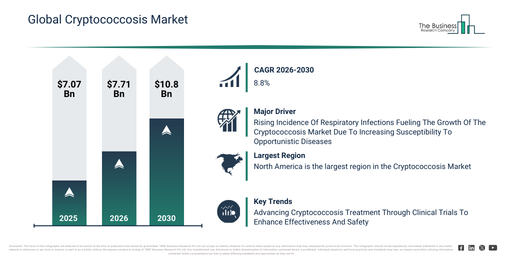
  • Revenue of the Cryptococcosis Market Predicted to Achieve $10.8 Billion by 2030, Driven by 8.8% CAGR

    Revenue of the Cryptococcosis Market Predicted to Achieve $10.8 Billion by 2030, Driven by 8.8% CAGR

    Uncover key drivers, emerging technologies, and competitive movements shaping the cryptococcosis market from 2026–2035 with trusted insights from The Business Research Company

    What is the estimated market size of the Cryptococcosis Market by the end of 2030?

    The cryptococcosis market has experienced significant expansion in recent years. Its size is projected to increase from $7.07 billion in 2025 to $7.71 billion in 2026, demonstrating a compound annual growth rate (CAGR) of 8.9%. The historical progression of this market can be attributed to factors such as a high hiv aids prevalence, increasing organ transplant procedures, limited early diagnostic capabilities, a reliance on amphotericin b therapy, and hospital-centered infection management.

    The cryptococcosis market is projected to experience substantial expansion in the coming years. This market is predicted to reach $10.8 billion by 2030, exhibiting a compound annual growth rate (CAGR) of 8.8%. Several factors are expected to drive this growth during the forecast period, including advancements in fungal diagnostics, a growing immunocompromised population, increased recognition of cryptococcal meningitis, the creation of safer antifungal treatments, and enhanced availability of healthcare services. Key trends anticipated within the forecast period encompass a heightened emphasis on the early detection of fungal infections, greater adoption of combination antifungal therapies, more rigorous monitoring of immunocompromised individuals, the expansion of hospital-centric fungal care, and improved accessibility to molecular diagnostic techniques.

    Access Your Free Sample Report for In-Depth Market Insights:

    https://www.thebusinessresearchcompany.com/sample.aspx?id=21929&type=smp

    What Drivers Are Shaping Future Opportunities In The Cryptococcosis Market?

    The increasing occurrence of respiratory infections is expected to boost the growth of the cryptococcosis market in the coming years. Respiratory infections are conditions that affect parts of the respiratory system, such as the nose, throat, airways, and lungs, and can be caused by viruses, bacteria, or fungi. The prevalence of these infections is rising partly due to air pollution, where substances like smoke, dust, and chemicals damage lung function, making individuals more vulnerable to illnesses. A weakened immune system creates favorable conditions for opportunistic diseases like cryptococcosis to thrive. This fungal infection mainly impacts the lungs and central nervous system, presenting significant risks, especially for immunocompromised people. For example, in December 2024, the Australian Bureau of Statistics, an Australian government agency, reported that influenza-related deaths increased in 2024, with 951 recorded deaths, up from 427 deaths in 2022. Thus, the growing incidence of respiratory infections is propelling the cryptococcosis market forward.

    Which Segments Are Gaining Traction In The Cryptococcosis Market?

    The cryptococcosis market covered in this report is segmented –

    1) By Treatment Type: Adjunctive Therapies, Antifungal Drugs

    2) By Diagnostic Technique: Culture Methods, Microscopic Examination, Molecular Methods

    3) By Infection Type: Cerebral Cryptococcosis, Pulmonary Cryptococcosis

    4) By End User: Clinics, Home Healthcare, Hospitals, Research Institutes

    Subsegments:

    1) By Adjunctive Therapies: Immunotherapy, Surgery, Supportive Care

    2) By Antifungal Drugs: Amphotericin B, Fluconazole, Itraconazole, Voriconazole

    What Trends Are Driving The Growth Trajectory Of The Cryptococcosis Market?

    Key entities active within the cryptococcosis market are diligently conducting clinical trials aimed at devising safer and more efficacious antifungal therapies. These trials are crucial for assessing novel treatments and enhancing outcomes for individuals afflicted with severe fungal infections. As an illustration, in August 2023, Matinas BioPharma Holdings Inc., a US-based biopharmaceutical company in the clinical stage, revealed positive findings from its Phase II EnACT trial, which focused on evaluating MAT2203 for managing cryptococcal meningitis. MAT2203 is an oral lipid nanocrystal formulation of amphotericin B that specifically targets fungal cell membranes, thereby disrupting their structure and leading to fungal cell death. The investigation showed improved patient survival rates and a favorable safety profile, emphasizing its potential as a pioneering treatment for cryptococcosis, including cryptococcal meningitis.

    Who Are The Core Companies Influencing Trends In The Cryptococcosis Market?

    Major companies operating in the cryptococcosis market are Pfizer Inc, Johnson & Johnson, Merck and Co Inc, Abbott Laboratories, Gilead Sciences Inc, Asahi Kasei Pharma Corporation, Viatris Inc, Astellas Pharma Inc, Bausch Health Companies Inc, Sun Pharmaceutical Industries Ltd, Cipla Limited, Dr Reddys Laboratories, Century Pharmaceuticals Ltd, Beijing Lunarsun Pharmaceutical Co Ltd, Matinas Biopharma Holdings Inc, LGM Pharma, Atom Pharma, Brundavan Laboratories Pvt Ltd, Amar Healthcare, Novartis AG, Sanofi SA, Bristol Myers Squibb, Teva Pharmaceutical Industries Ltd, Lupin Limited, Glenmark Pharmaceuticals Ltd

    Access The Complete Report For Deeper Market Insights:

    https://www.thebusinessresearchcompany.com/report/cryptococcosis-global-market-report

    Which Regions Are Projected To Dominate The Cryptococcosis Market In The Coming Years?

    North America was the largest region in the cryptococcosis market in 2025. Asia-Pacific is expected to be the fastest-growing region in the forecast period. The regions covered in the cryptococcosis market report are Asia-Pacific, South East Asia, Western Europe, Eastern Europe, North America, South America, Middle East, Africa.

    Request Your Customized Cryptococcosis Market Research Report for Competitive Advantage:

    https://www.thebusinessresearchcompany.com/customise?id=21929&type=smp

    Browse Through More Reports Similar to the Global Cryptococcosis Market 2026, By The Business Research Company

    Nontuberculous Mycobacterial Infection Market Report 2026

    https://www.thebusinessresearchcompany.com/report/nontuberculous-mycobacterial-infection-global-market-report

    Crypto Wallet Market Report 2026

    https://www.thebusinessresearchcompany.com/report/crypto-wallet-global-market-report

    Cephalosporin Market Report 2026

    https://www.thebusinessresearchcompany.com/report/cephalosporin-global-market-report

    Get in touch with us:

    The Business Research Company: https://www.thebusinessresearchcompany.com/

    Americas +1 310-496-7795

    Asia +44 7882 955267 & +91 8897263534

    Europe +44 7882 955267

    Email us at info@tbrc.info

    Follow us on:

    LinkedIn: https://in.linkedin.com/company/the-business-research-company

    YouTube: https://www.youtube.com/channel/UC24_fI0rV8cR5DxlCpgmyFQ

    Global Market Model: https://www.thebusinessresearchcompany.com/global-market-model
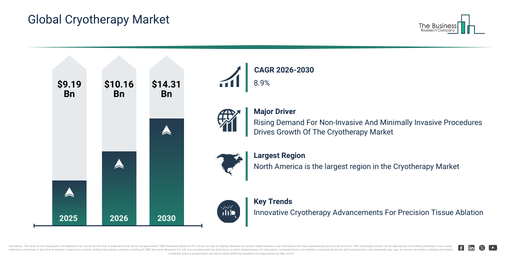
  • Cryotherapy Sector Forecast Shows Robust Momentum, Climbing to $14.3 Billion With 8.9% CAGR

    Cryotherapy Sector Forecast Shows Robust Momentum, Climbing to $14.3 Billion With 8.9% CAGR

    Uncover key drivers, emerging technologies, and competitive movements shaping the cryotherapy market from 2026–2035 with trusted insights from The Business Research Company

    What was the valuation of the Cryotherapy Market in 2026, and what figure is it projected to hit by 2030?

    The cryotherapy market has experienced significant growth in recent years. It is anticipated to expand from $9.19 billion in 2025 to $10.16 billion in 2026, indicating a compound annual growth rate (CAGR) of 10.6%. Historically, this expansion can be attributed to the rising demand for non-invasive therapies, the need for sports injury treatment, the adoption of hospital-based cryosurgery, an increase in chronic pain cases, and the development of rehabilitation services.

    The cryotherapy market is anticipated to experience robust expansion over the coming years, reaching a valuation of $14.31 billion by 2030, driven by a compound annual growth rate (CAGR) of 8.9%. This projected growth is primarily attributable to significant advancements in cryotherapy devices, a broadening of clinical applications, an increase in sports participation, greater acceptance of alternative therapies, and the proliferation of outpatient treatment centers. Key trends anticipated during this period encompass the increasing utilization of cryotherapy in pain and inflammation management, the expansion of whole-body cryotherapy services, enhanced adoption within oncology and dermatology, the expansion of its applications in sports medicine, and its integration into various rehabilitation protocols.

    Access Your Free Sample Report for In-Depth Market Insights:

    https://www.thebusinessresearchcompany.com/sample.aspx?id=14688&type=smp

    Which Drivers Are Affecting Market Participation In The Cryotherapy Market?

    The growing prevalence of non-invasive and minimally invasive procedures is anticipated to stimulate the expansion of the cryotherapy market moving forward. These medical interventions are designed to diagnose, treat, or manage health conditions with minimal disruption to the body’s normal anatomy and physiology. The increasing demand for non-invasive and minimally invasive procedures is attributable to benefits such as reduced risk and complications, quicker recovery, minimal downtime, and less pain and discomfort. Cryotherapy provides a non-invasive method for addressing various medical conditions and cosmetic concerns, making it an appealing choice for patients seeking less intrusive alternatives to traditional surgical interventions. For instance, in June 2024, the American Society of Plastic Surgeons (ASPS), a US-based professional organization, reported that the total number of minimally invasive cosmetic procedures reached 25,442,640. This figure represents a 7% increase over the 23,672,269 procedures performed in 2022. Hence, the increasing volume of non-invasive and minimally invasive procedures is a key factor driving the growth of the cryotherapy market.

    What Segment Categories Are Covered In The Cryotherapy Market?

    The cryotherapy market covered in this report is segmented –

    1) By Therapy Type: Cryosurgery, Icepack Therapy, Chamber Therapy

    2) By Device: Cryosurgery Device, Localized Cryotherapy Device, Cryochambers And Cryosaunas, Cryogun

    3) By Application: Surgical Applications, Oncology, Dermatology, Cardiology

    4) By End-User: Hospitals And Specialty Clinics, Cryotherapy Centers, Spas And Fitness Centers

    Subsegments:

    1) By Cryosurgery: Tumor Treatment, Skin Lesion Treatment, Cryoablation For Cardiac Arrhythmia, Cryoneurolysis For Pain Management, Cryosurgery For Eye Disorders

    2) By Icepack Therapy: Cold Compress For Injury Recovery, Post-Surgical Ice Therapy, Sports Injury Treatment, Pain And Inflammation Reduction, Swelling Control

    3) By Chamber Therapy: Whole-Body Cryotherapy, Localized Cryotherapy, Cryofacials, Cryotherapy For Muscle Recovery, Cryotherapy For Skin Rejuvenation, Cryotherapy For Pain Relief And Inflammation

    What Upcoming Trends Are Likely To Define The Future Path Of The Cryotherapy Market?

    Leading companies in the cryotherapy market are actively developing inventive disposable cryocare devices, such as the Isolis cryoprobe, to accurately freeze and eliminate target tissues. The Isolis cryoprobe is a disposable instrument designed for single use or with a limited operational life before disposal. For example, in May 2023, Varian Medical Systems, a US-based medical device manufacturer, unveiled the Isolis cryoprobe. This single-use, disposable device was developed for cryoCare systems to enhance the efficiency and precision of cryoablation procedures. The new Isolis cryoprobe offers interventional radiologists improved control and features that boost predictability, accuracy, and efficiency. It incorporates a compact 2.1mm/14-gauge shaft and a sharp probe tip for simple and accurate insertion. Isolis is notable as the first cryoprobe to offer potential integration with Siemens Healthineers’ myNeedle Laser guidance system. It is designed for application across a broad spectrum of surgical procedures, including general surgery, urology, gynecology, oncology, neurology, dermatology, ENT, proctology, pulmonary surgery, and thoracic surgery, allowing for the freezing and ablation of tissues at exceptionally low temperatures.

    Which Major Industry Participants Are Leading The Cryotherapy Market Growth?

    Major companies operating in the cryotherapy market are Medtronic Plc, Stryker, Boston Scientific Corporation, CooperSurgical Inc, Erbe Elektromedizin GmbH, Quantum Cryogenics, Zimmer MedizinSysteme GmbH, CryomedPro, CryoConcepts LP, Brymill Cryogenic Systems, US Cryotherapy, Cortex Technology, Impact Cryotherapy, MECOTEC GmbH, CryoBuilt Inc, Cryomachines Inc, IceCure Medical Ltd, Cryoalfa, Galil Medical Inc, CRYO Science, Titan Cryo

    Access The Complete Report For Deeper Market Insights:

    https://www.thebusinessresearchcompany.com/report/cryotherapy-global-market-report

    Which Region Is Expected To Experience The Fastest Growth In The Cryotherapy Market?

    North America was the largest region in the cryotherapy market in 2025. Asia-Pacific is expected to be the fastest-growing region in the forecast period. The regions covered in the cryotherapy market report are Asia-Pacific, South East Asia, Western Europe, Eastern Europe, North America, South America, Middle East, Africa.

    Request Your Customized Cryotherapy Market Research Report for Competitive Advantage:

    https://www.thebusinessresearchcompany.com/customise?id=14688&type=smp

    Browse Through More Reports Similar to the Global Cryotherapy Market 2026, By The Business Research Company

    Cryochambers Market Report 2026

    https://www.thebusinessresearchcompany.com/report/cryochambers-global-market-report

    Cryocooler Market Report 2026

    https://www.thebusinessresearchcompany.com/report/cryocooler-global-market-report

    Cryostat Market Report 2026

    https://www.thebusinessresearchcompany.com/report/cryostat-global-market-report

    Get in touch with us:

    The Business Research Company: https://www.thebusinessresearchcompany.com/

    Americas +1 310-496-7795

    Asia +44 7882 955267 & +91 8897263534

    Europe +44 7882 955267

    Email us at info@tbrc.info

    Follow us on:

    LinkedIn: https://in.linkedin.com/company/the-business-research-company

    YouTube: https://www.youtube.com/channel/UC24_fI0rV8cR5DxlCpgmyFQ

    Global Market Model: https://www.thebusinessresearchcompany.com/global-market-model