Category: HealthcareServices

  • Bioelectric Medicine Global Forecast: Market to Scale Up to $39.19 Billion by 2030 at 7.6% CAGR

    Bioelectric Medicine Global Forecast: Market to Scale Up to $39.19 Billion by 2030 at 7.6% CAGR

    Uncover key drivers, emerging technologies, and competitive movements shaping the bioelectric medicine market from 2026–2035 with trusted insights from The Business Research Company

    What was the valuation of the Bioelectric Medicine Market in 2026, and what figure is it projected to hit by 2030?

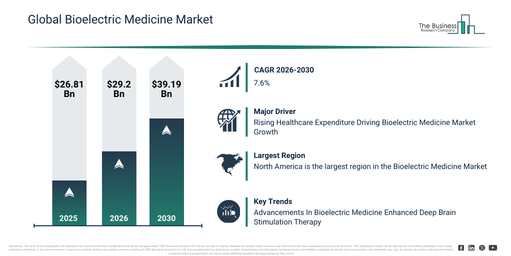
    The bioelectric medicine market has experienced substantial growth in recent years. It is anticipated to increase from $26.81 billion in 2025 to $29.2 billion in 2026, at a compound annual growth rate (CAGR) of 8.9%. The expansion observed in the historic period can be linked to the rising prevalence of neurological disorders, increased adoption of cardiac rhythm management devices, developments in neuromodulation technologies, expanding acceptance of device-based therapies, and enhanced safety of implantable devices.

    The bioelectric medicine market is projected to experience substantial expansion in the coming years, with its size anticipated to reach $39.19 billion by 2030, demonstrating a compound annual growth rate (CAGR) of 7.6%. This growth during the forecast period is largely driven by factors such as the rising demand for personalized medicine, the broadening of minimally invasive treatment choices, increasing investments in electroceutical research, the expanding integration of digital health platforms, and a heightened emphasis on long-term disease management solutions. Key developments expected during this period involve a greater uptake of implantable neuromodulation devices, an increase in the application of non-invasive electroceutical therapies, the expanding incorporation of AI-guided stimulation protocols, the broadening of personalized bioelectric treatments, and an increased commitment to chronic disease management.

    Access Your Free Sample Report for In-Depth Market Insights:

    https://www.thebusinessresearchcompany.com/sample.aspx?id=15523&type=smp

    Which Drivers Are Affecting Market Participation In The Bioelectric Medicine Market?

    The escalating healthcare spending is anticipated to boost the expansion of the bioelectric medicine market in the coming years. Healthcare expenditure denotes the total sum allocated to healthcare provisions and resources over a specified duration. This rise in expenditure is fueled by elements such as the aging population, advancements in medical technology, and an increasing prevalence of chronic diseases. Enhanced healthcare expenditure positively affects bioelectric medicine by fostering greater capital injection into its research, development, and the adoption of pioneering bioelectric therapies. For example, in May 2024, data from the Office for National Statistics, a UK-based national statistical institute, indicated that in 2023, UK healthcare expenditure amounted to approximately $382.5 billion (£292 billion), an increase from $370.7 billion (£283 billion) recorded in 2022. Thus, the growing healthcare expenditure will propel the bioelectric medicine market forward.

    What Segment Categories Are Covered In The Bioelectric Medicine Market?

    The bioelectric medicine market covered in this report is segmented –

    1) By Mode of Administration: Implantable Electroceutical Devices, Non-Invasive Electroceutical Devices

    2) By Product: Implantable Cardioverter-Defibrillators, Cardiac Pacemakers, Cochlear Implants, Spinal Cord Stimulators, Deep Brain Stimulators, Transcutaneous Electrical Nerve Stimulators (TENS), Sacral Nerve Stimulators, Vagus Nerve Stimulators, Other Products

    3) By Application: Arrhythmia, Pain Management, Sensorineural Hearing Loss, Parkinson’s Disease, Tremor, Depression, Treatment-Resistant Depression, Epilepsy, Other Applications

    Subsegments:

    1) By Implantable Electroceutical Devices: Cochlear Implants, Deep Brain Stimulation (DBS) Devices, Spinal Cord Stimulation (SCS) Devices, Vagus Nerve Stimulation (VNS) Devices, Retinal Implants, Neuromodulation Devices

    2) By Non-Invasive Electroceutical Devices: Transcranial Magnetic Stimulation (TMS) Devices, Transcutaneous Electrical Nerve Stimulation (TENS) Devices, Electroceutical Wearables

    What Industry Trends Are Transforming The Bioelectric Medicine Market?

    Major companies in the bioelectric medicine market are concentrating on technological improvements, including software-enabled general wellness bioelectric medicines, to gain a competitive advantage. This type of software provides users with accurate instructions for deep brain stimulation therapy procedures, assisting with surgical planning, electrode placement during surgery, and personalized programming for deep brain stimulation therapy. For instance, in July 2023, Boston Scientific Corporation, a US-based bioelectric medicine and wellness company, declared that its Vercise Neural Navigator 5 Software had received approval from the US FDA. This software offers enhanced capabilities for precise targeting and programming of deep brain stimulation (DBS) therapy. It combines imaging data with stimulation parameters, facilitating customized treatment for neurological disorders. This leads to accurate electrode positioning, precise guidance for surgical planning, and tailored programming, ultimately improving treatment outcomes and patient satisfaction.

    Which Key Players Are Driving Competition In The Bioelectric Medicine Market?

    Major companies operating in the bioelectric medicine market are Abbott Laboratories, Medtronic PLC, Boston Scientific Corporation, Biotronik SE & Co KG, Cochlear Ltd, LivaNova PLC, Inspire Medical Systems Inc, Nevro Corporation, Axonics Inc, NeuroPace Inc, Zynex Inc, ElectroCore Inc, NeuroMetrix Inc, Soterix Medical Inc, Galvani Bioelectronics, MicroTransponder Inc, BioElectronics Corporation, Cerbomed GmbH, SetPoint Medical, Blackrock Neurotech, ONWARD Medical, Nalu Medical

    Access The Complete Report For Deeper Market Insights:

    https://www.thebusinessresearchcompany.com/report/bioelectric-medicine-global-market-report

    Which Region Is Projected To Lead The Bioelectric Medicine Market During The Forecast Period?

    North America was the largest region in the bioelectric medicine market in 2025. Asia-Pacific is expected to be the fastest-growing region in the forecast period. The regions covered in the bioelectric medicine market report are Asia-Pacific, South East Asia, Western Europe, Eastern Europe, North America, South America, Middle East, Africa.

    Request Your Customized Bioelectric Medicine Market Research Report for Competitive Advantage:

    https://www.thebusinessresearchcompany.com/customise?id=15523&type=smp

    Browse Through More Reports Similar to the Global Bioelectric Medicine Market 2026, By The Business Research Company

    Medical Biomimetics Market Report 2026

    https://www.thebusinessresearchcompany.com/report/medical-biomimetics-global-market-report

    Medical Electronics Market Report 2026

    https://www.thebusinessresearchcompany.com/report/medical-electronics-global-market-report

    Medical Electrodes Market Report 2026

    https://www.thebusinessresearchcompany.com/report/medical-electrodes-global-market-report

    Get in touch with us:

    The Business Research Company: https://www.thebusinessresearchcompany.com/

    Americas +1 310-496-7795

    Asia +44 7882 955267 & +91 8897263534

    Europe +44 7882 955267

    Email us at info@tbrc.info

    Follow us on:

    LinkedIn: https://in.linkedin.com/company/the-business-research-company

    YouTube: https://www.youtube.com/channel/UC24_fI0rV8cR5DxlCpgmyFQ

    Global Market Model: https://www.thebusinessresearchcompany.com/global-market-model
  • Biodefense Market Future Outlook: Strong Growth Expected Toward $30.05 Billion by 2030

    Biodefense Market Future Outlook: Strong Growth Expected Toward $30.05 Billion by 2030

    Uncover key drivers, emerging technologies, and competitive movements shaping the biodefense market from 2026–2035 with trusted insights from The Business Research Company

    What are the forecasted starting (2026) and ending (2030) market sizes for the Biodefense Market?

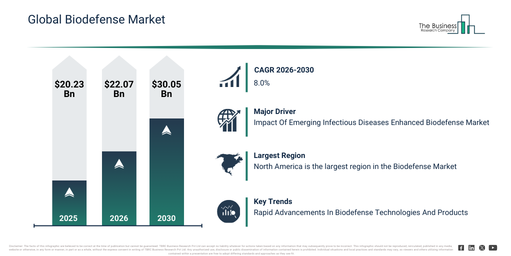
    The biodefense market has experienced robust growth in recent years. Looking ahead, the market is projected to expand from $20.23 billion in 2025 to $22.07 billion in 2026, exhibiting a compound annual growth rate (CAGR) of 9.1%. This historical expansion can be primarily ascribed to factors like increasing government biodefense funding, rising global health security concerns, the expansion of national stockpiling programs, advancements in vaccine research platforms, and the strengthening of biosurveillance capabilities.

    The biodefense market is anticipated to exhibit robust growth over the coming years. It is projected to expand to $30.05 billion by 2030, achieving a compound annual growth rate (CAGR) of 8.0%. This forecasted expansion can be attributed to several factors, including escalating geopolitical instability risks, the broadening of global disease monitoring networks, increased investments in next-generation vaccines, the rising integration of AI-driven threat analytics, and a heightened emphasis on rapid response biodefense systems. Significant trends expected during this period include the wider deployment of swift biothreat detection systems, the continued development of advanced medical countermeasures, augmented investment in pandemic preparedness infrastructure, the expansion of integrated emergency response platforms, and a strengthened focus on biothreat surveillance networks.

    Access Your Free Sample Report for In-Depth Market Insights:

    https://www.thebusinessresearchcompany.com/sample.aspx?id=15993&type=smp

    What Drivers Are Supporting Technological Adoption In The Biodefense Market?

    The ongoing danger from emerging infectious diseases is anticipated to drive the expansion of the biodefense market in the future. These diseases are defined as ailments resulting from harmful microorganisms like bacteria, viruses, parasites, or fungi, capable of direct or indirect human-to-human transmission. The repeated emergence of infectious disease threats underscores the escalating difficulties biodefense faces concerning pathogens, quick action, international cooperation, and readiness. Biodefense is vital for managing infectious diseases, as it improves readiness, allows for prompt detection, and ensures swift action against biological threats, consequently lessening the public health consequences of outbreaks. For example, in July 2024, the World Health Organization, an intergovernmental body based in Switzerland, reported that in 2023, it addressed 72 health emergencies, among them 19 “grade-3” high-threat outbreaks, illustrating a persistent year-on-year increase in emerging infectious diseases. Consequently, the ongoing menace of infectious diseases is fueling the expansion of the biodefense market.

    Which Segments Are Contributing To The Growth Of The Biodefense Market?

    The biodefense market covered in this report is segmented –

    1) By Type: Anthrax, Smallpox, Botulism, Other Types

    2) By Biothreat Detection Device: Samplers, Detectors Or Triggering Devices, Identifiers, Assays, Other Biothreat Detection Devices

    3) By Application: Hospitals And Clinics, Ambulatory Care Centers, Other Applications

    Subsegments:

    1) By Anthrax: Bacillus Anthracis Vaccine, Anthrax Therapeutics

    2) By Smallpox: Smallpox Vaccine, Antiviral Drugs For Smallpox

    3) By Botulism: Botulism Antitoxin, Botulism Vaccine, Botulinum Neurotoxin Inhibitors

    4) By Other Types: Ricin, Plague, Tularemia, Viral Hemorrhagic Fevers

    What Trends Are Reshaping The Dynamics Of The Biodefense Market?

    Leading companies in the biodefense market are concentrating on developing innovative solutions, like nasal COVID-19 vaccines, to improve global readiness against biological threats. Nasal vaccines boost biodefense by providing simpler administration, the potential for mucosal immunity, less dependence on needles, better accessibility, and a possibly enhanced immune response. For example, in January 2023, Bharat Biotech International Limited, an India-based biotechnology company, introduced the iNCOVACC Nasal COVID-19 vaccine, which uses a recombinant replication-deficient adenovirus vector and features a pre-fusion stabilized spike protein. After successfully completing phase I, II, and III clinical trials, this vaccine is designed for intranasal delivery using nasal drops. It is administered as a nasal drop, totaling 8 drops (0.5 mL per dose), with 4 drops into each nostril, as a 2-dose series given 4 weeks apart.

    Who Are The Top-Performing Companies In The Biodefense Market In Recent Years?

    Major companies operating in the biodefense market are Pfizer Inc., Johnson & Johnson, Merck & Co., Sanofi SA, Bristol-Myers Squibb Company, AstraZeneca Plc, GSK plc, Gilead Sciences Inc, Novavax Inc, Ichor Medical Systems, Emergent BioSolutions Inc., Alnylam Pharmaceuticals Inc., Dynavax Technologies, Bavarian Nordic, Siga Technologies Inc., Elusys Therapeutics Inc., Ology Bioservices, Altimmune Inc., Hytest Limited, XOMA Corporation, Cleveland BioLabs Inc., Inovio Pharmaceuticals Inc, Dynport Vaccine Company, ViralClear Pharmaceuticals

    Access The Complete Report For Deeper Market Insights:

    https://www.thebusinessresearchcompany.com/report/biodefense-global-market-report

    Which Region Currently Holds The Largest Share Of The Biodefense Market?

    North America was the largest region in the biodefense market in 2025. Asia-Pacific is expected to be the fastest-growing region in the forecast period. The regions covered in the biodefense market report are Asia-Pacific, South East Asia, Western Europe, Eastern Europe, North America, South America, Middle East, Africa.

    Request Your Customized Biodefense Market Research Report for Competitive Advantage:

    https://www.thebusinessresearchcompany.com/customise?id=15993&type=smp

    Browse Through More Reports Similar to the Global Biodefense Market 2026, By The Business Research Company

    Biotech Ingredient Market Report 2026

    https://www.thebusinessresearchcompany.com/report/biotech-ingredient-global-market-report

    Biopesticides Market Report 2026

    https://www.thebusinessresearchcompany.com/report/biopesticides-global-market-report

    Biocides Market Report 2026

    https://www.thebusinessresearchcompany.com/report/biocides-global-market-report

    Get in touch with us:

    The Business Research Company: https://www.thebusinessresearchcompany.com/

    Americas +1 310-496-7795

    Asia +44 7882 955267 & +91 8897263534

    Europe +44 7882 955267

    Email us at info@tbrc.info

    Follow us on:

    LinkedIn: https://in.linkedin.com/company/the-business-research-company

    YouTube: https://www.youtube.com/channel/UC24_fI0rV8cR5DxlCpgmyFQ

    Global Market Model: https://www.thebusinessresearchcompany.com/global-market-model
  • Revenue of the Biocompatible 3D Printing Materials Market Predicted to Achieve $2.72 Billion by 2030, Driven by 19.4% CAGR

    Revenue of the Biocompatible 3D Printing Materials Market Predicted to Achieve $2.72 Billion by 2030, Driven by 19.4% CAGR

    Uncover key drivers, emerging technologies, and competitive movements shaping the biocompatible 3d printing materials market from 2026–2035 with trusted insights from The Business Research Company

    What upper market value could the Biocompatible 3D Printing Materials Market reach by 2030 starting from 2026 levels?

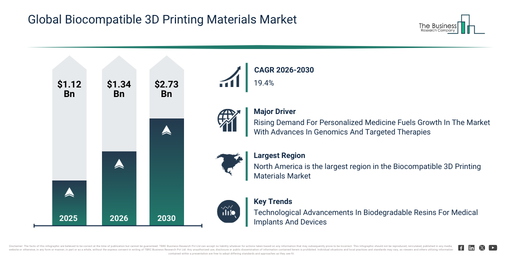
    The market size for biocompatible 3D printing materials has seen rapid expansion in recent years. This market is expected to increase from $1.12 billion in 2025 to $1.34 billion in 2026, achieving a compound annual growth rate (CAGR) of 19.7%. The historical growth of this market is attributable to advancements in additive manufacturing technologies, the expanding use of 3D printed medical devices, a surge in research related to tissue engineering, the availability of medical-grade polymers, and the increasing embrace of customized implants.

    The biocompatible 3d printing materials market size is projected to experience substantial expansion over the coming years. It will grow to $2.73 billion in 2030, achieving a compound annual growth rate (CAGR) of 19.4%. This anticipated growth during the forecast period is primarily driven by factors such as greater investments in regenerative medicine, an escalating need for personalized healthcare solutions, the broadening of hospital-based 3d printing laboratories, increasing uptake of bio-inks and hydrogels, and technological advancements in multi-material printing. Key trends expected in the forecast period encompass a rising adoption of biodegradable printing materials, expanded application of patient-specific implant printing, a growing demand for tissue engineering scaffolds, the broader scope of medical 3d printing applications, and a heightened emphasis on material biocompatibility.

    Access Your Free Sample Report for In-Depth Market Insights:

    https://www.thebusinessresearchcompany.com/sample.aspx?id=21324&type=smp

    Which Drivers Are Influencing Long-Term Growth In The Biocompatible 3D Printing Materials Market?

    The market for biocompatible 3D printing materials is anticipated to expand due to the increasing demand for personalized medicine. Personalized medicine is defined as a medical strategy that customizes treatments and therapies to an individual’s genetic, environmental, and lifestyle factors to improve healthcare outcomes. This growing demand for personalized medicine stems from advancements in genomics, molecular diagnostics, and AI-driven data analysis, which facilitate tailored treatments based on unique genetic profiles, enhancing efficacy and minimizing adverse effects. Biocompatible 3D printing materials enable personalized medicine by allowing the creation of patient-specific implants, prosthetics, and tissue scaffolds, thereby improving treatment precision, biocompatibility, and overall patient outcomes. For instance, in February 2024, the Personalized Medicine Coalition, a US-based non-profit organization, reported that in 2023, the FDA approved 16 new personalized treatments for rare disease patients, marking an increase from six in 2022. Among these approvals, seven were cancer drugs, while three targeted other diseases and conditions. Consequently, the increasing demand for personalized medicine is driving the growth of the biocompatible 3D printing materials market.

    How Is The Biocompatible 3D Printing Materials Market Divided Into Segments?

    The biocompatible 3d printing materials market covered in this report is segmented –

    1) By Product Type: Polymer, Metal, Other Product Types

    2) By Printing Technology: Fused Deposition Modeling (FDM), Selective Laser Sintering (SLS), Stereolithography (SLA), Multi-Jet Modeling (MJM)

    3) By Property: Biocompatibility, Strength, Durability, Porosity, Flexibility

    4) By Form: Powder, Liquid, Other Forms

    Subsegments:

    1) By Polymer: Biodegradable Polymers, Photopolymer Resins, Thermoplastic Polymers

    2) By Metal: Titanium And Titanium Alloys, Stainless Steel, Cobalt-Chrome Alloys

    3) By Other Product Types: Ceramic-Based Materials, Bio-Ink And Hydrogels, Composite Materials

    How Are New Market Trends Shaping The Landscape Of The Biocompatible 3D Printing Materials Market?

    Leading entities in the biocompatible 3D printing materials market are concentrating on developing innovative products, such as biodegradable resin for light-based (bio) printing, to enhance sustainability and broaden their applications in medical and tissue engineering. Biodegradable resin for light-based (bio)printing is a photocurable substance utilized in 3D printing techniques like stereolithography (SLA), digital light processing (DLP), or two-photon polymerization (TPP). For instance, in June 2024, BIO INX BV, a Belgium-based bioprinting materials company, unveiled DEGRES INX, which is the first biodegradable and biocompatible resin possessing shape memory properties for light-based (bio)printing. This advanced material permits deformation into a temporary configuration following 3D printing and subsequently returns to its initial state when subjected to body temperature, thereby enabling novel uses in biomedical engineering. This significant progress supports the creation of smart medical implants and tissue scaffolds, laying the groundwork for next-generation bioprinting applications.

    Which Leading Companies Dominate The Biocompatible 3D Printing Materials Market Share?

    Major companies operating in the biocompatible 3d printing materials market are 3D Systems, Stratasys, EOS GmbH, Formlabs, Carbon Inc., Materialise NV, Lithoz GmbH, SINTX Technologies Inc., UpNano GmbH, Liqcreate, Boston Micro Fabrication, Organovo Holdings Inc., Aspect Biosystems, Poietis SA, Advanced BioMatrix Inc., BioInk Solutions Inc., Markforged Inc., Detax GmbH Co KG, RegenHU, Nanoscribe GmbH, Regemat 3D, Xilloc Medical

    Access The Complete Report For Deeper Market Insights:

    https://www.thebusinessresearchcompany.com/report/biocompatible-3d-printing-materials-global-market-report

    How Does The Biocompatible 3D Printing Materials Market Perform Across Major Global Regions?

    North America was the largest region in the biocompatible 3D printing materials market in 2025. Asia-Pacific is expected to be the fastest-growing region in the forecast period. The regions covered in the biocompatible 3d printing materials market report are Asia-Pacific, South East Asia, Western Europe, Eastern Europe, North America, South America, Middle East, Africa.

    Request Your Customized Biocompatible 3D Printing Materials Market Research Report for Competitive Advantage:

    https://www.thebusinessresearchcompany.com/customise?id=21324&type=smp

    Browse Through More Reports Similar to the Global Biocompatible 3D Printing Materials Market 2026, By The Business Research Company

    3D Bioprinting Market Report 2026

    https://www.thebusinessresearchcompany.com/report/3d-bioprinting-global-market-report

    3D Printing In Healthcare Market Report 2026

    https://www.thebusinessresearchcompany.com/report/3d-printing-in-healthcare-global-market-report

    3D Printed Medical Devices Market Report 2026

    https://www.thebusinessresearchcompany.com/report/3d-printed-medical-devices-global-market-report

    Get in touch with us:

    The Business Research Company: https://www.thebusinessresearchcompany.com/

    Americas +1 310-496-7795

    Asia +44 7882 955267 & +91 8897263534

    Europe +44 7882 955267

    Email us at info@tbrc.info

    Follow us on:

    LinkedIn: https://in.linkedin.com/company/the-business-research-company

    YouTube: https://www.youtube.com/channel/UC24_fI0rV8cR5DxlCpgmyFQ

    Global Market Model: https://www.thebusinessresearchcompany.com/global-market-model
  • Bioceramics Sector Forecast Shows Robust Momentum, Climbing to $5.99 Billion With 6.5% CAGR

    Bioceramics Sector Forecast Shows Robust Momentum, Climbing to $5.99 Billion With 6.5% CAGR

    Uncover key drivers, emerging technologies, and competitive movements shaping the bioceramics market from 2026–2035 with trusted insights from The Business Research Company

    What level of CAGR-driven expansion is anticipated in the Bioceramics Market between 2026 and 2030?

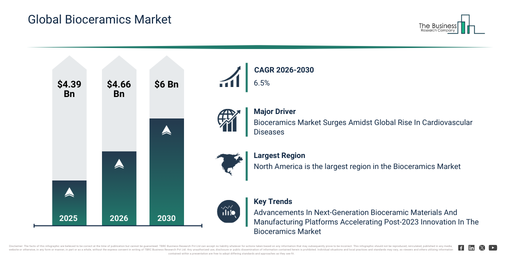
    The bioceramics market size has shown significant growth in recent years. It is anticipated to increase from $4.39 billion in 2025 to $4.66 billion in 2026, demonstrating a compound annual growth rate (CAGR) of 6.3%. This expansion observed in the historic period can be ascribed to several factors, including a rise in orthopedic surgical procedures, the increasing prevalence of bone and joint disorders, the adoption of ceramic-based dental restorations, enhancements in material science research, and an expansion in implant manufacturing capabilities.

    The bioceramics market size is projected for significant expansion over the coming years. Its valuation is anticipated to reach $6 billion by 2030, exhibiting a compound annual growth rate (CAGR) of 6.5%. This projected growth is driven by factors such as a heightened demand for minimally invasive implants, a greater emphasis on personalized implant designs for patients, the widening scope of regenerative medicine applications, increasing capital injections into sophisticated biomaterials, and advancements in ceramic processing technologies. Key trends anticipated during this period encompass a surge in the application of bioceramics within orthopedic implants, a growing preference for dental ceramic implants, an escalating need for bioresorbable materials, the broadening availability of tailor-made implant solutions, and a stronger emphasis on ensuring biocompatibility and long-term durability.

    Access Your Free Sample Report for In-Depth Market Insights:

    https://www.thebusinessresearchcompany.com/sample.aspx?id=13387&type=smp

    What Drivers Are Affecting Demand-Supply Dynamics In The Bioceramics Market?

    The increasing occurrence of cardiovascular diseases is anticipated to drive the expansion of the bioceramics market in the future. Cardiovascular diseases (CVDs) encompass various conditions impacting the heart and blood vessels, such as coronary heart disease, cerebrovascular disease, peripheral arterial disease, and aortic atherosclerosis. Bioceramics are crucial in treating cardiovascular diseases, functioning as implantable substances in medical devices like artificial heart valves and stents, thereby enhancing biocompatibility and longevity in cardiac procedures. For example, a report released in September 2024 by the British Heart Foundation (BHF), a UK-based charity dedicated to funding research and promoting awareness of heart and circulatory conditions, indicated that roughly 7.6 million people in the UK suffer from heart and circulatory diseases. Projections suggest that by 2030, the number of individuals in the UK with heart and circulatory diseases could climb by 1 million, and by 2040, this total might further increase by 2 million beyond current levels. Consequently, the growing prevalence of cardiovascular diseases is fueling the expansion of the bioceramics market.

    What Segments Are Included Within The Bioceramics Market?

    The bioceramics market covered in this report is segmented –

    1) By Type: Bioinert, Bioactive, Bioresorbable

    2) By Material: Aluminum Oxide, Zirconia, Calcium Phosphate, Other Materials

    3) By Application: Orthopedic, Dental Implants, Biomedical, Other Applications

    Subsegments:

    1) By Bioinert: Alumina-based Bioinert Ceramics, Zirconia-Based Bioinert Ceramics

    2) By Bioactive: Hydroxyapatite-Based Bioactive Ceramics, Bioglass-Based Bioactive Ceramics

    3) By Bioresorbable: Tricalcium Phosphate-Based Bioresorbable Ceramics, Magnesium-Based Bioresorbable Ceramics

    Which Trends Are Expected To Influence The Bioceramics Market In The Upcoming Years?

    Leading companies operating in the bioceramics market are introducing advanced bioceramic solutions engineered to enhance clinical performance, manufacturing precision, and application versatility. A primary focus is directed towards next-generation materials and production platforms that extend the capabilities of 3D-printed, patient-specific implants. As an illustration, in May 2024, Himed, a US-based biomaterials manufacturer, and Lithoz, an Austria-based ceramic 3D-printing technology company, launched a new Bioceramics Center of Excellence. This initiative aims to accelerate the development and commercialization of sophisticated bioceramic materials for medical applications. The companies state that the center will support advancements in high-performance calcium phosphate materials, next-generation hydroxyapatite formulations, and additive manufacturing workflows specifically designed for orthopedic, dental, and regenerative medicine solutions.

    Who Are The Major Companies Operating In The Bioceramics Market?

    Major companies operating in the bioceramics market are Stryker Corporation, Zimmer Biomet, Kyocera Corporation, DSM Firmenich, Dentsply Sirona, Straumann Group, CeramTec, Morgan Advanced Materials, Saint Gobain, CamBioceramics, Bonesupport AB, Berkeley Advanced BioTypes, CaP Biomaterials, BIOMATCAN, Sagemax Bioceramics, Doceram Medical Ceramics, Jyoti Ceramic Industries, Ivoclar, GC Corporation, Tosoh Ceramics

    Access The Complete Report For Deeper Market Insights:

    https://www.thebusinessresearchcompany.com/report/bioceramics-global-market-report

    Which Region Is Anticipated To See The Fastest Growth In The Bioceramics Market?

    North America was the largest region in the bioceramics market in 2025. Asia-Pacific is expected to be the fastest-growing region in the forecast period. The regions covered in the bioceramics market report are Asia-Pacific, South East Asia, Western Europe, Eastern Europe, North America, South America, Middle East, Africa.

    Request Your Customized Bioceramics Market Research Report for Competitive Advantage:

    https://www.thebusinessresearchcompany.com/customise?id=13387&type=smp

    Browse Through More Reports Similar to the Global Bioceramics Market 2026, By The Business Research Company

    Biosurgery Market Report 2026

    https://www.thebusinessresearchcompany.com/report/biosurgery-global-market-report

    Biorational Market Report 2026

    https://www.thebusinessresearchcompany.com/report/biorational-global-market-report

    Biohacking Market Report 2026

    https://www.thebusinessresearchcompany.com/report/biohacking-global-market-report

    Get in touch with us:

    The Business Research Company: https://www.thebusinessresearchcompany.com/

    Americas +1 310-496-7795

    Asia +44 7882 955267 & +91 8897263534

    Europe +44 7882 955267

    Email us at info@tbrc.info

    Follow us on:

    LinkedIn: https://in.linkedin.com/company/the-business-research-company

    YouTube: https://www.youtube.com/channel/UC24_fI0rV8cR5DxlCpgmyFQ

    Global Market Model: https://www.thebusinessresearchcompany.com/global-market-model
  • Bioaerosol Samplers Market Anticipated to Record Steady Gains, Advancing to $2.36 Billion by 2030

    Bioaerosol Samplers Market Anticipated to Record Steady Gains, Advancing to $2.36 Billion by 2030

    Uncover key drivers, emerging technologies, and competitive movements shaping the bioaerosol samplers market from 2026–2035 with trusted insights from The Business Research Company

    What long-term size projections exist for the Bioaerosol Samplers Market covering 2026–2035?

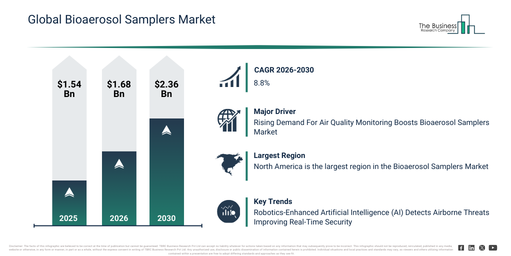
    The bioaerosol samplers market has experienced robust expansion in recent years. It is projected to increase from $1.54 billion in 2025 to $1.68 billion in 2026, at a compound annual growth rate (CAGR) of 9.2%. Historically, this growth can be attributed to heightened awareness of airborne disease transmission, the expansion of environmental monitoring programs, stricter occupational health regulations, the rising utilization of air quality testing in healthcare settings, and advancements in bioaerosol detection technologies.

    The bioaerosol samplers market is projected for significant expansion in the coming years, with its size anticipated to reach $2.36 billion by 2030, exhibiting a compound annual growth rate (CAGR) of 8.8%. This anticipated growth during the forecast period is primarily driven by factors such as heightened investments in intelligent environmental monitoring, a greater need for immediate pathogen detection, the broadening of public health surveillance infrastructure, the increasing integration of networked air monitoring systems, and a sharpened focus on pandemic readiness. Key trends emerging over the forecast period encompass the wider implementation of portable bioaerosol monitoring equipment, an escalating requirement for ongoing airborne pathogen surveillance, the expanded utilization of high-volume sampling technologies, the development of real-time air quality assessment tools, and a reinforced emphasis on safety in workplaces and public spaces.

    Access Your Free Sample Report for In-Depth Market Insights:

    https://www.thebusinessresearchcompany.com/sample.aspx?id=20509&type=smp

    Which Drivers Are Impacting The Competitive Landscape Of The Bioaerosol Samplers Market?

    The bioaerosol samplers market is projected to expand due to the increasing demand for air quality monitoring. Air quality monitoring involves measuring and analyzing atmospheric pollutants and particulate matter to assess environmental well-being and ensure adherence to regulatory standards. This escalating need for air quality monitoring is driven by greater environmental awareness, more stringent regulations, heightened public concern regarding health risks from pollution, and the necessity to manage urbanization and industrial emissions. In this context, bioaerosol samplers are utilized to collect airborne biological particles, such as bacteria, fungi, and viruses, for analysis and assessment of environmental and public health risks. For instance, according to the 2023 World Air Quality Report published by IQAir, a Switzerland-based air quality technology company, in December 2023, the number of air quality monitoring locations globally increased to 7,812 across 134 countries, regions, and territories in 2023, up from 7,323 locations in 131 countries, regions, and territories in 2022. Consequently, the growing demand for air quality monitoring is acting as a significant driver for the bioaerosol samplers market.

    What Leading Segments Are Studied In The Bioaerosol Samplers Market?

    The bioaerosol samplers market covered in this report is segmented –

    1) By Type: Portable Bioaerosol Samplers, Stationary Bioaerosol Samplers, High-Volume Bioaerosol Samplers

    2) By Flow Rate: Higher Than 10L/Min, Less Than 10L/Min

    3) By Application: Disease Prevention And Control, Industrial Production, Other Applications

    4) By End-User: Research And Academic Institutions, Government And Environmental Agencies, Pharmaceutical And Biotechnology Companies, Hospitals And Clinics

    Subsegments:

    1) By Portable Bioaerosol Samplers: Battery-Powered Portable Samplers, Handheld Bioaerosol Samplers, Backpack Bioaerosol Samplers

    2) By Stationary Bioaerosol Samplers: Continuous Flow Bioaerosol Samplers, Time-Integrated Bioaerosol Samplers, Passive Bioaerosol Samplers

    3) By High-Volume Bioaerosol Samplers: High-Volume Impactors, High-Volume Cyclone Samplers, High-Volume Filtration Samplers

    What Trends Are Driving The Growth Trajectory Of The Bioaerosol Samplers Market?

    Leading companies within the bioaerosol samplers market are integrating artificial intelligence (AI) to facilitate real-time monitoring capabilities, such as robotics-enhanced AI-driven bioaerosol detection, aiming to strengthen critical infrastructure security through immediate, automated identification of biological and chemical threats in complex environments. Robotics-enhanced AI-driven bioaerosol detection involves the deployment of robots equipped with AI to autonomously detect and analyze airborne biological particles, including viruses, bacteria, or allergens, in real-time for purposes like environmental monitoring or public health applications. An illustrative example occurred in August 2023 when BioFlyte, Inc., a US-based biodefense and microbial identification firm, unveiled the BioTOF z200 bioaerosol identifier. This innovative identifier automatically collects and analyzes aerosol samples utilizing a matrix-assisted laser desorption ionization (MALDI) time-of-flight mass spectrometer, robotics, and artificial intelligence (AI)/machine learning (ML) algorithms to continuously detect more than 1,100 toxins, viruses, and bacteria with an accuracy of up to 95%. Its swift five-minute detection sequence enables real-time threat identification, significantly improving response times and operational security in crucial infrastructure locations such as airports.

    Which Major Firms Are Strengthening Their Position In The Bioaerosol Samplers Market?

    Major companies operating in the bioaerosol samplers market are Thermo Fisher Scientific Inc., bioMerieux SA, SARSTEDT AG & Co. KG, TSI Incorporated, Mesa Labs, Bertin Technologies, Emtek LLC, Lighthouse Worldwide Solutions, Zefon International, Air-Met Scientific, Cherwell Laboratories Ltd, Climet Instruments, Tesscorn AeroFluid, Tisch Environmental Inc., PLAIR SA, Aquaria srl, Guangdong Huankai Microbial Sci. & Tech. Co. Ltd, IUL Instruments, Micron View Limited, Multitech Enviro Analytical LLP, SKC Inc., InnovaPrep LLC, TCR Tecora, Cantium Scientific

    Access The Complete Report For Deeper Market Insights:

    https://www.thebusinessresearchcompany.com/report/bioaerosol-samplers-global-market-report

    Which Region Is Anticipated To See The Fastest Growth In The Bioaerosol Samplers Market?

    North America was the largest region in the bioaerosol samplers market in 2025. The regions covered in the bioaerosol samplers market report are Asia-Pacific, South East Asia, Western Europe, Eastern Europe, North America, South America, Middle East, Africa.

    Request Your Customized Bioaerosol Samplers Market Research Report for Competitive Advantage:

    https://www.thebusinessresearchcompany.com/customise?id=20509&type=smp

    Browse Through More Reports Similar to the Global Bioaerosol Samplers Market 2026, By The Business Research Company

    Bacteria Based Agricultural Microbials Market Report 2026

    https://www.thebusinessresearchcompany.com/report/bacteria-based-agricultural-microbials-global-market-report

    Antibacterial Products Market Report 2026

    https://www.thebusinessresearchcompany.com/report/antibacterial-products-global-market-report

    Rhizobium Bacteria Fertilizers Market Report 2026

    https://www.thebusinessresearchcompany.com/report/rhizobium-bacteria-fertilizers-global-market-report

    Get in touch with us:

    The Business Research Company: https://www.thebusinessresearchcompany.com/

    Americas +1 310-496-7795

    Asia +44 7882 955267 & +91 8897263534

    Europe +44 7882 955267

    Email us at info@tbrc.info

    Follow us on:

    LinkedIn: https://in.linkedin.com/company/the-business-research-company

    YouTube: https://www.youtube.com/channel/UC24_fI0rV8cR5DxlCpgmyFQ

    Global Market Model: https://www.thebusinessresearchcompany.com/global-market-model
  • Bioactive Dressings Industry Poised for Rapid Growth, Forecast to Touch $5.35 Billion by 2030 at 10.1% CAGR

    Bioactive Dressings Industry Poised for Rapid Growth, Forecast to Touch $5.35 Billion by 2030 at 10.1% CAGR

    Uncover key drivers, emerging technologies, and competitive movements shaping the bioactive dressings market from 2026–2035 with trusted insights from The Business Research Company

    What total market size is anticipated for the Bioactive Dressings Market in 2030?

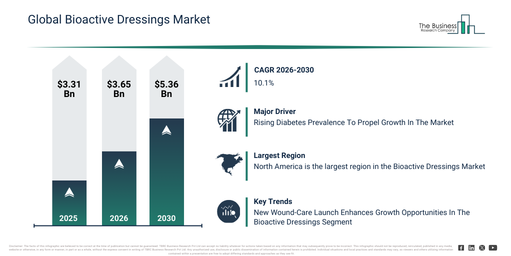
    The bioactive dressings market has experienced substantial expansion in recent times. Projections indicate it will expand from $3.31 billion in 2025 to reach $3.65 billion by 2026, demonstrating a compound annual growth rate (CAGR) of 10.4%. Historically, this market’s expansion can be ascribed to several factors, including the increasing occurrence of diabetic foot ulcers, a rise in surgical interventions, the establishment of more hospital wound care programs, an expanding elderly demographic, and enhanced clinical understanding of advanced dressing technologies.

    The bioactive dressings market is projected for significant expansion in the coming years, with its size expected to reach $5.36 billion by 2030, exhibiting a compound annual growth rate (CAGR) of 10.1%. This anticipated growth stems from several factors, including a surge in demand for bioengineered wound solutions, increased adoption of home care wound management, the proliferation of outpatient wound care centers, a heightened emphasis on achieving quicker healing outcomes, and innovations in bioactive material formulations. Key trends anticipated during this forecast period encompass the escalating utilization of antimicrobial wound care products, a greater uptake of collagen and hydrogel dressings, an expanding need for chronic wound management solutions, the broadening scope of advanced burn care applications, and a reinforced commitment to preventing infections.

    Access Your Free Sample Report for In-Depth Market Insights:

    https://www.thebusinessresearchcompany.com/sample.aspx?id=21115&type=smp

    What Drivers Are Influencing Production Trends In The Bioactive Dressings Market?

    The increasing incidence of diabetes is projected to drive expansion within the bioactive dressings market in the future. Diabetes is defined as a chronic health condition where the body either produces inadequate insulin or struggles to efficiently use the insulin it makes, leading to high blood sugar levels. The surge in diabetes cases can be linked to increasingly inactive lifestyles, poor eating habits, and a growing rate of obesity. Individuals with diabetes favor bioactive dressings due to their capacity to accelerate healing, minimize the danger of infection, and enhance overall wound care. As an illustration, data from November 2024, provided by the Centers for Disease Control and Prevention, a US-based national public health agency, indicated that the total prevalence rate of diabetes in the USA was 15.8%; this included a diagnosed diabetes rate of 11.3% and an undiagnosed diabetes rate of 4.5% in US adults. Consequently, the widespread occurrence of diabetes is anticipated to fuel the expansion of the bioactive dressings market.

    Which Segment Groups Are Influencing The Bioactive Dressings Market?

    The bioactive dressings market covered in this report is segmented –

    1) By Product Type: Bioactive Dressings, Skin Substitutes

    2) By Application: Chronic Wounds, Acute Wounds

    3) By End User: Hospitals And Clinics, Home Care Setting, Long Term Care Facilities, Other End Users

    Subsegments:

    1) By Bioactive Dressings: Alginate Dressings, Collagen Dressings

    2) By Skin Substitutes: Bioengineered Skin Substitutes, Acellular Dermal Matrices, Xenografts, Allografts

    What Upcoming Trends Are Likely To Define The Future Path Of The Bioactive Dressings Market?

    Leading companies operating in the bioactive dressings market are concentrating on developing innovative solutions, such as sensor-integrated smart hydrogels, to achieve a competitive advantage. These hydrogels combine a biocompatible polymer network with miniaturized embedded sensors that detect changes in the wound environment, including pH, temperature, or exudate, thereby modulating the real-time release of bioactive agents like growth factors, antimicrobials, or extracellular-matrix proteins. For instance, in June 2023, JeNaCell, a Germany-based biotech company (Evonik), introduced its epicite® balance wound dressing, which incorporates a biosynthetic cellulose matrix that sustains a moist environment, absorbs low-to-medium exudate, and reactivates healing in slow-healing chronic wounds. This trend promotes personalized wound care by integrating diagnostics and therapeutics within a single dressing, although difficulties persist regarding sensor stability, regulatory approval, and manufacturing cost.

    Who Are The Primary Competitors In The Global Bioactive Dressings Market?

    Major companies operating in the bioactive dressings market are Cardinal Health Inc., 3M Company, Medline Industries Inc., Evonik Industries AG, Covalon Technologies Ltd., Smith And Nephew plc, Hartmann Group, ConvaTec Group Plc, Mölnlycke Health Care AB, Integra LifeSciences Holdings Corporation, Hollister Incorporated, Lohmann & Rauscher GmbH & Co. KG, Organogenesis Inc., MiMedx Group Inc., LifeNet Health Inc., Advanced Tissue Technologies Inc., Advancis Medical Limited, Healthium Medtech Pvt Ltd., BSN Medical GmbH, Alliqua BioMedical Inc.

    Access The Complete Report For Deeper Market Insights:

    https://www.thebusinessresearchcompany.com/report/bioactive-dressings-global-market-report

    Which Global Regions Are Shaping The Competitive Landscape Of The Bioactive Dressings Market?

    North America was the largest region in the bioactive dressings market in 2025. The regions covered in the bioactive dressings market report are Asia-Pacific, South East Asia, Western Europe, Eastern Europe, North America, South America, Middle East, Africa.

    Request Your Customized Bioactive Dressings Market Research Report for Competitive Advantage:

    https://www.thebusinessresearchcompany.com/customise?id=21115&type=smp

    Browse Through More Reports Similar to the Global Bioactive Dressings Market 2026, By The Business Research Company

    Traditional Radio Advertising Market Report 2026

    https://www.thebusinessresearchcompany.com/report/traditional-radio-advertising-global-market-report

    Moist Wound Dressings Market Report 2026

    https://www.thebusinessresearchcompany.com/report/moist-wound-dressings-global-market-report

    Absorbent Dressings Market Report 2026

    https://www.thebusinessresearchcompany.com/report/absorbent-dressings-global-market-report

    Get in touch with us:

    The Business Research Company: https://www.thebusinessresearchcompany.com/

    Americas +1 310-496-7795

    Asia +44 7882 955267 & +91 8897263534

    Europe +44 7882 955267

    Email us at info@tbrc.info

    Follow us on:

    LinkedIn: https://in.linkedin.com/company/the-business-research-company

    YouTube: https://www.youtube.com/channel/UC24_fI0rV8cR5DxlCpgmyFQ

    Global Market Model: https://www.thebusinessresearchcompany.com/global-market-model
  • Bilirubin Meters Market Performance Outlook 2026–2030: Revenue to Hit $0.8 Billion at 7.2% CAGR

    Bilirubin Meters Market Performance Outlook 2026–2030: Revenue to Hit $0.8 Billion at 7.2% CAGR

    Uncover key drivers, emerging technologies, and competitive movements shaping the bilirubin meters market from 2026–2035 with trusted insights from The Business Research Company

    What is the expected shift in the Bilirubin Meters Market’s size between 2026 and 2030?

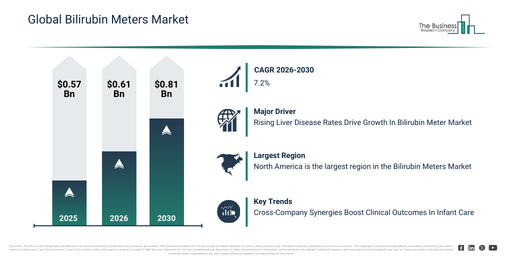
    The bilirubin meters market size has shown significant growth over recent years. It is anticipated to increase from $0.57 billion in 2025 to $0.61 billion in 2026, achieving a compound annual growth rate (CAGR) of 7.6%. The historical expansion of this market can be attributed to the rising incidence of neonatal jaundice, the enhancement of hospital diagnostic infrastructure, the widespread adoption of laboratory-based bilirubin testing, increased public awareness regarding liver-related ailments, and ongoing advancements in optical sensing technologies.

    The bilirubin meters market is anticipated to experience substantial expansion over the coming years. Projections indicate its value will reach $0.81 billion by 2030, driven by a compound annual growth rate (CAGR) of 7.2%. This projected growth is primarily due to several factors, including the rising need for at-home monitoring solutions, the increasing embrace of connected diagnostic tools, the broadening scope of neonatal screening initiatives, the expanding deployment of digital diagnostics platforms, and improvements in the precision of non-invasive measurement technologies. Key developments anticipated during this period encompass the greater uptake of non-invasive transcutaneous devices, a heightened preference for portable and handheld meters, deeper integration with digital health records, the proliferation of point-of-care testing options, and an intensified emphasis on applications within neonatal care.

    Access Your Free Sample Report for In-Depth Market Insights:

    https://www.thebusinessresearchcompany.com/sample.aspx?id=18254&type=smp

    Which Drivers Are Shaping Strategic Decisions In The Bilirubin Meters Market?

    The expanding occurrence of liver ailments is anticipated to drive the advancement of the bilirubin meter market in the future. These conditions encompass various ailments that compromise liver function, frequently leading to inflammation, tissue scarring, or harm from elements such as infections, harmful substances, inherited conditions, or ongoing illnesses. The rise in liver diseases is attributable to an increase in risk factors like obesity, heavy alcohol intake, viral pathogens, and lifestyle-associated issues, alongside enhanced diagnostic capabilities. Bilirubin meters are essential for liver diseases to precisely and non-invasively assess bilirubin concentrations, aiding in the diagnosis, tracking, and treatment of conditions linked to impaired liver function and jaundice. For example, in April 2024, data from the UK’s Office for Health Improvement and Disparities (OHID), a UK-based government department unit under the UK’s Department of Health and Social Care, indicated a continued increase in hospital admission rates attributed to liver disease. By the financial year ending 2023, this rate had climbed to 155.2 (152.9 to 157.5) per 100,000 population, up from 150.6 (148.2 to 152.9) in the previous financial year. Consequently, the growing occurrence of liver diseases is fueling the expansion of the bilirubin meter market.

    What Segment Classifications Make Up The Bilirubin Meters Market?

    The bilirubin meters market covered in this report is segmented –

    1) By Product: Transcutaneous Devices, Benchtop

    2) By Age Group: Neonates, Adults

    3) By Indication: Jaundice, Hepatitis, Other Indications

    4) By Application: Hospital, Medical Center, Other Applications

    Subsegments:

    1) By Transcutaneous Devices: Handheld Transcutaneous Bilirubin Meters, Portable Transcutaneous Bilirubin Meters

    2) By Benchtop: Single-Channel Benchtop Bilirubin Meters, Multi-Channel Benchtop Bilirubin Meters

    Which Trends Are Shaping Activity Within The Bilirubin Meters Market?

    Leading companies operating within the bilirubin meters market are increasingly embracing a strategic partnership strategy to improve technology integration and broaden their market presence. A strategic partnership commonly denotes a collaborative relationship between two or more organizations that combine their resources, expertise, and efforts to achieve shared goals or objectives. For example, in July 2024, Konica Minolta, a Japan-based technology company, and Picterus AS, a Norway-based medical-technology company, disclosed a strategic collaboration intended to advance non-invasive jaundice screening technologies for newborn care. Utilizing Konica Minolta’s leadership in transcutaneous bilirubin measurement through its JM-105 jaundice meter and Picterus’ smartphone-based Picterus Jaundice Pro solution, the partnership aims to enhance the early detection of pathological jaundice, reduce dependency on invasive blood tests, and strengthen clinical outcomes by preventing severe bilirubin-related complications in infants.

    Which Key Market Players Are Investing In Expansion And Innovation Within The Bilirubin Meters Market?

    Major companies operating in the bilirubin meters market are Hoffmann-La Roche Ltd., Abbott Laboratories, Siemens Healthineers AG, Koninklijke Philips N.V., GE Healthcare, Shenzhen Mindray Bio-Medical Electronics Co. Ltd., PerkinElmer, Drägerwerk AG & Co., Sysmex Corporation, Konica Minolta Business Solutions Inc., Masimo Corp., Beckman Coulter Inc., Nova Biomedical, Ningbo David Medical Device Co. Ltd., Reichert Inc., A. Menarini Diagnostics Srl, Delta Medical International Ltd., AVI Healthcare Pvt Ltd., Olidef, Micro Lab Instruments, Aegis Medical Innovations Inc., Medi Waves Inc., Ginevri Srl

    Access The Complete Report For Deeper Market Insights:

    https://www.thebusinessresearchcompany.com/report/bilirubin-meters-global-market-report

    Which Regions Are Poised For Strategic Growth In The Bilirubin Meters Market?

    North America was the largest region in the bilirubin meters market in 2025. Asia-Pacific is expected to be the fastest-growing region in the forecast period. The regions covered in the bilirubin meters market report are Asia-Pacific, South East Asia, Western Europe, Eastern Europe, North America, South America, Middle East, Africa.

    Request Your Customized Bilirubin Meters Market Research Report for Competitive Advantage:

    https://www.thebusinessresearchcompany.com/customise?id=18254&type=smp

    Browse Through More Reports Similar to the Global Bilirubin Meters Market 2026, By The Business Research Company

    Water Meter Market Report 2026

    https://www.thebusinessresearchcompany.com/report/water-meter-global-market-report

    Bilirubin Blood Test Market Report 2026

    https://www.thebusinessresearchcompany.com/report/bilirubin-blood-test-global-market-report

    Blood Glucose Meters Market Report 2026

    https://www.thebusinessresearchcompany.com/report/blood-glucose-meters-global-market-report

    Get in touch with us:

    The Business Research Company: https://www.thebusinessresearchcompany.com/

    Americas +1 310-496-7795

    Asia +44 7882 955267 & +91 8897263534

    Europe +44 7882 955267

    Email us at info@tbrc.info

    Follow us on:

    LinkedIn: https://in.linkedin.com/company/the-business-research-company

    YouTube: https://www.youtube.com/channel/UC24_fI0rV8cR5DxlCpgmyFQ

    Global Market Model: https://www.thebusinessresearchcompany.com/global-market-model
  • Global Biliary Tract Cancer Market Set for Strong Expansion, Reaching $1.01 Billion With 7% CAGR by 2030

    Global Biliary Tract Cancer Market Set for Strong Expansion, Reaching $1.01 Billion With 7% CAGR by 2030

    Uncover key drivers, emerging technologies, and competitive movements shaping the biliary tract cancer market from 2026–2035 with trusted insights from The Business Research Company

    What growth pattern is forecast for the Biliary Tract Cancer Market size between 2026 and 2035?

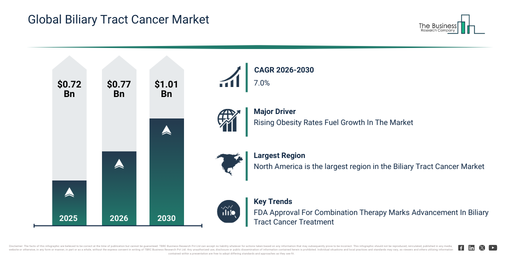
    The market for biliary tract cancer has experienced significant expansion recently. Projections indicate its value will rise from $0.72 billion in 2025 to $0.77 billion by 2026, demonstrating a compound annual growth rate (CAGR) of 7.3%. Historically, this expansion has been driven by factors such as a higher occurrence of biliary tract malignancies, the constrained efficacy of traditional chemotherapy, progress in molecular profiling methods, heightened awareness among medical practitioners, and the broadened scope of oncology treatment facilities.

    The biliary tract cancer market is anticipated to exhibit robust expansion over the forthcoming years, with projections indicating it will reach $1.01 billion in 2030, achieving a compound annual growth rate (CAGR) of 7.0%. This growth during the forecast period is fueled by factors such as the increasing approvals of new targeted drugs, a rise in investments dedicated to rare cancer research, the expanding adoption of personalized medicine, the broader availability of biomarker-based diagnostics, and improved patient access to advanced oncology care. Significant developments expected in the forecast period include the greater implementation of targeted therapy methods, an uptick in the use of immunotherapy within treatment protocols, an intensified focus on early diagnosis and screening initiatives, the expansion of precision oncology investigations, and heightened clinical trial activities for rare cancers.

    Access Your Free Sample Report for In-Depth Market Insights:

    https://www.thebusinessresearchcompany.com/sample.aspx?id=21114&type=smp

    Which Drivers Are Impacting Market Performance In The Biliary Tract Cancer Market?

    The rising incidence of obesity is anticipated to fuel the expansion of the biliary tract cancer market in the foreseeable future. Obesity is a long-term health condition defined by an excessive buildup of body fat, which can negatively impact well-being. This rise in obesity prevalence stems from contributing elements such as lack of physical activity, psychological influences, age, and genetic and biological predispositions. The condition instigates persistent inflammation, impaired insulin sensitivity, and heightened bile acid secretion, consequently causing DNA damage and promoting tumor development. Furthermore, it disrupts hormonal balance and metabolic processes, thereby creating an environment conducive to cancer in the biliary tract. As an illustration, data from September 2024, released by the Centers for Disease Control and Prevention (CDC), a U.S.-based government agency, indicated an increase in the number of states where adult obesity prevalence reached 35% or more, rising from 22 states in 2022 to 23 states in 2023. Consequently, the expanding occurrence of obesity is a key factor propelling the growth of the biliary tract cancer market.

    What Segment Types Are Examined In The Biliary Tract Cancer Market?

    The biliary tract cancer market covered in this report is segmented –

    1) By Cancer Type: Intrahepatic Bile Duct Cancer, Extrahepatic Bile Duct Cancer, Gallbladder Cancer

    2) By Treatment: Chemotherapy, Targeted Therapy, Immunotherapy

    3) By End-User: Hospitals, Specialty Cancer Centres, Ambulatory Surgical Centres, Other End-Users

    Subsegments:

    1) By Intrahepatic Bile Duct Cancer: Peripheral Intrahepatic Bile Duct Cancer, Hilar Intrahepatic Bile Duct Cancer

    2) By Extrahepatic Bile Duct Cancer: Perihilar Bile Duct Cancer, Distal Bile Duct Cancer

    3) By Gallbladder Cancer: Localized Gallbladder Cancer, Advanced Gallbladder Cancer

    Which Trends Are Influencing The Development Of The Biliary Tract Cancer Market?

    Leading companies within the biliary tract cancer market are concentrating on developing advanced combination treatments to enhance their efficacy and improve patient outcomes. Combination therapy is defined as the concurrent use of two or more medications or treatment approaches to address a single disease. For instance, in November 2023, Merck & Co. Inc., a US-based pharmaceutical company, secured U.S. Food and Drug Administration (FDA) approval for KEYTRUDA (pembrolizumab) when administered in combination with gemcitabine and cisplatin for the treatment of patients diagnosed with locally advanced unresectable or metastatic biliary tract cancer (BTC). This decision was informed by the outcomes of the Phase 3 KEYNOTE-966 trial, which revealed a statistically significant improvement in overall survival, decreasing the risk of death by 17% compared to chemotherapy alone. The median overall survival for patients receiving the combination therapy was 12.7 months, in contrast to 10.9 months for those who received only chemotherapy, marking this as a substantial advancement in treatment options for this challenging form of cancer.

    Who Are The Core Companies Influencing Trends In The Biliary Tract Cancer Market?

    Major companies operating in the biliary tract cancer market are Pfizer Inc., F. Hoffmann-La Roche Ltd., Merck & Co. Inc., Bayer AG, Bristol-Myers Squibb Company, AstraZeneca Plc, Eli Lily and Company, Boehringer Ingelheim International GmbH, Eisai Co. Ltd., Servier Pharmaceuticals, Jazz Pharmaceuticals plc, Incyte Corporation, BeiGene LTD., Zymeworks, Basilea Pharmaceutica Ltd., Taiho Oncology Inc., RenovoRx Inc., TransThera Sciences Inc., QED Therapeutics Inc., Helsinn Group

    Access The Complete Report For Deeper Market Insights:

    https://www.thebusinessresearchcompany.com/report/biliary-tract-cancer-global-market-report

    Which Regions Are Projected To Dominate The Biliary Tract Cancer Market In The Coming Years?

    North America was the largest region in the biliary tract cancer market in 2025. Asia-Pacific is expected to be the fastest-growing region in the forecast period. The regions covered in the biliary tract cancer market report are Asia-Pacific, South East Asia, Western Europe, Eastern Europe, North America, South America, Middle East, Africa.

    Request Your Customized Biliary Tract Cancer Market Research Report for Competitive Advantage:

    https://www.thebusinessresearchcompany.com/customise?id=21114&type=smp

    Browse Through More Reports Similar to the Global Biliary Tract Cancer Market 2026, By The Business Research Company

    Penile Cancer Market Report 2026

    https://www.thebusinessresearchcompany.com/report/penile-cancer-global-market-report

    Urinary Tract Cancer Market Report 2026

    https://www.thebusinessresearchcompany.com/report/urinary-tract-cancer-global-market-report

    Tumor Ablation Market Report 2026

    https://www.thebusinessresearchcompany.com/report/tumor-ablation-global-market-report

    Get in touch with us:

    The Business Research Company: https://www.thebusinessresearchcompany.com/

    Americas +1 310-496-7795

    Asia +44 7882 955267 & +91 8897263534

    Europe +44 7882 955267

    Email us at info@tbrc.info

    Follow us on:

    LinkedIn: https://in.linkedin.com/company/the-business-research-company

    YouTube: https://www.youtube.com/channel/UC24_fI0rV8cR5DxlCpgmyFQ

    Global Market Model: https://www.thebusinessresearchcompany.com/global-market-model
  • Bile Duct Cancer Market Growth Projection: Expected to Surpass $3.89 Billion by 2030 at 8.4% CAGR

    Bile Duct Cancer Market Growth Projection: Expected to Surpass $3.89 Billion by 2030 at 8.4% CAGR

    Uncover key drivers, emerging technologies, and competitive movements shaping the bile duct cancer market from 2026–2035 with trusted insights from The Business Research Company

    How much larger will the Bile Duct Cancer Market be in 2030 compared with 2026?

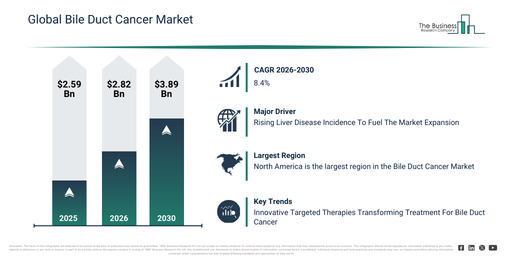
    The market size for bile duct cancer has shown strong expansion in recent years. It is projected to increase from $2.59 billion in 2025 to $2.82 billion in 2026, demonstrating a compound annual growth rate (CAGR) of 8.7%. The growth observed in the historic period is attributable to factors such as limited early diagnostic capabilities, a rising incidence of liver and bile duct disorders, the expansion of oncology treatment centers, the increasing use of chemotherapy regimens, and a growing awareness of rare cancers.

    The bile duct cancer market size is projected to experience substantial growth over the upcoming years. It is forecast to expand to $3.89 billion by 2030, demonstrating a compound annual growth rate (CAGR) of 8.4%. This projected growth can be attributed to several factors, including increasing investment in precision oncology research, the rising adoption of immunotherapy treatments, the expansion of advanced diagnostic screening programs, the growing utilization of AI-assisted cancer diagnostics, and an increasing focus on personalized cancer treatment pathways. Significant trends expected during the forecast period encompass a greater adoption of targeted and immunotherapy treatments, the rising use of advanced diagnostic imaging techniques, the growing integration of multidisciplinary cancer care models, the expansion of precision oncology approaches, and an enhanced focus on early detection and staging.

    Access Your Free Sample Report for In-Depth Market Insights:

    https://www.thebusinessresearchcompany.com/sample.aspx?id=21113&type=smp

    What Drivers Are Guiding Growth Patterns In The Bile Duct Cancer Market?

    An increasing incidence of liver ailments is projected to drive the expansion of bile duct cancer in the future. These conditions encompass various disorders, such as hepatitis, cirrhosis, fatty liver disease, and liver cancer, all of which impair the liver’s normal functioning. The growing occurrence of liver diseases is largely attributable to factors like higher alcohol intake, poor dietary habits, obesity, viral infections (e.g., hepatitis), and insufficient physical activity. Understanding bile duct cancer is crucial for comprehending liver diseases, as it underscores the vital function of bile ducts within the liver; their blockage or malfunction frequently results in liver complications such as jaundice and cholestasis. As an illustration, the World Health Organization (WHO), an intergovernmental body located in Switzerland, reported in July 2024 that the worldwide prevalence of chronic liver diseases, including non-alcoholic fatty liver disease (NAFLD), stood at approximately 30.2%. This represents an increase from earlier estimates of 26%, signifying a rising demographic vulnerable to bile duct cancer. Consequently, the increasing incidence of liver diseases is fueling the expansion of the bile duct cancer market.

    Which Segments Are Driving Activity In The Bile Duct Cancer Market?

    The bile duct cancer market covered in this report is segmented –

    1) By Type: Extrahepatic Bile Duct Cancer (eCCA), Intrahepatic Bile Duct Cancer (iCCA)

    2) By Treatment Type: Surgery, Chemotherapy, Radiation Therapy, Targeted Therapy, Immunotherapy

    3) By Stage of Disease: Localized, Regional, Distant

    4) By Diagnosis Type: Imaging Tests, Biopsy, Blood Tests

    5) By End User: Hospitals, Clinics, Ambulatory Surgical Centers, Cancer Research Institutes

    Subsegments:

    1) By Extrahepatic Bile Duct Cancer (eCCA): Perihilar Cholangiocarcinoma (Klatskin Tumor), Distal Cholangiocarcinoma

    2) By Intrahepatic Bile Duct Cancer (iCCA): Mass-Forming iCCA, Periductal Infiltrating iCCA, Intraductal Growth iCCA

    What Trends Are Expected To Impact The Competitive Landscape Of The Bile Duct Cancer Market?

    Major companies operating in the bile duct cancer market are concentrating on developing innovative solutions, such as targeted therapies, to improve patient outcomes, reduce adverse effects, and offer new hope for individuals with this rare and challenging cancer. Targeted therapies are treatments specifically designed to focus on particular genes, proteins, or molecules that aid cancer cell growth. These therapies function by blocking the processes that enable cancer to grow, aiming to halt tumor expansion, lessen side effects, and enhance treatment results. For instance, in August 2023, Taiho Pharmaceutical Co. Ltd., a Japan-based pharmaceutical company, announced the launch of FGFR Inhibitor LYTGOBI Tablets 4 mg. The tablet formulation of LYTGOBI provides a convenient oral administration option, improving patient compliance and ease of treatment. This launch offers a new therapeutic choice for patients with advanced or metastatic bile duct cancer, especially those who possess FGFR2 fusion or rearrangement mutations, thereby addressing a critical unmet need in cancer care.

    Which Major Industry Participants Are Leading The Bile Duct Cancer Market Growth?

    Major companies operating in the bile duct cancer market are AbbVie Inc., Bristol-Myers Squibb Company, AstraZeneca plc, Eli Lilly and Company, Gilead Sciences Inc., Amgen Inc., Merck & Co. Inc., Boehringer Ingelheim International GmbH, Eisai Co. Ltd., Genentech Inc., Jazz Pharmaceuticals plc, Incyte Corporation, Exelixis Inc., Hutchison China MediTech Limited, Zymeworks Inc., Mirati Therapeutics Inc., RenovoRx Inc., Spectrum Pharmaceuticals Inc., Specialised Therapeutics Pty Ltd, Taiho Pharmaceutical Co. Ltd.

    Access The Complete Report For Deeper Market Insights:

    https://www.thebusinessresearchcompany.com/report/bile-duct-cancer-global-market-report

    Which Region Is Expected To Experience The Fastest Growth In The Bile Duct Cancer Market?

    North America was the largest region in the bile duct cancer market in 2025. The regions covered in the bile duct cancer market report are Asia-Pacific, South East Asia, Western Europe, Eastern Europe, North America, South America, Middle East, Africa.

    Request Your Customized Bile Duct Cancer Market Research Report for Competitive Advantage:

    https://www.thebusinessresearchcompany.com/customise?id=21113&type=smp

    Browse Through More Reports Similar to the Global Bile Duct Cancer Market 2026, By The Business Research Company

    Liver Metastases Treatment Market Report 2026

    https://www.thebusinessresearchcompany.com/report/liver-metastases-treatment-global-market-report

    Invasive Ductal Carcinoma Therapeutics Market Report 2026

    https://www.thebusinessresearchcompany.com/report/invasive-ductal-carcinoma-therapeutics-global-market-report

    Primary Biliary Cholangitis Market Report 2026

    https://www.thebusinessresearchcompany.com/report/primary-biliary-cholangitis-global-market-report

    Get in touch with us:

    The Business Research Company: https://www.thebusinessresearchcompany.com/

    Americas +1 310-496-7795

    Asia +44 7882 955267 & +91 8897263534

    Europe +44 7882 955267

    Email us at info@tbrc.info

    Follow us on:

    LinkedIn: https://in.linkedin.com/company/the-business-research-company

    YouTube: https://www.youtube.com/channel/UC24_fI0rV8cR5DxlCpgmyFQ

    Global Market Model: https://www.thebusinessresearchcompany.com/global-market-model
  • Benign Prostatic Hyperplasia Treatment Market Forecast 2026–2035: How to Leverage Market Growth

    Benign Prostatic Hyperplasia Treatment Market Forecast 2026–2035: How to Leverage Market Growth

    Uncover key drivers, emerging technologies, and competitive movements shaping the benign prostatic hyperplasia treatment market from 2026–2035 with trusted insights from The Business Research Company

    Starting from its 2026 valuation, what market size is the Benign Prostatic Hyperplasia Treatment Market expected to reach by 2030?

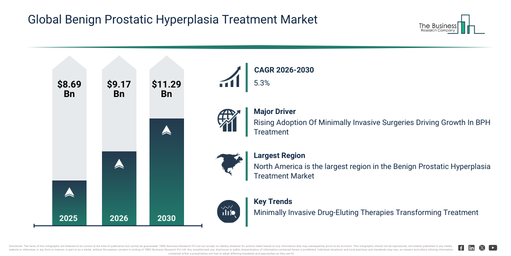
    The benign prostatic hyperplasia treatment market size has demonstrated significant growth in the past few years. Projections indicate it will expand from $8.69 billion in 2025 to reach $9.17 billion by 2026, advancing at a compound annual growth rate (CAGR) of 5.6%. This historical growth is attributable to factors such as an increasing aging male population, a rising prevalence of urinary disorders, the expansion of urology specialty services, the growing use of pharmacological treatments, and improved access to diagnostic screening.

    The benign prostatic hyperplasia treatment market size is projected to experience substantial expansion in the coming years, reaching $11.29 billion by 2030, driven by a compound annual growth rate (CAGR) of 5.3%. This anticipated growth during the forecast period is primarily driven by factors such as the increasing embrace of robotic-assisted prostate procedures, a heightened emphasis on personalized treatment strategies, the expansion of therapy choices available at home, the growing incorporation of digital patient monitoring tools, and an increasing need for minimally invasive interventions. Key trends expected over the forecast period encompass a greater adoption of minimally invasive surgical methods, a surging demand for targeted drug therapies, an increasing application of combination treatment protocols, the expansion of treatment options in outpatient settings, and an intensified focus on managing symptoms and improving patients’ quality of life.

    Access Your Free Sample Report for In-Depth Market Insights:

    https://www.thebusinessresearchcompany.com/sample.aspx?id=21112&type=smp

    What Drivers Are Driving Adoption Within The Benign Prostatic Hyperplasia Treatment Market?

    The increasing acceptance of minimally invasive surgeries is anticipated to propel the growth of the benign prostatic hyperplasia treatment market in the coming years. Minimally invasive surgeries are procedures characterized by small or no incisions, employing specialized instruments to minimize recovery time, pain, and the risk of complications. This rise in adoption is driven by benefits like shorter recovery periods, reduced discomfort, lower chances of complications, and improved cosmetic outcomes. For benign prostatic hyperplasia treatment, minimally invasive surgeries offer patients quicker recovery times, reduced risks of complications, and effective symptom relief, leading to enhanced overall surgical results. For example, in September 2023, the American Society of Plastic Surgeons (ASPS), a U.S.-based professional association, reported that nearly 25.4 million minimally invasive cosmetic procedures were performed in 2023, which was up 7% from 23.7 million in 2022. Consequently, the growing adoption of minimally invasive surgeries is fueling the expansion of the benign prostatic hyperplasia treatment market.

    How Is The Benign Prostatic Hyperplasia Treatment Market Organized Into Various Segments?

    The benign prostatic hyperplasia treatment market covered in this report is segmented –

    1) By Treatment: Minimal Invasive Surgery, Invasive Surgery

    2) By Therapeutic Class: Alpha Blockers, 5-Alpha Reductase Inhibitors, Phosphodiesterase-5 Inhibitors, Other Therapeutic classes

    3) By End User: Home Healthcare, Hospitals And Clinics

    Subsegments:

    1) By Minimal Invasive Surgery: Transurethral Resection of the Prostate (TURP), Laser Surgery, Prostatic Urethral Lift, Transurethral Incision of the Prostate (TUIP), Microwave Therapy

    2) By Invasive Surgery: Open Prostatectomy, Robotic Prostatectomy

    Which Trends Are Guiding The Evolution Of The Benign Prostatic Hyperplasia Treatment Market?

    Leading firms in the benign prostatic hyperplasia treatment market are concentrating on creating novel therapies, like intraprostatic drug elution therapy, to secure a competitive edge. This therapy entails inserting a bioabsorbable implant directly into the prostate gland for the sustained, localized delivery of a therapeutic substance. For example, in May 2025, Resurge Therapeutics, a US-based developer of urology technology, unveiled a paclitaxel-eluting bioabsorbable implant designed for BPH, which provides convenient office-based administration, precise drug delivery, and reduced post-procedure discomfort. Such localized administration minimizes systemic exposure, improves effectiveness, and helps maintain sexual function. Nevertheless, its long-term safety profile and widespread adoption are still being assessed.

    Who Are The Prominent Global Companies Shaping The Benign Prostatic Hyperplasia Treatment Market Landscape?

    Major companies operating in the benign prostatic hyperplasia treatment market are Astellas Pharma Inc., Bayer AG, Pfizer Inc., Merck & Co Inc., Eli Lilly and Company, AbbVie Inc., Teva Pharmaceutical Industries Ltd., Boehringer Ingelheim, Sanofi S.A., Boston Scientific Corporation, Olympus Corporation, Teleflex Incorporated, Cook Medical Incorporated, Coloplast Group, Medtronic Public Limited Company, Urovant Sciences Ltd., UroGen Pharma Ltd., Urologix Inc., Zenflow Inc., HistoSonics Inc.

    Access The Complete Report For Deeper Market Insights:

    https://www.thebusinessresearchcompany.com/report/benign-prostatic-hyperplasia-treatment-global-market-report

    Which Geographic Areas Are Emerging As Strong Markets For The Benign Prostatic Hyperplasia Treatment Market?

    North America was the largest region in the benign prostatic hyperplasia treatment market in 2025. Asia-Pacific is expected to be the fastest-growing region in the forecast period. The regions covered in the benign prostatic hyperplasia treatment market report are Asia-Pacific, South East Asia, Western Europe, Eastern Europe, North America, South America, Middle East, Africa.

    Request Your Customized Benign Prostatic Hyperplasia Treatment Market Research Report for Competitive Advantage:

    https://www.thebusinessresearchcompany.com/customise?id=21112&type=smp

    Browse Through More Reports Similar to the Global Benign Prostatic Hyperplasia Treatment Market 2026, By The Business Research Company

    Prostate Cancer Nuclear Medicine Diagnostics Market Report 2026

    https://www.thebusinessresearchcompany.com/report/prostate-cancer-nuclear-medicine-diagnostics-global-market-report

    Drugs For Benign Prostatic Hypertrophy Market Report 2026

    https://www.thebusinessresearchcompany.com/report/drugs-for-benign-prostatic-hypertrophy-global-market-report

    Prostate Cancer Drugs Market Report 2026

    https://www.thebusinessresearchcompany.com/report/prostate-cancer-drugs-global-market-report

    Get in touch with us:

    The Business Research Company: https://www.thebusinessresearchcompany.com/

    Americas +1 310-496-7795

    Asia +44 7882 955267 & +91 8897263534

    Europe +44 7882 955267

    Email us at info@tbrc.info

    Follow us on:

    LinkedIn: https://in.linkedin.com/company/the-business-research-company

    YouTube: https://www.youtube.com/channel/UC24_fI0rV8cR5DxlCpgmyFQ

    Global Market Model: https://www.thebusinessresearchcompany.com/global-market-model