Category: HealthcareServices

  • Revenue of the Artificial Intelligence (AI)-Driven Remote Cardiac Rehab Market Predicted to Achieve $3.66 Billion by 2030, Driven by 21.1% CAGR

    Revenue of the Artificial Intelligence (AI)-Driven Remote Cardiac Rehab Market Predicted to Achieve $3.66 Billion by 2030, Driven by 21.1% CAGR

    Uncover key drivers, emerging technologies, and competitive movements shaping the artificial intelligence (ai)-driven remote cardiac rehab market from 2026–2035 with trusted insights from The Business Research Company

    What is the estimated market size of the Artificial Intelligence (AI)-Driven Remote Cardiac Rehab Market by the end of 2030?

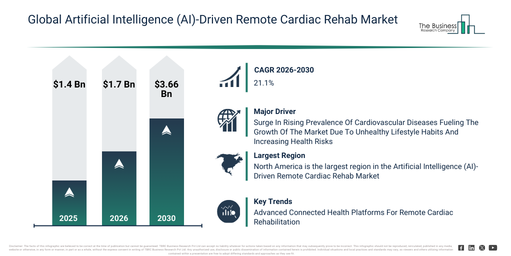
    The artificial intelligence (AI)-driven remote cardiac rehab market has seen significant expansion in its size over recent years. It is projected to increase from $1.4 billion in 2025 to $1.7 billion in 2026, registering a compound annual growth rate (CAGR) of 21.4%. Historically, this growth can be attributed to the expansion of cardiac rehabilitation programs, the rising prevalence of cardiovascular diseases, increased adoption of telehealth services, the growth of wearable cardiac devices, and improved remote monitoring capabilities.

    The artificial intelligence (AI)-driven remote cardiac rehab market size is anticipated to experience rapid expansion over the coming years. This market is projected to reach $3.66 billion by 2030, demonstrating a compound annual growth rate (CAGR) of 21.1%. Factors contributing to this growth during the projected period include augmented investments in AI-powered cardiac care, an escalating need for at-home rehabilitation, the proliferation of cloud-based platforms for cardiac analytics, an intensifying emphasis on proactive cardiac wellness, and greater incorporation with digital health records. Significant trends expected within this period encompass the expanded deployment of AI-powered cardiac monitoring algorithms, the growing uptake of wearable devices for heart monitoring, an increasing desire for tailored rehabilitation programs, the broadened availability of remote patient interaction instruments, and a heightened commitment to ongoing outcome assessment.

    Access Your Free Sample Report for In-Depth Market Insights:

    https://www.thebusinessresearchcompany.com/sample.aspx?id=28913&type=smp

    What Drivers Are Shaping Future Opportunities In The Artificial Intelligence (AI)-Driven Remote Cardiac Rehab Market?

    The increasing occurrence of cardiovascular diseases is anticipated to fuel the expansion of the artificial intelligence (AI)-driven remote cardiac rehab market in the future. These conditions encompass various ailments affecting the heart and blood vessels, such as heart attacks, strokes, and hypertension. The surge in cardiovascular illnesses is primarily attributed to unhealthy habits that contribute to issues like obesity, high blood pressure, and elevated cholesterol, placing strain on the heart and arteries. AI-driven remote cardiac rehabilitation assists individuals with cardiovascular diseases by remotely monitoring heart health, customizing exercise and medication plans, and providing real-time feedback, thereby enhancing recovery, promoting adherence, and decreasing subsequent hospitalizations. For example, data from August 2025, supplied by the US government agency, the National Institutes of Health, indicates that between 2025 and 2050, cardiovascular prevalence is projected to rise by 90%, mortality by 73%, and DALYs by 55%, with fatalities increasing from 20.5 million to 35.6 million. Consequently, the expanding occurrence of cardiovascular diseases is propelling the growth of the artificial intelligence (AI)-driven remote cardiac rehab market.

    Which Segments Are Gaining Traction In The Artificial Intelligence (AI)-Driven Remote Cardiac Rehab Market?

    The artificial intelligence (AI)-driven remote cardiac rehab market covered in this report is segmented –

    1) By Component: Software, Hardware, Services

    2) By Delivery Mode: Web-Based, App-Based, Telehealth Platforms

    3) By Deployment Mode: Cloud-Based, On-Premises

    4) By Application: Chronic Heart Failure, Post-Myocardial Infarction, Post-Cardiac Surgery, Hypertension Management, Other Applications

    5) By End-User: Hospitals And Clinics, Homecare Settings, Rehabilitation Centers, Other End-Users

    Subsegments:

    1) By Software: Remote Monitoring Software, Patient Engagement Software, Data Analytics Software

    2) By Hardware: Wearable Devices, Sensors And Monitors, Mobile Devices

    3) By Services: Telehealth Services, Consultation Services, Training And Support Services

    What Upcoming Trends Are Likely To Define The Future Path Of The Artificial Intelligence (AI)-Driven Remote Cardiac Rehab Market?

    Leading companies within the artificial intelligence (AI)-driven remote cardiac rehab market are concentrating on developing innovative solutions, such as advanced connected health platforms. These platforms are designed to facilitate continuous remote monitoring, personalized rehabilitation programs, and enhanced patient engagement, ultimately leading to improved cardiovascular outcomes. An advanced connected health platform is defined as a digital system that integrates wearable devices, sensors, mobile apps, and cloud-based analytics to remotely monitor patients’ health, deliver personalized care, and enable real-time communication between patients and healthcare providers. For instance, in July 2025, OMRON Healthcare, a Japan-based healthcare company, partnered with Tricog Health Services Pvt Limited, an India-based medtech company, to launch KeeboHealth. This platform aims to combat India’s cardiac crisis and advance OMRON’s Going for Zero vision, a goal to eliminate cardiovascular events like heart attacks and strokes. KeeboHealth allows for real-time monitoring by combining OMRON’s home ECG and blood pressure devices with Tricog’s AI cardiac analysis, which enables early detection of heart issues and timely medical intervention. The platform assists in reducing hospitalizations, improving adherence to therapy, and supporting personalized heart health management.

    Who Are The Core Companies Influencing Trends In The Artificial Intelligence (AI)-Driven Remote Cardiac Rehab Market?

    Major companies operating in the artificial intelligence (AI)-driven remote cardiac rehab market are Medtronic PLC, Philips Healthcare, Biofourmis Inc., Neurosoft Ltd., Cadence Health Solutions, Wellframe Inc., Amwell, Datos Health Ltd., VivaLNK Inc., Carda Health Inc., Heartbeat Health Inc., Cardihab Pty Ltd., Chanl Health Inc., HealthSnap Inc., Kento Health Inc., Lyfe by Lupin Digital Health, Movn Health Inc., RecoveryPlus Health, Wellinks Inc., CardioCare Fit.

    Access The Complete Report For Deeper Market Insights:

    https://www.thebusinessresearchcompany.com/report/artificial-intelligence-ai-driven-remote-cardiac-rehab-global-market-report

    Which Regions Are Projected To Dominate The Artificial Intelligence (AI)-Driven Remote Cardiac Rehab Market In The Coming Years?

    North America was the largest region in the artificial intelligence (AI)-driven remote cardiac rehab market in 2025. Asia-Pacific is expected to be the fastest-growing region in the forecast period. The regions covered in the artificial intelligence (AI)-driven remote cardiac rehab market report are Asia-Pacific, South East Asia, Western Europe, Eastern Europe, North America, South America, Middle East, Africa.

    Request Your Customized Artificial Intelligence (AI)-Driven Remote Cardiac Rehab Market Research Report for Competitive Advantage:

    https://www.thebusinessresearchcompany.com/customise?id=28913&type=smp

    Browse Through More Reports Similar to the Global Artificial Intelligence (AI)-Driven Remote Cardiac Rehab Market 2026, By The Business Research Company

    Rehabilitation Robotics Market Report 2026

    https://www.thebusinessresearchcompany.com/report/rehabilitation-robotics-global-market-report

    Cardiac Ai Monitoring And Diagnostics Market Report 2026

    https://www.thebusinessresearchcompany.com/report/cardiac-ai-monitoring-and-diagnostics-global-market-report

    Artificial Intelligence Ai In Remote Patient Monitoring Market Report 2026

    https://www.thebusinessresearchcompany.com/report/artificial-intelligence-ai-in-remote-patient-monitoring-global-market-report

    Get in touch with us:

    The Business Research Company: https://www.thebusinessresearchcompany.com/

    Americas +1 310-496-7795

    Asia +44 7882 955267 & +91 8897263534

    Europe +44 7882 955267

    Email us at info@tbrc.info

    Follow us on:

    LinkedIn: https://in.linkedin.com/company/the-business-research-company

    YouTube: https://www.youtube.com/channel/UC24_fI0rV8cR5DxlCpgmyFQ

    Global Market Model: https://www.thebusinessresearchcompany.com/global-market-model
  • Acne Vulgaris Market Insights Report: Opportunities and Drivers 2030

    Acne Vulgaris Market Insights Report: Opportunities and Drivers 2030

    Uncover key drivers, emerging technologies, and competitive movements shaping the acne vulgaris market from 2026–2035 with trusted insights from The Business Research Company

    What level of growth is expected in the Acne Vulgaris Market between 2026 and 2030?

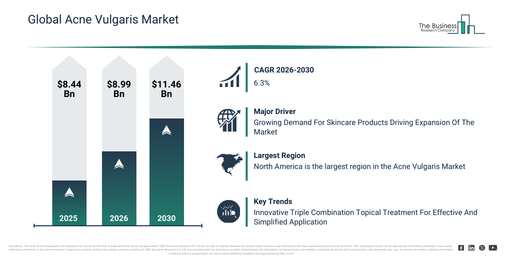
    The acne vulgaris market size has shown significant expansion in recent years. This market is expected to increase from $8.44 billion in 2025 to $8.99 billion in 2026, achieving a compound annual growth rate (CAGR) of 6.5%. The sustained growth observed historically can be attributed to several factors, including the rising occurrence of acne vulgaris among adolescents, greater public awareness of dermatological therapies, the expansion of healthcare facilities such as hospitals and clinics, the wide availability of prescription medications for acne, and a growing interest in cosmetic and skincare products.

    The acne vulgaris market is projected to experience substantial expansion in the coming years, with an anticipated growth to $11.46 billion by 2030, driven by a compound annual growth rate (CAGR) of 6.3%. This projected growth can be attributed to several factors, including the development of targeted acne therapeutics, the increasing adoption of teledermatology and digital health platforms, a rise in anti-inflammatory and retinoid formulations, a surging demand for personalized skincare regimens, and the expansion of online pharmacy and e-commerce channels. Concurrently, major trends expected during the forecast period involve a rising demand for combination topical therapies, the increasing integration of hormonal treatments in acne management, an upswing in laser and light-based physical treatments, the broader application of oral retinoids and antibiotic therapies, and a growing preference for herbal, natural, and emerging therapies.

    Access Your Free Sample Report for In-Depth Market Insights:

    https://www.thebusinessresearchcompany.com/sample.aspx?id=21075&type=smp

    Which Drivers Are Expected To Impact The Acne Vulgaris Market During The Forecast Period?

    The escalating demand for skincare products is projected to fuel the expansion of the acne vulgaris market moving forward. Skincare products are specialized formulations designed to improve the health and appearance of the skin, encompassing a diverse array of items that address various dermatological concerns, from cleansing to moisturizing and protection. This heightened demand for skincare is attributed to social media influence, a rise in dermatological issues, product innovations, and a general shift toward preventive skincare, all contributing to greater awareness of skincare practices. Treatment for acne vulgaris is significantly aided by skincare products that target the condition’s underlying causes, such as excessive sebum production, clogged pores, and bacterial growth. These products often incorporate ingredients like salicylic acid, benzoyl peroxide, and retinoids, which help exfoliate the skin, reduce inflammation, and promote a clearer, healthier complexion. For instance, in August 2024, according to The Cosmetic, Toiletry and Perfumery Association (CTPA), a UK-based non-profit organization, the European cosmetics market was valued at €96 billion (approximately $105 billion) at retail sales price (RSP) in 2023, making it one of the world’s largest alongside the USA. This figure represents growth from €88 billion (approximately $93 billion) RSP in 2022. Consequently, the increasing awareness of skincare is a key driver for the acne vulgaris market.

    Which Segments Are Driving Activity In The Acne Vulgaris Market?

    The acne vulgaris market covered in this report is segmented –

    1) By Type: Systemic Therapy, Hormonal Therapy, Physical Treatment, Topical Combination Therapy, Other Types

    2) By Age Group: 10 To 17 Years, 18 To 44 Years, 45 To 64 Years

    3) By Distribution Channel: Hospital Pharmacies, Online Pharmacies

    Subsegments:

    1) By Systemic Therapy: Oral Antibiotics, Oral Retinoids, Oral Anti-Inflammatory Agents

    2) By Hormonal Therapy: Oral Contraceptives, Androgen Receptor Inhibitors

    3) By Physical Treatment: Laser Therapy, Light-Based Therapy, Chemical Peels, Microdermabrasion

    4) By Topical Combination Therapy: Retinoid And Antibiotic Combinations, Benzoyl Peroxide And Antibiotic Combinations, Retinoid And Benzoyl Peroxide Combinations

    5) By Other Types: Herbal And Natural Remedies, Biologic Therapies, Emerging Therapies

    How Are New Market Trends Shaping The Landscape Of The Acne Vulgaris Market?

    Leading companies within the acne vulgaris market are concentrating their efforts on creating groundbreaking solutions, such as triple-combination topical treatments, aiming to deliver a streamlined, once-daily treatment option for the condition. A triple-combination topical treatment involves a formulation integrating three active components, typically addressing various facets of a condition to achieve superior therapeutic outcomes in managing dermatological issues like acne or psoriasis. For example, in October 2023, Bausch Health Companies Inc., a pharmaceutical firm based in Canada, announced that its product Cabtreo (clindamycin phosphate, adapalene, and benzoyl peroxide) received approval from the Food and Drug Administration (FDA). This topical gel is specifically formulated for managing acne vulgaris in individuals aged 12 years and above. The innovative formulation of Cabtreo brings together an antibiotic, a retinoid, and an antibacterial agent to effectively target existing acne lesions and deter the emergence of new breakouts. Cabtreo provides an easy application method and has demonstrated a positive safety profile for a wide spectrum of patients.

    Which Major Firms Are Strengthening Their Position In The Acne Vulgaris Market?

    Major companies operating in the acne vulgaris market are Pfizer Inc., Johnson and Johnson, AbbVie Inc., L’Oréal Paris, GlaxoSmithKline Plc., Reckitt Benckiser Group plc, Viatris Inc., Teva Pharmaceuticals, Bausch Health Companies, Sun Pharmaceutical Industries Ltd., Incyte, Aurobindo Pharma, Lupin Ltd., Torrent Pharmaceuticals, Biocon, Stiefel Laboratories, Mayne Pharma Group Limited, Paratek Pharmaceuticals, Cosmo Pharmaceuticals, AOBiome

    Access The Complete Report For Deeper Market Insights:

    https://www.thebusinessresearchcompany.com/report/acne-vulgaris-global-market-report

    Which Region Is Anticipated To See The Fastest Growth In The Acne Vulgaris Market?

    North America was the largest region in the acne vulgaris market in 2025. Asia-Pacific is expected to be the fastest-growing region in the forecast period. The regions covered in the acne vulgaris market report are Asia-Pacific, South East Asia, Western Europe, Eastern Europe, North America, South America, Middle East, Africa.

    Request Your Customized Acne Vulgaris Market Research Report for Competitive Advantage:

    https://www.thebusinessresearchcompany.com/customise?id=21075&type=smp

    Browse Through More Reports Similar to the Global Acne Vulgaris Market 2026, By The Business Research Company

    Dermatology Market Report 2026

    https://www.thebusinessresearchcompany.com/report/dermatology-global-market-report

    Dermatitis Drugs Market Report 2026

    https://www.thebusinessresearchcompany.com/report/dermatitis-drugs-global-market-report

    Organic Skincare Market Report 2026

    https://www.thebusinessresearchcompany.com/report/organic-skincare-global-market-report

    Get in touch with us:

    The Business Research Company: https://www.thebusinessresearchcompany.com/

    Americas +1 310-496-7795

    Asia +44 7882 955267 & +91 8897263534

    Europe +44 7882 955267

    Email us at info@tbrc.info

    Follow us on:

    LinkedIn: https://in.linkedin.com/company/the-business-research-company

    YouTube: https://www.youtube.com/channel/UC24_fI0rV8cR5DxlCpgmyFQ

    Global Market Model: https://www.thebusinessresearchcompany.com/global-market-model
  • Artificial Intelligence (AI)-Driven Rare Disease Patient Finder Sector Forecast Shows Robust Momentum, Climbing to $5.95 Billion With 29.6% CAGR

    Artificial Intelligence (AI)-Driven Rare Disease Patient Finder Sector Forecast Shows Robust Momentum, Climbing to $5.95 Billion With 29.6% CAGR

    Uncover key drivers, emerging technologies, and competitive movements shaping the artificial intelligence (ai)-driven rare disease patient finder market from 2026–2035 with trusted insights from The Business Research Company

    What was the valuation of the Artificial Intelligence (AI)-Driven Rare Disease Patient Finder Market in 2026, and what figure is it projected to hit by 2030?

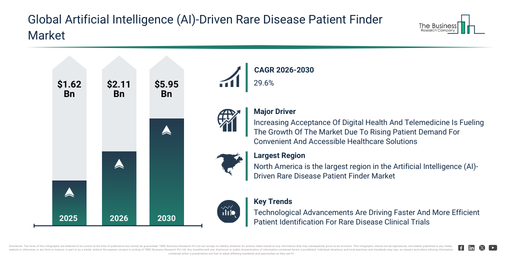
    The market size for the artificial intelligence (AI)-driven rare disease patient finder has experienced rapid expansion recently. This market is projected to expand from $1.62 billion in 2025 to $2.11 billion in 2026, demonstrating a compound annual growth rate (CAGR) of 29.9%. Historically, this growth can be attributed to several factors, including the increasing accessibility of electronic health records, the initial incorporation of data analytics in clinical research, the enlargement of genomic databases, a heightened emphasis on orphan diseases, and the early application of AI in recruiting for clinical trials.

    The market for artificial intelligence (AI)-driven rare disease patient finder solutions is anticipated to experience substantial expansion over the upcoming years. This market is projected to reach $5.95 billion by 2030, demonstrating a compound annual growth rate (CAGR) of 29.6%. This anticipated growth is driven by factors such as increased funding for precision medicine research, a greater need for expedited clinical trial enrollment, the broadening use of real-world evidence analytics, expanding partnerships between healthcare and life sciences companies, and enhanced regulatory backing for innovations in rare diseases. Key trends expected during this period involve the rising adoption of AI-based algorithms for patient identification, the increasing incorporation of health data from multiple sources, greater automation in recruiting for clinical trials, the proliferation of precision patient matching platforms, and a heightened emphasis on enabling rare disease research.

    Access Your Free Sample Report for In-Depth Market Insights:

    https://www.thebusinessresearchcompany.com/sample.aspx?id=28129&type=smp

    Which Drivers Are Affecting Market Participation In The Artificial Intelligence (AI)-Driven Rare Disease Patient Finder Market?

    The increasing acceptance of digital health and telemedicine is projected to fuel the growth of the artificial intelligence (AI)-driven rare disease patient finder market in the coming years. Digital health refers to the application of technology, software, and electronic instruments to oversee, manage, and enhance overall health and wellness. Telemedicine involves delivering healthcare services from a distance utilizing telecommunications technology, such as video conferences, mobile applications, and online platforms. The escalating adoption of digital health and telemedicine is attributed to patients and healthcare providers looking for convenient, efficient, and accessible healthcare alternatives. The artificial intelligence (AI)-driven rare disease patient finder complements digital health and telemedicine by precisely identifying patients, enabling remote patient monitoring, facilitating timely virtual consultations, and delivering personalized care. As an illustration, in November 2025, the Organisation for Economic Co operation and Development, a France-based intergovernmental organization, reported that OECD countries have advanced in broadening access to EHRs. By 2024, the average availability of online digital health services had reached 82%, marking an increase from 79% in 2023 among countries with comparable data. Therefore, the expanding acceptance of digital health and telemedicine is a key driver for the growth of the artificial intelligence (AI)-driven rare disease patient finder market.

    What Segment Categories Are Covered In The Artificial Intelligence (AI)-Driven Rare Disease Patient Finder Market?

    The artificial intelligence (AI)-driven rare disease patient finder market covered in this report is segmented –

    1) By Component: Software, Services

    2) By Deployment Mode: Cloud-Based, On-Premises

    3) By Application: Hospitals, Clinics, Research Institutes, Pharmaceutical Companies, Other Applications

    4) By End-User: Healthcare Providers, Life Sciences Companies, Payers, Other End-Users

    Subsegments:

    1) By Software: Electronic Data Capture, Data Management Platform, Analytics And Reporting Tools, Patient Engagement Tools, Clinical Trial Management System

    2) By Services: Implementation And Integration, Training And Support, Data Hosting And Security, Consulting Services, Maintenance And Upgrades

    Which Trends Are Shaping Activity Within The Artificial Intelligence (AI)-Driven Rare Disease Patient Finder Market?

    Major companies operating within the AI-driven rare disease patient finder market are concentrating on developing technological advancements, specifically precision patient recruitment solutions. These efforts aim to improve the accuracy, speed, and efficiency of identifying eligible patients for rare disease clinical trials, consequently shortening recruitment timelines and boosting trial success rates. A precision patient recruitment solution is a technology-driven approach that utilizes sophisticated algorithms and real-world data to accurately locate and involve patients who meet specific clinical trial eligibility criteria. For instance, in April 2024, Citeline, a US-based business intelligence and data analytics company, launched Citeline PatientMatch. The platform merges advanced algorithms with comprehensive real-world data, encompassing lab results, biomarkers, and electronic medical records from over 400 hospitals and health systems. This innovation helps sponsors and investigators identify eligible patients for clinical trials in a timely and efficient manner, streamline enrollment, and support diverse and complex study protocols across multiple therapeutic areas.

    Which Major Industry Participants Are Leading The Artificial Intelligence (AI)-Driven Rare Disease Patient Finder Market Growth?

    Major companies operating in the artificial intelligence (AI)-driven rare disease patient finder market are UnitedHealth Group Incorporated, Dassault Systèmes SE, GeneDx Holdings Corp., HealthVerity Inc., ConcertAI Inc., Komodo Health Inc., Unlearn.AI Inc., Antidote Technologies Inc., Healx Ltd., FDNA Inc., Saventic Health Sp. z o.o., Digital Pharma Lab SAS, AnnieGuard Ltd., Rapid Innovation Labs Inc., Sqilline EOOD, TrialX Inc., enGenome Srl, EveryCure Inc., ThinkGenetic Inc., RareSum Inc.

    Access The Complete Report For Deeper Market Insights:

    https://www.thebusinessresearchcompany.com/report/artificial-intelligence-ai-driven-rare-disease-patient-finder-global-market-report

    Which Region Is Expected To Experience The Fastest Growth In The Artificial Intelligence (AI)-Driven Rare Disease Patient Finder Market?

    North America was the largest region in the artificial intelligence (AI)-driven rare disease patient finder market in 2025. Asia-Pacific is expected to be the fastest-growing region in the forecast period. The regions covered in the artificial intelligence (AI)-driven rare disease patient finder market report are Asia-Pacific, South East Asia, Western Europe, Eastern Europe, North America, South America, Middle East, Africa.

    Request Your Customized Artificial Intelligence (AI)-Driven Rare Disease Patient Finder Market Research Report for Competitive Advantage:

    https://www.thebusinessresearchcompany.com/customise?id=28129&type=smp

    Browse Through More Reports Similar to the Global Artificial Intelligence (AI)-Driven Rare Disease Patient Finder Market 2026, By The Business Research Company

    Artificial Intelligence In Cancer Diagnostics Market Report 2026

    https://www.thebusinessresearchcompany.com/report/artificial-intelligence-in-cancer-diagnostics-global-market-report

    Ai In Medical Diagnostics Market Report 2026

    https://www.thebusinessresearchcompany.com/report/ai-in-medical-diagnostics-global-market-report

    Artificial Intelligence Ai In Clinical Trials Market Report 2026

    https://www.thebusinessresearchcompany.com/report/artificial-intelligence-ai-in-clinical-trials-global-market-report

    Get in touch with us:

    The Business Research Company: https://www.thebusinessresearchcompany.com/

    Americas +1 310-496-7795

    Asia +44 7882 955267 & +91 8897263534

    Europe +44 7882 955267

    Email us at info@tbrc.info

    Follow us on:

    LinkedIn: https://in.linkedin.com/company/the-business-research-company

    YouTube: https://www.youtube.com/channel/UC24_fI0rV8cR5DxlCpgmyFQ

    Global Market Model: https://www.thebusinessresearchcompany.com/global-market-model
  • Artificial Intelligence (AI)-Driven Medical Device Vigilance Platform Market Anticipated to Record Steady Gains, Advancing to $5.61 Billion by 2030

    Artificial Intelligence (AI)-Driven Medical Device Vigilance Platform Market Anticipated to Record Steady Gains, Advancing to $5.61 Billion by 2030

    Uncover key drivers, emerging technologies, and competitive movements shaping the artificial intelligence (ai)-driven medical device vigilance platform market from 2026–2035 with trusted insights from The Business Research Company

    What are the forecasted starting (2026) and ending (2030) market sizes for the Artificial Intelligence (AI)-Driven Medical Device Vigilance Platform Market?

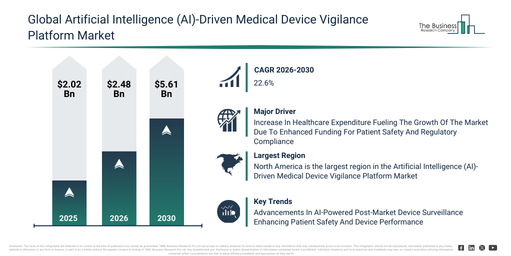
    The market size for artificial intelligence (AI)-driven medical device vigilance platforms has expanded remarkably in recent years. It is anticipated to increase from $2.02 billion in 2025 to $2.48 billion in 2026, driven by a compound annual growth rate (CAGR) of 22.9%. The expansion observed historically stemmed from factors such as increasing medical device adoption rates, the broadening of post-market surveillance requirements, the escalating complexity of device portfolios, an uptick in adverse event reporting databases, and the nascent application of data analytics in vigilance.

    The artificial intelligence (AI)-driven medical device vigilance platform market is projected to experience substantial expansion in the coming years. By 2030, its valuation is anticipated to reach $5.61 billion, exhibiting a robust compound annual growth rate (CAGR) of 22.6%. This expansion during the forecast period is primarily fueled by heightened regulatory oversight concerning device safety, a growing need for real-time risk surveillance, the proliferation of cloud-based vigilance solutions, greater integration with hospital device information, and the increasing uptake of AI-powered compliance instruments. Significant developments characterizing this period encompass a rise in the adoption of AI-based signal detection systems, increased application of predictive analytics for ensuring device safety, the expanding integration of real-time vigilance platforms, broader implementation of automated regulatory reporting, and a stronger emphasis on proactive risk management.

    Access Your Free Sample Report for In-Depth Market Insights:

    https://www.thebusinessresearchcompany.com/sample.aspx?id=28912&type=smp

    What Drivers Are Supporting Technological Adoption In The Artificial Intelligence (AI)-Driven Medical Device Vigilance Platform Market?

    An increase in healthcare spending is projected to stimulate the expansion of the artificial intelligence (AI)-driven medical device vigilance platform market in the future. This expenditure represents the total funds allocated by individuals, institutions, and governments for services and initiatives focused on preserving or enhancing health. The climb in healthcare costs stems from the increasing incidence of chronic illnesses, leading to greater demand for ongoing medical attention, extended therapies, and management tools. Such spending facilitates AI-driven medical device vigilance platforms by supplying hospitals and other healthcare entities with the necessary funds to put in place thorough safety and monitoring systems, thereby guaranteeing compliance with regulations and enhancing patient security. For example, as reported by the Office for National Statistics, a UK government agency, in April 2025, the majority of healthcare spending in the UK is government-funded, reaching $344 billion (£258 billion) in 2024, which was a 2.5% increase in real terms compared to 2023. Consequently, the expanding healthcare expenditure is propelling the development of the artificial intelligence (AI)-driven medical device vigilance platform market.

    Which Segments Are Contributing To The Growth Of The Artificial Intelligence (AI)-Driven Medical Device Vigilance Platform Market?

    The artificial intelligence (AI)-driven medical device vigilance platform market covered in this report is segmented –

    1) By Component: Software, Hardware, Services

    2) By Deployment Mode: On-Premises, Cloud-Based

    3) By Application: Adverse Event Detection, Regulatory Compliance, Risk Management, Data Analytics, Other Applications

    4) By End-User: Hospitals, Medical Device Manufacturers, Regulatory Agencies, Contract Research Organizations, Other End-Users

    Subsegments:

    1) By Software: Predictive Analytics, Signal Detection, Data Integration, Reporting And Visualization

    2) By Hardware: Servers, Storage Devices, Networking Equipment, Sensors, Monitoring Devices

    3) By Services: Implementation Services, Maintenance And Support, Consulting Services, Training Services, Data Management Services

    Which Trends Are Influencing The Development Of The Artificial Intelligence (AI)-Driven Medical Device Vigilance Platform Market?

    Leading companies within the artificial intelligence (AI)-driven medical device vigilance platform market are prioritizing the development of advanced solutions, including post-market device surveillance platforms. These innovations aim to furnish healthcare providers and manufacturers with actionable insights to elevate patient outcomes and optimize device utilization. Post-market device surveillance platforms are systems engineered to track and assess the safety and performance of medical devices after their introduction into healthcare settings. For example, in October 2025, Basil Systems, a US-based company focused on AI-powered platforms, unveiled its MedTech Safety Signaling platform. This platform leverages AI to identify potential risks early, shifting post-market device surveillance towards a proactive safety strategy. It processes regulatory documents, inspection reports, and adverse event narratives using large language models trained on an exhaustive industry dataset to uncover patterns that are difficult to discern through manual methods. The system organizes and interprets the data, establishing connections between related events and their original sources with specified confidence levels. This functionality enables manufacturers to pinpoint safety trends, refine preventive measures, anticipate regulatory focus, and guide decisions regarding product development.

    Who Are The Prominent Global Companies Shaping The Artificial Intelligence (AI)-Driven Medical Device Vigilance Platform Market Landscape?

    Major companies operating in the artificial intelligence (AI)-driven medical device vigilance platform market are Amazon Web Services Inc., Johnson & Johnson Services Inc., International Business Machines Corporation, Oracle Corporation, Abbott Laboratories, Medtronic Plc, Siemens Healthineers AG, Stryker Corporation, Koninklijke Philips N.V., GE HealthCare Technologies Inc., Cognizant Technology Solutions Corporation, Boston Scientific Corporation, DXC TECHNOLOGY COMPANY, Baxter International Inc., Wipro Limited, Zimmer Biomet Holdings Inc., Veeva Systems Inc., Medidata Solutions Inc., Tata Consultancy Services Limited, AssurX Inc.

    Access The Complete Report For Deeper Market Insights:

    https://www.thebusinessresearchcompany.com/report/artificial-intelligence-ai-driven-medical-device-vigilance-platform-global-market-report

    Which Geographic Areas Are Emerging As Strong Markets For The Artificial Intelligence (AI)-Driven Medical Device Vigilance Platform Market?

    North America was the largest region in the artificial intelligence (AI)-driven medical device vigilance platform market in 2025. Asia-Pacific is expected to be the fastest-growing region in the forecast period. The regions covered in the artificial intelligence (AI)-driven medical device vigilance platform market report are Asia-Pacific, South East Asia, Western Europe, Eastern Europe, North America, South America, Middle East, Africa.

    Request Your Customized Artificial Intelligence (AI)-Driven Medical Device Vigilance Platform Market Research Report for Competitive Advantage:

    https://www.thebusinessresearchcompany.com/customise?id=28912&type=smp

    Browse Through More Reports Similar to the Global Artificial Intelligence (AI)-Driven Medical Device Vigilance Platform Market 2026, By The Business Research Company

    Artificial Intelligence Ai In Remote Patient Monitoring Market Report 2026

    https://www.thebusinessresearchcompany.com/report/artificial-intelligence-ai-in-remote-patient-monitoring-global-market-report

    Ai In Medical Devices Market Report 2026

    https://www.thebusinessresearchcompany.com/report/ai-in-medical-devices-global-market-report

    Artificial Intelligence Or Machine Learning Ai Or Ml Medical Device Market Report 2026

    https://www.thebusinessresearchcompany.com/report/artificial-intelligence-or-machine-learning-ai-or-ml-medical-device-global-market-report

    Get in touch with us:

    The Business Research Company: https://www.thebusinessresearchcompany.com/

    Americas +1 310-496-7795

    Asia +44 7882 955267 & +91 8897263534

    Europe +44 7882 955267

    Email us at info@tbrc.info

    Follow us on:

    LinkedIn: https://in.linkedin.com/company/the-business-research-company

    YouTube: https://www.youtube.com/channel/UC24_fI0rV8cR5DxlCpgmyFQ

    Global Market Model: https://www.thebusinessresearchcompany.com/global-market-model
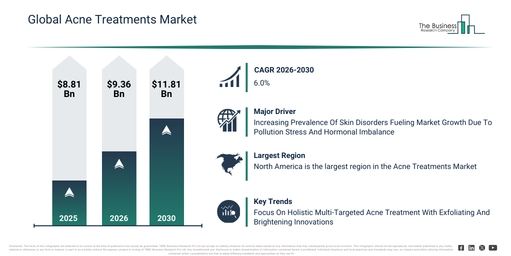
  • Acne Treatments Global Forecast: Market to Scale Up to $11.8 Billion by 2030 at 6% CAGR

    Acne Treatments Global Forecast: Market to Scale Up to $11.8 Billion by 2030 at 6% CAGR

    Uncover key drivers, emerging technologies, and competitive movements shaping the acne treatments market from 2026–2035 with trusted insights from The Business Research Company

    How much is the Acne Treatments Market valued at in 2026, and what valuation is forecast for 2030?

    The acne treatments market size has experienced strong growth in recent years. It is projected to expand from $8.81 billion in 2025 to $9.36 billion in 2026, demonstrating a compound annual growth rate (CAGR) of 6.3%. The historical increase in this market can be attributed to the rising prevalence of acne across various age groups, the wider availability of dermatological treatments, the development of clinical dermatology practices, increasing acceptance of prescription acne medications, and the expansion of healthcare services focused on skincare.

    The acne treatments market size is anticipated to demonstrate robust expansion over the next few years. It is set to reach $11.81 billion in 2030, achieving a compound annual growth rate (CAGR) of 6.0%. The growth expected in the forecast period can be attributed to factors such as an increasing demand for personalized dermatology solutions, the rising adoption of advanced therapeutic acne treatments, the expansion of teledermatology services, a growing focus on scar prevention and skin repair, and the increasing integration of digital skin assessment tools. Major trends identified for the forecast period include the increasing adoption of combination acne therapies, a rising demand for personalized acne treatment plans, the growing use of topical prescription medications, the expansion of laser and light-based acne treatments, and an enhanced focus on long-term skin health management.

    Access Your Free Sample Report for In-Depth Market Insights:

    https://www.thebusinessresearchcompany.com/sample.aspx?id=24452&type=smp

    What Drivers Are Influencing The Growth Of The Acne Treatments Market?

    The expanding occurrence of skin disorders is projected to fuel the advancement of the acne treatments market moving forward. A skin disorder is defined as any health condition impacting the skin, leading to alterations in its appearance, texture, or performance. The escalating incidence of skin disorders stems from rising pollution, stress, and hormonal imbalances, prompting individuals to seek specialized treatments that provide noticeable outcomes, minimize adverse effects, and integrate smoothly into daily regimens. Acne treatments offer advantages for skin disorders by effectively reducing inflammation, averting breakouts, and facilitating the recovery of compromised skin. For instance, in July 2024, Cancer Research UK, a UK-based charity, reported that the average annual count of new melanoma skin cancer cases in the UK for 2023-2025 is approximately 20,800, with an anticipated increase to 26,500 by 2038-2040. Consequently, the growing prevalence of skin disorders is propelling expansion within the acne treatments market.

    How Is The Acne Treatments Market Organized Into Various Segments?

    The acne treatments market covered in this report is segmented –

    1) By Product: Retinoids, Antibiotics, Isotretinoin, Other Products

    2) By Acne Type: Inflammatory Acne, Cystic Acne, Post-Surgical Or Wound Acne

    3) By Treatment: Medication, Therapeutic, Laser Treatment

    4) By End User: Hospitals, Clinics, Ambulatory Surgical Centers

    Subsegments:

    1) By Retinoids: Topical Retinoids, Oral Retinoids

    2) By Antibiotics: Topical Antibiotics, Oral Antibiotics

    3) By Isotretinoin: Oral Isotretinoin, Topical Isotretinoin

    4) By Other Products: Benzoyl Peroxide, Salicylic Acid, Hormonal Treatments, Herbal And Natural Products, Combination Formulations

    Which Trends Are Expected To Influence The Acne Treatments Market In The Upcoming Years?

    Leading companies within the acne treatments market are increasingly concentrating on a holistic and multi-targeted approach to addressing acne, particularly through multi-functional exfoliating and brightening formulations. This strategy aims to furnish consumers with potent solutions that not only treat acne but also enhance skin texture and diminish discoloration. A multi-functional exfoliating and brightening product incorporates ingredients that gently remove dead skin cells while simultaneously reducing dark spots and improving overall skin tone. For example, in November 2024, Proactiv Company, a US-based skincare firm, unveiled four new dermatologist-formulated products aimed at tackling acne and associated issues such as skin texture, hyperpigmentation, and body blemishes. This product line encompasses a salicylic acid cleanser, a brightening resurfacing mask, a blemish control body cream, and a travel-sized mini kit, collectively offering a thorough and effective routine for clearer, healthier skin.

    Who Are The Primary Competitors In The Global Acne Treatments Market?

    Major companies operating in the acne treatments market are Pfizer Inc., Johnson & Johnson, AbbVie Inc., Bayer AG, Sanofi S.A., L’Oréal S.A., GlaxoSmithKline plc, Teva Pharmaceutical Industries Ltd., Shiseido Company Ltd., Sun Pharmaceutical Industries Ltd., Dr. Reddy’s Laboratories Ltd., Zydus Lifesciences Ltd., Glenmark Pharmaceuticals Ltd., Almirall S.A., Cipher Pharmaceuticals, Diomed Developments Limited, Galderma S.A., Bausch Health Companies Inc., F. Hoffmann-La Roche Ltd., Novartis AG, Leo Pharma A/S, Mayne Pharma Group Ltd.

    Access The Complete Report For Deeper Market Insights:

    https://www.thebusinessresearchcompany.com/report/acne-treatments-global-market-report

    Which Global Regions Are Shaping The Competitive Landscape Of The Acne Treatments Market?

    North America was the largest region in the acne treatments market in 2025. Asia-Pacific is expected to be the fastest-growing region in the forecast period. The regions covered in the acne treatments market report are Asia-Pacific, South East Asia, Western Europe, Eastern Europe, North America, South America, Middle East, Africa.

    Request Your Customized Acne Treatments Market Research Report for Competitive Advantage:

    https://www.thebusinessresearchcompany.com/customise?id=24452&type=smp

    Browse Through More Reports Similar to the Global Acne Treatments Market 2026, By The Business Research Company

    Skin Cancer Drugs Market Report 2026

    https://www.thebusinessresearchcompany.com/report/skin-cancer-drugs-global-market-report

    Skin Care Supplements Market Report 2026

    https://www.thebusinessresearchcompany.com/report/skin-care-supplements-global-market-report

    Skin Care Products Market Report 2026

    https://www.thebusinessresearchcompany.com/report/skin-care-products-global-market-report

    Get in touch with us:

    The Business Research Company: https://www.thebusinessresearchcompany.com/

    Americas +1 310-496-7795

    Asia +44 7882 955267 & +91 8897263534

    Europe +44 7882 955267

    Email us at info@tbrc.info

    Follow us on:

    LinkedIn: https://in.linkedin.com/company/the-business-research-company

    YouTube: https://www.youtube.com/channel/UC24_fI0rV8cR5DxlCpgmyFQ

    Global Market Model: https://www.thebusinessresearchcompany.com/global-market-model
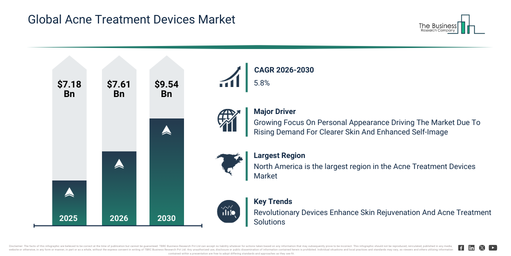
  • Acne Treatment Devices Market Future Outlook: Strong Growth Expected Toward $9.54 Billion by 2030

    Acne Treatment Devices Market Future Outlook: Strong Growth Expected Toward $9.54 Billion by 2030

    Uncover key drivers, emerging technologies, and competitive movements shaping the acne treatment devices market from 2026–2035 with trusted insights from The Business Research Company

    By how much is the Acne Treatment Devices Market expected to grow between 2026 and 2030?

    The acne treatment devices market size has experienced significant expansion in recent years. It is anticipated to grow from $7.18 billion in 2025 to $7.61 billion in 2026, at a compound annual growth rate (CAGR) of 6.0%. The factors contributing to this historic period’s growth include the constrained access to advanced acne treatment devices, the increasing prevalence of acne among adolescents, a heightened awareness of skincare solutions, the early adoption of light and laser therapies in dermatology, and an increase in dermatology clinic establishments.

    The acne treatment devices market size is anticipated to experience robust expansion over the coming years, with projections indicating it will reach $9.54 billion in 2030, exhibiting a compound annual growth rate (CAGR) of 5.8%. This growth during the forecast period can be primarily ascribed to technological advancements across LED, RF, and laser devices, the increasing reach of home-use acne treatment markets, heightened investment within dermatology and beauty clinics, the growing integration of AI and smart technologies into these devices, and a rising preference for non-invasive skin treatments. Significant trends expected during this period include the increased adoption of light-based acne treatment devices, a surging demand for home-use dermatology devices, the expansion of beauty and wellness clinics that offer device-based therapies, an escalating preference for minimally invasive skin treatments, and the growing utilization of LED and microneedling devices in acne management.

    Access Your Free Sample Report for In-Depth Market Insights:

    https://www.thebusinessresearchcompany.com/sample.aspx?id=24131&type=smp

    Which Drivers Are Influencing Market Acceleration In The Acne Treatment Devices Market?

    The escalating importance placed on personal appearance is anticipated to propel the growth of the acne treatment devices market moving forward. Personal appearance refers to the outward impression an individual creates through grooming, attire, hygiene, and overall physical presentation. This intensified focus on how one appears is largely influenced by the visual culture of social media and an increasing emphasis on self-expression and personal branding. Acne treatment devices significantly contribute to personal appearance by offering effective solutions for achieving clearer skin, thereby enhancing individual confidence and fostering a refined and well-maintained image. For example, in August 2024, the Bureau of Labor Statistics, a US-based federal agency, projected that employment in personal care and service occupations would grow faster than average from 2023 to 2033, with approximately 794,500 annual openings resulting from both new growth and workforce replacement needs. This clearly indicates that the increasing attention to personal appearance is a primary catalyst for the expansion of the acne treatment devices market.

    What Segments Are Identified Within The Structure Of The Acne Treatment Devices Market?

    The acne treatment devices market covered in this report is segmented –

    1) By Type: Light Therapy Devices, Microneedling Devices, Laser Therapy Devices, High-Frequency Devices, LED Acne Treatment Devices

    2) By Technology: Blue Light Therapy, Red Light Therapy, Fractional Laser, Radio Frequency Technology, Microcurrent Technology

    3) By Distribution Channel: Online Sales, Retail Pharmacies, Direct Sales, Beauty And Wellness Stores, Hypermarkets And Supermarkets

    4) By Application: Home Use, Dermatology Clinics, Beauty Clinics, Other Applications

    Subsegments:

    1) By Light Therapy Devices: Infrared Light Therapy, Yellow Light Therapy, Green Light Therapy, Pulsed Light Therapy

    2) By Microneedling Devices: Manual Dermarollers, Automated Microneedling Pens, Microneedling RF Devices, Microneedling Cartridges

    3) By Laser Therapy Devices: Carbon Dioxide (CO2) Lasers, Erbium YAG Lasers, Diode Lasers, Pulsed Dye Lasers (PDL)

    4) By High-Frequency Devices: Argon Gas Electrodes, Neon Gas Electrodes, Portable High-Frequency Wands, Salon-Grade High-Frequency Machines

    5) By LED Acne Treatment Devices: Multispectrum LED Devices, Wearable LED Masks, Handheld LED Devices, Professional LED Panels

    What Trends Are Driving The Growth Trajectory Of The Acne Treatment Devices Market?

    Leading companies in the acne treatment devices market are concentrating on developing innovative products, specifically advanced skin treatment devices, to introduce state-of-the-art skincare technologies that address various skin concerns and improve treatment effectiveness. These advanced skin treatment devices are electronic or mechanical instruments that utilize technologies such as light therapy, radiofrequency, lasers, or ultrasound to treat diverse skin conditions, including acne, wrinkles, and pigmentation, offering non-invasive solutions for skin rejuvenation and care. For example, in October 2024, Skinnovation Pvt. Ltd., an India-based dermatology company, launched two advanced medical devices: Meta Cell Technology (MCT) and MIRApeel. The MCT device enhances the efficacy of regenerative treatments like platelet-rich plasma (PRP) and exosomes by employing photothermal energy to support skin rejuvenation and tissue repair. Meanwhile, MIRApeel is a medi-facial device that integrates hydrodermabrasion with serum-infused microchanneling, providing personalized treatments for issues such as pigmentation, acne scars, and uneven skin texture, thus delivering a comprehensive solution for healthier, more revitalized skin.

    Which Key Market Players Are Investing In Expansion And Innovation Within The Acne Treatment Devices Market?

    Major companies operating in the acne treatment devices market are AbbVie Inc., L’Oréal S.A., Bausch Health Companies Inc., Conair Corp., Lumenis, Cynosure Inc., Syneron Medical, Alma Lasers, Cutera Inc., Venus Concept Ltd., Foreo, Palomar Medical Technologies, Sciton Inc., Quanta System S.p.A., TRIA Beauty, BeautyBio, LED Technologies Inc., LightStim, Pulsaderm, Rika Beauty.

    Access The Complete Report For Deeper Market Insights:

    https://www.thebusinessresearchcompany.com/report/acne-treatment-devices-global-market-report

    Which Regions Are Poised For Strategic Growth In The Acne Treatment Devices Market?

    North America was the largest region in the acne treatment devices market in 2025. Asia-Pacific is expected to be the fastest-growing region in the forecast period. The regions covered in the acne treatment devices market report are Asia-Pacific, South East Asia, Western Europe, Eastern Europe, North America, South America, Middle East, Africa.

    Request Your Customized Acne Treatment Devices Market Research Report for Competitive Advantage:

    https://www.thebusinessresearchcompany.com/customise?id=24131&type=smp

    Browse Through More Reports Similar to the Global Acne Treatment Devices Market 2026, By The Business Research Company

    Dermatology Devices Market Report 2026

    https://www.thebusinessresearchcompany.com/report/dermatology-devices-global-market-report

    Skin Care Devices Market Report 2026

    https://www.thebusinessresearchcompany.com/report/skin-care-devices-global-market-report

    Personal Use Facial And Skin Therapy Devices Market Report 2026

    https://www.thebusinessresearchcompany.com/report/personal-use-facial-and-skin-therapy-devices-global-market-report

    Get in touch with us:

    The Business Research Company: https://www.thebusinessresearchcompany.com/

    Americas +1 310-496-7795

    Asia +44 7882 955267 & +91 8897263534

    Europe +44 7882 955267

    Email us at info@tbrc.info

    Follow us on:

    LinkedIn: https://in.linkedin.com/company/the-business-research-company

    YouTube: https://www.youtube.com/channel/UC24_fI0rV8cR5DxlCpgmyFQ

    Global Market Model: https://www.thebusinessresearchcompany.com/global-market-model
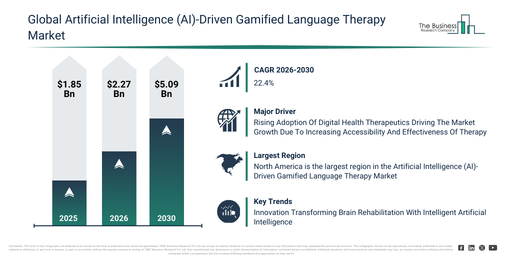
  • Artificial Intelligence (AI)-Driven Gamified Language Therapy Industry Poised for Rapid Growth, Forecast to Touch $5.09 Billion by 2030 at 22.4% CAGR

    Artificial Intelligence (AI)-Driven Gamified Language Therapy Industry Poised for Rapid Growth, Forecast to Touch $5.09 Billion by 2030 at 22.4% CAGR

    Uncover key drivers, emerging technologies, and competitive movements shaping the artificial intelligence (ai)-driven gamified language therapy market from 2026–2035 with trusted insights from The Business Research Company

    What upper market value could the Artificial Intelligence (AI)-Driven Gamified Language Therapy Market reach by 2030 starting from 2026 levels?

    The artificial intelligence (AI)-driven gamified language therapy market has witnessed rapid growth in recent years. This market is projected to expand from $1.85 billion in 2025 to $2.27 billion in 2026, achieving a compound annual growth rate (CAGR) of 22.6%. In the historic period, this growth can be attributed to increasing awareness of speech and language disorders, early use of digital therapy tools, growing adoption of mobile health applications, expansion of pediatric therapy programs, and the availability of remote therapy platforms.

    The artificial intelligence (AI)-driven gamified language therapy market is anticipated to experience substantial growth over the coming years, with its size expected to reach $5.09 billion by 2030, growing at a compound annual growth rate (CAGR) of 22.4%. This expansion during the forecast period is driven by factors such as a rising demand for home-based rehabilitation options, the increasing adoption of AI-personalized therapy models, the broadening of virtual and immersive therapy tools, a growing emphasis on long-term patient adherence, and greater investments in digital therapeutics. Key trends expected in this period include the wider acceptance of gamified therapy platforms, an increased use of personalized language rehabilitation tools, the expanding integration of real-time progress adaptation, the development of more interactive therapy environments, and a heightened focus on patient engagement and motivation.

    Access Your Free Sample Report for In-Depth Market Insights:

    https://www.thebusinessresearchcompany.com/sample.aspx?id=28128&type=smp

    Which Drivers Are Influencing Long-Term Growth In The Artificial Intelligence (AI)-Driven Gamified Language Therapy Market?

    The increasing integration of digital health therapeutics is anticipated to drive the expansion of the artificial intelligence (AI)-driven gamified language therapy market in the future. Digital health therapeutics refers to therapeutic interventions grounded in evidence, delivered through digital platforms, aimed at the prevention, management, or treatment of medical conditions. The uptake of digital health therapeutics is growing as patients seek more accessible care for chronic conditions, desire personalized treatments, and wish to conveniently monitor their health from home. AI-driven gamified language therapy enhances digital health therapeutics by providing customized, interactive exercises that boost patient engagement, allow for real-time progress tracking, and accelerate language rehabilitation. For instance, in November 2025, the Organisation for Economic Co operation and Development, a France-based intergovernmental organization, reported that OECD countries had made advances in broadening access to Electronic Health Records (EHRs). In 2024, the average availability of online digital health services reached 82%, marking an increase from 79% in 2023 among countries with comparable data. Hence, the rising adoption of digital health therapeutics is a primary factor fueling the growth of the artificial intelligence (AI)-driven gamified language therapy market.

    How Is The Artificial Intelligence (AI)-Driven Gamified Language Therapy Market Divided Into Segments?

    The artificial intelligence (AI)-driven gamified language therapy market covered in this report is segmented –

    1) By Component: Software, Hardware, Services

    2) By Deployment Mode: Cloud-Based, On-Premises

    3) By Therapy: Speech Therapy, Language Therapy, Cognitive Therapy, Other Therapies

    4) By Application: Children, Adults, Geriatric

    5) By End-User: Hospitals And Clinics, Rehabilitation Centers, Educational Institutions, Homecare, Other End Users

    Subsegments:

    1) By Software: Mobile Applications, Web-Based Platforms, Gamification Engines, Analytics And Reporting Tools

    2) By Hardware: Virtual Reality Headsets, Augmented Reality Devices, Wearables And Sensors, Interactive Consoles

    3) By Services: Implementation And Integration, Training And Education, Support And Maintenance, Consulting Services

    What Trends Are Expected To Impact The Competitive Landscape Of The Artificial Intelligence (AI)-Driven Gamified Language Therapy Market?

    Leading firms within the artificial intelligence (AI)-driven gamified language therapy market are concentrating on creating advanced solutions, particularly personalized adaptive learning platforms, with the goal of boosting user engagement, speeding up recovery, and elevating therapeutic results. These platforms are digital systems designed to continually customize exercises, content, and difficulty according to an individual’s performance and specific requirements, thereby enabling users to learn or recover more effectively, maintain motivation, monitor their progress instantly, and attain superior long-term results. An illustrative example is Constant Therapy Health, a U.S.-based digital health company, which declared in April 2025 the extension of its AI-driven speech, language, and cognitive therapy platform to incorporate Spanish and Indian English versions. This enhancement allows non-native speakers who are recovering from conditions like stroke, traumatic brain injury (TBI), aphasia, dementia, or other neurological issues to utilize over 1 million evidence-based exercises, which are specifically adapted culturally and linguistically. The platform’s integrated AI continually observes user advancement, personalizes the therapy in real-time, and provides caregivers and clinicians the ability to monitor outcomes, thereby rendering the therapy more captivating, impactful, and readily available from home.

    Which Key Players Are Driving Competition In The Artificial Intelligence (AI)-Driven Gamified Language Therapy Market?

    Major companies operating in the artificial intelligence (AI)-driven gamified language therapy market are Babbel GmbH, Rosetta Stone LLC, SAY IT Labs BV, SPRY Ally, MINDMAZE SA, Busuu Ltd., Memrise Ltd., Lingvist Technologies OÜ, Constant Therapy Inc., Lingraphica LLC, Gemiini Systems LLC, Speechace LLC, Otsimo Inc., Blub Blub Inc., Melospeech Inc., LiriCare BV, Gabify Ltd., FunWattle Inc., TikTalk Inc., Hevolve AI

    Access The Complete Report For Deeper Market Insights:

    https://www.thebusinessresearchcompany.com/report/artificial-intelligence-ai-driven-gamified-language-therapy-global-market-report

    Which Region Is Projected To Lead The Artificial Intelligence (AI)-Driven Gamified Language Therapy Market During The Forecast Period?

    North America was the largest region in the artificial intelligence (AI)-driven gamified language therapy market in 2025. Asia-Pacific is expected to be the fastest-growing region in the forecast period. The regions covered in the artificial intelligence (AI)-driven gamified language therapy market report are Asia-Pacific, South East Asia, Western Europe, Eastern Europe, North America, South America, Middle East, Africa.

    Request Your Customized Artificial Intelligence (AI)-Driven Gamified Language Therapy Market Research Report for Competitive Advantage:

    https://www.thebusinessresearchcompany.com/customise?id=28128&type=smp

    Browse Through More Reports Similar to the Global Artificial Intelligence (AI)-Driven Gamified Language Therapy Market 2026, By The Business Research Company

    Conversational Ai Market Report 2026

    https://www.thebusinessresearchcompany.com/report/conversational-ai-global-market-report

    Healthcare Gamification Market Report 2026

    https://www.thebusinessresearchcompany.com/report/healthcare-gamification-global-market-report

    Artificial Intelligence Ai In Games Market Report 2026

    https://www.thebusinessresearchcompany.com/report/artificial-intelligence-ai-in-games-global-market-report

    Get in touch with us:

    The Business Research Company: https://www.thebusinessresearchcompany.com/

    Americas +1 310-496-7795

    Asia +44 7882 955267 & +91 8897263534

    Europe +44 7882 955267

    Email us at info@tbrc.info

    Follow us on:

    LinkedIn: https://in.linkedin.com/company/the-business-research-company

    YouTube: https://www.youtube.com/channel/UC24_fI0rV8cR5DxlCpgmyFQ

    Global Market Model: https://www.thebusinessresearchcompany.com/global-market-model
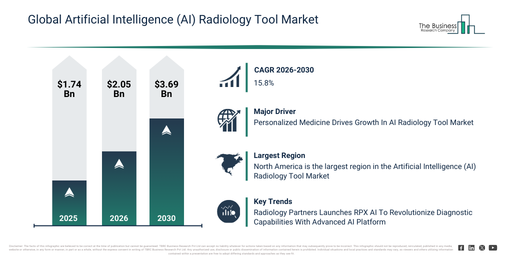
  • Artificial Intelligence (AI) Radiology Tool Market Performance Outlook 2026–2030: Revenue to Hit $3.68 Billion at 15.8% CAGR

    Artificial Intelligence (AI) Radiology Tool Market Performance Outlook 2026–2030: Revenue to Hit $3.68 Billion at 15.8% CAGR

    Uncover key drivers, emerging technologies, and competitive movements shaping the artificial intelligence (ai) radiology tool market from 2026–2035 with trusted insights from The Business Research Company

    What level of CAGR-driven expansion is anticipated in the Artificial Intelligence (AI) Radiology Tool Market between 2026 and 2030?

    The artificial intelligence (AI) radiology tool market size has experienced significant expansion in recent times. This market is projected to expand from $1.74 billion in 2025 to $2.05 billion by 2026, demonstrating a compound annual growth rate (CAGR) of 17.8%. Historically, this growth can be ascribed to factors such as higher volumes of medical imaging, an increasing scarcity of radiologists, the initial uptake of computer-aided detection systems, the development of digital radiology infrastructure, and an escalating demand for healthcare imaging.

    The artificial intelligence (AI) radiology tool market is anticipated to experience substantial expansion in the upcoming years, with projections indicating a rise to $3.69 billion by 2030, achieving a compound annual growth rate (CAGR) of 15.8%. This growth throughout the forecast period stems from factors such as the increasing deployment of cloud-based AI radiology platforms, an elevated focus on precision diagnostics, the expansion of AI applications in interventional radiology, growing investments in automated reporting systems, and a rise in regulatory approvals for AI imaging tools. Prominent trends for this period include the increasing adoption of AI-based image interpretation tools, the rising integration of workflow automation in radiology, an expanding use of AI for early anomaly detection, the proliferation of AI-assisted diagnostic accuracy solutions, and an intensified focus on reducing the workload of radiologists.

    Access Your Free Sample Report for In-Depth Market Insights:

    https://www.thebusinessresearchcompany.com/sample.aspx?id=16341&type=smp

    What Drivers Are Affecting Demand-Supply Dynamics In The Artificial Intelligence (AI) Radiology Tool Market?

    The artificial intelligence (AI) radiology tool market is anticipated to expand due to the growing adoption of personalized medicine. Personalized medicine, also referred to as precision medicine, is a cutting-edge medical methodology customizing treatments and health strategies for individual patient profiles. This rising trend in personalized medicine is propelled by key factors, including advancements in genomics and molecular biology. AI radiology tools bolster personalized medicine through accurate diagnostics, predictive analysis, real-time tracking of treatment responses, integration of genomic data, and better patient categorization, leading to customized and impactful healthcare solutions. As an illustration, in February 2024, the Personalized Medicine Coalition, a US-based non-profit organization, reported that the FDA cleared 16 new personalized therapies for rare disease patients in 2023, an increase from six in 2022. Consequently, the escalating embrace of personalized medicine is a significant impetus for the artificial intelligence (AI) radiology tool market.

    What Segments Are Included Within The Artificial Intelligence (AI) Radiology Tool Market?

    The artificial intelligence (AI) radiology tool market covered in this report is segmented –

    1) By Type: Diagnostic Radiology, Interventional Radiology

    2) By Application: Eye Care, Oncology, Radiology, Cardiovascular, Pathology, Other Applications

    3) By End-User: Clinics, Hospitals, Diagnostic Centers, Other End-Users

    Subsegments:

    1) By Diagnostic Radiology: AI For Image Interpretation (Detecting Fractures, Tumors, Or Abnormalities), Ai In Ct (Computed Tomography) Scanning, Ai In Mri (Magnetic Resonance Imaging) Scanning, Ai For X-Ray Imaging And Analysis, Ai In Ultrasound Imaging, Ai-Based Computer-Aided Detection (Cad) Systems, Ai For Radiology Workflow Automation (Prioritizing Cases, Report Generation)

    2) By Interventional Radiology: AI For Image-Guided Procedures (Guiding Catheter Placement), Ai In Minimally Invasive Surgery (Tumor Ablation, Biopsies), Ai For Real-Time Decision Support In Interventional Procedures, Ai In Radiation Dose Optimization For Interventional Radiology, Ai-Assisted Navigation Systems For Procedures Like Angioplasty, Ai In Post-Procedure Monitoring And Outcome Prediction

    Which Trends Are Guiding The Evolution Of The Artificial Intelligence (AI) Radiology Tool Market?

    Leading companies active in the artificial intelligence (AI) radiology tool market are developing sophisticated solutions, including artificial intelligence platforms, to bolster the diagnostic abilities of radiologists. An advanced artificial intelligence platform works by integrating AI algorithms to analyze medical imaging data, furnishing radiologists with enhanced insights and assisting in the accurate detection and diagnosis of various medical conditions. For instance, in November 2023, Radiology Partners (RP), a US-based radiology practice company, unveiled RPX AI, which is a cloud-based advanced artificial intelligence platform for quickly deploying AI medical imaging tools at scale, utilizing Amazon Web Services (AWS) HealthImaging. This platform is intended to simplify the integration and implementation process for medical imaging AI models, making them more accessible and efficient for hospitals and health systems.

    Who Are The Top-Performing Companies In The Artificial Intelligence (AI) Radiology Tool Market In Recent Years?

    Major companies operating in the artificial intelligence (AI) radiology tool market are Google LLC, Microsoft Corporation, NVIDIA Corporation, Siemens Healthcare Private Limited, Koninklijke Philips N.V., GE HealthCare, Nuance Communications Inc., Aidoc Medical, Subtle Medical Inc., Enlitic Inc., Arterys Inc., Aidence.com, Oxipit.ai, Zebra Medical Vision

    Access The Complete Report For Deeper Market Insights:

    https://www.thebusinessresearchcompany.com/report/artificial-intelligence-ai-radiology-tool-global-market-report

    Which Region Currently Holds The Largest Share Of The Artificial Intelligence (AI) Radiology Tool Market?

    North America was the largest region in the artificial intelligence (AI) radiology tool market in 2025. The regions covered in the artificial intelligence (AI) radiology tool market report are Asia-Pacific, South East Asia, Western Europe, Eastern Europe, North America, South America, Middle East, Africa.

    Request Your Customized Artificial Intelligence (AI) Radiology Tool Market Research Report for Competitive Advantage:

    https://www.thebusinessresearchcompany.com/customise?id=16341&type=smp

    Browse Through More Reports Similar to the Global Artificial Intelligence (AI) Radiology Tool Market 2026, By The Business Research Company

    Ai Enabled Medical Imaging Solutions Market Report 2026

    https://www.thebusinessresearchcompany.com/report/ai-enabled-medical-imaging-solutions-global-market-report

    Artificial Intelligence In Radiology Market Report 2026

    https://www.thebusinessresearchcompany.com/report/artificial-intelligence-in-radiology-global-market-report

    Ai In Medical Diagnostics Market Report 2026

    https://www.thebusinessresearchcompany.com/report/ai-in-medical-diagnostics-global-market-report

    Get in touch with us:

    The Business Research Company: https://www.thebusinessresearchcompany.com/

    Americas +1 310-496-7795

    Asia +44 7882 955267 & +91 8897263534

    Europe +44 7882 955267

    Email us at info@tbrc.info

    Follow us on:

    LinkedIn: https://in.linkedin.com/company/the-business-research-company

    YouTube: https://www.youtube.com/channel/UC24_fI0rV8cR5DxlCpgmyFQ

    Global Market Model: https://www.thebusinessresearchcompany.com/global-market-model
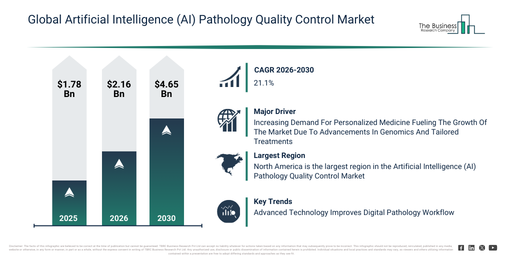
  • Global Artificial Intelligence (AI) Pathology Quality Control Market Set for Strong Expansion, Reaching $4.64 Billion With 21.1% CAGR by 2030

    Global Artificial Intelligence (AI) Pathology Quality Control Market Set for Strong Expansion, Reaching $4.64 Billion With 21.1% CAGR by 2030

    Uncover key drivers, emerging technologies, and competitive movements shaping the artificial intelligence (ai) pathology quality control market from 2026–2035 with trusted insights from The Business Research Company

    What long-term size projections exist for the Artificial Intelligence (AI) Pathology Quality Control Market covering 2026–2035?

    The artificial intelligence (AI) pathology quality control market size has experienced substantial expansion in recent years. This market is projected to grow from $1.78 billion in 2025 to $2.16 billion in 2026, exhibiting a compound annual growth rate (CAGR) of 21.4%. The growth observed in the historic period can be ascribed to factors such as increasing pathology workload volumes, the early digitization of pathology slides, the growing complexity of cancer diagnostics, the demand for standardized reporting, and the initial adoption of AI-assisted pathology tools.

    The artificial intelligence (AI) pathology quality control market is projected to experience rapid expansion in the coming years. By 2030, this market is anticipated to reach a valuation of $4.65 billion, demonstrating a compound annual growth rate (CAGR) of 21.1%. This expansion during the forecast period is primarily driven by factors such as greater investments in digital pathology platforms, a heightened demand for precision diagnostics, the broadening of AI validation within clinical workflows, the increasing integration of pathology data analytics, and a stronger regulatory focus on the quality control of diagnostics. Key trends anticipated over the same period encompass the wider implementation of AI-based slide quality assessment, the growing acceptance of automated error detection instruments, the ongoing standardization of pathology workflows, the extended integration of digital pathology, and a sharpened emphasis on ensuring diagnostic accuracy.

    Access Your Free Sample Report for In-Depth Market Insights:

    https://www.thebusinessresearchcompany.com/sample.aspx?id=28124&type=smp

    Which Drivers Are Impacting The Competitive Landscape Of The Artificial Intelligence (AI) Pathology Quality Control Market?

    The future expansion of the artificial intelligence (AI) pathology quality control market is anticipated to be driven by the rising need for personalized medicine. This medical strategy involves customizing treatment and prevention methods based on an individual’s distinct genetic profile, lifestyle choices, and environmental factors. The growing uptake of personalized medicine is largely attributed to developments in genomics, facilitating the accurate detection of genetic differences and the creation of customized therapies for patients. Artificial intelligence (AI) pathology quality control improves personalized medicine by providing accurate and reliable diagnostic information, which in turn supports the development of individualized treatment plans. This system minimizes diagnostic mistakes through automated quality assessments, boosting precision and dependability, thereby furthering care that is specific to each patient. As an illustration, in February 2024, data from the Personalized Medicine Coalition (PMC), a US nonprofit, indicated that the U.S. Food and Drug Administration (FDA) authorized 26 novel personalized medicines in 2023. This represents a substantial rise compared to the 12 approvals recorded in 2022. Consequently, the heightened demand for personalized medicine is set to propel the artificial intelligence (AI) pathology quality control market.

    What Leading Segments Are Studied In The Artificial Intelligence (AI) Pathology Quality Control Market?

    The artificial intelligence (AI) pathology quality control market covered in this report is segmented –

    1) By Component: Software, Hardware, Services

    2) By Deployment Mode: On-Premises, Cloud-Based

    3) By Application: Cancer Diagnostics, Infectious Disease Diagnostics, Digital Pathology, Research, Other Applications

    4) By End-User: Hospitals, Diagnostic Laboratories, Research Institutes, Pharmaceutical And Biotechnology Companies, Other End Users

    Subsegments:

    1) By Software: Image Analysis Software, Diagnostic Decision Support Software, Workflow Management Software, Reporting And Visualization Software

    2) By Hardware: Digital Pathology Scanners, Imaging Devices, Servers And Storage Systems, Laboratory Equipment

    3) By Services: Implementation Services, Training And Support Services, Maintenance And Upgrade Services, Consulting Services

    What Trends Are Projected To Support The Growth Of The Artificial Intelligence (AI) Pathology Quality Control Market?

    Leading companies within the artificial intelligence (AI) pathology quality control market are focusing on developing sophisticated solutions, particularly advanced AI-powered technologies, to enhance diagnostic accuracy, streamline laboratory workflows, and guarantee the reliability of pathology data. These advanced AI-powered solutions represent next-generation technologies that leverage artificial intelligence to perform intricate tasks with superior accuracy, speed, and efficiency. For instance, in November 2023, PathAI, a US-based biotechnology company, introduced Artifact Detect 1 on its AISight digital pathology platform. This tool automates the detection and quantification of artifacts in whole slide images (WSI), which are morphological features irrelevant to diagnosis and capable of compromising diagnostic accuracy. ArtifactDetect works by automatically pre-screening slides for quality concerns, thereby minimizing misdiagnosis and the need for re-scans, while simultaneously boosting accuracy, laboratory efficiency, and overall operational capacity. This innovation supports timely corrective measures, such as re-staining or re-scanning, ultimately refining the digital workflow and preserving valuable resources for both technicians and pathologists.

    Which Leading Companies Dominate The Artificial Intelligence (AI) Pathology Quality Control Market Share?

    Major companies operating in the artificial intelligence (AI) pathology quality control market are Roche Diagnostics GmbH, Danaher Corporation, Philips Healthcare, Agilent Technologies Inc., Hologic Inc., Clinisys Group Ltd., Sectra AB, PathAI Inc., OptraSCAN Inc., Paige.AI Inc., Proscia Inc., Quibim S.L., 3DHISTECH Ltd., Visiopharm A/S, Indica Labs Inc., Ibex Medical Analytics Ltd., Aiosyn B.V., DeepBio Inc., Nucleai Ltd., Gestalt Diagnostics LLC

    Access The Complete Report For Deeper Market Insights:

    https://www.thebusinessresearchcompany.com/report/artificial-intelligence-ai-pathology-quality-control-global-market-report

    How Does The Artificial Intelligence (AI) Pathology Quality Control Market Perform Across Major Global Regions?

    North America was the largest region in the artificial intelligence (AI) pathology quality control market in 2025. Asia-Pacific is expected to be the fastest-growing region in the forecast period. The regions covered in the artificial intelligence (AI) pathology quality control market report are Asia-Pacific, South East Asia, Western Europe, Eastern Europe, North America, South America, Middle East, Africa.

    Request Your Customized Artificial Intelligence (AI) Pathology Quality Control Market Research Report for Competitive Advantage:

    https://www.thebusinessresearchcompany.com/customise?id=28124&type=smp

    Browse Through More Reports Similar to the Global Artificial Intelligence (AI) Pathology Quality Control Market 2026, By The Business Research Company

    Artificial Intelligence In Healthcare Diagnosis Market Report 2026

    https://www.thebusinessresearchcompany.com/report/artificial-intelligence-in-healthcare-diagnosis-global-market-report

    Ai In Medical Diagnostics Market Report 2026

    https://www.thebusinessresearchcompany.com/report/ai-in-medical-diagnostics-global-market-report

    Ai In Cancer Diagnostics Market Report 2026

    https://www.thebusinessresearchcompany.com/report/ai-in-cancer-diagnostics-global-market-report

    Get in touch with us:

    The Business Research Company: https://www.thebusinessresearchcompany.com/

    Americas +1 310-496-7795

    Asia +44 7882 955267 & +91 8897263534

    Europe +44 7882 955267

    Email us at info@tbrc.info

    Follow us on:

    LinkedIn: https://in.linkedin.com/company/the-business-research-company

    YouTube: https://www.youtube.com/channel/UC24_fI0rV8cR5DxlCpgmyFQ

    Global Market Model: https://www.thebusinessresearchcompany.com/global-market-model

  • Revenue of the Acne Teledermatology Market Predicted to Achieve $5.36 Billion by 2030, Driven by 22% CAGR

    Uncover key drivers, emerging technologies, and competitive movements shaping the acne teledermatology market from 2026–2035 with trusted insights from The Business Research Company

    What is the estimated market size of the Acne Teledermatology Market by the end of 2030?

    The acne teledermatology market has experienced significant expansion in recent years. This market is expected to increase from $1.98 billion in 2025 to $2.42 billion in 2026, demonstrating a compound annual growth rate (CAGR) of 22.3%. The market’s historical growth can be attributed to the increased adoption of telemedicine, a rising incidence of acne conditions, broader smartphone penetration, the expansion of digital healthcare platforms, and an enhanced acceptance of remote consultations.

    The acne teledermatology market size is projected to experience substantial growth in the upcoming years. It is anticipated to expand to $5.36 billion by 2030, exhibiting a compound annual growth rate (CAGR) of 22.0%. This growth during the forecast period is primarily attributed to the escalating demand for personalized digital dermatology care, increasing investments in telehealth platforms, the expansion of AI-assisted skin analysis tools, a growing focus on preventive dermatology, and increasing integration with electronic health records. Key trends for the forecast period encompass the increasing adoption of image-based remote acne diagnosis, rising utilization of app-based dermatology platforms, a developing preference for hybrid teledermatology models, the expansion of personalized acne treatment protocols, and an enhanced focus on continuous treatment monitoring.

    Access Your Free Sample Report for In-Depth Market Insights:

    https://www.thebusinessresearchcompany.com/sample.aspx?id=28898&type=smp

    What Drivers Are Shaping Future Opportunities In The Acne Teledermatology Market?

    The expanding adoption of smartphones and internet access is anticipated to foster the development of the acne teledermatology market moving forward. Smartphone and internet penetration denotes the widespread acceptance and use of smartphones and online services among the populace. This rise in smartphone and internet penetration is attributed to the increasing affordability and accessibility of mobile devices and internet services, along with improvements in network infrastructure and broader coverage in urban and suburban areas. Growing smartphone and internet penetration enables more individuals to access teledermatology platforms conveniently, allowing patients to consult dermatologists remotely, transmit high-quality images of their acne, obtain timely diagnoses, and follow personalized treatment plans without the necessity of in-person visits. For instance, in May 2025, as reported by the Federal Communications Commission, a US-based government agency, total connections surged by approximately 2.5% between June 2023 and June 2024, reaching 549 million. Mobile connections advanced 2.5% year over year to 416 million by June 2024, while fixed connections climbed by about 2.3% to 133 million within the same timeframe. Hence, the increasing smartphone and internet penetration is a significant driver for the growth of the acne teledermatology market.

    Which Segments Are Gaining Traction In The Acne Teledermatology Market?

    The acne teledermatology market covered in this report is segmented –

    1) By Service Type: Store-And-Forward, Real-Time, Hybrid

    2) By Acne Type: Mild, Moderate, Severe

    3) By Platform: Web-Based, App-Based

    4) By End-Users: Hospitals And Clinics, Homecare, Dermatology Centers, Other End-Users

    Subsegments:

    1) By Store-And-Forward: Asynchronous Image-Based Consultations, Delayed Review Teleconsultations, Patient Data Upload Services, Specialist Follow-Up Reviews

    2) By Real-Time: Live Video Consultations, Synchronous Teleconsultations, Interactive Patient-Specialist Sessions, Real-Time Diagnostic Support

    3) By Hybrid: Combined Asynchronous and Synchronous Consultations, Mixed-Mode Teledermatology Services, Integrated Patient Monitoring and Consultation, Multi-Channel Dermatology Services

    What Upcoming Trends Are Likely To Define The Future Path Of The Acne Teledermatology Market?

    Leading companies within the acne teledermatology market are focusing on utilizing innovative technologies like artificial intelligence (AI)-powered skin analysis to offer tailored, remote, and efficient services for acne diagnosis and treatment. Artificial intelligence (AI)-powered skin analysis employs AI algorithms to evaluate skin conditions from images or scans, facilitating the detection of acne severity, tracking changes over time, and recommending personalized treatments both efficiently and from a distance. For instance, in September 2025, Nolla Health AS, a digital healthcare company based in Norway, introduced its AI-powered Acne Treatment App in the U.S. This teledermatology platform integrates real-time skin scans, treatment plans reviewed by clinicians, and custom-compounded medications delivered directly to patients’ homes, thereby making personalized acne care more accessible and convenient across 40+ states. The platform utilizes proprietary AI models to continuously monitor patients’ skin, track treatment progress, and dynamically adjust care plans, which reduces the need for in-person consultations and shortens the average wait time for effective treatment. Nolla Health AS combines AI with clinician oversight to deliver a comprehensive, end-to-end solution that improves patient outcomes, lowers costs, and modernizes acne management in the digital healthcare domain.

    Who Are The Core Companies Influencing Trends In The Acne Teledermatology Market?

    Major companies operating in the acne teledermatology market are Teladoc Health Inc., Doctolib SAS, Amwell Inc., Curology Inc., Zocdoc Inc., Doctor Anywhere Pte. Ltd., Practo Technologies Private Limited, Skin + Me Ltd, Altibbi UK Ltd., Clinikally Ltd., SkyMD Inc., Dermatica Ltd., Cureskin Ltd., MetaOptima Technology Inc., First Derm Inc., Miiskin Ltd., Strut Health LLC, DermCafé Ltd., Nolla Health Inc., Acne Connect Inc.

    Access The Complete Report For Deeper Market Insights:

    https://www.thebusinessresearchcompany.com/report/acne-teledermatology-global-market-report

    Which Regions Are Projected To Dominate The Acne Teledermatology Market In The Coming Years?

    North America was the largest region in the acne teledermatology market in 2025. Asia-Pacific is expected to be the fastest-growing region in the forecast period. The regions covered in the acne teledermatology market report are Asia-Pacific, South East Asia, Western Europe, Eastern Europe, North America, South America, Middle East, Africa.

    Request Your Customized Acne Teledermatology Market Research Report for Competitive Advantage:

    https://www.thebusinessresearchcompany.com/customise?id=28898&type=smp

    Browse Through More Reports Similar to the Global Acne Teledermatology Market 2026, By The Business Research Company

    Teledentistry Market Report 2026

    https://www.thebusinessresearchcompany.com/report/teledentistry-global-market-report

    Electronic Skin Patch Market Report 2026

    https://www.thebusinessresearchcompany.com/report/electronic-skin-patch-global-market-report

    Transdermal Skin Patche Market Report 2026

    https://www.thebusinessresearchcompany.com/report/transdermal-skin-patche-global-market-report

    Get in touch with us:

    The Business Research Company: https://www.thebusinessresearchcompany.com/

    Americas +1 310-496-7795

    Asia +44 7882 955267 & +91 8897263534

    Europe +44 7882 955267

    Email us at info@tbrc.info

    Follow us on:

    LinkedIn: https://in.linkedin.com/company/the-business-research-company

    YouTube: https://www.youtube.com/channel/UC24_fI0rV8cR5DxlCpgmyFQ

    Global Market Model: https://www.thebusinessresearchcompany.com/global-market-model