Category: HealthcareServices

  • Global Artificial Intelligence (AI) In Drug Discovery Market Report 2026–2035: Key Forecasts and Growth Areas

    Global Artificial Intelligence (AI) In Drug Discovery Market Report 2026–2035: Key Forecasts and Growth Areas

    Uncover key drivers, emerging technologies, and competitive movements shaping the artificial intelligence (ai) in drug discovery market from 2026–2035 with trusted insights from The Business Research Company

    How is the Artificial Intelligence (AI) In Drug Discovery Market size predicted to change over the forecast window of 2026–2035?

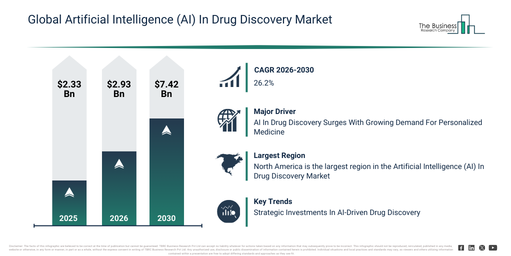
    The artificial intelligence (AI) in drug discovery market size has seen substantial growth in recent years. It is anticipated to increase from $2.33 billion in 2025 to $2.93 billion in 2026, demonstrating a compound annual growth rate (CAGR) of 25.9%. This past growth can be attributed to factors such as higher pharmaceutical R&D expenditure, the increasing complexity of drug discovery pipelines, the expanding availability of biological and chemical datasets, the initial adoption of machine learning in bioinformatics, and more collaborations between pharmaceutical and technology firms.

    The market for artificial intelligence (AI) in drug discovery is poised for significant expansion over the coming years. This market is projected to reach $7.42 billion by 2030, exhibiting a compound annual growth rate (CAGR) of 26.2%. Factors contributing to this anticipated growth include the increasing integration of generative AI models, a surging need for precision therapeutics, the broadening scope of AI-enabled clinical trial design, increasing capital directed towards cloud-based discovery platforms, and the regulatory embrace of AI-supported drug development. Key trends anticipated during this period encompass the escalating utilization of AI for target identification, a rise in deep learning applications for molecule screening, the expanding incorporation of virtual drug screening platforms, the proliferation of AI-powered lead optimization instruments, and a heightened emphasis on expediting drug development schedules.

    Access Your Free Sample Report for In-Depth Market Insights:

    https://www.thebusinessresearchcompany.com/sample.aspx?id=3411&type=smp

    Which Drivers Are Contributing To The Expansion Of The Artificial Intelligence (AI) In Drug Discovery Market?

    The increasing need for personalized medicine is projected to fuel the expansion of artificial intelligence (AI) within the drug discovery market in the future. Personalized medicine involves a focused method for preventing, diagnosing, and treating diseases, utilizing an individual’s genetic, proteomic, or biological makeup to inform clinical choices. Its growing adoption stems from the escalating requirement for accurate, tailored therapies that enhance treatment outcomes and mitigate negative side effects. AI facilitates this transition by speeding up the discovery of molecular targets, refining potential drug candidates, and strengthening clinical decision-making across the entire development process. For example, data from February 2024 by the Personalized Medicine Coalition, a US-based advocacy and research group, indicated that the U.S. FDA sanctioned 26 new personalized treatments in 2023, comprising 20 new molecular entities and 6 gene- or cell-based therapies. Consequently, the expanding demand for personalized medicine is a key impetus for the advancement of artificial intelligence (AI) in the drug discovery market.

    What Segment Categories Are Covered In The Artificial Intelligence (AI) In Drug Discovery Market?

    The artificial intelligence (AI) in drug discovery market covered in this report is segmented –

    1) By Technology: Context-Aware Processing, Natural Language Processing, Deep Learning

    2) By Drug Type: Small Molecules, Large Molecules

    3) By Therapeutic Type: Metabolic Disease, Cardiovascular Disease, Oncology, Neurodegenerative Diseases, Anti-Infective Diseases, Respiratory Diseases, Other Therapeutics

    4) By End User: Pharmaceutical Companies, Biopharmaceutical Companies, Academic And Research Institutes, Other End-Users

    Subsegments:

    1) By Context-Aware Processing: Contextual Data Integration, Predictive Modeling, Adaptive Learning Systems

    2) By Natural Language Processing (NLP): Text Mining And Analysis, Drug Interaction Extraction, Clinical Trial Data Analysis

    3) By Deep Learning: Neural Networks, Convolutional Neural Networks (CNNs), Recurrent Neural Networks (RNNs), Reinforcement Learning Applications

    What Trends Are Reshaping The Dynamics Of The Artificial Intelligence (AI) In Drug Discovery Market?

    Leading corporations are allocating capital into firms leveraging artificial intelligence (AI) within the drug discovery market to identify and design novel therapies and offer those models to other drug manufacturers. Strategic financial commitments can provide funding for the research and development of new drugs, which is often a costly and time-consuming endeavor. This funding empowers companies to advance their drug discovery programs and bring new treatments to market. For instance, in July 2023, Nvidia, a US-based software company, invested $50 million in Recursion Pharmaceuticals, a US-based biotech company that utilizes artificial intelligence (AI) for drug discovery. This investment will enable Recursion to accelerate the development of its AI foundation models for biology and chemistry by employing Nvidia’s cloud services.

    Which Key Players Are Driving Competition In The Artificial Intelligence (AI) In Drug Discovery Market?

    Major companies operating in the artificial intelligence (AI) in drug discovery market are Exscientia, Insilico Medicine, Owkin Inc., XtalPi Inc., Standigm Inc., Innoplexus AG, Atomwise, Inc., BenevolentAI, Deep Genomics Inc., NuMedii, Inc., Verge Genomics, Inc., Berg LLC, Cyclica Inc., Iktos, Quris, Adagene Inc., Gero Pte. Ltd., IBM Corporation, Microsoft Corporation, NVIDIA Corporation, Alphabet Inc., DeepMind Technologies Limited, IQVIA Holdings Inc., GNS Healthcare, Inc., GE HealthCare Technologies Inc., Novartis AG, Pfizer Inc., F. Hoffmann-La Roche Ltd., Merck & Co., Inc., AbbVie Inc., AstraZeneca PLC, Amgen Inc., GlaxoSmithKline plc, Johnson & Johnson, Takeda Pharmaceutical Company Limited, Ipsen S.A., Galderma S.A.

    Access The Complete Report For Deeper Market Insights:

    https://www.thebusinessresearchcompany.com/report/artificial-intelligence-in-drug-discovery-global-market-report

    Which Region Is Projected To Lead The Artificial Intelligence (AI) In Drug Discovery Market During The Forecast Period?

    North America was the largest region in the artificial intelligence (AI) in drug discovery market in 2025. Western Europe was the second largest region in the global artificial intelligence (AI) in drug discovery market share. The regions covered in the artificial intelligence (AI) in drug discovery market report are Asia-Pacific, South East Asia, Western Europe, Eastern Europe, North America, South America, Middle East, Africa.

    Request Your Customized Artificial Intelligence (AI) In Drug Discovery Market Research Report for Competitive Advantage:

    https://www.thebusinessresearchcompany.com/customise?id=3411&type=smp

    Browse Through More Reports Similar to the Global Artificial Intelligence (AI) In Drug Discovery Market 2026, By The Business Research Company

    Artificial Intelligence Ai In Predictive Toxicology Market Report 2026

    https://www.thebusinessresearchcompany.com/report/artificial-intelligence-ai-in-predictive-toxicology-global-market-report

    Generative Artificial Intelligence Ai In Drug Discovery Market Report 2026

    https://www.thebusinessresearchcompany.com/report/generative-artificial-intelligence-ai-in-drug-discovery-global-market-report

    Artificial Intelligence Ai In Biopharmaceuticals Market Report 2026

    https://www.thebusinessresearchcompany.com/report/artificial-intelligence-ai-in-biopharmaceuticals-global-market-report

    Get in touch with us:

    The Business Research Company: https://www.thebusinessresearchcompany.com/

    Americas +1 310-496-7795

    Asia +44 7882 955267 & +91 8897263534

    Europe +44 7882 955267

    Email us at info@tbrc.info

    Follow us on:

    LinkedIn: https://in.linkedin.com/company/the-business-research-company

    YouTube: https://www.youtube.com/channel/UC24_fI0rV8cR5DxlCpgmyFQ

    Global Market Model: https://www.thebusinessresearchcompany.com/global-market-model
  • Academic Medical Center Market Performance Outlook 2026–2030: Revenue to Hit $896.6 Billion at 11.9% CAGR

    Academic Medical Center Market Performance Outlook 2026–2030: Revenue to Hit $896.6 Billion at 11.9% CAGR

    Uncover key drivers, emerging technologies, and competitive movements shaping the academic medical center market from 2026–2035 with trusted insights from The Business Research Company

    What level of CAGR-driven expansion is anticipated in the Academic Medical Center Market between 2026 and 2030?

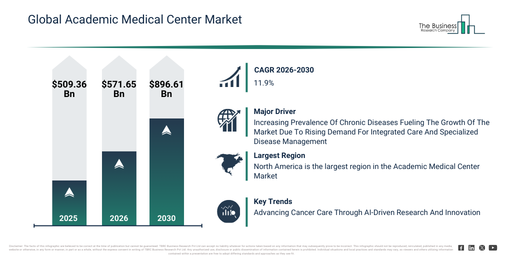
    The academic medical center market size has experienced swift expansion in recent years. It is projected to increase from $509.36 billion in 2025 to $571.65 billion in 2026, growing at a compound annual growth rate (CAGR) of 12.2%. The growth observed in the past can be linked to the expansion of tertiary healthcare institutions, a rise in medical education demand, enhanced government funding for research hospitals, the increasing complexity of clinical cases, and the establishment of teaching hospital networks.

    The academic medical center market is anticipated to experience substantial expansion over the upcoming years. Projections indicate its value will reach $896.61 billion by 2030, demonstrating a compound annual growth rate (CAGR) of 11.9%. This projected growth during the forecast period is primarily driven by heightened investments in precision medicine research, the broadening of digital medical education platforms, a stronger emphasis on academic-industry partnerships, the increasing integration of AI in clinical research, and a greater need for specialized referral centers. Key trends anticipated during this period encompass a stronger convergence of research and clinical care approaches, the accelerating embrace of advanced medical training tools, the broadening scope of translational research initiatives, an expanding reliance on data-informed clinical decision support systems, and a heightened emphasis on interdisciplinary educational programs.

    Access Your Free Sample Report for In-Depth Market Insights:

    https://www.thebusinessresearchcompany.com/sample.aspx?id=28113&type=smp

    What Drivers Are Affecting Demand-Supply Dynamics In The Academic Medical Center Market?

    The academic medical center market is anticipated to expand due to the rising occurrence of chronic diseases. These are long-term health issues that progress gradually and necessitate ongoing medical attention. The surge in chronic diseases is partly attributed to sedentary lifestyles, where extended periods of sitting and insufficient physical activity increase the likelihood of developing conditions like heart disease and diabetes. Academic medical centers play a crucial role in managing chronic illnesses by providing comprehensive care, sophisticated diagnostic tools, and tailored treatment initiatives, making them perfectly suited for individuals with intricate medical requirements. These centers enhance patient results through the integration of clinical proficiency, research findings, and educational programs, thereby boosting the effectiveness and standard of healthcare provision. For example, in June 2024, data from the National Health Service, a UK-based government department, indicated that 3,615,330 individuals registered with a general practitioner (GP) had been diagnosed with non-diabetic hyperglycemia or pre-diabetes (a condition with elevated blood sugar levels, not high enough to be classified as diabetes) in 2023. This represented an 18% rise from the 3,065,825 cases recorded in 2022. Consequently, the growing incidence of chronic diseases is a key factor propelling the expansion of the academic medical center market.

    What Segments Are Included Within The Academic Medical Center Market?

    The academic medical center market covered in this report is segmented –

    1) By Academic Level: Undergraduate, Graduate, Postgraduate

    2) By Hospital Type: University Teaching Hospitals, Community Hospitals, Private Hospitals, Public Hospitals

    3) By Focus Area: Clinical Care, Research, Education

    4) By Funding Source: Government Funding, University Funding, Private Donations, Patient Revenue

    5) By Affiliation: Academic Health Centers, Independent Academic Medical Centers, Healthcare Networks

    Subsegments:

    1) By Undergraduate: MBBS Or MD, Bachelor Of Nursing, Bachelor Of Pharmacy, Bachelor Of Dentistry (BDS/DDS), Allied Health Sciences, Public Health And Health Administration

    2) By Graduate: Master Of Medicine Or Surgery (MS/MD), Master Of Nursing, Master Of Pharmacy, Master Of Dentistry (MDS), Master Of Public Health (MPH), Master Of Biomedical Sciences

    3) By Postgraduate: Doctor Of Philosophy (PhD) In Medical Or Health Sciences, Postdoctoral Fellowships, Clinical Fellowships, Residency Training Programs, Subspecialty Certifications, Advanced Professional Diplomas In Healthcare

    Which Trends Are Guiding The Evolution Of The Academic Medical Center Market?

    Leading entities within the academic medical center market are prioritizing collaborative alliances with health tech firms, aiming to incorporate AI-powered diagnostic methods, sophisticated imaging equipment, and insights from data-centric research, with the goal of enhancing early disease discovery, tailored therapies, and general patient well-being. As an illustration, in June 2025, Tata Memorial Centre (TMC), an India-based medical institute, formed a partnership with Wipro GE HealthCare, an India-based healthcare company, to create a cutting-edge center for cancer research and innovation dedicated to advancing highly precise cancer care throughout India. Tata Memorial Centre lends its specialized knowledge in cancer treatment and scientific inquiry, whereas Wipro GE HealthCare is set to supply advanced imaging technologies, AI-driven platforms, and digital health services. The partnership’s primary emphasis lies on AI-driven diagnostics, streamlining clinical processes, and data-driven research, with the aim of improving early identification and customized therapeutic approaches. It is anticipated that this endeavor will reinforce the existing cancer care framework, promote cooperation between academia and industry, and establish a benchmark for joint public-private ventures in healthcare.

    Who Are The Top-Performing Companies In The Academic Medical Center Market In Recent Years?

    Major companies operating in the academic medical center market are University of Pennsylvania Health System, Mayo Clinic, Massachusetts General Hospital Inc., Northwestern Medicine, NYU Langone Health System, UCSF Health, The Cleveland Clinic Foundation, Mount Sinai Health System Inc., Johns Hopkins Medicine Inc., University of Michigan Health System, Yale New Haven Health Services Corporation, Emory Healthcare Inc., University of Chicago Medical Center, Stanford Health Care, The Ottawa Hospital, Sunnybrook Health Sciences Centre, Toronto General Hospital, Weill Cornell Medicine, University of Colorado Anschutz Medical Campus, Columbia University Irving Medical Center

    Access The Complete Report For Deeper Market Insights:

    https://www.thebusinessresearchcompany.com/report/academic-medical-center-global-market-report

    Which Region Currently Holds The Largest Share Of The Academic Medical Center Market?

    North America was the largest region in the personalized genomics market in 2025. Asia-Pacific is expected to be the fastest-growing region in the forecast period. The regions covered in the academic medical center market report are Asia-Pacific, South East Asia, Western Europe, Eastern Europe, North America, South America, Middle East, Africa.

    Request Your Customized Academic Medical Center Market Research Report for Competitive Advantage:

    https://www.thebusinessresearchcompany.com/customise?id=28113&type=smp

    Browse Through More Reports Similar to the Global Academic Medical Center Market 2026, By The Business Research Company

    Green Hospitals Market Report 2026

    https://www.thebusinessresearchcompany.com/report/green-hospitals-global-market-report

    Hospitality Market Report 2026

    https://www.thebusinessresearchcompany.com/report/hospitality-global-market-report

    Medical Centrifuge Market Report 2026

    https://www.thebusinessresearchcompany.com/report/medical-centrifuge-global-market-report

    Get in touch with us:

    The Business Research Company: https://www.thebusinessresearchcompany.com/

    Americas +1 310-496-7795

    Asia +44 7882 955267 & +91 8897263534

    Europe +44 7882 955267

    Email us at info@tbrc.info

    Follow us on:

    LinkedIn: https://in.linkedin.com/company/the-business-research-company

    YouTube: https://www.youtube.com/channel/UC24_fI0rV8cR5DxlCpgmyFQ

    Global Market Model: https://www.thebusinessresearchcompany.com/global-market-model

  • Artificial Intelligence (AI) In Aging And Elderly Care Market 2026–2030: Forecast, Innovation, and Competitive Trends

    Artificial Intelligence (AI) In Aging And Elderly Care Market 2026–2030: Forecast, Innovation, and Competitive Trends

    Uncover key drivers, emerging technologies, and competitive movements shaping the artificial intelligence (ai) in aging and elderly care market from 2026–2035 with trusted insights from The Business Research Company

    What market expansion outlook does the Artificial Intelligence (AI) In Aging And Elderly Care Market show for the 2026–2030 period?

    The artificial intelligence (AI) in aging and elderly care market size has experienced rapid expansion in recent years. It is anticipated to increase from $54.36 billion in 2025 to $67.56 billion in 2026, at a compound annual growth rate (CAGR) of 24.3%. This historic growth is attributable to an aging global population, increasing prevalence of chronic conditions, expansion of remote healthcare services, growing adoption of digital health tools, rising demand for assisted living solutions.

    The artificial intelligence (AI) in aging and elderly care market is anticipated to experience substantial growth in the upcoming years, with projections indicating it will reach $158.49 billion by 2030, expanding at a compound annual growth rate (CAGR) of 23.8%. This growth during the forecast period is propelled by factors such as increasing investments in AI-powered healthcare platforms, a surging demand for personalized elderly care solutions, the widespread adoption of smart home healthcare, a heightened focus on preventive healthcare, and the expanding integration of robotics into eldercare services. Prominent trends for this period encompass the increased deployment of AI-enabled health monitoring systems, the growing embrace of wearable devices for elderly care, the broader application of predictive analytics for health risk management, the expansion of robotic assistance solutions, and an intensified emphasis on remote care models.

    Access Your Free Sample Report for In-Depth Market Insights:

    https://www.thebusinessresearchcompany.com/sample.aspx?id=20714&type=smp

    What Drivers Are Shaping The Development Of The Artificial Intelligence (AI) In Aging And Elderly Care Market?

    The increasing elderly population is projected to stimulate the expansion of artificial intelligence (AI) within the aging and elderly care market moving forward. This demographic includes individuals aged 60 or 65 and above, who require specialized care and services due to health and lifestyle issues associated with aging. The growing number of older individuals results from longer life expectancies, attributable to advancements in healthcare, coupled with declining birth rates, which reduce the proportion of younger people in the population. Artificial intelligence (AI) is transforming aging and elderly care by enhancing healthcare delivery, improving accessibility, and fostering greater independence for the elderly. For example, in January 2024, a report from the US-based non-profit organization, Population Reference Bureau, stated that the number of Americans aged 65 and older is anticipated to climb from 58 million in 2022 to 82 million by 2050, indicating a 47% rise. As a consequence, this age group’s representation in the total U.S. population will increase from 17% to 23% during this period. Therefore, the rise in the elderly population is a primary driver for the growth of artificial intelligence (AI) in the aging and elderly care market.

    Which Segments Are Contributing To The Growth Of The Artificial Intelligence (AI) In Aging And Elderly Care Market?

    The artificial intelligence (AI) in aging and elderly care market covered in this report is segmented –

    1) By Type: Natural Language Processing (NLP) Systems, Robotics And Robotic Assistance, Smart Home Devices And IoT Solutions, Machine Learning And Predictive Analytics, Virtual Health Assistants

    2) By Technology: Wearable Devices, Smart Home Systems, Mobile Apps, Cloud Computing, Internet Of Things (IoT)

    3) By Applications: Fall Detection And Prevention, Medication Management, Remote Health Monitoring, Social Engagement And Companion AI, Cognitive Stimulation And Brain Training

    4) By End User: Home Care Settings, Assisted Living Facilities, Nursing Homes And Long-Term Care Centers, Hospitals And Healthcare Institutions

    Subsegments:

    1) By Natural Language Processing (NLP) Systems: Voice-Activated Assistants, AI-Powered Speech Recognition Systems, NLP for Cognitive Health Monitoring

    2) By Robotics And Robotic Assistance: Elderly Care Robots, Robotic Mobility Assistance Devices, Robotic Companions For Seniors

    3) By Smart Home Devices And IoT Solutions: Smart Sensors (Fall Detection, Monitoring), AI-Enabled Smart Home Automation Systems, Wearable IoT Devices For Health Monitoring

    4) By Machine Learning And Predictive Analytics: AI-Based Health Risk Prediction Models, Machine Learning For Personalized Care Plans, Predictive Analytics For Medication Management

    5) By Virtual Health Assistants: AI-Powered Virtual Care Assistants, Telemedicine Virtual Assistants, Virtual Health Coaching And Support Systems

    How Are New Market Trends Shaping The Landscape Of The Artificial Intelligence (AI) In Aging And Elderly Care Market?

    Leading companies in the artificial intelligence (AI) in aging and elderly care market are concentrating on developing innovative technologies, such as AI-driven virtual caregivers, to deliver personalized care solutions, enhance monitoring capabilities, and elevate the overall quality of life for seniors. An AI virtual caregiver serves as an intelligent digital assistant that helps monitor health, provide medication reminders, offer companionship, and respond to emergencies, primarily assisting elderly individuals in maintaining their independence and well-being. For instance, in November 2024, Electronic Caregiver Inc., a US-based medical equipment supplier, launched Addison Care+ in the AWS marketplace. Addison Care+ is an advanced AI-driven virtual caregiver introduced to revolutionize senior care by improving health management, engagement, and independence for aging adults and patients with chronic illnesses. It provides 24/7 activity monitoring, early detection of health issues, and comprehensive care insights covering medication management and emergency response. Integrated with AI-driven telecare operations, it simplifies nationwide implementation, empowering caregivers with proactive tools to manage client health and optimize care delivery.

    Who Are The Top-Performing Companies In The Artificial Intelligence (AI) In Aging And Elderly Care Market In Recent Years?

    Major companies operating in the artificial intelligence (AI) in aging and elderly care market are Amazon.com Inc., Google LLC, Samsung Electronics Co. Ltd., Microsoft Corporation, Intel Corporation, General Electric Company, International Business Machines Corporation, Oracle Corporation, Medtronic plc, NVIDIA Corporation, Siemens Healthineers AG, Koninklijke Philips N.V., AARP Services Inc., Suki AI Inc., AiCure LLC, Sensi.AI, Orbita Inc., Sensely Inc., CarePredict Inc., Cognivue Corporation, Reemo Health Inc., Canary Health Technologies Inc., Somatix Inc.

    Access The Complete Report For Deeper Market Insights:

    https://www.thebusinessresearchcompany.com/report/artificial-intelligence-ai-in-aging-and-elderly-care-global-market-report

    Which Region Currently Holds The Largest Share Of The Artificial Intelligence (AI) In Aging And Elderly Care Market?

    North America was the largest region in the artificial intelligence (AI) in aging and elderly care market in 2025. Asia-Pacific is expected to be the fastest-growing region in the forecast period. The regions covered in the artificial intelligence (AI) in aging and elderly care market report are Asia-Pacific, South East Asia, Western Europe, Eastern Europe, North America, South America, Middle East, Africa.

    Request Your Customized Artificial Intelligence (AI) In Aging And Elderly Care Market Research Report for Competitive Advantage:

    https://www.thebusinessresearchcompany.com/customise?id=20714&type=smp

    Browse Through More Reports Similar to the Global Artificial Intelligence (AI) In Aging And Elderly Care Market 2026, By The Business Research Company

    Artificial Intelligence Ai In Precision Medicine Market Report 2026

    https://www.thebusinessresearchcompany.com/report/artificial-intelligence-ai-in-precision-medicine-global-market-report

    Artificial Intelligence In Healthcare Diagnosis Market Report 2026

    https://www.thebusinessresearchcompany.com/report/artificial-intelligence-in-healthcare-diagnosis-global-market-report

    Artificial Intelligence In Diabetes Management Market Report 2026

    https://www.thebusinessresearchcompany.com/report/artificial-intelligence-in-diabetes-management-global-market-report

    Get in touch with us:

    The Business Research Company: https://www.thebusinessresearchcompany.com/

    Americas +1 310-496-7795

    Asia +44 7882 955267 & +91 8897263534

    Europe +44 7882 955267

    Email us at info@tbrc.info

    Follow us on:

    LinkedIn: https://in.linkedin.com/company/the-business-research-company

    YouTube: https://www.youtube.com/channel/UC24_fI0rV8cR5DxlCpgmyFQ

    Global Market Model: https://www.thebusinessresearchcompany.com/global-market-model
  • Global Ablation Technology Market Set for Strong Expansion, Reaching $8.83 Billion With 8.7% CAGR by 2030

    Global Ablation Technology Market Set for Strong Expansion, Reaching $8.83 Billion With 8.7% CAGR by 2030

    Uncover key drivers, emerging technologies, and competitive movements shaping the ablation technology market from 2026–2035 with trusted insights from The Business Research Company

    What long-term size projections exist for the Ablation Technology Market covering 2026–2035?

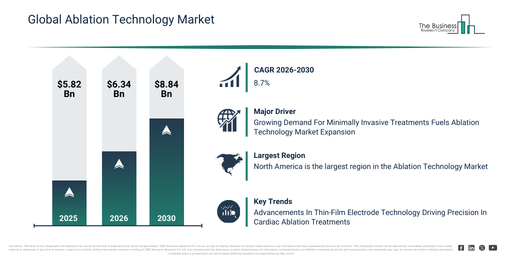
    The ablation technology market has experienced substantial growth in recent years. Projections indicate its expansion from $5.82 billion in 2025 to $6.34 billion in 2026, with a compound annual growth rate (CAGR) of 8.8%. This historical growth is primarily due to the development of early ablation devices, the increasing prevalence of chronic pain and cardiovascular disorders, greater hospital adoption of minimally invasive technologies, rising awareness about cancer treatment alternatives, and the expansion of surgical centers.

    The ablation technology market is anticipated to experience robust expansion in the coming years. This market is projected to reach $8.84 billion by 2030, exhibiting a compound annual growth rate (CAGR) of 8.7%. This expansion during the forecast period is driven by advancements in laser, RF, and cryoablation devices, an increase in ambulatory surgical centers, growing demand for aesthetic and cosmetic procedures, increased investment in precision surgical equipment, and the broadening application of ablation therapies in developing markets. Key trends expected over this period involve the increasing adoption of minimally invasive techniques, the wider use of ablation therapies for cancer treatment, a rise in the application of both thermal and non-thermal ablation technologies, growth in their use for cardiovascular and pain management, and an emphasis on precision and safety in ablation procedures.

    Access Your Free Sample Report for In-Depth Market Insights:

    https://www.thebusinessresearchcompany.com/sample.aspx?id=18206&type=smp

    Which Drivers Are Impacting The Competitive Landscape Of The Ablation Technology Market?

    The increasing need for minimally invasive treatments is anticipated to fuel the expansion of the ablation technology market in the future. These treatments involve medical operations carried out via small cuts or natural body apertures, utilizing specific instruments guided by imaging. The appeal of minimally invasive procedures stems from their capacity to shorten recuperation periods, lessen surgical dangers, and enhance patient results compared to conventional operative approaches. Ablation technology finds application in these procedures to accurately target and eliminate affected tissues, while concurrently safeguarding adjacent healthy tissues from harm. A supporting example can be seen in January 2023, when data released by the American Society of Plastic Surgeons, a US-based association of plastic surgeons, revealed that in 2022, approximately 23,672,269 minimally invasive cosmetic surgeries were performed in the USA, a figure that climbed by 7% to reach 25,442,640 surgeries in the year 2023. Consequently, this escalating demand for minimally invasive treatments is propelling the growth of the ablation technology market.

    What Leading Segments Are Studied In The Ablation Technology Market?

    The ablation technology market covered in this report is segmented –

    1) By Product: Cryoablation Devices, Electrical Ablators, Hydrothermal Or Hydromechanical Ablators, Laser Or Light Ablators, Microwave Ablators, Radiofrequency Ablators, Ultrasound Ablators, Other Products

    2) By Technologies: Thermal Ablation Technology, Non-Thermal Ablation Technology, Other Technologies

    3) By Applications: Cardiovascular Disease Treatment, Cancer Treatment, Gynecological Treatment, Pain Management, Urological Treatment

    4) By End Users: Ambulatory Surgical Centers, Hospitals And Ablation Centers, Other End Users

    Subsegments:

    1) By Cryoablation Devices: Cryoprobes, Cryoablation Catheters

    2) By Electrical Ablators: Electrosurgical Units, Electrode Catheters

    3) By Hydrothermal Or Hydromechanical Ablators: Steam-Based Ablation Devices, Water-Jet Ablation Devices

    4) By Laser Or Light Ablators: Diode Laser Ablation Devices, Fiber-Optic Laser Ablation Systems

    5) By Microwave Ablators: Microwave Ablation Catheters, Microwave Generator Systems

    6) By Radiofrequency Ablators: RF Ablation Catheters, RF Ablation Generators

    7) By Ultrasound Ablators: Focused Ultrasound Ablation Devices, Ultrasound-Guided Ablation Systems

    8) By Other Products: Balloon Ablation Systems, Cryoanalgesia Systems

    What Trends Are Projected To Support The Growth Of The Ablation Technology Market?

    Leading companies within the ablation technology market are innovating with advanced technologies, such as thin-film electrode technology, to elevate precision and effectiveness in addressing cardiac arrhythmias, shorten procedure durations, and boost patient results. Thin-film electrode technology describes a technique that employs exceptionally thin conductive layers to craft accurate electrodes for specific ablation treatments. As an illustration, in March 2024, NeuroOne, a medical equipment manufacturer based in the US, introduced its OneRF Ablation System. This system leverages thin-film, stereoelectroencephalography (SEEG)-guided radiofrequency (RF) technology to capture electrical activity and conduct precise ablation of nervous tissue, featuring temperature controls, by using the identical electrode for both diagnostic and therapeutic purposes. The OneRF ablation system marks NeuroOne’s initial device with a therapeutic indication and its third FDA-approved device. This system enhances the company’s existing Evo cortical and stereoelectroencephalography (sEEG) electrode product lines, which are primarily employed for monitoring electrical activity in the brain for durations under 30 days.

    Which Leading Companies Dominate The Ablation Technology Market Share?

    Major companies operating in the ablation technology market are Johnson & Johnson, Abbott Laboratories, Medtronic plc, Boston Scientific Corporation, Stryker Corporation, Olympus Corporation, Terumo Corporation, Smith & Nephew plc, Hologic Inc., ConMed Corporation, Accuray Incorporated, AtriCure Inc., AngioDynamics Inc., HealthTronics Inc., Creo Medical Group plc, Misonix Inc., MedWaves Inc., Theraclion SA, IceCure Medical Ltd, EDAP TMS SA, Merit Medical Systems Inc.

    Access The Complete Report For Deeper Market Insights:

    https://www.thebusinessresearchcompany.com/report/ablation-technology-global-market-report

    How Does The Ablation Technology Market Perform Across Major Global Regions?

    North America was the largest region in the ablation technology market in 2025. Asia-Pacific is expected to be the fastest-growing region in the forecast period. The regions covered in the ablation technology market report are Asia-Pacific, South East Asia, Western Europe, Eastern Europe, North America, South America, Middle East, Africa.

    Request Your Customized Ablation Technology Market Research Report for Competitive Advantage:

    https://www.thebusinessresearchcompany.com/customise?id=18206&type=smp

    Browse Through More Reports Similar to the Global Ablation Technology Market 2026, By The Business Research Company

    Tumor Ablation Therapy Devices Market Report 2026

    https://www.thebusinessresearchcompany.com/report/tumor-ablation-therapy-devices-global-market-report

    Ablation Devices Market Report 2026

    https://www.thebusinessresearchcompany.com/report/ablation-devices-global-market-report

    Radiofrequency Ablation Devices Market Report 2026

    https://www.thebusinessresearchcompany.com/report/radiofrequency-ablation-devices-global-market-report

    Get in touch with us:

    The Business Research Company: https://www.thebusinessresearchcompany.com/

    Americas +1 310-496-7795

    Asia +44 7882 955267 & +91 8897263534

    Europe +44 7882 955267

    Email us at info@tbrc.info

    Follow us on:

    LinkedIn: https://in.linkedin.com/company/the-business-research-company

    YouTube: https://www.youtube.com/channel/UC24_fI0rV8cR5DxlCpgmyFQ

    Global Market Model: https://www.thebusinessresearchcompany.com/global-market-model
  • Artificial Intelligence (AI) Heart Sound Digital Twin Analytics Market Forecast 2026–2035: Data Trends and Industry Insights

    Artificial Intelligence (AI) Heart Sound Digital Twin Analytics Market Forecast 2026–2035: Data Trends and Industry Insights

    Uncover key drivers, emerging technologies, and competitive movements shaping the artificial intelligence (ai) heart sound digital twin analytics market from 2026–2035 with trusted insights from The Business Research Company

    What level of growth is expected in the Artificial Intelligence (AI) Heart Sound Digital Twin Analytics Market between 2026 and 2030?

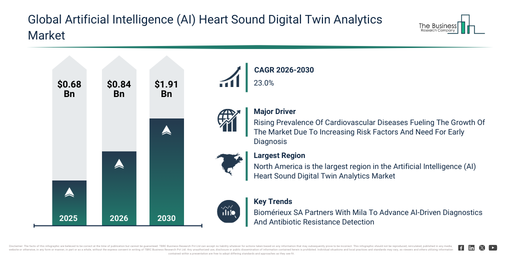
    The artificial intelligence (AI) heart sound digital twin analytics market size has seen substantial expansion in recent years. It is projected to grow from $0.68 billion in 2025 to $0.84 billion in 2026, at a compound annual growth rate (CAGR) of 23.3%. The growth observed in the historic period can be ascribed to an increase in cardiovascular disease prevalence, advancements in digital auscultation devices, the heightened application of AI in clinical diagnostics, the expansion of remote patient monitoring, and the availability of extensive cardiac datasets.

    The artificial intelligence (AI) heart sound digital twin analytics market is projected to experience rapid expansion in the coming years. This market is forecast to reach $1.91 billion by 2030, exhibiting a compound annual growth rate (CAGR) of 23.0%. This anticipated growth is driven by factors such as the heightened demand for early detection of cardiac risks, the growing uptake of personalized cardiology solutions, the broadening of cloud-based clinical analytics, an increasing emphasis on continuous cardiac monitoring, and the greater incorporation of AI into clinical workflows. Key trends anticipated during this period encompass the wider adoption of digital twin cardiac models, the increasing application of AI-based heart sound analytics, the proliferation of remote cardiac monitoring applications, the growing incorporation of wearable cardiac sensors, and a heightened focus on predictive cardiovascular diagnostics.

    Access Your Free Sample Report for In-Depth Market Insights:

    https://www.thebusinessresearchcompany.com/sample.aspx?id=28119&type=smp

    Which Drivers Are Expected To Impact The Artificial Intelligence (AI) Heart Sound Digital Twin Analytics Market During The Forecast Period?

    The increasing incidence of cardiovascular diseases is anticipated to drive the expansion of the artificial intelligence (AI) heart sound digital twin analytics market in the future. Cardiovascular diseases refer to a range of conditions affecting the heart and blood vessels, including coronary heart disease, heart failure, stroke, and hypertension. The growing occurrence of these diseases is primarily linked to poor dietary habits, as excessive intake of saturated fats, trans fats, added sugars, and sodium contributes to high blood pressure, obesity, and elevated cholesterol levels, all significant risk factors for heart-related issues. Artificial intelligence (AI) heart sound digital twin analytics aid in diagnosing cardiovascular diseases by creating patient-specific digital heart models, making them ideal for early detection and continuous monitoring. They alleviate clinical workload by providing real-time analysis of heart sounds, thereby improving diagnostic accuracy and personalized treatment. For instance, in September 2025, the American College of Cardiology (ACC), a US-based non-profit medical professional society, reported that CVD remains the leading cause of disability-adjusted life years (DALYs) and deaths estimated in the GBD globally. In 2023, there were 437 million CVD DALYs. Therefore, the rising prevalence of cardiovascular diseases is fueling the growth of the artificial intelligence (AI) heart sound digital twin analytics market.

    How Is The Artificial Intelligence (AI) Heart Sound Digital Twin Analytics Market Divided Into Segments?

    The artificial intelligence (AI) heart sound digital twin analytics market covered in this report is segmented –

    1) By Component: Software, Hardware, Services

    2) By Deployment Mode: On-Premises, Cloud

    3) By Application: Cardiology, Remote Patient Monitoring, Clinical Diagnostics, Research, Other Applications

    4) By End-User: Hospitals, Clinics, Research Institutes, Diagnostic Centers, Other End-Users

    Subsegments:

    1) By Software: AI Algorithms And Models, Predictive Analytics Platforms, Simulation And Modeling Tools, Data Integration And Management Software, Visualization And Reporting Dashboards

    2) By Hardware: Sensors, Digital Stethoscopes, Wearable Devices, Edge Devices Or Processing Units, Cloud Or Server Infrastructure

    3) By Services: Implementation And Integration Services, Consulting And Advisory Services, Training And Education Services, Support And Maintenance Services, Data-As-A-Service (DaaS)

    Which Trends Are Expected To Influence The Artificial Intelligence (AI) Heart Sound Digital Twin Analytics Market In The Upcoming Years?

    Leading companies in the artificial intelligence (AI) heart sound digital twin analytics market are prioritizing the creation of sophisticated products, such as digital stethoscopes, to facilitate heart sound analysis, enable early diagnosis, and support personalized patient care. A digital stethoscope functions as an electronic device that amplifies and records body sounds, incorporating features like noise reduction and connectivity with applications for enhanced diagnosis and data sharing. For example, in April 2025, Eko Health Inc., a US-based digital health company, introduced the CORE 500 digital stethoscope and Eko+ membership in Canada. The CORE 500 digital stethoscope represents a highly advanced instrument, featuring patented audio technology with three distinct listening modes, ECG and heart sound visualization, and active noise cancellation for precise auscultation, while also enabling effortless data capture, sharing, and monitoring. The Eko+ membership further enhances its capabilities with AI-powered murmur and arrhythmia detection, waveform visualization, guided exam workflows, and secure sharing. This release equips Canadian clinicians with cutting-edge AI-driven tools to elevate cardiac and pulmonary care and improve patient outcomes.

    Which Leading Companies Dominate The Artificial Intelligence (AI) Heart Sound Digital Twin Analytics Market Share?

    Major companies operating in the artificial intelligence (AI) heart sound digital twin analytics market are Medtronic plc, Tata Consultancy Services Limited (TCS), Siemens Healthineers AG, Fujifilm Healthcare Corporation, GE Healthcare Technologies Inc., Dassault Systemes SE, Synopsys Inc., Tempus Labs Inc., Biofourmis Inc., HeartFlow Inc., Viz.ai Inc., Aidoc Medical Ltd., Butterfly Network Inc., Eko Health Inc., Shenzhen Minttihealth Co. Ltd., Ultromics Limited, Thinklabs Medical LLC, Acorai AB, Sensydia Corporation, CardioSignal, Cardionics Inc., Ayu Devices Pvt. Ltd., Ai Health Highway India Pvt Ltd., Aevice Health Pte Ltd., CSD Labs, Sanolla Ltd., HeartTronics AI

    Access The Complete Report For Deeper Market Insights:

    https://www.thebusinessresearchcompany.com/report/artificial-intelligence-ai-heart-sound-digital-twin-analytics-global-market-report

    How Does The Artificial Intelligence (AI) Heart Sound Digital Twin Analytics Market Perform Across Major Global Regions?

    North America was the largest region in the artificial intelligence (AI) heart sound digital twin analytics market in 2025. The regions covered in the artificial intelligence (AI) heart sound digital twin analytics market report are Asia-Pacific, South East Asia, Western Europe, Eastern Europe, North America, South America, Middle East, Africa.

    Request Your Customized Artificial Intelligence (AI) Heart Sound Digital Twin Analytics Market Research Report for Competitive Advantage:

    https://www.thebusinessresearchcompany.com/customise?id=28119&type=smp

    Browse Through More Reports Similar to the Global Artificial Intelligence (AI) Heart Sound Digital Twin Analytics Market 2026, By The Business Research Company

    Digital Twins In Healthcare Market Report 2026

    https://www.thebusinessresearchcompany.com/report/digital-twins-in-healthcare-global-market-report

    Artificial Intelligence In Cardiology Market Report 2026

    https://www.thebusinessresearchcompany.com/report/artificial-intelligence-in-cardiology-global-market-report

    Ai In Life Science Analytics Market Report 2026

    https://www.thebusinessresearchcompany.com/report/ai-in-life-science-analytics-global-market-report

    Get in touch with us:

    The Business Research Company: https://www.thebusinessresearchcompany.com/

    Americas +1 310-496-7795

    Asia +44 7882 955267 & +91 8897263534

    Europe +44 7882 955267

    Email us at info@tbrc.info

    Follow us on:

    LinkedIn: https://in.linkedin.com/company/the-business-research-company

    YouTube: https://www.youtube.com/channel/UC24_fI0rV8cR5DxlCpgmyFQ

    Global Market Model: https://www.thebusinessresearchcompany.com/global-market-model
  • Artificial Intelligence (AI) Facial Skin Analyzer Market Outlook 2026–2030: Key Business Drivers and Trends

    Artificial Intelligence (AI) Facial Skin Analyzer Market Outlook 2026–2030: Key Business Drivers and Trends

    Uncover key drivers, emerging technologies, and competitive movements shaping the artificial intelligence (ai) facial skin analyzer market from 2026–2035 with trusted insights from The Business Research Company

    How much is the Artificial Intelligence (AI) Facial Skin Analyzer Market valued at in 2026, and what valuation is forecast for 2030?

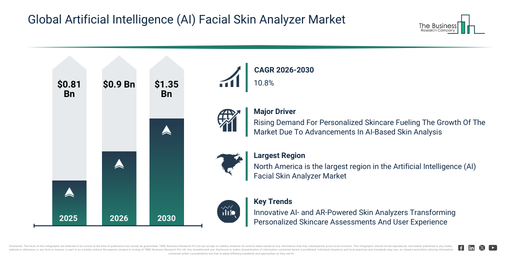
    The artificial intelligence (AI) facial skin analyzer market has experienced significant expansion recently. Projections indicate it will grow from $0.81 billion in 2025 to $0.9 billion in 2026, demonstrating a compound annual growth rate (CAGR) of 11.2%. Historically, this growth has been driven by an increasing consumer interest in skincare analysis, the expansion of digital dermatology tools, a rise in cosmetic technology adoption, the availability of high-resolution imaging devices, and a growing demand for personalized beauty solutions.

    The artificial intelligence (AI) facial skin analyzer market is anticipated to experience substantial growth in the upcoming years, with projections indicating it will reach $1.35 billion by 2030, demonstrating a compound annual growth rate (CAGR) of 10.8%. This expansion is attributed to factors such as the increasing integration of AI in aesthetic medicine, the rising use of virtual skincare consultations, the expansion of data-driven cosmetic formulation, growing adoption in clinical dermatology settings, and increasing demand for real-time skin monitoring solutions. Key trends during this period include the escalating adoption of AI-driven skin diagnostics, the rising integration of mobile-based skin analysis platforms, the growing use of 3D facial imaging technologies, the expansion of personalized skincare recommendation systems, and enhanced accuracy in multi-parameter skin assessment.

    Access Your Free Sample Report for In-Depth Market Insights:

    https://www.thebusinessresearchcompany.com/sample.aspx?id=24469&type=smp

    What Drivers Are Influencing The Growth Of The Artificial Intelligence (AI) Facial Skin Analyzer Market?

    The increasing demand for customized skincare products and routines is anticipated to drive the expansion of the artificial intelligence (AI) facial skin analyzer market in the future. Personalized skincare solutions involve tailoring products and regimens to an individual’s unique skin characteristics and concerns. The rise in personalized skincare solutions stems from the expanding adoption of AI and skin analysis technologies, which facilitate customized product suggestions aligned with individual skin requirements. Artificial Intelligence (AI) facial skin analyzers assist in customizing skincare regimens by precisely evaluating specific skin conditions and producing data-backed, bespoke recommendations for products and treatments. For instance, in December 2024, according to the Bureau of Labor Statistics, a US-based government agency, consumer spending on personal care products and services rose from USD 866 in 2022 to USD 950 in 2023, reflecting a 9.7% year-over-year increase after a 12.3% rise in 2022. Consequently, the growing desire for personalized skincare solutions is fueling the expansion of the artificial intelligence (AI) facial skin analyzer market.

    What Segments Are Included Within The Artificial Intelligence (AI) Facial Skin Analyzer Market?

    The artificial intelligence (AI) facial skin analyzer market covered in this report is segmented –

    1) By Product Type: Portable, Desktop

    2) By Device Type: Mobile App, Web-Based Platform, Standalone Device

    3) By Technology: Artificial intelligence (AI)-Based, Machine Learning, Deep Learning

    4) By Application: Skincare, Aesthetic Treatments, Cosmetics, Medical Diagnosis

    5) By End User: Healthcare, Personal Care, Other End-Users

    Subsegments:

    1) By Portable: Handheld Skin Analyzers, Smartphone-Compatible Devices, Wearable Skin Analyzers

    2) By Desktop: Multi-Parameter Skin Analyzers, 3D Imaging Skin Analyzers, Clinical-Grade Skin Analyzers

    What Trends Are Driving The Growth Trajectory Of The Artificial Intelligence (AI) Facial Skin Analyzer Market?

    Major companies operating in the artificial intelligence (AI) facial skin analyzer market are focusing on developing innovative solutions, such as AI and augmented reality (AR)-powered skin analyzers, to deliver real-time, personalized skincare assessments, enhance user engagement, and expand accessibility across consumer and professional segments. These AI- and AR-driven skin analyzers leverage smart algorithms and augmented visuals to evaluate skin health and show immediate skincare effects, empowering users to make informed choices through interactive, customized analysis. For instance, in January 2024, Flipkart Private Limited, an India-based e-commerce company, introduced the ModiFace Powered Skin Analyzer. This AI-driven tool integrates seamlessly into Flipkart’s mobile platform, allowing users to perform a facial skin analysis by simply taking a selfie and answering a few basic questions. The technology assesses key skin parameters, including pores, wrinkles, pigmentation, acne, and firmness, using advanced artificial intelligence and augmented reality. It then provides customized skincare recommendations tailored to each user’s specific skin profile across seven stages, namely cleanse, prepare, treat, moisturize, care, targeted, and protect.

    Who Are The Major Companies Operating In The Artificial Intelligence (AI) Facial Skin Analyzer Market?

    Major companies operating in the artificial intelligence (AI) facial skin analyzer market are JANUS Pro, LUMINI LLC, FotoFinder Systems Inc., Revieve Inc., Canfield Scientific Inc., DermaCompare, HiMirror, SkinVision B.V., Haut.AI, Skintelligent, Perfect Corp, Quantificare, BeautyAI, SkinAI, Syensqo, OKKAMI, UVisio, Meicet Technology Co LTD, Coralai, Zemits, Aram Huvis Co Ltd, Courage + Khazaka Electronic GmbH, Microderm GLO, Pixience, BeautyBio

    Access The Complete Report For Deeper Market Insights:

    https://www.thebusinessresearchcompany.com/report/artificial-intelligence-ai-facial-skin-analyzer-global-market-report

    Which Region Is Anticipated To See The Fastest Growth In The Artificial Intelligence (AI) Facial Skin Analyzer Market?

    North America was the largest region in the artificial intelligence (AI) facial skin analyzer market in 2025. Asia-Pacific is expected to be the fastest-growing region in the forecast period. The regions covered in the artificial intelligence (AI) facial skin analyzer market report are Asia-Pacific, South East Asia, Western Europe, Eastern Europe, North America, South America, Middle East, Africa.

    Request Your Customized Artificial Intelligence (AI) Facial Skin Analyzer Market Research Report for Competitive Advantage:

    https://www.thebusinessresearchcompany.com/customise?id=24469&type=smp

    Browse Through More Reports Similar to the Global Artificial Intelligence (AI) Facial Skin Analyzer Market 2026, By The Business Research Company

    Artificial Intelligence In Medicine Market Report 2026

    https://www.thebusinessresearchcompany.com/report/artificial-intelligence-in-medicine-global-market-report

    Artificial Intelligence Server Market Report 2026

    https://www.thebusinessresearchcompany.com/report/artificial-intelligence-server-global-market-report

    Edge Ai Software Market Report 2026

    https://www.thebusinessresearchcompany.com/report/edge-ai-software-global-market-report

    Get in touch with us:

    The Business Research Company: https://www.thebusinessresearchcompany.com/

    Americas +1 310-496-7795

    Asia +44 7882 955267 & +91 8897263534

    Europe +44 7882 955267

    Email us at info@tbrc.info

    Follow us on:

    LinkedIn: https://in.linkedin.com/company/the-business-research-company

    YouTube: https://www.youtube.com/channel/UC24_fI0rV8cR5DxlCpgmyFQ

    Global Market Model: https://www.thebusinessresearchcompany.com/global-market-model
  • Artificial Intelligence (AI) Enhanced Remote Physiotherapy Market Future Outlook: Strong Growth Expected Toward $6.43 Billion by 2030

    Artificial Intelligence (AI) Enhanced Remote Physiotherapy Market Future Outlook: Strong Growth Expected Toward $6.43 Billion by 2030

    Uncover key drivers, emerging technologies, and competitive movements shaping the artificial intelligence (ai) enhanced remote physiotherapy market from 2026–2035 with trusted insights from The Business Research Company

    What upper market value could the Artificial Intelligence (AI) Enhanced Remote Physiotherapy Market reach by 2030 starting from 2026 levels?

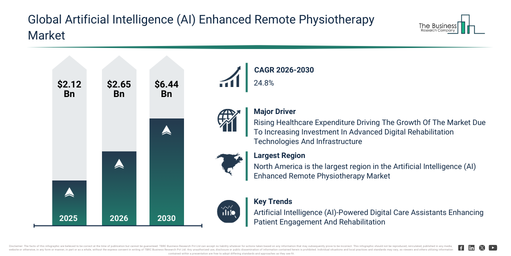
    The market size for artificial intelligence (AI) enhanced remote physiotherapy has experienced substantial growth in recent years. This market is projected to expand from $2.12 billion in 2025 to $2.65 billion in 2026, demonstrating a compound annual growth rate (CAGR) of 25.1%. Historically, this expansion has been driven by factors such as the broadening of telehealth services, a rising prevalence of musculoskeletal disorders, increased adoption of wearable health devices, the development of home-based care models, and improvements in remote monitoring technologies.

    The artificial intelligence (AI) enhanced remote physiotherapy market is projected to experience substantial growth in the coming years, with its size expected to reach $6.44 billion by 2030, exhibiting a compound annual growth rate (CAGR) of 24.8%. This expansion during the forecast period can be attributed to increased investments in AI-driven rehabilitation platforms, a rising demand for continuous therapy monitoring, the broadening of geriatric and chronic care programs, the growing integration of physiotherapy with digital health ecosystems, and an increased focus on preventive rehabilitation. Significant trends anticipated for this period include the expanding use of AI-based motion tracking, an increased adoption of wearable physiotherapy devices, a growing demand for personalized exercise programs, the proliferation of remote rehabilitation platforms, and an enhanced focus on outcome-based therapy.

    Access Your Free Sample Report for In-Depth Market Insights:

    https://www.thebusinessresearchcompany.com/sample.aspx?id=28907&type=smp

    Which Drivers Are Influencing Long-Term Growth In The Artificial Intelligence (AI) Enhanced Remote Physiotherapy Market?

    The anticipated expansion of the artificial intelligence (AI) enhanced remote physiotherapy market is linked to increasing healthcare spending in the future. Healthcare expenditure encompasses the overall financial outlay by governments, individuals, and private organizations on healthcare services, such as medical interventions, equipment, infrastructure, and staffing. The upward trend in healthcare expenditure stems from the growing incidence of chronic ailments necessitating prolonged and expensive care. This spending fosters the embrace of artificial intelligence (AI)–enhanced remote physiotherapy by facilitating increased investment in cutting-edge technologies, digital frameworks, and customized rehabilitation approaches. For instance, in May 2024, data from the Office for National Statistics, a government department based in the UK, revealed a 5.6% rise in total nominal healthcare expenditure between 2022 and 2023. This represents a substantial acceleration when contrasted with the 0.9% growth noted in 2022. Consequently, the increase in healthcare expenditure is a key driver for the expansion of the artificial intelligence (AI) enhanced remote physiotherapy market.

    How Is The Artificial Intelligence (AI) Enhanced Remote Physiotherapy Market Divided Into Segments?

    The artificial intelligence (AI) enhanced remote physiotherapy market covered in this report is segmented –

    1) By Component: Software, Hardware, Services

    2) By Therapy Type: Musculoskeletal, Neurological, Cardiopulmonary, Pediatric, Geriatric, Other Therapy Types

    3) By Deployment Mode: Cloud-Based, On-Premises

    4) By Application: Rehabilitation, Pain Management, Preventive Care, Other Applications

    5) By End-User: Hospitals And Clinics, Homecare Settings, Rehabilitation Centers, Other End-Users

    Subsegments:

    1) By Software: Virtual Therapy Platforms, Artificial Intelligence Analytics Software, Exercise Prescription Software, Patient Monitoring Software

    2) By Hardware: Wearable Devices, Motion Sensors, Rehabilitation Robotics, Mobile Devices

    3) By Services: Remote Consultation Services, Data Analysis Services, Therapy Session Management Services, Training And Support Services

    What Industry Trends Are Transforming The Artificial Intelligence (AI) Enhanced Remote Physiotherapy Market?

    Leading firms within the artificial intelligence (AI) augmented remote physiotherapy sector are concentrating on creating sophisticated offerings, including AI-driven digital care assistants, aimed at improving patient participation and the effectiveness of rehabilitation. Such an assistant is defined as a smart virtual partner employing artificial intelligence to deliver immediate guidance, encouragement, and tailored feedback throughout physical therapy sessions. As an illustration, Kaia Health, a US-based digital therapeutics firm, introduced Angela in June 2023, marking it as the sector’s inaugural AI-enabled voice-controlled digital care assistant designed to aid patients undergoing physiotherapy at home. This novel tool supports users via voice interaction, providing instant encouragement, exercise directions, and educational content customized for individual requirements. Integrated within Kaia Health’s AI-driven musculoskeletal (MSK) platform, it facilitates continuous remote assistance and monitors progress; furthermore, this digital care assistant boosts therapy adherence, elevates rehabilitation results, and delivers a more captivating, human-like digital physiotherapy journey.

    Which Key Market Players Are Investing In Expansion And Innovation Within The Artificial Intelligence (AI) Enhanced Remote Physiotherapy Market?

    Major companies operating in the artificial intelligence (AI) enhanced remote physiotherapy market are Hinge Health Inc., Sword Health, SPRY Inc., Kaia Health Technologies GmbH, XRHealth Inc., Moterum Technologies Inc., Physitrack Group AB., MIRA REHAB LIMITED, Band Connect Inc., CUREosity GmbH, BlueJay Mobile Health Inc., Kinomatic Pty Ltd., Vitrue Health Inc., BioSensics Inc., Wizecare Inc., Limber Health Inc., Akina Inc., Zerapy Inc., Preve Inc., Flok Health Inc.

    Access The Complete Report For Deeper Market Insights:

    https://www.thebusinessresearchcompany.com/report/artificial-intelligence-ai-enhanced-remote-physiotherapy-global-market-report

    Which Regions Are Poised For Strategic Growth In The Artificial Intelligence (AI) Enhanced Remote Physiotherapy Market?

    North America was the largest region in the artificial intelligence (AI) enhanced remote physiotherapy market in 2025. Asia-Pacific is expected to be the fastest-growing region in the forecast period. The regions covered in the artificial intelligence (AI) enhanced remote physiotherapy market report are Asia-Pacific, South East Asia, Western Europe, Eastern Europe, North America, South America, Middle East, Africa.

    Request Your Customized Artificial Intelligence (AI) Enhanced Remote Physiotherapy Market Research Report for Competitive Advantage:

    https://www.thebusinessresearchcompany.com/customise?id=28907&type=smp

    Browse Through More Reports Similar to the Global Artificial Intelligence (AI) Enhanced Remote Physiotherapy Market 2026, By The Business Research Company

    Physiotherapy Equipment And Accessories Market Report 2026

    https://www.thebusinessresearchcompany.com/report/physiotherapy-equipment-and-accessories-global-market-report

    Physiotherapy Services Market Report 2026

    https://www.thebusinessresearchcompany.com/report/physiotherapy-services-global-market-report

    Ai In Medical Devices Market Report 2026

    https://www.thebusinessresearchcompany.com/report/ai-in-medical-devices-global-market-report

    Get in touch with us:

    The Business Research Company: https://www.thebusinessresearchcompany.com/

    Americas +1 310-496-7795

    Asia +44 7882 955267 & +91 8897263534

    Europe +44 7882 955267

    Email us at info@tbrc.info

    Follow us on:

    LinkedIn: https://in.linkedin.com/company/the-business-research-company

    YouTube: https://www.youtube.com/channel/UC24_fI0rV8cR5DxlCpgmyFQ

    Global Market Model: https://www.thebusinessresearchcompany.com/global-market-model
  • Revenue of the Arthrogryposis Market Predicted to Achieve $1.27 Billion by 2030, Driven by 5.2% CAGR

    Revenue of the Arthrogryposis Market Predicted to Achieve $1.27 Billion by 2030, Driven by 5.2% CAGR

    Uncover key drivers, emerging technologies, and competitive movements shaping the arthrogryposis market from 2026–2035 with trusted insights from The Business Research Company

    What level of CAGR-driven expansion is anticipated in the Arthrogryposis Market between 2026 and 2030?

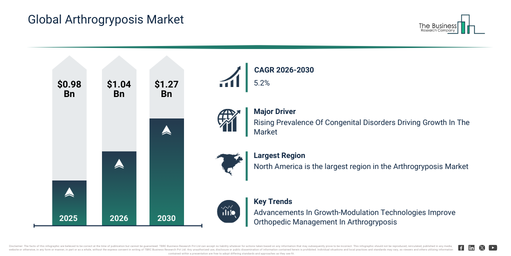
    The market for arthrogryposis has demonstrated robust expansion recently. Forecasts indicate a rise from $0.98 billion in 2025 to $1.04 billion by 2026, achieving a compound annual growth rate (CAGR) of 5.5%. This historical growth is attributable to factors such as enhanced clinical comprehension of congenital disorders, the broadening of pediatric orthopedic care, greater access to rehabilitation services, the implementation of physical therapy interventions, and the proliferation of specialized treatment centers.

    The arthrogryposis market is projected to experience substantial growth in the coming years, with its size expected to reach $1.27 billion by 2030, progressing at a compound annual growth rate (CAGR) of 5.2%. This expansion during the forecast period is attributed to several factors, including increasing investments in rare disease research, a rising demand for personalized rehabilitation programs, the expansion of early screening initiatives, a growing focus on improving long-term quality of life, and the increasing integration of advanced diagnostic technologies. Furthermore, key trends anticipated in the forecast period involve an increasing focus on early diagnosis and intervention, the rising adoption of multidisciplinary treatment approaches, a growing use of advanced imaging diagnostics, the expansion of long-term rehabilitation programs, and enhanced supportive care strategies.

    Access Your Free Sample Report for In-Depth Market Insights:

    https://www.thebusinessresearchcompany.com/sample.aspx?id=21105&type=smp

    What Drivers Are Affecting Demand-Supply Dynamics In The Arthrogryposis Market?

    The increasing occurrence of congenital disorders is projected to fuel the expansion of the arthrogryposis market. Congenital disorders are defined as structural or functional irregularities that emerge during fetal development and are present from birth. The growing incidence of these conditions stems from improved prenatal diagnostics, environmental factors, genetic alterations, and evolving lifestyle habits. Arthrogryposis provides insight into congenital disorders by emphasizing the significance of fetal movement, genetic elements, and neuromuscular development in the context of musculoskeletal issues. For example, in February 2023, the Switzerland-based intergovernmental organization, the World Health Organization, reported that approximately 240,000 newborns worldwide die from congenital disorders within their initial 28 days of life annually. Furthermore, congenital conditions are responsible for an estimated 170,000 child deaths between the ages of 1 month and 5 years. Consequently, the escalating prevalence of congenital disorders is a key impetus for growth in the arthrogryposis market. The expansion of telehealth services is anticipated to boost the growth of the arthrogryposis market. Telehealth involves using digital communication tools, such as video calls, phone calls, and online messaging, to deliver healthcare services and consultations remotely, offering patients easier access to medical care from their homes or other locations. These services are gaining traction due to their convenience, enhanced accessibility, and their capacity to lower healthcare expenses while improving patient access, particularly in distant or underserved regions. For arthrogryposis, telehealth proves advantageous by enabling remote consultations, early detection, and ongoing management of joint contractures, thereby enhancing access to specialized care for individuals facing mobility challenges. As an illustration, in May 2024, the Australian Digital Health Agency, an Australia-based government entity, indicated that over 95,000 practitioners had utilized telehealth services, providing 118.2 million telehealth services to 18 million patients over the past two years. Thus, the rise in telehealth services is a significant factor driving the expansion of the arthrogryposis market.

    What Segments Are Included Within The Arthrogryposis Market?

    The arthrogryposis market covered in this report is segmented –

    1) By Type: Classic Arthrogryposis, Distal Arthrogryposis, Amyoplasia

    2) By Treatment Type: Occupational Therapists, Physical Therapy, Surgery, Imaging Diagnostics

    3) By Patient Age: Children, Adults

    Subsegments:

    1) By Classic Arthrogryposis: Multiple Joint Involvement, Flexion Contractures, Severe Muscle Weakness, Progressive Arthrogryposis, Intellectual Impairment

    2) By Distal Arthrogryposis: Isolated Limb Involvement, Contractures of Hands and Feet, Distal Joint Contractures, Autosomal Dominant Inheritance

    3) By Amyoplasia: Severe Limb Contractures, Muscle Hypotonia (low muscle tone), No Cognitive Impairment, Symmetric Joint Involvement, Lack Of Muscle Development In Affected Limbs

    What Trends Are Reshaping The Dynamics Of The Arthrogryposis Market?

    Key companies in the arthrogryposis treatment market are concentrating on developing innovative orthopedic solutions, such as guided-growth systems. These initiatives aim to improve deformity correction, lessen the surgical load, and foster superior functional results for affected patients. Guided-growth systems enable the controlled adjustment of bone alignment throughout a child’s development, thereby assisting clinicians in progressively correcting joint contractures with minimal tissue disturbance. For example, in June 2023, OrthoPediatrics Corp., a US-based pediatric orthopedic firm, unveiled a growth modulation system incorporating guided implant technology. This system offers precise alignment control during surgery, requires less invasive implantation, provides patient-specific sizing, is compatible with standard surgical tools, and enhances the monitoring of growth progression. Specifically designed for targeted deformity correction, this technology provides clinicians with a more regulated and less intrusive method for addressing the joint abnormalities frequently observed in arthrogryposis.

    Who Are The Core Companies Influencing Trends In The Arthrogryposis Market?

    Major companies operating in the arthrogryposis market are Boston Children’s Hospital, Seattle Children’s Hospital, Shriners Hospitals for Children, Texas Scottish Rite Hospital for Children, Gillette Children’s Specialty Healthcare, Cleveland Clinic, Johns Hopkins Hospital, Mayo Clinic, Children’s Hospital of Philadelphia, Nationwide Children’s Hospital, Children’s Healthcare of Atlanta, Nemours Children’s Health, Phoenix Children’s Hospital, Cincinnati Children’s Hospital Medical Center, St Jude Children’s Research Hospital, Rady Children’s Hospital San Diego, Children’s National Hospital, Great Ormond Street Hospital, SickKids Hospital Toronto, Royal Children’s Hospital Melbourne

    Access The Complete Report For Deeper Market Insights:

    https://www.thebusinessresearchcompany.com/report/arthrogryposis-global-market-report

    Which Regions Are Projected To Dominate The Arthrogryposis Market In The Coming Years?

    North America was the largest region in the arthrogryposis market in 2025. Asia-Pacific is expected to be the fastest-growing region in the forecast period. The regions covered in the arthrogryposis market report are Asia-Pacific, South East Asia, Western Europe, Eastern Europe, North America, South America, Middle East, Africa.

    Request Your Customized Arthrogryposis Market Research Report for Competitive Advantage:

    https://www.thebusinessresearchcompany.com/customise?id=21105&type=smp

    Browse Through More Reports Similar to the Global Arthrogryposis Market 2026, By The Business Research Company

    Chondroplasty Market Report 2026

    https://www.thebusinessresearchcompany.com/report/chondroplasty-global-market-report

    Immunohematology Market Report 2026

    https://www.thebusinessresearchcompany.com/report/immunohematology-global-market-report

    Bioceramics Market Report 2026

    https://www.thebusinessresearchcompany.com/report/bioceramics-global-market-report

    Get in touch with us:

    The Business Research Company: https://www.thebusinessresearchcompany.com/

    Americas +1 310-496-7795

    Asia +44 7882 955267 & +91 8897263534

    Europe +44 7882 955267

    Email us at info@tbrc.info

    Follow us on:

    LinkedIn: https://in.linkedin.com/company/the-business-research-company

    YouTube: https://www.youtube.com/channel/UC24_fI0rV8cR5DxlCpgmyFQ

    Global Market Model: https://www.thebusinessresearchcompany.com/global-market-model
  • Arthralgia Sector Forecast Shows Robust Momentum, Climbing to $8.25 Billion With 7.9% CAGR

    Arthralgia Sector Forecast Shows Robust Momentum, Climbing to $8.25 Billion With 7.9% CAGR

    Uncover key drivers, emerging technologies, and competitive movements shaping the arthralgia market from 2026–2035 with trusted insights from The Business Research Company

    What long-term size projections exist for the Arthralgia Market covering 2026–2035?

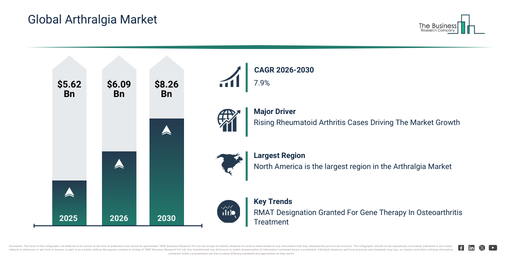
    The arthralgia market size has shown strong growth in recent years. It is anticipated to increase from $5.62 billion in 2025 to $6.09 billion in 2026, at a compound annual growth rate (CAGR) of 8.2%. The expansion seen in the past can be attributed to a higher incidence of joint-related conditions, an aging demographic, greater awareness of musculoskeletal health, the broadening of pharmaceutical options for pain management, and the development of outpatient orthopedic care.

    The arthralgia market is projected to experience robust expansion in the coming years, reaching a valuation of $8.26 billion by 2030, driven by a compound annual growth rate (CAGR) of 7.9%. This anticipated growth during the forecast period stems from several factors, including a heightened demand for tailored treatment plans, increased integration of biologic and targeted therapeutic approaches, the proliferation of pain management options available at home, a greater emphasis on sustained symptom control, and intensified funding for research into joint health. Key developments shaping the market during this period encompass the wider acceptance of individualized pain management strategies, a surge in the application of combined treatment modalities, an increased prioritization of early detection for joint ailments, the broadening availability of non-invasive methods for pain relief, and the refinement of treatment models centered around the patient.

    Access Your Free Sample Report for In-Depth Market Insights:

    https://www.thebusinessresearchcompany.com/sample.aspx?id=21104&type=smp

    Which Drivers Are Impacting The Competitive Landscape Of The Arthralgia Market?

    The growing incidence of rheumatoid arthritis is anticipated to boost the expansion of the arthralgia market in the future. Rheumatoid arthritis is defined as a chronic autoimmune condition predominantly impacting joints, leading to inflammation, discomfort, and possible joint deterioration. The escalation in rheumatoid arthritis diagnoses stems from factors such as aging demographics, genetic susceptibility, altered lifestyles, and environmental influences including smoking and pollution. RA induces arthralgia through the initiation of persistent joint inflammation, which results in pain, rigidity, and gradual damage. As an illustration, in February 2024, data from Arthritis Australia, a non-profit organization based in Australia, indicated that by 2040, arthritis cases in Australia are projected to climb to 5.39 million from 4.11 million in 2025; within this, osteoarthritis is set to grow to 3.11 million from 2.35 million, and rheumatoid arthritis will reach 748,721. Consequently, the growing prevalence of rheumatoid arthritis cases is fueling the expansion of the arthralgia market.

    What Leading Segments Are Studied In The Arthralgia Market?

    The arthralgia market covered in this report is segmented –

    1) By Cause: Osteoarthritis, Rheumatoid Arthritis, Gout, Psoriatic Arthritis, Lupus, Injuries, Infections, Other Causes

    2) By Treatment Type: Medications, Therapies, Surgical Interventions, Lifestyle And Home Remedies

    3) By Route Of Administration: Oral, Injectable, Topical, Transdermal

    4) By Distribution Channel: Hospital Pharmacies, Retail Pharmacies, Online Pharmacies

    5) By End User: Hospital, Clinics, Homecare Settings, Rehabilitation Centers

    Subsegments:

    1) By Osteoarthritis: Knee Osteoarthritis, Hip Osteoarthritis, Hand Osteoarthritis, Spine Osteoarthritis, Shoulder Osteoarthritis

    2) By Rheumatoid Arthritis: Seropositive Rheumatoid Arthritis, Seronegative Rheumatoid Arthritis, Juvenile Rheumatoid Arthritis, Early-Onset Rheumatoid Arthritis

    3) By Gout: Primary Gout, Secondary Gout, Gouty Arthritis

    4) By Psoriatic Arthritis: Symmetric Psoriatic Arthritis, Asymmetric Psoriatic Arthritis, Psoriatic Spondylitis, Distal Interphalangeal Predominant Psoriatic Arthritis

    5) By Lupus: Systemic Lupus Erythematosus (SLE), Discoid Lupus Erythematosus, Drug-induced Lupus, Neonatal Lupus

    6) By Injuries: Sports-related Injuries, Trauma and Fractures, Sprains and Strains, Tendon or Ligament Damage

    7) By Infections: Septic Arthritis, Viral Arthritis, Bacterial Infections, Fungal Infections

    8) By Other Causes: Fibromyalgia, Overuse Injuries, Sarcoidosis, Ankylosing Spondylitis, Crystal-induced Arthritis

    How Are New Market Trends Shaping The Landscape Of The Arthralgia Market?

    Leading firms within the arthralgia market are concentrating on creating novel therapies, including RMAT-designated gene therapy, aiming to equip patients with cutting-edge treatments that deliver enduring pain alleviation and enhanced joint mobility. An RMAT-designated gene therapy signifies a treatment awarded Regenerative Medicine Advanced Therapy (RMAT) status by the FDA, a designation that accelerates the development and evaluation of groundbreaking gene therapies for severe or life-threatening illnesses. As an illustration, in March 2024, Pacira BioSciences Inc., a US-based pharmaceutical company, obtained Regenerative Medicine Advanced Therapy (RMAT) designation from the U.S. Food and Drug Administration (FDA) for its product PCRX-201 (enekinragene inzadenovec). This candidate represents an innovative, intra-articular gene therapy that employs a helper-dependent adenovirus (HDAd) in its approach to address knee osteoarthritis. Its mechanism involves the generation of interleukin-1 receptor antagonists (IL-1Ra). Pacira conveyed its pride in securing the FDA’s inaugural RMAT designation for a gene therapy specifically for osteoarthritis, highlighting encouraging early clinical outcomes that indicate PCRX-201 could serve as a potential disease-modifying therapy.

    Which Major Industry Participants Are Leading The Arthralgia Market Growth?

    Major companies operating in the arthralgia market are Pfizer Inc., Johnson & Johnson Services Inc., AbbVie Inc., Sanofi S.A., Bristol-Myers Squibb Company, AstraZeneca PLC, Novartis AG, GlaxoSmithKline PLC, Eli Lilly and Company, Amgen Inc., Teva Pharmaceutical Industries Ltd., Regeneron Pharmaceuticals Inc., Astellas Pharma Inc., Biogen Inc., UCB S.A., Hikma Pharmaceuticals PLC, Ferring Pharmaceuticals, KD Pharma Group S.A., SI-BONE Inc., Xalud Therapeutics Inc., Incannex Healthcare Limited, Cytonics Corporation

    Access The Complete Report For Deeper Market Insights:

    https://www.thebusinessresearchcompany.com/report/arthralgia-global-market-report

    Which Region Is Expected To Experience The Fastest Growth In The Arthralgia Market?

    North America was the largest region in the arthralgia market in 2025. The regions covered in the arthralgia market report are Asia-Pacific, South East Asia, Western Europe, Eastern Europe, North America, South America, Middle East, Africa.

    Request Your Customized Arthralgia Market Research Report for Competitive Advantage:

    https://www.thebusinessresearchcompany.com/customise?id=21104&type=smp

    Browse Through More Reports Similar to the Global Arthralgia Market 2026, By The Business Research Company

    Lenalidomide Market Report 2026

    https://www.thebusinessresearchcompany.com/report/lenalidomide-global-market-report

    Anthracite Market Report 2026

    https://www.thebusinessresearchcompany.com/report/anthracite-global-market-report

    Artichokes Market Report 2026

    https://www.thebusinessresearchcompany.com/report/artichokes-global-market-report

    Get in touch with us:

    The Business Research Company: https://www.thebusinessresearchcompany.com/

    Americas +1 310-496-7795

    Asia +44 7882 955267 & +91 8897263534

    Europe +44 7882 955267

    Email us at info@tbrc.info

    Follow us on:

    LinkedIn: https://in.linkedin.com/company/the-business-research-company

    YouTube: https://www.youtube.com/channel/UC24_fI0rV8cR5DxlCpgmyFQ

    Global Market Model: https://www.thebusinessresearchcompany.com/global-market-model
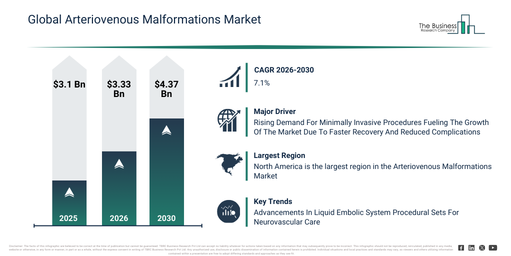
  • Arteriovenous Malformations Market Anticipated to Record Steady Gains, Advancing to $4.37 Billion by 2030

    Arteriovenous Malformations Market Anticipated to Record Steady Gains, Advancing to $4.37 Billion by 2030

    Uncover key drivers, emerging technologies, and competitive movements shaping the arteriovenous malformations market from 2026–2035 with trusted insights from The Business Research Company

    What total market size is anticipated for the Arteriovenous Malformations Market in 2030?

    The arteriovenous malformations market has shown robust growth over recent years. It is anticipated to increase from $3.1 billion in 2025 to $3.33 billion in 2026, demonstrating a compound annual growth rate (CAGR) of 7.3%. This historical expansion can be attributed to several factors, including enhancements in neuroimaging technologies, a greater clinical understanding of AVM conditions, the proliferation of specialized neurosurgical centers, the adoption of endovascular embolization techniques, and the growth of neurological care within hospitals.

    The arteriovenous malformations market is poised for significant expansion over the next few years, with its size projected to reach $4.37 billion by 2030, exhibiting a compound annual growth rate (CAGR) of 7.1%. This expansion during the forecast period is primarily fueled by factors such as an escalating demand for precision diagnostics, increased investments in neurovascular research, the growing adoption of minimally invasive treatments, a heightened focus on personalized treatment planning, and the wider availability of advanced interventional devices. Prominent trends anticipated within this period include the increased integration of advanced neuroimaging diagnostics, a surge in the utilization of minimally invasive endovascular treatments, a stronger emphasis on early and accurate diagnosis, the proliferation of multidisciplinary treatment approaches, and enhanced monitoring of post-treatment outcomes.

    Access Your Free Sample Report for In-Depth Market Insights:

    https://www.thebusinessresearchcompany.com/sample.aspx?id=21888&type=smp

    What Drivers Are Influencing Production Trends In The Arteriovenous Malformations Market?

    The increasing adoption of minimally invasive procedures is anticipated to fuel the expansion of the arteriovenous malformations market in the future. These procedures involve surgical or therapeutic interventions conducted via minor incisions or catheter methods, aiming to lessen trauma, shorten recovery periods, and minimize complications. The growing preference for minimally invasive surgeries stems from their quicker recovery times, owing to smaller incisions that cause less tissue damage and accelerate healing. This enables patients to resume normal routines sooner than with conventional open surgeries, making them a favored option for both patients and medical professionals. Arteriovenous malformations (AVMs) benefit from minimally invasive approaches, facilitating advanced methods like endovascular embolization. This technique utilizes catheters and image guidance to diminish irregular blood flow, bypassing the need for open surgery, thereby resulting in reduced risks, faster recuperation, and enhanced patient results. For example, data from September 2023 by the American Society of Plastic Surgeons, a US-based organization, indicates that 25,442,640 cosmetic minimally invasive procedures were carried out in 2023. This marks an increase from 23,672,269 procedures performed in 2022, demonstrating a 7% rise in minimally invasive treatments across both genders in 2023. Consequently, the increasing need for minimally invasive procedures is fostering expansion in the arteriovenous malformations market.

    Which Segment Groups Are Influencing The Arteriovenous Malformations Market?

    The arteriovenous malformations market covered in this report is segmented –

    1) By Type: True Arteriovenous Malformation, Occult Or Cryptic, Cavernous Malformations, Venous Malformation, Hemangioma, Dural Fistula, Other Types

    2) By Diagnosis: Physical examination, Brain Scans, Other Diagnosis

    3) By Treatment: Endovascular Embolization, Neurosurgery

    4) By Age Group: Adult Patients, Pediatric Patients

    5) By End-User: Hospitals And Clinics, Research laboratories, Other End-Users

    Subsegments:

    1) By True Arteriovenous Malformation: Pial AVMs, Spinal AVMs, Brain AVMs, Extremity AVMs, Visceral AVMs

    2) By Occult or Cryptic: Micro-AVMs, Hidden AVMs, Asymptomatic AVMs, Deep-Seated AVMs, Small-Scale AVMs

    3) By Cavernous Malformations: Cerebral Cavernous Malformations (CCMs), Spinal Cavernous Malformations, Familial Cavernous Malformations, Solitary Cavernous Malformations, Multiple Cavernous Malformations

    4) By Venous Malformation: Superficial Venous Malformations, Deep Venous Malformations, Mixed Venous Malformations, Syndromic Venous Malformations, Blue Rubber Bleb Nevus Syndrome

    5) By Hemangioma: Infantile Hemangiomas, Capillary Hemangiomas, Lobular Capillary Hemangiomas, Cavernous Hemangiomas, Compound Hemangiomas

    6) By Dural Fistula: Cranial Dural Arteriovenous Fistula (dAVF), Spinal Dural Arteriovenous Fistula, Direct Dural AV Fistula, Indirect Dural AV Fistula, High-Flow Dural Fistula

    7) By Other Types: Lymphatic Malformations, Mixed Vascular Malformations, Arteriovenous Aneurysms, Hereditary Hemorrhagic Telangiectasia (HHT)-Associated AVMs, Rare Congenital AVMs

    Which Trends Are Expected To Influence The Arteriovenous Malformations Market In The Upcoming Years?

    Major companies operating in the arteriovenous malformations market are concentrating on technological advancements, such as liquid embolic system procedural sets, to streamline treatment methods and improve patient outcomes. A liquid embolic system procedural set refers to a pre-assembled, sterilized kit containing crucial components for delivering liquid embolic agents to treat vascular abnormalities like arteriovenous malformations (AVMs). For instance, in March 2024, CERENOVUS Inc., a US-based neurovascular care company under Johnson and Johnson MedTech, launched the TRUFILL n-BCA liquid embolic system procedural set. This new set features two configurations and the necessary accessories for preparing and delivering the n-BCA liquid embolic system within a single sterilized package, thereby optimizing procedure preparation for treating cerebral arteriovenous malformations (AVMs).

    Who Are The Prominent Global Companies Shaping The Arteriovenous Malformations Market Landscape?

    Major companies operating in the arteriovenous malformations market are Johnson And Johnson Services Inc, Medtronic Plc, Stryker Corporation, Terumo Corporation, Penumbra Inc, Cook Medical LLC, Elekta AB, Merit Medical Systems Inc, Balt LLC, Shape Memory Medical Inc, MicroVention Inc, Cerenovus, Brainlab AG, Boston Scientific Corporation, Abbott Laboratories, B Braun Melsungen AG, Siemens Healthineers AG, GE Healthcare Technologies Inc, Koninklijke Philips NV, Canon Medical Systems Corporation, Toshiba Medical Systems Corporation

    Access The Complete Report For Deeper Market Insights:

    https://www.thebusinessresearchcompany.com/report/arteriovenous-malformations-global-market-report

    Which Geographic Areas Are Emerging As Strong Markets For The Arteriovenous Malformations Market?

    North America was the largest region in the arteriovenous malformations market in 2025. Asia-Pacific is expected to be the fastest-growing region in the forecast period. The regions covered in the arteriovenous malformations market report are Asia-Pacific, South East Asia, Western Europe, Eastern Europe, North America, South America, Middle East, Africa.

    Request Your Customized Arteriovenous Malformations Market Research Report for Competitive Advantage:

    https://www.thebusinessresearchcompany.com/customise?id=21888&type=smp

    Browse Through More Reports Similar to the Global Arteriovenous Malformations Market 2026, By The Business Research Company

    Vascular Stent Market Report 2026

    https://www.thebusinessresearchcompany.com/report/vascular-stent-global-market-report

    Vascular Imaging Market Report 2026

    https://www.thebusinessresearchcompany.com/report/vascular-imaging-global-market-report

    Giant Cell Arteritis Market Report 2026

    https://www.thebusinessresearchcompany.com/report/giant-cell-arteritis-global-market-report

    Get in touch with us:

    The Business Research Company: https://www.thebusinessresearchcompany.com/

    Americas +1 310-496-7795

    Asia +44 7882 955267 & +91 8897263534

    Europe +44 7882 955267

    Email us at info@tbrc.info

    Follow us on:

    LinkedIn: https://in.linkedin.com/company/the-business-research-company

    YouTube: https://www.youtube.com/channel/UC24_fI0rV8cR5DxlCpgmyFQ

    Global Market Model: https://www.thebusinessresearchcompany.com/global-market-model