Category: HealthcareServices

  • Global Aortic Aneurysm Market Report 2026–2035: Key Forecasts and Growth Areas

    Global Aortic Aneurysm Market Report 2026–2035: Key Forecasts and Growth Areas

    Uncover key drivers, emerging technologies, and competitive movements shaping the aortic aneurysm market from 2026–2035 with trusted insights from The Business Research Company

    By how much is the Aortic Aneurysm Market expected to grow between 2026 and 2030?

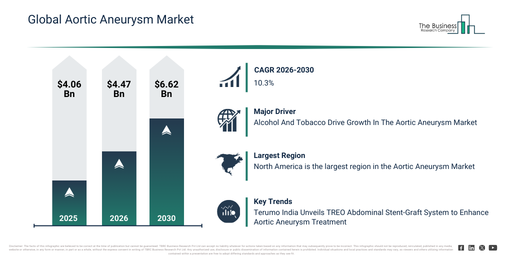
    The aortic aneurysm market size has seen substantial growth in recent years. It is anticipated to expand from $4.06 billion in 2025 to $4.47 billion in 2026, exhibiting a compound annual growth rate (CAGR) of 10.0%. The upward trend observed historically is attributable to an aging population, increased occurrences of cardiovascular diseases, enhancements in diagnostic imaging technologies, the broadening of vascular surgery capabilities, and a wider acceptance of surgical repair techniques.

    The aortic aneurysm market is projected to experience swift expansion in the coming years. This market is anticipated to reach a valuation of $6.62 billion by 2030, exhibiting a compound annual growth rate (CAGR) of 10.3%. Key factors contributing to this growth during the projected timeline include the escalating demand for less invasive cardiovascular interventions, increased funding for sophisticated vascular technologies, the broadening of screening initiatives for detecting aneurysms, the expanding incorporation of AI-powered diagnostic instruments, and a heightened emphasis on optimizing long-term patient results. Prominent trends expected within this period involve the growing acceptance of minimally invasive EVAR procedures, the increased application of advanced imaging techniques for early diagnosis, a rising inclination towards customized surgical strategies, the proliferation of innovations in endovascular devices, and a stronger focus on monitoring patients after their procedures.

    Access Your Free Sample Report for In-Depth Market Insights:

    https://www.thebusinessresearchcompany.com/sample.aspx?id=10559&type=smp

    Which Drivers Are Influencing Market Acceleration In The Aortic Aneurysm Market?

    The increased consumption of alcohol and tobacco is expected to propel the growth of the aortic aneurysm market going forward. Alcohol and tobacco consumption refers to the intake of alcoholic beverages and tobacco products, which are substances capable of significantly impacting cardiovascular health. The expanding prevalence of alcohol and tobacco use is primarily driven by heightened social acceptance and accessibility, as these substances remain widely available despite their known health risks. Increased alcohol and tobacco consumption boosts demand for aortic aneurysm treatments because chronic exposure to these substances weakens arterial walls and accelerates vascular degeneration, leading to a greater incidence of aneurysm formation that requires medical intervention. For instance, in November 2024, according to the Office for Health Improvement & Disparities, a UK-based government organization, between April 2023 and March 2024, a total of 310,863 adults aged 18 and above accessed drug and alcohol treatment services, marking a 7% increase from 290,635 adults in the previous year. Therefore, rising alcohol and tobacco consumption is driving the growth of the aortic aneurysm market.

    What Leading Segments Are Studied In The Aortic Aneurysm Market?

    The aortic aneurysm market covered in this report is segmented –

    1) By Type: Thoracic Aortic Aneurysm (TAA), Abdominal Aortic Aneurysm (AAA)

    2) By Treatment: Open Surgical Repair (OSR), Endovascular Aneurysm Repair (EVAR)

    3) By End User: Hospitals And Clinics, Ambulatory Surgery Centers (ASCs), Other End Users

    Subsegments:

    1) By Thoracic Aortic Aneurysm (TAA): Ascending Aortic Aneurysm, Arch Aortic Aneurysm, Descending Aortic Aneurysm

    2) By Abdominal Aortic Aneurysm (AAA): Infrarenal Aneurysm, Pararenal Aneurysm, Juxtarenal Aneurysm

    How Are Emerging Trends Affecting The Progression Of The Aortic Aneurysm Market?

    Leading enterprises in the aortic aneurysm market are concentrating on developing and introducing innovative solutions, such as the Stent-Graft System. This medical device is utilized for addressing vascular conditions, particularly aneurysms or tears within blood vessels, by integrating a stent for structural reinforcement with a synthetic graft that lines the blood vessel. For example, in August 2024, Terumo India, an India-based medical technology company, unveiled the TREO Abdominal Stent-graft system. TREO, an advanced apparatus, is specifically engineered to manage abdominal aortic aneurysms, featuring a durable stent paired with a biocompatible graft to deliver effective support and lessen the potential for rupture. This system endeavors to elevate patient outcomes by facilitating minimally invasive procedures and enhancing long-term stability in vascular interventions.

    Which Key Players Are Driving Competition In The Aortic Aneurysm Market?

    Major companies operating in the aortic aneurysm market are Cardiatis SA, Cook Medical Inc., Endologix LLC, W L Gore & Associates Inc., JOTEC GmbH, Lombard Medical Limited, Medtronic plc, Terumo Corporation, MicroPort Scientific Corporation, Boston Scientific Corporation, Endospan Ltd., LifeTech Scientific Corporation, B. Braun Melsungen AG, EndoEvolution LLC, CryoLife Inc., Intuitive Surgical Inc., Synovis Micro Companies Alliance Inc., Meril Life Sciences Pvt. Ltd., Vitalitec International GmbH, Getinge AB, CONMED Corporation, TriVascular Technologies Inc., Vascutek Ltd., Aptus Endosystems Inc., Bolton Medical Inc., EndoVascular Technologies Inc., Endurant Energy LLC, LeMaitre Vascular Inc.

    Access The Complete Report For Deeper Market Insights:

    https://www.thebusinessresearchcompany.com/report/aortic-aneurysm-global-market-report

    Which Region Is Projected To Lead The Aortic Aneurysm Market During The Forecast Period?

    North America was the largest region in the aortic aneurysm market in 2025. The regions covered in the aortic aneurysm market report are Asia-Pacific, South East Asia, Western Europe, Eastern Europe, North America, South America, Middle East, Africa.

    Request Your Customized Aortic Aneurysm Market Research Report for Competitive Advantage:

    https://www.thebusinessresearchcompany.com/customise?id=10559&type=smp

    Browse Through More Reports Similar to the Global Aortic Aneurysm Market 2026, By The Business Research Company

    Aortic Endograft Market Report 2026

    https://www.thebusinessresearchcompany.com/report/aortic-endograft-global-market-report

    Abdominal Aortic Aneurysm Aaa Repair Devices Market Report 2026

    https://www.thebusinessresearchcompany.com/report/abdominal-aortic-aneurysm-aaa-repair-devices-global-market-report

    Aortic Aneurysm Market Report 2026

    https://www.thebusinessresearchcompany.com/report/aortic-aneurysm-global-market-report

    Get in touch with us:

    The Business Research Company: https://www.thebusinessresearchcompany.com/

    Americas +1 310-496-7795

    Asia +44 7882 955267 & +91 8897263534

    Europe +44 7882 955267

    Email us at info@tbrc.info

    Follow us on:

    LinkedIn: https://in.linkedin.com/company/the-business-research-company

    YouTube: https://www.youtube.com/channel/UC24_fI0rV8cR5DxlCpgmyFQ

    Global Market Model: https://www.thebusinessresearchcompany.com/global-market-model
  • Anti-Snoring Treatment Market 2026–2030: Forecast, Innovation, and Competitive Trends

    Anti-Snoring Treatment Market 2026–2030: Forecast, Innovation, and Competitive Trends

    Uncover key drivers, emerging technologies, and competitive movements shaping the anti-snoring treatment market from 2026–2035 with trusted insights from The Business Research Company

    What is the estimated market size of the Anti-Snoring Treatment Market by the end of 2030?

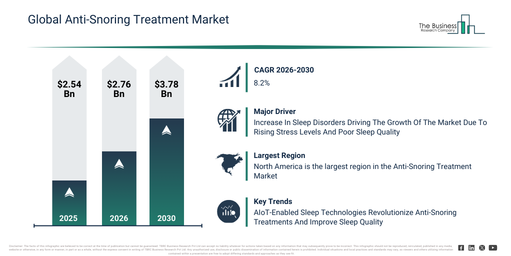
    The anti-snoring treatment market size has shown robust expansion in recent years. It is projected to expand from $2.54 billion in 2025 to $2.76 billion in 2026, achieving a compound annual growth rate (CAGR) of 8.5%. This historic growth can be ascribed to an increasing prevalence of sleep-related breathing disorders, growing consumer awareness of sleep health, broader availability of over-the-counter snoring devices, the expansion of sleep clinics, and the increasing use of oral appliance therapy.

    The anti-snoring treatment market is projected to experience substantial expansion over the coming years. This market is set to reach $3.78 billion by 2030, exhibiting a compound annual growth rate (CAGR) of 8.2%. This anticipated growth during the forecast period is attributable to several factors, including the increasing integration of digital sleep monitoring technologies, the rising adoption of personalized sleep therapy solutions, the expansion of online distribution channels, a growing emphasis on preventive sleep health management, and an increasing demand for minimally invasive snoring treatments. Key trends anticipated during this period encompass the increasing adoption of smart wearable anti-snoring devices, a rising demand for non-invasive treatment options, a growing preference for home-based snoring solutions, the expansion of personalized oral appliance therapies, and an enhanced focus on improving sleep quality.

    Access Your Free Sample Report for In-Depth Market Insights:

    https://www.thebusinessresearchcompany.com/sample.aspx?id=23310&type=smp

    What Drivers Are Shaping Future Opportunities In The Anti-Snoring Treatment Market?

    The increasing occurrence of sleep disturbances is anticipated to fuel the expansion of the anti-snoring treatment market in the future. These conditions involve disruptions to regular sleep cycles, impacting sleep quality, duration, or timing, which can result in compromised daily activities. An uptick in stress levels is a key factor behind the growing number of sleep disorders, as stress hormones can hinder the process of falling asleep and maintaining it. By minimizing breathing interruptions, anti-snoring treatments enhance sleep quality, thereby easing conditions like sleep apnea and averting associated health complications. For example, the National Health Service, a UK-based government health statistics body, noted in November 2023 that the percentage of young individuals aged 17 to 23 years reporting sleep issues three or more times weekly saw a marginal increase to 64.9%, up from 64.0% in 2022. Consequently, the expanding occurrence of sleep disturbances is a significant catalyst for the anti-snoring treatment market’s growth. Elevated healthcare spending is projected to boost the expansion of the anti-snoring treatment market in the coming years. This encompasses all financial outlay for health-related products and services, such as hospital stays, doctor visits, prescribed medications, and medical devices. The primary reason for the rise in healthcare spending is an aging demographic, which escalates the need for medical services since older individuals often require more frequent and comprehensive healthcare interventions. Enhanced healthcare spending directly facilitates improved access to both diagnostic services and various treatment solutions for issues such as snoring and sleep apnea. As an illustration, the Centers for Medicare & Medicaid Services, a US-based government agency, reported in June 2025 that in 2023, national health expenditures (NHE) climbed by 7.5% to reach $4.9 trillion, amounting to an average of $14,570 per individual and comprising 17.6% of the Gross Domestic Product (GDP). Medicare spending alone saw an 8.1% increase, reaching $1,029.8 billion, which accounted for 21% of the total NHE. Thus, the upward trend in healthcare expenditure is a significant factor propelling the growth of the anti-snoring treatment market.

    Which Segment Groups Are Influencing The Anti-Snoring Treatment Market?

    The anti-snoring treatment market covered in this report is segmented –

    1) By Device: Mandible Advancement Devices, Tongue Stabilizing Devices, Nasal Devices, Continuous Positive Airway Pressure Devices, Chin Straps, Other Devices

    2) By Distribution Channel: Hospital Pharmacies, Retail Pharmacies, Online, Other Distribution Channels

    3) By Application: Somnoplasty, Maxillo-Mandibular And Genioglossus Advancement Surgeries, Radiofrequency Ablation Surgery, Other Applications

    4) By End-User: Hospital And Clinics, Ambulatory Surgical Centers, Day Care Centers, Other End-Users

    Subsegments:

    1) By Mandible Advancement Devices: Custom-Fitted Mandibular Advancement Devices, Semi-Custom Mandibular Advancement Devices, Over-The-Counter Mandibular Advancement Devices

    2) By Tongue Stabilizing Devices: Standard Tongue Stabilizing Devices, Custom-Fitted Tongue Stabilizing Devices

    3) By Nasal Devices: Nasal Strips, Nasal Dilators (Internal & External), Nasal Sprays

    4) By Continuous Positive Airway Pressure (CPAP) Devices: Auto-Adjusting CPAP Devices, Fixed Pressure CPAP Devices, Bi-Level Positive Airway Pressure (BiPAP) Devices

    5) By Chin Straps: Adjustable Chin Straps, Non-Adjustable Chin Straps

    6) By Other Devices: Positional Therapy Devices, Smart Wearable Anti-Snoring Devices, Vestibular Shields

    Which Innovation Trends Are Advancing Developments Within The Anti-Snoring Treatment Market?

    Leading companies within the anti-snoring treatment market are concentrating on creating sophisticated solutions, including AIoT-powered smart pillows and mattresses. These innovations aim to improve sleep quality, mitigate snoring, and diminish related health concerns. AIoT sleep technologies combine artificial intelligence and the Internet of Things to track physiological data, assess sleep patterns, and offer instant modifications for superior rest. As an illustration, in December 2023, The DeRUCCI Group, a public sleep technology brand based in China, unveiled a smart anti-snore pillow equipped with AI-powered monitoring and intervention capabilities. This pillow intelligently adjusts head position for peak effectiveness, provides sleep tracking through an app, and integrates with other smart home devices to create a customized sleep setting. Furthermore, it features intelligent height adjustment for neck support and fatigue alleviation, employs AI algorithms to observe body shape, sleeping posture, heart rate, and body temperature, and delivers detailed sleep reports alongside health alerts.

    Who Are The Top-Performing Companies In The Anti-Snoring Treatment Market In Recent Years?

    Major companies operating in the anti-snoring treatment market are GlaxoSmithKline plc, Medtronic plc, Koninklijke Philips N.V, Mitsui Chemicals Inc, ResMed, Fisher & Paykel Healthcare?, PANTHERA DENTAL, SomnoMed, ProSomnus Sleep Technologies, Airing Inc., Apnea Sciences Corporation, Hupnos, MEDiTAS Ltd, MPowrx Health & Wellness, Sleeping Well LLC, Smart Nora Inc., The Pure Sleep Company, The Snore Reliever Company LLC, Theravent Inc, Oscimed SA, Zzoma.

    Access The Complete Report For Deeper Market Insights:

    https://www.thebusinessresearchcompany.com/report/anti-snoring-treatment-global-market-report

    Which Region Currently Holds The Largest Share Of The Anti-Snoring Treatment Market?

    North America was the largest region in the anti-snoring treatment market in 2025. The regions covered in the anti-snoring treatment market report are Asia-Pacific, South East Asia, Western Europe, Eastern Europe, North America, South America, Middle East, Africa.

    Request Your Customized Anti-Snoring Treatment Market Research Report for Competitive Advantage:

    https://www.thebusinessresearchcompany.com/customise?id=23310&type=smp

    Browse Through More Reports Similar to the Global Anti-Snoring Treatment Market 2026, By The Business Research Company

    Sinusitis Treatment Market Report 2026

    https://www.thebusinessresearchcompany.com/report/sinusitis-treatment-global-market-report

    Dental Sleep Medicine Market Report 2026

    https://www.thebusinessresearchcompany.com/report/dental-sleep-medicine-global-market-report

    Sleep Apnea Devices Market Report 2026

    https://www.thebusinessresearchcompany.com/report/sleep-apnea-devices-global-market-report

    Get in touch with us:

    The Business Research Company: https://www.thebusinessresearchcompany.com/

    Americas +1 310-496-7795

    Asia +44 7882 955267 & +91 8897263534

    Europe +44 7882 955267

    Email us at info@tbrc.info

    Follow us on:

    LinkedIn: https://in.linkedin.com/company/the-business-research-company

    YouTube: https://www.youtube.com/channel/UC24_fI0rV8cR5DxlCpgmyFQ

    Global Market Model: https://www.thebusinessresearchcompany.com/global-market-model
  • Antiphospholipid Syndrome Treatment Market Forecast 2026–2035: Data Trends and Industry Insights

    Antiphospholipid Syndrome Treatment Market Forecast 2026–2035: Data Trends and Industry Insights

    Uncover key drivers, emerging technologies, and competitive movements shaping the antiphospholipid syndrome treatment market from 2026–2035 with trusted insights from The Business Research Company

    What was the valuation of the Antiphospholipid Syndrome Treatment Market in 2026, and what figure is it projected to hit by 2030?

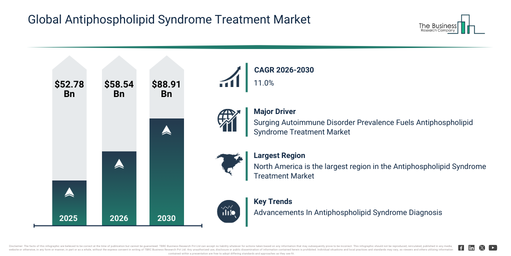
    The antiphospholipid syndrome treatment market has seen rapid expansion in its size in recent years. It is forecast to rise from $52.78 billion in 2025 to $58.54 billion in 2026, achieving a compound annual growth rate (CAGR) of 10.9%. The historical period’s growth can be attributed to increased clinical understanding of autoimmune disorders, the wider application of anticoagulant medications, improved availability of diagnostic antibody testing, an expansion of hospital-based treatment options, and a growing recognition of pregnancy-related complications.

    The antiphospholipid syndrome treatment market size is anticipated to experience substantial growth over the next few years. It is projected to expand to $88.91 billion by 2030, exhibiting a compound annual growth rate (CAGR) of 11.0%. This forecasted growth can be attributed to increased investments in precision medicine research, the growing development of novel anticoagulant drugs, wider adoption of digital patient monitoring tools, the expansion of specialty autoimmune care centers, and a heightened focus on preventive thrombosis management. Prominent trends for the forecast period include the increasing uptake of targeted anticoagulation therapies, a rising reliance on personalized treatment protocols, an intensified focus on early and accurate diagnosis, the broader application of combination therapy approaches, and improved monitoring of long-term thrombotic risk.

    Access Your Free Sample Report for In-Depth Market Insights:

    https://www.thebusinessresearchcompany.com/sample.aspx?id=13368&type=smp

    Which Drivers Are Affecting Market Participation In The Antiphospholipid Syndrome Treatment Market?

    The market for antiphospholipid syndrome treatment is anticipated to expand due to the rising occurrence of autoimmune disorders. These disorders are health issues where the body’s immune system erroneously attacks its own tissues and cells, indicating an irregular immune response. Antiphospholipid syndrome (APS) itself is an autoimmune condition capable of affecting the digestive system, potentially leading to conditions such as irritable bowel syndrome (IBS), which is an autoimmune disorder impacting the intestines. Notably, treatment for antiphospholipid syndrome is administered to individuals with inflammatory bowel diseases who are undergoing therapy with anti-TNF medications. For example, data from Crohn’s and Colitis Canada, a Canadian non-profit, indicated that in June 2023, an estimated over 322,600 Canadians had inflammatory bowel diseases (IBD) in 2023, representing roughly 0.82% of the populace. Projections suggest this number will rise to approximately 470,000 Canadians by 2035, making up about 1.1% of the population, or 1 in every 91 individuals nationwide. Consequently, the growing incidence of autoimmune disorders is a key factor propelling the expansion of the antiphospholipid syndrome treatment market.

    What Segment Classifications Make Up The Antiphospholipid Syndrome Treatment Market?

    The antiphospholipid syndrome treatment market covered in this report is segmented –

    1) By Treatment Type: Medications, Preventative (Prophylaxis) Therapy, Other Treatment Types

    2) By Indication Type: Primary Antiphospholipid Syndrome, Secondary Antiphospholipid Syndrome, Catastrophic Antiphospholipid Syndrome

    3) By Route of Administration: Oral, Parental, Other Routes of Administration

    4) By End-Users: Hospitals, Homecare, Specialty Centers, Other End-Users

    Subsegments:

    1) By Medications: Anticoagulants, Antiplatelet Agents, Immunosuppressive Drugs

    2) By Preventative (Prophylaxis) Therapy: Anticoagulation Therapy, Aspirin Therapy

    3) By Other Treatment Types: Plasma Exchange, Intravenous Immunoglobulin (IVIG)

    Which Competitive Trends Are Impacting The Structure Of The Antiphospholipid Syndrome Treatment Market?

    Leading companies in the car covers market are focusing on developing advanced products, such as immunoglobulin reagents, with the goal of improving the precision and dependability of diagnostic tests. These immunoglobulin reagents are essential laboratory tools, equipped with antibodies, which are employed for identifying, quantifying, or studying specific antigens across various diagnostic and research applications. As a notable illustration, in February 2024, Werfen, a Spanish firm specializing in diagnostics, revealed that its Aptiva Antiphospholipid Syndrome (APS) Immunoglobulin G (IgG) and Immunoglobulin M (IgM) reagents had received the CE mark. A key characteristic of the Aptiva APS IgG and APS IgM reagents is their implementation of Aptiva particle-based multi-analyte technology (PMAT). This technology enables the semi-quantitative detection of anti-cardiolipin (aCL) and anti-beta 2 glycoprotein 1 (aß2GP1) IgG and IgM autoantibodies within human serum and citrated plasma, thereby providing significant support in the diagnosis of primary and secondary antiphospholipid syndrome (APS) when considered in conjunction with other laboratory observations.

    Which Leading Companies Dominate The Antiphospholipid Syndrome Treatment Market Share?

    Major companies operating in the antiphospholipid syndrome treatment market are Pfizer Inc., Johnson & Johnson, F. Hoffmann-La Roche Ltd., AbbVie Inc., Bayer AG, Novartis AG, Merck & Co., Bristol Myers Squibb, Abbott Laboratories, Sanofi S.A., GlaxoSmithKline PLC, Eli Lilly and Company, Cipla Ltd., Baxter International, Teva Pharmaceutical Industries Ltd., CSL Limited, Boehringer Ingelheim International GmbH, Fresenius Kabi, Aurobindo Pharma, Dr. Reddy’s Laboratories, Hikma Pharmaceutics plc, Aspen Pharmacare, Zydus Lifesciences Limited, Leo Pharma, Daiichi Sankyo Company

    Access The Complete Report For Deeper Market Insights:

    https://www.thebusinessresearchcompany.com/report/antiphospholipid-syndrome-treatment-global-market-report

    How Does The Antiphospholipid Syndrome Treatment Market Perform Across Major Global Regions?

    North America was the largest region in the antiphospholipid syndrome treatment market in 2025. The regions covered in the antiphospholipid syndrome treatment market report are Asia-Pacific, South East Asia, Western Europe, Eastern Europe, North America, South America, Middle East, Africa.

    Request Your Customized Antiphospholipid Syndrome Treatment Market Research Report for Competitive Advantage:

    https://www.thebusinessresearchcompany.com/customise?id=13368&type=smp

    Browse Through More Reports Similar to the Global Antiphospholipid Syndrome Treatment Market 2026, By The Business Research Company

    Systemic Lupus Erythematosus Treatment Market Report 2026

    https://www.thebusinessresearchcompany.com/report/systemic-lupus-erythematosus-treatment-global-market-report

    Phospholipid Market Report 2026

    https://www.thebusinessresearchcompany.com/report/phospholipid-global-market-report

    Lipid Disorder Treatment Market Report 2026

    https://www.thebusinessresearchcompany.com/report/lipid-disorder-treatment-global-market-report

    Get in touch with us:

    The Business Research Company: https://www.thebusinessresearchcompany.com/

    Americas +1 310-496-7795

    Asia +44 7882 955267 & +91 8897263534

    Europe +44 7882 955267

    Email us at info@tbrc.info

    Follow us on:

    LinkedIn: https://in.linkedin.com/company/the-business-research-company

    YouTube: https://www.youtube.com/channel/UC24_fI0rV8cR5DxlCpgmyFQ

    Global Market Model: https://www.thebusinessresearchcompany.com/global-market-model
  • Antinuclear Antibody Test Market Outlook 2026–2030: Key Business Drivers and Trends

    Antinuclear Antibody Test Market Outlook 2026–2030: Key Business Drivers and Trends

    Uncover key drivers, emerging technologies, and competitive movements shaping the antinuclear antibody test market from 2026–2035 with trusted insights from The Business Research Company

    What are the forecasted starting (2026) and ending (2030) market sizes for the Antinuclear Antibody Test Market?

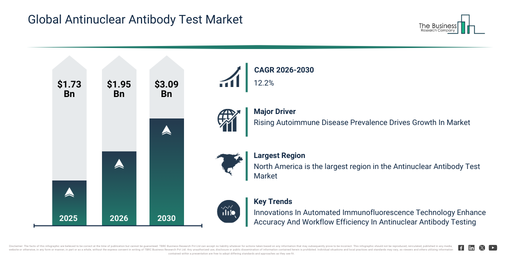
    The antinuclear antibody test market size has seen rapid growth in recent years. It is projected to expand from $1.73 billion in 2025 to $1.95 billion in 2026, demonstrating a compound annual growth rate (CAGR) of 12.5%. This growth during the historical period is attributable to several factors, including the increasing prevalence of autoimmune disorders, the expansion of clinical laboratory testing services, a growing reliance of physicians on serological diagnostics, the availability of immunofluorescence assay technologies, and rising volumes of patient diagnostic testing.

    The antinuclear antibody test market size is projected to experience substantial expansion over the coming years. This market is set to achieve a valuation of $3.09 billion by 2030, demonstrating a compound annual growth rate (CAGR) of 12.2%. The anticipated growth during this period is attributable to several factors, including the wider adoption of AI-assisted diagnostic interpretation, an increasing demand for point-of-care autoimmune testing, the expansion of integrated laboratory information systems, a heightened focus on personalized autoimmune diagnostics, and augmented investments in advanced assay technologies. Key developments projected for this forecast period encompass a greater uptake of multiplex and automated ANA testing, an escalating demand for early autoimmune disease screening, expanded utilization of digital pathology and LIMS integration, the proliferation of high-throughput diagnostic platforms, and an enhanced emphasis on diagnostic accuracy and standardization.

    Access Your Free Sample Report for In-Depth Market Insights:

    https://www.thebusinessresearchcompany.com/sample.aspx?id=21101&type=smp

    What Drivers Are Supporting Technological Adoption In The Antinuclear Antibody Test Market?

    The expanding occurrence of autoimmune conditions is anticipated to fuel the future expansion of the antinuclear antibody test market. Autoimmune diseases are disorders where the body’s immune system erroneously targets its own healthy cells and tissues. The growing incidence of these diseases is attributed to elements such as genetic factors, environmental impacts, shifts in hormones, and daily habits like diet and stress. The antinuclear antibody test aids in the prompt identification of autoimmune diseases by detecting antibodies that attack the body’s cells and tissues. For instance, in February 2024, Arthritis Australia, a charitable not-for-profit organization based in Australia that supports individuals with arthritis and musculoskeletal conditions, reported that by 2025, an estimated 562,378 Australians are projected to suffer from rheumatoid arthritis (RA), representing 14% of the overall arthritis demographic. Consequently, the increasing frequency of autoimmune diseases is boosting the antinuclear antibody test market’s development.

    What Segment Types Are Examined In The Antinuclear Antibody Test Market?

    The antinuclear antibody test market covered in this report is segmented –

    1) By Product: Assay Kits, Reagent Kits, Software And Services

    2) By Technology: Immunofluorescence Assay, Multiplex Assay, ELISA

    3) By Application: Rheumatoid Arthritis, Systemic Lupus Erythematosus, Other Applications

    4) By End-User: Hospitals, Clinical, Physician Laboratories

    Subsegments:

    1) By Assay Kits: Enzyme-Linked Immunosorbent Assay (ELISA) Kits, Immunofluorescence Assay (IFA) Kits, Western Blot Assay Kits

    2) By Reagent Kits: Antigen Reagents, Conjugated Antibodies, Detection Reagents

    3) By Software And Services: Data Management Software, Laboratory Information Management Systems (LIMS), Technical Support And Consulting Services

    What Industry Trends Are Transforming The Antinuclear Antibody Test Market?

    Leading companies within the antinuclear antibody test market are concentrating on developing advanced solutions, such as semi-automated image analysis, to enhance diagnostic precision and streamline laboratory workflows. This semi-automated image analysis is a technological feature in ANA testing that captures, sorts, and pre-classifies patient specimens based on fluorescence patterns, aiding in prioritizing cases that require detailed review by a trained operator. For instance, in June 2023, Immuno Concepts, a US-based provider of autoimmune diagnostic reagents and instrumentation, introduced the Immuno Concepts IgG Anti-nDNA Fluorescent Test System for use with its Image Navigator semi-automated microscope. This system is designed to assist laboratory technicians with both qualitative and semi-quantitative detection of anti-double-stranded DNA (dsDNA) IgG antibodies in human serum. It utilizes indirect immunofluorescence on a C. luciliae substrate and a fluorescein-conjugated anti-human IgG reagent. The Image Navigator captures images of each specimen, sorts them into “possible negative” and “possible positive” categories with over 97% precision, and presents them for final review, thereby improving reproducibility, reducing hands-on time, and ensuring standardized interpretation across laboratories.

    Who Are The Major Companies Operating In The Antinuclear Antibody Test Market?

    Major companies operating in the antinuclear antibody test market are Hoffmann-La Roche Ltd., Thermo Fisher Scientific Inc., Abbott Laboratories, Becton Dickinson and Company, LabCorp, Quest Diagnostics Incorporated, Grifols SA, PerkinElmer Inc., Bio-Rad Laboratories Inc., Werfen SA, DiaSorin SpA, EUROIMMUN AG, Abcam plc, Trinity Biotech plc, Zeus Scientific Inc., ERBA Diagnostics Inc., Quidel Corporation, Antibodies Incorporated, Immuno Concepts Inc., Inova Diagnostics

    Access The Complete Report For Deeper Market Insights:

    https://www.thebusinessresearchcompany.com/report/antinuclear-antibody-test-global-market-report

    Which Region Is Anticipated To See The Fastest Growth In The Antinuclear Antibody Test Market?

    North America was the largest region in the antinuclear antibody test market in 2025. Asia-Pacific is expected to be the fastest-growing region in the forecast period. The regions covered in the antinuclear antibody test market report are Asia-Pacific, South East Asia, Western Europe, Eastern Europe, North America, South America, Middle East, Africa.

    Request Your Customized Antinuclear Antibody Test Market Research Report for Competitive Advantage:

    https://www.thebusinessresearchcompany.com/customise?id=21101&type=smp

    Browse Through More Reports Similar to the Global Antinuclear Antibody Test Market 2026, By The Business Research Company

    Polyclonal Antibodies Market Report 2026

    https://www.thebusinessresearchcompany.com/report/polyclonal-antibodies-global-market-report

    Diagnostic Specialty Antibodies Market Report 2026

    https://www.thebusinessresearchcompany.com/report/diagnostic-specialty-antibodies-global-market-report

    Typhoid Antibody Testing Market Report 2026

    https://www.thebusinessresearchcompany.com/report/typhoid-antibody-testing-global-market-report

    Get in touch with us:

    The Business Research Company: https://www.thebusinessresearchcompany.com/

    Americas +1 310-496-7795

    Asia +44 7882 955267 & +91 8897263534

    Europe +44 7882 955267

    Email us at info@tbrc.info

    Follow us on:

    LinkedIn: https://in.linkedin.com/company/the-business-research-company

    YouTube: https://www.youtube.com/channel/UC24_fI0rV8cR5DxlCpgmyFQ

    Global Market Model: https://www.thebusinessresearchcompany.com/global-market-model
  • Global Antineutrophil Cytoplasmic Antibody (ANCA) Associated Vasculitis Market Report 2026: Emerging Trends and Growth Scenarios

    Global Antineutrophil Cytoplasmic Antibody (ANCA) Associated Vasculitis Market Report 2026: Emerging Trends and Growth Scenarios

    Uncover key drivers, emerging technologies, and competitive movements shaping the antineutrophil cytoplasmic antibody (anca) associated vasculitis market from 2026–2035 with trusted insights from The Business Research Company

    What upper market value could the Antineutrophil Cytoplasmic Antibody (ANCA) Associated Vasculitis Market reach by 2030 starting from 2026 levels?

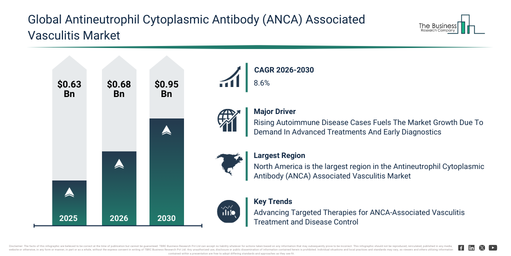
    The antineutrophil cytoplasmic antibody (anca) associated vasculitis market size has experienced substantial growth over the past few years. This market is projected to expand from $0.63 billion in 2025 to $0.68 billion in 2026, reflecting a compound annual growth rate (CAGR) of 8.7%. The historical expansion can be attributed to factors such as advancements in autoimmune disease diagnostics, a rise in the utilization of corticosteroids and immunosuppressants, the broadening of nephrology and rheumatology care services, heightened clinical awareness regarding rare vasculitis disorders, and the establishment of standardized treatment protocols.

    The market size for antineutrophil cytoplasmic antibody (anca) associated vasculitis is projected to experience robust expansion over the coming years. This market is anticipated to reach $0.95 billion by 2030, exhibiting a compound annual growth rate (CAGR) of 8.6%. The projected growth during this period stems from several factors, including the increasing creation of targeted biologics, greater investments in rare disease research, the broadening of personalized treatment approaches, an intensified focus on strategies for preventing relapse, and improved patient access to specialized care centers. Key trends expected during the forecast timeframe encompass the rising uptake of biologic therapies, a heightened emphasis on timely and precise diagnosis, the expanding application of targeted immunosuppressive treatments, the broadening of multidisciplinary approaches to disease management, and a stronger focus on continuous long-term disease monitoring.

    Access Your Free Sample Report for In-Depth Market Insights:

    https://www.thebusinessresearchcompany.com/sample.aspx?id=23309&type=smp

    Which Drivers Are Influencing Long-Term Growth In The Antineutrophil Cytoplasmic Antibody (ANCA) Associated Vasculitis Market?

    The ANCA-associated vasculitis market is anticipated to expand due to the increasing occurrence of autoimmune diseases. These conditions involve the immune system erroneously targeting healthy cells and tissues, misidentifying them as harmful invaders such as bacteria or viruses. The increasing prevalence of autoimmune conditions stems from environmental factors and lifestyle choices, notably growing exposure to infections and pollutants which disrupt immune tolerance and provoke irregular immune responses. ANCA-associated vasculitis contributes positively to the progress of autoimmune disease research and treatment by fostering the creation of targeted immunosuppressive treatments, improving early diagnosis methods, and refining overall disease management approaches, leading to enhanced patient results and a greater comprehension of immune system control. An example is observed in September 2023, where the Impact of IBD Report 2023 from the Inflammatory Bowel Disease (IBD) Clinical and Research Centre, a Canada-based organization, stated that in 2023, inflammatory bowel disease (IBD), an autoimmune condition, had a prevalence of 825 per 100,000 people in Canada, impacting over 320,000 individuals. With an anticipated annual rise of 2.44% in prevalence, projections indicate that by 2035, around 470,000 Canadians, or 1.1% of the population, will be living with IBD. Consequently, the growing occurrence of autoimmune diseases is set to propel the ANCA-associated vasculitis market.

    Which Segments Are Driving Activity In The Antineutrophil Cytoplasmic Antibody (ANCA) Associated Vasculitis Market?

    The antineutrophil cytoplasmic antibody (anca) associated vasculitis market covered in this report is segmented –

    1) By Type: Granulomatosis With Polyangiitis (GPA Or Wegener’s), Microscopic Polyangiitis (MPA), Eosinophilic Granulomatosis With Polyangiitis (EGPA Or Churg-Strauss), Other Types

    2) By Treatment: Immunosuppressants, Corticosteroids, Biologics, Other Treatments

    3) By Diagnosis: Blood Tests, Biopsy, Imaging, Other Diagnosis

    Subsegments:

    1) By Granulomatosis With Polyangiitis (GPA or Wegener’s): Limited Granulomatosis With Polyangiitis, Severe Granulomatosis With Polyangiitis, Refractory Granulomatosis With Polyangiitis

    2) By Microscopic Polyangiitis (MPA): Renal Microscopic Polyangiitis, Pulmonary Microscopic Polyangiitis, Neurological Microscopic Polyangiitis

    3) By Eosinophilic Granulomatosis With Polyangiitis (EGPA or Churg-Strauss): Cardiac Eosinophilic Granulomatosis With Polyangiitis, Pulmonary Eosinophilic Granulomatosis With Polyangiitis, Neurological Eosinophilic Granulomatosis With Polyangiitis

    4) By Other Types: Drug-Induced ANCA-Associated Vasculitis, Infection-Related ANCA-Associated Vasculitis, Overlap Syndrome ANCA-Associated Vasculitis

    What Trends Are Reshaping The Dynamics Of The Antineutrophil Cytoplasmic Antibody (ANCA) Associated Vasculitis Market?

    Leading companies within the ANCA-associated vasculitis market are concentrating on creating innovative solutions, including targeted therapies, to offer novel treatment avenues for individuals suffering from this rare and severe condition. This targeted approach to ANCA-associated vasculitis utilizes specific biologic agents to precisely block elements of the immune system that cause inflammation and harm to blood vessels, consequently slowing disease advancement and lessening adverse effects from treatment. An example of this progress is the announcement in February 2023 by Vifor Fresenius Medical Care Renal Pharma (VFMCRP), a pharmaceutical company based in Switzerland, regarding the Therapeutic Goods Administration (TGA), an Australian government regulatory body’s, approval of Tavneos (avacopan). This approval is for treating anti-neutrophil cytoplasmic autoantibody (ANCA)-associated vasculitis (AAV) when used alongside a rituximab or cyclophosphamide-based regimen. This approval represents a notable step forward, considering Tavneos stands as the inaugural targeted therapy specifically developed for granulomatosis with polyangiitis (GPA) and microscopic polyangiitis (MPA), which are the two main types of ANCA-associated vasculitis. The therapy operates by specifically blocking the complement C5a receptor (C5aR1), thereby aiding in managing inflammation and the disease’s progression, simultaneously decreasing the need for high doses of glucocorticoids (steroids), known for their serious long-term adverse effects.

    Which Major Firms Are Strengthening Their Position In The Antineutrophil Cytoplasmic Antibody (ANCA) Associated Vasculitis Market?

    Major companies operating in the antineutrophil cytoplasmic antibody (anca) associated vasculitis market are ChemoCentryx Inc, Amgen Inc, AstraZeneca Plc, GlaxoSmithKline plc, Novartis AG, Bristol-Myers Squibb Company, Travere Therapeutics Inc, F. Hoffmann-La Roche AG, Pfizer Inc, Sanofi SA, Eli Lilly and Company, Takeda Pharmaceutical Company Limited, AbbVie Inc, UCB S.A., Bayer AG, Janssen Pharmaceuticals NV, Sobi AB, Alentis Therapeutics AG, InflaRx NV, NS Pharma Inc, Staidson Biopharmaceuticals Co Ltd, Genentech Inc, Regeneron Pharmaceuticals Inc, Mylan NV, Teva Pharmaceutical Industries Ltd, Biogen Inc, CSL Limited, Moderna Inc, Vertex Pharmaceuticals Inc.

    Access The Complete Report For Deeper Market Insights:

    https://www.thebusinessresearchcompany.com/report/antineutrophil-cytoplasmic-antibody-anca-associated-vasculitis-global-market-report

    Which Region Is Anticipated To See The Fastest Growth In The Antineutrophil Cytoplasmic Antibody (ANCA) Associated Vasculitis Market?

    North America was the largest region in the antineutrophil cytoplasmic antibody (ANCA) associated vasculitis market in 2025. Asia-Pacific is expected to be the fastest-growing region in the forecast period. The regions covered in the antineutrophil cytoplasmic antibody (anca) associated vasculitis market report are Asia-Pacific, South East Asia, Western Europe, Eastern Europe, North America, South America, Middle East, Africa.

    Request Your Customized Antineutrophil Cytoplasmic Antibody (ANCA) Associated Vasculitis Market Research Report for Competitive Advantage:

    https://www.thebusinessresearchcompany.com/customise?id=23309&type=smp

    Browse Through More Reports Similar to the Global Antineutrophil Cytoplasmic Antibody (ANCA) Associated Vasculitis Market 2026, By The Business Research Company

    Monoclonal Antibodies Market Report 2026

    https://www.thebusinessresearchcompany.com/report/monoclonal-antibodies-global-market-report

    Giant Cell Arteritis Market Report 2026

    https://www.thebusinessresearchcompany.com/report/giant-cell-arteritis-global-market-report

    Monoclonal Antibodies Market Report 2026

    https://www.thebusinessresearchcompany.com/report/monoclonal-antibodies-global-market-report

    Get in touch with us:

    The Business Research Company: https://www.thebusinessresearchcompany.com/

    Americas +1 310-496-7795

    Asia +44 7882 955267 & +91 8897263534

    Europe +44 7882 955267

    Email us at info@tbrc.info

    Follow us on:

    LinkedIn: https://in.linkedin.com/company/the-business-research-company

    YouTube: https://www.youtube.com/channel/UC24_fI0rV8cR5DxlCpgmyFQ

    Global Market Model: https://www.thebusinessresearchcompany.com/global-market-model
  • Antimicrobial Susceptibility Testing Market Forecast 2026: Where the Industry Is Headed

    Antimicrobial Susceptibility Testing Market Forecast 2026: Where the Industry Is Headed

    Uncover key drivers, emerging technologies, and competitive movements shaping the antimicrobial susceptibility testing market from 2026–2035 with trusted insights from The Business Research Company

    What level of CAGR-driven expansion is anticipated in the Antimicrobial Susceptibility Testing Market between 2026 and 2030?

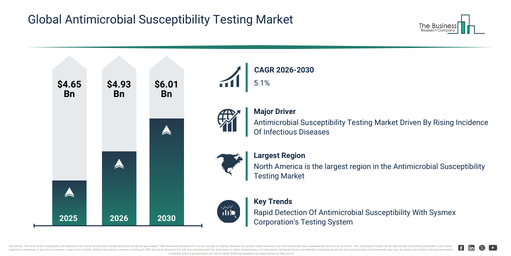
    The antimicrobial susceptibility testing market size has shown significant growth in recent years. This market is projected to expand from $4.65 billion in 2025 to $4.93 billion in 2026, exhibiting a compound annual growth rate (CAGR) of 6.0%. The historical increase in this market can be attributed to factors such as a rising incidence of infectious diseases, increasing awareness regarding antimicrobial resistance, the expansion of clinical microbiology laboratories, a rise in hospital diagnostic testing volumes, and the availability of standardized AST protocols.

    The antimicrobial susceptibility testing market is projected to experience substantial growth in the upcoming period. By 2030, its value is set to reach $6.01 billion, achieving a compound annual growth rate (CAGR) of 5.1%. This projected growth throughout the forecast period stems from several factors, including heightened investments in rapid diagnostic technologies, the increasing integration of AI-assisted laboratory analysis, broader expansion of antimicrobial resistance surveillance programs, a rising need for point-of-care AST solutions, and an intensified emphasis on precision antimicrobial therapy. Key trends expected during this period encompass the wider adoption of automated AST systems, an escalating demand for swift diagnostic testing, the deepening integration of molecular and phenotypic methodologies, further expansion of laboratory automation solutions, and a stronger focus on monitoring antimicrobial resistance.

    Access Your Free Sample Report for In-Depth Market Insights:

    https://www.thebusinessresearchcompany.com/sample.aspx?id=4026&type=smp

    What Drivers Are Affecting Demand-Supply Dynamics In The Antimicrobial Susceptibility Testing Market?

    The worldwide increase in the prevalence of infectious diseases has contributed to the growth of the antimicrobial susceptibility testing market. Infectious diseases originate from organisms such as bacteria, viruses, fungi, and parasites. Examples include bacterial pneumonia, tuberculosis (bacterial), and viral conditions like smallpox, AIDS, among others. For instance, in March 2024, data from the Centers for Disease Control and Prevention, a US-based national public health agency, indicated that in 2023, out of 9,573 TB cases where birth origin was identified, 7,259 (76%) occurred among non-U.S.–born persons. This represented an 18% increase compared with the 6,177 such cases documented in 2022. Consequently, the rising incidence of infectious diseases is a key driver for the growth of the antimicrobial susceptibility testing market.

    How Is The Antimicrobial Susceptibility Testing Market Organized Into Various Segments?

    The antimicrobial susceptibility testing market covered in this report is segmented –

    1) By Testing Type: Antibacterial Testing, Antifungal Testing, Antiparasitic Testing, Other Testing Types

    2) By Product: Manual Antimicrobial Susceptibility Testing Products, Automated Laboratory Instruments, Consumables

    3) By Application: Diagnostics, Drug Discovery and Development, Epidemiology, Other Applications

    4) By End User: Hospitals And Diagnostic Centers, Pharmaceutical And Biotechnology Companies, Research And Academic Institutes, Clinical Research Organizations (CROs)

    Subsegments:

    1) By Antibacterial Testing: Disk Diffusion Method, Broth Dilution Method, E-Test Method, Automated Systems

    2) By Antifungal Testing: Broth Dilution Method, Agar Disk Diffusion Method, E-Test Method, Colorimetric Methods

    3) By Antiparasitic Testing: In vitro Susceptibility Testing, Microscopic Examination, Molecular Methods

    4) By Other Testing Types: Mycobacterial Susceptibility Testing, Biofilm Susceptibility Testing, Combination Antimicrobial Testing

    How Are New Market Trends Shaping The Landscape Of The Antimicrobial Susceptibility Testing Market?

    Leading companies within the antimicrobial susceptibility testing market are creating innovative products, such as the First POC Testing System. This system identifies the presence or absence of bacteria and evaluates the effectiveness of antimicrobials using urine samples from patients suspected of having urinary tract infections (UTIs). It constitutes a significant advance in AST technologies, aiding in the quicker initiation of targeted antimicrobial therapy for patients with infections. For example, in June 2023, Sysmex Corporation, a Japan-based firm that produces reagents and equipment for clinical tests, including hematologic (blood) and immune assessments, unveiled a testing system for rapid antimicrobial susceptibility detection. Utilizing a unique and proprietary microfluidic technology, the system yields antimicrobial susceptibility testing (AST) results in as little as 30 minutes from the start of measurement, a notable improvement compared to the several days typically required for conventional AST.

    Who Are The Primary Competitors In The Global Antimicrobial Susceptibility Testing Market?

    Major companies operating in the antimicrobial susceptibility testing market are BioMérieux SA, Becton Dickinson and Company, Thermo Fisher Scientific Inc., Danaher Corporation, Bio-Rad Laboratories Inc., Accelerate Diagnostics Inc., Alifax Holding S.p.A., Synbiosis Ltd., Mast Group Ltd., ELITechGroup, Genefluidics Inc., QuantaMatrix Inc., Bruker Corporation, Eurofins Scientific SE, Liofilchem s.r.l., Hardy Diagnostics, Bioanalyse GmbH, Lab M Limited, Microbiologics Inc., Quidel Corporation, R-Biopharm AG, SSI Diagnostica A/S

    Access The Complete Report For Deeper Market Insights:

    https://www.thebusinessresearchcompany.com/report/antimicrobial-susceptibility-testing-global-market-report

    Which Global Regions Are Shaping The Competitive Landscape Of The Antimicrobial Susceptibility Testing Market?

    North America was the largest region in the antimicrobial susceptibility testing market in 2025. Asia-Pacific is expected to be the fastest growing region in the forecast period. The regions covered in the antimicrobial susceptibility testing market report are Asia-Pacific, South East Asia, Western Europe, Eastern Europe, North America, South America, Middle East, Africa.

    Request Your Customized Antimicrobial Susceptibility Testing Market Research Report for Competitive Advantage:

    https://www.thebusinessresearchcompany.com/customise?id=4026&type=smp

    Browse Through More Reports Similar to the Global Antimicrobial Susceptibility Testing Market 2026, By The Business Research Company

    Infectious Disease Diagnostics Testing Market Report 2026

    https://www.thebusinessresearchcompany.com/report/infectious-disease-diagnostics-testing-global-market-report

    Veterinary Antimicrobial Susceptibility Testing Market Report 2026

    https://www.thebusinessresearchcompany.com/report/veterinary-antimicrobial-susceptibility-testing-global-market-report

    Gastrointestinal Pathogen Testing Market Report 2026

    https://www.thebusinessresearchcompany.com/report/gastrointestinal-pathogen-testing-global-market-report

    Get in touch with us:

    The Business Research Company: https://www.thebusinessresearchcompany.com/

    Americas +1 310-496-7795

    Asia +44 7882 955267 & +91 8897263534

    Europe +44 7882 955267

    Email us at info@tbrc.info

    Follow us on:

    LinkedIn: https://in.linkedin.com/company/the-business-research-company

    YouTube: https://www.youtube.com/channel/UC24_fI0rV8cR5DxlCpgmyFQ

    Global Market Model: https://www.thebusinessresearchcompany.com/global-market-model
  • Antimicrobial Resistance (AMR) Genotyping Panels Industry Growth Insights: Revenue Forecast to 2030

    Antimicrobial Resistance (AMR) Genotyping Panels Industry Growth Insights: Revenue Forecast to 2030

    Uncover key drivers, emerging technologies, and competitive movements shaping the antimicrobial resistance (amr) genotyping panels market from 2026–2035 with trusted insights from The Business Research Company

    What long-term size projections exist for the Antimicrobial Resistance (AMR) Genotyping Panels Market covering 2026–2035?

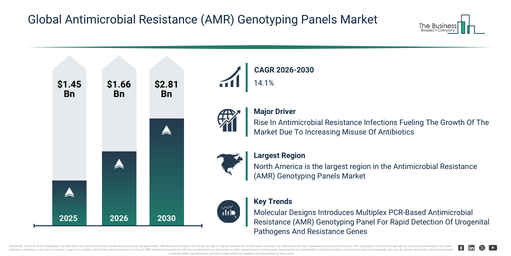
    The antimicrobial resistance (amr) genotyping panels market has seen substantial growth in recent years. It is anticipated to expand from $1.45 billion in 2025 to $1.66 billion in 2026, achieving a compound annual growth rate (CAGR) of 14.4%. Key drivers contributing to its past growth include the escalating prevalence of antimicrobial resistance, an increase in hospital-acquired infections, the development of molecular diagnostic capabilities, a rising awareness regarding resistance monitoring, and the accessibility of advanced genotyping technologies.

    The market for antimicrobial resistance (amr) genotyping panels is projected to experience substantial expansion in the coming years. This market is anticipated to reach a valuation of $2.81 billion by 2030, exhibiting a compound annual growth rate (CAGR) of 14.1%. This projected growth throughout the forecast period stems from factors such as heightened investments in infectious disease diagnostics, a growing need for swift point-of-care testing, the broadening scope of genomic epidemiology programs, the increasing incorporation of amr data analytics, and a greater regulatory emphasis on resistance surveillance. Key trends expected during the forecast period involve a greater uptake of multiplex resistance detection panels, an increased application of rapid molecular diagnostics, the expanding integration of genomic surveillance tools, the broadening of hospital-based amr testing, and an intensified focus on identifying resistance early.

    Access Your Free Sample Report for In-Depth Market Insights:

    https://www.thebusinessresearchcompany.com/sample.aspx?id=30196&type=smp

    Which Drivers Are Impacting The Competitive Landscape Of The Antimicrobial Resistance (AMR) Genotyping Panels Market?

    The increasing occurrence of antimicrobial-resistant infections is projected to drive the growth of the antimicrobial resistance (AMR) genotyping panels market moving forward. These infections describe conditions caused by microorganisms, including bacteria, viruses, fungi, or parasites, which have adapted to withstand the effects of conventional antimicrobial drugs, making them more difficult to treat. Key factors contributing to increased antimicrobial resistance involve the excessive and improper use of antibiotics. These habits have expedited the development of resistant pathogens, thereby fueling the demand for AMR genotyping panels that can swiftly pinpoint resistance genes and inform precise antimicrobial treatment. For instance, the Centers for Disease Control and Prevention (CDC) reports that over 2.8 million antimicrobial-resistant infections occur annually in the US. Thus, the escalating prevalence of antimicrobial-resistant infections is a primary impetus for the expansion of the antimicrobial resistance (AMR) genotyping panels market.

    What Segments Are Identified Within The Structure Of The Antimicrobial Resistance (AMR) Genotyping Panels Market?

    The antimicrobial resistance (amr) genotyping panels market covered in this report is segmented –

    1) By Product Type: Custom Panels, Pre-Designed Panels

    2) By Technology: Polymerase Chain Reaction (PCR)-Based, Microarray-Based, Next-Generation Sequencing (NSG)-Based, Other Technologies

    3) By Application: Clinical Diagnostics, Research, Drug Development, Other Applications

    4) By End-User: Hospitals And Clinics, Research Institutes, Pharmaceutical And Biotechnology Companies, Other End-users

    Subsegments:

    1) By Custom Panels: Pathogen-Specific Panels, Resistance Gene-Focused Panels, Multiplex Detection Panels, Targeted Mutation Panels, Research Application Panels

    2) By Pre-Designed Panels: Standardized Diagnostic Panels, Broad-Spectrum Resistance Panels, Disease-Specific Panels, Commercially Validated Panels, Ready-To-Use Screening Panels

    Which Trends Are Expected To Influence The Antimicrobial Resistance (AMR) Genotyping Panels Market In The Upcoming Years?

    Leading companies operating within the antimicrobial resistance (AMR) genotyping panels market are primarily focused on creating innovative products like multiplex PCR-based research assays. These assays enable the simultaneous detection of numerous pathogens and antibiotic resistance genes in a single test, thereby enhancing research efficiency and assisting in the faster identification of emerging resistance patterns. Multiplex PCR-based research assays specifically refer to molecular tests designed to amplify and detect multiple genetic targets simultaneously in one reaction to identify pathogens and antibiotic resistance genes. As an illustration, in September 2025, Molecular Designs, a US-based molecular diagnostics and research-assay company, introduced the Urogenital Microbiota with ABX 53 Simplicity Panel. This multiplex PCR-based research assay was developed to detect urinary pathogens and antibiotic resistance genes in a single test. The panel allows for the concurrent identification of 28 urogenital and urinary microbial targets (comprising 20 bacterial, 7 fungal, and 1 protozoan) along with 25 antibiotic-resistance gene markers. It offers same-day turnaround and is available in both 96-well and 384-well plate formats, with breakaway panels incorporated into the 96-well version to minimize waste.

    Which Key Market Players Are Investing In Expansion And Innovation Within The Antimicrobial Resistance (AMR) Genotyping Panels Market?

    Major companies operating in the antimicrobial resistance (amr) genotyping panels market are Thermo Fisher Scientific Inc., F Hoffmann La Roche Ltd., Abbott Laboratories, Illumina Inc., bioMérieux SA., Bruker Corporation, QIAGEN NV., Cepheid Inc., Integrated DNA Technologies Inc., Seegene Inc., Oxford Nanopore Technologies plc., Streck Inc., MedGenome Inc., Vela Diagnostics Pte. Ltd., Agena Bioscience Inc., CD Genomics Inc., Curetis GmbH, T2 Biosystems Inc., 3B BlackBio Biotech India Ltd., Genefirst Ltd., OpGen Inc.

    Access The Complete Report For Deeper Market Insights:

    https://www.thebusinessresearchcompany.com/report/global-antimicrobial-resistance-amr-genotyping-panels-market-report

    Which Regions Are Poised For Strategic Growth In The Antimicrobial Resistance (AMR) Genotyping Panels Market?

    North America was the largest region in the antimicrobial resistance (AMR) genotyping panels market in 2025. Asia-Pacific is expected to be the fastest-growing region in the forecast period. The regions covered in the antimicrobial resistance (amr) genotyping panels market report are Asia-Pacific, South East Asia, Western Europe, Eastern Europe, North America, South America, Middle East, Africa.

    Request Your Customized Antimicrobial Resistance (AMR) Genotyping Panels Market Research Report for Competitive Advantage:

    https://www.thebusinessresearchcompany.com/customise?id=30196&type=smp

    Browse Through More Reports Similar to the Global Antimicrobial Resistance (AMR) Genotyping Panels Market 2026, By The Business Research Company

    Genotyping Assay Market Report 2026

    https://www.thebusinessresearchcompany.com/report/genotyping-assay-global-market-report

    Antimicrobial Medical Device Coatings Market Report 2026

    https://www.thebusinessresearchcompany.com/report/antimicrobial-medical-device-coatings-global-market-report

    Multidrug Resistant Bacteria Market Report 2026

    https://www.thebusinessresearchcompany.com/report/multidrug-resistant-bacteria-global-market-report

    Get in touch with us:

    The Business Research Company: https://www.thebusinessresearchcompany.com/

    Americas +1 310-496-7795

    Asia +44 7882 955267 & +91 8897263534

    Europe +44 7882 955267

    Email us at info@tbrc.info

    Follow us on:

    LinkedIn: https://in.linkedin.com/company/the-business-research-company

    YouTube: https://www.youtube.com/channel/UC24_fI0rV8cR5DxlCpgmyFQ

    Global Market Model: https://www.thebusinessresearchcompany.com/global-market-model

  • Global Antimicrobial Regenerative Wound Matrix Market Performance Report: Global Trends 2026–2030

    Global Antimicrobial Regenerative Wound Matrix Market Performance Report: Global Trends 2026–2030

    Uncover key drivers, emerging technologies, and competitive movements shaping the antimicrobial regenerative wound matrix market from 2026–2035 with trusted insights from The Business Research Company

    What total market size is anticipated for the Antimicrobial Regenerative Wound Matrix Market in 2030?

    The antimicrobial regenerative wound matrix market has demonstrated robust growth in recent years. Its valuation is projected to increase from $4.03 billion in 2025 to $4.32 billion in 2026, achieving a compound annual growth rate (CAGR) of 7.4%. Historically, this expansion has been driven by the rising occurrence of chronic wounds, an increase in diabetes-related ulcers, the proliferation of surgical procedures, greater understanding of advanced wound care options, and the accessibility of antimicrobial biomaterials.

    The antimicrobial regenerative wound matrix market size is projected to experience substantial growth over the coming years. This market is anticipated to reach $5.68 billion by 2030, exhibiting a compound annual growth rate (CAGR) of 7.1%. Key factors driving this expansion include a burgeoning aging population, the escalating need for sophisticated wound care, the broadening scope of home healthcare services, a heightened emphasis on curbing hospital-acquired infections, and advancements in regenerative biomaterials. Additionally, prominent trends during this period encompass the wider embrace of advanced wound care biomaterials, a heightened demand for healing solutions resistant to infection, the increasing utilization of bioactive regenerative matrices, the expansion of uses in chronic wound treatment, and a sharpened focus on accelerating tissue regeneration.

    Access Your Free Sample Report for In-Depth Market Insights:

    https://www.thebusinessresearchcompany.com/sample.aspx?id=30195&type=smp

    What Drivers Are Influencing Production Trends In The Antimicrobial Regenerative Wound Matrix Market?

    The growing occurrence of chronic wounds is anticipated to drive the expansion of the antimicrobial regenerative wound matrix market. Chronic wounds are injuries that fail to progress through the normal healing stages within an expected timeframe, typically lasting more than 4 to 6 weeks, often due to underlying conditions such as diabetes, infection, or poor circulation. This rising prevalence stems from the increasing incidence of diabetes, obesity, and vascular diseases, alongside an aging population, all of which impair natural healing processes and result in a higher number of non-healing or slow-healing wounds requiring advanced care solutions. Antimicrobial regenerative wound matrices aid tissue regeneration while preventing infection, thereby accelerating healing in chronic, non-healing wounds. As an example, in June 2024, United Behavioral Health, a US-based managed healthcare company, reported that approximately 7 million Americans suffered from chronic wounds, and with rising diabetes, obesity, and aging populations, demand for wound care is expected to grow by about 2% annually over the next decade. Therefore, the increasing prevalence of chronic wounds is a significant factor propelling the growth of the antimicrobial regenerative wound matrix market.

    Which Segments Are Gaining Traction In The Antimicrobial Regenerative Wound Matrix Market?

    The antimicrobial regenerative wound matrix market covered in this report is segmented –

    1) By Product Type: Antimicrobial Matrix, Regenerative Matrix

    2) By Wound Type: Acute, Chronic

    3) By Material: Collagen-Based Matrix, Chitosan-Based Matrix, Hyaluronic Acid-Based Matrix

    4) By Application: Diabetic Foot Ulcers, Pressure Ulcers, Venous Leg Ulcers, Burns

    5) By End User: Hospitals, Clinics, Ambulatory Surgical Centers, Home Healthcare

    Subsegments:

    1) By Antimicrobial Matrix: Silver-Ion Impregnated Matrices, Iodine-Based Matrices, PHMB (Polyhexamethylene Biguanide)-Based Matrices, Honey-Infused Matrices, Chitosan-Based Matrices, Antibiotic-Loaded Polymer Matrices, Enzyme Or Peptide-Based Antimicrobial Matrices

    2) By Regenerative Matrix: Collagen-Based Matrices, Hydrogel Matrices, Hyaluronic Acid-Based Matrices, Human Or Animal-Derived Dermal Substitutes, Synthetic Polymer (Bioresorbable) Matrices, Amniotic Membrane-Derived Matrices, Composite (Hybrid) Regenerative Matrices

    What Trends Are Driving The Growth Trajectory Of The Antimicrobial Regenerative Wound Matrix Market?

    Companies prominent in the antimicrobial regenerative wound matrix market are increasingly integrating antimicrobial agents, such as silver-ion–impregnated bioresorbable polymer matrices, to address the escalating demand for faster healing, reduced infection risk, and lower hospitalization costs in chronic and surgical wound care. A silver-ion–impregnated bioresorbable polymer matrix is a wound-healing scaffold crafted from biodegradable polymers infused with silver ions, engineered to support tissue regeneration while providing continuous antimicrobial protection as it gradually dissolves into the body. For example, in August 2025, Imbed Biosciences Inc., a US-based medical device firm specializing in advanced wound care, introduced SAM PainGuard with Lidocaine, a dual-action wound matrix composed of a bioresorbable polymer scaffold impregnated with ionic silver for antimicrobial protection and lidocaine HCl for rapid pain relief. This matrix conforms to wound microtextures, ensures a sustained =99.99% microbial reduction for as long as 72 hours, and offers immediate analgesia. FDA 510(k)-cleared for application in surgical, burn, donor-site, and trauma wounds, the product marks a substantial advancement over conventional antimicrobial dressings and standard collagen matrices.

    Who Are The Core Companies Influencing Trends In The Antimicrobial Regenerative Wound Matrix Market?

    Major companies operating in the antimicrobial regenerative wound matrix market are Cardinal Health Inc., Medline Industries Inc., 3M Company, Essity AB, DSM Biomedical, Baxter International Inc., B. Braun Melsungen AG, Mölnlycke Health Care AB, ConvaTec Group plc, MTF Biologics, Organogenesis Inc., DeRoyal Industries Inc., MiMedx Group Inc., AdMedSol, Avita Medical, Aroa Biosurgery Ltd., Harbor Medtech Inc., Omeza LLC, ProgenaCare Global, RenovoDerm.

    Access The Complete Report For Deeper Market Insights:

    https://www.thebusinessresearchcompany.com/report/global-antimicrobial-regenerative-wound-matrix-market-report

    Which Regions Are Projected To Dominate The Antimicrobial Regenerative Wound Matrix Market In The Coming Years?

    North America was the largest region in the antimicrobial regenerative wound matrix market in 2025. Asia-Pacific is expected to be the fastest-growing region in the forecast period. The regions covered in the antimicrobial regenerative wound matrix market report are Asia-Pacific, South East Asia, Western Europe, Eastern Europe, North America, South America, Middle East, Africa.

    Request Your Customized Antimicrobial Regenerative Wound Matrix Market Research Report for Competitive Advantage:

    https://www.thebusinessresearchcompany.com/customise?id=30195&type=smp

    Browse Through More Reports Similar to the Global Antimicrobial Regenerative Wound Matrix Market 2026, By The Business Research Company

    Topical Wound Agents Market Report 2026

    https://www.thebusinessresearchcompany.com/report/topical-wound-agents-global-market-report

    Biomaterial Wound Dressing Market Report 2026

    https://www.thebusinessresearchcompany.com/report/biomaterial-wound-dressing-global-market-report

    Preoperative Infection Prevention And Wound Cleansing Devices Market Report 2026

    https://www.thebusinessresearchcompany.com/report/preoperative-infection-prevention-and-wound-cleansing-devices-global-market-report

    Get in touch with us:

    The Business Research Company: https://www.thebusinessresearchcompany.com/

    Americas +1 310-496-7795

    Asia +44 7882 955267 & +91 8897263534

    Europe +44 7882 955267

    Email us at info@tbrc.info

    Follow us on:

    LinkedIn: https://in.linkedin.com/company/the-business-research-company

    YouTube: https://www.youtube.com/channel/UC24_fI0rV8cR5DxlCpgmyFQ

    Global Market Model: https://www.thebusinessresearchcompany.com/global-market-model
  • Antidiabetics Market Future Outlook 2026: Key Drivers and Growth Potential

    Antidiabetics Market Future Outlook 2026: Key Drivers and Growth Potential

    Uncover key drivers, emerging technologies, and competitive movements shaping the antidiabetics market from 2026–2035 with trusted insights from The Business Research Company

    What is the expected shift in the Antidiabetics Market’s size between 2026 and 2030?

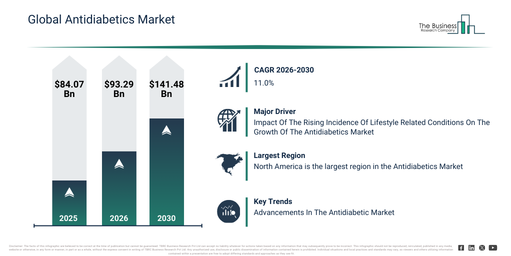
    The antidiabetics market has observed substantial growth in recent years. Its valuation is set to increase from $84.07 billion in 2025 to $93.29 billion in 2026, demonstrating a compound annual growth rate (CAGR) of 11.0%. This historical expansion can be primarily ascribed to factors such as the increasing global incidence of diabetes, broader availability of insulin treatments, the proliferation of oral antidiabetic medicines, enhanced disease understanding and diagnostic capabilities, and improvements in healthcare access.

    The antidiabetics market size is expected to experience substantial growth in the next few years, with projections indicating it will reach $141.48 billion in 2030, expanding at a compound annual growth rate (CAGR) of 11.0%. This anticipated growth during the forecast period is attributed to factors such as the increasing adoption of next-generation diabetes drugs, a heightened focus on long-acting and once-weekly therapies, the broader integration of digital diabetes management, growing investments in metabolic disorder research, and an increasing demand for patient-centric treatment options. Key trends in the forecast period include the increasing adoption of GLP-1 and SGLT2 therapies, a rising emphasis on combination drug regimens, a growing demand for personalized diabetes treatment, the expansion of oral antidiabetic drug usage, and an enhanced focus on cardiovascular and weight benefits.

    Access Your Free Sample Report for In-Depth Market Insights:

    https://www.thebusinessresearchcompany.com/sample.aspx?id=18225&type=smp

    Which Drivers Are Shaping Strategic Decisions In The Antidiabetics Market?

    An increasing occurrence of lifestyle-associated conditions is projected to boost the expansion of the antidiabetics market in the future. These conditions are health problems either caused or worsened by habits like inadequate nutrition, insufficient physical activity, smoking, and excessive alcohol intake. The frequency of such conditions is on the rise, attributed to factors such as unhealthy eating, sedentary lifestyles, and elevated stress levels. Antidiabetic drugs are effective in managing conditions linked to lifestyle, such as obesity and metabolic syndrome, through enhancements in insulin sensitivity and regulation of blood glucose. As an illustration, Statistics Canada, a government body based in Canada, reported in August 2024 that Canadian manufacturers manufactured 1.2 billion cigarettes in July 2024, which represented a 4.3% increase from June 2024 and a 2.3% rise compared to July 2023. Consequently, the growing prevalence of lifestyle-related conditions is serving as a primary impetus for the antidiabetic market.

    What Segment Categories Are Covered In The Antidiabetics Market?

    The antidiabetics market covered in this report is segmented –

    1) By Drug Class: Insulin, GLP-1 Receptor Agonists, DPP- 4 Inhibitors, SGLT2 Inhibitors, Other Drug Classes

    2) By Diabetes Type: Type 1, Type 2

    3) By Patient Population: Antidiabetics For Pediatrics, Antidiabetics For Adults, Antidiabetics For Geriatrics

    4) By Route Of Administration: Antidiabetics Administration Through Insulin Syringes Or Insulin Pens, Antidiabetics Administration Through Insulin Pumps, Intravenous Antidiabetics Infusion, Oral Antidiabetics Administration, Other Routes Of Antidiabetics Administration

    5) By Distribution Channel: Online Pharmacies, Hospital Pharmacies, Retail Pharmacies

    Subsegments:

    1) By Insulin: Rapid-Acting Insulin, Short-Acting Insulin, Intermediate-Acting Insulin, Long-Acting Insulin, Premixed Insulin

    2) By GLP-1 Receptor Agonists: Exenatide, Liraglutide, Dulaglutide, Semaglutide, Lixisenatide

    3) By DPP-4 Inhibitors: Sitagliptin, Saxagliptin, Linagliptin, Alogliptin

    4) By SGLT2 Inhibitors: Canagliflozin, Dapagliflozin, Empagliflozin, Ertugliflozin

    5) By Other Drug Classes: Sulfonylureas, Thiazolidinediones (TZDs), Alpha-Glucosidase Inhibitors, Meglitinides, GLP-1/Insulin Combination Therapy

    What Upcoming Trends Are Likely To Define The Future Path Of The Antidiabetics Market?

    Major companies in the antidiabetics market are actively developing advanced products, such as anti-diabetic biosimilars, aiming to enhance glycemic management, diminish the risk of cardiovascular incidents, and provide more efficacious treatment avenues for individuals with diabetes. An anti-diabetic biosimilar is a medication with biological similarities to an existing, approved reference drug for diabetes, offering comparable safety, effectiveness, and quality. As an illustration, in January 2024, Glenmark Pharmaceuticals Limited, an India-based pharmaceutical firm, introduced the inaugural biosimilar of Liraglutide, an anti-diabetic medication. This Liraglutide anti-diabetic drug biosimilar, marketed as Lirafit, is intended to improve glycemic control in adults suffering from type 2 diabetes mellitus. Clinical trials have indicated its ability to lower glycemic indicators, facilitate weight reduction, and bolster cardiovascular safety. Operating as a GLP-1 receptor agonist, it stimulates glucose-dependent insulin secretion and curtails excessive glucagon secretion. It has received global endorsement for the management of type 2 diabetes in adult patients.

    Which Major Industry Participants Are Leading The Antidiabetics Market Growth?

    Major companies operating in the antidiabetics market are Pfizer Inc., Johnson & Johnson, Merck & Co. Inc., Sanofi S.A., Bristol-Myers Squibb Company, AstraZeneca plc, Abbott Laboratories, Novartis AG, Takeda Pharmaceutical Company Limited, GSK plc, Eli Lilly and Company, Boehringer Ingelheim International GmbH, Novo Nordisk A/S, Teva Pharmaceutical Industries Ltd., Astellas Pharma Inc., Sun Pharmaceutical Industries Limited, Cipla Limited, Dr. Reddy’s Laboratories, Lupin Limited, Torrent Pharmaceuticals Ltd, Biocon Limited, Glenmark Pharmaceuticals Ltd.

    Access The Complete Report For Deeper Market Insights:

    https://www.thebusinessresearchcompany.com/report/antidiabetics-global-market-report

    Which Region Is Expected To Experience The Fastest Growth In The Antidiabetics Market?

    North America was the largest region in the antidiabetics market in 2025. The regions covered in the antidiabetics market report are Asia-Pacific, South East Asia, Western Europe, Eastern Europe, North America, South America, Middle East, Africa.

    Request Your Customized Antidiabetics Market Research Report for Competitive Advantage:

    https://www.thebusinessresearchcompany.com/customise?id=18225&type=smp

    Browse Through More Reports Similar to the Global Antidiabetics Market 2026, By The Business Research Company

    Biobetters Market Report 2026

    https://www.thebusinessresearchcompany.com/report/biobetters-global-market-report

    Antidiabetics Market Report 2026

    https://www.thebusinessresearchcompany.com/report/antidiabetics-global-market-report

    Antidiabetics Market Report 2026

    https://www.thebusinessresearchcompany.com/report/antidiabetics-global-market-report

    Get in touch with us:

    The Business Research Company: https://www.thebusinessresearchcompany.com/

    Americas +1 310-496-7795

    Asia +44 7882 955267 & +91 8897263534

    Europe +44 7882 955267

    Email us at info@tbrc.info

    Follow us on:

    LinkedIn: https://in.linkedin.com/company/the-business-research-company

    YouTube: https://www.youtube.com/channel/UC24_fI0rV8cR5DxlCpgmyFQ

    Global Market Model: https://www.thebusinessresearchcompany.com/global-market-model
  • Antibody Validation Market Trends and Insights: Global Forecast to 2030

    Antibody Validation Market Trends and Insights: Global Forecast to 2030

    Uncover key drivers, emerging technologies, and competitive movements shaping the antibody validation market from 2026–2035 with trusted insights from The Business Research Company

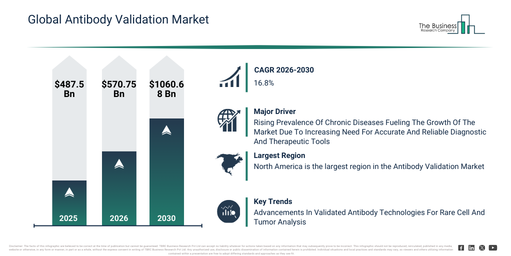
    What growth pattern is forecast for the Antibody Validation Market size between 2026 and 2035?

    The size of the antibody validation market has seen rapid expansion in recent times. This market is projected to expand from $487.5 billion in 2025 to $570.75 billion by 2026, exhibiting a compound annual growth rate (CAGR) of 17.1%. Historically, this growth has been driven by several factors, including heightened concerns regarding variability in research antibodies, the broadening scope of proteomics and genomics studies, increased regulatory oversight concerning research reproducibility, the proliferation of antibody-based assays, and a surge in funding allocated to life sciences research.

    The antibody validation market size is anticipated to undergo significant growth in the coming years, with projections indicating it will reach $1060.68 billion by 2030, driven by a compound annual growth rate (CAGR) of 16.8%. This expansion in the forecast period can be attributed to factors such as increasing demand for rigor and reproducibility, a rise in the use of antibodies in clinical research, the broadening scope of precision diagnostics, the growing acceptance of validated antibodies in drug discovery, and the increasing integration of digital validation data platforms. Key trends expected in the forecast period include the increasing adoption of standardized antibody validation protocols, a rising demand for application-specific validation services, the growing use of multiplex validation techniques, the expansion of reproducibility-focused testing frameworks, and an enhanced emphasis on data transparency.

    Access Your Free Sample Report for In-Depth Market Insights:

    https://www.thebusinessresearchcompany.com/sample.aspx?id=30194&type=smp

    Which Drivers Are Impacting Market Performance In The Antibody Validation Market?

    The increasing occurrence of chronic illnesses is anticipated to fuel the expansion of the antibody validation market in the foreseeable future. These enduring health conditions develop gradually and persist for extended durations, frequently demanding continuous medical attention. A contributing factor to the escalating prevalence of chronic diseases is sedentary lifestyles, where prolonged sitting and minimal physical activity heighten the susceptibility to ailments such as heart conditions and diabetes. Antibody validation plays a vital role in chronic disease management by guaranteeing the precision, specificity, and dependability of antibodies employed in diagnostic and therapeutic applications. It facilitates improved detection of disease biomarkers, supports accurate monitoring, and enhances the creation of targeted treatments, ultimately advancing effective and tailored chronic disease care. As an illustration, in June 2024, data from the National Health Service, a UK-based government department, indicated that 3,615,330 individuals registered with a general practitioner (GP) were diagnosed with non-diabetic hyperglycemia or pre-diabetes (a condition with elevated blood sugar levels, not high enough to be classified as diabetes) in 2023, marking an 18% increase from 3,065,825 cases reported in 2022. Consequently, the rising incidence of chronic diseases is a significant driver for the growth of the antibody validation market.

    Which Segments Are Contributing To The Growth Of The Antibody Validation Market?

    The antibody validation market covered in this report is segmented –

    1) By Product Type: Monoclonal Antibodies, Polyclonal Antibodies, Anti-Body Drug Complexes

    2) By Disease Indication: Cardiovascular Diseases, Central Nervous System (CNS) Disorders, Cancer, Autoimmune Disorders

    3) By End User: Pharmaceutical And Biotechnological Firms, Contract Research Organizations, Research Institutes

    Subsegments:

    1) By Monoclonal Antibodies: Recombinant Monoclonal Antibodies, Humanized Monoclonal Antibodies, Chimeric Monoclonal Antibodies, Murine Monoclonal Antibodies

    2) By Polyclonal Antibodies: Rabbit Polyclonal Antibodies, Goat Polyclonal Antibodies, Sheep Polyclonal Antibodies, Donkey Polyclonal Antibodies

    3) By Antibody Drug Complexes: Immunoconjugates, Radioimmunoconjugates, Immunotoxins, Bispecific Antibody Drug Complexes

    Which Trends Are Shaping Activity Within The Antibody Validation Market?

    Leading companies in the antibody validation market are directing their attention to advanced innovations, such as Celselect slides enumeration stain kits, to elevate the accuracy and sensitivity of rare cell and circulating tumor cell identification, improve validation efficiency, and bolster high-precision cancer research and diagnostic applications. Celselect slides enumeration stain kits are defined as specialized reagent kits created to enable the detection, staining, and enumeration of rare cells and circulating tumor cells (CTCs). For example, in March 2024, Bio-Rad Laboratories Inc., a US-based life science research enterprise, introduced the celselect slides validated antibodies for rare cell and circulating tumor cell (CTC) enumeration. This initiative aimed to facilitate sensitive and specific identification of CTC surface markers, enhance tumor heterogeneity investigations, and support high-precision cancer research by improving rare cell capture, enrichment, and analysis. This introduction broadened the company’s single-cell oncology portfolio, offering researchers validated reagents for precise immunostaining and enumeration of CTCs.

    Who Are The Prominent Global Companies Shaping The Antibody Validation Market Landscape?

    Major companies operating in the antibody validation market are F. Hoffmann-La Roche Ltd., Merck & Co. Inc., Thermo Fisher Scientific Inc., Danaher Corporation, Becton Dickinson and Company, Agilent Technologies Inc., PerkinElmer Inc., Bio-Rad Laboratories Inc., Azenta Inc., GenScript Biotech Corporation, Promega Corporation, Sino Biological Inc., Cell Signaling Technology Inc., Fortis Life Sciences, Proteintech Group Inc., Santa Cruz Biotechnology Inc., Novus Biologicals LLC, Creative Diagnostics, Rockland Immunochemicals Inc., Biorbyt Ltd.

    Access The Complete Report For Deeper Market Insights:

    https://www.thebusinessresearchcompany.com/report/global-antibody-validation-market-report

    Which Geographic Areas Are Emerging As Strong Markets For The Antibody Validation Market?

    North America was the largest region in the antibody validation market in 2025. The regions covered in the antibody validation market report are Asia-Pacific, South East Asia, Western Europe, Eastern Europe, North America, South America, Middle East, Africa.

    Request Your Customized Antibody Validation Market Research Report for Competitive Advantage:

    https://www.thebusinessresearchcompany.com/customise?id=30194&type=smp

    Browse Through More Reports Similar to the Global Antibody Validation Market 2026, By The Business Research Company

    Neuroscience Antibodies And Assays Market Report 2026

    https://www.thebusinessresearchcompany.com/report/neuroscience-antibodies-and-assays-global-market-report

    Diagnostic Specialty Antibodies Market Report 2026

    https://www.thebusinessresearchcompany.com/report/diagnostic-specialty-antibodies-global-market-report

    Research Antibodie And Reagent Market Report 2026

    https://www.thebusinessresearchcompany.com/report/research-antibodie-and-reagent-global-market-report

    Get in touch with us:

    The Business Research Company: https://www.thebusinessresearchcompany.com/

    Americas +1 310-496-7795

    Asia +44 7882 955267 & +91 8897263534

    Europe +44 7882 955267

    Email us at info@tbrc.info

    Follow us on:

    LinkedIn: https://in.linkedin.com/company/the-business-research-company

    YouTube: https://www.youtube.com/channel/UC24_fI0rV8cR5DxlCpgmyFQ

    Global Market Model: https://www.thebusinessresearchcompany.com/global-market-model