Category: HealthcareServices

  • Next Generation Immunotherapies Industry Forecast to Hit $235.85 Billion by 2029 With a Strong 12% CAGR

    Next Generation Immunotherapies Industry Forecast to Hit $235.85 Billion by 2029 With a Strong 12% CAGR

    Unlock Global Insights – Save 20% on Market Reports with Code ONLINE20

    What Are The Growth Projections For The Next Generation Immunotherapies Market Size During 2025–2029?

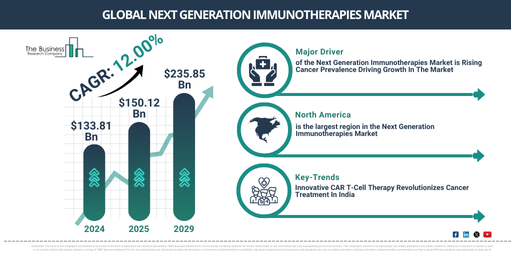
    The next generation immunotherapies market size has demonstrated rapid expansion in recent years. It is projected to increase from $133.81 billion in 2024 to $150.12 billion in 2025, exhibiting a compound annual growth rate (CAGR) of 12.2%. The historical growth experienced by this market can be attributed to the rising prevalence of oncology, an increase in research and development investments, a surge in government initiatives, heightened government expenditure on health, and the expansion of approved indications.

    The next generation immunotherapies market is anticipated to experience substantial growth in the coming years. It is projected to reach $235.85 billion by 2029, expanding at a compound annual growth rate (CAGR) of 12.0%. This expansion during the forecast period is primarily driven by the increasing incidence of cancer, escalating healthcare expenditure, wider adoption of chimeric antigen receptor (CAR) T-cell therapy, the growing impact of chronic diseases, and enhanced research into next-generation drugs. Key trends throughout the forecast period include a transition towards combination therapies, ongoing technological progress, innovative therapeutic strategies, developments in personalized medicine, and improvements in regulatory support.

    Unlock Your Free Sample Report for Exclusive Market Data:

    https://www.thebusinessresearchcompany.com/sample.aspx?id=21231&type=smp

    What Are The Emerging Market Drivers Creating New Opportunities In The Next Generation Immunotherapies Industry?

    The rising prevalence of cancer is projected to propel the expansion of the next-generation immunotherapies market. Cancer, a group of diseases marked by the uncontrolled growth and spread of abnormal cells in the body, sees its prevalence influenced by factors such as aging populations, lifestyle shifts, environmental exposures, and better detection methods. Next-generation immunotherapies provide advanced, targeted treatments that enhance the body’s immune response to cancer, offering improved effectiveness, durability, and personalization. For instance, in May 2024, reports from the National Cancer Institute (NCI), a US-based government agency, revealed nearly 20 million new cancer cases and 9.7 million cancer-related deaths globally in 2022, with projections for 2040 estimating 29.9 million new cases and 15.3 million cancer-related deaths. This increasing prevalence of cancer is thus driving the growth of the next-generation immunotherapies market.

    Which Key Segments Fueling The Next Generation Immunotherapies Market?

    The next generation immunotherapiesmarket covered in this report is segmented –

    1) By Drug Class: Monoclonal Antibodies; Antibody-Drug Conjugates – ADC’s; Angiotensin-Converting Enzyme (ACE) Inhibitors; Immune Checkpoint Inhibitors

    2) By Route Of Administration: Intravenous; Parenteral; Intratumoral; Subcutaneous; Oral

    3) By Distribution Channel: Hospital Pharmacies; Clinical Pharmacies; Other Distribution channels

    Subsegments:

    1) By Monoclonal Antibodies: Anti-PD-1 Antibodies; Anti-PD-L1 Antibodies; Anti-CTLA-4 Antibodies; Anti-CD20 Antibodies; Other Monoclonal Antibodies

    2) By Antibody-Drug Conjugates (ADC’s): HER2-targeted ADCs; CD30-targeted ADCs; CD19-targeted ADCs; Other ADCs

    3) By Angiotensin-Converting Enzyme (ACE) Inhibitors: ACE Inhibitors For Cancer Therapy; ACE Inhibitors For Other Indications

    4) By Immune Checkpoint Inhibitors: PD-1 Or PD-L1 Inhibitors; CTLA-4 Inhibitors; Other Immune Checkpoint Inhibitors

    What Trends Are Redefining The Next Generation Immunotherapies Market Dynamics?

    Major companies operating in the next-generation immunotherapies market are prioritizing the development of innovative therapies, such as CAR T-cell therapy, to address cancers, autoimmune diseases, and infectious diseases. CAR T-cell therapy is a form of immunotherapy where a patient’s T cells, a type of immune cell, are genetically modified to express chimeric antigen receptors (CARs). For instance, in January 2025, Immuneel Therapeutics Private Limited, an India-based cell and gene therapy startup, introduced Qartemi, India’s first CAR T-cell therapy. This therapy, aimed at adult B-cell non-Hodgkin lymphoma, functions by genetically altering a patient’s immune cells to target and eliminate cancer cells, thus presenting a highly effective and personalized treatment option. It extends renewed hope to patients for whom conventional treatments have proven unsuccessful, with the added advantage of being more affordable than comparable global options.

    Which Key Players Are Driving Competition In The Next Generation Immunotherapies Market?

    Major companies operating in the next generation immunotherapies market are Pfizer Inc., F. Hoffmann-La Roche Ltd., Merck & Co. Inc., AbbVie Inc., Sanofi S.A., Bristol-Myers Squibb Company, AstraZeneca PLC, Novartis AG, GlaxoSmithKline plc (GSK), Eli Lilly and Company, Gilead Sciences Inc., Amgen Inc., Boehringer Ingelheim International GmbH, Regeneron Pharmaceuticals Inc., Incyte Corporation, BioNTech SE, Xencor Inc., Fate Therapeutics Inc., Immatics N.V., Atara Biotherapeutics Inc., Menarini Group, Alpine Immune Sciences Inc., Mereo Biopharma Group plc, Immunomic Therapeutics Inc., Indaptus Therapeutics Inc.

    Download The Full Report For Exclusive Market Findings:

    https://www.thebusinessresearchcompany.com/report/next-generation-immunotherapies-global-market-report

    What Regional Growth Trends Are Shaping The Next Generation Immunotherapies Market Outlook?

    North America was the largest region in the next-generation immunotherapies market in 2024. Asia-Pacific is expected to be the fastest-growing region in the forecast period. The regions covered in the next generation immunotherapies market report are Asia-Pacific, Western Europe, Eastern Europe, North America, South America, Middle East, Africa.

    Request A Customized Version Of The Next Generation Immunotherapies Market Report:

    https://www.thebusinessresearchcompany.com/customise?id=21231&type=smp

    Browse Through More Reports Similar to the Global Next Generation Immunotherapies Market 2025, By The Business Research Company

    Clinical Oncology Next Generation Sequencing Global Market Report 2025

    https://www.thebusinessresearchcompany.com/report/clinical-oncology-next-generation-sequencing-global-market-report

    Next Generation Sequencing Global Market Report 2025

    https://www.thebusinessresearchcompany.com/report/next-generation-sequencing-global-market-report

    Next Generation Military Power Supply Global Market Report 2025

    https://www.thebusinessresearchcompany.com/report/next-generation-military-power-supply-global-market-report

    Get in touch with us:

    The Business Research Company: https://www.thebusinessresearchcompany.com/

    Americas +1 310-496-7795

    Asia +44 7882 955267 & +91 8897263534

    Europe +44 7882 955267

    Email us at info@tbrc.info

    Follow us on:

    LinkedIn: https://in.linkedin.com/company/the-business-research-company

    YouTube: https://www.youtube.com/channel/UC24_fI0rV8cR5DxlCpgmyFQ

    Global Market Model: https://www.thebusinessresearchcompany.com/global-market-model
  • Neurofibromatosis Type 1 Market to Reach $12.65 Billion by 2029, Growing at a CAGR of 9.4%

    Neurofibromatosis Type 1 Market to Reach $12.65 Billion by 2029, Growing at a CAGR of 9.4%

    Unlock Global Insights – Save 20% on Market Reports with Code ONLINE20

    What Is The Global Market Value Of The Neurofibromatosis Type 1 Industry In 2025?

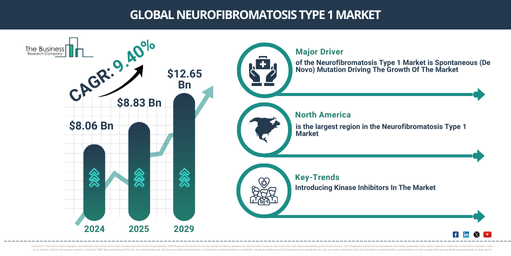
    The market size for neurofibromatosis type 1 has demonstrated robust growth in recent years. It is forecast to grow from $8.06 billion in 2024 to $8.83 billion in 2025, achieving a compound annual growth rate (CAGR) of 9.6%. This expansion in the past can be linked to factors such as increasing awareness, a rise in healthcare spending, population growth, advantageous government policies, and the modernization of medical infrastructure.

    The neurofibromatosis type 1 market size is anticipated to undergo significant expansion in the upcoming years. It is projected to reach $12.65 billion by 2029, demonstrating a compound annual growth rate (CAGR) of 9.4%. This growth during the forecast period can be linked to a rise in blood cancer cases, an increasing occurrence of plexiform tumors, the prevalence of nerve sheath tumors, a growing incidence of neurofibromatosis, and the enhanced adoption of neurofibromatosis therapeutics. Dominant trends during this period are expected to encompass research and development, the creation of novel therapies, improvements in diagnostic techniques, the availability of tumor-specific therapeutics, and the development of new drugs.

    Unlock Your Free Sample Report for Exclusive Market Data:

    https://www.thebusinessresearchcompany.com/sample.aspx?id=21230&type=smp

    Which Drivers Are Impacting The Neurofibromatosis Type 1 Market?

    The neurofibromatosis type 1 (NF1) market is projected to expand due to spontaneous (de novo) mutations. A spontaneous (de novo) mutation is defined as a genetic change occurring for the first time in an individual, originating from DNA replication errors or environmental influences, rather than being inherited. The increase in spontaneous (de novo) mutations is linked to factors like advanced parental age, environmental exposures (e.g., radiation and chemicals), and inaccuracies during DNA replication in cell division. Neurofibromatosis type 1 (NF1) itself contributes to spontaneous (de novo) mutations because the NF1 gene has a high mutation rate, often experiencing large deletions, insertions, or point mutations during gamete formation, resulting in new cases without a prior family history. As an illustration, a report from August 2023 by Molecular Biology and Evolution, a US-based peer-reviewed journal, indicated that 1.17 million autosomal and pseudoautosomal variants, averaging 11,007 variants per offspring, successfully passed the Mendelian violation filter. Within this dataset, 534 suspected de novo mutations (DNMs) were identified in POR and TVA families, not counting those shared between siblings. Consequently, spontaneous (de novo) mutation is a key factor propelling the expansion of the neurofibromatosis type 1 (NF1) market.

    How Is The Neurofibromatosis Type 1 Market Classified Into Different Segments?

    The neurofibromatosis type 1market covered in this report is segmented –

    1) By Treatment: Medication; Surgery; Radiation Therapy; Other Treatments

    2) By Disease Type: Plexiform Neurofibromas; Cutaneous Neurofibromas; Optic Gliomas; Other Diseases

    3) By Distribution Channel: Hospital Pharmacies; Retail Pharmacies; Online Pharmacies

    4) By End Users: Hospitals; Speciality Clinics; Ambulatory Surgical Centers; Other End Users

    Subsegments:

    1) By Medication: Targeted Therapy; Pain Management Medications; Anticonvulsants

    2) By Surgery: Tumor Removal Surgery; Nerve Decompression Surgery

    3) By Radiation Therapy: Stereotactic Radiosurgery; External Beam Radiation Therapy

    4) By Other Treatments: Physical Therapy; Genetic Counseling; Psychological Support And Counseling

    How Are Emerging Market Trends Shaping The Neurofibromatosis Type 1 Industry Landscape?

    Leading companies in the neurofibromatosis type 1 (NF1) market are prioritizing the introduction of innovative solutions such as kinase inhibitor to advance targeted treatments and patient outcomes. A kinase inhibitor refers to a medication designed to block the activity of kinases, which are enzymes responsible for transferring phosphate groups to proteins and thereby regulating diverse cellular processes. For instance, in May 2023, AstraZeneca plc, a UK-based pharmaceutical industry company, obtained approval from China for Koselugo (selumetinib), intended for treating symptomatic, inoperable plexiform neurofibromas (PN) in pediatric patients aged three years and above who have neurofibromatosis type 1 (NF1). This approval expands the availability of specific treatment options for pediatric NF1 patients, improving disease management and enhancing their quality of life. The introduction of Koselugo (selumetinib) in China aligns with the increasing emphasis on precision medicine, presenting a non-surgical alternative for managing inoperable plexiform neurofibromas.

    Who Are The Top Performing Companies In The Neurofibromatosis Type 1 Market In Recent Years?

    Major companies operating in the neurofibromatosis type 1 market are Pfizer Inc., F. Hoffmann-La Roche Ltd, Merck & Co. Inc, Novartis AG, AstraZeneca Plc, Takeda Pharmaceutical Company Limited, Boehringer Ingelheim International GmbH, Vertex Pharmaceuticals Incorporated, Shanghai Fosun Pharmaceutical (Group) Co. Ltd, BeiGene Ltd., BioMarin Pharmaceutical Inc, Exelixis Inc., Blueprint Medicines Corporation, SpringWorks Therapeutics Inc, Onclive LLC, Healx Limited, Infixion Bioscience Limited, NFlection Therapeutics Inc, Pasithea Therapeutics Corporation, Mulberry Biotherapeutics Inc.

    Download The Full Report For Exclusive Market Findings:

    https://www.thebusinessresearchcompany.com/report/neurofibromatosis-type-1-global-market-report

    Which Regional Markets Are Contributing Most To The Neurofibromatosis Type 1 Industry Expansion?

    North America was the largest region in the neurofibromatosis type 1 (NF1) market in 2024. Asia-Pacific is expected to be the fastest-growing region in the forecast period. The regions covered in the neurofibromatosis type 1 market report are Asia-Pacific, Western Europe, Eastern Europe, North America, South America, Middle East, Africa.

    Request A Customized Version Of The Neurofibromatosis Type 1 Market Report:

    https://www.thebusinessresearchcompany.com/customise?id=21230&type=smp

    Browse Through More Reports Similar to the Global Neurofibromatosis Type 1 Market 2025, By The Business Research Company

    Type 1 Diabetes Global Market Report 2025

    https://www.thebusinessresearchcompany.com/report/type-1-diabetes-global-market-report

    Neurofibromatosis Treatment Global Market Report 2025

    https://www.thebusinessresearchcompany.com/report/neurofibromatosis-treatment-global-market-report

    Leukemia Therapeutics Global Market Report 2025

    https://www.thebusinessresearchcompany.com/report/leukemia-therapeutics-global-market-report

    Get in touch with us:

    The Business Research Company: https://www.thebusinessresearchcompany.com/

    Americas +1 310-496-7795

    Asia +44 7882 955267 & +91 8897263534

    Europe +44 7882 955267

    Email us at info@tbrc.info

    Follow us on:

    LinkedIn: https://in.linkedin.com/company/the-business-research-company

    YouTube: https://www.youtube.com/channel/UC24_fI0rV8cR5DxlCpgmyFQ

    Global Market Model: https://www.thebusinessresearchcompany.com/global-market-model
  • Global Neuroendocrine Carcinoma Market Size Projected to Reach $2.31 Billion During the Forecast Period

    Global Neuroendocrine Carcinoma Market Size Projected to Reach $2.31 Billion During the Forecast Period

    Unlock Global Insights – Save 20% on Market Reports with Code ONLINE20

    By How Much Is The Neuroendocrine Carcinoma Market Expected To Expand Between 2025 And 2029?

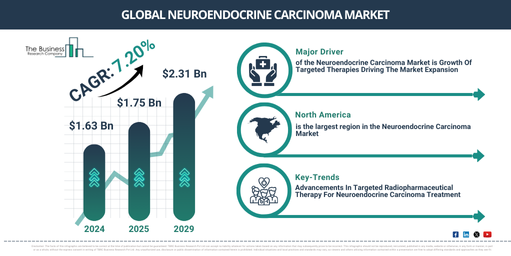
    The neuroendocrine carcinoma market size has seen substantial growth recently. It is anticipated to expand from $1.63 billion in 2024 to $1.75 billion in 2025, exhibiting a compound annual growth rate (CAGR) of 7.4%. This historic expansion was driven by factors such as the development of the imaging sector, a rise in the incidence of neuroendocrine tumors, increasing investments, growing government initiatives, and the ongoing demand for neuroendocrine tumor treatments.

    The neuroendocrine carcinoma market size is projected to experience robust growth in the coming years. It is predicted to expand to $2.31 billion by 2029, demonstrating a compound annual growth rate (CAGR) of 7.2%. The anticipated growth during this period is driven by factors such as the rising incidence of cancer, an increasing number of product approvals, greater adoption of improved diagnostic imaging methods, the expansion of targeted therapies, and the growing availability of diagnosis and treatment options. Significant trends expected during the forecast period include progress in diagnostic technologies, advancements in imaging technologies, the development of targeted treatment approaches, improvements in neuroendocrine tumor management, and the evolution of targeted therapies and immunotherapies.

    Unlock Your Free Sample Report for Exclusive Market Data:

    https://www.thebusinessresearchcompany.com/sample.aspx?id=21229&type=smp

    Which Industry Drivers Are Expected To Accelerate The Neuroendocrine Carcinoma Market From 2025 To 2029?

    The expansion of targeted therapies is projected to advance the neuroendocrine carcinoma market in the future. These therapies are treatments designed to accurately pinpoint and disrupt the molecular processes or genetic alterations responsible for a disease, especially cancer. The demand for targeted therapies is rising due to factors such as their precision in treating specific genetic mutations, breakthroughs in personalized medicine, and enhanced patient outcomes with fewer side effects. Neuroendocrine carcinoma facilitates the development of targeted therapies that specifically address the tumor’s genetic and biochemical profiles, thereby improving treatment precision and effectiveness. For instance, in July 2023, a report published by the American Society of Gene & Cell Therapy (ASGCT), a US-based professional membership organization, and Citeline, a US-based provider of drugs and devices, showed that at the end of Q1 2023, there were 247 gene therapies in Phase II, and this number subsequently increased by 5% to reach 260 by the end of Q2. Therefore, the growth of targeted therapies is propelling the growth of the neuroendocrine carcinoma market.

    What Are The Major Segments Identified In The Neuroendocrine Carcinoma Market?

    The neuroendocrine carcinomamarket covered in this report is segmented –

    1) By Type: Gastroenteropancreatic Neuroendocrine Tumors; Carcinoid Tumors; Pheochromocytoma; Medullary Thyroid Carcinoma

    2) By Diagnostic Tools: Imaging; Biopsy; Serology

    3) By Treatment: Chemotherapy; Radiotherapy; Surgery; Other Treatments

    4) By Distribution Channel: Hospital Pharmacies; Retail Pharmacies; Online Pharmacies

    5) By End-User: Hospitals; Clinics; Oncology Centers; Ambulatory Surgery Centers

    Subsegments:

    1) By Gastroenteropancreatic Neuroendocrine Tumors (GEP-NETs): Pancreatic Neuroendocrine Tumors (pNETs); Small Intestinal Neuroendocrine Tumors; Gastric Neuroendocrine Tumors; Colorectal Neuroendocrine Tumors

    2) By Carcinoid Tumors: Pulmonary Carcinoid Tumors; Gastrointestinal Carcinoid Tumors

    3) By Pheochromocytoma: Adrenal Pheochromocytoma; Extra-Adrenal Paraganglioma

    4) By Medullary Thyroid Carcinoma: Sporadic Medullary Thyroid Carcinoma; Hereditary Medullary Thyroid Carcinoma (MEN2-Associated)

    Which Key Trends Are Expected To Influence The Neuroendocrine Carcinoma Market In The Coming Years?

    Leading companies active in the neuroendocrine carcinoma market are concentrating on developing advanced therapeutic approaches, such as targeted radiopharmaceutical therapy, with the goal of improving treatment accuracy and patient results. Targeted radiopharmaceutical therapy employs radioactive molecules engineered to specifically identify and deliver radiation to cancer cells, thereby minimizing adverse effects on healthy tissue. For instance, in September 2024, Abdera Therapeutics Inc., a Canada-based biotechnology company, was granted orphan drug designation by the Food and Drug Administration (FDA) for ABD-147 for addressing neuroendocrine carcinoma. This drug is formulated to selectively target tumors that exhibit the DLL3 protein, which is often found in elevated levels in aggressive neuroendocrine cancers, including small cell lung cancer (SCLC) and large cell neuroendocrine carcinoma (LCNEC). This designation provides substantial developmental benefits, encompassing tax credits for clinical trials and the possibility of market exclusivity, thereby positioning ABD-147 as a hopeful treatment in this particular oncology field.

    Which Leading Companies Dominate The Neuroendocrine Carcinoma Market Share?

    Major companies operating in the neuroendocrine carcinoma market are Pfizer Inc., Merck & Co. Inc., AbbVie Inc., Bristol-Myers Squibb Company, AstraZeneca plc, Novartis AG, Amgen Inc., Boehringer Ingelheim GmbH, Exelixis Inc., Lantheus Holdings Inc., HUTCHMED Limited, Dana-Farber Cancer Institute Inc., Abdera Therapeutics Inc., Orano Med S.A, Eckert & Ziegler Radiopharma GmbH, Callisto Pharmaceuticals Inc., RadioMedix Inc., Clarity Pharmaceuticals Limited, Delcath Systems Inc., Provectus Biopharmaceuticals Inc.

    Download The Full Report For Exclusive Market Findings:

    https://www.thebusinessresearchcompany.com/report/neuroendocrine-carcinoma-global-market-report

    How Does The Neuroendocrine Carcinoma Market Perform Across Key Geographic Regions?

    North America was the largest region in the neuroendocrine carcinoma market in 2024. Asia-Pacific is expected to be the fastest-growing region in the forecast period. The regions covered in the neuroendocrine carcinoma market report are Asia-Pacific, Western Europe, Eastern Europe, North America, South America, Middle East, Africa.

    Request A Customized Version Of The Neuroendocrine Carcinoma Market Report:

    https://www.thebusinessresearchcompany.com/customise?id=21229&type=smp

    Browse Through More Reports Similar to the Global Neuroendocrine Carcinoma Market 2025, By The Business Research Company

    Neuroendocrine Tumor Treatment Global Market Report 2025

    https://www.thebusinessresearchcompany.com/report/neuroendocrine-tumor-treatment-global-market-report

    Hepatocellular Carcinoma Drugs Global Market Report 2025

    https://www.thebusinessresearchcompany.com/report/hepatocellular-carcinoma-drugs-global-market-report

    Unresectable Hepatocellular Carcinoma Global Market Report 2025

    https://www.thebusinessresearchcompany.com/report/unresectable-hepatocellular-carcinoma-global-market-report

    Get in touch with us:

    The Business Research Company: https://www.thebusinessresearchcompany.com/

    Americas +1 310-496-7795

    Asia +44 7882 955267 & +91 8897263534

    Europe +44 7882 955267

    Email us at info@tbrc.info

    Follow us on:

    LinkedIn: https://in.linkedin.com/company/the-business-research-company

    YouTube: https://www.youtube.com/channel/UC24_fI0rV8cR5DxlCpgmyFQ

    Global Market Model: https://www.thebusinessresearchcompany.com/global-market-model
  • Nephrotic Syndrome Industry Anticipated to Expand at 10.5% CAGR During the Forecast Period

    Nephrotic Syndrome Industry Anticipated to Expand at 10.5% CAGR During the Forecast Period

    Unlock Global Insights – Save 20% on Market Reports with Code ONLINE20

    #What Is The Projected Market Size Of The Nephrotic Syndrome Market By 2029?

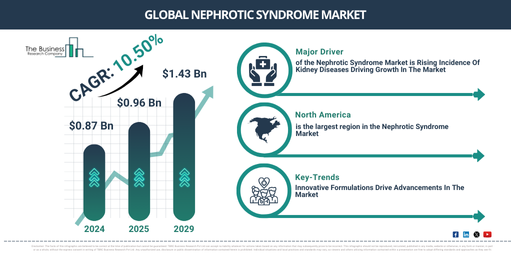
    The nephrotic syndrome market has seen swift expansion in recent years. Its valuation is anticipated to climb from $0.87 billion in 2024 to $0.96 billion in 2025, achieving a compound annual growth rate (CAGR) of 10.7%. This historical expansion can be traced to increasing the incidence of nephrotic syndrome, increasing genetic disorders, rising rates of obesity, increasing use of immunosuppressive medications, and growing impact of genetic factors.

    The nephrotic syndrome market is expected to exhibit significant growth over the coming years. It is projected to reach $1.43 billion by 2029, demonstrating a compound annual growth rate (CAGR) of 10.5%. This expansion during the forecast period is primarily driven by increasing awareness of Nephrotic Syndrome disease, a rise in the prevalence of CKD, the growing occurrence of metabolic disorders, an expanding aging population, and a higher incidence of autoimmune diseases. Notable trends anticipated in the forecast period include the implementation of telemedicine and remote monitoring, the development of innovative drug delivery systems, advancements in treatment modalities, progress in biotechnology, and the seamless integration of digital health technologies.

    Unlock Your Free Sample Report for Exclusive Market Data:

    https://www.thebusinessresearchcompany.com/sample.aspx?id=21228&type=smp

    What Are The Top Growth Drivers Impacting The Nephrotic Syndrome Market Outlook?

    The growing occurrence of kidney ailments is anticipated to drive expansion in the nephrotic syndrome market. Kidney diseases encompass various conditions that hinder the proper functioning of the kidneys, which are vital organs for filtering waste and surplus fluids from the bloodstream. This rise in kidney disease incidence stems from factors like diabetes, high blood pressure, obesity, an aging demographic, and lifestyle modifications such as elevated sodium consumption and insufficient water intake. Nephrotic syndrome exacerbates kidney diseases through damage to the glomeruli, thereby compromising the kidneys’ capacity to filter waste products and retain vital proteins. For example, data from June 2024, provided by the Australian Institute of Health and Welfare, an Australia-based government agency, revealed that the mortality rate due to chronic kidney disease (CKD) in Australia rose from 4.2% in 2021 to 6.2% in 2022. Consequently, the escalating prevalence of kidney disorders is fueling the expansion of the nephrotic syndrome market.

    What Are The Emerging Segments Gaining Attention In The Nephrotic Syndrome Market?

    The nephrotic syndromemarket covered in this report is segmented –

    1) By Type: Drugs; Devices

    2) By Diagnosis Tests: Urinalysis; Glomerular Filtration Rate (GFR); Blood Test; Kidney Biopsy; Computerized Tomography (CT) Scan

    3) By Application: Clinics; Hospitals; Speciality Centres; Other Applications

    Subsegments:

    1) By Drugs: Steroids; Immunosuppressants; Diuretics; ACE Inhibitors Or ARBs; Other Drugs

    2) By Devices: Dialysis Machines; Peritoneal Dialysis Catheters; Hemodialysis Catheters; Kidney Replacement Therapy Devices

    What Are The Major Trends Driving The Growth Of The Nephrotic Syndrome Market?

    Major companies in the nephrotic syndrome market are directing their efforts towards creating innovative formulations, such as loop diuretic injections, to improve fluid regulation and reduce edema in patients suffering from nephrotic syndrome. A loop diuretic Injection is defined as an injectable medication that inhibits the reabsorption of sodium and chloride in the loop of Henle, thereby stimulating swift urine production. It is utilized in the management of conditions like acute pulmonary edema, heart failure, and severe hypertension by diminishing excess fluid. As an illustration, in March 2024, Avenacy Inc., a US-based pharmaceutical company, launched furosemide for Injection in the U.S., a generic version of Lasix, which received approval from the Food and Drug Administration for treating edema connected to heart failure, liver cirrhosis, and kidney diseases. Provided in 25-unit packs of 100 mg/10 mL doses, this introduction is a component of Avenacy’s broader strategy to expand its range of injectable medications, with aspirations to launch over 20 products in 2024. This particular drug is prescribed for both adult and pediatric patients for the treatment of edema linked to congestive heart failure, cirrhosis of the liver, and renal disease, encompassing nephrotic syndrome.

    Who Are The Major Companies Operating In The Nephrotic Syndrome Market?

    Major companies operating in the nephrotic syndrome market are Pfizer Inc., F. Hoffmann-La Roche AG, AbbVie Inc., Bristol-Myers Squibb Company, Abbott Laboratories, Novartis AG, GlaxoSmithKline plc, Amgen Inc., Eli Lilly and Company, Asahi Kasei Corporation, Otsuka Pharmaceutical Co. Ltd., Astellas Pharma Inc., Vertex Pharmaceuticals, Chugai Pharmaceutical Co. Ltd., Mallinckrodt Company, Evotec SE, Travere Therapeutics Inc., Aurinia Pharmaceuticals Inc., Orbis Biosciences Inc., Alpine Immune Sciences, Kezar Life Sciences, Zenyaku Kogyo Co. Ltd

    Download The Full Report For Exclusive Market Findings:

    https://www.thebusinessresearchcompany.com/report/nephrotic-syndrome-global-market-report

    Which Region Is Expected To Witness The Fastest Growth In The Nephrotic Syndrome Market?

    North America was the largest region in the nephrotic syndrome market in 2024. The regions covered in the nephrotic syndrome market report are Asia-Pacific, Western Europe, Eastern Europe, North America, South America, Middle East, Africa.

    Request A Customized Version Of The Nephrotic Syndrome Market Report:

    https://www.thebusinessresearchcompany.com/customise?id=21228&type=smp

    Browse Through More Reports Similar to the Global Nephrotic Syndrome Market 2025, By The Business Research Company

    Cough Hypersensitivity Syndrome Global Market Report 2025

    https://www.thebusinessresearchcompany.com/report/cough-hypersensitivity-syndrome-global-market-report

    Dumping Syndrome Global Market Report 2025

    https://www.thebusinessresearchcompany.com/report/dumping-syndrome-global-market-report

    Zollinger Ellison Syndrome Treatment Global Market Report 2025

    https://www.thebusinessresearchcompany.com/report/zollinger-ellison-syndrome-treatment-global-market-report

    Get in touch with us:

    The Business Research Company: https://www.thebusinessresearchcompany.com/

    Americas +1 310-496-7795

    Asia +44 7882 955267 & +91 8897263534

    Europe +44 7882 955267

    Email us at info@tbrc.info

    Follow us on:

    LinkedIn: https://in.linkedin.com/company/the-business-research-company

    YouTube: https://www.youtube.com/channel/UC24_fI0rV8cR5DxlCpgmyFQ

    Global Market Model: https://www.thebusinessresearchcompany.com/global-market-model
  • Global Myocarditis Disease Market Projected to Expand at 6.4% CAGR by 2029

    Global Myocarditis Disease Market Projected to Expand at 6.4% CAGR by 2029

    Unlock Global Insights – Save 20% on Market Reports with Code ONLINE20

    How Much Was The Myocarditis Disease Market Worth In 2025, And What Is Its Anticipated Value By 2029?

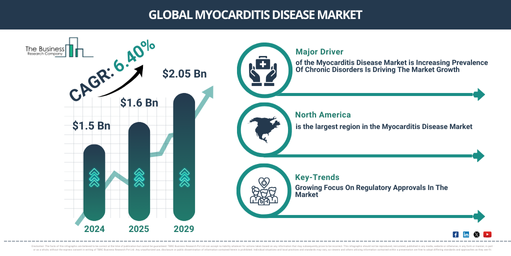
    The myocarditis disease market size has experienced robust growth in recent years. It is forecast to increase from $1.5 billion in 2024 to $1.6 billion in 2025, with a compound annual growth rate (CAGR) of 6.5%. This historical expansion can be attributed to several factors including the rising prevalence of viral infections, greater awareness surrounding autoimmune diseases, a higher incidence of cardiovascular diseases, advancements in treatment options for heart inflammation, and augmented funding for cardiovascular research.

    The myocarditis disease market size is projected to experience robust expansion over the coming years. This market is anticipated to reach $2.05 billion by 2029, achieving a compound annual growth rate (CAGR) of 6.4%. Several factors are expected to drive this growth during the forecast period, including governmental backing and policies, the availability of specific therapeutic options, an increase in clinical trials, enhanced healthcare infrastructure, and the evolution of treatment protocols. Key trends influencing the forecast period encompass CRISPR-Cas9 technology, 3D printing, AI-powered predictive analytics, virtual reality (VR) technologies, and wearable electrocardiogram (ECG) devices.

    Unlock Your Free Sample Report for Exclusive Market Data:

    https://www.thebusinessresearchcompany.com/sample.aspx?id=21227&type=smp

    Which Major Market Drivers Are Shaping The Future Of The Myocarditis Disease Market?

    The myocarditis disease market is anticipated to expand due to the rising occurrence of chronic disorders. These long-term health conditions persist for a year or more and frequently demand continuous medical attention, management, or adjustments to lifestyle. The heightened incidence of chronic disorders stems from factors such as an aging demographic, inactive lifestyles, unhealthy eating patterns, growing obesity rates, and greater exposure to environmental contaminants. Myocarditis disease, an inflammation of the heart muscle, plays a role in chronic disorders through its potential to cause long-term complications like heart failure, arrhythmias, and cardiomyopathy, all of which necessitate continuous management and exert a substantial long-term effect on cardiovascular health. For example, data released in September 2024 by the British Heart Foundation, a UK-based cardiovascular research charity, indicated that in the UK, approximately 7.6 million people suffer from heart and circulatory diseases, comprising around 4 million males and 3.6 million females. These illnesses account for about 27% of all deaths in the UK, leading to over 170,000 deaths annually, or roughly 480 deaths each day, which means one death every three minutes. Consequently, the growing occurrence of chronic disorders is fueling the expansion of the myocarditis disease market.

    What Are The Major Segment Types Covered In The Myocarditis Disease Market?

    The myocarditis diseasemarket covered in this report is segmented –

    1) By Type: Acute Myocarditis; Chronic Myocarditis; Lymphocytic Myocarditis

    2) By Treatment: Medication; Surgery; Other Treatments

    3) By Diagnosis: Blood Tests; Imaging Tests; Cardiac Catheterization; Heart Muscle Biopsy; Others Diagnosis

    4) By Distribution Channel: Hospital Pharmacy; Retail Pharmacy; Online Pharmacy; Other Distribution Channels

    5) By End-Users: Hospitals; Specialty Clinics; Homecare; Other End-Users

    Subsegments:

    1) By Acute Myocarditis: Viral Myocarditis; Bacterial Myocarditis; Fungal Myocarditis

    2) By Chronic Myocarditis: Autoimmune Myocarditis; Chronic Active Myocarditis; Chronic Inflammatory Myocarditis

    3) By Lymphocytic Myocarditis: Idiopathic Lymphocytic Myocarditis; Drug-Induced Lymphocytic Myocarditis; Lymphocytic Myocarditis Associated with Viral Infections

    What Trends Are Expected To Drive The Myocarditis Disease Market?

    Leading companies within the myocarditis disease market are prioritizing securing regulatory approvals for novel medications, aiming to broaden available treatments and improve patient health. These regulatory approvals represent the official permission from government or regulatory bodies that permits drugs, medical devices, or therapies to be made available and utilized by the general public. As an illustration, in May 2022, Cardiol Therapeutics Inc., a pharmaceutical firm based in Canada, declared the attainment of FDA Investigational New Drug (IND) authorization for a multicenter Phase II open-label pilot study of CardiolRx, intended for recurrent pericarditis. This particular study will proceed simultaneously with the company’s multinational Phase II trial for acute myocarditis, which is slated to commence shortly. Both ongoing trials are dedicated to advancing innovative anti-inflammatory remedies for various cardiovascular ailments. Moreover, CardiolRx has been bestowed with orphan drug designation for both recurrent pericarditis and acute myocarditis, underscoring its promise in treating these conditions.

    Which Global Market Leaders Are Shaping The Future Of The Myocarditis Disease Sector?

    Major companies operating in the myocarditis disease market are Pfizer Inc., Hoffmann-La Roche AG, Merck & Co Inc., Bristol-Myers Squibb Company, AstraZeneca PLC, Novartis AG, GlaxoSmithKline plc, Eli Lilly and Company, Gilead Sciences Inc., Teva Pharmaceutical Industries Ltd., Regeneron Pharmaceuticals Inc., UCB S.A., Sun Pharmaceutical Industries Ltd., Cipla Limited, Alnylam Pharmaceuticals Inc., Sobi (Swedish Orphan Biovitrum AB), BridgeBio Pharma Inc., Evotec SE, Cardiol Therapeutics Inc., Cantargia AB.

    Download The Full Report For Exclusive Market Findings:

    https://www.thebusinessresearchcompany.com/report/myocarditis-disease-global-market-report

    Which Global Regions Are Influencing The Competitive Landscape Of The Myocarditis Disease Market?

    North America was the largest region in the myocarditis disease market in 2024. The regions covered in the myocarditis disease market report are Asia-Pacific, Western Europe, Eastern Europe, North America, South America, Middle East, Africa.

    Request A Customized Version Of The Myocarditis Disease Market Report:

    https://www.thebusinessresearchcompany.com/customise?id=21227&type=smp

    Browse Through More Reports Similar to the Global Myocarditis Disease Market 2025, By The Business Research Company

    Foot And Mouth Disease Vaccine Global Market Report 2025

    https://www.thebusinessresearchcompany.com/report/foot-and-mouth-disease-vaccine-global-market-report

    End Stage Renal Disease Esrd Drug Global Market Report 2025

    https://www.thebusinessresearchcompany.com/report/end-stage-renal-disease-esrd-drug-global-market-report

    Diabetic Kidney Disease Global Market Report 2025

    https://www.thebusinessresearchcompany.com/report/diabetic-kidney-disease-global-market-report

    Get in touch with us:

    The Business Research Company: https://www.thebusinessresearchcompany.com/

    Americas +1 310-496-7795

    Asia +44 7882 955267 & +91 8897263534

    Europe +44 7882 955267

    Email us at info@tbrc.info

    Follow us on:

    LinkedIn: https://in.linkedin.com/company/the-business-research-company

    YouTube: https://www.youtube.com/channel/UC24_fI0rV8cR5DxlCpgmyFQ

    Global Market Model: https://www.thebusinessresearchcompany.com/global-market-model
  • Myelofibrosis (MF) Market to Grow at a CAGR of 3.1% from 2025 to 2029

    Myelofibrosis (MF) Market to Grow at a CAGR of 3.1% from 2025 to 2029

    Unlock Global Insights – Save 20% on Market Reports with Code ONLINE20

    What Is The Future Market Size Estimation For The Myelofibrosis (MF) Market Covering 2025–2034?

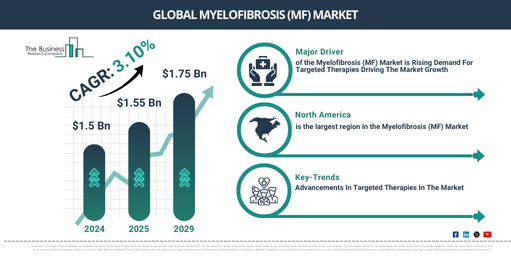
    The market for myelofibrosis (mf) has experienced consistent expansion in recent years. Its valuation is projected to increase from $1.5 billion in 2024 to $1.55 billion in 2025, achieving a compound annual growth rate (CAGR) of 3.2%. This historical growth can be attributed to several factors, including the rising prevalence of myeloproliferative neoplasms, enhanced awareness leading to earlier diagnosis, the expanding adoption of JAK inhibitors, improved access to bone marrow transplants, and an increase in regulatory approvals for new therapeutic options.

    The myelofibrosis (mf) market is projected to experience consistent expansion over the upcoming years. This market is forecast to reach $1.75 billion by 2029, growing at a compound annual growth rate (CAGR) of 3.1%. This anticipated growth is driven by several factors, including a greater demand for individualized treatment options, an increase in clinical trials for gene and cell therapies, the expanding application of combination therapies, broader healthcare coverage for uncommon conditions, and heightened investment in hematology care. Significant trends influencing this period encompass progress in gene-editing technologies, new developments in drugs targeting fibrosis, the creation of next-generation JAK inhibitors, a rising focus on immunotherapy for myelofibrosis, and the broader application of artificial intelligence in identifying new drugs.

    Unlock Your Free Sample Report for Exclusive Market Data:

    https://www.thebusinessresearchcompany.com/sample.aspx?id=21226&type=smp

    What Are The Main Drivers Boosting The Myelofibrosis (MF) Industry’s Expansion?

    The myelofibrosis (MF) market is anticipated to expand in the future, largely driven by the increasing demand for targeted therapies. These therapies represent a medical strategy where treatments and healthcare decisions are customized according to an individual’s unique genetic makeup, environmental influences, and lifestyle habits. The rising need for targeted therapies stems from advancements in genomics, biotechnology, and data analytics, which facilitate the development of more accurate, potent, and personalized treatments. Myelofibrosis (MF) itself offers a crucial framework for advancing targeted treatments by pinpointing significant molecular pathways, including JAK-STAT signaling. This identification allows for the creation of precision treatments, such as JAK inhibitors (Ruxolitinib, Fedratinib, and Pacritinib), aimed at controlling symptoms and retarding the disease’s progression. For example, data from April 2024, published by the American Society of Gene & Cell Therapy, a US-based government organization, indicates an overall increase in the number of therapies in clinical pipeline development across all phases. Notably, Phase I therapies showed the most substantial rise, growing by 11%, marking the highest growth rate observed since Q4 2022. Consequently, the expanding demand for targeted therapies is a key factor propelling the expansion of the myelofibrosis (MF) market.

    What Are The Major Segment Categories Driving The Myelofibrosis (MF) Market Growth?

    The myelofibrosis (mf)market covered in this report is segmented –

    1) By Drug Type: Jak Inhibitor; Immunomodulators; Hydroxyurea; Other Drug Types

    2) By Treatment Type: Chemotherapy; Targeted Therapy; Other Treatment Types

    3) By Route Of Administration: Oral; Parenteral; Other Routes Of Administration

    4) By Distribution Channel: Hospital Pharmacy; Online Pharmacy; Retail Pharmacy

    5) By End User: Hospitals; Homecare; Specialty Clinics; Other End Users

    Subsegments:

    1) By Jak Inhibitor: Ruxolitinib; Fedratinib; Momelotinib; Itacitinib

    2) By Immunomodulators: Thalidomide; Lenalidomide; Pomalidomide

    3) By Hydroxyurea: Oral Hydroxyurea; Injectable Hydroxyurea

    4) By Other Drug Types: Erythropoiesis-Stimulating Agents (ESAs); Danazol; Monoclonal Antibodies; Chemotherapy Agents

    Which Trends Are Impacting The Myelofibrosis (MF) Market?

    Leading enterprises within the myelofibrosis (MF) market are concentrating on broadening the availability of targeted treatments, such as JAK1/JAK2 and ACVR1 inhibitors, with the aim of boosting therapeutic effectiveness, managing disease advancement, and enhancing patient well-being in myelofibrosis (MF). JAK1/JAK2 inhibitors function by targeting the Janus kinase pathway, thereby diminishing inflammation and irregular blood cell formation in myelofibrosis, whereas ACVR1 inhibitors work to impede activin receptor-like kinase 2 (ALK2) in order to control bone marrow fibrosis and disease progression. An illustration of this is the US Food and Drug Administration (FDA) clearance granted in September 2023 to GSK plc, a UK-based pharmaceutical firm, for Ojjaara (momelotinib), which is prescribed for patients with intermediate- or high-risk myelofibrosis. This medication’s unique dual mechanism, addressing both JAK1/JAK2 and ACVR1, assists in governing inflammatory routes while concurrently raising hemoglobin counts and decreasing the necessity for transfusions. This endorsement not only broadens the spectrum of available therapies but also establishes an elevated benchmark in the management of MF for individuals grappling with anemia, which represents a significant unresolved requirement within the condition’s therapeutic domain.

    Which Industry Leaders Are Driving Innovation Across The Myelofibrosis (MF) Market?

    Major companies operating in the myelofibrosis (MF) market are Pfizer Inc., F. Hoffmann-La Roche Ltd., Merck & Co. Inc., AbbVie Inc., Sanofi S.A., Bristol-Myers Squibb Company, Novartis AG, GlaxoSmithKline plc, Eli Lilly and Company, Gilead Sciences Inc., A. Menarini Industrie Farmaceutiche Riunite S.r.l., Incyte Corporation, Sobi Inc., MorphoSys AG, CTI BioPharma Corp., Suzhou Zelgen Biopharmaceutical Co. Ltd., NS Pharma Inc., Impact Biomedicines Inc., Kartos Therapeutics Inc., Geron Corporation

    Download The Full Report For Exclusive Market Findings:

    https://www.thebusinessresearchcompany.com/report/myelofibrosis-mf-global-market-report

    What Are The Regional Market Dynamics Impacting The Myelofibrosis (MF) Industry?

    North America was the largest region in the myelofibrosis (MF) market in 2024. Asia-Pacific is expected to be the fastest-growing region in the forecast period. The regions covered in the myelofibrosis (MF) market report are Asia-Pacific, Western Europe, Eastern Europe, North America, South America, Middle East, Africa.

    Request A Customized Version Of The Myelofibrosis (MF) Market Report:

    https://www.thebusinessresearchcompany.com/customise?id=21226&type=smp

    Browse Through More Reports Similar to the Global Myelofibrosis (MF) Market 2025, By The Business Research Company

    Blood Cancer Drugs Global Market Report 2025

    https://www.thebusinessresearchcompany.com/report/blood-cancer-drugs-global-market-report

    Bone Marrow Transplantation Global Market Report 2025

    https://www.thebusinessresearchcompany.com/report/bone-marrow-transplantation-global-market-report

    Pancreatic Cancer Drugs Global Market Report 2025

    https://www.thebusinessresearchcompany.com/report/pancreatic-cancer-drugs-global-market-report

    Get in touch with us:

    The Business Research Company: https://www.thebusinessresearchcompany.com/

    Americas +1 310-496-7795

    Asia +44 7882 955267 & +91 8897263534

    Europe +44 7882 955267

    Email us at info@tbrc.info

    Follow us on:

    LinkedIn: https://in.linkedin.com/company/the-business-research-company

    YouTube: https://www.youtube.com/channel/UC24_fI0rV8cR5DxlCpgmyFQ

    Global Market Model: https://www.thebusinessresearchcompany.com/global-market-model
  • Global Molluscum Contagiosum (MC) Treatment Market 2025–2029: Competitive Insights and Opportunities

    Global Molluscum Contagiosum (MC) Treatment Market 2025–2029: Competitive Insights and Opportunities

    Unlock Global Insights – Save 20% on Market Reports with Code ONLINE20

    What Is The Expected Total Market Size Of The Molluscum Contagiosum (MC) Treatment Industry By The Forecast Year 2029?

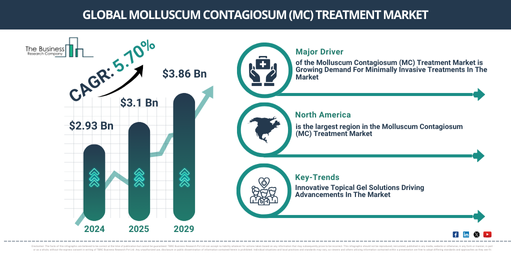
    The molluscum contagiosum (mc) treatment market has shown strong expansion over recent years. It is anticipated to grow from $2.93 billion in 2024 to $3.1 billion in 2025, exhibiting a compound annual growth rate (CAGR) of 5.9%. This historical growth can be attributed to several factors: increased public awareness concerning skin infections and their available treatments, a rise in cases affecting children, elevated healthcare spending, an increasing number of individuals with compromised immune systems, and greater funding from both private and government organizations.

    The molluscum contagiosum (mc) treatment market size is anticipated to experience substantial growth in the upcoming years, expanding to $3.86 billion by 2029 with a compound annual growth rate (CAGR) of 5.7%. This projected growth during the forecast period is attributed to an increasing preference for non-invasive treatments, a rising prevalence of skin diseases, growing demand for healthcare services, the increasing prevalence of chronic diseases, and the improved availability of advanced treatment options. Significant trends expected in this period include a shift toward cosmetic treatment approaches, the development of new topical delivery systems, a move towards at-home treatments, advancements in cryotherapy methods, and an increased focus on pediatric treatment options.

    Unlock Your Free Sample Report for Exclusive Market Data:

    https://www.thebusinessresearchcompany.com/sample.aspx?id=21225&type=smp

    Which Factors And Drivers Are Influencing The Molluscum Contagiosum (MC) Treatment Market In 2025?

    The molluscum contagiosum treatment market is projected to grow due to the increasing demand for minimally invasive treatments. These medical procedures involve minimal bodily harm, typically through small or no incisions. The demand for minimally invasive treatments stems from their ability to shorten recovery times, lessen surgical risks, and improve patient results when compared to traditional procedures. For molluscum contagiosum treatment, minimally invasive techniques such as cryotherapy and laser therapy are employed for effective removal, faster recovery, and reduced scarring. Such treatments also require fewer visits and are well-suited for managing the often widespread lesions associated with molluscum contagiosum. For instance, in February 2024, data from the American Academy of Facial Plastic and Reconstructive Surgery, a US-based non-profit organization, indicated that in 2023, minimally invasive procedures accounted for 83% of all medical procedures, totaling 35 million procedures in 2023, while traditional surgical procedures constituted the remaining 17%. Therefore, the rising demand for minimally invasive treatments is driving the expansion of the molluscum contagiosum treatment market.

    How Is The Molluscum Contagiosum (MC) Treatment Market Segmented?

    The molluscum contagiosum (mc) treatmentmarket covered in this report is segmented –

    1) By Type: Molluscum Contagiosum Virus (MCV) -1; Molluscum Contagiosum Virus (MCV) -2; Molluscum Contagiosum Virus (MCV) -3; Molluscum Contagiosum Virus (MCV) -4

    2) By Treatment Type: Topical Therapy; Immune-Modulators And Procedural Treatments

    3) By Route Of Administration: Topical; Oral

    4) By End User: Hospitals; Dermatology Clinics; Homecare Settings; Other End Users

    What Long-Term Trends Will Shape The Future Growth Of The Molluscum Contagiosum (MC) Treatment Industry?

    Leading companies within the molluscum contagiosum (MC) treatment market are concentrating on developing innovative products, such as topical gels, to boost effectiveness, improve patient adherence, and offer non-invasive treatment methods. A topical gel is defined as a semi-solid preparation applied onto the skin or mucous membranes for localized therapeutic action or treatment. For instance, in April 2024, Ligand Pharmaceuticals Incorporated, a US-based biopharmaceutical firm, introduced Pelthos Therapeutics to market Zelsuvmi (brazier) topical gel, 10.3%. This product represents the initial Food and Drug Administration-approved at-home treatment for molluscum contagiosum in adults and children over one-year-old. This gel works by releasing nitric oxide, which is formulated to interfere with viral replication, thereby facilitating the resolution of lesions. Zelsuvmi provides a non-invasive and painless alternative to conventional in-office procedures like cryotherapy or curettage, establishing itself as a practical and convenient choice for patients aged one year and older.

    Who Are The Key Multinational Companies Dominating The Molluscum Contagiosum (MC) Treatment Market?

    Major companies operating in the molluscum contagiosum (MC) treatment market are Verrica Pharmaceuticals, Novan Inc., Veloce BioPharma LLC, Gurina Foundation, Competition Deep Dive, Azafaros, Polaryx Therapeutics, Abbott Medtronic, Merck & Co., Inc., Pfizer Inc., Siemens Healthcare GmbH, Novartis, Ligand Pharmaceuticals Incorporated, Aclaris Therapeutics Inc., Verrica Pharmaceuticals Inc., Nielsen BioSciences Inc., MedCara Pharmaceuticals LLC, Gurina Foundation, Veloce BioPharma LLC, Labo ACM

    Download The Full Report For Exclusive Market Findings:

    https://www.thebusinessresearchcompany.com/report/molluscum-contagiosum-mc-treatment-global-market-report

    Which Region Shows The Highest Potential For Future Expansion In The Molluscum Contagiosum (MC) Treatment Market?

    North America was the largest region in the molluscum contagiosum (MC) treatment market in 2024. Asia-Pacific is expected to be the fastest-growing region in the forecast period. The regions covered in the molluscum contagiosum (MC) treatment market report are Asia-Pacific, Western Europe, Eastern Europe, North America, South America, Middle East, Africa.

    Request A Customized Version Of The Molluscum Contagiosum (MC) Treatment Market Report:

    https://www.thebusinessresearchcompany.com/customise?id=21225&type=smp

    Browse Through More Reports Similar to the Global Molluscum Contagiosum (MC) Treatment Market 2025, By The Business Research Company

    Pseudomonas Aeruginosa Infection Treatment Global Market Report 2025

    https://www.thebusinessresearchcompany.com/report/pseudomonas-aeruginosa-infection-treatment-global-market-report

    Nicotine Addiction Treatment Global Market Report 2025

    https://www.thebusinessresearchcompany.com/report/nicotine-addiction-treatment-global-market-report

    Gastric Volvulus Treatment Global Market Report 2025

    https://www.thebusinessresearchcompany.com/report/gastric-volvulus-treatment-global-market-report

    Get in touch with us:

    The Business Research Company: https://www.thebusinessresearchcompany.com/

    Americas +1 310-496-7795

    Asia +44 7882 955267 & +91 8897263534

    Europe +44 7882 955267

    Email us at info@tbrc.info

    Follow us on:

    LinkedIn: https://in.linkedin.com/company/the-business-research-company

    YouTube: https://www.youtube.com/channel/UC24_fI0rV8cR5DxlCpgmyFQ

    Global Market Model: https://www.thebusinessresearchcompany.com/global-market-model
  • Minimal Residual Disease Market Trends 2025–2029: Forecasts for Key Growth Segments

    Minimal Residual Disease Market Trends 2025–2029: Forecasts for Key Growth Segments

    Unlock Global Insights – Save 20% on Market Reports with Code ONLINE20

    How Does The Market Size Of The Minimal Residual Disease Industry Compare Between 2025 And 2029?

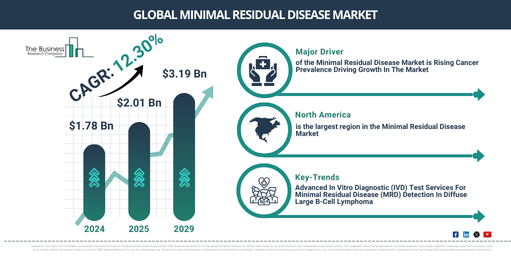
    The minimal residual disease market has experienced rapid expansion recently. It is projected to increase from $1.78 billion in 2024 to $2.01 billion in 2025, demonstrating a compound annual growth rate (CAGR) of 12.6%. Historically, this growth has been driven by several factors, including the increasing number of cancer patients, enhanced research and development spending, improved healthcare affordability, the rising prevalence of blood cancer, and greater public awareness.

    The minimal residual disease market is projected to experience substantial expansion over the upcoming years. This market is anticipated to reach $3.19 billion by 2029, exhibiting a compound annual growth rate (CAGR) of 12.3%. Factors contributing to this growth during the forecast period include an increasing incidence of cancer patients, an uptick in governmental awareness campaigns, enhanced healthcare accessibility, growing disposable incomes within developing nations, and efforts by governmental bodies to raise cancer awareness. Key trends anticipated during this period encompass progress in next-generation sequencing (NGS) technology, the establishment of standardized MRD testing, the integration of personalized MRD monitoring, innovations in liquid biopsy technologies, and the emergence of minimal residual disease-targeted therapies.

    Unlock Your Free Sample Report for Exclusive Market Data:

    https://www.thebusinessresearchcompany.com/sample.aspx?id=21224&type=smp

    What Are The Key Drivers Of Growth In The Minimal Residual Disease Market?

    The projected expansion of the minimal residual disease market going forward is expected due to the rising incidence of cancer. Cancer refers to a collection of illnesses marked by the uncontrolled multiplication and dispersion of atypical cells throughout the body. This growing prevalence of cancer can be attributed to several factors, including an aging demographic, heightened exposure to environmental cancer-causing agents, detrimental lifestyle choices, and inherent genetic susceptibilities. The increasing number of cancer cases fuels the demand for precise MRD testing, which identifies any remaining cancer cells, thus enabling prompt therapeutic action and tailored patient care. This improves the ability to predict relapse and leads to better patient outcomes. As an illustration, data from May 2024, provided by the National Cancer Institute (NCI), a US-based government agency, indicated that in 2022, nearly 20 million new cancer diagnoses and 9.7 million cancer-attributable fatalities occurred globally. Future forecasts for 2040 suggest these numbers will rise to an estimated 29.9 million new cases and 15.3 million cancer-related deaths. Consequently, the expanding occurrence of cancer is a primary catalyst for the growth of the minimal residual disease market.

    What Are The Key Segments In The Minimal Residual Disease Market?

    The minimal residual diseasemarket covered in this report is segmented –

    1) By Detection Target: Lymphoma; Leukemia; Solid Tumors; Other Detection Targets

    2) By Test Technique: Flow Cytometry; Polymerase Chain Reaction (PCR); Next Generation Sequencing (NGS); Other Test Techniques

    3) By End-User: Banking, Financial Services, And Insurance (BFSI); Retail And E-Commerce; Hospitals; Diagnostic Laboratories; Research Institutions

    Subsegments:

    1) By Lymphoma: Hodgkin Lymphoma; Non-Hodgkin Lymphoma

    2) By Leukemia: Acute Lymphoblastic Leukemia; Acute Myeloid Leukemia; Chronic Lymphocytic Leukemia; Chronic Myeloid Leukemia

    3) By Solid Tumors: Breast Cancer; Lung Cancer; Colorectal Cancer; Prostate Cancer

    4) By Other Detection Targets: Multiple Myeloma; Neuroblastoma; Sarcomas

    Which Market Trends Are Creating New Opportunities In The Minimal Residual Disease Industry?

    Leading companies operating within the minimal residual disease (MRD) market are focusing their efforts on advancing in vitro diagnostic (IVD) test services, aiming to offer personalized therapy options for enhanced patient outcomes. An in vitro diagnostic (IVD) test service serves as a laboratory-based method for detecting residual cancer cells after treatment, thereby aiding in relapse prediction and therapy optimization. For instance, in December 2022, Adaptive Biotechnologies Corporation, a US-based biotechnology company, unveiled the clonoSEQ Assay to identify minimal residual disease (MRD) in patients with diffuse large B-cell lymphoma (DLBCL). This test examines circulating tumor DNA (ctDNA) in blood samples, providing a highly sensitive, non-invasive approach to monitor cancer progression and spot early signs of relapse. This assay furnishes clinicians with a more precise comprehension of a patient’s disease burden, facilitating the appropriate customization of treatment plans. It stands as the first minimal residual disease (MRD) test for diffuse large B-cell lymphoma (DLBCL) to gain Medicare coverage, thereby ensuring its widespread accessibility across all treatment regimens and various time points.

    Which Leading Players Are Enhancing Their Minimal Residual Disease Market Presence Worldwide?

    Major companies operating in the minimal residual disease market are Thermo Fisher Scientific Inc., Amgen Inc., Laboratory Corporation of America Holdings (LabCorp), Quest Diagnostics Incorporated, Agilent Technologies Inc., Sysmex Corporation, Bio-Rad Laboratories Inc., Qiagen N.V., Exact Sciences Corporation, Kite Pharma Inc., Natera Inc., Foundation Medicine Inc., NeoGenomics Inc., Guardant Health Inc., Grail LLC, Tempus AI Inc., Veracyte Inc., Adaptive Biotechnologies Corporation, Invivoscribe Inc., Mission Bio Inc., ArcherDx Inc.

    Download The Full Report For Exclusive Market Findings:

    https://www.thebusinessresearchcompany.com/report/minimal-residual-disease-global-market-report

    How Is Minimal Residual Disease Market Demand Varying Across Different Regions?

    North America was the largest region in the minimal residual disease market in 2024. Asia-Pacific is expected to be the fastest-growing region in the forecast period. The regions covered in the minimal residual disease market report are Asia-Pacific, Western Europe, Eastern Europe, North America, South America, Middle East, Africa.

    Request A Customized Version Of The Minimal Residual Disease Market Report:

    https://www.thebusinessresearchcompany.com/customise?id=21224&type=smp

    Browse Through More Reports Similar to the Global Minimal Residual Disease Market 2025, By The Business Research Company

    Inflammatory Bowel Disease Treatment Global Market Report 2025

    https://www.thebusinessresearchcompany.com/report/inflammatory-bowel-disease-treatment-global-market-report

    Chronic Disease Management Global Market Report 2025

    https://www.thebusinessresearchcompany.com/report/chronic-disease-management-global-market-report

    Liver Diseases Therapeutics Global Market Report 2025

    https://www.thebusinessresearchcompany.com/report/liver-diseases-therapeutics-global-market-report

    Get in touch with us:

    The Business Research Company: https://www.thebusinessresearchcompany.com/

    Americas +1 310-496-7795

    Asia +44 7882 955267 & +91 8897263534

    Europe +44 7882 955267

    Email us at info@tbrc.info

    Follow us on:

    LinkedIn: https://in.linkedin.com/company/the-business-research-company

    YouTube: https://www.youtube.com/channel/UC24_fI0rV8cR5DxlCpgmyFQ

    Global Market Model: https://www.thebusinessresearchcompany.com/global-market-model

  • Metastatic Urothelial Carcinoma Market Forecast 2025–2034: Where Businesses Should Invest Next

    Metastatic Urothelial Carcinoma Market Forecast 2025–2034: Where Businesses Should Invest Next

    Unlock Global Insights – Save 20% on Market Reports with Code ONLINE20

    What Is The Predicted Market Size Trajectory For The Metastatic Urothelial Carcinoma Market From 2025 To 2034?

    The metastatic urothelial carcinoma market size has shown swift growth in recent years. It is anticipated to expand from $1.18 billion in 2024 to $1.42 billion in 2025, achieving a compound annual growth rate (CAGR) of 19.9%. The market’s historic growth can be attributed to a supportive regulatory framework, an increase in the prevalence of smoking-related cancers, the development of combination therapies, encouraging government initiatives, and enhanced awareness alongside earlier diagnosis.

    The metastatic urothelial carcinoma market is projected to undergo significant expansion in the next few years, anticipating a rise to $2.91 billion by 2029, demonstrating a compound annual growth rate (CAGR) of 19.6%. This growth during the forecast period is fueled by elements such as increased patient advocacy, government initiatives supporting cancer care, the expanding biopharmaceutical industry, the growing application of chemotherapy, and rapid urbanization along with lifestyle changes. Important trends expected in this period include advancements in immunotherapy, the integration of artificial intelligence, collaborations between pharmaceutical and biotech companies, progress in telemedicine, and the development of next-generation drugs.

    Unlock Your Free Sample Report for Exclusive Market Data:

    https://www.thebusinessresearchcompany.com/sample.aspx?id=21221&type=smp

    Which Drivers Are Supporting Growth Of The Metastatic Urothelial Carcinoma Market?

    The increasing incidence of bladder cancer is projected to stimulate the growth of the metastatic urothelial carcinoma market going forward. Bladder cancer is defined as a condition where malignant (cancerous) cells develop within the bladder’s tissues, frequently originating in the urothelial cells that line it. The increase in bladder cancer occurrences is attributable to elements such as smoking, exposure to chemicals, chronic bladder inflammation, and enhanced diagnostic methods. As an advanced and aggressive form of bladder cancer, metastatic urothelial carcinoma distinctly emphasizes the crucial necessity for early detection, improved therapeutic options, and greater research endeavors. This, in turn, drives innovation and advancements in the management of bladder cancer cases, ultimately contributing to improved outcomes for individuals afflicted with this serious illness. For example, in February 2023, a Cancer Research UK-based charity reported that new bladder cancer cases in the UK are anticipated to rise from approximately 9,800 annually between 2023 and 2025 to around 10,700 cases per year by 2038-2040. Thus, the growing prevalence of bladder cancer acts as a key driver for the metastatic urothelial carcinoma market.

    What Are The Leading Segments Analyzed In The Metastatic Urothelial Carcinoma Market?

    The metastatic urothelial carcinomamarket covered in this report is segmented –

    1) By Treatment: Chemotherapy; Targeted Therapy; Immunotherapy; Radiation Therapy; Intravesical Therapy

    2) By Diagnosis: Urine Lab Tests; Cystoscopy; Intravenous Pyelogram (IVP); Biopsy

    3) By End User: Hospital; Oncology Clinics; Research Institutes; Other End User

    Subsegments:

    1) By Chemotherapy: Platinum-based Chemotherapy; Gemcitabine-based Chemotherapy; Other Chemotherapy Regimens

    2) By Targeted Therapy: FGFR Inhibitors; Immune Checkpoint Inhibitors; Other Targeted Agents

    3) By Immunotherapy: PD-1 Or PD-L1 Inhibitors; CTLA-4 Inhibitors; Combination Immunotherapies

    4) By Radiation Therapy: External Beam Radiation Therapy; Stereotactic Body Radiation Therapy

    5) By Intravesical Therapy: Bacillus Calmette-Guérin Therapy; Chemotherapy-based Intravesical Therapy

    How Are Trends Influencing The Metastatic Urothelial Carcinoma Market?

    Leading companies within the metastatic urothelial carcinoma market are securing regulatory approvals for medications to broaden their market presence and strengthen their standing in treating adult patients with locally advanced or metastatic urothelial carcinoma (la/mUC). Regulatory approvals denote the formal authorization granted by governmental or regulatory bodies, permitting a drug, medical device, or treatment to be commercially available and utilized by the public. For instance, in April 2023, Merck & Co. Inc., a US-based pharmaceutical company, attained FDA approval for KEYTRUDA (pembrolizumab) as a first-line treatment for specific patients diagnosed with locally advanced or metastatic urothelial cancer. This represents a significant milestone in urothelial cancer treatment, as the combination of KEYTRUDA (pembrolizumab) and enfortumab vedotin is now the first anti-PD-1 therapy sanctioned in the U.S. in conjunction with an antibody-drug conjugate for patients suffering from locally advanced or metastatic urothelial cancer. In the associated trial, this combination therapy demonstrated a statistically significant improvement in overall survival (OS) and progression-free survival (PFS) when compared to conventional platinum-based chemotherapy (gemcitabine plus cisplatin or carboplatin). This offers a novel treatment option for these patients who previously may not have had effective treatments available.

    Which Major Firms Are Strengthening Their Position In The Metastatic Urothelial Carcinoma Industry?

    Major companies operating in the metastatic urothelial carcinoma market are Pfizer Inc., Johnson & Johnson Services Inc., F. Hoffmann-La Roche Ltd., Merck & Co., Inc., AbbVie Inc., Bayer AG, Bayer Aktiengesellschaft, Bristol-Myers Squibb Company, AstraZeneca PLC, Eli Lilly and Company, Gilead Sciences Inc., Merck KGaA, Astellas Pharma Inc., Genentech Inc., Genentech Inc., Exelixis Inc., EMD Serono, Zymeworks Inc., Mirati Therapeutics Inc., UroGen Pharma Ltd.

    Download The Full Report For Exclusive Market Findings:

    https://www.thebusinessresearchcompany.com/report/metastatic-urothelial-carcinoma-global-market-report

    Which Geographies Are Emerging As Strong Markets For The Metastatic Urothelial Carcinoma Industry?

    North America was the largest region in the metastatic urothelial carcinoma market in 2024. Asia-Pacific is expected to be the fastest-growing region in the forecast period. The regions covered in the metastatic urothelial carcinoma market report are Asia-Pacific, Western Europe, Eastern Europe, North America, South America, Middle East, Africa.

    Request A Customized Version Of The Metastatic Urothelial Carcinoma Market Report:

    https://www.thebusinessresearchcompany.com/customise?id=21221&type=smp

    Browse Through More Reports Similar to the Global Metastatic Urothelial Carcinoma Market 2025, By The Business Research Company

    Bladder Cancer Drugs Global Market Report 2025

    https://www.thebusinessresearchcompany.com/report/bladder-cancer-drugs-global-market-report

    Overactive Bladder Treatment Global Market Report 2025

    https://www.thebusinessresearchcompany.com/report/overactive-bladder-treatment-global-market-report

    Pediatric Bladder Treatment Global Market Report 2025

    https://www.thebusinessresearchcompany.com/report/pediatric-bladder-treatment-global-market-report

    Get in touch with us:

    The Business Research Company: https://www.thebusinessresearchcompany.com/

    Americas +1 310-496-7795

    Asia +44 7882 955267 & +91 8897263534

    Europe +44 7882 955267

    Email us at info@tbrc.info

    Follow us on:

    LinkedIn: https://in.linkedin.com/company/the-business-research-company

    YouTube: https://www.youtube.com/channel/UC24_fI0rV8cR5DxlCpgmyFQ

    Global Market Model: https://www.thebusinessresearchcompany.com/global-market-model

  • Global Metastatic HR+/HER2− Breast Cancer Market Analysis 2025–2029: Opportunities for Strategic Growth

    Global Metastatic HR+/HER2− Breast Cancer Market Analysis 2025–2029: Opportunities for Strategic Growth

    Unlock Global Insights – Save 20% on Market Reports with Code ONLINE20

    How Much Larger Is The Metastatic HR+/HER2− Breast Cancer Market Expected To Become By 2029 Compared With Its 2025 Level?

    The metastatic hr+/her2− breast cancer market has experienced robust growth in its size over recent years. It is anticipated to increase from $9.91 billion in 2024 to $10.89 billion in 2025, registering a compound annual growth rate (CAGR) of 10.0%. Historically, this market expansion can be linked to factors such as increasing awareness concerning early diagnosis, a rise in diagnosis rates, positive outcomes from clinical trials, substantial pharmaceutical investments, and the growing integration of combination therapies.

    The market for metastatic hr+/her2− breast cancer is anticipated to experience substantial expansion over the upcoming years. This market is projected to reach a valuation of $15.79 billion by 2029, demonstrating a compound annual growth rate (CAGR) of 9.7%. Factors contributing to this growth during the forecast timeframe include the wider uptake of innovative treatments, the rising application of immunotherapy, market penetration into new regions, initiatives from patient advocacy and support groups, and an increased emphasis on enhancing patients’ quality of life. Key developments expected within this period encompass next-generation sequencing (NGS), progress in liquid biopsy techniques, identification of new biomarkers, advancements in cell and gene therapy, and the continued development of monoclonal antibodies (mAbs).

    Unlock Your Free Sample Report for Exclusive Market Data:

    https://www.thebusinessresearchcompany.com/sample.aspx?id=21220&type=smp

    Which Drivers Are Shaping The Metastatic HR+/HER2− Breast Cancer Industry’s Market Share?

    The escalating use of hormone replacement therapy (HRT) is anticipated to drive the expansion of the metastatic HR+/HER2− breast cancer market in the foreseeable future. This therapy constitutes a medical intervention aimed at supplementing or substituting hormones present at reduced concentrations within the body, primarily administered during menopause or to address hormonal deficiencies. The rising adoption of HRT stems from its proven efficacy in enhancing treatment results, its fewer adverse effects compared to conventional treatments, and ongoing progress in precision medicine. HRT proves beneficial for metastatic HR+/HER2− breast cancer patients by mitigating estrogen deficiency symptoms linked with menopause, including hot flashes and vaginal dryness. It achieves this without impeding the efficacy of endocrine therapies, as its primary action addresses hormonal imbalances rather than directly targeting cancerous cells, thereby contributing to an improved quality of life for individuals undergoing cancer treatment. As an illustration, figures from NHS England, a UK-based government agency, indicated that in October 2023, a total of 11 million hormone replacement therapy (HRT) items were prescribed in England during 2022-23, representing a significant 47% surge from the 2021-22 period. Consequently, the growing utilization of hormone replacement therapy (HRT) is a significant catalyst for the metastatic HR+/HER2− breast cancer market.

    What Are The Segment Types Shaping The Metastatic HR+/HER2− Breast Cancer Market?

    The metastatic hr+/her2- breast cancermarket covered in this report is segmented –

    1) By Drugs: Paclitaxel; Tamoxifen; Vinblastine; Raloxifene; Docetaxel; Other Drugs

    2) By Treatment: Radiation Therapy; Vitamin Therapy; Macrobiotic Diets; Homeopathy; Herbal Medication

    3) By End-User: Hospitals; Clinics; Other End-User

    Subsegments:

    1) By Paclitaxel: Generic Paclitaxel; Taxol

    2) By Tamoxifen: Generic Tamoxifen; Nolvadex

    3) By Vinblastine: Generic Vinblastine; Velban

    4) By Raloxifene: Generic Raloxifene; Evista

    5) By Docetaxel: Generic Docetaxel; Taxotere

    6) By Other Drugs: Letrozole; Anastrozole; Exemestane; Palbociclib; Ribociclib; Abemaciclib

    What Key Innovation Trends Are Fueling Advancements In The Metastatic HR+/HER2− Breast Cancer Market?

    Major companies operating in the metastatic HR+/HER2− breast cancer market are focusing their efforts on developing combination therapy to expand their indications, market reach, and available treatment options. Combination therapy refers to a treatment strategy that utilizes the simultaneous application of two or more therapeutic agents, potentially including chemotherapy, targeted therapy, immunotherapy, hormone therapy, or other approaches, to more effectively manage a medical condition. This approach works by targeting various pathways, enhancing the overall treatment response, and decreasing the chance of conditions, such as cancer, developing resistance to any single treatment. As an illustration, in July 2023, Merck & Co., Inc., a pharmaceutical company based in the US, announced the outcomes of its Phase 3 KEYNOTE-756 trial. This study investigated KEYTRUDA (pembrolizumab), an anti-PD-1 therapy, when combined with chemotherapy that has received approval from the Food and Drug Administration, a US government body. The trial successfully met its primary endpoint by demonstrating a notable improvement in the pathological complete response (pCR) rate among patients with high-risk, early-stage ER+/HER2- breast cancer. KEYNOTE-756 stands as the first positive Phase 3 trial to show a statistically significant enhancement in pCR rate with an immunotherapy regimen in the neoadjuvant setting for this patient population. The trial’s design involved assessing KEYTRUDA alongside chemotherapy as a neoadjuvant treatment, followed by adjuvant KEYTRUDA plus endocrine therapy for high-risk, early-stage ER+/HER2- breast cancer.

    Who Are The Primary Competitors In The Global Metastatic HR+/HER2− Breast Cancer Market?

    Major companies operating in the metastatic HR+/HER2- breast cancer market are Pfizer Inc., F. Hoffmann-La Roche AG, Sanofi S.A., Bristol-Myers Squibb Company, AstraZeneca PLC, Novartis AG, GlaxoSmithKline plc, Eli Lilly and Company, Gilead Sciences Inc., Amgen Inc., Daiichi Sankyo Company Limited, Jiangsu Hengrui Medicine Co Ltd., MacroGenics Inc., Arvinas Inc., Olema Pharmaceuticals Inc., CytomX Therapeutics Inc., G1 Therapeutics Inc., Context Therapeutics Inc., Celcuity Inc., Sermonix Pharmaceuticals Inc., Ambrx Biopharma Inc., Carrick Therapeutics

    Download The Full Report For Exclusive Market Findings:

    https://www.thebusinessresearchcompany.com/report/metastatic-hr-her2-breast-cancer-global-market-report

    Which Region Is Projected To Lead The Metastatic HR+/HER2− Breast Cancer Market During The Forecast Period?

    North America was the largest region in the dominated market in 2024. Asia-Pacific is expected to be the fastest-growing region in the forecast period. The regions covered in the metastatic HR+/HER2- breast cancer market report are Asia-Pacific, Western Europe, Eastern Europe, North America, South America, Middle East, Africa.

    Request A Customized Version Of The Metastatic HR+/HER2− Breast Cancer Market Report:

    https://www.thebusinessresearchcompany.com/customise?id=21220&type=smp

    Browse Through More Reports Similar to the Global Metastatic HR+/HER2− Breast Cancer Market 2025, By The Business Research Company

    Breast Cancer Drugs Global Market Report 2025

    https://www.thebusinessresearchcompany.com/report/breast-cancer-drugs-global-market-report

    Breast Cancer Diagnostics Global Market Report 2025

    https://www.thebusinessresearchcompany.com/report/breast-cancer-diagnostics-global-market-report

    Breast Imaging Devices Global Market Report 2025

    https://www.thebusinessresearchcompany.com/report/breast-imaging-devices-global-market-report

    Get in touch with us:

    The Business Research Company: https://www.thebusinessresearchcompany.com/

    Americas +1 310-496-7795

    Asia +44 7882 955267 & +91 8897263534

    Europe +44 7882 955267

    Email us at info@tbrc.info

    Follow us on:

    LinkedIn: https://in.linkedin.com/company/the-business-research-company

    YouTube: https://www.youtube.com/channel/UC24_fI0rV8cR5DxlCpgmyFQ

    Global Market Model: https://www.thebusinessresearchcompany.com/global-market-model