Category: HealthcareServices

  • Hypercholesterolemia Industry Forecast to Hit $31.38 Billion by 2029 With a Strong 14% CAGR

    Hypercholesterolemia Industry Forecast to Hit $31.38 Billion by 2029 With a Strong 14% CAGR

    Unlock Global Insights – Save 20% on Market Reports with Code ONLINE20

    What Is The Future Market Size Estimation For The Hypercholesterolemia Market Covering 2025–2034?

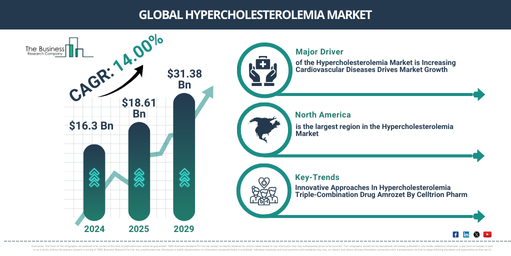
    The hypercholesterolemia market has experienced rapid expansion in recent years. It is projected to expand from $16.3 billion in 2024 to $18.61 billion in 2025, at a compound annual growth rate (CAGR) of 14.2%. This historic growth can be attributed to factors such as rising health campaigns, increased research and development, a growing focus on preventive healthcare, the expansion of preventive health screenings, and lifestyle modifications.

    The hypercholesterolemia market is projected to experience significant expansion in the upcoming years. It is expected to reach $31.38 billion by 2029, demonstrating a compound annual growth rate (CAGR) of 14.0%. This growth during the forecast period is attributable to improvements in diagnosis and screening, government initiatives and health policies, an increasing prevalence of risk factors, the growing availability of over-the-counter (OTC) cholesterol-lowering products, and increased public awareness of cholesterol risks. Notable trends anticipated in the forecast period include advanced lipid profiling, robotic-assisted surgeries, nanotechnology in drug delivery, telemedicine platforms, and lipoprotein targeting.

    Unlock Your Free Sample Report for Exclusive Market Data:

    https://www.thebusinessresearchcompany.com/sample.aspx?id=21207&type=smp

    Which Drivers Are Shaping The Hypercholesterolemia Industry’s Market Share?

    The anticipated rise in cardiovascular diseases is set to boost the expansion of the hypercholesterolemia market in the future. Cardiovascular diseases (CVDs) encompass various conditions impacting the heart and its associated blood vessels. This surge in cardiovascular ailments stems from factors like poor dietary habits, lack of physical activity, escalating obesity levels, persistent stress, an aging demographic, and the widespread occurrence of issues like hypertension and diabetes. Treatment for hypercholesterolemia aids individuals with cardiovascular disease by decreasing LDL cholesterol, minimizing plaque accumulation in arteries, enhancing circulation, and mitigating the likelihood of heart attacks, strokes, and other related complications. For example, data from October 2024, provided by the US-based government agency, the Centers for Disease Control and Prevention, indicates that approximately 805,000 individuals in the United States suffer a heart attack annually; among these, 605,000 are initial occurrences, and 200,000 affect those with a prior history of heart attacks. Consequently, the growing incidence of cardiovascular diseases is projected to fuel the expansion of the hypercholesterolemia market.

    What Are The Leading Segments Analyzed In The Hypercholesterolemia Market?

    The hypercholesterolemiamarket covered in this report is segmented –

    1) By Disease Type: Genetic; Acquired

    2) By Treatment: Statins; Bile Acid Resins; Niacin; PCSK9 Inhibitors; Cholesterol Absorption Inhibitors; Fibric Acid Derivatives; Other Treatments

    3) By Route Of Administration: Oral; Injectable

    4) By Distribution Channel: Hospital Pharmacies; Retail Pharmacies; Others Distribution Channel

    5) By End User: Hospitals; Specialty Clinics; Home Healthcare; Others End Users

    Subsegments:

    1) By Genetic: Heterozygous Familial Hypercholesterolemia; Homozygous Familial Hypercholesterolemia

    2) By Acquired: Primary Hypercholesterolemia; Secondary Hypercholesterolemia

    Which Market Trends Are Creating New Opportunities In The Hypercholesterolemia Industry?

    Leading companies in the hypercholesterolemia market are developing advanced products, such as triple-combination drugs, to improve the effectiveness of treatment and patient adherence. A triple-combination drug is a pharmaceutical formulation that integrates three active ingredients into a single dosage unit, like a tablet or capsule. For example, in February 2025, Celltrion Pharm, Inc., a pharmaceutical company based in South Korea, launched Amrozet Tablet, a medication for hypertension-hyperlipidemia. This drug incorporates three active components: amlodipine, a calcium channel blocker for hypertension; rosuvastatin, a statin used for lowering cholesterol; and ezetimibe, which helps reduce cholesterol absorption in the intestines. The medication comes in four dosage combinations: 5/5/10 mg, 5/10/10 mg, 10/5/10 mg, and 10/10/10 mg. It is prescribed for hypertension and myocardial ischemia based on amlodipine, and for primary hypercholesterolemia under the rosuvastatin-ezetimibe combination. Additionally, it is utilized to relieve chronic stable angina (chest pain) or vasospastic angina and to lower the risk of hospitalization for angina and heart surgery in patients with diagnosed coronary artery disease.

    Who Are The Key Multinational Companies Dominating The Hypercholesterolemia Market?

    Major companies operating in the hypercholesterolemia market are Pfizer Inc., Merck & Co Inc., Abbvie Inc., Bayer AG, Sanofi S.A., AstraZeneca PLC, Novartis AG, GlaxoSmithKline plc (GSK), Eli Lilly and Company, Amgen Inc., Viatris Inc., Aegerion Pharmaceuticals Inc., Fresenius Kabi AG, Sun Pharmaceutical Industries Ltd., Chiesi Farmaceutici S.p.A., Aurobindo Pharma Limited, Dr. Reddy’s Laboratories Ltd., Lupin Limited, Ionis Pharmaceuticals Inc., Melinta Therapeutics Inc., NewAmsterdam Pharma N.V., HDL Therapeutics Inc.

    Download The Full Report For Exclusive Market Findings:

    https://www.thebusinessresearchcompany.com/report/hypercholesterolemia-global-market-report

    How Is Hypercholesterolemia Market Demand Varying Across Different Regions?

    North America was the largest region in the hypercholesterolemia market in 2024. Asia-Pacific is expected to be the fastest-growing region in the forecast period. The regions covered in the hypercholesterolemia market report are Asia-Pacific, Western Europe, Eastern Europe, North America, South America, Middle East, Africa.

    Request A Customized Version Of The Hypercholesterolemia Market Report:

    https://www.thebusinessresearchcompany.com/customise?id=21207&type=smp

    Browse Through More Reports Similar to the Global Hypercholesterolemia Market 2025, By The Business Research Company

    Hyperphosphatemia Treatment Global Market Report 2025

    https://www.thebusinessresearchcompany.com/report/hyperphosphatemia-treatment-global-market-report

    Acute Myeloid Leukemia Global Market Report 2025

    https://www.thebusinessresearchcompany.com/report/acute-myeloid-leukemia-global-market-report

    Leukemia Therapeutics Global Market Report 2025

    https://www.thebusinessresearchcompany.com/report/leukemia-therapeutics-global-market-report

    Get in touch with us:

    The Business Research Company: https://www.thebusinessresearchcompany.com/

    Americas +1 310-496-7795

    Asia +44 7882 955267 & +91 8897263534

    Europe +44 7882 955267

    Email us at info@tbrc.info

    Follow us on:

    LinkedIn: https://in.linkedin.com/company/the-business-research-company

    YouTube: https://www.youtube.com/channel/UC24_fI0rV8cR5DxlCpgmyFQ

    Global Market Model: https://www.thebusinessresearchcompany.com/global-market-model
  • Hypercalcemia Treatment Market to Reach $28.08 Billion by 2029, Growing at a CAGR of 11.3%

    Hypercalcemia Treatment Market to Reach $28.08 Billion by 2029, Growing at a CAGR of 11.3%

    Unlock Global Insights – Save 20% on Market Reports with Code ONLINE20

    What Is The Expected Total Market Size Of The Hypercalcemia Treatment Industry By The Forecast Year 2029?

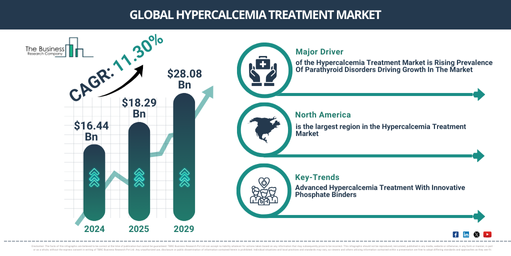
    The hypercalcemia treatment market has experienced substantial growth in recent years. Its valuation is projected to expand from $16.44 billion in 2024 to $18.29 billion in 2025, reflecting a compound annual growth rate (CAGR) of 11.2%. This historical expansion can be primarily attributed to increasing awareness concerning hypercalcemia, a growing geriatric population, rising incidences of cancer, enhanced understanding of the disease, and an upturn in the prevalence of parathyroid disorders.

    The hypercalcemia treatment market is anticipated to experience substantial growth over the next few years, expanding to $28.08 billion by 2029, at a compound annual growth rate (CAGR) of 11.3%. This expansion during the forecast period is driven by the increasing prevalence of chronic renal illness, a rising number of patients suffering from hypertension, an increase in spending for the development of novel medications, growing awareness and patient empowerment, and various government initiatives. Significant trends expected in this period include enhanced diagnostic tools and techniques, advancements in treatment approaches, the introduction of innovative drugs for treatment, and increased collaborations among healthcare providers.

    Unlock Your Free Sample Report for Exclusive Market Data:

    https://www.thebusinessresearchcompany.com/sample.aspx?id=21206&type=smp

    What Are The Drivers Pushing New Developments In The Hypercalcemia Treatment Market?

    The increasing incidence of parathyroid disorders is anticipated to fuel the expansion of the hypercalcemia treatment market going forward. Parathyroid disorders encompass conditions affecting the parathyroid glands, which regulate calcium levels in the body through the production of parathyroid hormone (PTH). The rising occurrence of these disorders is driven by an aging population, heightened awareness, improved diagnostic capabilities, and a growing incidence of conditions such as primary hyperparathyroidism and chronic kidney disease. Hypercalcemia treatment is essential in managing parathyroid disorders by normalizing elevated calcium levels, preventing complications like kidney stones and bone loss, and improving overall metabolic balance. For instance, in February 2024, according to the National Institute of Health (NIH), a US-based government agency, in the United States, hypoparathyroidism is estimated to affect 6.4 to 37 per 100,000 person-years, with 75% of cases resulting from complications of thyroidectomy or head and neck surgery. Therefore, the heightened prevalence of parathyroid disorders is propelling the growth of the hypercalcemia treatment market.

    What Are The Segment Types Shaping The Hypercalcemia Treatment Market?

    The hypercalcemia treatmentmarket covered in this report is segmented –

    1) By Drug Type: Bisphosphonates; Calcitonin; Glucocorticoids; Denosumab; Calcimimetics; Other Drug Types

    2) By Indication: Primary Hyperthyroidism; Hypercalcemia Of Malignancy; Other Indications

    3) By Distribution Channel: Hospitals Pharmacies; Retail Pharmacies; Online Pharmacies

    4) By End-Users: Hospitals; Clinics

    Subsegments:

    1) By Bisphosphonates: Zoledronic Acid; Pamidronate; Alendronate

    2) By Calcitonin: Salmon Calcitonin; Synthetic Calcitonin

    3) By Glucocorticoids: Prednisone; Dexamethasone; Hydrocortisone

    4) By Denosumab: Denosumab (Monotherapy); Denosumab Combination Therapy

    5) By Calcimimetics: Cinacalcet; Etelcalcetide

    6) By Other Drug Types: Gallium Nitrate; Mithramycin

    How Are Trends Influencing The Hypercalcemia Treatment Market?

    Leading companies active in the hypercalcemia treatment market are concentrating on developing innovative products, such as phosphate binders, to achieve better regulation of calcium and phosphorus balance, thus enhancing treatment outcomes. Phosphate binders are medications designed to bind to phosphate in the digestive tract, preventing its absorption into the bloodstream, and are commonly utilized to manage high phosphate levels in patients with kidney disease or hypercalcemia. For instance, in May 2024, Strides Pharma Science Limited, an India-based pharmaceutical company, obtained approval from the United States Food and Drug Administration (FDA) for its Sevelamer Carbonate Tablets, 800 mg. These tablets effectively manage hyperphosphatemia in individuals with chronic kidney disease by binding dietary phosphate and preventing its uptake. Moreover, these tablets assist in maintaining bone health and mitigating cardiovascular risks associated with elevated phosphate levels.

    Which Leading Players Are Enhancing Their Hypercalcemia Treatment Market Presence Worldwide?

    Major companies operating in the hypercalcemia treatment market are Pfizer Inc., Roche Holding AG, AbbVie Inc., AstraZeneca plc, Novartis AG, GSK plc, Eli Lilly and Company, Amgen Inc., Merck KGaA, Fresenius Medical Care AG & Co. KGaA, Teva Pharmaceutical Industries Ltd., Sandoz International GmbH, Ipsen SA, Kyowa Kirin Co. Ltd., Hikma Pharmaceuticals plc, Endo International plc, OPKO Health Inc., Ferring Pharmaceuticals A/S, Rockwell Medical Inc., Strides Pharma Science Limited

    Download The Full Report For Exclusive Market Findings:

    https://www.thebusinessresearchcompany.com/report/hypercalcemia-treatment-global-market-report

    Which Geographies Are Emerging As Strong Markets For The Hypercalcemia Treatment Industry?

    North America was the largest region in the hypercalcemia treatment market in 2024. The regions covered in the hypercalcemia treatment market report are Asia-Pacific, Western Europe, Eastern Europe, North America, South America, Middle East, Africa.

    Request A Customized Version Of The Hypercalcemia Treatment Market Report:

    https://www.thebusinessresearchcompany.com/customise?id=21206&type=smp

    Browse Through More Reports Similar to the Global Hypercalcemia Treatment Market 2025, By The Business Research Company

    Bleeding Disorders Treatment Global Market Report 2025

    https://www.thebusinessresearchcompany.com/report/bleeding-disorders-treatment-global-market-report

    Autoimmune Treatment Global Market Report 2025

    https://www.thebusinessresearchcompany.com/report/autoimmune-treatment-global-market-report

    Infertility Treatment Global Market Report 2025

    https://www.thebusinessresearchcompany.com/report/infertility-treatment-global-market-report

    Get in touch with us:

    The Business Research Company: https://www.thebusinessresearchcompany.com/

    Americas +1 310-496-7795

    Asia +44 7882 955267 & +91 8897263534

    Europe +44 7882 955267

    Email us at info@tbrc.info

    Follow us on:

    LinkedIn: https://in.linkedin.com/company/the-business-research-company

    YouTube: https://www.youtube.com/channel/UC24_fI0rV8cR5DxlCpgmyFQ

    Global Market Model: https://www.thebusinessresearchcompany.com/global-market-model

  • Global Hutchinson-Gilford Progeria Syndrome (HGPS) Market Size Projected to Reach $147.88 Billion During the Forecast Period

    Global Hutchinson-Gilford Progeria Syndrome (HGPS) Market Size Projected to Reach $147.88 Billion During the Forecast Period

    Unlock Global Insights – Save 20% on Market Reports with Code ONLINE20

    How Does The Market Size Of The Hutchinson-Gilford Progeria Syndrome (HGPS) Industry Compare Between 2025 And 2029?

    The hutchinson-gilford progeria syndrome (hgps) market has observed substantial growth in recent years. It is anticipated to expand from $97.63 billion in 2024 to $106.25 billion in 2025, reflecting a compound annual growth rate (CAGR) of 8.8%. This past growth can be ascribed to increased recognition of rare genetic disorders, a boost in funding for progeria research, the widespread availability of genetic testing, a rise in government-led rare disease initiatives, and the escalating worldwide incidence of genetic disorders.

    The hutchinson-gilford progeria syndrome (hgps) market size is projected to experience substantial growth over the next few years. It is expected to expand to $147.88 billion by 2029, achieving a compound annual growth rate (CAGR) of 8.6%. This anticipated expansion during the forecast period is driven by increased funding for research and development of new treatments, a rising prevalence of progeria, growing global healthcare expenditure, the increasing adoption of innovative therapeutic approaches, and a heightened demand for early diagnosis. Significant trends foreseen in this period include technological progress, the creation of targeted therapies, advancements in next-generation sequencing (NGS) technologies, the discovery of biomarkers, and enhancements in drug delivery systems.

    Unlock Your Free Sample Report for Exclusive Market Data:

    https://www.thebusinessresearchcompany.com/sample.aspx?id=21205&type=smp

    What Are The Emerging Market Drivers Creating New Opportunities In The Hutchinson-Gilford Progeria Syndrome (HGPS) Industry?

    Increased financial support for the research and development of new therapies is projected to drive the growth of the hutchinson-gilford progeria syndrome (HGPS) market moving forward. Funding for Research and Development signifies financial resources allocated to innovate, enhance, and advance scientific knowledge and technological solutions. The rise in funding for research and development is attributed to elements such as an escalating demand for innovative treatments and government backing for healthcare advancements. Elevated funding for research and development accelerates the progress of treatments for hutchinson-gilford Progeria Syndrome by supporting clinical trials and promoting novel therapies. This also furthers understanding of the condition’s genetic origins and assists in developing targeted solutions. For instance, in April 2024, according to the Office for National Statistics, a UK-based government agency, in 2022, the UK government’s net expenditure on research and development (R&D) grew by 10.5%, increasing to £15.5 billion ($17.59) from £14.0 billion ($15.88) in 2021. Therefore, the expanded funding for research and development of new therapies is a key driver for the hutchinson-gilford progeria syndrome (HGPS) market’s growth.

    What Are The Different Segment Classifications Within The Hutchinson-Gilford Progeria Syndrome (HGPS) Market?

    The hutchinson-gilford progeria syndrome (hgps)market covered in this report is segmented –

    1) By Treatment Type: Farnesyltransferase Inhibitors (Zokinvy (Lonafarnib)); Low-dose Aspirin; Physical And Occupational Therapy; Hearing Aids; Genetic Counseling; Other Treatment Types

    2) By Route Of Administration: Oral; Injectable; Intravenous; Transdermal

    3) By Mechanism Of Action: Antisense Oligonucleotides; Crispr-cas9 Gene Editing; Rna Interference; Targeted Drug Delivery Systems

    4) By End-User: Hospitals; Specialty Clinics; Academic And Research Institutes; Other End-Users

    Subsegments:

    1) By Farnesyltransferase Inhibitors (Zokinvy (Lonafarnib)): Monotherapy With Lonafarnib; Combination Therapy With Other Drugs

    2) By Low-dose Aspirin: Cardiovascular Protection; Anti-inflammatory Therapy

    3) By Physical And Occupational Therapy: Mobility Support And Rehabilitation; Joint And Bone Health Management; Adaptive Equipment For Daily Activities

    4) By Hearing Aids: Conventional Hearing Aids; Bone-Anchored Hearing Aids (BAHA); Cochlear Implants

    5) By Genetic Counseling: Family Genetic Testing; Genetic Risk Assessment; Prenatal Counseling And Guidance

    6) By Other Treatment Types: Stem Cell Therapy; Gene Editing and Therapy; Nutritional Support And Management

    What Key Innovation Trends Are Fueling Advancements In The Hutchinson-Gilford Progeria Syndrome (HGPS) Market?

    Leading companies in the hutchinson-gilford progeria syndrome (HGPS) market are concentrating on developing advanced farnesyltransferase inhibitors to enhance treatment efficacy and slow the progression of the disease in affected patients. Farnesyltransferase inhibitors are medications that obstruct farnesyltransferase, an enzyme vital for protein modification, thereby preventing abnormal cell growth and aging. For example, in July 2022, Eiger BioPharmaceuticals, a US-based biopharmaceutical firm, obtained marketing authorization from the European Commission for Zokinvy, making it the first and only treatment approved in Europe for hutchinson-gilford progeria syndrome (HGPS) and processing-deficient progeroid laminopathies (PL) in children and young adults. Clinical trials indicated that Zokinvy, an oral disease-modifying agent, decreased the risk of death in children by 72% and extended life by an average of 4.3 years. This centralized marketing authorization from the European Commission is valid across all 27 EU member states, in addition to Iceland, Liechtenstein, and Norway.

    Which Major Firms Are Strengthening Their Position In The Hutchinson-Gilford Progeria Syndrome (HGPS) Industry?

    Major companies operating in the hutchinson-gilford progeria syndrome (HGPS) market are National Institutes of Health (NIH), Mount Sinai, Johns Hopkins Hospital, Duke University, Mayo Foundation for Medical Education and Research, Cleveland Clinic, Children’s Hospital of Philadelphia, St. Jude Children’s Research Hospital, Cincinnati Children’s Hospital Medical Center, University of Maryland, Boston Children’s Hospital, Children’s Hospital Los Angeles, Harvard Medical School, The Scripps Research Institute, Blueprint Genetics, Medicover Hospitals, Sentynl Therapeutics, UCSF Helen Diller Family Comprehensive Cancer Center, Progeria Research Foundation, AnGes MG Inc., PRG Science & Technology Co. Ltd.

    Download The Full Report For Exclusive Market Findings:

    https://www.thebusinessresearchcompany.com/report/hutchinson-gilford-progeria-syndrome-hgps-global-market-report

    Which Region Is Projected To Lead The Hutchinson-Gilford Progeria Syndrome (HGPS) Market During The Forecast Period?

    North America was the largest region in the hutchinson-gilford progeria syndrome (HGPS) market in 2024. Asia-Pacific is expected to be the fastest-growing region in the forecast period. The regions covered in the hutchinson-gilford progeria syndrome (HGPS) market report are Asia-Pacific, Western Europe, Eastern Europe, North America, South America, Middle East, Africa.

    Request A Customized Version Of The Hutchinson-Gilford Progeria Syndrome (HGPS) Market Report:

    https://www.thebusinessresearchcompany.com/customise?id=21205&type=smp

    Browse Through More Reports Similar to the Global Hutchinson-Gilford Progeria Syndrome (HGPS) Market 2025, By The Business Research Company

    Myelodysplastic Syndrome Global Market Report 2025

    https://www.thebusinessresearchcompany.com/report/myelodysplastic-syndrome-global-market-report

    Acute Coronary Syndrome Global Market Report 2025

    https://www.thebusinessresearchcompany.com/report/acute-coronary-syndrome-global-market-report

    Cough Hypersensitivity Syndrome Global Market Report 2025

    https://www.thebusinessresearchcompany.com/report/cough-hypersensitivity-syndrome-global-market-report

    Get in touch with us:

    The Business Research Company: https://www.thebusinessresearchcompany.com/

    Americas +1 310-496-7795

    Asia +44 7882 955267 & +91 8897263534

    Europe +44 7882 955267

    Email us at info@tbrc.info

    Follow us on:

    LinkedIn: https://in.linkedin.com/company/the-business-research-company

    YouTube: https://www.youtube.com/channel/UC24_fI0rV8cR5DxlCpgmyFQ

    Global Market Model: https://www.thebusinessresearchcompany.com/global-market-model
  • Heterozygous Familial Hypercholesterolemia Management Industry Anticipated to Expand at 10.9% CAGR During the Forecast Period

    Heterozygous Familial Hypercholesterolemia Management Industry Anticipated to Expand at 10.9% CAGR During the Forecast Period

    Unlock Global Insights – Save 20% on Market Reports with Code ONLINE20

    What Is The Predicted Market Size Trajectory For The Heterozygous Familial Hypercholesterolemia Management Market From 2025 To 2034?

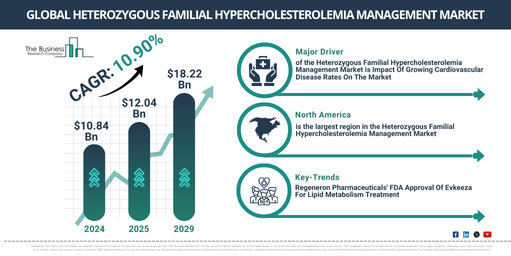
    The heterozygous familial hypercholesterolemia management market size has experienced rapid expansion in recent years. It is anticipated to expand from $10.84 billion in 2024 to $12.04 billion in 2025, reflecting a compound annual growth rate (CAGR) of 11.0%. The growth observed in previous periods can be linked to the increasing occurrence of cardiovascular diseases, government-led initiatives, greater investment in research and development efforts, improved awareness and diagnosis of Hefh, and the growing demand for tailored therapies.

    The heterozygous familial hypercholesterolemia management market is poised for significant expansion over the coming years. Projections indicate it will reach $18.22 billion by 2029, demonstrating a compound annual growth rate (CAGR) of 10.9%. This anticipated growth during the forecast period is primarily driven by factors such as the expansion of telehealth services, the rising prevalence of chronic illnesses, an increase in clinical trial activity, an aging global population, and a boost in the number of drugs under development. Key trends anticipated for this period encompass the integration of digital health solutions, ongoing advancements in therapeutic choices, the creation of combination therapies, continuous technological improvements, and the emergence of novel therapies.

    Unlock Your Free Sample Report for Exclusive Market Data:

    https://www.thebusinessresearchcompany.com/sample.aspx?id=21204&type=smp

    Which Drivers Are Impacting The Heterozygous Familial Hypercholesterolemia Management Market?

    The increasing occurrence of cardiovascular diseases is anticipated to drive the expansion of the heterozygous familial hypercholesterolemia management market. Cardiovascular diseases (CVDs) encompass a range of conditions impacting the heart and blood vessels, including coronary artery disease, heart failure, and stroke. The global prevalence of CVDs is rising due to escalating risk factors such as unhealthy lifestyle choices, poor diets, sedentary behavior, obesity, and an aging demographic. Effective management of heterozygous familial hypercholesterolemia is crucial for preventing cardiovascular diseases by successfully regulating high cholesterol levels, which are a significant contributor to atherosclerosis and heart-related complications. For instance, in May 2024, the Centers for Disease Control and Prevention, a US-based government agency, reported that in 2022, approximately 805,000 individuals in the United States experienced a heart attack, with 605,000 being first heart attacks and 200,000 occurring in people who had previously suffered one. As a result, the growing prevalence of cardiovascular diseases is fueling the growth of the heterozygous familial hypercholesterolemia management market.

    What Are The Primary Types Of Segments Analyzed In The Heterozygous Familial Hypercholesterolemia Management Market?

    The heterozygous familial hypercholesterolemia managementmarket covered in this report is segmented –

    1) By Treatment Type: Statins; Ezetimibe; PCSK9 Inhibitors; Lomitapide; Mipomersen

    2) By Route Of Administration: Oral; Injectable; Intravenous

    3) By Patient Demographics: Children; Adults; Elderly

    4) By Application: Hospitals; Medical Centers; Clinics; Other Applications

    Subsegments:

    1) By Statins: Atorvastatin; Simvastatin; Rosuvastatin; Pravastatin

    2) By Ezetimibe: Ezetimibe (Monotherapy); Ezetimibe Combination Therapy (With Statins)

    3) By PCSK9 Inhibitors: Alirocumab; Evolocumab

    4) By Lomitapide: Lomitapide (Monotherapy); Lomitapide Combination Therapy

    5) By Mipomersen: Mipomersen (Monotherapy); Mipomersen Combination Therapy

    Which Ongoing Trends Are Expected To Shape The Heterozygous Familial Hypercholesterolemia Management Market Outlook?

    Major companies operating in the heterozygous familial hypercholesterolemia management market are focusing on developing innovative products, such as angiopoietin, to address lipid metabolism and reduce cholesterol levels. Angiopoietin refers to a family of proteins that play a key role in regulating blood vessel formation (angiogenesis) and maintaining the stability of blood vessels. For instance, in March 2023, Regeneron Pharmaceuticals Inc., a US-based biotechnology company, received approval from the U.S. Food and Drug Administration (FDA) for Evkeeza (evinacumab-dgnb) for children aged 5 to 11 years with homozygous familial hypercholesterolemia (HoFH). This first-in-class monoclonal antibody works by inhibiting ANGPTL3, a protein that impedes lipid metabolism, thereby reducing low-density lipoprotein (LDL) cholesterol and triglyceride levels. The approval offers a novel therapeutic option for pediatric patients who have limited treatment alternatives and face a high risk of cardiovascular events.

    Who Are The Primary Competitors In The Global Heterozygous Familial Hypercholesterolemia Management Market?

    Major companies operating in the heterozygous familial hypercholesterolemia management market are Pfizer Inc., Johnson & Johnson, Roche Holding AG, Merck & Co. Inc., AbbVie Inc., Sanofi S.A., Bristol-Myers Squibb, AstraZeneca plc, Novartis International AG, Takeda Pharmaceutical Company Limited, Eli Lilly and Company, Gilead Sciences Inc., Amgen Inc., Merck KGaA, Regeneron Pharmaceuticals Inc., Ipsen S.A., Chiesi Farmaceutici S.p.A., Ferring Pharmaceuticals Limited, Esperion Therapeutics Inc., Aegerion Pharmaceuticals Inc., Verve Therapeutics Inc.

    Download The Full Report For Exclusive Market Findings:

    https://www.thebusinessresearchcompany.com/report/heterozygous-familial-hypercholesterolemia-management-global-market-report

    What Are The Key Regional Factors Influencing The Heterozygous Familial Hypercholesterolemia Management Market Growth?

    North America was the largest region in the heterozygous familial hypercholesterolemia management market in 2024. The regions covered in the heterozygous familial hypercholesterolemia management market report are Asia-Pacific, Western Europe, Eastern Europe, North America, South America, Middle East, Africa.

    Request A Customized Version Of The Heterozygous Familial Hypercholesterolemia Management Market Report:

    https://www.thebusinessresearchcompany.com/customise?id=21204&type=smp

    Browse Through More Reports Similar to the Global Heterozygous Familial Hypercholesterolemia Management Market 2025, By The Business Research Company

    Checkpoint Inhibitor Global Market Report 2025

    https://www.thebusinessresearchcompany.com/report/checkpoint-inhibitor-global-market-report

    Protein Inhibitor Global Market Report 2025

    https://www.thebusinessresearchcompany.com/report/protein-inhibitor-global-market-report

    Tnf Alpha Inhibitor Global Market Report 2025

    https://www.thebusinessresearchcompany.com/report/tnf-alpha-inhibitor-global-market-report

    Get in touch with us:

    The Business Research Company: https://www.thebusinessresearchcompany.com/

    Americas +1 310-496-7795

    Asia +44 7882 955267 & +91 8897263534

    Europe +44 7882 955267

    Email us at info@tbrc.info

    Follow us on:

    LinkedIn: https://in.linkedin.com/company/the-business-research-company

    YouTube: https://www.youtube.com/channel/UC24_fI0rV8cR5DxlCpgmyFQ

    Global Market Model: https://www.thebusinessresearchcompany.com/global-market-model

  • Global HER2-Negative Breast Cancer Market Projected to Expand at 7.7% CAGR by 2029

    Global HER2-Negative Breast Cancer Market Projected to Expand at 7.7% CAGR by 2029

    Unlock Global Insights – Save 20% on Market Reports with Code ONLINE20

    How Much Larger Is The HER2-Negative Breast Cancer Market Expected To Become By 2029 Compared With Its 2025 Level?

    The her2-negative breast cancer market has seen substantial expansion in recent years. It is anticipated to expand from $16.29 billion in 2024 to $17.57 billion in 2025, achieving a compound annual growth rate (CAGR) of 7.8%. This historical growth can be attributed to factors such as an escalation in breast cancer instances, enhanced understanding of breast cancer, augmented healthcare spending, an aging demographic, and the development of healthcare infrastructure.

    The her2-negative breast cancer market size is anticipated to undergo significant expansion in the upcoming years, with projections indicating it will reach $23.67 billion by 2029, exhibiting a compound annual growth rate (CAGR) of 7.7%. This expansion during the forecast period can be ascribed to a number of factors, including the increasing intake of alcohol, the rising adoption of unhealthy lifestyle choices, the growing prevalence of obesity, increased tobacco consumption, and the heightened necessity for effective therapeutic solutions. Dominant trends expected during this period involve advancements in diagnostic technologies, the incorporation of targeted therapies, the integration of immunotherapies, FDA regulatory approvals, and general technological progress.

    Unlock Your Free Sample Report for Exclusive Market Data:

    https://www.thebusinessresearchcompany.com/sample.aspx?id=21203&type=smp

    Which Industry Drivers Are Expected To Accelerate The HER2-Negative Breast Cancer Market From 2025 To 2029?

    The anticipated rise in breast cancer occurrences is expected to drive the expansion of the HER2-negative breast cancer market. Breast cancer is a condition characterized by the uncontrolled proliferation of abnormal cells within breast tissue, typically originating in the ducts or lobules. This increase in incidence can be attributed to several factors, including enhanced public awareness and improved screening techniques, which lead to earlier and more frequent detection. HER2-Negative Breast Cancer is crucial for advancing breast cancer research, offering valuable insights into distinct tumor biology and treatment strategies, thereby contributing to the development of more targeted therapies for patients. For instance, the Centers for Disease Control and Prevention, a US-based government agency, reported in June 2024 that in the United States, 272,454 new cases of breast cancer were diagnosed among females in 2021, while 42,211 females succumbed to the disease in 2022. Thus, the increasing incidence of breast cancer cases is a primary driver for the growth of the HER2-negative breast cancer market.

    Which Key Segments Fueling The HER2-Negative Breast Cancer Market?

    The her2-negative breast cancermarket covered in this report is segmented –

    1) By Treatment Type: Chemotherapy; Hormone Therapy; Targeted Therapy; Immunotherapy

    2) By Cancer Stage: Early Stage; Locally Advanced Stage; Metastatic Stage

    3) By Distribution Channel: Hospital Pharmacy; Retail Pharmacy; Online Pharmacy

    Subsegments:

    1) By Chemotherapy: Anthracyclines; Taxanes; Platinum-Based Chemotherapy; Alkylating Agents; Antimetabolites

    2) By Hormone Therapy: Selective Estrogen Receptor Modulators (SERMs); Aromatase Inhibitors; Selective Estrogen Receptor Degraders (SERDs)

    3) By Targeted Therapy: CDK4/6 Inhibitors; PI3K Inhibitors; PARP Inhibitors

    4) By Immunotherapy: Immune Checkpoint Inhibitors; Tumor-Infiltrating Lymphocyte (TIL) Therapy

    Which Competitive Trends Are Defining The HER2-Negative Breast Cancer Market Structure?

    Leading companies active in the HER2-negative breast cancer market are concentrating on obtaining regulatory authorizations to introduce new therapies, expand their product offerings, and strengthen their presence. Regulatory approvals denote the formal permission provided by government bodies, allowing firms to market and distribute drugs or treatments after fulfilling safety, efficacy, and quality criteria. For example, in October 2024, Genentech Inc., a US-based biotechnology corporation, secured FDA approval for Itovebi (inavolisib) as a targeted therapy for advanced hormone receptor-positive (HR+), HER2-negative breast cancer with a PIK3CA mutation. This clearance enables Itovebi to be utilized in conjunction with palbociclib and fulvestrant, substantially enhancing progression-free survival for patients compared to existing standard treatments. This new approach offers a crucial choice for patients with limited therapeutic options, underscoring the significance of biomarker testing to identify those who would most benefit from this particular therapy.

    Which Key Market Players Are Investing In Expansion And Innovation Of HER2-Negative Breast Cancer Market?

    Major companies operating in the HER2-negative breast cancer market are Pfizer Inc., Merck & Co. Inc., AbbVie Inc., Bayer AG, Bristol-Myers Squibb Company, Sanofi S.A., AstraZeneca PLC, Novartis International AG, Eli Lilly and Company, Amgen Inc., Daiichi Sankyo Company Limited, Jiangsu Hansoh Pharmaceutical Co. Ltd., BeiGene Ltd., Chipscreen Biosciences Ltd., F. Hoffmann-La Roche Ltd, PharmAbcine Inc., Adagene Inc., H3 Biomedicine Inc., Radius Health Inc., Zenith Epigenetics Ltd.

    Download The Full Report For Exclusive Market Findings:

    https://www.thebusinessresearchcompany.com/report/her2-negative-breast-cancer-global-market-report

    How Do Regional Market Performances Compare Within The HER2-Negative Breast Cancer Industry?

    North America was the largest region in the HER2-negative breast cancer market in 2024. Asia-Pacific is expected to be the fastest-growing region in the forecast period. The regions covered in the HER2-negative breast cancer market report are Asia-Pacific, Western Europe, Eastern Europe, North America, South America, Middle East, Africa.

    Request A Customized Version Of The HER2-Negative Breast Cancer Market Report:

    https://www.thebusinessresearchcompany.com/customise?id=21203&type=smp

    Browse Through More Reports Similar to the Global HER2-Negative Breast Cancer Market 2025, By The Business Research Company

    Breast Implants Global Market Report 2025

    https://www.thebusinessresearchcompany.com/report/breast-implants-global-market-report

    Breast Pumps Global Market Report 2025

    https://www.thebusinessresearchcompany.com/report/breast-pumps-global-market-report

    Breast Imaging Technologies Global Market Report 2025

    https://www.thebusinessresearchcompany.com/report/breast-imaging-technologies-global-market-report

    Get in touch with us:

    The Business Research Company: https://www.thebusinessresearchcompany.com/

    Americas +1 310-496-7795

    Asia +44 7882 955267 & +91 8897263534

    Europe +44 7882 955267

    Email us at info@tbrc.info

    Follow us on:

    LinkedIn: https://in.linkedin.com/company/the-business-research-company

    YouTube: https://www.youtube.com/channel/UC24_fI0rV8cR5DxlCpgmyFQ

    Global Market Model: https://www.thebusinessresearchcompany.com/global-market-model
  • Hepatitis D Market to Grow at a CAGR of 4.2% from 2025 to 2029

    Hepatitis D Market to Grow at a CAGR of 4.2% from 2025 to 2029

    Unlock Global Insights – Save 20% on Market Reports with Code ONLINE20

    #What Are The Current (2025) And Forecast (2029) Sizes Of The Hepatitis D Market?

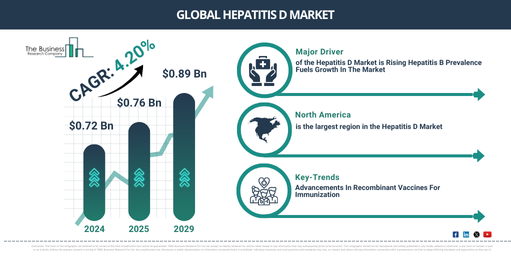
    The hepatitis d market size has experienced consistent growth in recent years. It is anticipated to expand from $0.72 billion in 2024 to $0.76 billion in 2025, demonstrating a compound annual growth rate (CAGR) of 4.3%. Historically, this growth can be ascribed to several factors, including limited treatment options, a high prevalence in endemic regions, co-infection with hepatitis B, low awareness and diagnosis rates, and government vaccination programs.

    The hepatitis d market is projected to experience consistent expansion over the upcoming years. Its valuation is anticipated to reach $0.89 billion by 2029, exhibiting a compound annual growth rate (CAGR) of 4.2%. This projected increase within the forecast timeframe is driven by several factors, such as broader reimbursement policies for new treatments, increased investment in healthcare, a rise in the use of combination therapies, wider hepatitis B vaccination coverage, and expanding public health programs. Key developments anticipated during this period encompass enhancements in molecular diagnostic tools, a move towards individualized approaches for managing liver diseases, the creation of innovative RNA-based treatments, an increase in clinical trials for hepatitis D therapies, and the utilization of telemedicine for managing hepatitis.

    Unlock Your Free Sample Report for Exclusive Market Data:

    https://www.thebusinessresearchcompany.com/sample.aspx?id=21202&type=smp

    What Are The Top Growth Drivers Impacting The Hepatitis D Market Outlook?

    The rising incidence of hepatitis B is projected to fuel the expansion of the hepatitis D market in the future. Hepatitis B is defined as a viral ailment impacting the liver, manifesting symptoms like jaundice, tiredness, and discomfort in the abdomen, and potentially progressing to chronic liver disease or liver cancer without medical intervention. This surge in Hepatitis B occurrences is linked to elements such as unprotected sexual activity, intravenous drug use involving shared needles, vertical transmission from mother to child during birth, and inadequate vaccination rates in specific areas. Hepatitis D depends on the Hepatitis B virus for its multiplication, utilizing the surface antigen of Hepatitis B to infect liver cells; thus, co-infection by both viruses is a crucial determinant in the advancement of liver disease. As an illustration, in November 2023, data from the Department of Health and Human Services, a US-based government agency, indicated that new chronic hepatitis B cases reported in 2022 saw an 11% increase relative to 2021. Consequently, the expanding occurrence of hepatitis B is fostering the development of the hepatitis D market.

    How Is The Hepatitis D Market Classified Into Different Segments?

    The hepatitis dmarket covered in this report is segmented –

    1) By Type: Acute; Chronic

    2) By Diagnosis: Blood Tests; Elastography; Liver Biopsy; Serologic Testing; Other Diagnosis

    3) By Distribution Channel: Hospital pharmacies; Retail pharmacies; Online Pharmacies

    4) By End-Users: Clinic; Hospital; Other End Users

    Subsegments:

    1) By Acute: Self-limiting Acute Hepatitis D; Severe Acute Hepatitis D

    2) By Chronic: Compensated Chronic Hepatitis D; Decompensated Chronic Hepatitis D

    What Are The Latest Industry Trends Transforming The Hepatitis D Market?

    Leading companies operating within the hepatitis D market are prioritizing the introduction of innovative formulations, such as recombinant vaccines, to bolster immunization efficacy and ensure enduring protection against the virus. Recombinant vaccines are understood as those manufactured by embedding a gene that encodes a viral protein into a host organism, including bacteria or yeast, to synthesize the protein, which is subsequently employed to stimulate an immune response without causing the illness. For instance, in December 2022, VBI Vaccines Inc., a US-based biotechnology company, obtained approval from Health Canada for PreHevbrio [3-antigen Hepatitis B Vaccine (Recombinant)], a vaccine designed for active immunization against all known subtypes of hepatitis B in adults aged 18 and older. This approval also extends to preventing hepatitis D, as it stems from the delta agent, which can only occur in conjunction with a hepatitis B infection. The approval is founded on positive findings from two pivotal Phase 3 clinical studies, protect and constant, which demonstrated higher seroprotection rates with PreHevbrio compared to the single-antigen engerix-B vaccine.

    Who Are The Core Companies Influencing The Hepatitis D Market Landscape?

    Major companies operating in the hepatitis d market are F. Hoffmann-La Roche Ltd., Merck & Co. Inc., Bristol-Myers Squibb Company, Abbott Laboratories, GSK plc, Gilead Sciences Inc., Viatris Inc, VBI Vaccines Inc, Alnylam Pharmaceuticals Inc., Arrowhead Pharmaceuticals Inc., Dynavax Technologies Corporation, Echosens S.A, Arbutus Biopharma Corporation, PROBIOMED SA de CV, Assembly Biosciences Inc., Replicor Inc., Eiger BioPharmaceuticals Inc, Bluejay Therapeutics Inc, Janssen Pharmaceuticals Inc., Transgene SA, Vir Biotechnology Inc, Biorex Diagnostics Ltd.

    Download The Full Report For Exclusive Market Findings:

    https://www.thebusinessresearchcompany.com/report/hepatitis-d-global-market-report

    Which Region Currently Holds The Largest Share Of The Hepatitis D Market?

    North America was the largest region in the hepatitis D market in 2024. Asia-Pacific is expected to be the fastest-growing region in the forecast period. The regions covered in the hepatitis d market report are Asia-Pacific, Western Europe, Eastern Europe, North America, South America, Middle East, Africa.

    Request A Customized Version Of The Hepatitis D Market Report:

    https://www.thebusinessresearchcompany.com/customise?id=21202&type=smp

    Browse Through More Reports Similar to the Global Hepatitis D Market 2025, By The Business Research Company

    Hepatitis Drugs Global Market Report 2025

    https://www.thebusinessresearchcompany.com/report/hepatitis-drugs-global-market-report

    Non Alcoholic Steatohepatitis Treatment Global Market Report 2025

    https://www.thebusinessresearchcompany.com/report/non-alcoholic-steatohepatitis-treatment-global-market-report

    Non Alcoholic Steatohepatitis Nash Global Market Report 2025

    https://www.thebusinessresearchcompany.com/report/non-alcoholic-steatohepatitis-nash-global-market-report

    Get in touch with us:

    The Business Research Company: https://www.thebusinessresearchcompany.com/

    Americas +1 310-496-7795

    Asia +44 7882 955267 & +91 8897263534

    Europe +44 7882 955267

    Email us at info@tbrc.info

    Follow us on:

    LinkedIn: https://in.linkedin.com/company/the-business-research-company

    YouTube: https://www.youtube.com/channel/UC24_fI0rV8cR5DxlCpgmyFQ

    Global Market Model: https://www.thebusinessresearchcompany.com/global-market-model

  • Global Hemorrhage Control System Market 2025–2029: Competitive Insights and Opportunities

    Global Hemorrhage Control System Market 2025–2029: Competitive Insights and Opportunities

    Unlock Global Insights – Save 20% on Market Reports with Code ONLINE20

    What Market Value Is The Hemorrhage Control System Industry Expected To Reach By 2029, Starting From 2025 Levels?

    The hemorrhage control system market size has shown significant expansion over recent years. It is anticipated to increase from $3.26 billion in 2024 to $3.47 billion in 2025, achieving a compound annual growth rate (CAGR) of 6.4%. This historical growth can be attributed to factors such as a rising incidence of traumatic battlefield injuries, increasing needs in emergency care settings, broader military applications, the expanding elderly demographic, and enhanced understanding of hemorrhage control techniques.

    The hemorrhage control system market is projected to experience substantial expansion in the coming years. It is anticipated to grow to $4.42 billion in 2029, exhibiting a compound annual growth rate (CAGR) of 6.2%. The increase during the forecast period can be attributed to the rising prevalence of trauma cases, an increasing number of surgical procedures, the expanded use of minimally invasive techniques, higher healthcare expenditure, and a rising number of severe war injuries. Key trends within this timeframe include the development of advanced hemostatic agents, the emergence of portable, easy-to-use hemorrhage control devices, the integration of smart technology, innovations in bioactive dressings, and advancements in personalized and precision medicine approaches.

    Unlock Your Free Sample Report for Exclusive Market Data:

    https://www.thebusinessresearchcompany.com/sample.aspx?id=21201&type=smp

    Which Major Market Drivers Are Shaping The Future Of The Hemorrhage Control System Market?

    The increasing occurrence of trauma incidents is anticipated to fuel the expansion of the hemorrhage control systems market moving forward. Trauma cases are defined as urgent medical situations involving bodily injuries sustained from external forces like accidents, falls, or acts of violence. The heightened incidence of trauma cases can be linked to multiple factors, including road traffic accidents, occupational incidents, sports-related injuries, and natural catastrophes. Hemorrhage control systems address these trauma cases by effectively managing critical bleeding, thereby enhancing patient survival rates and mitigating complications during urgent medical interventions. For example, in September 2024, the Department for Transport, a UK-based government department, reported that in 2022, the injury-based reporting system used by police forces documented 73,920 casualties, signifying an increase from the 66,236 cases recorded in 2021. This demonstrates how the rising prevalence of trauma cases is propelling the growth of the hemorrhage control systems market.

    What Are The Major Segments Identified In The Hemorrhage Control System Market?

    The hemorrhage control systemmarket covered in this report is segmented –

    1) By Product Type: Dressings; Hemostatic Agents; Clamps And Tourniquets; Surgical Sealants; Blood Products

    2) By Application: Cardiovascular Surgery; General Surgery; Plastic Surgery; Orthopedic Surgery; Neurosurgery; Other Applications

    3) By Distribution Channel: Direct Sales; Distributors; Online Retail; Pharmacies

    4) By End-User: Hospital And Ambulatory Surgery Centers (ASCs); Specialty Clinics; Other End-Users

    Subsegments:

    1) By Dressings: Gauze Dressings; Hydrogel Dressings; Alginate Dressings; Foam Dressings

    2) By Hemostatic Agents: Thrombin-Based Hemostats; Fibrin Sealants; Gelatin-Based Hemostats; Oxidized Regenerated Cellulose (ORC) Hemostats

    3) By Clamps And Tourniquets: Surgical Clamps; Pneumatic Tourniquets; Non-Pneumatic Tourniquets

    4) By Surgical Sealants: Synthetic Sealants; Collagen-Based Sealants; Cyanoacrylate-Based Sealants

    5) By Blood Products: Platelet Concentrates; Fresh Frozen Plasma (FFP); Cryoprecipitate; Packed Red Blood Cells

    What Trends Are Redefining The Hemorrhage Control System Market Dynamics?

    Companies operating in the hemorrhage control systems market are concentrating on creating sophisticated products, such as postpartum hemorrhage control devices, to boost the effectiveness of bleeding management in crucial medical scenarios. These medical instruments are designed to manage and stop significant bleeding following childbirth, thereby lessening life-threatening dangers by either stimulating clot formation or constricting blood vessels to regulate blood flow during postpartum hemorrhage (PPH). For instance, in September 2024, Organon Canada, a Canada-based healthcare company, introduced the JADA System, a medical device specifically engineered to manage and treat postpartum hemorrhage (PPH). Its operation utilizes low-level vacuum technology to stimulate normal uterine contraction for the purpose of controlling and treating abnormal postpartum uterine bleeding or hemorrhage. This innovative methodology presents a non-invasive and efficient answer when conservative treatment for postpartum hemorrhage (PPH) is appropriate, addressing a vital requirement in maternal healthcare.

    Which Major Industry Participants Are Leading The Hemorrhage Control System Market Growth?

    Major companies operating in the hemorrhage control system market are Medtronic plc, Stryker Corporation, Becton, Dickinson and Company (BD), Baxter International Inc., Teleflex Incorporated, Integra LifeSciences Holdings Corporation, Ethicon, CryoLife Inc., B. Braun Melsungen AG, Z-Medica LLC, Medicom, Axio Biosolutions, Aero Healthcare Pty Ltd., Penn Care Inc., Tricol Biomedical Inc., Hemostasis LLC, RevMedx Inc., Turtle Engineering Ltd., OMNI-STAT Medical Inc., Unicare Biomedical Inc.

    Download The Full Report For Exclusive Market Findings:

    https://www.thebusinessresearchcompany.com/report/hemorrhage-control-system-global-market-report

    What Regional Growth Trends Are Shaping The Hemorrhage Control System Market Outlook?

    North America was the largest region in the hemorrhage control system market in 2024. Asia-Pacific is expected to be the fastest-growing region in the forecast period. The regions covered in the hemorrhage control system market report are Asia-Pacific, Western Europe, Eastern Europe, North America, South America, Middle East, Africa.

    Request A Customized Version Of The Hemorrhage Control System Market Report:

    https://www.thebusinessresearchcompany.com/customise?id=21201&type=smp

    Browse Through More Reports Similar to the Global Hemorrhage Control System Market 2025, By The Business Research Company

    Trauma Fixation Devices And Equipment Global Market Report 2025

    https://www.thebusinessresearchcompany.com/report/trauma-fixation-devices-and-equipment-global-market-report

    Trauma Care Centers Global Market Report 2025

    https://www.thebusinessresearchcompany.com/report/trauma-care-centers-global-market-report

    Non Invasive Brain Trauma Monitoring Devices Global Market Report 2025

    https://www.thebusinessresearchcompany.com/report/non-invasive-brain-trauma-monitoring-devices-global-market-report

    Get in touch with us:

    The Business Research Company: https://www.thebusinessresearchcompany.com/

    Americas +1 310-496-7795

    Asia +44 7882 955267 & +91 8897263534

    Europe +44 7882 955267

    Email us at info@tbrc.info

    Follow us on:

    LinkedIn: https://in.linkedin.com/company/the-business-research-company

    YouTube: https://www.youtube.com/channel/UC24_fI0rV8cR5DxlCpgmyFQ

    Global Market Model: https://www.thebusinessresearchcompany.com/global-market-model
  • Hemophagocytic Lymphohistiocytosis Market Trends 2025–2029: Forecasts for Key Growth Segments

    Hemophagocytic Lymphohistiocytosis Market Trends 2025–2029: Forecasts for Key Growth Segments

    Unlock Global Insights – Save 20% on Market Reports with Code ONLINE20

    What Is The Anticipated Size Of The Hemophagocytic Lymphohistiocytosis Market Over The Five-Year Period 2025–2029?

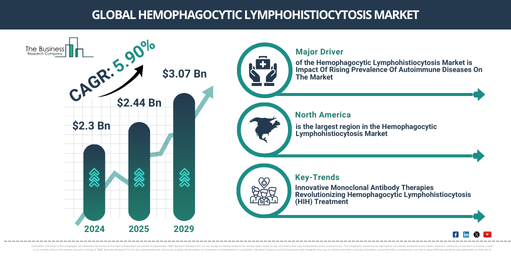
    The hemophagocytic lymphohistiocytosis market size has demonstrated significant expansion in recent years. It is forecast to increase from $2.3 billion in 2024 to $2.44 billion in 2025, achieving a compound annual growth rate (CAGR) of 6.0%. The past growth in this market can be attributed to several factors, including enhanced investment in research and development initiatives, a rising incidence of musculoskeletal disorders, improved recognition of rare diseases, greater awareness among healthcare professionals, and the increasing occurrence of chronic disorders.

    The hemophagocytic lymphohistiocytosis market size is anticipated to experience robust expansion over the next few years. It is projected to reach $3.07 billion by 2029, demonstrating a compound annual growth rate (CAGR) of 5.9%. This projected growth during the forecast period is attributable to the increasing incidence of immuno-oncology diseases, rising healthcare expenditure, the growing prevalence of infectious diseases, the increasing occurrence of autoimmune diseases, and a rise in HIV cases. Significant trends expected in the forecast period include advancements in hematopoietic stem cell transplants, continuous research into targeted therapies, the development of monoclonal antibody therapies, innovative gene therapy approaches, and the widespread adoption of personalized medicine and precision therapies.

    Unlock Your Free Sample Report for Exclusive Market Data:

    https://www.thebusinessresearchcompany.com/sample.aspx?id=21200&type=smp

    What Are The Main Drivers Boosting The Hemophagocytic Lymphohistiocytosis Industry’s Expansion?

    The increasing incidence of autoimmune conditions is anticipated to drive the expansion of the hemophagocytic lymphohistiocytosis market in the future. These conditions develop when the body’s immune system mistakenly attacks and harms its own healthy cells and tissues. The growing occurrence of autoimmune diseases can be attributed to elements like genetic susceptibility, environmental catalysts, infections, hormonal shifts, and improved early detection and public understanding. Treatment for hemophagocytic lymphohistiocytosis assists individuals with autoimmune disorders by curbing excessive immune system activity, lessening inflammation, and reinstating immune equilibrium, thereby mitigating severe complications caused by the immune system and enhancing comprehensive disease care. For example, as reported in June 2024 by the Australian Institute of Health and Welfare, an Australia-based governmental entity, rheumatoid arthritis is a systemic autoimmune condition where the body’s immune system attacks its own tissues. In 2022, approximately 514,000 people (2.0%) in Australia were living with this condition, affecting 2.5% of females and 1.6% of males. Consequently, the increasing prevalence of autoimmune diseases is fueling the expansion of the hemophagocytic lymphohistiocytosis market.

    What Are The Emerging Segments Gaining Attention In The Hemophagocytic Lymphohistiocytosis Market?

    The hemophagocytic lymphohistiocytosismarket covered in this report is segmented –

    1) By Type: Familial; Acquired

    2) By Diagnosis: Blood Tests; Bone Marrow Biopsy; Genetic Testing; Blood Cultures

    3) By Treatment: Steroids; Chemotherapy; Antibiotics; Antiviral Drugs; Other Treatments

    4) By Distribution Channel: Hospital Pharmacy; Retail Pharmacy; Online Pharmacy; Other Distribution Channels

    5) By End-Users: Hospitals; Homecare; Specialty Clinics; Other End-Users

    Subsegments:

    1) By Familial Hemophagocytic Lymphohistiocytosis (FHL): FHL Type 1; FHL Type 2; FHL Type 3; FHL Type 4; FHL Type 5

    2) By Acquired Hemophagocytic Lymphohistiocytosis (HLH): Infection-Associated HLH; Malignancy-Associated HLH; Autoimmune-Associated HLH; Drug-Induced HLH

    How Are Emerging Market Trends Shaping The Hemophagocytic Lymphohistiocytosis Industry Landscape?

    Major companies operating in the hemophagocytic lymphohistiocytosis market are concentrating on developing advanced solutions, such as monoclonal antibody therapy, to target and selectively deplete pathogenic immune cells. Monoclonal antibody therapy is a treatment utilizing laboratory-made antibodies designed to pinpoint specific antigens on cells to modulate immune responses or address diseases. For instance, in October 2024, Electra Therapeutics, Inc., a US-based biotechnology company, launched ELA026, which received Orphan Drug Designation (ODD) from the Food and Drug Administration for treating hemophagocytic lymphohistiocytosis (HLH). ELA026, a first-in-class antibody therapy targeting signal regulatory proteins (SIRP), provides a novel approach for secondary HLH (sHLH), an uncommon and life-threatening condition currently lacking approved treatments.

    Who Are The Prominent Global Companies Shaping The Hemophagocytic Lymphohistiocytosis Market?

    Major companies operating in the hemophagocytic lymphohistiocytosis market are Labcorp, Quest Diagnostics Incorporated, Electra Therapeutics Inc., Swedish Orphan Biovitrum AB (Sobi), ARUP Laboratories, Invitae Corp., Mayo Clinic Laboratories, Metropolis Healthcare, Centogene NV, Fulgent Genetics, Atara Biotherapeutics Inc., Innate Pharma S.A., Blueprint Genetics, Novimmune SA, Machaon Diagnostics Inc., SeaStar Medical Inc., AB2 Bio Ltd., Elixiron Immunotherapeutics Inc., Bellicum Pharmaceuticals Inc., Eurofins Biomnis

    Download The Full Report For Exclusive Market Findings:

    https://www.thebusinessresearchcompany.com/report/hemophagocytic-lymphohistiocytosis-global-market-report

    Which Regional Markets Are Contributing Most To The Hemophagocytic Lymphohistiocytosis Industry Expansion?

    North America was the largest region in the hemophagocytic lymphohistiocytosis market in 2024. The regions covered in the hemophagocytic lymphohistiocytosis market report are Asia-Pacific, Western Europe, Eastern Europe, North America, South America, Middle East, Africa.

    Request A Customized Version Of The Hemophagocytic Lymphohistiocytosis Market Report:

    https://www.thebusinessresearchcompany.com/customise?id=21200&type=smp

    Browse Through More Reports Similar to the Global Hemophagocytic Lymphohistiocytosis Market 2025, By The Business Research Company

    Autoimmune Disease Diagnosis Global Market Report 2025

    https://www.thebusinessresearchcompany.com/report/autoimmune-disease-diagnosis-global-market-report

    Autoimmune Treatment Global Market Report 2025

    https://www.thebusinessresearchcompany.com/report/autoimmune-treatment-global-market-report

    Listeria Monocytogenes Infections Treatment Global Market Report 2025

    https://www.thebusinessresearchcompany.com/report/listeria-monocytogenes-infections-treatment-global-market-report

    Get in touch with us:

    The Business Research Company: https://www.thebusinessresearchcompany.com/

    Americas +1 310-496-7795

    Asia +44 7882 955267 & +91 8897263534

    Europe +44 7882 955267

    Email us at info@tbrc.info

    Follow us on:

    LinkedIn: https://in.linkedin.com/company/the-business-research-company

    YouTube: https://www.youtube.com/channel/UC24_fI0rV8cR5DxlCpgmyFQ

    Global Market Model: https://www.thebusinessresearchcompany.com/global-market-model

  • Healthcare Extended Reality Market Forecast 2025–2034: Where Businesses Should Invest Next

    Healthcare Extended Reality Market Forecast 2025–2034: Where Businesses Should Invest Next

    Unlock Global Insights – Save 20% on Market Reports with Code ONLINE20

    What Are The Forecasted Market Size Estimates For The Healthcare Extended Reality Market Between 2025 And 2029?

    The healthcare extended reality market has experienced significant expansion in recent years. Its valuation is set to increase from $8.43 billion in 2024 to $11.18 billion in 2025, achieving a compound annual growth rate (CAGR) of 32.6%. This past growth can be attributed to several factors, including a rise in surgical procedures, a heightened demand for pain management, the growing incidence of chronic diseases, increased healthcare spending, and advancements in medical training and education.

    The healthcare extended reality market is projected to experience rapid expansion over the upcoming years. Its valuation is anticipated to reach $34.43 billion by 2029, achieving a compound annual growth rate (CAGR) of 32.5%. This anticipated growth during the forecast timeframe stems from several factors, including an increase in innovative applications for medical training and education, a rise in mental health concerns, the expanding integration of XR technology within medical education programs, and an increasing proliferation of healthcare institutions. Key trends identified for the forecast period encompass developments in telemedicine technologies, broader technological progress, advancements in display innovations, breakthroughs in virtual reality headset technology, and the evolution of digital health technologies.

    Unlock Your Free Sample Report for Exclusive Market Data:

    https://www.thebusinessresearchcompany.com/sample.aspx?id=21199&type=smp

    Which Factors And Drivers Are Influencing The Healthcare Extended Reality Market In 2025?

    The growing embrace of telemedicine is anticipated to fuel the expansion of the healthcare extended reality market. Telemedicine involves utilizing telecommunications technology to deliver medical care and services remotely, enabling patients to consult healthcare professionals without the need for an in-person visit to a medical facility. The surge in telemedicine adoption stems from the increasing demand for convenient healthcare access and technological advancements that facilitate remote consultations and monitoring. Healthcare extended reality (XR) enhances telemedicine by allowing for immersive remote consultations, virtual examinations, and interactive training, thereby improving patient engagement, diagnosis accuracy, and collaborative care among healthcare professionals. For instance, in June 2024, data from the Centers for Disease Control and Prevention, a US-based government agency, indicated that the proportion of adult telemedicine users in 2022 was 30.1% over the previous year. Furthermore, in August 2022, the Australian Digital Health Agency, an Australia-based government agency, reported that 118.2 million telehealth services were delivered to 18 million patients between 13 March 2020 and 31 July 2022, with more than 95,000 practitioners using telehealth services in 2022. Thus, the increased adoption of telemedicine is driving the growth of the healthcare extended reality market.

    What Are The Major Segment Types Covered In The Healthcare Extended Reality Market?

    The healthcare extended realitymarket covered in this report is segmented –

    1) By Component: Hardware; Software; Services

    2) By Technology: Augmented Reality; Virtual Reality; Mixed Reality

    3) By Application: Surgery; Therapy; Education And Training; Rehabilitation; Pain Management; Other Applications

    4) By End User: Hospitals Clinics And Surgical Centers; Pharma Companies; Research Organization And Diagnostics Laboratories; Other End Users

    Subsegments:

    1) By Hardware: Head-Mounted Displays (HMDs); Smart Glasses; Haptic Feedback Devices; Sensors and Cameras

    2) By Software: Virtual Reality (VR) Software; Augmented Reality (AR) Software; Mixed Reality (MR) Software; Simulation and Training Software

    3) By Services: Consulting Services; Integration And Deployment Services; Support And Maintenance Services; Training And Education Services

    Which Key Trends Are Expected To Influence The Healthcare Extended Reality Market In The Coming Years?

    Leading companies in healthcare extended reality are concentrating on developing innovative technologies, such as integrating virtual and augmented reality, to advance medical training, patient therapy, and surgical planning. The combination of virtual and augmented reality technologies enhances user experiences by blending digital content with the real world, thereby creating immersive and interactive environments. For instance, in April 2024, SindyXR Inc., a US-based telehealth group therapy platform provider, unveiled its initial extended reality (XR)-based group health support system. This system improves patient care through immersive educational experiences that boost engagement and enable remote access to healthcare services. It also supports mental health treatments, lessens pain perception, and encourages collaboration among healthcare professionals, leading to enhanced health outcomes.

    Which Key Players Are Driving Competition In The Healthcare Extended Reality Market?

    Major companies operating in the healthcare extended reality market are Microsoft Corporation, Meta Platforms Inc., Qualcomm Technologies Inc., Medtronic plc, NVIDIA Corporation, EInfochips Inc., PTC Inc., American Medical Association, EON Reality Inc., Osso VR Inc., zSpace Inc., SphereGen Technologies LLC, VirtaMed AG, CareAR Inc., Surgical Theater Inc., XRHealth, Mary Ann Liebert Inc., AppliedVR Inc., OramaVR Inc., Apprentice.io, Auganix Ltd., Fusion VR, GigXR Inc., PrecisionOS Technology Inc., SentiAR Inc.

    Download The Full Report For Exclusive Market Findings:

    https://www.thebusinessresearchcompany.com/report/healthcare-extended-reality-global-market-report2024-

    How Does The Healthcare Extended Reality Market Perform Across Key Geographic Regions?

    North America was the largest region in the healthcare extended reality market in 2024. The regions covered in the healthcare extended reality market report are Asia-Pacific, Western Europe, Eastern Europe, North America, South America, Middle East, Africa.

    Request A Customized Version Of The Healthcare Extended Reality Market Report:

    https://www.thebusinessresearchcompany.com/customise?id=21199&type=smp

    Browse Through More Reports Similar to the Global Healthcare Extended Reality Market 2025, By The Business Research Company

    Equine Healthcare Global Market Report 2025

    https://www.thebusinessresearchcompany.com/report/equine-healthcare-global-market-report

    Connected Healthcare Global Market Report 2025

    https://www.thebusinessresearchcompany.com/report/connected-healthcare-global-market-report

    Consumer Healthcare Global Market Report 2025

    https://www.thebusinessresearchcompany.com/report/consumer-healthcare-global-market-report

    Get in touch with us:

    The Business Research Company: https://www.thebusinessresearchcompany.com/

    Americas +1 310-496-7795

    Asia +44 7882 955267 & +91 8897263534

    Europe +44 7882 955267

    Email us at info@tbrc.info

    Follow us on:

    LinkedIn: https://in.linkedin.com/company/the-business-research-company

    YouTube: https://www.youtube.com/channel/UC24_fI0rV8cR5DxlCpgmyFQ

    Global Market Model: https://www.thebusinessresearchcompany.com/global-market-model

  • Global Guillain-Barre Syndrome Market Analysis 2025–2029: Opportunities for Strategic Growth

    Global Guillain-Barre Syndrome Market Analysis 2025–2029: Opportunities for Strategic Growth

    Unlock Global Insights – Save 20% on Market Reports with Code ONLINE20

    How Is The Guillain-Barre Syndrome Market Size Likely To Evolve From 2025 Through 2034?

    The guillain-barre syndrome market has experienced considerable expansion in recent years. It is anticipated to increase from $0.6 billion in 2024 to $0.64 billion in 2025, exhibiting a compound annual growth rate (CAGR) of 5.6%. The market’s past growth can be attributed to several factors including a surging demand for GBS treatments, an increase in viral infections, the proliferation of global vaccination campaigns, a deeper understanding of autoimmune mechanisms, and improved awareness and diagnosis.

    The guillain-barre syndrome market is anticipated to show considerable expansion over the next few years, projected to reach $0.79 billion by 2029 with a compound annual growth rate (CAGR) of 5.5%. This growth throughout the forecast period is attributed to several factors, including an increasing prevalence of guillain-barre syndrome, the growing impact of climate change, a greater utilization of immunotherapies and drugs, enhanced diagnostic capabilities, and a rising incidence of multifocal motor neuropathy. Significant trends expected during this period include improvements in diagnostic techniques, the ongoing development of immunoglobulin therapies, more effective plasmapheresis methods, exploration into gene therapy, an elevated focus on early intervention, the identification of novel biomarkers for prognosis, and expanded clinical trials for innovative treatments.

    Unlock Your Free Sample Report for Exclusive Market Data:

    https://www.thebusinessresearchcompany.com/sample.aspx?id=21198&type=smp

    What Are The Key Drivers Of Growth In The Guillain-Barre Syndrome Market?

    The escalating risk of immunological diseases is projected to drive the growth of the guillain-barre syndrome market. Immunological diseases are conditions where the immune system is either overactive, underactive, or misdirected, leading to disorders such as autoimmune diseases, allergies, or immunodeficiencies. These diseases are on the rise due to factors like environmental changes, lifestyle choices, improved diagnostic methods, and genetic predispositions. Immunological diseases can contribute to guillain-barré syndrome by triggering an autoimmune response in which the body’s immune system mistakenly targets peripheral nerves, causing inflammation and nerve damage. For instance, in July 2024, a report from the Joint United Nations Programme on HIV/AIDS (UNAIDS), a Switzerland-based government organization, stated that by the end of 2022, approximately 39.5 million people worldwide were living with HIV, with 1.3 million new infections and 630,000 AIDS-related deaths reported that year. In 2023, the number of people living with HIV globally rose to around 39.9 million. Consequently, the increasing risk of immunological diseases is a significant driver for the guillain-barre syndrome market.

    What Are The Major Segment Categories Driving The Guillain-Barre Syndrome Market Growth?

    The guillain-barre syndromemarket covered in this report is segmented –

    1) By Type: Acute Inflammatory Demyelinating Polyneuropathy (AIDP); Chronic Inflammatory Demyelinating Polyradiculoneuropathy (CIDP); Miller Fisher Syndrome (MFS); Acute Motor Axonal Neuropathy (AMAN); Other Types

    2) By Therapeutics: Intravenous Immunoglobulin (IVIG); Plasma Exchange; Other Therapeutics

    3) By Route Of Administration: Parenteral; Oral

    4) By End User: Hospitals; Clinics; Diagnostic Centers; Other End Users

    Subsegments:

    1) By Acute Inflammatory Demyelinating Polyneuropathy (AIDP): Classical AIDP; AIDP with Autonomic Involvement

    2) By Chronic Inflammatory Demyelinating Polyradiculoneuropathy (CIDP): Progressive CIDP; Relapsing-Remitting CIDP; Multifocal CIDP

    3) By Miller Fisher Syndrome (MFS): Classical MFS; MFS With Ataxia; MFS With Ophthalmoplegia

    4) By Acute Motor Axonal Neuropathy (AMAN): Classical AMAN; AMAN with Respiratory Involvement

    5) By Other Types: Acute Sensory Ganglionopathy; Variants With Cranial Nerve Involvement; Bickerstaff Brainstem Encephalitis

    What Are The Major Trends Driving The Growth Of The Guillain-Barre Syndrome Market?

    Companies prominent in the guillain-barre syndrome market are prioritizing the development of innovative drugs, such as monoclonal antibodies, to improve treatment efficacy, address unmet clinical needs, and expand their market reach. Monoclonal antibodies are proteins engineered in laboratories specifically to target certain antigens, thereby helping to modulate immune responses and enhance therapeutic outcomes. For instance, in October 2023, Annexon Inc., a US-based biopharmaceutical company, received orphan drug designation from the European Medicines Agency (EMA) for its drug ANX005 for the treatment of guillain-barre syndrome (GBS). This is a monoclonal antibody that targets C1q, demonstrating early improvements in muscle strength and a reduced need for ventilation compared to IVIg, establishing it as a significant therapeutic advancement.

    Who Are The Top Performing Companies In The Guillain-Barre Syndrome Market In Recent Years?

    Major companies operating in the guillain-barre syndrome market are Pfizer Inc., Roche AG, Thermo Fisher Scientific Inc., AstraZeneca PLC, GSK plc, Takeda Pharmaceutical Company Limited, Merck & Co. Inc., Baxter International Inc., Biogen Inc., Horizon Therapeutics, Octapharma AG, Kedrion S.p.A., Annexon Inc., Immunovant Inc., CSL Behring LLC, Hansa Biopharma AB, NeuLine Health Inc., Ridge Diagnostics Inc., Deymed Diagnostic LLC, VYVGART Hytrulo.

    Download The Full Report For Exclusive Market Findings:

    https://www.thebusinessresearchcompany.com/report/guillain-barre-syndrome-global-market-report

    Which Region Is Expected To Witness The Fastest Growth In The Guillain-Barre Syndrome Market?

    North America was the largest region in the guillain-barre syndrome market in 2024. Asia-Pacific is expected to be the fastest-growing region in the forecast period. The regions covered in the guillain-barre syndrome market report are Asia-Pacific, Western Europe, Eastern Europe, North America, South America, Middle East, Africa.

    Request A Customized Version Of The Guillain-Barre Syndrome Market Report:

    https://www.thebusinessresearchcompany.com/customise?id=21198&type=smp

    Browse Through More Reports Similar to the Global Guillain-Barre Syndrome Market 2025, By The Business Research Company

    Hepatorenal Syndrome Treatment Global Market Report 2025

    https://www.thebusinessresearchcompany.com/report/hepatorenal-syndrome-treatment-global-market-report

    Myelodysplastic Syndrome Drugs Global Market Report 2025

    https://www.thebusinessresearchcompany.com/report/myelodysplastic-syndrome-drugs-global-market-report

    Dry Eye Syndrome Global Market Report 2025

    https://www.thebusinessresearchcompany.com/report/dry-eye-syndrome-global-market-report

    Get in touch with us:

    The Business Research Company: https://www.thebusinessresearchcompany.com/

    Americas +1 310-496-7795

    Asia +44 7882 955267 & +91 8897263534

    Europe +44 7882 955267

    Email us at info@tbrc.info

    Follow us on:

    LinkedIn: https://in.linkedin.com/company/the-business-research-company

    YouTube: https://www.youtube.com/channel/UC24_fI0rV8cR5DxlCpgmyFQ

    Global Market Model: https://www.thebusinessresearchcompany.com/global-market-model