Category: HealthcareServices

  • Insulin Infusion Pump Market Expansion Outlook: $10.18 Billion by 2029 Forecast

    Insulin Infusion Pump Market Expansion Outlook: $10.18 Billion by 2029 Forecast

    Unlock Global Insights – Save 20% on Market Reports with Code ONLINE20

    What Are The Forecasted Market Size Estimates For The Insulin Infusion Pump Market Between 2025 And 2029?

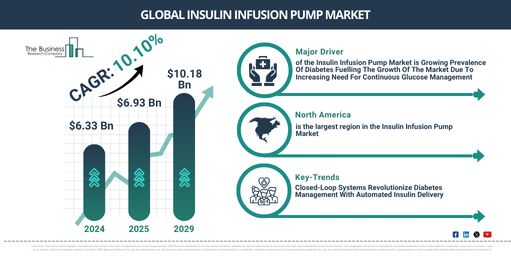
    The insulin infusion pump market has experienced significant expansion over the past few years. Projections indicate its size will expand from $6.33 billion in 2024 to reach $6.93 billion by 2025, demonstrating a compound annual growth rate (CAGR) of 9.6%. Historically, this expansion has been driven by factors such as the rising incidence and prevalence of diabetic patients, an increasing rate of obesity, a growing demand for these integrated systems, enhanced awareness and education initiatives, and more favorable reimbursement policies.

    The market for insulin infusion pumps is projected to expand significantly over the coming years. By 2029, this market is anticipated to reach a valuation of $10.18 billion, exhibiting a compound annual growth rate (CAGR) of 10.1%. This anticipated growth during the forecast period is attributable to several factors, including broader availability of telehealth services, a rise in chronic disease prevalence, an escalating need for personalized medical treatments, increased spending on healthcare, and heightened understanding among both doctors and patients. Key trends expected during this period encompass enhancements in closed-loop systems, the incorporation of artificial intelligence (AI) and machine learning technologies, progress in wireless connectivity, developments leading to smaller pump sizes, and seamless integration with wearable technology.

    Unlock Your Free Sample Report for Exclusive Market Data:

    https://www.thebusinessresearchcompany.com/sample.aspx?id=24256&type=smp

    What Are The Emerging Market Drivers Creating New Opportunities In The Insulin Infusion Pump Industry?

    The expanding occurrence of diabetes is projected to fuel the expansion of the insulin infusion pump market in the future. Diabetes is a persistent health issue characterized by the body’s incapacity to adequately control blood sugar or glucose levels. This increasing prevalence of diabetes primarily stems from rising inactive lifestyles and unhealthy eating patterns, resulting in obesity, insulin resistance, and elevated instances of type 2 diabetes. Insulin infusion pumps aid in managing diabetes through the continuous and precise delivery of insulin, which helps maintain steady blood glucose levels. These devices lessen the requirement for numerous injections, providing both convenience and improved blood sugar regulation, thereby improving comprehensive diabetes care. As an illustration, in June 2024, data from the National Health Service, a government department in the UK, revealed that 3,615,330 individuals registered with a general practitioner were diagnosed with non-diabetic hyperglycemia or pre-diabetes in 2023, representing an 18% rise from 3,065,825 cases recorded in 2022. Consequently, the rise in conditions linked to lifestyle is anticipated to propel the expansion of the medical device safety testing market.

    What Are The Different Segment Classifications Within The Insulin Infusion Pump Market?

    The insulin infusion pumpmarket covered in this report is segmented –

    1) By Type: Continuous Subcutaneous Insulin Infusion Pumps; Insulin Delivery Pens; Wearable Insulin Pumps

    2) By Technology: Remote Monitoring Systems; Closed Loop Systems; Smart Insulin Pumps

    3) By End Use: Hospitals; Home Care Settings; Diabetes Clinics

    Subsegments:

    1) By Continuous Subcutaneous Insulin Infusion (CSII) Pumps: Tubed Insulin Pumps; Tubeless Insulin Pumps; Closed-Loop Systems; Smart Insulin Pumps

    2) By Insulin Delivery Pens: Reusable Insulin Pens; Disposable Insulin Pens; Smart Insulin Pens

    3) By Wearable Insulin Pumps: Adhesive Patch Pumps; Detachable Patch Pumps; Hybrid Closed-Loop Wearables

    Which Trends Are Impacting The Insulin Infusion Pump Market?

    Leading companies operating within the insulin infusion pumps market are prioritizing the development of innovative offerings, such as insulin patch pump systems, to enhance user convenience, boost portability, and provide patients with more subtle and comfortable insulin delivery methods. Insulin patch pump systems are characterized as small, wearable devices that administer insulin transdermally, negating the need for traditional tubing. For example, in November 2023, ViCentra BV, a Netherlands-based medical device company, introduced a hybrid closed-loop system designed for automated insulin delivery. This system integrates its Kaleido insulin patch pump with the Diabeloop DBLG1 algorithm and Dexcom G6 continuous glucose monitoring. This integrated artificial pancreas dynamically adjusts insulin dosing in real time, substantially decreasing hypoglycemia and improving glucose regulation and time in range for individuals with type 1 diabetes. The system offers ease of use, demands minimal setup without requiring fingerstick tests, and transmits data to a cloud platform for convenient oversight by both users and healthcare providers.

    Which Key Market Players Are Investing In Expansion And Innovation Of Insulin Infusion Pump Market?

    Major companies operating in the insulin infusion pump market are Pfizer Inc., Roche Holding AG, Sanofi S.A., Medtronic plc, Eli Lilly and Company, Becton, Dickinson and Company, Baxter International Inc., Terumo Corporation, Smiths Group plc, Moog Inc., ICU Medical Inc., Insulet Corporation, MicroPort Scientific Corporation, Tandem Diabetes Care Inc., Ypsomed Holding AG, B. Braun Melsungen AG, Beta Bionics Inc., SOOIL Development Co. Ltd., Fresenius SE & Co. KGaA, Shinmyung Mediyes Co. Ltd.

    Download The Full Report For Exclusive Market Findings:

    https://www.thebusinessresearchcompany.com/report/insulin-infusion-pump-global-market-report

    What Are The Regional Market Dynamics Impacting The Insulin Infusion Pump Industry?

    North America was the largest region in the insulin infusion pump market in 2024. Asia-Pacific is expected to be the fastest-growing region in the forecast period. The regions covered in the insulin infusion pump market report are Asia-Pacific, Western Europe, Eastern Europe, North America, South America, Middle East, Africa.

    Request A Customized Version Of The Insulin Infusion Pump Market Report:

    https://www.thebusinessresearchcompany.com/customise?id=24256&type=smp

    Browse Through More Reports Similar to the Global Insulin Infusion Pump Market 2025, By The Business Research Company

    Intravenous Infusion Pumps Global Market Report 2025

    https://www.thebusinessresearchcompany.com/report/intravenous-infusion-pumps-global-market-report

    Ambulatory Iv Infusion Pumps Global Market Report 2025

    https://www.thebusinessresearchcompany.com/report/ambulatory-iv-infusion-pumps-global-market-report

    Implantable Infusion Pumps Global Market Report 2025

    https://www.thebusinessresearchcompany.com/report/implantable-infusion-pumps-global-market-report

    Get in touch with us:

    The Business Research Company: https://www.thebusinessresearchcompany.com/

    Americas +1 310-496-7795

    Asia +44 7882 955267 & +91 8897263534

    Europe +44 7882 955267

    Email us at info@tbrc.info

    Follow us on:

    LinkedIn: https://in.linkedin.com/company/the-business-research-company

    YouTube: https://www.youtube.com/channel/UC24_fI0rV8cR5DxlCpgmyFQ

    Global Market Model: https://www.thebusinessresearchcompany.com/global-market-model
  • Global Sepsis Diagnostics Market Overview: Trends Shaping Growth to 2029

    Global Sepsis Diagnostics Market Overview: Trends Shaping Growth to 2029

    Unlock Global Insights – Save 20% on Market Reports with Code ONLINE20

    What Market Value Is The Sepsis Diagnostics Industry Expected To Reach By 2029, Starting From 2025 Levels?

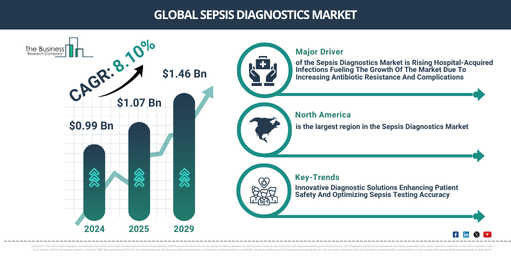
    The sepsis diagnostics market has shown significant growth in recent years. It is anticipated to expand from $0.99 billion in 2024 to $1.07 billion in 2025, exhibiting a compound annual growth rate (CAGR) of 7.8%. The historical expansion of this market can be attributed to factors such as the increasing incidence of sepsis, heightened awareness surrounding early diagnosis, rising healthcare expenditure, the growing prevalence of hospital-acquired infections, and the increasing adoption of point-of-care testing.

    The sepsis diagnostics market is projected to experience substantial expansion over the upcoming years. This market is forecast to reach $1.46 billion by 2029, exhibiting a compound annual growth rate (CAGR) of 8.1%. Factors contributing to this growth during the forecast period include an elevated demand for swift diagnostic solutions, greater capital expenditure in healthcare facilities, an intensified emphasis on individualized medical treatments, a growing occurrence of antimicrobial resistance, and an expanding application of next-generation sequencing technologies. Key trends anticipated within the same period encompass the incorporation of artificial intelligence into diagnostics, innovations in biomarker technology, progress in molecular diagnostics, a transition toward automated and digital diagnostic systems, and further developments in artificial intelligence for diagnostic purposes.

    Unlock Your Free Sample Report for Exclusive Market Data:

    https://www.thebusinessresearchcompany.com/sample.aspx?id=23514&type=smp

    What Are The Top Growth Drivers Impacting The Sepsis Diagnostics Market Outlook?

    The growing occurrence of hospital-acquired infections is anticipated to drive the expansion of the sepsis diagnostics market in the future. These infections, known as HAIs, develop during or after a patient’s stay in a healthcare facility, typically appearing 48 hours or more post-admission, and were not present upon entry. This rise in hospital-acquired infections stems from an increase in antibiotic resistance. The overuse and misuse of antibiotics in healthcare settings have led to the evolution of resistant bacteria, making infections significantly harder to treat. Sepsis diagnostics aids in the early identification of hospital-acquired infections by detecting pathogens and biomarkers, enabling timely treatment and reducing complications. For instance, in November 2024, according to the Australian Institute of Health and Welfare, an Australia-based government agency, in 2022–23, HACs were observed in 2% of public hospital admissions and 0.8% of private hospital admissions, with healthcare-associated infections being the most frequent complication. Therefore, the increasing incidence of hospital-acquired infections is a primary driver of growth in the sepsis diagnostics market.

    What Are The Leading Segments Analyzed In The Sepsis Diagnostics Market?

    The sepsis diagnosticsmarket covered in this report is segmented –

    1) By Product: Instruments; Blood Culture Media; Assay Kits And Reagents; Software

    2) By Technology: Microbiology; Molecular Diagnostics; Immunoassays; Flow Cytometry; Other Technologies

    3) By Pathogen: Bacterial Sepsis; Fungal Sepsis; Viral Sepsis; Other Pathogens

    4) By Method: Automated Diagnostics; Conventional Diagnostics

    5) By End-Users: Hospitals And Clinics; Pathology And Reference Laboratories; Research Institutes

    Subsegments:

    1) By Instruments: Automated Analyzers; Point-Of-Care (PoC) Testing Devices; Microfluidic-Based Devices; Polymerase Chain Reaction (PCR) Instruments; Flow Cytometers

    2) By Blood Culture Media: Aerobic Blood Culture Media; Anaerobic Blood Culture Media; Mycobacteria Blood Culture Media; Pediatric Blood Culture Media; Fungal Blood Culture Media

    3) By Assay Kits And Reagents: Enzyme-Linked Immunosorbent Assay (ELISA) Kits; Polymerase Chain Reaction (PCR) Assay Kits; Immunoassay Reagents; Molecular Diagnostic Reagents; Biosensor-Based Assay Kits

    4) By Software: Data Management Software; Laboratory Information Systems (LIS); Artificial Intelligence (AI)-Based Diagnostic Tools; Predictive Analytics Software; Cloud-Based Diagnostic Platforms

    Which Competitive Trends Are Defining The Sepsis Diagnostics Market Structure?

    Key companies operating within the sepsis diagnostics market are prioritizing the development of innovative solutions, such as culture-free diagnostic approaches, to enable the rapid and precise detection of sepsis without depending on conventional blood cultures. A culture-free diagnostic solution offers a method for identifying pathogens or infections without the necessity of traditional microbial culture techniques. These solutions leverage advanced technologies like polymerase chain reaction (PCR), next-generation sequencing (NGS), or immunoassays to quickly pinpoint pathogens directly from patient samples such as blood, saliva, or tissue. For example, in April 2024, Deepull Diagnostics S.L., a Spain-based manufacturing company, launched its UllCORE diagnostic system for the early detection of sepsis. The UllCORE system is a benchtop, culture-free multiplex PCR platform developed by Deepull for the swift identification of pathogens in sepsis and other acute infections. It extracts microbial DNA from 8 mL of whole blood, providing 50 reportable results within one hour. This system can detect 95% of sepsis-causing pathogens, including bacteria, fungi, and antibiotic resistance genes. Designed to improve early diagnosis and reduce the misuse of antibiotics, UllCORE assists hospitals in combating antimicrobial resistance.

    Which Major Industry Participants Are Leading The Sepsis Diagnostics Market Growth?

    Major companies operating in the sepsis diagnostics market are Siemens Healthcare GmbH, F. Hoffmann-La Roche AG, Thermo Fisher Scientific Inc., Abbott Laboratories, Danaher Corporation, Becton, Dickinson and Company, Koninklijke Philips N.V., GE Healthcare, Wolters Kluwer N.V., bioMérieux S.A., Bruker Corporation, DiaSorin S.p.A., Cepheid Inc., Seegene Inc., Luminex Corporation, T2 Biosystems Inc., Cytovale Inc., Accelerate Diagnostics Inc., Immunexpress Inc., Sepsis Alliance

    Download The Full Report For Exclusive Market Findings:

    https://www.thebusinessresearchcompany.com/report/sepsis-diagnostics-global-market-report

    How Do Regional Market Performances Compare Within The Sepsis Diagnostics Industry?

    North America was the largest region in the sepsis diagnostics market in 2024. Asia-Pacific is expected to be the fastest-growing region in the forecast period. The regions covered in the sepsis diagnostics market report are Asia-Pacific, Western Europe, Eastern Europe, North America, South America, Middle East, Africa.

    Request A Customized Version Of The Sepsis Diagnostics Market Report:

    https://www.thebusinessresearchcompany.com/customise?id=23514&type=smp

    Browse Through More Reports Similar to the Global Sepsis Diagnostics Market 2025, By The Business Research Company

    Diagnostic And Monitoring Ophthalmic Devices And Equipment Market 2025

    https://www.thebusinessresearchcompany.com/report/diagnostic-and-monitoring-ophthalmic-devices-and-equipment-market

    Respiratory Devices And Equipment Therapeutic And Diagnostic Global Market Report 2025

    https://www.thebusinessresearchcompany.com/report/respiratory-devices-and-equipment-therapeutic-and-diagnostic-global-market-report

    Cardiovascular Monitoring And Diagnostic Devices And Equipment Global Market Report 2025

    https://www.thebusinessresearchcompany.com/report/cardiovascular-monitoring-and-diagnostic-devices-and-equipment-global-market-report

    Get in touch with us:

    The Business Research Company: https://www.thebusinessresearchcompany.com/

    Americas +1 310-496-7795

    Asia +44 7882 955267 & +91 8897263534

    Europe +44 7882 955267

    Email us at info@tbrc.info

    Follow us on:

    LinkedIn: https://in.linkedin.com/company/the-business-research-company

    YouTube: https://www.youtube.com/channel/UC24_fI0rV8cR5DxlCpgmyFQ

    Global Market Model: https://www.thebusinessresearchcompany.com/global-market-model
  • Seizures Market Growth Opportunities: Insights from 2025–2029

    Seizures Market Growth Opportunities: Insights from 2025–2029

    Unlock Global Insights – Save 20% on Market Reports with Code ONLINE20

    What Is The Anticipated Size Of The Seizures Market Over The Five-Year Period 2025–2029?

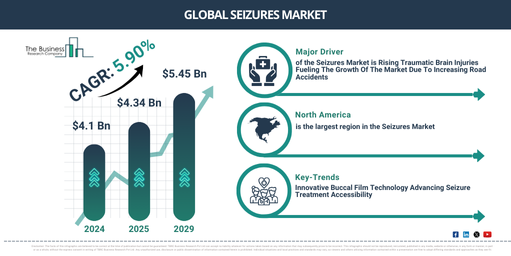
    The seizures market has shown substantial expansion in recent years. It is anticipated to increase from $4.1 billion in 2024 to $4.34 billion in 2025, at a compound annual growth rate (CAGR) of 5.8%. The key factors contributing to its historical growth include the rising prevalence of epilepsy and seizure disorders, increasing awareness and diagnosis rates, growing research and development for neurological disorders, increasing government and non-profit initiatives for epilepsy awareness, and the rising geriatric population.

    The seizures market is anticipated to show significant expansion in the coming years. By 2029, its valuation is projected to reach $5.45 billion, progressing at a compound annual growth rate (CAGR) of 5.9%. This expected growth during the forecast period is driven by an increasing geriatric population prone to neurological conditions, rising R&D investments in seizure therapeutics, a global increase in healthcare expenditure, a growing demand for epilepsy medications, and a rise in seizure disorder cases. Prominent trends throughout this period include advancements in seizure detection and monitoring devices, progress impacting drug approvals and reimbursements, breakthroughs in genetic research for precise seizure therapies, the adoption of digital health solutions for remote seizure monitoring, and ongoing developments in epilepsy drugs.

    Unlock Your Free Sample Report for Exclusive Market Data:

    https://www.thebusinessresearchcompany.com/sample.aspx?id=23511&type=smp

    Which Major Market Drivers Are Shaping The Future Of The Seizures Market?

    A rising incidence of traumatic brain injuries is projected to fuel the expansion of the seizures market in the future. Traumatic brain injuries (TBI) are characterized as brain damage resulting from an abrupt external impact like a strike, jolt, or a penetrating head wound. The surge in traumatic brain injuries stems from an uptick in road accidents, with high-speed crashes and inattentive driving contributing to more severe head trauma. Seizures can act as an initial sign of traumatic brain injuries, assisting medical professionals in the more effective diagnosis and management of underlying brain harm. For example, a report from the South Dakota Department of Health (SDDOH), a government agency based in South Dakota, indicated in October 2023 that in 2022, South Dakota recorded the 9th highest age-adjusted TBI-related death rate, reaching 26.4 per 100,000. Additionally, data from the American Association of Neurological Surgeons, a US-based professional body, released in April 2024, estimates that annually between 1.7 and 3.8 million traumatic brain injuries occur in the US. Consequently, the rising occurrence of traumatic brain injuries is driving the growth of the seizures market.

    What Are The Segment Types Shaping The Seizures Market?

    The seizuresmarket covered in this report is segmented –

    1) By Drug Type: First Generation Anti-Epileptics; Second Generation Anti-Epileptics; Third Generation Anti-Epileptics

    2) By Route Of Administration: Oral; Parenteral; Topical

    3) By Distribution Channel: Hospitals Pharmacies; Independent Pharmacies; Online Pharmacies

    4) By End-User: Hospitals And Clinics; Ambulatory Surgical Centers; Homecare Settings; Other End-Users

    Subsegments:

    1) By First Generation Anti-Epileptics: Phenytoin; Carbamazepine; Valproate; Phenobarbital; Primidone; Ethosuximide

    2) By Second Generation Anti-Epileptics: Lamotrigine; Levetiracetam; Topiramate; Oxcarbazepine; Zonisamide; Gabapentin; Pregabalin

    3) By Third Generation Anti-Epileptics: Lacosamide; Perampanel; Brivaracetam; Eslicarbazepine; Cenobamate

    What Are The Latest Industry Trends Transforming The Seizures Market?

    Leading companies within the seizures market are developing innovative products, such as buccal film, to enhance both treatment accessibility and patient compliance. A buccal film is characterized as a thin, dissolvable strip that is administered by placing it against the inner lining of the cheek (buccal mucosa), enabling the drug to be absorbed directly into the bloodstream. For instance, in December 2024, Aquestive Therapeutics Inc., a US-based pharmaceutical company, secured U.S. FDA approval for orphan drug exclusivity for Libervant (diazepam) buccal film, specifically intended for pediatric patients aged two to five with seizure clusters. This innovative formulation provides a non-invasive, easy-to-administer alternative to traditional diazepam delivery methods, ensuring rapid absorption through the buccal mucosa for a faster onset of action. As the first and only orally administered diazepam film approved for this age group, Libervant aims to improve caregiver convenience and enhance patient compliance. This exclusivity further solidifies Aquestive’s position in advancing oral film-based epilepsy therapies.

    Who Are The Prominent Global Companies Shaping The Seizures Market?

    Major companies operating in the seizures market are Johnson & Johnson Service Inc., AbbVie Inc., Bayer AG, Sanofi S.A., Novartis AG, GlaxoSmithKline plc, Viatris Inc., Teva Pharmaceutical Industries Ltd., Bausch Health Companies Inc., UCB S.A., Eisai Co. Ltd., H. Lundbeck A/S, Zydus Lifesciences Limited, SK Biopharmaceuticals Co. Ltd., Neurocrine Biosciences Inc., Supernus Pharmaceuticals Inc., Taro Pharmaceutical Industries Ltd., Marinus Pharmaceuticals Inc., Eton Pharmaceuticals Inc., Sunovion Pharmaceuticals Inc.

    Download The Full Report For Exclusive Market Findings:

    https://www.thebusinessresearchcompany.com/report/seizures-global-market-report

    Which Region Currently Holds The Largest Share Of The Seizures Market?

    North America was the largest region in the seizures market in 2024. Asia-Pacific is expected to be the fastest-growing region in the forecast period. The regions covered in the seizures market report are Asia-Pacific, Western Europe, Eastern Europe, North America, South America, Middle East, Africa.

    Request A Customized Version Of The Seizures Market Report:

    https://www.thebusinessresearchcompany.com/customise?id=23511&type=smp

    Browse Through More Reports Similar to the Global Seizures Market 2025, By The Business Research Company

    Grand Mal Seizure Treatment Global Market Report 2025

    https://www.thebusinessresearchcompany.com/report/grand-mal-seizure-treatment-global-market-report

    Brain Tumor Drugs Global Market Report 2025

    https://www.thebusinessresearchcompany.com/report/brain-tumor-drugs-global-market-report

    Brain And Neuroimaging Devices Global Market Report 2025

    https://www.thebusinessresearchcompany.com/report/brain-and-neuroimaging-devices-global-market-report

    Get in touch with us:

    The Business Research Company: https://www.thebusinessresearchcompany.com/

    Americas +1 310-496-7795

    Asia +44 7882 955267 & +91 8897263534

    Europe +44 7882 955267

    Email us at info@tbrc.info

    Follow us on:

    LinkedIn: https://in.linkedin.com/company/the-business-research-company

    YouTube: https://www.youtube.com/channel/UC24_fI0rV8cR5DxlCpgmyFQ

    Global Market Model: https://www.thebusinessresearchcompany.com/global-market-model

  • Scleroderma Diagnostics And Therapeutics Market Expansion Outlook: $4.07 Billion by 2029 Forecast

    Scleroderma Diagnostics And Therapeutics Market Expansion Outlook: $4.07 Billion by 2029 Forecast

    Unlock Global Insights – Save 20% on Market Reports with Code ONLINE20

    What Are The Forecasted Market Size Estimates For The Scleroderma Diagnostics And Therapeutics Market Between 2025 And 2029?

    The scleroderma diagnostics and therapeutics market size has experienced significant expansion in recent years. It is projected to grow from $2.71 billion in 2024 to $2.94 billion in 2025, reflecting a compound annual growth rate (CAGR) of 8.5%. The historical growth can be linked to the identification of antinuclear antibodies, the deployment of pulmonary function tests, heightened awareness of autoimmune diseases, the establishment of rare disease funding schemes, and the enlargement of clinical trial networks.

    The scleroderma diagnostics and therapeutics market is anticipated to experience significant expansion in the coming years. This market is projected to reach $4.07 billion by 2029, demonstrating a compound annual growth rate (CAGR) of 8.4%. The projected expansion is largely driven by advancements in precision medicine, the introduction of innovative biologic therapies, the broadening scope of stem cell research, improvements in drug delivery systems, and the bolstering of regulatory frameworks for orphan drugs. Key developments shaping the market during this period encompass diagnostic algorithms powered by artificial intelligence (AI), next-generation sequencing for genetic profiling, drug delivery utilizing nanotechnology, wearable biosensors for continuous monitoring, and three-dimensional (3D) bioprinting aimed at tissue regeneration.

    Unlock Your Free Sample Report for Exclusive Market Data:

    https://www.thebusinessresearchcompany.com/sample.aspx?id=23509&type=smp

    What Are The Main Drivers Boosting The Scleroderma Diagnostics And Therapeutics Industry’s Expansion?

    The increasing incidence of autoimmune conditions is anticipated to fuel the expansion of the scleroderma diagnostics and therapeutics market in the future. These diseases occur when the immune system erroneously targets healthy cells within the body. An uptick in autoimmune disease prevalence stems from genetic factors, with particular gene variations impacting immune function and leading to connective tissue issues. Scleroderma diagnostics and therapeutics enhance the management of autoimmune diseases by facilitating early diagnosis and tailored treatment plans, which streamlines clinical decisions and ultimately betters patient outcomes and quality of life. For example, as reported in June 2024 by the Australian Institute of Health and Welfare, an Australia-based government agency, 514,000 (2.0%) individuals were affected by rheumatoid arthritis in 2022. This contributed to 2.0% of the overall disease burden and 16% of the musculoskeletal condition burden in 2023. Additionally, 1,322 deaths (5.1 deaths per 100,000 population) were documented in 2022, making up 0.7% of all fatalities. Consequently, the growing incidence of autoimmune conditions is propelling the expansion of the scleroderma diagnostics and therapeutics market.

    What Are The Different Segment Classifications Within The Scleroderma Diagnostics And Therapeutics Market?

    The scleroderma diagnostics and therapeuticsmarket covered in this report is segmented –

    1) By Drug Type: Corticosteroids; Immunosuppressive Agents; Endothelin Receptor Antagonists; Calcium Channel Blockers; Phosphodiesterase Type 5 (PDE-5) Inhibitors; Chelating Agents; Prostacyclin Analogues; Other Drug Types

    2) By Diagnostic Test Type: Blood Tests; Imaging Techniques; Skin Biopsy; Pulmonary Function Tests; Electrocardiogram And Echocardiogram

    3) By Indication: Systemic Scleroderma; Localized Scleroderma

    4) By Route Of Administration: Oral; Injectable; Topical

    5) By End-User: Hospitals; Diagnostic Centers; Private Laboratories; Government Laboratories; Other End-Users

    Subsegments:

    1) By Corticosteroids: Prednisone; Methylprednisolone; Dexamethasone

    2) By Immunosuppressive Agents: Methotrexate; Mycophenolate Mofetil; Azathioprine; Cyclophosphamide

    3) By Endothelin Receptor Antagonists: Bosentan; Ambrisentan; Macitentan

    4) By Calcium Channel Blockers: Nifedipine; Amlodipine; Diltiazem

    5) By Phosphodiesterase Type 5 Inhibitors (Pde-5) Inhibitors: Sildenafil; Tadalafil; Vardenafil

    6) By Chelating Agents: D-Penicillamine; Deferoxamine

    7) By Prostacyclin Analogues: Epoprostenol; Iloprost; Treprostinil

    8) By Other Drug Types: Rituximab (Monoclonal Antibody); Abatacept (T-Cell Modulator); Tocilizumab (Il-6 Inhibitor)

    What Trends Are Redefining The Scleroderma Diagnostics And Therapeutics Market Dynamics?

    Companies operating within the scleroderma diagnostics and therapeutics market are concentrating on advancing diagnostic approaches, such as fully human CD19 CAR T-cell therapy, to optimize disease management and improve patient results. This human CD19 CAR T-cell therapy is an immunotherapy where a patient’s own T cells are genetically altered to feature a chimeric antigen receptor (CAR) designed to specifically target CD19, a protein found on the surface of B cells. As an example, in October 2023, Kyverna Therapeutics Inc., a US-based biopharmaceutical company, secured FDA clearance for its Investigational New Drug (IND) application concerning KYV-101, a fully human CD19 CAR T-cell therapy. This clearance allows them to commence a Phase 1/2 clinical trial aimed at treating diffuse cutaneous systemic sclerosis (scleroderma). The forthcoming KYSA-5 trial is set to evaluate the safety and effectiveness of KYV-101, which specifically targets B cells that contribute to the development of autoimmune diseases. The objective of this therapy is to rebalance the immune system and improve the prognosis for individuals affected by scleroderma.

    Which Key Players Are Driving Competition In The Scleroderma Diagnostics And Therapeutics Market?

    Major companies operating in the scleroderma diagnostics and therapeutics market are Johnson and Johnson, F. Hoffmann-La Roche Ltd., Merck & Co. Inc., Bayer AG, Sanofi S.A., GSK plc, Boehringer Ingelheim International GmbH, Lupin Diagnostics Limited, Galapagos NV, Cumberland Pharmaceuticals Inc., Inventiva S.A., Redx Pharma plc, Kadmon Holdings Inc., Certa Therapeutics Pty Ltd, Corbus Pharmaceuticals Holdings Inc., Emerald Health Pharmaceuticals Inc., aTyr Pharma Inc., MediciNova Inc., MitogenDx Inc., arGentis Pharmaceuticals LLC.

    Download The Full Report For Exclusive Market Findings:

    https://www.thebusinessresearchcompany.com/report/scleroderma-diagnostics-and-therapeutics-global-market-report

    What Regional Growth Trends Are Shaping The Scleroderma Diagnostics And Therapeutics Market Outlook?

    North America was the largest region in the scleroderma diagnostics and therapeutics market in 2024. Asia-Pacific is expected to be the fastest-growing region in the forecast period. The regions covered in the scleroderma diagnostics and therapeutics market report are Asia-Pacific, Western Europe, Eastern Europe, North America, South America, Middle East, Africa.

    Request A Customized Version Of The Scleroderma Diagnostics And Therapeutics Market Report:

    https://www.thebusinessresearchcompany.com/customise?id=23509&type=smp

    Browse Through More Reports Similar to the Global Scleroderma Diagnostics And Therapeutics Market 2025, By The Business Research Company

    Blood Transfusion Diagnostics Global Market Report 2025

    https://www.thebusinessresearchcompany.com/report/blood-transfusion-diagnostics-global-market-report

    Cancer Diagnostics Global Market Report 2025

    https://www.thebusinessresearchcompany.com/report/cancer-diagnostics-global-market-report

    Molecular Diagnostics Devices And Equipment Global Market Report 2025

    https://www.thebusinessresearchcompany.com/report/molecular-diagnostics-devices-and-equipment-global-market-report

    Get in touch with us:

    The Business Research Company: https://www.thebusinessresearchcompany.com/

    Americas +1 310-496-7795

    Asia +44 7882 955267 & +91 8897263534

    Europe +44 7882 955267

    Email us at info@tbrc.info

    Follow us on:

    LinkedIn: https://in.linkedin.com/company/the-business-research-company

    YouTube: https://www.youtube.com/channel/UC24_fI0rV8cR5DxlCpgmyFQ

    Global Market Model: https://www.thebusinessresearchcompany.com/global-market-model
  • Global Sarcoidosis Industry Trends: Where the Market Is Headed by 2029

    Global Sarcoidosis Industry Trends: Where the Market Is Headed by 2029

    Unlock Global Insights – Save 20% on Market Reports with Code ONLINE20

    How Is The Sarcoidosis Market Size Likely To Evolve From 2025 Through 2034?

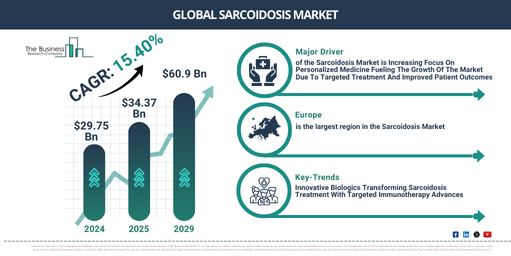
    The sarcoidosis market has experienced substantial expansion in recent times. This market is projected to expand from $29.75 billion in 2024 to $34.37 billion in 2025, demonstrating a compound annual growth rate (CAGR) of 15.5%. Historically, this expansion has been driven by several factors, including heightened awareness of sarcoidosis among medical practitioners, an increase in its prevalence within developed nations, the development of corticosteroid-based treatments as a primary therapeutic approach, increased research investment for rare conditions, and an escalating number of clinical studies for sarcoidosis treatments.

    The sarcoidosis market is anticipated to undergo significant expansion over the next few years. It is predicted to reach $60.9 billion by 2029, demonstrating a compound annual growth rate (CAGR) of 15.4%. This projected growth within the forecast period can be attributed to several factors, including a rising demand for novel biologic therapies, increasing adoption of personalized medicine approaches, growing investments in gene therapy for sarcoidosis, an escalating focus on targeted immunotherapy developments, and a proliferation of pipeline drugs for refractory sarcoidosis cases. Key trends for the forecast period involve advancements in biologic therapies, progress in nanotechnology-based drug delivery, regenerative medicine and stem cell therapy, improvements in 3D imaging and radiomics, and the utilization of blockchain in clinical data management.

    Unlock Your Free Sample Report for Exclusive Market Data:

    https://www.thebusinessresearchcompany.com/sample.aspx?id=23508&type=smp

    Which Factors And Drivers Are Influencing The Sarcoidosis Market In 2025?

    The escalating emphasis on personalized medicine is projected to propel the expansion of the sarcoidosis market in the future. This advanced medical approach customizes treatment strategies for individual patients by considering their genetic profile, biomarkers, environmental factors, and lifestyle, thereby enabling more precise, effective, and targeted interventions. The escalating demand for personalized medicine stems from its ability to tailor treatments to an individual’s unique genetic makeup and biological profile, thereby enhancing effectiveness while simultaneously reducing side effects. Specifically in sarcoidosis, personalized medicine customizes treatment based on genetic, biomarker, and clinical profiling to improve efficacy and lessen adverse reactions. This methodology enhances targeted therapy, effectively addressing disease heterogeneity and individual patient responses. For instance, in February 2024, according to the Personalized Medicine Coalition, a US-based nonprofit organization, the U.S. Food and Drug Administration (FDA), a US-based government regulatory agency, approved 16 new personalized treatments for rare disease patients in 2023, which represents a significant increase from 6 personalized treatments in 2022. Consequently, the intensified focus on personalized medicine is a primary driver for the growth of the sarcoidosis market.

    What Are The Primary Types Of Segments Analyzed In The Sarcoidosis Market?

    The sarcoidosismarket covered in this report is segmented –

    1) By Type: Pulmonary Sarcoidosis; Ocular Sarcoidosis; Neurosarcoidosis; Cardiac Sarcoidosis; Musculoskeletal Sarcoidosis; Cutaneous Sarcoidosis; Renal Sarcoidosis; Hepatic Sarcoidosis; Sarcoidosis Of The Spleen And Bone Marrow

    2) By Diagnostic Method: Imaging Technique; Biopsy; Blood Tests

    3) By Treatment Type: Corticosteroids; Immunosuppressive Agents; Biologics; Anti-Malarial Drugs

    4) By Route Of Administration: Oral; Parenteral; Other Routes Of Administration

    5) By End Uses: Hospitals And Clinics; Surgical Centers; Diagnostic Centers; Other End Uses

    Subsegments:

    1) By Pulmonary Sarcoidosis: Acute Pulmonary Sarcoidosis; Chronic Pulmonary Sarcoidosis; Fibrotic Pulmonary Sarcoidosis

    2) By Ocular Sarcoidosis: Anterior Uveitis; Posterior Uveitis; Intermediate Uveitis; Panuveitis; Optic Neuropathy

    3) By Neurosarcoidosis: Meningeal Neurosarcoidosis; Cranial Nerve Neurosarcoidosis; Peripheral Neuropathy; Spinal Cord Involvement; Hypothalamic-Pituitary Involvement

    4) By Cardiac Sarcoidosis: Atrioventricular Block; Ventricular Arrhythmias; Heart Failure; Myocarditis; Sudden Cardiac Arrest

    5) By Musculoskeletal Sarcoidosis: Arthritis; Myopathy; Bone Lesions

    6) By Cutaneous Sarcoidosis: Lupus Pernio; Erythema Nodosum; Papular Sarcoidosis; Plaque Sarcoidosis; Subcutaneous Sarcoidosis

    7) By Renal Sarcoidosis: Granulomatous Interstitial Nephritis; Nephrocalcinosis; Hypercalciuria-Induced Kidney Disease

    8) By Hepatic Sarcoidosis: Granulomatous Hepatitis; Portal Hypertension; Hepatic Fibrosis

    9) By Sarcoidosis Of The Spleen And Bone Marrow: Splenomegaly; Pancytopenia; Bone Marrow Granulomas

    How Are Emerging Market Trends Shaping The Sarcoidosis Industry Landscape?

    Leading companies in the sarcoidosis market are concentrating on developing innovative products, such as anti-TNFa monoclonal antibody therapy, with the aim of introducing a novel biologic treatment that addresses a crucial unmet medical need in managing inflammatory diseases. Anti-tumor necrosis factor-alpha (anti-TNFa) monoclonal antibody therapy is a targeted immunotherapy that involves the use of monoclonal antibodies to inhibit TNFa, a pro-inflammatory cytokine, thereby reducing inflammation and managing autoimmune diseases. For instance, in November 2023, Xentria, Inc., a US-based clinical-stage biotherapeutics company, achieved a notable milestone as its lead candidate, XTMAB-16, received Orphan Drug Designation from the European Medicines Agency (EMA). Simultaneously, the company initiated its global clinical study for pulmonary sarcoidosis with the enrollment of the first patient. XTMAB-16, a monoclonal antibody targeting tumor necrosis factor-alpha (TNFa), is being investigated for its potential to modulate inflammatory pathways in pulmonary sarcoidosis, providing a targeted alternative to corticosteroid-based therapies. This regulatory recognition and clinical advancement highlight the growing global focus on innovative biologics for rare diseases, reinforcing Xentria’s commitment to addressing unmet medical needs with transformative treatment options.

    Who Are The Top Performing Companies In The Sarcoidosis Market In Recent Years?

    Major companies operating in the sarcoidosis market are Pfizer Inc., F. Hoffmann-La Roche AG, Merck & Co. Inc., AbbVie Inc., Novartis AG, Bristol-Myers Squibb Company, Fresenius Kabi USA LLC, AstraZeneca plc, GlaxoSmithKline plc (GSK), Eli Lilly and Company, Boehringer Ingelheim GmbH, Regeneron Pharmaceuticals Inc., UCB Pharma, Sun Pharmaceutical Industries Ltd., Cipla Ltd., Lupin Limited, Mallinckrodt Pharmaceuticals, Xentria Inc., Molecure SA, Relief Therapeutics Holding AG.

    Download The Full Report For Exclusive Market Findings:

    https://www.thebusinessresearchcompany.com/report/sarcoidosis-global-market-report

    Which Regional Markets Are Contributing Most To The Sarcoidosis Industry Expansion?

    Europe was the largest region in the sarcoidosis market in 2024. The regions covered in the sarcoidosis market report are Asia-Pacific, Western Europe, Eastern Europe, North America, South America, Middle East, Africa.

    Request A Customized Version Of The Sarcoidosis Market Report:

    https://www.thebusinessresearchcompany.com/customise?id=23508&type=smp

    Browse Through More Reports Similar to the Global Sarcoidosis Market 2025, By The Business Research Company

    Lung Cancer Drugs Global Market Report 2025

    https://www.thebusinessresearchcompany.com/report/lung-cancer-drugs-global-market-report

    Lung Cancer Diagnostic And Screening Global Market Report 2025

    https://www.thebusinessresearchcompany.com/report/lung-cancer-diagnostic-and-screening-global-market-report

    Small Cell Lung Cancer Therapeutics Global Market Report 2025

    https://www.thebusinessresearchcompany.com/report/small-cell-lung-cancer-therapeutics-global-market-report

    Get in touch with us:

    The Business Research Company: https://www.thebusinessresearchcompany.com/

    Americas +1 310-496-7795

    Asia +44 7882 955267 & +91 8897263534

    Europe +44 7882 955267

    Email us at info@tbrc.info

    Follow us on:

    LinkedIn: https://in.linkedin.com/company/the-business-research-company

    YouTube: https://www.youtube.com/channel/UC24_fI0rV8cR5DxlCpgmyFQ

    Global Market Model: https://www.thebusinessresearchcompany.com/global-market-model
  • Sanfilippo Syndrome Industry Forecast to Hit $13.66 Billion by 2029 With a Strong 10.4% CAGR

    Sanfilippo Syndrome Industry Forecast to Hit $13.66 Billion by 2029 With a Strong 10.4% CAGR

    Unlock Global Insights – Save 20% on Market Reports with Code ONLINE20

    What Are The Growth Projections For The Sanfilippo Syndrome Market Size During 2025–2029?

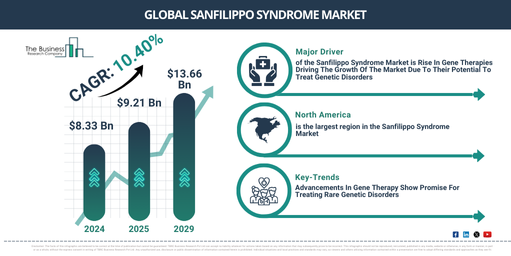
    The sanfilippo syndrome market has seen substantial growth over recent years. It is anticipated to expand from $8.33 billion in 2024 to $9.21 billion in 2025, exhibiting a compound annual growth rate (CAGR) of 10.6%. This historical increase can be attributed to several factors, including greater awareness of rare genetic disorders, increased government funding for rare disease research, the proliferation of patient advocacy groups and support organizations, the expansion of genetic screening programs, and the growth in orphan drug designations for rare diseases.

    The Sanfilippo Syndrome market size is anticipated to undergo substantial growth in the upcoming years. It is projected to expand to $13.66 billion in 2029, achieving a compound annual growth rate (CAGR) of 10.4%. This projected growth throughout the forecast period can be attributed to several factors: an increase in personalized medicine approaches for Sanfilippo Syndrome, the rising adoption of gene therapy as a potential curative method, a greater demand for targeted drug delivery systems, the increasing use of stem cell therapies demonstrating enhanced efficacy, and the expanding reach of global newborn screening programs. Notable trends expected during this period include advancements in gene therapy technologies, innovations in stem cell therapies, enhanced targeted drug delivery systems, progress in strategies for blood-brain barrier (BBB) penetration, and the development of neuroprotective small molecules.

    Unlock Your Free Sample Report for Exclusive Market Data:

    https://www.thebusinessresearchcompany.com/sample.aspx?id=23507&type=smp

    What Are The Key Drivers Of Growth In The Sanfilippo Syndrome Market?

    The growing emphasis on gene therapies is anticipated to drive the expansion of the sanfilippo syndrome market. Gene therapies are medical interventions designed to modify or substitute faulty genes for disease treatment or prevention. This heightened focus on gene therapies stems from their capability to address genetic disorders, rare diseases, and chronic conditions by targeting their molecular origins. Specifically, gene therapies aid in treating Sanfilippo syndrome by introducing functional versions of the deficient gene, thereby restoring enzyme production and lessening the buildup of detrimental substances within cells. As an illustration, the American Society of Gene & Cell Therapy, a US-based organization, reported in January 2024 that the number of gene therapies in Phase III clinical trials rose by 10% in the fourth quarter, marking the initial quarterly increase of this nature since the third quarter of 2022. Consequently, the rising attention to gene therapies is fueling the growth of the sanfilippo syndrome market.

    Which Key Segments Fueling The Sanfilippo Syndrome Market?

    The sanfilippo syndromemarket covered in this report is segmented –

    1) By Treatment: Enzyme Replacement Therapy; Gene Therapy; Genistein; Other Treatments

    2) By Diagnosis: Glycosaminoglycan Analysis (GAG Analysis); Genomic Deoxyribonucleic Acid Sequencing (Genomic DNA Sequencing); Activity Assay; Other Diagnosis

    3) By End-User: Hospitals; Research Institutions

    Subsegments:

    1) By Enzyme Replacement Therapy: Intravenous Enzyme Replacement Therapy; Intrathecal Enzyme Replacement Therapy; Intracerebroventricular (ICV) Enzyme Replacement Therapy

    2) By Gene Therapy: Adeno-Associated Virus (AAV)-Based In Vivo Gene Therapy; Lentiviral Vector–Based Ex Vivo Gene Therapy; Non-Viral Vector Gene Delivery

    3) By Genistein: Oral Genistein Supplementation; High-Dose Genistein Regimens; Low-Dose Genistein Regimens

    4) By Other Treatments: Substrate Reduction Therapy (SRT); Stem Cell Therapy; Anti-Inflammatory Agents; Symptomatic Management Drugs

    Which Key Trends Are Expected To Influence The Sanfilippo Syndrome Market In The Coming Years?

    Companies operating in the sanfilippo syndrome market are concentrating on developing innovative treatments, such as gene therapies, to enhance patient outcomes and slow disease progression. Gene therapy is a medical approach that utilizes genes to prevent, treat, or cure diseases by correcting or replacing faulty genes in the body. For example, in February 2025, Ultragenyx Pharmaceutical Inc., a US-based biopharmaceutical company, unveiled new findings on UX111 (ABO-102), an AAV gene therapy designed for sanfilippo syndrome Type A (MPS IIIA). The treatment exhibited statistically significant improvements in Bayley-III raw scores concerning cognition, receptive communication, and expressive communication. Moreover, it produced a substantial and sustained reduction in cerebrospinal fluid (CSF) heparan sulfate (HS) levels, which corresponded with improved clinical outcomes.

    Which Leading Companies Dominate The Sanfilippo Syndrome Market Share?

    Major companies operating in the sanfilippo syndrome market are Takeda Pharmaceutical Company Limited, BioMarin Pharmaceutical Inc., Qiagen N.V., Natera Inc., Guardant Health Inc., Novogene Corporation, Ultragenyx Pharmaceutical Inc., JCR Pharmaceuticals Co. Ltd., Oxford Nanopore Technologies plc, Pacific Biosciences of California Inc., Denali Therapeutics Inc., Macrogen Inc., REGENXBIO Inc., Personalis Inc., Veritas Genetics Inc., Greenwood Genetic Center, ArmaGen Inc., Abeona Therapeutics Inc., Orchard Therapeutics plc, Allievex Corporation.

    Download The Full Report For Exclusive Market Findings:

    https://www.thebusinessresearchcompany.com/report/sanfilippo-syndrome-global-market-report

    How Does The Sanfilippo Syndrome Market Perform Across Key Geographic Regions?

    North America was the largest region in the sanfilippo syndrome market in 2024. The regions covered in the sanfilippo syndrome market report are Asia-Pacific, Western Europe, Eastern Europe, North America, South America, Middle East, Africa.

    Request A Customized Version Of The Sanfilippo Syndrome Market Report:

    https://www.thebusinessresearchcompany.com/customise?id=23507&type=smp

    Browse Through More Reports Similar to the Global Sanfilippo Syndrome Market 2025, By The Business Research Company

    Hepatorenal Syndrome Treatment Global Market Report 2025

    https://www.thebusinessresearchcompany.com/report/hepatorenal-syndrome-treatment-global-market-report

    Myelodysplastic Syndrome Drugs Global Market Report 2025

    https://www.thebusinessresearchcompany.com/report/myelodysplastic-syndrome-drugs-global-market-report

    Dry Eye Syndrome Global Market Report 2025

    https://www.thebusinessresearchcompany.com/report/dry-eye-syndrome-global-market-report

    Get in touch with us:

    The Business Research Company: https://www.thebusinessresearchcompany.com/

    Americas +1 310-496-7795

    Asia +44 7882 955267 & +91 8897263534

    Europe +44 7882 955267

    Email us at info@tbrc.info

    Follow us on:

    LinkedIn: https://in.linkedin.com/company/the-business-research-company

    YouTube: https://www.youtube.com/channel/UC24_fI0rV8cR5DxlCpgmyFQ

    Global Market Model: https://www.thebusinessresearchcompany.com/global-market-model

  • Rheumatic Heart Disease Market to Reach $3.42 Billion by 2029, Growing at a CAGR of 5.9%

    Rheumatic Heart Disease Market to Reach $3.42 Billion by 2029, Growing at a CAGR of 5.9%

    Unlock Global Insights – Save 20% on Market Reports with Code ONLINE20

    What Is The Global Market Value Of The Rheumatic Heart Disease Industry In 2025?

    The market for rheumatic heart disease has experienced robust growth in recent years. This market is expected to expand from $2.56 billion in 2024 to $2.71 billion in 2025, achieving a compound annual growth rate (CAGR) of 5.9%. Historically, this expansion has been driven by factors such as the widespread existence of untreated strep infections, restricted healthcare access in lower-income areas, insufficient public understanding of rheumatic heart disease, delays in diagnosis and treatment, and inadequate immunization initiatives.

    The rheumatic heart disease market is anticipated to demonstrate robust growth in the coming years, with its size projected to reach $3.42 billion by 2029, exhibiting a compound annual growth rate (CAGR) of 5.9%. This expansion during the forecast period is attributable to an increased uptake of preventive screening programs, rising awareness concerning early detection, greater healthcare investments in developing areas, the broadening reach of telemedicine for remote diagnosis, and governmental efforts aimed at disease prevention. Significant trends expected during this period include the escalating integration of AI into diagnostics, the wider implementation of echocardiography-based screening, the incorporation of mobile health solutions, the development of new anti-inflammatory therapies, and collaborative initiatives for global disease eradication.

    Unlock Your Free Sample Report for Exclusive Market Data:

    https://www.thebusinessresearchcompany.com/sample.aspx?id=23502&type=smp

    Which Drivers Are Supporting Growth Of The Rheumatic Heart Disease Market?

    The expanding occurrence of strep throat is anticipated to fuel the expansion of the rheumatic heart disease market in the future. Strep throat is defined as a bacterial infection stemming from streptococcus pyogenes (group a streptococcus), resulting in throat inflammation and discomfort, frequently alongside fever, enlarged lymph nodes, and swallowing difficulties. A surge in antibiotic resistance is complicating the effective treatment of streptococcal infections, contributing to extended illnesses and elevated transmission rates within communities. Rheumatic heart disease emerges as a chronic consequence of strep throat infections that are either untreated or recurring, emphasizing the criticality of prompt diagnosis and intervention for streptococcal infections to avert serious cardiac impairment. As an illustration, in April 2023, the Centers for Disease Control and Prevention, a US-based government department, reported that strep throat is responsible for approximately 5.2 million annual outpatient visits among individuals under 65 years old. These consultations result in 2.8 million antibiotic prescriptions annually. Consequently, the growing prevalence of strep throat is propelling the development of the rheumatic heart disease market.

    How Is The Rheumatic Heart Disease Market Classified Into Different Segments?

    The rheumatic heart diseasemarket covered in this report is segmented –

    1) By Type: Valve; Myocarditis; Pericarditis

    2) By Age Group: Pediatric; Adolescent; Adult; Geriatric

    3) By Application: Hospital; Diagnostic Centre; Research Centre

    4) By Distribution Channel: Hospital Pharmacies; Retail Pharmacies; Online Pharmacies; Direct Sales

    Subsegments:

    1) By Valve: Mitral Valve Disease; Aortic Valve Disease; Tricuspid Valve Disease; Pulmonary Valve Disease

    2) By Myocarditis: Acute Myocarditis; Chronic Myocarditis; Fulminant Myocarditis

    3) By Pericarditis: Acute Pericarditis; Chronic Pericarditis; Constrictive Pericarditis; Effusive Pericarditis

    What Are The Major Trends Driving The Growth Of The Rheumatic Heart Disease Market?

    Leading entities within the rheumatic heart disease market are embracing strategic collaborations to advance the creation of novel treatments and diagnostic methods. These alliances for rheumatic heart disease (RHD) management bring together various resources and specialized knowledge, facilitating progress in research and development, refining diagnostic and therapeutic breakthroughs, broadening market access, and accelerating product commercialization. A notable instance occurred in July 2023, when the World Heart Federation (WHF), a non-governmental organization headquartered in Switzerland, entered into a partnership with the Philips Foundation, a nonprofit organization based in the Netherlands. Their objective was to heighten awareness, enhance medical education, and bolster early detection of rheumatic heart disease (RHD) across the Asia-Pacific (APAC) region. Initiated in the Philippines, this program aims to improve healthcare accessibility for more than half a million Filipino children at risk, achieved by furnishing medical facilities with skilled personnel and sophisticated diagnostic instruments. This particular cooperative effort emphasizes a shared dedication to reinforcing healthcare systems and guaranteeing prompt treatment for individuals affected by RHD.

    Who Are The Major Companies Operating In The Rheumatic Heart Disease Market?

    Major companies operating in the rheumatic heart disease market are Pfizer Inc., Merck & Co. Inc., Bayer AG, Sanofi S.A., AstraZeneca plc, Novartis AG, Abbott Laboratories, GlaxoSmithKline plc (GSK), Medtronic plc, Siemens Healthineers AG, Fresenius Medical Care AG & Co. KGaA, Becton Dickinson and Company (BD), GE HealthCare Technologies Inc., Mayo Clinic, Boston Scientific Corporation, Johns Hopkins Medicine, Terumo Corporation, The Mount Sinai Health System Inc., Apollo Hospitals Enterprise Limited, Fortis Healthcare Limited, Medanta.

    Download The Full Report For Exclusive Market Findings:

    https://www.thebusinessresearchcompany.com/report/rheumatic-heart-disease-global-market-report

    Which Region Is Expected To Witness The Fastest Growth In The Rheumatic Heart Disease Market?

    North America was the largest region in the rheumatic heart disease market in 2024. The regions covered in the rheumatic heart disease market report are Asia-Pacific, Western Europe, Eastern Europe, North America, South America, Middle East, Africa.

    Request A Customized Version Of The Rheumatic Heart Disease Market Report:

    https://www.thebusinessresearchcompany.com/customise?id=23502&type=smp

    Browse Through More Reports Similar to the Global Rheumatic Heart Disease Market 2025, By The Business Research Company

    Prosthetic Heart Valve Devices And Equipment Global Market Report 2025

    https://www.thebusinessresearchcompany.com/report/prosthetic-heart-valve-devices-and-equipment-global-market-report

    Hearth Global Market Report 2025

    https://www.thebusinessresearchcompany.com/report/hearth-global-market-report

    Flea Tick And Heartworm Products Global Market Report 2025

    https://www.thebusinessresearchcompany.com/report/flea-tick-and-heartworm-products-global-market-report

    Get in touch with us:

    The Business Research Company: https://www.thebusinessresearchcompany.com/

    Americas +1 310-496-7795

    Asia +44 7882 955267 & +91 8897263534

    Europe +44 7882 955267

    Email us at info@tbrc.info

    Follow us on:

    LinkedIn: https://in.linkedin.com/company/the-business-research-company

    YouTube: https://www.youtube.com/channel/UC24_fI0rV8cR5DxlCpgmyFQ

    Global Market Model: https://www.thebusinessresearchcompany.com/global-market-model
  • Global Retinal Detachment Market Size Projected to Reach $2.96 Billion During the Forecast Period

    Global Retinal Detachment Market Size Projected to Reach $2.96 Billion During the Forecast Period

    Unlock Global Insights – Save 20% on Market Reports with Code ONLINE20

    By How Much Is The Retinal Detachment Market Expected To Expand Between 2025 And 2029?

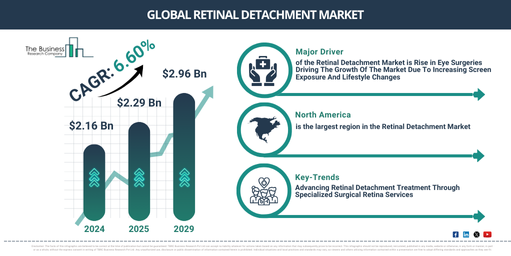
    The retinal detachment market size has seen significant expansion in recent years. Its value is anticipated to rise from $2.16 billion in 2024 to $2.29 billion in 2025, achieving a compound annual growth rate (CAGR) of 6.2%. This growth observed historically is a result of an aging population, the growing prevalence of diabetes, an increase in eye injury incidents, heightened awareness regarding retinal diseases, and the development of healthcare infrastructure.

    The retinal detachment market size is anticipated to undergo significant growth in the coming years, projected to reach $2.96 billion by 2029, with a compound annual growth rate (CAGR) of 6.6%. This expansion during the forecast period is fueled by an increase in high myopia cases, the growing adoption of minimally invasive procedures, improved access to specialized eye care, broader health insurance coverage, and intensified research in gene therapy. Noteworthy trends for this period encompass the creation of artificial retina implants, the broadening of teleophthalmology services, progress in stem cell therapy aimed at retinal repair, the incorporation of robotic-assisted retinal surgeries, and innovations in retinal imaging.

    Unlock Your Free Sample Report for Exclusive Market Data:

    https://www.thebusinessresearchcompany.com/sample.aspx?id=23500&type=smp

    Which Drivers Are Shaping The Retinal Detachment Industry’s Market Share?

    The rising volume of eye surgeries is anticipated to fuel expansion within the retinal detachment market in the future. These procedures involve medical interventions on the eye to rectify visual impairments, address ailments, or mend damage. The frequency of eye surgeries is on an upward trend because extended screen time induces digital eye strain and deteriorates eyesight, resulting in conditions like cataracts and myopia requiring surgical intervention. Furthermore, evolving lifestyles and greater reliance on digital gadgets exacerbate ocular problems. The condition of retinal detachment itself propels improvements in eye surgeries, necessitating inventive methods and tools to recover sight, boost surgical accuracy, and uplift patient outcomes. For example, in 2023, data from the Eye Bank Association of America, a US-based transplant organization, showed that domestic keratoplasty procedures grew by 2.7%, climbing from 49,597 in 2022 to 50,925 in 2023. Consequently, the expanding volume of eye surgeries is a key factor boosting the retinal detachment market’s growth.

    What Are The Major Segments Identified In The Retinal Detachment Market?

    The retinal detachmentmarket covered in this report is segmented –

    1) By Condition Type: Rhegmatogenous Retinal Detachment; Tractional Retinal Detachment; Exudative Retinal Detachment

    2) By Treatment: Photocoagulation; Cryopexy; Pneumatic Retinopexy; Scleral Buckling; Vitrectomy

    3) By End User: Hospitals And Clinics; Specialty Centers; Other End Users

    Subsegments:

    1) By Rhegmatogenous Retinal Detachment: Retinal Tears; Retinal Holes; Giant Retinal Tears

    2) By Tractional Retinal Detachment: Diabetic Tractional Detachment; Proliferative Vitreoretinopathy (PVR); Retinopathy of Prematurity (ROP)

    3) By Exudative Retinal Detachment: Inflammatory Disorders; Tumors; Vascular Disorders

    What Trends Are Expected To Drive The Retinal Detachment Market?

    Major companies within the retinal detachment market are prioritizing the creation of innovative services, such as surgical retina services, to improve treatment efficacy and patient well-being. A surgical retina service involves establishing a specialized medical program or facility dedicated to providing advanced surgical treatments for various retinal conditions. These offerings focus on identifying and treating disorders impacting the retina, including retinal detachment, macular holes, diabetic retinopathy, and age-related macular degeneration. For example, in July 2024, NYC Health + Hospitals/Harlem, a US-based teaching hospital, inaugurated a new Surgical Retina Service to bolster its ophthalmological capacity for addressing intricate retinal conditions in the Harlem community. This service, developed in collaboration with Columbia University Irving Medical Center’s Edward S. Harkness Eye Institute, which supplied technical assistance, is committed to diagnosing and treating diverse retinal diseases, particularly retinal detachment, which represents one of the most frequent reasons for retinal surgery.

    Which Global Market Leaders Are Shaping The Future Of The Retinal Detachment Sector?

    Major companies operating in the retinal detachment market are Baxter International Inc., Alcon Vision LLC, Bausch & Lomb Incorporated, Carl Zeiss Meditec AG, Santen Pharmaceutical Co. Ltd., Optos plc, IRIDEX Corporation, Keeler Ltd. (A Halma Company), Rudolf Riester GmbH, Lombart Instrument Inc., Synergy Eye Care Pvt. Ltd., Ellex Medical Lasers Ltd., Millennium Surgical Corp., iCare World (iCare Finland Oy), Surtex Instruments Limited?, Eyenuk Inc., Lumibird Medical, NIDEK Co. Ltd., ONL Therapeutics Inc., FCI Ophthalmics.

    Download The Full Report For Exclusive Market Findings:

    https://www.thebusinessresearchcompany.com/report/retinal-detachment-global-market-report

    Which Global Regions Are Influencing The Competitive Landscape Of The Retinal Detachment Market?

    North America was the largest region in the retinal detachment market in 2024. Asia-Pacific is expected to be the fastest-growing region in the forecast period. The regions covered in the retinal detachment market report are Asia-Pacific, Western Europe, Eastern Europe, North America, South America, Middle East, Africa.

    Request A Customized Version Of The Retinal Detachment Market Report:

    https://www.thebusinessresearchcompany.com/customise?id=23500&type=smp

    Browse Through More Reports Similar to the Global Retinal Detachment Market 2025, By The Business Research Company

    Vitreoretinal Surgery Devices Global Market Report 2025

    https://www.thebusinessresearchcompany.com/report/vitreoretinal-surgery-devices-global-market-report

    Retinal Biologics Global Market Report 2025

    https://www.thebusinessresearchcompany.com/report/retinal-biologics-global-market-report

    Retinal Disorder Treatment Global Market Report 2025

    https://www.thebusinessresearchcompany.com/report/retinal-disorder-treatment-global-market-report

    Get in touch with us:

    The Business Research Company: https://www.thebusinessresearchcompany.com/

    Americas +1 310-496-7795

    Asia +44 7882 955267 & +91 8897263534

    Europe +44 7882 955267

    Email us at info@tbrc.info

    Follow us on:

    LinkedIn: https://in.linkedin.com/company/the-business-research-company

    YouTube: https://www.youtube.com/channel/UC24_fI0rV8cR5DxlCpgmyFQ

    Global Market Model: https://www.thebusinessresearchcompany.com/global-market-model

  • Relapsing-Remitting Multiple Sclerosis Industry Anticipated to Expand at 4.7% CAGR During the Forecast Period

    Relapsing-Remitting Multiple Sclerosis Industry Anticipated to Expand at 4.7% CAGR During the Forecast Period

    Unlock Global Insights – Save 20% on Market Reports with Code ONLINE20

    #What Is The Projected Market Size Of The Relapsing-Remitting Multiple Sclerosis Market By 2029?

    The market for relapsing-remitting multiple sclerosis has experienced consistent expansion in recent years. It is anticipated to increase from $4.58 billion in 2024 to $4.8 billion in 2025, achieving a compound annual growth rate (CAGR) of 4.7%. The historical growth can be linked to the growing occurrence of multiple sclerosis, improved understanding and prompt diagnosis, the development of healthcare infrastructure, increased governmental investment for neurological conditions, and better patient availability of treatments.

    The relapsing-remitting multiple sclerosis market size is anticipated to experience consistent expansion over the upcoming years. By 2029, this market is projected to attain a valuation of $5.77 billion, growing at a compound annual growth rate (CAGR) of 4.7%. This expected growth throughout the forecast timeframe is driven by factors such as the increasing uptake of personalized medicine, enhanced emphasis on biomarker investigations, augmented investment in new therapeutic methods, broader application of AI in managing the disease, and supportive regulatory frameworks for groundbreaking treatments. Key developments anticipated during this period include the introduction of gene and cell-based treatments, a move towards oral formulations for disease-modifying therapies, progress in drug delivery systems that cross the blood-brain barrier, improvements in existing disease-modifying therapies, and the creation of advanced monoclonal antibodies.

    Unlock Your Free Sample Report for Exclusive Market Data:

    https://www.thebusinessresearchcompany.com/sample.aspx?id=23495&type=smp

    What Are The Drivers Pushing New Developments In The Relapsing-Remitting Multiple Sclerosis Market?

    The expanding embrace of personalized medicine is projected to boost the relapsing-remitting multiple sclerosis (RRMS) market in the future. This medical strategy customizes treatments and therapies based on an individual’s genetic makeup, environmental influences, and lifestyle choices to achieve optimal healthcare results. The rise of personalized medicine stems from breakthroughs in genomic sequencing, allowing for accurate identification of genetic variations and biomarkers, which in turn facilitates more targeted and effective therapeutic interventions. Relapsing-remitting multiple sclerosis (RRMS) exemplifies the necessity of personalized medicine by illustrating how customized treatments can account for unique differences in disease progression, symptom intensity, and treatment efficacy, ultimately enhancing patient outcomes. As an illustration, in February 2024, data from the Personalized Medicine Coalition, a US-based advocacy group for personalized medicine, revealed that the U.S. Food and Drug Administration sanctioned 16 novel personalized treatments for individuals with rare diseases, marking a substantial increase from 6 in 2022. Consequently, the expanding use of personalized medicine is propelling the growth of the relapsing-remitting multiple sclerosis market.

    What Are The Emerging Segments Gaining Attention In The Relapsing-Remitting Multiple Sclerosis Market?

    The relapsing-remitting multiple sclerosismarket covered in this report is segmented –

    1) By Drug Type: Beta-Interferon; Cladribine; Dimethyl Fumarate; Fingolimod; Ozanimod; Other Drug Types

    2) By Route Of Administration: Subcutaneous; Intravenous

    3) By Treatment: Immunomodulating Drugs; NrF2 Activators; Interferons; Other Treatments

    4) By End-User: Hospitals; Clinics; Other End-Users

    Subsegments:

    1) By Beta-Interferon: Interferon Beta-1a; Interferon Beta-1b

    2) By Cladribine: Oral Cladribine; Injectable Cladribine

    3) By Dimethyl Fumarate: Tecfidera; Vumerity

    4) By Fingolimod: Gilenya Fingolimod; Generic Fingolimod

    5) By Ozanimod: Zeposia

    6) By Other Drug Types: Natalizumab; Alemtuzumab; Ocrelizumab; Siponimod; Teriflunomide

    Which Trends Are Impacting The Relapsing-Remitting Multiple Sclerosis Market?

    Companies operating within the relapsing-remitting multiple sclerosis market are concentrating on the development of innovative therapeutic strategies, including breakthrough blockbuster therapies, to augment treatment effectiveness, improve patient recovery, and redefine the standard of care for relapsing-remitting multiple sclerosis (RRMS). A breakthrough blockbuster therapy refers to a novel and highly potent treatment that significantly advances medical care, frequently addressing unmet needs or offering superior outcomes compared to existing treatments. For example, in February 2024, Roche Products (India) Pvt. Ltd., an India-based pharmaceutical company, launched Ocrevus (Ocrelizumab), a pioneering treatment for multiple sclerosis (MS), with the aim of bolstering its neurology portfolio and addressing the unmet medical demands of patients in India. Ocrevus is designed to target CD20-positive B cells, which are implicated in MS progression, thereby intending to reduce relapses and slow the progression of disability in affected individuals. It is equipped with a distinctive mechanism of action that selectively depletes B cells, helping to modify the disease course and improve long-term patient outcomes.

    Which Industry Leaders Are Driving Innovation Across The Relapsing-Remitting Multiple Sclerosis Market?

    Major companies operating in the relapsing-remitting multiple sclerosis market are Pfizer Inc., Johnson & Johnson Services Inc., F. Hoffmann-La Roche Ltd., AbbVie Inc., Bayer AG, Sanofi S.A., Bristol-Myers Squibb Company, Novartis AG, GSK plc, Eli Lilly and Company, Merck KGaA, Viatris Inc., Teva Pharmaceutical Industries Ltd., Biogen Inc., Eisai Co. Ltd., Genentech Inc., Hikma Pharmaceuticals LLC, Glenmark Pharmaceuticals Limited, CinnaGen Co, Zenas BioPharma Inc.

    Download The Full Report For Exclusive Market Findings:

    https://www.thebusinessresearchcompany.com/report/relapsing-remitting-multiple-sclerosis-global-market-report

    What Are The Regional Market Dynamics Impacting The Relapsing-Remitting Multiple Sclerosis Industry?

    North America was the largest region in the relapsing-remitting multiple sclerosis market in 2024. Asia-Pacific is expected to be the fastest-growing region in the forecast period. The regions covered in the relapsing-remitting multiple sclerosis market report are Asia-Pacific, Western Europe, Eastern Europe, North America, South America, Middle East, Africa.

    Request A Customized Version Of The Relapsing-Remitting Multiple Sclerosis Market Report:

    https://www.thebusinessresearchcompany.com/customise?id=23495&type=smp

    Browse Through More Reports Similar to the Global Relapsing-Remitting Multiple Sclerosis Market 2025, By The Business Research Company

    Multiple Sclerosis Drugs Global Market Report 2025

    https://www.thebusinessresearchcompany.com/report/multiple-sclerosis-drugs-global-market-report

    Atherosclerosis Drugs Global Market Report 2025

    https://www.thebusinessresearchcompany.com/report/atherosclerosis-drugs-global-market-report

    Focal Segmental Glomerulosclerosis Drugs Global Market Report 2025

    https://www.thebusinessresearchcompany.com/report/focal-segmental-glomerulosclerosis-drugs-global-market-report

    Get in touch with us:

    The Business Research Company: https://www.thebusinessresearchcompany.com/

    Americas +1 310-496-7795

    Asia +44 7882 955267 & +91 8897263534

    Europe +44 7882 955267

    Email us at info@tbrc.info

    Follow us on:

    LinkedIn: https://in.linkedin.com/company/the-business-research-company

    YouTube: https://www.youtube.com/channel/UC24_fI0rV8cR5DxlCpgmyFQ

    Global Market Model: https://www.thebusinessresearchcompany.com/global-market-model
  • Global Radiation Oncology Market Projected to Expand at 9.2% CAGR by 2029

    Global Radiation Oncology Market Projected to Expand at 9.2% CAGR by 2029

    Unlock Global Insights – Save 20% on Market Reports with Code ONLINE20

    How Much Was The Radiation Oncology Market Worth In 2025, And What Is Its Anticipated Value By 2029?

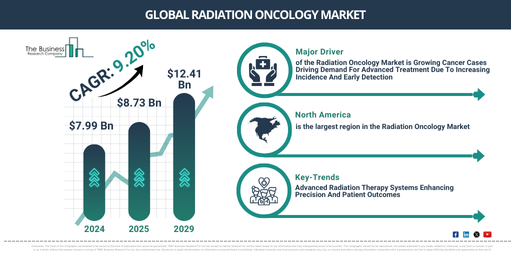
    The radiation oncology market has experienced robust growth in recent years. Its size is anticipated to expand from $7.99 billion in 2024 to $8.73 billion in 2025, demonstrating a compound annual growth rate (CAGR) of 9.2%. The historical increase can be attributed to factors such as a rising incidence of cancer, increased healthcare spending, greater investments in healthcare infrastructure, an expanding aging population, and a growing prevalence of complex cancer cases.

    The radiation oncology market is projected to experience substantial expansion over the upcoming years. By 2029, its value is anticipated to reach $12.41 billion, demonstrating a compound annual growth rate (CAGR) of 9.2%. This projected growth is driven by factors such as the rising demand for precision treatments, the broadening reach of outpatient cancer centers, the wider integration of treatment planning software, intensified governmental efforts in cancer care, and improvements in healthcare infrastructure. Key trends expected during this period encompass personalized treatment plans, high-definition imaging, AI-powered imaging, stereotactic body radiation therapy (SBRT), and continuous advancements in brachytherapy.

    Unlock Your Free Sample Report for Exclusive Market Data:

    https://www.thebusinessresearchcompany.com/sample.aspx?id=23494&type=smp

    What Are The Emerging Market Drivers Creating New Opportunities In The Radiation Oncology Industry?

    An increasing count of cancer patients is projected to advance the expansion of the radiation oncology market. These patients are identified with cancer, a condition defined by the uncontrolled multiplication and dispersion of atypical cells throughout the body. The rise in cancer patient numbers is primarily fueled by prevalent unhealthy lifestyle choices, which notably increase the likelihood of developing cancer. Radiation oncology offers cancer treatment through high-energy radiation, aiming to eliminate cancerous cells, reduce tumor size, alleviate discomfort, and boost the efficacy of surgical procedures and chemotherapy, with modern methodologies refining accuracy and results. For example, data from October 2024 by the UK’s National Health Service reported 346,217 new cancer diagnoses in 2022, averaging 948 daily, representing a 5% surge from 329,664 cases recorded in 2021. Consequently, the rising prevalence of cancer patients is a key impetus for the expansion of the radiation oncology market.

    What Are The Major Segment Types Covered In The Radiation Oncology Market?

    The radiation oncologymarket covered in this report is segmented –

    1) By Type: External Beam Radiation Therapy; Internal Beam Radiation Therapy

    2) By Application: Prostate Cancer; Breast Cancer; Lung Cancer; Head And Neck Cancer; Colorectal Cancer; Cervical Cancer; Gynecological Cancer; Other Applications

    3) By End-User: Hospitals; Cancer Research Institutes; Other End-Users

    Subsegments:

    1) By Internal Beam Radiation Therapy; Brachytherapy; Endocavitary Brachytherapy; Interstitial Brachytherapy; Intraluminal Brachytherapy

    2) By External Beam Radiation Therapy; 3D Conformal Radiation Therapy (3DCRT); Intensity-Modulated Radiation Therapy (IMRT); Stereotactic Radiosurgery (SRS); Stereotactic Body Radiation Therapy (SBRT); Image-Guided Radiation Therapy (IGRT)

    What Long-Term Trends Will Shape The Future Growth Of The Radiation Oncology Industry?

    Leading companies within the radiation oncology market are concentrating on developing advanced radiation therapy systems. These systems integrate AI-powered imaging and adaptive technologies to boost treatment precision, reduce side effects, and improve patient outcomes across diverse cancer treatment applications. AI-powered radiotherapy utilizes artificial intelligence technologies to enhance various aspects of radiation therapy, including treatment planning, imaging, delivery, and monitoring. For example, in May 2024, Elekta, a medical technology company from Sweden, introduced Evo, its newest CT-Linac. This device features high-definition AI-enhanced imaging, specifically designed to refine radiation therapy techniques. The versatile system supports both offline and online adaptive radiation therapy, alongside enhanced standard image-guided radiation therapy, offering clinicians increased precision and flexibility to customize treatments for individual patients. This innovation seeks to improve patient outcomes by optimizing treatment accuracy and adaptability.

    Who Are The Key Multinational Companies Dominating The Radiation Oncology Market?

    Major companies operating in the radiation oncology market are Hitachi Ltd., Siemens Healthineers, Philips Healthcare, GE Healthcare Technologies Inc., Varian Medical Systems, Shimadzu Corporation, Elekta AB, Mirion Technologies, Ion Beam Applications (IBA), Accuray Incorporated, Canon Medical Systems, Eckert & Ziegler BEBIG, ViewRay Inc., MDS Nordion, Mevion Medical Systems, PTW-Freiburg, Toshiba Medical Systems, CivaTech Oncology, ProTom International, Radcal Corporation, ScandiDos.

    Download The Full Report For Exclusive Market Findings:

    https://www.thebusinessresearchcompany.com/report/radiation-oncology-global-market-report

    Which Region Shows The Highest Potential For Future Expansion In The Radiation Oncology Market?

    North America was the largest region in the radiation oncology market in 2024. Asia-Pacific is expected to be the fastest-growing region in the forecast period. The regions covered in the radiation oncology market report are Asia-Pacific, Western Europe, Eastern Europe, North America, South America, Middle East, Africa.

    Request A Customized Version Of The Radiation Oncology Market Report:

    https://www.thebusinessresearchcompany.com/customise?id=23494&type=smp

    Browse Through More Reports Similar to the Global Radiation Oncology Market 2025, By The Business Research Company

    Oncology Biosimilar Global Market Report 2025

    https://www.thebusinessresearchcompany.com/report/oncology-biosimilar-global-market-report

    Interventional Oncology Devices Global Market Report 2025

    https://www.thebusinessresearchcompany.com/report/interventional-oncology-devices-global-market-report

    Clinical Oncology Next Generation Sequencing Global Market Report 2025

    https://www.thebusinessresearchcompany.com/report/clinical-oncology-next-generation-sequencing-global-market-report

    Get in touch with us:

    The Business Research Company: https://www.thebusinessresearchcompany.com/

    Americas +1 310-496-7795

    Asia +44 7882 955267 & +91 8897263534

    Europe +44 7882 955267

    Email us at info@tbrc.info

    Follow us on:

    LinkedIn: https://in.linkedin.com/company/the-business-research-company

    YouTube: https://www.youtube.com/channel/UC24_fI0rV8cR5DxlCpgmyFQ

    Global Market Model: https://www.thebusinessresearchcompany.com/global-market-model