Category: HealthcareServices

  • Niemann-Pick Disease (NPD) Market Size and Growth Forecast for Businesses 2025–2029

    Niemann-Pick Disease (NPD) Market Size and Growth Forecast for Businesses 2025–2029

    Unlock Global Insights – Save 20% on Market Reports with Code ONLINE20

    What Are The Growth Projections For The Niemann-Pick Disease (NPD) Market Size During 2025–2029?

    The market size for Niemann-Pick Disease (NPD) has demonstrated strong expansion in recent years. It is projected to climb from $0.97 billion in 2024 to $1.07 billion in 2025, exhibiting a compound annual growth rate (CAGR) of 10.0%. The increase observed historically can be attributed to an upturn in genetic counselors, greater financial backing for rare disease research, increasing investment from venture capital firms, wider application of biomarkers, and enhanced access to healthcare.

    The market for niemann-pick disease (npd) is projected to experience substantial expansion in the coming years. This market is anticipated to reach $1.62 billion by 2029, exhibiting a compound annual growth rate (CAGR) of 11.0%. Factors contributing to this expansion during the projection period include an increasing need for personalized medicine, enhanced focus on lysosomal storage disorders, an uptick in regulatory clearances for orphan drugs, an expanding requirement for targeted therapies, and a greater need for sophisticated diagnostic instruments. Key trends identified for the forecast timeframe encompass improvements in therapeutic approaches, technological progress in diagnostic instruments, the incorporation of artificial intelligence into diagnostic processes, novel developments in enzyme replacement therapies (ERT), and ongoing clinical trials for emerging medications.

    Unlock Your Free Sample Report for Exclusive Market Data:

    https://www.thebusinessresearchcompany.com/sample.aspx?id=23457&type=smp

    What Are The Emerging Market Drivers Creating New Opportunities In The Niemann-Pick Disease (NPD) Industry?

    The increasing utilization of gene therapy is anticipated to propel the expansion of the niemann-pick disease (NPD) market in the future. This medical approach involves altering or manipulating an individual’s genes to treat or prevent diseases. Gene therapy’s prominence is growing due to advancements in genetic engineering, which allow for precise and effective gene modifications, leading to improved treatment outcomes for genetic disorders. It aids in the treatment of niemann-pick disease (NPD) by targeting the underlying genetic mutations, with the objective of correcting the enzyme deficiencies that cause the disorder and enhancing cellular function. For instance, in January 2024, as reported by the American Society of Gene and Cell Therapy, a US-based organization focused on gene and cell therapy, the count of gene therapies in Phase III trials climbed by 10% in the fourth quarter of 2023 compared to the previous quarter, signifying the first increase since the third quarter of 2022. Thus, the rising adoption of gene therapy is a key driver for the growth of the niemann-pick disease (NPD) market.

    What Are The Emerging Segments Gaining Attention In The Niemann-Pick Disease (NPD) Market?

    The niemann-pick disease (npd)market covered in this report is segmented –

    1) By Type: Niemann-Pick Disease Type A; Niemann-Pick Disease Type B; Niemann-Pick Disease Type C

    2) By Treatment Type: Drugs; Physical Therapy; Other Treatment Types

    3) By Route Of Administration: Oral; Intravenous; Subcutaneous

    4) By Distribution Channel: Hospital Pharmacies; Retail Pharmacies; Other Distribution Channels

    5) By End-User: Hospitals; Clinics; Homecare Settings

    Subsegments:

    1) By Niemann-Pick Disease Type A: Infantile-Onset Niemann-Pick Disease; Neurodegenerative Niemann-Pick Disease; Acute Visceral Niemann-Pick Disease; Severe Lysosomal Storage Disorder

    2) By Niemann-Pick Disease Type B: Late-Onset Niemann-Pick Disease; Non-Neurological Niemann-Pick Disease; Chronic Visceral Niemann-Pick Disease; Mild Lysosomal Storage Disorder

    3) By Niemann-Pick Disease Type C: Early-Onset Niemann-Pick Disease; Juvenile Niemann-Pick Disease; Adult-Onset Niemann-Pick Disease; Progressive Neurodegenerative Niemann-Pick Disease

    What Trends Are Expected To Drive The Niemann-Pick Disease (NPD) Market?

    Major companies operating in the niemann-pick disease (NPD) market are concentrating on developing advanced treatments, such as combination therapy, to enhance treatment efficacy and improve patient outcomes. Combination therapy involves administering two or more therapeutic agents or treatment strategies to address a disease or medical condition. This approach aims to improve overall effectiveness and minimize resistance to single-agent therapy (monotherapy). For instance, in September 2024, Zevra Therapeutics Inc., a US-based biopharmaceutical company, obtained U.S. Food and Drug Administration (FDA) approval for MIPLYFFA, when used in conjunction with miglustat, for addressing the neurological manifestations of Niemann-Pick disease type C (NPC) in both adult and pediatric patients aged 2 years and older. MIPLYFFA (arimoclomol) functions by boosting the production of heat shock proteins (HSPs), which assist in clearing toxic lipid buildup and protecting neurons from damage. Meanwhile, miglustat inhibits glucosylceramide synthase, thereby reducing lipid accumulation. Together, these two therapies help slow the progression of neurological decline in NPC patients.

    Who Are The Major Companies Operating In The Niemann-Pick Disease (NPD) Market?

    Major companies operating in the niemann-pick disease (NPD) market are Sanofi S.A., Mayo Clinic, Cincinnati Children’s Hospital Medical Center, Boston Children’s Hospital, Mallinckrodt Pharmaceuticals plc, Myriad Genetics, CENTOGENE N.V., The Florey Institute of Neuroscience and Mental Health, National Organization for Rare Disorders (NORD), Evox Therapeutics Limited, Zevra Therapeutics Inc., IntraBio Inc., Dipharma SA, Okklo Life Sciences, Bloomsbury Genetic Therapies Ltd., Azafaros A.G, Cyclo Therapeutics Inc., Mandos Health, CarelonRx, Rainbow Children’s Hospital, Vtesse Inc.

    Download The Full Report For Exclusive Market Findings:

    https://www.thebusinessresearchcompany.com/report/niemann-pick-disease-npd-global-market-report

    Which Global Regions Are Influencing The Competitive Landscape Of The Niemann-Pick Disease (NPD) Market?

    North America was the largest region in the niemann-pick disease (NPD) market in 2024. Asia-Pacific is expected to be the fastest-growing region in the forecast period. The regions covered in the niemann-pick disease (NPD) market report are Asia-Pacific, Western Europe, Eastern Europe, North America, South America, Middle East, Africa.

    Request A Customized Version Of The Niemann-Pick Disease (NPD) Market Report:

    https://www.thebusinessresearchcompany.com/customise?id=23457&type=smp

    Browse Through More Reports Similar to the Global Niemann-Pick Disease (NPD) Market 2025, By The Business Research Company

    Brain Monitoring Global Market Report 2025

    https://www.thebusinessresearchcompany.com/report/brain-monitoring-global-market-report

    Brain Computer Interface Global Market Report 2025

    https://www.thebusinessresearchcompany.com/report/brain-computer-interface-global-market-report

    Brain Health Supplements Global Market Report 2025

    https://www.thebusinessresearchcompany.com/report/brain-health-supplements-global-market-report

    Get in touch with us:

    The Business Research Company: https://www.thebusinessresearchcompany.com/

    Americas +1 310-496-7795

    Asia +44 7882 955267 & +91 8897263534

    Europe +44 7882 955267

    Email us at info@tbrc.info

    Follow us on:

    LinkedIn: https://in.linkedin.com/company/the-business-research-company

    YouTube: https://www.youtube.com/channel/UC24_fI0rV8cR5DxlCpgmyFQ

    Global Market Model: https://www.thebusinessresearchcompany.com/global-market-model
  • Global Medical Pendant Market Overview: Trends Shaping Growth to 2029

    Global Medical Pendant Market Overview: Trends Shaping Growth to 2029

    Unlock Global Insights – Save 20% on Market Reports with Code ONLINE20

    What Is The Global Market Value Of The Medical Pendant Industry In 2025?

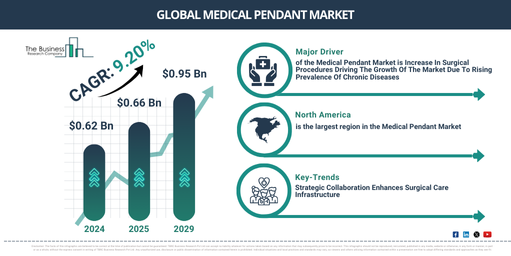
    The medical pendant market has seen substantial growth in recent years. Its size is projected to increase from $0.62 billion in 2024 to $0.66 billion in 2025, reflecting a compound annual growth rate (CAGR) of 7.2%. This historical expansion can be attributed to several factors, including a rising demand for ergonomic solutions, an expanding geriatric population, an increase in chronic diseases, growing healthcare expenditure, and the evolving demands of critical care environments.

    The medical pendant market is anticipated to experience robust expansion over the coming years. This market is projected to reach $0.95 billion by 2029, exhibiting a compound annual growth rate (CAGR) of 9.2%. This projected growth is driven by factors such as a heightened emphasis on personalized development, an uptick in surgical interventions, an expanding network of healthcare institutions, increased public consciousness regarding personal well-being, and a growing pool of healthcare personnel. Key trends expected during this period encompass the incorporation of sophisticated technologies, strategic partnerships, the adoption of telemedicine, the increasing automation within healthcare, and the development of intuitive medical pendant solutions.

    Unlock Your Free Sample Report for Exclusive Market Data:

    https://www.thebusinessresearchcompany.com/sample.aspx?id=23448&type=smp

    Which Drivers Are Impacting The Medical Pendant Market?

    The anticipated increase in surgical operations is projected to drive the expansion of the medical pendant market throughout the forecast duration. Surgical procedures encompass medical interventions that utilize cuts or adjustments to address injuries, illnesses, or various medical conditions. The growing incidence of chronic conditions like cardiovascular ailments and cancer, necessitating surgical treatment, is contributing to this rise, further fueled by an aging global populace, evolving lifestyle patterns, and innovations in medical technology enhancing both success rates and access to surgery. Medical pendants are crucial during surgical procedures for the streamlined management and arrangement of vital medical devices, gases, and electrical hookups, guaranteeing a tidy, sterile, and secure operating theater. This setup improves surgical accuracy, shortens operation times, and lowers dangers associated with equipment. For instance, in November 2024, the Australian Institute of Health and Welfare, an Australian government agency, documented that 771,600 patients were admitted for surgery from public hospital elective waiting lists during the 2023–24 period, marking a 4.9% increase over the prior year, 2022–23. Consequently, the escalation in surgical procedures is a key impetus behind the expansion of the medical pendant market.

    What Are The Major Segment Types Covered In The Medical Pendant Market?

    The medical pendantmarket covered in this report is segmented –

    1) By Type: Fixed Pendant; Single Arm Movable Pendant; Double And Multi Arm Movable Pendant; Accessories

    2) By Technology: Manual; Motorized; Pneumatic

    3) By Installation: Ceiling Mounted Pendants; Wall Mounted Pendants; Other Installations

    4) By Application: Surgery; Endoscopy; Anesthesia; Intensive Care Unit (ICU); Other Applications

    5) By End-User: Hospitals; Clinics; Other End-Users

    Subsegments:

    1) By Fixed Pendant: Ceiling-Mounted Fixed Pendant; Wall-Mounted Fixed Pendant

    2) By Single Arm Movable Pendant: Motorized Single Arm Pendant; Manual Single Arm Pendant

    3) By Double And Multi-Arm Movable Pendant: Motorized Multi-Arm Pendant; Manual Multi-Arm Pendant

    4) By Accessories: Gas Outlets; Shelves And Drawers; IV Poles; Monitor Holders; Cable Management Systems

    Which Trends Are Impacting The Medical Pendant Market?

    Major companies operating in the medical pendant market are intensifying their focus on establishing strategic collaborations to harness complementary strengths, diminish risks, accelerate innovation, and expand their market reach more efficiently. These strategic partnerships involve organizations combining resources, expertise, or technologies to achieve shared goals, foster innovation, or gain competitive advantages. For instance, in July 2022, Arthrex, a US-based provider of minimally invasive orthopedic products, collaborated with Skytron, a US-based manufacturer of medical pendants, with the goal of providing a comprehensive suite of room solutions. These solutions are designed to address the changing requirements and challenges encountered in surgical care facilities. This collaboration has empowered the company to now deliver advanced technology and a fully integrated operating room infrastructure within a single package. This specific offering includes a complete array of complementary products, engineered to boost surgical efficiency and improve patient outcomes. Jointly, Arthrex and Skytron are committed to supplying industry-leading solutions that are customized to fulfill the unique demands of both hospitals and surgical centers.

    Which Global Market Leaders Are Shaping The Future Of The Medical Pendant Sector?

    Major companies operating in the medical pendant market are Stryker Corporation, Philips Healthcare, Shanghai Zhenghua Medical Equipment Co. Ltd, Shinva Medical Instrument Co. Ltd, Heal Force Bio-Meditech Holdings Limited, Dragerwerk AG & Co. KGaA, BeaconMedaes LLC, Saikang Medical Equipment Co Ltd., Merivaara Corp., WEYUAN Medical, AMCAREMED TECHNOLOGY CO. LIMITED, Beijing Aeonmed Co. Ltd., Emaled GmbH, Freedom Medical Alarms, Millennium Medical Products Ltd., NOVAIR MEDICAL Corp, Surgiris, FEPDON MEDICAL TECHNOLOGY CO. LTD., Shandong Chenhong Medical Technology Co. Ltd., GCE Holding AB.

    Download The Full Report For Exclusive Market Findings:

    https://www.thebusinessresearchcompany.com/report/medical-pendant-global-market-report

    What Are The Regional Market Dynamics Impacting The Medical Pendant Industry?

    North America was the largest region in the medical pendant market in 2024. Asia-Pacific is expected to be the fastest-growing region in the forecast period. The regions covered in the medical pendant market report are Asia-Pacific, Western Europe, Eastern Europe, North America, South America, Middle East, Africa.

    Request A Customized Version Of The Medical Pendant Market Report:

    https://www.thebusinessresearchcompany.com/customise?id=23448&type=smp

    Browse Through More Reports Similar to the Global Medical Pendant Market 2025, By The Business Research Company

    Wearable Medical Devices Global Market Report 2025

    https://www.thebusinessresearchcompany.com/report/wearable-medical-devices-global-market-report

    Sterile Medical Packaging Global Market Report 2025

    https://www.thebusinessresearchcompany.com/report/sterile-medical-packaging-global-market-report

    Refurbished Medical Equipment Global Market Report 2025

    https://www.thebusinessresearchcompany.com/report/refurbished-medical-equipment-global-market-report

    Get in touch with us:

    The Business Research Company: https://www.thebusinessresearchcompany.com/

    Americas +1 310-496-7795

    Asia +44 7882 955267 & +91 8897263534

    Europe +44 7882 955267

    Email us at info@tbrc.info

    Follow us on:

    LinkedIn: https://in.linkedin.com/company/the-business-research-company

    YouTube: https://www.youtube.com/channel/UC24_fI0rV8cR5DxlCpgmyFQ

    Global Market Model: https://www.thebusinessresearchcompany.com/global-market-model

  • Medical Mammography Equipment Market Growth Opportunities: Insights from 2025–2029

    Medical Mammography Equipment Market Growth Opportunities: Insights from 2025–2029

    Unlock Global Insights – Save 20% on Market Reports with Code ONLINE20

    By How Much Is The Medical Mammography Equipment Market Expected To Expand Between 2025 And 2029?

    The medical mammography equipment market has exhibited significant growth over recent years. It is anticipated to expand from $2.07 billion in 2024 to $2.21 billion in 2025, reflecting a compound annual growth rate (CAGR) of 6.9%. This historical growth can be attributed to heightened awareness regarding breast cancer, an increased demand for technologies facilitating early detection, a surge in government programs and funding dedicated to breast cancer screening, rising healthcare expenditures, and the growing incidence of breast cancer among women.

    The medical mammography equipment market is projected to experience substantial expansion over the coming years, with its size expected to reach $2.88 billion by 2029, driven by a compound annual growth rate (CAGR) of 6.8%. This anticipated growth is fueled by several factors including the increasing adoption of digital mammography systems, the global rise in the geriatric population, ongoing developments in healthcare infrastructure, significant advancements in artificial intelligence for breast cancer detection, a greater focus on preventive healthcare, and the importance of early diagnosis. Furthermore, major trends anticipated within this forecast period encompass continued advancements in 3D mammography technology, the sophisticated integration of AI and machine learning to improve diagnostic capabilities, the development of portable and compact mammography units, innovations in personalized breast cancer screening methods, and further progress in contrast-enhanced mammography techniques.

    Unlock Your Free Sample Report for Exclusive Market Data:

    https://www.thebusinessresearchcompany.com/sample.aspx?id=23447&type=smp

    Which Industry Drivers Are Expected To Accelerate The Medical Mammography Equipment Market From 2025 To 2029?

    The escalating occurrence of breast cancer is projected to stimulate the expansion of the medical mammography equipment market moving forward. Breast cancer is a condition where breast cells multiply uncontrollably, forming a tumor often visible on an x-ray or palpable as a lump. The increase in breast cancer cases stems from heightened exposure to endocrine-disrupting chemicals, as these substances disrupt hormonal equilibrium and elevate the potential for hormone-linked tumor development. Medical mammography equipment assists in identifying breast cancer at an early phase, thereby enabling prompt treatment and better survival probabilities. For instance, in September 2024, Cancer Australia, an Australia-based government agency, indicated that in 2022, breast cancer represented 12.7% of all new cancer cases, with 20,640 diagnoses and 3,214 associated deaths. Hence, the rising incidence of breast cancer is propelling the growth of the medical mammography equipment market.

    What Are The Major Segment Categories Driving The Medical Mammography Equipment Market Growth?

    The medical mammography equipmentmarket covered in this report is segmented –

    1) By Product Type: Analog Mammography Equipment; Digital Mammography Equipment; 3D Mammography (Tomosynthesis); MRI Mammography; Screening Mammography Systems

    2) By Technology: Film-Based Technology; Digital Technology; Computed Radiography; Computed Radiography

    3) By Application: Screening For Breast Cancer; Diagnostic Mammography; Monitoring Treatment Responses; Research And Development In Breast Health

    4) By End-User: Hospitals; Diagnostic Imaging Centers; Specialized Clinics; Research Institutions

    Subsegments:

    1) By Analog Mammography Equipment: Film-Screen Mammography Systems; Dedicated Analog Mammography Units; Retrofit Analog Systems

    2) By Digital Mammography Equipment: Full-Field Digital Mammography (FFDM); Computed Radiography (CR) Mammography; Digital Breast Imaging Workstations

    3) By 3D Mammography (Tomosynthesis): Standalone Tomosynthesis Systems; Combo 2D/3D Systems; Mobile Tomosynthesis Units

    4) By MRI Mammography: Breast MRI Scanners; Dedicated Breast Coils; Contrast Agents for Breast MRI

    5) By Screening Mammography Systems: Hospital-Based Screening Systems; Mobile Screening Units; Public Health Screening Programs

    What Long-Term Trends Will Shape The Future Growth Of The Medical Mammography Equipment Industry?

    Leading companies operating within the medical mammography equipment market are concentrating on developing innovative technologies, such as digital breast tomosynthesis (DBT), with the aim of improving early breast cancer detection, enhancing diagnostic accuracy, decreasing recall rates, and offering more personalized and efficient patient care. Digital breast tomosynthesis (DBT) itself is an advanced imaging technique that generates 3D-like images of the breast by taking multiple X-ray pictures from various angles. As an illustration, in October 2023, Siemens Healthineers, a Germany-based medical technology company, introduced the Mammomat B. Brilliant, which is a next-generation tomosynthesis mammography system. This innovative device incorporates a wide-angle tube design, thereby enhancing 3D breast imaging for improved cancer detection. The system is engineered to provide high-resolution images while simultaneously maintaining patient comfort and reducing radiation exposure. The objective of this initiative is to advance breast cancer diagnostics through more precise and efficient screening. The Mammomat B. Brilliant demonstrates the company’s commitment to leveraging advanced imaging technologies in the field of women’s health.

    Which Industry Leaders Are Driving Innovation Across The Medical Mammography Equipment Market?

    Major companies operating in the medical mammography equipment market are Siemens Healthineers, Fujifilm Holdings Corporation, Koninklijke Philips N.V., GE Healthcare, Konica Minolta Inc., Hologic Inc., Canon Medical Systems Corporation, Carestream Health, Analogic Corporation, SuperSonic Imagine, Planmed Oy, DMS Imaging, Allengers Medical Systems Limited, Delphinus Medical Technologies Inc., CMR Naviscan, Metaltronica S.p.A., SonoCine Inc., Koning Corporation, Micrima Limited, BMI Biomedical International

    Download The Full Report For Exclusive Market Findings:

    https://www.thebusinessresearchcompany.com/report/medical-mammography-equipment-global-market-report

    Which Region Shows The Highest Potential For Future Expansion In The Medical Mammography Equipment Market?

    North America was the largest region in the medical mammography equipment market in 2024. Asia-Pacific is expected to be the fastest-growing region in the forecast period. The regions covered in the medical mammography equipment market report are Asia-Pacific, Western Europe, Eastern Europe, North America, South America, Middle East, Africa.

    Request A Customized Version Of The Medical Mammography Equipment Market Report:

    https://www.thebusinessresearchcompany.com/customise?id=23447&type=smp

    Browse Through More Reports Similar to the Global Medical Mammography Equipment Market 2025, By The Business Research Company

    Breast Imaging Devices Global Market 2025

    https://www.thebusinessresearchcompany.com/report/breast-imaging-devices-global-market

    Mammography Global Market Report 2025

    https://www.thebusinessresearchcompany.com/report/mammography-global-market-report

    Digital Mammography Global Market Report 2025

    https://www.thebusinessresearchcompany.com/report/digital-mammography-global-market-report

    Get in touch with us:

    The Business Research Company: https://www.thebusinessresearchcompany.com/

    Americas +1 310-496-7795

    Asia +44 7882 955267 & +91 8897263534

    Europe +44 7882 955267

    Email us at info@tbrc.info

    Follow us on:

    LinkedIn: https://in.linkedin.com/company/the-business-research-company

    YouTube: https://www.youtube.com/channel/UC24_fI0rV8cR5DxlCpgmyFQ

    Global Market Model: https://www.thebusinessresearchcompany.com/global-market-model

  • Leber Hereditary Optic Neuropathy Treatment Market Expansion Outlook: $0.52 Billion by 2029 Forecast

    Leber Hereditary Optic Neuropathy Treatment Market Expansion Outlook: $0.52 Billion by 2029 Forecast

    Unlock Global Insights – Save 20% on Market Reports with Code ONLINE20

    #What Is The Projected Market Size Of The Leber Hereditary Optic Neuropathy Treatment Market By 2029?

    The market size for leber hereditary optic neuropathy treatment has shown robust growth in recent years. Forecasts indicate it will expand from $0.36 billion in 2024 to $0.39 billion in 2025, demonstrating a compound annual growth rate (CAGR) of 8.0%. This historical expansion is attributable to the growing prevalence of leber hereditary optic neuropathy, an aging population, the rising incidence of diabetes, heightened demand for cell-free DNA in maternal plasma tests, and augmented investment within the healthcare sector.

    The leber hereditary optic neuropathy treatment market size is projected to experience substantial expansion over the coming years. This market is anticipated to reach $0.52 billion by 2029, exhibiting a compound annual growth rate (CAGR) of 7.7%. Factors contributing to this growth during the forecast period include an escalating need for pioneering therapies and interventions, a heightened requirement for specialized diagnostic offerings, enhanced understanding and prompt diagnosis of optic neuropathies, a growing call for new treatments for LHON, and continuous improvements in product design and quality. Key trends expected throughout the forecast horizon involve the creation of targeted therapeutic approaches, progress in genetic testing methods, enhancements in surgical and pharmacological treatments, technological breakthroughs in gene therapy, and the broader application of gene therapy.

    Unlock Your Free Sample Report for Exclusive Market Data:

    https://www.thebusinessresearchcompany.com/sample.aspx?id=23438&type=smp

    What Are The Top Growth Drivers Impacting The Leber Hereditary Optic Neuropathy Treatment Market Outlook?

    The expanding occurrence of glaucoma and optic neuritis is anticipated to propel the leber hereditary optic neuropathy treatment market in the coming years. These are ocular ailments that harm the optic nerve, where glaucoma often arises from elevated intraocular pressure, and optic neuritis stems from inflammation, frequently associated with autoimmune conditions, both resulting in impaired vision. The increasing frequency of glaucoma and optic neuritis is attributed to an aging global demographic and enhanced diagnostic methodologies. With an older population worldwide, the probability of developing glaucoma, characterized by heightened intraocular pressure leading to optic nerve damage, substantially increases. Both glaucoma and optic neuritis involve damage to the optic nerve and vision loss, traits they share with LHON. As the prevalence of these disorders grows, there is a heightened focus on research and therapies targeting optic nerve degeneration. This investigative work can directly aid LHON treatment, given that the underlying mechanisms of optic nerve damage are fundamental to all three conditions. For instance, in October 2024, data from the Centers for Disease Control and Prevention, a US-based federal agency, indicated that over 3 million Americans currently suffer from glaucoma, with projections showing this figure will climb to 6.3 million by 2050, primarily due to the aging U.S. population. Consequently, the rising incidence of glaucoma and optic neuritis is fueling the expansion of the leber hereditary optic neuropathy treatment market.

    How Is The Leber Hereditary Optic Neuropathy Treatment Market Segmented?

    The leber hereditary optic neuropathy treatmentmarket covered in this report is segmented –

    1) By Treatment: Medication; Stem Cell Therapy; Gene Therapy; Genetic Counseling

    2) By Route Of Administration: Intramuscular; Oral; Other Routes Of Administration

    3) By Diagnosis: Molecular Genetic Testing; Magnetic Resonance Imaging (MRI); Blood tests; Other Diagnosis

    4) By Distribution Channel: Hospital Pharmacy; Retail Pharmacy; Online Pharmacy

    5) By End-Users: Clinic; Hospital; Other End-Users

    Subsegments:

    1) By Medication: Idebenone; Antioxidants; Mitochondrial-Targeted Therapies; Neuroprotective Agents

    2) By Stem Cell Therapy: Autologous Stem Cell Therapy; Allogeneic Stem Cell Therapy; Induced Pluripotent Stem Cell (iPSC) Therapy

    3) By Gene Therapy: Adeno-Associated Virus (AAV)-Mediated Therapy; Mitochondrial Gene Editing; RNA-Based Therapies

    4) By Genetic Counseling: Carrier Screening; Predictive Testing; Family Risk Assessment; Pre-Symptomatic Genetic Counseling

    Which Market Trends Are Creating New Opportunities In The Leber Hereditary Optic Neuropathy Treatment Industry?

    Leading firms within the leber hereditary optic neuropathy (LHON) treatment market are concentrating on creating novel solutions, including gene therapy clinical trials, to enhance treatment effectiveness, restore mitochondrial performance, and tackle the fundamental genetic origins of LHON. These gene therapy studies seek to recover vision through the insertion of working versions of impaired mitochondrial genes, specifically ND4. Prior to gaining regulatory endorsement, these investigations progress through several phases, encompassing preclinical research, as well as phase 1, phase 2, and phase 3 clinical trials. As an illustration, in August 2023, Neurophth Therapeutics, a gene therapy firm based in China, commenced a Phase I/II clinical trial aimed at addressing leber hereditary optic neuropathy targeting ND1-LHON across China and the U.S. This trial is designed to assess the safety, tolerability, and effectiveness of NFS-02 subsequent to receiving authorizations from the U.S. FDA and China’s NMPA. The administration of the first patient dose signifies a crucial achievement in Neurophth’s worldwide endeavors for expedited drug approval and subsequent commercialization. Furthermore, the company is intensifying patient recruitment and investigating further gene therapy applications for other medical conditions lacking adequate treatments.

    Who Are The Key Multinational Companies Dominating The Leber Hereditary Optic Neuropathy Treatment Market?

    Major companies operating in the leber hereditary optic neuropathy treatment market are UPMC, Astellas Pharma Inc., Mayo Foundation for Medical Education and Research, Cleveland Clinic Foundation, The Children’s Hospital of Philadelphia, Chiesi Farmaceutici S.p.A., Medicover Hospitals, Harvard Medical School, BridgeBio Pharma Inc., Neurophth Therapeutics Co. Ltd., PreventionGenetics, Stealth BioTherapeutics Corp., Genethon, Reneo Pharmaceuticals Inc., GenSight Biologics S.A., Eye Stem Cell Center, Khondrion B.V., Ixchel Pharma Inc., Abliva AB, Mitotech S.A.

    Download The Full Report For Exclusive Market Findings:

    https://www.thebusinessresearchcompany.com/report/leber-hereditary-optic-neuropathy-treatment-global-market-report

    How Is Leber Hereditary Optic Neuropathy Treatment Market Demand Varying Across Different Regions?

    North America was the largest region in the leber hereditary optic neuropathy treatment market in 2024. Asia-Pacific is expected to be the fastest-growing region in the forecast period. The regions covered in the leber hereditary optic neuropathy treatment market report are Asia-Pacific, Western Europe, Eastern Europe, North America, South America, Middle East, Africa.

    Request A Customized Version Of The Leber Hereditary Optic Neuropathy Treatment Market Report:

    https://www.thebusinessresearchcompany.com/customise?id=23438&type=smp

    Browse Through More Reports Similar to the Global Leber Hereditary Optic Neuropathy Treatment Market 2025, By The Business Research Company

    Diabetic Neuropathy Global Market Report 2025

    https://www.thebusinessresearchcompany.com/report/diabetic-neuropathy-global-market-report

    Chemotherapy Induced Peripheral Neuropathy Treatment Global Market Report 2025

    https://www.thebusinessresearchcompany.com/report/chemotherapy-induced-peripheral-neuropathy-treatment-global-market-report

    Optic Nerve Disorders Treatment Global Market Report 2025

    https://www.thebusinessresearchcompany.com/report/optic-nerve-disorders-treatment-global-market-report

    Get in touch with us:

    The Business Research Company: https://www.thebusinessresearchcompany.com/

    Americas +1 310-496-7795

    Asia +44 7882 955267 & +91 8897263534

    Europe +44 7882 955267

    Email us at info@tbrc.info

    Follow us on:

    LinkedIn: https://in.linkedin.com/company/the-business-research-company

    YouTube: https://www.youtube.com/channel/UC24_fI0rV8cR5DxlCpgmyFQ

    Global Market Model: https://www.thebusinessresearchcompany.com/global-market-model
  • Global Juvenile Macular Degeneration Treatment Industry Trends: Where the Market Is Headed by 2029

    Global Juvenile Macular Degeneration Treatment Industry Trends: Where the Market Is Headed by 2029

    Unlock Global Insights – Save 20% on Market Reports with Code ONLINE20

    How Much Was The Juvenile Macular Degeneration Treatment Market Worth In 2025, And What Is Its Anticipated Value By 2029?

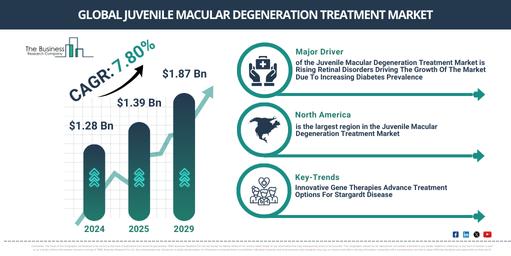
    The market size for juvenile macular degeneration treatment has demonstrated robust growth over recent years. It is projected to expand from $1.28 billion in 2024 to $1.39 billion in 2025, achieving a compound annual growth rate (CAGR) of 8.3%. The expansion observed in the past can be attributed to the increasing prevalence of genetic eye disorders, a rise in investment dedicated to ophthalmic research, an intensified focus on pediatric eye care, the growing prevalence of vision impairment among children, and the accelerating integration of artificial intelligence in eye care diagnostics.

    The market for treating juvenile macular degeneration is projected to experience robust expansion over the coming years, anticipated to reach $1.87 billion by 2029, exhibiting a compound annual growth rate (CAGR) of 7.8%. Factors driving this growth during the forecast period include an expanding elderly demographic, an increase in ophthalmic biotechnology startups, a heightened emphasis on targeted drug delivery systems, a growing volume of clinical trials, and rising investments in gene therapy. Key trends observed within the forecast period encompass progress in genetic testing, the evolution of gene therapies, ongoing stem cell research, regulatory backing for novel treatments, and the adoption of personalized medicine strategies.

    Unlock Your Free Sample Report for Exclusive Market Data:

    https://www.thebusinessresearchcompany.com/sample.aspx?id=23433&type=smp

    Which Major Market Drivers Are Shaping The Future Of The Juvenile Macular Degeneration Treatment Market?

    The rising occurrence of retinal disorders is anticipated to propel the growth of the juvenile macular degeneration treatment market going forward. Retinal disorders refer to a range of conditions affecting the retina, the light-sensitive layer located at the back of the eye, which can lead to vision impairment or loss. The increase in retinal disorders is linked to the growing prevalence of diabetes, resulting in conditions such as diabetic retinopathy that progressively damage the retina. Juvenile macular degeneration treatments play a crucial role in managing retinal disorders by preserving vision through timely intervention, making them essential for young patients. For instance, in November 2024, a report published by Retina Australia, an Australia-based non-profit organization, stated that approximately 19,000 individuals, or about 1 in 1,380 people, in Australia are estimated to be living with an inherited retinal disease (IRD). Furthermore, the National Eye Institute, a US-based institute of health, projects that the number of Americans with advanced age-related macular degeneration (AMD) will increase from the current 2.1 million to 3.7 million by 2030. Thus, the increasing prevalence of retinal disorders is a key driver for the growth of the juvenile macular degeneration treatment market.

    What Are The Key Segments In The Juvenile Macular Degeneration Treatment Market?

    The juvenile macular degeneration treatmentmarket covered in this report is segmented –

    1) By Type: Wet Age-Related Macular Degeneration; Dry Age-Related Macular Degeneration

    2) By Treatment: Devices; Drugs; Surgery

    3) By Application: Vision Preservation; Disease Management; Symptom Relief; Preventive Care; Clinical Trials

    4) By Sales Channel: Hospitals; Ambulatory Surgical Centres; Other Sales Channel

    Subsegments:

    1) By Wet Age-Related Macular Degeneration: Anti-Vascular Endothelial Growth Factor (Anti-VEGF) Therapy; Photodynamic Therapy (PDT); Laser Therapy

    2) By Dry Age-Related Macular Degeneration: Nutritional Supplements; Gene Therapy; Stem Cell Therapy

    How Are Trends Influencing The Juvenile Macular Degeneration Treatment Market?

    Major companies operating in the juvenile macular degeneration treatment market are focusing on developing innovative solutions, such as dual adeno-associated viral (AAV) vectors, to enhance gene therapy delivery and improve treatment efficacy for patients with juvenile macular degeneration. A dual adeno-associated viral (AAV) vector is a gene therapy approach that utilizes two AAV vectors to deliver large therapeutic genes, exceeding the packaging capacity of a single AAV. For instance, in March 2025, SpliceBio, a Spain-based biotechnology company, announced the first patient dosing in its Phase 1/2 ASTRA study for SB-007, a dual AAV vector gene therapy designed to restore full-length ABCA4 protein expression. The therapy aims to provide a potential treatment for juvenile macular degeneration (stargardt disease), an inherited retinal disorder currently without approved treatments, by addressing all patients regardless of their mutations. This milestone marks a significant step toward developing effective gene therapies for rare retinal diseases.

    Which Leading Players Are Enhancing Their Juvenile Macular Degeneration Treatment Market Presence Worldwide?

    Major companies operating in the juvenile macular degeneration treatment market are F. Hoffmann-La Roche Ltd., Bayer AG, Novartis AG, AbbVie Inc., Regeneron Pharmaceuticals Inc., Astellas Pharma Inc., Biogen Inc., Santen Pharmaceutical Co. Ltd., Teva Pharmaceutical Industries Ltd., Samsung Bioepis Co. Ltd., Spark Therapeutics Inc., Polpharma Biologics S.A., OrCam Technologies Ltd., Alkeus Pharmaceuticals Inc., Bioeq AG, NuEyes Technologies Inc., Coherus BioSciences Inc., eSight Eyewear Inc., MeiraGTx Holdings plc, Kubota Pharmaceutical Holdings Co. Ltd.

    Download The Full Report For Exclusive Market Findings:

    https://www.thebusinessresearchcompany.com/report/juvenile-macular-degeneration-treatment-global-market-report

    Which Geographies Are Emerging As Strong Markets For The Juvenile Macular Degeneration Treatment Industry?

    North America was the largest region in the juvenile macular degeneration treatment market in 2024. The regions covered in the juvenile macular degeneration treatment market report are Asia-Pacific, Western Europe, Eastern Europe, North America, South America, Middle East, Africa.

    Request A Customized Version Of The Juvenile Macular Degeneration Treatment Market Report:

    https://www.thebusinessresearchcompany.com/customise?id=23433&type=smp

    Browse Through More Reports Similar to the Global Juvenile Macular Degeneration Treatment Market 2025, By The Business Research Company

    Indexed And Whole Juvenile Life Insurance Global Market Report 2025

    https://www.thebusinessresearchcompany.com/report/indexed-and-whole-juvenile-life-insurance-global-market-report

    Macular Degeneration Treatment Global Market Report 2025

    https://www.thebusinessresearchcompany.com/report/macular-degeneration-treatment-global-market-report

    Age Related Macular Degeneration Global Market Report 2025

    https://www.thebusinessresearchcompany.com/report/age-related-macular-degeneration-global-market-report

    Get in touch with us:

    The Business Research Company: https://www.thebusinessresearchcompany.com/

    Americas +1 310-496-7795

    Asia +44 7882 955267 & +91 8897263534

    Europe +44 7882 955267

    Email us at info@tbrc.info

    Follow us on:

    LinkedIn: https://in.linkedin.com/company/the-business-research-company

    YouTube: https://www.youtube.com/channel/UC24_fI0rV8cR5DxlCpgmyFQ

    Global Market Model: https://www.thebusinessresearchcompany.com/global-market-model
  • Juvenile Idiopathic Arthritis Diagnostic Industry Forecast to Hit $6.27 Billion by 2029 With a Strong 5.7% CAGR

    Juvenile Idiopathic Arthritis Diagnostic Industry Forecast to Hit $6.27 Billion by 2029 With a Strong 5.7% CAGR

    Unlock Global Insights – Save 20% on Market Reports with Code ONLINE20

    What Is The Future Market Size Estimation For The Juvenile Idiopathic Arthritis Diagnostic Market Covering 2025–2034?

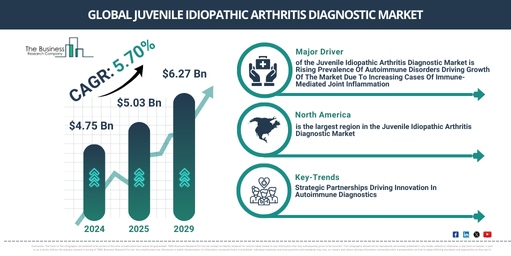
    The juvenile idiopathic arthritis diagnostic market has experienced robust expansion in recent years. This market is projected to expand from $4.75 billion in 2024 to $5.03 billion by 2025, achieving a compound annual growth rate (CAGR) of 5.8%. Historically, this growth has been fueled by the rising prevalence of juvenile idiopathic arthritis, heightened awareness of pediatric autoimmune conditions, improved early detection methods, increased investments in healthcare, and a growing emphasis on pediatric care.

    The juvenile idiopathic arthritis diagnostic market size is anticipated to demonstrate strong expansion over the next few years. It is forecast to grow to $6.27 billion by 2029, at a compound annual growth rate (CAGR) of 5.7%. This growth in the forecast period can be attributed to increasing partnerships between research institutions, a rising demand for prompt and accurate diagnostic solutions, a growing incidence of autoimmune and inflammatory disorders, initiatives from government and healthcare organizations, and the emergence of telemedicine and digital health platforms. Major trends identified for the forecast period include general technological advancements, progress in diagnostic technologies, the implementation of personalized treatment strategies, and innovations in diagnostic tools.

    Unlock Your Free Sample Report for Exclusive Market Data:

    https://www.thebusinessresearchcompany.com/sample.aspx?id=23432&type=smp

    What Are The Main Drivers Boosting The Juvenile Idiopathic Arthritis Diagnostic Industry’s Expansion?

    The growing occurrence of autoimmune conditions is projected to boost the juvenile idiopathic arthritis diagnostic market in the future. These disorders are defined as situations where the immune system incorrectly targets the body’s own healthy cells, leading to inflammation, harm to tissues, and long-term health issues. The escalation in autoimmune diseases stems from an intricate combination of environmental factors, genetic susceptibilities, and shifts in lifestyle. Autoimmune diseases contribute to juvenile idiopathic arthritis (JIA) by prompting the immune system to erroneously assault the synovial tissue found in joints, which results in inflammation and damage. An example is found in November 2024, where data from Versorgungsatlas.de, an interactive online platform based in Germany, indicated that in 2022, out of 73,241,305 insured individuals, 6,304,340 received a diagnosis of at least one autoimmune disease, yielding a raw prevalence rate of 8.61%. Consequently, the expanding occurrence of autoimmune disorders is fueling the expansion of the juvenile idiopathic arthritis diagnostic market.

    What Are The Leading Segments Analyzed In The Juvenile Idiopathic Arthritis Diagnostic Market?

    The juvenile idiopathic arthritis diagnosticmarket covered in this report is segmented –

    1) By Type: Serological Tests; Imaging Tests; Genetic Tests

    2) By Technology: Molecular Diagnostics; Immunoassays; Flow Cytometry

    3) By Services: Diagnostic Services; Consultation Services; Laboratory Services

    4) By Application: Hospital Laboratories; Diagnostic Centres; Research Institutes

    Subsegments:

    1) By Serological Tests: Rheumatoid Factor (RF) Test, Antinuclear Antibody (ANA) Test, Erythrocyte Sedimentation Rate (ESR) Test, C-Reactive Protein (CRP) Test, Anti-Cyclic Citrullinated Peptide (Anti-CCP) Test, Complete Blood Count (CBC)

    2) By Imaging Tests: X-Ray, Magnetic Resonance Imaging (MRI), Ultrasound, Computed Tomography (CT) Scan, Bone Scintigraphy (Bone Scan)

    3) By Genetic Tests: HLA-B27 Genetic Marker Test, Whole Exome Sequencing (WES), Next-Generation Sequencing (NGS), Polymerase Chain Reaction (PCR)-Based Testing

    What Key Innovation Trends Are Fueling Advancements In The Juvenile Idiopathic Arthritis Diagnostic Market?

    Leading companies within the juvenile idiopathic arthritis diagnostic market are increasingly engaging in strategic partnerships to broaden their product portfolios, strengthen research capabilities, and expand their global market footprint. These strategic alliances involve collaborations between organizations focused on advancing the early detection and diagnosis of conditions. For example, in November 2024, Augurex Life Sciences Corp., a biotechnology firm based in Canada, teamed up with Quest Diagnostics, a diagnostic services company from the US, with the objective of enhancing the diagnosis and management of rheumatoid arthritis (RA) through the use of the 14-3-3? (eta) biomarker. As part of this joint effort, Quest Diagnostics will validate and then offer a lab-developed test in the United States, which utilizes Augurex’s 14-3-3? biomarker. This test is designed to identify elevated levels of the 14-3-3? protein, which is associated with rheumatoid arthritis and linked to more severe disease progression and a higher risk of joint damage.

    Which Major Firms Are Strengthening Their Position In The Juvenile Idiopathic Arthritis Diagnostic Industry?

    Major companies operating in the juvenile idiopathic arthritis diagnostic market are Thermo Fisher Scientific Inc., Abbott Laboratories, Merck KGaA, Agilent Technologies, Sartorius AG, Sysmex Corporation, Bio-Rad Laboratories, Beckman Coulter Life Sciences, DiaSorin, Miltenyi Biotec, Cytek Biosciences, BD Biosciences, Angstrom Biotech , Sony Biotechnology, Theradiag, J. Mitra, Chimera Biotech, Stratedigm, Apogee Flow Systems, Avecon Healthcare.

    Download The Full Report For Exclusive Market Findings:

    https://www.thebusinessresearchcompany.com/report/juvenile-idiopathic-arthritis-diagnostic-global-market-report

    Which Region Is Projected To Lead The Juvenile Idiopathic Arthritis Diagnostic Market During The Forecast Period?

    North America was the largest region in the juvenile idiopathic arthritis diagnostic market in 2024. Asia-Pacific is expected to be the fastest-growing region in the forecast period. The regions covered in the juvenile idiopathic arthritis diagnostic market report are Asia-Pacific, Western Europe, Eastern Europe, North America, South America, Middle East, Africa.

    Request A Customized Version Of The Juvenile Idiopathic Arthritis Diagnostic Market Report:

    https://www.thebusinessresearchcompany.com/customise?id=23432&type=smp

    Browse Through More Reports Similar to the Global Juvenile Idiopathic Arthritis Diagnostic Market 2025, By The Business Research Company

    Arthritis Monoclonal Antibodie Global Market Report 2025

    https://www.thebusinessresearchcompany.com/report/arthritis-monoclonal-antibodie-global-market-report

    Psoriatic Arthritis Treatments Global Market Report 2025

    https://www.thebusinessresearchcompany.com/report/psoriatic-arthritis-treatments-global-market-report

    Companion Animal Arthritis Global Market Report 2025

    https://www.thebusinessresearchcompany.com/report/companion-animal-arthritis-global-market-report

    Get in touch with us:

    The Business Research Company: https://www.thebusinessresearchcompany.com/

    Americas +1 310-496-7795

    Asia +44 7882 955267 & +91 8897263534

    Europe +44 7882 955267

    Email us at info@tbrc.info

    Follow us on:

    LinkedIn: https://in.linkedin.com/company/the-business-research-company

    YouTube: https://www.youtube.com/channel/UC24_fI0rV8cR5DxlCpgmyFQ

    Global Market Model: https://www.thebusinessresearchcompany.com/global-market-model
  • Intravenous (IV) Ibuprofen Market to Reach $14.72 Billion by 2029, Growing at a CAGR of 11.9%

    Intravenous (IV) Ibuprofen Market to Reach $14.72 Billion by 2029, Growing at a CAGR of 11.9%

    Unlock Global Insights – Save 20% on Market Reports with Code ONLINE20

    What Is The Expected Total Market Size Of The Intravenous (IV) Ibuprofen Industry By The Forecast Year 2029?

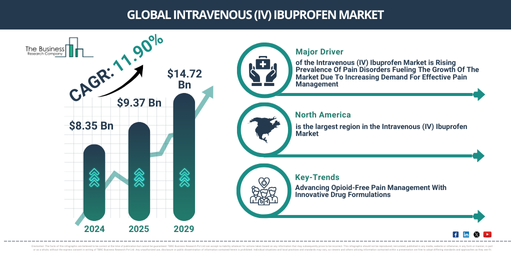
    The market for intravenous (iv) ibuprofen has experienced swift expansion recently. This market is projected to expand from $8.35 billion in 2024 to $9.37 billion by 2025, demonstrating a compound annual growth rate (CAGR) of 12.3%. This historical growth is linked to factors such as the rising incidence of chronic diseases, more frequent surgical procedures, an increasing focus on reducing opioid reliance, higher per capita income, and the expansion of medical tourism.

    The intravenous (iv) ibuprofen market is set for significant expansion over the next few years, projected to reach $14.72 billion by 2029, with an impressive compound annual growth rate (CAGR) of 11.9%. This anticipated increase during the forecast period can be attributed to factors such as escalating healthcare investments, a growing population of pediatric patients, the rising prevalence of pain and fever conditions, an expanding geriatric demographic, and the increasing adoption of advanced pharmaceutical treatments. Important trends during this period are expected to encompass advanced therapeutic solutions, the development of single-dose formulations, progress in personalized medicine, the integration into multimodal pain management protocols, and advancements in combination therapies.

    Unlock Your Free Sample Report for Exclusive Market Data:

    https://www.thebusinessresearchcompany.com/sample.aspx?id=23429&type=smp

    Which Factors And Drivers Are Influencing The Intravenous (IV) Ibuprofen Market In 2025?

    The increasing occurrence of pain disorders is anticipated to drive the expansion of the intravenous ibuprofen market in the future. Pain disorders are defined as medical conditions marked by persistent or chronic pain that interferes with daily functioning, often originating from nerve, musculoskeletal, or inflammatory issues. The heightened prevalence of these disorders is linked to the aging population, as older adults are more prone to developing chronic conditions such as arthritis, osteoarthritis, and nerve pain, thereby increasing the requirement for effective pain relief. Intravenous ibuprofen assists in pain management by offering quick relief, making it well-suited for acute and postoperative pain. It also works to reduce inflammation and improve patient comfort, which enhances treatment effectiveness in medical settings. For instance, in January 2024, according to the Office for Health Improvement and Disparities, a UK-based government department, the percentage of individuals aged 16 and older who self-reported having a long-term musculoskeletal condition rose to 18.4% in 2023, up from 17.6% in 2022. Consequently, the rising prevalence of pain disorders is stimulating the growth of the intravenous ibuprofen market.

    What Are The Segment Types Shaping The Intravenous (IV) Ibuprofen Market?

    The intravenous (iv) ibuprofenmarket covered in this report is segmented –

    1) By Product Type: Conventional Intravenous (IV) Ibuprofen; High-Concentration Intravenous (IV) Ibuprofen

    2) By Strength: 100 Milligrams (mg); 200 Milligrams (mg); 400 Milligrams (mg); 800 Milligrams (mg)

    3) By Age Group: Pediatrics; Adults

    4) By Application: Pain; Fever; Inflammation; Other Applications

    5) By End-User: Hospitals; Ambulatory Surgical Centers; Clinics; Other End-Users

    Subsegments:

    1) By Conventional Intravenous (IV) Ibuprofen: Pediatric Intravenous (IV) Ibuprofen; Adult Intravenous (IV) Ibuprofen

    2) By High-Concentration Intravenous (IV) Ibuprofen: Single-Dose Vial; Multi-Dose Vial

    Which Ongoing Trends Are Expected To Shape The Intravenous (IV) Ibuprofen Market Outlook?

    Leading companies in the intravenous ibuprofen market are concentrating on developing advanced drug formulations, such as opioid-free analgesics, to improve pain management while reducing opioid dependency. An opioid-free analgesic is a pain-relieving medication that does not contain opioids, thus avoiding the risk of addiction and opioid-related side effects. For instance, in February 2024, Hikma Pharmaceuticals plc, a UK-based pharmaceutical company, introduced COMBOGESIC IV (an acetaminophen and ibuprofen) injection in the US, following its Food and Drug Administration (FDA) approval in October 2023. This intravenous, opioid-free analgesic is prescribed for mild to moderate pain relief and as an adjunctive treatment for moderate to severe pain management. By combining two active ingredients with distinct mechanisms, COMBOGESIC IV offers a novel, non-opioid pain management choice for healthcare providers.

    Who Are The Primary Competitors In The Global Intravenous (IV) Ibuprofen Market?

    Major companies operating in the intravenous (IV) ibuprofen market are Pfizer Inc., Sanofi S.A., Novartis AG, Fresenius SE & Co. KGaA, Teva Pharmaceutical Industries Ltd., Baxter International, Mylan N.V., Sandoz Group AG, Grifols S.A., Dr. Reddy’s Laboratories, Hikma Pharmaceuticals plc, CSL Limited, Eurolife Healthcare Pvt. Ltd., B. Braun Holding GmbH & Co. KG, AFT Pharmaceuticals Ltd, Cumberland Pharmaceuticals Inc., Delex Pharma International Inc., Recordati Rare Diseases Inc., Xgen Pharmaceuticals Djb Inc., Wellona Pharma, Hyloris Pharmaceuticals SA

    Download The Full Report For Exclusive Market Findings:

    https://www.thebusinessresearchcompany.com/report/intravenous-iv-ibuprofen-global-market-report

    What Are The Key Regional Factors Influencing The Intravenous (IV) Ibuprofen Market Growth?

    North America was the largest region in the intravenous (IV) ibuprofen market in 2024. Asia-Pacific is expected to be the fastest-growing region in the forecast period. The regions covered in the intravenous (IV) ibuprofen market report are Asia-Pacific, Western Europe, Eastern Europe, North America, South America, Middle East, Africa.

    Request A Customized Version Of The Intravenous (IV) Ibuprofen Market Report:

    https://www.thebusinessresearchcompany.com/customise?id=23429&type=smp

    Browse Through More Reports Similar to the Global Intravenous (IV) Ibuprofen Market 2025, By The Business Research Company

    Intravenous Infusion Pumps Global Market Report 2025

    https://www.thebusinessresearchcompany.com/report/intravenous-infusion-pumps-global-market-report

    Intravenous Immunoglobulin Global Market Report 2025

    https://www.thebusinessresearchcompany.com/report/intravenous-immunoglobulin-global-market-report

    Intravenous Iv Hydration Therapy Global Market Report 2025

    https://www.thebusinessresearchcompany.com/report/intravenous-iv-hydration-therapy-global-market-report

    Get in touch with us:

    The Business Research Company: https://www.thebusinessresearchcompany.com/

    Americas +1 310-496-7795

    Asia +44 7882 955267 & +91 8897263534

    Europe +44 7882 955267

    Email us at info@tbrc.info

    Follow us on:

    LinkedIn: https://in.linkedin.com/company/the-business-research-company

    YouTube: https://www.youtube.com/channel/UC24_fI0rV8cR5DxlCpgmyFQ

    Global Market Model: https://www.thebusinessresearchcompany.com/global-market-model
  • Global Image Guided And Robotic Assisted Procedures Market Size Projected to Reach $9.7 Billion During the Forecast Period

    Global Image Guided And Robotic Assisted Procedures Market Size Projected to Reach $9.7 Billion During the Forecast Period

    Unlock Global Insights – Save 20% on Market Reports with Code ONLINE20

    How Does The Market Size Of The Image Guided And Robotic Assisted Procedures Industry Compare Between 2025 And 2029?

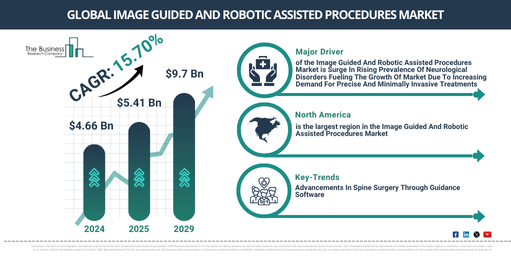
    The market size for image guided and robotic assisted procedures has experienced rapid expansion in recent years. This sector is anticipated to increase from $4.66 billion in 2024 to $5.41 billion by 2025, demonstrating a compound annual growth rate (CAGR) of 16.0%. The previous period’s growth can be ascribed to a greater embrace of minimally invasive surgical methods, a heightened need for surgical precision and accuracy, an increase in both the aging population and chronic health conditions, rising expenditures in healthcare, and ongoing technological progress in robotics and imaging systems.

    The image guided and robotic assisted procedures market size is projected to undergo rapid expansion in the coming years, with expectations to reach $9.7 billion by 2029, demonstrating a compound annual growth rate (CAGR) of 15.7%. This growth over the forecast period is primarily driven by increasing investment in healthcare infrastructure, a heightened focus on robotic surgery training and education, a rise in patient preference for minimally invasive procedures, increasing government funding for healthcare innovations, and a rising demand for cost-effective surgical solutions. Key trends anticipated during this period include advancements in robotic-assisted surgery systems, sophisticated imaging technologies for better precision, the development of AI-powered surgical tools, progress in tele-surgery capabilities, and advanced integration of real-time data to achieve improved surgical outcomes.

    Unlock Your Free Sample Report for Exclusive Market Data:

    https://www.thebusinessresearchcompany.com/sample.aspx?id=23426&type=smp

    What Are The Key Drivers Of Growth In The Image Guided And Robotic Assisted Procedures Market?

    The increasing incidence of neurological disorders is anticipated to stimulate the expansion of the image-guided and robotic-assisted procedures market in the future. Neurological disorders are health conditions affecting the nervous system, which includes the brain, spinal cord, and nerves, leading to impairments in movement, cognitive functions, and other bodily processes. Changes in lifestyle, such as poor dietary habits, lack of physical activity, and chronic stress, are primary contributors to the rising prevalence of these disorders due to their negative impact on brain health and function. Image-guided and robotic-assisted procedures enhance neurological care by improving surgical accuracy, reducing the invasiveness of procedures, and shortening recovery periods, making them vital for addressing complex cases. For instance, in February 2024, Dementia Australia, an Australia-based Non-profit organization, reported that the prevalence of dementia in the country is expected to rise by 93% by 2054, with 812,500 people projected to be living with dementia, up from 421,000 in 2024. Thus, the growing prevalence of neurological disorders is a key driver for the growth of the image-guided and robotic-assisted procedures market.

    What Are The Different Segment Classifications Within The Image Guided And Robotic Assisted Procedures Market?

    The image guided and robotic assisted proceduresmarket covered in this report is segmented –

    1) By Product Type: MRI Guided Robot; X-Ray Computed Tomography Guided Robot; X-Ray Mammography Guided Robot; Optical Imaging Guided Robot; Ultrasound Imaging Guided Robot

    2) By Technology: Image-Guided Surgery; Robotic-Assisted Surgery; Augmented Reality (AR) Surgery; Virtual Reality (VR) Simulation

    3) By Specialty: Orthopedic Surgery; Neurology; Urology; Gynecology; Cardiothoracic Surgery

    4) By Application: Diagnostic Applications; Minimally Invasive Procedures

    5) By End User: Hospitals; Outpatient Facilities

    Subsegments:

    1) By MRI Guided Robot: Neurosurgery robots; Prostate biopsy robots; Cardiac catheterization robots; Tumor ablation systems

    2) By X-Ray Computed Tomography (CT) Guided Robot: Interventional radiology robots; Spine surgery assistance systems; Biopsy and ablation robots; Orthopedic robotic systems.

    3) By X-Ray Mammography Guided Robot: Breast biopsy assistance robots; Lesion localization systems; Automated breast imaging robots.

    4) By Optical Imaging Guided Robot: Robotic endoscopy systems; Robotic fluorescence-guided surgery tools; Ophthalmic surgical robots; Robotic systems for dental imaging.

    5) By Ultrasound Imaging Guided Robot: Robotic-assisted fetal procedures; Liver and kidney biopsy robots; Robotic prostate interventions; Needle guidance systems.

    Which Competitive Trends Are Defining The Image Guided And Robotic Assisted Procedures Market Structure?

    Major companies within the image-guided and robotic-assisted procedures market are concentrating on developing innovative solutions, such as spine guidance software, to enhance surgical precision, improve patient outcomes, and streamline workflow efficiency in spinal procedures. Spine guidance software employs real-time imaging and 3D visualization to assist surgeons in performing precise spinal procedures. For instance, in September 2022, Stryker, a US-based medical technology company, launched the Q Guidance System for spine applications. This system incorporates a redesigned optical tracking camera and advanced Spine Guidance Software for enhanced surgical planning and navigation. It offers improved accuracy, real-time visualization, and greater procedural efficiency. The integration of sophisticated algorithms further elevates precision in spinal surgeries. This innovation aims to optimize patient outcomes and enhance surgeon control in complex procedures.

    Which Key Market Players Are Investing In Expansion And Innovation Of Image Guided And Robotic Assisted Procedures Market?

    Major companies operating in the image guided and robotic assisted procedures market are Johnson & Johnson, HCA Healthcare UK, Medtronic plc, Siemens Healthineers AG, Koninklijke Philips N.V., Stryker Corporation, GE Healthcare, Boston Scientific Corporation, Asensus Surgical Inc., Zimmer Holdings Inc., Intuitive Surgical Inc., Atlantic Health System Inc., Karl Storz SE & Co. KG, Carl Zeiss Meditec AG, Globus Medical Inc., Renishaw plc, Brainlab AG, Synaptive Medical Inc., MicroPort MedBot Co. Ltd., 7D Surgical Inc.

    Download The Full Report For Exclusive Market Findings:

    https://www.thebusinessresearchcompany.com/report/image-guided-and-robotic-assisted-procedures-global-market-report

    How Do Regional Market Performances Compare Within The Image Guided And Robotic Assisted Procedures Industry?

    North America was the largest region in the image-guided and robot-assisted surgical procedures market in 2024. Asia-Pacific is expected to be the fastest-growing region in the forecast period. The regions covered in the image guided and robotic assisted procedures market report are Asia-Pacific, Western Europe, Eastern Europe, North America, South America, Middle East, Africa.

    Request A Customized Version Of The Image Guided And Robotic Assisted Procedures Market Report:

    https://www.thebusinessresearchcompany.com/customise?id=23426&type=smp

    Browse Through More Reports Similar to the Global Image Guided And Robotic Assisted Procedures Market 2025, By The Business Research Company

    Medical Image Analysis Software Global Market Report 2025

    https://www.thebusinessresearchcompany.com/report/medical-image-analysis-software-global-market-report

    Image Recognition Global Market Report 2025

    https://www.thebusinessresearchcompany.com/report/image-recognition-global-market-report

    Image Recognition In Retail Global Market Report 2025

    https://www.thebusinessresearchcompany.com/report/image-recognition-in-retail-global-market-report

    Get in touch with us:

    The Business Research Company: https://www.thebusinessresearchcompany.com/

    Americas +1 310-496-7795

    Asia +44 7882 955267 & +91 8897263534

    Europe +44 7882 955267

    Email us at info@tbrc.info

    Follow us on:

    LinkedIn: https://in.linkedin.com/company/the-business-research-company

    YouTube: https://www.youtube.com/channel/UC24_fI0rV8cR5DxlCpgmyFQ

    Global Market Model: https://www.thebusinessresearchcompany.com/global-market-model
  • Idiopathic Intracranial Hypertension Treatment Industry Anticipated to Expand at 6.4% CAGR During the Forecast Period

    Idiopathic Intracranial Hypertension Treatment Industry Anticipated to Expand at 6.4% CAGR During the Forecast Period

    Unlock Global Insights – Save 20% on Market Reports with Code ONLINE20

    What Is The Predicted Market Size Trajectory For The Idiopathic Intracranial Hypertension Treatment Market From 2025 To 2034?

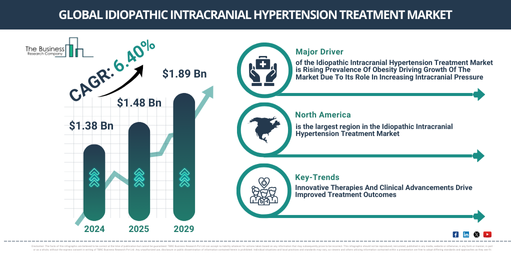
    The idiopathic intracranial hypertension treatment market size has experienced strong growth in recent years. It is projected to expand from $1.38 billion in 2024 to $1.48 billion in 2025, exhibiting a compound annual growth rate (CAGR) of 6.9%. Historically, this growth has been fueled by factors such as the increasing prevalence of obesity, rising healthcare expenditure, a growing emphasis on minimally invasive surgical procedures, an escalating prevalence of comorbid conditions, and an increasing demand for enhanced ophthalmologic diagnostic tools.

    The idiopathic intracranial hypertension treatment market size is projected to experience substantial growth over the next few years. It is forecast to expand to $1.89 billion in 2029, achieving a compound annual growth rate (CAGR) of 6.4%. This expansion during the forecast period is primarily driven by factors such as the increasing adoption of digital health solutions, a rise in lifestyle disorders, the expanding use of telemedicine, improved availability of advanced diagnostic tools, and a growing demand for personalized medicine. Noteworthy trends anticipated in this period include the uptake of AI-driven diagnostic tools, the development of targeted therapies, advancements in non-invasive imaging techniques, the introduction of new weight management drugs, and the creation of customizable shunt devices.

    Unlock Your Free Sample Report for Exclusive Market Data:

    https://www.thebusinessresearchcompany.com/sample.aspx?id=23425&type=smp

    Which Drivers Are Supporting Growth Of The Idiopathic Intracranial Hypertension Treatment Market?

    The rising incidence of obesity is anticipated to boost the expansion of the idiopathic intracranial hypertension treatment market in the future. Obesity is defined as a medical state characterized by an unhealthy accumulation of body fat that may harm an individual’s health. The increase in obesity stems from more inactive lifestyles coupled with a significant rise in the intake of high-calorie, processed foods. This condition elevates intracranial pressure by stimulating an overproduction of cerebrospinal fluid and hindering its absorption, thereby contributing to idiopathic intracranial hypertension. As an illustration, a 2024 report from the Office for Health Improvement and Disparities, a UK-based government department responsible for maintaining public health policies, stated that from 2022 to 2023, 64.0% of adults aged 18 and over in England were categorized as either overweight or living with obesity. This percentage is comparable to the 63.8% reported for the 2021 to 2022 period. Consequently, the expanding prevalence of obesity is a key factor propelling the growth of the idiopathic intracranial hypertension treatment market.

    What Are The Primary Types Of Segments Analyzed In The Idiopathic Intracranial Hypertension Treatment Market?

    The idiopathic intracranial hypertension treatmentmarket covered in this report is segmented –

    1) By Treatment Type: Medications; Surgeries; Therapies

    2) By Treatment Administration: Oral Administration; Intrathecal Administration

    3) By Diagnostic Type: Neuroimaging; Lumbar Puncture; Visual Field Tests

    4) By End User: Hospitals; Specialty Clinics; Ambulatory Surgical Centres

    Subsegments:

    1) By Medications: Diuretics; Corticosteroids; Acetazolamide

    2) By Surgeries: Shunt Surgery; Optic Nerve Sheath Fenestration; Stenting

    3) By Therapies: Weight Management Programs; Lifestyle Modifications; Physical Therapy

    What Are The Latest Industry Trends Transforming The Idiopathic Intracranial Hypertension Treatment Market?

    Key companies operating within the idiopathic intracranial hypertension treatment market are channeling their focus into developing innovative therapies aimed at managing intracranial pressure and associated symptoms. These treatments endeavor to improve patient outcomes by utilizing advanced drug delivery systems and targeted treatment approaches, thereby enhancing overall care and quality of life. For instance, in November 2022, Invex Therapeutics, an Australia-based biopharmaceutical company, secured approval from the New Zealand Medicines and Medical Devices Safety Authority (MEDSAFE) to commence the Phase III IIH EVOLVE clinical trial for Presendin (sustained-release exenatide), designed to treat idiopathic intracranial hypertension (IIH). This approval, alongside clearance from the New Zealand Health and Disability Ethics Committee, will enable Invex to conduct the trial involving 240 newly diagnosed IIH patients across up to 40 global clinical sites, with the primary objective of improving treatment outcomes for this neurological condition.

    Who Are The Core Companies Influencing The Idiopathic Intracranial Hypertension Treatment Market Landscape?

    Major companies operating in the idiopathic intracranial hypertension treatment market are Siemens AG, Medtronic plc, Mayo Clinic, Becton Dickinson and Company, Philips Healthcare, GE HealthCare Technologies Inc., Teva Pharmaceuticals, Boston Scientific Corporation, Henry schein, Sun Pharmaceutical Industries, Zydus LifeSciences, Topcon Corporation, Natus Medical Incorporated, Canon Medical Systems Corporation, Carl Zeiss Meditec AG, Optopol Technology, Strides Pharma, NIDEK Co., Haag-Streit AG, Invex Therapeutics, Metrovision.

    Download The Full Report For Exclusive Market Findings:

    https://www.thebusinessresearchcompany.com/report/idiopathic-intracranial-hypertension-treatment-global-market-report

    Which Region Currently Holds The Largest Share Of The Idiopathic Intracranial Hypertension Treatment Market?

    North America was the largest region in the idiopathic intracranial hypertension treatment market in 2024. Asia-Pacific is expected to be the fastest-growing region in the forecast period. The regions covered in the idiopathic intracranial hypertension treatment market report are Asia-Pacific, Western Europe, Eastern Europe, North America, South America, Middle East, Africa.

    Request A Customized Version Of The Idiopathic Intracranial Hypertension Treatment Market Report:

    https://www.thebusinessresearchcompany.com/customise?id=23425&type=smp

    Browse Through More Reports Similar to the Global Idiopathic Intracranial Hypertension Treatment Market 2025, By The Business Research Company

    Infertility Treatment Global Market Report 2025

    https://www.thebusinessresearchcompany.com/report/infertility-treatment-global-market-report

    Myopia And Presbyopia Treatment Global Market Report 2025

    https://www.thebusinessresearchcompany.com/report/myopia-and-presbyopia-treatment-global-market-report

    Flue Gas Treatment Systems Global Market Report 2025

    https://www.thebusinessresearchcompany.com/report/flue-gas-treatment-systems-global-market-report

    Get in touch with us:

    The Business Research Company: https://www.thebusinessresearchcompany.com/

    Americas +1 310-496-7795

    Asia +44 7882 955267 & +91 8897263534

    Europe +44 7882 955267

    Email us at info@tbrc.info

    Follow us on:

    LinkedIn: https://in.linkedin.com/company/the-business-research-company

    YouTube: https://www.youtube.com/channel/UC24_fI0rV8cR5DxlCpgmyFQ

    Global Market Model: https://www.thebusinessresearchcompany.com/global-market-model
  • Global Human Respiratory Syncytial Virus Treatment Market Projected to Expand at 8.6% CAGR by 2029

    Global Human Respiratory Syncytial Virus Treatment Market Projected to Expand at 8.6% CAGR by 2029

    Unlock Global Insights – Save 20% on Market Reports with Code ONLINE20

    How Much Larger Is The Human Respiratory Syncytial Virus Treatment Market Expected To Become By 2029 Compared With Its 2025 Level?

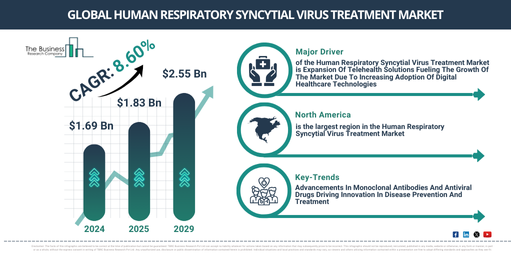
    The human respiratory syncytial virus treatment market size has demonstrated robust growth over recent years. It is projected to increase from $1.69 billion in 2024 to $1.83 billion in 2025, exhibiting a compound annual growth rate (CAGR) of 8.6%. This expansion in the past can be ascribed to a combination of factors, including escalating RSV infection rates, an expanding population of infants and the elderly, a rise in hospital admissions linked to respiratory illnesses, various government vaccination initiatives, and an enhanced understanding of RSV complications.

    The human respiratory syncytial virus treatment market is projected to experience substantial expansion in the coming years. This market is anticipated to reach $2.55 billion by 2029, exhibiting a compound annual growth rate (CAGR) of 8.6%. Key drivers for this growth throughout the forecast period include an escalating demand for monoclonal antibodies, increasing investments in RSV vaccine research and development, a heightened emphasis on early diagnosis, broadening access to healthcare in developing areas, and the approval of new treatments by regulatory bodies. Noteworthy trends projected for the forecast period encompass the creation of long-acting RSV antibodies, an emphasis on multi-therapy approaches, the application of AI in RSV drug discovery, the increasing adoption of telemedicine for respiratory infections, and strategic alliances among pharmaceutical companies for RSV drug development.

    Unlock Your Free Sample Report for Exclusive Market Data:

    https://www.thebusinessresearchcompany.com/sample.aspx?id=23423&type=smp

    Which Drivers Are Shaping The Human Respiratory Syncytial Virus Treatment Industry’s Market Share?

    The human respiratory syncytial virus treatment market is anticipated to experience growth going forward, driven by the expansion of telehealth solutions. These solutions encompass digital healthcare services that facilitate remote patient consultations, diagnosis, monitoring, and treatment by utilizing telecommunication technologies. The rise in telehealth solutions is a consequence of the increasing adoption of digital healthcare technologies, enabling patient care from a distance and reducing the workload on conventional healthcare facilities. Specifically for human respiratory syncytial virus treatment, telehealth options allow for remote monitoring, early detection, and virtual consultations, thereby improving patient care and minimizing the need for hospital visits. For instance, according to Telehealth.HHS.gov, a US-based government official information provider, in quarter four of 2023, telehealth usage climbed to approximately 21,883,731 users, reflecting a growth of 2,783,159 users or a 13% increase from the third quarter. Therefore, the expanding telehealth solutions are propelling the growth of the human respiratory syncytial virus treatment market.

    Which Key Segments Fueling The Human Respiratory Syncytial Virus Treatment Market?

    The human respiratory syncytial virus treatmentmarket covered in this report is segmented –

    1) By Treatment Type: Antiviral Medications; Monoclonal Antibodies; Vaccines; Supportive Care

    2) By Patient Type: Pediatric Patients; Adult Patients

    3) By Route Of Administration: Oral; Parenteral

    4) By End User: Hospitals; Clinics; Home Care

    Subsegments:

    1) By Antiviral Medications: Fusion Inhibitors; Nucleoside Analogues; RNA Polymerase Inhibitors

    2) By Monoclonal Antibodies: Palivizumab; Nirsevimab; Other RSV-Specific Monoclonal Antibodies

    3) By Vaccines: Live Attenuated Vaccines; Subunit Vaccines; mRNA-Based Vaccines; Vector-Based Vaccines

    4) By Supportive Care: Oxygen Therapy; Mechanical Ventilation; Hydration Therapy; Fever and Pain Management

    What Trends Are Redefining The Human Respiratory Syncytial Virus Treatment Market Dynamics?

    Leading companies within the human respiratory syncytial virus treatment market are concentrating on developing innovative therapies, such as monoclonal antibodies and antiviral drugs, to achieve a competitive advantage in the sector. Monoclonal antibodies are laboratory-created proteins that assist the body in fighting infections, while antiviral drugs are medications designed to prevent viruses from multiplying or spreading. For example, in July 2023, AstraZeneca plc, a UK-based biopharmaceutical firm, collaborated with Sanofi S.A., a France-based pharmaceutical company, to announce the U.S. Food and Drug Administration (FDA)’s approval of Beyfortus (nirsevimab-alip). This monoclonal antibody is specifically engineered to prevent RSV lower respiratory tract disease in infants and high-risk children. This regulatory clearance marked a substantial leap forward in RSV prevention, as Beyfortus presents a long-acting, single-dose alternative that confers passive immunity throughout the RSV season. It offers particular advantages for newborns and infants, populations most vulnerable to severe RSV infections, thereby contributing to fewer hospitalizations and complications.

    Which Major Industry Participants Are Leading The Human Respiratory Syncytial Virus Treatment Market Growth?

    Major companies operating in the human respiratory syncytial virus treatment market are Pfizer Inc., Merck & Co, Sanofi S.A., AstraZeneca plc, GSK plc, Johnson & Johnson, Moderna Inc., Kyowa Kirin Co. Ltd., Novavax Inc., Alnylam Pharmaceuticals Inc., AdVaccine Biotechnology Co. Ltd., Enanta Pharmaceuticals Inc., Aridis Pharmaceuticals Inc., Synairgen plc, VBI Vaccines Inc., SAB Biotherapeutics Inc., Meissa Vaccines Inc., Osivax SAS, Codagenix Inc., BioVaxys Technology Corp.

    Download The Full Report For Exclusive Market Findings:

    https://www.thebusinessresearchcompany.com/report/human-respiratory-syncytial-virus-treatment-global-market-report

    What Regional Growth Trends Are Shaping The Human Respiratory Syncytial Virus Treatment Market Outlook?

    North America was the largest region in the human respiratory syncytial virus treatment market in 2024. Asia-Pacific is expected to be the fastest-growing region in the forecast period. The regions covered in the human respiratory syncytial virus treatment market report are Asia-Pacific, Western Europe, Eastern Europe, North America, South America, Middle East, Africa.

    Request A Customized Version Of The Human Respiratory Syncytial Virus Treatment Market Report:

    https://www.thebusinessresearchcompany.com/customise?id=23423&type=smp

    Browse Through More Reports Similar to the Global Human Respiratory Syncytial Virus Treatment Market 2025, By The Business Research Company

    Human Machine Interface Global Market Report 2025

    https://www.thebusinessresearchcompany.com/report/human-machine-interface-global-market-report

    Human Papillomavirus Hpv Vaccine Global Market Report 2025

    https://www.thebusinessresearchcompany.com/report/human-papillomavirus-hpv-vaccine-global-market-report

    Human Liver Model Global Market Report 2025

    https://www.thebusinessresearchcompany.com/report/human-liver-model-global-market-report

    Get in touch with us:

    The Business Research Company: https://www.thebusinessresearchcompany.com/

    Americas +1 310-496-7795

    Asia +44 7882 955267 & +91 8897263534

    Europe +44 7882 955267

    Email us at info@tbrc.info

    Follow us on:

    LinkedIn: https://in.linkedin.com/company/the-business-research-company

    YouTube: https://www.youtube.com/channel/UC24_fI0rV8cR5DxlCpgmyFQ

    Global Market Model: https://www.thebusinessresearchcompany.com/global-market-model