Category: HealthcareServices

  • Human Primary Cell Culture Market to Grow at a CAGR of 11.2% from 2025 to 2029

    Human Primary Cell Culture Market to Grow at a CAGR of 11.2% from 2025 to 2029

    Unlock Global Insights – Save 20% on Market Reports with Code ONLINE20

    #What Are The Current (2025) And Forecast (2029) Sizes Of The Human Primary Cell Culture Market?

    The human primary cell culture market size has demonstrated substantial growth in recent years. This market is anticipated to expand from $3.39 billion in 2024 to $3.78 billion in 2025, achieving a compound annual growth rate (CAGR) of 11.5%. The historical expansion of the market can be linked to factors including the increasing embrace of cell-based research, rising demand for personalized medicine, a heightened focus on drug discovery, a continued emphasis on personalized medicine, and expanding applications within cancer research.

    The human primary cell culture market size is expected to show significant expansion in the coming years. It is predicted to reach $5.77 billion in 2029, exhibiting a compound annual growth rate (CAGR) of 11.2%. This growth during the forecast period can be attributed to several factors, including rising investment in regenerative medicine, the increasing adoption in precision medicine, greater government funding for cell-based investigations, enhanced governmental support, and broader applications in toxicology testing. Key trends anticipated in the forecast period include the integration of AI into cell culture analysis, the development of serum-free and chemically defined media, increased automation in cell culture processes, the emergence of organ-on-a-chip technology, and a growing demand for primary cells in immunotherapy research.

    Unlock Your Free Sample Report for Exclusive Market Data:

    https://www.thebusinessresearchcompany.com/sample.aspx?id=23422&type=smp

    What Are The Drivers Pushing New Developments In The Human Primary Cell Culture Market?

    The anticipated expansion of the human primary cell culture market is largely attributed to the heightened focus on cell and gene therapies. These therapies represent sophisticated medical interventions designed to alter or substitute genetic material or cells, aiming to treat or cure ailments at their fundamental molecular level. The increasing importance of cell and gene therapy stems from their capacity to offer sustained or curative solutions for conditions such as genetic disorders, cancers, and rare diseases, by tackling the underlying cause at a molecular level. Within cell and gene therapies, human primary cell cultures find application in devising treatments, manufacturing viral vectors, and evaluating gene editing methodologies. An illustrative example is seen in July 2024, when the American Society of Gene & Cell Therapy (ASGCT), a US-based non-profit organization, reported that approximately 76 gene therapy trials commenced in the USA during the second quarter of 2024, indicating a 25% rise over the first quarter. Consequently, the intensifying concentration on advancing cell and gene therapies serves as a key impetus for the expansion of the human primary cell culture market.

    How Is The Human Primary Cell Culture Market Classified Into Different Segments?

    The human primary cell culturemarket covered in this report is segmented –

    1) By Product Type: Primary Cells; Reagents And Supplements; Instruments; Primary Cell Culture Media; Other Consumables

    2) By Applications: Drug Discovery; Therapy Development; Regenerative Medicine; Other Applications

    3) By End User: Pharmaceutical And Biotechnology Companies; Contract Research Organizations (CROs); Academic And Research Institutions

    Subsegments:

    1) By Primary Cells: Human Dermal Fibroblasts (HDF); Human Epidermal Keratinocytes (HEK); Human Mesenchymal Stem Cells (HMSC); Human Endothelial Cells; Human Hematopoietic Cells

    2) By Reagents And Supplements: Growth Factors And Cytokines; Antibiotics And Antimycotics; Fetal Bovine Serum (FBS); Buffers And Chemicals; Cryopreservation Reagents

    3) By Instruments: Cell Culture Incubators; Biosafety Cabinets; Centrifuges; Cell Counters And Analyzers; Microscopes

    4) By Primary Cell Culture Media: Serum-Free Media; Chemically Defined Media; Classical Media; Protein-Free Media; Custom Media

    5) By Other Consumables: Culture Dishes And Plates; Flasks And Bottles; Pipettes And Tips; Cell Strainers And Filters; Coated Culture Surfaces

    How Are Emerging Market Trends Shaping The Human Primary Cell Culture Industry Landscape?

    Major entities operating within the human primary cell culture market are prioritizing the creation of technologically advanced solutions, notably induced pluripotent stem cell (iPSC) and embryonic stem cell (ESC) technologies. These initiatives are designed to boost cell-based research, refine drug discovery methods, and expedite progress in regenerative medicine and personalized therapies. iPSC (Induced Pluripotent Stem Cell) and ESC (Embryonic Stem Cell) technologies involve the process of reprogramming adult cells or employing embryonic cells to produce pluripotent stem cells. These cells possess the capacity to differentiate into various cell types for applications in research, drug discovery, and regenerative medicine. A relevant example occurred in July 2024, when BioServe Biotechnologies India Pvt Ltd., an India-based Biotechnology and life sciences company, launched sophisticated stem cell products from REPROCELL to aid scientific research and drug development in India. This product range features cell culture media, stem cell differentiation instruments, 3D cell culture systems, and drug discovery services. These breakthroughs considerably enhance regenerative medicine, disease modeling, and preclinical research by utilizing iPSC and ESC technologies.

    Who Are The Prominent Global Companies Shaping The Human Primary Cell Culture Market?

    Major companies operating in the human primary cell culture market are Thermo Fisher Scientific Inc., Merck & Co. Inc., Lonza Group AG, STEMCELL Technologies Inc., American Type Culture Collection, PromoCell GmbH, Krishgen Biosystems Private Limited, Cell Culture Company Limited Liability Company, HiMedia Laboratories Private Limited, 3H Biomedical Aktiebolag, ScienCell Research Laboratories Inc., Cell Applications Incorporated, Life Technologies Private Limited, PELOBIOTECH Gesellschaft mit beschränkter Haftung, Amsbio Limited, AcceGen Biotechnology Limited Liability Company, Cell Biologics Incorporated, BI Biotech India Private Limited, Innoprot Sociedad Limitada, ZenBio Incorporated, Evercyte GmbH, Cell Systems Corporation, Cytion GmbH, Kosheeka Private Limited

    Download The Full Report For Exclusive Market Findings:

    https://www.thebusinessresearchcompany.com/report/human-primary-cell-culture-global-market-report

    Which Regional Markets Are Contributing Most To The Human Primary Cell Culture Industry Expansion?

    North America was the largest region in the human primary cell culture market in 2024. Asia-Pacific is expected to be the fastest-growing region in the forecast period. The regions covered in the human primary cell culture market report are Asia-Pacific, Western Europe, Eastern Europe, North America, South America, Middle East, Africa.

    Request A Customized Version Of The Human Primary Cell Culture Market Report:

    https://www.thebusinessresearchcompany.com/customise?id=23422&type=smp

    Browse Through More Reports Similar to the Global Human Primary Cell Culture Market 2025, By The Business Research Company

    Human Rights Organizations Global Market Report 2025

    https://www.thebusinessresearchcompany.com/report/human-rights-organizations-global-market-report

    Human Microbiome Therapeutics Market 2025

    https://www.thebusinessresearchcompany.com/report/human-microbiome-therapeutics-market

    Social Sciences And Humanities Services Global Market Report 2025

    https://www.thebusinessresearchcompany.com/report/social-sciences-and-humanities-services-global-market-report

    Get in touch with us:

    The Business Research Company: https://www.thebusinessresearchcompany.com/

    Americas +1 310-496-7795

    Asia +44 7882 955267 & +91 8897263534

    Europe +44 7882 955267

    Email us at info@tbrc.info

    Follow us on:

    LinkedIn: https://in.linkedin.com/company/the-business-research-company

    YouTube: https://www.youtube.com/channel/UC24_fI0rV8cR5DxlCpgmyFQ

    Global Market Model: https://www.thebusinessresearchcompany.com/global-market-model

  • Global Human Organoids Market 2025–2029: Competitive Insights and Opportunities

    Global Human Organoids Market 2025–2029: Competitive Insights and Opportunities

    Unlock Global Insights – Save 20% on Market Reports with Code ONLINE20

    What Market Value Is The Human Organoids Industry Expected To Reach By 2029, Starting From 2025 Levels?

    The human organoids market has experienced significant expansion in recent years. This market is anticipated to grow from $1.47 billion in 2024 to $1.71 billion in 2025, exhibiting a compound annual growth rate (CAGR) of 16.0%. The historical period’s growth can be linked to an escalating focus on personalized medicine, a rise in the occurrence of chronic diseases, advancements in regenerative medicine, the widening of drug discovery applications, and increased government and private funding.

    The human organoids market is projected to expand significantly in the coming years. Its value is expected to reach $3.12 billion by 2029, demonstrating a compound annual growth rate (CAGR) of 16.3%. The drivers for this growth during the forecast period include increasing demand for organoid-based disease modeling, escalating investments in biotech research, widening applications in drug screening, greater adoption in toxicology studies, and a growing focus on precision medicine. Noteworthy trends identified for the forecast period encompass the integration with artificial intelligence, the creation of patient-specific organoids, an expansion into gene therapy applications, advances in organoid bioprinting, and continuous technological progress in 3D cell culture.

    Unlock Your Free Sample Report for Exclusive Market Data:

    https://www.thebusinessresearchcompany.com/sample.aspx?id=23421&type=smp

    What Are The Emerging Market Drivers Creating New Opportunities In The Human Organoids Industry?

    The increasing volume of experiments in genetic science is projected to fuel the expansion of the human organoids market in the future. Genetic science, a biological field, investigates the inheritance of traits via genes and the influence of genetic information on living organisms’ development and function. The growing number of experiments in genetic science is a result of technological breakthroughs that have made gene editing faster and more precise, thereby enabling deeper research into diseases and the creation of targeted treatments. Genetic science benefits human organoids by facilitating accurate manipulation of genes to model specific diseases and study their progression, which helps researchers better understand genetic disorders, evaluate new drugs, and explore personalized treatment strategies more effectively. For instance, in April 2023, according to a report by the National Institutes of Health (NIH), a US-based medical research agency, as of November 2022, the U.S. had 129,624 registered genetic tests, representing approximately 66% of all tests submitted to the Genetic Testing Registry (GTR) worldwide. Consequently, the escalating number of experiments in genetic science will propel the human organoids market.

    What Are The Major Segments Identified In The Human Organoids Market?

    The human organoidsmarket covered in this report is segmented –

    1) By Type: Brain Organoids; Heart Organoids; Intestinal Organoids; Kidney Organoids; Liver Organoids; Lung Organoids; Pancreatic Organoids

    2) By Technology: 3D Bioprinting; Cell Culture Technology; Hydrogels And Scaffold-Based Technology; Magnetic Levitation

    3) By Application: Drug Discovery; Infectious Disease Research; Neurology Studies; Oncology Research; Personalized Medicine; Regenerative Medicine

    4) By End User: Pharma And Biotech Companies; Contract Research Organizations; Academic And Research Institutes

    Subsegments:

    1) By Brain Organoids: Cerebral Organoids; Midbrain Organoids; Hypothalamic Organoids; Spinal Cord Organoids

    2) By Heart Organoids: Cardiac Muscle Organoids; Vascularized Heart Organoids; Chamber-Specific Heart Organoids

    3) By Intestinal Organoids: Small Intestine Organoids; Colon Organoids; Duodenal Organoids

    4) By Kidney Organoids: Nephron Organoids; Glomerular Organoids; Proximal Tubule Organoids

    5) By Liver Organoids: Hepatic Organoids; Bile Duct Organoids; Cholangiocyte Organoids

    6) By Lung Organoids: Airway Organoids; Alveolar Organoids; Bronchial Organoids

    7) By Pancreatic Organoids: Islet Organoids; Ductal Pancreatic Organoids; Acinar Pancreatic Organoids

    Which Key Trends Are Expected To Influence The Human Organoids Market In The Coming Years?

    Leading companies within the human organoids market are concentrating on developing innovative stem cell technologies, such as next-generation 3D tissue culture platforms, to enhance the physiological relevance of in vitro models. A next-generation 3D tissue culture platform denotes an advanced in vitro system crafted to mimic the complexity of human tissues more precisely than traditional 2D or earlier 3D models. For instance, in October 2022, AIM Biotech Pte. Ltd., a Singapore-based developer of tissue culture chips, unveiled organiX, an advanced 3D tissue culture system engineered to replicate human disease conditions more accurately by integrating organoids, functional vasculature, and immune cell components. This platform, customized for cutting-edge drug development and personalized medicine, accommodates various tissue formats, including organoids and tumor samples, within a controllable and physiologically relevant environment. It supports immune co-culture, enables real-time high-resolution imaging, and facilitates straightforward tissue retrieval for subsequent analyses.

    Which Key Players Are Driving Competition In The Human Organoids Market?

    Major companies operating in the human organoids market are Thermo Fisher Scientific Inc., F. Hoffmann-La Roche Ltd., Corning Incorporated, Bio-Techne Corporation, Organovo Holdings Inc., Emulate Inc., MIMETAS B.V., Cellink AB, InSphero AG, Kerafast Inc., DefiniGEN Limited, Visikol Inc., CN Bio Innovations Limited, Cannex Scientific Inc., HeartBeat.bio AG, Kirkstall Ltd., Cyprio Ltd., 3Dnamics Inc., BrainZell Ltd., AIVITA Biomedical Inc.

    Download The Full Report For Exclusive Market Findings:

    https://www.thebusinessresearchcompany.com/report/human-organoids-global-market-report

    How Does The Human Organoids Market Perform Across Key Geographic Regions?

    North America was the largest region in the human organoids market in 2024. Asia-Pacific is expected to be the fastest-growing region in the forecast period. The regions covered in the human organoids market report are Asia-Pacific, Western Europe, Eastern Europe, North America, South America, Middle East, Africa.

    Request A Customized Version Of The Human Organoids Market Report:

    https://www.thebusinessresearchcompany.com/customise?id=23421&type=smp

    Browse Through More Reports Similar to the Global Human Organoids Market 2025, By The Business Research Company

    Organoids Global Market Report 2025

    https://www.thebusinessresearchcompany.com/report/organoids-global-market-report

    Cardiovascular And Soft Tissue Repair Patches Global Market Report 2025

    https://www.thebusinessresearchcompany.com/report/cardiovascular-and-soft-tissue-repair-patches-global-market-report

    Orthopedic Soft Tissue Repair Global Market Report 2025

    https://www.thebusinessresearchcompany.com/report/orthopedic-soft-tissue-repair-global-market-report

    Get in touch with us:

    The Business Research Company: https://www.thebusinessresearchcompany.com/

    Americas +1 310-496-7795

    Asia +44 7882 955267 & +91 8897263534

    Europe +44 7882 955267

    Email us at info@tbrc.info

    Follow us on:

    LinkedIn: https://in.linkedin.com/company/the-business-research-company

    YouTube: https://www.youtube.com/channel/UC24_fI0rV8cR5DxlCpgmyFQ

    Global Market Model: https://www.thebusinessresearchcompany.com/global-market-model

  • Human Metapneumovirus (hMPV) Therapeutics Market Trends 2025–2029: Forecasts for Key Growth Segments

    Human Metapneumovirus (hMPV) Therapeutics Market Trends 2025–2029: Forecasts for Key Growth Segments

    Unlock Global Insights – Save 20% on Market Reports with Code ONLINE20

    What Is The Anticipated Size Of The Human Metapneumovirus (hMPV) Therapeutics Market Over The Five-Year Period 2025–2029?

    The human metapneumovirus (hmpv) therapeutics market size has seen substantial growth in recent years. It is projected to expand from $0.66 billion in 2024 to $0.7 billion in 2025, demonstrating a compound annual growth rate (CAGR) of 5.7%. This past growth can be attributed to heightened awareness of viral respiratory infections, a rising incidence of pediatric respiratory illnesses, increasing rates of hospitalization, growing global health surveillance efforts, and an intensified research focus on emerging respiratory viruses.

    The human metapneumovirus (hmpv) therapeutics market size is anticipated to show significant expansion in the upcoming years. It is projected to reach $0.89 billion by 2029, growing at a compound annual growth rate (CAGR) of 6.1%. The expansion during the forecast period can be attributed to an increasing need for supportive care treatments, enhanced funding from governments and NGOs, greater awareness of respiratory infections, a rise in pediatric respiratory illness incidents, and the expanding requirement for targeted therapies. Prominent trends expected in the forecast period involve the incorporation of technology into diagnostic platforms, innovations in antiviral drug development, strides in vaccine research and delivery systems, technology-enabled point-of-care testing, and progress in molecular diagnostics.

    Unlock Your Free Sample Report for Exclusive Market Data:

    https://www.thebusinessresearchcompany.com/sample.aspx?id=23420&type=smp

    Which Drivers Are Impacting The Human Metapneumovirus (hMPV) Therapeutics Market?

    The future expansion of the human metapneumovirus (HMPV) therapeutics market is anticipated to be driven by the rising incidence of respiratory infections. These infections are conditions impacting the respiratory tract, encompassing the nose, throat, airways, and lungs. A growing number of respiratory infections can be attributed to elevated air pollution levels. Atmospheric contaminants such as particulate matter and nitrogen dioxide cause irritation and compromise the respiratory tract, thereby increasing individuals’ vulnerability to infections. Human metapneumovirus (hMPV) therapeutics play a crucial role in managing hMPV-induced respiratory infections. They work by diminishing viral replication and inflammation via antiviral therapies and supportive interventions, leading to enhanced health outcomes for susceptible populations including infants, the elderly, and those with weakened immune systems. For example, data from June 2024, released by the Australian Institute of Health and Welfare, an Australia-based government agency, indicated that Australia Chronic Obstructive Pulmonary Disease (COPD) accounted for 3.6% of the overall disease burden in 2023. Furthermore, COPD represented 50% of the total burden from respiratory conditions, with approximately 638,000 individuals (2.5% of the population) affected by COPD in 2022. Consequently, the expanding occurrence of respiratory infections stimulates the growth of the human metapneumovirus (HMPV) therapeutics market.

    What Are The Emerging Segments Gaining Attention In The Human Metapneumovirus (hMPV) Therapeutics Market?

    The human metapneumovirus (hmpv) therapeuticsmarket covered in this report is segmented –

    1) By Drug Class: Antipyretic; Decongestants; Cough Suppressants; Other Drug Class

    2) By Distribution Channel: Hospital Pharmacies; Retail Pharmacies; Online Pharmacies

    3) By End-Use: Hospitals And Clinics; Diagnostic And Reference Laboratories; Academic And Research Institutions; Other End-Uses

    Subsegments:

    1) By Antipyretic: Nonsteroidal Anti-Inflammatory Drugs (NSAIDs), Acetaminophen (Paracetamol)

    2) By Decongestants: Nasal Decongestants, Oral Decongestants

    3) By Cough Suppressants: Dextromethorphan, Codeine, Benzonatate

    4) By Other Drug Class: Antiviral Agents, Antibiotics (if secondary bacterial infection occurs), Inhaled Corticosteroids

    What Are The Major Trends Driving The Growth Of The Human Metapneumovirus (hMPV) Therapeutics Market?

    Major companies operating in the human metapneumovirus (hMPV) therapeutics market are prioritizing the development of targeted antiviral therapies, such as monoclonal antibodies, to effectively manage hMPV infections. Monoclonal antibodies (mAbs) are laboratory-manufactured proteins designed to mimic the immune system’s natural ability to combat diseases. These antibodies offer specific therapeutic benefits for various illnesses, including cancer and autoimmune disorders, by selectively binding to and neutralizing harmful antigens or cells. For instance, in October 2024, Vicebio Ltd., a UK-based biopharmaceutical firm, secured $100 million in Series B financing, led by TCGX with participation from Goldman Sachs Alternatives and other investors, to advance its next-generation respiratory virus vaccines. The funding is allocated to support the Phase 1 clinical trial of VXB-241, a bivalent vaccine targeting RSV and hMPV, with initial results expected by mid-2025. It will also accelerate the development of VXB-251, a trivalent vaccine addressing RSV, hMPV, and Parainfluenza Virus 3, aiming to alleviate significant medical burdens in older individuals.

    Who Are The Top Performing Companies In The Human Metapneumovirus (hMPV) Therapeutics Market In Recent Years?

    Major companies operating in the human metapneumovirus (hMPV) therapeutics market are Sanofi S.A, AstraZeneca Plc, Merck KGaA, Moderna Inc, Riverside Health System, Narayana Health, Vir Biotechnology Inc., Fortis Healthcare, Apollo Diagnostics, Pathkind Diagnostics Pvt Ltd, Max Healthcare, LalPathLabs, Bio Farma, Metropolis Healthcare, American Lung Association, Enanta Pharmaceuticals Inc. , Regency Healthcare, The Native Antigen Company, Max Lab, Agilus Diagnostics

    Download The Full Report For Exclusive Market Findings:

    https://www.thebusinessresearchcompany.com/report/human-metapneumovirus-hmpv-therapeutics-global-market-report

    Which Region Is Expected To Witness The Fastest Growth In The Human Metapneumovirus (hMPV) Therapeutics Market?

    North America was the largest region in the human metapneumovirus (hMPV) therapeutics market in 2024. Asia-Pacific is expected to be the fastest-growing region in the forecast period. The regions covered in the human metapneumovirus (hMPV) therapeutics market report are Asia-Pacific, Western Europe, Eastern Europe, North America, South America, Middle East, Africa.

    Request A Customized Version Of The Human Metapneumovirus (hMPV) Therapeutics Market Report:

    https://www.thebusinessresearchcompany.com/customise?id=23420&type=smp

    Browse Through More Reports Similar to the Global Human Metapneumovirus (hMPV) Therapeutics Market 2025, By The Business Research Company

    Antivirus Software Global Market Report 2025

    https://www.thebusinessresearchcompany.com/report/antivirus-software-global-market-report

    Coronavirus Covid 19 Current Therapy Market 2025

    https://www.thebusinessresearchcompany.com/report/coronavirus-covid-19-current-therapy-market

    Virus Filtration Global Market Report 2025

    https://www.thebusinessresearchcompany.com/report/virus-filtration-global-market-report

    Get in touch with us:

    The Business Research Company: https://www.thebusinessresearchcompany.com/

    Americas +1 310-496-7795

    Asia +44 7882 955267 & +91 8897263534

    Europe +44 7882 955267

    Email us at info@tbrc.info

    Follow us on:

    LinkedIn: https://in.linkedin.com/company/the-business-research-company

    YouTube: https://www.youtube.com/channel/UC24_fI0rV8cR5DxlCpgmyFQ

    Global Market Model: https://www.thebusinessresearchcompany.com/global-market-model

  • Human Immunodeficiency Virus Therapeutics Market Forecast 2025–2034: Where Businesses Should Invest Next

    Human Immunodeficiency Virus Therapeutics Market Forecast 2025–2034: Where Businesses Should Invest Next

    Unlock Global Insights – Save 20% on Market Reports with Code ONLINE20

    What Are The Forecasted Market Size Estimates For The Human Immunodeficiency Virus Therapeutics Market Between 2025 And 2029?

    The human immunodeficiency virus therapeutics market size has shown strong expansion in recent years. It is anticipated to increase from $14.11 billion in 2024 to $14.9 billion in 2025, achieving a compound annual growth rate (CAGR) of 5.6%. This historical growth can be linked to factors such as an uptick in HIV prevalence, more robust awareness programs, an increase in diagnostic testing, greater generic drug penetration, and enhancements in healthcare infrastructure.

    The human immunodeficiency virus therapeutics market size is anticipated to undergo significant expansion in the coming years, with projections indicating a growth to $18.44 billion by 2029, driven by a compound annual growth rate (CAGR) of 5.5%. This forecasted growth can be linked to an increasing pool of HIV patients, enhanced HIV screening procedures, a rise in voluntary testing, an escalation in unprotected sexual practices, and the expansion of government-sponsored programs. Key trends expected to shape the market during this period include continuous technological advancements, the utilization of AI for drug discovery, the development of long-acting injectable therapies, the integration of telemedicine services, and the progression of CRISPR-based gene therapy.

    Unlock Your Free Sample Report for Exclusive Market Data:

    https://www.thebusinessresearchcompany.com/sample.aspx?id=23419&type=smp

    Which Industry Drivers Are Expected To Accelerate The Human Immunodeficiency Virus Therapeutics Market From 2025 To 2029?

    The increasing incidence of unprotected sexual activities is projected to stimulate the expansion of the human immunodeficiency virus therapeutics market in the future. These practices involve sexual encounters lacking barrier protection, consequently elevating the danger of sexually transmitted infections (STIs) and unplanned pregnancies. A deficiency in thorough sex education contributes to inadequate understanding of safe behaviors, thereby fostering risky conduct among younger individuals. Human immunodeficiency virus therapeutics play a crucial role in lowering the likelihood of HIV transmission stemming from unprotected sexual acts by achieving undetectable viral loads, thereby halting the further dissemination of the infection. An illustrative example comes from November 2024, where data from the Centers for Disease Control and Prevention, a US-based government agency, revealed that a 2023 survey of U.S. high school students indicated 32% had engaged in sexual intercourse at least once, and 48% admitted to not using a condom during their most recent sexual encounter. Consequently, the rising occurrence of unprotected sexual practices is a significant factor propelling the expansion of the human immunodeficiency virus therapeutics market.

    What Are The Major Segment Types Covered In The Human Immunodeficiency Virus Therapeutics Market?

    The human immunodeficiency virus therapeuticsmarket covered in this report is segmented –

    1) By Drug Type: Branded Drugs; Generic Drugs

    2) By Drug Class: Nucleoside-Analog Reverse Transcriptase Inhibitors (Nrtis); Non-Nucleoside Reverse Transcriptase Inhibitors (Nnrtis); Entry And Fusion Inhibitors; Protease Inhibitors (Pis); Integrase Inhibitors; Coreceptor Antagonists

    3) By Distribution Channel: Hospital Pharmacies; Online Pharmacies; Retail Pharmacies

    4) By End-user: Hospitals And Clinics; Specialty Centers

    Subsegments:

    1) By Branded Drugs: Biktarvy; Triumeq; Genvoya; Juluca; Dovato; Isentress; Prezista

    2) By Generic Drugs: Tenofovir Disoproxil Fumarate (TDF); Lamivudine; Efavirenz; Zidovudine; Nevirapine; Abacavir; Ritonavir

    What Trends Are Expected To Drive The Human Immunodeficiency Virus Therapeutics Market?

    Leading companies in the human immunodeficiency virus (HIV) therapeutics market are concentrating on developing innovative treatments, such as combination therapy, to enhance treatment efficacy, reduce drug resistance, and improve patient adherence. Combination therapy involves using two or more therapeutic agents, including drugs or other treatments, to manage a single disease or condition. This strategy boosts treatment effectiveness, minimizes side effects, and lowers the risk of drug resistance. For instance, in December 2022, Gilead Sciences Inc., a US-based biopharmaceutical company, secured approval from the U.S. Food and Drug Administration (FDA) for Sunlenca (lenacapavir). This treatment is intended for adults with multi-drug-resistant HIV-1, to be used in conjunction with other antiretroviral medications. Sunlenca is significant as the first and only HIV treatment founded on a capsid inhibitor, offering a convenient twice-a-year dosing option for patients who have undergone extensive prior treatment. The CAPELLA trial, which demonstrated high rates of sustained virologic suppression, provided the basis for this approval. With its novel mechanism of action and long-acting formulation, Sunlenca is projected to be a vital element in future HIV treatment and prevention strategies.

    Which Leading Companies Dominate The Human Immunodeficiency Virus Therapeutics Market Share?

    Major companies operating in the human immunodeficiency virus therapeutics market are Pfizer Inc., Johnson & Johnson, F Hoffmann La Roche Ltd., Merck & Co. Inc., AbbVie Inc., Sanofi SA, Bristol Myers Squibb Company (BMS), Novartis International AG, GlaxoSmithKline plc (GSK), Gilead Sciences Inc., Moderna Inc., BioNTech SE, Teva Pharmaceutical Industries Ltd., Boehringer Ingelheim International GmbH, Aurobindo Pharma Limited, Cipla Limited, Hetero Labs Limited, Gilead Sciences Inc. / Kite Pharma Inc. (for CAR T HIV cure research), Vir Biotechnology Inc., Theratechnologies Inc., CytoDyn Inc.

    Download The Full Report For Exclusive Market Findings:

    https://www.thebusinessresearchcompany.com/report/human-immunodeficiency-virus-therapeutics-global-market-report

    Which Global Regions Are Influencing The Competitive Landscape Of The Human Immunodeficiency Virus Therapeutics Market?

    North America was the largest region in the human immunodeficiency virus therapeutics market in 2024. Asia-Pacific is expected to be the fastest-growing region in the forecast period. The regions covered in the human immunodeficiency virus therapeutics market report are Asia-Pacific, Western Europe, Eastern Europe, North America, South America, Middle East, Africa.

    Request A Customized Version Of The Human Immunodeficiency Virus Therapeutics Market Report:

    https://www.thebusinessresearchcompany.com/customise?id=23419&type=smp

    Browse Through More Reports Similar to the Global Human Immunodeficiency Virus Therapeutics Market 2025, By The Business Research Company

    Antivirus Software Global Market Report 2025

    https://www.thebusinessresearchcompany.com/report/antivirus-software-global-market-report

    Coronavirus Covid 19 Current Therapy Market 2025

    https://www.thebusinessresearchcompany.com/report/coronavirus-covid-19-current-therapy-market

    Virus Filtration Global Market Report 2025

    https://www.thebusinessresearchcompany.com/report/virus-filtration-global-market-report

    Get in touch with us:

    The Business Research Company: https://www.thebusinessresearchcompany.com/

    Americas +1 310-496-7795

    Asia +44 7882 955267 & +91 8897263534

    Europe +44 7882 955267

    Email us at info@tbrc.info

    Follow us on:

    LinkedIn: https://in.linkedin.com/company/the-business-research-company

    YouTube: https://www.youtube.com/channel/UC24_fI0rV8cR5DxlCpgmyFQ

    Global Market Model: https://www.thebusinessresearchcompany.com/global-market-model
  • Global Homeopathy Medicine Treatment Market Analysis 2025–2029: Opportunities for Strategic Growth

    Global Homeopathy Medicine Treatment Market Analysis 2025–2029: Opportunities for Strategic Growth

    Unlock Global Insights – Save 20% on Market Reports with Code ONLINE20

    How Is The Homeopathy Medicine Treatment Market Size Likely To Evolve From 2025 Through 2034?

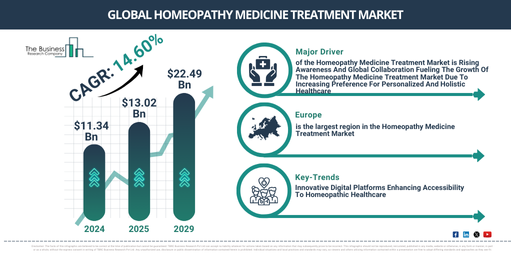
    The homeopathy medicine treatment market size has experienced rapid growth in recent years. It is projected to expand from $11.34 billion in 2024 to $13.02 billion in 2025, at a compound annual growth rate (CAGR) of 14.9%. This past growth can be attributed to factors such as increasing awareness of the benefits of homeopathic medicine, a rising demand for non-invasive treatment alternatives, the growing prevalence of chronic diseases, an increasing number of homeopathic practitioners, and an escalating demand for homeopathic remedies.

    The homeopathy medicine treatment market size is projected to experience substantial expansion in the coming years. This market is predicted to reach a valuation of $22.49 billion by 2029, exhibiting a compound annual growth rate (CAGR) of 14.6%. Factors contributing to this expansion during the projection period include a growing inclination towards individualized treatment methods, a heightened emphasis on preventive healthcare, a rise in disposable income, an increase in research and development (R&D) expenditures, and a surge in the need for combination therapies. Key developments anticipated during this timeframe encompass the integration of homeopathy with telemedicine systems, the application of nanotechnology in homeopathic preparations, the use of wearable health monitoring for tailored treatments, the introduction of intelligent homeopathy dispensers, and the deployment of artificial intelligence (AI)-driven homeopathic diagnostic tools.

    Unlock Your Free Sample Report for Exclusive Market Data:

    https://www.thebusinessresearchcompany.com/sample.aspx?id=23418&type=smp

    What Are The Top Growth Drivers Impacting The Homeopathy Medicine Treatment Market Outlook?

    The increasing understanding and recognition of homeopathic treatment are anticipated to drive the expansion of the homeopathy medicine treatment market. These medicines, a fundamental element of homeopathy, are customized according to an individual’s unique symptoms and their complete physical, mental, and emotional profile. This heightened awareness is attributed to its natural, non-invasive methodology and reduced adverse effects when contrasted with conventional medical practices, appealing to a growing number of individuals seeking comprehensive and tailored healthcare solutions. The combination of minimal side effects, personalized care, and a holistic framework has enhanced its acceptance and fostered broader adoption, consequently escalating the demand for homeopathic medicines and related services. A notable example is from March 2023, when the Ministry of Ayush, an Indian government ministry, reported signing 24 Country-to-Country Memorandum of Understanding (MoUs) with various foreign nations to collaborate on traditional medicine and homeopathy. Thus, the expanding awareness regarding homeopathic treatment options is a key factor propelling the growth of the homeopathy medicine treatment market.

    What Are The Major Segment Categories Driving The Homeopathy Medicine Treatment Market Growth?

    The homeopathy medicine treatmentmarket covered in this report is segmented –

    1) By Product Type: Single Remedies; Combination Remedies; Complex Medicines

    2) By Application: Chronic Diseases; Acute Diseases; Preventive Care

    3) By Distribution Channel: Retail Pharmacies; Online Platforms; Homeopathic Clinics

    Subsegments:

    1) By Single Remedies: Dilutions; Mother Tinctures; Bio-Chemic Tablets; Medicated Pellets

    2) By Combination Remedies: Tablet Formulations; Liquid Formulations; Powder Formulations; Globules

    3) By Complex Medicines: Anti-Allergic Complex; Pain Relief Complex; Immunity Boosting Complex; Respiratory Care Complex

    Which Trends Are Impacting The Homeopathy Medicine Treatment Market?

    Leading businesses in the homeopathy medicine treatment market are prioritizing the creation of innovative solutions, such as digital homeopathy medicine platforms, to improve accessibility and user convenience. An AI assistant homeopathic medicine tool functions as a digital platform or application powered by artificial intelligence, assisting users in identifying appropriate homeopathic remedies based on their symptoms and personal health details. For instance, in April 2024, Homeopathic.AI, a Canada-based retail health and personal care provider, unveiled the first AI assistant specifically for homeopathic medicine. This groundbreaking system utilizes advanced algorithms and an extensive database to offer users personalized, accurate health advice. Its goal is to satisfy the rising demand for alternative medicine by making homeopathic guidance more widely available across the globe. This inclination towards AI integration signifies the industry’s evolution towards employing technology to enhance the reach and effectiveness of homeopathic remedies.

    Who Are The Major Companies Operating In The Homeopathy Medicine Treatment Market?

    Major companies operating in the homeopathy medicine treatment market are Dr. Willmar Schwabe GmbH & Co. KG, ?Boiron, Weleda, Biologische Heilmittel Heel GmbH, Bakson’s Homoeopathy, Ainsworths, Homeocare International, Dr. Reckeweg & Co. GmbH, Allen Homeopathy, Bharat Homeopathy, Dr. Batra’s Homeopathy, Positive Homeopathy, Hahnemann Laboratories Inc., Similia Homoeopathic Clinic, Homeocan Inc., Life Force, Radient Pharma, New Life Homoeopathy, Vital Homeos, A Nelson & Co Limited, Adelmar Pharma GmbH, Ralson Remedies, Hapdco, Adel German Homeopathy, Sharda Boiron Laboratories Global, Haslab

    Download The Full Report For Exclusive Market Findings:

    https://www.thebusinessresearchcompany.com/report/homeopathy-medicine-treatment-global-market-report

    What Are The Regional Market Dynamics Impacting The Homeopathy Medicine Treatment Industry?

    Europe was the largest region in the homeopathy medicine treatment market in 2024. Asia-Pacific is expected to be the fastest-growing region in the forecast period. The regions covered in the homeopathy medicine treatment market report are Asia-Pacific, Western Europe, Eastern Europe, North America, South America, Middle East, Africa.

    Request A Customized Version Of The Homeopathy Medicine Treatment Market Report:

    https://www.thebusinessresearchcompany.com/customise?id=23418&type=smp

    Browse Through More Reports Similar to the Global Homeopathy Medicine Treatment Market 2025, By The Business Research Company

    Homeopathy Global Market Report 2025

    https://www.thebusinessresearchcompany.com/report/homeopathy-global-market-report

    Animal Medicine Global Market Report 2025

    https://www.thebusinessresearchcompany.com/report/animal-medicine-global-market-report

    Regenerative Medicine For Cartilage Global Market Report 2025

    https://www.thebusinessresearchcompany.com/report/regenerative-medicine-for-cartilage-global-market-report

    Get in touch with us:

    The Business Research Company: https://www.thebusinessresearchcompany.com/

    Americas +1 310-496-7795

    Asia +44 7882 955267 & +91 8897263534

    Europe +44 7882 955267

    Email us at info@tbrc.info

    Follow us on:

    LinkedIn: https://in.linkedin.com/company/the-business-research-company

    YouTube: https://www.youtube.com/channel/UC24_fI0rV8cR5DxlCpgmyFQ

    Global Market Model: https://www.thebusinessresearchcompany.com/global-market-model
  • Healthcare Robotics Industry Overview 2025: Growth Projections and Market Trends

    Healthcare Robotics Industry Overview 2025: Growth Projections and Market Trends

    Unlock Global Insights – Save 20% on Market Reports with Code ONLINE20

    What Are The Growth Projections For The Healthcare Robotics Market Size During 2025–2029?

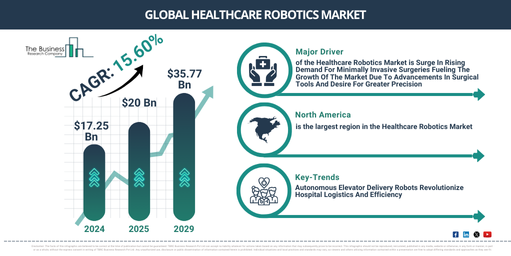
    The healthcare robotics market has seen its size increase rapidly in recent years. It is projected to grow from $17.25 billion in 2024 to $20 billion in 2025, with a compound annual growth rate (CAGR) of 15.9%. The expansion observed in the historic period is attributable to the increasing demand for minimally invasive surgeries, a rising aging population, growing pressures on healthcare costs, an improvement in surgical precision and efficiency, and the increasing adoption of robotic-assisted rehabilitation.

    The healthcare robotics market is poised for significant expansion in the coming years. Projections indicate it will reach a value of $35.77 billion by 2029, demonstrating a compound annual growth rate (CAGR) of 15.6%. This anticipated growth during the forecast period is fueled by several factors, including increasing advancements in artificial intelligence, a heightened emphasis on personalized healthcare solutions, an increase in robotic surgery training initiatives, the expansion of healthcare infrastructure in developing regions, and growing investments in healthcare robotics research and development. Key developments anticipated in this period encompass improvements in robotic surgery systems, sophisticated rehabilitation robots, breakthroughs in AI-driven surgical assistance, advanced robotic exoskeletons designed for enhanced mobility, and new developments in robotic-assisted diagnostic tools.

    Unlock Your Free Sample Report for Exclusive Market Data:

    https://www.thebusinessresearchcompany.com/sample.aspx?id=23414&type=smp

    Which Major Market Drivers Are Shaping The Future Of The Healthcare Robotics Market?

    The increasing requirement for minimally invasive surgeries is projected to drive the expansion of the healthcare robotics market moving forward. Minimally invasive surgeries are defined as procedures conducted through small incisions using specialized instruments, resulting in reduced pain and quicker patient recovery. The growth in minimally invasive surgeries is fueled by faster recovery times, as they cause less bodily trauma and allow for a more rapid return to daily routines. Healthcare robotics enhances minimally invasive surgeries by delivering greater precision, improved control, and smaller incisions, which leads to expedited recovery, reduced risks, and better patient outcomes. For instance, in March 2023, according to the British Association of Aesthetic Plastic Surgeons, a UK-based surgical organization, approximately 31,057 minimally invasive cosmetic procedures were performed in 2022, indicating a 102% increase compared to the previous year. Therefore, the escalating demand for minimally invasive surgeries is propelling the growth of the healthcare robotics market.

    How Is The Healthcare Robotics Market Segmented?

    The healthcare roboticsmarket covered in this report is segmented –

    1) By Type: Non-Invasive Radiosurgery Robots; Emergency Response Robotic Systems; Hospital And Pharmacy Robots; Rehabilitation Robots; Neurosurgical Robotic Systems; Surgical Robots; Laparoscopy Robotic Systems; Other Types

    2) By Portability: Mobile; Fixed

    3) By Application: Neurosurgery; Orthopedic Surgery; Cardiology; Laparoscopy; Pharmacy Applications; Other Applications

    4) By End-Use Industry: Rehabilation Centers; Hospitals; Speciality Centers; Clinics; Other End-Use Industries

    Subsegments:

    1) By Non-Invasive Radiosurgery Robots: Stereotactic Radiosurgery (SRS) Systems; Proton Beam Radiosurgery Systems

    2) By Emergency Response Robotic Systems: Disaster Response Robots; Search and Rescue Robots; Patient Transport Robots

    3) By Hospital And Pharmacy Robots: Medication Dispensing Robots; Hospital Delivery Robots; Autonomous Cleaning Robots; Robotic Surgical Assistant Robots

    4) By Rehabilitation Robots: Exoskeleton Robots; Robotic Physical Therapy Devices; Stroke Rehabilitation Robots

    5) By Neurosurgical Robotic Systems: Robotic Brain Surgery Systems; Spinal Neurosurgery Robots; Cranial Neurosurgery Robots

    6) By Surgical Robots: Minimally Invasive Surgery Robots; Robotic-Assisted Surgery Systems; Robotic Endoscopic Surgery Systems

    7) By Laparoscopy Robotic Systems: Laparoscopic Surgical Robots; Robotic-Assisted Laparoscopy Devices

    8) By Other Types: Telepresence Robots; Diagnostic Robots; Caregiving Robots; Prosthetic And Orthotic Robots

    What Long-Term Trends Will Shape The Future Growth Of The Healthcare Robotics Industry?

    Major companies operating within the healthcare robotics market are prioritizing the development of sophisticated technologies, such as elevator delivery robots, to improve operational efficiency and optimize hospital logistics. An elevator delivery robot is an autonomous machine built to transfer items across different floors within a building, utilizing elevator systems for vertical transit. For example, in May 2024, Richtech Robotics Inc., a US-based supplier of AI-powered service robots, launched the Medbo, an elevator-enabled delivery robot. This innovation is specifically designed to streamline 24/7 medication delivery within healthcare settings. The robot ensures secure and precise transportation, which helps lower operational costs while simultaneously elevating patient care. It also reduces the burden of routine tasks for healthcare staff, thereby boosting overall efficiency. The Medbot plays a role in enhancing hospital performance and supporting the seamless operation of healthcare facilities.

    Which Global Market Leaders Are Shaping The Future Of The Healthcare Robotics Sector?

    Major companies operating in the healthcare robotics market are Johnson & Johnson, Medtronic plc, Stryker Corporation, Zimmer Biomet Holdings Inc., Intuitive Surgical Inc., Smith & Nephew plc, KUKA AG, Globus Medical Inc., Renishaw plc, Accuray Incorporated, Brainlab AG, Meerecompany Co. Ltd., Vicarious Surgical Inc., CMR Surgical Ltd., Stereotaxis Inc., Aethon Inc., Cyberdyne Inc., Hocoma AG, Titan Medical Inc., Medicaroid Corporation

    Download The Full Report For Exclusive Market Findings:

    https://www.thebusinessresearchcompany.com/report/healthcare-robotics-global-market-report

    Which Region Shows The Highest Potential For Future Expansion In The Healthcare Robotics Market?

    North America was the largest region in the healthcare robotics market in 2024. Asia-Pacific is expected to be the fastest-growing region in the forecast period. The regions covered in the healthcare robotics market report are Asia-Pacific, Western Europe, Eastern Europe, North America, South America, Middle East, Africa.

    Request A Customized Version Of The Healthcare Robotics Market Report:

    https://www.thebusinessresearchcompany.com/customise?id=23414&type=smp

    Browse Through More Reports Similar to the Global Healthcare Robotics Market 2025, By The Business Research Company

    Healthcare Advertising Global Market Report 2025

    https://www.thebusinessresearchcompany.com/report/healthcare-advertising-global-market-report

    Healthcare Analytical Testing Services Global Market Report 2025

    https://www.thebusinessresearchcompany.com/report/healthcare-analytical-testing-services-global-market-report

    Healthcare Analytics Market 2025

    https://www.thebusinessresearchcompany.com/report/healthcare-analytics-market

    Get in touch with us:

    The Business Research Company: https://www.thebusinessresearchcompany.com/

    Americas +1 310-496-7795

    Asia +44 7882 955267 & +91 8897263534

    Europe +44 7882 955267

    Email us at info@tbrc.info

    Follow us on:

    LinkedIn: https://in.linkedin.com/company/the-business-research-company

    YouTube: https://www.youtube.com/channel/UC24_fI0rV8cR5DxlCpgmyFQ

    Global Market Model: https://www.thebusinessresearchcompany.com/global-market-model
  • Gut Microbiota Market Size Forecast: Revenue and CAGR by 2029

    Gut Microbiota Market Size Forecast: Revenue and CAGR by 2029

    Unlock Global Insights – Save 20% on Market Reports with Code ONLINE20

    What Is The Global Market Value Of The Gut Microbiota Industry In 2025?

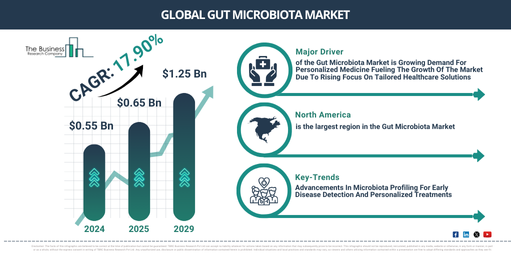
    The gut microbiota market has experienced substantial expansion in recent years. It is anticipated to increase from $0.55 billion in 2024 to $0.65 billion in 2025, exhibiting a compound annual growth rate (CAGR) of 17.9%. This historical growth can be ascribed to factors such as the discovery of probiotics and prebiotics, the rising prevalence of gastrointestinal disorders, growing consumer interest in functional foods, the expanded use of antibiotics, and increased awareness regarding the gut-brain axis.

    The gut microbiota market is forecast to experience substantial expansion in the upcoming years. It is predicted to reach a valuation of $1.25 billion by 2029, achieving a compound annual growth rate (CAGR) of 17.9%. This projected increase during the forecast period stems from the broadening scope of personalized nutrition, a rising consumer need for microbiome-based therapeutics, the expansion of functional and fermented food markets, and supportive regulatory frameworks for probiotics and prebiotics. Key developments anticipated in this period include artificial intelligence (AI)-driven microbiome analysis, advancements in next-generation sequencing, CRISPR-based gut microbiota editing, the invention of smart probiotic delivery systems, and wearable devices designed for gut health monitoring.

    Unlock Your Free Sample Report for Exclusive Market Data:

    https://www.thebusinessresearchcompany.com/sample.aspx?id=23411&type=smp

    What Are The Main Drivers Boosting The Gut Microbiota Industry’s Expansion?

    The increasing requirement for personalized medical treatments is projected to fuel the expansion of the gut microbiota market moving forward. Personalized medicine involves customizing treatments for individual patients based on their genetic, environmental, and lifestyle factors to achieve optimal outcomes and improve care. The demand for personalized medicine is escalating due to advancements in genomics and biotechnology, which allow for more precise identification of genetic profiles, leading to tailored treatments that enhance effectiveness and reduce adverse effects. Personalized medicine benefits the gut microbiota by enabling customized treatments based on an individual’s distinct microbiome composition, thereby optimizing gut health and improving results for digestive and metabolic disorders. For instance, in February 2024, according to the Personalized Medicine Coalition (PMC), a US-based nonprofit organization, the U.S. Food and Drug Administration (FDA) approved 26 new personalized medicines in 2023, which was a notable increase compared to the 12 approved in 2022. Therefore, the growing need for personalized medicine is driving the growth of the gut microbiota market.

    What Are The Key Segments In The Gut Microbiota Market?

    The gut microbiotamarket covered in this report is segmented –

    1) By Product: Prebiotics; Probiotics; Drugs; Supplements; Other Products

    2) By Application: Digestive Health; Immune Health; Weight Management; Mental Health; Cardiovascular Health

    3) By Distribution Channel: Pharmacies And Drugstores; Online Retail; Health Food Stores; Supermarkets And Hypermarkets; Specialty Stores

    4) By End-Users: Adults; Children; Elderly

    Subsegments:

    1) By Prebiotics: Fructooligosaccharides (Fos); Galactooligosaccharides (Gos); Inulin; Resistant Starch; Beta-Glucans; Arabinogalactans; Pectins

    2) By Probiotics: Lactobacillus; Bifidobacterium; Saccharomyces; Streptococcus; Bacillus; Escherichia

    3) By Drugs: Antibiotics; Bacteriophage Therapy; Gut Microbiota Modulators; Immunomodulators; Antidiarrheal Agents; Laxatives

    4) By Supplements: Synbiotics; Postbiotics; Enzyme Supplements; Vitamin D Supplements; Omega-3 Fatty Acids; Herbal Extracts

    5) By Other Products: Functional Foods; Fermented Foods; Beverages; Gut Health Diagnostic Kits; Dietary Fiber Products

    Which Market Trends Are Creating New Opportunities In The Gut Microbiota Industry?

    Leading companies in the gut microbiota market are concentrating on creating innovative solutions, such as orally delivered fecal microbiota, to tackle various gastrointestinal diseases and disorders. Orally administered fecal microbiota describes a treatment involving the intake of a capsule or pill filled with beneficial bacteria from a healthy donor’s stool to re-establish balance in the gut microbiome. For instance, in April 2023, Seres Therapeutics Inc., a US-based microbiome therapeutics platform company, secured FDA approval for Vowst, which is the first oral fecal microbiota product developed to prevent recurrent Clostridioides difficile (C. difficile) infection (CDI) in individuals aged 18 and older. Vowst is intended for use subsequent to antibacterial treatment for recurrent CDI. This approval signifies a notable advancement in CDI treatment, offering a more accessible and patient-friendly option compared to conventional fecal microbiota transplants, which are typically administered via colonoscopy or enema. Its oral formulation has the potential to enhance treatment adherence and broaden the adoption of microbiome-based therapies in healthcare.

    Which Industry Leaders Are Driving Innovation Across The Gut Microbiota Market?

    Major companies operating in the gut microbiota market are Danone S.A., DuPont de Nemours Inc., International Flavors & Fragrances Inc., Seres Therapeutics, Yakult Honsha Co. Ltd., Chr. Hansen Holding A/S, Lallemand Inc., Lifeway Foods Inc., BioGaia AB, Probi AB, Seed Health, Enterome, Vedanta Biosciences Inc., Evolve BioSystems Inc., Winclove Probiotics B.V., Kallyope Inc., Sun Genomics Inc., Synlogic Inc., OpenBiome, Codex Labs Corp.

    Download The Full Report For Exclusive Market Findings:

    https://www.thebusinessresearchcompany.com/report/gut-microbiota-global-market-report

    How Is Gut Microbiota Market Demand Varying Across Different Regions?

    North America was the largest region in the gut microbiota market in 2024. Asia-Pacific is expected to be the fastest-growing region in the forecast period. The regions covered in the gut microbiota market report are Asia-Pacific, Western Europe, Eastern Europe, North America, South America, Middle East, Africa.

    Request A Customized Version Of The Gut Microbiota Market Report:

    https://www.thebusinessresearchcompany.com/customise?id=23411&type=smp

    Browse Through More Reports Similar to the Global Gut Microbiota Market 2025, By The Business Research Company

    Animal Intestinal Health Global Market Report 2025

    https://www.thebusinessresearchcompany.com/report/animal-intestinal-health-global-market-report

    Disposable Intestinal Wash Bags Global Market Report 2025

    https://www.thebusinessresearchcompany.com/report/disposable-intestinal-wash-bags-global-market-report

    Gastrointestinal Drug Global Market Report 2025

    https://www.thebusinessresearchcompany.com/report/gastrointestinal-drug-global-market-report

    Get in touch with us:

    The Business Research Company: https://www.thebusinessresearchcompany.com/

    Americas +1 310-496-7795

    Asia +44 7882 955267 & +91 8897263534

    Europe +44 7882 955267

    Email us at info@tbrc.info

    Follow us on:

    LinkedIn: https://in.linkedin.com/company/the-business-research-company

    YouTube: https://www.youtube.com/channel/UC24_fI0rV8cR5DxlCpgmyFQ

    Global Market Model: https://www.thebusinessresearchcompany.com/global-market-model

  • Global GI Stool Testing Market Trends and Growth Analysis 2025–2029

    Global GI Stool Testing Market Trends and Growth Analysis 2025–2029

    Unlock Global Insights – Save 20% on Market Reports with Code ONLINE20

    By How Much Is The GI Stool Testing Market Expected To Expand Between 2025 And 2029?

    The gi stool testing market has experienced robust expansion in recent years. Its size is projected to increase from $1.32 billion in 2024 to $1.41 billion by 2025, driven by a compound annual growth rate (CAGR) of 6.5%. The growth observed historically can be attributed to the rising prevalence of gastrointestinal diseases, increased awareness of gut health, the growing adoption of automated systems, increasing disposable income, and an expanding geriatric population.

    The gi stool testing market is anticipated to experience robust expansion over the next few years, projected to reach $1.86 billion in 2029, with a compound annual growth rate (CAGR) of 7.3%. This growth during the forecast period is primarily fueled by an escalating demand for efficient diagnostic instruments, the increasing occurrence of colorectal cancer, a rise in healthcare expenditure, growing consumption of fast food, and an intensified focus on personalized medicine. Prominent trends identified for this period include groundbreaking diagnostic technologies, the integration of molecular diagnostics, advancements in biologics, the evolution of personalized medicine, and strategic collaboration initiatives.

    Unlock Your Free Sample Report for Exclusive Market Data:

    https://www.thebusinessresearchcompany.com/sample.aspx?id=23410&type=smp

    Which Factors And Drivers Are Influencing The GI Stool Testing Market In 2025?

    A growing incidence of gastrointestinal disorders is anticipated to fuel the expansion of the GI stool testing market in the future. These disorders encompass ailments impacting the digestive system, such as the stomach, intestines, and associated organs, leading to symptoms like nausea, diarrhea, constipation, and abdominal pain. The surge in gastrointestinal issues primarily stems from unhealthy eating patterns, where higher intake of processed items, elevated sugar consumption, and diets lacking fiber disturb gut flora, diminish digestive well-being, and foster conditions like acid reflux, irritable bowel syndrome (IBS), and inflammatory bowel disease (IBD). GI stool testing becomes essential for gastrointestinal disorders to identify infections, inflammation, or digestive imbalances, offering assistance in pinpointing pathogens (bacteria, viruses, parasites), indicators of gut inflammation, and shortages of digestive enzymes, thereby facilitating precise diagnosis and focused therapy. As an illustration, in September 2024, the Centers for Disease Control and Prevention, a US-based government agency, indicated that from 2024 to 2025, states participating in NoroSTAT documented 1,676 norovirus outbreaks, representing a notable increase compared to the 729 outbreaks reported during the corresponding period in the prior season. Consequently, the growing occurrence of gastrointestinal disorders fuels the expansion of the GI stool testing market.

    What Are The Leading Segments Analyzed In The GI Stool Testing Market?

    The gi stool testingmarket covered in this report is segmented –

    1) By Type: Immunoassay Test; Molecular Diagnostic Test; Chromatography-Based Test; Microbiological Culture Test; Enzyme-Linked Immunosorbent Assay (ELISA)

    2) By Sample Type: Fecal Samples; Serum Samples

    3) By Equipment: Automated Analyzers; Benchtop Instruments; Portable Devices

    4) By Application: Diagnosis Of Gastrointestinal Disorders; Screening For Colorectal Cancer; Monitoring Of Inflammatory Bowel Disease (IBD); Detection Of Gastrointestinal Infections; Evaluation Of Digestive Health

    5) By End User: Hospital; Diagnostic Centre And Laboratory; Academic Institution; Research Centre Organization; Homecare; Other End Users

    Subsegments:

    1) By Immunoassay Test: Rapid Immunoassay; Lateral Flow Assay; Fluorescent Immunoassay

    2) By Molecular Diagnostic Test: Polymerase Chain Reaction (PCR); Nucleic Acid Amplification Test (NAAT); Next-Generation Sequencing (NGS)

    3) By Chromatography-Based Test: Gas Chromatography (GC); Liquid Chromatography (LC); Thin-Layer Chromatography (TLC)

    4) By Microbiological Culture Test: Aerobic Culture; Anaerobic Culture; Selective Media Culture

    5) By Enzyme-Linked Immunosorbent Assay (ELISA): Direct ELISA; Indirect ELISA; Sandwich ELISA; Competitive ELISA

    How Are Trends Influencing The GI Stool Testing Market?

    Leading firms within the GI stool testing market are prioritizing sophisticated testing methods, particularly comprehensive diagnostic tests, to enhance precision, efficiency, and prompt identification of diseases. A comprehensive diagnostic test represents an advanced medical instrument designed to concurrently assess numerous health indicators, providing an exhaustive evaluation of a particular ailment. An example of this is the launch of GI Detect in November 2024 by EmeritusDX, a US-based diagnostics company, which is a comprehensive diagnostic test engineered to assist healthcare professionals in diagnosing gastrointestinal conditions. This innovative test employs a single stool swab to identify 26 different bacteria, viruses, and parasites linked to disturbances in the digestive system. Boasting a 24-hour turnaround time, GI Detect facilitates rapid and well-informed clinical decisions. Beyond its extensive pathogen detection capabilities, the test also screens for Helicobacter pylori along with its virulence factors—VacA, cagA, and babA—and common gastrointestinal parasites including Cryptosporidium, Entamoeba histolytica, and Giardia lamblia. This all-encompassing strategy guarantees precise and prompt diagnosis of gastrointestinal infections.

    Who Are The Key Multinational Companies Dominating The GI Stool Testing Market?

    Major companies operating in the gi stool testing market are Thermo Fisher Scientific Inc., Abbott Laboratories Inc., Hologic Inc., Biomerieux SA, Bio-Rad Laboratories Inc., Meridian BioScience Inc., Diasorin SPA, Helena Laboratories Corporation, ELITechGroup, Genova Diagnostics Inc., Genesis Laboratory Management LLC, US BioTek Laboratories LLC, Doctor’s Data Inc., Diagnostic Solutions Laboratory LLC, Serosep Ltd., Atlas Laboratories Ltd., VDI Laboratory LLC, Functional Medical Institute Pvt. Ltd., Walk-In Lab LLC, ScheBo Biotech AG.

    Download The Full Report For Exclusive Market Findings:

    https://www.thebusinessresearchcompany.com/report/gi-stool-testing-global-market-report

    Which Geographies Are Emerging As Strong Markets For The GI Stool Testing Industry?

    North America was the largest region in the GI stool testing market in 2024. Asia-Pacific is expected to be the fastest-growing region in the forecast period. The regions covered in the gi stool testing market report are Asia-Pacific, Western Europe, Eastern Europe, North America, South America, Middle East, Africa.

    Request A Customized Version Of The GI Stool Testing Market Report:

    https://www.thebusinessresearchcompany.com/customise?id=23410&type=smp

    Browse Through More Reports Similar to the Global GI Stool Testing Market 2025, By The Business Research Company

    Application Testing Services Global Market Report 2025

    https://www.thebusinessresearchcompany.com/report/application-testing-services-global-market-report

    Automation Testing Global Market Report 2025

    https://www.thebusinessresearchcompany.com/report/automation-testing-global-market-report

    Bioanalytical Testing Services Global Market Report 2025

    https://www.thebusinessresearchcompany.com/report/bioanalytical-testing-services-global-market-report

    Get in touch with us:

    The Business Research Company: https://www.thebusinessresearchcompany.com/

    Americas +1 310-496-7795

    Asia +44 7882 955267 & +91 8897263534

    Europe +44 7882 955267

    Email us at info@tbrc.info

    Follow us on:

    LinkedIn: https://in.linkedin.com/company/the-business-research-company

    YouTube: https://www.youtube.com/channel/UC24_fI0rV8cR5DxlCpgmyFQ

    Global Market Model: https://www.thebusinessresearchcompany.com/global-market-model

  • Genomic Urine Testing Market Forecast: What to Expect by 2029

    Genomic Urine Testing Market Forecast: What to Expect by 2029

    Unlock Global Insights – Save 20% on Market Reports with Code ONLINE20

    #What Is The Projected Market Size Of The Genomic Urine Testing Market By 2029?

    The genomic urine testing market has seen rapid expansion recently. This market is projected to increase from $0.9 billion in 2024 to $1.01 billion in 2025, at a compound annual growth rate (CAGR) of 11.9%. The historical growth can be attributed to several factors including the rising prevalence of urologic cancers, the increasing demand for early cancer detection, growing awareness of precision medicine, a higher incidence of genetic disorders, and increasing investments in biomarker discovery.

    The market for genomic urine testing is projected to experience substantial expansion in the coming years. Its valuation is anticipated to reach $1.61 billion by 2029, exhibiting a compound annual growth rate (CAGR) of 12.4%. This anticipated growth during the forecast period is fueled by factors such as the increasing uptake of liquid biopsy techniques, an intensified focus on personalized medicine, the escalating prevalence of chronic kidney diseases, a heightened emphasis on at-home diagnostic testing solutions, and the expanded application of multi-omics approaches in urine analysis. Key trends identified for the forecast timeframe encompass the development of non-invasive diagnostic methodologies, the creation of highly sensitive test panels, the integration of machine learning pipelines, advancements in urine exosome isolation, and innovations in single-cell urine sequencing.

    Unlock Your Free Sample Report for Exclusive Market Data:

    https://www.thebusinessresearchcompany.com/sample.aspx?id=23408&type=smp

    What Are The Key Drivers Of Growth In The Genomic Urine Testing Market?

    The escalating burden of chronic kidney disease is projected to fuel the expansion of the genomic urine testing market moving forward. Chronic kidney disease refers to a state where the kidneys are damaged and can no longer effectively filter blood, resulting in a buildup of waste and fluids in the body. The increasing weight of chronic kidney disease is attributed to the rising occurrence of diabetes, as high blood sugar levels harm kidney blood vessels, impairing their ability to filter waste efficiently. Genomic urine testing assists in chronic kidney disease management by enabling the early detection of genetic markers, facilitating timely interventions and personalized treatment plans. It improves patient outcomes by allowing for more accurate monitoring and slowing down disease progression. For instance, in June 2024, according to the Australian Institute of Health and Welfare, an Australia-based government agency, the chronic kidney disease (CKD) mortality rates increased from 4.2% in 2021 to 6.2% in 2022. Therefore, the intensifying burden of chronic kidney disease propels the growth of the genomic urine testing market.

    What Are The Segment Types Shaping The Genomic Urine Testing Market?

    The genomic urine testingmarket covered in this report is segmented –

    1) By Testing Type: Deoxyribonucleic Acid (DNA) Testing; Ribonucleic Acid (RNA) Testing; Microbial Testing; Epigenetic Testing

    2) By Distribution Channel: Hospital Pharmacies; Mail Order Pharmacies; Speciality Pharmacies

    3) By Application: Cancer Diagnosis; Infectious Diseases; Genetic Disorder Screening; Health Monitoring

    4) By End-User: Hospitals And Clinics; Diagnostic Laboratories; Research And Academic Institutions; Other End Users

    Subsegments:

    1) By Deoxyribonucleic Acid Testing: Germline Mutation Analysis; Somatic Mutation Detection; Copy Number Variation (CNV) Testing; Single Nucleotide Polymorphism Analysis

    2) By Ribonucleic Acid Testing: Gene Expression Profiling; Messenger Ribonucleic Acid Analysis; Non-coding Ribonucleic Acid Detection; Fusion Transcript Detection

    3) By Microbial Testing: Urinary Microbiome Profiling; Pathogen Identification; Antimicrobial Resistance Gene Detection; Quantitative Microbial Load Analysis

    4) By Epigenetic Testing: Deoxyribonucleic Acid Methylation Analysis; Histone Modification Profiling; Chromatin Accessibility Testing

    What Key Innovation Trends Are Fueling Advancements In The Genomic Urine Testing Market?

    Major companies within the genomic urine testing market are concentrating on developing advanced solutions, including next-generation sequencing, to improve the precision, sensitivity, and early detection capabilities of non-invasive diagnostic tests for a range of diseases. Next-generation sequencing (NGS) represents a sophisticated DNA sequencing technology that facilitates the rapid, accurate, and large-scale analysis of genetic material by simultaneously sequencing millions of deoxyribonucleic acid (DNA) fragments. For example, in May 2023, Convergent Genomics Inc., a US-based biotechnology company, introduced the genomic urine test UroAmp. This test employs next-generation deoxyribonucleic acid (DNA) sequencing to analyze mutations in 60 genes linked to bladder cancer, enabling early detection as much as 12 years before clinical symptoms manifest. It provides comprehensive genetic insights to guide diagnosis, inform treatment decisions, and monitor for recurrence, demonstrating superior accuracy compared to traditional methods such as cytology and cystoscopy.

    Which Leading Players Are Enhancing Their Genomic Urine Testing Market Presence Worldwide?

    Major companies operating in the genomic urine testing market are Eurofins Scientific SE, Thermo Fisher Scientific, Abbott Laboratories, Laboratory Corporation of America Holdings, Hologic Inc., Illumina Inc., Myriad Genetics Inc., ARUP Laboratories, MedGenome Labs Ltd, GENETWORx LLC, MDxHealth SA, Nucleix Ltd., ?Pacific Edge Ltd, Convergent Genomics Inc., LynxDx Inc., miR Scientific, RYND Biotech, UGenDx Ltd

    Download The Full Report For Exclusive Market Findings:

    https://www.thebusinessresearchcompany.com/report/genomic-urine-testing-global-market-report

    Which Region Is Projected To Lead The Genomic Urine Testing Market During The Forecast Period?

    North America was the largest region in the genomic urine testing market in 2024. Asia-Pacific is expected to be the fastest-growing region in the forecast period. The regions covered in the genomic urine testing market report are Asia-Pacific, Western Europe, Eastern Europe, North America, South America, Middle East, Africa.

    Request A Customized Version Of The Genomic Urine Testing Market Report:

    https://www.thebusinessresearchcompany.com/customise?id=23408&type=smp

    Browse Through More Reports Similar to the Global Genomic Urine Testing Market 2025, By The Business Research Company

    Agrigenomics Global Market Report 2025

    https://www.thebusinessresearchcompany.com/report/agrigenomics-global-market-report

    Ai In Genomics Global Market Report 2025

    https://www.thebusinessresearchcompany.com/report/ai-in-genomics-global-market-report

    Blockchain In Genomics Global Market Report 2025

    https://www.thebusinessresearchcompany.com/report/blockchain-in-genomics-global-market-report

    Get in touch with us:

    The Business Research Company: https://www.thebusinessresearchcompany.com/

    Americas +1 310-496-7795

    Asia +44 7882 955267 & +91 8897263534

    Europe +44 7882 955267

    Email us at info@tbrc.info

    Follow us on:

    LinkedIn: https://in.linkedin.com/company/the-business-research-company

    YouTube: https://www.youtube.com/channel/UC24_fI0rV8cR5DxlCpgmyFQ

    Global Market Model: https://www.thebusinessresearchcompany.com/global-market-model

  • Familial Adenomatous Polyposis Treatment Industry Insights: Market Forecast to 2029

    Familial Adenomatous Polyposis Treatment Industry Insights: Market Forecast to 2029

    Unlock Global Insights – Save 20% on Market Reports with Code ONLINE20

    How Much Was The Familial Adenomatous Polyposis Treatment Market Worth In 2025, And What Is Its Anticipated Value By 2029?

    The familial adenomatous polyposis treatment market size has experienced rapid expansion in recent years. It is forecast to increase from $1.34 billion in 2024 to $1.5 billion in 2025, exhibiting a compound annual growth rate (CAGR) of 11.6%. Historically, this growth can be ascribed to the increasing prevalence of familial adenomatous polyposis, significant tobacco consumption, the rising occurrence of genetic disorders, enhanced healthcare awareness and legal frameworks, and the frequency of sedentary lifestyles.

    The familial adenomatous polyposis treatment market size is anticipated to undergo significant expansion in the coming years. It is projected to reach $2.29 billion by 2029, demonstrating a compound annual growth rate (CAGR) of 11.2%. This projected increase during the forecast period is influenced by the growing utilization of gene therapy, an escalating need for effective therapeutic solutions, enhanced awareness regarding genetic ailments, the enlargement of healthcare facilities, and a rising demand for genetic testing and counseling services. Prominent trends for the forecast period encompass improvements in treatment methodologies, advancements in genetic research, the application of inventive techniques, the incorporation of integrated multidisciplinary care paradigms, and the increasing acceptance of personalized medicine strategies.

    Unlock Your Free Sample Report for Exclusive Market Data:

    https://www.thebusinessresearchcompany.com/sample.aspx?id=23396&type=smp

    Which Drivers Are Supporting Growth Of The Familial Adenomatous Polyposis Treatment Market?

    The expansion of healthcare spending is anticipated to fuel the growth of the familial adenomatous polyposis (FAP) treatment market moving forward. Healthcare spending encompasses the total investment by individuals, governments, and private entities in medical services, therapies, pharmaceuticals, and health-related infrastructure, all aimed at sustaining and improving health outcomes. This increase in healthcare expenditure is attributed to an aging population and advancements in medical technology. As life expectancy rises, more elderly individuals require long-term care, management of chronic diseases, and frequent medical interventions, which leads to higher healthcare costs. The augmented healthcare spending stimulates research and development for familial adenomatous polyposis (FAP) treatment, facilitating breakthroughs in genetic testing, targeted therapies, and minimally invasive procedures that enhance early detection, disease management, and patient outcomes. For instance, in December 2024, according to the Centers for Medicare & Medicaid Services, a US-based federal agency, Medicare spending in the US increased by 8.1%, reaching $1,029.8 billion, accounting for 21% of total national health expenditures (NHE). Therefore, the growth in healthcare spending is driving the expansion of the familial adenomatous polyposis (FAP) treatment market.

    What Are The Different Segment Classifications Within The Familial Adenomatous Polyposis Treatment Market?

    The familial adenomatous polyposis treatmentmarket covered in this report is segmented –

    1) By Product Type: Icosapent; Eflornithine Hydrochloride; Aspirin; Cetuximab Oral Formulation (CEQ)-508; Other Product Types

    2) By Disease Subtype: Attenuated FAP; Familial Adenomatous Polyposis; Gardner Syndrome; Turcot Syndrome

    3) By Symptoms: Bloody Stool; Unexplained Diarrhea; Abdominal Cramps; Bloating ; Weight Loss; Lethargy And Vomiting

    4) By Application: Colorectal Cancer Prevention; Genetic Counseling; Surgical Treatment

    5) By End-Users: Clinics; Hospitals; Diagnostic Centres; Home Healthcare; Other End-Users

    Subsegments:

    1) By Icosapent: High-Purity Icosapent; Combination Formulations; Extended-Release Icosapent

    2) By Eflornithine Hydrochloride: Oral Eflornithine Hydrochloride; Topical Eflornithine Hydrochloride; Intravenous Eflornithine Hydrochloride

    3) By Aspirin: Low-Dose Aspirin Therapy; Enteric-Coated Aspirin; Buffered Aspirin

    4) By CEQ-508: Monotherapy CEQ-508; Adjunctive CEQ-508 Therapy; Targeted CEQ-508 Formulations

    5) By Other Product Types: Genetic Testing Kits And Biomarkers; Endoscopic Surveillance Devices; Surgical Instruments And Medical Implants; Probiotics And Microbiome Modulators; Bowel Preparation Solutions; Dietary Supplements And Nutraceuticals; Radiofrequency Ablation (RFA) Devices; Cryotherapy And Laser Therapy Systems; Artificial Intelligence (AI)-Assisted Diagnostic Tools; Patient Monitoring And Digital Health Solutions

    Which Ongoing Trends Are Expected To Shape The Familial Adenomatous Polyposis Treatment Market Outlook?

    Leading companies in the familial adenomatous polyposis (FAP) treatment market are achieving notable progress in therapeutic methods to improve patient results and offer innovative solutions. These innovations encompass novel drug formulations and targeted therapies designed to reduce polyp formation and slow the disease’s progression. For example, in June 2024, Biodexa Pharmaceuticals PLC, a biopharmaceutical company based in the UK, reported encouraging results from its Phase 2 clinical trial of eRapa for FAP treatment. The trial revealed a 75% non-progression rate and a median 17% reduction in polyp burden over 12 months. In Cohort 2, participants showed an even higher 81% non-progression rate and a 29% reduction in polyps with a specific dosing regimen. The treatment was well-tolerated, with a 95% compliance rate. These promising outcomes prepare the ground for a Phase 3 trial involving around 168 high-risk FAP patients, potentially shifting the treatment focus from surgery to effective medical therapy.

    Which Major Firms Are Strengthening Their Position In The Familial Adenomatous Polyposis Treatment Industry?

    Major companies operating in the familial adenomatous polyposis treatment market are Mayo Clinic, Mount Sinai Health System, Johns Hopkins Medicine, Cleveland Clinic, UCLA Health, Houston Methodist Hospital, Scripps Health, Duke University Health System, Texas Children’s Hospital, Massachusetts General Hospital, Inova Health Care Services, Brigham and Women’s Hospital, Stanford Health Care, Barnes-Jewish Hospital, Northwestern Medicine, Geisinger Health, Max Healthcare, Sapience Therapeutics Inc., Frederick Gastroenterology Associates PA, Therapyx

    Download The Full Report For Exclusive Market Findings:

    https://www.thebusinessresearchcompany.com/report/familial-adenomatous-polyposis-treatment-global-market-report

    What Are The Key Regional Factors Influencing The Familial Adenomatous Polyposis Treatment Market Growth?

    North America was the largest region in the familial adenomatous polyposis (FAP) treatment market in 2024. Asia-Pacific is expected to be the fastest-growing region in the forecast period. The regions covered in the familial adenomatous polyposis treatment market report are Asia-Pacific, Western Europe, Eastern Europe, North America, South America, Middle East, Africa.

    Request A Customized Version Of The Familial Adenomatous Polyposis Treatment Market Report:

    https://www.thebusinessresearchcompany.com/customise?id=23396&type=smp

    Browse Through More Reports Similar to the Global Familial Adenomatous Polyposis Treatment Market 2025, By The Business Research Company

    Macular Degeneration Treatment Global Market Report 2025

    https://www.thebusinessresearchcompany.com/report/macular-degeneration-treatment-global-market-report

    Post Harvest Treatment Global Market Report 2025

    https://www.thebusinessresearchcompany.com/report/post-harvest-treatment-global-market-report

    Hyperphosphatemia Treatment Global Market Report 2025

    https://www.thebusinessresearchcompany.com/report/hyperphosphatemia-treatment-global-market-report

    Get in touch with us:

    The Business Research Company: https://www.thebusinessresearchcompany.com/

    Americas +1 310-496-7795

    Asia +44 7882 955267 & +91 8897263534

    Europe +44 7882 955267

    Email us at info@tbrc.info

    Follow us on:

    LinkedIn: https://in.linkedin.com/company/the-business-research-company

    YouTube: https://www.youtube.com/channel/UC24_fI0rV8cR5DxlCpgmyFQ

    Global Market Model: https://www.thebusinessresearchcompany.com/global-market-model