Category: HealthcareServices

  • Global Atypical Mycobacteriosis Treatment Market Projected to Expand at 5.8% CAGR by 2029

    Global Atypical Mycobacteriosis Treatment Market Projected to Expand at 5.8% CAGR by 2029

    Unlock Global Insights – Save 20% on Market Reports with Code ONLINE20

    How Much Larger Is The Atypical Mycobacteriosis Treatment Market Expected To Become By 2029 Compared With Its 2025 Level?

    The atypical mycobacteriosis treatment market size has experienced strong growth in recent years. It is forecast to grow from $2.26 billion in 2024 to $2.4 billion in 2025, achieving a compound annual growth rate (CAGR) of 5.9%. The historical expansion of this market can be attributed to factors like the increasing prevalence of HIV, enhanced diagnostic methods, a greater awareness of mycobacterial infections, the growing application of immunosuppressive therapies, and the broader scope of infectious disease research.

    The atypical mycobacteriosis treatment market size is anticipated to demonstrate significant growth over the next few years. It is projected to expand to $3 billion by 2029, with a compound annual growth rate (CAGR) of 5.8%. This expansion during the forecast period can be attributed to factors such as a growing geriatric population, increased demand for macrolide antibiotics, a heightened focus on treatments for orphan diseases, wider access to healthcare services, and a rise in clinical trials for nontuberculous mycobacterial infections. Prominent trends expected in this period include advancements in rapid molecular diagnostics, the development of targeted drug therapies, the integration of telemedicine for infection management, increased investment in antimicrobial resistance research, and the application of artificial intelligence in planning treatments.

    Unlock Your Free Sample Report for Exclusive Market Data:

    https://www.thebusinessresearchcompany.com/sample.aspx?id=24157&type=smp

    Which Major Market Drivers Are Shaping The Future Of The Atypical Mycobacteriosis Treatment Market?

    The rising incidence of infections is projected to drive the expansion of the atypical mycobacteriosis treatment market in the future. Infections are defined as the entry and proliferation of microorganisms, such as bacteria, viruses, or fungi, within the body, potentially resulting in symptoms or illness. This growth in infection prevalence is largely attributable to increasing antimicrobial resistance, which diminishes the efficacy of conventional therapies and facilitates pathogen dissemination. Atypical mycobacteriosis treatment addresses these infections by specifically targeting and eradicating non-tuberculous mycobacterial pathogens, thus alleviating inflammation and halting disease advancement. For example, in November 2023, a report published by the Centers for Disease Control and Prevention, a US-based government agency, revealed that the United States recorded 8,331 tuberculosis cases in 2022, marking a 5.9% increase compared to the number of cases reported in 2021. Consequently, the expanding occurrence of infections is fueling the demand for the atypical mycobacteriosis treatment market.

    Which Key Segments Fueling The Atypical Mycobacteriosis Treatment Market?

    The atypical mycobacteriosis treatmentmarket covered in this report is segmented –

    1) By Treatment Type: Antibiotic Therapy; Surgical Interventions; Combination Therapy; Supportive Care

    2) By Type Of Disease: Atypical Mycobacterial Lung Infections; Disseminated Infections; Skin And Soft Tissue Infections

    3) By Route Of Admission: Oral; Intravenous; Topical

    4) By Patient Type: Immuncompromised Patients; Non-Immunocompromised Patients; Pediatric Patients

    5) By End Users: Hospitals; Clinics; Home Healthcare Settings

    Subsegments:

    1) By Antibiotic Therapy: Macrolides; Rifamycins; Ethambutol; Aminoglycosides; Fluoroquinolones

    2) By Surgical Interventions: Pulmonary Resection; Lymph Node Excision; Skin And Soft Tissue Debridement; Abscess Drainage; Bronchoscopic Interventions

    3) By Combination Therapy: Macrolide-Based Triple Drug Regimen; Macrolide Plus Injectable Aminoglycoside; Macrolide Plus Fluoroquinolone And Ethambutol

    4) By Supportive Care: Nutritional Support; Respiratory Therapy; Pain Management; Psychological Support; Immune Support Supplements

    Which Major Firms Are Strengthening Their Position In The Atypical Mycobacteriosis Treatment Industry?

    Major companies operating in the atypical mycobacteriosis treatment market are Pfizer Inc., Johnson & Johnson, F. Hoffmann-La Roche Ltd., Merck & Co. Inc., AbbVie Inc., Bayer AG, Sanofi S.A., Bristol-Myers Squibb, AstraZeneca PLC, Novartis AG, GlaxoSmithKline plc, Eli Lilly and Company, Teva Pharmaceutical Industries Ltd., Astellas Pharma Inc., Zydus Pharmaceuticals, Lupin Limited, Gland Pharma Limited, Saphnix Lifesciences Pvt. Ltd., Gentec Pharmaceutical Group, Octavius Pharma Pvt. Ltd.

    Download The Full Report For Exclusive Market Findings:

    https://www.thebusinessresearchcompany.com/report/atypical-mycobacteriosis-treatment-global-market-report

    What Are The Regional Market Dynamics Impacting The Atypical Mycobacteriosis Treatment Industry?

    North America was the largest region in the atypical mycobacteriosis treatment market in 2024. The regions covered in the atypical mycobacteriosis treatment market report are Asia-Pacific, Western Europe, Eastern Europe, North America, South America, Middle East, Africa.

    Request A Customized Version Of The Atypical Mycobacteriosis Treatment Market Report:

    https://www.thebusinessresearchcompany.com/customise?id=24157&type=smp

    Browse Through More Reports Similar to the Global Atypical Mycobacteriosis Treatment Market 2025, By The Business Research Company

    Hospital Acquired Infections Testing Kits Market 2025

    https://www.thebusinessresearchcompany.com/report/hospital-acquired-infections-testing-kits-market

    Hospital Acquired Infection Control Global Market Report 2025

    https://www.thebusinessresearchcompany.com/report/hospital-acquired-infection-control-global-market-report

    High Level Disinfection Services Global Market Report 2025

    https://www.thebusinessresearchcompany.com/report/high-level-disinfection-services-global-market-report

    Get in touch with us:

    The Business Research Company: https://www.thebusinessresearchcompany.com/

    Americas +1 310-496-7795

    Asia +44 7882 955267 & +91 8897263534

    Europe +44 7882 955267

    Email us at info@tbrc.info

    Follow us on:

    LinkedIn: https://in.linkedin.com/company/the-business-research-company

    YouTube: https://www.youtube.com/channel/UC24_fI0rV8cR5DxlCpgmyFQ

    Global Market Model: https://www.thebusinessresearchcompany.com/global-market-model

  • Atrophic Glossitis Treatment Market to Grow at a CAGR of 7.7% from 2025 to 2029

    Atrophic Glossitis Treatment Market to Grow at a CAGR of 7.7% from 2025 to 2029

    Unlock Global Insights – Save 20% on Market Reports with Code ONLINE20

    #What Are The Current (2025) And Forecast (2029) Sizes Of The Atrophic Glossitis Treatment Market?

    The atrophic glossitis treatment market size has demonstrated significant growth in recent years. It is anticipated to increase from $1.74 billion in 2024 to $1.88 billion in 2025, achieving a compound annual growth rate (CAGR) of 7.8%. This historical expansion can be attributed to factors such as greater awareness of oral health, a rising prevalence of nutritional deficiencies, an expanding geriatric population, the increasing popularity of online pharmacies, and the growing incidence of vitamin deficiencies.

    The atrophic glossitis treatment market is projected to experience substantial expansion over the upcoming years. By 2029, its value is anticipated to reach $2.53 billion, demonstrating a compound annual growth rate (CAGR) of 7.7%. This projected growth is driven by several factors during the forecast period, including increased healthcare spending, wider acceptance of dietary supplements, advancements in diagnostic methods for oral health issues, an expanding elderly demographic more susceptible to glossitis, and a heightened preference for non-invasive treatments. Key trends expected within this period encompass novel topical therapies, the creation of customized nutritional supplements, technological breakthroughs in oral care solutions, the application of artificial intelligence and machine learning for glossitis diagnosis, and the incorporation of atrophic glossitis interventions into comprehensive oral health strategies.

    Unlock Your Free Sample Report for Exclusive Market Data:

    https://www.thebusinessresearchcompany.com/sample.aspx?id=24155&type=smp

    What Are The Main Drivers Boosting The Atrophic Glossitis Treatment Industry’s Expansion?

    The increasing occurrence of nutritional shortfalls is projected to drive the expansion of the atrophic glossitis treatment market in the future. Nutritional deficiencies describe an inadequate supply of vital nutrients, including vitamins, minerals, and proteins, within an individual’s diet, potentially resulting in diverse health issues. The growing incidence of these deficiencies is primarily linked to unhealthy eating patterns, where people increasingly opt for processed foods lacking in nutrient density, thereby causing insufficient consumption of crucial vitamins and minerals needed for general well-being. Treatment for atrophic glossitis assists in rectifying nutritional deficiencies by supplying vital vitamins and minerals like iron, folate, and vitamin B12, which are essential for restoring the health of tongue tissue and preventing further deterioration of the mucous membrane. As an illustration, in May 2025, data from the World Health Organization, an intergovernmental body based in Switzerland, indicated that in 2023, anemia impacted 30.7% of women aged 15–49 years and 35.5% of pregnant women within the identical age bracket. Consequently, the increasing occurrence of nutritional deficiencies is propelling the growth of the atrophic glossitis treatment market.

    How Is The Atrophic Glossitis Treatment Market Classified Into Different Segments?

    The atrophic glossitis treatmentmarket covered in this report is segmented –

    1) By Treatment Type: Medications; Topical Treatments; Nutritional Supplements; Oral Care Products

    2) By Symptoms: Inflammation; Discoloration; Itching; Burning Tongue

    3) By Distribution Channel: Direct Tender; Hospital Pharmacy; Retail Pharmacy; Online Pharmacy; Other Distribution Channels

    4) By End User: Hospitals; Ambulatory Surgical Centers; Home Care

    Subsegments:

    1) By Medications: Antibiotics; Antifungals; Antivirals; Corticosteroids; Immunosuppressants

    2) By Topical Treatments: Mouthwashes; Oral Gels; Ointments; Lozenges

    3) By Nutritional Supplements: Vitamin B12; Iron Supplements; Folic Acid; Zinc Supplements; Multivitamins

    4) By Oral Care Products: Toothpaste for Sensitive Mouths; Alcohol-Free Mouth Rinses; Soft-Bristled Toothbrushes; Oral Moisturizers

    Who Are The Primary Competitors In The Global Atrophic Glossitis Treatment Market?

    Major companies operating in the atrophic glossitis treatment market are Pfizer Inc., Merck & Co. Inc., Bayer AG, Abbott Laboratories, Novartis AG, Sanofi S.A., GSK plc, Dr. Reddy’s Laboratories Limited, Hikma Pharmaceuticals PLC, Endo International plc, Rech Chemical Co. Ltd., AdvaCare Pharma USA LLC, Crown Technology Inc., Chemland Group Co. Ltd., Himalayan Organics, Indexim International Private Limited, Leo Nutriscience LLP, Rass Biosolution Private Limited, Torso Healthcare Private Limited, Carbamide Forte.

    Download The Full Report For Exclusive Market Findings:

    https://www.thebusinessresearchcompany.com/report/atrophic-glossitis-treatment-global-market-report

    Which Region Shows The Highest Potential For Future Expansion In The Atrophic Glossitis Treatment Market?

    North America was the largest region in the atrophic glossitis treatment market in 2024. Asia-Pacific is expected to be the fastest-growing region in the forecast period. The regions covered in the atrophic glossitis treatment market report are Asia-Pacific, Western Europe, Eastern Europe, North America, South America, Middle East, Africa.

    Request A Customized Version Of The Atrophic Glossitis Treatment Market Report:

    https://www.thebusinessresearchcompany.com/customise?id=24155&type=smp

    Browse Through More Reports Similar to the Global Atrophic Glossitis Treatment Market 2025, By The Business Research Company

    Hospital Acquired Infections Testing Kits Global Market Report 2025

    https://www.thebusinessresearchcompany.com/report/hospital-acquired-infections-testing-kits-global-market-report

    Food And Beverages Disinfection Global Market Report 2025

    https://www.thebusinessresearchcompany.com/report/food-and-beverages-disinfection-global-market-report

    Hospital Acquired Infections Testing Kits Market 2025

    https://www.thebusinessresearchcompany.com/report/hospital-acquired-infections-testing-kits-market

    Get in touch with us:

    The Business Research Company: https://www.thebusinessresearchcompany.com/

    Americas +1 310-496-7795

    Asia +44 7882 955267 & +91 8897263534

    Europe +44 7882 955267

    Email us at info@tbrc.info

    Follow us on:

    LinkedIn: https://in.linkedin.com/company/the-business-research-company

    YouTube: https://www.youtube.com/channel/UC24_fI0rV8cR5DxlCpgmyFQ

    Global Market Model: https://www.thebusinessresearchcompany.com/global-market-model
  • Global Age-Related Hearing Loss Market 2025–2029: Competitive Insights and Opportunities

    Global Age-Related Hearing Loss Market 2025–2029: Competitive Insights and Opportunities

    Unlock Global Insights – Save 20% on Market Reports with Code ONLINE20

    What Market Value Is The Age-Related Hearing Loss Industry Expected To Reach By 2029, Starting From 2025 Levels?

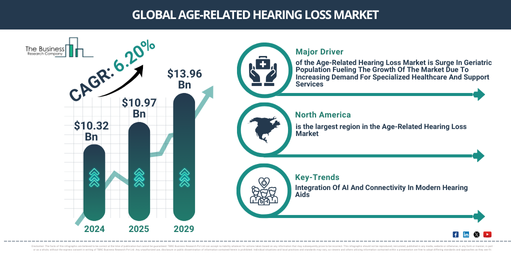
    The age-related hearing loss market size has demonstrated significant expansion in recent years. This market is projected to increase from $10.32 billion in 2024 to $10.97 billion by 2025, achieving a compound annual growth rate (CAGR) of 6.3%. The historical growth experienced by this market can be attributed to factors such as increasing exposure to ototoxic drugs, a rise in genetic predispositions to hearing loss, growing urbanization, an increase in environmental factors affecting auditory health, and the increasing availability of hearing loss treatments.

    The market for age-related hearing loss is projected to experience substantial expansion in the coming years. This market is anticipated to reach a valuation of $13.96 billion by 2029, exhibiting a compound annual growth rate (CAGR) of 6.2%. This projected growth is driven by several factors, including rising demand for non-invasive treatment options, increasing advancements in hearing aid technology, a rise in government initiatives for auditory health, an increasing focus on early detection and prevention, and a rise in investments in audiology research and development. Key trends anticipated during this period encompass advancement in personalized hearing solutions, advanced hearing implant technologies, development of gene therapies for hearing loss, innovation in over-the-counter hearing aids, and advancement in teleaudiology services.

    Unlock Your Free Sample Report for Exclusive Market Data:

    https://www.thebusinessresearchcompany.com/sample.aspx?id=24136&type=smp

    Which Factors And Drivers Are Influencing The Age-Related Hearing Loss Market In 2025?

    The expanding elderly demographic is anticipated to stimulate the progression of the age-related hearing loss market in the future. This demographic encompasses individuals who are 65 years of age or older. The increase in this older age group is fueled by extended life expectancy, stemming from progress in healthcare, enhanced living standards, and more effective management of long-term illnesses, enabling more individuals to reach advanced years. Managing age-related hearing loss supports the elderly by emphasizing the necessity for specialized hearing devices, communication approaches, and health services to enhance their overall quality of life and participation in social activities. As an illustration, in June 2024, data from California Health Advocates, a US-based non-profit organization, indicated that in 2022, people aged 65 and above constituted 17.3% of the populace and are forecast to increase to 22% by 2040. Consequently, the expanding elderly population is a key factor propelling the development of the age-related hearing loss market.

    What Are The Major Segments Identified In The Age-Related Hearing Loss Market?

    The age-related hearing lossmarket covered in this report is segmented –

    1) By Product Type: Hearing Aids; Cochlear Implants; Assistive Listening Devices; Other Product Type

    2) By Distribution Channel: Hospitals; Audiology Clinics; Online Stores; Other Distribution Channel

    3) By End-User: Adults; Geriatric Population

    Subsegments:

    1) By Hearing Aids: Behind-the-Ear (BTE); In-the-Ear (ITE); Receiver-in-the-Ear (RITE); Completely-in-the-Canal (CIC); In-the-Canal (ITC); Invisible-in-the-Canal (IIC); Smart Hearing Aids

    2) By Assistive Listening Devices: FM Systems; Infrared Systems; Induction Loop Systems; Personal Amplifiers; TV Streamers and Amplifiers

    3) By Cochlear Implants: Unilateral Cochlear Implants; Bilateral Cochlear Implants; Wireless Cochlear Implants; Hybrid Cochlear Implants

    4) By Other Product Type: Bone Anchored Hearing Systems; Auditory Brainstem Implants; Hearing Protection Devices; Tinnitus Maskers

    Which Market Trends Are Creating New Opportunities In The Age-Related Hearing Loss Industry?

    Leading companies active in the age-related hearing loss market are concentrating on creating advanced technologies, such as smart hearing aids featuring AI-based sound processing and Bluetooth connectivity. These efforts aim to enhance auditory performance, lessen listening effort, and improve both user experience and overall quality of life. Hearing aids equipped with AI-based sound processing and Bluetooth connectivity automatically adapt to varied listening environments by optimizing sound in real-time, while also enabling smooth audio streaming and device control through smartphone integration. For example, in August 2024, Phonak, a Switzerland-based hearing solutions company, unveiled the Audéo Sphere Infinio hearing aid, which stands as the world’s first to include a dedicated real-time AI chip for speech-from-noise separation. This particular chip allows users to experience considerably improved speech clarity in noisy surroundings, thereby boosting hearing performance and user satisfaction. It also facilitates dynamic, real-time speech enhancement from any direction, tackling a key challenge for individuals with hearing loss.

    Which Key Market Players Are Investing In Expansion And Innovation Of Age-Related Hearing Loss Market?

    Major companies operating in the age-related hearing loss market are Sonova Holding AG, Bose Corporation, Demant A/S, Amplifon S.p.A., WS Audiology, Cochlear Limited, Starkey Hearing Technologies, MED-EL Elektromedizinische Geräte GmbH, Miracle-Ear Inc., Audina Hearing Instruments Inc., SeboTek Hearing Systems LLC, Sound World Solutions Inc., GN Hearing A/S, Audicus Inc., Lexie Hearing, Nuheara Limited, Audien Hearing, Orka Hearing, Envoy Medical Corporation, Nurotron Biotechnology Co. Ltd.

    Download The Full Report For Exclusive Market Findings:

    https://www.thebusinessresearchcompany.com/report/age-related-hearing-loss-global-market-report

    How Is Age-Related Hearing Loss Market Demand Varying Across Different Regions?

    North America was the largest region in the age-related hearing loss market in 2024. Asia-Pacific is expected to be the fastest-growing region in the forecast period. The regions covered in the age-related hearing loss market report are Asia-Pacific, Western Europe, Eastern Europe, North America, South America, Middle East, Africa.

    Request A Customized Version Of The Age-Related Hearing Loss Market Report:

    https://www.thebusinessresearchcompany.com/customise?id=24136&type=smp

    Browse Through More Reports Similar to the Global Age-Related Hearing Loss Market 2025, By The Business Research Company

    Hearing Aid Devices And Equipment Global Market Report 2025

    https://www.thebusinessresearchcompany.com/report/hearing-aid-devices-and-equipment-global-market-report

    Hearing Diagnostic Devices And Equipment Global Market Report 2025

    https://www.thebusinessresearchcompany.com/report/hearing-diagnostic-devices-and-equipment-global-market-report

    Hearing Implants Global Market Report 2025

    https://www.thebusinessresearchcompany.com/report/hearing-implants-global-market-report

    Get in touch with us:

    The Business Research Company: https://www.thebusinessresearchcompany.com/

    Americas +1 310-496-7795

    Asia +44 7882 955267 & +91 8897263534

    Europe +44 7882 955267

    Email us at info@tbrc.info

    Follow us on:

    LinkedIn: https://in.linkedin.com/company/the-business-research-company

    YouTube: https://www.youtube.com/channel/UC24_fI0rV8cR5DxlCpgmyFQ

    Global Market Model: https://www.thebusinessresearchcompany.com/global-market-model

  • Acute Hospital Care Market Trends 2025–2029: Forecasts for Key Growth Segments

    Acute Hospital Care Market Trends 2025–2029: Forecasts for Key Growth Segments

    Unlock Global Insights – Save 20% on Market Reports with Code ONLINE20

    What Is The Anticipated Size Of The Acute Hospital Care Market Over The Five-Year Period 2025–2029?

    The acute hospital care market size has experienced robust growth in recent years. The market is projected to expand from $3088.75 billion in 2024 to reach $3296.4 billion by 2025, at a compound annual growth rate (CAGR) of 6.7%. This historical expansion is attributable to several factors, including the increasing prevalence of chronic diseases, a globally aging population, the expansion of healthcare infrastructure, a rise in emergency room visits, and urbanization.

    The acute hospital care market size is projected to experience robust expansion over the coming years. This market is anticipated to reach $4270.83 billion by 2029, demonstrating a compound annual growth rate (CAGR) of 6.7%. Factors contributing to this growth during the forecast period include a heightened need for specialized acute care facilities, an escalation in multi-morbidity instances, the aging worldwide demographic, an increase in illnesses linked to lifestyle, and a global increase in critical care bed availability. Key trends foreseen for the same period encompass the merging of electronic health records (EHRs) with intelligent analytics, sophisticated robotics and automation in surgical procedures, the incorporation of telemedicine and telehealth, healthcare solutions delivered via the cloud, and the application of blockchain technology for securing healthcare data.

    Unlock Your Free Sample Report for Exclusive Market Data:

    https://www.thebusinessresearchcompany.com/sample.aspx?id=24134&type=smp

    What Are The Key Drivers Of Growth In The Acute Hospital Care Market?

    The acute hospital care market is anticipated to expand due to the increasing prevalence of chronic diseases. These conditions are defined as long-term health issues that persist for a year or more, necessitating ongoing medical attention or limiting daily activities, largely driven by an aging population and lifestyle risk factors. Acute hospital care is crucial for managing the acute exacerbations of chronic diseases, delivering immediate, intensive treatment and stabilization to prevent complications and improve patient outcomes. For instance, in October 2024, the Centers for Disease Control and Prevention (CDC) reported that coronary heart disease, the most common type of heart disease, was responsible for 371,506 deaths in 2022 in the US. Approximately 5% of adults aged 20 and older, or 1 in 20, have CAD. Additionally, in 2022, nearly 20% of cardiovascular disease-related deaths occurred in adults younger than 65. Therefore, the rising prevalence of chronic diseases will stimulate the growth of the acute hospital care market.

    What Are The Emerging Segments Gaining Attention In The Acute Hospital Care Market?

    The acute hospital caremarket covered in this report is segmented –

    1) By Service: Intensive Care Unit (ICU); Coronary Care Unit (CCU); Neonatal Intensive Care Unit (NICU); Other Services

    2) By Medical Condition: Emergency Care; Trauma Care; Acute Care Surgery; Short-term Stabilization

    3) By Facility Type: General Acute Care Hospitals; Psychiatric Hospitals; Specialized Hospitals; Rehabilitation Hospitals; Long-term Acute Care

    Subsegments:

    1) By Intensive Care Unit (ICU): Medical ICU (MICU); Surgical ICU (SICU); Trauma ICU (TICU); Pediatric ICU (PICU); Cardiac ICU (CCU)

    2) By Coronary Care Unit (CCU): General Cardiac Care; Acute Myocardial Infarction Care; Post-surgical Cardiac Care; Arrhythmia Management; Cardiac Monitoring

    3) By Neonatal Intensive Care Unit (NICU): Level I Neonatal Intensive Care Unit (NICU); Level II Neonatal Intensive Care Unit (NICU); Level III Neonatal Intensive Care Unit (NICU); Level IV Neonatal Intensive Care Unit (NICU)

    4) By Other Services: Emergency Department Care; Post-Anesthesia Care Unit (PACU); Stroke Care Units; Burns Care Units; Dialysis Units

    How Are Trends Influencing The Acute Hospital Care Market?

    Leading companies in the acute hospital care market are concentrating on technological innovations, such as inner diameter catheter systems, to improve the accuracy and effectiveness of patient treatment, minimize complications, and enhance overall outcomes. An inner diameter catheter system is a medical instrument crafted with a specific internal bore to enable precise delivery and flow of fluids or medications, frequently utilized in various medical procedures like intravenous therapy or catheterization. For example, in February 2025, Johnson & Johnson MedTech, a US-based medical technology division of Johnson & Johnson, launched the CEREGLIDE 92 Catheter System designed for addressing acute ischemic stroke. This advanced catheter, featuring a larger 0.092-inch inner diameter, provides superior distal access, which is critical for the effective treatment of stroke patients. The CEREGLIDE 92 catheter facilitates the placement and guidance of interventional devices within the neurovascular system, particularly in the M1 segment of the middle cerebral artery, an area commonly affected during ischemic strokes.

    Who Are The Core Companies Influencing The Acute Hospital Care Market Landscape?

    Major companies operating in the acute hospital care market are Ascension Health Alliance, Tenet Healthcare Corporation, Lifepoint Health, Inc., Universal Health Services Inc., Community Health Systems Inc., Ramsay Health Care, Asklepios Kliniken GmbH& Co. KGaA, Ardent Health Services, Mediclinic International, IHH Healthcare Berhad, ScionHealth, Kindred Healthcare, Inc., PAM Health, Sound Physicians, Genesis HealthCare System, US Acute Care Solutions (USACS), Emerus Hospital Partners, LLC, Kindred Hospitals, Helios Kliniken GmbH, BLK-Max Hospital

    Download The Full Report For Exclusive Market Findings:

    https://www.thebusinessresearchcompany.com/report/acute-hospital-care-global-market-report

    Which Geographies Are Emerging As Strong Markets For The Acute Hospital Care Industry?

    North America was the largest region in the acute hospital care market in 2024. Asia-Pacific is expected to be the fastest-growing region in the forecast period. The regions covered in the acute hospital care market report are Asia-Pacific, Western Europe, Eastern Europe, North America, South America, Middle East, Africa.

    Request A Customized Version Of The Acute Hospital Care Market Report:

    https://www.thebusinessresearchcompany.com/customise?id=24134&type=smp

    Browse Through More Reports Similar to the Global Acute Hospital Care Market 2025, By The Business Research Company

    Home Health Care And Residential Nursing Care Services Global Market Report 2025

    https://www.thebusinessresearchcompany.com/report/home-health-care-and-residential-nursing-care-services-global-market-report

    Diabetes Care Devices Market 2025

    https://www.thebusinessresearchcompany.com/report/diabetes-care-devices-market

    Healthcare Analytics Market 2025

    https://www.thebusinessresearchcompany.com/report/healthcare-analytics-market

    Get in touch with us:

    The Business Research Company: https://www.thebusinessresearchcompany.com/

    Americas +1 310-496-7795

    Asia +44 7882 955267 & +91 8897263534

    Europe +44 7882 955267

    Email us at info@tbrc.info

    Follow us on:

    LinkedIn: https://in.linkedin.com/company/the-business-research-company

    YouTube: https://www.youtube.com/channel/UC24_fI0rV8cR5DxlCpgmyFQ

    Global Market Model: https://www.thebusinessresearchcompany.com/global-market-model

  • Acne Treatment Devices Market Forecast 2025–2034: Where Businesses Should Invest Next

    Acne Treatment Devices Market Forecast 2025–2034: Where Businesses Should Invest Next

    Unlock Global Insights – Save 20% on Market Reports with Code ONLINE20

    What Are The Forecasted Market Size Estimates For The Acne Treatment Devices Market Between 2025 And 2029?

    The market for acne treatment devices has experienced substantial growth recently. This market is projected to expand from $6.77 billion in 2024 to $7.18 billion in 2025, demonstrating a compound annual growth rate (CAGR) of 6.0%. Historically, this expansion has been driven by several factors, including the increasing occurrence of acne among adolescents, heightened understanding of skin health, an increase in disposable income, the proliferation of aesthetic clinics, and the impact of media on appearance awareness.

    The acne treatment devices market size is projected to experience robust expansion over the forthcoming years, reaching a valuation of $9.03 billion by 2029, demonstrating a compound annual growth rate (CAGR) of 5.9%. This anticipated growth throughout the forecast period stems from several factors, including the escalating demand for at-home acne treatment solutions, the broadening reach of teledermatology, a growing interest in self-care and beauty devices, increasing healthcare spending, and improved device availability through e-commerce channels. Significant trends expected during this period involve the integration of artificial intelligence into acne devices, the creation of multi-functional skincare tools, the emergence of subscription-based device models, a rising consumer preference for natural and light-based therapies, and the miniaturization and portability of devices.

    Unlock Your Free Sample Report for Exclusive Market Data:

    https://www.thebusinessresearchcompany.com/sample.aspx?id=24131&type=smp

    Which Drivers Are Supporting Growth Of The Acne Treatment Devices Market?

    The heightened focus on individual aesthetic presentation is projected to fuel the growth of the acne treatment devices market. This emphasis on personal appearance relates to the overall impression a person conveys through their grooming, clothing choices, hygiene, and general physical demeanor. The rise in this focus is largely influenced by social media’s visual culture and an increasing importance placed on self-expression and personal branding. Acne treatment devices are vital to personal appearance, offering effective means to achieve clearer skin, thereby enhancing individual confidence and contributing to a polished, well-kept image. For instance, in August 2024, the Bureau of Labor Statistics, a US-based federal agency, reported that employment in personal care and service occupations is expected to expand faster than the average rate from 2023 to 2033, generating approximately 794,500 annual openings due to both growth and the need for workforce replacement. Thus, the escalating attention to personal appearance is a key driver for the expansion of the acne treatment devices market.

    What Are The Major Segment Types Covered In The Acne Treatment Devices Market?

    The acne treatment devicesmarket covered in this report is segmented –

    1) By Type: Light Therapy Devices; Microneedling Devices; Laser Therapy Devices; High-Frequency Devices; LED Acne Treatment Devices

    2) By Technology: Blue Light Therapy; Red Light Therapy; Fractional Laser; Radio Frequency Technology; Microcurrent Technology

    3) By Distribution Channel: Online Sales; Retail Pharmacies; Direct Sales; Beauty And Wellness Stores; Hypermarkets And Supermarkets

    4) By Application: Home Use; Dermatology Clinics; Beauty Clinics; Other Applications

    Subsegments:

    1) By Light Therapy Devices: Infrared Light Therapy; Yellow Light Therapy; Green Light Therapy; Pulsed Light Therapy

    2) By Microneedling Devices: Manual Dermarollers; Automated Microneedling Pens; Microneedling RF Devices; Microneedling Cartridges

    3) By Laser Therapy Devices: Carbon Dioxide (CO2) Lasers; Erbium YAG Lasers; Diode Lasers; Pulsed Dye Lasers (PDL)

    4) By High-Frequency Devices: Argon Gas Electrodes; Neon Gas Electrodes; Portable High-Frequency Wands; Salon-Grade High-Frequency Machines

    5) By LED Acne Treatment Devices: Multispectrum LED Devices; Wearable LED Masks; Handheld LED Devices; Professional LED Panels

    What Key Innovation Trends Are Fueling Advancements In The Acne Treatment Devices Market?

    Leading companies in the acne treatment device market are concentrating on developing innovative products, specifically advanced skin treatment devices, to introduce cutting-edge skincare technologies that address diverse skin concerns and enhance treatment effectiveness. These advanced skin treatment devices are electronic or mechanical instruments utilizing technologies such as light therapy, radiofrequency, lasers, or ultrasound to treat various skin conditions, including acne, wrinkles, and pigmentation, thereby offering non-invasive solutions for skin rejuvenation and care. For instance, in October 2024, Skinnovation Pvt. Ltd., an India-based dermatology company, introduced two advanced medical devices, Meta Cell Technology (MCT) and MIRApeel. The MCT device boosts the effectiveness of regenerative treatments like platelet-rich plasma (PRP) and exosomes by employing photothermal energy to support skin rejuvenation and tissue repair. Concurrently, MIRApeel is a medi-facial device that integrates hydrodermabrasion with serum-infused microchanneling, providing personalized treatments for concerns such as pigmentation, acne scars, and uneven skin texture, delivering a complete solution for healthier, more revitalized skin.

    Which Major Industry Participants Are Leading The Acne Treatment Devices Market Growth?

    Major companies operating in the acne treatment devices market are AbbVie Inc., L’Oréal S.A., Bausch Health Companies Inc., Conair Corp., Lumenis, Cynosure Inc., Syneron Medical, Alma Lasers, Cutera Inc., Venus Concept Ltd., Foreo, Palomar Medical Technologies, Sciton Inc., Quanta System S.p.A., TRIA Beauty, BeautyBio, LED Technologies Inc., LightStim, Pulsaderm, Rika Beauty.

    Download The Full Report For Exclusive Market Findings:

    https://www.thebusinessresearchcompany.com/report/acne-treatment-devices-global-market-report

    Which Region Is Projected To Lead The Acne Treatment Devices Market During The Forecast Period?

    North America was the largest region in the acne treatment devices market in 2024. Asia-Pacific is expected to be the fastest-growing region in the forecast period. The regions covered in the acne treatment devices market report are Asia-Pacific, Western Europe, Eastern Europe, North America, South America, Middle East, Africa.

    Request A Customized Version Of The Acne Treatment Devices Market Report:

    https://www.thebusinessresearchcompany.com/customise?id=24131&type=smp

    Browse Through More Reports Similar to the Global Acne Treatment Devices Market 2025, By The Business Research Company

    Acne Drugs Global Market Report 2025

    https://www.thebusinessresearchcompany.com/report/acne-drugs-global-market-report

    Skin Care Products Global Market Report 2025

    https://www.thebusinessresearchcompany.com/report/skin-care-products-global-market-report

    Skin And Hide Global Market Report 2025

    https://www.thebusinessresearchcompany.com/report/skin-and-hide-global-market-report

    Get in touch with us:

    The Business Research Company: https://www.thebusinessresearchcompany.com/

    Americas +1 310-496-7795

    Asia +44 7882 955267 & +91 8897263534

    Europe +44 7882 955267

    Email us at info@tbrc.info

    Follow us on:

    LinkedIn: https://in.linkedin.com/company/the-business-research-company

    YouTube: https://www.youtube.com/channel/UC24_fI0rV8cR5DxlCpgmyFQ

    Global Market Model: https://www.thebusinessresearchcompany.com/global-market-model

  • Global X Linked Hypophosphatemia Market Analysis 2025–2029: Opportunities for Strategic Growth

    Global X Linked Hypophosphatemia Market Analysis 2025–2029: Opportunities for Strategic Growth

    Unlock Global Insights – Save 20% on Market Reports with Code ONLINE20

    How Is The X Linked Hypophosphatemia Market Size Likely To Evolve From 2025 Through 2034?

    The x linked hypophosphatemia market has experienced robust expansion over the past few years. This market is projected to expand from $1.22 billion in 2024 to reach $1.33 billion by 2025, demonstrating a compound annual growth rate (CAGR) of 8.7%. Factors contributing to its historical growth include increased understanding of rare genetic conditions, augmented funding for rare disease research, a heightened emphasis on pediatric healthcare, the growing uptake of digital health technologies, and the rising occurrence of skeletal ailments.

    The market size for x linked hypophosphatemia is predicted to show robust expansion over the next few years. It is expected to grow to $1.86 billion by 2029, achieving a compound annual growth rate (CAGR) of 8.8%. This growth during the forecast period can be attributed to an increasing demand for targeted therapies, more approvals for novel treatments, expanding genetic testing programs, a rise in the prevalence of genetic disorders, and intensified awareness initiatives. Significant trends expected in the forecast period include the broadening of patient support programs, the increasing adoption of monoclonal antibodies, the development of small molecule therapies, the wider use of digital health tools, and advancements in biomarkers.

    Unlock Your Free Sample Report for Exclusive Market Data:

    https://www.thebusinessresearchcompany.com/sample.aspx?id=23586&type=smp

    Which Drivers Are Shaping The X Linked Hypophosphatemia Industry’s Market Share?

    The expanding occurrence of metabolic bone disorders is projected to stimulate the growth of the X-linked hypophosphatemia market moving forward. These conditions are diseases that affect bone strength, structure, or mineral balance, arising from disturbances in calcium, phosphate, vitamin D, or hormone regulation. The increasing prevalence of metabolic bone disorders stems from aging populations and lifestyle factors. As individuals age, there is a natural decrease in bone density and an elevated risk of conditions such as osteoporosis and rickets. The heightened prevalence of metabolic bone disorders enhances awareness, research, and early diagnosis of conditions like X-linked hypophosphatemia (XLH), which contributes to better screening, improved treatment options, and drives innovations in managing XLH more effectively. For instance, in June 2024, according to the Australian Institute of Health and Welfare, an Australia-based Government agency, in 2022, osteoporosis, a metabolic bone disorder, was responsible for 2,659 deaths, which corresponds to 10.2 deaths per 100,000 individuals, accounting for 1.4% of all deaths. Therefore, the increasing prevalence of metabolic bone disorders is a key driver for the growth of the X-linked hypophosphatemia market.

    What Are The Major Segment Categories Driving The X Linked Hypophosphatemia Market Growth?

    The x linked hypophosphatemiamarket covered in this report is segmented –

    1) By Treatment Type: Conventional Therapy; Phosphate Supplements; Active Vitamin D Analogs; Novel Therapies; FGF23 inhibitors; Other Treatment Types

    2) By Route Of Administration: Oral; Intravenous

    3) By Distribution Channel: Hospital Pharmacies; Retail Pharmacies; Online Pharmacies; Other Distribution Channels

    4) By End-User: Hospitals; Specialty Clinics; Homecare; Other End-Users

    Subsegments:

    1) By Conventional Therapy: Pain Management; Physical Therapy; Orthopedic Surgery

    2) By Phosphate Supplements: Oral Phosphate Formulations; Intravenous Phosphate Therapy

    3) By Active Vitamin D Analogs: Calcitriol; Alfacalcidol; Paricalcitol

    4) By Novel Therapies: Gene Therapy; Monoclonal Antibodies

    5) By FGF23 Inhibitors: Burosumab (Crysvita); Other Investigational FGF23 Inhibitors

    6) By Other Treatment Types: Growth Hormone Therapy; Calcium Supplements; Bisphosphonates

    Who Are The Prominent Global Companies Shaping The X Linked Hypophosphatemia Market?

    Major companies operating in the X linked hypophosphatemia market are Mayo Foundation for Medical Education and Research, Seattle Children’s Hospital, Kyowa Kirin Co. Ltd., Boston Children’s Hospital, Apollo Hospitals, Medicover Hospitals, Arkansas Childrens Hospital, Swixx Biopharma SA, King’s College Hospital, Alder Hey Children’s Hospital, Invitae Corp., Ultragenyx Pharmaceutical Inc., Childrens Hospital of Philadelpia, Nanavati Max Super Specialty Hospital, Sage Therapeutics Inc, Ascendis Pharma A/S, Inozyme Pharma Inc., Yale School of Medicine, Mitsubishi Tanabe Pharma Corporation, Lurie Children’s Hospital

    Download The Full Report For Exclusive Market Findings:

    https://www.thebusinessresearchcompany.com/report/x-linked-hypophosphatemia-global-market-report

    What Are The Key Regional Factors Influencing The X Linked Hypophosphatemia Market Growth?

    North America was the largest region in the X-linked hypophosphatemia market in 2024. Asia-Pacific region is expected to be the fastest-growing region in the forecast period. The regions covered in the X linked hypophosphatemia market report are Asia-Pacific, Western Europe, Eastern Europe, North America, South America, Middle East, Africa.

    Request A Customized Version Of The X Linked Hypophosphatemia Market Report:

    https://www.thebusinessresearchcompany.com/customise?id=23586&type=smp

    Browse Through More Reports Similar to the Global X Linked Hypophosphatemia Market 2025, By The Business Research Company

    Generic Pharmaceuticals Global Market Report 2025

    https://www.thebusinessresearchcompany.com/report/generic-pharmaceuticals-global-market-report

    Gene Editing Global Market Report 2025

    https://www.thebusinessresearchcompany.com/report/gene-editing-global-market-report

    General Dental Devices And Equipment Global Market Report 2025

    https://www.thebusinessresearchcompany.com/report/general-dental-devices-and-equipment-global-market-report

    Get in touch with us:

    The Business Research Company: https://www.thebusinessresearchcompany.com/

    Americas +1 310-496-7795

    Asia +44 7882 955267 & +91 8897263534

    Europe +44 7882 955267

    Email us at info@tbrc.info

    Follow us on:

    LinkedIn: https://in.linkedin.com/company/the-business-research-company

    YouTube: https://www.youtube.com/channel/UC24_fI0rV8cR5DxlCpgmyFQ

    Global Market Model: https://www.thebusinessresearchcompany.com/global-market-model
  • Wiskott-Aldrich Syndrome Treatment Industry Overview 2025: Growth Projections and Market Trends

    Wiskott-Aldrich Syndrome Treatment Industry Overview 2025: Growth Projections and Market Trends

    Unlock Global Insights – Save 20% on Market Reports with Code ONLINE20

    What Are The Growth Projections For The Wiskott-Aldrich Syndrome Treatment Market Size During 2025–2029?

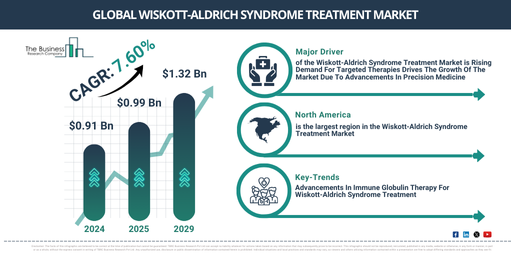
    The wiskott-aldrich syndrome treatment market has seen significant expansion in recent years. Its value is expected to rise from $0.91 billion in 2024 to $0.99 billion in 2025, progressing at a compound annual growth rate (CAGR) of 8.5%. The historical growth of this market is attributable to the increase in genetic disorders, enhanced patient awareness, a greater number of clinical studies, and the rising prevalence of wiskott-aldrich syndrome.

    The market size for wiskott-aldrich syndrome treatment is anticipated to undergo significant growth over the coming years. It is projected to reach $1.32 billion by 2029, demonstrating a compound annual growth rate (CAGR) of 7.6%. This expansion during the forecast timeframe is primarily driven by an increasing emphasis on targeted therapies, a rising need for diagnostic tests, an uptick in government initiatives, and a growing demand for personalized medicine. Prominent trends throughout this period include technological advancements, the formulation of effective treatments, progress in genetic testing, and developments in medical research.

    Unlock Your Free Sample Report for Exclusive Market Data:

    https://www.thebusinessresearchcompany.com/sample.aspx?id=23584&type=smp

    What Are The Drivers Pushing New Developments In The Wiskott-Aldrich Syndrome Treatment Market?

    An anticipated increase in the demand for targeted therapies is set to drive the expansion of the wiskott-aldrich syndrome treatment market in the future. These therapies zero in on distinct molecules or cellular pathways implicated in disease development, especially in cancer, enabling them to specifically target aberrant cells while minimizing damage to healthy ones. The proliferation of targeted therapies stems from precision medicine, a field that boosts effectiveness by addressing particular genetic mutations and simultaneously reducing adverse effects. Specifically, gene therapy, a type of targeted therapy, aids in rectifying the faulty WAS gene, thereby re-establishing proper immune function and platelet generation, leading to enhanced patient results and decreased reliance on continuous treatments. For example, reports from the American Society of Gene and Cell Therapy (ASGCT), a professional membership organization based in the US, indicated that in July 2024, a total of 76 gene therapy trials commenced during the second quarter of 2024, representing a 25 % surge from the preceding quarter. Consequently, the growing need for targeted therapies is fueling the expansion of the wiskott-aldrich syndrome treatment market.

    How Is The Wiskott-Aldrich Syndrome Treatment Market Segmented?

    The wiskott-aldrich syndrome treatmentmarket covered in this report is segmented –

    1) By Treatment Type: Immunoglobulin Replacement Therapy; Antibiotic Therapy; Stem Cell Transplantation; Gene Therapy

    2) By Diagnosis: Blood tests; Genetic testing; Other Diagnosis

    3) By Distribution Channel: Hospital Pharmacy; Retail Pharmacy; Online Pharmacies; Other Distribution Channels

    4) By End-Users: Hospitals; Research Institutes; Specialty Clinics

    Subsegments:

    1) By Immunoglobulin Replacement Therapy: Intravenous Immunoglobulin (IVIG); Subcutaneous Immunoglobulin (SCIG)

    2) By Antibiotic Therapy: Broad-Spectrum Antibiotics; Narrow-Spectrum Antibiotics

    3) By Stem Cell Transplantation: Allogeneic Hematopoietic Stem Cell Transplantation (HSCT); Autologous Stem Cell Transplantation

    4) By Gene Therapy: Lentiviral Vector-Based Gene Therapy; Retroviral Vector-Based Gene Therapy

    Which Competitive Trends Are Defining The Wiskott-Aldrich Syndrome Treatment Market Structure?

    Major companies in the wiskott-aldrich syndrome treatment market are focusing on creating novel products, such as intravenous immune globulin, to improve immune system functionality and control infections. Immune globulin intravenous (IVIG) is a therapeutic method that directly introduces purified human immunoglobulin G (IgG) antibodies into the bloodstream to strengthen immune responses. It is utilized for managing immune deficiencies, autoimmune disorders, and infections by providing passive immunity and modulating the immune system. As an illustration, in September 2024, GC Biopharma USA, Inc., a US-based biopharma company, launched ALYGLO, a 10% immune globulin intravenous liquid, in the US market. This product, approved by the Food and Drug Administration (FDA), is designed for the treatment of primary humoral immunodeficiency (PI) indication, which encompasses Wiskott-Aldrich syndrome in adults. It is produced from pooled human plasma and supplies a wide array of antibodies to combat infections. The product is available through a network of specialty pharmacies and distributors across the US, marking a significant milestone for GC Biopharma in expanding its presence in the US healthcare market.

    Which Key Players Are Driving Competition In The Wiskott-Aldrich Syndrome Treatment Market?

    Major companies operating in the wiskott-aldrich syndrome treatment market are Pfizer Inc., Boston Children’s Hospital, Grifols S.A., The Children’s Hospital of Philadelphia, Seattle Children’s Research Institute, CSL Behring LLC,GC Biopharma USA Inc., St. Jude Children’s Research Hospital, Great Ormond Street Hospital , Octapharma AG, Bio Products Laboratory Limited, ADMA Biologics Inc., Ospedale San Raffaele – Milano, Mary Ann Libert Inc, Orchard Therapeutics plc, Genethon, Sage Therapeutics Inc., Yposkesi, Telethon Foundation.

    Download The Full Report For Exclusive Market Findings:

    https://www.thebusinessresearchcompany.com/report/wiskott-aldrich-syndrome-treatment-global-market-report

    How Do Regional Market Performances Compare Within The Wiskott-Aldrich Syndrome Treatment Industry?

    North America was the largest region in the wiskott-aldrich syndrome treatment market in 2024. The regions covered in the wiskott-aldrich syndrome treatment market report are Asia-Pacific, Western Europe, Eastern Europe, North America, South America, Middle East, Africa.

    Request A Customized Version Of The Wiskott-Aldrich Syndrome Treatment Market Report:

    https://www.thebusinessresearchcompany.com/customise?id=23584&type=smp

    Browse Through More Reports Similar to the Global Wiskott-Aldrich Syndrome Treatment Market 2025, By The Business Research Company

    Cancer Immunotherapy Global Market Report 2025

    https://www.thebusinessresearchcompany.com/report/cancer-immunotherapy-global-market-report

    Immunofluorescence Assay Global Market Report 2025

    https://www.thebusinessresearchcompany.com/report/immunofluorescence-assay-global-market-report

    Intravenous Immunoglobulin Global Market Report 2025

    https://www.thebusinessresearchcompany.com/report/intravenous-immunoglobulin-global-market-report

    Get in touch with us:

    The Business Research Company: https://www.thebusinessresearchcompany.com/

    Americas +1 310-496-7795

    Asia +44 7882 955267 & +91 8897263534

    Europe +44 7882 955267

    Email us at info@tbrc.info

    Follow us on:

    LinkedIn: https://in.linkedin.com/company/the-business-research-company

    YouTube: https://www.youtube.com/channel/UC24_fI0rV8cR5DxlCpgmyFQ

    Global Market Model: https://www.thebusinessresearchcompany.com/global-market-model

  • Wilms Tumor Market Size Forecast: Revenue and CAGR by 2029

    Wilms Tumor Market Size Forecast: Revenue and CAGR by 2029

    Unlock Global Insights – Save 20% on Market Reports with Code ONLINE20

    What Is The Global Market Value Of The Wilms Tumor Industry In 2025?

    The wilms tumor market size has shown consistent expansion over recent years. It is anticipated to increase from $1.64 billion in 2024 to $1.71 billion in 2025, achieving a compound annual growth rate (CAGR) of 4.6%. The historical surge in growth can be attributed to heightened awareness concerning early cancer detection, escalating government programs, an increasing occurrence of genetic predisposition, greater investments in pediatric oncology drug development, and rising healthcare spending on pediatric oncology interventions.

    The Wilms tumor market size is predicted to experience consistent expansion over the upcoming years. Its valuation is set to reach $2.06 billion by 2029, exhibiting a compound annual growth rate (CAGR) of 4.7%. This anticipated growth during the forecast period is fueled by an intensifying focus on personalized medicine, an increase in the application of radiotherapy techniques, a rising incidence of lifestyle-related risk factors, an expanding number of pediatric oncologists, and enhanced awareness initiatives from healthcare organizations. Prominent trends for the forecast duration encompass the progression of CAR-T cell therapies, the formulation of innovative chemotherapy regimens, the broadening use of combination therapies, the evolution of biomarker-driven diagnostics, and the integration of wearable health monitoring devices.

    Unlock Your Free Sample Report for Exclusive Market Data:

    https://www.thebusinessresearchcompany.com/sample.aspx?id=23582&type=smp

    What Are The Emerging Market Drivers Creating New Opportunities In The Wilms Tumor Industry?

    The expanding occurrence of pediatric cancer is anticipated to boost the growth of the Wilms tumor market in the coming years. Pediatric cancer signifies malignancies affecting children aged 0–14 years, characterized by abnormal cell development across various tissues and organs. The widespread presence of pediatric cancer stems from factors like exposure to environmental pollutants, genetic predispositions, infections, and immune system elements. Insights gleaned from pediatric cancer cases are crucial for advancing early diagnosis, treatment strategies, and understanding genetic factors, ultimately improving survival rates. This information also facilitates the creation of personalized therapies, which enhance outcomes and the quality of life for affected children. For instance, in January 2025, the Cancer Network, a US-based cancer research organization, estimated that 9,550 children (aged 0–14 years) would be diagnosed with cancer, and 1,050 would unfortunately die from the disease. Thus, the rising prevalence of pediatric cancer is a primary catalyst for the expansion of the Wilms tumor market.

    What Are The Key Segments In The Wilms Tumor Market?

    The wilms tumormarket covered in this report is segmented –

    1) By Type: Favorable Histology; Anaplastic Histology

    2) By Stages: Stage I; Stage II; Stage III; Stage IV; Stage V

    3) By Diagnosis: Physical Examination; Imaging Tests; Lab Tests

    4) By Treatment: Surgery; Chemotherapy; Radiation Therapy

    5) By End-User: Cancer Research Institutes; Diagnostic Laboratories; Hospitals; Other End-Users

    Subsegments:

    1) By Favorable Histology: Unilateral Wilms Tumor; Bilateral Wilms Tumor; Nephroblastomatosis

    2) By Anaplastic Histology: Diffuse Anaplastic Wilms Tumor; Focal Anaplastic Wilms Tumor; Mixed Anaplastic Wilms Tumor

    Who Are The Top Performing Companies In The Wilms Tumor Market In Recent Years?

    Major companies operating in the wilms tumor market are Thermo Fisher Scientific Inc., Medline Industries LP, Agilent Technologies Inc., Apollo Hospital, Exelixis Inc., Abcam plc, Sino Biological Inc., OriGene Technologies Inc., Cell Signaling Technology Inc., Proteintech Group Inc., Santa Cruz Biotechnology Inc., Novus Biologicals LLC, Recordati Rare Diseases, Getwell Pharmaceuticals, AdvaCare Pharma, Florencia Healthcare, Boster Biological Technology, NanoSmart Pharmaceuticals Inc., BLK-Max Hospital, Plunes Healthcare

    Download The Full Report For Exclusive Market Findings:

    https://www.thebusinessresearchcompany.com/report/wilms-tumor-global-market-report

    Which Region Currently Holds The Largest Share Of The Wilms Tumor Market?

    North America was the largest region in the wilms tumor market in 2024. Asia-Pacific is expected to be the fastest-growing region in the forecast period. The regions covered in the wilms tumor market report are Asia-Pacific, Western Europe, Eastern Europe, North America, South America, Middle East, Africa.

    Request A Customized Version Of The Wilms Tumor Market Report:

    https://www.thebusinessresearchcompany.com/customise?id=23582&type=smp

    Browse Through More Reports Similar to the Global Wilms Tumor Market 2025, By The Business Research Company

    Solid Tumor Cancer Treatment Global Market Report 2025

    https://www.thebusinessresearchcompany.com/report/solid-tumor-cancer-treatment-global-market-report

    Intratumoral Cancer Therapies Global Market Report 2025

    https://www.thebusinessresearchcompany.com/report/intratumoral-cancer-therapies-global-market-report

    Neuroendocrine Tumor Treatment Global Market Report 2025

    https://www.thebusinessresearchcompany.com/report/neuroendocrine-tumor-treatment-global-market-report

    Get in touch with us:

    The Business Research Company: https://www.thebusinessresearchcompany.com/

    Americas +1 310-496-7795

    Asia +44 7882 955267 & +91 8897263534

    Europe +44 7882 955267

    Email us at info@tbrc.info

    Follow us on:

    LinkedIn: https://in.linkedin.com/company/the-business-research-company

    YouTube: https://www.youtube.com/channel/UC24_fI0rV8cR5DxlCpgmyFQ

    Global Market Model: https://www.thebusinessresearchcompany.com/global-market-model
  • Global Wearable Robot Technology Market Trends and Growth Analysis 2025–2029

    Global Wearable Robot Technology Market Trends and Growth Analysis 2025–2029

    Unlock Global Insights – Save 20% on Market Reports with Code ONLINE20

    By How Much Is The Wearable Robot Technology Market Expected To Expand Between 2025 And 2029?

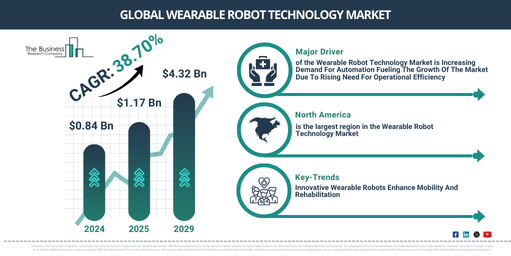
    The wearable robot technology market has experienced significant expansion in recent years. Its valuation is expected to rise from $0.84 billion in 2024 to $1.17 billion by 2025, achieving a compound annual growth rate (CAGR) of 39.0%. The expansion observed historically can be ascribed to several factors, including the increasing need for rehabilitation tools, greater spending within the healthcare sector, the growing necessity for elderly care services, increased funding for research and development efforts, and the rising demand for solutions assisting both the elderly and individuals with disabilities.

    The wearable robot technology market is projected to experience substantial expansion over the upcoming years. This market is anticipated to reach $4.32 billion by 2029, exhibiting a compound annual growth rate (CAGR) of 38.7%. This projected increase throughout the forecast period stems from the increasing need for personalized healthcare solutions, a rising requirement for assistive robots within healthcare, greater use of robotics in physical therapy, an elevated focus on multi-functional wearable robots, and the expanding popularity of health and fitness tracking devices. Key developments expected during this timeframe encompass technological progress in materials, the creation of modular wearable robots, the merging of wearables with smart fabrics, breakthroughs in haptic feedback, and the development of adaptive control systems.

    Unlock Your Free Sample Report for Exclusive Market Data:

    https://www.thebusinessresearchcompany.com/sample.aspx?id=23579&type=smp

    Which Drivers Are Impacting The Wearable Robot Technology Market?

    The rising need for automation is projected to boost the expansion of the wearable robot technology market in the future. Automation involves utilizing technology or machinery to execute tasks with little to no human involvement. This demand for automation is escalating because businesses seek greater operational efficiency, aiming to lower expenses, decrease mistakes, and enhance output. Wearable robot technology improves automation through the integration of human-machine cooperation, making it particularly suitable for sectors requiring significant labor and for healthcare environments. Such technology lessens physical exertion by enhancing human movement and strength, thereby boosting productivity and operational effectiveness. For example, data from the International Federation of Robotics, a Germany-based non-profit organization, indicated that approximately 4.2 million robotic units were operational in factories worldwide in 2023, representing a 10% rise from 3.9 million units in 2022, as reported in September 2024. Consequently, the growing requirement for automation is propelling the expansion of the wearable robot technology market.

    What Are The Leading Segments Analyzed In The Wearable Robot Technology Market?

    The wearable robot technologymarket covered in this report is segmented –

    1) By Type: Rigid Type; Soft Type

    2) By Mode Of Operation: Passive; Active And Powered

    3) By Product: Wristwear; Headwear; Footwear; Fashion And Jewelry; Bodywear; Other Wearable Technology

    4) By Application: Rehabilitation; Assistive; Body Parts Support; Sports; Supply Chain Industry; Other Applications

    5) By End User: Healthcare; Consumer Electronics; Enterprise And Industrial Applications; Othe End User Industries

    Subsegments:

    1) By Rigid Type: Exoskeletons With Metallic Frames; Powered Rigid Suits For Industrial Lifting; Military-Grade Wearable Robots; Medical Rehabilitation Robots; Full-Body Rigid Assistive Devices

    2) By Soft Type: Soft Robotic Exosuits; Pneumatic; Textile-Based Wearable Assistive Devices; Cable-Driven Flexible Actuators; Soft Wearable Robots For Elderly Mobility Support

    What Trends Are Redefining The Wearable Robot Technology Market Dynamics?

    Leading companies operating in the wearable robot technology market are concentrating on developing innovative solutions, such as wearable assistive robotics, to enhance users’ mobility and improve their quality of life. Wearable assistive robotics refers to robotic devices designed to be worn on the body that either support or augment physical movement, often assisting individuals with mobility impairments or physical limitations. For instance, in July 2024, CosmoRobotics Co., Ltd., a technology firm based in South Korea, launched a series of innovative wearable robots. These products include Bambini Teens, EA2Pro, EAM, GRANY, and EXA-W, which are engineered to enhance daily life by providing assistance with muscle strength and rehabilitation. Key features of these robots include Bambini Teens, specifically designed for children, and EA2Pro, a second-generation exoskeleton featuring advanced motor sensors and an ergonomic design for rehabilitation.

    Which Leading Companies Dominate The Wearable Robot Technology Market Share?

    Major companies operating in the wearable robot technology market are Toyota Corporation, Samsung Electronics Co Ltd., Hyundai Motor Company, Lockheed Martin Corporation, Honda Motor Co. Ltd., Parker Hannifin Corporation, Myomo Inc, Sarcos Technology and Robotics Corporation, Zimmer Biomet Holdings Inc, Ottobock SE & Co. KGaA, Comau LLC, Cyberdyne Inc., Hocoma AG., Ekso Bionics Holdings Inc., Laevo B.V. , Innophys Co Ltd., Marsi Bionics, Näder Holding GmbH & Co. KG, Technaid. S.L. , ReWalk Robotics Ltd

    Download The Full Report For Exclusive Market Findings:

    https://www.thebusinessresearchcompany.com/report/wearable-robot-technology-global-market-report

    What Regional Growth Trends Are Shaping The Wearable Robot Technology Market Outlook?

    North America was the largest region in the wearable robot technology market in 2024. Asia-Pacific is expected to be the fastest-growing region in the forecast period. The regions covered in the wearable robot technology market report are Asia-Pacific, Western Europe, Eastern Europe, North America, South America, Middle East, Africa.

    Request A Customized Version Of The Wearable Robot Technology Market Report:

    https://www.thebusinessresearchcompany.com/customise?id=23579&type=smp

    Browse Through More Reports Similar to the Global Wearable Robot Technology Market 2025, By The Business Research Company

    Robotic Process Automation Global Market Report 2025

    https://www.thebusinessresearchcompany.com/report/robotic-process-automation-global-market-report

    Wearable Robotic Exoskeleton Global Market Report 2025

    https://www.thebusinessresearchcompany.com/report/wearable-robotic-exoskeleton-global-market-report

    Healthcare Assistive Robot Global Market Report 2025

    https://www.thebusinessresearchcompany.com/report/healthcare-assistive-robot-global-market-report

    Get in touch with us:

    The Business Research Company: https://www.thebusinessresearchcompany.com/

    Americas +1 310-496-7795

    Asia +44 7882 955267 & +91 8897263534

    Europe +44 7882 955267

    Email us at info@tbrc.info

    Follow us on:

    LinkedIn: https://in.linkedin.com/company/the-business-research-company

    YouTube: https://www.youtube.com/channel/UC24_fI0rV8cR5DxlCpgmyFQ

    Global Market Model: https://www.thebusinessresearchcompany.com/global-market-model

  • Vitreoretinal Disorder Market Forecast: What to Expect by 2029

    Vitreoretinal Disorder Market Forecast: What to Expect by 2029

    Unlock Global Insights – Save 20% on Market Reports with Code ONLINE20

    #What Is The Projected Market Size Of The Vitreoretinal Disorder Market By 2029?

    The vitreoretinal disorder market size has demonstrated strong expansion in recent years. It is forecast to increase from $4.3 billion in 2024 to $4.63 billion in 2025, at a compound annual growth rate (CAGR) of 7.6%. The market’s growth during the preceding period can be linked to factors such as the rising incidence of diabetic retinopathy, an expanding aging population, heightened awareness of retinal conditions, improvements in healthcare infrastructure, and the initial adoption of anti-vascular endothelial growth factor (VEGF) therapy.

    The vitreoretinal disorder market is projected to experience substantial growth in the coming years, reaching a valuation of $6.25 billion by 2029, demonstrating a compound annual growth rate (CAGR) of 7.8%. This expansion is driven by several factors, including the increasing prevalence of age-related macular degeneration, a rising incidence of diabetic retinopathy, growing investments in regenerative stem cell therapies, higher healthcare spending on ophthalmic conditions, enhanced awareness regarding the early detection of retinal diseases, and various governmental initiatives. Key developments anticipated during this period encompass artificial intelligence (AI)-driven detection of retinal disorders, robot-assisted vitreoretinal surgical procedures, drug delivery systems based on nanotechnology, smart contact lenses for continuous eye monitoring, adaptive optics imaging with ultra-high resolution, and biodegradable implants administered intravitreally.

    Unlock Your Free Sample Report for Exclusive Market Data:

    https://www.thebusinessresearchcompany.com/sample.aspx?id=23574&type=smp

    Which Industry Drivers Are Expected To Accelerate The Vitreoretinal Disorder Market From 2025 To 2029?

    An increasing occurrence of diabetic retinopathy is projected to drive expansion within the vitreoretinal disorder market in the future. This condition, diabetic retinopathy, is an ocular ailment resulting from harm to retinal blood vessels, induced by elevated blood sugar concentrations in individuals with diabetes. The frequency of diabetic retinopathy is escalating because of the rising prevalence of diabetes, which is fueled by inactive routines and inadequate blood sugar management, leading to damage to retinal blood vessels. Managing vitreoretinal disorders is vital for treating diabetic retinopathy, as it tackles complications like vitreous hemorrhage and tractional retinal detachment, thus safeguarding vision and averting additional retinal harm. For example, in October 2024, data from the Australian Institute of Health and Welfare, an Australia-based government body, indicated that in 2022–23, 1.8% of screened First Nations people in Australia underwent treatment for diabetic retinopathy, presenting an age-standardized treatment rate (1.3%) that was lower compared to non-Indigenous Australians (1.5%). Consequently, the increasing occurrence of diabetic retinopathy is a key factor propelling the expansion of the vitreoretinal disorder market.

    What Are The Segment Types Shaping The Vitreoretinal Disorder Market?

    The vitreoretinal disordermarket covered in this report is segmented –

    1) By Type: Retinal Tear; Retinal Detachment; Diabetic Retinopathy; Macular Degeneration; Macular Hole; Other Types

    2) By Diagnosis: Digital Fluorescein Angiography; Optical Coherence Tomography; Heidelberg Retinal Tomography; Indocyanine Green Angiography; Other Diagnosis

    3) By Treatment: Surgery; Medication; Other Treatments

    4) By Distribution Channel: Hospital Pharmacy; Online Pharmacy; Retail Pharmacy

    5) By End User: Hospitals; Homecare; Specialty Clinics; Other End Users

    Subsegments:

    1) By Retinal Tear: Atrophic Retinal Tear; Operculated Retinal Tear; Horseshoe Retinal Tear; Giant Retinal Tear

    2) By Retinal Detachment: Rhegmatogenous Retinal Detachment; Tractional Retinal Detachment; Exudative Retinal Detachment

    3) By Diabetic Retinopathy: Non-Proliferative Diabetic Retinopathy; Proliferative Diabetic Retinopathy; Diabetic Macular Edema

    4) By Macular Degeneration: Dry Macular Degeneration; Wet Macular Degeneration

    5) By Macular Hole: Full-Thickness Macular Hole; Lamellar Macular Hole; Tractional Macular Hole

    6) By Other Types: Epiretinal Membrane; Retinal Vein Occlusion; Retinal Artery Occlusion; Retinitis Pigmentosa; Uveitis; Vitreous Hemorrhage; Macular Edema; Central Serous Retinopathy; Proliferative Vitreoretinopathy

    How Are Emerging Market Trends Shaping The Vitreoretinal Disorder Industry Landscape?

    Leading firms within the vitreoretinal disorder market are concentrating on creating advanced therapies, including methotrexate for treating primary vitreoretinal lymphoma, to tackle the outstanding medical requirements linked to uncommon and severe retinal cancers. The application of methotrexate for treating primary vitreoretinal lymphoma involves the intravitreal administration of a chemotherapeutic agent designed to target and inhibit malignant cells present in the retina and vitreous, thereby providing a localized and potent therapy for this uncommon ocular malignancy. As an illustration, in December 2022, Aldeyra Therapeutics Inc., a US-based biotechnology enterprise, reported a favorable pre-New Drug Application meeting with the FDA concerning ADX-2191, which is a new, preservative-free version of methotrexate intended for treating primary vitreoretinal lymphoma (PVRL), an infrequent and aggressive retinal cancer.

    Who Are The Major Companies Operating In The Vitreoretinal Disorder Market?

    Major companies operating in the vitreoretinal disorder market are Pfizer Inc., Johnson & Johnson, F. Hoffmann-La Roche AG, Merck & Co. Inc., AbbVie Inc., Bayer AG, Novartis AG, GSK plc, Teva Pharmaceutical Industries Ltd., Baxter International, Regeneron Pharmaceuticals Inc., Astellas Pharma Inc., Alcon Inc., Bausch Health Companies Inc., Santen Pharmaceutical Co. Ltd. , Topcon Corporation, Ocular Therapeutix Inc., Carl Zeiss Meditec AG, EyePoint Pharmaceuticals Inc., Kodiak Sciences Inc., Clearside Biomedical.

    Download The Full Report For Exclusive Market Findings:

    https://www.thebusinessresearchcompany.com/report/vitreoretinal-disorder-global-market-report

    Which Regional Markets Are Contributing Most To The Vitreoretinal Disorder Industry Expansion?

    North America was the largest region in the vitreoretinal disorder market in 2024. The regions covered in the vitreoretinal disorder market report are Asia-Pacific, Western Europe, Eastern Europe, North America, South America, Middle East, Africa.

    Request A Customized Version Of The Vitreoretinal Disorder Market Report:

    https://www.thebusinessresearchcompany.com/customise?id=23574&type=smp

    Browse Through More Reports Similar to the Global Vitreoretinal Disorder Market 2025, By The Business Research Company

    Vitreoretinal Surgery Devices Global Market Report 2025

    https://www.thebusinessresearchcompany.com/report/vitreoretinal-surgery-devices-global-market-report

    Retinal Biologics Global Market Report 2025

    https://www.thebusinessresearchcompany.com/report/retinal-biologics-global-market-report

    Retinal Disorder Treatment Global Market Report 2025

    https://www.thebusinessresearchcompany.com/report/retinal-disorder-treatment-global-market-report

    Get in touch with us:

    The Business Research Company: https://www.thebusinessresearchcompany.com/

    Americas +1 310-496-7795

    Asia +44 7882 955267 & +91 8897263534

    Europe +44 7882 955267

    Email us at info@tbrc.info

    Follow us on:

    LinkedIn: https://in.linkedin.com/company/the-business-research-company

    YouTube: https://www.youtube.com/channel/UC24_fI0rV8cR5DxlCpgmyFQ

    Global Market Model: https://www.thebusinessresearchcompany.com/global-market-model