Category: HealthcareServices

  • Visceral Leishmaniasis Industry Insights: Market Forecast to 2029

    Visceral Leishmaniasis Industry Insights: Market Forecast to 2029

    Unlock Global Insights – Save 20% on Market Reports with Code ONLINE20

    How Much Was The Visceral Leishmaniasis Market Worth In 2025, And What Is Its Anticipated Value By 2029?

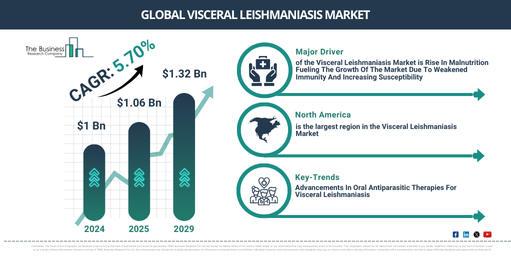
    The market for visceral leishmaniasis has experienced robust expansion over recent years. This market is projected to expand from $1 billion in 2024 to $1.06 billion in 2025, demonstrating a compound annual growth rate (CAGR) of 5.7%. Historically, this expansion has been driven by factors such as an escalating disease burden, increased government funding, the introduction of amphotericin B, the development of miltefosine, expanding awareness initiatives, enhanced healthcare accessibility in affected regions, and the formation of public-private collaborations.

    The visceral leishmaniasis market size is anticipated to experience substantial expansion over the next few years. It is projected to reach $1.32 billion by 2029, demonstrating a compound annual growth rate (CAGR) of 5.7%. This expected growth during the forecast period stems from increased investment in vaccine development, strengthened global disease surveillance programs, growing public-private collaborations, improved funding for neglected tropical diseases, and the advancement of gene-based therapies. Prominent trends for the forecast period include CRISPR-based gene editing, artificial intelligence (AI)-driven drug discovery, nanotechnology-enhanced drug delivery, next-generation sequencing for parasite analysis, wearable biosensors for early detection, blockchain for medical supply chain management, smartphone-based diagnostic tools, and three-dimensional (3D) bioprinting for personalized treatment research.

    Unlock Your Free Sample Report for Exclusive Market Data:

    https://www.thebusinessresearchcompany.com/sample.aspx?id=23573&type=smp

    What Are The Top Growth Drivers Impacting The Visceral Leishmaniasis Market Outlook?

    The escalating prevalence of malnutrition is projected to boost the expansion of the visceral leishmaniasis market. Malnutrition itself is a physiological state stemming from inadequate or imbalanced nutrient intake crucial for optimal bodily functions. The uptick in malnutrition is attributed to food insecurity, which limits the availability of nutritious food, thereby leading to undernourishment and deficiencies in micronutrients that weaken the body’s immune defenses. Such impaired immune function renders the body more vulnerable to various infections, including visceral leishmaniasis. Insufficient nutrients compromise defense mechanisms, heightening the risk of severe disease and related complications. For example, in July 2024, figures from the Food and Agriculture Organization, an Italy-based specialized agency of the United Nations, showed that the number of undernourished people surged to 723.8 million in 2022, increasing from 708.7 million in 2021. Therefore, the ongoing rise in malnutrition is a key factor driving the growth of the visceral leishmaniasis market.

    What Are The Different Segment Classifications Within The Visceral Leishmaniasis Market?

    The visceral leishmaniasismarket covered in this report is segmented –

    1) By Treatment: Antiparasitic; Antifungal; Other Treatments

    2) By Diagnosis Method: Serological Tests; Molecular Tests; Microscopy; Culture Methods

    3) By Route Of Administration: Oral; Injectable; Other Routes Of Administration

    4) By Distribution Channel: Hospital Pharmacy; Online Pharmacy; Retail Pharmacy

    5) By End-User: Hospitals; Homecare; Specialty Clinics; Other End-Users

    Subsegments:

    1) By Antiparasitic: Pentavalent Antimonials; Miltefosine; Paromomycin; Sitamaquine; Combination Therapy

    2) By Antifungal: Amphotericin B; Liposomal Amphotericin B (AmBisome); Azoles; Echinocandins; Polyenes

    3) By Other Treatments: Immunotherapy; Monoclonal Antibodies; Vaccine-Based Approaches; Photodynamic Therapy; Gene Therapy

    Which Key Trends Are Expected To Influence The Visceral Leishmaniasis Market In The Coming Years?

    Firms active in the visceral leishmaniasis market are concentrating on creating improved treatment choices, including antiparasitic medications, to boost effectiveness and broaden patient access, especially in areas where the disease is prevalent. Antiparasitic drugs are medicinal compounds employed to combat parasitic infections, functioning by targeting the parasite’s biological processes and impeding its growth, replication, or persistence within the host organism. As an example, Zydus Lifesciences Limited, an Indian pharmaceutical firm, secured World Health Organization (WHO) prequalification in February 2024 for both the active pharmaceutical ingredient (API) and the formulation of miltefosine, intended for addressing leishmaniasis or kala-azar. Miltefosine operates as an oral antiparasitic medication by disturbing the cell membrane of the parasite and interfering with its metabolic activities, ultimately resulting in cellular demise. Furthermore, it suppresses the parasite’s growth and survival, thereby establishing itself as an effective oral therapeutic choice for visceral leishmaniasis or kala azar.

    Which Global Market Leaders Are Shaping The Future Of The Visceral Leishmaniasis Sector?

    Major companies operating in the visceral leishmaniasis market are Pfizer Inc., Bristol-Myers Squibb Company, Abbott Laboratories, Novartis AG, GSK plc, Takeda Pharmaceutical Company Limited, Gilead Sciences Inc., Sun Pharmaceutical Industries Ltd., Dr. Reddy’s Laboratories, Aurobindo Pharma Limited, Cipla Limited, Zydus Lifesciences Limited, Glenmark Pharmaceuticals Limited, Alkem Laboratories Ltd, Xellia Pharmaceuticals, Knight Therapeutics Inc, Gufic Biosciences Ltd., United Biotech Private Limited, DNDi, TLC.

    Download The Full Report For Exclusive Market Findings:

    https://www.thebusinessresearchcompany.com/report/visceral-leishmaniasis-global-market-report

    How Does The Visceral Leishmaniasis Market Perform Across Key Geographic Regions?

    North America was the largest region in the visceral leishmaniasis market in 2024. Asia-Pacific is expected to be the fastest-growing region in the forecast period. The regions covered in the visceral leishmaniasis market report are Asia-Pacific, Western Europe, Eastern Europe, North America, South America, Middle East, Africa.

    Request A Customized Version Of The Visceral Leishmaniasis Market Report:

    https://www.thebusinessresearchcompany.com/customise?id=23573&type=smp

    Browse Through More Reports Similar to the Global Visceral Leishmaniasis Market 2025, By The Business Research Company

    Visceral Pain Global Market Report 2025

    https://www.thebusinessresearchcompany.com/report/visceral-pain-global-market-report

    Liver Cancer Diagnostics Global Market Report 2025

    https://www.thebusinessresearchcompany.com/report/liver-cancer-diagnostics-global-market-report

    Gene Delivery Technologies Global Market Report 2025

    https://www.thebusinessresearchcompany.com/report/gene-delivery-technologies-global-market-report

    Get in touch with us:

    The Business Research Company: https://www.thebusinessresearchcompany.com/

    Americas +1 310-496-7795

    Asia +44 7882 955267 & +91 8897263534

    Europe +44 7882 955267

    Email us at info@tbrc.info

    Follow us on:

    LinkedIn: https://in.linkedin.com/company/the-business-research-company

    YouTube: https://www.youtube.com/channel/UC24_fI0rV8cR5DxlCpgmyFQ

    Global Market Model: https://www.thebusinessresearchcompany.com/global-market-model

  • Virtual And Remote Laboratories Market Size and Growth Forecast for Businesses 2025–2029

    Virtual And Remote Laboratories Market Size and Growth Forecast for Businesses 2025–2029

    Unlock Global Insights – Save 20% on Market Reports with Code ONLINE20

    What Is The Future Market Size Estimation For The Virtual And Remote Laboratories Market Covering 2025–2034?

    The market for virtual and remote laboratories has experienced rapid expansion in recent years. It is projected to increase from $1.37 billion in 2024 to $1.57 billion in 2025, achieving a compound annual growth rate (CAGR) of 14.3%. This historical growth is primarily due to increasing digital transformation in education, increasing demand for cost-effective laboratory solutions, rising global internet penetration, increasing government funding for digital education, and increasing application of virtual labs in corporate training.

    The virtual and remote laboratories market is anticipated to experience significant expansion in the coming years. This market is projected to reach $2.63 billion by 2029, growing at a compound annual growth rate (CAGR) of 13.9%. The growth during the forecast period can be attributed to the increasing adoption of e-learning platforms, a growing demand for scalable lab infrastructure, a rising emphasis on personalized learning environments, an increasing number of edtech startups offering lab simulations, and a continued growing demand for scalable lab infrastructure. Noteworthy trends for this period include the development of cross-platform compatibility, the creation of low-cost virtual lab kits, integration with learning management systems, the blending of simulation and real-device control, and the incorporation of video conferencing tools.

    Unlock Your Free Sample Report for Exclusive Market Data:

    https://www.thebusinessresearchcompany.com/sample.aspx?id=23570&type=smp

    Which Major Market Drivers Are Shaping The Future Of The Virtual And Remote Laboratories Market?

    The expanding integration of online education and e-learning is projected to fuel the expansion of the virtual and remote laboratories market in the future. Online education and e-learning entail the provision of educational materials and instruction via digital channels and the internet, enabling students to engage with courses, training, or academic curricula remotely and flexibly. The rise of online education and e-learning is spurred by a growing need for adaptable and accessible learning options, empowering individuals to learn at their convenience, from any location, and at their own speed. Virtual and remote laboratories augment online education and e-learning by providing interactive, practical experiences in digital formats, making them highly suitable for distance learners and institutions lacking physical laboratory facilities. They contribute to better learning results by replicating real-world experiments, thereby boosting engagement and practical comprehension. For example, data released in January 2024 by Eurostat, a Luxembourg-based governing body, revealed that in 2023, 30 % of European Union internet users (aged 16–74) utilized online learning tools, an increase from 28 % in 2022. Consequently, the increasing adoption of online education and e-learning is a key driver for the growth of the virtual and remote laboratories market.

    What Are The Primary Types Of Segments Analyzed In The Virtual And Remote Laboratories Market?

    The virtual and remote laboratoriesmarket covered in this report is segmented –

    1) By Component: Software; Hardware; Services

    2) By Deployment Mode: On-Premises; Cloud

    3) By Application: Education; Research And Development; Quality Control; Training; Other Application

    4) By End-User: Academic Institutions; Enterprises; Government; Other End-Users

    Subsegments:

    1) By Software: Lab Management Software; Simulation Software; Remote Access Software; Virtual Reality And Augmented Reality Software; Learning Management System Integration; Data Analytics And Reporting Tools

    2) By Hardware: Experimentation Devices; Remote Control Equipment; Data Acquisition Systems; Virtual Reality Headsets And Devices; Network And Communication Infrastructure; Cameras And Monitoring Equipment

    3) By Services: System Integration And Deployment; Technical Support And Maintenance; Training And Consulting Services; Content Development And Customization; Cloud Hosting And Infrastructure Services

    What Are The Major Trends Driving The Growth Of The Virtual And Remote Laboratories Market?

    Leading companies within the virtual and remote laboratories market are concentrating on developing innovative platforms, such as virtual labs, to deliver accessible, scalable, and immersive learning environments for users. Virtual labs are defined as simulated, computer-based settings that enable individuals to conduct experiments and interact remotely with educational or scientific resources, frequently replicating actual laboratory activities for learning or research. For example, in June 2023, HTE GmbH, a technology and services company located in Germany, introduced a virtual lab for digitalized research and development (R&D). This launch was intended to enhance research capabilities in catalysis and materials research and development across various industries, including energy, refining, chemicals, and battery production. This lab incorporates advanced technologies and workflows that integrate reactor systems, software, and analytics, thereby creating efficient lab processes specifically tailored for energy, refining, chemicals, and batteries. It features realistic 3D reactor systems, offers modular customization of testing units, and provides case studies to address challenges like CO₂ management, resource-efficient production, and battery material synthesis.

    Which Industry Leaders Are Driving Innovation Across The Virtual And Remote Laboratories Market?

    Major companies operating in the virtual and remote laboratories market are HPE Virtual Labs, LabXchange, Immersive Labz, Immersive Labz Private Limited, Emerald Cloud Lab Inc., Labster ApS, Anatomage Inc., Fast Lane Institute for Knowledge Transfer GmbH, Shamrock Capital Advisors LLC, SimBiotic Software Inc., Beyond Labz, OpenLab VR, CorpAcademia iTechnovations Pvt. Ltd, VRLab Academy, Smart Science Labs, iXR Labs, MERLOT Virtual Labs , PraxiLabs, Amrita Virtual Labs, Inq-ITS

    Download The Full Report For Exclusive Market Findings:

    https://www.thebusinessresearchcompany.com/report/virtual-and-remote-laboratories-global-market-report

    Which Region Is Expected To Witness The Fastest Growth In The Virtual And Remote Laboratories Market?

    North America was the largest region in the virtual and remote laboratories market in 2024. Asia-Pacific is expected to be the fastest-growing region in the forecast period. The regions covered in the virtual and remote laboratories market report are Asia-Pacific, Western Europe, Eastern Europe, North America, South America, Middle East, Africa.

    Request A Customized Version Of The Virtual And Remote Laboratories Market Report:

    https://www.thebusinessresearchcompany.com/customise?id=23570&type=smp

    Browse Through More Reports Similar to the Global Virtual And Remote Laboratories Market 2025, By The Business Research Company

    Virtual Reality In Healthcare Global Market Report 2025

    https://www.thebusinessresearchcompany.com/report/virtual-reality-in-healthcare-global-market-report

    Virtual Data Room Global Market Report 2025

    https://www.thebusinessresearchcompany.com/report/virtual-data-room-global-market-report

    Virtual Clinical Trials Global Market Report 2025

    https://www.thebusinessresearchcompany.com/report/virtual-clinical-trials-global-market-report

    Get in touch with us:

    The Business Research Company: https://www.thebusinessresearchcompany.com/

    Americas +1 310-496-7795

    Asia +44 7882 955267 & +91 8897263534

    Europe +44 7882 955267

    Email us at info@tbrc.info

    Follow us on:

    LinkedIn: https://in.linkedin.com/company/the-business-research-company

    YouTube: https://www.youtube.com/channel/UC24_fI0rV8cR5DxlCpgmyFQ

    Global Market Model: https://www.thebusinessresearchcompany.com/global-market-model

  • Global Vestibular Neuronitis Treatment Market Overview: Trends Shaping Growth to 2029

    Global Vestibular Neuronitis Treatment Market Overview: Trends Shaping Growth to 2029

    Unlock Global Insights – Save 20% on Market Reports with Code ONLINE20

    What Is The Expected Total Market Size Of The Vestibular Neuronitis Treatment Industry By The Forecast Year 2029?

    The vestibular neuronitis treatment market size has experienced substantial growth in recent years. It is anticipated to expand from $2.08 billion in 2024 to $2.2 billion in 2025, at a compound annual growth rate (CAGR) of 5.9%. The historical growth of this market can be ascribed to factors such as increasing awareness of vestibular disorders, a rise in the prevalence of chronic diseases, a greater occurrence of various vestibular disorders, an expanding geriatric population, and the escalating prevalence of vestibular neuronitis.

    The vestibular neuronitis treatment market is projected to experience substantial expansion over the upcoming years. Its valuation is anticipated to reach $2.77 billion by 2029, exhibiting a compound annual growth rate (CAGR) of 5.9%. This projected growth during the forecast timeframe is attributable to factors such as higher healthcare spending, the growing occurrence of neurological disorders, an increasing rate of sarcoma diagnoses, a surge in ear infection cases, and enhanced understanding of balance disorders. Key trends anticipated within this period encompass breakthroughs in artificial intelligence (AI) and machine learning (ML), progress in vestibular testing technologies, novel approaches to drug delivery, the utilization of telemedicine for distant vestibular therapy, and enhanced imaging solutions for evaluating the inner ear.

    Unlock Your Free Sample Report for Exclusive Market Data:

    https://www.thebusinessresearchcompany.com/sample.aspx?id=23567&type=smp

    What Are The Main Drivers Boosting The Vestibular Neuronitis Treatment Industry’s Expansion?

    The projected expansion of the vestibular neuronitis treatment market is anticipated due to the increasing prevalence of viral infections. These infections are illnesses caused by viruses that invade and replicate within a host organism’s cells, leading to various symptoms and potential tissue damage. The surge in viral infections is largely attributed to global travel and urbanization, which contribute to higher population density and increased human interactions, making it easier for viruses to spread through airborne droplets, direct contact, and contaminated surfaces. Vestibular neuronitis treatment plays a role in managing viral infections by reducing inflammation of the vestibular nerve, alleviating dizziness and balance issues, and aiding recovery through medications, rehabilitation therapy, and supportive care. For instance, in October 2024, according to the UK Health Security Agency, a UK-based government agency, human immunodeficiency virus (HIV) diagnoses in England reached 6,008 in 2023, marking a 51% increase from 3,975 in 2022 and a 56% rise from 3,859 in 2019. Thus, the escalating incidence of viral infections is propelling the vestibular neuronitis treatment market.

    Which Key Segments Fueling The Vestibular Neuronitis Treatment Market?

    The vestibular neuronitis treatmentmarket covered in this report is segmented –

    1) By Treatment Type: Medication; Physical Therapy; Surgery; Alternative Therapy

    2) By Route Of Administration: Oral; Intravenous; Intramuscular

    3) By Age Group: Children; Adults; Elderly

    4) By Symptoms: Sudden Vertigo; Balance Issues; Nausea And Vomiting; Dizziness; Trouble Concentrating

    5) By End Users: Hospitals; Clinics; Other End Users

    Subsegments:

    1) By Medication: Corticosteroids; Antihistamines; Benzodiazepines; Antiemetics; Antiviral Drugs; Antibiotics

    2) By Physical Therapy: Vestibular Rehabilitation Therapy (VRT); Balance Training Exercises; Canalith Repositioning Maneuvers

    3) By Surgery: Labyrinthectomy; Vestibular Nerve Section; Endolymphatic Sac Decompression

    4) By Alternative Therapy: Acupuncture; Herbal Medicine; Chiropractic Therapy; Homeopathic Treatment; Dietary Supplements

    What Trends Are Expected To Drive The Vestibular Neuronitis Treatment Market?

    Key companies active in the vestibular neuronitis treatment market are prioritizing the creation of innovative solutions, including vestibular modulators, to bolster vestibular compensation, hasten recovery from vertigo, and elevate treatment efficacy for individuals grappling with balance disorders. Vestibular modulators are therapeutic compounds designed to regulate vestibular system activity, thereby improving balance, alleviating vertigo, and strengthening vestibular compensation. As an illustration, in June 2023, Altamira Therapeutics Ltd., a biopharmaceutical company based in Switzerland, secured investigational new drug (IND) clearance from the U.S. Food and Drug Administration for AM-125 (betahistine nasal spray) intended for acute vestibular syndrome (AVS). AM-125 acts as a vestibular modulator, combating vestibular neuronitis by enhancing histamine release, improving vestibular compensation, and increasing blood flow within the inner ear to diminish vertigo and balance issues. Its intranasal administration route guarantees faster absorption and higher bioavailability, resulting in quicker symptom relief.

    Who Are The Key Multinational Companies Dominating The Vestibular Neuronitis Treatment Market?

    Major companies operating in the vestibular neuronitis treatment market are Kaiser Permanente, Pfizer Inc., Johnson & Johnson, F. Hoffmann-La Roche AG, Merck & Co. Inc., AbbVie Inc., Abbott Laboratories, Novartis AG, GSK plc, Bupa, Teva Pharmaceutical Industries Ltd., Bausch Health Companies Inc., Cipla Limited, Dr. Reddy’s Laboratories Ltd. , Zydus Lifesciences Limited, Recordati S.p.A., ANI Pharmaceuticals Inc., Prestige Consumer Healthcare Inc., Sun Pharmaceutical Industries Ltd., LGM Pharma

    Download The Full Report For Exclusive Market Findings:

    https://www.thebusinessresearchcompany.com/report/vestibular-neuronitis-treatment-global-market-report

    Which Global Regions Are Influencing The Competitive Landscape Of The Vestibular Neuronitis Treatment Market?

    North America was the largest region in the vestibular neuronitis treatment market in 2024. Asia-Pacific is expected to be the fastest-growing region in the forecast period. The regions covered in the vestibular neuronitis treatment market report are Asia-Pacific, Western Europe, Eastern Europe, North America, South America, Middle East, Africa.

    Request A Customized Version Of The Vestibular Neuronitis Treatment Market Report:

    https://www.thebusinessresearchcompany.com/customise?id=23567&type=smp

    Browse Through More Reports Similar to the Global Vestibular Neuronitis Treatment Market 2025, By The Business Research Company

    Neurophysiology Devices And Equipment Global Market Report 2025

    https://www.thebusinessresearchcompany.com/report/neurophysiology-devices-and-equipment-global-market-report

    Neurostimulation Devices Global Market Report 2025

    https://www.thebusinessresearchcompany.com/report/neurostimulation-devices-global-market-report

    Neurodegenerative Disorder Therapeutic Global Market Report 2025

    https://www.thebusinessresearchcompany.com/report/neurodegenerative-disorder-therapeutic-global-market-report

    Get in touch with us:

    The Business Research Company: https://www.thebusinessresearchcompany.com/

    Americas +1 310-496-7795

    Asia +44 7882 955267 & +91 8897263534

    Europe +44 7882 955267

    Email us at info@tbrc.info

    Follow us on:

    LinkedIn: https://in.linkedin.com/company/the-business-research-company

    YouTube: https://www.youtube.com/channel/UC24_fI0rV8cR5DxlCpgmyFQ

    Global Market Model: https://www.thebusinessresearchcompany.com/global-market-model

  • Vasovagal Syncope Treatment Market Growth Opportunities: Insights from 2025–2029

    Vasovagal Syncope Treatment Market Growth Opportunities: Insights from 2025–2029

    Unlock Global Insights – Save 20% on Market Reports with Code ONLINE20

    How Does The Market Size Of The Vasovagal Syncope Treatment Industry Compare Between 2025 And 2029?

    The vasovagal syncope treatment market has experienced robust expansion recently. This market is projected to expand from $1.58 billion in 2024 to $1.68 billion in 2025, demonstrating a compound annual growth rate (CAGR) of 6.0%. Historical growth in this sector is primarily driven by factors such as the expanded application of pharmacological remedies, increasing focus on individualized treatment approaches, an increase in healthcare professionals, an enhanced comprehension of autonomic regulation and the vagus nerve, and improved accessibility to medical care and therapies.

    The vasovagal syncope treatment market is projected to experience significant expansion in the coming years. This market is expected to reach $2.12 billion by 2029, growing at a compound annual growth rate (CAGR) of 6.0%. The expansion over the forecast period is primarily driven by rising advancements in personalized medicine, an increasing focus on neurocardiogenic mechanisms, growing awareness of psychological factors, the rising integration of multidisciplinary care, and increasing public awareness. Furthermore, major developments anticipated during this period include the integration of digital health tools, the continued integration of multidisciplinary care, pharmacological innovations, wearable technology and remote monitoring, artificial intelligence (AI), and machine learning.

    Unlock Your Free Sample Report for Exclusive Market Data:

    https://www.thebusinessresearchcompany.com/sample.aspx?id=23563&type=smp

    Which Factors And Drivers Are Influencing The Vasovagal Syncope Treatment Market In 2025?

    Future expansion of the vasovagal syncope treatment market is anticipated, driven by an increasing prevalence of cardiovascular issues. These issues encompass various conditions impacting the heart and blood vessels, including heart disease, hypertension, stroke, and arrhythmias. Unhealthy dietary habits, characterized by high intake of processed foods, saturated fats, and sodium, are largely responsible for the escalation of cardiovascular issues, contributing to conditions like hypertension, obesity, and high cholesterol, thereby substantially elevating the risk of heart disease. Treatment for vasovagal syncope assists in managing cardiovascular problems through blood pressure stabilization, enhanced autonomic regulation, and by averting abrupt declines in heart rate that can result in fainting and diminished blood flow to critical organs. An example highlighting this trend is seen in data from the American Heart Association, a US-based non-profit, which reported in January 2025 that cardiovascular disease (CVD) accounted for 941,652 deaths in the U.S. in 2022. This figure indicates an increase of over 10,000 fatalities when compared to the 931,578 CVD deaths recorded in 2021. Consequently, the growing incidence of cardiovascular issues is a primary catalyst for the expansion of the vasovagal syncope treatment market.

    How Is The Vasovagal Syncope Treatment Market Classified Into Different Segments?

    The vasovagal syncope treatmentmarket covered in this report is segmented –

    1) By Treatment Method: Medication; Lifestyle Modification; Surgical Intervention; Psychological Therapy

    2) By Diagnosis Type: Electrocardiogram; Tilt Table Test; Electrophysiological Study

    3) By Patient Age Group: Pediatric; Adult; Geriatric

    4) By Application: Cardiogenic; Neurological; Metabolic; Vasomotor; Other Applications

    5) By End User: Hospitals; Specialty Clinics; Home; Healthcare

    Subsegments:

    1) By Medication: Prescription Drugs; Over-The-Counter (OTC) Medications; Herbal Or Alternative Medications; Injections Or Infusions

    2) By Lifestyle Modification: Dietary Changes; Physical Activity; Sleep Hygiene; Stress Management; Substance Avoidance

    3) By Surgical Intervention: Minimally Invasive Surgeries; Major Surgical Procedures; Cosmetic Surgery; Bariatric Surgery; Orthopedic Surgeries

    4) By Psychological Therapy: Cognitive Behavioral Therapy (CBT); Psychodynamic Therapy; Dialectical Behavior Therapy (DBT); Interpersonal Therapy (IPT); Group Therapy; Family Therapy; Supportive Therapy; Play Therapy

    Which Leading Players Are Enhancing Their Vasovagal Syncope Treatment Market Presence Worldwide?

    Major companies operating in the vasovagal syncope treatment market are Johnson & Johnson, Sanofi S.A., Bristol-Myers Squibb Company, Abbott Laboratories, Novartis AG, Medtronic plc, Gilead Sciences Inc., Amgen Inc., Siemens Healthineers AG, Stryker Corporation, Regeneron Pharmaceuticals Inc., C.H. Boehringer Sohn AG & Co. KG, Boston Scientific Corporation, Terumo Corporation, Ipsen S.A., Amneal Pharmaceuticals Inc., Mallinckrodt plc, Biotronik SE & Co. KG, AtriCure Inc., Impax Laboratories Inc.

    Download The Full Report For Exclusive Market Findings:

    https://www.thebusinessresearchcompany.com/report/vasovagal-syncope-treatment-global-market-report

    What Are The Regional Market Dynamics Impacting The Vasovagal Syncope Treatment Industry?

    North America was the largest region in the vasovagal syncope treatment market in 2024. The regions covered in the vasovagal syncope treatment market report are Asia-Pacific, Western Europe, Eastern Europe, North America, South America, Middle East, Africa.

    Request A Customized Version Of The Vasovagal Syncope Treatment Market Report:

    https://www.thebusinessresearchcompany.com/customise?id=23563&type=smp

    Browse Through More Reports Similar to the Global Vasovagal Syncope Treatment Market 2025, By The Business Research Company

    Diagnostic And Monitoring Ophthalmic Devices And Equipment Market 2025

    https://www.thebusinessresearchcompany.com/report/diagnostic-and-monitoring-ophthalmic-devices-and-equipment-market

    Respiratory Devices And Equipment Therapeutic And Diagnostic Global Market Report 2025

    https://www.thebusinessresearchcompany.com/report/respiratory-devices-and-equipment-therapeutic-and-diagnostic-global-market-report

    Cardiovascular Monitoring And Diagnostic Devices And Equipment Global Market Report 2025

    https://www.thebusinessresearchcompany.com/report/cardiovascular-monitoring-and-diagnostic-devices-and-equipment-global-market-report

    Get in touch with us:

    The Business Research Company: https://www.thebusinessresearchcompany.com/

    Americas +1 310-496-7795

    Asia +44 7882 955267 & +91 8897263534

    Europe +44 7882 955267

    Email us at info@tbrc.info

    Follow us on:

    LinkedIn: https://in.linkedin.com/company/the-business-research-company

    YouTube: https://www.youtube.com/channel/UC24_fI0rV8cR5DxlCpgmyFQ

    Global Market Model: https://www.thebusinessresearchcompany.com/global-market-model
  • Vasopressor Market Expansion Outlook: $4.81 Billion by 2029 Forecast

    Vasopressor Market Expansion Outlook: $4.81 Billion by 2029 Forecast

    Unlock Global Insights – Save 20% on Market Reports with Code ONLINE20

    What Is The Predicted Market Size Trajectory For The Vasopressor Market From 2025 To 2034?

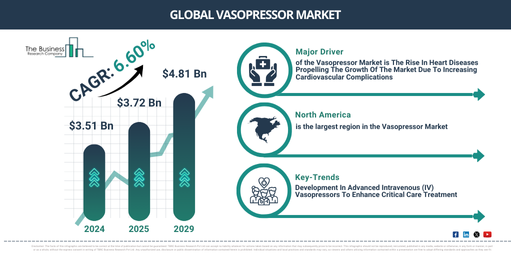
    The vasopressor market has experienced substantial growth in recent years. This market is projected to expand from $3.51 billion in 2024 to $3.72 billion in 2025, exhibiting a compound annual growth rate (CAGR) of 6.1%. Historically, this expansion was driven by an increasing geriatric population, rising healthcare expenditure, growing government initiatives, a proliferation of hospitals, and an increasing prevalence of cardiovascular diseases.

    The vasopressor market is anticipated to experience significant growth in the upcoming years. Its size is projected to expand to $4.81 billion by 2029, demonstrating a compound annual growth rate (CAGR) of 6.6%. This expected expansion throughout the forecast period stems from factors such as the increasing incidence of hypertension, the greater adoption of advanced sepsis management guidelines, rising investments in critical care technologies, a growing prevalence of septic shock, and an escalating demand for personalized critical care. Noteworthy trends anticipated during this period include advancements in drug formulations, the development of tailored therapies, technological progress in smart infusion pumps, the integration of telemedicine into vasopressor therapy, and innovations in biodegradable vasopressor implants.

    Unlock Your Free Sample Report for Exclusive Market Data:

    https://www.thebusinessresearchcompany.com/sample.aspx?id=23562&type=smp

    What Are The Key Drivers Of Growth In The Vasopressor Market?

    An anticipated increase in heart diseases is projected to stimulate expansion within the vasopressor market moving ahead. These conditions encompass a range of ailments impacting cardiac structure and function, such as coronary artery disease, arrhythmias, heart failure, and congenital heart defects. Growing prevalence of inactive lifestyles contributes to obesity and compromised cardiovascular well-being, substantially elevating the likelihood of developing heart disease. Vasopressors assist in treating heart conditions by narrowing blood vessels, consequently raising blood pressure and enhancing vital organ perfusion, thus sustaining cardiovascular function during severe states. As an illustration, data from December 2023, provided by the Australian Institute of Health and Welfare, an Australia-based government agency, indicated that doctor-certified deaths due to coronary heart disease (CHD) were 14,100 in 2021, climbing to 14,900 in 2022. Consequently, the growing incidence of heart disease acts as a catalyst for the expansion of the vasopressor market.

    What Are The Major Segments Identified In The Vasopressor Market?

    The vasopressormarket covered in this report is segmented –

    1) By Type: Catecholamines; Non-Catecholamines; Vasopressin

    2) By Route Of Administration: Intravenous (IV); Intraosseous; Inhalational

    3) By Applications: Hypotension Management; Septic Shock Treatment; Cardiogenic Shock Support; Post-Surgical Management; Other Critical Care Applications

    4) By End Users: Hospitals; Ambulatory Surgical Centers; Emergency Medical Services; Home Care Settings

    Subsegments:-

    1) By Catecholamines: Norepinephrine; Epinephrine; Dopamine; Isoproterenol

    2) By Non-Catecholamines: Phenylephrine; Angiotensin II

    3) By Vasopressin: Vasopressin

    What Long-Term Trends Will Shape The Future Growth Of The Vasopressor Industry?

    Leading companies in the vasopressor market are prioritizing the development of advanced products, such as intravenous (IV) vasopressors, to improve blood pressure regulation and enhance patient outcomes. Intravenous (IV) vasopressors are utilized to constrict blood vessels and elevate blood pressure in individuals experiencing severe hypotension or shock, ensuring adequate blood supply to vital organs. For instance, in June 2023, Fresenius Kabi AG, a Germany-based pharmaceutical company, introduced Vasopressin Injection, USP, a generic equivalent to Vasostrict, in the United States, thereby expanding its critical care portfolio. This specific medication is indicated for adults with vasodilatory shock who remain hypotensive despite receiving fluids and catecholamines. It is supplied in a single-dose vial, containing 20 units per 1 mL.

    Which Major Firms Are Strengthening Their Position In The Vasopressor Industry?

    Major companies operating in the vasopressor market are Pfizer Inc., Merck And Co Inc., Novartis AG, Baxter International Inc., Fresenius Kabi AG, Bauch & Lomb Incorporated, Dr. Reddy’s Laboratories Limited, Hikma Pharmaceuticals PLC, Endo Inc., Amphastar Pharmaceuticals Inc., American Regent Incorporated, Celon Laboratories Ltd., Athenex Inc., Sagent Pharmaceuticals Inc., Civica Rx, Eton Pharmaceuticals Inc., Amomed Pharma GmbH, Health Biotech Limited, Samarth Life Sciences Pvt. Ltd, Pace Biotech Limited.

    Download The Full Report For Exclusive Market Findings:

    https://www.thebusinessresearchcompany.com/report/vasopressor-global-market-report

    Which Region Shows The Highest Potential For Future Expansion In The Vasopressor Market?

    North America was the largest region in the vasopressor market in 2024. Asia-Pacific is expected to be the fastest-growing region in the forecast period. The regions covered in the vasopressor market report are Asia-Pacific, Western Europe, Eastern Europe, North America, South America, Middle East, Africa.

    Request A Customized Version Of The Vasopressor Market Report:

    https://www.thebusinessresearchcompany.com/customise?id=23562&type=smp

    Browse Through More Reports Similar to the Global Vasopressor Market 2025, By The Business Research Company

    Vascular Grafts Global Market Report 2025

    https://www.thebusinessresearchcompany.com/report/vascular-grafts-global-market-report

    Vascular Endothelial Growth Factor Inhibitors Global Market Report 2025

    https://www.thebusinessresearchcompany.com/report/vascular-endothelial-growth-factor-inhibitors-global-market-report

    Antisense Rnai Therapeutics Market 2025

    https://www.thebusinessresearchcompany.com/report/antisense-rnai-therapeutics-market

    Get in touch with us:

    The Business Research Company: https://www.thebusinessresearchcompany.com/

    Americas +1 310-496-7795

    Asia +44 7882 955267 & +91 8897263534

    Europe +44 7882 955267

    Email us at info@tbrc.info

    Follow us on:

    LinkedIn: https://in.linkedin.com/company/the-business-research-company

    YouTube: https://www.youtube.com/channel/UC24_fI0rV8cR5DxlCpgmyFQ

    Global Market Model: https://www.thebusinessresearchcompany.com/global-market-model

  • Global Vasoactive Intestinal Peptide Tumor Industry Trends: Where the Market Is Headed by 2029

    Global Vasoactive Intestinal Peptide Tumor Industry Trends: Where the Market Is Headed by 2029

    Unlock Global Insights – Save 20% on Market Reports with Code ONLINE20

    How Much Larger Is The Vasoactive Intestinal Peptide Tumor Market Expected To Become By 2029 Compared With Its 2025 Level?

    The vasoactive intestinal peptide tumor market has experienced significant growth over the past few years. Projections indicate an increase from $1.51 billion in 2024 to $1.61 billion in 2025, driven by a 6.3% compound annual growth rate (CAGR). The historical expansion of this market is attributable to a number of factors, including the rising incidence of VIP tumors, a heightened emphasis on R&D, growing awareness of healthcare issues, the development of healthcare infrastructure, and strategic alliances formed by biotech companies and research organizations.

    The market for vasoactive intestinal peptide tumors is projected to experience robust expansion over the coming years. This market is anticipated to reach $2.03 billion by 2029, exhibiting a compound annual growth rate (CAGR) of 6.1%. Key factors contributing to this anticipated growth include a heightened demand for chemotherapy, accelerated drug approvals, an increase in the adoption of oral medications, greater disease awareness, and a rising incidence of tumors. Noteworthy trends expected during the forecast period involve advancements in targeted therapies, improvements in diagnostic techniques, developments in treatment options, the increasing prevalence of personalized medicine, a continued focus on targeted therapies, and the launch of innovative products.

    Unlock Your Free Sample Report for Exclusive Market Data:

    https://www.thebusinessresearchcompany.com/sample.aspx?id=23561&type=smp

    Which Drivers Are Supporting Growth Of The Vasoactive Intestinal Peptide Tumor Market?

    The anticipated increase in targeted therapy is projected to fuel the expansion of the vasoactive intestinal peptide tumor market in the foreseeable future. These therapies involve treatments that home in on particular molecules or pathways implicated in disease progression, especially in cancer, allowing for selective targeting of abnormal cells with minimal harm to healthy ones. The proliferation of targeted therapies is underpinned by precision medicine, which enhances their efficacy by focusing on specific genetic mutations and simultaneously reducing side effects. In the context of VIP tumors, targeted therapies function by blocking critical pathways responsible for tumor proliferation and hormone release. This mechanism helps to diminish VIP levels, thereby alleviating symptoms such as severe diarrhea and slowing down the disease’s advancement. For instance, in July 2024, the American Society of Gene and Cell Therapy (ASGCT), a US-based professional membership organization, reported that 76 gene therapy trials began in the second quarter of 2024, marking a 25 % increase compared to the previous quarter. Therefore, the surge in targeted therapy is significantly driving the growth of the vasoactive intestinal peptide tumor market.

    What Are The Emerging Segments Gaining Attention In The Vasoactive Intestinal Peptide Tumor Market?

    The vasoactive intestinal peptide tumormarket covered in this report is segmented –

    1) By Treatment: Surgical Intervention; Radiotherapy; Chemotherapy; Targeted Therapy

    2) By Diagnosis: Imaging Techniques; Biopsy; Endoscopic Ultrasound

    3) By Therapeutic Approach: Palliative Care; Curative Treatment; Adjuvant Treatment

    4) By End-User: Hospitals; Cancer Specialty Clinics; Diagnostic Laboratories

    Subsegments:

    1) By Surgical Intervention: Tumor Resection; Debulking Surgery; Minimally Invasive Surgery

    2) By Radiotherapy: External Beam Radiation Therapy (EBRT); Stereotactic Body Radiation Therapy (SBRT); Proton Therapy

    3) By Chemotherapy: Cytotoxic Chemotherapy; Combination Chemotherapy; Adjuvant And Neoadjuvant Chemotherapy

    4) By Targeted Therapy: Somatostatin Analog Therapy; Tyrosine Kinase Inhibitors (TKIs); Monoclonal Antibodies

    Which Market Trends Are Creating New Opportunities In The Vasoactive Intestinal Peptide Tumor Industry?

    Companies primarily engaged in the vasoactive intestinal peptide tumor market are concentrating on developing advanced products, such as long-acting injectable suspensions, to enhance the effectiveness of treatments, improve patient compliance, and provide sustained relief from symptoms. Long-acting injectable suspensions are pharmaceutical formulations engineered to release their active ingredients progressively over an extended duration, thereby reducing the necessity for frequent dosing. For example, in October 2024, Teva Pharmaceutical Industries Ltd., a US-based pharmaceutical company, launched the first and only generic version of Sandostatin LAR Depot (octreotide acetate for injectable suspension) in the U.S. This medication is prescribed for long-term maintenance therapy in acromegaly patients who have had an inadequate response to prior surgery or radiotherapy. It also effectively treats severe diarrhea and flushing associated with metastatic carcinoid tumors and VIP-secreting tumors. This introduction strengthens Teva’s expertise in complex generic medications and supports its strategic goal of maintaining a significant presence in the generic pharmaceuticals market.

    Who Are The Primary Competitors In The Global Vasoactive Intestinal Peptide Tumor Market?

    Major companies operating in the vasoactive intestinal peptide tumor market are Pfizer Inc., Novartis AG, Mayo Clinic, Labcorp Holdings Inc., Mount Sinai Hospital, Cleveland Clinic Laboratories, Penn Medicine, Stanford Health Care, UCSF Health, ARUP Laboratories, Dr. Lal PathLabs, Cancer Research UK, Medicover Hospitals, NuView Life Sciences Inc., DNA Labs India, Inter Science Institute, Ulta Lab Tests, True Health Labs, Ganesh Diagnostic, Agilus Diagnostics.

    Download The Full Report For Exclusive Market Findings:

    https://www.thebusinessresearchcompany.com/report/vasoactive-intestinal-peptide-tumor-global-market-report

    How Is Vasoactive Intestinal Peptide Tumor Market Demand Varying Across Different Regions?

    North America was the largest region in the vasoactive intestinal peptide tumor market in 2024. The regions covered in the vasoactive intestinal peptide tumor market report are Asia-Pacific, Western Europe, Eastern Europe, North America, South America, Middle East, Africa.

    Request A Customized Version Of The Vasoactive Intestinal Peptide Tumor Market Report:

    https://www.thebusinessresearchcompany.com/customise?id=23561&type=smp

    Browse Through More Reports Similar to the Global Vasoactive Intestinal Peptide Tumor Market 2025, By The Business Research Company

    Tumor Necrosis Factor Inhibitor Drugs Global Market Report 2025

    https://www.thebusinessresearchcompany.com/report/tumor-necrosis-factor-inhibitor-drugs-global-market-report

    Tumor Infiltrating Lymphocytes Global Market Report 2025

    https://www.thebusinessresearchcompany.com/report/tumor-infiltrating-lymphocytes-global-market-report

    Solid Tumor Cancer Treatment Global Market Report 2025

    https://www.thebusinessresearchcompany.com/report/solid-tumor-cancer-treatment-global-market-report

    Get in touch with us:

    The Business Research Company: https://www.thebusinessresearchcompany.com/

    Americas +1 310-496-7795

    Asia +44 7882 955267 & +91 8897263534

    Europe +44 7882 955267

    Email us at info@tbrc.info

    Follow us on:

    LinkedIn: https://in.linkedin.com/company/the-business-research-company

    YouTube: https://www.youtube.com/channel/UC24_fI0rV8cR5DxlCpgmyFQ

    Global Market Model: https://www.thebusinessresearchcompany.com/global-market-model

  • Value-Based Healthcare Services Industry Forecast to Hit $3932.78 Billion by 2029 With a Strong 18.1% CAGR

    Value-Based Healthcare Services Industry Forecast to Hit $3932.78 Billion by 2029 With a Strong 18.1% CAGR

    Unlock Global Insights – Save 20% on Market Reports with Code ONLINE20

    #What Are The Current (2025) And Forecast (2029) Sizes Of The Value-Based Healthcare Services Market?

    The value-based healthcare services market has seen rapid expansion in recent years. Its size is expected to increase from $1708.77 billion in 2024 to $2020.27 billion in 2025, achieving a compound annual growth rate (CAGR) of 18.2%. The growth observed in previous periods can be linked to factors like escalating healthcare costs, a higher prevalence of chronic conditions, increased adoption of healthcare IT, broader application of predictive analytics, and the development of population health management solutions.

    The value-based healthcare services market size is projected to experience significant expansion in the coming years. It is expected to grow to $3932.78 billion by 2029, demonstrating a compound annual growth rate (CAGR) of 18.1%. This projected growth throughout the forecast period can be attributed to the broadening application of artificial intelligence in healthcare, the increasing embrace of telehealth, an intensified focus on preventive care, rising investments within the healthcare sector, and the wider adoption of digital health platforms. Prominent trends anticipated during this period include a move from fee-for-service models to value-based care, enhancements in healthcare analytics, the integration of blockchain technology in healthcare, advancements in artificial intelligence and machine learning, and the incorporation of technology into healthcare workflows.

    Unlock Your Free Sample Report for Exclusive Market Data:

    https://www.thebusinessresearchcompany.com/sample.aspx?id=23559&type=smp

    Which Drivers Are Shaping The Value-Based Healthcare Services Industry’s Market Share?

    The future growth of the value-based healthcare services market is anticipated to be significantly propelled by the increasing adoption of patient-centered care. This healthcare approach fundamentally prioritizes patients’ individual needs, preferences, and values, ensuring their active involvement in all decision-making and treatment planning processes. The rising embrace of patient-centered care stems from a growing awareness that patients should play an active role in their own healthcare decisions. By aligning patient needs and preferences with improvements in health outcomes, enhanced care quality, and reduced costs, patient-centered care has the potential to substantially boost value-based healthcare services. For instance, a survey of 1,200 patients conducted in August 2024 by Lakeside Healthcare At Yaxley, a UK-based general practitioners (GPs) healthcare facility, revealed a 3% rise in patients finding it easier to contact the practice, alongside reduced telephone waiting times with 74% of calls answered within ten minutes, and a higher percentage of face-to-face appointments at 58%. This demonstrates how the expanding implementation of patient-centered care is indeed driving the growth of the value-based healthcare services market.

    What Are The Major Segment Types Covered In The Value-Based Healthcare Services Market?

    The value-based healthcare servicesmarket covered in this report is segmented –

    1) By Product Type: Accountable Care Organization (ACO); Patient-Centered Medical Home (PCMH); Pay for Performance; Bundled Payments

    2) By Deployment Type: Online; Offline

    3) By End-User: Hospitals; Clinics; Insurance Companies; Government; Others End-User

    Subsegments:

    1) By Accountable Care Organization (ACO): Medicare ACOs; Commercial ACOs; Pioneer ACOs; Provider-Sponsored ACOs; Government-Funded ACOs

    2) By Patient-Centered Medical Home (PCMH): Independent PCMHs; Hospital-Based PCMHs; Payer-Led PCMHs; Specialty-Specific PCMHs; Multi-Payer PCMHs

    3) By Pay for Performance: Hospital-Based P4P; Physician-Based P4P; Pharmacy-Based P4P; Nursing and Post-Acute Care P4P; Population Health-Based P4P

    4) By Bundled Payments: Retrospective Bundled Payments; Prospective Bundled Payments; Condition-Specific Bundled Payments; Procedure-Based Bundled Payments; Multi-Payer Bundled Payments

    How Are Trends Influencing The Value-Based Healthcare Services Market?

    Leading companies operating within the value-based healthcare services market are concentrating on developing innovative approaches, such as value-based care, to harness technology and specialized knowledge for delivering excellent and equitable health results. Value-based care represents a healthcare framework designed to improve patient health outcomes while simultaneously reducing expenditures. This model strives to elevate patient wellbeing and decrease costs through its emphasis on quality, proactive care, and streamlined care coordination. For example, in April 2023, Kaiser Permanente, a US-based nonprofit organization, introduced Risant Health, a new nonprofit entity established to broaden and accelerate the integration of value-based healthcare services through collaborations with community-based health systems. This endeavor seeks to improve patient-centered care delivery by incorporating sophisticated value-based care strategies, leveraging insights from data, digital interactions, and novel care methodologies to enhance healthcare access and quality. By acquiring and providing support to nonprofit health systems like Geisinger Health, Risant Health is poised to instigate significant systemic change, fostering cost-efficient, superior healthcare solutions that put patient outcomes and fairness in care first.

    Which Key Market Players Are Investing In Expansion And Innovation Of Value-Based Healthcare Services Market?

    Major companies operating in the value-based healthcare services market are UnitedHealth Group Incorporated, McKesson Corporation, OptumHealth, Cigna Healthcare, Anthem Insurance Companies Inc. (Elevance Health), Kaiser Permanente, Humana Inc., Aetna Inc., Blue Cross and Blue Shield of Minnesota, Genpact Limited, VillageMD, MVP Health Care, Oak Street Health, Athena Healthcare, Evolent Health, ChenMed LLC, Somatus Inc., Cityblock Health, Navvis Healthcare, Tandigm Health, NextStep Solutions, CareMore Health, ForeSee Medical Inc.

    Download The Full Report For Exclusive Market Findings:

    https://www.thebusinessresearchcompany.com/report/value-based-healthcare-services-global-market-report

    Which Geographies Are Emerging As Strong Markets For The Value-Based Healthcare Services Industry?

    North America was the largest region in the value-based healthcare services market in 2024. Asia-Pacific is expected to be the fastest-growing region in the forecast period. The regions covered in the value-based healthcare services market report are Asia-Pacific, Western Europe, Eastern Europe, North America, South America, Middle East, Africa.

    Request A Customized Version Of The Value-Based Healthcare Services Market Report:

    https://www.thebusinessresearchcompany.com/customise?id=23559&type=smp

    Browse Through More Reports Similar to the Global Value-Based Healthcare Services Market 2025, By The Business Research Company

    Healthcare Services Market 2025

    https://www.thebusinessresearchcompany.com/report/healthcare-services-market

    Healthcare Market 2025

    https://www.thebusinessresearchcompany.com/report/healthcare-market

    Point Of Care Diagnostics Devices And Equipment Global Market Report 2025

    https://www.thebusinessresearchcompany.com/report/point-of-care-diagnostics-devices-and-equipment-global-market-report

    Get in touch with us:

    The Business Research Company: https://www.thebusinessresearchcompany.com/

    Americas +1 310-496-7795

    Asia +44 7882 955267 & +91 8897263534

    Europe +44 7882 955267

    Email us at info@tbrc.info

    Follow us on:

    LinkedIn: https://in.linkedin.com/company/the-business-research-company

    YouTube: https://www.youtube.com/channel/UC24_fI0rV8cR5DxlCpgmyFQ

    Global Market Model: https://www.thebusinessresearchcompany.com/global-market-model
  • Value-Based Care Service Market to Reach $6 Billion by 2029, Growing at a CAGR of 9.7%

    Value-Based Care Service Market to Reach $6 Billion by 2029, Growing at a CAGR of 9.7%

    Unlock Global Insights – Save 20% on Market Reports with Code ONLINE20

    What Market Value Is The Value-Based Care Service Industry Expected To Reach By 2029, Starting From 2025 Levels?

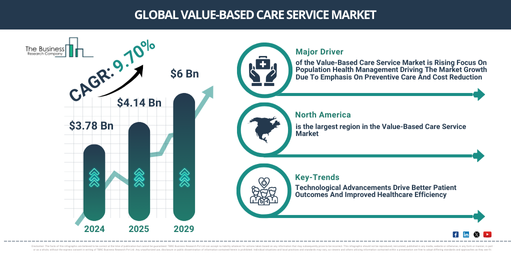
    The value-based care service market size has shown significant expansion in recent years. It is anticipated to increase from $3.78 billion in 2024 to $4.14 billion in 2025, achieving a compound annual growth rate (CAGR) of 9.5%. This historical growth can be attributed to several factors such as escalating healthcare expenses, a stronger focus on patient outcomes, the establishment of accountable care organizations (ACOs), the broader implementation of bundled payment models, and the growing utilization of predictive analytics.

    The value-based care service market is projected for substantial expansion over the next few years. It is expected to grow to $6 billion in 2029, achieving a compound annual growth rate (CAGR) of 9.7%. This anticipated growth is driven by the wider adoption of alternative payment models (APMs), an increase in Medicare and Medicaid enrollment, a heightened demand for personalized care, the growing prevalence of telehealth, and an intensified focus on preventive care. Key trends during this period include sophisticated advancements in healthcare analytics, a transition away from the fee-for-service model, the integration of artificial intelligence and machine learning into healthcare, and ongoing developments in digital health platforms.

    Unlock Your Free Sample Report for Exclusive Market Data:

    https://www.thebusinessresearchcompany.com/sample.aspx?id=23558&type=smp

    What Are The Drivers Pushing New Developments In The Value-Based Care Service Market?

    The growing emphasis on managing population health is set to drive the expansion of the value-based care service market in the future. Population health management represents a forward-thinking healthcare strategy aimed at improving the well-being of a specific population. It achieves this by utilizing data analysis, proactive prevention, coordinated care, and interventions based on evidence to address chronic illnesses, reduce health inequities, and boost overall health. This heightened attention to population health stems from the imperative to enhance health outcomes while simultaneously containing healthcare expenditures. By focusing on health at a population level, healthcare providers can identify and mitigate widespread health risks, encourage preventative measures, and more effectively manage long-term conditions. Value-based care services are crucial in this shift, as they connect financial incentives directly to health results, encourage teamwork across various disciplines, and prioritize preventative care and sustained patient involvement to bolster population health management initiatives. For example, the Bureau of Labor Statistics, a US-based federal agency, reported in April 2023 that the employment for medical and health services managers is projected to rise by 29% from 2023 to 2033, a rate considerably faster than the average for all jobs. Consequently, the intensified focus on population health management is stimulating the growth of the value-based care service market.

    What Are The Major Segment Categories Driving The Value-Based Care Service Market Growth?

    The value-based care servicemarket covered in this report is segmented –

    1) By Model: Pay For Performance; Patient-Centered Medical Home; Shared Savings; Shared Risk; Bundled Payment; Capitation Models

    2) By Payers: Medicare; Medicaid; Commercial Insurance; Other Payers

    3) By Providers: Home Health Care; Institutional Care; Hospital Therapy; Other Providers

    4) By End-Users: Hospitals And Clinics; Insurance Companies; Government; Other End-Users

    Subsegments:

    1) By Pay For Performance: Hospital-Based Pay for Performance; Physician-Based Pay for Performance; Pharmacy-Based Pay for Performance; Nursing and Post-Acute Care Pay for Performance; Population Health-Based Pay for Performance

    2) By Patient-Centered Medical Home: Independent Patient-Centered Medical Homes; Hospital-Based Patient-Centered Medical Homes; Payer-Led Patient-Centered Medical Homes; Specialty-Specific Patient-Centered Medical Homes; Multi-Payer Patient-Centered Medical Homes

    3) By Shared Savings: One-Sided Shared Savings; Two-Sided Shared Savings; Medicare Shared Savings Programs; Commercial Shared Savings Programs; Medicaid Shared Savings Programs

    4) By Shared Risk: Partial Risk Sharing; Full Risk Sharing; Upside-Only Risk Models; Downside Risk Models; Provider-Sponsored Risk Arrangements

    5) By Bundled Payment: Retrospective Bundled Payments; Prospective Bundled Payments; Condition-Specific Bundled Payments; Procedure-Based Bundled Payments; Multi-Payer Bundled Payments

    6) By Capitation Models: Full Capitation; Partial Capitation; Primary Care Capitation; Specialty Care Capitation; Global Capitation

    What Key Innovation Trends Are Fueling Advancements In The Value-Based Care Service Market?

    Leading companies within the value-based care service market are actively focusing on developing innovative solutions, such as healthcare analytics, to enhance outcomes and operational efficiency. Healthcare analytics utilizes information concerning patients and their treatments to assist medical professionals and hospitals in making improved decisions and elevating the standard of care. It supports value-based care services by leveraging patient information to select optimal care pathways, improve health outcomes, and reduce unnecessary expenses. For instance, in October 2023, Milliman MedInsight, a US-based healthcare analytics and data solutions company, unveiled an enhanced Value-Based Care Platform, crafted to help healthcare organizations achieve better performance under value-based care models. The upgraded platform provided advanced tools for analyzing patient data, tracking health outcomes, managing costs, and improving care coordination. This enabled doctors, hospitals, and health plans to make more informed decisions by identifying effective treatments, using resources efficiently, and delivering higher-quality care.

    Who Are The Core Companies Influencing The Value-Based Care Service Market Landscape?

    Major companies operating in the value-based care service market are UnitedHealth Group Incorporated, McKesson Corporation, Cigna Healthcare, Anthem Insurance Companies Inc. (Elevance Health), Kaiser Permanente, Humana Inc., Blue Cross and Blue Shield of Minnesota, Genpact Limited, VillageMD, MVP Health Care, Agilon Health Inc., Oak Street Health, Privia Health Group Inc., Evolent Health, ChenMed LLC, Aetna Inc., Aledade Inc., Somatus Inc., Equality Health LLC, Wellvana Health LLC, Tandigm Health, ForeSee Medical Inc.

    Download The Full Report For Exclusive Market Findings:

    https://www.thebusinessresearchcompany.com/report/value-based-care-service-global-market-report

    Which Region Is Projected To Lead The Value-Based Care Service Market During The Forecast Period?

    North America was the largest region in the value-based care service market in 2024. Asia-Pacific is expected to be the fastest-growing region in the forecast period. The regions covered in the value-based care service market report are Asia-Pacific, Western Europe, Eastern Europe, North America, South America, Middle East, Africa.

    Request A Customized Version Of The Value-Based Care Service Market Report:

    https://www.thebusinessresearchcompany.com/customise?id=23558&type=smp

    Browse Through More Reports Similar to the Global Value-Based Care Service Market 2025, By The Business Research Company

    Nursing Care Market 2025

    https://www.thebusinessresearchcompany.com/report/nursing-care-market

    Child Care Market 2025

    https://www.thebusinessresearchcompany.com/report/child-care-market

    Healthcare Services Market 2025

    https://www.thebusinessresearchcompany.com/report/healthcare-services-market

    Get in touch with us:

    The Business Research Company: https://www.thebusinessresearchcompany.com/

    Americas +1 310-496-7795

    Asia +44 7882 955267 & +91 8897263534

    Europe +44 7882 955267

    Email us at info@tbrc.info

    Follow us on:

    LinkedIn: https://in.linkedin.com/company/the-business-research-company

    YouTube: https://www.youtube.com/channel/UC24_fI0rV8cR5DxlCpgmyFQ

    Global Market Model: https://www.thebusinessresearchcompany.com/global-market-model
  • Global Usher Syndrome Market Size Projected to Reach $2.79 Billion During the Forecast Period

    Global Usher Syndrome Market Size Projected to Reach $2.79 Billion During the Forecast Period

    Unlock Global Insights – Save 20% on Market Reports with Code ONLINE20

    What Is The Anticipated Size Of The Usher Syndrome Market Over The Five-Year Period 2025–2029?

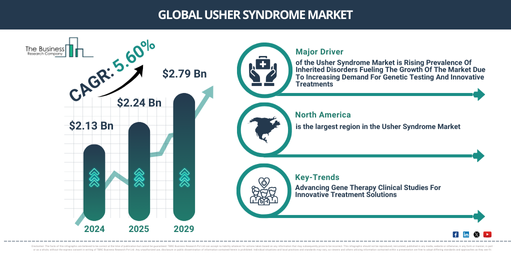
    The market size for usher syndrome has experienced robust growth in recent years. It is anticipated to expand from $2.13 billion in 2024 to $2.24 billion in 2025, exhibiting a compound annual growth rate (CAGR) of 5.3%. The historical expansion of this market can be attributed to an increase in genetic disorders, a heightened demand for minimally invasive surgeries, the rising prevalence of inherited disorders, a greater number of product approvals, and expanding government initiatives.

    The usher syndrome market is anticipated to experience substantial growth in the coming years, with its size projected to reach $2.79 billion by 2029, exhibiting a compound annual growth rate (CAGR) of 5.6%. This expansion during the forecast period is primarily fueled by the increasing use of cochlear implants, a rise in gene mutations, growing healthcare expenditure, the increasing popularity of ophthalmological rehabilitation, and a greater adoption of audiological rehabilitation. Noteworthy trends during this period include the development of vaccines, advancements in hearing kits, progress in devices, improvements in surgeries, and developments in gene therapies.

    Unlock Your Free Sample Report for Exclusive Market Data:

    https://www.thebusinessresearchcompany.com/sample.aspx?id=23555&type=smp

    What Are The Emerging Market Drivers Creating New Opportunities In The Usher Syndrome Industry?

    The usher syndrome market is anticipated to expand due to the growing occurrence of inherited disorders. Inherited disorders are genetic conditions transmitted from parents to children through their DNA, often stemming from mutations in one or more genes. The increase in these disorders is linked to rising parental age, resulting in a greater frequency of genetic conditions in newborns. Usher syndrome itself is a genetic condition necessitating prompt diagnosis, specialized treatment, and specific therapies. Enhanced awareness and expanded screening for genetic disorders contribute to more Usher syndrome cases being identified. This, in turn, fuels the demand for diagnostic tests, genetic counseling, and therapeutic interventions. For example, as reported in November 2022 by the United Kingdom Hemophilia Centre Doctors Organization, a UK medical association, new registrations for individuals aged 2 years and older with severe hemophilia A who received subsequent treatment climbed from 16 in 2021 to 19 in 2022. Consequently, the increasing prevalence of inherited disorders will propel the usher syndrome market.

    How Is The Usher Syndrome Market Segmented?

    The usher syndromemarket covered in this report is segmented –

    1) By Type: Type 1; Type 2; Type 3; Other Types

    2) By Treatment: Devices; Drugs; Therapy; Other Treatments

    3) By Diagnosis: Electroretinogram; Optical Coherence Tomography; Video Nystagmography; Audiology; Genetic Testing; Other Diagnoses

    4) By Distribution Channels: Hospital Pharmacy; Retail Pharmacy; Other Distribution Channels

    5) By End-Users: Hospitals; Speciality Clinics; Other End-Users

    Subsegments:

    1) By Type 1: MYO7A Mutation; USH1C Mutation; CDH23 Mutation; PCDH15 Mutation; USH1G Mutation

    2) By Type 2: USH2A Mutation; GPR98 Mutation; DFNB31 Mutation

    3) Type 3: CLRN1 Mutation

    4) Other Types: Atypical Usher Syndrome; Rare Genetic Variants

    Which Ongoing Trends Are Expected To Shape The Usher Syndrome Market Outlook?

    Major companies operating in the usher syndrome market are heavily invested in clinical studies focused on creating gene therapies and innovative treatments designed to slow down or even reverse the progression of vision and hearing loss. These clinical investigations aim to improve methods for early diagnosis, enhance available assistive technologies, and explore various drug-based interventions to achieve better management of the disease. For example, in October 2024, AAVantgarde Bio, an Italy-based biotechnology company, commenced the LUCE-1 trial, a Phase I/II clinical study intended to assess the safety and efficacy of its gene therapy, AAVB-081, for addressing retinitis pigmentosa associated with Usher Syndrome type 1B (USH1B). The LUCE-1 trial’s specific goal is to evaluate the safety and tolerability of AAVB-081, which delivers a functional copy of the MYO7A gene, critical for retinal health.

    Which Major Industry Participants Are Leading The Usher Syndrome Market Growth?

    Major companies operating in the usher syndrome market are National Institute Of Health, Stanford Health Care, Cochlear Ltd, Advanced Bionics AG, Spark Therapeutics, Editas Medicine Inc, American Academy of Ophthalmology, BlueRock Therapeutics, Medline Plus, Ear Science Institute Australia, Oxford Academics, ProQR Therapeutics NV, ReiThera srl, Usher Syndrome Coalition, Happy Ears Hearing Center, Odylia Therapeutics, ReNeuron Group plc, Sensorion SAS, Gensight Biologics, Harvard Medical School

    Download The Full Report For Exclusive Market Findings:

    https://www.thebusinessresearchcompany.com/report/usher-syndrome-global-market-report

    What Are The Key Regional Factors Influencing The Usher Syndrome Market Growth?

    North America was the largest region in the usher syndrome market in 2024. Asia-Pacific is expected to be the fastest-growing region in the forecast period. The regions covered in the usher syndrome market report are Asia-Pacific, Western Europe, Eastern Europe, North America, South America, Middle East, Africa.

    Request A Customized Version Of The Usher Syndrome Market Report:

    https://www.thebusinessresearchcompany.com/customise?id=23555&type=smp

    Browse Through More Reports Similar to the Global Usher Syndrome Market 2025, By The Business Research Company

    Acute Coronary Syndrome Global Market Report 2025

    https://www.thebusinessresearchcompany.com/report/acute-coronary-syndrome-global-market-report

    Cough Hypersensitivity Syndrome Global Market Report 2025

    https://www.thebusinessresearchcompany.com/report/cough-hypersensitivity-syndrome-global-market-report

    Dumping Syndrome Global Market Report 2025

    https://www.thebusinessresearchcompany.com/report/dumping-syndrome-global-market-report

    Get in touch with us:

    The Business Research Company: https://www.thebusinessresearchcompany.com/

    Americas +1 310-496-7795

    Asia +44 7882 955267 & +91 8897263534

    Europe +44 7882 955267

    Email us at info@tbrc.info

    Follow us on:

    LinkedIn: https://in.linkedin.com/company/the-business-research-company

    YouTube: https://www.youtube.com/channel/UC24_fI0rV8cR5DxlCpgmyFQ

    Global Market Model: https://www.thebusinessresearchcompany.com/global-market-model
  • Urticaria Industry Anticipated to Expand at 17.7% CAGR During the Forecast Period

    Urticaria Industry Anticipated to Expand at 17.7% CAGR During the Forecast Period

    Unlock Global Insights – Save 20% on Market Reports with Code ONLINE20

    What Are The Forecasted Market Size Estimates For The Urticaria Market Between 2025 And 2029?

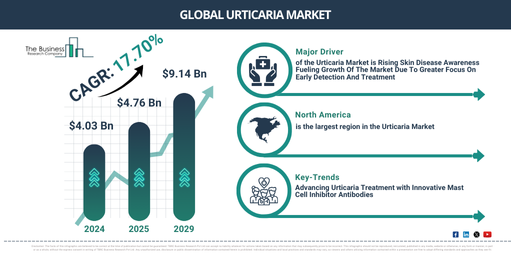
    The market for urticaria has experienced rapid expansion over recent years. It is projected to grow from $4.03 billion in 2024 to $4.76 billion in 2025, at a compound annual growth rate (CAGR) of 18.1%. The historic growth can be attributed to factors such as the increasing prevalence of allergies, rising awareness of skin disorders, advancements in immunology and biologics, growing demand for antihistamines, and improving diagnostic techniques.

    The urticaria market is anticipated to experience substantial growth in the upcoming years. It is projected to expand to $9.14 billion by 2029, achieving a compound annual growth rate (CAGR) of 17.7%. This expected growth during the forecast period is driven by factors such as an increase in chronic urticaria cases, the wider adoption of biologic therapies, greater investments in dermatology research, improved access to advanced allergy diagnostics, and the ongoing development of personalized medicine. Significant trends in the forecast period include the emergence of AI-powered diagnostic tools, the creation of novel biologics, advancements in personalized immunotherapy, the use of wearable skin monitoring devices, and the integration of telemedicine for allergy management.

    Unlock Your Free Sample Report for Exclusive Market Data:

    https://www.thebusinessresearchcompany.com/sample.aspx?id=23554&type=smp

    Which Drivers Are Impacting The Urticaria Market?

    Enhanced understanding and management of skin diseases are anticipated to boost the growth of the urticaria market in the coming years. Elevated pollution levels contribute to an increase in skin allergies and conditions, thereby stimulating the demand for greater awareness and advanced therapeutic options. Urticaria itself contributes to skin disease awareness and treatment by illustrating immune system responses, driving research, improving diagnostics, and advancing targeted therapies. For instance, in February 2024, The Skin Cancer Foundation, a US-based nonprofit, reported that 1 in 5 Americans develop skin cancer by age 70, with over 2 deaths occurring every hour in the U.S. This information emphasizes the urgent requirement for preventive measures, as having five or more sunburns doubles the risk of melanoma. Therefore, increased skin disease awareness and treatment are propelling the expansion of the urticaria market.

    What Are The Key Segments In The Urticaria Market?

    The urticariamarket covered in this report is segmented –

    1) By Type: Acute Urticaria; Chronic Urticaria

    2) By Drug Class: Antihistamines; Anti-inflammation Medications; Antidepressants; Monoclonal Antibodies; Other Drug Classes

    3) By Route of Administration: Oral; Parenteral; Other Routes Of Administration

    4) By Distribution Channel: Hospital Pharmacy; Online Pharmacy; Retail Pharmacy

    5) By End-Users: Hospitals; Homecare; Specialty Clinics; Other End-Users

    Subsegments:

    1) By Acute Urticaria: Allergic Urticaria; Infectious Urticaria; Drug-Induced Urticaria; Contact Urticaria

    2) By Chronic Urticaria: Chronic Spontaneous Urticaria (CSU); Chronic Inducible Urticaria (CIndU)

    Which Competitive Trends Are Defining The Urticaria Market Structure?

    Leading companies in the urticaria market are focusing on developing novel solutions, such as mast cell inhibitor antibodies, to create an advanced therapeutic approach for managing chronic spontaneous urticaria by targeting mast cell activation. A mast cell inhibitor antibody functions as a targeted monoclonal antibody, preventing the activation or degranulation of mast cells by suppressing specific receptors or signaling pathways, thereby diminishing allergic reactions, inflammation, and other mast cell-mediated conditions. For instance, in May 2024, Allakos Inc., a US-based biotechnology company, announced the commencement of a Phase 1 clinical trial for AK006, designed to treat chronic spontaneous urticaria (CSU). This innovative therapy targets both IgE-dependent and IgE-independent mast cell activation pathways, offering potential for broader efficacy in patients resistant to antihistamines or prior biologic treatments. By selectively inhibiting mast cell activity through the Siglec-6 receptor, AK006 aims to provide a more comprehensive and enduring solution for CSU management, signifying a notable progression in urticaria treatment and immunotherapy research.

    Who Are The Prominent Global Companies Shaping The Urticaria Market?

    Major companies operating in the urticaria market are Sanofi S.A., Novartis AG, GlaxoSmithKline PLC, Roche Holding AG, Viatris Inc., Teva Pharmaceutical Industries Ltd, Sun Pharmaceutical Industries Ltd, Incyte Corporation, Kyowa Kirin Co. Ltd., Dr. Reddy’s Laboratories Ltd, Cipla Ltd., Amneal Pharmaceuticals Inc, Glenmark Pharmaceuticals Ltd, Torrent Pharmaceuticals, Almirall S.A., Argenx SE, BioCryst Pharmaceuticals Inc., Pharvaris NV, Revolution Medicines Inc., Allakos.

    Download The Full Report For Exclusive Market Findings:

    https://www.thebusinessresearchcompany.com/report/urticaria-global-market-report

    How Do Regional Market Performances Compare Within The Urticaria Industry?

    North America was the largest region in the urticaria market in 2024. Asia-Pacific is expected to be the fastest-growing region in the forecast period. The regions covered in the urticaria market report are Asia-Pacific, Western Europe, Eastern Europe, North America, South America, Middle East, Africa.

    Request A Customized Version Of The Urticaria Market Report:

    https://www.thebusinessresearchcompany.com/customise?id=23554&type=smp

    Browse Through More Reports Similar to the Global Urticaria Market 2025, By The Business Research Company

    Transdermal Skin Patches Market 2025

    https://www.thebusinessresearchcompany.com/report/transdermal-skin-patches-market

    Natural Skin Care Products Global Market Report 2025

    https://www.thebusinessresearchcompany.com/report/natural-skin-care-products-global-market-report

    Organic Skincare Global Market Report 2025

    https://www.thebusinessresearchcompany.com/report/organic-skincare-global-market-report

    Get in touch with us:

    The Business Research Company: https://www.thebusinessresearchcompany.com/

    Americas +1 310-496-7795

    Asia +44 7882 955267 & +91 8897263534

    Europe +44 7882 955267

    Email us at info@tbrc.info

    Follow us on:

    LinkedIn: https://in.linkedin.com/company/the-business-research-company

    YouTube: https://www.youtube.com/channel/UC24_fI0rV8cR5DxlCpgmyFQ

    Global Market Model: https://www.thebusinessresearchcompany.com/global-market-model