Category: HealthcareServices

  • Palmoplantar Pustulosis Market to Reach $2.82 Billion by 2029, Growing at a CAGR of 7.7%

    Palmoplantar Pustulosis Market to Reach $2.82 Billion by 2029, Growing at a CAGR of 7.7%

    Unlock Global Insights – Save 20% on Market Reports with Code ONLINE20

    What Is The Global Market Value Of The Palmoplantar Pustulosis Industry In 2025?

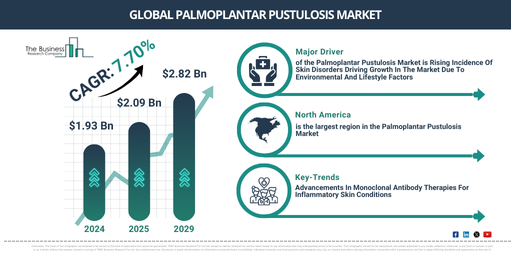
    The palmoplantar pustulosis market has experienced robust expansion in recent years. It is projected to grow from $1.93 billion in 2024 to $2.09 billion in 2025, at a compound annual growth rate (CAGR) of 8.5%. The expansion witnessed in the historic period can be attributed to the increasing prevalence of autoimmune disorders, growing awareness about rare skin diseases, rising healthcare expenditure, and increasing adoption of telemedicine for dermatology.

    The palmoplantar pustulosis market is projected to experience robust expansion in the coming years. By 2029, it is anticipated to reach $2.82 billion, demonstrating a compound annual growth rate (CAGR) of 7.7%. This growth throughout the forecast period can be attributed to several factors, including the increasing adoption of biologic therapies, heightened investments in dermatology research, an expanding pipeline of novel treatments, a rising demand for personalized medical approaches, and the growing occurrence of chronic skin conditions. Key trends during this period are expected to encompass significant advancements in dermatology research, a noticeable shift towards biologics and immunomodulators, the incorporation of artificial intelligence into dermatological diagnostics, the creation of sophisticated topical formulations, and the integration of machine learning within dermatological research.

    Unlock Your Free Sample Report for Exclusive Market Data:

    https://www.thebusinessresearchcompany.com/sample.aspx?id=22090&type=smp

    Which Industry Drivers Are Expected To Accelerate The Palmoplantar Pustulosis Market From 2025 To 2029?

    The rising prevalence of skin conditions is anticipated to drive expansion in the palmoplantar pustulosis market in the future. Skin disorders are defined as ailments impacting the skin’s structure, functionality, or visual aspect. This increase in skin disorder cases stems from environmental shifts, lifestyle choices, and genetic factors. Environmental elements like air pollution, harsh weather, and contact with detrimental chemicals can irritate the skin, resulting in conditions such as eczema or acne. Palmoplantar pustulosis, a chronic dermatological condition, primarily impacts the skin on the palms of the hands and soles of the feet, manifesting as pustules, redness, and scaling; it can be addressed with different therapies to enhance skin health and reduce discomfort. As an illustration, data from the International Eczema Council, a US-based organization, reported in 2022 that approximately 223 million individuals suffered from atopic dermatitis, with around 43 million of these being aged 1 to 4. Consequently, the growing frequency of skin conditions is a key driver for the palmoplantar pustulosis market.

    How Is The Palmoplantar Pustulosis Market Classified Into Different Segments?

    The palmoplantar pustulosismarket covered in this report is segmented –

    1) By Treatment Type: Topical Treatments; Systemic Treatments; Biologics; Phototherapy

    2) By Application: Hospitals; Dermatology Clinics; Homecare Settings

    3) By Distribution Channel: Online Pharmacies; Retail Pharmacies; Hospitals

    Subsegments:

    1) By Topical Treatments: Corticosteroids; Vitamin D Analogues; Calcineurin Inhibitors; Keratolytics

    2) By Systemic Treatments: Retinoids; Immunosuppressants; Phosphodiesterase-4 (PDE4) Inhibitors; Corticosteroids

    3) By Biologics: Tumor Necrosis Factor (TNF) Inhibitors; Interleukin-17 (IL-17) Inhibitors; Interleukin-23 (IL-23) Inhibitors; Interleukin-12/23 (IL-12/23) Inhibitors

    4) By Phototherapy: Narrowband UVB Therapy (NB-UVB); Psoralen plus Ultraviolet A (PUVA) Therapy; Excimer Laser Therapy; Targeted Phototherapy

    Which Competitive Trends Are Defining The Palmoplantar Pustulosis Market Structure?

    Leading companies in the palmoplantar pustulosis market are concentrating on developing innovative treatments, such as monoclonal antibodies that target inflammatory pathways, to achieve better patient outcomes. A monoclonal antibody (mAb) is a uniform antibody generated by a single B cell clone, designed to specifically bind to an antigen for either therapeutic or diagnostic purposes. For example, in August 2023, Kyowa Kirin Co., Ltd., a Japan-based pharmaceutical company, obtained a partial change approval for LUMICEF in Japan for palmoplantar pustulosis. LUMICEF represents a targeted therapy that inhibits IL-17, delivering prompt and enduring relief for inflammatory conditions like psoriasis and palmoplantar pustulosis. Its aim is to decrease inflammation and enhance the quality of life for patients affected by these chronic diseases.

    Which Leading Players Are Enhancing Their Palmoplantar Pustulosis Market Presence Worldwide?

    Major companies operating in the palmoplantar pustulosis market are Pfizer Inc., AbbVie Inc., Sanofi S.A., Bristol-Myers Squibb Company, Novartis International AG, GlaxoSmithKline PLC (GSK), Amgen Inc., C.H. Boehringer Sohn AG & Co. KG, Bausch Health Companies Inc., Chugai Pharmaceutical Co. Ltd., Janssen Pharmaceuticals Inc., Kyowa Kirin Co. Ltd., Swedish Orphan Biovitrum AB (Sobi), Almirall S.A., MorphoSys AG, MoonLake Immunotherapeutics AG, Aristea Therapeutics Inc., AnaptysBio Inc., Taiho Pharmaceutical Co. Ltd., Kamari Pharma Ltd.

    Download The Full Report For Exclusive Market Findings:

    https://www.thebusinessresearchcompany.com/report/palmoplantar-pustulosis-global-market-report

    How Do Regional Market Performances Compare Within The Palmoplantar Pustulosis Industry?

    North America was the largest region in the palmoplantar pustulosis market in 2024. The regions covered in the palmoplantar pustulosis market report are Asia-Pacific, Western Europe, Eastern Europe, North America, South America, Middle East, Africa.

    Request A Customized Version Of The Palmoplantar Pustulosis Market Report:

    https://www.thebusinessresearchcompany.com/customise?id=22090&type=smp

    Browse Through More Reports Similar to the Global Palmoplantar Pustulosis Market 2025, By The Business Research Company

    Natural Skin Care Products Global Market Report 2025

    https://www.thebusinessresearchcompany.com/report/natural-skin-care-products-global-market-report

    Organic Skincare Global Market Report 2025

    https://www.thebusinessresearchcompany.com/report/organic-skincare-global-market-report

    Dna Based Skin Care Products Global Market Report 2025

    https://www.thebusinessresearchcompany.com/report/dna-based-skin-care-products-global-market-report

    Get in touch with us:

    The Business Research Company: https://www.thebusinessresearchcompany.com/

    Americas +1 310-496-7795

    Asia +44 7882 955267 & +91 8897263534

    Europe +44 7882 955267

    Email us at info@tbrc.info

    Follow us on:

    LinkedIn: https://in.linkedin.com/company/the-business-research-company

    YouTube: https://www.youtube.com/channel/UC24_fI0rV8cR5DxlCpgmyFQ

    Global Market Model: https://www.thebusinessresearchcompany.com/global-market-model
  • Global Paget Disease Treatment Market Size Projected to Reach $2.52 Billion During the Forecast Period

    Global Paget Disease Treatment Market Size Projected to Reach $2.52 Billion During the Forecast Period

    Unlock Global Insights – Save 20% on Market Reports with Code ONLINE20

    By How Much Is The Paget Disease Treatment Market Expected To Expand Between 2025 And 2029?

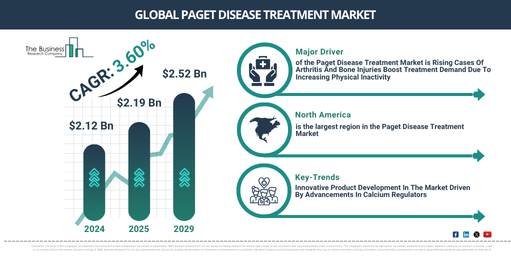
    The paget disease treatment market size has experienced consistent expansion in recent years. It is projected to increase from $2.12 billion in 2024 to $2.19 billion in 2025, exhibiting a compound annual growth rate (CAGR) of 3.2%. The expansion observed in previous periods can be linked to factors like the rising prevalence of paget disease, improved awareness and diagnosis rates, an expanding geriatric population, advancements in healthcare infrastructure, and the growing adoption of bisphosphonates.

    The paget disease treatment market is anticipated to observe consistent growth over the next few years, with its valuation expected to reach $2.52 billion by 2029, demonstrating a compound annual growth rate (CAGR) of 3.6%. This projected growth stems from factors such as increasing demand for targeted therapies, rising healthcare expenditure, a growing aging population, an increase in clinical trials for novel therapies, and an enhanced focus on personalized medicine. Significant trends for the forecast period include advancements in treatment options, a shift towards biologic treatments, the development of combination therapies, the integration of digital health solutions, and progress in diagnostic technologies.

    Unlock Your Free Sample Report for Exclusive Market Data:

    https://www.thebusinessresearchcompany.com/sample.aspx?id=22088&type=smp

    What Are The Top Growth Drivers Impacting The Paget Disease Treatment Market Outlook?

    The paget disease treatment market is anticipated to expand due to an increase in arthritis and bone injury cases. Arthritis, characterized by joint inflammation, can be aggravated by bone injuries. The rise in these conditions is often linked to insufficient physical activity, which diminishes muscle and joint strength, impairing their capacity to support movement and absorb impacts. This elevates the risk of joint degeneration, stiffness, and fractures over time. Paget disease treatment aids in managing arthritis and bone injuries by alleviating bone pain, improving joint functionality, and preventing issues like fractures and deformities resulting from abnormal bone remodeling. For example, in February 2024, The Centers for Disease Control and Prevention (CDC), a US-based national public health institute, reported that in 2022, the age-adjusted prevalence of diagnosed arthritis among adults aged 18 and older was 18.9%. Women showed a higher prevalence at 21.5% compared to men at 16.1%. The prevalence of arthritis also increased with age, from 3.6% in individuals aged 18–34 to 53.9% in those aged 75 and above. Thus, the escalating incidence of arthritis and bone injuries is a key driver for the growth of the paget disease treatment market.

    What Are The Major Segments Identified In The Paget Disease Treatment Market?

    The paget disease treatmentmarket covered in this report is segmented –

    1) By Treatment Type: Actonel; Reclast; Zoledronic Acid; Fosamax; Miacalcin; Aredia; Calcitonin; Zometa; Other Treatments

    2) By Route Of Administration: Oral; Intravenous; Topical

    3) By Distribution Channels: Hospital Pharmacies; Retail Pharmacies; Online Pharmacie; Drug stores

    4) By End User: Hospitals; Clinics; Other End-Users

    Subsegments:

    1) By Actonel: Risedronate Sodium Tablets; Delayed-Release Risedronate.

    2) By Reclast: Intravenous Reclast; Annual Reclast Infusion.

    3) By Zoledronic Acid: Zoledronic Acid 5 mg Injection; Zoledronic Acid 4 mg Injection.

    4) By Fosamax: Alendronate Sodium Tablets; Alendronate Oral Solution

    5) By Miacalcin: Miacalcin Nasal Spray; Miacalcin Injection

    6) By Aredia: Pamidronate Disodium 30 mg Injection; Pamidronate Disodium 90 mg Injection

    7) By Calcitonin: Synthetic Salmon Calcitonin; Human Calcitonin

    8) By Zometa: Zometa 4 mg/5 mL Concentrate; Zometa 4 mg Infusion

    9) By Other Treatments: Pain Management Medications; Physical Therapy; Surgical Interventions

    What Are The Latest Industry Trends Transforming The Paget Disease Treatment Market?

    Leading companies in the paget disease treatment market are concentrating on developing innovative products, such as calcium regulators, to improve treatment efficacy, enhance patient outcomes, and increase their market share. A calcium regulator is a substance or medication that aids in managing calcium levels within the blood and bones, ensuring balance to support various physiological processes. For example, Fresenius Kabi AG, a Germany-based healthcare company, launched Calcitonin Salmon Injection, USP Synthetic, a calcium regulator designed for treating symptomatic Paget’s disease of the bone, hypercalcemia, and postmenopausal osteoporosis, in February 2025. This launch aims to offer a more economical treatment solution, strengthen their supply chain, and expand their portfolio of generic injectables. Fresenius Kabi has made considerable investments in its facilities to secure a steady provision of essential medicines, with the objective of improving patient care and establishing itself as a key healthcare provider.

    Which Major Firms Are Strengthening Their Position In The Paget Disease Treatment Industry?

    Major companies operating in the paget disease treatment market are Pfizer Inc., Merck & Co. Inc., AbbVie Inc., Novartis AG, Takeda Pharmaceutical Company Limited, Eli Lilly and Company, Teva Pharmaceutical Industries Ltd., Mylan N.V., Fresenius Kabi AG, Zimmer Biomet Holdings Inc., Eisai Co. Ltd., Sun Pharmaceutical Industries Limited, Apotex Inc., Sumitomo Pharma Co. Ltd., Aurobindo Pharma Limited, Dr. Reddy’s Laboratories Ltd., Cipla Limited, Endo International plc, Zaklady Farmaceutyczne Polpharma S.A., Abiogen Pharma S.p.A.

    Download The Full Report For Exclusive Market Findings:

    https://www.thebusinessresearchcompany.com/report/paget-disease-treatment-global-market-report

    Which Region Currently Holds The Largest Share Of The Paget Disease Treatment Market?

    North America was the largest region in the paget disease treatment market in 2024. Asia-Pacific is expected to be the fastest-growing region in the forecast period. The regions covered in the paget disease treatment market report are Asia-Pacific, Western Europe, Eastern Europe, North America, South America, Middle East, Africa.

    Request A Customized Version Of The Paget Disease Treatment Market Report:

    https://www.thebusinessresearchcompany.com/customise?id=22088&type=smp

    Browse Through More Reports Similar to the Global Paget Disease Treatment Market 2025, By The Business Research Company

    Inflammatory Bowel Disease Treatment Global Market Report 2025

    https://www.thebusinessresearchcompany.com/report/inflammatory-bowel-disease-treatment-global-market-report

    Chronic Disease Management Global Market Report 2025

    https://www.thebusinessresearchcompany.com/report/chronic-disease-management-global-market-report

    Liver Diseases Therapeutics Global Market Report 2025

    https://www.thebusinessresearchcompany.com/report/liver-diseases-therapeutics-global-market-report

    Get in touch with us:

    The Business Research Company: https://www.thebusinessresearchcompany.com/

    Americas +1 310-496-7795

    Asia +44 7882 955267 & +91 8897263534

    Europe +44 7882 955267

    Email us at info@tbrc.info

    Follow us on:

    LinkedIn: https://in.linkedin.com/company/the-business-research-company

    YouTube: https://www.youtube.com/channel/UC24_fI0rV8cR5DxlCpgmyFQ

    Global Market Model: https://www.thebusinessresearchcompany.com/global-market-model

  • Over The Counter Test Industry Anticipated to Expand at 13.9% CAGR During the Forecast Period

    Over The Counter Test Industry Anticipated to Expand at 13.9% CAGR During the Forecast Period

    Unlock Global Insights – Save 20% on Market Reports with Code ONLINE20

    #What Is The Projected Market Size Of The Over The Counter Test Market By 2029?

    The over the counter test market size has experienced rapid expansion in recent years. Its valuation is set to grow from $23.79 billion in 2024 to $27.13 billion in 2025, reflecting a compound annual growth rate (CAGR) of 14.0%. Contributing to this historical growth have been the rise of smart home healthcare, increased remote patient monitoring, the emergence of outpatient clinics, the proliferation of mHealth (mobile health) solutions, and the development of subscription-based services.

    The over the counter test market size is anticipated to experience substantial growth in the upcoming years. It is projected to expand to $45.71 billion by 2029, demonstrating a compound annual growth rate (CAGR) of 13.9%. This expansion during the forecast period can be attributed to the rising incidence of infectious diseases, an increase in the number of HIV-infected individuals, the growth of remote patient monitoring, increased smartphone penetration, and the surge in healthcare-associated infections (HAIs). Significant trends expected in this period include the integration of digital health, connectivity with mobile applications, the adoption of integrated care models, the incorporation of AI and machine learning, and remote infection control monitoring.

    Unlock Your Free Sample Report for Exclusive Market Data:

    https://www.thebusinessresearchcompany.com/sample.aspx?id=22085&type=smp

    Which Major Market Drivers Are Shaping The Future Of The Over The Counter Test Market?

    The increasing prevalence of chronic diseases is projected to drive the expansion of the over the counter test market moving forward. Chronic diseases are defined as long-term health issues that persist for at least a year, necessitating ongoing medical attention or restricting daily activities. The surge in chronic diseases is linked to elements such as unhealthy lifestyles, inadequate dietary habits, physical inactivity, and an aging demographic, all of which heighten the risk of conditions like heart disease, diabetes, and obesity. Over-the-counter tests are vital for the management of chronic diseases, allowing individuals to consistently monitor their health, detect potential problems early, and adjust their treatment strategies promptly. For instance, in June 2024, data from the Australian Institute of Health and Welfare, an Australia-based government agency, indicated that the death rate from chronic conditions rose to 459 per 100,000 population in 2021 and further climbed to 490 per 100,000 population in 2022. Thus, the growing incidence of chronic diseases is a significant driver for the growth of the over the counter test market.

    What Are The Emerging Segments Gaining Attention In The Over The Counter Test Market?

    The over the counter testmarket covered in this report is segmented –

    1) By Product Type: Glucose Monitoring Test; Pregnancy And Fertility Test; Coagulation Monitoring Test; Urinalysis Test; Cholesterol Test; Other Tests

    2) By Technology: Immunoassays; Lateral Flow Assays; Dipsticks

    3) By Application: Cardiology; Oncology; Glucose Monitoring; Pregnancy And Fertility; Infectious Disease; Toxicology

    4) By End-User: Hospital And Clinic; Home Care; Diagnostic Laboratory; Other End Users

    Subsegments:

    1) By Glucose Monitoring Test: Blood Glucose Meters; Glucose Test Strips; Continuous Glucose Monitors (CGMs); Lancets

    2) By Pregnancy And Fertility Test: Pregnancy Test Strips; Digital Pregnancy Tests; Ovulation Prediction Kits; Fertility Monitors

    3) By Coagulation Monitoring Test: Prothrombin Time (PT/INR) Test Kits; Activated Partial Thromboplastin Time (aPTT) Test Kits; D-Dimer Test Kits

    4) By Urinalysis Test: Dipstick Test Kits; Urine Test Strips; Digital Urinalysis Devices; Home Drug Test Kits

    5) By Cholesterol Test: Total Cholesterol Test Kits; HDL And LDL Cholesterol Test Kits; Triglyceride Test Kits; Lipid Panel Test Kits

    6) By Other Tests: Infectious Disease Test Kits; Allergy Test Kits; Vitamin And Mineral Deficiency Test Kits; Thyroid Function Test Kits; Cancer Screening Kits

    What Trends Are Redefining The Over The Counter Test Market Dynamics?

    Leading companies within the over the counter test market are concentrating on creating advanced offerings, such as non-invasive at-home diagnostic tools, to enhance precision, convenience, and prompt disease identification for personal health management. Non-invasive at-home diagnostics refer to medical assessments and monitoring equipment that empower individuals to evaluate their health status without skin penetration or the need for intrusive procedures. These diagnostic solutions leverage technologies like biosensors, saliva or urine analysis, wearable gadgets, and imaging instruments to gauge vital signs, identify illnesses, or manage persistent conditions remotely. For example, in December 2023, DiaCarta Inc., a US-based molecular diagnostics firm offering molecular diagnostics solutions, introduced the iColon test. This over-the-counter (OTC) at-home Fecal Occult Blood Test (FOBT) obtained US FDA 510(k) clearance. The non-invasive iColon test allows people to detect blood in their stool, a vital marker for gastrointestinal issues and colorectal cancer, from home. Its objective is to boost early disease discovery and promote proactive health oversight, thereby improving patient results.

    Who Are The Primary Competitors In The Global Over The Counter Test Market?

    Major companies operating in the over the counter test market are Johnson & Johnson, Abbott Laboratories, Danaher Corporation, Siemens Healthineers AG, Becton Dickinson and Company, Viatris Inc., Roche Diagnostics Corporation, Hologic Inc., Nipro Diagnostics Inc., Quidel Corporation, Dexcom Inc., Bio-Rad Laboratories Inc., SD Biosensor Inc., Everlywell Inc., LetsGetChecked Inc., OraSure Technologies Inc., Ellume Health Ltd., Bionime Corporation, ACON Laboratories Inc., Wondfo Biotech Co. Ltd., Geratherm Medical AG.

    Download The Full Report For Exclusive Market Findings:

    https://www.thebusinessresearchcompany.com/report/over-the-counter-test-global-market-report

    What Regional Growth Trends Are Shaping The Over The Counter Test Market Outlook?

    North America was the largest region in the over-the-counter test market in 2024. Asia-Pacific is expected to be the fastest-growing region in the forecast period. The regions covered in the over the counter test market report are Asia-Pacific, Western Europe, Eastern Europe, North America, South America, Middle East, Africa.

    Request A Customized Version Of The Over The Counter Test Market Report:

    https://www.thebusinessresearchcompany.com/customise?id=22085&type=smp

    Browse Through More Reports Similar to the Global Over The Counter Test Market 2025, By The Business Research Company

    Hospital Acquired Infections Testing Kits Global Market Report 2025

    https://www.thebusinessresearchcompany.com/report/hospital-acquired-infections-testing-kits-global-market-report

    Pharma Microbiology Testing Kits Global Market Report 2025

    https://www.thebusinessresearchcompany.com/report/pharma-microbiology-testing-kits-global-market-report

    Non Invasive Prenatal Testing Global Market Report 2025

    https://www.thebusinessresearchcompany.com/report/non-invasive-prenatal-testing-global-market-report

    Get in touch with us:

    The Business Research Company: https://www.thebusinessresearchcompany.com/

    Americas +1 310-496-7795

    Asia +44 7882 955267 & +91 8897263534

    Europe +44 7882 955267

    Email us at info@tbrc.info

    Follow us on:

    LinkedIn: https://in.linkedin.com/company/the-business-research-company

    YouTube: https://www.youtube.com/channel/UC24_fI0rV8cR5DxlCpgmyFQ

    Global Market Model: https://www.thebusinessresearchcompany.com/global-market-model

  • Global Ornithine Transcarbamylase Deficiency (OTC Deficiency) Market Projected to Expand at 6.8% CAGR by 2029

    Global Ornithine Transcarbamylase Deficiency (OTC Deficiency) Market Projected to Expand at 6.8% CAGR by 2029

    Unlock Global Insights – Save 20% on Market Reports with Code ONLINE20

    How Much Was The Ornithine Transcarbamylase Deficiency (OTC Deficiency) Market Worth In 2025, And What Is Its Anticipated Value By 2029?

    The ornithine transcarbamylase deficiency (otc deficiency) market has demonstrated robust growth over the past few years. This market is projected to expand from $0.83 billion in 2024 to reach $0.89 billion by 2025, reflecting a compound annual growth rate (CAGR) of 6.9%. Historically, this expansion has been driven by factors such as enhanced recognition of rare metabolic conditions, advancements in genetic screening and diagnostic methods, the refinement of neonatal screening initiatives, and the increasing adoption of genetic testing for rare diseases.

    The market size for ornithine transcarbamylase deficiency (otc deficiency) is anticipated to experience substantial growth over the next few years. It is projected to expand to $1.15 billion by 2029, achieving a compound annual growth rate (CAGR) of 6.8%. This expansion during the forecast period can be attributed to increasing awareness and diagnosis, a rising prevalence of urea cycle disorders, a growing focus on rare disease treatment, an increase in research and clinical trials, and improved patient access to treatments. Significant trends expected during this period include advancements in genetic therapies and gene editing technologies, the development of enzyme replacement therapies, collaborative research initiatives and partnerships, technological improvements in diagnostic tools, and government funding and incentives for orphan drugs.

    Unlock Your Free Sample Report for Exclusive Market Data:

    https://www.thebusinessresearchcompany.com/sample.aspx?id=22084&type=smp

    What Are The Main Drivers Boosting The Ornithine Transcarbamylase Deficiency (OTC Deficiency) Industry’s Expansion?

    The increasing need for gene therapies is projected to fuel the expansion of the ornithine transcarbamylase deficiency market in the future. Gene therapy is defined as a medical approach or method that involves modifying or adjusting an individual’s genetic makeup to address or avoid illnesses. This demand stems from the increasing occurrence of genetic disorders, given that these conditions frequently present with few available treatments, and gene therapy provides a hopeful strategy to tackle the underlying cause instead of merely controlling symptoms. Ornithine transcarbamylase deficiency exemplifies the potential of gene therapies by rectifying the genetic mutation responsible for disrupting the urea cycle, thereby enabling precise treatment to recover metabolic function and avert the buildup of toxic ammonia. As an illustration, in January 2024, data from the American Society of Gene & Cell Therapy, a US-based organization dedicated to gene and cell therapy, indicated that in Q4 2023, the count of gene therapies in Phase III saw a 10% increase compared to the prior quarter, representing the initial rise observed since Q3 2022. Consequently, the expanding need for gene therapies is propelling the growth of the ornithine transcarbamylase deficiency market.

    What Are The Major Segment Types Covered In The Ornithine Transcarbamylase Deficiency (OTC Deficiency) Market?

    The ornithine transcarbamylase deficiency (otc deficiency)market covered in this report is segmented –

    1) By Product Type: DTX-301; SEL-313; SHP-641; PRX-OTC

    2) By Treatment Type: Gene Therapy; Liver Transplant; Dietary Management; Other Treatement Type

    3) By Diagnosis: Genetic Testing; Ammonia Level Testing

    4) By End-User: Hospitals; Specialty Clinics; Research Institutes; Other End Users

    Subsegments:

    1) By DTX-301: Adeno-Associated Virus (AAV)-Based Gene Therapy; Intravenous Dosing Formulation

    2) By SEL-313: Immune Tolerance-Inducing Therapy; Enzyme Replacement Therapy (ERT) Combination

    3) By SHP-641: Small Molecule Therapy; mRNA-Based Therapeutic Approach

    4) By PRX-OTC: Recombinant Enzyme Replacement Therapy; Protein Engineering-Based Therapy

    How Are Emerging Market Trends Shaping The Ornithine Transcarbamylase Deficiency (OTC Deficiency) Industry Landscape?

    Leading companies operating within the ornithine transcarbamylase deficiency (OTC Deficiency) market are channeling their efforts into creating advanced therapies, particularly mRNA therapeutics, to improve treatment effectiveness and tackle the underlying genetic cause of OTC deficiency. mRNA therapeutics represent a class of treatments that utilize messenger RNA (mRNA) to direct cells to produce specific proteins for therapeutic purposes. These therapies leverage the body’s inherent protein synthesis mechanisms to treat diseases, including genetic disorders, infectious diseases, and cancers. As an illustration, in June 2023, Arcturus Therapeutics Holdings Inc., a US-based biotechnology company, obtained Fast Track Designation from the U.S. Food and Drug Administration (FDA) for ARCT-810, its mRNA therapeutic candidate intended for ornithine transcarbamylase (OTC) deficiency. This designation is aimed at accelerating the drug’s development and review process, potentially offering benefits such as increased interactions with the FDA and priority review. ARCT-810 is formulated to enable patients with OTC deficiency, a urea cycle disorder, to produce the necessary functional OTC enzyme in their liver cells, thereby addressing the condition’s root cause and potentially enhancing their quality of life.

    Which Key Market Players Are Investing In Expansion And Innovation Of Ornithine Transcarbamylase Deficiency (OTC Deficiency) Market?

    Major companies operating in the ornithine transcarbamylase deficiency (OTC deficiency) market are Thermo Fisher Scientific, Novartis AG, GlaxoSmithKline plc, Roche Holding AG, Eli Lilly and Company, Amgen Inc., Merck & Co. Inc, Biogen Idec, Bausch Health Companies Inc, Alexion Pharmaceuticals, Sobi, BioMarin Pharmaceutical Inc, Glenmark Pharmaceuticals Ltd., Nutricia, Vertex Pharmaceuticals Incorporated, Ultragenyx Pharmaceutical Inc, Arcturus Therapeutics, Regenxbio, OrphanPacific Inc, Ucyclyd Pharma Inc.

    Download The Full Report For Exclusive Market Findings:

    https://www.thebusinessresearchcompany.com/report/ornithine-transcarbamylase-deficiency-otc-deficiency-global-market-report

    Which Regional Markets Are Contributing Most To The Ornithine Transcarbamylase Deficiency (OTC Deficiency) Industry Expansion?

    North America was the largest region in the ornithine transcarbamylase deficiency (OTC Deficiency) market in 2024. Asia-Pacific is expected to be the fastest-growing region in the forecast period. The regions covered in the ornithine transcarbamylase deficiency (OTC deficiency) market report are Asia-Pacific, Western Europe, Eastern Europe, North America, South America, Middle East, Africa.

    Request A Customized Version Of The Ornithine Transcarbamylase Deficiency (OTC Deficiency) Market Report:

    https://www.thebusinessresearchcompany.com/customise?id=22084&type=smp

    Browse Through More Reports Similar to the Global Ornithine Transcarbamylase Deficiency (OTC Deficiency) Market 2025, By The Business Research Company

    5 Alpha Reductase Deficiency Global Market Report 2025

    https://www.thebusinessresearchcompany.com/report/5-alpha-reductase-deficiency-global-market-report

    Iron Deficiency Injectable Global Market Report 2025

    https://www.thebusinessresearchcompany.com/report/iron-deficiency-injectable-global-market-report

    Alpha 1 Antitrypsin Deficiency Augmentation Therapy Global Market Report 2025

    https://www.thebusinessresearchcompany.com/report/alpha-1-antitrypsin-deficiency-augmentation-therapy-global-market-report

    Get in touch with us:

    The Business Research Company: https://www.thebusinessresearchcompany.com/

    Americas +1 310-496-7795

    Asia +44 7882 955267 & +91 8897263534

    Europe +44 7882 955267

    Email us at info@tbrc.info

    Follow us on:

    LinkedIn: https://in.linkedin.com/company/the-business-research-company

    YouTube: https://www.youtube.com/channel/UC24_fI0rV8cR5DxlCpgmyFQ

    Global Market Model: https://www.thebusinessresearchcompany.com/global-market-model
  • Ophthalmoplegia Market to Grow at a CAGR of 9.9% from 2025 to 2029

    Ophthalmoplegia Market to Grow at a CAGR of 9.9% from 2025 to 2029

    Unlock Global Insights – Save 20% on Market Reports with Code ONLINE20

    What Is The Future Market Size Estimation For The Ophthalmoplegia Market Covering 2025–2034?

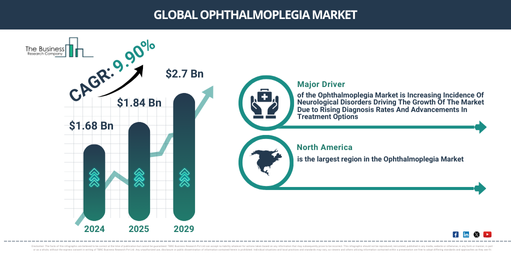
    The ophthalmoplegia market size has shown significant development in recent years. It is projected to increase from $1.68 billion in 2024 to $1.84 billion in 2025, achieving a compound annual growth rate (CAGR) of 9.8%. The reasons for this growth in previous periods include the escalating occurrence of neurological disorders, an expanding elderly demographic, the broadening reach of specialty clinics and hospitals, the heightened need for prompt diagnosis and therapy, an increase in clinical trials being conducted, and improved healthcare insurance coverage.

    The ophthalmoplegia market is projected to experience substantial expansion over the coming years. Its valuation is set to reach $2.7 billion by 2029, exhibiting a compound annual growth rate (CAGR) of 9.9%. This anticipated growth during the forecast period stems from factors such as the increasing incidence of neurological conditions, a growing elderly demographic, heightened recognition of eye movement disorders, escalating healthcare spending, boosted healthcare investments from major entities, and an expanding patient base affected by diabetes and hypertension. Key trends expected throughout this period encompass progress in diagnostic technologies, the creation of innovative treatment methods, strategic alliances and joint ventures, improvements in eye tracking device technology, and the introduction of medications designed to strengthen muscles.

    Unlock Your Free Sample Report for Exclusive Market Data:

    https://www.thebusinessresearchcompany.com/sample.aspx?id=22081&type=smp

    Which Factors And Drivers Are Influencing The Ophthalmoplegia Market In 2025?

    The escalating occurrence of neurological disorders is anticipated to boost the ophthalmoplegia market’s expansion in the future. These disorders are medical conditions impacting the nervous system, encompassing the brain, spinal cord, and nerves, and resulting in issues like muscle weakness, coordination difficulties, and cognitive deficits. The rise in neurological disorder cases stems from factors such as genetic predisposition, making individuals more prone to conditions like Alzheimer’s and Parkinson’s, and evolving lifestyle choices, including inadequate diet, inactive behavior, and ongoing stress, which foster neurodegeneration and diminished brain function. Ophthalmoplegia aids in identifying neurological disorders like Alzheimer’s disease, multiple sclerosis, and stroke, by revealing compromised eye muscle control, which in turn signals underlying nervous system problems. For example, in March 2023, the Alzheimer’s Association, a US-based nonprofit voluntary health organization, reported that in 2023, approximately 6.7 million Americans aged 65 and older were experiencing Alzheimer’s dementia, with forecasts predicting this number to climb to 13.8 million by 2060. Consequently, the growing prevalence of neurological disorders is propelling the growth of the ophthalmoplegia market.

    What Are The Major Segment Categories Driving The Ophthalmoplegia Market Growth?

    The ophthalmoplegiamarket covered in this report is segmented –

    1) By Type: External Opthalmoplegia; Internuclear Opthalmoplegia

    2) By Treatment: Surgery; Drug Treatment

    3) By End-User: Hospitals; Clinics; Ambulatory Clinics

    Subsegments:

    1) By External Ophthalmoplegia: Chronic Progressive External Ophthalmoplegia (CPEO); Myasthenic External Ophthalmoplegia; Mitochondrial Myopathy-Associated External Ophthalmoplegia

    2) By Internuclear Ophthalmoplegia: Unilateral Internuclear Ophthalmoplegia; Bilateral Internuclear Ophthalmoplegia

    Who Are The Core Companies Influencing The Ophthalmoplegia Market Landscape?

    Major companies operating in the ophthalmoplegia market are Hoffmann-La Roche Ltd., AbbVie Inc., Novartis AG, Medline Industries Inc., Regeneron Pharmaceuticals Inc., Carl Zeiss AG, Bausch Health Companies Inc., Sun Pharmaceutical Industries Limited, Bayer AG, Santen Pharmaceutical Co. Ltd., Oculis Holding AG, Innovative Pharmaceuticals Pvt. Ltd., Clearside Biomedical Inc., Altacor Limited, Azura Ophthalmics Ltd., ViGeneron GmbH, Amritt Inc., GenSight Biologics SA, EyeBio Inc., Opthea Limited

    Download The Full Report For Exclusive Market Findings:

    https://www.thebusinessresearchcompany.com/report/ophthalmoplegia-global-market-report

    How Does The Ophthalmoplegia Market Perform Across Key Geographic Regions?

    North America was the largest region in the ophthalmoplegia market in 2024. Asia-Pacific is expected to be the fastest-growing region in the forecast period. The regions covered in the ophthalmoplegia market report are Asia-Pacific, Western Europe, Eastern Europe, North America, South America, Middle East, Africa.

    Request A Customized Version Of The Ophthalmoplegia Market Report:

    https://www.thebusinessresearchcompany.com/customise?id=22081&type=smp

    Browse Through More Reports Similar to the Global Ophthalmoplegia Market 2025, By The Business Research Company

    Ophthalmic Devices Global Market Report 2025

    https://www.thebusinessresearchcompany.com/report/ophthalmic-devices-global-market-report

    Ophthalmic Medical Lasers Global Market Report 2025

    https://www.thebusinessresearchcompany.com/report/ophthalmic-medical-lasers-global-market-report

    Diagnostic And Monitoring Ophthalmic Devices And Equipment Global Market Report 2025

    https://www.thebusinessresearchcompany.com/report/diagnostic-and-monitoring-ophthalmic-devices-and-equipment-global-market-report

    Get in touch with us:

    The Business Research Company: https://www.thebusinessresearchcompany.com/

    Americas +1 310-496-7795

    Asia +44 7882 955267 & +91 8897263534

    Europe +44 7882 955267

    Email us at info@tbrc.info

    Follow us on:

    LinkedIn: https://in.linkedin.com/company/the-business-research-company

    YouTube: https://www.youtube.com/channel/UC24_fI0rV8cR5DxlCpgmyFQ

    Global Market Model: https://www.thebusinessresearchcompany.com/global-market-model

  • Global Neuromyelitis Optica Spectrum Disorder Market 2025–2029: Competitive Insights and Opportunities

    Global Neuromyelitis Optica Spectrum Disorder Market 2025–2029: Competitive Insights and Opportunities

    Unlock Global Insights – Save 20% on Market Reports with Code ONLINE20

    What Is The Expected Total Market Size Of The Neuromyelitis Optica Spectrum Disorder Industry By The Forecast Year 2029?

    The market for neuromyelitis optica spectrum disorder has experienced substantial expansion recently. It is projected to increase from $2.35 billion in 2024 to $2.54 billion in 2025, exhibiting a compound annual growth rate (CAGR) of 8.2%. Historically, this growth can be attributed to the increasing prevalence of Neuromyelitis Optica Spectrum Disorder (NMOSD), enhanced awareness and earlier diagnosis, the expansion of therapeutic options and FDA approvals, growing research and development activities, and an increase in clinical trials for novel therapies.

    The neuromyelitis optica spectrum disorder market is projected to demonstrate significant expansion in the upcoming years. It is foreseen to reach $3.49 billion by 2029, growing at a compound annual growth rate (CAGR) of 8.2%. This growth over the forecast period is primarily driven by heightened awareness and prompt diagnosis, escalating healthcare spending, increased investments in research and development, a rising incidence of autoimmune diseases, an increase in clinical trials for NMOSD therapies, and an expanding need for personalized medicine. Prominent trends expected during this period include advancements in precision medicine, strategic collaborations and partnerships, ongoing technological innovations, the integration of AI and big data in research, and a move towards home-based treatment options.

    Unlock Your Free Sample Report for Exclusive Market Data:

    https://www.thebusinessresearchcompany.com/sample.aspx?id=22072&type=smp

    What Are The Key Drivers Of Growth In The Neuromyelitis Optica Spectrum Disorder Market?

    The rising incidence of multiple sclerosis is projected to drive expansion within the neuromyelitis optica spectrum disorder market in the future. Multiple sclerosis is defined as a chronic autoimmune condition that targets the central nervous system, resulting in inflammation, damage to nerves, and various neurological manifestations. The growing occurrence of multiple sclerosis can be attributed to enhancements in diagnostic methods, environmental factors, and genetic susceptibility. Progress in medical imaging technologies, notably MRI, has enabled quicker and more precise diagnoses, contributing to a visible increase in reported cases. With a greater number of individuals receiving an MS diagnosis, awareness of neurological autoimmune conditions grows, fostering better diagnostic approaches and a clearer identification of neuromyelitis optica spectrum disorder. For example, data from May 2024, provided by the Multiple Sclerosis Trust, a national charity based in the UK, indicates that the UK experiences roughly 7,100 new multiple sclerosis cases every year, with around 135 individuals receiving an MS diagnosis weekly. Consequently, the expanding prevalence of multiple sclerosis acts as a catalyst for the expansion of the neuromyelitis optica spectrum disorder market.

    How Is The Neuromyelitis Optica Spectrum Disorder Market Segmented?

    The neuromyelitis optica spectrum disordermarket covered in this report is segmented –

    1) By Type: Neuromyelitis Optica Spectrum Disorder With Aquaporin-4 Antibodies; Neuromyelitis Optica Spectrum Disorder Without Aquaporin-4 Antibodies

    2) By Diagnosis: Imaging Tests; Magnetic Resonance Imaging (MRI); Blood Tests; Others Diagnosis

    3) By Treatment Type: C5 Protein Inhibitor; Monoclonal Antibodies; Plasma Exchange Therapy; Corticosteroids; Immunoglobulin Therapy; Medication; Other Treatment Types

    4) By Distribution Channel: Hospital Pharmacy; Retail Pharmacy; Online Pharmacy

    5) By End-User: Hospitals; Specialty Clinics; Homecare; Other End-Users

    Subsegments:

    1) By Neuromyelitis Optica Spectrum Disorder (NMOSD) With Aquaporin-4 (AQP4) Antibodies: Relapsing NMOSD with AQP4-IgG; Monophasic NMOSD with AQP4-IgG; Severe Optic Neuritis with AQP4-IgG; Longitudinally Extensive Transverse Myelitis (LETM) with AQP4-IgG

    2) By Neuromyelitis Optica Spectrum Disorder (NMOSD) Without Aquaporin-4 (AQP4) Antibodies: NMOSD with Myelin Oligodendrocyte Glycoprotein (MOG) Antibodies (MOG-IgG); Seronegative NMOSD; Idiopathic NMOSD Cases; NMOSD Associated With Other Autoimmune Disorders

    What Are The Major Trends Driving The Growth Of The Neuromyelitis Optica Spectrum Disorder Market?

    Leading firms within the neuromyelitis optica spectrum disorder market are concentrating on creating novel solutions, including long-acting complement inhibitors, with the aim of boosting treatment effectiveness and bettering patient results. These long-acting complement inhibitors function by suppressing the complement system for a prolonged period, thereby averting inflammation and nerve damage in neuromyelitis optica spectrum disorder (NMOSD). Their utility lies in reducing relapses and facilitating enduring disease management. An example of this is the March 2024 approval granted to Alexion Pharmaceuticals, a US-based biopharmaceutical company, and AstraZeneca, a UK-based pharmaceutical industry, for ULTOMIRIS (ravulizumab-cwvz) for treating adults with anti-aquaporin-4 (AQP4) antibody-positive neuromyelitis optica spectrum disorder (NMOSD). This achievement establishes Ultomiris as the sole and inaugural long-acting C5 complement inhibitor accessible for NMOSD therapy. The basis for this decision stemmed from the Phase III CHAMPION-NMOSD trial, which showed Ultomiris achieving a 98.6% reduction in relapse risk over 73 weeks when compared to a placebo. Participants in the trial experienced no relapses, and no new safety issues emerged.

    Which Major Industry Participants Are Leading The Neuromyelitis Optica Spectrum Disorder Market Growth?

    Major companies operating in the neuromyelitis optica spectrum disorder market are F. Hoffmann-La Roche Ltd., AstraZeneca, Merck KGaA, Laboratory Corporation of America Holding, Chugai Pharmaceutical Co. Ltd., Mayo Foundation for Medical Education and Research, Penn Medicine, Genentech Inc., Oregon Health & Science University, Arup Laboratories, Argenx SE, TG Therapeutics Inc., RemeGen Co. Ltd., Metropolis Healthcare, IASO Biotherapeutics, Harbour BioMed, Rush University Medical Center, Bio-Thera Solutions Ltd., Mitsubishi Tanabe Pharma Corporation, Viela Bio, Opexa Therapeutics

    Download The Full Report For Exclusive Market Findings:

    https://www.thebusinessresearchcompany.com/report/neuromyelitis-optica-spectrum-disorder-global-market-report

    Which Region Is Expected To Witness The Fastest Growth In The Neuromyelitis Optica Spectrum Disorder Market?

    North America was the largest region in the neuromyelitis optica spectrum disorder market in 2024. Asia-Pacific is expected to be the fastest-growing region in the forecast period. The regions covered in the neuromyelitis optica spectrum disorder market report are Asia-Pacific, Western Europe, Eastern Europe, North America, South America, Middle East, Africa.

    Request A Customized Version Of The Neuromyelitis Optica Spectrum Disorder Market Report:

    https://www.thebusinessresearchcompany.com/customise?id=22072&type=smp

    Browse Through More Reports Similar to the Global Neuromyelitis Optica Spectrum Disorder Market 2025, By The Business Research Company

    Autism Spectrum Disorders Treatment Global Market Report 2025

    https://www.thebusinessresearchcompany.com/report/autism-spectrum-disorders-treatment-global-market-report

    Spectrum Analyzers Global Market Report 2025

    https://www.thebusinessresearchcompany.com/report/spectrum-analyzers-global-market-report

    Neuroprosthetics Global Market Report 2025

    https://www.thebusinessresearchcompany.com/report/neuroprosthetics-global-market-report

    Get in touch with us:

    The Business Research Company: https://www.thebusinessresearchcompany.com/

    Americas +1 310-496-7795

    Asia +44 7882 955267 & +91 8897263534

    Europe +44 7882 955267

    Email us at info@tbrc.info

    Follow us on:

    LinkedIn: https://in.linkedin.com/company/the-business-research-company

    YouTube: https://www.youtube.com/channel/UC24_fI0rV8cR5DxlCpgmyFQ

    Global Market Model: https://www.thebusinessresearchcompany.com/global-market-model
  • Netherton Syndrome Market Trends 2025–2029: Forecasts for Key Growth Segments

    Netherton Syndrome Market Trends 2025–2029: Forecasts for Key Growth Segments

    Unlock Global Insights – Save 20% on Market Reports with Code ONLINE20

    How Does The Market Size Of The Netherton Syndrome Industry Compare Between 2025 And 2029?

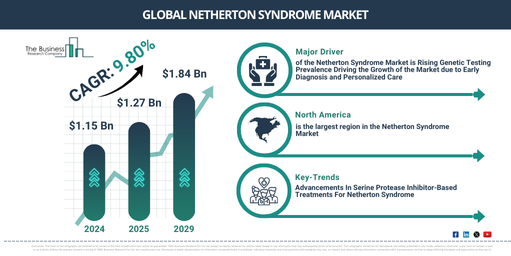
    The netherton syndrome market size has experienced rapid expansion in recent years. It is projected to increase from $1.15 billion in 2024 to $1.27 billion in 2025, achieving a compound annual growth rate (CAGR) of 10.1%. This historical growth can be attributed to several factors, including increasing awareness of rare genetic disorders, rising healthcare expenditure, growing recognition of netherton syndrome, supportive government policies, and the proliferation of e-commerce and digital health platforms.

    The netherton syndrome market size is set to experience robust growth over the next few years. It is forecast to grow to $1.84 billion by 2029, achieving a compound annual growth rate (CAGR) of 9.8%. The expansion during this period is driven by factors such as the increasing incidence of diabetes, rising internet penetration, the growth of e-commerce and digital health platforms, an increase in the prevalence of lamellar ichthyosis, and growing awareness and support for rare diseases. Noteworthy trends in the forecast period encompass the development of targeted therapies, an increase in clinical trials, enhanced diagnostic techniques, the adoption of telemedicine, and the advancement of personalized medicine.

    Unlock Your Free Sample Report for Exclusive Market Data:

    https://www.thebusinessresearchcompany.com/sample.aspx?id=22071&type=smp

    Which Drivers Are Supporting Growth Of The Netherton Syndrome Market?

    An increasing frequency of genetic testing is anticipated to drive the expansion of the Netherton syndrome market in the future. This type of testing involves analyzing DNA to identify alterations, genetic mutations, or different variations potentially associated with inherited characteristics, illnesses, or health issues. The heightened occurrence of genetic testing stems from greater public understanding of hereditary conditions and a rising need for individualized medical approaches. The increase in genetic testing facilitates early and accurate diagnosis of Netherton Syndrome through the identification of SPINK5 mutations, thereby enabling prompt therapeutic interventions and customized patient care. Furthermore, it improves patient care coordination, offers better genetic counseling, and contributes to superior overall patient results. For example, data from April 2023, provided by the National Institutes of Health (NIH), a US government agency, indicated that in 2022, a global total of 76,326 genetic tests were performed; of these, 76,083 (99.7%) were clinical, while 243 (0.3%) were for research. Consequently, the increasing prevalence of genetic testing is a key factor propelling the expansion of the Netherton syndrome market.

    What Are The Key Segments In The Netherton Syndrome Market?

    The netherton syndromemarket covered in this report is segmented –

    1) By Diagnosis Type: Genetic Testing; Physical Examination; Biopsy Analysis

    2) By Treatment: Topical Treatments; Systemic Treatments; Phototherapy; Other Treatments

    3) By Distribution Channel: Hospital Pharmacies; Retail Pharmacies; Online Pharmacies; Other Distribution Channels

    4) By End-User: Hospitals; Dermatology Clinics; Research Institutes; Other End-Users

    Subsegments:

    1) By Genetic Testing: SPINK5 Gene Sequencing; Next-Generation Sequencing (NGS); Polymerase Chain Reaction (PCR) Testing; Microarray Analysis

    2) By Physical Examination: Clinical Assessment Of Ichthyosis-like Scaling; Hair Shaft Microscopy; Evaluation Of Atopic Dermatitis Symptoms; Growth and Developmental Assessment

    3) By Biopsy Analysis: Skin Histopathology; Immunohistochemical Staining; Electron Microscopy For Hair And Skin Structure; Epidermal Barrier Function Testing

    What Trends Are Expected To Drive The Netherton Syndrome Market?

    Companies operating in the netherton syndrome market are actively developing advanced products, such as serine protease inhibitor-based topical lotions, with the goal of improving skin barrier function and reducing inflammation. These specialized topical lotions are designed to block the activity of serine proteases, enzymes that contribute to inflammation and immune responses. By targeting these enzymes, the lotions work to soothe irritation and inflammation, providing relief for skin conditions like Netherton Syndrome, where significant inflammation causes skin discomfort. For instance, in December 2024, Quoin Pharmaceuticals Ltd., a US-based pharmaceutical company, obtained Food and Drug Administration (FDA) clearance to begin a new clinical study for QRX003 to treat Netherton Syndrome (NS). This study plans to evaluate up to eight patients, who will apply QRX003 twice daily to over 80% of their body for 12 weeks, thereby simulating typical usage. QRX003 incorporates a broad-spectrum serine protease inhibitor that specifically targets kallikreins, enzymes responsible for excessive skin shedding and inflammation in NS, aiming to enhance skin barrier function and diminish symptoms.

    Who Are The Prominent Global Companies Shaping The Netherton Syndrome Market?

    Major companies operating in the netherton syndrome market are Novartis AG, Boehringer Ingelheim International GmbH, Daiichi Sankyo Company Limited, Evotec AG, Fulgent Genetics, Invitae Corp., BioCryst Pharmaceuticals Inc., GeneDx, Prevention Genetics, Blueprint Genetics Oy, Medicover Hospitals, Quoin Pharmaceuticals Ltd., DNA Labs India, LifeMax Laboratories Inc., Krystal Biotech Inc., ResVita Bio, Azitra Inc, Dermelix Biotherapeutics, Sixera Pharma, MaRS Innovation

    Download The Full Report For Exclusive Market Findings:

    https://www.thebusinessresearchcompany.com/report/netherton-syndrome-global-market-report

    Which Global Regions Are Influencing The Competitive Landscape Of The Netherton Syndrome Market?

    North America was the largest region in the netherton syndrome market in 2024. The regions covered in the netherton syndrome market report are Asia-Pacific, Western Europe, Eastern Europe, North America, South America, Middle East, Africa.

    Request A Customized Version Of The Netherton Syndrome Market Report:

    https://www.thebusinessresearchcompany.com/customise?id=22071&type=smp

    Browse Through More Reports Similar to the Global Netherton Syndrome Market 2025, By The Business Research Company

    Gardner Syndrome Treatment Global Market Report 2025

    https://www.thebusinessresearchcompany.com/report/gardner-syndrome-treatment-global-market-report

    Hepatorenal Syndrome Treatment Global Market Report 2025

    https://www.thebusinessresearchcompany.com/report/hepatorenal-syndrome-treatment-global-market-report

    Myelodysplastic Syndrome Drugs Global Market Report 2025

    https://www.thebusinessresearchcompany.com/report/myelodysplastic-syndrome-drugs-global-market-report

    Get in touch with us:

    The Business Research Company: https://www.thebusinessresearchcompany.com/

    Americas +1 310-496-7795

    Asia +44 7882 955267 & +91 8897263534

    Europe +44 7882 955267

    Email us at info@tbrc.info

    Follow us on:

    LinkedIn: https://in.linkedin.com/company/the-business-research-company

    YouTube: https://www.youtube.com/channel/UC24_fI0rV8cR5DxlCpgmyFQ

    Global Market Model: https://www.thebusinessresearchcompany.com/global-market-model

  • Nerve Entrapment Syndrome Market Forecast 2025–2034: Where Businesses Should Invest Next

    Nerve Entrapment Syndrome Market Forecast 2025–2034: Where Businesses Should Invest Next

    Unlock Global Insights – Save 20% on Market Reports with Code ONLINE20

    What Is The Predicted Market Size Trajectory For The Nerve Entrapment Syndrome Market From 2025 To 2034?

    The nerve entrapment syndrome market has demonstrated robust growth in recent years. It is projected to expand from $4.03 billion in 2024 to reach $4.33 billion in 2025, reflecting a compound annual growth rate (CAGR) of 7.4%. This market’s historical expansion is largely attributable to the increasing prevalence of peripheral neuropathy, the growing prevalence of diabetes, an expanding geriatric population, a rising obese population, and the escalating incidence of chronic diseases.

    The market for nerve entrapment syndrome is projected to experience substantial expansion over the coming years. This market is anticipated to reach a valuation of $5.72 billion by 2029, exhibiting a compound annual growth rate (CAGR) of 7.2%. Factors contributing to this growth during the projection period include a progressively older demographic, a global increase in peripheral nerve injuries (PNI), expanding government programs and coverage policies, a greater frequency of traumatic injuries, and an expanding population of individuals with diabetes. Key developments expected within the forecast timeframe encompass advancements in research and development aimed at broadening product portfolios, progress in less invasive surgical methods, innovations in regenerative medicine, improved imaging technologies, breakthroughs in physical therapy and rehabilitation, and continuous efforts in genetic research leading to personalized medicine approaches.

    Unlock Your Free Sample Report for Exclusive Market Data:

    https://www.thebusinessresearchcompany.com/sample.aspx?id=22069&type=smp

    Which Drivers Are Shaping The Nerve Entrapment Syndrome Industry’s Market Share?

    The expanding population of individuals with diabetes is anticipated to drive the future growth of the nerve entrapment syndrome market. Diabetic patients are those experiencing a chronic condition where the body struggles to properly regulate blood sugar levels due to either insufficient insulin production or ineffective insulin utilization. The increasing prevalence of obesity and sedentary lifestyles significantly contributes to the rise in type 2 diabetes, leading to the growing number of diabetic patients. This ever-increasing number of diabetic individuals heightens the risk of nerve entrapment syndrome, as diabetes-induced peripheral neuropathy weakens nerves and surrounding structures, making them more susceptible to compression. For instance, in June 2024, according to the National Health Service, a UK-based government department, over half a million individuals (549,000) in England were identified as being at risk of developing type 2 diabetes in 2023, bringing the total number of people with non-diabetic hyperglycemia, or pre-diabetes, to 3,615,330. This marks a nearly 20% increase compared to the 3,065,825 individuals in 2022. Thus, the increasing pool of diabetic patients is fueling the expansion of the nerve entrapment syndrome market.

    What Are The Leading Segments Analyzed In The Nerve Entrapment Syndrome Market?

    The nerve entrapment syndromemarket covered in this report is segmented –

    1) By Type: Carpal Tunnel Syndrome; Cubital Tunnel Syndrome; Tarsal Tunnel Syndrome; Meralgia Parasthetica; Other Types

    2) By Treatment Modality: Medications; Physical Therapy; Interventional Procedures; Alteative Therapies

    3) By Administration Route: Oral Administration; Injectable Administration; Topical Administration

    4) By Severity Of Condition: Mild; Moderate; Severe; Post-Surgical Complications

    Subsegments:

    1) By Carpal Tunnel Syndrome (CTS): Idiopathic Carpal Tunnel Syndrome; Work-Related/Repetitive Strain CTS; Diabetic Neuropathy-Associated CTS; Traumatic or Post-Surgical CTS; Pregnancy-Induced CTS

    2) By Cubital Tunnel Syndrome: Idiopathic Cubital Tunnel Syndrome; Repetitive Motion-Induced Cubital Tunnel Syndrome; Post-Traumatic/Ulnar Nerve Injury-Related Cubital Tunnel Syndrome; Osteoarthritis-Related Cubital Tunnel Syndrome; Post-Surgical Cubital Tunnel Syndrome

    3) By Tarsal Tunnel Syndrome (TTS): Idiopathic Tarsal Tunnel Syndrome; Trauma-Induced Tarsal Tunnel Syndrome; Diabetes-Associated Tarsal Tunnel Syndrome; Flatfoot-Related Tarsal Tunnel Syndrome; Post-Surgical Or Scar Tissue-Related TTS

    4) By Meralgia Paresthetica (MP): Idiopathic Meralgia Paresthetica; Obesity-Associated Meralgia Paresthetica; Pregnancy-Related Meralgia Paresthetica; Post-Surgical Or Scar-Induced Meralgia Paresthetica; Diabetic Neuropathy-Related Meralgia Paresthetica

    5) By Other Types: Radial Tunnel Syndrome; Thoracic Outlet Syndrome; Peroneal Nerve Entrapment; Sciatic Nerve Entrapment; Brachial Plexus Compression Syndromes

    Which Key Players Are Driving Competition In The Nerve Entrapment Syndrome Market?

    Major companies operating in the nerve entrapment syndrome market are Pfizer Inc., Dr. Reddy’s Laboratories, Glenmark Pharmaceuticals, Athletico Physical Therapy, Hinge Health, Kessler Rehabilitation Center, SPR Therapeutics, Centaur Pharmaceuticals, ProActive Physical Therapy & Rehabilitation, Care24 Pvt Ltd., Grünenthal GmbH, Total Performance Physical Therapy, Back 2 Health, Cornerstone Physical Therapy, OrthoSport Physical Therapy & Rehabilitation, Physio Tattva, InvaGen Pharmaceuticals Inc., WEX Pharmaceuticals Inc., Dogwood Therapeutics Inc., Endo Spine Clinic

    Download The Full Report For Exclusive Market Findings:

    https://www.thebusinessresearchcompany.com/report/nerve-entrapment-syndrome-global-market-report

    What Are The Regional Market Dynamics Impacting The Nerve Entrapment Syndrome Industry?

    North America was the largest region in the nerve entrapment syndrome market in 2024. The regions covered in the nerve entrapment syndrome market report are Asia-Pacific, Western Europe, Eastern Europe, North America, South America, Middle East, Africa.

    Request A Customized Version Of The Nerve Entrapment Syndrome Market Report:

    https://www.thebusinessresearchcompany.com/customise?id=22069&type=smp

    Browse Through More Reports Similar to the Global Nerve Entrapment Syndrome Market 2025, By The Business Research Company

    Nerve Repair And Regenerative Global Market Report 2025

    https://www.thebusinessresearchcompany.com/report/nerve-repair-and-regenerative-global-market-report

    Optic Nerve Disorders Treatment Global Market Report 2025

    https://www.thebusinessresearchcompany.com/report/optic-nerve-disorders-treatment-global-market-report

    Myelodysplastic Syndrome Global Market Report 2025

    https://www.thebusinessresearchcompany.com/report/myelodysplastic-syndrome-global-market-report

    Get in touch with us:

    The Business Research Company: https://www.thebusinessresearchcompany.com/

    Americas +1 310-496-7795

    Asia +44 7882 955267 & +91 8897263534

    Europe +44 7882 955267

    Email us at info@tbrc.info

    Follow us on:

    LinkedIn: https://in.linkedin.com/company/the-business-research-company

    YouTube: https://www.youtube.com/channel/UC24_fI0rV8cR5DxlCpgmyFQ

    Global Market Model: https://www.thebusinessresearchcompany.com/global-market-model
  • Global Necrotizing Enterocolitis Market Analysis 2025–2029: Opportunities for Strategic Growth

    Global Necrotizing Enterocolitis Market Analysis 2025–2029: Opportunities for Strategic Growth

    Unlock Global Insights – Save 20% on Market Reports with Code ONLINE20

    How Much Larger Is The Necrotizing Enterocolitis Market Expected To Become By 2029 Compared With Its 2025 Level?

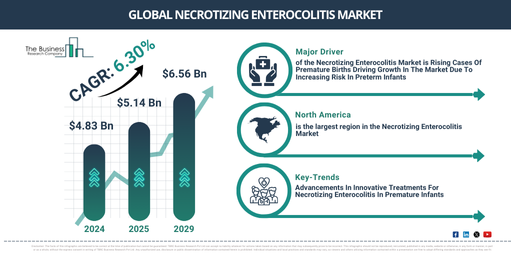
    The necrotizing enterocolitis market size has demonstrated strong growth in recent years. It is expected to expand from $4.83 billion in 2024 to $5.14 billion in 2025, exhibiting a compound annual growth rate (CAGR) of 6.5%. The expansion witnessed in the past can be ascribed to the increasing prevalence of necrotizing enterocolitis, a rise in global populations, growing per capita income, increased government funding, and a higher number of premature births.

    The necrotizing enterocolitis market is projected to experience substantial expansion over the coming years, anticipated to reach a valuation of $6.56 billion by 2029, exhibiting a compound annual growth rate (CAGR) of 6.3%. This growth during the forecast period can be attributed to the escalating costs associated with healthcare, the incidence and prevalence of ulcerative colitis (UC), an increase in gastrointestinal diseases, a growing number of geriatric and obese individuals, and the expanding geriatric population overall. Key trends shaping the market over the forecast period include advancements in biomarker research for early NEC detection, developments in non-invasive testing methods, the adoption of advanced monitoring systems, improvements in surgical techniques, and the development of targeted therapies.

    Unlock Your Free Sample Report for Exclusive Market Data:

    https://www.thebusinessresearchcompany.com/sample.aspx?id=22068&type=smp

    What Are The Drivers Pushing New Developments In The Necrotizing Enterocolitis Market?

    A rise in premature birth instances is anticipated to drive the expansion of the necrotizing enterocolitis market in the future. Premature births, also known as preterm births, refer to the delivery of a baby before 37 weeks of gestation, in contrast to the typical 40-week pregnancy term. The growing number of premature births stems from maternal health conditions such as high blood pressure, diabetes, and infections, which heighten the risk of preterm labor, and lifestyle factors, including smoking, drug use, and poor nutrition, contribute to a greater probability of these births. An increase in premature births results in a higher incidence of necrotizing enterocolitis (NEC) because premature infants possess underdeveloped gastrointestinal systems, making them more vulnerable to inflammation and infection. For example, data from January 2024, provided by the US government agency Centers for Disease Control and Prevention, indicates that premature births constitute 8.67% of all annual births in the United States. Consequently, the escalating occurrences of premature births are fueling the growth of the necrotizing enterocolitis market.

    What Are The Segment Types Shaping The Necrotizing Enterocolitis Market?

    The necrotizing enterocolitismarket covered in this report is segmented –

    1) By Treatment: Total Parenteral Nutrition (TPN); Gastrointestinal Decompression; Antimicrobial Therapy; Antifungal Treatment; Paracentesis; Other Treatments

    2) By Diagnosis: Laboratory Tests; Imaging Techniques

    3) By Stage: Stage I (Suspected Necrotizing Enterocolitis); Stage II (Definite Necrotizing Enterocolitis); Stage III (Advanced Necrotizing Enterocolitis)

    4) By Distribution Channel: Direct Tender; Hospital Pharmacy; Retail Pharmacy; Online Pharmacy; Other Distribution Channels

    5) By End-User: Hospitals; Neonatal Intensive Care Units (NICUs); Specialty Clinics

    Subsegments:

    1) By Total Parenteral Nutrition (TPN): Standard TPN Formulations; Customized Or Individualized TPN Solutions; Lipid Emulsions for TPN; Protein And Amino Acid Supplements In TPN; Micronutrient And Electrolyte-Enhanced TPN

    2) By Gastrointestinal Decompression: Nasogastric Tube (NG Tube) Decompression; Orogastric Tube Decompression; Surgical Gastrostomy for Decompression; Non-Surgical Decompression Techniques

    3) By Antimicrobial Therapy: Broad-Spectrum Antibiotics; Gram-Positive Coverage Antibiotics; Gram-Negative Coverage Antibiotics; Combination Antibiotic Therapy; Prophylactic Antibiotic Strategies For High-Risk Neonates

    4) By Antifungal Treatment: Systemic Antifungal Therapy; Prophylactic Antifungal Therapy For Preterm Infants; Combination Antifungal And Antibiotic Therapy For Severe NEC

    5) By Paracentesis: Diagnostic Paracentesis; Therapeutic Paracentesis; Guided Paracentesis using Ultrasound Or Radiological Techniques

    6) By Other Treatments: Probiotics And Prebiotics for NEC Prevention; Surgical Interventions; Stem Cell Therapy And Regenerative Medicine Approaches; Immunomodulatory Therapies; Supportive Care

    What Long-Term Trends Will Shape The Future Growth Of The Necrotizing Enterocolitis Industry?

    Leading companies in the necrotizing enterocolitis market are concentrating on developing advanced product solutions, such as cell-free sterile biologic solutions, to fulfill the urgent demand for effective treatments and improve outcomes for premature infants. A cell-free sterile biologic solution is defined as a purified, sterile liquid that contains bioactive molecules, including proteins, growth factors, and cytokines, derived from cultured cells but without any intact cells, specifically designed to promote healing and reduce inflammation. For example, in December 2023, Noveome Biotherapeutics, Inc., a US-based biopharmaceutical company, received authorization from the U.S. Food and Drug Administration (FDA) to proceed with its Phase 1-2 clinical trial for ST266, a new biologic intended for treating necrotizing enterocolitis (NEC) in premature infants. This signifies an important landmark, as ST266 is projected to be the first significant therapeutic breakthrough for NEC in over 30 years, addressing a critical medical necessity given the disease’s high morbidity and mortality rates among susceptible populations.

    Who Are The Top Performing Companies In The Necrotizing Enterocolitis Market In Recent Years?

    Major companies operating in the necrotizing enterocolitis market are Abbott Laboratories, Astellas Pharma Inc., Mayo Foundation for Medical Education and Research, Cleveland Clinic, Boston Children’s Hospital, Hollister Incorporated, UPMC Children’s Hospital of Pittsburgh, Prolacta Bioscience Inc., Evolve BioSystems, Sigma-Tau Pharmaceuticals, Mead Johnson & Company LLC, Liminal BioSciences Inc., Noveome Biotherapeutics Inc., Infant Bacterial Therapeutics, Prometic Life Sciences Inc., Nexilico, Siolta Therapeutics, ProThera Biologics Inc., Plakous Therapeutics Inc., Chosen Diagnostics Inc.

    Download The Full Report For Exclusive Market Findings:

    https://www.thebusinessresearchcompany.com/report/necrotizing-enterocolitis-global-market-report

    Which Region Shows The Highest Potential For Future Expansion In The Necrotizing Enterocolitis Market?

    North America was the largest region in the necrotizing enterocolitis market in 2024. Asia-Pacific is expected to be the fastest-growing region in the forecast period. The regions covered in the necrotizing enterocolitis market report are Asia-Pacific, Western Europe, Eastern Europe, North America, South America, Middle East, Africa.

    Request A Customized Version Of The Necrotizing Enterocolitis Market Report:

    https://www.thebusinessresearchcompany.com/customise?id=22068&type=smp

    Browse Through More Reports Similar to the Global Necrotizing Enterocolitis Market 2025, By The Business Research Company

    Gastrointestinal Devices Global Market Report 2025

    https://www.thebusinessresearchcompany.com/report/gastrointestinal-devices-global-market-report

    Gastrointestinal Bleeding Treatment Devices Global Market Report 2025

    https://www.thebusinessresearchcompany.com/report/gastrointestinal-bleeding-treatment-devices-global-market-report

    Gastrointestinal Endoscopy Global Market Report 2025

    https://www.thebusinessresearchcompany.com/report/gastrointestinal-endoscopy-global-market-report

    Get in touch with us:

    The Business Research Company: https://www.thebusinessresearchcompany.com/

    Americas +1 310-496-7795

    Asia +44 7882 955267 & +91 8897263534

    Europe +44 7882 955267

    Email us at info@tbrc.info

    Follow us on:

    LinkedIn: https://in.linkedin.com/company/the-business-research-company

    YouTube: https://www.youtube.com/channel/UC24_fI0rV8cR5DxlCpgmyFQ

    Global Market Model: https://www.thebusinessresearchcompany.com/global-market-model

  • Necrobiosis Lipoidica Diabeticorum (NLD) Industry Overview 2025: Growth Projections and Market Trends

    Necrobiosis Lipoidica Diabeticorum (NLD) Industry Overview 2025: Growth Projections and Market Trends

    Unlock Global Insights – Save 20% on Market Reports with Code ONLINE20

    #What Are The Current (2025) And Forecast (2029) Sizes Of The Necrobiosis Lipoidica Diabeticorum (NLD) Market?

    The market size for necrobiosis lipoidica diabeticorum (nld) has experienced substantial growth in recent years. It is forecast to rise from $4.42 billion in 2024 to $4.73 billion in 2025, exhibiting a compound annual growth rate (CAGR) of 6.9%. The expansion observed in prior periods can be attributed to an increase in healthcare spending, a rise in urbanization, greater awareness of wellness and health, an increasing focus from government organizations, and the growing prevalence of necrobiosis lipoidica diabeticorum (NLD) disease.

    The necrobiosis lipoidica diabeticorum (nld) market is projected to experience substantial expansion in the coming years. By 2029, this market is anticipated to reach a valuation of $6.11 billion, exhibiting a compound annual growth rate (CAGR) of 6.6%. Key factors driving this growth during the forecast period include supportive regulatory frameworks, an uptick in the occurrence of diabetic and pressure ulcers, the expansion of telemedicine and digital health solutions, and the growing incidence of diabetes. Significant trends expected over the forecast period encompass a move towards tailored treatment approaches, continuous technological improvements in therapeutic choices, further progress in telemedicine and digital health, an emphasis on prompt diagnosis, and breakthroughs in non-invasive diagnostic methods.

    Unlock Your Free Sample Report for Exclusive Market Data:

    https://www.thebusinessresearchcompany.com/sample.aspx?id=22067&type=smp

    What Are The Emerging Market Drivers Creating New Opportunities In The Necrobiosis Lipoidica Diabeticorum (NLD) Industry?

    The increasing incidence of diabetes is anticipated to drive the expansion of the necrobiosis lipoidica diabeticorum (NLD) market moving forward. Diabetes is a metabolic disorder defined by persistently high blood sugar levels, caused by either insufficient insulin production (Type 1) or the body’s inability to effectively utilize insulin (Type 2), potentially leading to complications across various organs and systems. This rise in diabetes cases is primarily due to the growing prevalence of obesity, which is closely linked to insulin resistance and significantly contributes to the increasing number of diabetes diagnoses, alongside sedentary lifestyles characterized by a lack of physical activity, a major risk factor for developing diabetes. The escalating incidence of diabetes directly contributes to a higher occurrence of necrobiosis lipoidica diabeticorum (NLD), as it is strongly associated with diabetes-induced microvascular issues and immune system abnormalities. For instance, in June 2024, according to the National Health Service, a UK-based government department, over half a million individuals (549,000) in England were identified as being at risk of developing type 2 diabetes in 2023, bringing the total number of people with non-diabetic hyperglycemia, or pre-diabetes, to 3,615,330. This figure marks a nearly 20% increase compared to the 3,065,825 individuals recorded in 2022. Therefore, the growing incidence of diabetes is a significant driver for the growth of the necrobiosis lipoidica diabeticorum (NLD) market.

    What Are The Different Segment Classifications Within The Necrobiosis Lipoidica Diabeticorum (NLD) Market?

    The necrobiosis lipoidica diabeticorum (nld)market covered in this report is segmented –

    1) By Procedure: Treatment; Test Type

    2) By Application: Hospitals; Ambulatory Clinics

    3) By Distribution Channel: Hospital Pharmacies; Retail Pharmacies; E-Commerce

    Subsegments:

    1) By Treatment: Topical Therapies; Systemic Therapies; Laser And Light-Based Therapies; Surgical And Advanced Wound Care Management; Alternative And Supportive Therapies

    2) By Test Type: Histopathological Tests; Imaging Tests; Blood Tests And Laboratory Diagnostics

    Which Leading Companies Dominate The Necrobiosis Lipoidica Diabeticorum (NLD) Market Share?

    Major companies operating in the necrobiosis lipoidica diabeticorum (NLD) market are Mount Sinai Health System, Beaumont Health, Mayo Foundation for Medical Education and Research, Thomas Jefferson University Hospitals, UCLA Health, MedStar Health Wound Healing Institute, Inova Wound Healing Centers, Brigham and Women’s Hospital, UCSF Health, Healogics LLC, Phelps Hospital, American Diabetes Association (ADA), Schweiger Dermatology Group, King Edward Memorial Hospital (KEM Hospital), Bahrain’s Healthcare System, Advanced Dermatology and Skin Cancer Center, Hyperbaric Medical Solutions, Processa Pharmaceuticals Inc., Lupton Dermatology, The Primary Care Dermatology Society

    Download The Full Report For Exclusive Market Findings:

    https://www.thebusinessresearchcompany.com/report/necrobiosis-lipoidica-diabeticorum-nld-global-market-report

    How Is Necrobiosis Lipoidica Diabeticorum (NLD) Market Demand Varying Across Different Regions?

    North America was the largest region in the necrobiosis lipoidica diabeticorum (NLD) market in 2024. The regions covered in the necrobiosis lipoidica diabeticorum (NLD) market report are Asia-Pacific, Western Europe, Eastern Europe, North America, South America, Middle East, Africa.

    Request A Customized Version Of The Necrobiosis Lipoidica Diabeticorum (NLD) Market Report:

    https://www.thebusinessresearchcompany.com/customise?id=22067&type=smp

    Browse Through More Reports Similar to the Global Necrobiosis Lipoidica Diabeticorum (NLD) Market 2025, By The Business Research Company

    Skin Health Foods Global Market Report 2025

    https://www.thebusinessresearchcompany.com/report/skin-health-foods-global-market-report

    Skin Booster Global Market Report 2025

    https://www.thebusinessresearchcompany.com/report/skin-booster-global-market-report

    Skin Cancer Diagnostics Global Market Report 2025

    https://www.thebusinessresearchcompany.com/report/skin-cancer-diagnostics-global-market-report

    Get in touch with us:

    The Business Research Company: https://www.thebusinessresearchcompany.com/

    Americas +1 310-496-7795

    Asia +44 7882 955267 & +91 8897263534

    Europe +44 7882 955267

    Email us at info@tbrc.info

    Follow us on:

    LinkedIn: https://in.linkedin.com/company/the-business-research-company

    YouTube: https://www.youtube.com/channel/UC24_fI0rV8cR5DxlCpgmyFQ

    Global Market Model: https://www.thebusinessresearchcompany.com/global-market-model