Category: HealthcareServices

  • Gingival Recession Market Size Forecast: Revenue and CAGR by 2029

    Gingival Recession Market Size Forecast: Revenue and CAGR by 2029

    Unlock Global Insights – Save 20% on Market Reports with Code ONLINE20

    What Is The Global Market Value Of The Gingival Recession Industry In 2025?

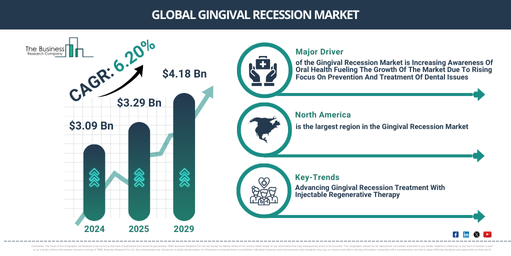
    The gingival recession market has experienced robust expansion over the past few years. Forecasts indicate it will expand from $3.09 billion in 2024 to $3.29 billion in 2025, demonstrating a compound annual growth rate (CAGR) of 6.5%. Historically, this market growth has been propelled by factors such as an increasing Aging population, growing awareness about oral healthcare, rising disposable income, increasing importance of dental aesthetics, and rising prevalence of periodontal disease.

    The gingival recession market is projected to experience substantial expansion in the coming years, reaching a valuation of $4.18 billion by 2029, exhibiting a compound annual growth rate (CAGR) of 6.2%. This anticipated growth stems from factors such as increasing demand for non-invasive methods, a heightened emphasis on physical aesthetics and correcting imperfect smiles, an escalating preference for biological therapies, a rising pediatric demographic, and the increasing need for sophisticated cosmetic dental interventions. Key trends during this period are expected to encompass enhancements in surgical methodologies, technological breakthroughs in tissue regeneration, new developments in dental technology, novelties in telemedicine and virtual consultations, along with progress in 3D imaging and computer-aided design.

    Unlock Your Free Sample Report for Exclusive Market Data:

    https://www.thebusinessresearchcompany.com/sample.aspx?id=21986&type=smp

    What Are The Drivers Pushing New Developments In The Gingival Recession Market?

    The gingival recession market is anticipated to experience growth as awareness of oral health increases. Oral health is defined as the state where teeth, gums, and the entire mouth are healthy, free from disease, pain, or infection, thereby ensuring proper function and overall well-being. This heightened awareness is largely driven by improved access to information through digital channels and various healthcare campaigns, which underscore its vital impact on comprehensive health. Specifically, gingival recession, often a visible and uncomfortable symptom of poor oral health, motivates individuals to learn about its origins, prevention, and available treatments, subsequently improving their understanding of proper oral hygiene techniques. For example, a report issued in January 2024 by the Manchester Health and Wellbeing Board, a UK-based partnership, indicated that between July 2022 and June 2023, 78,230 children under 18 in Manchester were treated by an NHS dentist. This figure marked an increase of 13,488 children (20.8%) from the previous year. Therefore, the rising public consciousness regarding oral health is a key factor propelling the development of the gingival recession market.

    What Are The Key Segments In The Gingival Recession Market?

    The gingival recessionmarket covered in this report is segmented –

    1) By Treatment Method: Soft Tissue Grafting; Regenerative Procedures; Pinhole Surgical Technique (PST)

    2) By Product Type: Tissue Regenerative Materials; Bone Grafting Materials

    3) By End-User: Hospitals; Dental Clinics; Research Institutes

    Subsegments:

    1) By Soft Tissue Grafting; Free Gingival Graft; Connective Tissue Graft; Pedicle Graft; Allograft

    2) By Regenerative Procedures: Guided Tissue Regeneration (GTR); Enamel Matrix Derivatives (EMD); Platelet-Rich Fibrin (PRF); Bone Grafting

    3) By Pinhole Surgical Technique (PST): Minimally Invasive Recession Coverage; Collagen Membrane Application; Scalpel-Free Gum Rejuvenation

    Which Key Trends Are Expected To Influence The Gingival Recession Market In The Coming Years?

    Leading companies active in the gingival recession market are pioneering novel therapeutic options, such as injectable regenerative tissue advancement therapy, aimed at augmenting the regeneration of both soft and hard tissues, elevating treatment efficacy, and fulfilling outstanding requirements in oral healthcare. An injectable regenerative tissue therapy functions as a less invasive procedure that encourages the body’s innate healing mechanisms and rebuilds both soft and hard tissues through stimulating tissue renewal. As an example, in February 2025, BioCellgraft, Inc., a biotechnology and regenerative medicine firm located in the US, unveiled OraFyl. OraFyl’s design as an injectable product differentiates it from conventional grafting methods used in oral tissue regeneration. In contrast to standard surgical interventions demanding significant procedures and extended recuperation periods, OraFyl offers a less intrusive approach for treating gum recession, papilla deficiency, and managing alveolar sockets. By employing a human connective tissue matrix (HCTM), it aids the body’s inherent healing journey, potentially accelerating recuperation, diminishing patient unease, decreasing treatment expenses, and enhancing clinical results.

    Who Are The Primary Competitors In The Global Gingival Recession Market?

    Major companies operating in the gingival recession market are Cigna Health and Life Insurance Company, Procter & Gamble, AFLAC INCORPORATED, Colgate-Palmolive Company, Alfa-Perio Ltd, Zimmer Biomet Dental, Institut Straumann AG, LifeNet Health, BioHorizons, American Dental Association, Geistlich Pharma AG, Outsource Strategies International, Delta Dental of South Dakota, Laboratorios KIN, osteocom, Dentevim Dental Clinic, Uniqa Dental LTD., Focus Dental, Premiere Dental Care Center, Rezotto production GmbH.

    Download The Full Report For Exclusive Market Findings:

    https://www.thebusinessresearchcompany.com/report/gingival-recession-global-market-report

    How Does The Gingival Recession Market Perform Across Key Geographic Regions?

    North America was the largest region in the gingival recession market in 2024. The regions covered in the gingival recession market report are Asia-Pacific, Western Europe, Eastern Europe, North America, South America, Middle East, Africa.

    Request A Customized Version Of The Gingival Recession Market Report:

    https://www.thebusinessresearchcompany.com/customise?id=21986&type=smp

    Browse Through More Reports Similar to the Global Gingival Recession Market 2025, By The Business Research Company

    Oral Thin Films Global Market Report 2025

    https://www.thebusinessresearchcompany.com/report/oral-thin-films-global-market-report

    Oral Biologics And Biosimilars Global Market Report 2025

    https://www.thebusinessresearchcompany.com/report/oral-biologics-and-biosimilars-global-market-report

    Oral Care Global Market Report 2025

    https://www.thebusinessresearchcompany.com/report/oral-care-global-market-report

    Get in touch with us:

    The Business Research Company: https://www.thebusinessresearchcompany.com/

    Americas +1 310-496-7795

    Asia +44 7882 955267 & +91 8897263534

    Europe +44 7882 955267

    Email us at info@tbrc.info

    Follow us on:

    LinkedIn: https://in.linkedin.com/company/the-business-research-company

    YouTube: https://www.youtube.com/channel/UC24_fI0rV8cR5DxlCpgmyFQ

    Global Market Model: https://www.thebusinessresearchcompany.com/global-market-model
  • Global Geographic Atrophy Market Trends and Growth Analysis 2025–2029

    Global Geographic Atrophy Market Trends and Growth Analysis 2025–2029

    Unlock Global Insights – Save 20% on Market Reports with Code ONLINE20

    By How Much Is The Geographic Atrophy Market Expected To Expand Between 2025 And 2029?

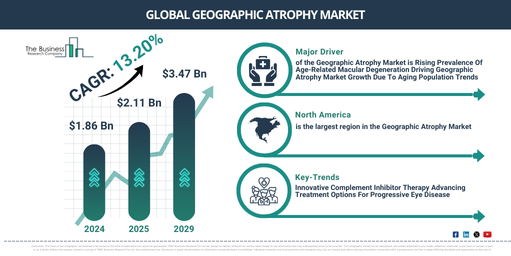
    The geographic atrophy market has expanded rapidly in recent years. Its value is expected to rise from $1.86 billion in 2024 to $2.11 billion in 2025, with a compound annual growth rate (CAGR) of 13.7%. This historical growth can be attributed to an expanding geriatric population, increasing demand for effective treatment solutions, a rise in the prevalence of geographic atrophy, enhanced health awareness, and an uptick in the incidence of retinal diseases.

    The geographic atrophy market is anticipated to experience substantial expansion in the coming years, with projections indicating it will reach $3.47 billion by 2029, achieving a compound annual growth rate (CAGR) of 13.2%. This expected growth during the forecast period is primarily driven by an increased emphasis on research and development, a rise in R&D investments, the growing utilization of smartphones, increasing expenditure within the healthcare sector, and heightened investment in clinical trials. Noteworthy trends anticipated in this period include breakthroughs in gene therapy, advancements in healthcare technology, the development of novel technologies, wider adoption of telemedicine, and the introduction of innovative and effective medications.

    Unlock Your Free Sample Report for Exclusive Market Data:

    https://www.thebusinessresearchcompany.com/sample.aspx?id=21984&type=smp

    What Are The Emerging Market Drivers Creating New Opportunities In The Geographic Atrophy Industry?

    The anticipated rise in age-related macular degeneration (AMD) cases is projected to drive expansion within the geographic atrophy market moving forward. Age-related macular degeneration, an ocular condition, primarily affects older individuals by harming the retina’s central region, thereby impairing their ability to discern intricate details. The increasing elderly demographic is a key factor contributing to AMD’s prevalence, given that extended lifespans and natural aging progressively damage the eyes, heightening susceptibility to the condition over time. Treatments for geographic atrophy assist AMD patients by decelerating the advancement of retinal damage and helping to maintain existing eyesight. For instance, in January 2024, a report by Medical News Today, a US-based digital media company, forecasted a global increase in age-related macular degeneration cases from 196 million to 288 million by 2040. Consequently, the growing incidence of age-related macular degeneration is fueling the expansion of the geographic atrophy market.

    What Are The Leading Segments Analyzed In The Geographic Atrophy Market?

    The geographic atrophymarket covered in this report is segmented –

    1) By Drug Type: Anti-Vascular Endothelial Growth Factor (VEGF) Therapy; Complement Inhibitors; Neuroprotective Agents; Other Drugs

    2) By Diagnosis: Fundus Autofluorescence (FAF); Optical Coherence Tomography Angiography (OCT-A); Multifocal Electroretinography (mfERG)

    3) By Route Of Administration: Intravitreal; Oral; Other Routes Of Administration

    4) By Distribution Channel: Hospital Pharmacies; Retail Pharmacies; Online Pharmacies; Other Distribution Channels

    Subsegments:

    1) By Anti-Vascular Endothelial Growth Factor (VEGF) Therapy: Ranibizumab; Aflibercept; Bevacizumab

    2) By Complement Inhibitors: Pegcetacoplan; Lfg316

    3) By Neuroprotective Agents: Latanoprost; Brimonidine

    4) By Other Drugs: Steroids; Retinoids; Combination Therapy

    What Are The Major Trends Driving The Growth Of The Geographic Atrophy Market?

    Leading companies active in the geographic atrophy market are concentrating on innovative therapies, such as complement inhibitor therapy, to develop advanced treatments for geographic atrophy. Complement inhibitor therapy is a treatment designed to reduce an overactive immune response linked to certain diseases, thereby helping to safeguard healthy cells from damage and slow down disease progression. For instance, in February 2025, Astellas Pharma Inc., a Japan-based pharmaceutical company, announced that IZERVAY (avacincaptad pegol intravitreal solution) for geographic atrophy had been approved by the Food and Drug Administration, a US-based government agency. This approval permits the use of IZERVAY without a restriction on the duration of dosing for treating geographic atrophy (GA) secondary to age-related macular degeneration (AMD). This decision offers increased flexibility for managing GA, providing longer-term treatment options for both patients and healthcare providers.

    Which Key Market Players Are Investing In Expansion And Innovation Of Geographic Atrophy Market?

    Major companies operating in the geographic atrophy market are Regeneron Pharmaceuticals Inc., Boehringer Ingelheim, Astellas Pharma Inc., Biogen Inc., Ocugen Inc., Kodiak Sciences Inc., Apellis Pharmaceuticals Inc., NGM Biopharmaceuticals Inc., Voyager Therapeutics, Kriya Therapeutics, Stealth BioTherapeutics, Kiora Pharmaceuticals, Iveric Bio, Alkeus Pharmaceuticals, Nanoscope Therapeutics, Graybug Vision, SparingVision, 4D Molecular Therapeutics, Clearside Biomedical, Gensight Biologics

    Download The Full Report For Exclusive Market Findings:

    https://www.thebusinessresearchcompany.com/report/geographic-atrophy-global-market-report

    Which Region Is Expected To Witness The Fastest Growth In The Geographic Atrophy Market?

    North America was the largest region in the geographic atrophy market in 2024. Asia-Pacific is expected to be the fastest-growing region in the forecast period. The regions covered in the geographic atrophy market report are Asia-Pacific, Western Europe, Eastern Europe, North America, South America, Middle East, Africa.

    Request A Customized Version Of The Geographic Atrophy Market Report:

    https://www.thebusinessresearchcompany.com/customise?id=21984&type=smp

    Browse Through More Reports Similar to the Global Geographic Atrophy Market 2025, By The Business Research Company

    Dry Eye Medication Market 2025

    https://www.thebusinessresearchcompany.com/report/dry-eye-medication-market

    Dry Eye Medication Global Market Report 2025

    https://www.thebusinessresearchcompany.com/report/dry-eye-medication-global-market-report

    Eyewear Global Market Report 2025

    https://www.thebusinessresearchcompany.com/report/eyewear-global-market-report

    Get in touch with us:

    The Business Research Company: https://www.thebusinessresearchcompany.com/

    Americas +1 310-496-7795

    Asia +44 7882 955267 & +91 8897263534

    Europe +44 7882 955267

    Email us at info@tbrc.info

    Follow us on:

    LinkedIn: https://in.linkedin.com/company/the-business-research-company

    YouTube: https://www.youtube.com/channel/UC24_fI0rV8cR5DxlCpgmyFQ

    Global Market Model: https://www.thebusinessresearchcompany.com/global-market-model

  • Fibrodysplasia Ossificans Progressiva (FOP) Treatment Market Forecast: What to Expect by 2029

    Fibrodysplasia Ossificans Progressiva (FOP) Treatment Market Forecast: What to Expect by 2029

    Unlock Global Insights – Save 20% on Market Reports with Code ONLINE20

    #What Is The Projected Market Size Of The Fibrodysplasia Ossificans Progressiva (FOP) Treatment Market By 2029?

    The fibrodysplasia ossificans progressiva (fop) treatment market has experienced robust expansion in recent years. It is anticipated to increase from $0.46 billion in 2024 to $0.5 billion in 2025, exhibiting a compound annual growth rate (CAGR) of 7.7%. Historically, this expansion is attributable to several factors, including enhanced awareness of rare diseases, an uptick in the prevalence of FOP cases, escalating investments in orphan drug development, strategic collaborations between biotechnology firms and research institutions, and the presence of supportive regulatory frameworks for rare disease treatments.

    The market size for fibrodysplasia ossificans progressiva (FOP) treatment is projected to experience robust expansion in the upcoming years. It is expected to reach $0.69 billion by 2029, growing at a compound annual growth rate (CAGR) of 8.8%. This growth during the forecast period can be attributed to factors such as an increase in clinical trials for innovative treatment options, expanding investments in rare disease research, a rise in patient awareness programs, improved diagnostic capabilities, supportive regulatory environments for orphan drugs, and the development of healthcare infrastructure in emerging markets. Significant trends for the forecast period include advancements in gene therapy, CRISPR-based genome editing, the adoption of anti-inflammatory biologics, small molecule inhibitors targeting ACVR1 mutations, personalized medicine approaches, sophisticated imaging techniques, and patient-centric rehabilitation programs.

    Unlock Your Free Sample Report for Exclusive Market Data:

    https://www.thebusinessresearchcompany.com/sample.aspx?id=21968&type=smp

    Which Drivers Are Impacting The Fibrodysplasia Ossificans Progressiva (FOP) Treatment Market?

    The expanding utilization of gene therapy is anticipated to stimulate the growth of the fibrodysplasia ossificans progressiva (FOP) treatment market going forward. Gene therapy constitutes a medical intervention that involves altering or replacing genes within a person’s cells to manage or prevent diseases. The heightened adoption of gene therapy is propelled by advancements in genetic research, improved treatment outcomes for previously untreatable conditions, and increasing regulatory backing for innovative therapeutic approaches. Specifically for fibrodysplasia ossificans progressiva, gene therapy focuses on targeting and correcting mutations in the ACVR1 gene to prevent abnormal bone formation. For instance, in April 2024, according to the American Society of Gene & Cell Therapy, a US-based non-profit medical and scientific organization, the number of phase III gene therapy clinical trials rose by 10% in the fourth quarter, marking the initial quarterly increase since the third quarter of 2022. Therefore, the escalating adoption of gene therapy is a significant driver for the expansion of the fibrodysplasia ossificans progressiva (FOP) treatment market.

    What Are The Segment Types Shaping The Fibrodysplasia Ossificans Progressiva (FOP) Treatment Market?

    The fibrodysplasia ossificans progressiva (fop) treatmentmarket covered in this report is segmented –

    1) By Drug Class: Corticosteroids; Non-Steroidal Anti-Inflammatory Drugs (NSAIDs); Bisphosphonates; Other Drug Classes

    2) By Treatment: Surgery; Medication; Occupational Therapy

    3) By Route Of Administration: Oral; Topical; Parenteral

    4) By End-User: Hospitals; Research Institutes; Specialty Clinics

    Subsegments:

    1) By Corticosteroids: Prednisone; Dexamethasone; Methylprednisolone

    2) By Non-Steroidal Anti-Inflammatory Drugs (NSAIDs): Ibuprofen; Naproxen; Celecoxib

    3) By Bisphosphonates: Alendronate; Risedronate; Zoledronic Acid

    4) By Other Drug Classes: Monoclonal Antibodies; Immunosuppressants; Gene Therapy Drugs

    What Trends Are Expected To Drive The Fibrodysplasia Ossificans Progressiva (FOP) Treatment Market?

    Major companies within the fibrodysplasia ossificans progressiva (FOP) treatment market are concentrating on developing advanced drugs, such as retinoid-induced capsules, to address patients’ unmet medical needs by targeting the underlying genetic mutations associated with the condition, thereby improving treatment outcomes and quality of life. Retinoids, which are vitamin A derivatives, are utilized in medical treatments to regulate cell growth and support immune responses, particularly in therapies for skin and certain cancers. For instance, in August 2023, Ipsen, a France-based pharmaceutical company, obtained approval from the US Food and Drug Administration (FDA) for its sohonos capsules. This medication, indicated for fibrodysplasia ossificans progressiva (FOP) and based on retinoids, aims to reduce new abnormal bone growth (heterotopic ossification). It provides an essential treatment option for both adult and pediatric patients, helping to enhance mobility and overall quality of life.

    Who Are The Core Companies Influencing The Fibrodysplasia Ossificans Progressiva (FOP) Treatment Market Landscape?

    Major companies operating in the fibrodysplasia ossificans progressiva (FOP) treatment market are Pfizer Inc., Roche Holding AG, Merck & Co. Inc., Bristol Myers Squibb Company, Novartis AG, AstraZeneca plc, GSK plc, Takeda Pharmaceutical Company Limited, Eli Lilly and Company, Gilead Sciences Inc., Amgen Inc., Boehringer Ingelheim GmbH, Regeneron Pharmaceuticals Inc., Daiichi Sankyo Company Limited, UCB S.A., Incyte Corporation, Ipsen Pharma, Alnylam Pharmaceuticals Inc., Mallinckrodt Pharmaceuticals, Blueprint Medicines Corporation, BioCryst Pharmaceuticals Inc., Ashibio.

    Download The Full Report For Exclusive Market Findings:

    https://www.thebusinessresearchcompany.com/report/fibrodysplasia-ossificans-progressiva-fop-treatment-global-market-report

    Which Global Regions Are Influencing The Competitive Landscape Of The Fibrodysplasia Ossificans Progressiva (FOP) Treatment Market?

    North America was the largest region in the fibrodysplasia ossificans progressiva (FOP) treatment market in 2024. Asia-Pacific is expected to be the fastest-growing region in the forecast period. The regions covered in the fibrodysplasia ossificans progressiva (FOP) treatment market report are Asia-Pacific, Western Europe, Eastern Europe, North America, South America, Middle East, Africa.

    Request A Customized Version Of The Fibrodysplasia Ossificans Progressiva (FOP) Treatment Market Report:

    https://www.thebusinessresearchcompany.com/customise?id=21968&type=smp

    Browse Through More Reports Similar to the Global Fibrodysplasia Ossificans Progressiva (FOP) Treatment Market 2025, By The Business Research Company

    Bone Grafts And Substitutes Global Market Report 2025

    https://www.thebusinessresearchcompany.com/report/bone-grafts-and-substitutes-global-market-report

    Bone Densitometer Global Market Report 2025

    https://www.thebusinessresearchcompany.com/report/bone-densitometer-global-market-report

    Bone Growth Stimulator Global Market Report 2025

    https://www.thebusinessresearchcompany.com/report/bone-growth-stimulator-global-market-report

    Get in touch with us:

    The Business Research Company: https://www.thebusinessresearchcompany.com/

    Americas +1 310-496-7795

    Asia +44 7882 955267 & +91 8897263534

    Europe +44 7882 955267

    Email us at info@tbrc.info

    Follow us on:

    LinkedIn: https://in.linkedin.com/company/the-business-research-company

    YouTube: https://www.youtube.com/channel/UC24_fI0rV8cR5DxlCpgmyFQ

    Global Market Model: https://www.thebusinessresearchcompany.com/global-market-model

  • Fibrocystic Breast Condition Industry Insights: Market Forecast to 2029

    Fibrocystic Breast Condition Industry Insights: Market Forecast to 2029

    Unlock Global Insights – Save 20% on Market Reports with Code ONLINE20

    How Much Was The Fibrocystic Breast Condition Market Worth In 2025, And What Is Its Anticipated Value By 2029?

    The fibrocystic breast condition market has seen substantial growth over recent years. It is anticipated to expand from $6.74 billion in 2024 to $7.1 billion in 2025, demonstrating a compound annual growth rate (CAGR) of 5.4%. This past growth was influenced by factors including the increasing occurrence of breast cancer, rising healthcare spending, urbanization, greater awareness, evolving lifestyles, and significant disposable income.

    The fibrocystic breast condition market size is anticipated to experience substantial growth in the upcoming years. It is projected to expand to $8.9 billion by 2029, achieving a compound annual growth rate (CAGR) of 5.8%. This expansion over the forecast period is propelled by increasing demand for diagnostic tools and treatments, growing government funding, a rising need for effective therapies, an aging population, escalating initiatives from both public and private organizations, and heightened research and development activities. Prominent trends for the forecast period include minimally invasive breast biopsy devices, strategic partnerships and collaborations, a focus on personalized medicine, the integration of artificial intelligence (AI), and ongoing technological advancements.

    Unlock Your Free Sample Report for Exclusive Market Data:

    https://www.thebusinessresearchcompany.com/sample.aspx?id=21967&type=smp

    Which Industry Drivers Are Expected To Accelerate The Fibrocystic Breast Condition Market From 2025 To 2029?

    The growing incidence of breast cancer is anticipated to fuel the expansion of the fibrocystic breast condition market. This malignancy originates in breast cells and predominantly impacts women. The increasing occurrence of breast cancer is attributed to various factors, including an aging demographic, poor lifestyle choices, inherited predispositions, enhanced screening efforts, and exposure to environmental elements. Fibrocystic breast condition (FBC) could elevate the risk of breast cancer by fostering dense breast tissue, which in turn can lead to cellular alterations, increased hormonal sensitivity, and persistent inflammation, thus possibly setting the stage for cancerous growth. As an illustration, the American Cancer Society Facts and Figures, a US-based professional body, reported in July 2024 that new breast cancer diagnoses in the United States are forecasted to climb from 300,590 in 2023 to 313,510 in 2024. Consequently, the expanding prevalence of breast cancer is propelling the demand within the fibrocystic breast condition market.

    What Are The Different Segment Classifications Within The Fibrocystic Breast Condition Market?

    The fibrocystic breast conditionmarket covered in this report is segmented –

    1) By Treatment: Medication; Oral Contraceptives; Fine-Needle Aspiration; Other Treatments

    2) By Diagnosis: Mammogram; Ultrasound; Clinical Breast Exam; Other Diagnosis

    3) By End-Users: Hospital; Clinic; Other End-Users

    Subsegments:

    1) By Medication: Over-the-Counter (OTC) Pain Relievers; Prescription Pain Relievers; Hormonal Therapy

    2) By Oral Contraceptives: Combination Pills; Progestin-Only Pills

    3) By Fine-Needle Aspiration: Ultrasound-Guided Fine-Needle Aspiration; Manual Fine-Needle Aspiration

    4) By Other Treatments: Lifestyle And Dietary Changes; Cyst Drainage Procedures; Supportive Therapy; Herbal And Dietary Supplements

    Which Trends Are Impacting The Fibrocystic Breast Condition Market?

    Key players in the fibrocystic breast condition market are innovating advanced technologies, including diagnostic devices, to enhance diagnostic precision and patient care. A diagnostic device is defined as any tool or instrument utilized to pinpoint, discover, or evaluate the existence of a medical ailment, illness, or health concern. For example, in August 2024, Izotropic Corporation, a medical device firm based in Canada, unveiled IzoView, a breast CT imaging system developed for detecting breast cancer in women with dense breast tissue. The company is pursuing regulatory clearance, supported by a clinical investigation designed to illustrate IzoView’s superior efficacy when used alongside digital breast tomosynthesis (DBT), compared to DBT in isolation. Featuring high-resolution 3D imaging capabilities and the advantage of eliminating breast compression, IzoView endeavors to increase breast cancer detection rates among women with dense breast tissue, a population at greater risk for developing the disease.

    Which Major Industry Participants Are Leading The Fibrocystic Breast Condition Market Growth?

    Major companies operating in the fibrocystic breast condition market are Pfizer Inc., Hitachi Medical Systems, Roche Diagnostics, Merck & Co Inc., Bayer AG, Sanofi SA, Novartis AG, GlaxoSmithKline plc, Eli Lilly and Company, Siemens Healthineers AG, Fujifilm Holdings Corporation, Philips Healthcare, Becton Dickinson and Company, GE Healthcare Technologies Inc., Teva Pharmaceutical Industries Ltd, Hologic Inc., Canon Medical Systems Corporation, Hikma Pharmaceuticals plc, Steris Pharma, Lannett Company Inc., Argon Medical Devices Inc., AdvaCare Pharma USA LLC.

    Download The Full Report For Exclusive Market Findings:

    https://www.thebusinessresearchcompany.com/report/fibrocystic-breast-condition-global-market-report

    What Are The Regional Market Dynamics Impacting The Fibrocystic Breast Condition Industry?

    North America was the largest region in the fibrocystic breast condition market in 2024. The regions covered in the fibrocystic breast condition market report are Asia-Pacific, Western Europe, Eastern Europe, North America, South America, Middle East, Africa.

    Request A Customized Version Of The Fibrocystic Breast Condition Market Report:

    https://www.thebusinessresearchcompany.com/customise?id=21967&type=smp

    Browse Through More Reports Similar to the Global Fibrocystic Breast Condition Market 2025, By The Business Research Company

    Breast Cancer Drugs Global Market Report 2025

    https://www.thebusinessresearchcompany.com/report/breast-cancer-drugs-global-market-report

    Breast Cancer Diagnostics Global Market Report 2025

    https://www.thebusinessresearchcompany.com/report/breast-cancer-diagnostics-global-market-report

    Breast Imaging Devices Global Market Report 2025

    https://www.thebusinessresearchcompany.com/report/breast-imaging-devices-global-market-report

    Get in touch with us:

    The Business Research Company: https://www.thebusinessresearchcompany.com/

    Americas +1 310-496-7795

    Asia +44 7882 955267 & +91 8897263534

    Europe +44 7882 955267

    Email us at info@tbrc.info

    Follow us on:

    LinkedIn: https://in.linkedin.com/company/the-business-research-company

    YouTube: https://www.youtube.com/channel/UC24_fI0rV8cR5DxlCpgmyFQ

    Global Market Model: https://www.thebusinessresearchcompany.com/global-market-model
  • Fatty Acid Oxidation Disorders (FAODs) Market Size and Growth Forecast for Businesses 2025–2029

    Fatty Acid Oxidation Disorders (FAODs) Market Size and Growth Forecast for Businesses 2025–2029

    Unlock Global Insights – Save 20% on Market Reports with Code ONLINE20

    What Is The Future Market Size Estimation For The Fatty Acid Oxidation Disorders (FAODs) Market Covering 2025–2034?

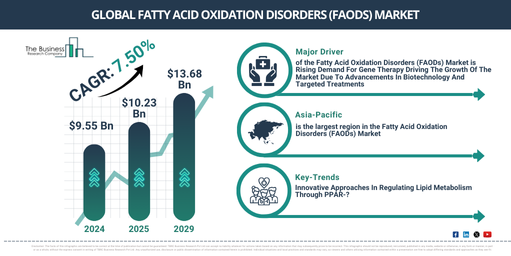
    The fatty acid oxidation disorders (faods) market has seen substantial growth in recent years. It is anticipated to increase from $9.55 billion in 2024 to $10.23 billion in 2025, progressing at a compound annual growth rate (CAGR) of 7.2%. This historical growth can be linked to heightened awareness, an uptick in the prevalence of rare and genetic disorders, a rising count of product approvals, amplified government initiatives, and growing demand for orphan drugs.

    The market for fatty acid oxidation disorders (FAODs) is projected to experience substantial expansion over the upcoming years, with a forecast to reach a valuation of $13.68 billion by 2029, exhibiting a compound annual growth rate (CAGR) of 7.5%. This anticipated growth during the forecast period stems from the rising demand for sustainable bio-products, the wider embrace of personalized medicine, earlier detection of FAODs, increased financial investment in research and development, and a heightened emphasis on enhancing long-term patient outcomes. Key trends expected in the forecast timeframe encompass the incorporation of telehealth services, the application of artificial intelligence in diagnostics and the development of new drugs, progress in genetic testing, technological improvements, and a movement towards healthcare models centered on the patient.

    Unlock Your Free Sample Report for Exclusive Market Data:

    https://www.thebusinessresearchcompany.com/sample.aspx?id=21964&type=smp

    What Are The Top Growth Drivers Impacting The Fatty Acid Oxidation Disorders (FAODs) Market Outlook?

    The fatty acid oxidation disorders (FAODs) market is projected to grow, driven by the increasing demand for gene therapy, a medical technique that involves modifying or replacing defective genes to treat or prevent diseases. The heightened interest in gene therapy stems from its capability to address genetic conditions, cancer, and rare ailments by pinpointing their fundamental genetic origins, thereby attracting substantial funding and fostering progress in biotechnology. For fatty acid oxidation disorders, gene therapy aims to rectify metabolic shortcomings through the introduction of functional genes, thereby re-establishing enzymatic function, boosting energy synthesis, and averting related complications. As an illustration, data from April 2024, provided by the American Society of Gene & Cell Therapy, a US-based organization dedicated to gene and cell therapy, revealed a 10% rise in gene therapies undergoing Phase III clinical trials during the fourth quarter. This represented the initial quarterly expansion of its type since the third quarter of 2022. Consequently, the growing need for gene therapy is serving as a primary catalyst for the expansion of the fatty acid oxidation disorders (FAODs) market.

    What Are The Primary Types Of Segments Analyzed In The Fatty Acid Oxidation Disorders (FAODs) Market?

    The fatty acid oxidation disorders (faods)market covered in this report is segmented –

    1) By Type: Long Chain; Short Chain

    2) By Drug Type: Levocarnitine; Dextrose; Riboflavin; Other Drug Types

    3) By Route of Administration: Oral; Intravenous

    4) By Distribution Channel: Hospital Pharmacies; Retail Pharmacies; Drug Stores; Online Stores

    5) By End User: Hospitals; Clinics; Pharmaceutical Companies

    Subsegments:

    1) By Long Chain: Very Long-Chain Acyl-CoA Dehydrogenase Deficiency (VLCAD); Long-Chain 3-Hydroxyacyl-CoA Dehydrogenase Deficiency (LCHAD); Trifunctional Protein Deficiency (TFP); Carnitine Palmitoyltransferase II Deficiency (CPT II)

    2) By Short Chain: Medium-Chain Acyl-CoA Dehydrogenase Deficiency (MCAD); Short-Chain Acyl-CoA Dehydrogenase Deficiency (SCAD); Carnitine Uptake Defect (CUD)

    What Long-Term Trends Will Shape The Future Growth Of The Fatty Acid Oxidation Disorders (FAODs) Industry?

    Leading companies in the fatty acid oxidation disorders (FAODs) market are concentrating on developing innovative solutions, such as peroxisome proliferator-activated receptor delta (PPARδ) agonists, to improve metabolic control and enhance treatment outcomes for patients with FAODs. A PPARδ agonist is a substance that activates the PPARδ receptor, which plays a role in regulating lipid metabolism, inflammation, and energy balance, potentially offering therapeutic advantages for metabolic disorders and cardiovascular diseases. For example, in January 2023, Reneo Pharmaceuticals Inc., a US-based clinical-stage pharmaceutical company, was granted Fast Track designation by the U.S. Food and Drug Administration (FDA) for its investigational drug, Mavodelpar (REN001). This drug targets long-chain 3-hydroxyacyl-CoA dehydrogenase (LCHAD) deficiency, a genotype associated with long-chain fatty acid oxidation disorder (LC-FAOD). Through the activation of PPARδ, Mavodelpar seeks to enhance mitochondrial function, improve energy metabolism, and alleviate symptoms linked to LC-FAOD.

    Who Are The Prominent Global Companies Shaping The Fatty Acid Oxidation Disorders (FAODs) Market?

    Major companies operating in the fatty acid oxidation disorders (FAODs) market are BASF SE, Thermo Fisher Scientific Inc, Takeda Pharmaceutical Company Limited, Baxter International Inc, Koninklijke DSM NV, Ingredion Incorporated, Lonza Group Ltd, Roquette Frères SA, Dr Reddy’s Laboratories Limited, Tate & Lyle PLC, ANI Pharmaceuticals Inc, Ultragenyx Pharmaceutical Inc, Gulshan Polyols Limited, Hubei Guangji Pharmaceutical Co Ltd, Omega Laboratories Limited, Actiza Pharmaceutical Private Limited, Allmpus Laboratories Private Limited, Reneo Pharmaceuticals Inc, Greenwell Lifesciences, NB Group Co Ltd.

    Download The Full Report For Exclusive Market Findings:

    https://www.thebusinessresearchcompany.com/report/fatty-acid-oxidation-disorders-faods-global-market-report

    Which Region Shows The Highest Potential For Future Expansion In The Fatty Acid Oxidation Disorders (FAODs) Market?

    Asia-Pacific was the largest region in the fatty acid oxidation disorders (FAODs) market in 2024. The regions covered in the fatty acid oxidation disorders (FAODs) market report are Asia-Pacific, Western Europe, Eastern Europe, North America, South America, Middle East, Africa.

    Request A Customized Version Of The Fatty Acid Oxidation Disorders (FAODs) Market Report:

    https://www.thebusinessresearchcompany.com/customise?id=21964&type=smp

    Browse Through More Reports Similar to the Global Fatty Acid Oxidation Disorders (FAODs) Market 2025, By The Business Research Company

    Fatty Acids Global Market Report 2025

    https://www.thebusinessresearchcompany.com/report/fatty-acids-global-market-report

    Tall Oil Fatty Acid Global Market Report 2025

    https://www.thebusinessresearchcompany.com/report/tall-oil-fatty-acid-global-market-report

    Fatty Acids Global Market 2025

    https://www.thebusinessresearchcompany.com/report/fatty-acids-global-market

    Get in touch with us:

    The Business Research Company: https://www.thebusinessresearchcompany.com/

    Americas +1 310-496-7795

    Asia +44 7882 955267 & +91 8897263534

    Europe +44 7882 955267

    Email us at info@tbrc.info

    Follow us on:

    LinkedIn: https://in.linkedin.com/company/the-business-research-company

    YouTube: https://www.youtube.com/channel/UC24_fI0rV8cR5DxlCpgmyFQ

    Global Market Model: https://www.thebusinessresearchcompany.com/global-market-model
  • Global Exanthema Market Overview: Trends Shaping Growth to 2029

    Global Exanthema Market Overview: Trends Shaping Growth to 2029

    Unlock Global Insights – Save 20% on Market Reports with Code ONLINE20

    What Is The Expected Total Market Size Of The Exanthema Industry By The Forecast Year 2029?

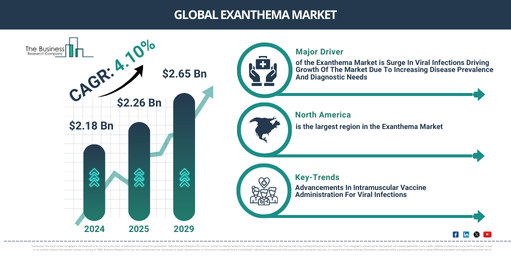
    The exanthema market has shown consistent expansion over recent years. Its valuation is anticipated to climb from $2.18 billion in 2024 to $2.26 billion in 2025, achieving a compound annual growth rate (CAGR) of 3.6%. This historical increase can be ascribed to several factors, including escalating healthcare expenditure, heightened awareness concerning vaccination, an uplift in disposable income, a greater understanding of skin disorders, and an increased focus on prompt detection.

    The exanthema market is anticipated to demonstrate consistent expansion over the coming years. By 2029, its valuation is projected to reach $2.65 billion, expanding at a compound annual growth rate (CAGR) of 4.1%. This growth during the forecast period is primarily driven by escalating investments in research and development, a higher incidence of viral and bacterial infections, an expanding emphasis on telemedicine, a rise in government initiatives, and an increasing demand for oral drugs. Key developments for the forecast period encompass progress in therapeutic approaches, novelties in diagnostic techniques, general technological advancements, further progress in medical research and technology, and the evolution of assistive technologies.

    Unlock Your Free Sample Report for Exclusive Market Data:

    https://www.thebusinessresearchcompany.com/sample.aspx?id=21962&type=smp

    Which Major Market Drivers Are Shaping The Future Of The Exanthema Market?

    The increasing incidence of viral infections is projected to stimulate expansion in the exanthema market moving forward. Viral infections are defined as sicknesses resulting from viruses that infiltrate and replicate within bodily cells, leading to diverse manifestations and ailments. These infections are escalating due to heightened international travel, growing urbanization, shifts in climate, and compromised immune systems across populations. The surge in viral infections fuels the need for exanthema treatments because a greater number of cases exhibit skin rashes, thus heightening the requirement for efficient care. Exanthema functions as a visible immunological reaction to viral infections, assisting in pathogen expulsion, signaling immune system activation, and aiding in detection by indicating the body’s battle against the virus. For example, in August 2024, data from the Centers for Disease Control and Prevention, a US-based government agency, showed that between 2022–2024, the percentage of people with IgM antibodies, indicative of a recent Parvovirus B19 infection, stayed below 3% but then sharply rose to 10% by June 2024. The most notable increase was observed among children aged 5–9 years, with prevalence climbing from 15% to 40% during this timeframe. Consequently, the growing prevalence of viral infections is propelling the growth of the exanthema market.

    Which Key Segments Fueling The Exanthema Market?

    The exanthemamarket covered in this report is segmented –

    1) By Types: Bacterial; Viral; Other Types

    2) By Treatment: Topical Treatments; Systemic Treatments; Supportive Care

    3) By Diagnosis Method: Clinical Examination; Laboratory Tests; Imaging Techniques

    4) By Application: Rubeola; Rubella; Erythema Infectiosum; Roseola Infantum

    5) By End-Users: Hospitals; Homecare; Specialty Centers; Other End-Users

    Subsegments:

    1) By Bacterial Exanthema: Scarlet Fever; Meningococcemia; Staphylococcal Scalded Skin Syndrome (SSSS); Lyme Disease; Tuberculosis-Associated Exanthema

    2) By Viral Exanthema: Measles (Rubeola); Rubella (German Measles); Varicella (Chickenpox); Roseola (Exanthem Subitum); Hand, Foot, and Mouth Disease; Parvovirus B19 (Erythema Infectiosum / Fifth Disease); Dengue Fever Rash; Zika Virus Rash

    3) By Other Types of Exanthema: Drug-Induced Exanthema (Hypersensitivity Reactions); Autoimmune-Related Exanthema (Lupus, Kawasaki Disease); Allergic Dermatitis-Related Exanthema; Fungal Infections Leading to Exanthema; Environmental and Toxin-Induced Exanthema

    Which Market Trends Are Creating New Opportunities In The Exanthema Industry?

    Companies active in the exanthema market are concentrating on creating innovative treatments, including the use of intramuscular (IM) vaccines and antiviral therapies, with the aim of boosting effectiveness, lessening complications, and improving patient results in addressing viral infections linked to exanthematous conditions. The method of intramuscular (IM) administration for vaccines and antiviral drugs involves injecting these substances directly into muscle tissue with a syringe and needle. This approach facilitates rapid absorption of the compounds into the bloodstream, utilizing the muscle’s abundant blood supply to trigger an immune reaction or a therapeutic benefit. An illustrative example occurred in March 2023 when Merck & Co. Inc., a US-based pharmaceutical company, declared that the FDA had given its approval for the intramuscular (IM) administration pathway for its MMRV vaccines—M-M-R II, VARIVAX, and ProQuad. This IM route is recognized for providing superior stability and effectiveness for these specific live-virus vaccines compared to alternative delivery methods, thereby representing a vital advancement in bolstering public health initiatives to prevent these potentially serious viral infections.

    Which Key Players Are Driving Competition In The Exanthema Market?

    Major companies operating in the exanthema market are F. Hoffmann-La Roche Ltd., Merck & Co. Inc., Sanofi SA, Abbott Laboratories, GlaxoSmithKline plc, Serum Institute of India Pvt. Ltd., Takeda Pharmaceutical Company Limited, Amgen Inc., Daiichi Sankyo Company Limited, Biological E. Limited, Zydus Lifesciences Limited, Bio Farma, Meridian Bioscience Inc., West-Ward Pharmaceutical Corp., Trinity Biotech plc, Biosynth Srl, Creative Diagnostics, Taj Pharmaceuticals Limited, TestLine Clinical Diagnostics s.r.o., The Native Antigen Co. Ltd., QED Bioscience Inc.

    Download The Full Report For Exclusive Market Findings:

    https://www.thebusinessresearchcompany.com/report/exanthema-global-market-report

    How Is Exanthema Market Demand Varying Across Different Regions?

    North America was the largest region in the exanthema market in 2024. Asia-Pacific is expected to be the fastest-growing region in the forecast period. The regions covered in the exanthema market report are Asia-Pacific, Western Europe, Eastern Europe, North America, South America, Middle East, Africa.

    Request A Customized Version Of The Exanthema Market Report:

    https://www.thebusinessresearchcompany.com/customise?id=21962&type=smp

    Browse Through More Reports Similar to the Global Exanthema Market 2025, By The Business Research Company

    Skin Care Products Global Market Report 2025

    https://www.thebusinessresearchcompany.com/report/skin-care-products-global-market-report

    Skin And Hide Global Market Report 2025

    https://www.thebusinessresearchcompany.com/report/skin-and-hide-global-market-report

    Skin Care Stores Global Market Report 2025

    https://www.thebusinessresearchcompany.com/report/skin-care-stores-global-market-report

    Get in touch with us:

    The Business Research Company: https://www.thebusinessresearchcompany.com/

    Americas +1 310-496-7795

    Asia +44 7882 955267 & +91 8897263534

    Europe +44 7882 955267

    Email us at info@tbrc.info

    Follow us on:

    LinkedIn: https://in.linkedin.com/company/the-business-research-company

    YouTube: https://www.youtube.com/channel/UC24_fI0rV8cR5DxlCpgmyFQ

    Global Market Model: https://www.thebusinessresearchcompany.com/global-market-model
  • Essential Thrombocythemia (ET) Market Growth Opportunities: Insights from 2025–2029

    Essential Thrombocythemia (ET) Market Growth Opportunities: Insights from 2025–2029

    Unlock Global Insights – Save 20% on Market Reports with Code ONLINE20

    How Does The Market Size Of The Essential Thrombocythemia (ET) Industry Compare Between 2025 And 2029?

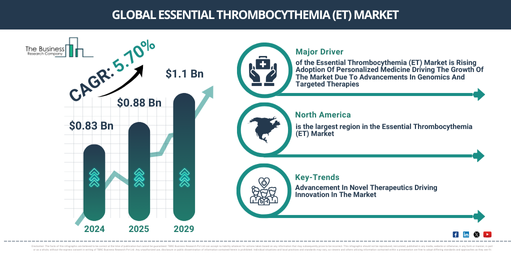
    The market size for essential thrombocythemia (et) has experienced significant expansion over recent years. This market is projected to expand from $0.83 billion in 2024 to $0.88 billion by 2025, demonstrating a compound annual growth rate (CAGR) of 6.2%. Historically, this expansion has been driven by factors such as an increase in essential thrombocythemia cases, a rise in sickle cell anemia incidents, greater investment in research and development, heightened awareness among healthcare professionals, and the increasing acceptance of pharmaceutical treatments.

    The essential thrombocythemia (ET) market size is anticipated to undergo significant expansion in the coming years. It is projected to increase to $1.1 billion by 2029, achieving a compound annual growth rate (CAGR) of 5.7%. This expansion over the forecast period is primarily driven by heightened awareness and earlier detection of essential thrombocythemia, wider availability of hematology testing, an aging global population, increased healthcare spending, and greater federal financial support. Noteworthy trends expected during this period include technological innovations, genetic profiling, the introduction of novel targeted therapies, advancements in telemedicine, and strategic partnerships.

    Unlock Your Free Sample Report for Exclusive Market Data:

    https://www.thebusinessresearchcompany.com/sample.aspx?id=21961&type=smp

    What Are The Main Drivers Boosting The Essential Thrombocythemia (ET) Industry’s Expansion?

    The increasing implementation of personalized medicine is anticipated to boost the growth of the essential thrombocythemia (ET) market in the coming years. This medical strategy involves customizing treatment and prevention approaches according to an individual’s genetic makeup, lifestyle, and environmental elements. The embrace of personalized medicine is expanding due to breakthroughs in genomics, biotechnology, and data analytics, which facilitate more accurate diagnostics and specialized therapies. For essential thrombocythemia, personalized medicine is beneficial by allowing targeted treatments based on genetic mutations, thereby refining treatment precision and patient outcomes. For example, in February 2024, as per the US-based non-profit organization Personalized Medicine Coalition, the FDA cleared 16 new personalized therapies for individuals with rare diseases in 2023, a rise from six in 2022. Thus, the rising acceptance of personalized medicine is a significant driver for the expansion of the essential thrombocythemia (ET) market.

    How Is The Essential Thrombocythemia (ET) Market Classified Into Different Segments?

    The essential thrombocythemia (et)market covered in this report is segmented –

    1) By Treatment Type: Interferon; Anagrelide; Hydroxyurea; Aspirin

    2) By Diagnosis: Blood Tests; Bone Marrow Biopsy; Gene Mutation Analysis; Other Diagnosis

    3) By End User: Hospitals; Research Organizations; Specialty Clinics

    Subsegments:

    1) By Interferon: Pegylated Interferon; Standard Interferon; Combination Therapy

    2) By Anagrelide: Monotherapy; Combination With Aspirin; Dose-Adjusted Therapy

    3) By Hydroxyurea: Low-Dose Therapy; High-Dose Therapy; Combination With Antiplatelet Agents

    4) By Aspirin: Low-Dose Aspirin; High-Dose Aspirin; Combination With Cytoreductive Therapy

    How Are Trends Influencing The Essential Thrombocythemia (ET) Market?

    Companies operating in the essential thrombocythemia (ET) market are prioritizing novel therapeutics, such as Phase 3 clinical trials for bomedemstat, to enhance treatment efficacy, improve patient outcomes, and expand available therapeutic options. These late-stage trials evaluate bomedemstat, an LSD1 inhibitor, for its safety and effectiveness in patients requiring advanced treatment solutions. For instance, in August 2024, Merck & Co. Inc., a US-based pharmaceutical company, announced the initiation of Shorespan-007, a Phase 3 clinical trial evaluating bomedemstat, an investigational LSD1 inhibitor, for the treatment of essential thrombocythemia (ET). The trial focuses on patients who have not previously received cytoreductive therapy. Global recruitment for Shorespan-007 has commenced, with patient enrollment now underway.

    Who Are The Top Performing Companies In The Essential Thrombocythemia (ET) Market In Recent Years?

    Major companies operating in the essential thrombocythemia (ET) market are Hoffmann-La Roche AG, AbbVie Inc., Johnson & Johnson, Bayer AG, Bristol Myers Squibb Company, Novartis AG, Sanofi S.A., GlaxoSmithKline plc, Eli Lilly and Company, Teva Pharmaceutical Industries Ltd., Astellas Pharma Inc., Fresenius Kabi AG, Incyte Corporation, Vifor Pharma Management AG, Bio-Techne Corporation, Argenx SE, AOP Orphan Pharmaceuticals AG, Orchard Therapeutics plc, Medunik USA., Kartos Therapeutics Inc.

    Download The Full Report For Exclusive Market Findings:

    https://www.thebusinessresearchcompany.com/report/essential-thrombocythemia-et-global-market-report

    Which Geographies Are Emerging As Strong Markets For The Essential Thrombocythemia (ET) Industry?

    North America was the largest region in the essential thrombocythemia (ET) market in 2024. The regions covered in the essential thrombocythemia (ET) market report are Asia-Pacific, Western Europe, Eastern Europe, North America, South America, Middle East, Africa.

    Request A Customized Version Of The Essential Thrombocythemia (ET) Market Report:

    https://www.thebusinessresearchcompany.com/customise?id=21961&type=smp

    Browse Through More Reports Similar to the Global Essential Thrombocythemia (ET) Market 2025, By The Business Research Company

    Anemia And Other Blood Disorder Drugs Global Market Report 2025

    https://www.thebusinessresearchcompany.com/report/anemia-and-other-blood-disorder-drugs-global-market-report

    Blood Transfusion Diagnostics Global Market Report 2025

    https://www.thebusinessresearchcompany.com/report/blood-transfusion-diagnostics-global-market-report

    Stem Cell Cord Blood Banking Global Market Report 2025

    https://www.thebusinessresearchcompany.com/report/stem-cell-cord-blood-banking-global-market-report

    Get in touch with us:

    The Business Research Company: https://www.thebusinessresearchcompany.com/

    Americas +1 310-496-7795

    Asia +44 7882 955267 & +91 8897263534

    Europe +44 7882 955267

    Email us at info@tbrc.info

    Follow us on:

    LinkedIn: https://in.linkedin.com/company/the-business-research-company

    YouTube: https://www.youtube.com/channel/UC24_fI0rV8cR5DxlCpgmyFQ

    Global Market Model: https://www.thebusinessresearchcompany.com/global-market-model
  • Epidermolysis Bullosa Market Expansion Outlook: $4.49 Billion by 2029 Forecast

    Epidermolysis Bullosa Market Expansion Outlook: $4.49 Billion by 2029 Forecast

    Unlock Global Insights – Save 20% on Market Reports with Code ONLINE20

    What Is The Predicted Market Size Trajectory For The Epidermolysis Bullosa Market From 2025 To 2034?

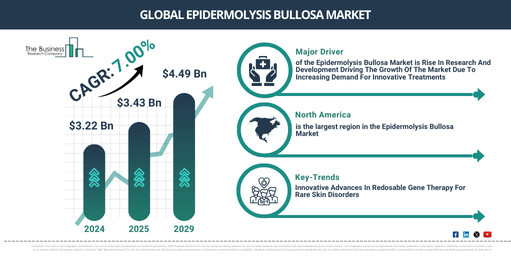
    The epidermolysis bullosa market has experienced robust growth in recent times. It is forecast to expand from $3.22 billion in 2024 to $3.43 billion in 2025, exhibiting a compound annual growth rate (CAGR) of 6.4%. This historical growth can be ascribed to several factors, including an increase in clinical trials, the rising prevalence of epidermolysis bullosa, enhanced awareness coupled with a surge in research funding, a heightened focus on gene therapy, and increased attention to rare disease treatments.

    The epidermolysis bullosa market size is projected to experience robust expansion over the coming years. It is anticipated to reach $4.49 billion by 2029, exhibiting a compound annual growth rate (CAGR) of 7.0%. This growth throughout the forecast period can be attributed to factors such as the increasing adoption of regenerative medicine and stem cell therapy, enhanced awareness and diagnosis rates, a rise in approvals for gene and cell therapies, the expansion of wound care services, and an escalation in diagnosed cases. Key trends expected during this period include the development of novel therapies, the application of stem cell therapies, advancements in gene editing technology, the emergence of targeted treatments, increased strategic collaboration, and ongoing progress in genetic research.

    Unlock Your Free Sample Report for Exclusive Market Data:

    https://www.thebusinessresearchcompany.com/sample.aspx?id=21958&type=smp

    Which Factors And Drivers Are Influencing The Epidermolysis Bullosa Market In 2025?

    Growing research and development efforts are anticipated to fuel the expansion of the epidermolysis bullosa market in the future. These activities encompass organized endeavors to invent, enhance, or create novel products, processes, or technologies. The surge in research and development is driven by a rising need for innovative treatments, cutting-edge therapies, and precise medical solutions for intricate diseases. Such efforts foster the discovery of new therapies, advanced wound care options, and prospective gene and cell-based interventions, thereby improving the diagnosis, management, and overall quality of life for epidermolysis bullosa patients. As an illustration, in April 2024, data from the Office for National Statistics, a UK-based executive office, indicated that the UK government’s net research and development expenditure (excluding EU contributions) saw a 10.5% rise, reaching approximately $19.2 billion in 2022 from $17.3 billion in 2021. Consequently, the escalating research and development activities are propelling the growth of the epidermolysis bullosa market.

    What Are The Major Segments Identified In The Epidermolysis Bullosa Market?

    The epidermolysis bullosamarket covered in this report is segmented –

    1) By Product Type: Antibiotic; Analgesics; Other Product Types

    2) By Mode Of Administration: Injectables; Oral; Other Modes of Administration

    3) By End User: Hospitals; Homecare; Specialty Clinics; Other End Users

    Subsegments:

    1) By Antibiotic: Topical Antibiotics; Oral Antibiotics; Injectable Antibiotics

    2) By Analgesics: NSAIDs; Opioids; Topical Pain Relievers

    3) By Other Product Types: Wound Dressings; Immunotherapies; Gene Therapies

    What Key Innovation Trends Are Fueling Advancements In The Epidermolysis Bullosa Market?

    Prominent companies operating in the epidermolysis bullosa market are channeling their efforts into developing novel treatments, such as redosable gene therapy, aiming to boost long-term effectiveness and enhance patient outcomes. Redosable gene therapy, distinct from conventional one-time gene therapies, is a treatment method that can be administered multiple times to maintain or strengthen therapeutic effects. For example, in May 2023, Krystal Biotech Inc., a US-based biotechnology company, disclosed that the U.S. Food and Drug Administration (FDA) had given its approval to VYJUVEK, a redosable gene therapy. This approval was for treating patients aged six months and older suffering from dystrophic epidermolysis bullosa (DEB). This groundbreaking therapy works by introducing a functional copy of the COL7A1 gene, directly addressing the underlying genetic defect which is the root cause of DEB. Designed for topical application, VYJUVEK offers a more convenient and less invasive alternative to traditional systemic treatments, ultimately improving patient care and expanding treatment accessibility.

    Which Leading Companies Dominate The Epidermolysis Bullosa Market Share?

    Major companies operating in the epidermolysis bullosa market are Pfizer Inc., CHIESI Farmaceutici S.p.A, Shionogi Inc., LEO Pharma A/S, BridgeBio Pharma Inc., Amicus Therapeutics Inc., Amryt Pharma plc, Krystal Biotech Inc., Castle Creek Biosciences Inc., C4U Corporation, RHEACELL GmbH & Co. KG, Aegle Therapeutics Corp., BioMendics LLC, InMed Pharmaceuticals Inc., BPGbio Inc., ProQR Therapeutics N.V., Holostem Terapie Avanzate Srl, TWi Biotechnology Inc., Abeona Therapeutics Inc., RegeneRx Biopharmaceuticals Inc.

    Download The Full Report For Exclusive Market Findings:

    https://www.thebusinessresearchcompany.com/report/epidermolysis-bullosa-global-market-report

    Which Region Is Projected To Lead The Epidermolysis Bullosa Market During The Forecast Period?

    North America was the largest region in the epidermolysis bullosa market in 2024. The regions covered in the epidermolysis bullosa market report are Asia-Pacific, Western Europe, Eastern Europe, North America, South America, Middle East, Africa.

    Request A Customized Version Of The Epidermolysis Bullosa Market Report:

    https://www.thebusinessresearchcompany.com/customise?id=21958&type=smp

    Browse Through More Reports Similar to the Global Epidermolysis Bullosa Market 2025, By The Business Research Company

    Skin Cancer Drugs Global Market Report 2025

    https://www.thebusinessresearchcompany.com/report/skin-cancer-drugs-global-market-report

    Transdermal Skin Patche Global Market Report 2025

    https://www.thebusinessresearchcompany.com/report/transdermal-skin-patche-global-market-report

    Transdermal Skin Patches Market 2025

    https://www.thebusinessresearchcompany.com/report/transdermal-skin-patches-market

    Get in touch with us:

    The Business Research Company: https://www.thebusinessresearchcompany.com/

    Americas +1 310-496-7795

    Asia +44 7882 955267 & +91 8897263534

    Europe +44 7882 955267

    Email us at info@tbrc.info

    Follow us on:

    LinkedIn: https://in.linkedin.com/company/the-business-research-company

    YouTube: https://www.youtube.com/channel/UC24_fI0rV8cR5DxlCpgmyFQ

    Global Market Model: https://www.thebusinessresearchcompany.com/global-market-model
  • Global Emphysema Industry Trends: Where the Market Is Headed by 2029

    Global Emphysema Industry Trends: Where the Market Is Headed by 2029

    Unlock Global Insights – Save 20% on Market Reports with Code ONLINE20

    How Much Larger Is The Emphysema Market Expected To Become By 2029 Compared With Its 2025 Level?

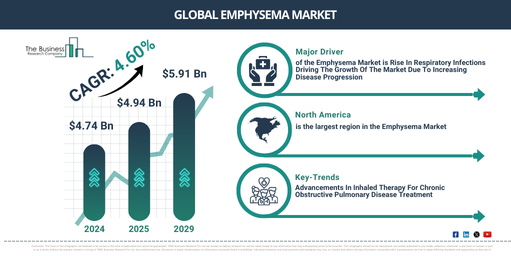
    The emphysema market has shown consistent expansion in recent years. Its valuation is anticipated to increase from $4.74 billion in 2024 to $4.94 billion in 2025, exhibiting a compound annual growth rate (CAGR) of 4.3%. The expansion observed historically is attributable to factors like the rising occurrence of respiratory conditions, an enlarging elderly demographic, heightened tobacco use, escalating atmospheric contamination, intensified governmental programs, and a larger populace involved in tobacco consumption.

    The emphysema market is projected to experience consistent expansion over the next few years, with its valuation anticipated to reach $5.91 billion by 2029, growing at a compound annual growth rate (CAGR) of 4.6%. This projected growth during the forecast period is largely attributable to factors such as heightened healthcare expenditures, rising environmental pollution, a greater demand for diagnostic medical devices, increasing vehicular traffic, and the growing preference for minimally invasive procedures. Significant trends expected in the forecast period include the emergence of new inhalation devices, strategic collaborations, advancements in personalized medicine, the rise of telemedicine, improvements in inhalation therapies, and ongoing medical progress.

    Unlock Your Free Sample Report for Exclusive Market Data:

    https://www.thebusinessresearchcompany.com/sample.aspx?id=21956&type=smp

    What Are The Key Drivers Of Growth In The Emphysema Market?

    The anticipated expansion of the emphysema market is attributed to the rising occurrence of respiratory infections, which are defined as infections impacting the respiratory system, including the sinuses, throat, airways, and lungs. The increase in these infections stems from factors such as pollution, climate change, antimicrobial resistance, urbanization, and evolving pathogens. Respiratory infections accelerate emphysema progression by causing inflammation, tissue damage, and increased airway obstruction, thereby worsening lung function. For instance, in November 2024, according to the Centers for Disease Control and Prevention, a US-based government agency, in 2023, the U.S. reported 9,633 tuberculosis (TB) cases, a 15.6% rise from 8,332 in 2022, with the incidence rate increasing 15.0% from 2.5 to 2.9 per 100,000 persons. Consequently, the growing prevalence of respiratory infections is a significant driver for the growth of the emphysema market.

    What Are The Emerging Segments Gaining Attention In The Emphysema Market?

    The emphysemamarket covered in this report is segmented –

    1) By Type: Centrilobular; Panlobular

    2) By Treatment: Medication; Therapy; Surgery; Other Treatments

    3) By Diagnosis: Imaging Test; Lung Function Test; Other Diagnosis

    4) By Complications: Chest Infections; Collapsed Lung; Heart Problems; Lungs Hole; Other Complications

    5) By End-user: Hospitals And Clinics; Surgical Center; Other End-users

    Subsegments:

    1) By Centrilobular: Mild Centrilobular Emphysema; Moderate Centrilobular Emphysema; Severe Centrilobular Emphysema

    2) By Panlobular: Mild Panlobular Emphysema; Moderate Panlobular Emphysema; Severe Panlobular Emphysema

    Which Ongoing Trends Are Expected To Shape The Emphysema Market Outlook?

    Key companies within the emphysema market are concentrating on medical breakthroughs, such as inhaled dual inhibitors of phosphodiesterase 3 and phosphodiesterase 4, to offer patients advanced treatments that boost lung function, lessen inflammation, and improve overall disease management, thereby fostering superior respiratory health and quality of life. An inhaled dual inhibitor of phosphodiesterase 3 and phosphodiesterase 4 is a medication designed to target and block both phosphodiesterase enzymes in the lungs, which helps relax airways and reduce inflammation, subsequently improving breathing in conditions like chronic obstructive pulmonary disease. As an illustration, in June 2024, Verona Pharma plc, a UK-based pharma company, launched Ohtuvayre (ensifentrine), which is the first inhaled dual PDE3 and PDE4 inhibitor approved by the Food and Drug Administration, a US-based federal agency, for the maintenance treatment of chronic obstructive pulmonary diseases like emphysema, signifying the first novel inhaled therapy in over 20 years. This drug, which provides both bronchodilator and anti-inflammatory benefits, is slated for availability through specialty pharmacies.

    Who Are The Major Companies Operating In The Emphysema Market?

    Major companies operating in the emphysema market are Pfizer Inc., Merck & Co. Inc., Sanofi S.A., AstraZeneca PLC, Novartis International AG, GlaxoSmithKline PLC, Takeda Pharmaceutical Company Limited, Koninklijke Philips N.V., Teva Pharmaceutical Industries Ltd., Boehringer Ingelheim, Mylan N.V., Olympus Corporation, ResMed Inc., Chiesi Farmaceutici S.p.A., University of Chicago Medicine (UChicago Medicine), Hikma Pharmaceuticals PLC, United Therapeutics Corporation, VIDA Diagnostics Inc., Kamada Limited, Pulmonx Corporation, Mereo BioPharma Group PLC, Uptake Medical Corporation, Verona Pharma PLC.

    Download The Full Report For Exclusive Market Findings:

    https://www.thebusinessresearchcompany.com/report/emphysema-global-market-report

    What Are The Key Regional Factors Influencing The Emphysema Market Growth?

    North America was the largest region in the emphysema market in 2024. Asia-Pacific is expected to be the fastest-growing region in the forecast period. The regions covered in the emphysema market report are Asia-Pacific, Western Europe, Eastern Europe, North America, South America, Middle East, Africa.

    Request A Customized Version Of The Emphysema Market Report:

    https://www.thebusinessresearchcompany.com/customise?id=21956&type=smp

    Browse Through More Reports Similar to the Global Emphysema Market 2025, By The Business Research Company

    Emphysema Treatment Global Market Report 2025

    https://www.thebusinessresearchcompany.com/report/emphysema-treatment-global-market-report

    Lung Cancer Drugs Global Market Report 2025

    https://www.thebusinessresearchcompany.com/report/lung-cancer-drugs-global-market-report

    Lung Cancer Diagnostic And Screening Global Market Report 2025

    https://www.thebusinessresearchcompany.com/report/lung-cancer-diagnostic-and-screening-global-market-report

    Get in touch with us:

    The Business Research Company: https://www.thebusinessresearchcompany.com/

    Americas +1 310-496-7795

    Asia +44 7882 955267 & +91 8897263534

    Europe +44 7882 955267

    Email us at info@tbrc.info

    Follow us on:

    LinkedIn: https://in.linkedin.com/company/the-business-research-company

    YouTube: https://www.youtube.com/channel/UC24_fI0rV8cR5DxlCpgmyFQ

    Global Market Model: https://www.thebusinessresearchcompany.com/global-market-model

  • Early Toxicity Testing Industry Forecast to Hit $2.19 Billion by 2029 With a Strong 8.3% CAGR

    Early Toxicity Testing Industry Forecast to Hit $2.19 Billion by 2029 With a Strong 8.3% CAGR

    Unlock Global Insights – Save 20% on Market Reports with Code ONLINE20

    #What Are The Current (2025) And Forecast (2029) Sizes Of The Early Toxicity Testing Market?

    The early toxicity testing market has observed substantial growth over recent years. It is anticipated to expand from $1.47 billion in 2024 to $1.6 billion in 2025, exhibiting a compound annual growth rate (CAGR) of 8.5%. This historical expansion can be primarily linked to the emergence of ethical considerations, increasing public awareness of human and environmental health, the escalation of public health crises and environmental disasters, a heightened focus on endocrine disruptors, and the escalating requirement for harmonized standards.

    The early toxicity testing market size is anticipated to experience substantial growth in the upcoming years. It is projected to reach $2.19 billion by 2029, growing at a compound annual growth rate (CAGR) of 8.3%. This expansion during the forecast period can be attributed to heightened regulatory pressure for drug safety, an increasing incidence of adverse drug reactions, a rise in aesthetic consciousness, an increase in early toxicity testing activities, and greater awareness concerning toxicity. Significant trends anticipated in the forecast period include in silico toxicity prediction models, organ-on-a-chip technology, high-throughput screening (HTS), advancements in molecular toxicology, and toxicity testing with stem cells.

    Unlock Your Free Sample Report for Exclusive Market Data:

    https://www.thebusinessresearchcompany.com/sample.aspx?id=21947&type=smp

    Which Drivers Are Supporting Growth Of The Early Toxicity Testing Market?

    The growing emphasis on personalized medicine is projected to drive the expansion of the early toxicity testing market in the future. Personalized medicine is a medical methodology that customizes treatments and healthcare approaches for individual patients, considering their distinct genetic makeup, environmental influences, and lifestyle choices. The heightened attention on personalized medicine stems from its ability to tailor treatments according to each person’s specific genetic profile, thereby enhancing efficacy and minimizing adverse effects by guaranteeing the appropriate drug, dosage, and patient selection. Furthermore, personalized medicine bolsters early toxicity testing through the utilization of genetic, biomarker, and patient-specific data, enabling the prediction of individual drug responses, which in turn diminishes adverse reactions and refines safety evaluations. As an illustration, in February 2024, a report from the Personalized Medicine Coalition, a U.S.-based organization, indicated that in 2023, the FDA sanctioned 16 novel personalized treatments for patients with rare diseases, marking an increase from six approvals in 2022. Among the newly approved personalized treatments for 2023 were also seven cancer drugs and three for various other diseases and conditions. Consequently, the expanding focus on personalized medicine is a significant catalyst for the early toxicity testing market’s growth.

    What Are The Major Segment Types Covered In The Early Toxicity Testing Market?

    The early toxicity testingmarket covered in this report is segmented –

    1) By Type: In-Vivo; In-Vitro; In-Silico

    2) By Toxicity Type: Cytotoxicity; Genotoxicity; Carcinogenicity; Reproductive Toxicity; Ecotoxicity

    3) By Technology: Microfluidics Technology; Bioinformatics; High-Content Screening; 3D Cell Cultures

    4) By Application: Drug Development; Environmental Monitoring; Cancer Research; Material Testing; Regulatory Compliance

    5) By End User: Pharmaceuticals Industry; Food Industry; Chemicals Industry; Cosmetics Industry; Other End-Users

    Subsegments:

    1) By In-Vivo Type: Acute Toxicity Testing; Chronic Toxicity Testing; Carcinogenicity Testing; Developmental & Reproductive Toxicity (DART) Testing; Neurotoxicity Testing

    2) By In-Vitro Type: Cell-Based Assays; Biochemical Assays; High-Throughput Screening (HTS); 3D Cell Culture Systems; Organ-on-a-Chip Models

    3) By In-Silico Type: Computational Toxicology; Predictive Modeling; Quantitative Structure-Activity Relationship (QSAR) Models; Machine Learning-Based Toxicity Prediction; Physiologically Based Pharmacokinetic (PBPK) Modeling

    Which Competitive Trends Are Defining The Early Toxicity Testing Market Structure?

    Leading companies within the early toxicity testing market are concentrating on technological enhancements, such as ZBEScreen, to improve the accuracy, efficiency, and predictive power in toxicity evaluations. ZBEScreen itself is a technology that utilizes zebrafish embryos for high-throughput early toxicity testing, designed to detect the potential harmful effects of various substances. As an illustration, in March 2025, AsedaSciences, a Ghana-based preclinical contract research organization known for offering advanced early toxicity testing using zebrafish models, introduced a state-of-the-art zebrafish screening service. This launch was a collaborative effort with the esteemed Tanguay Lab, a U.S.-based academic research laboratory specializing in zebrafish toxicology and developmental health studies. Such a state-of-the-art zebrafish screening service employs advanced high-throughput technologies to evaluate toxicity in real-time, providing precise, efficient, and ethical testing for drug and chemical safety, complemented by detailed observations of developmental and behavioral changes.

    Which Global Market Leaders Are Shaping The Future Of The Early Toxicity Testing Sector?

    Major companies operating in the early toxicity testing market are Merck KGaA, Thermo Fisher Scientific, Danaher Corporation, BD bioscience, ICON plc, SGS S.A., Agilent Technologies, Eurofins Scientific, WuXi AppTec., Charles River Laboratories, Charles River Laboratories Edinburgh Ltd., Sigma Aldrich, Bio-rad, Bruker Corporation, Medpace Inc., Evotec AG, PerkinElmer Inc., QPS LLC, Ocimum Biosolutions, Enzo Biochem Inc.

    Download The Full Report For Exclusive Market Findings:

    https://www.thebusinessresearchcompany.com/report/early-toxicity-testing-global-market-report

    How Do Regional Market Performances Compare Within The Early Toxicity Testing Industry?

    North America was the largest region in the early toxicity testing market in 2024. Aisa-Pacific is expected to be the fastest-growing region in the forecast period. The regions covered in the early toxicity testing market report are Asia-Pacific, Western Europe, Eastern Europe, North America, South America, Middle East, Africa.

    Request A Customized Version Of The Early Toxicity Testing Market Report:

    https://www.thebusinessresearchcompany.com/customise?id=21947&type=smp

    Browse Through More Reports Similar to the Global Early Toxicity Testing Market 2025, By The Business Research Company

    In Vitro Toxicology Testing Global Market Report 2025

    https://www.thebusinessresearchcompany.com/report/in-vitro-toxicology-testing-global-market-report

    Adme Toxicology Testing Global Market Report 2025

    https://www.thebusinessresearchcompany.com/report/adme-toxicology-testing-global-market-report

    Artificial Intelligence Ai In Predictive Toxicology Global Market Report 2025

    https://www.thebusinessresearchcompany.com/report/artificial-intelligence-ai-in-predictive-toxicology-global-market-report

    Get in touch with us:

    The Business Research Company: https://www.thebusinessresearchcompany.com/

    Americas +1 310-496-7795

    Asia +44 7882 955267 & +91 8897263534

    Europe +44 7882 955267

    Email us at info@tbrc.info

    Follow us on:

    LinkedIn: https://in.linkedin.com/company/the-business-research-company

    YouTube: https://www.youtube.com/channel/UC24_fI0rV8cR5DxlCpgmyFQ

    Global Market Model: https://www.thebusinessresearchcompany.com/global-market-model