Category: HealthcareServices

  • Embolotherapy Market to Grow at a CAGR of 8.8% from 2025 to 2029

    Embolotherapy Market to Grow at a CAGR of 8.8% from 2025 to 2029

    Unlock Global Insights – Save 20% on Market Reports with Code ONLINE20

    What Are The Growth Projections For The Embolotherapy Market Size During 2025–2029?

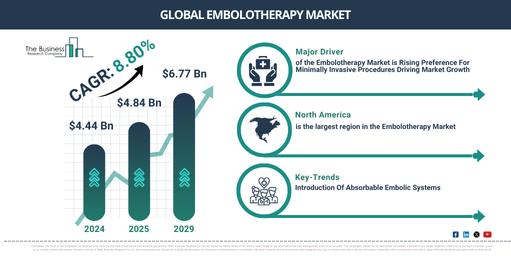
    The embolotherapy market has shown robust expansion in recent years. It is projected to expand from $4.44 billion in 2024 to $4.84 billion in 2025, with a compound annual growth rate (CAGR) of 9.0%. This historical expansion is attributable to several factors, including a rising demand for embolotherapy in managing various conditions, an increasing occurrence of cancer, a higher incidence of peripheral vascular diseases, growing healthcare expenditure, and augmented investment in research.

    The embolotherapy market is projected to experience robust expansion over the coming years, reaching a valuation of $6.77 billion by 2029, driven by an 8.8% compound annual growth rate (CAGR). This anticipated growth is primarily fueled by factors such as an uptick in disposable income, the escalating occurrence of chronic illnesses, broader acceptance in reproductive health applications, a greater volume of chemoembolization procedures, and the increasing cases of liver cancer. Key developments expected during this period encompass advancements like cutting-edge technologies, the introduction of digital and analog devices, insertable cardiac monitors, refined embolotherapy techniques, and an emphasis on strategic collaborations.

    Unlock Your Free Sample Report for Exclusive Market Data:

    https://www.thebusinessresearchcompany.com/sample.aspx?id=21181&type=smp

    Which Drivers Are Impacting The Embolotherapy Market?

    The increasing inclination towards minimally invasive procedures is anticipated to fuel the expansion of the embolotherapy market in the future. These procedures are defined as cosmetic treatments requiring minimal to no surgical involvement, generally characterized by short recovery periods and reduced associated risks. The growing demand for such procedures stems from benefits like quicker recovery times, diminished pain, smaller scarring, decreased chances of complications, and ongoing technological advancements. Embolotherapy complements minimally invasive techniques by precisely obstructing blood flow to specific vessels, thereby curbing bleeding, addressing tumors, and managing vascular irregularities with enhanced accuracy and fewer adverse effects. For example, data from September 2023, published by the American Society of Plastic Surgeons, a US-based non-profit body, indicated a 7% increase in cosmetic minimally invasive procedures in 2023, escalating to 25,442,640 from 23,672,269 in 2022. Consequently, the heightened preference for minimally invasive procedures is acting as a catalyst for the expansion of the embolotherapy market.

    What Are The Segment Types Shaping The Embolotherapy Market?

    The embolotherapymarket covered in this report is segmented –

    1) By Product: Embolization Coil; Embolic Agents; Detachable Balloons; Embolic Plug Systems; Support Devices

    2) By Application: Oncology; Peripheral Vascular Diseases; Urology and Nephrology; Neurology; Gastrointestinal (GIT) Disorders

    3) By Procedure: Transcatheter Arterial Embolization (TAE); Transcatheter Arterial Radioembolization (TARE) Or Selective Internal Radiation Therapy (SIRT); Transarterial Chemoembolization (TACE)

    4) By End User: Ambulatory Surgical Centre; Hospitals And Clinics; Other End Users

    Subsegments:

    1) By Embolization Coil: Bare Coils; Coated Coils; Micro Coils

    2) By Embolic Agents: Liquid Embolic Agents; Particulate Embolic Agents; Gelatin Sponge; Polyvinyl Alcohol (PVA) Particles

    3) By Detachable Balloons: Single-Use Balloons; Multi-Use Balloons

    4) By Embolic Plug Systems: Plug Kits; Distal Occlusion Systems

    5) By Support Devices: Guidewires; Catheters; Sheath Introducers

    What Long-Term Trends Will Shape The Future Growth Of The Embolotherapy Industry?

    Major companies engaged in the embolotherapy market are prioritizing the development of novel products, including absorbable embolic systems, to enhance patient outcomes and expand available treatment options. Absorbable embolic systems consist of bioresorbable materials employed in embolization procedures to impede blood flow to targeted tissues, such as tumors or aneurysms, gradually disintegrating within the body over time. For example, in January 2025, Instylla Inc., a US-based medical equipment manufacturing company, obtained U.S. Food and Drug Administration (FDA) 510(k) clearance for its Tembo embolic system, which is a bioresorbable embolization agent made of irregularly shaped, dry-gelatin particles sized between 85 and 255 µm. This system is engineered to embolize hypervascular tumors and occlude blood vessels in the peripheral vasculature. According to Instylla, Tembo offers advantages such as ease of preparation, high visibility, and the ability to densely pack treated vessels, potentially improving upon existing permanent embolic solutions.

    Who Are The Major Companies Operating In The Embolotherapy Market?

    Major companies operating in the embolotherapy market are Boston Scientific Corporation, Terumo Medical Corporation , Medtronic PLC, Johnson And Johnson, Stryker Corporation, Sirtex Medical, Abbott Laboratories, Acandis GmbH, Balt Group LLC, Penumbra Inc, Merit Medical Systems, Kaneka Corporation, Meril Life Sciences Pvt. Ltd., Shape Memory Medical Inc, Guerbet, IMBiotechnologies Ltd, Cardiva , Rapid Medical, Emboline Inc, Microport Scientific, Inari Medical, Instylla Inc, Embolx Inc, GE Healthcare, Lepu Medical Technology Co Ltd, WEGO HEALTHCARE (SHENZHEN) CO., LTD, Achieva Medical Inc, Varian Medical Syatems Inc

    Download The Full Report For Exclusive Market Findings:

    https://www.thebusinessresearchcompany.com/report/embolotherapy-global-market-report

    Which Region Shows The Highest Potential For Future Expansion In The Embolotherapy Market?

    North America was the largest region in the embolotherapy market in 2024. Asia-Pacific is expected to be the fastest-growing region in the forecast period. The regions covered in the embolotherapy market report are Asia-Pacific, Western Europe, Eastern Europe, North America, South America, Middle East, Africa.

    Request A Customized Version Of The Embolotherapy Market Report:

    https://www.thebusinessresearchcompany.com/customise?id=21181&type=smp

    Browse Through More Reports Similar to the Global Embolotherapy Market 2025, By The Business Research Company

    Warship And Naval Vessels Global Market Report 2025

    https://www.thebusinessresearchcompany.com/report/warship-and-naval-vessels-global-market-report

    Fiber Reinforced Plastic Vessels Global Market Report 2025

    https://www.thebusinessresearchcompany.com/report/fiber-reinforced-plastic-vessels-global-market-report

    Offshore Support Vessel Global Market Report 2025

    https://www.thebusinessresearchcompany.com/report/offshore-support-vessel-global-market-report

    Get in touch with us:

    The Business Research Company: https://www.thebusinessresearchcompany.com/

    Americas +1 310-496-7795

    Asia +44 7882 955267 & +91 8897263534

    Europe +44 7882 955267

    Email us at info@tbrc.info

    Follow us on:

    LinkedIn: https://in.linkedin.com/company/the-business-research-company

    YouTube: https://www.youtube.com/channel/UC24_fI0rV8cR5DxlCpgmyFQ

    Global Market Model: https://www.thebusinessresearchcompany.com/global-market-model
  • Global eHealth Market 2025–2029: Competitive Insights and Opportunities

    Global eHealth Market 2025–2029: Competitive Insights and Opportunities

    Unlock Global Insights – Save 20% on Market Reports with Code ONLINE20

    What Is The Global Market Value Of The eHealth Industry In 2025?

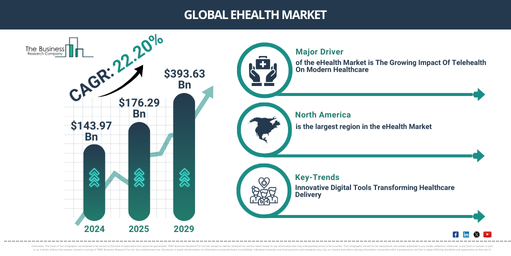
    The ehealth market size has shown substantial growth recently. It is anticipated to increase from $143.97 billion in 2024 to $176.29 billion in 2025, at a compound annual growth rate (CAGR) of 22.5%. This historical expansion can be linked to factors like increasing internet penetration, growing smartphone adoption, rising healthcare costs, government initiatives, and the demand for remote monitoring.

    The ehealth market is projected to experience substantial growth in the coming years. It is anticipated to reach $393.63 billion by 2029, demonstrating a compound annual growth rate (CAGR) of 22.2%. This projected increase is largely due to the rising prevalence of chronic diseases, an aging global demographic, a stronger focus on personalized medicine, the expansion of remote patient monitoring, and the integration of AI in diagnostics. Furthermore, significant trends in the forecast period include the development of advanced telemedicine infrastructure, innovations in AI-powered diagnostics, enhancements in digital health records, the widespread adoption of smart medical devices, and improved cybersecurity within eHealth.

    Unlock Your Free Sample Report for Exclusive Market Data:

    https://www.thebusinessresearchcompany.com/sample.aspx?id=21180&type=smp

    Which Industry Drivers Are Expected To Accelerate The eHealth Market From 2025 To 2029?

    The increasing adoption of telehealth is projected to drive the expansion of the eHealth market in the foreseeable future. Telehealth involves the application of digital communication tools to deliver remote healthcare services, encompassing virtual consultations, patient monitoring, and medical training. This growing embrace of telehealth is largely propelled by its enhanced accessibility, user convenience, economic advantages, and ongoing technological progress. eHealth further strengthens telehealth by allowing for remote patient observation, facilitating virtual appointments, and ensuring uninterrupted access to digital health records, thereby optimizing healthcare provision. As an illustration, a survey carried out by Rock Health, a US-based health technology company, in February 2023, surveying 8,014 respondents, found that 76% of individuals over the age of 55 had utilized telemedicine, and 80% of all respondents indicated they had accessed care through telemedicine at some point in their lives, marking an increase of 8% from 72% in 2021. Thus, the expanding use of telehealth is a key factor contributing to the development of the eHealth market.

    What Are The Different Segment Classifications Within The eHealth Market?

    The ehealthmarket covered in this report is segmented –

    1) By Type: eHealth Solutions; eHealth Services

    2) By Component: Electronic Health Records; e-Prescribing; Clinical Decision Support Systems; Telemedicine; Other Components

    3) By Deployment: On-premise; Cloud-based

    4) By End User: Healthcare Providers; Payers; Healthcare Consumers; Other End-Users

    Subsegments:

    1) By eHealth Solutions: Electronic Health Records (EHR); Telemedicine And Telehealth Solutions; Health Information Systems (HIS); Mobile Health Applications (mHealth); Remote Monitoring Solutions

    2) By eHealth Services: Telemedicine Services; eConsultation And Virtual Care; Health Data Analytics Services; Health IT Support Services; eHealth Consulting Services

    Which Market Trends Are Creating New Opportunities In The eHealth Industry?

    Leading companies within the eHealth market are dedicated to developing cutting-edge offerings like electronic medical records (EMR) systems to improve patient data handling, boost healthcare effectiveness, and optimize clinical operations. An Electronic Medical Records (EMR) system functions as a digital platform for storing, organizing, and accessing patients’ medical histories, diagnoses, treatments, and other health-related information within a healthcare institution. As an illustration, in April 2024, eHealth Solutions Ltd, a UK-based healthcare IT company, launched EMRpro, a groundbreaking electronic medical records (EMR) system tailored for private healthcare practices. This advanced healthcare IT product intends to transform clinical efficiency and patient oversight. EMRpro incorporates sophisticated capabilities to streamline medical processes and uplift care provision. Diverging from conventional EMR systems, its focus is on clinical functionalities rather than administrative duties. Through its contemporary, cloud-based framework, EMRpro establishes a fresh standard in healthcare technology.

    Which Global Market Leaders Are Shaping The Future Of The eHealth Sector?

    Major companies operating in the ehealth market are UnitedHealth Group Incorporated, CVS Health Corporation, International Business Machines Corporation (IBM), Cisco Systems Inc., Medtronic plc, Siemens Healthineers AG, Koninklijke Philips N.V., GE HealthCare Technologies Inc., Epic Systems Corporation, Teladoc Health Inc., Veradigm LLC, athenahealth Inc., CompuGroup Medical SE & Co. KGaA, Hims & Hers Health Inc., American Well Corporation, Epocrates LLC, eHealth Technologies Inc., Medisafe Ltd., Oracle Health, iCliniq.

    Download The Full Report For Exclusive Market Findings:

    https://www.thebusinessresearchcompany.com/report/ehealth-global-market-report

    How Is eHealth Market Demand Varying Across Different Regions?

    North America was the largest region in the eHealth market in 2024. Asia-Pacific is expected to be the fastest-growing region in the forecast period. The regions covered in the ehealth market report are Asia-Pacific, Western Europe, Eastern Europe, North America, South America, Middle East, Africa.

    Request A Customized Version Of The eHealth Market Report:

    https://www.thebusinessresearchcompany.com/customise?id=21180&type=smp

    Browse Through More Reports Similar to the Global eHealth Market 2025, By The Business Research Company

    Telehealth Global Market Report 2025

    https://www.thebusinessresearchcompany.com/report/telehealth-global-market-report

    Veterinary Telehealth Global Market Report 2025

    https://www.thebusinessresearchcompany.com/report/veterinary-telehealth-global-market-report

    Telemedicine Services Global Market Report 2025

    https://www.thebusinessresearchcompany.com/report/telemedicine-services-global-market-report

    Get in touch with us:

    The Business Research Company: https://www.thebusinessresearchcompany.com/

    Americas +1 310-496-7795

    Asia +44 7882 955267 & +91 8897263534

    Europe +44 7882 955267

    Email us at info@tbrc.info

    Follow us on:

    LinkedIn: https://in.linkedin.com/company/the-business-research-company

    YouTube: https://www.youtube.com/channel/UC24_fI0rV8cR5DxlCpgmyFQ

    Global Market Model: https://www.thebusinessresearchcompany.com/global-market-model
  • Eczema Market Trends 2025–2029: Forecasts for Key Growth Segments

    Eczema Market Trends 2025–2029: Forecasts for Key Growth Segments

    Unlock Global Insights – Save 20% on Market Reports with Code ONLINE20

    By How Much Is The Eczema Market Expected To Expand Between 2025 And 2029?

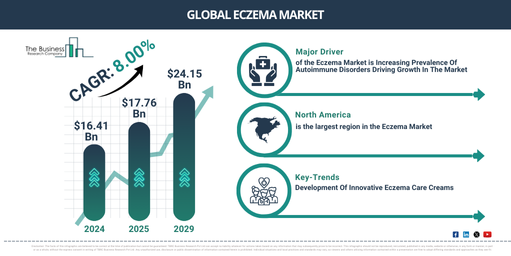
    The eczema market size has experienced significant growth in recent years. This market is anticipated to expand from $16.41 billion in 2024 to $17.76 billion in 2025, at a compound annual growth rate (CAGR) of 8.2%. The expansion seen in previous periods can be linked to the increasing prevalence of autoimmune diseases, a rise in eczema cases, an increase in approvals from authorities, a higher incidence of air pollutants, and the growing burden of allergic reactions.

    The eczema market is projected to experience substantial growth over the coming years. Its valuation is anticipated to reach $24.15 billion by 2029, exhibiting a compound annual growth rate (CAGR) of 8.0%. This projected expansion is driven by several factors, including a rising demand for atopic dermatitis treatments, an increase in operational activities, enhanced awareness of eczema, a greater integration of biologics, and the growing adoption of telemedicine platforms. Significant trends expected during this period encompass strategic collaborations, the emergence of new therapies, the development of injectable drugs, and advancements in personalized medicine.

    Unlock Your Free Sample Report for Exclusive Market Data:

    https://www.thebusinessresearchcompany.com/sample.aspx?id=21179&type=smp

    What Are The Top Growth Drivers Impacting The Eczema Market Outlook?

    The expanding occurrence of autoimmune conditions is anticipated to boost the eczema market’s expansion moving ahead. These disorders are characterized by the body’s immune system erroneously targeting its own healthy cells, tissues, or organs, resulting in inflammation and harm. The rising incidence of such disorders stems from a combination of genetic predispositions, environmental influences, infections, shifts in diet, and lifestyle elements like stress and contact with pollutants. Specific autoimmune conditions, including psoriasis, lupus, and rheumatoid arthritis, are associated with impaired immune responses, which increases an individual’s vulnerability to eczema and other inflammatory skin ailments. For example, in November 2024, data from Versorgungsatlas.de, a Germany-based organization, revealed that in 2022, among 73,241,305 insured individuals, 6,304,340 received a diagnosis of at least one autoimmune disease, establishing a raw prevalence rate of 8.61%. Consequently, the growing frequency of autoimmune disorders is stimulating the expansion of the eczema market.

    What Are The Primary Types Of Segments Analyzed In The Eczema Market?

    The eczemamarket covered in this report is segmented –

    1) By Type: Atopic Dermatitis; Contact Dermatitis; Seborrheic Dermatitis; Other Types

    2) By Treatment Type: Topical Treatments; Oral Medications; Biologics; Phototherapy

    3) By Age Group: Children; Adults; Elderly

    4) By End User: Hospitals Or Clinics; Dermatology Centers; Home Care; Pharmacies

    Subsegments:

    1) By Atopic Dermatitis: Topical Steroids; Topical Calcineurin Inhibitors; Moisturizers; Biologic Therapies

    2) By Contact Dermatitis: Topical Steroids; Antihistamines; Topical Immunosuppressants; Wet Compresses

    3) By Seborrheic Dermatitis: Antifungal Creams or Shampoos; Topical Steroids; Medicated Shampoos; Topical Calcineurin Inhibitors

    4) By Other Types: Allergic Dermatitis; Nummular Dermatitis; Neurodermatitis; Dyshidrotic Eczema

    How Are Trends Influencing The Eczema Market?

    Prominent companies within the eczema market are concentrating on developing innovative products, such as specialized eczema care creams, to boost treatment efficacy and fulfill consumer demand for sophisticated skincare solutions. An eczema care cream is a dedicated skincare item formulated to calm, moisturize, and safeguard skin affected by eczema, aiding in the reduction of itching, inflammation, and dryness. For example, in September 2024, Dove, a personal care brand from the UK, unveiled a new Eczema Care range for infants, which encompasses the Baby Dove Eczema Care Soothing Bath Treatment and the Baby Dove Eczema Care Cream. The Baby Dove Eczema Care range presents several distinctive characteristics customized for babies with eczema. Initially, the products are crafted with 100% skin-natural nutrients, ensuring their mildness on sensitive skin. They incorporate colloidal oatmeal (1.0%), a crucial ingredient for alleviating irritation and sustaining hydration.

    Which Industry Leaders Are Driving Innovation Across The Eczema Market?

    Major companies operating in the eczema market are Pfizer Inc., AbbieVie Inc., Bayer AG, Sanofi S.A, Bristol-Myers Squibb Company, AstraZeneca PLC, Novartis AG, GlaxoSmithKline plc, Amgen, Hoffmann-La Roche AG, Eli Lilly and Co., Siemens Healthineers AG, Viatris Inc., Teva Pharmaceutical Industries Ltd., Regeneron Pharmaceuticals Inc., Astellas Pharma Inc, Bausch Health Companies Inc., Galderma, Cadila Pharmaceuticals Ltd., LEO Pharma A/S, Almirall, Kyowa Kirin, Alliance Pharma Plc, Encore Dermatology Inc., Arcutis Inc

    Download The Full Report For Exclusive Market Findings:

    https://www.thebusinessresearchcompany.com/report/eczema-global-market-report

    Which Geographies Are Emerging As Strong Markets For The Eczema Industry?

    North America was the largest region in the eczema market in 2024. The regions covered in the eczema market report are Asia-Pacific, Western Europe, Eastern Europe, North America, South America, Middle East, Africa.

    Request A Customized Version Of The Eczema Market Report:

    https://www.thebusinessresearchcompany.com/customise?id=21179&type=smp

    Browse Through More Reports Similar to the Global Eczema Market 2025, By The Business Research Company

    Atopic Dermatitis Global Market Report 2025

    https://www.thebusinessresearchcompany.com/report/atopic-dermatitis-global-market-report

    Dermatitis Drugs Global Market Report 2025

    https://www.thebusinessresearchcompany.com/report/dermatitis-drugs-global-market-report

    Atopic Dermatitis Global Market Report 2025

    https://www.thebusinessresearchcompany.com/report/atopic-dermatitis-global-market-report

    Get in touch with us:

    The Business Research Company: https://www.thebusinessresearchcompany.com/

    Americas +1 310-496-7795

    Asia +44 7882 955267 & +91 8897263534

    Europe +44 7882 955267

    Email us at info@tbrc.info

    Follow us on:

    LinkedIn: https://in.linkedin.com/company/the-business-research-company

    YouTube: https://www.youtube.com/channel/UC24_fI0rV8cR5DxlCpgmyFQ

    Global Market Model: https://www.thebusinessresearchcompany.com/global-market-model
  • Dyspnea Market Forecast 2025–2034: Where Businesses Should Invest Next

    Dyspnea Market Forecast 2025–2034: Where Businesses Should Invest Next

    Unlock Global Insights – Save 20% on Market Reports with Code ONLINE20

    #What Is The Projected Market Size Of The Dyspnea Market By 2029?

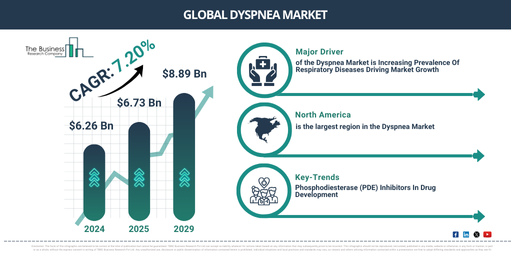
    The dyspnea market has demonstrated substantial growth in recent years. It is projected to increase from $6.26 billion in 2024 to $6.73 billion in 2025, reflecting a compound annual growth rate (CAGR) of 7.4%. This historical expansion is attributable to increased awareness of respiratory diseases, a rising prevalence of lifestyle-related factors, an expanding geriatric population, a surge in clinical trials, and the development of supportive government initiatives.

    The dyspnea market is projected to experience substantial expansion in the coming years. This market is anticipated to reach $8.89 billion by 2029, demonstrating a compound annual growth rate (CAGR) of 7.2%. Factors driving this growth during the forecast period include the increasing incidence of chronic illnesses, a rising need for personalized medical treatments, escalating pollution levels, the expanding use of telemedicine, and the emergence of supportive regulatory frameworks. Key trends expected over the forecast horizon involve strategic partnerships, continuous technological progress, the introduction of innovative inhaler devices, the evolution of personalized medicine approaches, and the advancement of targeted therapeutic interventions.

    Unlock Your Free Sample Report for Exclusive Market Data:

    https://www.thebusinessresearchcompany.com/sample.aspx?id=21178&type=smp

    Which Major Market Drivers Are Shaping The Future Of The Dyspnea Market?

    The future expansion of the dyspnea market is anticipated to be driven by the rising incidence of respiratory ailments. These conditions impact the lungs and other components of the breathing apparatus, leading to breathing difficulties and hindered oxygen transfer. Examples of prevalent respiratory illnesses encompass asthma, chronic obstructive pulmonary disease (COPD), and tuberculosis (TB), among others. The increase in respiratory disorders stems from elements like atmospheric contamination, tobacco use, harmful environmental substances, and shifts in climate. Dyspnea assists in the identification and treatment of respiratory conditions by indicating compromised lung performance, guiding therapeutic approaches, and tracking the advancement of the disease. As an illustration, data from November 2023, provided by the National Asthma Council, a non-profit organization situated in Australia, indicated that in 2022, Australia recorded 467 asthma-related deaths, with 299 being females and 168 males; this represented an uptick from 355 deaths reported in 2021. Consequently, the growing occurrence of respiratory illnesses is fueling the expansion of the dyspnea market.

    Which Key Segments Fueling The Dyspnea Market?

    The dyspneamarket covered in this report is segmented –

    1) By Treatment Type: Supplemental Oxygen Therapy; Relaxation Therapy

    2) By Drug Class: Antianxiety; Antibiotics; Anticholinergic Agents; Corticosteroids; Other Drug Classes

    3) By Route Of Administration: Oral; Inhalation; Other Route Of Administrations

    4) By End User: Hospitals; Homecare; Specialty Clinics; Ambulatory Services; Other End Users

    Subsegments:

    1) By Supplemental Oxygen Therapy: Continuous Flow Oxygen Therapy; Pulse Dose Oxygen Therapy; Oxygen Concentrators; Portable Oxygen Cylinders

    2) By Relaxation Therapy: Breathing Exercises; Meditation and Mindfulness; Progressive Muscle Relaxation; Biofeedback Therapy

    What Key Innovation Trends Are Fueling Advancements In The Dyspnea Market?

    Leading firms within the dyspnea market are concentrating on creating novel medications, including phosphodiesterase (PDE) inhibitors, aimed at improving treatment effectiveness and offering enhanced relief for individuals suffering from respiratory ailments. These inhibitors function by obstructing phosphodiesterase enzymes, thereby elevating cellular levels of cyclic AMP or cyclic GMP, which can lead to enhanced vasodilation, diminished inflammation, or improved cardiac performance. An example of this initiative is Verona Pharma Plc, a biopharmaceutical company from the UK, which declared in May 2024 its preparations for the expected U.S. introduction of ensifentrine. This agent, a novel dual phosphodiesterase (PDE) 3/4 inhibitor designed for COPD therapy, is slated for a Q3 2024 launch, contingent on FDA clearance. Ensifentrine, administered via nebulizer for chronic obstructive pulmonary disease (COPD), has shown substantial decreases in exacerbation frequencies and notable improvements in dyspnea during its Phase III clinical trials. To facilitate the drug’s market introduction and its continued advancement, including an upcoming Phase II study for a fixed-dose combination with glycopyrrolate intended as a maintenance treatment for COPD patients, the company has successfully raised $650 million in funding.

    Who Are The Key Multinational Companies Dominating The Dyspnea Market?

    Major companies operating in the dyspnea market are Pfizer Inc., F. Hoffmann-La Roche Ltd., Merck And Co. Inc., Bayer AG, Sanofi S.A., AstraZeneca, Novartis AG, GlaxoSmithKline, Amgen Inc., Viatris Inc, Teva Pharmaceutical Industries Ltd., Boehringer Ingelheim, Amneal Pharmaceuticals LLC, Lupin Ltd, Lincare Holdings Inc, Nephron Pharmaceuticals Corporation, Rotech Healthcare Inc., Inogen Inc, Lannett Inc., Ligand Pharmaceuticals Incorporated, OMRON Healthcare Inc, Flexicare Medical Ltd, Zydus Cadila Healthcare Ltd, Advacare Pharma, Airways surgical Pvt. Ltd., Belluscura Plc

    Download The Full Report For Exclusive Market Findings:

    https://www.thebusinessresearchcompany.com/report/dyspnea-global-market-report

    Which Region Is Projected To Lead The Dyspnea Market During The Forecast Period?

    North America was the largest region in the dyspnea market in 2024. Asia-Pacific is expected to be the fastest-growing region in the forecast period. The regions covered in the dyspnea market report are Asia-Pacific, Western Europe, Eastern Europe, North America, South America, Middle East, Africa.

    Request A Customized Version Of The Dyspnea Market Report:

    https://www.thebusinessresearchcompany.com/customise?id=21178&type=smp

    Browse Through More Reports Similar to the Global Dyspnea Market 2025, By The Business Research Company

    Neurophysiology Devices And Equipment Global Market Report 2025

    https://www.thebusinessresearchcompany.com/report/neurophysiology-devices-and-equipment-global-market-report

    Neurostimulation Devices Global Market Report 2025

    https://www.thebusinessresearchcompany.com/report/neurostimulation-devices-global-market-report

    Neurodegenerative Disorder Therapeutic Global Market Report 2025

    https://www.thebusinessresearchcompany.com/report/neurodegenerative-disorder-therapeutic-global-market-report

    Get in touch with us:

    The Business Research Company: https://www.thebusinessresearchcompany.com/

    Americas +1 310-496-7795

    Asia +44 7882 955267 & +91 8897263534

    Europe +44 7882 955267

    Email us at info@tbrc.info

    Follow us on:

    LinkedIn: https://in.linkedin.com/company/the-business-research-company

    YouTube: https://www.youtube.com/channel/UC24_fI0rV8cR5DxlCpgmyFQ

    Global Market Model: https://www.thebusinessresearchcompany.com/global-market-model

  • Global Dysautonomia (Autonomic Dysfunction) Market Analysis 2025–2029: Opportunities for Strategic Growth

    Global Dysautonomia (Autonomic Dysfunction) Market Analysis 2025–2029: Opportunities for Strategic Growth

    Unlock Global Insights – Save 20% on Market Reports with Code ONLINE20

    How Much Was The Dysautonomia (Autonomic Dysfunction) Market Worth In 2025, And What Is Its Anticipated Value By 2029?

    The dysautonomia (autonomic dysfunction) market size has experienced significant expansion recently. This market is projected to increase from $2.62 billion in 2024 to $2.92 billion in 2025, demonstrating a compound annual growth rate (CAGR) of 11.5%. Historically, this growth has been fueled by factors such as the rising incidence of autonomic disorders, heightened understanding of dysautonomia, increased spending on healthcare, broadened investigation into neurodegenerative conditions, and enhanced governmental backing for uncommon illnesses.

    The market for dysautonomia (autonomic dysfunction) is projected to experience substantial expansion in the coming years. This market is anticipated to reach a valuation of $4.49 billion by 2029, exhibiting a compound annual growth rate (CAGR) of 11.4%. Factors contributing to this growth over the forecast period include the expanding acceptance of personalized medicine, a rise in clinical trials for new therapies, increased government funding dedicated to rare disease research, the proliferation of telemedicine and remote monitoring options, and a greater supply of orphan drugs. Key trends expected during this period encompass the incorporation of artificial intelligence into diagnostic methods, the creation of specific targeted therapies, the wider use of wearable technology for autonomic monitoring, progress in gene therapies, and novel approaches centered around patient care.

    Unlock Your Free Sample Report for Exclusive Market Data:

    https://www.thebusinessresearchcompany.com/sample.aspx?id=21177&type=smp

    What Are The Main Drivers Boosting The Dysautonomia (Autonomic Dysfunction) Industry’s Expansion?

    The dysautonomia (autonomic dysfunction) market is anticipated to expand due to the rising occurrence of chronic diseases. A chronic disease refers to a persistent health condition that endures for more than three months. This increase in chronic diseases stems from factors like the growing incidence of multimorbidity, where individuals are diagnosed with multiple chronic disorders concurrently. Dysautonomia (autonomic dysfunction) significantly impacts chronic diseases by impairing the body’s regulation of vital functions such as heart rate, blood pressure, and digestion, frequently worsening symptoms and making management more complex. As an illustration, a National Health Service report from October 2023, concerning the UK’s healthcare system, indicated that the prevalence of Type 1 diabetes in England rose from 261,710 cases in 2020-21 to 270,935 cases in 2021-22, showing a 3.5% year-over-year increase. Consequently, the rising occurrence of chronic diseases is fueling the expansion of the dysautonomia (autonomic dysfunction) market.

    How Is The Dysautonomia (Autonomic Dysfunction) Market Classified Into Different Segments?

    The dysautonomia (autonomic dysfunction)market covered in this report is segmented –

    1) By Type: Neurogenic Orthostatic Hypotension (NOH); Postural Orthostatic Tachycardia Syndrome (POTS); Multiple System Atrophy (MSA); Pure Autonomic Failure (PAF); Other Types

    2) By Tests: Cardiovagal and Vasomotor Function Tests; Thermoregulatory Sweat Test (TST); Sympathetic Skin Response (SSR); Quantitative Sudomotor Axon Reflex Test; Other Tests

    3) By Treatment: Physical Therapy; Exercise Therapy; Counseling; Other Treatments

    4) By Distribution Channel: Hospital Pharmacy; Online Pharmacy; Retail Pharmacy

    5) By End User: Hospitals; Clinics; Diagnostic Centers; Research Institutes

    Subsegments:

    1) By Neurogenic Orthostatic Hypotension (NOH): Primary NOH; Secondary NOH (due to Parkinson’s Disease, Diabetes, etc.); Pharmacological Management of NOH; Non-Pharmacological Interventions

    2) By Postural Orthostatic Tachycardia Syndrome (POTS): Hyperadrenergic POTS; Hypovolemic POTS; Neuropathic POTS; Autoimmune POTS; Treatment With Beta-Blockers, Fludrocortisone, And Salt Supplements

    3) By Multiple System Atrophy (MSA): MSA-P (Parkinsonism); MSA-C (Cerebellar); MSA-A (Autonomic); Disease-Modifying and Symptomatic Treatment

    4) By Pure Autonomic Failure (PAF): Idiopathic PAF; Secondary PAF (due to neurodegenerative diseases); Autonomic Supportive Treatments

    5) By Other Types: Familial Dysautonomia (FD); Diabetic Autonomic Neuropathy; Horner’s Syndrome; Autoimmune Autonomic Ganglionopathy; Chronic Fatigue Syndrome-related Dysautonomia

    Which Ongoing Trends Are Expected To Shape The Dysautonomia (Autonomic Dysfunction) Market Outlook?

    Key companies active in the dysautonomia (autonomic dysfunction) market are concentrating on developing advancements in gene therapy, such as recombinant adeno-associated virus, to improve the delivery of therapeutic genes to target cells, with the goal of enhancing treatment outcomes for individuals with various forms of dysautonomia. Recombinant adeno-associated virus (rAAV) is a modified virus utilized in gene therapy to introduce genetic material into cells without inducing disease. For example, in January 2025, Tikun Therapeutics Inc., a US-based biotechnology company, secured Food and Drug Administration (FDA) approval for Orphan Drug and Rare Pediatric Disease Designations for rAAV2-U1a-hELP1 (a gene therapy for optic neuropathy in familial dysautonomia) and BPN-36964 (a small molecule splicing modulator for systemic FD treatment). These innovative therapies are intended to address the root genetic causes of FD, promising potential long-term advantages compared to symptomatic care.

    Which Leading Players Are Enhancing Their Dysautonomia (Autonomic Dysfunction) Market Presence Worldwide?

    Major companies operating in the dysautonomia (autonomic dysfunction) market are Teva Pharmaceutical Industries Ltd., H. Lundbeck A/S, Aurobindo Pharma Limited, Hikma Pharmaceuticals PLC, Cadila Healthcare Limited (Zydus Cadila), Lupin Limited, Nemours Children’s Health Delaware, Alnylam Pharmaceuticals Inc., Biohaven Pharmaceuticals Holding Company Ltd., Aurora Health Care Inc., Camber Pharmaceuticals Inc., Theravance Biopharma Inc., Tocris Bioscience, Celltex Therapeutics Corporation, DyAnsys Inc., Axplora Inc., MODAG GmbH, Inhibikase Therapeutics Inc., Mylan Pharmaceuticals Private Limited, Chelsea Therapeutics International Ltd.

    Download The Full Report For Exclusive Market Findings:

    https://www.thebusinessresearchcompany.com/report/dysautonomia-autonomic-dysfunction-global-market-report

    What Are The Key Regional Factors Influencing The Dysautonomia (Autonomic Dysfunction) Market Growth?

    North America was the largest region in the dysautonomia (autonomic dysfunction) market in 2024. Asia-Pacific is expected to be the fastest-growing region in the forecast period. The regions covered in the dysautonomia (autonomic dysfunction) market report are Asia-Pacific, Western Europe, Eastern Europe, North America, South America, Middle East, Africa.

    Request A Customized Version Of The Dysautonomia (Autonomic Dysfunction) Market Report:

    https://www.thebusinessresearchcompany.com/customise?id=21177&type=smp

    Browse Through More Reports Similar to the Global Dysautonomia (Autonomic Dysfunction) Market 2025, By The Business Research Company

    Drugs For Erectile Dysfunction Global Market Report 2025

    https://www.thebusinessresearchcompany.com/report/drugs-for-erectile-dysfunction-global-market-report

    Generic Central Nervous System Drugs Global Market Report 2025

    https://www.thebusinessresearchcompany.com/report/generic-central-nervous-system-drugs-global-market-report

    Central Nervous System Biomarkers Global Market Report 2025

    https://www.thebusinessresearchcompany.com/report/central-nervous-system-biomarkers-global-market-report

    Get in touch with us:

    The Business Research Company: https://www.thebusinessresearchcompany.com/

    Americas +1 310-496-7795

    Asia +44 7882 955267 & +91 8897263534

    Europe +44 7882 955267

    Email us at info@tbrc.info

    Follow us on:

    LinkedIn: https://in.linkedin.com/company/the-business-research-company

    YouTube: https://www.youtube.com/channel/UC24_fI0rV8cR5DxlCpgmyFQ

    Global Market Model: https://www.thebusinessresearchcompany.com/global-market-model
  • Dry Age Related Macular Degeneration (AMD) Industry Overview 2025: Growth Projections and Market Trends

    Dry Age Related Macular Degeneration (AMD) Industry Overview 2025: Growth Projections and Market Trends

    Unlock Global Insights – Save 20% on Market Reports with Code ONLINE20

    What Is The Future Market Size Estimation For The Dry Age Related Macular Degeneration (AMD) Market Covering 2025–2034?

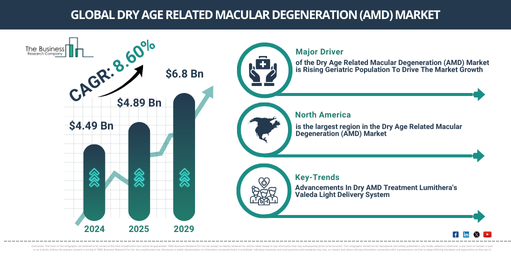
    The dry age related macular degeneration (amd) market has seen significant expansion in recent years. It is projected to increase from $4.49 billion in 2024 to $4.89 billion in 2025, achieving a compound annual growth rate (CAGR) of 8.8%. This historical development can be ascribed to an expanding elderly demographic, a greater occurrence of chronic conditions, heightened consciousness regarding eye health, an increasing volume of clinical investigations centered on dry AMD, and a rising preference for less intrusive treatment approaches.

    The dry age related macular degeneration (amd) market size is projected to experience robust expansion in the coming years. It is expected to reach $6.8 billion by 2029, growing at a compound annual growth rate (CAGR) of 8.6%. This anticipated growth throughout the forecast period can be attributed to the emergence of novel therapies, increasing healthcare expenditure, the rising utilization of laser photocoagulation therapy, advancements in genetic research, and an escalating focus on personalized medicine. Furthermore, significant trends for the forecast period include progress in diagnostic technologies, a rising adoption of teleophthalmology, technologically advanced treatments, various product approvals, and the launch of new products.

    Unlock Your Free Sample Report for Exclusive Market Data:

    https://www.thebusinessresearchcompany.com/sample.aspx?id=21176&type=smp

    Which Factors And Drivers Are Influencing The Dry Age Related Macular Degeneration (AMD) Market In 2025?

    The increasing elderly demographic is anticipated to stimulate the expansion of the dry age related macular degeneration (AMD) market moving forward. The term “geriatric population” refers to older individuals, typically defined as those aged 65 years and older. The rise in the geriatric population is attributed to several factors, including advancements in medical technology, more effective management of chronic illnesses, longer life expectancy, and enhanced geriatric care. Dry age-related macular degeneration (AMD) benefits the older adult population by offering specific treatments and management approaches aimed at slowing the disease’s progression, maintaining vision, and enhancing the quality of life for seniors affected by this condition. For example, reports published in June 2024 by the National Council on Aging, a US-based organization, indicated that in 2022, approximately 57.8 million adults were aged 65 and above, making up 17.3% of the total U.S. population. This represented an increase from 16.9% in 2021. Consequently, the expanding geriatric population will propel the growth of the dry age-related macular degeneration (AMD) market.

    What Are The Major Segments Identified In The Dry Age Related Macular Degeneration (AMD) Market?

    The dry age related macular degeneration (amd)market covered in this report is segmented –

    1) By Stages: Early Age-Related Macular Degeneration; Intermediate Age-Related Macular Degeneration; Late Age-Related Macular Degeneration

    2) By Age Group: Above 75 Years; Above 60 Years; Above 40 Years

    3) By Route Of Administration: Oral; Injectables

    4) By End Users: Hospitals And Clinics; Diagnostic Centers; Academic And Research Institutes

    Subsegments:

    1) By Early Age-Related Macular Degeneration: Drusen Accumulation; Retinal Pigment Epithelium Changes

    2) By Intermediate Age-Related Macular Degeneration: Larger Drusen Deposits; Increased Pigmentary Abnormalities

    3) By Late Age-Related Macular Degeneration: Geographic Atrophy; Central Vision Loss

    Which Competitive Trends Are Defining The Dry Age Related Macular Degeneration (AMD) Market Structure?

    Companies operating in the dry age-related macular degeneration (AMD) market are intensely focused on developing new advanced technologies and treatments, such as light delivery systems, aimed at targeting and activating retinal cells to potentially slow the disease’s progression. Light delivery systems refer to technologies specifically designed to transmit light for various therapeutic applications, particularly within medical treatments. For instance, in January 2024, LumiThera Inc., a US-based medical device company, launched photobiomodulation (PBM) for dry age-related macular degeneration (AMD) with its Valeda Light Delivery System. This is notable as it represents the first FDA-authorized therapy developed to address vision loss in patients suffering from dry AMD, a condition for which treatment options are currently limited. LumiThera subsequently initiated the EUROLIGHT registry study to gather comprehensive long-term data on the outcomes of patients treated with the Valeda system. The Valeda system itself utilizes a multi-wavelength light delivery method, employing three specific wavelengths (590 nm, 660 nm, and 850 nm). This non-invasive treatment can be administered through either an open or closed eyelid and typically involves nine sessions over a period of three to four weeks.

    Which Major Firms Are Strengthening Their Position In The Dry Age Related Macular Degeneration (AMD) Industry?

    Major companies operating in the dry age related macular degeneration (AMD) market are F Hoffmann-La Roche Ltd., Novartis AG, Bayer AG, Amgen Inc., Biogen Inc., Astellas Pharma Inc., Bausch Health Companies Inc., Lupin Ltd., Santen Pharmaceuticals Inc., Biocon Ltd., Alimera Sciences Inc., Apellis Pharmaceuticals Inc., Belite Bio Inc., Axol Bioscience Ltd., Alkeus Pharmaceuticals Inc., Kubota Holdings Co., Ribomic Inc., Eyestem Research Pvt. Ltd., LumiThera Inc., Adverum Biotechnologies Inc.

    Download The Full Report For Exclusive Market Findings:

    https://www.thebusinessresearchcompany.com/report/dry-age-related-macular-degeneration-amd-global-market-report

    How Do Regional Market Performances Compare Within The Dry Age Related Macular Degeneration (AMD) Industry?

    North America was the largest region in the dry age-related macular degeneration (AMD) market in 2024. The regions covered in the dry age related macular degeneration (AMD) market report are Asia-Pacific, Western Europe, Eastern Europe, North America, South America, Middle East, Africa.

    Request A Customized Version Of The Dry Age Related Macular Degeneration (AMD) Market Report:

    https://www.thebusinessresearchcompany.com/customise?id=21176&type=smp

    Browse Through More Reports Similar to the Global Dry Age Related Macular Degeneration (AMD) Market 2025, By The Business Research Company

    Macular Degeneration Treatment Global Market Report 2025

    https://www.thebusinessresearchcompany.com/report/macular-degeneration-treatment-global-market-report

    Age Related Macular Degeneration Global Market Report 2025

    https://www.thebusinessresearchcompany.com/report/age-related-macular-degeneration-global-market-report

    Cartilage Degeneration Global Market Report 2025

    https://www.thebusinessresearchcompany.com/report/cartilage-degeneration-global-market-report

    Get in touch with us:

    The Business Research Company: https://www.thebusinessresearchcompany.com/

    Americas +1 310-496-7795

    Asia +44 7882 955267 & +91 8897263534

    Europe +44 7882 955267

    Email us at info@tbrc.info

    Follow us on:

    LinkedIn: https://in.linkedin.com/company/the-business-research-company

    YouTube: https://www.youtube.com/channel/UC24_fI0rV8cR5DxlCpgmyFQ

    Global Market Model: https://www.thebusinessresearchcompany.com/global-market-model
  • Dravet Syndrome Market Size Forecast: Revenue and CAGR by 2029

    Dravet Syndrome Market Size Forecast: Revenue and CAGR by 2029

    Unlock Global Insights – Save 20% on Market Reports with Code ONLINE20

    What Is The Expected Total Market Size Of The Dravet Syndrome Industry By The Forecast Year 2029?

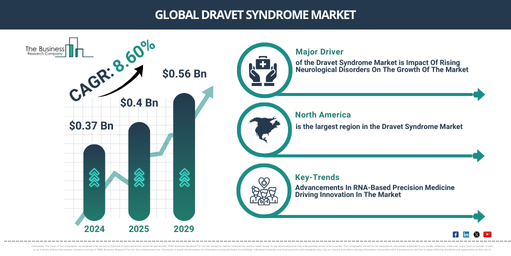
    The market size for Dravet Syndrome has shown significant growth in recent years. It is anticipated to increase from $0.37 billion in 2024 to $0.4 billion by 2025, reflecting a compound annual growth rate (CAGR) of 8.7%. This historical growth can be attributed to several factors including the rising prevalence of Dravet Syndrome, enhanced diagnosis rates stemming from improved screening techniques, increased investment in epilepsy research, regulatory encouragement for orphan drugs, and broader acceptance of cannabis-based therapies.

    The Dravet syndrome market is anticipated to show robust expansion in the coming years. It is projected to achieve a value of $0.56 billion by 2029, advancing at a compound annual growth rate (CAGR) of 8.6%. This growth during the forecast period is propelled by factors such as widening insurance coverage for rare diseases, escalating patient advocacy initiatives, improved accessibility and cost-effectiveness of genetic testing, enhanced government backing for rare disease treatments, and a rising number of specialty neurology clinics. Significant trends expected in this period involve breakthroughs in gene therapy for managing seizures, increasing application of artificial intelligence for prompt diagnosis, the evolution of precision medicine for customized patient care, innovations in drug delivery mechanisms for epilepsy management, and the expansion of telehealth services for remote patient monitoring.

    Unlock Your Free Sample Report for Exclusive Market Data:

    https://www.thebusinessresearchcompany.com/sample.aspx?id=21175&type=smp

    What Are The Key Drivers Of Growth In The Dravet Syndrome Market?

    The increasing occurrence of neurological conditions is anticipated to fuel the expansion of the dravet syndrome market in the future. These disorders encompass a wide range of ailments impacting the brain, spinal cord, and nervous system, resulting in compromised movement, thinking, sensory perception, or other physiological processes. The growth in neurological disorders is attributed to an aging global populace, evolving lifestyle habits, environmental influences, advancements in diagnostic methods, and an uptick in neuroinfections and autoimmune conditions. Dravet syndrome offers significant understanding into neurological conditions by driving forward research into genetic alterations, neuronal excitability, and specific therapeutic interventions that could aid a wider array of neurological illnesses. To illustrate, in April 2022, data from the European Brain Council, a non-profit organization based in Belgium, indicated that more than 600 neurological diseases and almost 300 psychiatric conditions affect millions worldwide, among them 65 million with epilepsy. Within Europe, 10.5 million people have dementia, with forecasts suggesting this number will increase to 18.7 million by 2050. Consequently, the expanding occurrence of neurological conditions is propelling the development of the dravet syndrome market.

    What Are The Emerging Segments Gaining Attention In The Dravet Syndrome Market?

    The dravet syndromemarket covered in this report is segmented –

    1) By Treatment And Management: Seizure Medications; Ketogenic Diet; Vagus Nerve Stimulation; Other Treatments And Management

    2) By Diagnosis: Magnetic Resonance Imaging Testing; Electroencephalography Testing; Sodium Voltage-Gated Channel Alpha Subunit 1 Testing; Other Diagnosis

    3) By Route Of Administration: Parenteral Route; Oral Route; Other Routes Of Administration

    4) By End-user: Pharmaceutical Companies; Hospitals; Diagnostic Laboratories; Academic And Research Institutes; Other End-users

    Subsegments:

    1) By Seizure Medications: Anticonvulsants; Benzodiazepines; Levetiracetam; Cannabidiol (CBD) based medications; Topiramate; Lamotrigine

    2) By Ketogenic Diet: Standard Ketogenic Diet (SKD); Modified Atkins Diet (MAD); Low Glycemic Index Treatment (LGIT); MCT (Medium Chain Triglyceride) Diet

    3) By Vagus Nerve Stimulation: Implantable Vagus Nerve Stimulator (VNS); Non-invasive Vagus Nerve Stimulation (NIVNS); Adjunct Therapy With VNS For Seizure Control

    4) By Other Treatments and Management: Physical and Occupational Therapy; Speech Therapy; Epilepsy Surgery; Cognitive Behavioral Therapy (CBT); Genetic Counseling And Support

    What Are The Latest Industry Trends Transforming The Dravet Syndrome Market?

    Leading companies within the dravet syndrome market are focusing on advancements in precision medicine, particularly RNA-based therapies, to develop targeted treatments. These treatments aim to address the fundamental genetic mutations linked to Dravet syndrome, with the goal of improving efficacy and reducing side effects. RNA-based therapies employ RNA molecules to modify gene expression or protein production, thereby aiding in the treatment of genetic disorders by targeting their molecular origins. For instance, in December 2024, Stoke Therapeutics Inc., a US-based biotechnology company, obtained U.S. Food and Drug Administration (FDA) approval for zorevunersen for the treatment of dravet syndrome. This therapy is engineered to elevate the expression of the SCN1A gene, which is commonly mutated in dravet syndrome patients, thus directly addressing the underlying genetic deficiency instead of just symptom management. The treatment leverages RNA-based precision medicine to restore proper neuronal function, potentially leading to reduced seizure frequency and improved cognitive outcomes.

    Who Are The Primary Competitors In The Global Dravet Syndrome Market?

    Major companies operating in the dravet syndrome market are Takeda Pharmaceutical Company Limited, Biogen Inc., UCB S.A., Eisai Co. Ltd., Jazz Pharmaceuticals plc, H. Lundbeck A/S, BioMarin Pharmaceutical Inc., PTC Therapeutics Inc., Supernus Pharmaceuticals Inc., Zogenix Inc., Biocodex S.A., Encoded Therapeutics Inc., Marinus Pharmaceuticals Inc., Arvelle Therapeutics GmbH, Stoke Therapeutics Inc., Longboard Pharmaceuticals Inc., Xenon Pharmaceuticals Inc., Aeovian Pharmaceuticals Inc., GW Pharmaceuticals plc, Ovid Therapeutics Inc.

    Download The Full Report For Exclusive Market Findings:

    https://www.thebusinessresearchcompany.com/report/dravet-syndrome-global-market-report

    Which Region Currently Holds The Largest Share Of The Dravet Syndrome Market?

    North America was the largest region in the dravet syndrome market in 2024. Asia-Pacific is expected to be the fastest-growing region in the forecast period. The regions covered in the dravet syndrome market report are Asia-Pacific, Western Europe, Eastern Europe, North America, South America, Middle East, Africa.

    Request A Customized Version Of The Dravet Syndrome Market Report:

    https://www.thebusinessresearchcompany.com/customise?id=21175&type=smp

    Browse Through More Reports Similar to the Global Dravet Syndrome Market 2025, By The Business Research Company

    Progressive Multifocal Leukoencephalopathy Treatment Global Market Report 2025

    https://www.thebusinessresearchcompany.com/report/progressive-multifocal-leukoencephalopathy-treatment-global-market-report

    Hepatic Encephalopathy Global Market Report 2025

    https://www.thebusinessresearchcompany.com/report/hepatic-encephalopathy-global-market-report

    Brain Monitoring Global Market Report 2025

    https://www.thebusinessresearchcompany.com/report/brain-monitoring-global-market-report

    Get in touch with us:

    The Business Research Company: https://www.thebusinessresearchcompany.com/

    Americas +1 310-496-7795

    Asia +44 7882 955267 & +91 8897263534

    Europe +44 7882 955267

    Email us at info@tbrc.info

    Follow us on:

    LinkedIn: https://in.linkedin.com/company/the-business-research-company

    YouTube: https://www.youtube.com/channel/UC24_fI0rV8cR5DxlCpgmyFQ

    Global Market Model: https://www.thebusinessresearchcompany.com/global-market-model

  • Global DNA And Gene Cloning Services Market Trends and Growth Analysis 2025–2029

    Global DNA And Gene Cloning Services Market Trends and Growth Analysis 2025–2029

    Unlock Global Insights – Save 20% on Market Reports with Code ONLINE20

    How Does The Market Size Of The DNA And Gene Cloning Services Industry Compare Between 2025 And 2029?

    The dna and gene cloning services market has experienced substantial growth in recent years. It is anticipated to expand from $2.69 billion in 2024 to $3.06 billion in 2025, achieving a compound annual growth rate (CAGR) of 13.9%. The market’s historical growth can be attributed to an increase in demand for personalized medicine, a rise in investment in biopharmaceutical research, growth in prevalence of genetic disorders, expanding applications in agriculture and biotechnology, and supportive government funding for genomic studies.

    The dna and gene cloning services market size is projected to experience substantial expansion over the upcoming years. This market is predicted to reach $5.11 billion by 2029, exhibiting a compound annual growth rate (CAGR) of 13.7%. This anticipated growth during the forecast period stems from several factors, including an increased need for personalized medicine, a surge in gene therapy applications, heightened investments in biopharmaceutical research and development, wider adoption of synthetic biology, favorable government policies and financial support for biotechnology, and the rising occurrence of genetic disorders. Key trends anticipated within this period encompass enhanced precision in CRISPR-Cas9 technology, more economical next-generation sequencing, the development of automated cloning platforms, advanced high-throughput screening techniques, novel synthetic biology innovations, gene analysis powered by artificial intelligence, and improved vector designs for therapeutic uses.

    Unlock Your Free Sample Report for Exclusive Market Data:

    https://www.thebusinessresearchcompany.com/sample.aspx?id=21173&type=smp

    Which Drivers Are Supporting Growth Of The DNA And Gene Cloning Services Market?

    The expansion of gene therapy is anticipated to propel the growth of the DNA and gene cloning services market moving forward. Gene therapy is a treatment method that alters a person’s genes to cure or prevent diseases, which can involve replacing defective genes, deactivating harmful ones, or adding new genes to combat illnesses. This increase in gene therapy is driven by its potential to treat previously incurable genetic disorders, advancements in biotechnology, and growing awareness among healthcare professionals and patients. DNA and gene cloning services are essential in gene therapy for developing targeted genetic modifications to treat genetic disorders. For instance, in April 2024, according to the American Society of Gene & Cell Therapy, a US-based non-profit medical and scientific organization, in the fourth quarter, the number of phase III gene therapy clinical trials rose by 10%, marking the first quarterly increase since the third quarter of 2022. Therefore, the rise in gene therapy is driving the DNA and gene cloning services market.

    What Are The Major Segment Types Covered In The DNA And Gene Cloning Services Market?

    The dna and gene cloning servicesmarket covered in this report is segmented –

    1) By Type Of Gene: Standard Gene; Complex Gene; Other Types Of Genes

    2) By Service Type: Gene Synthesis; Custom Cloning; Subcloning; Other Service Types

    3) By Application: DNA Sequencing; Mutagenesis; Genotyping; Other Applications

    4) By End-User Industry: Academic And Research And Development (RAndD); Pharmaceutical And Biotechnology Companies; Other End User Industries

    Subsegments:

    1) By Standard Gene: Cloning Of Protein-coding Genes; Non-coding Genes

    2) By Complex Gene: Multi-exon Genes; Genes With Alternative Splicing; Large Or Multi-structural Genes

    3) By Other Types Of Genes: Synthetic Genes; Viral Genes; Genomic DNA Cloning

    What Trends Are Redefining The DNA And Gene Cloning Services Market Dynamics?

    Leading firms within the DNA and gene cloning services market are prioritizing technological innovations, specifically AI-generated gene editors, to improve precision, shorten development periods, and optimize procedures for tailored genetic alterations and therapeutic uses. An AI-generated gene editor is defined as a gene-editing instrument or framework that has been conceptualized, refined, or improved with the aid of artificial intelligence (AI). As an illustration, Profluent, a biotechnology research company based in the US, introduced OpenCRISPR-1, an AI-designed gene editor, in April 2024. This product demonstrates accurate genome editing utilizing adaptable CRISPR-like proteins developed via large language models, thereby substantially broadening CRISPR’s potential and transforming the field of genetic science.

    Which Key Market Players Are Investing In Expansion And Innovation Of DNA And Gene Cloning Services Market?

    Major companies operating in the DNA and gene cloning services market are Merck KGaA, Thermo Fisher Scientific Inc., Danaher Corporation, Eurofins Scientific, Agilent Technologies Inc., Lonza Group, Sartorius AG, Charles River Laboratories, Bio-Rad Laboratories Inc., Bio-Techne, Curia Global Inc., Integrated DNA Technologies Inc., GenScript Biotech Corporation, Takara Bio Inc., Syngene International Limited, Twist Bioscience, New England Biolabs Inc., Origene Technologies Inc., MedGenome, Sino Biological, Genewiz Inc., Creative Biogene, Addgene.

    Download The Full Report For Exclusive Market Findings:

    https://www.thebusinessresearchcompany.com/report/dna-and-gene-cloning-services-global-market-report

    What Regional Growth Trends Are Shaping The DNA And Gene Cloning Services Market Outlook?

    North America was the largest region in the DNA and gene cloning services market in 2024. Asia-Pacific is expected to be the fastest-growing region in the forecast period. The regions covered in the DNA and gene cloning services market report are Asia-Pacific, Western Europe, Eastern Europe, North America, South America, Middle East, Africa.

    Request A Customized Version Of The DNA And Gene Cloning Services Market Report:

    https://www.thebusinessresearchcompany.com/customise?id=21173&type=smp

    Browse Through More Reports Similar to the Global DNA And Gene Cloning Services Market 2025, By The Business Research Company

    Dna Based Skin Care Products Global Market Report 2025

    https://www.thebusinessresearchcompany.com/report/dna-based-skin-care-products-global-market-report

    Dna And Gene Chip Global Market Report 2025

    https://www.thebusinessresearchcompany.com/report/dna-and-gene-chip-global-market-report

    Recombinant Dna Technology Global Market Report 2025

    https://www.thebusinessresearchcompany.com/report/recombinant-dna-technology-global-market-report

    Get in touch with us:

    The Business Research Company: https://www.thebusinessresearchcompany.com/

    Americas +1 310-496-7795

    Asia +44 7882 955267 & +91 8897263534

    Europe +44 7882 955267

    Email us at info@tbrc.info

    Follow us on:

    LinkedIn: https://in.linkedin.com/company/the-business-research-company

    YouTube: https://www.youtube.com/channel/UC24_fI0rV8cR5DxlCpgmyFQ

    Global Market Model: https://www.thebusinessresearchcompany.com/global-market-model

  • Disseminated Intravascular Coagulation (DIC) Market Forecast: What to Expect by 2029

    Disseminated Intravascular Coagulation (DIC) Market Forecast: What to Expect by 2029

    Unlock Global Insights – Save 20% on Market Reports with Code ONLINE20

    What Is The Predicted Market Size Trajectory For The Disseminated Intravascular Coagulation (DIC) Market From 2025 To 2034?

    The market size for disseminated intravascular coagulation (dic) has consistently expanded in recent years. It is projected to increase from $0.46 billion in 2024 to $0.49 billion in 2025, demonstrating a compound annual growth rate (CAGR) of 5.0%. This historical growth can be attributed to several factors including a rise in the prevalence of sepsis, an increase in trauma cases, higher cancer incidence, increased healthcare spending, improved awareness among healthcare professionals, and a greater adoption of targeted therapies.

    The disseminated intravascular coagulation (dic) market size is anticipated to experience consistent expansion in the coming years. It is projected to reach $0.59 billion by 2029, demonstrating a compound annual growth rate (CAGR) of 4.9%. This projected growth can be ascribed to several factors, including the increasing uptake of targeted therapies, a heightened focus on early disease detection, escalating investments in healthcare infrastructure, the expansion of clinical research into coagulopathy treatments, and greater awareness of rare hematological conditions. Key trends expected within the forecast period comprise advancements in diagnostic assays, the integration of novel anticoagulant therapies, the adoption of personalized medicine approaches, the incorporation of AI in diagnostics, improved patient monitoring technologies, and the continued development of targeted treatments.

    Unlock Your Free Sample Report for Exclusive Market Data:

    https://www.thebusinessresearchcompany.com/sample.aspx?id=21172&type=smp

    Which Drivers Are Shaping The Disseminated Intravascular Coagulation (DIC) Industry’s Market Share?

    The anticipated growth of the disseminated intravascular coagulation (DIC) market is expected to be driven by the increasing prevalence of cancer. Cancer is an illness characterized by the uncontrolled proliferation and spread of abnormal cells throughout the body, which can invade and damage normal tissues. The rise in cancer cases stems from various factors, including an aging population, lifestyle modifications, environmental exposures, infections, and genetic susceptibility. Cancer can lead to disseminated intravascular coagulation (DIC) by triggering excessive activation of the coagulation cascade through tumor-produced procoagulant substances, resulting in widespread clotting and bleeding. For example, in May 2024, the National Cancer Institute, a US-based government agency, reported that approximately 20 million new cancer cases and 9.7 million cancer-related deaths were recorded worldwide in 2022. Projections indicate these numbers could escalate to 29.9 million new cases and 15.3 million deaths annually by 2040. Therefore, the expanding incidence of cancer is propelling the growth of the disseminated intravascular coagulation (DIC) market.

    What Are The Major Segment Categories Driving The Disseminated Intravascular Coagulation (DIC) Market Growth?

    The disseminated intravascular coagulation (dic)market covered in this report is segmented –

    1) By Treatment: Medicines; Transfusions; Surgery; Other Treatments

    2) By Diagnosis: Complete Blood Count With Blood Smear Exam; Partial Thromboplastin Time (PTT); Fibrinogen Blood Test; D-dimer; Other Diagnoses

    3) By Route Of Administration: Oral; Parenteral; Other Routes Of Administration

    4) By Distribution Channel: Hospital Pharmacy; Retail Pharmacy; Online Pharmacy

    5) By End-Users: Hospitals; Specialty Clinics; Homecare; Other End-Users

    Subsegments:

    1) By Medicines: Anticoagulants; Antiplatelet Drugs; Fibrinolytics; Procoagulants; Antithrombin Therapy

    2) By Transfusions: Platelet Transfusion; Fresh Frozen Plasma (FFP); Cryoprecipitate Transfusion; Red Blood Cell Transfusion

    3) By Surgery: Surgical Removal Of Thrombus; Organ Surgery

    4) By Other Treatments: Plasma Exchange; Supportive Care; Steroid Therapy

    How Are Emerging Market Trends Shaping The Disseminated Intravascular Coagulation (DIC) Industry Landscape?

    Companies operating within the disseminated intravascular coagulation (DIC) market are concentrating on developing advanced coagulation diagnostic technologies, such as novel blood clotting tests, to improve the accuracy, speed, and ease of diagnosing DIC, which in turn enables timely interventions and better patient outcomes. These next-generation blood clotting tests refer to sophisticated diagnostic tools and methods designed to assess blood coagulation more precisely, efficiently, and comprehensively than traditional approaches. For example, in June 2022, LumiraDx Limited, a UK-based healthcare company, broadened its cardiovascular testing portfolio after receiving CE Mark approvals for its NT-proBNP and updated D-Dimer tests. These particular tests enhance the LumiraDx Platform’s capability to support clinicians in diagnosing heart failure and ruling out venous thromboembolism directly at the point of care. The overall goal of these advancements is to enhance the early detection and management of cardiovascular and thrombotic conditions, including disseminated intravascular coagulation (DIC).

    Who Are The Core Companies Influencing The Disseminated Intravascular Coagulation (DIC) Market Landscape?

    Major companies operating in the disseminated intravascular coagulation (DIC) market are Nihon Kohden Corporation, Pfizer Inc., Johnson & Johnson, F. Hoffmann-La Roche Ltd., AbbVie Inc., Merck & Co. Inc., Bayer AG, Sanofi S.A., AstraZeneca plc, Abbott Laboratories, Novartis AG, Thermo Fisher Scientific Inc., Fresenius Kabi AG, GlaxoSmithKline plc, Danaher Corporation, Eli Lily and Company, Siemens Healthineers, Teva Pharmaceutical Industries Ltd., Mylan N.V., Grifols S.A., Eisai Co. Ltd., Beckman Coulter Inc., Sysmex Corporation, Bio-Rad Laboratories Inc.

    Download The Full Report For Exclusive Market Findings:

    https://www.thebusinessresearchcompany.com/report/disseminated-intravascular-coagulation-dic-global-market-report

    Which Regional Markets Are Contributing Most To The Disseminated Intravascular Coagulation (DIC) Industry Expansion?

    North America was the largest region in the disseminated intravascular coagulation (DIC) market in 2024. The regions covered in the disseminated intravascular coagulation (DIC) market report are Asia-Pacific, Western Europe, Eastern Europe, North America, South America, Middle East, Africa.

    Request A Customized Version Of The Disseminated Intravascular Coagulation (DIC) Market Report:

    https://www.thebusinessresearchcompany.com/customise?id=21172&type=smp

    Browse Through More Reports Similar to the Global Disseminated Intravascular Coagulation (DIC) Market 2025, By The Business Research Company

    Intravascular Catheters Global Market Report 2025

    https://www.thebusinessresearchcompany.com/report/intravascular-catheters-global-market-report

    Coagulation Analyzer Global Market Report 2025

    https://www.thebusinessresearchcompany.com/report/coagulation-analyzer-global-market-report

    Point Of Care Poc Coagulation Testing Global Market Report 2025

    https://www.thebusinessresearchcompany.com/report/point-of-care-poc-coagulation-testing-global-market-report

    Get in touch with us:

    The Business Research Company: https://www.thebusinessresearchcompany.com/

    Americas +1 310-496-7795

    Asia +44 7882 955267 & +91 8897263534

    Europe +44 7882 955267

    Email us at info@tbrc.info

    Follow us on:

    LinkedIn: https://in.linkedin.com/company/the-business-research-company

    YouTube: https://www.youtube.com/channel/UC24_fI0rV8cR5DxlCpgmyFQ

    Global Market Model: https://www.thebusinessresearchcompany.com/global-market-model
  • Diagnostic Biomarkers Industry Insights: Market Forecast to 2029

    Diagnostic Biomarkers Industry Insights: Market Forecast to 2029

    Unlock Global Insights – Save 20% on Market Reports with Code ONLINE20

    How Much Larger Is The Diagnostic Biomarkers Market Expected To Become By 2029 Compared With Its 2025 Level?

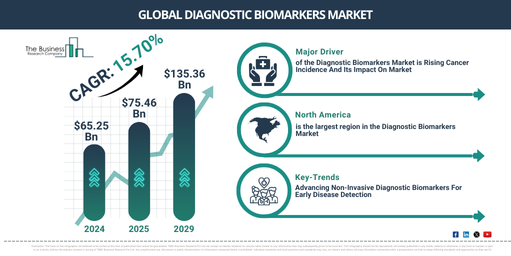
    The market size for diagnostic biomarkers has seen swift expansion in recent times. This market is projected to expand from $65.25 billion in 2024 to $75.46 billion in 2025, demonstrating a compound annual growth rate (CAGR) of 15.7%. Historically, this growth has been driven by factors such as the increasing incidence of chronic diseases, progress in omics technologies, a greater need for personalized medicine, enhanced understanding of the benefits of early disease identification, and a rise in non-invasive diagnostic approaches.

    The diagnostic biomarkers market is projected to experience substantial expansion in the coming years. This market is forecast to reach $135.36 billion by 2029, demonstrating a compound annual growth rate (CAGR) of 15.7%. Key factors contributing to this growth include the increasing uptake of liquid biopsy techniques, a surge in investment dedicated to biomarker research, a heightened emphasis on precision medicine, and the broader application of biomarkers in neurodegenerative diseases. Prominent trends anticipated during this period involve significant advancements in artificial intelligence and machine learning, the adoption of integrated multi-omics approaches, the creation of point-of-care diagnostic tools, a transition towards digital biomarkers, the expanding utilization of wearable health monitoring devices, and a stronger focus on validating and standardizing biomarkers.

    Unlock Your Free Sample Report for Exclusive Market Data:

    https://www.thebusinessresearchcompany.com/sample.aspx?id=21171&type=smp

    What Are The Drivers Pushing New Developments In The Diagnostic Biomarkers Market?

    The increasing incidence of cancer is a primary catalyst for the future expansion of the diagnostic biomarkers market. This rise in cancer cases stems from various factors, including an aging global population, shifts in lifestyle, environmental influences, and advancements in diagnostic methods. These biomarkers are essential in oncology, facilitating early detection, accurate diagnosis, and tailored treatment approaches, thereby enhancing patient prognoses. For example, the American Cancer Society, a US-based nonprofit cancer advocacy organization, reported in January 2024 that cancer cases grew to 2,001,140 from 1,958,310 in 2023, indicating a 2.19% increase. The escalating prevalence of cancer is thus a significant impetus for the growth of the diagnostic biomarkers market.

    How Is The Diagnostic Biomarkers Market Segmented?

    The diagnostic biomarkersmarket covered in this report is segmented –

    1) By Product: Safety Biomarkers; Efficacy Biomarkers; Validation Biomarkers

    2) By Application: Oncology; Metabolic Disease; Neurological Disease

    3) By End User: Hospitals; Cancer Research Institutes; Diagnostic Labs

    Subsegments:

    1) By Safety Biomarkers: Toxicity Biomarkers; Organ-Specific Safety Biomarkers; Drug-Induced Injury Biomarkers

    2) By Efficacy Biomarkers: Predictive Biomarkers; Prognostic Biomarkers; Pharmacodynamic Biomarkers

    3) By Validation Biomarkers: Genomic Biomarkers; Proteomic Biomarkers; Metabolomic Biomarkers

    Which Key Trends Are Expected To Influence The Diagnostic Biomarkers Market In The Coming Years?

    Leading firms within the diagnostic biomarkers market are prioritizing the creation of non-invasive testing approaches, including blood-based biomarker examinations, to improve patient experience and access to tailored treatment plans. Such a test is a diagnostic instrument that identifies or tracks illnesses like Alzheimer’s by examining particular biological indicators present in the blood, using a method that involves minimal intrusion. An example is the launch of LucentAD in July 2023 by Quanterix Corporation, a US-based life sciences company. This blood-based biomarker test was developed to help medical professionals diagnose Alzheimer’s disease (AD) in individuals displaying initial signs of cognitive impairment. It measures the plasma concentration of phosphorylated tau protein at the 181 residue (p-Tau 181), which is a biomarker linked to amyloid pathology in the brain, a crucial marker for AD. By offering a diagnostic solution that is both less intrusive and more readily available than conventional techniques such as cerebrospinal fluid analysis or amyloid positron emission tomography, LucentAD seeks to simplify the assessment procedure for individuals suspected of having Alzheimer’s.

    Which Major Industry Participants Are Leading The Diagnostic Biomarkers Market Growth?

    Major companies operating in the diagnostic biomarkers market are Johnson & Johnson Services Inc., F. Hoffmann-La Roche AG, Thermo Fisher Scientific Inc., Abbott Laboratories, PerkinElmer Inc., Siemens Healthineers AG, Merck KGaA, Agilent Technologies Inc., Charles River Laboratories International Inc., Bio-Rad Laboratories Inc., Bruker Corporation, Qiagen N.V., Myriad Genetics Inc., Meso Scale Diagnostics LLC, EKF Diagnostics Holdings Plc, Sino Biological Inc., Enzo Biochem Inc., Biomarker Technologies Inc., Cisbio Bioassays, Signosis Inc., Epigenomics AG, LifeSign LLC, Banyan Biomarkers Inc., Biosims Technologies SAS

    Download The Full Report For Exclusive Market Findings:

    https://www.thebusinessresearchcompany.com/report/diagnostic-biomarkers-global-market-report

    How Does The Diagnostic Biomarkers Market Perform Across Key Geographic Regions?

    North America was the largest region in the diagnostic biomarkers market in 2024. The regions covered in the diagnostic biomarkers market report are Asia-Pacific, Western Europe, Eastern Europe, North America, South America, Middle East, Africa.

    Request A Customized Version Of The Diagnostic Biomarkers Market Report:

    https://www.thebusinessresearchcompany.com/customise?id=21171&type=smp

    Browse Through More Reports Similar to the Global Diagnostic Biomarkers Market 2025, By The Business Research Company

    Biomarkers Global Market Report 2025

    https://www.thebusinessresearchcompany.com/report/biomarkers-global-market-report

    Renal Biomarkers Global Market Report 2025

    https://www.thebusinessresearchcompany.com/report/renal-biomarkers-global-market-report

    Non Alcoholic Steatohepatitis Biomarkers Global Market Report 2025

    https://www.thebusinessresearchcompany.com/report/non-alcoholic-steatohepatitis-biomarkers-global-market-report

    Get in touch with us:

    The Business Research Company: https://www.thebusinessresearchcompany.com/

    Americas +1 310-496-7795

    Asia +44 7882 955267 & +91 8897263534

    Europe +44 7882 955267

    Email us at info@tbrc.info

    Follow us on:

    LinkedIn: https://in.linkedin.com/company/the-business-research-company

    YouTube: https://www.youtube.com/channel/UC24_fI0rV8cR5DxlCpgmyFQ

    Global Market Model: https://www.thebusinessresearchcompany.com/global-market-model