Category: HealthcareServices

  • Retinal Vein Occlusion Treatment Industry Anticipated to Expand at 6.9% CAGR During the Forecast Period

    Retinal Vein Occlusion Treatment Industry Anticipated to Expand at 6.9% CAGR During the Forecast Period

    Unlock Global Insights – Save 20% on Market Reports with Code ONLINE20

    What Are The Forecasted Market Size Estimates For The Retinal Vein Occlusion Treatment Market Between 2025 And 2029?

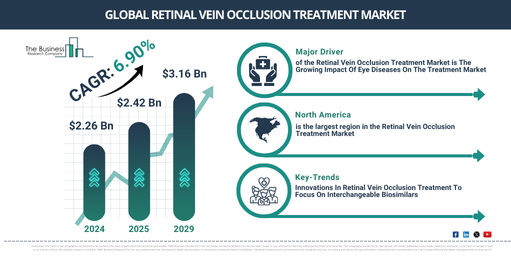
    The retinal vein occlusion treatment market has demonstrated substantial growth in recent years. Forecasts indicate it will expand from $2.26 billion in 2024 to $2.42 billion in 2025, achieving a compound annual growth rate (CAGR) of 6.9%. The market’s past growth is attributable to several key factors, including the implementation of combination therapies designed to address various aspects of disease pathophysiology, the increasing prevalence of diabetes and hypertension, expanded accessibility to healthcare services and specialized retinal care, successful clinical trials that proved the efficacy of new treatment modalities, and the advancement of anti-VEGF therapies.

    The market for retinal vein occlusion treatment is projected to experience substantial expansion in the coming years, anticipated to reach a value of $3.16 billion by 2029, exhibiting a compound annual growth rate (CAGR) of 6.9%. Key factors driving this growth during the forecast period include favorable cost-effectiveness and reimbursement policies, a growing patient preference for non-invasive treatment options, rising global healthcare expenditures, an expanding elderly population, and continuous innovation in drugs and therapeutic approaches. Significant trends expected over the forecast period encompass progress in gene therapy, the application of nanotechnology for drug delivery, the integration of artificial intelligence (AI) in diagnostics, the expansion of telemedicine and remote monitoring services, and the creation of technologies focused on patient needs.

    Unlock Your Free Sample Report for Exclusive Market Data:

    https://www.thebusinessresearchcompany.com/sample.aspx?id=18453&type=smp

    Which Industry Drivers Are Expected To Accelerate The Retinal Vein Occlusion Treatment Market From 2025 To 2029?

    The anticipated future expansion of the retinal vein occlusion treatment market is expected to be propelled by the rising occurrence of various eye conditions. These conditions encompass any disorders or diseases impacting ocular health or vision. Such issues span a spectrum, from minor irritations and infections to severe problems like glaucoma, cataracts, macular degeneration, and diabetic retinopathy. The surge in cases of eye conditions is attributed to factors such as an aging demographic and the growing incidence of diabetes and hypertension. The primary goal of retinal vein occlusion treatment is to reinstate proper blood circulation and diminish inflammation, thereby preventing vision impairment and addressing complications linked to this specific eye condition. As an illustration, in January 2024, data from the Centers for Disease Control and Prevention, a US-based science and data-driven service organization dedicated to public health protection, indicated that over 3.4 million Americans aged 40 years and older experienced blindness or visual impairment, a number projected to double by 2030. Consequently, the expanding prevalence of eye conditions is fueling the growth within the retinal vein occlusion treatment market.

    What Are The Key Segments In The Retinal Vein Occlusion Treatment Market?

    The retinal vein occlusion treatmentmarket covered in this report is segmented –

    1) By Disease Type: Central Retinal Vein Occlusion (CRVO); Branch Retinal Vein Occlusion (BRVO)

    2) By Diagnosis: Optical Coherence Tomography; Fundoscopic Examination; Fluorescein Angiography

    3) By Treatment: Anti-Vascular Endothelial Growth Factor (Anti-VEGF); Corticosteroid Drugs; Other Treatments

    4) By End-User: Hospital And Clinics; Research And Academics; Other End-Users

    Subsegments:

    1) By Central Retinal Vein Occlusion (CRVO): Non-Ischemic CRVO; Ischemic CRVO

    2) By Branch Retinal Vein Occlusion (BRVO): Non-Ischemic BRVO; Ischemic BRVO

    Which Trends Are Impacting The Retinal Vein Occlusion Treatment Market?

    Leading firms within the retinal vein occlusion treatment market are concentrating on creating new products, particularly interchangeable biosimilars, with the aim of expanding therapeutic choices and increasing patient access. An interchangeable biosimilar is defined as a biologic medicine that shares a high degree of similarity with an established reference biologic, making it a viable substitute for effective management of inflammation and fluid leakage. As an illustration, in May 2024, Biocon Biologics Limited, an India-based biosimilar producer, obtained approval from the US Food and Drug Administration for Yesafili (aflibercept-jbvf), designated as an interchangeable biosimilar for EYLEA (aflibercept). This product operates as a vascular endothelial growth factor (VEGF) inhibitor, addressing multiple eye conditions, including neovascular age-related macular degeneration (wet AMD), macular edema secondary to retinal vein occlusion (branch RVO or central RVO), diabetic macular edema (DME), and myopic choroidal neovascularization (myopic CNV).

    Which Leading Players Are Enhancing Their Retinal Vein Occlusion Treatment Market Presence Worldwide?

    Major companies operating in the retinal vein occlusion treatment market are Roche Holding AG, Bayer AG, Novartis International AG, Regeneron Pharmaceuticals Inc., Bausch Health Companies Inc., Santen Pharmaceutical Co. Ltd., Chengdu Kanghong Pharmaceutical Group Co. Ltd., Spark Therapeutics Inc., Genentech Inc., Apellis Pharmaceuticals Inc., Alimera Sciences Inc., Ocular Therapeutix Inc., EyePoint Pharmaceuticals Inc., Aerpio Pharmaceuticals Inc., REGENXBIO Inc., Stealth BioTherapeutics Corp., Adverum Biotechnologies Inc., Graybug Vision Inc., Oxurion NV, PanOptica Inc., Clearside Biomedical Inc.

    Download The Full Report For Exclusive Market Findings:

    https://www.thebusinessresearchcompany.com/report/retinal-vein-occlusion-treatment-global-market-report

    What Are The Regional Market Dynamics Impacting The Retinal Vein Occlusion Treatment Industry?

    North America was the largest region in the retinal vein occlusion treatment market in 2024. Asia-Pacific is expected to be the fastest-growing region in the forecast period. The regions covered in the retinal vein occlusion treatment market report are Asia-Pacific, Western Europe, Eastern Europe, North America, South America, Middle East, Africa.

    Request A Customized Version Of The Retinal Vein Occlusion Treatment Market Report:

    https://www.thebusinessresearchcompany.com/customise?id=18453&type=smp

    Browse Through More Reports Similar to the Global Retinal Vein Occlusion Treatment Market 2025, By The Business Research Company

    Vitreoretinal Surgery Devices Global Market Report 2025

    https://www.thebusinessresearchcompany.com/report/vitreoretinal-surgery-devices-global-market-report

    Retinal Biologics Global Market Report 2025

    https://www.thebusinessresearchcompany.com/report/retinal-biologics-global-market-report

    Retinal Disorder Treatment Global Market Report 2025

    https://www.thebusinessresearchcompany.com/report/retinal-disorder-treatment-global-market-report

    Get in touch with us:

    The Business Research Company: https://www.thebusinessresearchcompany.com/

    Americas +1 310-496-7795

    Asia +44 7882 955267 & +91 8897263534

    Europe +44 7882 955267

    Email us at info@tbrc.info

    Follow us on:

    LinkedIn: https://in.linkedin.com/company/the-business-research-company

    YouTube: https://www.youtube.com/channel/UC24_fI0rV8cR5DxlCpgmyFQ

    Global Market Model: https://www.thebusinessresearchcompany.com/global-market-model
  • Global Reporter Gene Assay Market Projected to Expand at 8.4% CAGR by 2029

    Global Reporter Gene Assay Market Projected to Expand at 8.4% CAGR by 2029

    Unlock Global Insights – Save 20% on Market Reports with Code ONLINE20

    How Is The Reporter Gene Assay Market Size Likely To Evolve From 2025 Through 2034?

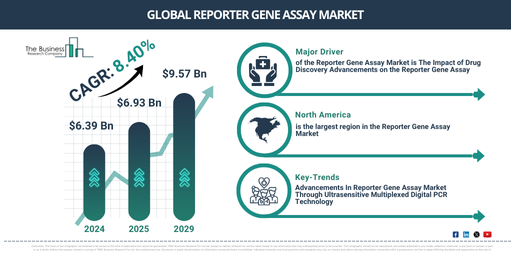
    The reporter gene assay market has shown robust growth in recent years. It is expected to expand from $6.39 billion in 2024 to $6.93 billion in 2025, progressing at a compound annual growth rate (CAGR) of 8.4%. The historical rise in this market can be attributed to an increased demand for cell-based assays, the expansion of genomics research, heightened drug discovery and development research, a growing need for personalized treatment, and the push for early diagnosis.

    The reporter gene assay market is projected to experience robust expansion over the coming years. This market is anticipated to reach $9.57 billion by 2029, exhibiting a compound annual growth rate (CAGR) of 8.4%. Factors driving this growth during the projected period include the increasing incidence of chronic genetic conditions, the expanding need for personalized medicine, the rising application of molecular imaging systems, the broadening of gene therapy portfolios, and supportive government initiatives. Key trends observed within the forecast timeframe encompass technological progress in gene therapy, developments in molecular biology, the requirement for sophisticated molecular diagnostic instruments, a transition towards 3D cell culture models, and collaborative strategic alliances.

    Unlock Your Free Sample Report for Exclusive Market Data:

    https://www.thebusinessresearchcompany.com/sample.aspx?id=16526&type=smp

    What Are The Top Growth Drivers Impacting The Reporter Gene Assay Market Outlook?

    Enhanced efforts in drug discovery and development research are anticipated to fuel the expansion of the reporter gene assay market. This research encompasses a structured methodology across medical, biotechnology, and pharmacology sectors, aimed at identifying, creating, and launching novel medications. The rise in such research is attributable to progress in proteomics, high-throughput screening, genomics, and the successful formulation and regulatory approval of new drugs. Reporter gene assays prove to be essential instruments in discovery and development studies, allowing scientists to understand gene regulation, pinpoint potential drug targets, screen compound collections, and assess the effectiveness and safety of drug candidates. For example, in May 2024, data from the National Science Foundation, a US-based government agency, revealed that in 2022, the United States invested around $885.6 billion in research and development (R&D), which represented a 12% rise from 2021 in current (nominal) dollars and a 5% increase when adjusted for inflation (constant dollars). Consequently, the escalation in drug discovery and development research is propelling the growth of the reporter gene assay market.

    What Are The Leading Segments Analyzed In The Reporter Gene Assay Market?

    The reporter gene assaymarket covered in this report is segmented –

    1) By Product: Assay Kits; Reagents

    2) By Application: Promoter Structural And Functional Analysis; Cell Signaling Pathways; Protein Interaction; Clinical And Gene Regulation

    3) By End-User: Biotechnology And Pharmaceutical Companies; Research And Academic Institutes; Hospital And Diagnostic Laboratories; Contract Research Organizations

    Subsegments:

    1) By Assay Kits: Luciferase Reporter Assay Kits; ß-galactosidase Reporter Assay Kits; Fluorescent Reporter Assay Kits; Secreted Alkaline Phosphatase (SEAP) Assay Kits

    2) By Reagents: Luciferase Substrates; ß-galactosidase Substrates; Fluorescent Proteins; Detection Buffers And Enhancers

    What Long-Term Trends Will Shape The Future Growth Of The Reporter Gene Assay Industry?

    Leading firms within the reporter gene assay market are concentrating on creating advanced solutions, such as ultrasensitive multiplexed digital PCR assays, to bolster their standing in the market. Ultrasensitive multiplexed digital PCR (dPCR) assays accurately identify and measure nucleic acids through the division of samples into thousands or millions of distinct reactions, with each reaction holding tiny quantities of target DNA or RNA molecules. As an example, in April 2024, Bio-Rad Laboratories Inc., a US-based life science research company, introduced the ddPLEX ESR1 Mutation Detection Kit, marking it as the first ultrasensitive multiplexed digital PCR assay. This novel ultrasensitive multiplexed digital PCR assay, designed for breast cancer mutation detection, demonstrates exceptional sensitivity, identifying minuscule mutations even in intricate samples for prompt and accurate disease surveillance. Its inherent multiplexing capability facilitates the concurrent detection of numerous mutations, thereby streamlining the testing process. This pioneering assay is poised to transform breast cancer research and individualized treatment approaches.

    Which Major Firms Are Strengthening Their Position In The Reporter Gene Assay Industry?

    Major companies operating in the reporter gene assay market are Roche Diagnostics, Thermo Fisher Scientific, Danaher Corporation, Merck KGaA, Becton Dickinson and Company (BD Biosciences), GE Healthcare, Lonza Group, Agilent Technologies, Sartorius AG, PerkinElmer Inc., Bio-Rad Laboratories Inc., QIAGEN N.V., GenScript Biotech Corporation, Abcam plc, Promega Corporation, Promega Corporation, Takara Bio Inc., New England Biolabs (NEB), OriGene Technologies Inc., Cell Signaling Technology Inc., SABiosciences, Enzo Biochem Inc., InvivoGen, Biotium Inc., Enzo Life Sciences Inc., BioAssay Systems, Indigo Biosciences Inc.

    Download The Full Report For Exclusive Market Findings:

    https://www.thebusinessresearchcompany.com/report/reporter-gene-assay-global-market-report

    Which Region Shows The Highest Potential For Future Expansion In The Reporter Gene Assay Market?

    North America was the largest region in the reporter gene assay market in 2024. Asia-Pacific is expected to be the fastest-growing region in the forecast period. The regions covered in the reporter gene assay market report are Asia-Pacific, Western Europe, Eastern Europe, North America, South America, Middle East, Africa.

    Request A Customized Version Of The Reporter Gene Assay Market Report:

    https://www.thebusinessresearchcompany.com/customise?id=16526&type=smp

    Browse Through More Reports Similar to the Global Reporter Gene Assay Market 2025, By The Business Research Company

    Generic Pharmaceuticals Global Market Report 2025

    https://www.thebusinessresearchcompany.com/report/generic-pharmaceuticals-global-market-report

    Gene Editing Global Market Report 2025

    https://www.thebusinessresearchcompany.com/report/gene-editing-global-market-report

    Cell And Genes Therapy Global Market Report 2025

    https://www.thebusinessresearchcompany.com/report/cell-and-genes-therapy-global-market-report

    Get in touch with us:

    The Business Research Company: https://www.thebusinessresearchcompany.com/

    Americas +1 310-496-7795

    Asia +44 7882 955267 & +91 8897263534

    Europe +44 7882 955267

    Email us at info@tbrc.info

    Follow us on:

    LinkedIn: https://in.linkedin.com/company/the-business-research-company

    YouTube: https://www.youtube.com/channel/UC24_fI0rV8cR5DxlCpgmyFQ

    Global Market Model: https://www.thebusinessresearchcompany.com/global-market-model
  • Remote Diagnostics Market to Grow at a CAGR of 9.8% from 2025 to 2029

    Remote Diagnostics Market to Grow at a CAGR of 9.8% from 2025 to 2029

    Unlock Global Insights – Save 20% on Market Reports with Code ONLINE20

    What Are The Growth Projections For The Remote Diagnostics Market Size During 2025–2029?

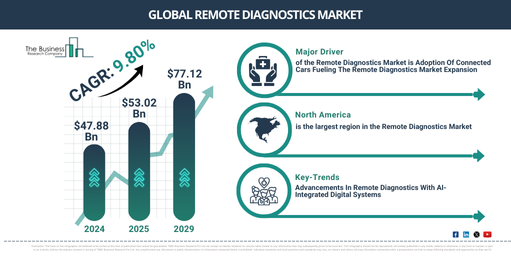
    The size of the remote diagnostics market has witnessed rapid growth during recent years. It is projected to expand from $47.88 billion in 2024 to $53.02 billion in 2025, achieving a compound annual growth rate (CAGR) of 10.7%. This historic growth can be attributed to several factors: an escalating demand for preventive maintenance, increasing penetration of connected medical devices, the growing adoption of IoT-based solutions, a rise in the use of remote monitoring, and the expanding need for electrical systems in vehicles.

    The remote diagnostics market size is anticipated to experience substantial growth over the next few years. It is projected to expand to $77.12 billion by 2029, exhibiting a compound annual growth rate (CAGR) of 9.8%. This growth during the forecast period can be attributed to factors such as the increasing adoption of connected cars, a rising demand for luxury and sports vehicles, overall expansion within the automobile industry, growing concerns about maintenance downtime in automotive vehicles, and an increasing demand for passenger vehicles. Significant trends expected in this period include technological advancements, the integration of IoT and connected devices, a growing need for cloud-based remote diagnostics, the increasing implementation of artificial intelligence (AI) and machine learning (ML) technologies, and the continued expansion of telemedicine.

    Unlock Your Free Sample Report for Exclusive Market Data:

    https://www.thebusinessresearchcompany.com/sample.aspx?id=15660&type=smp

    Which Major Market Drivers Are Shaping The Future Of The Remote Diagnostics Market?

    The projected increase in the adoption of connected cars is expected to drive the expansion of the remote diagnostics market. Connected cars are vehicles equipped with Internet connectivity and frequently a wireless local area network (Wi-Fi), allowing them to establish connections and interact with other devices, networks, and services. The demand for these vehicles is growing due to various factors such as the increasing need for convenience, efficiency, enhanced safety, security, entertainment, and robust connectivity. Connected cars transmit real-time data, which aids in the proactive identification of issues and reduces the necessity for physical inspections. Furthermore, they enhance safety by automatically relaying diagnostic data to emergency services during accidents, leading to faster responses and potentially life-saving strategies. For instance, in March 2022, Scania, a commercial vehicle manufacturer, reported having approximately 560,000 connected vehicles (representing 64% of its 10-year rolling fleet), a number that is continuously rising. Consequently, the increasing adoption of connected cars is a significant factor propelling the growth of the remote diagnostics market.

    What Are The Segment Types Shaping The Remote Diagnostics Market?

    The remote diagnosticsmarket covered in this report is segmented –

    1) By Product Type: Software; Diagnostic Equipment

    2) By Connectivity: 3G (Third Generation); 4G LTE (Fourth Generation Long Term Evolution); Wi-Fi (Wireless Fidelity); Bluetooth

    3) By Application: Roadside Assistance; Vehicle Tracking; Vehicle State Alert; Crash Notification; Training Assistance; Other Applications

    4) By Vehicle Type: Commercial Vehicles; Passenger Vehicles

    Subsegments:

    1) By Software: Diagnostic Software; Remote Monitoring Software; Diagnostic Reporting Software

    2) By Diagnostic Equipment: Wearable Diagnostic Devices; Portable Diagnostic Devices; Imaging Systems For Remote Diagnosis

    Which Market Trends Are Creating New Opportunities In The Remote Diagnostics Industry?

    Leading companies in the remote diagnostics market are concentrating on developing sophisticated solutions that harness next-generation technologies, including real-time telematics and remote diagnostics services. These initiatives aim to equip auto repair shops with data-driven, automated tools for customer retention marketing and communications. Real-time telematics and remote diagnostics services encompass a wide suite of technologies, tools, and solutions designed for the continuous monitoring, analysis, and management of vehicles, assets, or equipment in real-time, often from a remote location. As an illustration, in November 2022, Mechanic Advisor, a US-based provider of marketing tools and solutions, partnered with Mojio, a US-based automotive software company, to introduce Steermatics. This solution, powered by Mojio, delivers real-time telematics and remote diagnostics capabilities, fully integrated with the Steer CRM, providing car repair firms with automatic, data-driven retention marketing and messaging options. It is recognized as the industry’s inaugural auto repair shop solution that employs real-time telematics data from connected fleets to power remote vehicle diagnostics and automated retention marketing tools. Fleets utilizing Steermatics will also be able to implement Force Fleet Tracking via a special subscription plan, which offers straightforward and economical GPS tracking and fleet management tools to enhance their vehicle management.

    Who Are The Primary Competitors In The Global Remote Diagnostics Market?

    Major companies operating in the remote diagnostics market are Toyota Motor Corporation, Ford Motor Company, Robert Bosch GmbH, Tesla Inc., Nissan Motor Co. Ltd., Denso Corporation, Qualcomm Technologies Inc., Continental AG, Mercedes-Benz Group AG, Medtronic plc, ABB Ltd., Siemens Healthcare Private Limited, Koninklijke Philips N.V., Aptiv PLC, SKF Group, OMRON Corporation, Tech Mahindra Limited, Hologic Inc., Snap-On Incorporated, Vector Informatik GmbH, Softing AG, Delphi Technologies, AVL DiTEST GmbH, Vidiwave Ltd., OnStar Corporation

    Download The Full Report For Exclusive Market Findings:

    https://www.thebusinessresearchcompany.com/report/remote-diagnostics-global-market-report

    How Is Remote Diagnostics Market Demand Varying Across Different Regions?

    North America was the largest region in the remote diagnostics market in 2024. Asia-Pacific is expected to be the fastest-growing region in the forecast period. The regions covered in the remote diagnostics market report are Asia-Pacific, Western Europe, Eastern Europe, North America, South America, Middle East, Africa.

    Request A Customized Version Of The Remote Diagnostics Market Report:

    https://www.thebusinessresearchcompany.com/customise?id=15660&type=smp

    Browse Through More Reports Similar to the Global Remote Diagnostics Market 2025, By The Business Research Company

    Remote Patient Monitoring Devices And Equipment Global Market Report 2025

    https://www.thebusinessresearchcompany.com/report/remote-patient-monitoring-devices-and-equipment-global-market-report

    Remote Desktop Software Global Market Report 2025

    https://www.thebusinessresearchcompany.com/report/remote-desktop-software-global-market-report

    Remote Sensing Technology Global Market Report 2025

    https://www.thebusinessresearchcompany.com/report/remote-sensing-technology-global-market-report

    Get in touch with us:

    The Business Research Company: https://www.thebusinessresearchcompany.com/

    Americas +1 310-496-7795

    Asia +44 7882 955267 & +91 8897263534

    Europe +44 7882 955267

    Email us at info@tbrc.info

    Follow us on:

    LinkedIn: https://in.linkedin.com/company/the-business-research-company

    YouTube: https://www.youtube.com/channel/UC24_fI0rV8cR5DxlCpgmyFQ

    Global Market Model: https://www.thebusinessresearchcompany.com/global-market-model
  • Global Red Biotechnology Market 2025–2029: Competitive Insights and Opportunities

    Global Red Biotechnology Market 2025–2029: Competitive Insights and Opportunities

    Unlock Global Insights – Save 20% on Market Reports with Code ONLINE20

    What Is The Global Market Value Of The Red Biotechnology Industry In 2025?

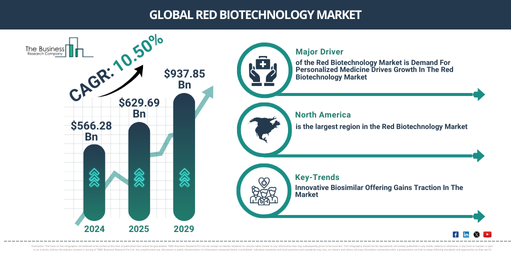
    The red biotechnology market size has expanded quickly in recent years. It is projected to grow from $566.28 billion in 2024 to $629.69 billion in 2025, at a compound annual growth rate (CAGR) of 11.2%. This historical growth can be attributed to progress in genetic engineering, stem cell research, the proliferation of biotech startups, established regulatory frameworks, and significant biotech funding and investment.

    The red biotechnology market size is poised for substantial growth in the next few years. It is forecast to grow to $937.85 billion in 2029, exhibiting a compound annual growth rate (CAGR) of 10.5%. This expansion during the forecast period is propelled by the spread of personalized medicine, the increasing aging population, enhanced investment in research and development, the integration of digital health, and the expansion of healthcare infrastructure. Key trends anticipated in the forecast period encompass the broadening of biologics and biosimilars, the adoption of machine learning, the development of microbiome-based therapies, an emphasis on rare and orphan diseases, and strengthened global collaboration and partnerships.

    Unlock Your Free Sample Report for Exclusive Market Data:

    https://www.thebusinessresearchcompany.com/sample.aspx?id=16173&type=smp

    What Are The Main Drivers Boosting The Red Biotechnology Industry’s Expansion?

    The escalating requirement for personalized medicine is projected to drive the red biotechnology market’s expansion in the future. Personalized medicine involves customizing medical care based on unique patient traits, such as genetic makeup or lifestyle choices, to maximize treatment efficacy and reduce negative outcomes. Several factors contribute to the rising demand for personalized medicine, including its capacity to deliver superior treatments, progress in genomic research, the escalating intricacy of diseases, and favorable regulatory frameworks. Through the application of genetic data, red biotechnology facilitates the creation of personalized medicines, adjusting treatments to suit a patient’s particular genetic profile and disease attributes. A notable example is that in February 2024, the Personalized Medicine Coalition, a US-based non-profit organization, reported the FDA cleared 16 novel personalized therapies for patients with rare diseases in 2023, compared to six in 2022. Consequently, the expanding need for personalized medicine is a significant impetus behind the growth of the red biotechnology market.

    What Are The Different Segment Classifications Within The Red Biotechnology Market?

    The red biotechnologymarket covered in this report is segmented –

    1) By Product: Monoclonal Antibodies; Polyclonal Antibodies; Recombinant Proteins; Vaccines; Cell-Based Immunotherapy Products; Gene Therapy Products; Cell Therapy Products; Tissue-Engineered Products; Other Products

    2) By Application: Drug Discovery And Development; Animal Biotechnology; Environmental Biotechnology; Medical Biotechnology; Industrial Biotechnology; Agricultural Biotechnology; Other Applications

    3) By End-User: Biopharmaceutical Industry; Contract Manufacturing Organization (CMO) And Contract Research Organization (CRO) Research Institutes; Other End Users

    Subsegments:

    1) By Monoclonal Antibodies: Therapeutic Monoclonal Antibodies; Diagnostic Monoclonal Antibodies; Biosimilars Of Monoclonal Antibodies; Targeted Monoclonal Antibodies (For Cancer, Autoimmune Diseases)

    2) By Polyclonal Antibodies: Diagnostic Polyclonal Antibodies; Therapeutic Polyclonal Antibodies; Veterinary Polyclonal Antibodies; Research Polyclonal Antibodies

    3) By Recombinant Proteins: Enzyme Replacement Therapies; Growth Factors And Hormones; Clotting Factor Products; Interferons And Cytokines

    4) By Vaccines: Preventive Vaccines (For Influenza, Covid-19, Hpv); Therapeutic Vaccines (Cancer Vaccines); Dna Or Rna-Based Vaccines; Protein Subunit Vaccines

    5) By Cell-Based Immunotherapy Products: Car-T-Cell Therapies; T-Cell Receptor Therapies; Nk Cell Therapies; Dendritic Cell-Based Immunotherapies

    6) By Gene Therapy Products: Gene Editing (Crispr-Based Therapies); Viral Vector-Based Gene Therapies; Gene Silencing Therapies; In Vivo Gene Therapy Products

    7) By Cell Therapy Products: Stem Cell Therapies; Regenerative Cell Therapies (Mesenchymal Stem Cells); Autologous Cell Therapies; Allogeneic Cell Therapies

    8) By Tissue-Engineered Products: Skin And Cartilage Engineered Products; Bone And Muscle Regenerative Products; Cardiovascular Tissue Engineering; Neural Tissue Engineering

    9) By Other Products: Blood And Blood Components (E.g., Blood Substitutes); Protein Therapeutics; Diagnostic Kits And Tools (Biomarkers, Assays); Regenerative Medicine Products

    How Are Trends Influencing The Red Biotechnology Market?

    Leading companies active in the red biotechnology market are concentrating on creating advanced products, such as biosimilars, to satisfy the increasing need for personalized medicine and confront the intricacies of various diseases. Biosimilars are biological products that are remarkably similar to and possess no clinically significant distinctions from an existing approved reference biologic, thus presenting more cost-effective alternatives. For instance, in June 2022, Amgen Inc., a US-based biopharmaceutical company, secured U.S. Food and Drug Administration (FDA) approval for Riabni (rituximab-arrx), a biosimilar to Rituxan (rituximab), intended for treating adults afflicted with moderate to severe rheumatoid arthritis (RA). This approval signifies a notable achievement in the progress of biosimilars, which are formulated to be highly comparable to current biological products yet offered at a lower price.

    Which Key Market Players Are Investing In Expansion And Innovation Of Red Biotechnology Market?

    Major companies operating in the red biotechnology market are Pfizer Inc., F. Hoffmann-La Roche AG, Bayer AG, Bristol-Myers Squibb Company, GSK plc., Takeda Pharmaceutical Company Limited, Eli Lilly and Company, Gilead Sciences, Amgen Inc., Merck KGaA, Moderna Inc., Regeneron Pharmaceuticals Inc., Astellas Pharma Inc., Biogen Inc., Boehringer Ingelheim International GmbH, BioMarin Pharmaceutical Inc., Vir Biotechnology, Alnylam Pharmaceuticals, Inc., Ultragenyx Pharmaceutical, BioCryst Pharmaceuticals, Sangamo Therapeutics, Inc., Denali Therapeutics, Atara Biotherapeutics, Beam Therapeutics, Umoja Biopharma

    Download The Full Report For Exclusive Market Findings:

    https://www.thebusinessresearchcompany.com/report/red-biotechnology-global-market-report

    Which Geographies Are Emerging As Strong Markets For The Red Biotechnology Industry?

    North America was the largest region in the red biotechnology market in 2024. Asia-Pacific is expected to be the fastest-growing region in the forecast period. The regions covered in the red biotechnology market report are Asia-Pacific, Western Europe, Eastern Europe, North America, South America, Middle East, Africa.

    Request A Customized Version Of The Red Biotechnology Market Report:

    https://www.thebusinessresearchcompany.com/customise?id=16173&type=smp

    Browse Through More Reports Similar to the Global Red Biotechnology Market 2025, By The Business Research Company

    Biotechnology Services Global Market Report 2025

    https://www.thebusinessresearchcompany.com/report/biotechnology-services-global-market-report

    Biotechnology Reagents Global Market Report 2025

    https://www.thebusinessresearchcompany.com/report/biotechnology-reagents-global-market-report

    Animal Biotechnology Global Market Report 2025

    https://www.thebusinessresearchcompany.com/report/animal-biotechnology-global-market-report

    Get in touch with us:

    The Business Research Company: https://www.thebusinessresearchcompany.com/

    Americas +1 310-496-7795

    Asia +44 7882 955267 & +91 8897263534

    Europe +44 7882 955267

    Email us at info@tbrc.info

    Follow us on:

    LinkedIn: https://in.linkedin.com/company/the-business-research-company

    YouTube: https://www.youtube.com/channel/UC24_fI0rV8cR5DxlCpgmyFQ

    Global Market Model: https://www.thebusinessresearchcompany.com/global-market-model
  • Rare Inflammatory Disease Treatment Market Trends 2025–2029: Forecasts for Key Growth Segments

    Rare Inflammatory Disease Treatment Market Trends 2025–2029: Forecasts for Key Growth Segments

    Unlock Global Insights – Save 20% on Market Reports with Code ONLINE20

    By How Much Is The Rare Inflammatory Disease Treatment Market Expected To Expand Between 2025 And 2029?

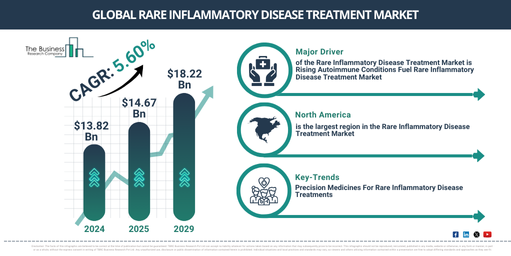
    The rare inflammatory disease treatment market has experienced significant growth in recent years. It is projected to increase from $13.82 billion in 2024 to $14.67 billion in 2025, at a compound annual growth rate (CAGR) of 6.1%. The expansion observed in the past can be credited to progress in immunology research, the advent of targeted therapies, heightened prevalence and awareness, the broader utilization of biological agents, and the establishment of orphan drug regulations.

    The rare inflammatory disease treatment market is projected to experience substantial expansion in the coming years. Its valuation is anticipated to reach $18.22 billion by 2029, exhibiting a compound annual growth rate (CAGR) of 5.6%. This projected growth is driven by factors such as accelerated drug development pipelines, increasing investments in precision medicine, wider availability of advanced diagnostics, a surge in prevalence and diagnosis rates, and enhanced patient advocacy and awareness initiatives. Key trends anticipated during this period encompass personalized treatment strategies, the incorporation of digital health solutions, a focus on patient-centered care, the broadening of gene therapy options, and collaborative as well as data-sharing endeavors.

    Unlock Your Free Sample Report for Exclusive Market Data:

    https://www.thebusinessresearchcompany.com/sample.aspx?id=15656&type=smp

    Which Factors And Drivers Are Influencing The Rare Inflammatory Disease Treatment Market In 2025?

    The growing occurrence of autoimmune conditions is anticipated to drive the rare inflammatory disease treatment market’s expansion. Autoimmune diseases are characterized by the immune system mistakenly targeting healthy cells and tissues, leading to inflammation and cellular harm. The increase in these diseases can be attributed to factors such as genetic susceptibility, environmental influences, shifts in lifestyle, and enhanced diagnostic techniques that facilitate earlier and more accurate identification. Treatments for rare inflammatory diseases are frequently employed to mitigate inflammation and stop the immune system from harming healthy tissues in individuals suffering from autoimmune disorders. For example, the Australian Institute of Health and Welfare, an Australian government body, reported in June 2024 that rheumatoid arthritis, a systemic autoimmune disorder where the immune system attacks its own tissues, affected an estimated 514,000 people (2.0%) in Australia in 2022, impacting 2.5% of females and 1.6% of males. Additionally, Health Match, an Australian digital health firm, stated in November 2022 that approximately 150 rare kidney ailments exist, exhibiting a significant global prevalence of 60–80 incidences per 100,000 people in America and Europe. Consequently, the rising prevalence of autoimmune conditions is fueling the expansion of the rare inflammatory disease treatment market.

    What Are The Primary Types Of Segments Analyzed In The Rare Inflammatory Disease Treatment Market?

    The rare inflammatory disease treatmentmarket covered in this report is segmented –

    1) By Drug Class: Biologics; Organic Compounds

    2) By Mode Of Administration: Injectables; Oral; Other Administration Modes

    3) By Indication: Ulcerative Colitis; Juvenile Rheumatoid Arthritis; Psoriatic Arthritis; Other Indications

    4) By Distribution Channel: Hospital Pharmacies; Retail Pharmacies; Online Pharmacies

    Subsegments:

    1) By Biologics: Monoclonal Antibodies; Cytokine Inhibitors; Growth Factors; Enzyme Replacement Therapies

    2) By Organic Compounds: Non-Steroidal Anti-Inflammatory Drugs (Nsaids); Immunosuppressants; Corticosteroids; Disease-Modifying Antirheumatic Drugs (Dmards)

    What Key Innovation Trends Are Fueling Advancements In The Rare Inflammatory Disease Treatment Market?

    Companies operating in the rare inflammatory disease treatment sector are concentrating on creating sophisticated precision medicines, such as monoclonal antibodies, to target particular components of the immune system and secure a competitive advantage. Monoclonal antibodies serve as a crucial therapeutic approach in addressing rare inflammatory diseases, aiming at specific pathways to alleviate symptoms and improve patient outcomes. For instance, in January 2022, Boehringer Ingelheim, a pharmaceutical company based in Germany, received approval from the U.S. Food and Drug Administration (FDA) for SPEVIGO. This monoclonal antibody works by blocking the signaling of interleukin-36 (IL-36). It is the first and only approved medication for treating GPP in adults and adolescents who are 12 years of age or older and weigh at least 88 pounds (40 kg). SPEVIGO is a targeted treatment that functions to help inhibit the activity of the interleukin-36 receptor (IL-36R), a vital component of a signaling pathway within the immune system involved in generalized pustular psoriasis flares.

    Who Are The Core Companies Influencing The Rare Inflammatory Disease Treatment Market Landscape?

    Major companies operating in the rare inflammatory disease treatment market are Pfizer Inc., Johnson & Johnson, Roche Holding AG, Merck & Co., Inc., AbbVie Inc., Bayer AG, Sanofi S.A., Bristol Myers Squibb, AstraZeneca Plc, Novartis AG, GlaxoSmithKline plc, Eli Lilly and Company, Gilead Sciences, Inc., Amgen Inc., Regeneron Pharmaceuticals, Inc., Biogen Inc., UCB S.A., Jazz Pharmaceuticals plc, Horizon Therapeutics plc, Kyowa Kirin Co., Ltd., BioMarin Pharmaceutical Inc., Mallinckrodt Pharmaceuticals, Sarepta Therapeutics, Inc., Cytokinetics, Incorporated, Orchard Therapeutics plc

    Download The Full Report For Exclusive Market Findings:

    https://www.thebusinessresearchcompany.com/report/rare-inflammatory-disease-treatment-global-market-report

    Which Region Is Projected To Lead The Rare Inflammatory Disease Treatment Market During The Forecast Period?

    North America was the largest region in the rare inflammatory disease treatment market in 2024. Asia-Pacific is expected to be the fastest-growing region in the forecast period. The regions covered in the rare inflammatory disease treatment market report are Asia-Pacific, Western Europe, Eastern Europe, North America, South America, Middle East, Africa.

    Request A Customized Version Of The Rare Inflammatory Disease Treatment Market Report:

    https://www.thebusinessresearchcompany.com/customise?id=15656&type=smp

    Browse Through More Reports Similar to the Global Rare Inflammatory Disease Treatment Market 2025, By The Business Research Company

    Inflammatory Bowel Disease Treatment Global Market Report 2025

    https://www.thebusinessresearchcompany.com/report/inflammatory-bowel-disease-treatment-global-market-report

    Non Steroidal Anti Inflammatory Drugs Global Market Report 2025

    https://www.thebusinessresearchcompany.com/report/non-steroidal-anti-inflammatory-drugs-global-market-report

    Anti Inflammatory Therapeutics Global Market Report 2025

    https://www.thebusinessresearchcompany.com/report/anti-inflammatory-therapeutics-global-market-report

    Get in touch with us:

    The Business Research Company: https://www.thebusinessresearchcompany.com/

    Americas +1 310-496-7795

    Asia +44 7882 955267 & +91 8897263534

    Europe +44 7882 955267

    Email us at info@tbrc.info

    Follow us on:

    LinkedIn: https://in.linkedin.com/company/the-business-research-company

    YouTube: https://www.youtube.com/channel/UC24_fI0rV8cR5DxlCpgmyFQ

    Global Market Model: https://www.thebusinessresearchcompany.com/global-market-model
  • Rare Biomarkers Specimen Collection And Stabilization Market Forecast 2025–2034: Where Businesses Should Invest Next

    Rare Biomarkers Specimen Collection And Stabilization Market Forecast 2025–2034: Where Businesses Should Invest Next

    Unlock Global Insights – Save 20% on Market Reports with Code ONLINE20

    #What Is The Projected Market Size Of The Rare Biomarkers Specimen Collection And Stabilization Market By 2029?

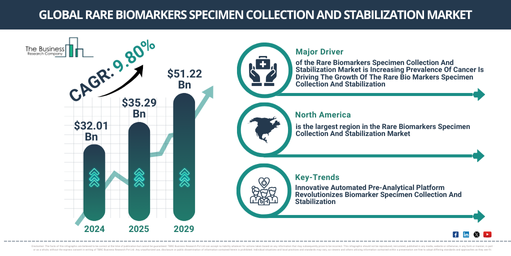
    The rare biomarkers specimen collection and stabilization market has experienced substantial growth in recent years. This market is set to increase from $32.01 billion in 2024 to $35.29 billion in 2025, reflecting a compound annual growth rate (CAGR) of 10.3%. Historically, this expansion has been driven by the human genome project, a surge in cancer research, investments in pharmaceutical R&D, the development of genomics and proteomics, and enhanced data management and bioinformatics.

    The rare biomarkers specimen collection and stabilization market is projected to experience substantial expansion over the upcoming years, with its size predicted to reach $51.22 billion by 2029, demonstrating a compound annual growth rate (CAGR) of 9.8%. This projected increase during the forecast period is fueled by several factors, including the wider application of liquid biopsy, heightened consumer awareness and demand, the growing preference for non-invasive techniques, and advancements in biomarker discovery for rare diseases. Key trends anticipated during this period encompass developments in preservation technology, an upsurge in genomic and proteomic research, the rise of point-of-care testing, improvements in regulatory frameworks and standardization, alongside enhanced data analytics and the integration of artificial intelligence.

    Unlock Your Free Sample Report for Exclusive Market Data:

    https://www.thebusinessresearchcompany.com/sample.aspx?id=15913&type=smp

    What Are The Key Drivers Of Growth In The Rare Biomarkers Specimen Collection And Stabilization Market?

    The expanding incidence of cancer is anticipated to fuel expansion within the rare biomarker specimen collection and stabilization market in the future. Cancer constitutes a category of illnesses characterized by the unchecked multiplication and dissemination of atypical cells. The increase in cancer’s occurrence stems from environmental contaminants and lifestyle habits, including smoking and unhealthy dietary selections, which aggravate existing genetic susceptibilities. Employing rare biomarker specimen collection and stabilization techniques in studies concerning cancer prevalence allows for more precise identification and tracking of particular cancer forms, thereby improving diagnostic and treatment strategies. As an illustration, a report released in October 2023 by the European Commission, a governing body located in Europe, revealed that new cancer diagnoses climbed to 2.74 million in 2022, representing a 2.3% rise compared to 2020. Consequently, the expanding incidence of cancer is serving as a primary impetus for the development of the rare biomarker specimen collection and stabilization market.

    Which Key Segments Fueling The Rare Biomarkers Specimen Collection And Stabilization Market?

    The rare biomarkers specimen collection and stabilizationmarket covered in this report is segmented –

    1) By Type: Circulating Cell Free Deoxyribonucleic Acid (CCFDNA); Circulating Tumor Cells (CTCs); Exosomes or Extracellular Vesicles

    2) By Specimen: Serum Or Plasma; Other Specimens

    3) By Application: Non-Invasive Prenatal Testing (NIPT); Oncology; Transcriptomics; Pharmacogenomics; Transplant Rejection; Population Screening; Cardiovascular Diseases; Other Applications

    4) By End-User: Hospitals; Perinatal Clinics; Public Health Labs; Private Or Commercial Labs; Physician Labs; Research Institutes; Other End-Users

    Subsegments:

    1) By Circulating Cell Free Deoxyribonucleic Acid (CCFDNA): Plasma CCFDNA; Serum CCFDNA

    2) By Circulating Tumor Cells (CTCs): CTCs In Blood; CTCs In Bone Marrow

    3) By Exosomes Or Extracellular Vesicles: Exosomes From Plasma; Exosomes From Serum

    Which Ongoing Trends Are Expected To Shape The Rare Biomarkers Specimen Collection And Stabilization Market Outlook?

    Leading companies in the rare biomarker specimen collection and stabilization market are concentrating on developing innovative solutions, such as pre-analytical platforms, to automate the preparation of plasma and cell samples for multiomic liquid biopsy. These platforms provide consistent, automated fresh sample preparation at the exact time of blood collection. They allow for full autonomous processing of whole blood without requiring special tubes or skilled personnel, thereby maintaining sample integrity. For instance, in May 2022, Tethis S.p.A., an Italy-based biotechnology company, launched See.d, the inaugural fully automated, standardized pre-analytical platform. This platform offers distinct features like precise sample handling, effective separation of plasma for cellular fractions, and immobilization of white blood cells on SmartBioSurface slides. Additionally, the platform integrates a quality control scoring system for the objective assessment of sample stability. This approach enables the systematic scoring of proteomics and metabolomics data sets to ascertain the stability of plasma and serum samples.

    Which Major Industry Participants Are Leading The Rare Biomarkers Specimen Collection And Stabilization Market Growth?

    Major companies operating in the rare biomarkers specimen collection and stabilization market are F. Hoffmann-La Roche AG, Thermo Fisher Scientific Inc., Abbott Laboratories, Merck KGaA, Becton Dickinson and Company, Eurofins Scientific SE, Agilent Technologies Inc., PerkinElmer Inc., Illumina Inc., Charles River Laboratories International Inc., Bio-Rad Laboratories Inc., Bruker Corporation, QIAGEN N.V., Miltenyi Biotec GmbH, Natera Inc., Promega Corporation, Myriad Genetics, Hamilton Company, OraSure Technologies Inc., Fluidigm Corporation, Streck Inc., SeraCare, Enzo Biochem Inc., Epigenomics AG, Veridex LLC

    Download The Full Report For Exclusive Market Findings:

    https://www.thebusinessresearchcompany.com/report/rare-biomarkers-specimen-collection-and-stabilization-global-market-report

    What Are The Key Regional Factors Influencing The Rare Biomarkers Specimen Collection And Stabilization Market Growth?

    North America was the largest region in the rare biomarkers specimen collection and stabilization market in 2024. Asia-Pacific is expected to be the fastest-growing region in the forecast period. The regions covered in the rare biomarkers specimen collection and stabilization market report are Asia-Pacific, Western Europe, Eastern Europe, North America, South America, Middle East and Africa.

    Request A Customized Version Of The Rare Biomarkers Specimen Collection And Stabilization Market Report:

    https://www.thebusinessresearchcompany.com/customise?id=15913&type=smp

    Browse Through More Reports Similar to the Global Rare Biomarkers Specimen Collection And Stabilization Market 2025, By The Business Research Company

    Renal Biomarkers Global Market Report 2025

    https://www.thebusinessresearchcompany.com/report/renal-biomarkers-global-market-report

    Biomarkers Global Market Report 2025

    https://www.thebusinessresearchcompany.com/report/biomarkers-global-market-report

    Cancer Biomarker Global Market Report 2025

    https://www.thebusinessresearchcompany.com/report/cancer-biomarker-global-market-report

    Get in touch with us:

    The Business Research Company: https://www.thebusinessresearchcompany.com/

    Americas +1 310-496-7795

    Asia +44 7882 955267 & +91 8897263534

    Europe +44 7882 955267

    Email us at info@tbrc.info

    Follow us on:

    LinkedIn: https://in.linkedin.com/company/the-business-research-company

    YouTube: https://www.youtube.com/channel/UC24_fI0rV8cR5DxlCpgmyFQ

    Global Market Model: https://www.thebusinessresearchcompany.com/global-market-model
  • Global Radiology Information Systems Market Analysis 2025–2029: Opportunities for Strategic Growth

    Global Radiology Information Systems Market Analysis 2025–2029: Opportunities for Strategic Growth

    Unlock Global Insights – Save 20% on Market Reports with Code ONLINE20

    How Much Was The Radiology Information Systems Market Worth In 2025, And What Is Its Anticipated Value By 2029?

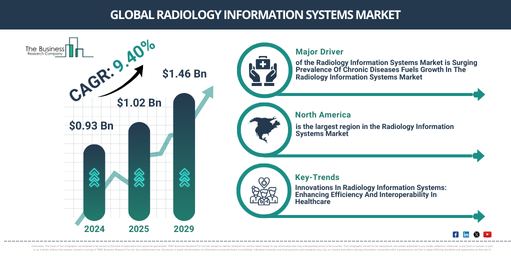
    The radiology information systems market has experienced significant expansion recently. Forecasts indicate it will expand from $0.93 billion in 2024 to $1.02 billion in 2025, demonstrating a compound annual growth rate (CAGR) of 9.3%. Historically, this growth can be ascribed to factors such as regulatory changes, demographic trends, cost pressures, consolidation within healthcare, and initiatives aimed at quality improvement.

    The radiology information systems market is anticipated to experience substantial growth over the next few years, with its size expected to reach $1.46 billion by 2029, demonstrating a compound annual growth rate (CAGR) of 9.4%. This expansion during the forecast period is driven by factors such as population health management, the broader adoption of telemedicine, the integration of artificial intelligence, the shift towards patient-centric care models, and advancements in data analytics and business intelligence. Significant trends expected during this period include the increasing use of cloud-based solutions, the incorporation of blockchain technology to improve data security and interoperability, the expansion of imaging modalities beyond traditional radiology, a strong focus on interoperability and data exchange standards, and the continued development of teleradiology and remote reporting services.

    Unlock Your Free Sample Report for Exclusive Market Data:

    https://www.thebusinessresearchcompany.com/sample.aspx?id=15448&type=smp

    Which Drivers Are Supporting Growth Of The Radiology Information Systems Market?

    The increasing occurrence of chronic illnesses is anticipated to drive expansion in the radiology information systems market moving ahead. These enduring health conditions, also referred to as non-communicable diseases (NCDs), commonly emerge progressively and endure for prolonged durations. Their development stems from an aging populace, inactive lifestyles, inadequate nutrition, lack of physical movement, and various environmental influences. Radiology information systems are instrumental in the diagnosis, oversight, and tracking of chronic conditions, enabling streamlined storage, access, and analysis of medical imaging data. For example, data from January 2023, reported by the US government agency, the National Institutes of Health, indicates that an estimated 35.66% (range: 33.36–36.04) of adults aged 50 and above are predicted to experience at least one chronic ailment by 2035, with this percentage projected to increase to 47.81% (range: 46.09–49.71) by 2050. Consequently, the growing prevalence of chronic diseases is fueling the expansion of the radiology information systems market.

    How Is The Radiology Information Systems Market Classified Into Different Segments?

    The radiology information systemsmarket covered in this report is segmented –

    1) By Product: Integrated Radiology Information System; Standalone Radiology Information System

    2) By Deployment: Web-Based; Cloud-Based; On-Premise

    3) By End-User: Hospitals And Clinics; Outpatient Department; Office Based Physicians; Emergency Healthcare Service Providers; Research And Academic Institute

    Subsegments:

    1) By Integrated Radiology Information System: Picture Archiving and Communication System (PACS) Integration; Electronic Health Record (EHR) Integration; Laboratory Information System (LIS) Integration; Hospital Information System (HIS) Integration

    2) By Standalone Radiology Information System: Radiology Scheduling Software; Radiology Reporting Software; Radiology Workflow Management Software

    Which Competitive Trends Are Defining The Radiology Information Systems Market Structure?

    Leading companies in the radiology information systems market are incorporating innovative functionalities into their healthcare application suites, such as networked software systems, to bolster interoperability and optimize workflows. A networked software system involves multiple software components that interact over a network to accomplish tasks collaboratively. This configuration supports distributed operations, scalability, and uninterrupted communication across various devices and applications. For example, in January 2024, Vertex in Healthcare, a UK-based software development and ICT company specializing in the healthcare sector, unveiled a VRIS radiology information system. The VRIS (Vertex Radiology Information System) enhances the effectiveness of radiology departments by automating processes and improving patient interaction via an accessible portal. Its objective is to streamline operations, increase diagnostic volume, and facilitate informed choices in healthcare settings.

    Who Are The Prominent Global Companies Shaping The Radiology Information Systems Market?

    Major companies operating in the radiology information systems market are McKesson Corporation, General Electric Company, Oracle Corporation, Siemens Healthineers AG, FUJIFILM Holdings Corporation, Koninklijke Philips N.V., Cerner Corporation, Hologic Inc., Shimadzu Corporation, Epic Systems Corporation, Agfa-Gevaert Group, Veradigm LLC, Carestream Health, Allscripts Healthcare LLC, Esaote S.p.A., Sectra AB, Canon Medical Systems Corporation, Pro Medicus Limited, EIZO Corporation, eRAD, Fischer Medical, MedInformatix Inc.

    Download The Full Report For Exclusive Market Findings:

    https://www.thebusinessresearchcompany.com/report/radiology-information-systems-global-market-report

    How Do Regional Market Performances Compare Within The Radiology Information Systems Industry?

    North America was the largest region in the radiology information systems market in 2024. Asia-Pacific is expected to be the fastest-growing region in the forecast period. The regions covered in the radiology information systems market report are Asia-Pacific, Western Europe, Eastern Europe, North America, South America, Middle East, Africa.

    Request A Customized Version Of The Radiology Information Systems Market Report:

    https://www.thebusinessresearchcompany.com/customise?id=15448&type=smp

    Browse Through More Reports Similar to the Global Radiology Information Systems Market 2025, By The Business Research Company

    Interventional Radiology Global Market Report 2025

    https://www.thebusinessresearchcompany.com/report/interventional-radiology-global-market-report

    Teleradiology Global Market Report 2025

    https://www.thebusinessresearchcompany.com/report/teleradiology-global-market-report

    Tele Radiology Global Market Report 2025

    https://www.thebusinessresearchcompany.com/report/tele-radiology-global-market-report

    Get in touch with us:

    The Business Research Company: https://www.thebusinessresearchcompany.com/

    Americas +1 310-496-7795

    Asia +44 7882 955267 & +91 8897263534

    Europe +44 7882 955267

    Email us at info@tbrc.info

    Follow us on:

    LinkedIn: https://in.linkedin.com/company/the-business-research-company

    YouTube: https://www.youtube.com/channel/UC24_fI0rV8cR5DxlCpgmyFQ

    Global Market Model: https://www.thebusinessresearchcompany.com/global-market-model
  • Radiation Dose Management Industry Overview 2025: Growth Projections and Market Trends

    Radiation Dose Management Industry Overview 2025: Growth Projections and Market Trends

    Unlock Global Insights – Save 20% on Market Reports with Code ONLINE20

    What Is The Future Market Size Estimation For The Radiation Dose Management Market Covering 2025–2034?

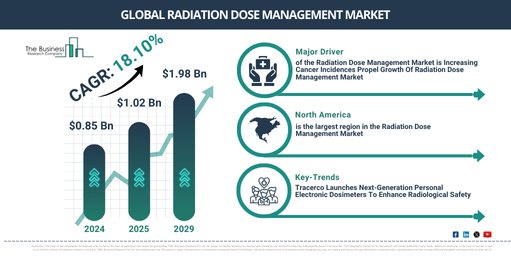
    The radiation dose management market has experienced rapid expansion recently. It is forecast to grow from $0.85 billion in 2024 to $1.02 billion in 2025, achieving a compound annual growth rate (CAGR) of 19.4%. The market’s historic growth is due to increased awareness of radiation risks, regulatory requirements and standards, an increase in diagnostic imaging procedures, healthcare provider initiatives, and rising advancements in imaging technologies.

    The radiation dose management market is projected for significant expansion in the coming years, with its size expected to reach $1.98 billion by 2029, exhibiting a compound annual growth rate (CAGR) of 18.1%. This anticipated growth is largely driven by the increasing adoption of cloud-based solutions, a heightened focus on patient safety, the expanding integration of artificial intelligence (AI), a rising number of diagnostic centers, and the growing incorporation of advanced imaging modalities. Furthermore, prominent trends for the forecast period include ongoing technological advancements, new product innovations, the development of advanced radiation dose-managing devices, continued integration of artificial intelligence (AI), and the merging of the Internet of Things (IoT).

    Unlock Your Free Sample Report for Exclusive Market Data:

    https://www.thebusinessresearchcompany.com/sample.aspx?id=15912&type=smp

    Which Drivers Are Shaping The Radiation Dose Management Industry’s Market Share?

    The expanding prevalence of cancer cases is projected to fuel the expansion of the radiation dose management market in the foreseeable future. Cancer refers to a collection of illnesses marked by the unrestrained proliferation and dissemination of atypical cells within the body, frequently resulting in the formation of a mass or tumor. This rise in cancer occurrences stems from various intricate and interconnected factors, including family predisposition, lifestyle choices, genetic predispositions, environmental influences, and a demographic shift towards an older population. In cancer treatment, radiation dose management solutions are employed to ensure precise diagnosis and efficient therapy, while simultaneously mitigating the hazards linked to radiation exposure. As an illustration, the World Health Organization (WHO), an intergovernmental body based in Switzerland, reported in February 2024 an expectation of more than 35 million new cases of cancer by 2050, representing a 77% surge compared to the estimated 20 million cases in 2022. Consequently, the growing incidence of cancer cases is fueling the expansion of the radiation dose management market.

    What Are The Major Segments Identified In The Radiation Dose Management Market?

    The radiation dose managementmarket covered in this report is segmented –

    1) By Component: Software; Services

    2) By Modality: Computed Tomography; Fluoroscopy And Interventional Imaging; Radiography And Mammography; Nuclear Medicine

    3) By Application: Oncology; Cardiology; Orthopedic Applications; Other Applications

    4) By End-User: Hospitals; Ambulatory Care Setting; Other End-Users

    Subsegments:

    1) By Software: Dose Monitoring Software; Dose Calculation Software; Reporting And Analytics Software

    2) By Services: Consulting Services; Implementation And Integration Services; Training And Support Services

    What Are The Latest Industry Trends Transforming The Radiation Dose Management Market?

    Leading entities within the radiation dose management market are introducing advanced solutions, such as personal electronic dosimeters, to uphold their market presence. These personal electronic dosimeters are compact, portable instruments designed to instantly inform responders about the specific type and magnitude of radiation exposure encountered throughout an operational period. For example, in March 2022, Tracerco, a company based in the UK specializing in diagnostic and measurement services, along with scanning and radiation protection, unveiled its PED2 range of dosimeters. The PED2 range represents a new generation of personal electronic dosimeters, incorporating distinct detection technology to elevate radiological safety performance for clients. Furthermore, the PED2 system is complemented by DoseVision2, a resilient cloud-based software platform for radiation dosimetry management, which streamlines dose record-keeping to ensure compliance and facilitates straightforward device setup and oversight.

    Which Key Players Are Driving Competition In The Radiation Dose Management Market?

    Major companies operating in the radiation dose management market are INFINITT Healthcare Co. Ltd., Bayer AG, Thermo Fisher Scientific Inc., Canon Inc., Siemens Healthcare, FUJIFILM Holdings Corporation, Philips Healthcare, GE Healthcare, Fortive Corporation, Mindray Medical International Limited, Sectra AB, Bracco Imaging S.P.A., Neusoft Medical Systems, United Imaging Healthcare, Agfa-Gevaert Group, Dedalus S.P.A, Guerbet, Mirion Technologies Inc., Landauer, Novarad Corporation, Volpara Health Limited, Medic Vision, PACSHealth LLC, Medsquare, Nanjing Perlove Medical Equipment Co. Ltd.

    Download The Full Report For Exclusive Market Findings:

    https://www.thebusinessresearchcompany.com/report/radiation-dose-management-global-market-report

    Which Region Currently Holds The Largest Share Of The Radiation Dose Management Market?

    North America was the largest region in the radiation dose management market in 2024. Asia-Pacific is expected to be the fastest-growing region in the forecast period. The regions covered in the radiation dose management market report are Asia-Pacific, Western Europe, Eastern Europe, North America, South America, Middle East and Africa.

    Request A Customized Version Of The Radiation Dose Management Market Report:

    https://www.thebusinessresearchcompany.com/customise?id=15912&type=smp

    Browse Through More Reports Similar to the Global Radiation Dose Management Market 2025, By The Business Research Company

    Medical Radiation Detection Monitoring And Safety Global Market Report 2025

    https://www.thebusinessresearchcompany.com/report/medical-radiation-detection-monitoring-and-safety-global-market-report

    Radiation Hardened Electronics Global Market Report 2025

    https://www.thebusinessresearchcompany.com/report/radiation-hardened-electronics-global-market-report

    Image Guided Radiation Therapy Global Market Report 2025

    https://www.thebusinessresearchcompany.com/report/image-guided-radiation-therapy-global-market-report

    Get in touch with us:

    The Business Research Company: https://www.thebusinessresearchcompany.com/

    Americas +1 310-496-7795

    Asia +44 7882 955267 & +91 8897263534

    Europe +44 7882 955267

    Email us at info@tbrc.info

    Follow us on:

    LinkedIn: https://in.linkedin.com/company/the-business-research-company

    YouTube: https://www.youtube.com/channel/UC24_fI0rV8cR5DxlCpgmyFQ

    Global Market Model: https://www.thebusinessresearchcompany.com/global-market-model
  • Quadriplegia Treatment Market Size Forecast: Revenue and CAGR by 2029

    Quadriplegia Treatment Market Size Forecast: Revenue and CAGR by 2029

    Unlock Global Insights – Save 20% on Market Reports with Code ONLINE20

    What Is The Expected Total Market Size Of The Quadriplegia Treatment Industry By The Forecast Year 2029?

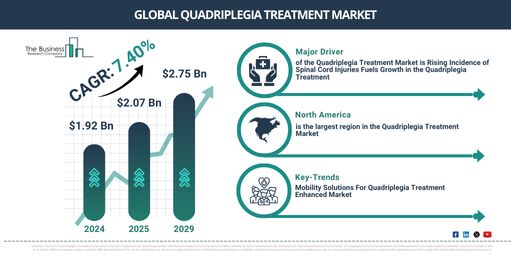
    The quadriplegia treatment market has experienced robust expansion over the past few years. This market is projected to expand from $1.92 billion in 2024 to reach $2.07 billion by 2025, demonstrating a compound annual growth rate (CAGR) of 7.8%. Historically, this expansion has been driven by factors such as enhanced surgical methodologies, the advent of medications including corticosteroids, breakthroughs in stem cell therapy and regenerative medicine, the creation of tailored rehabilitation initiatives, and heightened awareness and support initiatives from various organizations and patient communities.

    The quadriplegia treatment market is anticipated to experience substantial expansion in the coming years, with its size projected to reach $2.75 billion by 2029, growing at a compound annual growth rate (CAGR) of 7.4%. This anticipated growth during the forecast period stems from factors such as the expansion and modernization of healthcare facilities, increased funding for research and development in spinal cord injury treatments, the growing availability and adoption of advanced wheelchairs, exoskeletons, and other mobility aids, and the widespread integration of telehealth and remote monitoring services. Significant trends expected during this period include advanced exoskeletons, robotic rehabilitation systems, the broader expansion of telehealth platforms offering remote consultations, the utilization of AI and machine learning algorithms to predict complications, and further advancements in 3D printing for creating customized orthotic and prosthetic devices.

    Unlock Your Free Sample Report for Exclusive Market Data:

    https://www.thebusinessresearchcompany.com/sample.aspx?id=16521&type=smp

    What Are The Drivers Pushing New Developments In The Quadriplegia Treatment Market?

    The growing occurrence of spinal cord injuries is projected to stimulate the expansion of the quadriplegia treatment market moving forward. Spinal cord injuries (SCIs) involve damage to the spinal cord resulting from either trauma or disease, leading to a loss of abilities such as mobility or sensation beneath the injury location. The frequency of spinal cord injuries is escalating due to influences like increased rates of motor vehicle accidents, falls, sports injuries, and violence. Quadriplegia treatment for spinal cord injuries is centered on optimizing functional independence and life quality through rehabilitation, assistive technologies, and medical management. For instance, in February 2022, the Alabama Department of Public Health, a US-based state agency, reported that the ATR documented 3,817 neurological injuries involving the head and spinal cord in 2022, which contrasts with 4,734 cases recorded in 2021. Thus, the growing incidence of spinal cord injuries is fueling the growth of the quadriplegia treatment market.

    What Are The Emerging Segments Gaining Attention In The Quadriplegia Treatment Market?

    The quadriplegia treatmentmarket covered in this report is segmented –

    1) By Treatment Type: Corticosteroids; Non-Steroidal Anti-Inflammatory Drugs (NSAIDs); Antidepressants; Anticonvulsants; Narcotic Analgesics; Antispasmodics And Muscle Relaxants; Antibiotics

    2) By Route Of Administration: Oral; Intravenous; Other Routes Of Administration

    3) By Distribution Channel: Online Stores; Drug Stores; Retail Pharmacies; Hospital Pharmacies

    Subsegments:

    1) By Corticosteroids: Methylprednisolone; Prednisone; Dexamethasone

    2) By Non-Steroidal Anti-Inflammatory Drugs (NSAIDs): Ibuprofen; Naproxen; Aspirin

    3) By Antidepressants: Tricyclic Antidepressants; Selective Serotonin Reuptake Inhibitors (SSRIs); Serotonin And Norepinephrine Reuptake Inhibitors (SNRIs)

    4) By Anticonvulsants: Gabapentin; Pregabalin; Carbamazepine

    5) By Narcotic Analgesics: Morphine; Fentanyl; Oxycodone

    6) By Antispasmodics And Muscle Relaxants: Baclofen; Tizanidine; Cyclobenzaprine

    7) By Antibiotics: Broad-Spectrum Antibiotics; Infection-Specific Antibiotics

    What Trends Are Redefining The Quadriplegia Treatment Market Dynamics?

    Major companies operating in the quadriplegia treatment market are actively developing new products, such as wireless tongue-controlled interfaces, to enhance mobility and independence for patients. These wireless tongue-controlled interfaces in quadriplegia treatment allow individuals to operate devices or communicate through specific tongue movements, significantly improving their independence and overall quality of life. For example, in April 2023, Augmental, a US-based provider of digital devices and interfaces and a spinoff from Media Lab, introduced MouthPad, a tongue-controlled interface designed to enable users to interact with digital devices without using their hands. This innovative device is intended to be transformative for people with limited hand-motor control, as well as for anyone desiring a more natural and expressive way to interact with computers. It features a custom-fit, 3D-printed mouthpiece equipped with a trackpad chip capable of detecting tongue movements and pressure. This technology empowers users to control their devices by sweeping their tongue across the trackpad, using tongue presses for left clicks and sip gestures for right clicks.

    Who Are The Top Performing Companies In The Quadriplegia Treatment Market In Recent Years?

    Major companies operating in the quadriplegia treatment market are Johnson & Johnson Services Inc., Merck & Co., Sanofi S.A., Bristol Myers Squibb Co., AstraZeneca plc, Abbott Laboratories, GlaxoSmithKline plc, Roche Holdings Inc., Takeda Pharmaceutical Co Ltd, Medtronic plc, Eli Lily & Co., Koninklijke Philips NV, Stryker Corporation, Teva Pharmaceuticals Industries Ltd., Baxter International, Boston Scientific Corporation, Zimmer Biomet Holdings Inc., Sun Pharmaceutical Industries Limited, Cipla Ltd, Ottobock SE & Co. KGaA, Zydus Lifesciences Ltd., Invacare Corporation, Sunrise Medical Company Private Limited, Pride Mobility Products Corp.

    Download The Full Report For Exclusive Market Findings:

    https://www.thebusinessresearchcompany.com/report/quadriplegia-treatment-global-market-report

    What Regional Growth Trends Are Shaping The Quadriplegia Treatment Market Outlook?

    North America was the largest region in the quadriplegia treatment market in 2024. The regions covered in the quadriplegia treatment market report are Asia-Pacific, Western Europe, Eastern Europe, North America, South America, Middle East, Africa.

    Request A Customized Version Of The Quadriplegia Treatment Market Report:

    https://www.thebusinessresearchcompany.com/customise?id=16521&type=smp

    Browse Through More Reports Similar to the Global Quadriplegia Treatment Market 2025, By The Business Research Company

    Psoriatic Arthritis Treatments Global Market Report 2025

    https://www.thebusinessresearchcompany.com/report/psoriatic-arthritis-treatments-global-market-report

    Gastrointestinal Bleeding Treatment Devices Global Market Report 2025

    https://www.thebusinessresearchcompany.com/report/gastrointestinal-bleeding-treatment-devices-global-market-report

    Industrial Water Treatment Chemicals Global Market Report 2025

    https://www.thebusinessresearchcompany.com/report/industrial-water-treatment-chemicals-global-market-report

    Get in touch with us:

    The Business Research Company: https://www.thebusinessresearchcompany.com/

    Americas +1 310-496-7795

    Asia +44 7882 955267 & +91 8897263534

    Europe +44 7882 955267

    Email us at info@tbrc.info

    Follow us on:

    LinkedIn: https://in.linkedin.com/company/the-business-research-company

    YouTube: https://www.youtube.com/channel/UC24_fI0rV8cR5DxlCpgmyFQ

    Global Market Model: https://www.thebusinessresearchcompany.com/global-market-model
  • Global Protein Extracts From Single Cell Protein And Other Conventional Sources Market Trends and Growth Analysis 2025–2029

    Global Protein Extracts From Single Cell Protein And Other Conventional Sources Market Trends and Growth Analysis 2025–2029

    Unlock Global Insights – Save 20% on Market Reports with Code ONLINE20

    How Does The Market Size Of The Protein Extracts From Single Cell Protein And Other Conventional Sources Industry Compare Between 2025 And 2029?

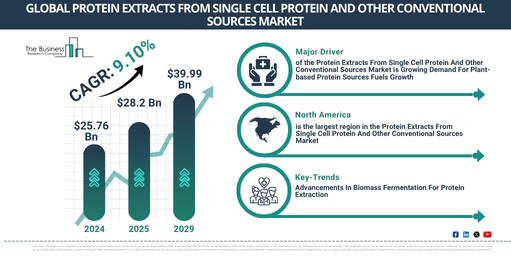
    The market for protein extracts, encompassing those from single cell protein and other conventional sources, has experienced substantial growth in recent years. Projections indicate its expansion from $25.76 billion in 2024 to $28.2 billion in 2025, progressing at a compound annual growth rate (CAGR) of 9.5%. Historically, this development was primarily driven by factors like increasing population, environmental concerns, resource scarcity, the imperative of food security, and the broader environmental impact.

    The protein extracts from single cell protein and other conventional sources market is anticipated to experience substantial growth over the next few years, projected to reach $39.99 billion by 2029, exhibiting a compound annual growth rate (CAGR) of 9.1%. This expansion during the forecast period is primarily attributed to growing health consciousness, sustainability concerns, regulatory support and approval, and evolving consumer preferences. Key trends expected within this timeframe include the growth of the single-cell protein industry, advancements in nutritional enhancement, the emergence of personalized nutrition, strategic collaborations and partnerships, and continuous technological advancements.

    Unlock Your Free Sample Report for Exclusive Market Data:

    https://www.thebusinessresearchcompany.com/sample.aspx?id=15644&type=smp

    What Are The Emerging Market Drivers Creating New Opportunities In The Protein Extracts From Single Cell Protein And Other Conventional Sources Industry?

    The increasing consumer inclination towards plant-derived protein sources is anticipated to boost the expansion of protein extracts obtained from single-cell protein and other traditional origins. These plant-based options encompass foods rich in protein, such as legumes (including beans and lentils), nuts, seeds, tofu, tempeh, and whole grains like quinoa and buckwheat. This rising preference for plant-based proteins stems from a heightened understanding of environmental preservation, personal health advantages, and moral considerations concerning animal farming, prompting consumers to explore alternative plant-derived protein solutions. Protein extracts from single-cell sources, alongside conventional choices, are seeing growing adoption as plant-based protein components, attributed to their rich nutrient content and eco-friendliness. Such extracts provide varied amino acid compositions, satisfying nutritional requirements while promoting sustainable food production methods. For example, in April 2023, data from the Good Food Institute, a US-based non-profit organization, revealed that global retail sales for plant-based meat and seafood reached $6.1 billion in 2022, signifying an 8% rise in revenue and a 5% increase by weight. Consequently, the escalating demand for plant-based protein sources is a primary factor fueling the development of protein extracts from single-cell protein and other conventional origins.

    What Are The Major Segment Types Covered In The Protein Extracts From Single Cell Protein And Other Conventional Sources Market?

    The protein extracts from single cell protein and other conventional sourcesmarket covered in this report is segmented –

    1) By Source: Plant Protein Extract Sources; Microbial Sources – Single Cell Proteins; Microbial Sources – Direct Use

    2) By Feedstock: Organic; Conventional

    3) By Application: Biotechnology; Animal Feed; Agriculture And Fertilizers; Other Applications

    Subsegments:

    1) By Plant Protein Extract Sources: Soy Protein Extracts; Pea Protein Extracts; Rice Protein Extracts; Hemp Protein Extracts; Wheat Protein Extracts; Chickpea Protein Extracts; Potato Protein Extracts; Algae Protein Extracts; Other Plant-Based Protein Extracts

    2) By Microbial Sources – Single Cell Proteins: Yeast-Based Proteins; Bacterial Proteins; Fungal Proteins; Algal Proteins; Protozoan Proteins; Other Single-cell Proteins

    3) By Microbial Sources – Direct Use: Bacterial Protein Extracts; Fungal Protein Extracts; Algal Protein Extracts; Bacteriophage Proteins; Enzyme-Based Proteins

    How Are Emerging Market Trends Shaping The Protein Extracts From Single Cell Protein And Other Conventional Sources Industry Landscape?

    Major companies operating in the market for protein extracts from single-cell protein and other conventional sources are prioritizing the development of rapid production processes utilizing biomass fermentation technology to sustain their position. The swift production process of single-cell protein ingredients involves leveraging biomass fermentation technology to cultivate microorganisms such as bacteria or yeast, facilitating the efficient conversion of organic matter into protein-rich biomass for various applications. For instance, in November 2023, MicroHarvest GmbH, a Germany-based biotechnology company, launched a pilot plant in Lisbon to expedite the commercialization of its single-cell protein ingredients. This plant allows the company to refine its technology, develop prototypes, and conduct production tests to introduce its first commercial product in early 2024. It can produce sustainable, high-quality protein ingredients with over 60% raw protein within 24 hours using biomass fermentation technology.

    Which Leading Companies Dominate The Protein Extracts From Single Cell Protein And Other Conventional Sources Market Share?

    Major companies operating in the protein extracts from single cell protein and other conventional sources market are Cargill Incorporated, The Archer-Daniels-Midland Company, BASF SE, DuPont de Nemours Inc., International Flavors & Fragrances Inc., Koninklijke DSM N.V., Ajinomoto Co. Inc., Kerry Group plc, Ingredion Inc., Lonza Group AG, Glanbia plc, Symrise AG, Roquette Frères, Novozymes A/S, Ashland Global Holdings Inc., Bioproton Pty Ltd., CP Kelco ApS, Omega Protein Corporation, Axiom Foods, Fermentalg SA, Cellana LLC

    Download The Full Report For Exclusive Market Findings:

    https://www.thebusinessresearchcompany.com/report/protein-extracts-from-single-cell-protein-and-other-conventional-sources-global-market-report

    Which Regional Markets Are Contributing Most To The Protein Extracts From Single Cell Protein And Other Conventional Sources Industry Expansion?

    North America was the largest region in the protein extracts from single cell protein and other conventional sources market in 2024. The regions covered in the protein extracts from single cell protein and other conventional sources market report are Asia-Pacific, Western Europe, Eastern Europe, North America, South America, Middle East, Africa.

    Request A Customized Version Of The Protein Extracts From Single Cell Protein And Other Conventional Sources Market Report:

    https://www.thebusinessresearchcompany.com/customise?id=15644&type=smp

    Browse Through More Reports Similar to the Global Protein Extracts From Single Cell Protein And Other Conventional Sources Market 2025, By The Business Research Company

    Protein Expression Global Market Report 2025

    https://www.thebusinessresearchcompany.com/report/protein-expression-global-market-report

    Therapeutic Proteins Global Market Report 2025

    https://www.thebusinessresearchcompany.com/report/therapeutic-proteins-global-market-report

    Protein Labelings Global Market Report 2025

    https://www.thebusinessresearchcompany.com/report/protein-labelings-global-market-report

    Get in touch with us:

    The Business Research Company: https://www.thebusinessresearchcompany.com/

    Americas +1 310-496-7795

    Asia +44 7882 955267 & +91 8897263534

    Europe +44 7882 955267

    Email us at info@tbrc.info

    Follow us on:

    LinkedIn: https://in.linkedin.com/company/the-business-research-company

    YouTube: https://www.youtube.com/channel/UC24_fI0rV8cR5DxlCpgmyFQ

    Global Market Model: https://www.thebusinessresearchcompany.com/global-market-model