Category: HealthcareServices

  • Portal Hypertension Management Industry Anticipated to Expand at 6.2% CAGR During the Forecast Period

    Portal Hypertension Management Industry Anticipated to Expand at 6.2% CAGR During the Forecast Period

    Unlock Global Insights – Save 20% on Market Reports with Code ONLINE20

    #What Is The Projected Market Size Of The Portal Hypertension Management Market By 2029?

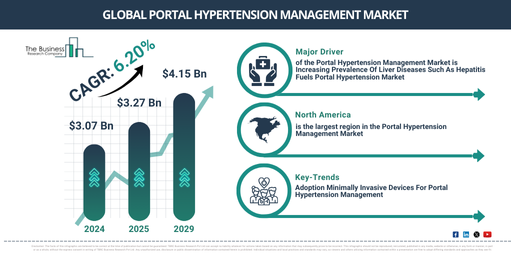
    The portal hypertension management market size has experienced robust growth in recent years. It is anticipated to expand from $3.07 billion in 2024 to $3.27 billion in 2025, reflecting a compound annual growth rate (CAGR) of 6.5%. The historical growth can be attributed to several factors such as the rising prevalence of liver diseases, an increase in the geriatric population, the implementation of awareness and screening programs, the economic strain associated with liver diseases, the approval of new drugs and therapies, and enhancements in diagnostic methods.

    The portal hypertension management market is projected to experience substantial expansion over the coming years, reaching $4.15 billion by 2029, driven by a compound annual growth rate (CAGR) of 6.2%. This projected growth is primarily fueled by increased investments in healthcare infrastructure, wider health insurance availability, conducive regulatory frameworks coupled with accelerated approval procedures, sustained research and development efforts aimed at comprehending the pathophysiology of portal hypertension, and the adoption of remote monitoring technologies enabling continuous patient care. Key trends anticipated during this period encompass the increasing integration of telemedicine, ongoing innovations in medical technology, including bio-engineered liver tissue, the expansion of personalized medicine, the creation of targeted therapies customized for unique patient profiles, and enhancements in diagnostic approaches, notably non-invasive imaging methods such as elastography.

    Unlock Your Free Sample Report for Exclusive Market Data:

    https://www.thebusinessresearchcompany.com/sample.aspx?id=16515&type=smp

    What Are The Emerging Market Drivers Creating New Opportunities In The Portal Hypertension Management Industry?

    The anticipated expansion of the portal hypertension management market is linked to the rising incidence of liver conditions, including hepatitis. Liver disease encompasses various ailments impacting the liver’s structure or how it functions, frequently manifesting as symptoms like jaundice, tiredness, and discomfort in the abdomen. These conditions can arise from viral infections, excessive alcohol consumption, or metabolic imbalances. The occurrence of liver diseases is attributed to factors such as alcohol intake, viral hepatitis infections, fatty liver disease linked to obesity, and metabolic issues. Managing portal hypertension when liver disease is present focuses on lowering pressure within the portal vein system. This intervention helps mitigate complications like variceal bleeding, ascites, and hepatic encephalopathy, ultimately enhancing patient results. As an illustration, in September 2022, data from Cancer Australia, an Australian government cancer agency, indicated approximately 2,905 new liver cancer diagnoses in Australia during 2022, comprising 2,113 males and 792 females. Additionally, the projected risk of developing liver cancer by the age of 85 in 2022 was 1 in 103 (or 0.97%), with men facing a risk of 1 in 70, or 1.4%, and women a risk of 1 in 195, or 0.51%. Consequently, the expanding prevalence of liver ailments is a key factor propelling the portal hypertension management market.

    What Are The Emerging Segments Gaining Attention In The Portal Hypertension Management Market?

    The portal hypertension managementmarket covered in this report is segmented –

    1) By Treatment Type: Medications; Non-Surgical Procedures; Surgery

    2) By Procedure Type: Transjugular Intrahepatic Portosystemic Shunt (TIPS); Other Procedure Types

    3) By End-User: Hospitals; Specialty Clinics; Other End-Users

    Subsegments:

    1) By Medications: Beta-Blockers; Vasodilators; Diuretics; Antibiotics; Other Medications

    2) By Non-Surgical Procedures: Endoscopic Variceal Ligation (EVL); Endoscopic Sclerotherapy; Transjugular Intrahepatic Portosystemic Shunt (TIPS); Balloon Occlusion

    3) By Surgery: Liver Transplantation; Portosystemic Shunt Surgery; Surgical Decompression Of Portal Vein; Other Surgical Procedures

    What Are The Latest Industry Trends Transforming The Portal Hypertension Management Market?

    Major corporations within the portal hypertension management market are adopting advanced minimally invasive devices to enhance treatment outcomes and reduce associated procedural risks. Minimally invasive devices are defined as medical instruments or tools engineered to perform procedures with minimal disruption to adjacent tissues, typically through small incisions or natural bodily openings. For instance, in November 2023, Medtronic Plc, a US-based manufacturer of medical devices, received clearance from the U.S. Food and Drug Administration (FDA) for its Symplicity Spyral renal denervation (RDN) system. This represents a minimally invasive device intended for treating hypertension. The innovative procedure operates by applying radiofrequency energy to target nerves located near the kidneys, effectively quieting them to manage hypertension.

    Who Are The Prominent Global Companies Shaping The Portal Hypertension Management Market?

    Major companies operating in the portal hypertension management market are Pfizer Inc., AbbVie Inc., Bayer AG, Sanofi SA, Bristol-Myers Squibb Company, AstraZeneca PLC, Novartis AG, GlaxoSmithKline plc, Eli Lilly and Company, Amgen Inc., Gilead Sciences Inc., Merck & Co., Boehringer Ingelheim International GmbH, Amneal Pharmaceuticals LLC., Lupin Ltd., Daiichi Sankyo, Dr. Falk Pharma GmbH, Cumberland Pharmaceuticals Inc., Ono Pharmaceutical Co. Ltd., Chiasma Inc., Debiovision Inc.

    Download The Full Report For Exclusive Market Findings:

    https://www.thebusinessresearchcompany.com/report/portal-hypertension-management-global-market-report

    Which Region Currently Holds The Largest Share Of The Portal Hypertension Management Market?

    North America was the largest region in the portal hypertension management market in 2024. The regions covered in the portal hypertension management market report are Asia-Pacific, Western Europe, Eastern Europe, North America, South America, Middle East, Africa.

    Request A Customized Version Of The Portal Hypertension Management Market Report:

    https://www.thebusinessresearchcompany.com/customise?id=16515&type=smp

    Browse Through More Reports Similar to the Global Portal Hypertension Management Market 2025, By The Business Research Company

    Pulmonary Arterial Hypertension Global Market Report 2025

    https://www.thebusinessresearchcompany.com/report/pulmonary-arterial-hypertension-global-market-report

    Ocular Hypertension Treatment Global Market Report 2025

    https://www.thebusinessresearchcompany.com/report/ocular-hypertension-treatment-global-market-report

    Medical Waste Management Global Market Report 2025

    https://www.thebusinessresearchcompany.com/report/medical-waste-management-global-market-report

    Get in touch with us:

    The Business Research Company: https://www.thebusinessresearchcompany.com/

    Americas +1 310-496-7795

    Asia +44 7882 955267 & +91 8897263534

    Europe +44 7882 955267

    Email us at info@tbrc.info

    Follow us on:

    LinkedIn: https://in.linkedin.com/company/the-business-research-company

    YouTube: https://www.youtube.com/channel/UC24_fI0rV8cR5DxlCpgmyFQ

    Global Market Model: https://www.thebusinessresearchcompany.com/global-market-model
  • Global Portable Vascular Doppler Market Projected to Expand at 5.8% CAGR by 2029

    Global Portable Vascular Doppler Market Projected to Expand at 5.8% CAGR by 2029

    Unlock Global Insights – Save 20% on Market Reports with Code ONLINE20

    How Much Was The Portable Vascular Doppler Market Worth In 2025, And What Is Its Anticipated Value By 2029?

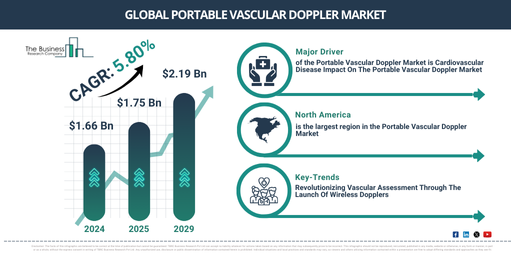
    The portable vascular doppler market size has shown robust growth over recent years. It is anticipated to expand from $1.66 billion in 2024 to $1.75 billion in 2025, reflecting a compound annual growth rate (CAGR) of 5.1%. This historical growth can be linked to factors such as the increasing occurrence of vascular diseases, ongoing technological developments, a growing elderly population, rising expenditures in healthcare, various awareness and screening efforts, progress in point-of-care testing, and the expansion of telemedicine.

    The portable vascular doppler market is anticipated to experience substantial expansion in the coming years. This market is projected to reach $2.19 billion by 2029, exhibiting a compound annual growth rate (CAGR) of 5.8%. Factors driving this growth during the forecast period include advancements in miniaturization and portability, the rise of personalized medicine, widespread adoption of remote patient monitoring, improvements in cost efficiency and affordability, supportive regulatory frameworks, and expansion in emerging markets. Key trends expected over this period encompass AI-powered diagnostics, robust wireless connectivity, sophisticated data analytics, refined user interfaces, increased remote accessibility, greater IoT integration, and a focus on patient-centric design.

    Unlock Your Free Sample Report for Exclusive Market Data:

    https://www.thebusinessresearchcompany.com/sample.aspx?id=18436&type=smp

    Which Drivers Are Impacting The Portable Vascular Doppler Market?

    The anticipated growth of the portable vascular doppler market is driven by the escalating incidence of cardiovascular diseases. Cardiovascular diseases (CVD) are a category of conditions affecting the heart and blood vessels. The global rise in CVD can be attributed to dietary habits featuring unhealthy processed foods and insufficient intake of fruits and vegetables. Furthermore, sedentary lifestyles, poor nutritional choices, and high obesity rates significantly contribute to cardiovascular issues. Portable vascular doppler devices enhance the diagnostic capabilities of healthcare providers, enabling prompt detection and management of cardiovascular diseases, thereby improving patient outcomes and reducing the risk of complications associated with vascular conditions. For instance, in January 2024, according to the American Heart Association, a US-based nonprofit organization, cardiovascular diseases caused 931,578 deaths, up from 928,741 in 2023. Additionally, the age-adjusted death rate from cardiovascular disease also showed a slight increase, reaching 233.3 per 100,000, which is a 4.0% rise from the preceding year’s rate of 224.4 per 100,000. Thus, the increasing prevalence of cardiovascular diseases is propelling the portable vascular doppler market.

    What Are The Major Segment Types Covered In The Portable Vascular Doppler Market?

    The portable vascular dopplermarket covered in this report is segmented –

    1) By Type: Type I; Type II

    2) By Disease Type: Atherosclerosis; Peripheral Artery Disease (PAD); Carotid Artery Disease; Pulmonary Embolism; Collagen Vascular Disease; Cerebrovascular Disease; Other Disease Types

    3) By Application: Hospital; Clinic; Other Applications

    Subsegments:

    1) By Type I: Handheld Vascular Doppler; Single-Channel Vascular Doppler; Doppler With Audio And Visual Display

    2) By Type II: Multi-Channel Vascular Doppler; Doppler With Advanced Imaging Features; Doppler With Enhanced Signal Processing; Vascular Doppler With Integrated Pulse Oximetry

    What Trends Are Redefining The Portable Vascular Doppler Market Dynamics?

    Companies operating in the portable vascular doppler market are concentrating on developing handheld technology, such as wireless handheld vascular doppler devices, to improve diagnostic convenience and accuracy, which in turn drives greater market share and customer loyalty. Wireless handheld vascular Doppler devices are mobile, intuitive instruments that utilize Doppler ultrasound technology to evaluate and monitor blood flow in the vascular system, delivering real-time data through wireless connectivity. For example, in June 2022, Remington Medical Inc., a US-based medical device manufacturer, introduced VascuChek, an innovative wireless handheld vascular doppler device. This device features a continuous 9 MHz wave system and removes the necessity for a large transceiver box and tethered probes, thereby providing enhanced mobility and user control. It is designed for both intraoperative (microvascular and vascular) and transcutaneous assessments of blood flow, increasing its adaptability across various medical applications. This advancement aims to transform how physicians measure patient blood flow during surgical and clinical procedures.

    Which Key Players Are Driving Competition In The Portable Vascular Doppler Market?

    Major companies operating in the portable vascular doppler market are Siemens Healthineers, GE HealthCare Technologies Inc., CooperSurgical Inc., Natus Medical Incorporated, Schiller AG, Edan Instruments Inc., Meditech Equipment Co. Ltd., A.D. Instruments Pty Ltd., CHISON Medical Technologies Co. Ltd, Huntleigh Healthcare Ltd., Medistim ASA, Compumedics Limited, LRE Medical GmbH, Perimed AB, Nicolet Vascular Inc, Parks Medical Electronics Inc., Koven Technology Inc., Sifin Diagnostics GmbH, Hadeco Inc., D.E. Hokanson Inc., Advanced Instrumentations Inc., ELCAT GmbH, Infrascan Inc., Multigon Industries Inc., Newman Medical LLC, SonoSite Inc., Sunray Medical Apparatus Co. Ltd., Viasonix Ltd., Wallach Surgical Devices Inc, Vcomin Technology Limited

    Download The Full Report For Exclusive Market Findings:

    https://www.thebusinessresearchcompany.com/report/portable-vascular-doppler-global-market-report

    What Regional Growth Trends Are Shaping The Portable Vascular Doppler Market Outlook?

    North America was the largest region in the portable vascular doppler market in 2024. Asia-Pacific is expected to be the fastest-growing region in the forecast period. The regions covered in the portable vascular doppler market report are Asia-Pacific, Western Europe, Eastern Europe, North America, South America, Middle East, Africa.

    Request A Customized Version Of The Portable Vascular Doppler Market Report:

    https://www.thebusinessresearchcompany.com/customise?id=18436&type=smp

    Browse Through More Reports Similar to the Global Portable Vascular Doppler Market 2025, By The Business Research Company

    Vascular Embolization Global Market Report 2025

    https://www.thebusinessresearchcompany.com/report/vascular-embolization-global-market-report

    Cardiovascular Ultrasound Global Market Report 2025

    https://www.thebusinessresearchcompany.com/report/cardiovascular-ultrasound-global-market-report

    Vascular Closure Devices Global Market Report 2025

    https://www.thebusinessresearchcompany.com/report/vascular-closure-devices-global-market-report

    Get in touch with us:

    The Business Research Company: https://www.thebusinessresearchcompany.com/

    Americas +1 310-496-7795

    Asia +44 7882 955267 & +91 8897263534

    Europe +44 7882 955267

    Email us at info@tbrc.info

    Follow us on:

    LinkedIn: https://in.linkedin.com/company/the-business-research-company

    YouTube: https://www.youtube.com/channel/UC24_fI0rV8cR5DxlCpgmyFQ

    Global Market Model: https://www.thebusinessresearchcompany.com/global-market-model
  • Portable Magnetic Resonance Imaging (MRI) Market to Grow at a CAGR of 6.7% from 2025 to 2029

    Portable Magnetic Resonance Imaging (MRI) Market to Grow at a CAGR of 6.7% from 2025 to 2029

    Unlock Global Insights – Save 20% on Market Reports with Code ONLINE20

    What Is The Future Market Size Estimation For The Portable Magnetic Resonance Imaging (MRI) Market Covering 2025–2034?

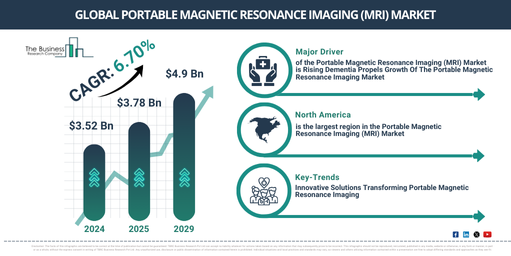
    The portable magnetic resonance imaging (mri) market size has experienced robust expansion over recent years. Its value is projected to climb from $3.52 billion in 2024 to $3.78 billion in 2025, demonstrating a compound annual growth rate (CAGR) of 7.3%. Historically, this expansion has been driven by several factors, including the increasing incidence of neurological disorders, a growing need for point-of-care diagnostics, enhanced understanding of the benefits of early diagnosis, the requirement for economical imaging options, breakthroughs in battery technology, and better image clarity.

    The portable magnetic resonance imaging (mri) market is projected to experience robust expansion over the coming years. Its size is anticipated to reach $4.9 billion by 2029, exhibiting a compound annual growth rate (CAGR) of 6.7%. This projected growth during the forecast period is fueled by factors such as extended battery life in portable devices, intuitive interfaces and automated features, reduced costs, favorable reimbursement policies, and enhanced capabilities in cancer detection and monitoring treatment responses. Key developments expected in the forecast timeframe encompass artificial intelligence and machine learning algorithms, seamless integration with other imaging techniques like ultrasound or CT scans, advancements in resolution and sensitivity, continuous education and training initiatives, applications in regenerative medicine and research, and the implementation of patient-specific imaging protocols.

    Unlock Your Free Sample Report for Exclusive Market Data:

    https://www.thebusinessresearchcompany.com/sample.aspx?id=16769&type=smp

    Which Industry Drivers Are Expected To Accelerate The Portable Magnetic Resonance Imaging (MRI) Market From 2025 To 2029?

    The increasing incidence of dementia is anticipated to stimulate the expansion of the portable magnetic resonance imaging market in the future. Dementia describes a collection of progressive neurological conditions marked by a deterioration of cognitive abilities, impacting memory, thought processes, conduct, and the capacity to carry out routine tasks. The growing number of dementia diagnoses stems from an aging global populace and enhanced diagnostic tools that facilitate earlier and more accurate identification of the condition. Portable magnetic resonance imaging (MRI) serves dementia patients by offering immediate brain imaging to evaluate structural alterations, assisting in the diagnosis and ongoing monitoring of the illness across diverse environments such as clinics and long-term care facilities. As an illustration, figures from March 2024, released by the Australian Institute of Health and Welfare, an Australia-based government body, indicated that approximately 411,100 Australians were living with dementia in 2023, a figure projected to more than double by the year 2058. Consequently, the escalation in dementia cases is propelling the growth of the portable magnetic resonance imaging market.

    What Are The Major Segment Categories Driving The Portable Magnetic Resonance Imaging (MRI) Market Growth?

    The portable magnetic resonance imaging (mri)market covered in this report is segmented –

    1) By Product: Superconducting-Magnet-Based Portable Magnetic Resonance Imaging (MRI); Electromagnet-Based Portable Magnetic Resonance Imaging (MRI); Permanent-Magnet-Based Portable Magnetic Resonance Imaging (MRI)

    2) By Application: Neurology; Musculoskeletal; Gastroenterology; Other Applications

    3) By End User: Hospitals; Diagnostic Centers; Ambulatory Surgery Centers; Other End Users

    Subsegments:

    1) By Superconducting-Magnet-Based Portable MRI: High-Field Superconducting MRI; Low-Field Superconducting MRI; Compact Superconducting MRI Systems; Superconducting MRI For Neurological Imaging; Superconducting MRI For Musculoskeletal Imaging

    2) By Electromagnet-Based Portable MRI: Low-Field Electromagnet MRI Systems; Medium-Field Electromagnet MRI Systems; Electromagnetic MRI For Point-Of-Care Use; Electromagnet MRI For Diagnostic Imaging; Portable Electromagnet MRI For Emergency Settings

    3) By Permanent-Magnet-Based Portable MRI: High-Resolution Permanent Magnet MRI; Low-Field Permanent Magnet MRI; Compact Permanent Magnet MRI Systems; Permanent Magnet MRI For Field Use; Permanent Magnet MRI For Veterinary Applications

    How Are Emerging Market Trends Shaping The Portable Magnetic Resonance Imaging (MRI) Industry Landscape?

    Companies operating in the portable magnetic resonance imaging market are primarily focused on developing cutting-edge solutions, including mobile magnetic resonance (MR) imaging scanners, to enhance the accessibility and flexibility of medical imaging, especially in remote and point-of-care settings. Magnetic resonance imaging (MRI) scanners utilize strong magnetic fields and radio waves to generate detailed images of the body’s internal organs and tissues. For example, in November 2022, Siemens Healthcare AG, a Germany-based healthcare company, introduced MAGNETOM Viato Mobile, a new 1.5 Tesla (1.5T) mobile magnetic resonance (MR) imaging scanner optimized for easy transportation to an offsite location. This 70-centimeter-bore scanner is designed to be installed within a trailer, enabling the provision of advanced medical imaging to patients who would otherwise need to travel considerable distances. The MAGNETOM Viato.Mobile has recently received FDA clearance, underscoring Siemens Healthineers’ commitment to the mobile MR market and its initiatives to make high-end imaging technology more widely available. This device allows healthcare providers to deliver advanced medical imaging to patients who would otherwise be required to travel long distances, particularly in underserved regions.

    Who Are The Top Performing Companies In The Portable Magnetic Resonance Imaging (MRI) Market In Recent Years?

    Major companies operating in the portable magnetic resonance imaging (MRI) market are TATA group, Siemens Healthineers AG, Koninklijke Philips N.V., Alliance HealthCare Services Inc., Akumin Inc., Esaote SpA, Meridian Group International Inc., JMP Medical Ltd, DMS Health Pvt. Ltd, Cobalt Health, Aurora Imaging Technology Inc., Kings Medical Group Inc., Hyperfine Inc., Burgess Diagnostics Ltd, Interim Diagnostic Imaging Ltd, PrizMED Imaging Solution Inc., Radiology Management Solutions Ltd, Medco Blue LLC, Odulair LLC, Lamboo Medical Ltd, Advanced Mobility & Shelter Technologies LLC

    Download The Full Report For Exclusive Market Findings:

    https://www.thebusinessresearchcompany.com/report/portable-magnetic-resonance-imaging-mri-global-market-report

    Which Regional Markets Are Contributing Most To The Portable Magnetic Resonance Imaging (MRI) Industry Expansion?

    North America was the largest region in the portable magnetic resonance imaging (MRI) market in 2024. Asia-Pacific is expected to be the fastest-growing region in the forecast period. The regions covered in the portable magnetic resonance imaging (MRI) market report are Asia-Pacific, Western Europe, Eastern Europe, North America, South America, Middle East, Africa.

    Request A Customized Version Of The Portable Magnetic Resonance Imaging (MRI) Market Report:

    https://www.thebusinessresearchcompany.com/customise?id=16769&type=smp

    Browse Through More Reports Similar to the Global Portable Magnetic Resonance Imaging (MRI) Market 2025, By The Business Research Company

    Portable Ultrasound Devices Market 2025

    https://www.thebusinessresearchcompany.com/report/portable-ultrasound-devices-market

    Portable X Ray Devices Market 2025

    https://www.thebusinessresearchcompany.com/report/portable-x-ray-devices-market

    Secondary Batteries Market 2025

    https://www.thebusinessresearchcompany.com/report/secondary-batteries-market

    Get in touch with us:

    The Business Research Company: https://www.thebusinessresearchcompany.com/

    Americas +1 310-496-7795

    Asia +44 7882 955267 & +91 8897263534

    Europe +44 7882 955267

    Email us at info@tbrc.info

    Follow us on:

    LinkedIn: https://in.linkedin.com/company/the-business-research-company

    YouTube: https://www.youtube.com/channel/UC24_fI0rV8cR5DxlCpgmyFQ

    Global Market Model: https://www.thebusinessresearchcompany.com/global-market-model
  • Global Polymerase Chain Reaction (PCR) Technologies Market 2025–2029: Competitive Insights and Opportunities

    Global Polymerase Chain Reaction (PCR) Technologies Market 2025–2029: Competitive Insights and Opportunities

    Unlock Global Insights – Save 20% on Market Reports with Code ONLINE20

    What Is The Expected Total Market Size Of The Polymerase Chain Reaction (PCR) Technologies Industry By The Forecast Year 2029?

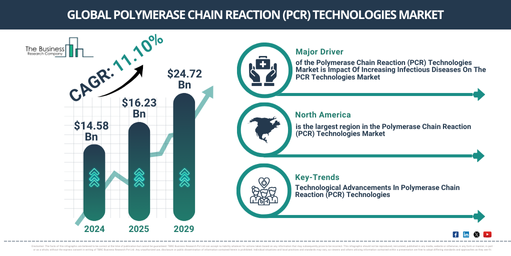
    The polymerase chain reaction (pcr) technologies market has experienced rapid expansion in recent years. Its valuation is projected to increase from $14.58 billion in 2024 to $16.23 billion by 2025, showing an 11.3% compound annual growth rate (CAGR). The growth observed historically can be attributed to a rise in genome-based drug development activities, an increase in the prevalence of genetic disorders and target diseases, wider adoption of miniaturized portable instruments, increased use of biomarker profiling, and growing demand for personalized medicine.

    The polymerase chain reaction (pcr) technologies market is projected to experience substantial expansion over the upcoming years. This market is forecast to reach $24.72 billion by 2029, demonstrating a compound annual growth rate (CAGR) of 11.1%. The anticipated growth during this period is driven by several factors, including an increased need for swift and precise disease diagnosis, rising demand in forensics, broader implementation of real-time polymerase chain reaction, the escalating requirement for quick and accessible on-site diagnostic tests, an increase in infectious disease outbreaks, and the necessity for companion diagnostics. Key trends expected within the forecast timeframe encompass the integration of next-generation sequencing (NGS), techniques for RNA detection and analysis, single-cell PCR analysis, advanced bioinformatics software and data analysis tools, the development of microfluidic technologies, lab-on-a-chip systems, and point-of-care testing (POCT), alongside the application of artificial intelligence (AI) and data analytics.

    Unlock Your Free Sample Report for Exclusive Market Data:

    https://www.thebusinessresearchcompany.com/sample.aspx?id=15639&type=smp

    What Are The Top Growth Drivers Impacting The Polymerase Chain Reaction (PCR) Technologies Market Outlook?

    The PCR technologies market is anticipated to expand due to the rising occurrence of infectious diseases. These diseases are defined as illnesses caused by pathogenic microorganisms, such as bacteria, viruses, parasites, or fungi, which can spread directly or indirectly between individuals. The escalating prevalence of infectious diseases highlights the growing challenges posed by pathogens, potentially influenced by factors like globalization, urbanization, antimicrobial resistance, and environmental changes. PCR technologies help to reduce the impact of infectious diseases by detecting and amplifying the specific genetic material of pathogens, thereby assisting in their identification and diagnosis with high sensitivity and accuracy. For example, in November 2023, the World Health Organization (WHO), a Switzerland-based specialized agency of the United Nations responsible for international public health, predicted 10.6 million cases of tuberculosis (TB) globally in 2022, affecting 5.8 million men, 3.5 million women, and 1.3 million children. Ultimately, the increasing prevalence of infectious diseases is a significant driver for the PCR technologies market.

    How Is The Polymerase Chain Reaction (PCR) Technologies Market Segmented?

    The polymerase chain reaction (pcr) technologiesmarket covered in this report is segmented –

    1) By Product: Reagents And Consumables; Instruments; Software; Services

    2) By Technology: Real-Time Polymerase Chain Reaction; Conventional Polymerase Chain Reaction; Reverse Transcription Polymerase Chain Reaction; Digital Polymerase Chain Reaction; Multiplex Real-Time (RT) Polymerase Chain Reaction; Hot Start Polymerase Chain Reaction; Other Technologies

    3) By Application: Gene Expression Analysis; Genetic Sequencing; Genotyping; Nucleic Acid Synthesis; Standard Validation; Point Of Care Diagnostics; Environmental Application; Other Applications

    4) By End Users: Hospitals And Diagnostic Centers; Research Laboratories And Academic Institutes; Pharmaceutical And Biotechnology Companies; Other End Users

    Subsegments:

    1) By Reagents And Consumables: Pcr Master Mixes; Primers And Probes; Dna Or Rna Extraction Kits; Pcr Enzymes; Buffers And Solutions; Pcr Plates, Tubes, And Strips; Nucleotides

    2) By Instruments: Pcr Machines (Thermal Cyclers); Real-Time Pcr Systems (Qpcr Systems); Digital Pcr Systems; Automated Pcr Platforms; Gel Electrophoresis Systems; Pcr Workstations

    3) By Software: Pcr Data Analysis Software; Real-Time Pcr Software; Digital Pcr Software; Sequence Analysis Software; Multiplex Pcr Software; Laboratory Information Management Systems (Lims) For Pcr

    4) By Services: Pcr Testing Services; Custom Pcr Primer Design Services; Pcr Training And Consultation Services; Pcr Sample Analysis Services; Pcr-based Diagnostic Services; Technical Support And Maintenance Services For Pcr Equipment

    Which Key Trends Are Expected To Influence The Polymerase Chain Reaction (PCR) Technologies Market In The Coming Years?

    Leading companies within the PCR technologies market are prioritizing the creation of advanced technological solutions, particularly next-generation quantitative polymerase chain reaction (qPCR) technologies, to enhance precision, sensitivity, and effectiveness in molecular diagnostics. Quantitative polymerase chain reaction (qPCR) technology facilitates the quantification of specific DNA sequences in samples, providing real-time monitoring and amplification, which makes it indispensable across diverse scientific and medical domains. For example, in November 2023, F. Hoffmann-La Roche AG, a biotechnology company based in Switzerland, unveiled the LightCycler PRO System. This next-generation qPCR (quantitative polymerase chain reaction) system is specifically designed to advance clinical requirements in molecular diagnostics and address challenges in public health. The system is positioned as the most sophisticated qPCR technology available for both clinical diagnostics and research, offering superior performance and enhanced usability while effectively linking translational research with in vitro diagnostics. It employs established, high-quality technology, thereby ensuring the quality, accuracy, and trustworthiness vital for precise patient diagnosis and making informed clinical choices.

    Which Leading Companies Dominate The Polymerase Chain Reaction (PCR) Technologies Market Share?

    Major companies operating in the polymerase chain reaction (PCR) technologies market are F. Hoffmann-La Roche Ltd., Bayer Corporation, Thermo Fisher Scientific Inc., Abbott Laboratories, Danaher Corporation, Siemens Healthineers AG, Becton, Dickinson and Company (BD), GE Healthcare Technologies LLC, Laboratory Corporation of America Holdings, Quest Diagnostics Incorporated, Eurofins Scientific SE, Agilent Technologies Inc., Illumina Inc., PerkinElmer Inc., bioMérieux SA, Beckman Coulter Inc., Sysmex Corporation, Bio-Rad Laboratories Inc., QIAGEN N.V., Natera Inc., BGI Genomics Co. Ltd., Cepheid, NeoGenomics Laboratories Inc., Ambry Genetics Corporation, Veritas Genetics Inc.

    Download The Full Report For Exclusive Market Findings:

    https://www.thebusinessresearchcompany.com/report/polymerase-chain-reaction-pcr-technologies-global-market-report

    How Does The Polymerase Chain Reaction (PCR) Technologies Market Perform Across Key Geographic Regions?

    North America was the largest region in the PCR technologies market in 2024. Asia-Pacific is expected to be the fastest-growing region in the forecast period. The regions covered in the polymerase chain reaction (PCR) technologies market report are Asia-Pacific, Western Europe, Eastern Europe, North America, South America, Middle East, Africa.

    Request A Customized Version Of The Polymerase Chain Reaction (PCR) Technologies Market Report:

    https://www.thebusinessresearchcompany.com/customise?id=15639&type=smp

    Browse Through More Reports Similar to the Global Polymerase Chain Reaction (PCR) Technologies Market 2025, By The Business Research Company

    Polymerase Chain Reactions Devices Reagents And Uses Global Market Report 2025

    https://www.thebusinessresearchcompany.com/report/polymerase-chain-reactions-devices-reagents-and-uses-global-market-report

    Blockchain In Healthcare Global Market Report 2025

    https://www.thebusinessresearchcompany.com/report/blockchain-in-healthcare-global-market-report

    Blockchain In Retail Global Market Report 2025

    https://www.thebusinessresearchcompany.com/report/blockchain-in-retail-global-market-report

    Get in touch with us:

    The Business Research Company: https://www.thebusinessresearchcompany.com/

    Americas +1 310-496-7795

    Asia +44 7882 955267 & +91 8897263534

    Europe +44 7882 955267

    Email us at info@tbrc.info

    Follow us on:

    LinkedIn: https://in.linkedin.com/company/the-business-research-company

    YouTube: https://www.youtube.com/channel/UC24_fI0rV8cR5DxlCpgmyFQ

    Global Market Model: https://www.thebusinessresearchcompany.com/global-market-model
  • Polymerase Chain Reaction (PCR) Market Trends 2025–2029: Forecasts for Key Growth Segments

    Polymerase Chain Reaction (PCR) Market Trends 2025–2029: Forecasts for Key Growth Segments

    Unlock Global Insights – Save 20% on Market Reports with Code ONLINE20

    How Does The Market Size Of The Polymerase Chain Reaction (PCR) Industry Compare Between 2025 And 2029?

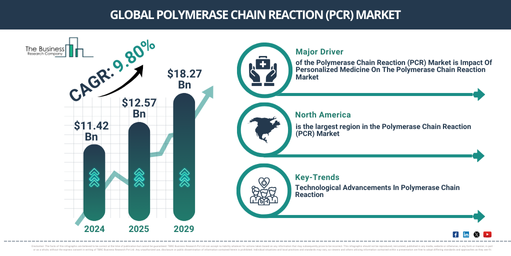
    The polymerase chain reaction (pcr) market has experienced rapid expansion in recent years. It is projected to increase from $11.42 billion in 2024 to $12.57 billion in 2025, demonstrating a compound annual growth rate (CAGR) of 10.1%. The expansion observed in the past can be attributed to a rising number of research facilities, an increasing count of patients with chronic and infectious diseases, the growing prevalence of genetic and chronic disorders, an expanding global population, and a burgeoning geriatric population.

    The polymerase chain reaction (pcr) market is projected to undergo significant expansion in the coming years, with its value set to reach $18.27 billion by 2029, demonstrating a compound annual growth rate (CAGR) of 9.8%. This anticipated growth can be linked to increasing anxieties regarding food safety, the escalating requirement for secure and premium food products, the growing need for molecular diagnostics, the demand for individualized medicine, and a heightened focus on digital polymerase chain reaction (dPCR). Noteworthy trends during this forecast period encompass real-time polymerase chain reaction, advancements in DNA sequencing technologies, improvements in diagnostic testing, next-generation sequencing (NGS), microfluidics, lab-on-a-chip platforms, and the development of sophisticated molecular diagnostic solutions.

    Unlock Your Free Sample Report for Exclusive Market Data:

    https://www.thebusinessresearchcompany.com/sample.aspx?id=15638&type=smp

    Which Major Market Drivers Are Shaping The Future Of The Polymerase Chain Reaction (PCR) Market?

    The increasing requirement for personalized medicine is anticipated to drive the expansion of the polymerase chain reaction (PCR) market moving forward. Personalized medicine, alternatively known as precision medicine, represents a healthcare methodology that customizes medical decisions, practices, interventions, and treatments to the distinct characteristics of each individual patient. The demand for personalized medicine is on the rise due to advancements in data analytics, patient-specific treatment responses, and the capability to adapt therapies based on individual genetic profiles. Polymerase Chain Reaction (PCR) supports personalized medicine by allowing for the amplification and analysis of specific genetic sequences, thereby enabling clinicians to tailor treatment plans according to a patient’s unique genetic makeup. For instance, the Personalized Medicine Coalition, a US-based professional membership organization, reported that in 2022, the approval of 12 new personalized medicines accounted for approximately 34% of all newly approved therapies, indicating a considerable increase from previous years. Hence, the growing demand for personalized medicine is a primary factor fueling the growth of the polymerase chain reaction market.

    What Are The Key Segments In The Polymerase Chain Reaction (PCR) Market?

    The polymerase chain reaction (pcr)market covered in this report is segmented –

    1) By Type: Conventional Polymerase Chain Reaction; Other Types

    2) By Indication: Infectious Diseases; Oncology; Genetic Disorders; Other Indications

    3) By Application: Medical; Non-Medical

    4) By End User: Hospitals And Clinics; Pharmaceutical And Biotechnology Industries; Diagnostic Centers; Academic And Research Organization

    Subsegments:

    1) By Conventional Polymerase Chain Reaction: Endpoint Pcr; Gel Electrophoresis-Based Pcr; Reverse Transcription Pcr (Rt-Pcr); Quantitative Pcr (Qpcr) For Gene Expression; Nested Pcr

    2) By Other Types: Real-Time Pcr (Qpcr) (Quantitative Pcr); Digital Pcr (Dpcr); Multiplex Pcr; Reverse Transcription-Quantitative Pcr (Rt-Qpcr); Isothermal Amplification (Lamp); Next-Generation Pcr (Ngs-Based Pcr Techniques); High-Throughput Pcr

    What Are The Major Trends Driving The Growth Of The Polymerase Chain Reaction (PCR) Market?

    Companies active in the polymerase chain reaction market are focusing on creating real-time polymerase chain reaction test kits to improve the precision, effectiveness, and ease of use in genetic analysis. Real-time polymerase chain reaction (RT-PCR) is a laboratory-developed diagnostic method utilized for the immediate amplification and measurement of specific DNA sequences. For example, in November 2022, Cepheid, a molecular diagnostics company based in the US, unveiled its Xpert Xpress Multiplex Vaginal Panel (MVP), an FDA-cleared multiplex PCR test capable of detecting DNA from organisms linked to three separate vaginal infections—bacterial vaginosis (BV), vulvovaginal candidiasis, and trichomoniasis—from just one vaginal swab sample. This technology advances traditional polymerase chain reaction methods by enabling real-time observation, quantification, and providing increased sensitivity and specificity, thereby making it an indispensable instrument in molecular biology and clinical diagnostics.

    Who Are The Major Companies Operating In The Polymerase Chain Reaction (PCR) Market?

    Major companies operating in the polymerase chain reaction (PCR) market are F. Hoffmann-La Roche Ltd., Thermo Fisher Scientific Inc., Abbott Laboratories, Danaher Corporation, Siemens Healthineers GmbH, Becton, Dickinson and Company, GE HealthCare Technologies Inc., Laboratory Corporation of America Holdings (LabCorp), Quest Diagnostics Incorporated, Eurofins Scientific, Agilent Technologies Inc., Illumina Inc., PerkinElmer Inc., bioMérieux SA, Beckman Coulter Inc., Sysmex Corporation, Bio-Rad Laboratories Inc., Qiagen N.V., Natera Inc., Myriad Genetics Inc., BGI Genomics Co. Ltd., Cepheid, NeoGenomics Laboratories Inc., 23andMe Holding Co., Ambry Genetics Corporation, Biocartis SA, Centogene N.V., Veritas Genetics

    Download The Full Report For Exclusive Market Findings:

    https://www.thebusinessresearchcompany.com/report/polymerase-chain-reaction-pcr-global-market-report

    Which Region Is Expected To Witness The Fastest Growth In The Polymerase Chain Reaction (PCR) Market?

    North America was the largest region in the polymerase chain reaction (PCR) market in 2024. Asia-Pacific is expected to be the fastest-growing region in the forecast period. The regions covered in the polymerase chain reaction (PCR) market report are Asia-Pacific, Western Europe, Eastern Europe, North America, South America, Middle East, Africa.

    Request A Customized Version Of The Polymerase Chain Reaction (PCR) Market Report:

    https://www.thebusinessresearchcompany.com/customise?id=15638&type=smp

    Browse Through More Reports Similar to the Global Polymerase Chain Reaction (PCR) Market 2025, By The Business Research Company

    Polymerase Chain Reactions Devices Reagents And Uses Global Market Report 2025

    https://www.thebusinessresearchcompany.com/report/polymerase-chain-reactions-devices-reagents-and-uses-global-market-report

    Blockchain Technologies Global Market Report 2025

    https://www.thebusinessresearchcompany.com/report/blockchain-technologies-global-market-report

    Blockchain Services Global Market Report 2025

    https://www.thebusinessresearchcompany.com/report/blockchain-services-global-market-report

    Get in touch with us:

    The Business Research Company: https://www.thebusinessresearchcompany.com/

    Americas +1 310-496-7795

    Asia +44 7882 955267 & +91 8897263534

    Europe +44 7882 955267

    Email us at info@tbrc.info

    Follow us on:

    LinkedIn: https://in.linkedin.com/company/the-business-research-company

    YouTube: https://www.youtube.com/channel/UC24_fI0rV8cR5DxlCpgmyFQ

    Global Market Model: https://www.thebusinessresearchcompany.com/global-market-model
  • Poly ADP-Ribose Polymerase (PARP) Inhibitor Market Forecast 2025–2034: Where Businesses Should Invest Next

    Poly ADP-Ribose Polymerase (PARP) Inhibitor Market Forecast 2025–2034: Where Businesses Should Invest Next

    Unlock Global Insights – Save 20% on Market Reports with Code ONLINE20

    What Is The Predicted Market Size Trajectory For The Poly ADP-Ribose Polymerase (PARP) Inhibitor Market From 2025 To 2034?

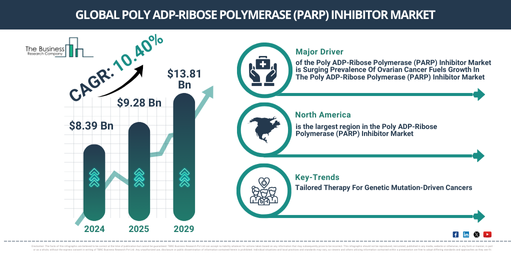
    The poly adp-ribose polymerase (parp) inhibitor market size has shown rapid expansion in recent years. This market is expected to increase from $8.39 billion in 2024 to $9.28 billion in 2025, achieving a compound annual growth rate (CAGR) of 10.6%. Historically, the growth witnessed can be ascribed to clinical research, regulatory approvals, market competition, drug combinations, and patient advocacy.

    The poly adp-ribose polymerase (parp) inhibitor market size is expected to experience substantial growth in the upcoming years. It is projected to expand to $13.81 billion by 2029, achieving a compound annual growth rate (CAGR) of 10.4%. This growth during the forecast period can be attributed to factors such as expanded treatment indications, advances in personalized medicine, the development of biomarkers, health economics considerations, and the rise of emerging markets. Significant trends for this period include precision medicine, ongoing advancements in immunotherapy, the evolution of targeted therapies, the application of artificial intelligence in drug discovery, and a focus on patient-centric healthcare.

    Unlock Your Free Sample Report for Exclusive Market Data:

    https://www.thebusinessresearchcompany.com/sample.aspx?id=15637&type=smp

    What Are The Main Drivers Boosting The Poly ADP-Ribose Polymerase (PARP) Inhibitor Industry’s Expansion?

    The escalating incidence of ovarian cancer is anticipated to fuel the expansion of the poly ADP-ribose polymerase (PARP) inhibitor market moving ahead. Ovarian cancer is characterized as a malignant tumor forming in one or both ovaries, essential components of the female reproductive system responsible for egg and hormone production. The rise in ovarian cancer cases is influenced by factors such as genetic predisposition, an aging demographic, environmental exposures, and hormonal imbalances. Poly ADP-Ribose Polymerase (PARP) Inhibitors serve in ovarian cancer therapy by targeting DNA repair pathways, especially in individuals with BRCA mutations, resulting in synthetic lethality and increased death of tumor cells. A notable example is the projection by the World Ovarian Cancer Coalition, a Canada-based non-profit organization, that in February 2024, annual deaths from ovarian cancer among women are expected to reach 350,956, representing an increase of nearly 70% from 2022. Consequently, the growing occurrence of ovarian cancer is propelling the development of the poly ADP-ribose polymerase (PARP) inhibitor market.

    What Are The Leading Segments Analyzed In The Poly ADP-Ribose Polymerase (PARP) Inhibitor Market?

    The poly adp-ribose polymerase (parp) inhibitormarket covered in this report is segmented –

    1) By Drug Type: Talazoparib; Veliparib; Olaparib; Other Drug Types

    2) By Distribution Channel: Hospital Pharmacy; Online Pharmacy; Retail Pharmacy; Other Distribution Channels

    3) By Application: Ovarian Cancer; Breast Cancer; Other Applications

    4) By End Users: Hospitals; Homecare; Specialty Clinics; Other End Users

    Subsegments:

    1) By Talazoparib: Talazoparib For Breast Cancer; Talazoparib For Ovarian Cancer; Talazoparib For Prostate Cancer; Talazoparib For Other Cancers

    2) By Veliparib: Veliparib For Breast Cancer; Veliparib For Ovarian Cancer; Veliparib For Non-Small Cell Lung Cancer (Nsclc); Veliparib For Other Cancers

    3) By Olaparib: Olaparib For Breast Cancer (Her2-negative); Olaparib For Ovarian Cancer (Brca-mutated); Olaparib For Prostate Cancer (Brca-Mutated); Olaparib For Pancreatic Cancer (Brca-Mutated); Olaparib For Other Cancers

    4) By Other Drug Types: Niraparib; Rucaparib; Pembrolizumab (Combination Therapy With Parp Inhibitors); Other Parp Inhibitors (Emerging Drugs In Clinical Trials)

    What Trends Are Expected To Drive The Poly ADP-Ribose Polymerase (PARP) Inhibitor Market?

    Key companies within the poly ADP-ribose polymerase (PARP) inhibitor market are developing generic PARP inhibitors to provide a customized treatment strategy for cancer patients with specific genetic mutations. These generic PARP inhibitors are drugs designed to block the activity of the enzyme poly ADP-ribose polymerase (PARP). As an illustration, in March 2024, Zydus Lifesciences Limited, an India-based pharmaceutical company, introduced Olaparib, a PARP inhibitor under the IBYRA brand, with the goal of increasing access to advanced cancer treatment. IBYRA is directed at specific genetic mutations identified in breast, ovarian, prostate, and pancreatic cancers, thus offering a personalized and effective therapeutic approach. The drug is particularly advantageous for patients presenting with HRD-positive or BRACA mutations, helping to slow down the progression of the disease.

    Which Global Market Leaders Are Shaping The Future Of The Poly ADP-Ribose Polymerase (PARP) Inhibitor Sector?

    Major companies operating in the Poly ADP-ribose polymerase (PARP) inhibitor market are Pfizer Inc., Johnson & Johnson Services Inc., AbbVie Inc., Bayer AG, Novartis AG, Sanofi S.A., AstraZeneca plc, GlaxoSmithKline plc., Takeda Pharmaceutical Company Limited, Merck KGaA, Teva Pharmaceutical Industries Ltd., Daiichi Sankyo Company Limited, Eisai Co. Ltd., Ipsen Biopharmaceuticals Inc., Genentech Inc., BioMarin Pharmaceutical Inc., Seattle Genetics Inc., Medivation Inc., Myriad Genetics Inc., PharmaMar S.A., Clovis Oncology, Nektar Therapeutics, Loxo Oncology Inc., Tolero Pharmaceuticals Inc., Everest Pharmaceuticals, Verastem Inc

    Download The Full Report For Exclusive Market Findings:

    https://www.thebusinessresearchcompany.com/report/poly-adp-ribose-polymerase-parp-inhibitor-global-market-report

    Which Global Regions Are Influencing The Competitive Landscape Of The Poly ADP-Ribose Polymerase (PARP) Inhibitor Market?

    North America was the largest region in the poly ADP-ribose polymerase (PARP) inhibitor market in 2024. Asia-Pacific is expected to be the fastest-growing region in the forecast period. The regions covered in the Poly ADP-ribose polymerase (PARP) inhibitor market report are Asia-Pacific, Western Europe, Eastern Europe, North America, South America, Middle East, Africa.

    Request A Customized Version Of The Poly ADP-Ribose Polymerase (PARP) Inhibitor Market Report:

    https://www.thebusinessresearchcompany.com/customise?id=15637&type=smp

    Browse Through More Reports Similar to the Global Poly ADP-Ribose Polymerase (PARP) Inhibitor Market 2025, By The Business Research Company

    Her2 Inhibitor Global Market Report 2025

    https://www.thebusinessresearchcompany.com/report/her2-inhibitor-global-market-report

    Checkpoint Inhibitor Global Market Report 2025

    https://www.thebusinessresearchcompany.com/report/checkpoint-inhibitor-global-market-report

    Protein Inhibitor Global Market Report 2025

    https://www.thebusinessresearchcompany.com/report/protein-inhibitor-global-market-report

    Get in touch with us:

    The Business Research Company: https://www.thebusinessresearchcompany.com/

    Americas +1 310-496-7795

    Asia +44 7882 955267 & +91 8897263534

    Europe +44 7882 955267

    Email us at info@tbrc.info

    Follow us on:

    LinkedIn: https://in.linkedin.com/company/the-business-research-company

    YouTube: https://www.youtube.com/channel/UC24_fI0rV8cR5DxlCpgmyFQ

    Global Market Model: https://www.thebusinessresearchcompany.com/global-market-model
  • Global Platysmaplasty Treatment Market Analysis 2025–2029: Opportunities for Strategic Growth

    Global Platysmaplasty Treatment Market Analysis 2025–2029: Opportunities for Strategic Growth

    Unlock Global Insights – Save 20% on Market Reports with Code ONLINE20

    How Much Larger Is The Platysmaplasty Treatment Market Expected To Become By 2029 Compared With Its 2025 Level?

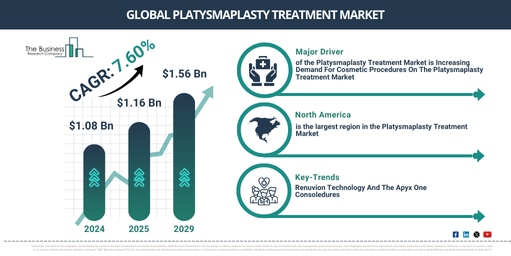
    The platysmaplasty treatment market size has experienced substantial expansion in recent years. It is anticipated to expand from $1.08 billion in 2024 to $1.16 billion in 2025, registering a compound annual growth rate (CAGR) of 8.0%. This historical growth can be attributed to factors such as aging population demographics, rising awareness concerning cosmetic procedures, technological advancements in surgical techniques, an increase in disposable income, and the influence of celebrity culture.

    The platysmaplasty treatment market size is anticipated to experience robust expansion over the next few years. It is projected to attain a value of $1.56 billion by 2029, growing at a compound annual growth rate (CAGR) of 7.6%. This expected growth during the forecast period stems from factors such as increasing consumer demand for minimally invasive procedures, advancements in non-surgical alternatives, the growth of medical tourism, shifts in regulatory standards impacting safety, and evolving societal perspectives on aging and appearance. Significant trends for the upcoming period include a rising preference for minimally invasive interventions, the adoption of sophisticated technologies like robotic-assisted surgery, a greater inclination towards outpatient procedures, the demographic expansion of the aging population, and the formulation of customized treatment plans catering to individual patient needs.

    Unlock Your Free Sample Report for Exclusive Market Data:

    https://www.thebusinessresearchcompany.com/sample.aspx?id=15897&type=smp

    Which Factors And Drivers Are Influencing The Platysmaplasty Treatment Market In 2025?

    A rising need for cosmetic interventions is projected to fuel the expansion of the platysmaplasty treatment market. Such procedures involve various surgical and non-surgical methods aimed at improving or modifying an individual’s physical look for beauty-related reasons. This growing demand stems from society’s focus on looks, developments in medical technology, and a wider acceptance of aesthetic improvements for enhancing self-esteem and general welfare. Platysmaplasty treatment, specifically, is employed within cosmetic procedures to correct drooping or aging skin on the neck, offering patients a refreshed and younger look. As an illustration, data from September 2023, based on the Global Survey 2022 report from the International Society of Aesthetic Plastic Surgery, a US-based professional association for board-certified aesthetic plastic surgeons, revealed an 11.2% total rise in procedures conducted by plastic surgeons in 2022, amounting to over 14.9 million surgical procedures performed worldwide. A consistent growth in aesthetic surgery has been observed over the last four years, marking a 41.3% increment. Consequently, the heightened demand for cosmetic procedures is set to propel the expansion of the platysmaplasty treatment market.

    What Are The Segment Types Shaping The Platysmaplasty Treatment Market?

    The platysmaplasty treatmentmarket covered in this report is segmented –

    1) By Procedure: Surgical Procedure; Non Surgical Procedure

    2) By Gender: Male; Female

    3) By End-Use: Cosmetic Surgery Clinics; Hospitals

    Subsegments:

    1) By Surgical Procedure: Traditional Neck Lift Surgery; Laser-Assisted Platysmaplasty; Endoscopic Platysmaplasty

    2) By Non-Surgical Procedure: Botox Or Dysport Injections; Thread Lifting; Ultherapy

    Which Trends Are Impacting The Platysmaplasty Treatment Market?

    Major corporations operating in the platysmaplasty treatment sector are concentrating on advanced technologies like Renuvion to improve surgical outcomes, reduce recovery periods, and elevate patient satisfaction by offering minimally invasive solutions that promote skin tightening and contouring. Renuvion technology effectively combines helium plasma and radiofrequency energy to generate a gentle, controlled heating action on the skin, thereby facilitating tightening and rejuvenation. As an illustration, in January 2023, Apyx Medical Corporation, a US-based medical equipment manufacturer, launched the Apyx One Console, marking a significant step forward in the cosmetic surgical market. This console utilizes both radiofrequency energy and helium plasma, which are essential for the precise cutting, coagulating, and ablating of soft tissue during surgical interventions. The Apyx One Console is not only an advanced instrument but also a crucial resource within the platysmaplasty treatment market, improving surgical capabilities and patient contentment through its inventive technology.

    Which Industry Leaders Are Driving Innovation Across The Platysmaplasty Treatment Market?

    Major companies operating in the platysmaplasty treatment market are Mayo Clinic, Cleveland Clinic Foundation, Duke Health, Lumenis Ltd., Cutera Inc., Lutronic Corporation, Sinclair Pharma plc, Candela Corporation, Merz Aesthetics, Piedmont Plastic Surgery & Dermatology, Quanta System S.p.A., Long Island Plastic Surgical Group, Westlake Dermatology & Cosmetic Surgery, Allergan Aesthetics, The Esthetic Clinics, Cadogan Clinic, BTL Aesthetics Inc., Avenue Plastic Surgery, Dr. Cat Plastic Surgery, Los Angeles Plastic Surgery Clinic, Nazarian Plastic Surgery, The Istanbul Aesthetic Center, Cypris Medical, Marina Plastic Surgery, Elite Plastic Surgery

    Download The Full Report For Exclusive Market Findings:

    https://www.thebusinessresearchcompany.com/report/platysmaplasty-treatment-global-market-report

    What Are The Regional Market Dynamics Impacting The Platysmaplasty Treatment Industry?

    North America was the largest region in the platysmaplasty treatment market in 2024. The regions covered in the platysmaplasty treatment market report are Asia-Pacific, Western Europe, Eastern Europe, North America, South America, Middle East and Africa.

    Request A Customized Version Of The Platysmaplasty Treatment Market Report:

    https://www.thebusinessresearchcompany.com/customise?id=15897&type=smp

    Browse Through More Reports Similar to the Global Platysmaplasty Treatment Market 2025, By The Business Research Company

    Merkel Cell Carcinoma Treatment Global Market Report 2025

    https://www.thebusinessresearchcompany.com/report/merkel-cell-carcinoma-treatment-global-market-report

    Basal Cell Carcinoma Treatment Global Market Report 2025

    https://www.thebusinessresearchcompany.com/report/basal-cell-carcinoma-treatment-global-market-report

    Crohns Disease Cd Treatment Global Market Report 2025

    https://www.thebusinessresearchcompany.com/report/crohns-disease-cd-treatment-global-market-report

    Get in touch with us:

    The Business Research Company: https://www.thebusinessresearchcompany.com/

    Americas +1 310-496-7795

    Asia +44 7882 955267 & +91 8897263534

    Europe +44 7882 955267

    Email us at info@tbrc.info

    Follow us on:

    LinkedIn: https://in.linkedin.com/company/the-business-research-company

    YouTube: https://www.youtube.com/channel/UC24_fI0rV8cR5DxlCpgmyFQ

    Global Market Model: https://www.thebusinessresearchcompany.com/global-market-model
  • Platelet Rich Plasma Industry Overview 2025: Growth Projections and Market Trends

    Platelet Rich Plasma Industry Overview 2025: Growth Projections and Market Trends

    Unlock Global Insights – Save 20% on Market Reports with Code ONLINE20

    #What Are The Current (2025) And Forecast (2029) Sizes Of The Platelet Rich Plasma Market?

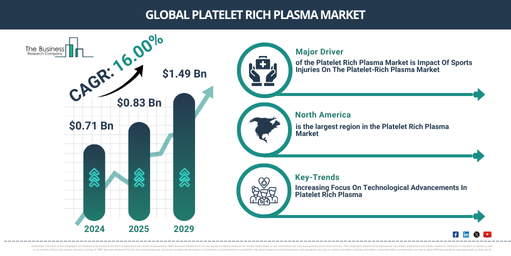
    The market size for platelet rich plasma has expanded considerably in recent years. This market is anticipated to increase from $0.71 billion in 2024 to $0.83 billion in 2025, achieving a compound annual growth rate (CAGR) of 16.4%. The factors driving its historical expansion include a heightened demand for minimally invasive procedures, the growing prevalence of chronic conditions such as arthritis, an increased focus on pain management and injury recovery, the expanding adoption of PRP in veterinary medicine, and an upward trend in disposable income and healthcare expenditure.

    The platelet rich plasma market is anticipated to undergo significant expansion in the coming years. This market is projected to attain $1.49 billion by 2029, demonstrating a compound annual growth rate (CAGR) of 16.0%. The impetus for this growth during the forecast period stems from the increasing prevalence of sports injuries, a rising incidence of orthopedic disorders, growing consumer demand for cosmetic and aesthetic procedures, an aging demographic along with associated age-related conditions, and an expanding volume of clinical trials validating PRP efficacy. Noteworthy trends for the forecast period include advancements in platelet-rich plasma processing systems, recent innovations, the development of new therapeutic applications for platelet-rich plasma, sustained research and development, and increasing financial investments.

    Unlock Your Free Sample Report for Exclusive Market Data:

    https://www.thebusinessresearchcompany.com/sample.aspx?id=16150&type=smp

    What Are The Key Drivers Of Growth In The Platelet Rich Plasma Market?

    The increasing occurrence of sports injuries is anticipated to boost the expansion of the platelet-rich plasma market in the future. This rise in sports injury prevalence stems from greater involvement in sports, growing enrollment in youth sports programs, age-related factors, and insufficient coaching and oversight. Platelet-rich plasma (PRP) therapy assists in the recuperation from sports injuries by fostering tissue repair and regeneration, lessening inflammation, and improving the healing of tendons and ligaments, thus providing athletes a minimally invasive treatment choice that may lead to quicker recovery periods. For example, data from November 2023 by Howden Group Holdings Ltd, a UK-based insurance intermediary company, revealed that in October 2022, 88 documented injuries kept players off the field for an average of 11.35 days before a tournament. This duration subsequently rose to 19.41 days in January 2023 after the tournament. The same report highlighted that the seriousness of injuries to the ankle, calf/shin, and hamstring substantially increased during this timeframe, with respective rises of 170%, 200%, and 130%. Consequently, the growing incidence of sports injuries is fueling the expansion of the platelet-rich plasma market.

    What Are The Different Segment Classifications Within The Platelet Rich Plasma Market?

    The platelet rich plasmamarket covered in this report is segmented –

    1) By Type: Pure Platelet Rich Plasma; Leukocyte-Rich Platelet Rich Plasma; Leukocyte-Rich Fibrin; Other Types

    2) By Origin: Allogeneic Platelet Rich Plasma; Autologous Platelet Rich Plasma; Homologous Platelet Rich Plasma

    3) By Application: Cosmetic Surgery And Aesthetics; General Surgery; Neurosurgery; Orthopedic And Spinal Surgery; Other Applications

    4) By End User: Hospitals And Clinics; Research Institutes; Other End-Users

    Subsegments:

    1) By Pure Platelet Rich Plasma: Low Concentration PRP; High Concentration PRP

    2) By Leukocyte-Rich Platelet Rich Plasma: Autologous LR-PRP; Allogeneic LR-PRP

    3) By Leukocyte-Rich Fibrin: Injectable Leukocyte-Rich Fibrin; Membrane Leukocyte-Rich Fibrin

    4) By Other Types: Platelet Rich Fibrin (PRF); Concentrated Platelet-Rich Plasma (cPRP); Platelet-Poor Plasma (PPP)

    What Long-Term Trends Will Shape The Future Growth Of The Platelet Rich Plasma Industry?

    Leading companies in the platelet-rich plasma market are developing ready-to-use plasma products to offer a high-quality solution at excellent value, meeting the growing demand for PRP treatments in the aesthetics sector. An off-the-shelf platelet-rich plasma (PRP) product provides a pre-prepared solution for therapeutic use, delivering a consistent platelet dose and potency without requiring individual preparation. For example, in July 2023, 4T Medical, a UK-based company specializing in cosmeceutical and medical aesthetic products, introduced a label platelet-rich plasma (PRP) kit. This CE 2195-registered medical device is intended for the efficient preparation of autologous PRP, promoting skin rejuvenation and healing. The kit includes two 10-ml test tubes with sodium citrate anticoagulant and all essential consumables for blood drawing. Following centrifugation, PRP can be easily identified and injected to enhance healing, boost collagen, tighten skin, and stimulate hair growth.

    Who Are The Key Multinational Companies Dominating The Platelet Rich Plasma Market?

    Major companies operating in the platelet rich plasma market are Johnson & Johnson Services Inc., Stryker, Zimmer Biomet, Terumo Corporation, Arthrex Inc., Pall Corporation, Globus Medical, LifeNet Health, Exactech Inc., BioBridge Global, Regen Lab SA, Celling Biosciences Inc., Eclipse Aesthetics LLC, Regenexx, Isto Biologics, Royal Biologics, Apex Biologix, EmCyte Corporation, Medira Ltd., Nuo Therapeutics Inc., Juventix Regenerative Medical LLC., Estar Medical, Dr PRP USA LLC, MDBiologix, Vivostat A/S

    Download The Full Report For Exclusive Market Findings:

    https://www.thebusinessresearchcompany.com/report/platelet-rich-plasma-global-market-report

    Which Region Shows The Highest Potential For Future Expansion In The Platelet Rich Plasma Market?

    North America was the largest region in the platelet-rich plasma market in 2024. North America is expected to be the fastest-growing region in the forecast period. The regions covered in the platelet rich plasma market report are Asia-Pacific, Western Europe, Eastern Europe, North America, South America, Middle East, Africa.

    Request A Customized Version Of The Platelet Rich Plasma Market Report:

    https://www.thebusinessresearchcompany.com/customise?id=16150&type=smp

    Browse Through More Reports Similar to the Global Platelet Rich Plasma Market 2025, By The Business Research Company

    Convalescent Plasma Therapy Global Market Report 2025

    https://www.thebusinessresearchcompany.com/report/convalescent-plasma-therapy-global-market-report

    Plasmas Therapy Global Market Report 2025

    https://www.thebusinessresearchcompany.com/report/plasmas-therapy-global-market-report

    Mycoplasma Testing Global Market Report 2025

    https://www.thebusinessresearchcompany.com/report/mycoplasma-testing-global-market-report

    Get in touch with us:

    The Business Research Company: https://www.thebusinessresearchcompany.com/

    Americas +1 310-496-7795

    Asia +44 7882 955267 & +91 8897263534

    Europe +44 7882 955267

    Email us at info@tbrc.info

    Follow us on:

    LinkedIn: https://in.linkedin.com/company/the-business-research-company

    YouTube: https://www.youtube.com/channel/UC24_fI0rV8cR5DxlCpgmyFQ

    Global Market Model: https://www.thebusinessresearchcompany.com/global-market-model
  • Plasmid DNA Manufacturing Market Size Forecast: Revenue and CAGR by 2029

    Plasmid DNA Manufacturing Market Size Forecast: Revenue and CAGR by 2029

    Unlock Global Insights – Save 20% on Market Reports with Code ONLINE20

    What Market Value Is The Plasmid DNA Manufacturing Industry Expected To Reach By 2029, Starting From 2025 Levels?

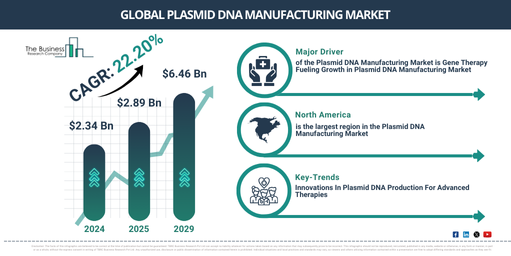
    The plasmid dna manufacturing market size has seen significant expansion in recent years. It is projected to increase from $2.34 billion in 2024 to $2.89 billion in 2025, achieving a compound annual growth rate (CAGR) of 23.6%. This historical growth can be attributed to various factors such as the application of plasmid DNA in industrial processes, its role in creating genetically modified organisms, its use in producing monoclonal antibodies within cell lines, international health initiatives, its deployment in bioremediation and other environmental applications, and ongoing microbiome studies.

    The plasmid dna manufacturing market is projected to undergo significant expansion in the coming years. It is anticipated to grow to $6.46 billion by 2029, demonstrating a compound annual growth rate (CAGR) of 22.2%. This growth during the forecast period is attributed to the increasing utilization of plasmid DNA in developing DNA vaccines for infectious diseases, its growing adoption in the creation of antibody-drug conjugates, personalized therapies, its application in developing cancer treatments, and various intellectual property advancements. Prominent trends for the forecast period include intensified activity in licensing agreements for plasmid DNA technologies, the emergence of customized solutions, implementation of cost reduction strategies, widespread use of high-throughput screening, and the development of scalable manufacturing solutions.

    Unlock Your Free Sample Report for Exclusive Market Data:

    https://www.thebusinessresearchcompany.com/sample.aspx?id=15895&type=smp

    Which Drivers Are Supporting Growth Of The Plasmid DNA Manufacturing Market?

    The increasing adoption of gene therapy is anticipated to drive the expansion of the plasmid DNA manufacturing market in the future. Gene therapy, a medical intervention, involves altering or manipulating an individual’s genes to address or avert illness. Its rise can be attributed to progress in genetic engineering technologies, heightened investment in research and development, successful outcomes in clinical trials, and the rising occurrence of genetic disorders, collectively underscoring its capacity to offer lasting or permanent treatments. Plasmid DNA manufacturing plays a crucial role in gene therapy by producing the necessary vectors to deliver therapeutic genes into cells, thereby enabling the treatment of genetic disorders. For example, the American Society of Gene & Cell Therapy, a US-based non-profit medical and scientific organization, reported that the count of gene therapies in Phase III clinical trials increased by 10% in Q3 2023, marking the initial quarterly rise since Q3 2022. Consequently, the expanding acceptance of gene therapy is fueling the growth of the plasmid DNA manufacturing market.

    What Are The Primary Types Of Segments Analyzed In The Plasmid DNA Manufacturing Market?

    The plasmid dna manufacturingmarket covered in this report is segmented –

    1) By Grade: Research And Development Grade; Good Manufacturing Practice (GMP) Grade

    2) By Development Phase: Pre-Clinical Therapeutics; Clinical Therapeutics; Marketed Therapeutics

    3) By Disease: Infectious Disease; Cancer; Genetic Disorder; Other Diseases

    4) By Application: Deoxyribonucleic Acid (DNA) Vaccines; Cell And Gene Therapy; Immunotherapy; Other Applications

    Subsegments:

    1) By Research And Development Grade: Small-scale Plasmid DNA Production; Preclinical Research Plasmid DNA

    2) By Good Manufacturing Practice (GMP) Grade: Clinical Trial Material Production; Commercial-Scale Plasmid DNA Production

    Which Market Trends Are Creating New Opportunities In The Plasmid DNA Manufacturing Industry?

    Leading companies within the plasmid DNA manufacturing market are pioneering advanced bioprocessing technologies to bolster the efficiency, scalability, and quality of plasmid DNA production. These innovations are intended to optimize the manufacturing workflow, decrease production expenditures, and confirm that the plasmid DNA adheres to rigorous regulatory benchmarks for therapeutic uses. For example, in January 2023, Charles River Laboratories, a US-based pharmaceutical company, introduced its eXpDNA platform, specifically engineered for the efficient generation and purification of superior-quality plasmid DNA. This platform integrates sophisticated bioprocessing techniques, adaptable production methodologies, and stringent quality assurance protocols to yield plasmid DNA that satisfies the exacting criteria for therapeutic and clinical applications. The eXpDNA platform finds widespread utility in gene therapy, DNA vaccine development, and various other biopharmaceutical contexts that require high yield, purity, and consistency.

    Which Leading Players Are Enhancing Their Plasmid DNA Manufacturing Market Presence Worldwide?

    Major companies operating in the plasmid DNA manufacturing market are Thermo Fisher Scientific Inc., Eurofins Genomics LLC, Catalent Inc., Charles River Laboratories, Recipharm AB, Kaneka Corp., Genscript Biotech Corporation, Aldevron LLC, Genewiz, OriGene Technologies, Celonic AG, Creative Biogene, Cellectis, Synbio Technologies, VectorBuilder Inc., Altogen Biosystems, Addgene, Andelyn Biosciences, AGC Biologics, VGXI, BioCat GmbH, GeneCopoeia, PlasmidFactory GmbH & Co. KG, Akron Biotech, PackGene Biotech lnc.

    Download The Full Report For Exclusive Market Findings:

    https://www.thebusinessresearchcompany.com/report/plasmid-dna-manufacturing-global-market-report

    How Is Plasmid DNA Manufacturing Market Demand Varying Across Different Regions?

    North America was the largest region in the plasmid DNA manufacturing market in 2024. Asia-Pacific is expected to be the fastest-growing region in the forecast period. The regions covered in the plasmid DNA manufacturing market report are Asia-Pacific, Western Europe, Eastern Europe, North America, South America, Middle East, Africa.

    Request A Customized Version Of The Plasmid DNA Manufacturing Market Report:

    https://www.thebusinessresearchcompany.com/customise?id=15895&type=smp

    Browse Through More Reports Similar to the Global Plasmid DNA Manufacturing Market 2025, By The Business Research Company

    Viral Vectors And Plasmid Dna Global Market Report 2025

    https://www.thebusinessresearchcompany.com/report/viral-vectors-and-plasmid-dna-global-market-report

    Dna Repair Drugs Global Market Report 2025

    https://www.thebusinessresearchcompany.com/report/dna-repair-drugs-global-market-report

    Dna Sequencing Global Market Report 2025

    https://www.thebusinessresearchcompany.com/report/dna-sequencing-global-market-report

    Get in touch with us:

    The Business Research Company: https://www.thebusinessresearchcompany.com/

    Americas +1 310-496-7795

    Asia +44 7882 955267 & +91 8897263534

    Europe +44 7882 955267

    Email us at info@tbrc.info

    Follow us on:

    LinkedIn: https://in.linkedin.com/company/the-business-research-company

    YouTube: https://www.youtube.com/channel/UC24_fI0rV8cR5DxlCpgmyFQ

    Global Market Model: https://www.thebusinessresearchcompany.com/global-market-model
  • Global Physiological Saline Market Trends and Growth Analysis 2025–2029

    Global Physiological Saline Market Trends and Growth Analysis 2025–2029

    Unlock Global Insights – Save 20% on Market Reports with Code ONLINE20

    What Is The Anticipated Size Of The Physiological Saline Market Over The Five-Year Period 2025–2029?

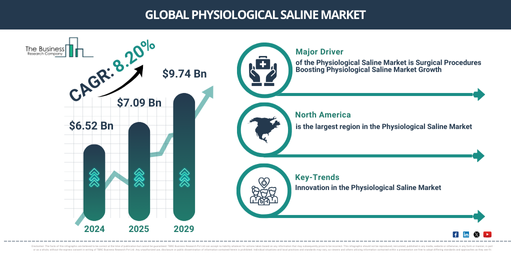
    The physiological saline market has experienced significant expansion in recent years. It is projected to increase from $6.52 billion in 2024 to $7.09 billion in 2025, exhibiting a compound annual growth rate (CAGR) of 8.8%. Historically, this growth can be attributed to the integration of saline solutions into emergency medical services, the rising need for saline in surgical procedures, a heightened emphasis on infection control, regulatory standards that mandate the use of sterile saline solutions, and a greater understanding of the importance of hydration.

    The physiological saline market is projected to experience substantial expansion in the coming years. This market is anticipated to reach a valuation of $9.74 billion by 2029, demonstrating a compound annual growth rate (CAGR) of 8.2%. Key factors driving this projected growth include the incorporation of saline solutions into diagnostic practices, an increasing elderly demographic, the broadening scope of home healthcare provisions, a rising consumer inclination towards natural and safe products, and worldwide initiatives aimed at enhancing access to vital healthcare commodities. Noteworthy trends expected during this period encompass the creation of specific physiological saline formulations, the incorporation of physiological saline within telemedicine systems, the emergence of innovative formulations, the implementation of sophisticated packaging techniques, and technological advancements that boost the safety and effectiveness of saline solutions.

    Unlock Your Free Sample Report for Exclusive Market Data:

    https://www.thebusinessresearchcompany.com/sample.aspx?id=16510&type=smp

    Which Drivers Are Shaping The Physiological Saline Industry’s Market Share?

    An anticipated increase in surgical interventions is projected to fuel the expansion of the physiological saline market in the future. These procedures encompass medical actions carried out by skilled healthcare personnel, aiming to identify, manage, or remedy illnesses, wounds, or irregularities within the body via invasive methods like making cuts, removing tissue, stitching, or other handling. This uptick in surgical activity stems from several elements, including enhanced surgical methodologies, improved availability of healthcare provisions, and an elderly demographic presenting greater medical requirements, thereby boosting the need for operations. During operations, physiological saline finds application in sanitizing wounds, moistening bodily tissues, and acting as an irrigating solution. To illustrate, data from December 2023, supplied by the Australian Institute of Health and Welfare, an Australia-based government agency, revealed that in 2022–23, 50% of patients underwent elective surgery within 49 days, an increase from 40 days in 2021–22. Consequently, the growing frequency of surgical procedures is acting as a catalyst for the growth of the physiological saline market.

    Which Key Segments Fueling The Physiological Saline Market?

    The physiological salinemarket covered in this report is segmented –

    1) By Type: Normal Saline; Hypertonic Saline; Hypotonic Saline

    2) By Application: Acute Health Conditions; Chronic Diseases; Skin Abrasions And Burns; Other Applications

    3) By End Users: Hospitals; Clinics; Recovery Centers; Other End Users

    Subsegments:

    1) By Normal Saline: 0.9% Sodium Chloride Solution; Sterile Normal Saline

    2) By Hypertonic Saline: 3% Sodium Chloride Solution; 5% Sodium Chloride Solution

    3) By Hypotonic Saline: 0.45% Sodium Chloride Solution; 0.225% Sodium Chloride Solution

    How Are Trends Influencing The Physiological Saline Market?

    Leading companies in the physiological saline market are developing innovative products, such as premixed hypertonic saline, which offer a ready-to-use solution, assisting doctors in administering the correct amount of saline more easily and safely during emergencies. Premixed hypertonic saline refers to a sodium chloride solution pre-prepared with a higher salt concentration than normal saline. It is commonly utilized in medical settings to manage conditions like hyponatremia or to support lung therapy. For instance, in April 2024, Delex Pharma International Inc., a US-based pharmaceutical manufacturing company, launched Axaline (Sodium Chloride). Axaline is recognized as the first premixed 3% hypertonic saline solution designed for severe hyponatremia, providing effective electrolyte restoration for conditions such as hyponatremia, hypochloremia, and low salt syndrome.

    Which Major Firms Are Strengthening Their Position In The Physiological Saline Industry?

    Major companies operating in the physiological saline market are Cardinal Health Inc., Pfizer Inc., Fresenius Kabi AG, Merck KGaA, Baxter International Inc., Otsuka Pharmaceutical Co. Ltd, Grifols S.A., VWR International LLC., B Braun Medical Inc, Spectrum Chemical, Enzo Life Sciences Inc, The Stevens Company Limited, Boreal Science, HiMedia Laboratories, AdipoGen Life Sciences Inc, Thistle Scientific., G-Biosciences, Enzymes Pharmaceuticals, Labogens, Hamdan Healthcare

    Download The Full Report For Exclusive Market Findings:

    https://www.thebusinessresearchcompany.com/report/physiological-saline-global-market-report

    Which Geographies Are Emerging As Strong Markets For The Physiological Saline Industry?

    North America was the largest region in the physiological saline market in 2024. The regions covered in the physiological saline market report are Asia-Pacific, Western Europe, Eastern Europe, North America, South America, Middle East, Africa.

    Request A Customized Version Of The Physiological Saline Market Report:

    https://www.thebusinessresearchcompany.com/customise?id=16510&type=smp

    Browse Through More Reports Similar to the Global Physiological Saline Market 2025, By The Business Research Company

    Physiological Monitors Global Market Report 2025

    https://www.thebusinessresearchcompany.com/report/physiological-monitors-global-market-report

    Electrophysiology Devices And Equipment Global Market Report 2025

    https://www.thebusinessresearchcompany.com/report/electrophysiology-devices-and-equipment-global-market-report

    Neurophysiology Devices And Equipment Global Market Report 2025

    https://www.thebusinessresearchcompany.com/report/neurophysiology-devices-and-equipment-global-market-report

    Get in touch with us:

    The Business Research Company: https://www.thebusinessresearchcompany.com/

    Americas +1 310-496-7795

    Asia +44 7882 955267 & +91 8897263534

    Europe +44 7882 955267

    Email us at info@tbrc.info

    Follow us on:

    LinkedIn: https://in.linkedin.com/company/the-business-research-company

    YouTube: https://www.youtube.com/channel/UC24_fI0rV8cR5DxlCpgmyFQ

    Global Market Model: https://www.thebusinessresearchcompany.com/global-market-model