Category: HealthcareServices

  • Ulcerative Colitis Market Forecast 2026–2035: Data Trends and Industry Insights

    Ulcerative Colitis Market Forecast 2026–2035: Data Trends and Industry Insights

    Uncover key drivers, emerging technologies, and competitive movements shaping the ulcerative colitis market from 2026–2035 with trusted insights from The Business Research Company

    By how much is the Ulcerative Colitis Market expected to grow between 2026 and 2030?

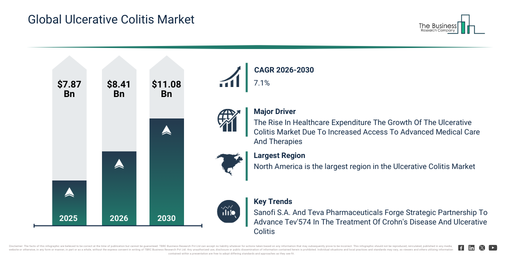
    The ulcerative colitis market size has shown robust expansion in recent years. It is anticipated to increase from $7.87 billion in 2025 to $8.41 billion in 2026, exhibiting a compound annual growth rate (CAGR) of 6.9%. Historically, this market’s growth has stemmed from improved availability of anti-inflammatory medications, increased diagnosis of inflammatory bowel diseases, expansion of gastroenterology specialty care, rising awareness of autoimmune disorders, and advancements in endoscopic diagnostics.

    The ulcerative colitis market size is projected to experience substantial growth in the coming years. It is expected to expand to $11.08 billion by 2030, driven by a compound annual growth rate (CAGR) of 7.1%. This expansion during the forecast period can be attributed to the increasing development of next-generation biologics, a rising focus on steroid-sparing therapies, the expansion of targeted immune modulation treatments, the growing integration of digital patient monitoring tools, and increasing investments in IBD research and innovation. Noteworthy trends identified for the forecast period include the increasing adoption of biologic therapies, the rising use of small molecule treatments, a growing emphasis on personalized treatment regimens, the expansion of long-term disease management strategies, and an enhanced focus on early and accurate diagnosis.

    Access Your Free Sample Report for In-Depth Market Insights:

    https://www.thebusinessresearchcompany.com/sample.aspx?id=10328&type=smp

    Which Drivers Are Influencing Market Acceleration In The Ulcerative Colitis Market?

    The rising healthcare expenditure is projected to propel the growth of the ulcerative colitis market in the future. This expenditure encompasses all costs related to health services, family planning activities, nutrition activities, and emergency help, specifically excluding drinking water and sanitation expenses. The increase in healthcare expenditure stems from progress in medical technology, where advanced diagnostic tools, treatments, and novel therapies frequently entail greater costs, thus elevating total healthcare spending. Elevated healthcare spending can positively impact individuals with ulcerative colitis by enhancing their access to medical care and therapies. A notable example is provided by the Centers for Medicare & Medicaid Services, a US-based agency that manages Medicare and Medicaid, which reported in December 2024 that U.S. health care expenditures grew by 7.5% in 2023, reaching $4.9 trillion, equating to approximately $14,570 per person. Consequently, the expanding healthcare expenditures are acting as a catalyst for the growth of the ulcerative colitis industry.

    What Leading Segments Are Studied In The Ulcerative Colitis Market?

    The ulcerative colitis market covered in this report is segmented –

    1) By Drug Type: Anti-Inflammatory Drugs, Anti-TNF Biologics, Immunosuppressant, Calcineurin Inhibitors, Other Drug Types

    2) By Disease Type: Ulcerative Proctitis, Proctosigmoiditis, Left-sided Colitis, Pancolitis or Universal Colitis, Fulminant Colitis

    3) By Molecule Type: Biologics, Small Molecules

    4) By Route Of Administration: Oral, Injectables

    5) By End-User: Hospital Pharmacies, Retail Pharmacies, Drug Stores, Other End-User

    Subsegments:

    1) By Anti-Inflammatory Drugs: Aminosalicylates, Corticosteroids

    2) By Anti-TNF Biologics: Infliximab, Adalimumab, Golimumab

    3) By Immunosuppressant: Azathioprine, Mercaptopurine

    4) By Calcineurin Inhibitors: Tacrolimus, Cyclosporine

    5) By Other Drug Types: JAK Inhibitors, Monoclonal Antibodies, Other Novel Therapies

    What Trends Are Reshaping The Dynamics Of The Ulcerative Colitis Market?

    Leading entities within the ulcerative colitis market are concentrating on creating cooperative approaches, notably strategic co-development partnerships. This strategy aims to speed up the advancement of late-stage biologics and broaden worldwide commercialization capacities. These strategic co-development partnerships involve arrangements where two pharmaceutical firms pool their scientific assets, clinical trial proficiency, and commercial frameworks. Their goal is to jointly progress and introduce a therapeutic candidate, sharing both financial and operational duties. An example of this occurred in 2023 when Sanofi S.A., a healthcare and pharmaceutical company from France, established a strategic collaboration with Teva Pharmaceuticals, a US subsidiary of Teva Pharmaceutical Industries Ltd. The objective was to jointly develop and commercialize TEV’574, a Phase 2b biologic candidate for Crohn’s disease and ulcerative colitis. This agreement included an initial payment of €0.469 billion (USD 0.50 billion), potential eligibility for up to €0.94 billion (USD 1.0 billion) tied to developmental and commercialization milestones, and a model for sharing costs and profits. Under this arrangement, Sanofi takes the lead on commercialization in North America, Japan, and Asia, while Teva assumes leadership in Europe, Israel, and select regions.

    Which Leading Companies Dominate The Ulcerative Colitis Market Share?

    Major companies operating in the ulcerative colitis market are AbbVie Inc., AstraZeneca plc, Bausch Health Companies Inc., Eli Lilly and Co., Johnson & Johnson, GlaxoSmithKline plc, Merck & Co. Inc., Novartis AG, Pfizer Inc., Sanofi S.A., Allergan plc, Bayer AG, Celgene Corporation, Bristol Myers Squibb Company, Takeda Pharmaceutical Company Limited, Genentech Inc., UCB S.A., Shire plc, Ferring Pharmaceuticals Inc., Salix Pharmaceuticals Inc., Dr. Falk Pharma GmbH, Tillotts Pharma AG, Cosmo Pharmaceuticals

    Access The Complete Report For Deeper Market Insights:

    https://www.thebusinessresearchcompany.com/report/ulcerative-colitis-global-market-report

    Which Region Is Anticipated To See The Fastest Growth In The Ulcerative Colitis Market?

    North America was the largest region in the ulcerative colitis market in 2025. The regions covered in the ulcerative colitis market report are Asia-Pacific, South East Asia, Western Europe, Eastern Europe, North America, South America, Middle East, Africa.

    Request Your Customized Ulcerative Colitis Market Research Report for Competitive Advantage:

    https://www.thebusinessresearchcompany.com/customise?id=10328&type=smp

    Browse Through More Reports Similar to the Global Ulcerative Colitis Market 2026, By The Business Research Company

    Peptic Ulcer Market Report 2026

    https://www.thebusinessresearchcompany.com/report/peptic-ulcer-global-market-report

    Inflammatory Bowel Disease Treatment Market Report 2026

    https://www.thebusinessresearchcompany.com/report/inflammatory-bowel-disease-treatment-global-market-report

    Gastric Ulcers Market Report 2026

    https://www.thebusinessresearchcompany.com/report/gastric-ulcers-global-market-report

    Get in touch with us:

    The Business Research Company: https://www.thebusinessresearchcompany.com/

    Americas +1 310-496-7795

    Asia +44 7882 955267 & +91 8897263534

    Europe +44 7882 955267

    Email us at info@tbrc.info

    Follow us on:

    LinkedIn: https://in.linkedin.com/company/the-business-research-company

    YouTube: https://www.youtube.com/channel/UC24_fI0rV8cR5DxlCpgmyFQ

    Global Market Model: https://www.thebusinessresearchcompany.com/global-market-model
  • Typhoid Vi Polysaccharide Vaccine Market Outlook 2026–2030: Key Business Drivers and Trends

    Typhoid Vi Polysaccharide Vaccine Market Outlook 2026–2030: Key Business Drivers and Trends

    Uncover key drivers, emerging technologies, and competitive movements shaping the typhoid vi polysaccharide vaccine market from 2026–2035 with trusted insights from The Business Research Company

    What is the estimated market size of the Typhoid Vi Polysaccharide Vaccine Market by the end of 2030?

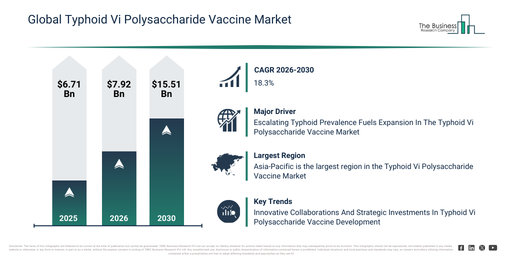
    The typhoid Vi polysaccharide vaccine market size has seen rapid growth recently. It is set to expand from $6.71 billion in 2025 to $7.92 billion in 2026, achieving a compound annual growth rate (CAGR) of 18.1%. This historical growth can be attributed to the broadening of national immunization schedules, a greater awareness of typhoid prevention, the availability of polysaccharide vaccine formulations, the increase in public vaccination campaigns, and backing from global health organizations.

    The typhoid vi polysaccharide vaccine market is poised for significant expansion in the coming years, with projections indicating it will reach $15.51 billion by 2030, driven by a compound annual growth rate (CAGR) of 18.3%. This anticipated growth stems from an intensified focus on mass immunization in endemic regions, greater investments in vaccine manufacturing capacity, the broadening scope of adult vaccination programs, a heightened emphasis on travel-related immunization, and the wider implementation of enhanced vaccine storage technologies. Key trends during this period include an uptick in government-led immunization campaigns, a surging demand for pediatric vaccination coverage, a heightened commitment to preventive healthcare strategies, the proliferation of collaborative public-private models for vaccine distribution, and increased attention to optimizing the cold chain.

    Access Your Free Sample Report for In-Depth Market Insights:

    https://www.thebusinessresearchcompany.com/sample.aspx?id=8313&type=smp

    What Drivers Are Shaping Future Opportunities In The Typhoid Vi Polysaccharide Vaccine Market?

    The increasing incidence of typhoid is projected to boost the expansion of the typhoid Vi polysaccharide vaccine market in the future. This potentially deadly infection, caused by Salmonella Typhi bacteria, commonly spreads via consumption of tainted food or beverages. Factors contributing to this surge in typhoid cases include inadequate sanitation, polluted water supplies, swift urban development, and heightened contact with impure food and water. The typhoid Vi polysaccharide vaccine market facilitates this trend by supplying vaccinations for individuals aged 2 and above, granting immunity against Salmonella enterica serovar Typhi and mitigating the impact of typhoid fever in affected areas. As an illustration, figures from the UK Health Security Agency in August 2024 indicated an uptick in lab-verified symptomatic enteric fever cases across England, Wales, and Northern Ireland, with S. Typhi cases totaling 313, S. Paratyphi A cases at 135, and S. Paratyphi B cases at 18. Consequently, the escalating occurrence of typhoid is a key impetus for the expansion of the typhoid Vi polysaccharide vaccine market.

    Which Segment Groups Are Influencing The Typhoid Vi Polysaccharide Vaccine Market?

    The typhoid vi polysaccharide vaccine market covered in this report is segmented –

    1) By Type: Child, Adult

    2) By Route Of Administration: Oral, Parenteral

    3) By Application: Government Institution, Private Sector, Other Applications

    Subsegments:

    1) By Child: Pediatric Formulations, Age-Specific Dosages

    2) By Adult: Standard Adult Formulations, High-Risk Population Formulations

    How Are New Market Trends Shaping The Landscape Of The Typhoid Vi Polysaccharide Vaccine Market?

    Leading firms within the typhoid Vi polysaccharide vaccine market are aiming to bolster their standing by making strategic investments, including funding collaborations for advanced vaccine delivery systems, in order to drive innovation and extend worldwide immunization coverage. These funding collaborations for future vaccine delivery platforms involve joint investment efforts focused on creating better typhoid vaccination methods, specifically those that are needle-free, stable at varying temperatures, and simple to use, thereby improving access, reach, and adherence in areas with limited resources. As an example, in August 2023, SK Bioscience, a biotech company based in South Korea, alongside Vaxxas, an Australian biotechnology firm known for needle-free vaccine application, obtained AUD 0.0054 billion (USD 0.00367 billion) in financing from Wellcome, a charitable foundation from the UK. This funding is for the development of a typhoid conjugate vaccine to be administered using a needle-free high-density microarray patch (HD-MAP). This innovative solution employs a micro-projection patch, removing the requirement for conventional needles; it offers thermostability, facilitating distribution in regions with poor infrastructure; and it provides the possibility of straightforward, painless administration, all with the goal of increasing global adoption of typhoid vaccination.

    Who Are The Major Companies Operating In The Typhoid Vi Polysaccharide Vaccine Market?

    Major companies operating in the typhoid vi polysaccharide vaccine market are Sanofi S.A., Merck & Co. Inc., PT Bio Farma, Bharat Biotech International Limited, Bio-Med Pvt. Ltd., Hualan Biological Engineering Inc., Indian Immunologicals Limited, Serum Institute of India Limited, Biological E Limited, Panacea Biotec Limited, Zydus Lifesciences Limited, Beijing Minhai Biotechnology Co. Ltd., Lanzhou Institute of Biological Products Co. Ltd., Chengdu Institute of Biological Products Co. Ltd., Wuhan Institute of Biological Products Co. Ltd., Eubiologics Co. Ltd., Incepta Vaccine Limited, GC Pharma, KM Biologics Inc., Bharat Immunologicals and Biologicals Corporation Limited, Sinovac Biotech Ltd., Bio Farma Indonesia

    Access The Complete Report For Deeper Market Insights:

    https://www.thebusinessresearchcompany.com/report/typhoid-vi-polysaccharide-vaccine-global-market-report

    Which Global Regions Are Shaping The Competitive Landscape Of The Typhoid Vi Polysaccharide Vaccine Market?

    Asia-Pacific was the largest region in the typhoid Vi polysaccharide vaccine market share in 2025. The regions covered in the typhoid vi polysaccharide vaccine market report are Asia-Pacific, South East Asia, Western Europe, Eastern Europe, North America, South America, Middle East, Africa.

    Request Your Customized Typhoid Vi Polysaccharide Vaccine Market Research Report for Competitive Advantage:

    https://www.thebusinessresearchcompany.com/customise?id=8313&type=smp

    Browse Through More Reports Similar to the Global Typhoid Vi Polysaccharide Vaccine Market 2026, By The Business Research Company

    Chickenpox Vaccine Market Report 2026

    https://www.thebusinessresearchcompany.com/report/chickenpox-vaccine-global-market-report

    Preventive Vaccines Market Report 2026

    https://www.thebusinessresearchcompany.com/report/preventive-vaccines-global-market-report

    Vaccines Market Report 2026

    https://www.thebusinessresearchcompany.com/report/vaccines-global-market-report

    Get in touch with us:

    The Business Research Company: https://www.thebusinessresearchcompany.com/

    Americas +1 310-496-7795

    Asia +44 7882 955267 & +91 8897263534

    Europe +44 7882 955267

    Email us at info@tbrc.info

    Follow us on:

    LinkedIn: https://in.linkedin.com/company/the-business-research-company

    YouTube: https://www.youtube.com/channel/UC24_fI0rV8cR5DxlCpgmyFQ

    Global Market Model: https://www.thebusinessresearchcompany.com/global-market-model
  • Global Typhoid Antibody Testing Market Report 2026: Emerging Trends and Growth Scenarios

    Global Typhoid Antibody Testing Market Report 2026: Emerging Trends and Growth Scenarios

    Uncover key drivers, emerging technologies, and competitive movements shaping the typhoid antibody testing market from 2026–2035 with trusted insights from The Business Research Company

    What was the valuation of the Typhoid Antibody Testing Market in 2026, and what figure is it projected to hit by 2030?

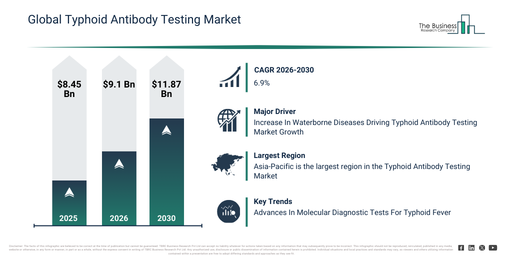
    The typhoid antibody testing market size has experienced substantial expansion in recent years. It is projected to increase from $8.45 billion in 2025 to $9.1 billion in 2026, exhibiting a compound annual growth rate (CAGR) of 7.8%. The growth observed in previous periods can be attributed to the increasing prevalence of typhoid fever in endemic regions, the expansion of public health screening programs, wider availability of serological testing methods, the growth of diagnostic laboratory networks, and rising awareness of infectious disease management.

    The typhoid antibody testing market size is anticipated to experience substantial expansion over the upcoming years. This market is projected to reach $11.87 billion by 2030, demonstrating a compound annual growth rate (CAGR) of 6.9%. Several factors will drive this growth during the forecast period, including an escalating demand for swift and precise diagnostics, the proliferation of decentralized testing facilities, heightened investments in cutting-edge immunoassay technologies, an increasing emphasis on preparing for outbreaks, and the wider integration of digital laboratory systems. Key trends anticipated during this period encompass the growing acceptance of rapid diagnostic test kits, a surging need for point-of-care typhoid testing, the increasing application of ELISA-based assays, the broadening of laboratory automation in diagnostics, and a sharpened focus on detecting diseases early.

    Access Your Free Sample Report for In-Depth Market Insights:

    https://www.thebusinessresearchcompany.com/sample.aspx?id=16815&type=smp

    Which Drivers Are Affecting Market Participation In The Typhoid Antibody Testing Market?

    The projected expansion of the typhoid antibody testing market is anticipated due to the increasing incidence of waterborne diseases. These illnesses are defined as conditions caused by disease-causing microorganisms spread through tainted water. Factors contributing to the increase in waterborne diseases include inadequate sanitation and hygiene, limited availability of safe drinking water, accelerating urbanization, climate change, and agricultural runoff. Typhoid antibody testing plays a crucial role in addressing this challenge by facilitating prompt diagnosis, confirming infections, and overseeing the effectiveness of treatments, thus helping to identify individuals carrying typhoid fever and implement preventative actions against waterborne infections. For instance, in May 2023, data from the Coalition against Typhoid, a US-based organization focused on preventing typhoid and other invasive salmonellosis, indicated that the Philippines registered 4,440 typhoid cases from January 1 to April 15 2023, representing a 77 % increase compared to the corresponding period in 2022. Consequently, the growing prevalence of waterborne diseases is a significant impetus for the growth of the typhoid antibody testing market.

    What Segment Classifications Make Up The Typhoid Antibody Testing Market?

    The typhoid antibody testing market covered in this report is segmented –

    1) By Product Type: Rapid Serological Tests, Hem-agglutination And Co-agglutination, Counter Immunoelectrophoresis, Typhidot Test, Widal Test

    2) By Paratyphi Type: Paratyphi A, Paratyphi B, Paratyphi C

    3) By End-User: Hospitals, Serological Testing Centers, Clinics, Diagnostic Centers, Other End Users

    Subsegments:

    1) By Rapid Serological Tests: Lateral Flow Immunoassays (LFIA), Immunochromatographic Tests (ICT), Enzyme-Linked Immunosorbent Assays (ELISA)

    2) By Hem-agglutination And Co-agglutination: Hemagglutination Assay, Co-agglutination Assay

    3) By Counter Immunoelectrophoresis: Gel-Based Counter Immunoelectrophoresis, Paper-Based Counter Immunoelectrophoresis

    4) By Typhidot Test: Typhidot-M (IgM) Test, Typhidot-G (IgG) Test

    5) By Widal Test: Tube Widal Test, Slide Widal Test

    Which Trends Are Expected To Influence The Typhoid Antibody Testing Market In The Upcoming Years?

    Leading entities within the typhoid antibody testing market are concentrating on developing innovative products, such as molecular diagnostic examinations, to improve the precision and rapidity of typhoid fever diagnosis. These molecular diagnostic tests offer high sensitivity and specificity, enabling accurate and swift detection of pathogens like Salmonella Typhi in cases of typhoid fever. For instance, in April 2023, Vanguard Diagnostics, an India-based diagnostic reagent developer, introduced the VANSCAN typhoid RT PCR test, a molecular diagnostic test utilizing its patented technology. This test is designed to detect and diagnose typhoid fever using a real-time PCR (RT-PCR) testing approach, which is more accurate and sensitive than conventional serological tests. The VANSCAN Typhoid RT PCR Test signifies a major advancement in typhoid diagnostics, establishing a new gold standard for early, accurate, and reliable disease detection in India and globally.

    Which Major Firms Are Strengthening Their Position In The Typhoid Antibody Testing Market?

    Major companies operating in the typhoid antibody testing market are Thermo Fisher Scientific Inc., Abbott Laboratories, Siemens Healthineers AG, Quest Diagnostics Inc., bioMerieux SA, Bio-Rad Laboratories Inc., DiaSorin S.p.A., Meridian Bioscience Inc., Sekisui Diagnostics, CTK Biotech Inc., Creative Diagnostics, Fortress Diagnostics Ltd., CerTest Biotec S.L, InBios International Inc., J. Mitra & Co. Pvt. Ltd, AccuBioTech Co. Ltd, Vanguard Diagnostics Pvt. Ltd., Suburban Diagnostics India Private Limited, Biorex Diagnostics, Genebio Healthcare Private Limited, ICT Diagnostics

    Access The Complete Report For Deeper Market Insights:

    https://www.thebusinessresearchcompany.com/report/typhoid-antibody-testing-global-market-report

    Which Regions Are Poised For Strategic Growth In The Typhoid Antibody Testing Market?

    Asia-Pacific was the largest region in the typhoid antibody testing market in 2025. The regions covered in the typhoid antibody testing market report are Asia-Pacific, South East Asia, Western Europe, Eastern Europe, North America, South America, Middle East, Africa.

    Request Your Customized Typhoid Antibody Testing Market Research Report for Competitive Advantage:

    https://www.thebusinessresearchcompany.com/customise?id=16815&type=smp

    Browse Through More Reports Similar to the Global Typhoid Antibody Testing Market 2026, By The Business Research Company

    Infectious Disease Diagnostics Testing Market Report 2026

    https://www.thebusinessresearchcompany.com/report/infectious-disease-diagnostics-testing-global-market-report

    Preventive Vaccines Market Report 2026

    https://www.thebusinessresearchcompany.com/report/preventive-vaccines-global-market-report

    Typhoid Vi Polysaccharide Vaccine Market Report 2026

    https://www.thebusinessresearchcompany.com/report/typhoid-vi-polysaccharide-vaccine-global-market-report

    Get in touch with us:

    The Business Research Company: https://www.thebusinessresearchcompany.com/

    Americas +1 310-496-7795

    Asia +44 7882 955267 & +91 8897263534

    Europe +44 7882 955267

    Email us at info@tbrc.info

    Follow us on:

    LinkedIn: https://in.linkedin.com/company/the-business-research-company

    YouTube: https://www.youtube.com/channel/UC24_fI0rV8cR5DxlCpgmyFQ

    Global Market Model: https://www.thebusinessresearchcompany.com/global-market-model
  • Type 2 Diabetes Market Forecast 2026: Where the Industry Is Headed

    Type 2 Diabetes Market Forecast 2026: Where the Industry Is Headed

    Uncover key drivers, emerging technologies, and competitive movements shaping the type 2 diabetes market from 2026–2035 with trusted insights from The Business Research Company

    What are the forecasted starting (2026) and ending (2030) market sizes for the Type 2 Diabetes Market?

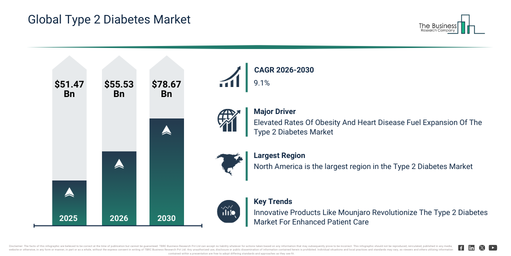
    The type 2 diabetes market has experienced substantial expansion over recent years. This market is projected to expand from $51.47 billion in 2025 to $55.53 billion in 2026, exhibiting a compound annual growth rate (CAGR) of 7.9%. The factors contributing to this historical growth include an increase in global obesity, more sedentary lifestyles, wider availability of oral antidiabetic medications, greater screening efforts for metabolic conditions, and enhanced access to fundamental diabetes care.

    The type 2 diabetes market size is anticipated to experience substantial growth over the next few years. It is projected to expand to $78.67 billion by 2030, demonstrating a compound annual growth rate (CAGR) of 9.1%. This projected growth is driven by increasing demand for therapies focused on weight management, the rising adoption of personalized diabetes treatment plans, the expansion of digital therapeutic platforms, a growing emphasis on preventive diabetes management, and increasing investments in next-generation antidiabetic drugs. Significant trends expected during this forecast period include the increasing uptake of GLP-1 receptor agonists, a rising focus on cardiometabolic risk management, the growing use of combination drug therapies, the expansion of lifestyle-integrated treatment approaches, and an enhanced emphasis on long-term glycemic control.

    Access Your Free Sample Report for In-Depth Market Insights:

    https://www.thebusinessresearchcompany.com/sample.aspx?id=13050&type=smp

    What Drivers Are Supporting Technological Adoption In The Type 2 Diabetes Market?

    The growth of the type 2 diabetes market is projected to be propelled by an increase in rates of obesity and heart disease. Obesity is characterized as a medical condition where excessive body fat accumulates to an unhealthy degree, whereas heart disease encompasses various conditions affecting the heart and blood vessels. An abundance of body weight elevates the risk of insulin resistance, which in turn leads to high blood sugar levels and the progression of type 2 diabetes. Conversely, elevated blood sugar levels can impair the blood vessels and nerves that govern the heart and blood vessels, thereby contributing to heart disease. For example, in March 2024, the World Health Organization (WHO), an intergovernmental organization based in Switzerland, disclosed that approximately one in eight people globally were contending with obesity. This statistic involved 2.5 billion adults (aged 18 years and older) classified as overweight, with 890 million of them living with obesity. Among the adult population, 43% were overweight, and 16% were deemed obese. Moreover, the population of overweight children under the age of 5 reached 37 million. Therefore, the escalating incidence of obesity and heart disease is a significant driver for the expansion of the type 2 diabetes market.

    What Segment Types Are Examined In The Type 2 Diabetes Market?

    The type 2 diabetes market covered in this report is segmented –

    1) By Drug Class: Dipeptidyl Peptidase-4 (DPP-4) Inhibitors, Glucagon-Like Peptide-1 (GLP-1) Receptor Agonists, Thiazolidinediones, Alpha-Glucosidase Inhibitors, Sulfonylureas And Insulin Secretagogues, Biguanides, SodiumGlucose Cotransporter 2 Inhibitors, Other Drug Classes

    2) By Application: Glycemic Control, Cardiovascular Safety, Hypoglycemia Avoidance, Other Applications

    3) By End-User: Children, Adults

    Subsegments:

    1) By Dipeptidyl Peptidase-4 (DPP-4) Inhibitors: Sitagliptin, Saxagliptin, Linagliptin, Alogliptin

    2) By Glucagon-Like Peptide-1 (GLP-1) Receptor Agonists: Liraglutide, Semaglutide, Dulaglutide, Exenatide

    3) By Thiazolidinediones: Pioglitazone, Rosiglitazone

    4) By Alpha-Glucosidase Inhibitors: Acarbose, Miglitol

    5) By Sulfonylureas And Insulin Secretagogues: Glimepiride, Glipizide, Glyburide

    6) By Biguanides: Metformin, Buformin, Phenformin

    7) By Sodium-Glucose Cotransporter 2 Inhibitors: Canagliflozin, Dapagliflozin, Empagliflozin

    8) By Other Drug Classes: Amylin Analogues, Bile Acid Sequestrants, Dopamine Agonists

    What Trends Are Driving The Growth Trajectory Of The Type 2 Diabetes Market?

    Leading companies in the type 2 diabetes market are prioritizing the development of advanced solutions, such as extended-indication SGLT2/GLP-1 combination therapies, to achieve superior glycemic control, minimize comorbidities, and enhance patient adherence. These extended-indication SGLT2/GLP-1 combination therapies denote pharmaceutical protocols that integrate sodium-glucose co-transporter-2 (SGLT2) inhibitors and glucagon-like peptide-1 (GLP-1) receptor agonists (or their fixed-dose versions) to concurrently address blood glucose regulation, obesity, and cardiovascular and renal outcomes in individuals with type 2 diabetes. For instance, in June 2024, AstraZeneca, a UK-based pharmaceutical company, obtained U.S. FDA approval for Farxiga (dapagliflozin) for the paediatric type 2 diabetes indication (age 10 years and older), signifying an expansion of its use beyond adult populations and a broader patient-base approach. This innovation provides once-daily oral dosing for younger patients, incorporates cardiometabolic and renal protection data, and facilitates market entry into paediatric and early-stage type 2 diabetes segments, thereby stimulating growth in the global type 2 diabetes market.

    Who Are The Primary Competitors In The Global Type 2 Diabetes Market?

    Major companies operating in the type 2 diabetes market are F. Hoffmann-La Roche AG, Merck and Co. Inc, Novartis AG, AstraZeneca plc, Abbott Laboratories, Sanofi SA, Medtronic plc, Takeda Pharmaceutical Company, GlaxoSmithKline plc, Eli Lilly and Company, Novo Nordisk A/S, Johnson And Johnson Private Limited, Daiichi Sankyo Co. Ltd, Boehringer Ingelheim International GmbH, Dexcom Inc, Amgen Inc., Insulet Corporation, Ascensia Diabetes Care, Beta Bionics, Onduo LLC, DarioHealth, One Drop, Bigfoot Biomedical Inc., Digbi Health, MySugr GmbH, Senseonics Holdings Inc., Provention Bio Inc., Vida Health Inc., Diathrive Health

    Access The Complete Report For Deeper Market Insights:

    https://www.thebusinessresearchcompany.com/report/type-2-diabetes-global-market-report

    Which Regions Are Projected To Dominate The Type 2 Diabetes Market In The Coming Years?

    North America was the largest region in the type 2 diabetes market in 2025. Europe is expected to be the fastest-growing region in the forecast period. The regions covered in the type 2 diabetes market report are Asia-Pacific, South East Asia, Western Europe, Eastern Europe, North America, South America, Middle East, Africa.

    Request Your Customized Type 2 Diabetes Market Research Report for Competitive Advantage:

    https://www.thebusinessresearchcompany.com/customise?id=13050&type=smp

    Browse Through More Reports Similar to the Global Type 2 Diabetes Market 2026, By The Business Research Company

    Diabetes Care Devices Market 2026

    https://www.thebusinessresearchcompany.com/report/diabetes-care-devices-market

    Type 1 Diabetes Market Report 2026

    https://www.thebusinessresearchcompany.com/report/type-1-diabetes-global-market-report

    Antidiabetics Market Report 2026

    https://www.thebusinessresearchcompany.com/report/antidiabetics-global-market-report

    Get in touch with us:

    The Business Research Company: https://www.thebusinessresearchcompany.com/

    Americas +1 310-496-7795

    Asia +44 7882 955267 & +91 8897263534

    Europe +44 7882 955267

    Email us at info@tbrc.info

    Follow us on:

    LinkedIn: https://in.linkedin.com/company/the-business-research-company

    YouTube: https://www.youtube.com/channel/UC24_fI0rV8cR5DxlCpgmyFQ

    Global Market Model: https://www.thebusinessresearchcompany.com/global-market-model
  • Type 1 Diabetes Industry Growth Insights: Revenue Forecast to 2030

    Type 1 Diabetes Industry Growth Insights: Revenue Forecast to 2030

    Uncover key drivers, emerging technologies, and competitive movements shaping the type 1 diabetes market from 2026–2035 with trusted insights from The Business Research Company

    What upper market value could the Type 1 Diabetes Market reach by 2030 starting from 2026 levels?

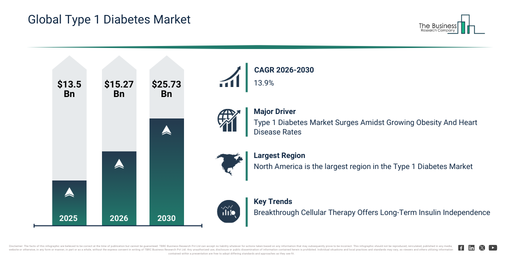
    The market for type 1 diabetes has seen rapid expansion over recent years. Its valuation is set to increase from $13.5 billion in 2025 to $15.27 billion in 2026, achieving a compound annual growth rate (CAGR) of 13.1%. This historical growth can be ascribed to several factors, including the better availability of insulin analogs, an increase in diagnosis rates among pediatric populations, the establishment of more diabetes specialty care centers, greater awareness regarding autoimmune diabetes, and advancements in glucose monitoring technologies.

    The type 1 diabetes market size is anticipated to experience substantial growth in the upcoming years, with projections indicating it will reach $25.73 billion by 2030, exhibiting a compound annual growth rate (CAGR) of 13.9%. This expansion throughout the forecast period can be linked to the increasing adoption of closed-loop insulin delivery systems, growing investments in immunotherapy research, an intensifying focus on disease-modifying treatments, the broadening of digital platforms for diabetes management, and the rising demand for patient-centric care models. Noteworthy trends expected during this period include the wider integration of continuous glucose monitoring systems, an increase in the utilization of insulin pump technologies, a greater emphasis on personalized insulin therapy, the expansion of combination therapy approaches, and an enhanced focus on early diagnosis and disease management.

    Access Your Free Sample Report for In-Depth Market Insights:

    https://www.thebusinessresearchcompany.com/sample.aspx?id=12872&type=smp

    Which Drivers Are Influencing Long-Term Growth In The Type 1 Diabetes Market?

    The expansion of the Turner syndrome market moving forward is anticipated to be fueled by the increasing female population. The female population refers to the total count of females inhabiting a specific region or globally at a particular point in time. This increase in the female population is primarily attributed to a higher female life expectancy, which is supported by advancements in healthcare systems and shifts in demographics. The Turner syndrome market offers assistance to the female population through providing growth hormone therapy, estrogen replacement, and multidisciplinary care, all of which contribute to improved physical development, reproductive health, and long-term well-being. For example, in March 2024, the U.S. Census Bureau, a U.S.-based federal government agency, reported that the United States had 0.168 billion females as of July 2022. Moreover, in 2023, according to Statistics Canada, a Canada-based national statistics agency, the number of females aged 15–64 grew to 0.01304 billion. Thus, the rising female population is a significant driver for the growth of the Turner syndrome market.

    Which Segments Are Driving Activity In The Type 1 Diabetes Market?

    The type 1 diabetes market covered in this report is segmented –

    1) By Product Type: Rapid Acting Insulin Analogs, Long-Acting Insulin Analogs, Premix Insulin Analogs, Others Product Types

    2) By Device: Insulin Pump, Insulin Pen, Blood Glucose Meter

    3) By Application: Childrens, Adults

    4) By End-User: Hospital, Research Institutes, Home Care

    Subsegments:

    1) By Rapid Acting Insulin Analogs: Insulin Lispro, Insulin Aspart, Insulin Glulisine

    2) By Long-Acting Insulin Analogs: Insulin Detemir, Insulin Glargine, Insulin Degludec

    3) By Premix Insulin Analogs: Premixed Insulin Lispro, Premixed Insulin Aspart, Premixed Insulin Glargine

    4) By Other Product Types: Insulin Pumps, Continuous Glucose Monitoring Systems, Non-Insulin Medications, Combination Therapies

    What Upcoming Trends Are Likely To Define The Future Path Of The Type 1 Diabetes Market?

    Companies within the type 1 diabetes market are increasingly concentrating on developing advanced therapeutic options, such as allogeneic islet cell transplantation, to provide functional beta-cell replacement and lessen patients’ reliance on insulin. Allogeneic islet cell transplantation involves infusing donor pancreatic islet cells into the patient’s hepatic portal vein, aiming to restore the body’s own insulin production and reduce both the frequency of hypoglycemic episodes and the need for insulin injections. As an illustration, in June 2023, CellTrans Inc., a US-based biotechnology company, received authorization from the U.S. Food and Drug Administration (FDA) for Lantidra (donislecel), which is the first cellular therapy designed to treat patients with type 1 diabetes. This approval signifies a major advancement in regenerative medicine, presenting a potential long-term treatment choice for individuals with type 1 diabetes who face challenges with insulin dependence. Lantidra operates by substituting the insulin-producing cells destroyed by the immune system, thereby striving to re-establish the body’s innate capacity to regulate blood glucose levels.

    Which Key Market Players Are Investing In Expansion And Innovation Within The Type 1 Diabetes Market?

    Major companies operating in the type 1 diabetes market are Johnson and Johnson Limited, Merck and Co. Inc., Sanofi-Aventis LLC, Abbott Laboratories, Medtronic Plc, Eli Lilly and Co Ltd, Novo Nordisk A/S, Dexcom Inc, Insulet Corporation, Tandem Diabetes Care Inc, Adaptive Biotechnologies Corporation, Xeris Pharmaceuticals Inc, MannKind Corporation, Biocon Ltd, Virta Health Corp, Bigfoot Biomedical Inc, ViaCyte Inc, Beta Bionics Inc, Adocia SA, Senseonics Holdings Inc, Zealand Pharmaceuticals A/S, Provention Bio Inc

    Access The Complete Report For Deeper Market Insights:

    https://www.thebusinessresearchcompany.com/report/type-1-diabetes-global-market-report

    Which Region Is Expected To Experience The Fastest Growth In The Type 1 Diabetes Market?

    North America was the largest region in the type 1 diabetes market in 2025. The regions covered in the type 1 diabetes market report are Asia-Pacific, South East Asia, Western Europe, Eastern Europe, North America, South America, Middle East, Africa.

    Request Your Customized Type 1 Diabetes Market Research Report for Competitive Advantage:

    https://www.thebusinessresearchcompany.com/customise?id=12872&type=smp

    Browse Through More Reports Similar to the Global Type 1 Diabetes Market 2026, By The Business Research Company

    Digital Diabetes Management Market Report 2026

    https://www.thebusinessresearchcompany.com/report/digital-diabetes-management-global-market-report

    Type 2 Diabetes Market Report 2026

    https://www.thebusinessresearchcompany.com/report/type-2-diabetes-global-market-report

    Diabetes Care Devices Market 2026

    https://www.thebusinessresearchcompany.com/report/diabetes-care-devices-market

    Get in touch with us:

    The Business Research Company: https://www.thebusinessresearchcompany.com/

    Americas +1 310-496-7795

    Asia +44 7882 955267 & +91 8897263534

    Europe +44 7882 955267

    Email us at info@tbrc.info

    Follow us on:

    LinkedIn: https://in.linkedin.com/company/the-business-research-company

    YouTube: https://www.youtube.com/channel/UC24_fI0rV8cR5DxlCpgmyFQ

    Global Market Model: https://www.thebusinessresearchcompany.com/global-market-model
  • Global Twin-Twin Transfusion Syndrome Treatment Market Performance Report: Global Trends 2026–2030

    Global Twin-Twin Transfusion Syndrome Treatment Market Performance Report: Global Trends 2026–2030

    Uncover key drivers, emerging technologies, and competitive movements shaping the twin-twin transfusion syndrome treatment market from 2026–2035 with trusted insights from The Business Research Company

    What level of CAGR-driven expansion is anticipated in the Twin-Twin Transfusion Syndrome Treatment Market between 2026 and 2030?

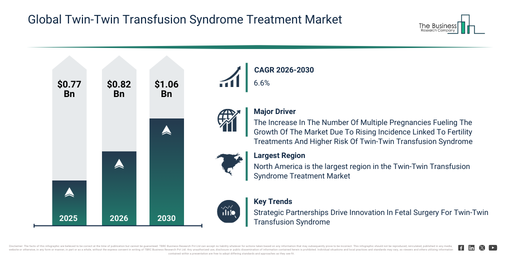
    The twin-twin transfusion syndrome treatment market has experienced robust growth in recent years. This market is projected to expand from $0.77 billion in 2025 to $0.82 billion in 2026, demonstrating a compound annual growth rate (CAGR) of 6.8%. Historically, this growth can be attributed to the increased adoption of prenatal ultrasound screening, progress in fetal medicine techniques, a rising awareness of monochorionic twin risks, the widespread availability of laser photocoagulation procedures, and the expansion of maternal healthcare services.

    The twin-twin transfusion syndrome treatment market size is anticipated to experience substantial expansion over the forthcoming years. This market is projected to reach $1.06 billion by 2030, exhibiting a compound annual growth rate (CAGR) of 6.6%. Factors contributing to this growth during the forecast period include progress in minimally invasive fetal surgery, increasing investments in maternal-fetal medicine, the expansion of specialized prenatal care facilities, a rising need for early intervention treatments, and enhanced survival rates for twins impacted by the condition. Key developments expected in the forecast period encompass a greater uptake of fetoscopic laser therapies, increased utilization of advanced prenatal imaging, a heightened focus on early TTTS diagnosis, the establishment of more specialized fetal surgery centers, and better multidisciplinary care for maternal-fetal health.

    Access Your Free Sample Report for In-Depth Market Insights:

    https://www.thebusinessresearchcompany.com/sample.aspx?id=23549&type=smp

    What Drivers Are Affecting Demand-Supply Dynamics In The Twin-Twin Transfusion Syndrome Treatment Market?

    The twin-twin transfusion syndrome treatment market is anticipated to expand going forward, driven by the increasing occurrence of multiple pregnancies. Multiple pregnancies involve a woman carrying more than one fetus simultaneously, such as twins, triplets, or higher-order multiples, with this rise primarily linked to fertility treatments stimulating the ovaries to release multiple eggs. Treating twin-twin transfusion syndrome in these pregnancies focuses on correcting abnormal blood vessel connections in the shared placenta to restore balanced blood flow between the fetuses. This considerably boosts survival chances and reduces complication risks for both twins. For example, Twins Research Australia, an Australia-based research institute, reported that Australia registered 4,118 multiple births in September 2023, representing 1.5% of the country’s total 286,998 births. Among these, twins accounted for the vast majority with 4,073 cases (approximately 99 %), while only 45 births (1 %) involved triplets or higher-order multiples. Thus, the escalating number of multiple pregnancies is propelling the twin-twin transfusion syndrome treatment market.

    How Is The Twin-Twin Transfusion Syndrome Treatment Market Organized Into Various Segments?

    The twin-twin transfusion syndrome treatment market covered in this report is segmented –

    1) By Treatment Type: Laser Therapy, Surgery, Blood Transfusion, Medication

    2) By Diagnosis Method: Ultrasound, Blood Tests, Amniocentesis

    3) By Mode Of Administration: Injectable, Oral, Other Modes Of Administration

    4) By Symptoms: Breathlessness, Tightness In The Abdomen, Rapid Expansion Of Abdomen, Rapid Weight Gain, Pressure On The Stomach, Premature Contractions

    5) By End-User: Hospitals, Homecare, Specialty Clinics, Other End-Users

    Subsegments:-

    1) By Laser Therapy: Fetoscopic Laser Photocoagulation, Selective Laser Ablation, Solomon Technique

    2) By Surgery: Amnioreduction Surgery, Septostomy, Fetoscopic Cord Coagulation

    3) By Blood Transfusion: Intrauterine Transfusion (IUT), Intraperitoneal Transfusion, Intravascular Transfusion

    4) By Medication: Tocolytics, Corticosteroids, Anti-Inflammatory Drugs, Antibiotics

    Which Trends Are Shaping Activity Within The Twin-Twin Transfusion Syndrome Treatment Market?

    Leading companies active in the twin-twin transfusion syndrome treatment market are emphasizing strategic collaborations to speed up the advancement and market entry of sophisticated therapeutic remedies. A strategic partnership denotes a long-term agreement between independent entities designed to achieve shared commercial aspirations, enabling each participant to utilize reciprocal strengths, assets, or market access for collective advantage. For example, in January 2023, CHA Hollywood Presbyterian Medical Center, a US-based provider of diverse healthcare services, collaborated with Los Angeles Fetal Surgery, a US-based medical clinic, to introduce an innovative, life-saving fetal surgery program. This pioneering effort, one of the limited programs of its kind in the U.S., delivers minimally invasive interventions for unborn children facing severe conditions such as spina bifida and twin-twin transfusion syndrome.

    Who Are The Core Companies Influencing Trends In The Twin-Twin Transfusion Syndrome Treatment Market?

    Major companies operating in the twin-twin transfusion syndrome treatment market are Mayo Foundation for Medical Education and Research, USF Health, Johns Hopkins Medicine, University Hospitals, Seattle Children’s Hospital, Texas Children’s Hospital, Cincinnati Children’s Hospital Medical Center, Apollo Hospitals, Tampa General Hospital, Children’s Hospital Colorado, UCSF Health, King’s College Hospital, The Children’s Hospital of Philadelphia, Riley Children’s Health, Yale School of Medicine, Lurie Children’s Hospital, Rainbow Children’s Hospital, UNC Department of Obstetrics & Gynecology, UC Davis Fetal Care and Treatment Center, SJD Barcelona Children’s Hospital, Children’s Minnesota Midwest Fetal Care Center, Boston Children’s Hospital, Nationwide Children’s Hospital Fetal Center

    Access The Complete Report For Deeper Market Insights:

    https://www.thebusinessresearchcompany.com/report/twin-twin-transfusion-syndrome-treatment-global-market-report

    Which Geographic Areas Are Emerging As Strong Markets For The Twin-Twin Transfusion Syndrome Treatment Market?

    North America was the largest region in the twin-twin transfusion syndrome treatment market in 2025. The regions covered in the twin-twin transfusion syndrome treatment market report are Asia-Pacific, South East Asia, Western Europe, Eastern Europe, North America, South America, Middle East, Africa.

    Request Your Customized Twin-Twin Transfusion Syndrome Treatment Market Research Report for Competitive Advantage:

    https://www.thebusinessresearchcompany.com/customise?id=23549&type=smp

    Browse Through More Reports Similar to the Global Twin-Twin Transfusion Syndrome Treatment Market 2026, By The Business Research Company

    Infusion Pump Market Report 2026

    https://www.thebusinessresearchcompany.com/report/infusion-pump-global-market-report

    Pediatric Perfusion Market Report 2026

    https://www.thebusinessresearchcompany.com/report/pediatric-perfusion-global-market-report

    Bleeding Disorders Treatment Market Report 2026

    https://www.thebusinessresearchcompany.com/report/bleeding-disorders-treatment-global-market-report

    Get in touch with us:

    The Business Research Company: https://www.thebusinessresearchcompany.com/

    Americas +1 310-496-7795

    Asia +44 7882 955267 & +91 8897263534

    Europe +44 7882 955267

    Email us at info@tbrc.info

    Follow us on:

    LinkedIn: https://in.linkedin.com/company/the-business-research-company

    YouTube: https://www.youtube.com/channel/UC24_fI0rV8cR5DxlCpgmyFQ

    Global Market Model: https://www.thebusinessresearchcompany.com/global-market-model
  • Turner Syndrome Market Future Outlook 2026: Key Drivers and Growth Potential

    Turner Syndrome Market Future Outlook 2026: Key Drivers and Growth Potential

    Uncover key drivers, emerging technologies, and competitive movements shaping the turner syndrome market from 2026–2035 with trusted insights from The Business Research Company

    What long-term size projections exist for the Turner Syndrome Market covering 2026–2035?

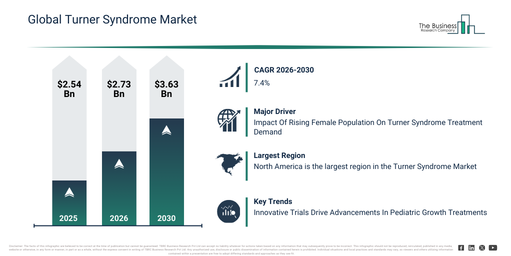
    The turner syndrome market size has demonstrated strong growth in recent years. This market is expected to expand from $2.54 billion in 2025 to $2.73 billion in 2026, exhibiting a compound annual growth rate (CAGR) of 7.6%. The historical expansion can be ascribed to heightened awareness of genetic disorders, the availability of recombinant growth hormones, the enlargement of pediatric endocrinology services, advancements in diagnostic karyotyping techniques, and an increase in patient advocacy initiatives.

    The market for turner syndrome is projected to experience robust expansion over the coming years. Its valuation is anticipated to reach $3.63 billion by 2030, exhibiting a compound annual growth rate (CAGR) of 7.4%. This projected growth is primarily driven by progress in genetic screening methods, the increasing use of tailored hormone treatments, the broadening of home-based care options, greater funding for rare disease studies, and enhanced long-term patient results. Key trends anticipated during this period encompass a heightened focus on early genetic detection, the increasing uptake of growth hormone treatments, a stronger commitment to continuous disease management, the proliferation of multidisciplinary care frameworks, and refined patient monitoring initiatives.

    Access Your Free Sample Report for In-Depth Market Insights:

    https://www.thebusinessresearchcompany.com/sample.aspx?id=21310&type=smp

    Which Drivers Are Impacting The Competitive Landscape Of The Turner Syndrome Market?

    The Turner syndrome market is anticipated to grow in the future, driven by the expanding female population. This female population signifies the total count of women residing either in a specific geographic area or globally at a given point. The rise in the female population is a result of improved female life expectancy, supported by advancements in healthcare and shifts in demographic trends. The Turner syndrome market aids the female population by supplying growth hormone therapy, estrogen replacement, and extensive multidisciplinary care, all of which enhance physical development, reproductive health, and overall long-term welfare. For instance, in March 2024, the U.S. Census Bureau, a U.S.-based federal government agency, reported 0.168 billion females in the United States as of July 2022. Additionally, in 2023, Statistics Canada, a national statistics agency located in Canada, observed that the number of females aged 15–64 rose to 0.01304 billion in 2023 from 0.01296 billion in 2022. Thus, the increasing female population is a key accelerator for the growth of the Turner syndrome market.

    What Segments Are Identified Within The Structure Of The Turner Syndrome Market?

    The turner syndrome market covered in this report is segmented –

    1) By Type: Classical Turner Syndrome, Mosaic Turner syndrome

    2) By Therapy Type: Growth Hormone Therapy, Estrogen And Progesteron, Replacement Therapy, Other Therapy Types

    3) By Drug Type: Norditropin, Oxandrolone, Humatrope, Somatropin, Oxandrin, Genotropin, Nutropin, Zomacton

    4) By End-User: Hospitals, Homecare, Specialty Clinics, Surgical Centres, Other End-Users

    Subsegments:

    1) By Classical Turner Syndrome: Complete Monosomy X, X Chromosome Deletion

    2) By Mosaic Turner Syndrome: Mosaicism With 45,X/46,XX Karyotype, Mosaicism With 45,X/46,XY Karyotype

    Which Trends Are Influencing The Development Of The Turner Syndrome Market?

    Leading companies operating in the turner syndrome market are concentrating on clinical trials aimed at developing innovative products, such as pediatric growth hormone medications. These efforts seek to effectively stimulate growth, improve height outcomes, and support overall development in children with growth hormone deficiencies or growth-related disorders. Pediatric growth hormone medications refer to synthetic or recombinant hormone treatments utilized to promote growth and development in children diagnosed with growth hormone deficiency (GHD) or other medical conditions affecting their height and growth. For example, in December 2024, Ascendis Pharma A/S, a Denmark-based biopharmaceutical company, announced positive results from the Phase 2 New InsiGHTS trial of TransCon hGH (lonapegsomatropin) in children with Turner syndrome. The study enrolled 49 prepubertal children aged 1-10 years who have Turner syndrome. TransCon hGH showed improved growth across all three starting dose cohorts, mirroring the performance of daily somatropin. These trial results lend support to the potential market expansion of TransCon hGH into Turner syndrome, demonstrating a safety profile and efficacy comparable to daily treatment.

    Which Major Industry Participants Are Leading The Turner Syndrome Market Growth?

    Major companies operating in the turner syndrome market are Pfizer Inc., Novartis AG, Eli Lilly and Company, Novo Nordisk, Merck KGaA, Teva Pharmaceutical Industries Ltd., Sandoz International GmbH, Genentech Inc., Ipsen Pharma, Ferring Pharmaceutical, BioMarin Pharmaceutical Inc., Ascendis Pharma, CRISPR Therapeutics AG, Alnylam Pharmaceuticals Inc., Sangamo Therapeutics Inc., Ultragenyx Pharmaceutical Inc., BridgeBio Pharma Inc., Travere Therapeutics Inc., REGENXBIO Inc., Avalo Therapeutics Inc., Taysha Gene Therapies Inc., Asklepion Therapeutics Inc.

    Access The Complete Report For Deeper Market Insights:

    https://www.thebusinessresearchcompany.com/report/turner-syndrome-global-market-report

    Which Region Is Projected To Lead The Turner Syndrome Market During The Forecast Period?

    North America was the largest region in the turner syndrome market in 2025. Asia-Pacific is expected to be the fastest-growing region in the forecast period. The regions covered in the turner syndrome market report are Asia-Pacific, South East Asia, Western Europe, Eastern Europe, North America, South America, Middle East, Africa.

    Request Your Customized Turner Syndrome Market Research Report for Competitive Advantage:

    https://www.thebusinessresearchcompany.com/customise?id=21310&type=smp

    Browse Through More Reports Similar to the Global Turner Syndrome Market 2026, By The Business Research Company

    Lysosomal Disease Treatment Market Report 2026

    https://www.thebusinessresearchcompany.com/report/lysosomal-disease-treatment-global-market-report

    Progressive Ataxia And Weakness Disorders Market Report 2026

    https://www.thebusinessresearchcompany.com/report/progressive-ataxia-and-weakness-disorders-global-market-report

    Tourette Syndrome Treatment Market Report 2026

    https://www.thebusinessresearchcompany.com/report/tourette-syndrome-treatment-global-market-report

    Get in touch with us:

    The Business Research Company: https://www.thebusinessresearchcompany.com/

    Americas +1 310-496-7795

    Asia +44 7882 955267 & +91 8897263534

    Europe +44 7882 955267

    Email us at info@tbrc.info

    Follow us on:

    LinkedIn: https://in.linkedin.com/company/the-business-research-company

    YouTube: https://www.youtube.com/channel/UC24_fI0rV8cR5DxlCpgmyFQ

    Global Market Model: https://www.thebusinessresearchcompany.com/global-market-model
  • Renal Medical Devices Service Market Anticipated to Record Steady Gains, Advancing to $12.39 Billion by 2030

    Renal Medical Devices Service Market Anticipated to Record Steady Gains, Advancing to $12.39 Billion by 2030

    Uncover key drivers, emerging technologies, and competitive movements shaping the renal medical devices service market from 2026–2035 with trusted insights from The Business Research Company

    What level of CAGR-driven expansion is anticipated in the Renal Medical Devices Service Market between 2026 and 2030?

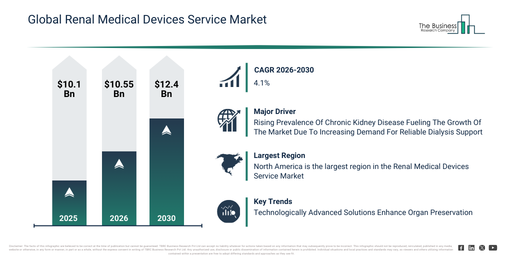
    The renal medical devices service market size has witnessed steady expansion in recent years. This market is anticipated to increase from $10.1 billion in 2025 to $10.55 billion in 2026, achieving a compound annual growth rate (CAGR) of 4.4%. The factors contributing to its past growth include a rising occurrence of kidney diseases, the global expansion of dialysis centers, an increase in the installation of advanced dialysis equipment, the requirement for regulatory compliance in device maintenance, and the accessibility of specialized renal devices.

    The renal medical devices service market is anticipated to experience consistent expansion over the upcoming years. It is projected to achieve a valuation of $12.4 billion by 2030, reflecting a compound annual growth rate (CAGR) of 4.1%. This growth during the forecast period can be ascribed to several factors, such as the escalating demand for home dialysis services, the increasing embrace of connected renal devices, the broadening of service outsourcing models, a heightened emphasis on cost-effective healthcare operations, and the expanded application of analytics for optimizing device performance. Key trends expected in the same period include the rising implementation of predictive maintenance services, a broader deployment of remote device monitoring solutions, the widening scope of preventive service agreements, an amplified focus on equipment uptime and safety, and the accelerating integration of data-driven service frameworks.

    Access Your Free Sample Report for In-Depth Market Insights:

    https://www.thebusinessresearchcompany.com/sample.aspx?id=24683&type=smp

    What Drivers Are Affecting Demand-Supply Dynamics In The Renal Medical Devices Service Market?

    The increasing incidence of chronic kidney disease (CKD) is anticipated to boost the expansion of the renal medical devices service market in the future. CKD involves the kidneys progressively losing their capacity to filter waste from the blood, potentially causing a dangerous accumulation of waste materials and various other health complications within the body. The growing occurrence of chronic kidney disease is linked to diabetes, where elevated blood sugar levels harm kidney blood vessels, thereby diminishing their efficiency in filtering waste. Renal medical device services play a crucial role in supporting chronic kidney disease treatment by guaranteeing the peak performance of dialysis machines and associated equipment. This service minimizes operational interruptions through prompt maintenance and expert technical assistance, thereby improving treatment dependability and patient well-being. For example, in June 2023, Kidney Research UK reported that approximately 7.19 million people in the UK were living with chronic kidney disease in 2023, accounting for over 10% of the UK population, with projections indicating an increase to 7.61 million individuals by 2033. Consequently, the escalating prevalence of chronic kidney disease (CKD) is a primary catalyst for the growth of the renal medical devices service market.

    What Segments Are Included Within The Renal Medical Devices Service Market?

    The renal medical devices service market covered in this report is segmented –

    1) By Type: Dialysis Devices, Catheters, Kidney Monitoring Devices, Kidney Transplant Devices

    2) By Usage: Invasive, Non-Invasive

    3) By Application: Kidney Failure, Chronic Kidney Disease, End-Stage Kidney Disease, Renal Kidney Stone Disease, Hypertension, Diabetes

    4) By End User: Hospitals, Dialysis Centers, Home Healthcare

    Subsegments:

    1) By Dialysis Devices: Hemodialysis Machines, Peritoneal Dialysis Equipment, Dialysis Filters And Membranes, Dialysis Fluid Delivery Systems, Portable Dialysis Devices, Dialysis Consumables And Accessories

    2) By Catheters: Temporary Hemodialysis Catheters, Permanent Hemodialysis Catheters, Peritoneal Dialysis Catheters, Vascular Access Catheters, Central Venous Catheters For Renal Care

    3) By Kidney Monitoring Devices: Creatinine Monitoring Devices, Glomerular Filtration Rate (GFR) Monitoring Devices, Blood Urea Nitrogen (BUN) Monitoring Devices, Electrolyte Monitoring Devices, Continuous Renal Function Monitors

    4) By Kidney Transplant Devices: Organ Preservation Systems, Transplant Surgery Instruments, Immunosuppressant Delivery Devices, Kidney Perfusion Systems, Post-Transplant Monitoring Devices

    What Upcoming Trends Are Likely To Define The Future Path Of The Renal Medical Devices Service Market?

    Leading firms within the renal medical devices service sector are concentrating on inventing sophisticated technologies, such as hypothermic perfusion, to elevate organ viability and improve patient outcomes. This technology describes an organ preservation technique where a chilled, oxygenated fluid is continuously circulated through donor organs at low temperatures, typically between 0-12°C, to uphold their viability pre-transplantation. As an illustration, in January 2025, Paragonix Technologies Inc., a medical device company situated in the US, secured US Food and Drug Administration (FDA) approval for its KidneyVault portable renal perfusion system, intended for the hypothermic oxygenated perfusion of kidneys. This portable system ensures kidney viability during transit by employing hypothermic machine perfusion and SherpaCool phase-change cooling to sustain a temperature of 4–8°C without requiring ice. Furthermore, its integrated digital platform provides real-time monitoring of temperature, pressure, flow, and resistance, facilitating remote management of organ preservation.

    Who Are The Prominent Global Companies Shaping The Renal Medical Devices Service Market Landscape?

    Major companies operating in the renal medical devices service market are Abbott Laboratories, Medtronic plc, Fresenius Medical Care AG & Co. KGaA, Asahi Kasei Medical Co Ltd., Toray Medical Co Ltd., Boston Scientific Corporation, DaVita Inc., Terumo Corporation, Nipro Corporation, Teleflex Incorporated, ConvaTec Group Plc, Nikkiso Co Ltd., Japan Medical Supply Co Ltd., NxStage Medical Inc., B. Braun Melsungen AG, Outset Medical Inc., Rockwell Medical Inc., Quanta Dialysis Technologies Ltd., AWAK Technologies Pte Ltd., Dialife SA.

    Access The Complete Report For Deeper Market Insights:

    https://www.thebusinessresearchcompany.com/report/renal-medical-devices-service-global-market-report

    Which Geographic Areas Are Emerging As Strong Markets For The Renal Medical Devices Service Market?

    North America was the largest region in the renal medical devices service market in 2025. The regions covered in the renal medical devices service market report are Asia-Pacific, South East Asia, Western Europe, Eastern Europe, North America, South America, Middle East, Africa.

    Request Your Customized Renal Medical Devices Service Market Research Report for Competitive Advantage:

    https://www.thebusinessresearchcompany.com/customise?id=24683&type=smp

    Browse Through More Reports Similar to the Global Renal Medical Devices Service Market 2026, By The Business Research Company

    Renal Denervation Devices Market Report 2026

    https://www.thebusinessresearchcompany.com/report/renal-denervation-devices-global-market-report

    End Stage Renal Disease Esrd Drug Market Report 2026

    https://www.thebusinessresearchcompany.com/report/end-stage-renal-disease-esrd-drug-global-market-report

    Hepatorenal Syndrome Treatment Market Report 2026

    https://www.thebusinessresearchcompany.com/report/hepatorenal-syndrome-treatment-global-market-report

    Get in touch with us:

    The Business Research Company: https://www.thebusinessresearchcompany.com/

    Americas +1 310-496-7795

    Asia +44 7882 955267 & +91 8897263534

    Europe +44 7882 955267

    Email us at info@tbrc.info

    Follow us on:

    LinkedIn: https://in.linkedin.com/company/the-business-research-company

    YouTube: https://www.youtube.com/channel/UC24_fI0rV8cR5DxlCpgmyFQ

    Global Market Model: https://www.thebusinessresearchcompany.com/global-market-model
  • Renal Insufficiency Industry Poised for Rapid Growth, Forecast to Touch $20.5 Billion by 2030 at 11.1% CAGR

    Renal Insufficiency Industry Poised for Rapid Growth, Forecast to Touch $20.5 Billion by 2030 at 11.1% CAGR

    Uncover key drivers, emerging technologies, and competitive movements shaping the renal insufficiency market from 2026–2035 with trusted insights from The Business Research Company

    What long-term size projections exist for the Renal Insufficiency Market covering 2026–2035?

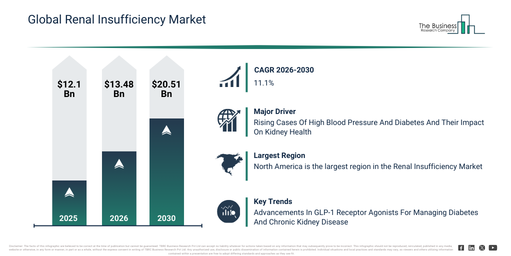
    The renal insufficiency market has recently experienced significant expansion. It is anticipated to increase from $12.1 billion in 2025 to $13.48 billion in 2026, exhibiting a compound annual growth rate (CAGR) of 11.4%. This historical growth can be attributed to factors such as the rising prevalence of diabetes and hypertension, the expansion of dialysis center networks, increased utilization of ACE inhibitors and ARBs, a growing diagnosis of chronic kidney disease, and improved access to renal care services.

    The renal insufficiency market size is projected to experience swift expansion in the coming years. This market is anticipated to reach a value of $20.51 billion by 2030, demonstrating a compound annual growth rate (CAGR) of 11.1%. The growth expected during the forecast period stems from factors such as the increasing integration of home dialysis solutions, a surge in investments towards regenerative therapies, the broader implementation of digital patient monitoring, an escalating need for individualized renal treatment strategies, and a heightened emphasis on retarding disease progression. Furthermore, key trends emerging during the forecast period encompass the greater embrace of advanced dialysis methods, a heightened focus on managing the disease in its early stages, an expanding application of combination drug therapies, a wider availability of home-based treatment alternatives, and an intensified concentration on patient-centered care approaches.

    Access Your Free Sample Report for In-Depth Market Insights:

    https://www.thebusinessresearchcompany.com/sample.aspx?id=21271&type=smp

    Which Drivers Are Impacting The Competitive Landscape Of The Renal Insufficiency Market?

    The rising incidence of high blood pressure and diabetes is anticipated to propel the expansion of the renal insufficiency market moving forward. These conditions, high blood pressure and diabetes, are linked to factors such as inadequate diet, insufficient physical activity, obesity, genetic predisposition, and an aging demographic. Hypertension damages kidney blood vessels through scarring and reduced filtration, while diabetes leads to thickened and overworked kidney vessels due to elevated blood sugar levels; both conditions accelerate kidney damage and ultimately result in renal insufficiency. For instance, in May 2024, according to the National Health Service, a UK-based government agency, the number of high blood pressure diagnoses in the South East increased by 71,120 patients in December 2023, marking a 5.4% rise compared to December 2022. Furthermore, in April 2023, the British Diabetic Association, a UK-based charity organization, reported that 4.3 million people are living with a diabetes diagnosis in the UK. Therefore, the growing number of high blood pressure and diabetes cases is driving the growth of the renal insufficiency market.

    What Leading Segments Are Studied In The Renal Insufficiency Market?

    The renal insufficiency market covered in this report is segmented –

    1) By Treatment Type: Medications, Dialysis, Kidney Transplantation, Other Treatment Types

    2) By Disease Stage: Chronic Kidney Disease (CKD) Stages, End-Stage Renal Disease (ESRD)

    3) By Distribution Channel: Hospital Pharmacies, Retail Pharmacies, Online Pharmacies

    4) By End-User: Dialysis Centers, Hospital And Clinics, Research And Academic Institutes

    Subsegments:

    1) By Medications: Angiotensin-Converting Enzyme (ACE) Inhibitors, Angiotensin II Receptor Blockers (ARBs), Diuretics, Erythropoiesis-Stimulating Agents (ESAs), Phosphate Binders, Sodium Bicarbonate

    2) By Dialysis: Hemodialysis, Peritoneal Dialysis, Home Dialysis, Continuous Renal Replacement Therapy (CRRT)

    3) By Kidney Transplantation: Living Donor Kidney Transplant, Deceased Donor Kidney Transplant, Kidney Transplant Immunosuppressive Therapy

    4) By Other Treatment Types: Lifestyle And Dietary Modifications, Stem Cell Therapy, Gene Therapy

    Which Trends Are Shaping Activity Within The Renal Insufficiency Market?

    Leading companies in the renal insufficiency market are developing glucagon-like peptide-1 receptor agonists (GLP-1 RAs) to manage kidney and cardiovascular complications in individuals with diabetes and chronic kidney disease (CKD). These GLP-1 RAs improve glucose regulation, decrease inflammation, and reduce oxidative stress within the kidneys, thereby slowing the advancement of renal insufficiency. For example, in January 2025, Novo Nordisk, a Denmark-based pharmaceutical company, received Food and Drug Administration (FDA) approval for its Ozempic (semaglutide) to mitigate the risk of kidney disease worsening, kidney failure, and cardiovascular death in adults suffering from type 2 diabetes and chronic kidney disease (CKD). This approval underscores the increasing importance of glucagon-like peptide-1 receptor agonists (GLP-1 RAs) as a combined treatment strategy for both diabetes and renal insufficiency, addressing significant unmet medical needs in patients with progressive CKD.

    Which Key Players Are Driving Competition In The Renal Insufficiency Market?

    Major companies operating in the renal insufficiency market are Kaiser Permanente, Johnson & Johnson, Roche Holding AG, Sanofi S.A., Abbott Laboratories, Medtronic plc, Amgen Inc., Asahi Kasei Medical Co. Ltd., Fujifilm Holdings Corporation, Fresenius Medical Care, Toray Industries Inc., Baxter International Inc., Boehringer Ingelheim, DaVita Inc., Eisai Co. Ltd., Nipro Corporation, Biocon Limited, HemoCue AB, Rockwell Medical, Mitsubishi Tanabe Pharma Corporation

    Access The Complete Report For Deeper Market Insights:

    https://www.thebusinessresearchcompany.com/report/renal-insufficiency-global-market-report

    Which Region Is Projected To Lead The Renal Insufficiency Market During The Forecast Period?

    North America was the largest region in the renal insufficiency market in 2025. The regions covered in the renal insufficiency market report are Asia-Pacific, South East Asia, Western Europe, Eastern Europe, North America, South America, Middle East, Africa.

    Request Your Customized Renal Insufficiency Market Research Report for Competitive Advantage:

    https://www.thebusinessresearchcompany.com/customise?id=21271&type=smp

    Browse Through More Reports Similar to the Global Renal Insufficiency Market 2026, By The Business Research Company

    Rare Kidney Diseases Market Report 2026

    https://www.thebusinessresearchcompany.com/report/rare-kidney-diseases-global-market-report

    Kidney Dialysis Market Report 2026

    https://www.thebusinessresearchcompany.com/report/kidney-dialysis-global-market-report

    Chronic Kidney Disease Market Report 2026

    https://www.thebusinessresearchcompany.com/report/chronic-kidney-disease-global-market-report

    Get in touch with us:

    The Business Research Company: https://www.thebusinessresearchcompany.com/

    Americas +1 310-496-7795

    Asia +44 7882 955267 & +91 8897263534

    Europe +44 7882 955267

    Email us at info@tbrc.info

    Follow us on:

    LinkedIn: https://in.linkedin.com/company/the-business-research-company

    YouTube: https://www.youtube.com/channel/UC24_fI0rV8cR5DxlCpgmyFQ

    Global Market Model: https://www.thebusinessresearchcompany.com/global-market-model
  • Renal Fanconi Syndrome Market Performance Outlook 2026–2030: Revenue to Hit $0.64 Billion at 3.5% CAGR

    Renal Fanconi Syndrome Market Performance Outlook 2026–2030: Revenue to Hit $0.64 Billion at 3.5% CAGR

    Uncover key drivers, emerging technologies, and competitive movements shaping the renal fanconi syndrome market from 2026–2035 with trusted insights from The Business Research Company

    What total market size is anticipated for the Renal Fanconi Syndrome Market in 2030?

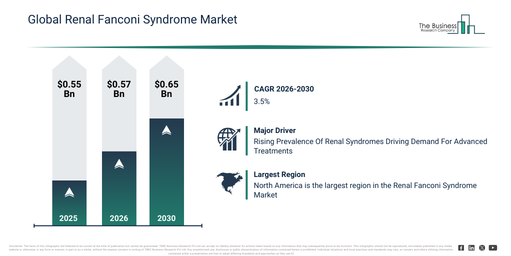
    The market for renal fanconi syndrome has experienced consistent expansion in recent years. This market is projected to increase from $0.55 billion in 2025 to $0.57 billion in 2026, demonstrating a compound annual growth rate (CAGR) of 3.7%. The growth observed in prior periods can be attributed to improved recognition of inherited kidney disorders, the availability of cystinosis treatment options, the expansion of hospital-based nephrology care, increased diagnostic screening for metabolic abnormalities, and advancements in supportive renal therapies.

    The market for renal Fanconi syndrome is projected to experience consistent expansion over the upcoming years, with an anticipation to reach $0.65 billion by 2030, demonstrating a compound annual growth rate (CAGR) of 3.5%. Several factors are expected to drive this growth during the forecast period, including the increasing embrace of tailored treatment approaches, greater funding for rare disease investigations, the expansion of genetic diagnostic methods, a heightened emphasis on early intervention techniques, and the escalating creation of innovative supportive therapies. Key trends emerging over the forecast period encompass a stronger emphasis on genetic testing and accurate diagnosis, an increasing need for therapies focused on long-term symptom management, heightened recognition of rare kidney conditions, the broadening availability of supportive and nutritional care, and a reinforced commitment to identifying the disease in its initial stages.

    Access Your Free Sample Report for In-Depth Market Insights:

    https://www.thebusinessresearchcompany.com/sample.aspx?id=21270&type=smp

    What Drivers Are Influencing Production Trends In The Renal Fanconi Syndrome Market?

    The rising occurrence of renal syndrome is anticipated to fuel the expansion of the renal fanconi syndrome market in the coming years. Renal syndromes encompass various kidney conditions that impair kidney function, leading to issues with filtration, reabsorption, and electrolyte balance. These conditions are fueled by factors such as the growing incidence of chronic kidney disease, an aging demographic, unhealthy lifestyle choices, and environmental elements. Often, renal syndrome involves underlying issues or complications that disrupt kidney function, thereby increasing the likelihood of proximal tubular dysfunction. This in turn boosts the need for diagnostic instruments, treatments, and therapies specifically designed to manage and lessen the impact of renal Fanconi syndrome. As an illustration, in June 2023, a report from Kidney Research UK, a non-profit organization based in the UK, revealed that around 7.2 million individuals in the UK are affected by chronic kidney disease, constituting over 10% of the population. Among them, 3.25 million are in advanced stages, while 3.9 million are in early stages. Projections indicate that by 2033, the number of people with chronic kidney disease will increase to 7.61 million. Consequently, the escalating prevalence of renal syndrome is propelling the growth of the renal fanconi syndrome market. The growing incidence of genetic disorders is anticipated to stimulate the expansion of the renal fanconi syndrome market in the future. Genetic disorders are influenced by elements such as progress in genetic testing, heightened public awareness, environmental impacts, and an increase in inherited conditions passed down through generations. A significant number of Fanconi syndrome cases are associated with hereditary genetic conditions, including cystinosis or Wilson’s disease. As these genetic disorders become more common, there is a corresponding rise in the necessity for specialized diagnostic instruments, specific treatments, and management approaches to address the related proximal tubular dysfunction, thereby fostering market development. For example, in March 2024, data from the United Nations, an international organization based in the US, indicated that Down syndrome affects roughly 1 in 1,000 to 1 in 1,100 live births globally, leading to an estimated 3,000 to 5,000 children being born with this chromosomal condition annually. Thus, the escalating prevalence of genetic disorders is propelling the growth of the renal fanconi syndrome market.

    Which Segment Groups Are Influencing The Renal Fanconi Syndrome Market?

    The renal fanconi syndrome market covered in this report is segmented –

    1) By Disease Type: Inherited (Genetic), Acquired

    2) By Treatment: Cystinosis Treatment, Symptomatic Management, Dietary Changes And Adjustments, Antibiotics, Kidney Transplantation, Supplements

    3) By Route Of Administration: Oral, Intravenous

    4) By Distribution Channel: Hospital Pharmacy, Retail Pharmacy, Online Pharmacy, Other Distribution Channels

    5) By End-User: Hospitals, Specialty Clinics, Homecare, Other End-Users

    Subsegments:

    1) By Inherited (Genetic): Cystinosis, Wilson Disease, Lowe Syndrome, Dent Disease

    2) By Acquired: Drug-Induced Fanconi Syndrome, Heavy Metal Toxicity, Multiple Myeloma-Associated Fanconi Syndrome, Other Acquired Conditions

    Who Are The Top-Performing Companies In The Renal Fanconi Syndrome Market In Recent Years?

    Major companies operating in the renal fanconi syndrome market are Pfizer Inc., F Hoffmann La Roche AG, Merck And Co Inc, AbbVie Inc., Novartis AG, Sanofi, Bristol Myers Squibb, Gilead Sciences Inc., Amgen Inc., Teva Pharmaceutical Industries Ltd, Baxter International Inc., Boehringer Ingelheim, Eisai Co Ltd, Hikma Pharmaceuticals plc, Astellas Pharma Inc., Mallinckrodt Pharmaceuticals plc, CSL Vifor, Alnylam Pharmaceuticals Inc., Otsuka Pharmaceutical Co Ltd, Takeda Pharmaceutical Company Limited, Alexion Pharmaceuticals Inc., Recordati Rare Diseases, Chiesi Farmaceutici S.p.A., Kyowa Kirin Co Ltd

    Access The Complete Report For Deeper Market Insights:

    https://www.thebusinessresearchcompany.com/report/renal-fanconi-syndrome-global-market-report

    Which Region Currently Holds The Largest Share Of The Renal Fanconi Syndrome Market?

    North America was the largest region in the renal fanconi syndrome market in 2025. Asia-Pacific is expected to be the fastest-growing region in the forecast period. The regions covered in the renal fanconi syndrome market report are Asia-Pacific, South East Asia, Western Europe, Eastern Europe, North America, South America, Middle East, Africa.

    Request Your Customized Renal Fanconi Syndrome Market Research Report for Competitive Advantage:

    https://www.thebusinessresearchcompany.com/customise?id=21270&type=smp

    Browse Through More Reports Similar to the Global Renal Fanconi Syndrome Market 2026, By The Business Research Company

    Veterinary Renal Disease Market Report 2026

    https://www.thebusinessresearchcompany.com/report/veterinary-renal-disease-global-market-report

    Rare Kidney Diseases Market Report 2026

    https://www.thebusinessresearchcompany.com/report/rare-kidney-diseases-global-market-report

    Chronic Kidney Disease Market Report 2026

    https://www.thebusinessresearchcompany.com/report/chronic-kidney-disease-global-market-report

    Get in touch with us:

    The Business Research Company: https://www.thebusinessresearchcompany.com/

    Americas +1 310-496-7795

    Asia +44 7882 955267 & +91 8897263534

    Europe +44 7882 955267

    Email us at info@tbrc.info

    Follow us on:

    LinkedIn: https://in.linkedin.com/company/the-business-research-company

    YouTube: https://www.youtube.com/channel/UC24_fI0rV8cR5DxlCpgmyFQ

    Global Market Model: https://www.thebusinessresearchcompany.com/global-market-model