Category: HealthcareServices

  • Which Factors Will Push The Cancer Treatment Facilities Market To Achieve $65.44 Billion By 2029?

    Which Factors Will Push The Cancer Treatment Facilities Market To Achieve $65.44 Billion By 2029?

    Claim your 20% discount on Global Market Reports with code ONLINE20. Limited time only.

    What Is The Projected Valuation Of The Cancer Treatment Facilities Market In The Coming Years?

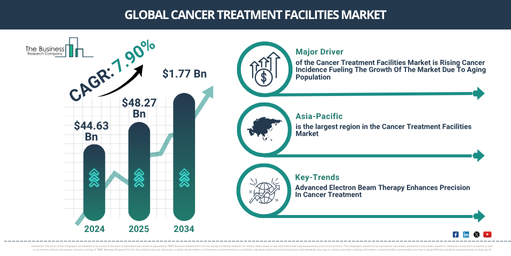
    The market size for cancer treatment facilities has seen notable growth in the past few years. It’s projected to increase from $44.63 billion in 2024 to $48.27 billion in 2025, marking a compound annual growth rate (CAGR) of 8.1%. Factors contributing to this growth during the historic period include the rising incidences of cancer, growing numbers of elderly people, amplified awareness leading to early diagnosis, the increasing usage of cutting-edge therapies, and increasing healthcare spending.

    Robust growth is projected for the cancer treatment facilities market in the coming years. The market’s value is anticipated to reach 65.44 billion by 2029, posting a compound annual growth rate (CAGR) of 7.9%. This growth outlook for the forecast period can be attributed to factors such as expanded health insurance access, an escalating demand for personalized medicine, a boom in medical tourism for cancer care, increased investment in cancer research and infrastructure, and the growing incorporation of AI and digital health technologies. Key trends likely to shape the forecast period include the improvement in radiation therapy technologies, the use of artificial intelligence in oncology, the advent of technology-enabled robotic surgery solutions, advancements in personalized and genomic medicine, and progress in imaging and diagnostic tools.

    Get A Free Sample Of The Report:

    https://www.thebusinessresearchcompany.com/sample.aspx?id=25716&type=smp

    Which Growth Drivers Are Shaping The Cancer Treatment Facilities Market Outlook?

    The cancer treatment facilities market is anticipated to experience significant growth, driven by the increasing rates of cancer. Cancer, a disease group marked by unstoppable growth and spread of abnormal cells, has seen increasing prevalence due to aging populations. Older age groups present a higher cancer risk. Cancer treatment centers play a pivotal role in managing the surging cancer cases, providing early detection, cutting-edge treatment methods, and ongoing care. These elements are crucial for enhancing patient survival rates and their quality of life. For instance, a report published in February 2023 by the Leukaemia Foundation, a not-for-profit organization based in Australia, predicts that between 2022 and 2035, over 7,000 children, 6,000 young adults, and 108,000 adults (25–65), will be diagnosed with blood cancers, predominantly acute lymphoblastic leukemia (ALL), acute myeloid leukemia (AML), and non-Hodgkin lymphoma. As such, the rising cancer rates are fuelling the expansion of the cancer treatment facilities market.

    What Is The Segment Breakdown Of The Cancer Treatment Facilities Market?

    The cancer treatment facilities market covered in this report is segmented –

    1) By Cancer Type: Blood Cancer, Breast Cancer, Prostate Cancer, Gastrointestinal Cancer, Colorectal Cancer, Lung Cancer, Other Cancer Types

    2) By Treatment Type: Cancer Surgery, Chemotherapy, Radiation Therapy, Immunotherapy, Bone Marrow Transplantation, Other Treatment Types

    3) By Provider: Hospitals, Cancer Centers

    Subsegments:

    1) By Blood Cancer: Leukemia, Lymphoma, Multiple Myeloma, Myelodysplastic Syndromes (MDS), Myeloproliferative Neoplasms (MPNs)

    2) By Breast Cancer: Hormone Receptor Positive (HR+), HER2-Positive Breast Cancer, Triple-Negative Breast Cancer (TNBC), Inflammatory Breast Cancer, Male Breast Cancer

    3) By Prostate Cancer: Localized Prostate Cancer, Advanced Or Metastatic Prostate Cancer, Castration-Resistant Prostate Cancer (CRPC), Hormone-Sensitive Prostate Cancer (HSPC)

    4) By Gastrointestinal Cancer: Stomach (Gastric) Cancer, Esophageal Cancer, Liver Cancer (Hepatocellular Carcinoma), Pancreatic Cancer, Bile Duct Cancer (Cholangiocarcinoma)

    5) By Colorectal Cancer: Colon Cancer, Rectal Cancer, Early-Stage Colorectal Cancer, Metastatic Colorectal Cancer, Familial Adenomatous Polyposis (FAP)-Associated Cancer

    6) By Lung Cancer: Non-Small Cell Lung Cancer (NSCLC), Small Cell Lung Cancer (SCLC), EGFR Mutation-Positive Lung Cancer, ALK-Positive Lung Cancer, PD-L1 Expressing Lung Cancer

    7) By Other Cancer Types: Skin Cancer, Bladder Cancer, Cervical Cancer, Ovarian Cancer, Kidney (Renal Cell) Cancer, Head And Neck Cancer, Thyroid Cancer, Brain Tumors

    How Are Global Trends Impacting The Development Of The Cancer Treatment Facilities Market?

    Market leaders in the cancer treatment facilities sector are emphasizing the use of innovative treatment technologies like electron beam therapy, to improve accuracy and efficacy in cancer care. Electron beam therapy deploys high-energy electrons to address cancer, specifically those tumors located near the body’s surface. For example, in October 2024, Aster DM Healthcare Limited, a health services establishment in UAE, introduced their intraoperative electron radiation therapy (IOeRT) for use within their cancer care treatment facilities. IOeRT has distinct characteristics that include the delivery of a high-dose, single-fraction electron beam straight to the tumor location during surgery, taking advantage of direct visualization to accurately aim at remaining cancer cells while physically guarding or moving healthy tissues aside. Utilizing high-energy electrons (usually between 4–12 MeV) results in a pronounced dose reduction, constraining radiation exposure to deeper tissue layers.

    Who Are The Major Stakeholders Operating In The Cancer Treatment Facilities Market?

    Major companies operating in the cancer treatment facilities market are Kaiser Permanente, HCA Healthcare Inc., CommonSpirit Health, Ascension Health, Trinity Health Corporation, Tenet Healthcare Corporation, Adventist Health System Sunbelt Healthcare Corporation, Universal Health Services Inc., Community Health Systems Inc., Ramsay Health Care Limited, Sutter Health, Stanford Health Care, Netcare Limited, Allegheny Health Network, IHH Healthcare Berhad, Fortis Healthcare, LifePoint Health Inc., Aster DM Healthcare Limited, Prime Healthcare Services Inc., Providence Health & Services.

    Access The Complete Report Here:

    https://www.thebusinessresearchcompany.com/report/cancer-treatment-facilities-global-market-report

    Which Region Is Likely To Register The Fastest Growth In The Cancer Treatment Facilities Market?

    Asia-Pacific was the largest region in the cancer treatment facilities market in 2024, and it is expected to be the fastest-growing region in the forecast period. The regions covered in the cancer treatment facilities market report are Asia-Pacific, Western Europe, Eastern Europe, North America, South America, Middle East, Africa.

    Customize Your Report Here:

    https://www.thebusinessresearchcompany.com/customise?id=25716&type=smp

    Browse Through More Reports Similar to the Global Cancer Treatment Facilities Market 2025, By The Business Research Company

    Cancer Supportive Care Drugs Global Market Report 2025

    https://www.thebusinessresearchcompany.com/report/cancer-supportive-care-drugs-global-market-report

    Cancer Supportive Care Products Global Market Report 2025

    https://www.thebusinessresearchcompany.com/report/cancer-supportive-care-products-global-market-report

    Oncology Drugs Global Market Report 2025

    https://www.thebusinessresearchcompany.com/report/oncology-drugs-market

    About The Business Research Company:

    With over 17500+ reports from 27 industries covering 60+ geographies, The Business Research Company has built a reputation for offering comprehensive, data-rich research and insights. Armed with 1,500,000 datasets, the optimistic contribution of in-depth secondary research, and unique insights from industry leaders, you can get the information you need to stay ahead in the game.

    Get in touch with us:

    The Business Research Company: https://www.thebusinessresearchcompany.com/

    Americas +1 310-496-7795

    Asia +44 7882 955267 & +91 8897263534

    Europe +44 7882 955267

    Email us at info@tbrc.info

    Follow us on:

    LinkedIn: https://in.linkedin.com/company/the-business-research-company

    YouTube: https://www.youtube.com/channel/UC24_fI0rV8cR5DxlCpgmyFQ

    Global Market Model: https://www.thebusinessresearchcompany.com/global-market-model
  • What Is The Predicted Revenue Outlook For The Global Catastrophic Antiphospholipid Syndrome Market To Surpass $6.17 Billion?

    What Is The Predicted Revenue Outlook For The Global Catastrophic Antiphospholipid Syndrome Market To Surpass $6.17 Billion?

    Claim your 20% discount on Global Market Reports with code ONLINE20. Limited time only.

    What Are The Market Size Estimates For The Catastrophic Antiphospholipid Syndrome Market?

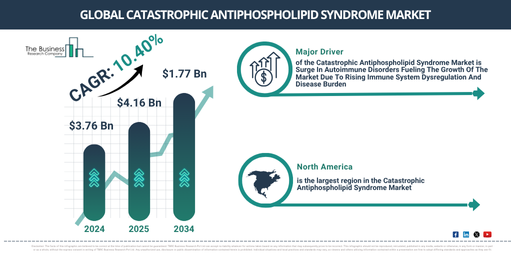
    The market size for catastrophic antiphospholipid syndrome has seen rapid expansion in recent times. This market is predicted to expand from $3.76 billion in 2024 to reach $4.16 billion in 2025, boasting a compound annual growth rate (CAGR) of 10.7%. The development during the historical period can be credited to the increased use of plasmapheresis and intravenous immunoglobulin (IVIG), the soaring accessibility of biologics and monoclonal antibodies, expanded patient support measures and advocacy for rare diseases, proliferating clinical trials for targeted treatments, and a rise in healthcare expenditure.

    The market size for catastrophic antiphospholipid syndrome is projected to experience significant expansion in the coming years, ballooning to a worth of $6.17 billion by 2029, exhibiting a compound annual growth rate (CAGR) of 10.4%. This growth during the forecasted period can be linked to an increased occurrence of autoimmune diseases, heightened understanding among medical professionals, the expanding use of immunosuppressive treatments, a surge in thrombosis-related issues, and a growing demand for more advanced diagnostic equipment. Key trends to watch for in the forecast period are strides in autoantibody detection tech, the production of point-of-care diagnostic devices, the use of artificial intelligence in aiding clinical decisions, tech advancements in immunoassay platforms, and the creation of targeted biological drugs and monoclonal antibodies.

    Get A Free Sample Of The Report:

    https://www.thebusinessresearchcompany.com/sample.aspx?id=25718&type=smp

    Which Industry Forces Are Driving The Catastrophic Antiphospholipid Syndrome Market Forward?

    The surging incidence of autoimmune disorders is set to drive the catastrophic antiphospholipid syndrome market’s growth. Autoimmune disorders, conditions caused by an overactive immune response attacking healthy cells and tissues in the body, are on the rise partly due to increased exposure to pollutants that interfere with the normal functioning of the immune system and cause unconventional immune reactions. The progression of autoimmune disorders fuels the development of catastrophic antiphospholipid syndrome by stimulating the array of antiphospholipid antibodies, which causes extensive blood clotting and multi-organ failure. For instance, the Crohn’s and Colitis Foundation of Canada reported in June 2023 that there were 322,600 individuals diagnosed with inflammatory bowel disease in 2023 in Canada, a number projected to increase to 470,000 by 2035, with annual new cases growing from 11,000 to 14,000. Therefore, the growth of the catastrophic antiphospholipid syndrome market is being accelerated by the rise in autoimmune disorders. The escalating healthcare expenditure is poised to fuel the growth of the catastrophic antiphospholipid syndrome market. Healthcare expenditure entails total financial resources invested in health services, goods, and public health activities by private individuals, government bodies, and organizations. The spending on healthcare is increasing due to the aging population, which typically requires more regular and intensive health services. This healthcare expenditure augments the catastrophic antiphospholipid syndrome market’s growth by making advanced diagnostics, intensive care, and essential treatments such as anticoagulation therapy, immunosuppressants, and plasmapheresis more accessible. For instance, provisional estimates by the Office for National Statistics in May 2023 indicated that the UK’s healthcare expenditure hit roughly $331.70 billion (£283 billion) in 2022, recording a nominal increase of 0.7% compared to 2021. Therefore, the mounting healthcare expenditure is propelling the growth of the catastrophic antiphospholipid syndrome market.

    How Is The Catastrophic Antiphospholipid Syndrome Market Organized By Different Segments?

    The catastrophic antiphospholipid syndrome market covered in this report is segmented –

    1) By Treatment: Anticoagulants, Immunosuppressive Therapy, Plasma Exchange Therapy (Plasmapheresis), Intravenous Immunoglobulin (IVIG), Other Treatments

    2) By Route Of Administration: Oral, Parenteral

    3) By Diagnostic Tools: Blood Testing, Imaging Techniques, Genetic Testing

    4) By End-User: Hospitals, Specialty clinics, Ambulatory surgical centers, Other End-Users

    Subsegments:

    1) By Anticoagulants: Heparin, Low Molecular Weight Heparin (LMWH), Warfarin, Direct Oral Anticoagulants (DOACs), Fondaparinux

    2) By Immunosuppressive Therapy: Corticosteroids, Cyclophosphamide, Azathioprine, Mycophenolate Mofetil, Methotrexate

    3) By Plasma Exchange Therapy (Plasmapheresis): Therapeutic Plasma Exchange (Tpe), Double Filtration Plasmapheresis (Dfpp), Centrifugal Plasmapheresis, Membrane-Based Plasmapheresis

    4) By Intravenous Immunoglobulin (Ivig): Standard Intravenous Immunoglobulin (Ivig), High-Dose Intravenous Immunoglobulin (Ivig), Liquid Intravenous Immunoglobulin (Ivig), Lyophilized Intravenous Immunoglobulin (Ivig)

    5) By Other Treatments: Monoclonal Antibodies, Complement Inhibitors, Antiplatelet Agents, Anti-Tumor Necrosis Factor (Tnf) Agents, Organ Support Therapies

    Who Are The Primary Market Leaders In The Catastrophic Antiphospholipid Syndrome Market?

    Major companies operating in the catastrophic antiphospholipid syndrome market are Pfizer Inc., F. Hoffmann-La Roche Ltd., Merck KGaA, Bayer AG, Sanofi S.A., Bristol-Myers Squibb Company, AstraZeneca PLC., Abbott Laboratories, Novartis AG., Fresenius Kabi AG., Eli Lilly and Company, Boehringer Ingelheim International GmbH, Apotex Inc., Dr. Reddy’s Laboratories Ltd., Hikma Pharmaceuticals PLC, Aspen Pharmacare Holdings Limited, Zydus Lifesciences Limited, LEO Pharma A/S, Kedrion Biopharma Inc., Amphastar Pharmaceuticals Inc.

    Access The Complete Report Here:

    https://www.thebusinessresearchcompany.com/report/catastrophic-antiphospholipid-syndrome-global-market-report

    How Do Regional Dynamics Influence The Catastrophic Antiphospholipid Syndrome Market Performance?

    North America was the largest region in the catastrophic antiphospholipid syndrome market in 2024. Asia-Pacific is expected to be the fastest-growing region in the forecast period. The regions covered in the catastrophic antiphospholipid syndrome market report are Asia-Pacific, Western Europe, Eastern Europe, North America, South America, Middle East, Africa.

    Customize Your Report Here:

    https://www.thebusinessresearchcompany.com/customise?id=25718&type=smp

    Browse Through More Reports Similar to the Global Catastrophic Antiphospholipid Syndrome Market 2025, By The Business Research Company

    Hypolipidemics Global Market Report 2025

    https://www.thebusinessresearchcompany.com/report/hypolipidemics-global-market-report

    Lipid Disorder Treatment Global Market Report 2025

    https://www.thebusinessresearchcompany.com/report/lipid-disorder-treatment-global-market-report

    Cardiometabolic Diseases Global Market Report 2025

    https://www.thebusinessresearchcompany.com/report/cardiometabolic-diseases-global-market-report

    About The Business Research Company:

    With over 17500+ reports from 27 industries covering 60+ geographies, The Business Research Company has built a reputation for offering comprehensive, data-rich research and insights. Armed with 1,500,000 datasets, the optimistic contribution of in-depth secondary research, and unique insights from industry leaders, you can get the information you need to stay ahead in the game.

    Get in touch with us:

    The Business Research Company: https://www.thebusinessresearchcompany.com/

    Americas +1 310-496-7795

    Asia +44 7882 955267 & +91 8897263534

    Europe +44 7882 955267

    Email us at info@tbrc.info

    Follow us on:

    LinkedIn: https://in.linkedin.com/company/the-business-research-company

    YouTube: https://www.youtube.com/channel/UC24_fI0rV8cR5DxlCpgmyFQ

    Global Market Model: https://www.thebusinessresearchcompany.com/global-market-model
  • What Is The Forecast Valuation Of The Global Acute Care Telemedicine AD13Market Projected To Reach $66.59 Billion By 2029?

    What Is The Forecast Valuation Of The Global Acute Care Telemedicine AD13Market Projected To Reach $66.59 Billion By 2029?

    Claim your 20% discount on Global Market Reports with code ONLINE20. Limited time only.

    How Big Is The Acute Care Telemedicine Market Today And What Is Its Future Size?

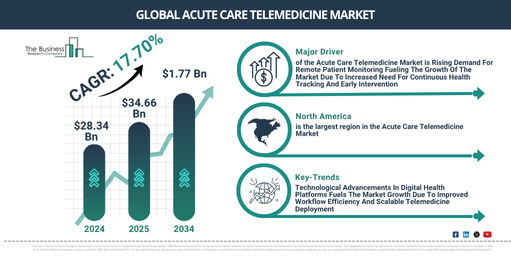
    In recent times, there has been a significant expansion in the size of the acute care telemedicine market. An increase from $28.34 billion in 2024 to $34.66 billion in 2025 is predicted, reflecting a compound annual growth rate (CAGR) of 18.1%. The previous period’s growth can be credited to several factors. These include a higher demand for immediate specialist consultations, an increase in chronic and acute health conditions, a growing deficit of critical care professionals in rural areas, escalating healthcare costs prompting the need for more efficient delivery models, and elevated investment and funding in telehealth infrastructure.

    Anticipations for the acute care telemedicine market over the next several years predict quick expansion, with the market estimated to reach a value of $66.59 billion by 2029, escalating at a compound annual growth rate (CAGR) of 17.7%. The growth in the forecast period is fueled by a rise in demand for round-the-clock emergency medical services, increased regulatory backing and reimbursement policies, an upswing in the implementation of telemedicine carts in emergency departments, heightened demand for managing infectious diseases in acute settings, and a burgeoning use of wearables and remote monitoring systems in emergency care. Significant trends for the forecast period encompass improvements in real-time video communication tools, developments in 5G and swift connectivity infrastructure, advancements in mobile telehealth stations and portable carts, technology-driven distant patient monitoring for acute conditions, and evolutions in clinical workflow automation and tele-triage.

    Get A Free Sample Of The Report:

    https://www.thebusinessresearchcompany.com/sample.aspx?id=25688&type=smp

    Which Key Factors Are Fueling Growth In The Acute Care Telemedicine Market?

    The acute care telemedicine market is predicted to thrive due to the increasing requirement for remote patient monitoring. This term pertains to the application of digital tech to gather and deliver patients’ health information to their healthcare providers from locations beyond conventional healthcare environments for their evaluation and potential care management. The escalating need for remote patient monitoring arises from the escalating incidences of chronic illnesses which necessitate consistent health monitoring and preemptive measures to prevent complications and minimize hospital stay. Acute care telemedicine promotes remote patient monitoring by facilitating immediate evaluations and swift clinical responses towards crucial shifts in a patient’s health status, regardless of their proximity to traditional healthcare environments. For example, ElectroIQ, a tech and electronics enterprise based in the US, reported a 20% growth in sales of remote monitoring devices in comparison to the previous year, due to a heightened interest in at-home healthcare in January 2025. Consequently, the burgeoning demand for remote patient monitoring is spurring the expansion of the acute care telemedicine market.

    How Is The Acute Care Telemedicine Market Segmented Across Key Categories?

    The acute care telemedicine market covered in this report is segmented –

    1) By Product Type: Telehealth Units, Telemedicine Carts, Portable Telemedicine Systems

    2) By Delivery: Clinician To Patient, Clinician To Clinician

    3) By Connectivity: Local Area Network (LAN), Wireless

    4) By Application: Emergency Medicine, Critical Care, Remote Patient Monitoring

    5) By End User: Hospitals, Clinics, Ambulatory Surgical Centers, Other End Users

    Subsegments:

    1) By Telehealth Units: Fixed Telehealth Stations, Wall-Mounted Telehealth Systems, Integrated Telemedicine Workstations

    2) By Telemedicine Carts: Basic Telemedicine Carts, Advanced and High-Acuity Telemedicine Carts, Specialty-Specific Carts

    3) By Portable Telemedicine Systems: Handheld Telemedicine Devices, Mobile App-Based Telehealth Tools, Wearable Telemonitoring Devices

    What Key Trends Are Driving Growth In The Acute Care Telemedicine Market?

    Prominent corporations involved in the acute care telemedicine market are honing their focus on technological upgrades like digital health platforms. Their aim is to boost the efficiency of clinical workflow, coordination of real-time care, and the scalability of telemedicine services over a multitude of acute care settings. In terms of definition, digital health platforms imply the use of comprehensive software solutions which aid in the provision, management, and orchestration of healthcare services through digital instruments. They allow for immediate communication, remote monitoring, data analysis, and simplified clinical workflows. A case in point is Avel eCare, an American telemedicine provider, that introduced Avel eSync, a bespoke clinical workflow platform in May 2024. This platform was created to facilitate easy telemedicine implementation across diverse care settings. It boasts of features like adaptable clinical workflows, sophisticated scheduling tools, secure video functionality, and analytical capabilities for data-backed decision-making. Avel eSync, which is designed to better clinician-to-clinician telemedicine services, empowers healthcare institutions to customize workflows for specialties like emergency care, intensive care unit (ICU), behavioral health, and senior care. They do so while maintaining adherence to licensing, credentialing, and regulatory norms.

    Who Are The Leading Companies Driving The Acute Care Telemedicine Market?

    Major companies operating in the acute care telemedicine market are Koninklijke Philips N.V., Mercy Health, AMN Healthcare Inc., MedStar Health, Teladoc Health, Apollo Hospitals, U.S. Acute Care Solutions LLC, Enghouse Systems Limited, American Well Corporation, ScienceSoft USA Corporation, Health Tap Inc., K Health Inc., Caregility, Eagle Telemedicine, SynergenX Health, RelyMD Inc., Orbit Health, eVisit LLC, Teledigm Health, Vitalchat Inc., GenieMD Inc.

    Access The Complete Report Here:

    https://www.thebusinessresearchcompany.com/report/acute-care-telemedicine-global-market-report

    Which Region Dominates The Acute Care Telemedicine Market Today?

    North America was the largest region in the acute care telemedicine market in 2024. Asia-Pacific is expected to be the fastest-growing region in the forecast period. The regions covered in the acute care telemedicine market report are Asia-Pacific, Western Europe, Eastern Europe, North America, South America, Middle East, Africa.

    Customize Your Report Here:

    https://www.thebusinessresearchcompany.com/customise?id=25688&type=smp

    Browse Through More Reports Similar to the Global Acute Care Telemedicine Market 2025, By The Business Research Company

    Telemedicine Equipment Global Market Report 2025

    https://www.thebusinessresearchcompany.com/report/telemedicine-equipment-global-market-report

    Telemetry Global Market Report 2025

    https://www.thebusinessresearchcompany.com/report/telemetry-global-market-report

    Hospice Care Global Market Report 2025

    https://www.thebusinessresearchcompany.com/report/hospice-care-global-market-report

    About The Business Research Company:

    With over 17500+ reports from 27 industries covering 60+ geographies, The Business Research Company has built a reputation for offering comprehensive, data-rich research and insights. Armed with 1,500,000 datasets, the optimistic contribution of in-depth secondary research, and unique insights from industry leaders, you can get the information you need to stay ahead in the game.

    Get in touch with us:

    The Business Research Company: https://www.thebusinessresearchcompany.com/

    Americas +1 310-496-7795

    Asia +44 7882 955267 & +91 8897263534

    Europe +44 7882 955267

    Email us at info@tbrc.info

    Follow us on:

    LinkedIn: https://in.linkedin.com/company/the-business-research-company

    YouTube: https://www.youtube.com/channel/UC24_fI0rV8cR5DxlCpgmyFQ

    Global Market Model: https://www.thebusinessresearchcompany.com/global-market-model

  • Cryogenic Valve For Space Market 2025–2029: Strategic Opportunities and Growth Insights

    Get 20% off on all global market reports with code ONLINE20 – stay updated on tariff changes, macroeconomic trends, and more!

    What Are The Market Size Estimates For The Cryogenic Valve For Space Market Now And By 2029?

    The market size for cryogenic valves used in the space sector has seen a significant increase in recent years. It is projected to rise from $1.33 billion in 2024 to $1.45 billion in 2025, boasting a compound annual growth rate (CAGR) of 9.3%. Factors such as the increase in space exploration missions, burgeoning demand for satellites, heightened private sector investment in space, growing use of cryogenic propellants, and a surge in the production of launch vehicles have contributed to this historical growth.

    The market size for cryogenic valves in the space industry is forecasted to witness substantial growth in the upcoming years, increasing to $2.05 billion in 2029 with a compound annual growth rate (CAGR) of 8.9%. The anticipated growth during the forecast period is due to the rising preference for more environmentally-friendly alternatives to traditional fossil fuels, the emerging focus on space tourism, an increase in deep space projects, a growing requirement for reliability, and an increasing need to reduce carbon emissions. The forecast period also expects to see trends like advancements in the miniaturization of valves, the incorporation of intelligent sensors, advancements in remote monitoring technology, innovations in seal materials, and progressions in thermal insulation.

    Access A Free Sample Of The Report:

    https://www.thebusinessresearchcompany.com/sample.aspx?id=27458&type=smp

    Which Long-Term Drivers Are Expected To Sustain The Cryogenic Valve For Space Market?

    The increasing need for satellite launches is anticipated to drive the growth of the cryogenic valve for space market in the future. Satellite launches, which involve deploying artificial satellites into space by rockets for them to be placed into specific orbits for communication, navigation, or scientific research, are in high demand. This surge in demand is attributed to their rising applications in communication, earth observation, navigation, scientific research, and defense. Cryogenic valves for space enable exact fuel flow control, pressure and temperature maintenance in satellite propulsion systems, and leakage prevention, facilitating precise orbital maneuvers and prolonging satellite life. In 2024, the Foreign Policy Research Institute, a non-profit think tank based in the US, reported that Russia plans to enlarge its satellite constellation from about 160 satellites in 2023 to 1,000 satellites by 2030. As such, the escalating demand for satellite launches is fueling the growth of the cryogenic valve for space market.

    How Is The Cryogenic Valve For Space Market Classified By Different Segments?

    The cryogenic valve for space market covered in this report is segmented

    1) By Valve Type: Globe Valves, Gate Valves, Ball Valves, Butterfly Valves, Check Valves, Other Types

    2) By Material: Stainless Steel, Aluminum, Brass, Other Materials

    3) By Application: Propellant Management, Fuel Systems, Life Support Systems, Thermal Control, Other Applications

    4) By End-User: Satellite, Launch Vehicles, Space Stations, Other End-Users

    Subsegments:

    1) By Globe Valves: Angle Pattern, T Pattern, Y Pattern

    2) By Gate Valves: Solid Wedge, Flexible Wedge, Split Wedge, Parallel Slide

    3) By Ball Valves: Floating Ball, Trunnion Mounted Ball, V Port Ball, Three Way Ball

    4) By Butterfly Valves: Concentric, Double Eccentric, Triple Eccentric

    5) By Check Valves: Swing Check, Lift Check, Tilting Disc, Dual Plate

    6) By Other Types: Diaphragm Valves, Needle Valves, Pressure Relief Valves, Plug Valves

    Which Emerging Trends Are Reshaping The Cryogenic Valve For Space Market Landscape?

    Leading companies in the cryogenic valve for space market are concentrating on producing advanced technological solutions via strategic partnerships to improve efficiency, safety, and the reliability of critical cryogenic systems for contemporary space missions. These strategic partnerships are alliances between companies aiming to tap into each other’s capabilities and resources for achieving long-term business objectives, such as venturing into new markets or innovation in technology. For instance, in August 2025, the Indian space-tech company, Astrophel Aerospace, partnered with the Indian National Space Promotion and Authorization Center, a government department in India, to utilize ISRO facilities for technical evaluations, system-level testing, and verification of semi-cryogenic propulsion systems, including engine modules and turbopumps. The alliance has a Joint Project Implementation Plan to cooperate closely with ISRO experts for testing and validating designs. Astrophel has autonomously engineered and test-launched a semi-cryogenic rocket engine at an unprecedented low cost of $7,300 USD. It is now gearing up for its first suborbital launch, aiming to deliver a reusable hopper prototype in the next 24 to 36 months.

    Who Are The Primary Market Leaders In The Cryogenic Valve For Space Market?

    Major companies operating in the cryogenic valve for space market are Mitsubishi Heavy Industries Ltd., Air Liquide Advanced Technologies, Parker Hannifin Corporation, Emerson Electric Co., Honeywell Aerospace, Flowserve Corporation, KSB SE & Co. KGaA, KITZ Corporation, Samson AG, L&T Valves Limited, CIRCOR International Inc., Bürkert Fluid Control Systems, Neway Valve Co. Ltd., Velan Inc., Jiangsu Shentong Valve Co. Ltd., Valvitalia Group S.p.A., Hawa Valves Private Limited, Marotta Controls, Moog Inc., Oliver Valves Ltd., Conval Inc., PHPK Technologies.

    Download The Full Report Here:

    https://www.thebusinessresearchcompany.com/report/cryogenic-valve-for-space-global-market-report

    Which Regional Markets Are Emerging As Key Centers For The Cryogenic Valve For Space Market?

    North America was the largest region in the cryogenic valve for space market in 2024. Asia-Pacific is expected to be the fastest-growing region in the forecast period. The regions covered in cryogenic valve for the space report are Asia-Pacific, Western Europe, Eastern Europe, North America, South America, Middle East and Africa.

    Get A Report Customized For You Here:

    https://www.thebusinessresearchcompany.com/customise?id=27458&type=smp

    Browse Through More Reports Similar to the Global Cryogenic Valve For Space Market 2025, By The Business Research Company

    Aerospace Valves Global Market Report 2025

    https://www.thebusinessresearchcompany.com/report/aerospace-valves-global-market-report

    Cryogenic Equipment Global Market Report 2025

    https://www.thebusinessresearchcompany.com/report/cryogenic-equipment-market

    Cryogenic Insulation Global Market Report 2025

    https://www.thebusinessresearchcompany.com/report/cryogenic-insulation-global-market-report

    Get in touch with us:

    The Business Research Company: https://www.thebusinessresearchcompany.com/

    Americas +1 310-496-7795

    Asia +44 7882 955267 & +91 8897263534

    Europe +44 7882 955267

    Email us at info@tbrc.info

    Follow us on:

    LinkedIn: https://in.linkedin.com/company/the-business-research-company

    YouTube: https://www.youtube.com/channel/UC24_fI0rV8cR5DxlCpgmyFQ

    Global Market Model: https://www.thebusinessresearchcompany.com/global-market-model
  • Cryogenic Valve Assembly Market Trends, Drivers, and Regional Analysis 2025–2029

    Get 20% off on all global market reports with code ONLINE20 – stay updated on tariff changes, macroeconomic trends, and more!

    How Is The Cryogenic Valve Assembly Market Size Expected To Expand Over 2029-2034?

    The market for cryogenic valve assembly has significantly expanded over the past few years. The market is anticipated to rise from its $4.51 billion value in 2024 to reach $4.90 billion by 2025, at a compound annual growth rate (CAGR) of 8.7%. Factors driving growth throughout the historic period encompass the heightened use of natural gas for power generation, increased investment in infrastructure for liquefied natural gas (LNG), escalated demand for industrial gases within the sectors of healthcare and electronics, the heightened use of cryogenics in space exploration, and a growing dependence on clean energy technologies.

    The market size of the cryogenic valve assembly is predicted to witness robust expansion in the coming years, soaring to a value of $6.76 billion in 2029 with an 8.4% compound annual growth rate (CAGR). This growth during the predicted period is attributed to the escalating demand for efficient gas flow management systems, increased focus on the safe transportation of cryogenic liquids, growth in investments towards hydrogen economy initiatives, an uptick in the expansion of liquefied natural gas (LNG) terminals worldwide, and the rising application of cryogenics in food preservation and the biotech industry. The key trends for the prediction period comprise the introduction of intelligent valve technologies for constant monitoring, advancements in assemble valve systems, development in valve materials to withstand extreme conditions, incorporation of automation in valve functionalities, and progress in compact and lightweight valve design.

    Access A Free Sample Of The Report:

    https://www.thebusinessresearchcompany.com/sample.aspx?id=27819&type=smp

    Which Market Factors Are Fueling The Cryogenic Valve Assembly Industry Growth?

    Anticipating a surge in the cryogenic valve assembly market, the elevated necessity for liquefied natural gas (LNG) acts as a potential propellant. Being an eco-friendly energy source with lower carbon emissions in comparison to coal and oil, LNG exhibits a global increase in demand and satisfies worldwide climate protocols. Reduced to a liquid state at severe low temperatures, LNG facilitates better transportation and storage. Cryogenic valve assemblies play a influential role in enhancing LNG systems by guaranteeing accurate flow management and dependable functionality at sub-zero temperatures. They magnify safety and productivity by curbing leaks and elusive emissions, thereby guaranteeing superior performance in challenging LNG applications. For example, in the first half of 2023, U.S. exports of LNG saw a 4% rise compared to the same period in 2022, touching an everyday average of 11.6 billion cubic feet. Hence, the escalating demand for LNG is triggering an expansion in the cryogenic valve assembly market.

    Which Categories Are Covered In The Cryogenic Valve Assembly Market Segmentation Analysis?

    The cryogenic valve assembly market covered in this report is segmented

    1) By Valve Type: Ball Valve, Butterfly Valve, Check Valve, Gate Valves, Globe Valve

    2) By Cryogenic Medium: Liquid Nitrogen, Liquid Oxygen, Liquid Argon, Liquefied Natural Gas (LNG), Liquid Hydrogen, Other Cryogenic Medium

    3) By Construction Materials: Stainless Steel, Nickel Alloys, Stellite, Polytetrafluoroethylene (PTFE), Polychlorotrifluoroethylene (PCTFE), Graphite

    4) By Application: Cryogenic Air Separation Unit (CASU), Non-Cryogenic Air Separation Unit (Non-CASU)

    5) By End-User Industry: Metallurgy, Energy And Power, Chemicals, Electronics, Transportation, Other End-User Industries

    Subsegments:

    1) By Ball Valve: Trunnion Mounted Ball Valve, Floating Ball Valve, Rising Stem Ball Valve

    2) By Butterfly Valve: Wafer Type Butterfly Valve, Lug Type Butterfly Valve, Double Flanged Butterfly Valve, Triple Offset Butterfly Valve

    3) By Check Valve: Swing Check Valve, Lift Check Valve, Dual Plate Check Valve, Ball Check Valve

    4) By Gate Valve: Rising Stem Gate Valve, Non-Rising Stem Gate Valve, Slab Gate Valve, Wedge Gate Valve

    5) By Globe Valve: Tee Pattern Globe Valve, Angle Pattern Globe Valve, Wye Pattern Globe Valve

    What Key Trends Are Driving Growth In The Cryogenic Valve Assembly Market?

    Leading corporations in the cryogenic valve assembly market are focusing on producing technologically sophisticated offerings, including quarter-turn floating ball valves. This is done to boost sealing efficiency, mitigate fugitive emissions, and augment dependability in demanding scenarios like liquefied natural gas (LNG), hydrogen, and more ultra-cold temperature industries. The quarter-turn floating ball valve is a valve using an unrestrained ball, rotated 90 degrees by the handle or actuator, to start or end fluid flow, with the ball pressed against the seat to establish an airtight seal. Flowserve Corporation, an American industrial valve producer, for example, introduced the Worcester Cryogenic series in November 2023. This series features a new suite of quarter-turn floating ball valves designed for exceptional reliability in LNG, hydrogen, and a slew of industrial gas and cryogenic settings. The valves in this series feature a robust stem and a cutting-edge live-loaded stem seal to offer superior control over fugitive emissions. Their modular bolted bonnet design amplifies operational adaptability, diminishes the need for spare parts, and promotes a lower total cost of ownership (TCO).

    Which Organizations Are At The Forefront Of The Cryogenic Valve Assembly Market?

    Major companies operating in the cryogenic valve assembly market are Baker Hughes Incorporated, Parker-Hannifin Corporation, Emerson Electric Co., Valmet Oyj, Flowserve Corporation, Crane Co., KITZ Corporation, Bürkert Fluid Control Systems, Bray International Inc., Powell Valves Limited, INOXCVA S.A., Habonim Industrial Valves Ltd., Meca-Inox S.A., Cryofab Inc., Herose GmbH, Rochelles Technomatics India Pvt. Ltd., DomBor Industrial Valves, XHVAL Valves, SVR Global LLC, Brans Valves India Pvt. Ltd.

    Download The Full Report Here:

    https://www.thebusinessresearchcompany.com/report/cryogenic-valve-assembly-global-market-report

    Which Geographic Areas Are Driving Strong Demand For The Cryogenic Valve Assembly Market?

    Asia-Pacific was the largest region in the cryogenic valve assembly market in 2024. North America is expected to be the fastest-growing region in the forecast period. The regions covered in cryogenic valve assembly report are Asia-Pacific, Western Europe, Eastern Europe, North America, South America, Middle East and Africa.

    Get A Report Customized For You Here:

    https://www.thebusinessresearchcompany.com/customise?id=27819&type=smp

    Browse Through More Reports Similar to the Global Cryogenic Valve Assembly Market 2025, By The Business Research Company

    Industrial Valves Global Market Report 2025

    https://www.thebusinessresearchcompany.com/report/industrial-valves-global-market-report

    Cryogenic Equipment Global Market Report 2025

    https://www.thebusinessresearchcompany.com/report/cryogenic-equipment-market

    Aerospace Valves Global Market Report 2025

    https://www.thebusinessresearchcompany.com/report/aerospace-valves-global-market-report

    Get in touch with us:

    The Business Research Company: https://www.thebusinessresearchcompany.com/

    Americas +1 310-496-7795

    Asia +44 7882 955267 & +91 8897263534

    Europe +44 7882 955267

    Email us at info@tbrc.info

    Follow us on:

    LinkedIn: https://in.linkedin.com/company/the-business-research-company

    YouTube: https://www.youtube.com/channel/UC24_fI0rV8cR5DxlCpgmyFQ

    Global Market Model: https://www.thebusinessresearchcompany.com/global-market-model

  • Global Insights: In-Situ Hybridization Market Expected to Surpass $2.53 Billion by 2029

    Global Insights: In-Situ Hybridization Market Expected to Surpass $2.53 Billion by 2029

    Claim your 30% discount on Global Market Reports with code ONLINE30. Limited time only.

    How Large Is the In-Situ Hybridization Market Expected to Be in 2029?

    There has been a considerable expansion in the in-situ hybridization market size in the past few years. The forecast predicts a growth from $1.62 billion in 2024 to $1.78 billion in 2025, with a compound annual growth rate (CAGR) of 9.5%. The precedented expansion during the historical period can be linked to the increase in research and development activities, broader biopharmaceutical research, heightened governmental support for genomic research, a surge in demand for precision medicine therapies, and an uptick in the number of clinical trials employing ISH.

    We are set to witness significant expansion in the in-situ hybridization market in the upcoming years. The market is projected to reach $2.53 billion by 2029, with a compound annual growth rate (CAGR) of 9.2%. This growth during the forecast period can be linked to several factors, including an increase in cancer cases, a rise in genetic disorders, a heightened demand for individualized medicine, an upsurge in the utilization of companion diagnostics, and an increased awareness of early disease diagnosis. The forecast period also foresees major trends such as progress in molecular diagnostics, technological improvements in ISH procedures, the availability of state-of-the-art ISH kits and reagents, a surge in demand for non-invasive diagnostic procedures, and advancements in fluorescence in-situ hybridization (FISH) technologies.

    Download The Free Sample Report Here:

    https://www.thebusinessresearchcompany.com/sample.aspx?id=24571&type=smp

    What Are The Contributors To Demand In The In-Situ Hybridization Market?

    The prognosticated amplification of cancer incidences is expected to stimulate the in-situ hybridization market’s expansion in the forthcoming years. Cancer, a disease characterized by uncontrolled growth and potential spread of abnormal cells, is on the rise due to extended lifespan, which provides additional time for genetic mutations to gather and for individuals to encounter factors triggering cancer. In-situ hybridization, referred to as ISH, is instrumental in managing cancer as it enables the identification of particular genetic anomalies within cancerous cells. This method is employed for precise diagnosing, prognosticating, and informing decisions regarding targeted therapies. As an illustration, the World Health Organization, based in Switzerland, projected in February 2024 that the number of new cancer cases is likely to surpass 35 million by 2050, an increase of 77% from the anticipated 20 million cases in 2022. As such, the escalating prevalence of cancer is set to augment the in-situ hybridization market’s growth.

    What Segmentation Categories Are Included In The In-Situ Hybridization Market Analysis?

    The in-situ hybridization market covered in this report is segmented –

    1) By Product: Analytical Instruments, Kits And Reagents, Software And Services, Other Products

    2) By Technology: Fluorescence In Situ Hybridization, Chromogenic In Situ Hybridization, Dual-Color In Situ Hybridization

    3) By Application: Cancer Diagnosis, Cytogenetics, Developmental Biology, Infectious Diseases, Immunology, Other Applications

    4) By End User: Hospitals And Diagnostic Laboratories, Academic And Research Institutes, Contract Research Organizations, Pharmaceutical And Biotechnology Companies

    Subsegments:

    1) By Analytical Instruments: Fluorescence Microscopes, Brightfield Microscopes, Automated Slide Scanners, Hybridization Systems

    2) By Kits And Reagents: DNA Probes, RNA Probes, Labeling Kits, Detection Reagents, Pretreatment Reagents

    3) By Software And Services: Image Analysis Software, Data Management Software, Custom Probe Design Services, Sample Preparation Services

    4) By Other Products: Slides And Coverslips, Storage Reagents, Hybridization Buffers, Control Probes

    What Upcoming Trends Are Expected To Impact The In-Situ Hybridization Market Globally?

    Leading entities in the realm of in-situ hybridization market are aiming at devising refined solutions, such as HER2 testing solutions, to predict the patient’s reaction to targeted therapies. The HER2 testing solutions serve as diagnostic instruments that detect the quantity and presence of HER2 protein in cancerous cells, which in turn assists in directing targeted treatment choices. For example, in December 2023, an Indian cancer diagnostic services firm, Cytelabs, introduced the dual in situ hybridization (DISH) examination for individuals with breast cancer. Granted approval by the US FDA, DISH technology signifies a major improvement in credible HER2 testing, which is significant for targeted treatment of breast cancer. It remarkably reduces the waiting span by delivering HER2 status outcomes within 24 to 48 hours, thereby reducing the anxiety levels of patients and their near ones. By supplying reliable results swiftly, DISH facilitates immediate treatment arrangement and commencement. As HER2 status plays an integral part in determining prognosis and therapy, accurate and swift testing is indispensable for the apt evaluation of all invasive breast cancers.

    Who Are The Top-Ranked Companies In The In-Situ Hybridization Market Today?

    Major companies operating in the in-situ hybridization market are F. Hoffmann-La Roche Ltd., Thermo Fisher Scientific Inc., Abbott Laboratories Inc., Danaher Corporation, Merck KGaA, Agilent Technologies Inc., PerkinElmer Inc., Bio-Rad Laboratories Inc., Qiagen NV, Bio-Techne Corporation, Leica Biosystems Nussloch GmbH, Biocare Medical LLC, BioGenex Srl, Oxford Gene Technology Inc., BioDot Inc., Creative Biolabs, West Medica Produktions- und Handels GmbH, Empire Genomics LLC, Abnova Corporation, BioView Ltd., Advanced Cell Diagnostics Inc., BioCat GmbH, VERMICON AG, Bio SB Inc., Genemed Biotechnologies Inc.

    Get The Full Report Here:

    https://www.thebusinessresearchcompany.com/report/in-situ-hybridization-global-market-report

    How Is In-Situ Hybridization Market Adoption Varying Across Different Regions And Sectors?

    North America was the largest region in the in-situ hybridization market in 2024. Asia-Pacific is expected to be the fastest-growing region in the forecast period. The regions covered in the in-situ hybridization market report are Asia-Pacific, Western Europe, Eastern Europe, North America, South America, Middle East, Africa.

    Request For A Customized Report:

    https://www.thebusinessresearchcompany.com/customise?id=24571&type=smp

    About The Business Research Company:

    With over 15000+ reports from 27 industries covering 60+ geographies, The Business Research Company has built a reputation for offering comprehensive, data-rich research and insights. Armed with 1,500,000 datasets, the optimistic contribution of in-depth secondary research, and unique insights from industry leaders, you can get the information you need to stay ahead in the game.

    Get in touch with us:

    The Business Research Company: https://www.thebusinessresearchcompany.com/

    Americas +1 310-496-7795

    Asia +44 7882 955267 & +91 8897263534

    Europe +44 7882 955267

    Email us at info@tbrc.info

    Follow us on:

    LinkedIn: https://in.linkedin.com/company/the-business-research-company

    YouTube: https://www.youtube.com/channel/UC24_fI0rV8cR5DxlCpgmyFQ

    Global Market Model: https://www.thebusinessresearchcompany.com/global-market-model

  • Global Immunoglobulin A IgA Vasculitis Market Forecast to Reach $2.08 Billion by 2029, Driven by 6.3% CAGR

    Global Immunoglobulin A IgA Vasculitis Market Forecast to Reach $2.08 Billion by 2029, Driven by 6.3% CAGR

    Claim your 30% discount on Global Market Reports with code ONLINE30. Limited time only.

    What Is the Current and Projected Market Size of the Immunoglobulin A IgA Vasculitis Industry?

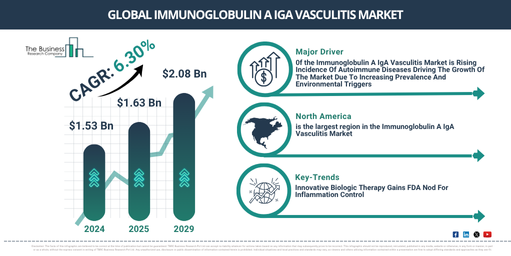
    The market for immunoglobulin A (iga) vasculitis has witnessed robust growth in the past few years. It’s anticipated to increase from $1.53 billion in 2024 to $1.63 billion in 2025, showcasing a compound annual growth rate (CAGR) of 6.5%. The surge during the historic period can be credited to factors like growing awareness about IGA vasculitis, a higher prevalence of autoimmune diseases, the extended use of immunosuppressive therapies, increased research funding targeting rare diseases, and a rise in the adaptation of targeted therapies.

    The market for Immunoglobulin A (IgA) Vasculitis is set to experience considerable growth in the coming years, with predictions of it reaching a value of $2.08 billion by 2029, boasting a compound annual growth rate (CAGR) of 6.3%. This projected growth within the forecast period can be credited to the increasing use of sophisticated biomarkers, a surge in comorbidity cases, a growth in clinical trials, enhanced interest in biologics, and an escalating demand for less invasive treatment options. Key market trends for this period are anticipated to be the integration of precision medicine, advancements in immunosuppressive therapies, the innovation in disease-altering therapies, the emergence of early-detection biomarkers, and the incorporation of artificial intelligence in treatment strategy formation.

    Download The Free Sample Report Here:

    https://www.thebusinessresearchcompany.com/sample.aspx?id=24567&type=smp

    #Which Factors Are Currently Driving The Growth Of The Immunoglobulin A IgA Vasculitis Market?

    The immunoglobulin A (IgA) vasculitis market is anticipated to witness growth, driven by the increasing occurrences of autoimmune diseases. An autoimmune disease happens when the body’s immune system wrongly identifies and attacks its own healthy cells instead of safeguarding the body against infections. The hike in these disorders is primarily due to rising exposure to pollutants that interfere with immune regulation, initiating abnormal responses. IgA vasculitis aids autoimmune conditions by inducing an immune reaction that causes small blood vessel inflammation, aiding in understanding and potentially treating different autoimmune diseases. For example, Versorgungsatlas.de, a German organization, stated in November 2024 that of the 73,241,305 insured individuals in 2022, 6,304,340 were diagnosed with at least one autoimmune disease, yielding a raw prevalence rate of 8.61%. As a result, the immunoglobulin A (IgA) vasculitis market’s expansion is being fuelled by the escalating incidence of autoimmune diseases. The growth of the immunoglobulin A (IgA) vasculitis market is being driven by an expanding focus on targeted therapies, thanks to advancements in precision medicine and molecular targeting. Targeted therapies are designed to zero in on and obstruct molecular abnormalities in diseases like cancer, increasing treatment accuracy and reducing damage to healthy cells. The heightening focus on these therapies is mainly stoked by advancements in precision medicine, which facilitates individualized, more efficient treatments based on individual genetic makeup. Targeted therapies aid IgA vasculitis treatment by focusing on specific immune pathways, limiting systemic side effects. They enhance disease management by decreasing inflammation and stopping organ damage, consequently improving patients’ outcomes and quality of life. For instance, the American Society of Gene and Cell Therapy (ASGCT) reported in December 2024 that six gene therapy products were approved by the FDA in 2023, compared to five in 2022. This increased focus on targeted therapies is driving the growth of the immunoglobulin A (IgA) vasculitis market.

    How Is The Global Immunoglobulin A IgA Vasculitis Market Structured In Terms Of Segments?

    The immunoglobulin a iga vasculitis market covered in this report is segmented –

    1) By Treatment Type: Medications, Plasma Exchange, Supportive Care, Immunosuppressive Therapy

    2) By Diagnosis Method: Blood Tests, Urinalysis, Imaging Studies, Biopsy

    3) By Route Of Administration: Oral, Injectables, Intravenous

    4) By End User: Hospitals, Specialty Clinics, Homecare Settings

    Subsegments:

    1) By Medications: Corticosteroids, Immunosuppressants, Cyclophosphamide, Azathioprine, Mycophenolate Mofetil

    2) By Plasma Exchange: Therapeutic Plasma Exchange, Plasma Filtration

    3) By Supportive Care: Pain Management, Kidney Function Support, Blood Pressure Management

    4) By Immunosuppressive Therapy: Methotrexate, Rituximab, Cyclophosphamide

    What Trends Are Currently Influencing Growth In The Immunoglobulin A IgA Vasculitis Market?

    Leading businesses in the IgA vasculitis market are channeling their efforts towards creating novel therapies, such as specific biologics and immunomodulators, intending to lower inflammation and avert renal issues. These innovative treatments aim to moderate selective immunity routes to diminish inflammation and combat immune-facilitated damage in IgA vasculitis. For instance, during April 2025, Swiss-based pharmaceutical entity, Novartis AG, was granted approval by the U.S. Food and Drug Administration (FDA) for their drug Vanrafia (atrasentan) for the treatment of primary IgA nephropathy (IgAN). Vanrafia, a unique oral daily medication, acts as a selective endothelin A receptor antagonist, specifically aiming to decrease proteinuria in adults with primary IgAN vulnerable to swift disease escalation. This medication can be seamlessly combined with existing supportive care routines with no necessity for a risk evaluation and mitigation strategy (REMS).

    Who Are The Main Participants Shaping The Immunoglobulin A IgA Vasculitis Market Landscape?

    Major companies operating in the immunoglobulin a iga vasculitis market are Pfizer Inc., F. Hoffmann-La Roche Ltd, Thermo Fisher Scientific Inc., Novartis AG, Takeda Pharmaceutical Company Limited, Amgen Inc., Indraprastha Medical Corporation Limited, Intas Pharmaceuticals Ltd, Mayo Clinic, Biogen Inc., Chugai Pharmaceutical Co. Ltd., The Cleveland Clinic Foundation, Zydus Lifesciences Limited, CSL Behring, Artemis Medicare Services Limited, Biocad Biotechnology Company, Biotest AG, Kauvery Hospitals Private Limited, Sheikh Shakhbout Medical City, Reliance Life Sciences Pvt. Ltd.

    Get The Full Report Here:

    https://www.thebusinessresearchcompany.com/report/immunoglobulin-a-iga-vasculitis-global-market-report

    Which Region Currently Holds The Largest Share In The Immunoglobulin A IgA Vasculitis Market?

    North America was the largest region in the immunoglobulin A (IgA) vasculitis market in 2024. Asia-Pacific is expected to be the fastest-growing region in the forecast period. The regions covered in the immunoglobulin a iga vasculitis market report are Asia-Pacific, Western Europe, Eastern Europe, North America, South America, Middle East, Africa.

    Request For A Customized Report:

    https://www.thebusinessresearchcompany.com/customise?id=24567&type=smp

    About The Business Research Company:

    With over 15000+ reports from 27 industries covering 60+ geographies, The Business Research Company has built a reputation for offering comprehensive, data-rich research and insights. Armed with 1,500,000 datasets, the optimistic contribution of in-depth secondary research, and unique insights from industry leaders, you can get the information you need to stay ahead in the game.

    Get in touch with us:

    The Business Research Company: https://www.thebusinessresearchcompany.com/

    Americas +1 310-496-7795

    Asia +44 7882 955267 & +91 8897263534

    Europe +44 7882 955267

    Email us at info@tbrc.info

    Follow us on:

    LinkedIn: https://in.linkedin.com/company/the-business-research-company

    YouTube: https://www.youtube.com/channel/UC24_fI0rV8cR5DxlCpgmyFQ

    Global Market Model: https://www.thebusinessresearchcompany.com/global-market-model

  • Emerging Trends and Growth Drivers in the Human Epidermal Growth Factor Market Through 2029

    Emerging Trends and Growth Drivers in the Human Epidermal Growth Factor Market Through 2029

    Claim your 30% discount on Global Market Reports with code ONLINE30. Limited time only.

    What Is the Estimated Industry Valuation for the Human Epidermal Growth Factor Sector?

    The industry for human epidermal growth factor has been showing robust growth in previous years. From $2.18 billion in 2024, it’s projected to amplify to $2.39 billion in 2025, riding on a compound annual growth rate (CAGR) of 9.3%. Several factors can be attributed for this development in the historic timeframe, including the rise in the elderly population susceptible to skin conditions, increased government backing and investments in biopharmaceutical advancements, growing instances of chronic wounds due to the rise in diabetes, enhanced partnerships between pharmaceutical corporations and research organizations, and the rising inclination of consumers towards non-evasive skincare solutions.

    The market for human epidermal growth factor is anticipated to witness substantial development in the upcoming years, escalating to a valuation of $3.37 billion in 2029 with a 9.0% compound annual growth rate (CAGR). The projected rise during this forecast period is driven by growing needs for regenerative medicine and wound healing applications, an increased occurrence of chronic skin conditions and injuries, enhanced awareness of anti-aging and skincare commodities that incorporate hegf, elevated investment in biotechnological exploration and development, and a surge in the acceptance of individualized medicine and targeted therapies. Prominent trends expected during the forecast span include the progression of recombinant DNA technology, progress in protein engineering that enhances hegf stability and effectiveness, technological incorporation of nanotechnology, novel bioprocessing approaches, and advancements in cell culture systems.

    Download The Free Sample Report Here:

    https://www.thebusinessresearchcompany.com/sample.aspx?id=24564&type=smp

    What Forces Are Driving The Growth Of The Human Epidermal Growth Factor Market?

    The surge in the adoption of personalized medicine is projected to spur the expansion of the human epidermal growth factor market. Defined as a medical treatment approach accommodated to an individual’s genetics, lifestyle, and environment for optimized care, personalized medicine is gaining popularity due to enhancements in genomic technologies. These technologies allow for more efficient, cost-effective, and accurate identification of personalized genetic profiles for custom-tailored treatments. HER2 plays a crucial role in personalized medicine by enabling physicians to categorize tumors based on HER2 protein overproduction, subsequently assisting in choosing targeted therapies to enhance treatment results and minimize unnecessary side-effects. For instance, the Personalized Medicine Coalition, a professional membership organization based in the US, reported a significant surge in the approval of new personalized medications in 2022, accounting for approximately 34% of all newly approved therapies. Thus, the expanding utilization of personalized medicine bolsters the growth of the human epidermal growth factor market. The amplification in clinical trials, due to demand for sophisticated wound healing therapies, is anticipated to boost the human epidermal growth factor market. Clinical trials, which are research studies centered around human subjects to assess the safety, efficacy, and adverse effects of medical interventions or treatments, are experiencing increasing popularity driven by the call for innovative and personalized therapies that necessitate thorough testing for safety and effectiveness. The human epidermal growth factor (hEGF) assists clinical trials by fostering cell development and tissue restoration, thereby evaluating potential therapies for wound healing, skin restoration, and related health conditions. For example, the Association of the British Pharmaceutical Industry, a trade organization based in London, revealed a 15% annual rise in recruitment for industry clinical trials in the UK, escalating from 36,722 participants in 2021-22 to 42,088 in 2022-23. Hence, the surge in clinical trials continues to contribute to the expansion of the human epidermal growth factor market.

    How Is The Human Epidermal Growth Factor Industry Segmented Across Key Parameters?

    The human epidermal growth factor market covered in this report is segmented –

    1) By Product Type: Recombinant Human Epidermal Growth Factor, Natural Human Epidermal Growth Factor

    2) By Formulation: Injectable Form, Topical Form, Oral Form

    3) By Distribution Channel: Direct Sales, Online Pharmacies, Retail Pharmaceis, Hospital Pharmacies, Specialty Clinics

    4) By Application: Dermatology, Oncology, Opthalmology, Wound Healing, Cosmetic Procedures

    5) By End-User: Hospitals, Clincs, Research Institutes, Other End Users

    Subsegments:

    1) By Recombinant Human Epidermal Growth Factor: Injectable solutions, Oncology therapeutics, Eye drops, Wound healing agents

    2) By Natural Human Epidermal Growth Factor: Plasma-derived products, Colostrum-based products, Amniotic fluid-derived products, Salivary-derived formulations

    What Notable Trends Are Shaping The Direction Of The Human Epidermal Growth Factor Market?

    Major corporations engaged in the human epidermal growth factor market are concentrating their efforts on developing technical innovations such as AI-driven immunohistochemistry (IHC) scoring solutions to enhance the precision, acceleration, and reliability of biomarker detection and cancer diagnosis. The AI-powered IHC scoring technology uses AI algorithms to comprehensively analyze and determine protein expression in tissue samples that have been stained via IHC, thus improving the accuracy, uniformity, and swiftness in diagnostic pathology. Take for example Ibex Medical Analytics, an Israeli-based firm that, in September 2023, introduced the Ibex Breast HER2. This improves the accuracy and dependability of HER2 biomarker scoring in breast cancer, particularly in complex HER2-low cases, leading to the fine-tuning of treatment routes and better patient results. The main advantages of this include highly precise, repeatable, and efficient HER2 IHC scoring, aiding pathologists in making resolute, impartial decisions for targeted therapy selection.

    Which Companies Currently Dominate The Competitive Landscape In The Human Epidermal Growth Factor Industry?

    Major companies operating in the human epidermal growth factor market are Pfizer Inc., Johnson & Johnson Services Inc, F. Hoffmann-La Roche AG, Merck & Co. Inc., Bayer AG, AstraZeneca plc, Novartis AG, GlaxoSmithKline Plc, Amgen Inc., Lonza Group AG, STEMCELL Technologies, Abcam plc., BioLegend Inc., Bharat Biotech International Limited, RayBiotech Inc., Enzo Life Sciences Inc., Neocutis S.A, Proteintech Group Inc., Creative BioMart Co. Ltd., Abbkine Scientific Co. Ltd.

    Get The Full Report Here:

    https://www.thebusinessresearchcompany.com/report/human-epidermal-growth-factor-global-market-report

    Which Geographic Regions Are Driving Demand In The Human Epidermal Growth Factor Market?

    North America was the largest region in the human epidermal growth factor market in 2024. Asia-Pacific is expected to be the fastest-growing region in the forecast period. The regions covered in the human epidermal growth factor market report are Asia-Pacific, Western Europe, Eastern Europe, North America, South America, Middle East, Africa.

    Request For A Customized Report:

    https://www.thebusinessresearchcompany.com/customise?id=24564&type=smp

    About The Business Research Company:

    With over 15000+ reports from 27 industries covering 60+ geographies, The Business Research Company has built a reputation for offering comprehensive, data-rich research and insights. Armed with 1,500,000 datasets, the optimistic contribution of in-depth secondary research, and unique insights from industry leaders, you can get the information you need to stay ahead in the game.

    Get in touch with us:

    The Business Research Company: https://www.thebusinessresearchcompany.com/

    Americas +1 310-496-7795

    Asia +44 7882 955267 & +91 8897263534

    Europe +44 7882 955267

    Email us at info@tbrc.info

    Follow us on:

    LinkedIn: https://in.linkedin.com/company/the-business-research-company

    YouTube: https://www.youtube.com/channel/UC24_fI0rV8cR5DxlCpgmyFQ

    Global Market Model: https://www.thebusinessresearchcompany.com/global-market-model

  • 2025 Hepatitis C Testing Market Outlook: Opportunities, Growth Trends, and Strategic Analysis

    2025 Hepatitis C Testing Market Outlook: Opportunities, Growth Trends, and Strategic Analysis

    Claim your 30% discount on Global Market Reports with code ONLINE30. Limited time only.

    What Is the Current and Projected Market Size of the Hepatitis C Testing Industry?

    The market size for hepatitis c testing has seen significant expansion recently. Predictions indicate the marketplace will increase from a value of $1.24 billion in 2024 to $1.32 billion in the following year with a compound annual growth rate (CAGR) of 6.6%. The factors contributing to historical growth include an increase in hepatitis C occurrences, the broadening of public health initiatives, a surge in intravenous drug consumption, heightened awareness of the risks associated with hepatitis C, and government investment for controlling infectious diseases.

    The market size for hepatitis C testing is projected to experience robust growth over the next several years, swelling to $1.68 billion in 2029 with a compound annual growth rate (CAGR) of 6.2%. This growth within the projection period can be credited to the rising demand for early detection of the disease, enhanced access to healthcare, a growing focus on preventive healthcare, assistance from worldwide health organizations, and governmental strategies aimed at eradicating hepatitis C. Key trends anticipated during the forecast period embrace the integration of multiplex diagnostic platforms, incorporation of artificial intelligence (AI) into diagnostic tools, a move towards home-based testing kits, heightened collaboration for the development of tests, and the development of cost-effective testing solutions.

    Download The Free Sample Report Here:

    https://www.thebusinessresearchcompany.com/sample.aspx?id=24559&type=smp

    #Which Factors Are Currently Driving The Growth Of The Hepatitis C Testing Market?

    The expansion of the hepatitis C testing market is projected to be driven by the increasing occurrence of hepatitis cases. Hepatitis C is an infection caused by a virus that induces inflammation in the liver and can lead to severe liver damage if ignored. The cause of the rise in hepatitis cases can primarily be attributed to the lack of vaccination among people, thereby making it easier for the virus to disseminate. Testing for Hepatitis C facilitates early detection of the virus, enabling quick treatment to prevent liver damage and severe complications. It also aids in identifying infected persons, which assists in preventing the virus’s transmission and improving disease management. For example, the World Health Organization (WHO) reported in April 2024 that over 50 million people worldwide are living with chronic hepatitis C virus infection, with nearly 1.0 million new infections each year. As a result, the escalating incidence of hepatitis infections is fueling the growth of the hepatitis C testing market.

    How Is The Global Hepatitis C Testing Market Structured In Terms Of Segments?

    The hepatitis c testing market covered in this report is segmented –

    1) By Type: Antibody Tests, Nucleic Acid Tests, Genotyping Tests

    2) By Product: Test Kits, Instruments, Reagents, Consumables

    3) By Technology: Enzyme-Linked Immunosorbent Assay (ELISA), Rapid Diagnostic Tests, Polymerase Chain Reaction, Next-Generation Sequencing

    4) By Application: Blood Screening, Viral Load Monitoring, Disease Diagnosis

    5) By End-User: Hospital-Based Laboratories, Stand-Alone Laboratories, Other End-Users

    Subsegments:

    1) By Antibody Tests: Enzyme Immunoassay (EIA), Recombinant Immunoblot Assay (RIBA), Rapid Diagnostic Tests (RDTs)

    2) By Nucleic Acid Tests (NATs): Quantitative Ribonucleic Acid (RNA) Tests, Qualitative Ribonucleic Acid (RNA) Tests, Transcription-Mediated Amplification (TMA), Reverse Transcription Polymerase Chain Reaction (RT-PCR)

    3) By Genotyping Tests: Line Probe Assay (LiPA), Sequencing-Based Assay, Real-Time Polymerase Chain Reaction (PCR)-Based Genotyping

    What Trends Are Currently Influencing Growth In The Hepatitis C Testing Market?

    Leading businesses in the hepatitis C testing market are concentrating on the creation of cutting-edge solutions such as dual antigen-antibody diagnostic tests, intending to increase the efficiency of screening and monitoring for the infection. This type of test can identify viral proteins, known as antigens, and immune response proteins or antibodies, thus enabling detection of both current and previous infections. This combined method offers a comprehensive assessment of infection status. Roche Diagnostics India Pvt. Ltd., an Indian diagnostic tests and systems company, launched an innovation in this field in July 2023 called Elecsys HCV Duo. This automated immunoassay can independently detect both HCV antigens and antibodies from a single plasma or serum sample, paving the way for prompt diagnosis, facilitating patient care, and aligning with India’s national campaign to eradicate hepatitis C through exhaustive and timely screening.

    Who Are The Main Participants Shaping The Hepatitis C Testing Market Landscape?

    Major companies operating in the hepatitis c testing market are F. Hoffmann-La Roche Ltd., Bayer AG, Thermo Fisher Scientific Inc., Abbott Laboratories, Siemens Healthineers AG, Quest Diagnostics Incorporated, Hologic Inc., QuidelOrtho Corporation, Sysmex Corporation, Bio-Rad Laboratories Inc., SD Biosensor INC., QIAGEN N.V., DiaSorin S.p.A., Cepheid, Abcam Plc, OraSure Technologies Inc., Meridian Bioscience Inc., Trivitron Healthcare Private Limited, General Biologicals Corporation, Biogate Laboratories Ltd., Cosara Diagnostics Private Limited, BioGenex Life Sciences Private Limited, BIOGENIX INC. PVT. LTD.

    Get The Full Report Here:

    https://www.thebusinessresearchcompany.com/report/hepatitis-c-testing-global-market-report

    Which Region Currently Holds The Largest Share In The Hepatitis C Testing Market?

    North America was the largest region in the hepatitis C testing market in 2024. Asia-Pacific is expected to be the fastest-growing region in the forecast period. The regions covered in the hepatitis c testing market report are Asia-Pacific, Western Europe, Eastern Europe, North America, South America, Middle East, Africa.

    Request For A Customized Report:

    https://www.thebusinessresearchcompany.com/customise?id=24559&type=smp

    About The Business Research Company:

    With over 15000+ reports from 27 industries covering 60+ geographies, The Business Research Company has built a reputation for offering comprehensive, data-rich research and insights. Armed with 1,500,000 datasets, the optimistic contribution of in-depth secondary research, and unique insights from industry leaders, you can get the information you need to stay ahead in the game.

    Get in touch with us:

    The Business Research Company: https://www.thebusinessresearchcompany.com/

    Americas +1 310-496-7795

    Asia +44 7882 955267 & +91 8897263534

    Europe +44 7882 955267

    Email us at info@tbrc.info

    Follow us on:

    LinkedIn: https://in.linkedin.com/company/the-business-research-company

    YouTube: https://www.youtube.com/channel/UC24_fI0rV8cR5DxlCpgmyFQ

    Global Market Model: https://www.thebusinessresearchcompany.com/global-market-model