Category: HealthcareServices

  • Global Insights: Hematology Analyzers Market Expected to Surpass $5.3 Billion by 2029

    Global Insights: Hematology Analyzers Market Expected to Surpass $5.3 Billion by 2029

    Claim your 30% discount on Global Market Reports with code ONLINE30. Limited time only.

    How Will the Hematology Analyzers Market Evolve in Terms of Growth and Size by 2029?

    The market size of hematology analyzers has seen considerable growth in past years. The market is projected to increase from $3.78 billion in 2024 to $4.05 billion in 2025, maintaining a compound annual growth rate (CAGR) of 7.2%. Several factors have contributed to this growth in the past, such as the rising occurrence of blood-related disorders, an aging populace, an elevation in health cognizance, betterment of healthcare infrastructure, and escalated government backing for health schemes.

    Expectations are high for robust expansion in the hematology analyzers market in the coming years. With a projected compound annual growth rate (CAGR) of 6.9%, the market could reach $5.3 billion by 2029. Increased prevalence of chronic illnesses, expansion of diagnostic laboratories, amplified demand for customized healthcare, higher levels of health consciousness, and an older global population are some potential drivers of this growth. The forecast period may also see significant trends such as artificial intelligence (AI) and machine learning incorporation, device miniaturization, cloud-based data management systems, enhanced automation and robotics, and wearable hematology monitoring devices.

    Download The Free Sample Report Here:

    https://www.thebusinessresearchcompany.com/sample.aspx?id=24558&type=smp

    What factors are expected to fuel Hematology Analyzers market growth in the coming years?

    The growth of the hematology analyzers market is expected to be driven by the escalating prevalence of blood disorders. These disorders, which can affect any component of the blood – such as red blood cells, white blood cells, platelets, or plasma – are largely a result of growing rates of chronic diseases that negatively affect blood health and necessitate continuous monitoring. Hematology analyzers facilitate the diagnosis of these blood disorders by delivering accurate and swift analyses of various blood constituents. This assists in early detection and intervention, thus improving the quality of patient care and the outcome of treatments. For example, the Perth Blood Institute, a non-profit organization based in Australia, reported in April 2024 that the number of people diagnosed with hemophilia, a genetic blood disorder characterized by long-term bleeding due to the absence of sufficient clotting factors in the blood, had increased to 257,146 in 2022, up from 233,577 in 2021. Consequently, the growing prevalence of blood disorders is fueling the expansion of the hematology analyzers market.

    What Are The Key Findings From The Segmentation Analysis Of The Hematology Analyzers Market?

    The hematology analyzers market covered in this report is segmented –

    1) By Type: Fully-Automated Hematology Analyzers, Semi-Automated Hematology Analyzers

    2) By Component: Instruments, Consumables

    3) By Modality: Standalone, Point Of Care

    4) By Technology: Flow Cytometry, Electrical Impedance, Optical Technology

    5) By End User: Hospitals, Clinical Laboratories, Research Institutes, Other End Users

    Subsegments:

    1) By Fully-Automated Hematology Analyzers: 3-Part Differential Analyzers, 5-Part Differential Analyzers, 6-Part And Above Differential Analyzers, Integrated Hematology Systems

    2) By Semi-Automated Hematology Analyzers: Hemoglobin Analyzers, Coagulation Analyzers, Erythrocyte Sedimentation Rate (ESR) Analyzers, Platelet Function Analyzers

    Which Trends Are Expected To Shape The Future Of The Hematology Analyzers Market?

    Leading businesses in the hematology analyzers market are concentrating their efforts on developing state-of-the-art products like automated hematology systems. These endeavours aim to enhance diagnostic precision, increase workflow productivity, and produce quicker test results with reduced manual work. Automated hematology systems denote sophisticated diagnostic apparatuses utilized in clinical labs to conduct several hematological tests with minimum manual involvement. For example, Horiba Medical, a medical diagnostics corporation based in Japan, introduced the HELO 2.0 high-throughput automated hematology platform in January 2024. This platform, pending FDA approval, already has CE-IVDR approval. HELO 2.0 is an adaptive, expandable, and productive modular solution tailored to suit the requirements of medium to large diagnostic labs. It incorporates advanced technology from the Yumizen H2500 and H1500 analyzers, ensuring premium performance with 360-degree specimen mixing, better turnaround times, effective space allocation, and reagent storage. Furthermore, it lends support towards ISO-15189 accreditation assistance, catering to all pre, post, and analytical requirements.

    What Are The Most Active Companies In The Hematology Analyzers Market Today?

    Major companies operating in the hematology analyzers market are F. Hoffmann-La Roche AG, Abbott Laboratories, Danaher Corporation, Siemens Healthineers AG, Shenzhen Mindray Bio-Medical Electronics Co. Ltd., Sysmex Corporation, Horiba Medical Ltd., Nihon Kohden Corporation, Trivitron Healthcare Pvt. Ltd., Transasia Bio-Medicals Ltd., Erba Mannheim GmbH, Boule Diagnostics AB, Diatron MI PLC, Awareness Technology Inc., Analyticon Biotechnologies AG, Rayto Life and Analytical Sciences Co. Ltd., Diagon Ltd., Perlong Medical, Drew Scientific Inc., PZ Cormay S.A.

    Get The Full Report Here:

    https://www.thebusinessresearchcompany.com/report/hematology-analyzers-global-market-report

    Which Regional Markets Are Attracting The Most Investment In Hematology Analyzers?

    North America was the largest region in the hematology analyzers market in 2024. Asia-Pacific is expected to be the fastest-growing region in the forecast period. The regions covered in the hematology analyzers market report are Asia-Pacific, Western Europe, Eastern Europe, North America, South America, Middle East, Africa.

    Request For A Customized Report:

    https://www.thebusinessresearchcompany.com/customise?id=24558&type=smp

    About The Business Research Company:

    With over 15000+ reports from 27 industries covering 60+ geographies, The Business Research Company has built a reputation for offering comprehensive, data-rich research and insights. Armed with 1,500,000 datasets, the optimistic contribution of in-depth secondary research, and unique insights from industry leaders, you can get the information you need to stay ahead in the game.

    Get in touch with us:

    The Business Research Company: https://www.thebusinessresearchcompany.com/

    Americas +1 310-496-7795

    Asia +44 7882 955267 & +91 8897263534

    Europe +44 7882 955267

    Email us at info@tbrc.info

    Follow us on:

    LinkedIn: https://in.linkedin.com/company/the-business-research-company

    YouTube: https://www.youtube.com/channel/UC24_fI0rV8cR5DxlCpgmyFQ

    Global Market Model: https://www.thebusinessresearchcompany.com/global-market-model

  • Global Health Status Record Software Market Forecast to Reach $11.8 Billion by 2029, Driven by 11.6% CAGR

    Global Health Status Record Software Market Forecast to Reach $11.8 Billion by 2029, Driven by 11.6% CAGR

    Claim your 30% discount on Global Market Reports with code ONLINE30. Limited time only.

    What Is the Estimated Industry Valuation for the Health Status Record Software Sector?

    The market size for health status record software has seen significant expansion in the last few years. Its growth is predicted to accelerate from $6.8 billion in 2024 to reach $7.6 billion in 2025, with a compound annual growth rate (CAGR) of 11.9%. The historical growth is mainly due to the increased necessity for digital patient data, growing regulatory directives demanding electronic health records, rising acceptance of hospital information systems, burgeoning federal incentives for health IT systems, and an increased emphasis on the standardization of healthcare data.

    The market for health status record software is predicted to experience a significant surge in the forthcoming years, expanding to an estimated $11.8 billion by 2029 with a compound annual growth rate (CAGR) of 11.6%. This projected escalation during the forecast period can be attributed to factors such as the rising demand for remote patient monitoring systems, an increasing emphasis on individualized healthcare services, a mounting inclination towards the utilization of cloud-based health record alternatives, an ever-growing telehealth structure, and the growing necessity for instantaneous data access. Key progressions expected over the forecast period encompass the enhancement of artificial intelligence integration, the evolution of data interoperability, swift advancements in the domain of mobile health technologies, investment in research and development within the healthcare software sector, and progress in employing blockchain to securely manage patient data.

    Download The Free Sample Report Here:

    https://www.thebusinessresearchcompany.com/sample.aspx?id=24554&type=smp

    What Forces Are Driving The Growth Of The Health Status Record Software Market?

    The ongoing surge in the need for digital health solutions is set to fuel the expansion of the health status record software market. The term ‘digital health solutions’ encompasses the integration of technologies like mobile applications, wearable devices, telemedicine, and health information systems, all in a bid to enhance the delivery, accessibility, and results of healthcare. These solutions are experiencing a surge because of the intensifying demand for virtual healthcare services, facilitated by the rising availability of smartphones and internet services. Health status record software complements digital health solutions by offering a unified, real-time interface for the housing and distribution of patient information, thus making virtual treatment more productive and knowledgeable. For example, Accretive Edge, a healthcare tech firm based in the US, revealed in May 2025 that telehealth generated revenue of $48.37 billion in the U.S. in 2023, and it is forecasted to multiply nearly tenfold to $467.8 billion by 2034. Hence, the escalating demand for digital health solutions is predicted to drive the growth of the health status record software market.

    How Is The Health Status Record Software Industry Segmented Across Key Parameters?

    The health status record software market covered in this report is segmented –

    1) By Type: Cloud-Based, Web-Based

    2) By Component: Software, Services

    3) By Application: Patient Management, Clinical Data Management, Population Health Management

    4) By End-User: Hospitals, Clinics, Ambulatory Surgical Centers

    Subsegments:

    1) By Cloud-Based: Public Cloud, Private Cloud, Hybrid Cloud

    2) By Web-Based: On-Premises Web-Based, Hosted Web-Based, Software As A Service Web-Based

    What Notable Trends Are Shaping The Direction Of The Health Status Record Software Market?

    Renowned corporations in the health status record software industry are prioritizing the advancement of novel technologies like the health clinical AI agent. This strategy enhances clinical judgement, automates administrative functions, and elevates patient care through immediate data insights and artificial intelligence-supported assistance. A health clinical AI agent, a tool powered by artificial intelligence, aims to aid medical professionals by simplifying routine clinical duties, delivering instantaneous insights, and organizing processes within electronic health record systems, thereby improving decision-making and patient care. For instance, in October 2024, Oracle Corporation, a computer software firm from the US, introduced its advanced Electronic Health Record (EHR) system. Oracle’s state-of-the-art EHR system aims to integrate patient data from different providers, providing a more detailed and interconnected perspective of health records. It enhances clinical productivity with AI-empowered insights and user-friendly workflows. The objective of the system is to better patient outcomes, minimize administrative workload, and facilitate more well-informed decisions.

    Which Companies Currently Dominate The Competitive Landscape In The Health Status Record Software Industry?

    Major companies operating in the health status record software market are McKesson Corporation, General Electric Healthcare, Epic Systems Corporation, eClinicalWorks LLC, Medical Information Technology Inc., Greenway Health LLC, WebPT Inc., CureMD Healthcare, Softclinic Software, DrChrono Inc., RXNT Inc., Amazing Charts LLC, Intrahealth Systems Limited, Allscripts Healthcare LLC, Electronic Medical Records Systems, Knapsack Living, Kareo Inc., OpenEMR Foundation, iPatientCare Inc., MedicalMine Inc.

    Get The Full Report Here:

    https://www.thebusinessresearchcompany.com/report/health-status-record-software-global-market-report

    Which Geographic Regions Are Driving Demand In The Health Status Record Software Market?

    North America was the largest region in the health status record software market in 2024. Asia-Pacific is expected to be the fastest-growing region in the forecast period. The regions covered in the health status record software market report are Asia-Pacific, Western Europe, Eastern Europe, North America, South America, Middle East, Africa.

    Request For A Customized Report:

    https://www.thebusinessresearchcompany.com/customise?id=24554&type=smp

    About The Business Research Company:

    With over 15000+ reports from 27 industries covering 60+ geographies, The Business Research Company has built a reputation for offering comprehensive, data-rich research and insights. Armed with 1,500,000 datasets, the optimistic contribution of in-depth secondary research, and unique insights from industry leaders, you can get the information you need to stay ahead in the game.

    Get in touch with us:

    The Business Research Company: https://www.thebusinessresearchcompany.com/

    Americas +1 310-496-7795

    Asia +44 7882 955267 & +91 8897263534

    Europe +44 7882 955267

    Email us at info@tbrc.info

    Follow us on:

    LinkedIn: https://in.linkedin.com/company/the-business-research-company

    YouTube: https://www.youtube.com/channel/UC24_fI0rV8cR5DxlCpgmyFQ

    Global Market Model: https://www.thebusinessresearchcompany.com/global-market-model

  • Outlook for Hashimotos Disease Market: Key Developments and Future Strategies to 2029

    Outlook for Hashimotos Disease Market: Key Developments and Future Strategies to 2029

    Claim your 30% discount on Global Market Reports with code ONLINE30. Limited time only.

    How Large Is the Hashimotos Disease Market Expected to Be in 2029?

    The market size for Hashimoto’s disease has been on a robust growth path in the previous years. The forecast asserts a rise from $1.64 billion in 2024 to $1.73 billion in 2025, maintaining a compound annual growth rate (CAGR) of 5.8%. The compelling growth during the historic period is the consequence of growing enlightenment regarding thyroid conditions, enhancement in diagnostic methods, surge in the prevalence of autoimmune diseases, increasing expenditure on healthcare, and the proliferation of endocrinology clinics.

    Over the next few years, the Hashimoto’s disease market size is predicted to exhibit strong growth, reaching $2.16 billion in 2029 with a compound annual growth rate (CAGR) of 5.6%. Factors contributing to the growth during this forecast period include the rise in telemedicine usage, advancements in personalized medicine, increased demand for early detection, supportive government health schemes, and heightened uptake of biosimilars. The forecast period will also see key trends such as the application of AI in diagnostics, an increased emphasis on comprehensive treatment methods, growth in home-based thyroid testing kits, expanded clinical trials for immunotherapies, and progress in autoimmune disease research.

    Download The Free Sample Report Here:

    https://www.thebusinessresearchcompany.com/sample.aspx?id=24553&type=smp

    What Are The Contributors To Demand In The Hashimotos Disease Market?

    The increase in autoimmune disorders is anticipated to drive the growth of the hashimoto’s disease market. Autoimmune disorder refers to an abnormal response of the immune system that wrongly attacks and causes damage to the body’s healthy tissues. The surging numbers of autoimmune disorders are mainly attributable to a mix of genetic vulnerability and environmental components that could bring about immune system dysfunction. Hashimoto’s disease is an autoimmune disease that exhibits the broader elements of autoimmune disorders, signifying how the immune system can mistakenly target and damage healthy tissues. For instance, Versorgungsatlas.de, a German-based firm, reported that in 2022, among 73,241,305 insured individuals, 6,304,340 were diagnosed with at least one autoimmune disease, translating to an 8.61% raw prevalence rate. Hence, the escalating incidences of autoimmune disorders are enhancing the growth of the hashimoto’s disease market. Furthermore, an escalation in healthcare spending is likely to boost the growth of the hashimoto’s disease market. Healthcare spending encompasses the total expenditure on healthcare services, from prevention, diagnosis, treatment to recuperation from ailments and health conditions. The increased healthcare expenditure is linked to the ever-increasing need for advanced treatments that promise better results, swift recovery, and a superior quality of life. Hashimoto’s disease adds to healthcare costs as it necessitates ongoing surveillance, hormone replacement treatment, and consistent medical care, thereby escalating the demand for healthcare resources and costs over time. As reported by the Office for National Statistics, a UK government agency, in 2024, UK’s healthcare expenditure between 2022 and 2023 saw a 5.6% increase as opposed to a growth of 0.9% in 2022. Hence, the mounting healthcare expenditure is promoting the expansion of the hashimotos disease market.

    What Segmentation Categories Are Included In The Hashimotos Disease Market Analysis?

    The hashimotos disease market covered in this report is segmented –

    1) By Type: Stress Related, Infection Related, Autoimmune Related, Environmental Related, Disease Related, Mixed, Other Types

    2) By Treatment Type: Hormone Replacement Therapy, Immunotherapy, Antithyroid Medication, Surgery, Dietary Supplements, Other Treatment Types

    3) By Route Of Administration: Oral Route, Injectable Route, Transdermal Route, Other Route Of Administrations

    4) By Distribution Channel: Hospital Pharmacy, Retail Pharmacy, Online Pharmacy, Other Distribution Channels

    5) By End USer: Hospitals, Speciality Clinics, Homecare, Other End Users

    Subsegments:

    1) By Stress Related: Chronic Psychological Stress, Work-Related Stress, Post-Traumatic Stress, Lifestyle-Induced Stress, Anxiety And Depression-Induced Stress

    2) By Infection Related: Viral Infections, Bacterial Infections, Fungal Infections, Parasitic Infections, Chronic Inflammatory Infections

    3) By Autoimmune Related: Coexisting Autoimmune Thyroiditis, Type 1 Diabetes, Rheumatoid Arthritis, Systemic Lupus Erythematosus (SLE), Celiac Disease

    4) By Environmental Related: Exposure To Radiation, Iodine Imbalance, Chemical Exposure, Heavy Metal Toxicity, Endocrine Disruptors

    5) By Disease Related: Polycystic Ovary Syndrome (PCOS), Cardiovascular Disorders, Chronic Fatigue Syndrome, Fibromyalgia, Metabolic Syndrome

    6) By Mixed: Stress And Autoimmune Combined, Infection And Environmental Combined, Autoimmune And Disease Combined, Stress And Environmental Combined, Multiple Etiology Overlap

    7) By Other Types: Drug-induced Thyroiditis, Postpartum Thyroiditis, Silent Thyroiditis, Genetic Predisposition, Idiopathic Cases

    Who Are The Top-Ranked Companies In The Hashimotos Disease Market Today?

    Major companies operating in the hashimotos disease market are Pfizer Inc., Merck & Co. Inc., AbbVie Inc., Abbott Laboratories, GlaxoSmithKline plc, Viatris Inc., Teva Pharmaceutical Industries Ltd., Lupin Limited, Lannett Company Inc., Aurore Life Sciences Inc., Acella Pharmaceuticals LLC, Sigmapharm Laboratories LLC, Jerome Stevens Pharmaceuticals Inc., RLC Labs Inc., AdvaCare Pharma, GNH India Ltd., Clayman Thyroid Center P.C., Rakshit Pharmaceuticals Ltd., Lexicare Pharma Private Limited, Forest Pharmaceuticals Inc.

    Get The Full Report Here:

    https://www.thebusinessresearchcompany.com/report/hashimotos-disease-global-market-report

    How Is Hashimotos Disease Market Adoption Varying Across Different Regions And Sectors?

    North America was the largest region in the hashimotos disease market in 2024. Asia-Pacific is expected to be the fastest-growing region in the forecast period. The regions covered in the hashimotos disease market report are Asia-Pacific, Western Europe, Eastern Europe, North America, South America, Middle East, Africa.

    Request For A Customized Report:

    https://www.thebusinessresearchcompany.com/customise?id=24553&type=smp

    About The Business Research Company:

    With over 15000+ reports from 27 industries covering 60+ geographies, The Business Research Company has built a reputation for offering comprehensive, data-rich research and insights. Armed with 1,500,000 datasets, the optimistic contribution of in-depth secondary research, and unique insights from industry leaders, you can get the information you need to stay ahead in the game.

    Get in touch with us:

    The Business Research Company: https://www.thebusinessresearchcompany.com/

    Americas +1 310-496-7795

    Asia +44 7882 955267 & +91 8897263534

    Europe +44 7882 955267

    Email us at info@tbrc.info

    Follow us on:

    LinkedIn: https://in.linkedin.com/company/the-business-research-company

    YouTube: https://www.youtube.com/channel/UC24_fI0rV8cR5DxlCpgmyFQ

    Global Market Model: https://www.thebusinessresearchcompany.com/global-market-model

  • Competitive and Market Trend Analysis of Gynecomastia Procedures Industry Through 2029

    Competitive and Market Trend Analysis of Gynecomastia Procedures Industry Through 2029

    Claim your 30% discount on Global Market Reports with code ONLINE30. Limited time only.

    What Is the Current and Projected Market Size of the Gynecomastia Procedures Industry?

    The market size for gynecomastia procedures has seen significant growth in the past few years. The value of this market is projected to increase from $1.04 billion in 2024 to $1.12 billion in 2025, reflecting a compound annual growth rate (CAGR) of 8.0%. Historical growth of this market has been influenced by several factors including increased acceptance of cosmetic surgery amongst men, the definitive impact of social media on body perception, the rising number of professional plastic surgeons and clinics, increasing demand for minimally invasive procedures, and the escalating trend of medical tourism for cosmetic treatments.

    In the forthcoming years, the market for gynecomastia procedures is predicted to witness robust growth, expanding to $1.51 billion in 2029 with a compound annual growth rate (CAGR) of 7.7%. This progress during the projected period can be credited to the heightened attention men are giving to their physical looks, the escalating demand for outpatient aesthetic procedures, the rapidly increasing trend of combined treatments, improved accessibility to finance options for surgeries, and the surge in funding for research and development in cosmetic surgery. The main trends anticipated during this forecast period involve progress in minimally invasive surgical methods, breakthroughs in liposuction technologies, refined anesthesia and recovery protocols, the incorporation of AI into preoperative planning, and advancements in methods for reducing scars and tightening skin.

    Download The Free Sample Report Here:

    https://www.thebusinessresearchcompany.com/sample.aspx?id=24549&type=smp

    #Which Factors Are Currently Driving The Growth Of The Gynecomastia Procedures Market?

    As obesity becomes more prevalent, it’s projected to boost the growth of the market for gynecomastia procedures. Obesity, a medical condition marked by an excess accumulation of body fat often illustrated by a body mass index (BMI) of 30 or above, can cause several health complications. This rise in obesity is attributed to an increasingly sedentary lifestyle, where a lack of physical movement and prolonged periods of sitting contribute to weight gain and diminished metabolic health. Procedures for gynecomastia can rectify the issue of enlarged male breasts, which is often worsened by obesity. This is because additional fat tissue in the chest area can mimic or amplify the look of gynecomastia, positioning surgical intervention as a beneficial approach. For example, the World Heart Foundation, a Switzerland-based non-governmental organization, reported in March 2023 that globally about 2.3 billion adults and children are overweight or obese. Following the current trend of obesity, this number is expected to reach 2.7 billion by 2025. Hence, the escalating prevalence of obesity is fueling the growth of the gynecomastia procedures market.

    How Is The Global Gynecomastia Procedures Market Structured In Terms Of Segments?

    The gynecomastia procedures market covered in this report is segmented –

    1) By Procedure Type: Liposuction, Mastectomy, Thyroid Hormone Therapy, Medications, Ultrasound

    2) By Age Group: Adolescents, Adults, Elderly

    3) By End-User: Hospitals, Cosmetic Surgery Centers, Other End-Users

    Subsegment:

    1) By Liposuction: Tumescent Liposuction, Ultrasound-Assisted Liposuction, Power-Assisted Liposuction, Laser-Assisted Liposuction

    2) By Mastectomy: Subcutaneous Mastectomy, Bilateral Mastectomy, Nipple-Sparing Mastectomy

    3) By Thyroid Hormone Therapy: Synthetic Thyroid Hormones, Natural Desiccated Thyroid, Combination Therapy

    4) By Medications: Anti-Estrogen Medications, Aromatase Inhibitors, Selective Estrogen Receptor Modulators (SERMs)

    5) By Ultrasound: High-Intensity Focused Ultrasound (HIFU), Low-Intensity Focused Ultrasound, Acoustic Wave Therapy

    What Trends Are Currently Influencing Growth In The Gynecomastia Procedures Market?

    Leading corporations in the gynecomastia procedures market are concentrating on pioneering developments such as non-invasive treatments aimed at minimizing surgical risks, enhancing patient results, and meeting the underserved medical requirement for more reliable, effective cures. Non-invasive treatments denote treatments that sidestep surgery; they encompass oral medications or external therapies to manage conditions like gynecomastia, eliminating the necessity for cuts or anesthesia. For instance, BioZen Limited, a British biotechnology firm, unveiled an innovative daily pill regimen in June 2024 intended to treat gynecomastia. Their proprietary dual-therapy formulation infuses a low dosage of tamoxifen (TAM) with indole-3-carbinol (I3C), a naturally sourced compound from cruciferous vegetables, administered as a handy once-daily oral drug. Early stage data from BioZen imply that this duel approach could comprehensively rectify the hormonal imbalance triggering gynecomastia, possibly providing a safe, effective, and mass-producible surgical alternative.

    Who Are The Main Participants Shaping The Gynecomastia Procedures Market Landscape?

    Major companies operating in the gynecomastia procedures market are Sun Pharmaceutical Industries Limited, Cadila Pharmaceuticals Limited, Spire Healthcare Group plc, InMode Ltd., Lumenis Ltd., Cynosure LLC, Max Healthcare Institute Limited, Alma Lasers Ltd., Pristyn Care Private Limited, Sterling Addlife India Limited, Cutera Inc., Solta Medical Inc., Erchonia Corporation, MicroAire Surgical Instruments LLC, Allure Medspa, Florida Plastic Surgery Group P.A., BioZen Healthcare, Dermawear, The Aesthetica, Austin Gynecomastia Center

    Get The Full Report Here:

    https://www.thebusinessresearchcompany.com/report/gynecomastia-procedures-global-market-report

    Which Region Currently Holds The Largest Share In The Gynecomastia Procedures Market?

    North America was the largest region in the gynecomastia procedures market in 2024. Asia-Pacific is expected to be the fastest-growing region in the forecast period. The regions covered in the gynecomastia procedures market report are Asia-Pacific, Western Europe, Eastern Europe, North America, South America, Middle East, Africa.

    Request For A Customized Report:

    https://www.thebusinessresearchcompany.com/customise?id=24549&type=smp

    About The Business Research Company:

    With over 15000+ reports from 27 industries covering 60+ geographies, The Business Research Company has built a reputation for offering comprehensive, data-rich research and insights. Armed with 1,500,000 datasets, the optimistic contribution of in-depth secondary research, and unique insights from industry leaders, you can get the information you need to stay ahead in the game.

    Get in touch with us:

    The Business Research Company: https://www.thebusinessresearchcompany.com/

    Americas +1 310-496-7795

    Asia +44 7882 955267 & +91 8897263534

    Europe +44 7882 955267

    Email us at info@tbrc.info

    Follow us on:

    LinkedIn: https://in.linkedin.com/company/the-business-research-company

    YouTube: https://www.youtube.com/channel/UC24_fI0rV8cR5DxlCpgmyFQ

    Global Market Model: https://www.thebusinessresearchcompany.com/global-market-model

  • Future Demand and Leading Companies Shaping the Gastrointestinal Cancer Market to 2029

    Future Demand and Leading Companies Shaping the Gastrointestinal Cancer Market to 2029

    Claim your 30% discount on Global Market Reports with code ONLINE30. Limited time only.

    What Are the Latest Market Insights for the Gastrointestinal Cancer Industry?

    In recent times, the market size for gastrointestinal cancer has seen swift expansion. Projected to escalate from a size of $24.09 billion in 2024 to $27.05 billion in 2025, it will present a compound annual growth rate (CAGR) of 12.3%. Factors contributing to growth during the historic period comprise of the increasing presence of gastrointestinal cancers, a rise in the consumption of tobacco and alcohol, population aging, unhealthy eating habits, and technological advancements in oncology diagnostics and therapy.

    The market size for gastrointestinal cancer is forecasted to experience substantial growth in the upcoming years, reaching $42.45 billion in 2029 with a compound annual growth rate (CAGR) of 11.9%. The predicted growth within this period can be linked to the rising use of biomarker-driven therapies, increased recognition of early screening’s importance, the growth of the healthcare infrastructure, cancer care initiatives by the government, and a growing emphasis on minimally invasive methods. Significant trends during the forecast period involve advances in diagnostic tool technology, novel developments in targeted therapies, progress in immunotherapy, the escalated use of artificial intelligence in cancer treatments, and active research and development in precise oncology.

    Download The Free Sample Report Here:

    https://www.thebusinessresearchcompany.com/sample.aspx?id=24546&type=smp

    What Forces Are Driving The Growth Of The Gastrointestinal Cancer Industry?

    The burgeoning use of precision medicine, such as targeted therapies, is propelling the developmental trajectory of the gastrointestinal cancer market. These targeted therapies, which disrupt the growth of cancerous cells by acting on unique molecular targets while minimizing harm to healthy cells, offer more specificity than traditional treatments. By focusing on specific molecular pathways or genetic mutations, these therapies can effectively treat cancer in a more individualized way. Unlike former treatments like chemotherapy that indiscriminately damage both healthy and malignant cells, targeted therapies are specific to each patient’s condition. For gastrointestinal (GI) cancer, these treatments act on particular genes or proteins that regulate tumor growth, allowing for personalized and effective approaches. This method leads to improved patient outcomes and fewer side effects compared to traditional chemotherapy methods. For instance, the American Society of Gene & Cell Therapy (ASGCT), and Citeline, both US-based entities, reported in July 2023 that the number of gene therapies in Phase II increased by 5% from quarter one (Q1) 2023, 247 therapies, to quarter two (Q2), 260 therapies. As such, the growth of the gastrointestinal cancer market is being fueled by the increased adoption of targeted therapies.

    What Is The Overview Of Market Segmentation In The Gastrointestinal Cancer Industry?

    The gastrointestinal cancer market covered in this report is segmented –

    1) By Cancer Type: Colorectal Cancer, Stomach Cancer, Esophageal Cancer, Pancreatic Cancer, Liver Cancer, Other Cancer Types

    2) By Diagnostics: Endoscopy, Biopsy, Molecular Diagnostics, Imaging, Other Diagnostics

    3) By Treatment: Chemotherapy, Immunotherapy, Targeted Therapy, Radiation Therapy, Surgery, Other Treatments

    4) By End-User: Hospitals, Oncology Centers, Research Institutes, Diagnostic Laboratories, Other End-Users

    Subsegments:

    1) By Colorectal Cancer: Colon Cancer, Rectal Cancer, Recurrent Colorectal Cancer, Metastatic Colorectal Cancer

    2) By Stomach Cancer: Adenocarcinoma, Gastrointestinal Stromal Tumors (GIST), Lymphoma, Carcinoid Tumors

    3) By Esophageal Cancer: Adenocarcinoma, Squamous Cell Carcinoma, Small Cell Carcinoma, Other Rare Esophageal Tumors

    4) By Pancreatic Cancer: Exocrine Pancreatic Cancer, Endocrine (Neuroendocrine) Pancreatic Tumors, Metastatic Pancreatic Cancer, Resectable Or Unresectable Tumors

    5) By Liver Cancer: Hepatocellular Carcinoma (HCC), Intrahepatic Cholangiocarcinoma, Hepatoblastoma, Secondary (Metastatic) Liver Cancer

    6) By Other Cancer Types: Small Intestine Cancer, Anal Cancer, Gallbladder Cancer, Gastrointestinal Carcinoid Tumor

    What Future Market Trends Are Projected For The Gastrointestinal Cancer Industry?

    Key players in the gastrointestinal cancer market are concentrating their efforts on developing innovative solutions such as monoclonal antibody therapy to enhance patient survival rates while reducing the adverse effects associated with treatment. This form of treatment harnesses the power of lab-created antibodies that precisely recognize and attach to cancer cells, aiding the immune system in their targeted eradication. In a significant development, Astellas Pharma Inc., a pharmaceutical giant based in Japan, in September 2024, introduced VYLOY (zolbetuximab) in combination with fluoropyrimidine- and platinum-based chemotherapy. This treatment was approved by the European Commission. It represents a front-line defense for adults grappling with locally advanced unresectable or metastatic HER2-negative gastric or gastroesophageal junction (GEJ) adenocarcinomas that show claudin 18.2 (CLDN18.2) expression in their tumors. With this approval, VYLOY becomes the pioneering and sole therapy in the European Union to target CLDN18.2, a biomarker present in approximately 38% of these patients. This approval draws its strength from the encouraging clinical trial results of the SPOTLIGHT and GLOW studies.

    Who Are The Primary Players Operating Across The Global Gastrointestinal Cancer Market?

    Major companies operating in the gastrointestinal cancer market are Pfizer Inc., Johnson & Johnson, Roche Holding AG, Merck & Co. Inc., Bayer AG, Sanofi S.A., Bristol-Myers Squibb Company, AstraZeneca PLC, Novartis AG, GlaxoSmithKline plc, Takeda Pharmaceutical Company Limited, Eli Lilly and Company, Amgen Inc., Parexel International Corporation, Ipsen Biopharmaceuticals Inc., Exelixis Inc., BeiGene Ltd., Boehringer Ingelheim International GmbH, Zai Lab Limited, Taiho Pharmaceutical Co. Ltd.

    Get The Full Report Here:

    https://www.thebusinessresearchcompany.com/report/gastrointestinal-cancer-global-market-report

    Which Region Offers The Most Growth Potential For The Gastrointestinal Cancer Market Through 2029?

    North America was the largest region in the gastrointestinal cancer market in 2024. Asia-Pacific is expected to be the fastest-growing region in the forecast period. The regions covered in the gastrointestinal cancer market report are Asia-Pacific, Western Europe, Eastern Europe, North America, South America, Middle East, Africa.

    Request For A Customized Report:

    https://www.thebusinessresearchcompany.com/customise?id=24546&type=smp

    About The Business Research Company:

    With over 15000+ reports from 27 industries covering 60+ geographies, The Business Research Company has built a reputation for offering comprehensive, data-rich research and insights. Armed with 1,500,000 datasets, the optimistic contribution of in-depth secondary research, and unique insights from industry leaders, you can get the information you need to stay ahead in the game.

    Get in touch with us:

    The Business Research Company: https://www.thebusinessresearchcompany.com/

    Americas +1 310-496-7795

    Asia +44 7882 955267 & +91 8897263534

    Europe +44 7882 955267

    Email us at info@tbrc.info

    Follow us on:

    LinkedIn: https://in.linkedin.com/company/the-business-research-company

    YouTube: https://www.youtube.com/channel/UC24_fI0rV8cR5DxlCpgmyFQ

    Global Market Model: https://www.thebusinessresearchcompany.com/global-market-model
  • Fluoropolymer In Healthcare Market Revenue Outlook: Strategic Insights and Forecast to 2029

    Fluoropolymer In Healthcare Market Revenue Outlook: Strategic Insights and Forecast to 2029

    Claim your 30% discount on Global Market Reports with code ONLINE30. Limited time only.

    How Much Is the Global Fluoropolymer In Healthcare Market Valued at Present and by 2029?

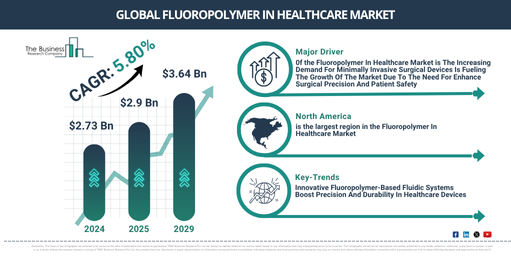
    In recent times, the fluoropolymer in healthcare market has observed a robust expansion. The market, which was at $2.73 billion in 2024, is projected to elevate to $2.9 billion in 2025, with a compound annual growth rate (CAGR) of 6.2%. This historical growth is indicative of several factors, including the escalating implementations of medical catheters, an upsurge in the preference for minimally invasive surgeries, increased demand for biocompatible materials, a growing inclination towards disposable medical equipment, and a rise in chronic disease incidence.

    In the coming years, the fluoropolymer in healthcare market is predicted to experience a robust growth. By 2029, it is expected to reach a value of $3.64 billion, expanding at a compound annual growth rate (CAGR) of 5.8%. Factors contributing to this positive growth forecast include the rising demand for sophisticated drug delivery systems, increased usage of fluoropolymer coatings in surgical tools, higher investments in healthcare infrastructure, heightened awareness about infection prevention, and the mounting requirement for materials resistant to temperature fluctuations. During the forecast period, significant trends will likely include medical tubing design innovation, progress in biocompatible fluoropolymers, advances in additive manufacturing, research on environmentally friendly fluoropolymer materials, and the integration of intelligent fluoropolymer devices.

    Download The Free Sample Report Here:

    https://www.thebusinessresearchcompany.com/sample.aspx?id=24540&type=smp

    #What Drivers Are Influencing Growth In The Fluoropolymer In Healthcare Market?

    The growth of fluoropolymers in the health care market is predicted to be fueled by the rising demand for minimally invasive surgical devices. These cutting-edge tools, designed to conduct operations through tiny incisions, aim at reducing recovery time and limiting complications. The popularity surge of minimally invasive surgical devices is attributable to the desire for quicker recuperation times, given their ability to lessen bodily shock and markdown hospital stay durations. Fluoropolymers play a vital role in these devices due to their chemical resilience, low friction, and compatibility with the human body, hence improving device efficiency and patient safety. Their lasting nature backs the execution of exact and trustworthy surgical operations. For example, a report by Intuitive Surgical, Inc., an American medical device company, in January 2025, revealed that in 2024, surgical products were employed in about 2.7 million procedures, marking a growth of 17% from 2023. Therefore, the surge in demand for minimally invasive surgical devices is propelling the expansion of fluoropolymers in the healthcare sector.

    What Are The Main Segments Identified In The Fluoropolymer In Healthcare Market Research?

    The fluoropolymer in healthcare market covered in this report is segmented –

    1) By Type: Polytetrafluoroethylene (PTFE), Polyvinylidene Difluoride (PVDF), Fluorinated Ethylene Propylene (FEP), Ethylene Tetrafluoroethylene (ETFE), Polyvinyl Fluoride (PVF), Other Types

    2) By Form: Films, Coatings, Wrappings, Tubings

    3) By Application: Medical Devices, Pharmaceutical Packaging, Laboratory Equipment, Protective Clothing

    4) By End-User: Hospitals And Clinics, Pharmaceutical Companies, Research Laboratories, Contract Manufacturing Organizations (CMOs)

    Subsegments:

    1) By Polytetrafluoroethylene (PTFE): Expanded Polytetrafluoroethylene (ePTFE), Virgin Polytetrafluoroethylene, Filled Polytetrafluoroethylene, Sintered Polytetrafluoroethylene

    2) By Polyvinylidene Difluoride (PVDF): Homopolymer Polyvinylidene Difluoride (PVDF), Copolymer Polyvinylidene Difluoride (PVDF), Melt-processable Polyvinylidene Difluoride (PVDF), Polyvinylidene Difluoride (PVDF) Membranes

    3) By Fluorinated Ethylene Propylene (FEP): Virgin Fluorinated Ethylene Propylene (FEP), Filled Fluorinated Ethylene Propylene (FEP), Transparent Fluorinated Ethylene Propylene (FEP), High Melt Flow Fluorinated Ethylene Propylene (FEP)

    4) By Ethylene Tetrafluoroethylene (ETFE): Virgin Ethylene Tetrafluoroethylene (ETFE), Filled Ethylene Tetrafluoroethylene (ETFE), Ethylene Tetrafluoroethylene (ETFE) Films, Ethylene Tetrafluoroethylene (ETFE) Coatings

    5) By Polyvinyl Fluoride (PVF): Polyvinyl Fluoride (PVF) Films, Polyvinyl Fluoride (PVF) Coatings, Laminated Polyvinyl Fluoride (PVF), Polyvinyl Fluoride (PVF) Sheets

    6) By Other Types: Perfluoroalkoxy (PFA), Fluorinated Elastomers, Chlorotrifluoroethylene (CTFE), Fluoroethylene Vinyl Ether (FEVE)

    What Are The Leading Trends And Opportunities In The Fluoropolymer In Healthcare Sector?

    Leading businesses within the healthcare fluoropolymers market are striving to innovate advanced products like fluoropolymer-based fluidic systems, aiming to enhance accuracy and longevity in medical appliances and diagnostic tools. These fluidic systems, made from fluoropolymer materials, offer precise and safe fluid flow management within medical and laboratory environments. Their qualities of high chemical resistance, low friction, and biocompatibility yield reliable performance in crucial health-related applications. For example, in May 2023, the Swedish company Biotech Fluidics AB, a provider of degassing and fluidic solutions, introduced a new selection of verifiable, certified PEEK and fluoropolymer flexible tubes. These are apt for use in regulated settings such as medicinal and life sciences and comply with rigorous standards including ISO 10993, US Pharmacopeia Class VI, FDA Title 21, and EU Regulation 1907/2006 (DEHP content). Available in either bulk or precut quantities with full traceability, these tubes can also be supplied in sterile state in cleanroom assemblies as required. Crafted to meet various stringent international criteria and regulatory demands, these tubes are ideally suited for applications where safety, biocompatibility, and traceability are of supreme importance.

    Which Companies Play A Key Role In The Development Of The Fluoropolymer In Healthcare Market?

    Major companies operating in the fluoropolymer in healthcare market are Saint-Gobain S.A., Daikin Industries Ltd., 3M Company, Solvay S.A., AGC Inc., DuPont de Nemours Inc., Arkema S.A., Orbia, The Chemours Company, Datwyler, Kureha Corporation, Pexco, Gujarat Fluorochemicals Ltd., Specialty Coating Systems Inc., W.L. Gore & Associates, Duke Empirical, Halopolymer OJSC, Fluorotherm, Dalau Limited, Everflon Fluoropolymers

    Get The Full Report Here:

    https://www.thebusinessresearchcompany.com/report/fluoropolymer-in-healthcare-global-market-report

    What Are The Key Regional Developments Shaping The Fluoropolymer In Healthcare Market?

    North America was the largest region in the fluoropolymers in the healthcare market in 2024. Asia-Pacific is expected to be the fastest-growing region in the forecast period. The regions covered in the fluoropolymer in healthcare market report are Asia-Pacific, Western Europe, Eastern Europe, North America, South America, Middle East, Africa.

    Request For A Customized Report:

    https://www.thebusinessresearchcompany.com/customise?id=24540&type=smp

    About The Business Research Company:

    With over 15000+ reports from 27 industries covering 60+ geographies, The Business Research Company has built a reputation for offering comprehensive, data-rich research and insights. Armed with 1,500,000 datasets, the optimistic contribution of in-depth secondary research, and unique insights from industry leaders, you can get the information you need to stay ahead in the game.

    Get in touch with us:

    The Business Research Company: https://www.thebusinessresearchcompany.com/

    Americas +1 310-496-7795

    Asia +44 7882 955267 & +91 8897263534

    Europe +44 7882 955267

    Email us at info@tbrc.info

    Follow us on:

    LinkedIn: https://in.linkedin.com/company/the-business-research-company

    YouTube: https://www.youtube.com/channel/UC24_fI0rV8cR5DxlCpgmyFQ

    Global Market Model: https://www.thebusinessresearchcompany.com/global-market-model
  • 2025 Fibroblast Growth Factors (FGFs) Market Outlook: Opportunities, Growth Trends, and Strategic Analysis

    2025 Fibroblast Growth Factors (FGFs) Market Outlook: Opportunities, Growth Trends, and Strategic Analysis

    Claim your 30% discount on Global Market Reports with code ONLINE30. Limited time only.

    How Will the Fibroblast Growth Factors (FGFs) Market Evolve in Terms of Growth and Size by 2029?

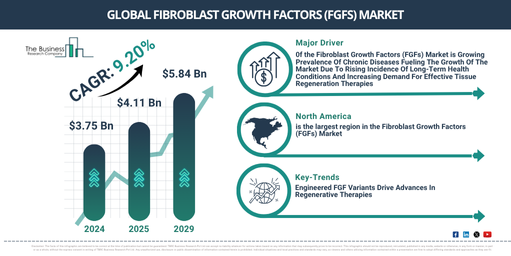
    The market size of fibroblast growth factors (fgfs) has seen considerable expansion in the past few years. Projected growth shows it rising from $3.75 billion in 2024 to achieve $4.11 billion in 2025, with a compound annual growth rate (CAGR) of 9.5%. The historic growth can be credited to a surge in the demand for regenerative medicine, expanded use in wound healing procedures, increased funding for cancer research, advancements in biopharmaceutical innovation, and heightened awareness of the therapeutic potential of fibroblast growth factors (FGFs).

    The market for fibroblast growth factors (fgfs) is projected to witness robust growth in the coming years, reaching a value of $5.84 billion by 2029 with a compound annual growth rate (CAGR) of 9.2%. Factors contributing to this growth during the forecast period include increased investment in personalized medicine, a rise in the use of Fibroblast Growth Factors (FGFs)-based treatments, prevalent rates of chronic diseases, advancements in the field of Biotechnology, and growing partnerships between pharmaceutical companies and research institutes. Key trends to look out for during this period encompass progress in targeted drug delivery, enhanced biomaterials for the delivery of fibroblast growth factors (FGFs), breakthroughs in gene editing technologies, advancements in sustained-release formulations, and innovations in combination therapies.

    Download The Free Sample Report Here:

    https://www.thebusinessresearchcompany.com/sample.aspx?id=24538&type=smp

    What factors are expected to fuel Fibroblast Growth Factors (FGFs) market growth in the coming years?

    The increase in cases of chronic diseases is predicted to drive the expansion of the fibroblast growth factors (FGFs) market in the future. Chronic illnesses are long-term health issues that develop gradually, often necessitating ongoing medical attention. The rise in chronic illnesses can be largely attributed to inactive lifestyles, with minimal physical activity and extended periods of sitting contributing to conditions like heart disease and diabetes. FGFs are instrumental in managing these persistent diseases by encouraging tissue repair and regeneration, rendering them beneficial in treating long-term health issues. FGFs optimize healing processes and slow disease development, thereby enhancing patient outcomes and wellbeing. For example, figures released by the UK’s National Health Service in June 2024 revealed that 3,615,330 individuals registered with a general practitioner (GP) had been diagnosed with non-diabetic hyperglycemia or pre-diabetes in 2023, an increase of 18% from 3,065,825 cases in 2022. Consequently, the rising incidence of chronic diseases is fuelling the growth of the fibroblast growth factors (FGFs) market.

    What Are The Key Findings From The Segmentation Analysis Of The Fibroblast Growth Factors (FGFs) Market?

    The fibroblast growth factors (FGFs) market covered in this report is segmented –

    1) By Product Type: Recombinant Fibroblast Growth Factor, Purified Fibroblast Growth Factor, Endogenous Fibroblast Growth Factor, Other Product Types

    2) By Type: Palifermin, Erdafitnib, Infigratinib, Futibatinib, Other Types

    3) By Application: Oncology, Hematology, Wound Healing, Dermatology, Cardiovascular Disease, Bone Disorders, Musculoskeletal Disorders, Tissue Regeneration, Other Applications

    4) By End User: Pharmaceutical Companies, Research Institutes, Biotechnology Companies, Other End Users

    Subsegments:

    1) By Recombinant Fibroblast Growth Factor: Recombinant Fibroblast Growth Factor (FGF)-1, Recombinant Fibroblast Growth Factor (FGF)-2, Recombinant Fibroblast Growth Factor (FGF)-7, Recombinant Fibroblast Growth Factor (FGF)-10

    2) By Purified Fibroblast Growth Factor: Purified Fibroblast Growth Factor (FGF)-1, Purified Fibroblast Growth Factor (FGF)-2, Purified Fibroblast Growth Factor (FGF)-7, Purified Fibroblast Growth Factor (FGF)-21

    3) By Endogenous Fibroblast Growth Factor: Endogenous Fibroblast Growth Factor (FGF)-1, Endogenous Fibroblast Growth Factor (FGF)-2, Endogenous Fibroblast Growth Factor (FGF)-8, Endogenous Fibroblast Growth Factor (FGF)-23

    4) By Other Product Types: Synthetic Fibroblast Growth Factors, Modified Fibroblast Growth Factors, Fusion Protein Fibroblast Growth Factors (FGFs), Fibroblast Growth Factors (FGFs) Derived From Stem Cells

    Which Trends Are Expected To Shape The Future Of The Fibroblast Growth Factors (FGFs) Market?

    Top-tier businesses in the fibroblast growth factors (FGFs) market are directing their efforts towards crafting technologically superior products such as modified FGF variants. The objective is to intensify therapeutic effectiveness, minimize adverse effects, and bolster regenerative procedures for chronic and degenerative conditions. Enhanced fibroblast growth factor (FGF) variants are altered versions of fibroblast growth factors, devised to augment stability, selectivity, and power for superior therapeutic results in tissue repair and disease management. For example, Zhittya Genesis Medicine, an American bio-tech firm, unveiled a groundbreaking FGF-1 therapy in October 2022 aimed at addressing Parkinson’s disease. This pioneering therapy employs intranasal delivery to stimulate angiogenesis and neuronal regeneration in the brain. The FGF-1 treatment holds significant potential to decelerate the advancement of the disease and elevate the patients’ quality of life.

    What Are The Most Active Companies In The Fibroblast Growth Factors (FGFs) Market Today?

    Major companies operating in the fibroblast growth factors (FGFs) market are Merck & Co. Inc., Bristol-Myers Squibb Company, Thermo Fisher Scientific Inc., Novartis AG, FUJIFILM Wako Pure Chemical Corporation, Lonza Group AG, Miltenyi Biotec B.V. & Co. KG, GenScript Biotech Corporation, 89bio Inc., R&D Systems Inc., ACROBiosystems Co. Ltd., Elabscience Biotechnology Inc., Cell Signaling Technology Inc., BPS Bioscience Inc., Proteintech Group Inc., Akero Therapeutics Inc., MedChemExpress LLC, Defined Bioscience Inc., Gold Biotechnology Inc. (GoldBio), Nucleus Biologics LLC, ZellBio GmbH, Affinity Biosciences Ltd., GeneCards

    Get The Full Report Here:

    https://www.thebusinessresearchcompany.com/report/fibroblast-growth-factors-fgfs-global-market-report

    Which Regional Markets Are Attracting The Most Investment In Fibroblast Growth Factors (FGFs)?

    North America was the largest region in the fibroblast growth factors (FGFs) market in 2024. Asia-Pacific is expected to be the fastest-growing region in the forecast period. The regions covered in the fibroblast growth factors (FGFs) market report are Asia-Pacific, Western Europe, Eastern Europe, North America, South America, Middle East, Africa.

    Request For A Customized Report:

    https://www.thebusinessresearchcompany.com/customise?id=24538&type=smp

    About The Business Research Company:

    With over 15000+ reports from 27 industries covering 60+ geographies, The Business Research Company has built a reputation for offering comprehensive, data-rich research and insights. Armed with 1,500,000 datasets, the optimistic contribution of in-depth secondary research, and unique insights from industry leaders, you can get the information you need to stay ahead in the game.

    Get in touch with us:

    The Business Research Company: https://www.thebusinessresearchcompany.com/

    Americas +1 310-496-7795

    Asia +44 7882 955267 & +91 8897263534

    Europe +44 7882 955267

    Email us at info@tbrc.info

    Follow us on:

    LinkedIn: https://in.linkedin.com/company/the-business-research-company

    YouTube: https://www.youtube.com/channel/UC24_fI0rV8cR5DxlCpgmyFQ

    Global Market Model: https://www.thebusinessresearchcompany.com/global-market-model
  • Global Insights: Fibroblast Cells Market Expected to Surpass $1.08 Billion by 2029

    Global Insights: Fibroblast Cells Market Expected to Surpass $1.08 Billion by 2029

    Claim your 30% discount on Global Market Reports with code ONLINE30. Limited time only.

    What CAGR Is Anticipated for the Fibroblast Cells Market Through 2029?

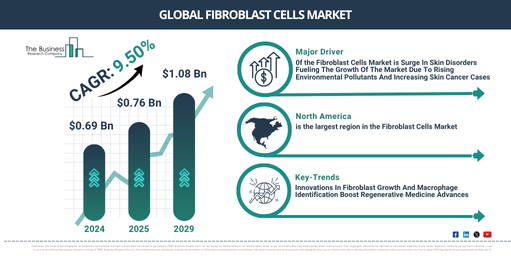
    The market for fibroblast cells has seen robust growth in recent years. Its market size is set to increase from $0.69 billion in 2024 to $0.76 billion in 2025, recording a compound annual growth rate (CAGR) of 9.8%. This growth trend in the past period can be linked to the growing use of these cells in cosmetic and anti-aging products, the uptick in adoption of 3D cell culture models, increased government funding for cell therapy, heightened awareness around personalized medicine, and their increased application in drug discovery and toxicology testing.

    The market size of fibroblast cells is projected to experience robust growth in the forthcoming years, reaching $1.08 billion in 2029 with a Compound Annual Growth Rate (CAGR) of 9.5%. This expected increase during the forecast period is ascribable to factors such as the heightened emphasis on individualized cell treatments, an increased need for anti-aging and aesthetic procedures, a growing acceptance of stem cell and regenerative medicine, intensified funds towards cell-based studies, and burgeoning curiosity in 3D bioprinting and organ-on-chip technology. The market trends for the forecast period encompass progress in 3D cell culture methods, advanced usages in tissue engineering and wound curing, inventiveness in serum-free and chemically determined media, assimilation of AI and machine learning in cell studies, and breakthroughs in gene adjustment technologies for fibroblast.

    Download The Free Sample Report Here:

    https://www.thebusinessresearchcompany.com/sample.aspx?id=24537&type=smp

    What Market Forces Are Driving The Fibroblast Cells Sector In 2025 And Beyond?

    The growth of the fibroblast cells market is expected to be driven by the escalating incidence of numerous skin disorders. Skin disorders encompass all conditions and diseases that impact the skin, leading to symptoms such as rashes, itching, inflammation, redness, dryness, or lesions. The surge in skin conditions can be attributed to increased exposure to environmental pollutants, which harm the skin’s barrier, resulting in inflammation and heightened susceptibility to skin complications. Fibroblast cells contribute to skin disorder management by encouraging tissue repair and regeneration through the production of collagen and other components of the extracellular matrix, thereby restoring the strength and elasticity of the skin. For example, Cancer Australia, a government agency based in Australia, reported that 18,257 new melanoma of the skin cases were diagnosed in 2023. As a result, the mounting incidence of diverse skin disorders fuels the expansion of the fibroblast cells market.

    How Is The Global Fibroblast Cells Market Categorized By Segments?

    The fibroblast cells market covered in this report is segmented –

    1) By Type: Tissue-Specific Fibroblasts, Disease-Specific Fibroblasts, Serum-Free Fibroblast Culture Medium

    2) By Application: Adults, Neonatal

    3) By End-Users: Hospitals, Clinics, Research And Academic Institutes, Other End-Users

    Subsegments:

    1) By Tissue-Specific Fibroblasts: Dermal Fibroblasts, Lung Fibroblasts, Cardiac Fibroblasts, Gingival Fibroblasts, Corneal Fibroblasts, Mammary Fibroblasts, Intestinal Fibroblasts, Foreskin Fibroblasts

    2) By Disease-Specific Fibroblasts: Cancer-Associated Fibroblasts (CAFs), Idiopathic Pulmonary Fibrosis Fibroblasts, Scleroderma Fibroblasts, Diabetic Wound Fibroblasts, Rheumatoid Arthritis Fibroblasts, Keloid Fibroblasts, Psoriatic Fibroblasts

    3) By Serum-Free Fibroblast Culture Medium: Dermal Fibroblast Medium, Lung Fibroblast Medium, Cardiac Fibroblast Medium, Cancer-Associated Fibroblast Medium, Human Gingival Fibroblast Medium, Fibroblast Growth Medium (Xeno-Free), Custom Or Defined Media For Fibroblast Expansion

    What Long-Term Trends Are Likely To Affect The Fibroblast Cells Market?

    Fibroblast cells market’s leading players are focusing their efforts on developing innovative solutions, such as distinguishing macrophage phenotypes, in order to boost their knowledge of cellular interactions and efficacy of fibroblast-focussed treatments. Macrophage phenotype identification is a method used to differentiate various types of macrophages, primarily M1 and M2, built on their functional roles and molecular markers. As an example, Creative Biolabs, a biotech firm based in the US, launched Fibroblast Growth Factor 2 in December 2024. It is available in two variations, Fibroblast Growth Factor 2 and Fibroblast Growth Factor 2 STAB, both devised to encourage the growth and proliferation of human mesenchymal stem cells (MSCs) and normal human dermal fibroblasts (NHDFs), thereby fueling progression in the field of stem cell and regenerative medicine research.

    Which Firms Are Considered Leaders In The Fibroblast Cells Market Space?

    Major companies operating in the fibroblast cells market are Thermo Fisher Scientific Inc., Lonza Group AG, Sigma-Aldrich Corporation, Bio-Techne Corporation, STEMCELL Technologies Inc., American Type Culture Collection, Creative Bioarray, PromoCell GmbH, Coriell Institute for Medical Research, REPROCELL Inc., Axol Bioscience Ltd., ScienCell Research Laboratories Inc., Cell Applications Inc., ZenBio Inc., Cell Biologics Inc., Lifeline Cell Technology, Celprogen Inc., AMS Biotechnology (Europe) Ltd., Neuromics Inc., Evercyte GmbH, FUJIFILM Irvine Scientific Inc.

    Get The Full Report Here:

    https://www.thebusinessresearchcompany.com/report/fibroblast-cells-global-market-report

    What Role Do Regional Policies And Investments Play In Fibroblast Cells Market Expansion?

    North America was the largest region in the fibroblast cells market in 2024. The regions covered in the fibroblast cells market report are Asia-Pacific, Western Europe, Eastern Europe, North America, South America, Middle East, Africa.

    Request For A Customized Report:

    https://www.thebusinessresearchcompany.com/customise?id=24537&type=smp

    About The Business Research Company:

    With over 15000+ reports from 27 industries covering 60+ geographies, The Business Research Company has built a reputation for offering comprehensive, data-rich research and insights. Armed with 1,500,000 datasets, the optimistic contribution of in-depth secondary research, and unique insights from industry leaders, you can get the information you need to stay ahead in the game.

    Get in touch with us:

    The Business Research Company: https://www.thebusinessresearchcompany.com/

    Americas +1 310-496-7795

    Asia +44 7882 955267 & +91 8897263534

    Europe +44 7882 955267

    Email us at info@tbrc.info

    Follow us on:

    LinkedIn: https://in.linkedin.com/company/the-business-research-company

    YouTube: https://www.youtube.com/channel/UC24_fI0rV8cR5DxlCpgmyFQ

    Global Market Model: https://www.thebusinessresearchcompany.com/global-market-model
  • In-Depth Feminine Intimate Care Market Report: Business Trends, Growth Factors, and Forecast to 2029

    In-Depth Feminine Intimate Care Market Report: Business Trends, Growth Factors, and Forecast to 2029

    Claim your 30% discount on Global Market Reports with code ONLINE30. Limited time only.

    What Are the Forecasted Growth Rate and Market Size of the Feminine Intimate Care Market?

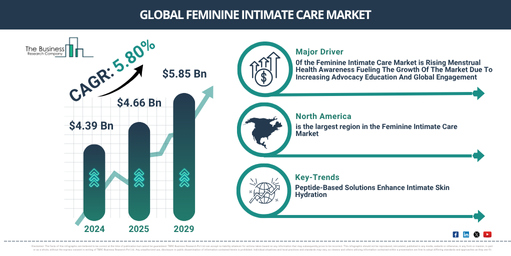
    There has been a robust growth in the size of the feminine intimate care market in the last few years. The market, which is expected to rise from $4.39 billion in 2024 to $4.66 billion in 2025, will experience a compound annual growth rate (CAGR) of 6.1%. Factors such as heightened awareness of feminine hygiene, a boost in the demand for personal care products, an increase in disposable income amongst women, growth of retail and e-commerce outlets, and the influential power of health education campaigns can be attributed to the growth seen in the historic period.

    The market size of female intimate care is projected to witness a significant surge in the upcoming years, expanding to a valuation of $5.85 billion by 2029 with a 5.8% compound annual growth rate (CAGR). This anticipated expansion during the forecast period is linked to factors like an increased emphasis on women’s health and wellness, an expanding urban female demographic, a rise in the availability of natural and organic products, major brands’ product line diversification, and heightened investment in brand advertising and promotions through influencers. Key trends expected during the forecast period are technological improvements within feminine hygiene products, the advent of sustainable and biodegradable materials, advancements in pH-balanced and dermatologically approved formulations, research and groundbreaking developments in individualized intimate care, and intelligent packaging and interconnected care solutions.

    Download The Free Sample Report Here:

    https://www.thebusinessresearchcompany.com/sample.aspx?id=24535&type=smp

    Which Factor Is Shaping The Future Of The Feminine Intimate Care Market?

    The escalating comprehension and respect revolving around menstrual health are anticipated to escalate the expansion of the feminine intimate care market in the future. This proliferation in awareness of menstrual health is primarily attributed to advocacies and educational initiatives that empower individuals to demand superior hygiene solutions, thereby challenging ingrained societal norms. The increased consciousness towards menstrual health bolsters the cause of feminine intimate care by celebrating body literacy, annihilating stigma, and consequently prompting informed self-care and healthier product selections. It endows females with the capability to maintain safety concerning hygiene, obviate infections, and upgrade overall intimate wellbeing. For example, WASH United GmbH, a non-profit organization based in Germany, reported that Menstrual Hygiene (MH) Day in May 2024 yielded 23,400 instances of media coverage and 293,000 contributions on social media, reaching an astounding 966 million people globally. Moreover, South America experienced a striking surge in active participation, with social media contributions leaping by 191%, from 2,799 to 8,143, and media coverage leaping by an astonishing 801%, from 184 to 1,664. Consequently, this mounting understanding of menstrual health becomes a driver for the growth of the feminine intimate care market.

    What Is The Segment-Wise Breakdown Of The Feminine Intimate Care Market?

    The feminine intimate care market covered in this report is segmented –

    1) By Product: Intimate Wipes, Intimate Lubricants, Cleansing Liquid, Intimate Wash Gel, Moisturizer, Oils, Other Products

    2) By Age Group: Teenagers, Adults, Seniors

    3) By Distribution Channel: Online Stores, Supermarkets Or Hypermarkets, Pharmacies, Specialty Stores

    Subsegments:

    1) By Intimate Wipes: PH-Balanced Wipes, Antibacterial Wipes, Fragrance-Free Wipes, Travel-Size Wipes, Biodegradable Wipes

    2) By Intimate Lubricants: Water-Based Lubricants, Silicone-Based Lubricants, Oil-Based Lubricants, Organic Or Natural Lubricants, Flavored Lubricants

    3) By Cleansing Liquid: Daily Cleansing Solutions, Medicated Cleansing Liquids, Fragrance-Free Cleansers, Herbal Or Plant-Based Cleansers, Sensitive Skin Formulas

    4) By Intimate Wash Gel: Soothing Wash Gels, Anti-Itch Wash Gels, Hydrating Wash Gels, Antibacterial Wash Gels, PH-Balanced Wash Gels

    5) By Moisturizer: Daily-Use Moisturizers, Hormone-Free Moisturizers, Natural Or Organic Moisturizers, Postpartum Moisturizers, Menopausal Care Moisturizers

    6) By Oils: Nourishing Oils, Anti-Inflammatory Oils, Antibacterial Oils, Stretch Mark Prevention Oils, Post-Shave Calming Oils

    7) By Other Products: Intimate Deodorants, Soothing Sprays, Skin Repair Balms, Ingrown Hair Treatments, Intimate Masks

    Which Trends Are Redefining The Future Landscape Of The Feminine Intimate Care Industry?

    Significant businesses in the feminine intimate care market are concentrating on the evolution of sophisticated delivery mechanisms, such as peptide-based systems, in order to improve the effectiveness of their products, guarantee in-depth absorption, and deliver prolonged hydration and personalized therapeutic benefits. Peptide-based delivery systems are modern formulation techniques that utilize amino acid sequences (peptides) to propel the active parts of the product deep into the skin or tissue layers. To illustrate, Curive Healthcare, a pharmaceutical establishment based in the US, introduced the Plum Serum in September 2024. This is an external vulva moisturizer formulated using PCCA’s technical know-how and contains a distinct V-bond delivery system. The purpose of the Plum serum is to render extended hydration and solace for vulvar dryness, employing biomimetic peptides that resemble the body’s inherent moisture barrier. Thanks to the superior V bond delivery system, it ensures profound absorption and heightened effectiveness, making it perfect for sensitive intimate skin.

    Which Companies Hold The Largest Market Share In The Feminine Intimate Care Sector?

    Major companies operating in the feminine intimate care market are The Procter & Gamble Company, Johnson & Johnson, Unilever PLC, Kimberly-Clark Corporation, Reckitt Benckiser Group plc, Essity AB, Kao Corporation, Unicharm Corporation, Ontex BV, Glenmark Pharmaceuticals Limited, Nölken Hygiene Products GmbH, Elif Kozmetik Sanayi ve Ticaret A.S., Wet and Dry Personal Care Private Limited, Rael, Lil-Lets Limited, INLIFE Healthcare, Natracare, Aelicure Pharma Private Limited, Glowel Cosmetics, Himalaya Wellness Company, Truworth Healthcare Private Limited, Corman S.p.A.

    Get The Full Report Here:

    https://www.thebusinessresearchcompany.com/report/feminine-intimate-care-global-market-report

    How Does Regional Performance Compare Across The Feminine Intimate Care Industry?

    North America was the largest region in the feminine intimate care market in 2024. Asia-Pacific is expected to be the fastest-growing region in the forecast period. The regions covered in the feminine intimate care market report are Asia-Pacific, Western Europe, Eastern Europe, North America, South America, Middle East, Africa.

    Request For A Customized Report:

    https://www.thebusinessresearchcompany.com/customise?id=24535&type=smp

    About The Business Research Company:

    With over 15000+ reports from 27 industries covering 60+ geographies, The Business Research Company has built a reputation for offering comprehensive, data-rich research and insights. Armed with 1,500,000 datasets, the optimistic contribution of in-depth secondary research, and unique insights from industry leaders, you can get the information you need to stay ahead in the game.

    Get in touch with us:

    The Business Research Company: https://www.thebusinessresearchcompany.com/

    Americas +1 310-496-7795

    Asia +44 7882 955267 & +91 8897263534

    Europe +44 7882 955267

    Email us at info@tbrc.info

    Follow us on:

    LinkedIn: https://in.linkedin.com/company/the-business-research-company

    YouTube: https://www.youtube.com/channel/UC24_fI0rV8cR5DxlCpgmyFQ

    Global Market Model: https://www.thebusinessresearchcompany.com/global-market-model
  • Strategic Report on Eye-Drop And Lubricants Market: Growth Opportunities and Emerging Challenges

    Strategic Report on Eye-Drop And Lubricants Market: Growth Opportunities and Emerging Challenges

    Claim your 30% discount on Global Market Reports with code ONLINE30. Limited time only.

    How Much Is the Global Eye-Drop And Lubricants Market Valued at Present and by 2029?

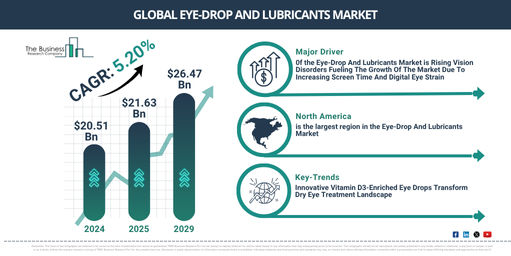
    Over the past few years, the market size of eye-drops and lubricants has significantly expanded. The industry, which was valued at $20.51 billion in 2024, is predicted to reach $21.63 billion by 2025, growing at a compound annual growth rate (CAGR) of 5.4%. The historic growth can be linked to a surge in the driving force behind eye-drop and lubricant use, a rise in the demand for effective treatments, an increase in screen time, heightened exposure to digital screens, and the growing popularity of contact lens usage.

    The market for eye-drops and lubricants is projected to observe robust growth in the impending years. The market value is estimated to reach a whopping $26.47 billion in 2029, with a compound annual growth rate (CAGR) of 5.2%. Factors contributing to this growth during the forecast period may include increased awareness about the importance of eye health, the rising occurrence of dry eye syndrome (DES), an aging population, and growing instances of allergies and environmental irritants. Key market trends forecasted for this period involve digital eye health-related integrations, the development of smart application systems, more use in post-operative recovery, and clever strategic partnerships.

    Download The Free Sample Report Here:

    https://www.thebusinessresearchcompany.com/sample.aspx?id=24530&type=smp

    #What Drivers Are Influencing Growth In The Eye-Drop And Lubricants Market?

    The increasing occurrence of vision-related medical conditions is anticipated to spur the growth of the eye-drop and lubricants market. This refers to any condition or disorder that hampers normal and comfortable visual acuity. The upsurge in such cases are primarily influenced by cumulative screen time, leading to digital eye strain and faster onset of myopia, predominantly in children and young adults. Eye drops and lubricants contribute to alleviating symptoms like dryness, irritation, and redness caused by these vision-related conditions. They work by moisturizing, reducing inflammation, and enhancing the tear film stability, thereby improving overall comfort and visual sharpness. For example, the Royal National Institute of Blind People, a UK-based charity for those with visual impairments, stated in October 2024 that the number of individuals with severe sight loss or registered as blind is expected to surge by 29%, from 298,000 in 2022 to 379,000 by 2035. Consequently, this steady increase in vision-related conditions is propelling the growth of the eye-drop and lubricant market.

    What Are The Main Segments Identified In The Eye-Drop And Lubricants Market Research?

    The eye-drop and lubricants market covered in this report is segmented –

    1) By Type: Antibiotics, Hormones, Artificial Tears, Other Types

    2) By Formulation Type: Liquid, Ointment, Gel, Spray

    3) By Distribution Channel: Online Retail, Pharmacies, Supermarkets Or Hypermarkets, Specialty Stores

    4) By Application: Eye Disease, Eye Care, Other Applications

    5) By End User: Hospitals, Clinics, Homecare, Eyewear Centers

    Subsegments:

    1) By Antibiotics: Broad-Spectrum Antibiotics, Fluoroquinolones, Aminoglycosides, Macrolides

    2) By Hormones: Corticosteroids, Non-Corticosteroid Hormones

    3) By Artificial Tears: Preserved Artificial Tears, Preservative-Free Artificial Tears

    4) By Other Types: Antihistamines, Decongestants, Antiglaucoma Agents, Immunomodulators

    What Are The Leading Trends And Opportunities In The Eye-Drop And Lubricants Sector?

    Leading firms in the eye-drop and lubricant market are directing their efforts towards the development of creative solutions like eye drops loaded with vitamin D3. Their goal is to tackle dry eye symptoms more efficiently and meet the mounting need for multifaceted eye health products. These innovative eye drops with vitamin D3, include both cholecalciferol and moisturizers, designed to alleviate dry eye issues while also offering anti-inflammatory and immune system regulation benefits. An example of this came in May 2024 when Entod Pharmaceuticals, a pharmaceutical company based in India, unveiled their new vitamin D3 loaded lubricating eye drops. The product is a notable development in eye health, providing targeted relief to those who suffer from dry eye syndrome. It infuses vitamin D3 into selected eye drop brands, with the ambition of improving the health of the ocular surface, enhancing tear stability, and aiding corneal wound healing. This product can be obtained only through a prescription from a medical professional, and it is designed to address the common problem of vitamin D deficiency in India. This deficiency is associated with several eye health complications, including age-related macular degeneration and diabetic retinopathy.

    Which Companies Play A Key Role In The Development Of The Eye-Drop And Lubricants Market?

    Major companies operating in the eye-drop and lubricants market are Bayer AG, Sanofi S.A., Novartis AG, Viatris Inc., Teva Pharmaceutical Industries Ltd., Otsuka Pharmaceutical Co. Ltd., Regeneron Pharmaceuticals Inc., Alcon Inc., Genentech Inc., Bausch + Lomb Incorporated, Santen Pharmaceutical Co. Ltd., Alimera Sciences Inc., Scope Ophthalmics Ltd., Lenz Therapeutics Inc., Eyeris Vision Care Pvt. Ltd., Nicox S.A., Akums Drugs and Pharmaceuticals Ltd., Allergan plc, Jawa Pharmaceuticals Pvt. Ltd., Medtech Products Inc.

    Get The Full Report Here:

    https://www.thebusinessresearchcompany.com/report/eye-drop-and-lubricants-global-market-report

    What Are The Key Regional Developments Shaping The Eye-Drop And Lubricants Market?

    North America was the largest region in the eye-drop and lubricants market in 2024. North America is expected to be the fastest-growing region in the forecast period. The regions covered in the eye-drop and lubricants market report are Asia-Pacific, Western Europe, Eastern Europe, North America, South America, Middle East, Africa.

    Request For A Customized Report:

    https://www.thebusinessresearchcompany.com/customise?id=24530&type=smp

    About The Business Research Company:

    With over 15000+ reports from 27 industries covering 60+ geographies, The Business Research Company has built a reputation for offering comprehensive, data-rich research and insights. Armed with 1,500,000 datasets, the optimistic contribution of in-depth secondary research, and unique insights from industry leaders, you can get the information you need to stay ahead in the game.

    Get in touch with us:

    The Business Research Company: https://www.thebusinessresearchcompany.com/

    Americas +1 310-496-7795

    Asia +44 7882 955267 & +91 8897263534

    Europe +44 7882 955267

    Email us at info@tbrc.info

    Follow us on:

    LinkedIn: https://in.linkedin.com/company/the-business-research-company

    YouTube: https://www.youtube.com/channel/UC24_fI0rV8cR5DxlCpgmyFQ

    Global Market Model: https://www.thebusinessresearchcompany.com/global-market-model