Category: HealthcareServices

  • Global Telemedicine Market Forecast to Reach $345.32 Billion by 2029, Driven by 20.2% CAGR

    Global Telemedicine Market Forecast to Reach $345.32 Billion by 2029, Driven by 20.2% CAGR

    Claim your 30% discount on Global Market Reports with code ONLINE30. Limited time only.

    How Much Is the Global Telemedicine Market Valued at Present and by 2029?

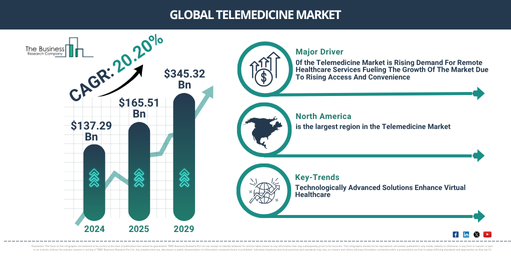
    In recent times, the telemedicine market has seen an extraordinary expansion. The market, which was valued at $137.29 billion in 2024, is expected to increase to $165.51 billion in 2025, with a compound annual growth rate (CAGR) of 20.6%. The surge in growth during the historic period can be linked to factors such as enhanced internet access, a growing tendency among patients to seek convenience, an increase in insurance schemes covering telemedicine, a heightened emphasis on preventive care, and more supportive governmental regulations and assistance.

    Anticipated growth in the telemedicine market is set to be substantial in the coming years. With a compound annual growth rate (CAGR) of 20.2%, by 2029 the market is estimated to reach a value of $345.32 billion. This surge in growth, predicted for the forecast period, is due to increasing needs for distant healthcare services, rising numbers of chronic diseases, increased usage of digital health technologies, an aging population, and escalating support from healthcare providers. The forecast period also highlights notable trends such as advancements in telecommunication technology, the incorporation of artificial intelligence (AI) and machine learning, the creation of wearable health tools, breakthroughs in remote monitoring technology, and the development of software platforms for telemedicine.

    Download The Free Sample Report Here:

    https://www.thebusinessresearchcompany.com/sample.aspx?id=24720&type=smp

    #What Drivers Are Influencing Growth In The Telemedicine Market?

    The telemedicine market’s expansion is anticipated to be fuelled by the growing need for distant health care services. These services involve the provision of medical assistance, consultations, supervision, and support remotely by means of digital telecommunications tools. This encompasses online consultations, telehealth services, electronic prescriptions, mental wellness assistance, and web-based health education. The surge in the adoption of remote health care services is attributed to enhanced healthcare accessibility, which affords patients in distant or inadequately served regions the convenience of receiving prompt medical attention without the necessity to travel. Telemedicine bolsters remote healthcare services by making it possible for virtual consultations to occur in real-time between patients and health care providers. This mitigates the requirement for physical visits and enhances healthcare accessibility, particularly in remote locations. For example, the Australian Digital Health Agency, a government agency based in Australia, reported in May 2024 that from March 2020 to July 2022, over 95,000 practitioners had used telehealth services and supplied 118.2 million telehealth services to 18 million patients. Hence, the escalating need for remote healthcare services is stimulating the expansion of the telemedicine market.

    What Are The Main Segments Identified In The Telemedicine Market Research?

    The telemedicine market covered in this report is segmented –

    1) By Type: Telehospital, Telehome

    2) By Service Type: Real-Time Consultation, Remote Patient Monitoring, Store-And-Forward Telemedicine, Mobile Health Applications

    3) By Technology: Video Conferencing, Mobile Health Applications, Web-based Platforms, Wearable Devices

    4) By Application: Teleradiology, Telepathology, Teledermatology, Telepsychiatry, Telecardiology, Other Applications

    5) By End User: Providers, Payers, Patients, Other End Users

    Subsegments:

    1) By Telehospital: Tele- Intensive Care Unit (ICU), Telepsychiatry, Teleradiology, Telecardiology, Telepathology

    2) By Telehome: Remote Patient Monitoring (RPM), Chronic Disease Management, Mobile Health (mHealth) Applications, Home-Based Tele-Rehabilitation, Virtual Consultations

    What Are The Leading Trends And Opportunities In The Telemedicine Sector?

    Major players in the telemedicine industry are pivoting towards the development of cutting-edge solutions like telemedicine platforms to augment virtually rendered healthcare services such as counseling, mental wellbeing support, and remote patient monitoring. Telemedicine platforms are digitized systems facilitating distant healthcare services which empower patients to interact with healthcare professionals, gain health-related advice, and handle their health parameters online. For example, VS Digital Health Inc., a firm based out of Canada, rolled out VSDHOne in June 2024. This telemedicine platform aids organizations to rapidly establish compliant telemedicine brands at a nationwide level, delivering hassle-free, reachable healthcare throughout all 50 states. This platform ensures smooth virtual consultations, prescription services, and delivery, thereby enhancing patient accessibility and healthcare provider’s efficiency.

    Which Companies Play A Key Role In The Development Of The Telemedicine Market?

    Major companies operating in the telemedicine market are Cisco Systems Inc., Oracle Corporation, Siemens Healthineers AG, Koninklijke Philips NV, GE HealthCare Technologies Inc., Resideo Technologies Inc., Zoom Video Communications Inc., Teladoc Health Inc., Ping An Healthcare and Technology Company Limited, Veradigm LLC, Practo Technologies Private Limited, American Well Corporation, MDlive Inc., Doctor On Demand Inc., AMC Health LLC, SOC Telemed Inc., Eagle Telemedicine LLC, VSee Lab Inc., AMD Global Telemedicine Inc., NXGN Management LLC, Specialist Telemed LLC.

    Get The Full Report Here:

    https://www.thebusinessresearchcompany.com/report/telemedicine-global-market-report

    What Are The Key Regional Developments Shaping The Telemedicine Market?

    North America was the largest region in the telemedicine market in 2024. Asia-Pacific is expected to be the fastest-growing region in the forecast period. The regions covered in the telemedicine market report are Asia-Pacific, Western Europe, Eastern Europe, North America, South America, Middle East, Africa.

    Request For A Customized Report:

    https://www.thebusinessresearchcompany.com/customise?id=24720&type=smp

    About The Business Research Company:

    With over 15000+ reports from 27 industries covering 60+ geographies, The Business Research Company has built a reputation for offering comprehensive, data-rich research and insights. Armed with 1,500,000 datasets, the optimistic contribution of in-depth secondary research, and unique insights from industry leaders, you can get the information you need to stay ahead in the game.

    Get in touch with us:

    The Business Research Company: https://www.thebusinessresearchcompany.com/

    Americas +1 310-496-7795

    Asia +44 7882 955267 & +91 8897263534

    Europe +44 7882 955267

    Email us at info@tbrc.info

    Follow us on:

    LinkedIn: https://in.linkedin.com/company/the-business-research-company

    YouTube: https://www.youtube.com/channel/UC24_fI0rV8cR5DxlCpgmyFQ

    Global Market Model: https://www.thebusinessresearchcompany.com/global-market-model
  • Outlook for Telehealth And Telemedicine Market: Key Developments and Future Strategies to 2029

    Outlook for Telehealth And Telemedicine Market: Key Developments and Future Strategies to 2029

    Claim your 30% discount on Global Market Reports with code ONLINE30. Limited time only.

    What Is the Current and Projected Market Size of the Telehealth And Telemedicine Industry?

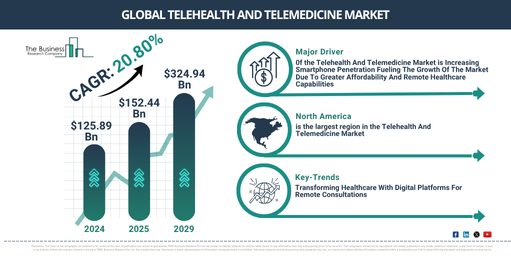
    The market size for telehealth and telemedicine has seen a substantial increase in recent years. The market is predicted to expand from a value of $125.89 billion in 2024 to a projected $152.44 billion in 2025, indicating a compound annual growth rate (CAGR) of 21.1%. This significant growth during the historical period is due to factors such as heightened demand for an overburdened healthcare workforce, escalating healthcare expenses, increasing prevalence of chronic illnesses, growing internet and smartphone usage, and advancements in broadband infrastructure.

    Over the upcoming years, the telehealth and telemedicine market is projected to experience a significant surge, anticipated to reach a market worth of $324.94 billion by 2029 with a compound annual growth rate (CAGR) of 20.8%. This projected growth in the forecast duration could be attributed to factors like the globally aging population, increase in chronic diseases, deployment of 5G and Internet of Things (IoT) technologies, increasing patient familiarity with digital tools, and ascending government incentives. Noteworthy trends for the defined forecast period comprise of the inclusion of artificial intelligence (AI) and machine learning, the broadening of remote patient monitoring, progress in video conferencing technologies, integrating blockchain for data safety, and the usage of cloud-based platforms.

    Download The Free Sample Report Here:

    https://www.thebusinessresearchcompany.com/sample.aspx?id=24719&type=smp

    #Which Factors Are Currently Driving The Growth Of The Telehealth And Telemedicine Market?

    The telehealth and telemedicine market’s expansion is projected to be accelerated by the rising penetration of smartphones. The term “smartphone penetration” denotes the proportion of the population that possesses and utilizes smartphones, indicating the extensive acceptance and application of mobile technology in daily life. The primary reasons for the growth in smartphone penetration include more cost-effective prices and broader access, which make smartphones accessible to a more diverse group of consumers. Smartphones boost telehealth and telemedicine capacity by allowing easy remote access to healthcare services, facilitating instantaneous consultations, oversight, and medical recommendations. They enhance the ease and accessibility of healthcare, particularly for individuals located in remote regions or those with limited mobility. As an illustration, in October 2023, the GSM Association, a non-profit organization based in the UK, revealed that roughly 4.3 billion people (equating to 53% of the global population) were utilizing their smartphones for internet access, with about 80% of mobile internet users now utilizing 4G or 5G smartphones, marking a rise of 330 million people from 2022 to 2023. Consequently, the growth of the telehealth and telemedicine market is being propelled by the rise in smartphone penetration.

    How Is The Global Telehealth And Telemedicine Market Structured In Terms Of Segments?

    The telehealth and telemedicine market covered in this report is segmented –

    1) By Component: Hardware, Software, Services

    2) By Mode of Delivery: Cloud-Based, On-Premise, Web-Based

    3) By Application: Teleconsultation, Tele Intensive Care Unit (TeleICU), Telestroke, Teleradiology, Telepsychiatry, Teledermatology

    4) By End-User: Healthcare Providers, Patients, Payers, Employers, Other End Users

    Subsegments:

    1) By Hardware: Telemedicine Carts, Diagnostic Devices, Digital Imaging Devices, Wearable Devices, Video Conferencing Equipment, Peripheral Devices

    2) By Software: Real-time Communication Software, Remote Patient Monitoring (RRM) Software, Electronic Health Record (EHR) Integration Software, Scheduling And Billing Software, Diagnostic Software, Mobile Health Apps

    3) By Services: Teleconsultation Services, Telemonitoring Services, Store-and-forward Services, Support And Maintenance Services, Training And Education Services, Managed Services

    What Trends Are Currently Influencing Growth In The Telehealth And Telemedicine Market?

    Leading enterprises in the telehealth and telemedicine sector are prioritizing the advancement of technological solutions such as online platforms. These are aimed at improving virtual healthcare provision, streamlining patient-provider communication, and increasing accessibility to health services remotely. An online platform for telehealth and telemedicine acts as a digital bridge connecting patients and healthcare professionals for remote consultations, diagnosis, treatment, and health surveillance through the internet. For example, Pfizer Inc., an American biopharmaceutical firm, unveiled PfizerForAll in August 2024. This complimentary digital health online platform links patients with telehealth professionals, delivers prescribed medication, and aids in the scheduling of vaccinations and diagnostics.

    Who Are The Main Participants Shaping The Telehealth And Telemedicine Market Landscape?

    Major companies operating in the telehealth and telemedicine market are Cisco Systems Inc., Oracle Corporation, Medtronic plc, Koninklijke Philips N.V., Teladoc Health Inc., Monogram Health Inc., Jabra Hearing, GoodRx Holdings Inc., Doximity Inc., Modernizing Medicine Inc., Doctor On Demand Inc., MDLIVE Inc., Azalea Health Innovations Inc., Stealth Agents LLC, Sesame Inc., Apollo TeleHealth Services, TytoCare Ltd., Azova Inc., Push Doctor Ltd., Avel eCare LLC, CureCompanion Inc., CareClix Inc., Curve Health Inc.

    Get The Full Report Here:

    https://www.thebusinessresearchcompany.com/report/telehealth-and-telemedicine-global-market-report

    Which Region Currently Holds The Largest Share In The Telehealth And Telemedicine Market?

    North America was the largest region in the telehealth and telemedicine market in 2024. Asia-Pacific is expected to be the fastest-growing region in the forecast period. The regions covered in the telehealth and telemedicine market report are Asia-Pacific, Western Europe, Eastern Europe, North America, South America, Middle East, Africa.

    Request For A Customized Report:

    https://www.thebusinessresearchcompany.com/customise?id=24719&type=smp

    About The Business Research Company:

    With over 15000+ reports from 27 industries covering 60+ geographies, The Business Research Company has built a reputation for offering comprehensive, data-rich research and insights. Armed with 1,500,000 datasets, the optimistic contribution of in-depth secondary research, and unique insights from industry leaders, you can get the information you need to stay ahead in the game.

    Get in touch with us:

    The Business Research Company: https://www.thebusinessresearchcompany.com/

    Americas +1 310-496-7795

    Asia +44 7882 955267 & +91 8897263534

    Europe +44 7882 955267

    Email us at info@tbrc.info

    Follow us on:

    LinkedIn: https://in.linkedin.com/company/the-business-research-company

    YouTube: https://www.youtube.com/channel/UC24_fI0rV8cR5DxlCpgmyFQ

    Global Market Model: https://www.thebusinessresearchcompany.com/global-market-model
  • Industry Trends Show Sunscreens Market Set to Expand at 6.3% CAGR Until 2029

    Industry Trends Show Sunscreens Market Set to Expand at 6.3% CAGR Until 2029

    Claim your 30% discount on Global Market Reports with code ONLINE30. Limited time only.

    What Are the Latest Market Insights for the Sunscreens Industry?

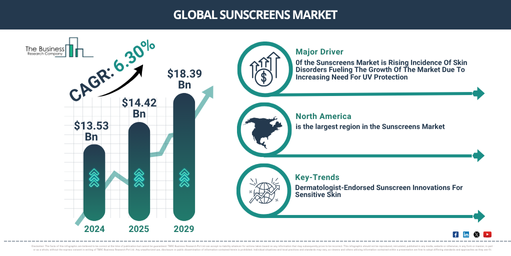
    The size of the sunscreens market has seen significant growth lately. The market, which was worth $13.53 billion in 2024, is predicted to expand to $14.42 billion in 2025, reflecting a compound annual growth rate (CAGR) of 6.5%. The past growth of the market can be credited to increasing consciousness about skin cancer threats, enlargement in the tourism sector, rise in outdoor fun activities, advanced retail penetration, and a surge in female workforce involvement.

    The sunscreens market is predicted to experience significant expansion in the coming years, with its value expected to reach $18.39 billion in 2029, growing at a compound annual growth rate (CAGR) of 6.3%. Factors contributing to this projected growth include an increasing demand for clean, natural, and environmentally friendly sunscreens, a growing interest in anti-aging and preventive skincare, a rise in male grooming trends, the growth of e-commerce, and the increasing popularity of multi-purpose products. Key trends for the forecasted period include the integration of multi-purpose skincare, the use of digital and UV tracking, developments in sunscreen technology, the use of organic and clean products, sustainability, and the creation of sunscreens that are safe for coral reefs.

    Download The Free Sample Report Here:

    https://www.thebusinessresearchcompany.com/sample.aspx?id=24716&type=smp

    What Forces Are Driving The Growth Of The Sunscreens Industry?

    The escalating occurrence of skin disorders is predicted to boost the expansion of the sunscreen market in the future. Skin disorders are medical maladies that impact the form, aesthetics, or functionality of the skin, often manifesting symptoms like redness, rash, lesions, or itching. This growing incidence of skin disorders is largely attributable to increased exposure to environmental toxins and allergens. By shielding sensitive or damaged skin from UV-inflamed pigmentation and additional irritation, sunscreens aid in skin disorder management. For instance, the American Journal of Managed Care, a US-based scholarly journal stated in April 2022 that at least one skin problem was reported by 43% of 40,000 patients in the past year. Additionally, according to the World Health Organization, a health organization based in Switzerland, in March 2023, skin disorders were estimated to affect about 1.8 billion people globally at any point in time. Thus, the escalating incidence of skin disorders is spurring the growth of the sunscreen market.

    What Is The Overview Of Market Segmentation In The Sunscreens Industry?

    The sunscreens market covered in this report is segmented –

    1) By Product Type: Creams, Lotions, Gels, Sprays, Sticks, Oil-based Sunscreens

    2) By SPF Level: Low SPF (less than 15), Medium SPF (15-30), High SPF (31-50), Very High SPF (above 50)

    3) By Distribution Channels: Retail Stores, Online Platforms

    4) By Application Area: Face Sunscreens, Body Sunscreens

    5) By Target Demographics: Children, Adults, Senior Citizens, Sports Enthusiasts, Individuals With Sensitive Skin

    Subsegment:

    1) By Creams: Moisturizing Creams, Anti-aging Creams, Tinted Creams, Mineral-based Creams, Chemical-based Creams

    2) By Lotions: Lightweight Lotions, Hydrating Lotions, Broad-spectrum Lotions, Waterproof Lotions, Sensitive Skin Lotions

    3) By Gels: Aloe Vera Gels, Cooling Gels, Oil-free Gels, Water-based Gels, Mineral-based Gels

    4) By Sprays: Aerosol Sprays, Non-aerosol Sprays, Continuous Sprays, Pump Sprays, Broad-spectrum Sprays

    5) By Sticks: Transparent Sticks, Tinted Sticks, Mineral-based Sticks, Water-resistant Sticks, Sensitive Skin Sticks

    6) By Oil-based Sunscreens: Mineral Oil-based, Synthetic Oil-based, Natural Oil Blends, SPF-enhanced Oils, Water-resistant Oils

    What Future Market Trends Are Projected For The Sunscreens Industry?

    Significant players in the sunscreens market are focusing on innovative sunscreen formulations like tinted mineral sunscreens to enhance their broad-spectrum protection, elevate their cosmetic appeal, and cater to a wide range of skin tones while minimizing skin irritation and environmental impact. Tinted mineral sunscreens are sun protection products that merge mineral-based UV filters such as zinc oxide or titanium dioxide with a subtle tint, offering effective broad-spectrum protection while aiding in the evening of skin tone and reduction of white residue. For instance, in May 2025, Tower 28, a renowned US-based beauty brand famous for its skin-friendly makeup and skincare products, introduced the S.O.S. FaceGuard SPF 30 Sunscreen, a tinted mineral sunscreen developed with zinc oxide, ceramides, and calming agents like allantoin and alpha bisabolol. This product is specially crafted for acne-prone and sensitive skin types, providing a lightweight, non-greasy look and comes with an endorsement from the National Eczema Association.

    Who Are The Primary Players Operating Across The Global Sunscreens Market?

    Major companies operating in the sunscreens market are Johnson & Johnson, The Procter & Gamble Company, Unilever PLC, L’Oréal S.A., The Estée Lauder Companies Inc., Kao Corporation, Beiersdorf Aktiengesellschaft, Shiseido Company Limited, Avon Products Inc., Laboratoire Bioderma SAS, Honasa Consumer Limited, First Aid Only Inc., W.S. Badger Company Inc., Bull Frog Sunscreen Inc., Dot & Key Wellness Private Limited, The Green Beaver Company Inc., Joshua Tree Skin Care Inc., Lifeline First Aid LLC, Live Clean Inc., Mayday Industries Inc.

    Get The Full Report Here:

    https://www.thebusinessresearchcompany.com/report/sunscreens-global-market-report

    Which Region Offers The Most Growth Potential For The Sunscreens Market Through 2029?

    North America was the largest region in the sunscreens market in 2024. Asia-Pacific is expected to be the fastest-growing region in the forecast period. The regions covered in the sunscreens market report are Asia-Pacific, Western Europe, Eastern Europe, North America, South America, Middle East, Africa.

    Request For A Customized Report:

    https://www.thebusinessresearchcompany.com/customise?id=24716&type=smp

    About The Business Research Company:

    With over 15000+ reports from 27 industries covering 60+ geographies, The Business Research Company has built a reputation for offering comprehensive, data-rich research and insights. Armed with 1,500,000 datasets, the optimistic contribution of in-depth secondary research, and unique insights from industry leaders, you can get the information you need to stay ahead in the game.

    Get in touch with us:

    The Business Research Company: https://www.thebusinessresearchcompany.com/

    Americas +1 310-496-7795

    Asia +44 7882 955267 & +91 8897263534

    Europe +44 7882 955267

    Email us at info@tbrc.info

    Follow us on:

    LinkedIn: https://in.linkedin.com/company/the-business-research-company

    YouTube: https://www.youtube.com/channel/UC24_fI0rV8cR5DxlCpgmyFQ

    Global Market Model: https://www.thebusinessresearchcompany.com/global-market-model
  • Competitive and Market Trend Analysis of Stem Cell Umbilical Cord Blood Industry Through 2029

    Competitive and Market Trend Analysis of Stem Cell Umbilical Cord Blood Industry Through 2029

    Claim your 30% discount on Global Market Reports with code ONLINE30. Limited time only.

    What Are the Forecasted Growth Rate and Market Size of the Stem Cell Umbilical Cord Blood Market?

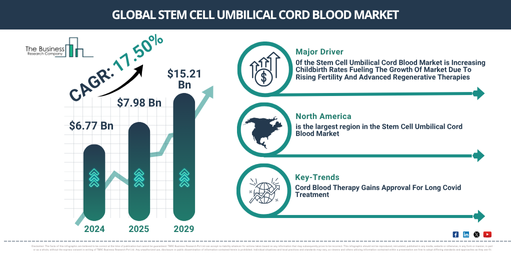
    The market for stem cell umbilical cord blood has seen significant expansion recently. The market size is projected to increase from $6.77 billion in 2024 to $7.98 billion in 2025, evidencing a compound annual growth rate (CAGR) of 17.8%. This upward trajectory during the historical period can be linked to augmented research and development, heightened demand for private banking services, an escalating number of clinical trials, a rising incidence of cancer cases, and an increase in the number of fertility clinics.

    The market size for stem cell umbilical cord blood is predicted to experience swift expansion in the upcoming years, escalating to $15.21 billion by 2029 with a compound annual growth rate (CAGR) of 17.5%. Factors that contribute to this growth during the projected period are the increased prevalence of chronic diseases, rise in childbirth rates, growing demand for stem cell therapies, enhanced government policies and initiatives, along with a heightened focus on regenerative medicine. Significant trends to observe during this forecast period involve advancements in therapeutic applications, improvement in healthcare infrastructure, progress in cryopreservation techniques, and incorporation with gene therapy.

    Download The Free Sample Report Here:

    https://www.thebusinessresearchcompany.com/sample.aspx?id=24715&type=smp

    Which Factor Is Shaping The Future Of The Stem Cell Umbilical Cord Blood Market?

    The surge in birth rates are projected to stimulate the expansion of the stem cell umbilical cord blood market in the future. The number of children born, measuring as live births per 1k individuals in a specific population over a predetermined period – ordinarily a year, defines childbirth rates. The rise in these rates is attributed to the increased accessibility and affordability of fertility therapies, allowing more families to conceive. Critical for newborns, umbilical cord blood stem cells carry hematopoietic stem cells, capable of treating diverse blood, immune, and genetic diseases. These cells are an excellent genetic match for the infant and may potentially assist siblings or other family members. For example, as per the U.S. Centers for Disease Control and Prevention, a federal agency based in the U.S., there was a 1% rise in U.S. births, with the number accelerating from 3,596,017 in 2023 to 3,622,673 in 2024. This uptick in childbirth rates, therefore, serves as a key driver for the stem cell umbilical cord blood market’s growth.

    What Is The Segment-Wise Breakdown Of The Stem Cell Umbilical Cord Blood Market?

    The stem cell umbilical cord blood market covered in this report is segmented –

    1) By Product Type: Cord Blood Stem Cells, Cord Tissue Stem Cells

    2) By Technology: Cryopreservation, Stem Cell Expansion, Cell Separation

    3) By Storage Services: Public Cord Blood Banks, Private Cord Blood Banks, Hybrid Cord Blood Banks

    4) By Application: Hematological Disorders, Metabolic Diseases, Immune System Disorders, Neurological Disorders, Other Applications

    5) By End-User: Hospitals, Research Institutes, Biotechnology Companies, Other End-Users

    Subsegments:

    1) By Cord Blood Stem Cells: Hematopoietic Stem Cells, Mesenchymal Stem Cells, Endothelial Progenitor Cells, Regulatory T Cells, Natural Killer Cells, Dendritic Cells

    2) By Cord Tissue Stem Cells: Mesenchymal Stem Cells, Epithelial Cells, Fibroblasts, Neural Progenitor Cells

    Which Trends Are Redefining The Future Landscape Of The Stem Cell Umbilical Cord Blood Industry?

    Companies which are dominant in the stem cell umbilical cord blood industry are prioritizing the development of groundbreaking therapies and securing approvals. This includes cord blood cell treatment designed to address rare genetic conditions, bolster immune system recovery, and enable regenerative medicine applications. Cord blood cell treatment employs stem cells extracted from umbilical cord blood to rectify a variation of ailments through the restoration or repair of damaged blood, immune, and various tissue systems. For example, StemCyte, a biotechnology firm based in the U.S, achieved the advanced regenerative medicine therapy designation from the U.S. Food and Drug Administration (FDA) in October 2024 for their hematopoietic progenitor cell cord blood therapy (HPC Cord Blood) designed to treat Long COVID-19 syndrome. This cord blood cell therapy uses stem cells from umbilical cord blood to hasten healing and minimize inflammation. It’s demonstrated potential in managing immune and degenerative conditions, and provides a non-invasive, ethically sourced approach to advanced regenerative treatments.

    Which Companies Hold The Largest Market Share In The Stem Cell Umbilical Cord Blood Sector?

    Major companies operating in the stem cell umbilical cord blood market are Takeda Pharmaceutical Company Limited, Global Cord Blood Corporation, Vita 34 AG, Cordlife Group Limited, StemLife Berhad, MediPost Co. Ltd., Smart Cells International Ltd., StemCyte Inc., Celularity Inc., Next Biosciences Pty Ltd, Esperite N.V., Cryo-Cell International Inc., FamiCord Group, Cells4Life Group LLP, Cryoviva Biotech Pvt. Ltd., Americord Registry LLC, ViaCord LLC, China Cord Blood Corporation, CBR Systems Inc., Cord Blood Registry.

    Get The Full Report Here:

    https://www.thebusinessresearchcompany.com/report/stem-cell-umbilical-cord-blood-global-market-report

    How Does Regional Performance Compare Across The Stem Cell Umbilical Cord Blood Industry?

    North America was the largest region in the stem cell umbilical cord blood market in 2024. Europe is expected to be the fastest-growing region in the forecast period. The regions covered in the stem cell umbilical cord blood market report are Asia-Pacific, Western Europe, Eastern Europe, North America, South America, Middle East, Africa.

    Request For A Customized Report:

    https://www.thebusinessresearchcompany.com/customise?id=24715&type=smp

    About The Business Research Company:

    With over 15000+ reports from 27 industries covering 60+ geographies, The Business Research Company has built a reputation for offering comprehensive, data-rich research and insights. Armed with 1,500,000 datasets, the optimistic contribution of in-depth secondary research, and unique insights from industry leaders, you can get the information you need to stay ahead in the game.

    Get in touch with us:

    The Business Research Company: https://www.thebusinessresearchcompany.com/

    Americas +1 310-496-7795

    Asia +44 7882 955267 & +91 8897263534

    Europe +44 7882 955267

    Email us at info@tbrc.info

    Follow us on:

    LinkedIn: https://in.linkedin.com/company/the-business-research-company

    YouTube: https://www.youtube.com/channel/UC24_fI0rV8cR5DxlCpgmyFQ

    Global Market Model: https://www.thebusinessresearchcompany.com/global-market-model
  • Key Market Drivers, Trends, and Forecast for the Global Pars Planitis Treatment Industry

    Key Market Drivers, Trends, and Forecast for the Global Pars Planitis Treatment Industry

    Claim your 30% discount on Global Market Reports with code ONLINE30. Limited time only.

    What Does the Forecast Indicate for the Pars Planitis Treatment Market From 2025 to 2029?

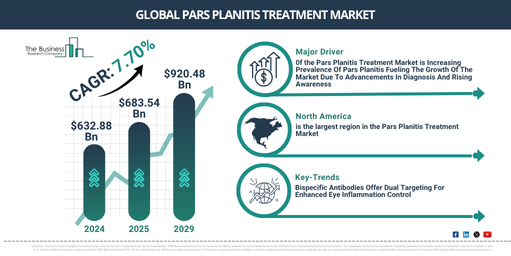
    There has been robust growth in the treatment market size for pars planitis in recent years. This is projected to increase from $632.88 billion in 2024 to approximately $683.54 billion in 2025, representing a compound annual growth rate (CAGR) of 8.0%. This notable growth observed in the historical period can be linked to heightened awareness of autoimmune eye diseases, a rising number of uveitis cases in children, improved accessibility to eye care, increased usage of immunosuppressants, and enhanced patient understanding of the benefits of early intervention.

    In the coming years, the market size for pars planitis treatment is predicted to see robust growth, expanding to a value of $920.48 billion by 2029, with a 7.7% compound annual growth rate (CAGR). This expected growth in the projected timeline can be credited to factors such as the widespread adaptation of biologic therapies, increased incidence of autoimmune ailments, intensified focus on children’s eye care, extended health insurance coverage and heightened demand for bespoke treatment. The forecast period is also likely to witness certain trends like the shift toward steroid-sparing therapies, incorporation of teleophthalmology, the rise of long-acting implants, the application of biosimilars in treatment, and an increase in combination therapy.

    Download The Free Sample Report Here:

    https://www.thebusinessresearchcompany.com/sample.aspx?id=24649&type=smp

    What Elements Are Contributing To Growth In The Pars Planitis Treatment Market?

    The escalating occurrence of pars planitis is anticipated to fuel the expansion of the pars planitis treatment market in the future. Pars planitis is an underspecified type of intermediate uveitis that primarily induces inflammation in the peripheral retina and vitreous, usually affecting individuals between 15 to 40 years. The surging rates of pars planitis are linked to heightened awareness and enhanced diagnostic capabilities, backed by advanced imaging technologies that facilitate early and precise detection. Treatments for pars planitis are instrumental in managing the condition by curbing ocular inflammation, thereby playing a crucial role in preserving vision and warding off complications. They augment patient care by providing specific therapies like corticosteroids and immunosuppressants, thus contributing to improved long-term ocular health and life quality. As per a case study report published by the Mega Journal of Case Reports, a US-based medical publication, in February 2025, intermediate uveitis has an incidence rate of 1.4 to 2 cases per 100,000 individuals, with the idiopathic variety, pars planitis, making up 70% of these cases. Hence, the escalating occurrence of pars planitis propels the expansion of the pars planitis treatment market.

    Which Segments Are Detailed In The Global Pars Planitis Treatment Market Report?

    The pars planitis treatment market covered in this report is segmented –

    1) By Treatment: Corticosteroid, Non-Steroidal Anti-Inflammatory Drugs (NSAIDs), Surgery, Cryotherapy, Immunomodulatory Therapy, Other Treatments

    2) By Diagnosis: Blood Tests, X-ray, Magnetic Resonance Imaging (MRI), Other Diagnosis

    3) By Route Of Administration: Oral, Intravenous, Other Routes Of Administration

    4) By Distribution Channel: Hospital Pharmacy, Retail Pharmacy, Online Pharmacy

    5) By End-User: Clinic, Hospital, Other End-Users

    Subsegments:

    1) By Corticosteroid: Topical Corticosteroids, Periocular Corticosteroid Injections, Intravitreal Corticosteroid Implants, Systemic Corticosteroids

    2) By Non-Steroidal Anti-Inflammatory Drugs (NSAIDs): Oral Non-Steroidal Anti-Inflammatory Drugs (NSAIDs), Topical Non-Steroidal Anti-Inflammatory Drugs (NSAIDs), Injectable Non-Steroidal Anti-Inflammatory Drugs (NSAIDs)

    3) By Surgery: Pars Plana Vitrectomy, Cataract Surgery, Glaucoma Surgery

    4) By Cryotherapy: Trans-scleral Cryotherapy, Endocryotherapy

    5) By Immunomodulatory Therapy: Antimetabolites, Calcineurin Inhibitors, Biologic Agents

    6) By Other Treatments: Antibiotics, Antivirals, Laser therapy

    Which Emerging Trends And Strategic Shifts Are Shaping The Pars Planitis Treatment Market?

    Principal corporations actively participating in the pars planitis treatment market are concentrating on the creation of newfangled solutions, such as bispecific antibodies, aiming to improve immune modulation, decrease ocular inflammation, and cut down on systemic side effects. These bispecific antibodies are customized proteins configured to connect with two dissimilar antigens or targets concurrently, providing more accurate and potent treatment with lesser side effects. For instance, Genentech Inc., a biotechnology firm based in the US, gained Food and Drug Administration approval in October 2023 for Vabysmo (faricimab-svoa), which treats not only retinal vein occlusion (RVO) but also age-related macular degeneration and diabetic macular edema. Vabysmo offers the first bispecific antibody for ophthalmic application targeting both Angiopoietin-2 (Ang-2) and vascular endothelial growth factor A (VEGF-A), managing inflammation and vascular leakage simultaneously. This trailblazing technique is being probed for use in intermediate uveitis, containing pars planitis, wherein long-standing inflammation in the retinal edge demands a sustained and targeted response.

    Who Are The Key Contributors To Growth In The Pars Planitis Treatment Market?

    Major companies operating in the pars planitis treatment market are Johnson & Johnson, Merck & Co Inc., AbbVie Inc., Bayer AG, AstraZeneca plc, Novartis AG, EyePoint Pharmaceuticals Inc., Medtronic plc, Eli Lilly and Company, Teva Pharmaceutical Industries Ltd., Quantum Cryogenics Ltd., Zimmer MedizinSysteme GmbH, Sun Pharmaceutical Industries Ltd., Hologic Inc., Aurobindo Pharma Limited, Santen Pharmaceutical Co. Ltd., CooperSurgical Inc., AtriCure Inc., Alimera Sciences Inc., Clearside Biomedical Inc.

    Get The Full Report Here:

    https://www.thebusinessresearchcompany.com/report/pars-planitis-treatment-global-market-report

    Which Region Is Projected To Lead The Pars Planitis Treatment Market By 2025?

    North America was the largest region in the pars planitis treatment market in 2024. The regions covered in the pars planitis treatment market report are Asia-Pacific, Western Europe, Eastern Europe, North America, South America, Middle East, Africa.

    Request For A Customized Report:

    https://www.thebusinessresearchcompany.com/customise?id=24649&type=smp

    About The Business Research Company:

    With over 15000+ reports from 27 industries covering 60+ geographies, The Business Research Company has built a reputation for offering comprehensive, data-rich research and insights. Armed with 1,500,000 datasets, the optimistic contribution of in-depth secondary research, and unique insights from industry leaders, you can get the information you need to stay ahead in the game.

    Get in touch with us:

    The Business Research Company: https://www.thebusinessresearchcompany.com/

    Americas +1 310-496-7795

    Asia +44 7882 955267 & +91 8897263534

    Europe +44 7882 955267

    Email us at info@tbrc.info

    Follow us on:

    LinkedIn: https://in.linkedin.com/company/the-business-research-company

    YouTube: https://www.youtube.com/channel/UC24_fI0rV8cR5DxlCpgmyFQ

    Global Market Model: https://www.thebusinessresearchcompany.com/global-market-model
  • Strategic Report on Palmar Hyperhidrosis Treatment Market: Growth Opportunities and Emerging Challenges

    Strategic Report on Palmar Hyperhidrosis Treatment Market: Growth Opportunities and Emerging Challenges

    Claim your 30% discount on Global Market Reports with code ONLINE30. Limited time only.

    How Much Is the Global Palmar Hyperhidrosis Treatment Market Valued at Present and by 2029?

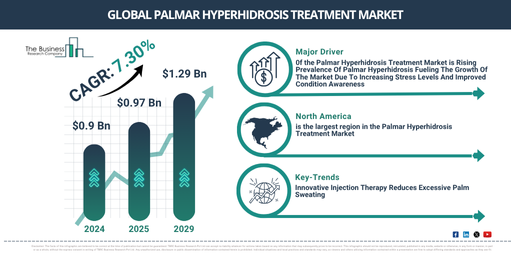
    The market for palmar hyperhidrosis treatments has witnessed significant growth in recent times. The market value is projected to increase from $0.9 billion in 2024 to $0.97 billion in 2025, with a compound annual growth rate (CAGR) of 7.7%. Key growth drivers during the historic period include the widespread utilization of tele-dermatology platforms, increased awareness campaigns concerning hyperhidrosis, enhanced accessibility and affordability of home-based iontophoresis devices, emphasis on quality-of-life results in clinical practice guides, and the expansion of dermatology and specialty clinics.

    The market for palmar hyperhidrosis treatment is predicted to experience noteworthy expansion in the coming years, burgeoning to a value of $1.29 billion in 2029 with a compound annual growth rate (CAGR) of 7.3%. The acceleration during the forecast period can be credited to the escalating incidence of palmar hyperhidrosis cases, amplified psychological and social pressures associated with excessive sweating of the palms, increased demand for minimal invasive or non-surgical procedures, growth in disposable incomes, and enhanced healthcare spending by governments. Key trends expected throughout the forecast period include, but are not limited to, breakthroughs in botulinum toxin compositions, technological progress in iontophoresis devices, incorporation of artificial intelligence (AI) in dermatology for more efficient diagnoses and treatment plans, creation of next-generation topical treatments, and assimilation of robot-aided surgical techniques.

    Download The Free Sample Report Here:

    https://www.thebusinessresearchcompany.com/sample.aspx?id=24648&type=smp

    #What Drivers Are Influencing Growth In The Palmar Hyperhidrosis Treatment Market?

    The escalating occurrence rate of palmar hyperhidrosis is anticipated to boost the development of its treatment market. Palmar hyperhidrosis, a condition typified by unchecked and excessive sweating of the palms, is primarily driven by increasing levels of stress and anxiety that overstimulate the sympathetic nervous system. Treatments for palmar hyperhidrosis play a pivotal role in controlling excessive hand sweating, enhancing convenience, and boosting self-assurance through successful management of moisture-related discomfort. Due to the prevalence of 1.6% in the UK and ranging from 1.0% to 4.8% in the USA, recorded in January 2023 by the US-based National Library of Medicine, the improved occurrence of palmar hyperhidrosis is set to positively impact the growth of its treatment market. Growth in Healthcare Spending Fostering Market Development Due to Greater Demand for Early and Preventive Treatment

    What Are The Main Segments Identified In The Palmar Hyperhidrosis Treatment Market Research?

    The palmar hyperhidrosis treatment market covered in this report is segmented –

    1) By Treatment Type: Topical Treatments, Oral Medications, Botulinum Toxin Injections, Iontophoresis, Surgical Interventions, Other Treatment Types

    2) By Patient Age Group: Children, Adolescents, Adults, Elderly

    3) By Severity Of Hyperhidrosis: Mild, Moderate, Severe

    4) By End-User: Hospitals, Dermatology Clinics, Specialty Clinics, Homecare

    Subsegments:

    1) By Topical Treatments: Aluminum Chloride-Based Antiperspirants, Natural Or Herbal Formulations, Glycopyrronium-Based Creams Or Wipes

    2) By Oral Medications: Anticholinergics, Benzodiazepines, Beta-Blockers

    3) By Botulinum Toxin Injections: Botulinum Toxin Type A, Liposomal Botulinum Formulations, Botulinum Toxin Type B

    4) By Iontophoresis: Tap Water Iontophoresis, Portable Or Home-Use Iontophoresis Devices, Iontophoresis With Anticholinergic Agents

    5) By Surgical Interventions: Endoscopic Thoracic Sympathectomy (Ets), Microscopic Sympathectomy, Sympathectomy By Radiofrequency Ablation

    6) By Other Treatment Types: Laser Therapy, Nerve-Blocking Agents Or Injections, Microwave Therapy

    What Are The Leading Trends And Opportunities In The Palmar Hyperhidrosis Treatment Sector?

    Leading firms in the palmar hyperhidrosis treatment market are prioritizing the creation of innovative treatments such as injections of botulinum toxin type A. These new solutions aim to amplify treatment efficiency, minimize adverse effects and maximize patient ease. Botulinum toxin type A is a type of neurotoxic protein treatment that temporarily obstructs nerve signals which trigger sweat production, effectively curbing excessive perspiration. Gufic Biosciences Ltd., a pharmaceutical company located in India, for example, introduced Zarbot, a botulinum toxin type A injection in December 2022. Providing a cost-effective option for palmar hyperhidrosis treatment, Zarbot chemically incapacitates sweat glands, achieving similar results to renowned global brands. Dosages vary from 100 to 150 units per palm, which through targeted intradermal delivery, obstructs the release of acetylcholine, thereby reducing sweating substantially for a period of 6 to 9 months. As it is domestically manufactured, Zarbot is a more reasonably priced alternative to botulinum toxin treatments for palmar hyperhidrosis that are imported. Backed by high stability and adherence to international pharmacopoeial standards, Zarbot is fit for extensive clinical application.

    Which Companies Play A Key Role In The Development Of The Palmar Hyperhidrosis Treatment Market?

    Major companies operating in the palmar hyperhidrosis treatment market are AbbVie Inc., GlaxoSmithKline plc, Eli Lilly and Company, Dr. August Wolff GmbH & Co. KG, Merz Pharma GmbH & Co. KGaA, Kaken Pharmaceutical Co. Ltd., Medytox Inc., Revance Therapeutics Inc., Sientra, Alma Lasers Ltd., Journey Medical Corporation, Fotona d.o.o., Person & Covey Inc., Candela Corporation, Brickell Biotech Inc., Avanor Healthcare Ltd, C Cube Advanced Technologies, Dermadry Laboratories Inc., TheraVida Inc., ThermiGen LLC.

    Get The Full Report Here:

    https://www.thebusinessresearchcompany.com/report/palmar-hyperhidrosis-treatment-global-market-report

    What Are The Key Regional Developments Shaping The Palmar Hyperhidrosis Treatment Market?

    North America was the largest region in the palmar hyperhidrosis treatment market in 2024. Asia-Pacific is expected to be the fastest-growing region in the forecast period. The regions covered in the palmar hyperhidrosis treatment market report are Asia-Pacific, Western Europe, Eastern Europe, North America, South America, Middle East, Africa.

    Request For A Customized Report:

    https://www.thebusinessresearchcompany.com/customise?id=24648&type=smp

    About The Business Research Company:

    With over 15000+ reports from 27 industries covering 60+ geographies, The Business Research Company has built a reputation for offering comprehensive, data-rich research and insights. Armed with 1,500,000 datasets, the optimistic contribution of in-depth secondary research, and unique insights from industry leaders, you can get the information you need to stay ahead in the game.

    Get in touch with us:

    The Business Research Company: https://www.thebusinessresearchcompany.com/

    Americas +1 310-496-7795

    Asia +44 7882 955267 & +91 8897263534

    Europe +44 7882 955267

    Email us at info@tbrc.info

    Follow us on:

    LinkedIn: https://in.linkedin.com/company/the-business-research-company

    YouTube: https://www.youtube.com/channel/UC24_fI0rV8cR5DxlCpgmyFQ

    Global Market Model: https://www.thebusinessresearchcompany.com/global-market-model
  • Future Demand and Leading Companies Shaping the Over-The-Counter (OTC) Products-Eye Care Market to 2029

    Future Demand and Leading Companies Shaping the Over-The-Counter (OTC) Products-Eye Care Market to 2029

    Claim your 30% discount on Global Market Reports with code ONLINE30. Limited time only.

    What Are the Forecasted Growth Rate and Market Size of the Over-The-Counter (OTC) Products-Eye Care Market?

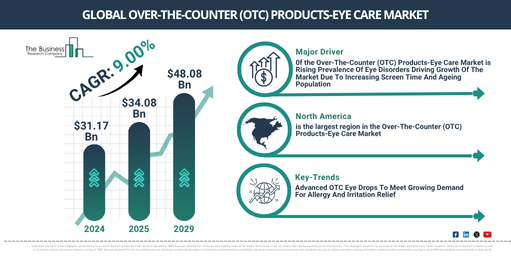
    The market size for over-the-counter (OTC) eye care products has experienced robust growth in recent years. Its valuation is anticipated to escalate from $31.17 billion in 2024 to $34.08 billion in 2025, marking a compound annual growth rate (CAGR) of 9.3%. Factors contributing to growth trends observed in the historical period include a rising incidence of digital eye strain, global increase in the elderly population, heightened awareness regarding eye health and hygiene, and an uptick in self-medication habits. Additionally, the easy accessibility of OTC products in both physical retail outlets and online platforms has also fostered growth.

    Forecasts indicate substantial growth in the over-the-counter (otc) eye care product market in the coming years. An expected surge to $48.08 billion in 2029, with a compound annual growth rate (CAGR) of 9.0%, reflects promising prospects. The projected expansion during the forecast period is due to factors like increased urban pollution and allergens, rising occurrences of lifestyle-linked eye disorders, growth in preventative eye care adoption, product innovation and marketing from dominant players, and heightened demand from thriving economies. Noteworthy trends occurring in the forecast period include the progression in preservative-free formulations, merging of digital health utilities with eye care items, packaging advancements powered by technology, evolution in nanotechnology-driven eye care solutions, and the progression in artificial tear and lubricant formulations.

    Download The Free Sample Report Here:

    https://www.thebusinessresearchcompany.com/sample.aspx?id=24643&type=smp

    Which Factor Is Shaping The Future Of The Over-The-Counter (OTC) Products-Eye Care Market?

    The increase in time spent on digital screens is predicted to contribute to the expansion of the over-the-counter (OTC) eye care product market in the future. The duration spent on screens, whether it be computers, smartphones, or tablets, has surged due to the necessity of remote work and online communications, leading to prolonged daily use of screens. OTC eye care items provide relief from the side effects of extended digital screen exposure by reducing dryness, mitigating irritation, and maintaining hydration in the eyes. For example, the Centers for Disease Control and Prevention, a governmental agency in the US, revealed in October 2024 that from July 2021 to December 2023, more than half of all 12-17 year olds (50.4%) spent an average of 4 or more hours on screens daily, whilst 22.8% spent an average of 3 hours, 17.8% spent 2 hours, 6.1% spent 1 hour, and only 3.0% participated less than an hour each day. The rising digital screen exposure therefore significantly impacts the growth of the over-the-counter (OTC) eye care product market.

    What Is The Segment-Wise Breakdown Of The Over-The-Counter (OTC) Products-Eye Care Market?

    The over-the-counter (OTC) products-eye care market covered in this report is segmented –

    1) By Product: Contact Lenses, Intraocular Lenses, Ocular Health Products, Other Products

    2) By Distribution Channel: Hospitals And Clinics, Retail Stores, Online Stores, Other Distribution Channels

    3) By Application: Dry Eye Treatment, Allergy Relief, Infection Prevention And Treatment, Vision Support, Post-Procedure Eye Comfort

    Subsegments:

    1) By Contact Lenses: Soft Contact Lenses, Rigid Gas Permeable (RGP) Lenses, Hybrid Contact Lenses, Daily Disposable Lenses, Extended Wear Lenses, Cosmetic (Colored) Lenses

    2) By Intraocular Lenses: Monofocal Intraocular Lenses, Multifocal Intraocular Lenses, Toric Intraocular Lenses, Accommodative Intraocular Lenses, Phakic Intraocular Lenses

    3) By Ocular Health Products: Artificial Tears And Lubricants, Antihistamine Eye Drops, Redness Relievers, Antibiotic Eye Drops, Eye Wash Solutions, Nutritional Supplements

    4) By Other Products: Eye Patches And Shields, Eye Compresses, Eyelid Cleansers And Wipes, Blue Light Blocking Glasses, Eye Vitamins And Herbal Remedies, Vision Therapy Tools

    Which Trends Are Redefining The Future Landscape Of The Over-The-Counter (OTC) Products-Eye Care Industry?

    Leading corporations in the over-the-counter (OTC) products-eye care market are prioritizing the development of innovative products, like OTC eye drops, aimed at promoting moisture preservation and offering enduring relief from typical eye discomforts. OTC eye drops, over-the-counter solutions, are utilized to mitigate common eye problems like dryness, redness, irritation, and allergies, offering instant relief by moistening the eyes and fostering overall eye comfort. For instance, Glenmark Pharmaceuticals, an American pharmaceutical business, introduced Olopatadine Hydrochloride Ophthalmic Solution USP, 0.1% (OTC), in the US market in August 2024. This eye drop solution is targeted at meeting the growing customer demand for allergy relief eye drops, positioning itself as a competitive rival to Pataday Twice Daily Relief. This product can be found at primary retail outlets and pharmacies throughout the US, thus broadening Glenmark’s consumer healthcare range.

    Which Companies Hold The Largest Market Share In The Over-The-Counter (OTC) Products-Eye Care Sector?

    Major companies operating in the over-the-counter (OTC) products-eye care market are AbbVie, Novartis AG, Alcon, Intas Pharmaceuticals, Macleods Pharmaceuticals, Sun Pharmaceutical Industries Limited, Perrigo Company plc, Bausch + Lomb, Dr. Reddy’s Laboratories, Cipla Ltd., Santen Pharmaceutical Co. Ltd., Rohto Pharmaceutical, GlenMark Pharmaceuticals Ltd., Ocusoft Inc., Medicom Healthcare, NovaBay Pharmaceuticals Inc., Himalaya Wellness Company, Grevis Pharmaceuticals, TearRestore Inc., Théa Pharma Inc.

    Get The Full Report Here:

    https://www.thebusinessresearchcompany.com/report/over-the-counter-otc-products-eye-care-global-market-report

    How Does Regional Performance Compare Across The Over-The-Counter (OTC) Products-Eye Care Industry?

    North America was the largest region in the over-the-counter (OTC) products-eye care market in 2024. The regions covered in the over-the-counter (OTC) products-eye care market report are Asia-Pacific, Western Europe, Eastern Europe, North America, South America, Middle East, Africa.

    Request For A Customized Report:

    https://www.thebusinessresearchcompany.com/customise?id=24643&type=smp

    About The Business Research Company:

    With over 15000+ reports from 27 industries covering 60+ geographies, The Business Research Company has built a reputation for offering comprehensive, data-rich research and insights. Armed with 1,500,000 datasets, the optimistic contribution of in-depth secondary research, and unique insights from industry leaders, you can get the information you need to stay ahead in the game.

    Get in touch with us:

    The Business Research Company: https://www.thebusinessresearchcompany.com/

    Americas +1 310-496-7795

    Asia +44 7882 955267 & +91 8897263534

    Europe +44 7882 955267

    Email us at info@tbrc.info

    Follow us on:

    LinkedIn: https://in.linkedin.com/company/the-business-research-company

    YouTube: https://www.youtube.com/channel/UC24_fI0rV8cR5DxlCpgmyFQ

    Global Market Model: https://www.thebusinessresearchcompany.com/global-market-model
  • Emerging Trends and Growth Drivers in the Osteomyelitis Market Through 2029

    Emerging Trends and Growth Drivers in the Osteomyelitis Market Through 2029

    Claim your 30% discount on Global Market Reports with code ONLINE30. Limited time only.

    What Is the Outlook for the Osteomyelitis Market Heading Into 2029?

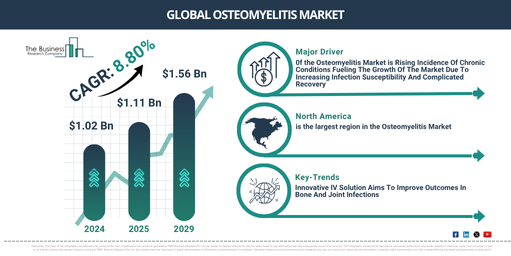
    In recent years, the market size of osteomyelitis has reported solid growth. It is projected to expand from $1.02 billion in 2024 to $1.11 billion in 2025, exhibiting a compound annual growth rate (CAGR) of 9.1%. The historical growth surge can be linked to factors such as the rising usage of bone grafts and regenerative healthcare, increased healthcare spending, growth in the elderly population, bettered diagnostic methodologies, and a spike in intravenous (IV) drug misuse.

    In the coming years, a significant increase is anticipated in the market size for osteomyelitis, with a projection of reaching $1.56 billion by 2029, growing at a compound annual rate of 8.8%. This predicted growth during the forecast period can be justified by several factors including the rising cases of diabetes, the mounting prevalence of chronic health conditions, escalating antibiotic resistance, a surge in scalable biomarker testing, and an increasing demand for biofilm-disrupting agents. Major leading trends within the forecast window incorporate advancements in diagnostic technologies, the fusion of artificial intelligence (AI) with digital health concepts, improvements in treatments and surgeries, radiology algorithms supported by artificial intelligence (AI), and intelligent incorporation of these advancements into treatment pathways.

    Download The Free Sample Report Here:

    https://www.thebusinessresearchcompany.com/sample.aspx?id=24640&type=smp

    Which Factors Are Pushing The Osteomyelitis Market Forward?

    The growth trajectory of the osteomyelitis market is anticipated to be driven by the increasing prevalence of chronic conditions. Long-lasting health problems that continue for years or months, often needing continuous management and care, are known as chronic conditions. Their escalating occurrence is attributed to the aging worldwide population, as old age compromises the immune system and elevates susceptibility to enduring diseases and infections. Chronic conditions raise the probability of osteomyelitis by undermining the immune system and impeding blood circulation, particularly in illnesses like diabetes and vascular diseases. They foster a habitat where infections can linger, boost the propensity of bone involvement and complicate the recovery process. For instance, a survey conducted by the Institute for Health Metrics and Evaluation, an American public health research institute, revealed in August 2023 that 15% of individuals aged 30 years and above were suffering from osteoarthritis in 2023, and it is predicted that close to 1 billion people will be struck by this by 2050. Hence, the escalating occurrence of chronic conditions is fueling the growth of the osteomyelitis market.

    Which Segment Held The Largest Share In The Osteomyelitis Market In 2025?

    The osteomyelitis market covered in this report is segmented –

    1) By Type: Medullary Osteomyelitis, Superficial Osteomyelitis, Other Types

    2) By Drug Type: Antibiotics, Antifungals, Non-Steroidal Anti-Inflammatory Drugs, Other Drug Types

    3) By Route Of Administration: Oral, Parenteral

    4) By Distribution Channel: Hospital Pharmay, Online Pharmacy, Retail Pharmacy

    5) By End-User: Hospital And Clinics, Research Organization, Diagnostic Diseases, Diagnostic Centers

    Subsegments:

    1) By Medullary Osteomyelitis: Acute Medullary Osteomyelitis, Chronic Medullary Osteomyelitis

    2) By Superficial Osteomyelitis: Acute Superficial Osteomyelitis, Chronic Superficial Osteomyelitis

    3) By Other Types: Diffuse Osteomyelitis, Sclerosing Osteomyelitis, Localized Osteomyelitis

    How Are Key Trends Driving Expansion In The Osteomyelitis Industry?

    Leading businesses in the osteomyelitis market are dedicating efforts towards inventing novel solutions, like premixed intravenous (IV) solutions, geared at tackling antibiotic resistance and enhancing patient outcomes. Premixed IV solutions are ready-to-administer sterile liquids that incorporate specific drugs or electrolytes, and they are meant to enhance safety and reduce preparation time in medical environments. For instance, Hikma Pharmaceuticals Plc, a pharmaceutical firm based in the UK, introduced a clindamycin injection combined with 5% dextrose in September 2024. This drug is employed to manage severe infections induced by susceptible anaerobic and gram-positive bacteria, for example, bone and joint infections, including acute hematogenous osteomyelitis. It furnishes a ready-to-administer intravenous alternative, primarily apt for patients allergic to penicillin or in circumstances when penicillin is not suitable.

    Which Organizations Are Driving Progress In The Osteomyelitis Industry?

    Major companies operating in the osteomyelitis market are Pfizer Inc., Johnson & Johnson, F. Hoffmann-La Roche Ltd., Sanofi S.A., Abbott Laboratories, Novartis AG, GSK plc, Eli Lilly and Company, Siemens Healthineers, Otsuka Pharmaceutical Co. Ltd, Fresenius Kabi AG, Sumitomo Pharma Company Limited, Hikma Pharmaceuticals PLC, Alkem Laboratories Ltd., Torrent Pharmaceuticals Ltd., Wockhardt Hospitals, Basilea Pharmaceutica Ltd., Paratek Pharmaceuticals Inc., Debiopharm International SA, Accord Healthcare Limited, Melinta Therapeutics LLC, Cempra Inc., MicuRx Pharmaceuticals Inc., Durata Therapeutics Inc.

    Get The Full Report Here:

    https://www.thebusinessresearchcompany.com/report/osteomyelitis-global-market-report

    Which Region Is Expected To Experience The Highest Growth In The Osteomyelitis Industry?

    North America was the largest region in the osteomyelitis market in 2024. Asia-Pacific is expected to be the fastest-growing region in the forecast period. The regions covered in the osteomyelitis market report are Asia-Pacific, Western Europe, Eastern Europe, North America, South America, Middle East, Africa.

    Request For A Customized Report:

    https://www.thebusinessresearchcompany.com/customise?id=24640&type=smp

    About The Business Research Company:

    With over 15000+ reports from 27 industries covering 60+ geographies, The Business Research Company has built a reputation for offering comprehensive, data-rich research and insights. Armed with 1,500,000 datasets, the optimistic contribution of in-depth secondary research, and unique insights from industry leaders, you can get the information you need to stay ahead in the game.

    Get in touch with us:

    The Business Research Company: https://www.thebusinessresearchcompany.com/

    Americas +1 310-496-7795

    Asia +44 7882 955267 & +91 8897263534

    Europe +44 7882 955267

    Email us at info@tbrc.info

    Follow us on:

    LinkedIn: https://in.linkedin.com/company/the-business-research-company

    YouTube: https://www.youtube.com/channel/UC24_fI0rV8cR5DxlCpgmyFQ

    Global Market Model: https://www.thebusinessresearchcompany.com/global-market-model
  • Ophthalmology Contract Research Organization Market Revenue Outlook: Strategic Insights and Forecast to 2029

    Ophthalmology Contract Research Organization Market Revenue Outlook: Strategic Insights and Forecast to 2029

    Claim your 30% discount on Global Market Reports with code ONLINE30. Limited time only.

    What Is the Current and Projected Market Size of the Ophthalmology Contract Research Organization Industry?

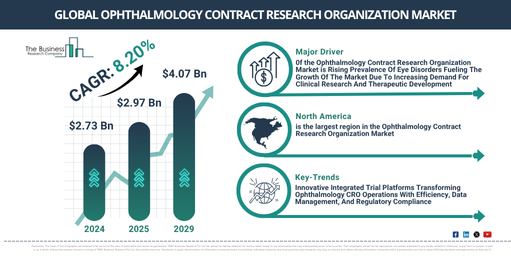
    In recent times, there has been a significant expansion in the size of the ophthalmology contract research organization market. This market will see an increase from $2.73 billion in 2024 to $2.97 billion in 2025, following a compound annual growth rate (CAGR) of 8.5%. Factors such as a surge in eye diseases, an aging population, advancements in ophthalmic drug development, global expansion of clinical trials, and an increase in chronic conditions like diabetes have contributed to the historical period growth.

    In the ensuing years, the ophthalmology contract research organization market is poised for significant expansion, forecasted to attain a value of $4.07 billion in 2029, with an annual growth rate of 8.2%. This surge during the projected period can be linked to the widespread adoption of decentralized clinical trials, escalating R&D in ophthalmic medical devices, increased investment in precision medicine, heightened emphasis on research in pediatric ophthalmology, and an uptick in venture-capital funding for eye health startups. In terms of trends for the forecasted period, advancements in imaging technologies, AI-based diagnostic tool development, uptake of remote monitoring tools, progress in 3D retinal imaging, and the incorporation of cloud-based trial management systems are expected.

    Download The Free Sample Report Here:

    https://www.thebusinessresearchcompany.com/sample.aspx?id=24637&type=smp

    #Which Factors Are Currently Driving The Growth Of The Ophthalmology Contract Research Organization Market?

    The ophthalmology contract research organization market is predicted to expand due to the increasing incidence of eye disorders. These disorders, covering a broad spectrum of issues that can hinder eye function or lead to discomfort, are becoming more prevalent, especially due to aging demographics. Conditions such as cataracts, glaucoma, macular degeneration, and diabetic retinopathy typically become more frequent with age. Ophthalmology contract research organizations aid in enhancing eye disorder treatments by offering specialized clinical research services that speed up the creation, examination, and approval of pioneering ophthalmic therapies. For instance, the Association of Optometrists, a representative membership organization based in the UK, reported in September 2023 that England registered 22,552 new certifications for vision impairment in 2022. This included 1,344 cases attributed to diabetic eye disease, 3,614 connected to glaucoma, and 10,865 linked to age-related macular degeneration. Hence, the increasing prevalence of eye disorders is fueling the growth of the ophthalmology contract research organization market.

    How Is The Global Ophthalmology Contract Research Organization Market Structured In Terms Of Segments?

    The ophthalmology contract research organization market covered in this report is segmented –

    1) By Service Type: Early Phase Development Services, Clinical Research, Laboratory Services, Regulatory Consulting Services

    2) By Therapy: Traditional Interventions, Anti-Inflammatory Interventions, Corticosteroids, Non-Steroidal Anti-Inflammatory Drugs, Other Anti-Inflammatory Interventions, Anti-Oxidative Interventions, Other Traditional Interventions, Advanced Interventions

    3) By End-User: Pharma Or Biopharma companies, Medical Device Companies, Academic Institutes

    Subsegments:

    1) By Early Phase Development Services: Preclinical Trials, Pharmacokinetics (PK) And Pharmacodynamics (PD) Studies, Toxicology Studies, First-In-Human (FIH) Studies, Formulation Development

    2) By Clinical Research: Phase I Trials, Phase II Trials, Phase III Trials, Phase IV (Post-Marketing Surveillance), Site Management, Patient Recruitment and Retention

    3) By Laboratory Services: Bioanalytical Testing, Biomarker Analysis, Central Laboratory Services, Histopathology, Genomic And Proteomic Services

    4) By Regulatory Consulting Services: Regulatory Strategy Development, Investigational New Drug Or Clinical Trial Application Preparation And Submission, Regulatory Writing And Documentation, Health Authority Meeting Support, Labeling And Compliance Consulting

    What Trends Are Currently Influencing Growth In The Ophthalmology Contract Research Organization Market?

    Key players in the ophthalmology contract research organization market are placing a strong emphasis on the creation of novel solutions like integrated trial platforms to improve study implementation and data management effectiveness. These unified digital systems refine the entire clinical trial process, from patient enrollment and data gathering to adherence, thereby enabling ophthalmology contract research firms to enhance their efficiency, minimize mistakes, and expedite the creation of ocular therapies. For example, in September 2024, UK’s Lindus Health Limited, a biotech firm, established its All-in-One Ophthalmology CRO featuring a proprietary integrated trial platform named Citrus. This platform incorporates all crucial elements of ophthalmology clinical trials from patient recruitment and EDC to eConsent, patient scheduling, and CTMS functions. Citrus, by amalgamating these components into a singular, adaptable digital environment, increases operational efficiency, reduces data inaccuracies, and maintains regulatory adherence throughout the study’s duration.

    Who Are The Main Participants Shaping The Ophthalmology Contract Research Organization Market Landscape?

    Major companies operating in the ophthalmology contract research organization market are IQVIA Holdings Inc., Eurofins Scientific SE, Syneos Health Inc., Charles River Laboratories International Inc., Parexel International Corporation, Fortrea Holdings Inc., Medpace Holdings Inc., PSI CRO AG, Worldwide Clinical Trials, The Emmes Company LLC, TFS HealthScience, QPS Holdings LLC, ProTrial Research Inc., Lexitas Pharma Services Inc., Covance Inc., Cliantha Research Limited, Trial Runners, Iris Pharma, WuXi AppTec Co. Ltd., ORA Inc., Novotech Health Holdings Pty Limited

    Get The Full Report Here:

    https://www.thebusinessresearchcompany.com/report/ophthalmology-contract-research-organization-global-market-report

    Which Region Currently Holds The Largest Share In The Ophthalmology Contract Research Organization Market?

    North America was the largest region in the ophthalmology contract research organization market in 2024. Europe is expected to be the fastest-growing region in the forecast period. The regions covered in the ophthalmology contract research organization market report are Asia-Pacific, Western Europe, Eastern Europe, North America, South America, Middle East, Africa.

    Request For A Customized Report:

    https://www.thebusinessresearchcompany.com/customise?id=24637&type=smp

    About The Business Research Company:

    With over 15000+ reports from 27 industries covering 60+ geographies, The Business Research Company has built a reputation for offering comprehensive, data-rich research and insights. Armed with 1,500,000 datasets, the optimistic contribution of in-depth secondary research, and unique insights from industry leaders, you can get the information you need to stay ahead in the game.

    Get in touch with us:

    The Business Research Company: https://www.thebusinessresearchcompany.com/

    Americas +1 310-496-7795

    Asia +44 7882 955267 & +91 8897263534

    Europe +44 7882 955267

    Email us at info@tbrc.info

    Follow us on:

    LinkedIn: https://in.linkedin.com/company/the-business-research-company

    YouTube: https://www.youtube.com/channel/UC24_fI0rV8cR5DxlCpgmyFQ

    Global Market Model: https://www.thebusinessresearchcompany.com/global-market-model
  • Strategic Report on Non-Radiographic Axial Spondyloarthritis Therapeutic Market: Growth Opportunities and Emerging Challenges

    Strategic Report on Non-Radiographic Axial Spondyloarthritis Therapeutic Market: Growth Opportunities and Emerging Challenges

    Claim your 30% discount on Global Market Reports with code ONLINE30. Limited time only.

    What Is the Current and Projected Market Size of the Non-Radiographic Axial Spondyloarthritis Therapeutic Industry?

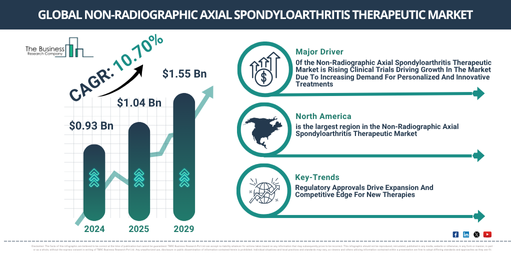
    The therapeutic market for non-radiographic axial spondyloarthritis has experienced swift expansion in recent times. Projected growth sees it rising from $0.93 billion in 2024 to $1.04 billion in 2025, marking a Compound Annual Growth Rate (CAGR) of 10.9%. This growth in the past period can be linked to several factors: dynamic growing prevalence of axial spondyloarthritis, the expansion of patient pool due to heightened awareness, the rise in disease consciousness promoting market growth, accelerated research and developmental projects, along with an augmenting adoption of biologic therapies.

    In the coming years, the non-radiographic axial spondyloarthritis therapeutic market is projected to experience significant growth, with its market size escalating to $1.55 billion in 2029 at a compound annual growth rate (CAGR) of 10.7%. This growth during the forecast period can be associated with factors such as increased awareness and early determination, the proliferation of biosimilars, continuous progress in biologics and availability of new therapeutic alternatives in the pipeline. Other factors include aggressive research and development efforts, the growing preference for targeted and personalized treatments, and the advancement of healthcare infrastructure. Critical trends for the forecast period include the utilization of personalised treatment patterns, the incorporation of digital tools in diagnosis, a shift towards treat-to-target (T2T) strategies, value-driven pricing models, and the uptake of multidisciplinary management approaches.

    Download The Free Sample Report Here:

    https://www.thebusinessresearchcompany.com/sample.aspx?id=24627&type=smp

    #Which Factors Are Currently Driving The Growth Of The Non-Radiographic Axial Spondyloarthritis Therapeutic Market?

    The escalating number of clinical trials is predicted to fuel the expansion of the non-radiographic axial spondyloarthritis therapeutic market in the future. Clinical trials, which are research studies performed on humans to assess the safety, effectiveness, and side effects of medical treatments, are on the rise due to the burgeoning demand for innovative and personalized treatments that necessitate meticulous testing for safety and efficacy. These clinical trials are instrumental to non-radiographic axial spondyloarthritis therapeutics since they offer evidence-based confirmation of treatment effectiveness and safety at the early stages of the disease, thus influencing regulatory approvals and clinical application. For example, in November 2023, the Association of the British Pharmaceutical Industry, a UK-based trade association, reported a 15% annual increase in recruitment for industry clinical trials in the UK, with the numbers jumping from 36,722 participants in 2021-22 to 42,088 in 2022-23. As a result, the upsurge in clinical trials is bolstering the growth of the non-radiographic axial spondyloarthritis therapeutic market.

    How Is The Global Non-Radiographic Axial Spondyloarthritis Therapeutic Market Structured In Terms Of Segments?

    The non-radiographic axial spondyloarthritis therapeutic market covered in this report is segmented –

    1) By Type: Non-Steroidal Anti-Inflammatory Drugs, Biologics, Small Molecule Therapies, Corticosteroids

    2) By Application: Oral, Injectable, Topical

    3) By End User: Hospitals, Ambulatory Surgical Centers, Homecare Settings

    Subsegments:

    1) By Non-Steroidal Anti-Inflammatory Drugs: COX-2 Inhibitors, Non-Selective NSAIDs

    2) By Biologics: Tumor Necrosis Factor (TNF) Inhibitors, Interleukin-17 (IL-17) Inhibitors

    3) By Small Molecule Therapies: Janus Kinase (JAK) Inhibitors, Phosphodiesterase-4 (PDE4) Inhibitors

    4) By Corticosteroids: Oral Corticosteroids, Intra-Articular Corticosteroid Injections

    What Trends Are Currently Influencing Growth In The Non-Radiographic Axial Spondyloarthritis Therapeutic Market?

    Key players in the non-radiographic axial spondyloarthritis (nr-axSpA) treatment market are striving to secure regulatory permissions to extend their market presence, quicken the release of new therapies, and achieve a competitive edge. These regulatory consents are an official approval given by government entities, allowing a medication or therapy to be legally sold and prescribed after demonstrating its safety, effectiveness, and adherence to applicable criteria. For example, in October 2022, AbbVie Inc., a biopharmaceutical company based in the United States, attained FDA approval for their drug Rinvoq (upadacitinib) for the treatment of adults with active nr-axSpA who show clear signs of inflammation and whose condition hasn’t adequately responded to TNF inhibitors. This approval represents the sixth U.S. certification for Rinvoq, positioning it as the first and only oral JAK inhibitor approved for nr-axSpA. The sanction is built on the results from the SELECT-AXIS 2 clinical trial, in which nearly fifty percent of the patients treated with Rinvoq experienced a substantial reduction in disease activity compared to the placebo at 14 weeks, thereby providing a new daily oral treatment alternative for those dealing with this difficult disease.

    Who Are The Main Participants Shaping The Non-Radiographic Axial Spondyloarthritis Therapeutic Market Landscape?

    Major companies operating in the non-radiographic axial spondyloarthritis therapeutic market are Pfizer Inc., Johnson & Johnson, Allergan plc, AbbVie Inc., Sanofi S.A., Bristol-Myers Squibb Company, AstraZeneca PLC, Abbott Laboratories, Novartis AG, Eli Lilly and Company, Gilead Sciences Inc., Amgen Inc., Novo Nordisk A/S, Biogen Inc., Daiichi Sankyo Company Limited, UCB S.A., Mochida Pharmaceutical Co. Ltd., Mereo BioPharma Group plc, Suzhou Zelgen Biopharmaceuticals Co. Ltd., Qyuns Therapeutics Co. Ltd.

    Get The Full Report Here:

    https://www.thebusinessresearchcompany.com/report/non-radiographic-axial-spondyloarthritis-therapeutic-global-market-report

    Which Region Currently Holds The Largest Share In The Non-Radiographic Axial Spondyloarthritis Therapeutic Market?

    North America was the largest region in the non-radiographic axial spondyloarthritis therapeutics market in 2024. The regions covered in the non-radiographic axial spondyloarthritis therapeutic market report are Asia-Pacific, Western Europe, Eastern Europe, North America, South America, Middle East, Africa.

    Request For A Customized Report:

    https://www.thebusinessresearchcompany.com/customise?id=24627&type=smp

    About The Business Research Company:

    With over 15000+ reports from 27 industries covering 60+ geographies, The Business Research Company has built a reputation for offering comprehensive, data-rich research and insights. Armed with 1,500,000 datasets, the optimistic contribution of in-depth secondary research, and unique insights from industry leaders, you can get the information you need to stay ahead in the game.

    Get in touch with us:

    The Business Research Company: https://www.thebusinessresearchcompany.com/

    Americas +1 310-496-7795

    Asia +44 7882 955267 & +91 8897263534

    Europe +44 7882 955267

    Email us at info@tbrc.info

    Follow us on:

    LinkedIn: https://in.linkedin.com/company/the-business-research-company

    YouTube: https://www.youtube.com/channel/UC24_fI0rV8cR5DxlCpgmyFQ

    Global Market Model: https://www.thebusinessresearchcompany.com/global-market-model