Category: HealthcareServices

  • Prenatal Testing & Newborn Screening Industry Growth Insights: Revenue Forecast to 2030

    Prenatal Testing & Newborn Screening Industry Growth Insights: Revenue Forecast to 2030

    Uncover key drivers, emerging technologies, and competitive movements shaping the prenatal testing & newborn screening market from 2026–2035 with trusted insights from The Business Research Company

    What long-term size projections exist for the Prenatal Testing & Newborn Screening Market covering 2026–2035?

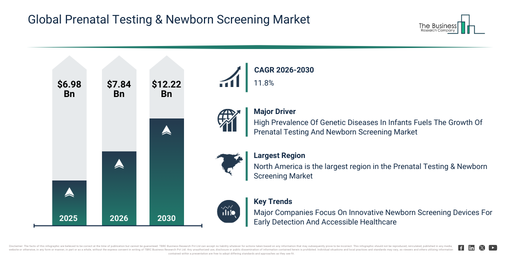
    The prenatal testing & newborn screening market size has seen substantial growth recently. It is anticipated to expand from $6.98 billion in 2025 to $7.84 billion in 2026, achieving a compound annual growth rate (CAGR) of 12.3%. This historical growth can be linked to the broadening of public health screening initiatives, an increase in institutional births, the presence of neonatal care facilities, a heightened focus on early disease detection, and improvements in diagnostic testing coverage.

    The prenatal testing & newborn screening market is anticipated to experience substantial growth over the coming years, with its size projected to reach $12.22 billion by 2030, achieving a compound annual growth rate (CAGR) of 11.8%. This expansion during the forecast period is driven by several factors, including the increasing reach of national screening mandates, the rising incorporation of digital diagnostic platforms, augmented investments in maternal and child healthcare, a heightened emphasis on preventive healthcare models, and the expanding utilization of AI-assisted diagnostics. Significant trends anticipated for this period involve the increasing integration of prenatal and newborn screening programs, a growing use of combined screening and diagnostic technologies, the wider implementation of early intervention protocols, the expansion of automated screening workflows, and an intensified focus on population-wide screening efforts.

    Access Your Free Sample Report for In-Depth Market Insights:

    https://www.thebusinessresearchcompany.com/sample.aspx?id=3350&type=smp

    Which Drivers Are Impacting The Competitive Landscape Of The Prenatal Testing & Newborn Screening Market?

    The high incidence of genetic conditions in infants has been a contributing factor to the expansion of the prenatal testing & newborn screening market. The World Health Organization identifies various genetic diseases, including Thalassemia, Sickle Cell Anemia, Hemophilia, Cystic Fibrosis, Tay Sachs disease, Fragile X Syndrome, and Huntington’s disease. Sickle cell anemia, a genetic disorder, impacts millions globally and is particularly common among individuals whose ancestors originate from Africa, America, Cuba, Central America, Saudi Arabia, and India. For instance, in February 2023, a study conducted at Rady Children’s Hospital by the US-based Rady Children’s Institute for Genomic Medicine reported that 41% of infant deaths were attributed to single-locus (Mendelian) genetic diseases. This significant prevalence of genetic diseases in infants has boosted the demand for the growth of the prenatal testing and newborn screening market. Prenatal Testing & Newborn Screening Market Driver: Rising Birth Rate Fuels Growth Of Prenatal Testing And Newborn Screening Market

    What Segments Are Identified Within The Structure Of The Prenatal Testing & Newborn Screening Market?

    The prenatal testing & newborn screening market covered in this report is segmented –

    1) By Diagnostic Type: Non-Invasive, Invasive

    2) By Technology: Screening Technology, Diagnostic Technology

    3) By End User: Hospitals, Diagnostic centers

    Subsegments:

    1) By Non-Invasive: Blood Tests (Cell-Free DNA Testing), Ultrasound, Maternal Serum Screening

    2) By Invasive: Amniocentesis, Chorionic Villus Sampling (CVS), Cordocentesis

    Which Trends Are Expected To Influence The Prenatal Testing & Newborn Screening Market In The Upcoming Years?

    Leading companies within the prenatal testing & newborn screening market are prioritizing the development of newborn screening devices to improve the early identification of genetic, metabolic, and other health conditions. This focus enables prompt interventions and enhances health outcomes for newborns. Newborn screening point-of-care devices are specifically designed to offer quicker, more accessible, and economical screening for infants, capable of performing the seven globally recognized standard newborn screening tests. As an illustration, in September 2023, Mylab Discovery Solutions Pvt. Ltd., an Indian company, introduced MyNeoShield, a new newborn screening point-of-care device. MyNeoShield is intended to be cost-effective, with an estimated price of about one-fifth of existing solutions, which typically cost between ?50 lakhs and ?7 crores. By making testing directly available to healthcare providers, MyNeoShield seeks to expand access to crucial health services for newborns, especially in areas with limited resources.

    Which Key Market Players Are Investing In Expansion And Innovation Within The Prenatal Testing & Newborn Screening Market?

    Major companies operating in the prenatal testing & newborn screening market are PerkinElmer Inc, Laboratory Corporation Of America Holdings, Natera Inc, Invitae Corporation, Centogene AG, Cradle Genomics Inc, Roche Diagnostics International AG, Quest Diagnostics Incorporated, Baebies Inc, Progenity Inc, Ravgen Inc, Strand Life Sciences Pvt Ltd, Eurofins Scientific, Illumina Inc, Agilent Technologies Inc, Thermo Fisher Scientific Inc, F Hoffmann La Roche Ltd, Bio Rad Laboratories Inc, Siemens Healthineers AG, BGI Group, QIAGEN NV, Ariosa Diagnostics Inc, Verinata Health Inc, Counsyl A Myriad Company, GenPath Diagnostics, Sonic Healthcare Limited, Cepheid A Danaher Company

    Access The Complete Report For Deeper Market Insights:

    https://www.thebusinessresearchcompany.com/report/prenatal-testing-and-newborn-screening-global-market-report

    Which Regions Are Poised For Strategic Growth In The Prenatal Testing & Newborn Screening Market?

    North America was the largest region in the prenatal testing & newborn screening market in 2025. Western Europe was the second largest region in the prenatal testing and newborn screening market. The regions covered in the prenatal testing & newborn screening market report are Asia-Pacific, South East Asia, Western Europe, Eastern Europe, North America, South America, Middle East, Africa.

    Request Your Customized Prenatal Testing & Newborn Screening Market Research Report for Competitive Advantage:

    https://www.thebusinessresearchcompany.com/customise?id=3350&type=smp

    Browse Through More Reports Similar to the Global Prenatal Testing & Newborn Screening Market 2026, By The Business Research Company

    Pediatric And Neonatal Testing Kit Market Report 2026

    https://www.thebusinessresearchcompany.com/report/pediatric-and-neonatal-testing-kit-global-market-report

    Prenatal And Newborn Genetic Testing Market Report 2026

    https://www.thebusinessresearchcompany.com/report/prenatal-and-newborn-genetic-testing-global-market-report

    Non Invasive Prenatal Testing Market Report 2026

    https://www.thebusinessresearchcompany.com/report/non-invasive-prenatal-testing-global-market-report

    Get in touch with us:

    The Business Research Company: https://www.thebusinessresearchcompany.com/

    Americas +1 310-496-7795

    Asia +44 7882 955267 & +91 8897263534

    Europe +44 7882 955267

    Email us at info@tbrc.info

    Follow us on:

    LinkedIn: https://in.linkedin.com/company/the-business-research-company

    YouTube: https://www.youtube.com/channel/UC24_fI0rV8cR5DxlCpgmyFQ

    Global Market Model: https://www.thebusinessresearchcompany.com/global-market-model
  • Metastatic Urothelial Carcinoma Market Outlook 2026–2030: Key Business Drivers and Trends

    Metastatic Urothelial Carcinoma Market Outlook 2026–2030: Key Business Drivers and Trends

    Uncover key drivers, emerging technologies, and competitive movements shaping the metastatic urothelial carcinoma market from 2026–2035 with trusted insights from The Business Research Company

    What is the estimated market size of the Metastatic Urothelial Carcinoma Market by the end of 2030?

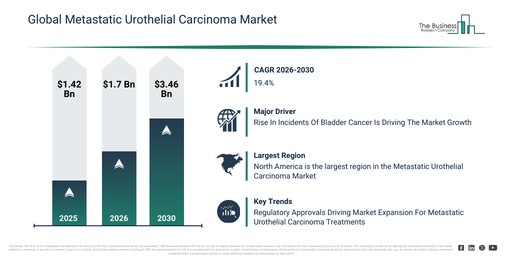
    The metastatic urothelial carcinoma market size has seen swift expansion in recent years. It is anticipated to increase from $1.42 billion in 2025 to $1.7 billion in 2026, registering a compound annual growth rate (CAGR) of 19.9%. The historical period’s expansion is attributable to a rising incidence of bladder cancer, the early adoption of chemotherapy regimens, a heightened use of cystoscopy diagnostics, increasing demand for targeted therapy, and developments in immunotherapy research.

    The market for metastatic urothelial carcinoma is projected to experience swift expansion in the coming years, anticipated to reach $3.46 billion by 2030, exhibiting a compound annual growth rate (CAGR) of 19.4%. This projected growth can be attributed to several factors, including the wider application of FGFR inhibitors, the increasing use of combination immunotherapies, advancements in biopsy accuracy technology, greater investment in oncology research and development, and a noticeable trend towards personalized treatment approaches. Key trends expected during this period involve oncology development driven by precision medicine, improvements in diagnostics aided by AI, optimization of cancer treatment through big data integration, assessment utilizing virtual imaging and simulation, and the implementation of automated oncology workflow solutions.

    Access Your Free Sample Report for In-Depth Market Insights:

    https://www.thebusinessresearchcompany.com/sample.aspx?id=21221&type=smp

    What Drivers Are Shaping Future Opportunities In The Metastatic Urothelial Carcinoma Market?

    The increasing occurrence of bladder cancer is anticipated to propel the expansion of the metastatic urothelial carcinoma market. Bladder cancer is characterized by the formation of malignant cells within the bladder tissues, often originating in the urothelial lining. The surge in bladder cancer cases can be attributed to factors such as smoking, exposure to chemicals, chronic bladder inflammation, and advancements in detection methods. Metastatic urothelial carcinoma, representing an advanced and aggressive stage of this cancer, underscores the urgent need for early diagnosis, improved therapeutic options, and enhanced research efforts. This directly fuels innovations and progress in managing bladder cancer cases, ultimately leading to better patient outcomes. For example, a February 2023 report from a Cancer Research UK-based charity indicated that new bladder cancer cases in the UK are projected to rise from approximately 9,800 cases annually between 2023 and 2025 to around 10,700 cases per year by 2038-2040. Consequently, the growing prevalence of bladder cancer is a key driver for the metastatic urothelial carcinoma market.

    Which Segment Groups Are Influencing The Metastatic Urothelial Carcinoma Market?

    The metastatic urothelial carcinoma market covered in this report is segmented –

    1) By Treatment: Chemotherapy, Targeted Therapy, Immunotherapy, Radiation Therapy

    2) By Diagnosis: Urine Lab Tests, Cystoscopy, Intravenous Pyelogram (IVP), Biopsy

    3) By End User: Hospital, Oncology Clinics, Research Institutes, Other End Users

    Subsegments:

    1) By Chemotherapy: Platinum-Based Chemotherapy, Gemcitabine-Based Chemotherapy

    2) By Targeted Therapy: FGFR Inhibitors, Immune Checkpoint Inhibitors

    3) By Immunotherapy: PD-1 Or PD-L1 Inhibitors, CTLA-4 Inhibitors, Combination Immunotherapies

    4) By Radiation Therapy: External Beam Radiation Therapy, Stereotactic Body Radiation Therapy

    What Trends Are Reshaping The Dynamics Of The Metastatic Urothelial Carcinoma Market?

    Leading companies operating within the metastatic urothelial carcinoma market are actively pursuing regulatory authorizations for their drugs. This strategy aims to broaden their market reach and strengthen their position in treating adult patients with locally advanced or metastatic urothelial carcinoma (la/mUC). Regulatory approvals denote the formal consent granted by governmental or regulatory bodies, permitting a drug, medical device, or treatment to be commercialized and utilized by the public. For instance, in April 2023, Merck & Co. Inc., a US-based pharmaceutical company, obtained FDA approval for KEYTRUDA (pembrolizumab) for the initial treatment of certain patients afflicted with locally advanced or metastatic urothelial cancer. This represents a significant achievement in urothelial cancer treatment, as the pairing of KEYTRUDA (pembrolizumab) with enfortumab vedotin is now the first anti-PD-1 therapy sanctioned in the U.S. when combined with an antibody-drug conjugate for patients experiencing locally advanced or metastatic urothelial cancer. During the trial, this combination therapy exhibited a statistically substantial improvement in overall survival (OS) and progression-free survival (PFS) when benchmarked against traditional platinum-based chemotherapy (gemcitabine plus cisplatin or carboplatin). This combined approach provides a new therapeutic avenue for these patients who might not have had efficacious treatment options previously.

    Who Are The Major Companies Operating In The Metastatic Urothelial Carcinoma Market?

    Major companies operating in the metastatic urothelial carcinoma market are Pfizer Inc., Johnson & Johnson Services Inc., F. Hoffmann-La Roche Ltd., Merck & Co., Inc., AbbVie Inc., Bayer AG, Bristol-Myers Squibb Company, AstraZeneca PLC, Eli Lilly and Company, Gilead Sciences Inc., Merck KGaA, Astellas Pharma Inc., Genentech Inc., Genentech Inc., Exelixis Inc., EMD Serono, Zymeworks Inc., Mirati Therapeutics Inc., UroGen Pharma Ltd.

    Access The Complete Report For Deeper Market Insights:

    https://www.thebusinessresearchcompany.com/report/metastatic-urothelial-carcinoma-global-market-report

    Which Regions Are Poised For Strategic Growth In The Metastatic Urothelial Carcinoma Market?

    North America was the largest region in the metastatic urothelial carcinoma market in 2025. Asia-Pacific is expected to be the fastest-growing region in the forecast period. The regions covered in the metastatic urothelial carcinoma market report are Asia-Pacific, South East Asia, Western Europe, Eastern Europe, North America, South America, Middle East, Africa.

    Request Your Customized Metastatic Urothelial Carcinoma Market Research Report for Competitive Advantage:

    https://www.thebusinessresearchcompany.com/customise?id=21221&type=smp

    Browse Through More Reports Similar to the Global Metastatic Urothelial Carcinoma Market 2026, By The Business Research Company

    Urinary Tract Cancer Market Report 2026

    https://www.thebusinessresearchcompany.com/report/urinary-tract-cancer-global-market-report

    Urothelial Carcinoma Treatment Market Report 2026

    https://www.thebusinessresearchcompany.com/report/urothelial-carcinoma-treatment-global-market-report

    Urothelial Cancer Drugs Market Report 2026

    https://www.thebusinessresearchcompany.com/report/urothelial-cancer-drugs-global-market-report

    Get in touch with us:

    The Business Research Company: https://www.thebusinessresearchcompany.com/

    Americas +1 310-496-7795

    Asia +44 7882 955267 & +91 8897263534

    Europe +44 7882 955267

    Email us at info@tbrc.info

    Follow us on:

    LinkedIn: https://in.linkedin.com/company/the-business-research-company

    YouTube: https://www.youtube.com/channel/UC24_fI0rV8cR5DxlCpgmyFQ

    Global Market Model: https://www.thebusinessresearchcompany.com/global-market-model
  • Global Prenatal DNA Sequencing Market Performance Report: Global Trends 2026–2030

    Global Prenatal DNA Sequencing Market Performance Report: Global Trends 2026–2030

    Uncover key drivers, emerging technologies, and competitive movements shaping the prenatal dna sequencing market from 2026–2035 with trusted insights from The Business Research Company

    What total market size is anticipated for the Prenatal DNA Sequencing Market in 2030?

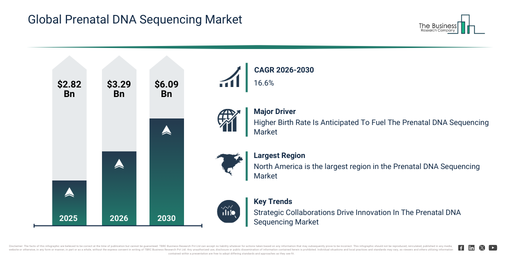
    The prenatal dna sequencing market has experienced rapid expansion in recent years. It is anticipated to increase from $2.82 billion in 2025 to $3.29 billion in 2026, achieving a compound annual growth rate (CAGR) of 16.7%. This historical growth can be credited to improvements in next-generation sequencing technologies, a rise in clinical research within prenatal genomics, increased public understanding of inherited disorders, the accessibility of specialized sequencing laboratories, and early acceptance by academic institutions.

    The prenatal dna sequencing market is projected to experience substantial expansion in the coming years. This market is anticipated to reach $6.09 billion by 2030, exhibiting a compound annual growth rate (CAGR) of 16.6%. This growth during the forecast period is fueled by several factors, including a heightened demand for extensive prenatal diagnostics, increased investments in precision medicine research, the broadening of clinical sequencing applications, the expanding adoption of AI-driven genomic interpretation, and augmented collaboration between healthcare and biotechnology companies. Key trends characterizing this period encompass the wider embrace of cell-free fetal dna sequencing, an uptick in the utilization of whole-genome prenatal sequencing, the deeper integration of bioinformatics platforms, the proliferation of high-accuracy sequencing technologies, and a sharper emphasis on identifying rare diseases.

    Access Your Free Sample Report for In-Depth Market Insights:

    https://www.thebusinessresearchcompany.com/sample.aspx?id=9015&type=smp

    What Drivers Are Influencing Production Trends In The Prenatal DNA Sequencing Market?

    An elevated birth rate is expected to drive the expansion of the prenatal DNA sequencing market in the coming years. The birth rate signifies the number of live births per 1,000 people within a specific population over a defined period, generally reported annually. Prenatal DNA sequencing helps in identifying genetic abnormalities in unborn fetuses, contributing to informed reproductive decisions during birth through targeted interventions. For instance, in January 2023, a report from the Centers for Disease Control and Prevention, a US-based national public health organization, showed that the United States recorded a 1% increase in registered births, totaling 3,664,292, compared to the previous year. Therefore, the higher birth rate is significantly influencing the prenatal DNA sequencing market.

    Which Segments Are Gaining Traction In The Prenatal DNA Sequencing Market?

    The prenatal dna sequencing market covered in this report is segmented –

    1) By Type: Genetic Diseases, Nonhereditary Diseases

    2) By Application: Hemophilia, Down Syndrome, Cystic Fibrosis, Autism, DiGeorge Syndrome, Inherited Immunodeficiency Disorders, Cancer, Other Applications

    3) By End User: Academic Research, Clinical Research, Hospitals And Clinics, Pharmaceutical And Biotechnology Companies, Other End Users

    Subsegments:

    1) By Genetic Diseases: Monogenic Disorders, Chromosomal Abnormalities

    2) By Nonhereditary Diseases: Infectious Diseases, Maternal Health Conditions

    What Trends Are Driving The Growth Trajectory Of The Prenatal DNA Sequencing Market?

    Leading companies within the prenatal DNA sequencing market are adopting a strategic alliance strategy to improve technology integration and broaden their market reach. Such a strategic partnership typically signifies a collaborative arrangement between two or more organizations, where they combine their respective resources, expertise, and efforts to achieve shared goals or objectives. For example, in December 2023, BillionToOne, a US-based precision diagnostics company, joined forces with a Johnson & Johnson company, a US-based pharmaceutical company, for the AZALEA Phase 3 clinical trial of nipocalimab. This trial specifically targets pregnancies at risk for severe hemolytic disease of the fetus and newborn (HDFN). BillionToOne will contribute its UNITY Fetal Antigen Non-invasive Prenatal Test (UNITY Fetal Antigen CTA) to screen individuals and ascertain their eligibility for participation. HDFN is a rare condition arising from blood type incompatibility between the pregnant individual and the fetus, potentially leading to life-threatening anemia.

    Who Are The Core Companies Influencing Trends In The Prenatal DNA Sequencing Market?

    Major companies operating in the prenatal dna sequencing market are Agilent Technologies Inc, BGI Group, F Hoffmann La Roche Ltd, Illumina Inc, Laboratory Corporation Of America Holdings, Natera Inc, Myriad Genetics Inc, Invitae Corporation, PerkinElmer Inc, Macrogen Inc, Pacific Biosciences Of California Inc, Genewiz LLC, Oxford Nanopore Technologies Limited, Thermo Fisher Scientific Inc, Eurofins LifeCodexx AG, GeneDx Inc, Genoma SA, Helix OpCo LLC, Igenomix SL, Integrated DNA Technologies Inc, Roche Diagnostics GmbH, Berry Genomics Co Ltd

    Access The Complete Report For Deeper Market Insights:

    https://www.thebusinessresearchcompany.com/report/prenatal-dna-sequencing-global-market-report

    Which Regions Are Projected To Dominate The Prenatal DNA Sequencing Market In The Coming Years?

    North America was the largest region in the prenatal DNA sequencing market in 2025. The regions covered in the prenatal dna sequencing market report are Asia-Pacific, South East Asia, Western Europe, Eastern Europe, North America, South America, Middle East, Africa.

    Request Your Customized Prenatal DNA Sequencing Market Research Report for Competitive Advantage:

    https://www.thebusinessresearchcompany.com/customise?id=9015&type=smp

    Browse Through More Reports Similar to the Global Prenatal DNA Sequencing Market 2026, By The Business Research Company

    Protein Sequencing Market Report 2026

    https://www.thebusinessresearchcompany.com/report/protein-sequencing-global-market-report

    Dna Sequencing Market Report 2026

    https://www.thebusinessresearchcompany.com/report/dna-sequencing-global-market-report

    Next Generation Sequencing Market 2026

    https://www.thebusinessresearchcompany.com/report/next-generation-sequencing-market

    Get in touch with us:

    The Business Research Company: https://www.thebusinessresearchcompany.com/

    Americas +1 310-496-7795

    Asia +44 7882 955267 & +91 8897263534

    Europe +44 7882 955267

    Email us at info@tbrc.info

    Follow us on:

    LinkedIn: https://in.linkedin.com/company/the-business-research-company

    YouTube: https://www.youtube.com/channel/UC24_fI0rV8cR5DxlCpgmyFQ

    Global Market Model: https://www.thebusinessresearchcompany.com/global-market-model
  • Global Metastatic Prostate Cancer Market Report 2026: Emerging Trends and Growth Scenarios

    Global Metastatic Prostate Cancer Market Report 2026: Emerging Trends and Growth Scenarios

    Uncover key drivers, emerging technologies, and competitive movements shaping the metastatic prostate cancer market from 2026–2035 with trusted insights from The Business Research Company

    What was the valuation of the Metastatic Prostate Cancer Market in 2026, and what figure is it projected to hit by 2030?

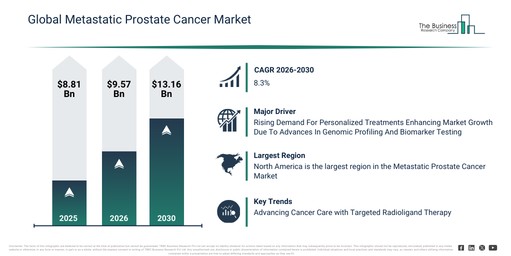
    The metastatic prostate cancer market size has demonstrated robust growth over recent years. It is anticipated to increase from $8.81 billion in 2025 to $9.57 billion in 2026, reflecting a compound annual growth rate (CAGR) of 8.6%. This historical expansion can be attributed to several factors, including the rising incidence of advanced prostate cancer cases, the expansion of oncology treatment centers, improved survival rates achieved through early intervention, the availability of multiple therapeutic options, and the increased utilization of chemotherapy protocols.

    The market size for metastatic prostate cancer is anticipated to experience robust expansion over the next few years, projected to reach $13.16 billion by 2030, exhibiting a compound annual growth rate (CAGR) of 8.3%. This growth during the forecast period is attributable to several factors, including the increasing development of novel immunotherapies, the rising adoption of personalized cancer treatments, the expansion of clinical trials for advanced therapies, the growing use of radiopharmaceutical treatments, and an increasing focus on quality-of-life outcomes. Furthermore, significant trends in the forecast period involve the increasing adoption of targeted and hormonal therapies, a rising use of combination treatment regimens, a growing focus on precision oncology approaches, the expansion of advanced diagnostic and biomarker testing, and an enhanced emphasis on patient-centered treatment strategies.

    Access Your Free Sample Report for In-Depth Market Insights:

    https://www.thebusinessresearchcompany.com/sample.aspx?id=25833&type=smp

    Which Drivers Are Affecting Market Participation In The Metastatic Prostate Cancer Market?

    The increasing need for individualized therapies is projected to boost the expansion of the metastatic prostate cancer market in the future. Such treatments involve medical strategies customized based on a person’s genetic makeup, daily habits, and distinct disease features, aiming for more precise and impactful results. This surge in demand stems from the expanding access to genomic analysis and biomarker screening, tools that aid in pinpointing particular mutations and biological indicators, enabling medical professionals to choose interventions with a higher probability of success for each patient. Individualized therapeutic methods, including therapies guided by biomarkers and drugs targeting specific genes, are revolutionizing the management of metastatic prostate cancer by matching particular treatments with each patient’s distinct tumor characteristics, thereby enhancing efficacy and reducing adverse reactions. For example, in February 2024, information from the US-based non-profit, Personalized Medicine Coalition, indicated that the US Food and Drug Administration (FDA) gave its approval to 16 novel personalized therapies for rare conditions in 2023, an increase from 6 in 2022. Consequently, the increasing requirement for personalized treatments is fueling the expansion of the metastatic prostate cancer market.

    What Segment Classifications Make Up The Metastatic Prostate Cancer Market?

    The metastatic prostate cancer market covered in this report is segmented –

    1) By Treatment Type: Chemotherapy, Immunotherapy, Hormonal Therapy, Radiation Therapy, Other Treatments

    2) By Route of Administration: Oral, Parenteral Route, Intravenous

    3) By Distribution Channel: Hospital Pharmacy, Retail Pharmacy, Online Pharmacy, Other Distribution Channels

    4) By End User: Hospitals, Clinics, Cancer Centers, Research Laboratories, Other End-Users

    Subsegments:

    1) By Chemotherapy: Docetaxel, Cabazitaxel, Mitoxantrone, Combination Chemotherapy Regimens

    2) By Immunotherapy: Sipuleucel-T, Immune Checkpoint Inhibitors, Cancer Vaccines, Cytokine Therapies

    3) By Hormonal Therapy: Luteinizing Hormone-Releasing Hormone (LHRH) Agonists, LHRH Antagonists, Anti-Androgens, Androgen Synthesis Inhibitors, Combined Androgen Blockade (CAB)

    4) By Radiation Therapy: External Beam Radiation Therapy (EBRT), Stereotactic Body Radiotherapy (SBRT), Radiopharmaceutical Therapy, Intensity-Modulated Radiation Therapy (IMRT)

    5) By Other Treatments: Targeted Therapy, Bone-Targeted Therapy, Clinical Trial Drugs, Palliative Therapy

    How Are New Market Trends Shaping The Landscape Of The Metastatic Prostate Cancer Market?

    Leading companies within the metastatic prostate cancer market are concentrating on technological advancements in cancer treatment, such as sophisticated targeted radioligand technology designed to deliver precise radiation to cancer cells while preserving healthy tissue. This advanced targeted radioligand technology is a therapy that combines a molecule specifically targeting prostate specific membrane antigen (PSMA) with a radioactive isotope, thereby enabling the focused destruction of cancer cells throughout the body. For example, in March 2025, Novartis AG, a Switzerland-based multinational pharmaceutical company, obtained U.S. Food and Drug Administration (FDA) approval for Pluvicto for earlier administration in patients with PSMA-positive metastatic castration-resistant prostate cancer. Pluvicto is composed of a prostate-specific membrane antigen (PSMA) targeting ligand linked to a beta-emitting radionuclide; it operates by binding to PSMA-expressing tumor cells and delivering localized radiation to eliminate cancer cells. Its distinctive characteristics include high tumor specificity, a favorable safety profile, and the potential for combination with other therapies. Applications span the treatment of advanced-stage prostate cancer, particularly in patients who have experienced progression following androgen deprivation therapy. The benefits observed include improved progression-free survival, targeted cytotoxicity, reduced off-target effects, and enhanced patient outcomes.

    Which Major Firms Are Strengthening Their Position In The Metastatic Prostate Cancer Market?

    Major companies operating in the metastatic prostate cancer market are Pfizer Inc., Merck & Co. Inc., AbbVie Inc., Bayer AG, Bristol-Myers Squibb Company, AstraZeneca PLC, Novartis AG, Astellas Pharma Inc., Ipsen Group, Exelixis Inc., Ferring Pharmaceuticals, Dendreon Pharmaceuticals LLC, Hinova Pharmaceuticals Inc., Janux Therapeutics Inc., Clarity Pharmaceuticals Ltd., Convergent Therapeutics Inc., Johnson & Johnson, Sanofi, Eli Lilly And Company, Roche Holding AG, Takeda Pharmaceutical Company Limited

    Access The Complete Report For Deeper Market Insights:

    https://www.thebusinessresearchcompany.com/report/metastatic-prostate-cancer-global-market-report

    Which Regions Are Projected To Dominate The Metastatic Prostate Cancer Market In The Coming Years?

    North America was the largest region in the metastatic prostate cancer market in 2025. Asia-Pacific is expected to be the fastest-growing region in the forecast period. The regions covered in the metastatic prostate cancer market report are Asia-Pacific, South East Asia, Western Europe, Eastern Europe, North America, South America, Middle East, Africa.

    Request Your Customized Metastatic Prostate Cancer Market Research Report for Competitive Advantage:

    https://www.thebusinessresearchcompany.com/customise?id=25833&type=smp

    Browse Through More Reports Similar to the Global Metastatic Prostate Cancer Market 2026, By The Business Research Company

    Prostate Cancer Drugs Market Report 2026

    https://www.thebusinessresearchcompany.com/report/prostate-cancer-drugs-global-market-report

    Metastatic Cancer Drugs Market Report 2026

    https://www.thebusinessresearchcompany.com/report/metastatic-cancer-drugs-global-market-report

    Prostate Cancer Diagnostics Market Report 2026

    https://www.thebusinessresearchcompany.com/report/prostate-cancer-diagnostics-global-market-report

    Get in touch with us:

    The Business Research Company: https://www.thebusinessresearchcompany.com/

    Americas +1 310-496-7795

    Asia +44 7882 955267 & +91 8897263534

    Europe +44 7882 955267

    Email us at info@tbrc.info

    Follow us on:

    LinkedIn: https://in.linkedin.com/company/the-business-research-company

    YouTube: https://www.youtube.com/channel/UC24_fI0rV8cR5DxlCpgmyFQ

    Global Market Model: https://www.thebusinessresearchcompany.com/global-market-model
  • Prenatal And Newborn Genetic Testing Market Future Outlook 2026: Key Drivers and Growth Potential

    Prenatal And Newborn Genetic Testing Market Future Outlook 2026: Key Drivers and Growth Potential

    Uncover key drivers, emerging technologies, and competitive movements shaping the prenatal and newborn genetic testing market from 2026–2035 with trusted insights from The Business Research Company

    What is the expected shift in the Prenatal And Newborn Genetic Testing Market’s size between 2026 and 2030?

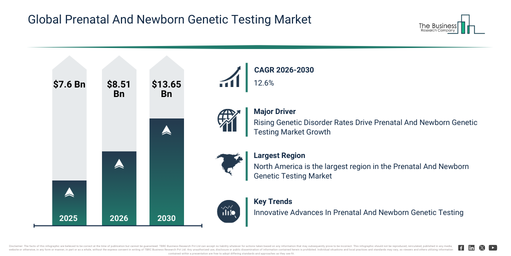
    The market size for prenatal and newborn genetic testing has experienced rapid growth in recent years. This market is expected to expand from $7.6 billion in 2025 to $8.51 billion in 2026, achieving a compound annual growth rate (CAGR) of 12.0%. The historical growth of this market can be attributed to various factors such as increased awareness of genetic disorders, the expansion of maternal and neonatal healthcare services, the emergence of more institutional screening programs, the greater availability of diagnostic laboratories, and enhancements in the accuracy of genetic testing.

    The prenatal and newborn genetic testing market is anticipated to experience substantial expansion over the next few years. This market is projected to reach $13.65 billion by 2030, exhibiting a compound annual growth rate (CAGR) of 12.6%. The growth during the forecast period can be attributed to the increasing adoption of personalized medicine approaches, a rising demand for early-stage disease detection, the expansion of newborn screening mandates, growing investments in genomics infrastructure, and the increasing use of digital health platforms. Prominent trends expected in this period include the increasing adoption of non-invasive prenatal testing, a rising use of advanced genetic screening panels, the growing integration of AI in genetic risk analysis, the expansion of high-throughput sequencing platforms, and an enhanced focus on the early detection of congenital disorders.

    Access Your Free Sample Report for In-Depth Market Insights:

    https://www.thebusinessresearchcompany.com/sample.aspx?id=13158&type=smp

    Which Drivers Are Shaping Strategic Decisions In The Prenatal And Newborn Genetic Testing Market?

    The anticipated expansion of the prenatal and newborn genetic testing market is linked to the increasing occurrence of genetic disorders. These conditions are defined as health issues stemming from alterations or defects in a person’s DNA or genetic makeup. Such testing, conducted both prenatally and in newborns, facilitates the early detection of genetic disorders, frequently prior to symptom onset, allowing medical professionals to implement prompt interventions and treatment approaches. As an illustration, the Centers for Disease Control and Prevention (CDC), a US public health agency, reported in May 2024 that approximately 100,000 individuals in the United States are affected by sickle cell disease (SCD). Over 90% of those impacted are non-Hispanic Black or African American, and an estimated 3%-9% are Hispanic or Latino. Consequently, the growing frequency of genetic disorders is a key driver for the prenatal and newborn genetic testing market.

    What Segment Categories Are Covered In The Prenatal And Newborn Genetic Testing Market?

    The prenatal and newborn genetic testing market covered in this report is segmented –

    1) By Product Type: Consumables, Instruments

    2) By Screening: Non-Invasive Prenatal Testing, Chronic Villus Sampling, Amniocentesis, Maternal Serum Screening, Other Screenings

    3) By Disease: Down Syndrome, Phenylketonuria, Cystic Fibrosis, Sickle Cell Anemia

    4) By End User: Hospital, Maternity And Specialty Clinics, Diagnostic Centers

    Subsegments:

    1) By Consumables: Reagents And Assays, Sample Collection Kits, Test Kits

    2) By Instruments: Polymerase Chain Reaction (PCR) Machines, Sequencers, Microarray Analyzers

    What Upcoming Trends Are Likely To Define The Future Path Of The Prenatal And Newborn Genetic Testing Market?

    Leading companies operating within the prenatal and newborn genetic testing markets are primarily focused on developing innovative screening tests, such as noninvasive prenatal screening tests, enhancing their accessibility and affordability to deliver dependable services to consumers. Noninvasive prenatal screening (NIPS), also known as noninvasive prenatal testing (NIPT), represents a highly advanced and secure genetic screening methodology conducted during pregnancy to assess the likelihood of specific fetal chromosomal abnormalities. As an illustration, in January 2024, Natera, Inc., a genetic testing company based in the US, launched a fetal RhD NIPT designed to determine fetal RhD status, thereby assisting obstetricians in managing patient care during prevalent Rho(D) immune globulin (RhIg) shortages across the nation. This particular test is underpinned by a comprehensive clinical validation study that included more than 650 RhD-negative patients with verified outcomes, achieving a 100% sensitivity and >99% specificity. Furthermore, Natera’s test offers the advantage of early pregnancy performance, supporting timely clinical decisions and improving patient management.

    Which Major Industry Participants Are Leading The Prenatal And Newborn Genetic Testing Market Growth?

    Major companies operating in the prenatal and newborn genetic testing market are F Hoffmann La Roche AG, Thermo Fisher Scientific Inc, Abbott Laboratories, Danaher Corporation, Siemens Healthineers AG, Becton Dickinson And Company, Quest Diagnostic Incorporated, Agilent Technologies Inc, Illumina Inc, PerkinElmer Genomics, Quidel Corporation, Bio Rad Laboratories Inc, Qiagen NV, Werfen SA, DiaSorin SpA, BGI Group, Natera Inc, Trinity Biotech plc, Meridian Bioscience Inc, Sekisui Diagnostics, Ariosa Diagnostics Inc, AccuBioTech Co Ltd, Sequenom Inc, Roche Diagnostics International AG

    Access The Complete Report For Deeper Market Insights:

    https://www.thebusinessresearchcompany.com/report/prenatal-and-newborn-genetic-testing-global-market-report

    Which Region Is Expected To Experience The Fastest Growth In The Prenatal And Newborn Genetic Testing Market?

    North America was the largest region in the prenatal and newborn genetic testing market in 2025. Asia-Pacific is expected to be the fastest-growing region in the forecast period. The regions covered in the prenatal and newborn genetic testing market report are Asia-Pacific, South East Asia, Western Europe, Eastern Europe, North America, South America, Middle East, Africa.

    Request Your Customized Prenatal And Newborn Genetic Testing Market Research Report for Competitive Advantage:

    https://www.thebusinessresearchcompany.com/customise?id=13158&type=smp

    Browse Through More Reports Similar to the Global Prenatal And Newborn Genetic Testing Market 2026, By The Business Research Company

    Non Invasive Prenatal Testing Market Report 2026

    https://www.thebusinessresearchcompany.com/report/non-invasive-prenatal-testing-global-market-report

    Prenatal Testing And Newborn Screening Market Report 2026

    https://www.thebusinessresearchcompany.com/report/prenatal-testing-and-newborn-screening-global-market-report

    Genetic Testing Market Report 2026

    https://www.thebusinessresearchcompany.com/report/genetic-testing-global-market-report

    Get in touch with us:

    The Business Research Company: https://www.thebusinessresearchcompany.com/

    Americas +1 310-496-7795

    Asia +44 7882 955267 & +91 8897263534

    Europe +44 7882 955267

    Email us at info@tbrc.info

    Follow us on:

    LinkedIn: https://in.linkedin.com/company/the-business-research-company

    YouTube: https://www.youtube.com/channel/UC24_fI0rV8cR5DxlCpgmyFQ

    Global Market Model: https://www.thebusinessresearchcompany.com/global-market-model
  • Metastatic Melanoma Therapeutics Market Forecast 2026: Where the Industry Is Headed

    Metastatic Melanoma Therapeutics Market Forecast 2026: Where the Industry Is Headed

    Uncover key drivers, emerging technologies, and competitive movements shaping the metastatic melanoma therapeutics market from 2026–2035 with trusted insights from The Business Research Company

    What are the forecasted starting (2026) and ending (2030) market sizes for the Metastatic Melanoma Therapeutics Market?

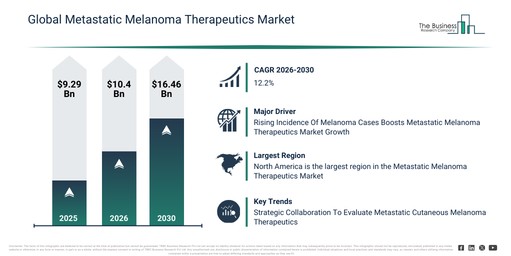
    The metastatic melanoma therapeutics market has experienced significant expansion recently. This market is projected to expand from $9.29 billion in 2025 to $10.4 billion in 2026, demonstrating a compound annual growth rate (CAGR) of 11.9%. Historically, this growth can be ascribed to several factors, including an increase in melanoma cases, the advent of checkpoint inhibitors, progress in targeted therapies, the uptake of stereotactic radiosurgery, and heightened awareness leading to earlier detection.

    The metastatic melanoma therapeutics market is projected to experience substantial growth over the coming years.

    It is forecasted to expand to $16.46 billion by 2030, achieving a compound annual growth rate (CAGR) of 12.2%.

    This expansion during the forecast period is driven by factors such as the broader use of combination immunotherapies, the introduction of next-generation BRAF and MEK inhibitors, a rise in oncology research and development investments, enhanced diagnostic precision from AI tools, and the increasing embrace of personalized cancer treatments.

    Significant trends for the upcoming period encompass the incorporation of precision medicine in melanoma therapy, AI-assisted tumor identification and treatment formulation, the optimization of immunotherapy through big data, virtual simulations for oncology education and prognostic assessment, and automated treatment workflows and therapy surveillance.

    Access Your Free Sample Report for In-Depth Market Insights:

    https://www.thebusinessresearchcompany.com/sample.aspx?id=12065&type=smp

    What Drivers Are Supporting Technological Adoption In The Metastatic Melanoma Therapeutics Market?

    An expected surge in melanoma cases is set to drive the expansion of the metastatic melanoma therapeutics market in the future. Melanoma is a form of skin cancer that originates in the melanocytes, which are the cells responsible for regulating skin pigment. These melanomas can develop anywhere on the skin. Metastatic melanoma therapeutics involve various treatments designed to block mutant chemicals and inhibit the growth of melanoma cells without harming healthy tissue. For instance, in January 2023, the American Cancer Society, a US-based voluntary health organization dedicated to eliminating cancer, reported projections for 2023 indicating 58,120 new cases of melanoma diagnosed in males and 39,490 in women in the US, leading to a total of roughly 97,610 cases, with melanoma deaths predicted to reach approximately 7,990. Therefore, the increasing incidence of melanoma is a key factor propelling the growth of the metastatic melanoma therapeutics market.

    What Segment Types Are Examined In The Metastatic Melanoma Therapeutics Market?

    The metastatic melanoma therapeutics market covered in this report is segmented –

    1) By Therapy: Chemotherapy, Immunotherapy, Targeted Therapy, Radiation Therapy, Surgery

    2) By Line Of Therapy: First-Line, Second-Line, Third-Line

    3) By End User: Hospitals, Specialty Clinics, Home Healthcare, Other End-Users

    Subsegments:

    1) By Chemotherapy: Dacarbazine, Temozolomide, Carboplatin And Cisplatin Combinations

    2) By Immunotherapy: Checkpoint Inhibitors, Interleukin-2 (IL-2), Oncolytic Virus Therapies

    3) By Targeted Therapy: BRAF Inhibitors, MEK Inhibitors, KIT Inhibitors

    4) By Radiation Therapy: Stereotactic Radiosurgery, Palliative Radiation Therapy

    5) By Surgery: Tumor Resection, Sentinel Lymph Node Biopsy, Debulking Surgery

    Which Trends Are Expected To Influence The Metastatic Melanoma Therapeutics Market In The Upcoming Years?

    Major companies in the metastatic melanoma therapeutics market are prioritizing the creation of new immunotherapies and combined treatment approaches to better patient outcomes and strengthen the efficacy of initial treatments. These innovative immunotherapies and concurrent treatments represent advanced medical interventions designed to stimulate or adjust the body’s immune system against diseases, often integrated with other therapies to amplify their impact and yield synergistic benefits. An example of this is seen in March 2024, when IO Biotech A/S, a US-based biotechnology company, finalized the recruitment of 380 patients for its crucial Phase 3 trial (IOB-013/KN-D18 NCT05155254). This trial is assessing IO102-IO103 combined with pembrolizumab (KEYTRUDA) against pembrolizumab by itself for the initial treatment of unresectable or metastatic melanoma. IO Biotech sponsors this study, which is being conducted in partnership with Merck, a U.S.-based pharmaceutical company, with Merck providing pembrolizumab for the research. The goal of this combined therapeutic approach is to strengthen anti-tumor immune reactions, potentially leading to better overall response rates and more favorable long-term clinical results for individuals suffering from advanced melanoma.

    Who Are The Primary Competitors In The Global Metastatic Melanoma Therapeutics Market?

    Major companies operating in the metastatic melanoma therapeutics market are Pfizer Inc., F. Hoffmann-La Roche AG, Merck & Co. Inc., Novartis AG, Bristol-Myers Squibb Company, AstraZeneca PLC, Amgen Inc., Regeneron Pharmaceuticals Inc., Exelixis Inc., Immunocore Holdings plc, Genentech Inc., Iovance Biotherapeutics Inc., Adaptimmune Therapeutics plc, Evaxion Biotech A/S, InxMed Co. Ltd., AiVita Biomedical Inc., Cytovation AS, Biocad, Apexigen Inc., Checkmate Pharmaceuticals, HUYABIO International LLC, IO Biotech, Nykode Therapeutics, Karyopharm Therapeutics, Zucero Therapeutics, Ultimovacs ASA, Immuneering Corporation, TILT Biotherapeutics

    Access The Complete Report For Deeper Market Insights:

    https://www.thebusinessresearchcompany.com/report/metastatic-melanoma-therapeutics-global-market-report

    Which Region Is Expected To Experience The Fastest Growth In The Metastatic Melanoma Therapeutics Market?

    North America was the largest region in the metastatic melanoma therapeutics market in 2025. The regions covered in the metastatic melanoma therapeutics market report are Asia-Pacific, South East Asia, Western Europe, Eastern Europe, North America, South America, Middle East, Africa.

    Request Your Customized Metastatic Melanoma Therapeutics Market Research Report for Competitive Advantage:

    https://www.thebusinessresearchcompany.com/customise?id=12065&type=smp

    Browse Through More Reports Similar to the Global Metastatic Melanoma Therapeutics Market 2026, By The Business Research Company

    Melanoma Drugs Market Report 2026

    https://www.thebusinessresearchcompany.com/report/melanoma-drugs-global-market-report

    Melanoma Therapeutics Market Report 2026

    https://www.thebusinessresearchcompany.com/report/melanoma-therapeutics-global-market-report

    Malignant Melanoma Treatment Market Report 2026

    https://www.thebusinessresearchcompany.com/report/malignant-melanoma-treatment-global-market-report

    Get in touch with us:

    The Business Research Company: https://www.thebusinessresearchcompany.com/

    Americas +1 310-496-7795

    Asia +44 7882 955267 & +91 8897263534

    Europe +44 7882 955267

    Email us at info@tbrc.info

    Follow us on:

    LinkedIn: https://in.linkedin.com/company/the-business-research-company

    YouTube: https://www.youtube.com/channel/UC24_fI0rV8cR5DxlCpgmyFQ

    Global Market Model: https://www.thebusinessresearchcompany.com/global-market-model
  • Premature Ejaculation Treatment Market Trends and Insights: Global Forecast to 2030

    Premature Ejaculation Treatment Market Trends and Insights: Global Forecast to 2030

    Uncover key drivers, emerging technologies, and competitive movements shaping the premature ejaculation treatment market from 2026–2035 with trusted insights from The Business Research Company

    What growth pattern is forecast for the Premature Ejaculation Treatment Market size between 2026 and 2035?

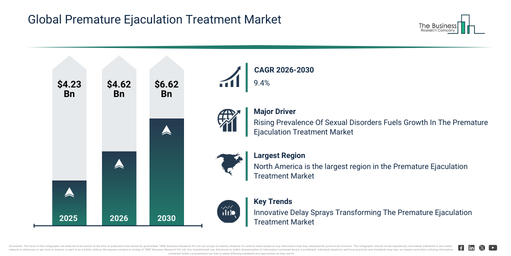
    The premature ejaculation treatment market size has experienced robust expansion over recent years. It is projected to grow from $4.23 billion in 2025 to $4.62 billion in 2026, representing a compound annual growth rate (CAGR) of 9.2%. Historically, this growth can be attributed to increased awareness of male sexual health, the availability of SSRI-based treatments, the expansion of retail pharmacy access, a growing acceptance of pharmacological therapies, and improvements in treatment efficacy.

    The premature ejaculation treatment market size is expected to show robust expansion in the upcoming years. It is forecast to grow to $6.62 billion in 2030, demonstrating a compound annual growth rate (CAGR) of 9.4%. The increase during this period can be attributed to a rising demand for personalized treatment regimens, an uptick in the use of digital health platforms for sexual wellness, the broadening of non-invasive treatment approaches, a heightened focus on holistic sexual health management, and the increased adoption of telemedicine consultations. Significant trends for the forecast duration include a growing embrace of combination drug therapies, an elevated demand for topical and oral treatment options, wider acceptance of behavioral therapy integration, an expansion of direct-to-consumer treatment channels, and an enhanced emphasis on patient privacy and discretion.

    Access Your Free Sample Report for In-Depth Market Insights:

    https://www.thebusinessresearchcompany.com/sample.aspx?id=13518&type=smp

    Which Drivers Are Impacting Market Performance In The Premature Ejaculation Treatment Market?

    The expanding occurrence of sexual disorders is anticipated to fuel the expansion of the premature ejaculation treatment market in the coming years. A sexual disorder or dysfunction describes challenges encountered by both males and females at any point during normal intimate activity. Premature ejaculation itself is a sexual disorder, with its treatment encompassing medications or therapeutic strategies aimed at managing and resolving the condition. For example, data from September 2024, released by NHS England Digital, a UK-based government agency, indicated a significant rise in contacts for sexual and reproductive health (SRH) services, totaling 2.08 million, which marks a 16% increase from the 1.79 million recorded in 2022-23. Furthermore, the British Association for Sexual Health and HIV (BASHH) reported that sexual health services in England delivered a record 4.61 million consultations in 2023, showing a 5% growth compared to the previous year. Consequently, the rising incidence of sexual disorders is propelling the growth of the premature ejaculation treatment market.

    Which Segments Are Contributing To The Growth Of The Premature Ejaculation Treatment Market?

    The premature ejaculation treatment market covered in this report is segmented –

    1) By Type: Antidepressants (SSRIs), Phosphodiesterase-5 Inhibitors, Topical Anesthetics, Analgesics, Other Treatment

    2) By Route of Administration: Oral, Topical

    3) By Distribution Channel: Retail, Direct-To-Consumer

    4) By Application: Hospital, Retail Pharmacy, Online Pharmacy, Other Applications

    Subsegments:

    1) By Antidepressants (Ssris): Paroxetine, Sertraline, Dapoxetine, Fluoxetine, Citalopram

    2) By Phosphodiesterase-5 Inhibitors: Sildenafil, Tadalafil, Vardenafil, Avanafil

    3) By Topical Anesthetics: Lidocaine-Based Creams, Prilocaine-Based Creams, Benzocaine-Based Sprays

    4) By Analgesics: Oral Pain Relievers, Topical Pain Relievers

    5) By Other Treatment: Behavioral Therapy, Counseling And Psychotherapy, Pelvic Floor Exercises, Mechanical Devices

    Which Trends Are Shaping Activity Within The Premature Ejaculation Treatment Market?

    Major companies active in the premature ejaculation treatment market are developing novel solutions, including delay sprays, to boost their earnings within the sector. These delay sprays are specifically formulated products applied to the penis before sexual activity, designed to help men last longer during intercourse by momentarily dulling penile nerves, thereby reducing sensitivity and postponing ejaculation. For instance, in August 2023, Maude, a US-based sexual wellness company, launched Stay, a delay spray expressly created to target premature ejaculation. This product contains 10% lidocaine, a fast-evaporating local anesthetic that decreases sensitivity in the male genital area. Additionally, Stay is compatible with both latex and polyisoprene condoms, as well as various lubricants and devices. It is also vegan-friendly, fragrance-free, and devoid of sulfates, silicones, and parabens.

    Who Are The Prominent Global Companies Shaping The Premature Ejaculation Treatment Market Landscape?

    Major companies operating in the premature ejaculation treatment market are Pfizer Inc, Johnson & Johnson, Merck & Co Inc, AbbVie Inc, Bayer AG, Novartis AG, GlaxoSmithKline plc, Takeda Pharmaceutical Company Limited, Eli Lilly And Company, Teva Pharmaceutical Industries Ltd, Sandoz International GmbH, Sun Pharmaceutical Industries Ltd, Menarini Group, Lupin Limited, Amneal Pharmaceuticals Inc, Mankind Pharma Ltd, Cipla Limited, Alembic Pharmaceuticals Limited, Torrent Pharmaceuticals Ltd, ANI Pharmaceuticals Inc, Vivus Inc, Innovus Pharmaceuticals Inc, Apricus Biosciences Inc, Endurance RP Ltd

    Access The Complete Report For Deeper Market Insights:

    https://www.thebusinessresearchcompany.com/report/premature-ejaculation-treatment-global-market-report

    Which Geographic Areas Are Emerging As Strong Markets For The Premature Ejaculation Treatment Market?

    North America was the largest region in the premature ejaculation treatment market in 2025, and is expected to be the fastest-growing region in the forecast period. The regions covered in the premature ejaculation treatment market report are Asia-Pacific, South East Asia, Western Europe, Eastern Europe, North America, South America, Middle East, Africa.

    Request Your Customized Premature Ejaculation Treatment Market Research Report for Competitive Advantage:

    https://www.thebusinessresearchcompany.com/customise?id=13518&type=smp

    Browse Through More Reports Similar to the Global Premature Ejaculation Treatment Market 2026, By The Business Research Company

    Fertility Treatments Market Report 2026

    https://www.thebusinessresearchcompany.com/report/fertility-treatments-global-market-report

    Infertility Treatment Market Report 2026

    https://www.thebusinessresearchcompany.com/report/infertility-treatment-global-market-report

    Precocious Puberty Treatment Market Report 2026

    https://www.thebusinessresearchcompany.com/report/precocious-puberty-treatment-global-market-report

    Get in touch with us:

    The Business Research Company: https://www.thebusinessresearchcompany.com/

    Americas +1 310-496-7795

    Asia +44 7882 955267 & +91 8897263534

    Europe +44 7882 955267

    Email us at info@tbrc.info

    Follow us on:

    LinkedIn: https://in.linkedin.com/company/the-business-research-company

    YouTube: https://www.youtube.com/channel/UC24_fI0rV8cR5DxlCpgmyFQ

    Global Market Model: https://www.thebusinessresearchcompany.com/global-market-model
  • Sacroiliitis Treatment Market Research: Growth Projections and Trends 2030

    Sacroiliitis Treatment Market Research: Growth Projections and Trends 2030

    Uncover key drivers, emerging technologies, and competitive movements shaping the sacroiliitis treatment market from 2026–2035 with trusted insights from The Business Research Company

    Across 2026–2030, what is the expected market valuation path of the Sacroiliitis Treatment Market?

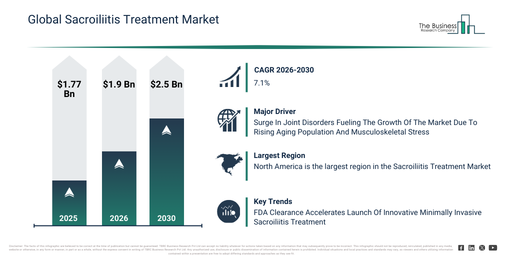
    The sacroiliitis treatment market has experienced significant expansion in recent years. This market is projected to increase from $1.77 billion in 2025 to $1.9 billion in 2026, demonstrating a compound annual growth rate (CAGR) of 7.4%. The historical rise in this market can be attributed to several factors, including the increasing prevalence of inflammatory spinal disorders, the wider use of diagnostic imaging, an improved understanding of sacroiliac joint pathology, the expansion of pain management clinics, and the availability of advanced pharmacological therapies.

    The sacroiliitis treatment market is anticipated to experience robust expansion in the coming years. This market is projected to reach $2.5 billion by 2030, demonstrating a compound annual growth rate (CAGR) of 7.1%. Key factors contributing to this growth during the forecast period include the rising acceptance of biologic drugs, a greater need for minimally invasive pain management, the expansion of orthopedic procedures performed on an outpatient basis, the increasing incorporation of digital diagnostics, and an enhanced emphasis on restoring long-term mobility. Notable trends expected throughout the forecast period encompass the augmented utilization of image-guided diagnostic methods, an uptick in the adoption of minimally invasive SI joint fusion, an evolving preference for biologic and targeted therapeutic options, the broadening of radiofrequency-based pain management strategies, and a heightened focus on individualized treatment plans.

    Access Your Free Sample Report for In-Depth Market Insights:

    https://www.thebusinessresearchcompany.com/sample.aspx?id=24688&type=smp

    Which Drivers Are Supporting The Rise Of The Sacroiliitis Treatment Market?

    The future expansion of the sacroiliitis treatment market is anticipated to be driven by the rising occurrence of joint disorders. These conditions, which involve pain, inflammation, stiffness, and restricted movement in the joints, stem from causes such as injury, aging, autoimmune diseases, or infections. The growing prevalence of joint disorders is largely attributable to the natural deterioration of joints in aging populations, leading to an increased incidence of conditions like osteoarthritis and other degenerative joint ailments. Sacroiliitis treatment offers benefits for joint disorders by alleviating inflammation and pain in the sacroiliac joints, thereby enhancing mobility and overall joint function, which can ease symptoms and prevent further damage. A relevant illustration is the data from February 2024, provided by Arthritis Australia, an Australia-based non-profit organization, indicating that in 2025, osteoarthritis (OA) is predicted to impact 2.35 million Australians (Figure 2), constituting 57% of the total arthritis population and establishing it as the most common type of arthritis nationwide. Furthermore, by 2040, the count of Australians suffering from OA is projected to climb to 3.11 million, marking a 32% increase from 2025. This means an additional 762,515 individuals in Australia will be living with OA by 2040 compared to 2025. Consequently, the escalating rates of joint disorders are fueling the demand within the sacroiliitis treatment market.

    What Leading Segments Are Studied In The Sacroiliitis Treatment Market?

    The sacroiliitis treatment market covered in this report is segmented –

    1) By Type: Medications, Joint Injections, Joint Fusion, Radiofrequency Denervation, Electrical Stimulation

    2) By Diagnosis: Imaging Tests, Physical Examination, Laboratory Tests, Other Diagnosis

    3) By Route Of Administration: Oral, Injectable, Topical

    4) By End-User: Hospitals, Specialty Clinics, Ambulatory Surgical Centers, Home Care Settings

    Subsegments:

    1) By Medications: NSAIDs (Nonsteroidal Anti-Inflammatory Drugs), Corticosteroids, Disease-Modifying Antirheumatic Drugs (DMARDs), Biologic Agents, Analgesics

    2) By Joint Injections: Corticosteroid Injections, Platelet-Rich Plasma (PRP) Injections, Hyaluronic Acid Injections, Prolotherapy

    3) By Joint Fusion: Minimally Invasive SI Joint Fusion, Open SI Joint Fusion, Robotic-Assisted Fusion Techniques, Posterior Approach Fusion, Lateral Approach Fusion

    4) By Radiofrequency Denervation: Conventional Radiofrequency Ablation, Cooled Radiofrequency Ablation, Pulsed Radiofrequency Ablation

    5) By Electrical Stimulation: Transcutaneous Electrical Nerve Stimulation (TENS), Spinal Cord Stimulation (SCS), Peripheral Nerve Stimulation (PNS)

    Which Trends Are Guiding The Evolution Of The Sacroiliitis Treatment Market?

    Leading companies within the sacroiliitis treatment market are concentrating their efforts on securing regulatory approvals. This strategic focus aims to expedite the introduction of innovative therapies, facilitate market access, and bolster their competitive standing. Regulatory approvals denote the official authorization granted by government health agencies, confirming a medical treatment’s safety and effectiveness for public consumption. For example, in December 2023, Spinal Simplicity, a US-based medical equipment manufacturer, was granted FDA 510(k) clearance for its Liberty-SI Lateral Implant System. This system is a minimally invasive, transfixing device designed for sacroiliac joint fusion in patients presenting with conditions such as sacroiliac disruptions and degenerative sacroiliitis. The system employs a lateral approach, where one or two titanium implants are inserted through the ilium, across the SI joint, and into the sacrum, thereby providing stabilization and fusion. The implants feature a central threaded body with deployable wings and compressive elements, are offered in multiple sizes, and are coated with hydroxyapatite to enhance integration. This procedure is envisioned to be safer and less invasive, potentially reducing anesthesia duration and improving patient outcomes.

    Which Leading Companies Dominate The Sacroiliitis Treatment Market Share?

    Major companies operating in the sacroiliitis treatment market are Pfizer Inc, Johnson And Johnson, AbbVie Inc, Novartis AG, Eli Lilly And Company, Boehringer Ingelheim International GmbH, Amgen Inc, Biogen Inc, Sandoz Group AG, UCB SA, Hikma Pharmaceuticals PLC, Samsung Bioepis Co Ltd, Lupin Limited, Zydus Lifesciences Limited, Celltrion Healthcare Co Ltd, Torrent Pharmaceuticals Limited, Globus Medical, Orthofix Medical Inc, Coherus BioSciences Inc, SI BONE Inc, Medtronic plc

    Access The Complete Report For Deeper Market Insights:

    https://www.thebusinessresearchcompany.com/report/sacroiliitis-treatment-global-market-report

    How Does The Sacroiliitis Treatment Market Perform Across Major Global Regions?

    North America was the largest region in the sacroiliitis treatment market in2025. Asia-Pacific is expected to be the fastest-growing region in the forecast period. The regions covered in the sacroiliitis treatment market report are Asia-Pacific, South East Asia, Western Europe, Eastern Europe, North America, South America, Middle East, Africa.

    Request Your Customized Sacroiliitis Treatment Market Research Report for Competitive Advantage:

    https://www.thebusinessresearchcompany.com/customise?id=24688&type=smp

    Browse Through More Reports Similar to the Global Sacroiliitis Treatment Market 2026, By The Business Research Company

    Psoriatic Arthritis Treatments Market Report 2026

    https://www.thebusinessresearchcompany.com/report/psoriatic-arthritis-treatments-global-market-report

    Diverticulitis Disease Market Report 2026

    https://www.thebusinessresearchcompany.com/report/diverticulitis-disease-global-market-report

    Neutropenia Biologic Drug Treatments Market Report 2026

    https://www.thebusinessresearchcompany.com/report/neutropenia-biologic-drug-treatments-global-market-report

    Get in touch with us:

    The Business Research Company: https://www.thebusinessresearchcompany.com/

    Americas +1 310-496-7795

    Asia +44 7882 955267 & +91 8897263534

    Europe +44 7882 955267

    Email us at info@tbrc.info

    Follow us on:

    LinkedIn: https://in.linkedin.com/company/the-business-research-company

    YouTube: https://www.youtube.com/channel/UC24_fI0rV8cR5DxlCpgmyFQ

    Global Market Model: https://www.thebusinessresearchcompany.com/global-market-model
  • Metastatic Lung Adenocarcinoma Treatment Industry Growth Insights: Revenue Forecast to 2030

    Metastatic Lung Adenocarcinoma Treatment Industry Growth Insights: Revenue Forecast to 2030

    Uncover key drivers, emerging technologies, and competitive movements shaping the metastatic lung adenocarcinoma treatment market from 2026–2035 with trusted insights from The Business Research Company

    What upper market value could the Metastatic Lung Adenocarcinoma Treatment Market reach by 2030 starting from 2026 levels?

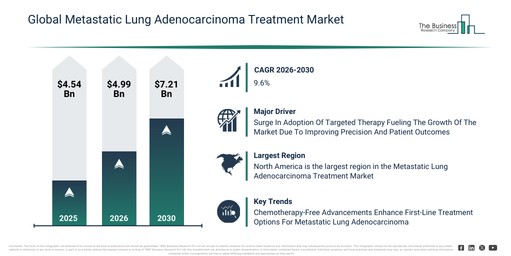
    The metastatic lung adenocarcinoma treatment market has shown significant growth in recent years. Its value is expected to rise from $4.54 billion in 2025 to $4.99 billion in 2026, achieving a compound annual growth rate (CAGR) of 9.9%. Historically, this growth can be ascribed to factors such as the increasing prevalence of lung cancer, the adoption of platinum chemotherapy, the early use of EGFR inhibitors, greater reliance on radiation therapy, and advancements in diagnostics.

    The metastatic lung adenocarcinoma treatment market size is anticipated to experience substantial growth in the upcoming years, with projections indicating it will expand to $7.21 billion in 2030, achieving a compound annual growth rate (CAGR) of 9.6%. This expansion during the forecast period is primarily driven by the increasing application of ALK and ROS1 inhibitors, the growing adoption of immunotherapy combinations, progress in CAR-T research for lung cancer, improvements in advanced imaging techniques, and heightened investment in targeted therapy development. Major trends during this period are expected to include the integration of precision medicine into lung adenocarcinoma treatment, AI-powered tumor detection and therapy optimization, big data-enhanced immunotherapy, the introduction of virtual simulation platforms for oncology training, and automated diagnostic and treatment workflow solutions.

    Access Your Free Sample Report for In-Depth Market Insights:

    https://www.thebusinessresearchcompany.com/sample.aspx?id=24320&type=smp

    Which Drivers Are Influencing Long-Term Growth In The Metastatic Lung Adenocarcinoma Treatment Market?

    The widespread use of targeted therapy is projected to fuel expansion in the metastatic lung adenocarcinoma treatment market moving ahead. This cancer treatment precisely inhibits tumor growth and dissemination by employing drugs that focus on particular genes or proteins implicated in cancer progression. It is becoming increasingly popular because it specifically targets genetic mutations, leading to better treatment results and fewer adverse effects than traditional approaches. In the context of metastatic lung adenocarcinoma, targeted therapy functions by blocking the specific genetic mutations responsible for the cancer’s proliferation and spread. This method provides a more accurate strategy with less severe side effects, significantly improving survival rates and quality of life for patients with identifiable mutations. For example, data from July 2023, reported by the American Society of Gene and Cell Therapy (ASGCT), a US-based professional membership organization, and Citeline, a US-based provider of drugs and devices, indicated that 247 gene therapies were in Phase II at the close of the first quarter of 2023. This number then rose by 5% to 260 by the end of the second quarter. Consequently, the growing acceptance of targeted therapy is a key factor propelling the expansion of the metastatic lung adenocarcinoma treatment market.

    Which Segments Are Driving Activity In The Metastatic Lung Adenocarcinoma Treatment Market?

    The metastatic lung adenocarcinoma treatment market covered in this report is segmented –

    1) By Treatment: Chemotherapy, Targeted Therapy, Immunotherapy, Radiation Therapy

    2) By Route Of Administration: Oral, Intravenous

    3) By End-User: Hospitals, Cancer Research Centers, Specialty Clinics

    Subsegments:

    1) By Chemotherapy: Platinum-Based Chemotherapy, Non-Platinum Chemotherapy, Combination Therapy, Single-Agent Chemotherapy

    2) By Targeted Therapy: Epidermal Growth Factor Receptor Inhibitors, Anaplastic Lymphoma Kinase Inhibitors, C-Ros Oncogene 1 Receptor Tyrosine Kinase Inhibitors, V-Raf Murine Sarcoma Viral Oncogene Homolog B1 Inhibitors, Rearranged During Transfection Inhibitors, Mesenchymal-Epithelial Transition Factor Inhibitors, Neurotrophic Tropomyosin Receptor Kinase Inhibitors

    3) By Immunotherapy: PD-1 Inhibitors, PD-L1 Inhibitors, CTLA-4 Inhibitors, Combination Immunotherapy, CAR-T Cell Therapy (Emerging)

    4) By Radiation Therapy: External Beam Radiation Therapy (EBRT), Stereotactic Body Radiotherapy (SBRT), Intensity-Modulated Radiation Therapy (IMRT), Proton Therapy

    What Trends Are Driving The Growth Trajectory Of The Metastatic Lung Adenocarcinoma Treatment Market?

    Leading companies within the metastatic lung adenocarcinoma treatment market are concentrating on creating sophisticated treatments, including chemotherapy-free options, to boost long-term survival rates by targeting specific genetic mutations and improving patient results. Chemotherapy-free treatment denotes cancer therapies that employ alternatives like targeted therapy or immunotherapy, with the goal of effective cancer management alongside mitigating the harsh side effects commonly associated with conventional chemotherapy. As an illustration, in August 2024, Johnson & Johnson, a US-based healthcare company, revealed that the U.S. Food and Drug Administration (FDA) had granted approval for RYBREVANT (amivantamab-vmjw) paired with LAZCLUZE (lazertinib) as a first-line, chemotherapy-free intervention for adults diagnosed with locally advanced or metastatic non-small cell lung cancer (NSCLC) exhibiting EGFR exon 19 deletions or exon 21 L858R substitution mutations. This approval was substantiated by findings from the Phase 3 MARIPOSA study, which indicated superior progression-free survival in contrast to osimertinib.

    Which Key Market Players Are Investing In Expansion And Innovation Within The Metastatic Lung Adenocarcinoma Treatment Market?

    Major companies operating in the metastatic lung adenocarcinoma treatment market are Pfizer Inc., Johnson & Johnson, F. Hoffmann-La Roche Ltd, Merck & Co. Inc., Bristol-Myers Squibb Company, AstraZeneca PLC, Novartis AG, Boehringer Ingelheim International GmbH, BeiGene Ltd., Novocure, Gilead Sciences, Daiichi Sankyo Company Limited, Mirati Therapeutics Inc., Nuvalent Inc., Moderna Therapeutics, Shanghai Henlius Biotech, Duality BioSciences Inc., Arcus Biosciences Inc., NeoImmuneTech Inc., Hutchison Medipharma Limited, Betta Pharma Company Limited, OncoC4 Inc., Xcovery Holding Company, BioNTech SE

    Access The Complete Report For Deeper Market Insights:

    https://www.thebusinessresearchcompany.com/report/metastatic-lung-adenocarcinoma-treatment-global-market-report

    Which Geographic Areas Are Emerging As Strong Markets For The Metastatic Lung Adenocarcinoma Treatment Market?

    North America was the largest region in the metastatic lung adenocarcinoma treatment market in 2025. Asia-Pacific is expected to be the fastest-growing region in the forecast period. The regions covered in the metastatic lung adenocarcinoma treatment market report are Asia-Pacific, South East Asia, Western Europe, Eastern Europe, North America, South America, Middle East, Africa.

    Request Your Customized Metastatic Lung Adenocarcinoma Treatment Market Research Report for Competitive Advantage:

    https://www.thebusinessresearchcompany.com/customise?id=24320&type=smp

    Browse Through More Reports Similar to the Global Metastatic Lung Adenocarcinoma Treatment Market 2026, By The Business Research Company

    Small Cell Lung Cancer Therapeutics Market Report 2026

    https://www.thebusinessresearchcompany.com/report/small-cell-lung-cancer-therapeutics-global-market-report

    Metastatic Cancer Drugs Market Report 2026

    https://www.thebusinessresearchcompany.com/report/metastatic-cancer-drugs-global-market-report

    Metastatic Breast Cancer Treatment Market Report 2026

    https://www.thebusinessresearchcompany.com/report/metastatic-breast-cancer-treatment-global-market-report

    Get in touch with us:

    The Business Research Company: https://www.thebusinessresearchcompany.com/

    Americas +1 310-496-7795

    Asia +44 7882 955267 & +91 8897263534

    Europe +44 7882 955267

    Email us at info@tbrc.info

    Follow us on:

    LinkedIn: https://in.linkedin.com/company/the-business-research-company

    YouTube: https://www.youtube.com/channel/UC24_fI0rV8cR5DxlCpgmyFQ

    Global Market Model: https://www.thebusinessresearchcompany.com/global-market-model
  • Global Preimplantation Genetic Testing Market Report 2026–2030: Data-Driven Growth Insights

    Global Preimplantation Genetic Testing Market Report 2026–2030: Data-Driven Growth Insights

    Uncover key drivers, emerging technologies, and competitive movements shaping the preimplantation genetic testing market from 2026–2035 with trusted insights from The Business Research Company

    How much larger will the Preimplantation Genetic Testing Market be in 2030 compared with 2026?

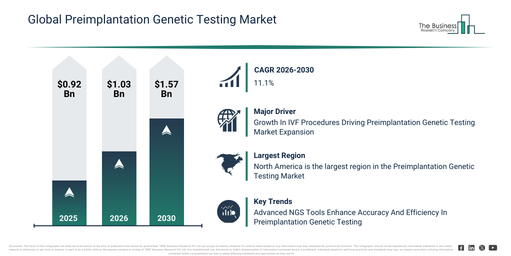
    The preimplantation genetic testing market has seen significant expansion in recent years. It is forecast to grow from $0.92 billion in 2025 to $1.03 billion in 2026, demonstrating a compound annual growth rate (CAGR) of 11.4%. The growth observed in the past can be attributed to several factors, including the increasing application of assisted reproductive technologies, improvements in embryo biopsy techniques, a heightened awareness regarding the prevention of genetic diseases, the expansion of fertility clinics, and better success rates for IVF.

    The preimplantation genetic testing market is projected for significant expansion in the coming years, reaching $1.57 billion by 2030, driven by a compound annual growth rate (CAGR) of 11.1%. This anticipated growth stems from several factors, including the escalating demand for personalized reproductive medicine, the expanding embrace of cutting-edge genomic technologies, the broadening of fertility preservation services, a rise in investment within reproductive health infrastructure, and a greater regulatory acceptance of genetic screening. Key trends foreseen during this period involve a greater uptake of embryo screening procedures, an increased application of next-generation sequencing in IVF, the wider integration of genetic testing into fertility treatments, a heightened desire for better implantation success rates, and a sharpened emphasis on mitigating genetic disorders.

    Access Your Free Sample Report for In-Depth Market Insights:

    https://www.thebusinessresearchcompany.com/sample.aspx?id=20596&type=smp

    What Drivers Are Guiding Growth Patterns In The Preimplantation Genetic Testing Market?

    An anticipated rise in in vitro fertilization (IVF) procedures is poised to drive the expansion of the preimplantation genetic testing market in the future. IVF involves the process of fertilizing an egg with sperm externally to create an embryo, which is then transferred into the uterus. Advancements in reproductive technology, higher infertility rates, and enhanced public knowledge are fueling the rise in IVF procedures. This surge in in vitro fertilization (IVF) procedures is stimulating the preimplantation genetic testing market, as it generates greater demand for genetic screening of embryos prior to implantation. For example, the Human Fertilisation & Embryology Authority, an independent UK-based fertility treatment regulator, stated in June 2025 that 52,400 patients underwent more than 77,500 in vitro fertilization (IVF) cycles at licensed UK fertility clinics in 2023. Furthermore, egg freezing cycles grew from 4,700 in 2022 to 6,900 in 2023, representing 7% of total cycles. Consequently, the expanding number of in vitro fertilization (IVF) procedures is a key factor propelling the preimplantation genetic testing market.

    How Is The Preimplantation Genetic Testing Market Divided Into Segments?

    The preimplantation genetic testing market covered in this report is segmented –

    1) By Procedure: Preimplantation Genetic Screening, Preimplantation Genetic Diagnosis

    2) By Product: Reagents And Consumables, Instruments, Software

    3) By Technology: Next Generation Sequencing (NGS), Polymerase Chain Reaction (PCR), Fluorescent In Situ Hybridization (FISH), Other Technologies

    4) By Application: Chromosomal Abnormalities, Aneuploidy Screening, X-Linked Diseases, Embryo Testing, Human Leukocyte Antigen (HLA) Typing, Other Applications

    5) By End User: Hospitals, Fertility Centers, Diagnostic Centers, Research Centers And Academic Labs

    Subsegments:

    1) By Preimplantation Genetic Screening (PGS): Array Comparative Genomic Hybridization (aCGH), Next-Generation Sequencing (NGS), Fluorescence In Situ Hybridization (FISH)

    2) By Preimplantation Genetic Diagnosis (PGD): Monogenic Disorders Testing, Chromosomal Abnormalities Testing, HLA Typing for Stem Cell Transplantation

    Which Trends Are Influencing The Development Of The Preimplantation Genetic Testing Market?

    Leading firms within the preimplantation genetic testing market are creating sophisticated next-generation sequencing (NGS) instruments aimed at boosting the precision, effectiveness, and swiftness of genetic screening, facilitating a broader analysis and more informed choices for future parents. These next-generation sequencing (NGS) instruments quicken genetic research through fast, high-volume examination of deoxyribonucleic acid (DNA) and ribonucleic acid (RNA). They offer in-depth understanding of genetic differences and gene activity, thereby enhancing precision and making personalized medicine possible. As an illustration, in July 2023, Thermo Fisher Scientific, a US-based biotechnology company, introduced the Ion ReproSeq PGT-A Kit and the Ion AmpliSeq Polyploidy Kit, which are advanced next-generation sequencing tools developed to improve IVF and ICSI research. These assays simplify processes from sample handling to aneuploidy analysis, utilizing advanced technology on the Ion Torrent Genexus integrated sequencer. This represents a substantial step forward in the preimplantation genetic testing market by improving embryo screening and elevating success rates in assisted reproductive technologies.

    Which Key Players Are Driving Competition In The Preimplantation Genetic Testing Market?

    Major companies operating in the preimplantation genetic testing market are Thermo Fisher Scientific, Abbott Laboratories, Laboratory Corporation of America Holdings, Agilent Technologies Inc., Illumina Inc., Revvity Health Science Inc., CooperSurgical Inc., Natera Inc., Myriad Genetics Inc., Fulgent Genetics Inc., Invitae Corporation, Takara Bio Inc., MedGenome Labs Ltd., Genea Limited, Ovation Fertility, Juno Genetics Ltd, Invicta Genetics, Progenesis, Bioarray SL, PacGenomics, Reproductive Genetic Innovations LLC, SEQUENCE46 LLC

    Access The Complete Report For Deeper Market Insights:

    https://www.thebusinessresearchcompany.com/report/preimplantation-genetic-testing-global-market-report

    Which Region Is Projected To Lead The Preimplantation Genetic Testing Market During The Forecast Period?

    North America was the largest region in the preimplantation genetic testing market in 2025. Asia-Pacific is expected to be the fastest-growing region in the forecast period. The regions covered in the preimplantation genetic testing market report are Asia-Pacific, South East Asia, Western Europe, Eastern Europe, North America, South America, Middle East, Africa.

    Request Your Customized Preimplantation Genetic Testing Market Research Report for Competitive Advantage:

    https://www.thebusinessresearchcompany.com/customise?id=20596&type=smp

    Browse Through More Reports Similar to the Global Preimplantation Genetic Testing Market 2026, By The Business Research Company

    Genetically Modified Animal Products Market Report 2026

    https://www.thebusinessresearchcompany.com/report/genetically-modified-animal-products-global-market-report

    Genetically Modified Fruits Market Report 2026

    https://www.thebusinessresearchcompany.com/report/genetically-modified-fruits-global-market-report

    Optogenetics Market Report 2026

    https://www.thebusinessresearchcompany.com/report/optogenetics-global-market-report

    Get in touch with us:

    The Business Research Company: https://www.thebusinessresearchcompany.com/

    Americas +1 310-496-7795

    Asia +44 7882 955267 & +91 8897263534

    Europe +44 7882 955267

    Email us at info@tbrc.info

    Follow us on:

    LinkedIn: https://in.linkedin.com/company/the-business-research-company

    YouTube: https://www.youtube.com/channel/UC24_fI0rV8cR5DxlCpgmyFQ

    Global Market Model: https://www.thebusinessresearchcompany.com/global-market-model